Wednesday, January 20, 2021

Wonderland Wednesday Medley


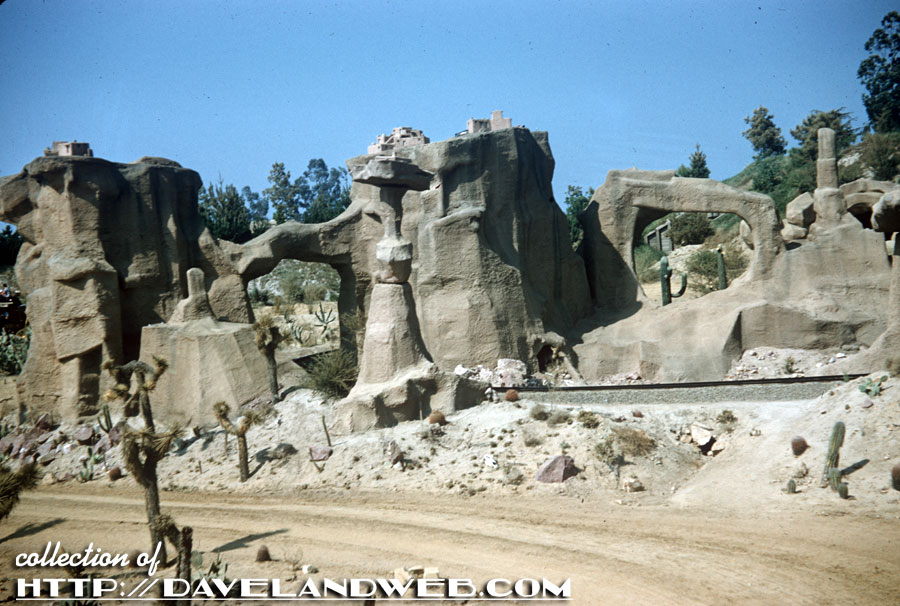
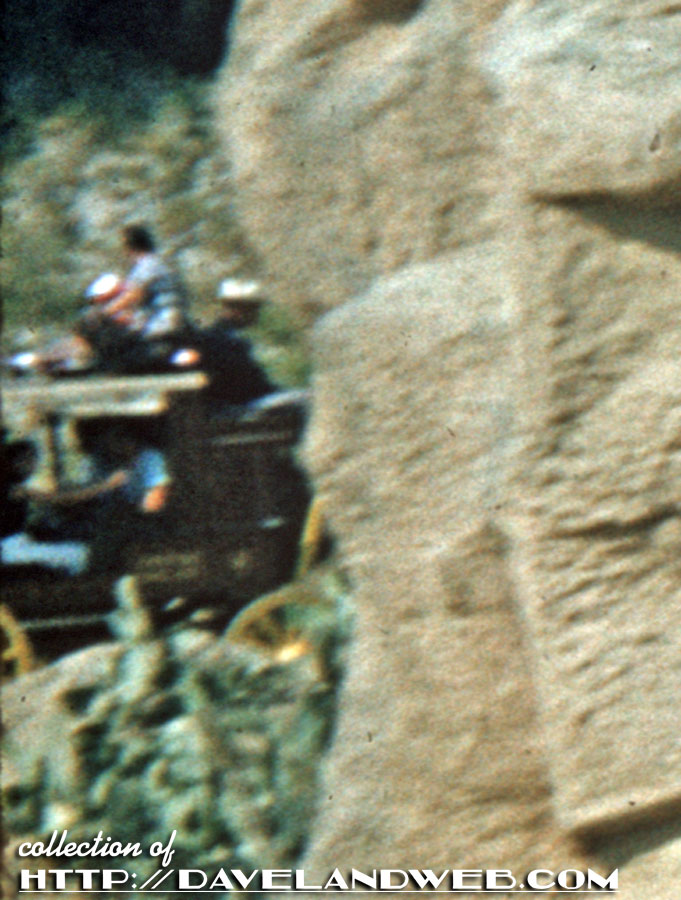
Nature’s Wonderland; this attraction has been gone for over forty years and still warms the heart of those Disneyland guests who once had the opportunity to ride it. Today I celebrate it with a batch of images from the 1950s, starting off with this 1957 shot of the desert and balancing rock area. On the left of the picture you can see one of the Disneyland Stagecoaches. This what I love about old Disneyland; so many overlapping attractions. It gave the sense of movement and excitement!


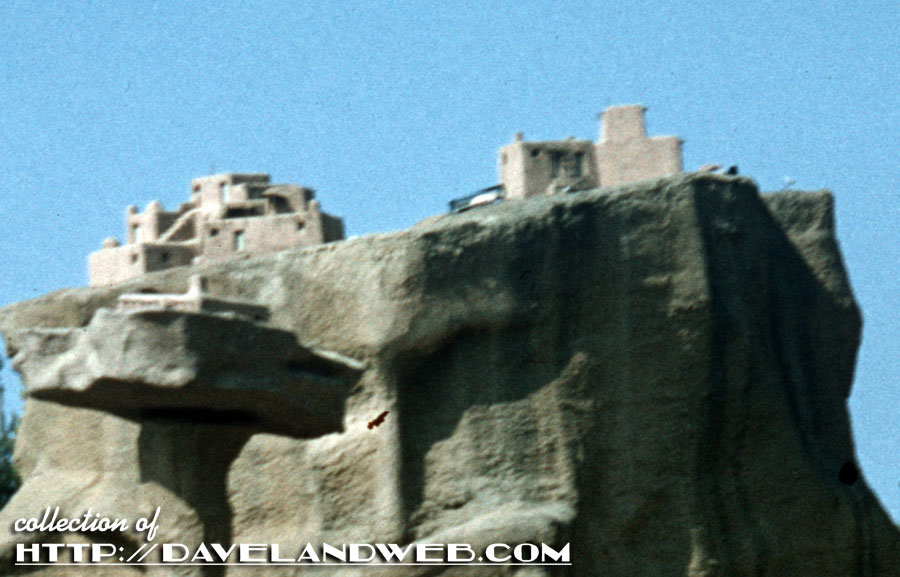
I wonder how many guests noticed these little structures on top of the rocks?


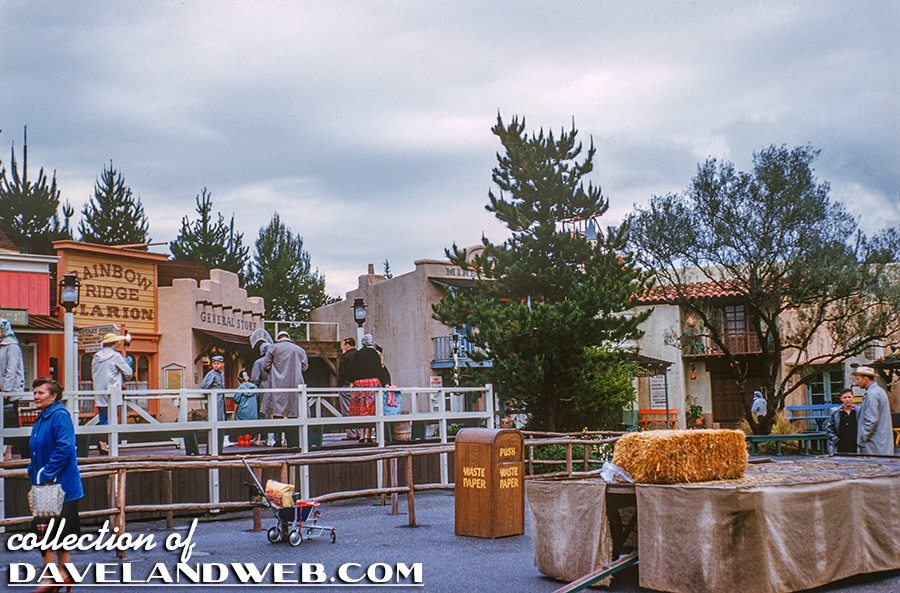
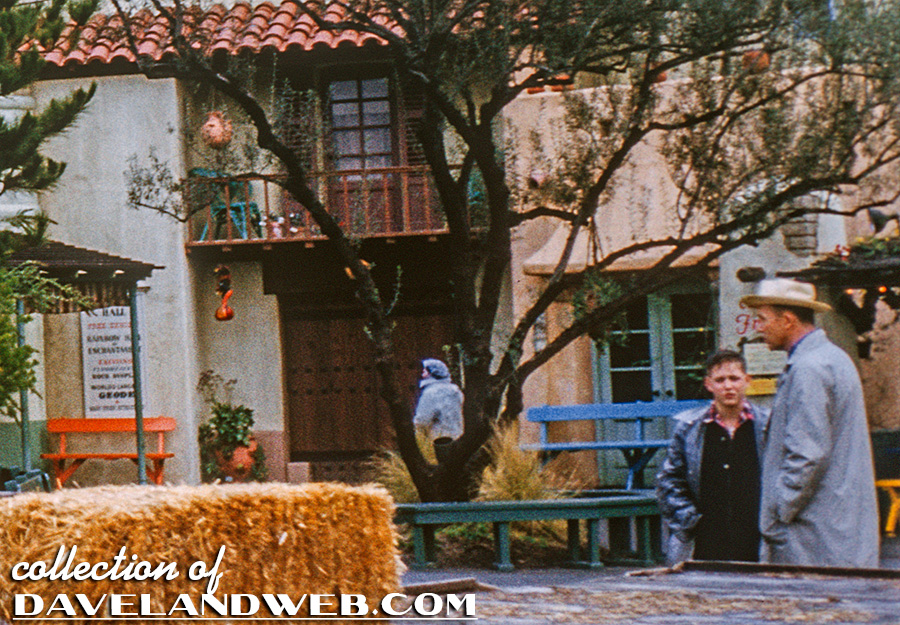
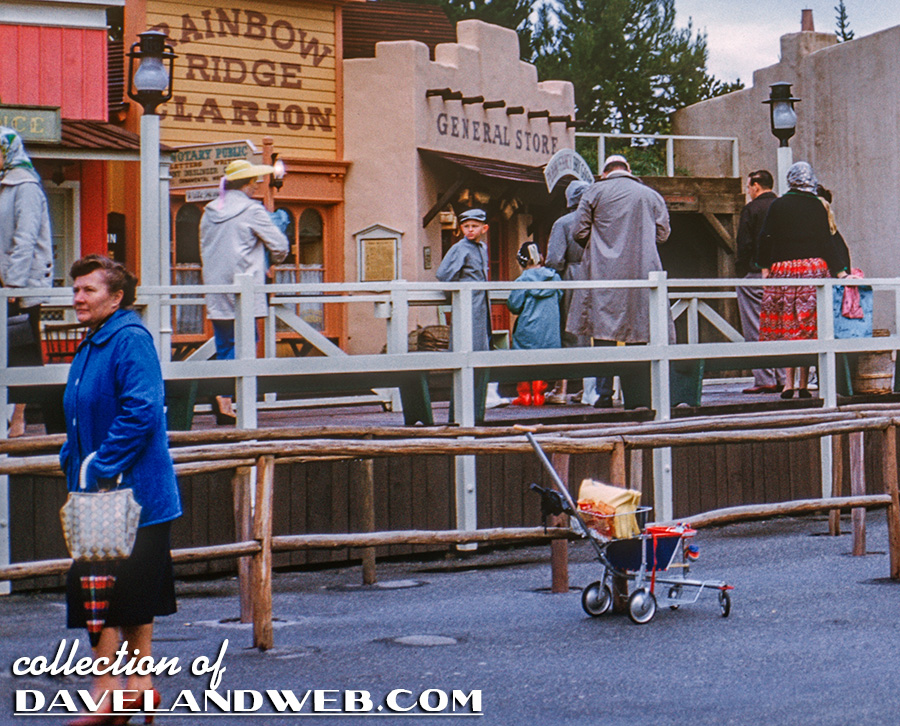
Two years later, we see the queue to the attraction on what appears to be a rainy/cloudy day:


Notice the sign for Mineral Hall and its geodes for sale on the left, and the guest with the plastic rain  hat on her head:


More guests in rain gear:


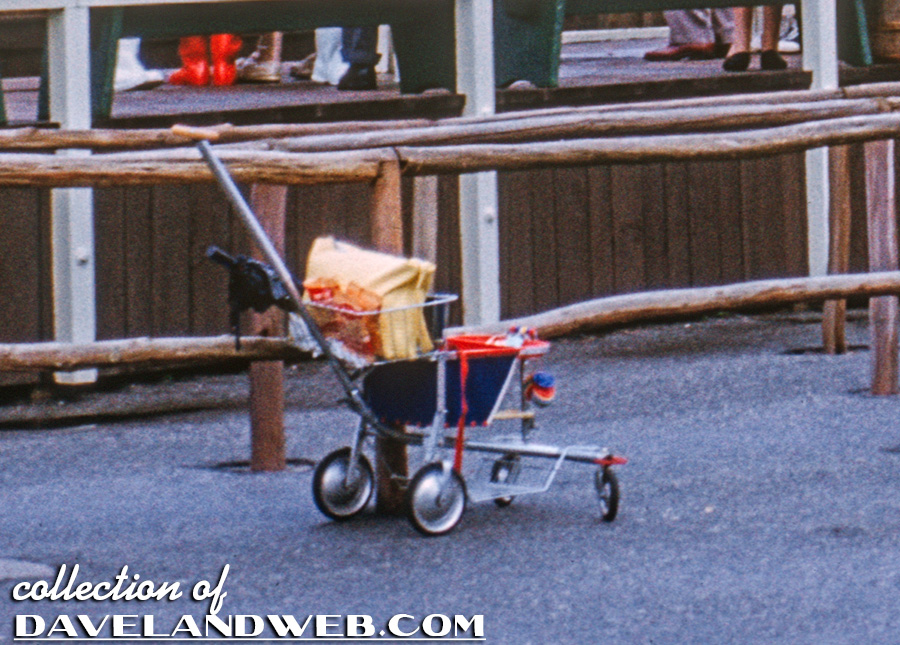
…and a stroller with two bags of Frito-Lay Corn Chips, most likely samples from the Casa de Fritos restaurant next door.


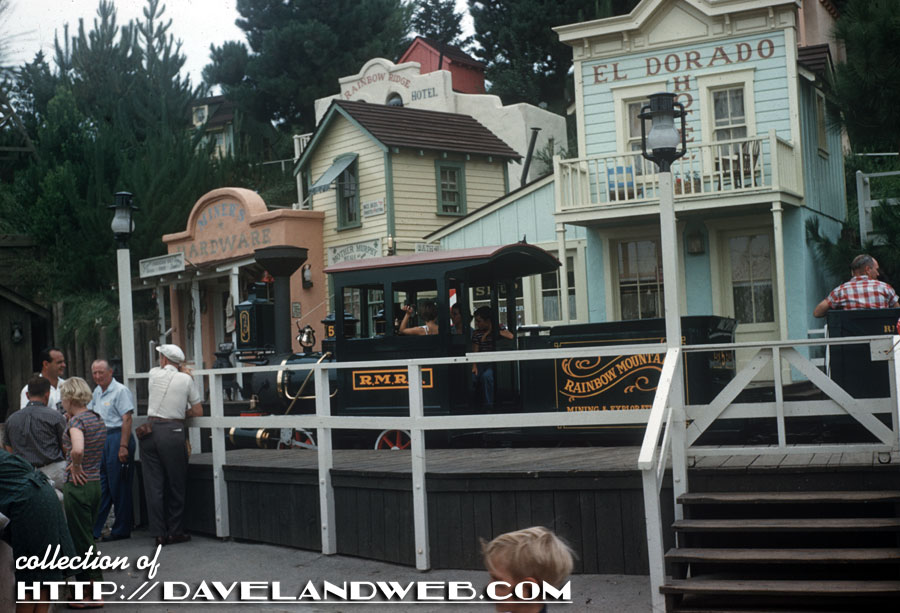
Another angle of the queue from 1958:


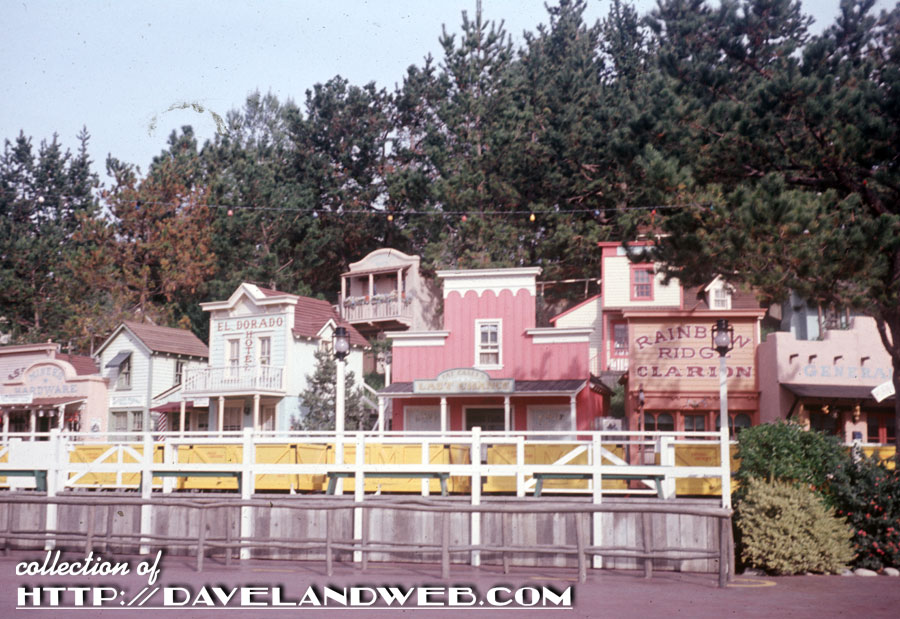
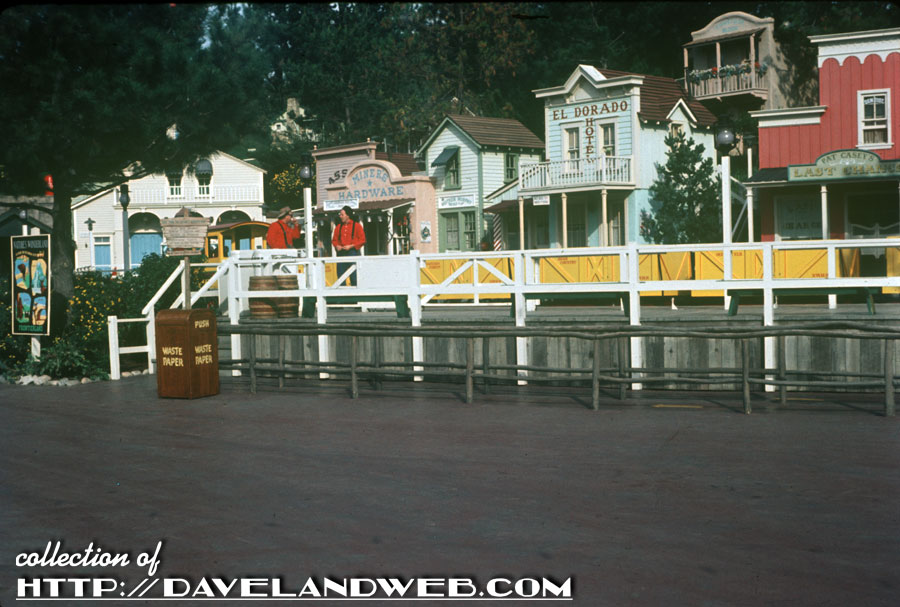
The final two for today are from December 17, 1966:


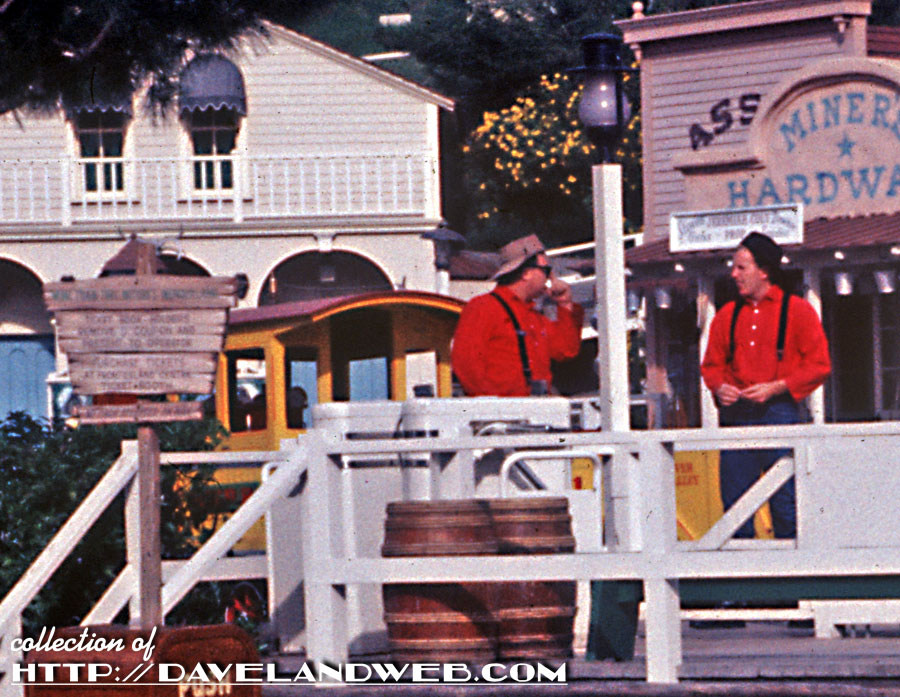
The second shot yielded a detailed view of two cast members yucking it up as they wait for the guests to arrive:


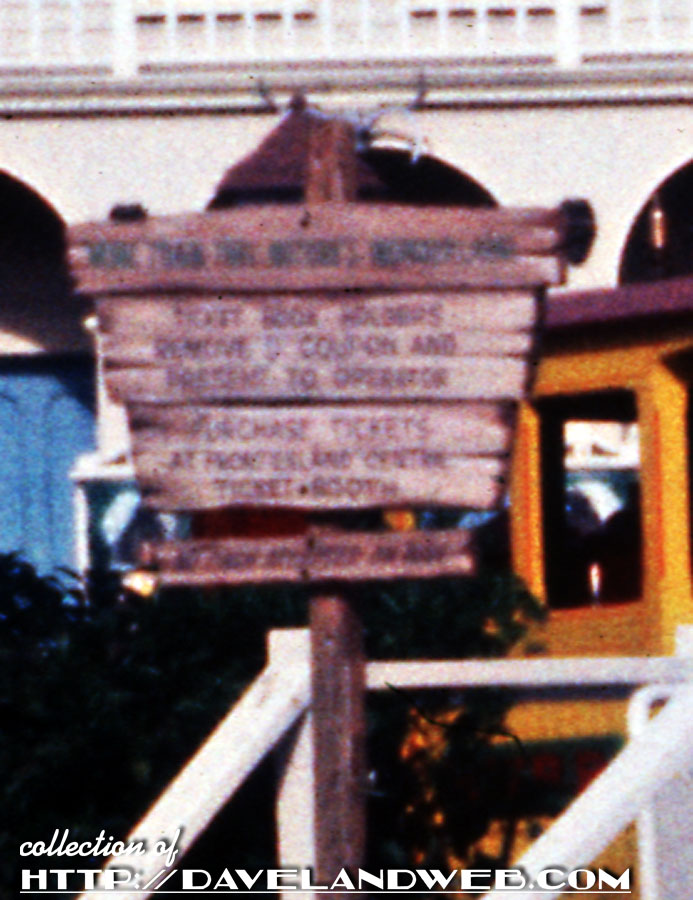
Closing in even more, you can see the signage that tells guests to remove their “D Coupons”:


See more vintage Disneyland Nature's Wonderland photos at my main website.

Tuesday, January 19, 2021

Temple Tuesday: Our Little Girl and René


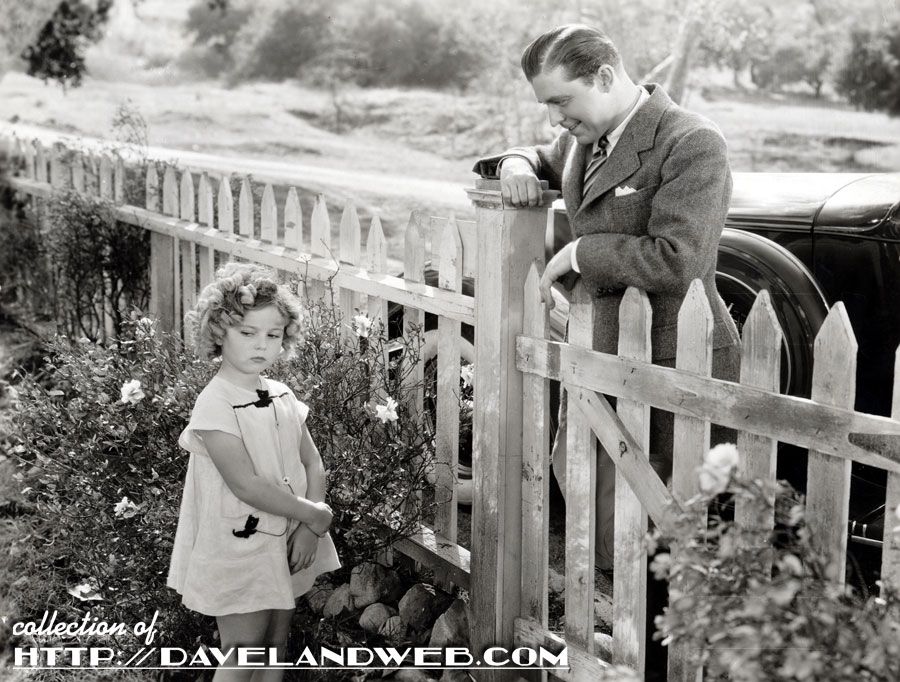
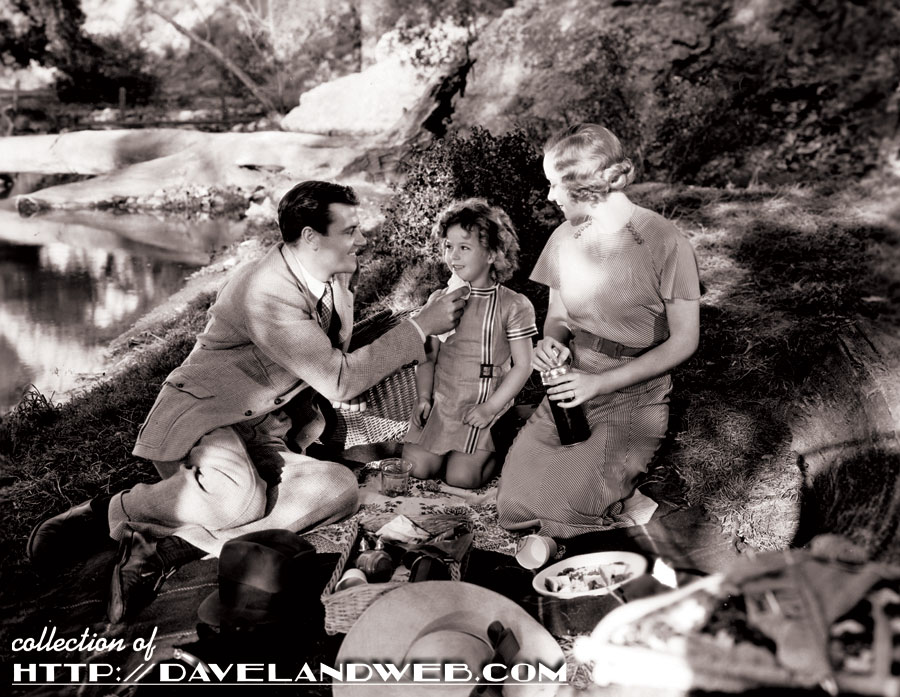
Costumes for Shirley’s 1935 film “Our Little Girl” were designed by Swiss-born René Hubert (1895-1976), who studied at the Kunstgewerbeschule in St. Gallen and at the Beaux Arts in Paris, and later worked for fashion designer/parfumier Jean Patou. He did some costume design for theatrical revues in Berlin and France (including for the Folies Bergère), where Gloria Swanson discovered him. She persuaded Hubert to join her in Hollywood at Paramount as designer for her entire personal and professional wardrobe. Hubert also made the rounds at the other studios: MGM (1927-1931); 20th Century-Fox (1931-1935), where he also did the gowns for Shirley’s “Curly Top”; at Alexander Korda’s London Films (1935-1938), where he designed the futuristic costumes for “Things to Come” (1936); then back to Fox (1943-1950). He excelled at period costume on many historical dramas, including “That Hamilton Woman” (1941) and “Anastasia” (1956). Although he was nominated twice for an Oscar (1954 and 1964), he did not win either time. Back to “Our Little Girl”…

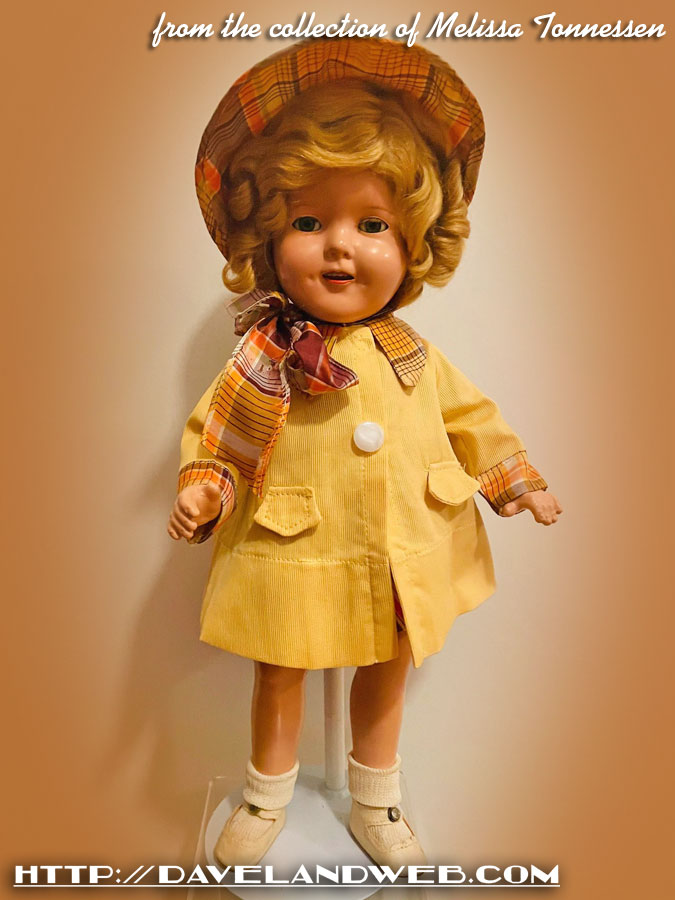
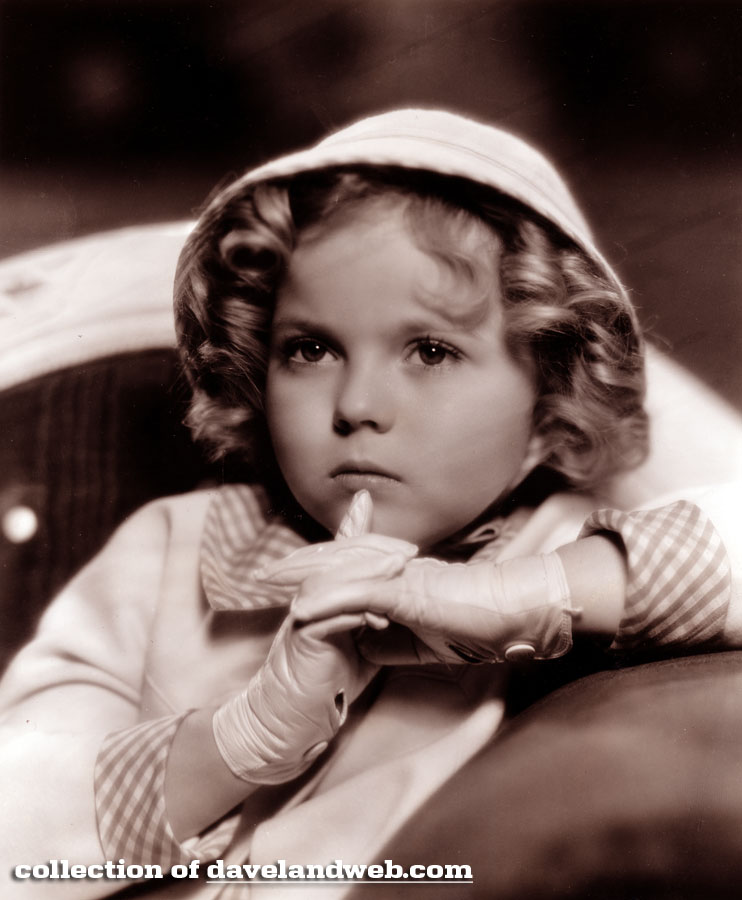
Hubert was probably the most fashion-forward designers that Shirley worked with during her childhood career. His designs for her are adorable, yet still innovative and timeless. Children of today could still wear these and look contemporary. The Ideal Toy Company reproduced many of Hubert’s outfits from the movie for their Shirley Temple doll. Here are a few comparisons of the real thing and the miniature doll version. Ideal typically released their costumes with different fabrics; this particular hat and coat set (Shirley models the outfit in this post’s first photo) was yellow:


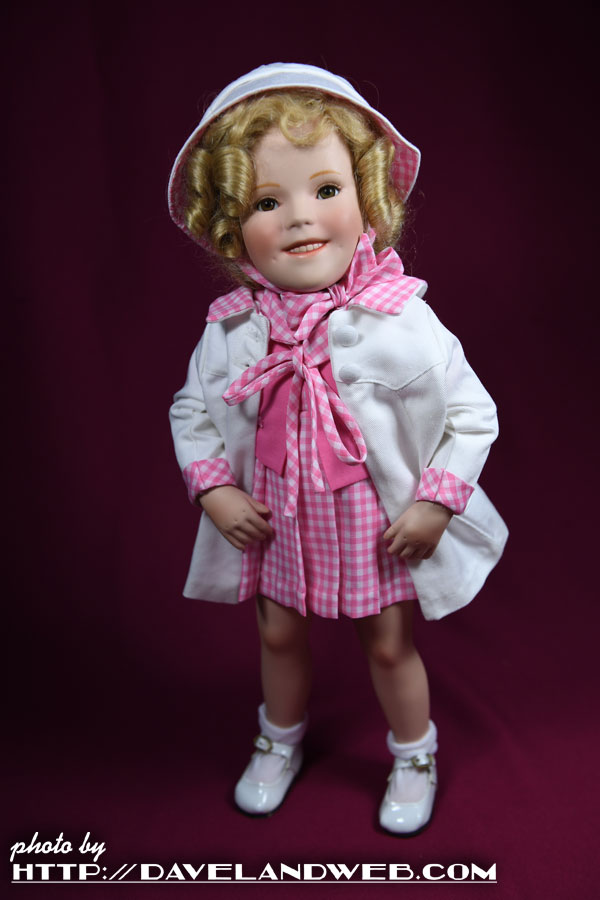
Many years later, the Danbury Mint did their own version of the hat and coat as part of their Shirley Temple Dress-Up doll series:


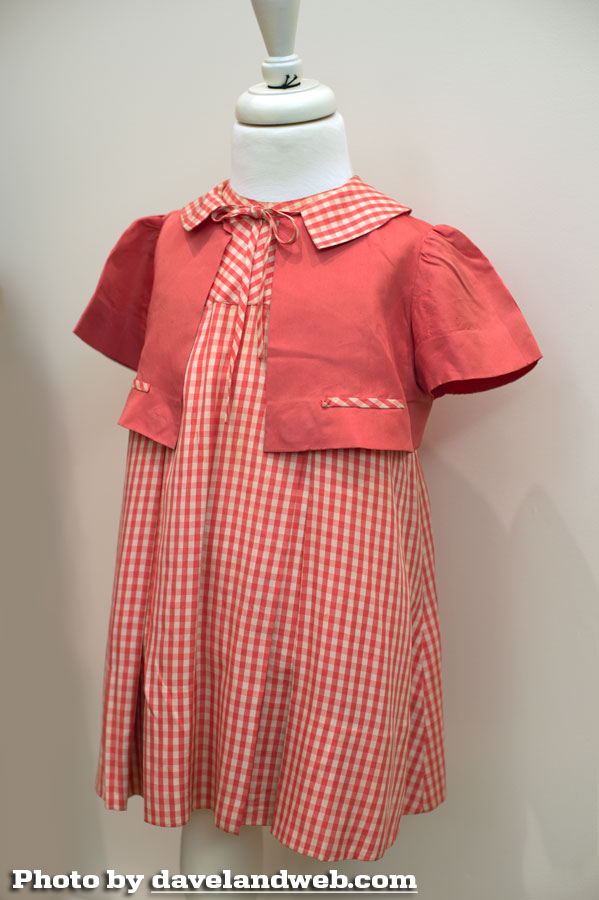
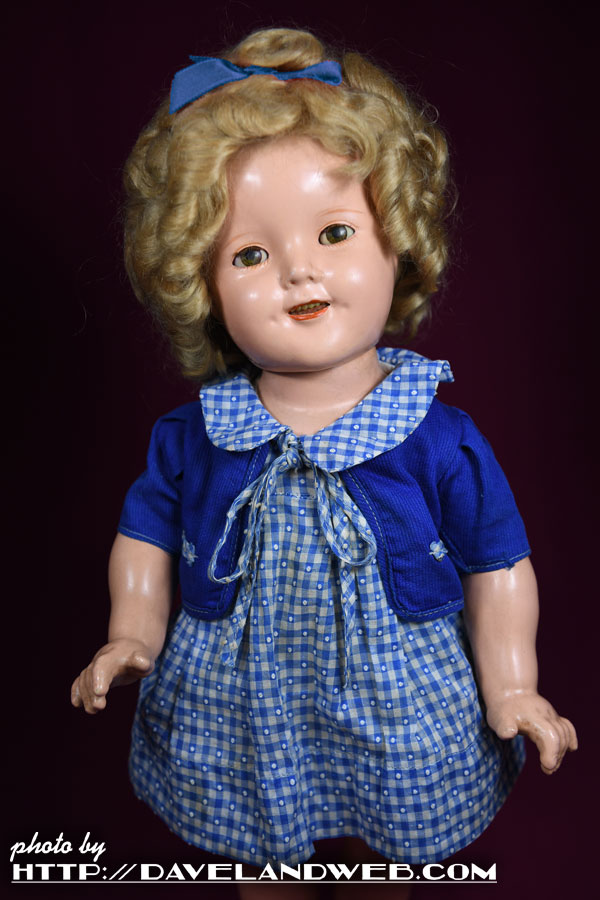
What was under the coat? This adorable little gingham dress and bolero top, known as the “September Saturday” outfit:


The actual three-piece silk ensemble Shirley wore, as it looked in the 2015 Theriault’s auction, “Love, Shirley Temple”:


The 1930’s Ideal version, which was also made in a variety of fabrics and colors:


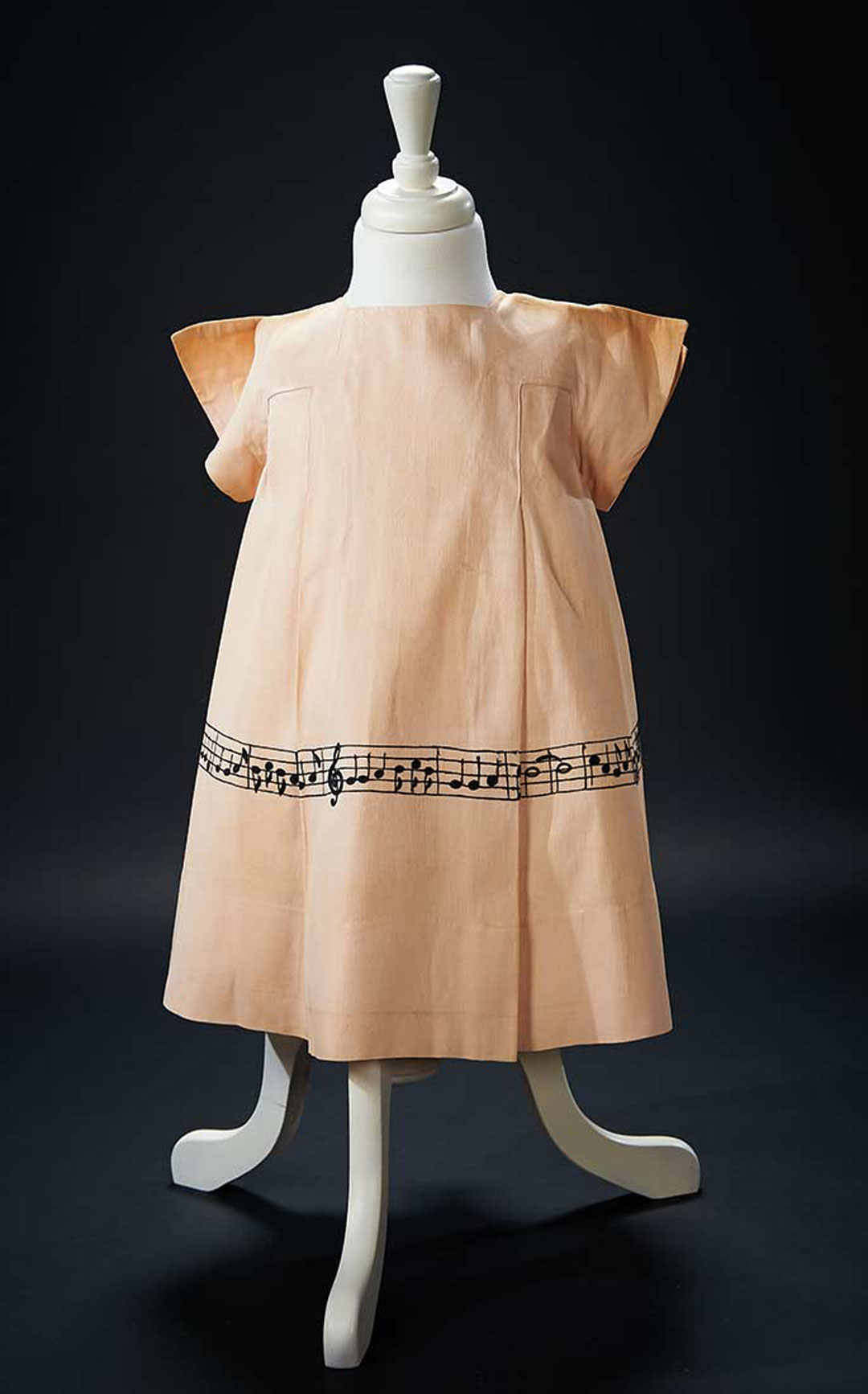
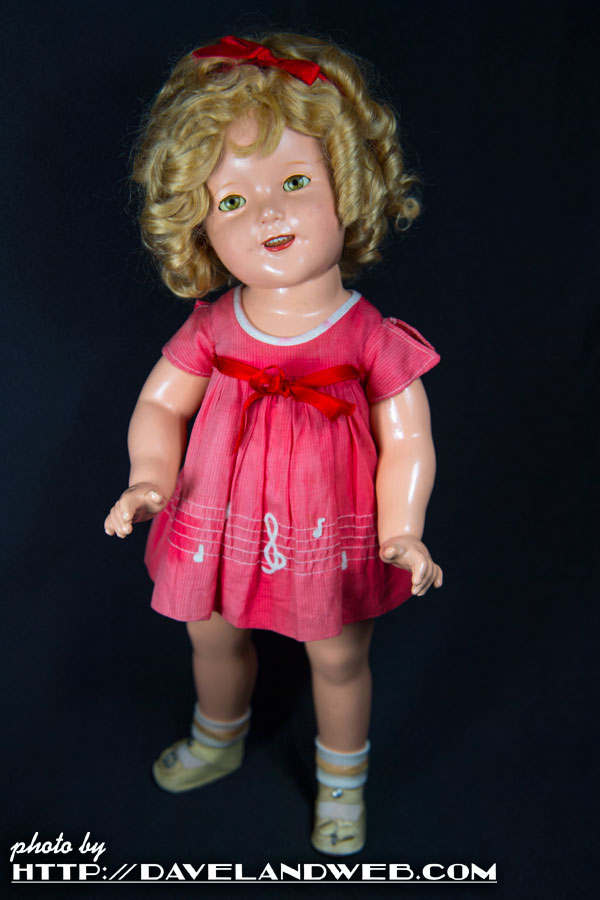
Here is the “Musical Note” dress that Shirley wore. Note the flared sleeves:


…and the Ideal version:


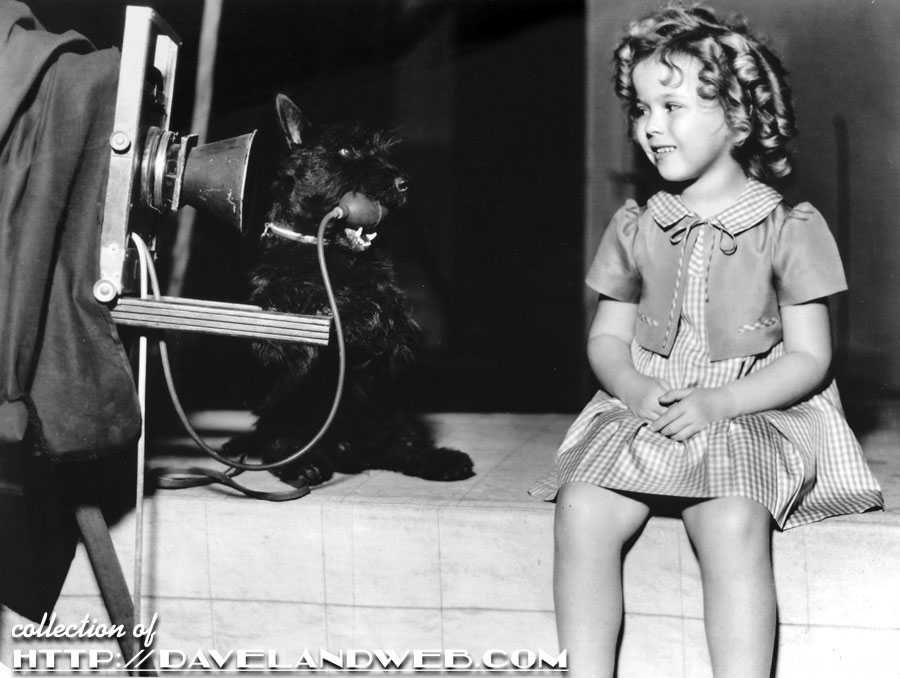
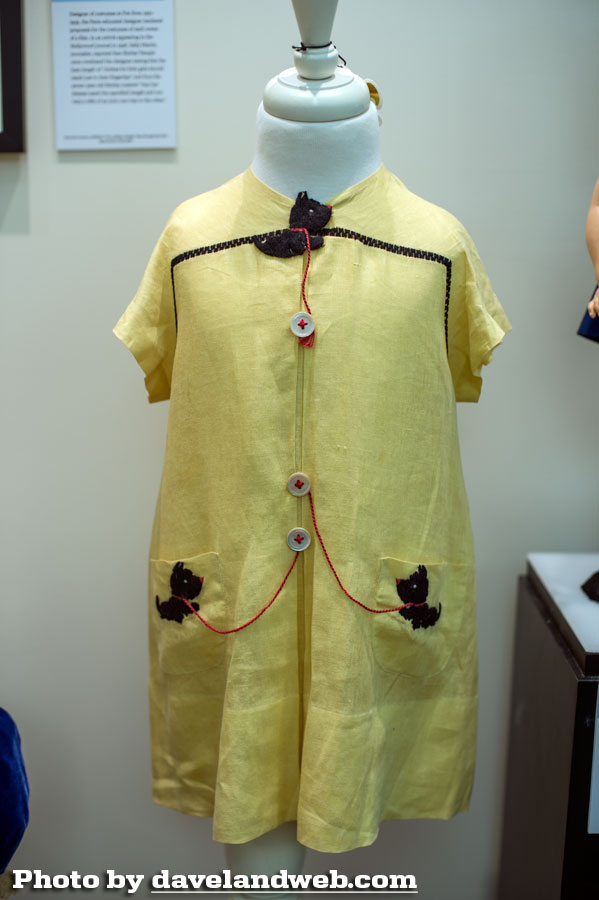
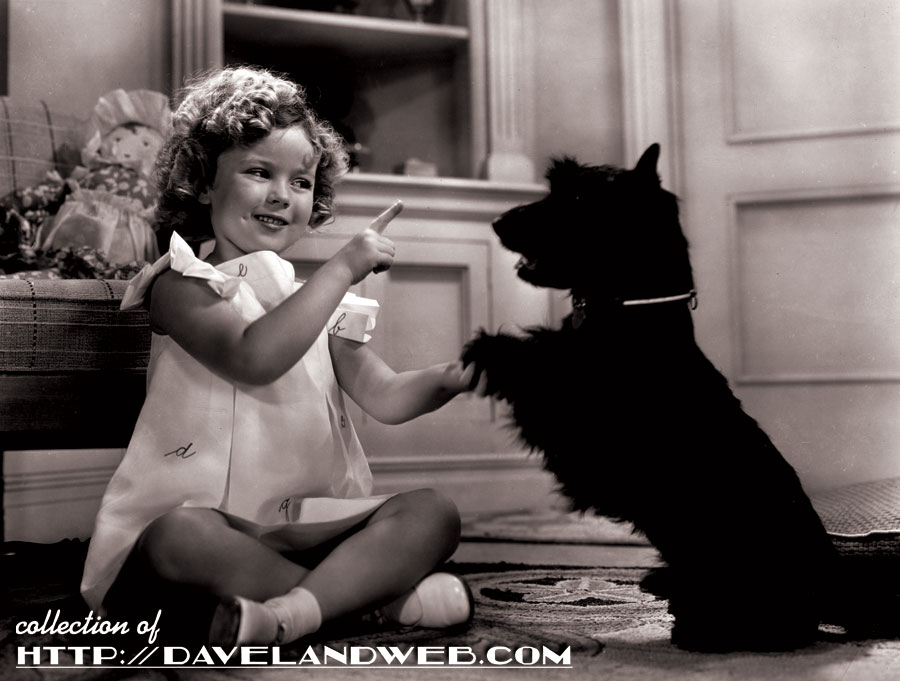
The “Scottie Dog” dress that Shirley wore, constructed of silk-like linen with an inverted box pleat down the front.


How about those yarn leashes?


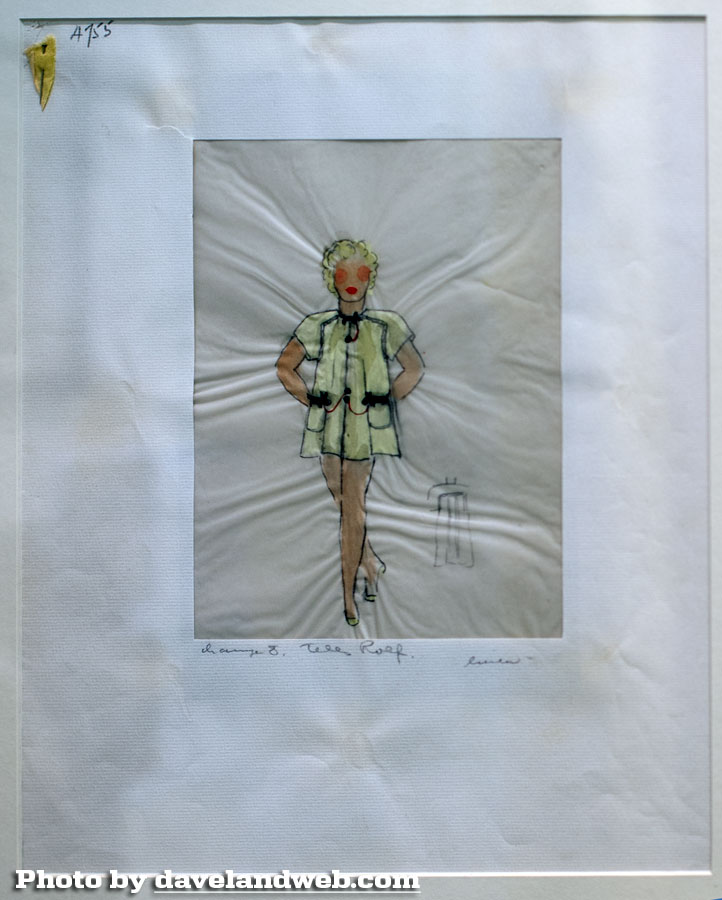
Hubert’s original sketch, with the fabric swatch he selected in the upper left-hand corner:


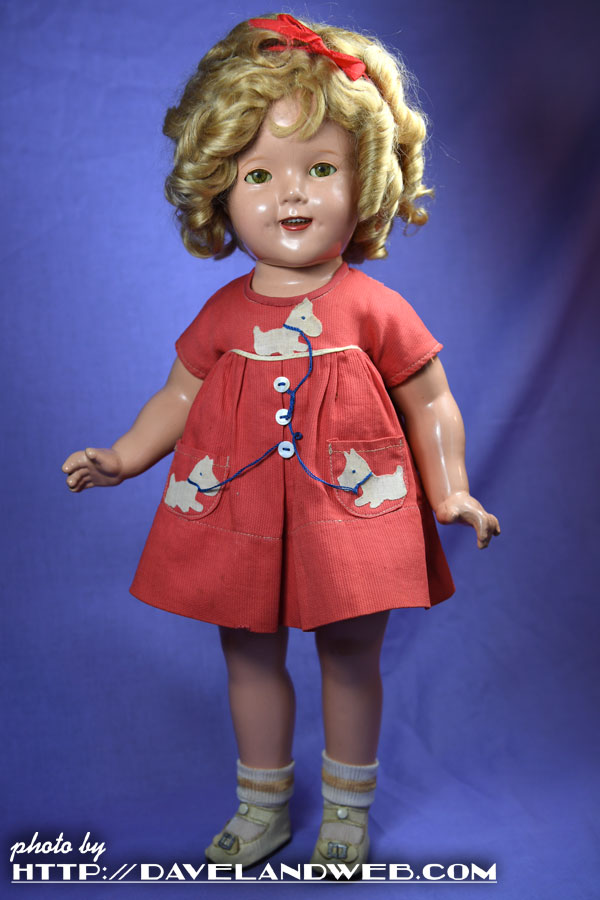
…and the Ideal version:


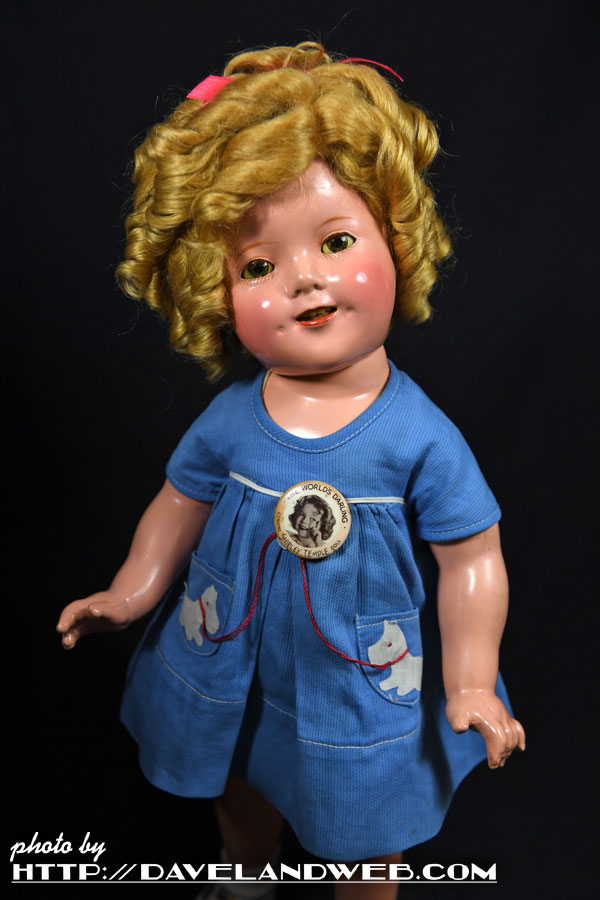
There was such a high demand for these dolls that Ideal had to farm out some of the sewing work to moms at home. This probably accounts for why there are so many variations in craftsmanship, materials, and design. This blue version only had two scotties:


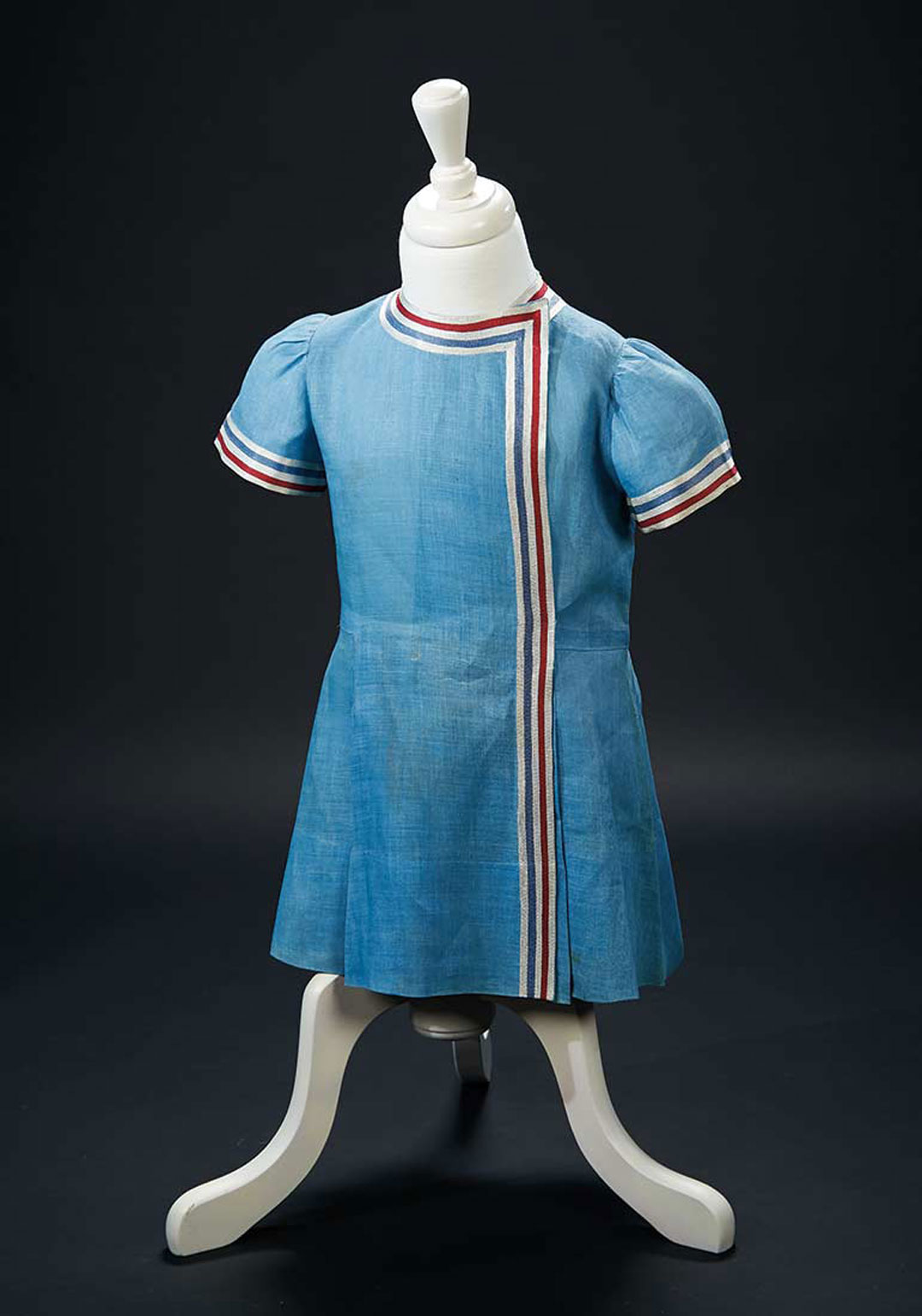
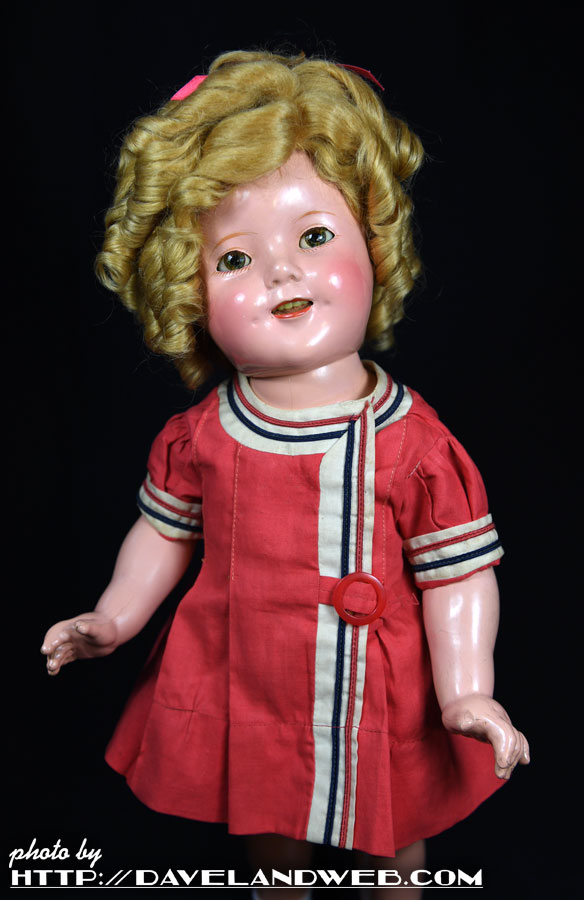
My favorite one of the bunch is the blue cotton/linen “Saturday-In-May Cake Dress,” with its art deco inspired striping along the sleeves and front panel.


It would appear that at some point over the years the distinctive belt was lost.


The Ideal version rounded the belt, which was a very nice touch:


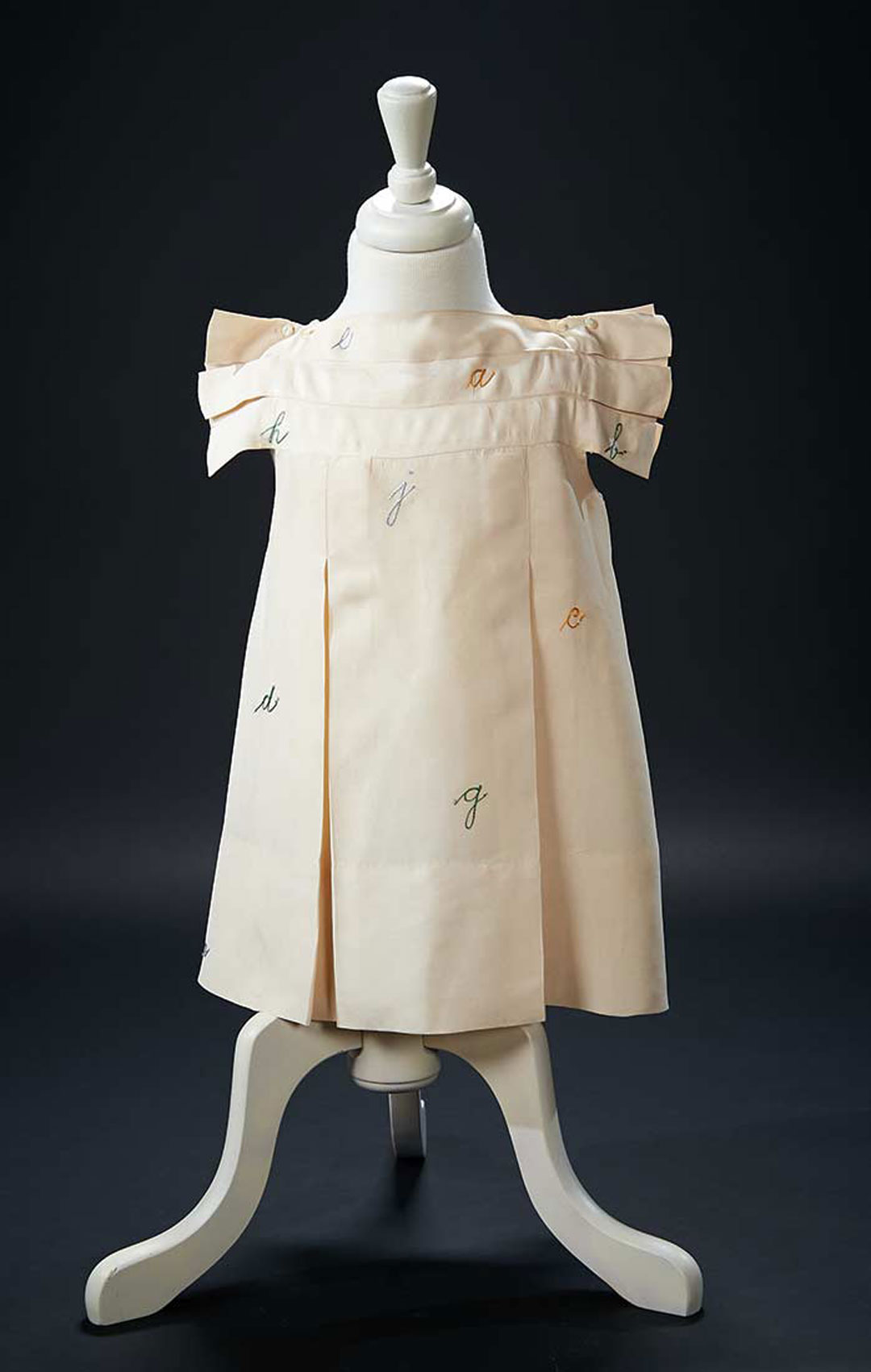
Another favorite Hubert design from the movie was this alphabet dress, which I do not believe was ever released in doll form:


Made of cream silk sateen, it survived over the years and hit the auction block in 2015, too:


See more Shirley Temple photos at my main website.

Monday, January 18, 2021

Back to Catalina, Pt. 2


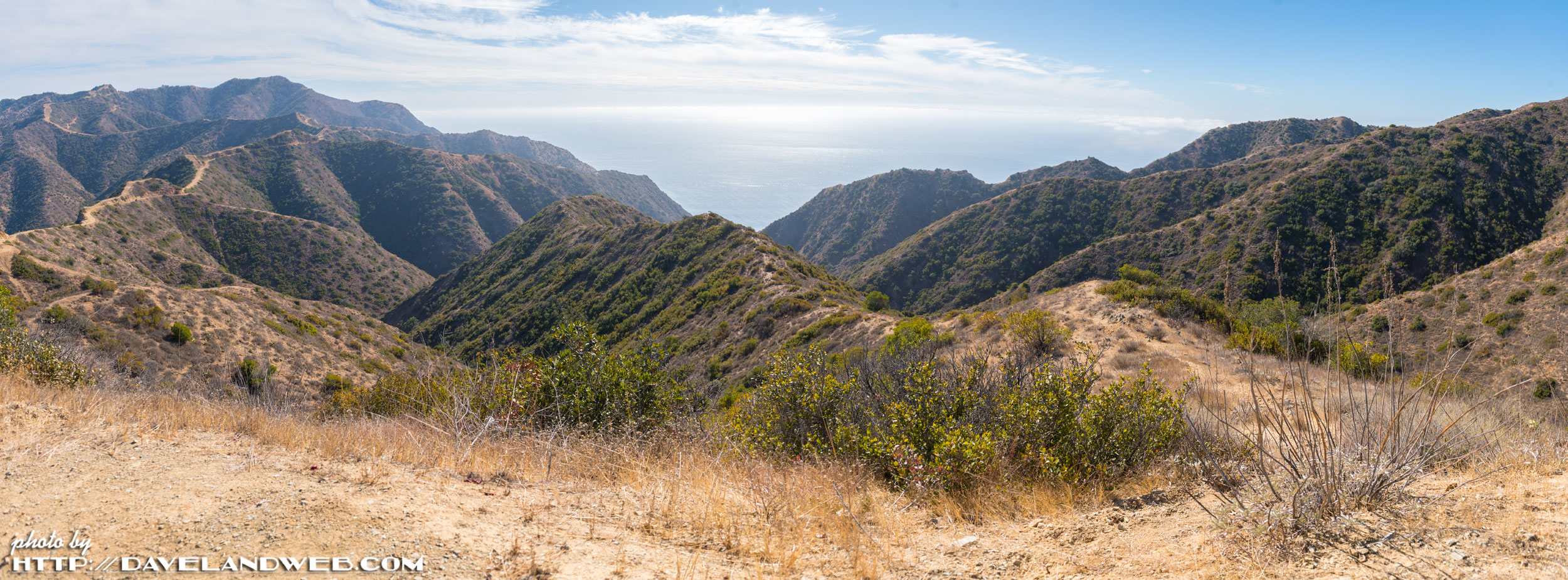
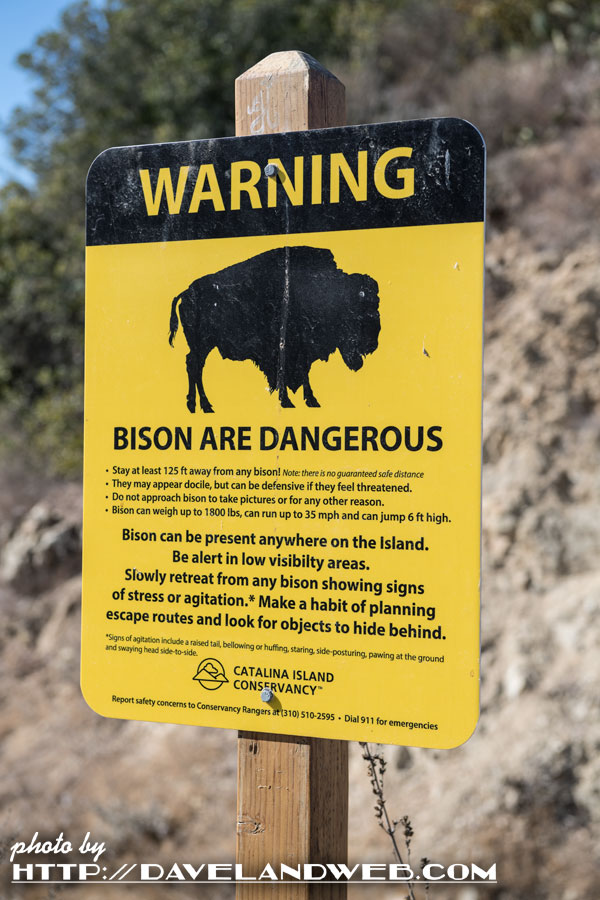
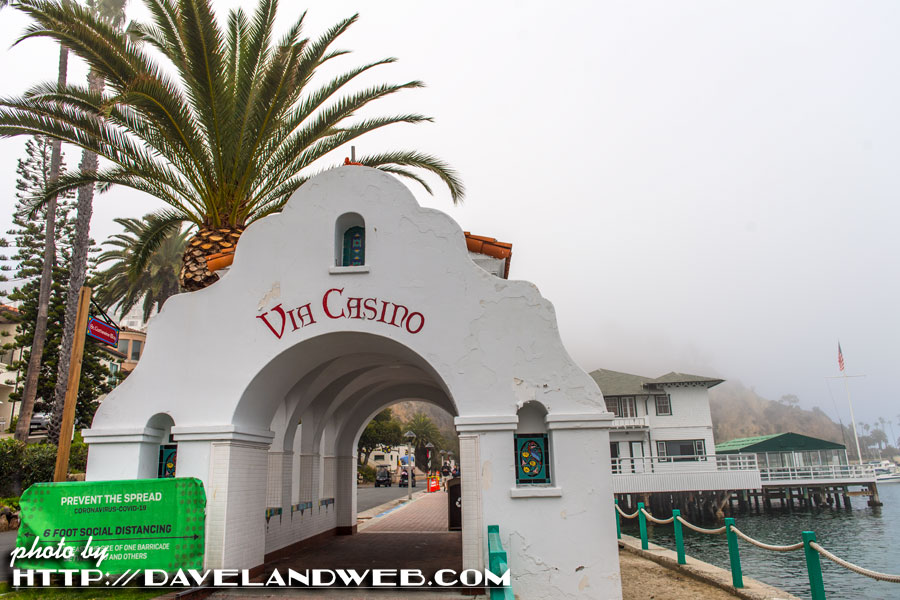
There was more hiking on day two; captured this little panorama as we circled around to the other side of the Island for some great ocean views. No bison were spotted on this trip; just this sign.


This particular hiking trail spilled out into the Wrigley Botanical Gardens. How the heck did I miss this on my first trip? 


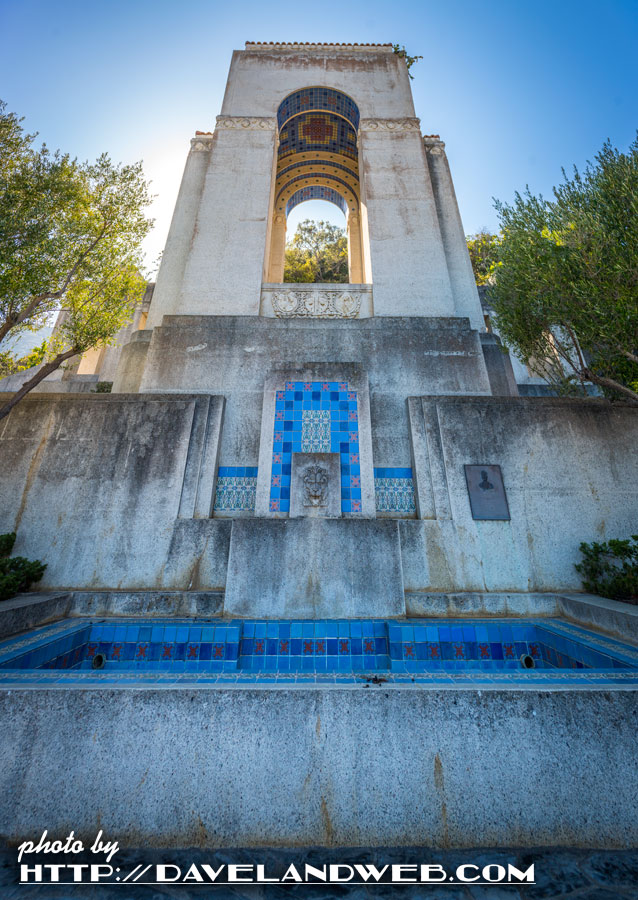
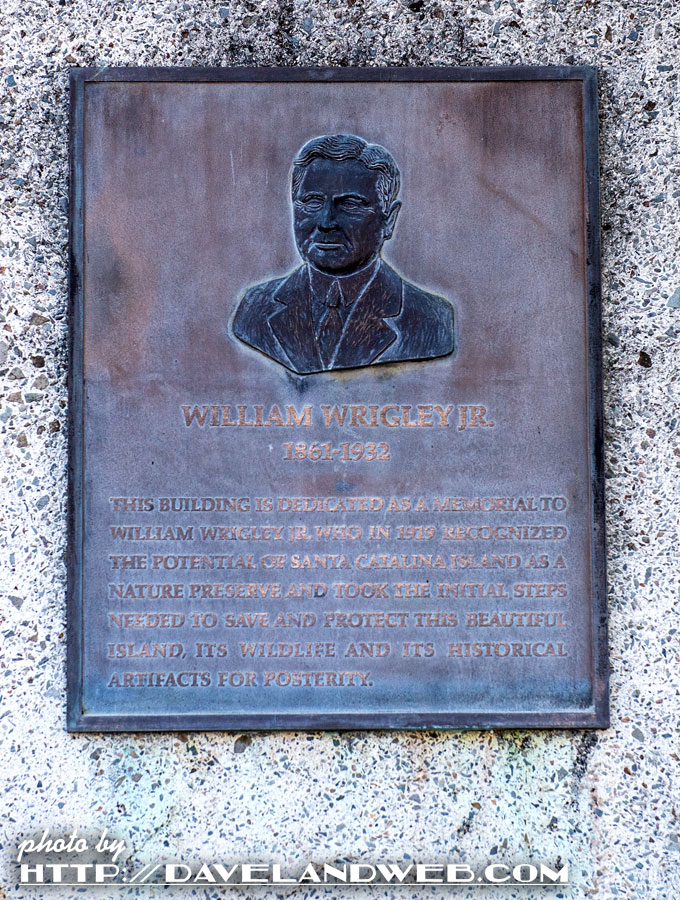
The Wrigley Memorial honors William Wrigley Jr., best known as the founder of the Wm. Wrigley Jr. Company, largest manufacturer of chewing gum in the world. He also loved Catalina, bringing numerous improvements to it including public utilities, new steamships, a hotel, the Casino building, and extensive plantings of trees, shrubs and flowers. Wrigley was interred for a short time here but is now buried in Glendale. The original dedication plaque remains:
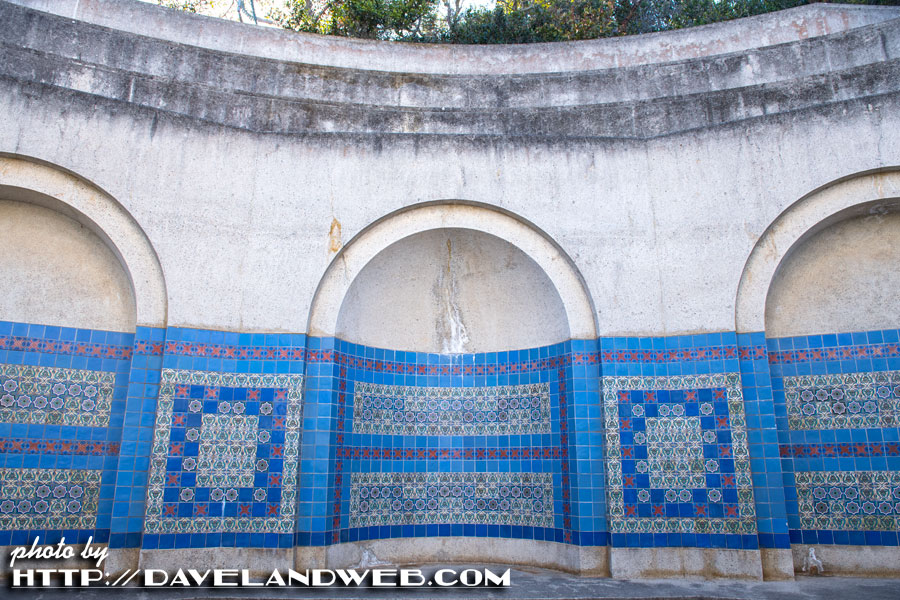

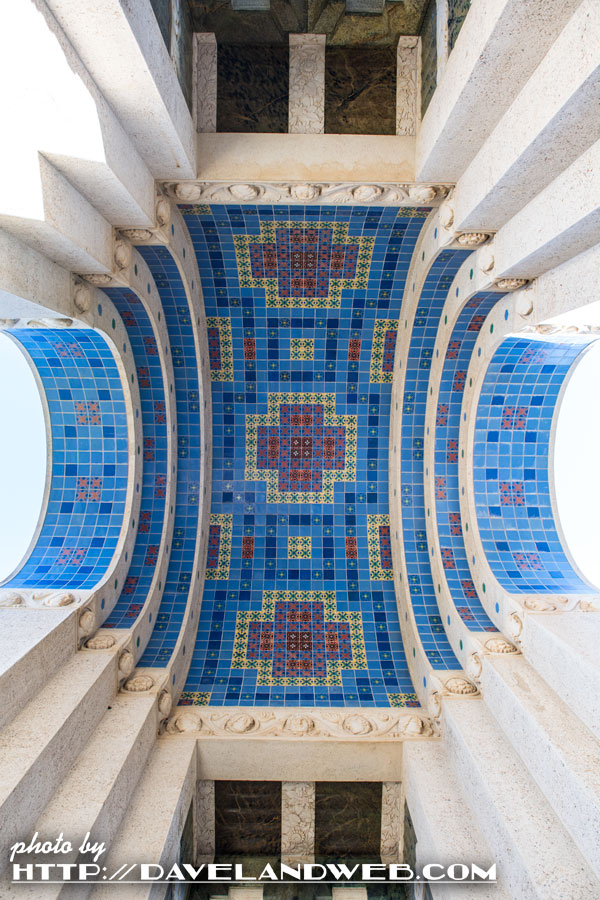
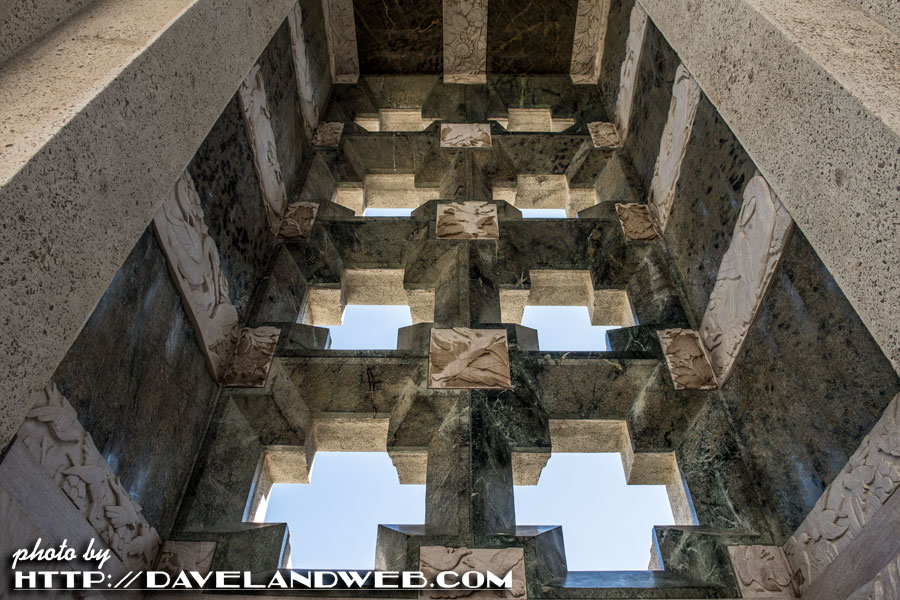
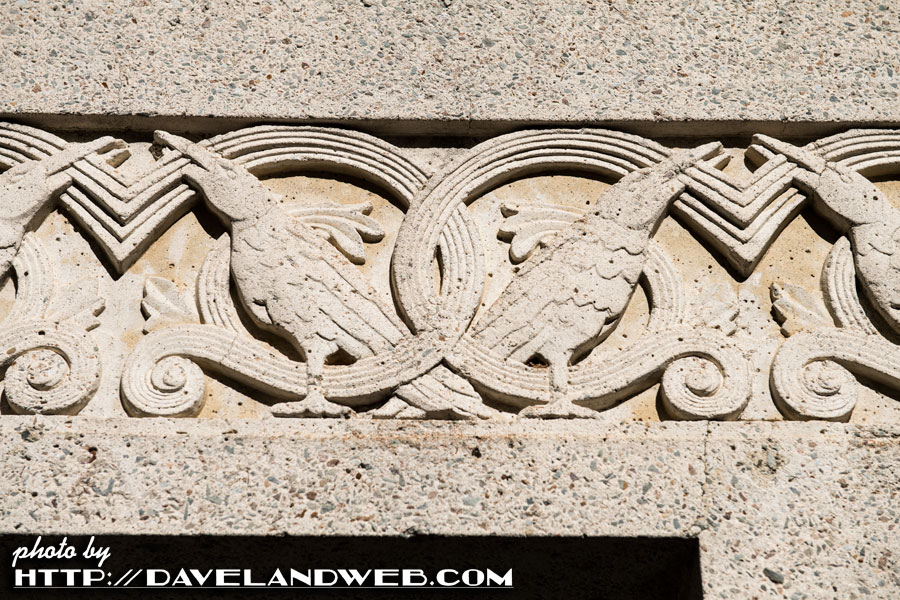
The memorial structure itself was incredible with its design and tile from the Catalina Pottery plant. It was built in 1933-34 by the Chicago architecture firm Bennett, Parsons and Frost. The firm also designed Chicago's Buckingham Fountain.


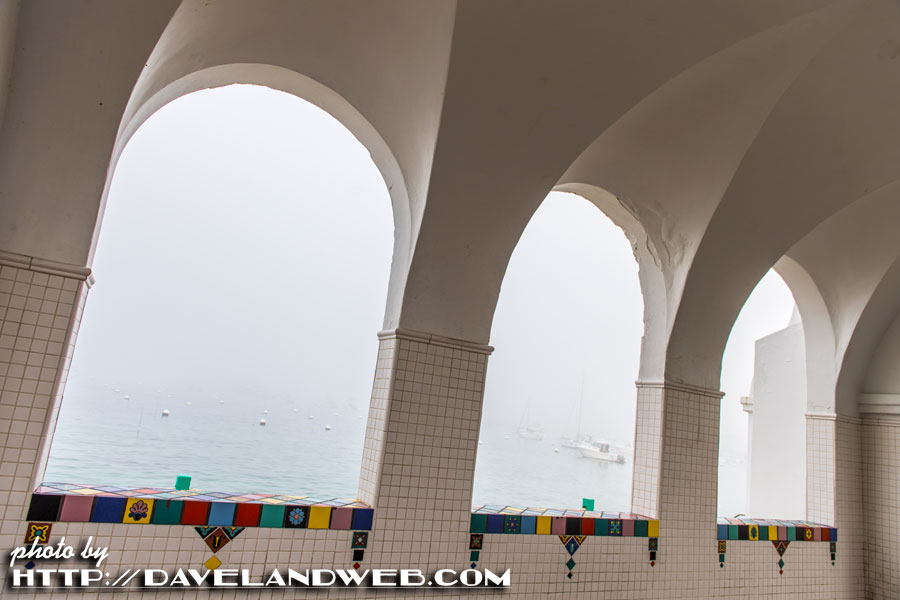
Later in the afternoon, the fog rolled in for a bit. Needless to say that didn’t hamper my picture taking.


Stay tuned for Part 3 as venture to the Casino. See more Catalina photos at my main website.

Friday, January 15, 2021

Frontierland Friday: BBQ and Pancakes


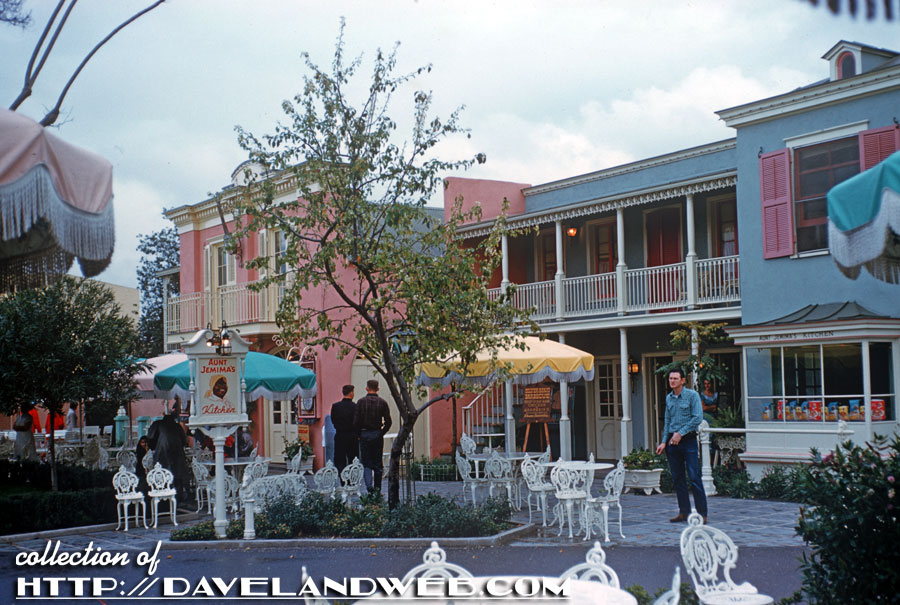
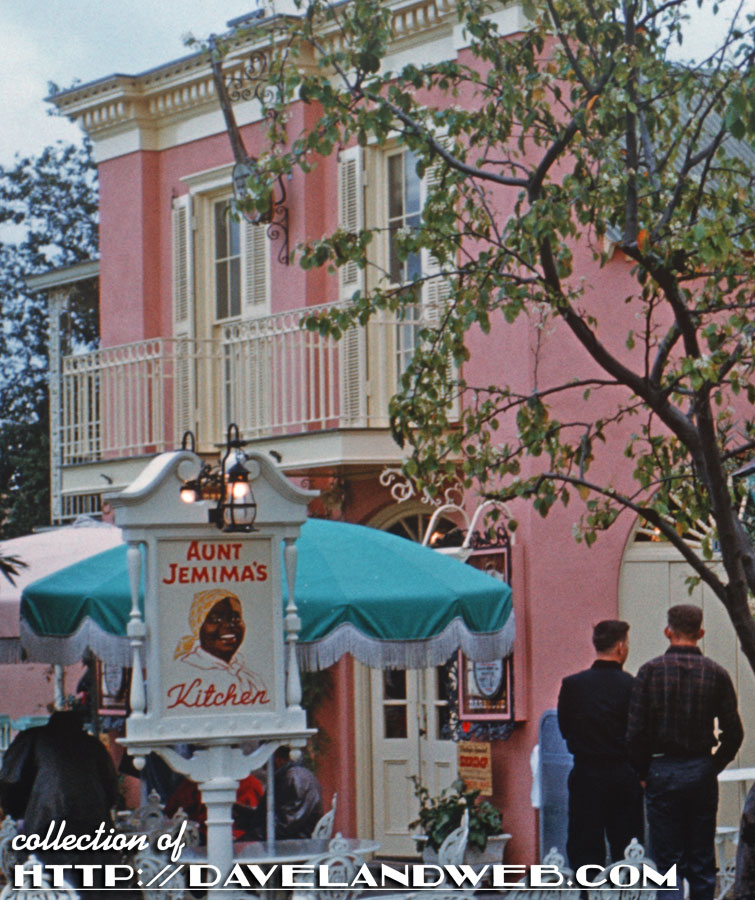
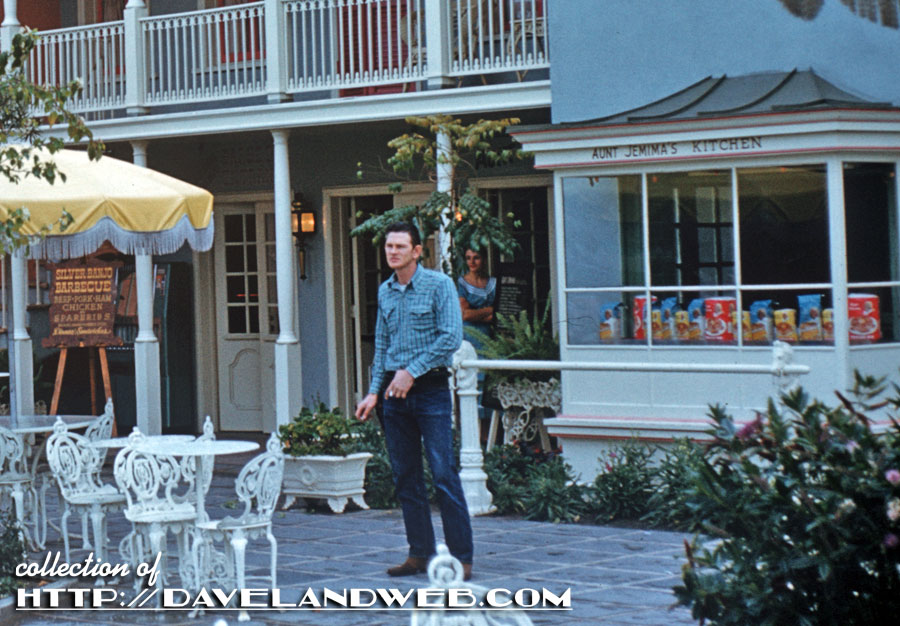
Did anyone hear me let out a “whoop” when I saw this image in a batch of random vintage Disneyland slides? This January 1959 shot shows what was then known as New Orleans Street and consisted of Don DeFore’s Silver Banjo Barbecue and Aunt Jemima’s Pancake House restaurants. Although this detailed view shows the Aunt J sign, in the background on the pink portion of the structure  at top you can see the banjo sign and down below the other signs for the Silver Banjo Restaurant.


Aunt J is promoting her wares with all those boxes in the window:


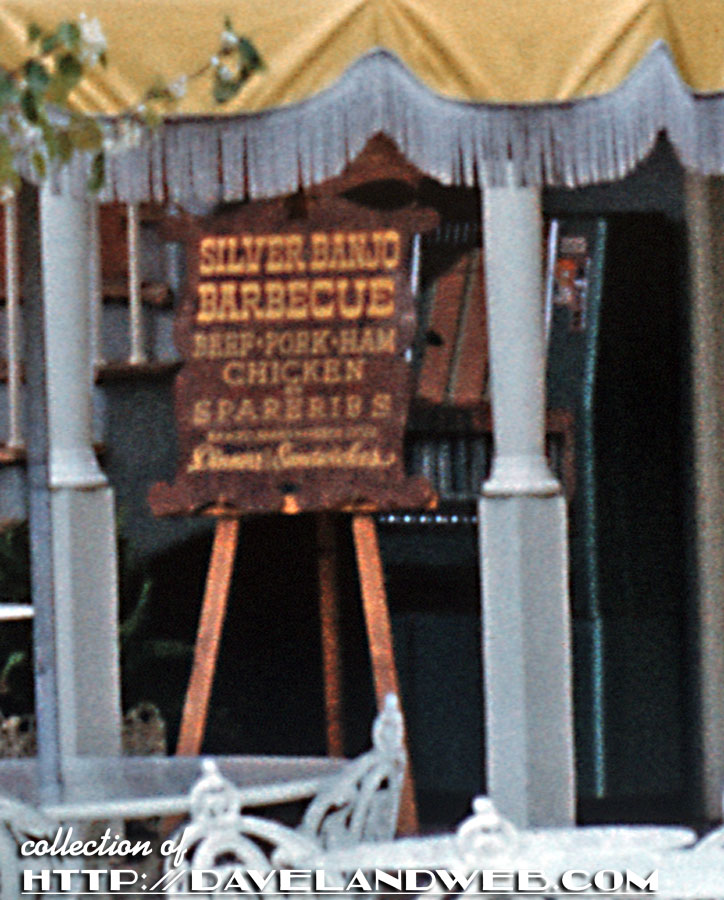
The placard in front of the Silver Banjo reads: “Silver Banjo Barbecue • Beef•Pork•Ham•Chicken and Spareribs • [can't read this one line] Dinner Sandwiches


The Silver Banjo closed in 1962, with Aunt Jemima following suit in 1970. This area is now the River Belle Terrace.

See more vintage Disneyland Silver Banjo Barbecue photos at my main website.

Thursday, January 14, 2021

Joan Beats Bette


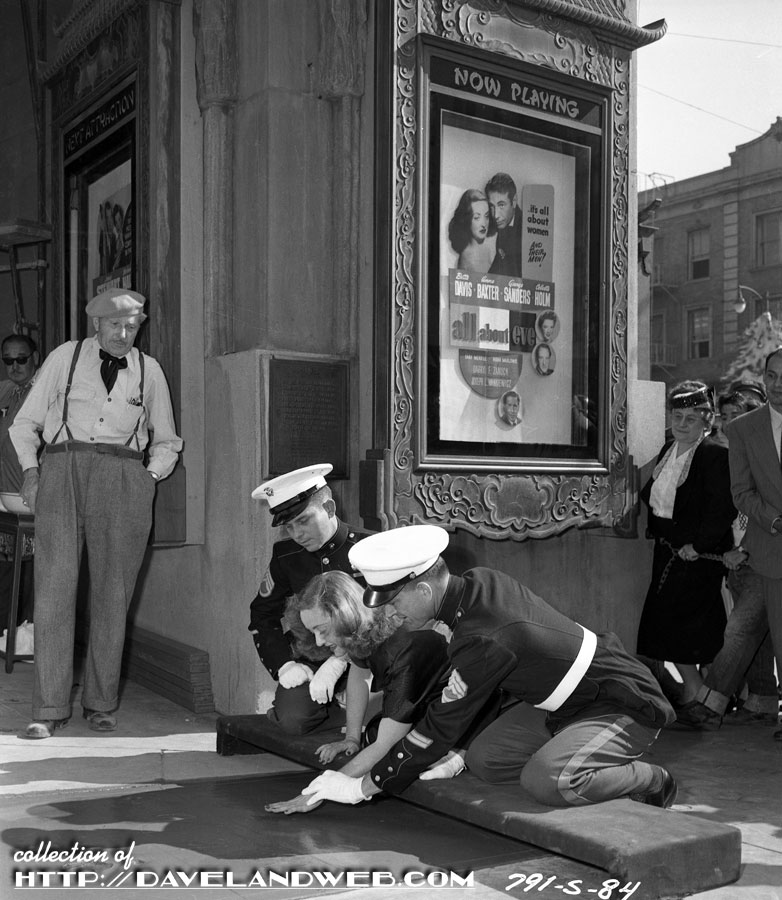
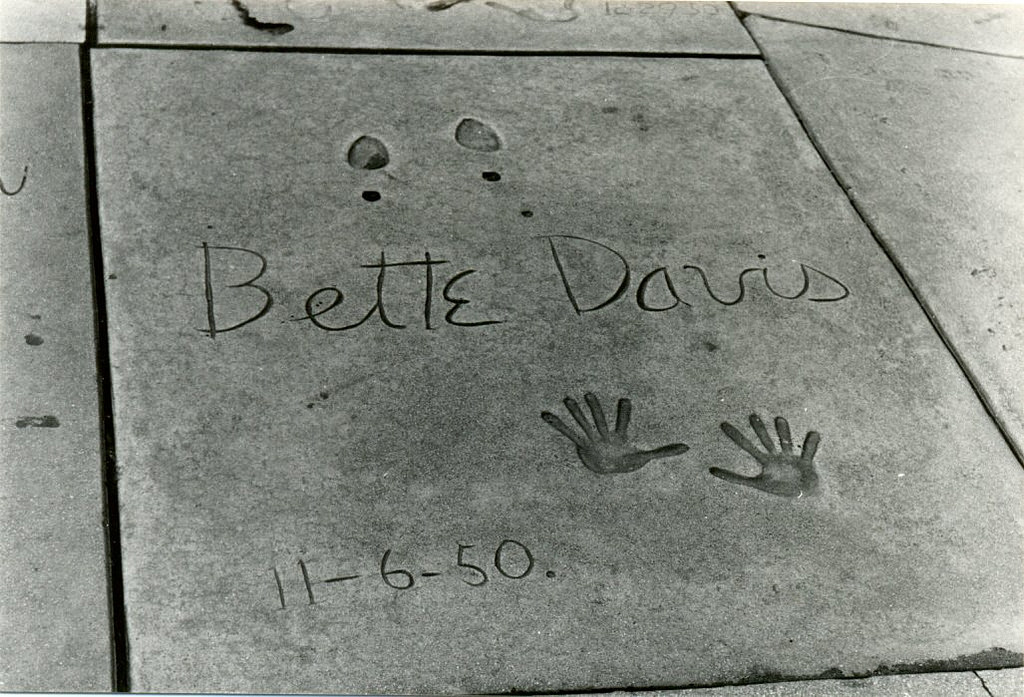
On November 6, 1950, Bette Davis finally joined the ranks of her colleagues by placing her hands in a wet cement block in the forecourt of Grauman’s Chinese Theatre on Hollywood Boulevard. From the vintage November 8, 1950 publicity blurb:

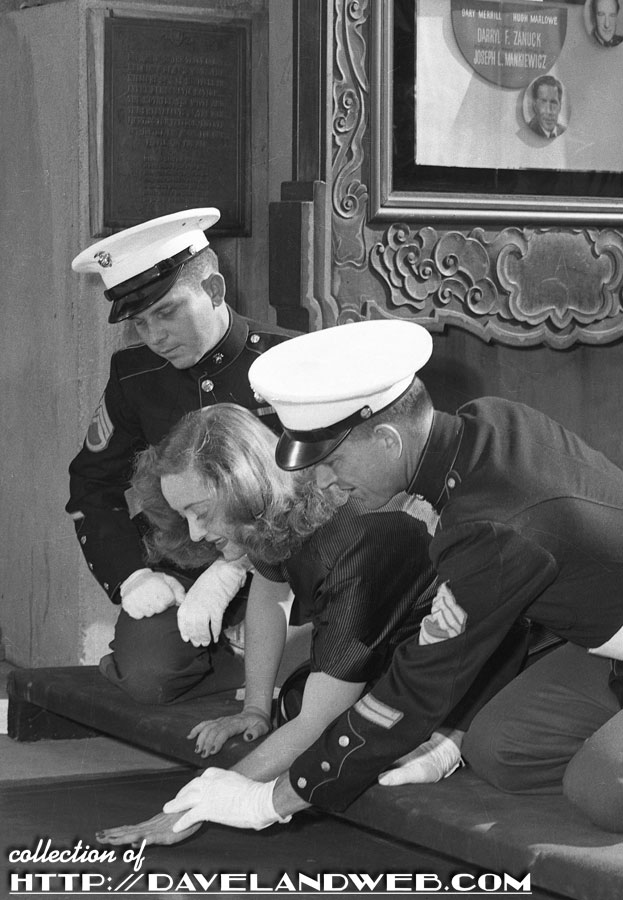
Bette Davis, who already holds two Academy Awards, gets a new kind of recognition as her foot print is immortalized in the cemented forecourt of Grauman's Chinese Theatre in Hollywood. Lending a hand are Marine sergeants Jack Spencer (left) and Bert Nave.


I found a shot of the block itself on the Movies of Course blog:


This vintage Hollywood News Reel shows footage from the “All About Eve” premiere as well as Bette returning the next day (at 1:33) for the cement block ceremony:


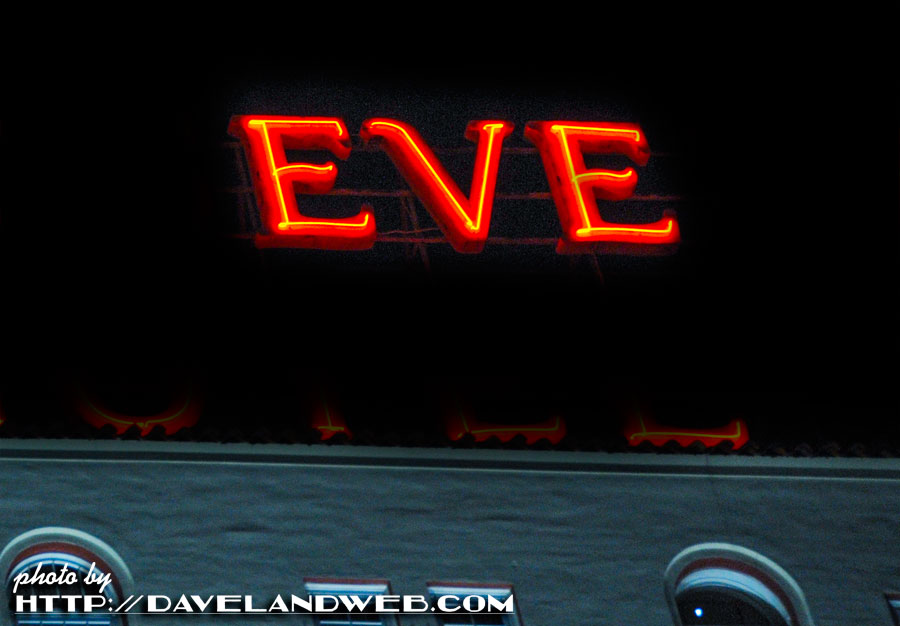
Down the street at the Hollywood Roosevelt Hotel, they dimmed all the letters on their neon sign so that it read “Eve” for the premiere. Here’s my contemporary re-creation:


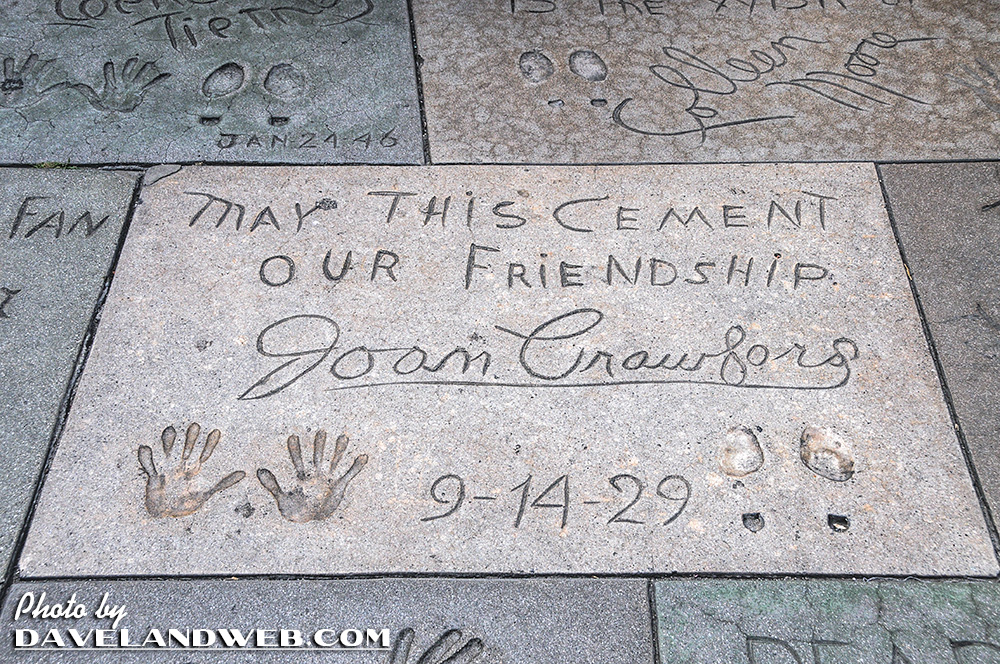
What I want to know is why it took 21 years for Bette to join screen-rival Joan Crawford at Grauman’s?


See more Grauman’s Chinese Theatre photos at my main website.

Wednesday, January 13, 2021

1957 Skyway Sequence


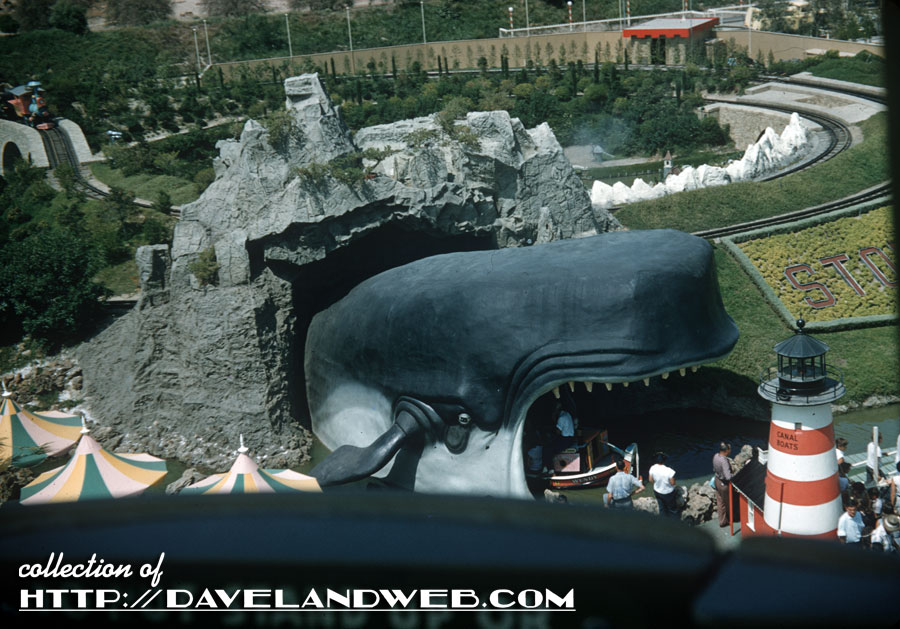
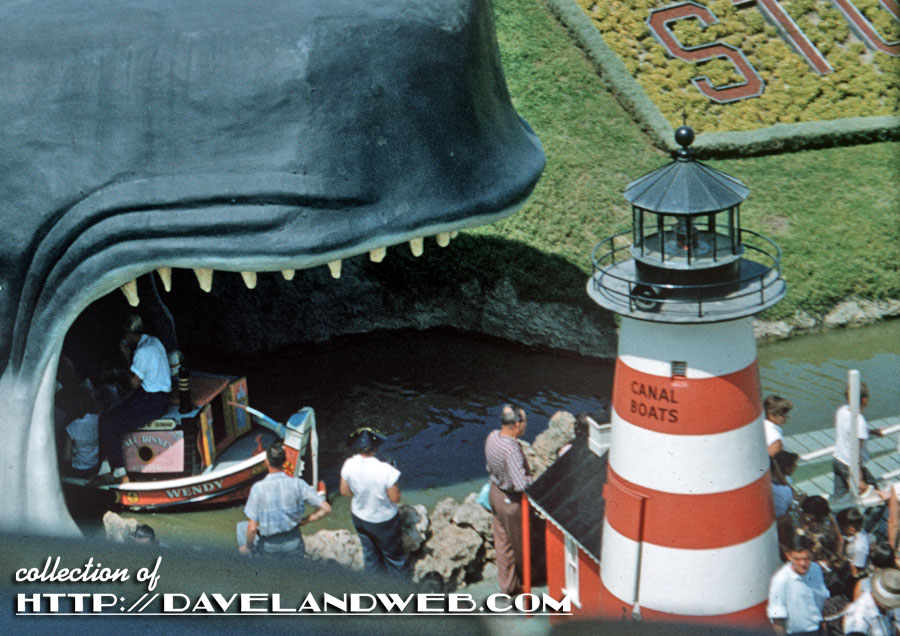
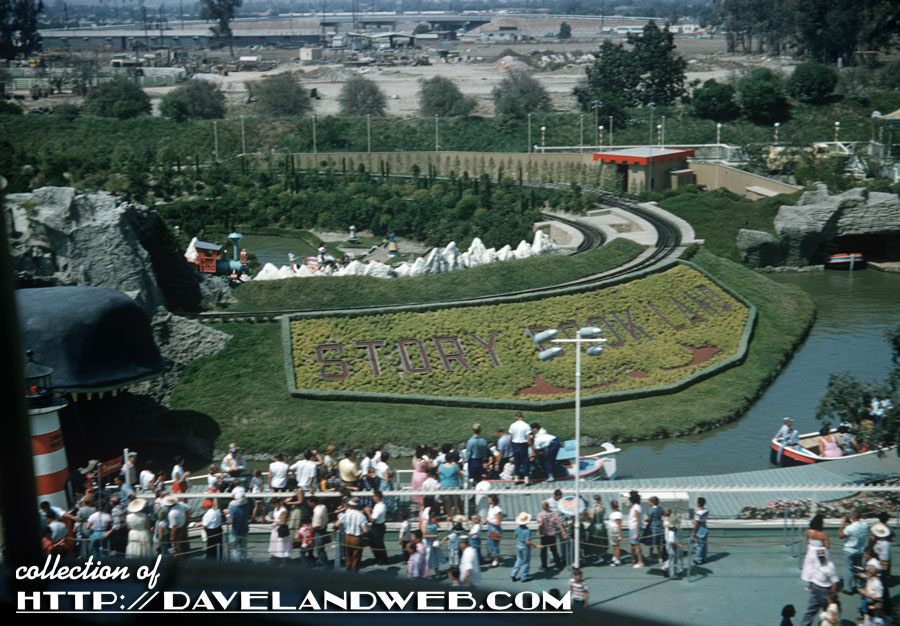
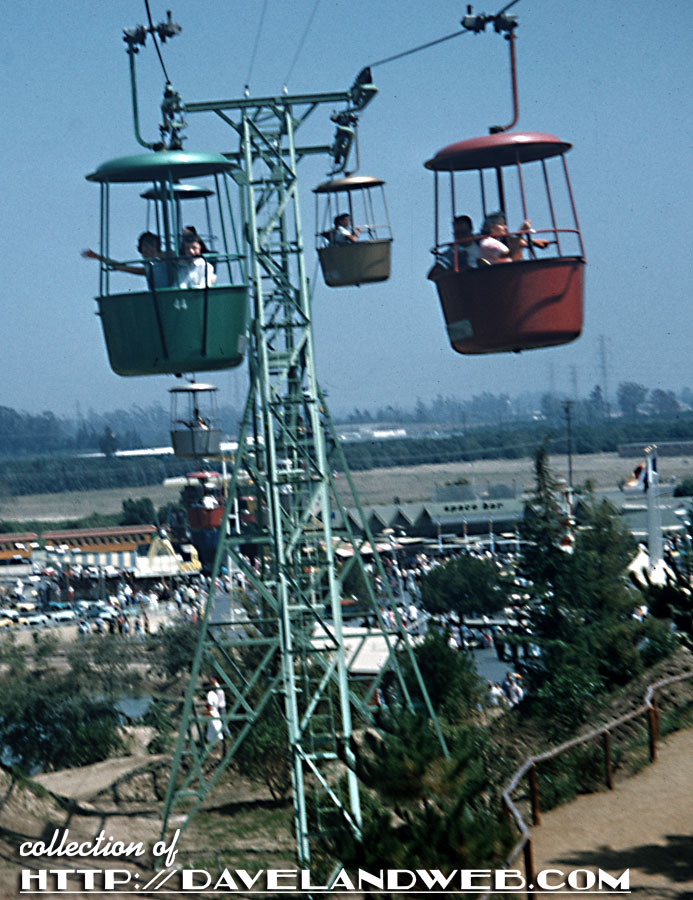
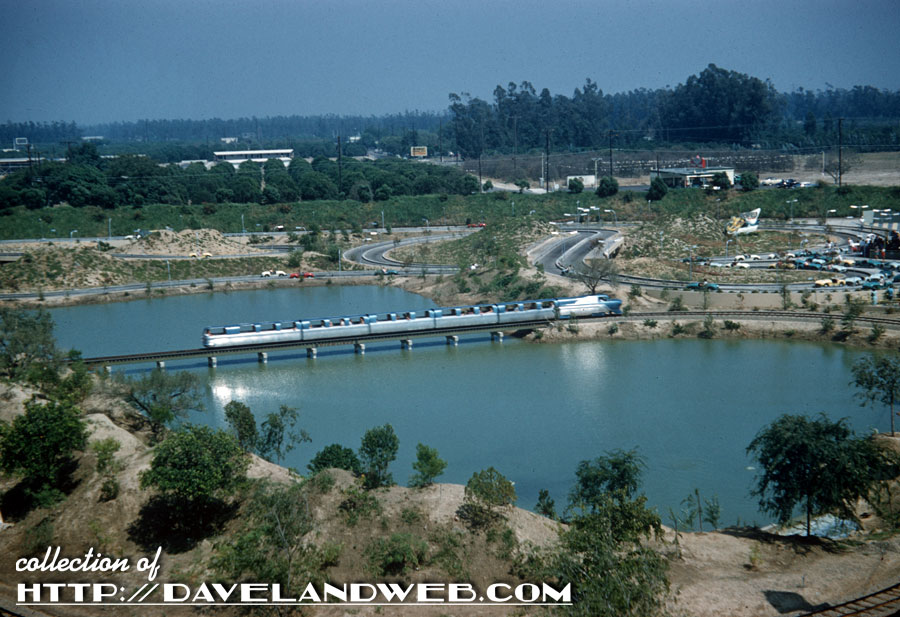
Welcome to 1957! I am always interested in seeing the sequence a photographer shoots; what story they are possibly telling, and what they chose to capture, especially for vintage film shots when each photo was expensive and couldn’t be redone if it came out wrong (vs. digital shots of today). In today’s four-shot sequence, our Disneyland Guest Photographer was shooting from their Skyway bucket as they flew from the Fantasyland Skyway Station towards Tomorrowland. Monstro and Storybook Land were apparently of particular interest. A closeup view of the Wendy boat entering Monstro’s mouth:


Only a few seconds later the photographer decided to snap again:


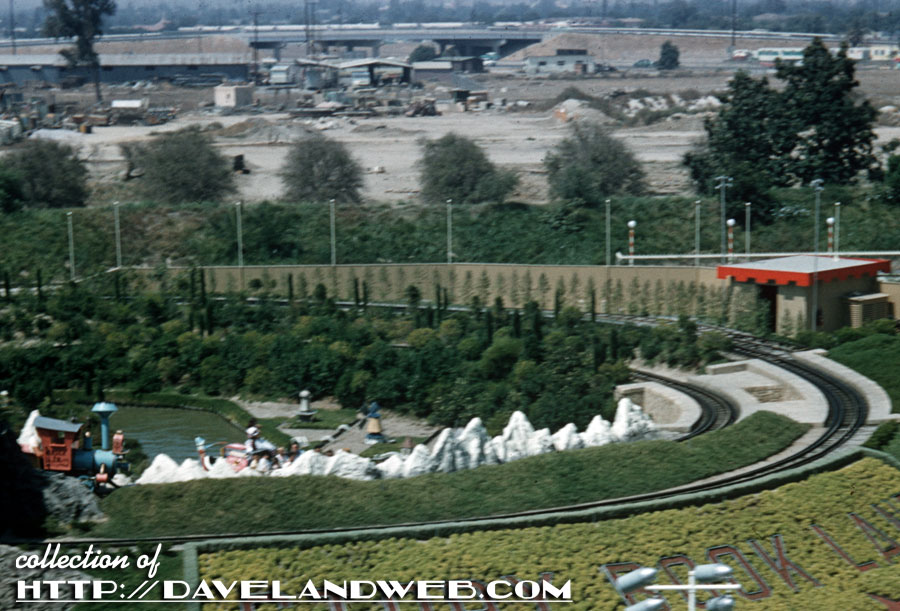
…capturing some backstage construction going on. Look how deserted it is back there!


Now the photographer is facing forward on the way to Tomorrowland. This time they captured Holiday Hill/Lookout Mountain, which is where the Matterhorn would appear in two years.


And true to its other nickname, “Lover’s Lane,” I see a couple meandering around the mountain below in this detailed view:


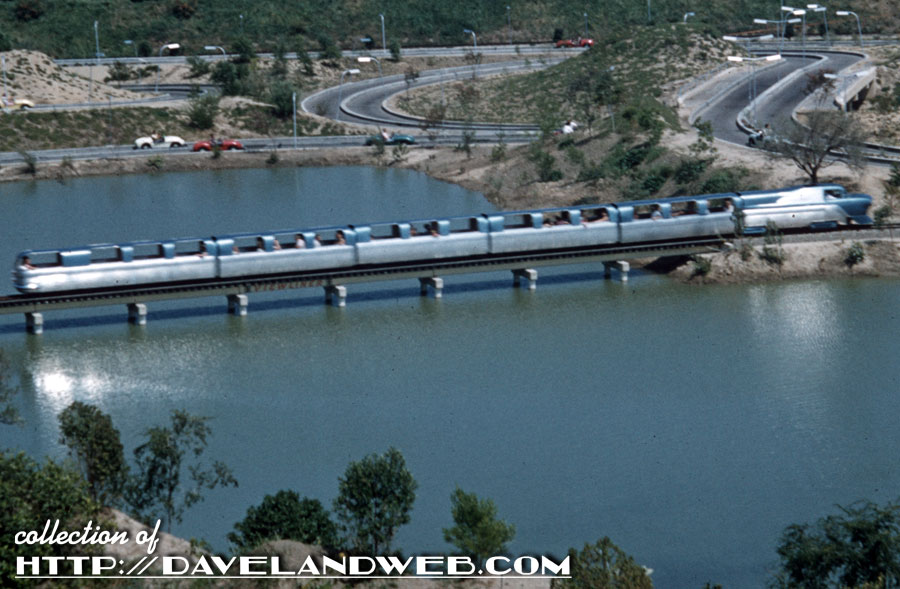
The last shot I have in this sequence shows the short-lived Viewliner:


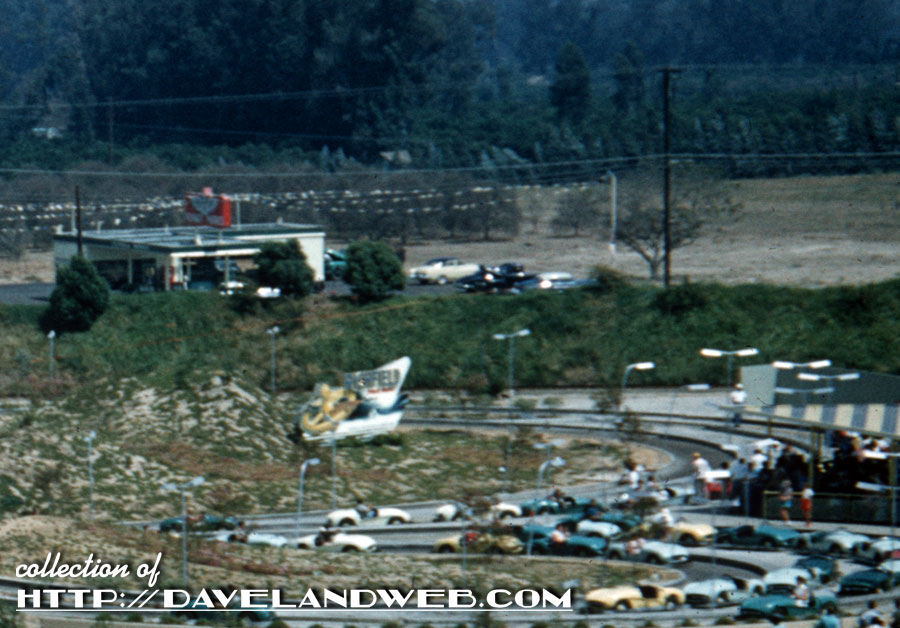
How about that vintage gas station in the background, too?


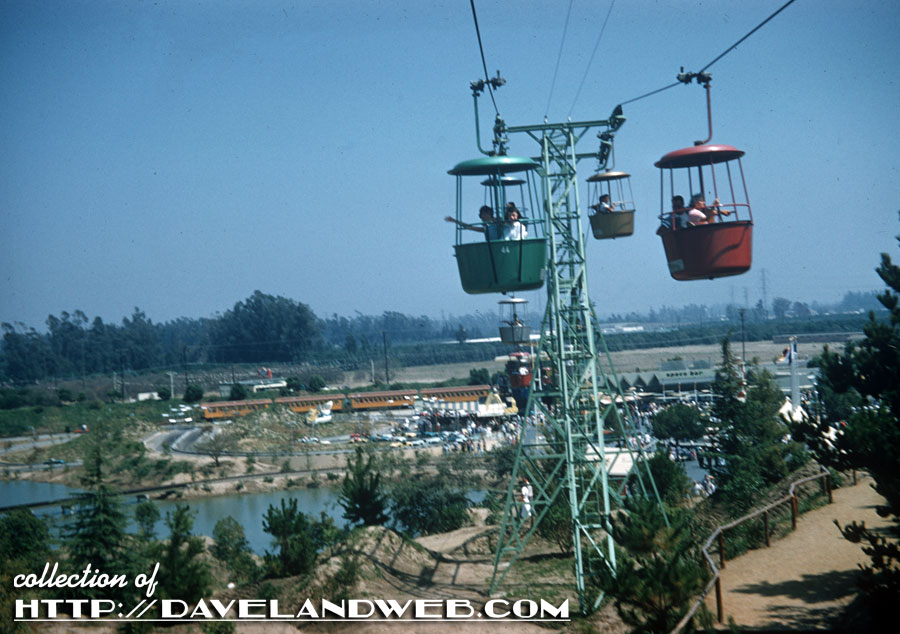
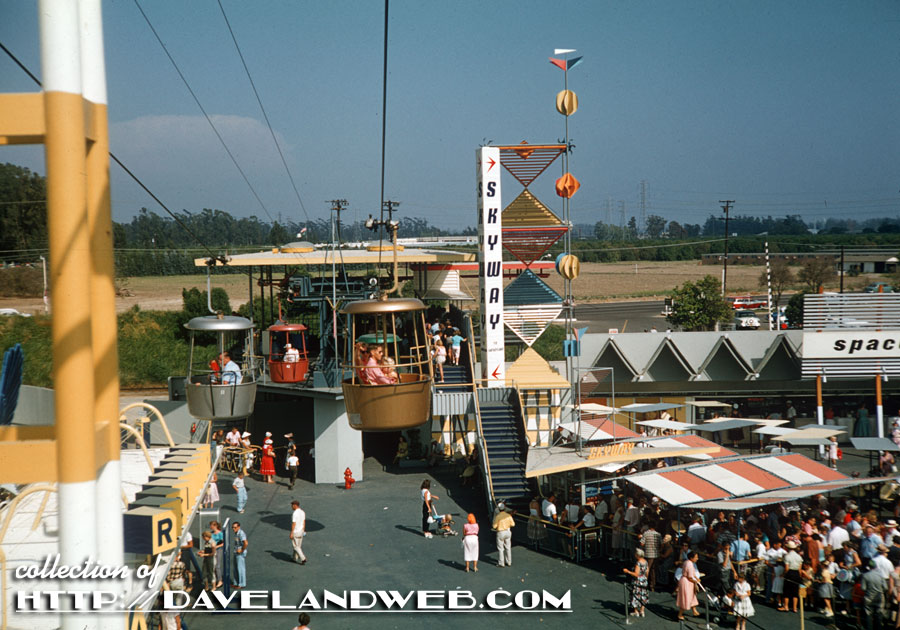
Last one for today is a bonus shot of the Tomorrowland Skyway Station, also from 1957:


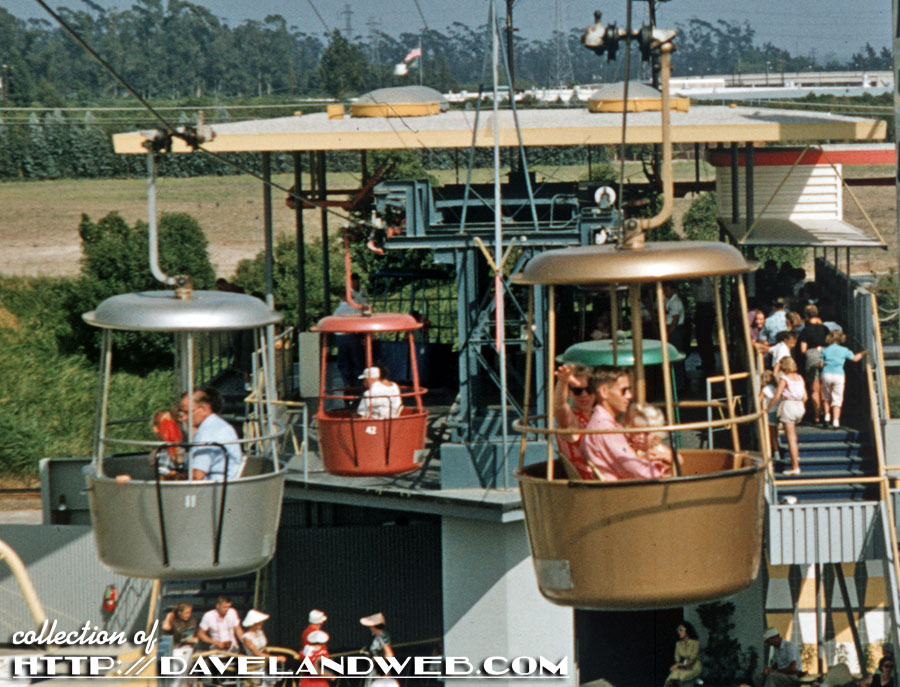
This one warranted two zoom shots, with the first showing the passengers:


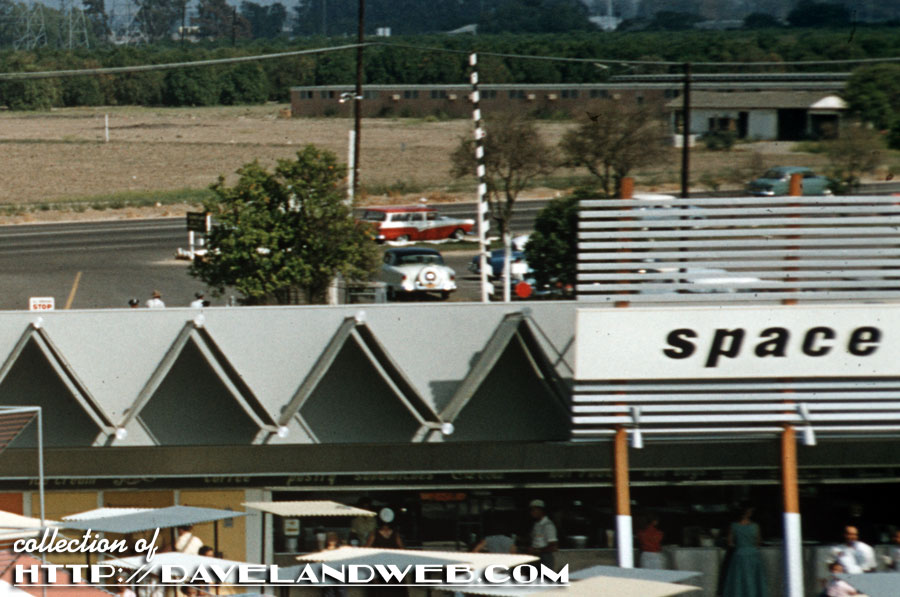
…and Harbor Boulevard in the background. Hard to believe it’s the same road of today!


None of these shots could easily be duplicated today, as the loss of the Skyway has taken away that vantage point of the Park and Anaheim.

See more vintage Disneyland Skyway photos at my main website.