Showing posts with label the blue bird. Show all posts

Tuesday, January 14, 2025

Temple Tuesday: RIP, Tyltyl


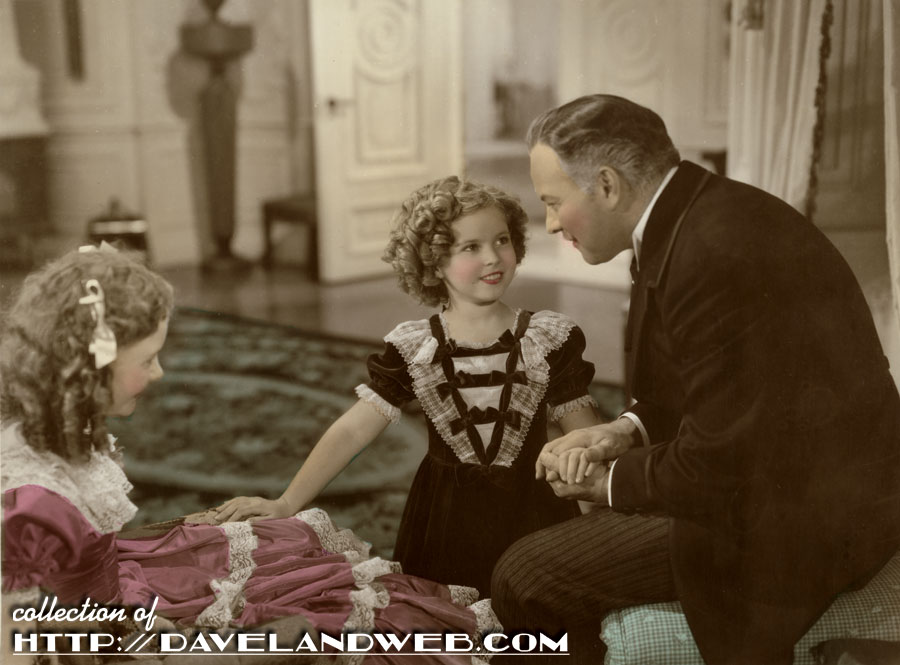
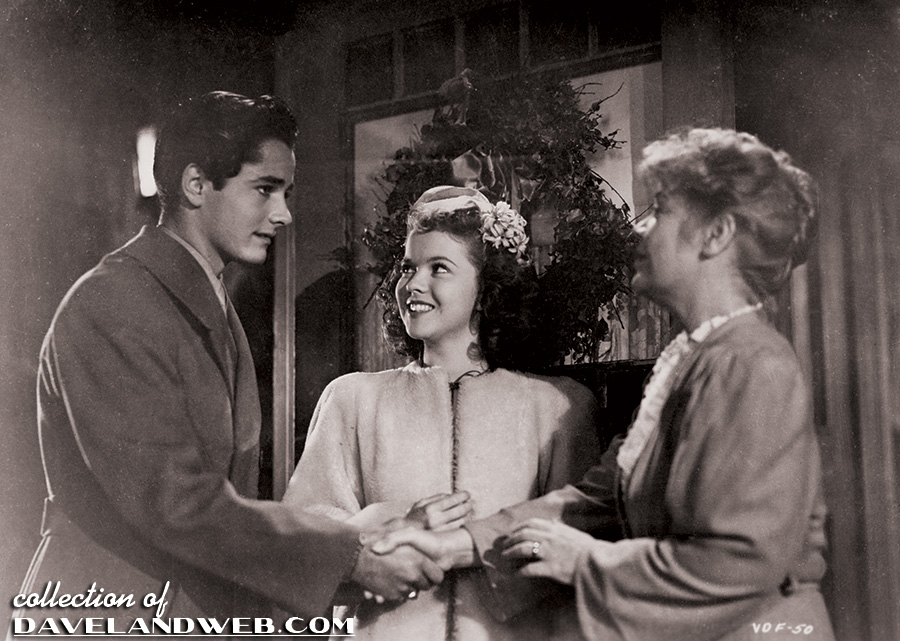
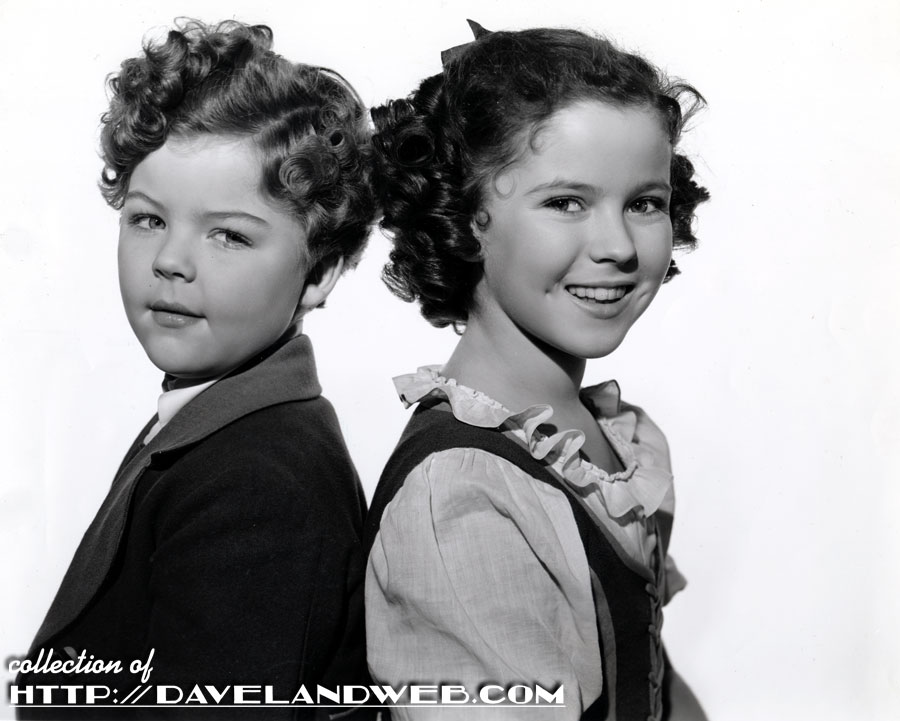
Thanks to Melissa (aka “The Colonel”), I recently learned of the passing of Johnny Russell, who costarred in “The Blue Bird” (1940) with Shirley Temple. The Hollywood Reporter did a short little write-up about Russell, who was born John R. Countryman. Sounds very patriotic! The article contained the usual semi-correct info as well as the outright `myths:

In the biggest role of his brief acting career, Russell portrayed Tyltyl, the younger brother of Temple’s Mytyl, in the fantasy film The Blue Bird (1940), which was Fox’s answer to MGM’s The Wizard of Oz, released a year earlier. In a dream, the two kids set out on on a series of adventures.

While not completely false, Producer Darryl Zanuck’s choice of “The Blue Bird” for Shirley had more to do with Disney’s financially successful “Snow White” than it did with the still unreleased “Wizard of Oz.” Zanuck attempted to buy “Oz” for Shirley but was outbid by MGM. He began negotiations for “The Blue Bird” in February 1939, a good six months before the release of “Oz.” In a touch of irony, the rights to film “The Blue Bird” cost Zanuck $25,000 more than MGM’s winning bid for “Oz.” As Shirley recounted in her autobiography Child Star:

Some thought our film was conceived as a retaliation to MGM’s Wizard of Oz. Zanuck staunchly resisted such innuendo. “Oz is a musical comedy without any drama or sentiment,” he declared. “The Blue Bird is strictly a dramatic fantasy. MGM made extravagant blunders and underwent financial tortures. We do not intend to copy Oz as to theme, or the mistakes that were made.”

During the initial story conference on April 24, 1939, Zanuck continued to weigh in “against ever getting into the type of spectacle of ‘Midsummer Night’s Dream,’ ‘Alice in Wonderland,’ or ‘The Wizard of Oz,’ all of which are flops. This is the human, simple adventure of two little children,” he said. Since “The Wizard of Oz” hadn’t been released yet, he was most likely referring to the 1925 silent film version with Oliver Hardy.
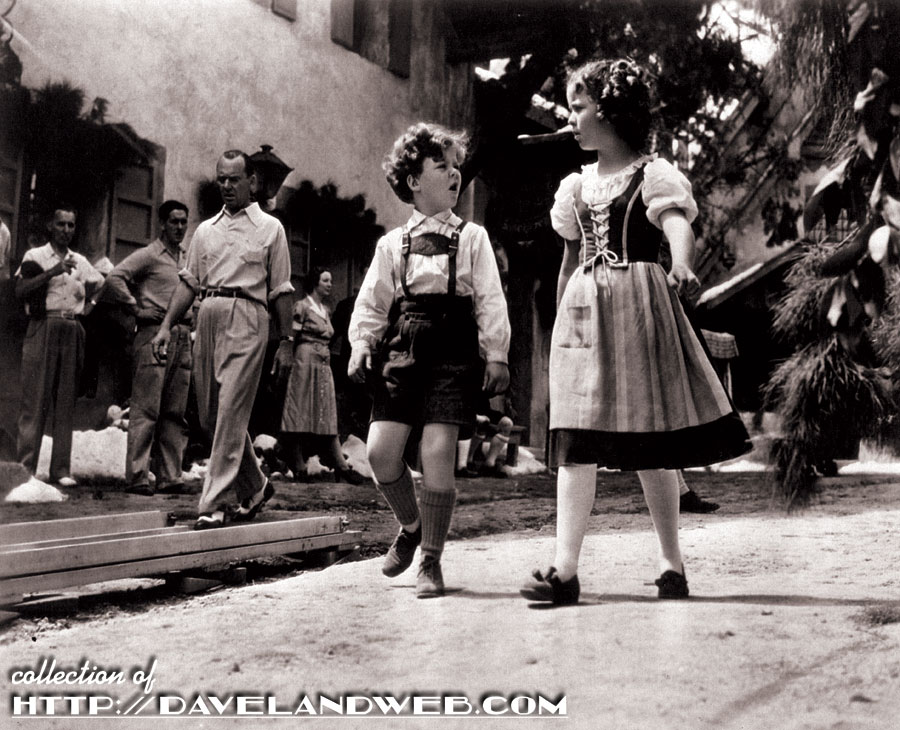


Another tidbit from the Hollywood Reporter obituary:

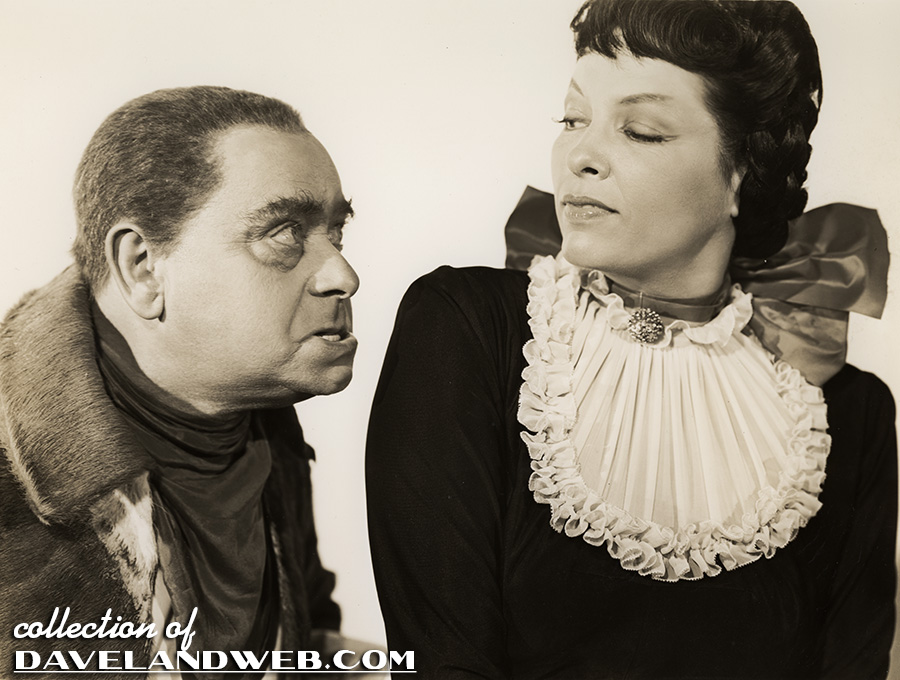
Temple’s mother, Gertrude, was reportedly unhappy that her daughter was sharing so much screen time with the adorable Russell and sought to have him replaced, but producer Darryl F. Zanuck insisted that the youngster remain.
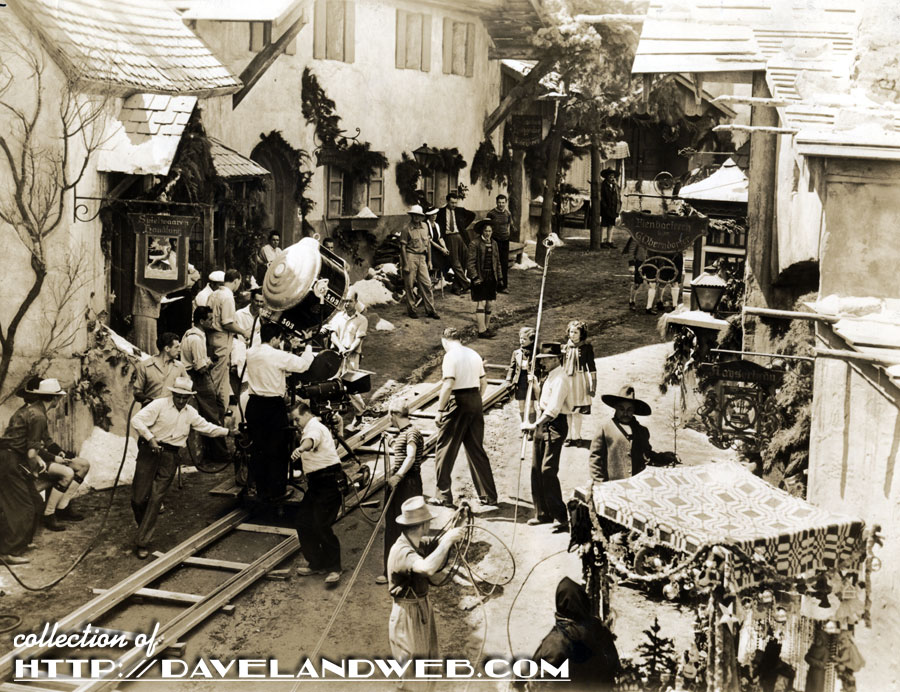


Mrs. Temple had concerns about the script, the size and characterization of Shirley’s role, and her costar, Johnny Russell. As Shirley recounted:

She was critical of Johnny Russell, a boy co-starring in some of my scenes. Although only six years old, he was an extroverted kid with a gift of mimicry…The mimicry annoyed Mother, but I suspect she disliked his casting because Russell was younger and could potentially upstage me on that basis. What I needed was someone my own age she urged Zanuck, again through attorney Wright. “Ridiculous,” responded Zanuck. Two contemporary children meant I could not be the leader, as the story required. “If the boy were the same age, we would have to assume he was mentally incompetent or otherwise deformed if Shirley took the leadership away from him,” Zanuck said in a burst of chauvinism. “A younger brother can cling to her for protection and guidance during the great adventure.”
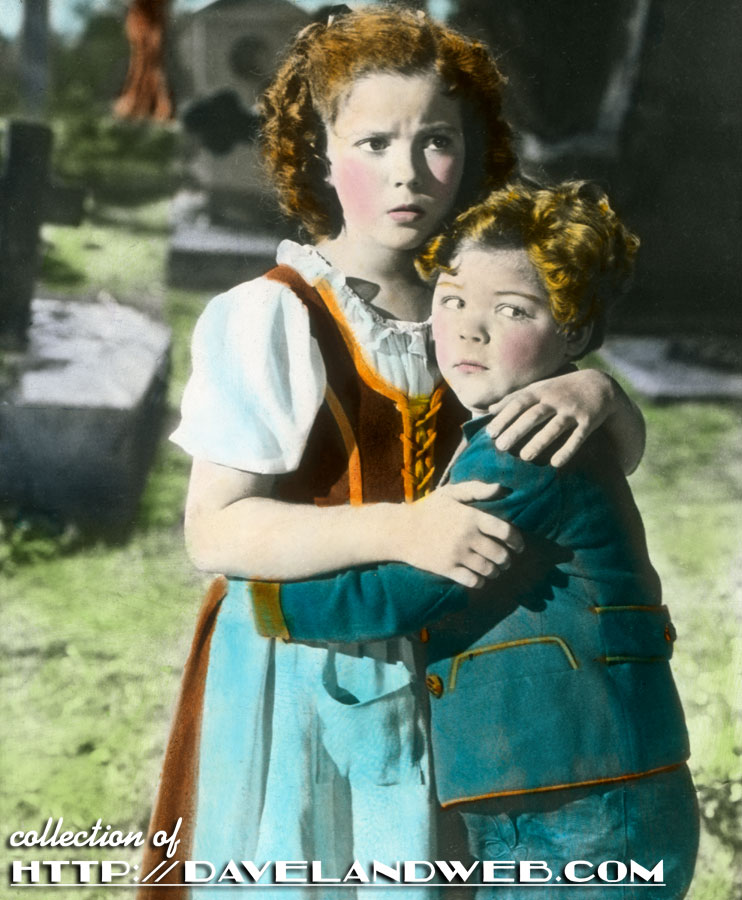


In the play, the brother was older than the sister. It was Zanuck’s decision to flip the ages to benefit Shirley. Zanuck’s original choice for Tyltyl was Bobs Watson (“Boys Town,” 1938), but in the end, Russell was cast, most likely because he was three years younger than Watson.
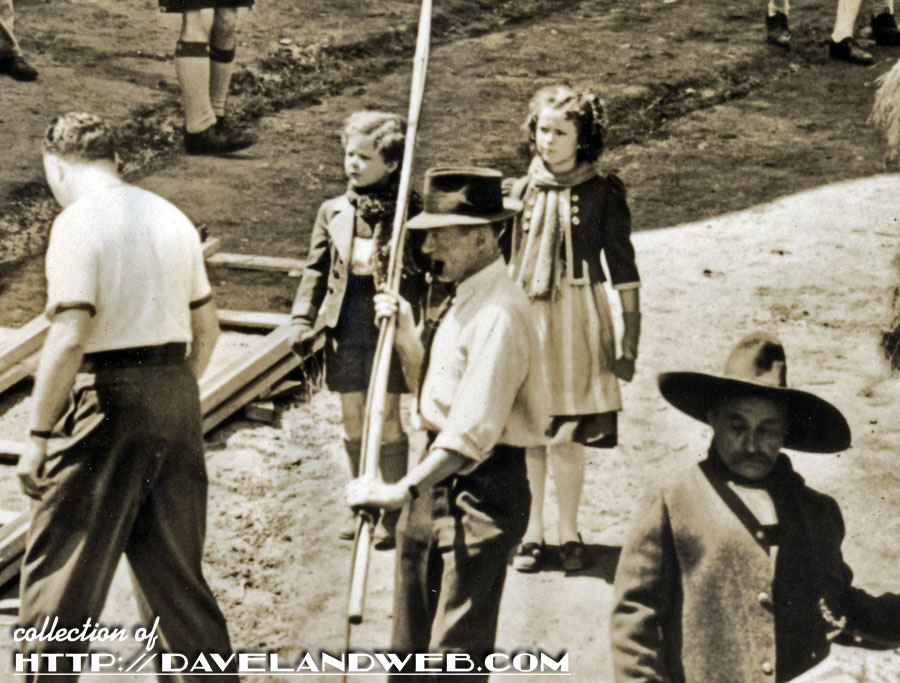


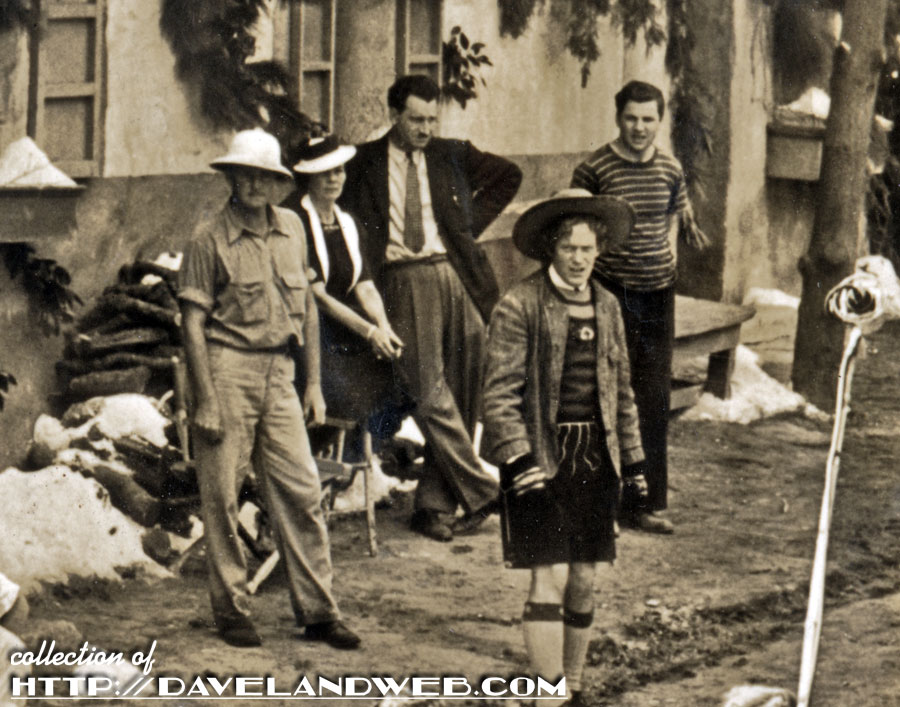
Zanuck also dropped some of the characters in the original story so that the story focused more on Shirley, in an attempt to appease the Temple family, who had become increasingly more vocal about their fears about Shirley’s future at Twentieth Century-Fox. Mrs. Temple had begun to consider other options since Zanuck avoided any direct contact with her, which made her feel that Zanuck’s interest in Shirley was waning and more focused on others in the Fox stables, such as Alice Faye and Sonja Henie. Just in case the project did not meet expectations, Gertrude had checked out the Westlake School for Girls considering it as a possible non-studio school for Shirley. Attending Westlake would enable her daughter to establish friendships with girls from upper-class homes and obtain a well-rounded education. In the detailed shot below, you can see the ever-present Mrs. Temple on the set during filming, with Shirley’s bodyguard, Griff (John Griffiths), standing next to her.


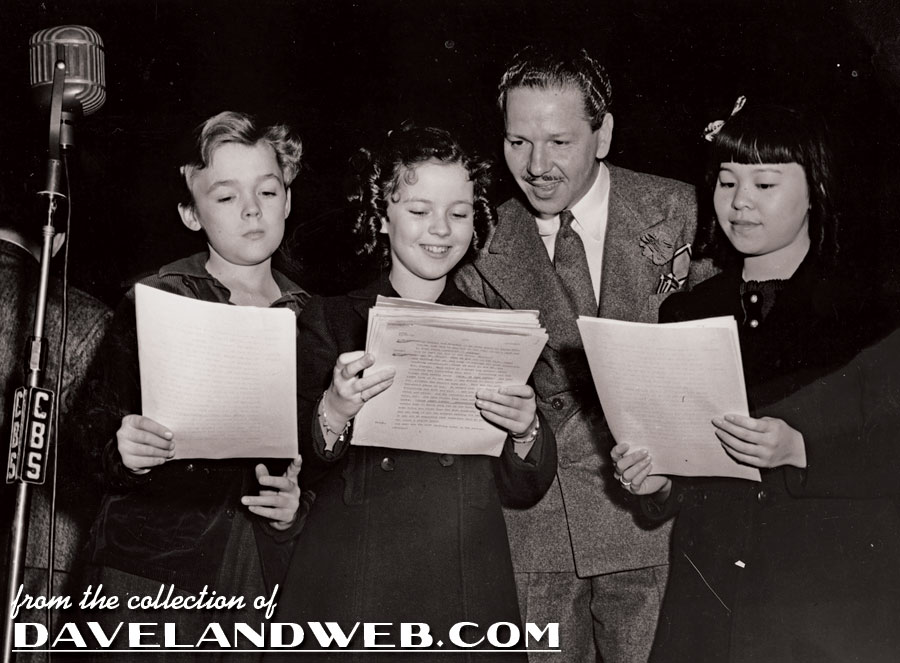
For the Screen Guild Theatre radio broadcast of “The Blue Bird,” which aired December 24, 1939, Russell’s role was replaced. Sorry, Johnny!


Back to the Hollywood Reporter:

Countryman came on active duty in the U.S. Foreign Service in February 1962 and reported to the diplomatic mission in Istanbul about a year later. He would have postings in Saudi Arabia, Libya and Gabon before serving from 1976-78 as deputy director and acting director of Arabian Peninsula Affairs at the U.S. State Department, when he dealt with the Iran hostage crisis. In the mid-1970s, he and Temple reconnected when he was stationed in Gabon and she was the U.S. ambassador to Ghana.
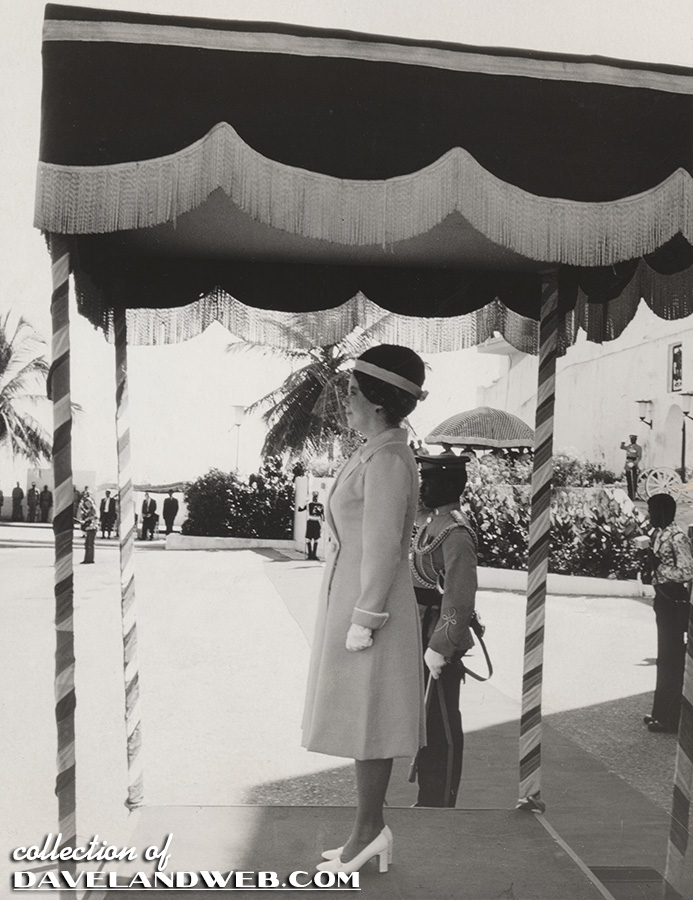


Shirley would later comment proudly about how she continued to “upstage” Russell, even into adulthood: 

Our issue of precedence was not in doubt then nor thirty-five years later in West Africa. By then I was a ranking U.S. ambassador, while Russell was a deputy chief of mission in a nearby national, still my junior by one step.

See more “The Blue Bird” photos at my main website.

Tuesday, December 31, 2024

Temple Tuesday: Blue Bird Blowout!


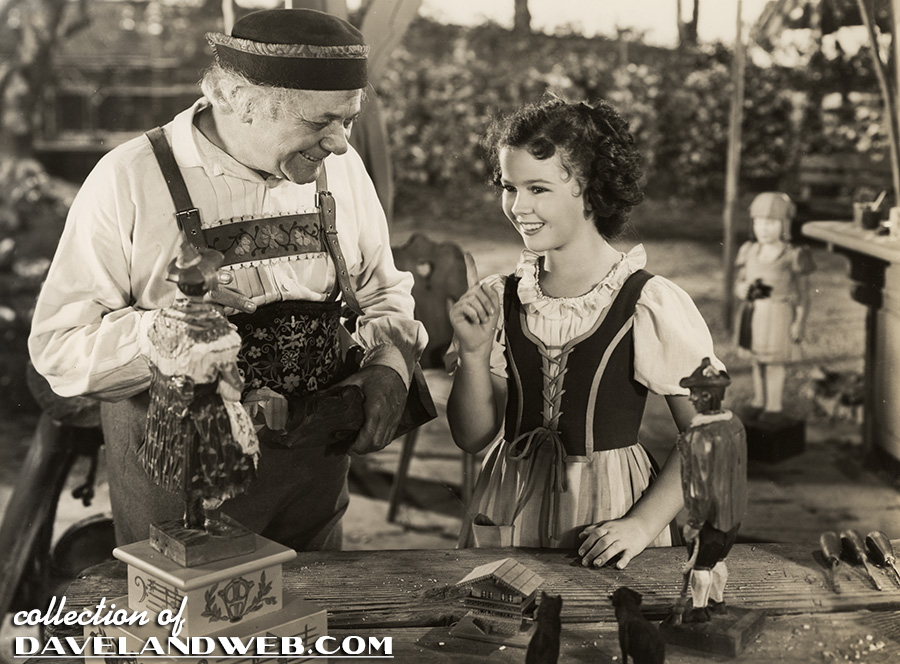
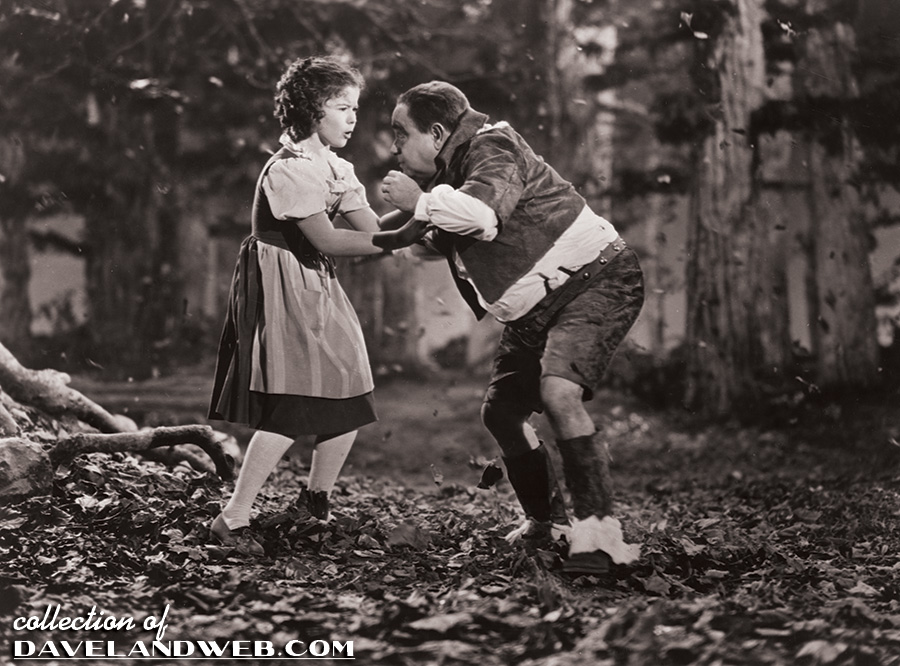
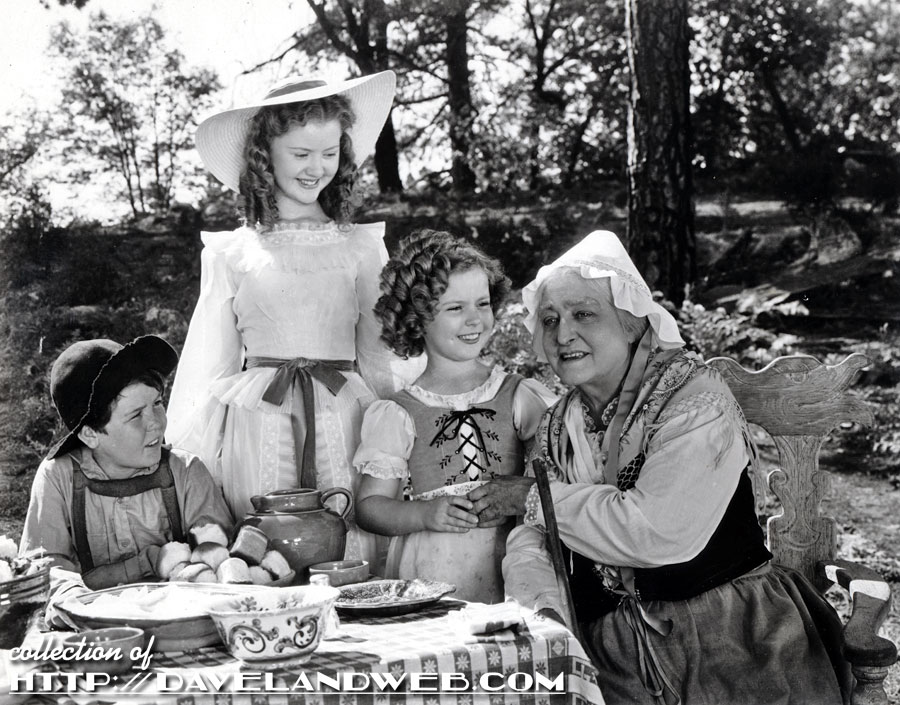
Faithful readers of this blog know that I am somewhat obsessed with the 1940 Shirley Temple film, “The Blue Bird.” While many consider it a poor stepchild to “The Wizard of Oz” (1939), I believe it stands on its own as an artistic triumph that gave Shirley an opportunity to play against type as a brat. In the above publicity still, Shirley is shown with Al Shean, who played her grandfather in the film. Shean was also the uncle to the famous Marx Brothers.

To avoid competition with “Gone with the Wind” which was released on December 15, 1939, 20th Century-Fox studio chief Darryl Zanuck decided to delay the premiere of “The Blue Bird” for another month.


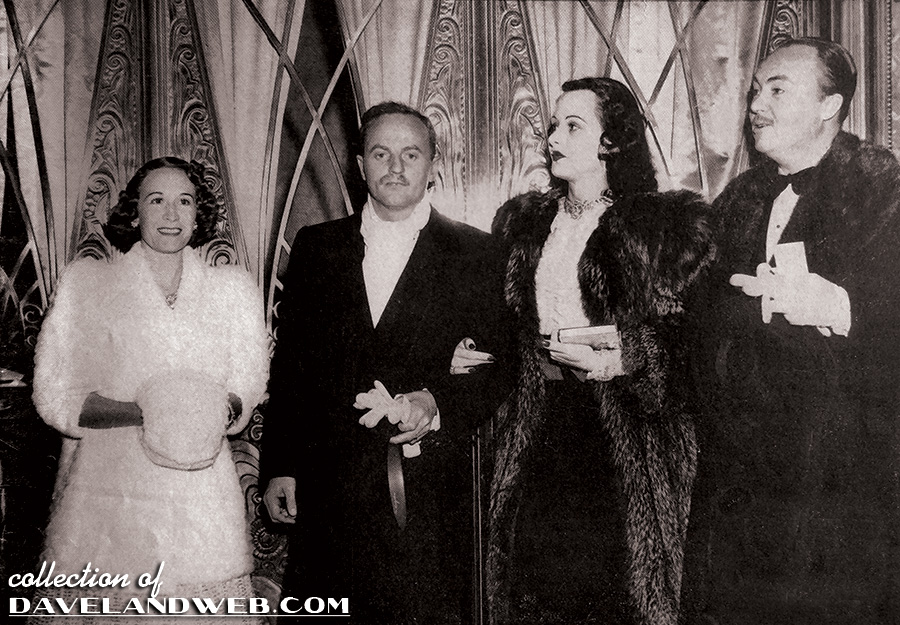
The above photo shows Gene Markey (producer for the movie), Virginia Zanuck (Darryl’s wife), Joseph M. Schenck (Fox chairman of the board), Darryl Zanuck, and Hedy Lamarr (MGM actress and wife of Markey) as they arrived at Grand Central Terminal in New York City, December 19, 1940 for the film’s New York.

From The Motion Picture Herald, December 30, 1939:

The premiere of “The Blue Bird,” starring Shirley Temple, has been advanced to January 19th from January 17th to permit a Friday night opening. “Swanee River” opens December 29th at the Roxy theatre. Darryl F. Zanuck, vice-president in charge of production, will attend the premiere of “The Blue Bird” at the Hollywood theatre and remain in New York for the opening of “The Grapes of Wrath” at the Rivoli January 24th. Al Jolson and Don Ameche will appear in a broadcast of “Swanee River” on December 29th. Charles E. McCarthy, director of advertising and publicity for Twentieth Century-Fox, has put John Goring in charge of the roadshow of “The Blue Bird.”

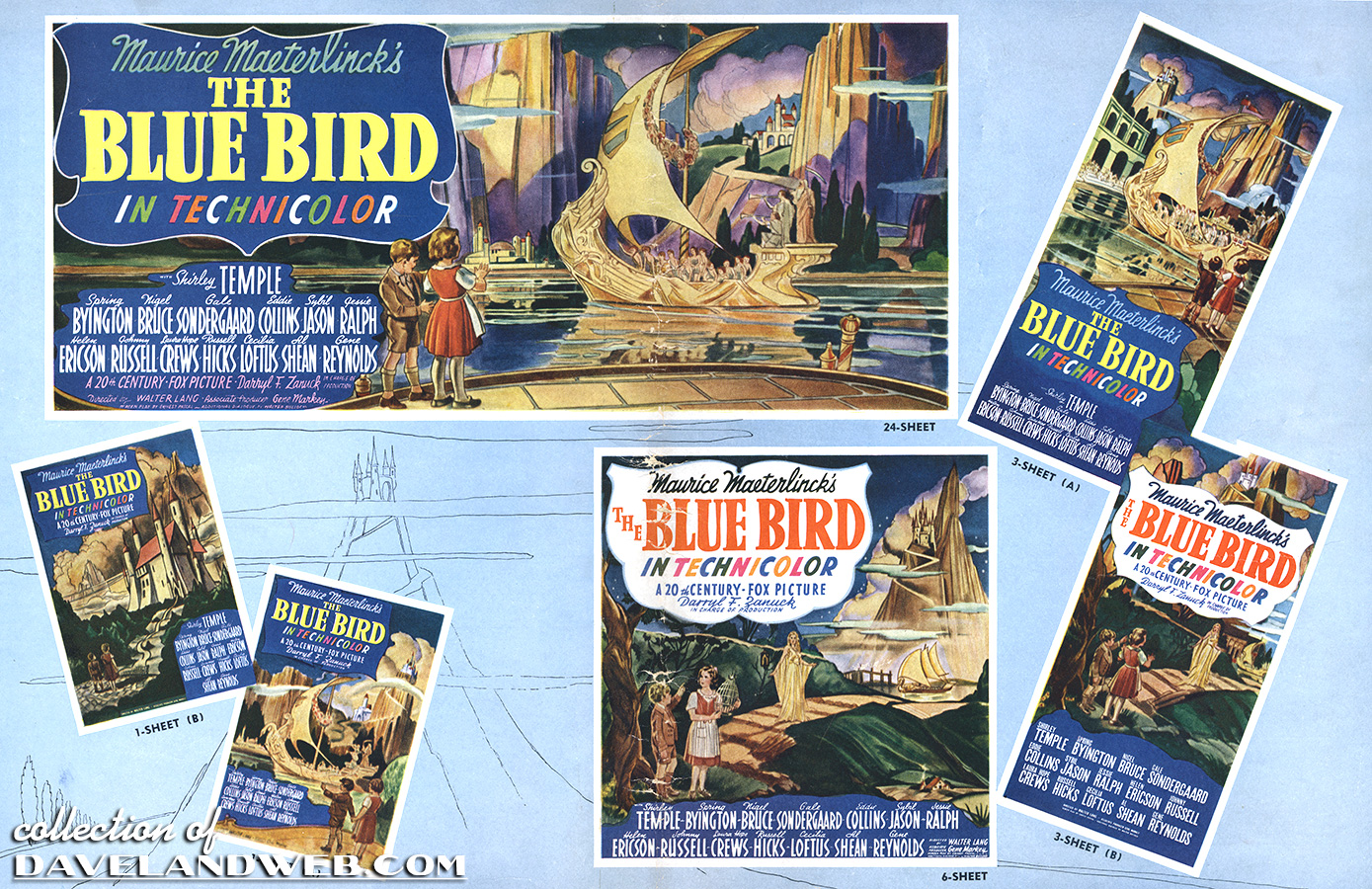
Below is a page from the movie’s pressbook, featuring a variety of posters that theatres could choose from for promotion:


Motion Picture Daily gave their account of the premiere:

‘Blue Bird’ Lures Industry’s Top Executives to Premiere

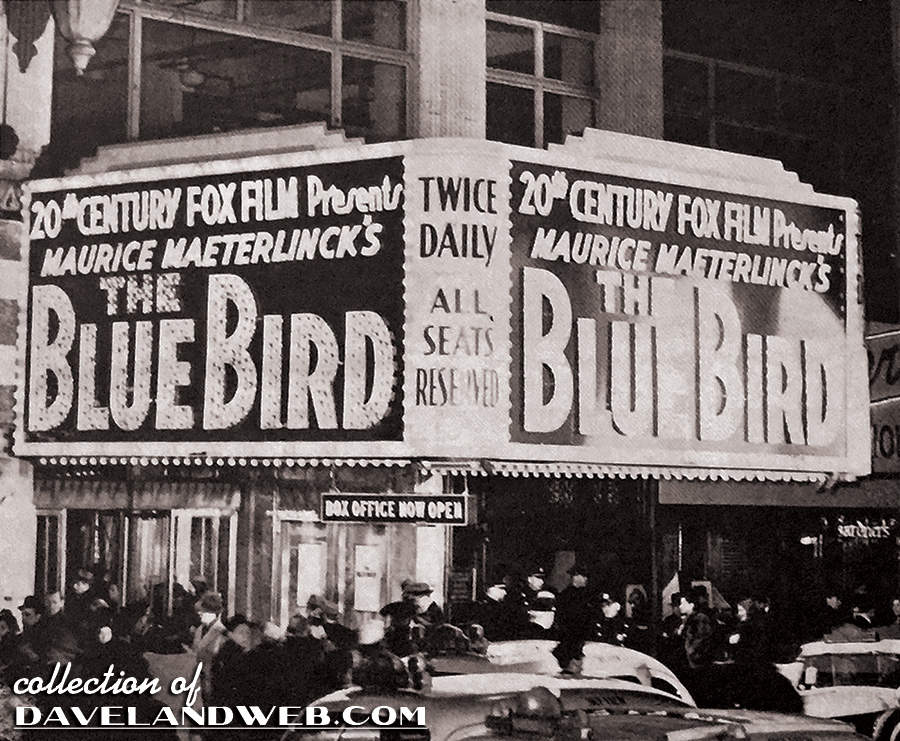
Undaunted by the severity of the weather last night, 1,500 persons jammed the Hollywood Theatre to capacity to see the world premiere of “The Blue Bird,” 20th Century-Fox color feature. When the 80-minute show ended, the audience, with ovations and exclamatory words of approval, acclaimed the cinematic version of Maurice Maeterlinck’s famous fantasy. Included in the audience were practically all of the leading officials of 20th-Fox, besides executives from other motion picture companies. Notable among those present were the following: Darryl Zanuck, 20th-Fox studio chief; S.R. Kent, president; Joseph M. Schenck, chairman of the board; Will Hays, Jesse Lasky, Ernst Lubitsch, Barney Balaban, Herman Wobber, Spyros Skouras, Charles Skouras, Edwin L. Weisl, Gene Markey, associate producer of “The Blue Bird,” and scores of other industry officials. Other celebrities noticed among the “First Nighters,” most of whom were accompanied by their wives and formally dressed, were William Paley, CBS president; Postmaster General James A. Farley, Conde Nast, Irving Berlin, Jack Cohn, Andre Kostelanetz, Sidney Lanfield and many others. Crowds congregated early in front of the Hollywood where arc lights illuminated the front. Autograph seekers and others eager to see celebrities composed a large portion of the throng. When glamorous Hedy Lamarr arrived, scores struggled to catch a glimpse of her and husband, Markey.


From The New Dynamo, the in-house publication of 20th Century-Fox:

‘THE BLUE BIRD’ FLIES IN TRIUMPH OVER BROADWAY CELEBRITIES BRAVE SUB-ZERO WEATHER TO HAIL ‘BLUE BIRD’

Mr. Zanuck came 3,000 miles to get, first-hand, the reaction of this premiere audience. For more than a year he planned “The Blue Bird.” For months he supervised its production and cutting. And as Philadelphia’s Showman Al Boyd put it: “If its exploitation and presentation is given only one-half the thought this completed picture indicates went into its planning and production, ‘The Blue Bird’ will do the SRO business it certainly deserves to and can do.” And Mr. Boyd is not one of those gentlemen given to making hasty conclusions. He has been too long in the business to speak merely for the sake of being heard.

Schenck is missing from this newspaper photo showing Zanuck and entourage at the premiere:


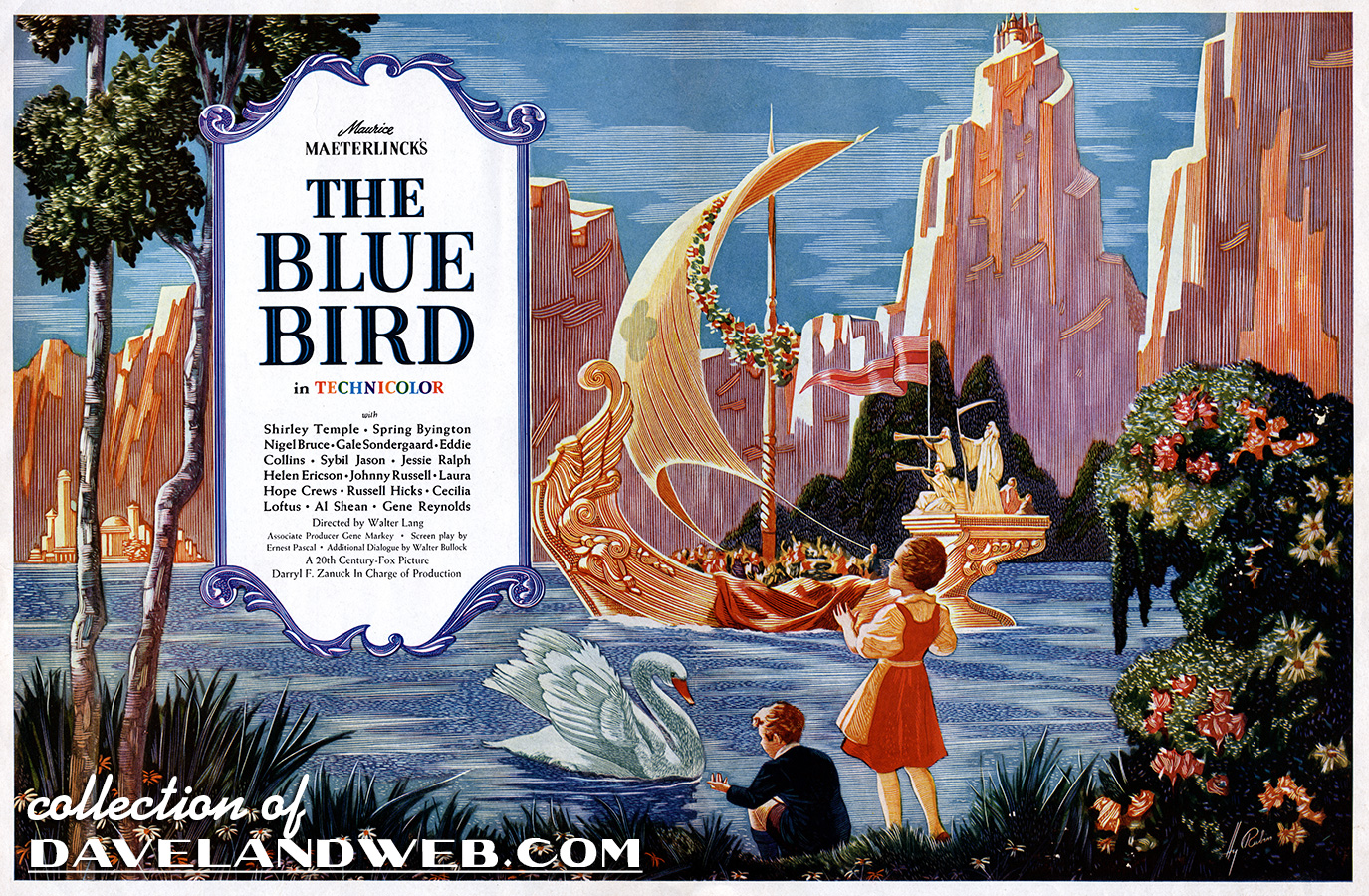
Much of the beautiful and moody expressionistic art for the film was created by Hy Rubin, an American illustrator (1905–1960). His work was published in the Saturday Evening Post and Good Housekeeping magazines. His last studio was located behind the T in the Times Square building in New York City. 


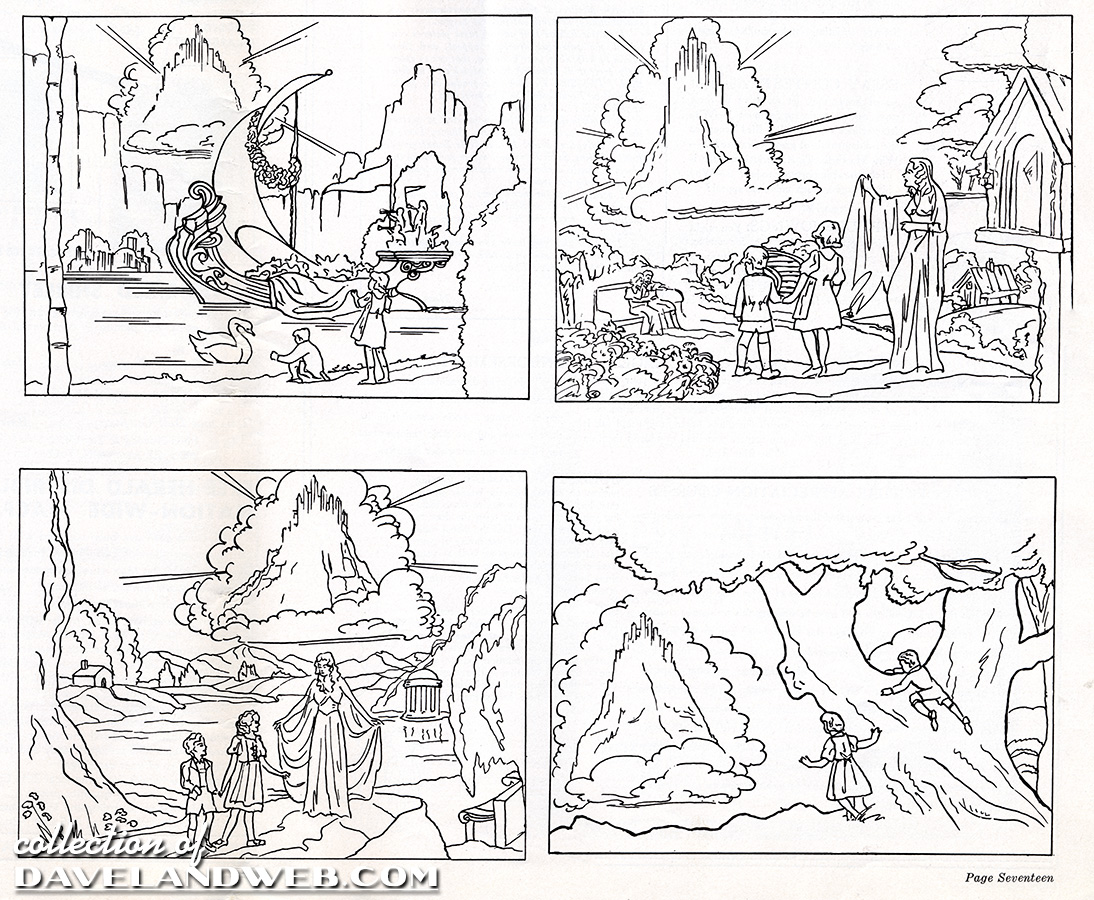
For the artistic, black and white cartoon panels were available to moviegoers for coloring:


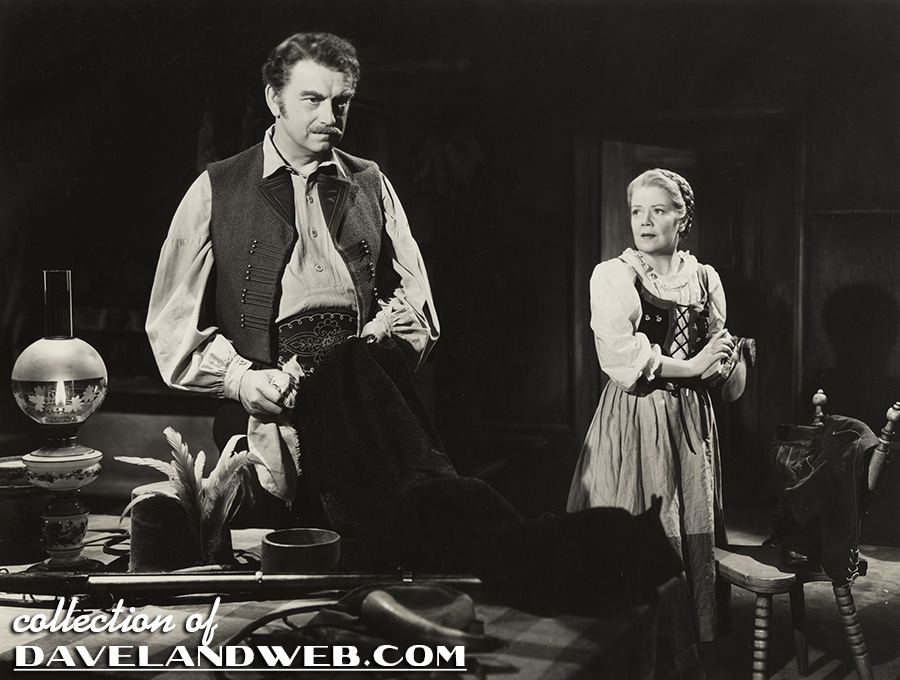
Below is a still from a deleted scene that occurred at the beginning of the movie when Shirley’s character’s father is about to go to war. Russell Hicks played the father and Spring Byington the mother.


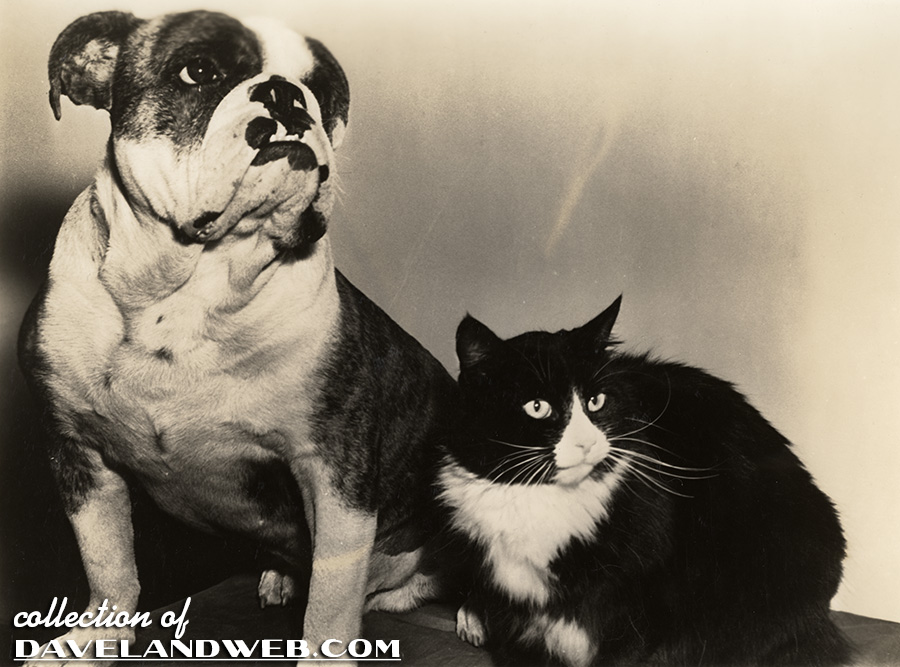
Below are Tylo the dog and Tylette the cat:


…and Eddie Collins and Gale Sondergaard who played their human counterparts in the movie.


Whenever Shirley made a film, the studio was typically littered with visitors who wanted to meet the famous young actress. “The Blue Bird” was no exception. Note the costume/wardrobe board at the bottom left of the photo.


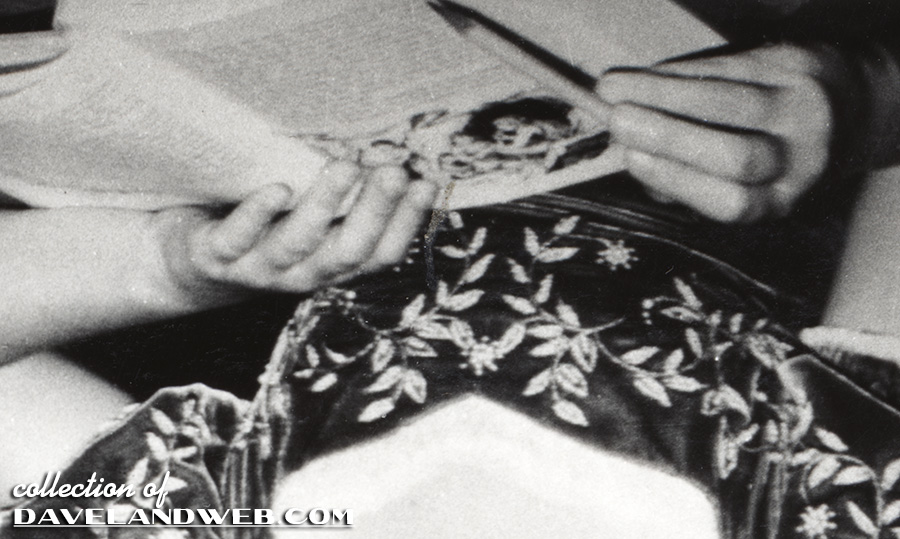
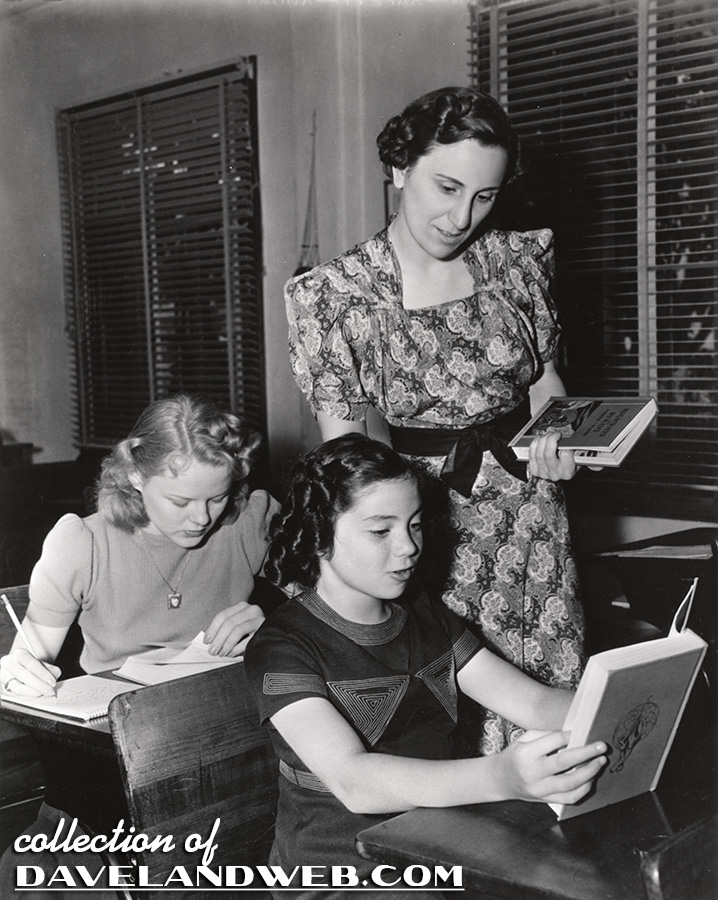
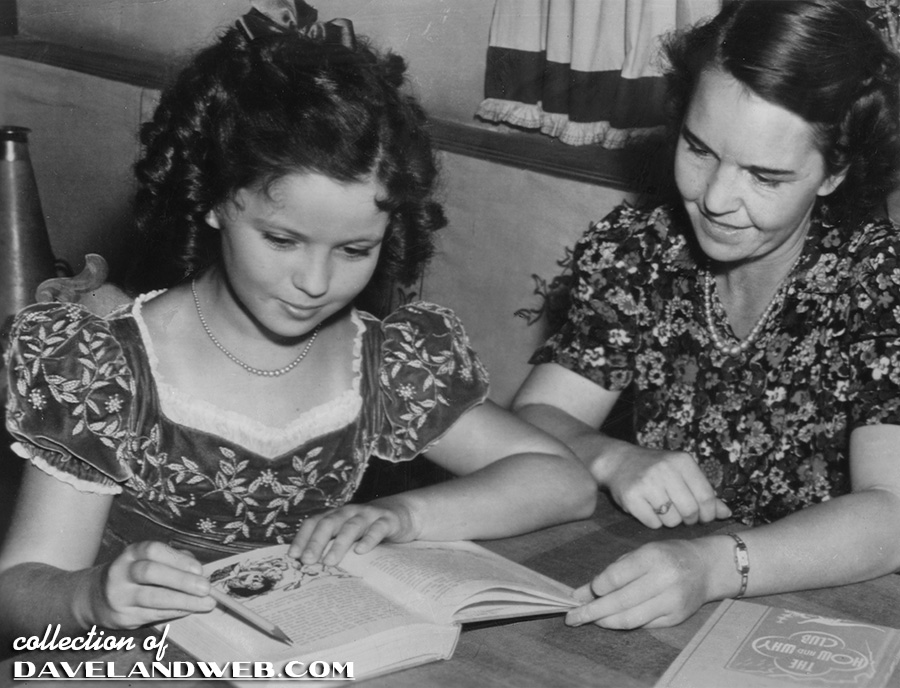
In between takes, Shirley did her schoolwork with studio teacher Frances Klamt.


In case you want a glance at the book Shirley is working from:


I hope all of you have a very fun New Year’s Eve - see you in 2025!

See more “The Blue Bird” photos at my main website.

Tuesday, October 29, 2024

Temple Tuesday: Shirley for Halloween!


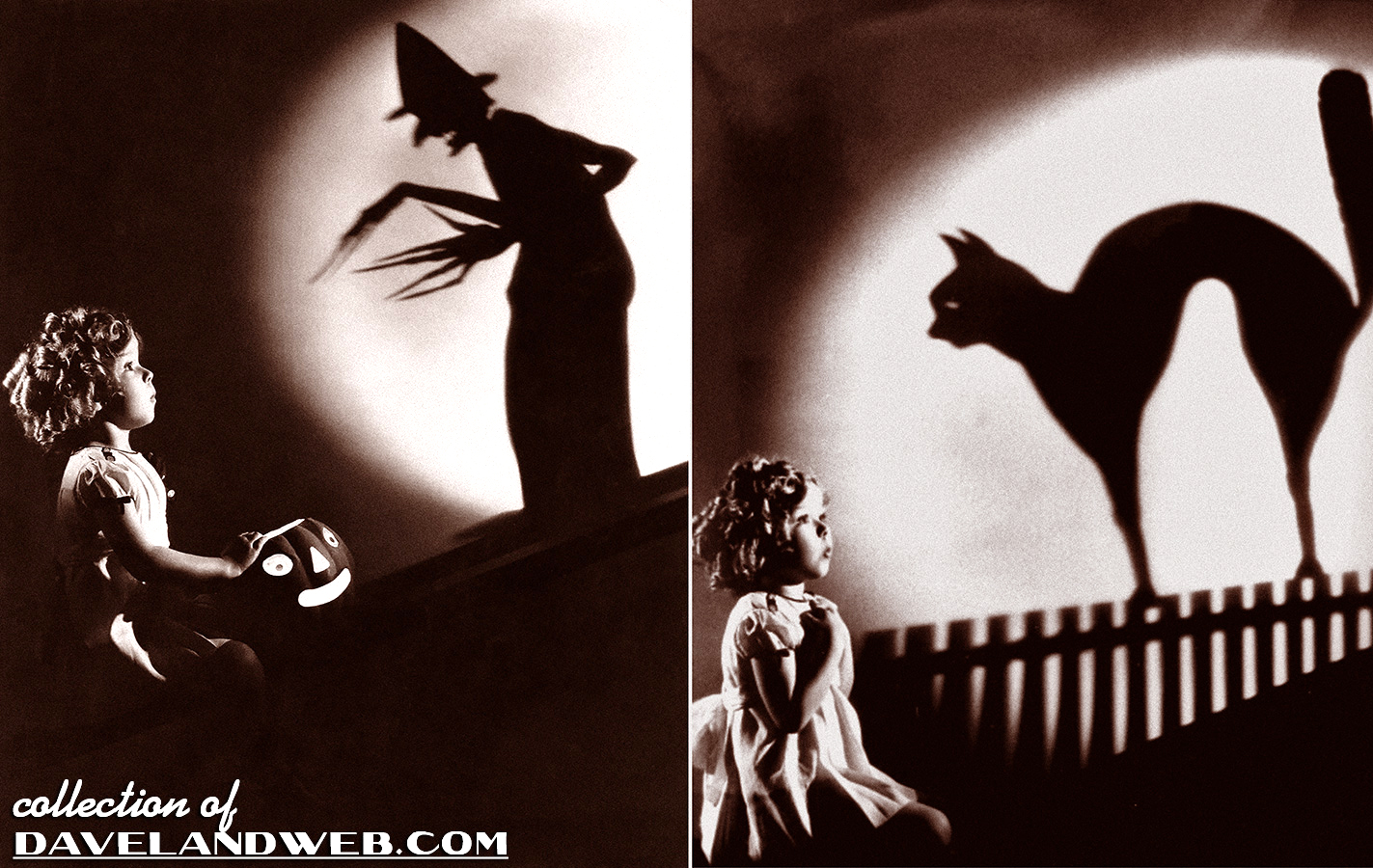
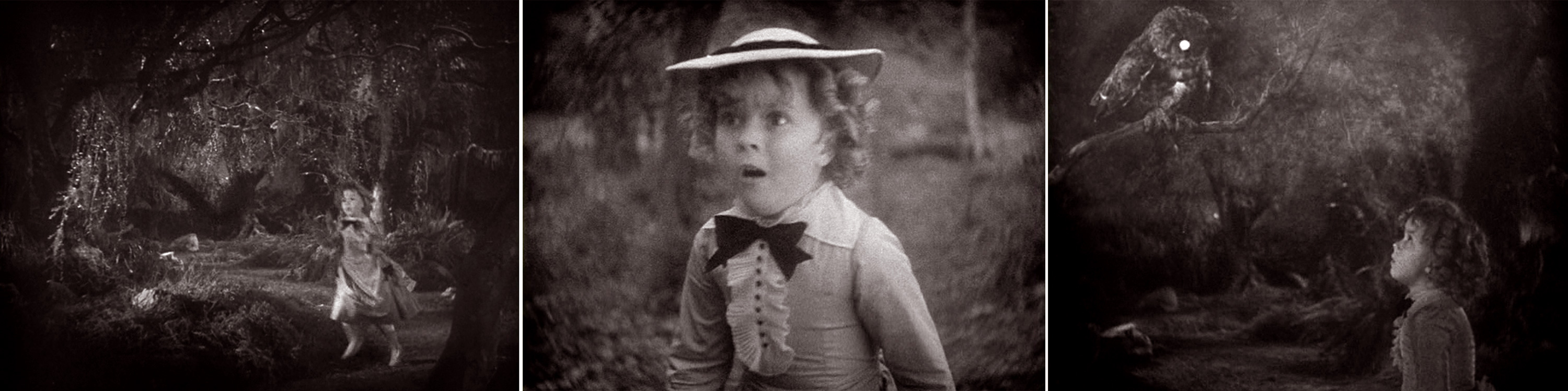
Today’s Temple Tuesday celebrates the upcoming “holiday” of Halloween. Although Shirley is typically associated with all things sugar and spice, nobody liked a good scare better than Miss Temple! While there are no specific Halloween sequences in any of Shirley’s films (that I can recall, at least), she does have a few that could qualify for today’s post. In her early Fox film, “The Little Colonel” (1935), Shirley’s character must reach her grandfather at night to enlist his aid in saving her parents. To get to him, she has a terrifying run through a forest and encounters an owl with glowing eyes. Keep in mind this sequence pre-dated similar ones found in Disney’s “Snow White” (1937) and “The Wizard of Oz” (1939). Shirley was always a trailblazer!


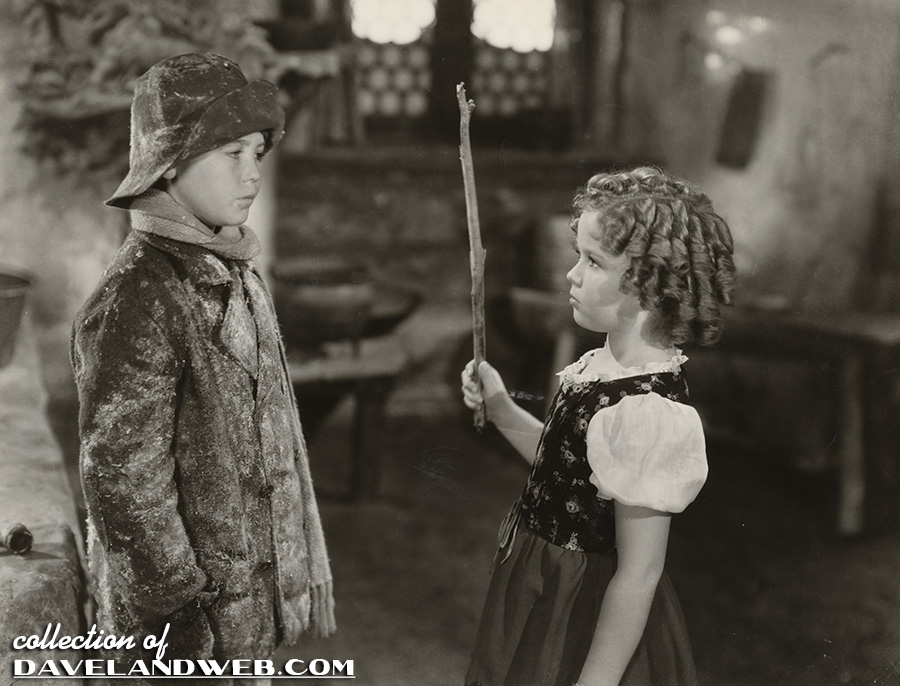
In “The Blue Bird” (1940), siblings Tyltyl and Mytyl (Johnny Russell and Shirley) take a frightening journey through the graveyard with their evil cat, Tylette (Gale Sondergaard), just before the stroke of midnight.


Not wanting to return to her feline form, Tylette attempts to trap the little children in the cemetery… FOREVER!


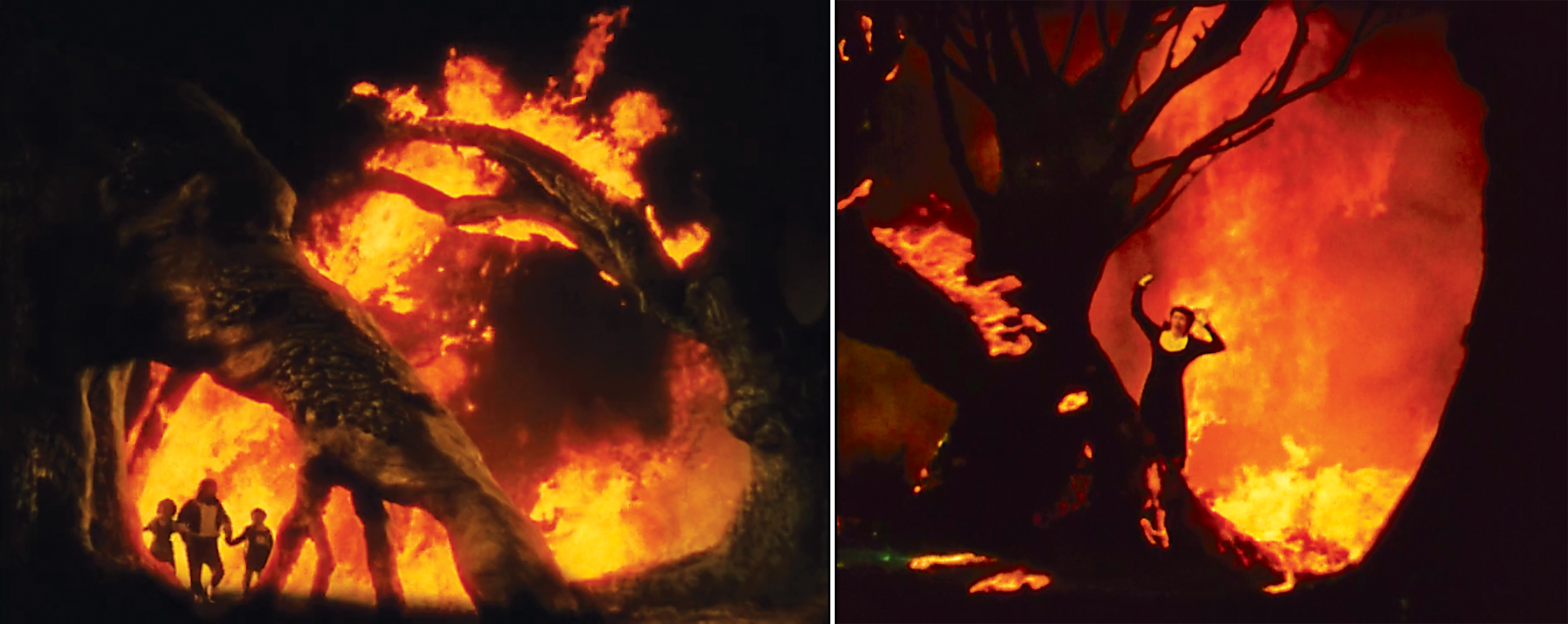
Later in the same movie, Tylette tries to have the children scared off by arranging to have the trees in the forest attack them…


AND THEN BURN THEM! Instead, karma bites Tylette in the ass and she’s the one who gets incinerated. As I often say, don’t mess with Shirley!


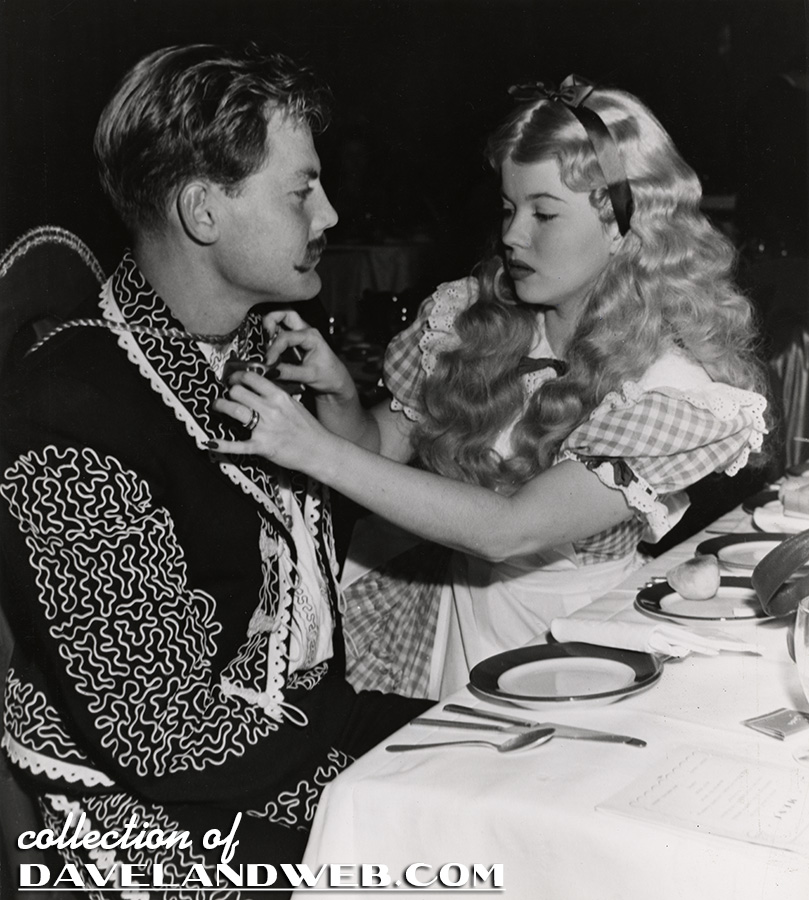
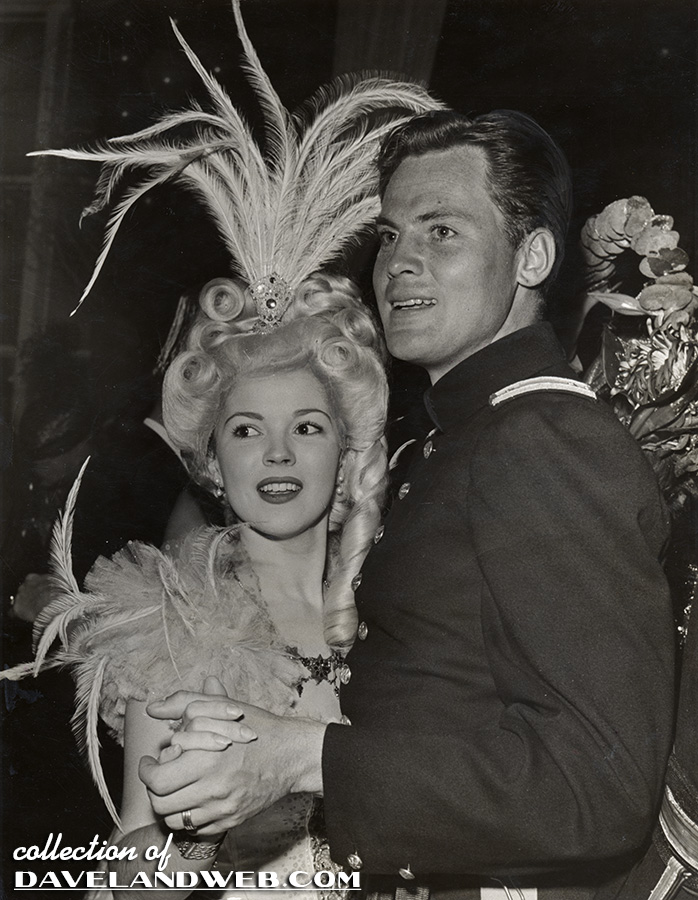
In her private life, Shirley also loved to dress up, such as this costume party at Ciro’s nightclub on Sunset Boulevard, with then husband John Agar. Shirley came as Alice in Wonderland.


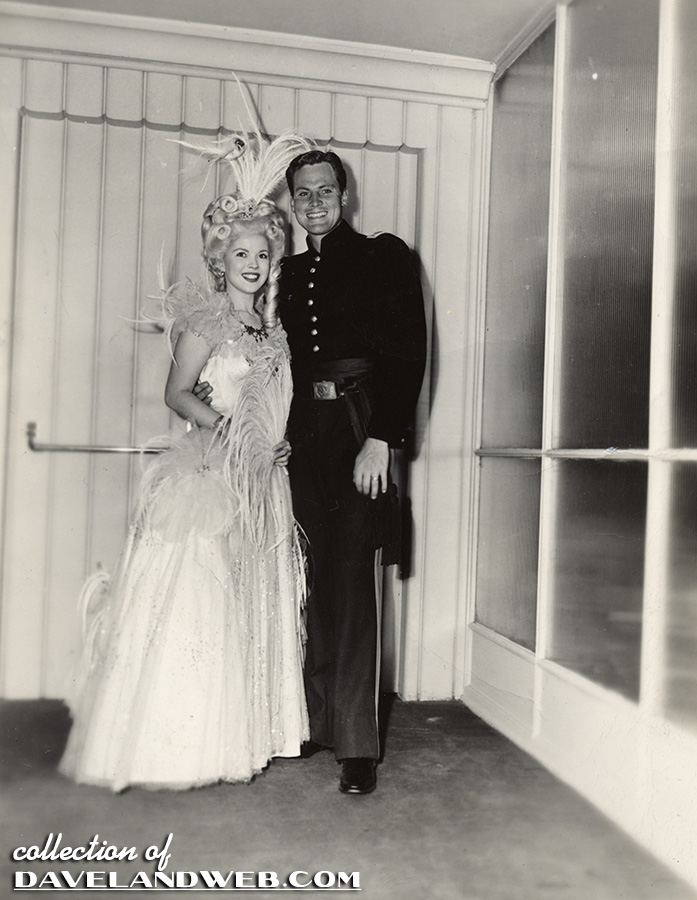
For this 1948 party, Shirley recycled a movie costume from seven years before (“Kathleen”), but added a period wig for some Marie Antoinette flair.


Agar most likely borrowed his wardrobe from “Fort Apache.” 


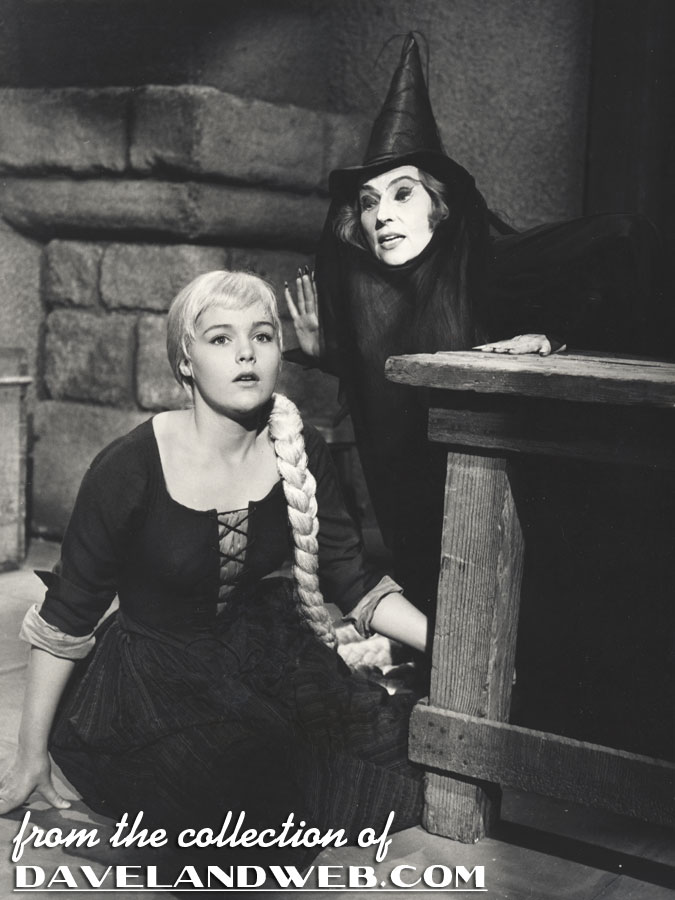
In her 1950’s Fairy Tale Anthology series, “Shirley Temple’s Storybook,” there were plenty of witches, but typically they were portrayed by other actresses. The Halloween episode of “Rapunzel” was first broadcast on October 27, 1958. Carol Lynley played the title role and Agnes Moorehead was the witch. This pre-dated her role of Endora in “Bewitched.”


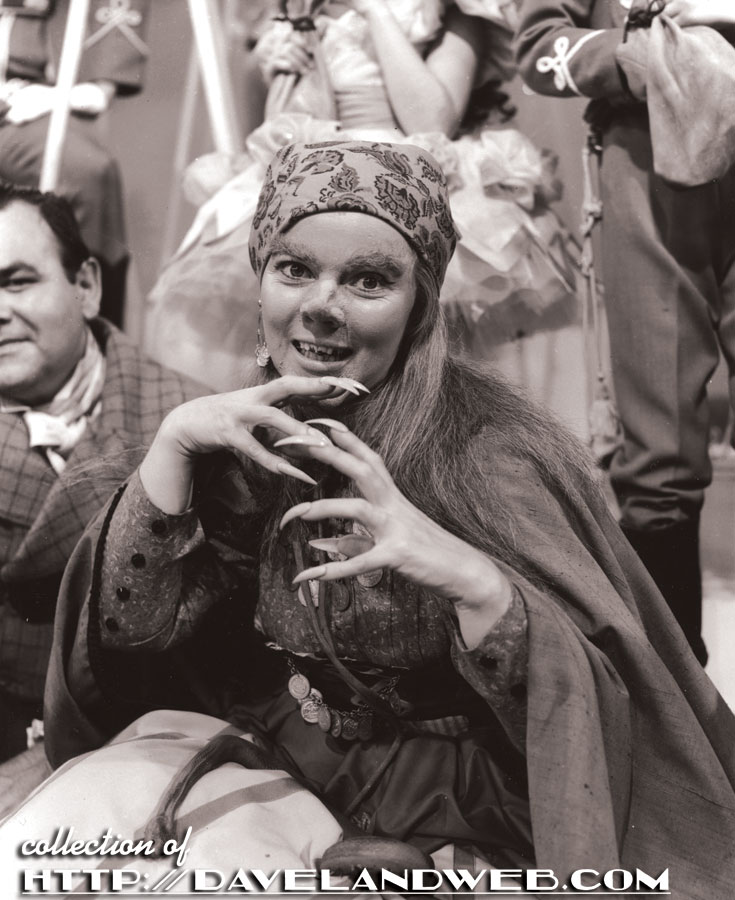
“The Shirley Temple Show” 1960 episode of “Babes in Toyland” allowed Shirley to gleefully play the role of Floretta, the gypsy witch. Shirley relished the opportunity to be almost unrecognizable in her makeup and costume!


I hope you all have a fun Halloween this week!

See more Shirley Temple photos at my main website.
Tuesday, May 28, 2024

Temple Tuesday: Shirley and the Sour Grapes


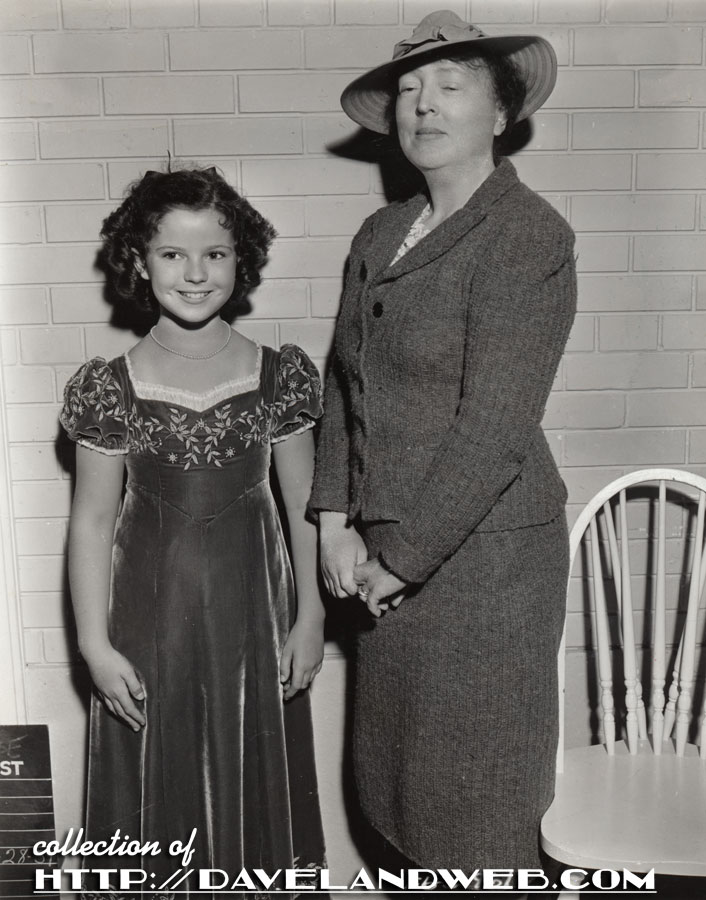
Today is a tale of three of Shirley Temple’s contemporary actors and how they chose to retell their experiences of working with the talented moppet. When actress Gloria Stuart was told by Fox studio head Darryl Zanuck that she was to be put in a Shirley Temple movie, the actress was crestfallen at having to compete with the little dynamo. Zanuck reframed it for her this way: “Gloria, you could be in film for the next ten years or on the stage and nobody would ever see you or hear about you, but if you’re in a Shirley Temple film, millions of people will see you.” The actress realized the wisdom of his words and would later recall, “She was really a getaway girl. You watched her and she was so completely composed and happy and talented and up, up, up. She was a real tonic…a miracle. Indescribable. It’s impossible that one child was all those wonderful things, but she was!” The power of positive thinking was not something little Delmar Watson practiced. In “Heidi” (1937), he played Peter, the goatherd, a fairly substantial role. Here are his recollections about the experience:

I was never given my lines to study in advance. My dad asked Allan Dwan about this, and he said they wanted Peter to be kind of dumb, but it was the only time I was in a picture of that length where they would not give me my lines until the night before I was supposed to do a scene.


I guess Delmar did not understand method acting. Shirley was given her own trailer for the location shoots according to Watson:

[It was] parked on the side of a hill. She was there all the time with Grif and, of course, her mother. Only a few studio people were allowed up there. She had a stand-in [Mary Lou Isleib] for the sound and lights. Then, when everything was set, she’d come down at the last minute, we’d do our scene together, and when it was finished, she would be escorted back up the hill and disappear into her trailer. Once, I was playing horseshoes right after lunch with the lighting guys, and she came out of her trailer. I said, ‘Hi,’ and she greeted me and asked if she could play. Sure, we told her. She picked up a horseshoe and tossed it. I think she missed. She played with us for exactly two minutes, and then her bodyguard came down and took her away, back up the hill into the trailer. I heard him tell her she wasn’t supposed to be there. As she left, I said to her, ‘Bye. Maybe you could do it later.’ Shirley didn’t say anything, but obediently returned to the trailer.

When you have a film riding on your shoulders and a limited amount of work time due to being a minor, it’s easy to understand that Shirley wouldn’t have a lot of time to play. A stray horseshoe that might have injured the star could have shut down the entire production. Obviously, Watson was too young at the time to understand and when he later told the story, too old to remember what the circumstances were.

Case #2: Sybil Jason. If it weren’t for “The Little Princess” (1939), Jason would be all but forgotten today (and for the most part, still is). While an appealing child, the South African born girl just never caught on in the U.S.


Here’s how Jason chose to recall working on “The Blue Bird” (1940), her second Temple film:

Usually when one received a finalized script of a movie, you are apprised of the shooting date. We were quite puzzled when a good two weeks before that date I was told to report to the studio early one morning. When we arrived, we were directed to go to a specific soundstage, and when we got inside all we saw was a small lit set with a plain backdrop and two chairs facing each other. One of the chairs faced the camera and the other one was placed behind it. I was greeted and handed a few pages from the…script. It contained only Shirley’s lines and those of the various characters that would appear in the movie. It didn’t take a rocket scientist to figure out that this was going to be the ultimate humiliation for me. I was expected to read Shirley’s lines so that actors could screen test for the various roles like the Father, the character Light and the “deceased” grandparents. As young as I was, I knew I wasn’t being treated right and I could see from the hurt look in my sister’s eyes that she too felt that way but, considering the position I was now placed in, there wasn’t much we could do about it.


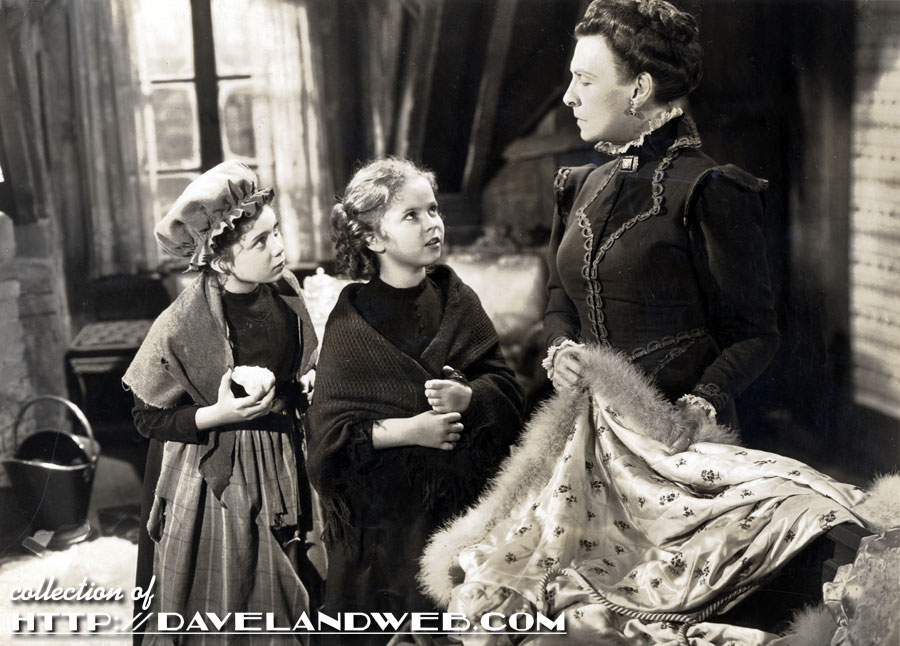
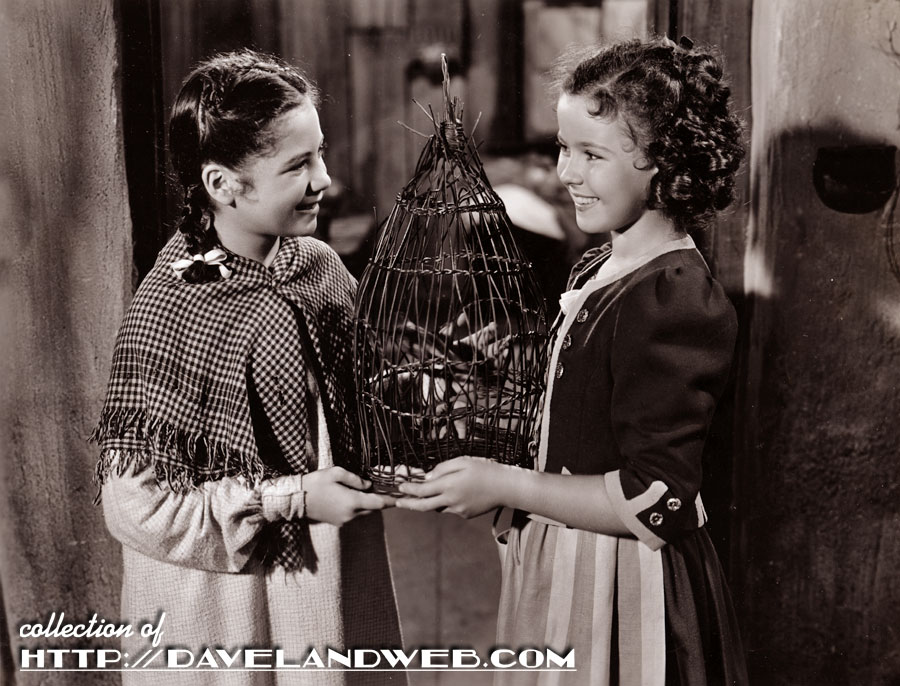
After a couple of days of reading for the tests, I could now concentrate and prepare for my role as Angela Berlingot, the little crippled girl who yearns for the bird that Mytyl (Shirley) and Tytyl (Johnny Russell) had captured in the woods. My part in The Blue Bird was, to put it politely, minuscule. It consisted of a scene in the beginning of the movie and another at the end.

Sybil’s remarks have always been puzzling. Were these her memories or ones fed to her by the older sister? While it is made clear that Angela is sick, never at any time does the viewer hear the word “cripple” used to describe her. Sybil may have been thought of by Warners (her former studio) as a rival to Shirley, but the public never viewed her that way. Finally, if the Jason sisters thought reading the star’s lines in a screen test was the ultimate humiliation, then they obviously were not aware of how things worked in Hollywood. As stated before, Shirley’s work time was limited; why would it be wasted on screen tests?


In this publicity still and the caption below, we can see that it was co-starring in a Temple film that helped pave the way for Sybil’s Hollywood career. How the public did/didn’t accept her was out of Shirley’s hands.

Since her portrayal in “The Little Princess” won her a long-term contract at 20th Century-Fox, 9-year-old Sybil Jason (foreground) goes to the studio’s school. Seated back of her is June Carlson of 20th Century-Fox’ Jones Family series, while Teacher (standing) is Miss Catherine Hagan.


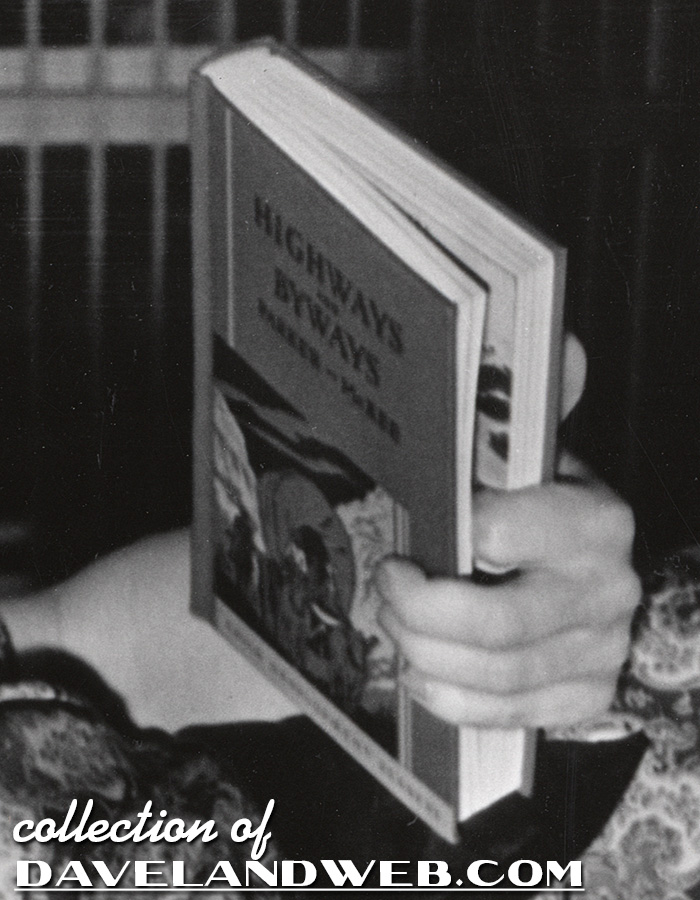
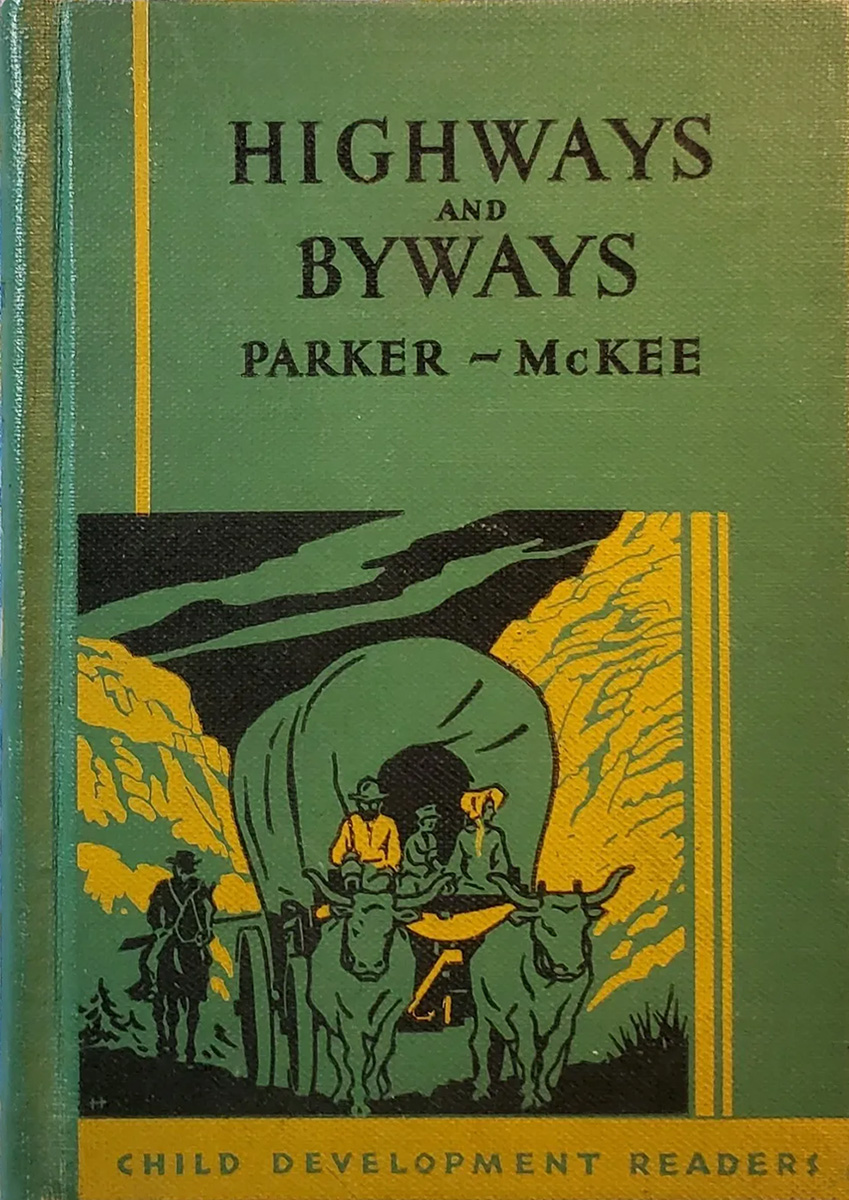
Here’s the cover of the book Miss Hagan is holding, Highways and Byways. It was copyright 1938 by authors Paul McKee, Director, Teachers College Elementary School, and Professor of Elementary Education, Colorado State Teachers College, Greeley, Colorodo, and Beryl Parker, Associate Professor of Education, New York University. 


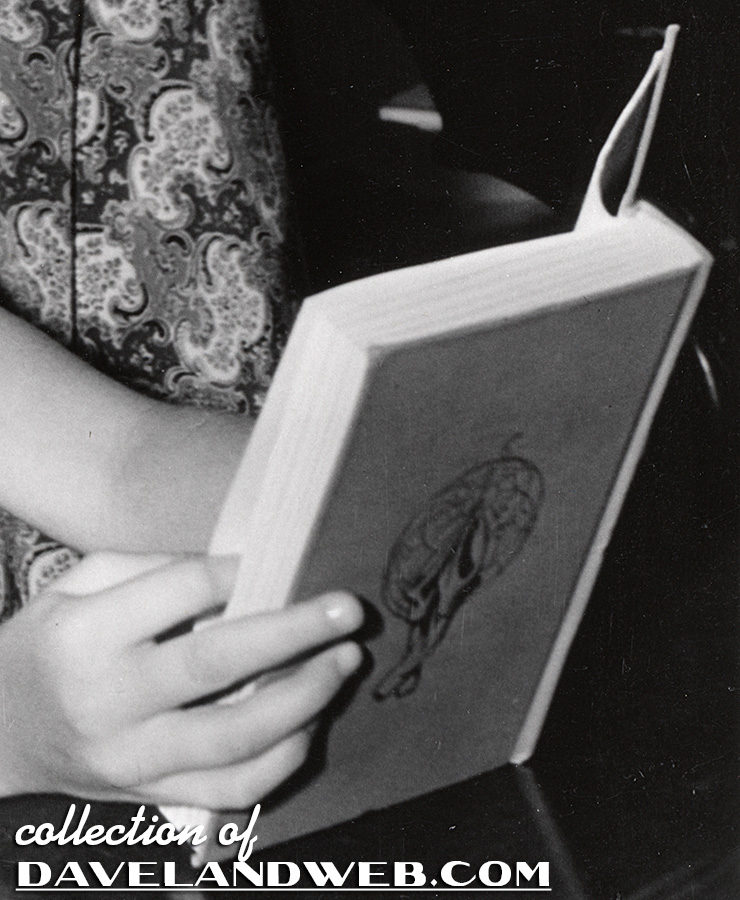
This is not the same book Sybil is reading.


Houston, we do not have a match.


Case #3: Marcia Mae Jones, who played Klara, a true cripple, in “Heidi” (1937).


Marcia Mae Jones recalled her casting in the film:

There was talk that I got as much fan mail because I played a crippled girl in ‘Heidi,’ and probably that Mrs. Temple would never use me again, but Mrs. Temple requested me for ‘The Little Princess,’ so you see, there’s a lot of talk that’s not so.

Mic drop. Thank you. Below is a shot I took in 2002 of Margaret O’Brien and the sour grapes, Delmar Watson and Sybil Jason. They were making an appearance at the Silent Movie Theatre in Hollywood for a Tippi Hedren fundraiser for her animal shelter.


See more photos at my main website.
Tuesday, December 19, 2023

Temple Tuesday: Shirley’s Christmas Quintet


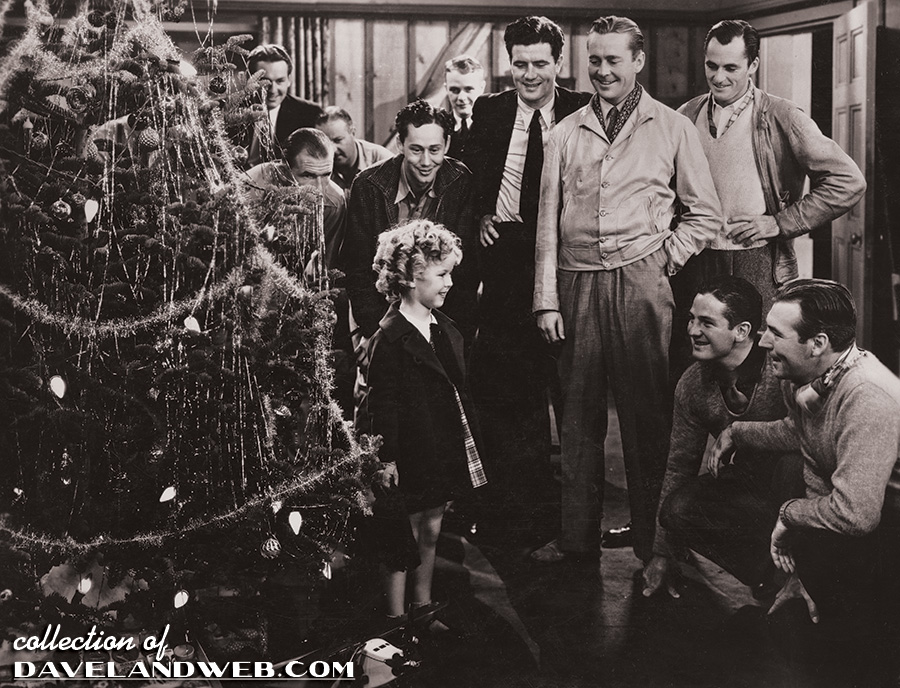
Today for Temple Tuesday we celebrate a quintet of Shirley movies that take place during the Christmas holiday. First up is “Bright Eyes” (1934), one of my favorite Shirley films. There is a very touching Christmas Eve scene where Shirley’s widowed mother (Lois Wilson) confides in her daughter that she misses her husband. The next morning, little Shirley is celebrated by all her aviator friends who used to work with her father before he “cracked up.” She is showered with gifts and love.
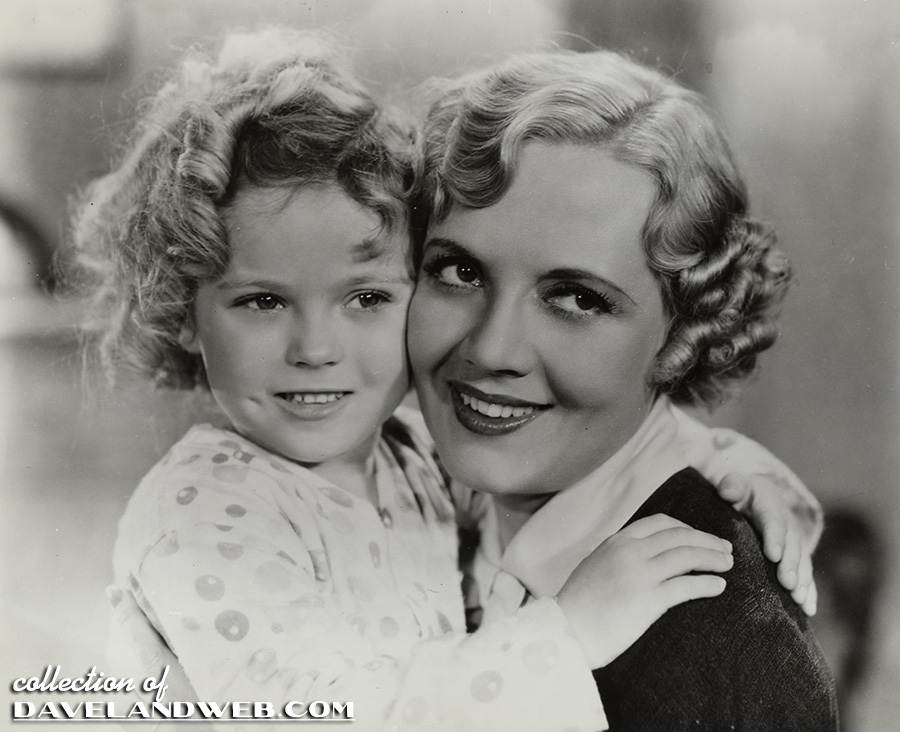


Yes, that’s mistletoe in the pilot’s hand. When I attempted to look up the meaning of the branch and berries on Google, this is what it said:
Historically, mistletoe represents romance, fertility, and vitality. Because nothing says love like bird feces and poison. But seriously, the Celtic Druids valued mistletoe for its healing properties and likely were among the first to decorate with it.


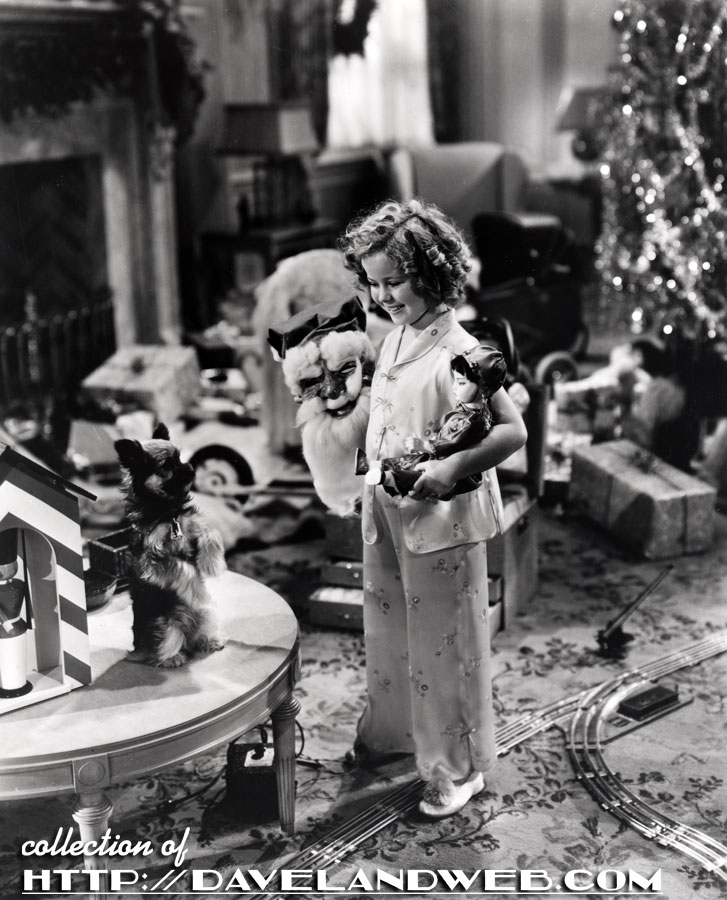
Who knew Google has a sense of humor? In “Stowaway” (1936), Shirley is a little girl who must flee her home to avoid being killed, then gets robbed, stows away on a ship, befriends a rich playboy (Robert Young), runs afoul of Alice Faye’s character’s mother-in-law (Helen Westley), almost gets put in an orphanage, and then has to plea to a judge to keep her “new” parents (Young and Faye) from getting a divorce. Doesn’t sound very Christmas-y, does it? Well, that’s what happy endings are for! The final scene has Shirley singing, “That’s What I Want For Christmas,” and judging by all the toys, dolls, and trains surrounding her, she gets everything on her list.


In “Heidi” (1937), Shirley sings “Silent Night” at the Sesemann household with crippled Klara (Marcia Mae Jones), wicked governess Fräulein Rottenmeier (Mary Nash), Herr Sesemann (Sidney Blackmer), and all the household servants.


It is a touching scene as the little girl gazes in wonderment upon the tree, ornaments, and abundance of gifts in the house, followed by a cut to the townspeople, nuns, and law enforcement singing the Christmas carol as well. Pardon the colorization; it was the best clip I could find!


A vintage hand-tinted photo from the same scene in “Heidi”:


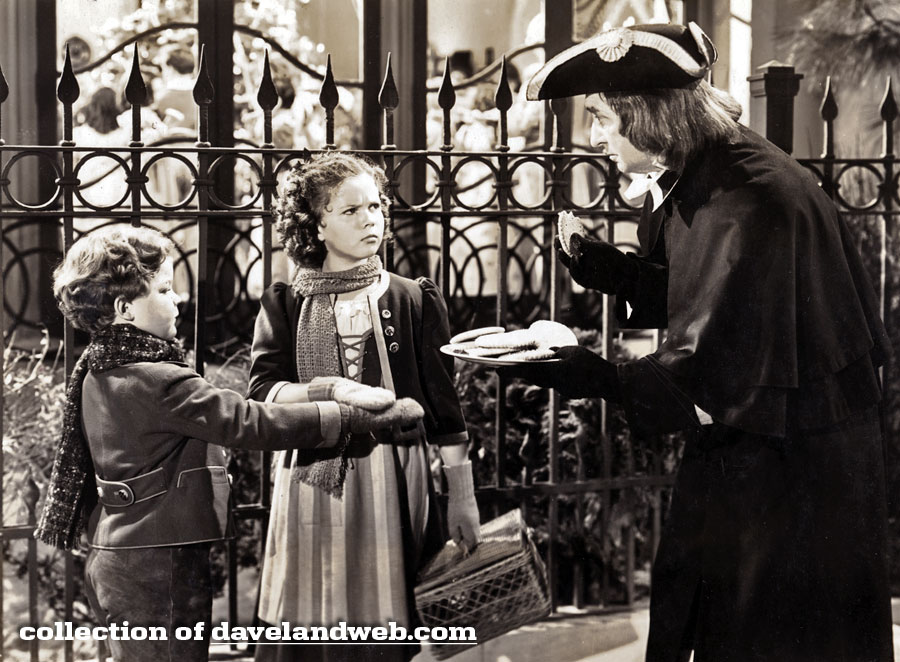
“The Blue Bird” (1940) begins on Christmas Eve, as Mytyl (Shirley) and her little brother (Johnny Russell) rush home for dinner after an afternoon of bird hunting. The merriment inside a mansion causes the poor little girl to stop and gawk, wishing she had all the riches that the people inside did. Regardless, she is too proud to accept cookies from the kind gentlemen who works there.


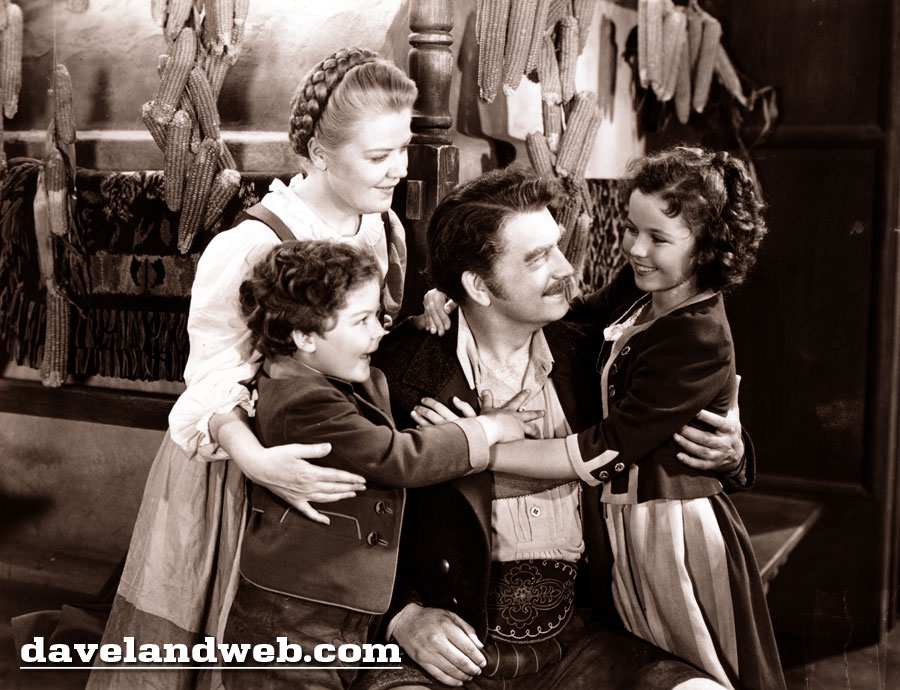
After a long journey in a dream sequence (or was it?), the children awake on Christmas morning to discover that the war has been called off and they can celebrate the holiday with their parents.


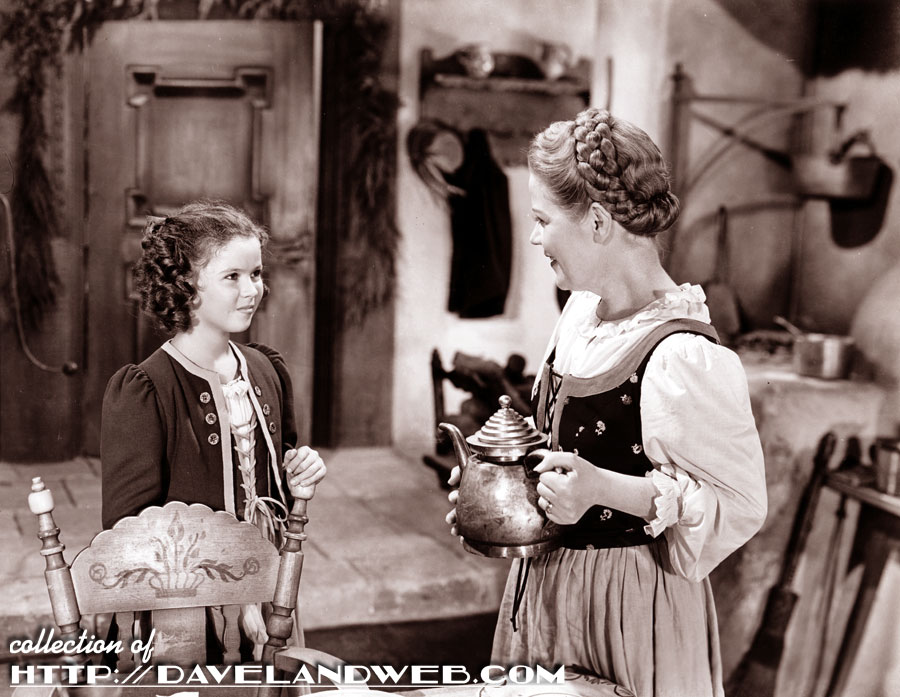
Note the festive garland around the door?


In “I’ll Be Seeing You” (1944), the Morgan family celebrates the Christmas holiday by welcoming their niece Mary (Ginger Rogers) for a visit. Mary meets a handsome Sergeant (Joseph Cotten) on the train there. Sounds like the beginning of a beautiful romance, right? Not so fast, folks. Mary is on parole (for accidentally killing the man who tried to rape her) and Zach is on leave from a military hospital, attempting to adjust to his PTSD. Are they honest with each other? Of course not! However, Barbara Morgan (Shirley) inadvertently spills the beans to Zach about Barbara and…well, you’ll just have to watch it yourself. In this scene from the movie, Barbara is about to go on a date with Lieutenant Bruce, played by John Derek, who put the “Derek” in Bo Derek! You’ll note that in both “The Blue Bird” and “IBSY” Shirley’s mother is played by Spring Byington, who would eventually play Major Nelson’s mother in “I Dream of Jeannie.”


“I’ll Be Seeing You” may not be the happiest of holiday movies, but it is still worth a watch and guaranteed to draw a tear from the driest of ducts! 

Which Christmas Shirley movie will you watch this season?

See more Shirley Temple photos at my main website.