Showing posts with label gertrude temple. Show all posts

Tuesday, April 08, 2025

Temple Tuesday: A Date with Shirley


Inspired by a comment from my most devoted reader, Fifthrider, today’s post takes a look at what was said:

Any time I see a pic of Shirley on a date, she's always smiling and the guys always look like someone off camera has a gun pointed at them. I've no idea what the backstory on any of those are, only that no one seems to be willing to smile at a camera for being out on the town with Shirley.

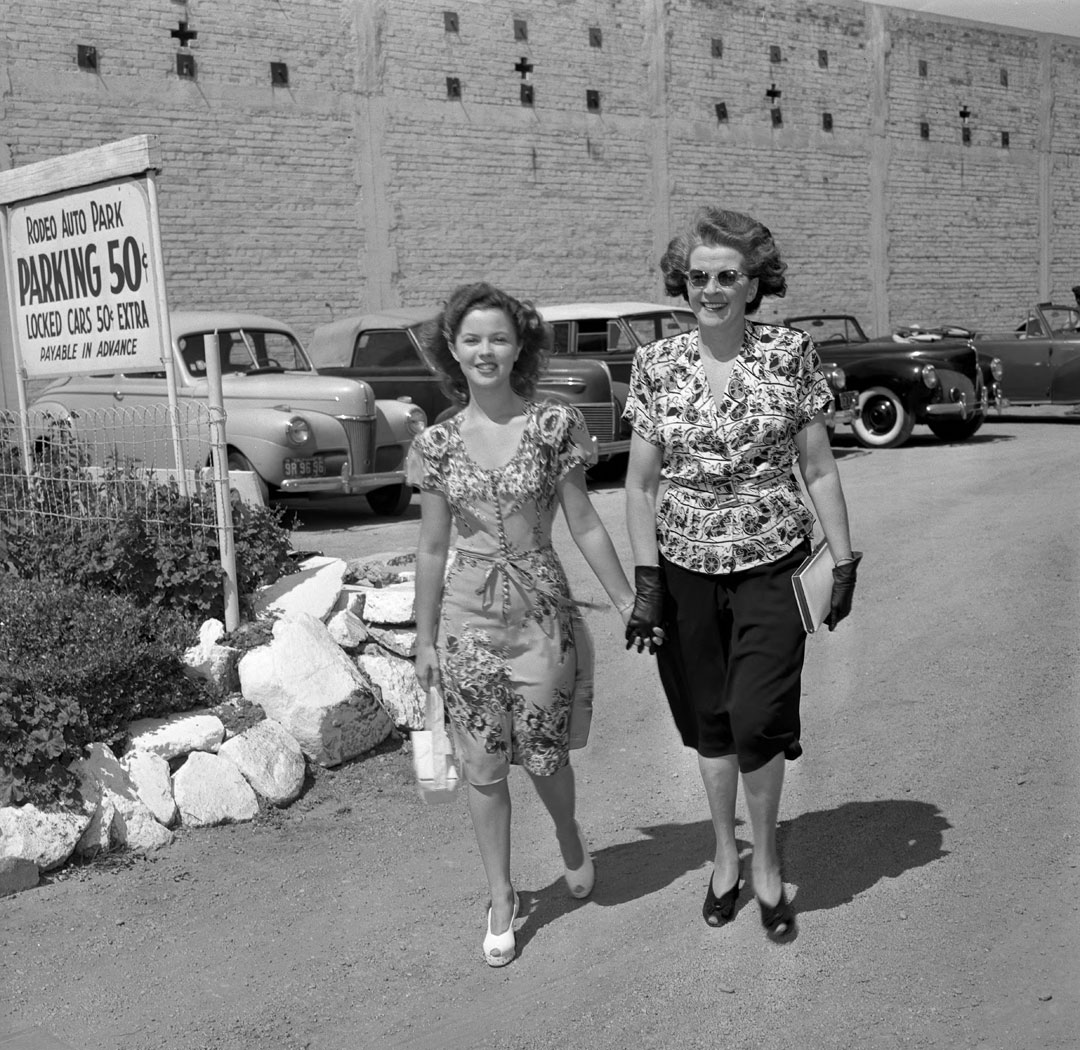
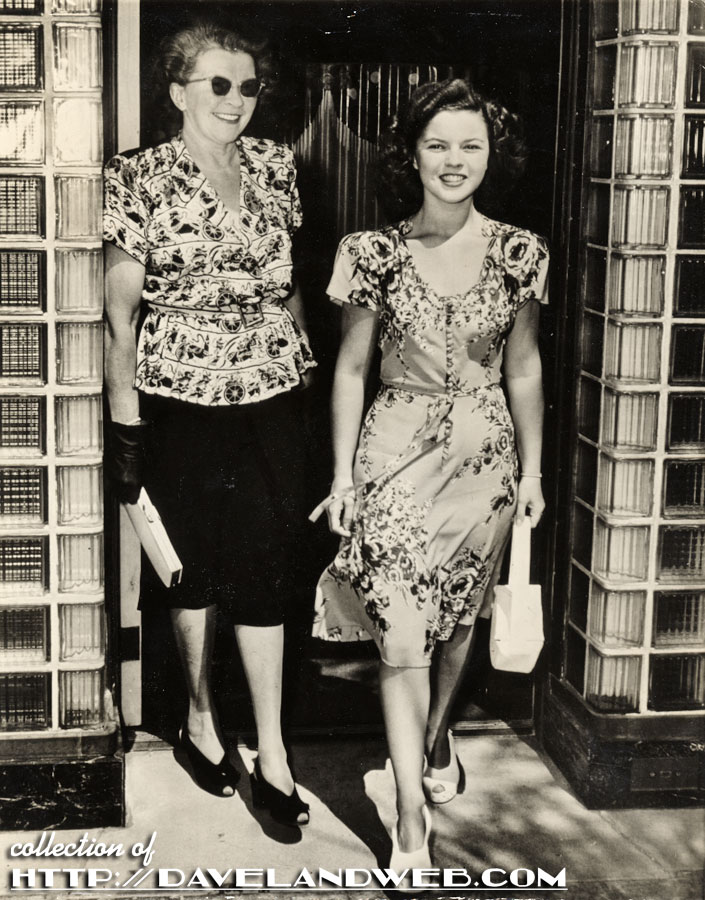
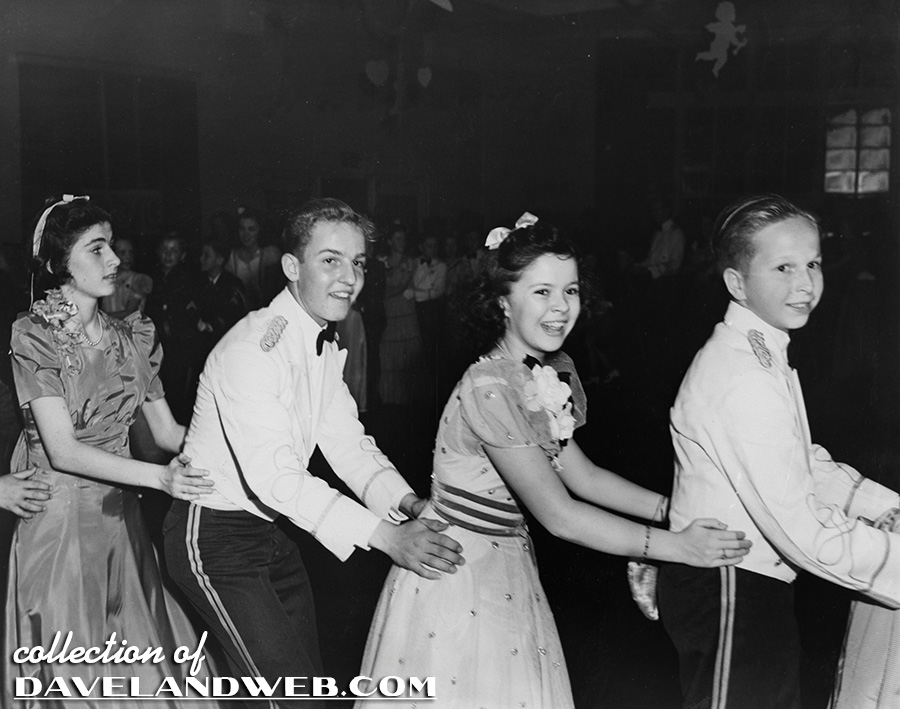
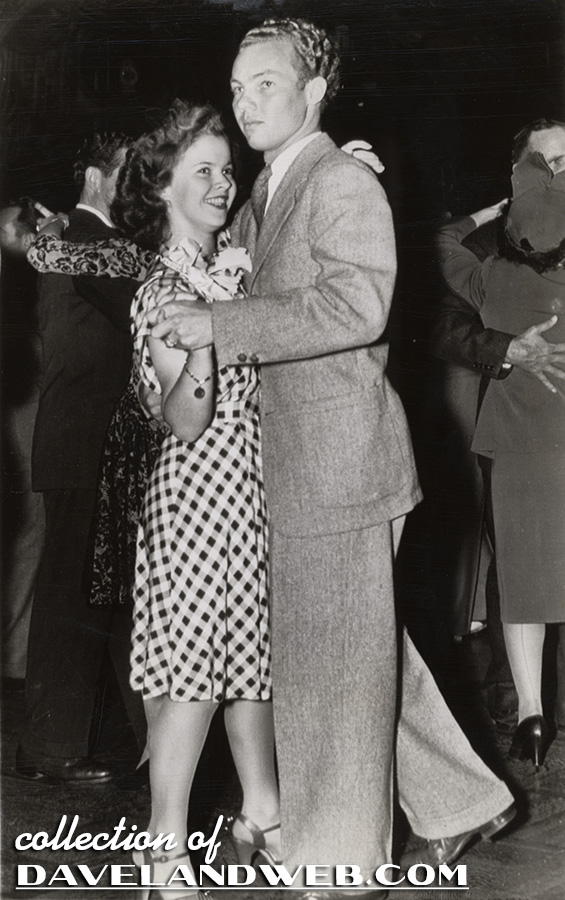
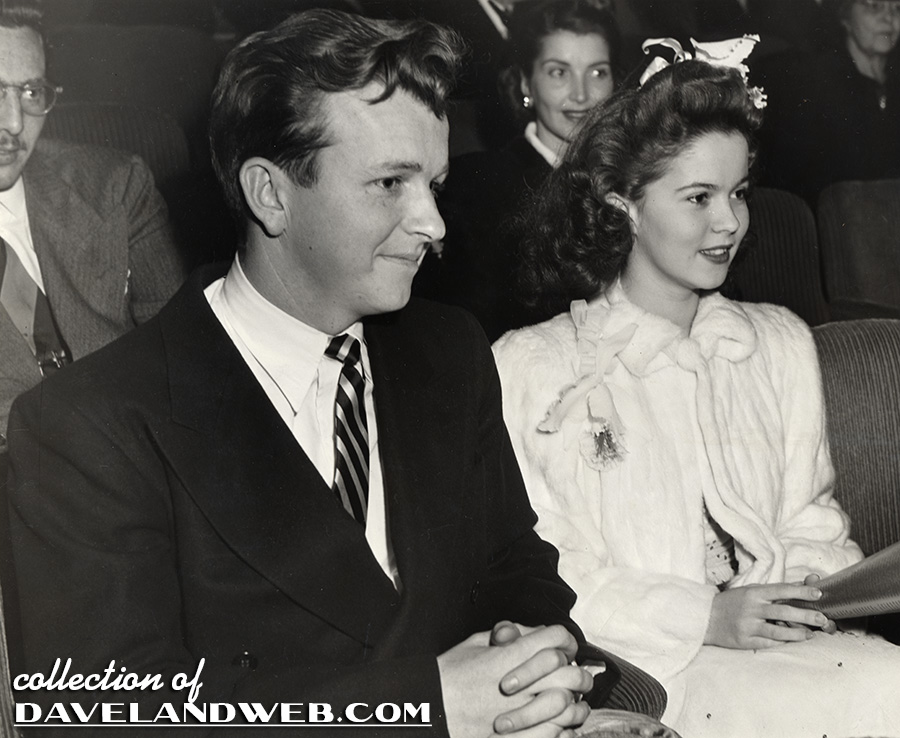
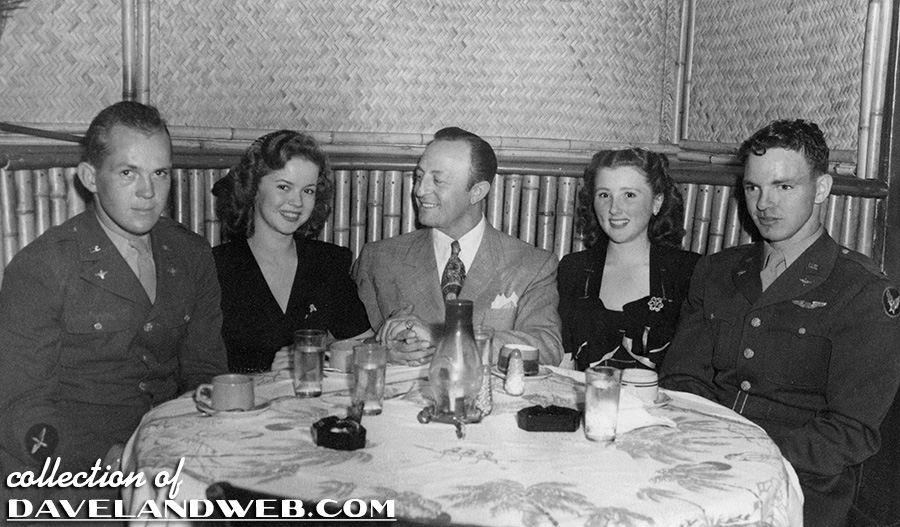
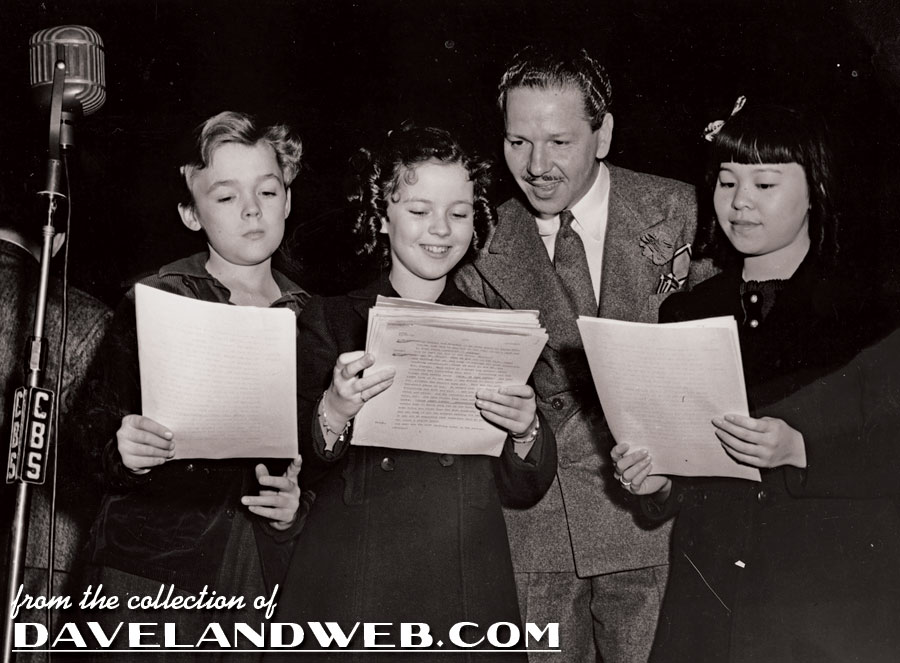
Let’s take a look at the photographic evidence from the Daveland archives, shall we? Exhibit A, the first photo above, with Cadet Captain Raymond Berlinger and Shirley at the California Military Academy formal commencement ball, November 1940. One point for Fifthrider. Below is Exhibit B, with Shirley and date at the California Military Academy Formal Cotillion, February 1941. Both boys are smiling; they realize the perq of being out with Shirley! Sorry, Fifthrider!


Uh oh…Fifthrider goes into the lead again with Exhibit C, a 1942 shot of Shirley and Earl Miller at the Alpha Sigma pledge dance at Santa Monica junior college. This guy looks like he’s mentally preparing his tax returns.


Back to ground zero with Exhibit D, a February 1944 image of Craig Flanagan and Shirley at the premiere of “Lady in the Dark” starring Ginger Rogers. At least Craig manages to muster a bit of a smile. This one counts in Shirley’s favor!


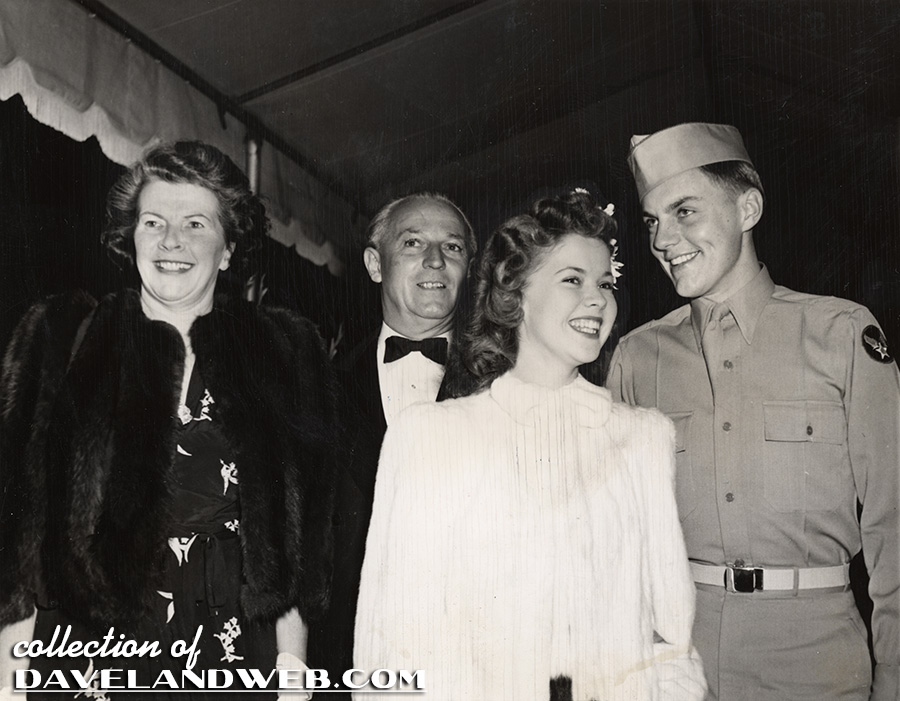
Exhibit E shows Shirley at the “Since You Went Away” premier on July 18, 1944, with her favorite beau at the time, Private Andy Hotchkiss. He appears to be saying, “Let’s ditch your parents and have a REALLY good time!”


In her autobiography, Child Star, Shirley refers to him in the index as Andrew D. “Hotch” Hotchkin, and in the text solely as “Hotch.” The publicity blurb on the above photo lists him as Hotchkiss. According to various other news items of the time, his name was Hotchkiss. From Ed Sullivan’s column in the Los Angeles Evening Citizen News on August 16, 1944:

Shirley Temple and Air Cadet Andrew Hotchkiss are an item.

Maybe Shirley was attempting to “protect the innocent.” Here’s what Shirley had to say about Hotch on page 335:

At one of those punch-and-cookies school exchanges with Harvard Military Academy, a tall, uniformed senior with straw-blond hair and blue eyes cut in on the dance floor. “I’m Hotch,” he said, leading me in a series of swooping turns, which immediately gained covetous attention from my schoolmates. Not only a superb dancer, he was the most handsome boy I had encountered, someone whose conversation revealed a personality of high energy and bright humor. The austere veneer I had been cultivating was dropped flat and I invited him somewhere at the first opportunity, which happened to be Smart Girl’s Thanksgiving barn dance, complete with blue jeans, checked shirts, and a punch bowl secretly laced with gin, rum, and whiskey. Having no experience with alcohol, let alone such a weird concoction, I sipped away and flirted with Hotch. Suddenly I needed fresh air. Fleeing unsteadily outside into the night, I skidded on something mushy, lurched, and slid sideways into a shallow depression, landing on my hands and knees. Even in the darkness I recognized the odor of richly decomposed manure, a perfectly good place to vomit. Having followed me in perhaps romantic anticipation, Hotch witnessed my performance from the bank above. When I had finished he reached down and hauled me up from the gluey clutch of the pit. Using a nearby hose, he washed me off, spread newspapers on his car seat, and drove me home. A charming date, for sure, and an unusual start to enduring love.

By page 369, Shirley had grown weary of Hotch:

Hotch showed up at our hotel on a twenty-four-hour pass from his Madison, Wisconsin, air base. Either from pining away or eating serviceman’s chow, he had grown lean and hollow-eyed. Although older on the calendar, he seemed younger in fact. From a playful, resourceful partner in puppy love, he now seemed to plead for repeated affirmation that he still rated number one. Perhaps what I saw was a junior airman trained to being bossed. However, the more subservient he seemed, the more I lost interest. The more obsequious, the less my affection. Obviously, we were two young people growing up in a different directions at different rates. It was our first reunion, but I realized absence had helped snuff out the love light.

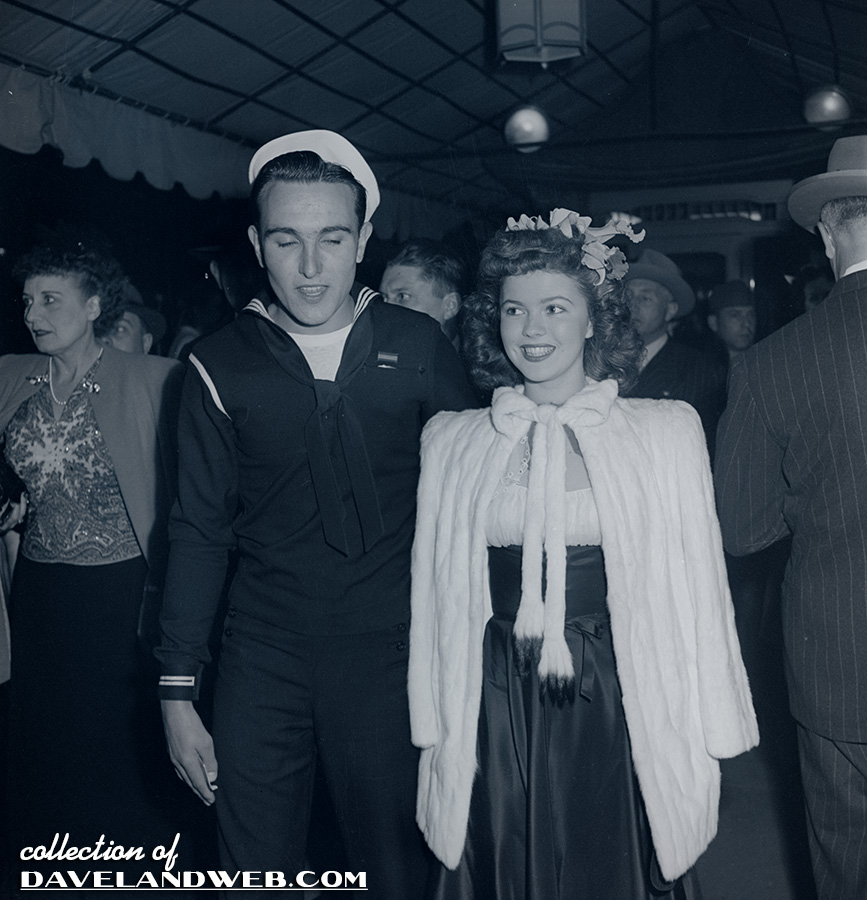
I don’t quite know how to count Exhibit F below; is the guy smiling? Is he high?


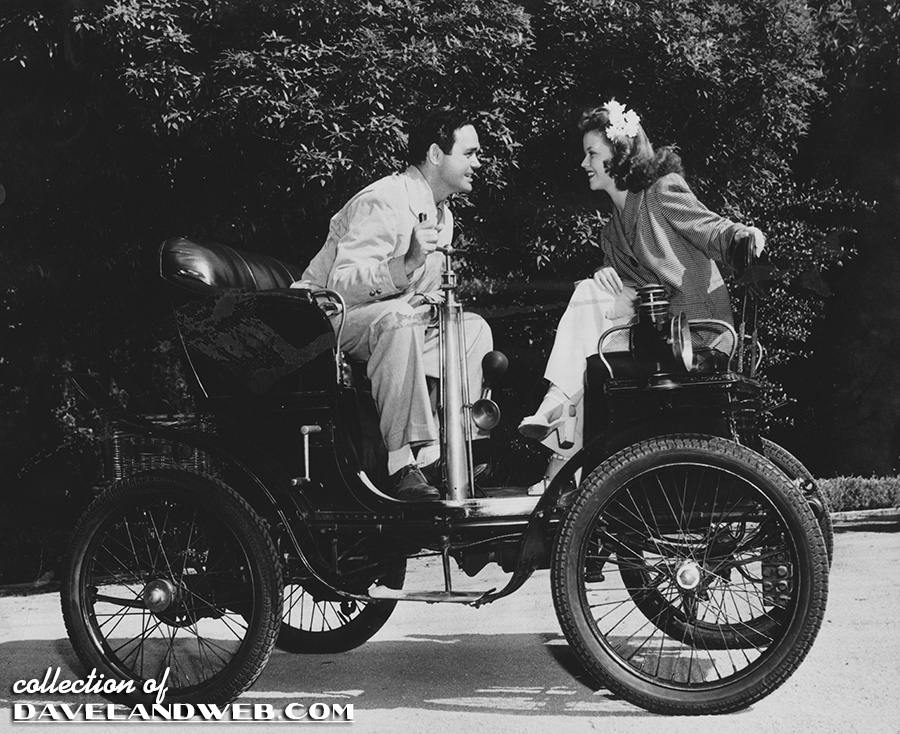
Exhibit G is from August 1944. Shirley is with opera singer/auto nut James Melton. He had romantic intentions for Shirley, but her mother blocked them. From Child Star:

Thirty-year old James Melton, houseguest at ZaSu Pitts’ next door, occupied a room facing my bathroom window. My first clue to his presence came on morning while brushing my teeth. Suddenly a love song came belting across from his open window. Looking up from my basin I saw both his arms extended in a romantic finale. In addition to boasting a magnificent outdoor singing voice, he was an antique car buff. Inviting me to accompany him on a ride in one of his heirlooms, he managed, between gearshift, rubber squeeze horn, and ratchet brake, to suggestively cling to my hand. Mother soon saw he was hanging around too much for someone twice my age and sweetly suggested that henceforth I would probably be too busy with rehearsals to see him.


While the relationship was torpedoed, this guy is clearly smiling! Exhibit H is the photo that inspired today’s post. Shirley’s date is modeling the expression one would wear once the ex-lax starts kicking in. Circa 1944.


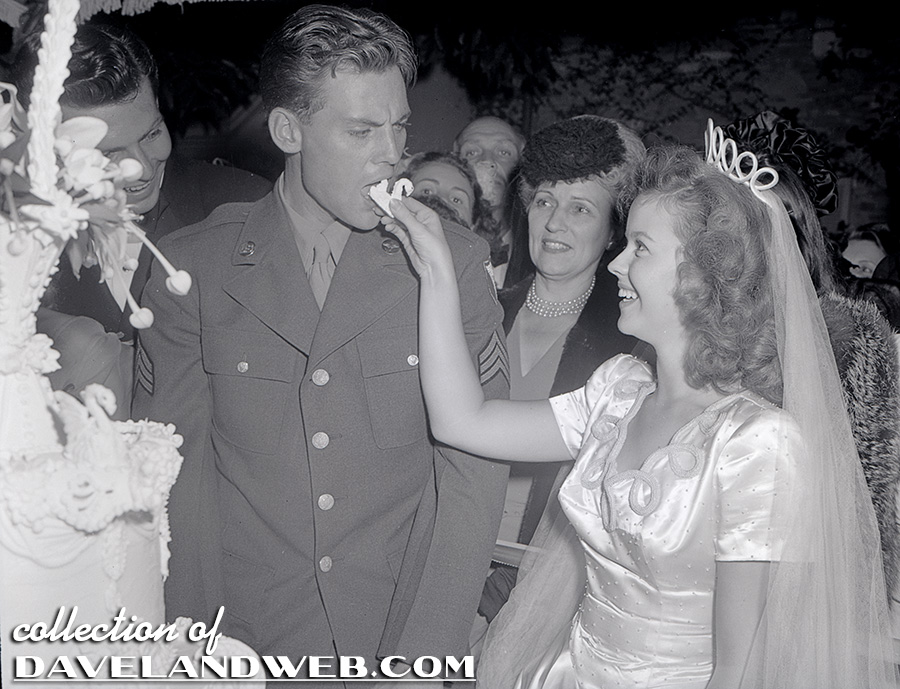
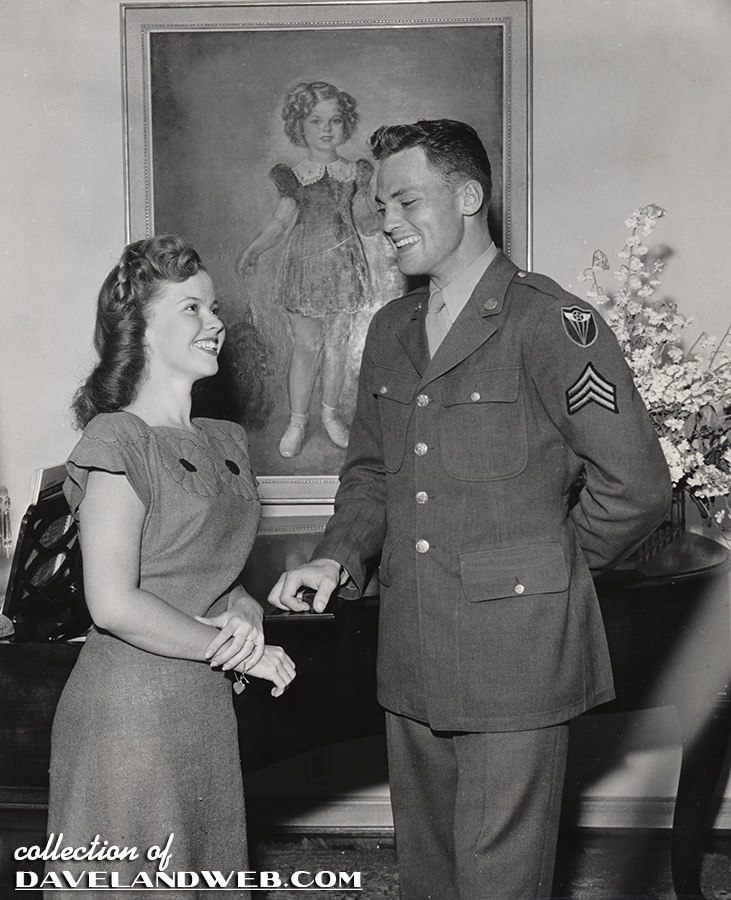
In 1945, Shirley’s dating career as a teen ended when she said “yes” to Sergeant John Agar after he popped the question. In Exhibit I, both are all smiles.


Based solely on the Daveland collection (including the engagement photo above), it appears Shirley is the winner in the make-your-date-smile department. In all seriousness, most of the guys at the time were probably in awe of being out on the town with Shirley Temple. Considering the majority of them were military, they were not trained on how to relax for the cameras. Anybody out there have photographic proof to tip the scales one way or the other?

See more Shirley Temple photos at my main website.

Tuesday, February 25, 2025

Temple Tuesday: A Great Day for Transportation


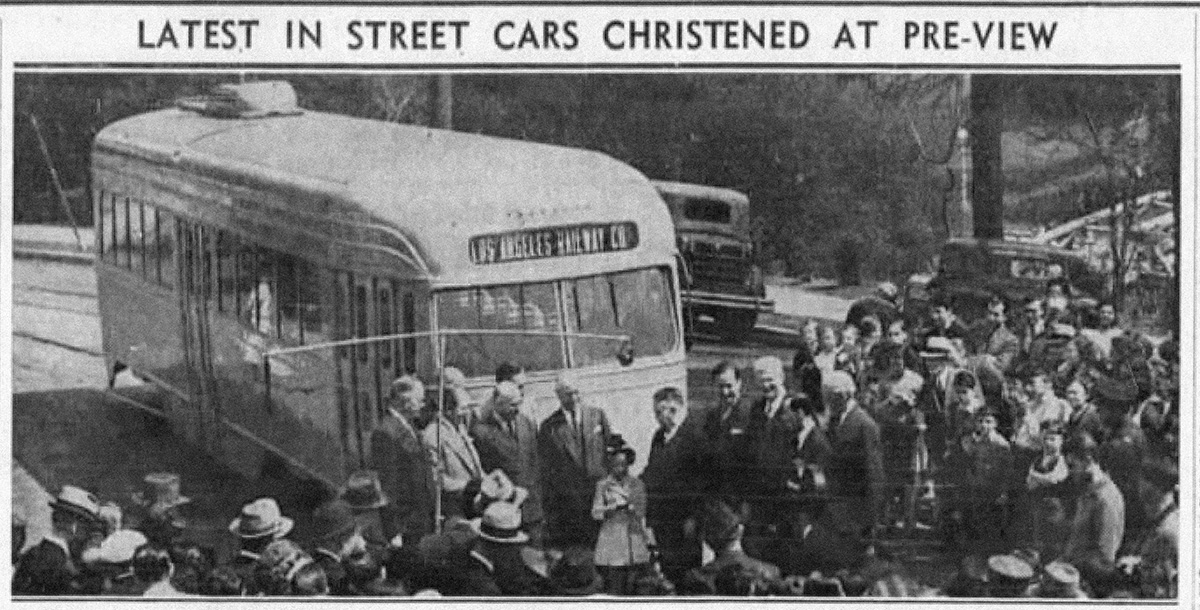
In a previous post, Shirley Temple’s 1937 “christening” of the Los Angeles Railway Company’s street car was detailed. A recent acquisition has made necessary a follow-up!

From the L.A. Times on March 22, 1937:

Standing at the prow of the ultra-modern Los Angeles Railway streamlined street car, Shirley Temple, tiny screen star, yesterday accepted the first fare from Mayor Shaw. Photo shows christening at Hollenbeck Park during preview of noiseless car. City Attorney Chesebro, Byron Hanna, Chamber of Commerce president, Lucius Storrs, line chief, and others were present.…This new vehicle is public transportation’s real challenge to the competition of the private automobile.

The caption for the included photo below:

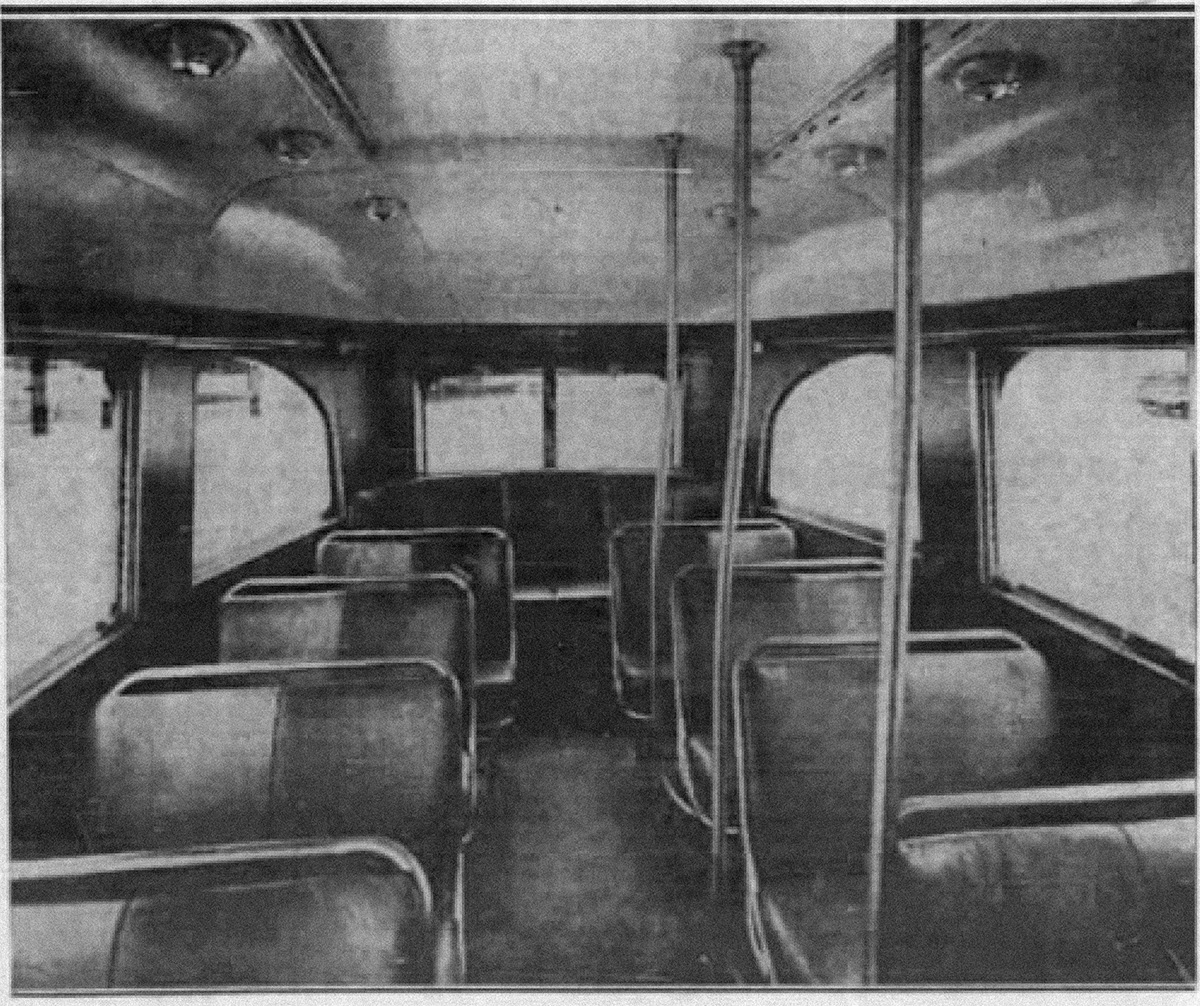
COMFORT DOMINANT NOTE IN CAR INTERIORS

Deep leather cushioned seats assure a new standard of passenger comfort in the new streamlined street cars. Overhead straps are replaced by stainless steel handholds. Other improvements include brilliant but glareless illumination. The seating capacity of the cars has been greatly increased.


Shirley was not the only star celebrating “a new era of transportation for Los Angeles” that day. Actress Olivia de Havilland, who would go on to play Melanie in “Gone with the Wind” (1939), was also very busy that day. According to another Los Angeles paper:

The Los Angeles area was entering a new era of rail transportation today. Film actresses figured yesterday in ceremonies which inaugurated shorter service in a Southern Pacific streamlined train between here and San Francisco and presented a preview of the Los Angeles Railway Company’s new streamlined street car.

Olivia De Havilland helped send the new Southern Pacific train northward. It left at 8:15 A.M. and arrived at 6 P.M. Another was run from San Francisco here.

Shirley Temple raced up and down the rubber-cushioned corridor of the new street car, of which more like it are promised. It is comparatively noiseless and carries sixty-one passengers. The car was to be exhibited further today and “unveiled” in front of the City Hall.


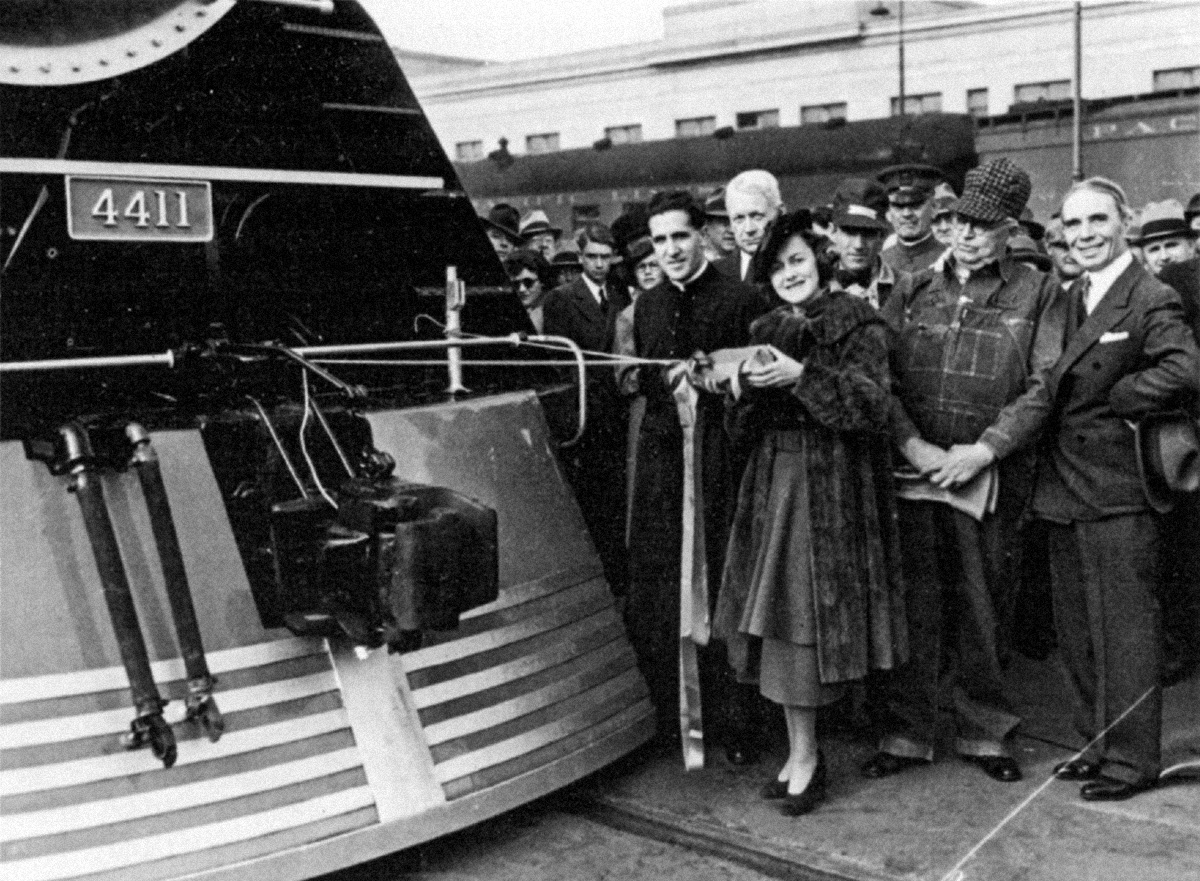
From the X account of Eric Dunn comes this photo of Olivia getting ready to christen the train:


From the Los Angeles Times:

More than 1000 spectators witnessed the departure, which was preceded by colorful ceremonies. The streamliner was christened by Olivia D. Havilland, film actress, and formal wishes for a safe journey were offered by Reverend Father Joachim de Prada, C.M.F., of San Gabriel Mission. Others participating included Vice-President Felix S. McGinnis of the Southern Pacific, General Passenger Agent Henry P. Monahan, Supt. C.F. Donnatin, Engineer W.W. Judy and Conductor Alfred Meredith. Simultaneous ceremonies were held in San Francisco as the companion streamliner departed for Los Angeles. On its arrival at 6 p.m., the incoming train was greeted by Miss Lorene Dyer, daughter of J.H. Dyer, vice-president, after President A.D. McDonald, who headed a heavy passenger list, had dedicated the rail flyer to intercoastal service.

The Daily News reported:

Olivia de Havilland, film star, broke a bottle of California champagne over the giant locomotive in the inauguration ceremonies. At the same time similar ceremonies at San Francisco sent the other “Daylight” speeding south. At 9 p.m. the Lark left on a new 12-hour schedule to San Francisco and the Sunset Limited left at 8 p.m. for a new 12-hour 10-minute run.

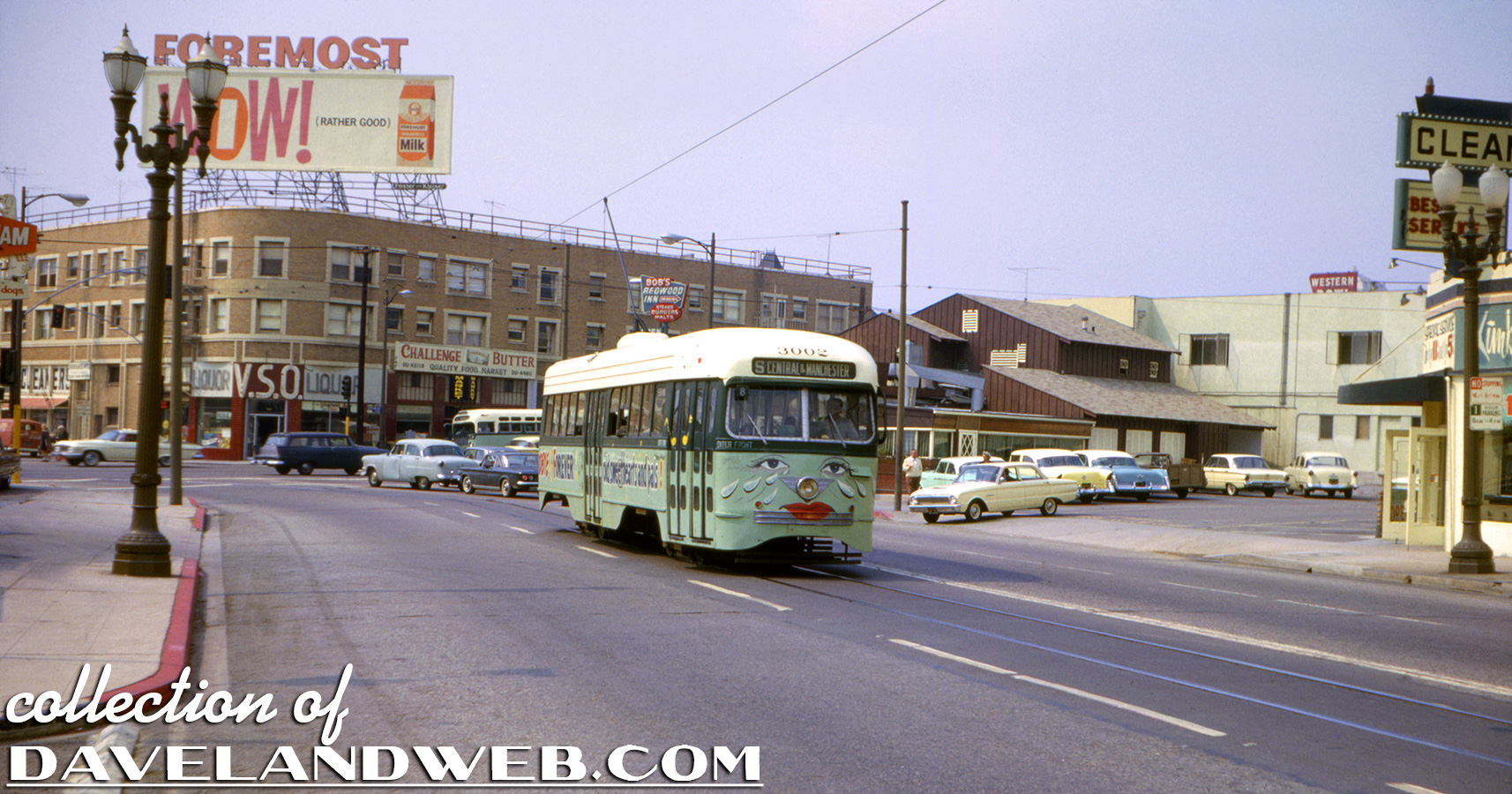
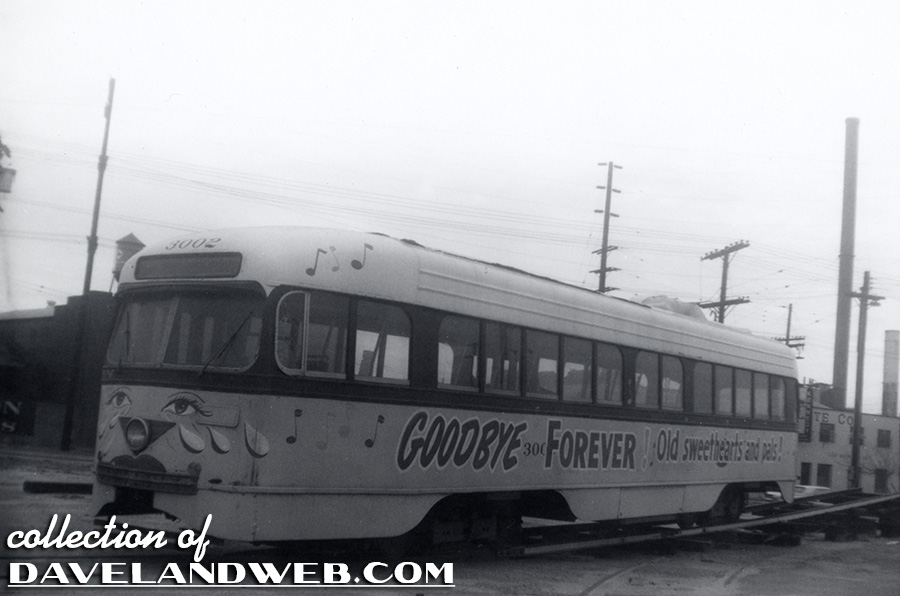
And now, back to the reason for this follow-up post. I recently acquired this color image of the 3002, the same streetcar that Shirley christened. Dated March 29, 1963, it was taken as these cars were experiencing their final journeys just before being “retired.”


If you look below the “ENTER FRONT” sign, you can see “Shirley Temple 1937.”


From the Press-Telegram, March 22, 1963:

March 31 is the day the last of the big yellow streetcars will come clickety-clacking, twanging its power pole, into the Metropolitan Transit Authority yards on Georgia Street in downtown Los Angeles.…Even the almost noiseless,  harmless-seeing trackless trolleys-buses that run on overhead electricity—will disappear. They and the streetcar have received the verdict: Not efficient, not flexible.…The bus slipped in its opening wedge in 1940, when a new type of 45-passenger diesel became available.…What will become of the retiring 164 streetcars and 89 trackless trolleys? A spokesman said that by law the Metropolitan Transit Authority, as a public corporation of the state,  must put them up for bid. The streetcars are narrow-gauge rather than standard, and only three places in the world have tracks that will accommodate them — Mexico City, Korea and Spain. If these places don’t buy the, the spokesman said, they’ll probably be sold as junk.


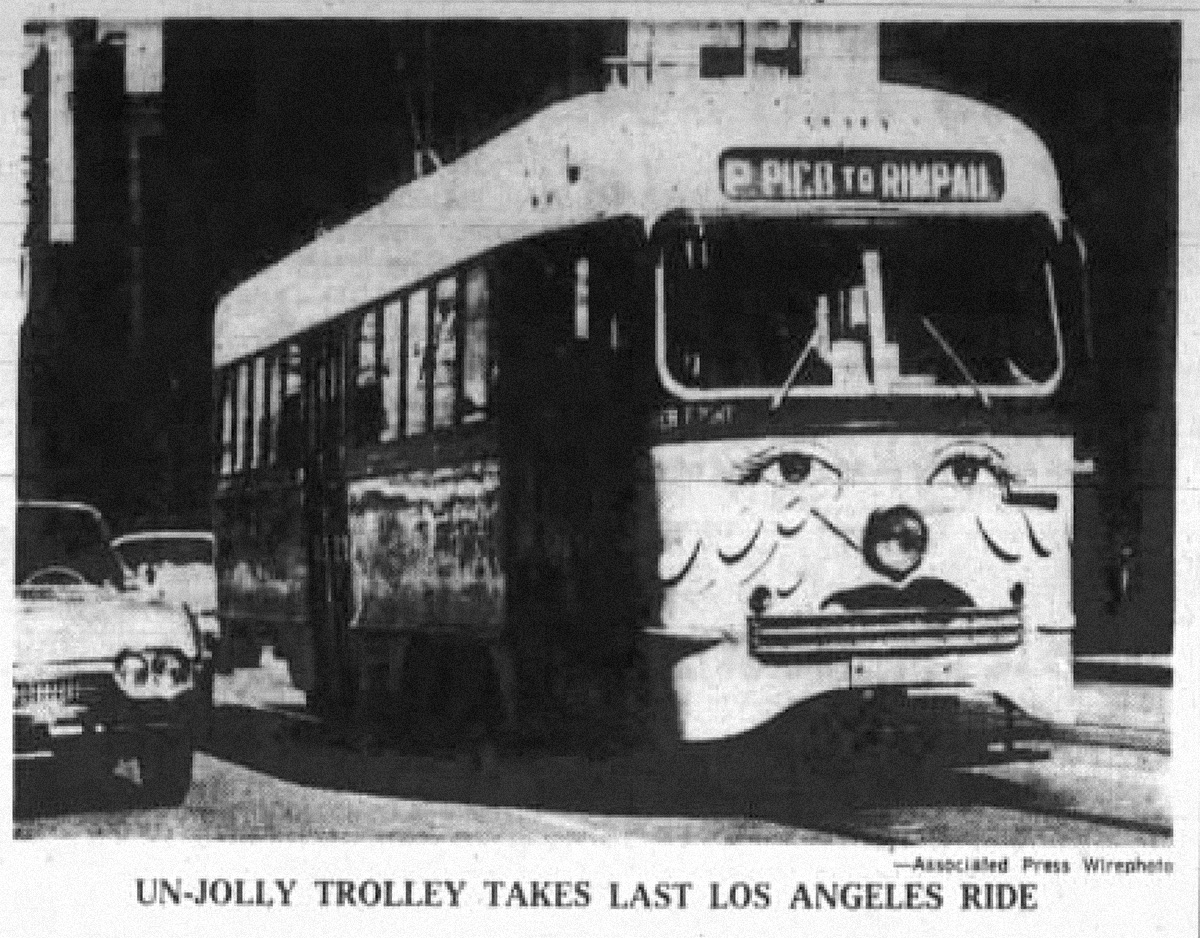
The “Crying Trolley” that Shirley christened was the one featured in photos, but strangely enough, the actress was not mentioned in any of the accompanying stories, such as this one from the Lincoln Heights Bulletin-News on March 28, 1963:

MAKING WAY FOR PROGRESS—Los Angeles’ “Crying Trolley” is leading 163 other streetcars, plus 89 trolley coaches, on their final week of service for area commuters. Singing a final swan song to a closing era, the “Crying Trolley” — Streamliner 3002 — was the first modern streetcar to operate in the area, making its first Los Angeles run in March 1937. For its final routing the “Crying Trolley” bears tears streaming from its eyes and the sentiment: “Goodbye forever old sweethearts and pals.” The farewell on the rear reads, merely “So long.”


Waving goodbye in the photo below is Barbra Julian, Miss Greater Los Angeles Press Club, while George Goehler, MTA superintendent of transportation, wipes away the tears. The Press Club will stage a “Trolley Wake” March 30 as a final tribute to the streetcars and trolley coaches and as a welcome to 300 new SilverLiners going into service on the five MTA streetcar lines and two trolley coach lines, including the P and R lines.


I think it’s fairly safe now to deduce that Shirley’s name on the bus was not written by her, but rather a tribute by someone who remembered that she was part of the original ride back in 1937, and added at the same time as the eyes, tears, and farewell messages.

On March 31, the Times reported this:

Wake Held at Press Club for Streetcar

More than 200 mourners gathered at the Greater Los Angeles Press Club Saturday night to observe solemn last rites for the streetcar. A part of the Los Angeles transportation system for 90 years, streetcars, and their first cousins, trolly busses, were to be off the streets by 6 a.m. today. Their heirs will be a modern fleet of busses dubbed “Silverliners” by the Metropolitan Transit Authority. Saturday night’s rites were simple. After a cocktail party “wake,” the mourners assembled at a buffet dinner. A eulogy to the noble streetcar was delivered by veteran actor Reginald Denny. Denny said he had come to bury Trolley, not to praise him. But he went on to laud his old friend and describe him as a “victim of progress because he was taking up too much room.” A lily was tearfully placed on a streetcar model and the mourners took a last sentimental journey from the club to the old Georgia St. car barn. They returned by bus.

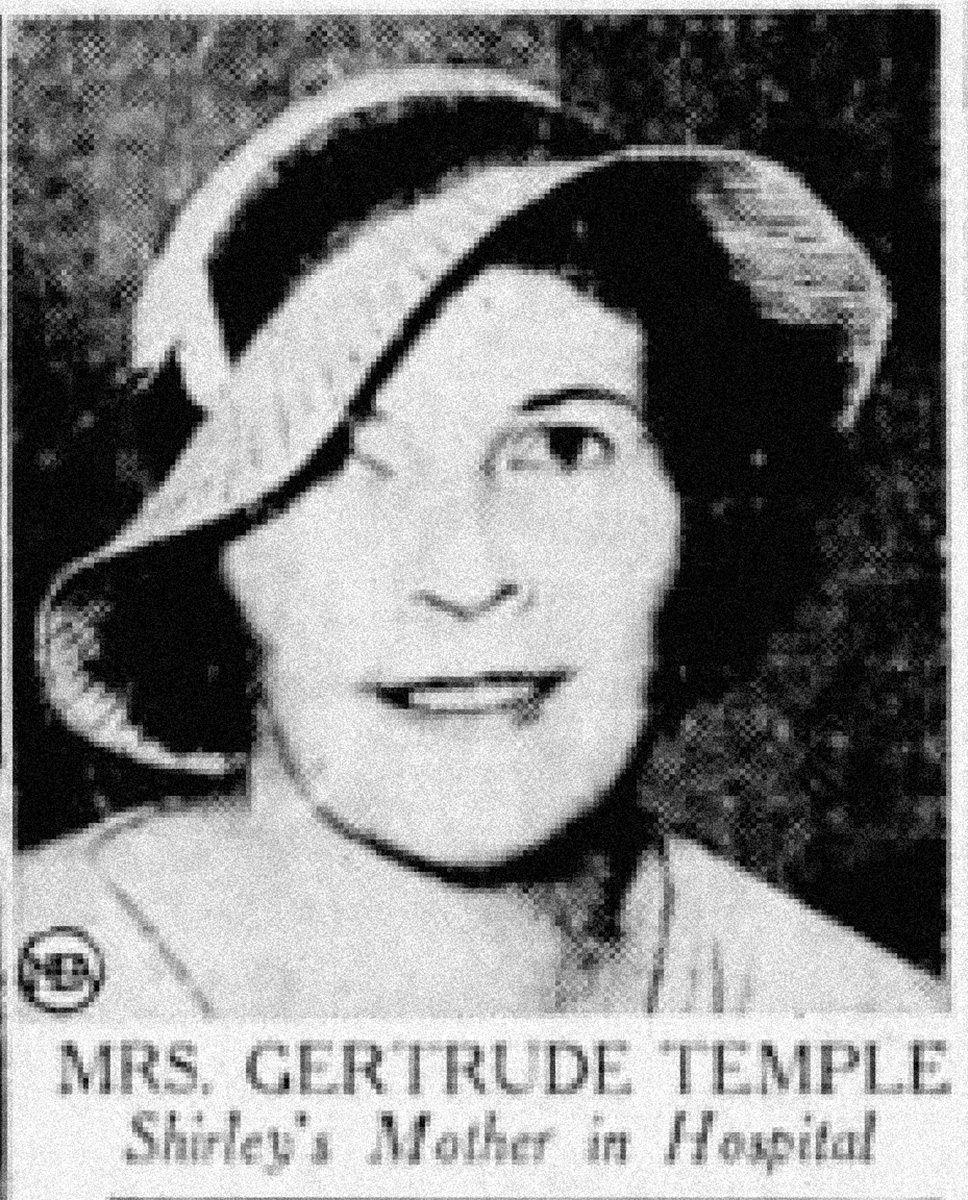
While looking for info about Shirley and the 3002, I happened upon this little tidbit about her mother, Gertrude, from the same time period:


March 24, 1937:

Mother of Shirley Goes to Hospital

HOLLYWOOD, March 24 — For the first time in her life, Shirley Temple, child film star, today will be separated from her mother, Mrs. Gertrude Temple.

Mrs. Temple is to enter a hospital for an abdominal operation, described by doctors as “necessary but not serious.” She is expected to be in the hospital for two weeks.


March 25, 1937:

UNDERGOES OPERATION

Santa Monica, March 25 — Mrs. Gertrude Temple, mother of Shirley Temple, child film star, underwent an abdominal operation today in the Santa Monica Hospital. Her surgeon, Dr. Leo Madsen, said she should be able to leave for Palm Springs in about two weeks for convalescence.


Shirley touchingly shared her mother’s illness in her autobiography, Child Star:

Her typical optimism had been shaken by whatever her medical prognosis was. Either swept up in the drama of illness, or worse, death, she laid careful plans for transfer of her maternal responsibilities. As for my professional career, the studio would have to look after that phase, she wrote. “It’s Shirley as a human entity that worries me…how extraordinarily patient she is…her well-developed sense of justice…a joyous spirit, full of pranks and teasing. Tenderness, warmth, and sensitivity, these are the qualities I want to see guarded and developed.” Dwelling at length on the probability that I would continue to be making films, she expressed grave concern. “Unless surrounded by love and loyalty, any career child is at a tremendous disadvantage. She has to develop extraordinary resources within herself against greed, selfishness, and flattery. I’ve done my best to lay a foundation but the process must go on.” Candidates as proxy mother included grandmother Maude, but this Mother rejected on two counts: first, Maude was already growing too introspective and morose, vivid contrasts to my outgoing personality. Secondly, she was entitled to the serenity of old age, unlikely with me in her custody. The final choice was an old and intimate friend, Fay Ferguson, wife of Father‘s colleague years before at the bank. Unfailingly feisty ad ebullient, Fay shared with mother a catlike wisdom about life. Both were self-contained, watchful, and patient. The evening before Mother was to be admitted to Santa Monica Hospital, I stole beside her as she stood staring up at some books on our library shelf. Slipping my small hand into hers, I asked what was wrong. Nothing, she replied, tightening her lips in a thin smile, but pointing at her stomach, a gesture both nonspecific and ominous. “Don’t be afraid, Mummy,” I told her. “God will take care of you.” For the next two weeks gloom settled on my shoulders. Shooting went on as usual, with Fay doing her best to fill in for Mother, but around home everyone spoke in subdued voices.…After two weeks in the hospital she returned, wan and weak, but apparently repaired from something found to be benign. Once again we exchanged our good-night kiss, this time at her bedside instead of mine. I cried harder and longer than on the night she left. In every way the dominant pillar of my young life, she merits and receives my lifelong adoration, deep and indestructible.

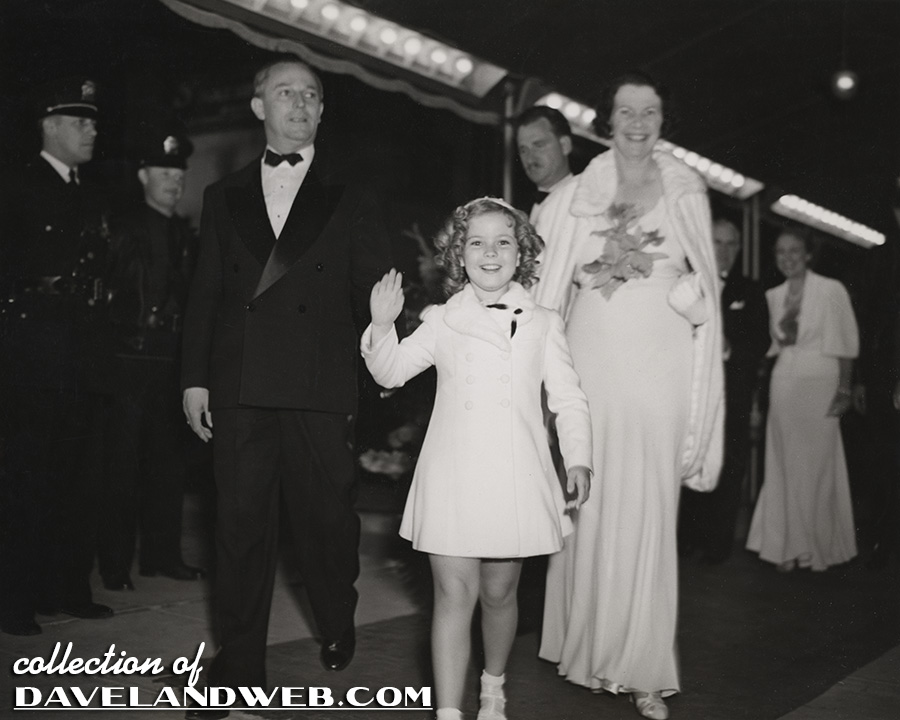
Below is a shot of Shirley and her parents at the “Wee Willie Winkie” premiere on June 29, 1937:


From transportation to the illness of her mother, another rabbit-hole has been completed.

See more Shirley Temple photos at my main website.

Tuesday, January 28, 2025

Temple Tuesday: Shirley at Lake Arrowhead


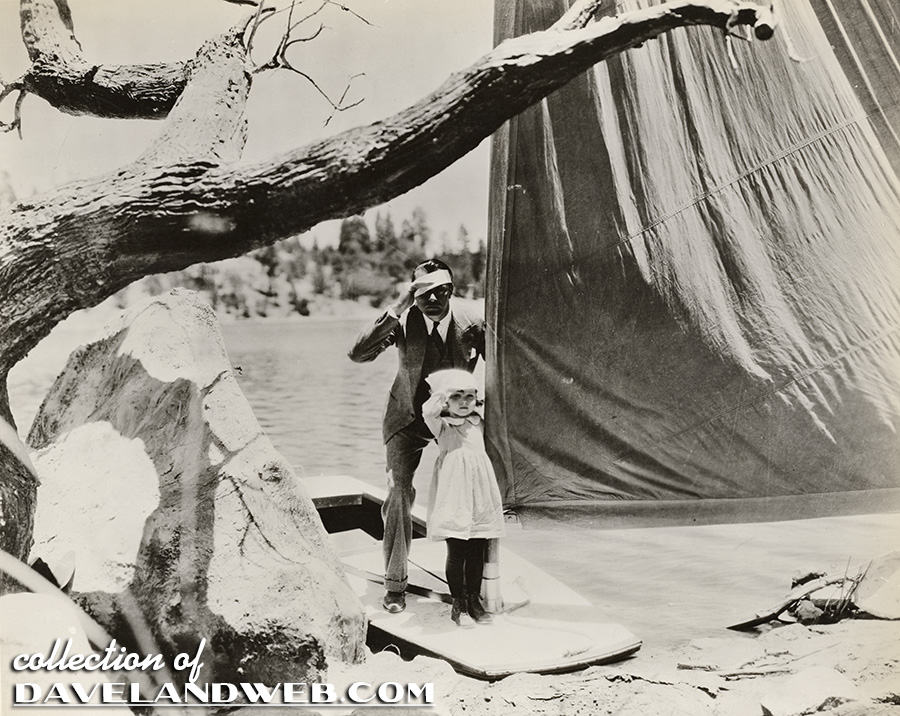
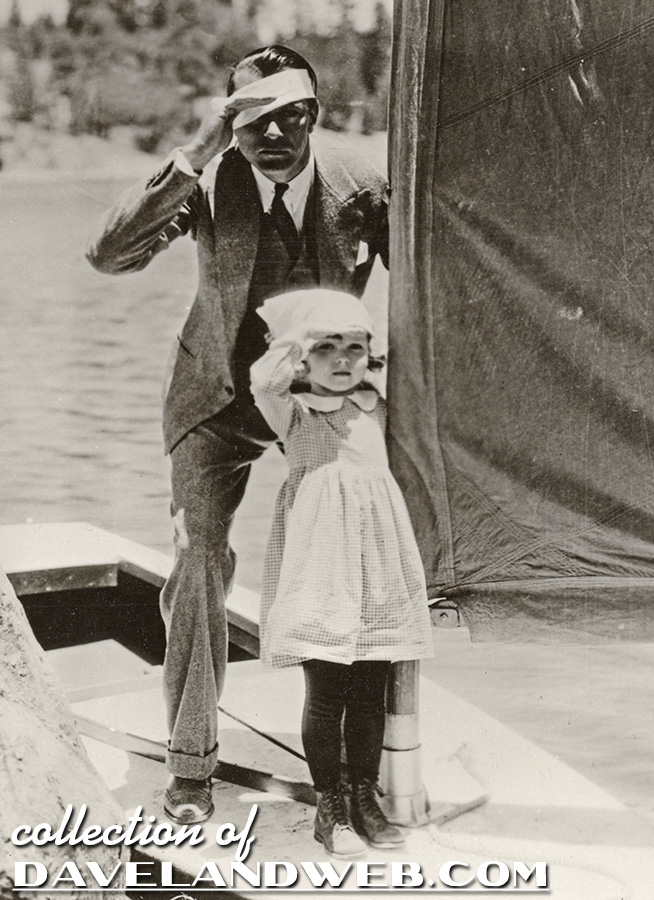
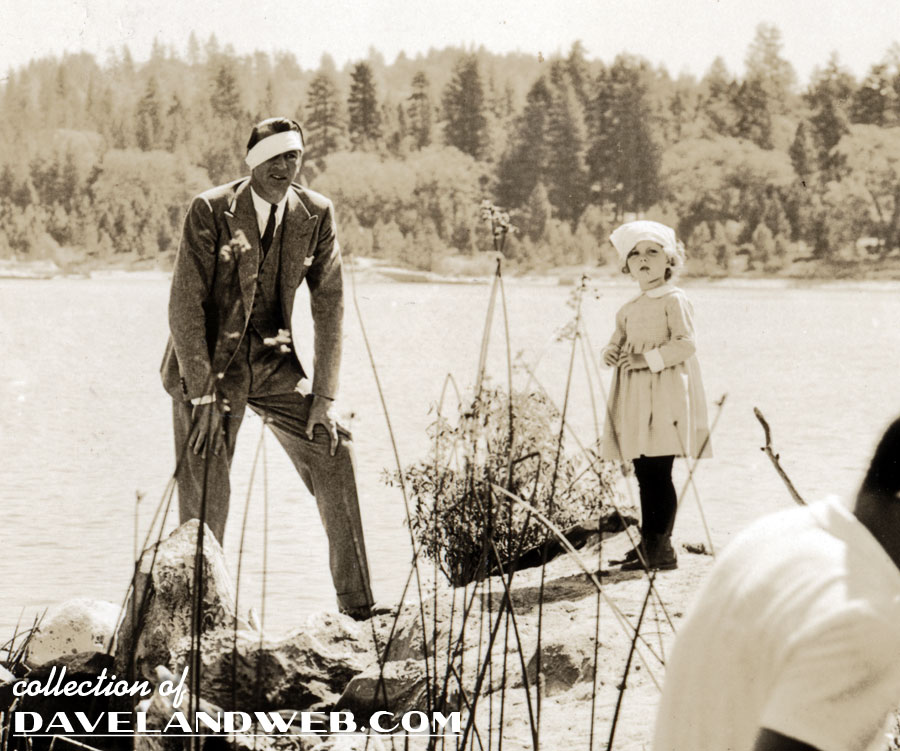
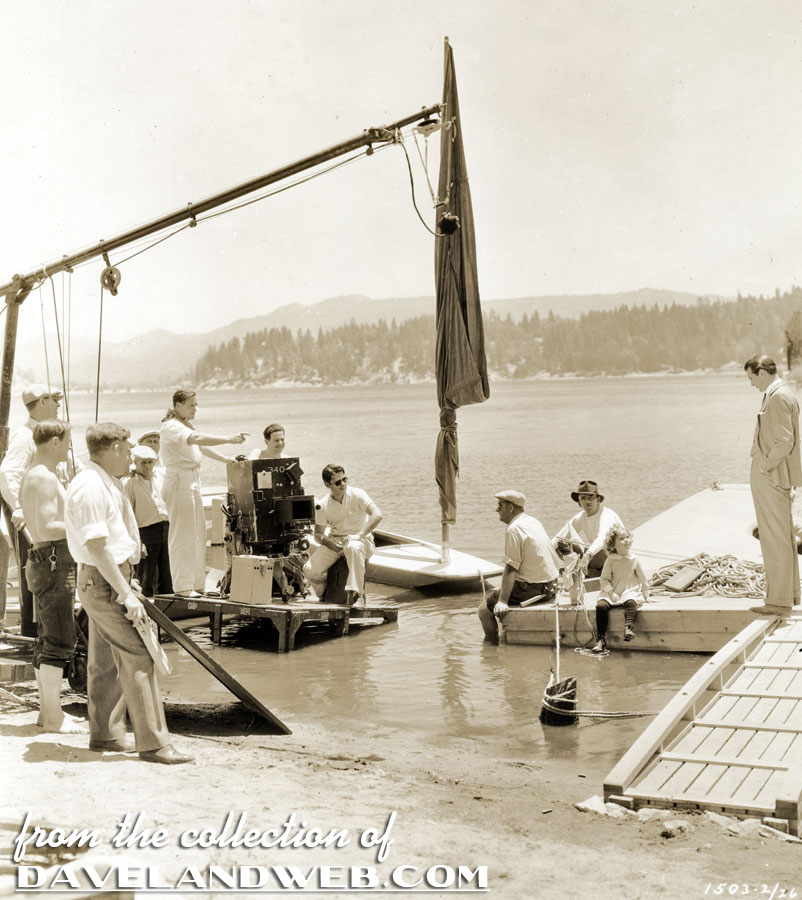
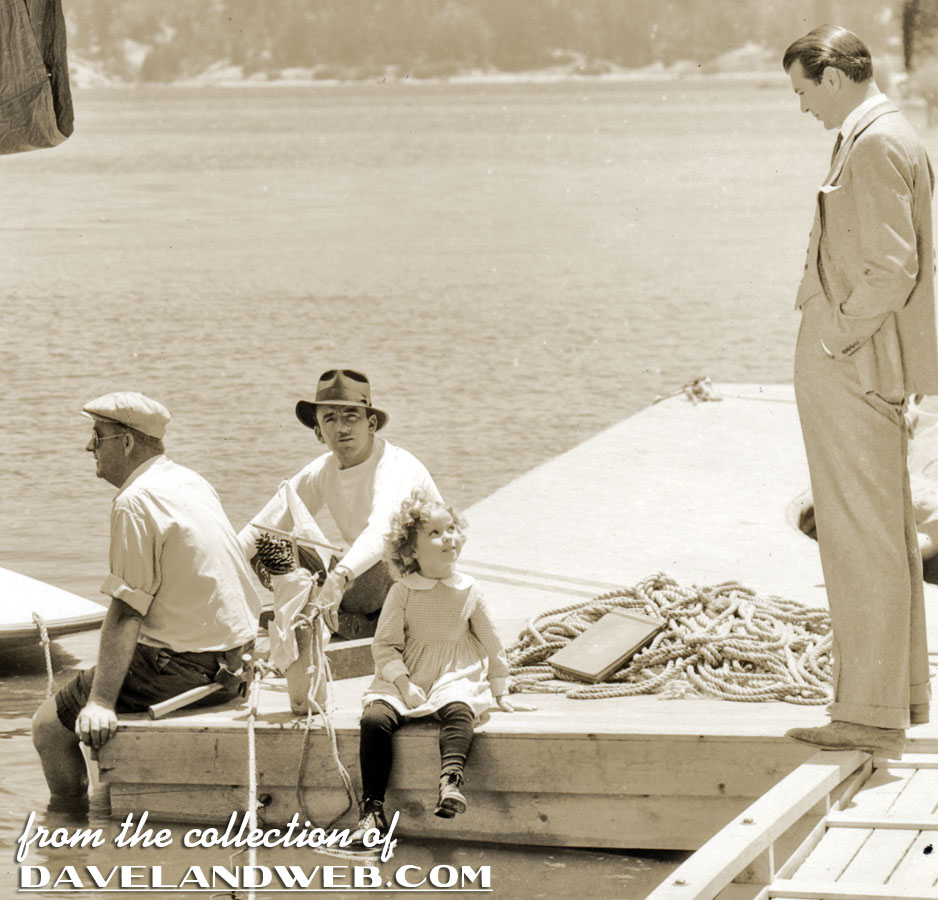
“Honor Bright” was the title of Jack Kirland and Melville Baker’s story upon which “Now and Forever” (1934) was based. Fox loaned Shirley Temple to Paramount, receiving $3,500 a week as part of a two-picture deal that began with the blockbuster hit “Little Miss Marker.” Shirley had a good rapport with costar Gary Cooper, who played her father. Henry Hathaway, the director, had worked with Shirley before in “To the Last Man” (1933), starring Randolph Scott. Shirley’s character, Penny, is introduced to us, playing by the lake. Lake Arrowhead was used for these outdoor scenes.


Cooper’s character is a con man with very little morality. To raise some much needed cash for his extravagant lifestyle with his girlfriend/wife (it’s not really clear through most of the movie), he decides to sell his rights of guardianship to his father-in-law. Once he meets darling Shirley, he changes his mind and takes her with him, attempting to form a family trio. The film is an uneven dark mess, with slight amounts of humor and quite a bit of unpleasantness to it. The review from The Hollywood Reporter, July 20, 1934:

Cooper, [Carole] Lombard and Temple form a trio that’s hard to beat for a box-office combination right at this moment. They are the sure-fire sales argument and they won’t fail. The picture itself is mild entertainment, frequently bathed in tears, that has a few moments which lift it into the “fair” picture class. It is the story of Jerry, Toni and Pennie. Jerry is the crook who wants to reform eventually, but circumstance forces him to do one more job that is literally his finish. Toni is the gal who has given up Society for Jerry and who cannot ever bring herself to give up Jerry. Pennie is Jerry’s child, who succeeds in reforming him, but at the same time is the cause of his untimely death. Of course, that’s reducing it to its essentials. The story has got its moments of grace and good cheer, but on the whole it is a vaguely motivated, rather overly-sentimental tale, with a sudden melodramatic ending, that seems to have missed its point in concentrating on childish cuteness.


Here are some behind-the-scenes shots of Cooper and Temple at Lake Arrowhead.


Director Hathaway sits on the dock, his back to Shirley:


You can see Shirley looking up adoringly at Cooper:


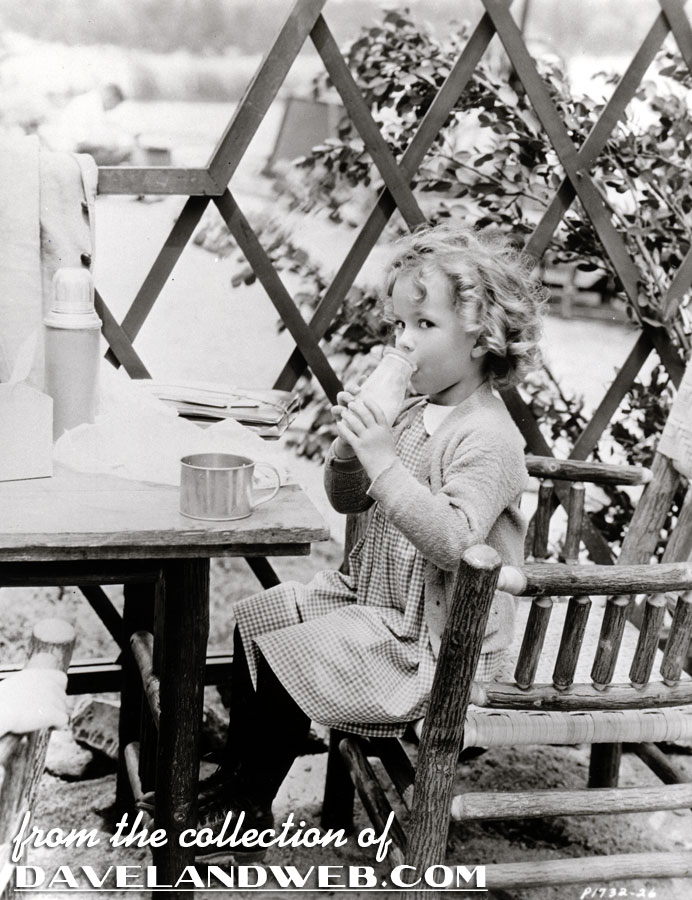
Shirley puts on a sweater to stay warm between takes, while drinking a glass of milk:


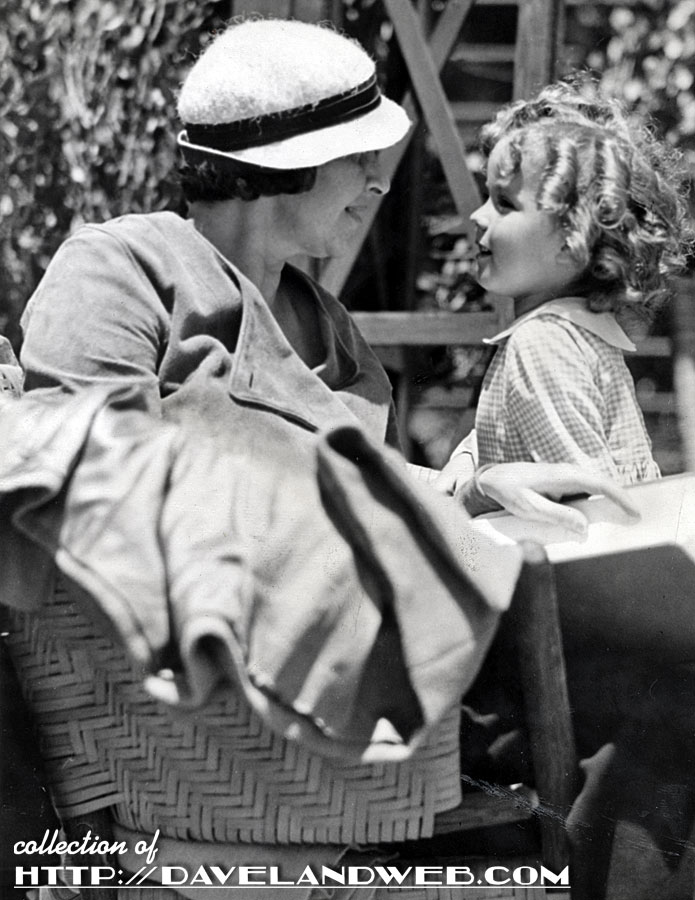
Below is a shot of Shirley and her mother during filming. The accompanying publicity blurb:

CHILD ACTRESS STUDIES ON LOCATION

Little Shirley Temple, sensational child film player, recites her lines to her mother before facing the camera while on location at Lake Arrowhead, southern California resort, with a motion picture company. 6/26/1934


While it is a bit of a hot mess, mainly due to a protracted battle with the censors over  the unsavory storyline, it does have its moments, thanks to the chemistry between the three leads.

See more Shirley Temple “Now and Forever” photos at my main website.

Tuesday, January 14, 2025

Temple Tuesday: RIP, Tyltyl


Thanks to Melissa (aka “The Colonel”), I recently learned of the passing of Johnny Russell, who costarred in “The Blue Bird” (1940) with Shirley Temple. The Hollywood Reporter did a short little write-up about Russell, who was born John R. Countryman. Sounds very patriotic! The article contained the usual semi-correct info as well as the outright `myths:

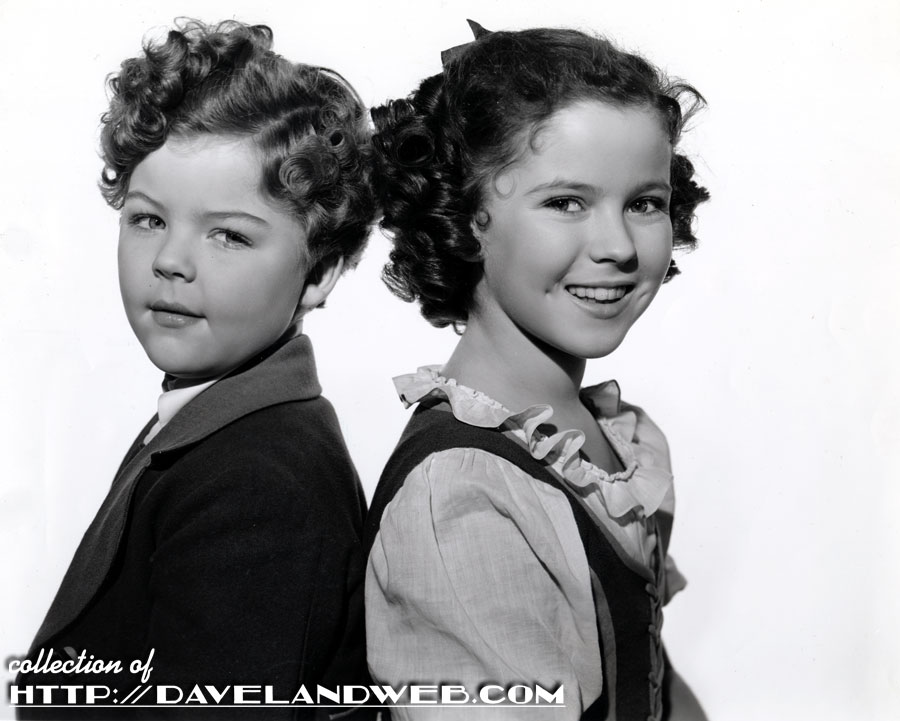
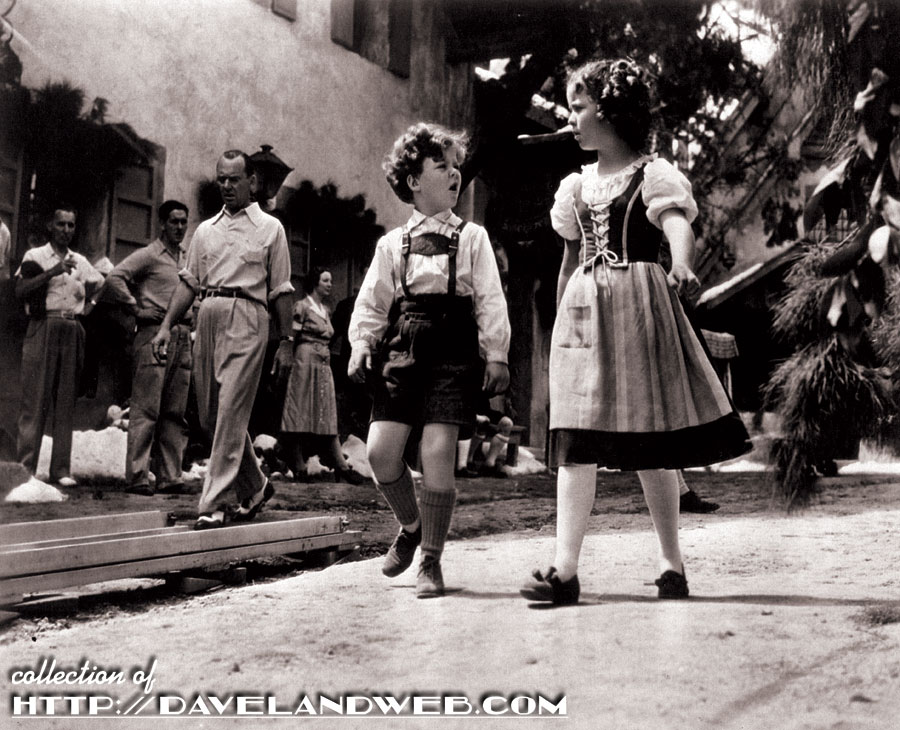
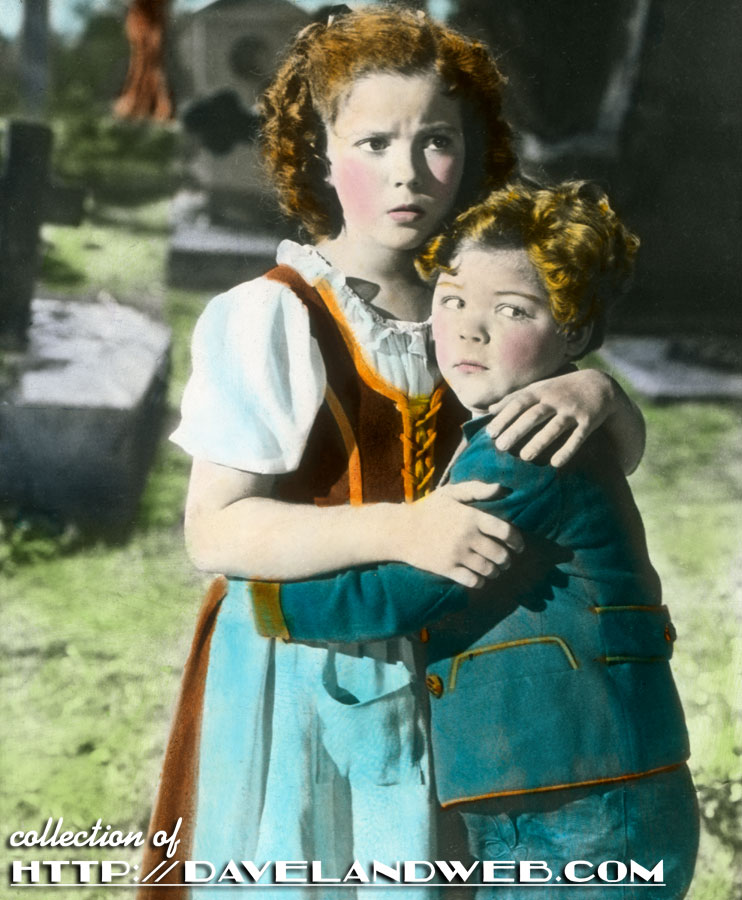
In the biggest role of his brief acting career, Russell portrayed Tyltyl, the younger brother of Temple’s Mytyl, in the fantasy film The Blue Bird (1940), which was Fox’s answer to MGM’s The Wizard of Oz, released a year earlier. In a dream, the two kids set out on on a series of adventures.

While not completely false, Producer Darryl Zanuck’s choice of “The Blue Bird” for Shirley had more to do with Disney’s financially successful “Snow White” than it did with the still unreleased “Wizard of Oz.” Zanuck attempted to buy “Oz” for Shirley but was outbid by MGM. He began negotiations for “The Blue Bird” in February 1939, a good six months before the release of “Oz.” In a touch of irony, the rights to film “The Blue Bird” cost Zanuck $25,000 more than MGM’s winning bid for “Oz.” As Shirley recounted in her autobiography Child Star:

Some thought our film was conceived as a retaliation to MGM’s Wizard of Oz. Zanuck staunchly resisted such innuendo. “Oz is a musical comedy without any drama or sentiment,” he declared. “The Blue Bird is strictly a dramatic fantasy. MGM made extravagant blunders and underwent financial tortures. We do not intend to copy Oz as to theme, or the mistakes that were made.”

During the initial story conference on April 24, 1939, Zanuck continued to weigh in “against ever getting into the type of spectacle of ‘Midsummer Night’s Dream,’ ‘Alice in Wonderland,’ or ‘The Wizard of Oz,’ all of which are flops. This is the human, simple adventure of two little children,” he said. Since “The Wizard of Oz” hadn’t been released yet, he was most likely referring to the 1925 silent film version with Oliver Hardy.


Another tidbit from the Hollywood Reporter obituary:

Temple’s mother, Gertrude, was reportedly unhappy that her daughter was sharing so much screen time with the adorable Russell and sought to have him replaced, but producer Darryl F. Zanuck insisted that the youngster remain.


Mrs. Temple had concerns about the script, the size and characterization of Shirley’s role, and her costar, Johnny Russell. As Shirley recounted:

She was critical of Johnny Russell, a boy co-starring in some of my scenes. Although only six years old, he was an extroverted kid with a gift of mimicry…The mimicry annoyed Mother, but I suspect she disliked his casting because Russell was younger and could potentially upstage me on that basis. What I needed was someone my own age she urged Zanuck, again through attorney Wright. “Ridiculous,” responded Zanuck. Two contemporary children meant I could not be the leader, as the story required. “If the boy were the same age, we would have to assume he was mentally incompetent or otherwise deformed if Shirley took the leadership away from him,” Zanuck said in a burst of chauvinism. “A younger brother can cling to her for protection and guidance during the great adventure.”


In the play, the brother was older than the sister. It was Zanuck’s decision to flip the ages to benefit Shirley. Zanuck’s original choice for Tyltyl was Bobs Watson (“Boys Town,” 1938), but in the end, Russell was cast, most likely because he was three years younger than Watson.


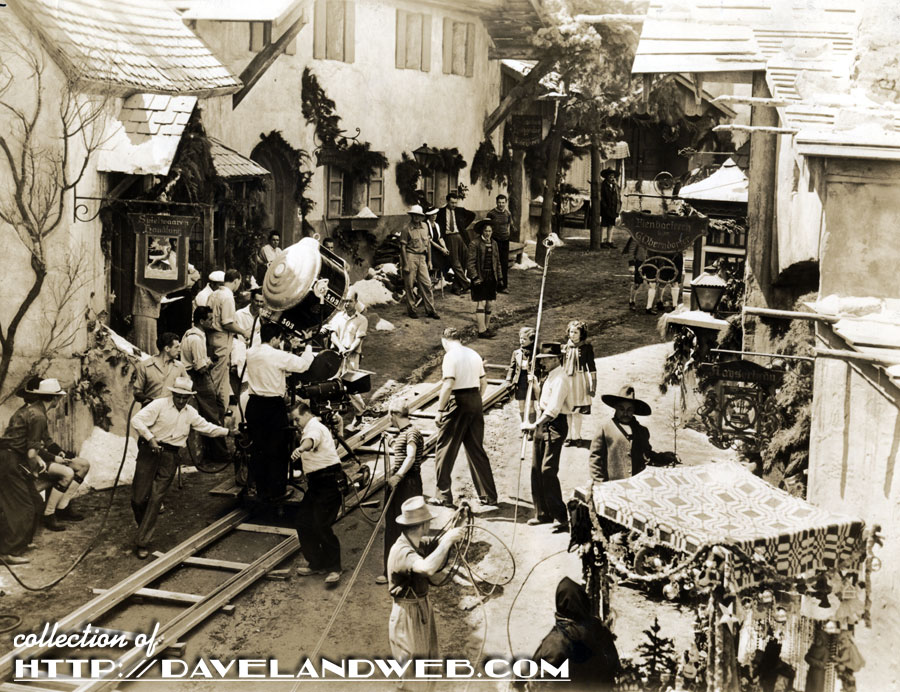
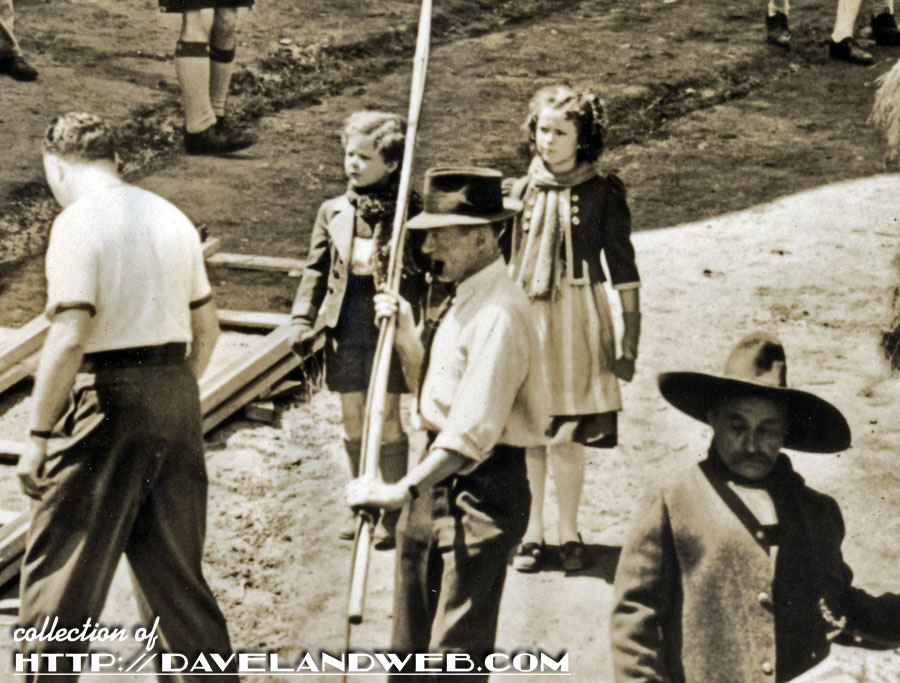
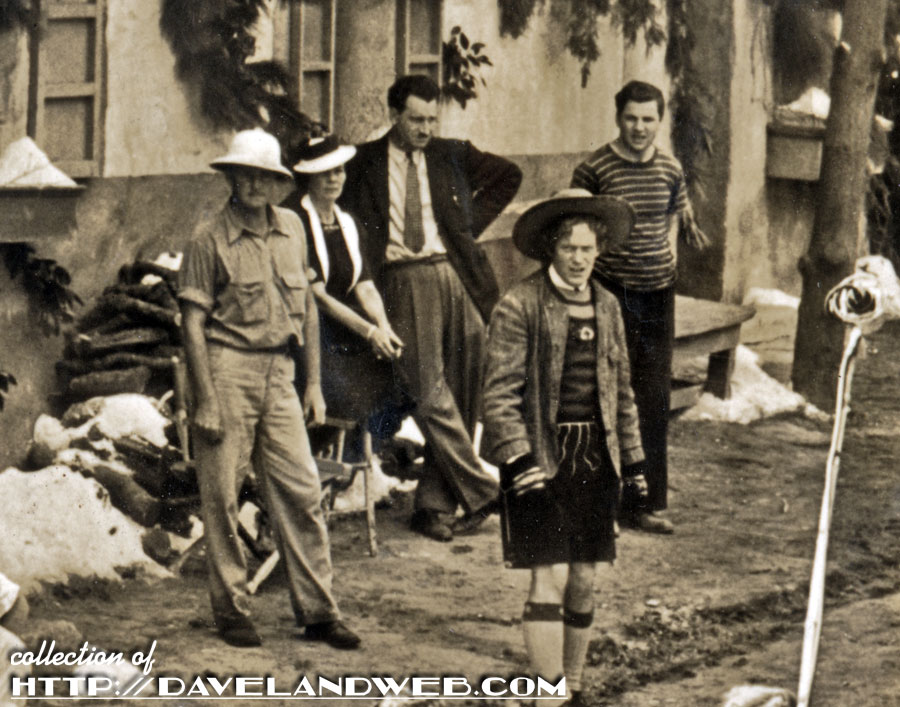
Zanuck also dropped some of the characters in the original story so that the story focused more on Shirley, in an attempt to appease the Temple family, who had become increasingly more vocal about their fears about Shirley’s future at Twentieth Century-Fox. Mrs. Temple had begun to consider other options since Zanuck avoided any direct contact with her, which made her feel that Zanuck’s interest in Shirley was waning and more focused on others in the Fox stables, such as Alice Faye and Sonja Henie. Just in case the project did not meet expectations, Gertrude had checked out the Westlake School for Girls considering it as a possible non-studio school for Shirley. Attending Westlake would enable her daughter to establish friendships with girls from upper-class homes and obtain a well-rounded education. In the detailed shot below, you can see the ever-present Mrs. Temple on the set during filming, with Shirley’s bodyguard, Griff (John Griffiths), standing next to her.


For the Screen Guild Theatre radio broadcast of “The Blue Bird,” which aired December 24, 1939, Russell’s role was replaced. Sorry, Johnny!


Back to the Hollywood Reporter:

Countryman came on active duty in the U.S. Foreign Service in February 1962 and reported to the diplomatic mission in Istanbul about a year later. He would have postings in Saudi Arabia, Libya and Gabon before serving from 1976-78 as deputy director and acting director of Arabian Peninsula Affairs at the U.S. State Department, when he dealt with the Iran hostage crisis. In the mid-1970s, he and Temple reconnected when he was stationed in Gabon and she was the U.S. ambassador to Ghana.


Shirley would later comment proudly about how she continued to “upstage” Russell, even into adulthood: 

Our issue of precedence was not in doubt then nor thirty-five years later in West Africa. By then I was a ranking U.S. ambassador, while Russell was a deputy chief of mission in a nearby national, still my junior by one step.

See more “The Blue Bird” photos at my main website.

Tuesday, October 15, 2024

Temple Tuesday: Let Them Eat Cake


Based on the many publicity photos released of Shirley Temple during her heyday, you’d think she was Marie Antoinette, always indulging in cake! In the photo above, she attends the fifth birthday of Harold Lloyd Jr., January 25, 1935. Jane Bannister, daughter of actress Ann Harding, is on the right. What a cake! It would be difficult to decide, should you eat it or play with it?


Above, Shirley is celebrating friend and costar Bill Robinson’s birthday held at Fox Studio, May 25, 1935.


Although FDR was not in attendance, a birthday celebration was held at the Biltmore Hotel in Los Angeles on January 30, 1937 in the President’s honor. Shirley Temple and Eddie Cantor are pictured below in front of the spectacular cake!


Arthur Treacher, Anita Louise, Shirley, Mary Nash, and Marcia Mae Jones on set for the filming of Sara’s lavish birthday party.


Shirley convinced her mother that the other child actors in “The Little Princess” (1939) weren’t satisfied with the “fake” birthday party called for in the film. As a result, they were given a “real” party in the studio’s Café de Paris afterwards. The children sat at a decorated table, gorging themselves on cake and ice cream. The only “casualty” of the occasion was that one little girl spilled a plate of ice cream over her dress, and the production was held up until it was cleaned. Among those present at Shirley’s party in the photo below were Sybil Jason Marcia Mae Jones, Deidre Gale, and Ira Stevens.


Shirley can be seen at the top right, next to Marcia Mae Jones. Deidre Gale is front left, Ira Stevens has her mouth full with a roll on the right.


In April 1942, Shirley shared birthday cake with her fellow cast members of the radio show, “Junior Miss.” A “V” for Victory on the patriotic themed cake.


Instead of eating cake at her 1945 wedding to first husband John Agar, Shirley seemed to take greater pleasure in shoving a piece into the mouth of her future ex-husband.


The public also shared in Shirley’s simple meals, such as this basic breakfast of toast and fruit at her Santa Monica home.


A bowl of Quaker Oats Puffed Wheat:


A quick snack between takes of “Little Miss Broadway” (1938).


Ready for lunch?

See more Shirley Temple photos at my main website.
Tuesday, July 09, 2024

Temple Tuesday: Busy in Dayton


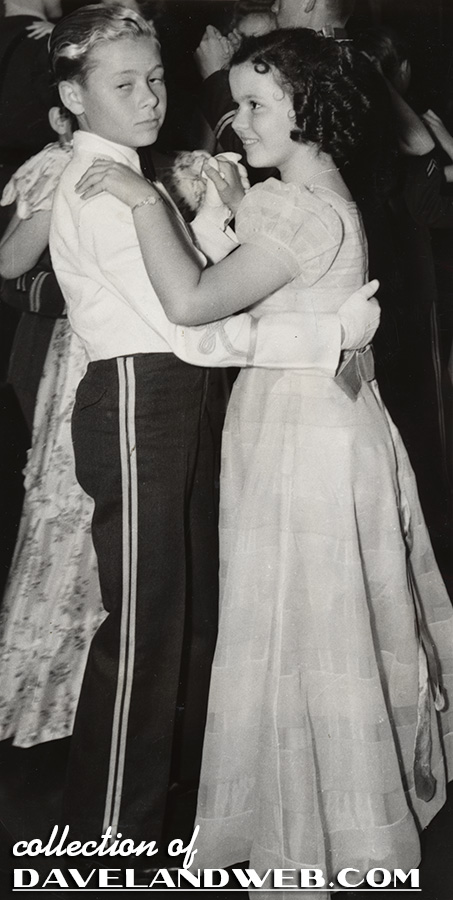
“Since You Went Away” (1944) was David Selznick’s blockbuster follow-up to “Gone with the Wind.” Clocking in at nearly three hours, it is a beautiful portrait of how one family (all women) survived at home with the father away at war. For Shirley Temple, it was the film that put her back on the Hollywood radar after a string of disappointing vehicles. Above, parents Gertrude and George Temple, Shirley, and Private Andy Hotchkiss (Shirley’s date) attend the “Since You Went Away” premiere, July 18, 1944. It was held at the Fox Carthay Circle Theatre. Below, the star of the film, Claudette Colbert, arrives at the premiere, surrounded by Lt. Commander Joel Pressman (Colbert’s husband at the time), Captain Don Wilcox, and Commander Michael Sanchezat.


Just for reference, here’s a previously posted shot of the Fox Carthay Circle Theatre, circa 1947:


Selznick kept Shirley (and her parents) busy with the release of the film. The three traveled to Dayton, Ohio, to attend the Midwest premiere of the film. Why Dayton? Trust me, I wondered that as well! From the Journal Herald Dayton, September 14, 1944:

We of Dayton know that the original story was written by erstwhile Daytonian, Margaret Buell Wilder, and appeared first in the pages of The Herald. We also know that the roles portrayed by Claudette Colbert, Shirley Temple and Jennifer Jones were in real life those of Mrs. Wilder and her own two daughters.


Dayton was all abuzz about Shirley’s arrival, as the local press reported:

Manager Bill Reisinger [for the Dayton midwest premiere theatre, Loew’s] and Bob Goodfrie, United Artists representative here in the interests of the picture, are so excited over the news that it is pretty hard to pin them down on basic facts in regards to the visit of the biggest movie star Dayton has ever entertained. Of course, much has yet to be arranged but from what is known now, it is likely Miss Temple will arrive from New York during the morning [September 13, 1944], be met by representative citizens and the press, escorted through the city to her hotel. Later in the day she will hold a tea—not a cocktail hour, for Shirley is just new at the sweet sixteen stage—for the press.

The press photo below was snapped of Shirley as she traveled from Columbus, Ohio to Dayton on the “American.” She visited with Sailor Carl Johnson and Captain John Harrison and the three signed their “short-snorters.”


Want to know what a “short-snorter” is? From Wikipedia:

A banknote inscribed by people traveling together on an aircraft, a tradition started by Alaskan bush flyers in the 1920s and spread through the military and commercial aviation. During World War II, short snorters were signed by flight crews and conveyed good luck to soldiers crossing the Atlantic. Friends would take the local currency and sign each other’s bills creating a “keepsake of your buddy’s signatures.”

Here’s a sample of some WWII short snorters:


Another shot (from San Francisco) shows Shirley signing some short snorters. From the accompanying caption:

Shirley Temple, star of “Since You Went Away” and “I’ll Be Seeing You,” autographs a long Short Snorter Bill belonging to Bernard Abramson. Abramson is a Pharmacist Mate First Class who was shot down in the Caroline Islands near Truk. Shirley autographed literally thousands of these bills for the boys at the San Francisco Stage Door Canteen, on a recent trip to visit the hospitals in that area.


A closeup of the bills:


Back to Dayton! From the Dayton Herald, Wednesday, September 13, 1944:


SHIRLEY TEMPLE, lovely Hollywood star, won over everybody within sight when she arrived in Dayton this morning to appear in person at the premiere of “Since You Went Away” at Loew’s tonight, in which she is one of seven stars. Here she is, shown on arrival at the Union Station, with Mayor Frank Krebs (left) handing her “the key to our city and our hearts,” while Mrs. Krebs, at the right, is handing her a bouquet of roses “from the womanhood and young people of Dayton.” Immediately back of Shirley is her father, George Temple, and at left, her mother. Broadcasting back of Mayor Krebs is Martin Starr, Hollywood commentator and head of United Artists radio department.

A few vintage shots and postcards of Dayton’s Union Station, which first opened in 1900, and included a seven-story clock tower, visible in the below photo:


Back to Shirley and her 1944 Dayton trip. From the local headlines:

Star Captures Dayton’s Heart
Shirley Temple Arrives For Tonight’s Premiere


Youth at its most captivating stage, sweet 16, made an overwhelming conquest at noon today when Shirley Temple arrived in Dayton to spend a couple of hectic days filling local engagements. Several thousand persons, mainly teen-age girls and feminine adults, but a considerable number of men as well, crowded the interior of the Union Station and swarmed around the entrances as Shirley, accompanied by her parents, Mr. and Mrs. George Temple, made their way from the train to the cars waiting to parade them through the city to the Van Cleve hotel
[shown below].


“Isn’t she sweet” went up from the crowd as Shirley, smiling bewitchingly all the time she was jostled about, made her way through a narrow path cleared by the police. Everyone, it appeared, was struck by the manner in which she had traversed the years when she played child roles on the screen to her present status and did not hesitate to give audible expression to their sentiments. On the train from New York she was the idol of a carload of soldiers.…Despite “advancing” years, Miss Temple has held her admirers and there are claims in some quarters that she is the No. 1 pin-up girl of the armed forces of the U.S.A., including soldiers, sailors and marines. As Brig Hilton in “Since You Went Away,” Shirley plays her first role for Selznick, who, we are told, regards her as his most precious movie property.

Shirley poses with her mother and father below as they arrive at the hotel. Shirley is mustering a smile, but she does appear a bit weary after greeting the throngs of fans. 


And if you want to see what made her weary, just look at her itinerary for one day! Local ads announced Shirley’s appearance to help sell War Bonds at Rike’s Department Store, one of the many locations the young teen visited that day:


The trio of shots below give a small representation of all that Shirley did in Dayton when she arrived. Shirley sang “Roll Out the Barrel” with the ATSC quartet at Patterson Field (below left). Apparently, all singing on Shirley’s trip was forbidden by Selznick, who preferred that she not become typed. He wanted to build her into an all-round actress.  Mrs. Temple told reporters that Shirley might do another musical in a few years. This never happened. At Patterson Field hospital, Shirley spread a little cheer for Sgt. Francis W. Robechard, while surrounded by Nurses Aides Mrs. L.F. Baker and Mrs. Florence Bombard (below center).Dayton Journal reporter Kay Kunka interviewed Shirley Temple at a tea for members of the press at the Van Cleve hotel and found Shirley “sweet and sixteen, gracious and unassuming” (below right).  


As Kunka reported:

…since her arrival at the Union station during the noon hour, she had been greeted by Mayor Krebs, whisked away to be paraded through the city, spent her lunch time at Patterson Field, and attended a press tea t the Van Cleve hotel at 4:30pm. Critics from Cleveland, Toledo and Cincinnati, as well as representatives of Dayton papers, pressed the young lady with questions of all kinds, which she answered with a frank and unassuming graciousness. She seemed prouder of the adventures of her two brothers in the service than of her own successes, but was enthusiastic over he new part in “Kiss and Tell.”

Another reporter, W. Ward Marsh of The Plain Dealer, added this to Shirley’s comments about her brother:

She pointed to her two brothers. “Little fellows,” she describes these two strapping men well over six feet, and she wonders why women can’t do as much as men are doing in these war days. Her older brother, George, is a marine sergeant in the Mojave right now, but he was a tail gunner in the South Seas and was in service at Pearl Harbor during the sneak attack. Her younger brother, Jack, is in Culver City now, taking a military intelligence course. Shirley deprecates her efforts at entertaining—not only in hospitals here but in California and her own camp tours—and all the other things she does which make her contributions to the war effort far, far greater than she knows.

Local papers showed Shirley primping for the premiere in her hotel room. The caption:

TYPICAL of all young girls, Shirley puts finishing touches on her golden-red (natural) hair, which she wears at shoulder length.


Her arrival at the premiere had this caption:

REWARD FOR THE THOUSANDS who impatiently awaited Shirley Temple’s arrival at Lowe’s theater. last night was her introduction from a rostrum before the theater by Martin Starr of United Artists.


The lovely gown Shirley wore underneath her fur coat can be seen in the promotional photo below. Selznick got his use out of the dress by having Shirley also wear it in his next film, “I’ll Be Seeing You,” another wartime drama.


Here are two previously posted shots showing Shirley in her fur coat and an orchid in her hair as she arrives at the Wednesday, September 13, 1944 Dayton premiere held at the Loew’s theater at 8:30pm:


Local reporter Kay Kunka breathlessly wrote about the premiere the next day in the papers:

Inside the theater, Martin Starr, head of the United Artists radio department, introduced Miss Temple to a capacity audience of 2,200 persons.…[Shirley] turned to greet the expectant audience. Citing the need for nurses’ aides in the country’s hospitals, she appealed for more volunteers. “I hope you brought your handkerchiefs,” she concluded, “for this is a very sad picture. And watch for the little bulldog—he steals the show.” The repeated demands of a throng of teen-agers drew her to the upper lobby for a brief greeting.


And that wasn’t it for Shirley, the next day was just as busy, as Kunka continued with her feature:

Today will also be a busy day for Shirley, for she has a date at 11 a.m. at the hospital in the Veterans Administration Facility; at 6:15 p.m. she will take part in the dramatic presentation covering the nurses’ aide work for the Red Cross over WHIO; Club Co-ed will hold a special party for her at 8 p.m., and at 8 p.m. she will attend the enlisted men’s dance at Wright Field. Her few spare moments have been spent autographing war bond purchases at downtown stores.

Shirley and her parents departed Dayton on the morning of September 15, 1944, leaving for Chicago first on their way back to Hollywood, where Shirley would begin her senior year studies at Westlake High School the following week.

As a footnote: a portion of Dayton’s Union train station was demolished in 1964, with the rest getting removed in 1989; Rike’s Department Store was imploded in 1999; and the Hotel Van Cleve was town down in June 1969 to make way for a parking lot. Joni Mitchell would not be happy.

Thanks to Melissa (aka “The Colonel”) for digging up all the vintage newspaper clippings!

See more Shirley Temple photos at my main website.