Showing posts with label sybil jason. Show all posts

Tuesday, September 03, 2024

Temple Tuesday: From Riches to Rags and Back Again!


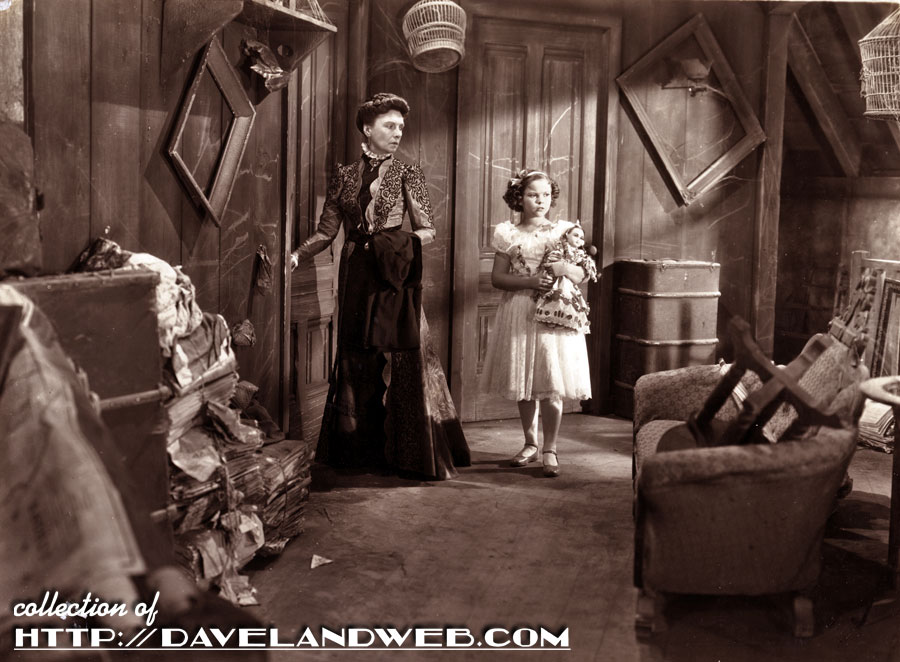
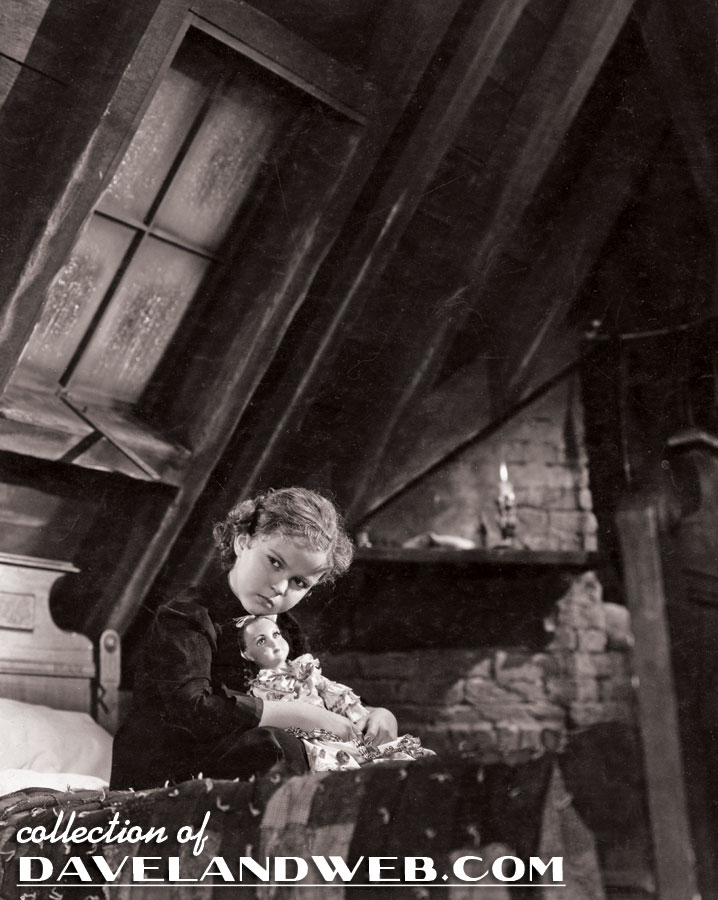
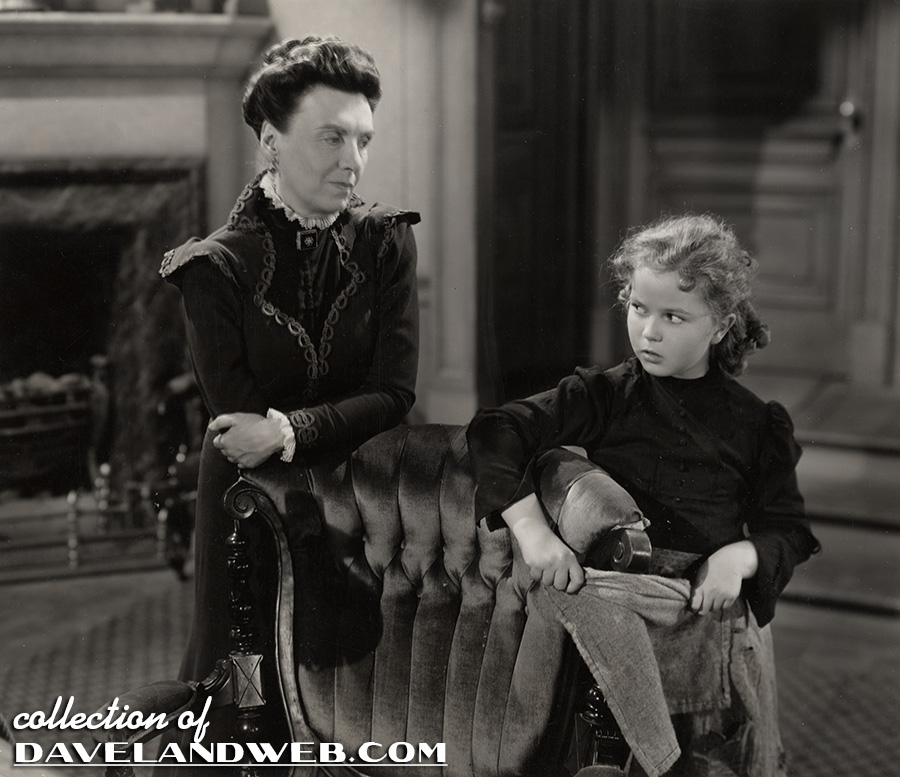
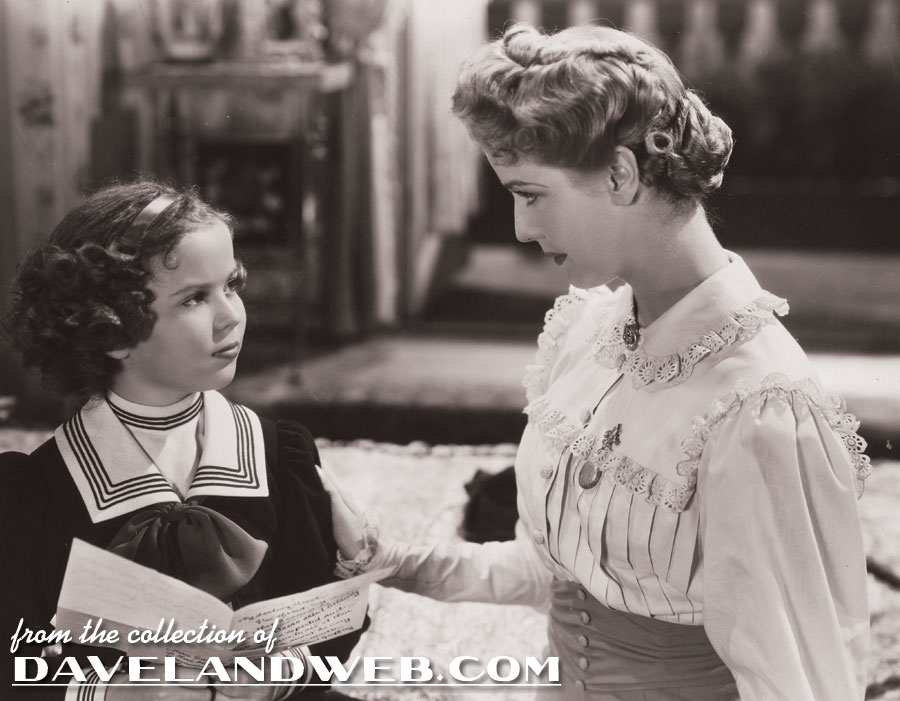
In the 1939 Shirley Temple Technicolor classic, “The Little Princess,” when Sara Crewe’s father (and fortune) is lost during the Boer War, evil schoolmistress Miss Minchin (Mary Nash) removes the child from her luxurious suite of rooms and sends her up to the attic. Besides dust, dirt, and cobwebs, the little girl only has her doll, Emily, to keep her company.


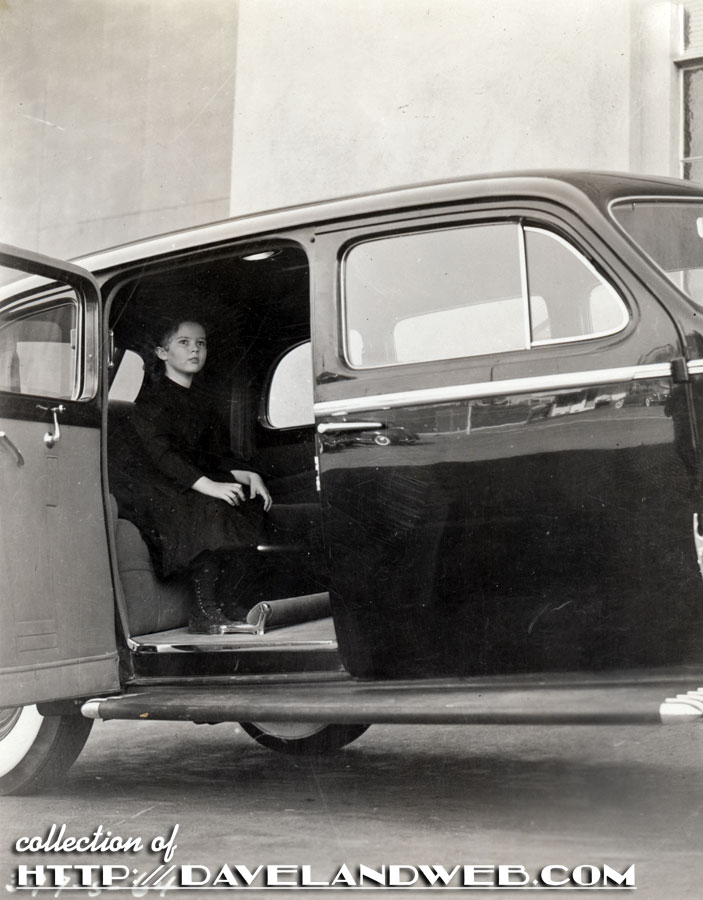
Don’t feel bad for Shirley; she still had the use of a plush limo to take her to the set every day!


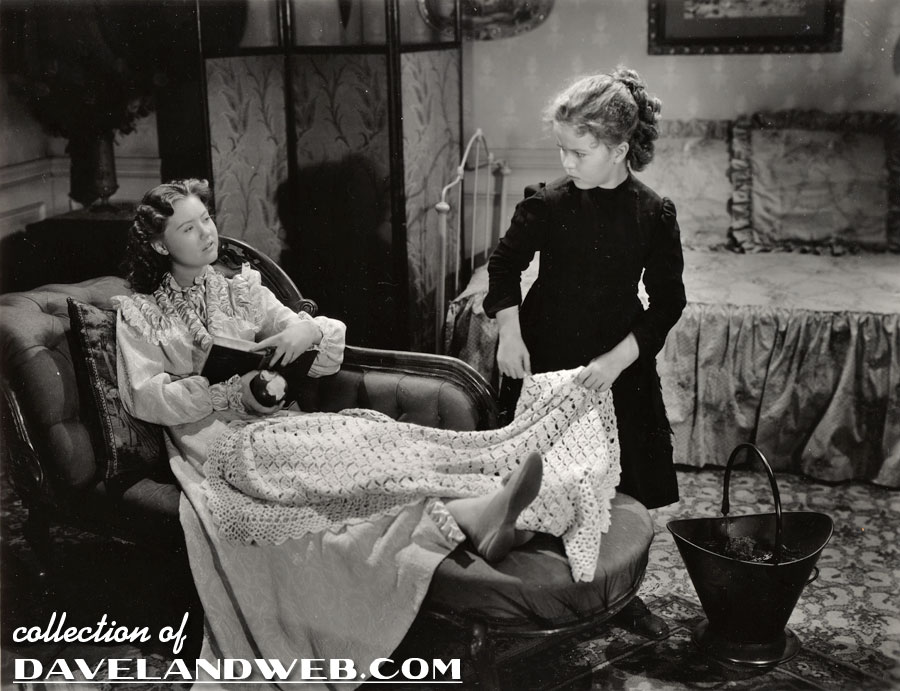
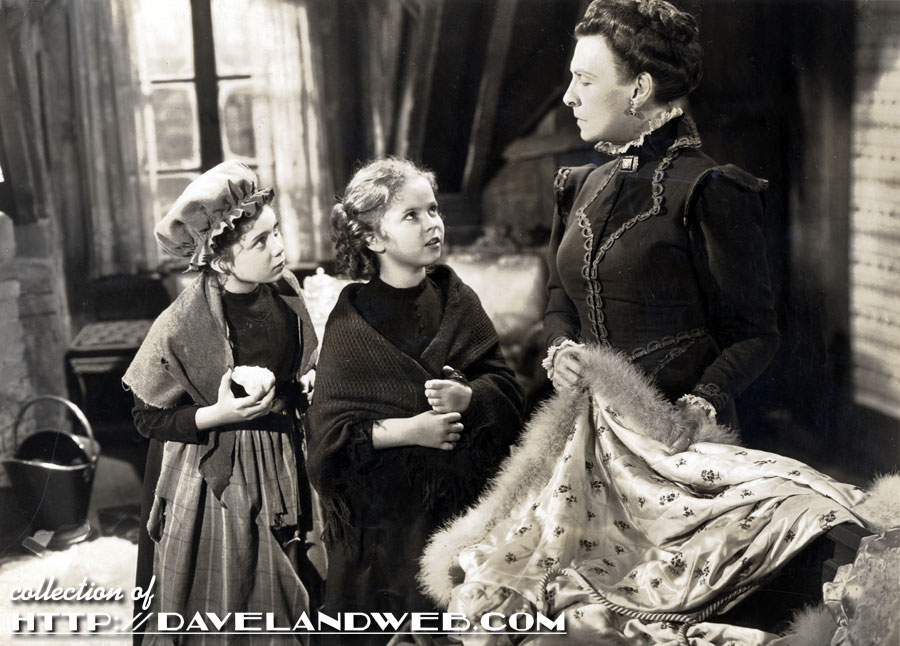
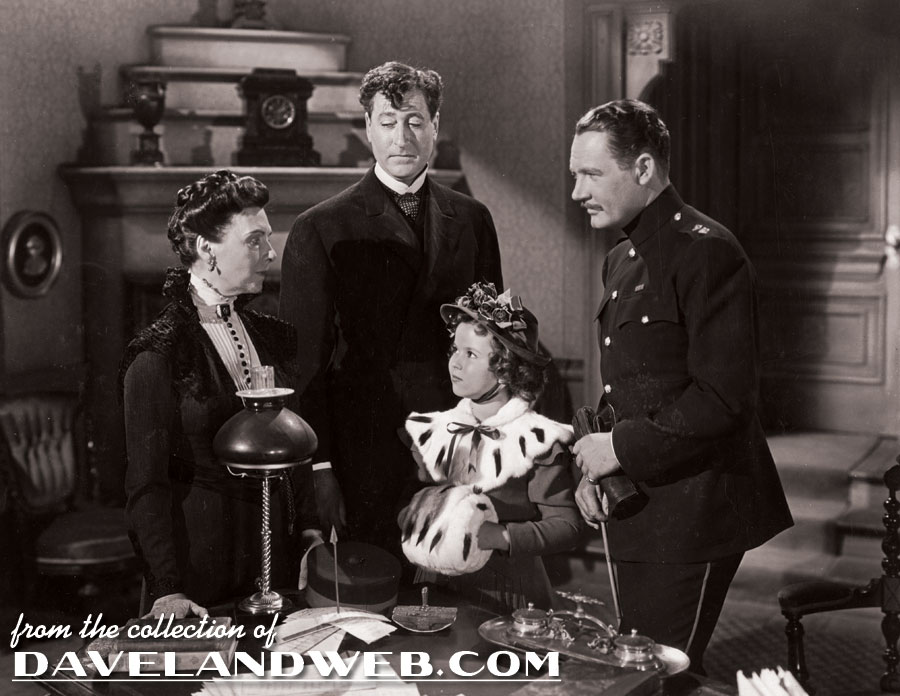
Below is a still from a deleted scene, showing Sara cleaning Miss Minchin’s office while the old bag watches.


Once jealous of Sara’s former coveted position with Miss Minchin, rich bitch Lavinia (Marcia Mae Jones) delights in bossing around the poor little girl who is now forced to work off her debt as a scullery maid.


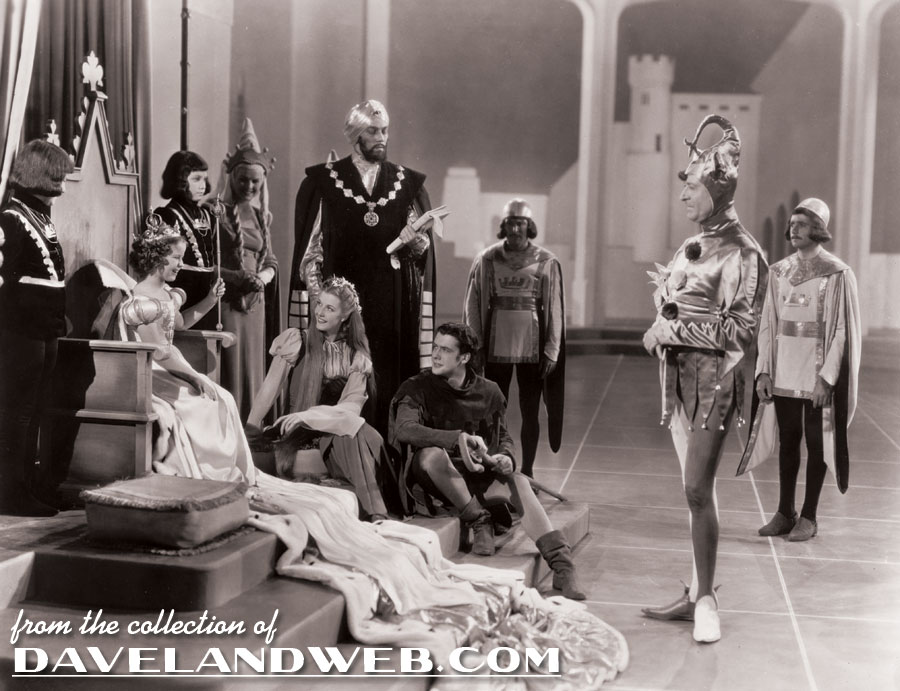
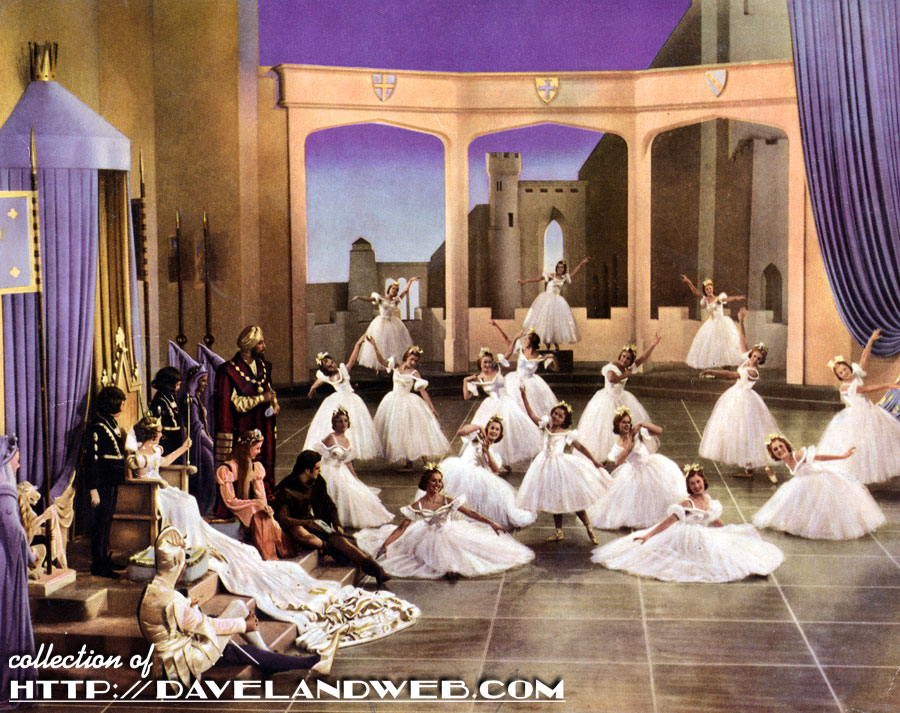
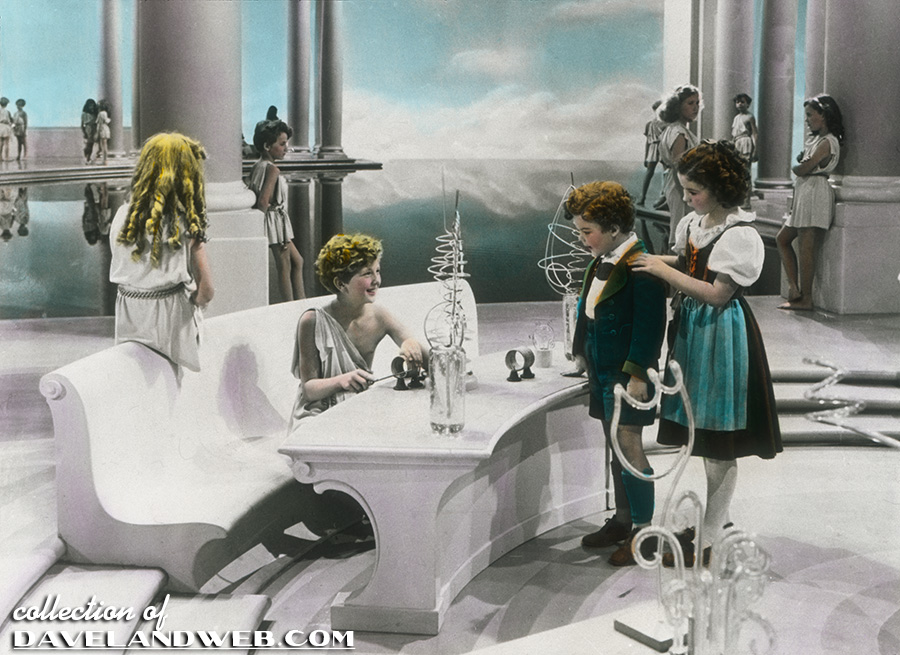
After one of her many failed hospital searches and a fight with the old bag, Sara goes to sleep in tears. We are treated to a dream sequence where she becomes a princess.


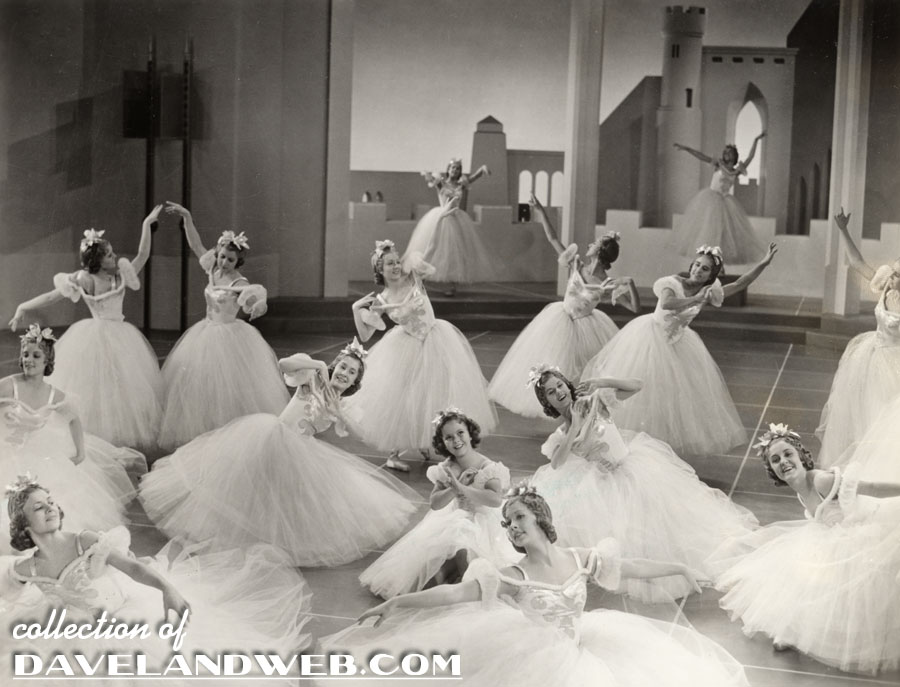
AND a ballerina!


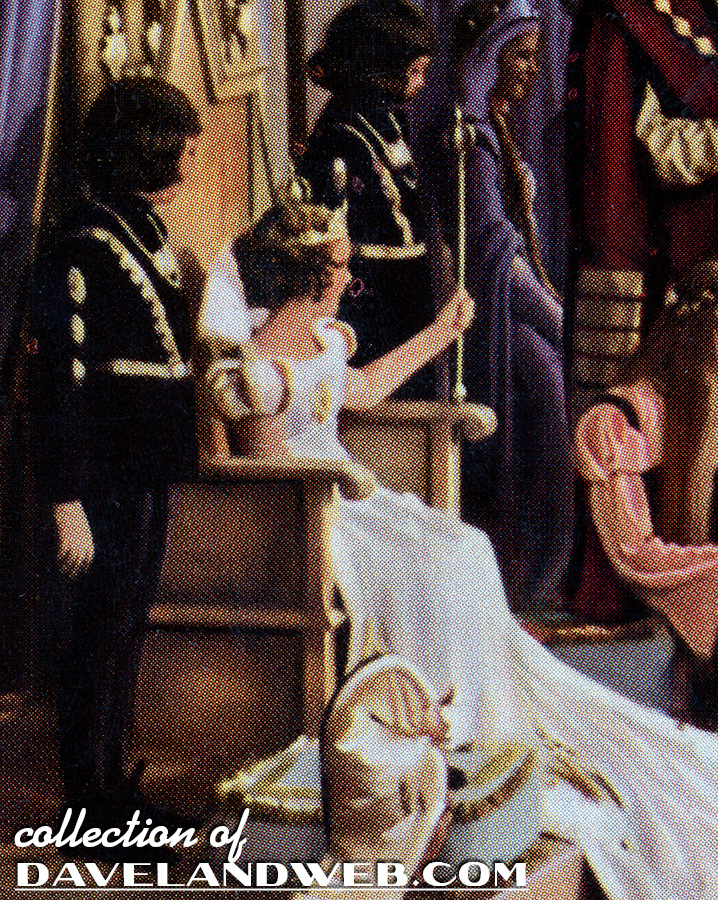
In this still, we see both Shirley as the princess AND Shirley as the ballerina. How can this be?


If you look closer, you can see that it’s Mary Lou Isleib, Shirley’s stand-in, on the throne.


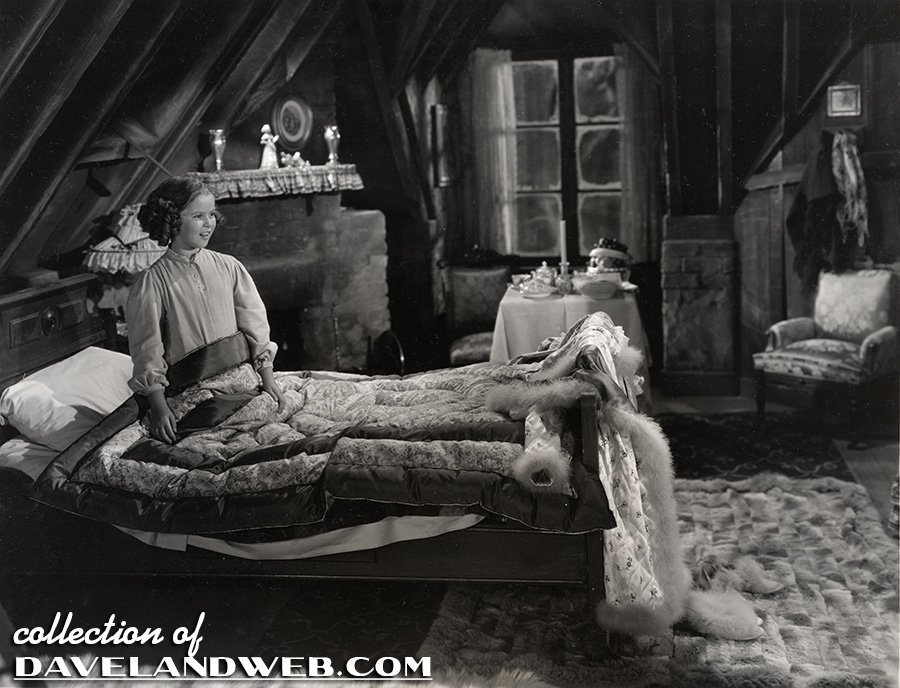
When Sara wakes up from her fantasy, her room has become a den of luxury! Since it’s a Shirley movie, there is no explanation of how her benefactor was able to lift the bed, put a fur rug, change the linens, and redecorate the entire room without little Sara waking up. Don’t be a curmudgeon, it’s a Shirley Temple movie!


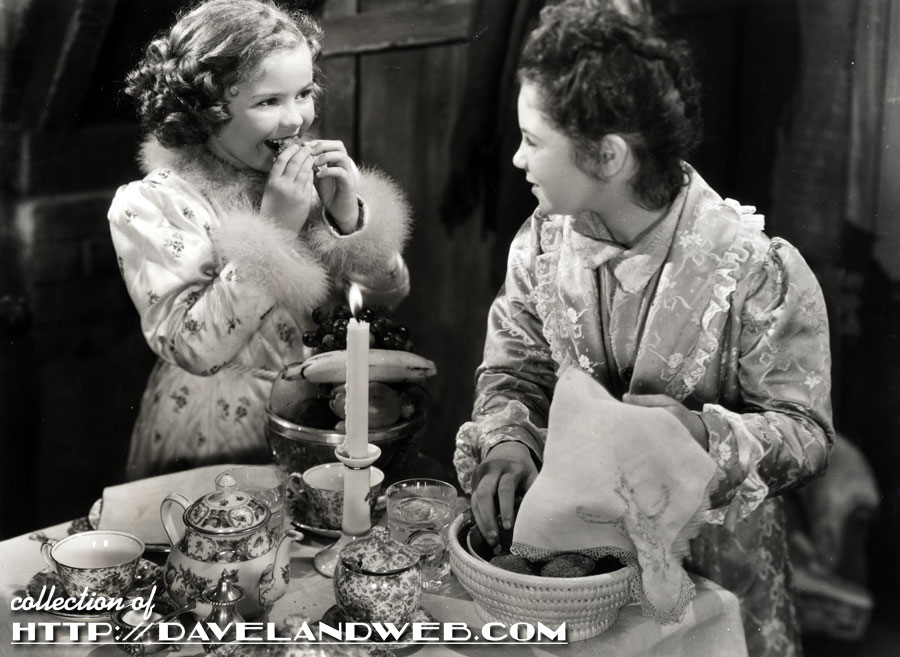
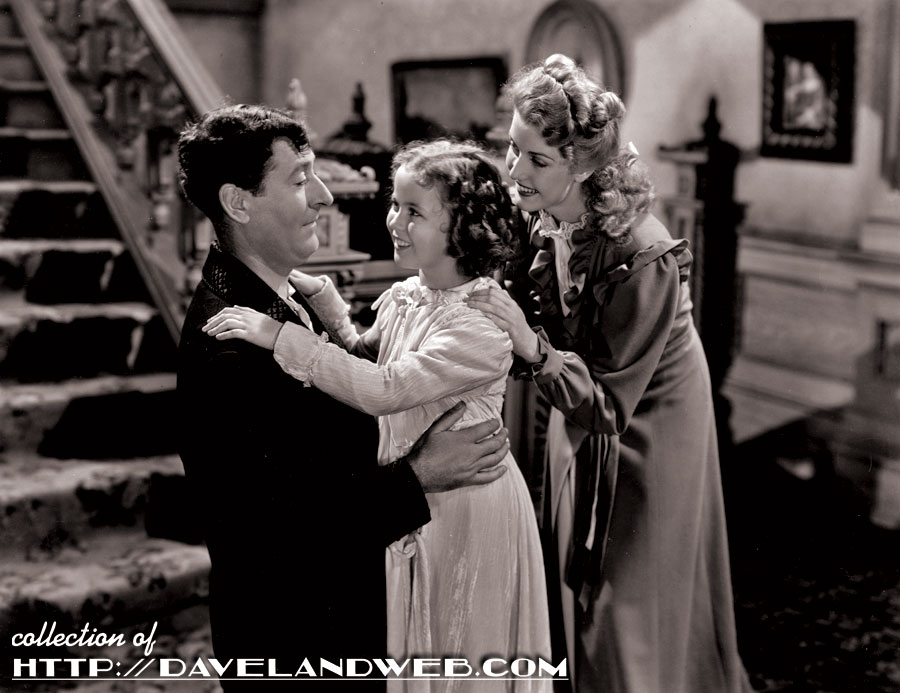
Once she rubs the surprise from her eyes, little Sara invites her friend and next door neighbor Becky (Sybil Jason) to enjoy a delicious breakfast.


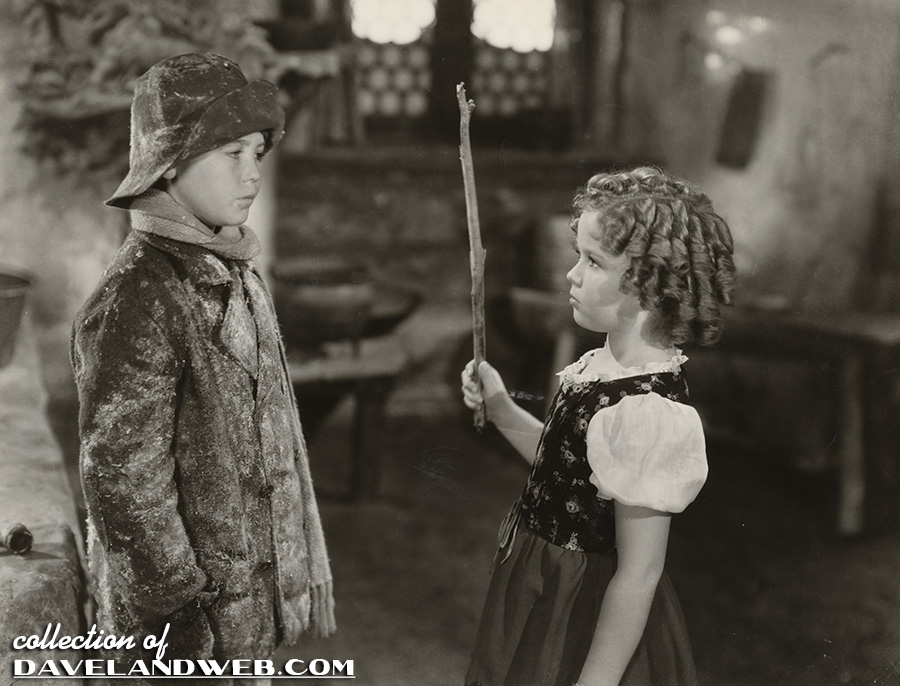
Renewed and refreshed, Sara delivers some much needed revenge in the form of an ash bucket dumped on Lavinia.


One take was enough for Marcia Mae Jones!

See more Shirley Temple “Little Princess” photos at my main website.

Tuesday, May 28, 2024

Temple Tuesday: Shirley and the Sour Grapes


Today is a tale of three of Shirley Temple’s contemporary actors and how they chose to retell their experiences of working with the talented moppet. When actress Gloria Stuart was told by Fox studio head Darryl Zanuck that she was to be put in a Shirley Temple movie, the actress was crestfallen at having to compete with the little dynamo. Zanuck reframed it for her this way: “Gloria, you could be in film for the next ten years or on the stage and nobody would ever see you or hear about you, but if you’re in a Shirley Temple film, millions of people will see you.” The actress realized the wisdom of his words and would later recall, “She was really a getaway girl. You watched her and she was so completely composed and happy and talented and up, up, up. She was a real tonic…a miracle. Indescribable. It’s impossible that one child was all those wonderful things, but she was!” The power of positive thinking was not something little Delmar Watson practiced. In “Heidi” (1937), he played Peter, the goatherd, a fairly substantial role. Here are his recollections about the experience:

I was never given my lines to study in advance. My dad asked Allan Dwan about this, and he said they wanted Peter to be kind of dumb, but it was the only time I was in a picture of that length where they would not give me my lines until the night before I was supposed to do a scene.


I guess Delmar did not understand method acting. Shirley was given her own trailer for the location shoots according to Watson:

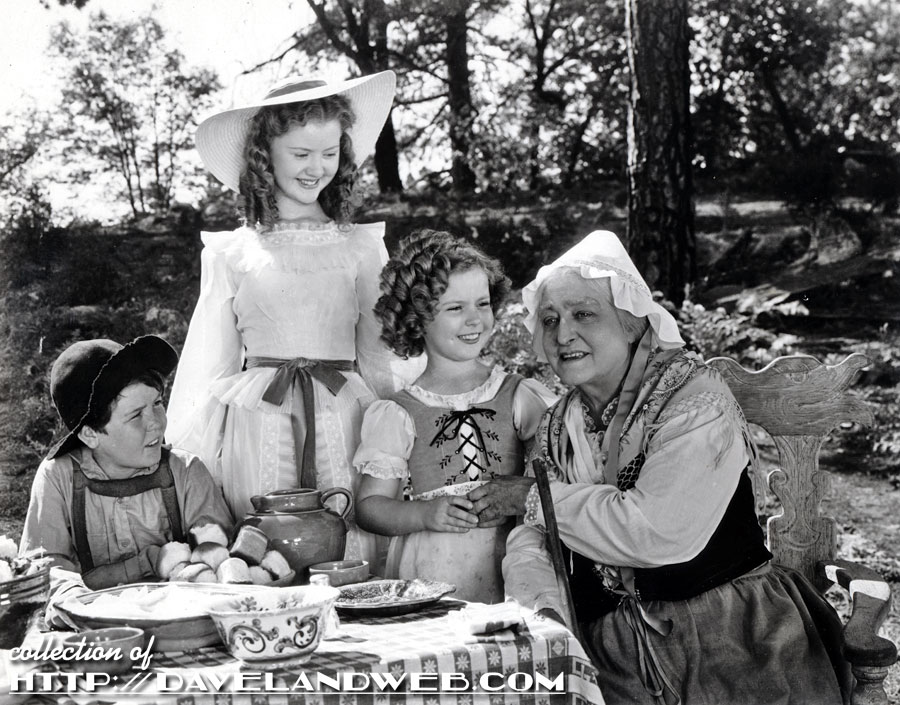
[It was] parked on the side of a hill. She was there all the time with Grif and, of course, her mother. Only a few studio people were allowed up there. She had a stand-in [Mary Lou Isleib] for the sound and lights. Then, when everything was set, she’d come down at the last minute, we’d do our scene together, and when it was finished, she would be escorted back up the hill and disappear into her trailer. Once, I was playing horseshoes right after lunch with the lighting guys, and she came out of her trailer. I said, ‘Hi,’ and she greeted me and asked if she could play. Sure, we told her. She picked up a horseshoe and tossed it. I think she missed. She played with us for exactly two minutes, and then her bodyguard came down and took her away, back up the hill into the trailer. I heard him tell her she wasn’t supposed to be there. As she left, I said to her, ‘Bye. Maybe you could do it later.’ Shirley didn’t say anything, but obediently returned to the trailer.

When you have a film riding on your shoulders and a limited amount of work time due to being a minor, it’s easy to understand that Shirley wouldn’t have a lot of time to play. A stray horseshoe that might have injured the star could have shut down the entire production. Obviously, Watson was too young at the time to understand and when he later told the story, too old to remember what the circumstances were.

Case #2: Sybil Jason. If it weren’t for “The Little Princess” (1939), Jason would be all but forgotten today (and for the most part, still is). While an appealing child, the South African born girl just never caught on in the U.S.


Here’s how Jason chose to recall working on “The Blue Bird” (1940), her second Temple film:

Usually when one received a finalized script of a movie, you are apprised of the shooting date. We were quite puzzled when a good two weeks before that date I was told to report to the studio early one morning. When we arrived, we were directed to go to a specific soundstage, and when we got inside all we saw was a small lit set with a plain backdrop and two chairs facing each other. One of the chairs faced the camera and the other one was placed behind it. I was greeted and handed a few pages from the…script. It contained only Shirley’s lines and those of the various characters that would appear in the movie. It didn’t take a rocket scientist to figure out that this was going to be the ultimate humiliation for me. I was expected to read Shirley’s lines so that actors could screen test for the various roles like the Father, the character Light and the “deceased” grandparents. As young as I was, I knew I wasn’t being treated right and I could see from the hurt look in my sister’s eyes that she too felt that way but, considering the position I was now placed in, there wasn’t much we could do about it.


After a couple of days of reading for the tests, I could now concentrate and prepare for my role as Angela Berlingot, the little crippled girl who yearns for the bird that Mytyl (Shirley) and Tytyl (Johnny Russell) had captured in the woods. My part in The Blue Bird was, to put it politely, minuscule. It consisted of a scene in the beginning of the movie and another at the end.

Sybil’s remarks have always been puzzling. Were these her memories or ones fed to her by the older sister? While it is made clear that Angela is sick, never at any time does the viewer hear the word “cripple” used to describe her. Sybil may have been thought of by Warners (her former studio) as a rival to Shirley, but the public never viewed her that way. Finally, if the Jason sisters thought reading the star’s lines in a screen test was the ultimate humiliation, then they obviously were not aware of how things worked in Hollywood. As stated before, Shirley’s work time was limited; why would it be wasted on screen tests?


In this publicity still and the caption below, we can see that it was co-starring in a Temple film that helped pave the way for Sybil’s Hollywood career. How the public did/didn’t accept her was out of Shirley’s hands.

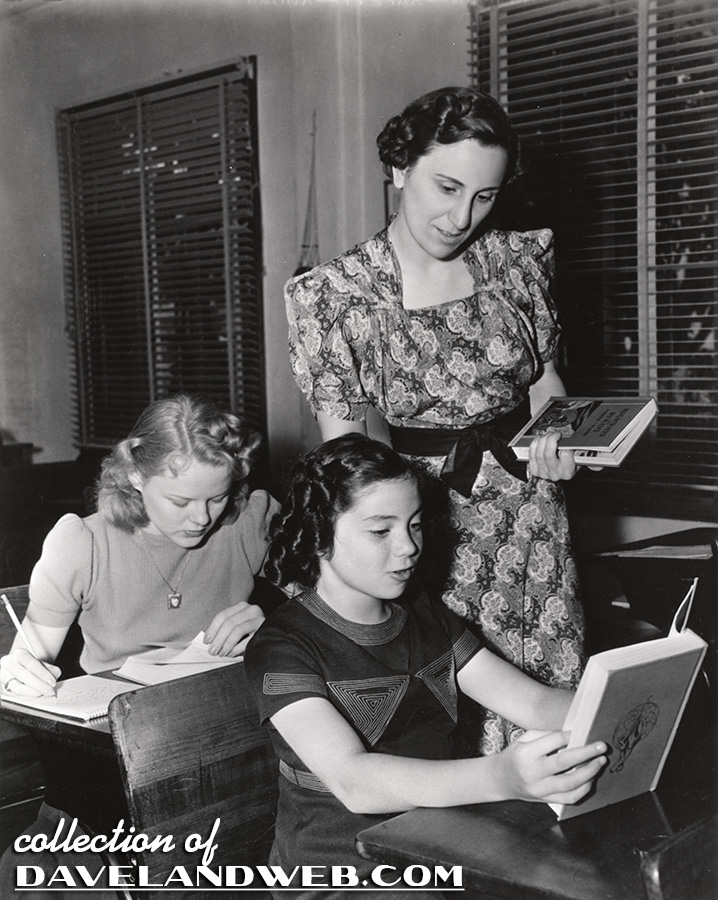
Since her portrayal in “The Little Princess” won her a long-term contract at 20th Century-Fox, 9-year-old Sybil Jason (foreground) goes to the studio’s school. Seated back of her is June Carlson of 20th Century-Fox’ Jones Family series, while Teacher (standing) is Miss Catherine Hagan.


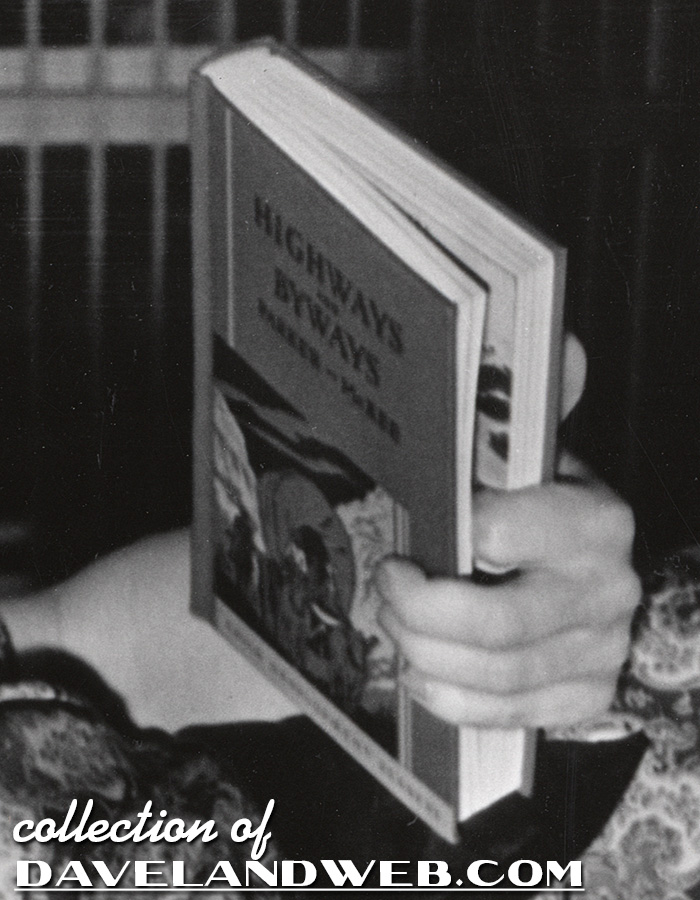
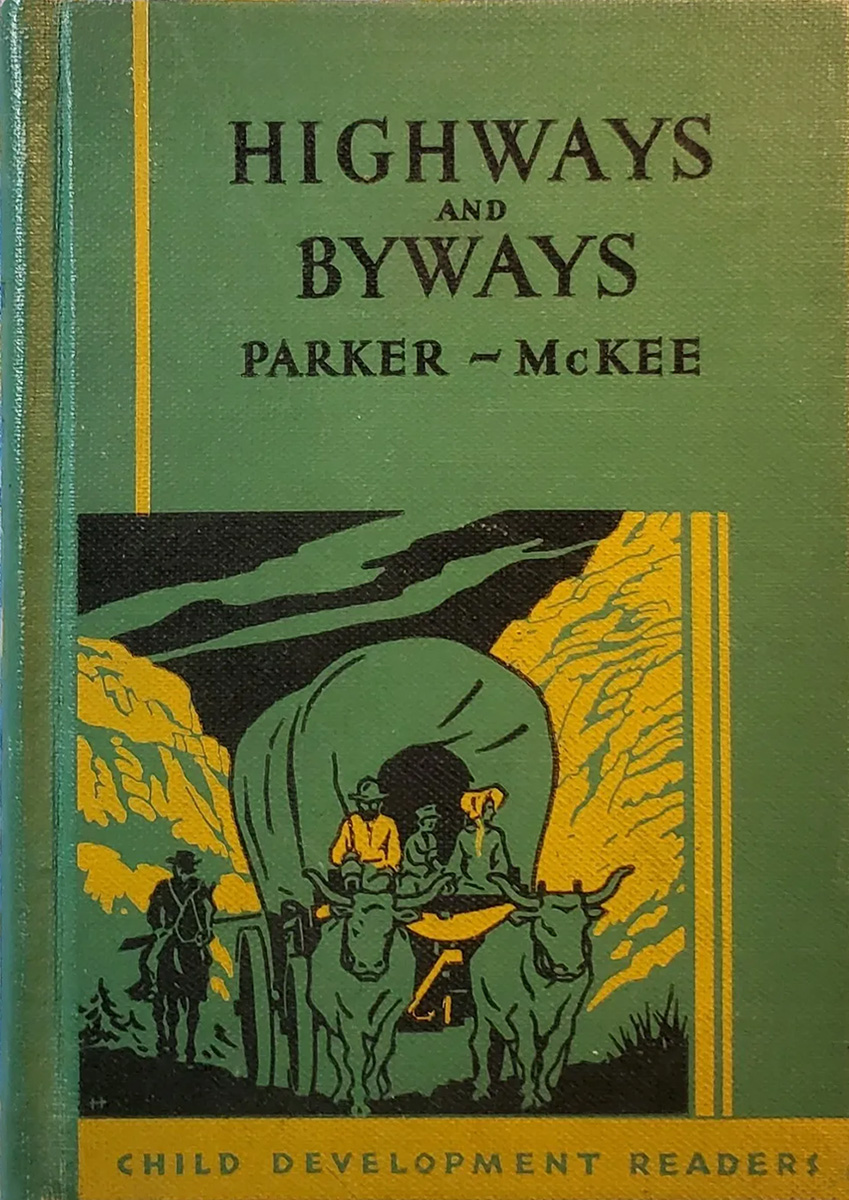
Here’s the cover of the book Miss Hagan is holding, Highways and Byways. It was copyright 1938 by authors Paul McKee, Director, Teachers College Elementary School, and Professor of Elementary Education, Colorado State Teachers College, Greeley, Colorodo, and Beryl Parker, Associate Professor of Education, New York University. 


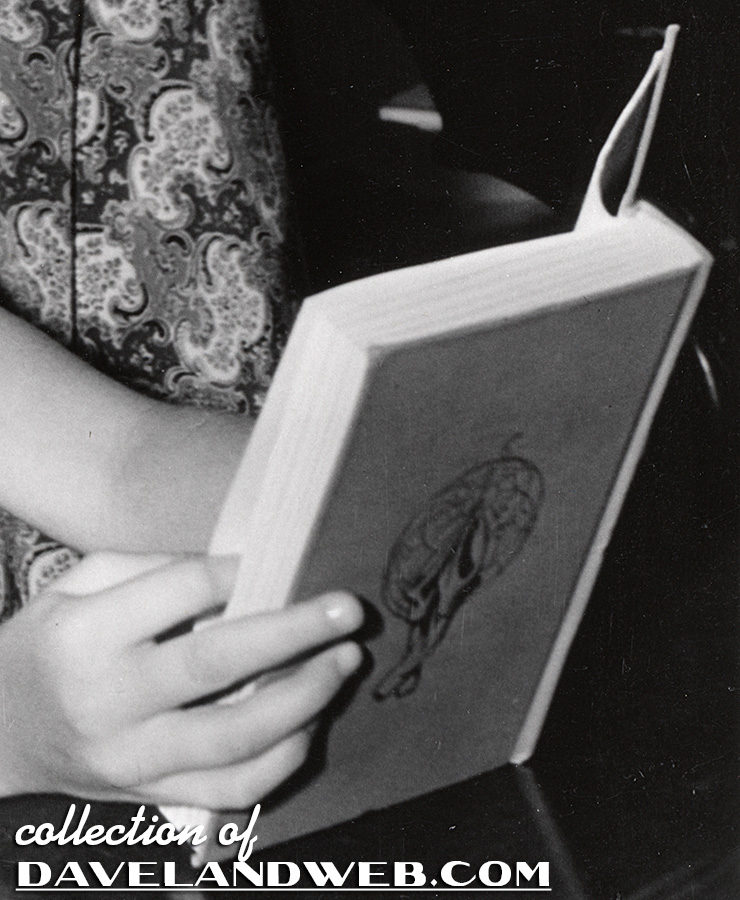
This is not the same book Sybil is reading.


Houston, we do not have a match.


Case #3: Marcia Mae Jones, who played Klara, a true cripple, in “Heidi” (1937).


Marcia Mae Jones recalled her casting in the film:

There was talk that I got as much fan mail because I played a crippled girl in ‘Heidi,’ and probably that Mrs. Temple would never use me again, but Mrs. Temple requested me for ‘The Little Princess,’ so you see, there’s a lot of talk that’s not so.

Mic drop. Thank you. Below is a shot I took in 2002 of Margaret O’Brien and the sour grapes, Delmar Watson and Sybil Jason. They were making an appearance at the Silent Movie Theatre in Hollywood for a Tippi Hedren fundraiser for her animal shelter.


See more photos at my main website.

Tuesday, August 24, 2021

Temple Tuesday: The Art of Storytelling


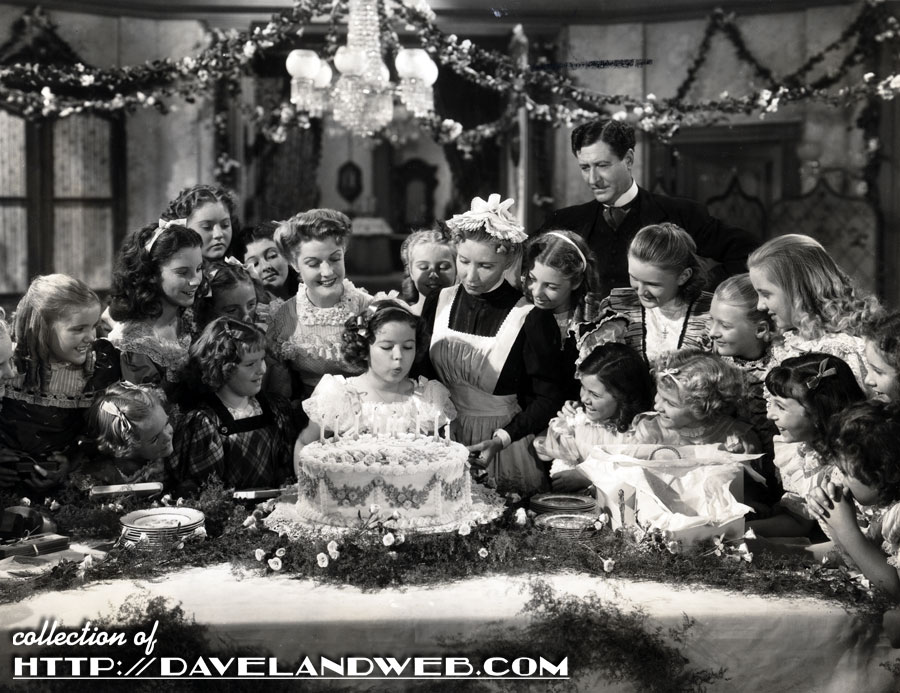
Depending upon how it is told, a story can be riveting when delivered artfully or an absolute snoozer if presented as a series of dry facts. Darryl Zanuck realized due to box office returns that the public was getting tired of the standard Shirley Temple film, and if the aging child was to continue her career on a positive trajectory, more care would have to be taken with future films. “The Little Princess” is still one of Shirley’s most beloved films, thanks to its lavish (and well-spent) budget and the extra care that was taken in telling the story. Within the first ten minutes, all of the important plot points have been introduced. The main driver of the story is that little Sara Crewe (Shirley Temple) and her father have a very close bond and have rarely spent time apart, yet are about to be separated because of the Boer War. We are also introduced to the villainess, Miss Minchin (Mary Nash), who immediately shows herself to be two-faced, with an unhealthy regard for financial gain and social status. Her brother (Arthur Treacher) proves to be a jovial sort who is bullied by his snobbish sister.


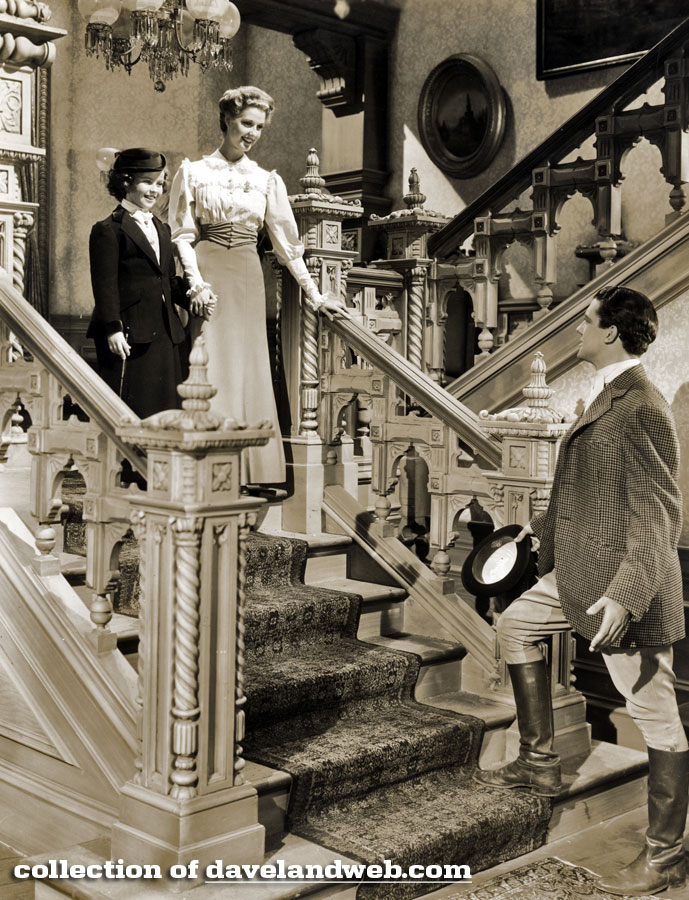
Within the next few minutes, the romantic subplot between Miss Rose (Anita Louise) and the dashing Mr. Geoffrey (Richard Greene) appears, along with the knowledge that Miss Minchin does not approve of their alliance.


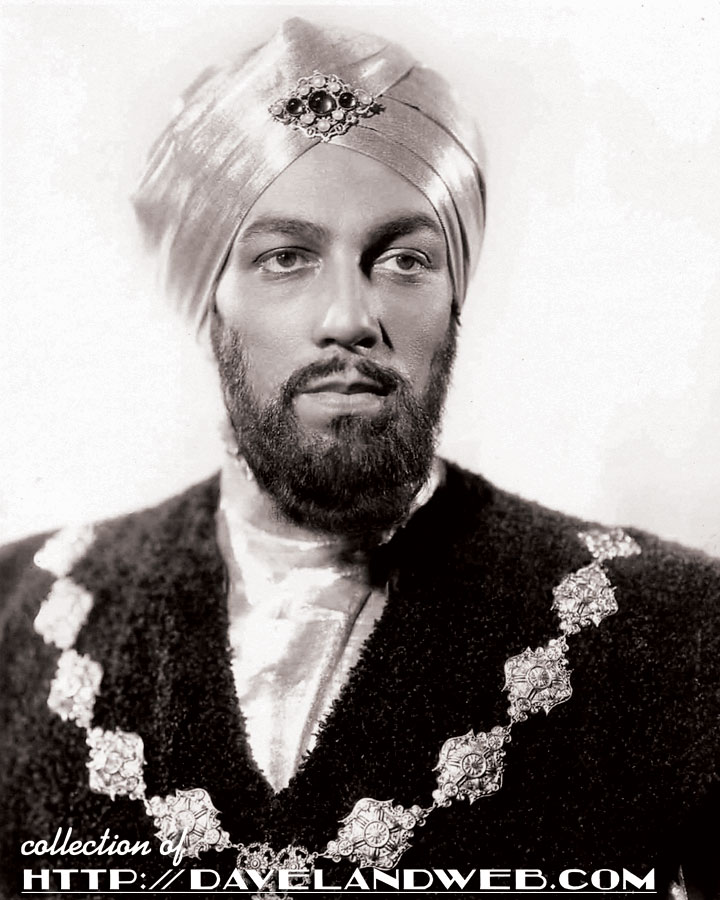
Additional supporting characters who will assist Sara in her journey include Ram Dass (Cesar Romero), the kindly servant of Mr. Geoffrey’s grandfather who keeps tabs on the little girl:


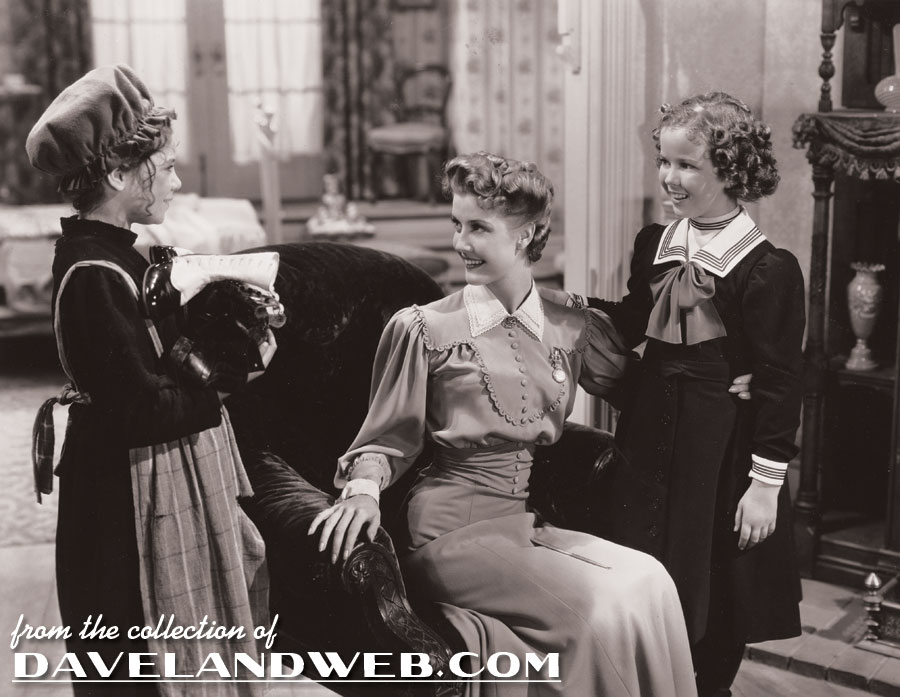
and Becky (Sybil Jason), the young scullery maid, who is Sara’s closest confidante:


Zanuck was known for moving his stories along quickly, removing any scenes that would be extraneous to the plot, thus holding the interest of the audience. Everything that occurs after the first portion of the film relates back to these characters and plot points.

All of these initial scenes build up the emotions of the audience to the first jolt of the film: Sarah’s father is in danger because of the war and won’t be able to make it back for her birthday party. This heightens our anxiety, brings up a number of questions (will Captain Crewe survive the war?), and also sets up future complications (he tells her to spend as much as she wants on her birthday party).


Just as we are teetering on the brink of sadness for Sara’s uncertain future, we breathe a sigh of relief when it is announced that the soldiers at Mafeking have been relieved:


…and the joyous birthday celebration is able to unfold exactly as planned, albeit without Sara’s father.


Don’t let your guard down too quickly, though. As it is with most riveting films, a moment of intense happiness is followed by one of utter despair.


It would be easy to make a chart of the peaks and valleys of emotions that this well-told story provides, slowly building to the exciting final crescendo. To see the fate of little Sarah you’ll have to watch “The Little Princess” for yourself.

See more Shirley Temple photos at my main website.

Saturday, April 30, 2011

Screen Gem Saturdays: The Blue Bird—20th Century Fox’s answer to The Wizard of Oz


Continuing to celebrate Shirley Temple's birthday month of April, this post is about one of my fave (but not always appreciated) ST flicks, “The Blue Bird.”

Not wanting to tie up their number one star by loaning her out to another studio, 20th Century Fox declined MGM’s attempt to borrow Shirley Temple to star in “The Wizard of Oz.” In actuality, it was the number crunchers who wanted little Shirley in the first place; the creatives behind MGM’s lavish musical didn’t really want Shirley at all, but rather had their sights set on up-and-coming star Judy Garland. Although Shirley was physically closer in type to play Dorothy because of her younger age, Judy Garland was able to bring a realism through her vocal talents and natural acting ability that Shirley would not have been capable of. A less than impressive vocal audition for Roger Edens convinced MGM that Shirley was not right for the part, regardless of what Fox was willing to do.

Still, studio head Darryl Zanuck realized with the success of Oz that he might be able to make lightning strike twice by casting Shirley in a similar film. What ended up being created though was very different. “The Wizard of Oz” has some dark elements to it, such as the menacing Wicked Witch and Winged Monkeys, but overall, it is a jubilant and upbeat musical package wrapped up in a vivid technicolor bow. Released a few months later, “The Blue Bird” (1940) definitely ventured into darker areas than its MGM counterpart did. A very scary forest fire that kills off one of the main characters (but also helped the film get nominated for a Special Effects Oscar):
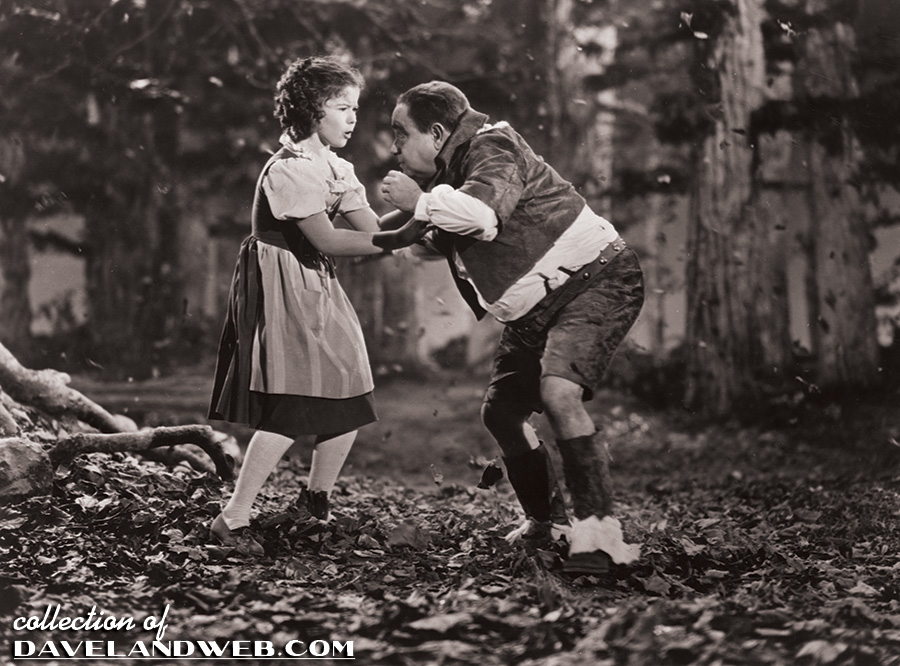


A visit to a cemetery at midnight:
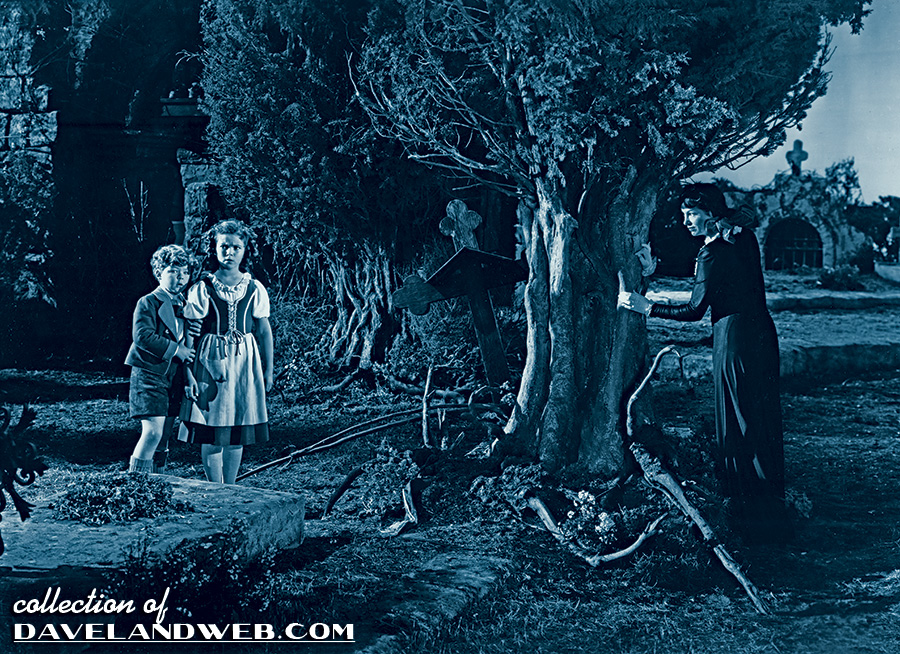


And a few slightly creepy stories, such as the visit with the dead grandparents:
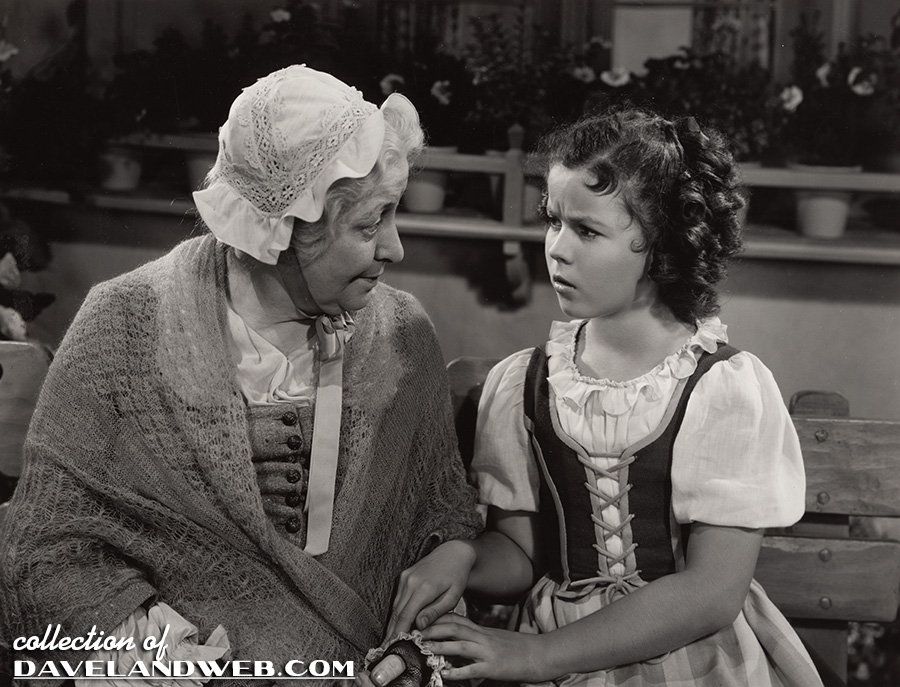


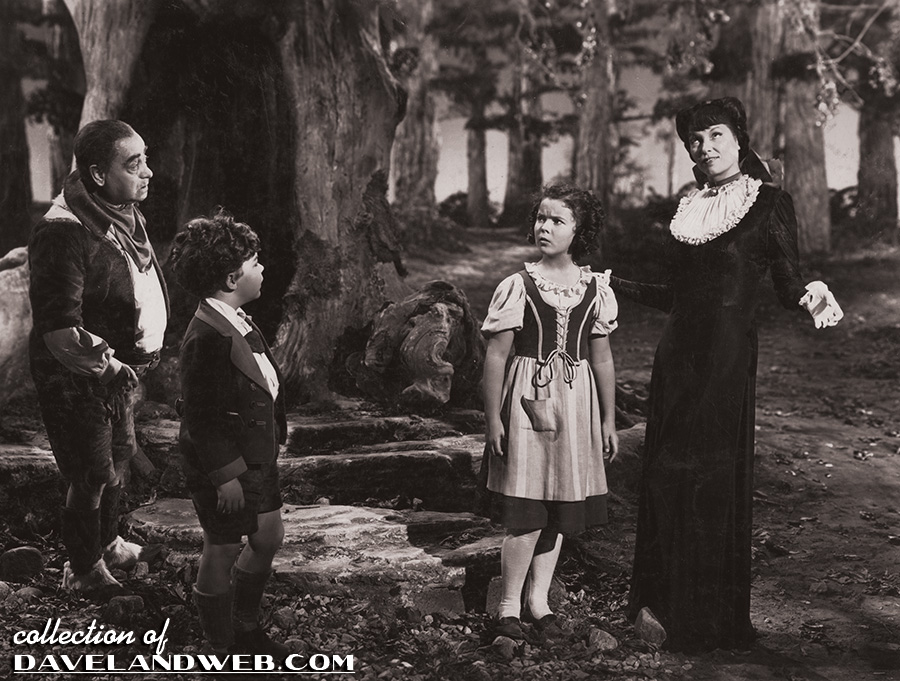
and a visit to the Land of the Unborn Children, where Mytyl (Shirley) and her brother Tyltyl (Johnny Russell) meet Abe Lincoln as well as their unborn sister who will die an early death:
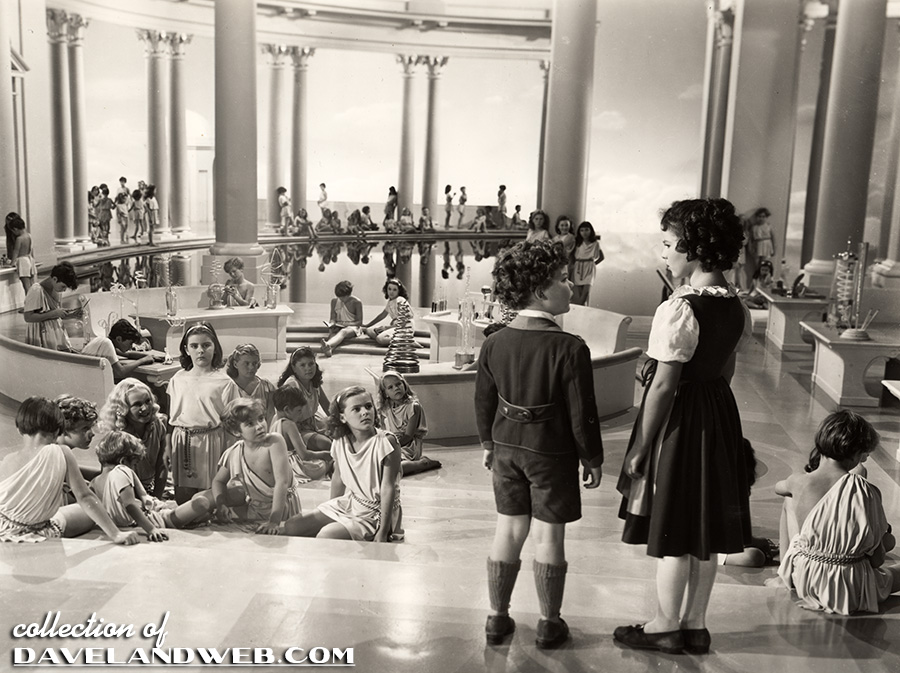


In addition, Shirley’s character, Mytyl, is a brat. Thoroughly unlikeable, Temple plays her with relish.
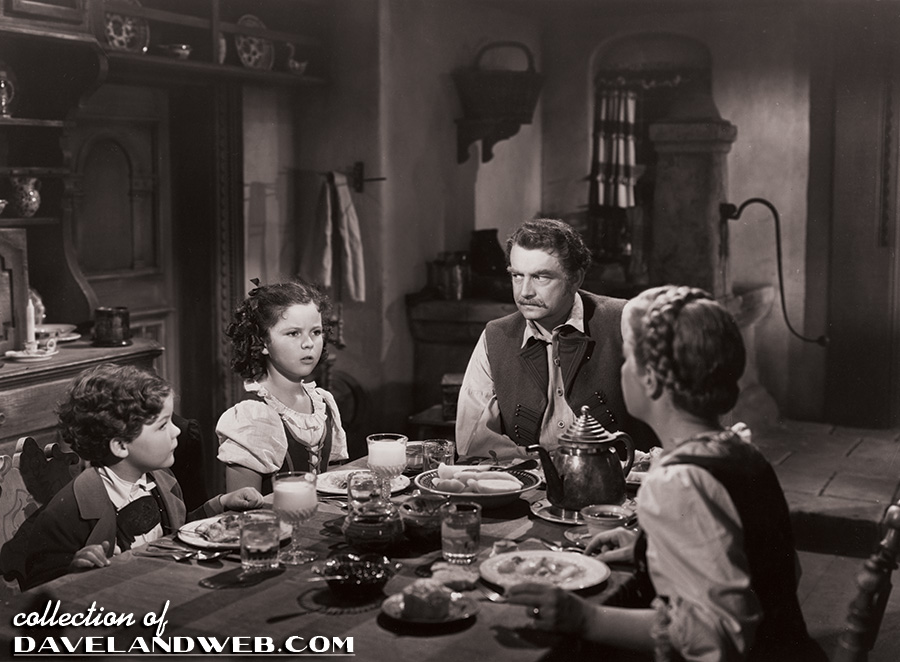


This was confusing for audiences at that time as they expected to see Shirley spreading sunshine as she had in all of her past successes. Let’s call this Strike One.
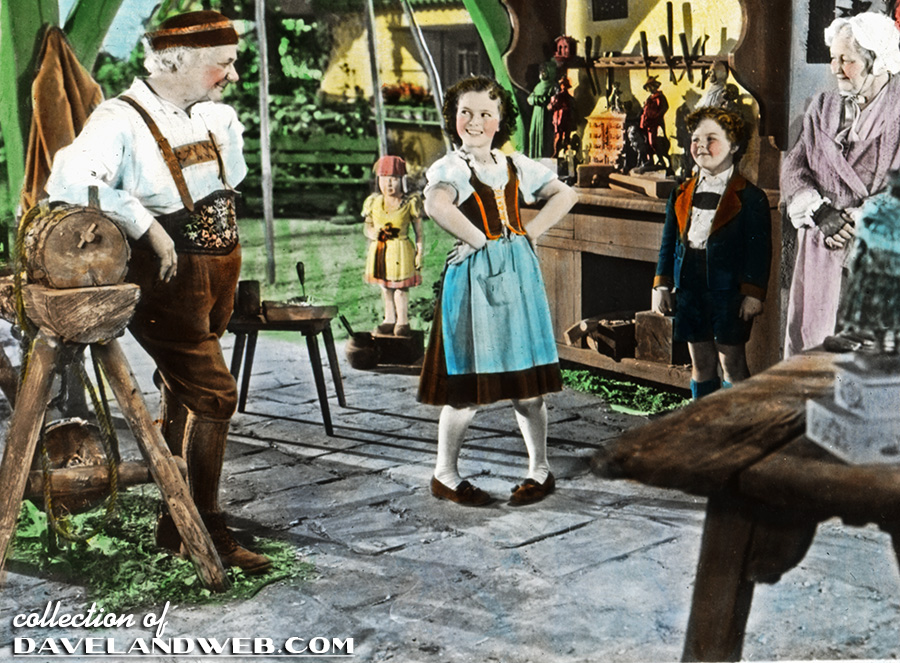


Whereas “Oz” had many memorable musical numbers that were elaborately staged, “The Blue Bird” had only one musical number, “La-de-O,” which was about as simple as could be. At this stage of the game, Shirley was almost 12 years old; no longer a precocious and natural child, her acting seemed less natural and at times, almost forced. Her dancing in this number also appears to be a little over-rehearsed, and not as natural and effortless as one would expect from a number that is supposed to appear off-the-cuff. A “nice” number, but given the heavy nature of some of the material in this movie, audiences who expected to be uplifted by memorable song and dance were deeply disappointed. We can call this Strike Two.
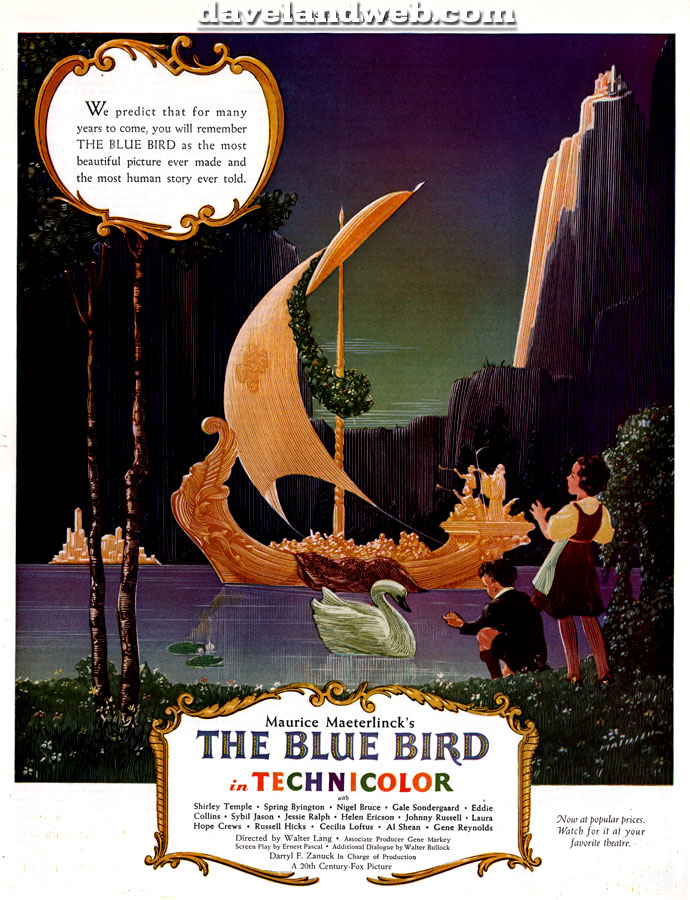


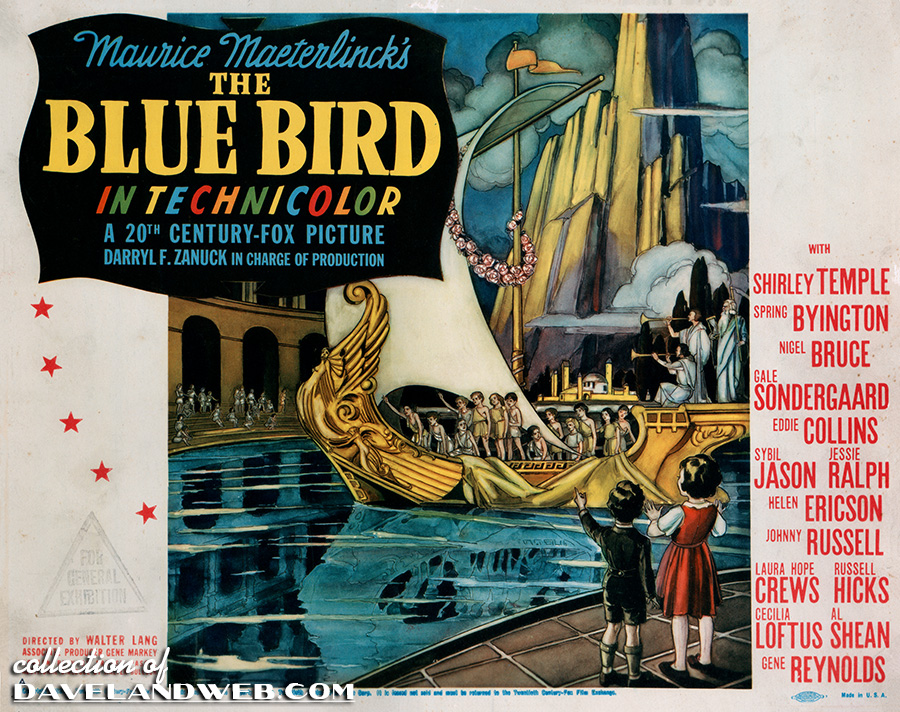
Last but not least, the promotion for this movie was also somewhat heavy. Going for an artistic and vague approach, the ads for the movie promised a rich and thought provoking cinematic experience. The artwork for the posters and advertisements was in the style of an Old World fairytale, which Fox believed would add prestige and a cerebral element to their motion picture that the “low-brow” “Wizard of Oz” lacked. Audiences of 1940 were just coming out of The Depression and entering World War II. They didn’t want something thought-provoking; they wanted a happy escape. “The Blue Bird” provided no escape. Yup...Strike Three.

Here is the lobby card from the movie’s original release; the artwork is gorgeous, somewhat reminiscent of a Maxfield Parrish piece.


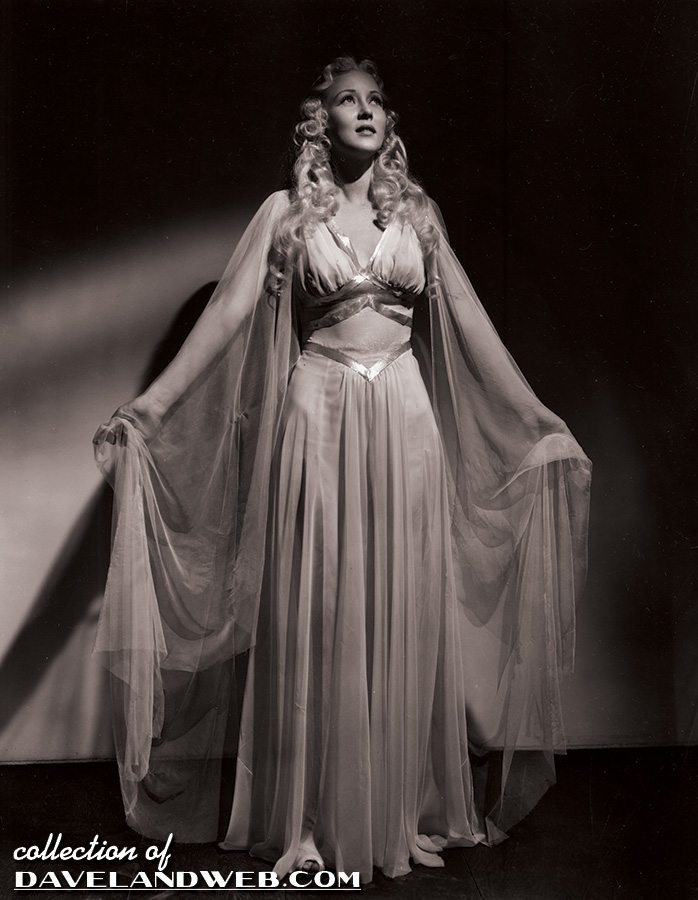
The studio tried hard for broad audience appeal; the character of “Light” (played by Helen Ericson) was a vision of beauty in her filmy almost transparent gown. Can you imagine what Alice Faye could have done with this role though? And with a song?


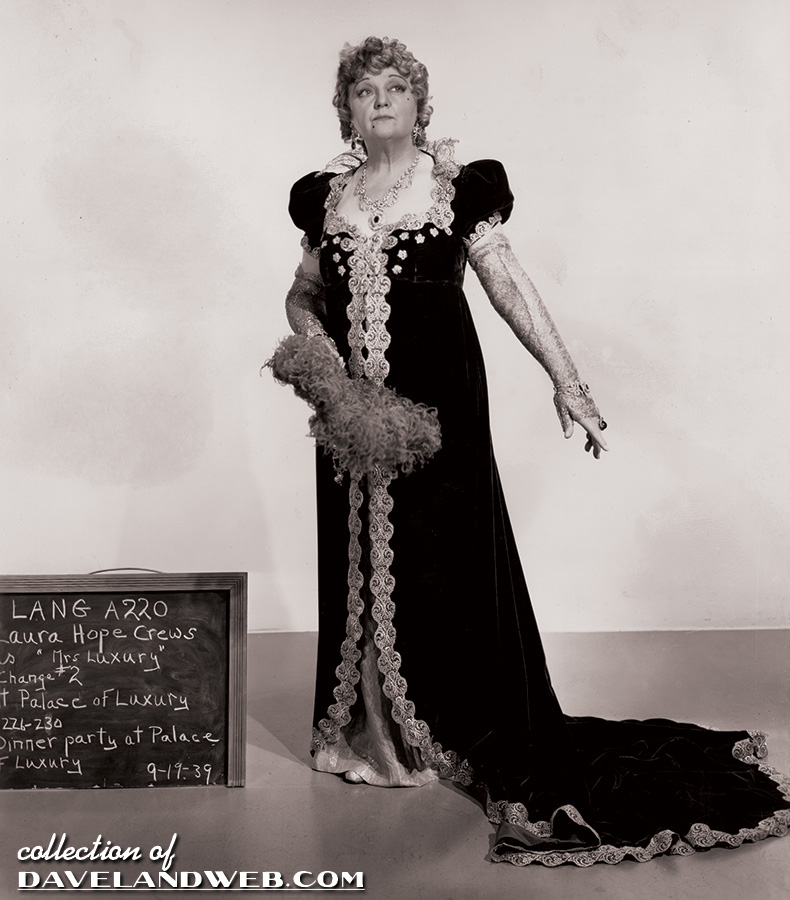
Zanuck also spent a considerable amount of money on this production, especially on the Land of Luxury sequences, as can be attested to by this lavish costume for Laura Hope Crews (Mrs. Luxury):


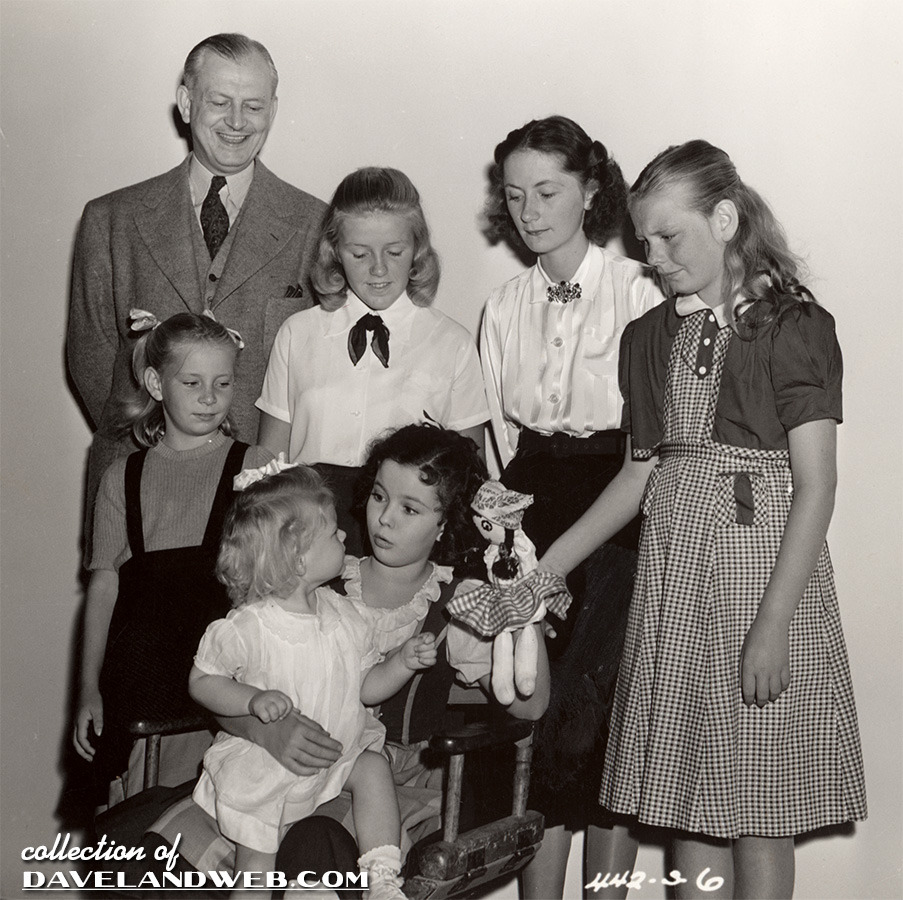
In a way, this candid shot taken on the set of the film sums things up very well...Shirley is attempting to entertain but the people around her seem almost pained and confused (I think Shirley should put the creepy handpuppet away!).


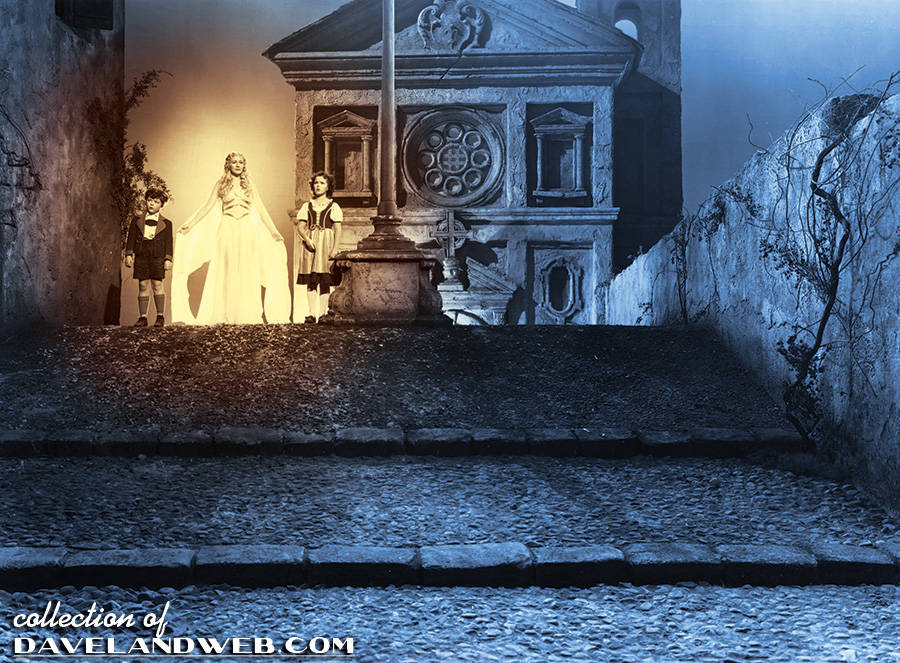
On its initial release, “The Blue Bird” was called “Dead Pigeon” by its detractors. Audiences didn't get it, and most of them (even if they did get it) were less than amazed. Loss of the overseas market due to the War also sealed the fate of this movie which has always been known as the film that killed Shirley’s career. On a brighter note, “The Blue Bird” was nominated for two Oscars: Best Color Cinematography (Arthur C. Miller & Ray Rennahan) and Best Special Effects (Fred Sersen-photographic & Edmund H. Hansen-sound). This was probably very little consolation for studio head Zanuck.


Flash forward to today, and this film has definitely crept up in the respect department. Definitely not as bad as what critics labeled it to be in 1940, it really is a charming and beautiful film. At times, it does appear a little stage-like, but overall, definitely enjoyable (personally, I think “Susannah of the Mounties” (1939) is much worse!). Shirley gives a great performance as the bratty Mytyl, showing the depths of her talent when given a role that she liked. Gale Sondergaard, who turned down the part of the ugly Wicked Witch in “The Wizard of Oz,” is perfectly cast here as the evil yet glamorous feline villain (shown in the photo below on the right).


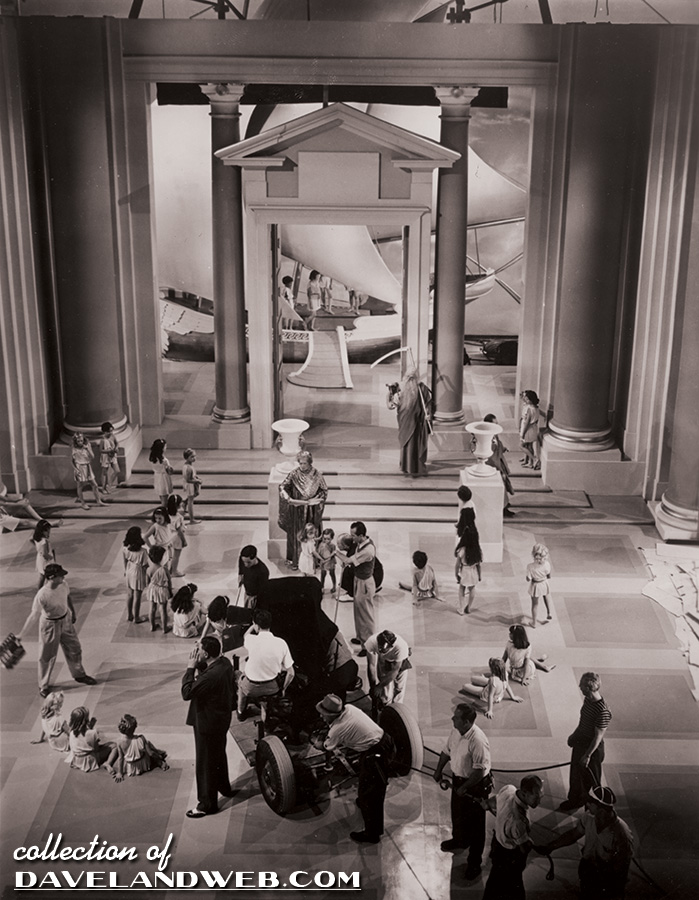
The Technicolor is rich and the sets are marvelous; hard to forget the milk-white Land of the Unborn Children. Yes, slightly creepy in concept, but also very cool. My dad used to tell me how as a little boy, the separation of the young lovers (who were to be born at different times, thus missing each on earth) scene had such an effect on him.


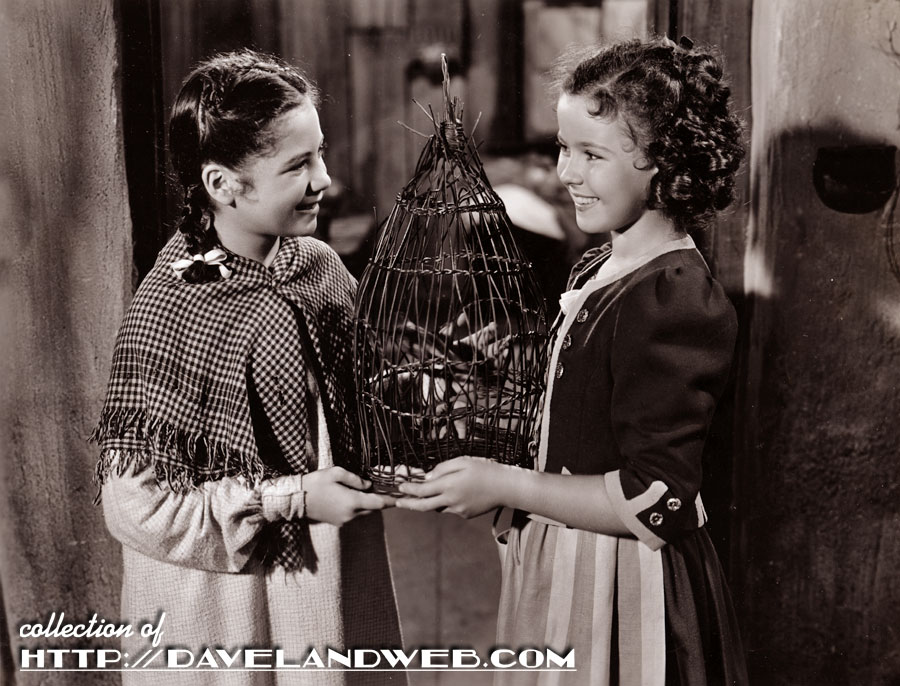
In recent years, actress Sybil Jason has stated in interviews that her most dramatic scene was cut from the movie at the request of Mrs. Temple, for fear that Sybil might overshadow Shirley. The sequence she refers to is the one at the end of the film where her sick (the word "cripple" is never used) character, Angela, is given the Blue Bird by Mytyl (Shirley). The gift of the bird symbolizes that Mytyl has now become a generous little girl, and because of this gesture, Angela is able to get out of bed. According to Jason:

“The finished film didn't make sense at all. One moment Angela is crippled, and the next minute, without explanation except for Mrs. Berlingot's (Celia Loftus) amazement, Angela is pictured outside her house standing up and talking to Mytyl.”

Quite frankly, Mrs. Berlingot's exclamation at Angela walking suffices; no dramatic scene was necessary. Most likely, it would have added a sappy touch of melodrama to the movie that would have been (unintentionally) laughable. Personally, it was probably one of the better decisions that the studio made in editing the film. This still of Sybil & Shirley from the final scene of the film could be titled, “She who laughs last laughs best!” Today, Shirley is still remembered whereas Sybil is virtually forgotten.
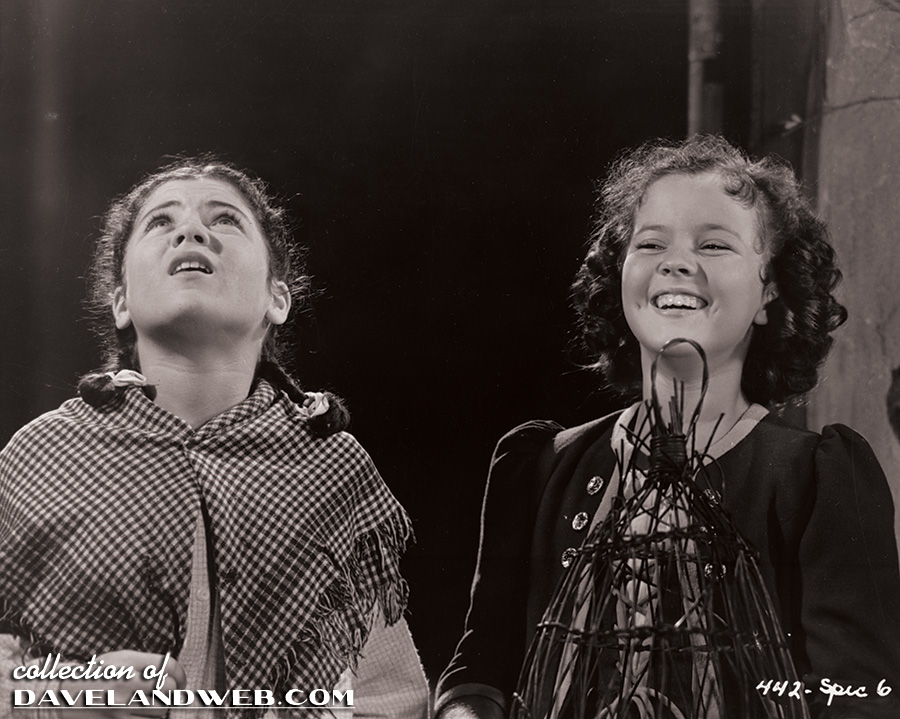


Regardless of its initial showing, this film stands on its own today as fine (albeit slightly flawed) family entertainment.

To see more “The Blue Bird” photos, visit my main website.