
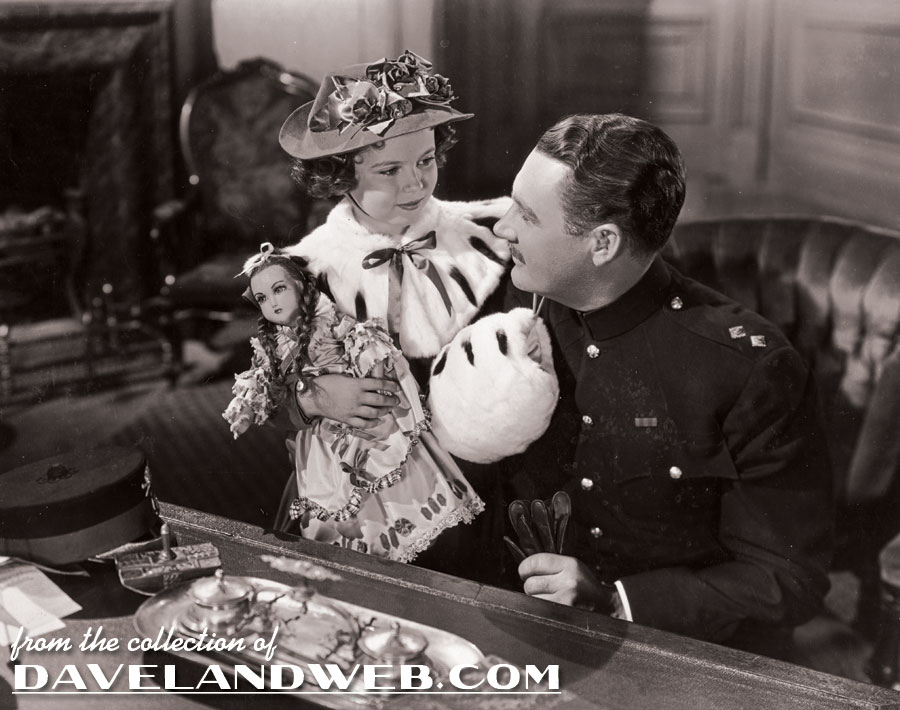
Depending upon how it is told, a story can be riveting when delivered artfully or an absolute snoozer if presented as a series of dry facts. Darryl Zanuck realized due to box office returns that the public was getting tired of the standard Shirley Temple film, and if the aging child was to continue her career on a positive trajectory, more care would have to be taken with future films. “The Little Princess” is still one of Shirley’s most beloved films, thanks to its lavish (and well-spent) budget and the extra care that was taken in telling the story. Within the first ten minutes, all of the important plot points have been introduced. The main driver of the story is that little Sara Crewe (Shirley Temple) and her father have a very close bond and have rarely spent time apart, yet are about to be separated because of the Boer War. We are also introduced to the villainess, Miss Minchin (Mary Nash), who immediately shows herself to be two-faced, with an unhealthy regard for financial gain and social status. Her brother (Arthur Treacher) proves to be a jovial sort who is bullied by his snobbish sister.
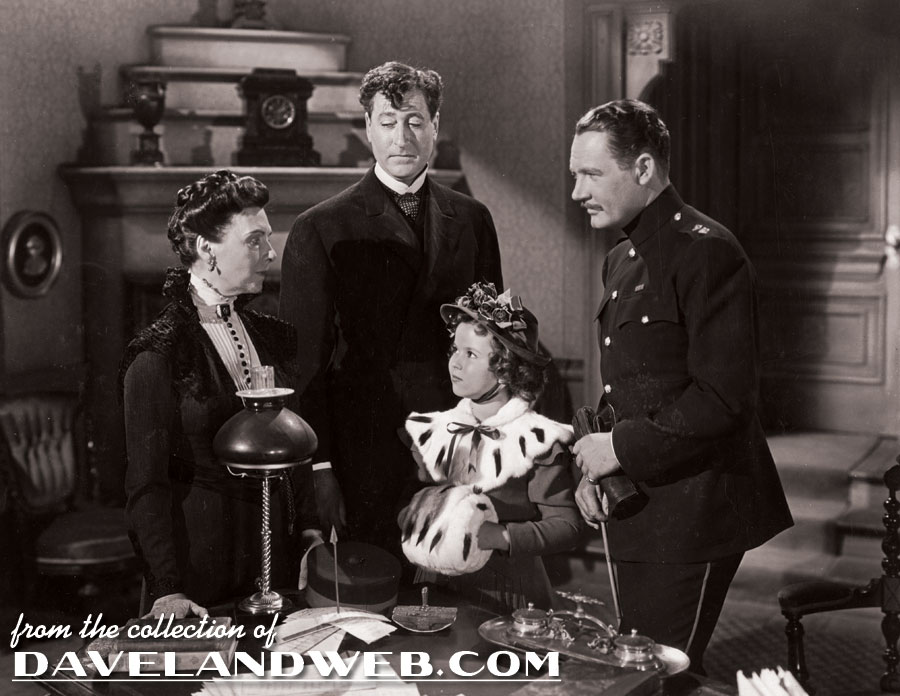
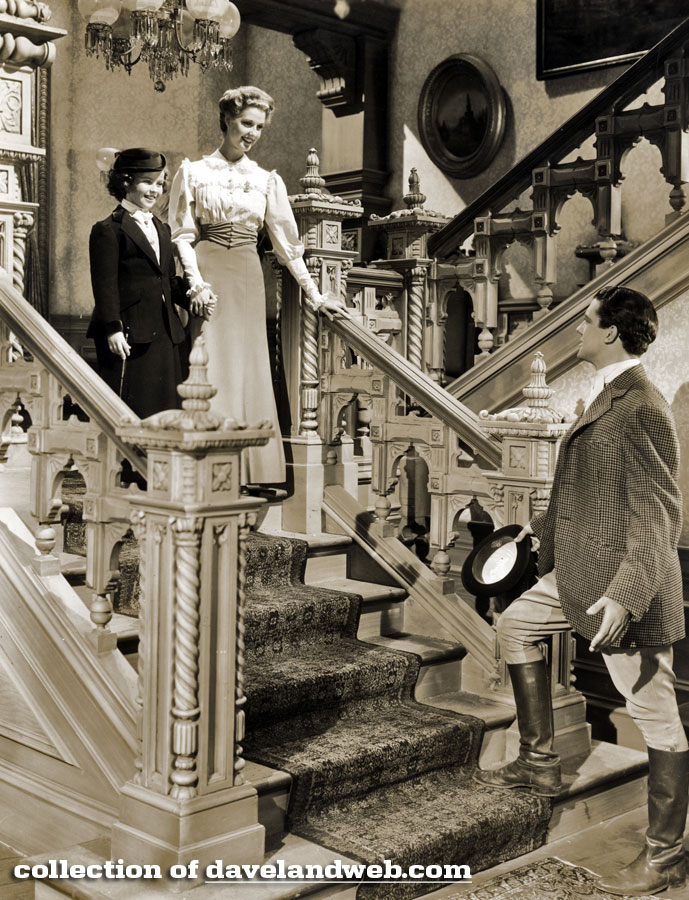
Within the next few minutes, the romantic subplot between Miss Rose (Anita Louise) and the dashing Mr. Geoffrey (Richard Greene) appears, along with the knowledge that Miss Minchin does not approve of their alliance.
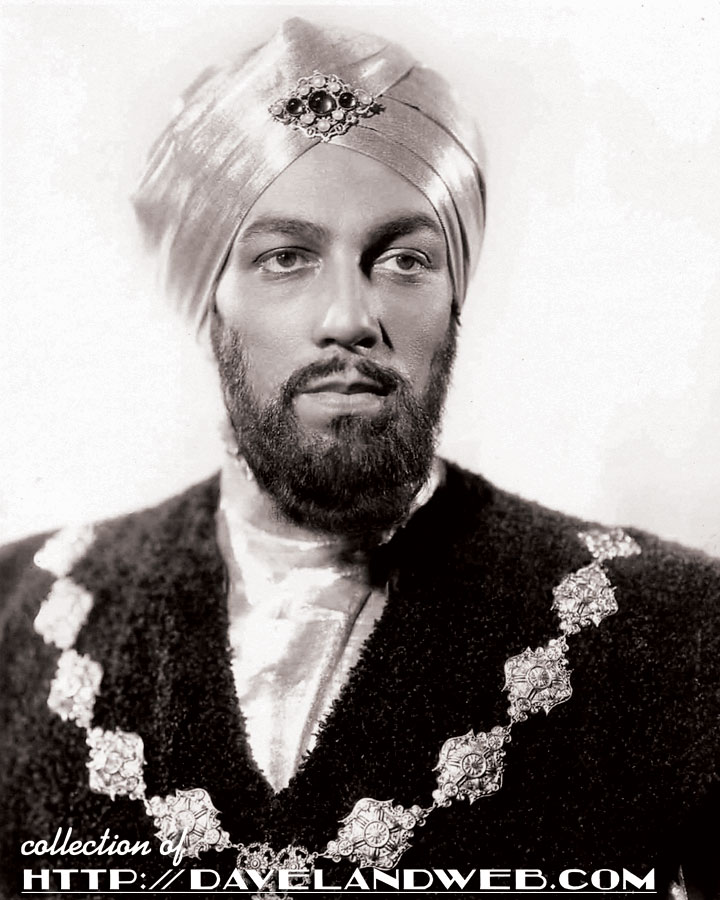
Additional supporting characters who will assist Sara in her journey include Ram Dass (Cesar Romero), the kindly servant of Mr. Geoffrey’s grandfather who keeps tabs on the little girl:
and Becky (Sybil Jason), the young scullery maid, who is Sara’s closest confidante:
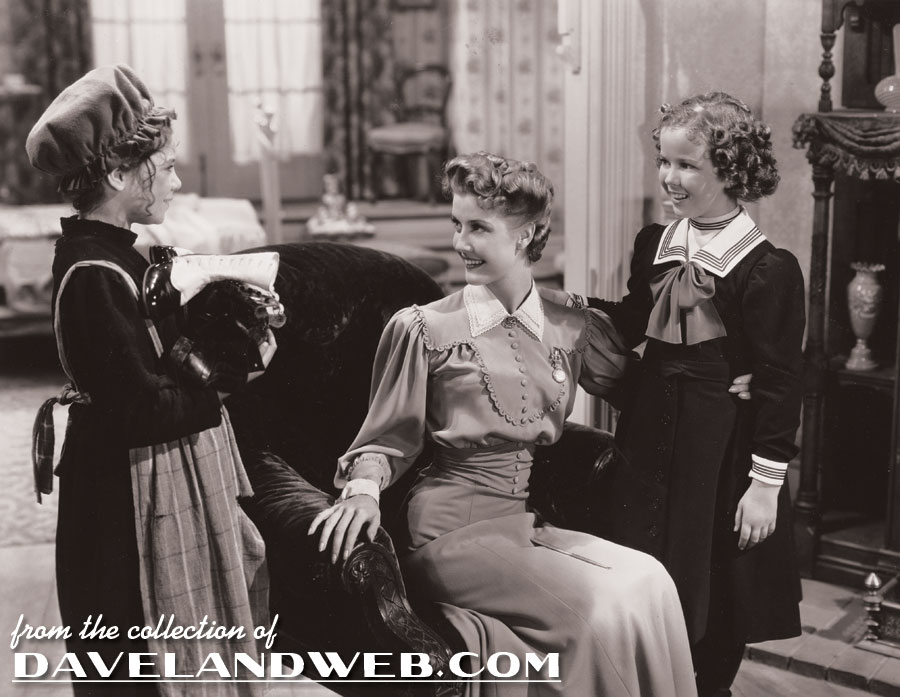
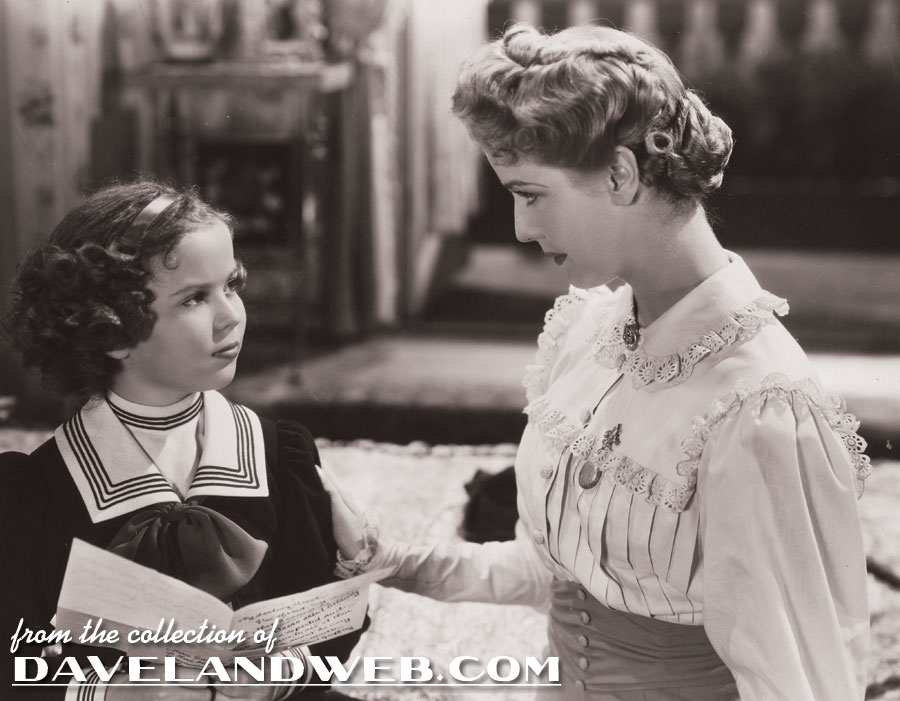
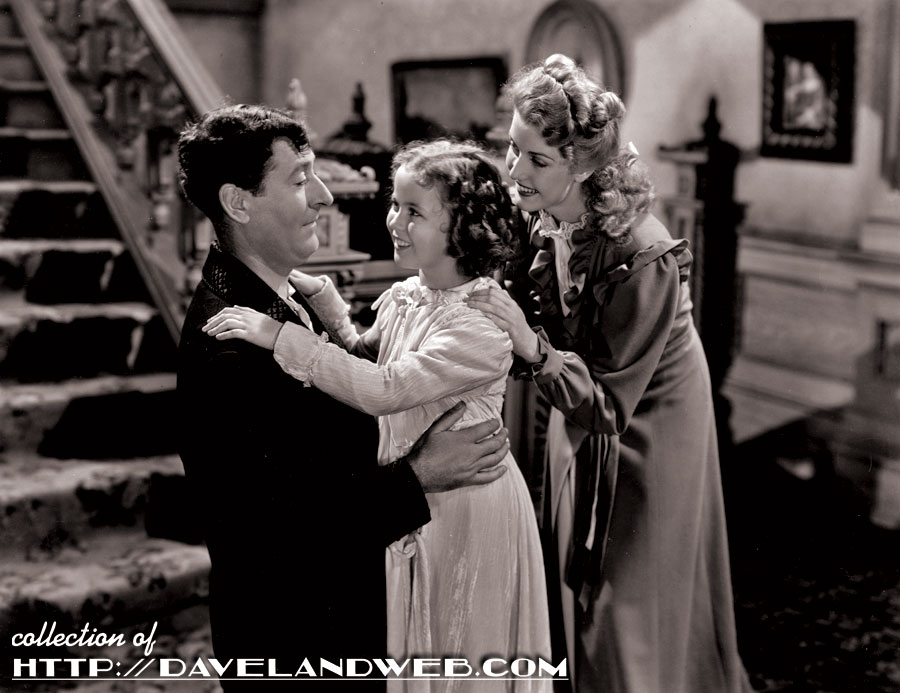
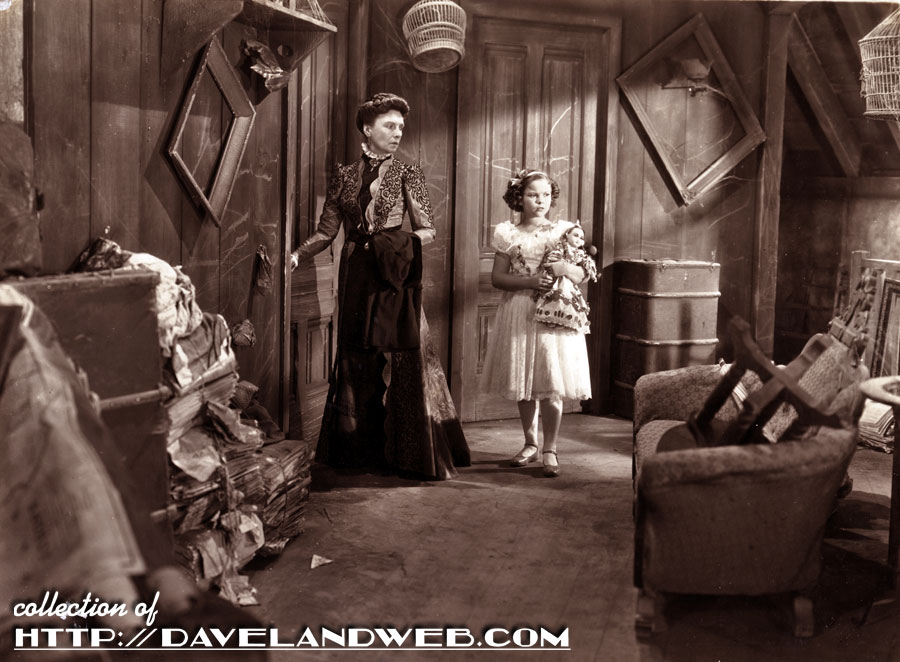
Zanuck was known for moving his stories along quickly, removing any scenes that would be extraneous to the plot, thus holding the interest of the audience. Everything that occurs after the first portion of the film relates back to these characters and plot points.
All of these initial scenes build up the emotions of the audience to the first jolt of the film: Sarah’s father is in danger because of the war and won’t be able to make it back for her birthday party. This heightens our anxiety, brings up a number of questions (will Captain Crewe survive the war?), and also sets up future complications (he tells her to spend as much as she wants on her birthday party).
Just as we are teetering on the brink of sadness for Sara’s uncertain future, we breathe a sigh of relief when it is announced that the soldiers at Mafeking have been relieved:
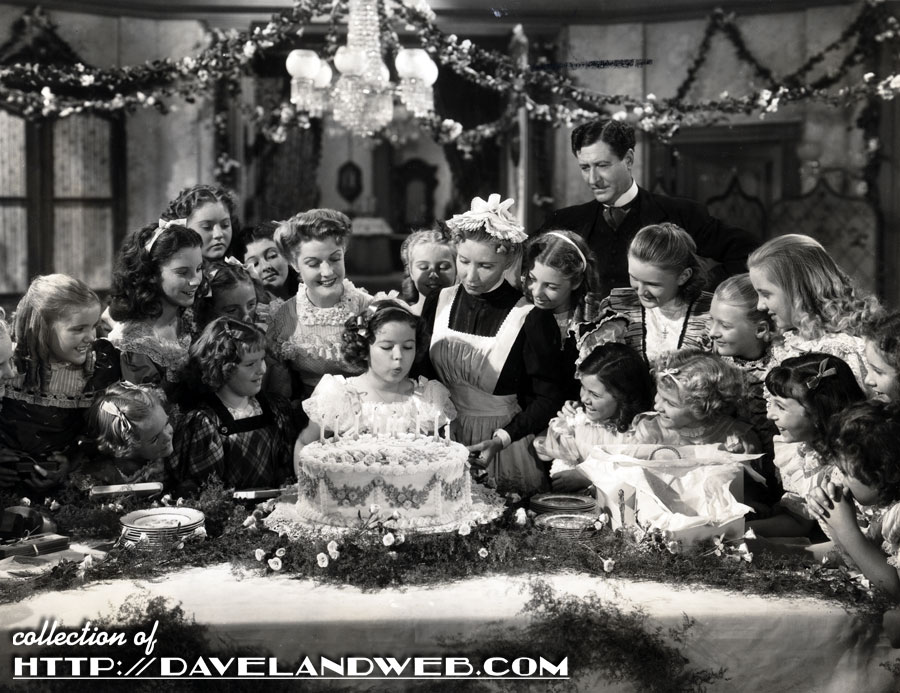
…and the joyous birthday celebration is able to unfold exactly as planned, albeit without Sara’s father.
Don’t let your guard down too quickly, though. As it is with most riveting films, a moment of intense happiness is followed by one of utter despair.
It would be easy to make a chart of the peaks and valleys of emotions that this well-told story provides, slowly building to the exciting final crescendo. To see the fate of little Sarah you’ll have to watch “The Little Princess” for yourself.
See more Shirley Temple photos at my main website.

