Showing posts with label summer stock. Show all posts

Monday, July 31, 2023

Chuck, Judy, June, Joan, and Grace


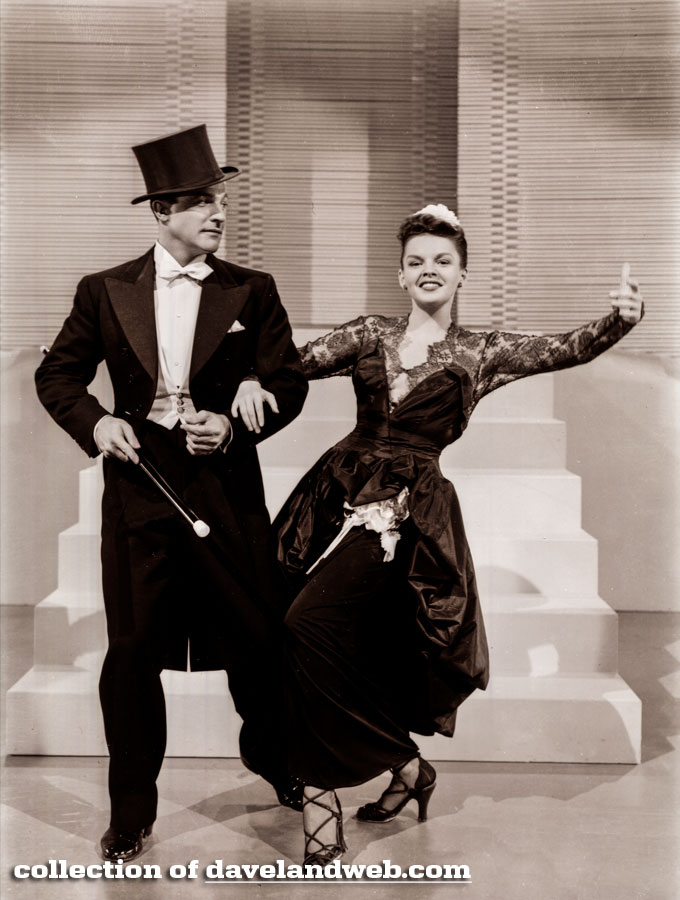
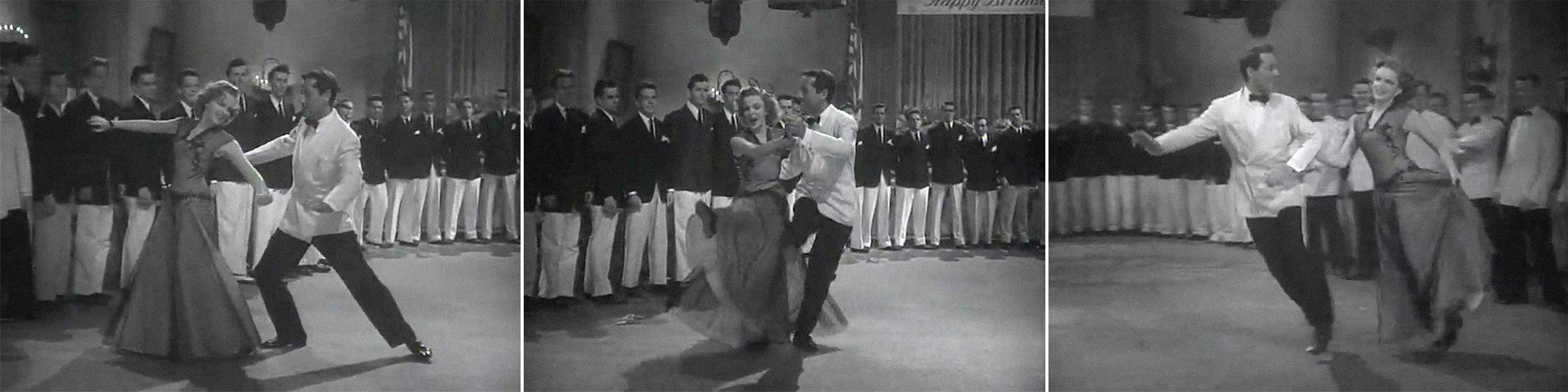
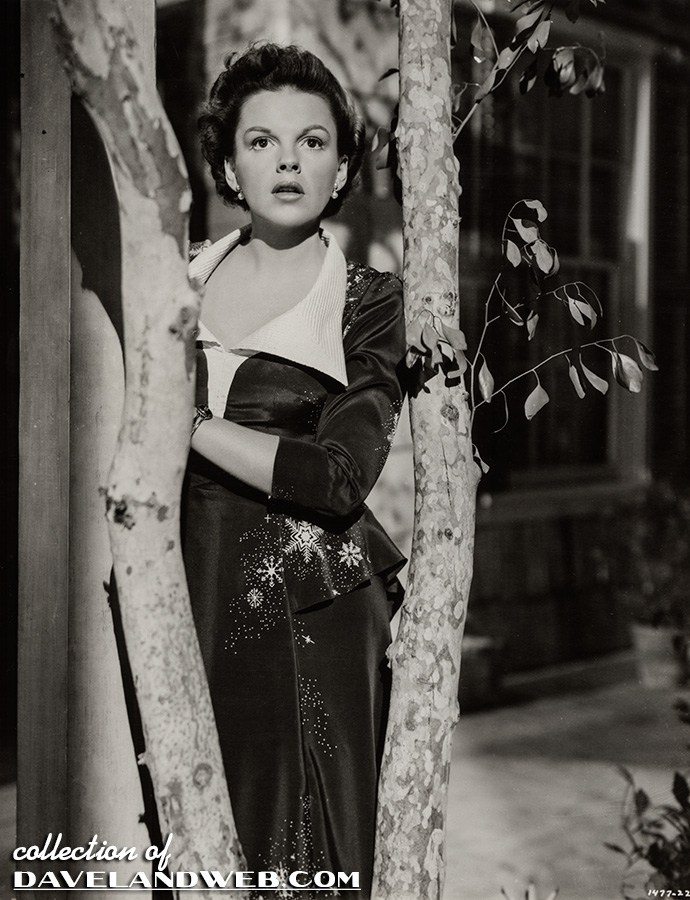
Disneyland isn’t the only thing that came out of Anaheim. Chuck Walters (born Charles Powell Walter; the “s” was added later) was a dancer, choreographer, and director during the heyday of the MGM musical. The first shot shows him dancing with Judy Garland in “Presenting Lily Mars” (1943). The original finale was an overdone patriotic mess; Walters was called in to choreograph a new musical number to show off the maturing Garland and her talents. In the Walters biography, The Director Who Made Hollywood Dance by Brent Phillips, the author tells how Walters was able to get a fearful Garland to tackle the difficult steps:

“I’m not sure I can do what you want. I can’t move like this.” With Judy, he understood that kid gloves were required. They sat down together, and in a flash of inspiration he asked, “Who is your favorite female dancer?” Without much hesitation, she replied, “Renee De Marco.” “All right,” he announced. “From now on, whenever we rehearse, you are Renee De Marco.” Garland looked at him with wide eyes and gave a sigh of relief.

Judy begged for Walters to join her again in her next picture, “Girl Crazy” (1943). For “Embraceable You,” the two twirl around the dance floor with glee. It is a beautiful sight to see. Walters danced with the polish of Fred Astaire and the approachability of Gene Kelly.


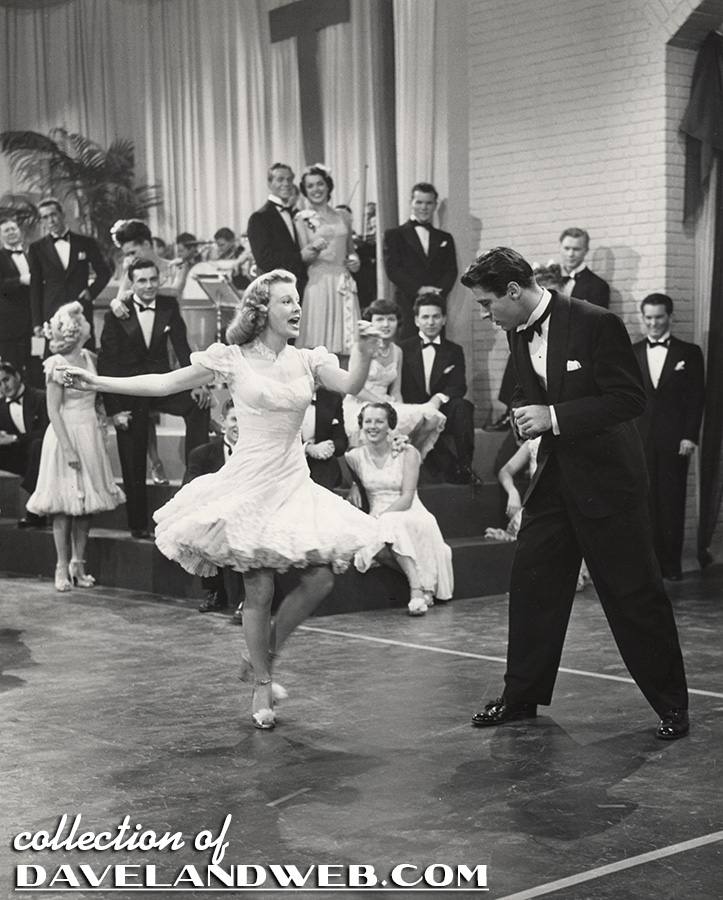
Although a fantastic dancer, producer Arthur Freed realized that Walters had a knack for directing. He had a knack for knowing how to work with actors, keep the action moving, integrating the musical numbers so that they were natural and plot driven, and most importantly of all, bring the picture in under budget! His first big assignment came with “Good News” (1947), starring June Allyson and Peter Lawford. From the accompanying publicity blurb:

VARSITY DRAG…If you’re over forty…you’ll remember it. If you”re under forty…you’ll love it! It’s the “Varsity Drag,” dance craze of the roaring twenties, when every college campus was filled with turtleneck sweaters, short-skirted flappers…and not Quonset huts and surplus jeeps. The “Drag” comes to life again in Metro-Goldwyn-Mayer’s Technicolor musical, “Good News,” starring June Allyson and Peter Lawford, with Broadway stars Patricia Marshall and Joan McCracken. “Just like an end play off left tackle!’ says June…and Peter begins to see the light.


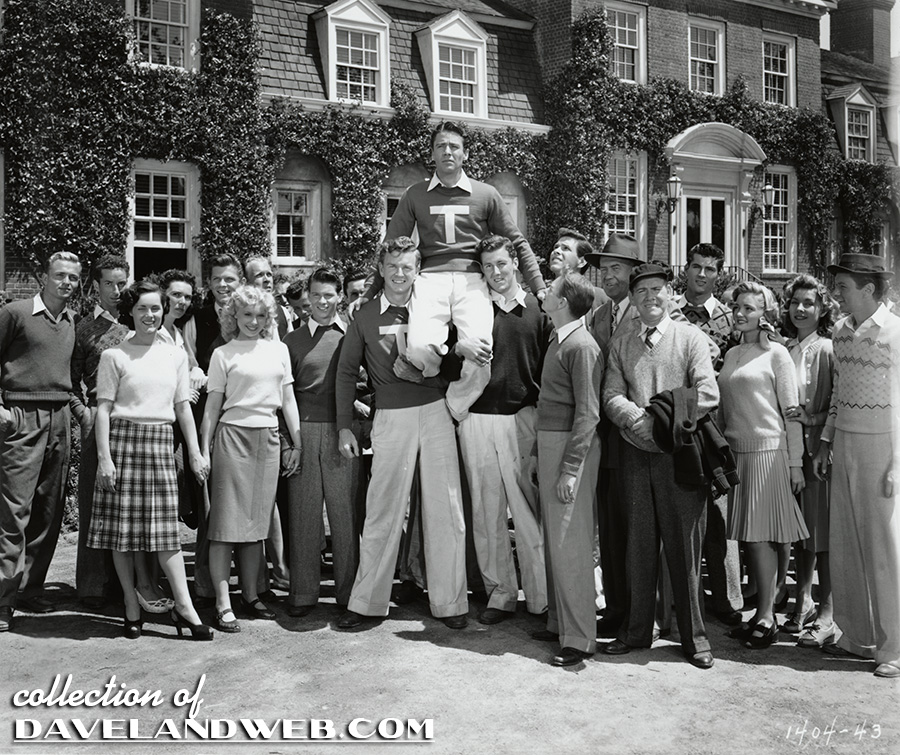
Walters had to spend a lot of time boosting Lawford’s song and dance limitations. From Brent Phillips’ bio:

Upon seeing the finished film, Lawford’s boydhood dance teacher, Muriel O’Brien, declared: “I kept watching him and thought, Oh, my God! Anybody who could teach that boy to sing and dance in time has got to be a genius.”

Walters often directed by showing the actors how to do a scene (or number) by performing it himself.


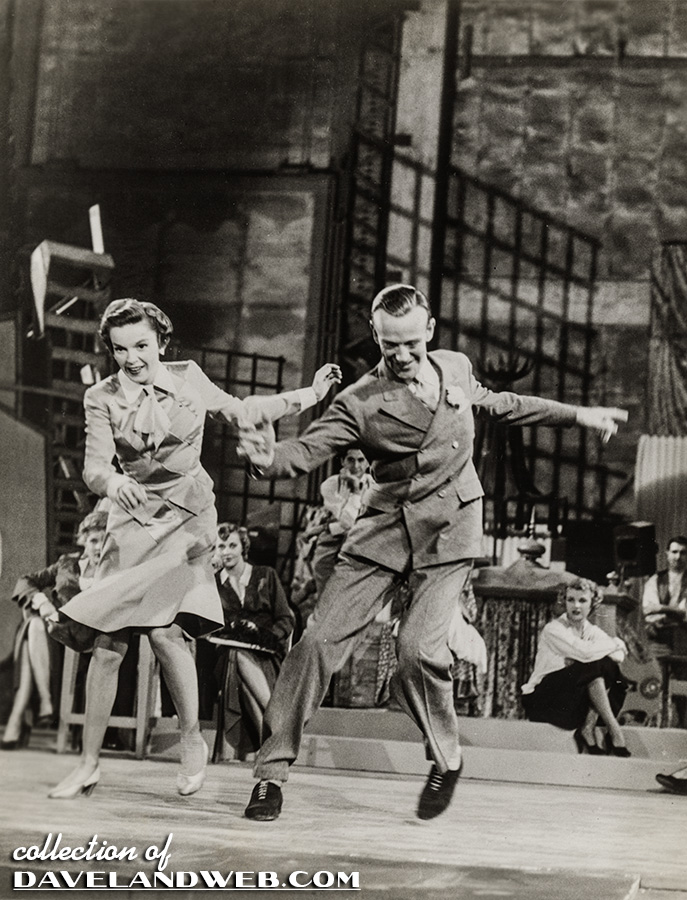
“Good News” was such a success that Walters was handed the plumb assignment of Judy Garland and Gene Kelly in “Easter Parade” (1948). Just before filming commenced, Kelly had to be replaced by Fred Astaire due to an ankle injury.


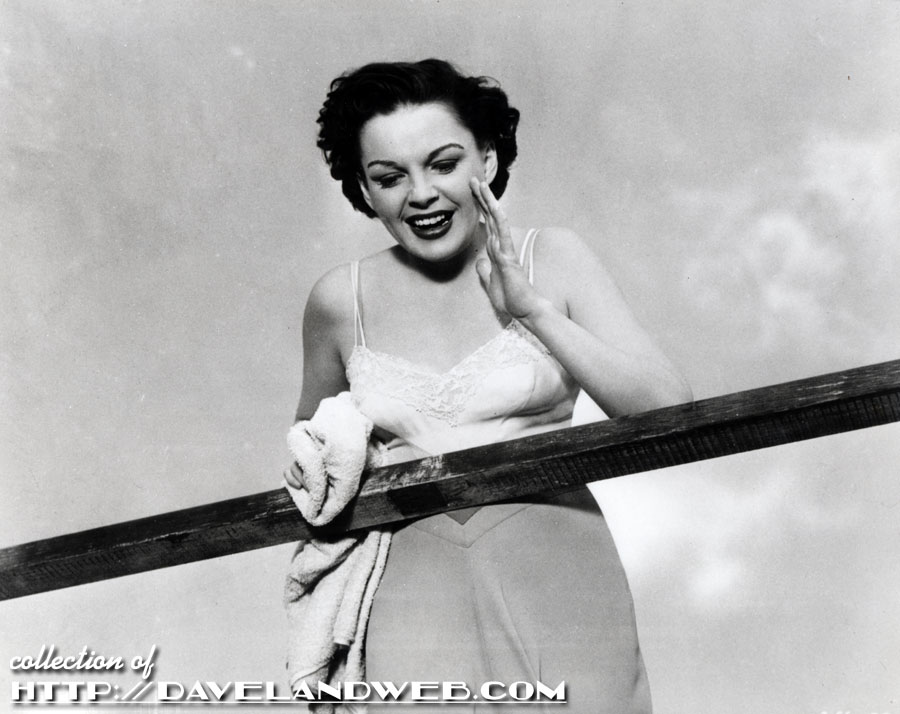
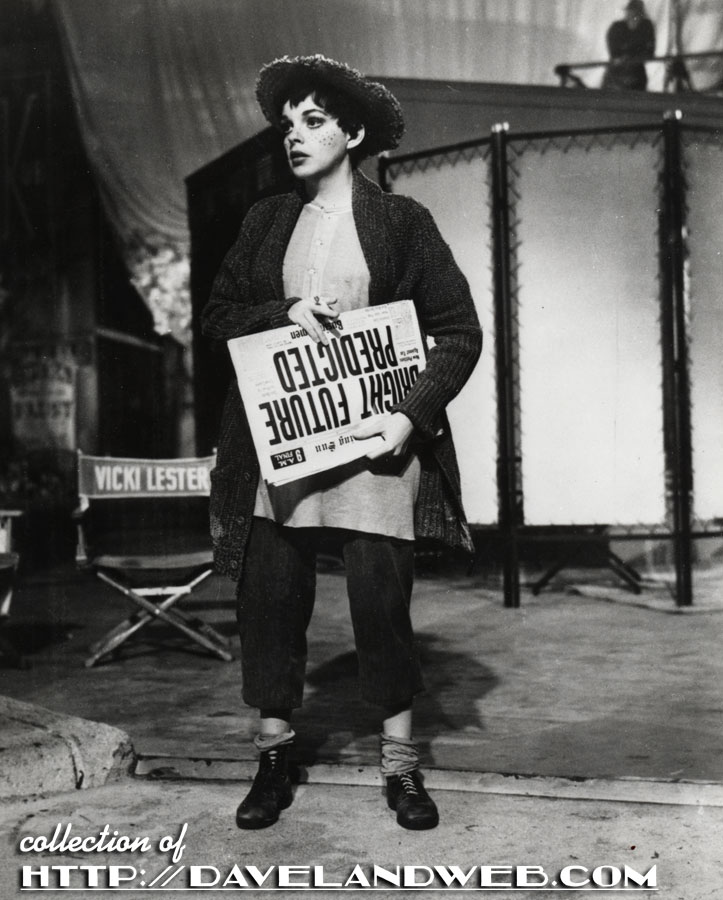
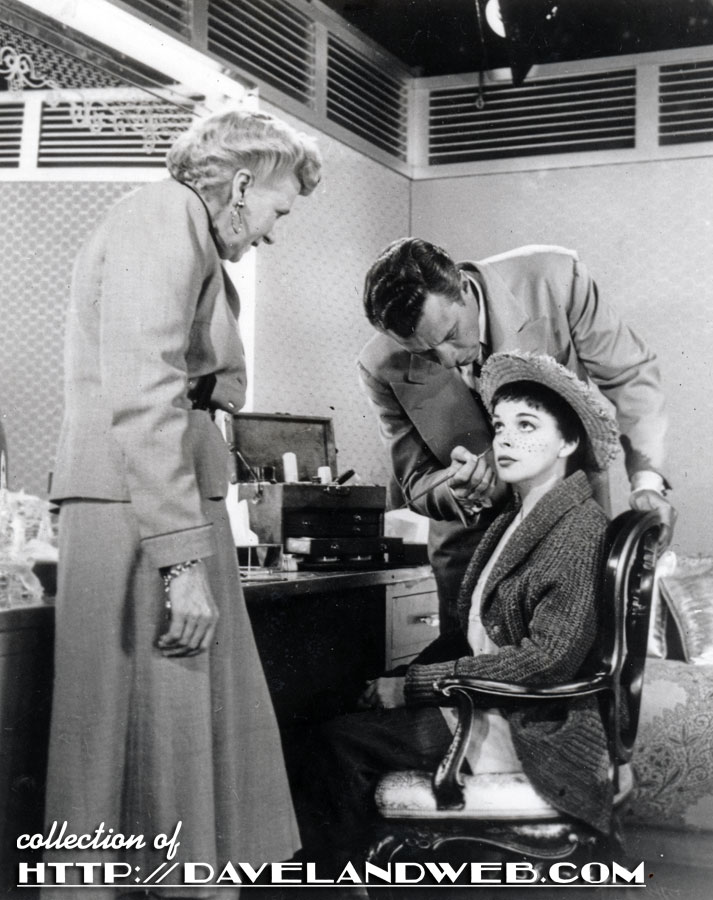
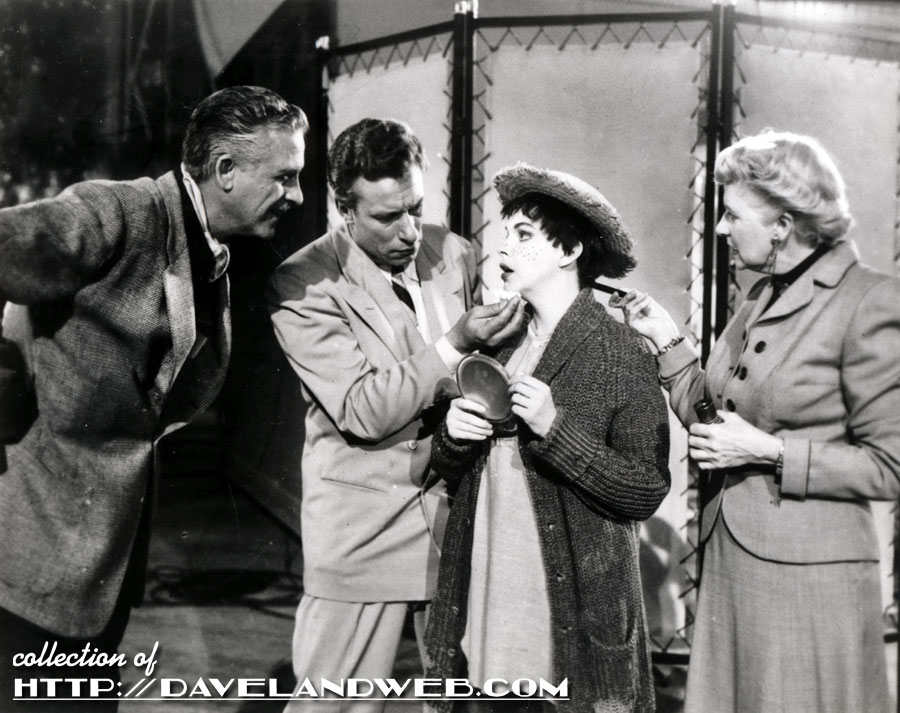
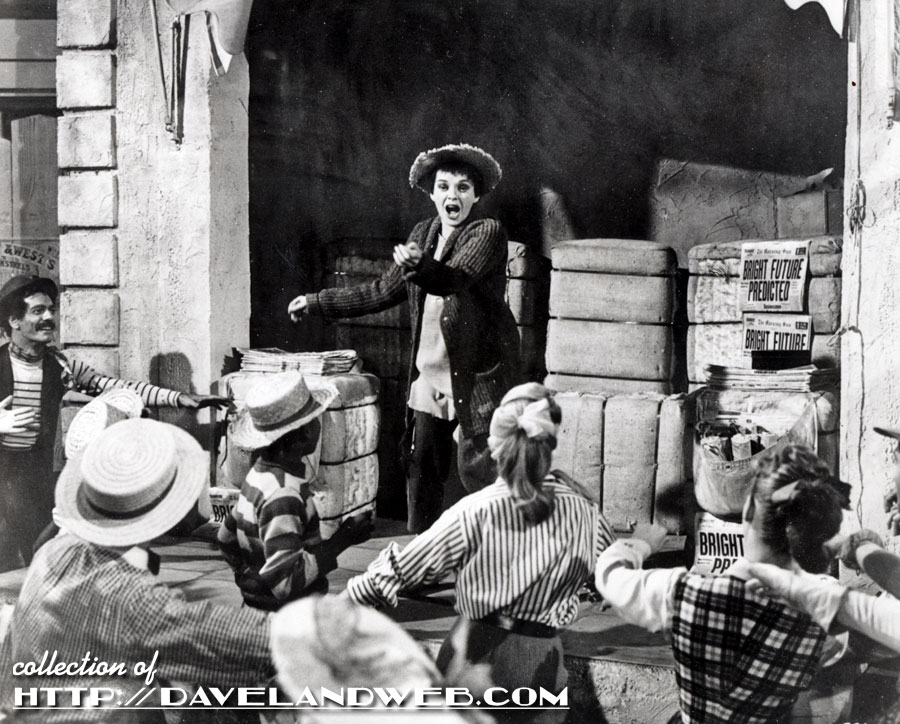
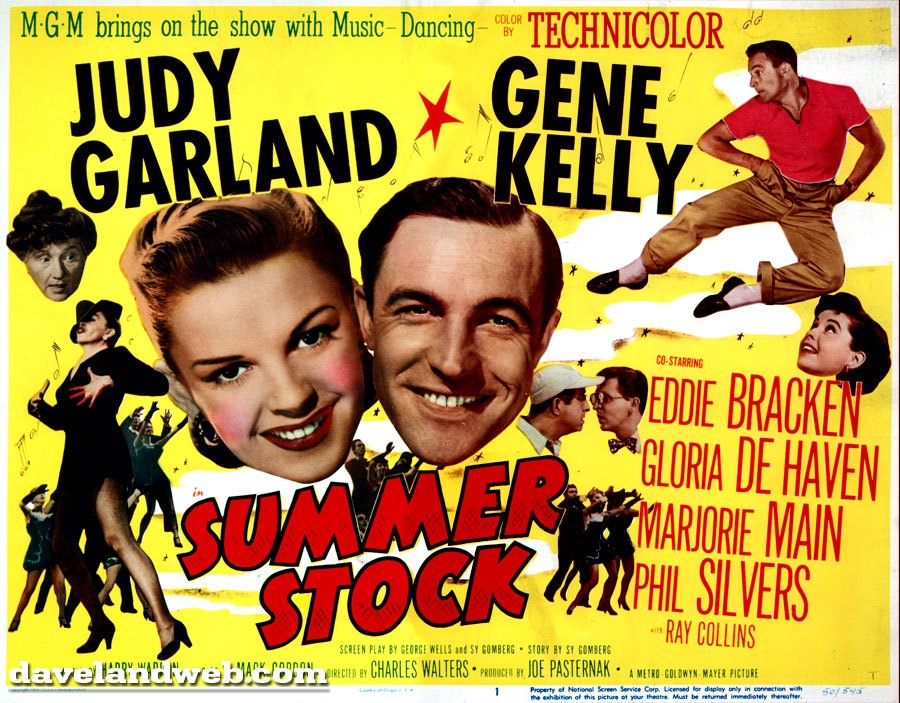
By the time of Garland’s “Summer Stock” (1950), Walters was the only director at MGM who the brass knew could get the job done. Walters was able to elevate the basic barnyard musical story into one that is highly enjoyable and features some of the best numbers done by both Judy and Gene Kelly. “Friendly Star” is a highlight of the movie due to Garland’s performance, vocal talents, and perfect staging of this key number.


Another “J” in Walters’ portfolio was Joan Crawford. When she returned to MGM for “Torch Song” (1953), Walters was the director of choice. From the accompanying publicity blurbs:

MGM SPECIAL LAYOUT…BACK AT “HOME STUDIO”…AFTER 10 YEARS. CAMERA! ACTION!: Joan Crawford, now that the “welcome home” party is finished, goes immediately into a dance rehearsal with Charles Walters, director of her new Technicolor picture, “Torch Song,” and who is also her dancing partner in the dance sequences.

RHYTHMIC DUO… Joan Crawford and Charles Walters step a fancy rhythm in this scene from M-G-M’s drama packed Technicolor production “Torch Song.” Film co-stars Miss Crawford and Michael Wilding. In addition to portraying Miss Crawford’s dance partner, Charles Walters also directs the film and is credited with the choreography. Henry Berman produced.
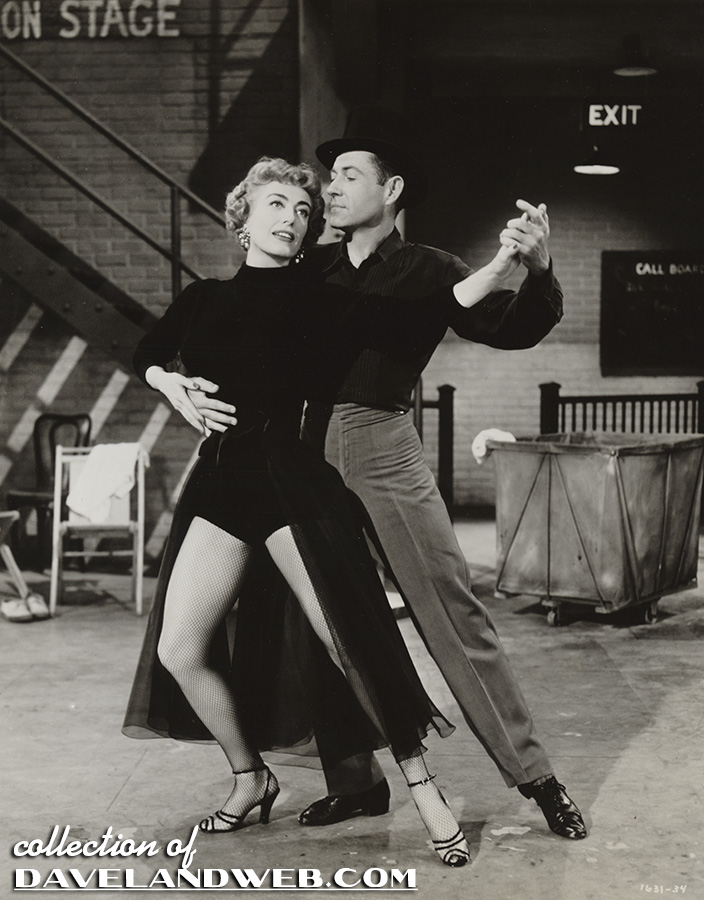


Another dancer, Marc Wilder, was cast as Crawford’s partner for the scene shown above. Joan had different ideas; she wanted the best. “I’m so comfortable when I’m rehearsing with you. Would you consider doing the routine with me in the film?” Just as he had to do with Judy in “Girl Crazy,” Walters had to coax a performance out of the nervous Crawford. As Phillips tells it:

Crawford gravely whispered, “Chuck, I cannot get out of this chair.” “Honey, you’re gonna be great. The routine is down pat. We’re lit. We’re ready to go.” “I know his is a terrible thing to ask,” said Joan, “but would you be upset if I have a little vodka?” “Baby, anything that’s going to relax you is fine. Have a little slug if it’s gonna help.” “Well, you have to have one with me.” Walters later admitted it took about three drinks to shore up her confidence. “We came out of the dressing room a hair high—but relaxed and comfortable.”

One of my favorite Walters directed films was the cinematic swan song of Grace Kelly (why couldn’t her name begin with “J” for my title alliteration?), “High Society” (1956), also starring Frank Sinatra and Bing Crosby.
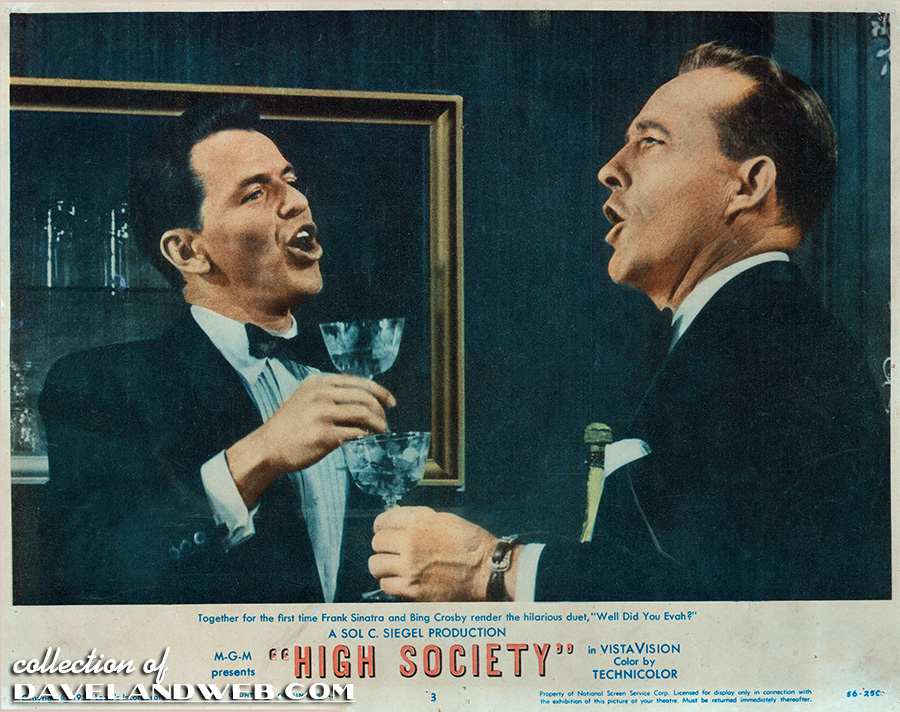


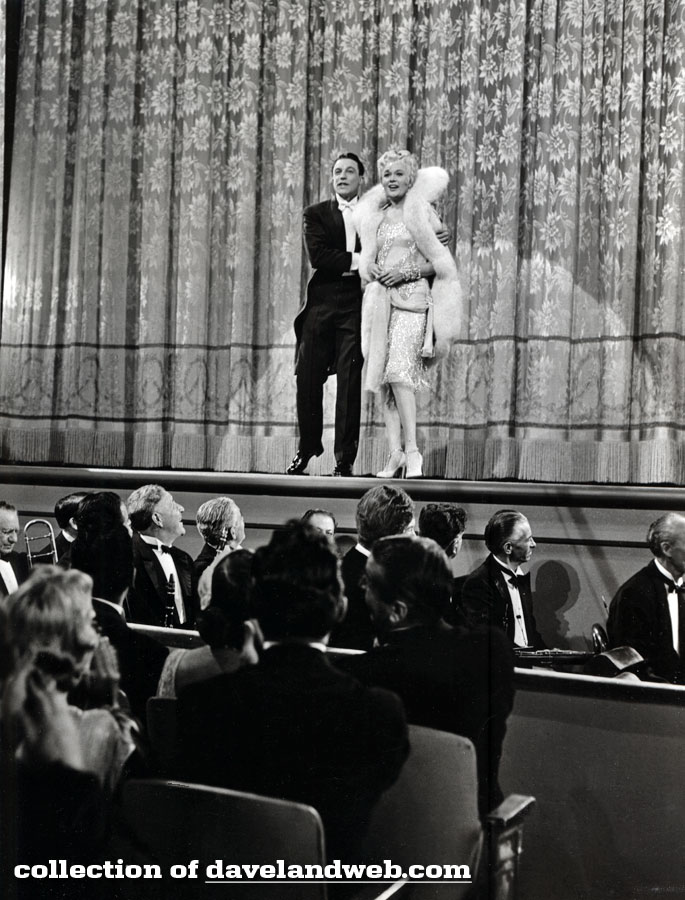
The duet that everyone waited for between Sinatra and Crosby was the Cole Porter chestnut “Well, Did You Evah” first introduced by Betty Grable. From Phillip’s bio:

“Towards the end of the number, I did a fairly audacious thing,” said Walters. “When they exited, I simply let the camera roll,” focused on the empty library. Then without warning, the duo burst back into their safe haven, made a beeline for the bar, tossed back one final drink and offered one final chorus. It was a unique example of a stage convention working neatly on the screen. During the film’s first sneak preview, the audience broke into spontaneous applause at what they assumed was the song’s finish. Then Frank and Bing rushed back onto the screen for another drink and another verse; by the time the pair made their arm-in-arm final exit—bellowing, “What a swellegant, elegant party this is!”—the crowd was cheering.
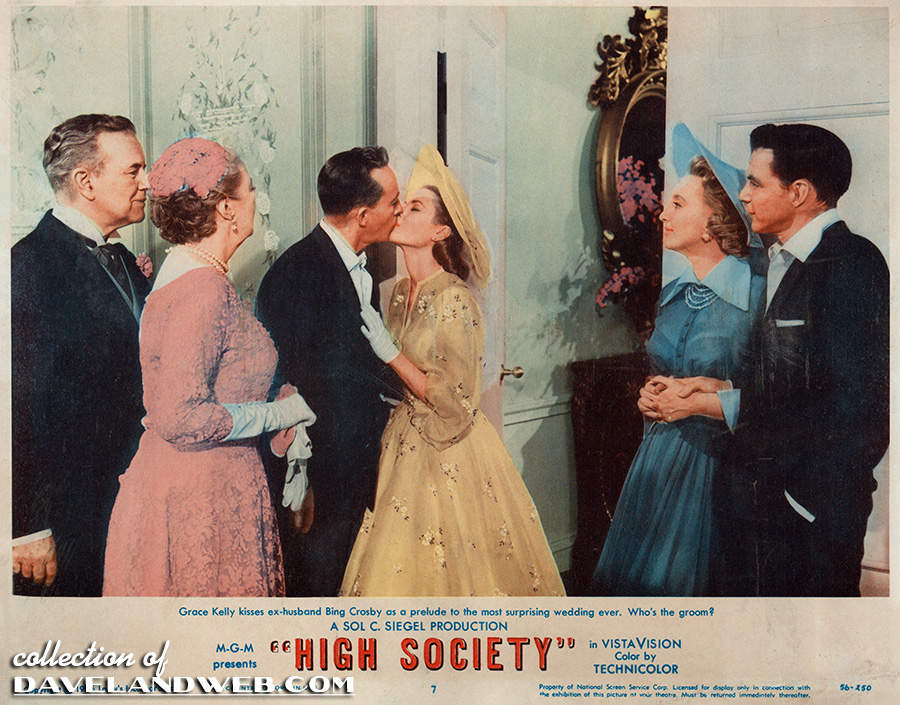


Not surprisingly, Crosby would later say “High Society” was his favorite film to make.

See more Classic Movie & TV photos at my main website.

Friday, June 10, 2022

Judy Garland 100th Birthday Blowout!


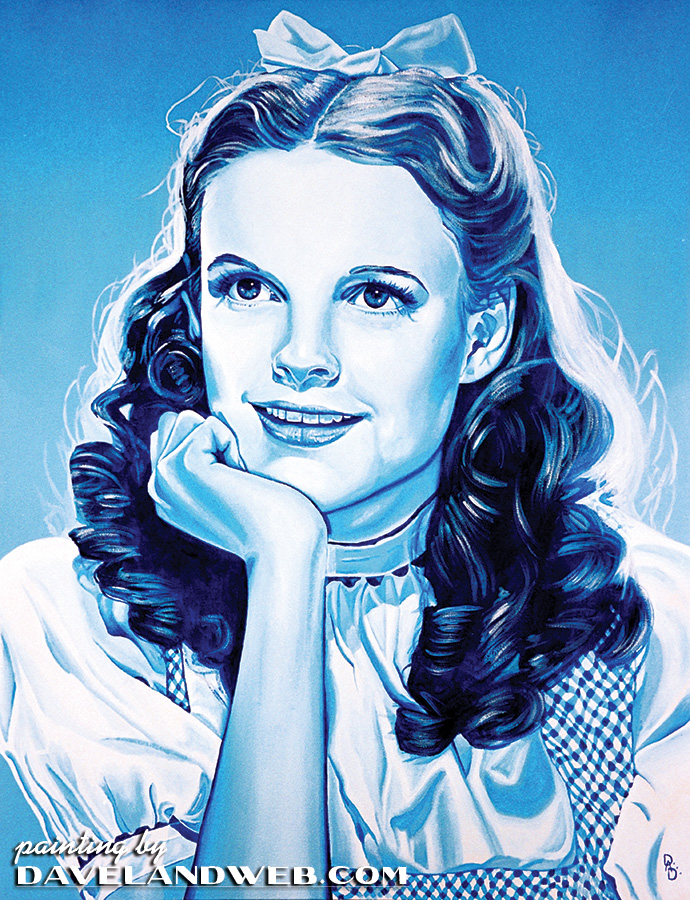
Today would have been the 100th birthday of singer/actress Judy Garland. It is hard to fathom that she only lived to see 47, due to the incredible volume of memorable work that she left behind. Most will remember Judy for her portrayal of Dorothy in “The Wizard of Oz” (1939). The first photo in this post is a painting I did of Judy, where I attempted to capture the youthful zest and hope that were her hallmark. The rest of this post will serve as a chronological tribute of photos from my collection that document her career.


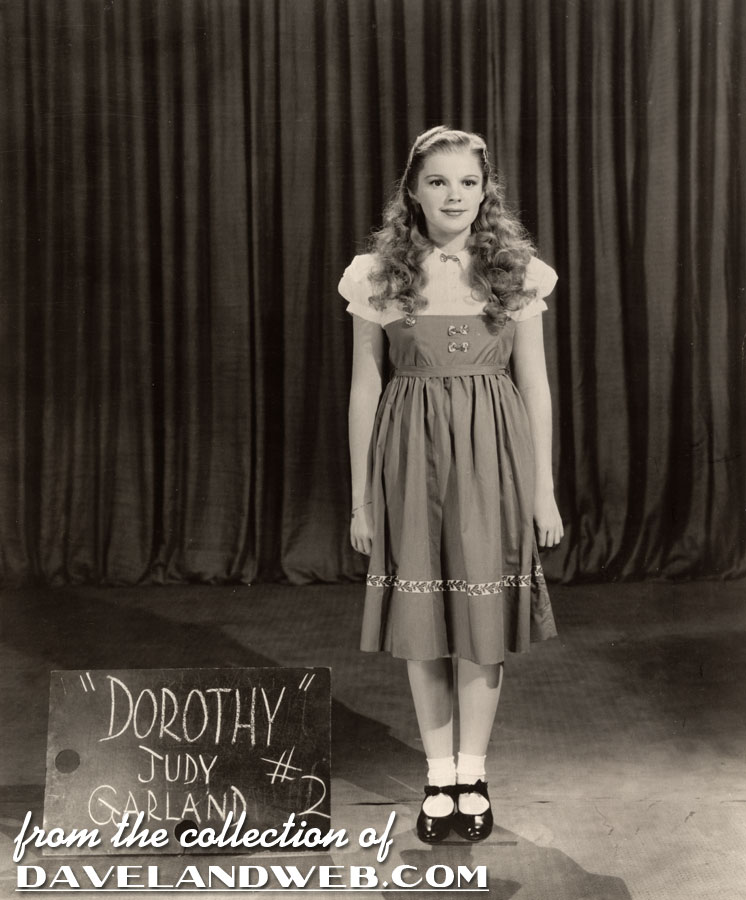
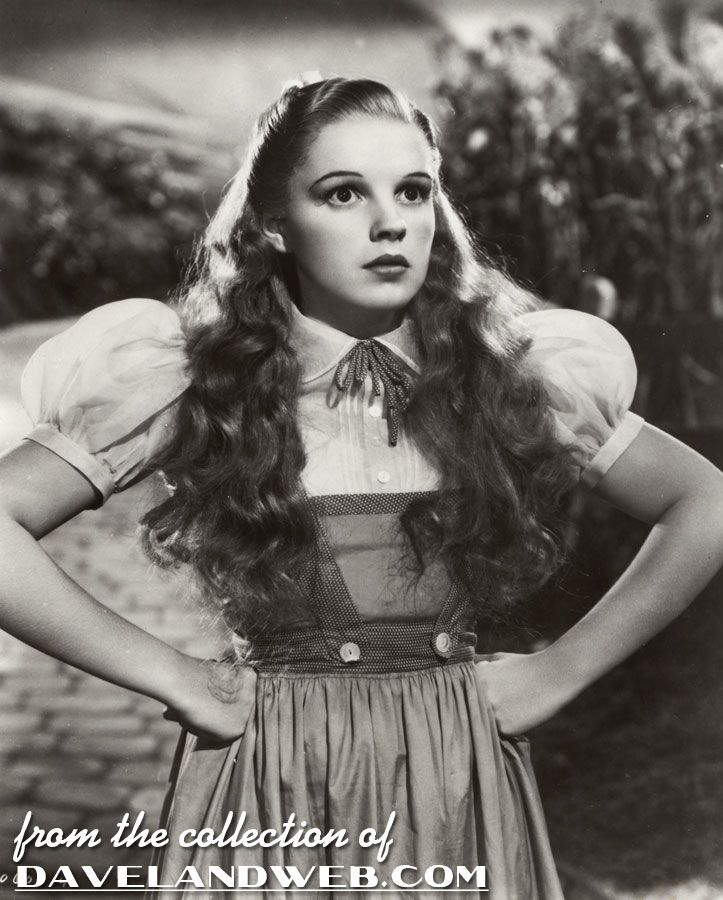
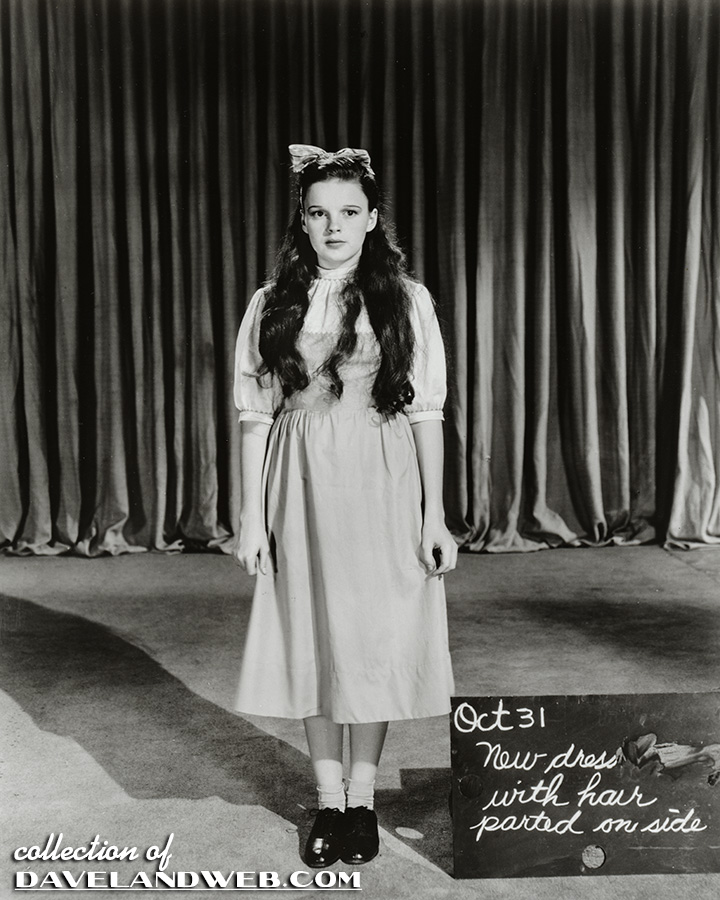
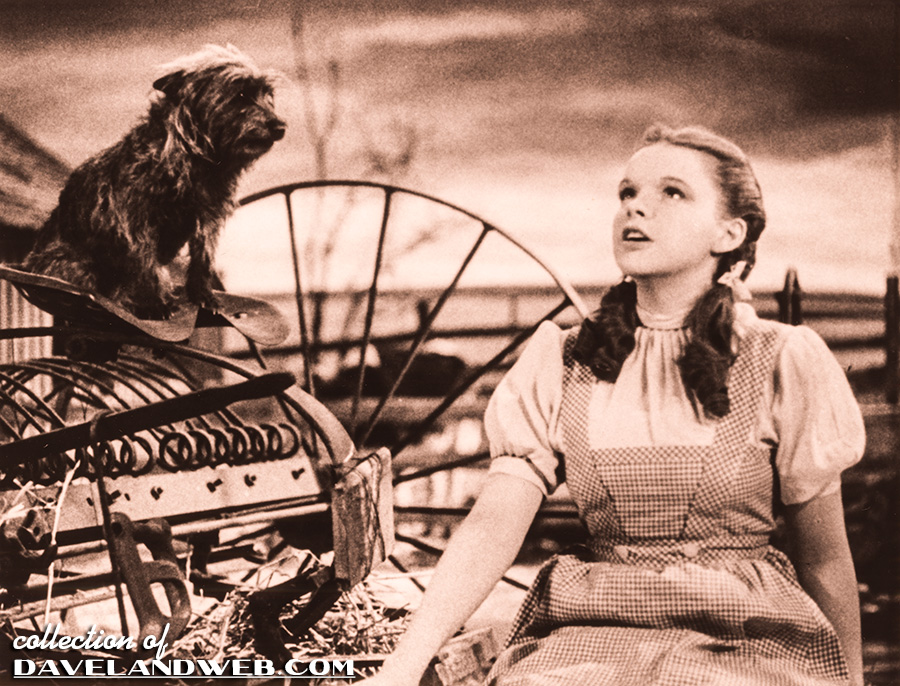
These three shots show M.G.M.’s original vision of Dorothy; unable to secure the more bankable Shirley Temple, the powers-that-be attempted to transform Judy into what she would later refer to as “a male version of Mary Pickford.”


Before the initial director (Richard Thorpe) was fired, quite a bit of footage was shot with Judy in her blonde wig.


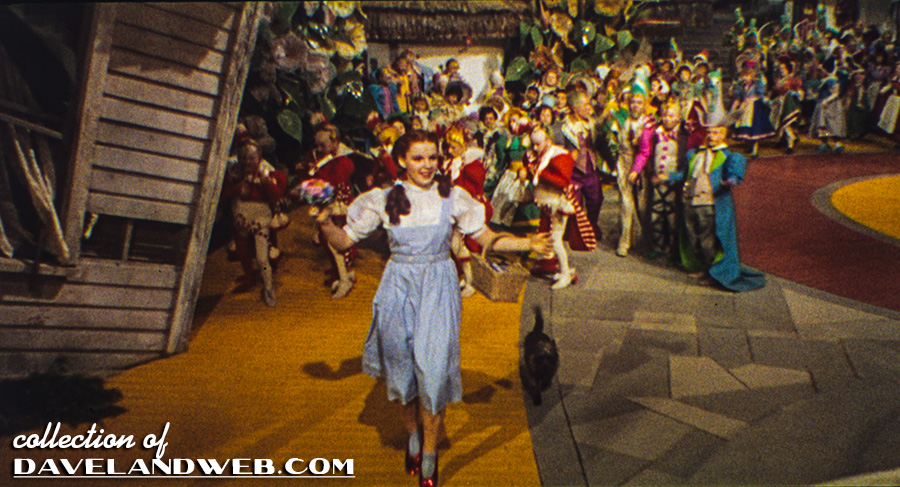
George Cukor stepped in temporarily before Victor Fleming was hired. He had the artifice removed from Judy’s makeup and allowed the real girl to shine through.


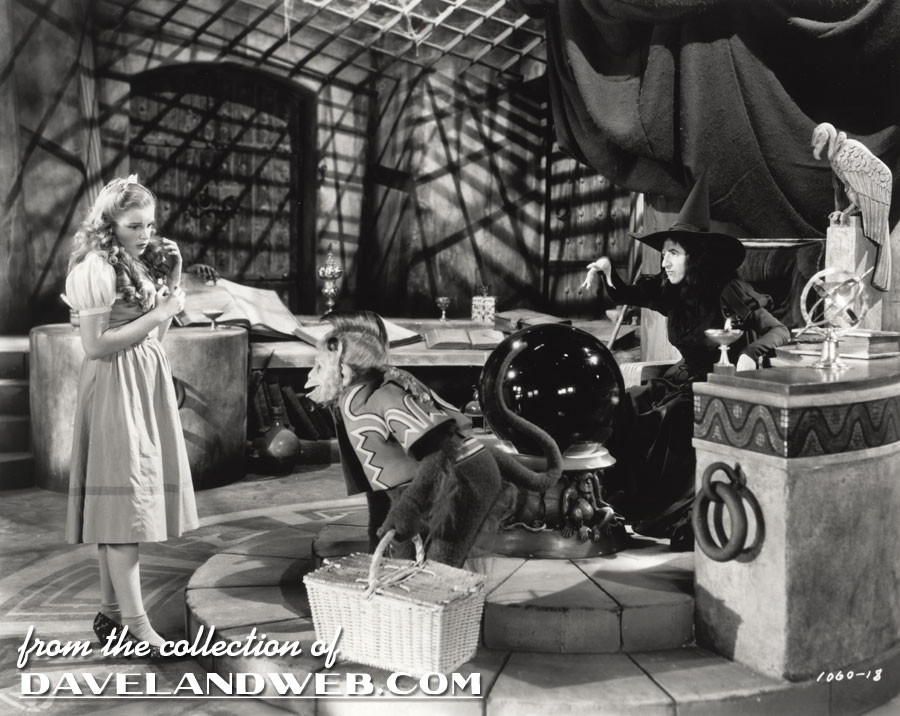
This was the brilliance of casting Judy; in a land of fantasy, her emotionally charged performance grounded the film and made you believe that this young girl wanted to get home more than anything else in the world. Ruby slippers be damned!


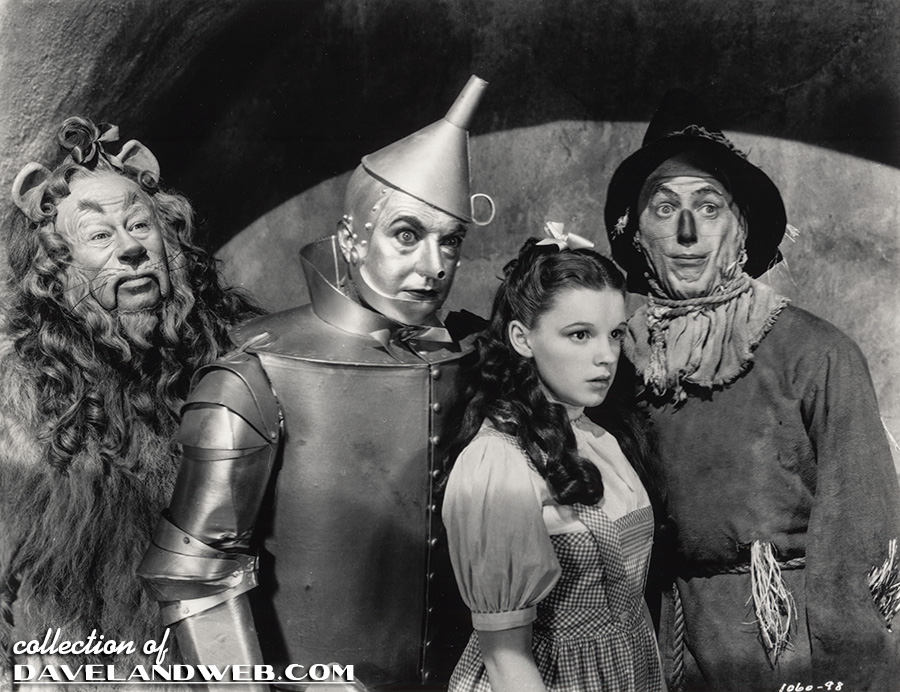
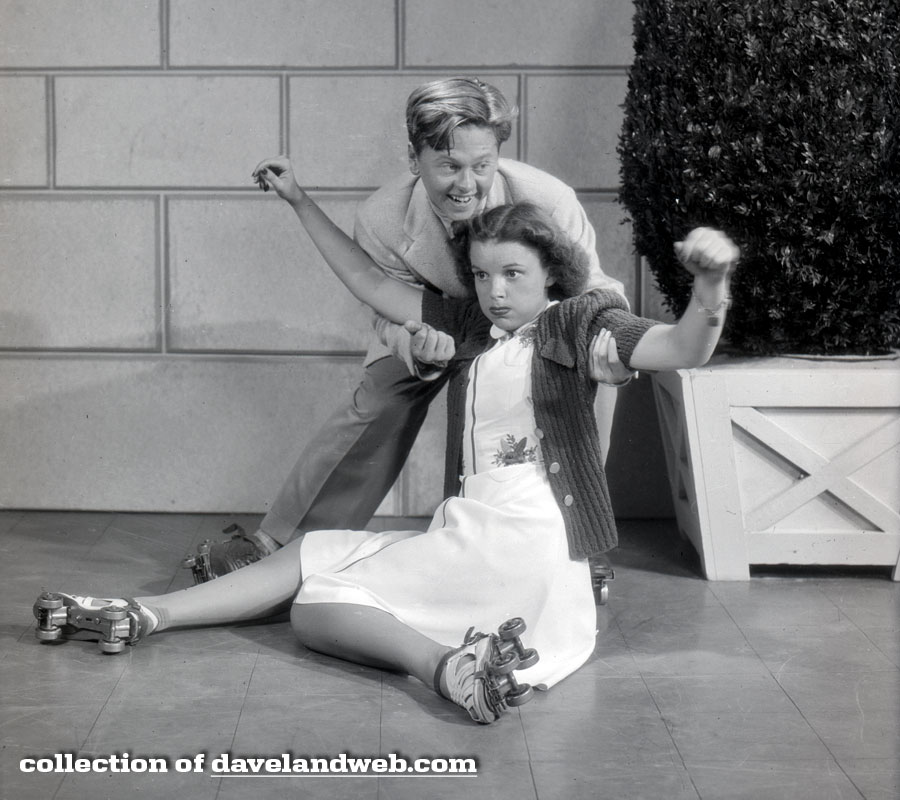
One of the best quartets in film history:


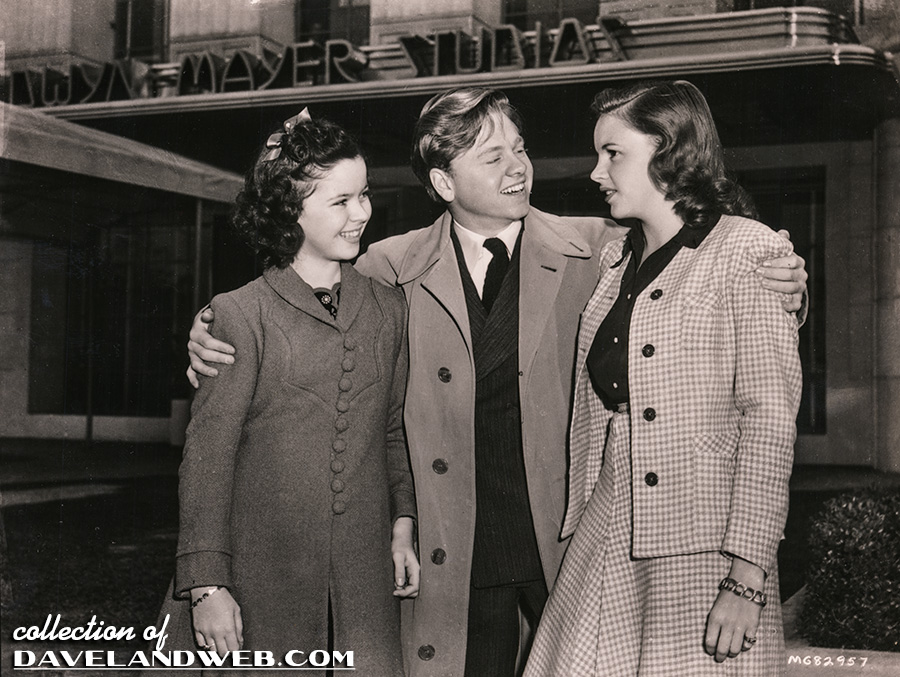
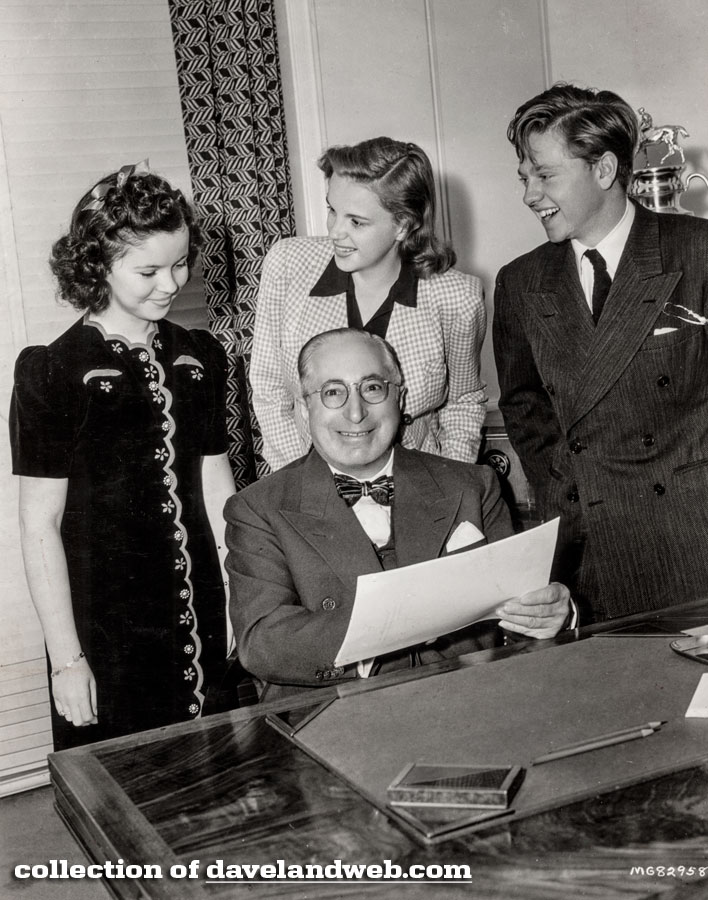
When M.G.M. finally acquired Shirley Temple into their stable of stars, Mickey Rooney and Judy Garland were on hand to welcome her. For the publicity cameras at least!


Judy’s next big break after a string of films with Mickey was “Meet Me In St. Louis” (1944). Once again, she carries a film that would have been extremely forgettable starring anyone else.


One of my very favorite Garland numbers is “Alabam” from “Easter Parade” (1948). You barely notice Fred Astaire dancing with her; instead, your eyes are on Garland the entire time.


While not her most memorable film, Judy gives a charming performance in “In the Good Old Summertime” (1949). Her musical number “I Don’t Care” is worth the price of admission all by itself.


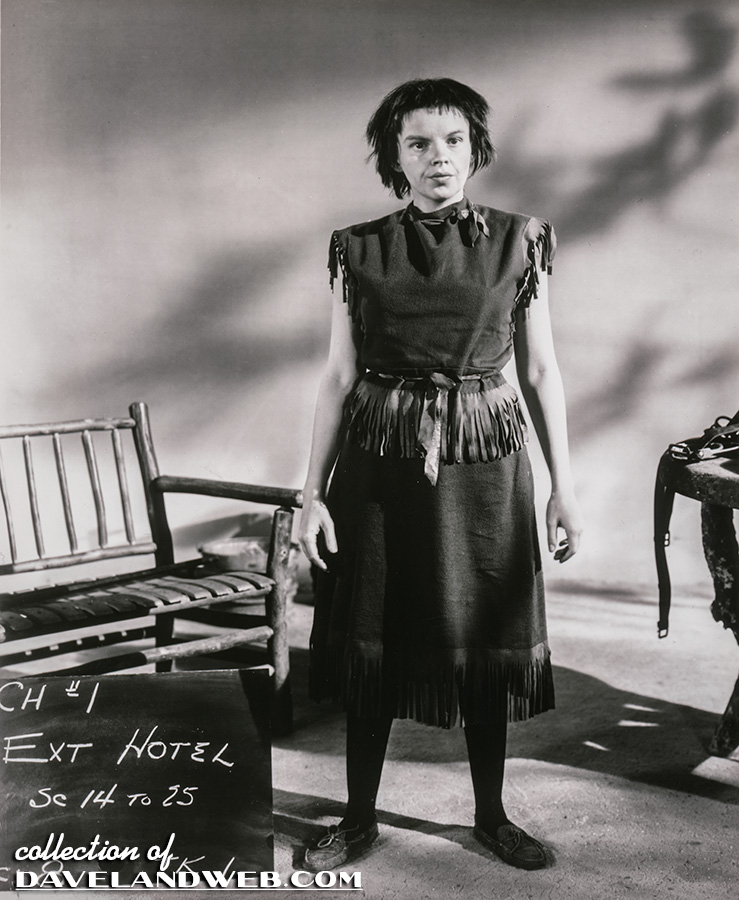
Working at breakneck speed to meet the demand of more Garland pictures, it’s not surprising that eventually her body would fight back. Lack of sleep, strenuous dieting, and the abuse of medication to keep her peppy for the cameras all contributed to her breakdown. M.G.M. didn’t want to give their biggest star a much deserved vacation; instead, they shoved her into “Annie Get Your Gun” and chose her mortal enemy (Busy Berkeley) to direct it. The look on her face in this wardrobe test says it all. Judy ended up getting fired from the film and replaced by Betty Hutton.


While “Summer Stock” (1950) was not the prestige film that “Annie Get Your Gun” was, Garland managed to transcend the predictable story and turn this musical into a memorable swan song for her M.G.M. years. “Friendly Star” is probably one of the most beautiful Garland songs on film. Judy didn’t just sing…she lived those songs and made you feel every emotional nuance that the notes and lyrics conveyed.


Judy bounced back in 1954 with “A Star is Born.” These next six shots show Judy in some of the scenes that were deleted after the premiere in an attempt to get more audiences able to see it per day. 


Much of the footage has been recovered and reinstated; but regardless of which version you watch, Garland is in full control of her powers throughout the film.


In the four years since she left M.G.M., the voice took on a new maturity. What she lost in restraint (taught to her by mentor Roger Edens) she replaced with raw emotion. 


Speaking of Roger Edens, here’s a shot of him with Judy out on the town:


Back to “Star”:


The musical number shown below (“When My Sugar Walks Down the Street”) was deleted before the premiere, and rightly so. Cute by itself, it only lengthened an already bloated production number, “Born in a Trunk.”


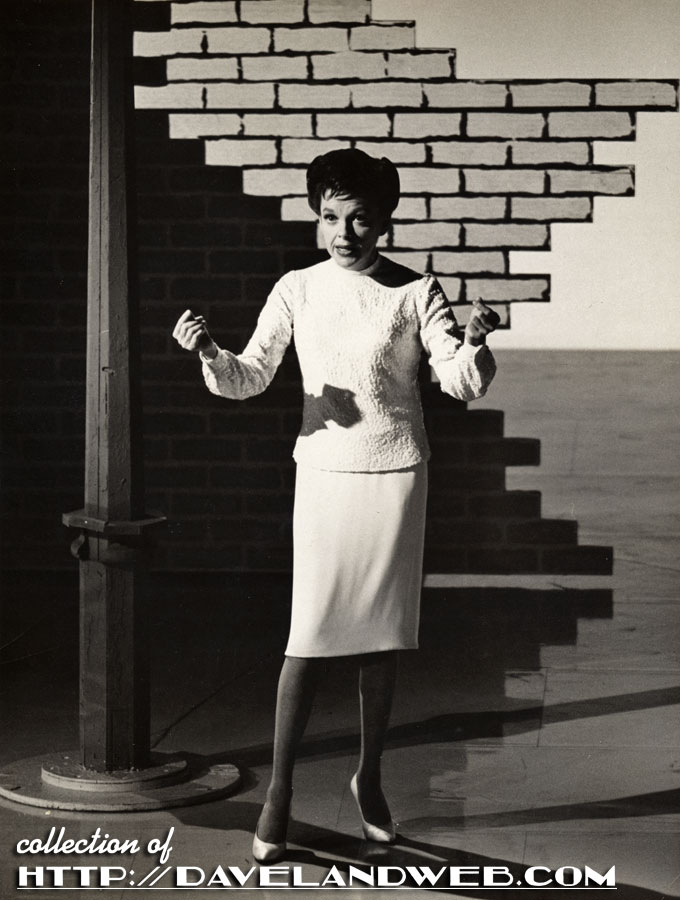
The financial loss of “Star” didn’t keep Garland down. She bounced back on the concert circuit, most notably with her triumph at Carnegie Hall. “The Judy Garland Show” is an excellent record of Judy and what she gave to audiences whenever she performed “live.” This Judy is not my favorite; the mannerisms and tics that were most likely a result of her pill abuse are a bit disturbing. The voice was also beginning to sound ravaged from the cigarettes, medication, and lack of rest. Regardless, Judy was still able to work magic with what she had; even at her worst, Garland sang circles around the rest.


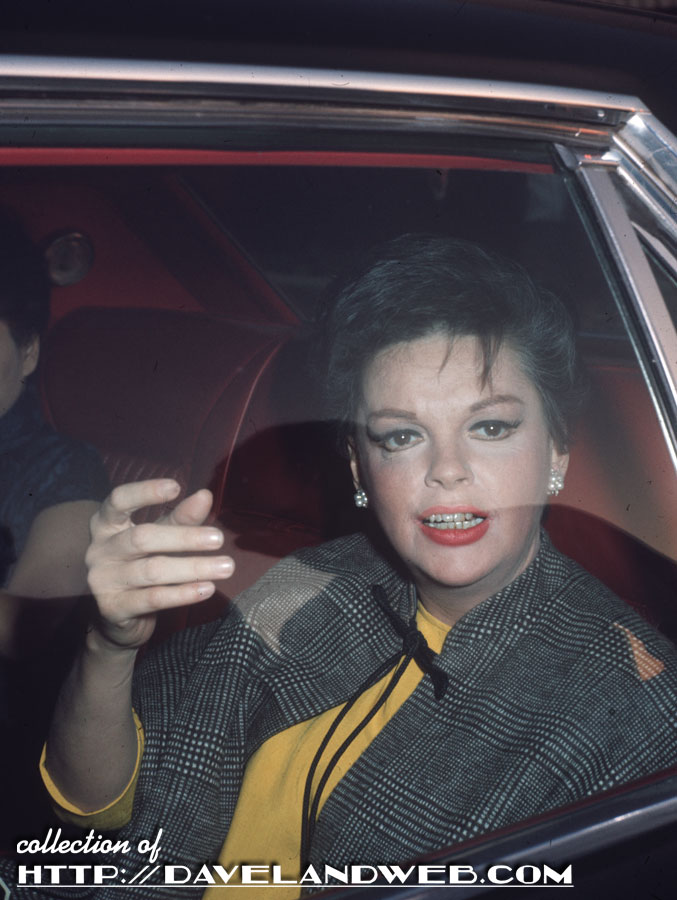
A shot taken of Judy by an adoring fan, circa 1965:


The final photo shows her singing her signature song, “Over the Rainbow.”


This musical sequence is arguably the most memorable piece of film in the history of motion pictures. Through her performance, Garland communicated to the audience in only a few minutes a longing that resonates with all of us. Happy 100th, Judy!!

See more Judy Garland photos at my main website.
Tuesday, April 08, 2014

Mickey and Judy: Together Again


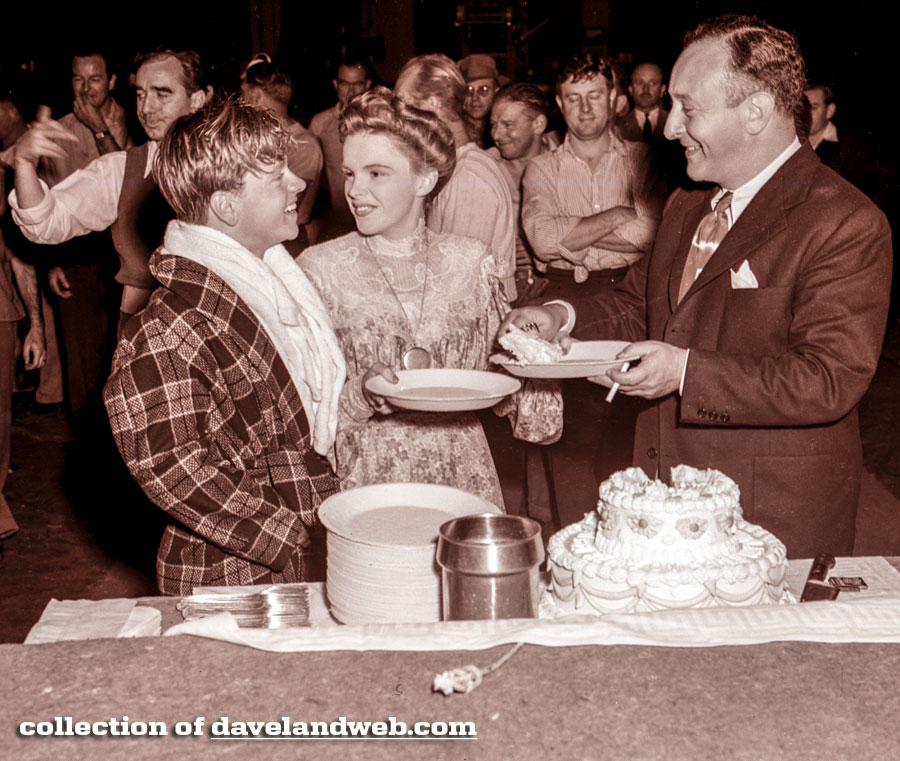
The legendary Mickey Rooney passed away on Saturday at the age of 93. When I told my mom about it, she said, "I didn't know he was still alive!" There are probably many today who have never heard of the versatile star who was awarded a special Juvenile Oscar in 1939 and was the biggest box-office draw in 1939, 1940, and 1941. Famous for portraying the title character in the MGM "Andy Hardy" film series, Rooney is most fondly remembered for a string of musicals he made with Judy Garland. Here the dynamic duo is shown celebrating a birthday on the set of "Strike Up The Band," with producer Arthur Freed dishing up the cake and director/choreographer Busby Berkeley on the left, looking annoyed that he had to stop filming for such frivolity!


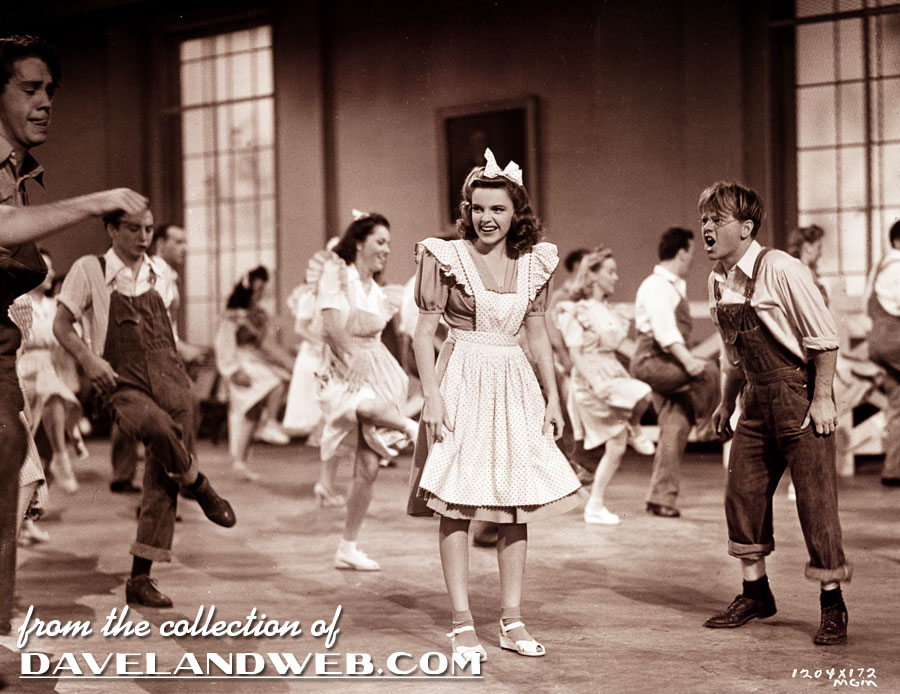
In most of their films, Judy's character was gaga for Mickey, but his only had eyes for the voluptuous bad girls. By the end of the film, his senses had cleared and the two were united with a very chaste kiss. Lots of songs and dances filled up the screen time beforehand and audiences of the 30s and 40s ate it up!


Judy and Mickey are shown welcoming Shirley Temple to Louis B. Mayer's stable of popular teens at MGM.


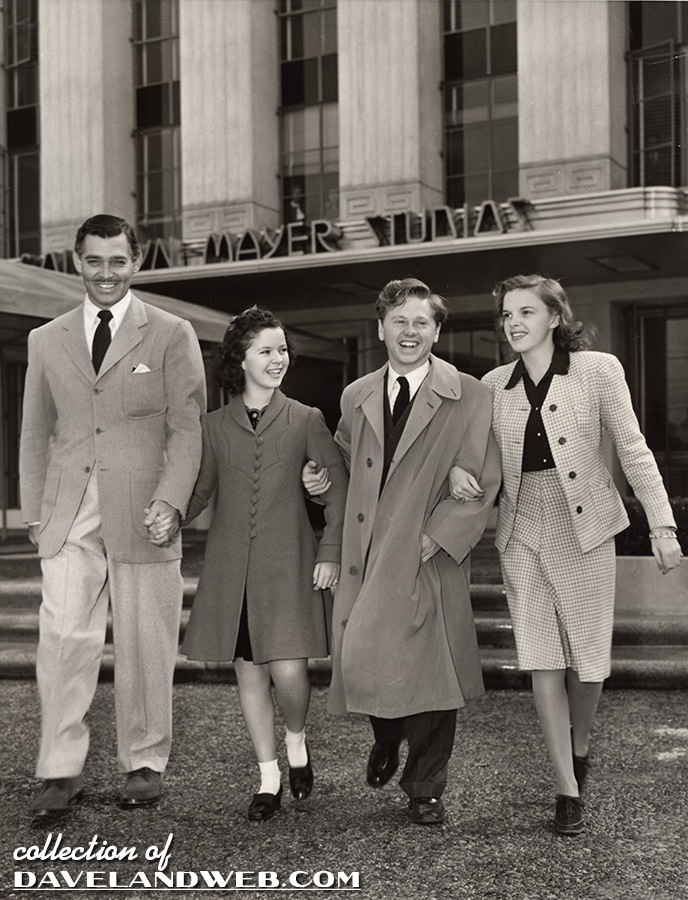
With Clark Gable joining in for the tour of the studio, this quartet looks unstoppable.


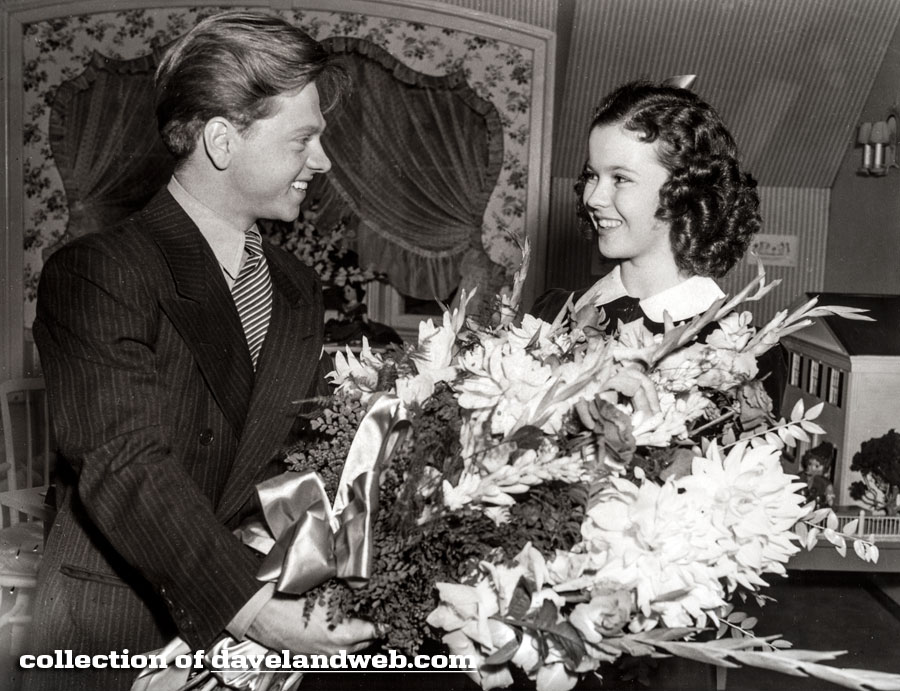
Mickey presents Shirley a bouquet for her first day of filming for her one and only MGM film, "Kathleen." The publicists hoped that Mickey's star would help rub off on Shirley, who had slipped a bit from her days as a curly-haired moppet.


By the late 1940's, Rooney's star had also descended. An intended re-pairing of Garland and Rooney for "Summer Stock" was switched to Garland and Gene Kelly, who the studio felt could bring in higher box office receipts for this lower budget musical.


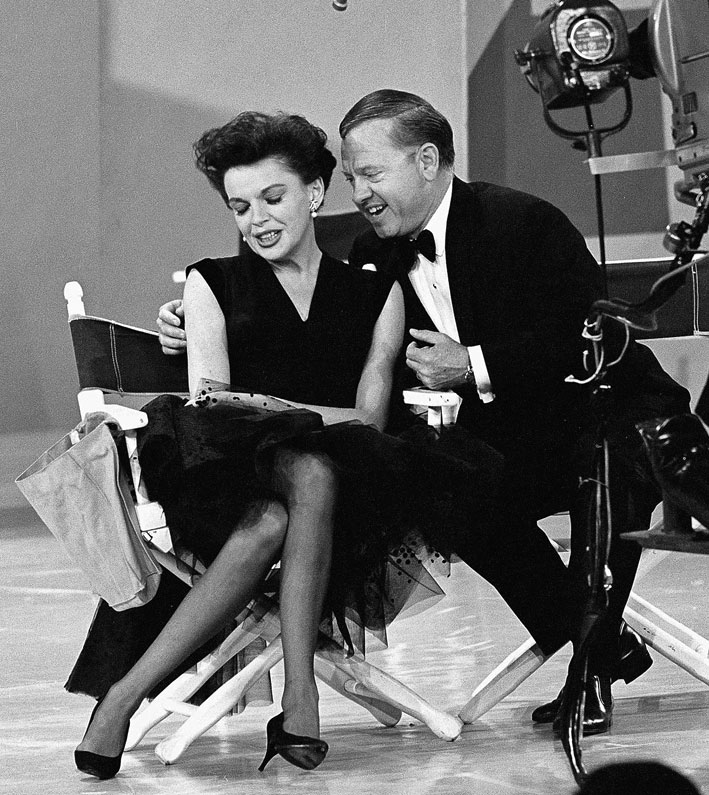
The last time the two performed together was on Garland's short-lived TV series, "The Judy Garland Show" (1963). It was pure nostalgia as the two reminisced and sang the song, "You're So Right for Me." Rooney was her first guest, and the stars came out in droves to watch the magic, including Lucille Ball, Clint Eastwood, Jack Benny, and Natalie Wood.


Here's the last musical sequence that Mickey and Judy filmed for MGM, "Words and Music" (1948).


I am sure the two are putting on one heckuva' show in Heaven!

See more Judy Garland photos on my main website.<

Saturday, March 09, 2013

Favorite Movies: The 1950's


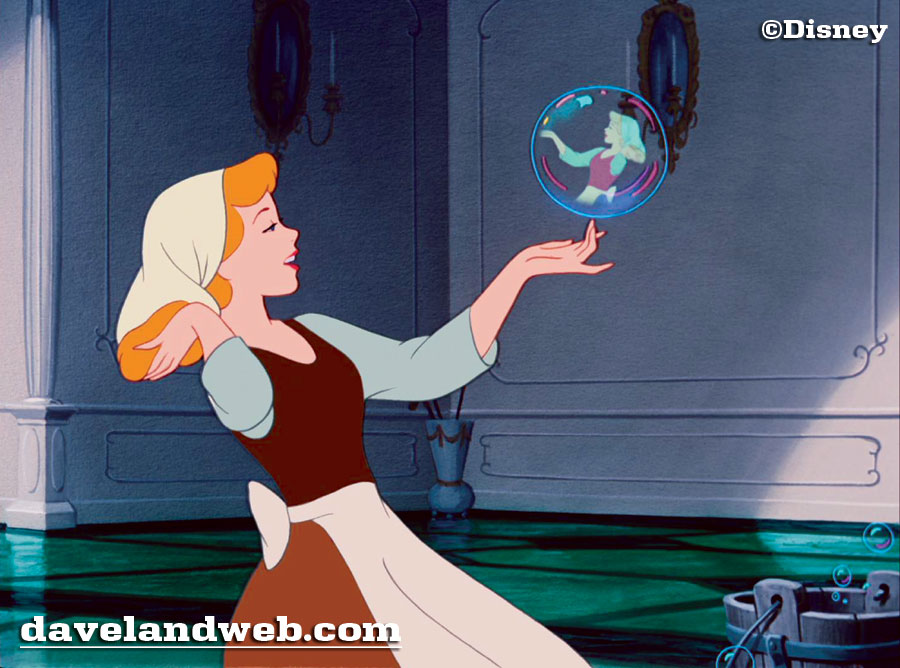
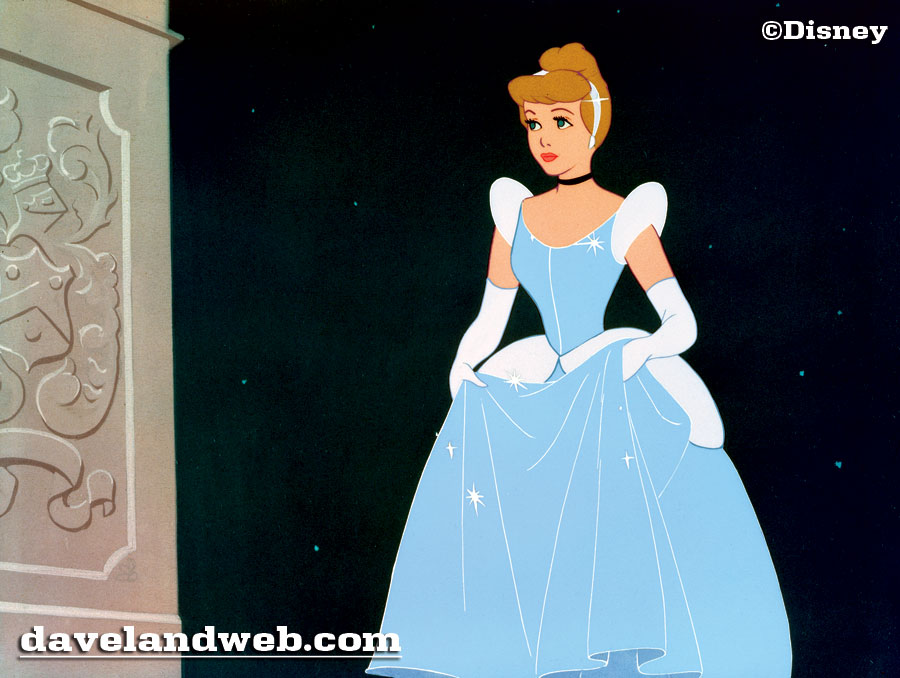
Welcome back to my Favorite Movies series. It is extremely difficult for me to narrow each decade down into a manageable offering, but here goes, starting with Disney's "Cinderella" (1950). Watching it again on its recent Blu-ray release, I realized that Cinderella herself was quite a departure from the previous heroines/princesses. Even 60+ years later, she still seems fresh. Although a sweet young lady, she still shows real characteristics of a woman who has endured an awful existence. The voice and animation make you feel that she chooses to be positive about her situation, rather than being blissfully unaware.


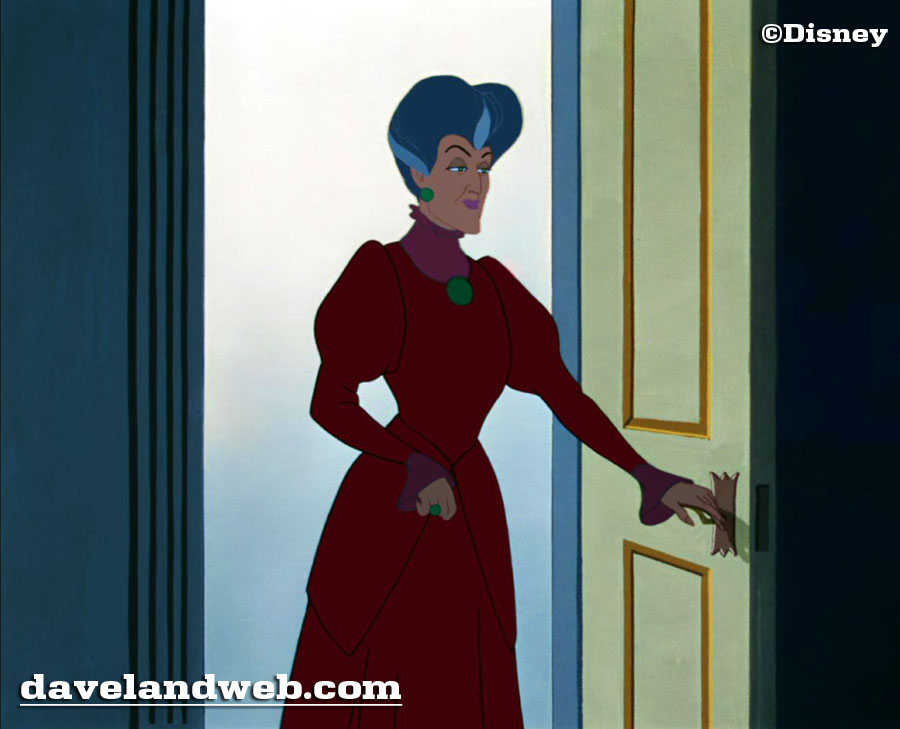
Lady Tremaine is one of Disney's most deliciously evil villainesses; of course I would expect no less from the talented actress Eleanor Audley, aka the voice of Maleficent and Madame Leota.


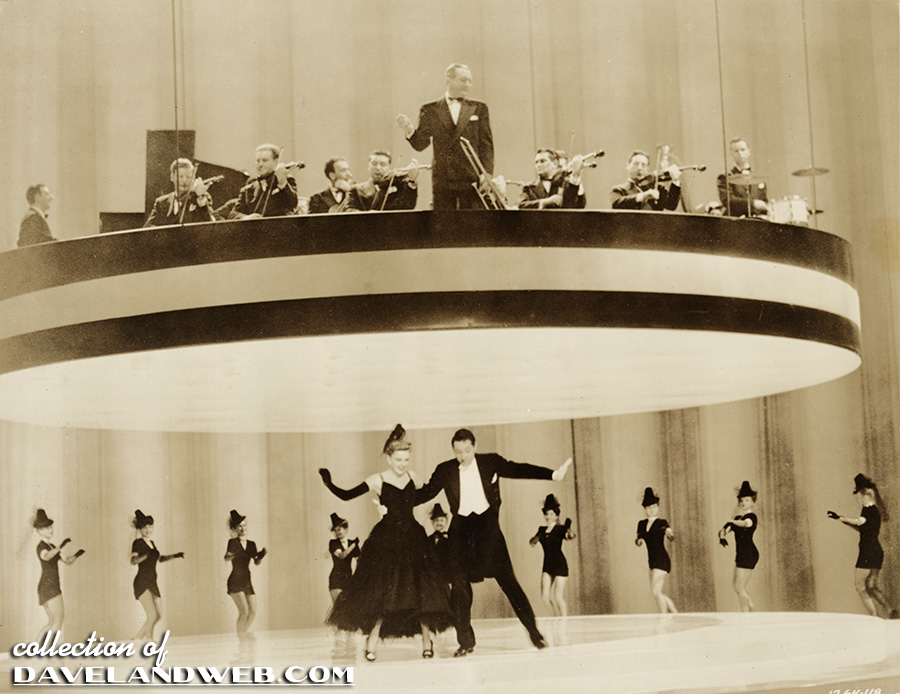
For pure escapist musical fare, Judy Garland's final MGM film, "Summer Stock" (1950) serves up delight in spades. Whether it's Judy and Gene dancing "The Portland Fancy" together or the heart tugging "Friendly Star" vocal solo of Judy, this film is a breezy delight from start to finish. A more than apt "farewell" to Judy's illustrious MGM years.


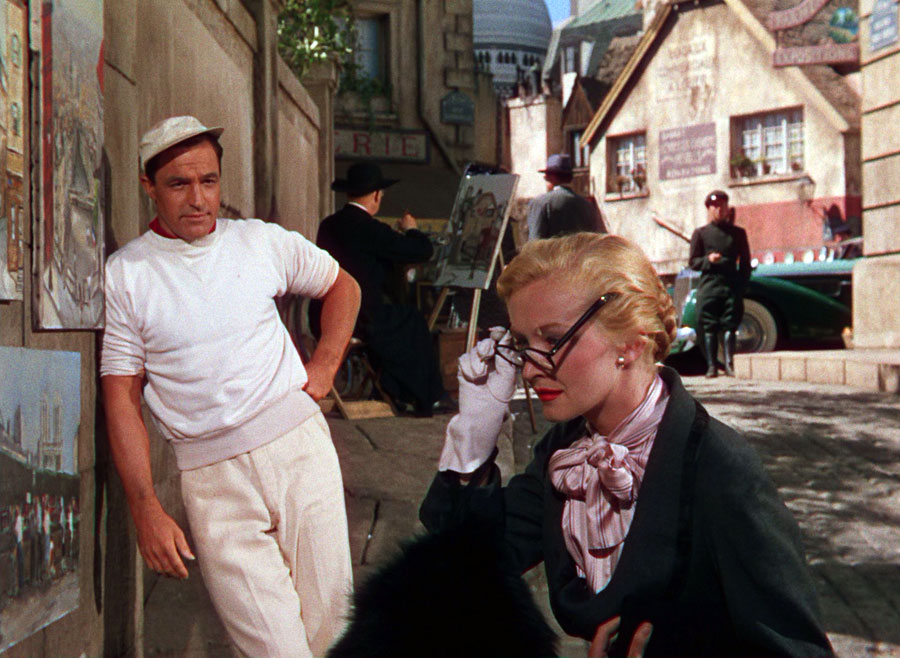
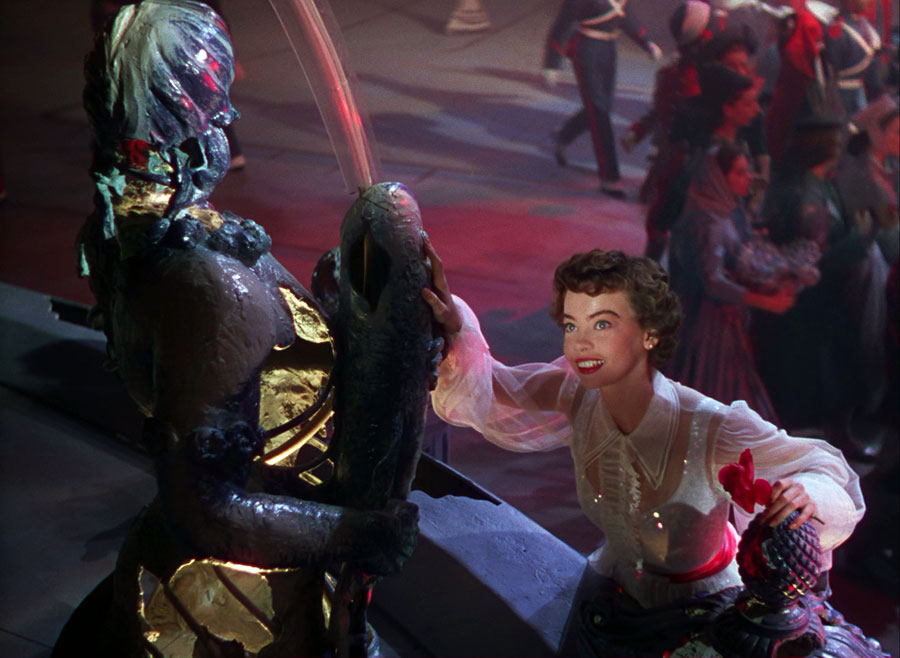
"An American in Paris" (1951) is another Technicolor musical bon-bon from the MGM library. The plot is fairly predictable, and I really can't say much for Gene Kelly's acting talents, but thanks to the fresh-faced beauty of Leslie Caron, Vincente Minnelli's direction, and Kelly's choreography, this movie is a winner.


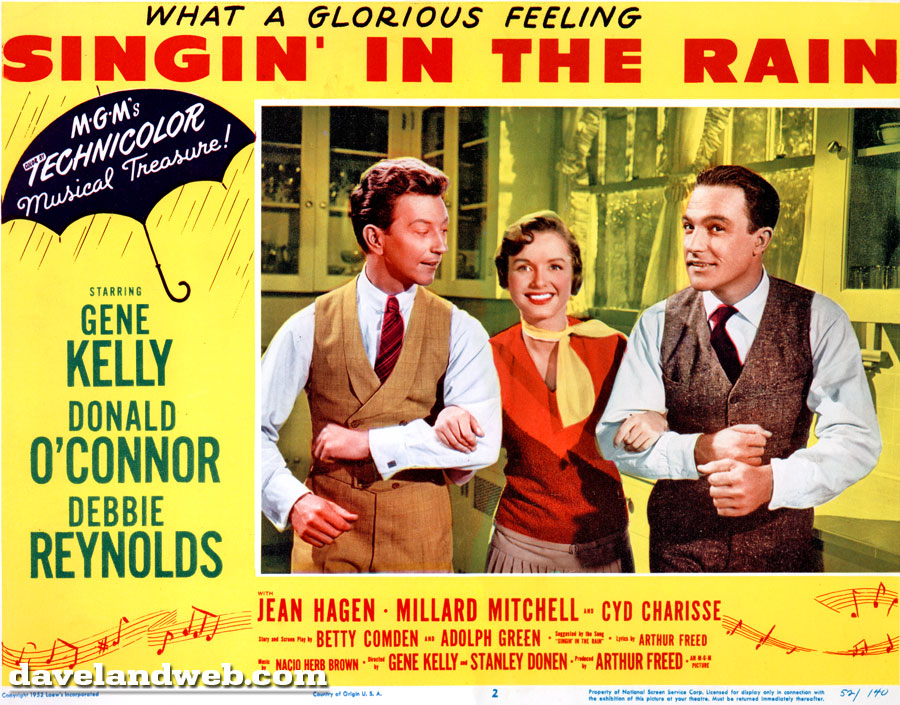
"Singin in the Rain" (1952) is the definition of cinematic perfection. The bright color, the memorable songs, the humor, the talent...there is not a single minute that I would trim from it. This is one of the few movies that I feel Kelly's performance seems real, rather than phoned in. An Jean Hagen...one of the most memorable supporting roles in film history. She practically steals the show.


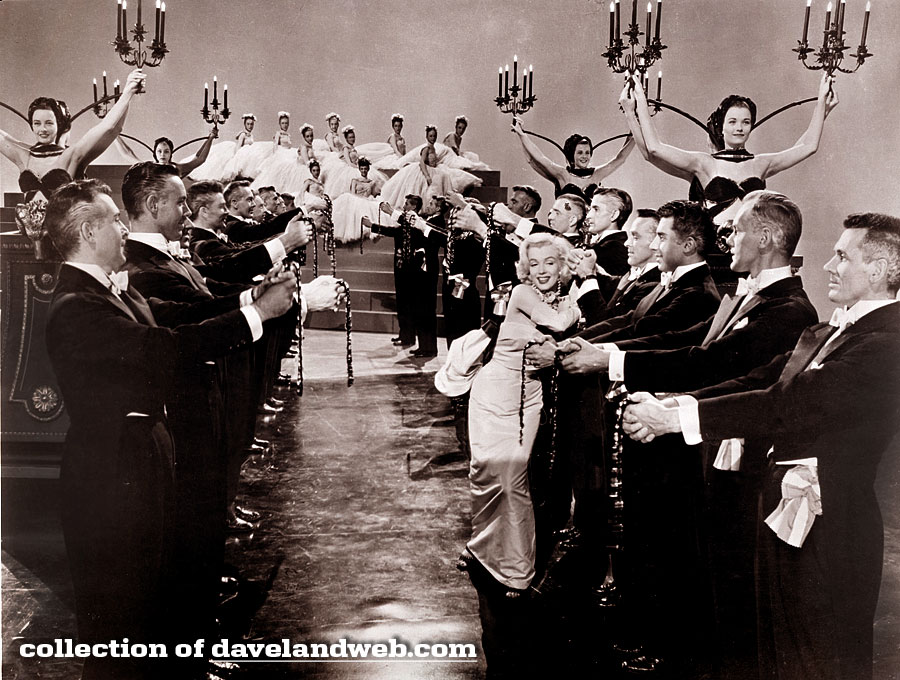
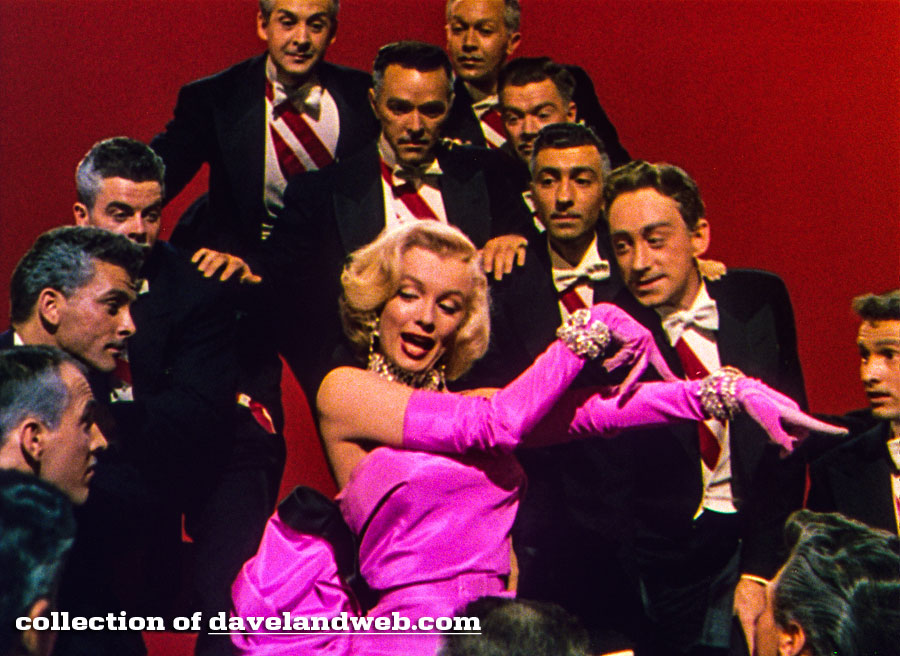
"Gentlemen Prefer Blondes" (1953) is Marilyn at her best. She and Jane Russell are wonderful together, charming the men and singing/dancing their way across the Atlantic on a cruise ship.


This is the movie that Marilyn sings one of her signature numbers, "Diamonds are a Girl's Best Friend." Sorry Madonna; your tribute ("Material Girl") pales in comparison.


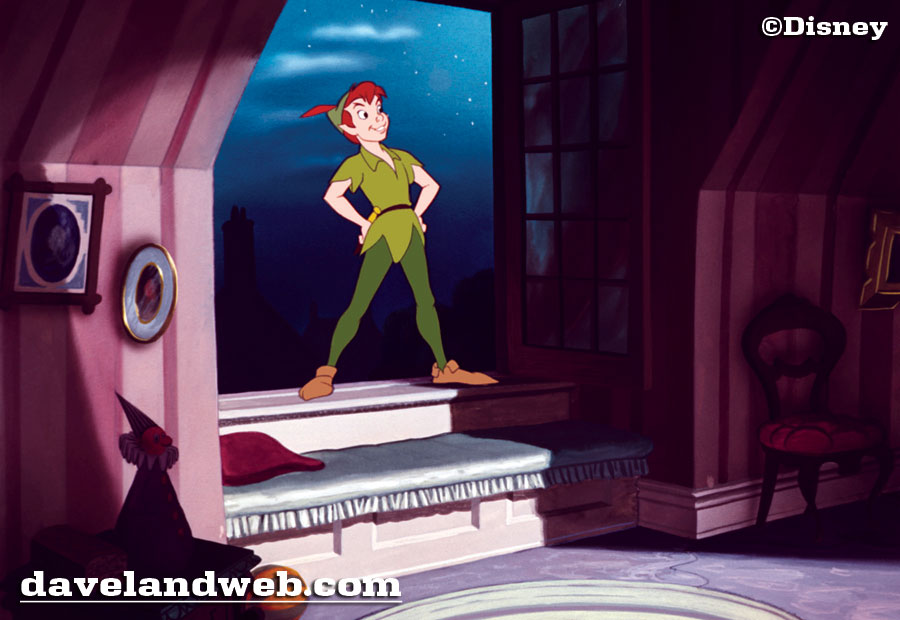
"Peter Pan" (1953) succeeds because of its characters and flights of fancy. Tinker Bell, Pan, and Hook are some of the most memorable Disney animated characters and still charm audiences today. The thought of being youthful forever is still an appealing theme to many, making this film resonate still sixty years after its release.


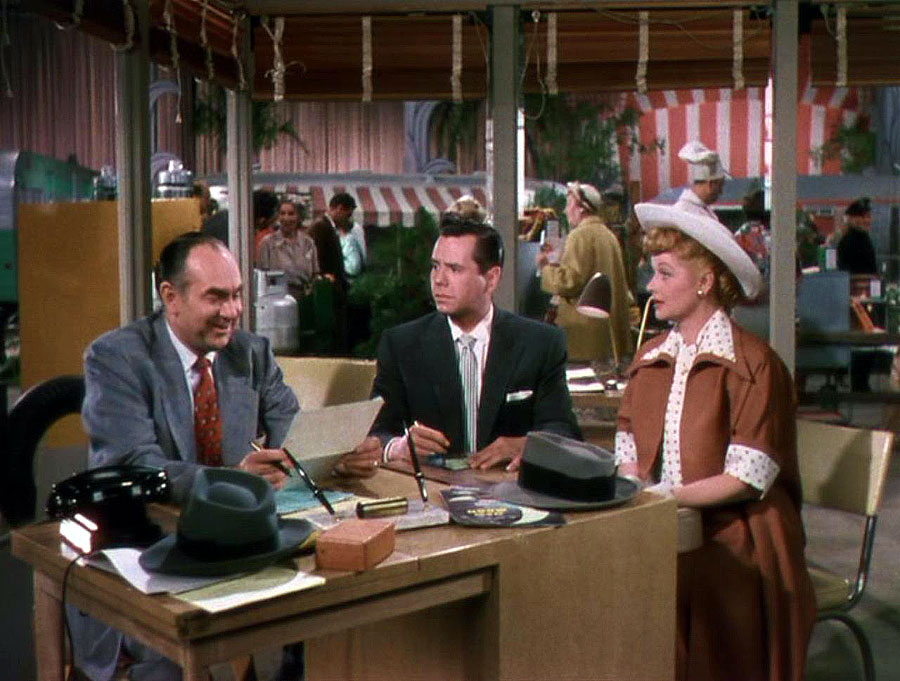
"The Long, Long Trailer" (1954) is much more than just a cinematic version of "I Love Lucy." It is a tad darker and grittier, showing some cracks in the marriage of its main characters, Nicky & Taci. Still, you also see the genuine love between Lucy and Desi, especially in the dramatic final scene. It is a refreshing movie expertly directed and handled by Vincente Minnelli. The trailer itself is a memorable character, providing many nailbiting moments as it travels across the country.


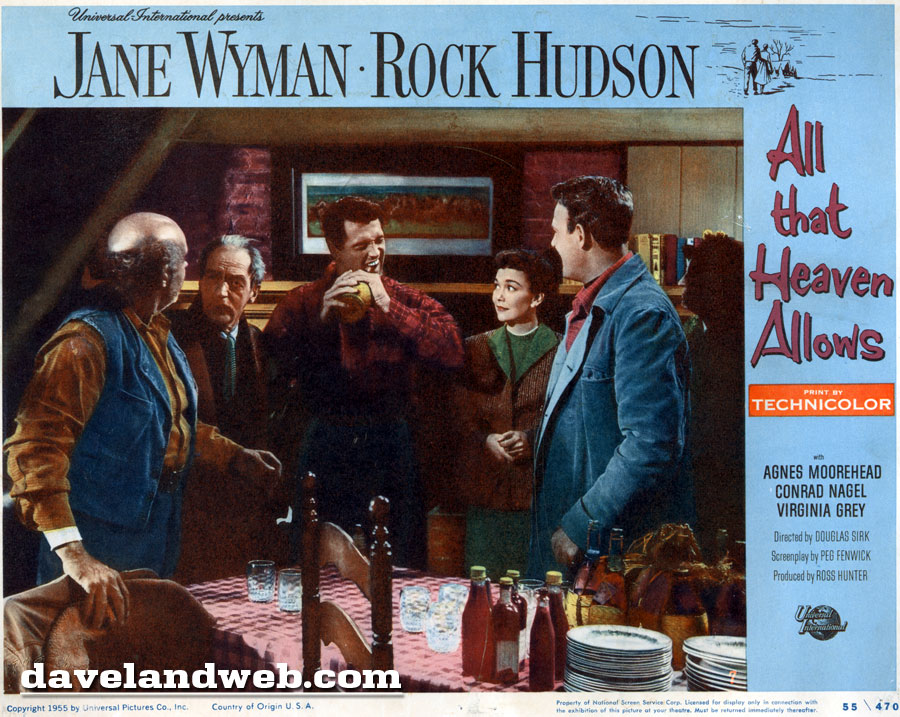
If you love 50's glossy soap operas, then "All That Heaven Allows" (1955) is your type of movie. Thanks to Douglas Sirk, there are so many subtexts to this movie that you can't help enjoying it more than once. Rock Hudson and Jane Wyman provide the romantic interest of two people from different sides of the social strata, doing their best to bridge the gap. Still a relevant tale about the ills of gossip and stereotypes.


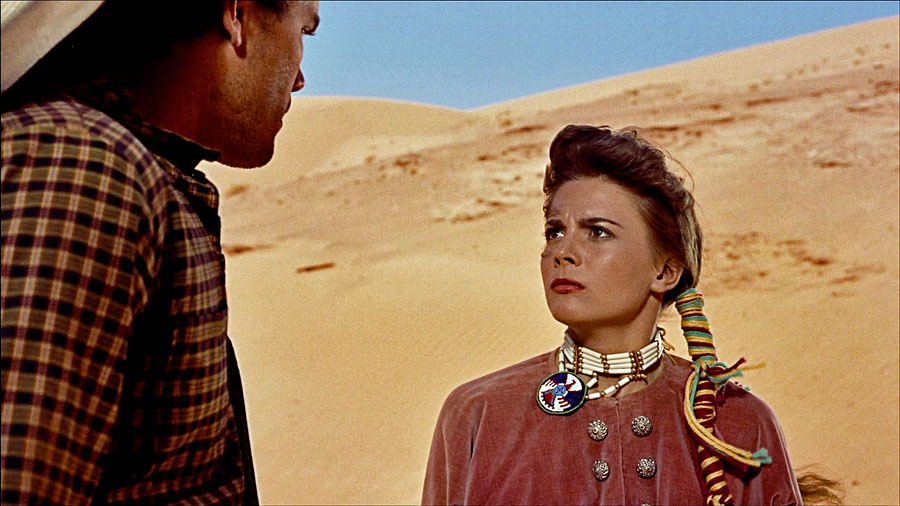
I'm not a huge John Wayne buff, but I do enjoy "The Searchers" (1956), which is a beautifully told story of love, bigotry, and determination (what a combination!). The natural beauty of Monument Valley helps makes this widescreen film a must-see.


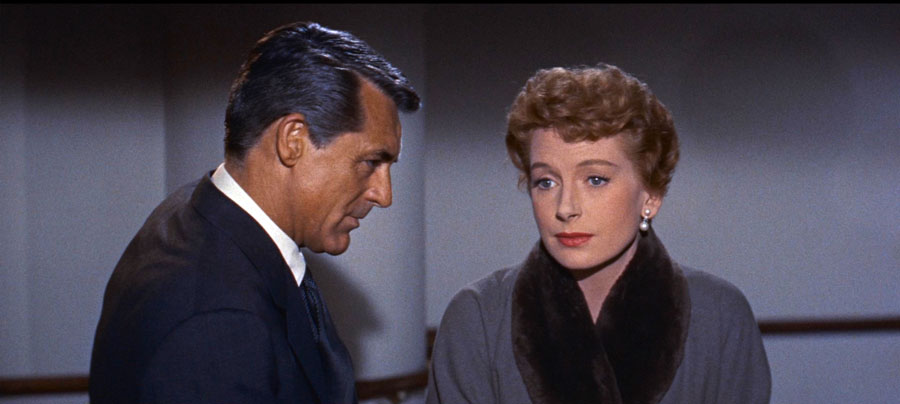
"An Affair to Remember" (1957) is a guilty delight that will drain your tear ducts dry. Even though it is predictable and so obviously shot on Hollywood sound stages, this movie endures as one of the best romantic films ever made. It succeeds thanks to the performances and chemistry of Cary Grant and Deborah Kerr as well as the snappy writing of Delmer Daves, Donald Ogden Stewart, and Leo McCarey.


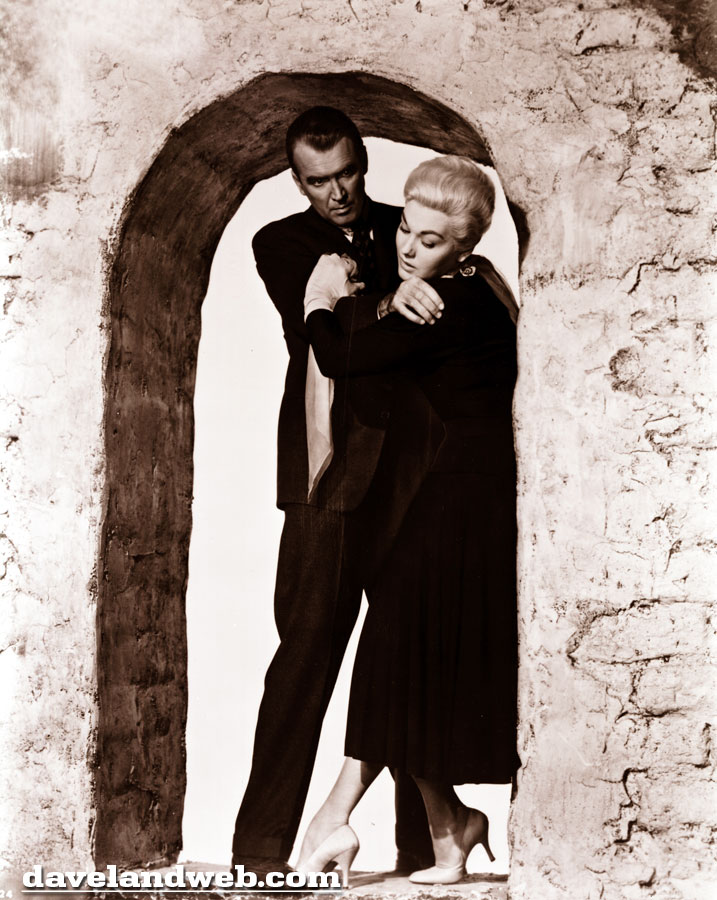
"Vertigo" (1958) is one of Alfred Hitchcock's most personal as well as oddest films. The first time I saw it I couldn't stand it; but like so many of Hitch's films, it grew exponentially on me each time I watched it. Jimmy Stewart is wonderful as the man sadly obsessed by (what he believes to be) a dead woman (Kim Novak). The beauty of San Francisco and Bernard Herrmann's lush score add to the pleasure of watching this movie over and over again.

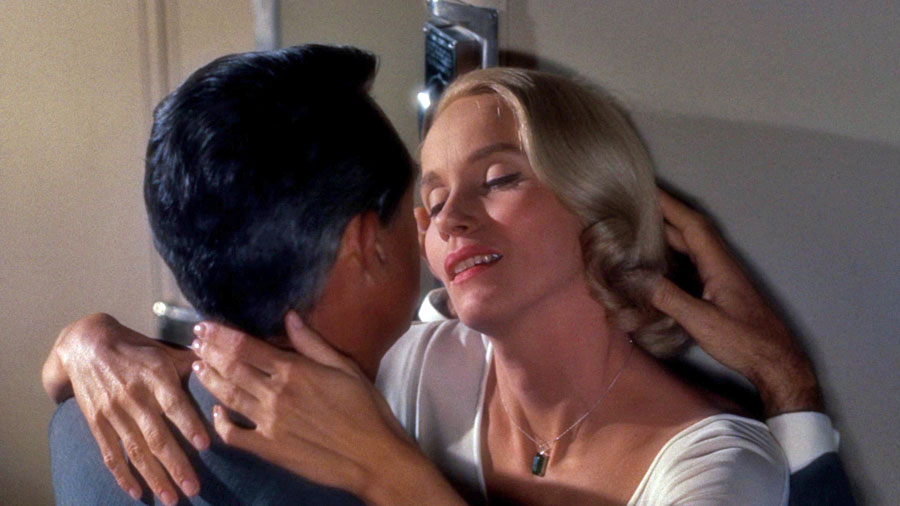
"North By Northwest" (1959) is Hitchock's most perfect film. Witty dialogue, well-paced action, and a memorable romantic pairing of Cary Grant and Eva Marie Saint elevate this thriller to one of the most beloved movies ever made.


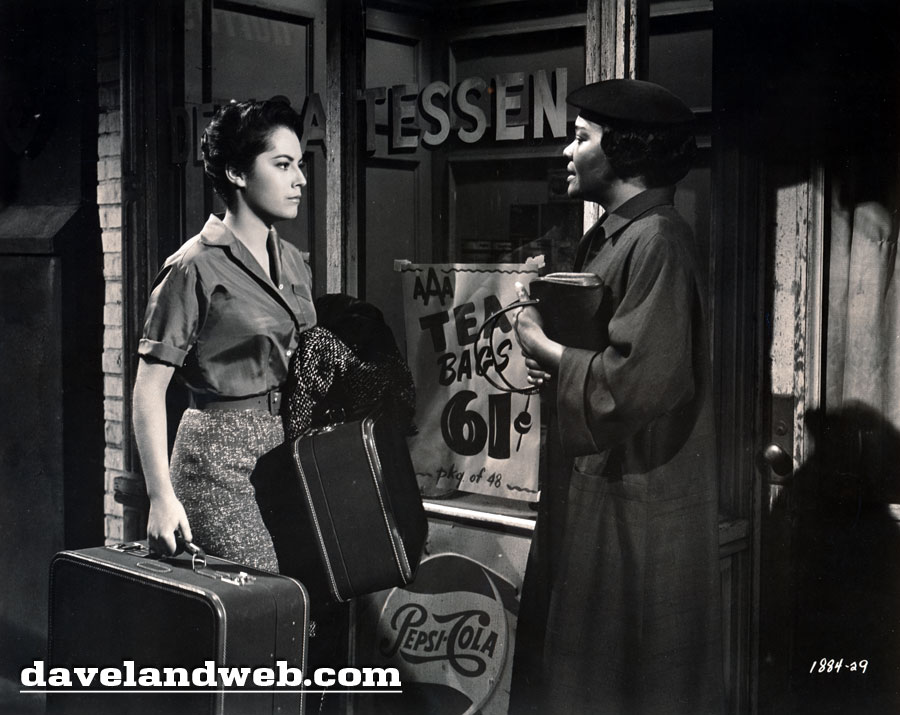
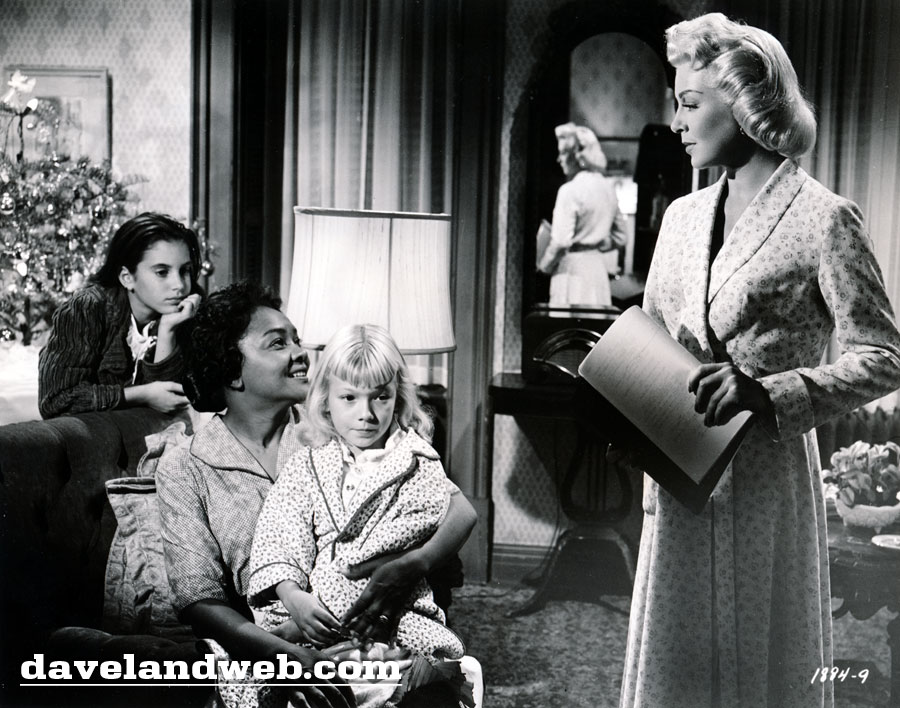
"Imitation Of Life" (1959) can be challenging to watch at times.


It is definitely a product of the 1950's and is sometimes weighted down by its artificial old-Hollywood style, but for the most part, its gritty handling of the race issues that were prevalent at the time make it a riveting albeit glossy drama. The friendship between Lana Turner and Juanita Moore anchors the movie and will have you running for the kleenex at the end of the movie. If that doesn't occur, you might want to check your pulse.


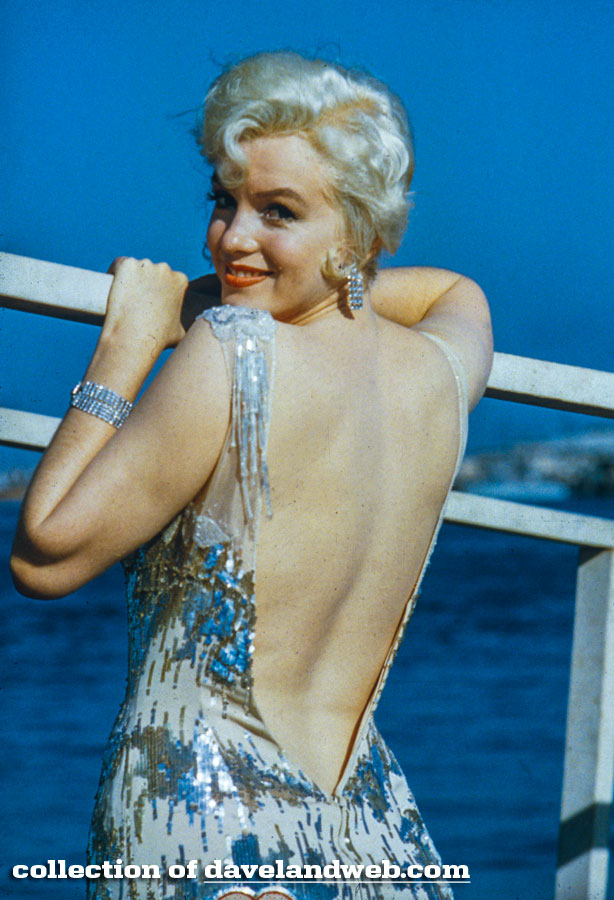
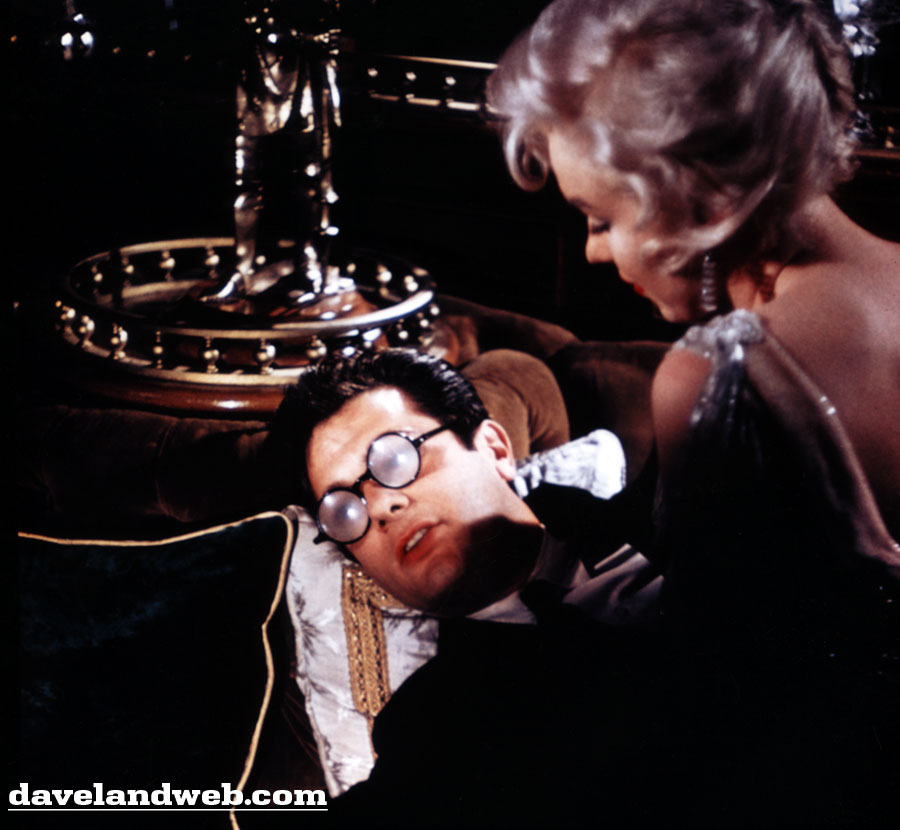
"Some Like It Hot" (1959) is marketed as a Marilyn Monroe movie, while in actuality, her part is much smaller than those of Tony Curtis and Jack Lemmon. Curtis is a bit annoying and I never lose the feeling that he will continue to be a slime ball as a boyfriend to Monroe, but thanks to Lemmon's comedic style, Curtis' shortcomings are quickly forgotten.


Marilyn is so vulnerable and lovable as the singer in an all-girl band who tends to fall for the wrong guy. Who can't relate to having a bad picker?


My favorite scenes are those between Lemmon and Marilyn, as well as those that show the "romance" between Joe E. Brown and Lemmon.


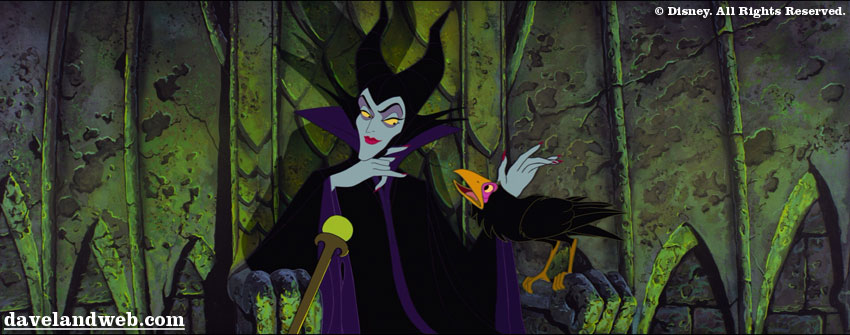
"Sleeping Beauty" (1959) is the most beautiful and cinematic of all the Disney animated films. It is like a classic painting come to life, thanks to the backgrounds by Eyvind Earle. Aurora carries on where Cinderella left off, providing a more spunky modern day heroine, and favorite Disney villain Maleficent will keep you hissing.


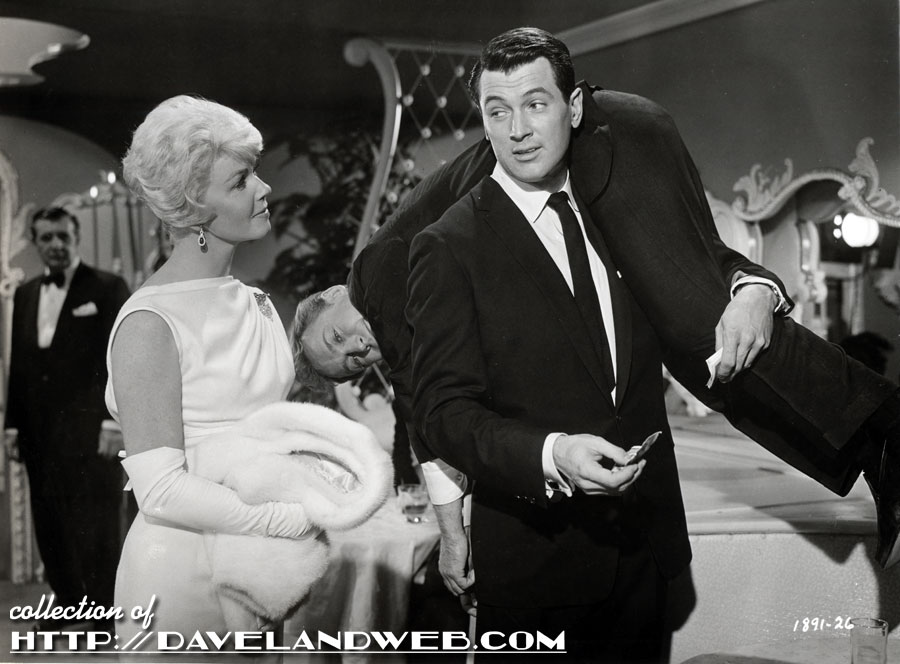
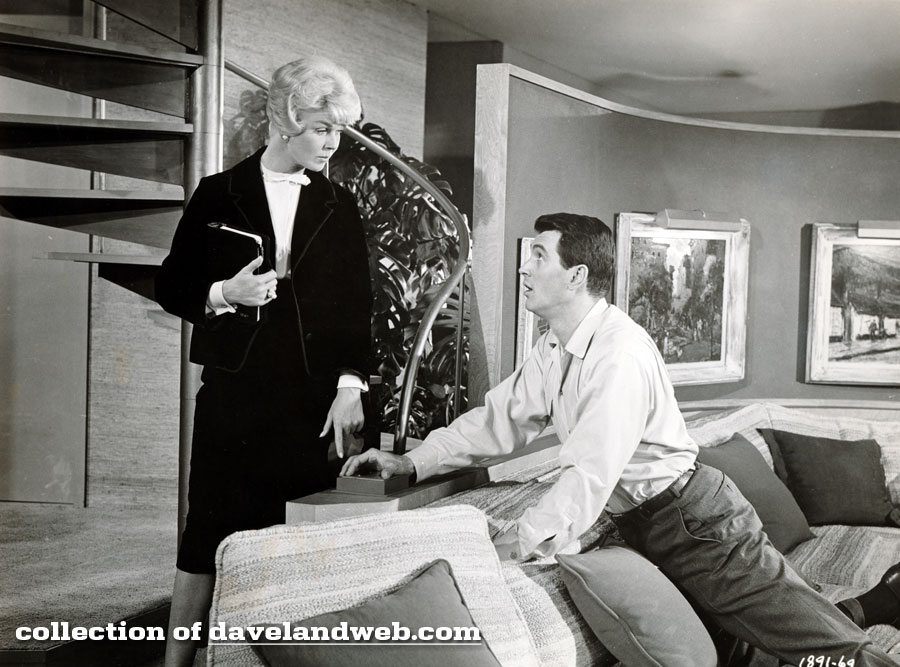
"Pillow Talk" (1959) is the best of the Rock Hudson/Doris Day pairings. Doris is wholesome as ever, but you definitely feel her romantic longings burning beneath her squeaky clean exterior. Hudson's character makes it his goal to stoke the flames, and he succeeds very well. It is a total joy to watch the interplay between the two.


What are some of your favorite 1950's films? Come back tomorrow for the 1960's!

See more classic Movie & TV photos on my regular web page.