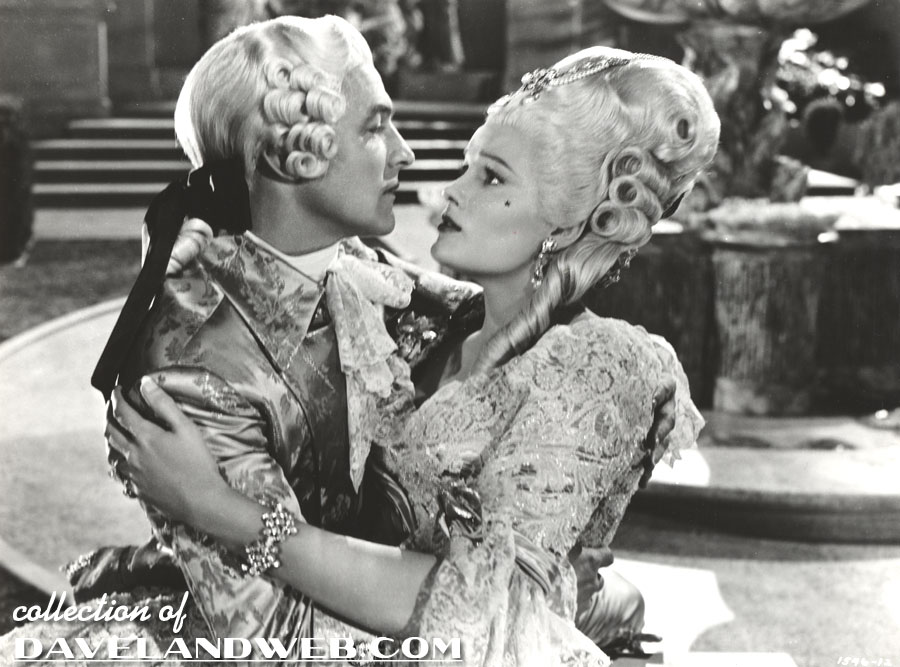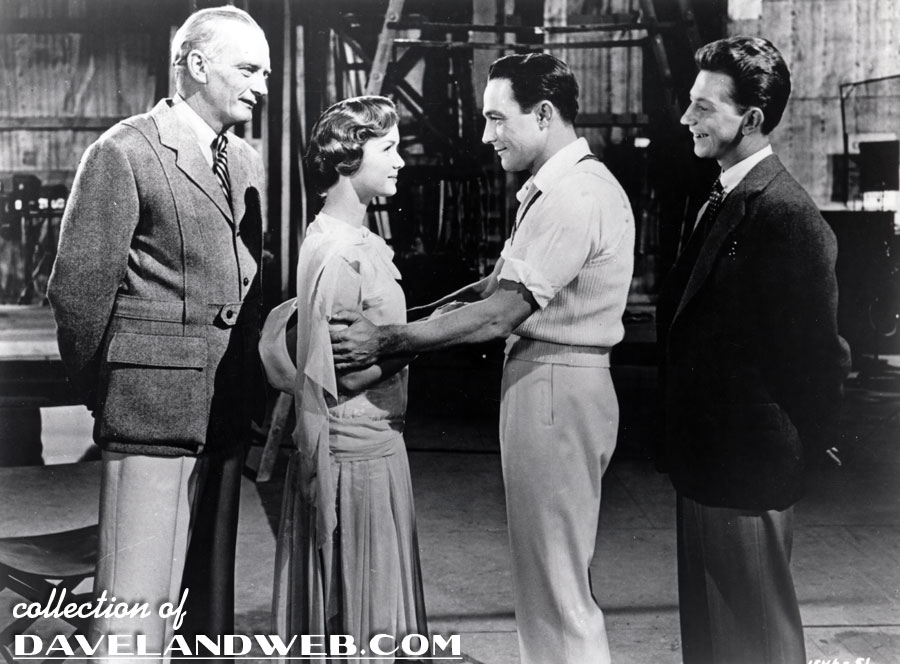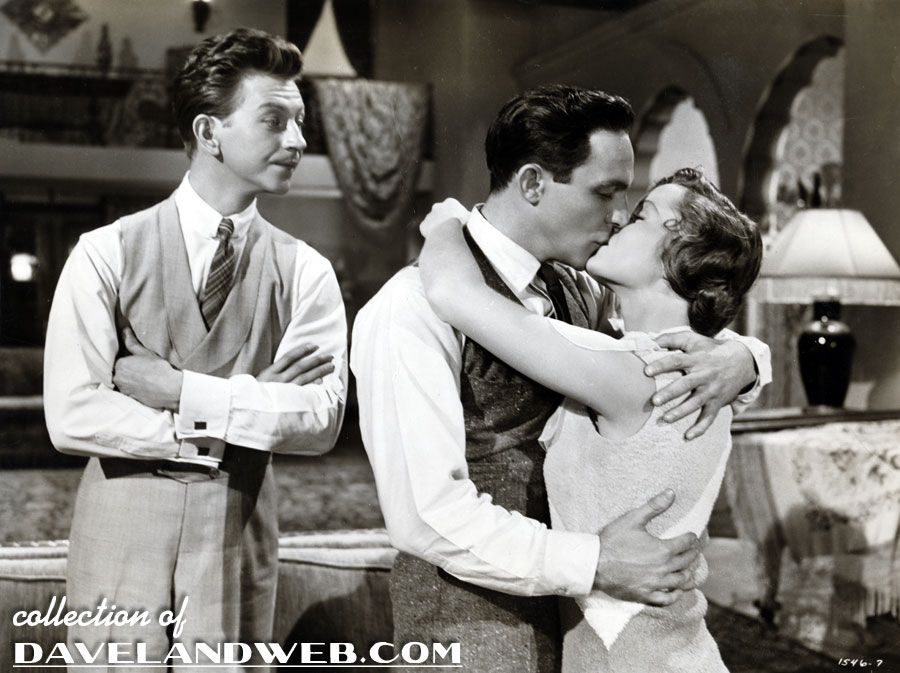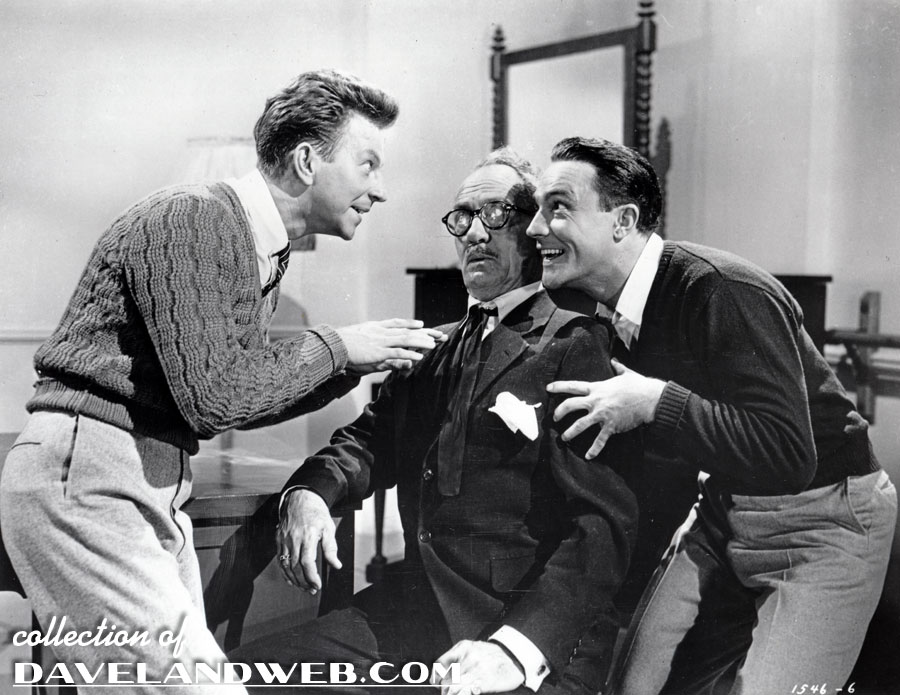
Showing posts with label gene kelly. Show all posts

Monday, July 31, 2023

Chuck, Judy, June, Joan, and Grace


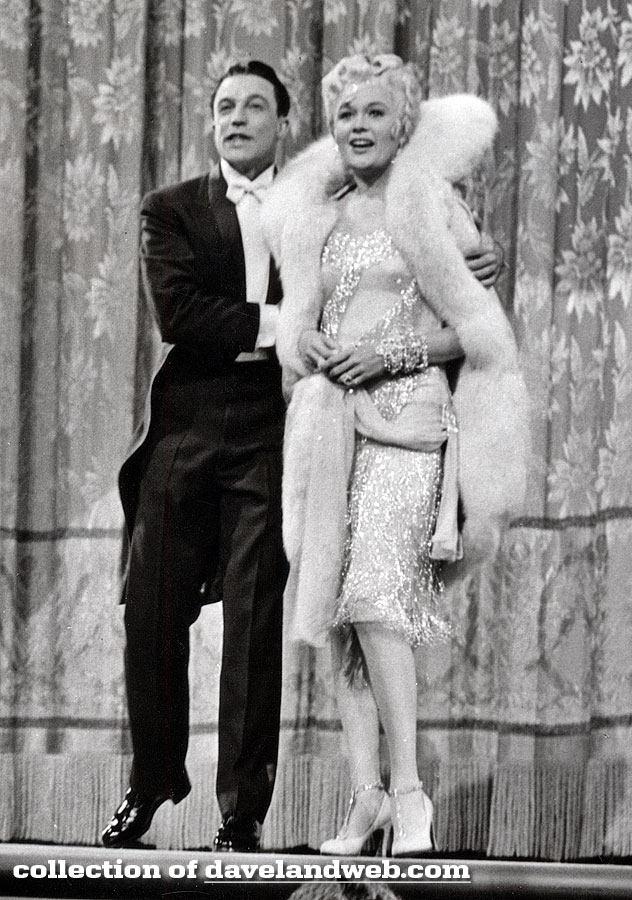
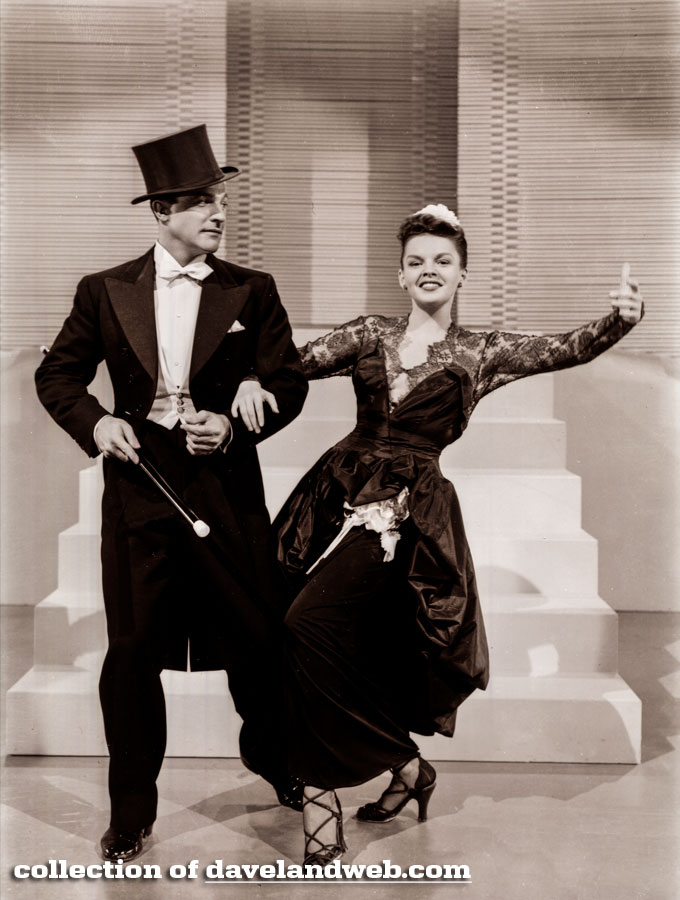
Disneyland isn’t the only thing that came out of Anaheim. Chuck Walters (born Charles Powell Walter; the “s” was added later) was a dancer, choreographer, and director during the heyday of the MGM musical. The first shot shows him dancing with Judy Garland in “Presenting Lily Mars” (1943). The original finale was an overdone patriotic mess; Walters was called in to choreograph a new musical number to show off the maturing Garland and her talents. In the Walters biography, The Director Who Made Hollywood Dance by Brent Phillips, the author tells how Walters was able to get a fearful Garland to tackle the difficult steps:

“I’m not sure I can do what you want. I can’t move like this.” With Judy, he understood that kid gloves were required. They sat down together, and in a flash of inspiration he asked, “Who is your favorite female dancer?” Without much hesitation, she replied, “Renee De Marco.” “All right,” he announced. “From now on, whenever we rehearse, you are Renee De Marco.” Garland looked at him with wide eyes and gave a sigh of relief.

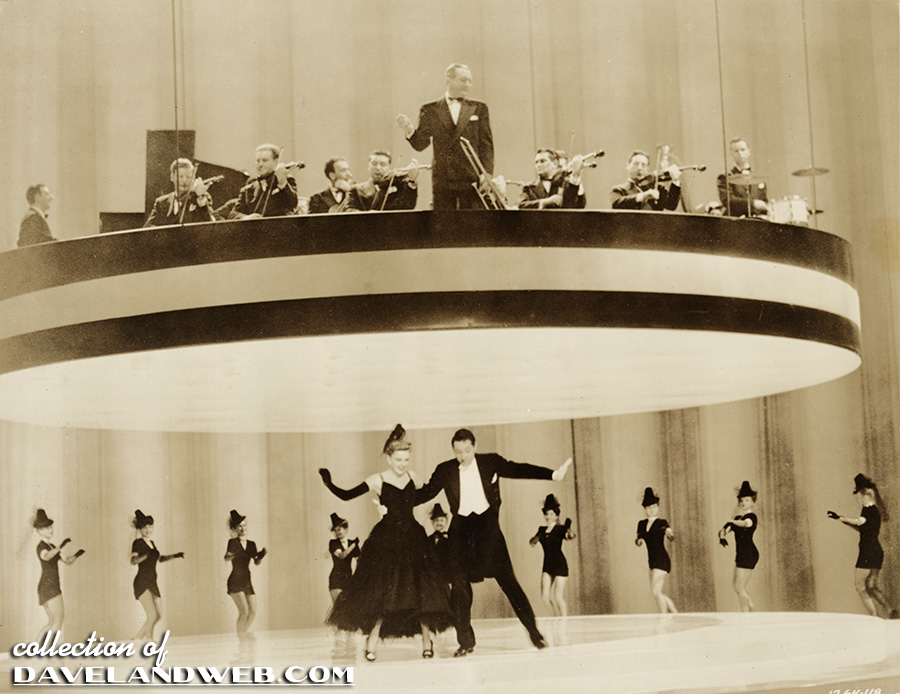
Judy begged for Walters to join her again in her next picture, “Girl Crazy” (1943). For “Embraceable You,” the two twirl around the dance floor with glee. It is a beautiful sight to see. Walters danced with the polish of Fred Astaire and the approachability of Gene Kelly.
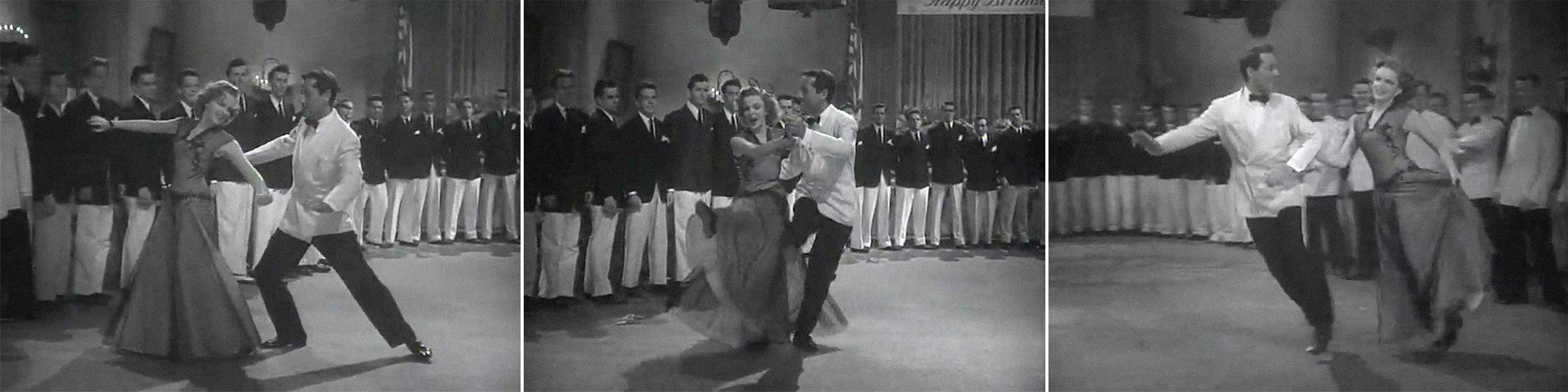


Although a fantastic dancer, producer Arthur Freed realized that Walters had a knack for directing. He had a knack for knowing how to work with actors, keep the action moving, integrating the musical numbers so that they were natural and plot driven, and most importantly of all, bring the picture in under budget! His first big assignment came with “Good News” (1947), starring June Allyson and Peter Lawford. From the accompanying publicity blurb:

VARSITY DRAG…If you’re over forty…you’ll remember it. If you”re under forty…you’ll love it! It’s the “Varsity Drag,” dance craze of the roaring twenties, when every college campus was filled with turtleneck sweaters, short-skirted flappers…and not Quonset huts and surplus jeeps. The “Drag” comes to life again in Metro-Goldwyn-Mayer’s Technicolor musical, “Good News,” starring June Allyson and Peter Lawford, with Broadway stars Patricia Marshall and Joan McCracken. “Just like an end play off left tackle!’ says June…and Peter begins to see the light.
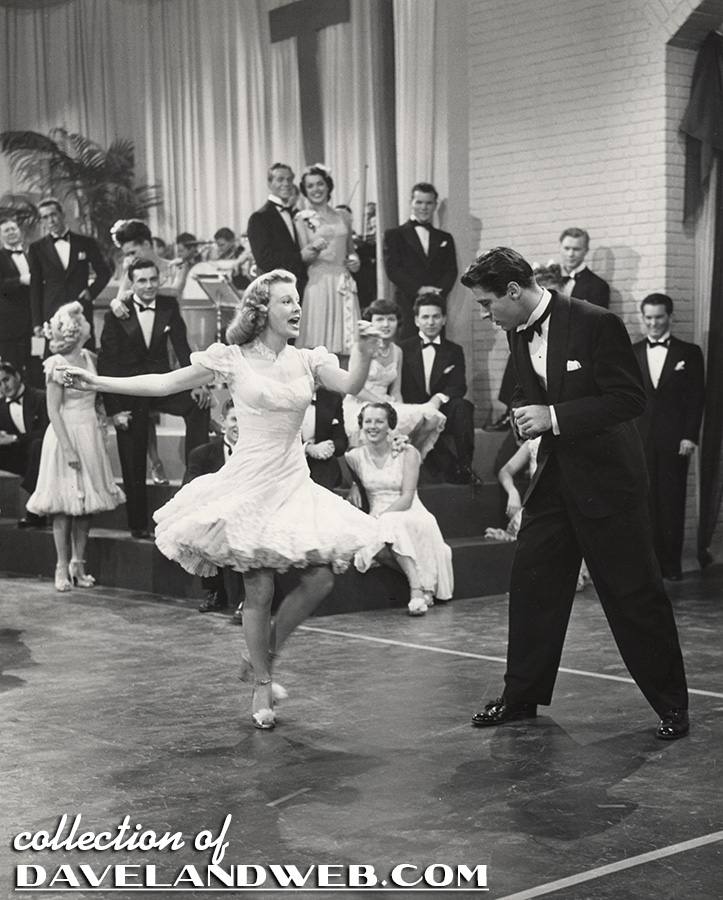


Walters had to spend a lot of time boosting Lawford’s song and dance limitations. From Brent Phillips’ bio:

Upon seeing the finished film, Lawford’s boydhood dance teacher, Muriel O’Brien, declared: “I kept watching him and thought, Oh, my God! Anybody who could teach that boy to sing and dance in time has got to be a genius.”

Walters often directed by showing the actors how to do a scene (or number) by performing it himself.
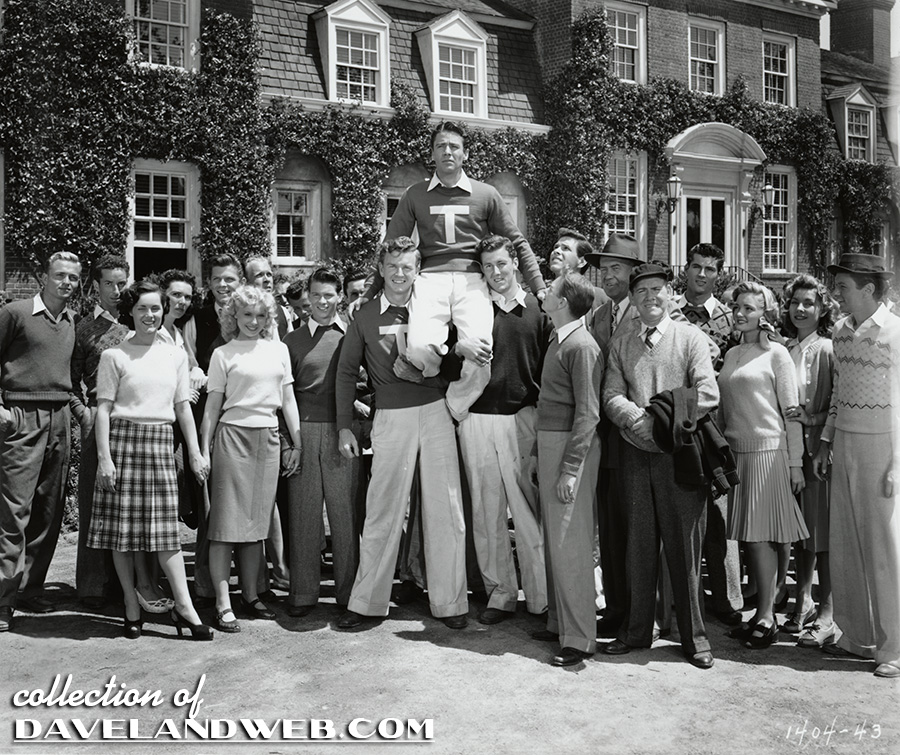


“Good News” was such a success that Walters was handed the plumb assignment of Judy Garland and Gene Kelly in “Easter Parade” (1948). Just before filming commenced, Kelly had to be replaced by Fred Astaire due to an ankle injury.
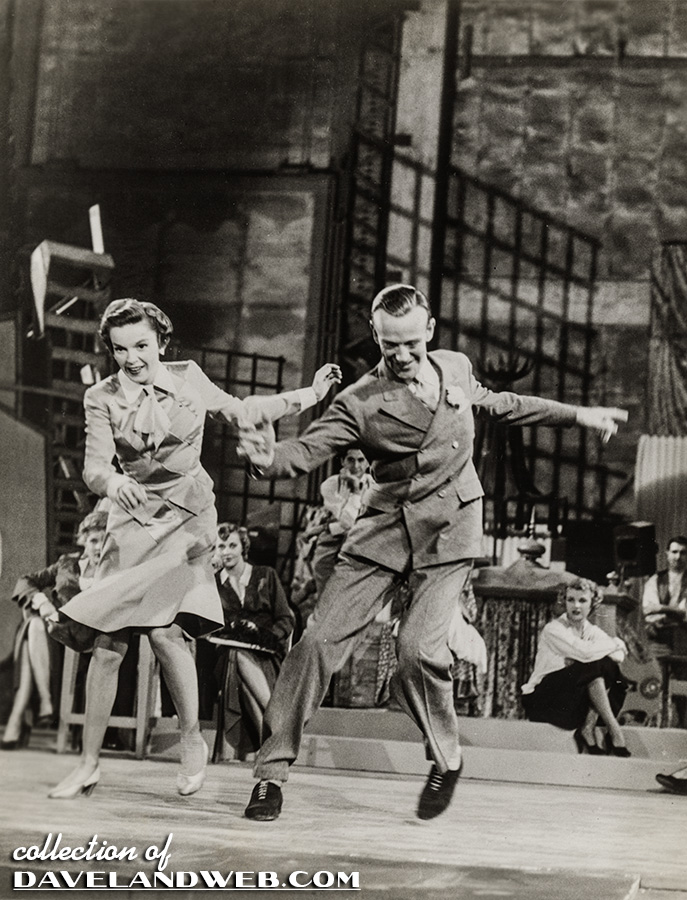


By the time of Garland’s “Summer Stock” (1950), Walters was the only director at MGM who the brass knew could get the job done. Walters was able to elevate the basic barnyard musical story into one that is highly enjoyable and features some of the best numbers done by both Judy and Gene Kelly. “Friendly Star” is a highlight of the movie due to Garland’s performance, vocal talents, and perfect staging of this key number.
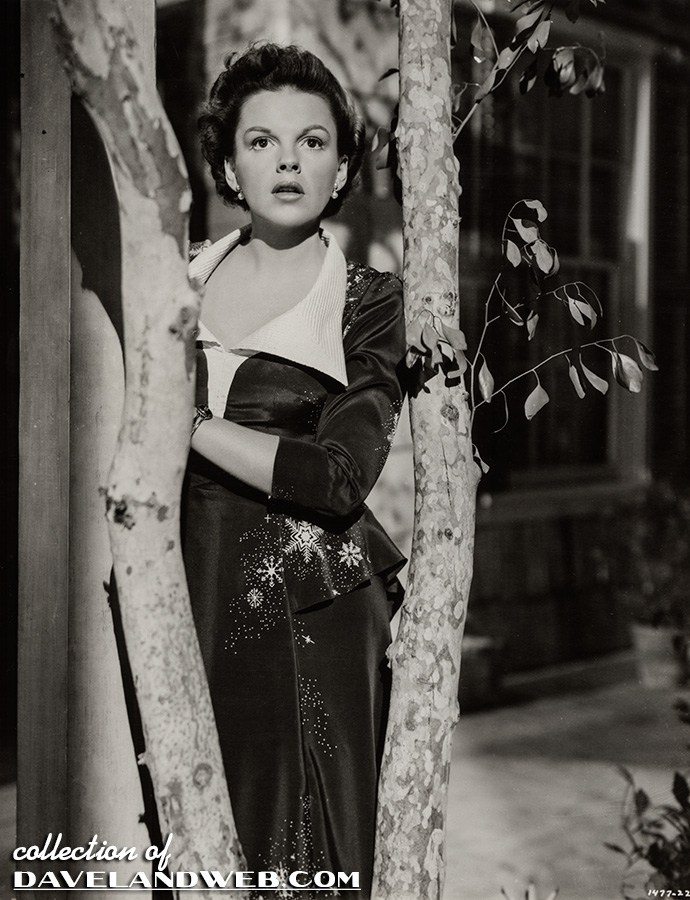


Another “J” in Walters’ portfolio was Joan Crawford. When she returned to MGM for “Torch Song” (1953), Walters was the director of choice. From the accompanying publicity blurbs:

MGM SPECIAL LAYOUT…BACK AT “HOME STUDIO”…AFTER 10 YEARS. CAMERA! ACTION!: Joan Crawford, now that the “welcome home” party is finished, goes immediately into a dance rehearsal with Charles Walters, director of her new Technicolor picture, “Torch Song,” and who is also her dancing partner in the dance sequences.

RHYTHMIC DUO… Joan Crawford and Charles Walters step a fancy rhythm in this scene from M-G-M’s drama packed Technicolor production “Torch Song.” Film co-stars Miss Crawford and Michael Wilding. In addition to portraying Miss Crawford’s dance partner, Charles Walters also directs the film and is credited with the choreography. Henry Berman produced.
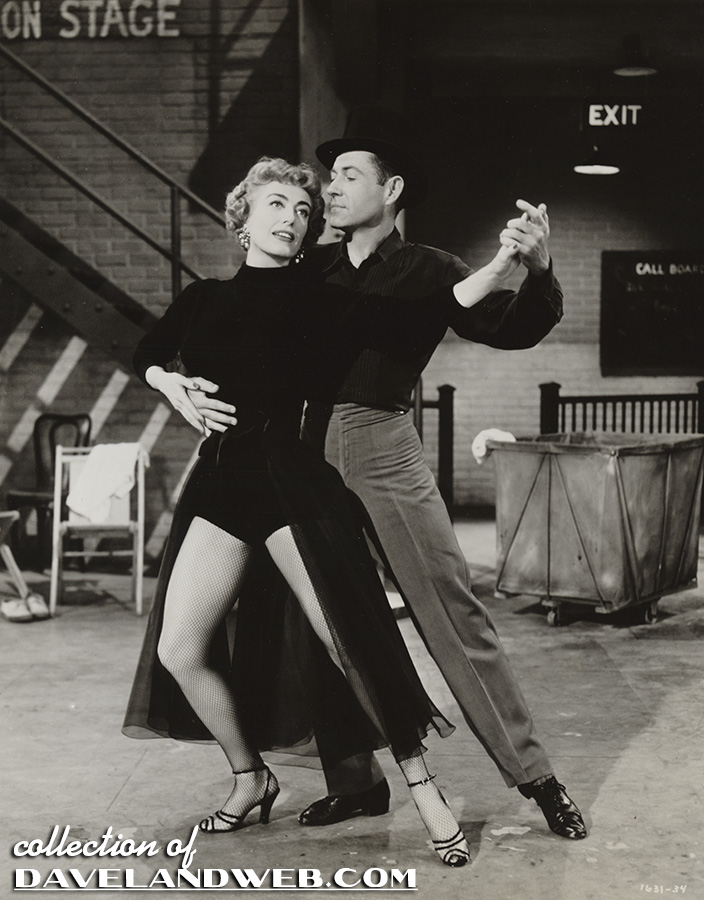


Another dancer, Marc Wilder, was cast as Crawford’s partner for the scene shown above. Joan had different ideas; she wanted the best. “I’m so comfortable when I’m rehearsing with you. Would you consider doing the routine with me in the film?” Just as he had to do with Judy in “Girl Crazy,” Walters had to coax a performance out of the nervous Crawford. As Phillips tells it:

Crawford gravely whispered, “Chuck, I cannot get out of this chair.” “Honey, you’re gonna be great. The routine is down pat. We’re lit. We’re ready to go.” “I know his is a terrible thing to ask,” said Joan, “but would you be upset if I have a little vodka?” “Baby, anything that’s going to relax you is fine. Have a little slug if it’s gonna help.” “Well, you have to have one with me.” Walters later admitted it took about three drinks to shore up her confidence. “We came out of the dressing room a hair high—but relaxed and comfortable.”

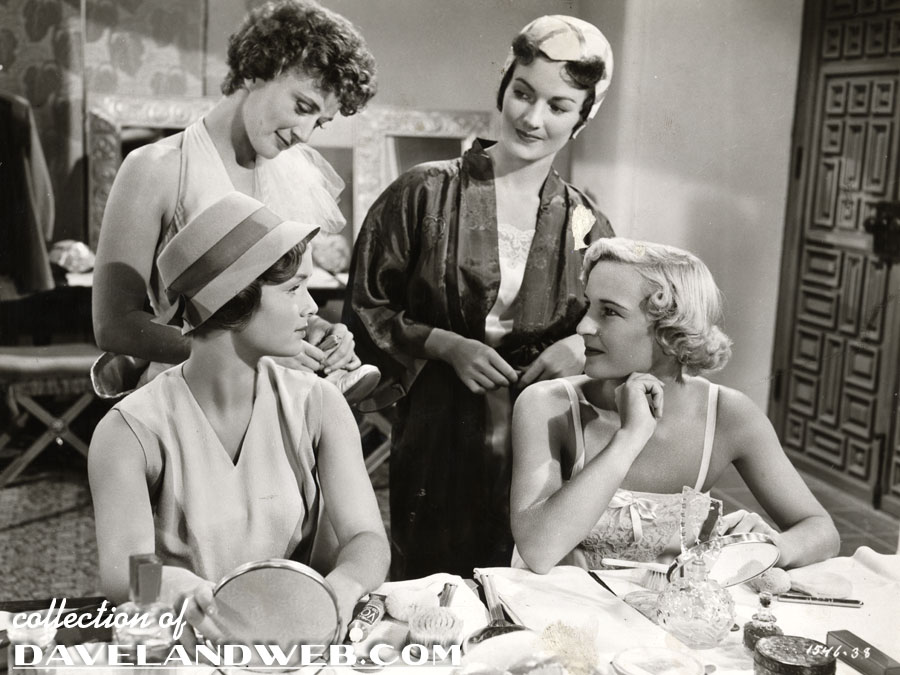
One of my favorite Walters directed films was the cinematic swan song of Grace Kelly (why couldn’t her name begin with “J” for my title alliteration?), “High Society” (1956), also starring Frank Sinatra and Bing Crosby.
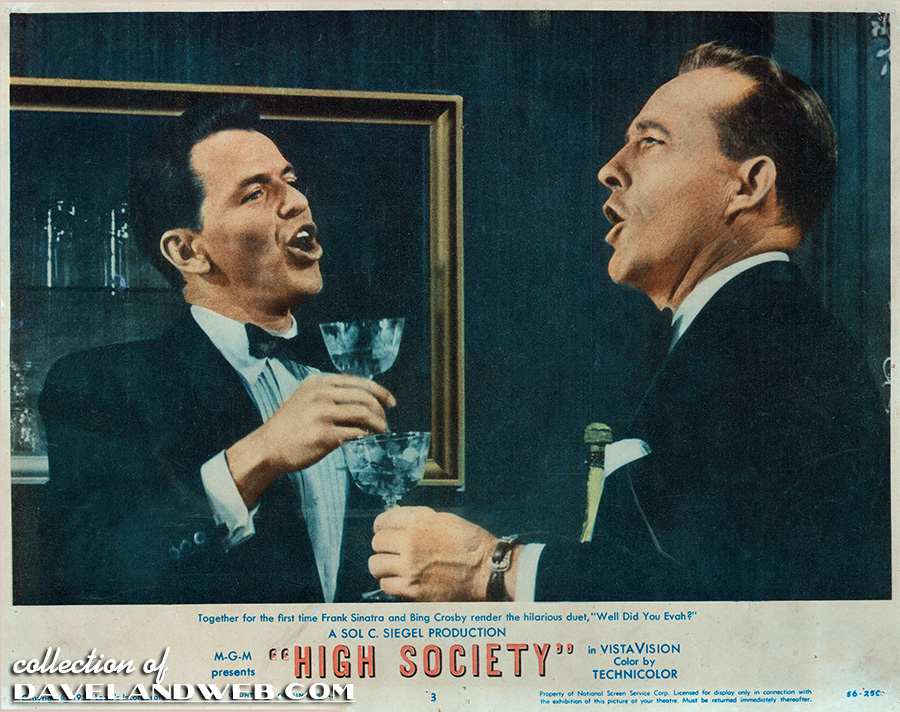


The duet that everyone waited for between Sinatra and Crosby was the Cole Porter chestnut “Well, Did You Evah” first introduced by Betty Grable. From Phillip’s bio:

“Towards the end of the number, I did a fairly audacious thing,” said Walters. “When they exited, I simply let the camera roll,” focused on the empty library. Then without warning, the duo burst back into their safe haven, made a beeline for the bar, tossed back one final drink and offered one final chorus. It was a unique example of a stage convention working neatly on the screen. During the film’s first sneak preview, the audience broke into spontaneous applause at what they assumed was the song’s finish. Then Frank and Bing rushed back onto the screen for another drink and another verse; by the time the pair made their arm-in-arm final exit—bellowing, “What a swellegant, elegant party this is!”—the crowd was cheering.
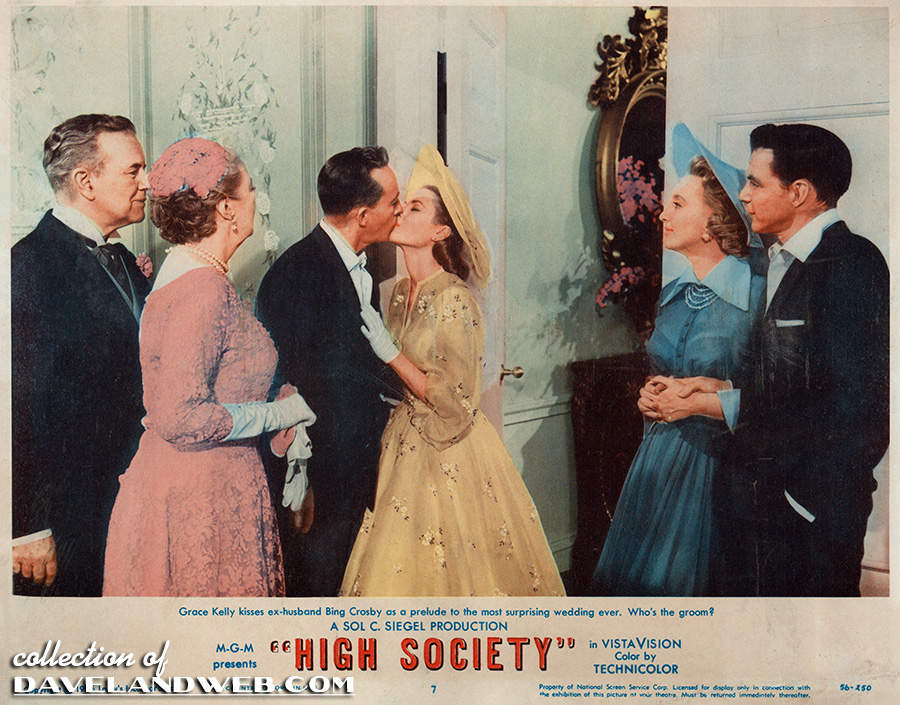


Not surprisingly, Crosby would later say “High Society” was his favorite film to make.

See more Classic Movie & TV photos at my main website.

Saturday, June 03, 2023

No More Anger


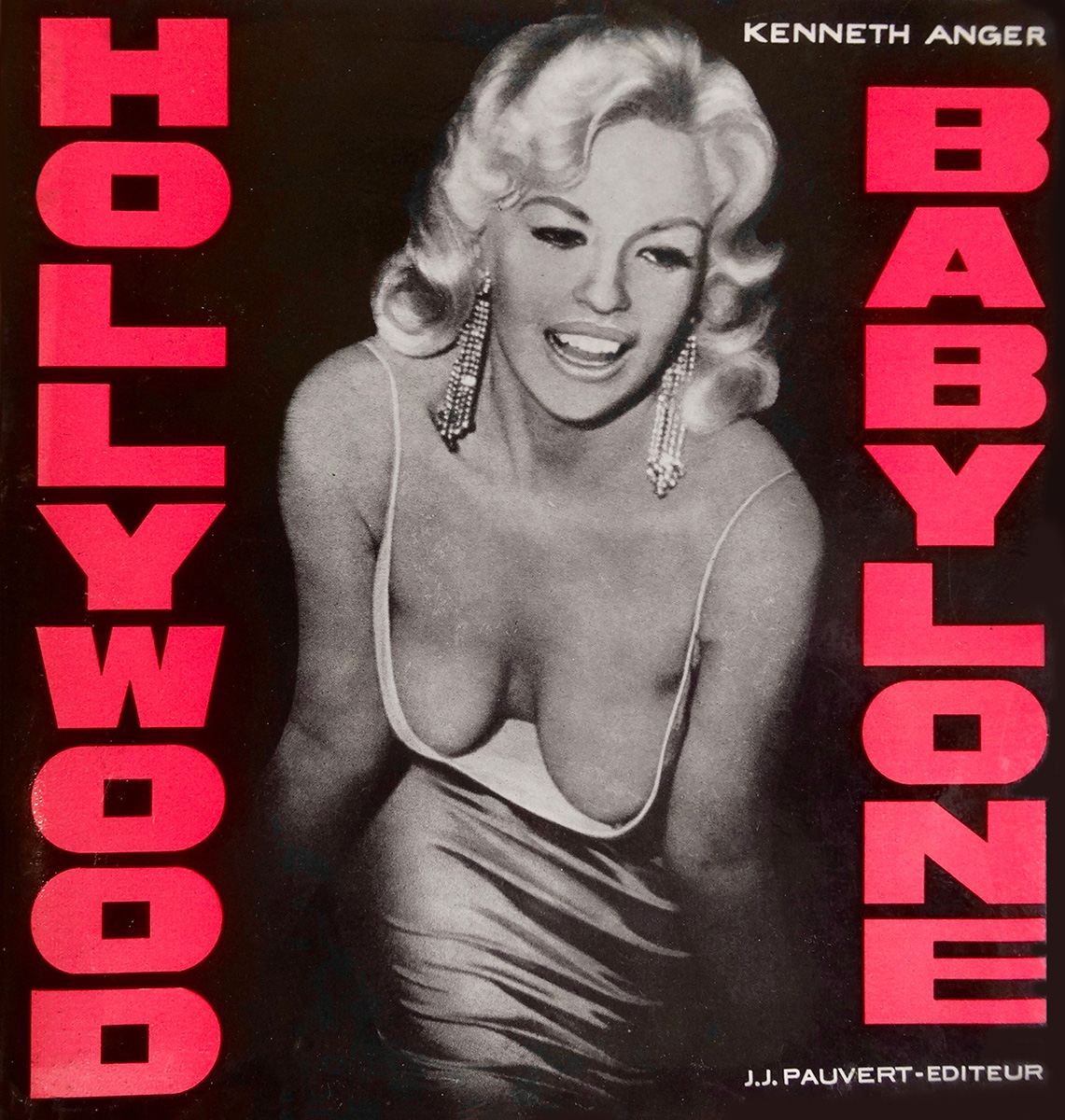
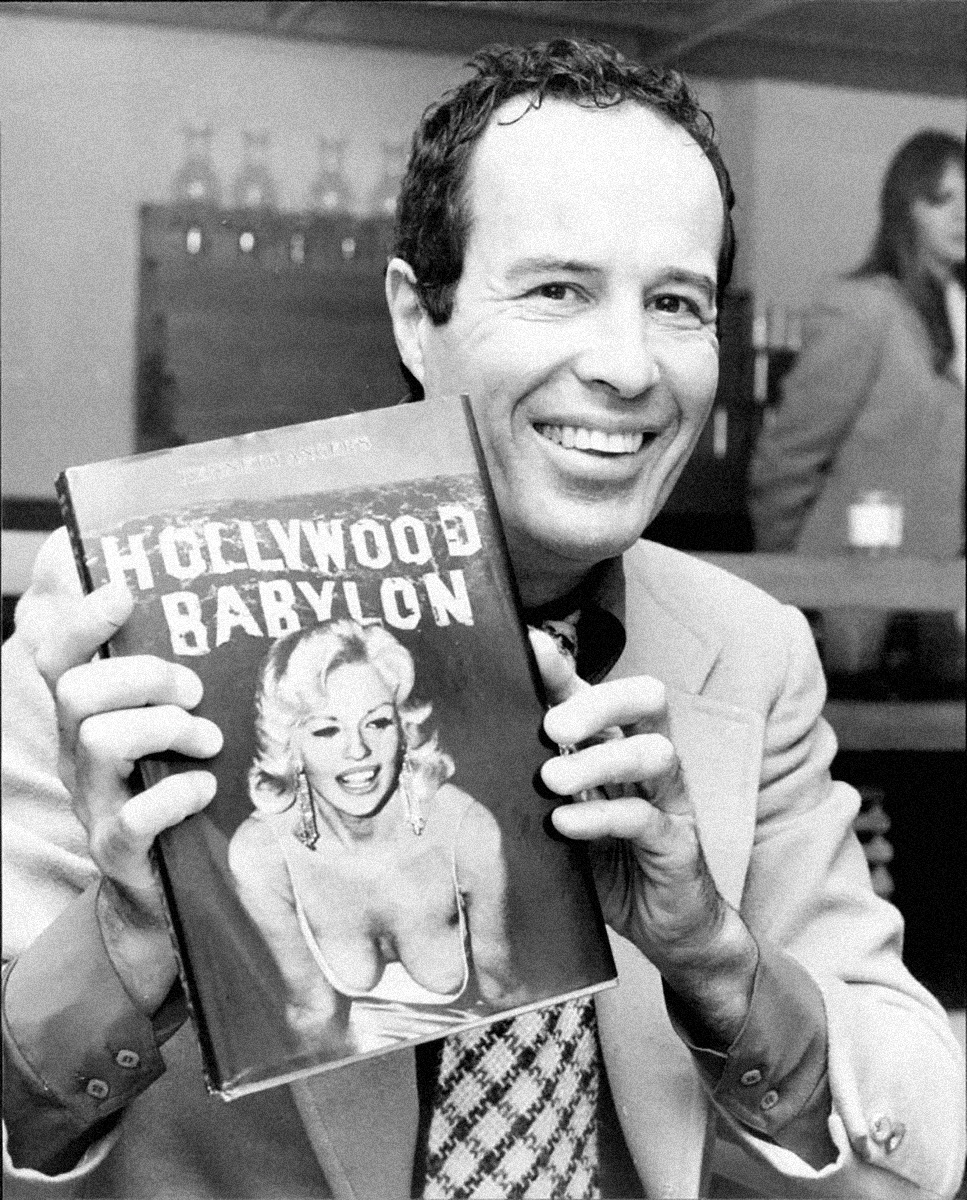
Kenneth Anger, cult filmmaker and author, recently passed away on May 11 at age 96 without much fanfare. The news didn’t even become public until May 24 in order to have time to settle his estate. He is probably best known for his book, Hollywood Babylon, which he is shown holding below. The photo above shows the original French first edition from 1957.


During his early twenties, Anger spent his time in Paris, indulging himself in the city’s avant-garde scene. He had a few bylines in Cahiers du CinĂ©ma, a French film magazine co-founded in 1951 by AndrĂ© Bazin, Jacques Doniol-Valcroze, and Joseph-Marie Lo Duca. Anger share salacious stories about Old Hollywood, some true, some semi-true, and some completely false. Encouraged by the editors of Cahiers, Anger compiled the articles into a book called “Hollywood Babylon,” which was released in 1959. An English language appeared in 1965, but it was allegedly banned within 10 days of publication and thereafter  sold in a brown paper bag. I wonder if it came with a bottle of ripple? Ten years later, it was republished in the United State. New York Times critic Peter Andrews called it a “306-page box of poisoned bon bons.” If you like Hollywood scandal, vintage photos, and a bit of raunch, this book would be for you.


From the headline of a Telegraph UK story comes this very accurate description of Anger:

The late film-maker and author danced with Shirley Temple, inspired the Stones and wrote the original tell-all. But was any of it true?

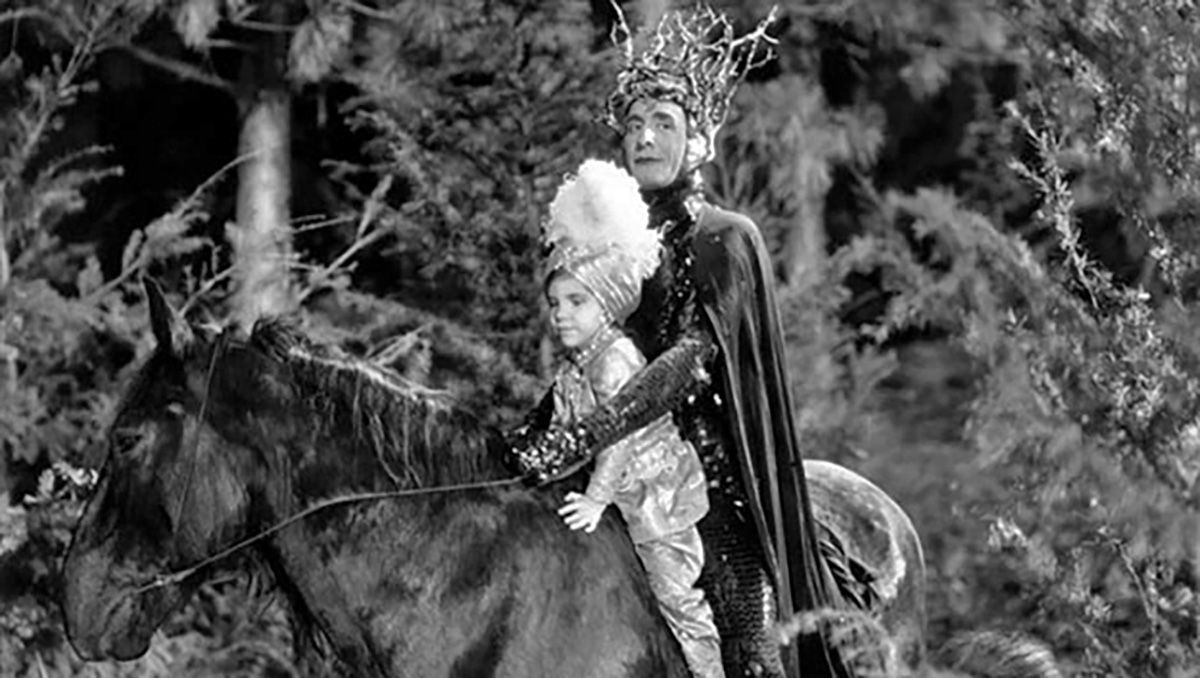
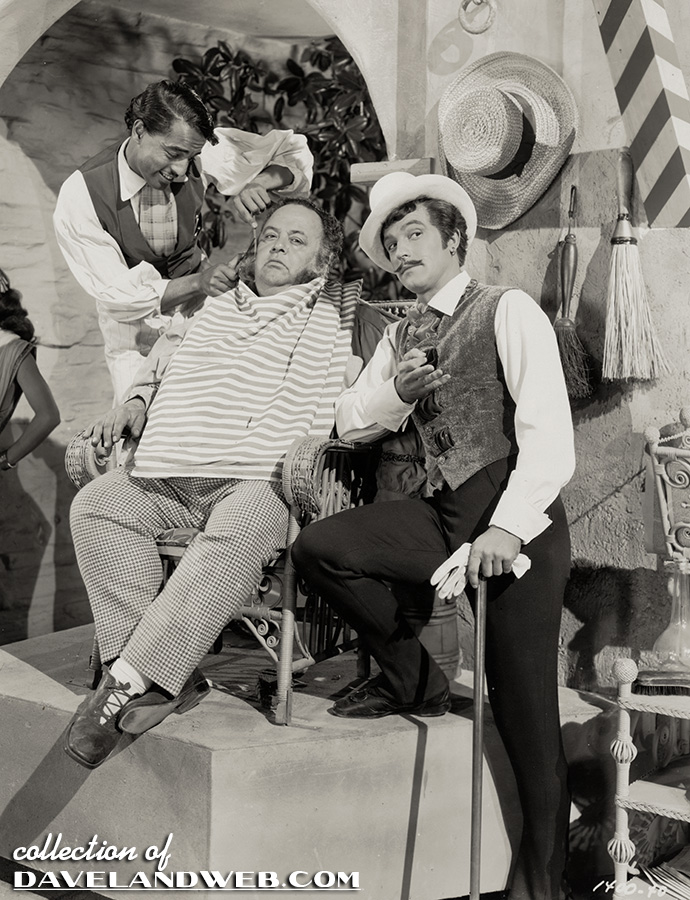
One of the questioned stories in the Anger history concerns the 1935 movie, “A Midsummer’s Night Dream.” Anger claimed in Hollywood Babylon II (1984) that he played the Changeling Prince. Sources say Warner Bros Studio archives document that a girl called Sheila Brown played the role and not seven-year-old Kenneth. The shot above shows the actor/actress in question; you be the judge.

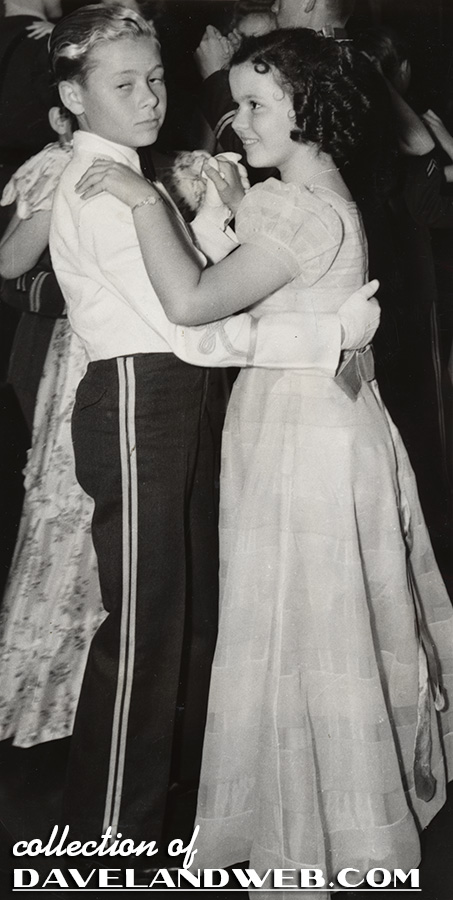
Depending upon which Anger story you read, he once attended a Santa Monica Cotillion and met/danced with Shirley Temple…or was it that he attended dance school with Shirley Temple? Hero Magazine writes it this way:

A few years later [after “Midsummer’s”] he found himself partnered in a dance class with fading child star Shirley Temple.

Shirley DID attend a number of cotillions in her early teens after her child star years were over, so it’s possible. This is another one of those things that would be difficult to substantiate. And isn’t that part of the fun?


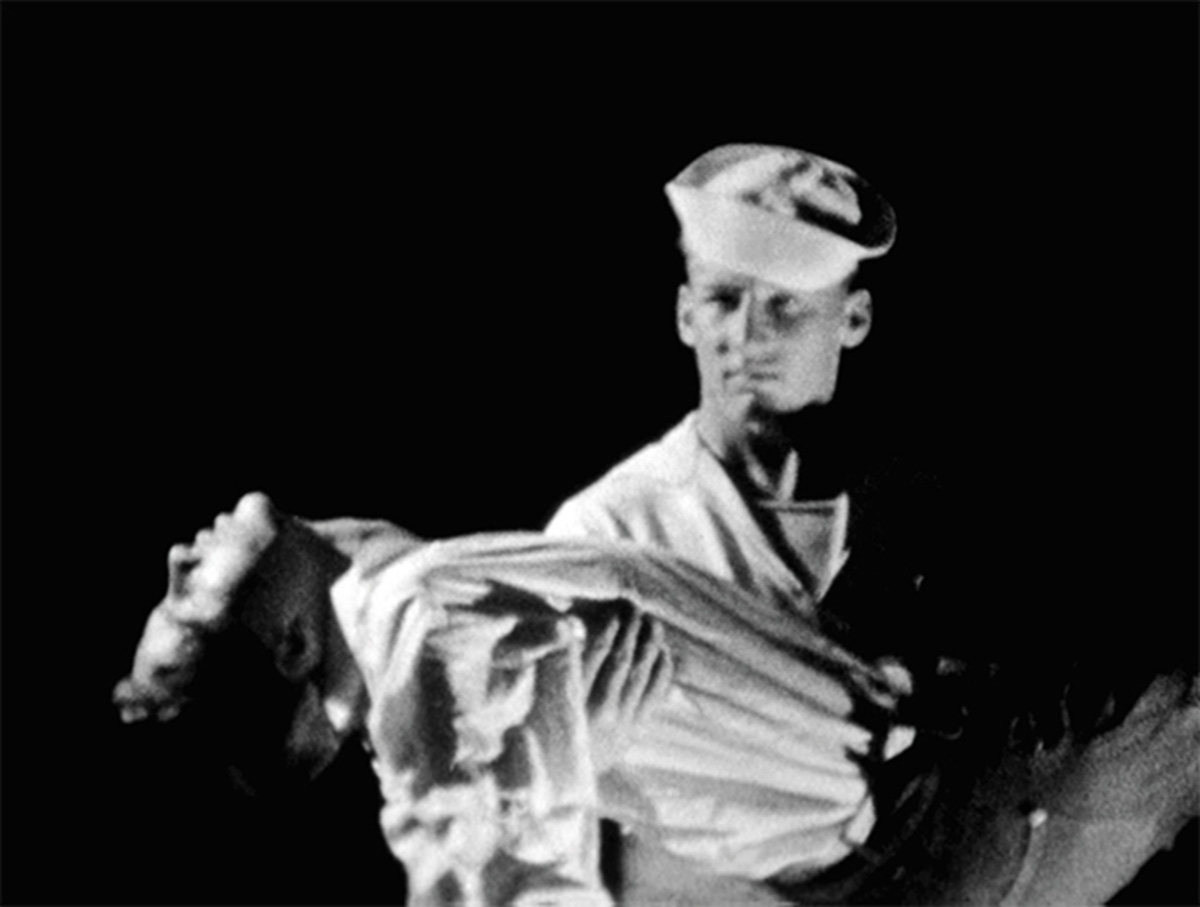
In 1947, Anger made his first film, “Fireworks,” a homoerotic experimental short that was filmed in his parents’ Beverly Hills home during a long weekend that they were away. Or, if you prefer to believe Kenneth’s older brother, Bob, it was shot at a Hollywood Hills home. Anger had this to say about the short: “This flick is all I have to say about being seventeen, the United States Navy, American Christmas, and the Fourth of July.” His inspiration came from the Zoot Suit Riots that took place in 1943, where the future filmmaker witnessed a group of sailors attacking some Mexican men. “Fireworks” was privately screened before its 1947 public premiere at the Coronet Theatre in Los Angeles.


Coincidentally, one of those screenings occurred at the Beverly Hills home of MGM dancing/singing/acting star, Gene Kelly.


From Betsy Blair’s (Kelly’s first wife) memoir, The Memory of All That:

Gene had a letter from San Francisco, from another young filmmaker, Kenneth Anger. He was invited to supper and to bring his film on a particular Sunday. He arrived in an overcoat with the reels under his arm, straight from the ten-hour bus ride to LA. He was small and thin with a sensitive face and a kind of forest-animal shyness. You felt he might jump if you touched him. After coffee we settled down to watch “Fireworks.” I don’t know how he happened to write to Gene. I do know that none of us had any idea what we were about to see. “Fireworks” is now a famous film, but then it was an amazing shock. Instead of our usual Lillian Gish or Carole Lombard movie, we watched in stunned silence this fascinating surreal homoerotic essay on film. Occasionally there was an audible gasp, but at the end there was an awkward moment of silence. Gene leapt to the rescue, put his arm around Kenneth Angers shoulders, and took him into the study, where he congratulated and thanked him. Stanley [Donen] put the film back in its cans, and when they came out we had all collected ourselves enough to be polite. Kenneth Anger took his film, shook Gene’s hand, and left. As soon as the door closed behind him, there was shrieking and hysterical giggling at the memory of the cascades of candle sparks erupting from the sailor’s crotch. It was actually rather callous and childish behavior, but we were in a state of astonishment. And then, there in the hallway within earshot and with a clear view of us, was Kennth Anger. He had come back for his forgotten overcoat. He knocked, but no one heard above the din, and the door was unlocked as always. He made a dignified exit with a gallant little backward wave of his hand. We were chastened. We didn’t need a lecture from Gene this time. I’ve always wondered how Kenneth Anger would describe that evening.


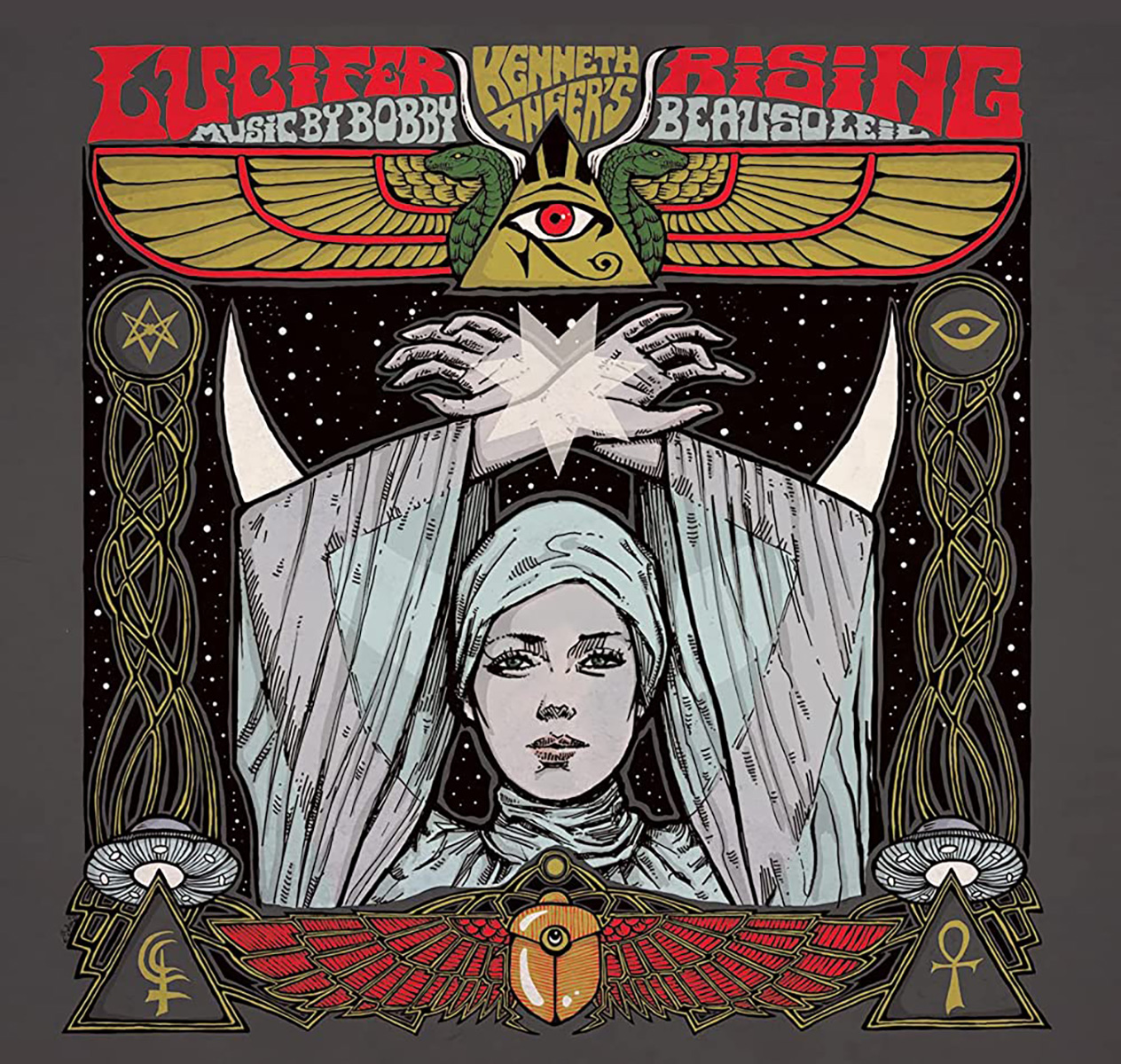
One of the other Anger tidbits is his connection to Bobby Beausoleil, who was part of the Charles Manson gang and remains incarcerated to this day. Beausoleil completed the soundtrack for “Lucifer Rising” in 1979 while in prison with his fellow bandmates known as The Freedom Orchestra. Catchy, huh?

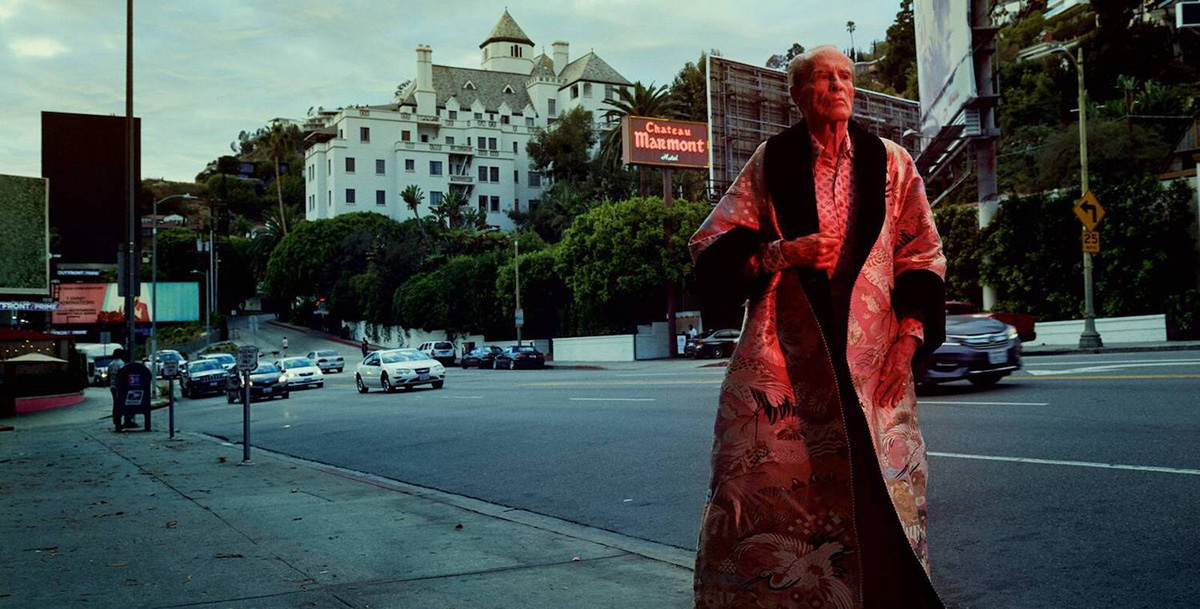
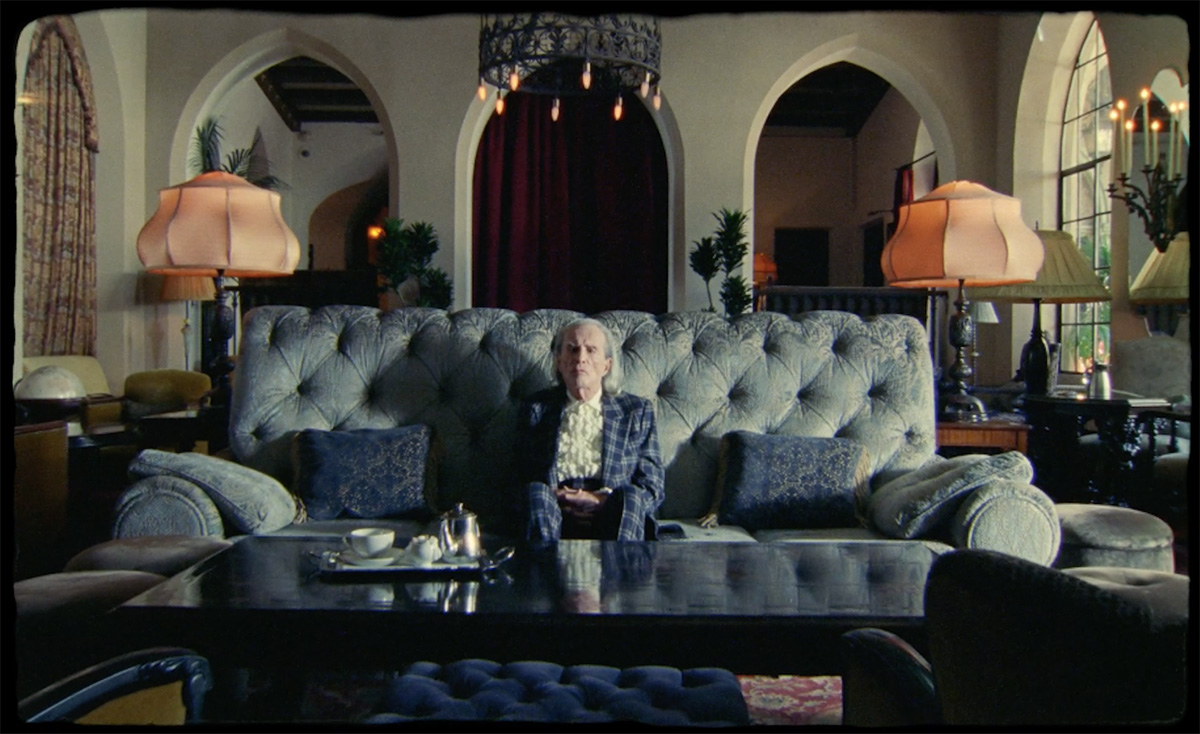
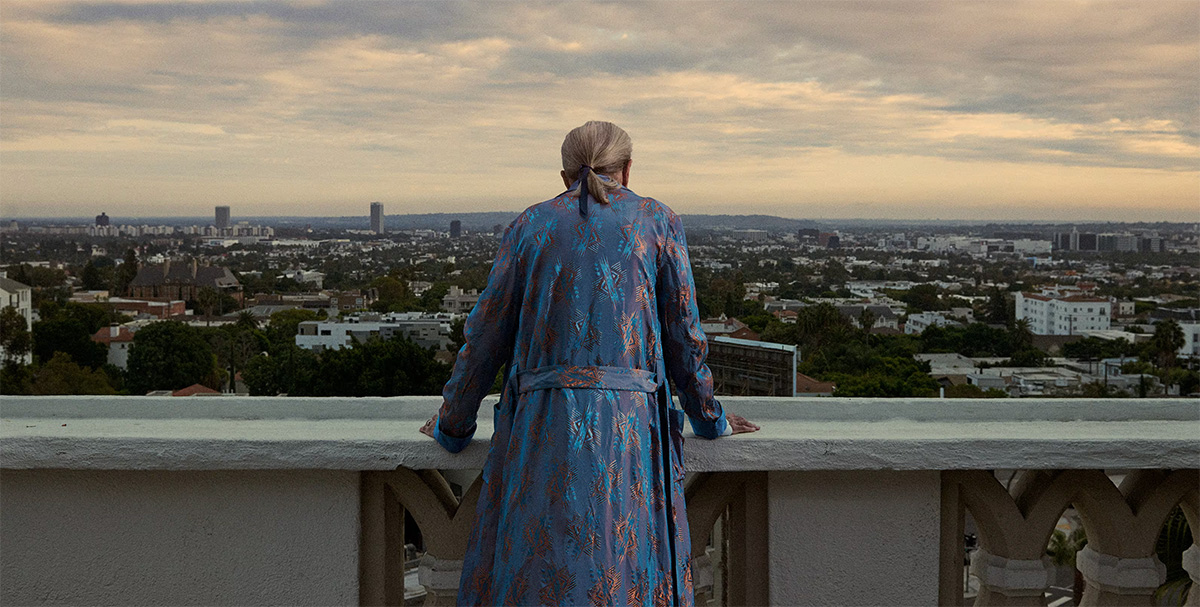
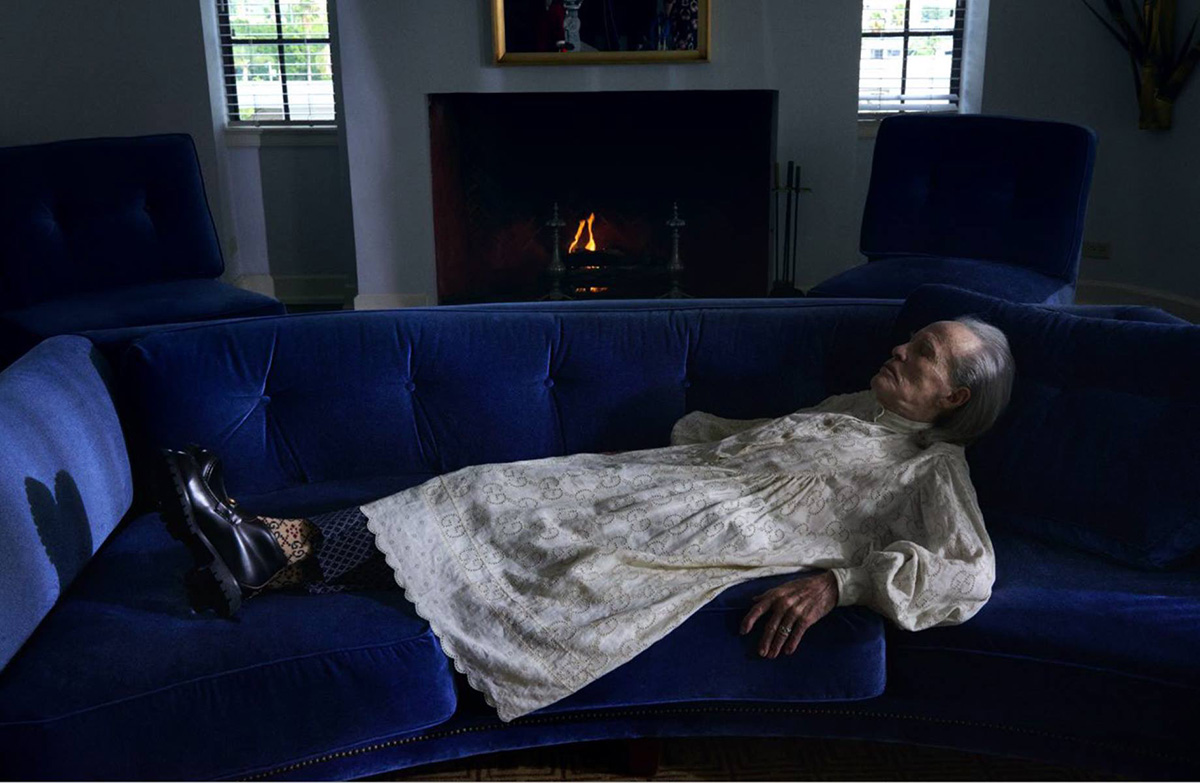
Anger was last on my radar when he was photographed wearing pieces from the 2019 Gucci Cruise collection at the Chateau Marmont.


Filmed over 72 hours by director Floria Sigismondi, the mini documentary was commissioned by System magazine as part of Fashion Film Festival Milano. The film won two awards at the 2019 festival: Best Fashion Film and Best Editing. In the film, Anger discusses what made his book Hollywood Babylon so popular as well as his reputation of being on the fringe:

It’s a human weakness or failing that we enjoy other people’s misfortunes…some people do, but I don’t. There’s a general thing to see the mighty taken down a notch or two.…I’ve always remained outside of the industry; I’m someone on the sidelines. That’s where I’m comfortable being…on the sidelines. I’m an independent artist and I guess I represent a spirit of rebellion. In other words, I’m still optimistic about what life has as an adventure, as a challenge, and I continue to seek my way. The past was interesting, but so is the present and the future, and so it’s a long highway and you have to be part of the moving highway.


In a 2010 interview,  Anger said that he had finished Hollywood Babylon III but was not ready to publish it:

The main reason I didn't bring it out was that I had a whole section on Tom Cruise and the Scientologists. I'm not a friend of the Scientologists.

Here’s the award winning short showing Anger at the Chateau Marmont:


R.I.P., Kenneth Anger.


See more photos at my main website.
Monday, April 11, 2022

What A Glorious Feeling!


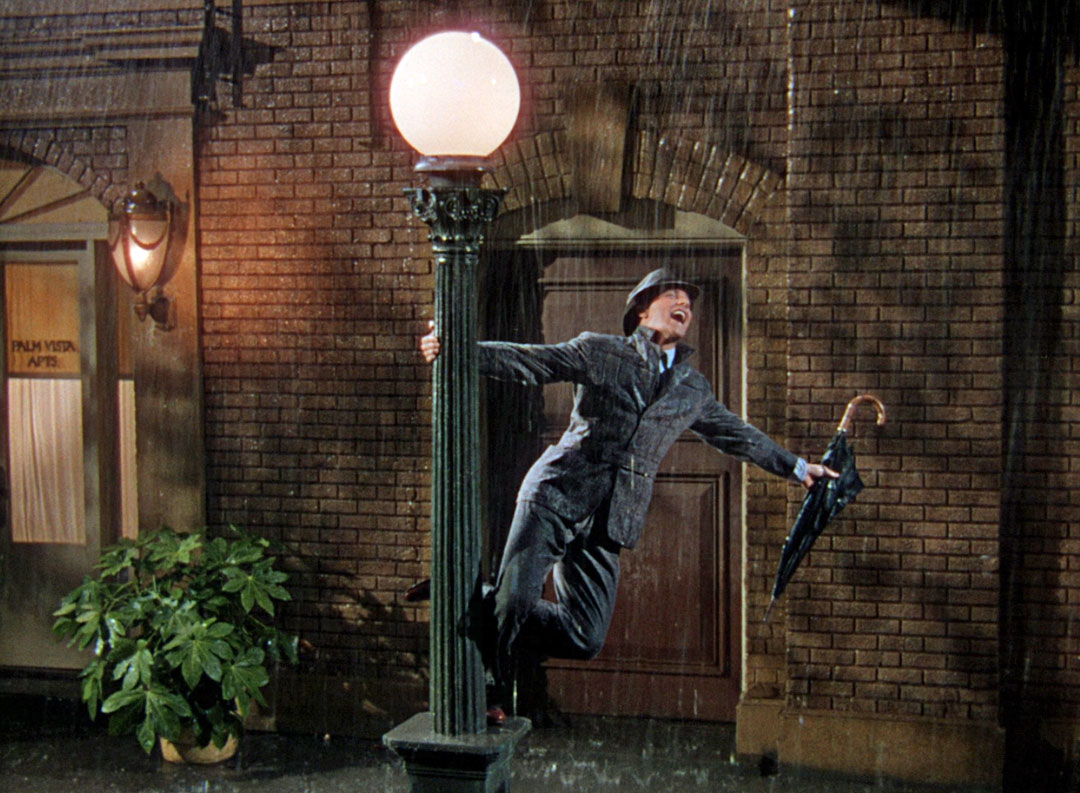
On March 27, 1952, MGM hosted the premiere for “Singin’ in the Rain” at Radio City Music Hall in New York. Seventy years later, it is still hailed as one of the most perfect movie musicals of all-time. Today’s post celebrates the Technicolor triumph that boasted the perfect cast, memorable songs, and a well-written script that balanced comedy, satire, history, romance, and dramatic tension.


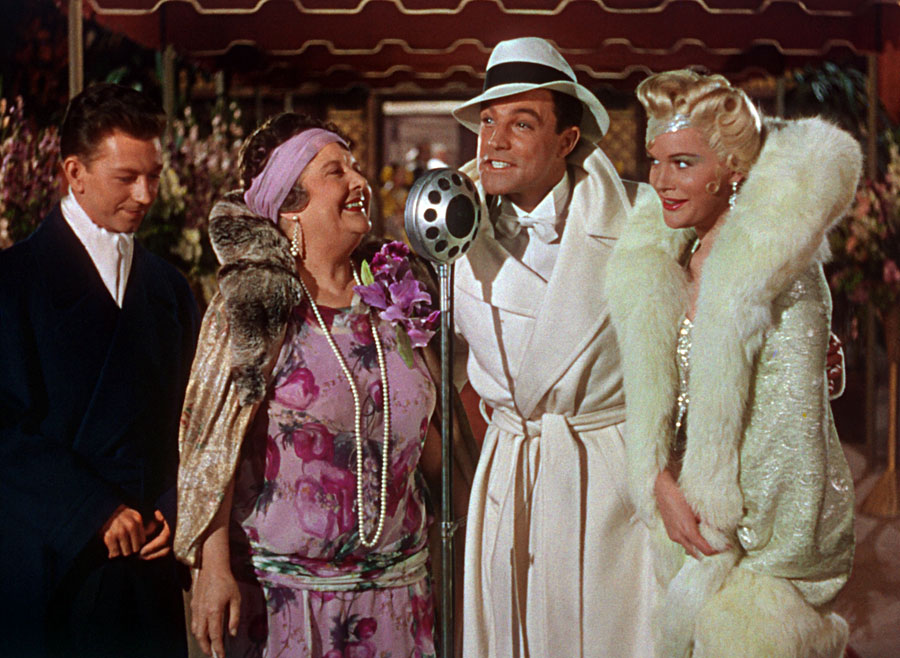
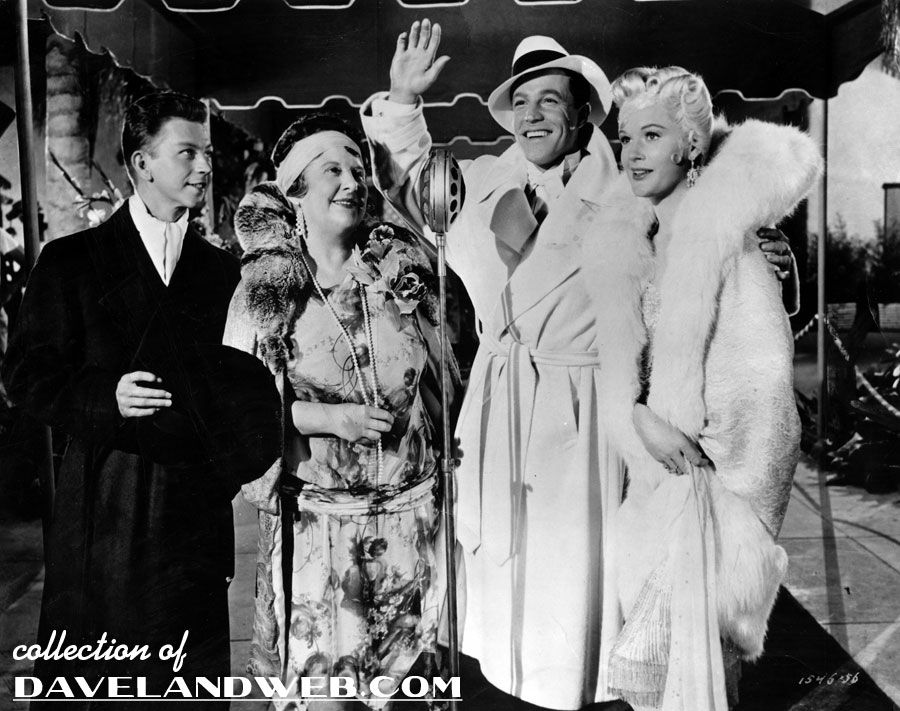
Madge Blake (Aunt Harriet in the “Batman” (1966) TV series), as gossip columnist Dora Bailey, breathlessly begins the movie introducing “The Royal Rascal” premiere at Grauman’s Chinese Theatre. Well, MGM’s version of the famed theatre at least! Don Lockwood (Gene Kelly) & Lina Lamont (Jean Hagen) wave to their adoring fans, as Don’s lifelong friend Cosmo Brown (Donald O’Connor) stands to the side.


After the thunderous applause from the crowd dies down, Don thanks the audience for their kind reaction while obviously preventing Lina from getting a word in edgewise. When Lina’s voice is finally revealed, we realize the reason: her shrill shrieking is a far cry from the dulcet tones her fans believe that she possesses. Fortunately for her, the movies are still silent!


In this deleted scene, Kathy Selden (Debbie Reynolds) tells the other chorines about her recent chance encounter with movie star Don Lockwood. Little does she know that the cake she is about to burst out of is for Don, who she berated for being nothing more than a ham. Oops.


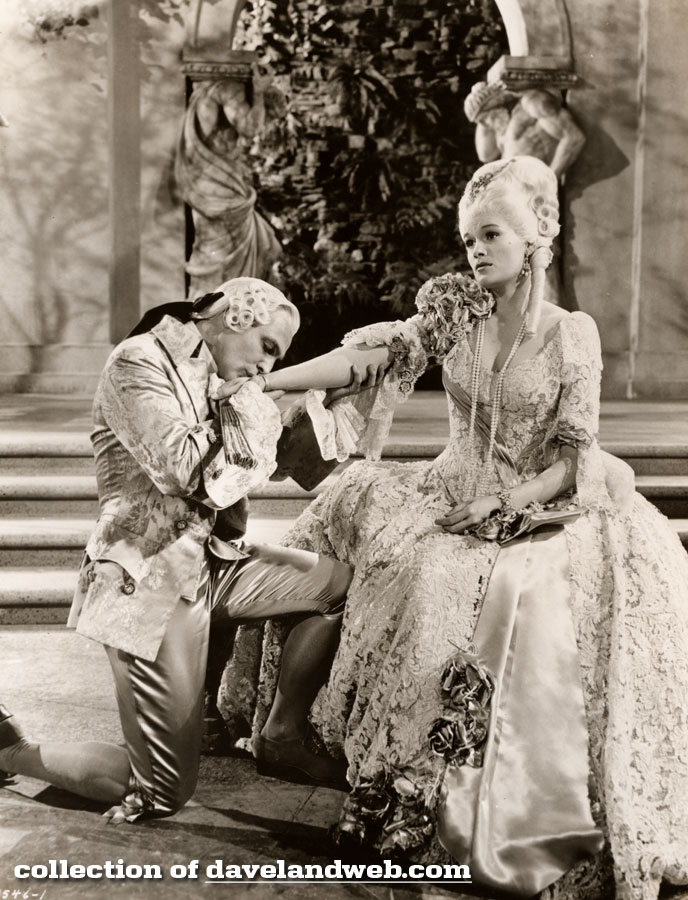
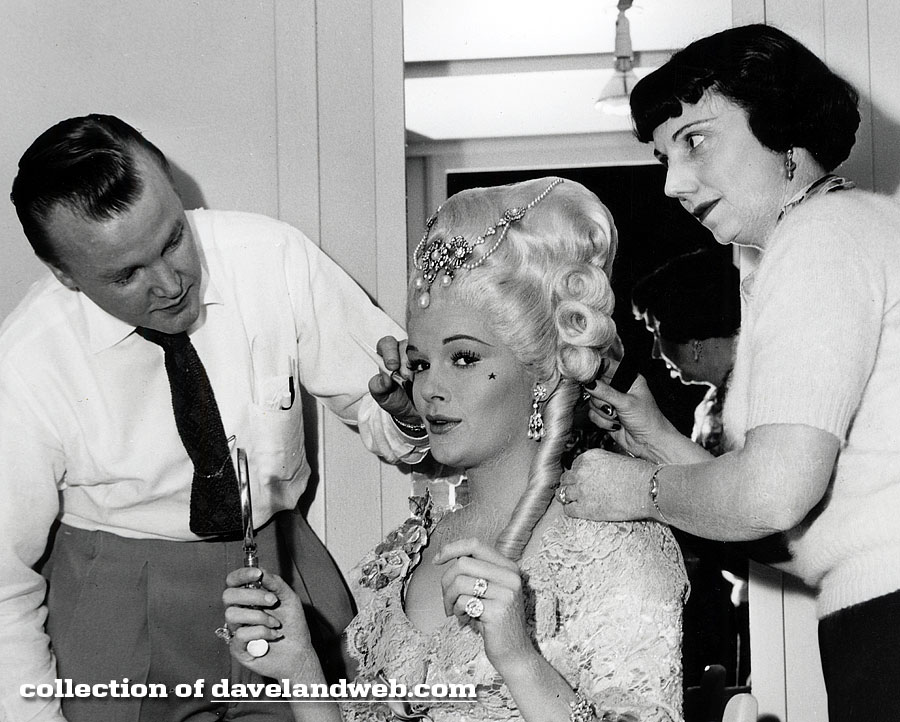
In this behind-the-scenes shot, Jean Hagen is doted on by the MGM beauty factory to play her role-within-a-role as an 18th century aristocrat for “The Dueling Cavalier.”


Don and Lina portray lovers in their next film, “The Dueling Cavalier.” Does the love affair spill over into “real life” for Don and Lina? After their passionate screen kiss, Lina says, “Oh, Donnie - you couldn’t kiss me like that and not mean it just a teensy-weensy bit!”  Her costar quickly corrects her, “I’d rather kiss a tarantula!”


Don finally tracks down Kathy, who garnered a bit part in a movie at Monumental Pictures. R.F. Simpson (Millard Mitchell), the head of the studio where Don also works, is seen at left.


When “The Dueling Cavalier” flops in previews because of Lina’s voice, Cosmo has the brilliant idea of having her voice dubbed. Kathy gets the kiss though!


In one of the greatest tap duets, Cosmo & Don dance circles around the studio diction coach (Bobby Watson) to “Moses Supposes.”


Lina discovers that Kathy is going to dub her voice. Because she is still a bigger star, she arranges for Kathy’s credit to be removed and blackmails the studio head to continue to have the young girl relegated to only dubbing her voice. What a rotten…


Don and Cosmo give Lina her comeuppance at the movie premiere, and Kathy is restored to a budding film career as well as a romance with Don. Debbie Reynolds later admitted that the tears she shed in the final scene were from glycerine. After that, she was able to do it on her own!


See more “Singin’ in the Rain” photos at my main website.
Thursday, February 03, 2022

Judy Garland and The San Diego Rabbit Hole


One of my very favorite Judy Garland dance numbers is “When The Midnight Choo Choo Leaves For Alabam” with Fred Astaire from Easter Parade. She matches the master step for step, and her joy and exuberance during the entire dance keep your eyes focused on her, not Astaire.


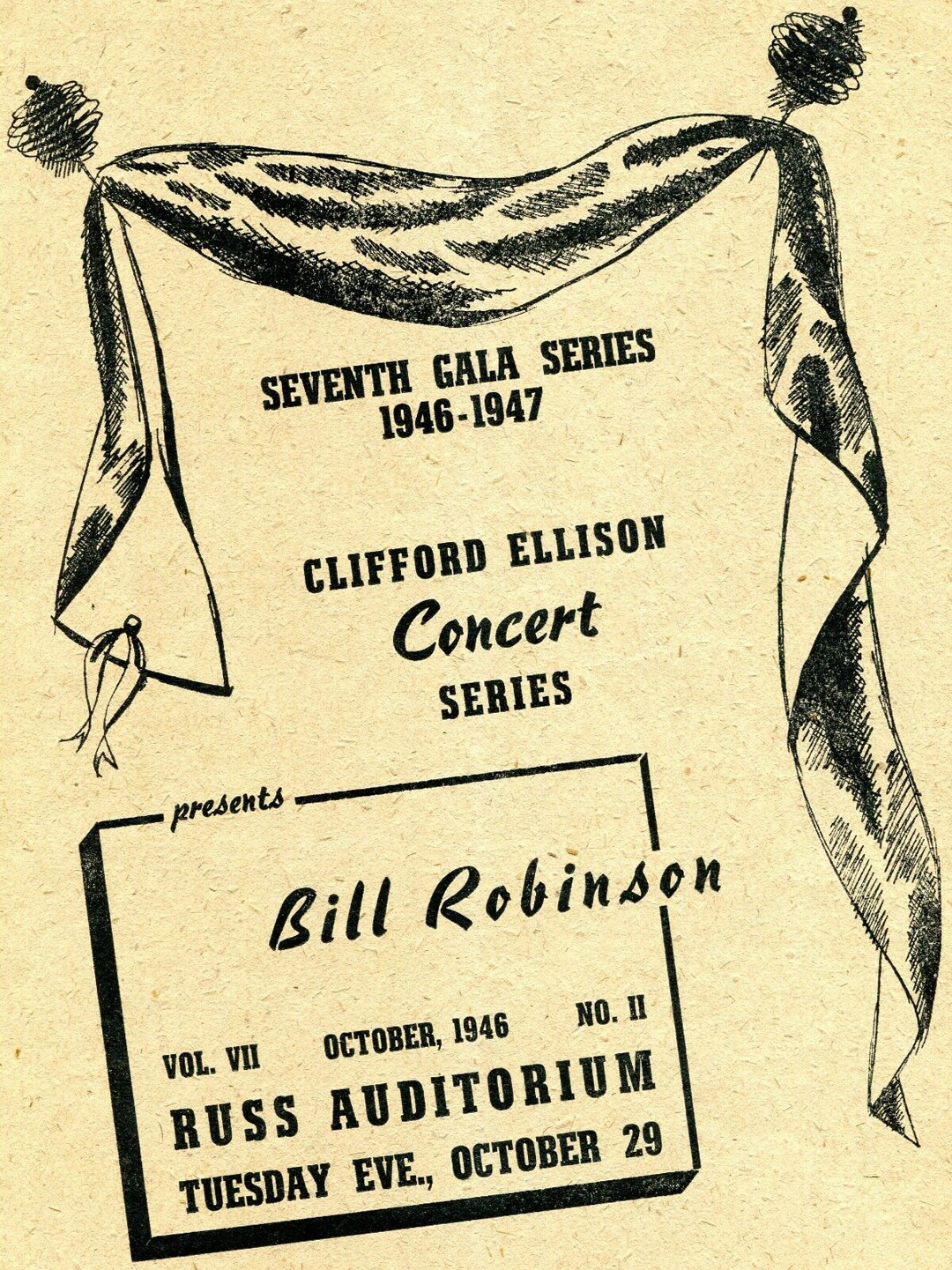
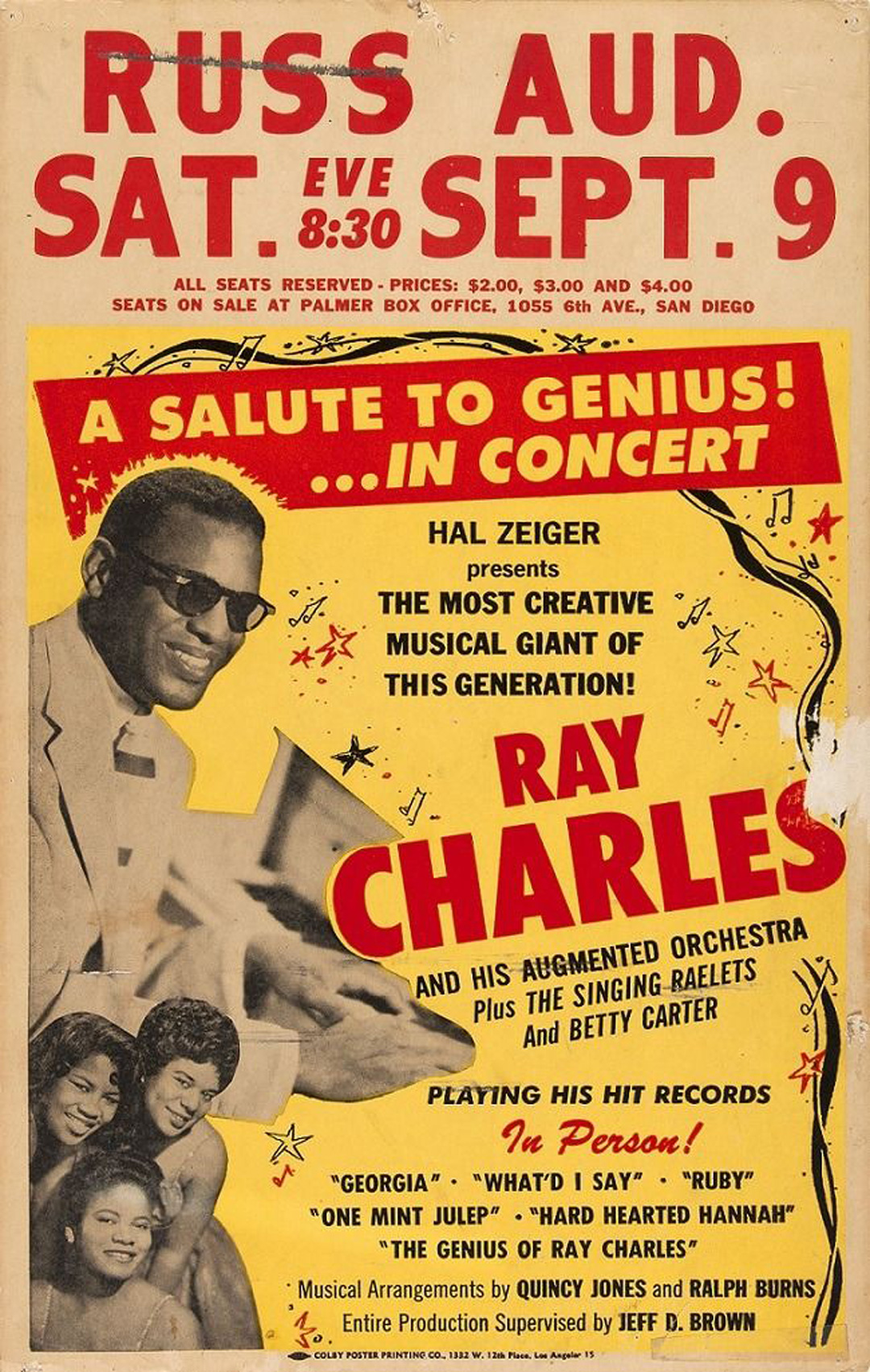
I recall reading many years ago that actor/dancer Bobby Van (part of Garland’s 1958 Town and Country Club engagement) had told Judy that “Alabam” was one of his favorite numbers. Garland proceeded to perform the intricate number without skipping a beat, even though the film had been made over ten years before. I attempted to find the story and looked through all my Garland books (I do have a few!) and could not locate it. I hate when that happens! I couldn’t find the anecdote online, either, but in searching for it, I discovered something else. Garland performed in San Diego July 8-9, 1955 at the Russ Auditorium, located inside the old San Diego High School. Sadly, the building no longer exists. I hate when that happens, too!

Naturally, I went down a rabbit hole, wanting to know more about the Russ Auditorium. In doing so, I found this clip (no sound) showing Judy in rehearsal:


A program for Bill Robinson’s 1946 performance at the Russ:


Ray Charles:


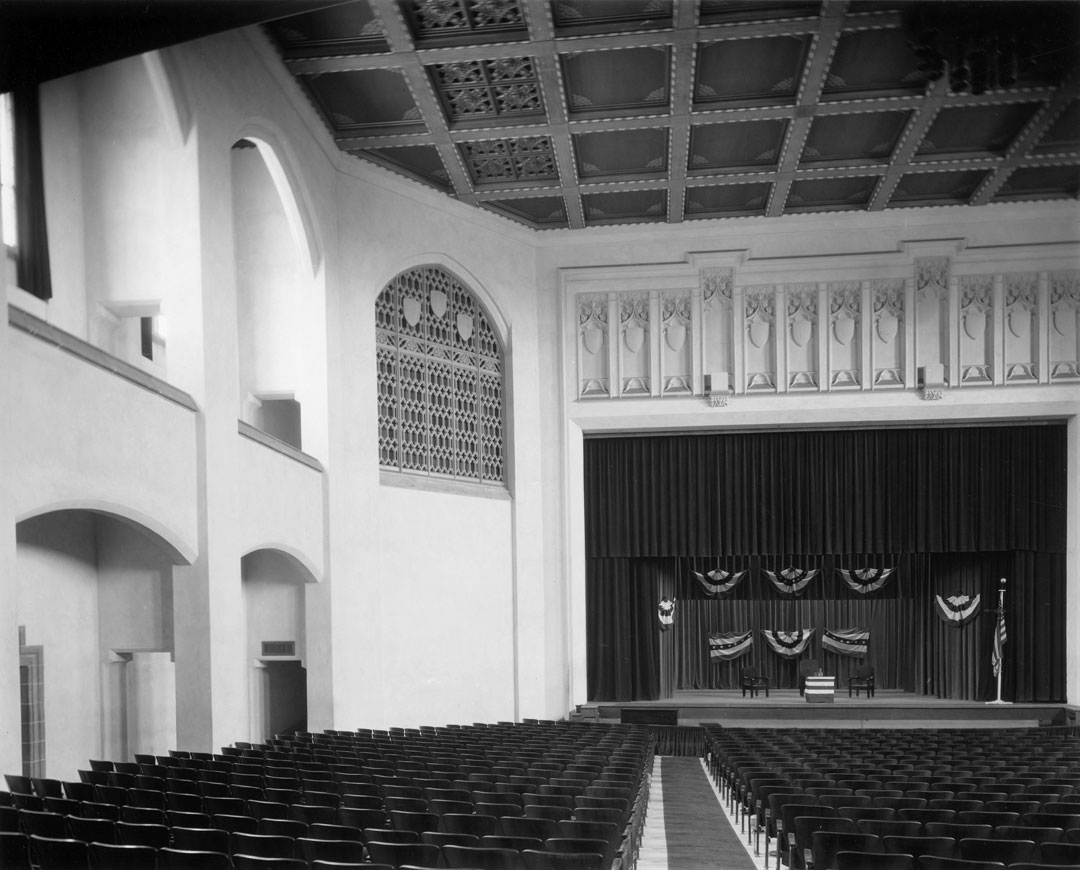
Here’s what the auditorium looked like:


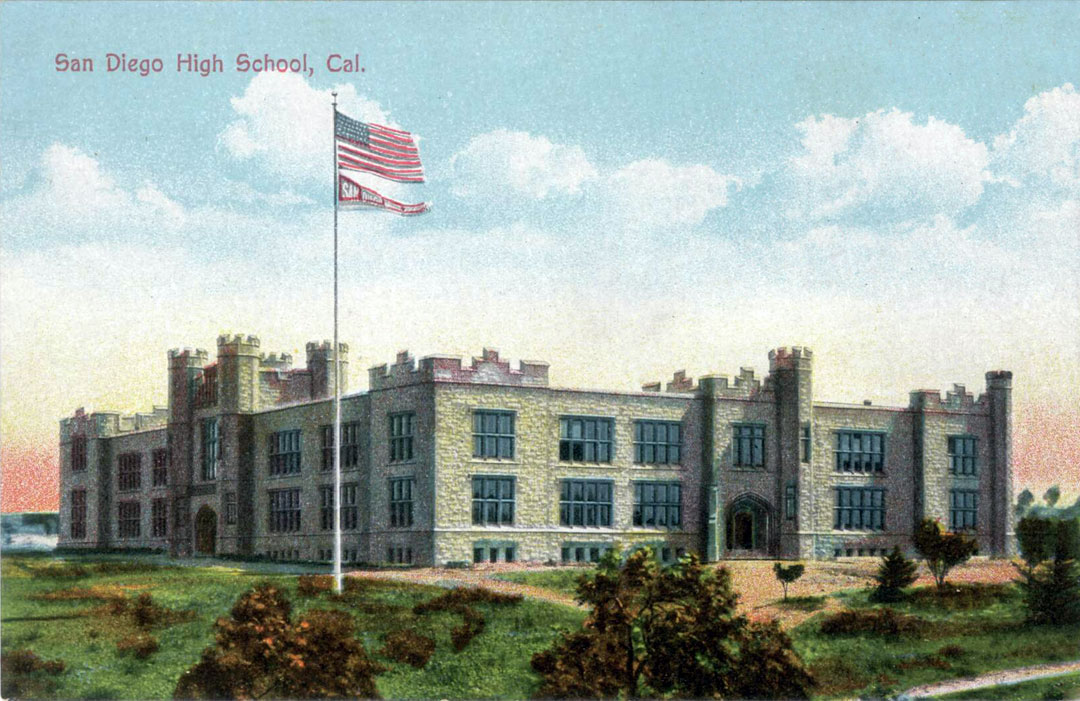
The exterior of the old San Diego High School, affectionately known as “The Old Gray Castle”:


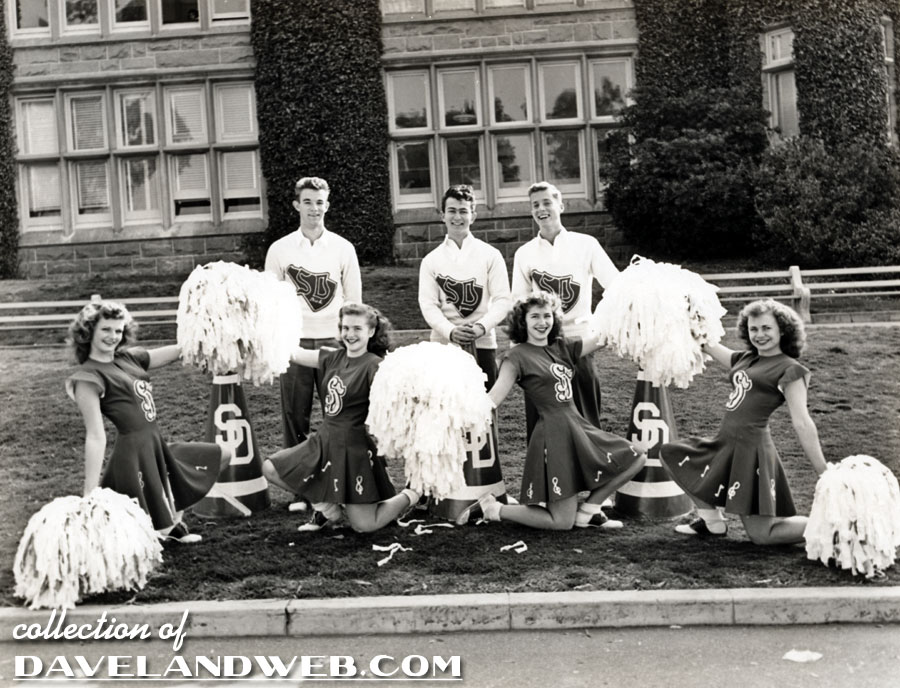
A 1949 photo of my Dad in front of the High School when he was part of the cheerleading squad. Anyone able to figure out which one he is?


Thanks for the rabbit hole, Judy!

UPDATE! Judy expert supreme John Fricke was kind enough to have this info forwarded to me. Apparently my memory is on the fritz; it was Ken Berry, not Bobby Van, who was taught “Alabam” by Judy:

[Ken Berry] shyly approached Judy at a party circa 1963 (after one of the Billy Barnes revues in which he performed and of which she was a fan). He told her how much he loved that “Easter Parade” routine — and how, once a year on Easter, he’d watch the film on TV. Each time, he said, he’d try to memorize a little more of it. Judy asked him if he wanted to learn it, got up from the conversational circle of people with whom they’d been talking, and (fifteen years after the fact) taught him the steps. Decades after that party, when Ken was working on the “Mama’s Family” TV series, there was an episode wherein Mama (Vicki Lawrence) organized a group of senior citizen women into a performing troupe. [The episode was called “Mama’s Girls” and originally aired on February 6, 1988] Their show grew out of meeting at a dance class, earlier in the program, where Vicki and Dorothy Van (playing Cousin Effie) spontaneously lead several others in a spirited “Midnight Choo Choo.” The vocal arrangement and choreography (credited in the show crawl to Ken Berry) was pretty much that of “Easter Parade”!

See more Judy Garland photos at my main website.
Sunday, August 03, 2014

Happy Birthday, Lina Lamont!


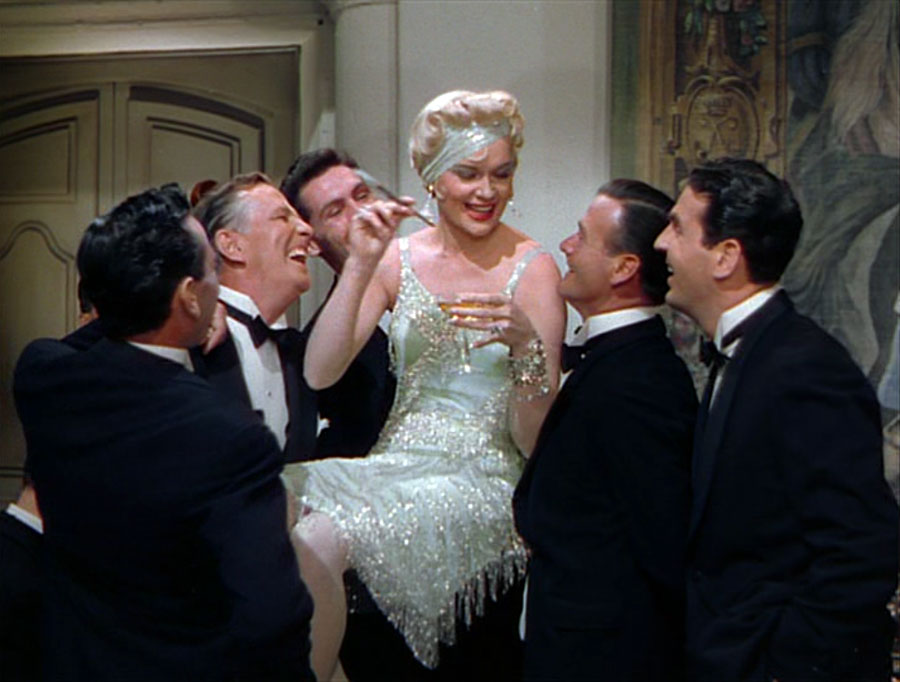
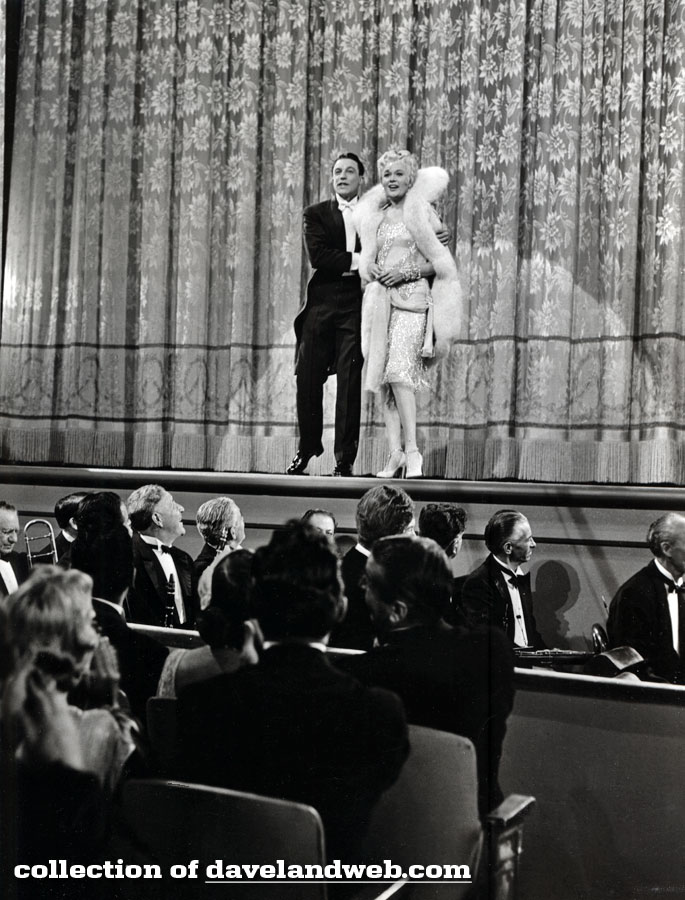
Today marks what would have been the 91st birthday of actress Jean Hagen. Her name may not be remembered today, but her most famous role, Lina Lamont in "Singin' in the Rain," still wows 'em! When we first meet Lina, we see a very glamorous platinum haired beauty, who seems both shy and demure…until she opens her mouth.


A behind-the-scenes shot of Hagen in makeup for the film; sure would love to know what's going through the mind of the assistant on the right of this image.


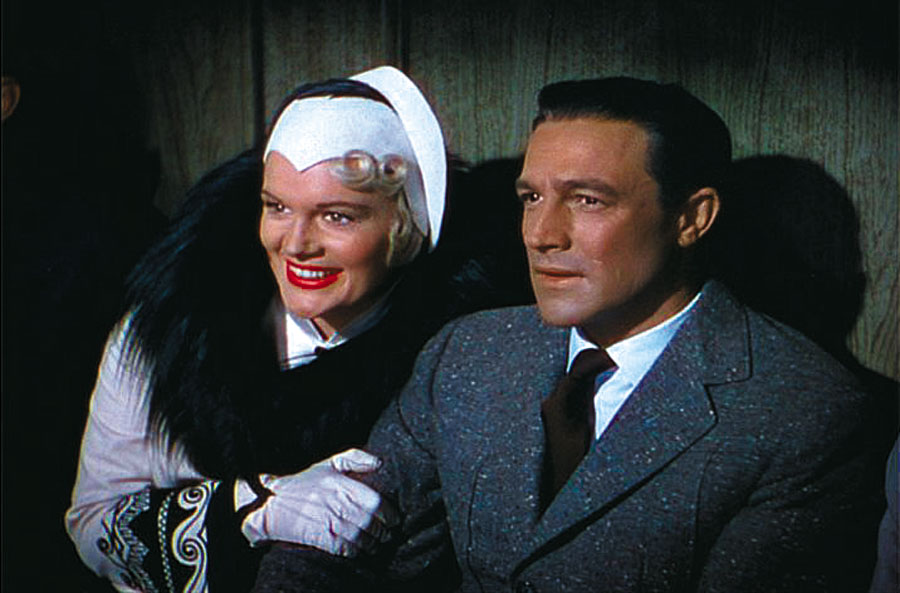
A publicity still showing the film within the film being shot with Gene Kelly and Jean.


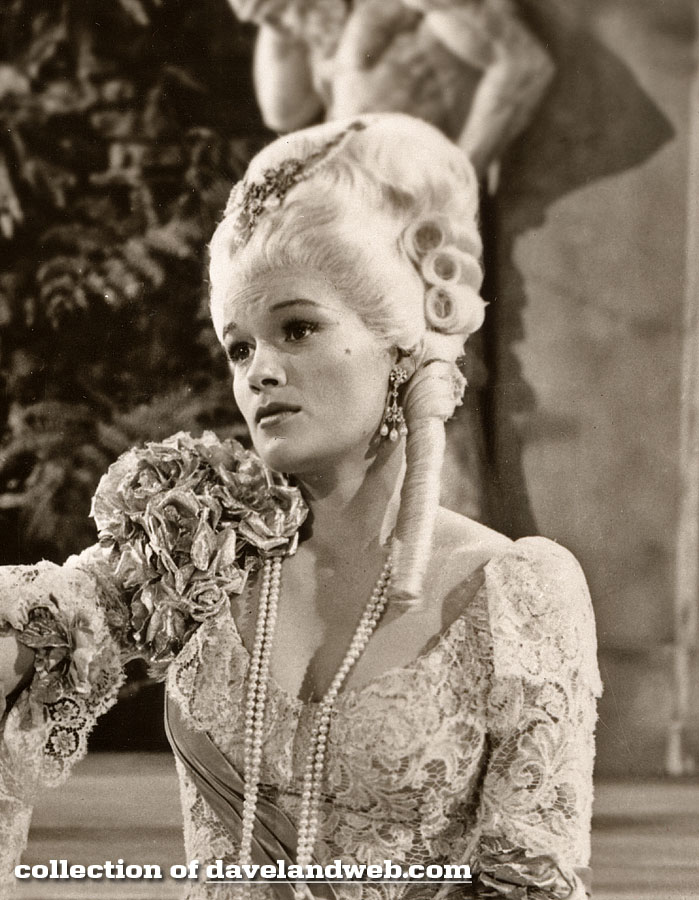
A closeup of the ginormous corsage on her dress that would eventually be used to hide the microphone when the silent film "The Dueling Cavalier" was to be converted to sound.


A clip of the classic scene where Lina meets with her diction coach (expertly played by Kathleen Freeman) in a vain attempt to improve her voice:


Oblivious to the shrill quality of her voice, Lina loves how she sounds in the premiere as the rest of the audience cringes.


Sadly, Hagen passed away from esophageal cancer at the young age of 54, without ever having any leading roles that allowed her talents to shine as much as they did in this 1952 classic.


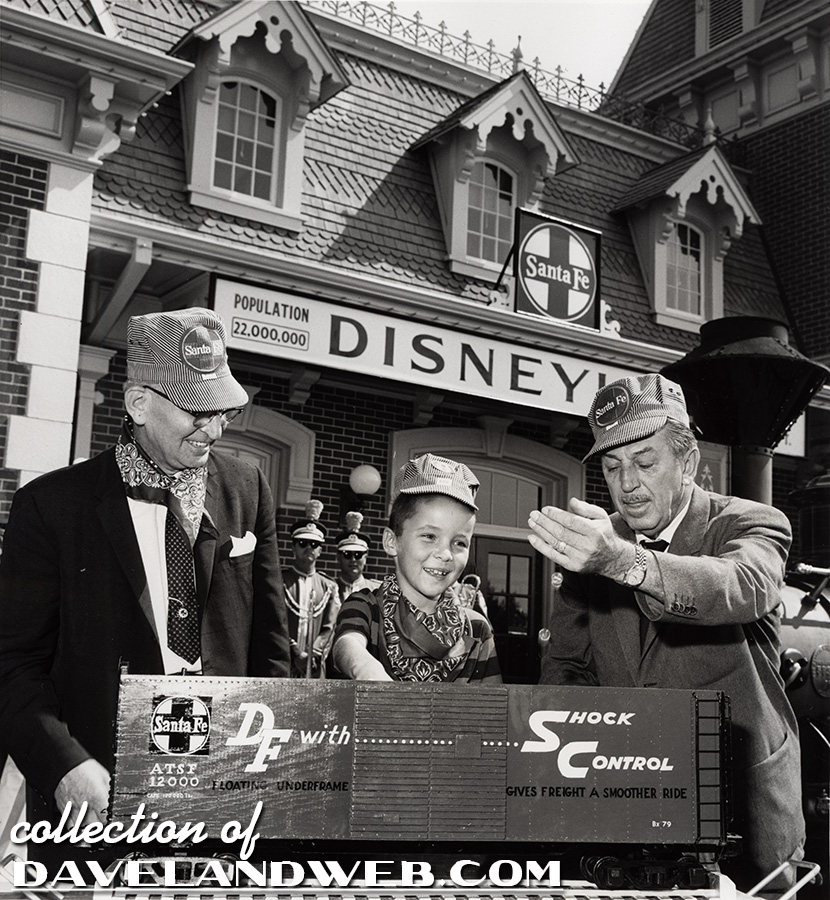
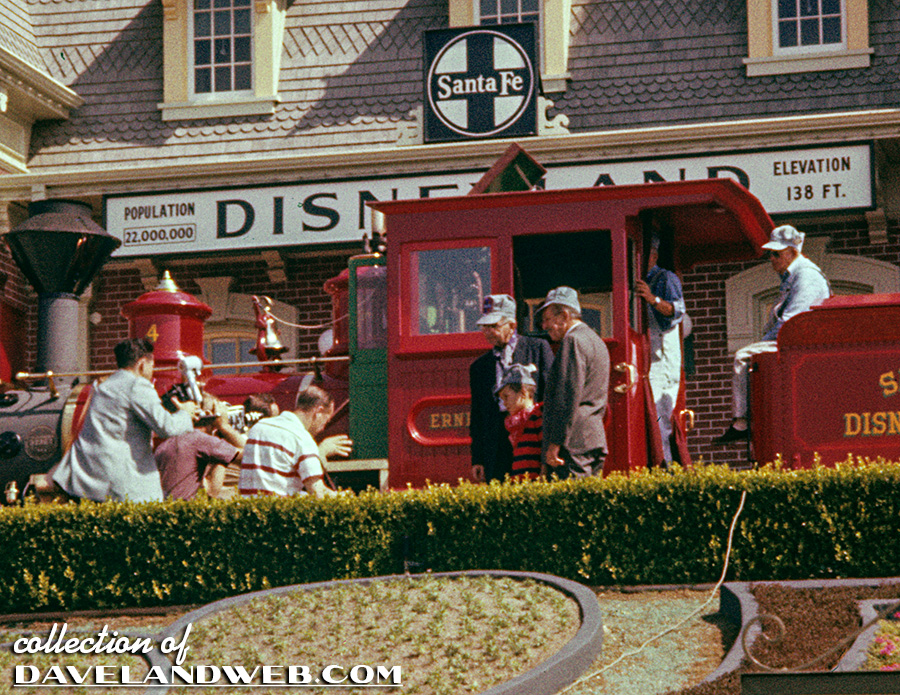
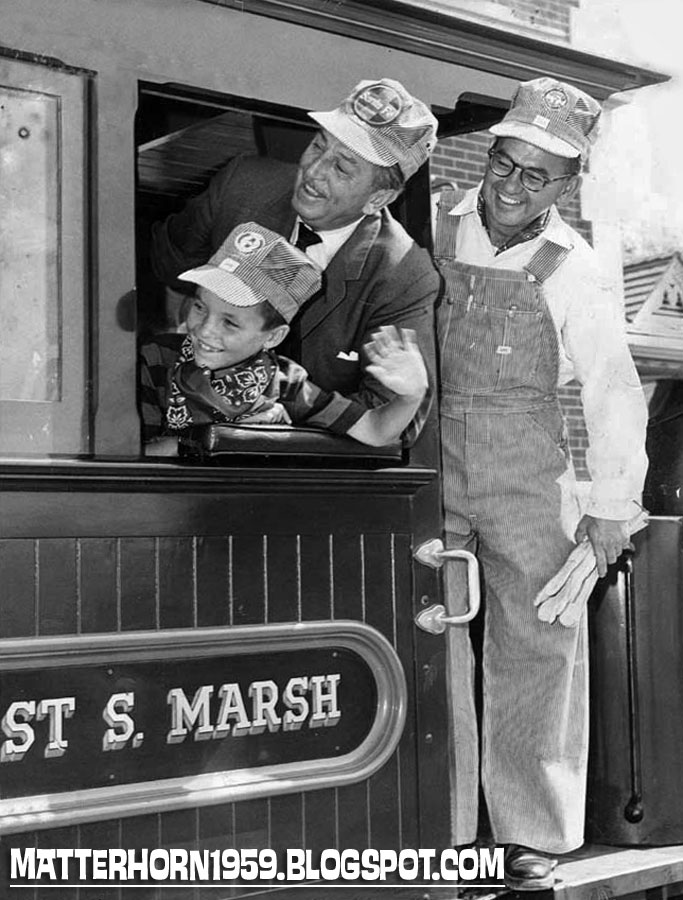
54 years ago today, Hawaii's own eight-year-old Raymond Sleeper became the 10-millionth Disneyland Railroad passenger. He took this historic ride with Walt Disney himself, as well as R.G. Rydin, Atchison, Topeka, & Santa Fe Executive Vice President. Walt is seen here sifting through the 10,000 pennies in a presentation boxcar that Raymond was awarded. I hope he invested it wisely!


A color shot from my collection of this momentous occasion:


From the original Disneyland photo history blog that started the whole durn thing here comes this shot that also shows Cast Member favorite Engineer Bill (Bill Stulla) aboard the Ernest S. Marsh:


Hope you are having a fantastic Sunday!

See more Daveland Movie photos at my main website.
Tuesday, April 08, 2014

Mickey and Judy: Together Again


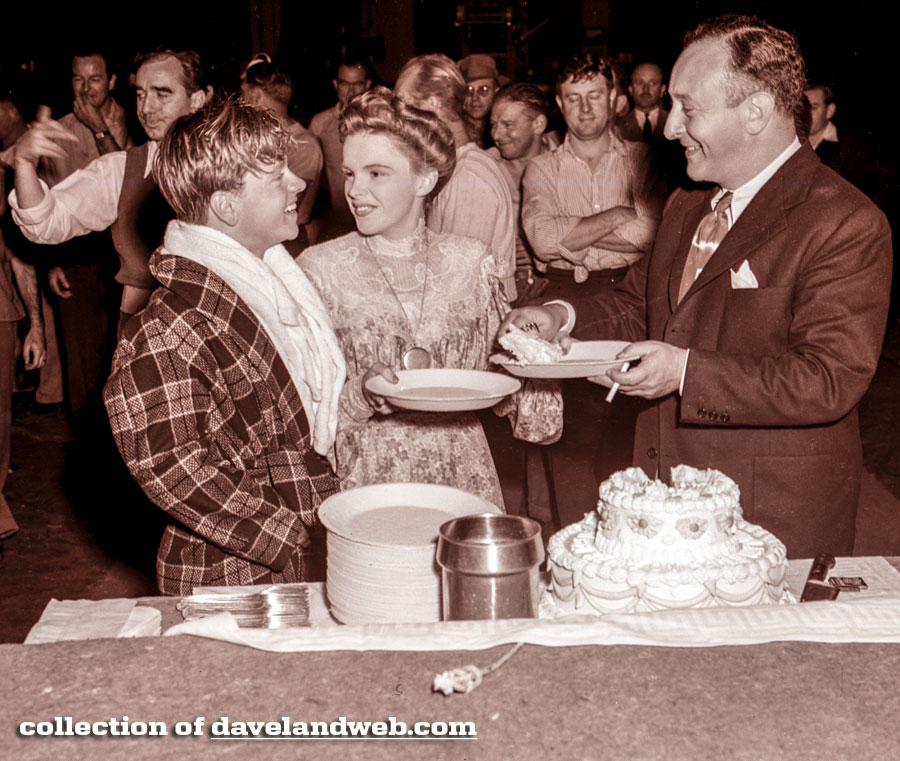
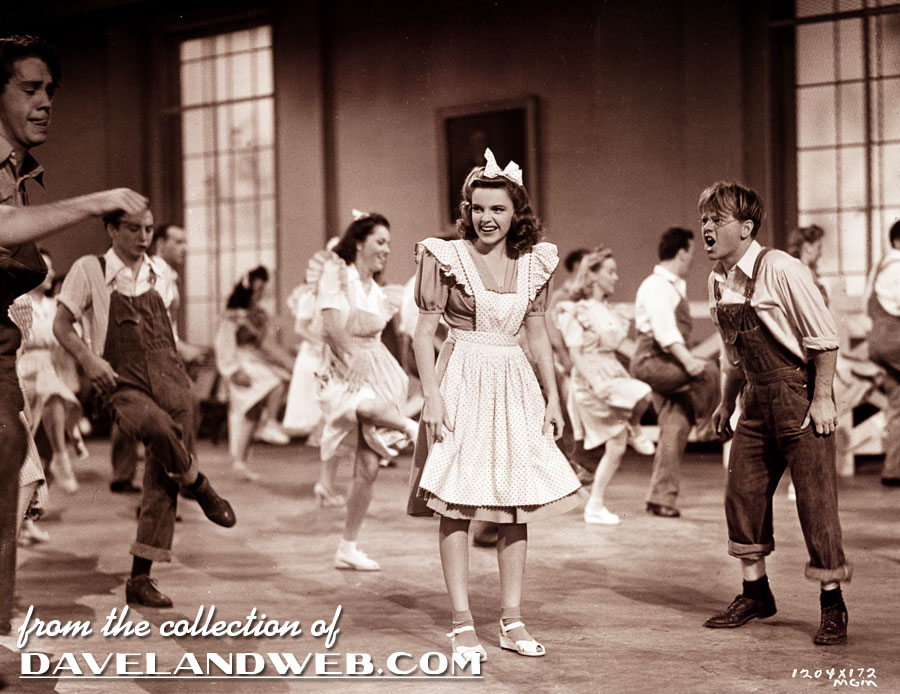
The legendary Mickey Rooney passed away on Saturday at the age of 93. When I told my mom about it, she said, "I didn't know he was still alive!" There are probably many today who have never heard of the versatile star who was awarded a special Juvenile Oscar in 1939 and was the biggest box-office draw in 1939, 1940, and 1941. Famous for portraying the title character in the MGM "Andy Hardy" film series, Rooney is most fondly remembered for a string of musicals he made with Judy Garland. Here the dynamic duo is shown celebrating a birthday on the set of "Strike Up The Band," with producer Arthur Freed dishing up the cake and director/choreographer Busby Berkeley on the left, looking annoyed that he had to stop filming for such frivolity!


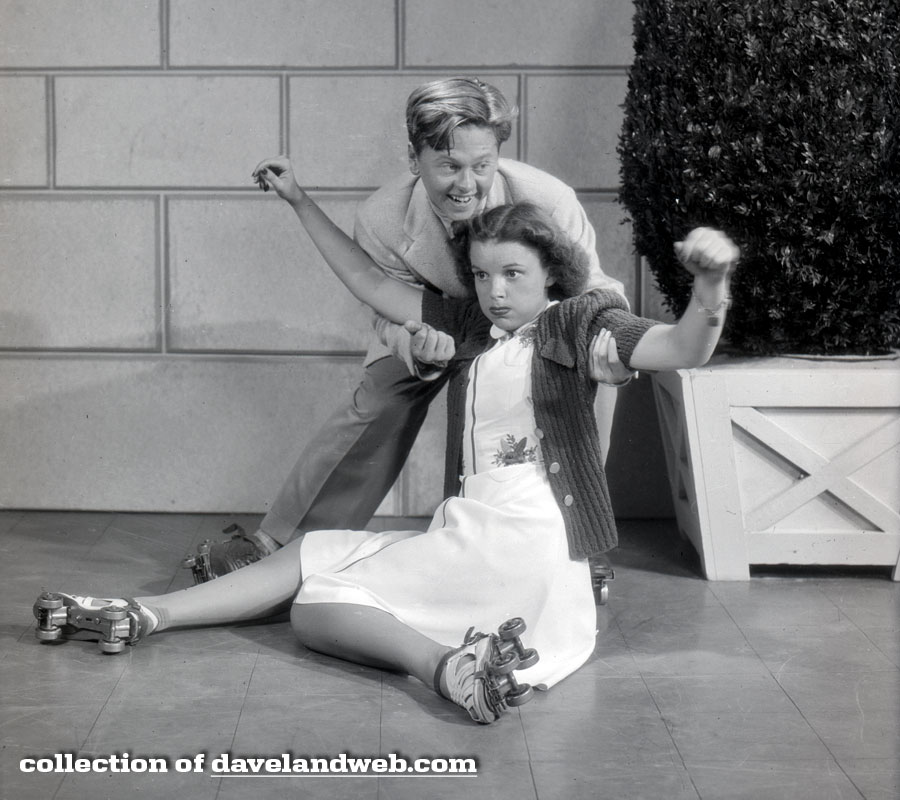
In most of their films, Judy's character was gaga for Mickey, but his only had eyes for the voluptuous bad girls. By the end of the film, his senses had cleared and the two were united with a very chaste kiss. Lots of songs and dances filled up the screen time beforehand and audiences of the 30s and 40s ate it up!


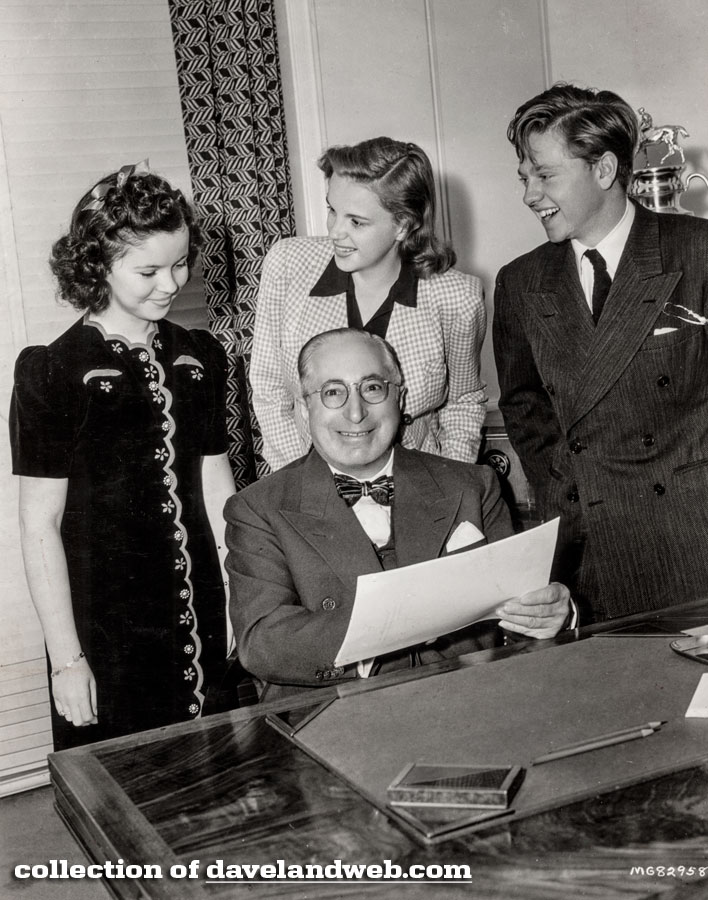
Judy and Mickey are shown welcoming Shirley Temple to Louis B. Mayer's stable of popular teens at MGM.


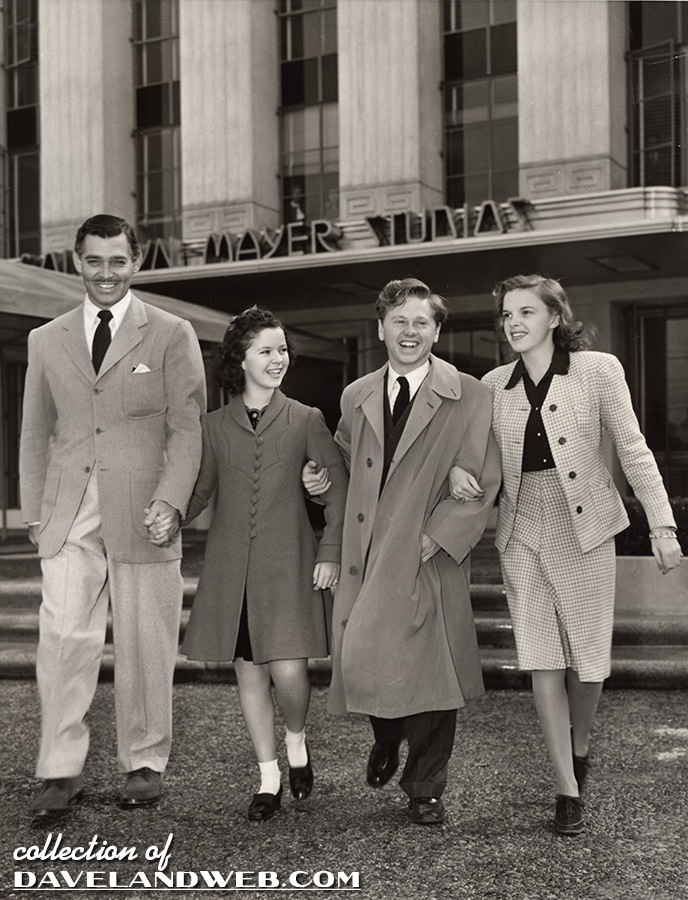
With Clark Gable joining in for the tour of the studio, this quartet looks unstoppable.


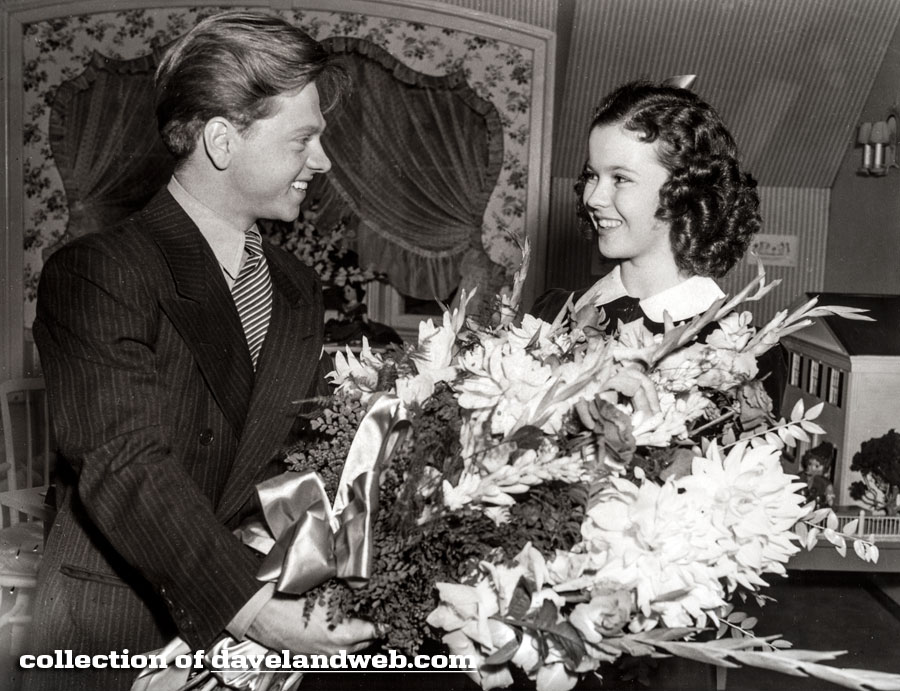
Mickey presents Shirley a bouquet for her first day of filming for her one and only MGM film, "Kathleen." The publicists hoped that Mickey's star would help rub off on Shirley, who had slipped a bit from her days as a curly-haired moppet.


By the late 1940's, Rooney's star had also descended. An intended re-pairing of Garland and Rooney for "Summer Stock" was switched to Garland and Gene Kelly, who the studio felt could bring in higher box office receipts for this lower budget musical.


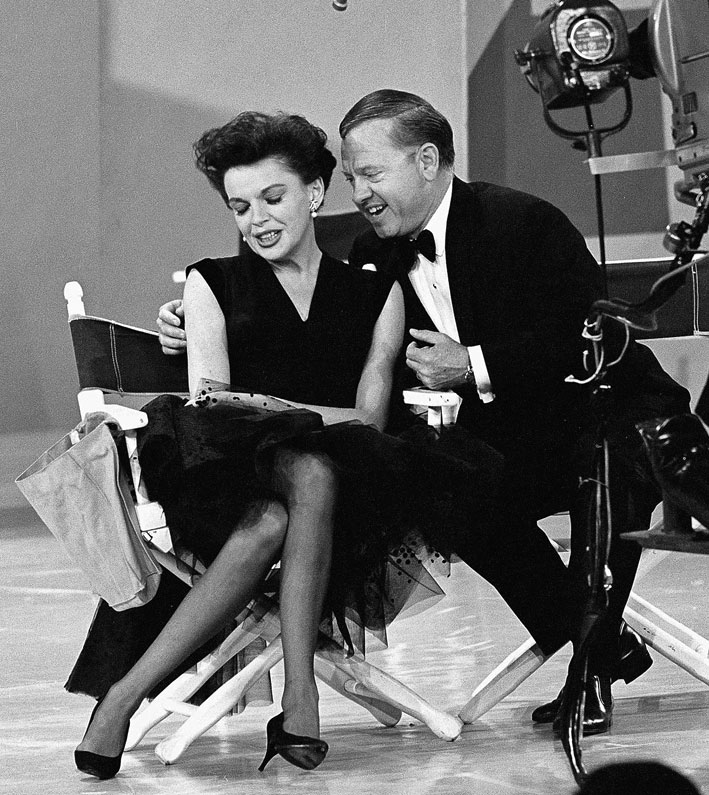
The last time the two performed together was on Garland's short-lived TV series, "The Judy Garland Show" (1963). It was pure nostalgia as the two reminisced and sang the song, "You're So Right for Me." Rooney was her first guest, and the stars came out in droves to watch the magic, including Lucille Ball, Clint Eastwood, Jack Benny, and Natalie Wood.


Here's the last musical sequence that Mickey and Judy filmed for MGM, "Words and Music" (1948).


I am sure the two are putting on one heckuva' show in Heaven!

See more Judy Garland photos on my main website.<