Showing posts with label harpo marx. Show all posts

Tuesday, May 25, 2021

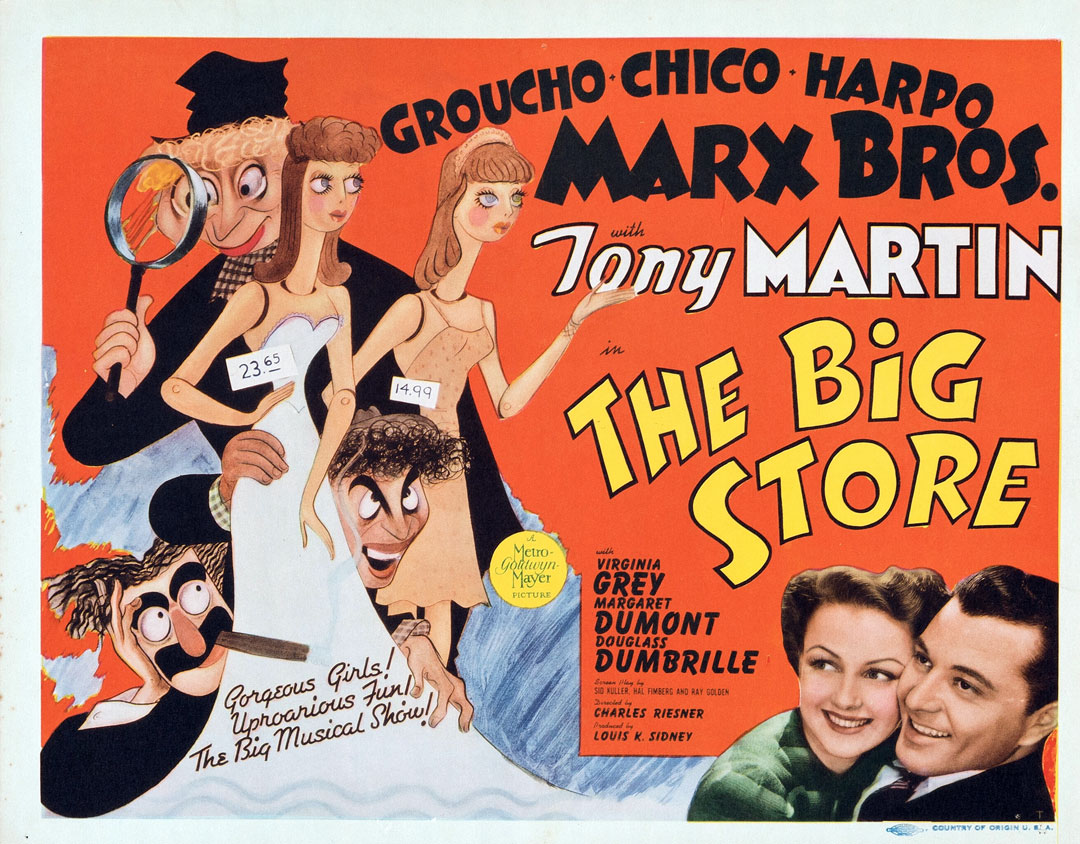
Temple Tuesday: The Marx Brothers and The Big Store


Although Shirley never starred in a movie with the Marx Brothers, she was very much connected to their final MGM film, “The Big Store,” released June 20, 1941. Crooner Tony Martin played the romantic lead:
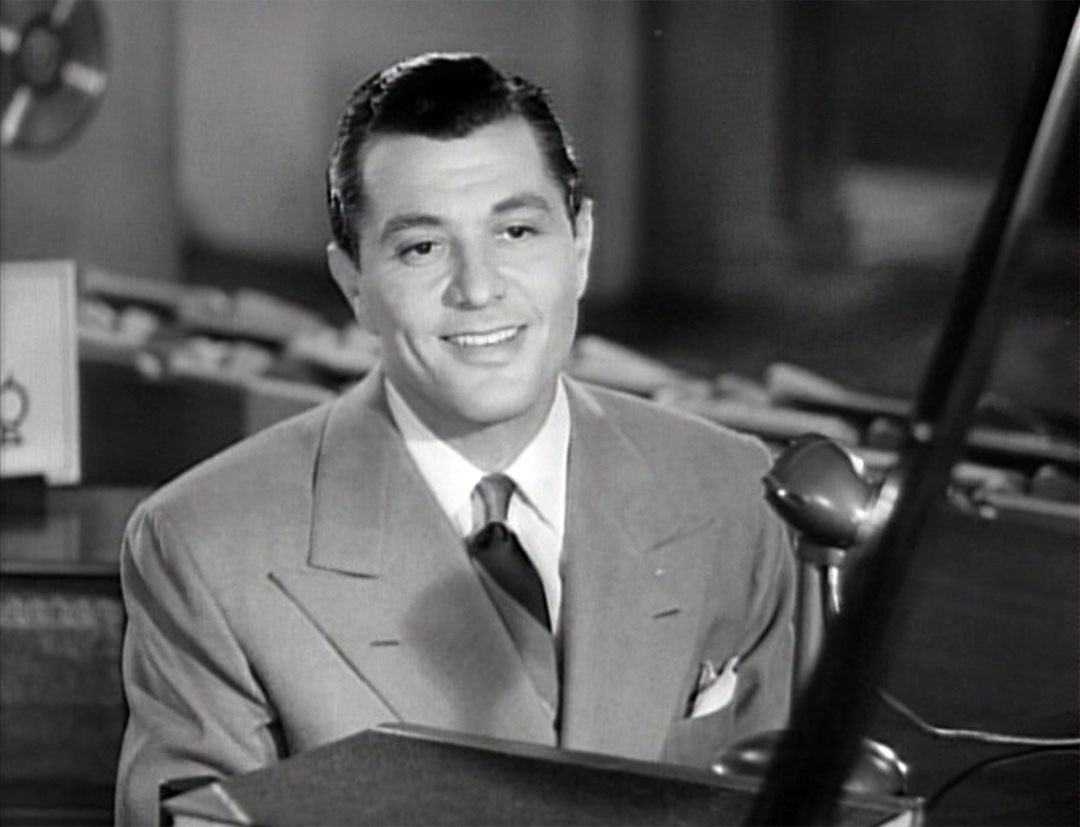

Five years previously, he had an uncredited role as The Barry Baritone in “Poor Little Rich Girl” with Shirley:
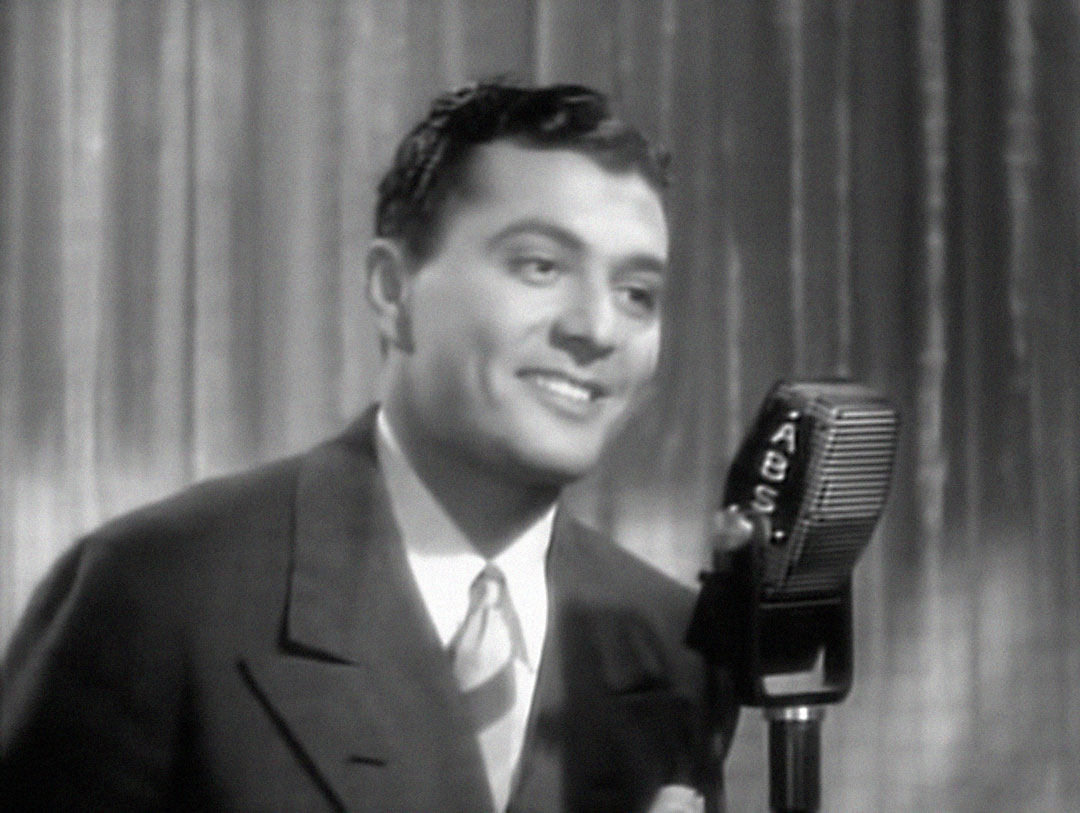

Had Shirley been in “The Wizard of Oz,” she would have co-starred with Clara Blandick (Aunt Em), who had a cameo as an elderly lady who wants to have a record made by Tony Martin. Look at the sweet smile on her face as Tony sings to her; you didn’t see that smile too much in “Oz.”
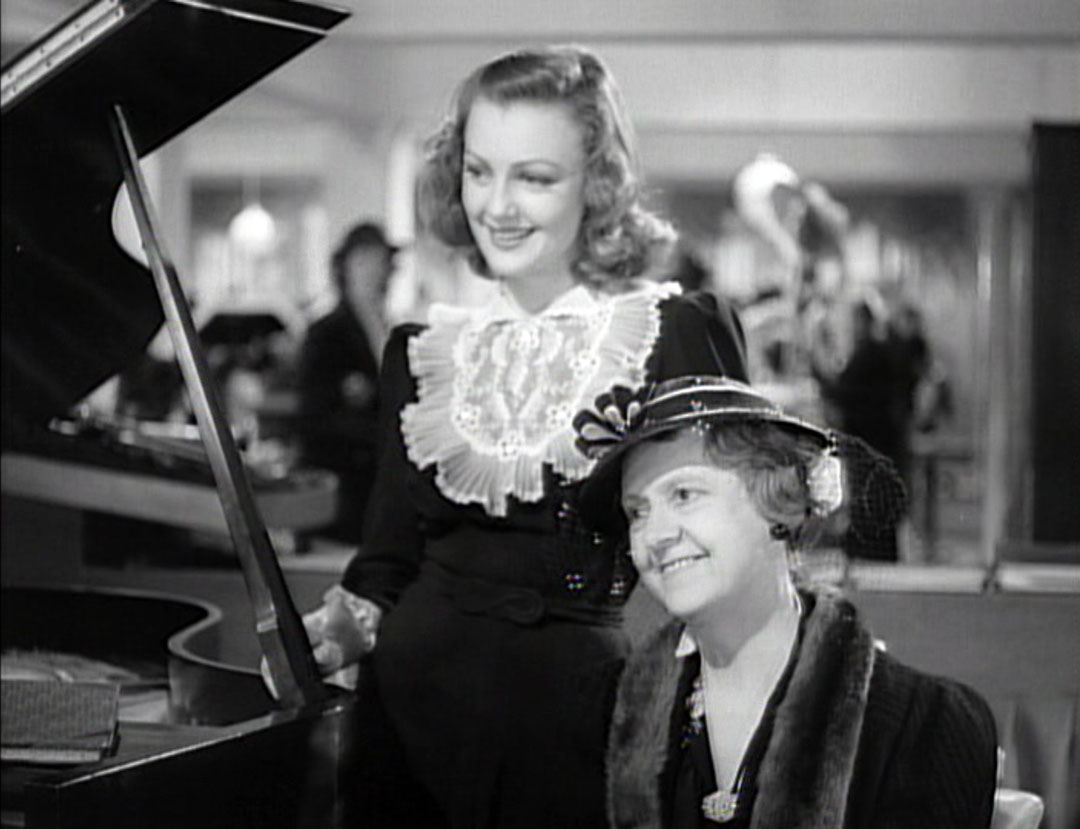

When the camera changes angles, you can see the sheet music rotating on a display behind Blandick and Virginia Grey:
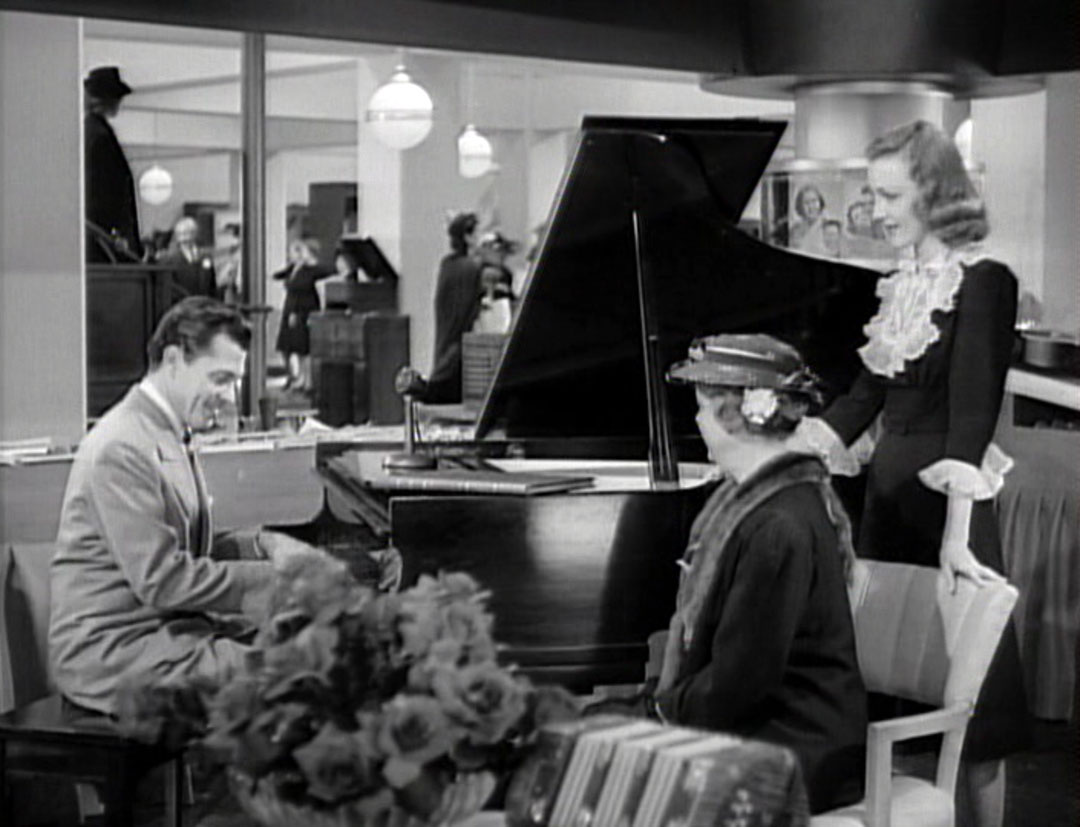

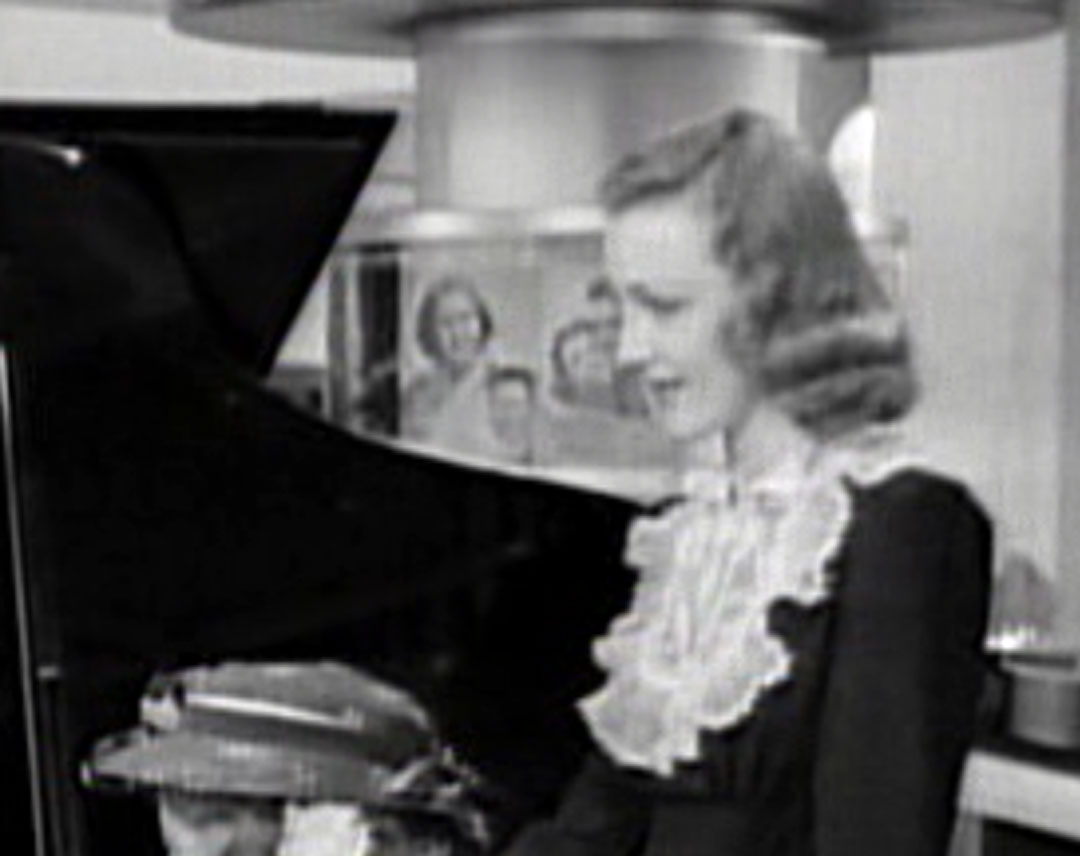
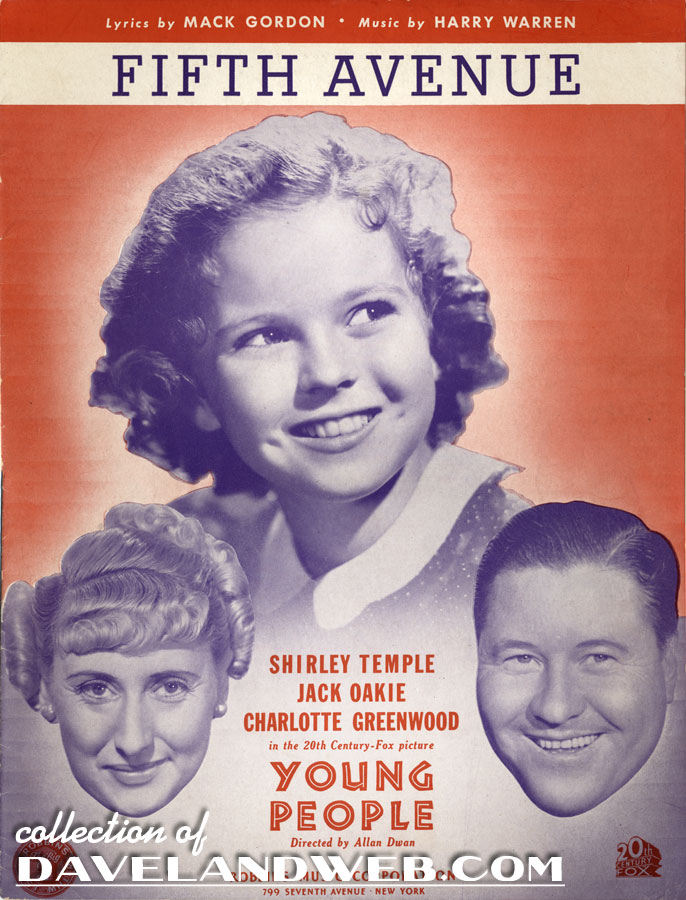
The sheet music behind Grey is from “Young People”:

…and the real thing:

Over in the toy/baby department, look what’s behind Virginia O’Brien, who is singing in her usual deadpan method:
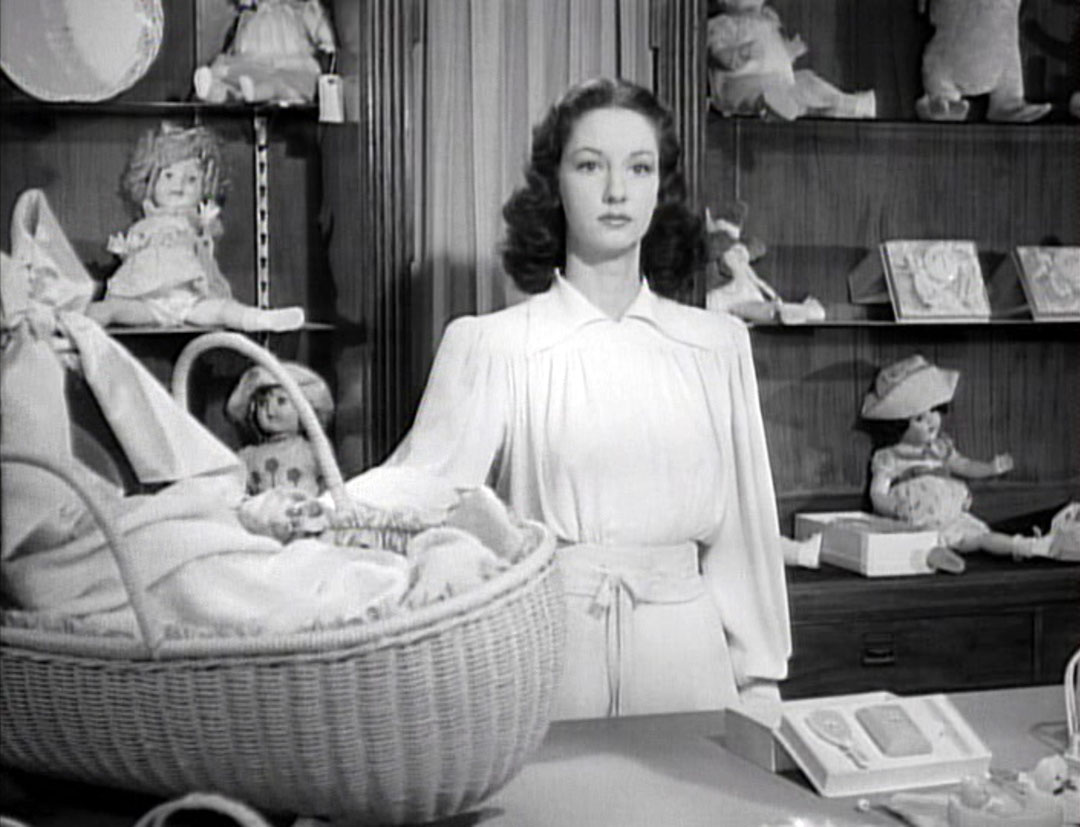

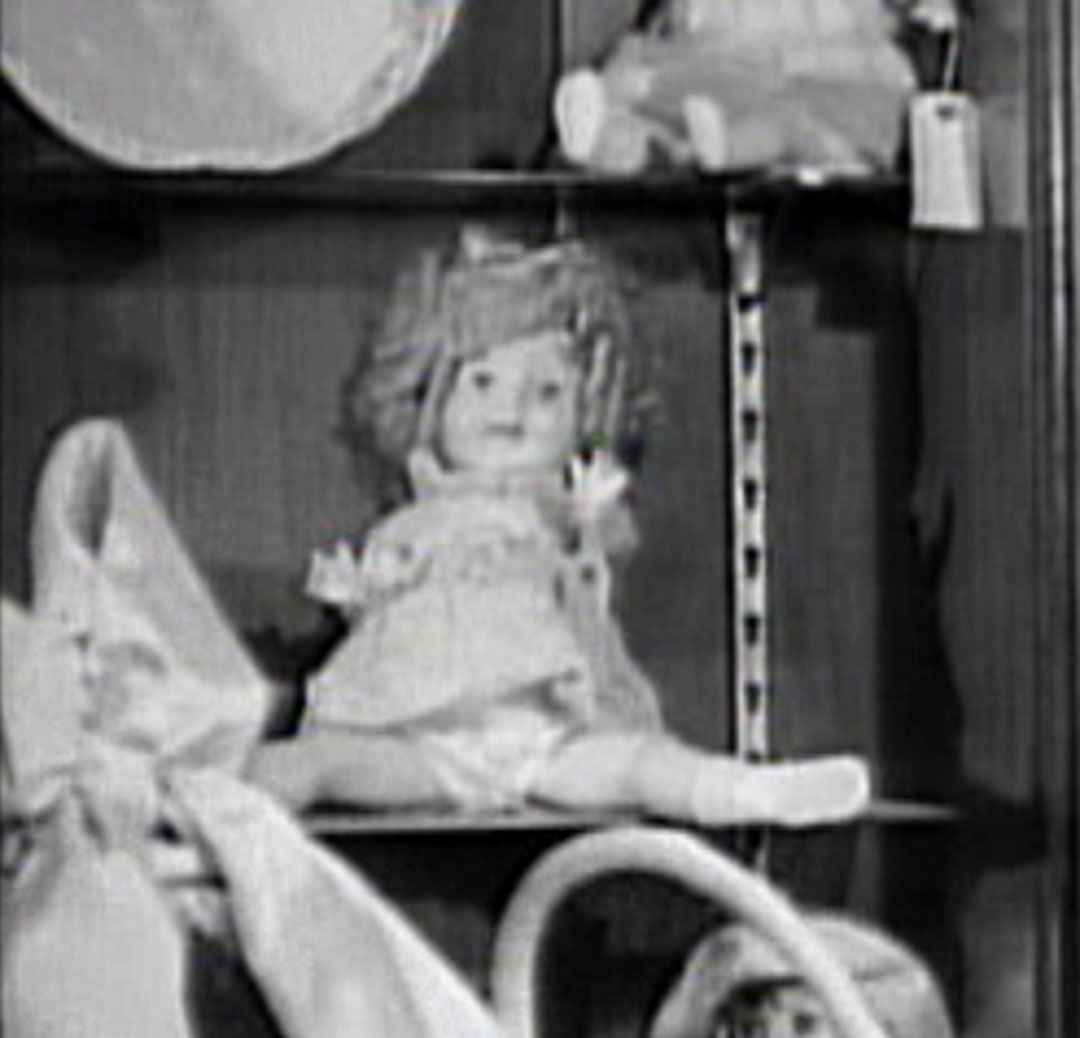
Yup, that’s a Shirley doll. The art director should have positioned the doll a little better so that she wasn’t giving a spread-eagle shot of her onesie!

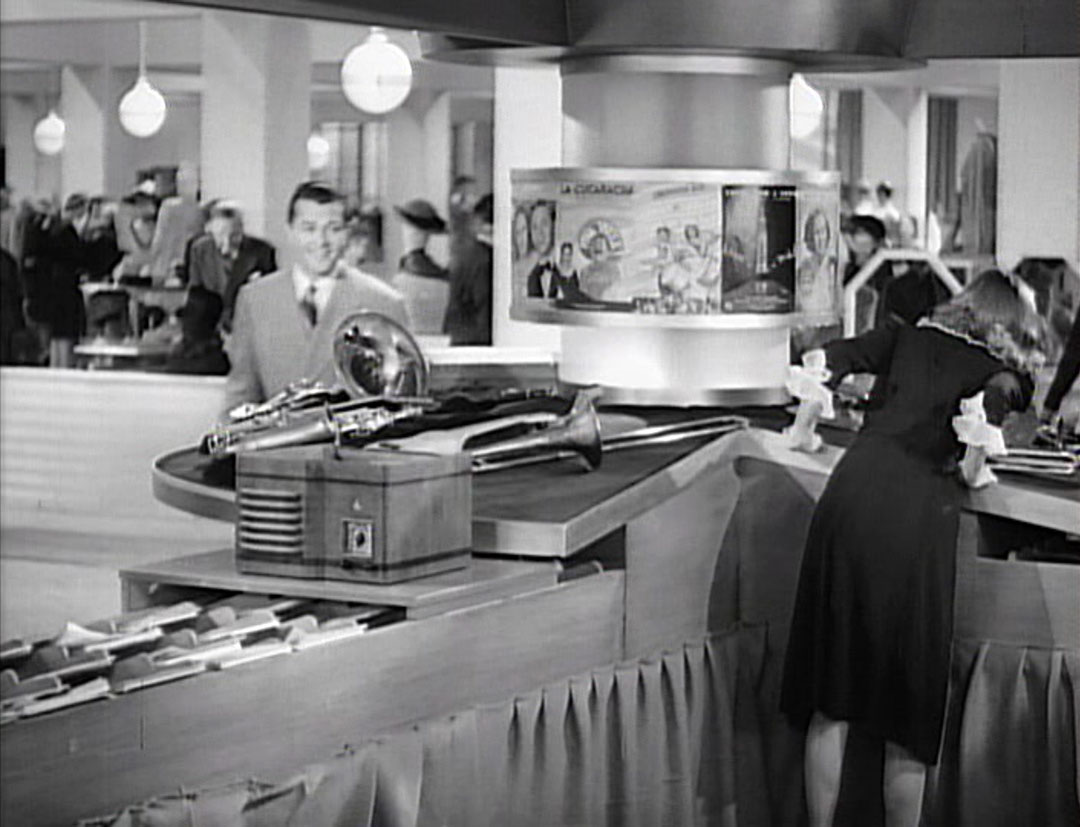
In this shot from the music department, you can see the “Young People” sheet music AND music from a Judy Garland/Mickey Rooney movie (on the left side of the carousel).

A closeup:
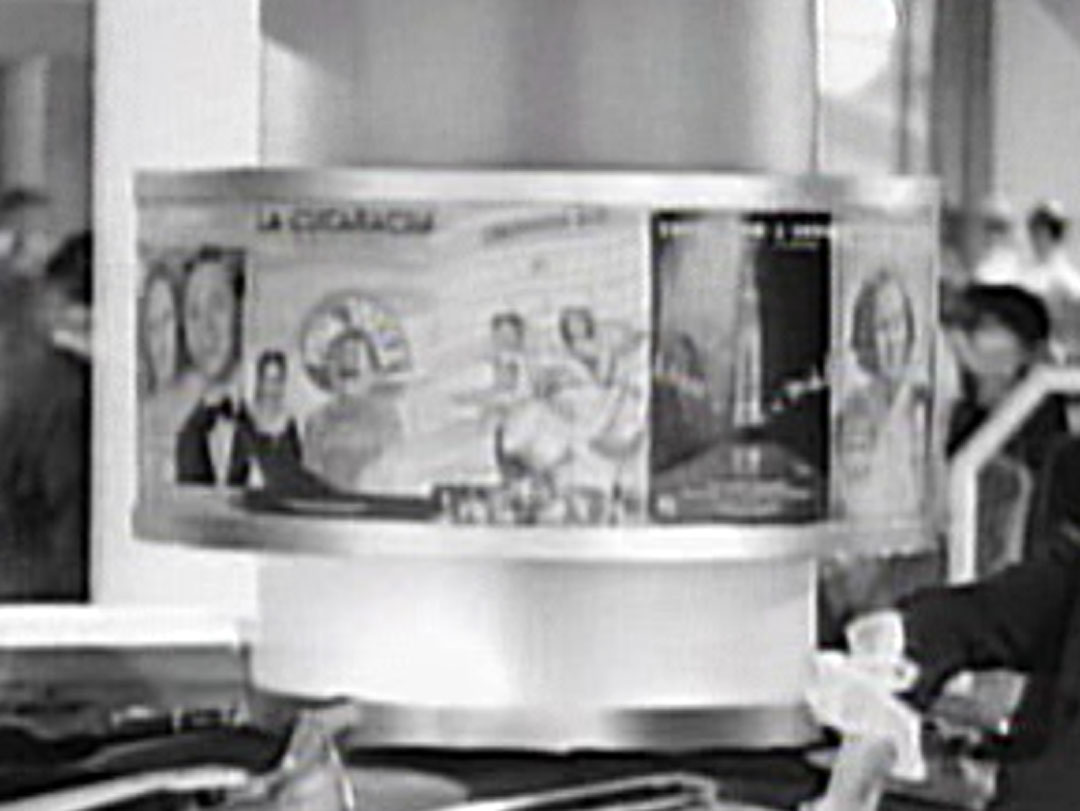

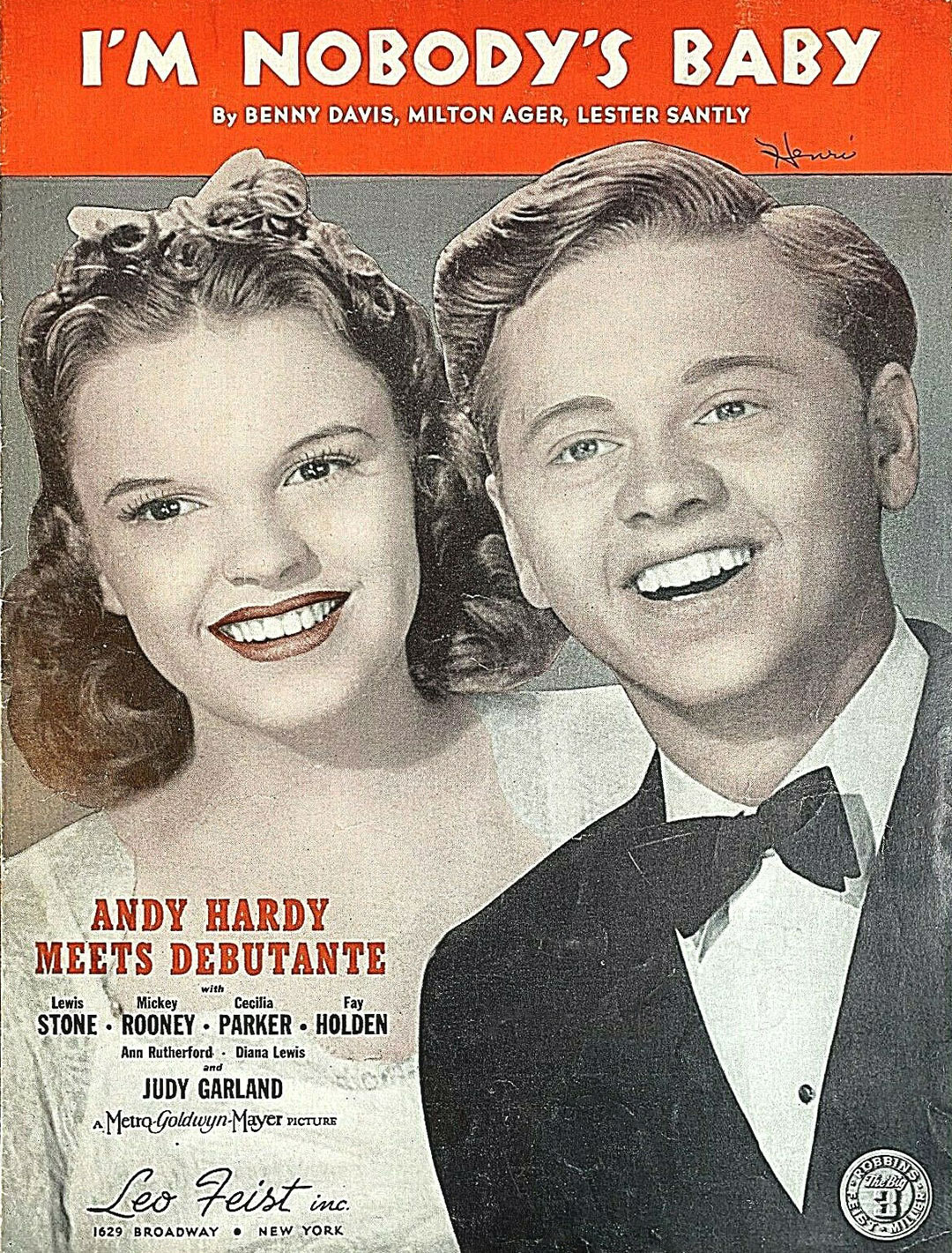
Looks like the music was for “Nobody’s Baby” from “Andy Hardy Meets Debutante” (released July 1940):

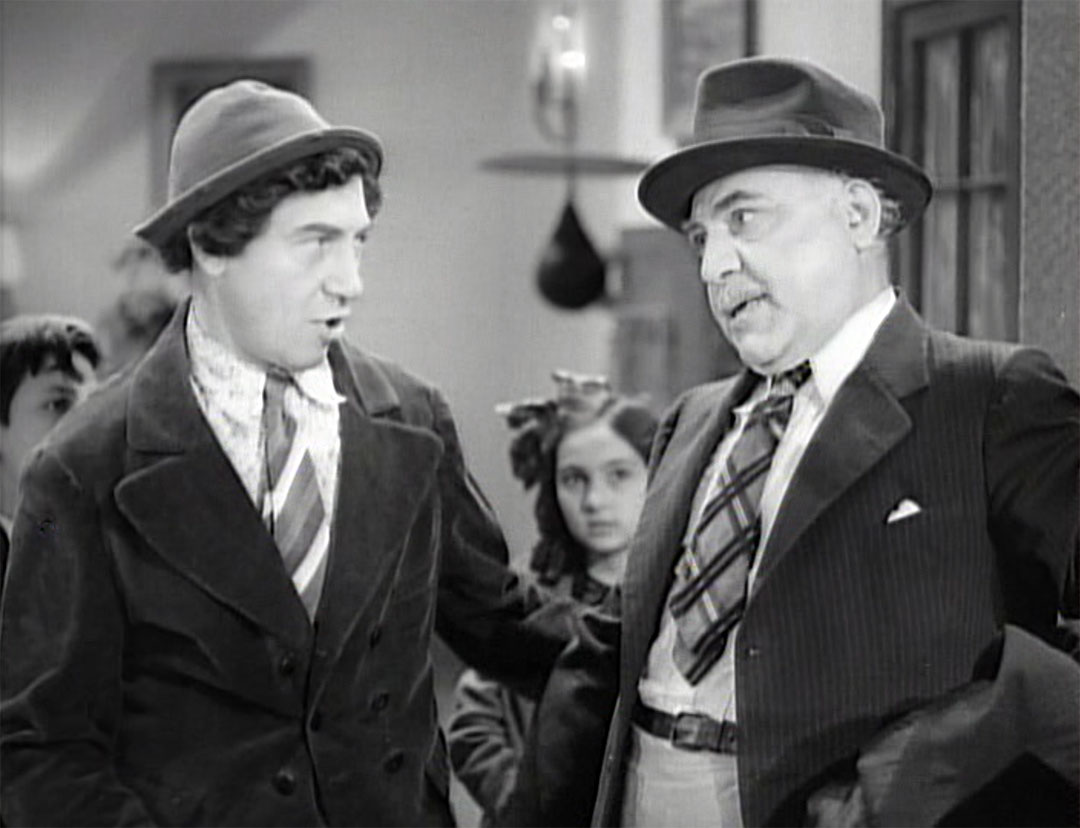
In a very labored not-so-funny scene in the bed department of “The Big Store,” Henry Armetta runs into his old friend Chico Marx:

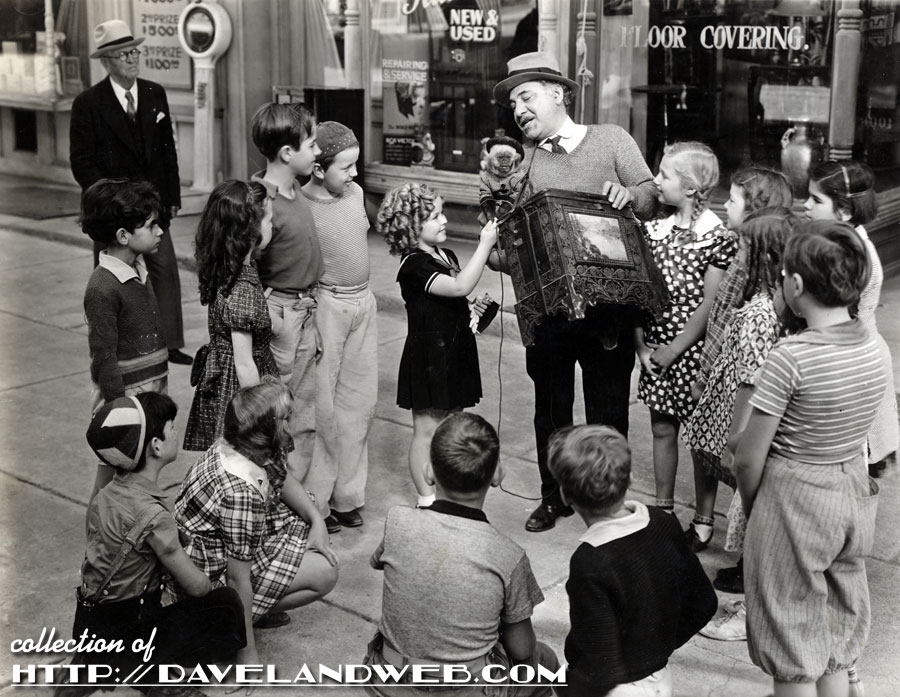
In “Poor Little Rich Girl,” Armetta played Tony the organ grinder with Shirley:

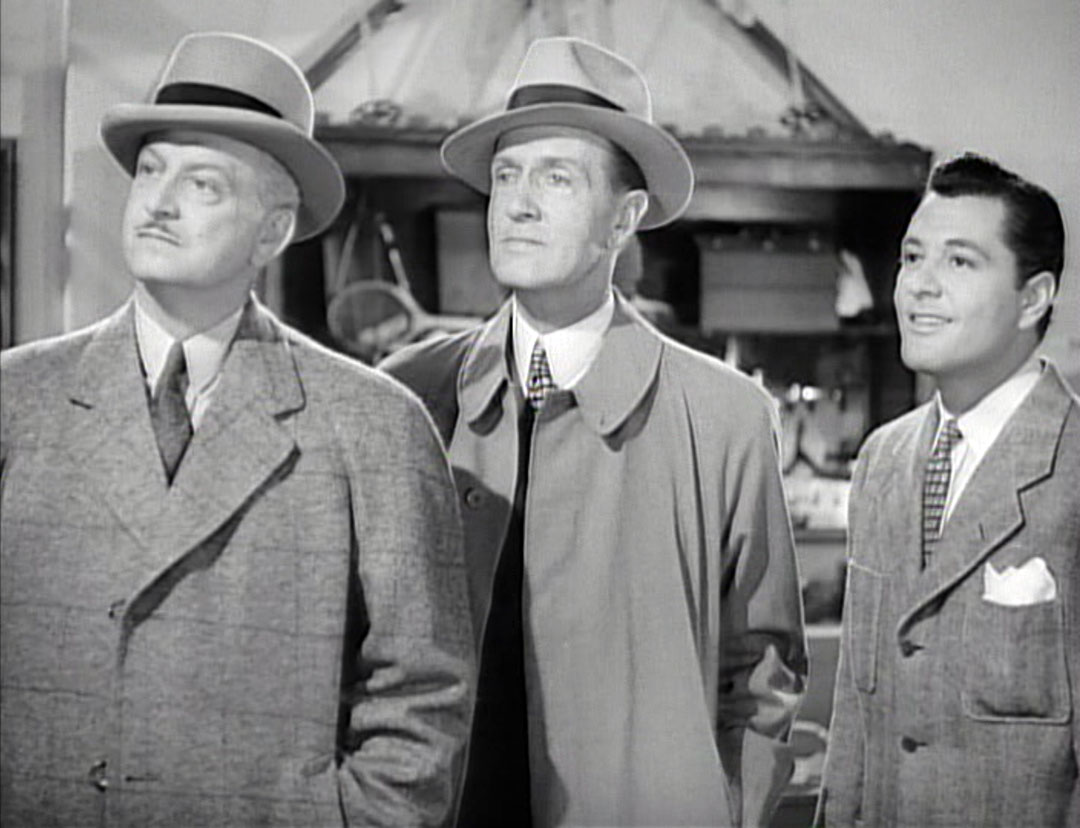
Eagle-eyed Shirley fans might recognize Russell Hicks on the left, who plays a wealthy businessman who wants to buy the Department Store that Margaret Dumont’s character owns:

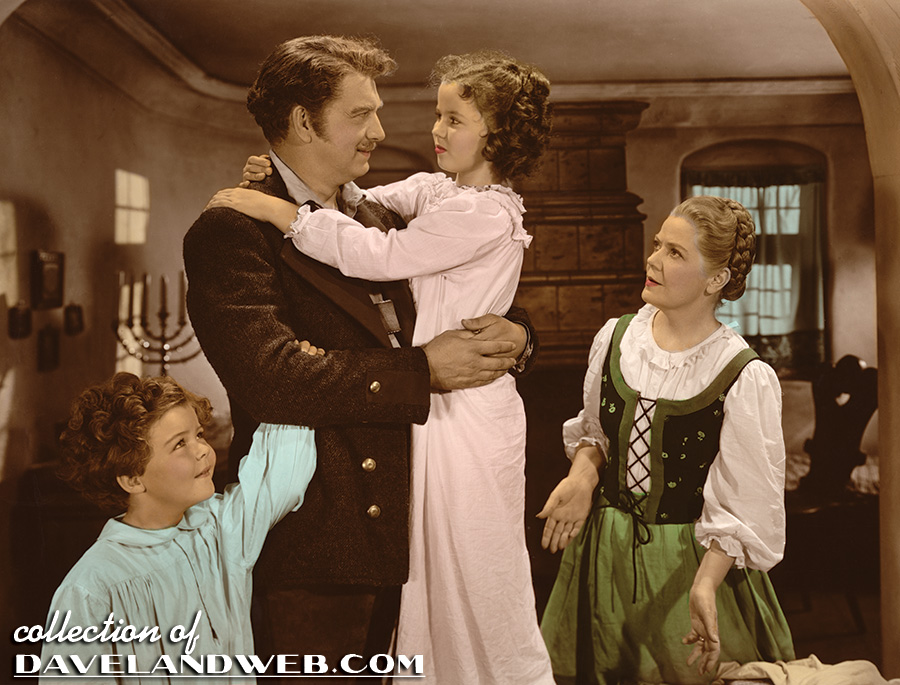
He also played Shirley’s father in “The Blue Bird” (1940):

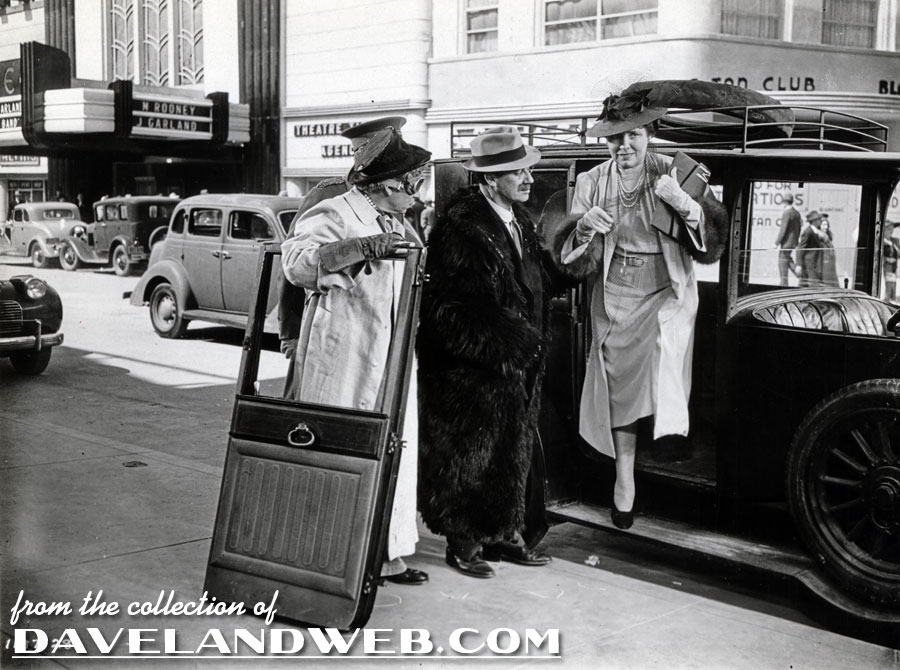
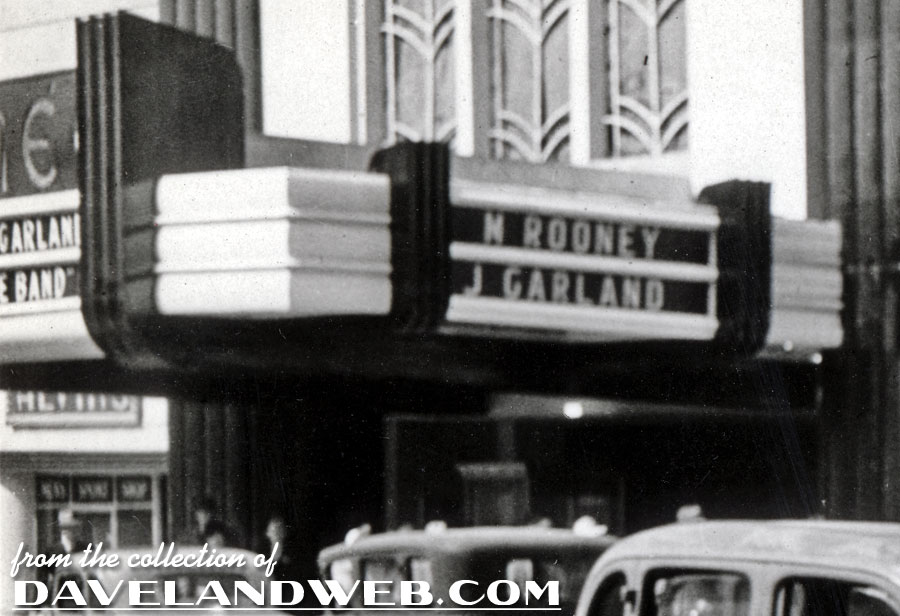
Never missing a chance for promotion, Judy Garland and Mickey Rooney’s “Strike Up The Band” (released September 1940) is the movie on the MGM backlot theatre marquee in this scene where Harpo and Groucho “help” Margaret Dumont out of the car:

Since Shirley was filming “Kathleen” for MGM at the time, it’s not surprising that she was sprinkled throughout this MGM released Marx film.
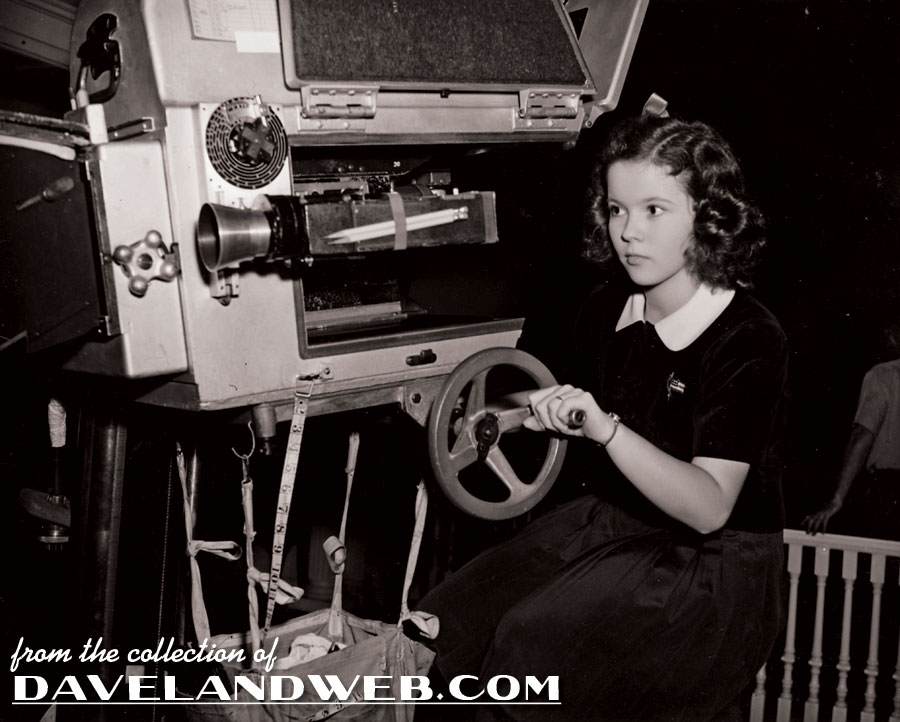

Phew. Did I catch all the Shirley connections in that one?

See more teen Shirley photos at my main website.

Tuesday, December 18, 2018

Temple Tuesday: Shirley and Harpo


Shirley Temple certainly had a very interesting life, and because of her fame, a number of myths and legends have cropped up over the years. One of the strangest is about how Harpo Marx attempted to buy little Shirley from her parents so that he could adopt her as his own. As Groucho Marx recalled the incident in “The Marx Brothers Scrapbook” published back in 1973:

We were shooting “Horse Feathers.” It was a college picture and we had to go on location and shoot some scenes at Occidental College. A little girl would come by each day to watch us work. She was usually with her father or mother. Harpo wasn’t married at the time but he was crazy about this little girl. So crazy about her that he offered her parents $50,000 for her. But of course her parents didn’t accept. It turned out that the little girl was Shirley Temple before she got into movies.

She was beautiful and cute; Harpo wanted to buy her! When she grew up she became a real reactionary. She became as far from liberalism as you can get.


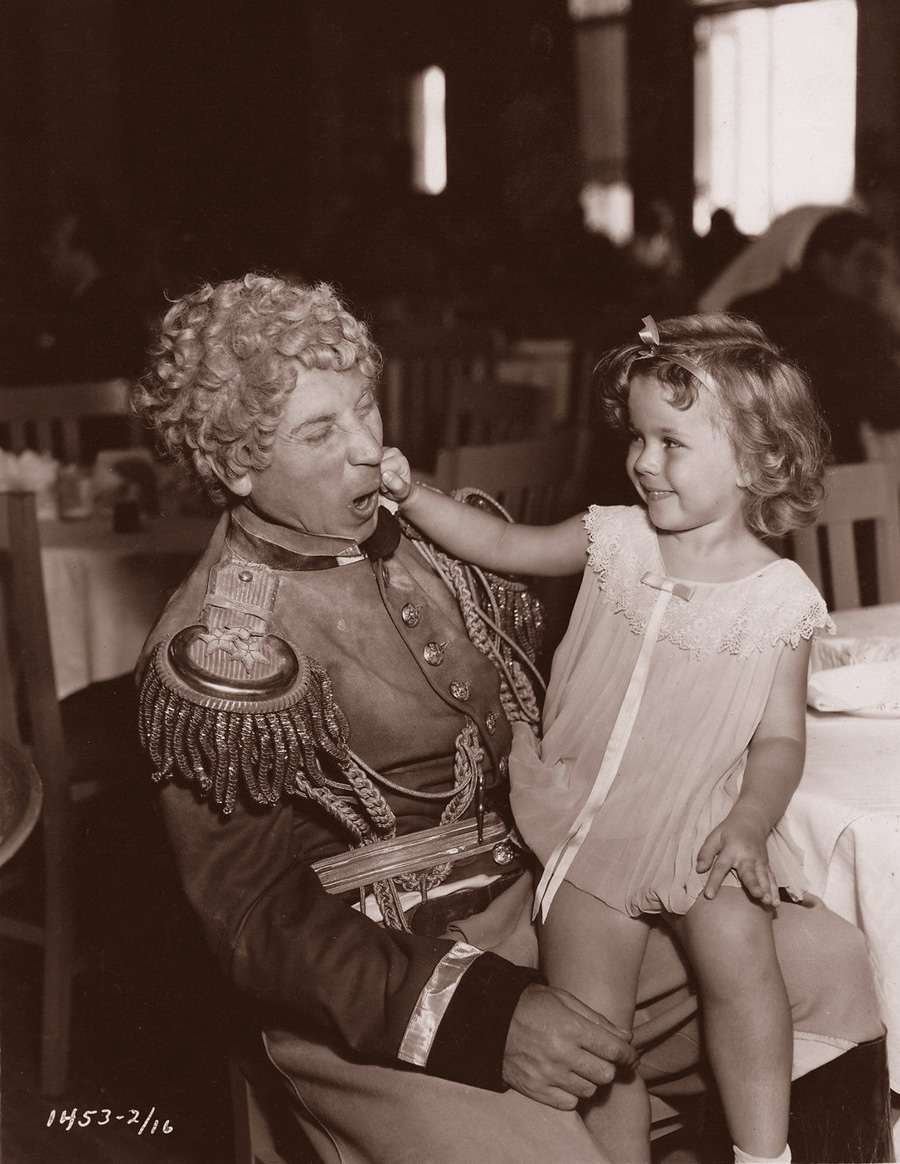
Here is Harpo with Shirley in the Paramount studio commissary during the filming of “Duck Soup,” which would have been a full year after the 1932 incident that Groucho describes.


Is the story true? Shirley made no mention of any of the Marx Brothers in her autobiography, “Child Star.” Because of the photo shown here, we do know that at the very least she met Harpo. It would also be safe to say that she charmed him as well. We also know that Harpo eventually adopted four children after he married Susan Fleming in 1936. In 1948 when George Burns asked Harpo how many children he planned to adopt, he answered, "I’d like to adopt as many children as I have windows in my house. So when I leave for work, I want a kid in every window, waving goodbye."

My take on it? Groucho was known to stretch the truth to make a good story. Chances are Harpo told Shirley’s parents that he thought their daughter was cute and may even have jokingly offered to adopt her. I have a hard time believing that a figure was ever named, and at best, it was perhaps a publicity stunt drummed up to get Shirley’s name in the papers. What do you think?

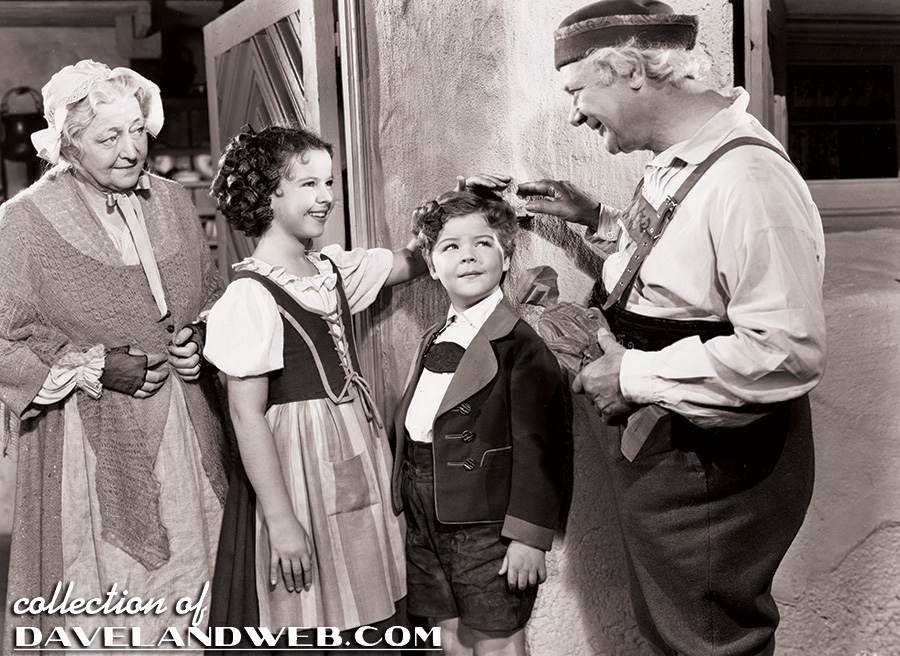
In a case of six degrees of separation, Shirley’s woodcarving grandfather would be played by Al Shean (Harpo’s uncle) in “The Blue Bird,” 1940.


See more Shirley Temple photos at my main website.
Saturday, March 02, 2013

Favorite Movies: The 1930's


I was going to attempt to do a Top Ten List of my favorite movies as a post, but by the time I began listing all of my favorites, it became too unwieldy. Instead, here is the first installment of a series of favorite films from each decade starting with the 1930's.

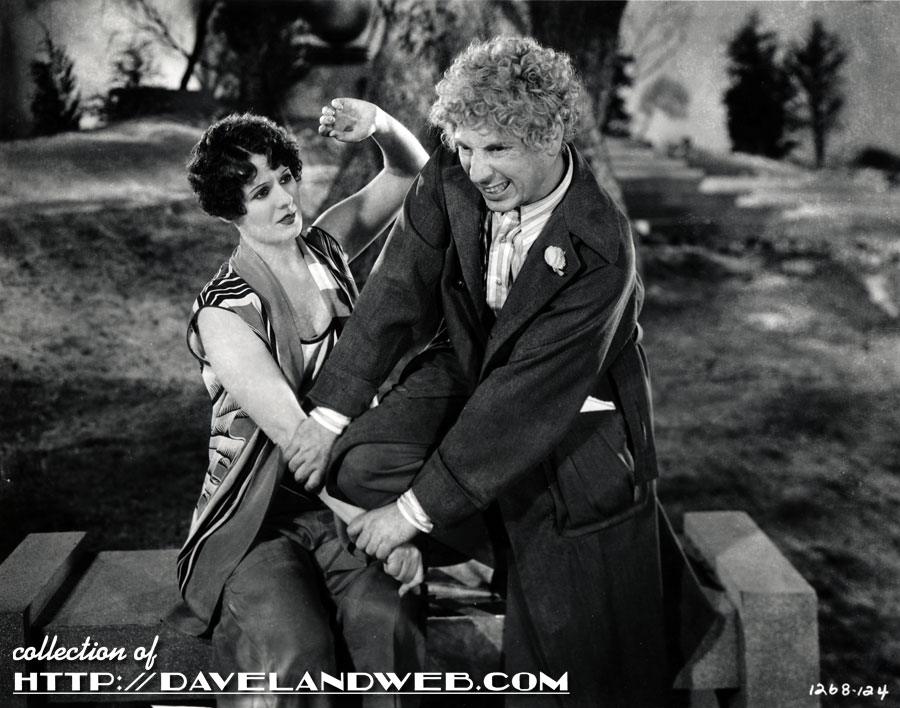
Animal Crackers (1930) with The Marx Brothers.


It's a bit creaky and technically not a very sophisticated movie, but the original comedy of the Marx Brothers still shines through. Originally a 1928 stage production, by the time this film version was made, all the laughs and gags had been perfected. Filmed at the Kaufman Astoria Studios in New York (close to the Broadway theater district), it was the last movie the Marxes made before "going Hollywood." Besides having four Marxes (Groucho, Harpo, Chico, and Zeppo), "Animal Crackers" also boasts Margaret Dumont, my very favorite Marx leading lady. Nobody played the dowager role opposite Groucho with more class or skill for timing. The two of them are silver screen gold. Harpo is my favorite Marx Brother, both for his comedic and musical talents. Once the Brothers went to MGM, the musical numbers became more abundant and lavish; Harpo's interludes were the only ones I enjoyed. Today, they still seem fresh.


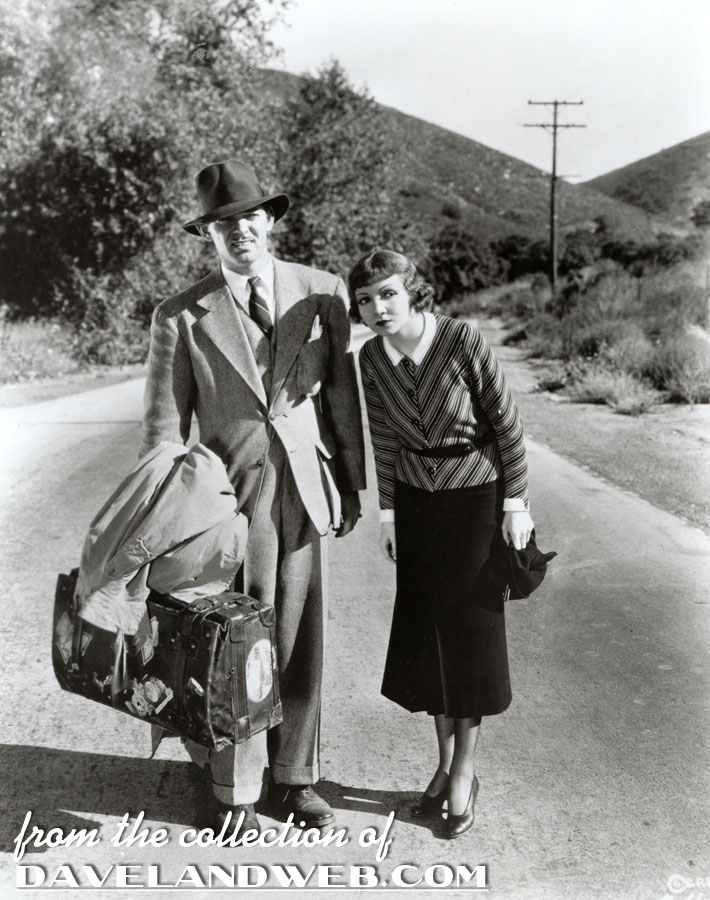
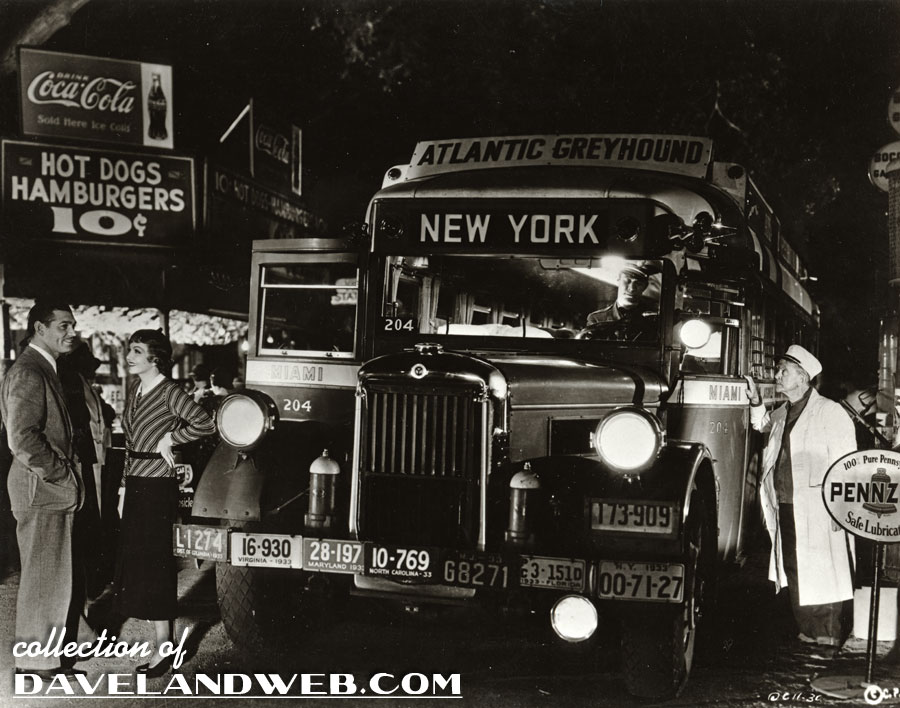
"It Happened One Night" (1934) is visually of the 1930's, but the chemistry between Clark Gable and Claudette Colbert still registers. This is one of the first (and best) comedies that shows how the initial tension between two characters can turn to love. The plot consists of a spoiled heiress, Ellen Andrews (Colbert), who runs away from her father in order to marry the man that she loves (who her father can't stand). Peter Warne (Gable) is an out of work streetwise reporter who recognizes Andrews and blackmails her for an exclusive story as long as he protects her anonymity. The growth and maturity of both characters as they travel by bus to their ultimate destination is so well done; this is Frank Capra (the director) at his best.


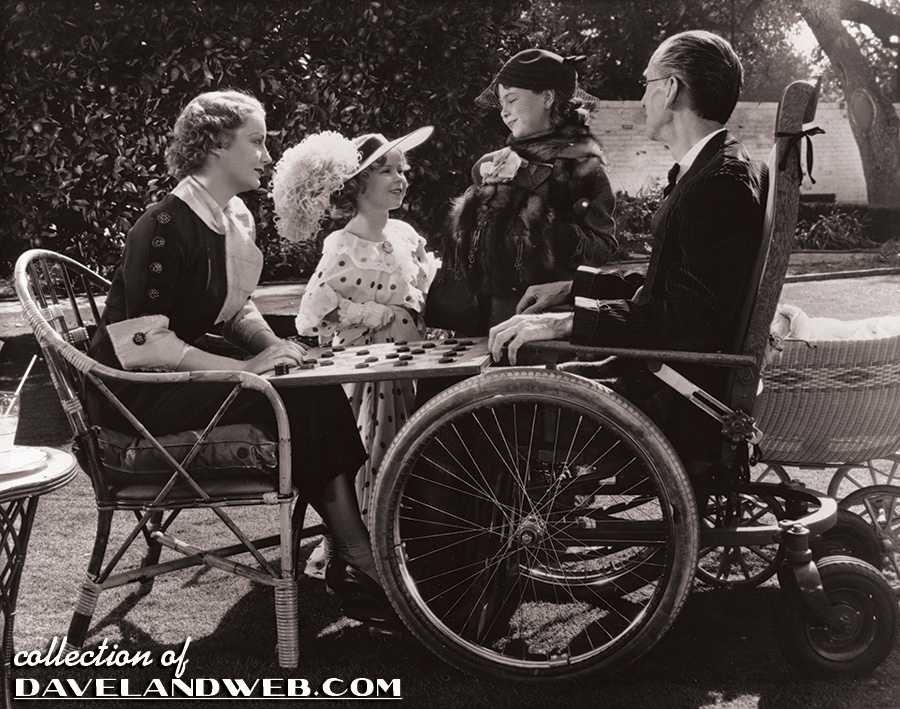
"Bright Eyes" (1934). If you think Shirley Temple movies are too sweet and saccharine, then this is the one for you. Temple is balanced out by the bratty Jane Withers, making Shirley's perfection much easier to take. Her hit song "On The Good Ship Lollipop" was introduced in the movie as well. James Dunn does a great job as her godfather, aviator Loop Merritt; he and Temple worked very well together and it shows on-screen.


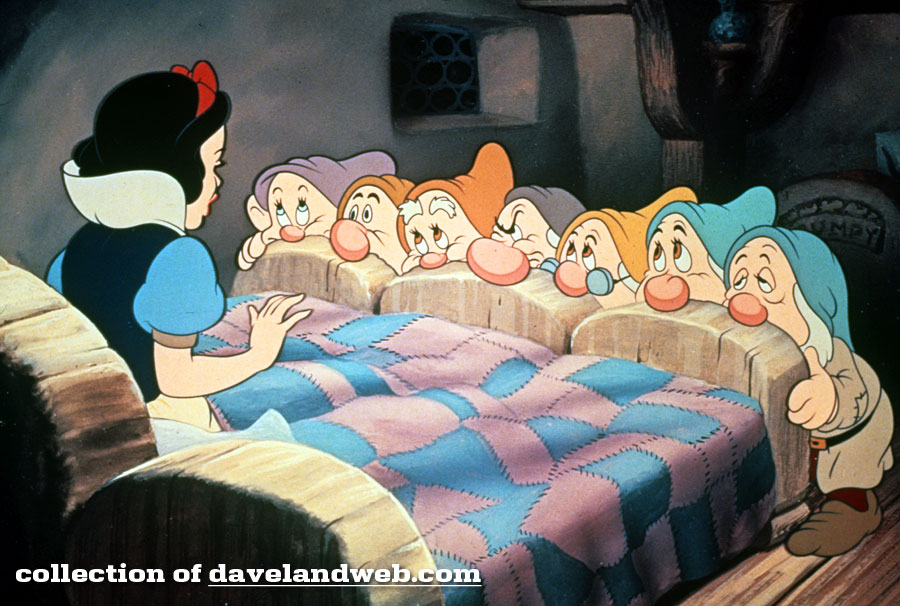
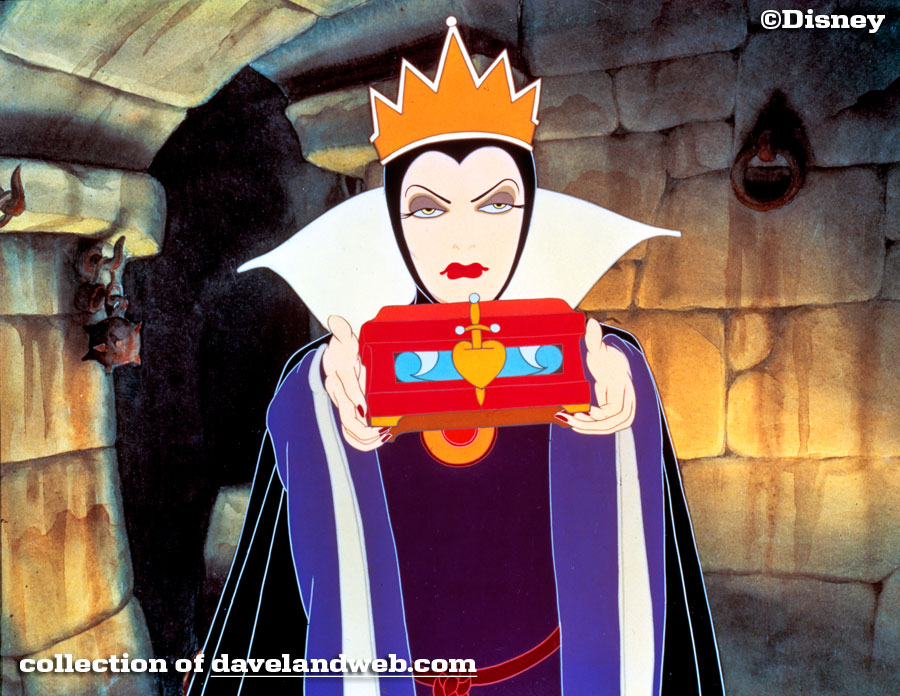
"Snow White and the Seven Dwarfs" (1937)


This one still ranks pretty high on my favorite list of Disney animated films, and you can tell that Walt spent an inordinate amount of time making it perfect. The backgrounds are gorgeous, the animation is fluid, the storytelling is tight, and there is appeal to those of all ages and tastes. With a memorable and timeless score, this classic is for the ages.


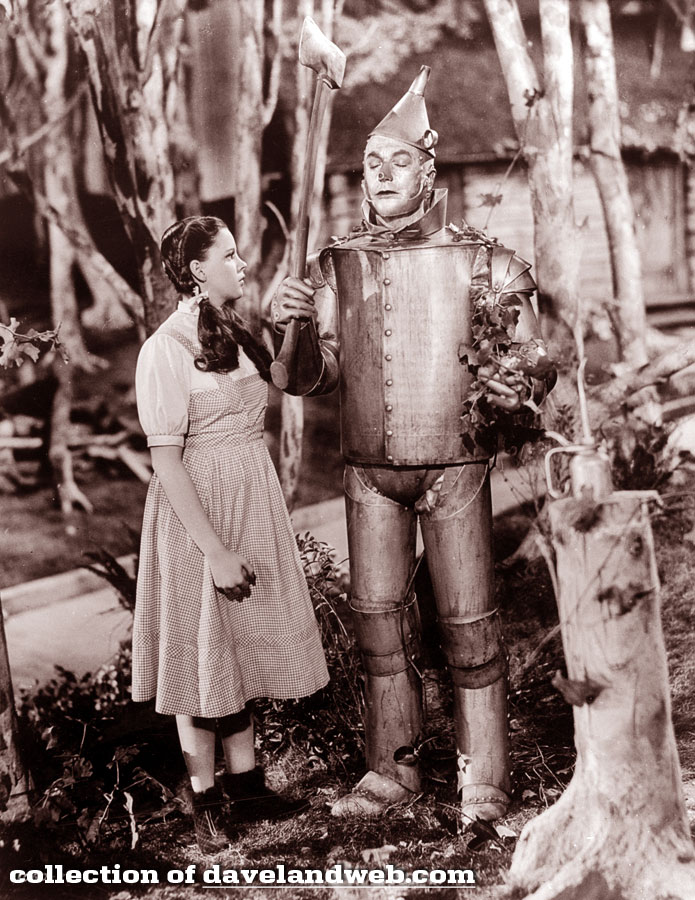
"The Wizard of Oz (1939)"


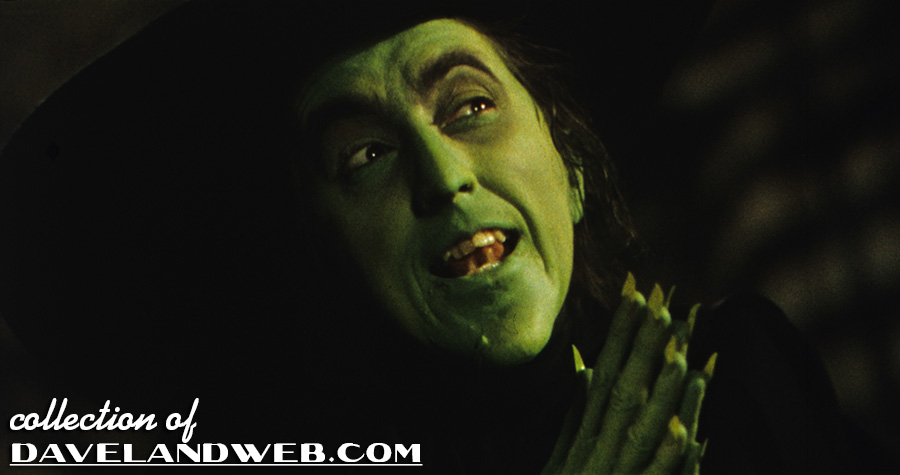
I would venture to say that this movie is the live-action parallel of "Snow White" if you are looking for cinematic perfection. From the casting, to the music, to the storytelling, to the visuals, this one has it all. Judy Garland comfortably bears the weight of this film on her shoulders both musically and dramatically. In her brief screen time, Margaret Hamilton as Miss Gulch/The Wicked Witch almost steals the picture.


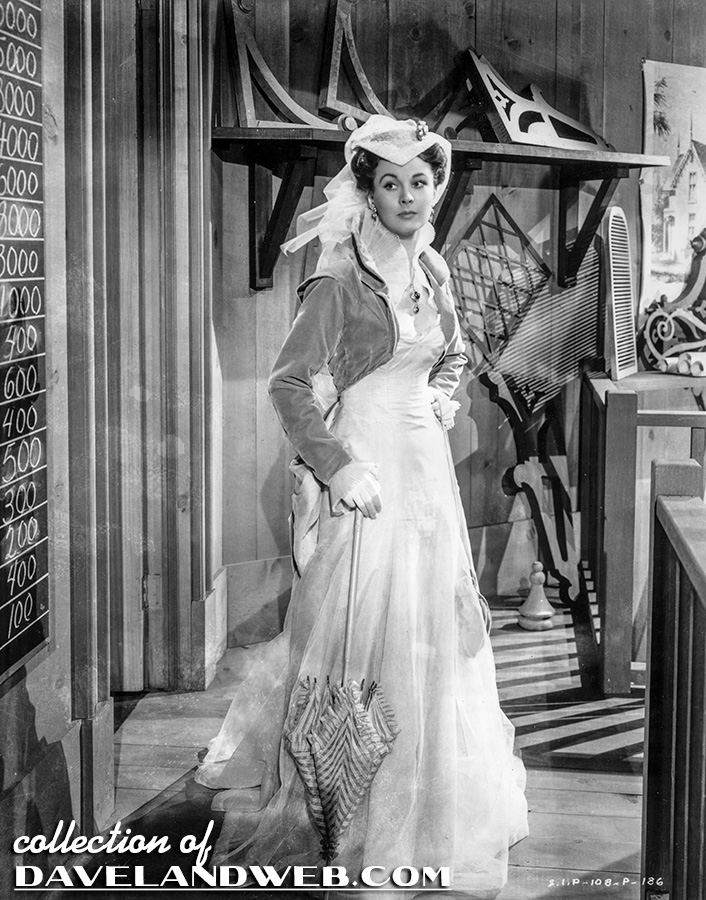
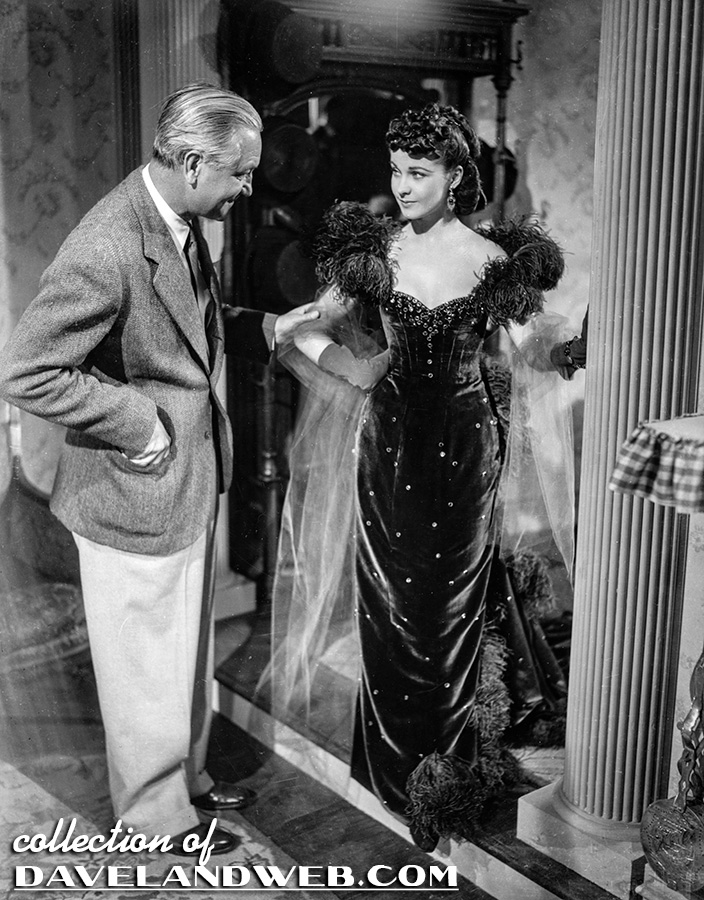
"Gone With The Wind" (1939) is one of my favorite movies, but I do find myself somewhat bored in the first half, which becomes increasingly dated to me whenever I watch it. Selznick's touches of whimsy and comedy seem forced, and the picture doesn't really pick up speed until Scarlett flees Atlanta for the ravages of Tara.


At that point, the movie picks up speed and becomes a tale of survival, as the resourceful Scarlett (so expertly lived by Vivien Leigh) does whatever it takes to regain her fortune. Even today, Leigh's portrayal of Scarlett is fresh, modern, and real. Sadly, the performances of her costars have not held up as well over the years, and appear a tad dated and stale.


What are some of your favorite 1930's movies?

See more classic Movie & TV photos on my regular web page.

Saturday, June 25, 2011

Screen Gem Saturdays: The Debbie Reynolds Auction, Pt. 1


Recently, Debbie Reynolds sold off her collection of Hollywood costumes and memorabilia in a huge blow-out auction that caused jaws to drop for two reasons: the historic significance of what she owned, and the prices that were paid for those items. For the next few weeks, I will feature some of the amazing pieces that were part of this auction.

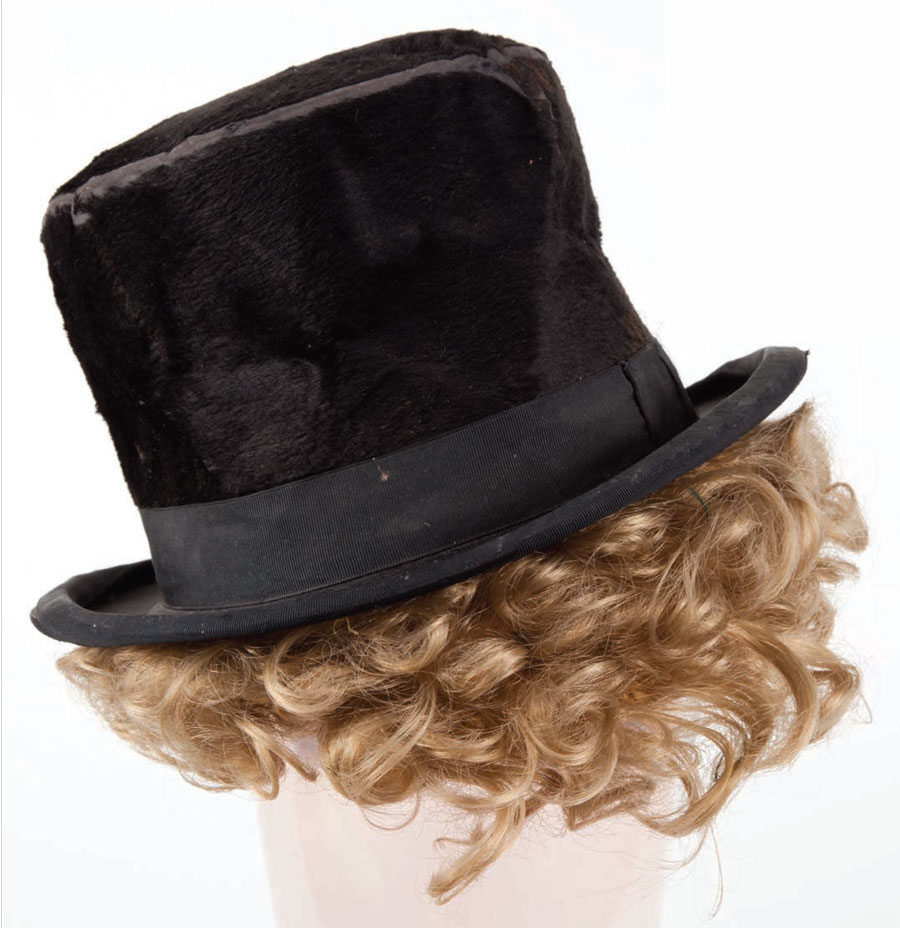
How much would you pay for a crazy blond wig and a top hat? Probably not much. If the wig and hat belonged to legendary comedian Harpo Marx, then the value goes up exponentially, as in $45,000. Here's the description from the catalog:

Harpo Marx signature historic vintage top hat and wig acquired directly from him. Vintage ca. 1930’s collapsible pop-open fur and felt top hat (quite fragile, but intact) with internal attached blond wig, which was acquired directly from Harpo Marx, and worn by him in numerous on-screen Marx brothers film appearances. Gifted by Harpo Marx to Debbie Reynolds.

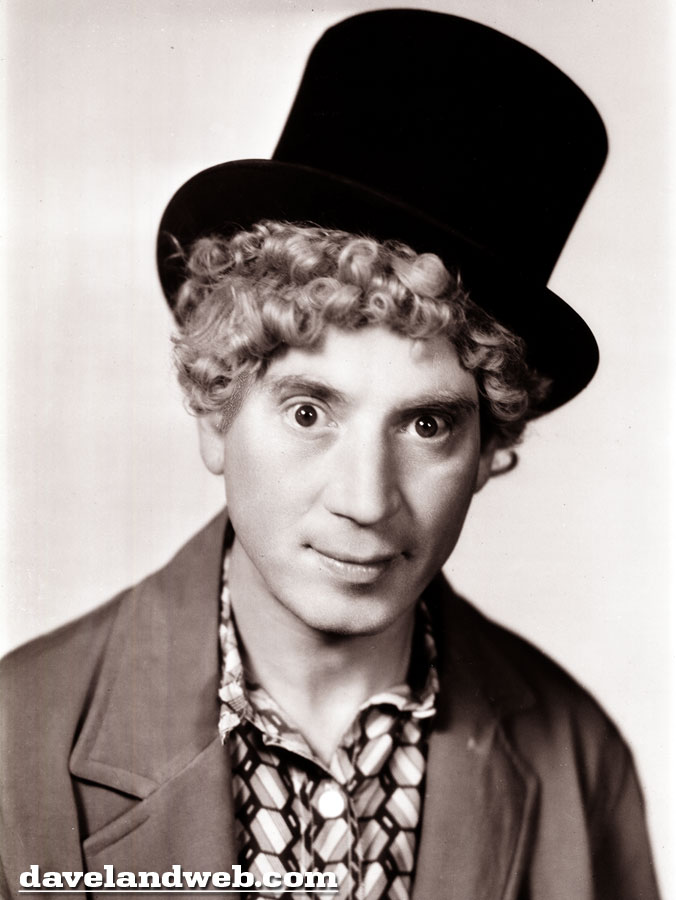
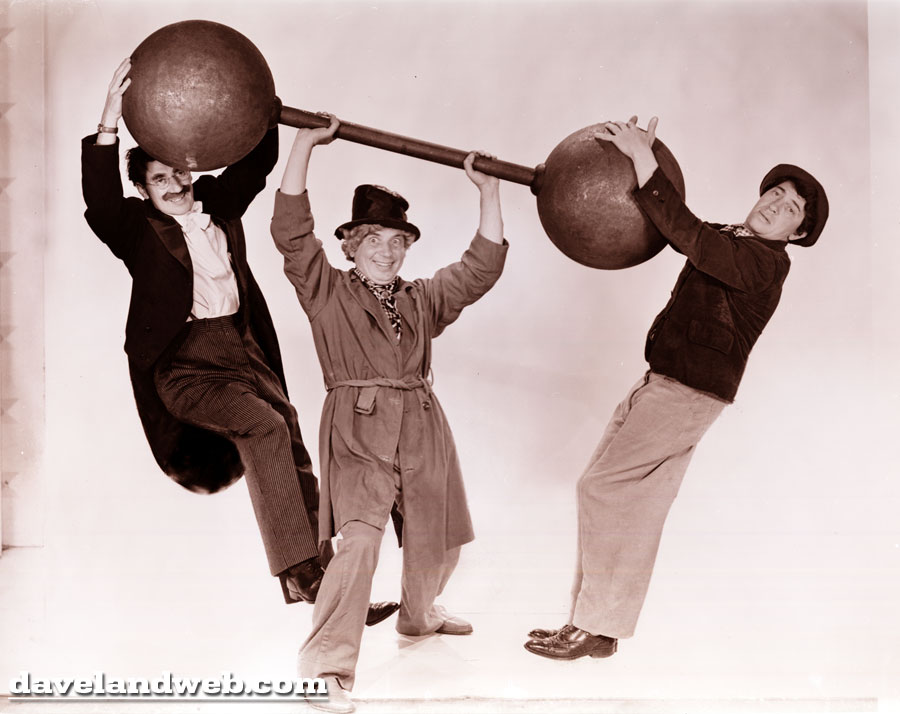
Here's a photo of Harpo himself, my very fave Marx Brother:


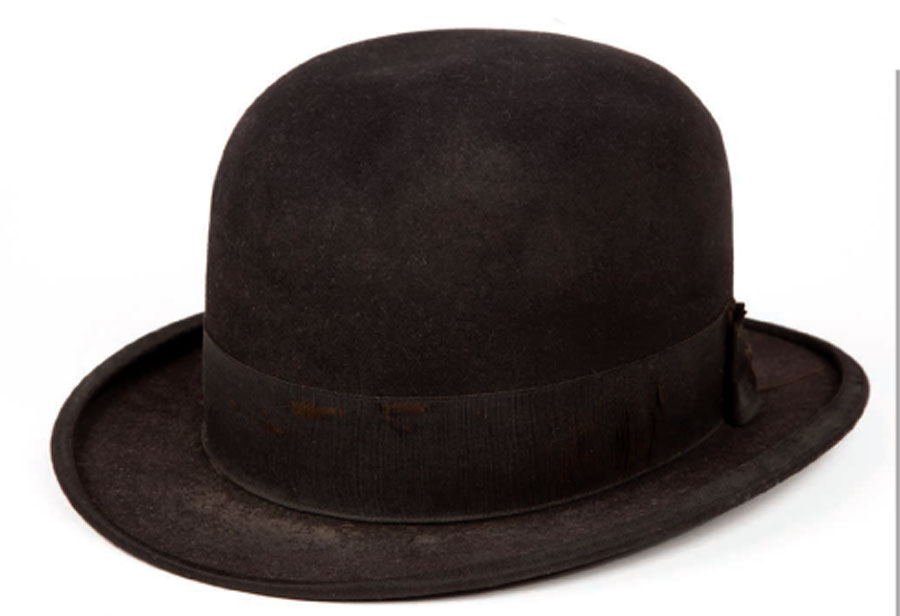
If you couldn't win Harpo's hat, then Charlie Chaplin's derby might have been another option for you—as long as you have a spare $110,000. Yes, that's right folks. It's amazing what a little head sweat from a star on an old black derby can do for the value!

From the catalog:

Charlie Chaplin signature bowler hat from numerous productions as “The Tramp” character. Signature black felt bowler hat with “London Best Custom Made” label. Gifted by Charlie Chaplin to the Hollywood Heritage Museum and acquired by Robert Nudelman for Debbie Reynolds’ collection.


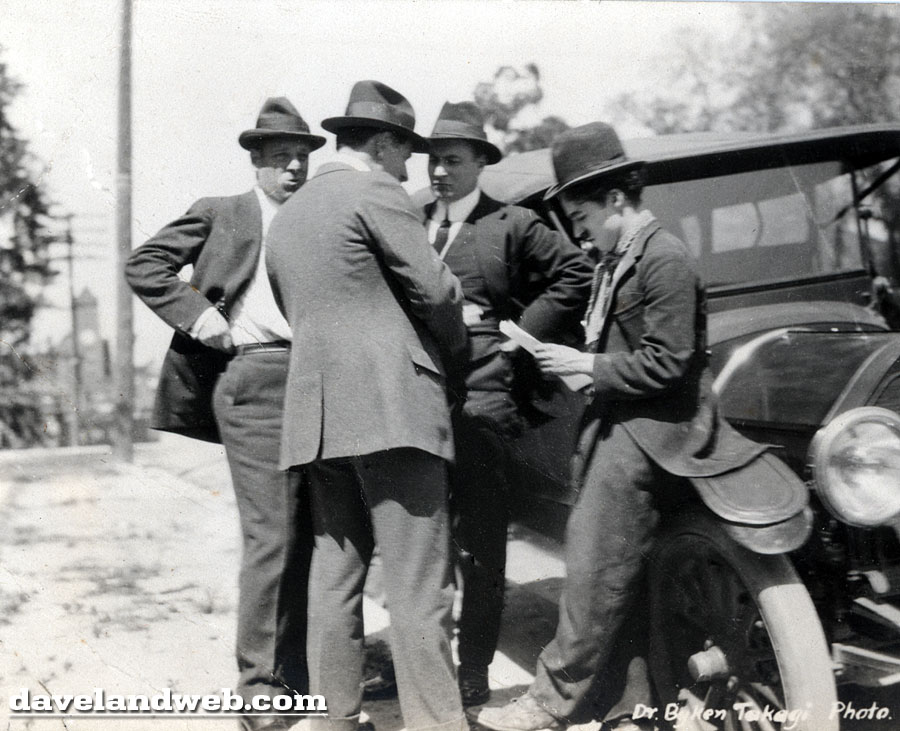
Charlie can be seen resting between takes on the right side of this vintage photo:


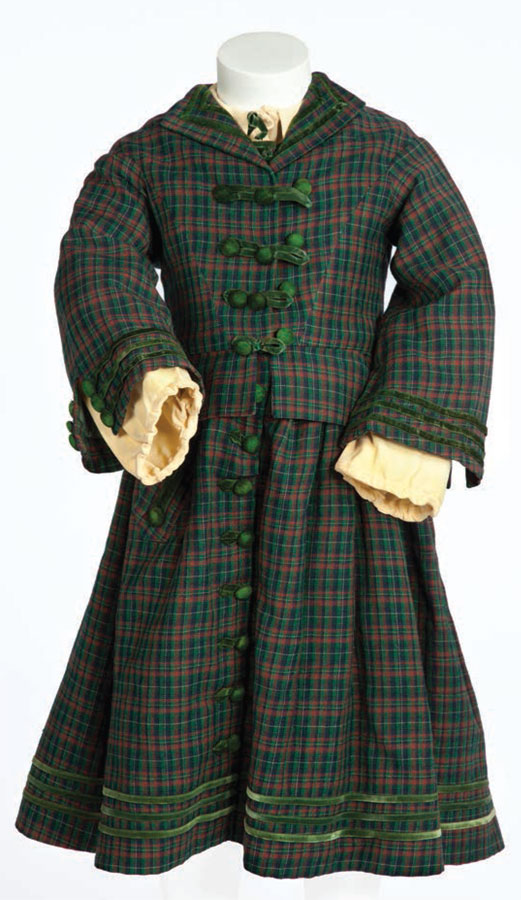
Much of Reynolds' collection was acquired during the famous MGM auction of 1970; however, there were quite a few pieces from other studios, including this 20th Century Fox Shirley Temple "The Littlest Rebel" (1935) dress.

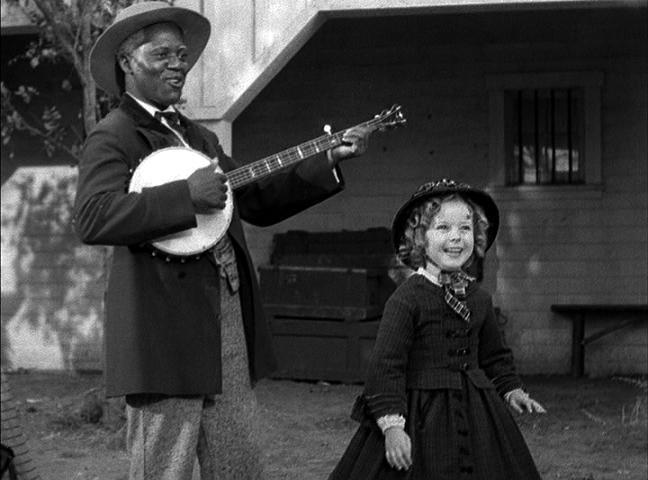
Shirley Temple “Virginia Cary” green plaid period dress with jacket from The Littlest Rebel. (TCF, 1935) Green plaid period dress with matching jacket. The dress has handwritten “Shirley” and stamped 5”130 2 27 7 3904.” Jacket has no label. Worn by Shirley Temple as “Virgie” singing “Polly Wolly Doodle,” visiting her father in jail, tap dancing on the sidewalk, and visiting the President at end of film in The Littlest Rebel.


Besides this scene with Bill Robinson, Shirley can be seen wearing this dress when she sits on the lap of President Abraham Lincoln. And yet, the dress sold for a mere $35,000. I guess people are more into stinky old hats and wigs than Shirley's Presidential outfit!


If these items seem a little low-brow to you, perhaps you'd care to acquire some paintings owned by William Randolph Hearst's mistress, Marion Davies.

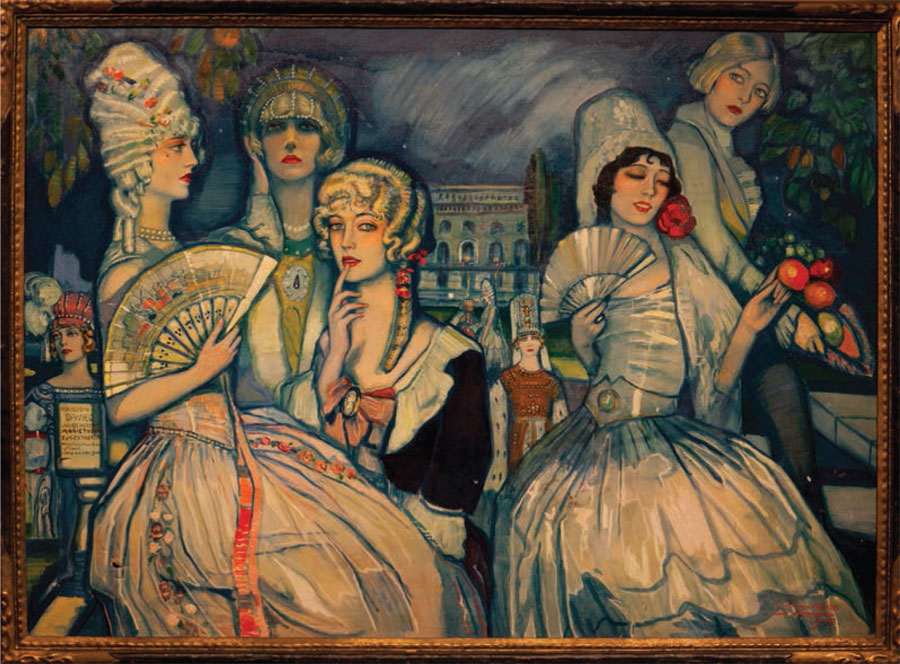
Marion Davies monumental oil painting by Federico Beltran Masses from Davies’ estate. Oil painting of Marion Davies by Federico Beltran Masses (1885-1949) depicting various images of Davies measuring 6’ 4” long x 4’ 8” high x 2” deep. Special shipping arrangements will apply.


Shirley shouldn't feel so bad; Marion's painting went for a paltry $10,000. So much for art!

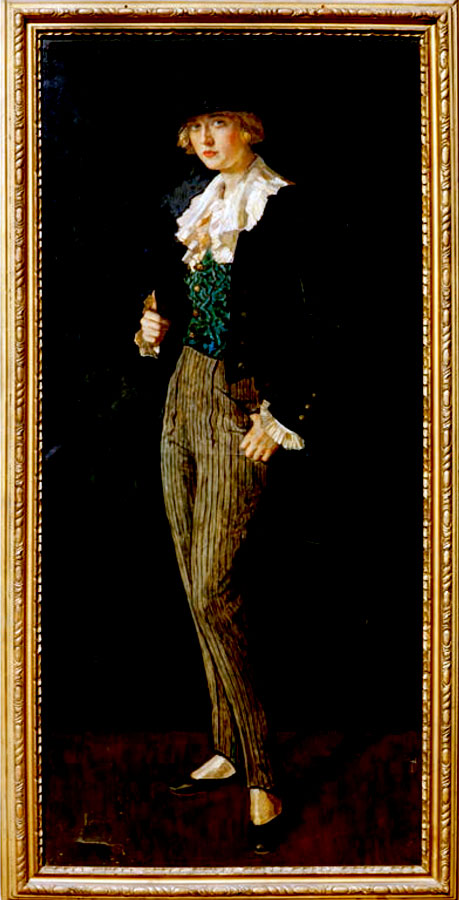
These two went for a bit more; $11,000 for this one:

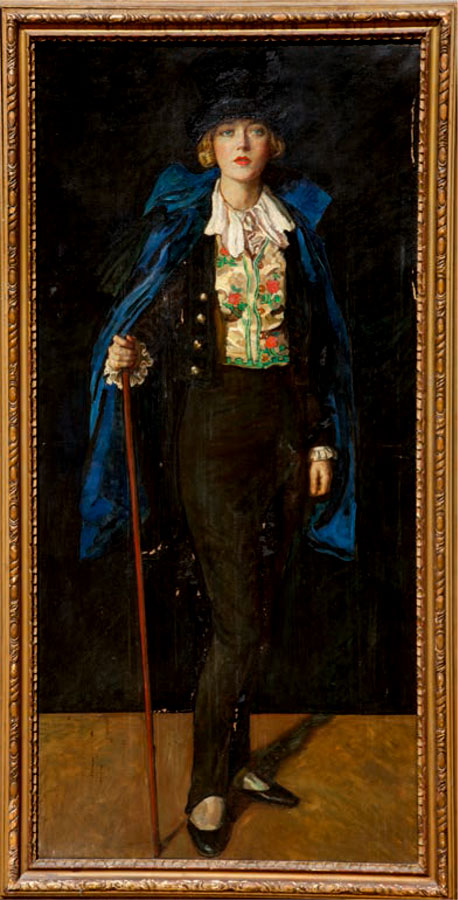
Marion Davies oil painting. Large oil painting of Marion Davies in stripped pants and black jacket housed in a gold frame. Measures 81” x 41”. 3” tear on bottom left. Commissioned by Marion Davies and hung in her home. Special shipping arrangements will apply.


And $17k for this one:

Marion Davies oil painting. Large oil painting of Marion Davies in a floral vest housed in a gold frame. Measures 81” x 41”. Large amount of cracking and paint missing. Commissioned by Marion Davies and hung in her home. Special shipping arrangements will apply.


More to come! See more classic Hollywood photos at my main website.
Saturday, March 05, 2011

Screen Gem Saturdays: The Marx Brothers


My dad introduced me to the Marx Brothers when I was just a tyke; one of the nearby theaters used to show vintage films on the big screen on weekends. It was always a treat for me to be introduced to Charlie Chaplin, W.C. Fields, Laurel & Hardy, and of course The Marx Brothers. As a young boy in the 1930’s, my father used to spend hours in a darkened theater watching all of the old classics and he passed that love of film onto me.

I still remember going to see “Animal Crackers” and “A Day at the Races” for the first time in my youth. I couldn’t get enough of the Marx Brothers. I bought every book and made sure I caught them whenever their films were on TV. My favorite one was Harpo by a longshot. Sure, Groucho had the funny dialogue and was the driving force of each movie, but it was Harpo who really made me laugh. Always playing a silly imp, beneath his vacant look was the mind of a genius who was always at least 10 steps ahead of anyone else he shared the screen with.


The early Marx films are the true gems; I especially recommend “Duck Soup” and “A Day at the Races.” The later films, although still funny, seem a little labored and complacent. The Brothers were caught in their own successful formula for comedy and the audiences trapped them within that framekwork.


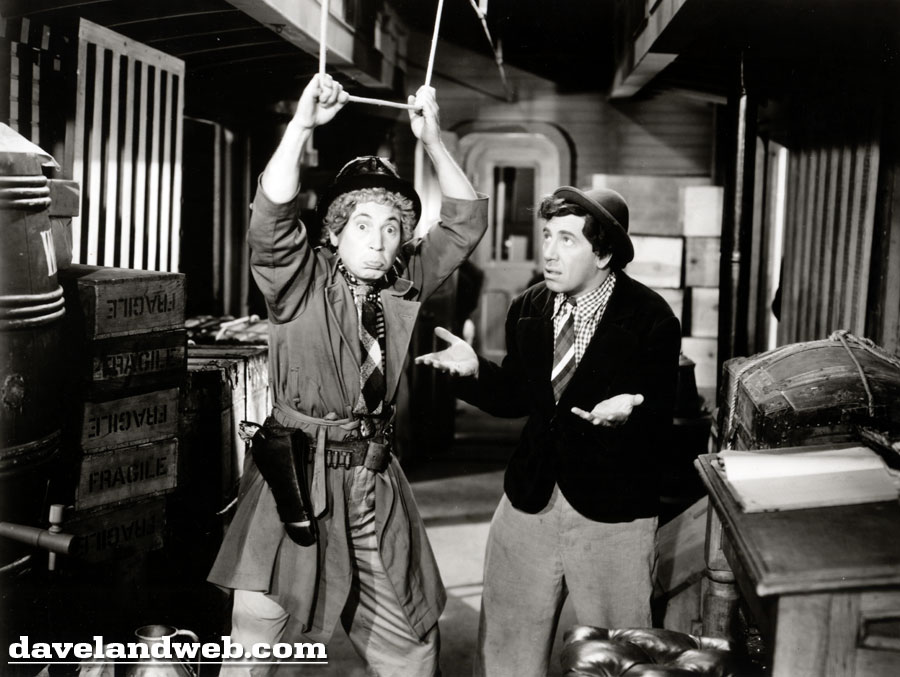
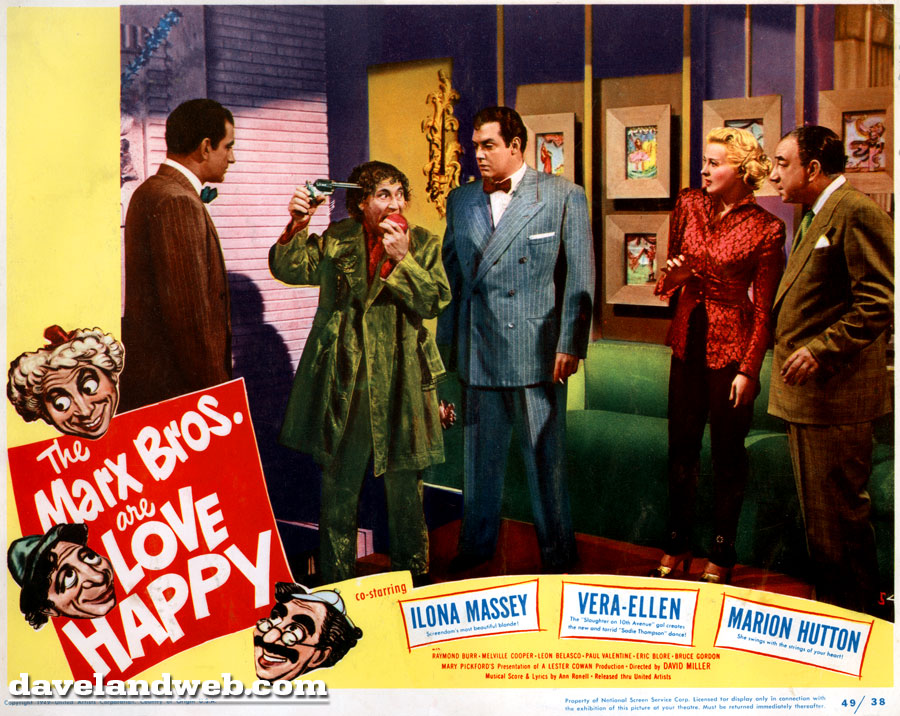
Harpo attempted to break out on his own, proving that he could carry a film by himself. Unfortunately, to get the financial backing for “Love Happy,” the other 2 brothers had to sign on as well. Harpo shines in this forgotten gem, while his brothers seem to drag down the pace of their film with their extraneous scenes.


“Love Happy” is probably best remembered for a bit part played by a young Marilyn Monroe.

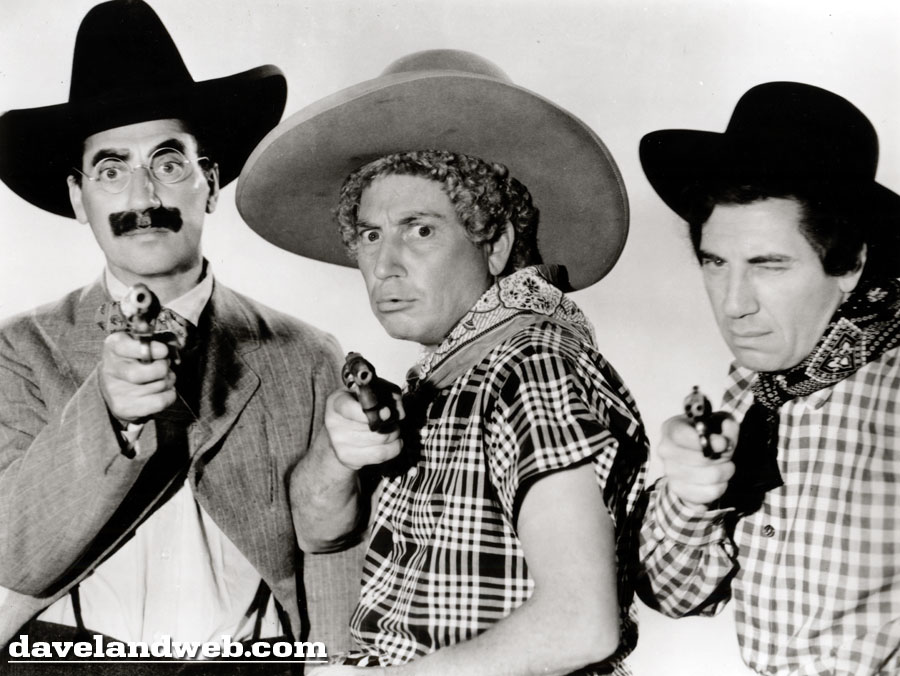
See more Marx Brothers photos at my main website.