Showing posts with label shirley temple photo. Show all posts

Tuesday, May 05, 2026

Cinco de Shirley


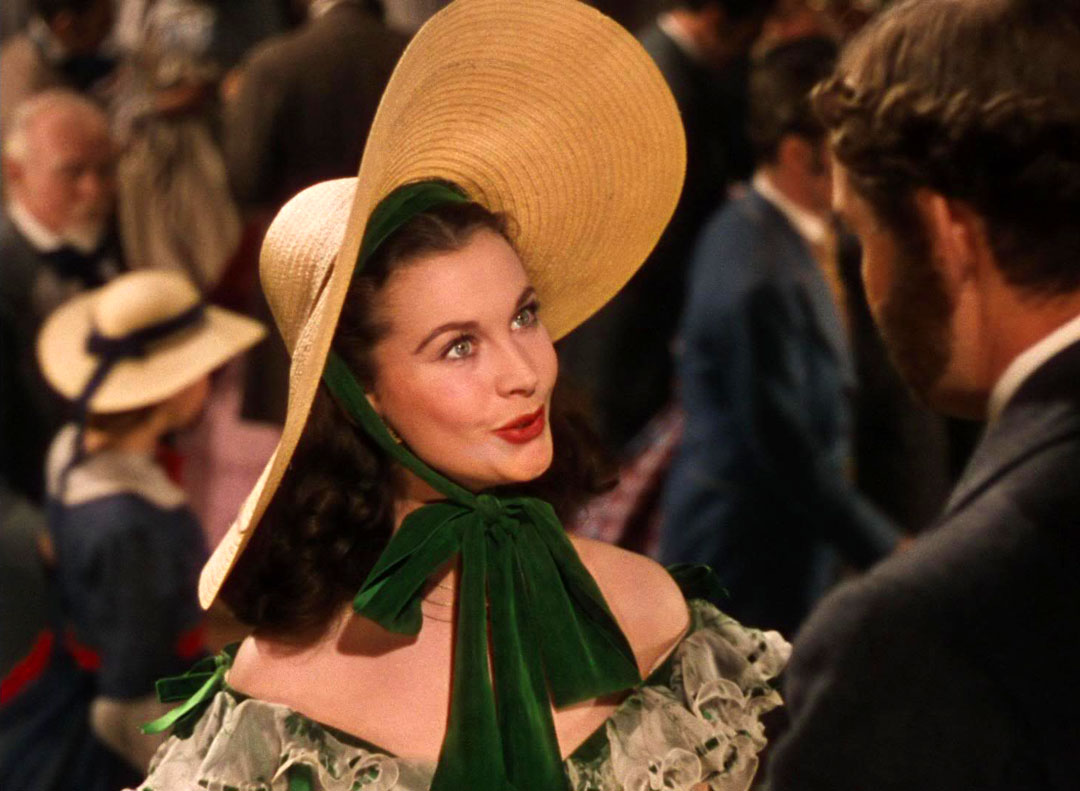
Six years ago, I did a Cinco de Mayo themed Temple Tuesday post; one pitiful photo that is new to my collection is what I have to offer today. Scanned from a badly faded transparency, this undated image is most likely from 1949. The chopped caption on the sleeve states, “Ektachrome by Arnold Johnson. Shirley Temple shops for imported Mexican fabrics in the Maya de Mexico shop in Beverly…”
 
Deductive reasoning would conclude that the shop was in Beverly Hills. I did the usual internet deep dive and came up with very little about the shop itself, however, I did find an Etsy listing for a skirt that has a Maya de Mexico label as well as some eBay listings for similar items. Perhaps the caption was off and the shop was a different name but carried these colorful and vibrant fabrics. Any vintage Beverly Hills aficionados know the story?


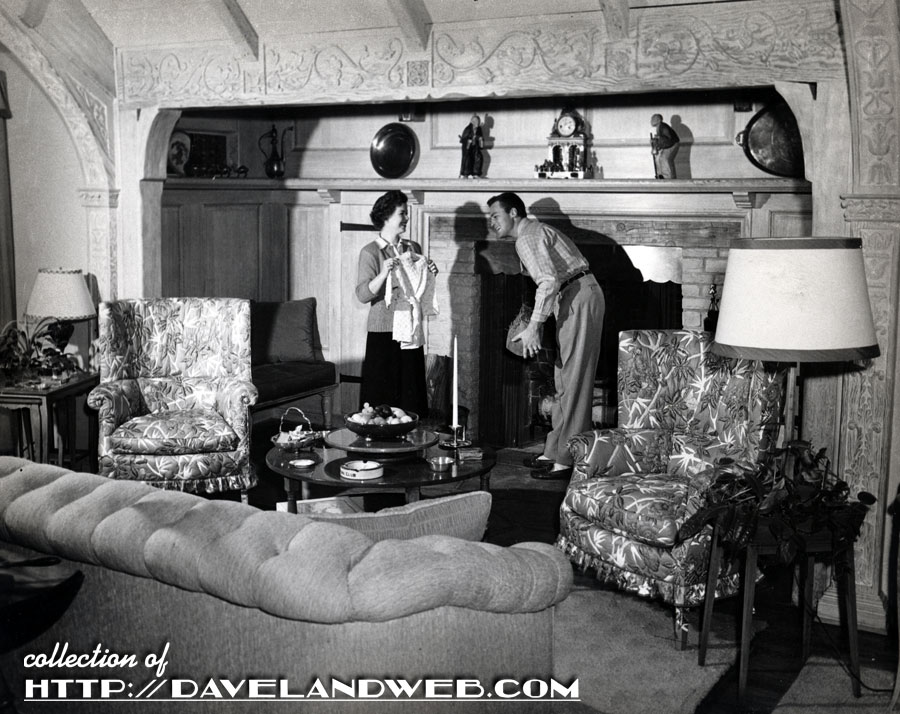
It would appear that based on the decor in her 1949 home, Shirley was no stranger to bold prints!


Above and below, Shirley poses with then husband John Agar and her first child, Linda Susan.


These were shot for the April 1949 issue of Modern Screen, shown below in full color!


See more Shirley Temple photos at my main website.

Tuesday, October 10, 2023

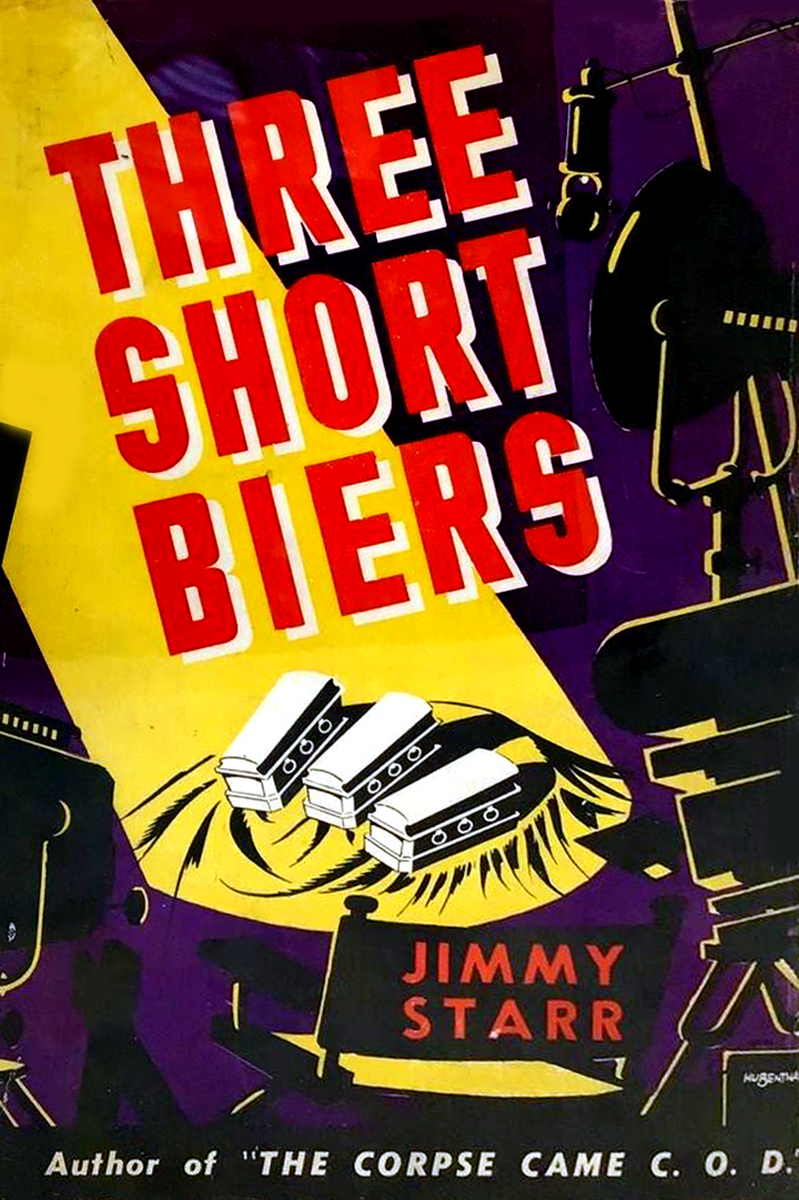
Temple Tuesday: Three Short Biers at The Brown Derby


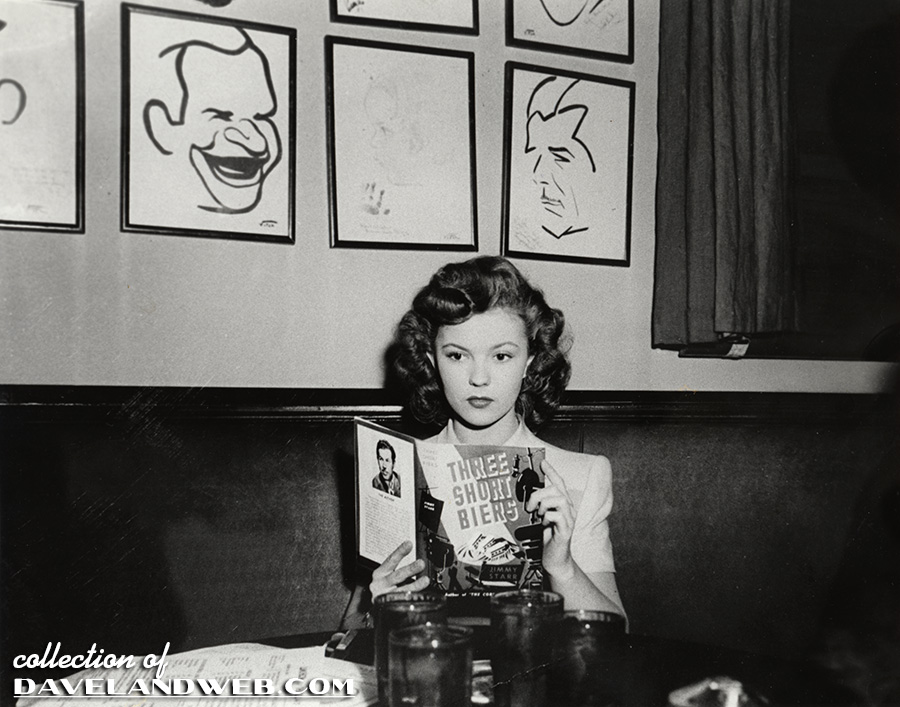
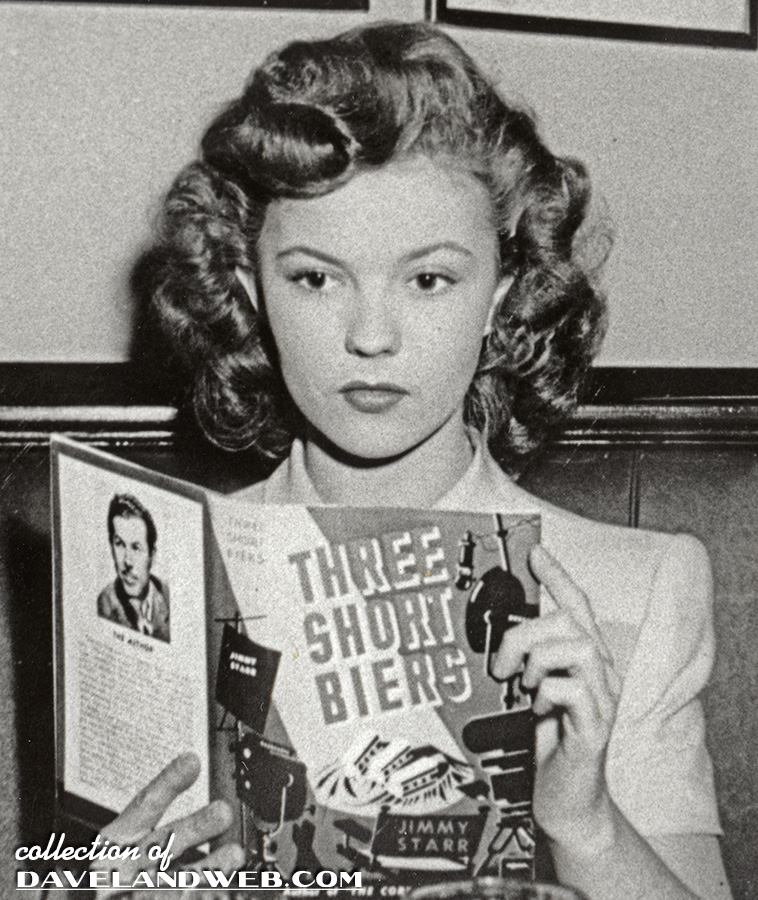
Shirley Temple often dined at the Brown Derby Restaurant, as you can see in this 1945 shot. She appears to be intently reading Three Short Biers by Jimmy Starr.


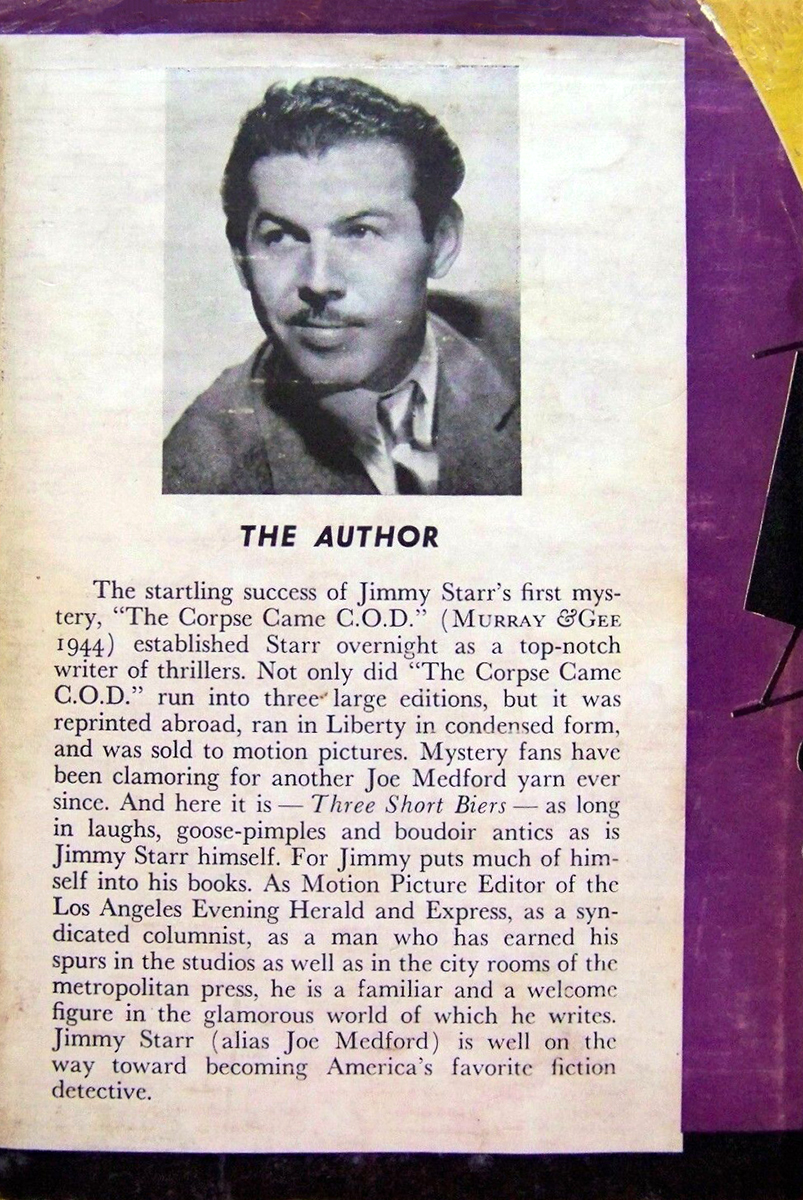
Born February 3, 1904, Jimmy Starr was an American screenwriter and columnist. Starr began at MGM as an office boy at the young age of fifteen. In 1923, Starr was hired as motion-picture editor of the Los Angeles Evening Post-Record, where he wrote his “Cinematters” column until 1930. Starr worked as a screenwriter in Hollywood during the 1930s. From the 1940s he worked as a film writer and columnist, providing reviews and insights into the film world, and occasionally made cameo appearances in the movies. In 1947, his novel The Corpse Came C.O.D. was made into a  film with George Brent and Joan Blondell. The nightclub in the film was a recreation of the famous Ciro’s on Sunset Boulevard. The Disneyland Connection: from March 1956-September 1959, in Disneyland’s Town Square, there was a shop called Jimmy Starr’s Show Business Souvenirs, which sold movie photos, autographs, and collectible movie book. The shop also had movie props on display, including a few from the “Zorro” TV series with Guy Williams that was all the rage at the time the store was open. When it closed, the store was replaced by Wonderland Music. Want to see Jimmy? Here he is from the back cover of the book Shirley is reading:


After retirement from the Hollywood scene, Starr moved to Phoenix, Arizona, where he worked at the Ramada Inn headquarters as Director of Advertising and Public Relations. He donated many of his papers and photographs to Arizona State University in the 1970s before dying on August 13, 1990.
 
Here’s a color image of the book’s cover:


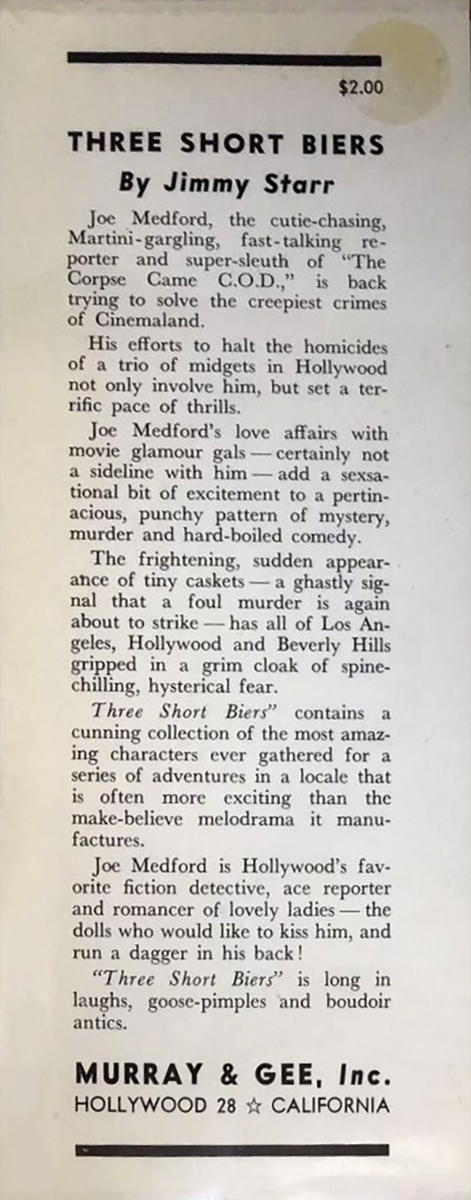
…and the inside flap from the dust jacket:


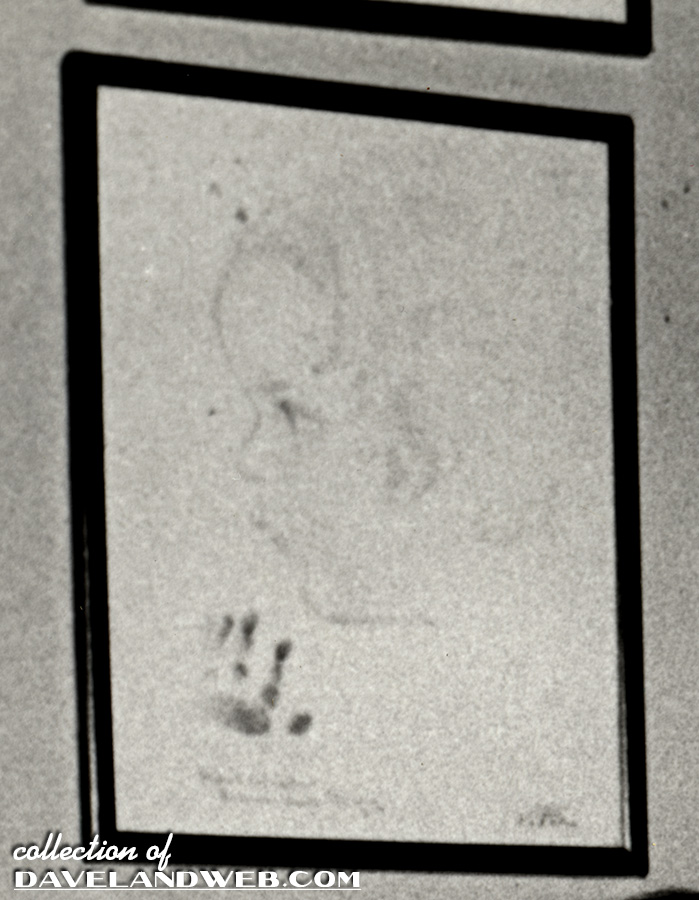
Back to Shirley, you can see the caricatures that surround her. Far left looks like Noah Beery and to her right would appear to be Ronald Colman.Directly above her MIGHT be Shirley herself, but it’s hard to tell. What do you think?


See more Shirley Temple photos at my main website.

Tuesday, November 30, 2021

Temple Tuesday: Shirley and the Strad


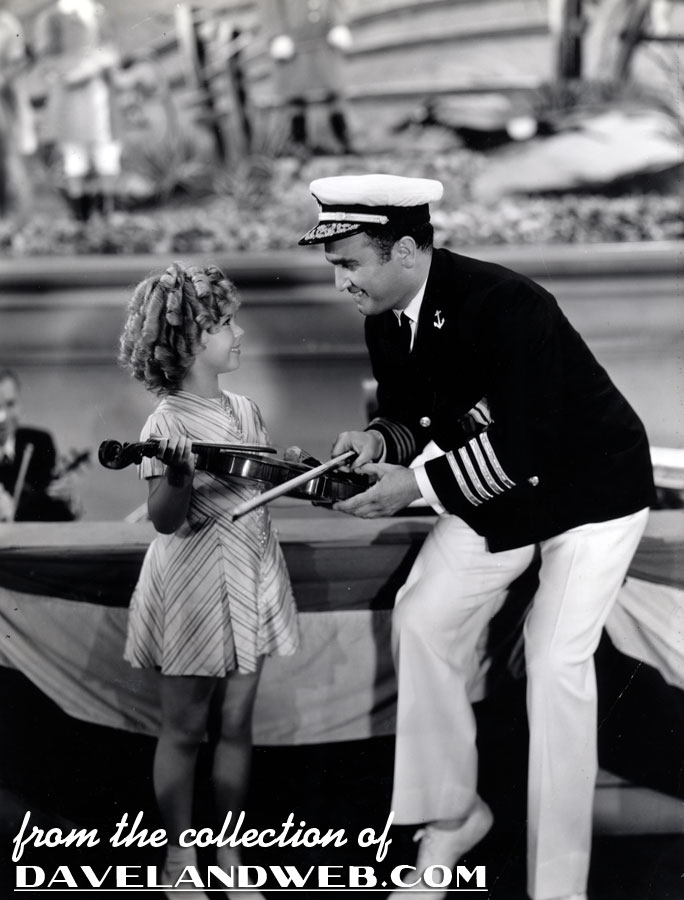
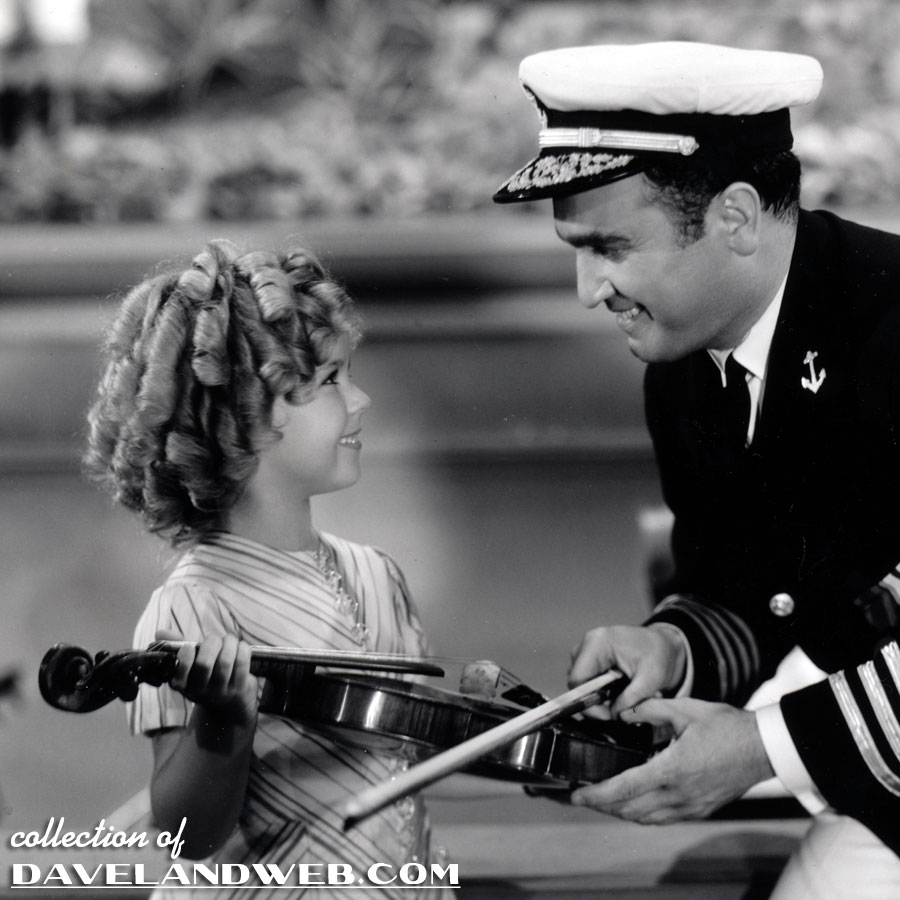
Publicity is the name of the game, and Shirley Temple not only publicized her movies, but others that were being filmed at the Fox lot. This publicity still shows Shirley with famed violinist Rubinoff. From the accompanying caption:

When Shirley Temple, home from Honolulu, dropped in to visit Dick Powell on the “Thanks a Million” set at Twentieth Century-Fox she found a new friend in Rubinoff, the famous violinist. As a gesture of friendship, Rubinoff allowed her to play with his $100,000 violin - a great compliment.


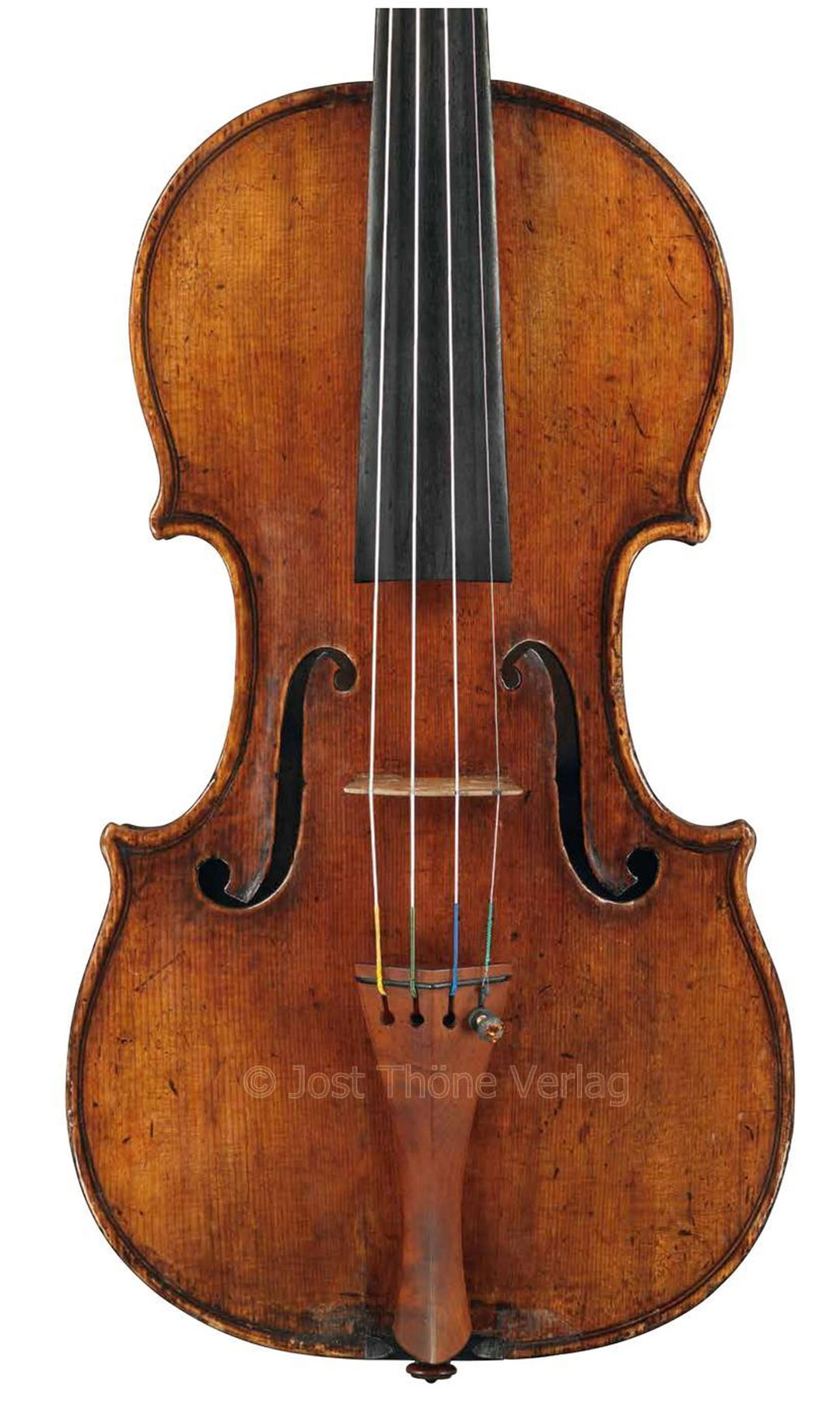
It appears that Rubinoff owned the violin until 1986 when he died, at which time it passed to his wife, Darlene, who owned it until 2000. I found the violin listed on an auction site with this information:

Rubinoff acquired the “Maurin” Stradivarius, built in 1731, in the late 1920s or 1930s from the Wurlitzer Co., acting as an agent for instrument collector Nathan E. Posner. According to the book How Many Strads? by Ernest Doring,…Posner bought the violin from a woman in Paris. It was known as the “Maurin,” presumably named after a famous late 19th-century French violinist, Jean Pierre Maurin. Mrs. Rubinoff recalled that the violin had been carried out of Russia before the 1917 revolution by the czar's family, hence the name by which Rubinoff called it, the “Romanoff” Strad. Neither Fushi nor the book mentions a Russian history, however. Mrs. Rubinoff said the czar's family sold it to a French courtesan. This part of the story meshes with that in the Doring book, though the timing may not. Fushi believes that Rubinoff had two copies of the original made, that the copies were good, and that the actual Strad may have been sold about 25 years ago to someone in Japan. He offered to authenticate and appraise the violin Mrs. Rubinoff has.


From Rubinoff’s L.A. Times obituary:

Rubinoff was born in Russia, one of five children of a tobacco factory worker and a laundress. He was 5 when he persuaded his parents to buy him a violin. He was studying music at the Royal Conservatory of Warsaw in 1911 when he met composer Victor Herbert, who was so impressed he brought the entire Rubinoff family to Pittsburgh. Rubinoff attended Forbes School in Pittsburgh, where he roomed with John Philip Sousa and became the leader of the school’s orchestra. He worked part-time in a cafe, playing his violin, and sold newspapers on the streets. Rubinoff eventually became a soloist with the Pittsburgh Symphony and went on to guest-conduct orchestras in this country and abroad. His big break came when he got a job as a regular conductor and soloist at the Paramount in New York City. Rudy Vallee saw him and brought him to the attention of the Chase & Sanborn coffee company, which signed him to an NBC contract for “The Eddie Cantor Show.” From 1931 to 1935 “Rubinoff and His Violin” was a regular feature on the show, also known as “The Chase & Sanborn Hour.” The violinist also remained with the program when it moved to CBS from 1935 to 1938. Although Rubinoff’s music was known to millions his voice was not. Reportedly because of his accent, the lines he supposedly read on the air were delivered by Lionel Stander or Teddy Bergman. Over the years Rubinoff performed at the White House for presidents Herbert Hoover, Franklin Roosevelt, Dwight Eisenhower and John Kennedy.

One more interesting tidbit about Rubinoff. A woman brought a breach of promise lawsuit against Rubinoff in 1937, alleging that he’d invited her to his apartment to see a collection of etchings, seduced her, and later refused to marry her when she claimed to be pregnant. The case was settled, but “Come up and see my etchings” became a popular catchphrase as a result. Remember it being used in “Terms of Endearment”?

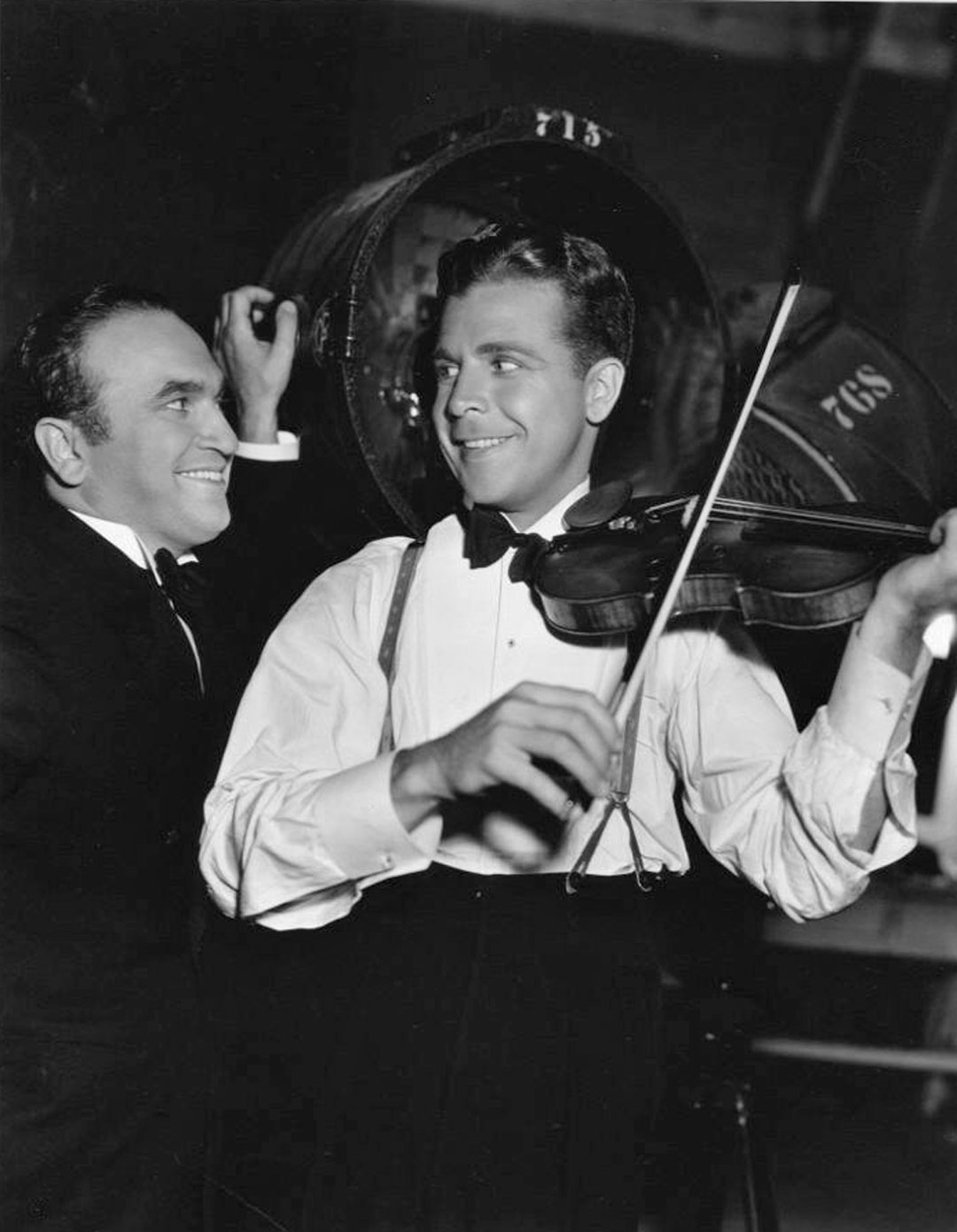
The photo below is from Dick Powell’s movie, “Thanks a Million,” the film set that Shirley visited and had her photo taken with Rubinoff.


From the publicity caption:

A TIP FROM THE TOP

Dick Powell receives a violin lesson between takes on the “Thanks a Million” set at Twentieth Century-Fox. His music master is none other than Rubinoff, the famous radio violinist. The star is probably the only beginner to commence his lessons on a $100,000 Stradivarius.

Sorry Dick, Shirley was first!

See more Shirley Temple photos at my main website.

Tuesday, September 21, 2021

Temple Tuesday: The First and the Last Dance


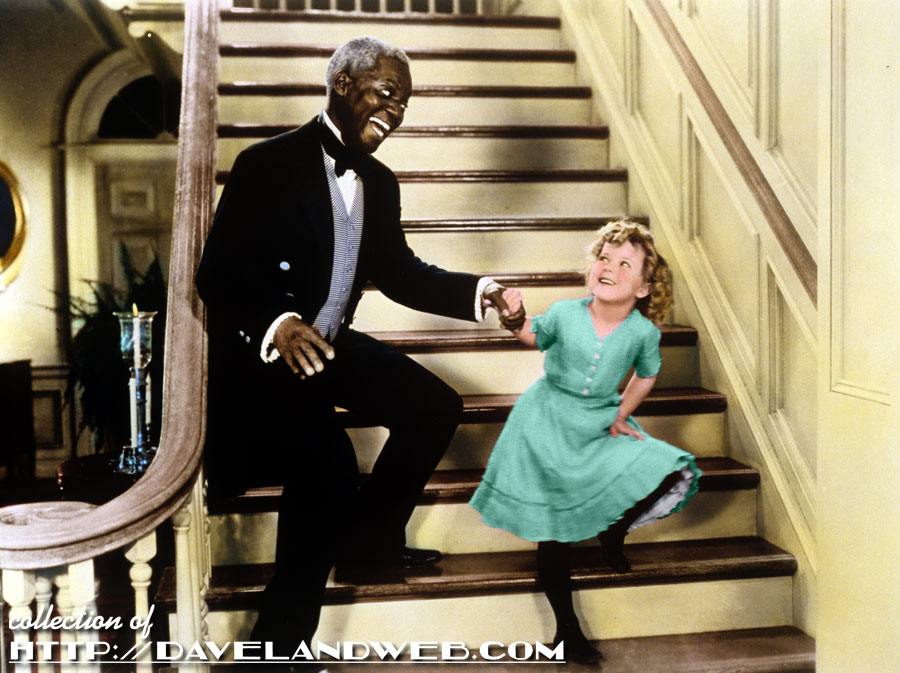
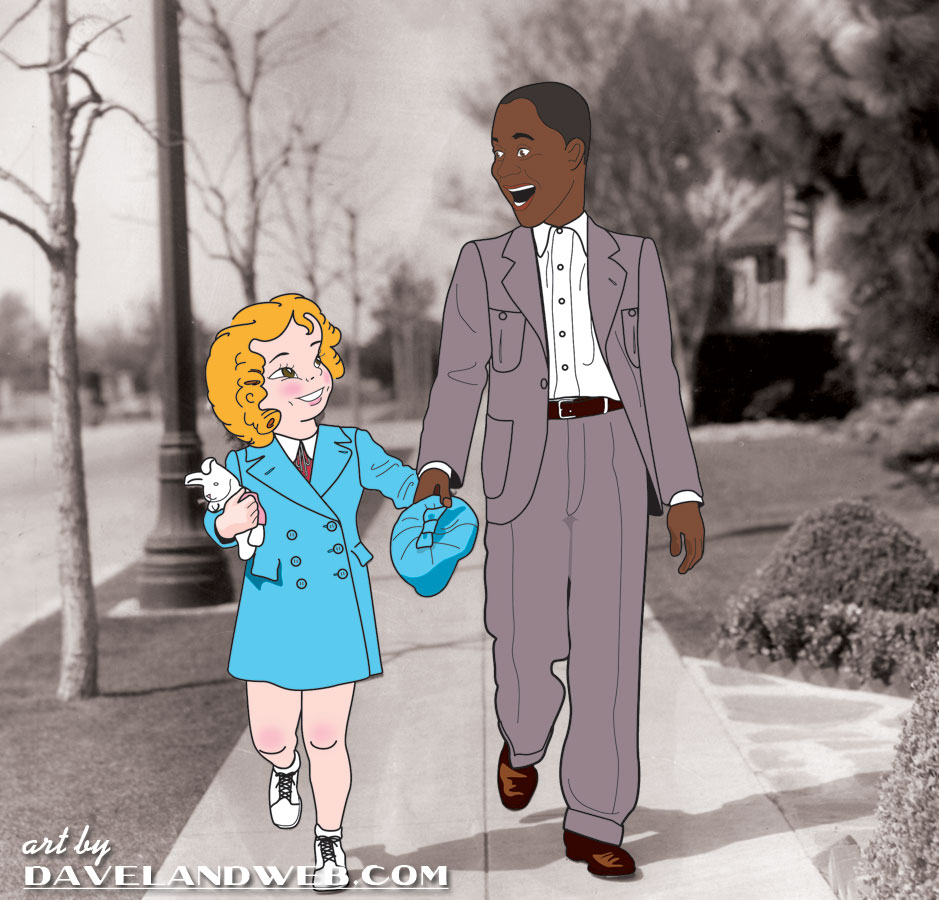
Shirley Temple and Bill Robinson; a duo that made Hollywood history as the first interracial dance team. Their first onscreen pairing was in the 1935 movie “The Little Colonel.” Shirley recalled her first meeting with Robinson in her autobiography Child Star:

“Can I call you Uncle Billy?” I asked. “Why, sure you can,” he replied. After a few steps he again stopped. “Mr. Robinson doesn’t fit anyway.” He grinned broadly. “But then I get to call you darlin”.” It was a deal. From then on whenever we walked together it was hand in hand, and I was always his “darlin’.” At first we practiced in the regular mirrored rehearsal hall. Then we found it more convenient to use a contraption that when folded looked like a wooden box, but when unfolded, became three steps, up on side and down the other. At any spare moment, anywhere, we could practice.
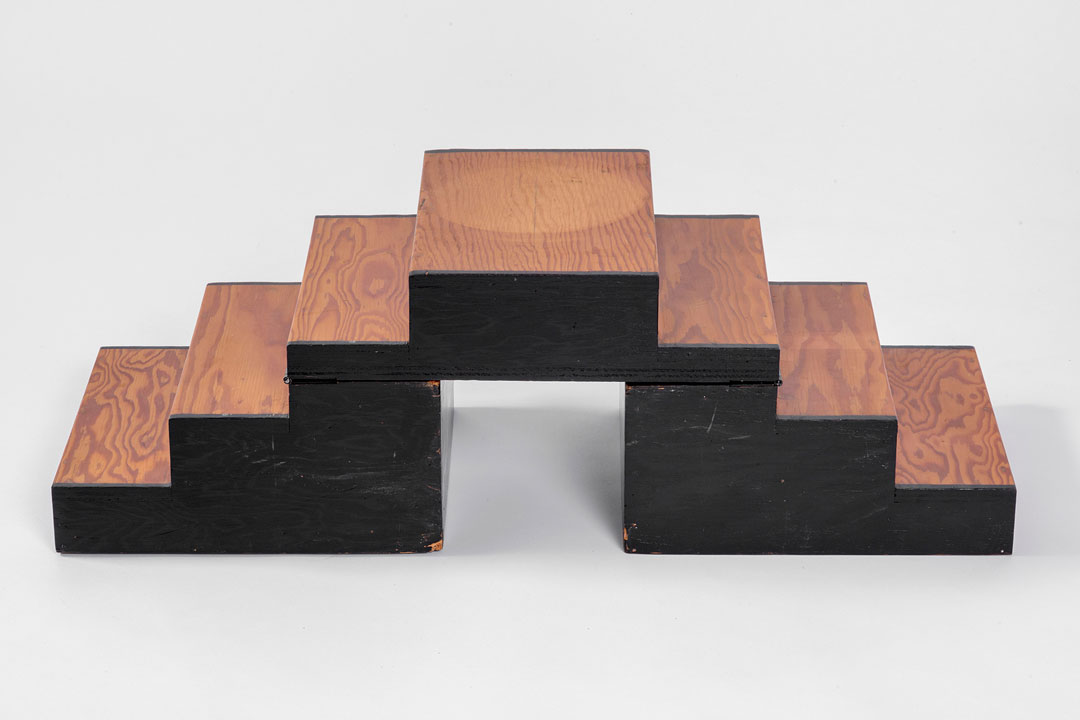

“We’ll have a hand-squeeze system,” he proposed. “When I give you three quick squeezes, means we’re coming to a hard part. One long squeeze, really good, darlin’! No squeeze at all? Well, let’s do it again.” Before long his system of signals became superfluous. “Now we just let those hands hang loose,” he instructed. “Limp wrists, loose in the shoulders. There, that’s it! Copacetic! Now let’s get your feet attached to your ears.”…Fondest memories of dancing with Uncle Billy come not only from our camera takes but from rehearsals, up and down that portable stile, or in any convenient corner. Practicing until each move became unthinking was a joy. Learning, an exhilaration. In devising some nuance of movement or sound to make the dance only ours lay the ultimate satisfaction. Once we had reached the point of “roll ’em,” each of our routines had been perfected, ready for only a final moment of elation in a long sequence totally devoid of drudgery.

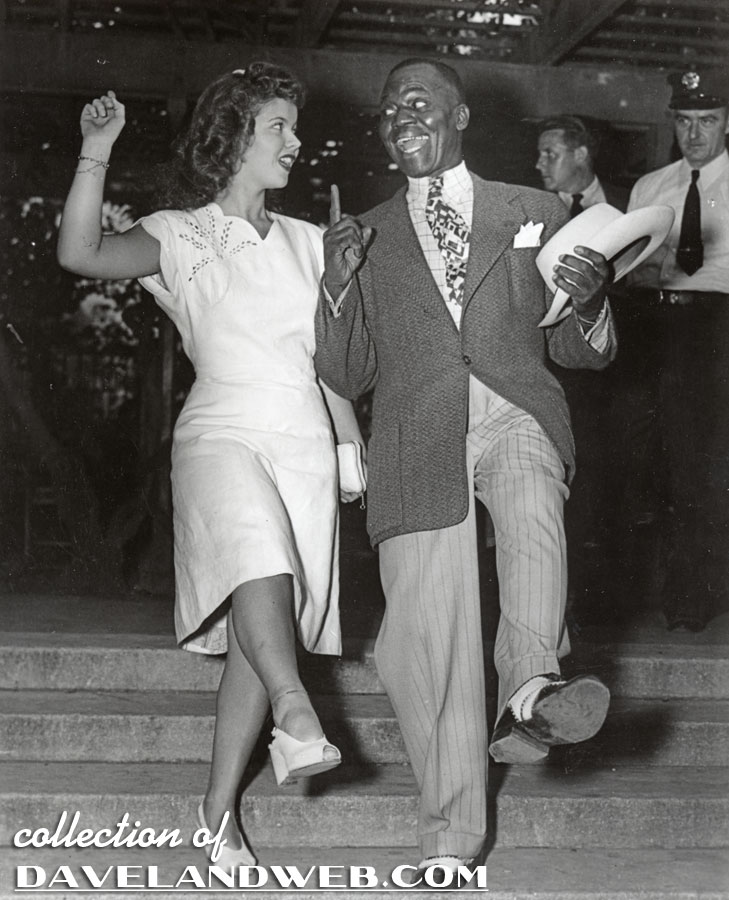
Flash forward to 1944, Shirley later recalled their last public performance:

Fifty thousand people collected in the mall of Central Park to celebrate the annual New York Mirror Sports Festival. Uncle Billy Robinson and I met onstage, our first encounter since “Little Miss Broadway” five years earlier. Appearing almost unchanged, he held my hands and suggested we perform a dance for old times. His two-toned shoes flickered with the same old magic I remembered so well, but I found myself laboring to follow his lead. Dancing the shim-sham-shimmy in high heels is not easy. “Haven’t done this since I was seven,” I told him after we had finished. “Excuse me if I wasn’t so hot.” “Darlin’,” he replied with that familiar slanted smile, “you were A, which means really sensAtional.” “Do I get a chance to visit you and Fannie[Robinson’s wife]?” I asked. A solemn little cloud passed over his face…[he] sighed, and waggled his head sideways.…Many times he and Fannie had been guests in our home, yet not once had I seen where they lived in Los Angeles. Wiser by far about racism since my first awareness acquired at the Desert Inn, I still believed that professional comradeship formed an automatic bridge across a chasm dug between people in the name of racial prejudice. A second chance to get my answer occurred at the Harvest Moon Ball in Madison Square Garden.…Leaving the central platform, we held hands as we always had, and at the top of the aisle I again asked when I could visit.…his face suddenly tinged with a calm, gentle expression. “No way, darlin’.” He gave my hand a reassuring squeeze. “Just no way.”

The two had one final visit at the end of 1949, just as Shirley was in the midst of divorce proceedings.

My cherished dance partner Bill “Bojangles” Robinson came to Los Angeles for a one-night charity performance. Dismissing the significance of my impending decree, he disclosed that he and Fannie had separated some time before, and that he was now happily remarried and had a ten-year-old adopted daughter. “But she can’t dance,” he said, cocking his head sideways and flashing that same wide-eyed, toothy smile so indelibly imprinted in childhood memory. “I’m in hard times now, and gray too.” He ruffled on hand over his hair. “But after all, I’m seventy-one.” For a while we sat together, contentedly recalling the happy past we had shared. “Both of us come a long way since that first staircase dance way back in 1934.” He gave a delighted, rolling chuckle. “Still plenty to laugh about.” Within several days, on Thanksgiving, Uncle Billy lay dead.…30,000 people lined New York City streets as his funeral cortege wound through Harlem, led by a brass band of trumpets, tubas, and trombones, stepping slowly in lockstep. What they played was not a dirge, however, but music Uncle Billy would have wanted, dance music in slow motion. Our entertainment careers were ending just as our duets always had, in good time and in step.

What made Robinson so special to Shirley? She later recounted the reason to NPR:

Bill Robinson treated me as an equal, which was very important to me. He didn't talk down to me, like to a little girl. And I liked people like that. And Bill Robinson was the best of all.

See more Shirley Temple photos at my main website.

Tuesday, August 31, 2021

Temple Tuesday: Shirley, James Dean, and Gone with the Wind


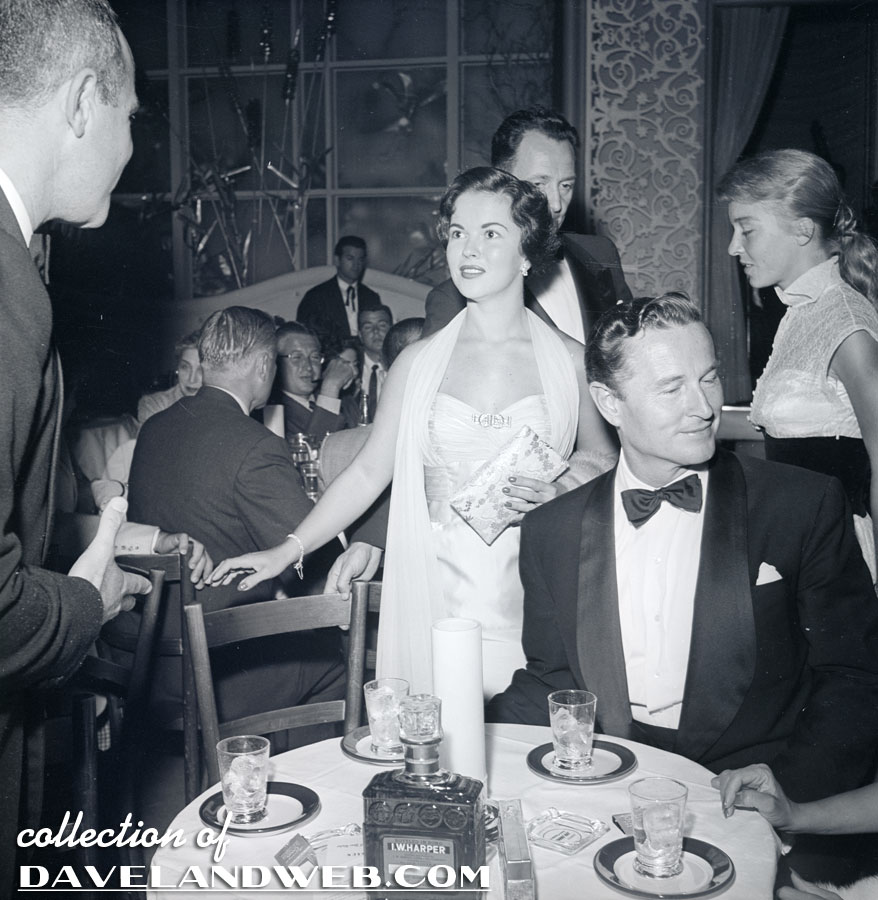
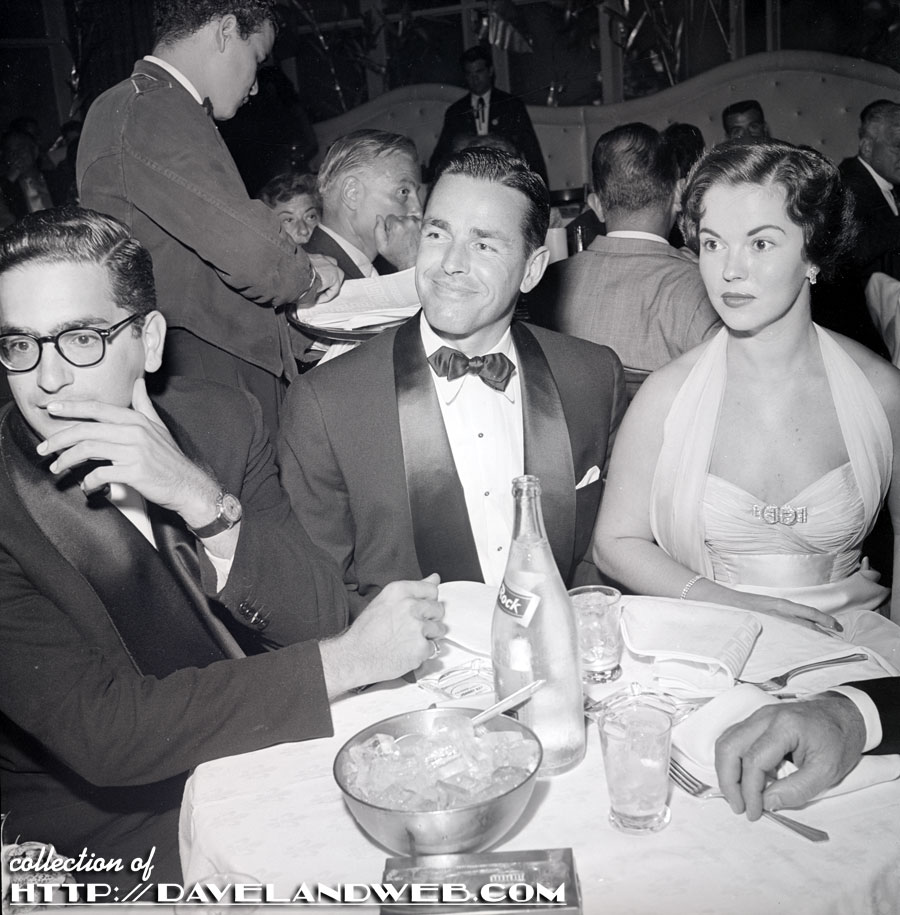
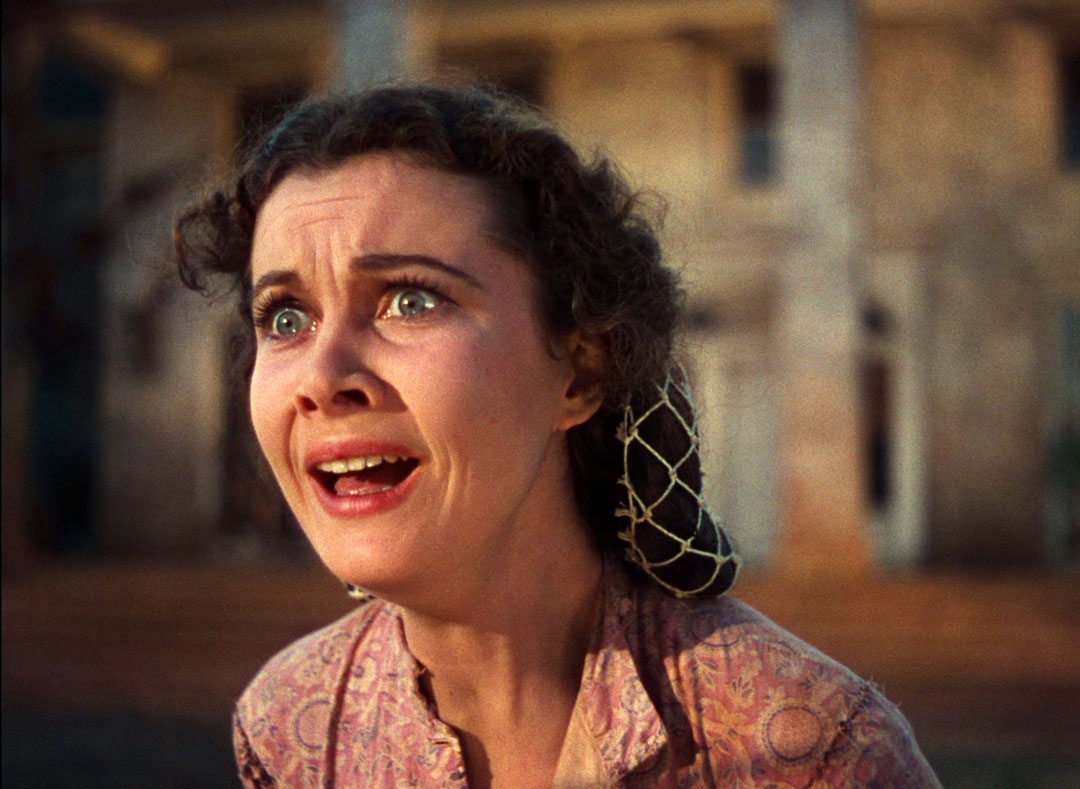
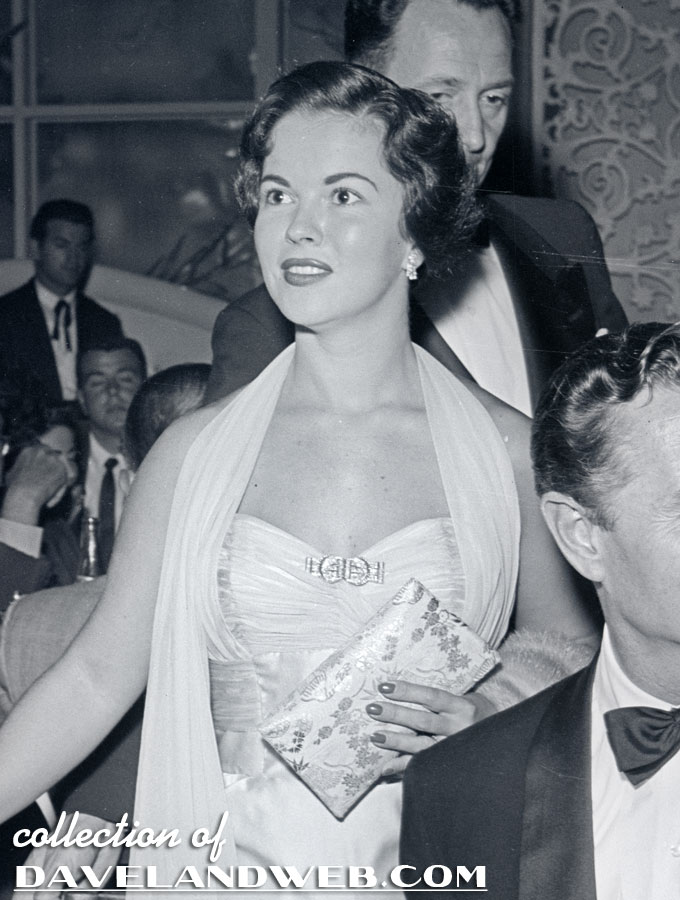
I would not have imagined a post where there is a common thread for all three, but here it is! The backstory: when I acquired the first image from today’s post, I realized I also had another shot of Shirley from the same evening. At this point, I had zero context. No date of the shots or anything. So...I reached out to Melissa (aka “The Colonel”). Within minutes, she had figured out through Mr. Google that the photos were from August 10, 1954 when Shirley and husband Charles attended the re-premiere of “Gone with the Wind.” That was all I needed; I was off to the races and falling down a rabbit hole of six degrees of separation.


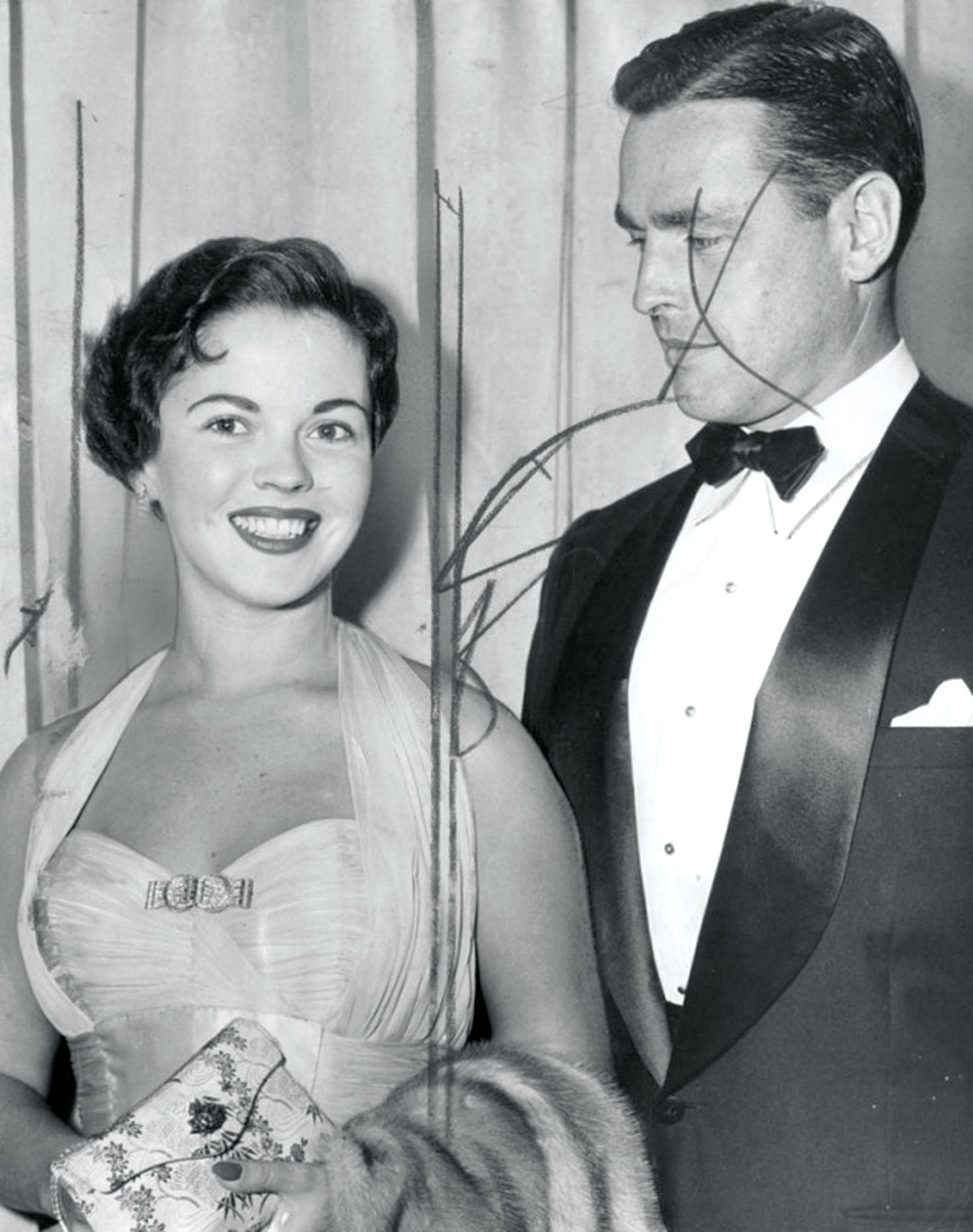
The photo below was found online with this vintage caption:

Shirley Temple was only 11 years old when she saw first premiere of "Gone With the Wind," 15 years ago. She is shown arriving with husband, Charles Black, for second premiere last night at the Egyptian Theatre. “I know I will enjoy and understand it a little better,” she said.


Although the press crossed Charles out from the published shot, I can assure you that Shirley NEVER crossed her beloved husband out of anything. Don’t they look stunning?

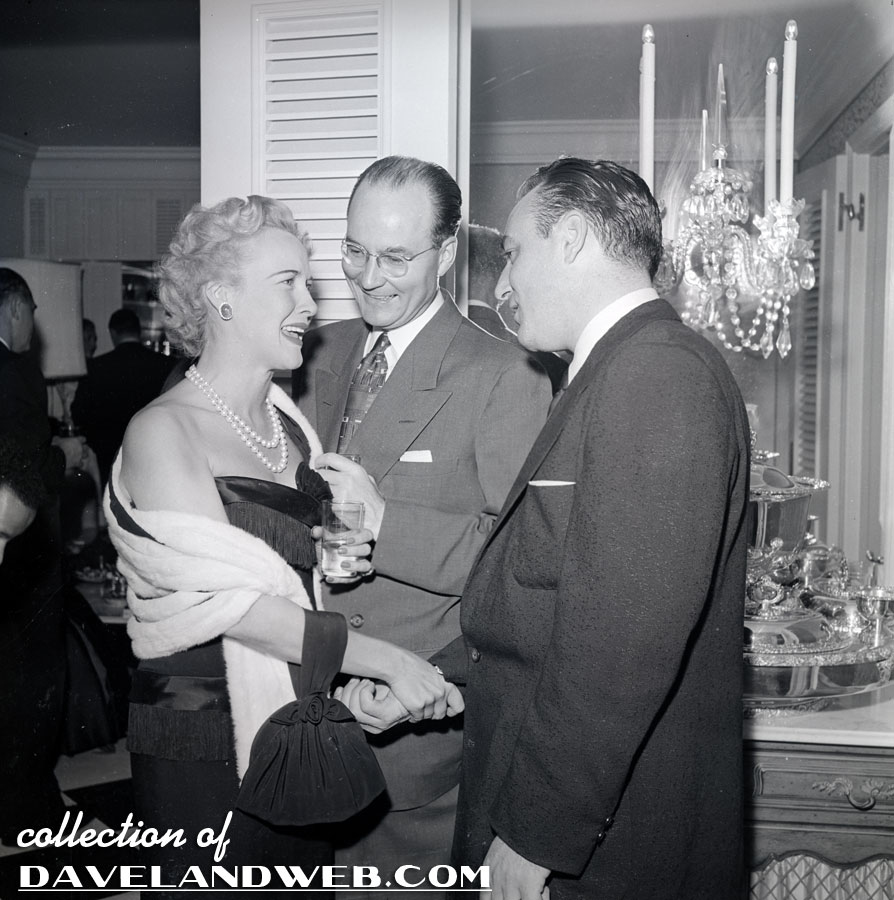
Here’s the backstory on the re-premiere: Selznick liquidated his company in 1942 for tax reasons, and sold his share in “Gone with the Wind” to his business partner, John “Jock” Whitney, for $500,000. In turn, Whitney sold it to MGM for $2.8 million. MGM re-released the film in 1942 and 1947. I THINK the shot below is from the night of the re-premiere; on the left is Kay Gable (Clark’s wife). In the middle I am fairly certain we have “Jock” Whitney, with Herman Hover the owner of Ciro’s on the right (thanks Beachgal for the ID!).


From the 1977 book Scarlett Fever by William Pratt:

In February 1954, fireworks had exploded after a televised tribute to MGM’s Thirtieth Anniversary. It seemed that on “The Ed Sullivan Show,” a film clip of GWTW had been shown along with some other MGM films produced over the previous three decades, and David O. Selznick was enraged by the studio’s taking credit for the production. By August—after apologies all around—the Hollywood “premiere” actually became a personal testimonial to the producer as Oscars representing the film’s Academy Award triumph were on display in the Egyptian’s lobby along with David’s own Thalberg Award for the August 10 grand gala event. MGM publicists informed the press that “the gala event marked the first time in history that any picture ever had been given a second Hollywood premiere.” The 125 stars who held reservations for that big night included most of MGM’s remaining contract players, a selection of the town’s Old Guard (Joan Bennett, Gary Cooper, Joan Crawford, Merle Oberon, Tyrone Power, Edward G. Robinson, Barbara Stanwyck, Norma Shearer, Shirley Temple, and Spencer Tracy) and several surviving members of Gone with the Wind’s cast (Mary Anderson, Jane Darwell, Clark Gable, Cammie King, Thomas Mitchell, and Ona Munson, six months before her suicide). 

How did the film look after 15 years had gone by? The version shown in 1954 was the first time the film had been shown in widescreen. Since the film was not originally shot in that format, MGM cropped the top and bottom to an aspect ratio of 1.75:1. In doing so, a number of shots were optically re-framed. What do I think about that?


More from Scarlett Fever:

While viewers throughout America appreciated the film’s new panoramic scope that year, many wondered why the color had faded so drastically in certain segments. The cause was simple: in projecting the 1939 image onto a wide screen, crucial portions of some scenes were cut off and, to compensate, MGM had actually rephotographed those sequences with a black mask at screen bottom to raise the affected footage. In so doing, the original color was significantly drained from those moments and their new appearance was limited to a near tint-like quality.…The 1954 presentation also offered a novelty that was a distinct advantage for those theatres equipped with the latest sound systems. Despite is original one-channel, optical (or monaural) sound track, MGM technicians did a difficult and splendid job of dividing it onto a new multiple=channel magnetic tape which broadcast the film in “Perspecta stereophonic sound.” The effect was brilliant: conversations were actually divided line by line (only in certain scenes) and the voice of a character out of camera range could be heard over a viewer’s shoulder—from the back of the theatre. This was particularly well used for Ashley’s reminiscences at the lumber mill and in the finale. Stereophonic sound lost its popularity fairly quickly int he following years and this particular divided sound track was never employed again.

Based on the version available on blu ray, somehow the film has been restored back to its original glory. You can fiddle-dee-dee but don’t fiddle with the film, thank you.


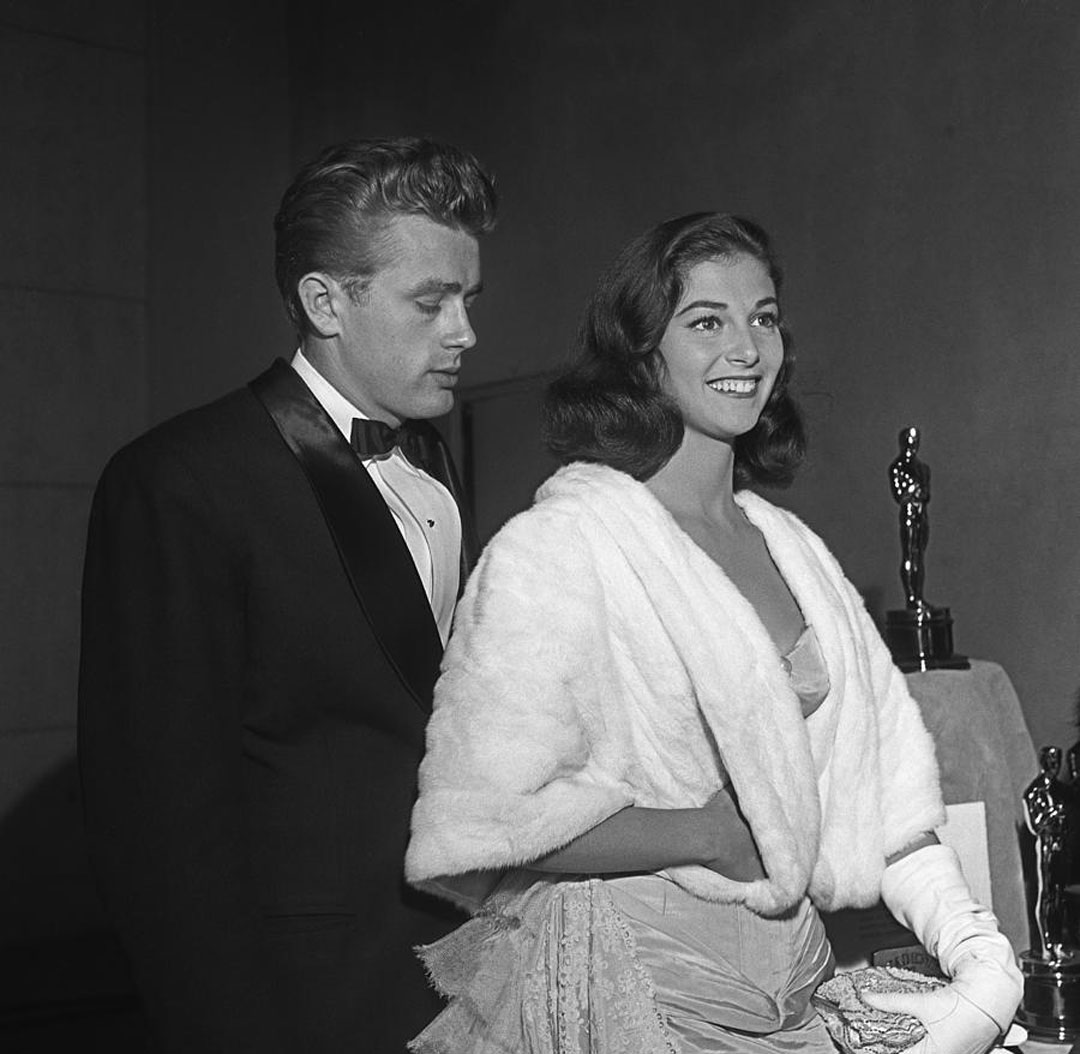
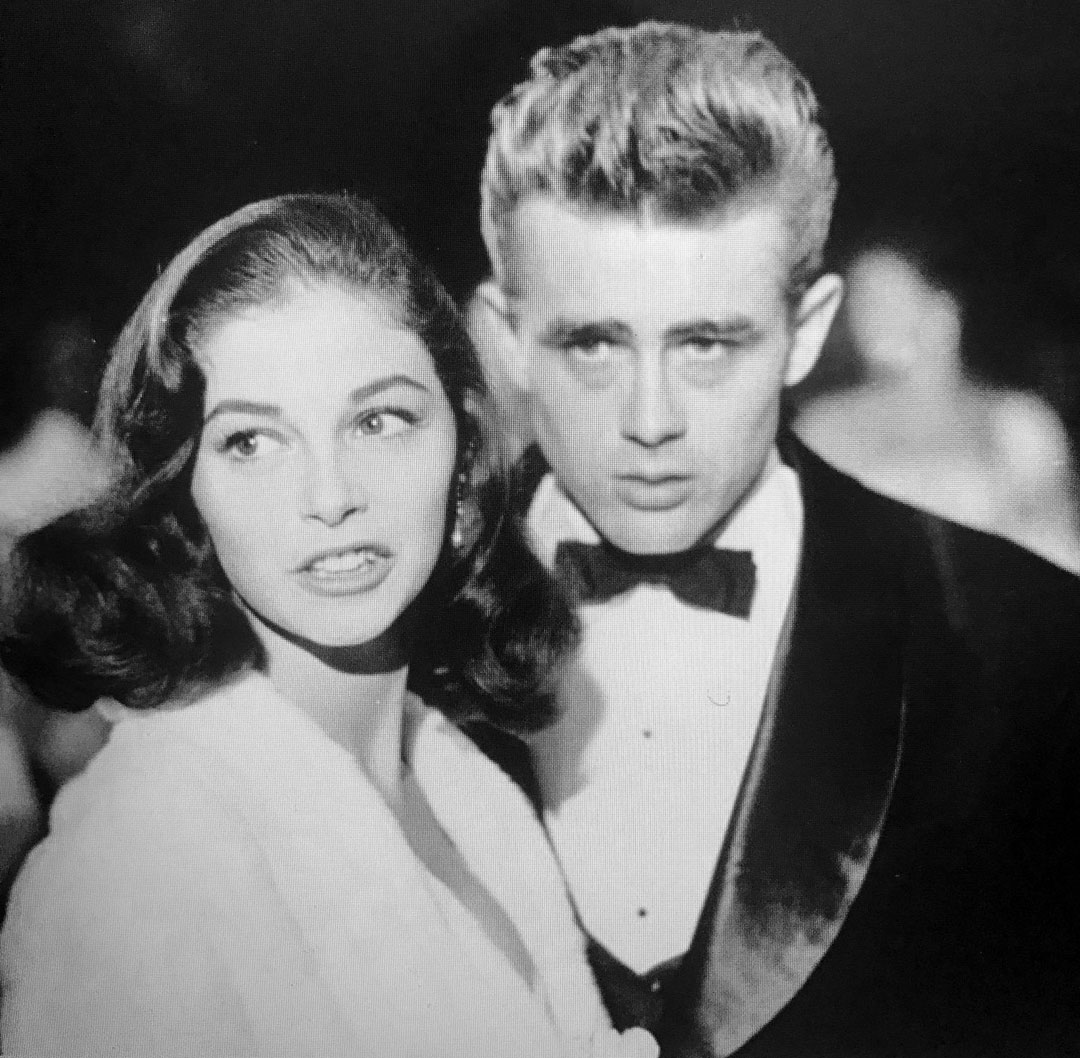
As if all this weren’t exciting enough, guess who else was at the re-premiere event? JAMES DEAN! The thought of Shirley actually meeting my other favorite actor truly boggles my mind. Dean attended the event because he was dating actress Pier Angeli, who was under contract to MGM at the time. Note the Oscars behind them from “Gone with the Wind.”


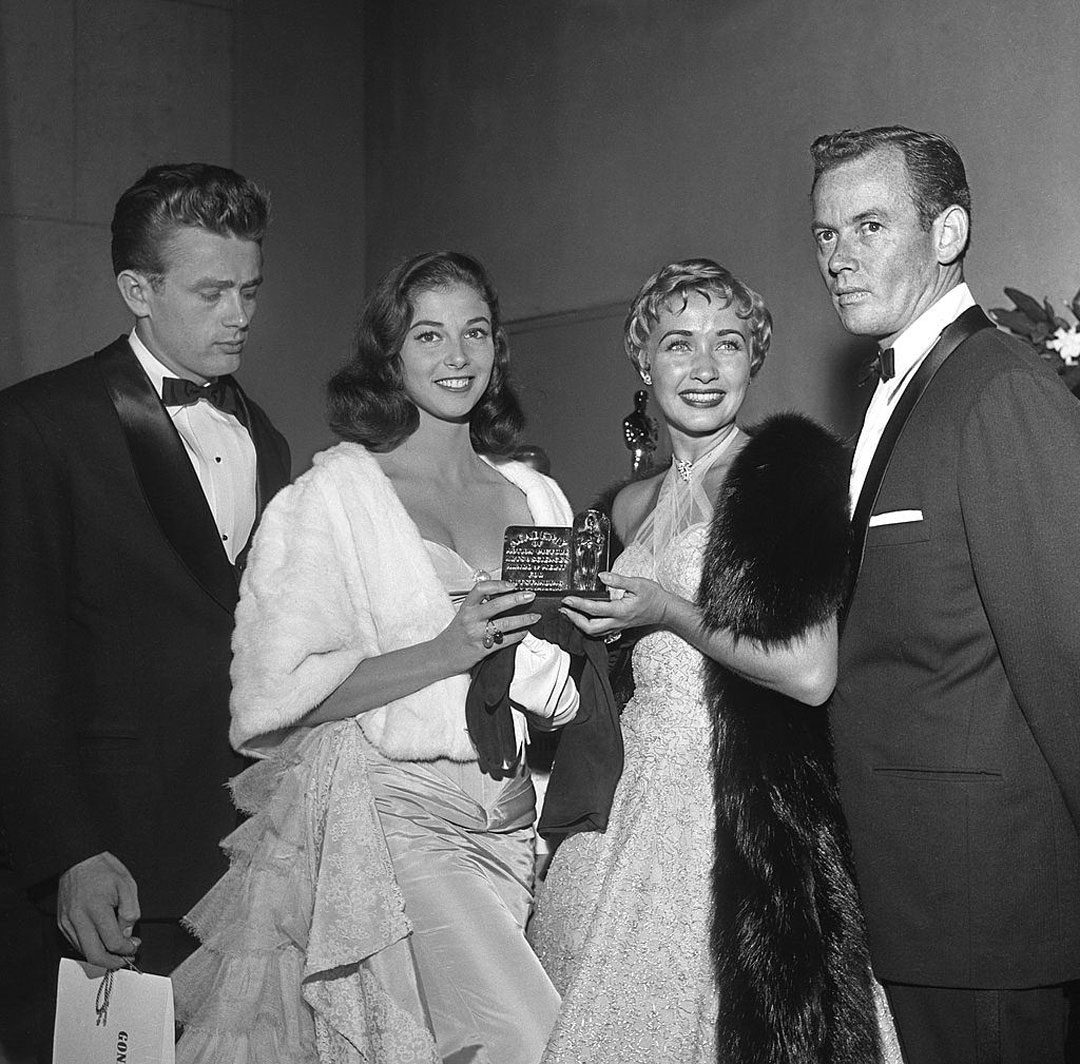
Here they are with Jane Powell and then-husband Patrick Nerney. If Dean looks uncomfortable, you can bet he was. These types of events were not his type of thing, especially having to wear a tuxedo.


I have no idea if Shirley actually met James Dean. But, on the right side of the photo in the background, it looks like it could be Shirley. For the sake of this post, I’m going to say it is. Don’t burst my bubble, please.


Back to Shirley; this is HER post, after all. Let’s zoom in for a closer look at her in all her gala finery:

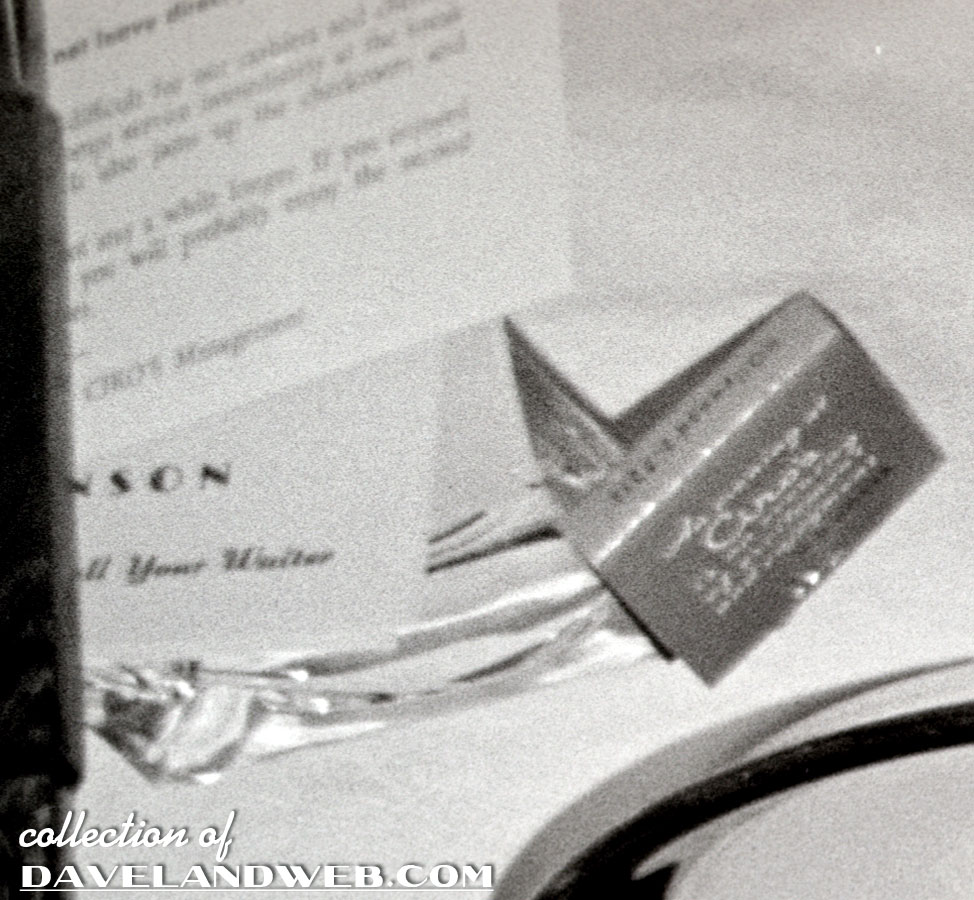
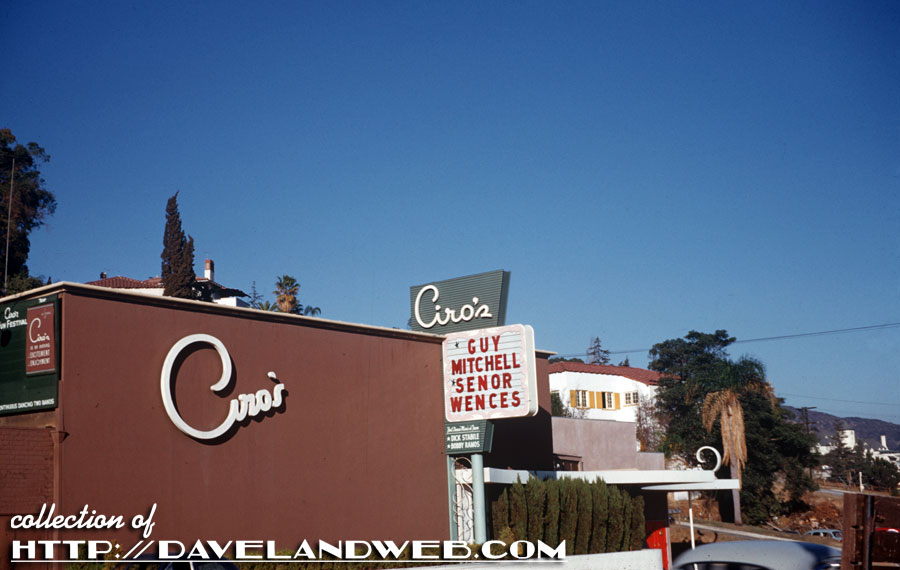
A closer look at the table tells us the after-party/dinner was held at Ciro’s nightclub on Sunset Boulevard.


In my collection, I just happen to have a shot of the exterior of the Club from 1954:


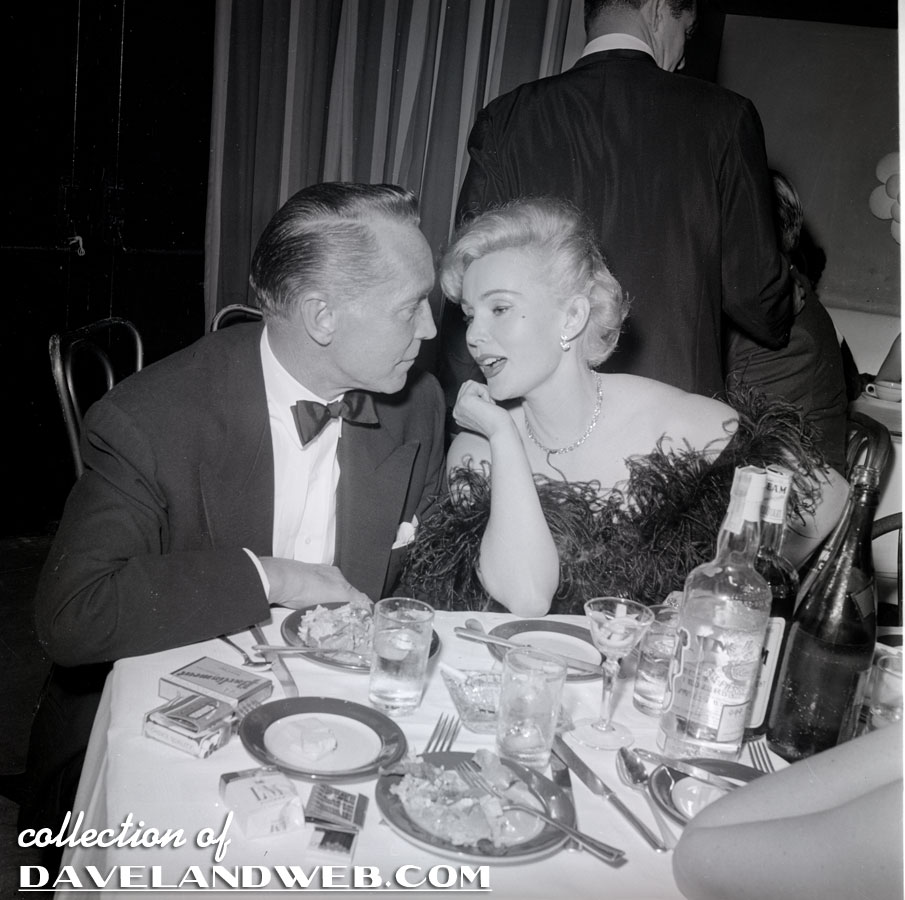
Franchot Tone and Zsa Zsa Gabor seem to be having a deep conversation at the party:


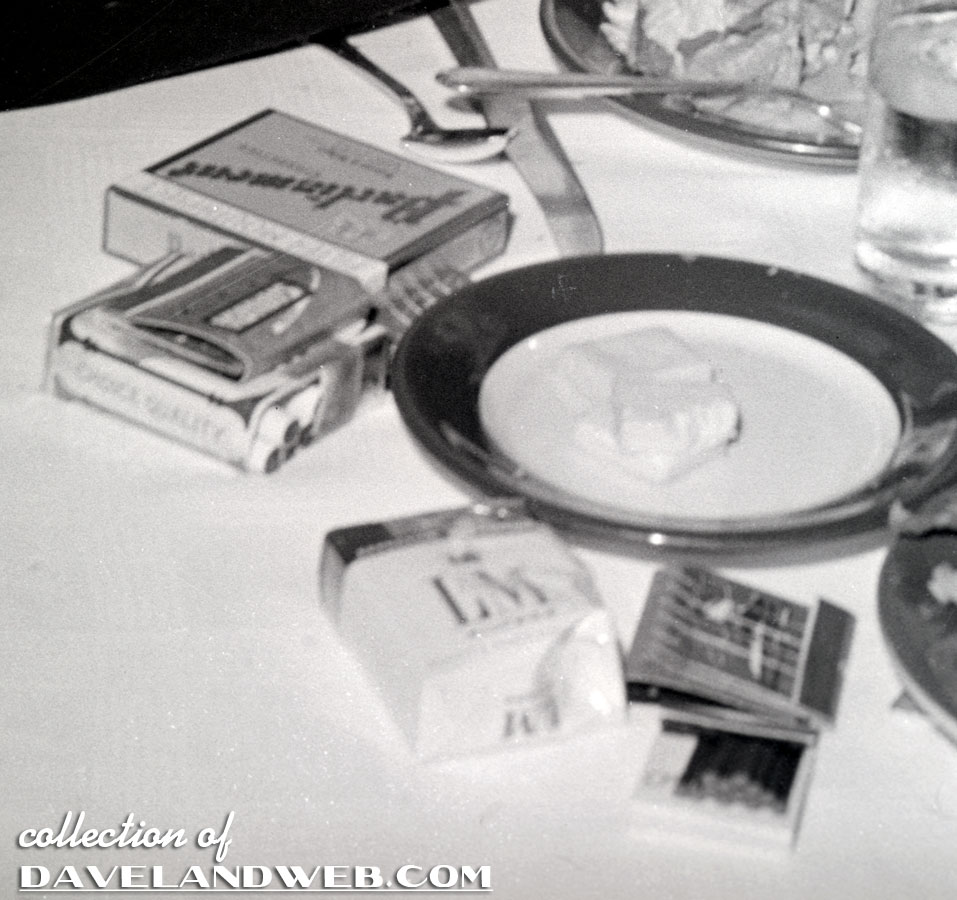
Parliament cigarettes were apparently the smoke of choice that evening:


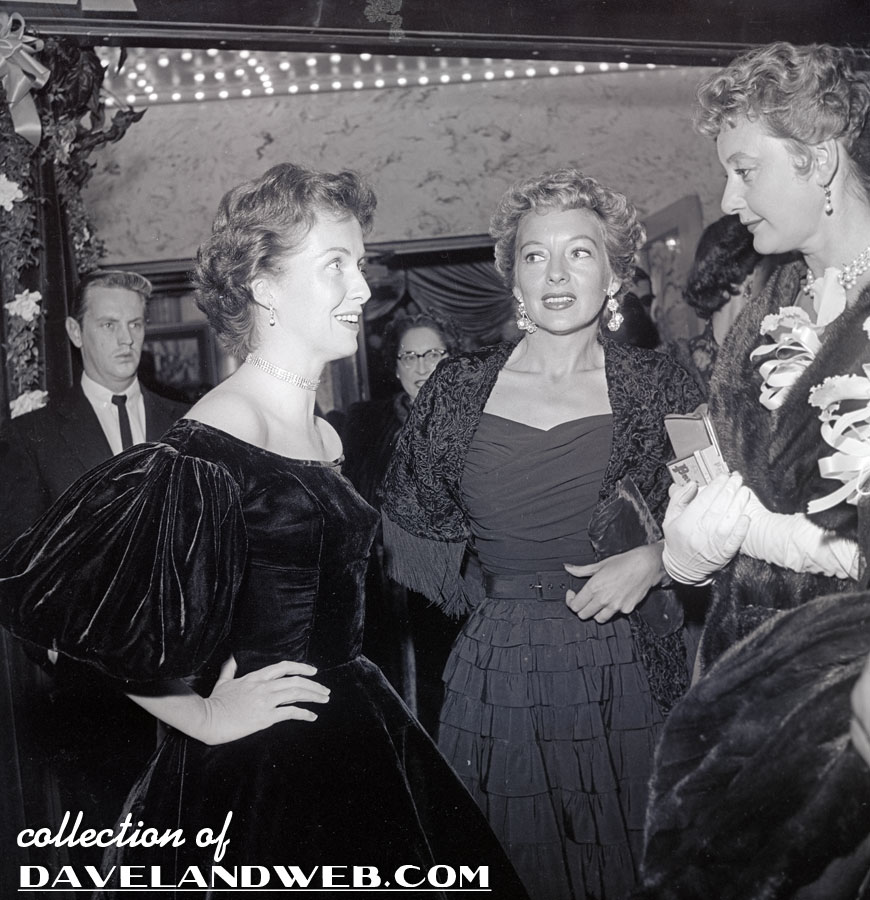
Here are Betsy Blair (wife of Gene Kelly at the time) and “Gone with the Wind” star Evelyn Keyes (who played Scarlett’s sister Suellen):


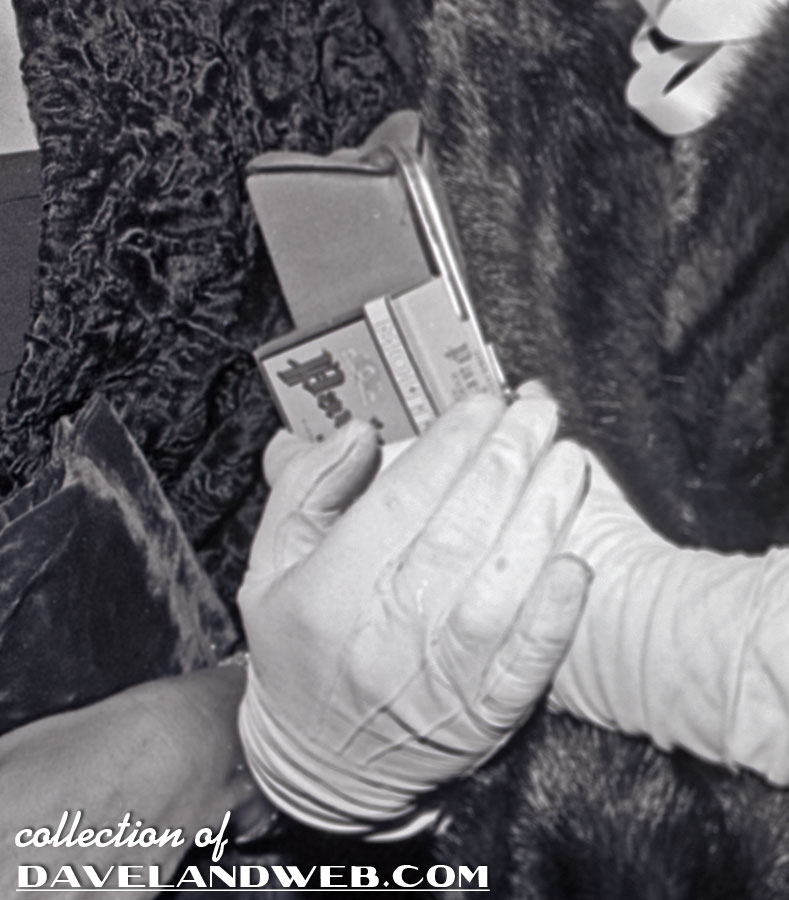
I’m not sure who the gal on the right is, but she has a big old pack of Parliaments, too. Maybe they were a sponsor for the evening.


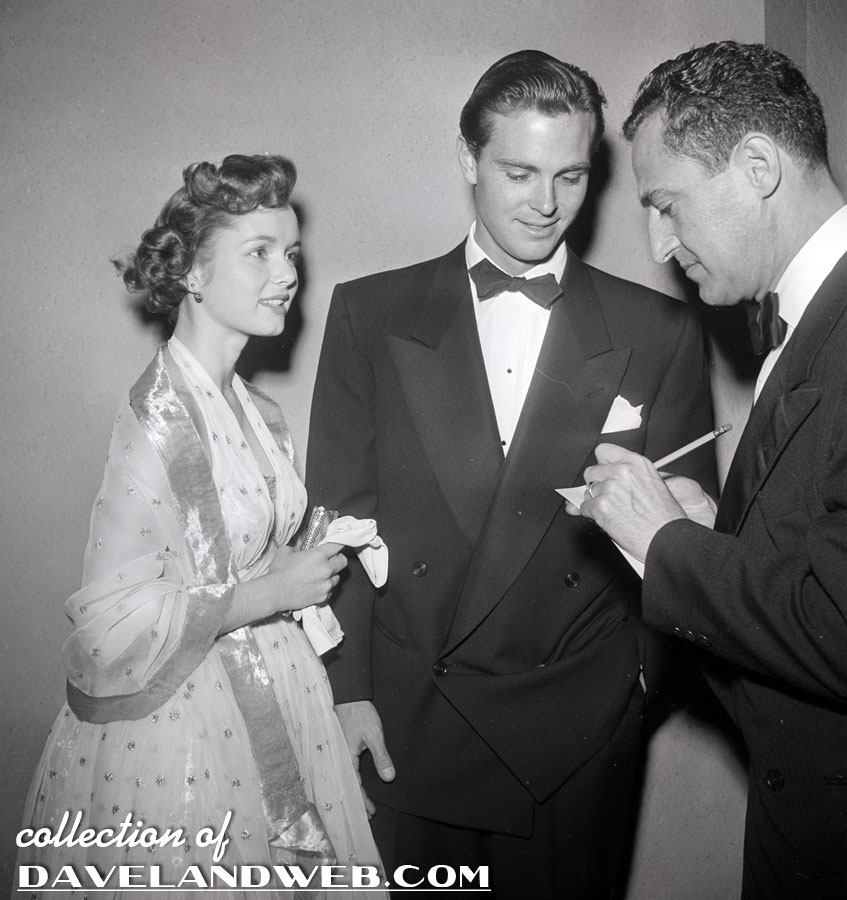
Other guests that evening included Debbie Reynolds:


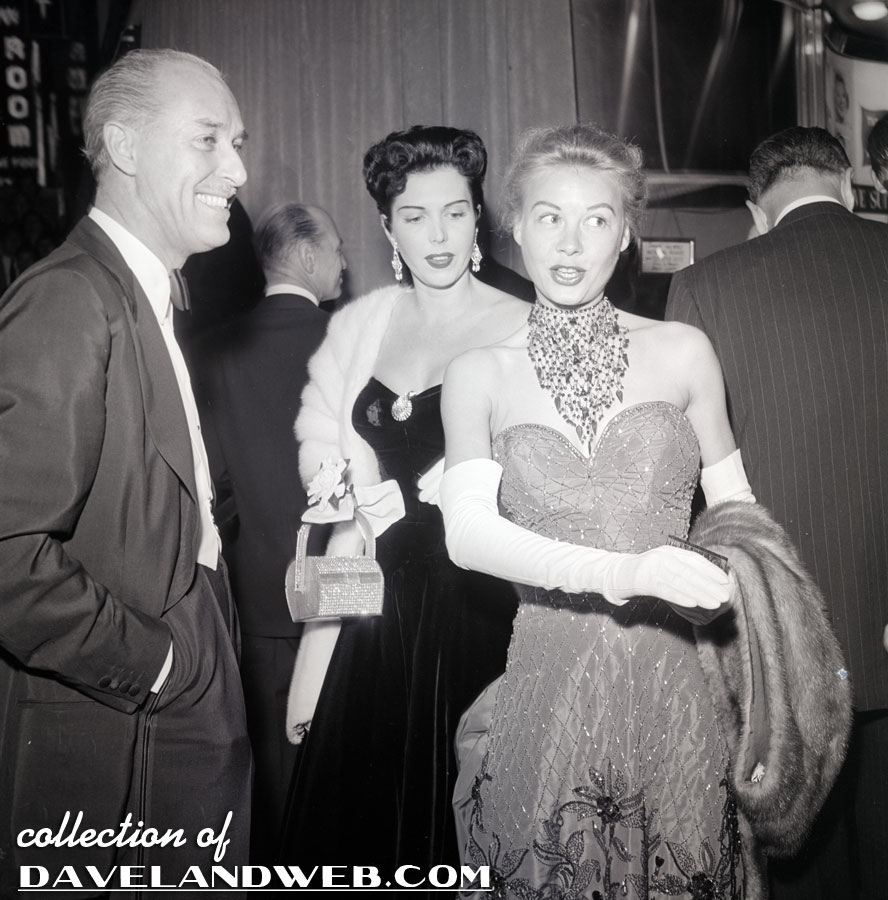
…and MGM musical favorites Ann Miller and Vera-Ellen:


Phew…that was a long one! I hope you enjoyed all the six degrees of separation going on here!

See more Shirley Temple photos at my main website.

Tuesday, August 17, 2021

Temple Tuesday: The Two-Timing Dress!


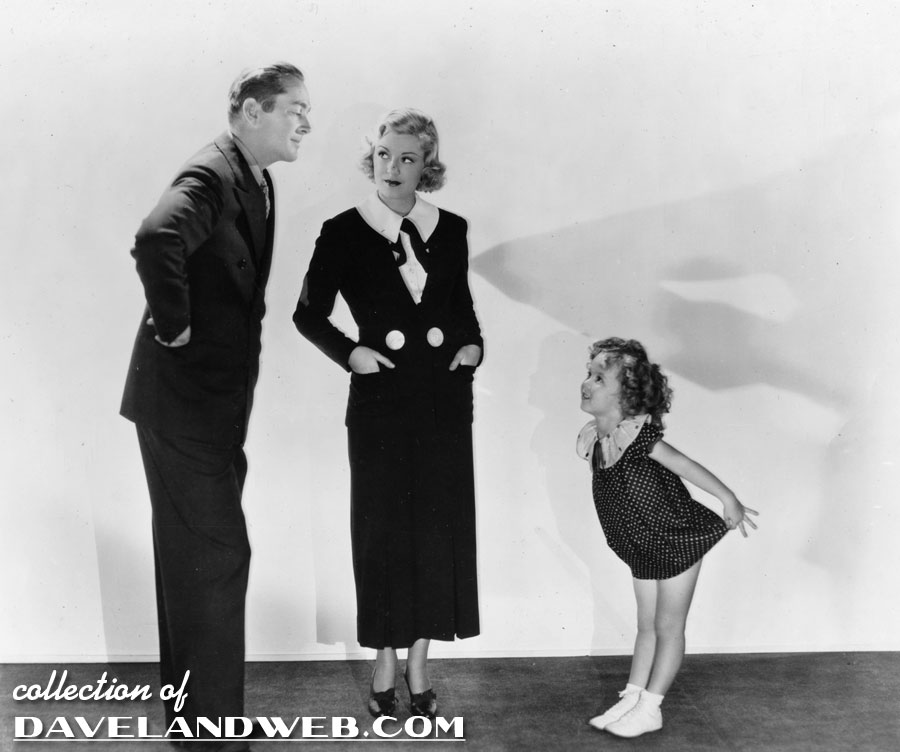
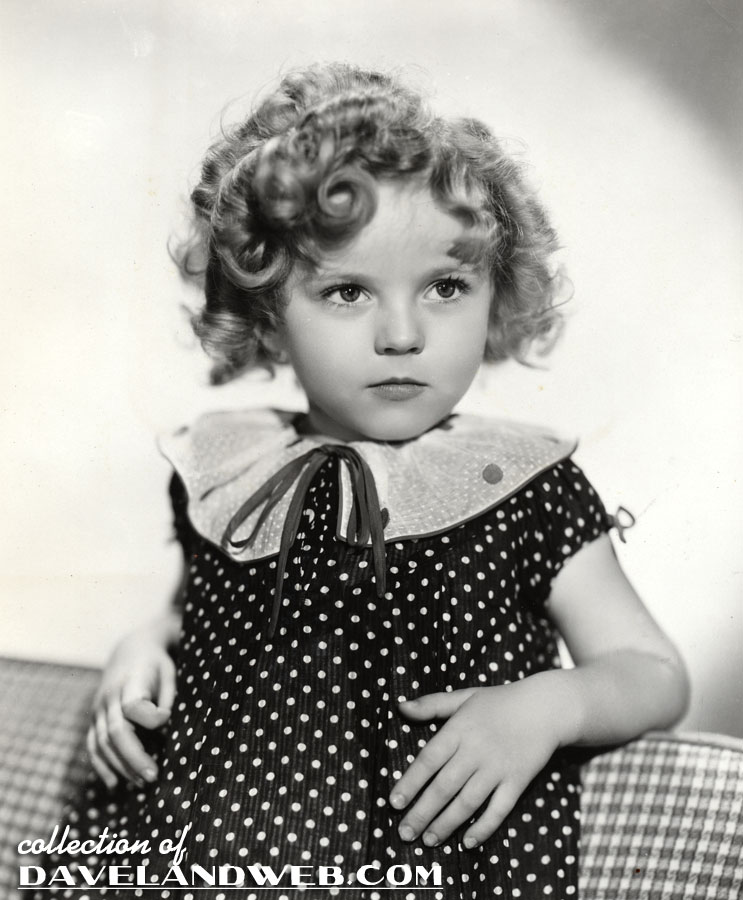
Sometimes when trying to solve a mystery, you already have the answer at your fingertips but are too dense to notice. This is such a case. In 1934, Shirley Temple starred in the Fox picture, “Baby Take A Bow.” For many of the publicity stills, she posed in this cute polka-dot dress. Here she is with costars James Dunn and Claire Trevor, appropriately taking a bow:


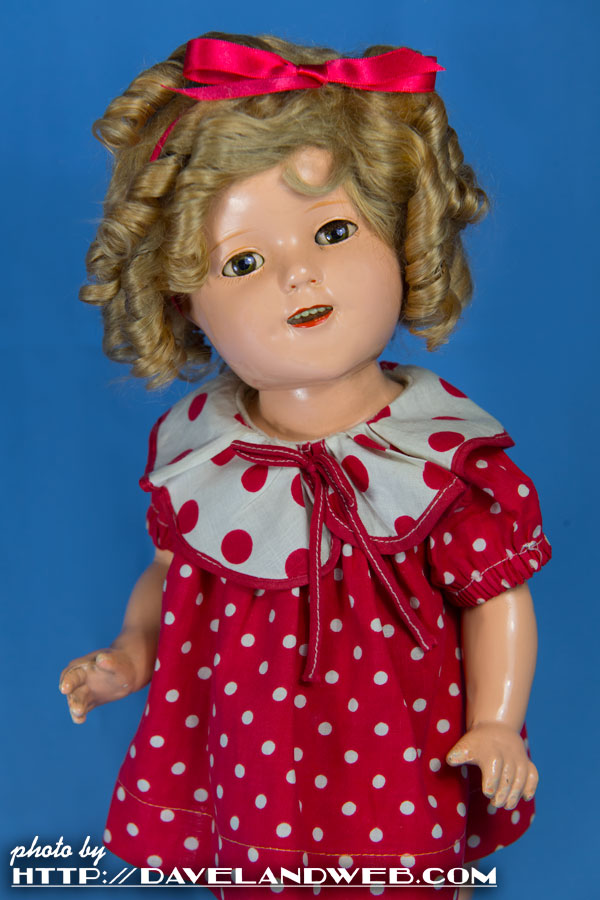
There was even a doll produced at the time by Ideal wearing that very same dress:


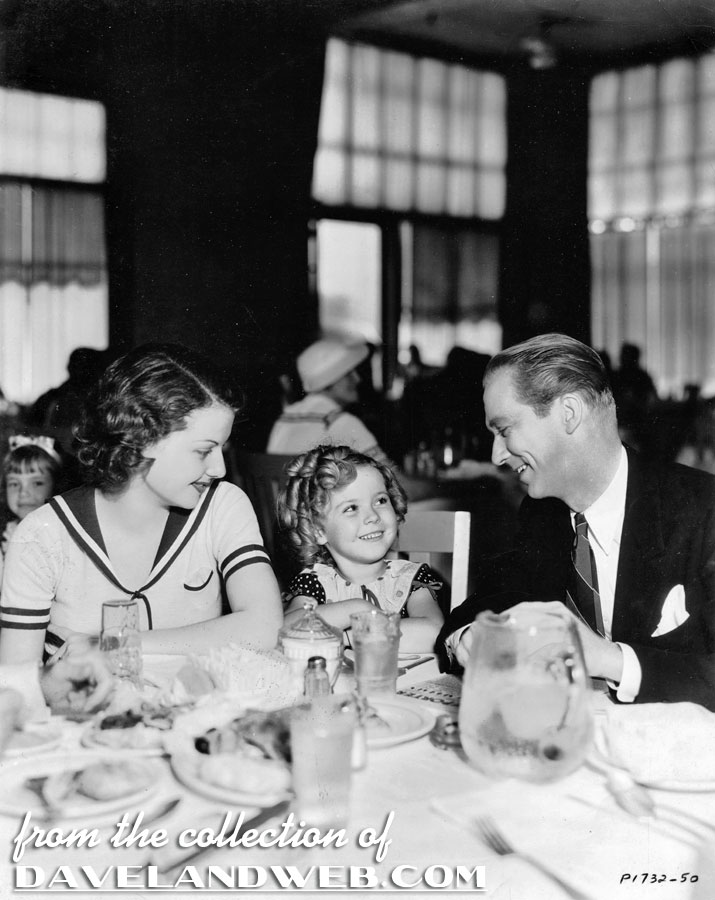
The odd part about this is that the dress is never seen in the final film. To my knowledge, there are no stills of a deleted scene showing where Shirley might have worn this dress during the film. And yet, it figured prominently in the film’s publicity. Recently, I noticed the below photo on ebay:


The caption on the back reads:

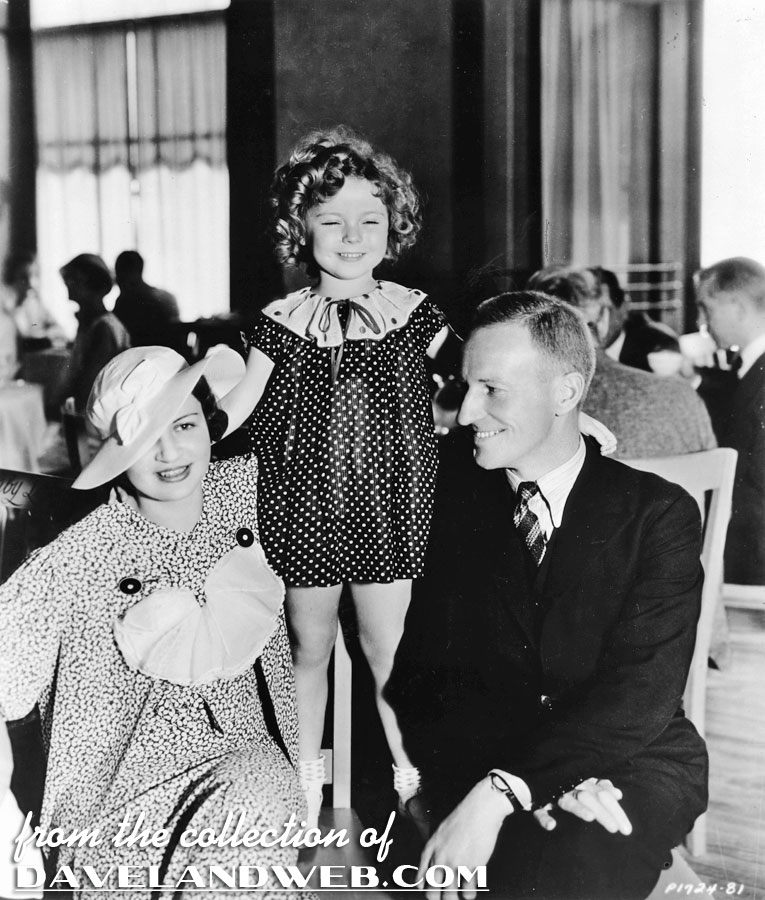
LUNCH FOR THREE - Clara Lou Sheridan, Shirley Temple and Lee Tracy together for lunch in the studio cafe.

What appeared odd was that it was marked as a Paramount still, even though Shirley wore this dress in a Fox movie. Naturally, I contacted Melissa (aka “The Colonel”) who was just as baffled as I was. Moments later, she had purchased the photo as a gift and it was on its way to me. This mystery had to be solved!


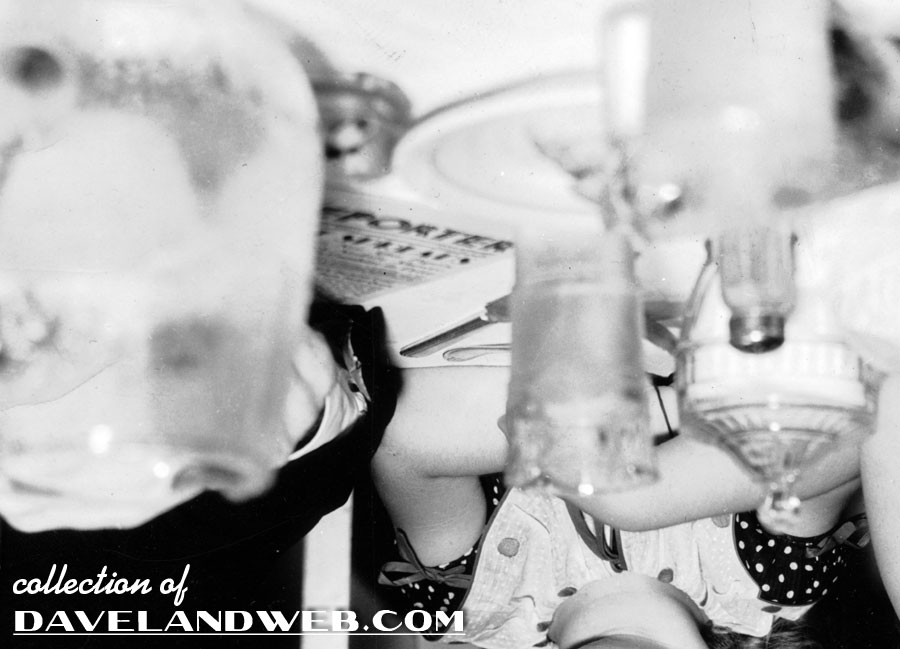
The dishes provided no clues, but it was interesting to see The Hollywood Reporter on the table:


I noticed Shirley’s stand-in, Marilyn Granas in the background on the left.


Melissa sleuthed and found out that Clara Lou Sheridan was the one and only Ann Sheridan, voted as “The Oomph Girl” in 1939 by a committee of 25 men who thought the actress had the most "oomph" of any girl in America. I took over from there and noticed that “You Belong to Me” was ta Paramount production with both Lee Tracy and Sheridan (in an unbilled part) and released on September 14, 1934, putting this photo at that time.

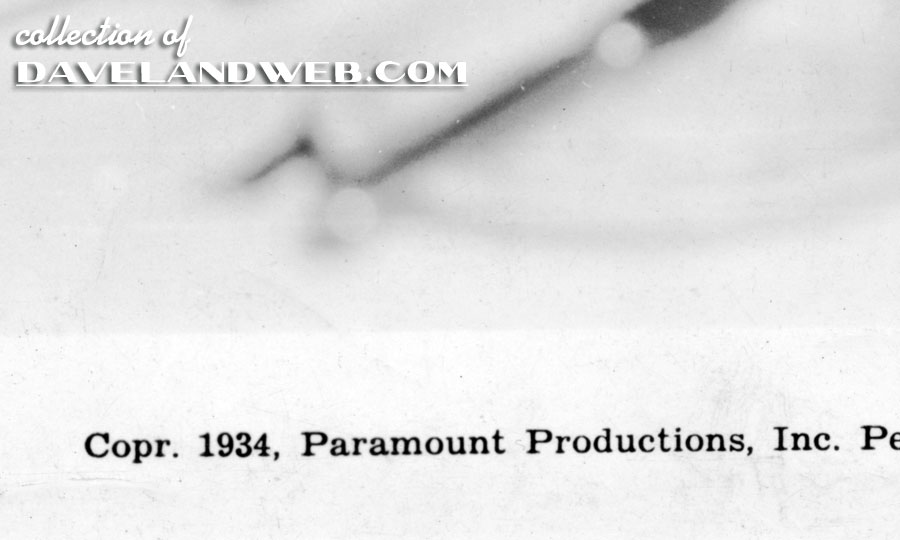
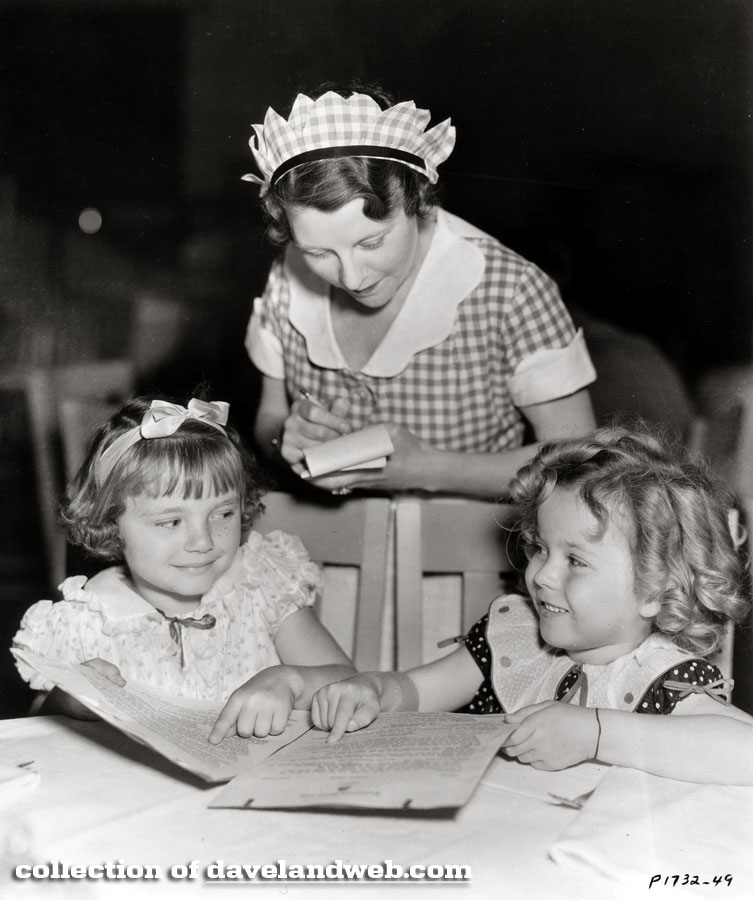
Shirley made two films for Paramount: “Little Miss Marker,” released June 1, 1934 and “Now and Forever,” released August 31, 1934. “Baby Take A Bow” at Fox was released June 30, 1934. To say Shirley was a busy girl is an understatement. Then I started looking at the numbering system on publicity stills of the time. “Baby Take A Bow” stills were numbered 158, “Marker” 1491, and “Now and Forever” 1732. Houston, we have a match! Apparently this “mystery” still was intended to promote “Now and Forever.” But why was Shirley wearing a dress from a Fox movie? Most likely this busy little bee was rushing between studios, perhaps doing re-takes or looping “Now and Forever.” Another deduction is that Shirley wasn’t really joining Sheridan and Tracy for lunch, but instead dining with Marilyn. Already in my collection was this photo proving that theory:


What I once “assumed” was the Fox Commissary was really over at Paramount. Again, the numbering system matches “Now and Forever.” Looking further at my collection, I noticed this still. Poor Shirley didn’t get to enjoy lunch very much that day; she was so tired her eyes couldn’t stay open! I have no idea who these other two folks are that surround her.

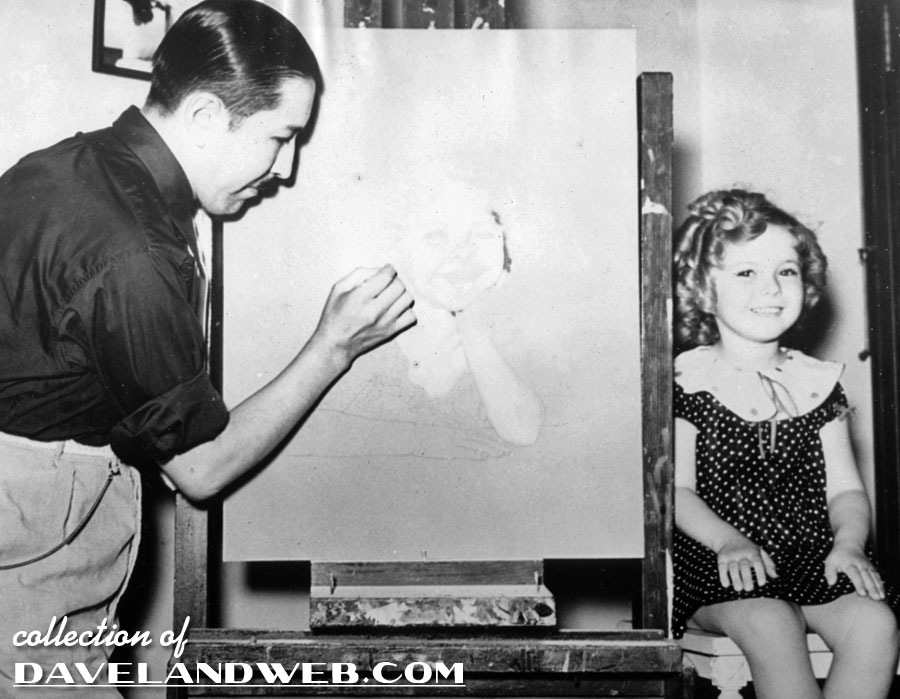
Final shot for today shows famed pinup artist Alberto Vargas sketching Shirley. What did she pose in? The “Baby Take a Bow” dress of course!


That dress sure got a lot of use, so it’s not surprising that it was MIA during the 2015 “Love, Shirley Temple” auction of Shirley’s movie costumes. The poor thing probably disintegrated.

See more Shirley Temple photos at my main website.

Tuesday, June 15, 2021

Temple Tuesday: Shirley’s Lost Block


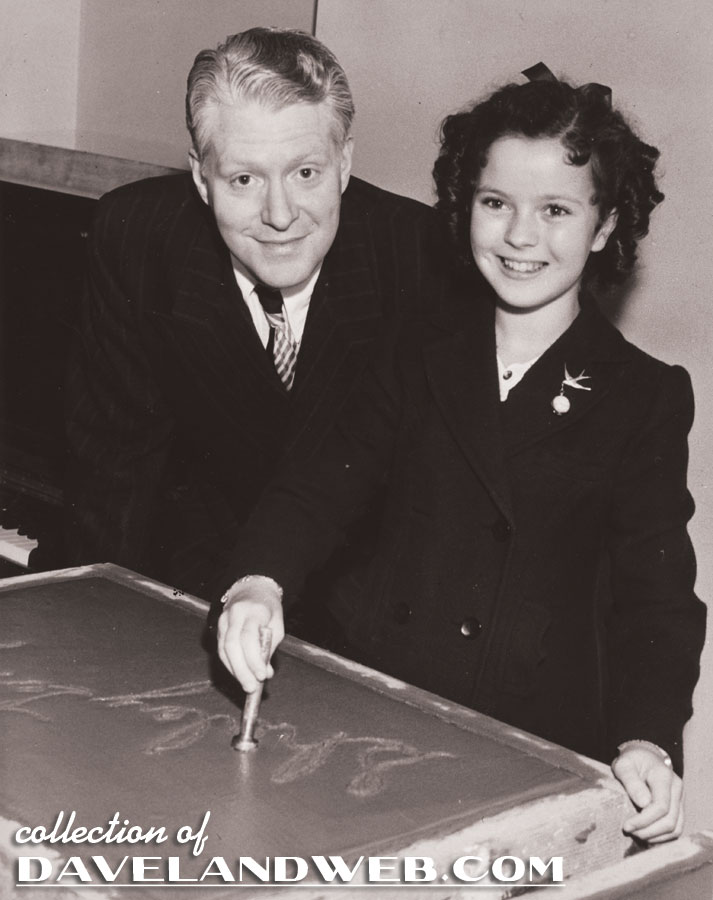
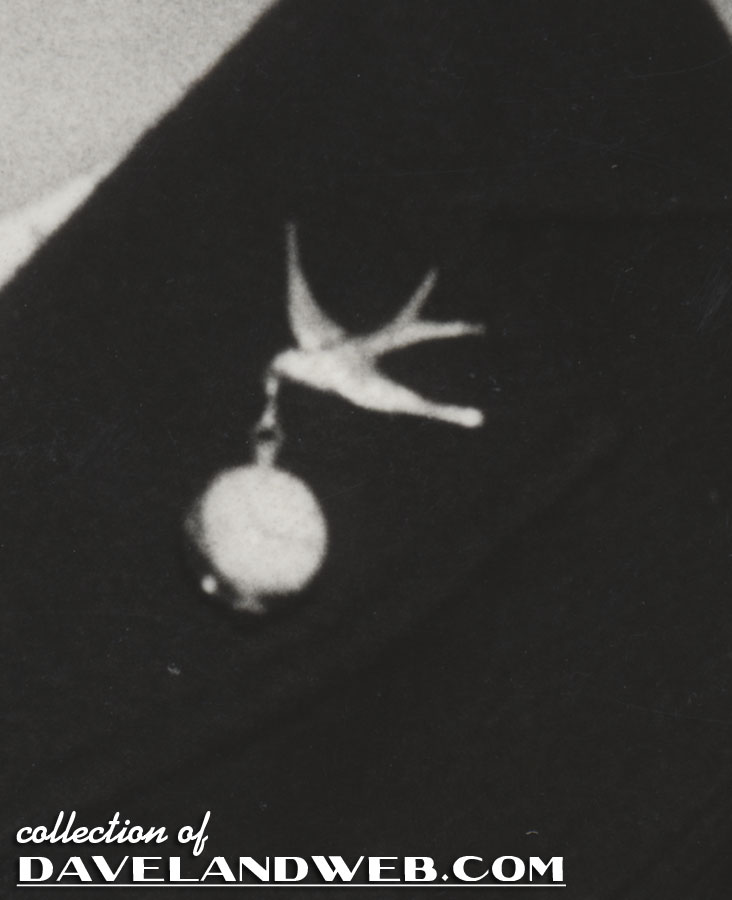
Besides the mystery drumhead, Shirley Temple also signed a cement block when she performed “The Blue Bird” on Christmas Eve 1939 as part of The Screen Guild Theater with Nelson Eddy. What happened to Shirley’s bird jewelry is a mystery, as it didn’t show up at any of the family estate auctions.


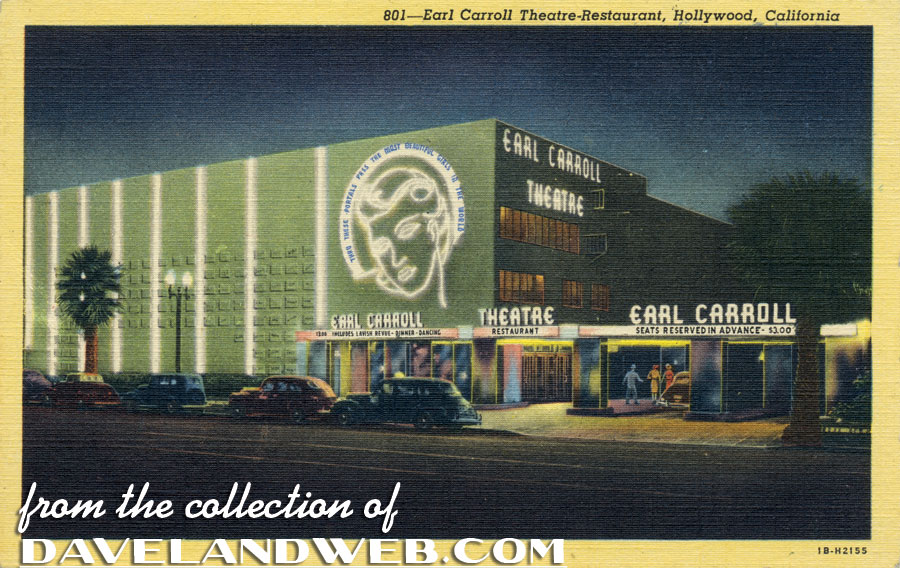
What isn’t a mystery is where Shirley’s performance took place, which was the Earl Carroll Theatre on Sunset Boulevard:


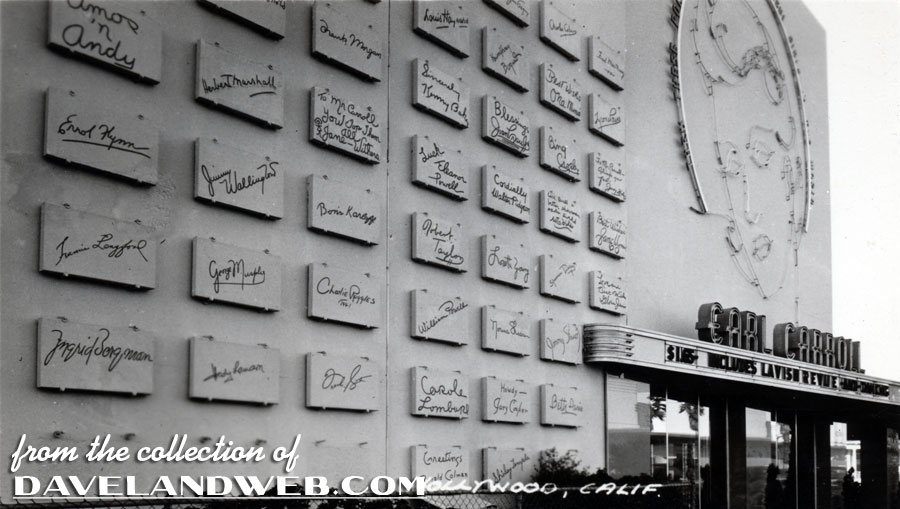
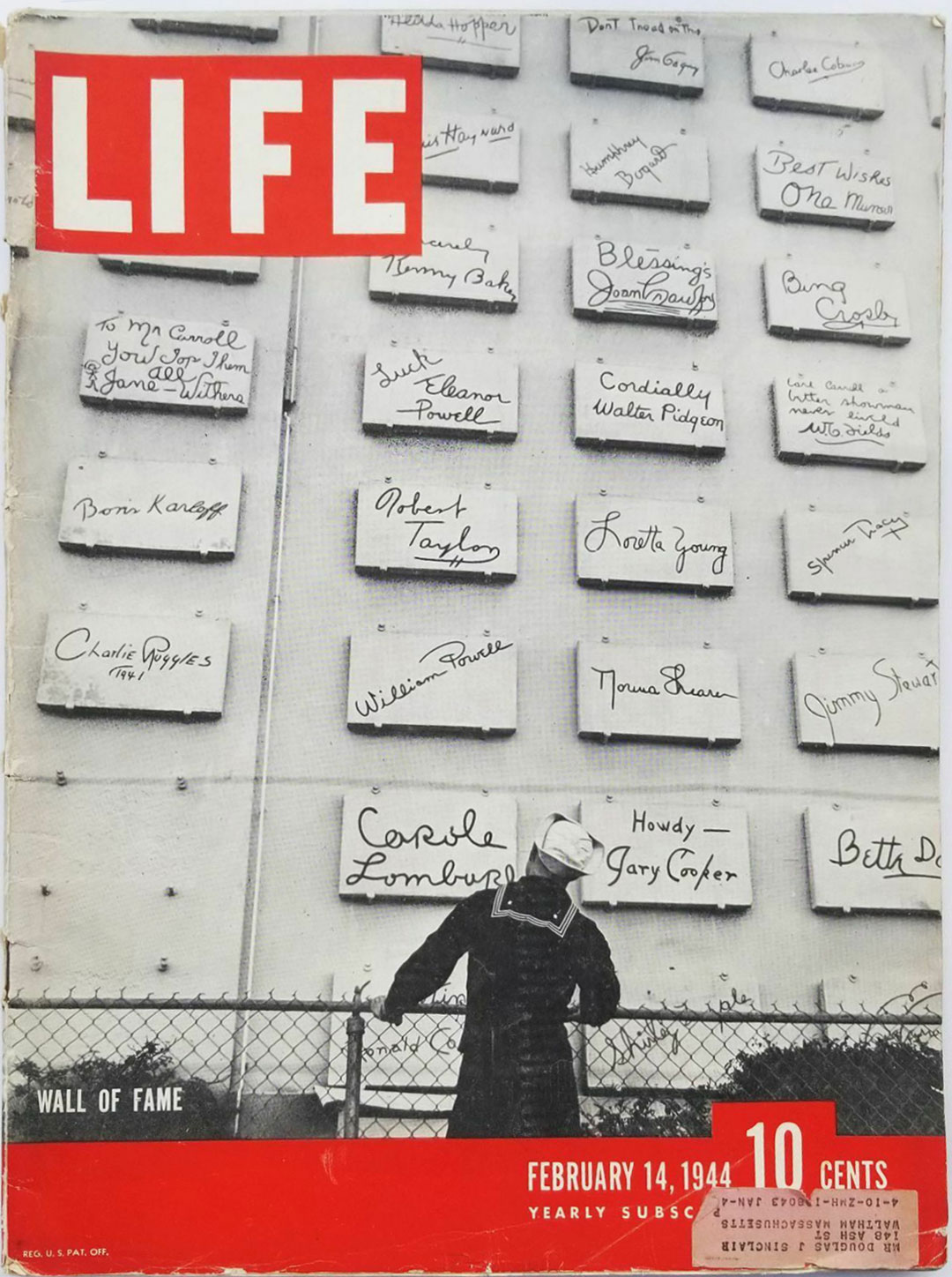
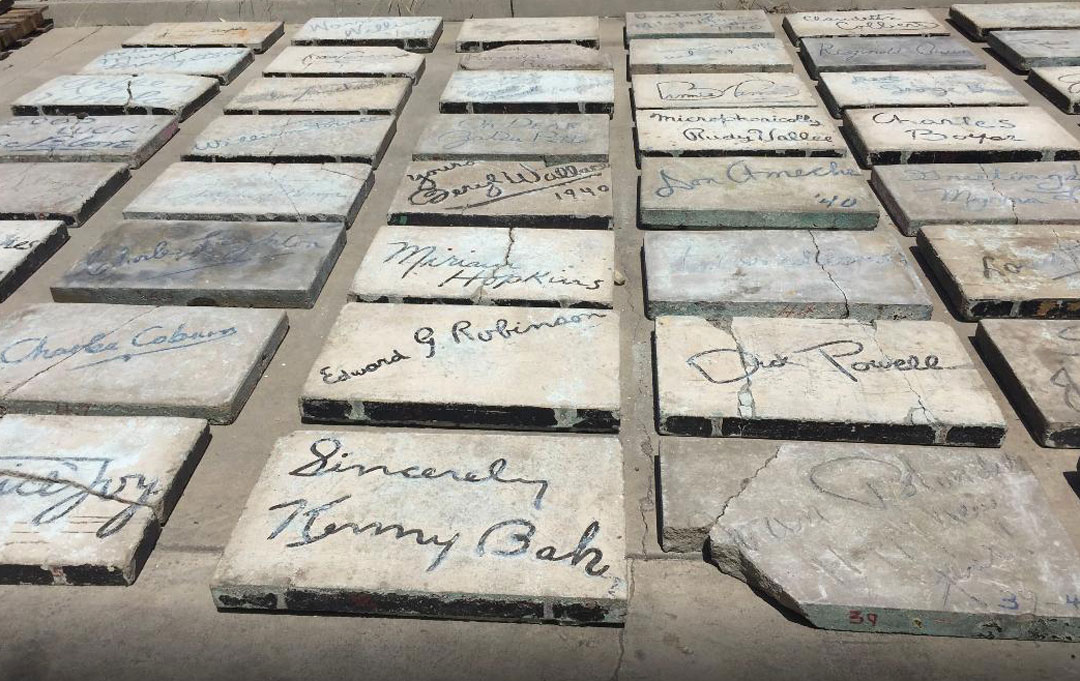
The Theatre was known for its Wall of Fame, which included signed cement blocks from the era’s biggest celebrities, such as Joan Crawford and Clark Gable.


This 1940 Ansel Adams photo shows the position of Shirley’s block, which was located on the bottom row between Earl Carroll and Ronald Colman.


The Wall of Fame even made the cover of LIFE magazine, February 14, 1944, which technically means Shirley was on the cover four times (also in 1938, 1942, and 1958). As the years went by, her block was obscured by the fence and the hedges in front.


The theatre changed hands in 1968 and the blocks were removed and stored in the basement. Not all of them came off very easily and some were broken during the removal process. I located the owner of approximately 80 or so of the blocks; unfortunately, Shirley’s is not among that grouping.


Apparently Milt Larsen, founder of the Magic Castle, once had a large grouping of the blocks. Here’s the response I received from a representative of Milt’s when I attempted to see if he still had Shirley’s:

Milt does not have any of the cement blocks; the broken ones were taken by the late Gene Autry. Milt did piece them together and did tracings, which were mounted on styrofoam blocks, that looked like cement, which were mounted at the old Variety Arts Building in downtown LA. They were removed when he gave up that location. They are in our storage unit.

The rep had no idea if Shirley’s had ever been in Milt’s collection, nor did he seem to have an easily accessible inventory list. I hate dead ends.

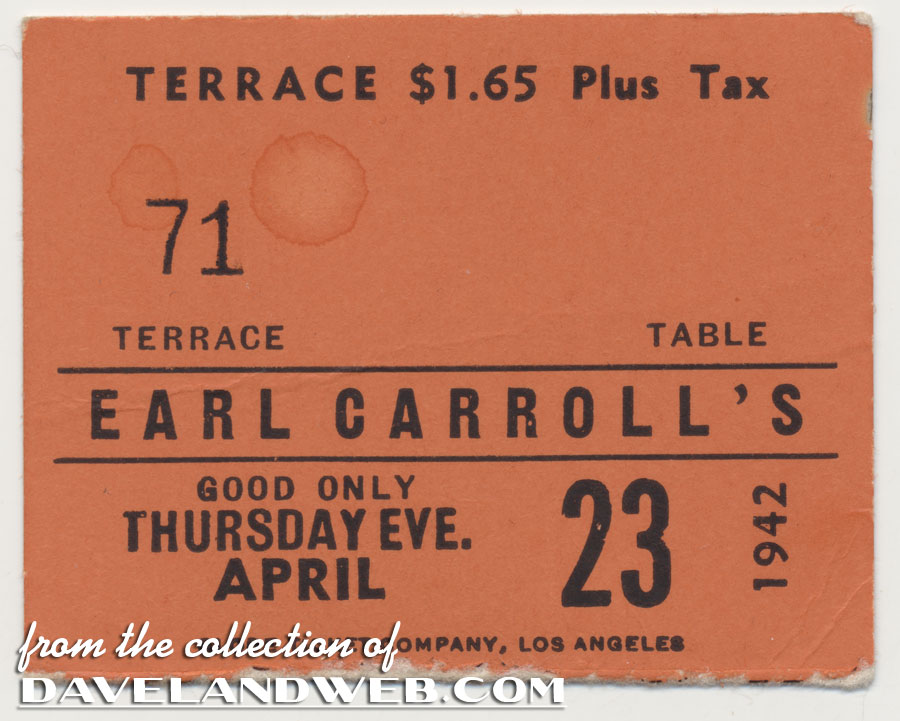
On a related Shirley note, here’s a vintage ticket from the Earl Carroll Theatre which just happened to be on Shirley’s 14th birthday, April 23, 1942:


See more Shirley Temple photos at my main website.