Showing posts with label dick powell. Show all posts

Tuesday, June 11, 2024

Temple Tuesday: A Lot of Bull


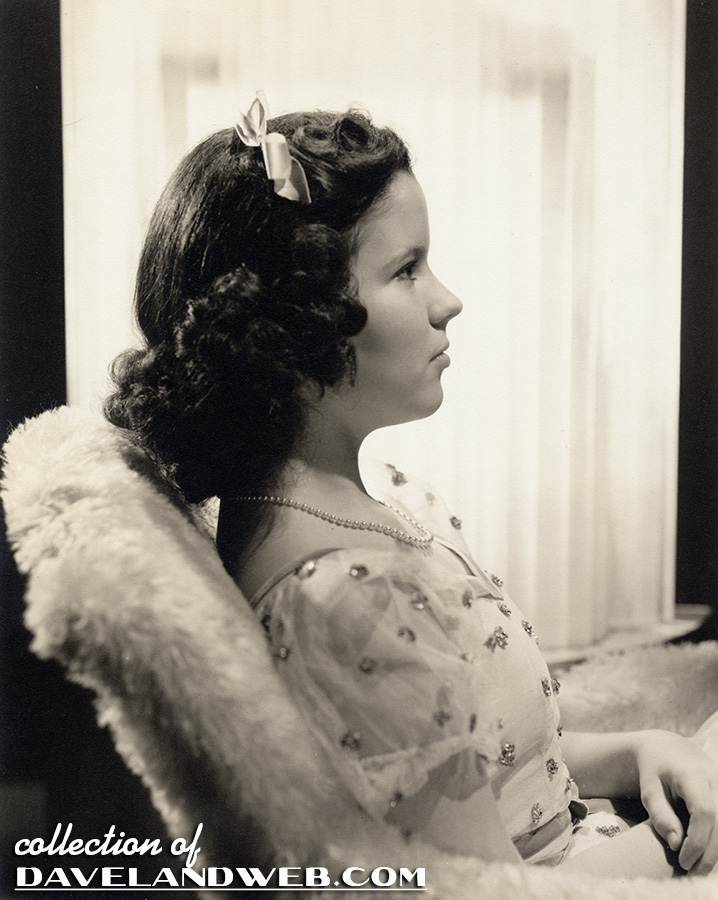
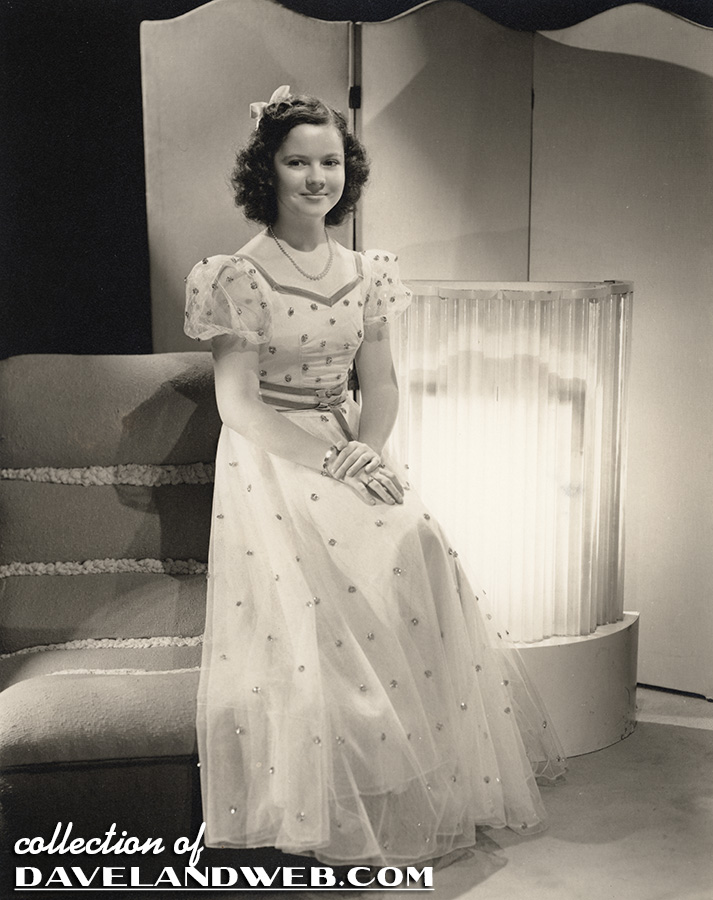
When Shirley Temple signed on at MGM in January 1941, the publicity machine wasted little time in promoting its newest star. None other than Clarence Bull was enlisted to give Shirley the glamour treatment, as seen by the portraits shown here. For a bit more about Bull, here’s an excerpt from the 2008 book Glamour of the Gods by Robert Dance and John Russell Taylor:

Clarence Sinclair Bull’s long association as a photographer with the studio that would become Metro-Goldwyn-Mayer began when producer Samuel Goldwyn hired him in 1919. Managing to survive the commotion of the consolidation of Hollywood in the early and mid-1920s, Bull found himself at the helm of MGM’s stills department when the studio was formed in 1924, and stayed there until retiring in 1961. The enormity of MGM’s output of films in the 1920s—they advertised a new feature every week—saw Bull’s domain grow. He was responsible for managing MGM’s staff of photographers and the large support crew of technicians needed to develop, re-touch, print and collate the hundreds of thousands of prints distributed annually by MGM’s publicity department. At least one photograph from the 1920s shows Bull with twelve stillsmen who juggled the task of shooting photos on as many as a dozen films that might be concurrently in production. At MGM, like the other studios, these men—and it was an almost exclusively male profession—worked six days a week and often long hours each day. Generally one photographer was assigned to a production and, as filming was underway, he would document each scene using an 8 x 10 view camera. These cameras not only had lenses with sharp resolution, but contact prints could be made from the negatives quickly and in enormous quantities. The stills made for each film were numbered sequentially and gathered together for a book. Stills photographers also created the images used for poster art, lobby cards and other forms of advertising conceived by imaginative publicity chiefs and their staffs.

The first photo was numbered 5241; the one below 5245:
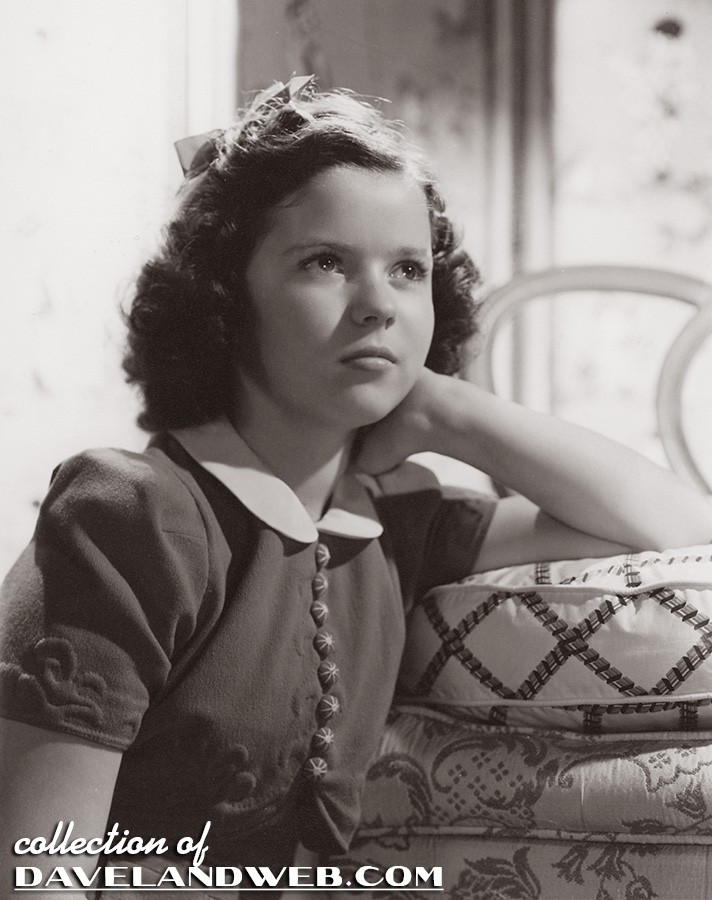


5257:
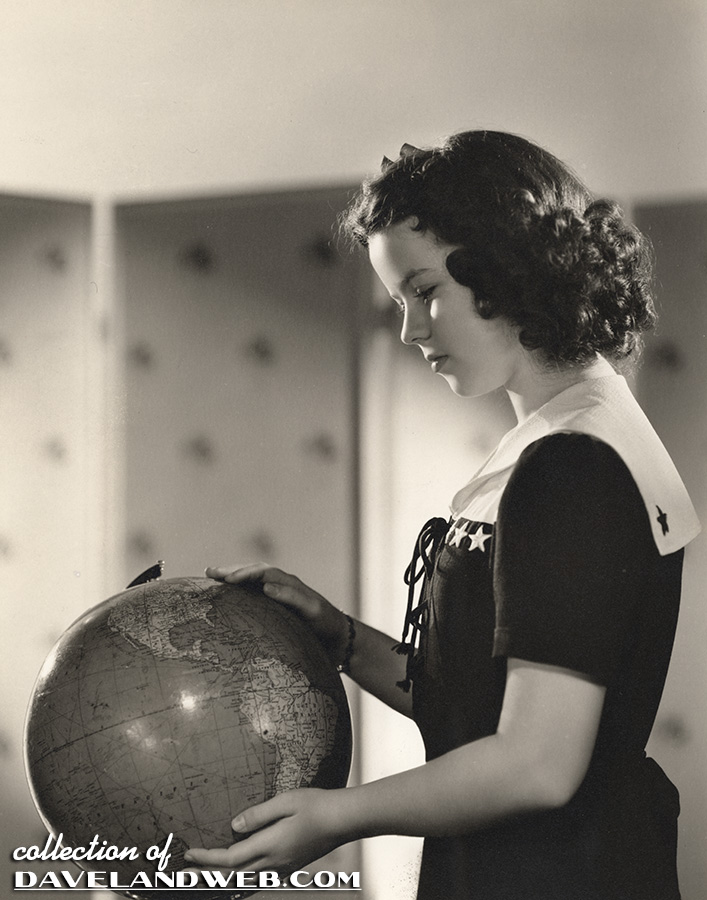


5266:


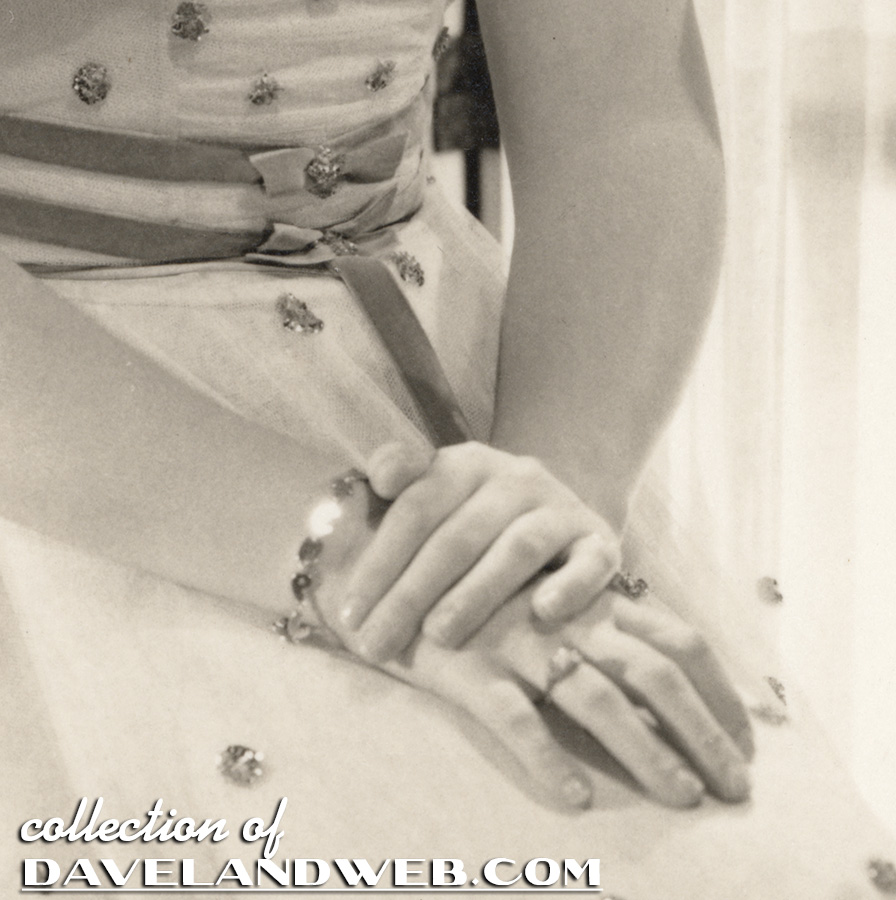
For SJR, I knew you’d want to see this detail:


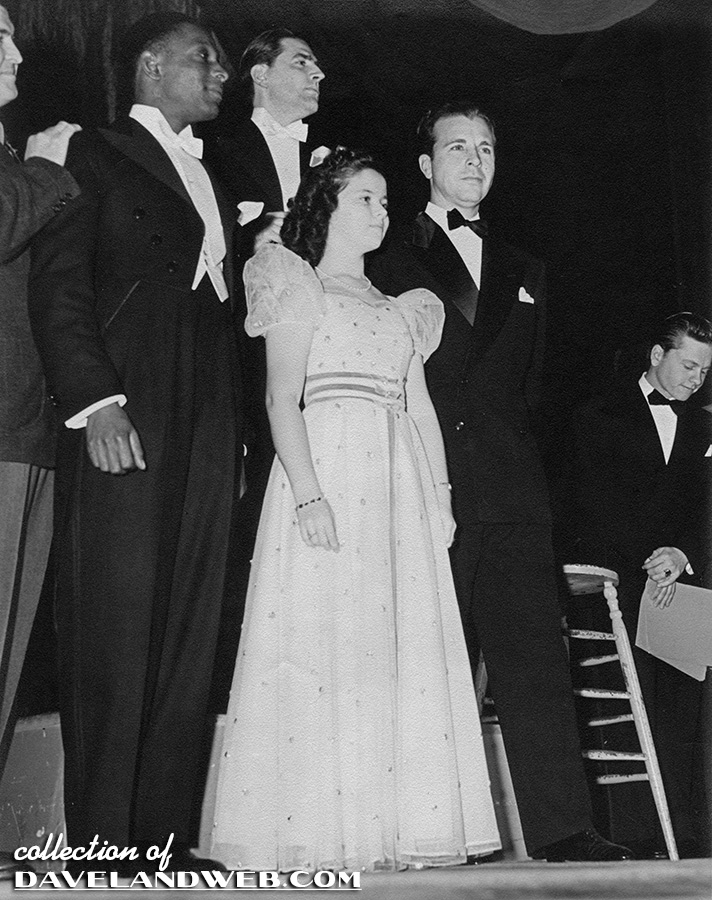
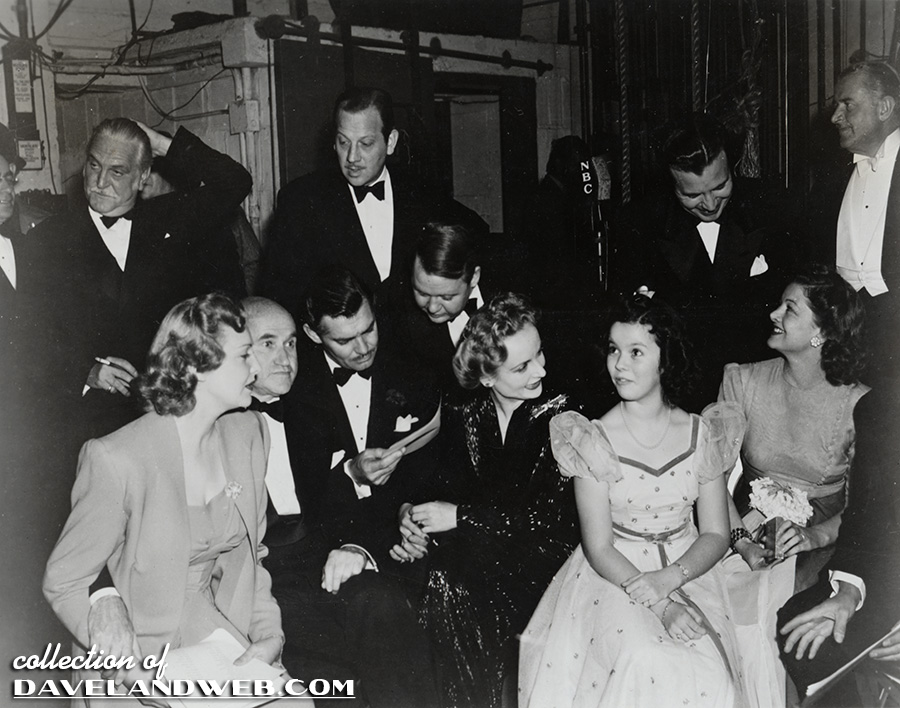
Often, movie studios would allow their stars to wear gowns provided by the costume department when they were to be seen in public at events. This would ensure that the stars looked their best for the paparazzi! Shirley wore the gown seen above to the February 8, 1941 Greek War Relief Benefit at Grauman’s Chinese Theatre. Back row: Frank Morgan, Melvyn Douglas, Charles Laughton, Dick Powell, and Reginald Owen. Seated: Madeleine Carroll, Samuel Goldwyn, Clark Gable, Carole Lombard, Shirley Temple, and Myrna Loy. , 


Back to Bull…the photo below was stamped #5267:


The accompanying caption is extremely interesting:

SHIRLEY TEMPLE…Young veteran of the screen, poses for her first portrait sitting after signing her contract with Metro-Goldwyn-Mayer. The youngster will start work on two pictures for the studio “Barnacle Bill,” with Wallace Beery, and “Babes on Broadway,” with Mickey Rooney and Judy Garland. Here the tiny star wears a many-pleated skirt with a pique-collared jacket.

By the time the photo was released, the plans had been changed! Shirley was removed from both films, most likely because the Temples did not feel Shirley should be relegated to supporting roles. Instead, Shirley was made the lead in a low-budget picture (or at least as low budget as MGM could do!) titled, “Kathleen.” MGM’s frustration can be seen on the back of the photo. The portion of the above caption about her two projects AND the description of the outfit were crossed out; in pencil the following simple replacement was written:

The young star is now working in “Kathleen.”

Despite all the initial excitement and publicity about working at Hollywood’s most elite film studio, Shirley’s contract was canceled after the one movie.
   
See more teenage Shirley Temple photos at my main website.

Tuesday, September 13, 2022

Temple Tuesday: Greek War Relief


Look at this star-studded photo from 1941! In the back row: Frank Morgan, Melvyn Douglas, Dick Powell, and Reginald Owen. Front row: Madeleine Carroll, Sam Goldwyn, Clark Gable, Charles Laughton, Carole Lombard, Shirley, and Myrna Loy. What was the occasion that brought them all together? From pappaspost.com:

As a result of the Nazi occupation and subsequent naval blockade, famine and despair would overcome Greece both in Athens and throughout the countryside. In response to the turmoil in Greece, Americans began countrywide efforts to provide humanitarian relief for the Greek people. Railroad magnate Harold Vanderbilt and film industry executive Spyros Skouras launched an effort called the Greek War Relief Association no less than 10 days after the October 1940 Italian invasion of Greece to provide food and other forms of aid to Greece.… In Hollywood, countless stars, celebrities, studio heads and industry heavyweights got behind the Greek War Relief movement, making it the single largest humanitarian fundraising campaign in American entertainment industry history, including a single organized fundraising campaign by the Motion Picture Association of America involving 8,000 cinemas. Films like Walt Disney’s “Fantasia” and “Gone With the Wind” held gala premieres and opening nights in cities across the nation with ticket proceeds benefiting the Greek War Relief campaign.… At Grauman’s Chinese Theater in Los Angeles on February 8, 1941…a massive radio telethon, “America Calling,” was broadcast on CBS, NBC, numerous independent stations, and throughout Europe. Jack Benny and Bob Hope were the “co-masters of ceremonies” of the variety show that featured some the biggest names of the time including Shirley Temple,  Groucho Marx, and Clark Gable. The Greek War Relief Association raised $30 million — approximately $500 million today — to provide massive shipments of grain, equipment, livestock and other forms of material support for the Greek people.


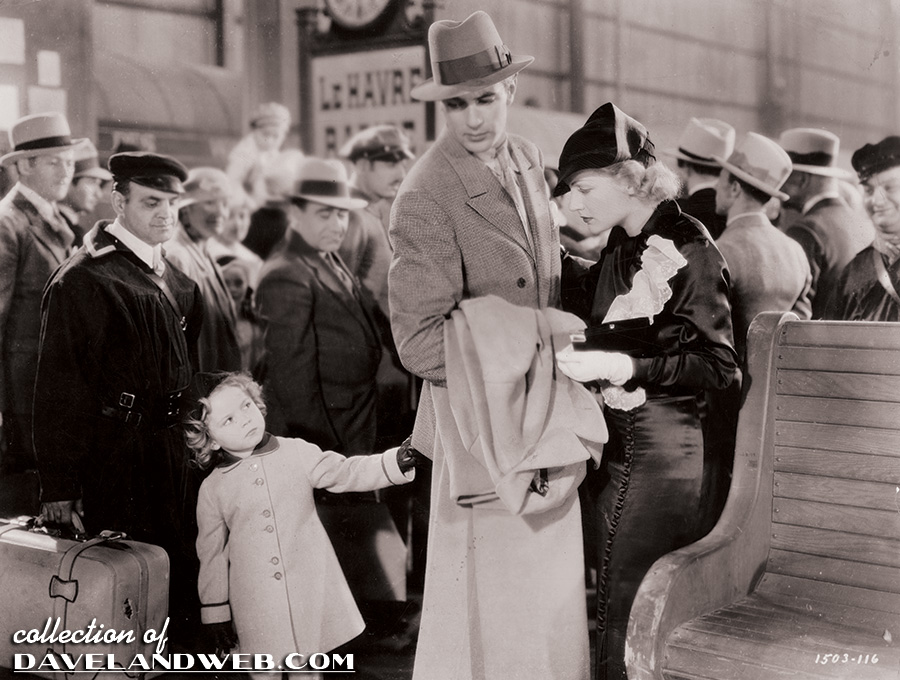
Shirley worked with many of the people who were on the broadcast. Carole Lombard (and Gary Cooper) in “Now and Forever” (1934):


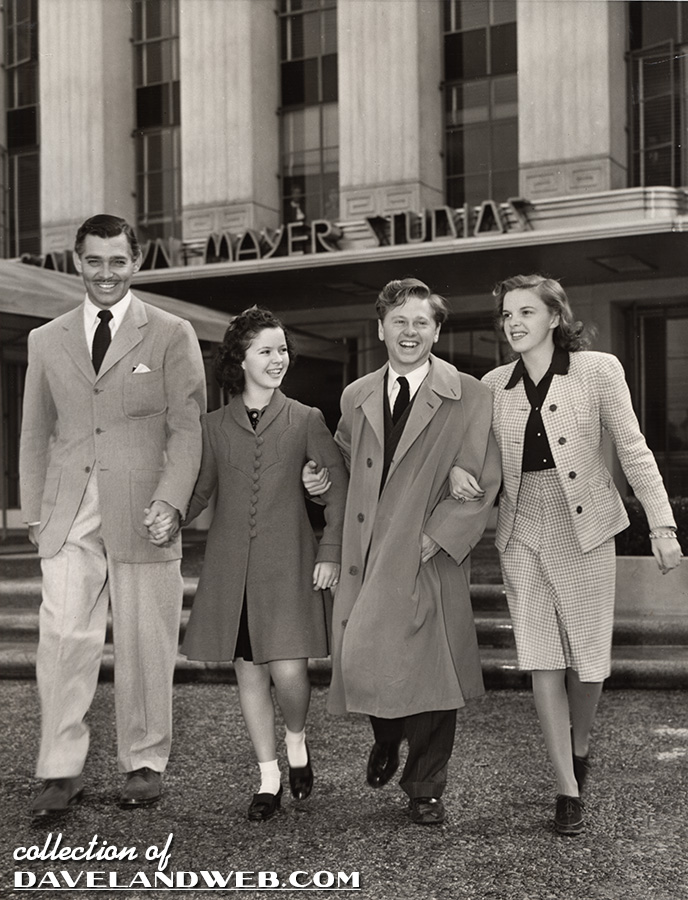
Publicity photos with Clark Gable (and Mickey Rooney and Judy Garland) heralded Shirley signing on with MGM, also in 1941:


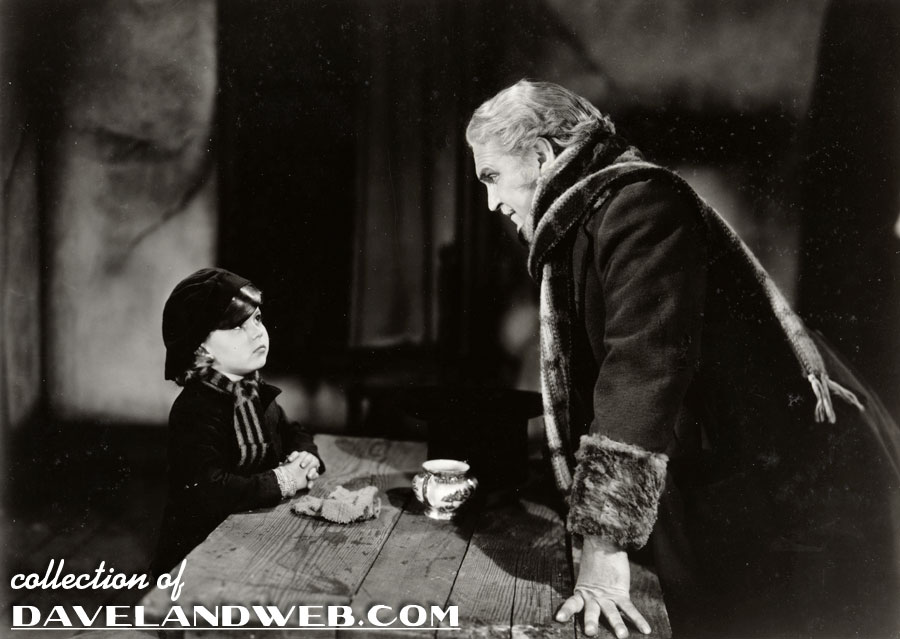
Shirley competed with Frank Morgan for scene-stealer of the year in “Dimples” (1936):


Myrna Loy worked with Shirley six years later in “The Bachelor and the Bobby-Soxer” (1947):


Get a huge dose of 1940’s patriotism and hear the original broadcast on thisdaybenny. Shirley appears at 30:59, introduced as “the new and lovely Shirley Temple.” She participates in some comic banter with Jack Benny and Bob Hope. Not surprisingly, Shirley holds her own with the two hams, and then goes on to give a short plea to the audience to donate to the fund.

See more Shirley Temple photos at my main website.

Tuesday, November 30, 2021

Temple Tuesday: Shirley and the Strad


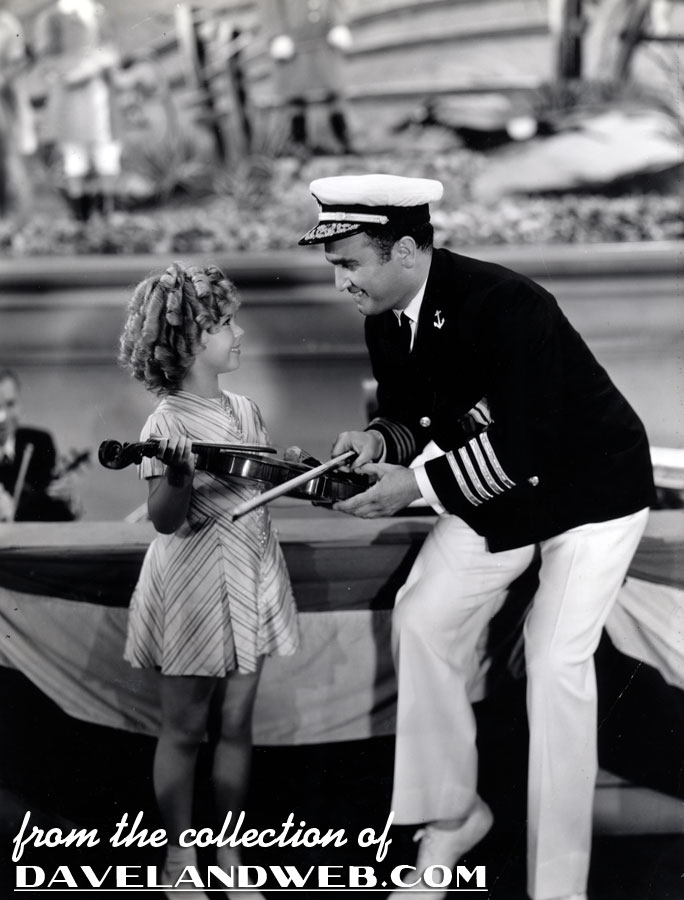
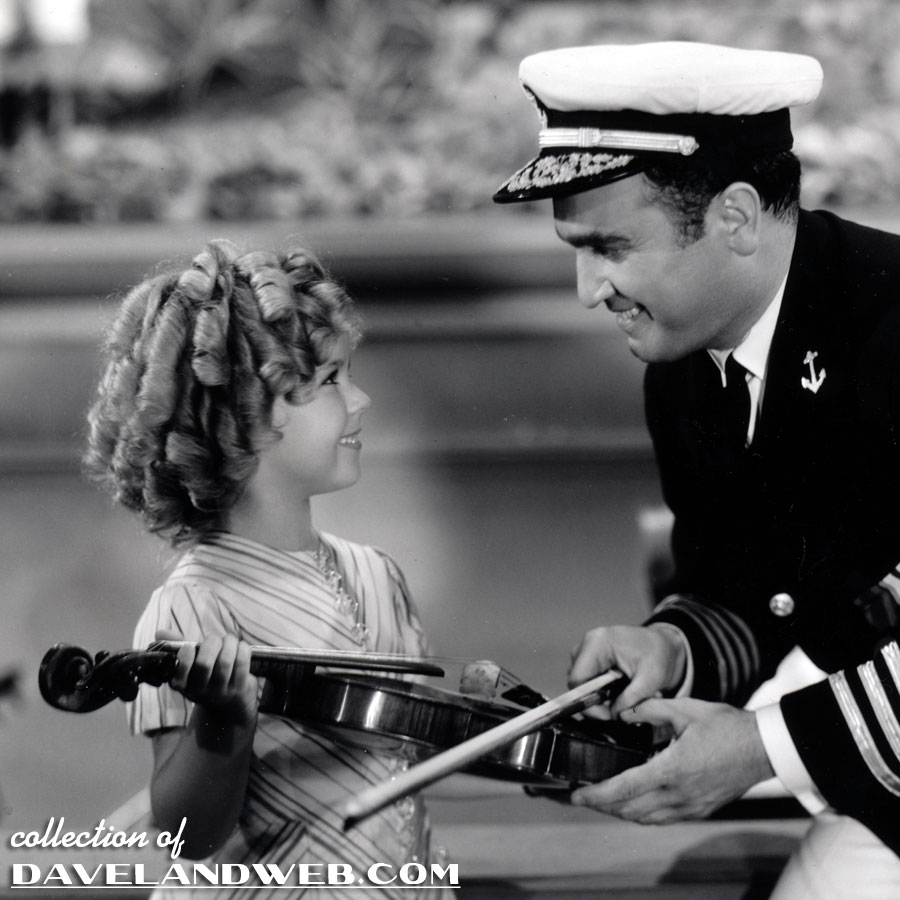
Publicity is the name of the game, and Shirley Temple not only publicized her movies, but others that were being filmed at the Fox lot. This publicity still shows Shirley with famed violinist Rubinoff. From the accompanying caption:

When Shirley Temple, home from Honolulu, dropped in to visit Dick Powell on the “Thanks a Million” set at Twentieth Century-Fox she found a new friend in Rubinoff, the famous violinist. As a gesture of friendship, Rubinoff allowed her to play with his $100,000 violin - a great compliment.


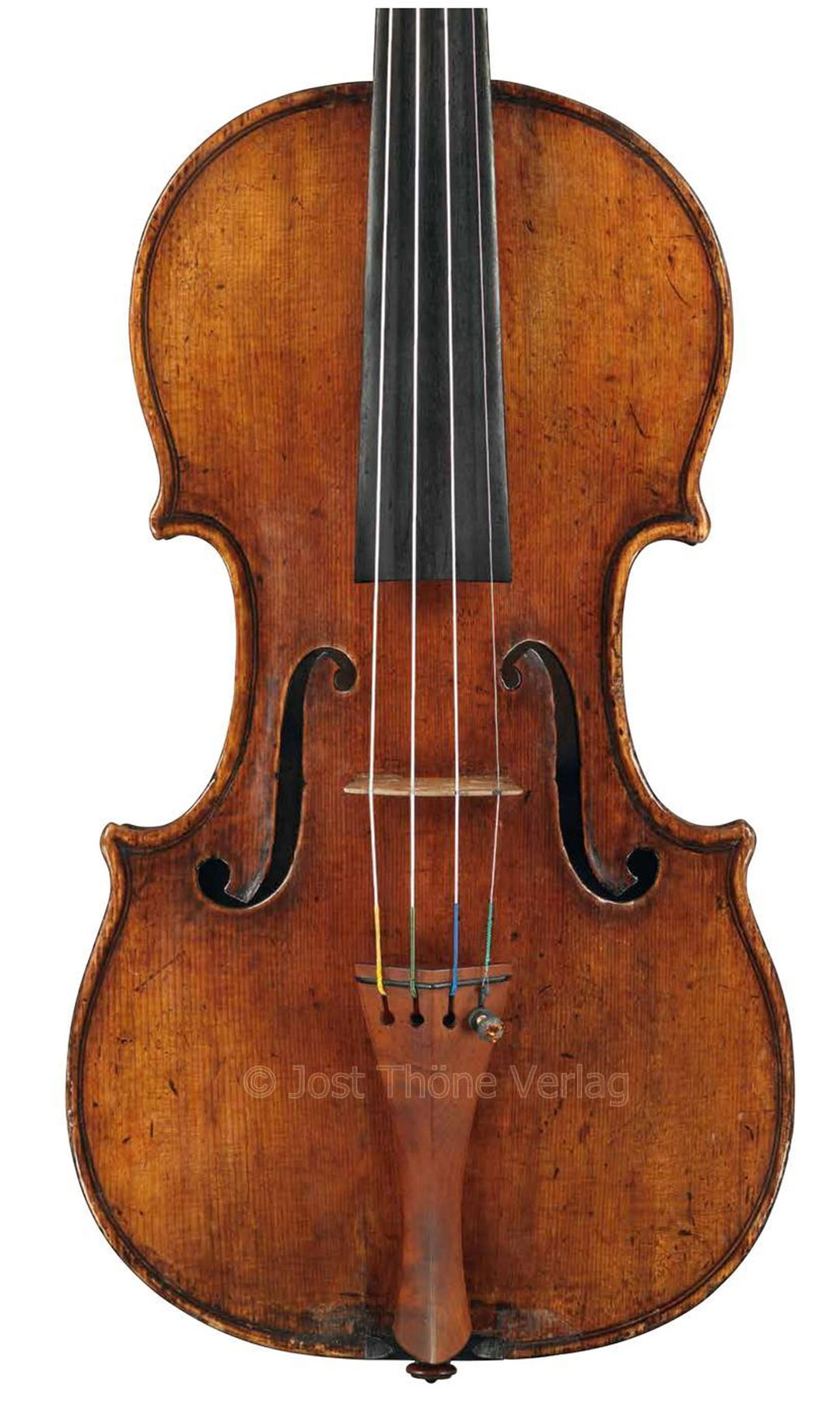
It appears that Rubinoff owned the violin until 1986 when he died, at which time it passed to his wife, Darlene, who owned it until 2000. I found the violin listed on an auction site with this information:

Rubinoff acquired the “Maurin” Stradivarius, built in 1731, in the late 1920s or 1930s from the Wurlitzer Co., acting as an agent for instrument collector Nathan E. Posner. According to the book How Many Strads? by Ernest Doring,…Posner bought the violin from a woman in Paris. It was known as the “Maurin,” presumably named after a famous late 19th-century French violinist, Jean Pierre Maurin. Mrs. Rubinoff recalled that the violin had been carried out of Russia before the 1917 revolution by the czar's family, hence the name by which Rubinoff called it, the “Romanoff” Strad. Neither Fushi nor the book mentions a Russian history, however. Mrs. Rubinoff said the czar's family sold it to a French courtesan. This part of the story meshes with that in the Doring book, though the timing may not. Fushi believes that Rubinoff had two copies of the original made, that the copies were good, and that the actual Strad may have been sold about 25 years ago to someone in Japan. He offered to authenticate and appraise the violin Mrs. Rubinoff has.


From Rubinoff’s L.A. Times obituary:

Rubinoff was born in Russia, one of five children of a tobacco factory worker and a laundress. He was 5 when he persuaded his parents to buy him a violin. He was studying music at the Royal Conservatory of Warsaw in 1911 when he met composer Victor Herbert, who was so impressed he brought the entire Rubinoff family to Pittsburgh. Rubinoff attended Forbes School in Pittsburgh, where he roomed with John Philip Sousa and became the leader of the school’s orchestra. He worked part-time in a cafe, playing his violin, and sold newspapers on the streets. Rubinoff eventually became a soloist with the Pittsburgh Symphony and went on to guest-conduct orchestras in this country and abroad. His big break came when he got a job as a regular conductor and soloist at the Paramount in New York City. Rudy Vallee saw him and brought him to the attention of the Chase & Sanborn coffee company, which signed him to an NBC contract for “The Eddie Cantor Show.” From 1931 to 1935 “Rubinoff and His Violin” was a regular feature on the show, also known as “The Chase & Sanborn Hour.” The violinist also remained with the program when it moved to CBS from 1935 to 1938. Although Rubinoff’s music was known to millions his voice was not. Reportedly because of his accent, the lines he supposedly read on the air were delivered by Lionel Stander or Teddy Bergman. Over the years Rubinoff performed at the White House for presidents Herbert Hoover, Franklin Roosevelt, Dwight Eisenhower and John Kennedy.

One more interesting tidbit about Rubinoff. A woman brought a breach of promise lawsuit against Rubinoff in 1937, alleging that he’d invited her to his apartment to see a collection of etchings, seduced her, and later refused to marry her when she claimed to be pregnant. The case was settled, but “Come up and see my etchings” became a popular catchphrase as a result. Remember it being used in “Terms of Endearment”?

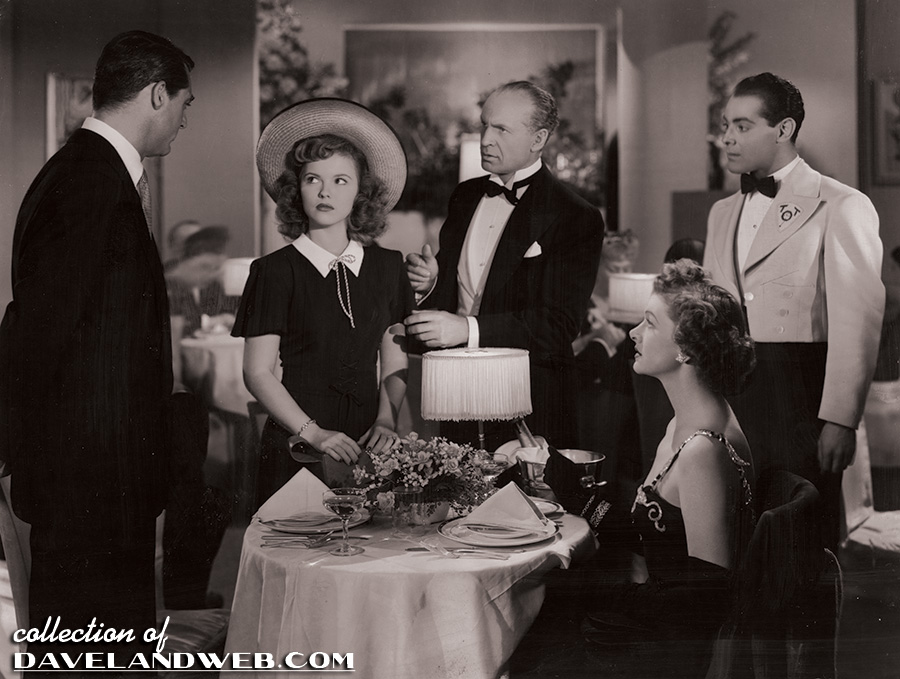
The photo below is from Dick Powell’s movie, “Thanks a Million,” the film set that Shirley visited and had her photo taken with Rubinoff.


From the publicity caption:

A TIP FROM THE TOP

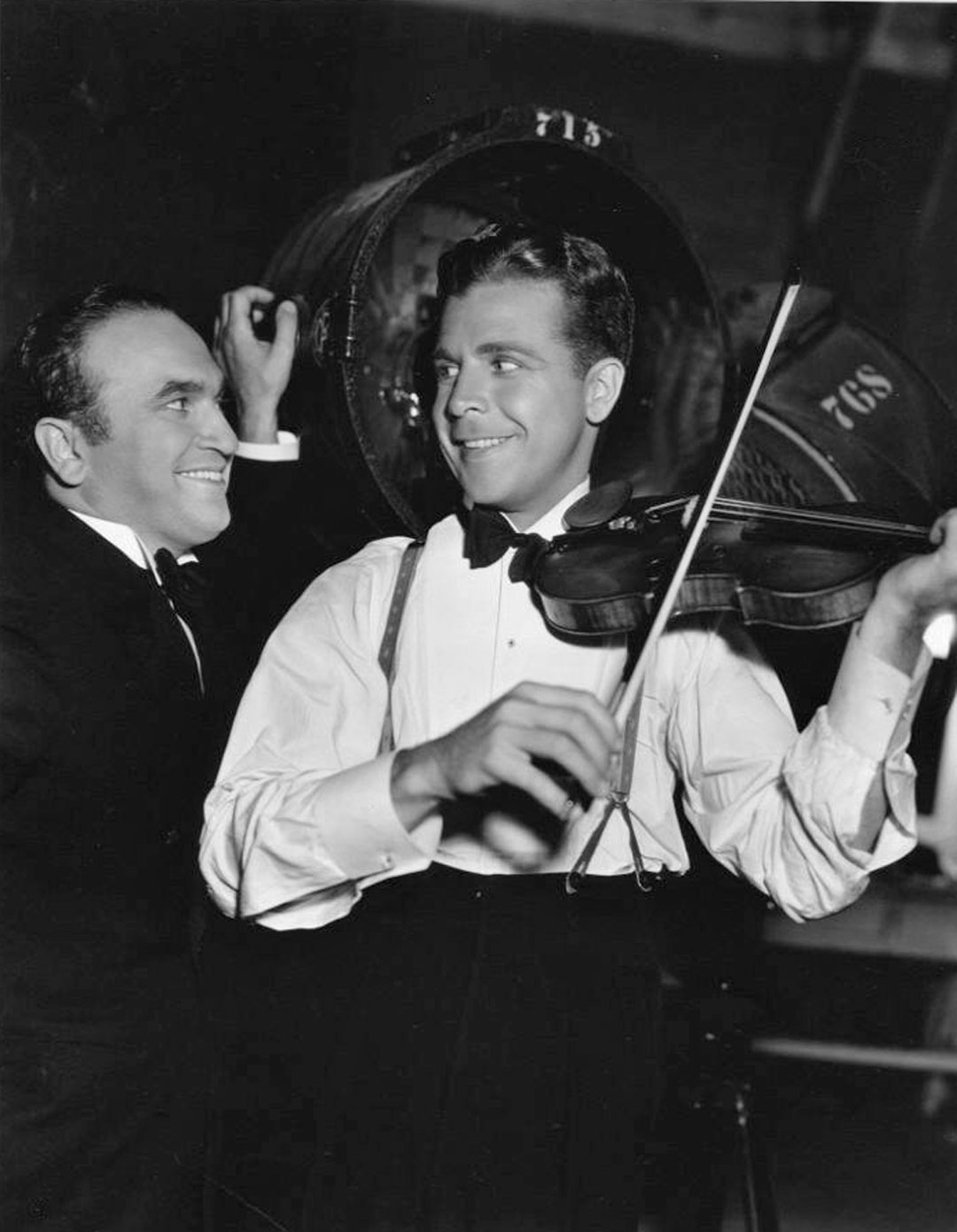
Dick Powell receives a violin lesson between takes on the “Thanks a Million” set at Twentieth Century-Fox. His music master is none other than Rubinoff, the famous radio violinist. The star is probably the only beginner to commence his lessons on a $100,000 Stradivarius.

Sorry Dick, Shirley was first!

See more Shirley Temple photos at my main website.