Showing posts with label margaret hamilton. Show all posts

Monday, January 27, 2014

Wizard of Oz 75th Tribute Interview


"The Wizard of Oz" is celebrating its 75th Anniversary this year (seems like just yesterday I was excited about the beloved classic's 50th!), and authors William Stillman and Jay Scarfone have published the book "The Wizard of Oz: The Official 75th Anniversary Companion." When the authors saw that I had mentioned their book in my blog, they graciously contacted me and agreed to do an interview. They quickly responded to the questions that I sent to them and allowed me to use some of the rare images from their book in today's post.

Q. One of the most fascinating things from your book is seeing the color Lilly test shots with the stars in somewhat candid poses while wearing their costumes. Could you maybe explain those a bit and how you happened to find them to use in the book? At one time, did footage actually exist for these?

A. William: As it was explained to us, and as reported in "The Wizard of Oz: The Official 75th Anniversary Companion," the Lilly was a hand-held card with a white portion and a color-chart portion. This was used to test the “correctness” of the make-up, wardrobe and set hues for the appropriate translation to Technicolor film. After each scene, the actors would hold their mark as an assistant ran in and held up the Lilly while a few extra feet of film was taken. If, when developed, the white portion of the Lilly remained white, the footage was undistorted and good to print. After its intended use, this test footage was cut up into clips three-frames in length and distributed to the crew as souvenirs. So, yes, while the test footage would’ve actually existed for a brief time during production, I am unaware of actual uncut footage of said tests existing today. Jay Scarfone and I are the keepers of the Wizard of Oz Technicolor clip archives of M-G-M make-up artist Charles Schram (a gift from Mr. Schram) and Technicolor cameraman Allen Davey (acquired by us at great expense from an individual who purchased them at a Midwest estate sale a few years ago).


Q. What are the chances of finding the Renovation or Jitterbug sequences (besides the rehearsal footage everyone has seen)? Are they really buried under a freeway? Or were they destroyed? Any possibility a studio employee has a print?

A. William: One never knows. We are aware of publicly unseen special effects tests so who knows what certain individuals possess, perhaps unaware. What’s more likely to surface might be Technicolor film-frame outtakes from those scenes in the manner that we discovered clips from Ray Bolger’s deleted Scarecrow dance, two of which are reproduced in the book. There’s also the original 1939 theatrical trailer which was longer than the re-release versions and featured additional outtake footage. We have over three dozen Technicolor clips of the Wizard’s head being tested, a few samples of which are published in the book, so we could conceivably assemble a film sequence if we ever got ambitious enough to do it.


Q. I have read about the deleted sequence where the bees come out of the tin man's mouth; just how far along was that sequence developed? Was the animation done, or was it deleted before the effect was added?

A. William: Yes, apparently the animation was completed and included in a rough cut of the film as the subsequent scene (“You’re the best friends anybody ever had.”) required some creative editing once the bee scene was deleted in order to match the actors’ positions pre-animated bees. M-G-M had 95 cartoonists in its animation department at the time and other special effects for Oz were animated as well including the jitterbug insect and tests for the Winged Monkeys, flying Witch, and Wizard’s floating head.


Q. What are your thoughts on the deleted sequences? Do you think all of the trims made were correct?

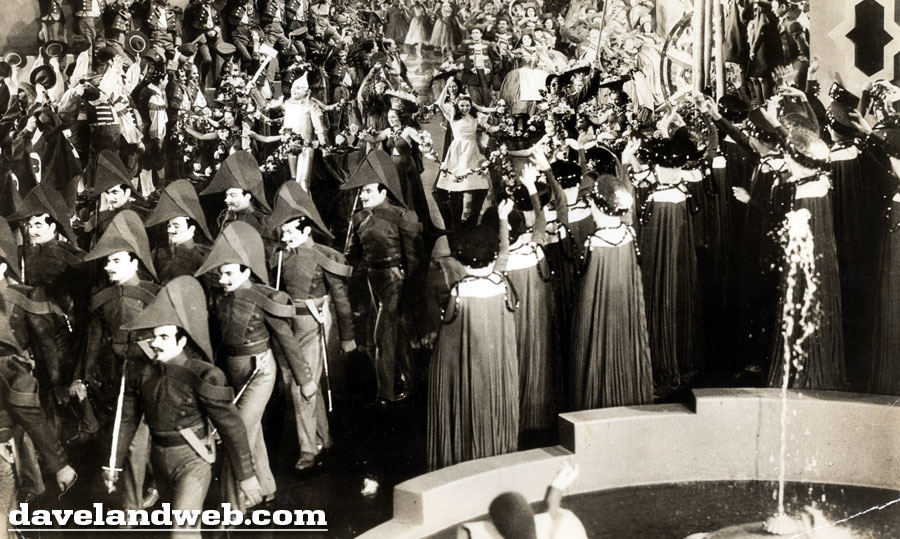
A. William: Yes, for the most part, I concur with the choices that were made with one exception: I wish they had retained the triumphal return to the Emerald City for the magnificence of its pageantry and for the addition of some music to the latter part of the film; it only lasted a few moments but in the editing process, anything that wasn’t necessary to the plot was cut for time. From the surviving stills and brief snippet in the film trailer, it looks gorgeous, though. Judy’s reprise of “Over the Rainbow” in the Witch’s castle would be great to see but, by today’s standards, might possibly be interpreted as a bit too contrived or over-the-top manipulative.

Jay: I agree with Bill that the “Triumphal Return” sequence could have remained in the film (were it not for the need to trim the running time), thereby helping to balance the musicality of the latter part of the movie with respect to the first half. I do think that Judy’s brief “Over the Rainbow” reprise might have stayed, giving audiences yet another chance to hear her sing as well as amplifying the poignancy and drama of Dorothy’s predicament at that point in the story. I also think it would have been nice to have kept the entire montage of images originally included during Dorothy’s transition back to Kansas (“There’s no place like home, there’s no place like home . . .”) rather than those of just the ruby slippers and the house crashing to the ground. Even as a young person, before I knew that these other images had at one time existed, I sensed that this scene (and accompanying music) seemed somewhat abrupt and choppy.


Q. What is your favorite song in the movie?

A. William: Believe it or not, I’ve always liked “Optimistic Voices” best. That’s the brief musical interlude sung by a disembodied female trio as Dorothy and her friends emerge from the poppy field.

Jay: I’ve always enjoyed all the choruses of “You’re/We’re Off to See the Wizard,” with its catchy lyrics and spirited tempo. I have to also admit that I rather like “The Jitterbug” as sung by Judy Garland. That song, of course, was right in the zone of jazzy numbers for which she particularly excelled in her youth.


Q. BESIDES the ruby slippers, what costume or prop would be a Holy Grail to you if you had the opportunity to acquire it?

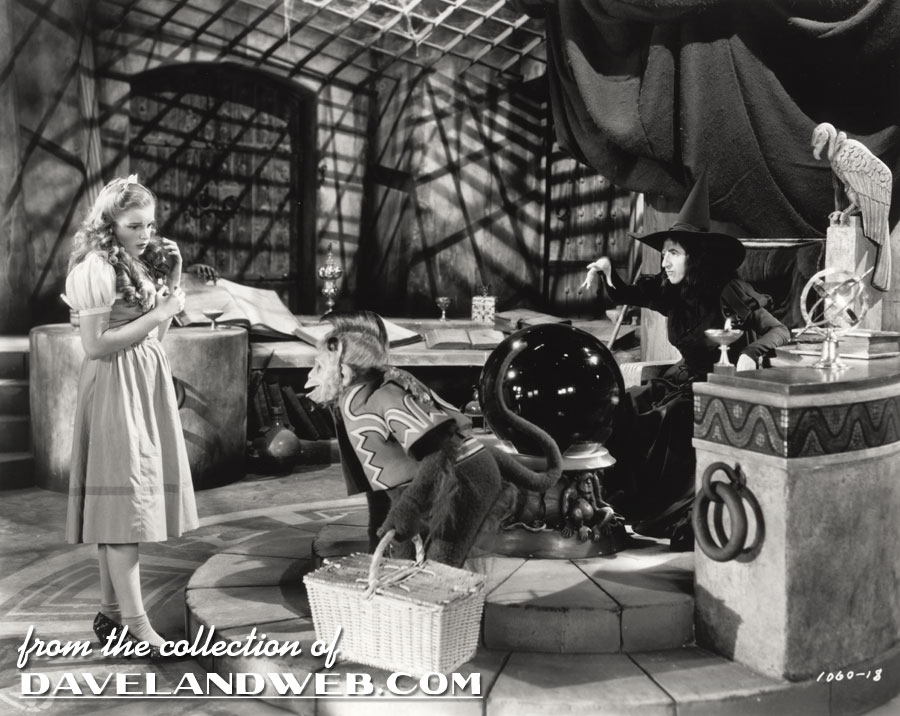
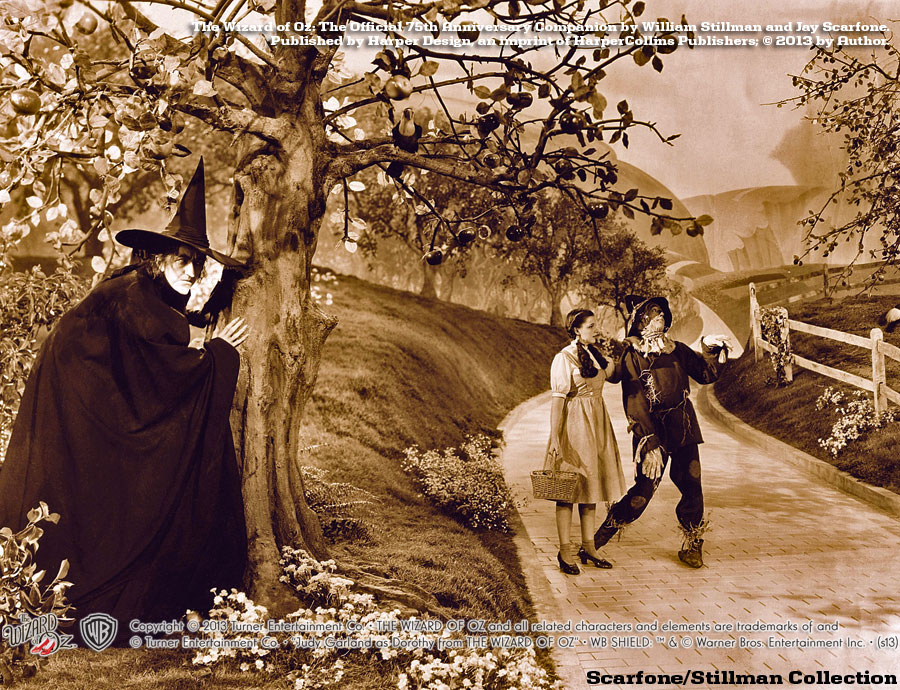
A. William: I’d like the Wicked Witch’s Golden Cap, the one she intended to use to call the Winged Monkeys (as in the L. Frank Baum book) to retrieve the ruby slippers from the unconscious Dorothy in the poppy field. It is seen briefly on film as Nikko, the Witch’s monkey familiar, brings it to her and she throws it across the room after being foiled by Glinda’s snowstorm.

Jay: If we’re strictly talking about wish-list type items, I think it would be thrilling to locate Margaret Hamilton’s Wicked Witch broom, Billie Burke’s Glinda wand, or Jack Haley’s Tin Man ax. Not only are all of these items very distinct in their design, I believe their existence (or lack thereof) remains unknown.


Q. Even today, some sources publish the story that the only reason Shirley Temple didn't get into the movie was because of Jean Harlow's death. Any idea where this rumor came from? Also - are there many details known about Roger Edens' audition of Shirley Temple for the movie?

A. William: In our research, we discovered that most long-standing rumors about The Wizard of Oz almost always contain a grain of truth. Since 1935, Shirley Temple had been the critical and editorial favorite to play Dorothy in a modern talkie version of Oz. We have found evidence of a brief window of time in 1937, and preceding Harlow’s death, when a proposed deal involving Temple for Oz in exchange for M-G-M’s loan of Gable and Harlow to Fox would’ve been quite feasible. This is in keeping with the general timeframe as Temple recalled it in her book, Child Star, and would’ve certainly been a different Oz project than what ultimately transpired (i.e. one with only Temple’s name attached to it for the moment). So what’s likely happened over time is that the alleged events of 1937 have become blurred with the 1938 Oz project for which Judy Garland was cast and for which there was cursory interest in Temple’s availability. I have no further details about Edens auditioning Temple other than what’s been previously published.


Q. Can you give one teaser of a tidbit or fact that you had to leave out of this volume for size/space purposes?

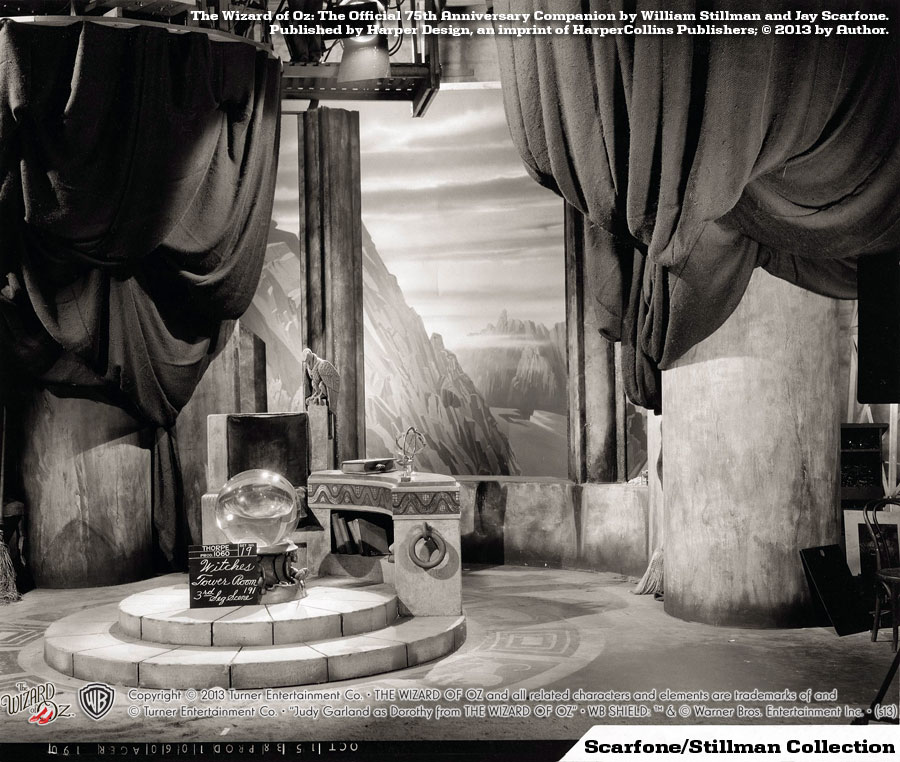
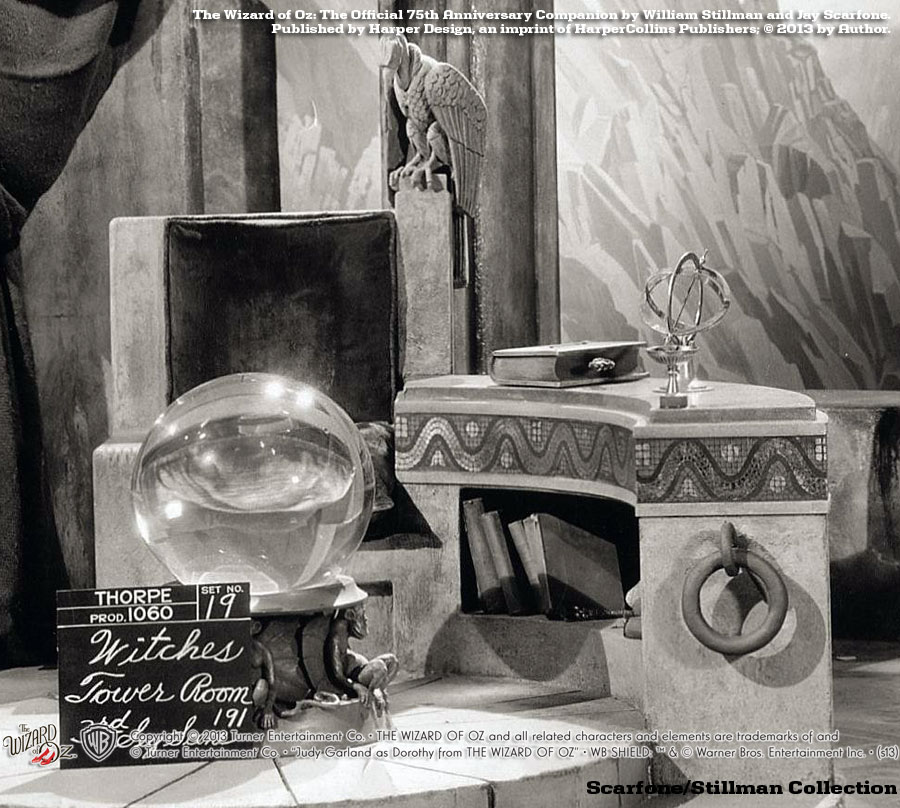
A. William: There was an extraordinary amount of research we uncovered over the course of the five years we spent compiling this project, much of which was cut from the book. We are setting it all aside for future use; but one tidbit we can share concerns a posed, close-up still of Jack Haley reading The Wizard of Oz to his son, Jack Jr. It is a photograph that is familiar to many Oz fans and has been published before. But in the true Hollywood tradition of saving face, what people don’t realize is that the original photo was tightly cropped to edit out Jack Haley’s previously-unknown “other” son—a boy who was reportedly adopted by the Haleys but allegedly “returned” after a brief period. He was said to have been a hellion and is wearing a military academy uniform in the picture. But we’ll save the details about that for another time!

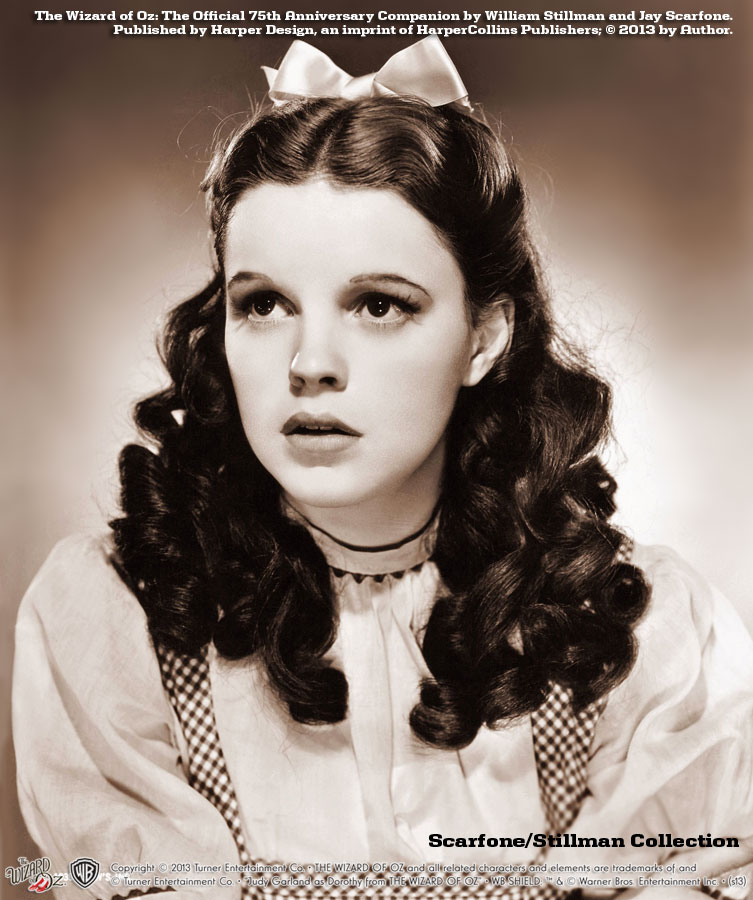
Jay: We did find a particularly specific 1939 quote from Jack Dawn, head of M-G-M’s makeup department, that detailed the various “flaws” of young Judy’s facial attributes—and what he did to “correct” (or at least compensate for) them. While not necessarily intended to be mean, Mr. Dawn’s comments were nonetheless blunt and insensitive at best. It is no doubt that such pointed comments by M-G-M makeup and wardrobe personnel, not to mention the Hollywood press, would have had a strong impact on the fragile psyche of Garland—the same as any other girl her age. Warner Bros., however, was reluctant to approve the inclusion of any such commentary about Judy in our manuscript (including reference to her self-admitted weight struggles), so that information was ultimately excised from the book.

Many many thanks to William and Jay for taking the time to share their vast knowledge of "The Wizard of Oz" at Daveland. I suggest if you are an Oz fan that you pick up a copy of their book today!

See more Judy Garland "Wizard of Oz" photos on my main website.

Saturday, September 21, 2013

The Wizard of Oz enters the Third Dimension


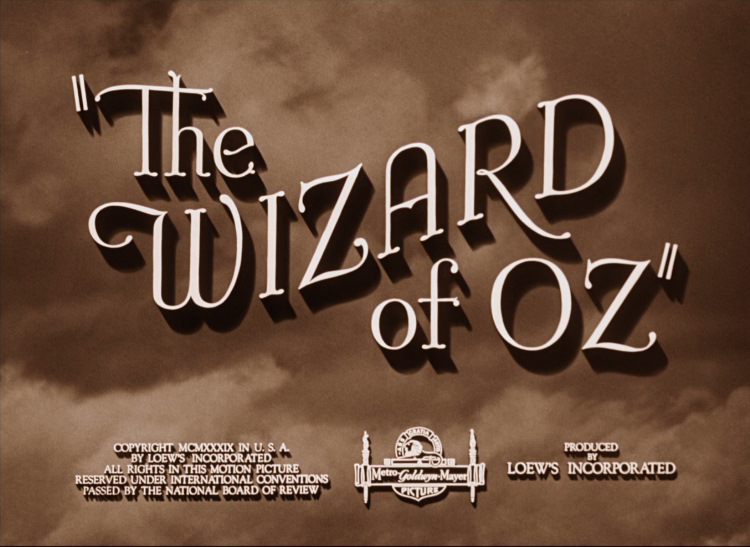
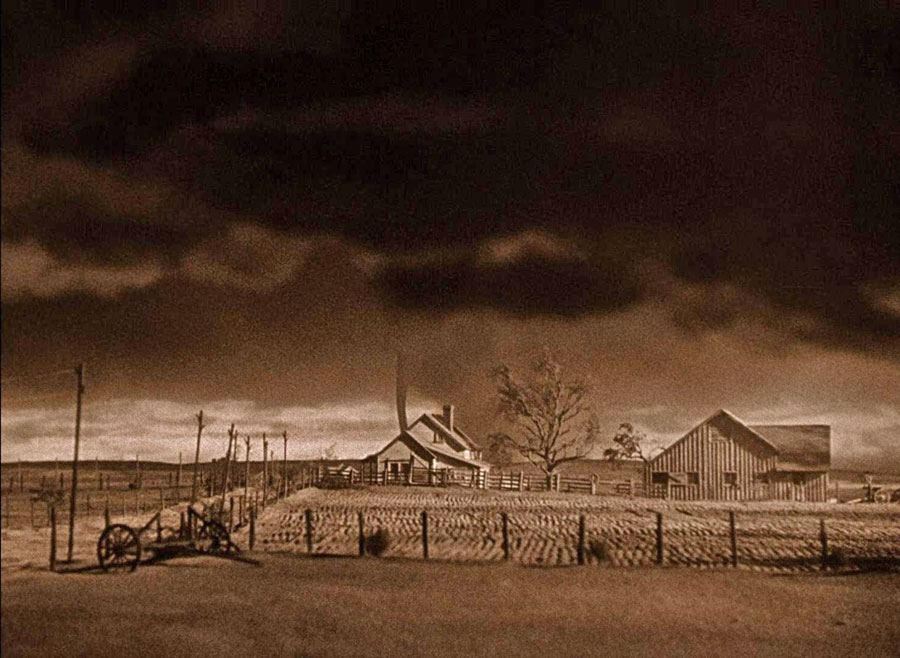
When I read that "The Wizard of Oz" was being converted to 3D, I will admit I was skeptical. I'm not a fan of messing with films and changing what was originally shown to the public. I had also read all of the complaints and nasty comments made ahead of time (by those who hadn't seen this new version of "Oz," I might add), but still wanted to give it a chance. It's my very favorite movie of all time, and the few times that it has been re-released to theaters, I have made sure I was there to see it on the big screen. Last night, I attended an IMAX screening and not only was I pleasantly surprised, I was blown away. It is hard to comprehend without seeing it in person, but this (almost) 75-year old film looks as if it were shot just the other day. The rotoscoping that was done to achieve the 3D look is virtually flawless. From the moment the titles appear in their original sepia-toned glory, you can tell this is going to be a treat.
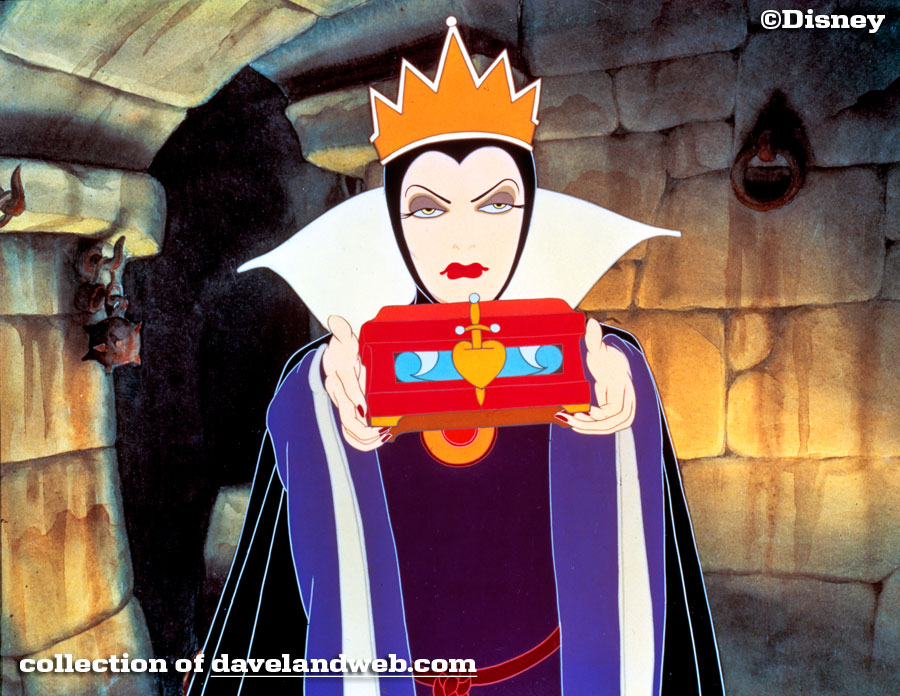


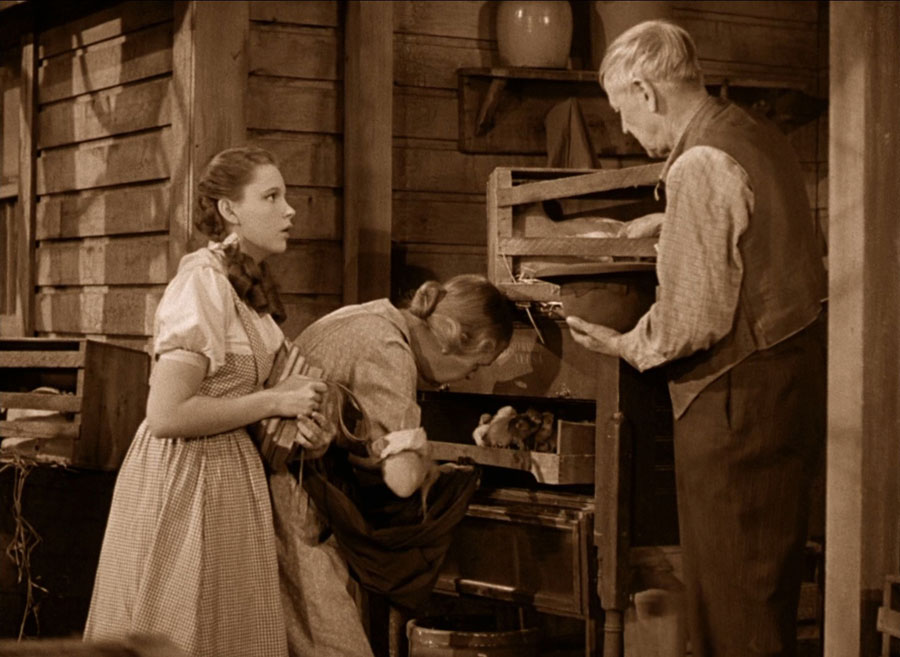
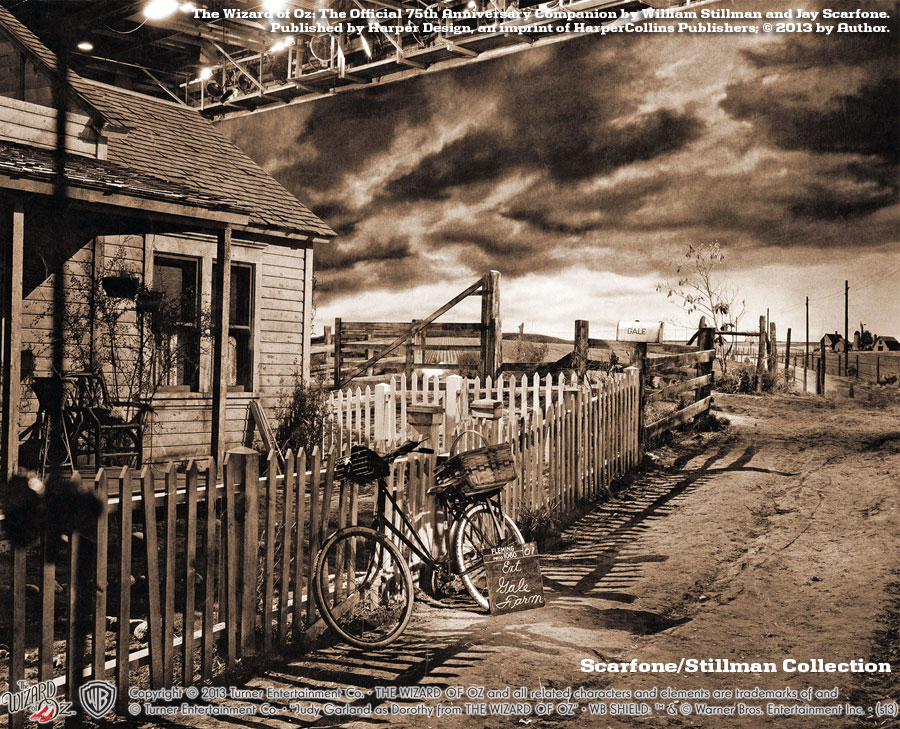
My first "wow" was being able to see the lettering on the incubator at the Gale Farm. The restoration that was done from the original negatives brings out a clarity that I had never witnessed before. There are only a few times that this clarity slightly detracts from the experience (being able to see the wig caps of some of the Munchkins is an example that comes to mind), but not enough to truly spoil the movie.


It is hard to believe that the movie's signature song, "Over The Rainbow" was almost deleted before the film's release. It is such a touching rendition of true emotion; it is no wonder that Judy Garland became a sensation after the public saw it. Her natural performance, completely free of artifice, holds the movie together. Without her, the movie would lose its anchor.


My one disappointment in the new version was the soundtrack, and I have a feeling this was partially the fault of the theater. The bass could have really used a boost, especially in the tornado sequence and the fire-bomb appearances of the Wicked Witch. I am guessing that the theater I saw it at did not want to cause any spillover to their other movies being shown in the multi-plex, as my home theater system exhibited a lot more action from the subwoofer in these very same segments of the movie.


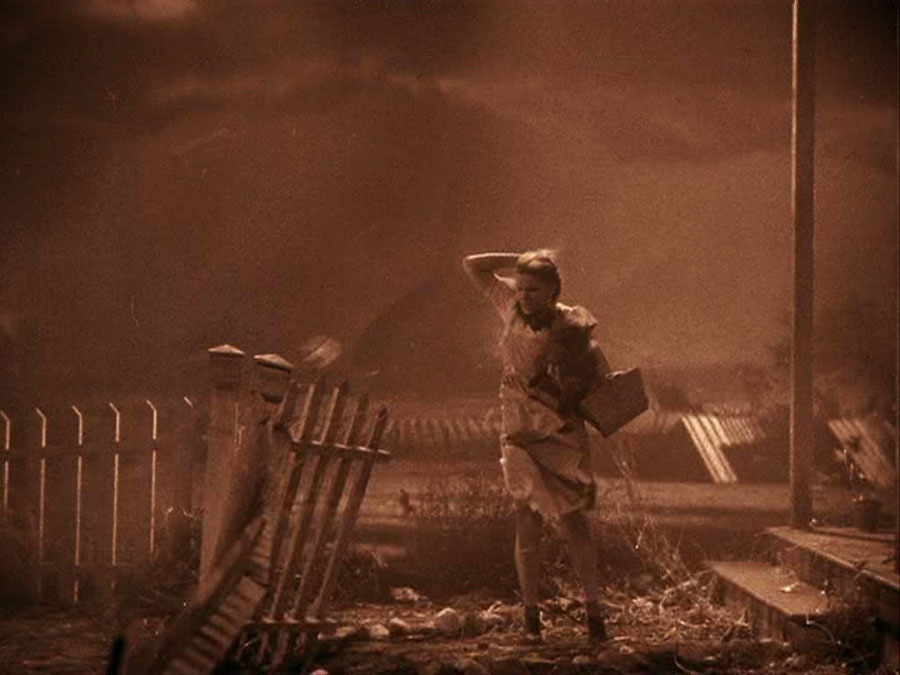
In the clarity and 3D of the new version, the tornado sequence still manages to pack a wallop. The fright of navigating the wind and swirling objects becomes palpable.


And just when you think it couldn't get any better, Dorothy lands in Oz and enters the glorious world of Technicolor.


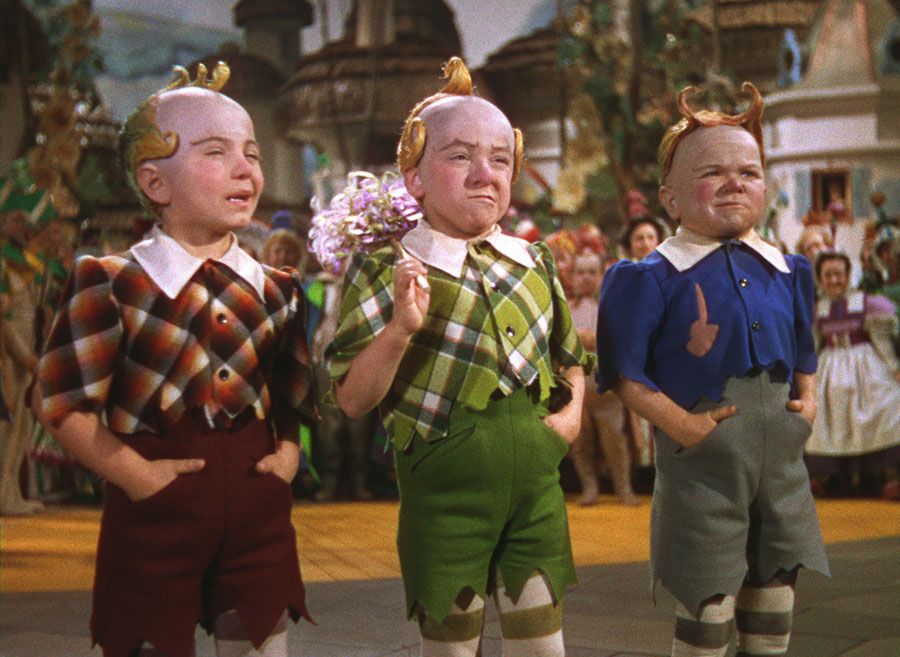
Because the original negatives for the Technicolor portions still exist, there is an even larger boost of detail that is discernible to the eye. It was interesting to hear the audience react to the film in the theater, too. The Lollipop Guild got huge laughs for their comedic song.


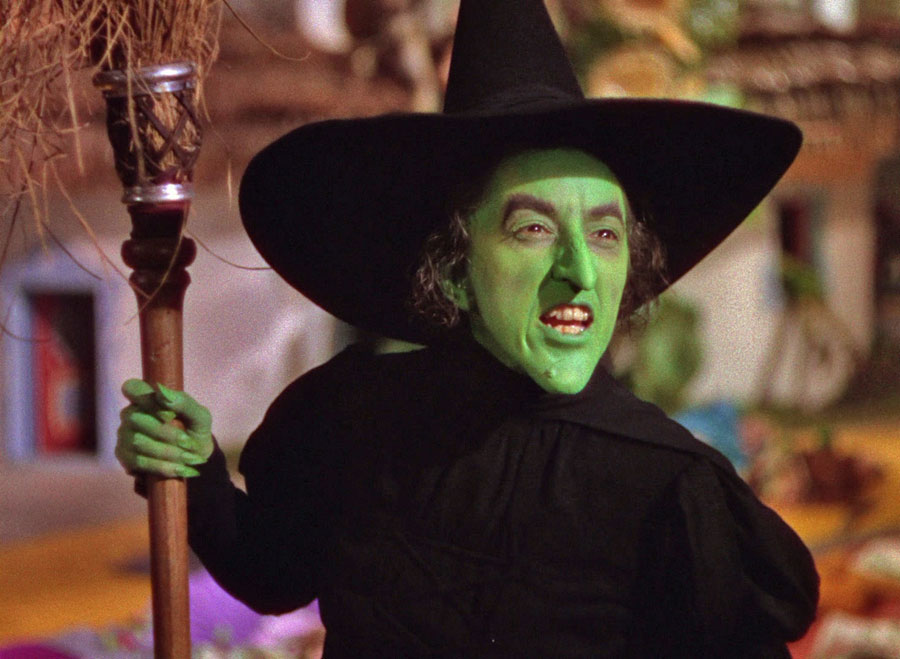
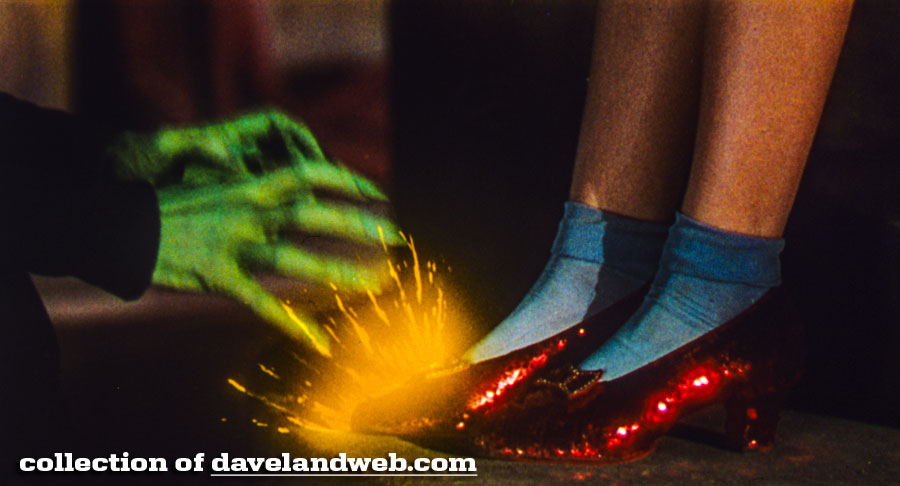
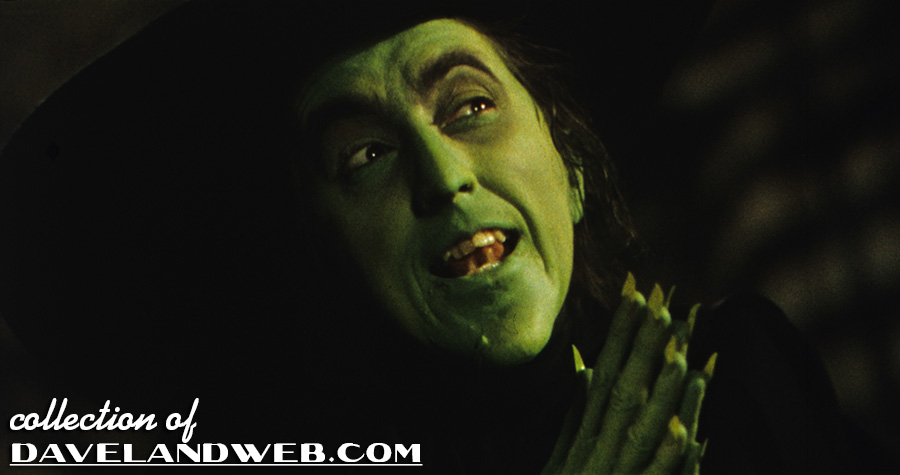
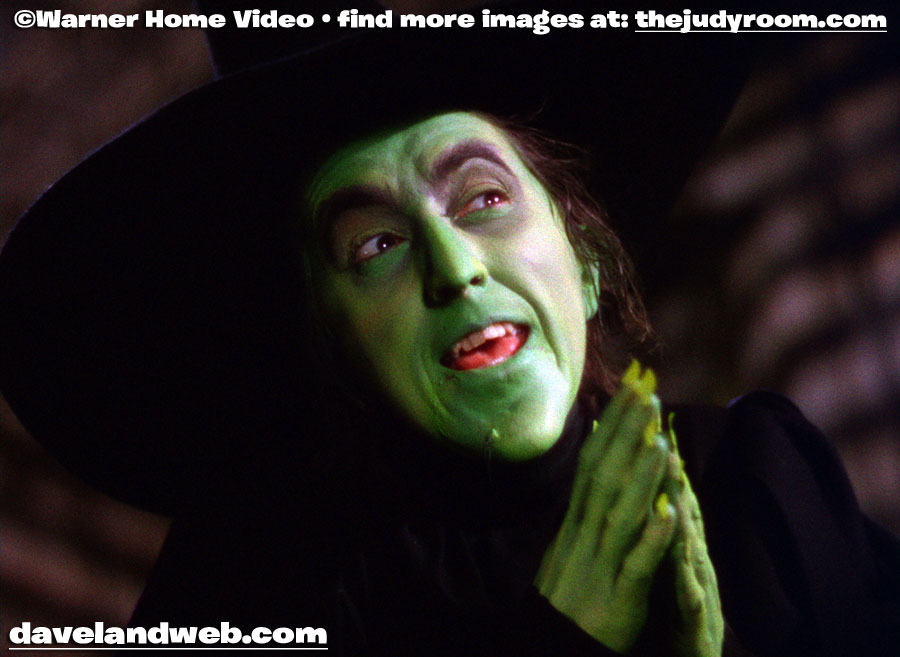
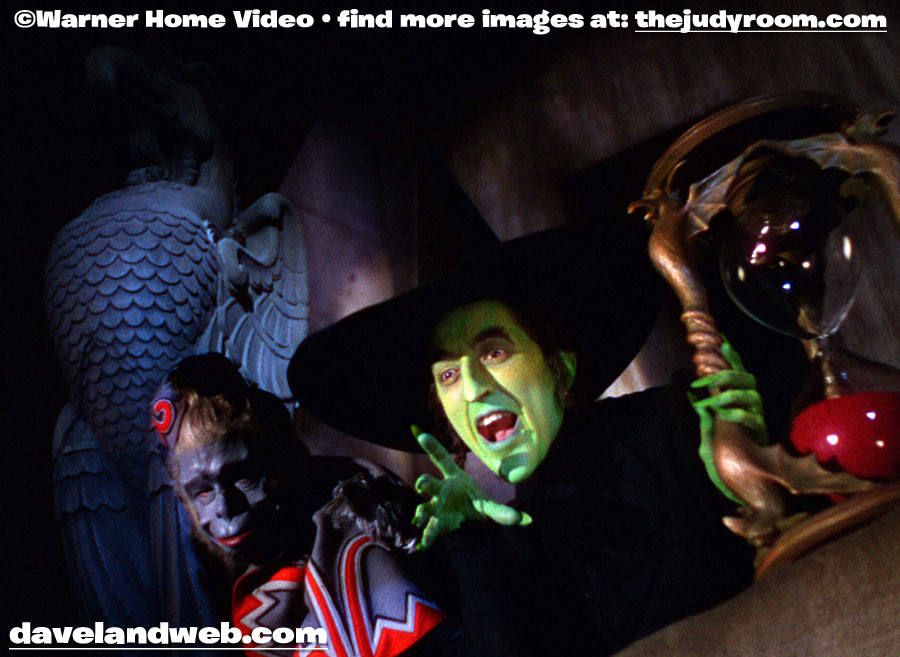
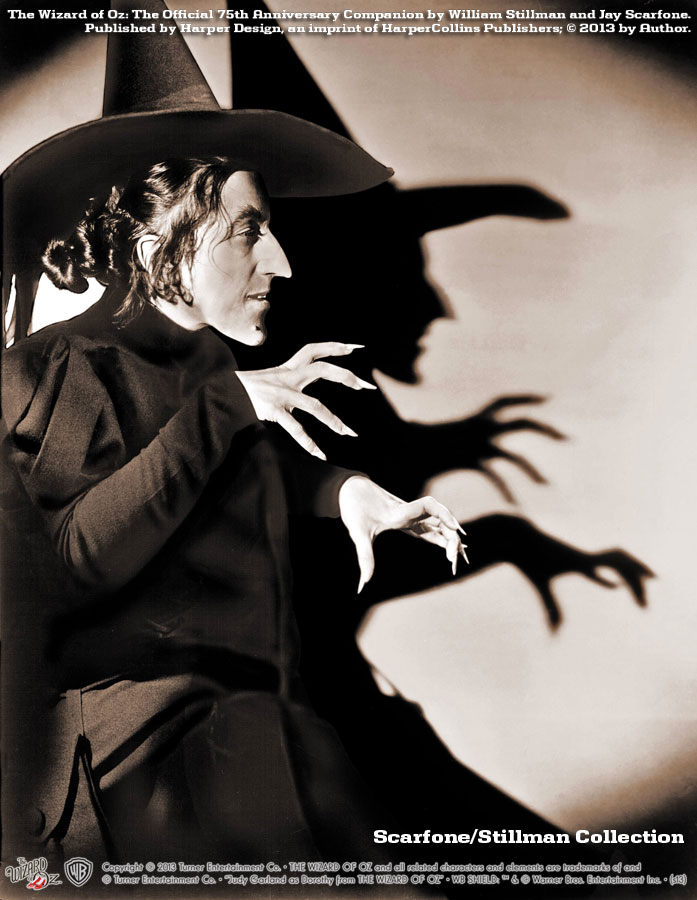
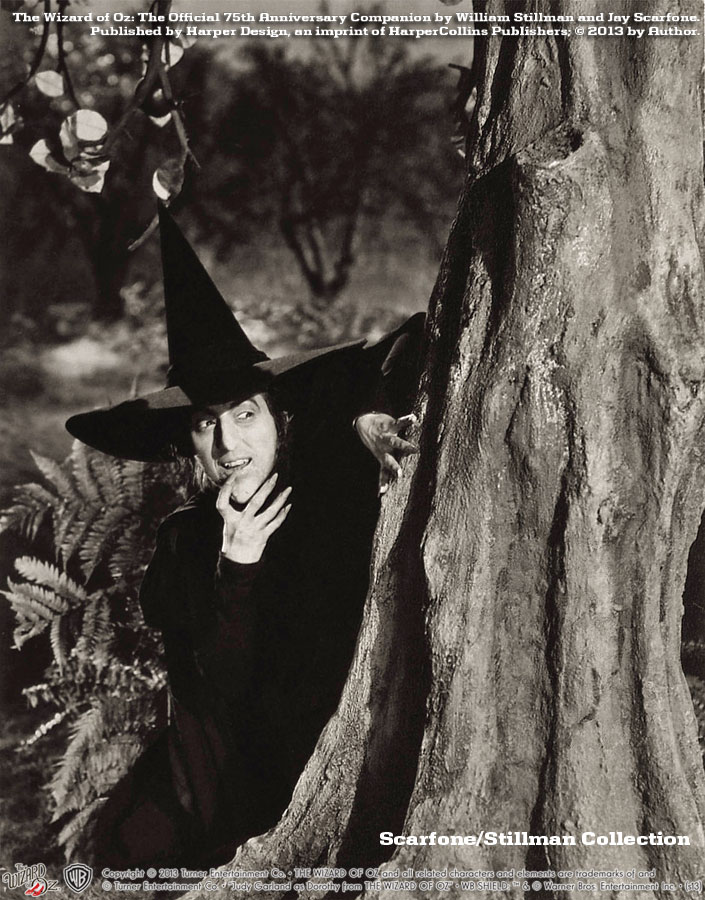
The Witch will always remain one of my favorite parts of the film; Margaret Hamilton scares the crap out of viewers, and I am sure she is partially responsible for the film's new PG rating!


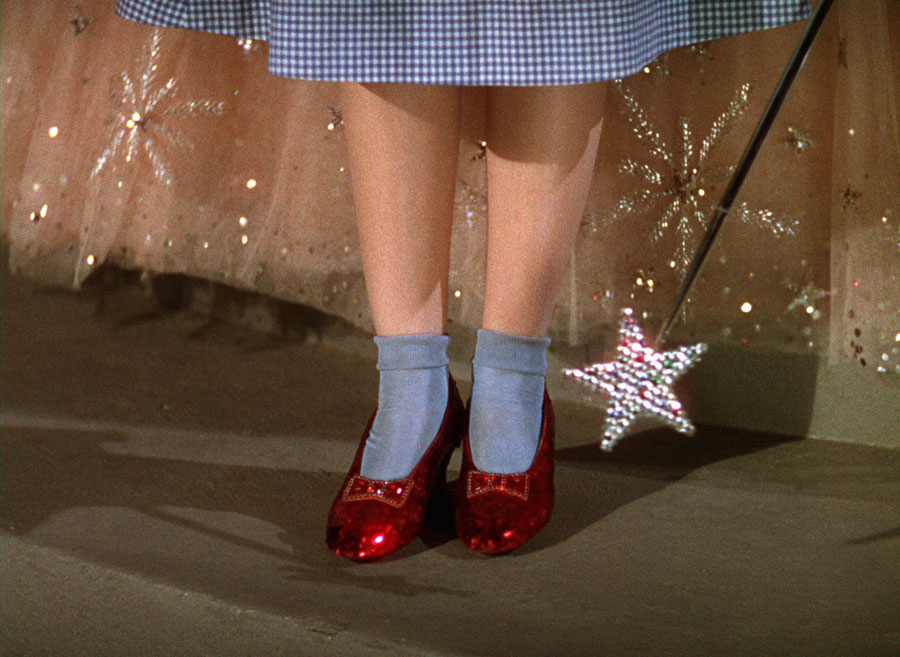
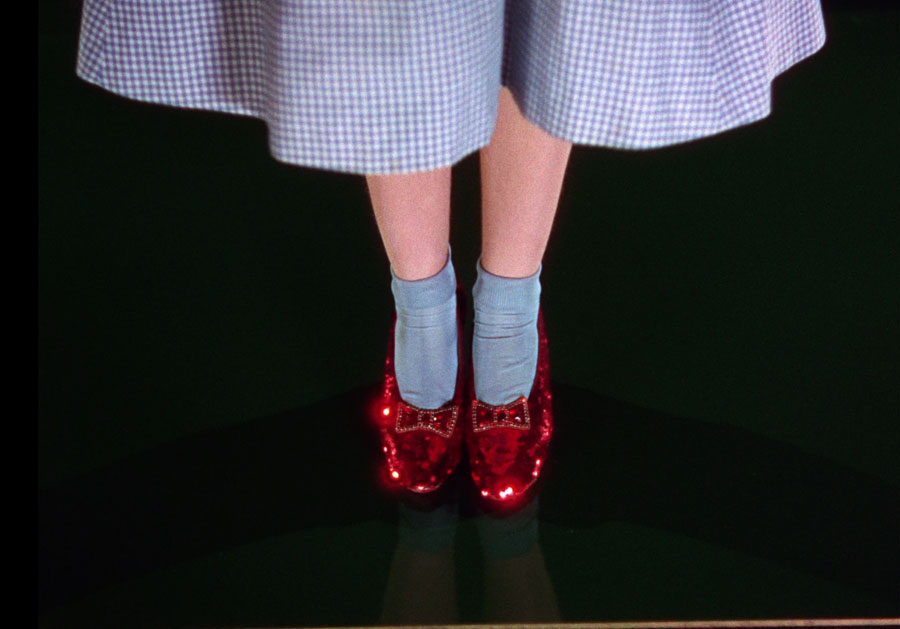
When the ruby slippers are first shown, they literally jump off of the screen when Judy first models them.


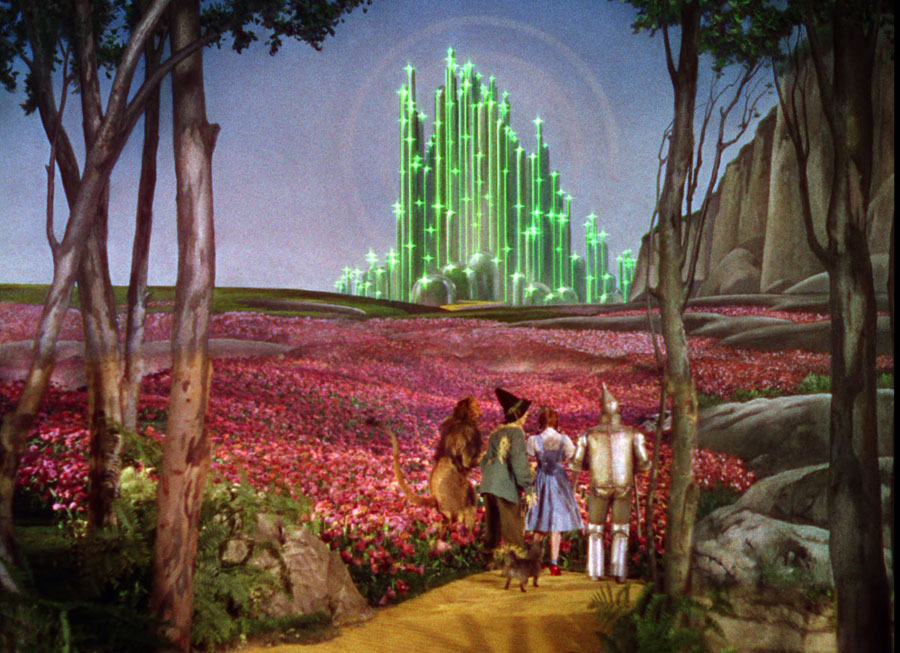
The Emerald City sparkles as well, with the green lights illuminating the holes that were cut into the matte painting created for the background. The 3D effect even gives depth to the fantastic art deco influenced backgrounds.


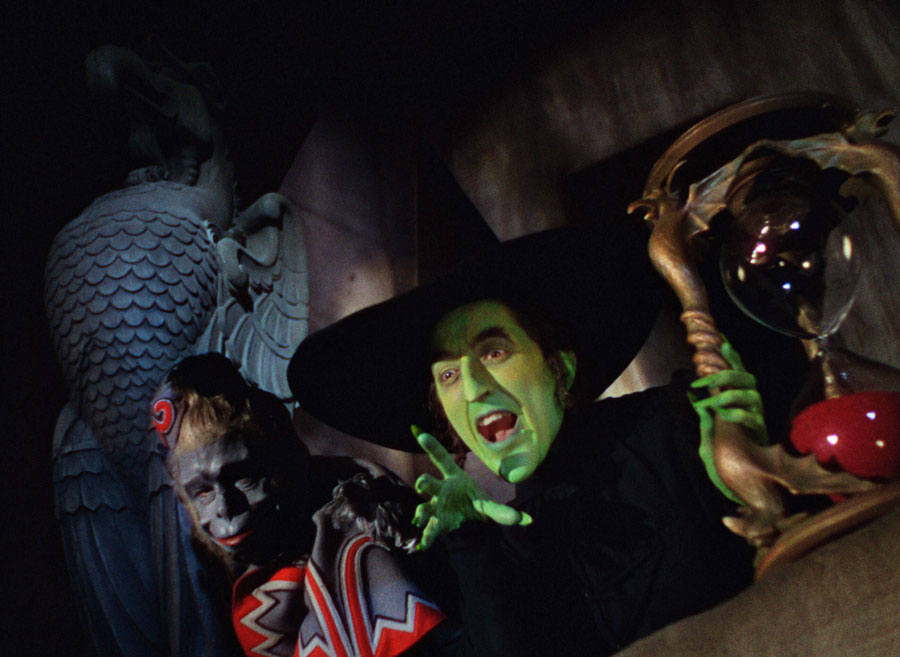
The 3D effect is best towards the end when the gang is stuck inside the Witch's Castle. You can truly feel the size of the place as they race through the labyrinth of the Witch's Lair.


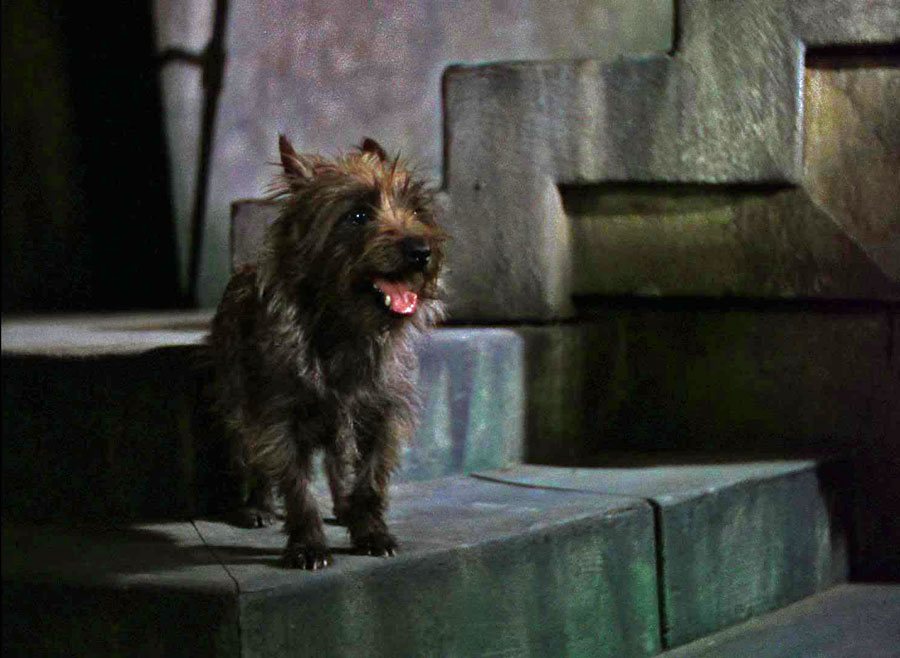
And there are the unsung heroes/heroines of the film who don't get quite as much recognition, such as Toto, played by Terry, the Cairn Terrier.


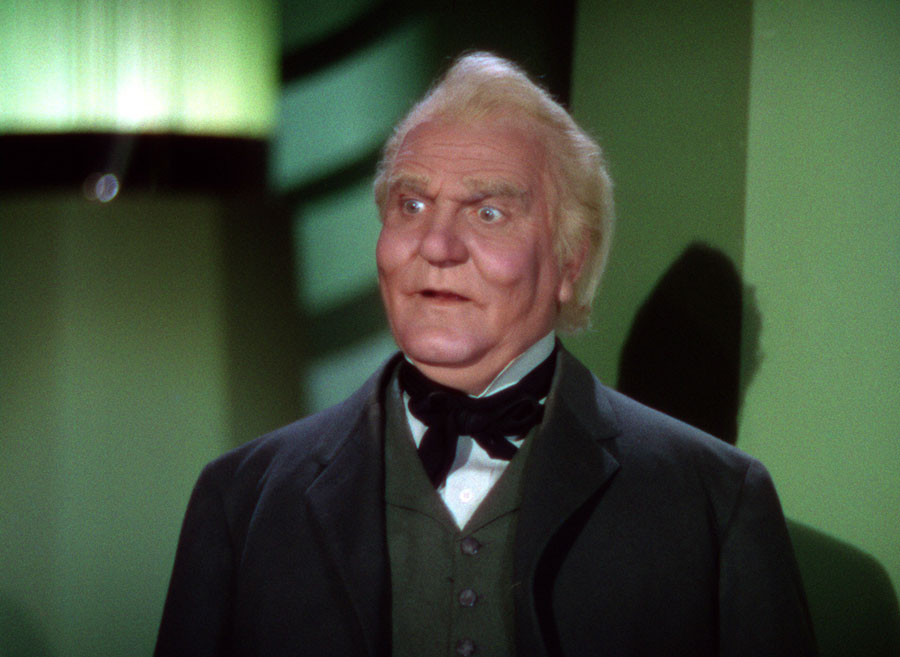
And Frank Morgan, who plays a plethora of roles in the movie, each one of them with perfect comic timing and tenderness.


I guarantee you'll hate for this movie to end; it truly transports you through the new technology which actually seems so natural. Never at any time did I feel that the movie had crossed the line into being gimmicky.


See more "Wizard of Oz" photos on my Judy Garland web page.

Wednesday, June 12, 2013

All Things Oz


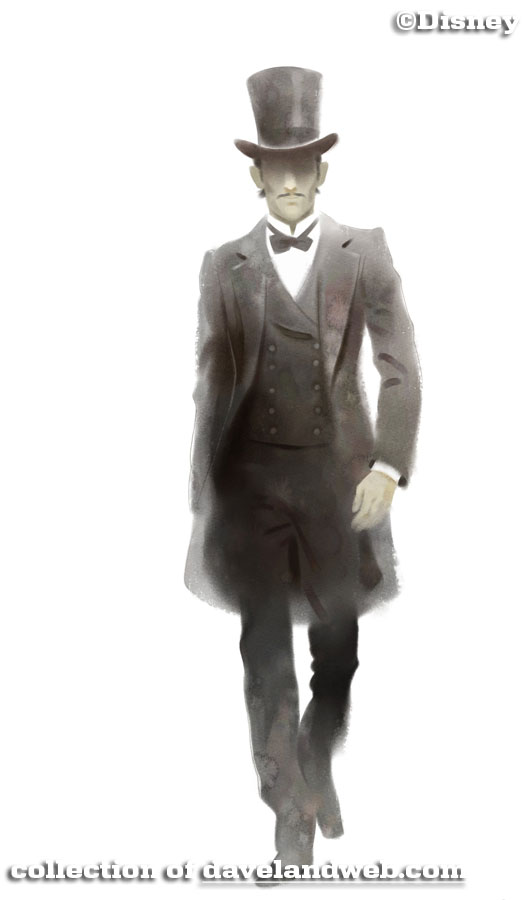
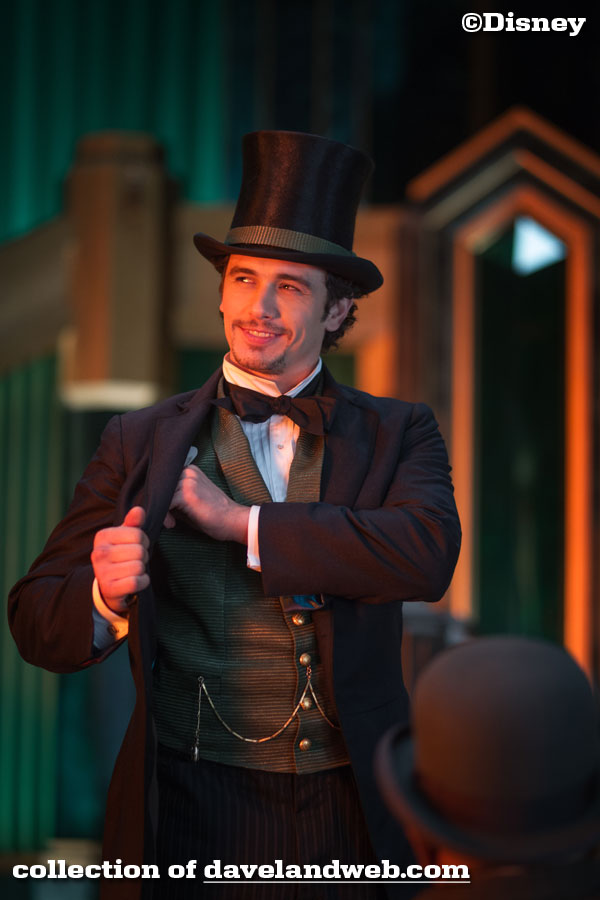
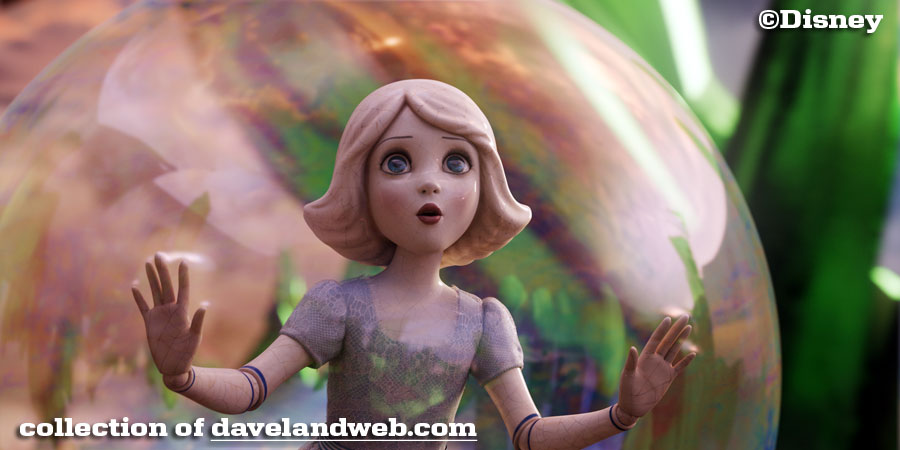
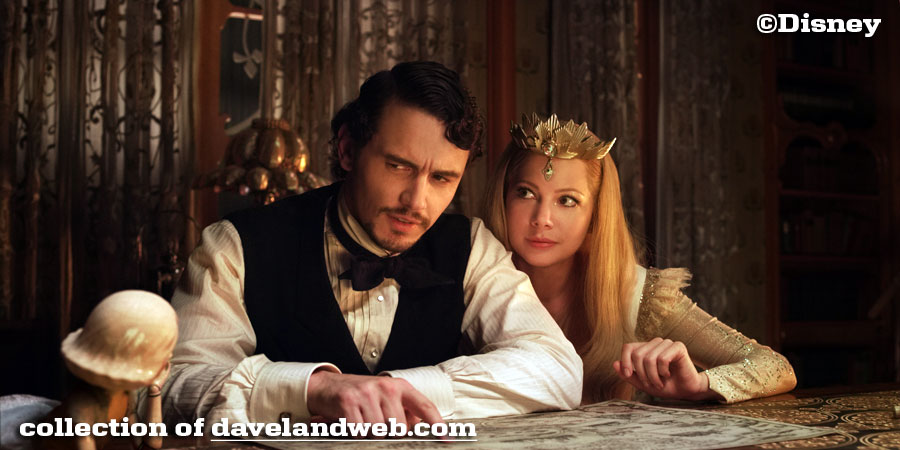
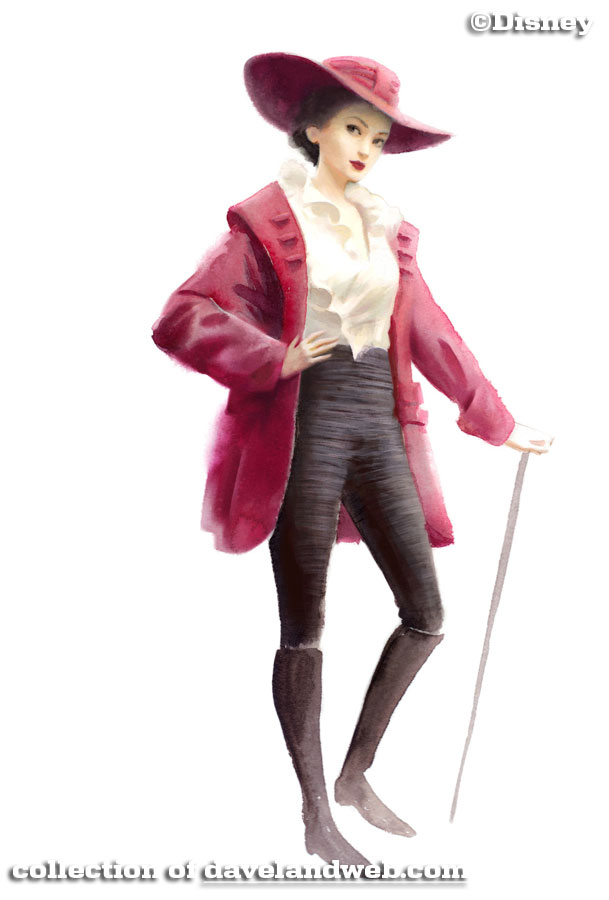
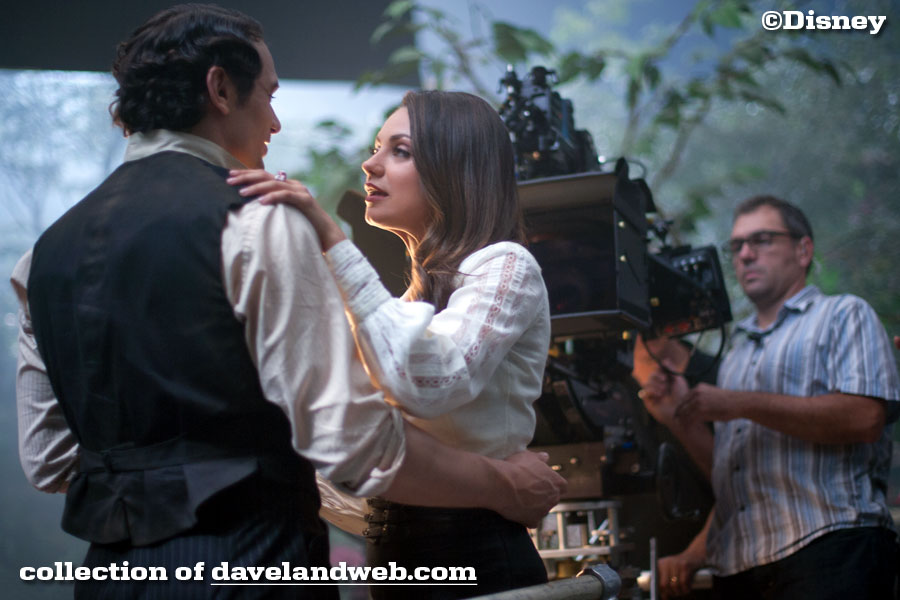
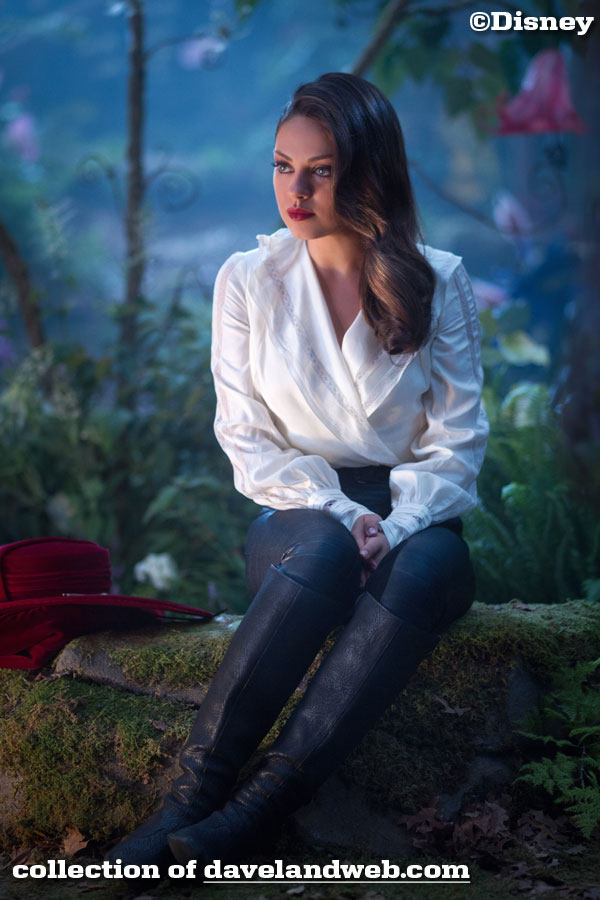
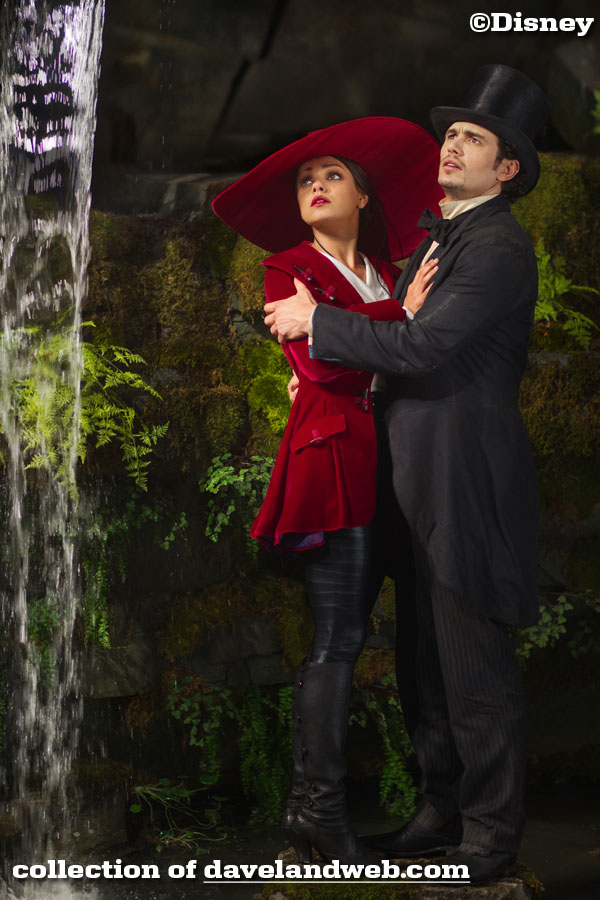
In honor of the release of "Oz the Great and Powerful" to DVD and Blu-ray, today's post will be all things Oz. Disney's prequel tells how Oz (James Franco) came to be and gives you the backstory of the origin of the Witches. Without giving away the plot, I found it to be much more satisfying than the convoluted tale woven by the musical "Wicked." Fans of the 1939 Judy Garland version of "The Wizard of Oz" will note that there are some stylistic differences between the characters, which mainly had to do with licensing issues. Disney owns most of the Frank L. Baum Oz books, but they don't own the copyright to the original MGM film (now owned by Warner).


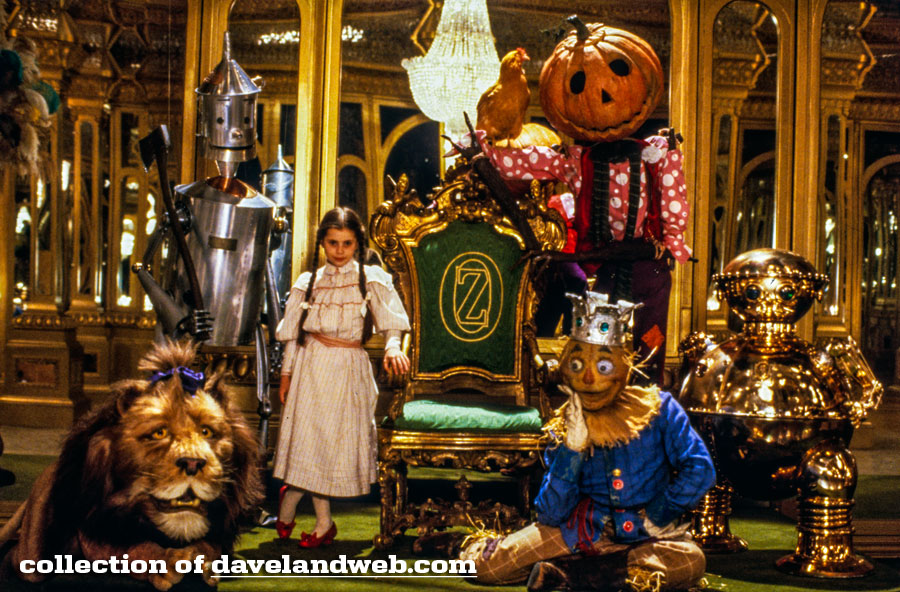
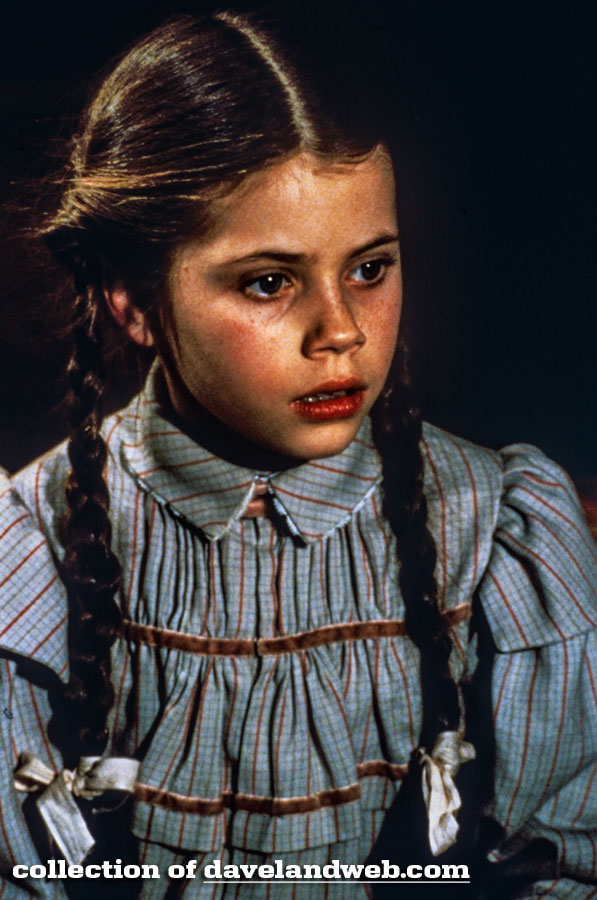
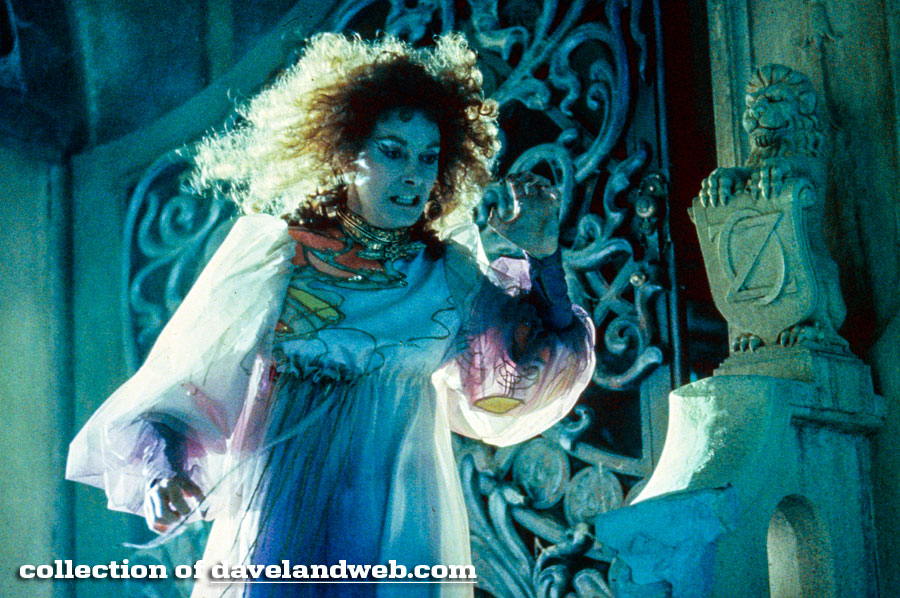
Disney's last attempt to bring the Oz books to screen was in 1985 with the somewhat dark "Return to Oz."


It floundered at the box office, but developed a cult following...including me, who found it very cool. Those who grew up with the 1939 version didn't understand Walter Murch's dark vision, which closely followed Baum's books.


Disney's newest version was quite successful, and according to the buzz, could be generating a few sequels.

To accompany the photos from "Oz the Great and Powerful" I am including an interview with James Franco, who plays Oscar Diggs, aka Oz, The Great & Powerful:

Is it true that you trained with acclaimed Las Vegas magician Lance Burton in order to tackle the role of Oscar Diggs?

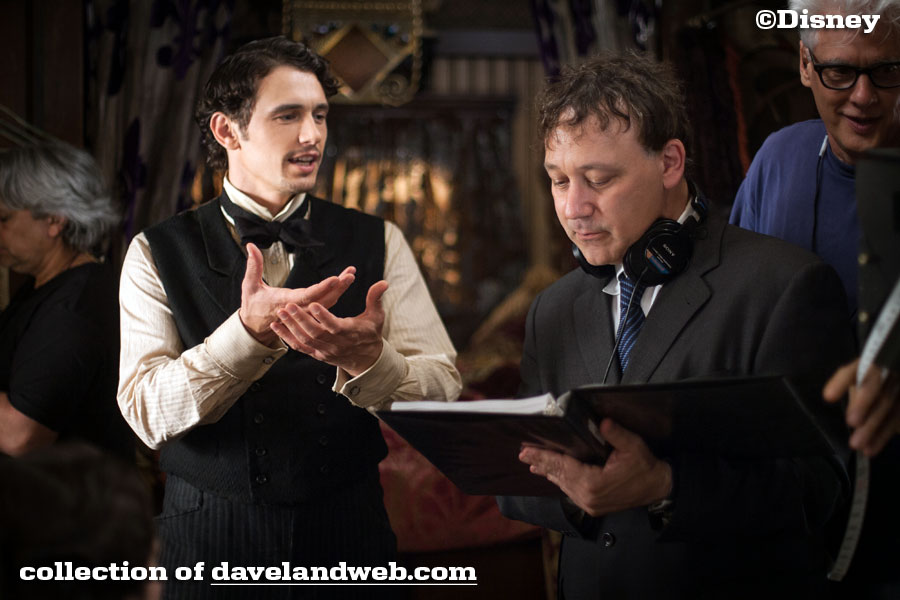
That’s very true. We shot the movie in Detroit and they hired Lance Burton to come out and train me there. [Oz The Great And Powerful director] Sam Raimi was very insistent that I have two weeks of magic training, so I went to Detroit two weeks early in order to do that.


What magic tricks did you learn?

Lance taught me a lot of tricks, so I got to the point where I could materialize doves out of nowhere. I start with a flame in my hand and then I turn it into a dove. Or I take off my gloves and I turn them into a dove. I also know a ‘rabbit out of the hat’ trick and other things like that. I did all that work and then the scenes that were going to feature the magic tricks turned out to be too long, so they were quickly cut from the finished movie. We never got to see them on the big screen.

Do you know enough tricks to entertain at a children’s birthday party?
Sure, I could do that! A lot of the tricks involve intricate preparations, so I would need an assistant like Lance Burton to help me set them up – but I could pull it off. If you have any kids parties and you want to pay me a lot, I’ll definitely come and do it. [Laughs]


What does magic mean to you?

I wouldn’t say I am the biggest magic enthusiast, but I do enjoy that world. What’s the name of the guy who works with David Mamet? Ricky Jay. I really enjoyed his show, Ricky Jay & His 52 Assistants at the Geffen in Los Angeles. He’s a huge magic scholar. I would say that I definitely like the world of magic, but I am not a magic specialist.


What does the fantasy genre mean to you?

The first movie that I can remember seeing in theaters was Jim Henson’s The Dark Crystal. I guess I liked it so much that my parents kept taking us back to see it over and over again. I saw it many times in the theater, so that maybe started the ball rolling for me with fantasy. Soon after that, my father read The Hobbit to me, and that was one of the main books that started my love of reading. That’s what got me reading the Oz books of Frank L. Baum, on which this movie is based. If we are talking about fantasy books, those were the two things that really sparked my imagination: the Oz books and the Tolkien books. It all started from there.


What is it like to work with Sam Raimi on a project like this?

Sam is one of the most fun directors to work with. A director really sets the tone of how people go about things, so when you have someone like Sam involved, everybody is happy. He’s a very collaborative director, not just with the actors but with all departments and it really makes people want to do their best because they all feel like they are a big part of the movie. I love working with Sam. I’d do anything with him.

What did you enjoy the most about working with the various witches of Oz: Theodora, played by Mila Kunis; Evanora, played by Rachel Weisz, and Glinda, played by Michelle Williams?

It was great because they all played very different witches, so the scenes that I played with all of them were all very different. With Mila’s character, Theodora, I play more of a seducer and charmer. Rachel’s character is trying to dupe me, so I play a little bit more of a fool or a buffoon with her. And then with Michelle’s character, Glinda, it’s more of a straightforward romance. It was nice to have that variety.


How would you describe your female co-stars?

I got to work with three of the best actresses working today, which was very exciting. They are all very different actresses, and they all played very different parts. But one thing I can say about them all is the fact that they are very good at doing research and background on their characters. I think Michelle read most of the books and did a bunch of research that really manifested itself in her scenes. She was very focused on detail. And with Rachel, we only had one or two scenes together, but she was very good at improvising and looking for alternative takes once we’d got the scripted scene down.


What was it like to work with Mila Kunis?


Mila is amazing. She’s a very talented actress who is great to work with because she’s so collaborative. She’s very open and she’s very quick on her feet. When I first met with [Oz The Great And Powerful producer] Joe Roth and Sam Raimi, they were already talking to Mila – and that was a big plus for me.


The sets created for the movie are incredibly impressive, but there was also a lot of blue screen work. Do you prefer to work on movies where you have to use your imagination and blue screen? Or do you prefer the ultra-realistic work of movies like 127 Hours?


I don’t prefer one or the other. I don’t think like that. When I look at a new film project, I don’t say, “Oh, I love independent films. That’s the only time I get to do what I truly love.” And I don’t say, “I only want to do big budget films.” I just think about what one wants to achieve with the film. With this film, half of the movie is a fantastical world that needs to be created in a particular way that costs a lot of money, so this movie needed to be made by a big studio. I was really happy and excited to be involved with it. I think it’s great.

You’re an actor, a producer, a writer, a director and a teacher… Is there anything left for you to conquer in the entertainment industry?

There’s always more to learn. I guess it would be cool to write a play one day. I love the theater and I love going to plays, so that might be good for me. I’ve only acted in small theaters in Los Angeles, but I like acting on stage in front of live audiences, so that would also be great. Who knows what’s next? I’ll guess we’ll just have to wait and see…

See more "Wizard of Oz" photos on my Judy Garland web page.

Saturday, March 02, 2013

Favorite Movies: The 1930's


I was going to attempt to do a Top Ten List of my favorite movies as a post, but by the time I began listing all of my favorites, it became too unwieldy. Instead, here is the first installment of a series of favorite films from each decade starting with the 1930's.

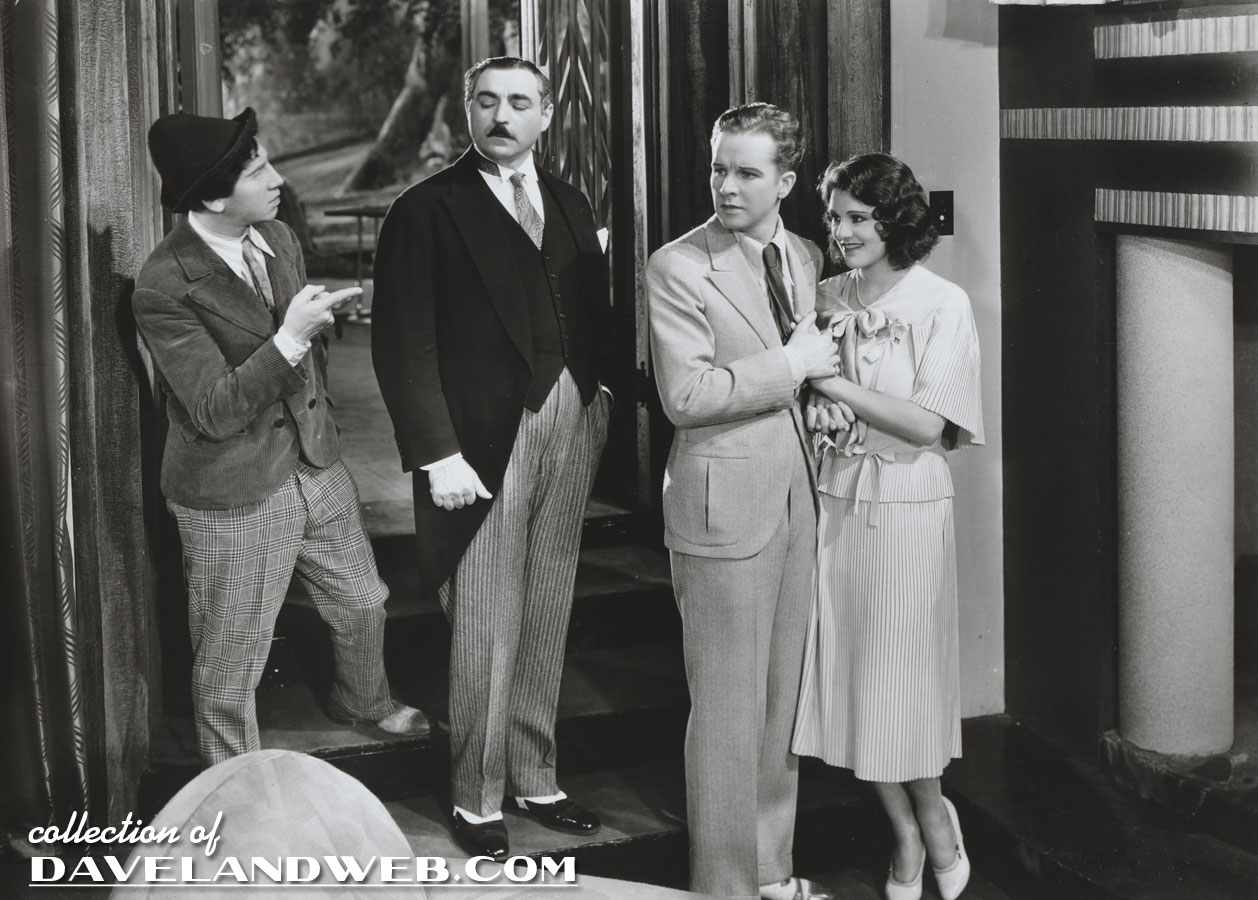
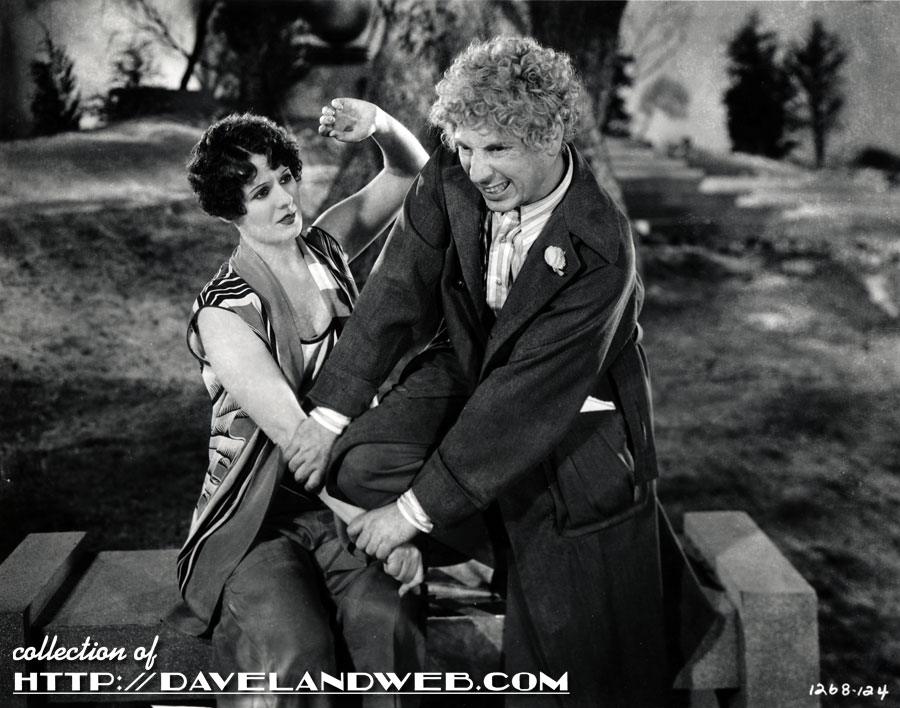
Animal Crackers (1930) with The Marx Brothers.


It's a bit creaky and technically not a very sophisticated movie, but the original comedy of the Marx Brothers still shines through. Originally a 1928 stage production, by the time this film version was made, all the laughs and gags had been perfected. Filmed at the Kaufman Astoria Studios in New York (close to the Broadway theater district), it was the last movie the Marxes made before "going Hollywood." Besides having four Marxes (Groucho, Harpo, Chico, and Zeppo), "Animal Crackers" also boasts Margaret Dumont, my very favorite Marx leading lady. Nobody played the dowager role opposite Groucho with more class or skill for timing. The two of them are silver screen gold. Harpo is my favorite Marx Brother, both for his comedic and musical talents. Once the Brothers went to MGM, the musical numbers became more abundant and lavish; Harpo's interludes were the only ones I enjoyed. Today, they still seem fresh.


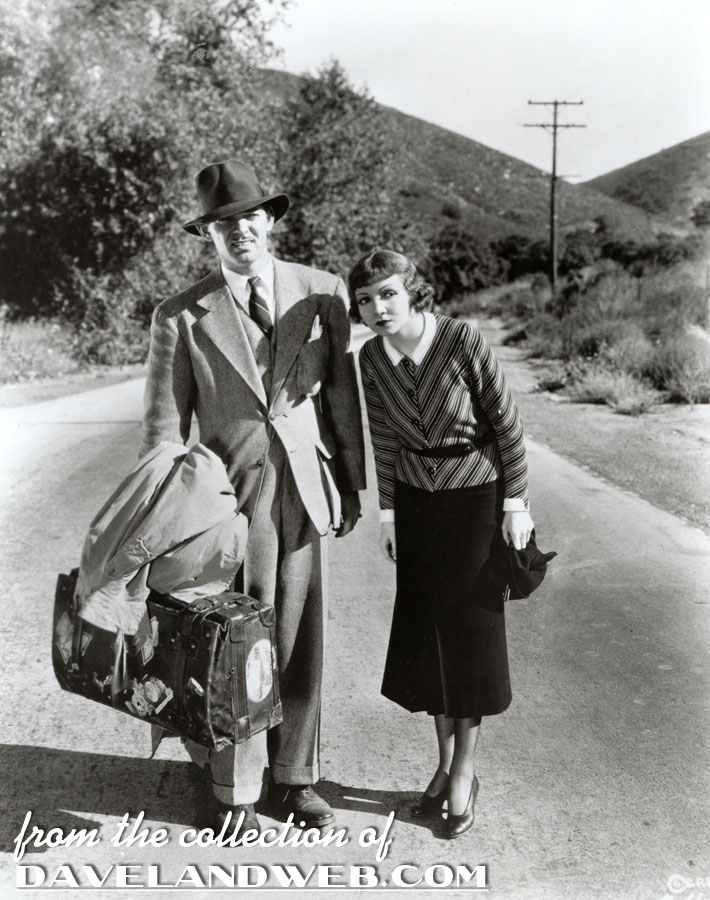
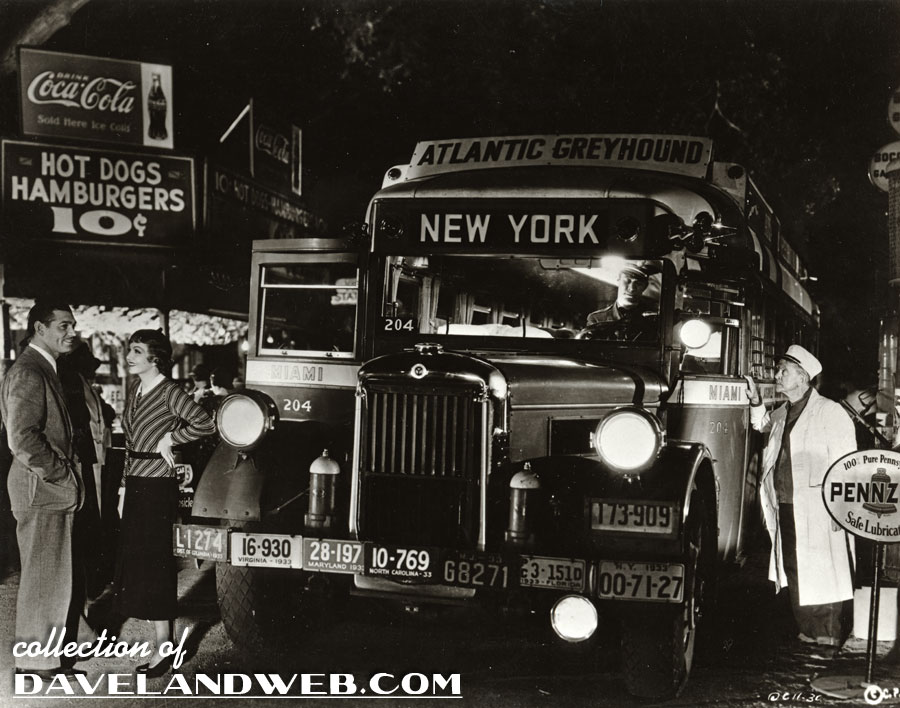
"It Happened One Night" (1934) is visually of the 1930's, but the chemistry between Clark Gable and Claudette Colbert still registers. This is one of the first (and best) comedies that shows how the initial tension between two characters can turn to love. The plot consists of a spoiled heiress, Ellen Andrews (Colbert), who runs away from her father in order to marry the man that she loves (who her father can't stand). Peter Warne (Gable) is an out of work streetwise reporter who recognizes Andrews and blackmails her for an exclusive story as long as he protects her anonymity. The growth and maturity of both characters as they travel by bus to their ultimate destination is so well done; this is Frank Capra (the director) at his best.


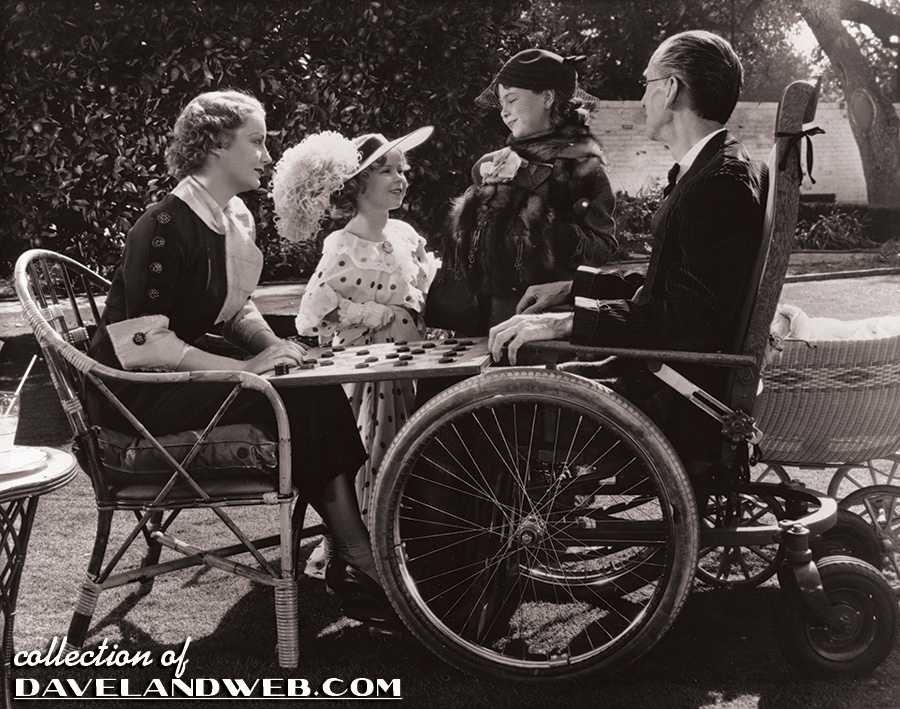
"Bright Eyes" (1934). If you think Shirley Temple movies are too sweet and saccharine, then this is the one for you. Temple is balanced out by the bratty Jane Withers, making Shirley's perfection much easier to take. Her hit song "On The Good Ship Lollipop" was introduced in the movie as well. James Dunn does a great job as her godfather, aviator Loop Merritt; he and Temple worked very well together and it shows on-screen.


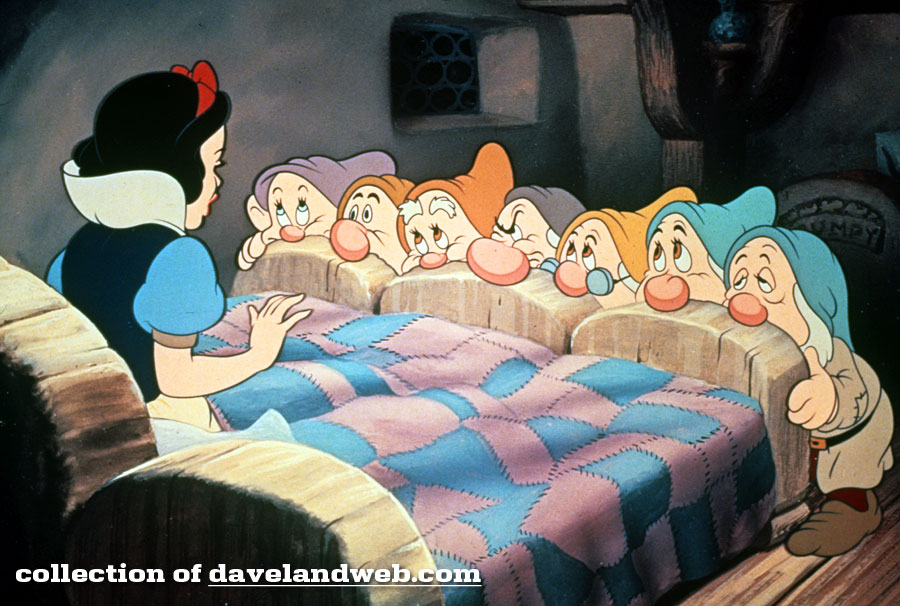
"Snow White and the Seven Dwarfs" (1937)


This one still ranks pretty high on my favorite list of Disney animated films, and you can tell that Walt spent an inordinate amount of time making it perfect. The backgrounds are gorgeous, the animation is fluid, the storytelling is tight, and there is appeal to those of all ages and tastes. With a memorable and timeless score, this classic is for the ages.


"The Wizard of Oz (1939)"


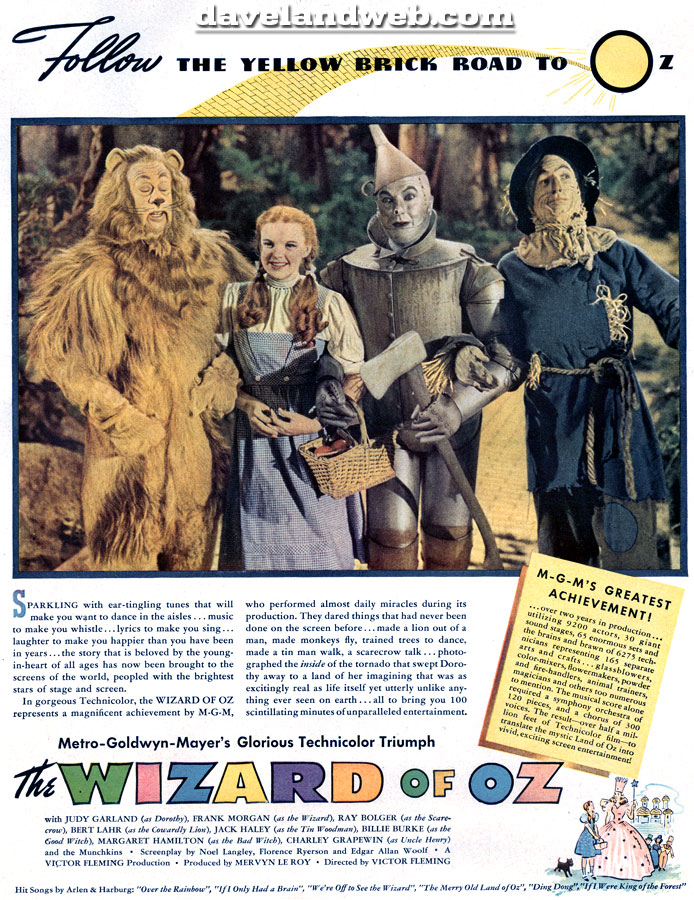
I would venture to say that this movie is the live-action parallel of "Snow White" if you are looking for cinematic perfection. From the casting, to the music, to the storytelling, to the visuals, this one has it all. Judy Garland comfortably bears the weight of this film on her shoulders both musically and dramatically. In her brief screen time, Margaret Hamilton as Miss Gulch/The Wicked Witch almost steals the picture.


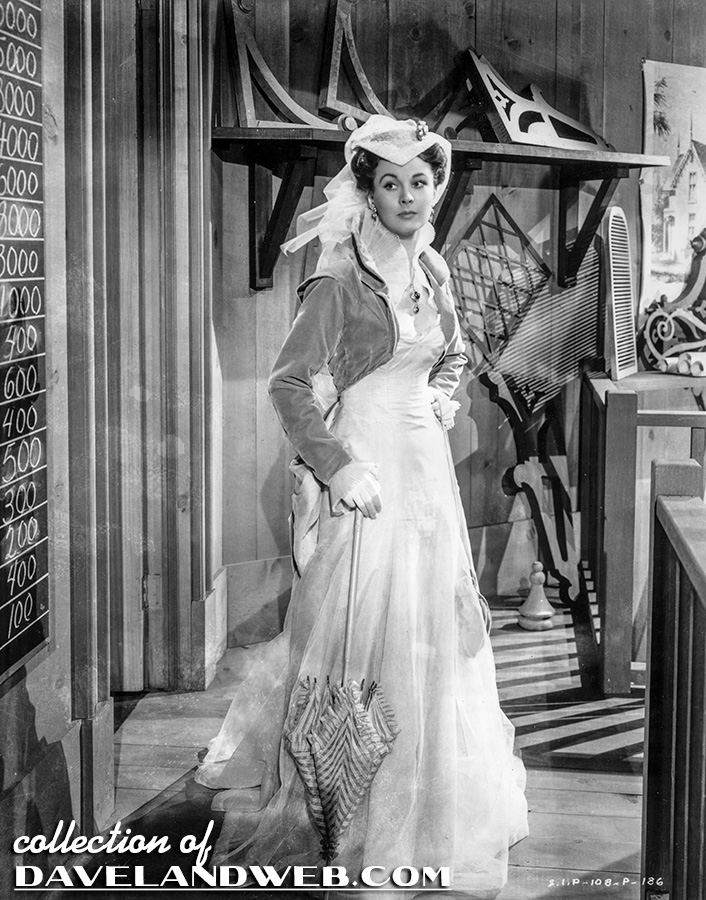
"Gone With The Wind" (1939) is one of my favorite movies, but I do find myself somewhat bored in the first half, which becomes increasingly dated to me whenever I watch it. Selznick's touches of whimsy and comedy seem forced, and the picture doesn't really pick up speed until Scarlett flees Atlanta for the ravages of Tara.


At that point, the movie picks up speed and becomes a tale of survival, as the resourceful Scarlett (so expertly lived by Vivien Leigh) does whatever it takes to regain her fortune. Even today, Leigh's portrayal of Scarlett is fresh, modern, and real. Sadly, the performances of her costars have not held up as well over the years, and appear a tad dated and stale.


What are some of your favorite 1930's movies?

See more classic Movie & TV photos on my regular web page.

Saturday, August 07, 2010

Screen Gem Saturdays: The Wizard of Oz


It’s definitely one of my favorite movies; the ethereal glow of Technicolor, the memorable music, the terrifying witch, and the pitch-perfect performance of Judy Garland who anchors the entire film. Each time it has been released on home video, I have been right there with my wallet: from bootleg, to VHS, to DVD, to Ultra-Resolution DVD, and most recently in High Definition on Blu-ray. The screen captures look amazing; plenty of film grain, bright colors, and razor-sharp detail (maybe just a bit too sharp...especially when it comes to the hairs on Margaret Hamilton’s chin!).


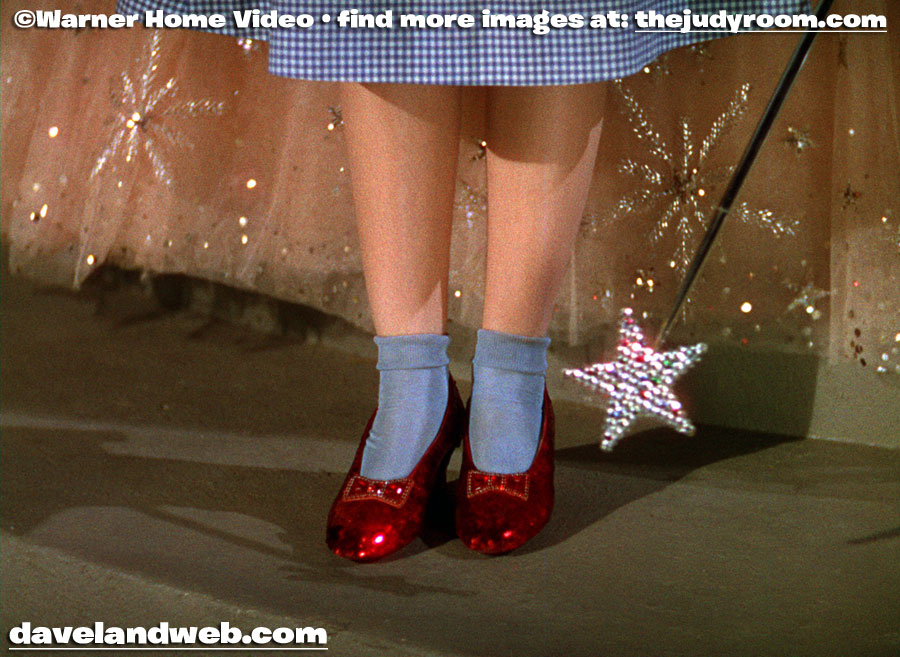
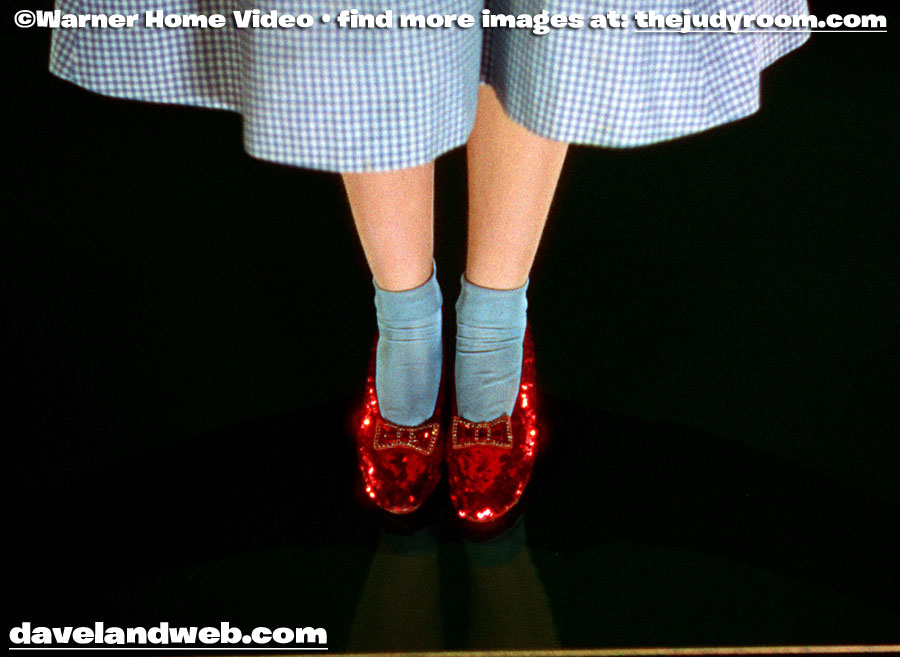
In the original book by L. Frank Baum, Dorothy’s shoes were silver; today, the original ruby-version manufactured for MGM back in 1938 can fetch close to $1 million. Would they have caused as much of a collecting furor if they had stayed silver? Even reproductions can fetch $500-$1000 each. And just where the heck would you wear them?!?


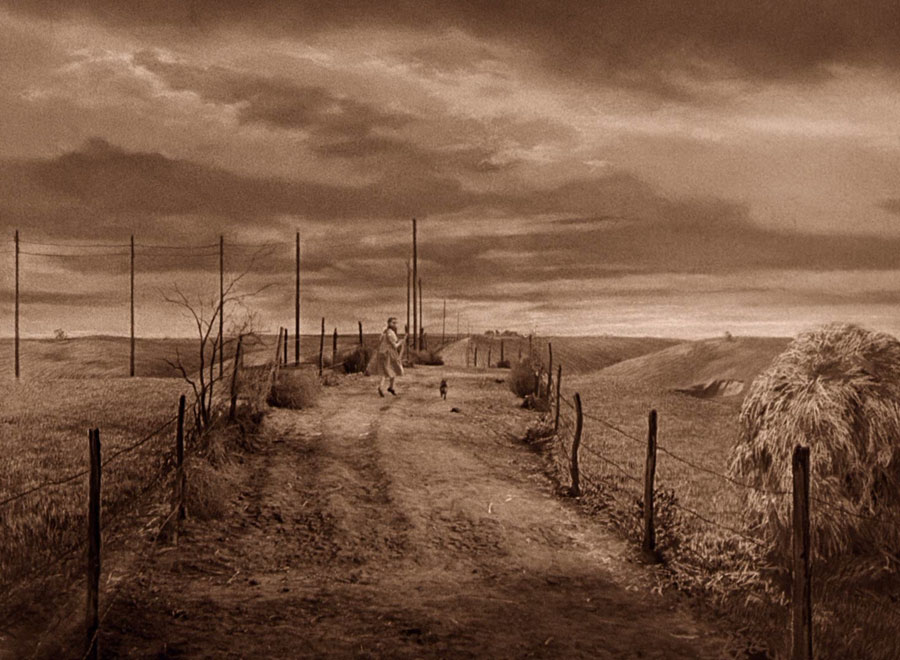
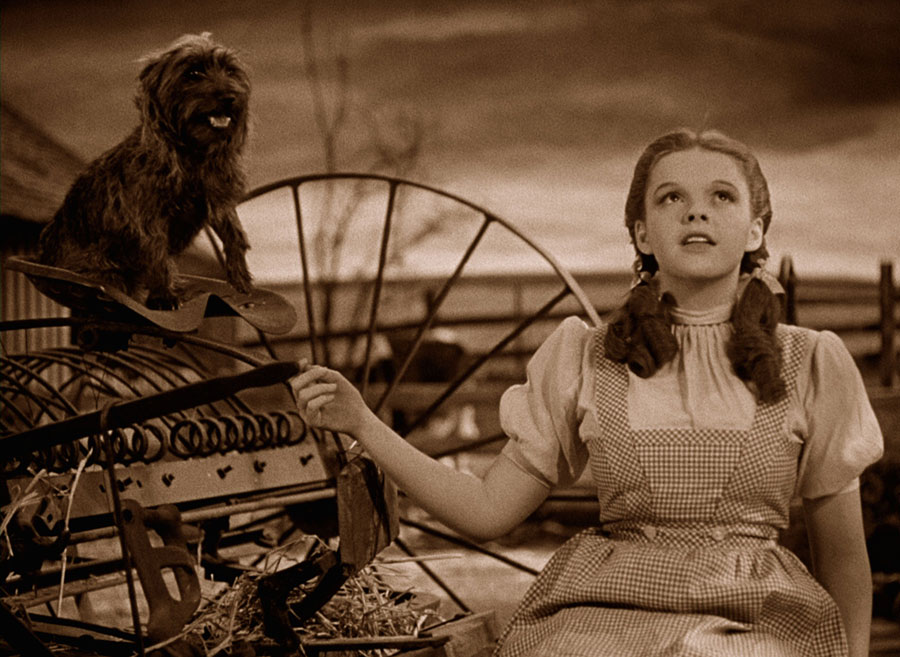
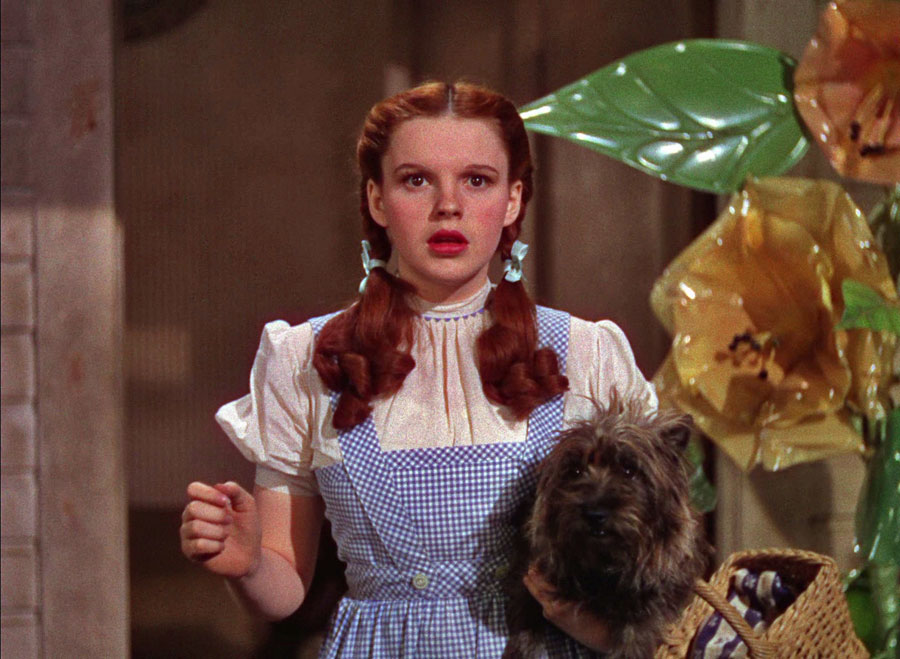
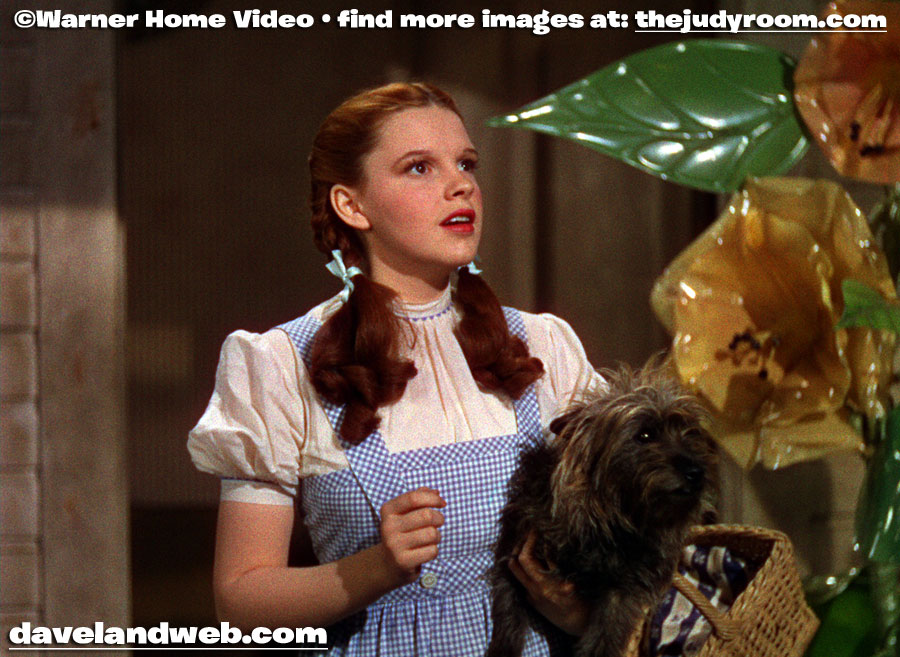
How many have marveled over the transition from sepia to technicolor when the movie goes from Kansas to Oz? Whether it was a creative or cost-cutting decision, it is still magical. The colors of Munchkinland leap off the screen even more because our eyes have been conditioned to the drab pallette of Kansas beforehand. Judy’s facial expression says it all:


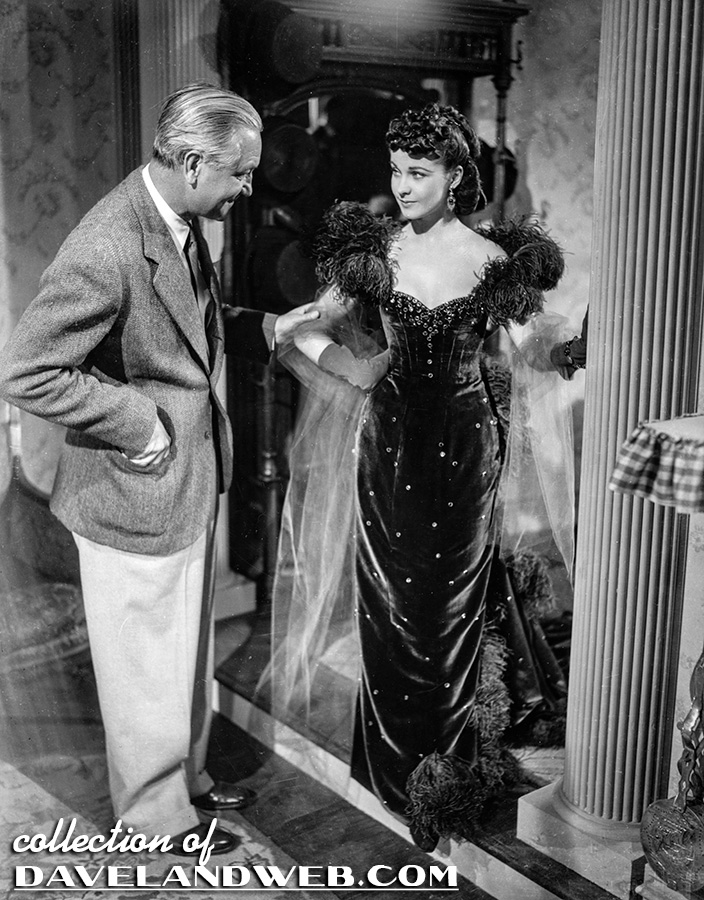
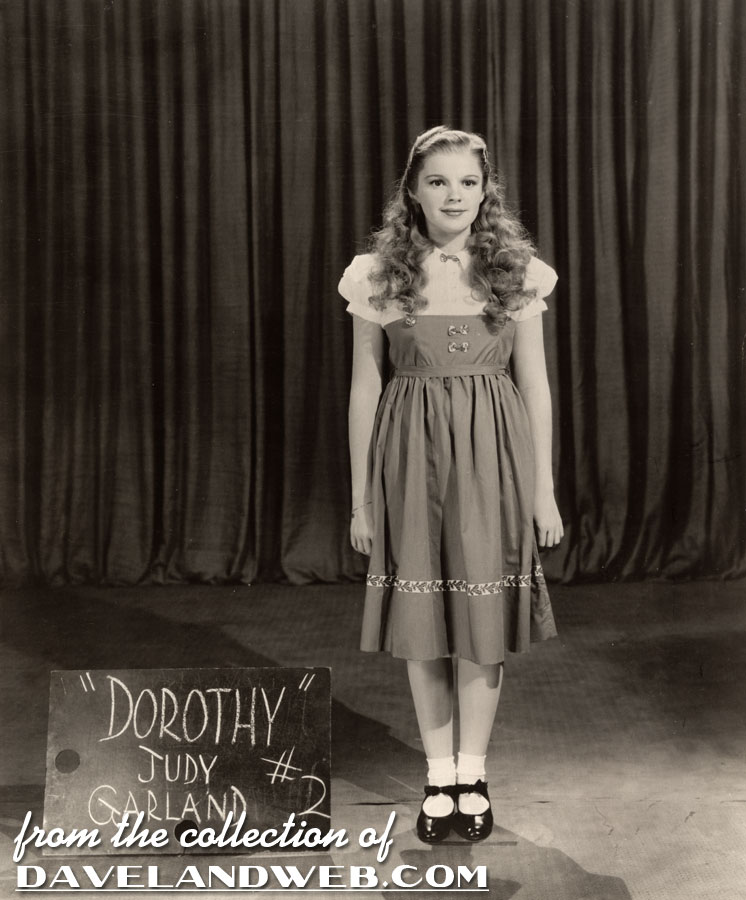
Judy Garland is such perfection in this movie that not only is it hard to imagine anyone else in the role (even adorable Shirley Temple), but hard to imagine her as a blond Dorothy. That’s right; as this early publicity photo shows, Judy Garland was originally dolled up with a big slab of makeup and curly blond locks. Famous Hollywood Director George Cukor (assigned to the project for a very short time) left a lasting legacy on this 1939 classic by demanding that Judy have her plastic face removed so that she would be the one real element in the film—and boy was that a fantastic judgment call. Almost makes up for him screwing up Marilyn Monroe’s unfinished film “Something’s Got To Give.” Almost.


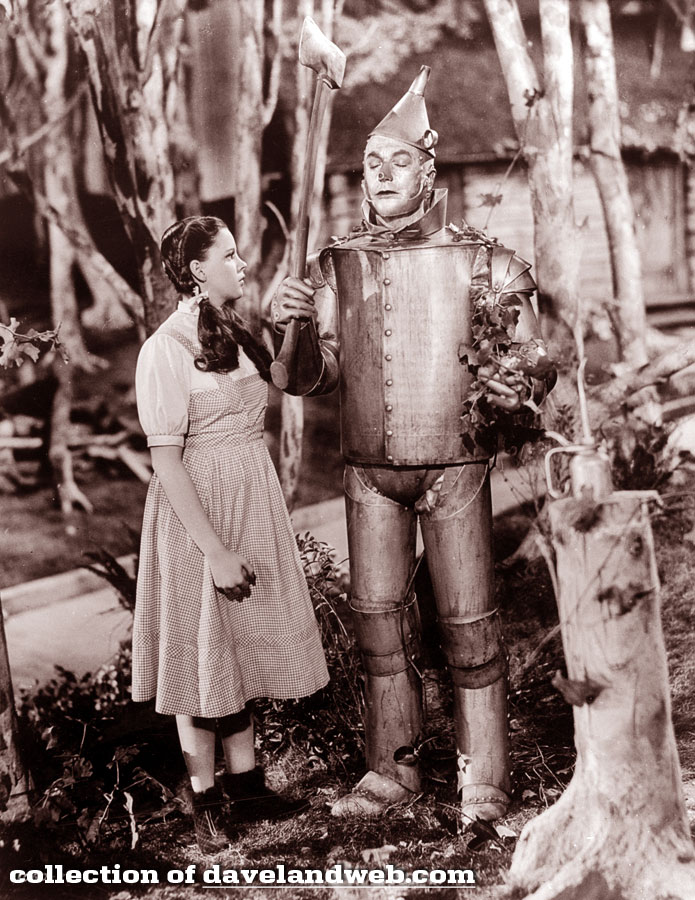
A few other things changed along the way as well; one was the original casting of Buddy Ebsen as the Tinman. Breathing in the aluminum dust used in his makeup caused Ebsen to have to spend time recovering in an iron lung, giving Jack Haley the opportunity to take over the role and join Garland, Bolger, and Lahr in cinema immortality. Here’s one of the scenes Ebsen filmed before getting ill:


This elaborate musical number featured in the photograph below occurred after the Witch is killed and our favorite quartet triumphantly returns to the Emerald City. The movie was already too long, and this reprise of “Ding Dong The Witch Is Dead” was trimmed. A 1949 theatrical trailer actually has a brief clip (with sound) showcasing this segment.


See more “The Wizard of Oz” photos at my main website.