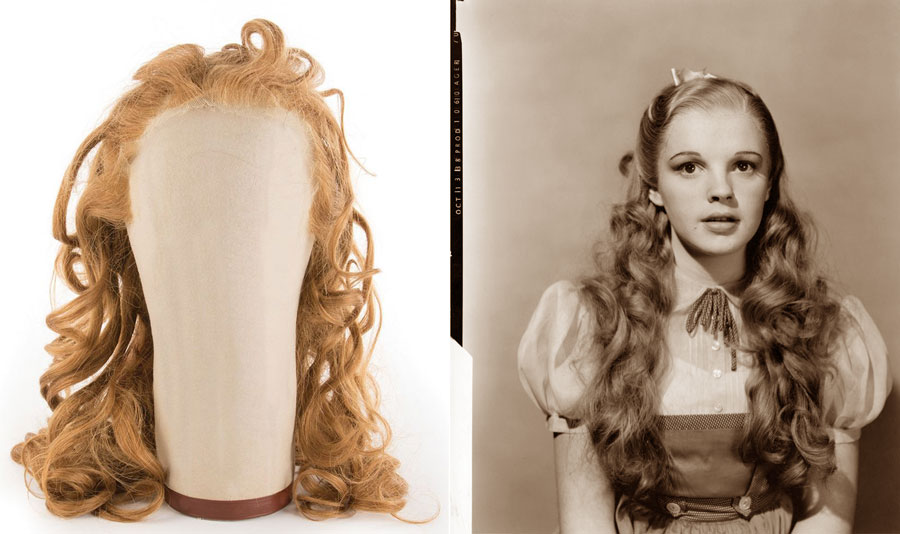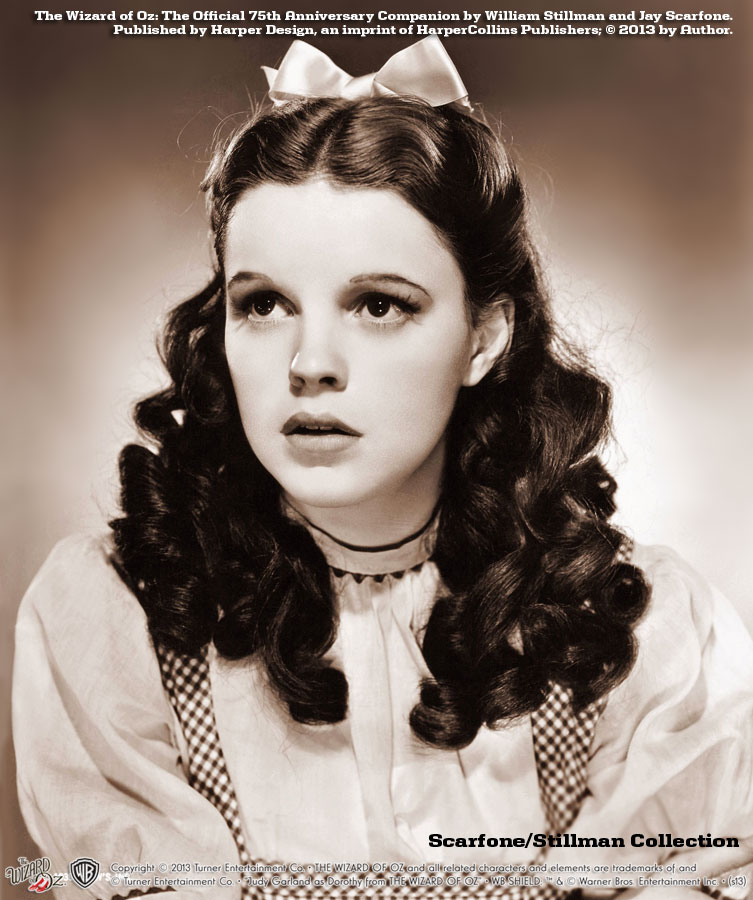
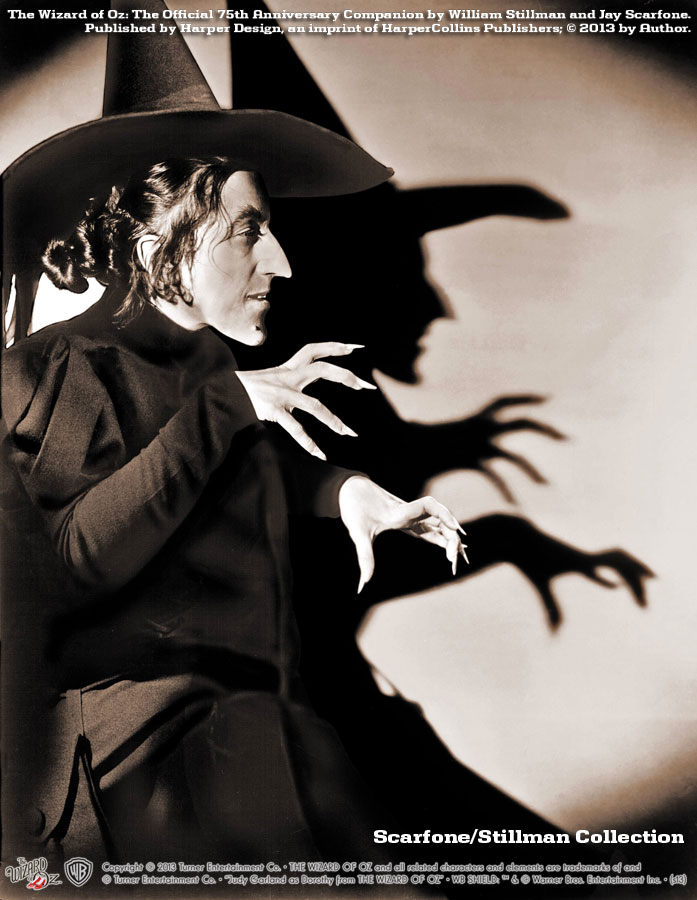
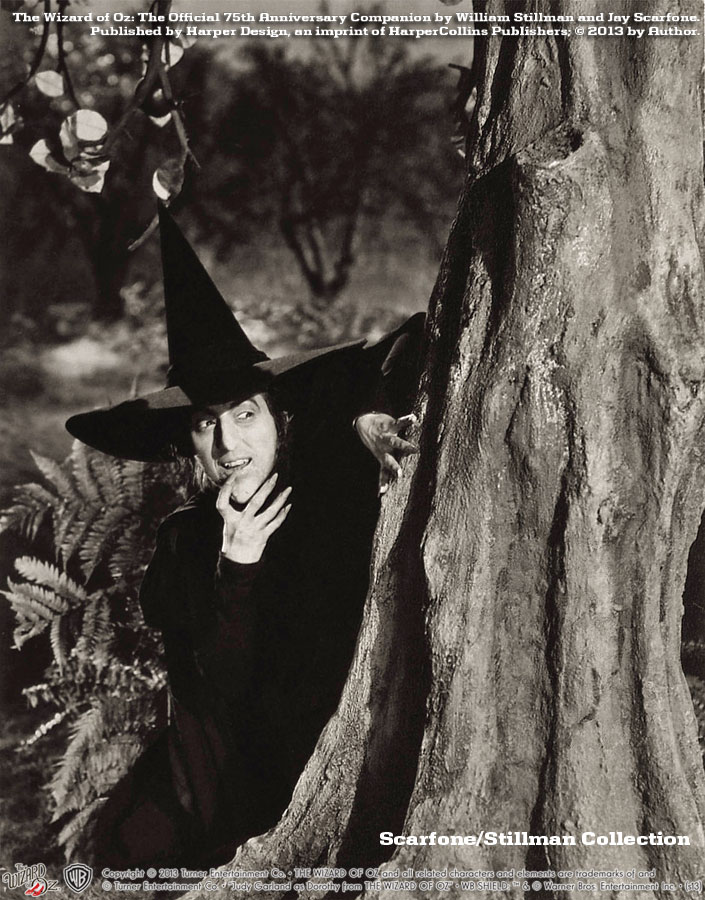
"The Wizard of Oz" is celebrating its 75th Anniversary this year (seems like just yesterday I was excited about the beloved classic's 50th!), and authors William Stillman and Jay Scarfone have published the book "The Wizard of Oz: The Official 75th Anniversary Companion." When the authors saw that I had mentioned their book in my blog, they graciously contacted me and agreed to do an interview. They quickly responded to the questions that I sent to them and allowed me to use some of the rare images from their book in today's post.
Q. One of the most fascinating things from your book is seeing the color Lilly test shots with the stars in somewhat candid poses while wearing their costumes. Could you maybe explain those a bit and how you happened to find them to use in the book? At one time, did footage actually exist for these?
A. William: As it was explained to us, and as reported in "The Wizard of Oz: The Official 75th Anniversary Companion," the Lilly was a hand-held card with a white portion and a color-chart portion. This was used to test the “correctness” of the make-up, wardrobe and set hues for the appropriate translation to Technicolor film. After each scene, the actors would hold their mark as an assistant ran in and held up the Lilly while a few extra feet of film was taken. If, when developed, the white portion of the Lilly remained white, the footage was undistorted and good to print. After its intended use, this test footage was cut up into clips three-frames in length and distributed to the crew as souvenirs. So, yes, while the test footage would’ve actually existed for a brief time during production, I am unaware of actual uncut footage of said tests existing today. Jay Scarfone and I are the keepers of the Wizard of Oz Technicolor clip archives of M-G-M make-up artist Charles Schram (a gift from Mr. Schram) and Technicolor cameraman Allen Davey (acquired by us at great expense from an individual who purchased them at a Midwest estate sale a few years ago).
 Q. What are the chances of finding the Renovation or Jitterbug sequences (besides the rehearsal footage everyone has seen)? Are they really buried under a freeway? Or were they destroyed? Any possibility a studio employee has a print?
A.
Q. What are the chances of finding the Renovation or Jitterbug sequences (besides the rehearsal footage everyone has seen)? Are they really buried under a freeway? Or were they destroyed? Any possibility a studio employee has a print?
A. William: One never knows. We are aware of publicly unseen special effects tests so who knows what certain individuals possess, perhaps unaware. What’s more likely to surface might be Technicolor film-frame outtakes from those scenes in the manner that we discovered clips from Ray Bolger’s deleted Scarecrow dance, two of which are reproduced in the book. There’s also the original 1939 theatrical trailer which was longer than the re-release versions and featured additional outtake footage. We have over three dozen Technicolor clips of the Wizard’s head being tested, a few samples of which are published in the book, so we could conceivably assemble a film sequence if we ever got ambitious enough to do it.
 Q. I have read about the deleted sequence where the bees come out of the tin man's mouth; just how far along was that sequence developed? Was the animation done, or was it deleted before the effect was added?
A.
Q. I have read about the deleted sequence where the bees come out of the tin man's mouth; just how far along was that sequence developed? Was the animation done, or was it deleted before the effect was added?
A. William: Yes, apparently the animation was completed and included in a rough cut of the film as the subsequent scene (“You’re the best friends anybody ever had.”) required some creative editing once the bee scene was deleted in order to match the actors’ positions pre-animated bees. M-G-M had 95 cartoonists in its animation department at the time and other special effects for Oz were animated as well including the jitterbug insect and tests for the Winged Monkeys, flying Witch, and Wizard’s floating head.
 Q. What are your thoughts on the deleted sequences? Do you think all of the trims made were correct?
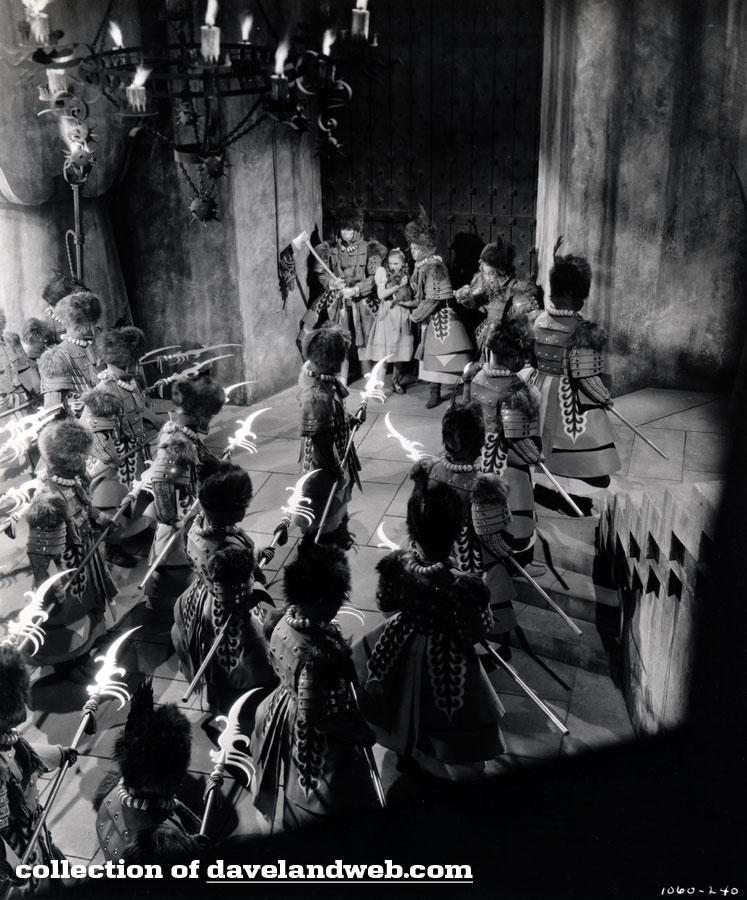
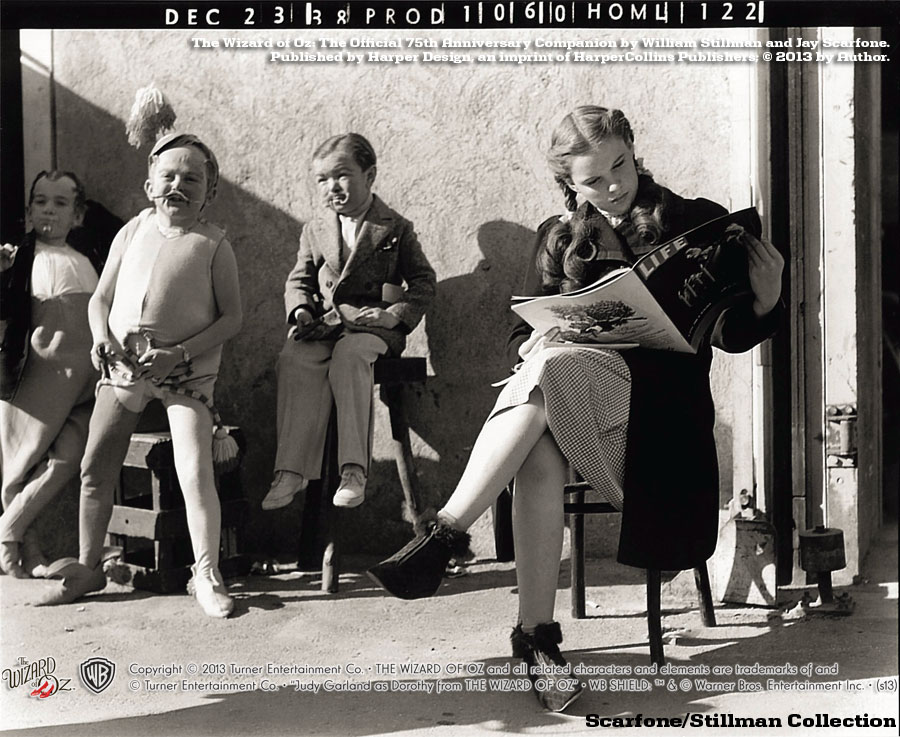
A. William: Yes, for the most part, I concur with the choices that were made with one exception: I wish they had retained the triumphal return to the Emerald City for the magnificence of its pageantry and for the addition of some music to the latter part of the film; it only lasted a few moments but in the editing process, anything that wasn’t necessary to the plot was cut for time. From the surviving stills and brief snippet in the film trailer, it looks gorgeous, though. Judy’s reprise of “Over the Rainbow” in the Witch’s castle would be great to see but, by today’s standards, might possibly be interpreted as a bit too contrived or over-the-top manipulative.
Jay: I agree with Bill that the “Triumphal Return” sequence could have remained in the film (were it not for the need to trim the running time), thereby helping to balance the musicality of the latter part of the movie with respect to the first half. I do think that Judy’s brief “Over the Rainbow” reprise might have stayed, giving audiences yet another chance to hear her sing as well as amplifying the poignancy and drama of Dorothy’s predicament at that point in the story. I also think it would have been nice to have kept the entire montage of images originally included during Dorothy’s transition back to Kansas (“There’s no place like home, there’s no place like home . . .”) rather than those of just the ruby slippers and the house crashing to the ground. Even as a young person, before I knew that these other images had at one time existed, I sensed that this scene (and accompanying music) seemed somewhat abrupt and choppy.
 Q. What is your favorite song in the movie?
A.
Q. What is your favorite song in the movie?
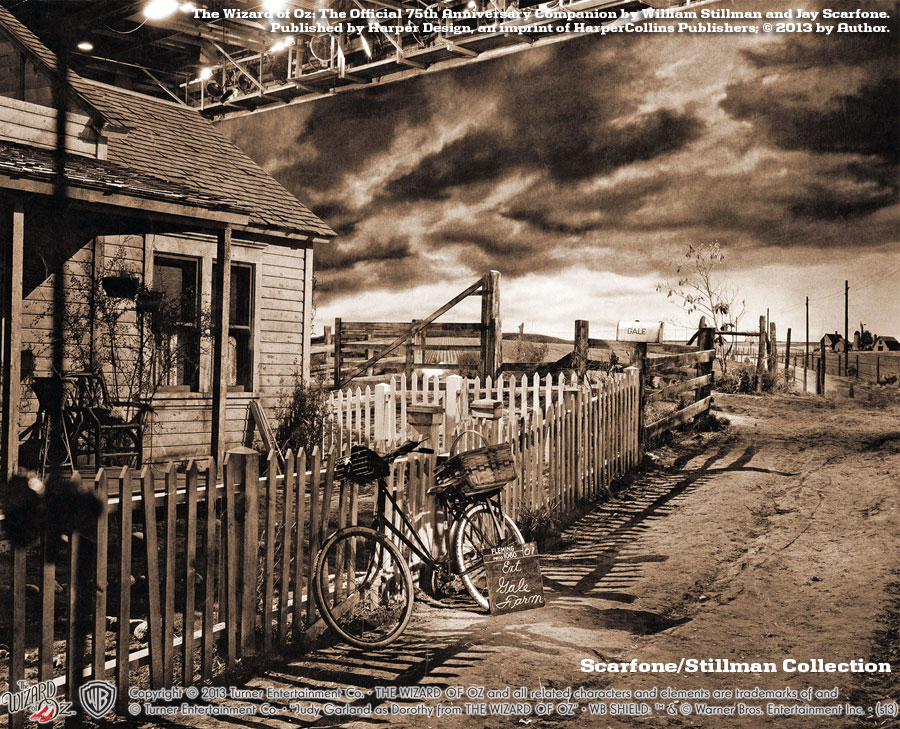
A. William: Believe it or not, I’ve always liked “Optimistic Voices” best. That’s the brief musical interlude sung by a disembodied female trio as Dorothy and her friends emerge from the poppy field.
Jay: I’ve always enjoyed all the choruses of “You’re/We’re Off to See the Wizard,” with its catchy lyrics and spirited tempo. I have to also admit that I rather like “The Jitterbug” as sung by Judy Garland. That song, of course, was right in the zone of jazzy numbers for which she particularly excelled in her youth.
 Q. BESIDES the ruby slippers, what costume or prop would be a Holy Grail to you if you had the opportunity to acquire it?
A.
Q. BESIDES the ruby slippers, what costume or prop would be a Holy Grail to you if you had the opportunity to acquire it?
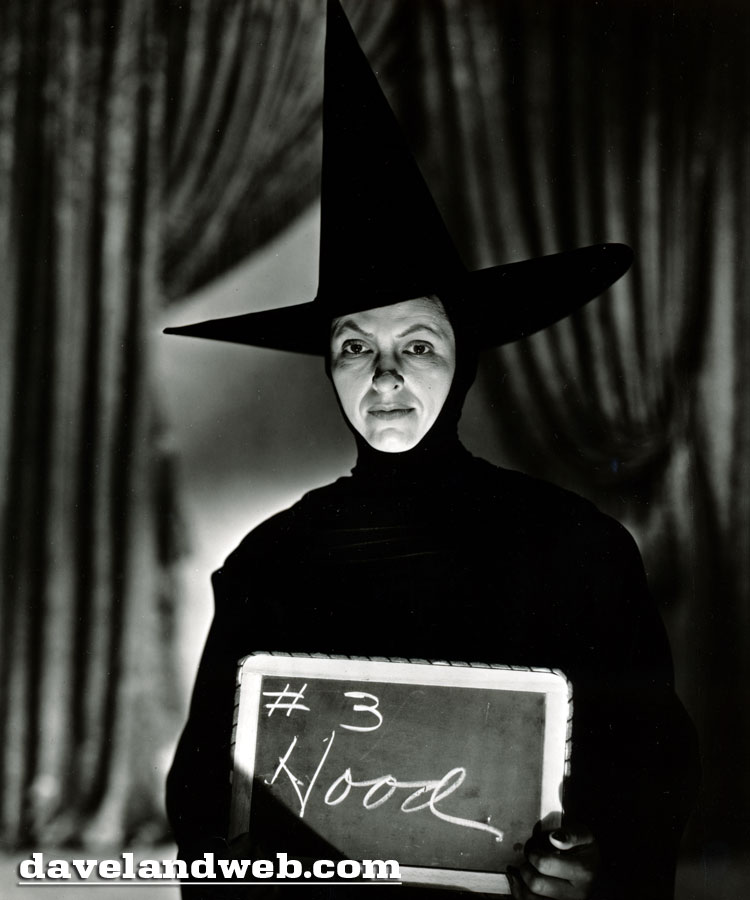
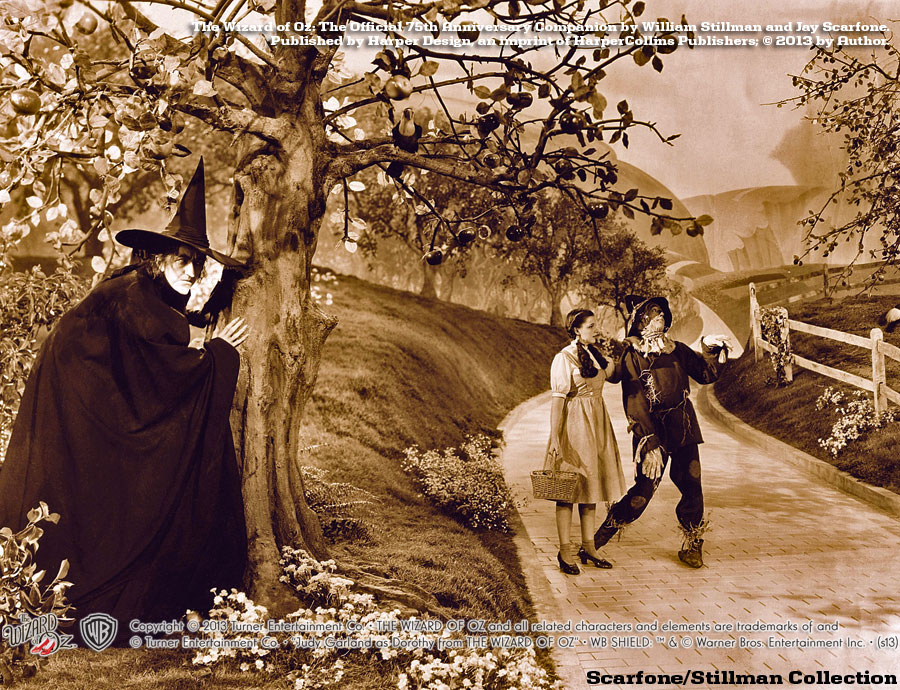
A. William: I’d like the Wicked Witch’s Golden Cap, the one she intended to use to call the Winged Monkeys (as in the L. Frank Baum book) to retrieve the ruby slippers from the unconscious Dorothy in the poppy field. It is seen briefly on film as Nikko, the Witch’s monkey familiar, brings it to her and she throws it across the room after being foiled by Glinda’s snowstorm.
Jay: If we’re strictly talking about wish-list type items, I think it would be thrilling to locate Margaret Hamilton’s Wicked Witch broom, Billie Burke’s Glinda wand, or Jack Haley’s Tin Man ax. Not only are all of these items very distinct in their design, I believe their existence (or lack thereof) remains unknown.
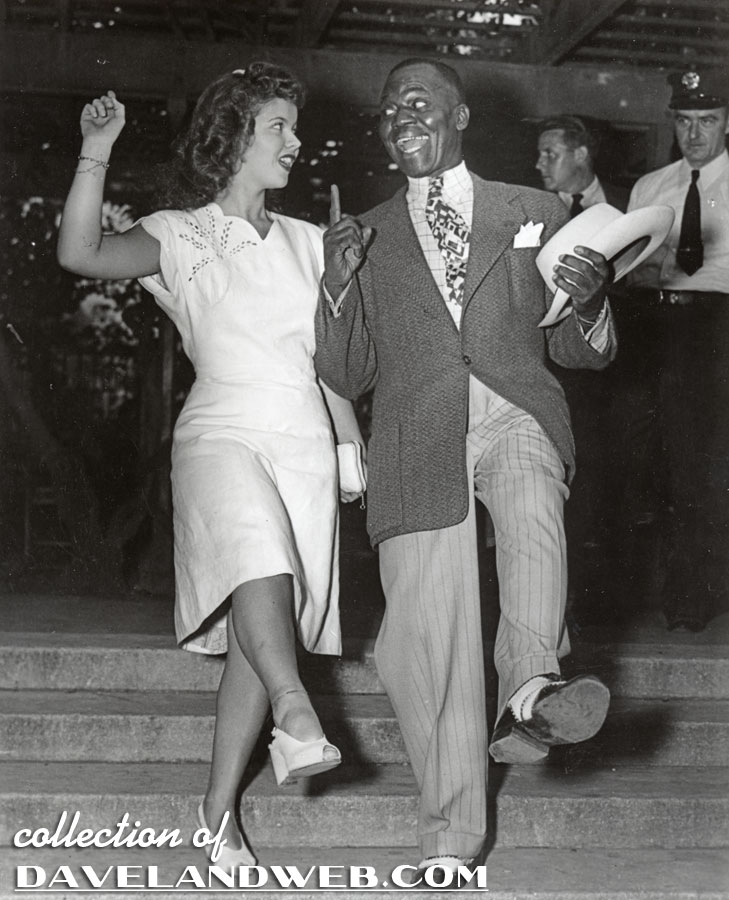
 Q. Even today, some sources publish the story that the only reason Shirley Temple didn't get into the movie was because of Jean Harlow's death. Any idea where this rumor came from? Also - are there many details known about Roger Edens' audition of Shirley Temple for the movie?
A.
Q. Even today, some sources publish the story that the only reason Shirley Temple didn't get into the movie was because of Jean Harlow's death. Any idea where this rumor came from? Also - are there many details known about Roger Edens' audition of Shirley Temple for the movie?
A. William: In our research, we discovered that most long-standing rumors about The Wizard of Oz almost always contain a grain of truth. Since 1935, Shirley Temple had been the critical and editorial favorite to play Dorothy in a modern talkie version of Oz. We have found evidence of a brief window of time in 1937, and preceding Harlow’s death, when a proposed deal involving Temple for Oz in exchange for M-G-M’s loan of Gable and Harlow to Fox would’ve been quite feasible. This is in keeping with the general timeframe as Temple recalled it in her book, Child Star, and would’ve certainly been a different Oz project than what ultimately transpired (i.e. one with only Temple’s name attached to it for the moment). So what’s likely happened over time is that the alleged events of 1937 have become blurred with the 1938 Oz project for which Judy Garland was cast and for which there was cursory interest in Temple’s availability. I have no further details about Edens auditioning Temple other than what’s been previously published.
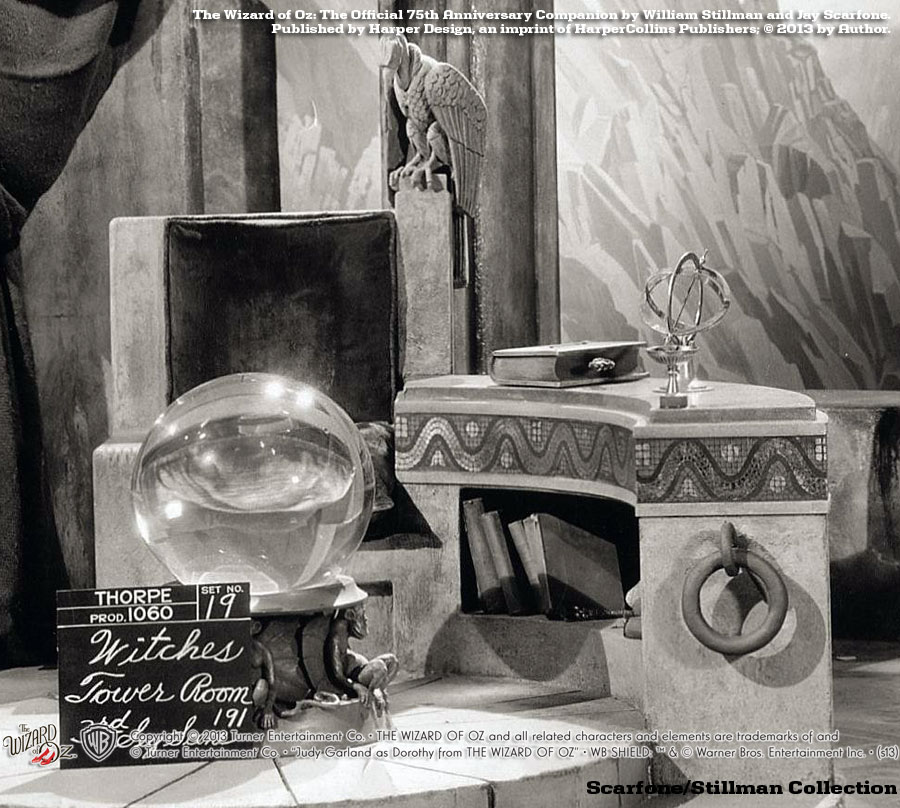 Q. Can you give one teaser of a tidbit or fact that you had to leave out of this volume for size/space purposes?
A.
Q. Can you give one teaser of a tidbit or fact that you had to leave out of this volume for size/space purposes?
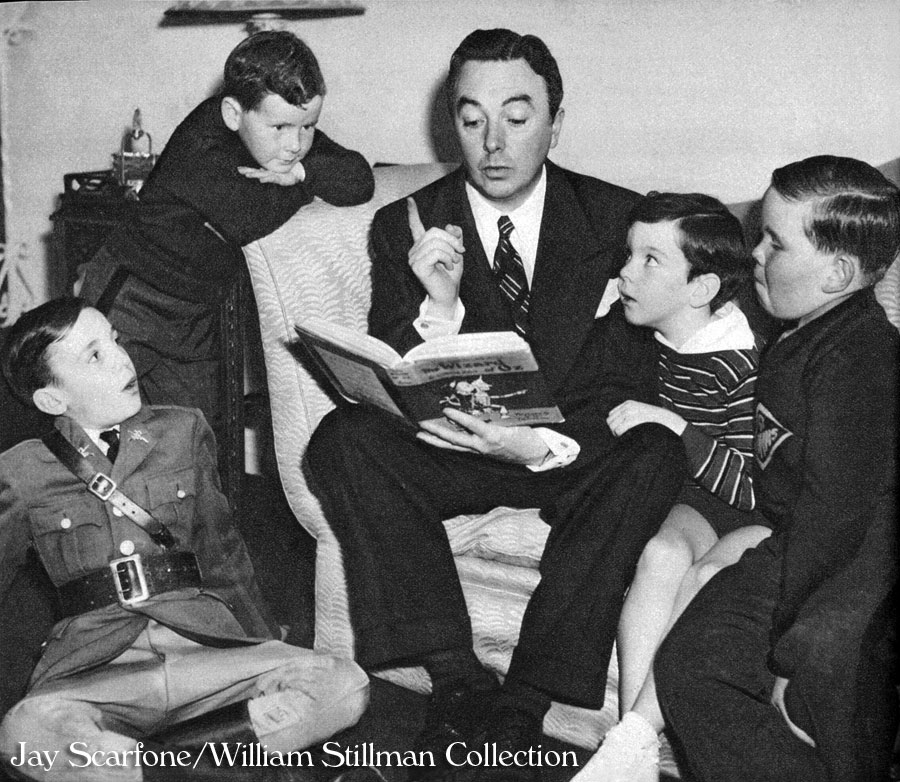
A. William: There was an extraordinary amount of research we uncovered over the course of the five years we spent compiling this project, much of which was cut from the book. We are setting it all aside for future use; but one tidbit we can share concerns a posed, close-up still of Jack Haley reading The Wizard of Oz to his son, Jack Jr. It is a photograph that is familiar to many Oz fans and has been published before. But in the true Hollywood tradition of saving face, what people don’t realize is that the original photo was tightly cropped to edit out Jack Haley’s previously-unknown “other” son—a boy who was reportedly adopted by the Haleys but allegedly “returned” after a brief period. He was said to have been a hellion and is wearing a military academy uniform in the picture. But we’ll save the details about that for another time!
Jay: We did find a particularly specific 1939 quote from Jack Dawn, head of M-G-M’s makeup department, that detailed the various “flaws” of young Judy’s facial attributes—and what he did to “correct” (or at least compensate for) them. While not necessarily intended to be mean, Mr. Dawn’s comments were nonetheless blunt and insensitive at best. It is no doubt that such pointed comments by M-G-M makeup and wardrobe personnel, not to mention the Hollywood press, would have had a strong impact on the fragile psyche of Garland—the same as any other girl her age. Warner Bros., however, was reluctant to approve the inclusion of any such commentary about Judy in our manuscript (including reference to her self-admitted weight struggles), so that information was ultimately excised from the book.
Many many thanks to William and Jay for taking the time to share their vast knowledge of "The Wizard of Oz" at Daveland. I suggest if you are an Oz fan that you pick up a copy of their book today!
See more Judy Garland "Wizard of Oz" photos on my
main website.