Showing posts with label edith head. Show all posts

Friday, July 11, 2025

Doris, Tippi, and the White Dress


In the 1959 comedy “Pillow Talk” from Universal, Doris Day makes quite an impression in this dress designed by Jean Louis. From the accompanying photo caption:

SMART — Doris Day poses for the cameraman in one of the 24 ultra smart costumes created by noted fashion designer, Jean Louis, especially for her role of a successful interior decorator in her new picture, “Pillow Talk.” This spicy Universal-International-Arwin comedy was filmed in color and CinemaScope with Rock Hudson, Miss Day, Tony Randall and Thelma Ritter in the starring roles.


Doris is elegance personified in this dazzling creation of white, which her character wears for an elegant party, given by one of her clients. Besides looking good, the outfit had to be able to move, as in the next scene, Doris dances the rhumba with Nick Adams.

Nick plays the son of Doris’ client, a horny fraternity boy who is drunk off his rocker and has only one goal for the evening: get Doris in bed. Good luck!


Rock Hudson is amazed to see the body behind the party line! No stunt double for that shot; it was all Doris.


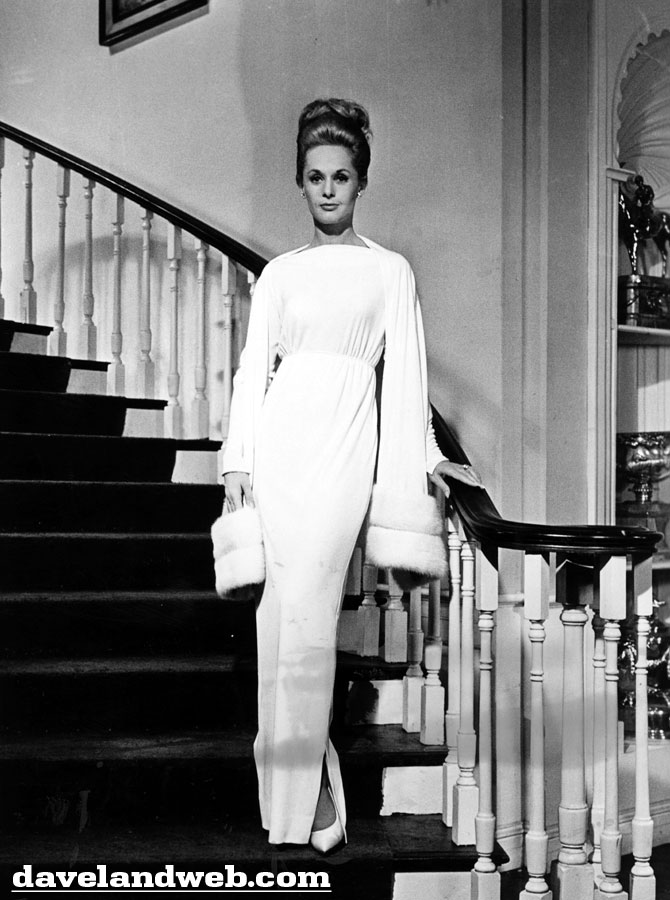
Five years later, for Alfred Hitchcock’s “Marnie,” another film shot at Universal, Tippi Hedren wore an equally stunning ensemble designed by Edith Head. I would hazard a guess that the set department used the same staircase for both movies.
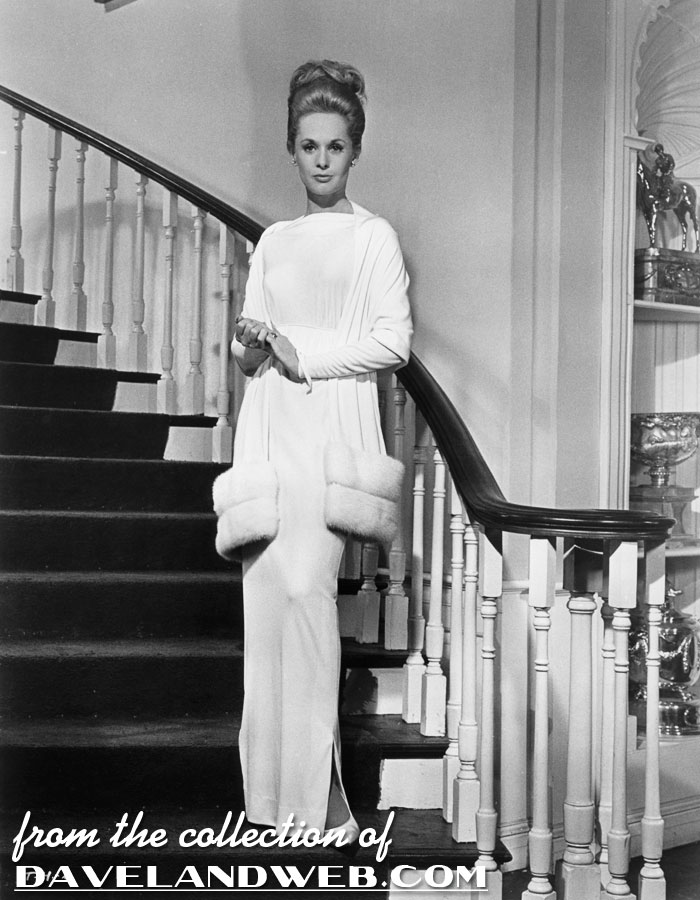


There is even less skin showing with this outfit, but the way it hugs every curve makes it just as sexy. Hedren’s character is a frigid kleptomaniac who uses her charms (albeit very covered) to dazzle her employer(s) while she raids their vaults. Head designed the outfit perfectly to suit the character.


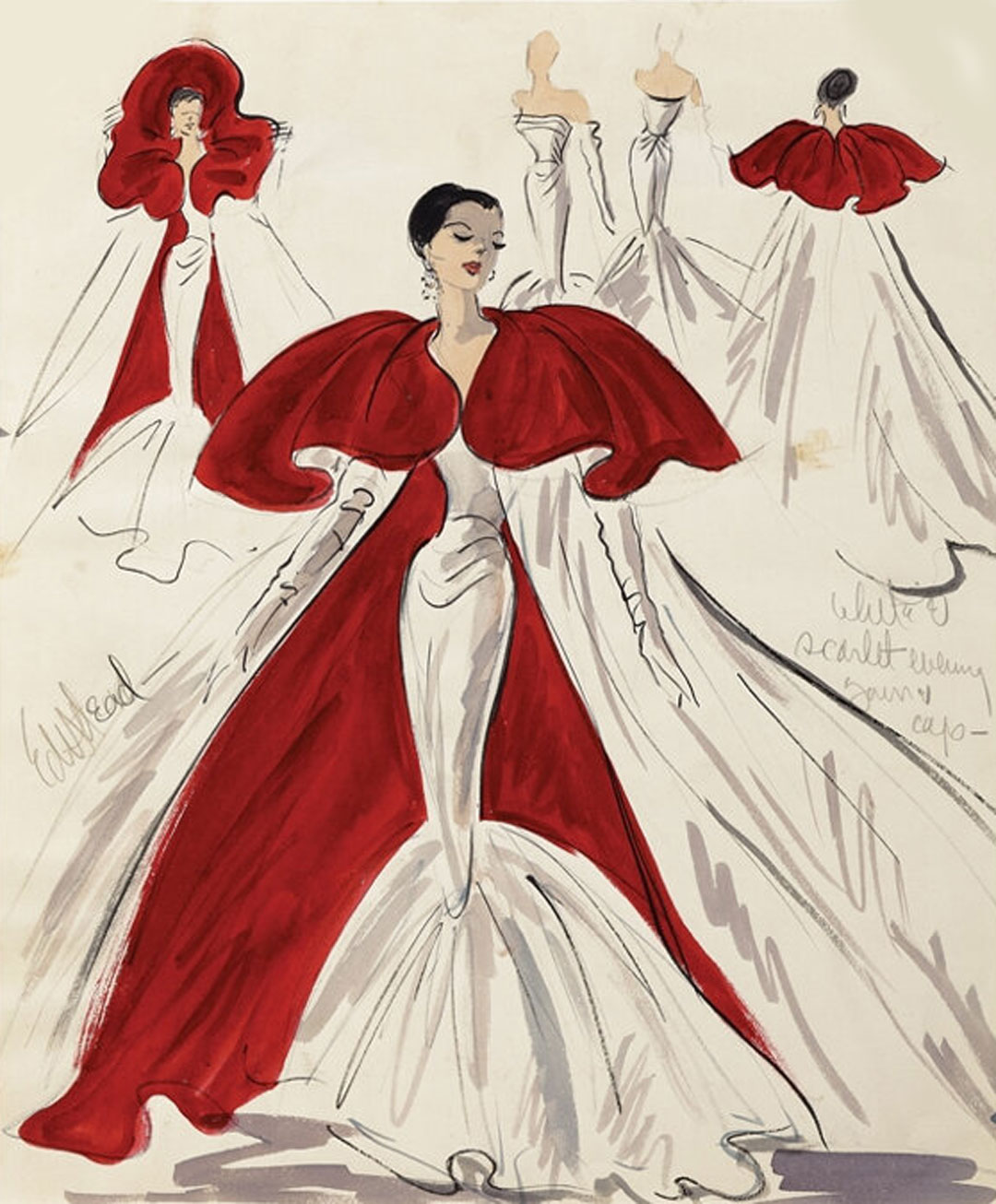
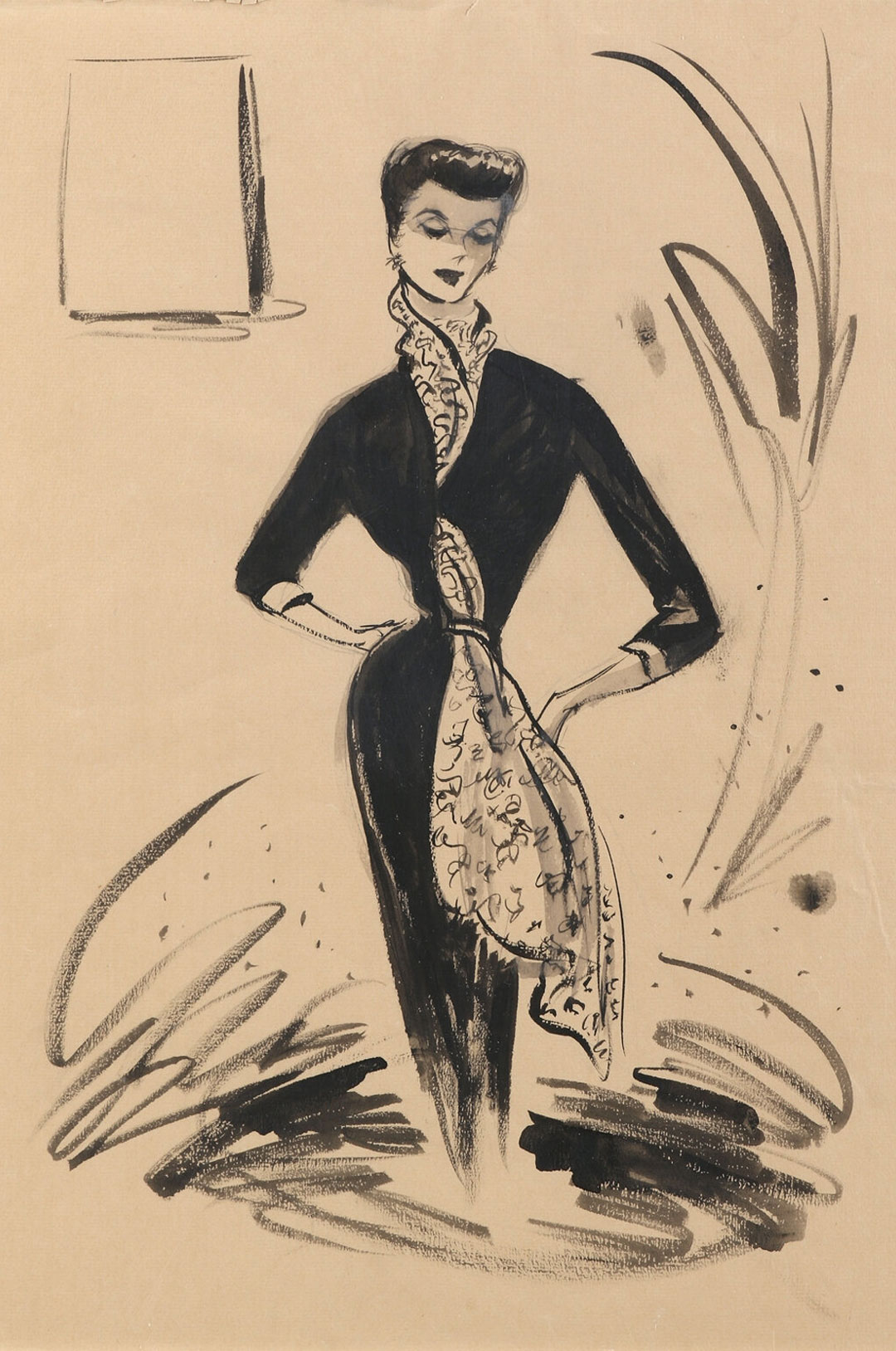
Head’s costume sketch is seen below, showing that it has the same neckline as Jean Louis’, until you see the back. Tippi’s is all about coverage…
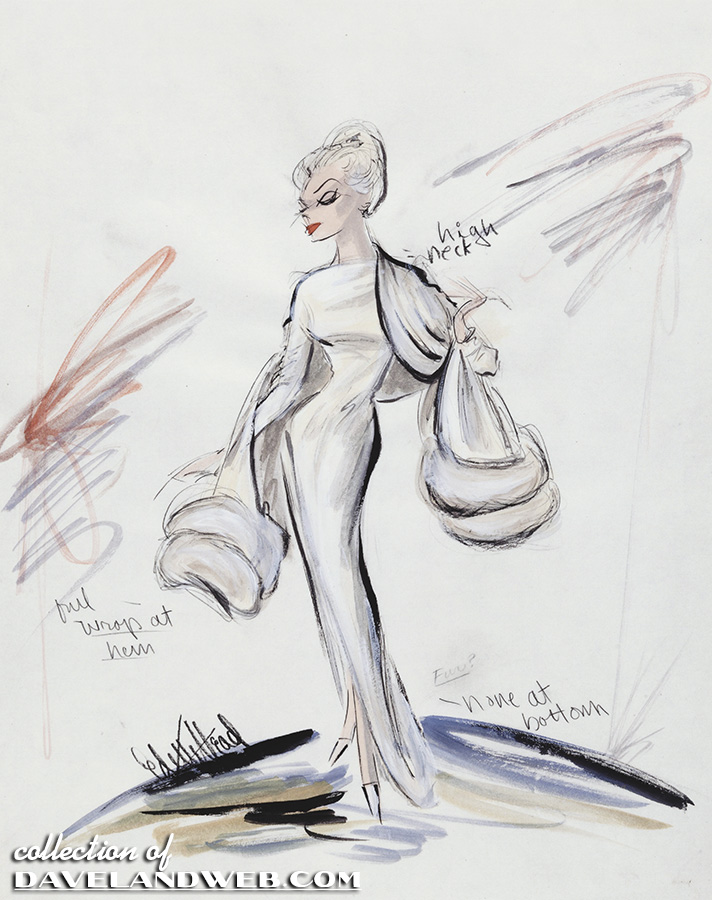


Doris’ plunges down. Waaaaaay down.
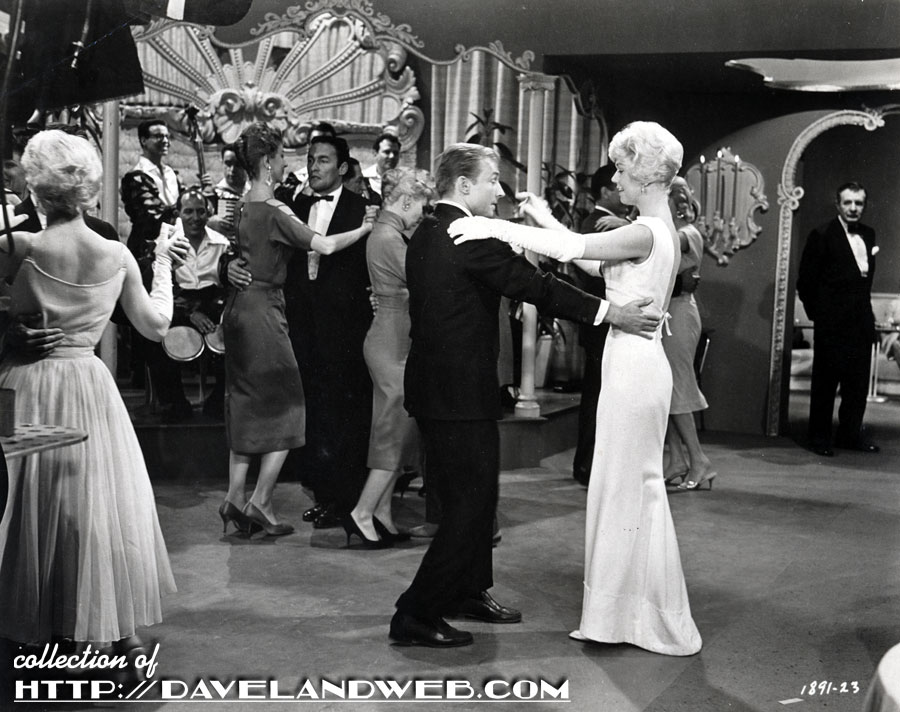


The cut of Doris’ dress was much more important for movement, as the camera cuts in close to her hips which move suggestively to the music, necessary to catch the attention of Rock Hudson’s character.


Doris’ dress was so memorable that Mattel released a set of Barbie dolls in 2011 that immortalized the scene in vinyl:
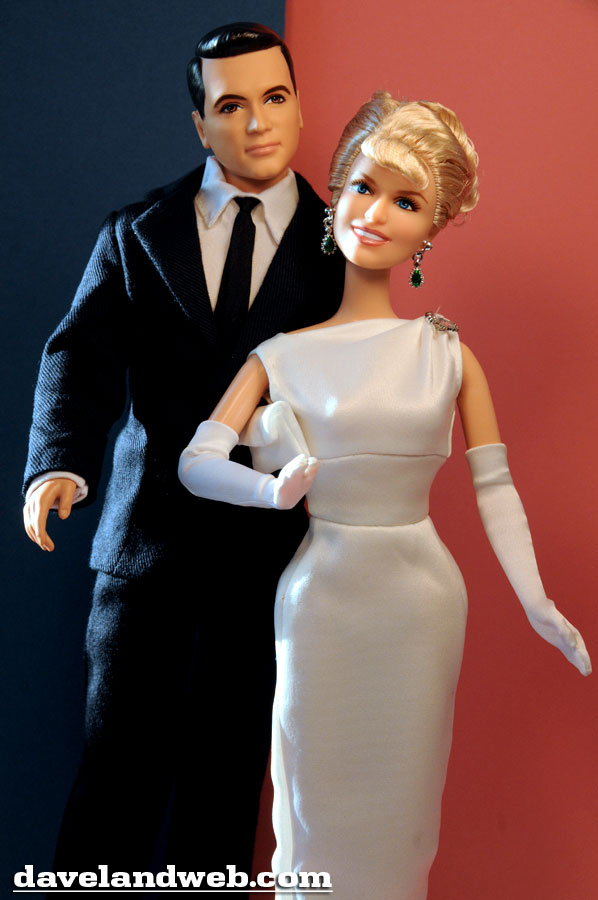


Which dress do you prefer?

See more photos at my main website.

Tuesday, September 26, 2023

Temple Tuesday: Lady in the Dark


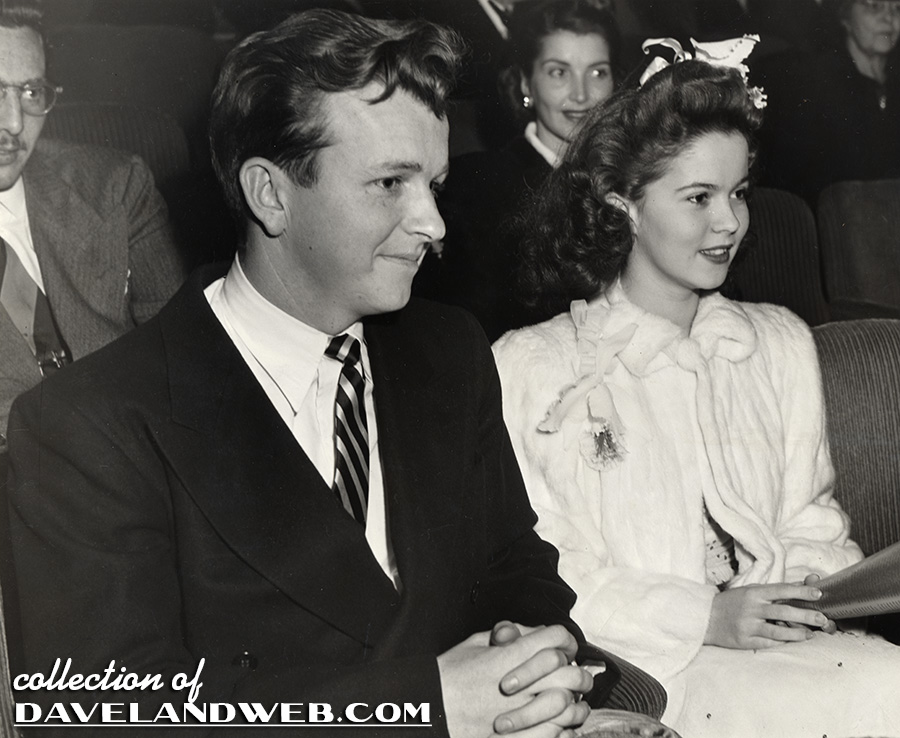
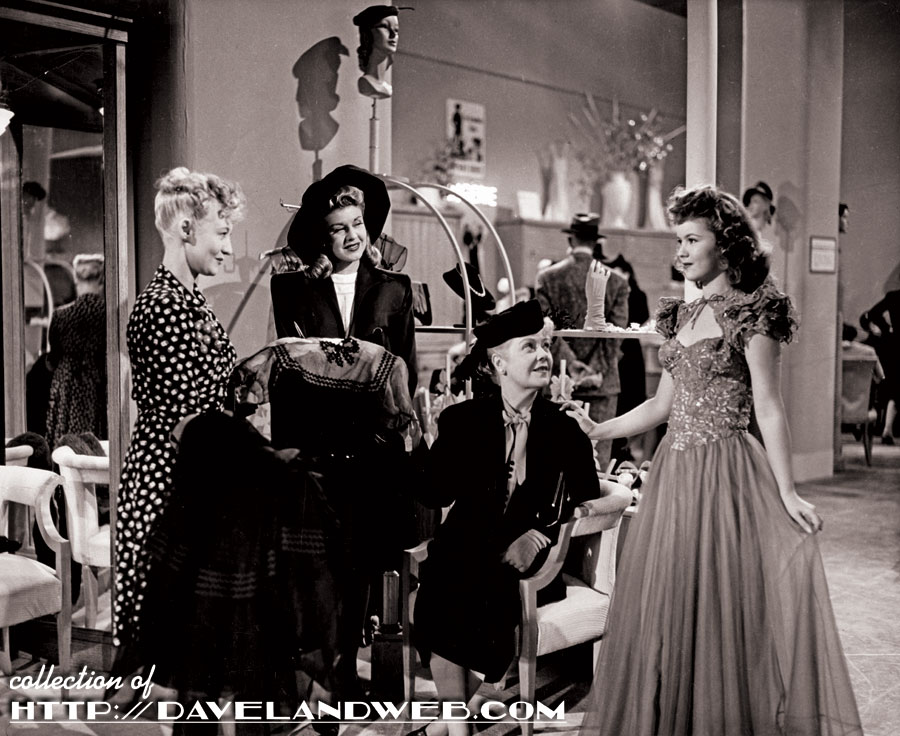
Going to movie premieres was all in a day’s work for a Hollywood star, and Shirley Temple was no exception. From the vintage publicity blurb below:

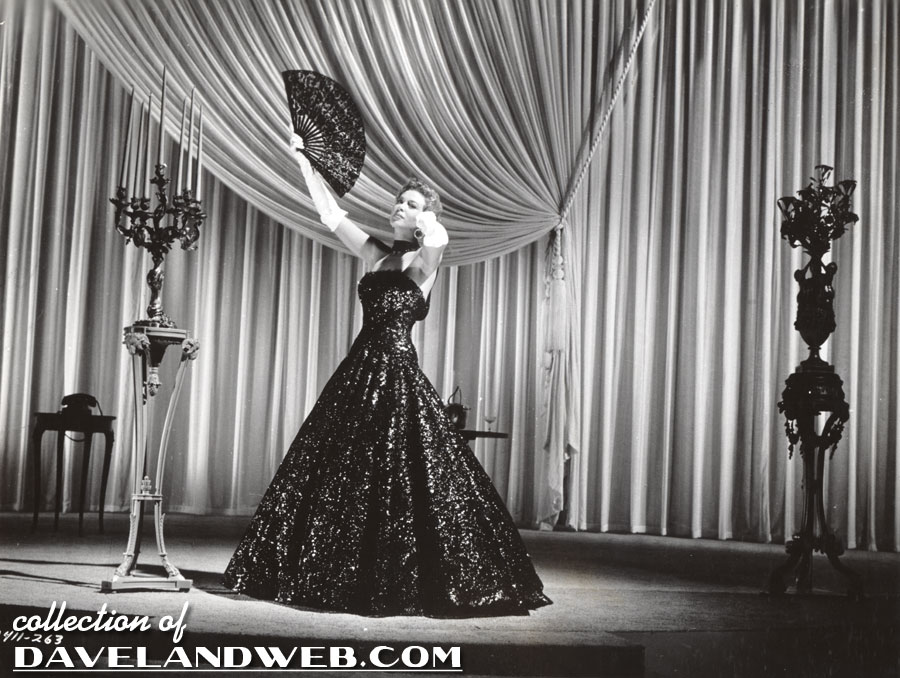
2/12/44 — Younger crowd in the audience at the “Lady in the Dark” premiere was well represented by Shirley Temple and her escort, Craig Flanagan. Shirley looked lovely in a short ermine jacket over a white net gown sprinkled with sequins. She wore an orchid in her hair and a similar corsage on her shoulder. “Since You Went Away” is her current picture, a Selznick production for United Artists release.

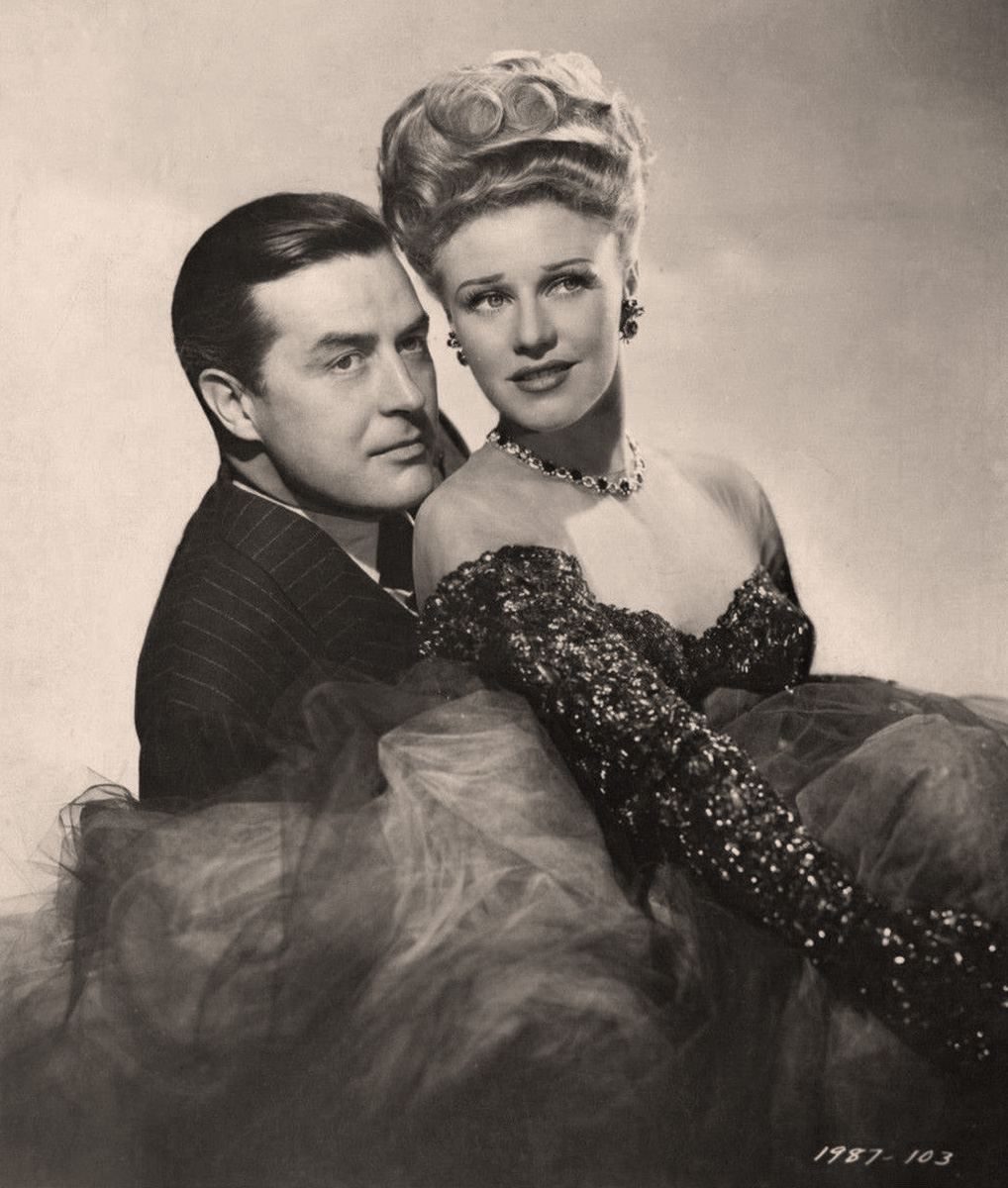
While Shirley looked beautiful in her ermine coat, her outfit did not begin to compare to Ginger Rogers’ onscreen wardrobe from “Lady in the Dark.”


“Lady in the Dark” was based on the 1941 Broadway musical of the same name (book by Moss Hart, words and music by Ira Gershwin and Kurt Weill) about psychoanalysis and career women. Paramount purchased the screen rights in February 1941 for Rogers and Fred Astaire, but negotiations with Rogers’ former dance partner failed, and Ray Milland was cast instead. Released on February 10, 1944, the film was a critical and commercial success, nominated for three Oscars (Best Cinematography, Best Music, and Best Art Direction).


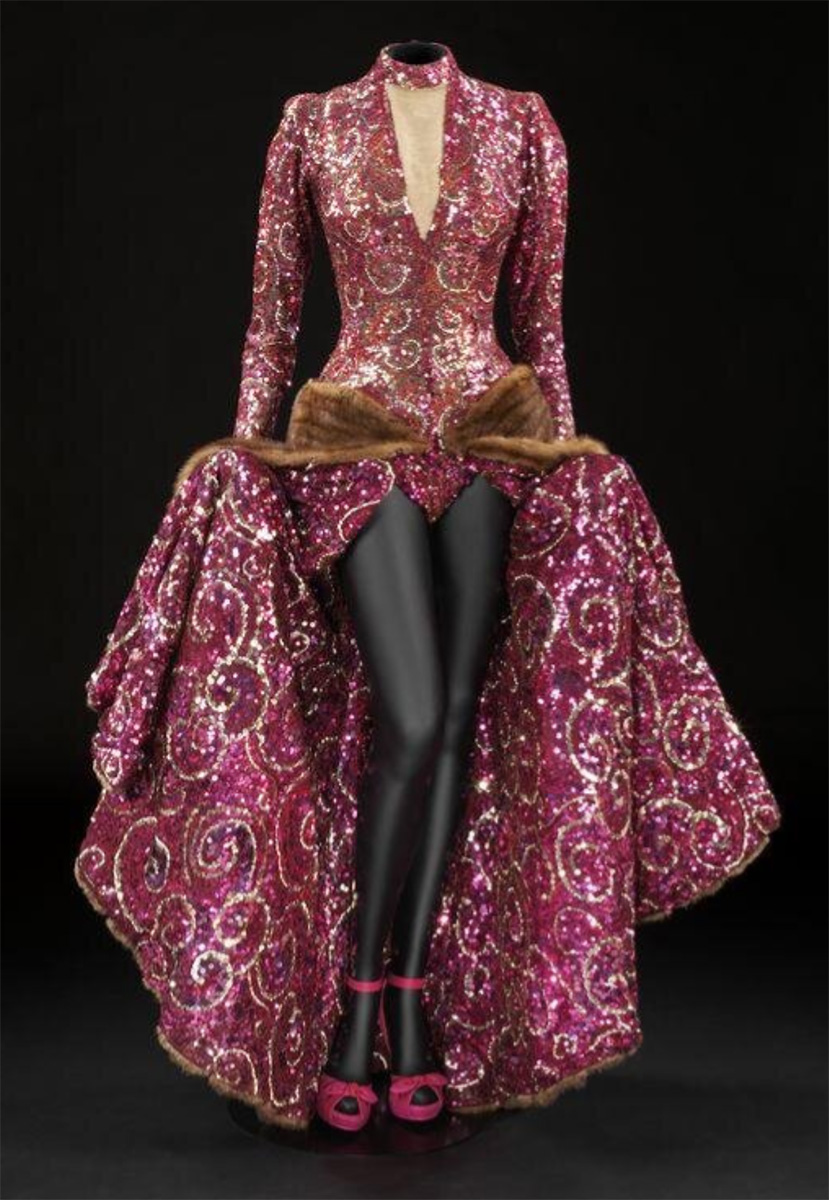
Now about the film’s most infamous costume (shown above). From the Victoria and Albert Museum website:

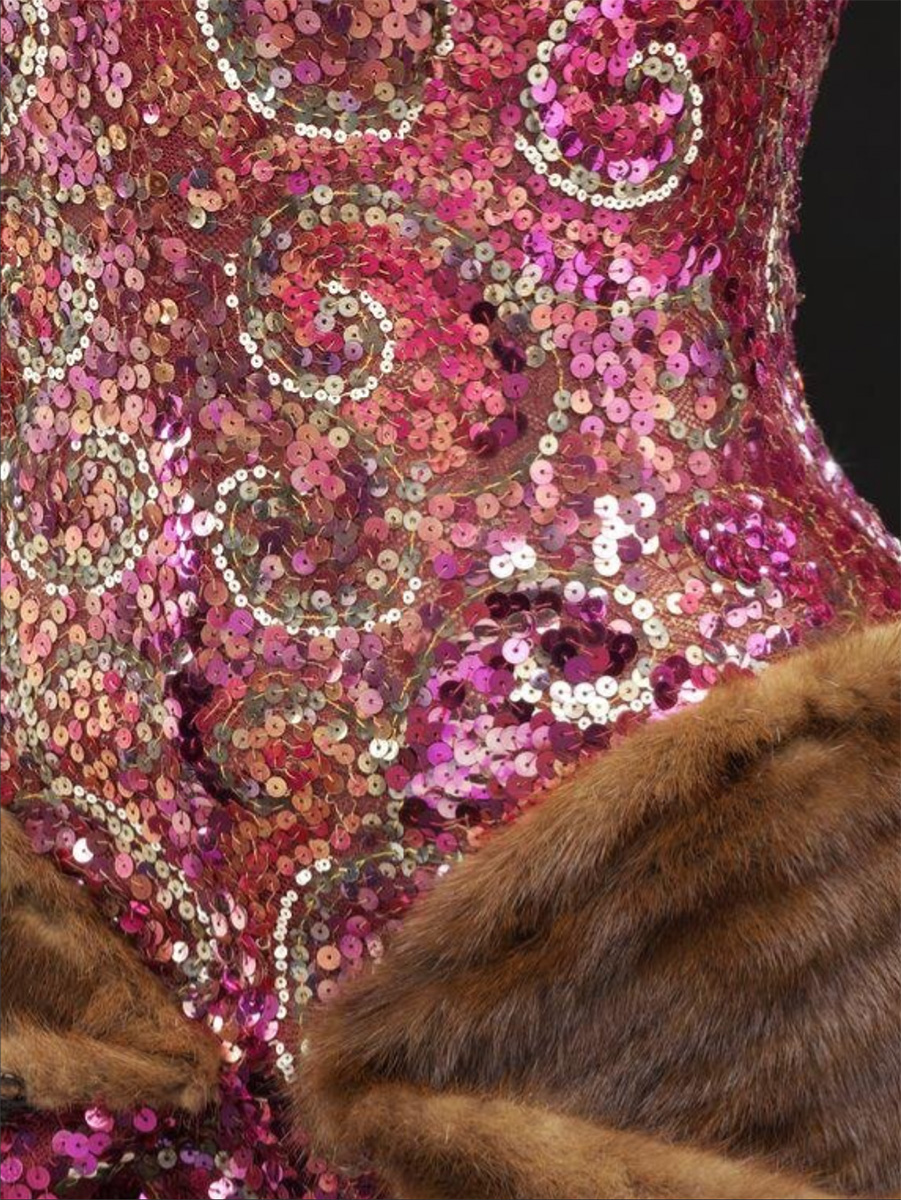
Rogers wore this costume for the ‘The Saga of Jenny’ sequence in the musical, which was staged in a circus. In 1944, this single costume was the most expensive ever produced in Hollywood. Legendary designer Edith Head is credited as the designer, with strong influence and a design concept from Mitchell Leisen, a former costume designer turned film director. Rogers wore two versions of the dress, one for singing and static close-ups and a lighter version for dancing [shown below, the one in the V&A collection].


According to Edith Head in Edith Head’s Hollywood, ‘as Liza Elliott in Lady in the Dark, Ginger was the fashion-editor of the world’s greatest fashion magazine. Her costumes were superlative. She was constantly having daydreams that she was a glamorous sexpot instead of a tailored-editor type and the dreams created a perfect plot excuse for fabulous gowns. It has come to be known as the mink dress, but actually it was a mink over-skirt that was lined with sequins, worn over a matching sequined bodysuit. It cost about thirty-five thousand dollars to make in those days and couldn’t be made today without a limitless wardrobe budget’.


Recently, I acquired Jay Jorgensen’s 2010 Edith Head: The Fifty-Year Career of Hollywood's Greatest Costume Designer coffee table book. There is some interesting information about the original costume that the V&A Museum left out:

Initially, Edith wasn’t even supposed to be working on the project, and Rogers’ clothes were to be designed by the New York couturier Valentina. When Ginger rejected Valentina’s designs, Edith was asked to step in because of her good working relationship with the actress. There is almost no doubt that left to only her own devices, the budget-conscious and conservative Edith would have never come up with the dress that is considered by many to be the most expensive costume ever designed for a film. But Leisen was always asking Edith to push herself creatively, and under his supervision, a gown was designed that was encrusted entirely of faux rubies and emeralds in a paisley design, lined in mink, with a matching jacket, also lined in mink. At the time, it was estimated to cost around $35,000, with $15,000 being spent on the mink alone. When building the dress, Edith covered the floor of her salon with mink skins and she and Leisen selected the most photogenic ones. When Rogers tried the gown on, the faux stones proved to be too heavy for her to dance the routine that had been choreographed…A second gown was created with sequins in the same paisley pattern. Both gowns are seen on screen. The dress with the stones is seen in close-up as Ginger unpacks it and wears it to the nightclub, and the sequined version is seen in the dance number. The gown with the faux stones was later donated to the Smithsonian Institution and kept on display for several years; Edith used the sequined version in her fashion shows that would be developed later.

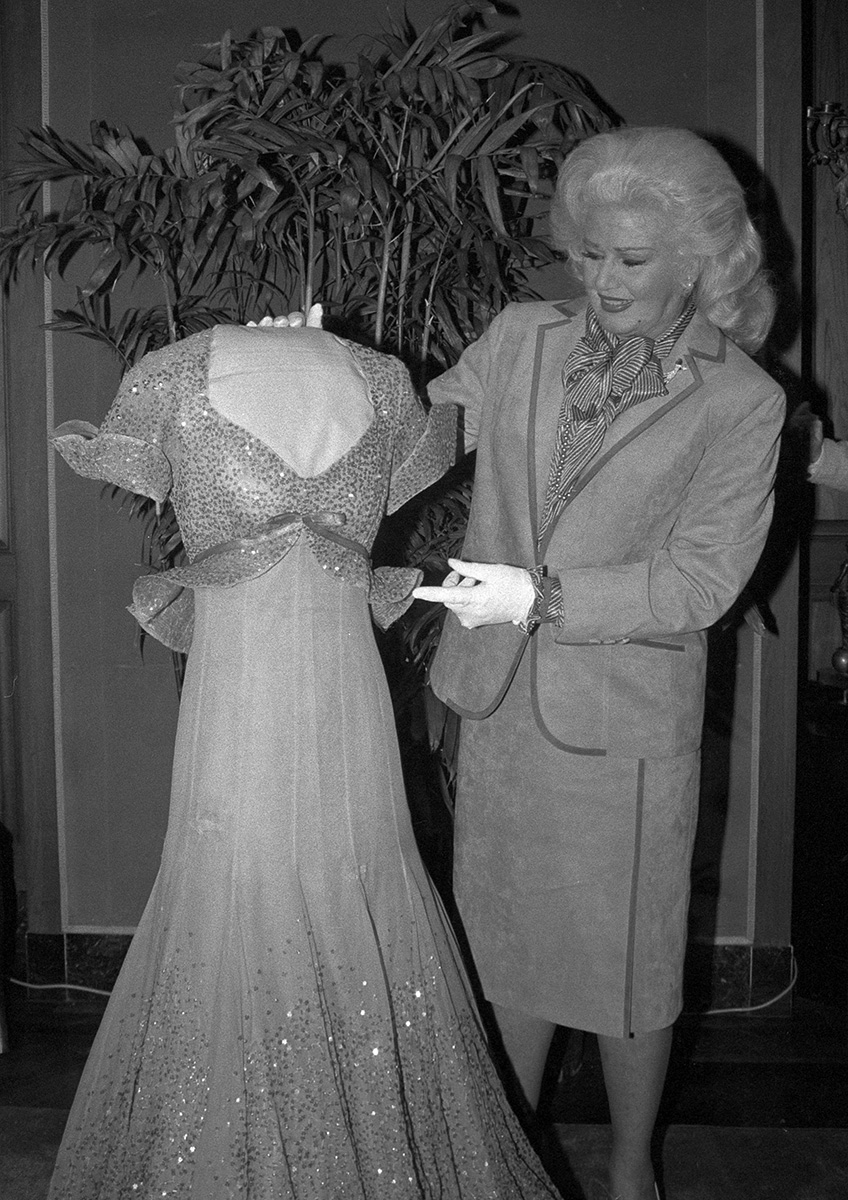
The 1984 photo below shows Ginger Rogers presenting her 'Piccolino' dress from "Top Hat" (1935) with Fred Astaire to the Smithsonian. Whether or not they still have the “Lady in the Dark” mink dress in their possession is unknown.


Shirley and Ginger starred together in “I’ll Be Seeing You,” which was her next film assignment after “Lady in the Dark.” This time, since Rogers portrayed a woman on parole, Shirley had the flashier wardrobe!


See more Shirley Temple photos at my main website.
Wednesday, January 05, 2022

The Incredible Jane Wyman


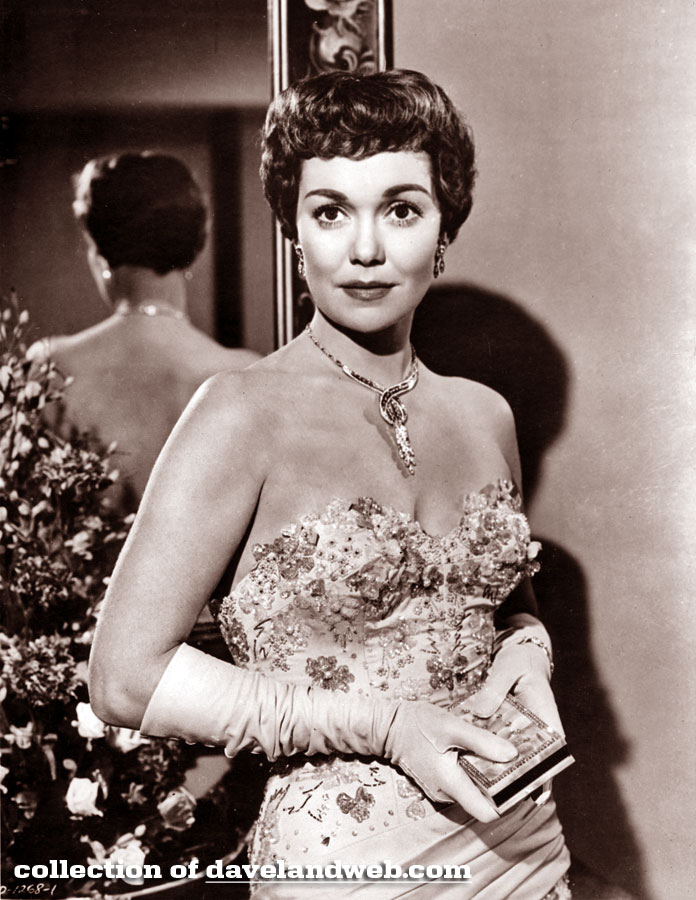
Today I am celebrating the stylish actress, Jane Wyman, on what would have been her 105th birthday.


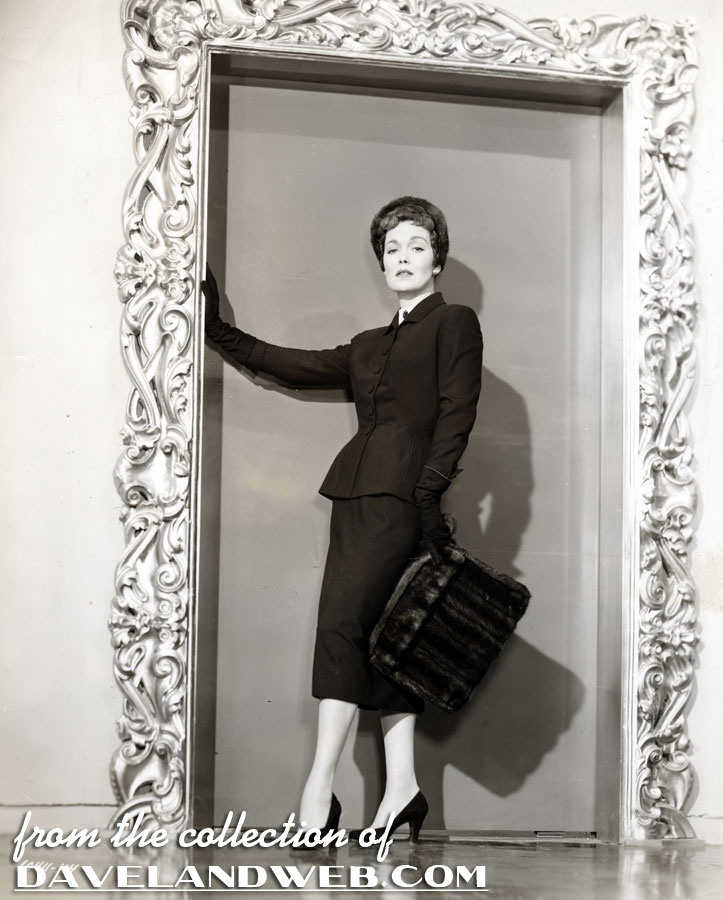
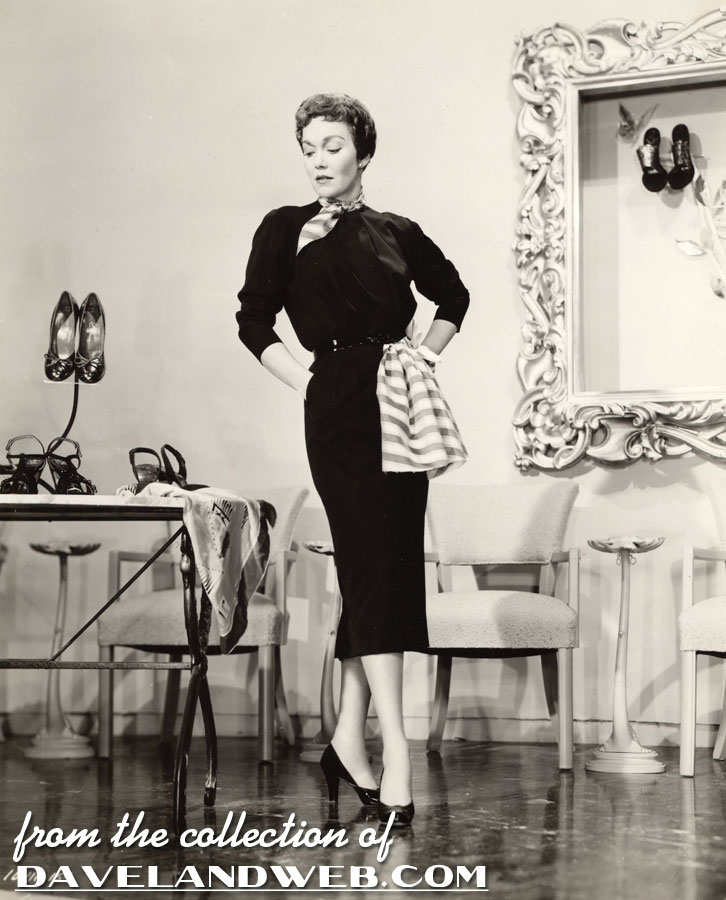
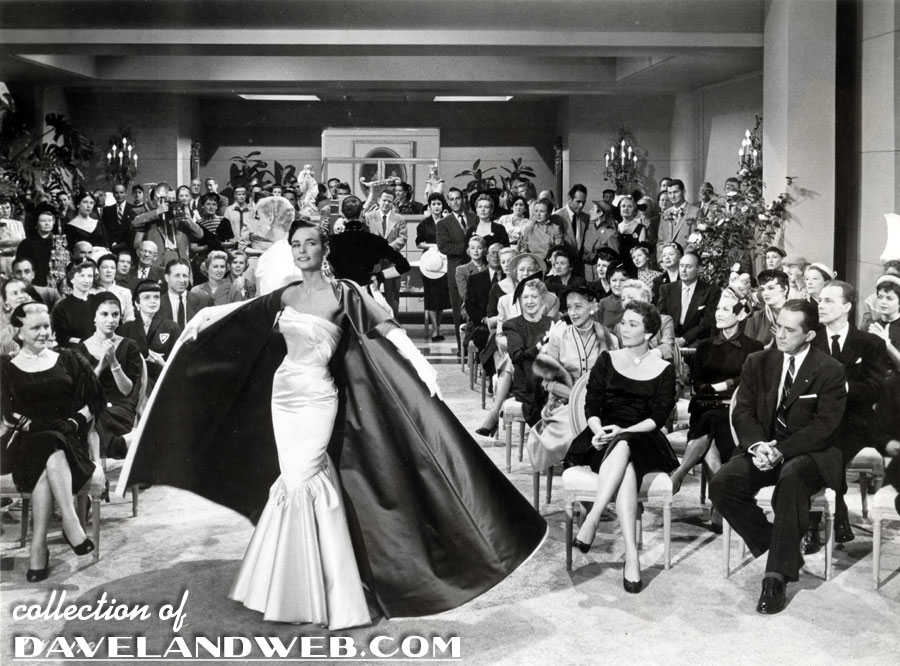
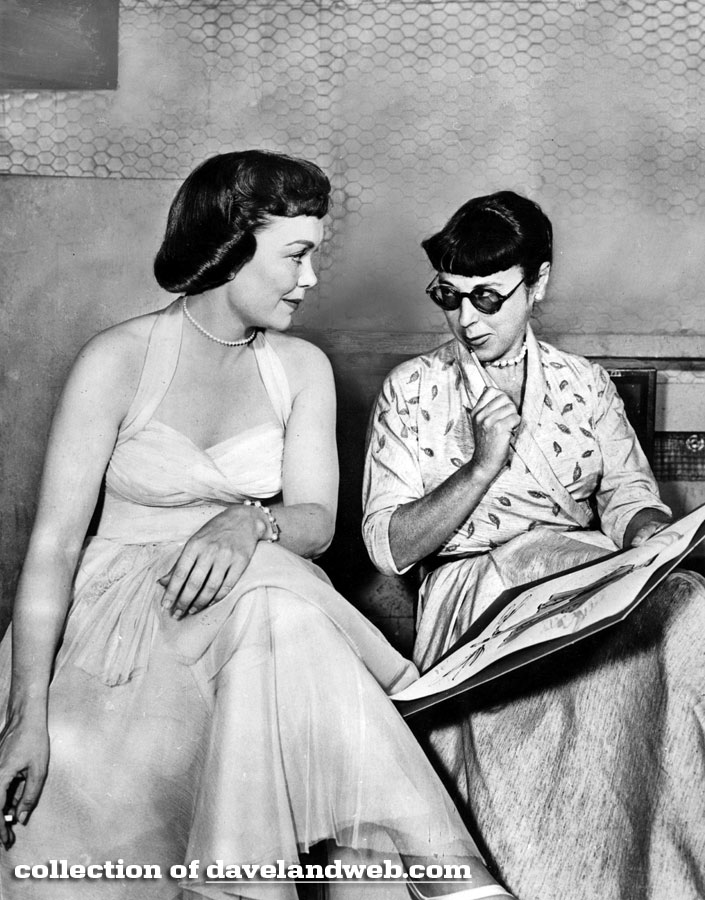
The first two publicity photos in this post are from “Lucy Gallant,” a 1955 Wyman potboiler that also starred Charlton Heston. She plays the owner of a department store, which just happens to have a gala fashion show with Edith Head as the announcer. The irony is that Head designed the fashions.


Can’t you just hear Edith? “Let’s get this straight, Jane…make sure you tell everyone that I really did the designs, not you!”


A few glimpses from the show itself:


See more classic Movie & TV photos at my main website.
Sunday, January 19, 2014

Fashion, Film, and Charleston Garden


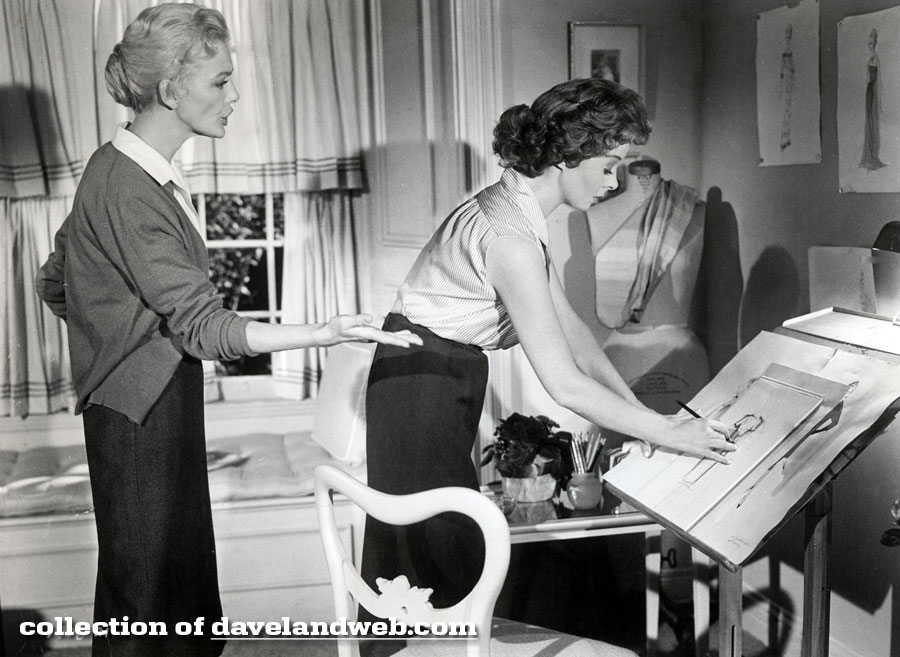
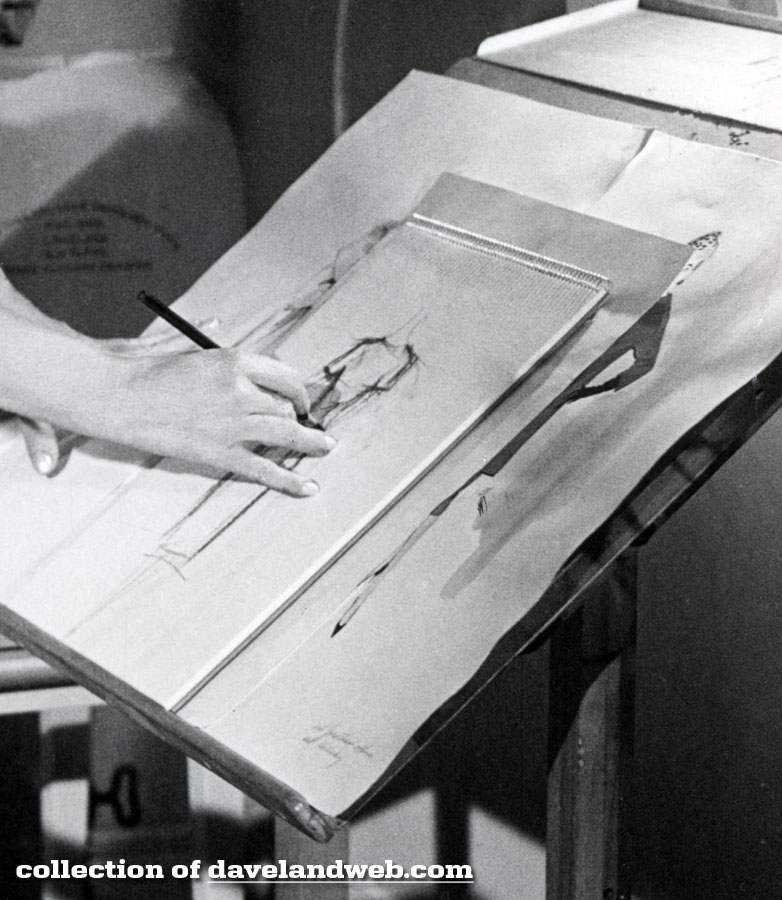
Fashion and film have always gone together, especially during the 1950's/1960's. In the glossy 1961 Ross Hunter melodrama, "Back Street," costume designer Jean Louis created a number of sumptuous designs for star Susan Hayward to wear. Her character just happens to be a budding fashion designer. What better excuse to increase the wardrobe budget and have the star wear even MORE amazing dresses? In the first still from the film, Rae Smith (Hayward) is being told by her sister, Janey (Virginia Grey), to move to the big city and let everyone see her talent. Let's zoom in and check out those sketches...do you think she's good enough?


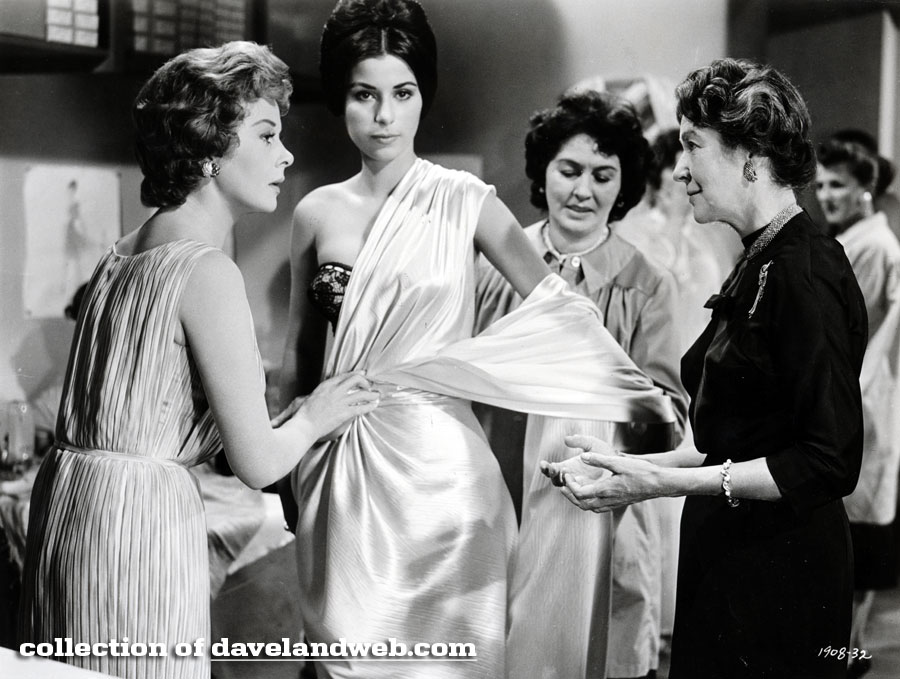
In this scene, Rae shows her assistant how to drape fabric.


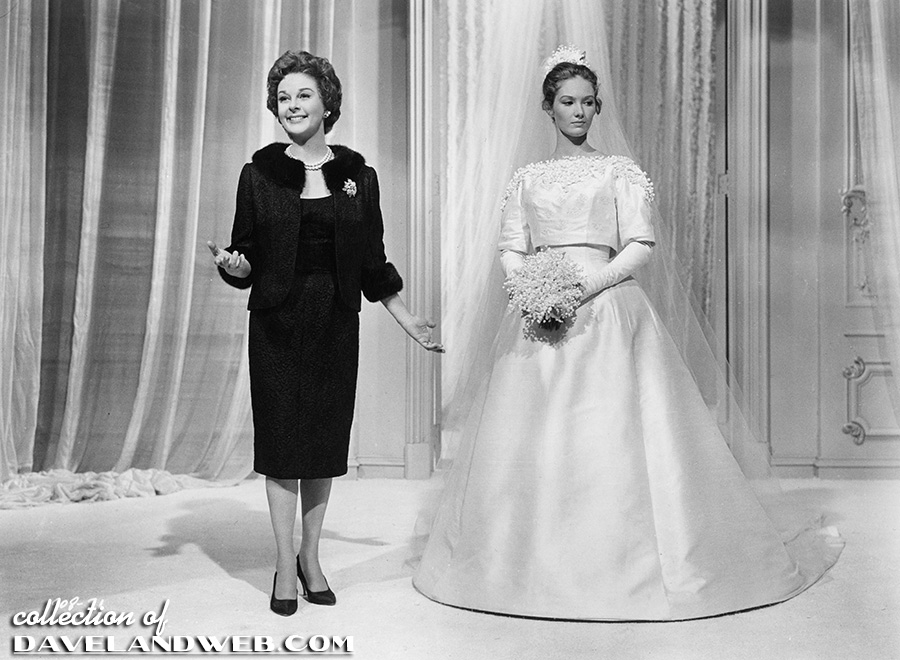
The visual highlight of the movie is the fashion show, where Rae gets to show off her new line of clothing, including this bridal ensemble. The woman who buys it turns out to be the alcoholic wife (Vera Miles) of Paul Saxon, the man Rae has been seeing on the side (John Gavin). Saxon also happens to own a number of department stores. Are you following along?


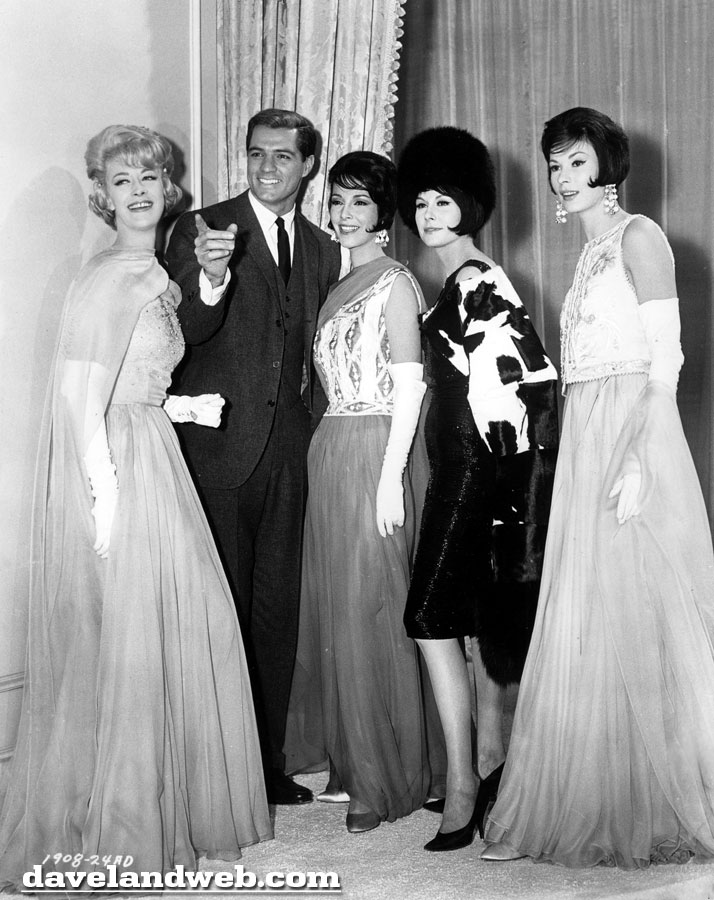
In this publicity shot, John Gavin poses with fashion show models Melissa Weston, Joanne Betsy, Vivianne Porte, & Gertrude Felder. Obviously, Jean Louis had his hands full for this movie.


Here Vera Miles models yet another Jean Louis creation. We don't get to see too much of this gown because she wears it in the scene where she has a car crash. What a waste of a good gown.


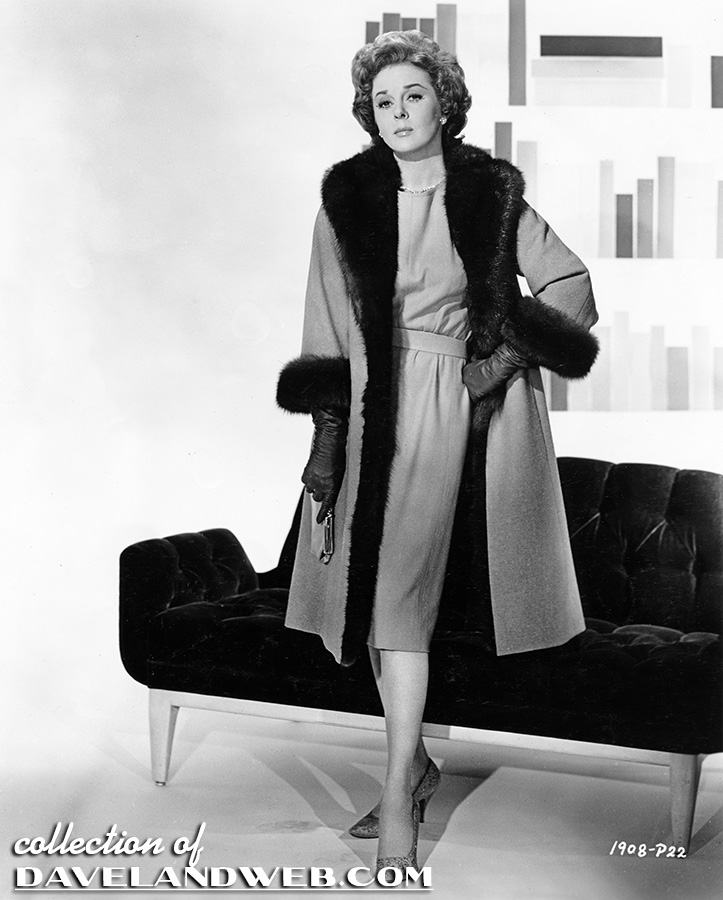
How about this fur-trimmed set for Susan Hayward, worn in the scene where Paul Saxon's kids give her the stink-eye at the airport. Those smart little varmints are onto her man-stealing ways!


For "Back Street," Jean Louis received an Oscar nomination for Best Costume Design in a color film. He was beat out by Irene Sharaff for "West Side Story." Another famous Hollywood designer, Edith Head, was also in the running that year, having been nominated with Walter Plunkett for "Pocketful of Miracles."

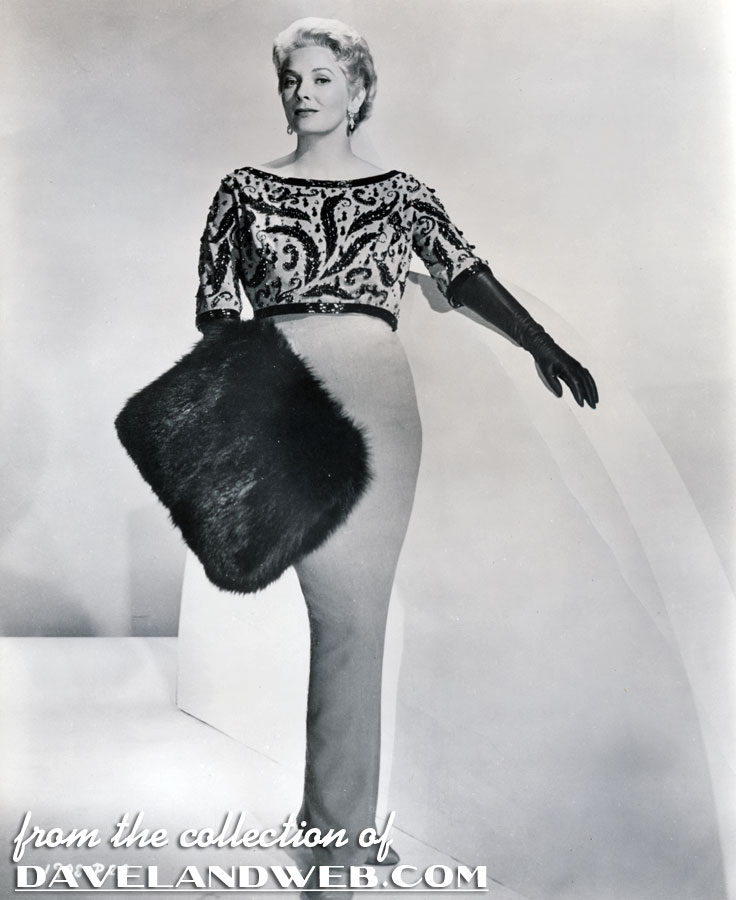
In 1955, Edith appeared as herself in yet another fashion show within a film, this time for "Lucy Gallant," starring Jane Wyman as the title character. Naturally, Lucy Gallant is a talented fashion designer. Surprisingly enough, this film received no Oscar nods for its fashion; at least Edith got a nomination that year for another film she did, Hitchcock's "Rear Window." Here's Wyman posing in one of her Edith Head creations for "Lucy Gallant":


Another Head design. That is one large furry purse!


In 1953's "Let's Do It Again," Jean Louis was in charge of outfitting Wyman:


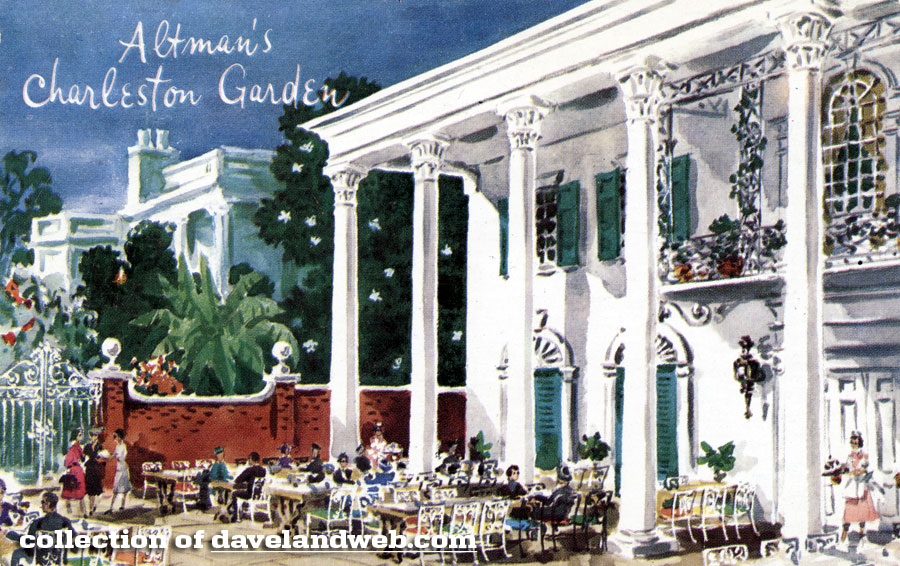
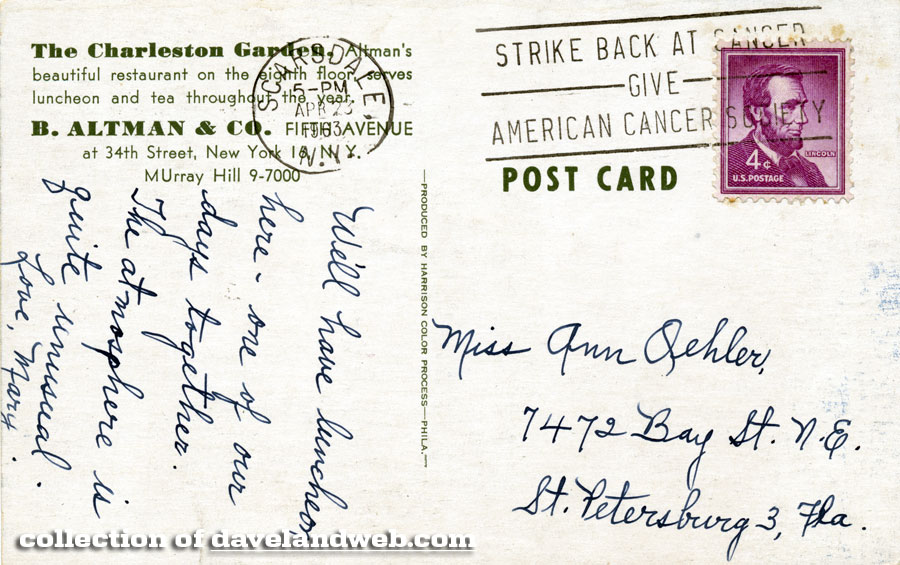
The appeal of putting so much effort into what the female leads wore in these films was because of the appeal it had for women all over America. Just like today, many are influenced by what they see the stars wear. But where would the average American Woman buy her fashion "back in the day"? One option was B. Altman's, a department store that had the foresight to move into the suburbs back in the 1930's. Going to a big city wasn't the only choice anymore for the average housewife. I remember as a little boy accompanying my mother on a few of her trips to the local B. Altman's. Here's a postcard from the New York City store's famous Charleston Garden restaurant and tearoom, which featured a southern plantation façade and murals simulating an outdoor garden...INSIDE the department store. Fashion shows were a staple of the restaurant, allowing women to both eat and shop. What a time-saver!


Here's what Mary, the sender of the postcard, had to say about her visit to the Charleston Garden:


I remember what a treat it was to eat at the St. David's location near Philadelphia with my mother. It was also my introduction to Pink Lemonade! As the years went by and the demographic of B. Altman's aged along with the store, it garnered the nickname "Menopause Manor," as it fell out of fashion with the younger set, closing down in 1989.

Have you ever been influenced to buy an outfit that you saw worn in a film?

See more classic film and television photos on my main website.
Friday, December 06, 2013

Trip to Philadelphia, Pt. 3: Grace Kelly


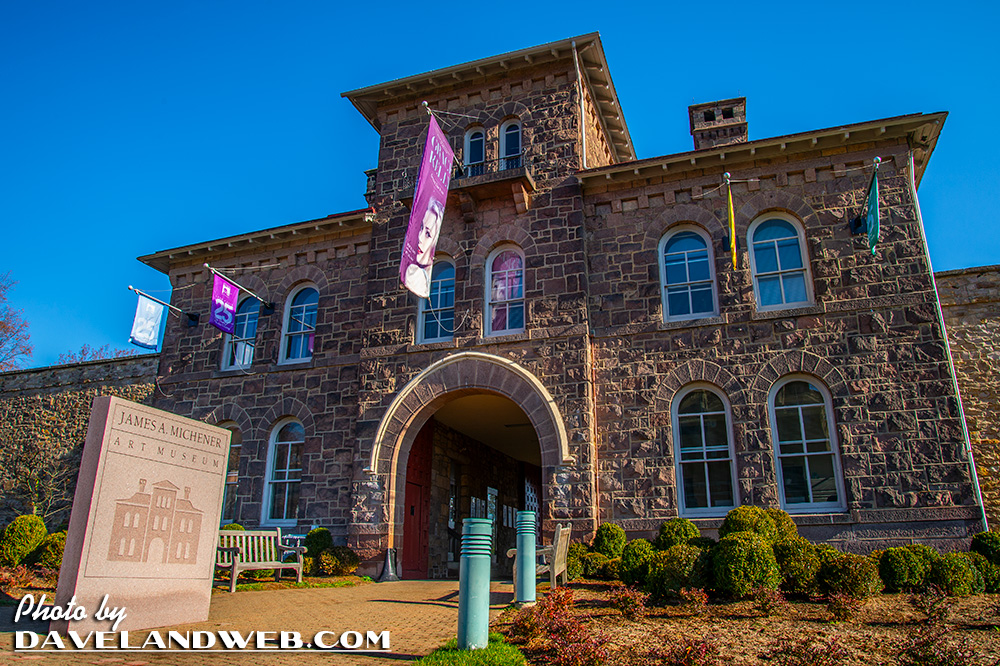
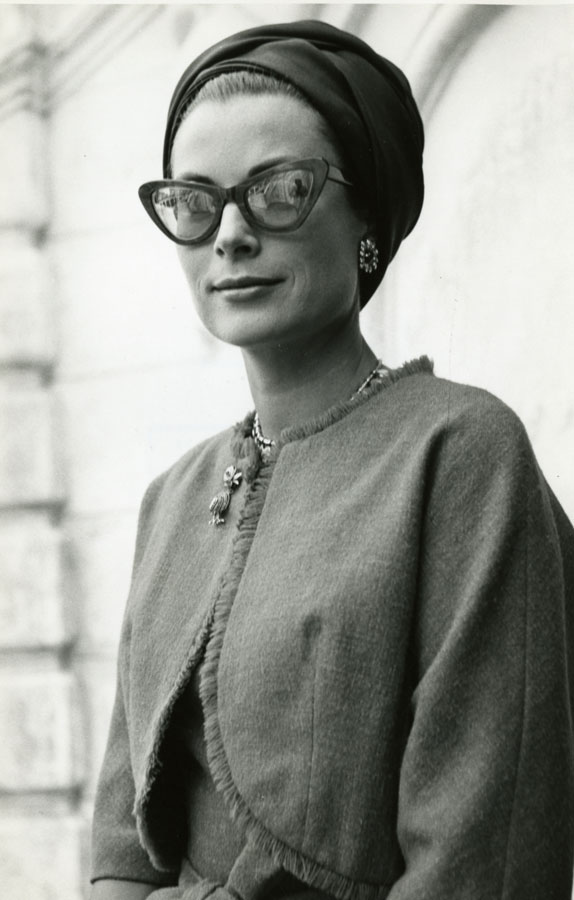
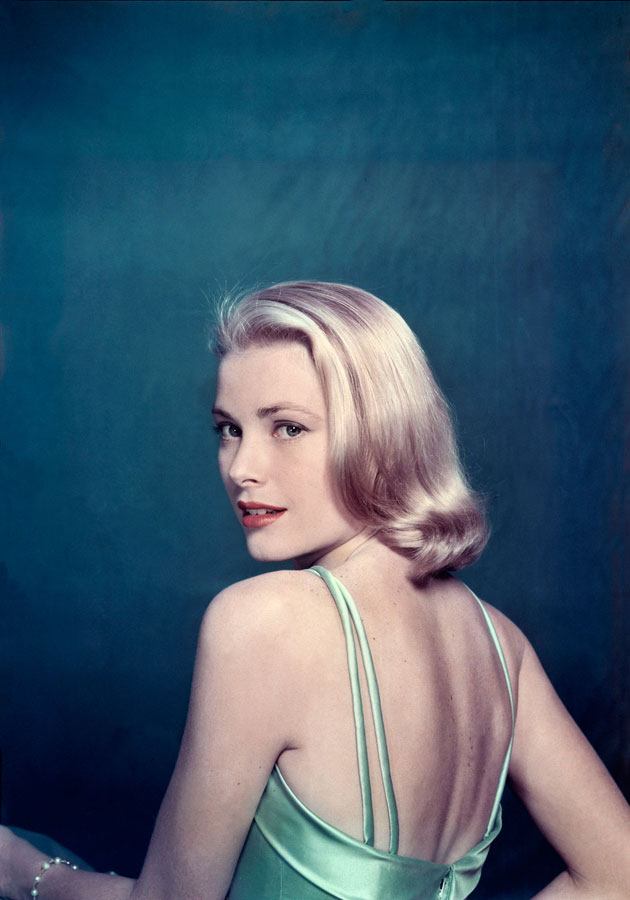
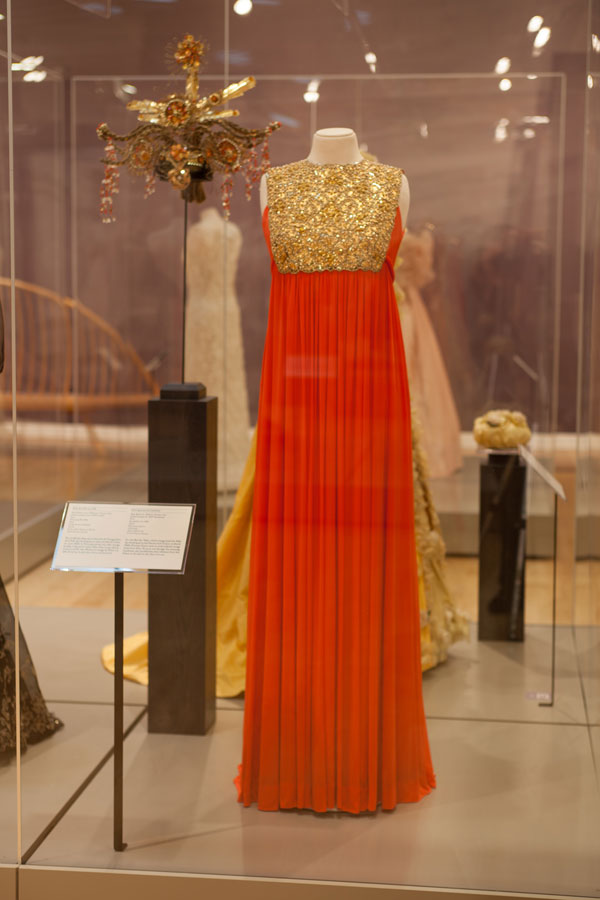
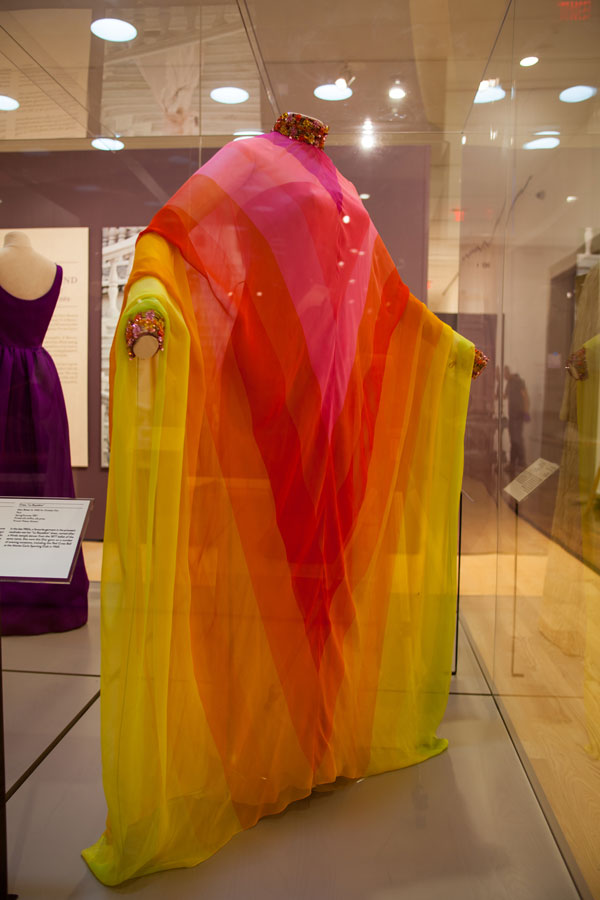
One of the highlights of my trip east was to see the Grace Kelly: Beyond the Icon exhibit at the James A. Michener Art Museum in Doylestown. The displays included photographs of the actress, wife, mother, and Princess, who was one of the top style icons of the 20th Century.


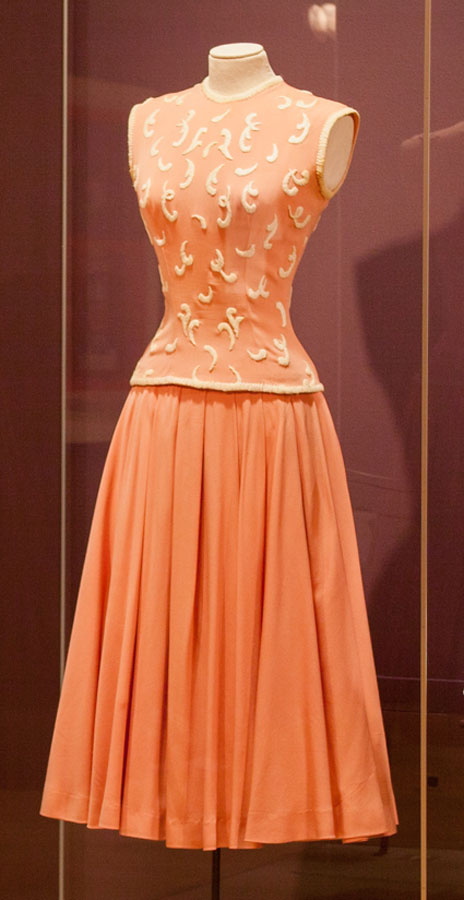
The images of Grace and her wardrobe from the exhibit were kindly sent to me by the museum's publicity department, since photography was not allowed inside.
Grace flirted shamelessly with Cary Grant in Alfred Hitchcock's "To Catch a Thief," while wearing this peach ensemble designed by Edith Head.


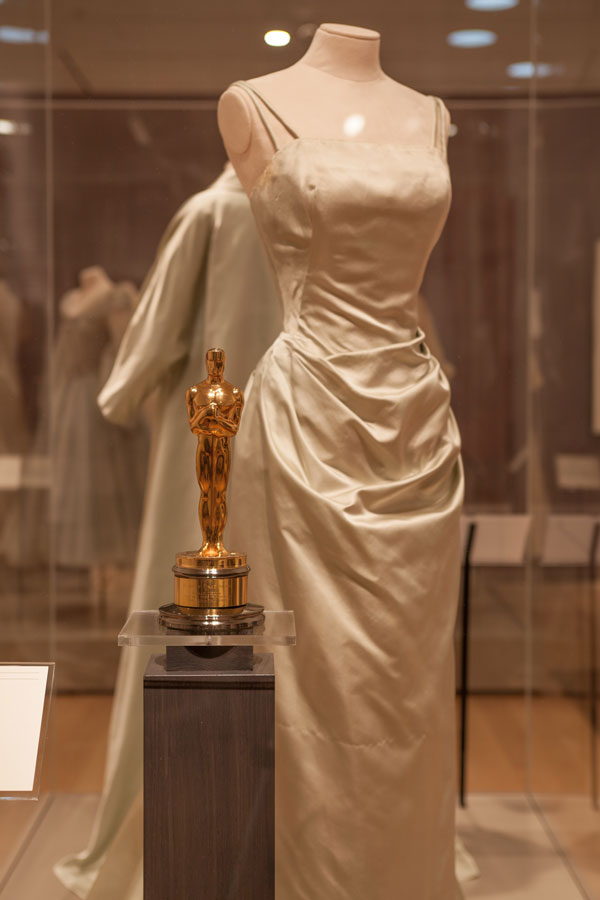
This 1954 photo of Grace was taken by Philippe Halsman as part of a Life Magazine layout. This Edith Head designed dress was also worn by Grace to "The Country Girl" premiere as well as the 1955 Oscars ceremony.


It was amazing to see it in person, displayed next to the Oscar that she took home that same evening, beating out Judy Garland in "A Star is Born."


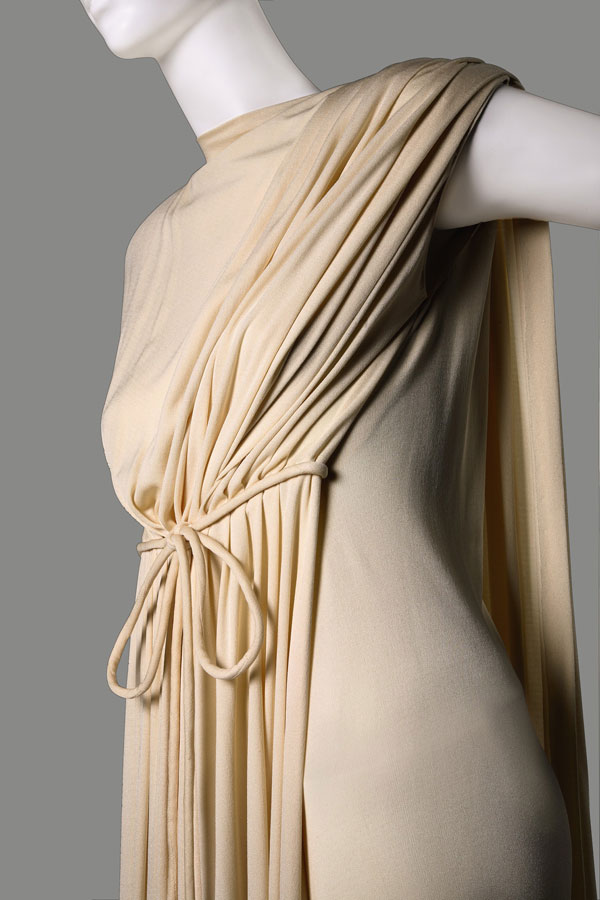
For Grace's last film, "High Society," she wore this Greek Goddess draped gown designed by Helen Rose:


Grace's sense of style was understated, as she could make even the most simple dress appear to be chic. The woman just exuded class.


Oscar winning designer Edith Head herself said, "I have never worked with anybody who had a more intelligent grasp of what we were doing."


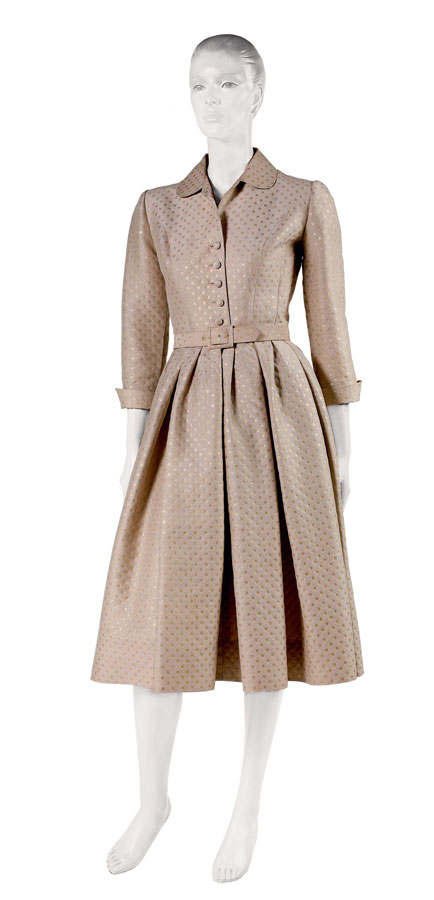
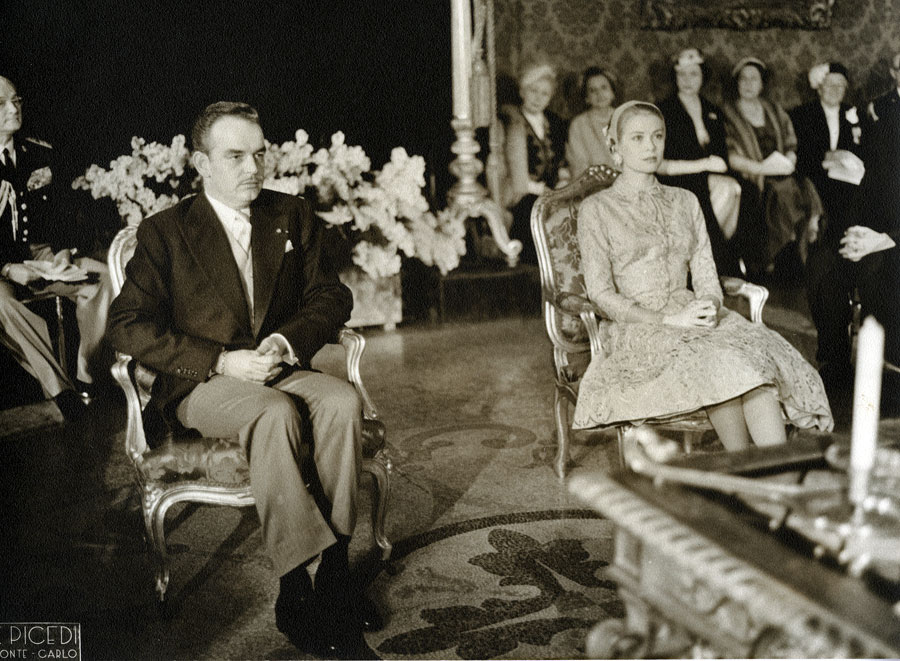
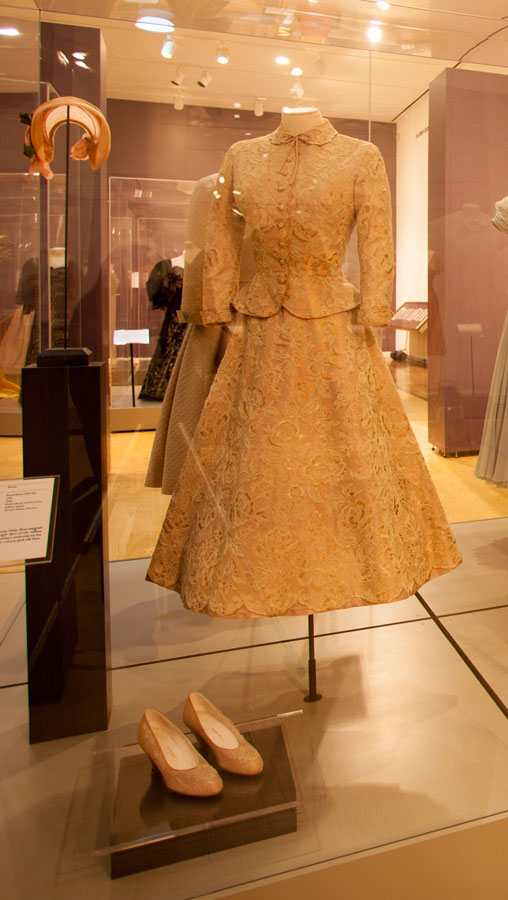
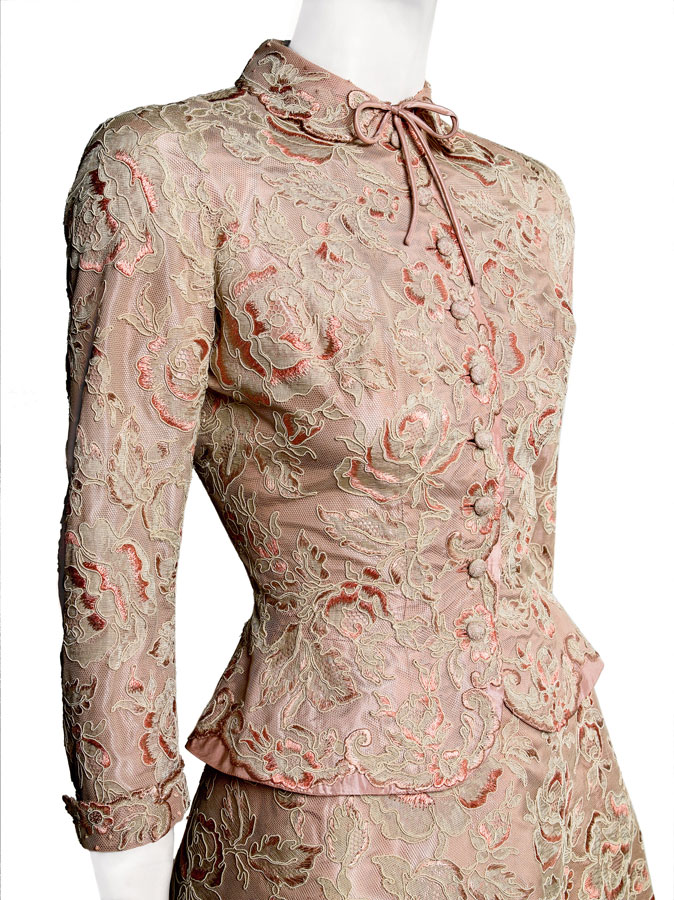
Grace wore a fitted suit by MGM's costume designer, Helen Rose, for the Civil Ceremony with Prince Rainier of Monaco:


The outfit with matching hat and shoes was on display at the Michener; apparently Grace kept almost everything.


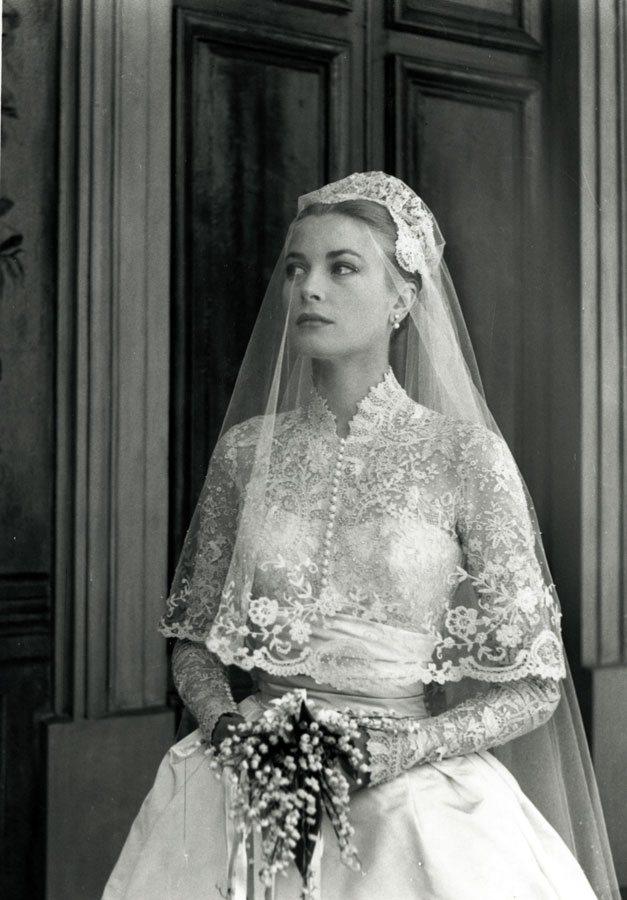
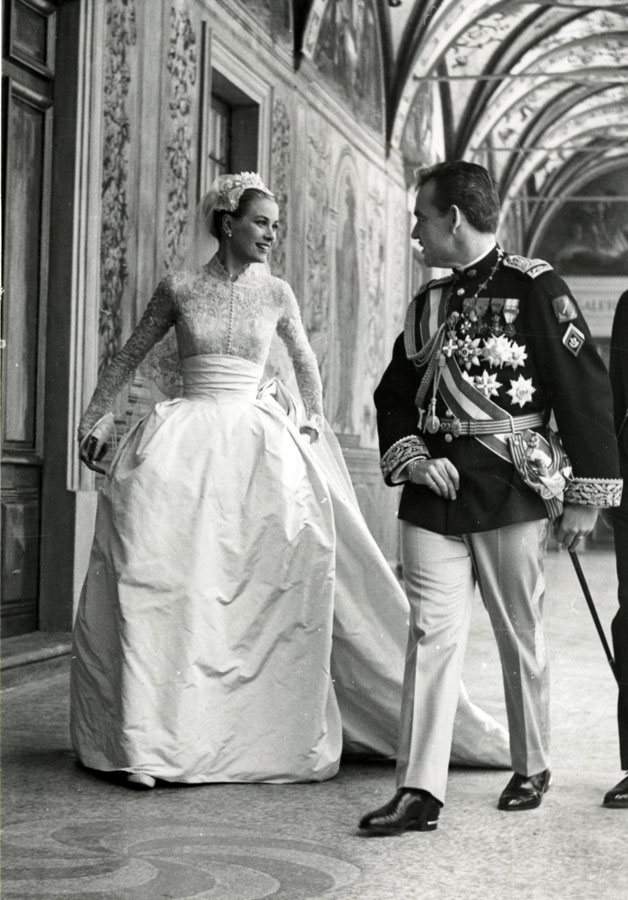
For the Royal Wedding on April 19, 1956, Helen Rose designed this classic dress:


Unfortunately, the original (owned by the Philadelphia Museum of Art) is too fragile to be transported.


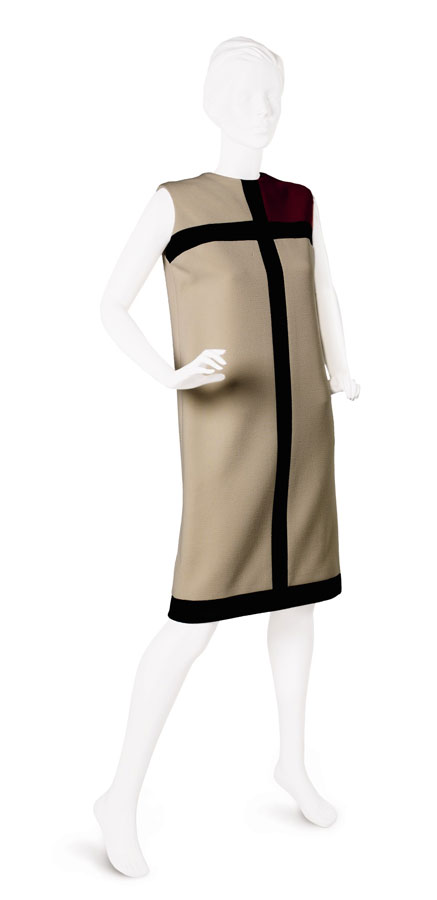
A Mondrian inspired dress by Yves Saint Laurent:


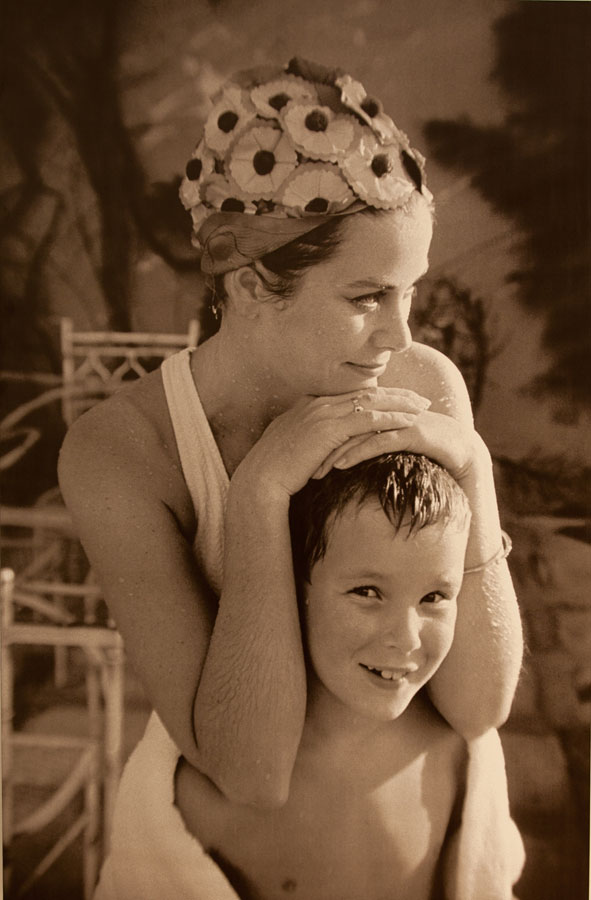
This March 1967 shot reveals a loving mother with her son, Prince Albert.


A 1969 dress designed by Marc Bohan, which Grace wore to a costume ball at the Monte Carlo Casino:


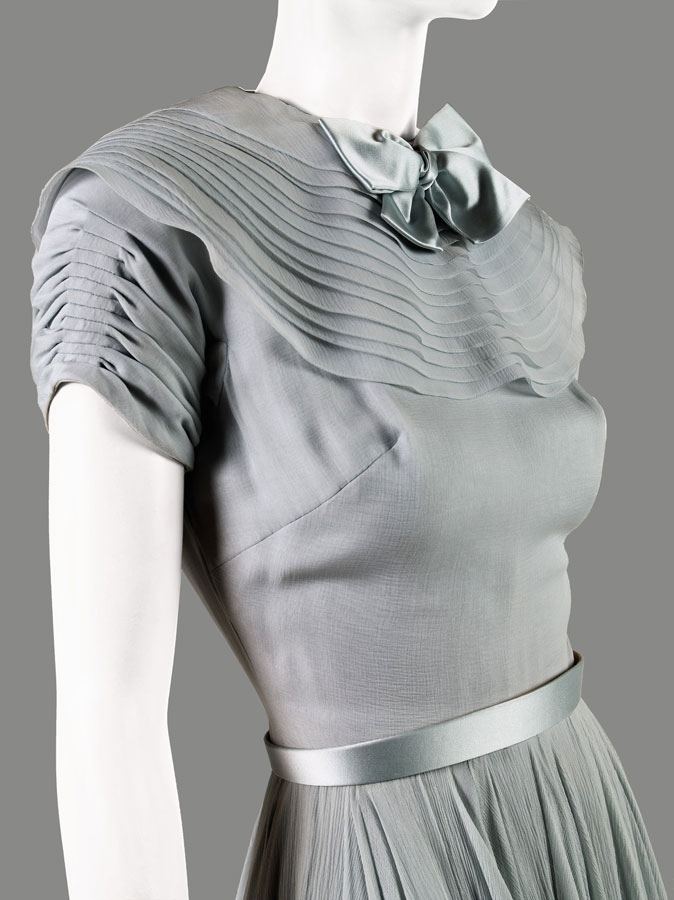
Christian Dior was a favorite designer of the Princess; this 1967 design was part of her cherished wardrobe:


The exhibit paints a warm portrait of a lovely and stylish woman who thoroughly enjoyed motherhood as much (if not more) as her brief Hollywood career. If you want to catch it, you'll need to hurry, as the exhibit goes back overseas on January 26.

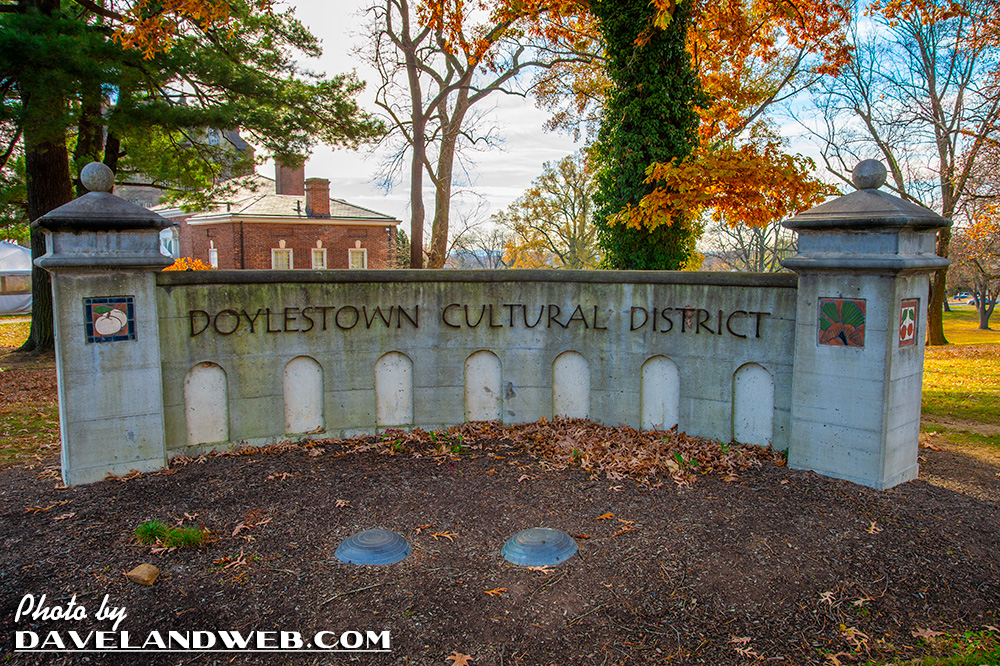
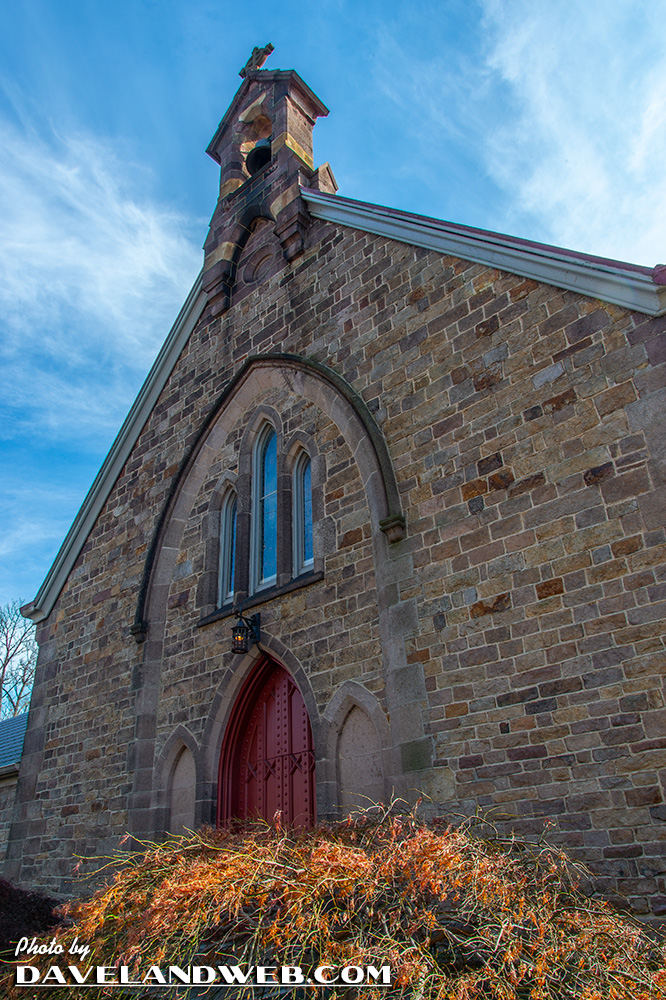
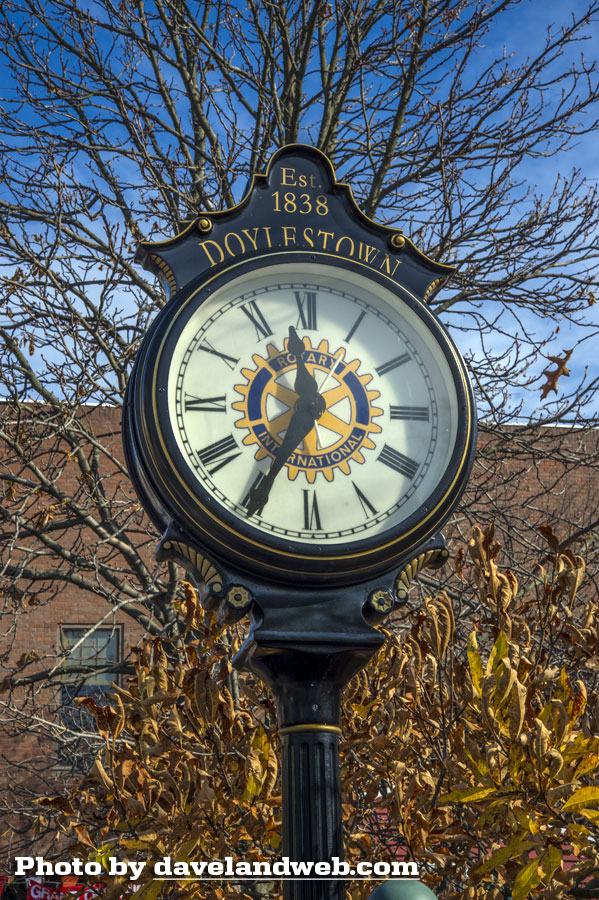
The Michener Museum is only part of the Doylestown Cultural District.


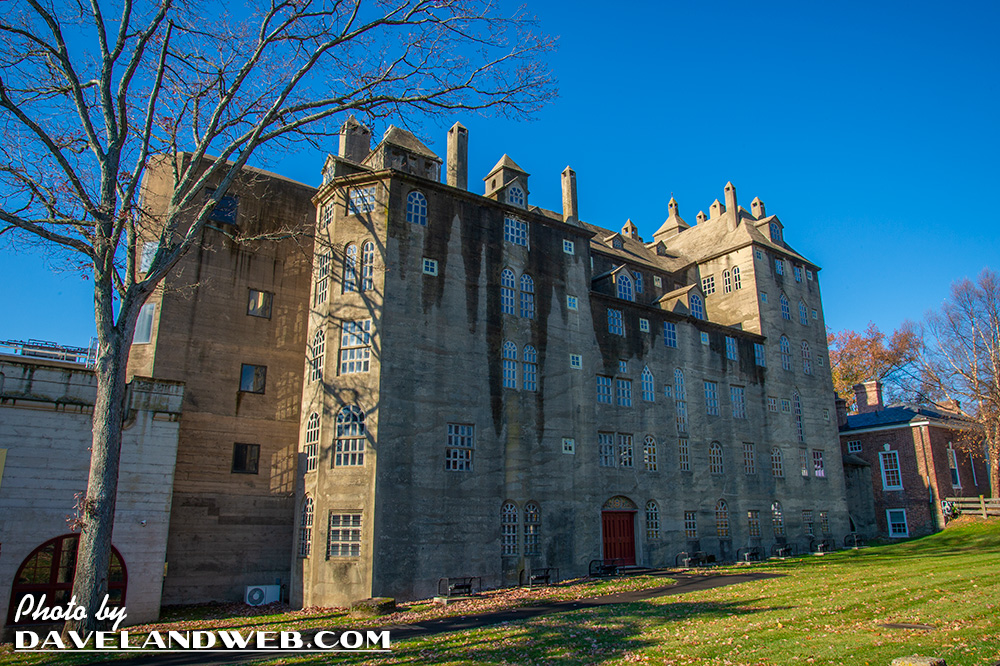
Across the street is The Mercer Museum, which was built to house Henry Mercer’s extensive collection of objects representing everyday life in the pre-industrial age. The Museum's permanent exhibits represent over 60 early American trades, including woodworking, metalworking, agriculture, and advertising, plus furnishings and folk art.


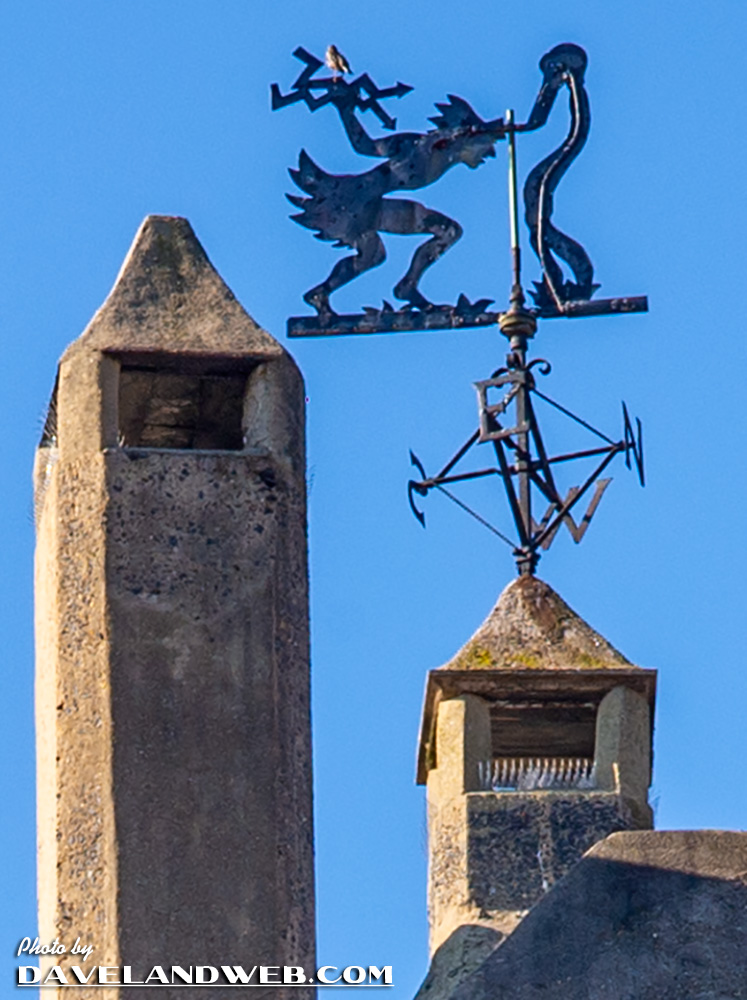
I didn't get a chance to go inside (next time!), but still enjoyed zooming in to see the building's weather vane.


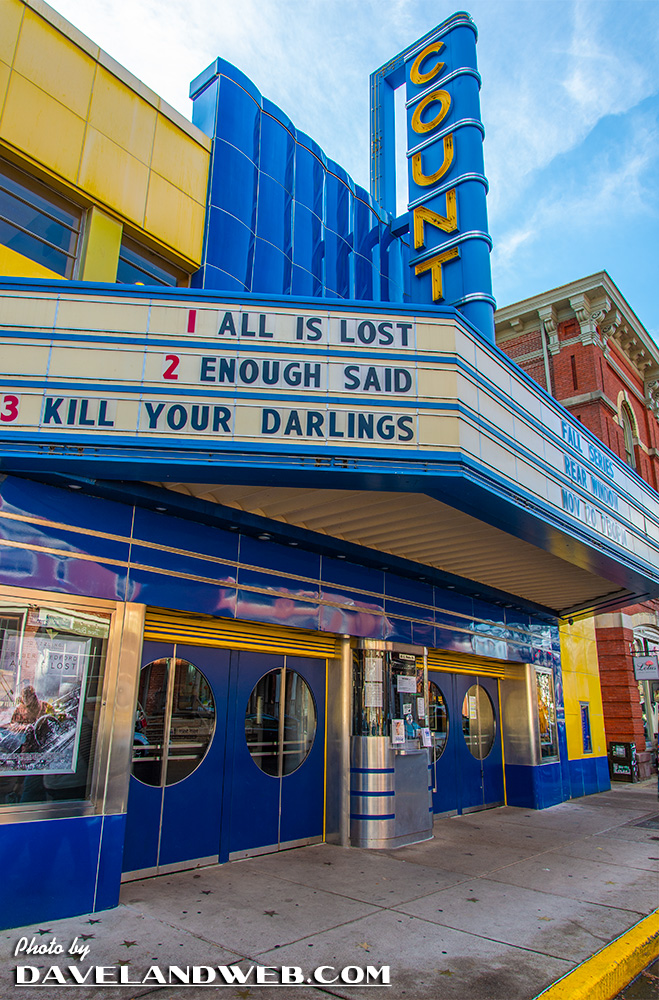
Doylestown's Main Street area included a number of interesting buildings, including 1938's County Theatre.


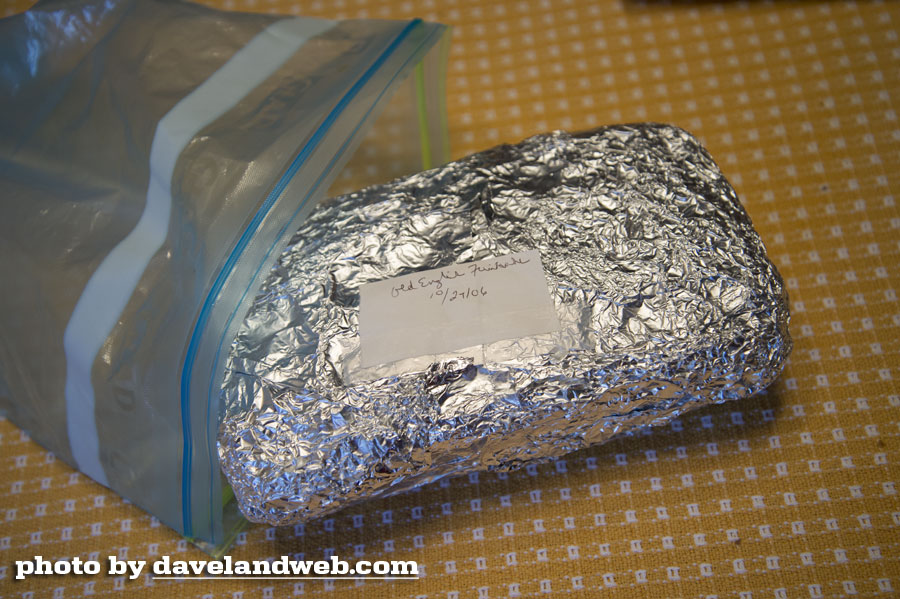
The final museum I experienced during my trip home to Philly was my mother's infamous Food Museum. I was raised on homemade fruitcake. Every holiday season, my mom would make my favorites like Apricot, Bourbon, and Old English. It has been years since my mom made any, so imagine my surprise when she casually mentioned that she thought there was one "downstairs."


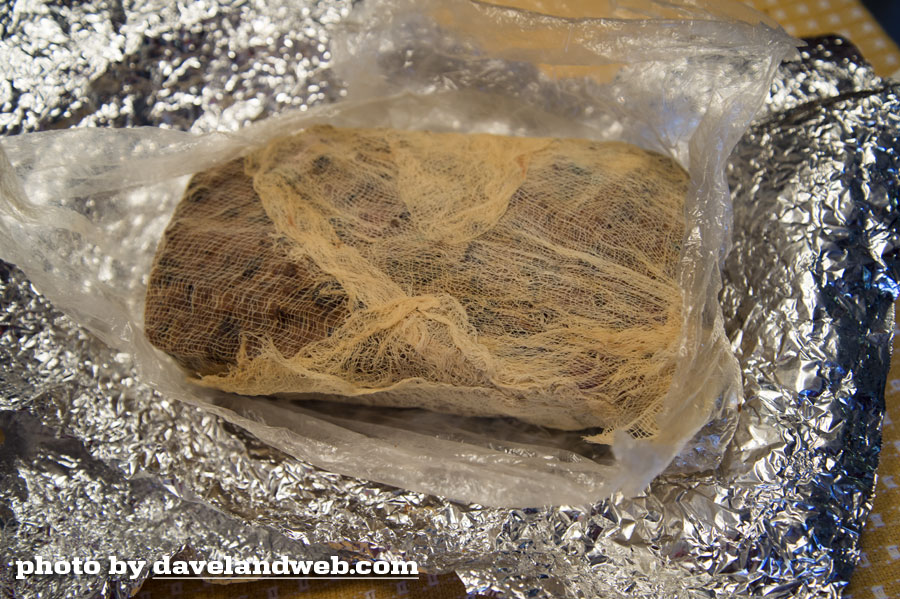
When I asked how old, I got the standard answer: "Oh, I don't know; not that long ago." I inquired if it was in the freezer. "No, it's in the refrigerator." Camera in hand, I went down to the basement (where food goes to die) and pulled the brick of tin foil out. It was marked 2006. 7 years. Under the foil was Saran Wrap, and underneath that was a layer of cheesecloth that had been soaked in Old English.


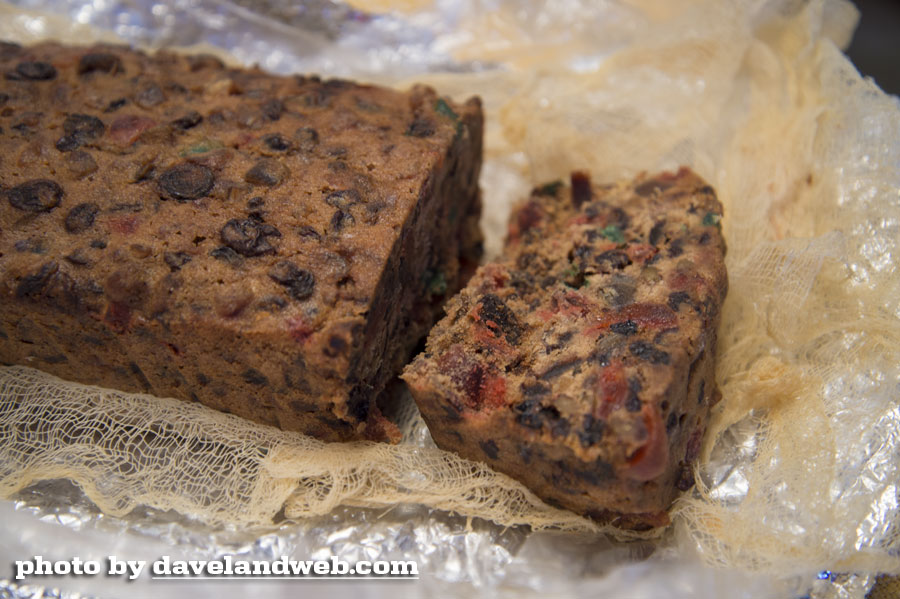
I could still smell the booze, but after a seven year stint in the fridge, there was no way I was going to eat it. After cutting a slice (which took some extra effort), even Mom finally admitted that it might look a little "dry."


Can't wait to see what else I might discover in mom's fridge/freezer on my next visit. Where else but Daveland could you read about Grace Kelly and fruitcake all in the same post?

See more Daveland Doylestown photos on my Doylestown web page.