Tuesday, June 22, 2021

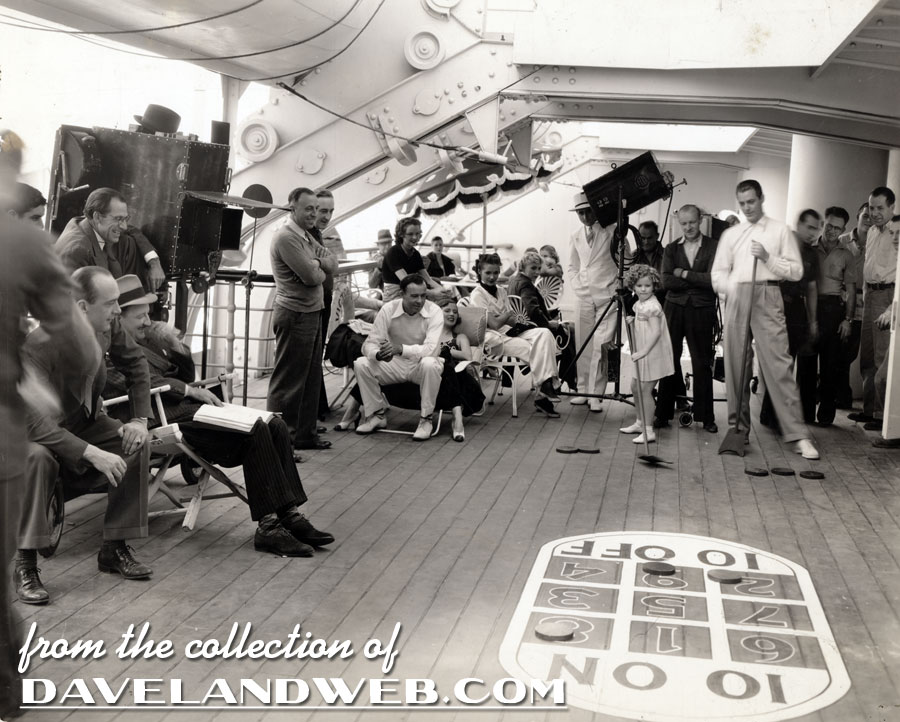
Temple Tuesday: Shirley and Arthur Miller Play Shuffleboard


This behind-the-scenes shot from Shirley’s 1936 “Stowaway” has the young star practicing shuffleboard aboard the ocean liner set. Standing next to her is costar Richard Allan.
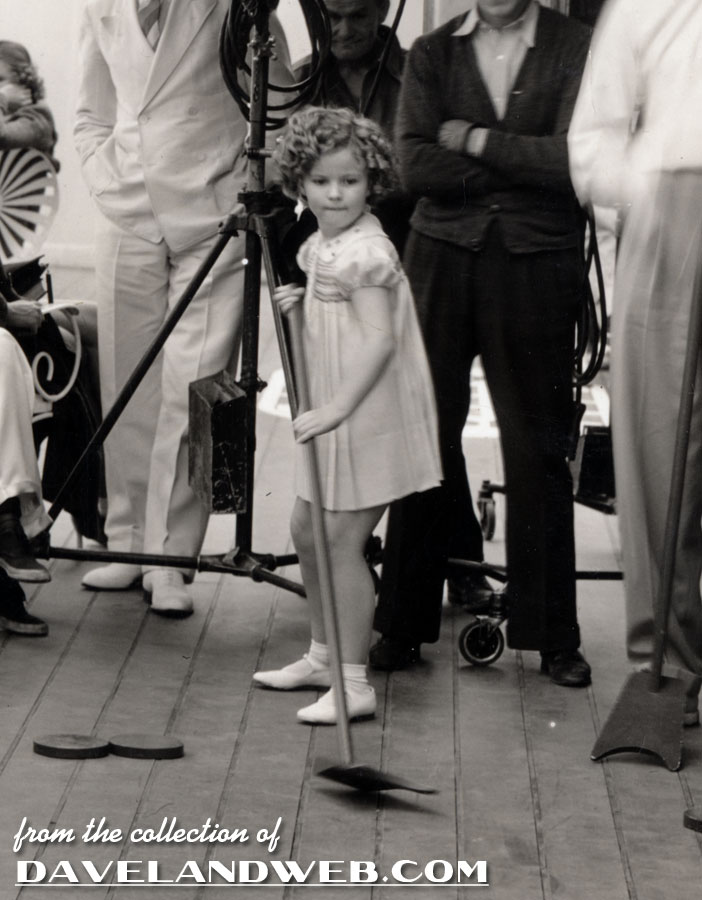
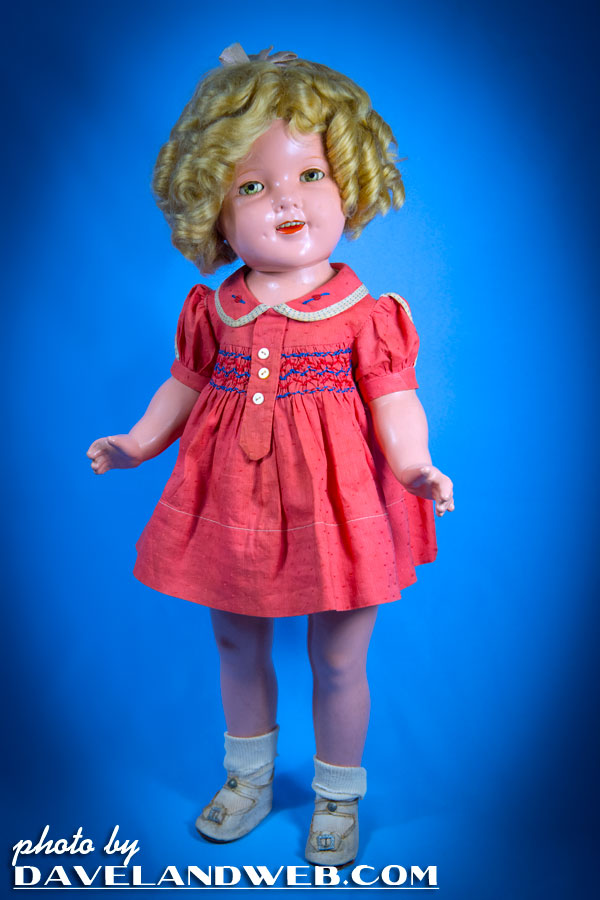
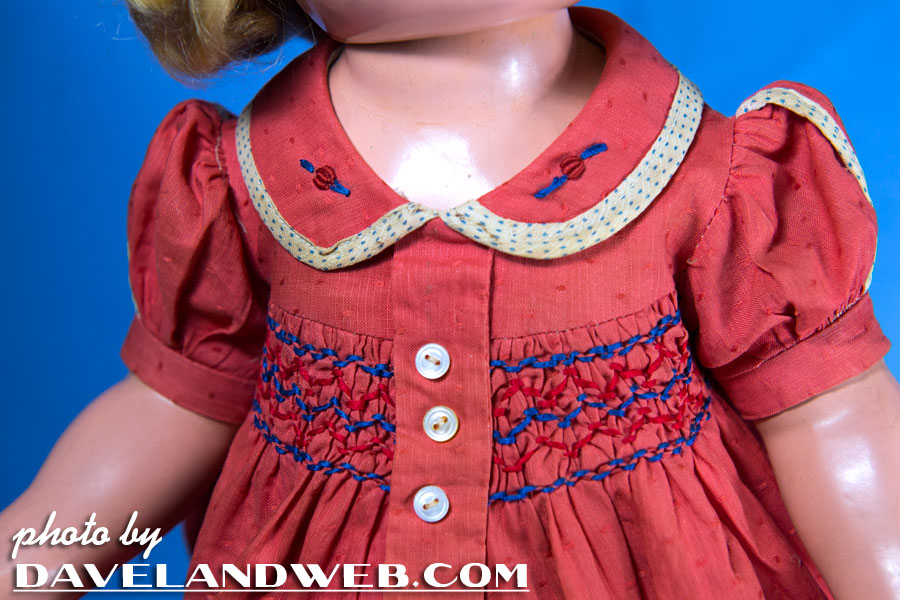
The dress Shirley is wearing would be made in doll-size for the popular Ideal composition toy that parents spent their hard-earned Depression era dollars on. Here’s the 20" version of that dress:


Check out the embroidery details! For a mass-market toy, this is true craftsmanship.


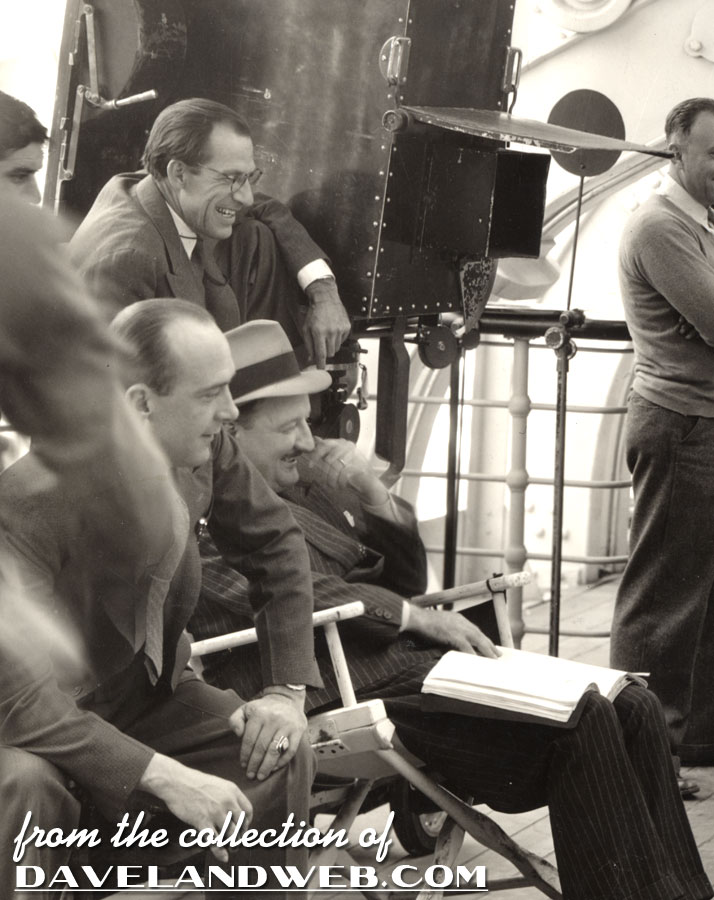
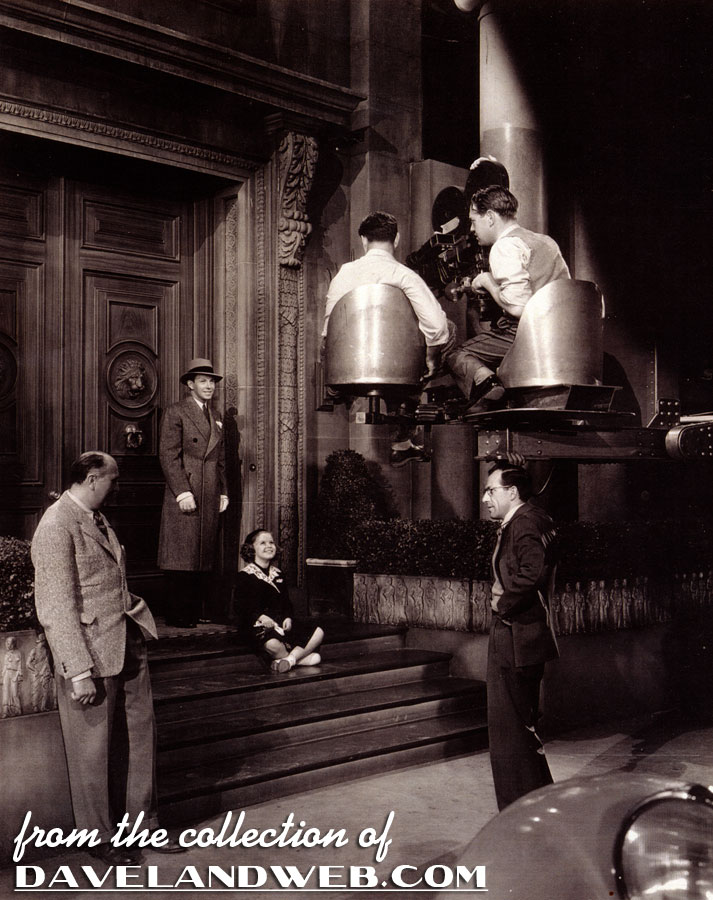
Back to the initial photo…in this detailed view, you can see cameraman Arthur C. Miller smiling on the left. No, not the one that married Marilyn Monroe.


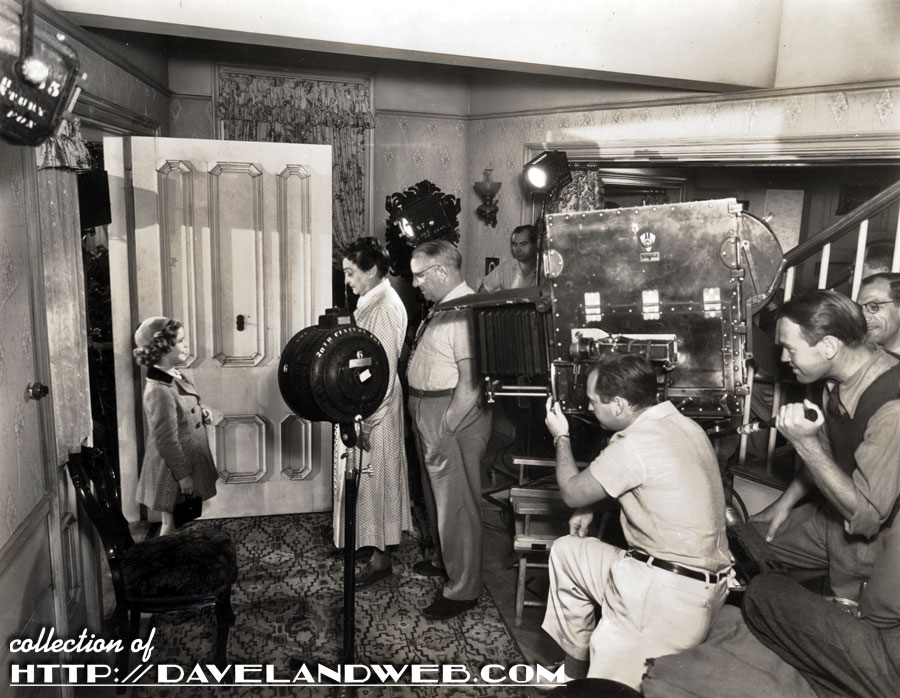
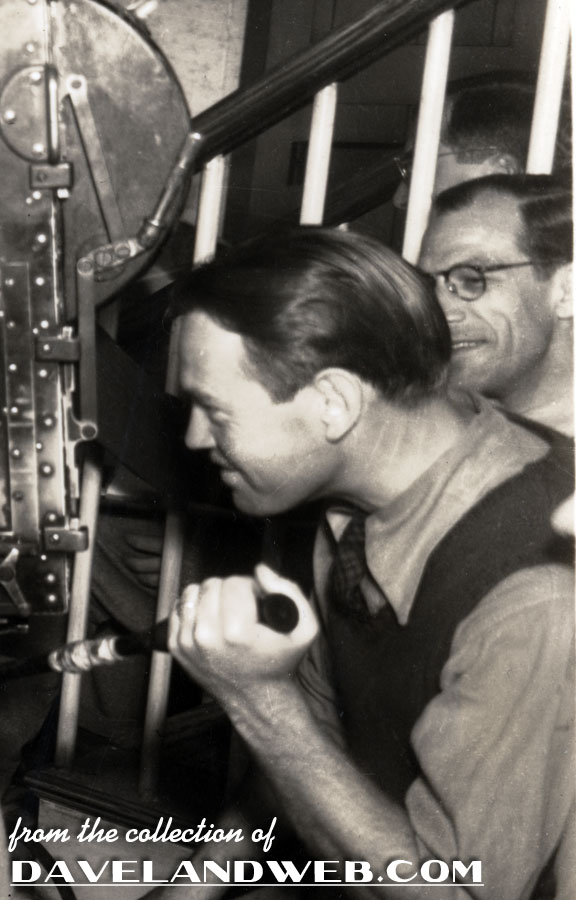
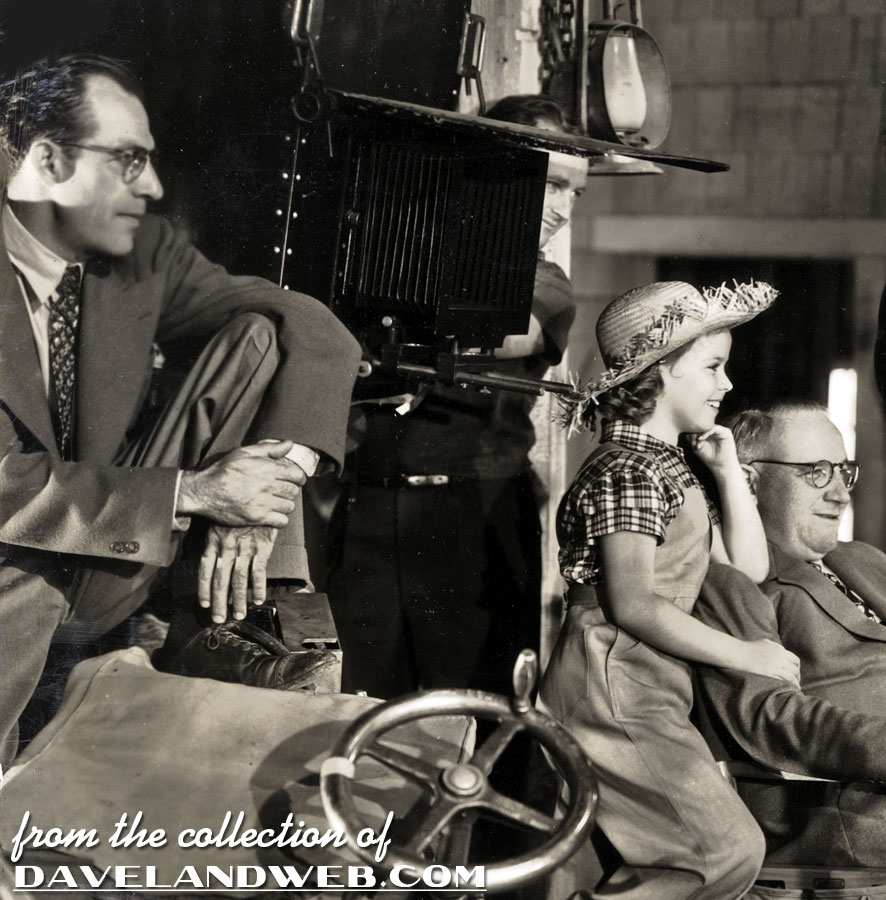
This Arthur Miller was born July 8, 1895 in Roslyn, New York, and was known as one of Hollywood's most accomplished lighting cameramen. He began his career at 13, serving as an assistant to cinematographer Fred J. Balshofer. Miller photographed the serial "The Perils of Pauline" in 1914, and then worked with legendary director Cecil B. DeMille. In 1932, Miller shot “Me and My Gal” for director Raoul Walsh, his first picture under a long-term contract he had signed with Fox Films. It was at Fox that he became associated with the two people with whom he would establish his lasting reputation: Shirley Temple and John Ford. Miller became Shirley's personal cameraman for each of her films, with “Bright Eyes” (1934) being the first. Miller created an aura around the tot's blonde locks by back-lighting her head, often lighting her in high key and the actor with whom she was playing in low key to heighten her allure. Miller would use a similar lighting scheme in 1943 to create a mystical effect with Jennifer Jones in “The Song of Bernadette,” which earned him the second of his two Academy Awards for black and white cinematography. Miller first worked together with John Ford in 1937 on Temple’s “Wee Willie Winkie.”  Ford gave Miller the freedom to light and photograph a picture the way he desired Their collaboration reached its height when Miller shot “How Green Was My Valley” (1941) for Ford. The typical camerawork at the time tended to emphasis a soft style, which was felt to be more artistic and painterly. Miller, who was a hyper-realist, preferred to create hard images, with deep shadows and brilliant highlights. A master of black-and-white photography, Miller gave his images a high glossiness and intense coloration. Both Miller and Ford won Oscars in 1942 for “Valley”; Miller for his cinematography and Ford for his direction. Miller's deep-focus cinematography on the picture beat out Gregg Toland's work for “Citizen Kane” (1941). Miller was very well-respected among his peers, being nominated for an Oscar for cinematography each year from 1940 through 1947, except for 1945. Though his mastery was in black and white, his second Oscar nomination was for the color cinematography of Shirley’s 1940 flop, “The Blue Bird.” Arthur Miller retired in 1951, later serving as president of the American Society of Cinematographers. In the 1960s he set up an extensive exhibit of vintage camera equipment for the ASC. Shoftly before his death, he finished making the documentary “The Moving Picture Camera.” He died on July 13, 1970, in Hollywood, California, from tuberculosis, eight days after his 75th birthday.

Here he is on the set of “Rebecca of Sunnybrook Farm” (1938):


Another one from the same film with Miller, Shirley, and director Allan Dwan:


And in “Little Miss Broadway” with director Irving Cummings (born Irving Caminsky), George Murphy, Shirley, and Miller:


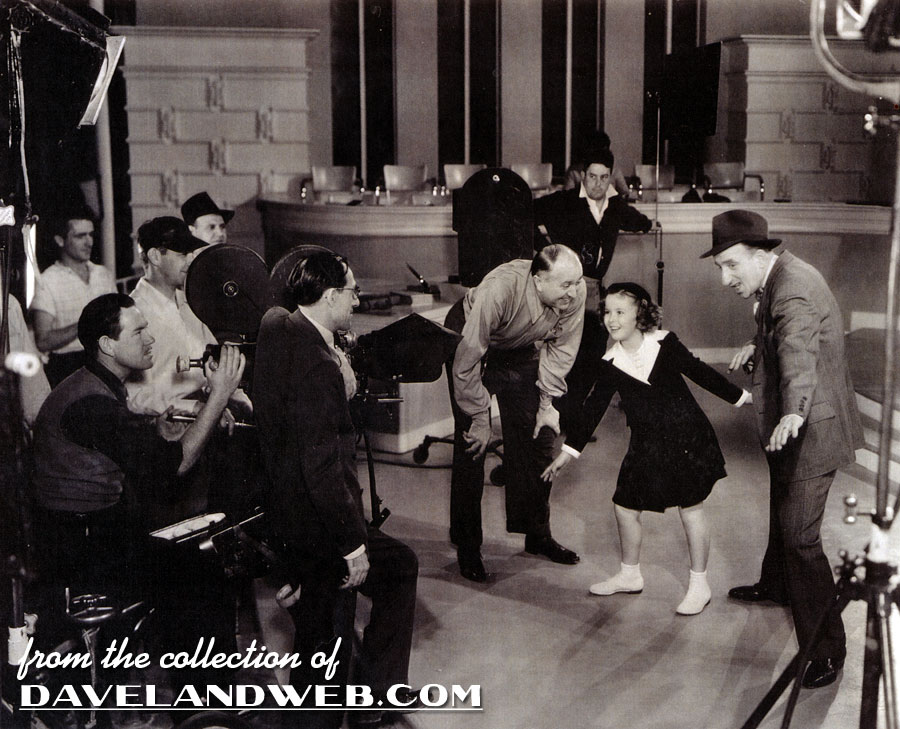
Miller at center, Cummings, Shirley, and Jimmy Durante on the right from “Little Miss Broadway”:


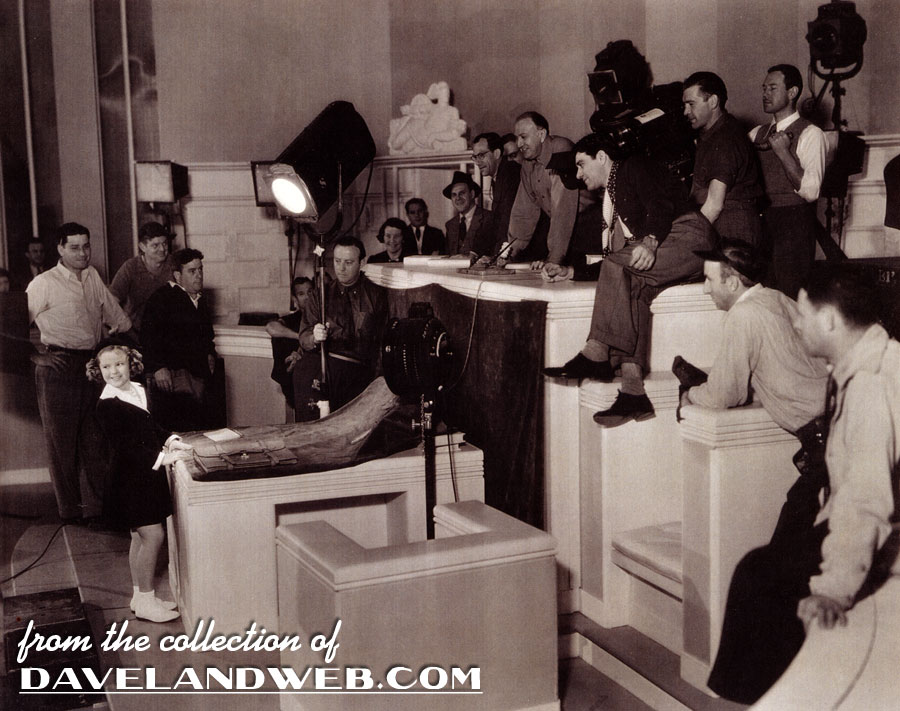
And one more from “Little Miss Broadway,” also from the courtroom scene at the end of the film:


See more Shirley Temple photos at my main website.

Monday, June 21, 2021

Miscellaneous Monday at Knott's Berry Farm


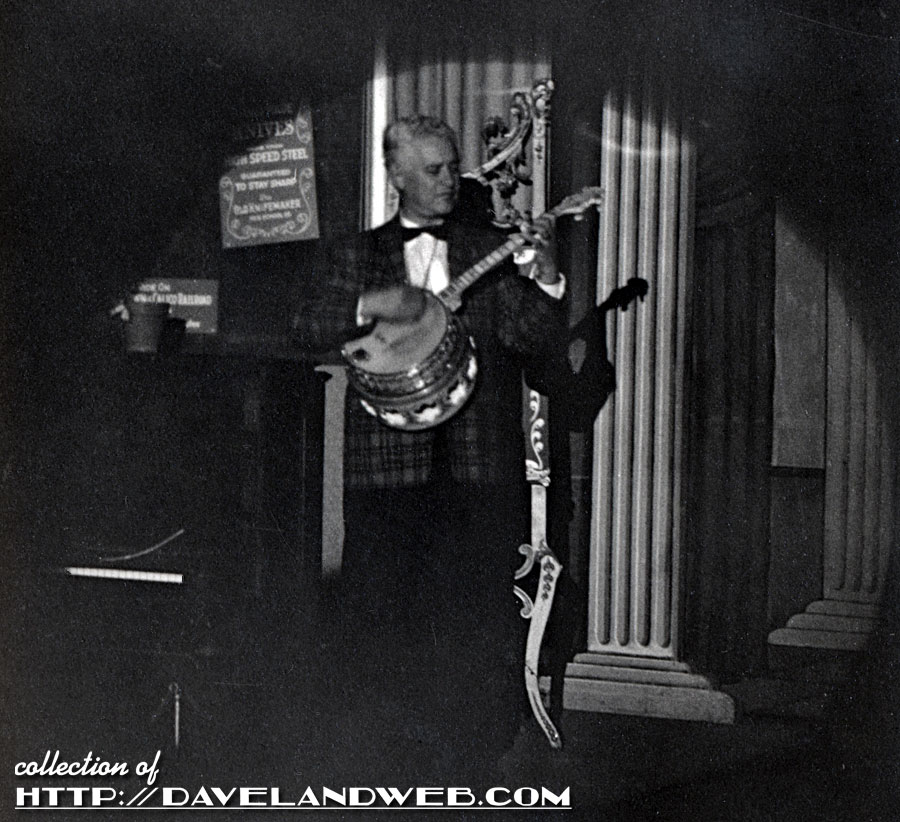
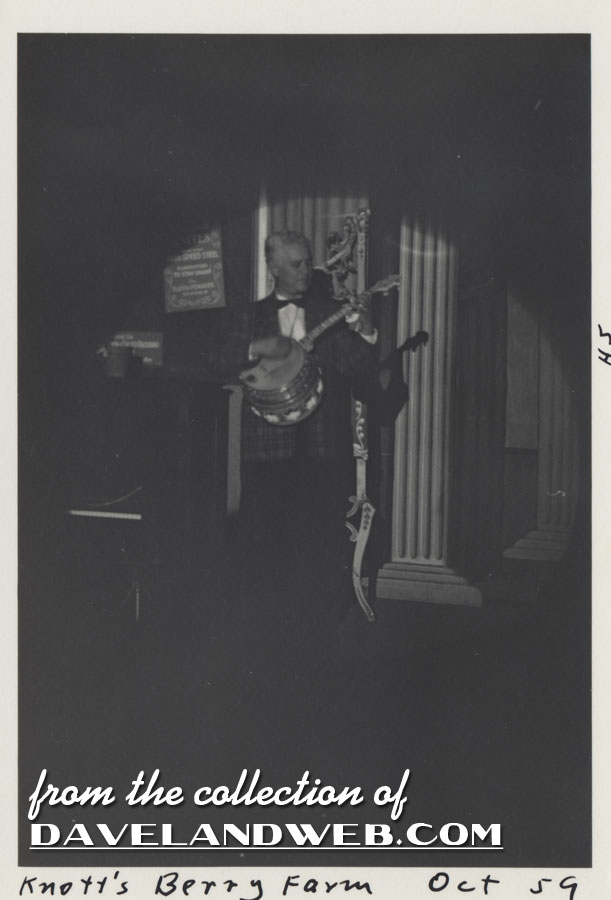
Since this October 1959 image came with a batch of Disneyland shots, I originally thought it must be from the Golden Horseshoe, except for the inscription which clearly states Knott’s. Comparing the stage/curtain to Disneyland, it most certainly is not a match…


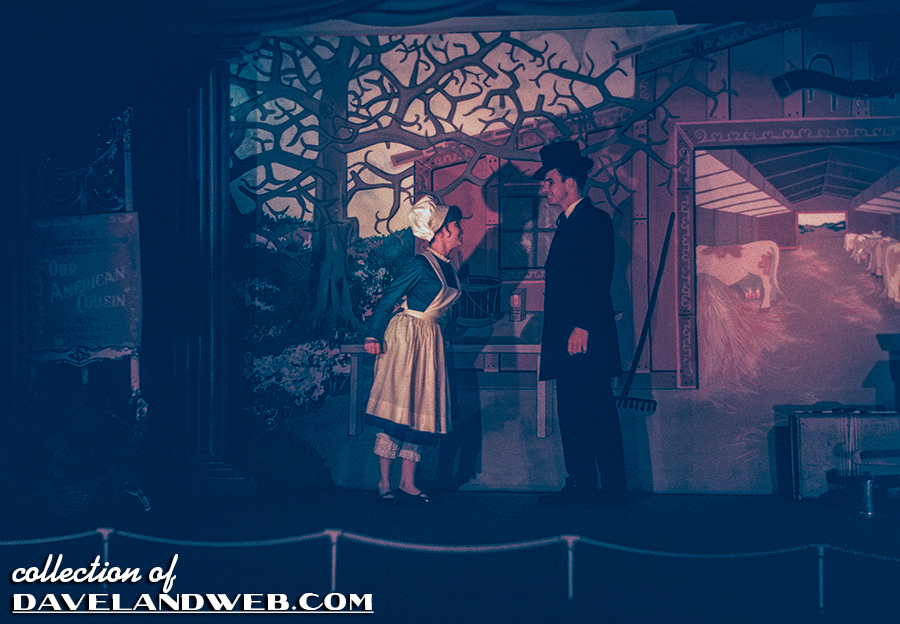
whereas it definitely matches this color shot of Steve Martin at the Birdcage from 1965:


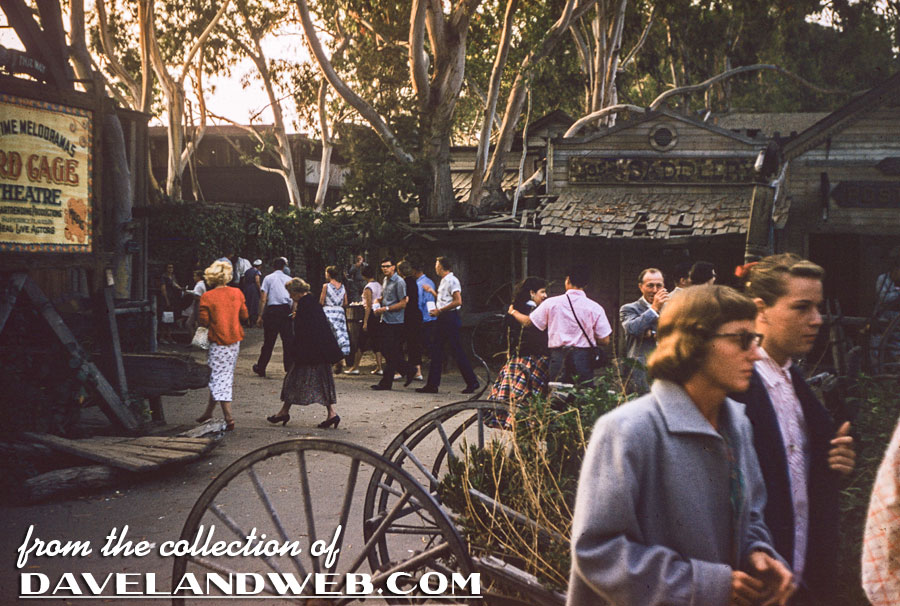
Note the sign on the left advertising the Old-Time Melodramas at the Bird Cage in this 1950s shot:


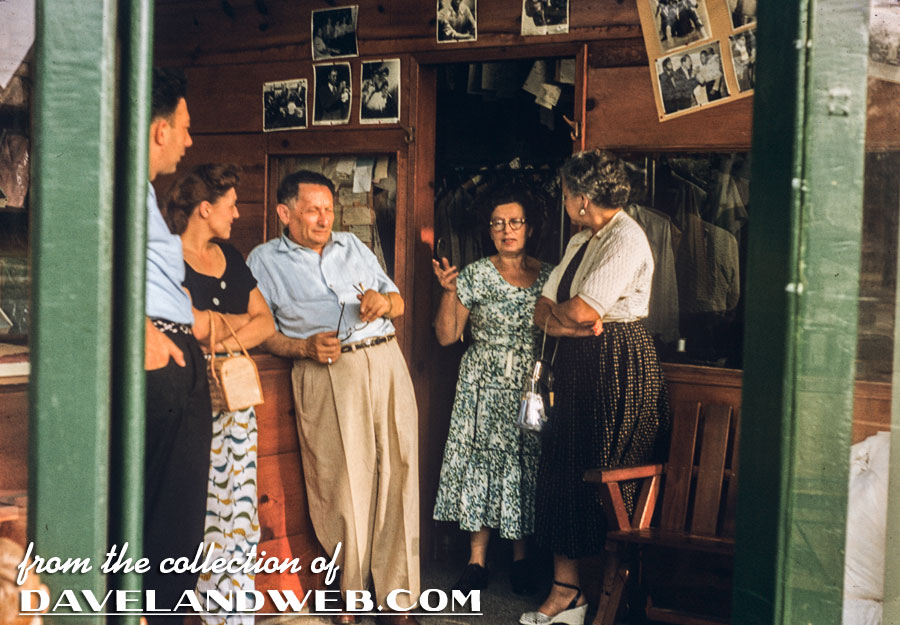
This 1956 photo is another shot in the dark (pun semi-intended).


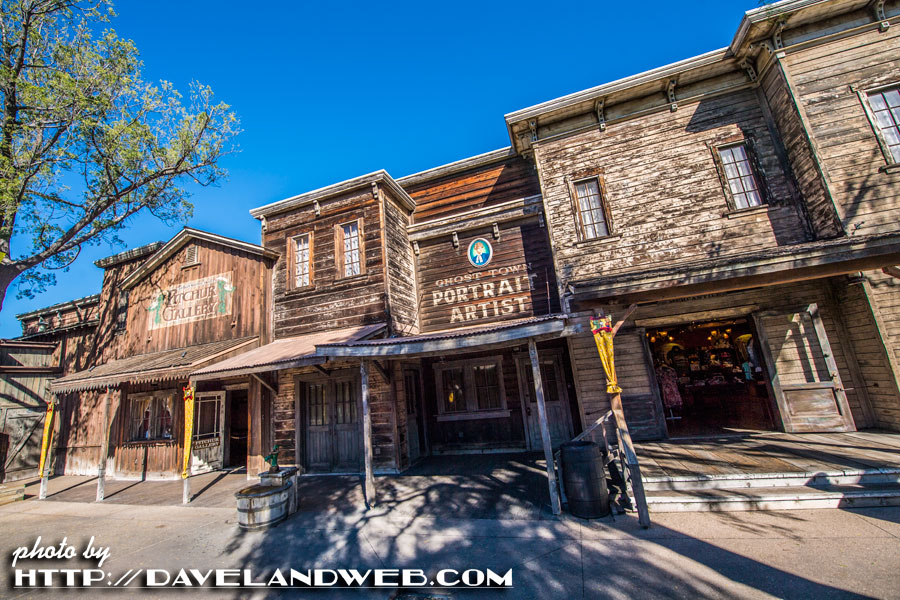
Perhaps it’s the Knott’s Berry Farm Pitchur Gallery?


The exterior of the Pitchur Gallery and Portrait Artist circa 2018:


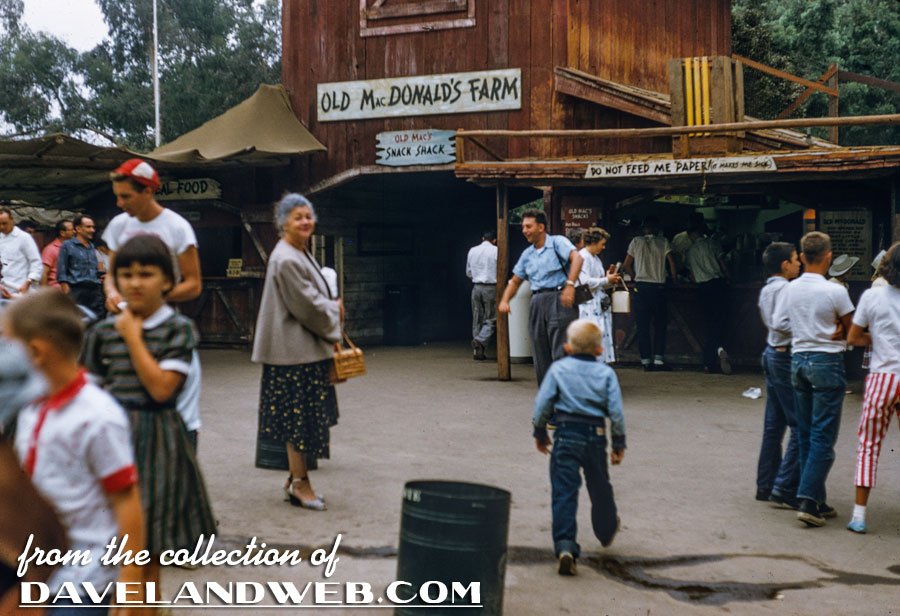
This 1956 photo will have you saying “E-I-E-O”:


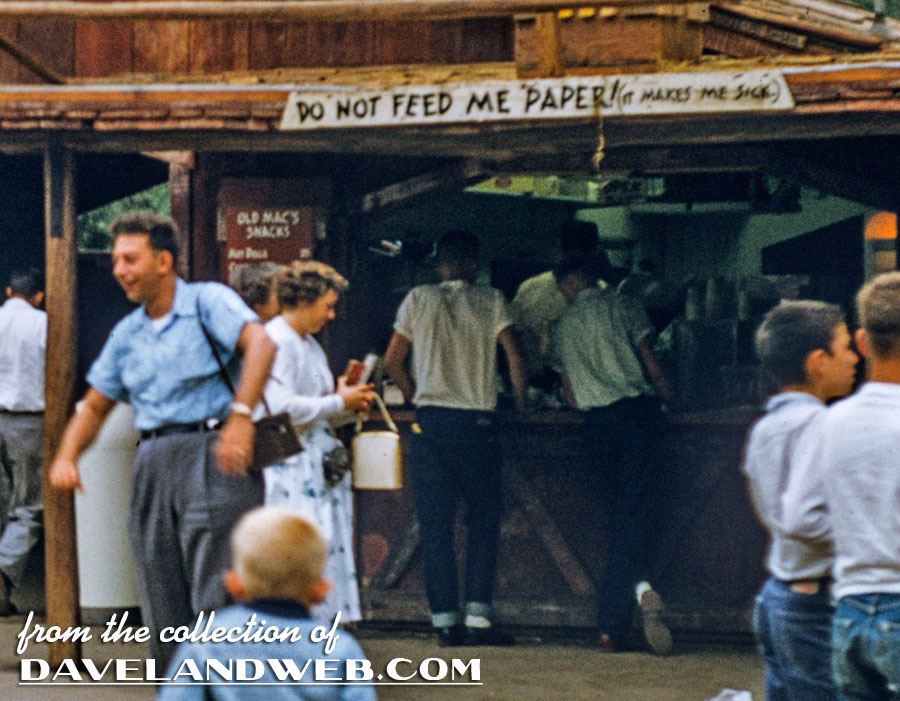
A closeup of the snack stand:


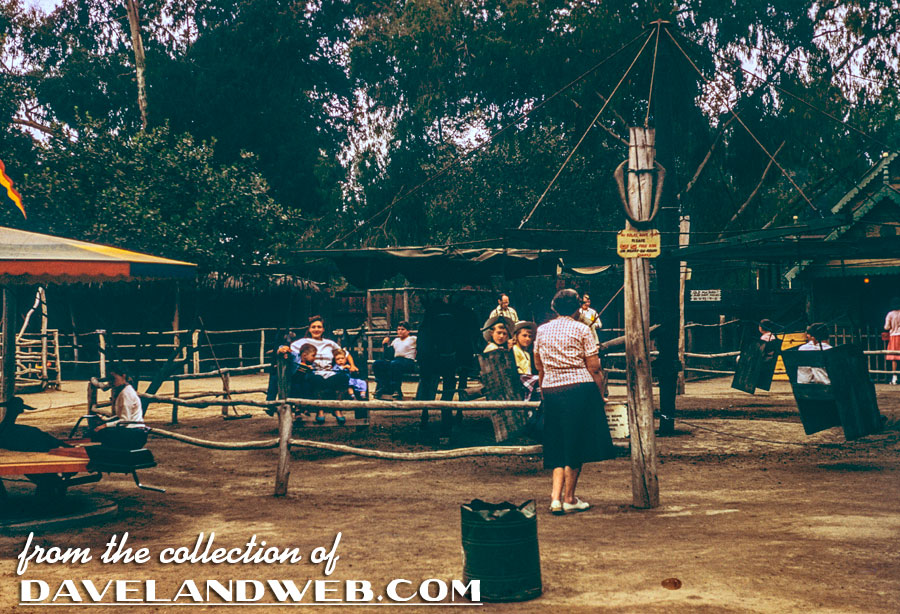
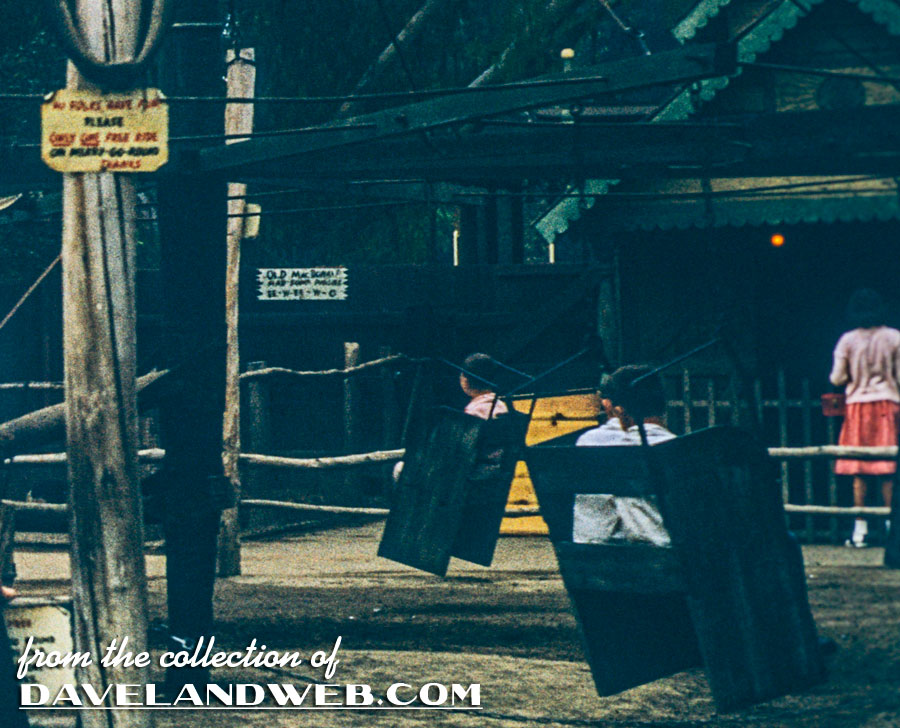
I wonder if these 1956 kiddie rides would pass a safety inspection today?


I can barely make out what the sign on the post at the left says; something about “No Folks … Please …Free Ride On Merry-Go-Round. Thanks.” Anyone…anyone?


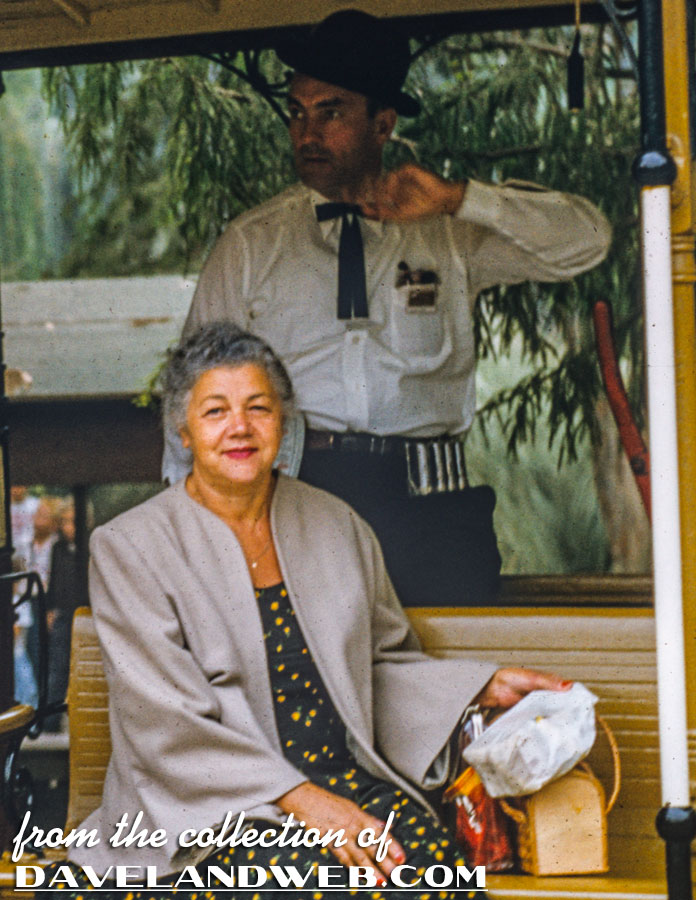
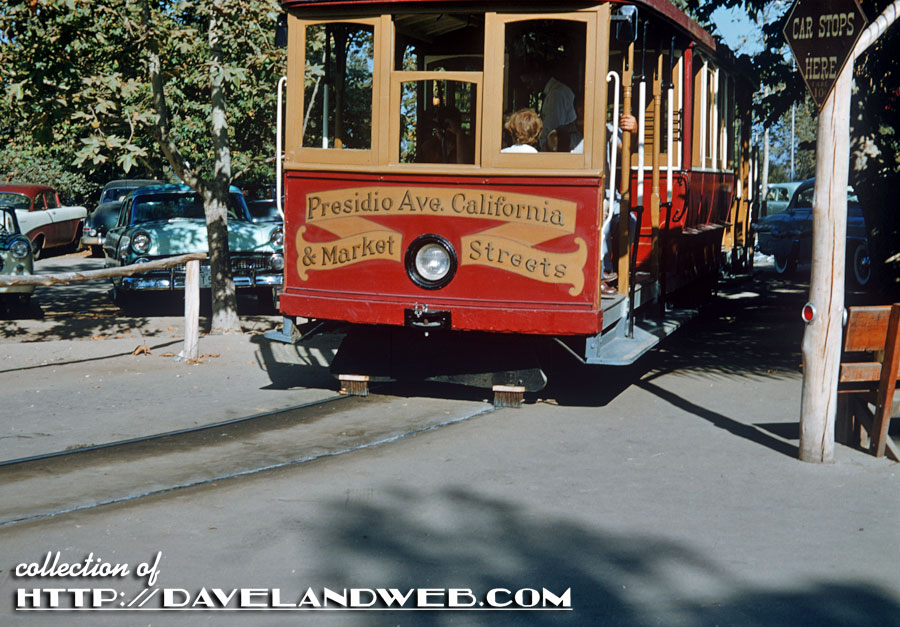
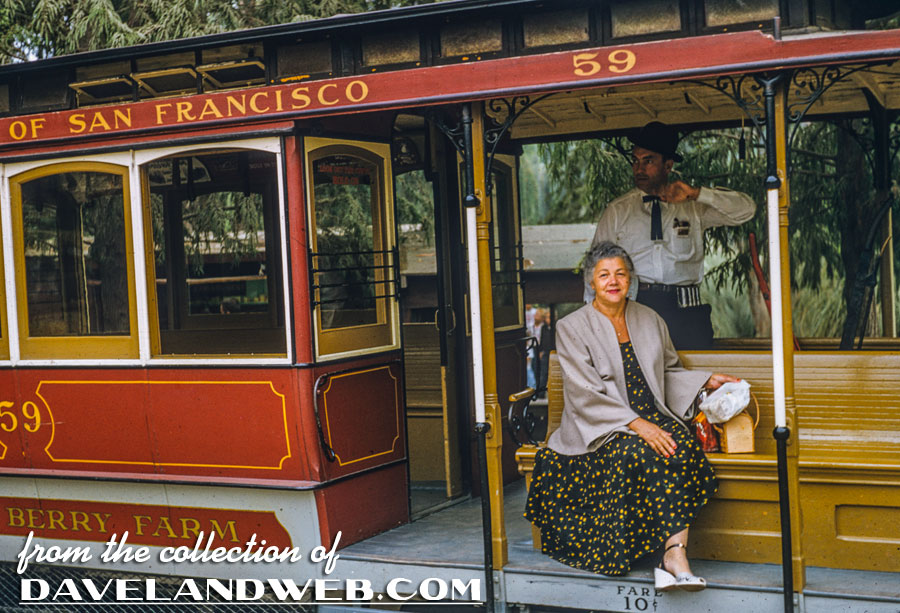
The authentic San Francisco Cable Car that functioned as a parking lot tram:


Wonder if she has any tasty snacks in those bags?


Another vintage 1956 shot from my collection of the SF Cable Car at Knott’s. Apparently these were removed in 1979 and went back to San Francisco.


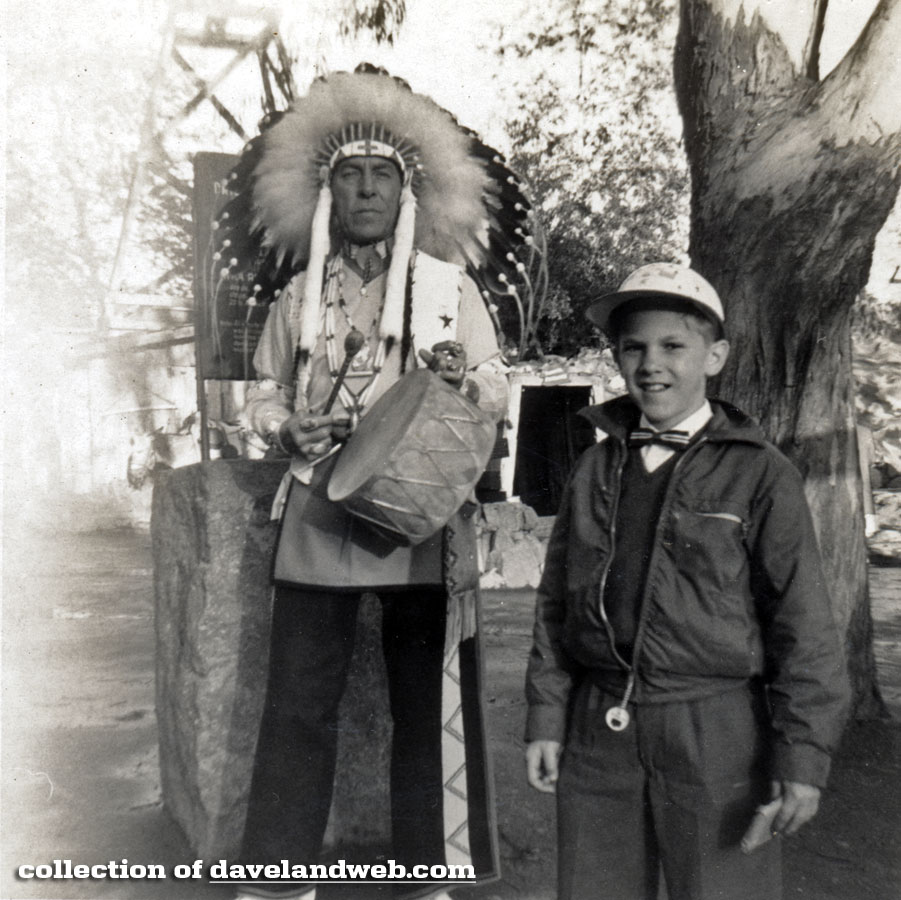
Last one for today is a 1957 shot of a little boy posing with one of the Indians at Knott’s…and he had the audacity to wear what appears to be a Disneyland Keppy Kap!


See more vintage and contemporary Knott's Berry Farm photos at my main website.

Friday, June 18, 2021

Flying Saucer Friday


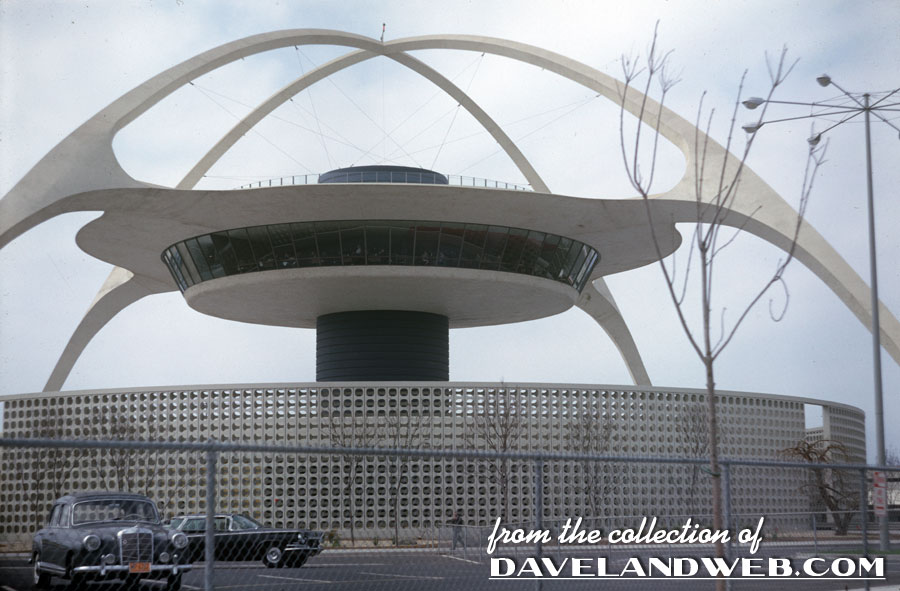
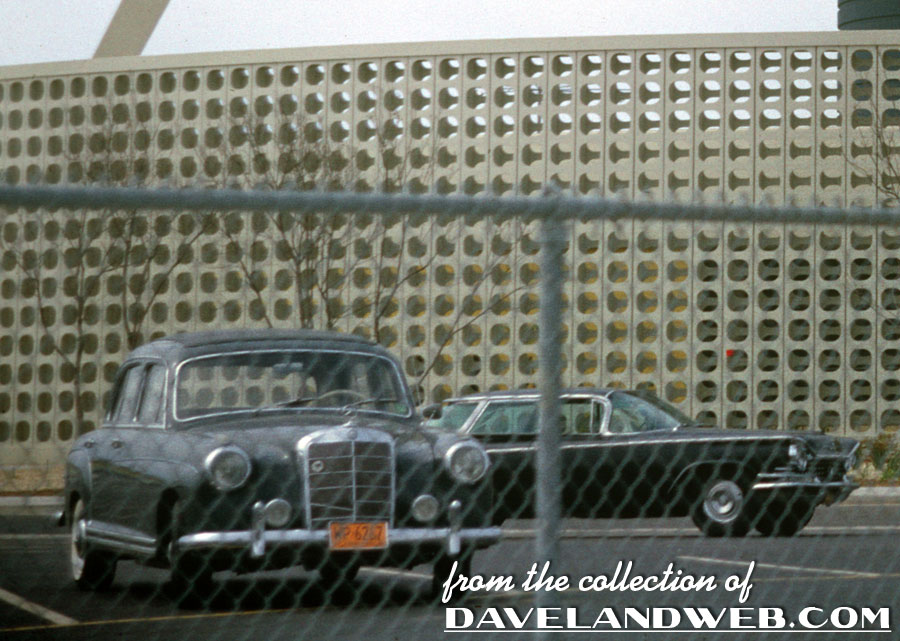
It’s not truly a Flying Saucer, but it sure looks like one! Here’s a vintage shot of Theme Building at LAX from April 1962, less than a year after it opened. Dig that Mercedes Benz in front!


The original airport design was created by James Langenheim of Pereira & Luckman in 1959, but was apparently too ambitious. William Pereira, Charles Luckman, Paul Williams, and Welton Becket stepped in with the revised plan, which included the Theme Building built on the spot that was intended for the original airport terminal, as a reminder of the initial design. The futuristic Theme Building was dedicated on June 25, 1961 by Vice President Lyndon B. Johnson. Contrary to reports, the building’s restaurant never revolved. The structure was dedicated on June 25, 1961, by Vice President Lyndon B. Johnson.

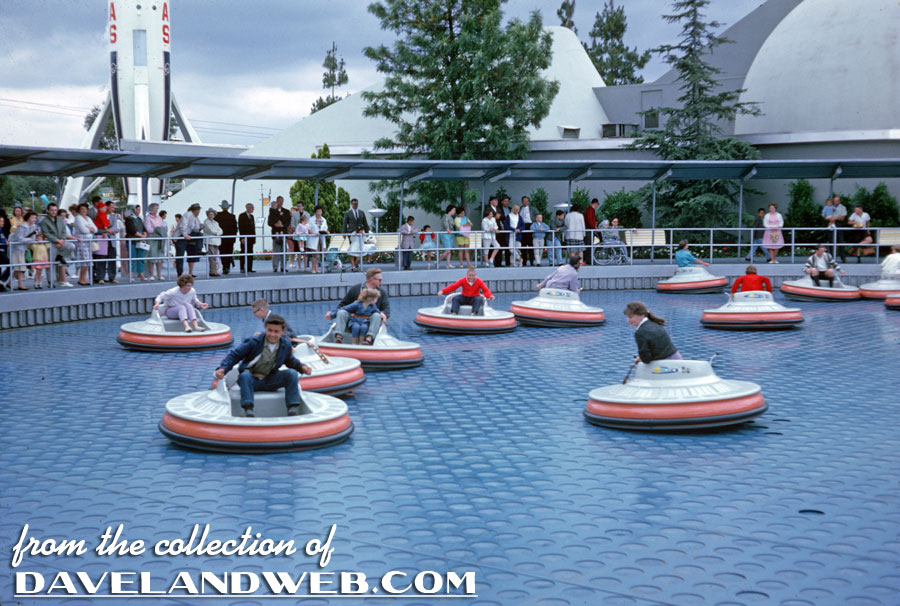
Interestingly enough, Disneyland’s Flying Saucer attraction opened about the same time, August 6, 1961.


Saucers must have been on the brain in 1961! Thanks for the memory jolt, KS!

See more LAX photos at my main website.

Wednesday, June 16, 2021

Disneyland Has Character, Pt. 2


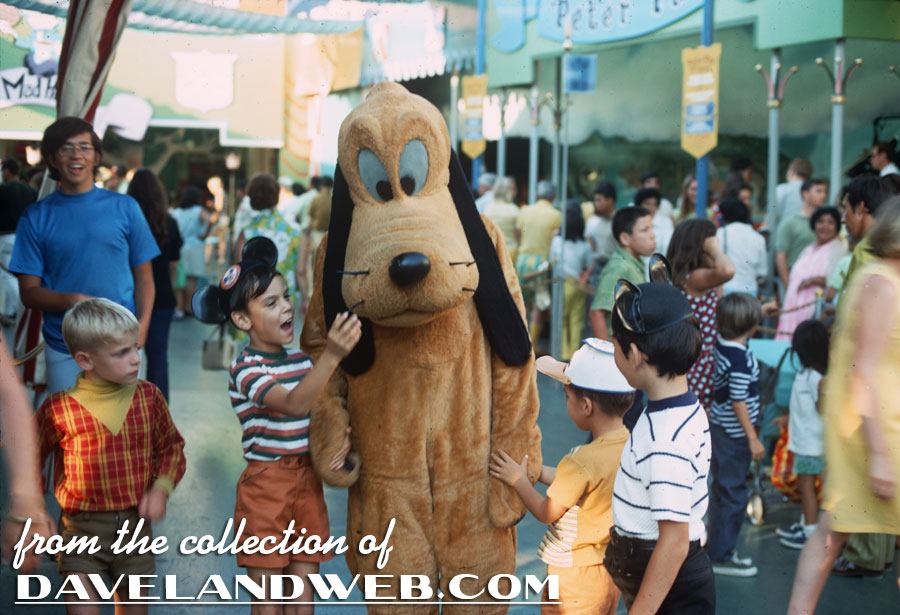
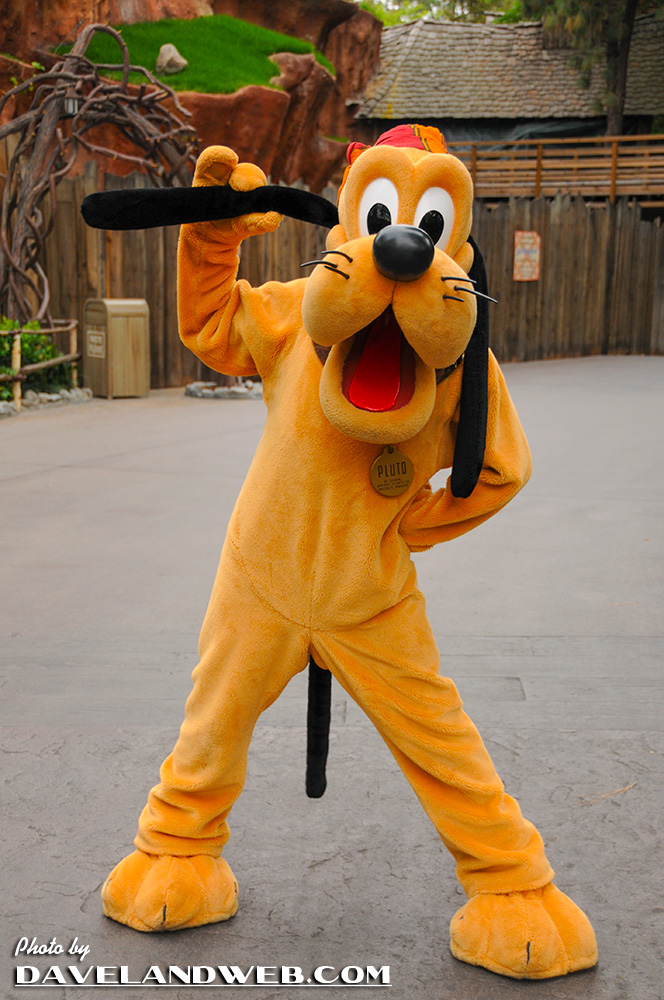
I’m still basking in the glow of 1970’s Disneyland, which is when this March 1971 image of Pluto in Fantasyland hails from. Standing outside of the Peter Pan attraction, Pluto is mobbed as a little varmint gets ready to squeeze his nose. Squeeze this, pipsqueak!!

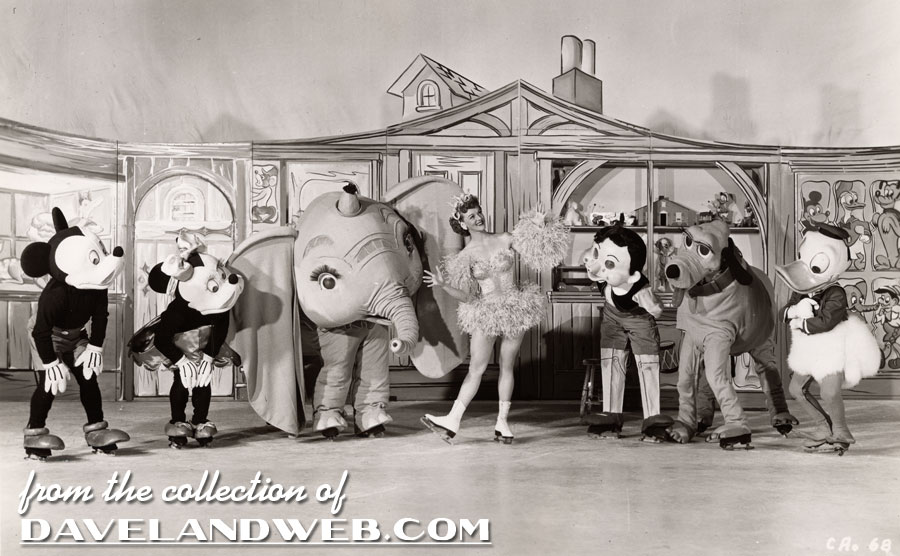
The original costumed characters at the Park were borrowed from the Ice Capades; although Mickey and Minnie looked like zombie-eating beasts…


Pluto wasn’t too bad:


I shot this one of Pluto in 2011 when “On Stranger Tides” premiered at Disneyland:


As a dog lover, Pluto has always held a special place in my heart.

See more Disneyland characters photos at my main website.

Tuesday, June 15, 2021

Temple Tuesday: Shirley’s Lost Block


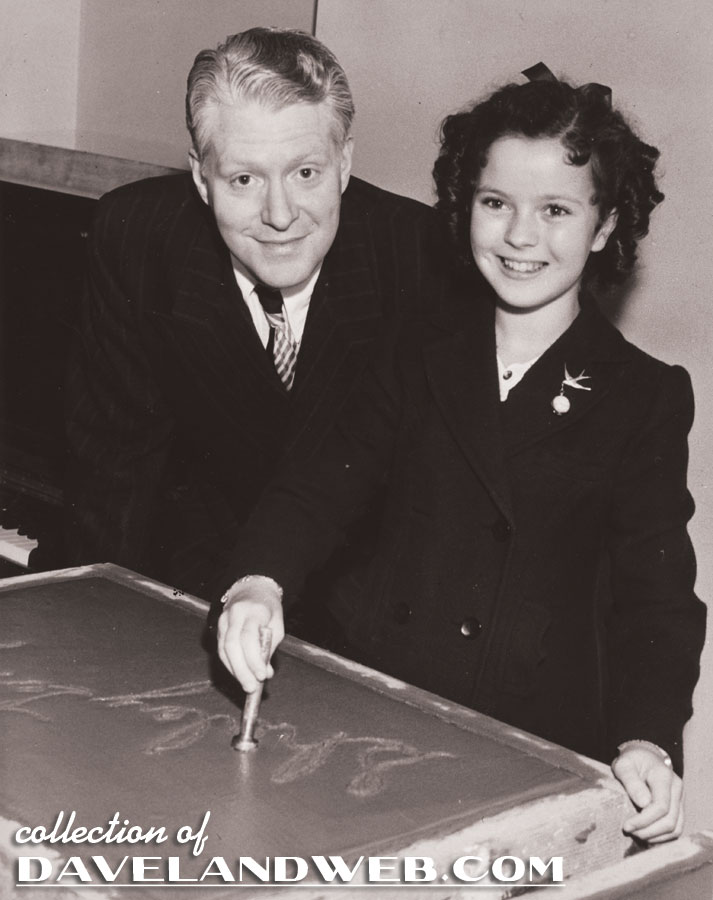
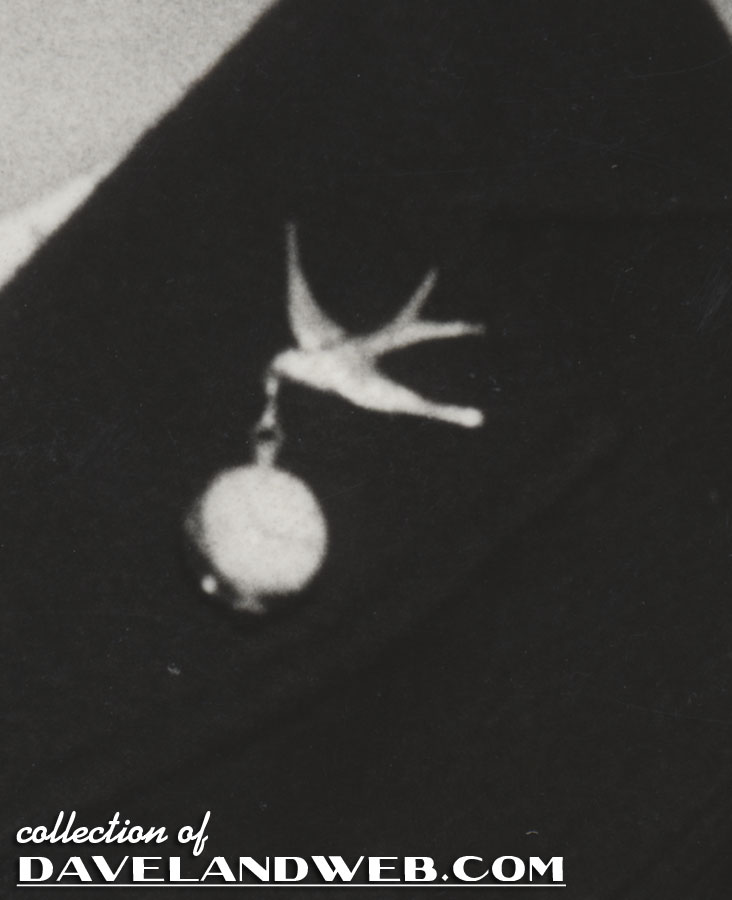
Besides the mystery drumhead, Shirley Temple also signed a cement block when she performed “The Blue Bird” on Christmas Eve 1939 as part of The Screen Guild Theater with Nelson Eddy. What happened to Shirley’s bird jewelry is a mystery, as it didn’t show up at any of the family estate auctions.


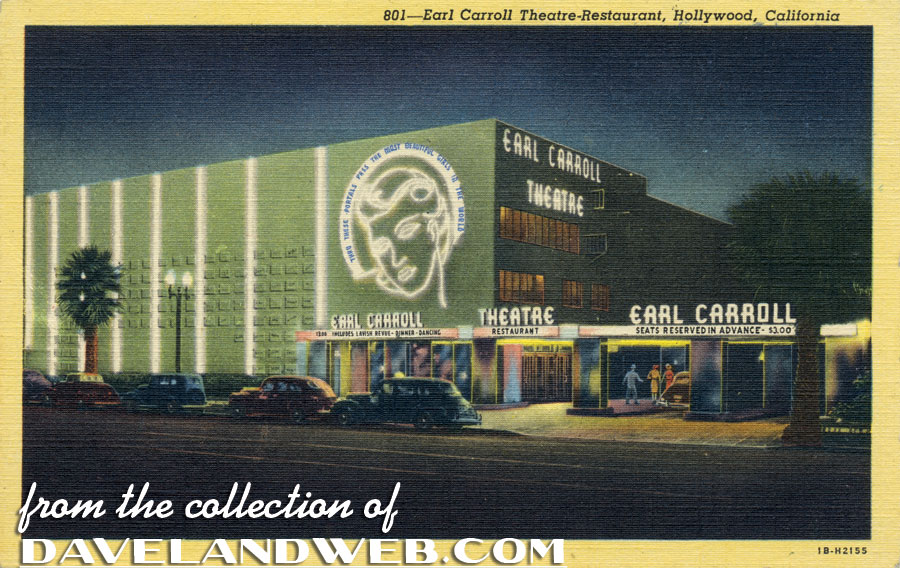
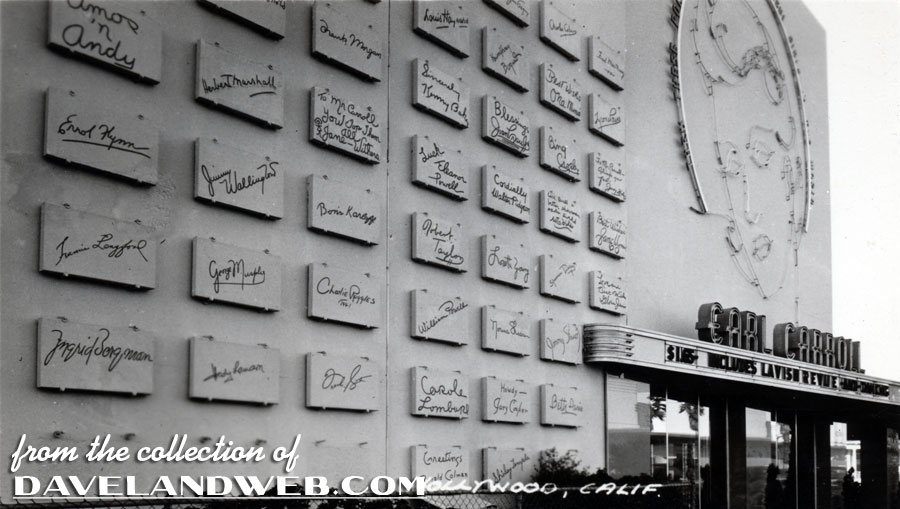
What isn’t a mystery is where Shirley’s performance took place, which was the Earl Carroll Theatre on Sunset Boulevard:


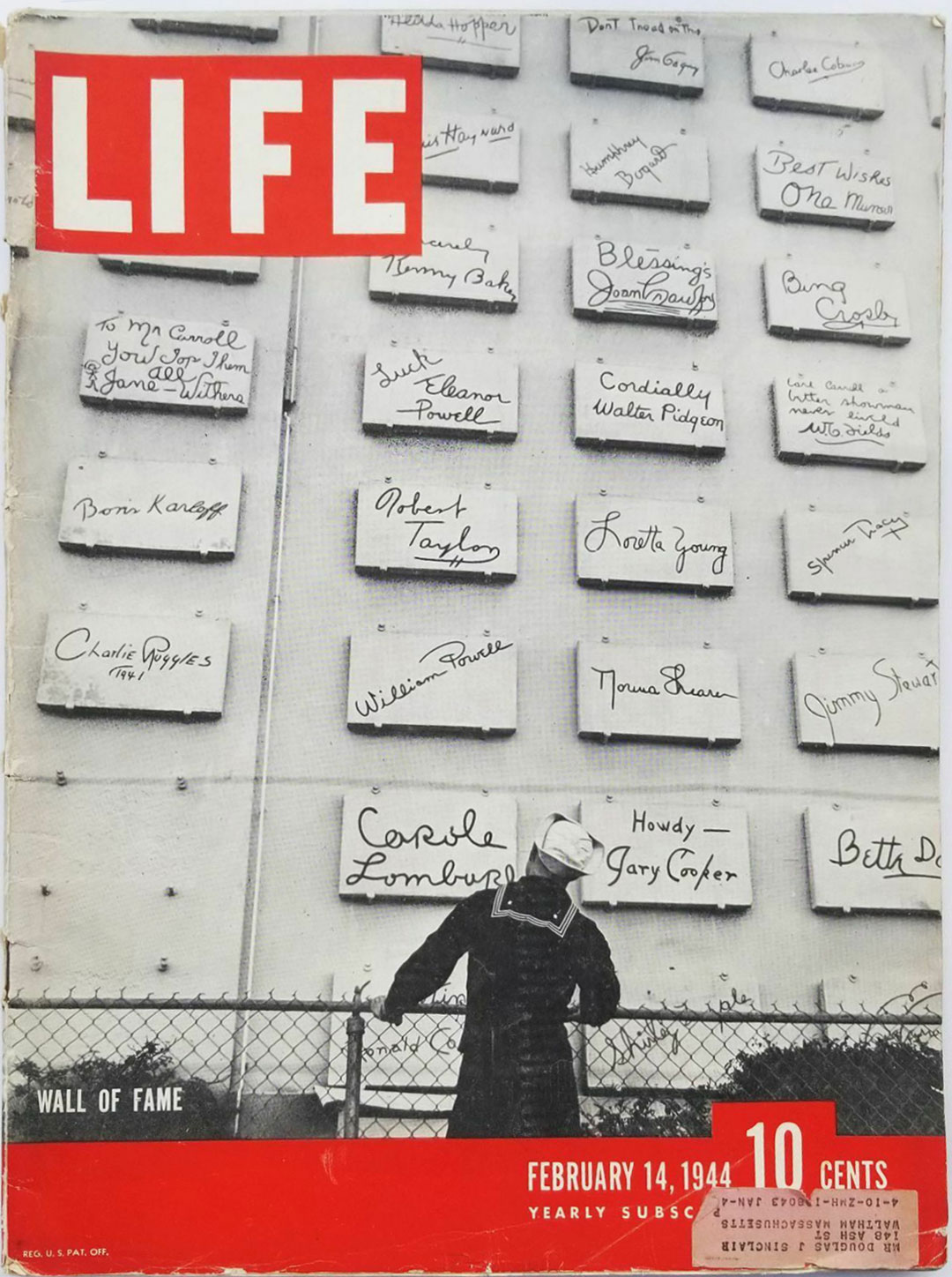
The Theatre was known for its Wall of Fame, which included signed cement blocks from the era’s biggest celebrities, such as Joan Crawford and Clark Gable.


This 1940 Ansel Adams photo shows the position of Shirley’s block, which was located on the bottom row between Earl Carroll and Ronald Colman.


The Wall of Fame even made the cover of LIFE magazine, February 14, 1944, which technically means Shirley was on the cover four times (also in 1938, 1942, and 1958). As the years went by, her block was obscured by the fence and the hedges in front.


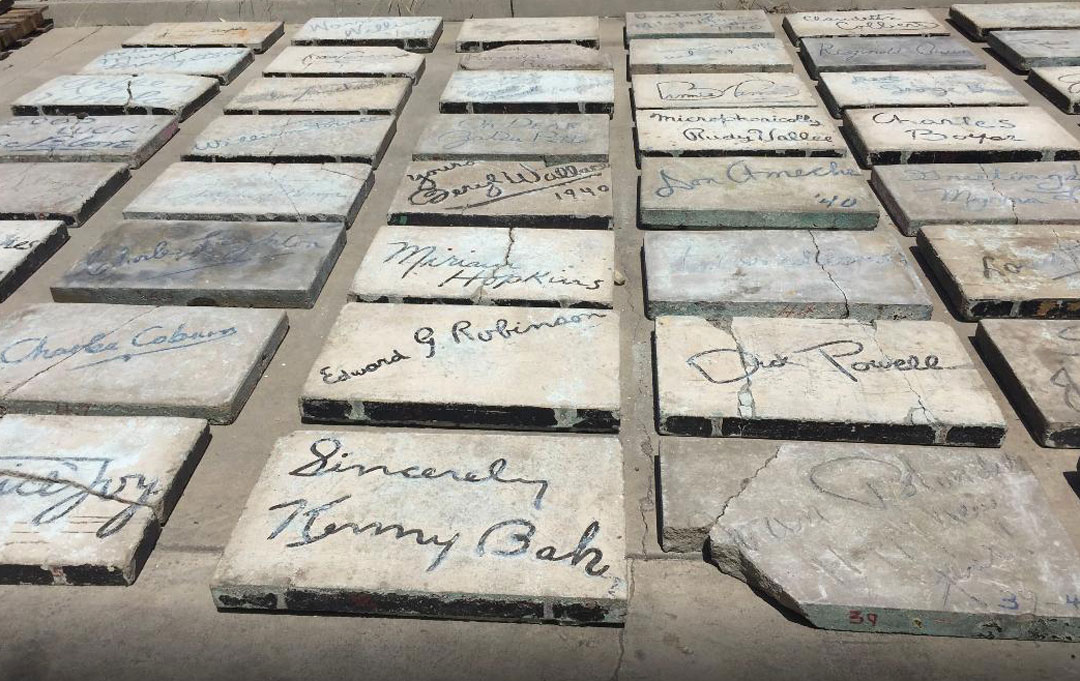
The theatre changed hands in 1968 and the blocks were removed and stored in the basement. Not all of them came off very easily and some were broken during the removal process. I located the owner of approximately 80 or so of the blocks; unfortunately, Shirley’s is not among that grouping.


Apparently Milt Larsen, founder of the Magic Castle, once had a large grouping of the blocks. Here’s the response I received from a representative of Milt’s when I attempted to see if he still had Shirley’s:

Milt does not have any of the cement blocks; the broken ones were taken by the late Gene Autry. Milt did piece them together and did tracings, which were mounted on styrofoam blocks, that looked like cement, which were mounted at the old Variety Arts Building in downtown LA. They were removed when he gave up that location. They are in our storage unit.

The rep had no idea if Shirley’s had ever been in Milt’s collection, nor did he seem to have an easily accessible inventory list. I hate dead ends.

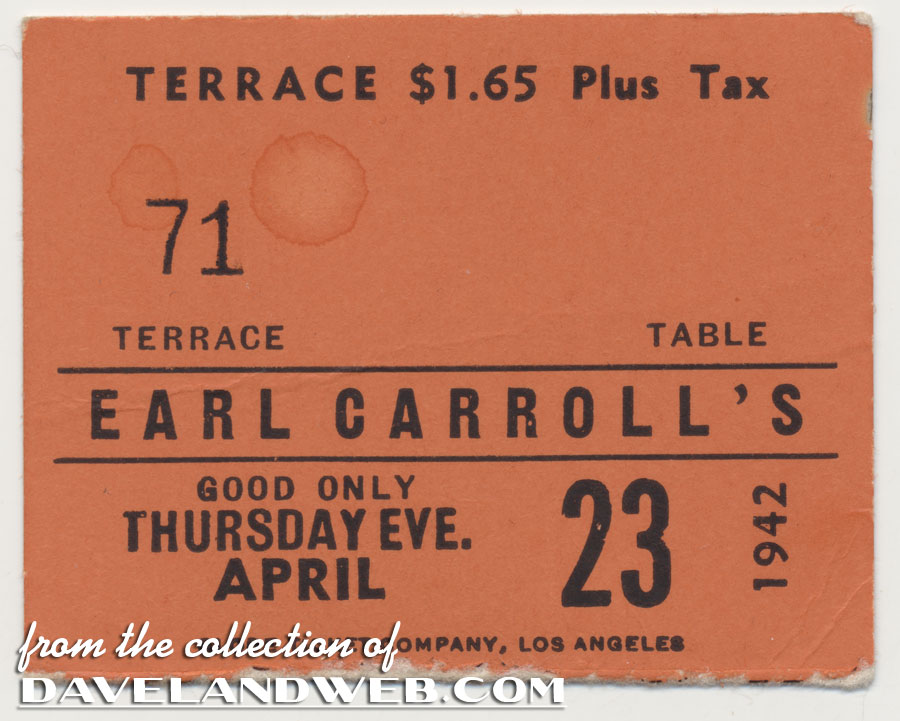
On a related Shirley note, here’s a vintage ticket from the Earl Carroll Theatre which just happened to be on Shirley’s 14th birthday, April 23, 1942:


See more Shirley Temple photos at my main website.

Monday, June 14, 2021

Disneyland Has Character, Pt. 1


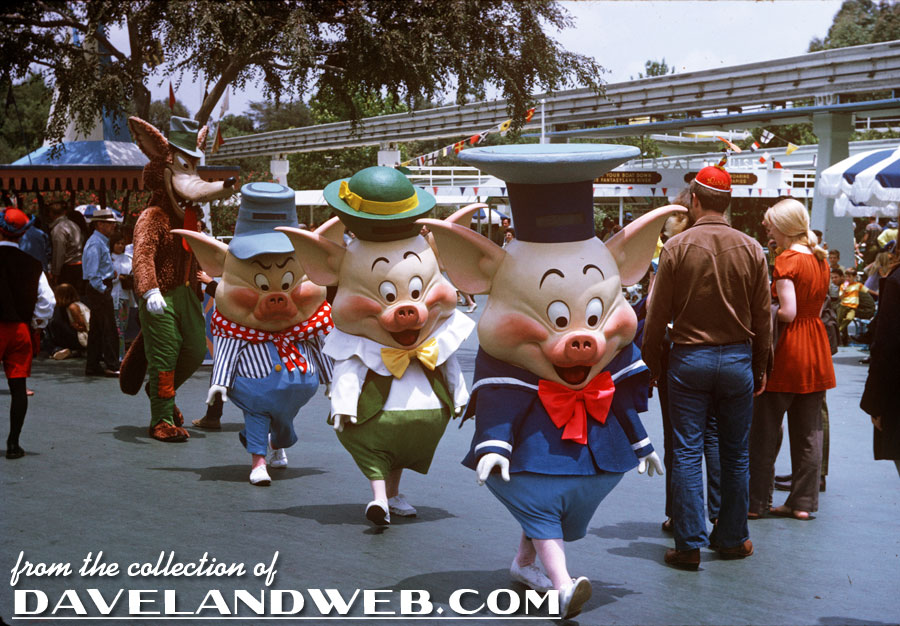
A June 1970 shot of the Three Little Pigs. This version of the Pigs is special to me because this is exactly how they looked when I met them at my first visit to the Park, December 1970.

Here’s a closer look at one of them:


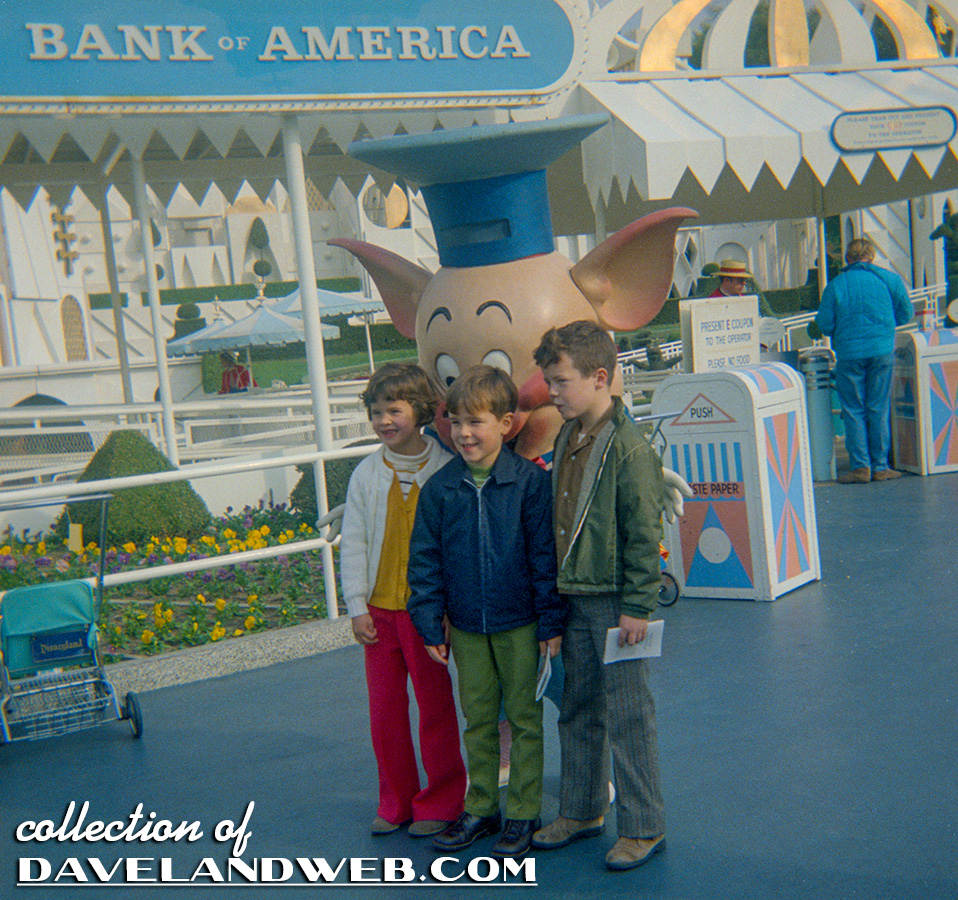
Here I am, posing with my cousins:


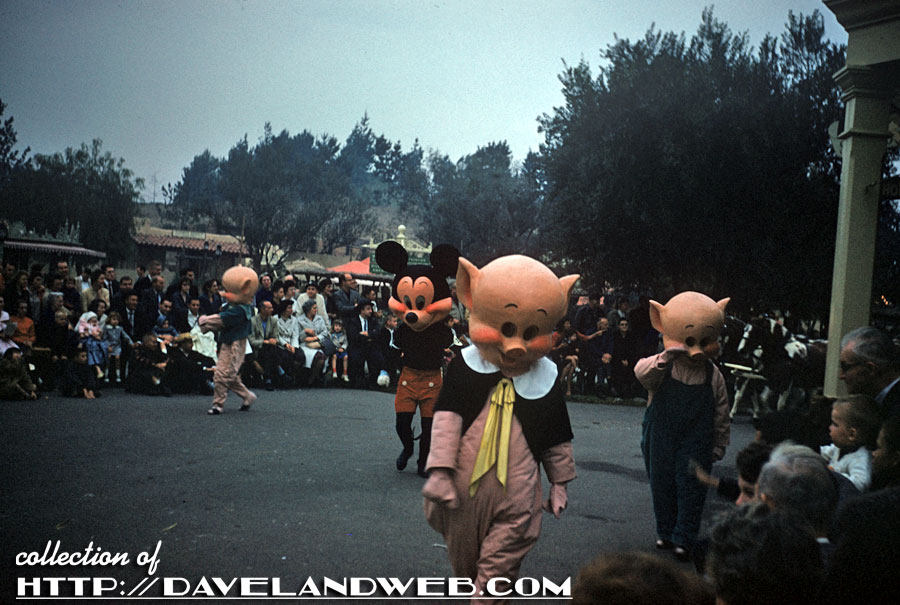
…and how The Pigs looked during the early years, circa 1959:


See more Disneyland Character photos at my main website.
Thursday, June 10, 2021

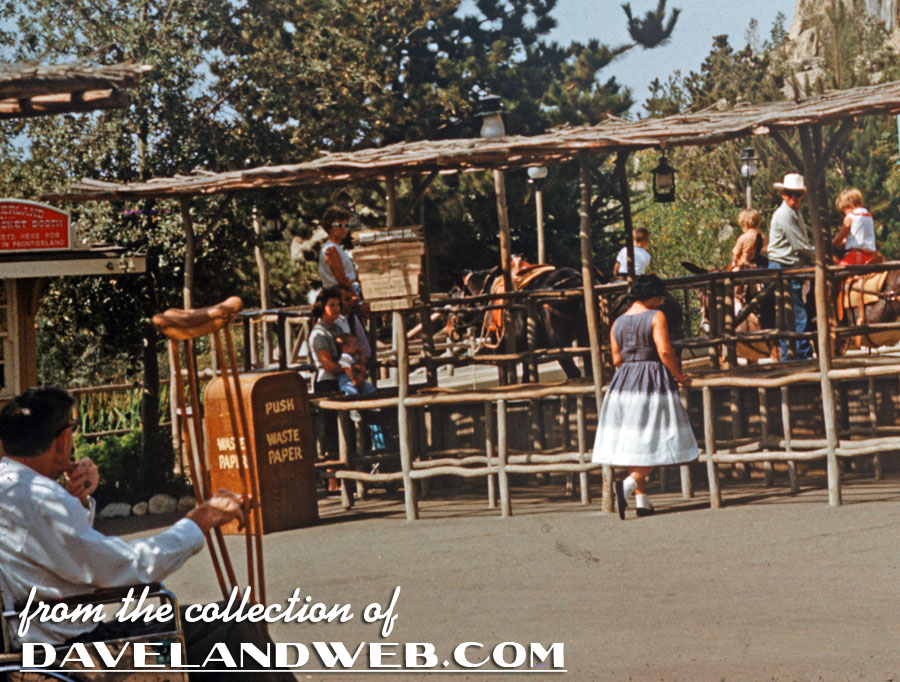
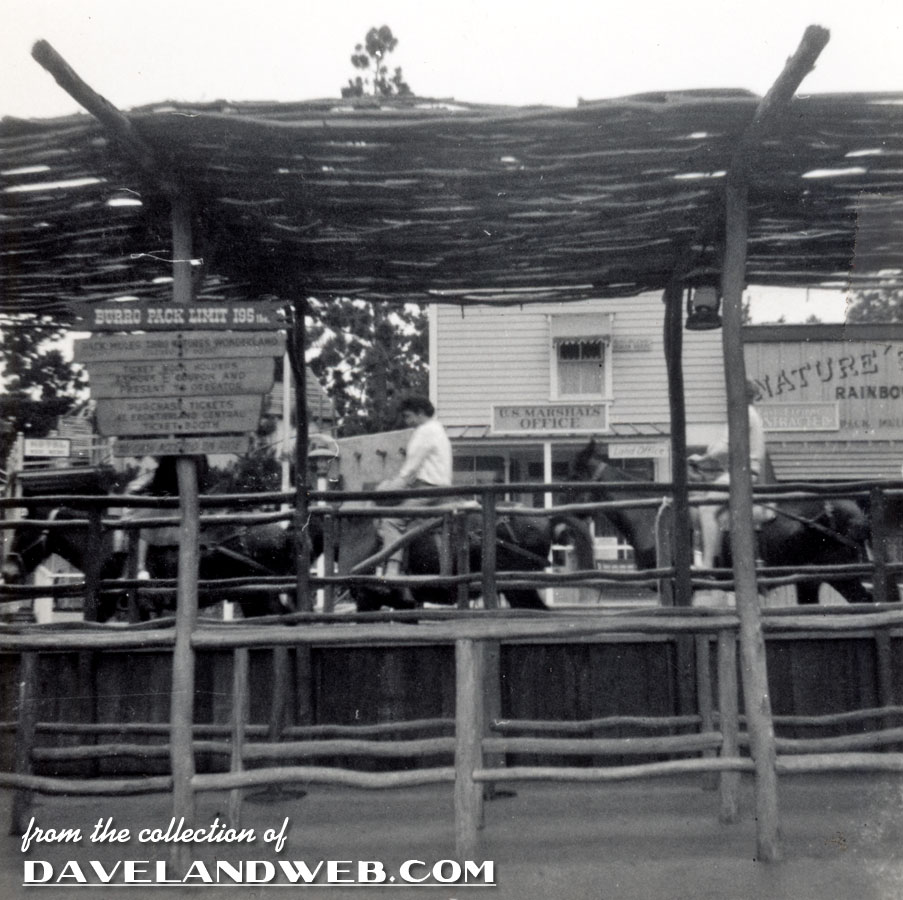
Disneyland Pack Mule Entrance, 1961


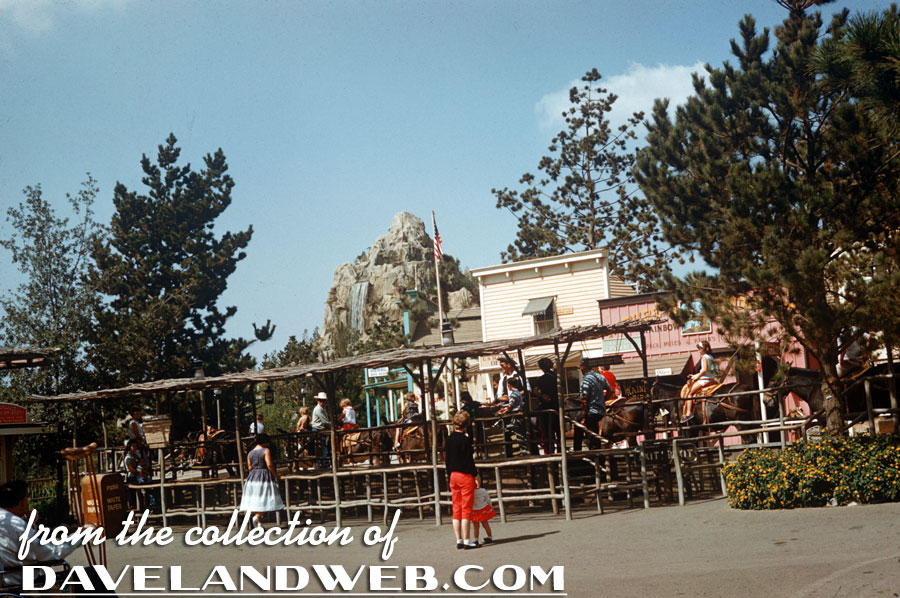
I’m all about capturing that sense of entrance, and finally I have a decent color shot of the queue for the Pack Mule attraction. Yes, these are the things I am fueled by. This October 1961 shot also captures a man sitting patiently with his crutches. Maybe he had fallen off one of the mules already.


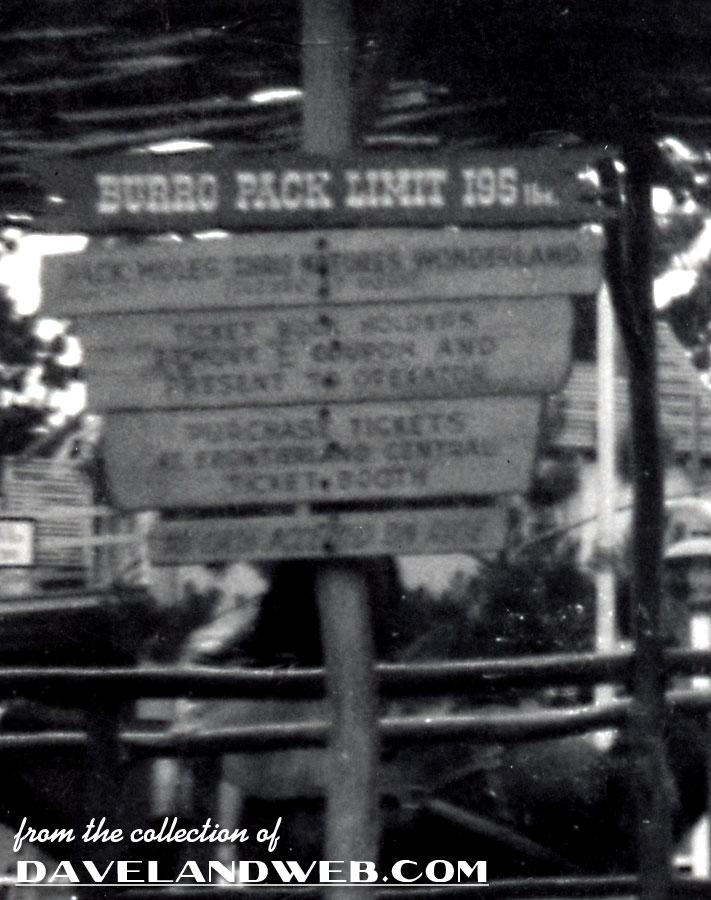
Here’s the undated shot I already had in my collection. Yes, I’m all about the upgrade.


This one does give a better view of the signage though, which is also high on my priority list. I would just barely make the weight limit of 195. Good thing I skipped dessert last night.


See more vintage Disneyland Pack Mule attraction photos at my main website.
Wednesday, June 09, 2021

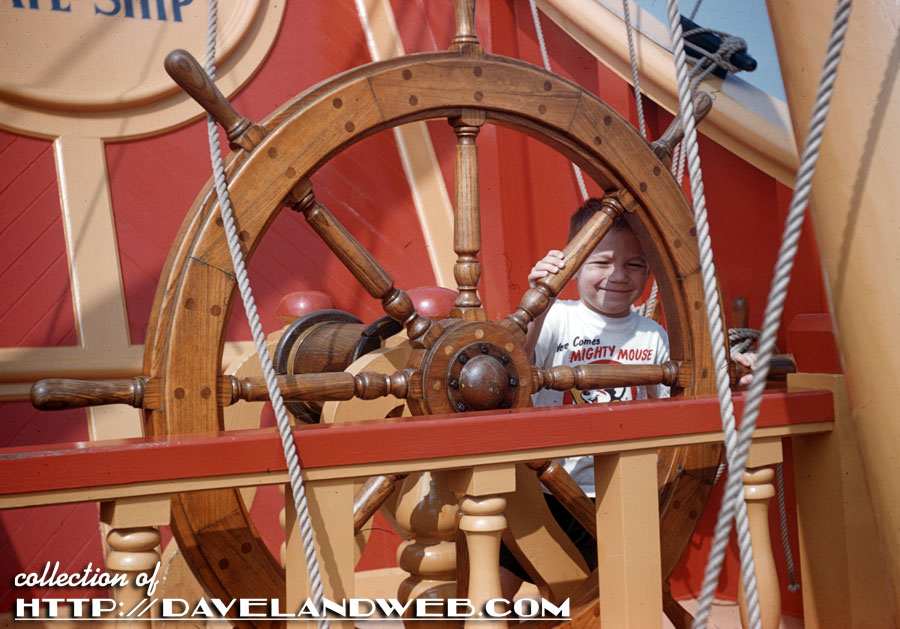
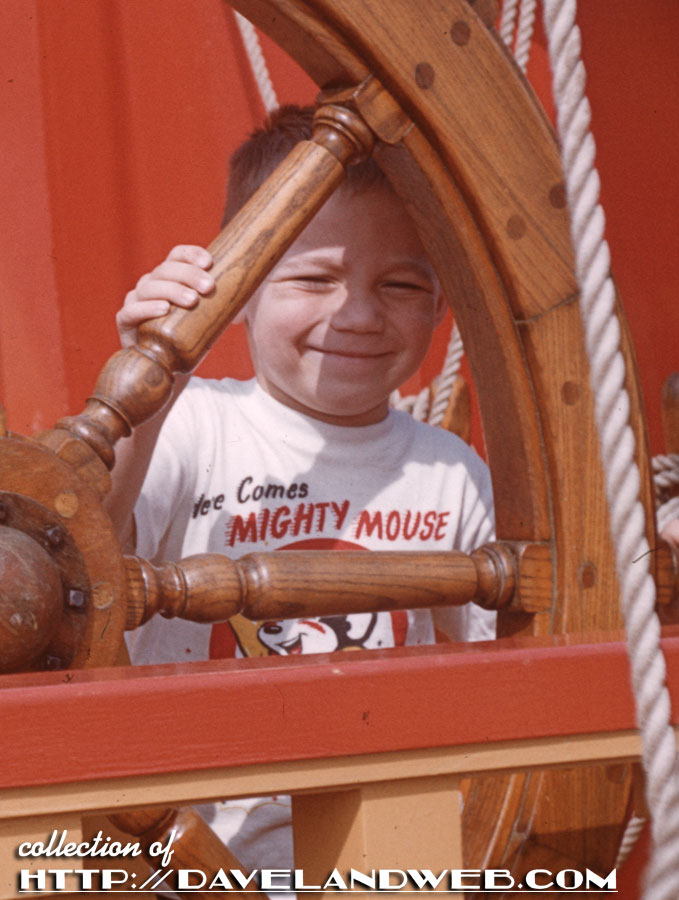
The Wrong Mouse at Disneyland, 1958


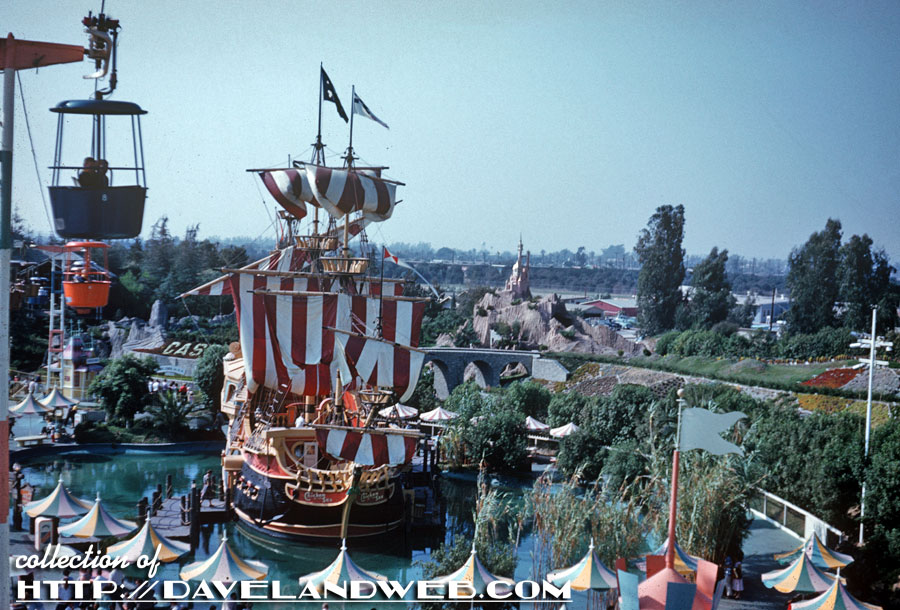
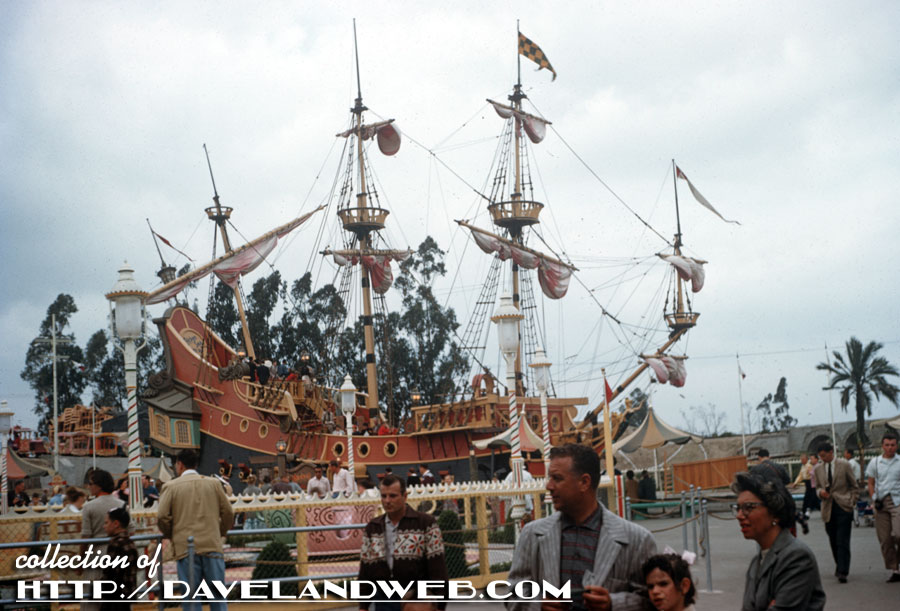
Here’s a happy little tot aboard the Disneyland Chicken of the Sea Pirate Ship, February 1958. Somebody needs to tell him he’s promoting the wrong mouse.


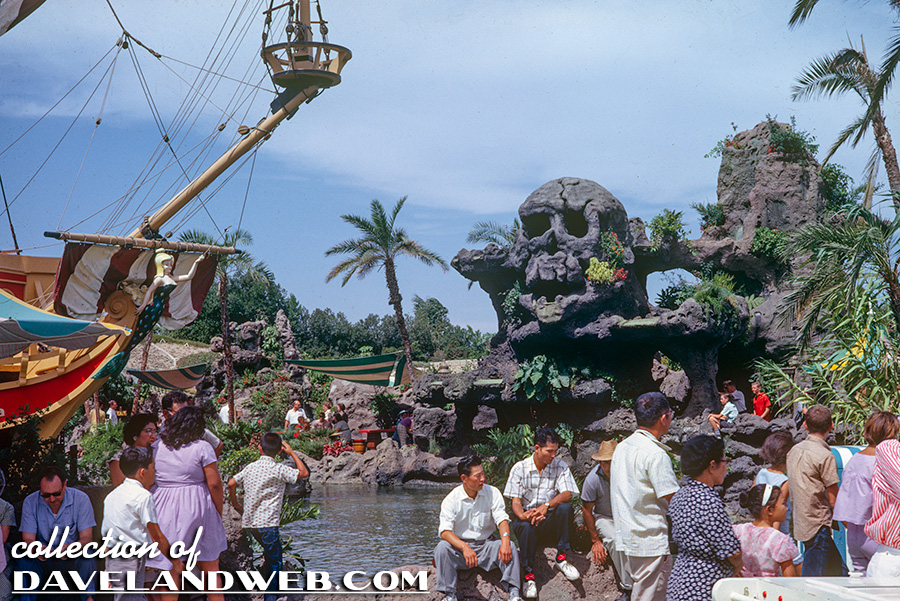
This September 1961 image shows the recently added Skull Rock Cove area, which ranks close to #1 for my favorite “lost” areas at the Park. Great for exploration, relaxation, hiding, and pretty durn cool photos.

What the area looked like before Skull Rock:


What a snoozer!!


See more vintage Disneyland Chicken of the Sea Pirate Ship Restaurant photos at my main website.