Wednesday, March 10, 2021

Frank Lloyd Wright's Imperial Hotel


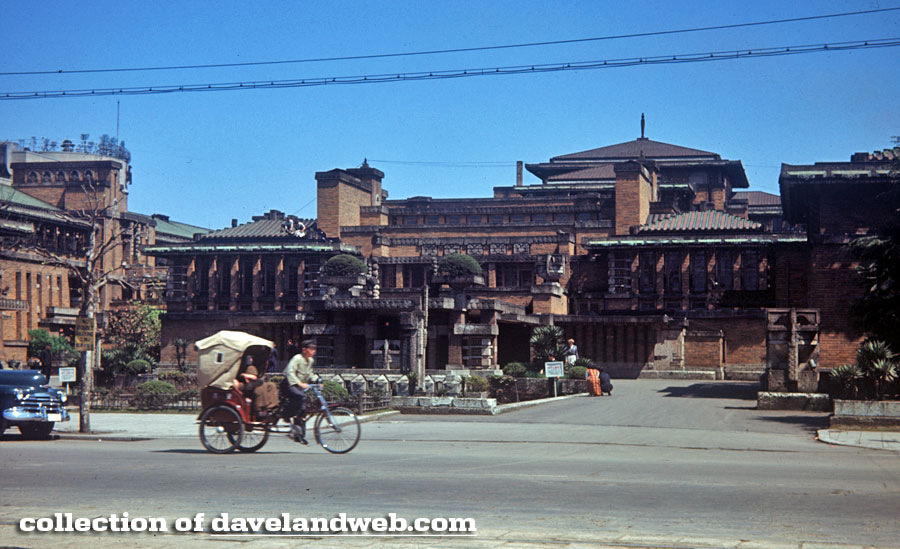
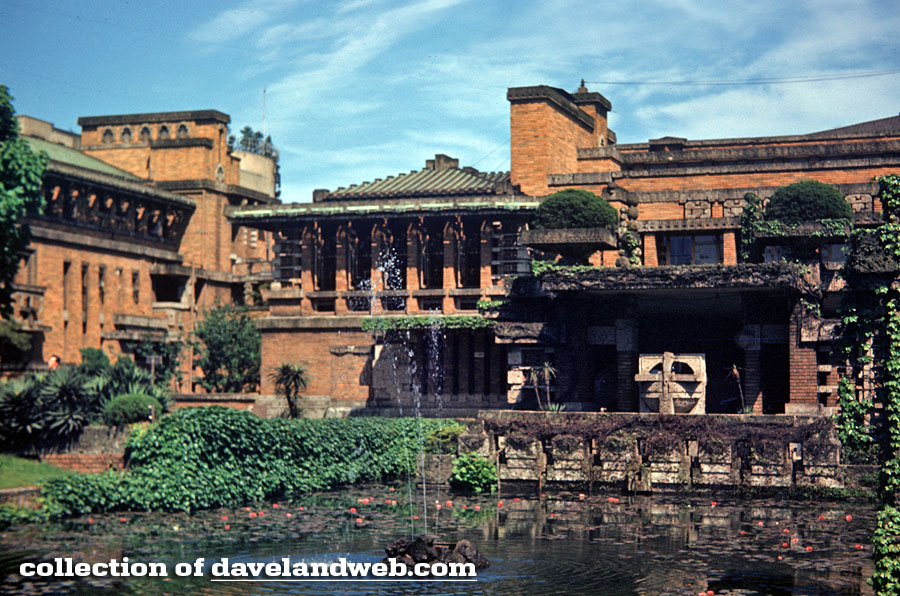
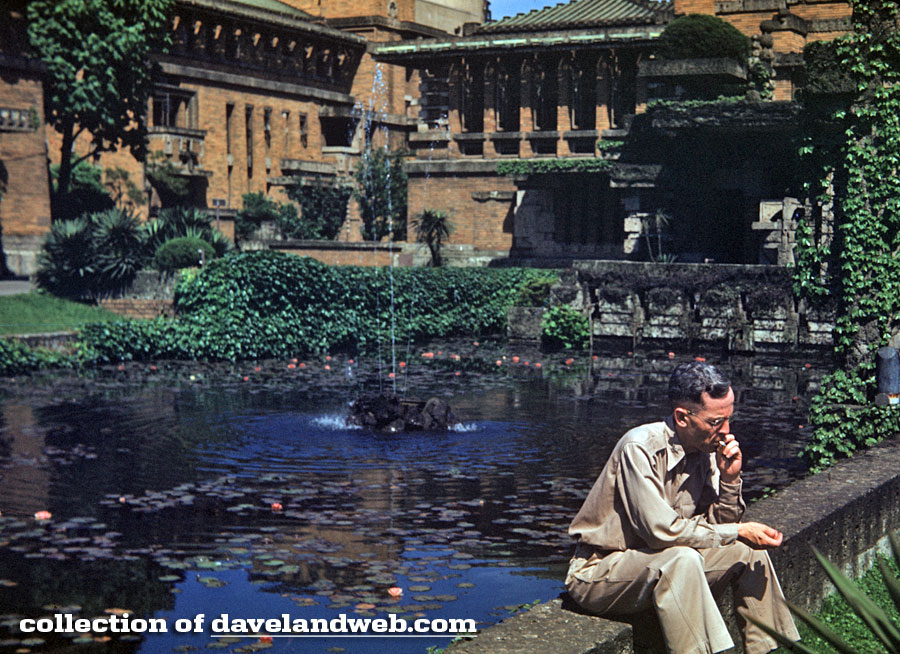
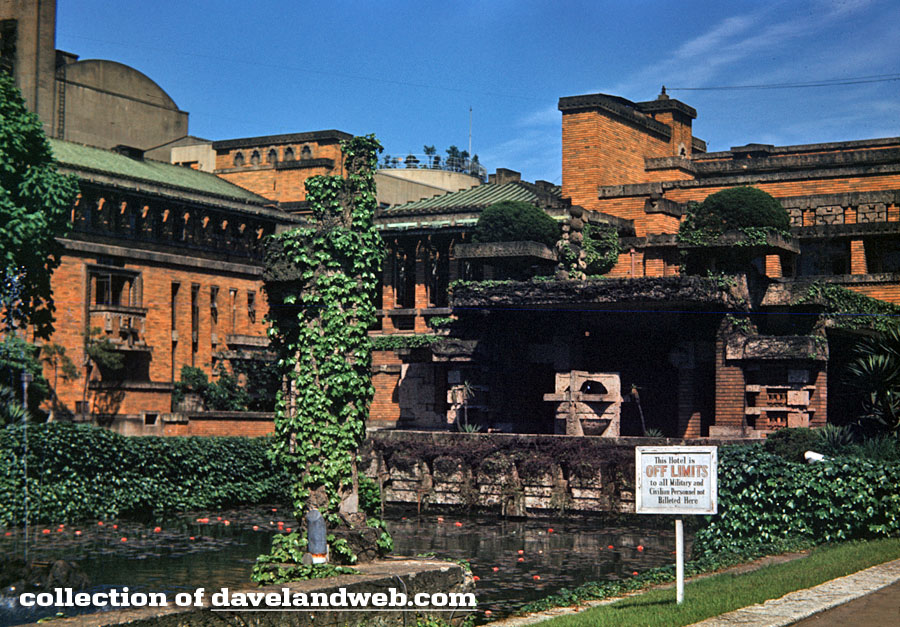
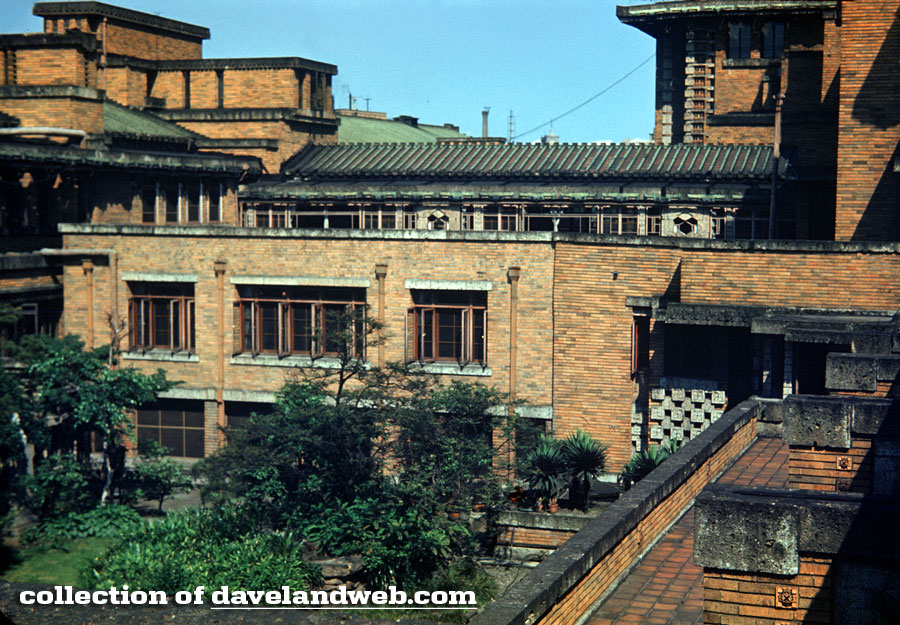
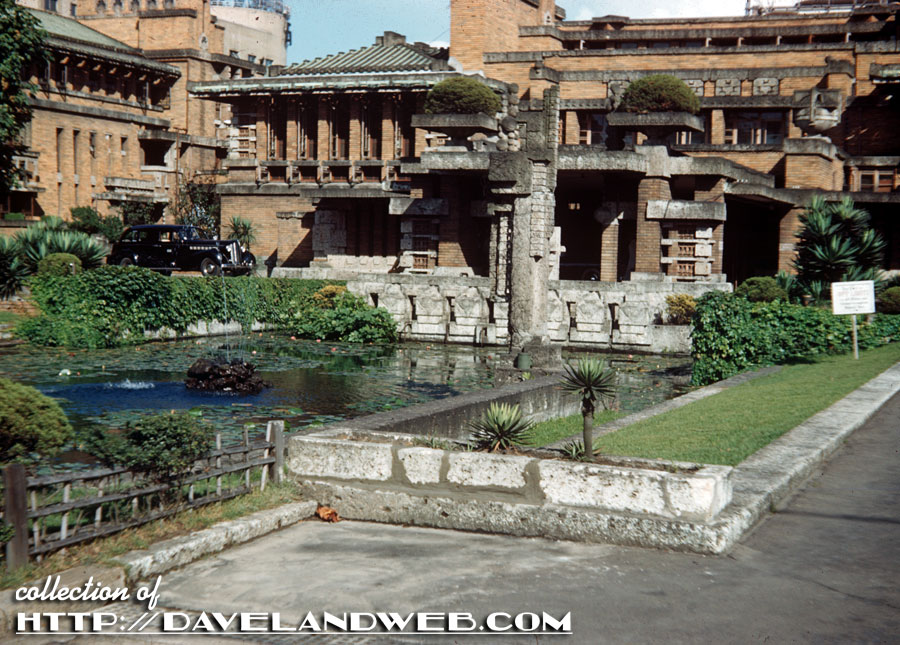
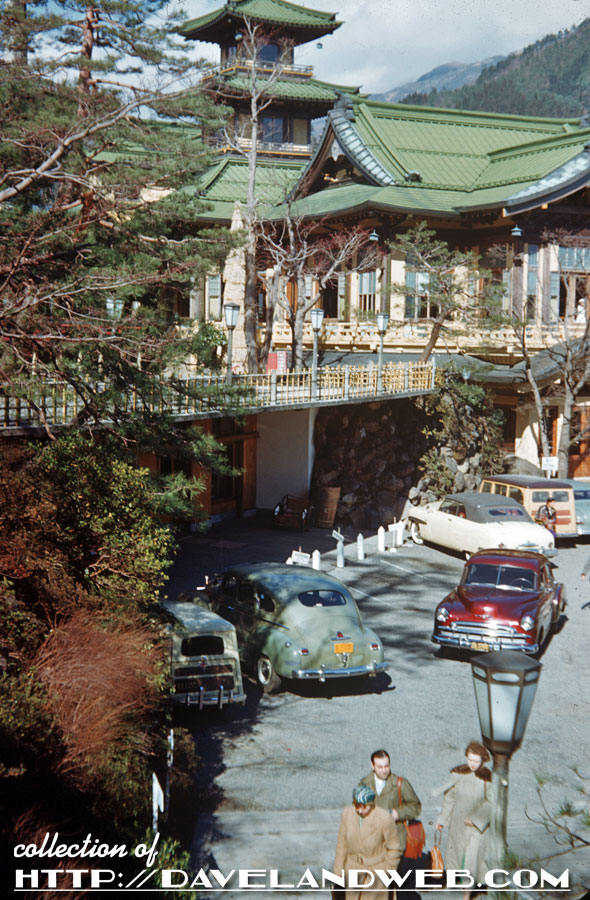
The Imperial Hotel in Tokyo is one of Frank Lloyd Wright’s “lost” works. The images here from my collection are all from 1949 and show the exterior of this masterpiece.


Wright’s design lasted from 1922 until 1967, when it was demolished to make way for a new structure. While Wright’s design was beloved, the engineering (specifically the foundation) had some flaws that caused the building to sink over the years.


Most of Wright's building was destroyed, but the central lobby wing and the reflecting pool were taken apart and reassembled at The Museum Meiji-mura in Inuyama, near Nagoya, where they are open to the public. From their website:

Beautifully located on a hillside facing Lake Iruka, it occupies an area of 1,000,000m2, where currently over sixty Meiji buildings have been brought and rebuilt. Meiji was a period in which Japan opened her doors to the outside world and laid the foundation for Modern Japan by absorbing and assimilating Western culture and technology.

A few more shots from my collection of the original building as it looked in 1949:


I received an email from the Frank Lloyd Wright Trust the other day that a video showing the exterior AND interior of the hotel was available to see. Two years in the making and based on a Japanese publication of original plans and historical photos, Frank Lloyd Wright: The Lost Works - The Imperial Hotel is a comprehensive digitally-animated recreation of the exterior and interior of this masterpiece. It is pretty incredible to be able to “visit” this masterpiece:


See more Frank Lloyd Wright architecture photos at my main website.

Tuesday, March 09, 2021

Temple Tuesday: All in the Family


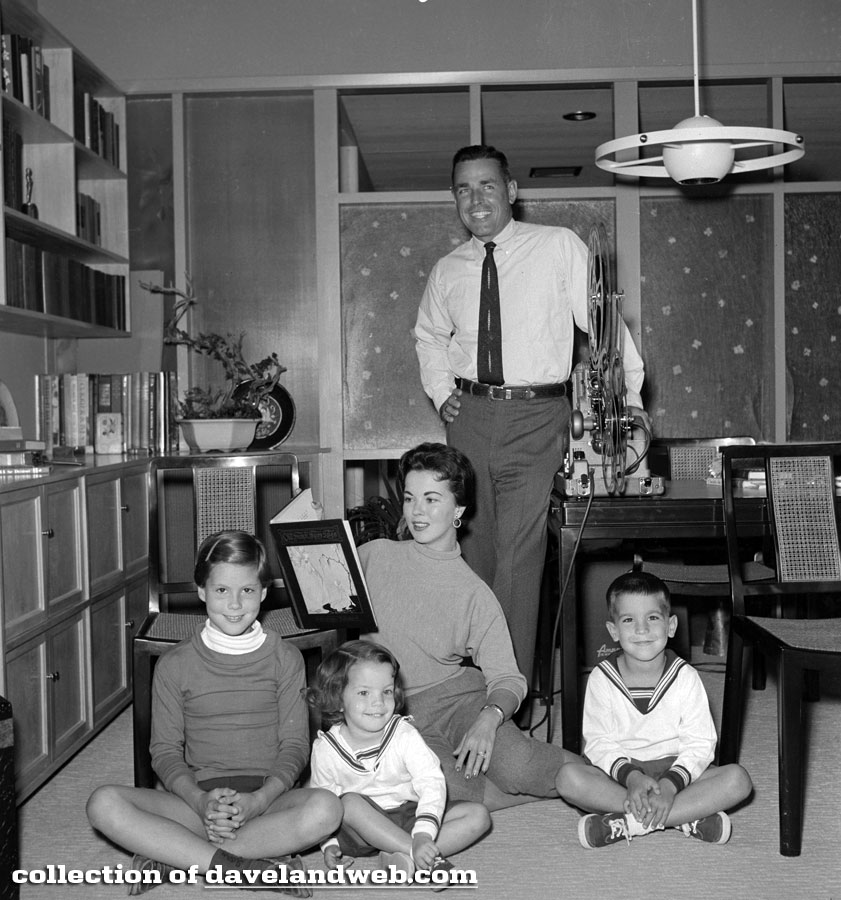
Shirley Temple made a comeback of sorts to show business in 1958 when she returned to Hollywood (actually Burbank) to film her new television show, “Shirley Temple’s Storybook.” Commuting back and forth between her home in Atherton (just south of San Francisco), Shirley kept her actual time on set to a minimum so that she wouldn’t have to be away from her husband and three children any more than was necessary. According to Lloyd Shearer, West Coast correspondent for Parade Magazine, Shirley was “besieged by her three children” to be on the show. Shirley explained to him, “Every time I returned from Hollywood one of them would invariably say, ‘Mummy, why can’t we go on TV with you? It seems so easy. You don’t do anything ’cept talk.’” Shirley got the green light from husband Charles Black and decided to let her kids learn the unvarnished truth: acting is hard, hot, grueling work. All three children (Susan, 10 1⁄2, Charles, 6 1⁄2, and Lori, 4 1⁄2) into a plane and took them with her to Burbank so that they could make their acting debut in the “Mother Goose” episode that was set to air on December 21, 1958. It was to be the last show of the season.
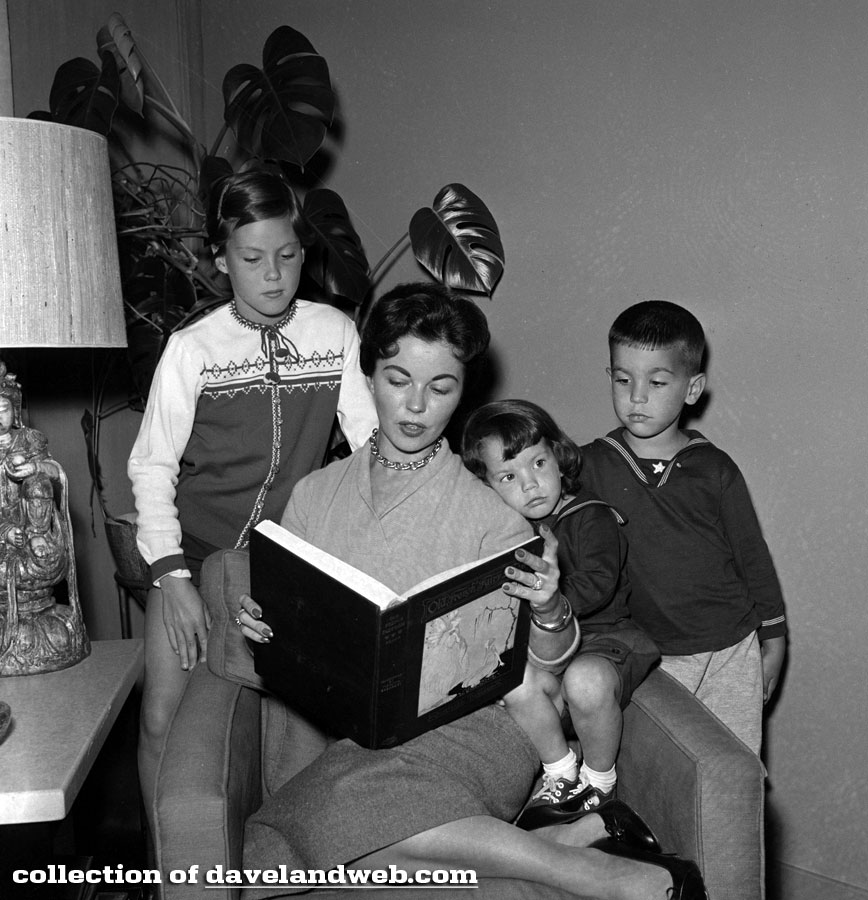

Shearer was there on the day of filming and reported back to Parade:

The two girls were each given one line to learn, informed that their salary for one day’s work would be the minimal $80 each. Their brother, on the other hand, was assigned a featured role that called for one day’s rehearsal and one day’s work. His salary: $570. All three children were hustled into wardrobe and dressed in period costumes. Cracked Lori, youngest and most outspoken of the group, “These clothes are old-fashioned.” In the make-up department, 6 year-old Charley rebelled against the application of cosmetics. “I never wear lipstick at home,” he plaintively wailed. The make-up man explained that the film was being photographed in color. Bregrudgingly, Charley went along with the game. On the set, 10-year-old Susan was met by a tutor, told that according to California law she would have to do some schoolwork until director Mitchell Leisen called her.
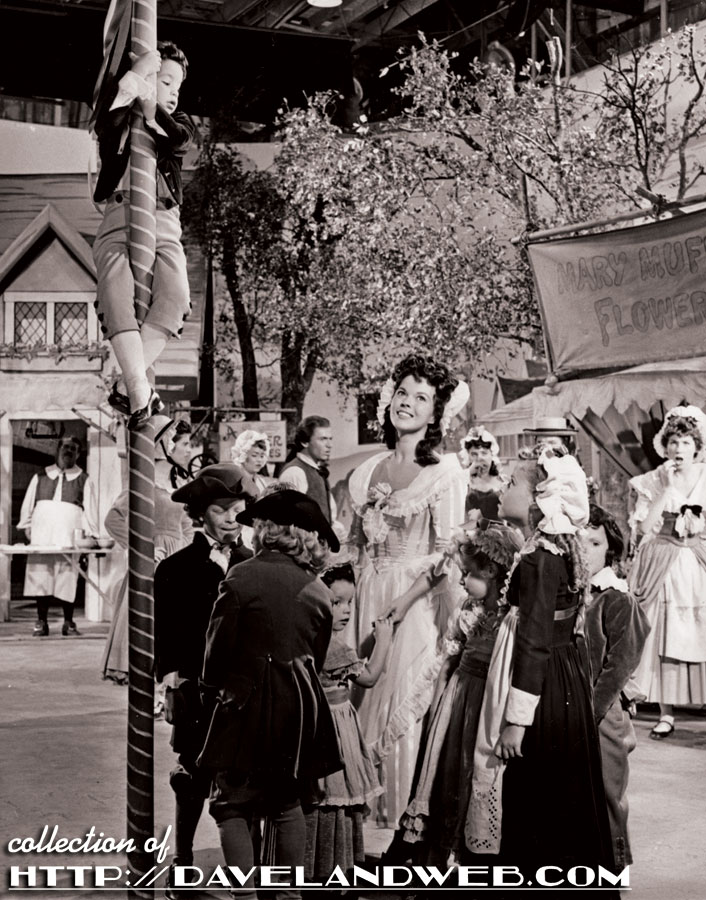

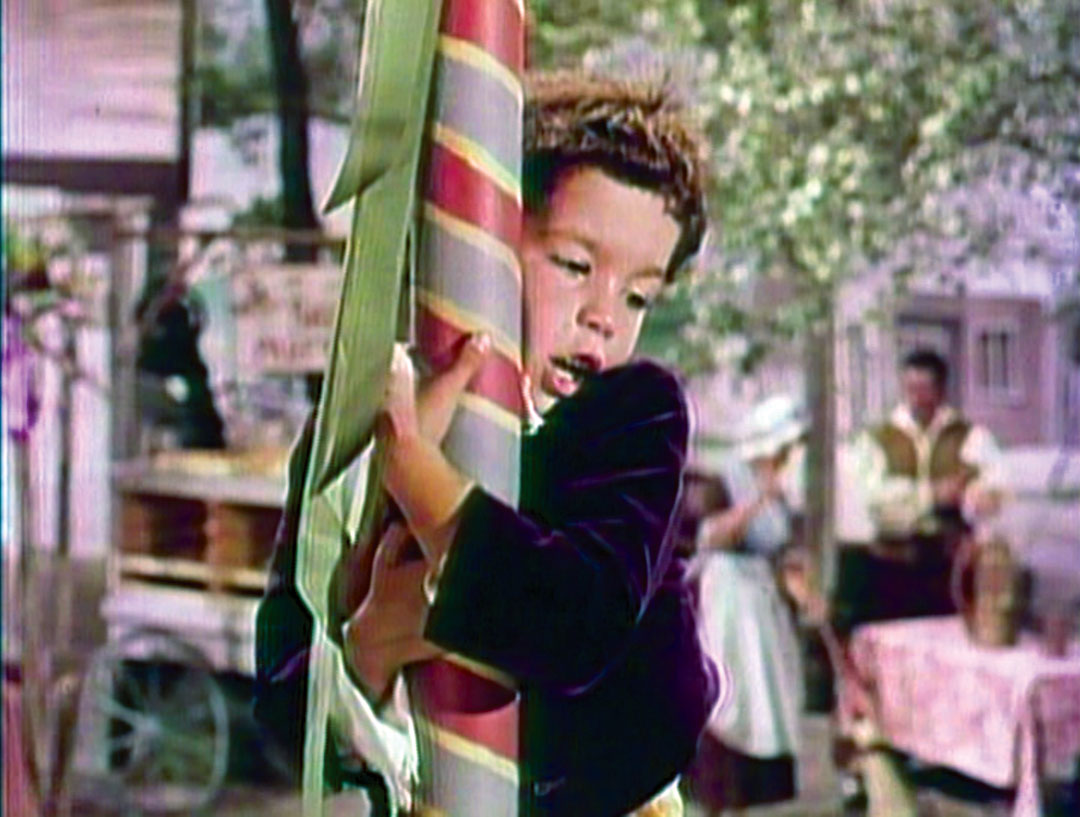
Shirley and her two youngest were sent before the cameras. Charley was told to climb a maypole, eight-feet high. When he shinnied to the top, he was wired with a sling. A stagehand was assigned to stand under him in case of accident. Mother Shirley stood to one side, her hand clasped to Lori’s, never taking her eyes off Charley. The assistant director bellowed, “Quiet, everybody.“ The hot lights flashed on, and director Mitch Leisen nodded to his cameraman to “roll ’em.” The scene called for young Charley to look out from atop his maypole and shout, “I see him coming. It’s the Prince, the Prince.” Charley recited his lines blandly. Director Leisen smiled. “One more time, Charley,” he coached. “Only this time, with feeling. I want you to get all excited when you say, ‘It’s the Prince, the Prince.’” Charley shook his handsome head, again underplayed the line. Director Leisen was up on his toes. “It’s the Prince, the Prince,” he shouted as if he were shouting “Fire!” “Do you hear me, Charley? ‘It’s the Prince, the Prince.’” Charley nodded. “That’s just what I’ve been saying,” he calmly explained to Leisen, “It’s the Prince, the Prince.” The veteran director motioned to Shirley who came over and said, “Charley, now listen to me. When you say, ‘It’s the Prince, the Prince,’ Mr. Leisen wants you to call it out, to announce it. You’ve got to act excited, pleased, happy.” Said Charley, “I’m getting tired sitting up here, Mama.” “You’re the one who said he wanted to be on television,” Shirley countered. “Let’s go home,” Charley said. Eventually, Shirley’s son recited his lines to the director’s satisfaction.

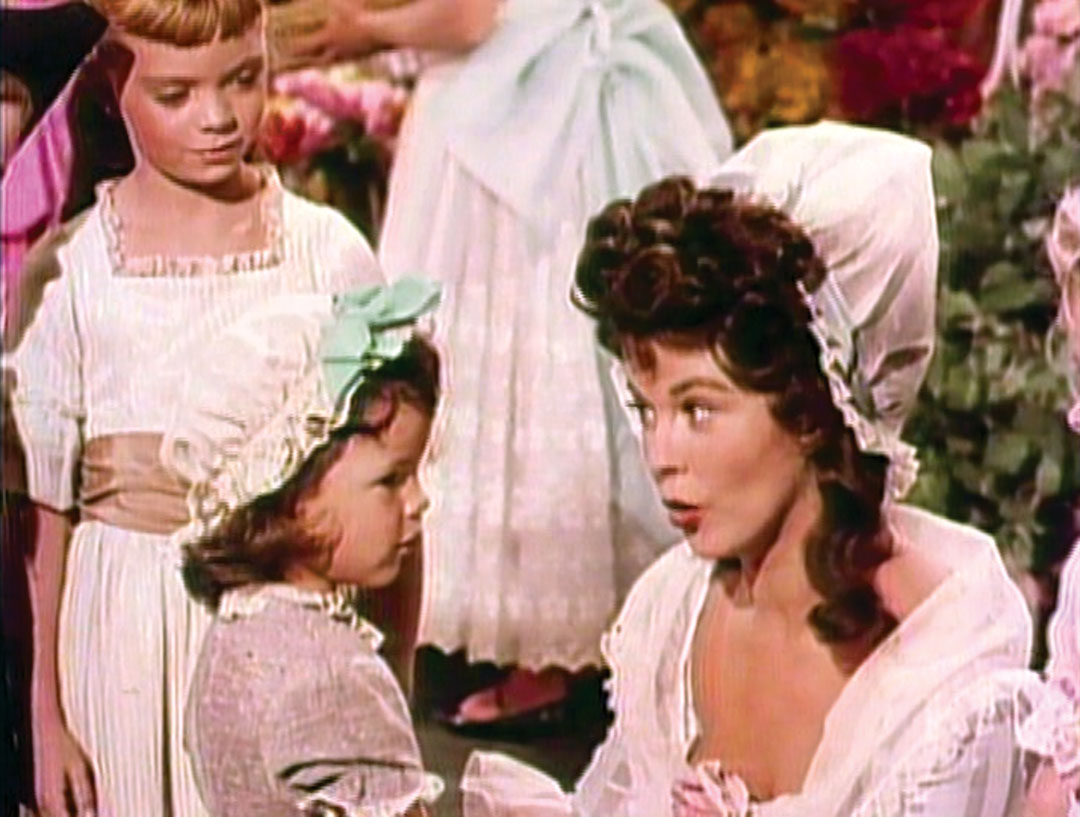
It was then his sister Lori’s turn. As the camera moved in for a two-shot of Shirley and daughter, Lori turned her back to the lens. “You can’t do that, darling,” her mother said. “You’ve got to face the camera.” “Those lights get in my eyes,” Lori complained. “Take those lights away.” Patiently mother explained that lights were necessary equipment for picture making. Another “take” was begun. This time Lori closed her eyes. As Shirley started to remonstrate, petulant Lori stomped her right foot. “Those lights are hot, Mommy. They make me sweat. If they don’t take the lights away, I don’t wanna play.” Shirley bent down, maternally lifted Lori, cradled the child in her arms. Leisen called a “break.” By day’s end all of Shirley’s three children had performed their jobs creditably. Shirley not only felt proud of her trio but of herself as well. “I wanted them to learn,” she pointed out, “that acting is hard work. I wanted them to realize that in show business — I guess in any business — nobody gives you something for nothing. I think they learned that today and I’m glad.”

See more Shirley Temple’s Storybook photos at my main website.

Monday, March 08, 2021

The Mystery of the Old Absinthe House Bar


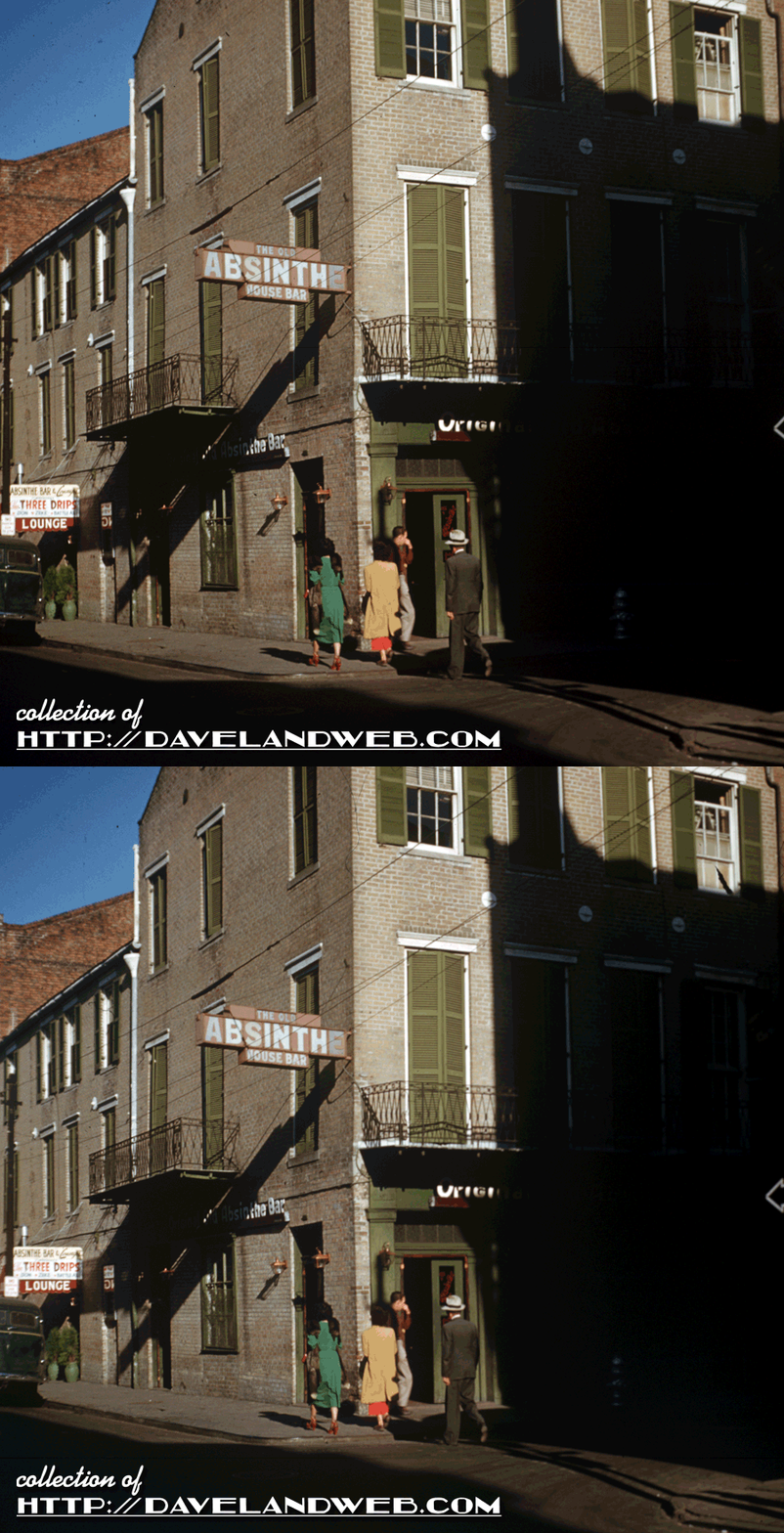
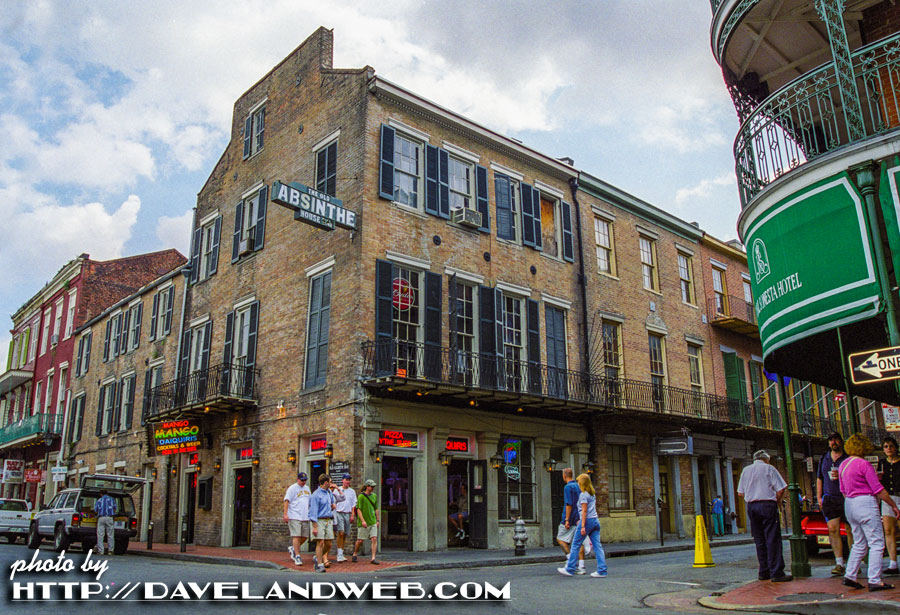
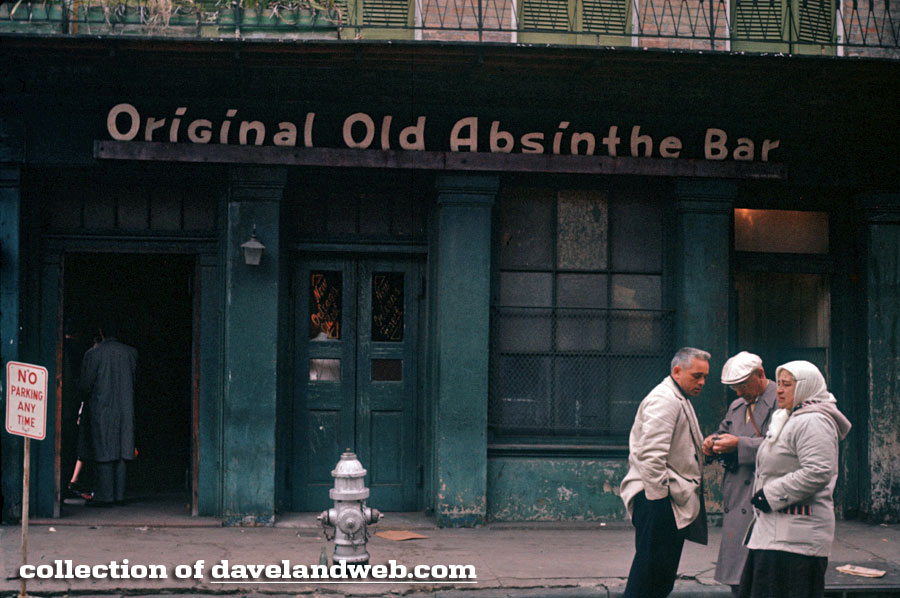
Does the shakey first photo here mean you are still drunk from the weekend? No...you are just experiencing a genuine FauxD© 1950s shot of the Old Absinthe House Bar on Bourbon and Conti. Below is a previously posted shot of the same location:


How the same building looked in 2002, when it was the home of Mango Mango Daiquiris. I’m guessing they didn’t pack as much punch as Absinthe. Today, it appears it is known as SLUSH Frozen Cocktails; 4 stars, nine reviews. Maybe I should put it on my to-do list for the next trip to Nawlins. Or maybe not.


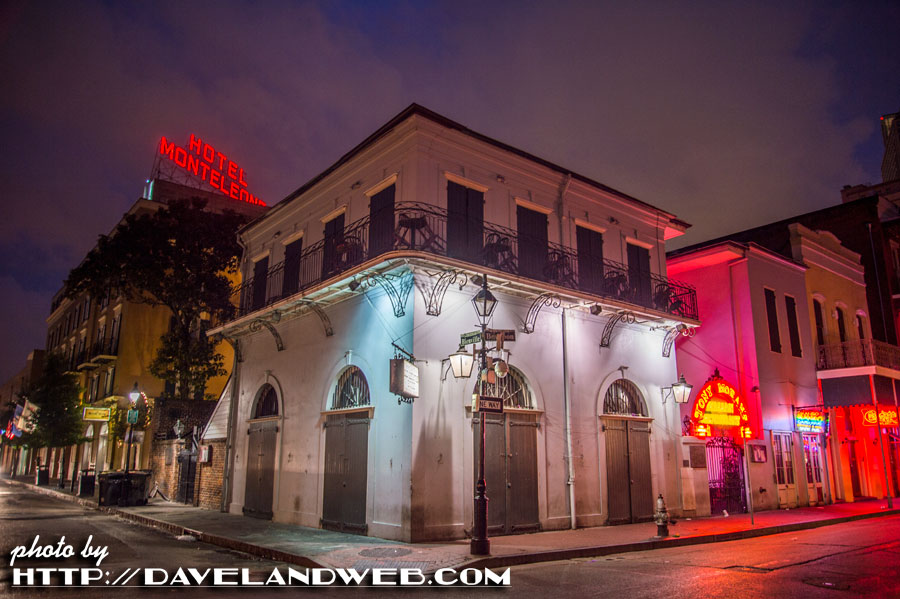
In looking up Old Absinthe House Bar online, all I can find is information about this completely different building on Bienville and Bourbon, which is Jean Lafitte’s Old Absinthe House.


Until somebody steps forward, I can’t tell you which one is older or what the difference was between them. Did the French Quarter really need two Absinthe Bars?

See more Bourbon Street photos at my main website.

Friday, March 05, 2021

That Sense of Arrival


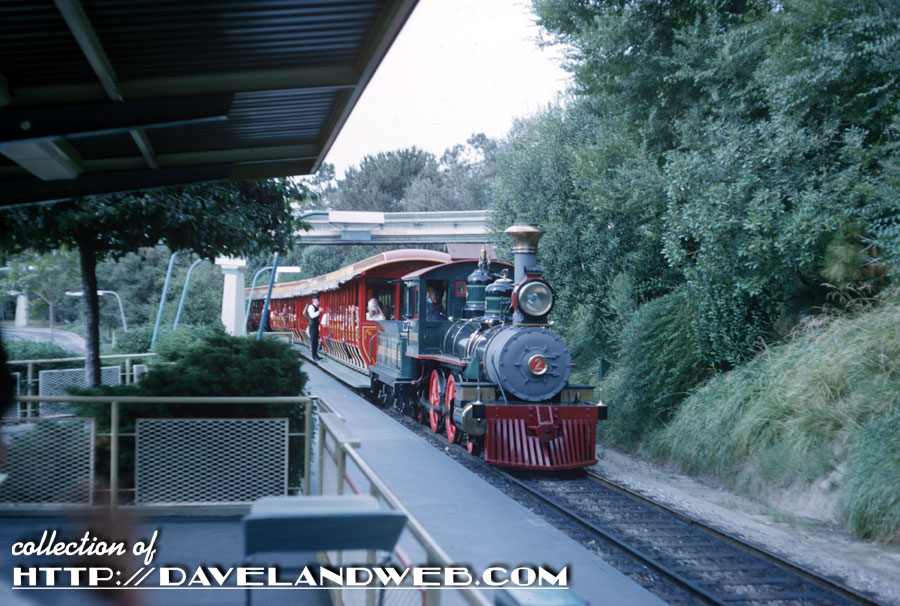
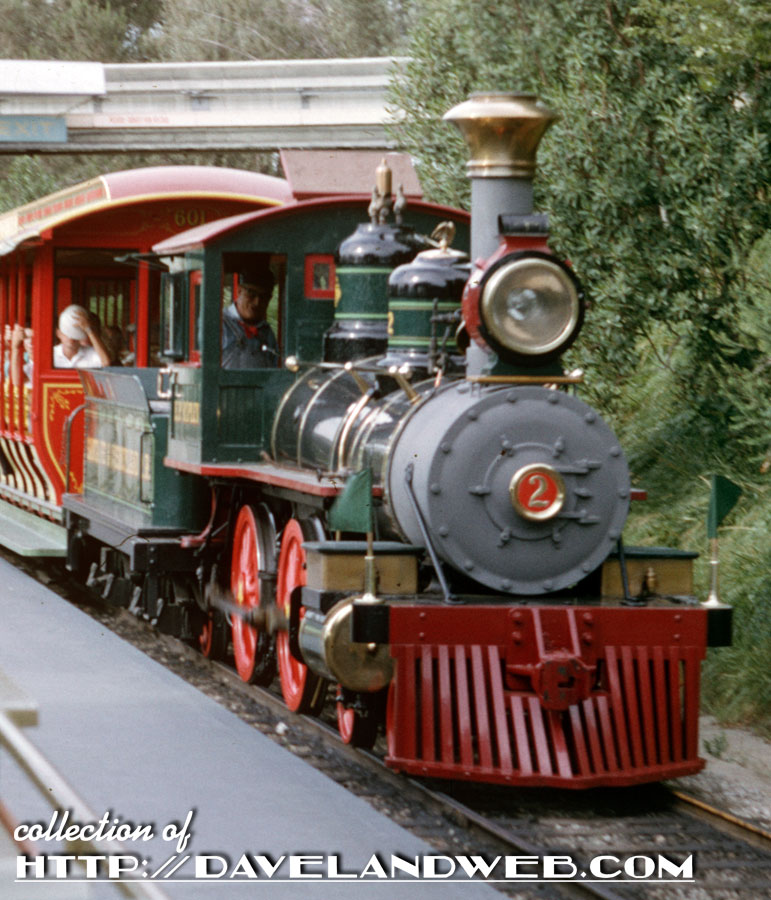
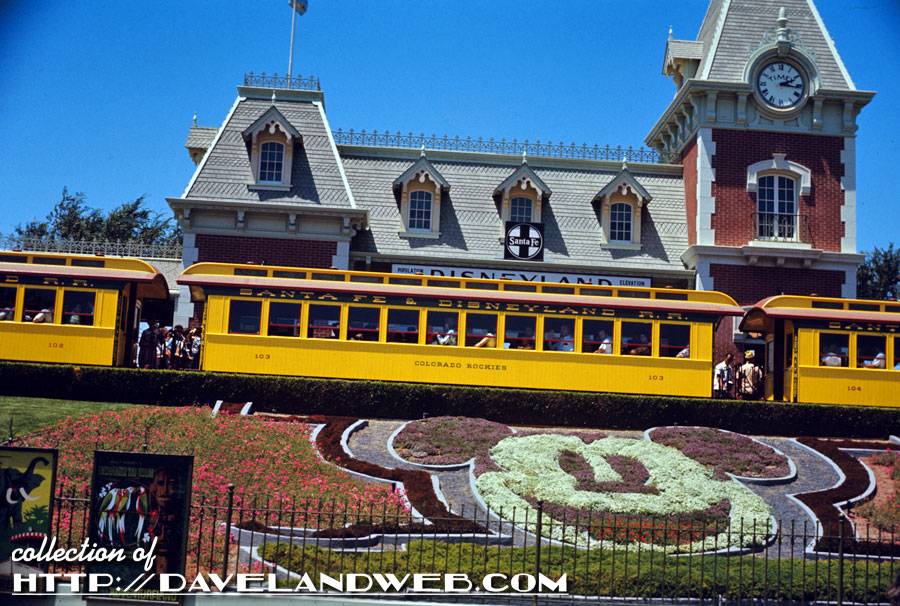
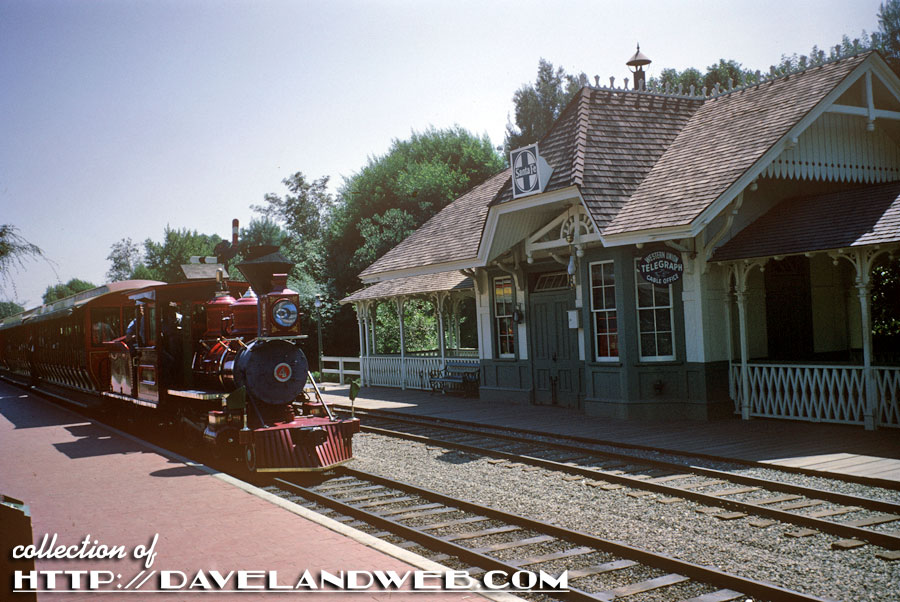
You know you’re getting old when…yes, I often reminisce about the good old days. Guilty as charged. This July 1964 image of the Tomorrowland Depot at Disneyland brings back the memories of the anticipation stepping off a train at your destination used to bring…or the excitement of waiting at the depot for your loved one to arrive. Here’s the E.P. Ripley, aka #2, pulling into one of the least photographed depots at the Park.


Main Street’s Train Station, also July 1964:


The Frontierland/New Orleans Square stop, September 1964:


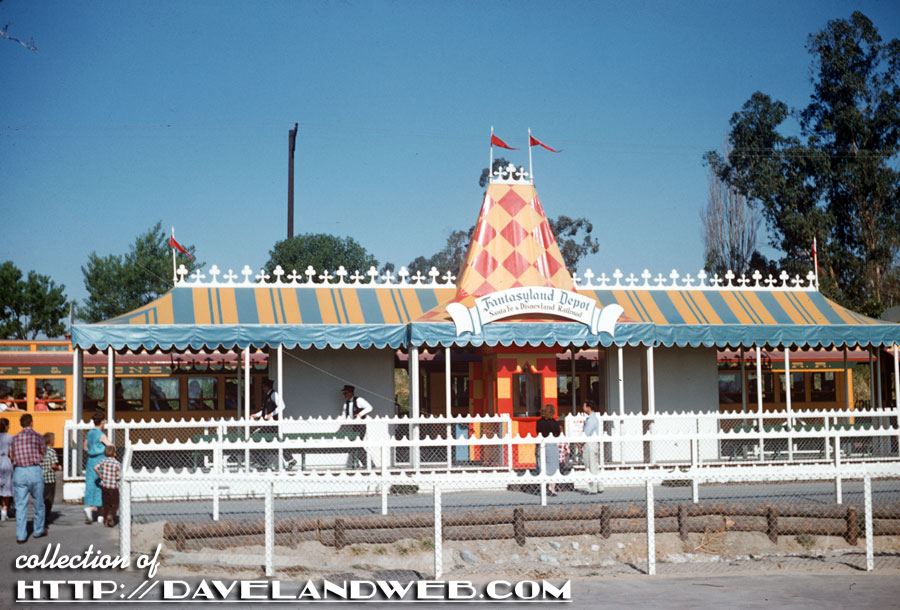
And the final station in the Grand Circle Tour quartet, the Fantasyland Depot, in all its Tournament Festival glory, circa 1950s:


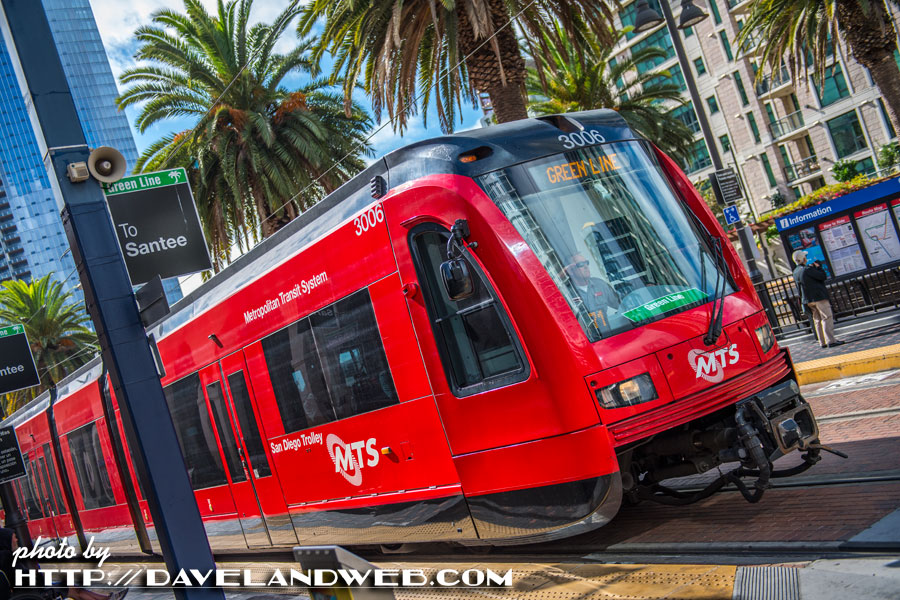
What about today? I still photograph trains (or trolleys in this case) arriving/departing, as seen here in San Diego:


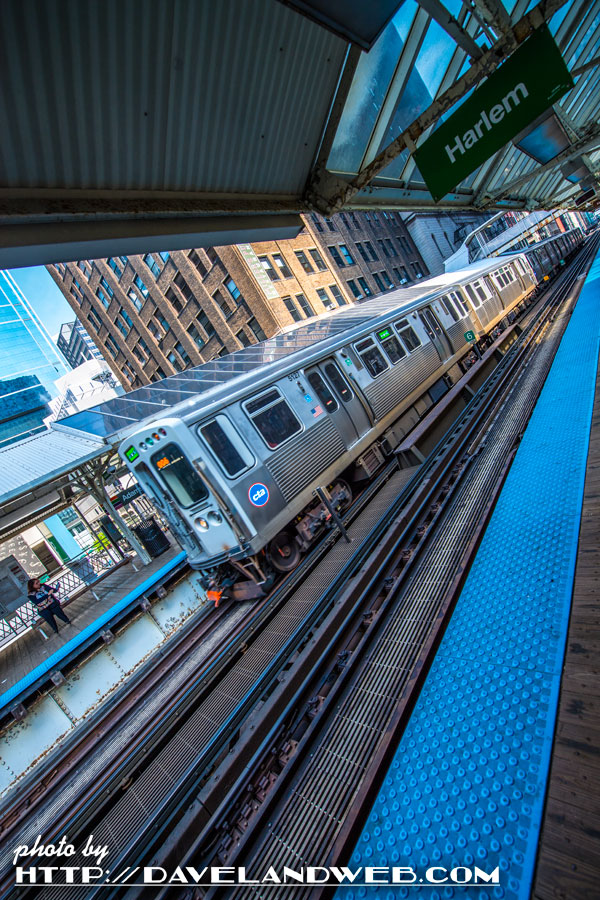
In Chicago:


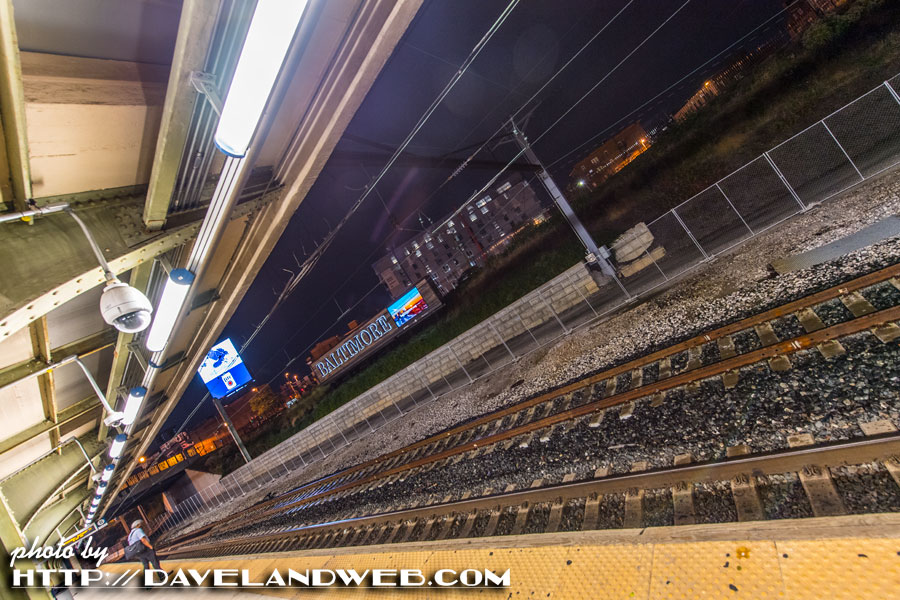
…and waiting in Baltimore:


What about you? Do you still get excited at the tracks, or have you joined the ranks of the jaded who don’t think about the luxury of being able to travel? Perhaps the lockdowns will restore that sense of joy, once they get lifted.

See more Disneyland Railroad photos at my main website.

Thursday, March 04, 2021

Charlotte in Color!


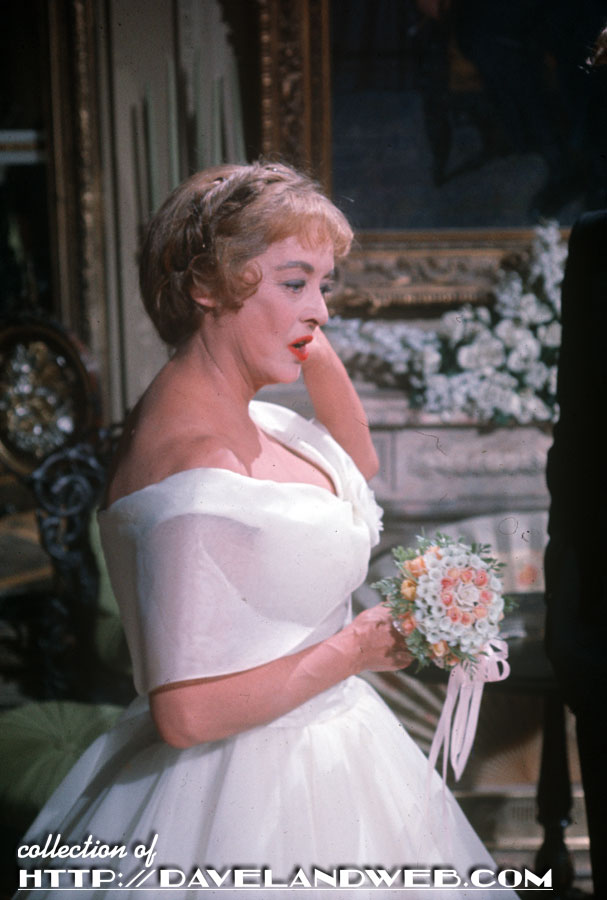
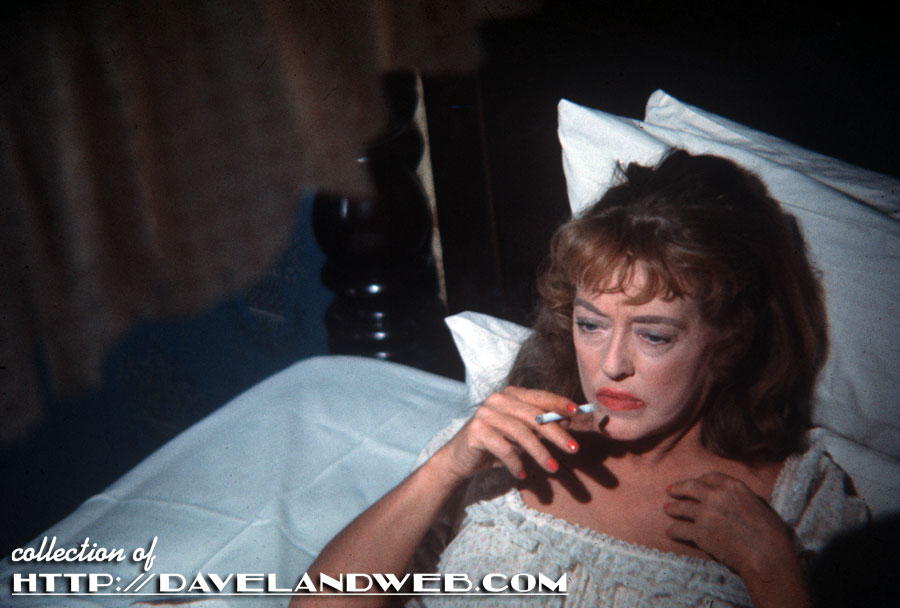
Following the success of “What Ever Happened to Baby Jane?,” Joan Crawford and Bette Davis were to be reteamed in another campy horror film, “Hush...Hush, Sweet Charlotte.” This time, the two screen legends would be switching role types: Joan would play the evil backstabbing Miram and Bette the sympathetic heroine, Charlotte. Well, as much of a sympathetic heroine as Bette could play at this point in her career. As she did in “Baby Jane,” Bette went over the top in her performance, layering on the hysterics. Unfortunately, Crawford was replaced by Olivia DeHavilland, so we never got to see how the dynamic duo would have fared when the tables were turned. “Charlotte” was filmed in black and white, just like its predecessor. These two rare color shots of Bette Davis were taken on set of the film in June 1964.


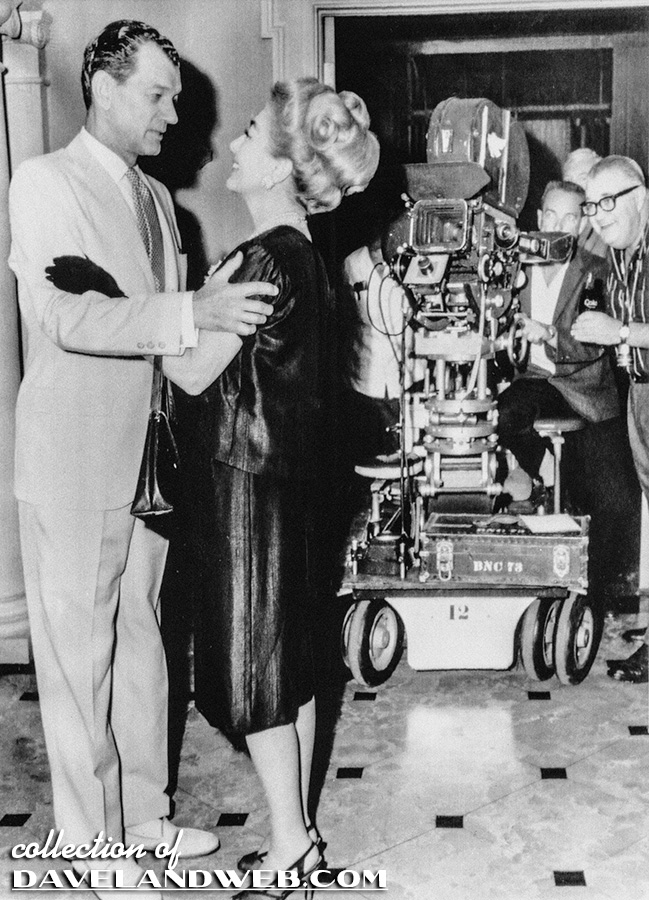
Released in December 1964, the film garnered seven Oscar nominations but didn’t win in any of those categories. Would Joan have been nominated? That would surely have made her feud with Davis far worse! Here’s a previously posted shot of Joan with costar Joseph Cotten and director and producer Robert Aldrich during the time she was involved in the production:


See more vintage Movie and TV photos at my main website.

Tuesday, March 02, 2021

Temple Tuesday: Shirley Sketches


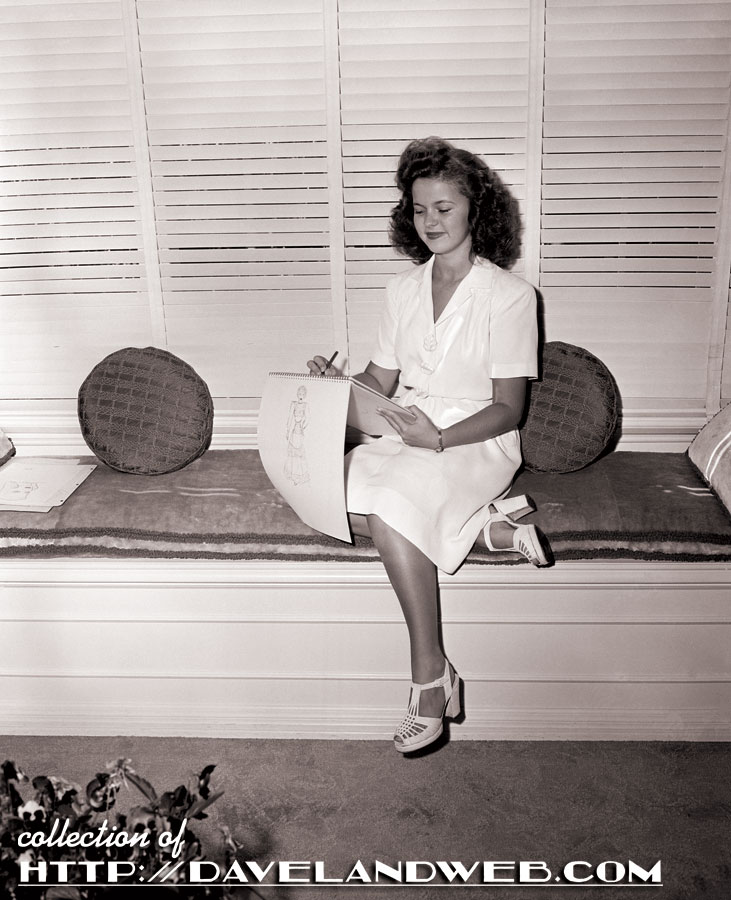
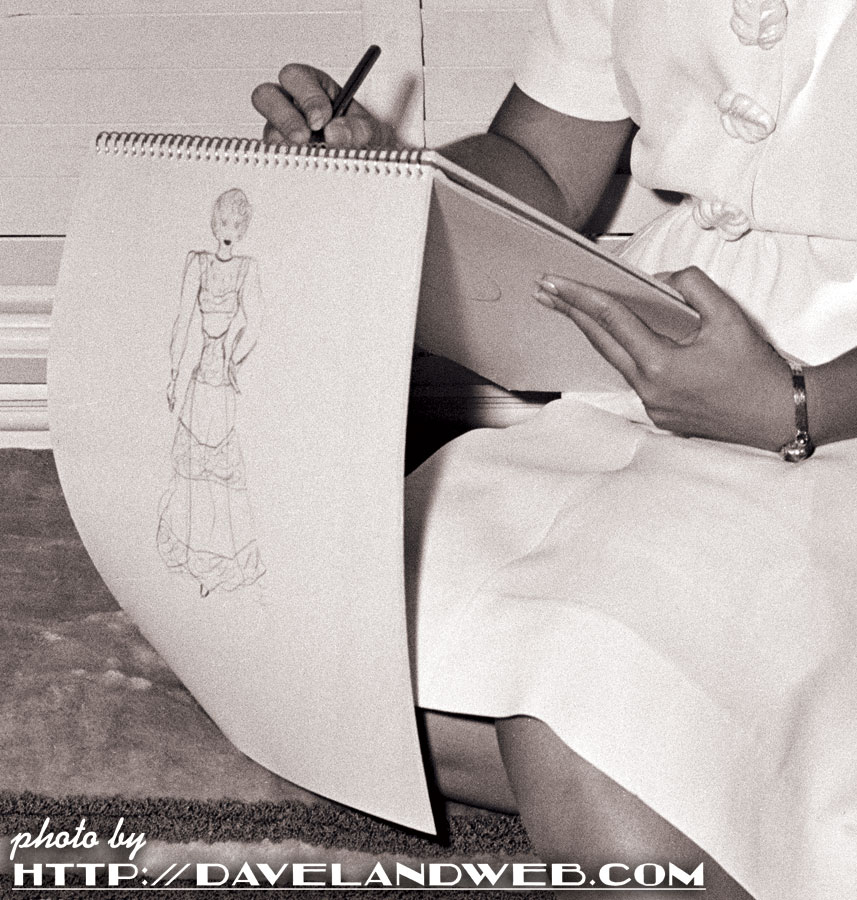
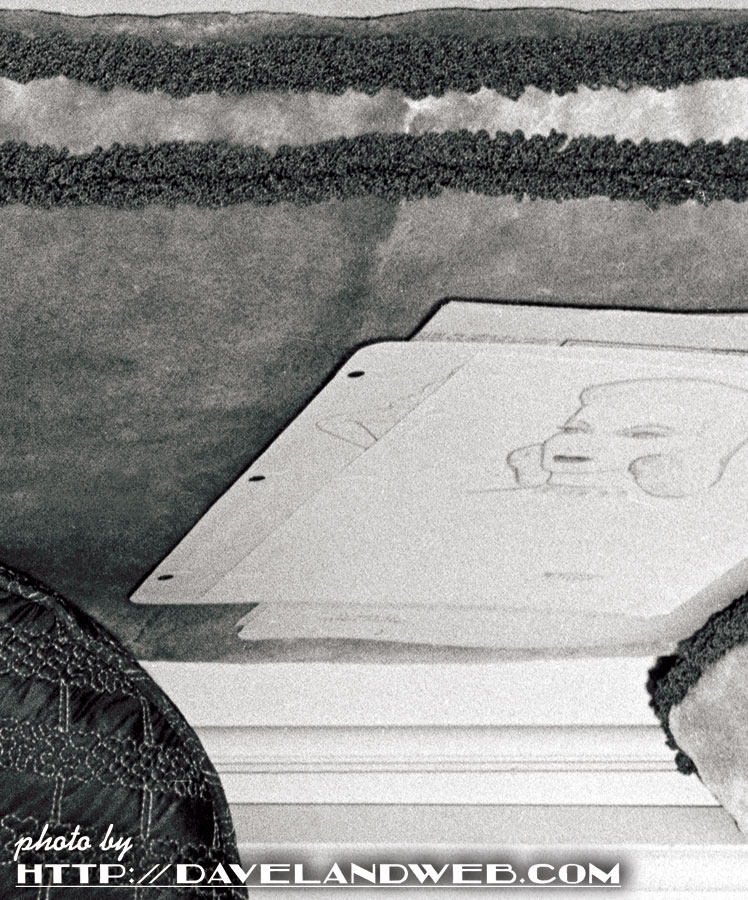
This 1940’s shot of Shirley shows  her at home sketching for the publicity cameras. Let’s be nosy and see what she’s drawing!


I’d say Shirley wasn’t half bad! It would appear that she was doing a little bit of fashion designing, which is not surprising.


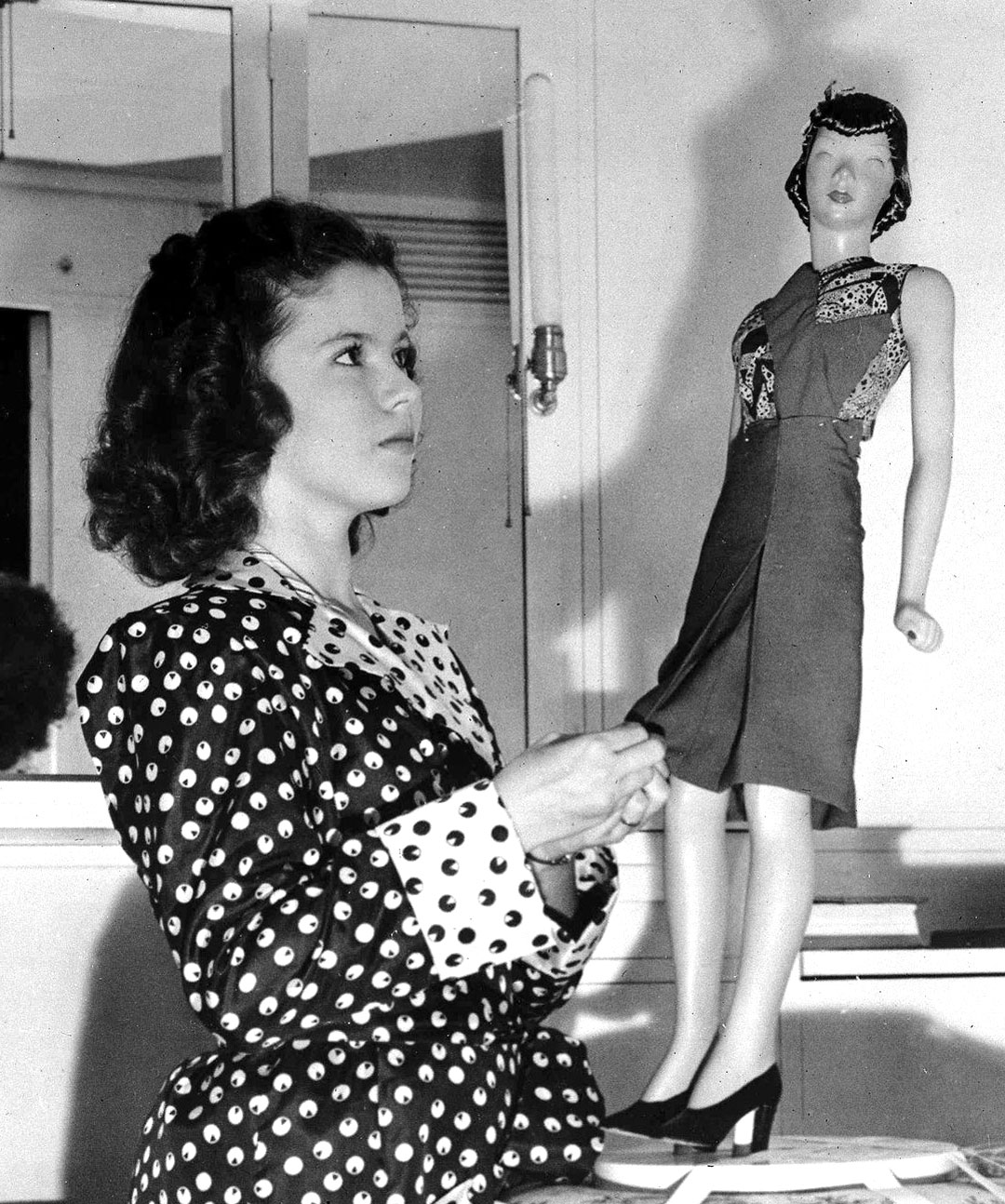
This 1941 publicity shot shows Shirley pinning together an outfit on her miniature fashion mannequin, which was also used as a prop in her one film for MGM, “Kathleen.”


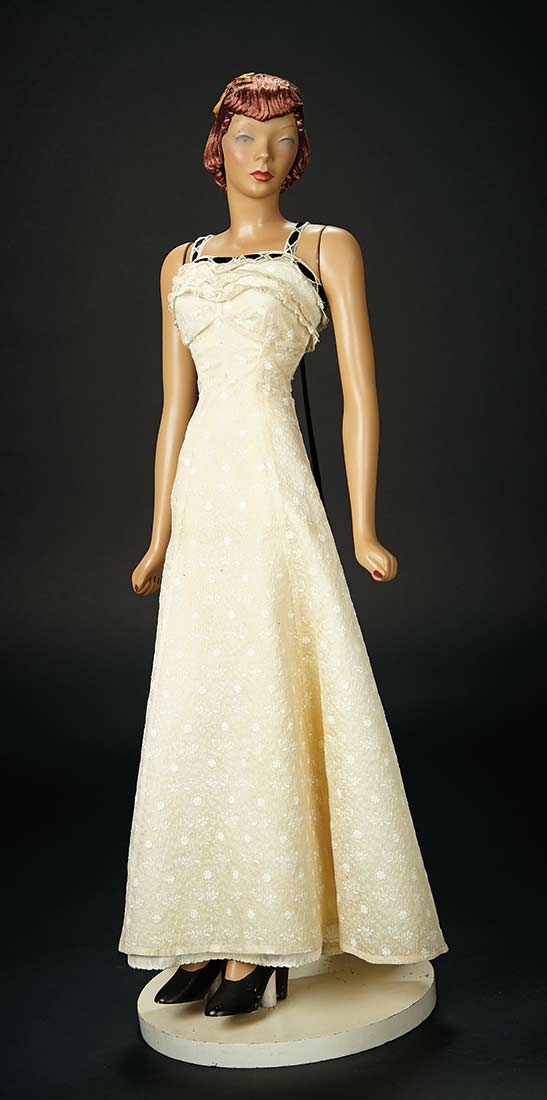
A photo of how the doll looked when it came up for auction in 2015:


From the Theriault’s catalog:

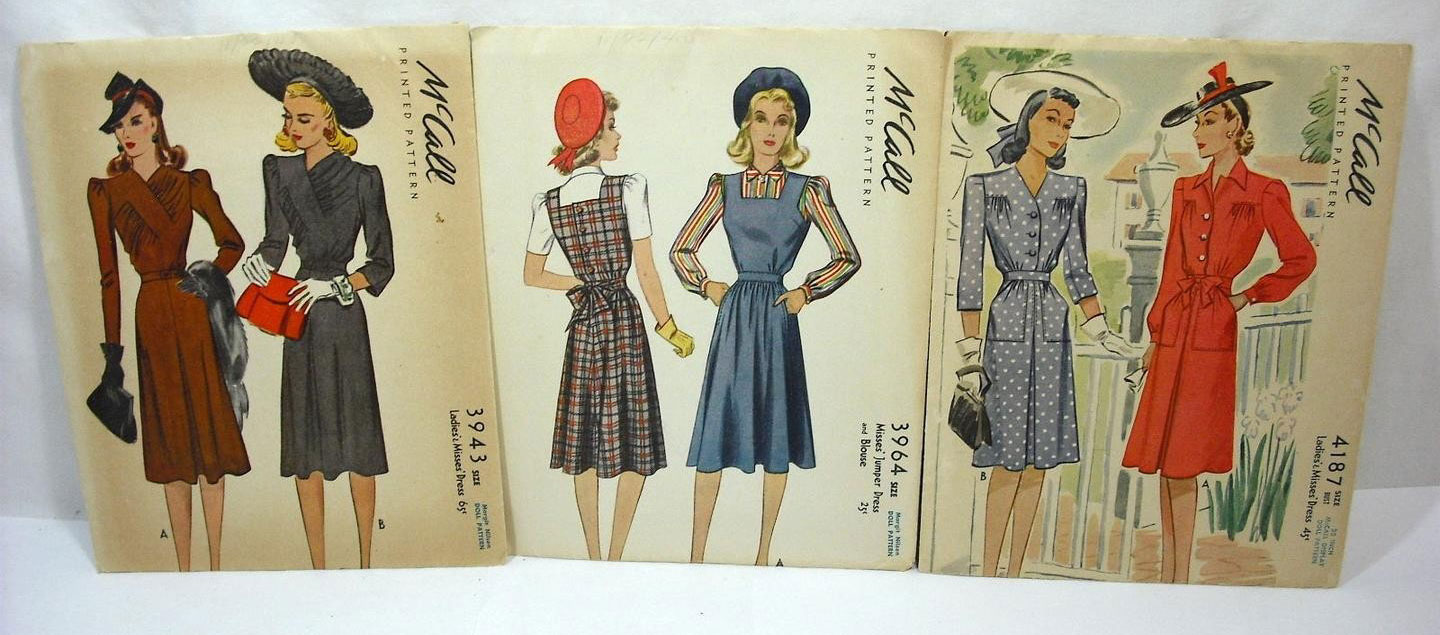
30" tall. A highly stylized slender lady mannequin with painted complexion and facial features including heavily lidded eyes with dark blue eye shadow, shaded full lips, and with red flossed hair in arranged looped bangs and bob, with shapely torso and limbs, painted black heels, detachable arms, and with original wooden stand which is stamped "Rubber Products Inc, Genuine Rubberlite, New York". The doll is wearing original nylon full slip with zipper back, and fitted ivory crinkle-cloth gown with fitted bodice trimmed with double tiers of lace and black velvet. The mannequin was a featured prop in the 1941 film "Kathleen", and appeared in numerous publicity photographs with Shirley that promoted the film; one feature in a September 1941 article of the Chicago Herald Tribune noted that the doll actually belonged to Shirley and "being a smart business girl Shirley rents it to the studio". Included with the mannequin are two vintage photographs depicting Shirley sewing fashionable costumes for the mannequin and five McCall patterns for Margit Nilsen mannequin doll.

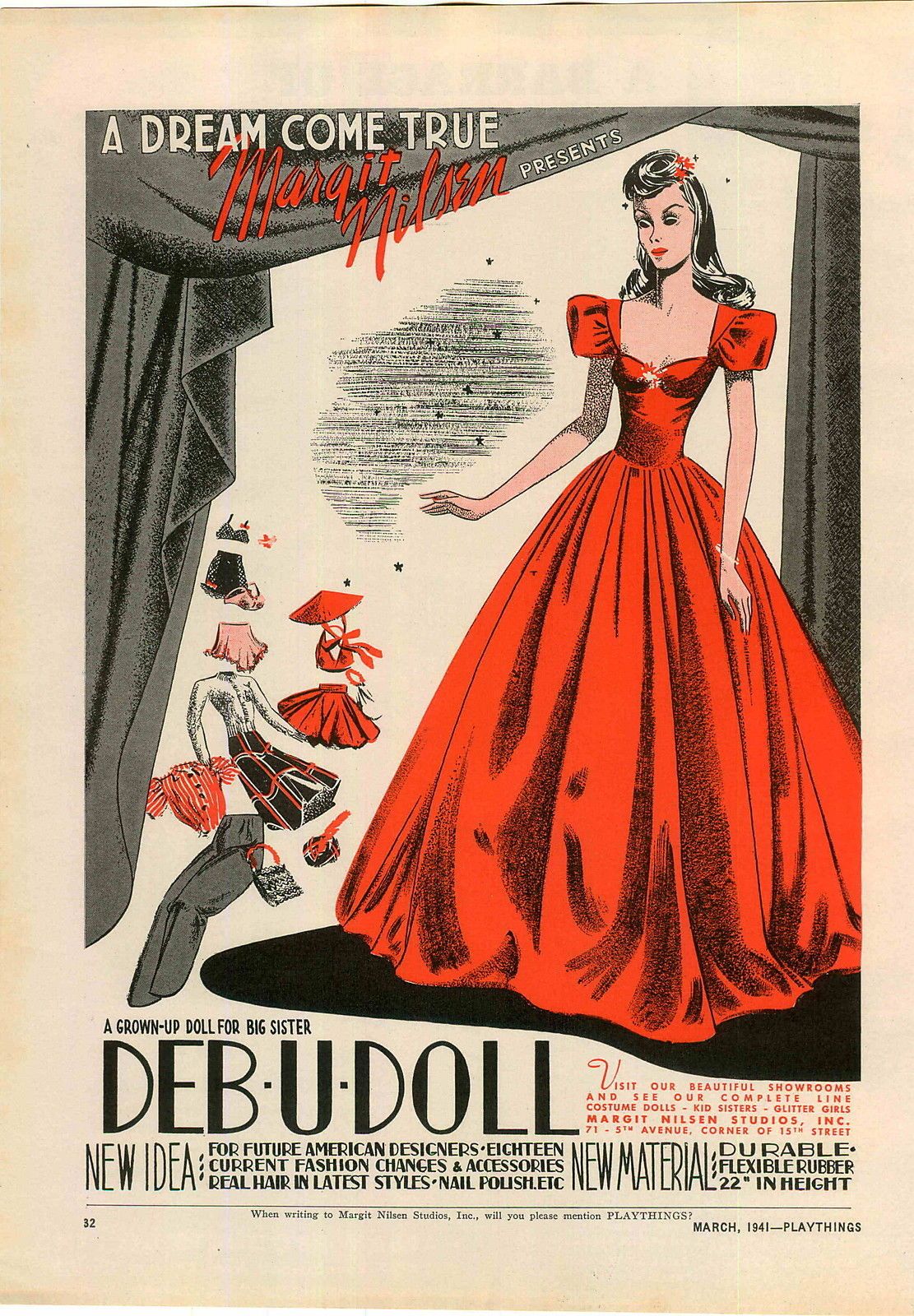
Margit Nilsen is noted for the highly stylized Deco-era (1930s/1940s) advertising mannequins she designed in her Manhattan studio for upscale clothing stores during the 1930-40's. Many of her mannequins were also sold to the McCall Pattern Company where they were used as counter displays in fabric stores. Simplicity Pattern Company called upon Nilsen to design mannequins for them as well.


Some of the vintage McCall patterns:


Nilsen completed her studies in fashion design at Traphagen, and then extended her art education when she traveled to France to study sculpting. While there, she discovered the lavish 19th century French fashion dolls and their incredible wardrobe. Fascinated by them, she was inspired to create her own haute couture figures. She created her master model using clay, basing the look on her imagination rather than a “live” model. She preferred to have an exaggerated depiction of a woman’s body versus strict realism. The elongated neck, broad shoulders, narrow-waist, and tapered hips were meant to act as hangers for displaying clothes. The somewhat blank but haughty facial expressions were definitely of the art deco era. Her husband, Sergio, was given free reign by her to conduct the commercial end of the business...until the separated. Apparently, Margit was married a few times!

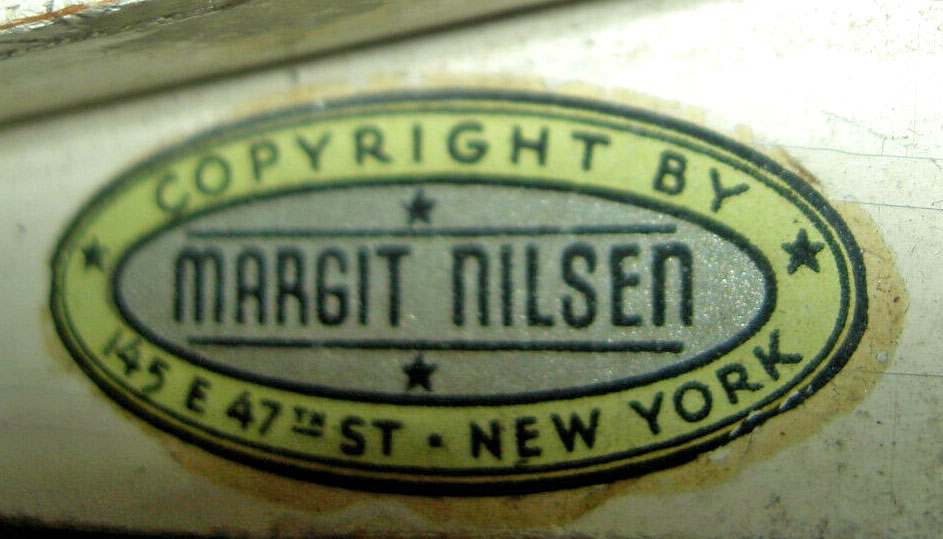
Based on this label I found on one of her mannequins, it would appear that her studio address was 145 E. 57th Street in New York, which is where Hammacher Schlemmer is now located.


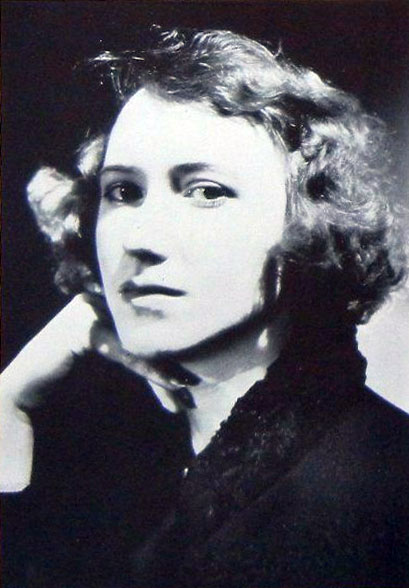
And here’s Margit herself:


See more Shirley Temple photos at my main website.

Monday, March 01, 2021

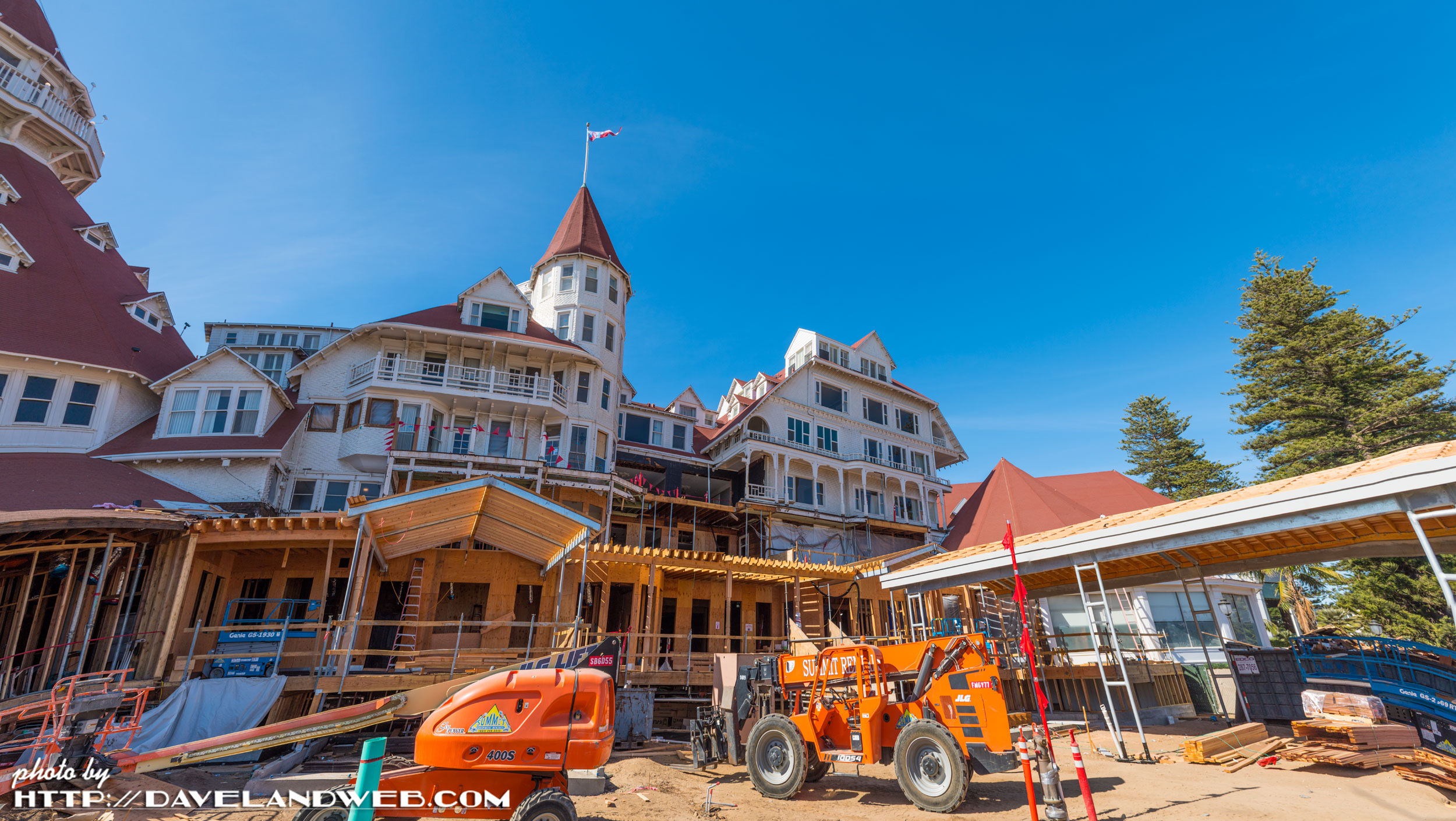
Coronado Construction


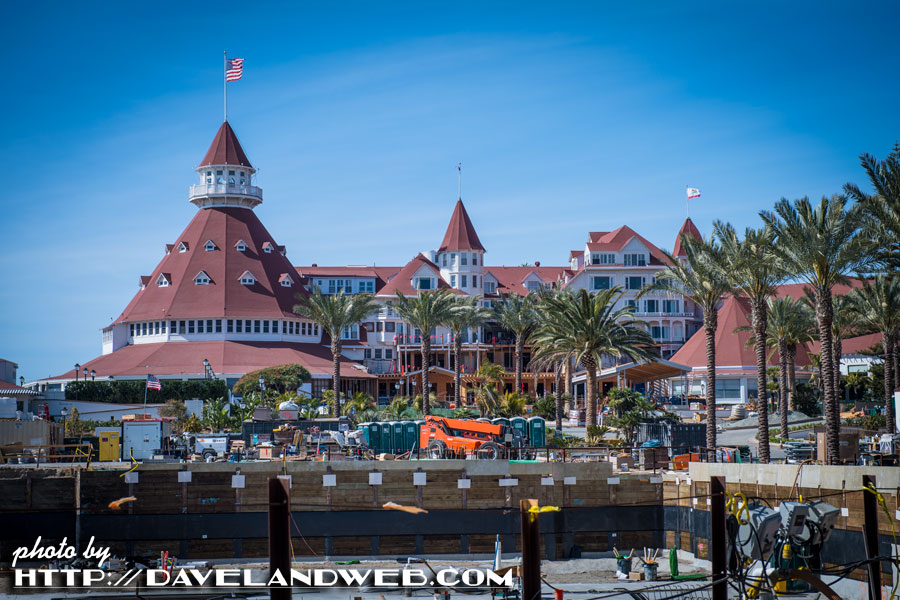
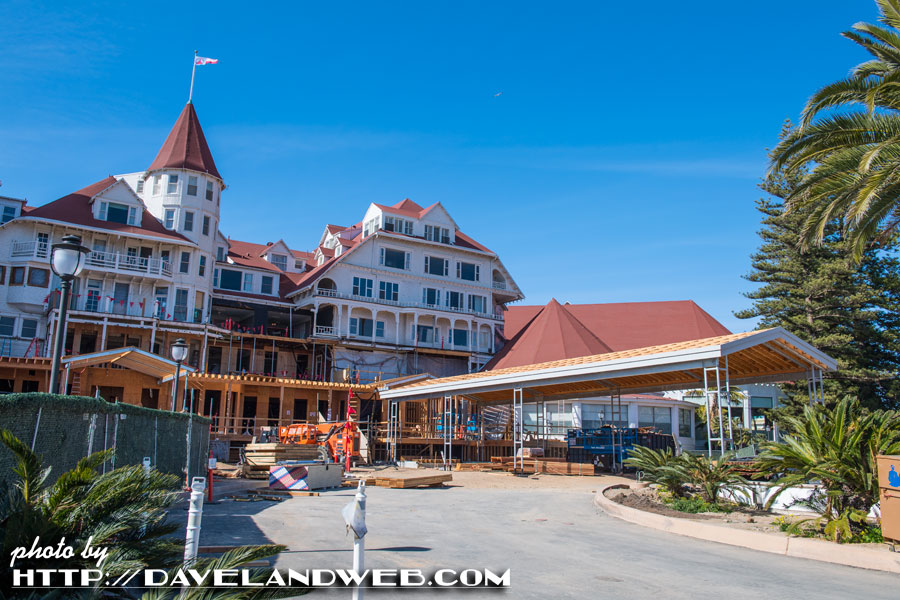
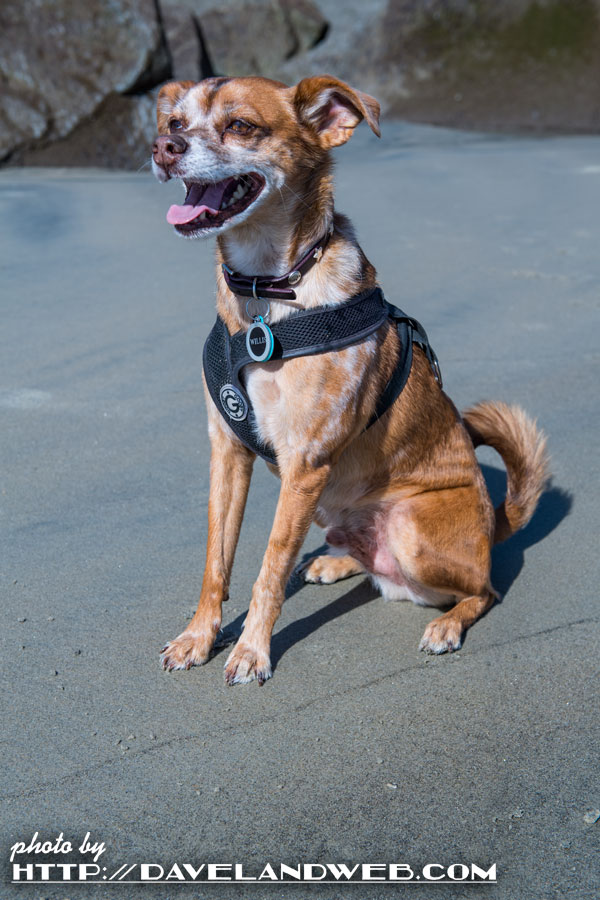
Willis was feeling a little cooped up from a year of quarantine, so we went to Coronado Island yesterday for a stroll along the beach. It had been quite some time since I'd been to this area, and I was surprised to see quite a bit of construction at the entrace to the Hotel del Coronado, one of the historic landmarks of San Diego.


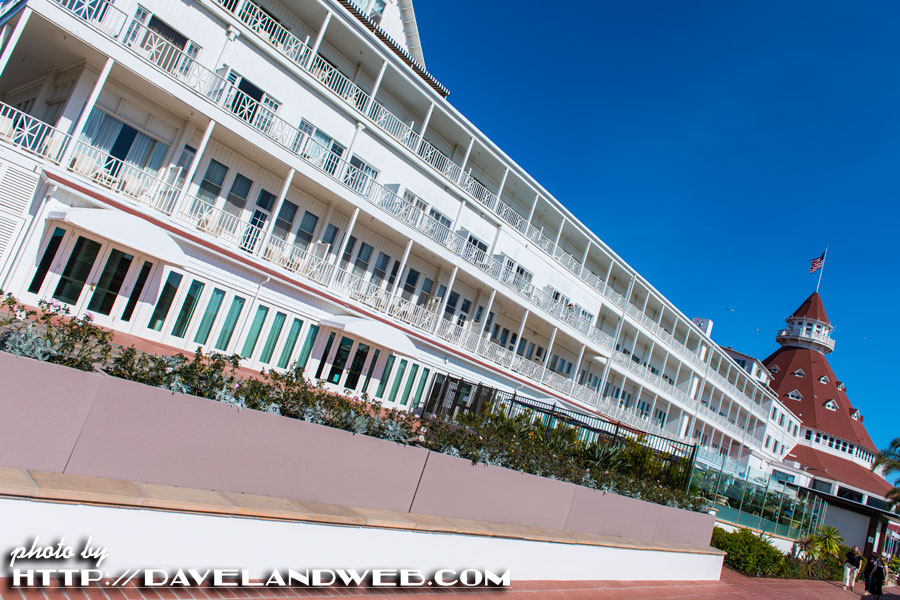
The beachside of the hotel also had some construction fences up, but that didn’t seem to deter tourists/guests who were enjoying the good weather.


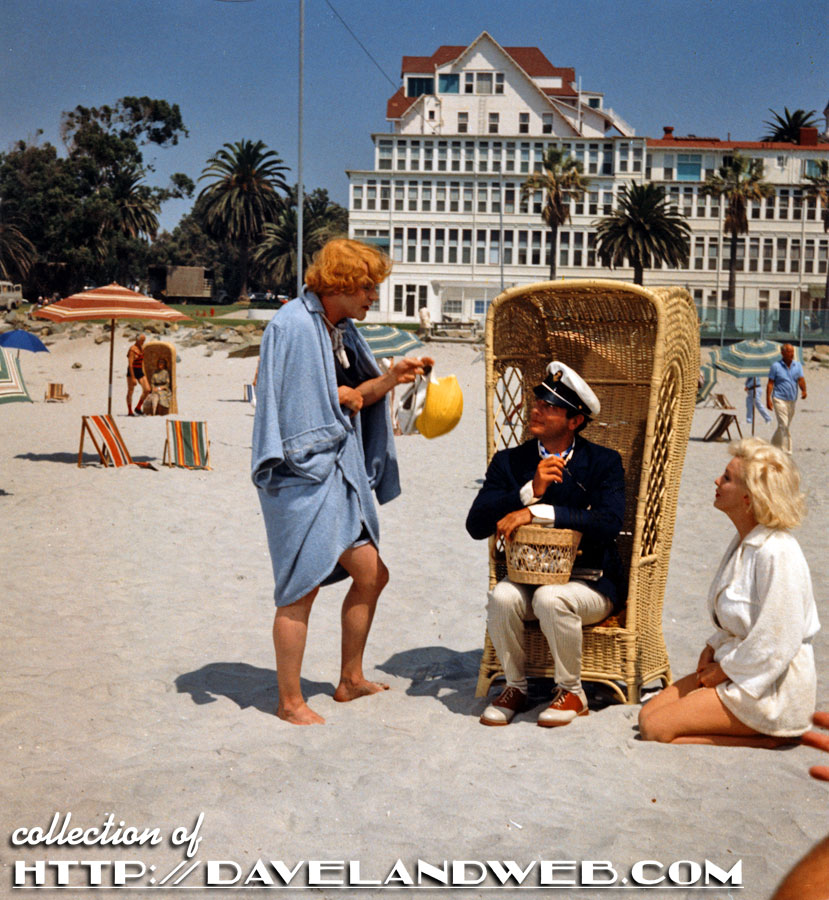
This is the same hotel where Jack Lemmon, Tony Curtis, and Marilyn Monroe cavorted on the beach in the classic Billy Wilder comedy “Some Like It Hot” (1959).


The Hotel’s website has this information somewhat hidden at the bottom of the "what to expect" page:
  • Fitness Center (opening early 2021, if health regulations allow)
  • Windsor Lawn on the beach side of the Victorian building (opening July 2021)
  • Ice House Museum (opening by summer 2021, if health regulations allow)
  • Lower level retail shops (opening late spring 2021; The Signature Shop and Brady’s for Men are open off the Garden Patio)
  • Victorian lobby, front porch, and south entrance drive and walking paths (opening by summer 2021)
  • Ocean Towers guestrooms (reopening as The Views, July 2021)
  • 142 new residential rooms and suites, and a conference center on the south end of the resort (opening summer 2022)
I’m most curious to see if they put the Victorian lobby back to its original splendor; currently owned by Hilton, the lobby has definitely been “dumbed down” over the years. Not surprisingly, they are doing lots of new construction (residential rooms and suites and the conference center) which might help them actually turn a profit.


Willis enjoyed the beach; it had been too long since his last dipping of the paw into the tide!


See more Coronado Island photos at my main website.

Friday, February 26, 2021

Columbia State Park in 3D!


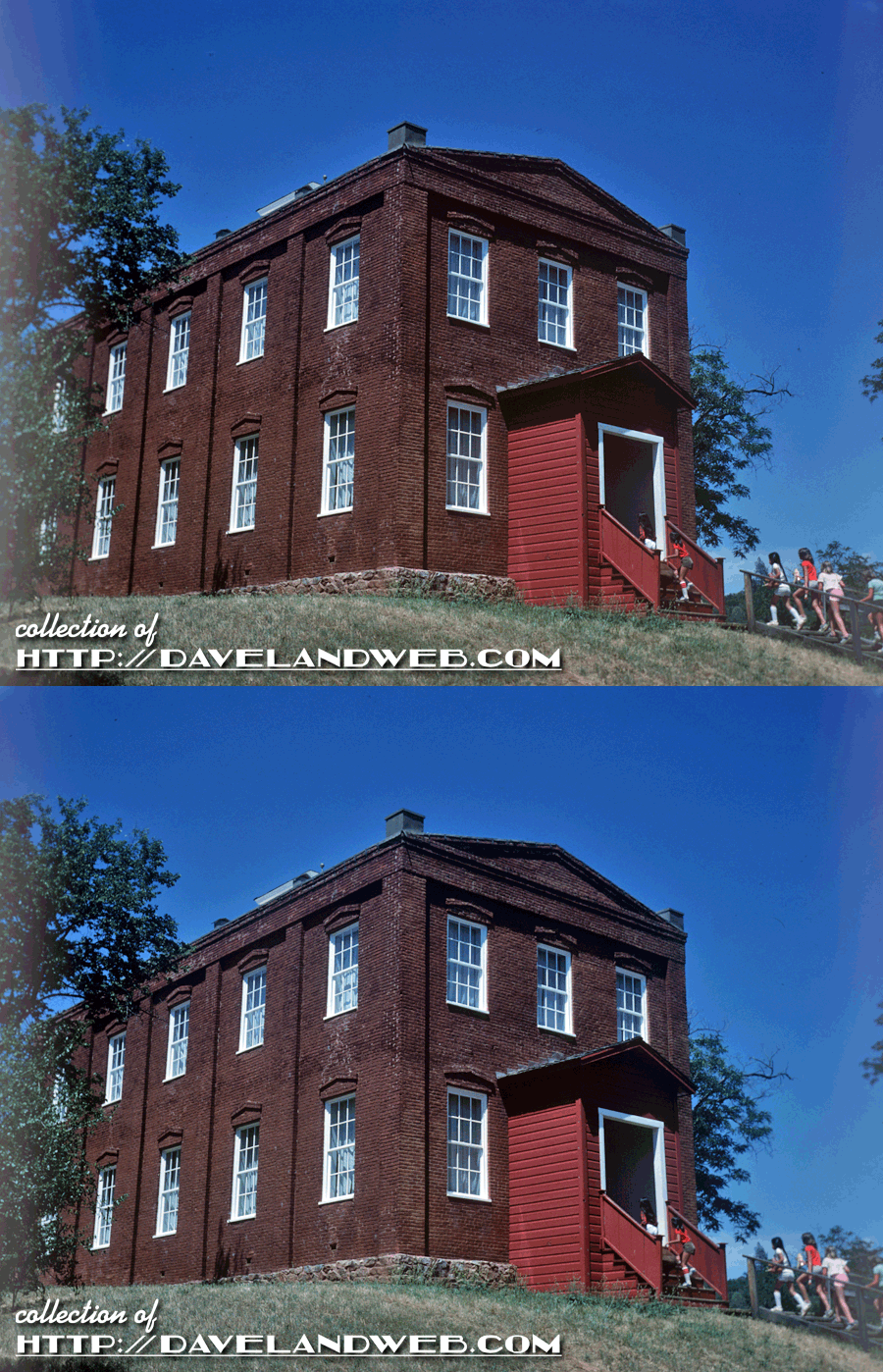
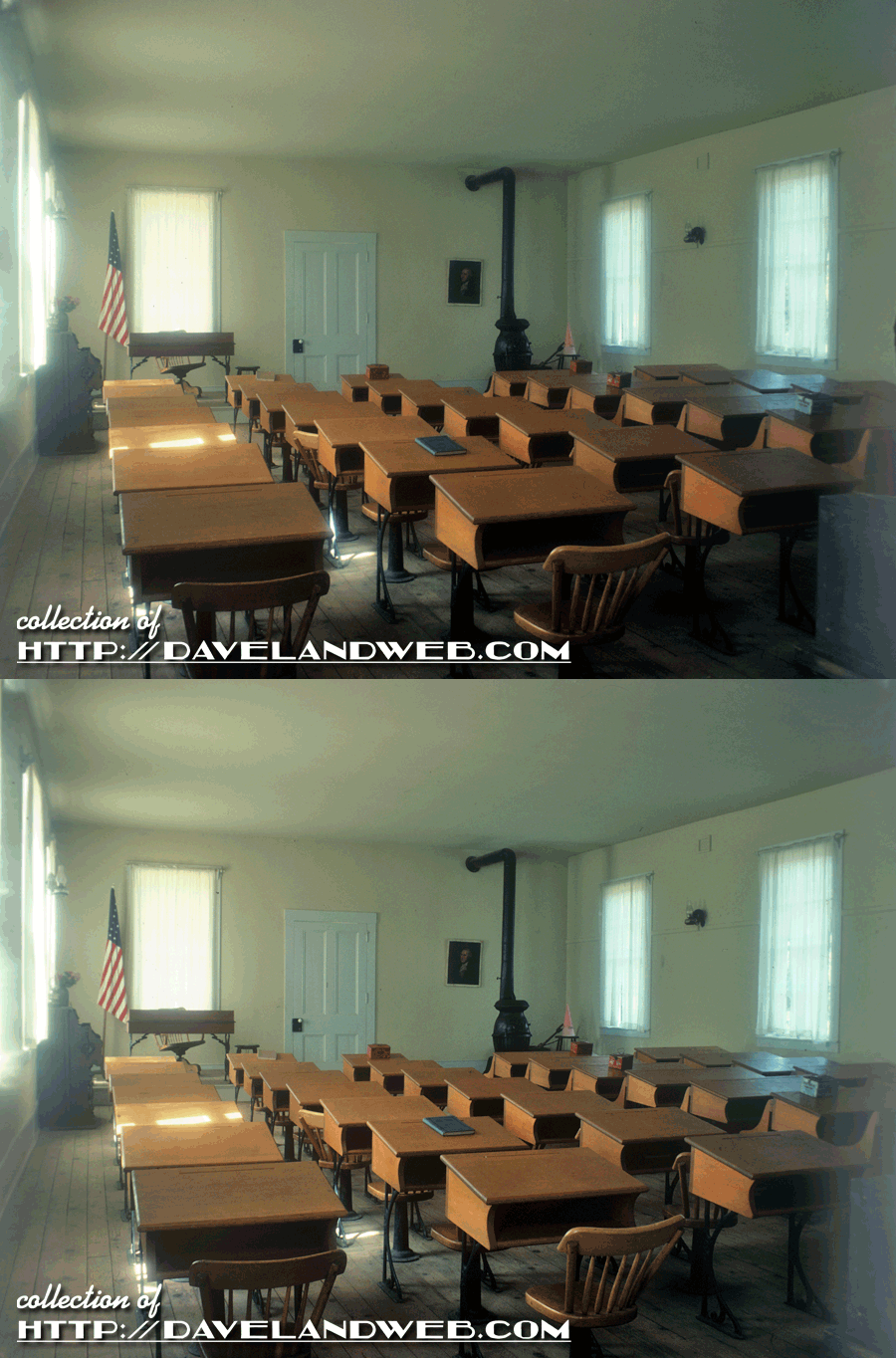
Although it may not be as famous as some other Ghost/Gold Rush/Mining Towns, visits to Columbia State Park were a staple of my childhood. I still recall riding the stagecoach which was magically held up by bandits of the Old West each time. Even though I knew what was coming, it never failed to disappoint…especially the time my smart-ass brother decided to heckle the bandit. Back to this post… By 1852 (only 2 years after gold was first discovered here) there were 8 hotels, 4 banks, 17 general stores, and over 40 saloons. The images presented here are from 3D strips of film from the 1970s, presented to you in genuine FauxD©! Let’s start with a visit to the old Columbia School House, bult in 1860. While less ornate than the one you might see at Calico or Knott’s Berry Farm, it still gives a feel of the era. The school had 368 students in attendance in its first year and was staffed by two teachers and a principal. It was open for biz until 1937 when it was closed for not meeting earthquake safety requirements. Renovated in 1960, it is open for tours.


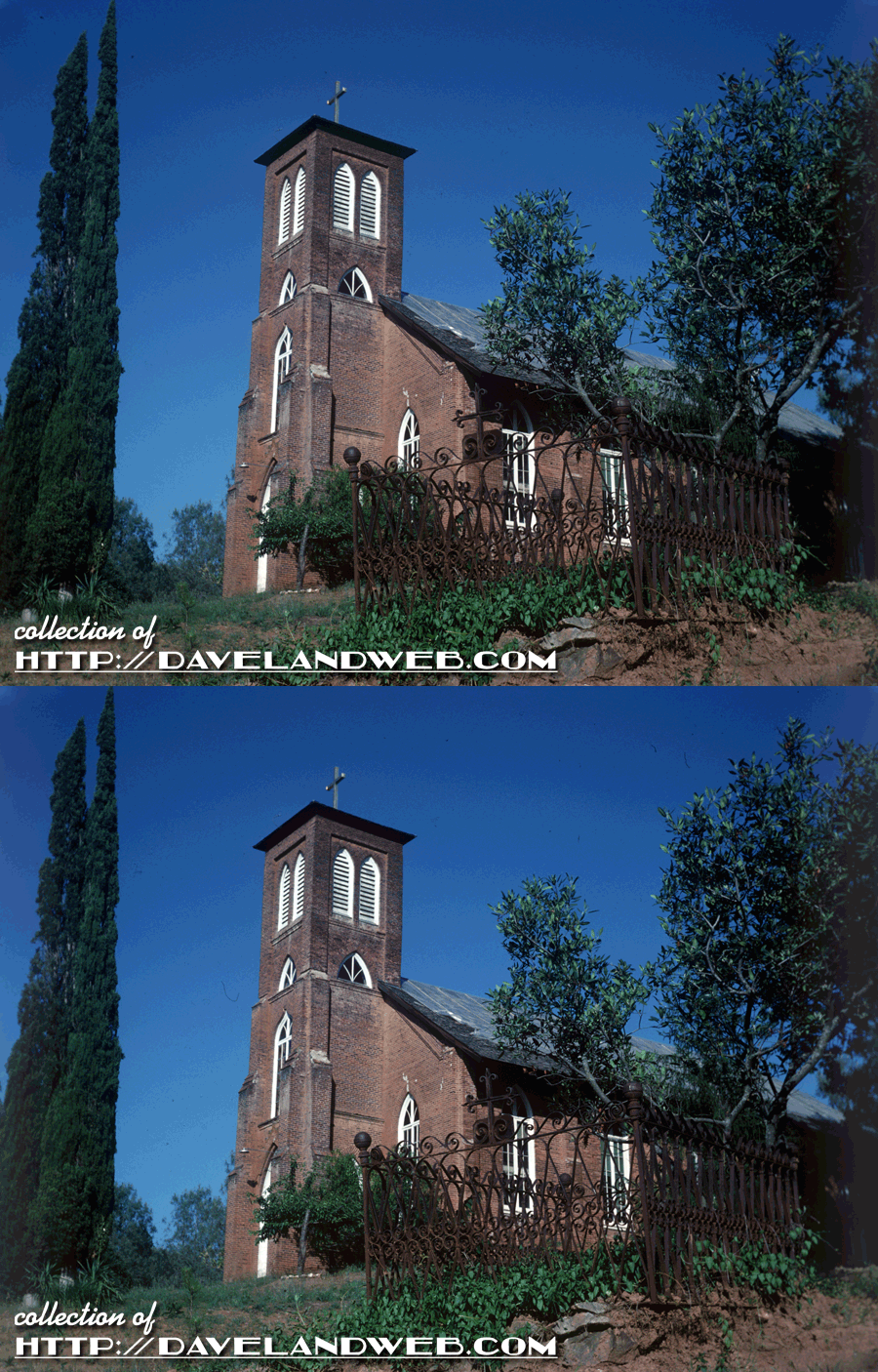
Saint Anne’s Catholic Church was the first brick church built in California back in 1856. Brick…not adobe!


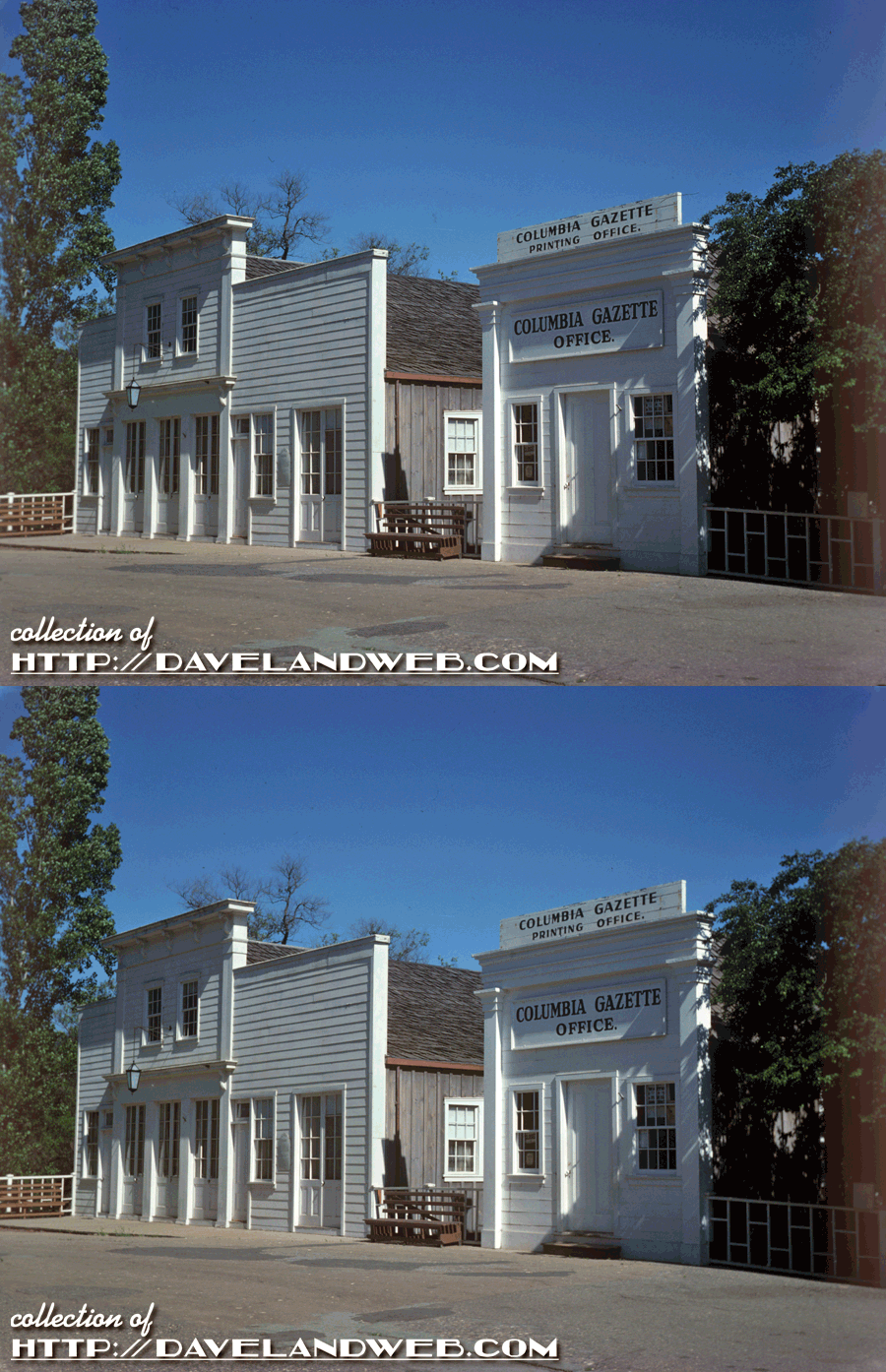
Here is a recreation of the original Columbia Gazette Printing Office, which was lost to fire in 1857.


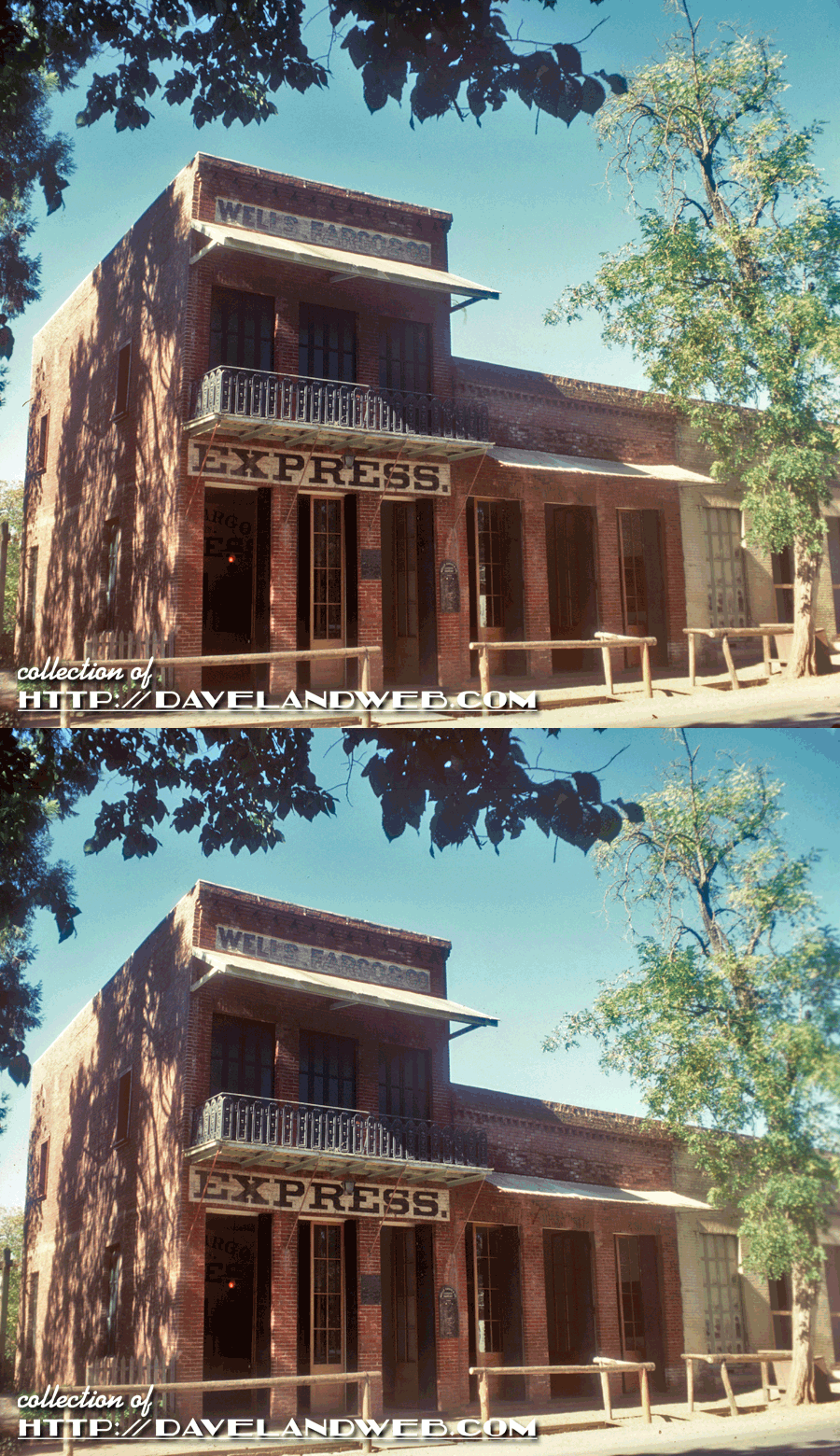
The historic Wells Fargo Express Office, built in 1858.


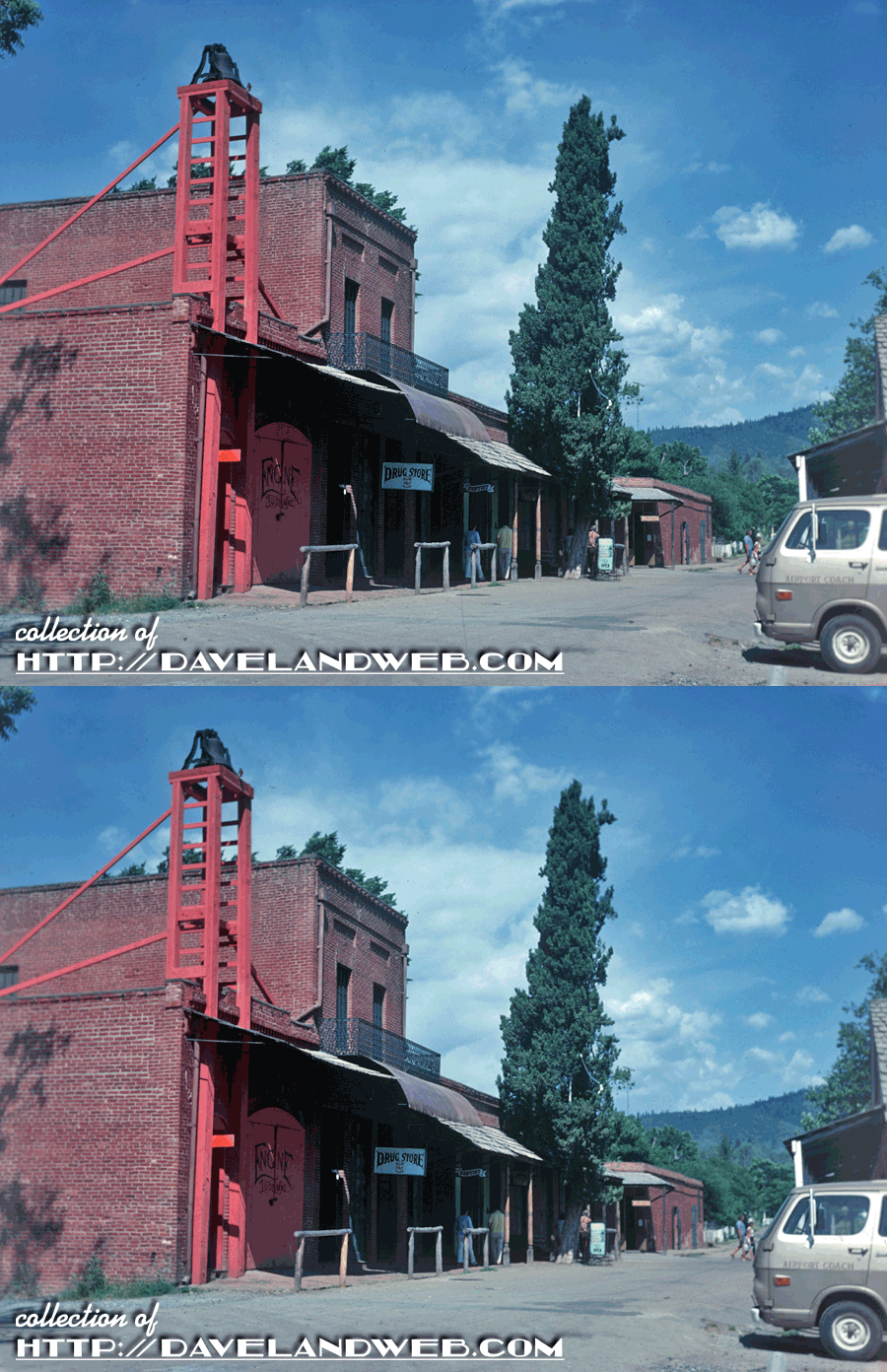
The last one for today shows the Fire House, Drug Store, and Dentist's Office:


I still remember the candy store in Columbia, where you could get rock candy (which looked like rocks) wrapped in a metal mining dish. What a thrill! See more Columbia State Park photos at my main website.
Thursday, February 25, 2021

Pete on Bourbon


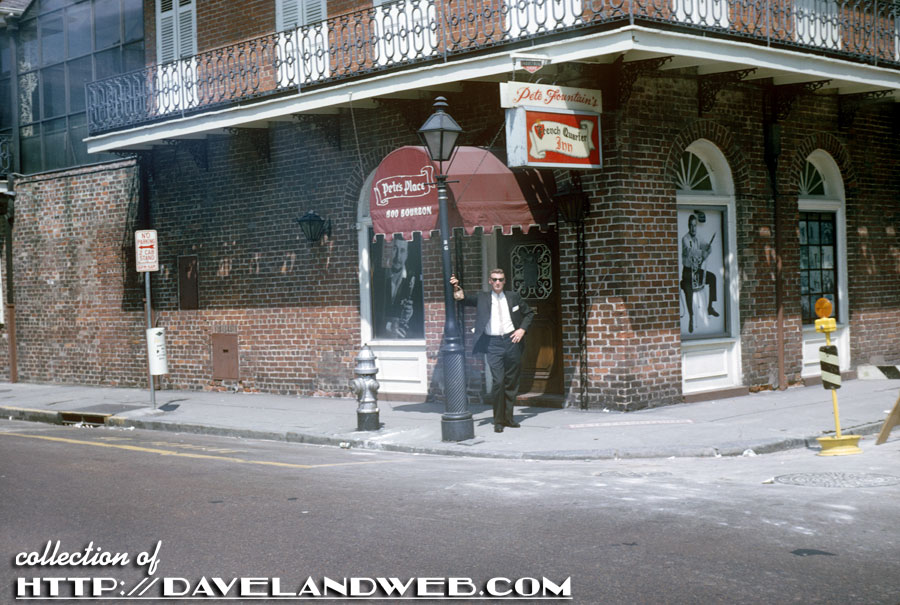
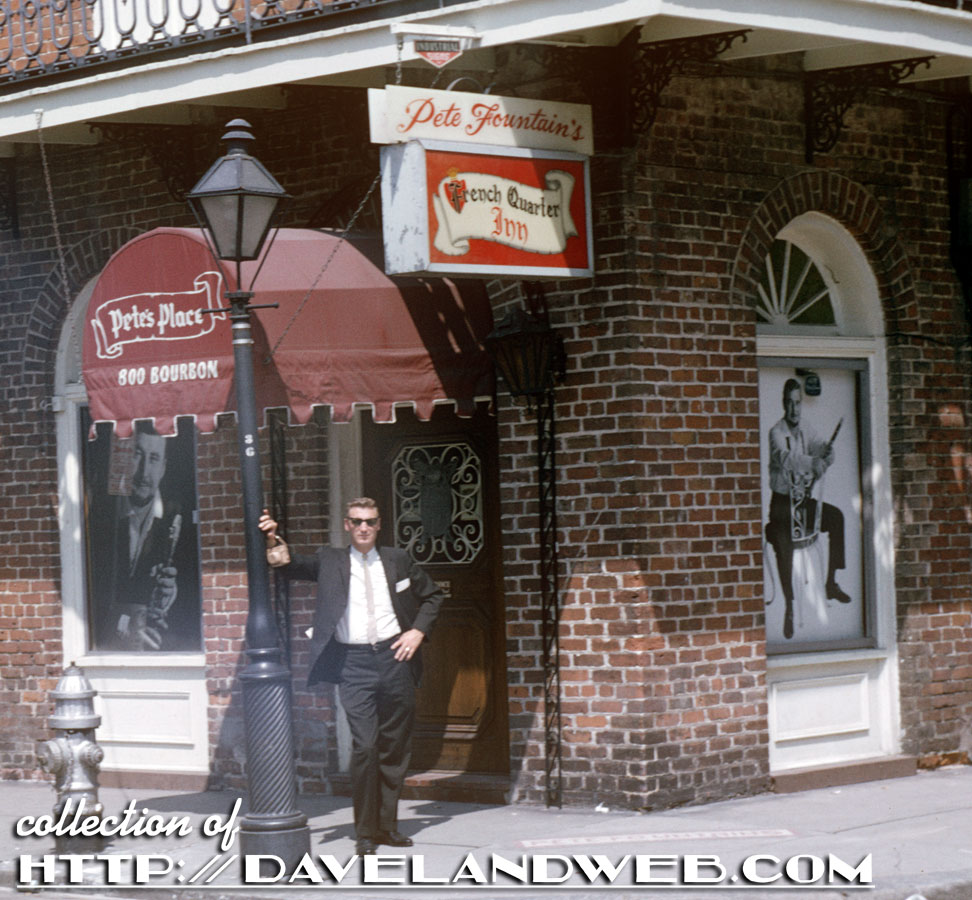
Sorry - not sorry - but we are back in New Orleans! Today‘s vintage image is from June 1965 and shows a dashing gent posing in front of Pete’s Place at the corner of Bourbon and St. Ann Streets in the French Quarter. The club opened in November 1960; previously it was La Lune.

From the website nola.com: Jazz clarinetist Pete Fountain, who was known to music fans around the world, often joked that he attended the “Conservatory of Bourbon Street,” eschewing his studies at Warren Easton High School in favor of the musical education he received as a teenager playing in French Quarter clubs. “We tried to call it the French Quarter Inn [note the sign in the photo above], but everyone ended up just calling it Pete’s Place,” Fountain told The Times-Picayune in 1987. “I think my name is still out on the sidewalk.” Fountain recorded two live albums in the club, “Pete Fountain: French Quarter Inn” and “Pete Fountain on Tour.” In 1968, Fountain relocated to a larger space at 231 Bourbon St. He continued performing there until 1977, when he moved to a club in the newly opened New Orleans Hilton Hotel, now the Hilton New Orleans Riverside. Although Fountain died in 2016, he remains an icon on Bourbon Street. His life-sized statue is one of nine included in New Orleans Musical Legends Park at 311 Bourbon Street.

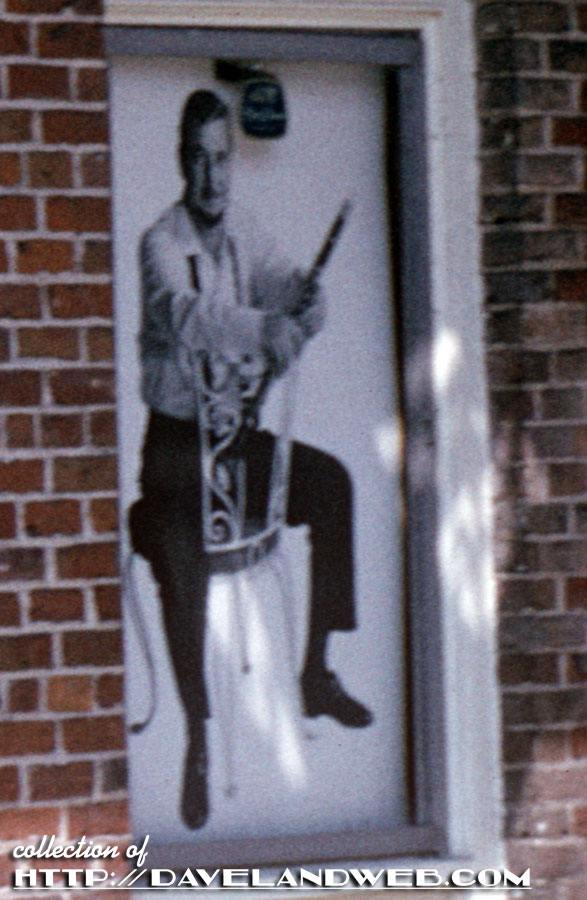
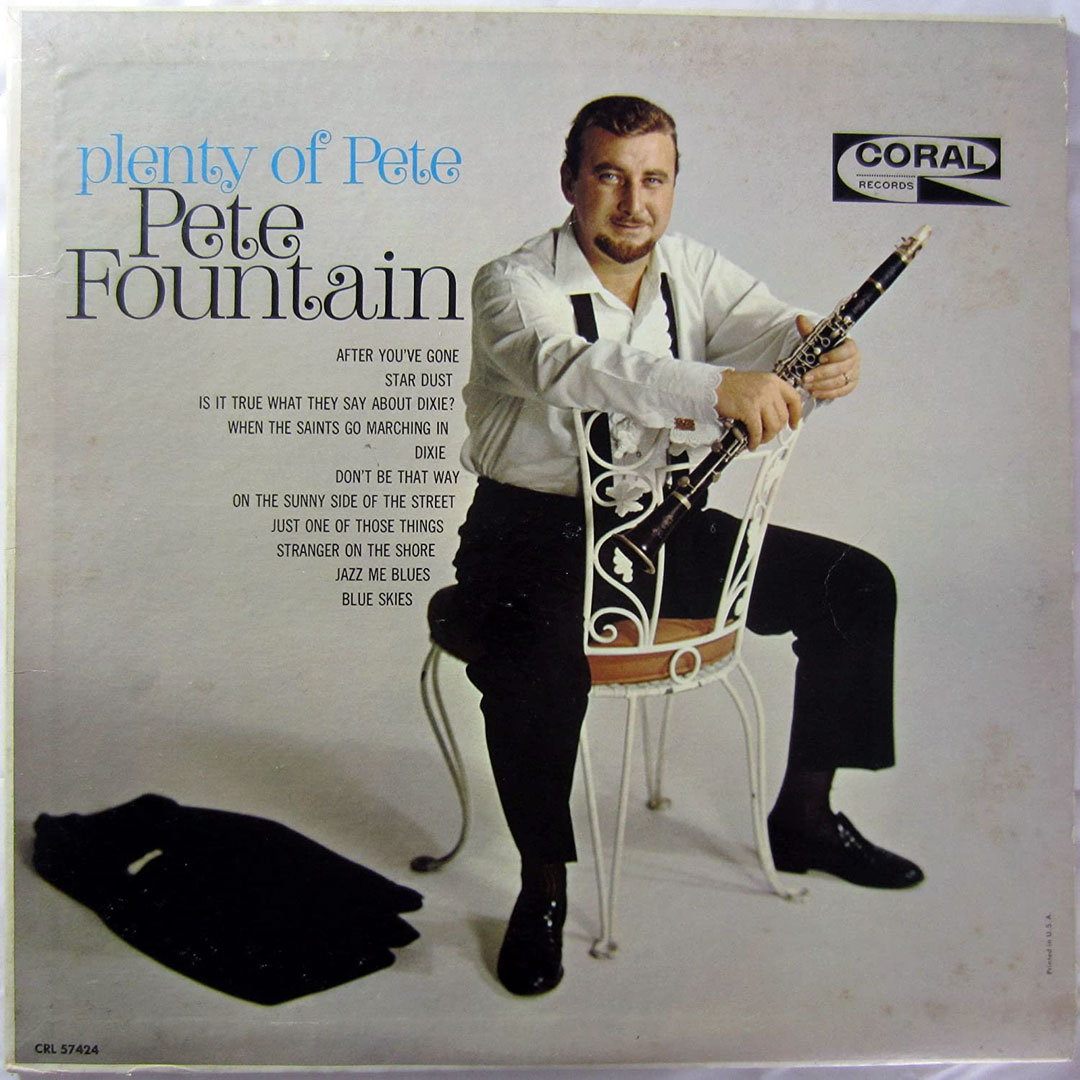
The photo on the side of the club was from the cover of his 1963 album “Plenty of Pete,” which included such classics as “Stardust” and “Just One of Those Things.”


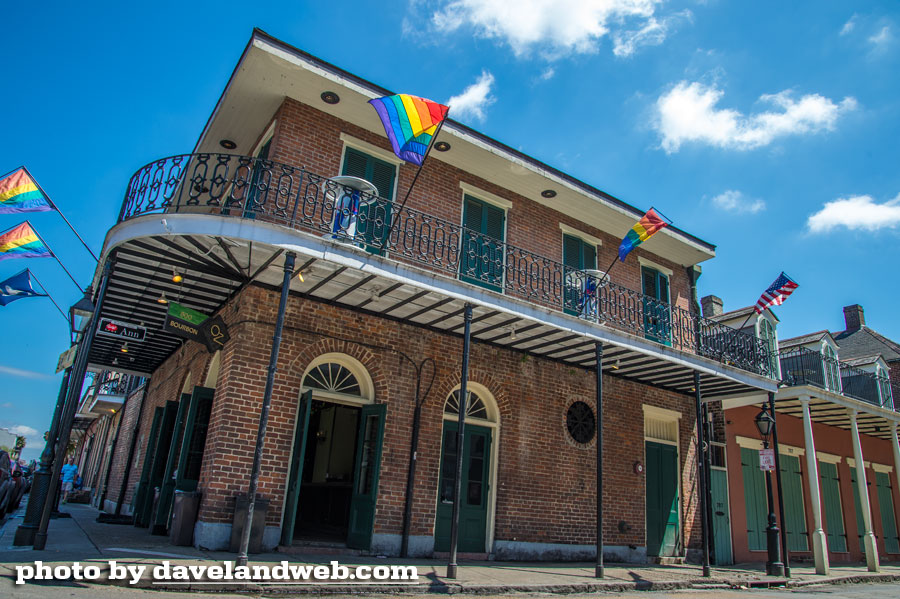
Today, this location is known as Oz, a gay nightclub:


See more Bourbon Street photos at my main website.