Friday, June 14, 2024

The Trouble with Amtrak


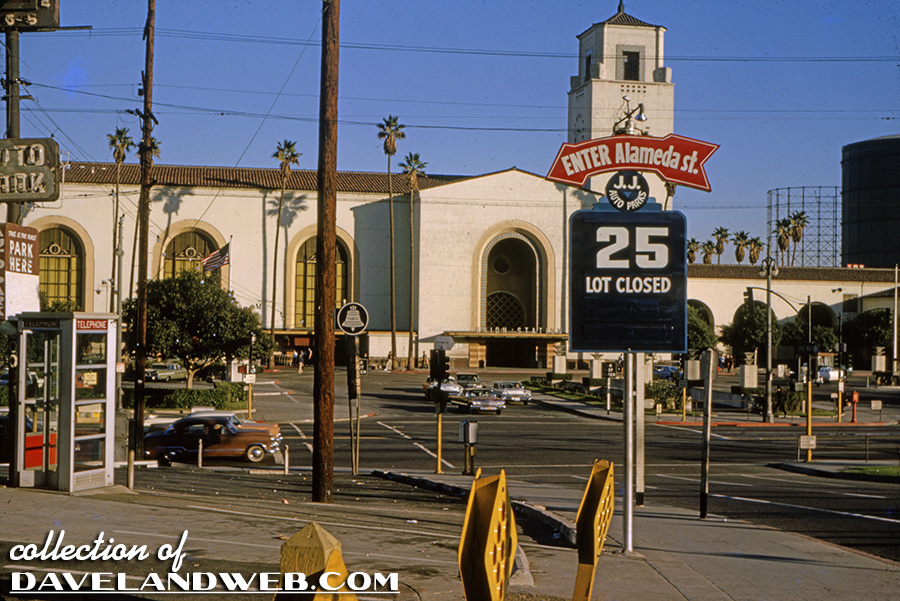
The Los Angeles Union Passenger Terminal (aka LA Union Station) opened in May 1939 and was placed on the National Register of Historic Places in 1980. Here’s how it looked in January 1964.
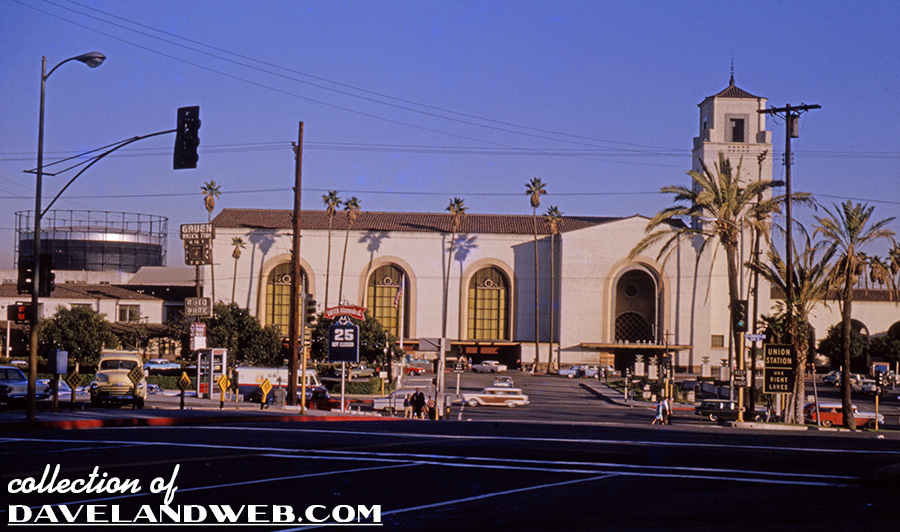


Oh, to know where that Gruen clock ended up!
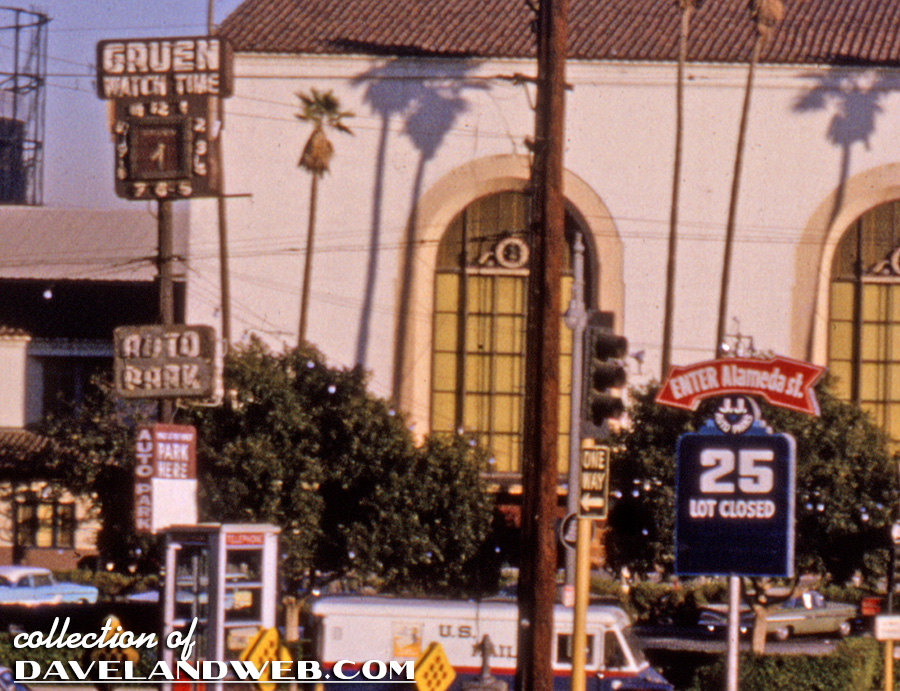


Union Station is still there, still looking good — even though the world around it has changed quite a bit.
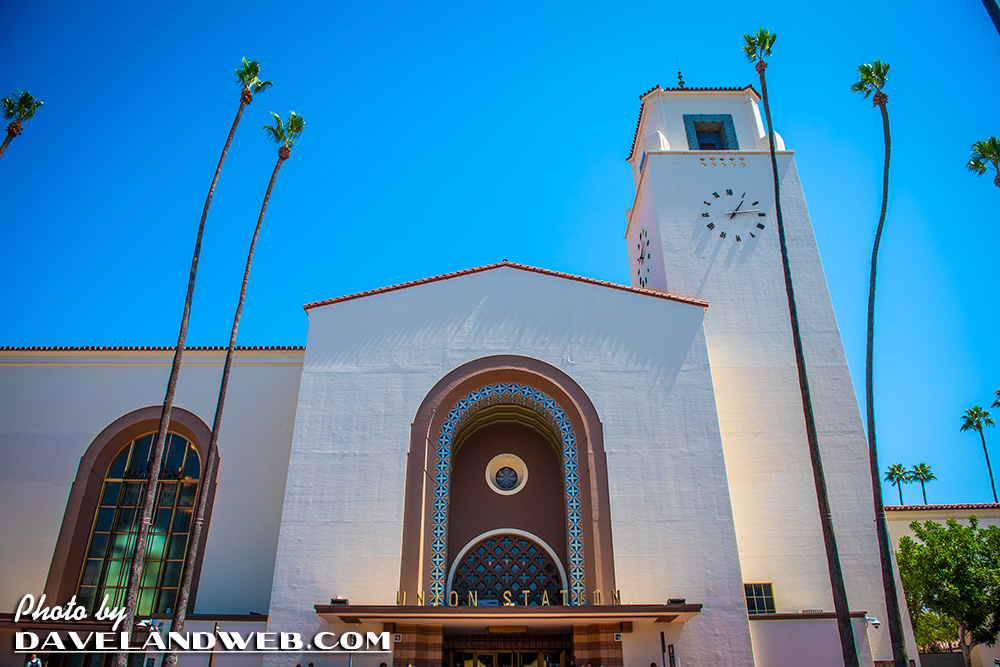


Last weekend for my trip to the Hollywood Heritage Museum, I decided to skip the traffic and the headache of driving and travel by train instead. Unfortunately, I can’t say that Amtrak was worth the switch. A round trip from San Diego to LA is $70; even with the price of gas these days, traveling by train is more expensive than driving. But wait…there’s more. 
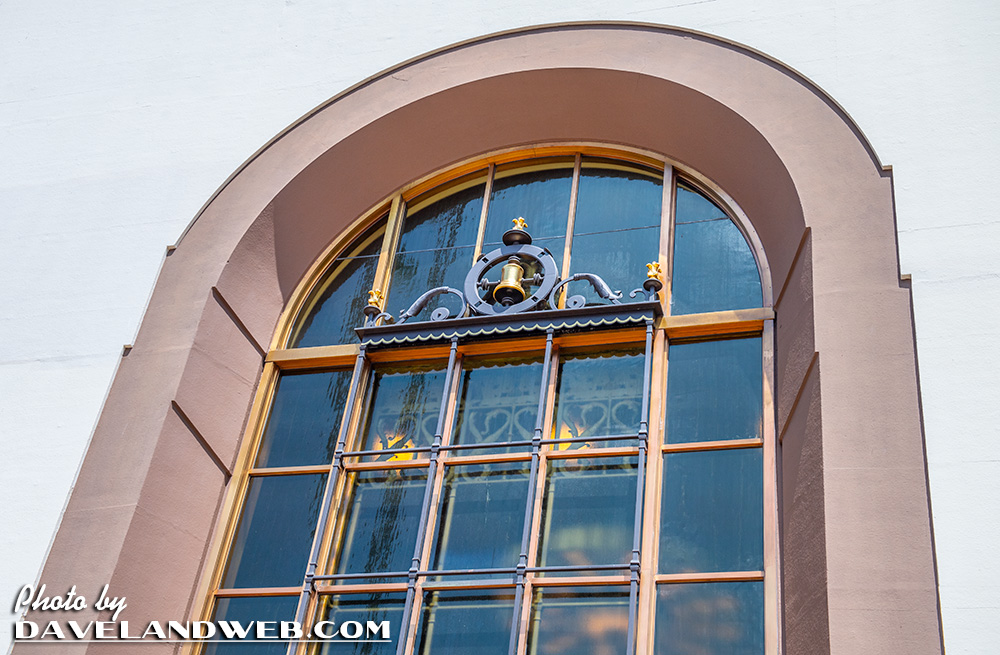


While taking pretty photos of Union Station was a definite plus for traveling by train, my trip cost had to factor in another $70 for round trip via Lyft from Union Station to the Heritage Museum in Hollywood.
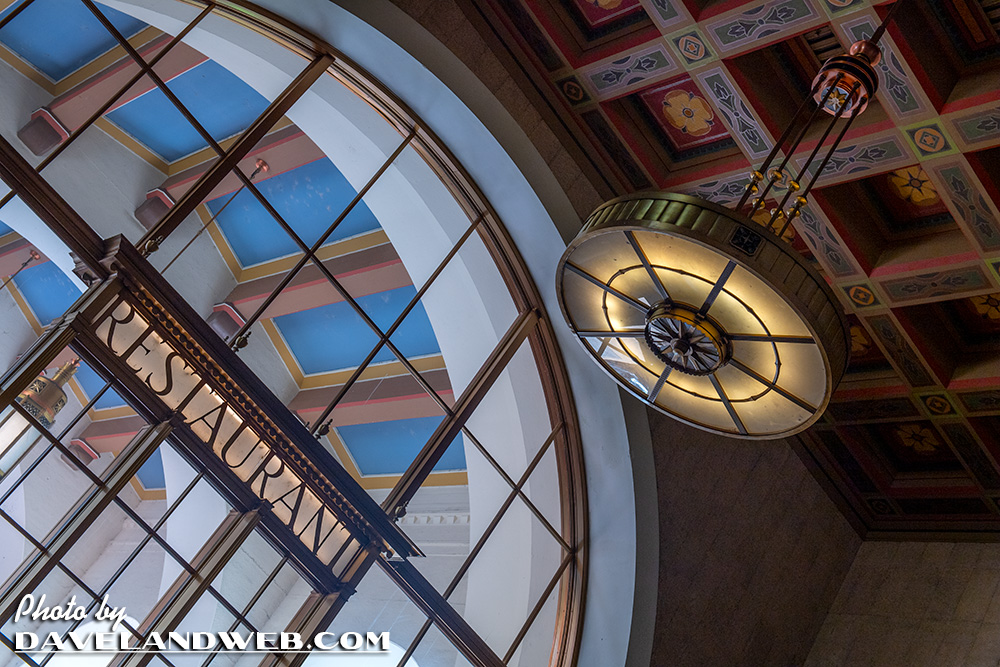


Who knew that sustainability was so much more expensive?
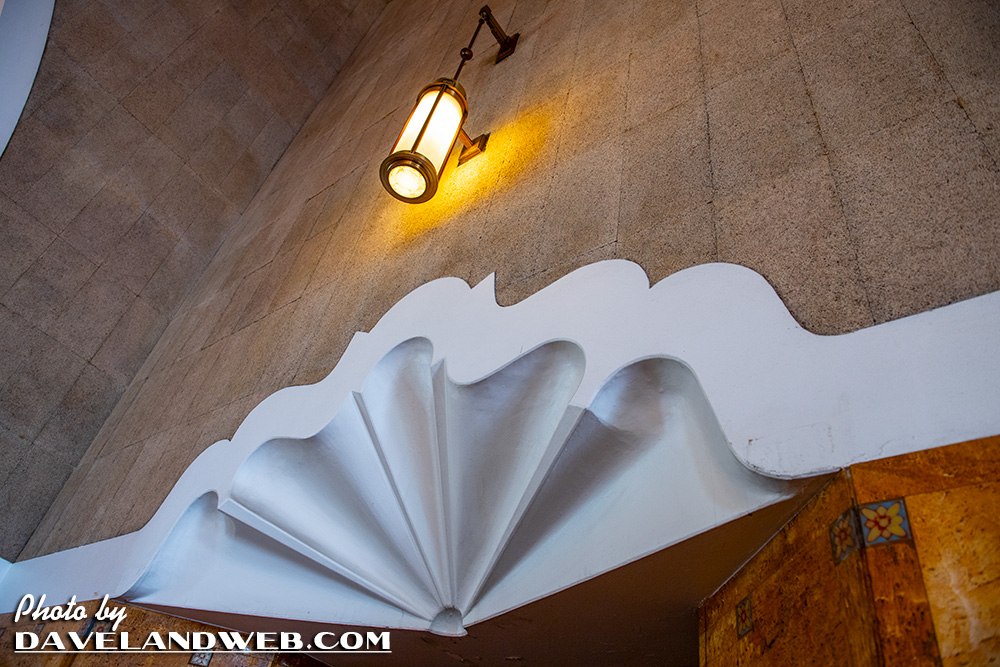


To make matters worse, my train from San Diego to Los Angeles ended up being almost an hour late that day, which cut into my already short amount of time to spend at the museum. AND my time to take photos. You know it’s a bad day when I only take five photos of an architectural treasure!
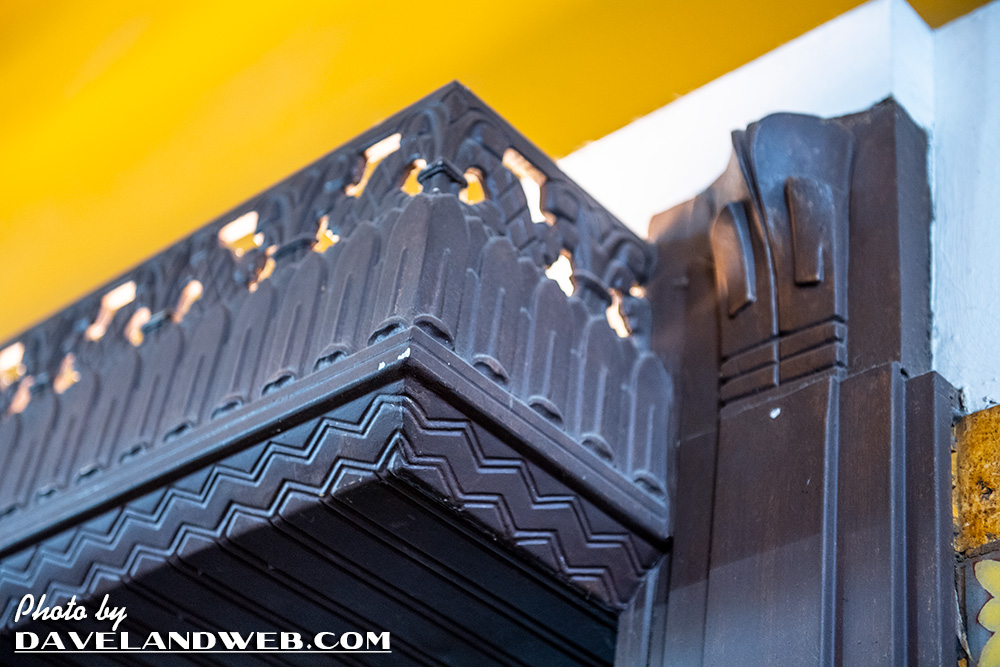


At least the train home was on schedule, allowing me to make my San Diego photo shoot on time.
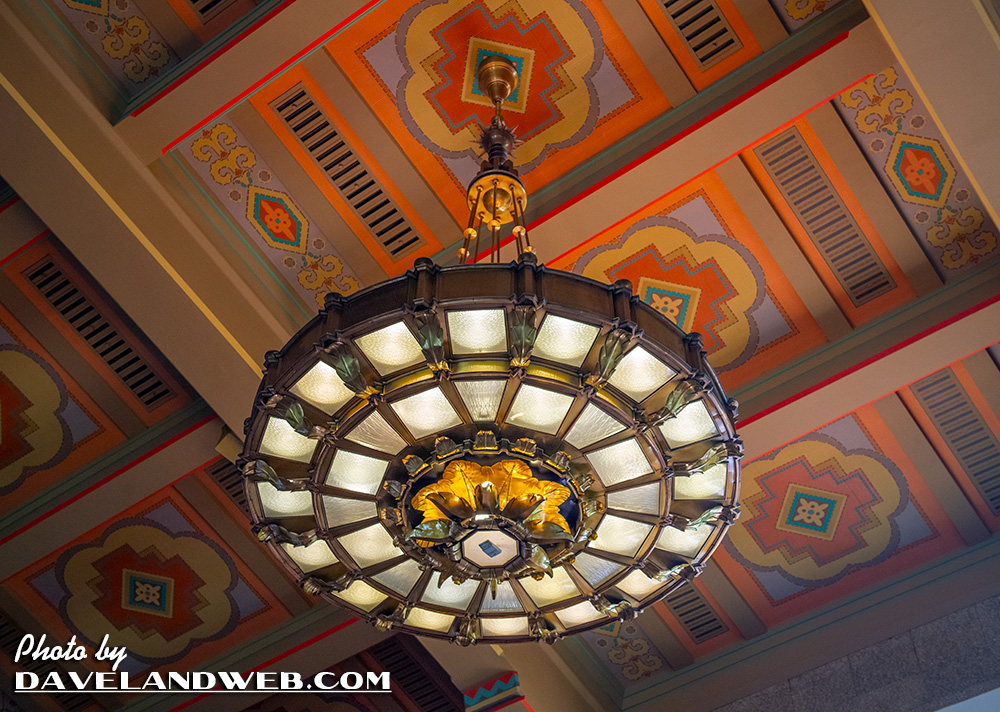


What I was able to trade in stress for traffic was replaced by the stress as to whether Amtrak would pull through on time, making the stress factor a wash. Another negative about traveling by Amtrak is the train schedule itself, with trains running approximately every 2 hours. Yes, I understand they are trying to minimize their costs by not having empty trains, but it sure does not add a convenience factor for those trying to avoid twiddling their thumbs in between trains. On the day I traveled, they ended up canceling a few of their scheduled routes, which does not instill confidence that Amtrak is going to perform when they say they are. Although Amtrak’s text to passengers said that they can make up for the lost time, my train did not. Leading to another mystery…how is it that cars in traffic (visible from the train window) are able to go faster than a train that has the track to itself?

C’mon Amtrak; help a brother out! I want to ditch the car but you don’t make it easy.

See more L.A. Union Station photos at my main website.

Thursday, June 13, 2024

Thursday at the Museum: Jean Harlow


I recently saw a number of rare Jean Harlow items on display at the Hollywood Heritage Museum. She was the 1930s platinum blonde bombshell and comedienne supreme who died way too soon.


There were so many “wows” to see, especially this 1937 painting by Tino Costa, “Farewell to Earth.” A blog post from 2019 covered a bit of the backstory for this 52" x 80" piece of art.


A detailed view of the painting, which was completed after Harlow’s untimely passing at the tender age of 26.


A better shot of the stunning painting from the 2016 Bonhams auction, unencumbered by display glass and other exhibit items overlapping it:


MGM Prop Department Silver Trophy used in two Jean Harlow films (“Red Headed Woman,” 1932, and “Suzy,” 1936) and the 1952 musical classic, “Singin' in the Rain,” from the Brian Bundy collection.


Jean Harlow Frankart Cigarette Holder, 1930s. This art deco treasure from the Brian Bundy collection almost makes me want to smoke.


Jean Harlow in her Club View Drive sunroom with the Frankart Cigarette Holder in the background, 1932:


If the cigarette holder doesn’t get you puffing, maybe this gigantic Jean Harlow Lucky Strike ad will (Marne Rafter collection)!


A Jean Harlow brocade purse, from the Brian Bundy collection:


Jean Harlow’s Rex rabbit fur sleeves on a replica gown, from the Darrell Rooney collection:


Vine Street Brown Derby Jean Harlow caricature by Vitch, from the Darrell Rooney collection:


The Vine Street Brown Derby in Hollywood where the above caricature was on display:


In 1936, Jean purchased three chiffon silk handkerchiefs in different colors: pale blue, navy blue (below, from the Brian Bundy collection):


…and cream-colored (also from the Brian Bundy collection):


1935 photo of Rose Davies (sister of actress Marion), William Powell, and Jean Harlow at Hearst Castle from the Darrell Rooney collection:


The same area at Hearst Castle when I visited in 2010:


1936 Joseff's of Hollywood simulated diamond and aquamarine brooch worn by Jean Harlow in “Libeled Lady.” Also worn by Lucille Ball in “Two Smart People” (1946).


The numbers for room 826 at the Good Samaritan Hospital, where Harlow checked into on June 6, 1937. These pot metal numbers came from the 8th floor just before the wing was demolished.


From the Darrell Rooney collection comes this April 29, 1932 “Grand Hotel” autographed register from the film’s premiere at Grauman’s Chinese Theatre.


1932 Grand Hotel premiere register autographs, including Harlow and husband, Paul Bern.


A photo from the Robin Smith collection showing Bern and Harlow’s arrival at the premiere, signing the register:


A star-studded 1937 MGM Café signed menu from the Darrell Rooney collection:


An MGM Leo the Lion family paperweight from the May 3, 1937 sales delegate luncheon, from the Marne Rafter collection. This was where “Girl 27: The Patricia Douglas Story” took place.


MGM Executive Sam Katz and Jean Harlow at the May 3, 1937 luncheon:


There are very few color photos of Jean. Here’s a beauty from the Darrell Rooney collection, circa 1937 Jean Harlow, shot by James Doolittle:


Hearth tiles by Davis and MacDonald of Los Angeles, were recovered from the fireplace of Jean’s last home at 512 N. Palm Drive in Beverly Hills, and are part of the Darrell Rooney collection.


Also from the Darrell Rooney collection is this photo of famed illustrator James Montgomery Flagg sketching Jean for a 1936 Photoplay magazine cover:


The sketch itself! For whatever reason, this illustration was never used by the magazine. Glad it still exists!


If you’re excited to go to the Heritage Museum to see these items, unfortunately, the exhibit ended last weekend.


See more Hollywood Heritage Museum photos at my main website.

Tuesday, June 11, 2024

Temple Tuesday: A Lot of Bull


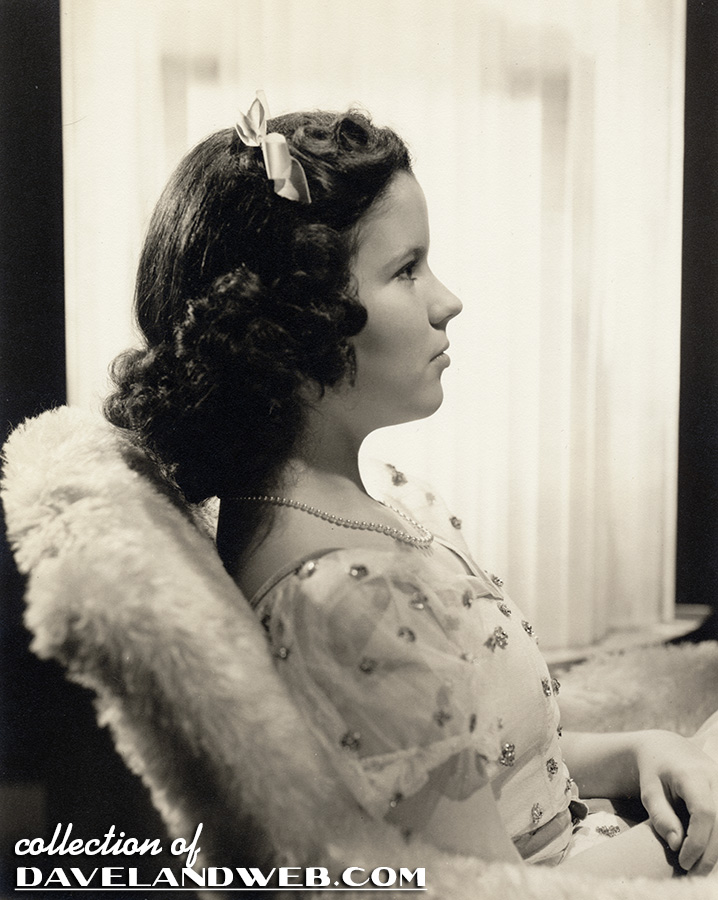
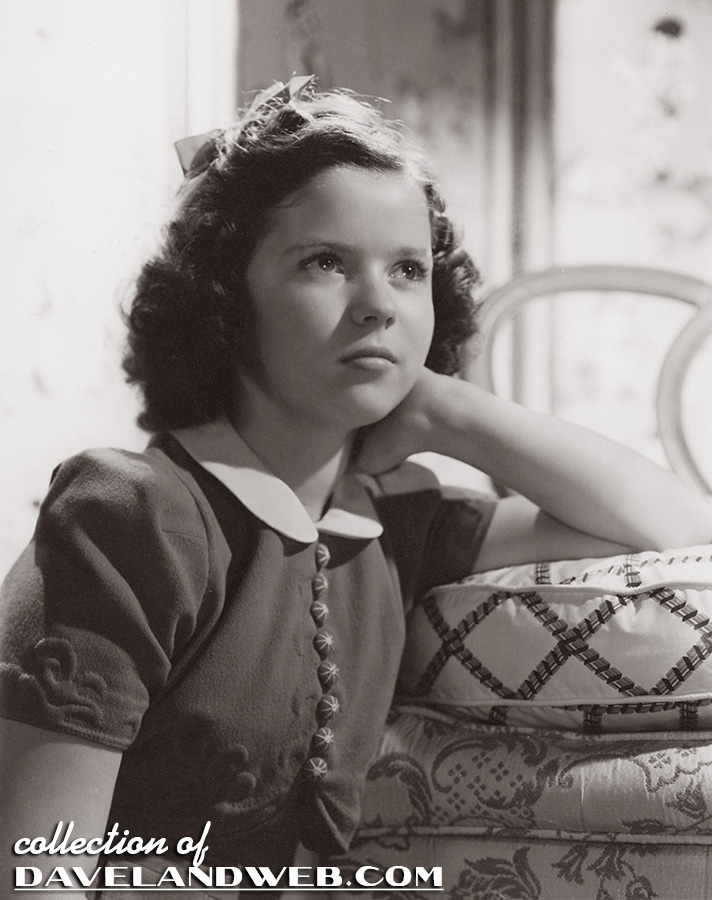
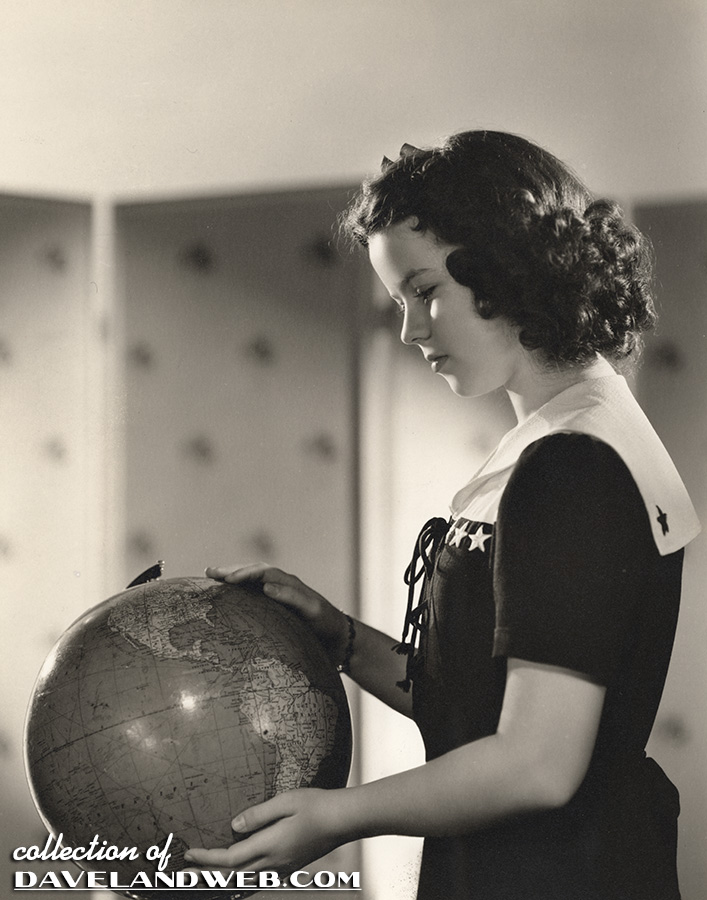
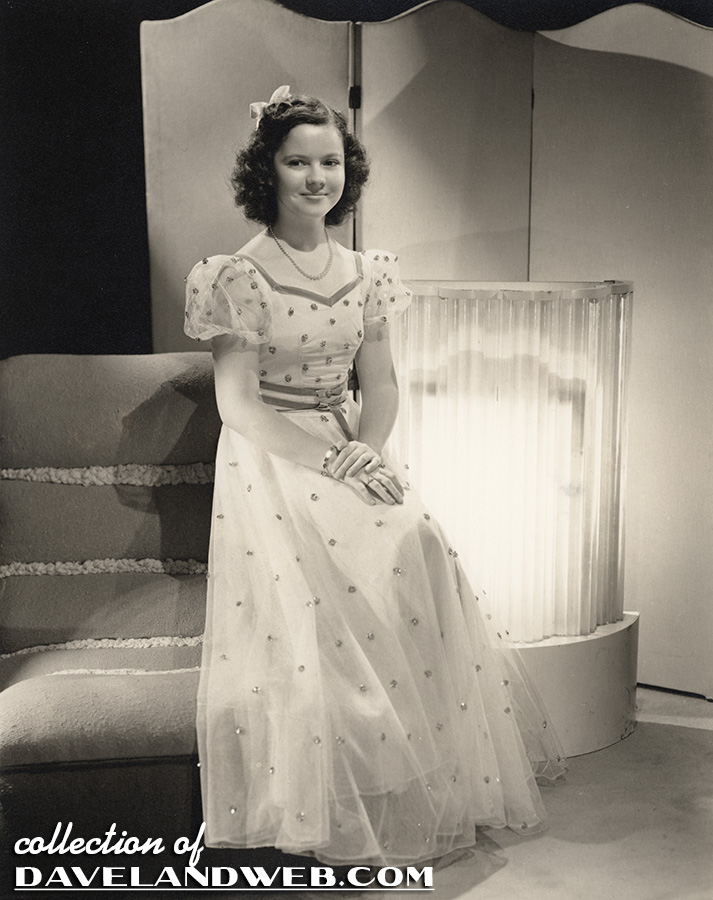
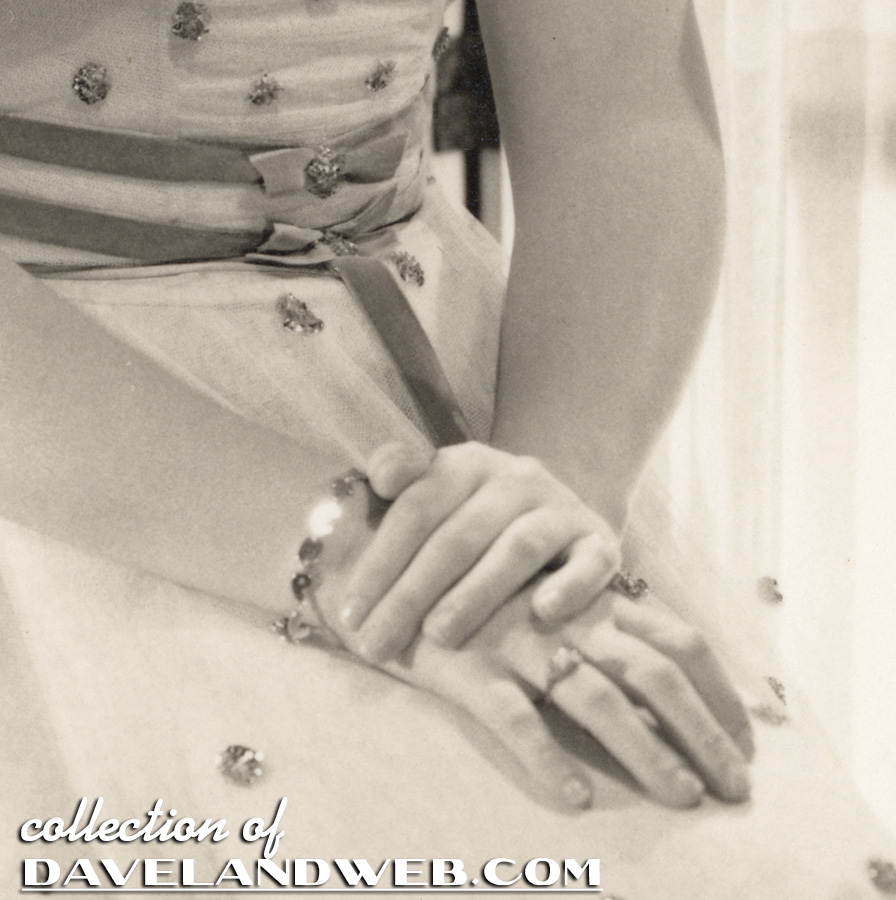
When Shirley Temple signed on at MGM in January 1941, the publicity machine wasted little time in promoting its newest star. None other than Clarence Bull was enlisted to give Shirley the glamour treatment, as seen by the portraits shown here. For a bit more about Bull, here’s an excerpt from the 2008 book Glamour of the Gods by Robert Dance and John Russell Taylor:

Clarence Sinclair Bull’s long association as a photographer with the studio that would become Metro-Goldwyn-Mayer began when producer Samuel Goldwyn hired him in 1919. Managing to survive the commotion of the consolidation of Hollywood in the early and mid-1920s, Bull found himself at the helm of MGM’s stills department when the studio was formed in 1924, and stayed there until retiring in 1961. The enormity of MGM’s output of films in the 1920s—they advertised a new feature every week—saw Bull’s domain grow. He was responsible for managing MGM’s staff of photographers and the large support crew of technicians needed to develop, re-touch, print and collate the hundreds of thousands of prints distributed annually by MGM’s publicity department. At least one photograph from the 1920s shows Bull with twelve stillsmen who juggled the task of shooting photos on as many as a dozen films that might be concurrently in production. At MGM, like the other studios, these men—and it was an almost exclusively male profession—worked six days a week and often long hours each day. Generally one photographer was assigned to a production and, as filming was underway, he would document each scene using an 8 x 10 view camera. These cameras not only had lenses with sharp resolution, but contact prints could be made from the negatives quickly and in enormous quantities. The stills made for each film were numbered sequentially and gathered together for a book. Stills photographers also created the images used for poster art, lobby cards and other forms of advertising conceived by imaginative publicity chiefs and their staffs.

The first photo was numbered 5241; the one below 5245:


5257:


5266:


For SJR, I knew you’d want to see this detail:


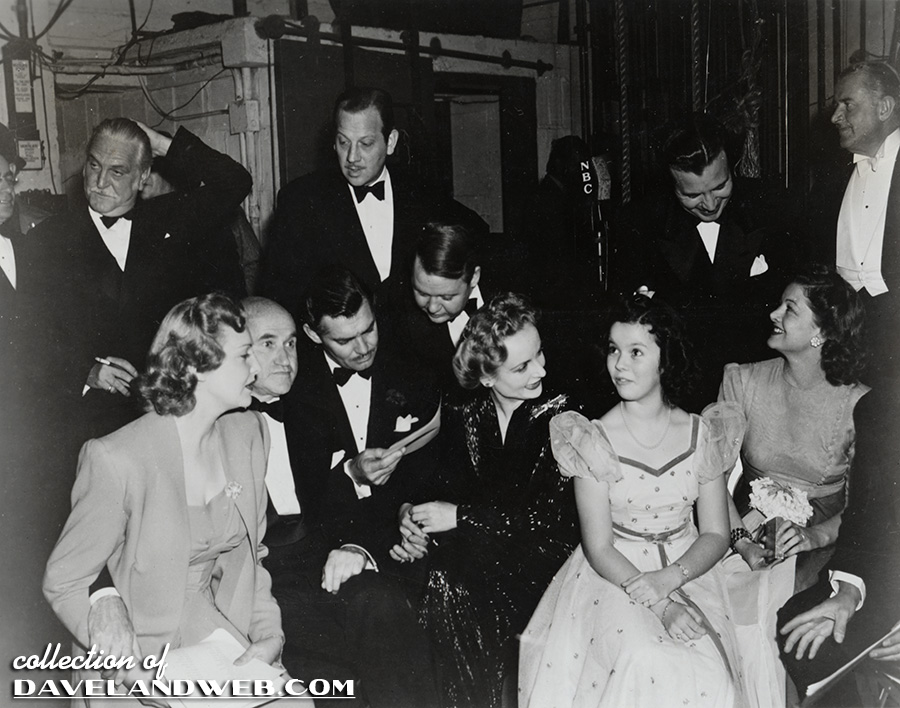
Often, movie studios would allow their stars to wear gowns provided by the costume department when they were to be seen in public at events. This would ensure that the stars looked their best for the paparazzi! Shirley wore the gown seen above to the February 8, 1941 Greek War Relief Benefit at Grauman’s Chinese Theatre. Back row: Frank Morgan, Melvyn Douglas, Charles Laughton, Dick Powell, and Reginald Owen. Seated: Madeleine Carroll, Samuel Goldwyn, Clark Gable, Carole Lombard, Shirley Temple, and Myrna Loy. , 


Back to Bull…the photo below was stamped #5267:


The accompanying caption is extremely interesting:

SHIRLEY TEMPLE…Young veteran of the screen, poses for her first portrait sitting after signing her contract with Metro-Goldwyn-Mayer. The youngster will start work on two pictures for the studio “Barnacle Bill,” with Wallace Beery, and “Babes on Broadway,” with Mickey Rooney and Judy Garland. Here the tiny star wears a many-pleated skirt with a pique-collared jacket.

By the time the photo was released, the plans had been changed! Shirley was removed from both films, most likely because the Temples did not feel Shirley should be relegated to supporting roles. Instead, Shirley was made the lead in a low-budget picture (or at least as low budget as MGM could do!) titled, “Kathleen.” MGM’s frustration can be seen on the back of the photo. The portion of the above caption about her two projects AND the description of the outfit were crossed out; in pencil the following simple replacement was written:

The young star is now working in “Kathleen.”

Despite all the initial excitement and publicity about working at Hollywood’s most elite film studio, Shirley’s contract was canceled after the one movie.
   
See more teenage Shirley Temple photos at my main website.

Monday, June 10, 2024

Monday at the Museum, Part 1


For all the times I’ve driven by it, I can’t believe it took me this long to finally go inside the Hollywood Heritage Museum, located across from the Hollywood Bowl on Highland Avenue. Housed inside the oldest movie studio in Hollywood (1912), the museum’s collection is jaw-dropping. Since today is the anniversary of Judy Garland’s birth in 1922, part one of this post is squeaking by just in time! From the collection of Woolsey Ackerman comes this blouse worn in Garland’s 1944 classic, “Meet Me In St. Louis”:


When Judy’s character, Esther Smith, mistakenly beats up the boy next door (Tom Drake), she is wearing this blouse.


These shoes were worn by Garland in the same movie, primarily in the “Skip to my Lou” and “Under the Bamboo Tree” musical numbers.


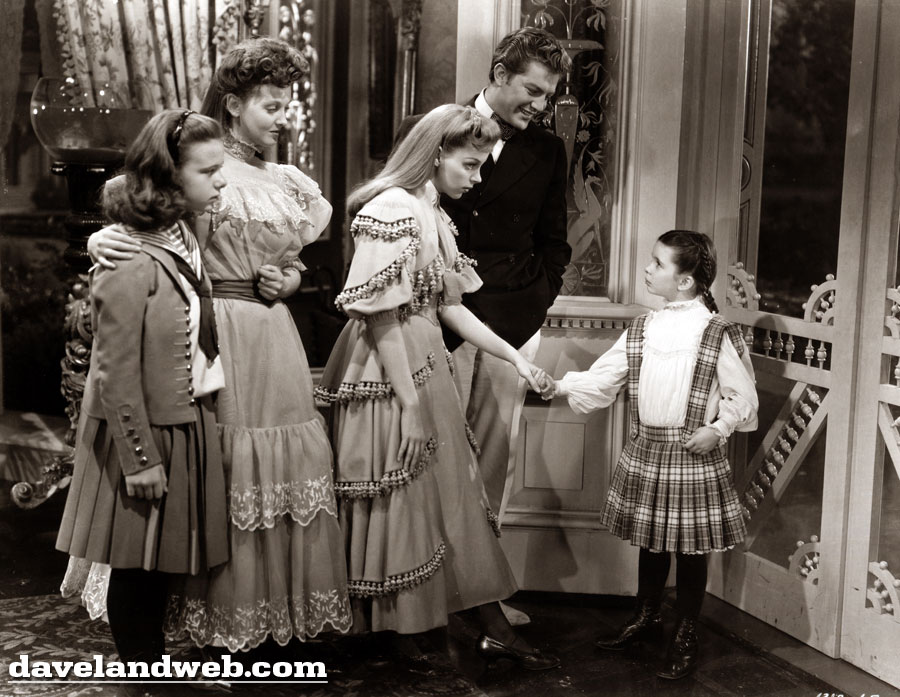
The shoes can be seen in this still from the movie with Joan Carroll, Lucille Bremer, Garland, Henry H. Daniels Jr., and Margaret O’Brien:


It would seem that the jeweled bow was lost at some point over the years:


This blouse (part of the museum’s permanent collection) was worn in 1938’s “Everybody Sing” starring Judy:


Here’s the number that Garland performs while wearing the same schoolgirl outfit. It is one of my favorite early Garland MGM songs, “Swing Mr. Mendelssohn.”


Also from the Ackerman collection is this original Judy Garland “Wizard of Oz” Dorothy doll by the Ideal Toy Company:


Need more Oz? How about this extremely rare 1939 Scarecrow doll:


Later this week I’ll share more gems from my trip to this incredible Museum. See more Hollywood Heritage Museum photos at my main website.