Wednesday, November 11, 2020

Welcome to Calico, Pt. 1


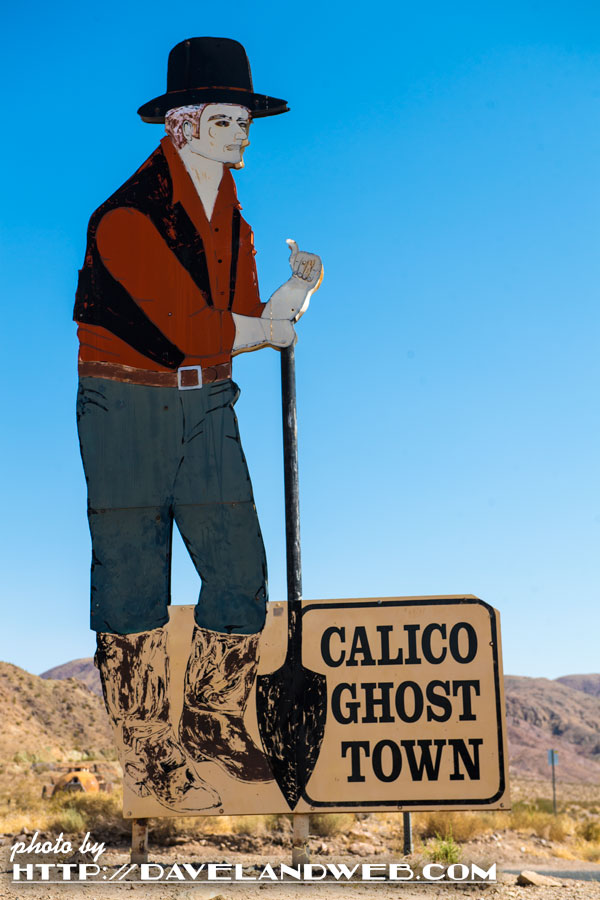
I’ve already taken you to the cemetery; now it’s time to visit the Ghost Town itself. I arrived shortly after it had opened that morning and the parking lot was practically empty. Even Ghost Towns are subject to the ramifications of COVID.
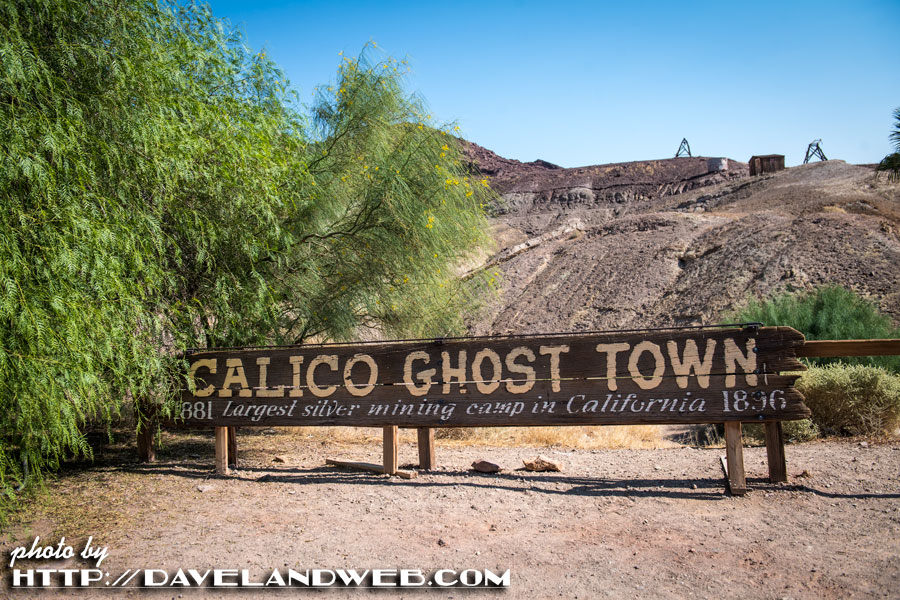

On the plus side, fewer people meant better photos for me. The big negative was that the place literally was like a ghost town, with many of the shops/restaurants closed during the week. Still, I was glad to finally make it here and see what it was all about.
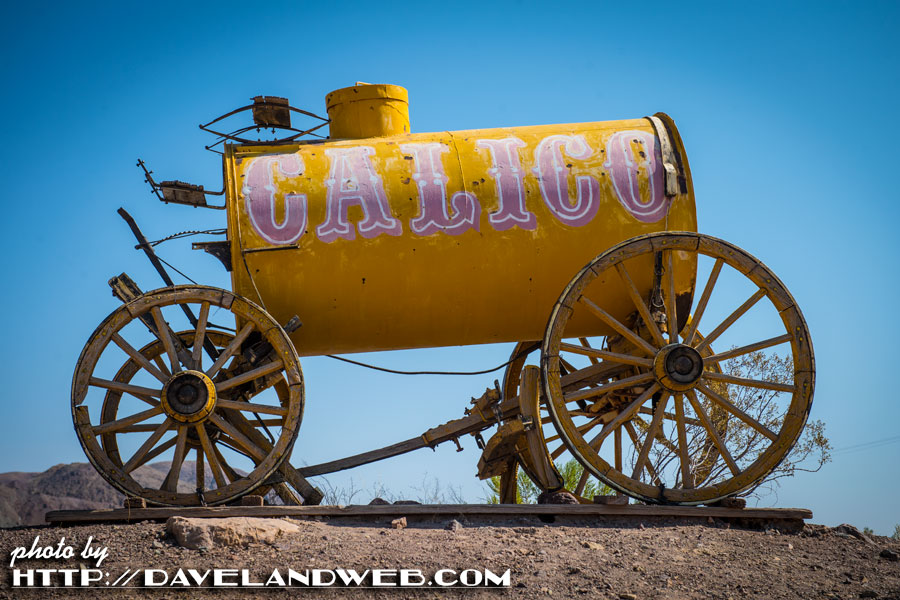

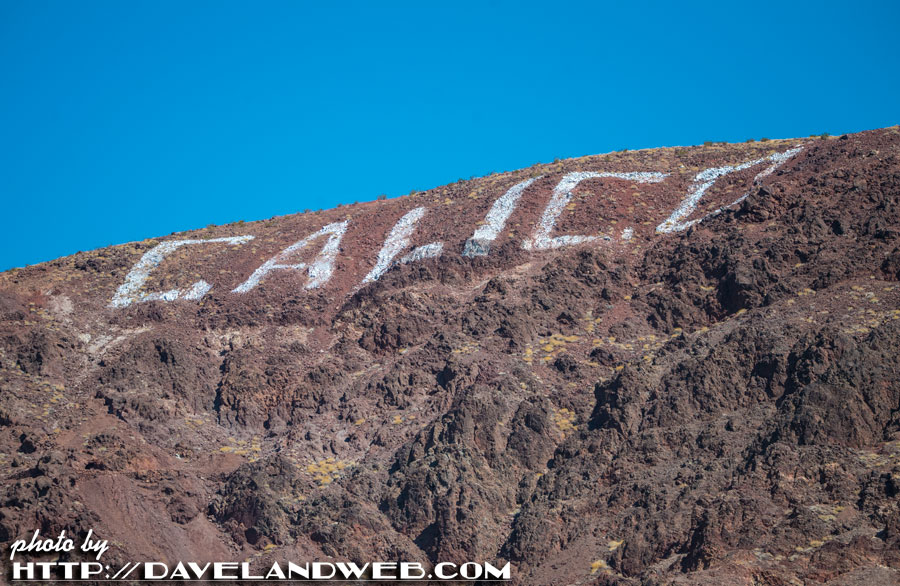
If you don’t know the history behind it, here’s the down and dirty: Calico is an old West mining town dating back to 1881 that produced over $20 million in silver ore until 1896, when silver began to lose its value. Walter Knott (of Knott’s Berry Farm fame) purchased the abandoned town in 1951 and restored all but five original buildings to look as they did in the 1880's. Calico received State Historical Landmark 782 and in 2005 was proclaimed by Governor Arnold Schwarzenegger to be California's Silver Rush Ghost Town.

Many of the buildings were instantly recognizable to me, as it appeared that they hadn’t changed much from the vintage images I had collected over the years.
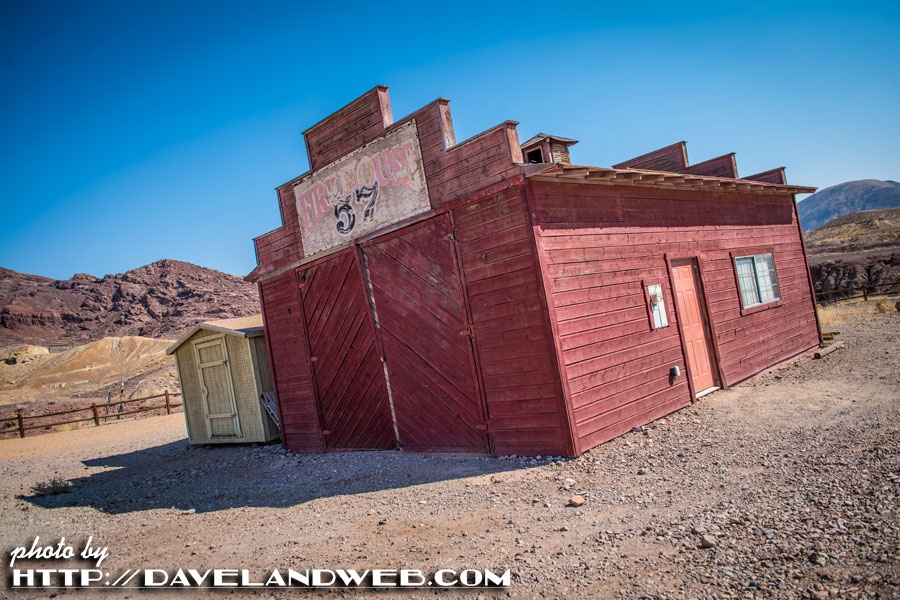
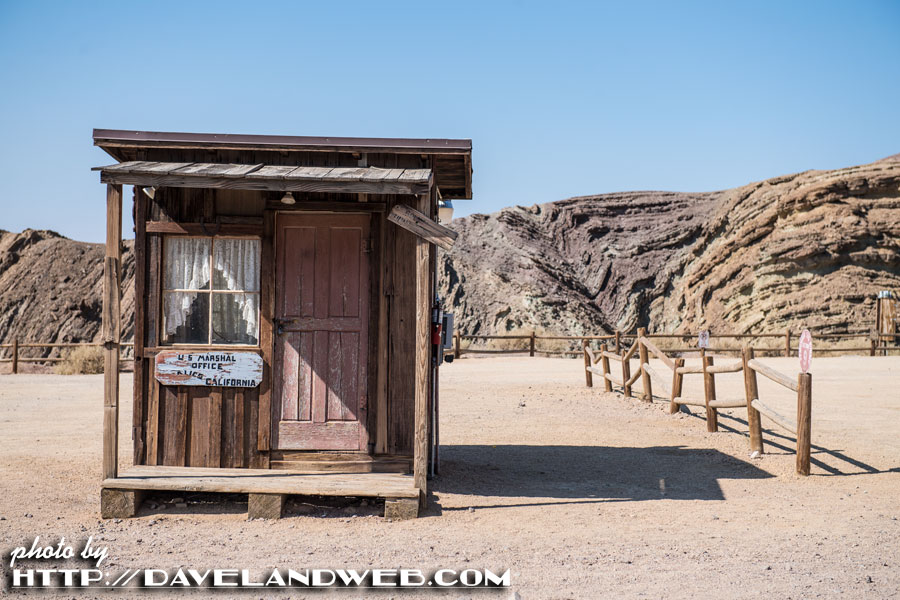

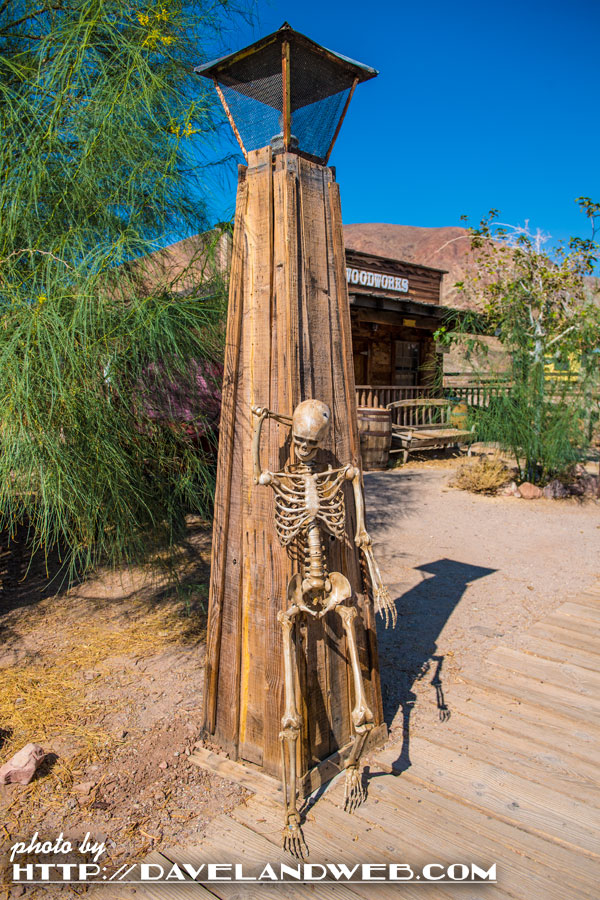
The town was festively decorated for Halloween, with plenty of elements from “The Nightmare Before Christmas.”
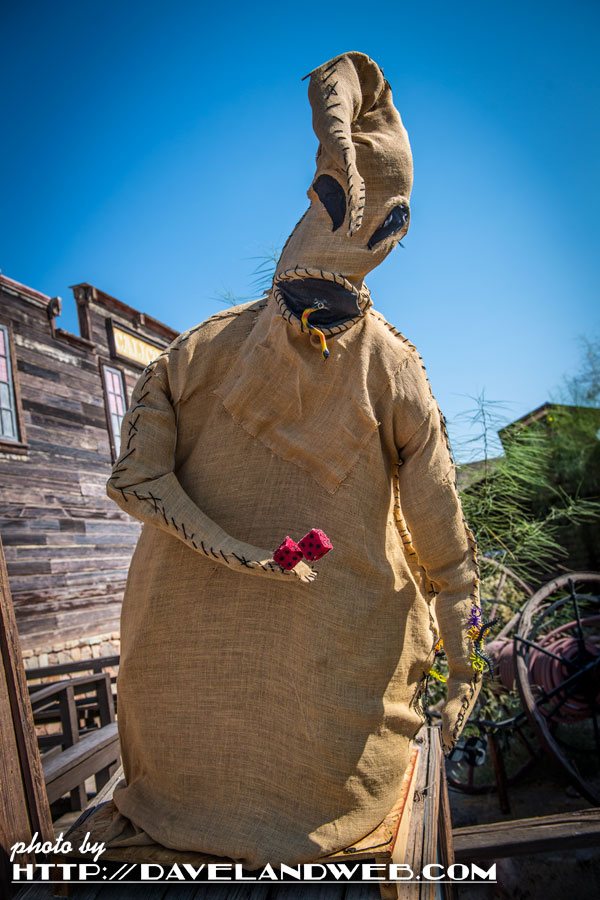
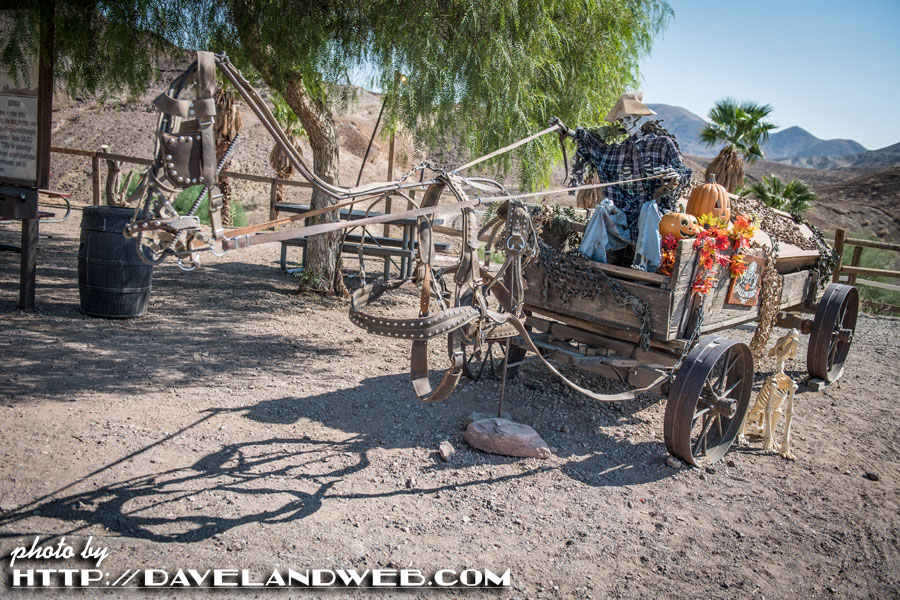

More to come, as right now I want to enjoy my day off. Happy Veterans Day! Many thanks to those who served this country over the years to protect our freedoms. Let’s hope we can continue to enjoy them.

See more Calico Ghost Town photos at my main website.

Tuesday, November 10, 2020

Temple Tuesday: Bachelors, Bobby-Soxers, and Buttons


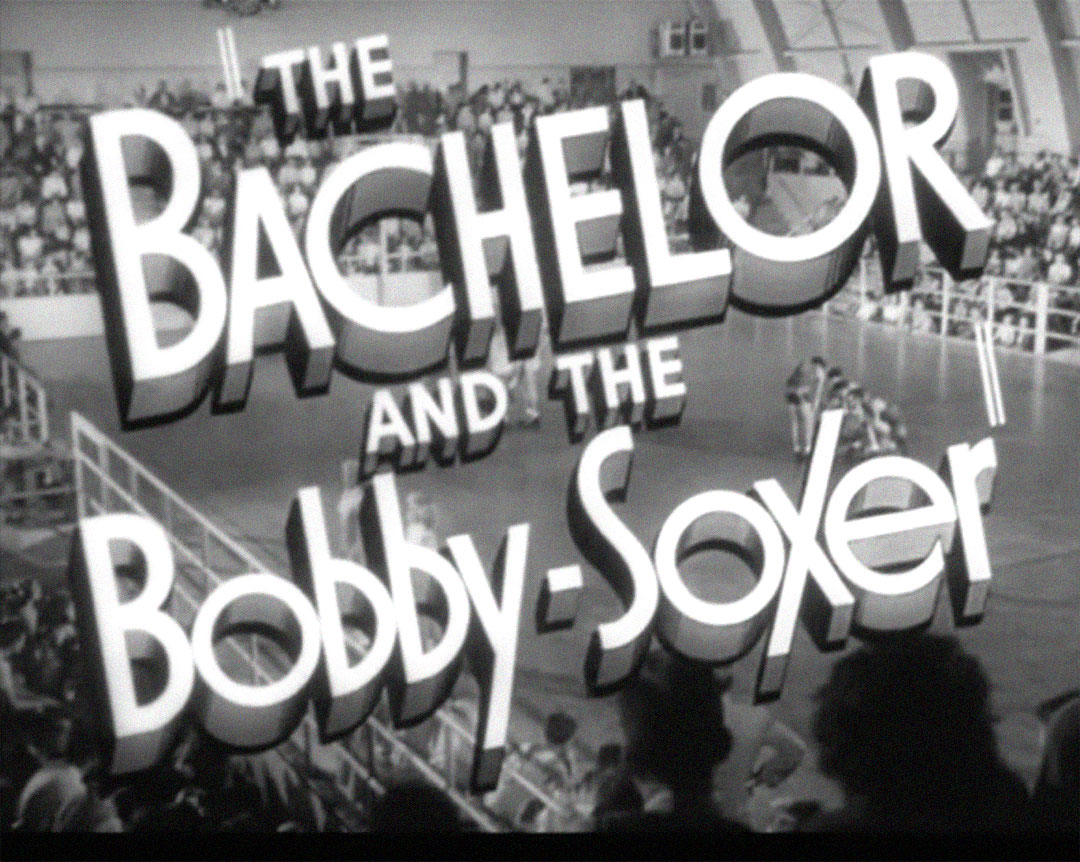
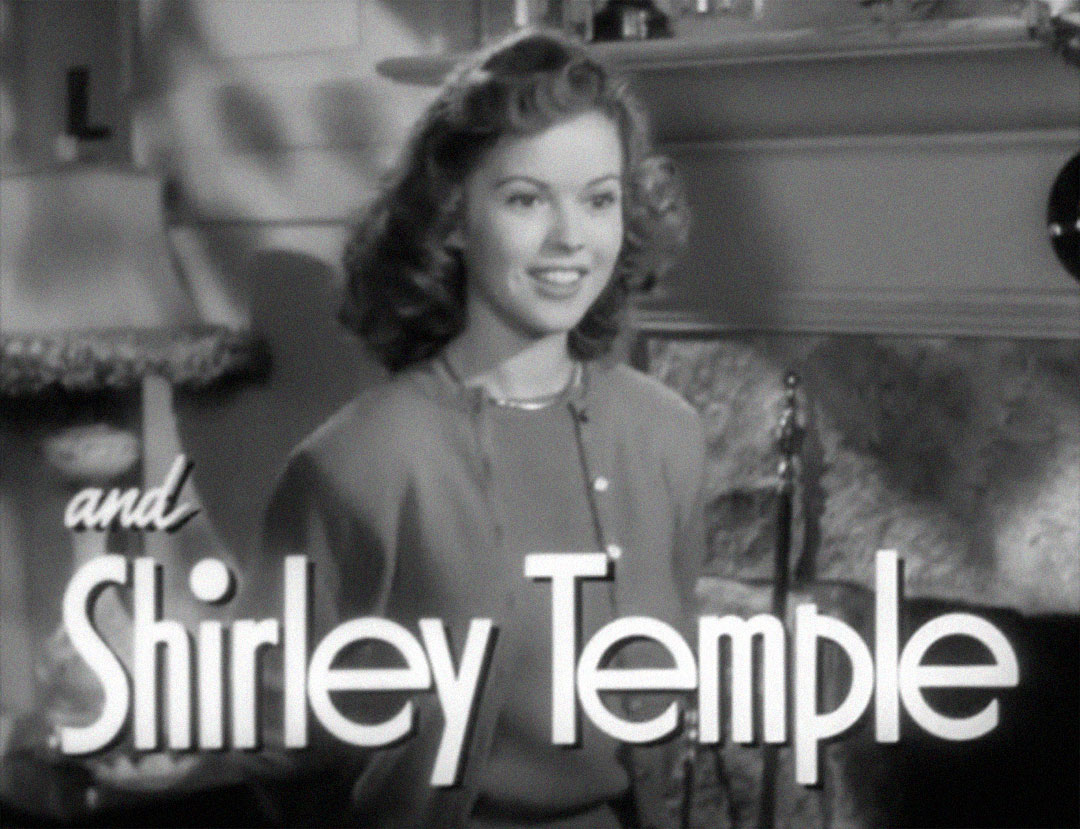
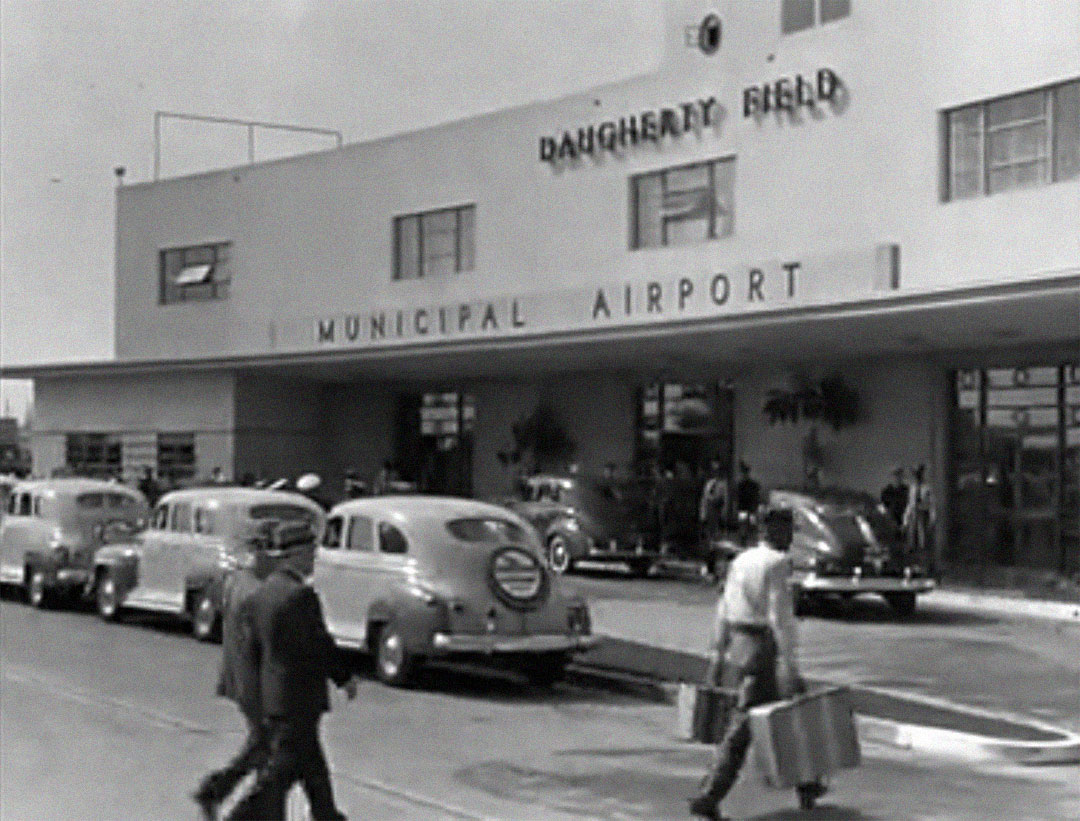
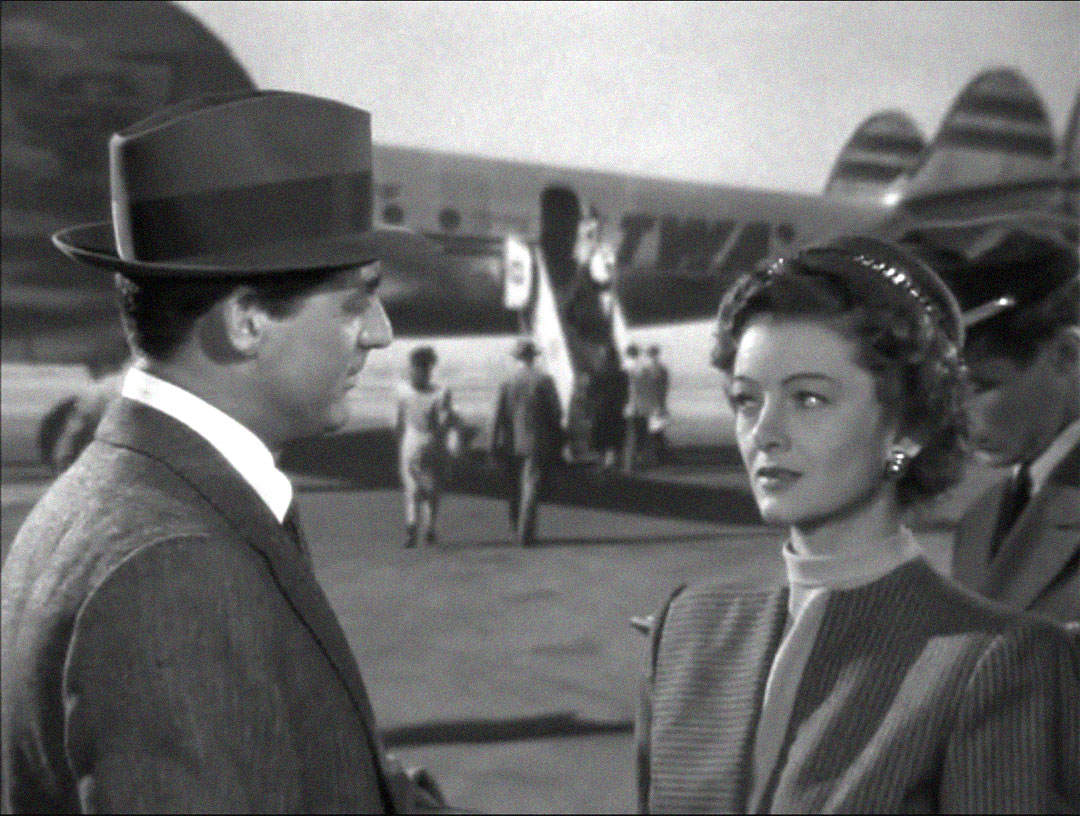
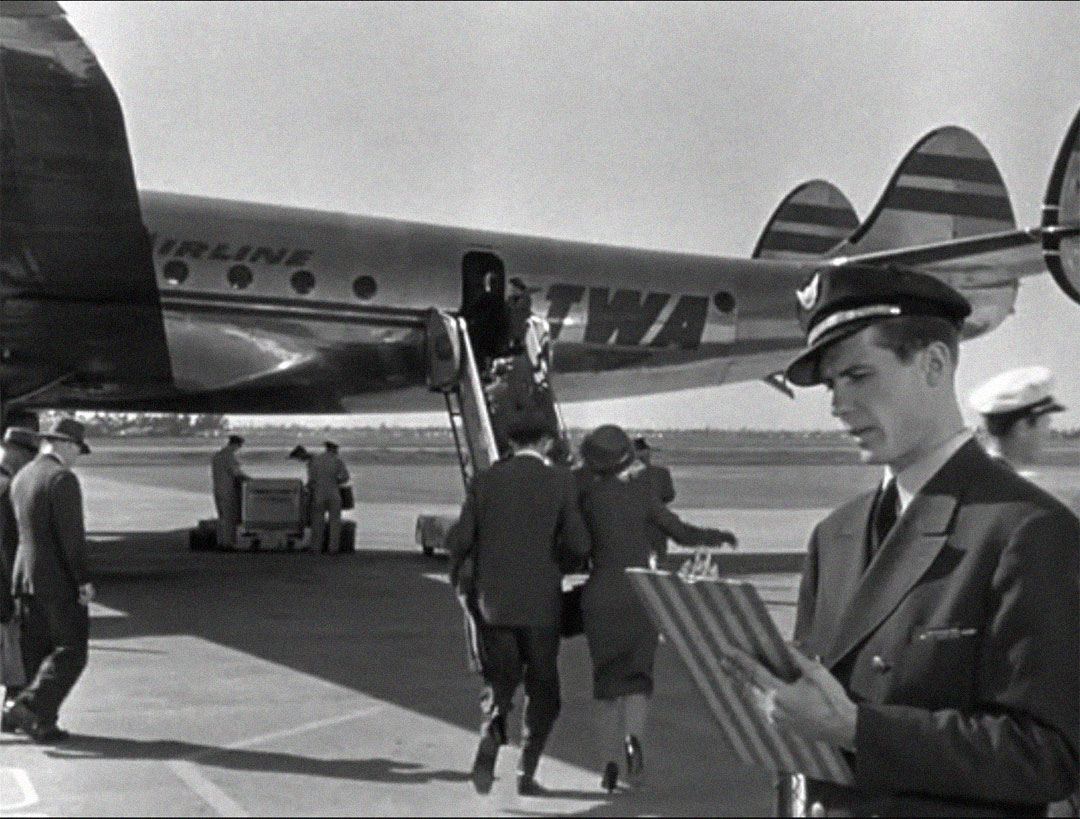
Today we take a step back in time to visit the Long Beach airport which was featured prominently at the climax of Shirley Temple’s 1947 comedy, “The Bachelor and the Bobby-Soxer.”


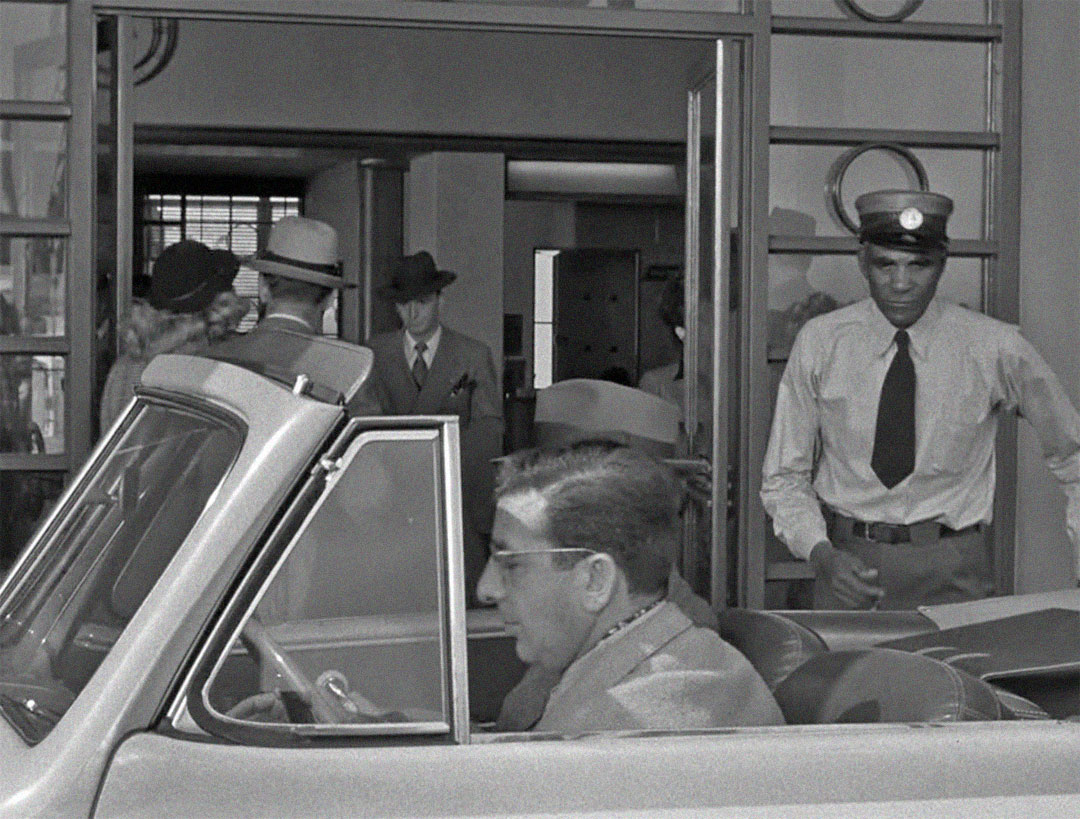
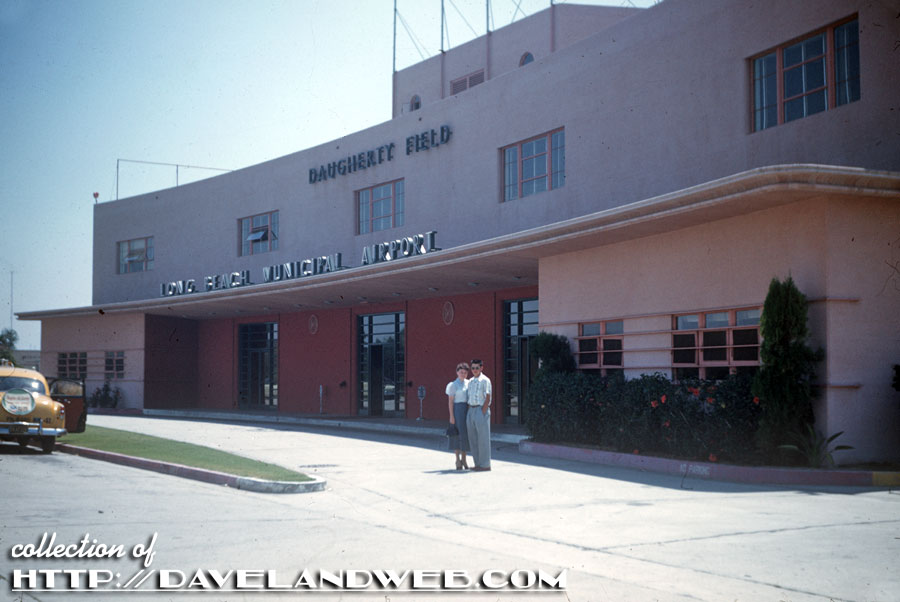
Aviator Earl Daugherty opened a 20 acre field for his flight training school in Long Beach, California on June 6, 1919. A year later, the city contacted Daugherty about developing a 60 acre municipal flying field; the “new” Long Beach Airport (named after Daugherty) was dedicated on December 20, 1924. An additional 255 acres was purchased in 1939 for a new administrative building with the dedication held on June 8, 1941. Architects W. Horace Austin and Kenneth S. Wing. Sr. designed the Streamline Moderne structure which can be seen at the end of the film as Cary Grant’s character pulls up to the airport on his way to Chicago.
 

His driver is none other than Dore Schary, the producer of the film:


Here, Cary Grant and Myrna Loy exchange a bit of banter before they board the plane and depart to their “happily every after” romantic conclusion:


I love the way the two dash off to the entry stairs:


Here’s a vintage shot from the 1950’s showing the airport in color:


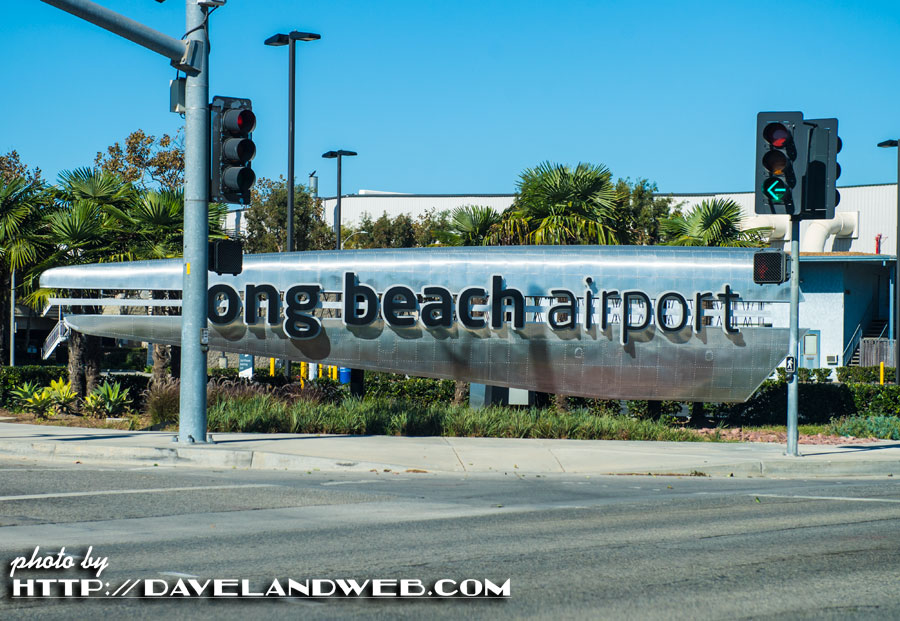
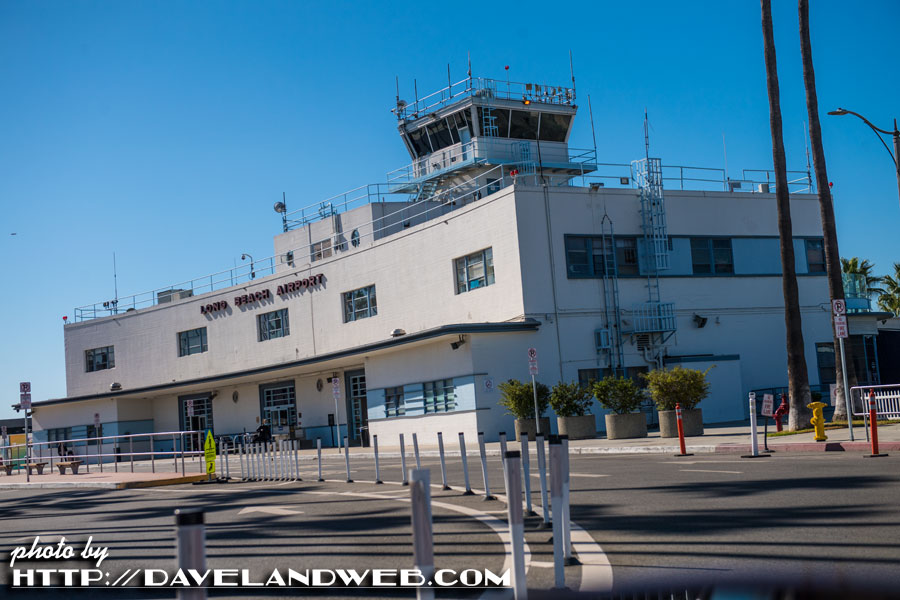
The building was named a City of Long Beach Cultural Heritage Landmark in 1990. At some point, the Daugherty Field name was ditched; I couldn’t find out why during my quick search on the www. Here’s the airport looks now. The sign as you approach the terminal (who put that cotton-picking traffic light in front of the sign?!?):


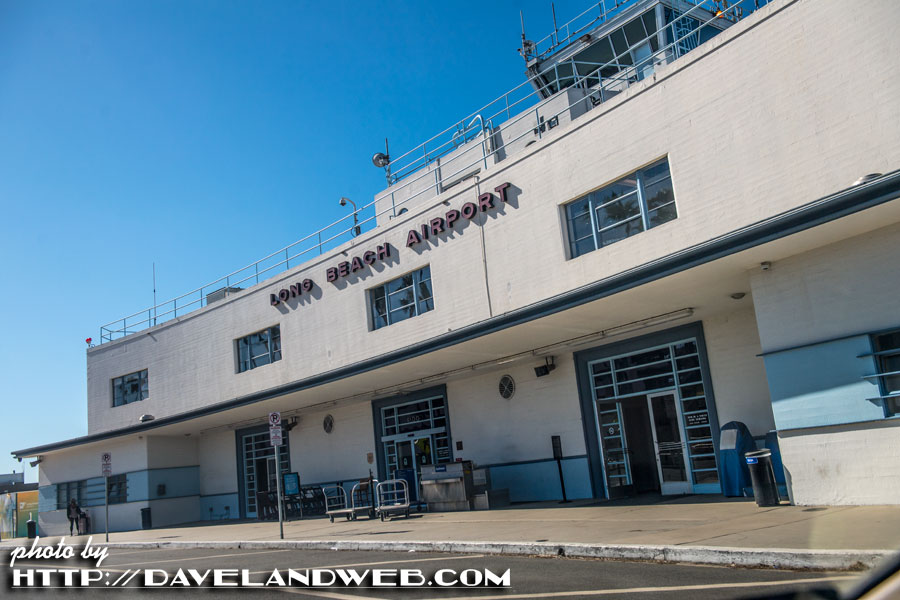
And the terminal building in all its streamline moderne glory:


You almost expect to see Cary and Dory pulling up to the curb:


I’ve never been inside so I don’t know if any of the original WPA tile murals still exist. That will have to be another trip (and post).

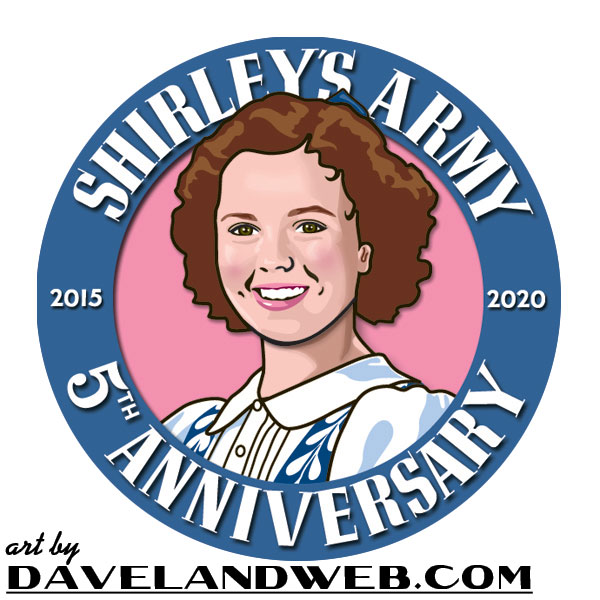
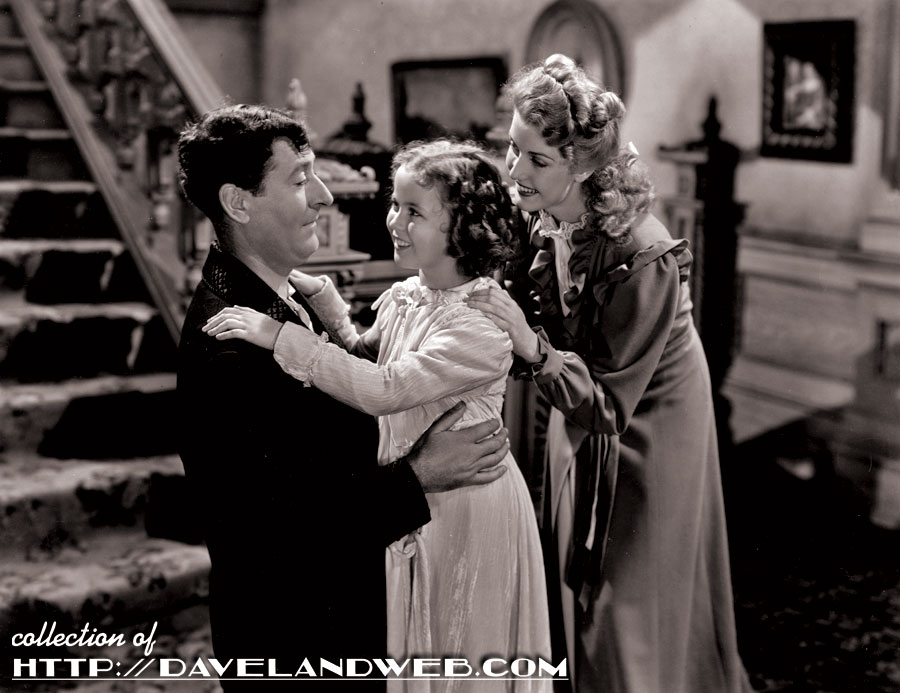
In other Shirley news, Melissa (aka “The Colonel”) gave me the opportunity to do the design for the annual Shirley’s Army pin. For the fifth anniversary, I decided to use a portrait of Shirley from her last film at 20th-Century Fox, “Young People” (1940). Here’s the final design:

See more Long Beach, California photos at my main website.
Monday, November 09, 2020

Marmont Monday, 1957


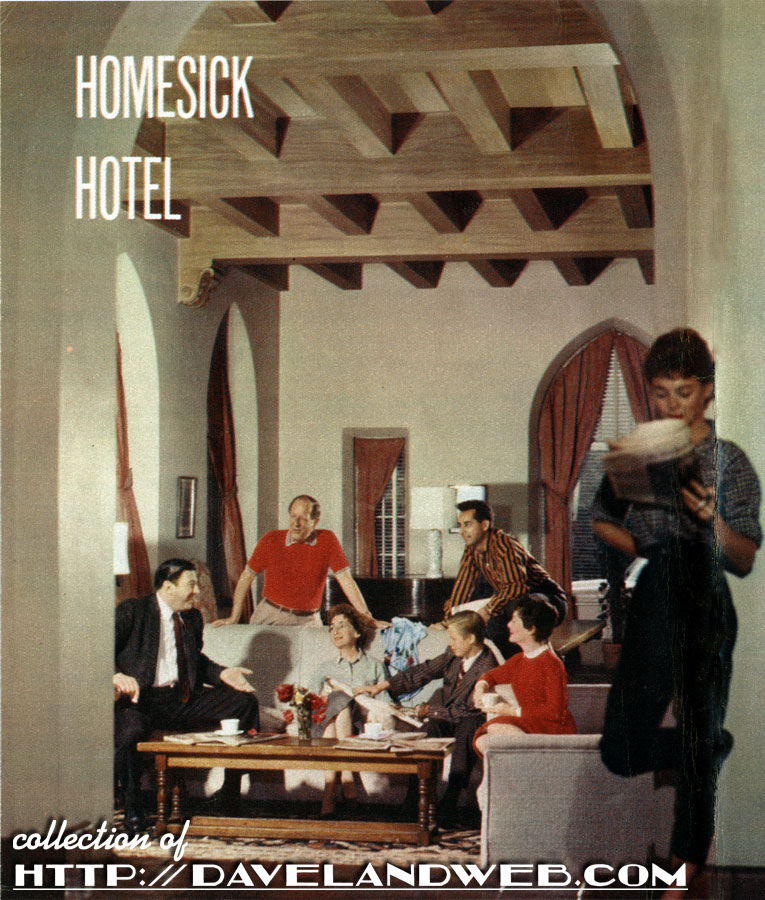
In this interesting article from TV Guide, you get a peak into the lobby of the Chateau Marmont hotel in Hollywood and an idea of the type of people were drawn to its unique atmosphere. Left to right in the photo above: Theodore Bikel, Mildred Dunnock, Brandon de Wilde, Tony Charmoli, Rebecca Welles, and Judith Braun. From the article:

When a New York actor gets the summons to work in Hollywood, either in television or films, chances are nine out of 10 that he will check into the Chateau Marmont, a sedate, 25-year-old apartment-hotel which looks down on Los Angeles from a hill above the Sunset Strip.

To Manhattanites (Susan Strasberg, Mildred Dunnock, Boris Karloff, Jonathan Winters, Nancy Kelly and Carol Channing are some who’ve headquartered there recently), the 52-suite Marmont is a place where New York thespians, like lonely voyagers meeting on foreign soil, feel free to gather and decry the bitter fate which has brought them to the barren wastes of Hollywood.

Not long ago, one of these informal meetings occurred in the Oriental-rugged lobby. Character-actor Theodore Bikel (he played the title role in the “Climax!” production of “The Mad Bomber”) told TV GUIDE’s reporters: “Hollywood is not a town to wait around in. When you’re out of work you become a fourth-rate citizen. In New York, you only become a second-rate citizen. In New York, people smile at you less. Here they cease to smile.”

Judith Braun, whose credits read like a TV log, said: “I’ve met many nice people here—mostly New Yorkers, of course.”

Paul Ford (Col. Hall on “The Phil Silver Show”) confided, “In New York the weather is filthy, the heat is oppressive, everything is overcrowded. I can hardly wait to get back.”

Young Brandon de Wilde scratched his head before going on record: “The thing I don’t like about Hollywood is that people are too lazy. The weather is monotonous and the kids dress too sloppily.”

Rebecca Welles (who’s appeared on “Studio One,” “Lux,” and dozens of other shows) admitted that she’s becoming a Southern Californian because it’s a wonderful place to raise children. “Besides, Hollywood producers are so appreciative of actors trained in New York.”

Tony Charmoli, dance director for “The Dinah Shore Show” said: “It’s a pity that Hollywood didn’t have the sense to get started in San Francisco.”

Just why did they consent to come to Hollywood if their feelings are so antipathetic to the western end of the entertainment axis? Bikel spoke for the group: “We are actors! We go where the demands of the profession call us.”

All were agreed on one thing — that when in Hollywood their home is the Chateau Marmont. “Living here,” said Bikel, “gives you the impression—even if you’re not”that you’re leaving for New York tomorrow.”

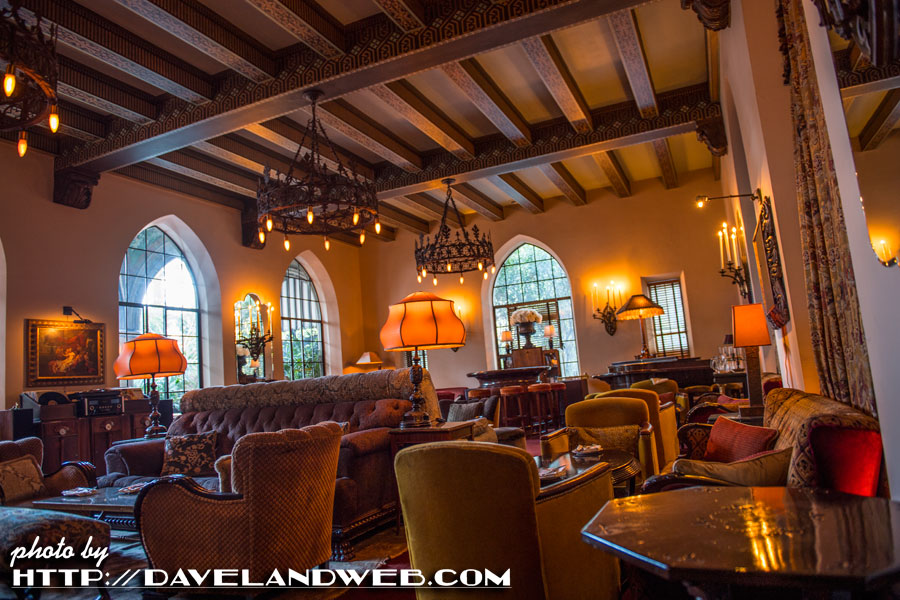
A photo of the lobby as it looks today:


See more Chateau Marmont photos at my main website.
Friday, November 06, 2020

Bekins Friday


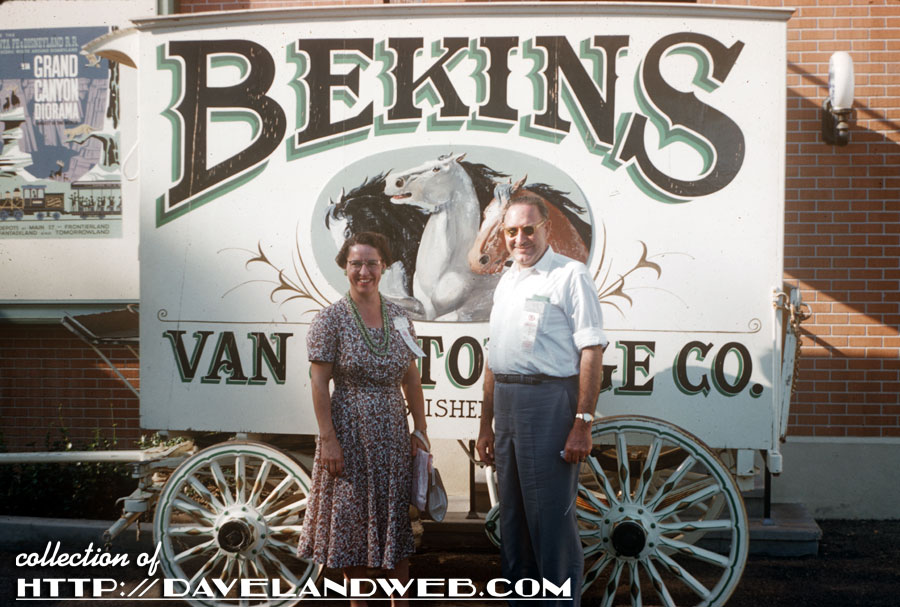
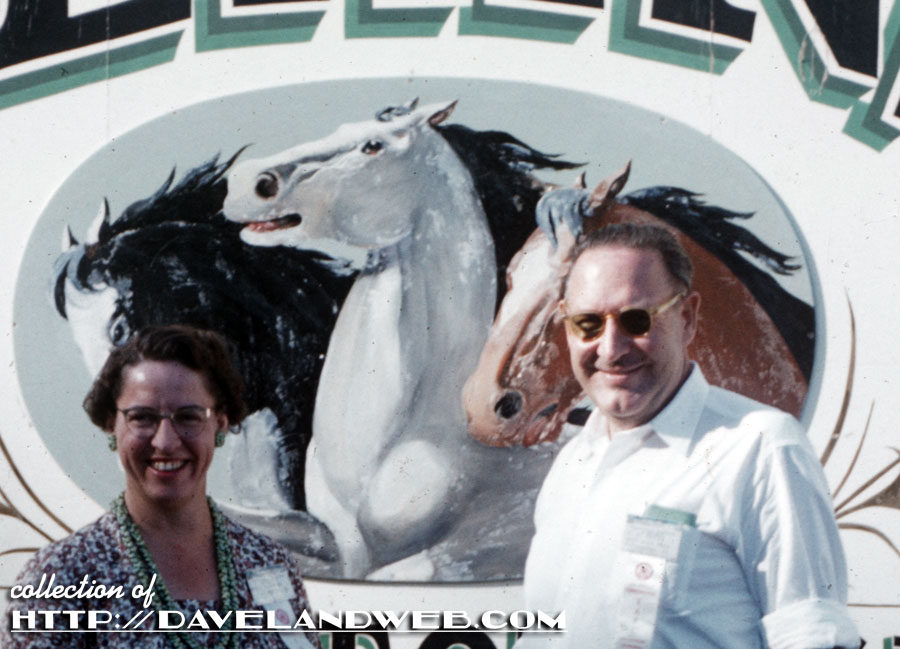
I was really happy to obtain this October 1958 vintage image from Disneyland’s Town Square. It’s the first really decent view in my collection of the Bekins moving truck that guests could pose next to. My first zoom was to get a closer look at the artwork; in doing so, I noticed that both guests had some kind of ribbon attached to their outfits.


Could this be part of the The Magic Kingdom Club that started back in 1957? The MKC was an early Annual Passport program that offered memberships free of charge both for companies and their employees, encouraging families to visit the parks by giving them discounts.


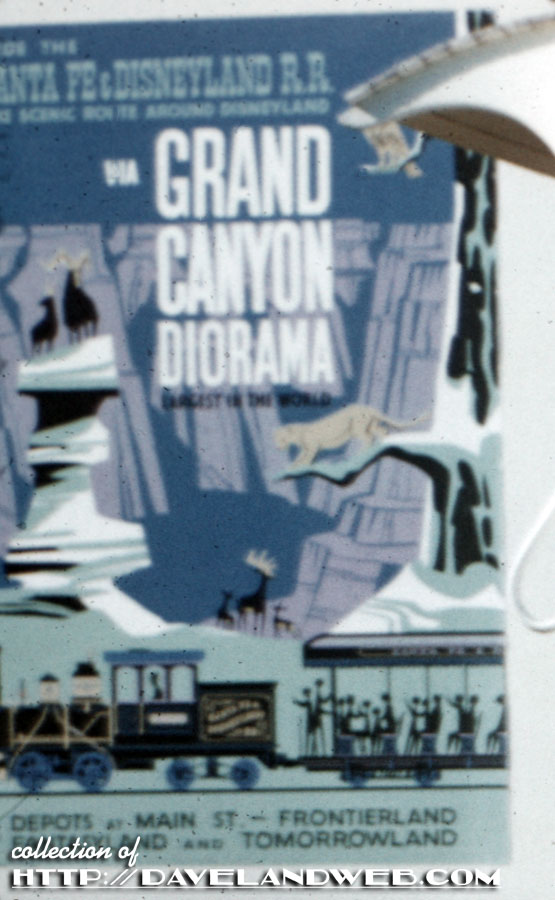
Last closeup is of the Grand Canyon Diorama attraction poster which had just been unveiled:


See more Disneyland Town Square photos at my main website.
Thursday, November 05, 2020

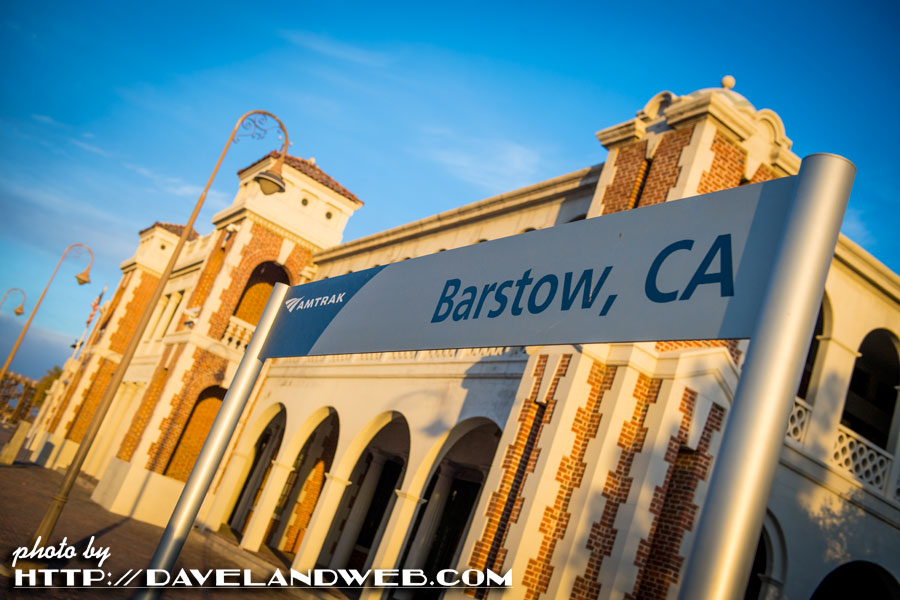
The Barstow Harvey House


On the way to Vegas, I saw a sign along the highway for the Harvey House in Barstow. What?!? Having grown up watching Judy Garland in “The Harvey Girls” and playing my mom’s original sheet music for “On The Atchison, Topeka, and the Santa Fe” on the piano, it was a no-brainer that I would need to pull over!

Originally built in 1911 as Casa del Desierto, a Harvey House hotel, and Santa Fe Railroad depot, the architect credited with the design is Francis W. Wilson of Santa Barbara. He also designed the Fray Marcos hotel in Williams, Arizona, and the El Garces Harvey House in Needles.

Wilson’s station replaced the previous structure that had been damaged by fire in 1908. The front of the building that faces the street seems a bit standard; I wonder if it was a later addition?


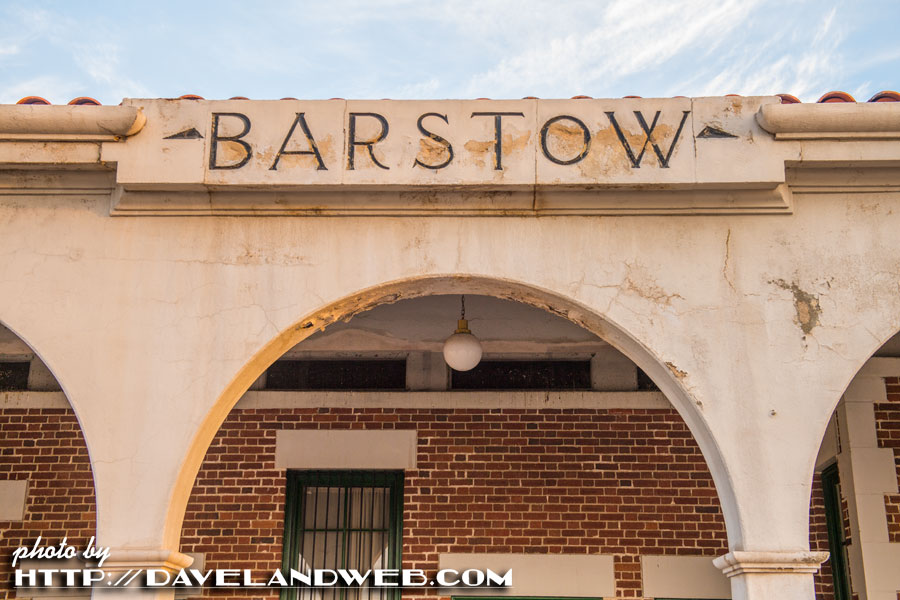
Although it looks a bit weathered, I love the Barstow engraved into the stone on the back of the building:


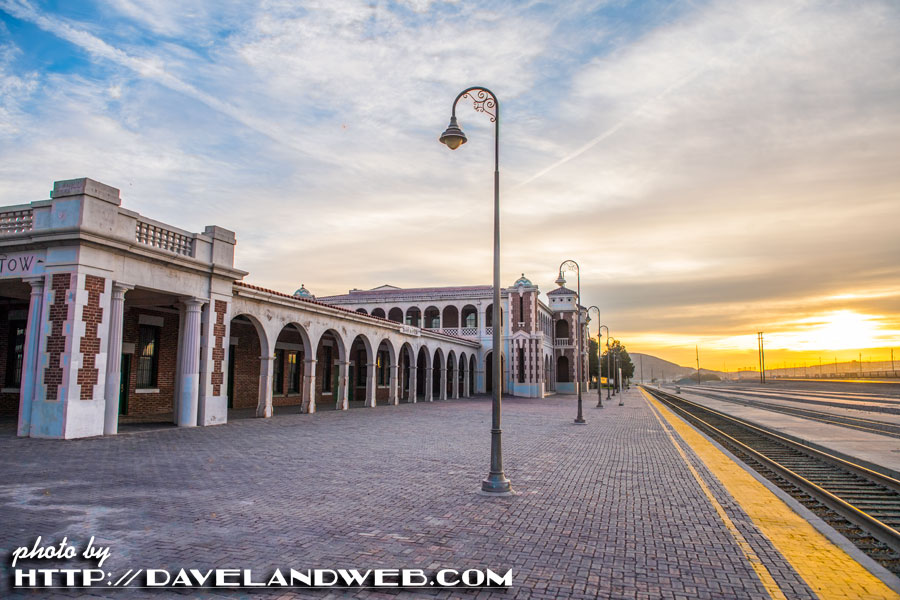
Sunrise looked beautiful as it gave a golden glow to the tracks:


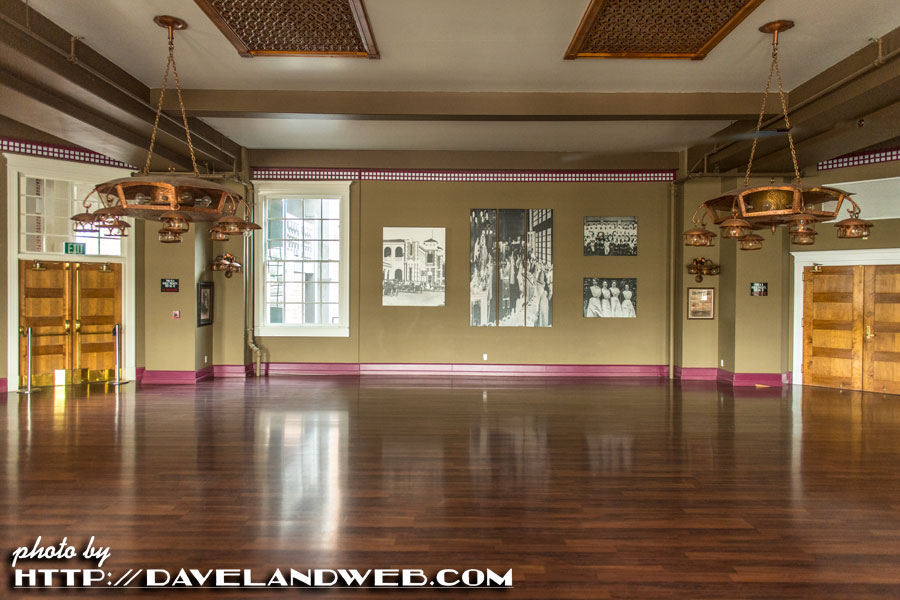
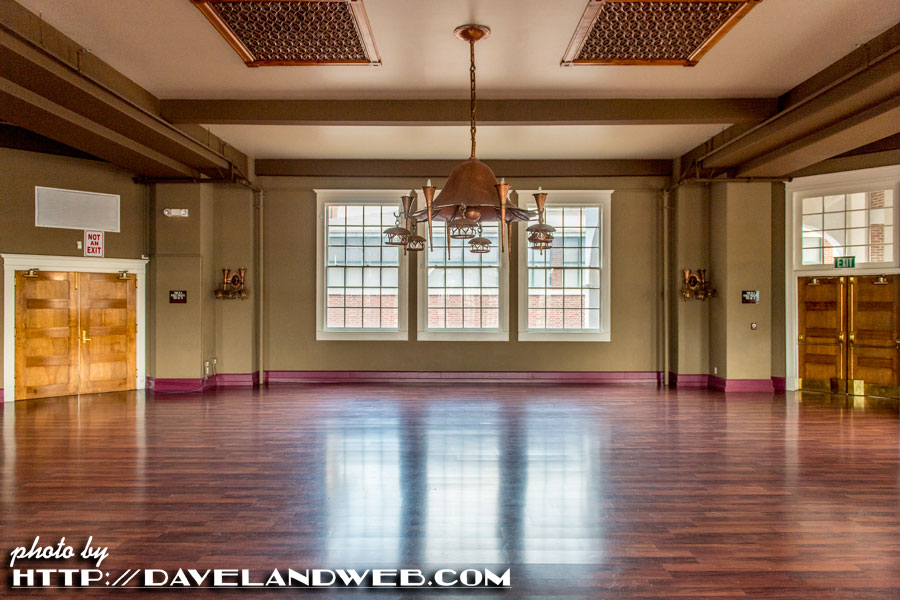
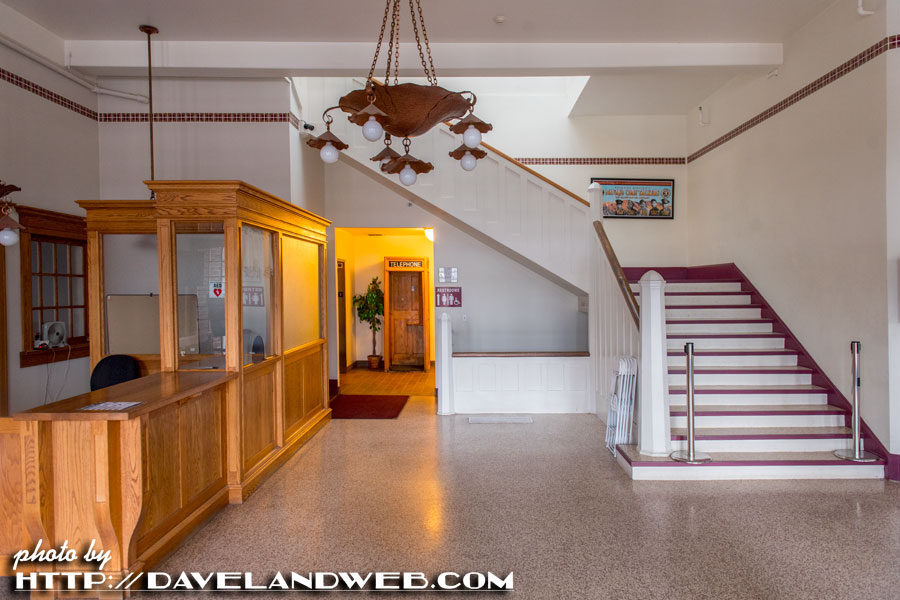
The building was closed when I arrived (it was EARLY!), but I still managed to get a few interior shots through the windows:


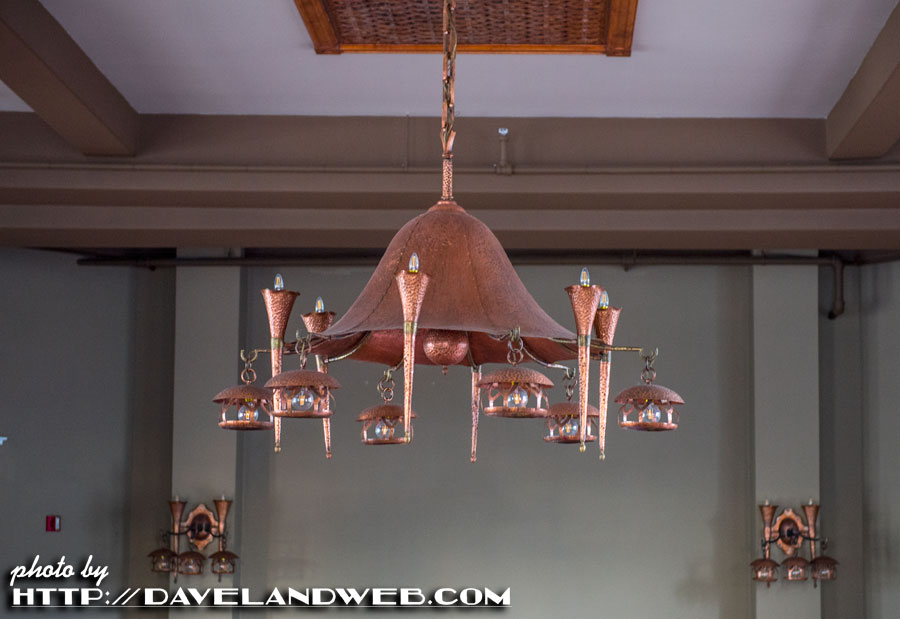
An ornate yet somewhat funky copper light fixture; could it be original?!?


The Santa Fe closed the station in 1973 and it went to ruin over the years as you would expect an unoccupied building to do. Casa del Desierto was added to the National Register of Historic Places in 1975 and designated as a California Historical Landmark one year later. The City of Barstow obtained the station in 1990 and spent more than $8 million rebuilding/repairing/restoring it following the heavy damage it sustained from a 1992 earthquake. The historic structure is considered the finest remaining depot-hotel in California.

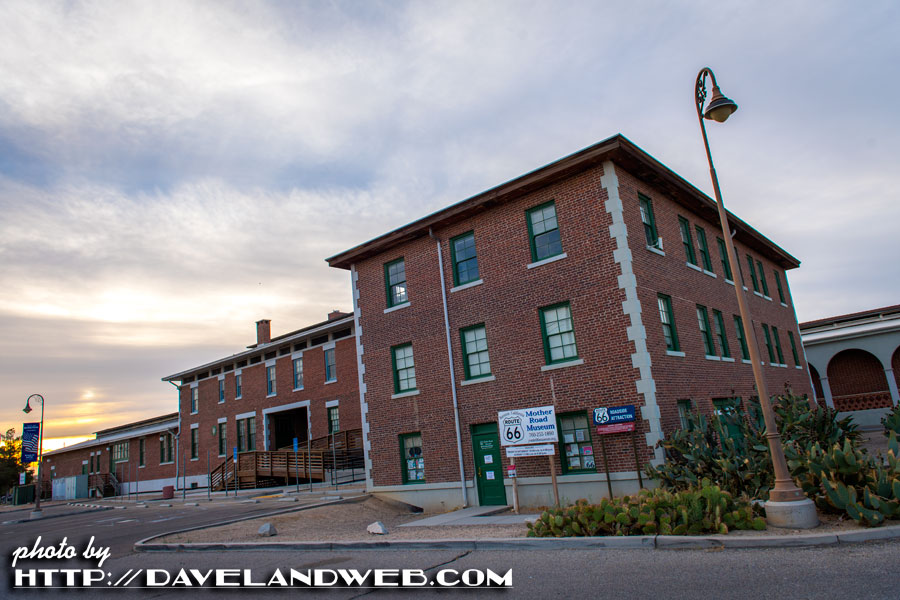
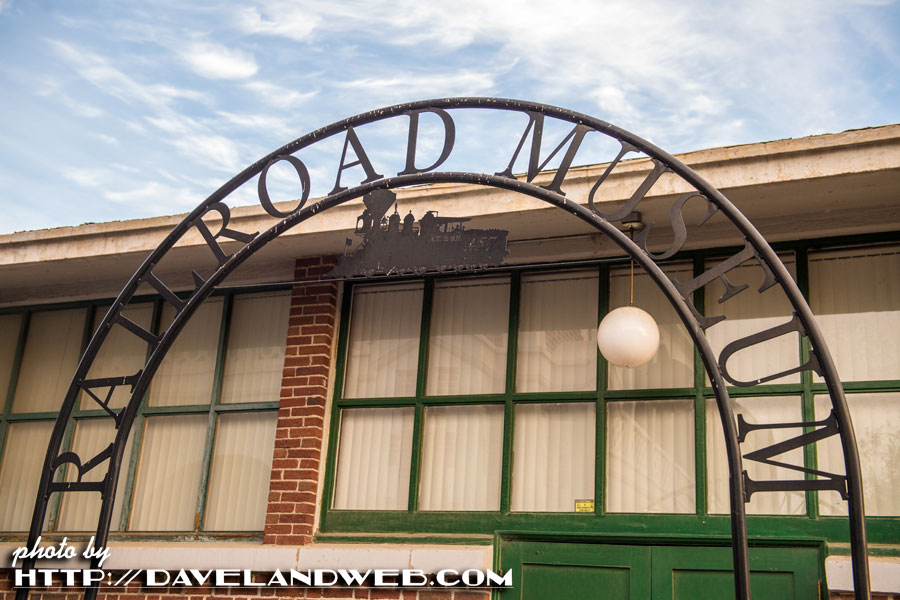
Besides functioning as the Amtrak Station, the building also contains The Barstow Area Chamber of Commerce & Visitor Center, the Western America Railroad Museum (on the east side), and the Route 66 “Mother Road” Museum (on the north).


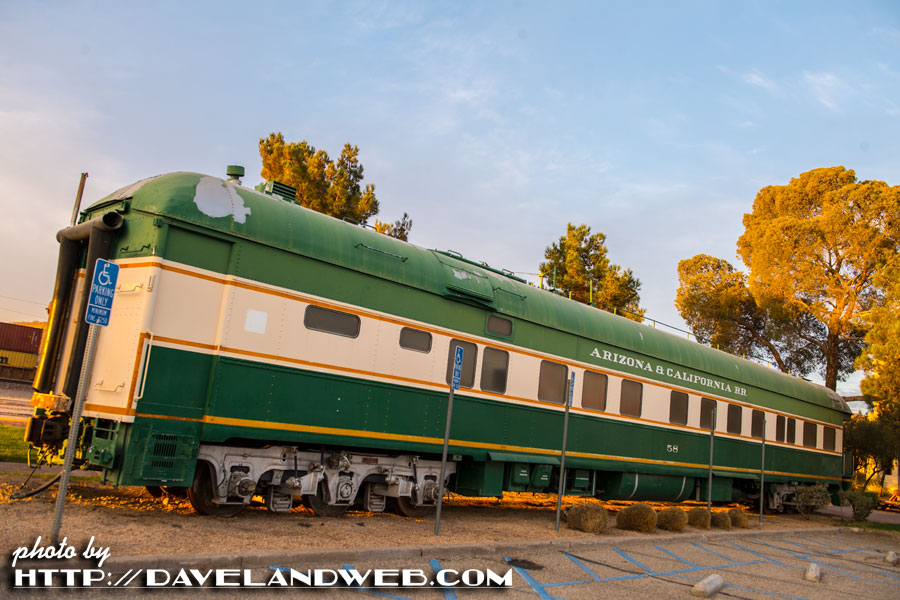
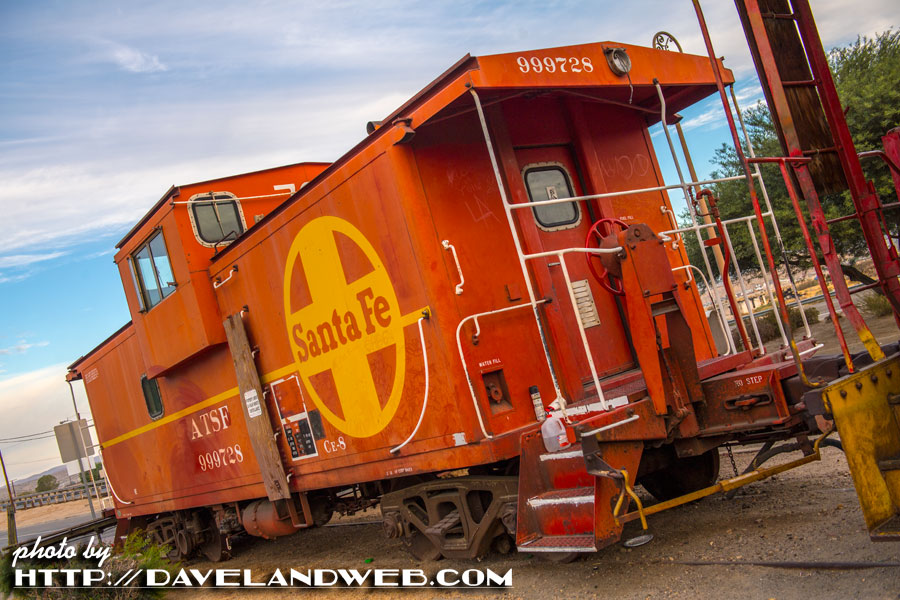
It was fun to wander around the historic trains that surround the exterior:


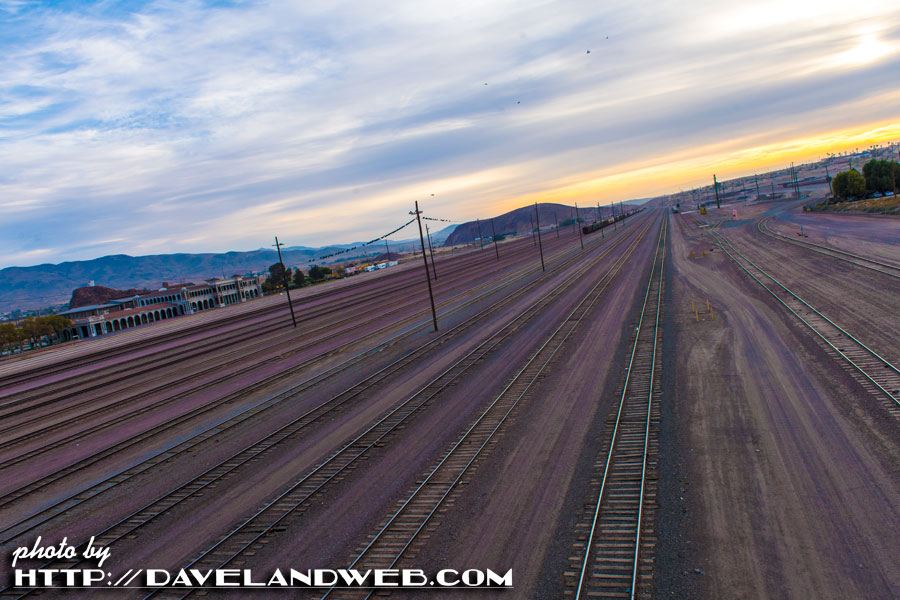
A final shot from a bridge that spans over the tracks:


I’ll wrap up today’s post with a clip of Judy Garland singing the hit song from 1946’s “The Harvey Girls.”


See more Barstow, California photos at my main website.
Tuesday, November 03, 2020

Temple Tuesday: WAMPAS!


The WAMPAS Baby Stars was a promotional campaign sponsored by the U.S. Western Association of Motion Picture Advertisers, which annually honored 13 young actresses (15 in 1932) picked by a group of publicists whom they believed to be on the threshold of movie stardom. The campaign ran from 1922 to 1934 (except for 1930 and 1933 due to objections from independent film studios - boo hoo!). Awardees were honored at a party called the “WAMPAS Frolic” and were given a ton-o-publicity. When the campaign returned in 1934, freelance actresses AND studio contract players were included. The campaign bit the dust in 1935. Some of Shirley’s female costars were WAMPAS Baby Stars: Anita Louise (1931), Karen Morley (1931), Rochelle Hudson (1931), Ginger Rogers (1932), and Gloria Stuart (1932).


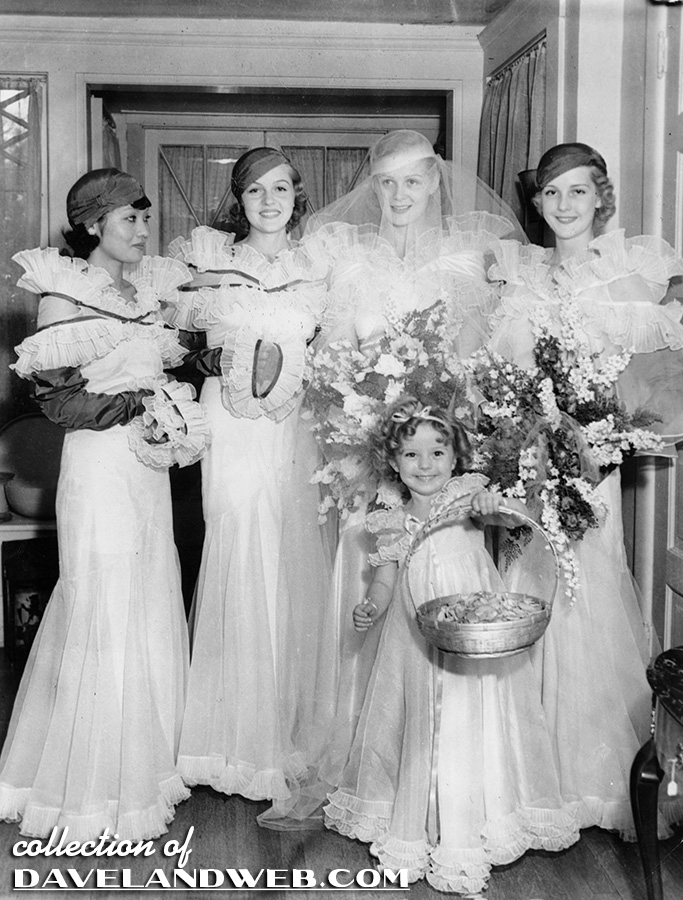
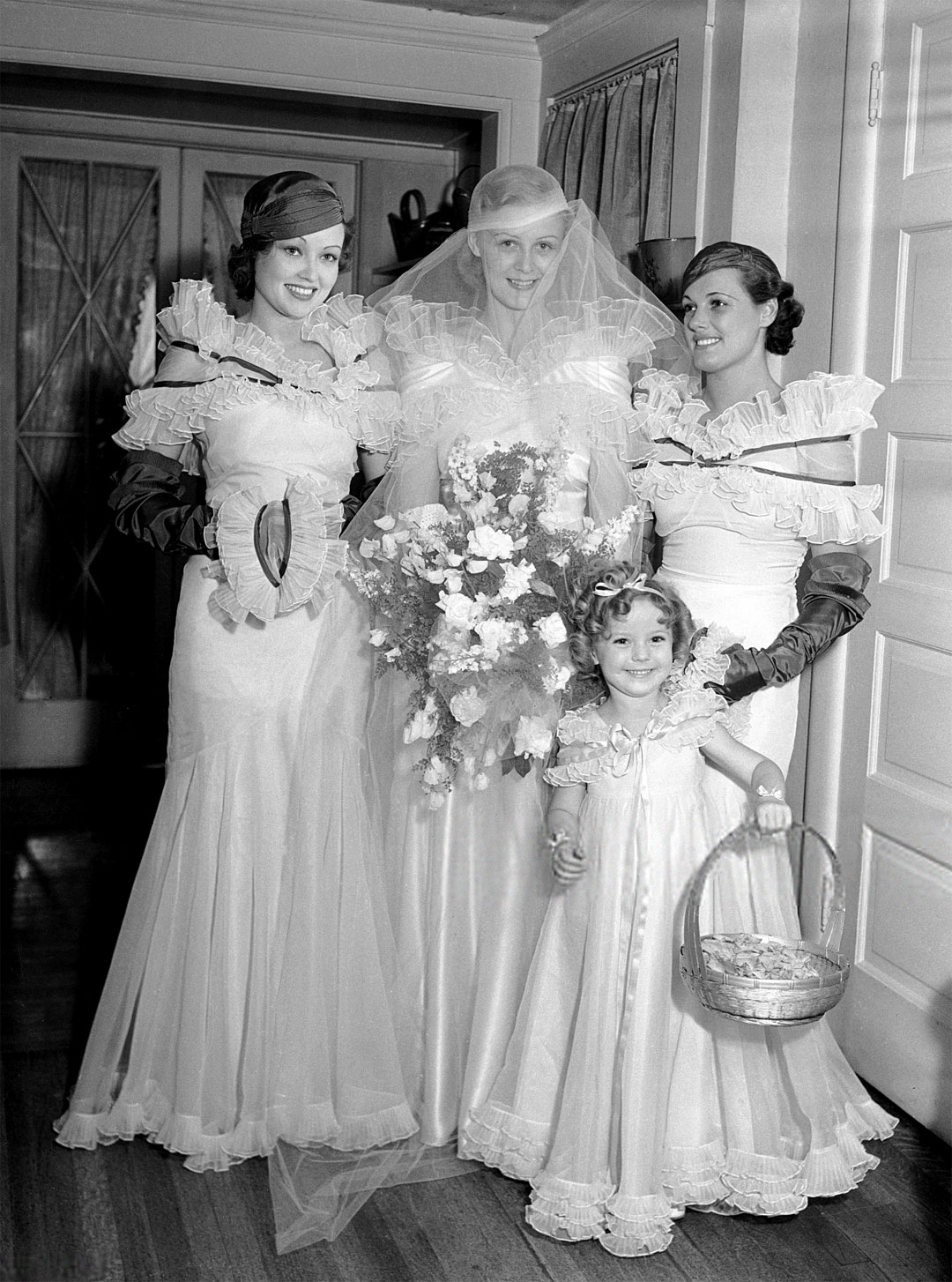
In this 1933 photo, Shirley is shown with some of those WAMPAS gals. The accompanying publicity blurb:

A BEAUTIFUL BRIDAL PARTY - FOR A BENEFIT. Toshi Mori, Patricia Ellis, Gloria Stuart, and Anita Louise, as bridesmaids and bride, and baby Shirley Jane Temple as the flower girl, present this beautiful party – at the fashion show staged by the Assistance League in which motion picture actresses take a very active part. June 26, 1933.


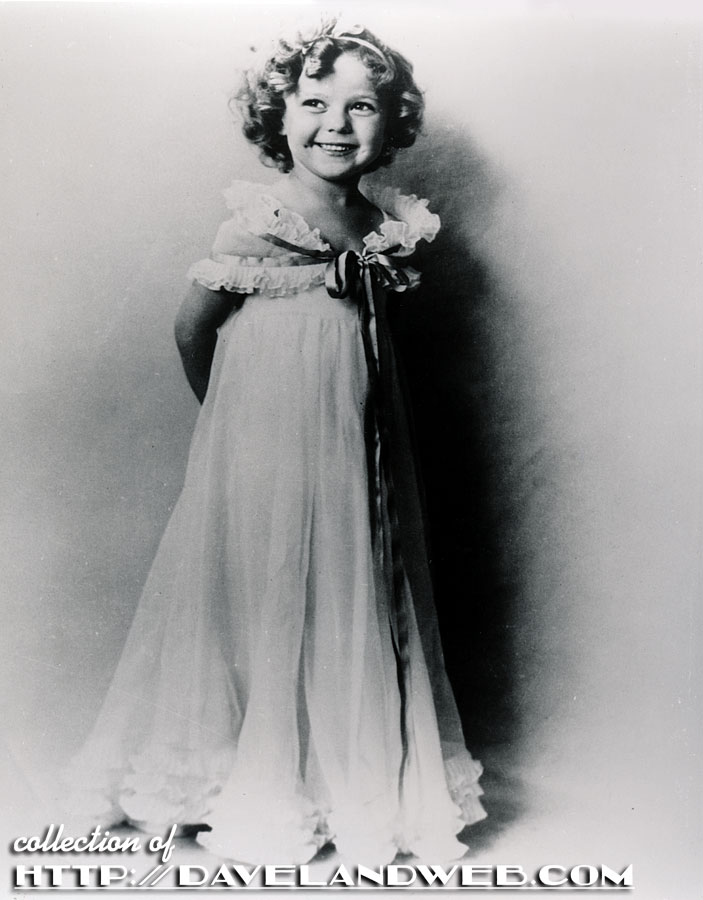
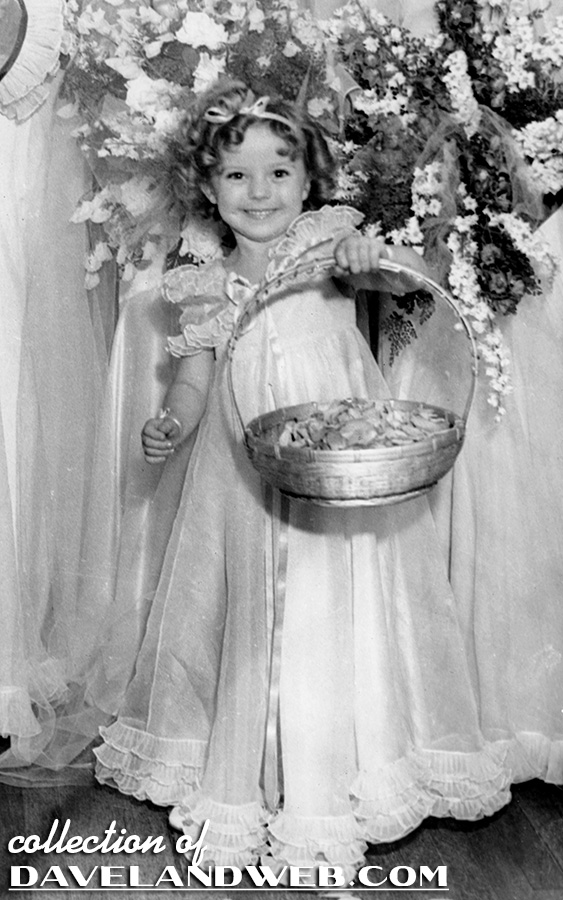
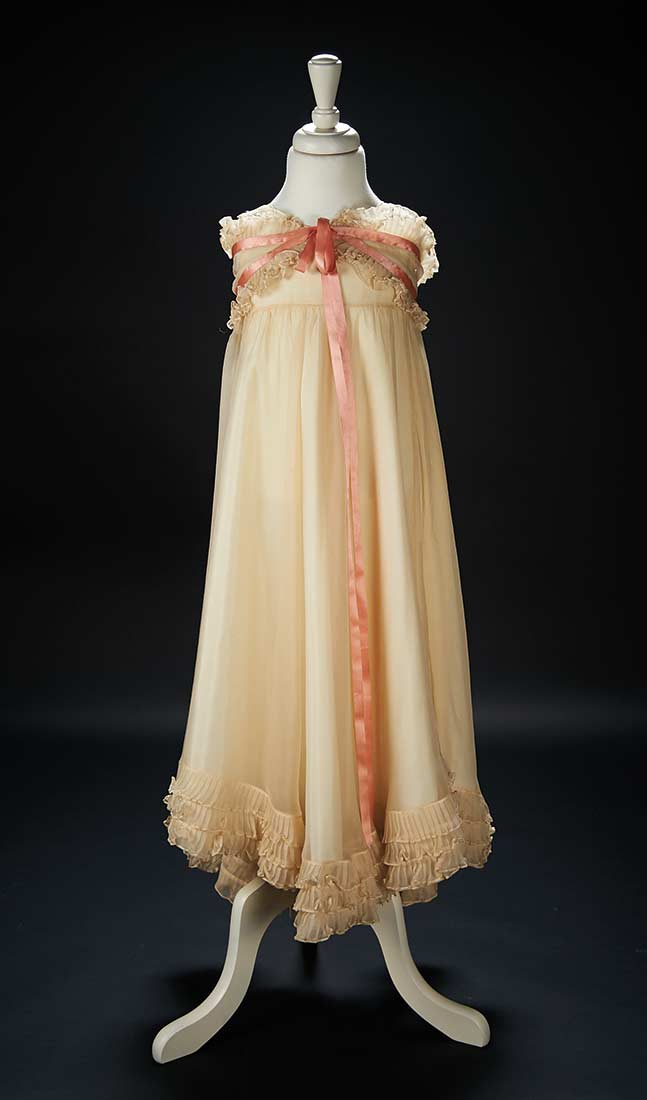
Doesn’t she look adorable in that dress?


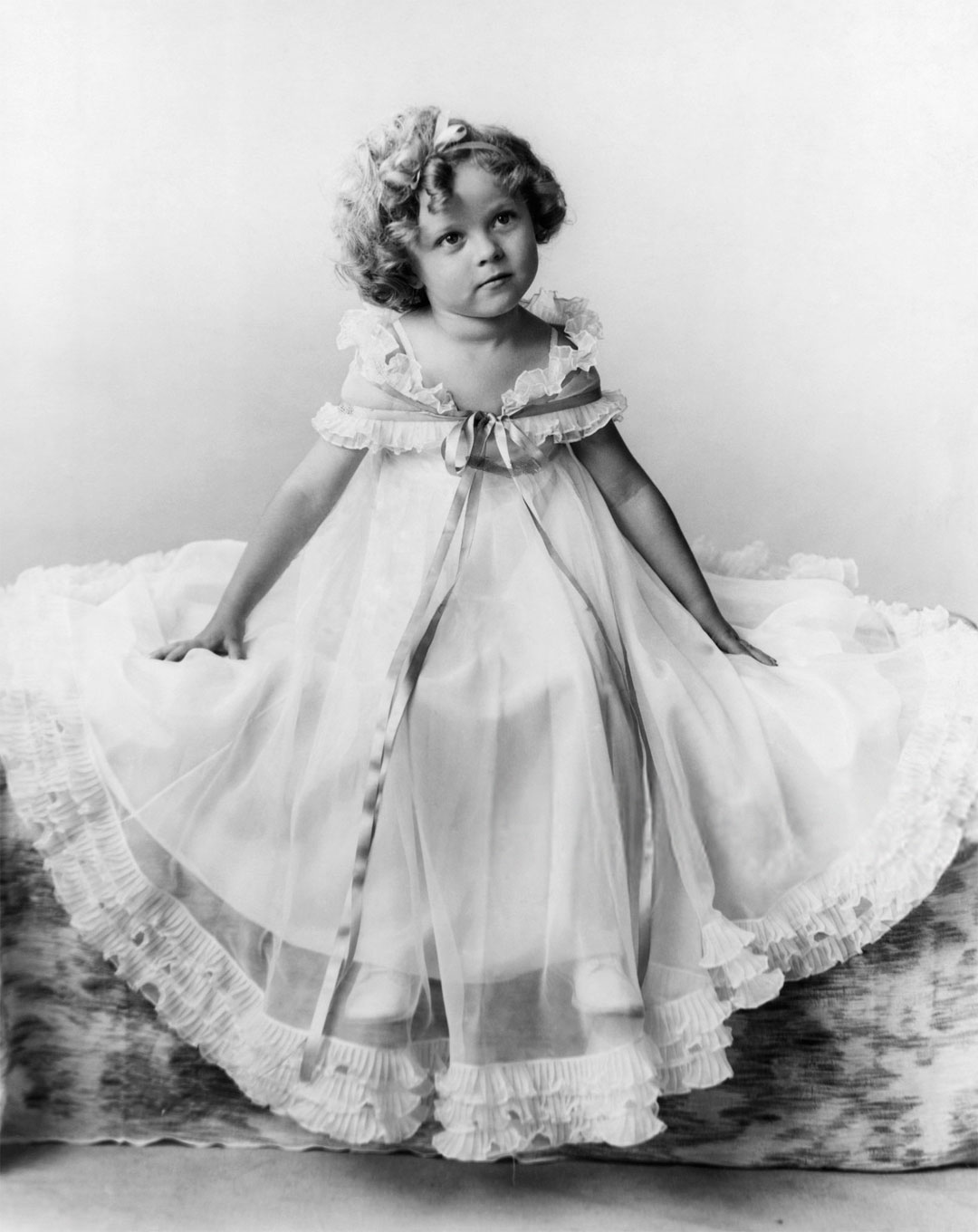
That very same dress was kept all those years after by Shirley’s mother Gertrude, and then auctioned off in 2015 in the “Love, Shirley Temple” Theriault’s auction. It still looked to be in great shape!


The description from the catalog:

The full-length party dress, of sheer chiffon over ivory taffeta has high Empire bodice with detachable ruffled wrap trimmed with coral silk ribbon ties which cascade to the floor. The double rows of pleated ruffles on the wrap are repeated in three rows at the hemline which is of graduated length around the circumference. Excellent condition. The dress was designed for Shirley Temple for her 4th birthday party, and, a special favorite of the young child, appeared in many publicity and family photographs, one of which, a hand-colored photograph in which Shirley holds up the edges of her gown, is included here. In addition to wearing this costume at her 4th birthday party, Shirley Temple also wore the gown in 1933 at the WAMPAS awards for promising new talents. Realized Price: $4,500

If the dress was truly created in 1932 for Shirley’s 4th birthday, that would mean that the bride and bridesmaid dresses for the 1933 WAMPAS awards were made to match Shirley’s dress. Even as a 4 year old, Shirley had a lot of pull in the industry!

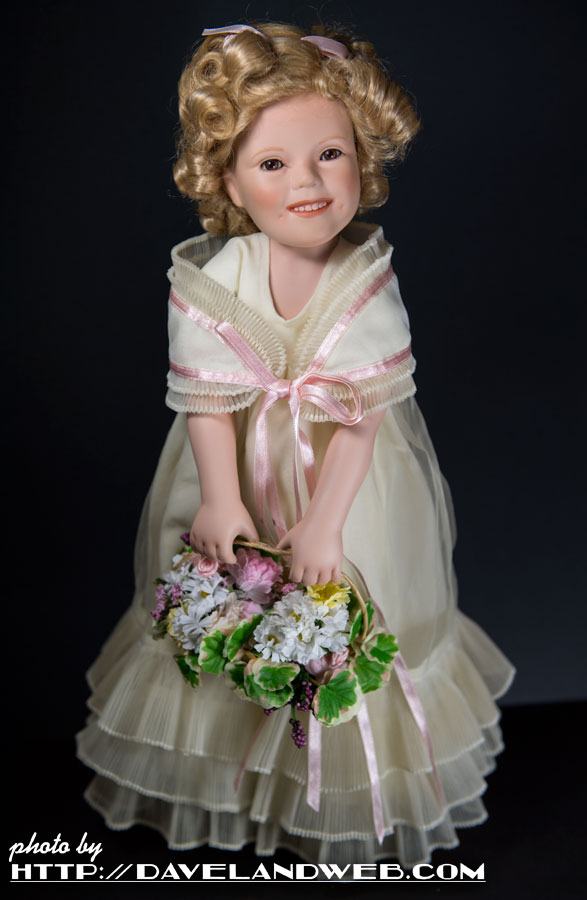
The Danbury Mint released a doll in the 1990’s expertly recreating Shirley as a flower girl and titled it by the same name:


Here is a still (courtesy of Melissa aka “The Colonel”) showing WAMPAS Baby Star Anita Louise in 1939 with Arthur Treacher and Shirley in “The Little Princess”:


See more Shirley Temple photos at my main website.
Monday, November 02, 2020

Monday in Fantasyland


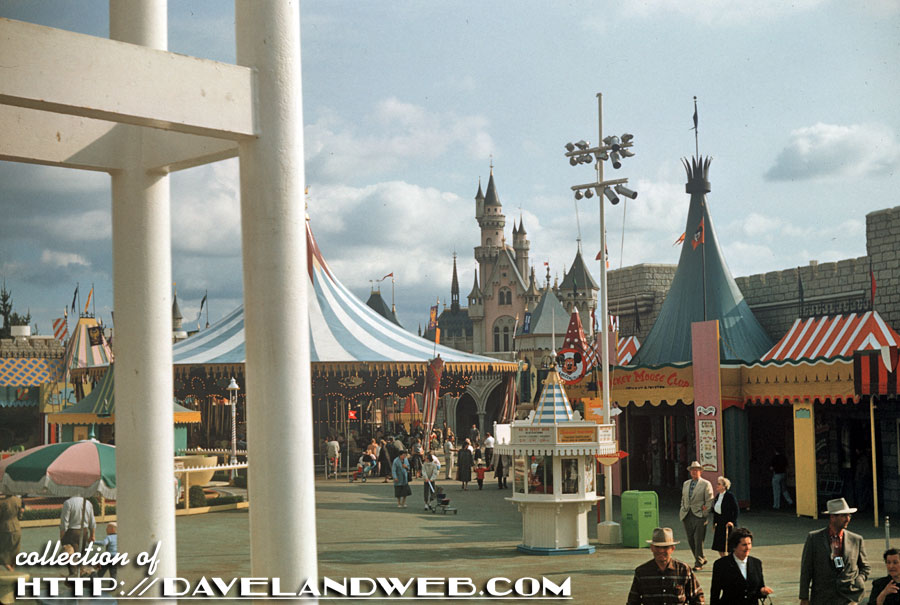
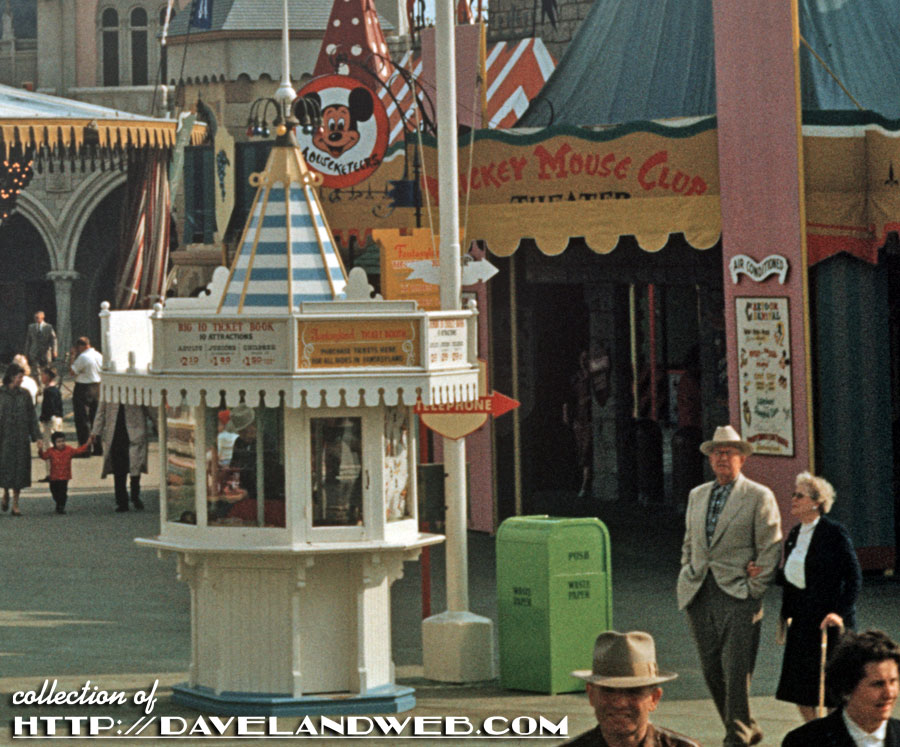
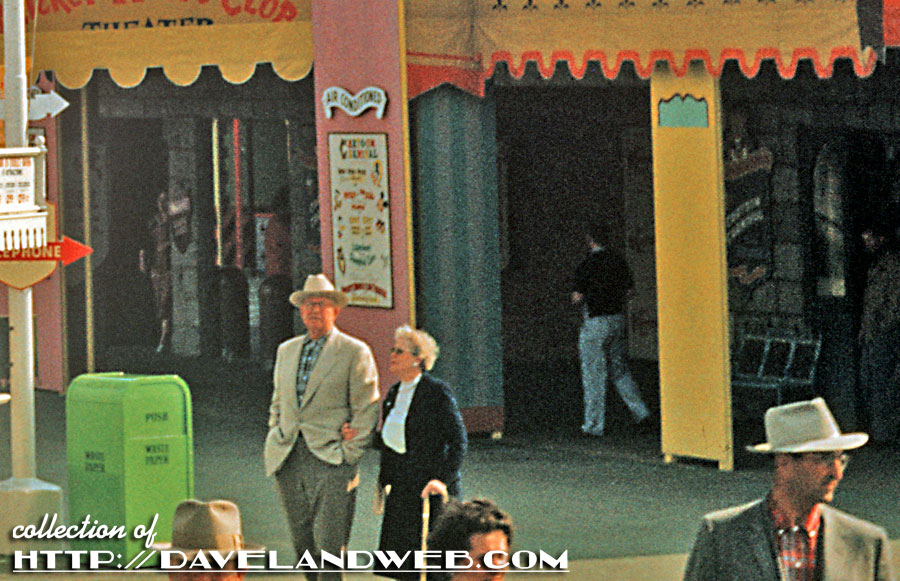
After a few days of my site being down due to the incompetence of my webhost (and ever-changing google rules), we can finally journey back to March 1958 at Disneyland. While our vintage photographer probably won’t win any awards for composition, I’m darn glad he/she snapped this one! Besides the Skyway pylon, you can see the ticket booth (remember tickets?) and the Mickey Mouse Club Theater (now Pinocchio’s Daring Adventure).


A closer (and lightened) view inside of the entryway:


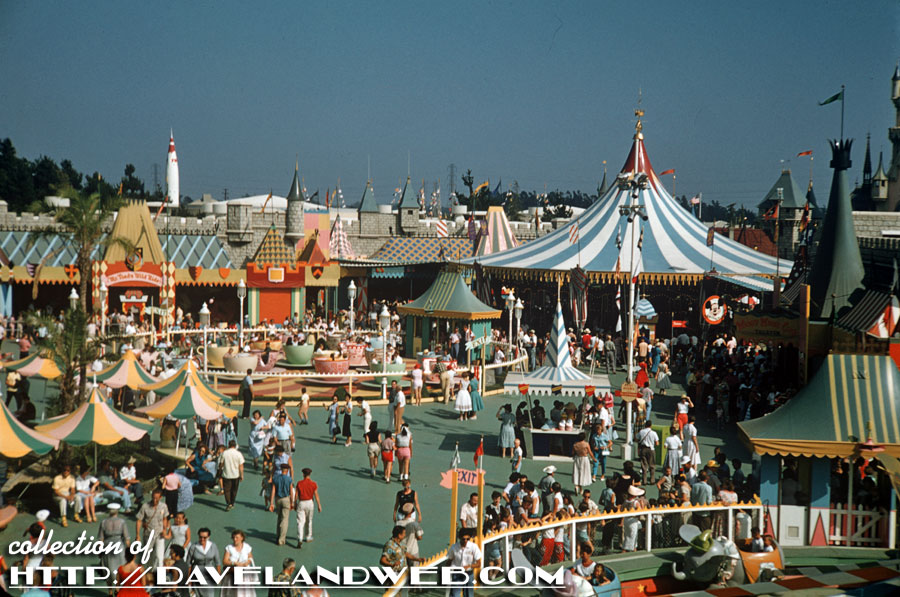
This one from July 10, 1957 pulls back (and up), giving us a broader view of Fantasyland. So far back that you can see the TWA Moonliner in Tomorrowland.


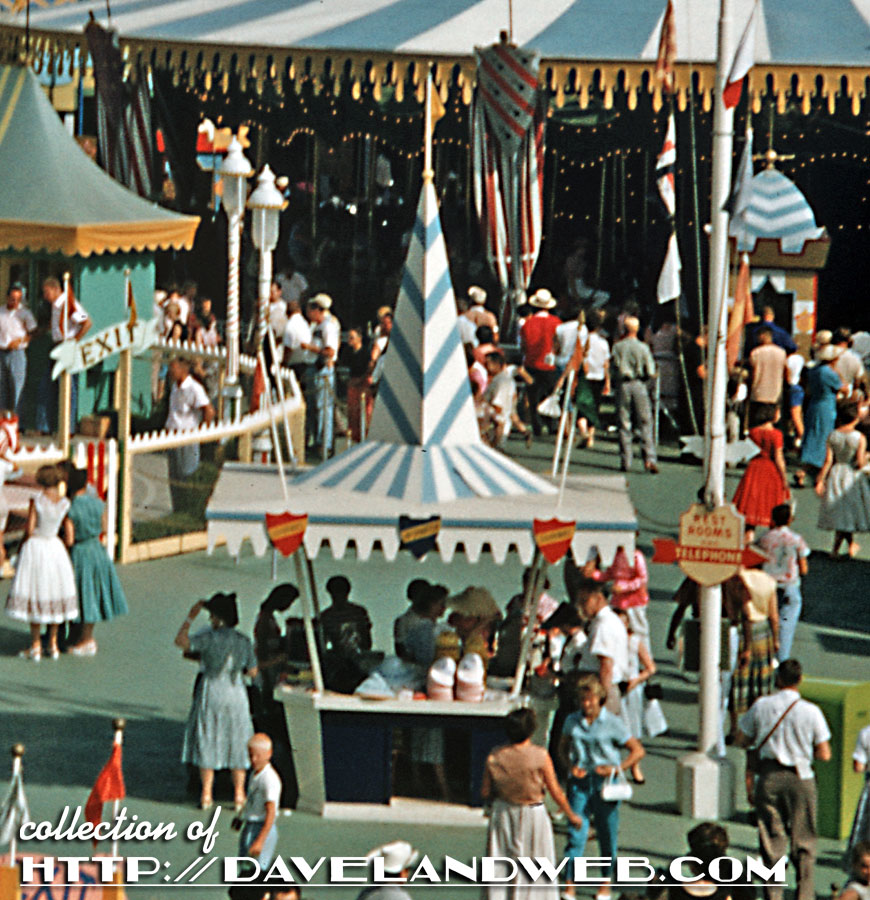
Want to buy a hat?


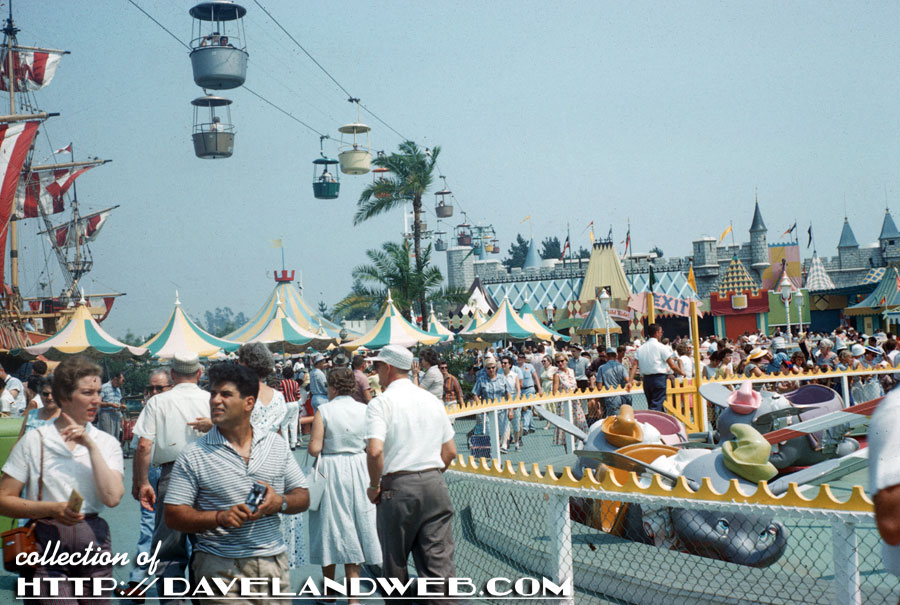
Last one for today is from August 1958, with Dumbo on the right and Skyway soaring overhead:


Thanks for your patience while my site was down!

See more vintage and contemporary Disneyland Fantasyland photos at my main website.