Showing posts with label the bachelor and the bobby-soxer. Show all posts

Tuesday, February 24, 2026

Bachelor and the Bobby-Soxer: Tension on the Set!


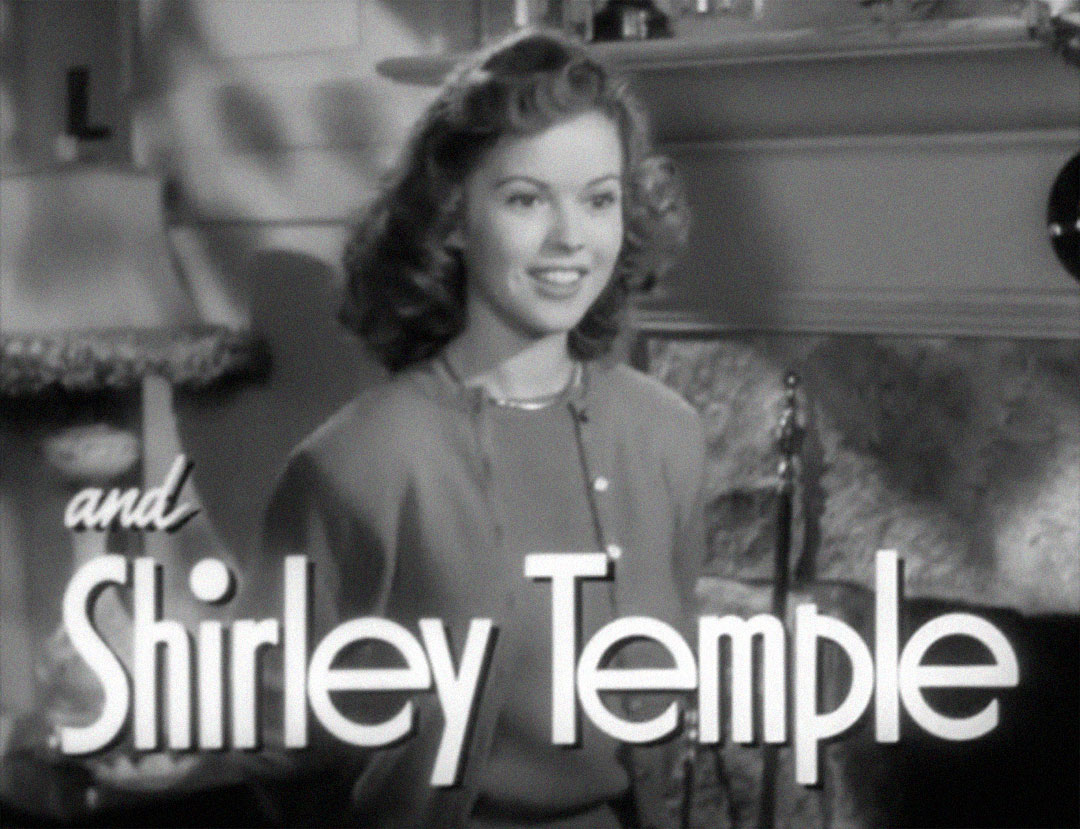
While the Sidney Sheldon penned film “The Bachelor and the Bobby-Soxer” (1947) was a comedy, behind-the-scenes tensions and sometimes boiled over between its lead trio of stars, Cary Grant, Myrna Loy, and Shirley Temple. Loy and Temple played sisters; Grant played the bachelor of the title, an artist who often got himself into trouble because of his charms.
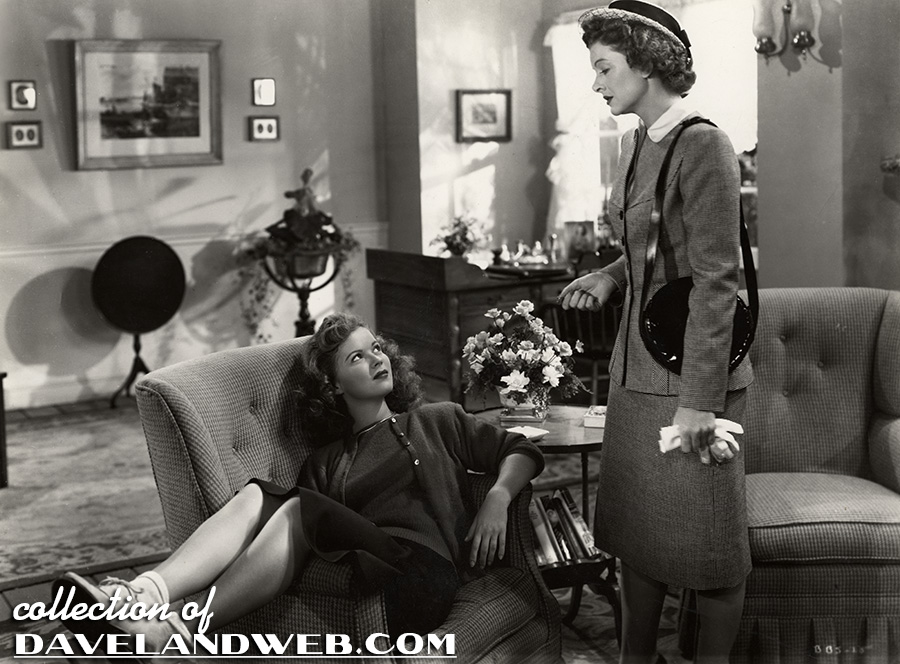


Temple and Loy first crossed paths professionally in 1934 as a result of the Oscar nominations. As Shirley told the story in her autobiography Child Star:

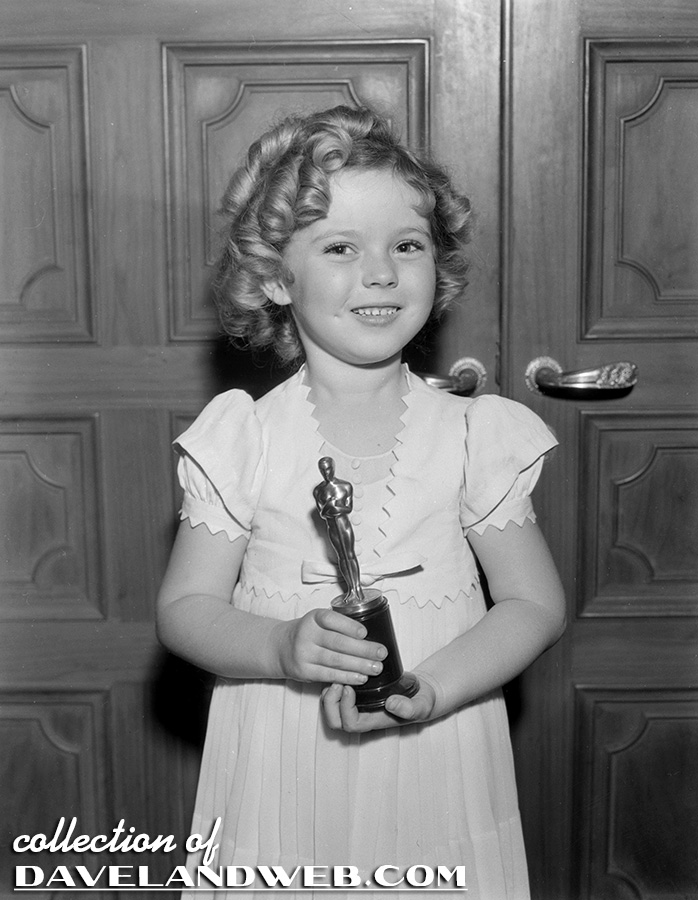
During the 1934 [Oscar] nominations for best actress, a vicious cat fight had erupted. My name was on the nomination list and odds-makers had me an almost certainty to win. Myrna Loy (“The Thin Man”) and Bette Davis (“Of Human Bondage”) had both been ignored in the nominations and write-in campaigns had been threatened. This quarrelsome affair had forced Academy officials to rescind both my nomination and the Academy rules against write-ins and devise a compromise. I would be excluded from the best actress category altogether. A diminutive Oscar would be awarded me in a special-award category, one whose only previous recipients had been Charlie Chaplin in 1927 for “The Circus,” Warner Brothers for revolutionizing movies with sound in “The Jazz Singer,” and Walt Disney for Mickey Mouse.

Shirley getting a best actress Oscar over Loy and Davis? It boggles the mind.


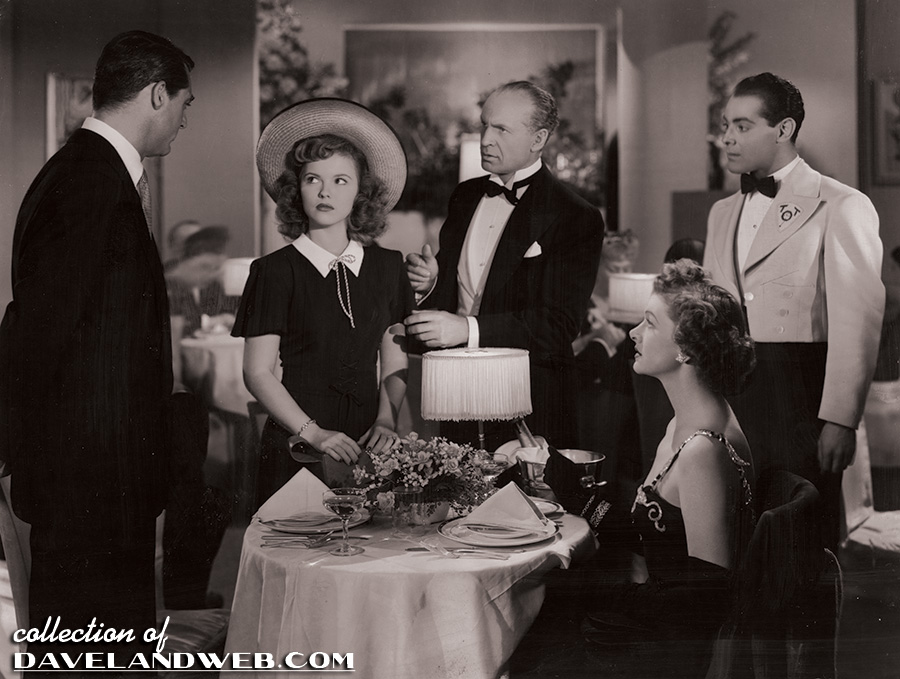
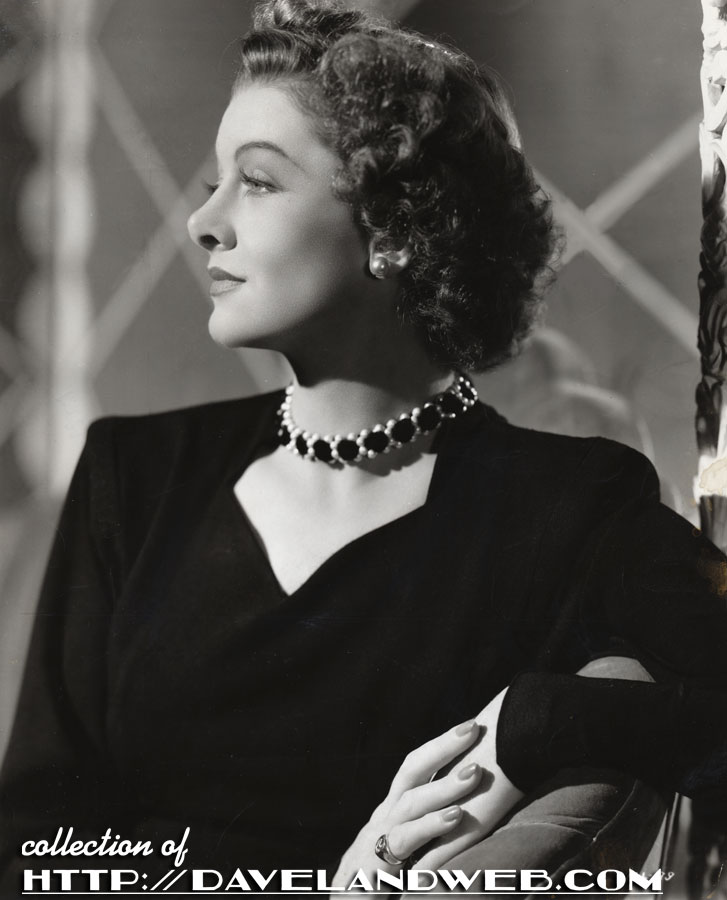
A publicity shot of Loy for “Bachelor,” showing the typical haughty and elegant demeanor of her onscreen character:


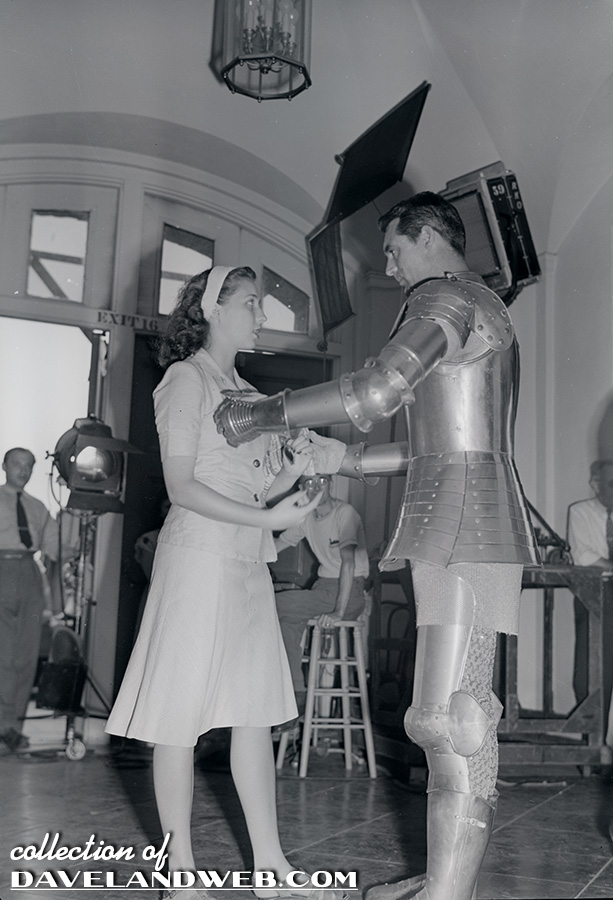
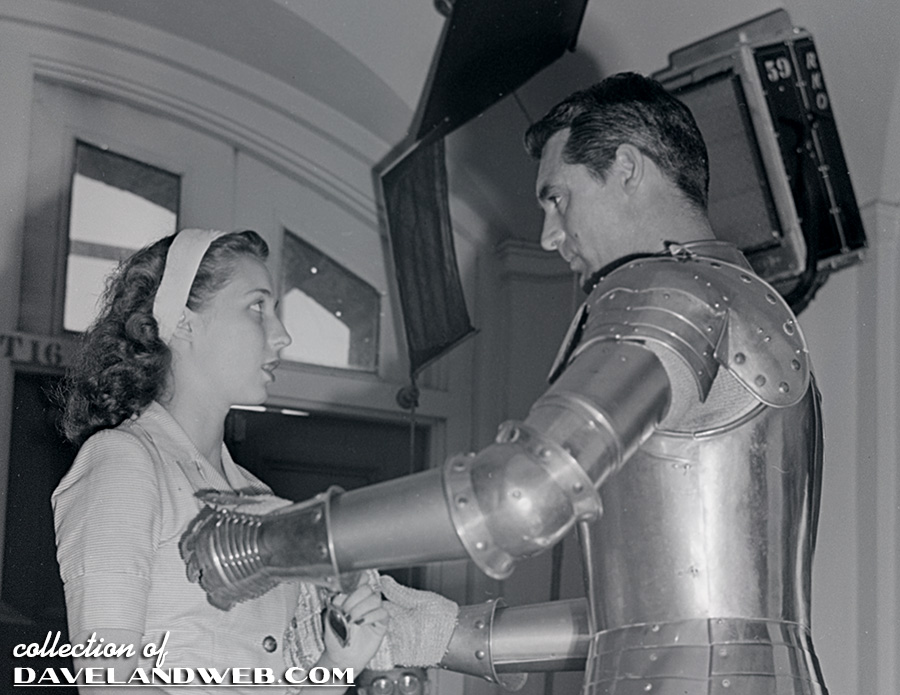
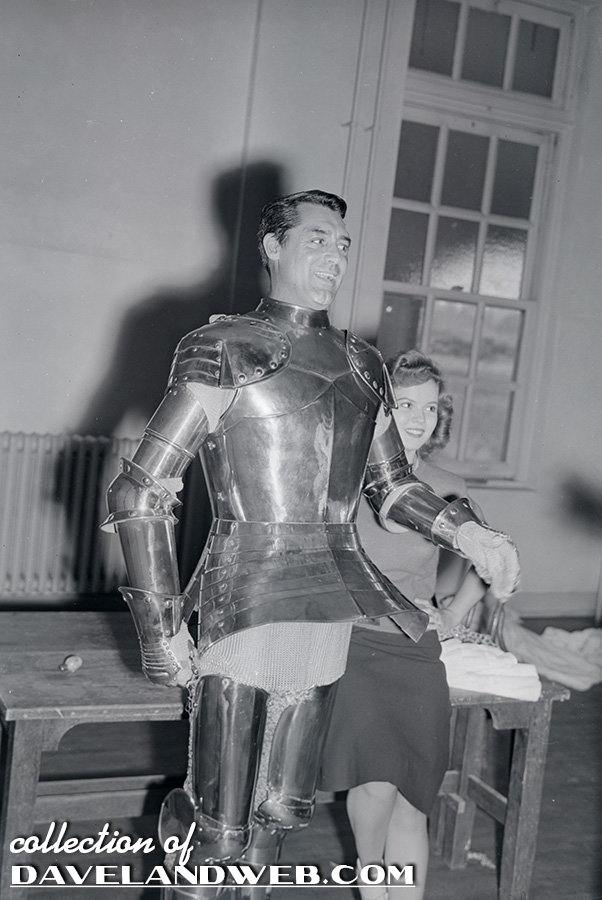
Below, Grant and Shirley between takes of the film for a scene where she fantasizes that Grant’s character is her knight in shining armor:


In one scene, Shirley attempts to seduce Grant’s character by dressing to look older. Her upswept hairdo required a form of glue to hold her ears back, as they protruded to far for the taste of the film crew.


As she recalled in Child Star:

Our scene was a close-up, with lights shining comfortably warm on my skin. We were slow getting started while director Irving Reis and Grant bickered about details of delivery and stage position. Their wrangles about words or stage direction were getting commonplace. Much of what Grant proposed was meritorious, mostly ad libs and little routines. However, for every added embellishment, Myrna Loy would excuse herself to the portable dressing room and bring back suggestions to enhance her own role. Grant was known as someone obsessively concerned with nuance and detail, and Loy as someone not easily finessed. In the middle was Reis, unwilling to be superseded by either of the two warring contestants.…In a huff Grant had disappeared into his portable dressing room. Little could be done about the personal animosity, so Reis again shut the set down. For a few minutes we all milled around aimlessly, chatting and drinking coffee, then Reis carefully rolled both his white shirt sleeves to the elbow and rapped sharply on Grant’s dressing-room door, ordering him to return. Grand did pop out at once, but not to work. Off he stormed without a backward glance. Going directly to producer Dore Schary, he threatened to quit unless Reis was fired. Buckling to the pressure, Schary replaced Reis with himself, releasing publicity that Reis had collapsed from physical exhaustion. Several days later Reis seemed to have recovered dramatically, for he hosted a reception for cast and crew members, Grant notably absent. The party was held at his home, one of those aeries clinging to the steep side of a Beverly Hills canyon, and the candlelight disclosed our host quite healthy and philosophical about his replacement.

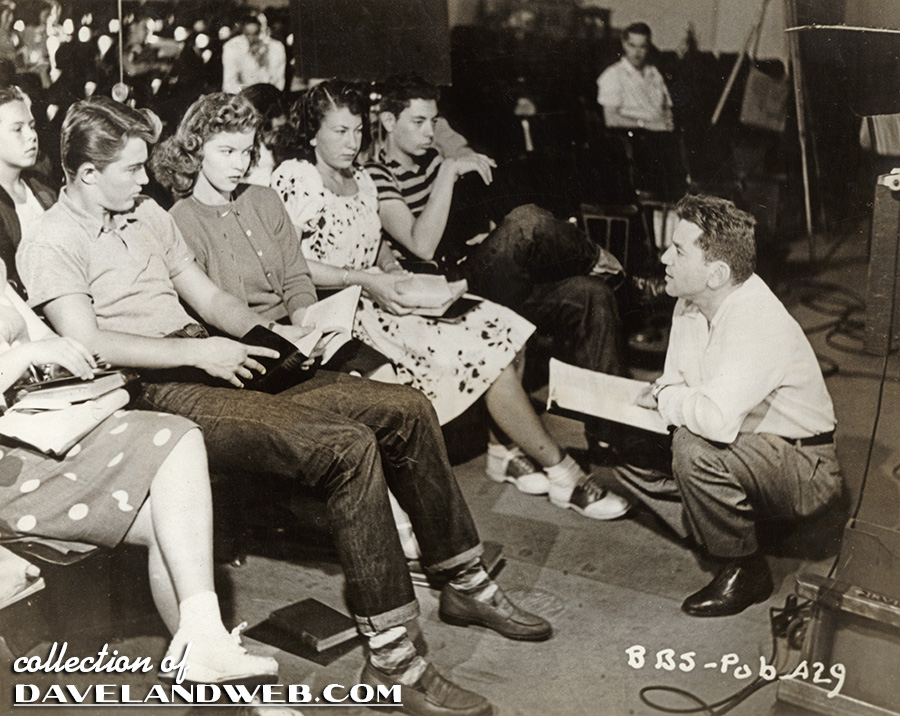
Below, Reis directs Johnny Sands and Shirley in a scene:


Although some residual disharmony continued to plague the set, Schary coped with Grant’s perfectionist tendencies and tolerated his abrupt absences to count or rewrite lines. As was my custom during such intermissions, I hung around joshing with the crew, far preferring some activity to nothing. That’s how the trouble started. I started to mimic Grant. Egged on by the crew’s applause, I soon was doing an impromptu show. Taking center stage where the lights were ready for our next close-up, I tipped my head, put on a  a quizzical smile, and started a soliloquy in a deep-throated, cockney accent. Swaggering across the set, I executed a typical Grant double-take, careful to point out that I was showing only my right profile, a well-known minor vanity. The crew had been laughing and cheering, but suddenly turned silent as tombstones. Beyond the edge of the lights glare, I detected Grant’s face. I was caught red-handed. Again he stalked away, this time directly to Selznick, who sent word for me to come at once. Grant was quitting the film unless I went, and Selznick was fuming at yet another personality clash on an already troubled set. Mimicry is immature, I was lectured, leaving a clear impression that if anyone left the film, it would be me. Never having been fired, to say I felt chastised would be a yawning understatement. Trembling with apprehension, I made my way back to the set. As had been the case with Lionel Barrymore in “The Little Colonel,” my only salvation lay in a personal apology, one fortunatley accepted by Grant.By the his annoyance level had subsided, and with a grave nod of his head he accepted my remorse, turned, started off, then stoped. “By the way,” he said, cocking his head in an exaggerated version of my mimicry, “it was a pretty good imitation.”


Grant and Schary between takes:
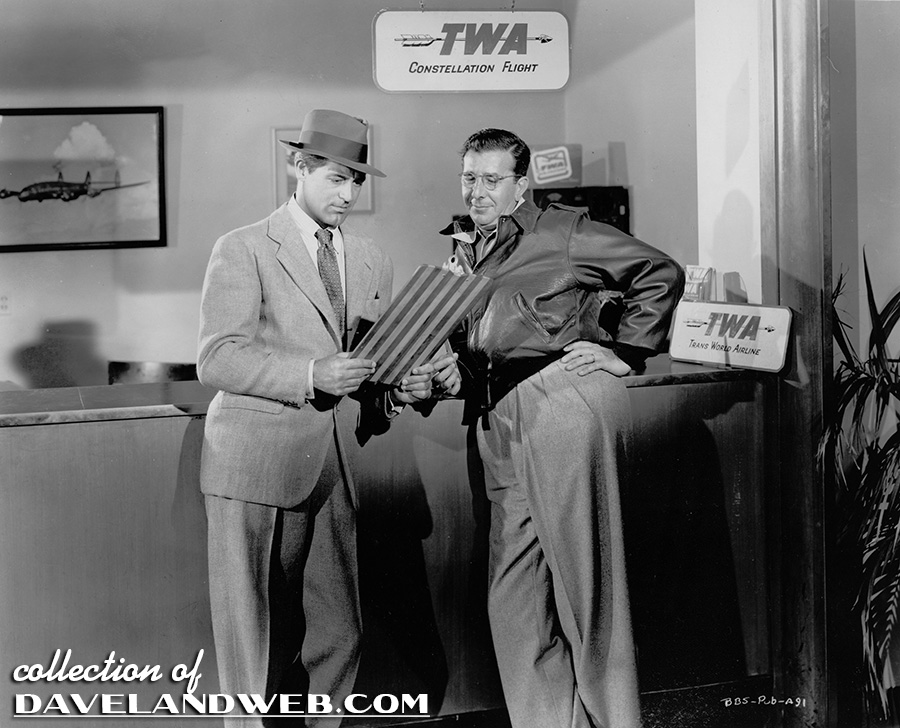


One of the on-set pranks made its way to the press. From the vintage caption that accompanied the photo below:

They say it’s an old Egyptian proverb that he who makes practical jokes one day is victim of ribbing. And so it came to pass recently. Shirley Temple, under cover of that sweet, innocent expression so well-known to thousands of movie goers, has been the instigator of many practical pranks. So it was inevitable that her fellow workers would one day turn the laughter on her. “Buddy” Barasch, production assistant of the film in which Shirley is working put over the gag. Donning Arabian robes and a beard, he posed as a royal visitor and beguiled her. Later when the disguise was removed, Shirley joined in the laughter. The two are shown here. 11/16/46


For the May 10, 1948 Screen Guild Theater radio version of the film, tensions between the three leads are clearly visible in the photo below:


Loy does not feign joy as Shirley points to a detail in the script. Grant at least seems attentive:


For some reason, the film was dramatized a second time, on June 13, 1949, as part of the Lux Radio Theatre series. Temple and Grant participated; Loy did not. Apparently, twice was enough for her.
Frances Robinson took over Loy’s role.

Producer William Keighley opened the program:

Greetings from Hollywood, ladies and gentlemen. Tonight, we welcome back to THE LUX RADIO THEATRE a man whom I consider one of America's truly great screen stars, Cary Grant. With Cary is a young lady who long ago captured the heart of America and has held it ever since, Shirley Temple. Together, they bring us RKO's sparkling romantic comedy "The Bachelor and the Bobby-Soxer," with Cary as the gay man-about-town and Shirley as the adoring bobby-soxer -- the same delightful performances that made the picture a hit. You know, the bobby-soxer has introduced some fascinating additions to the American language and mode of dress, but I understand she's still old-fashioned enough to want a lovely Lux complexion. So she takes a lesson from her mother, and the screen stars, and lets Lux Toilet Soap help out on the beauty front. 

Keighley (seen at left) directed Shirley in her previous film, “Honeymoon”: 
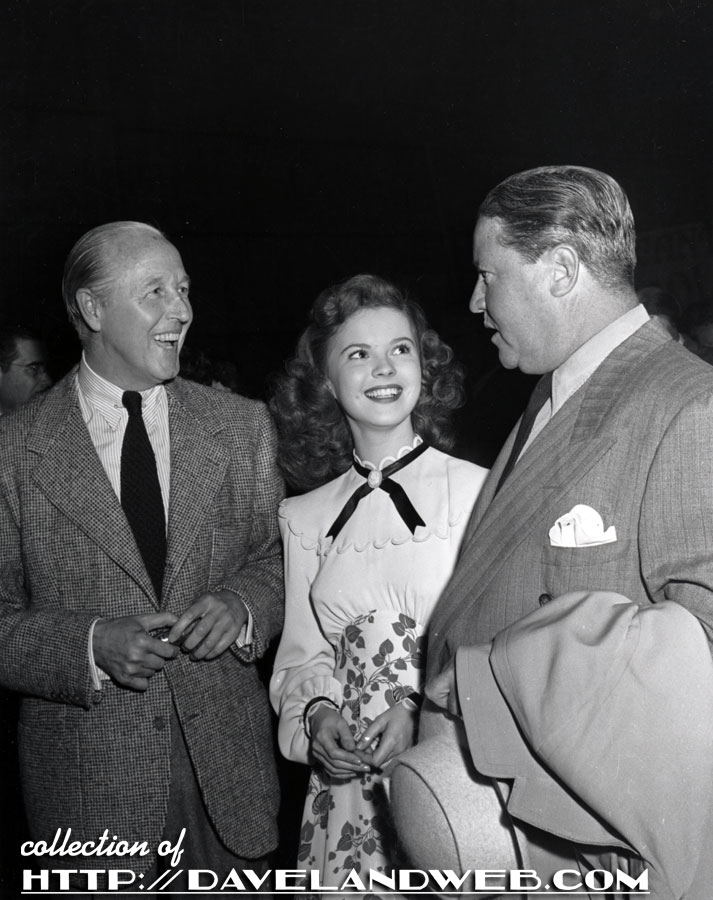


The Lux program’s wrap-up banter:

KEIGHLEY: Tonight's play was enjoyed, I know, by all bachelors, all bobby-soxers, and all the rest of us, too. So here's all our thanks to Cary Grant and Shirley Temple. SOUND: APPLAUSE KEIGHLEY: Cary, when we first tried to reach you about tonight's show, you were in the middle of the Atlantic on a freighter. We're certainly glad you made it. GRANT: Well, thank you, Bill. So am I. I had a wonderful rest. TEMPLE: I suppose after a strenuous picture you need a rest when you're - over twenty-one. GRANT: Uh, Shirley, remember, you can vote now. ... TEMPLE: (LAUGHS) KEIGHLEY: (LAUGHS) I suppose you're pretty bored, Shirley, with people who say (CLICKS TONGUE) "My, how you've grown." TEMPLE: Well, after all, I'm a married woman with a little daughter. GRANT: You know, that's the trouble. Other girls get married; two days later, everybody's forgotten it. Except the groom, of course. TEMPLE: (LAUGHS) GRANT: But when Shirley Temple gets married, the whole world feels twenty years older. ... TEMPLE: Well, I think every girl should be married. GRANT: Ah, every girl should be married. ... I'm glad you brought that up. KEIGHLEY: Yes; you see, Shirley, two weeks from tonight, Cary will be back with us again, starring with Betsy Drake in their recent hit "Every Girl Should Be Married." TEMPLE: Oh, that's wonderful. I loved the picture. And I have a suggestion for every girl who thinks she should be married. Every girl should have a Lux complexion. KEIGHLEY: Yes, I recommend a Lux complexion exactly like yours. TEMPLE: Why, thank you, Mr. Keighley. I've always used Lux Soap. And, don't forget, you promised me one of those "Neptune's Daughter" scatter pins. In fact, I'd like to have two of them to wear on my new suit. KEIGHLEY: Well, it'll be a pleasure, Shirley. The "Neptune's Daughter" pin is sterling silver and something every woman will want. GRANT: Well, what's next week's play, Bill? KEIGHLEY: Well, it's a drama about Hollywood, Cary -- the famous hit of stage and screen, "Merton of the Movies." Starring in it, we'll have the one and only Mickey Rooney. And, with Mickey, lovely Arlene Dahl. There'll be laughs, drama and romance here next Monday with "Merton of the Movies." TEMPLE: We'll all be listening. Good night. GRANT: Good night. KEIGHLEY: Good night and we'll see you in two weeks, Cary.
Want to hear the entire program? Here you go:


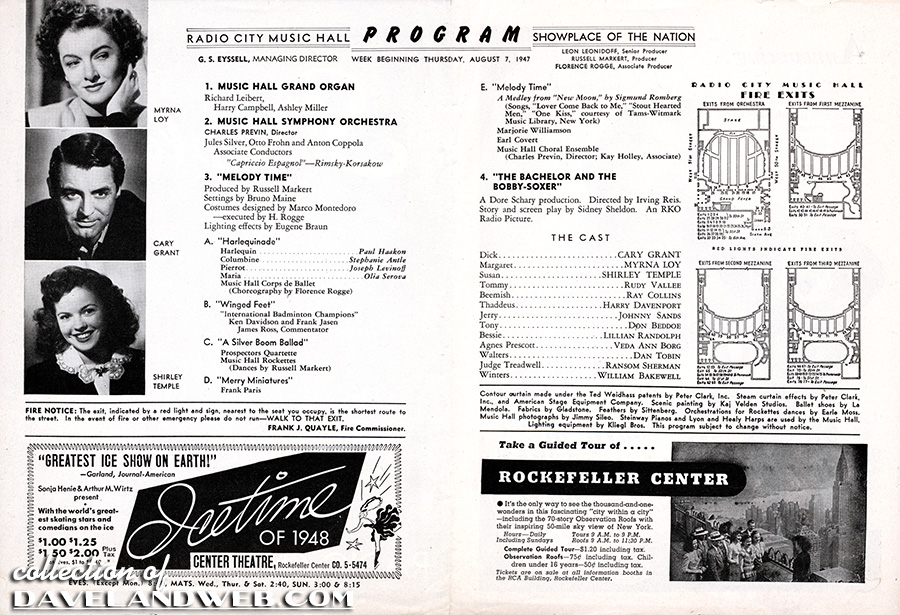
The program for the Radio City Music Hall presentation of “The Bachelor and the Bobby-Soxer”:
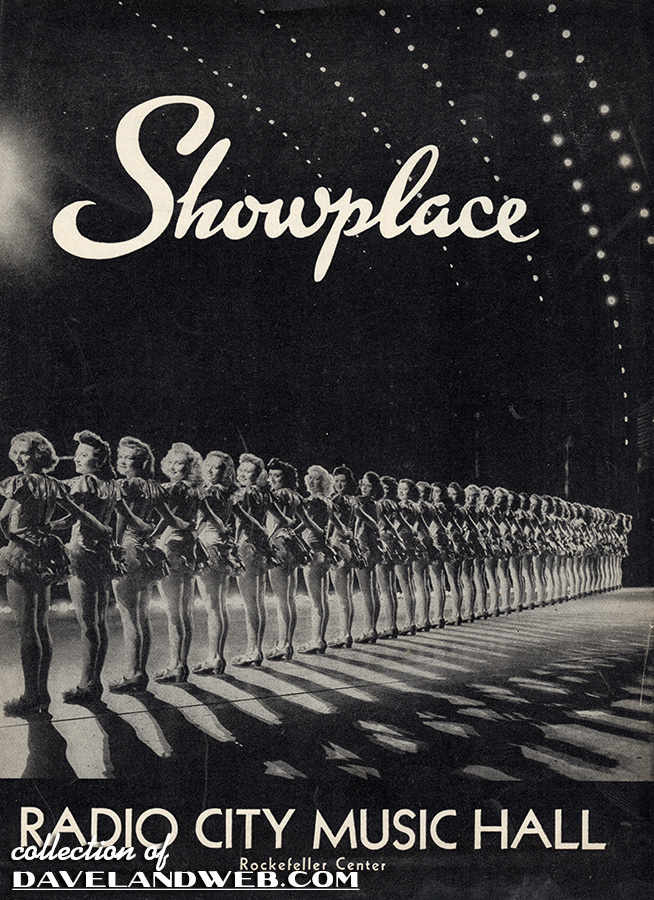


See more “Bachelor and the Bobby-Soxer” photos at my main website.

Tuesday, April 09, 2024

Temple Tuesday: Shirley & Cary


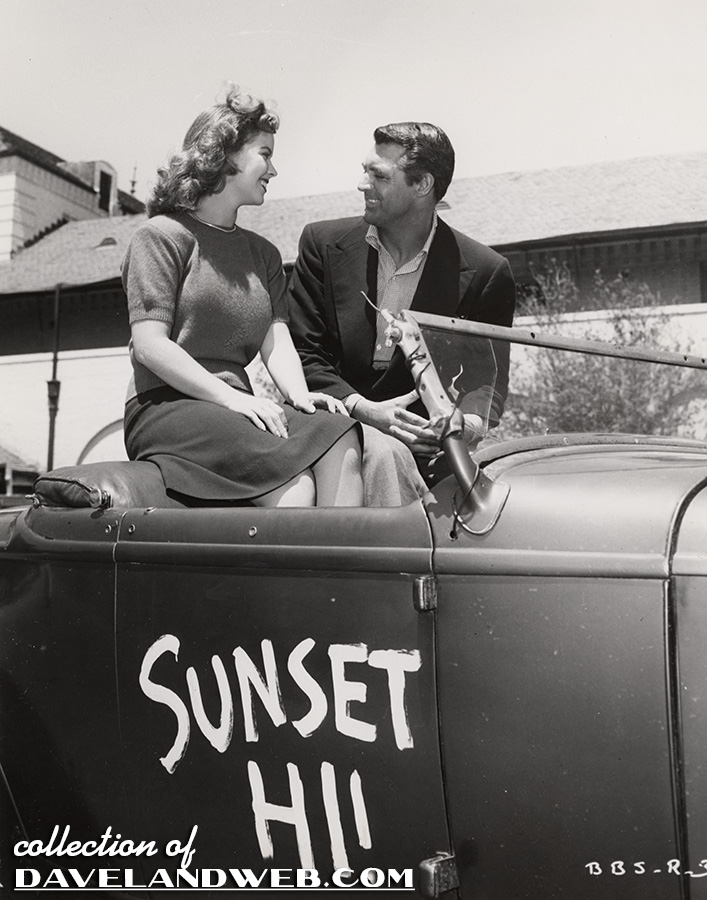
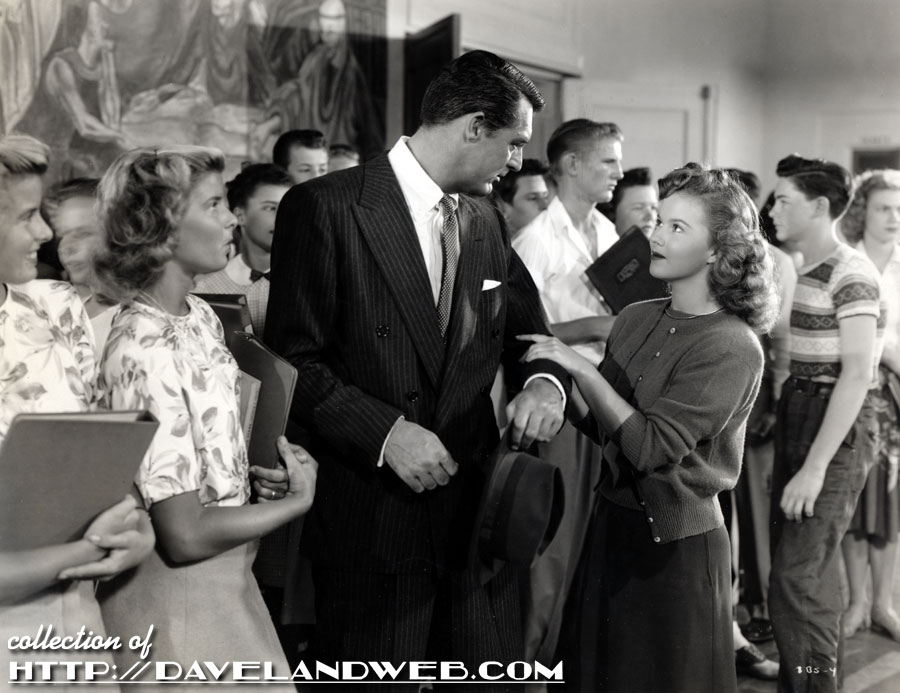
Shirley Temple and Cary Grant co-starred in the 1947 comedy, “The Bachelor and the Bobby-Soxer.” I believe this publicity shot was taken outside the Beverly Hills High School where a few of the scenes were filmed. The accompanying caption:

HOT RODSTER
Cary Grant is ridin’ the movie ranger these days in a “hot rod” with the best of the bobby-soxers. It’s the result of an involvement with co-star Shirley Temple in their new RKO Radio film, “The Bachelor And The Bobby-Soxer.”


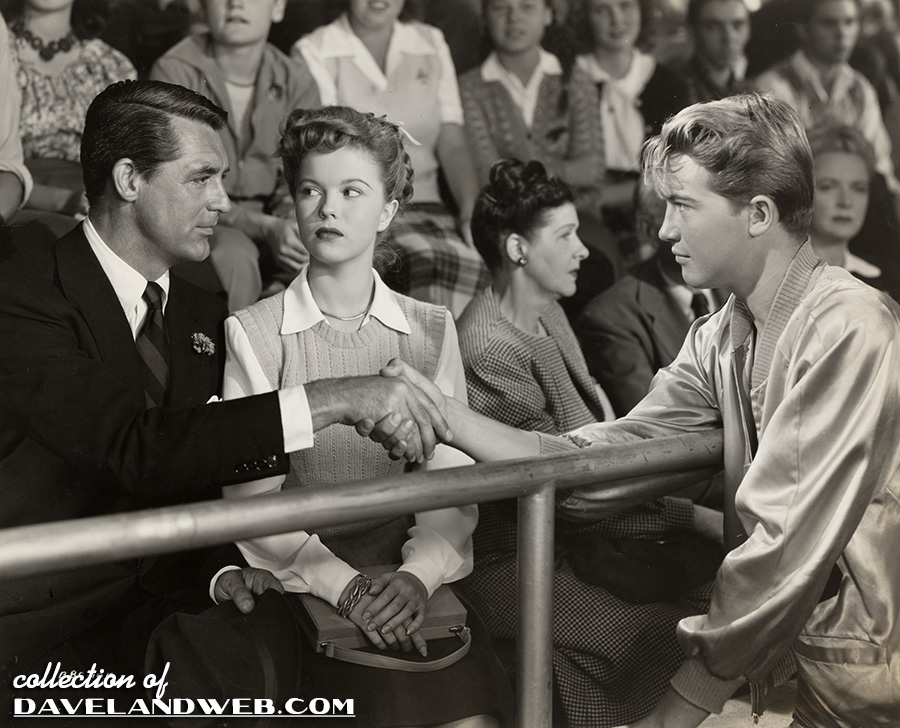
By most accounts, Grant liked things the way he liked them, and could sometimes be difficult on set. At one point during filming, he caught Shirley doing an imitation of him for the film crew; he stalked off and complained to producer David O. Selznick, who read the actress the riot act for her unprofessional behavior.  Selznick had Shirley under contract at the time, thus his involvement. Back on the set, Shirley apologized to Grant, who graciously accepted it and replied, “By the way, it was a pretty good imitation.” Below, Grant’s character makes nice with Shirley’s boyfriend in the film, played by Johnny Sands.


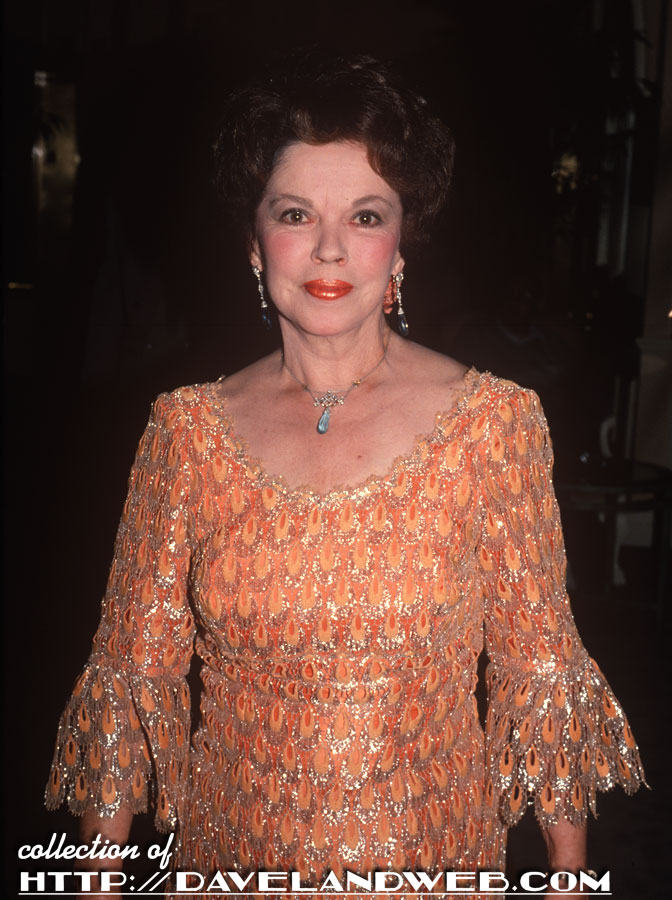
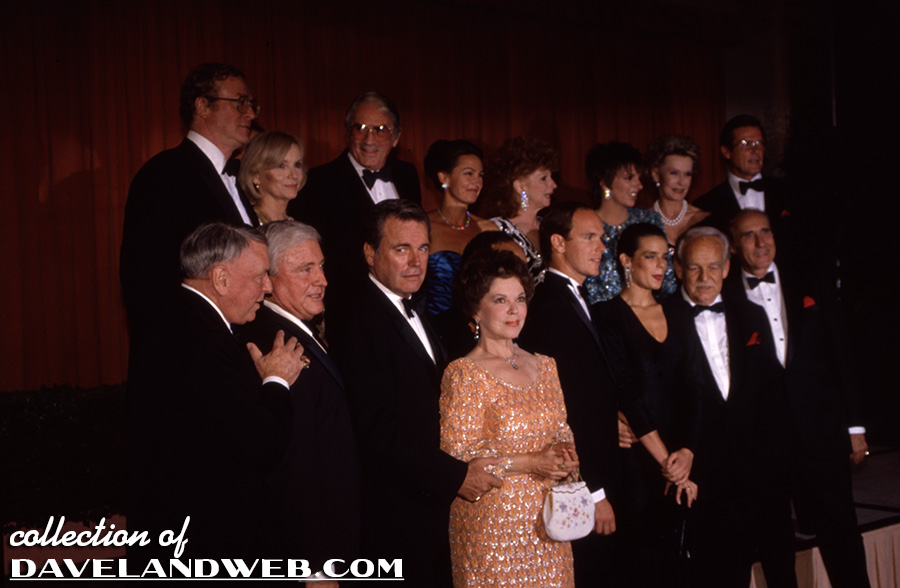
Almost forty years later, Shirley appeared at a tribute to Grant staged by the Princess Grace Foundation, due to the close friendship between the Grant (who died in 1986) and Grace Kelly (who died in 1982). Proceeds from the gala event held at the Beverly Hilton Hotel in Beverly Hills went to the Princess Grace Foundation. From the LA Times on July 15, 1988, just a few months before the event:

And this fall comes a tribute to the classic and classy actor that will indeed be one of a kind—an Oct. 19 benefit at the Beverly Hilton for the Princess Grace Foundation U.S.A. Barbara Grant, widow of the actor who died in November, 1986, said that she and his daughter, Jennifer, wanted “only one special tribute to Cary, and due to his close friendship with Princess Grace and her family we decided that the proceeds from the evening should benefit the foundation named in her honor.” Although planning is just getting under way, the committee list for the black-tie gala already reads like a list of Hollywood royalty. First Lady Nancy Reagan and Barbara Grant are honorary co-chairs. Dina Merrill chairs the evening, with co-chairs Merv Griffin, Kirk Kerkorian, Veronique and Gregory Peck, Don and Judy Balaban Quine (who was a member of Princess Grace’s wedding party), Barbara and Frank Sinatra, and Lew and Edie Wasserman. In the audience: Prince Rainier, Prince Albert, Princess Stephanie and, reportedly, if her schedule can be changed, Princess Caroline. Sources say the party will be the debut of the new International Ballroom at the Beverly Hilton.

Shirley looked stunning that evening!


The Times spilled more tea on September 14, 1988:

When is a $1,000-a-person benefit ticket worth the price? Try Oct. 19, when the special gala tribute to Cary Grant, benefiting the Princess Grace Foundation U.S.A., brings together the princely family of Monaco with just about every royal persona Hollywood can muster. This evening is unique in many ways--it will be the only tribute Grant’s widow, Barbara, is permitting for the late, beloved actor. And, because there was only one Cary Grant, the evening will have an extraordinary retinue of stars up on stage: James Stewart, Gregory Peck, Frank Sinatra, Walter Matthau, Roger Moore, Shirley Temple Black, Robert Wagner, Warren Beatty, benefit chair Dina Merrill, Eva Marie Saint, Quincy Jones, Robert Mitchum, John Forsythe, Dean Martin, Michael Caine and, performing, Liza Minnelli, Sammy Davis Jr. and Henry Mancini, all in a production designed by Jack Haley Jr. and emceed by Merv Griffin highlighting Grant’s films.


In the front row are Frank Sinatra, Merv Griffin, Robert Wagner, Prince Albert II, Princess Stéphanie, Prince Rainier III, and Henry Mancini. Back row: Michael Caine, Eva Marie Saint, Gregory Peck, Barbara Grant, Unknown, Liza Minnelli, Dina Merrill, and Roger Moore. What a lineup!!

UPI had this to say after the event:

European royalty mingled with Hollywood royalty in tribute to the late sultan of suave, Cary Grant. The Wednesday night gala benefited the Princess Grace Foundation-U.S.A. and Prince Rainier of Monaco and two of his offspring, Princess Stephanie and Prince Albert, attended the black-tie banquet at the Beverly Hilton Hotel. Frank Sinatra, Michael Caine, Gregory Peck, Eva Marie Saint, Robert Wagner, Roger Moore and Dean Martin were on hand to swap memories of Grant. The entertainment was provided by Sammy Davis Jr. and Liza Minnelli and Merv Griffin, who owns the hotel, was master of ceremonies. Film clips from Grant's long career were shown in addition to taped tributes sent in by President Reagan, Sophia Loren, Walter Matthau and others. The Princess Grace Foundation-U.S.A. raises funds to help aspiring artists in theatre, dance, and film.

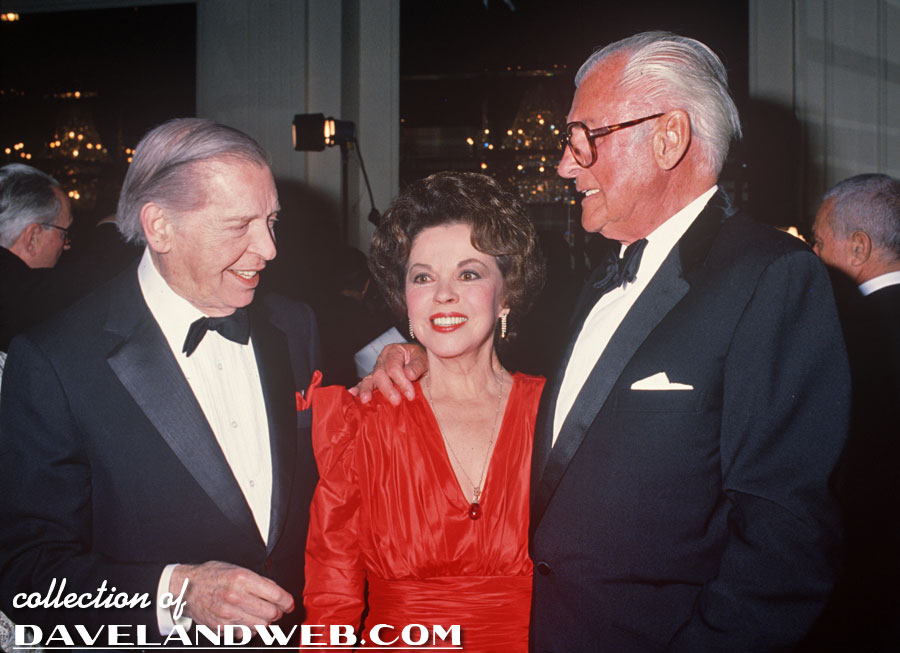
Milton Berle puts the moves on Liza and Shirley, with Jack Haley, Jr. on the right (Liza’s husband at the time) and Eva Marie Saint in the background.


I wonder if Shirley did her Grant imitation? I sure would have loved to have seen that! BTW: Shirley seemed even less interested in Berle one year later, when he attempted to have his photo taken with her again. Give it up, Miltie! Actor Stewart Granger is on the right.


See more Shirley Temple photos at my main website.

Tuesday, January 03, 2023

Temple Tuesday: Shirley at the Swim Gym


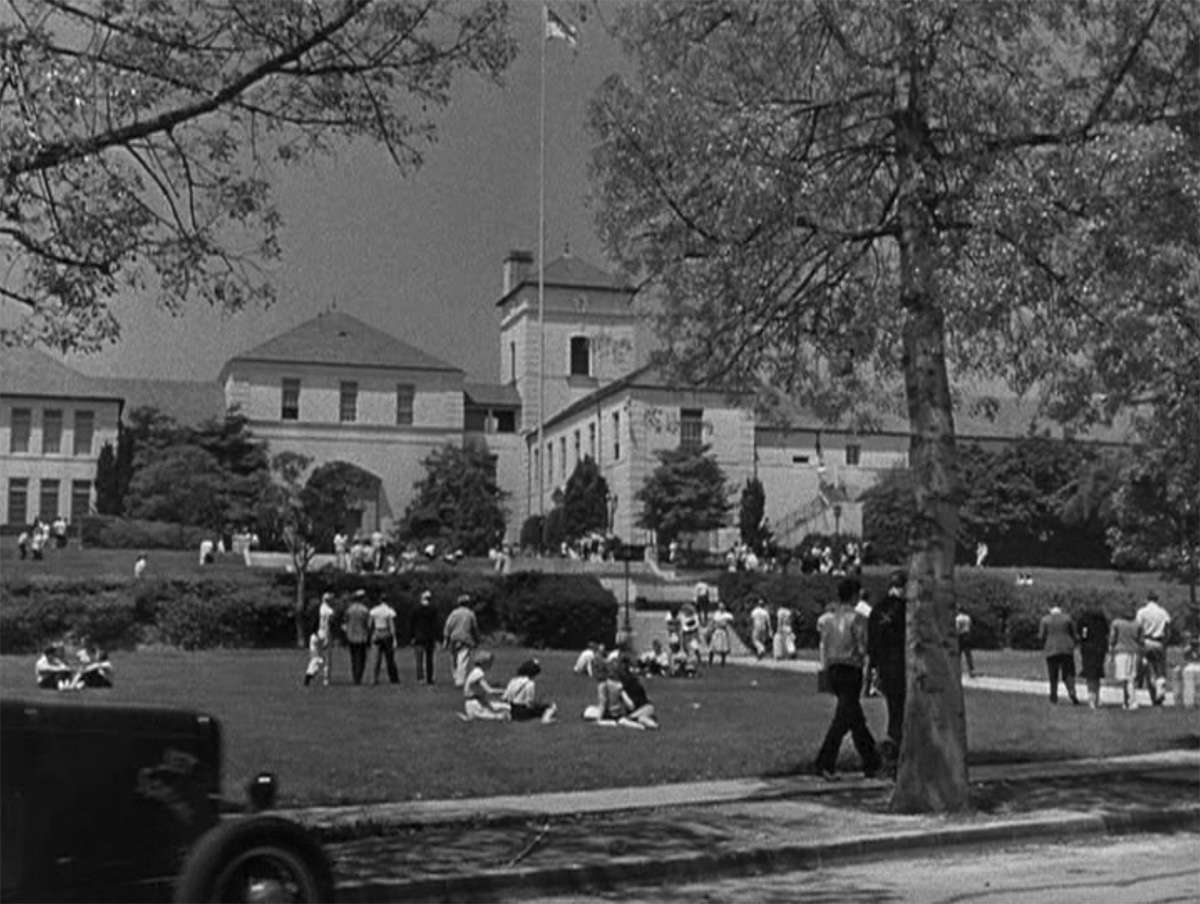
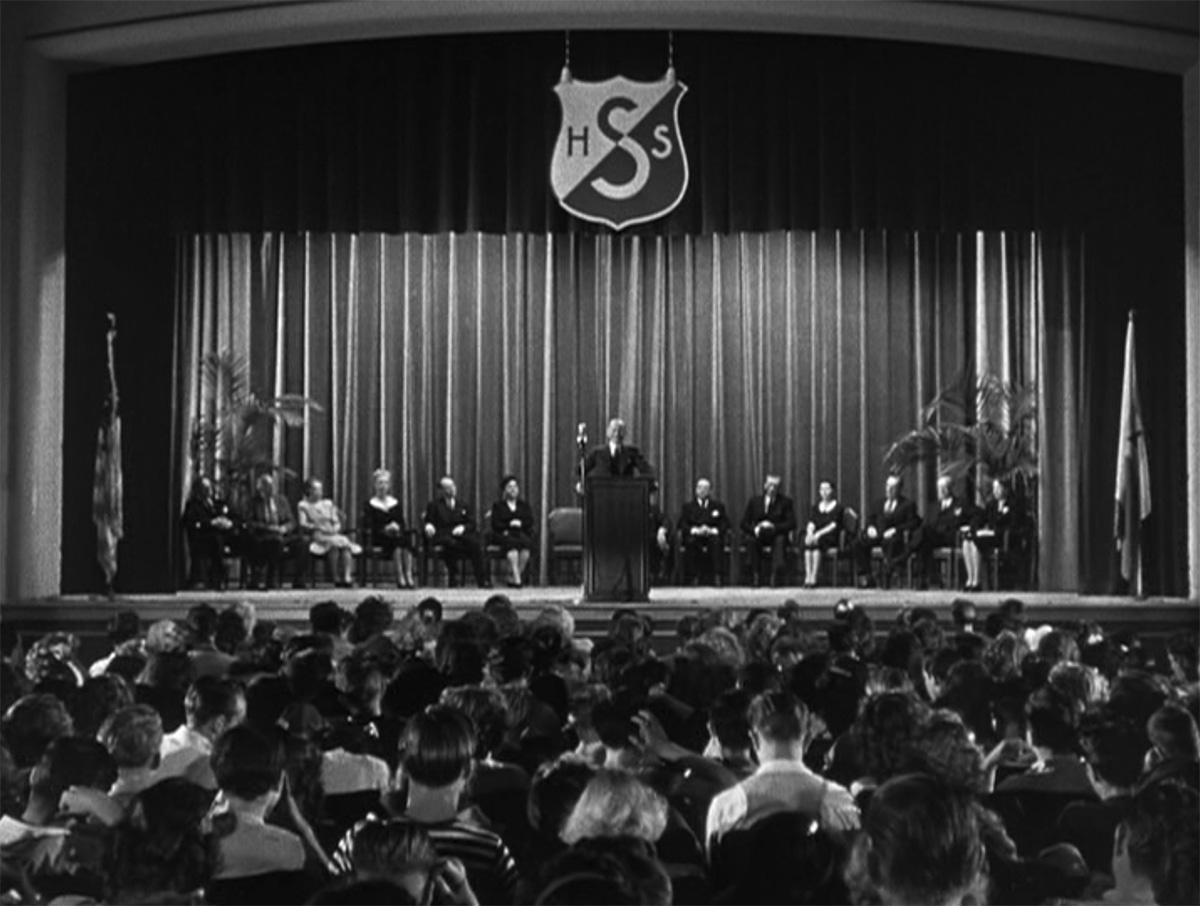
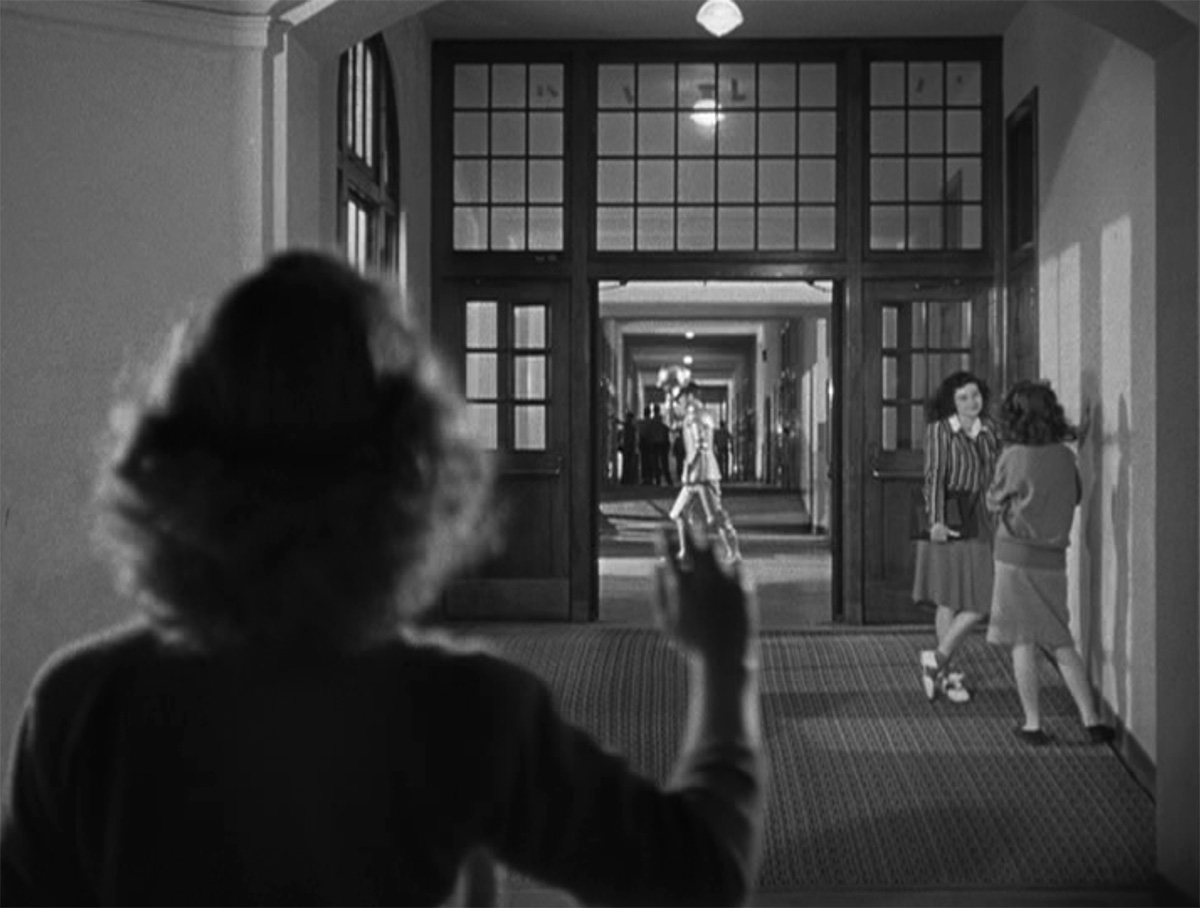
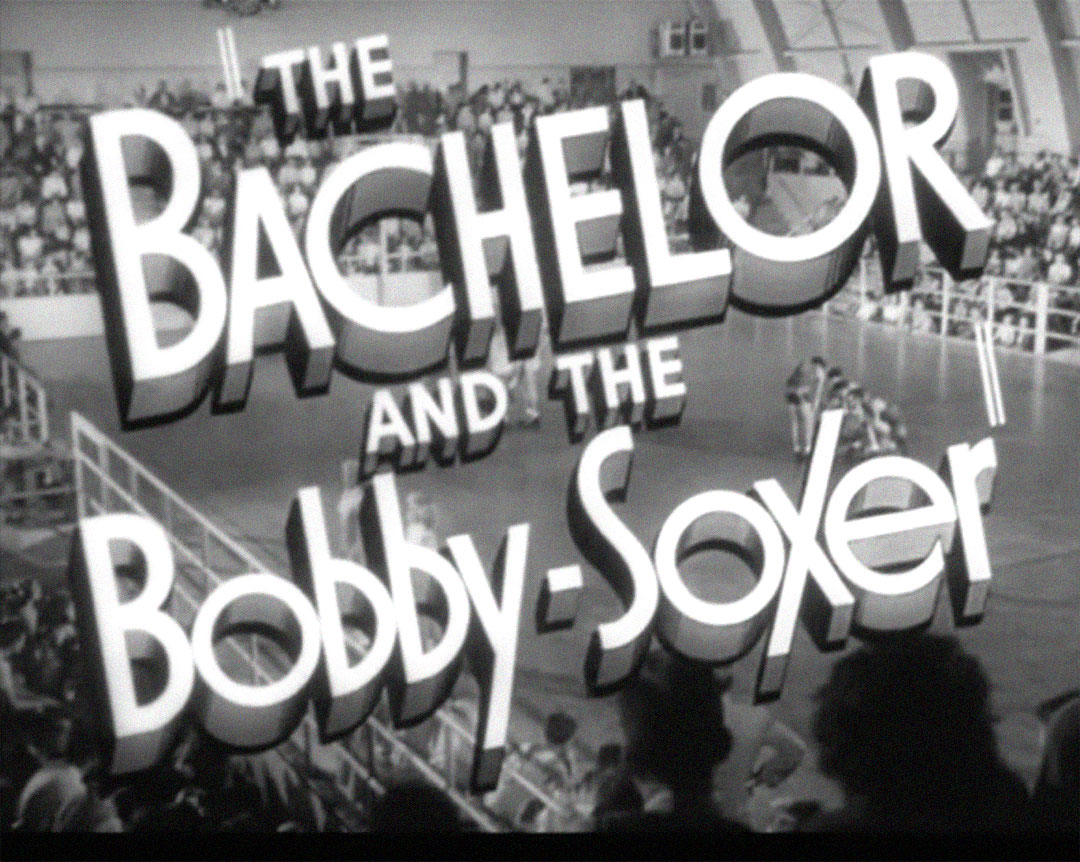
In the 1947 RKO comedy, “The Bachelor and the Bobby-Soxer,” Beverly Hills High School was transformed into Sunset High School.


A pivotal scene takes place in the auditorium.


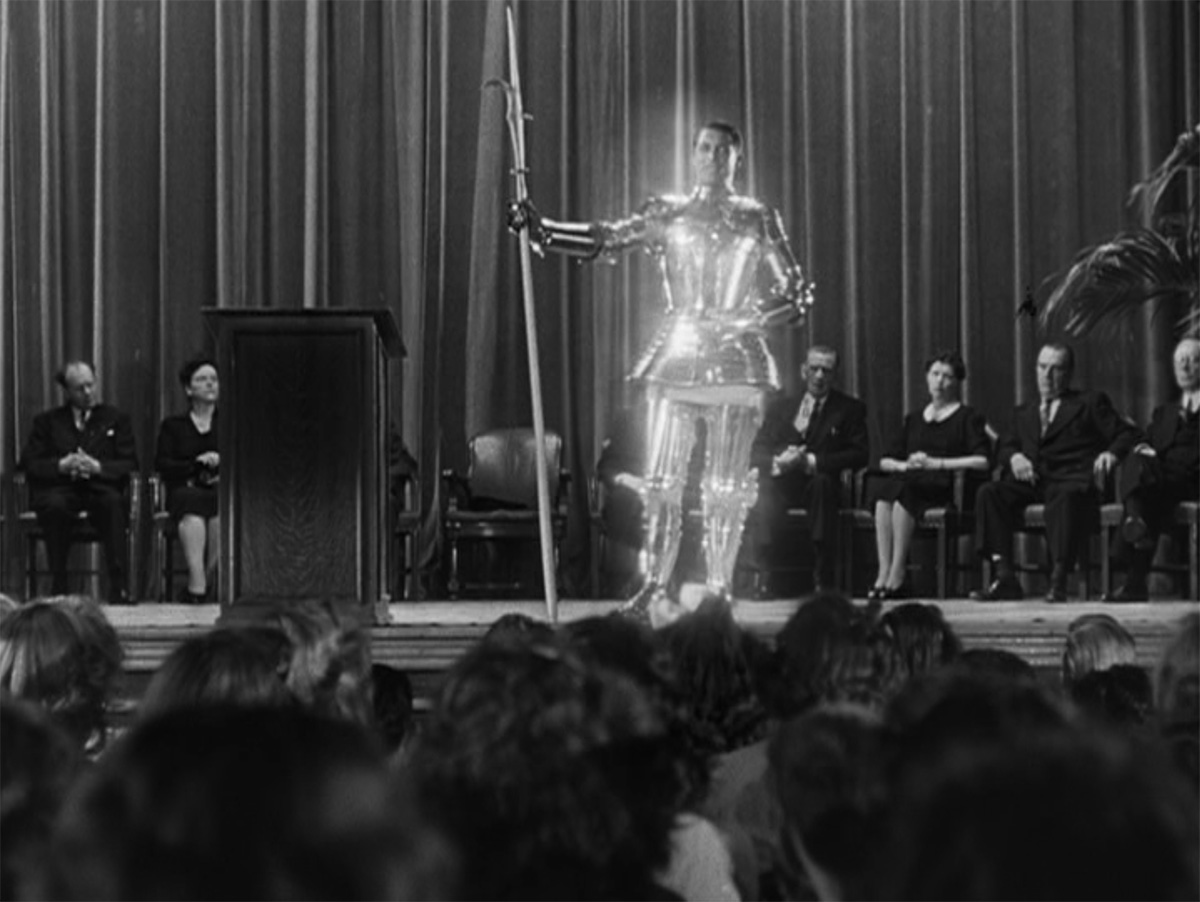
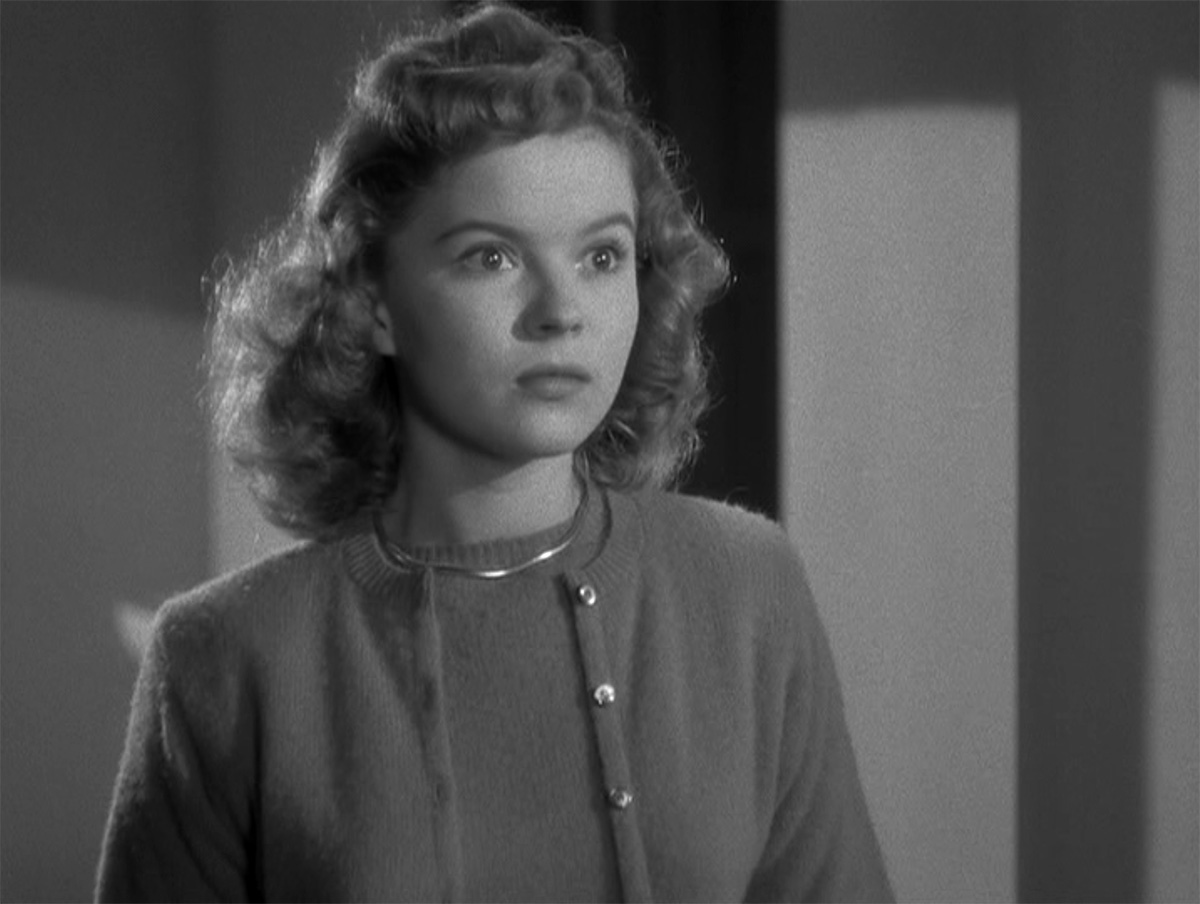
Cary Grant plays Richard Nugent, an artist and playboy, who seems to attract trouble with the ladies. As he gives a speech to the student body, man-crazy teenager Susan Turner (Shirley Temple) is mesmerized.


Right before her eyes, he magically transforms into a Knight in Shining Armor.


After his speech, Susan makes a beeline to Richard and interviews him for the school newspaper. In reality, she is just attempting to find out if he is single and interested in her.


After the interview, an uncomfortable Nugent says goodbye and hurriedly walks away from the persistent teenager.


Once again, the transformation occurs and he becomes a Knight to the adoring teen.


Not sure if that’s actually Cary in the suit? Here you go…


Although this young girl isn’t Shirley, she seems to be just as mesmerized. Cary had that effect on people!


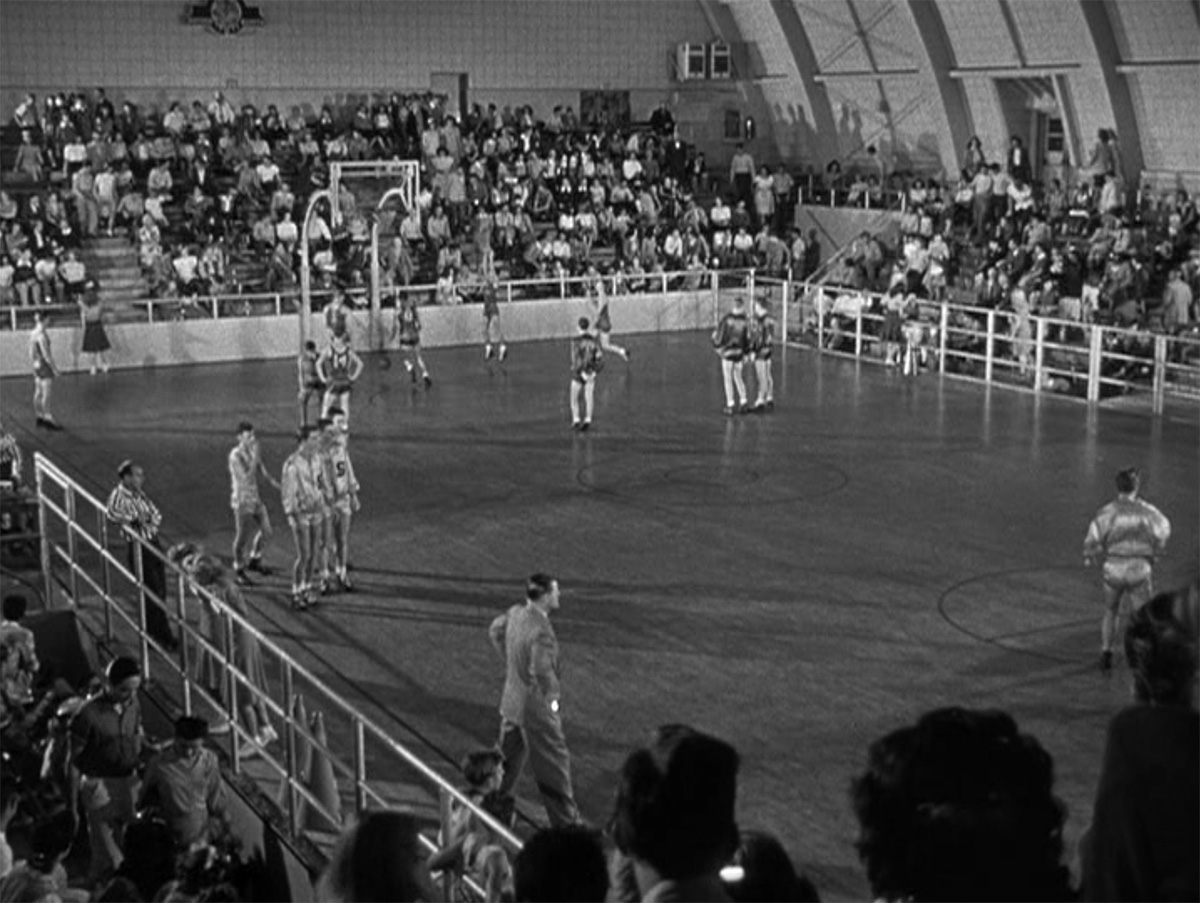
Another scene in the movie takes place in the Beverly Hills High School Swim Gym, which was also used in “It’s A Wonderful Life” (covered in this post).


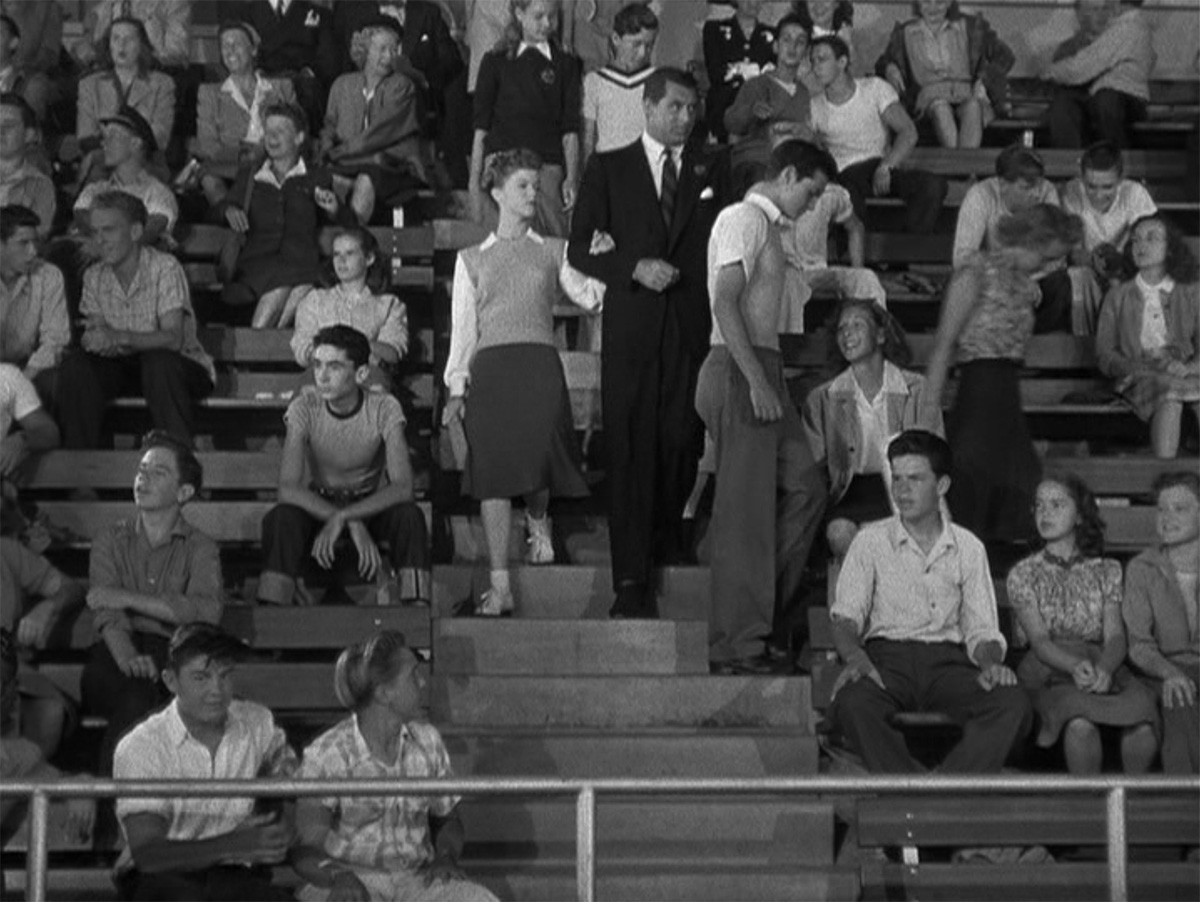
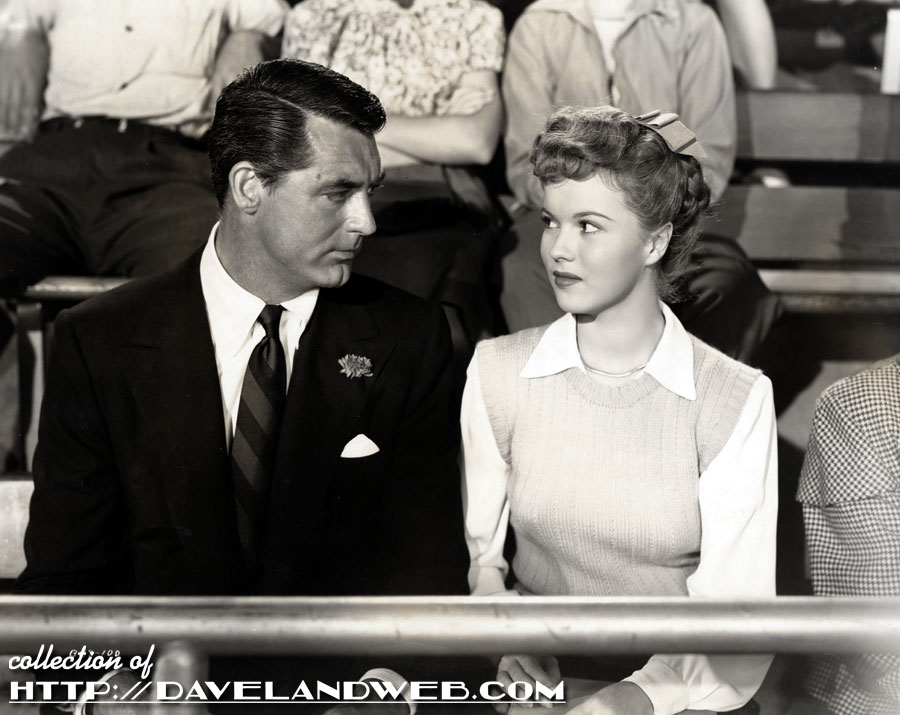
Nugent is forced to “date” Susan via her sister Margaret, a judge. Advised by Uncle Matt that the crush will only get worse if Margaret forbids it, the reluctant Susan decides to let the two hang out until Susan gets bored by Richard. Here, the couple attend a basketball game at the Swim Gym.


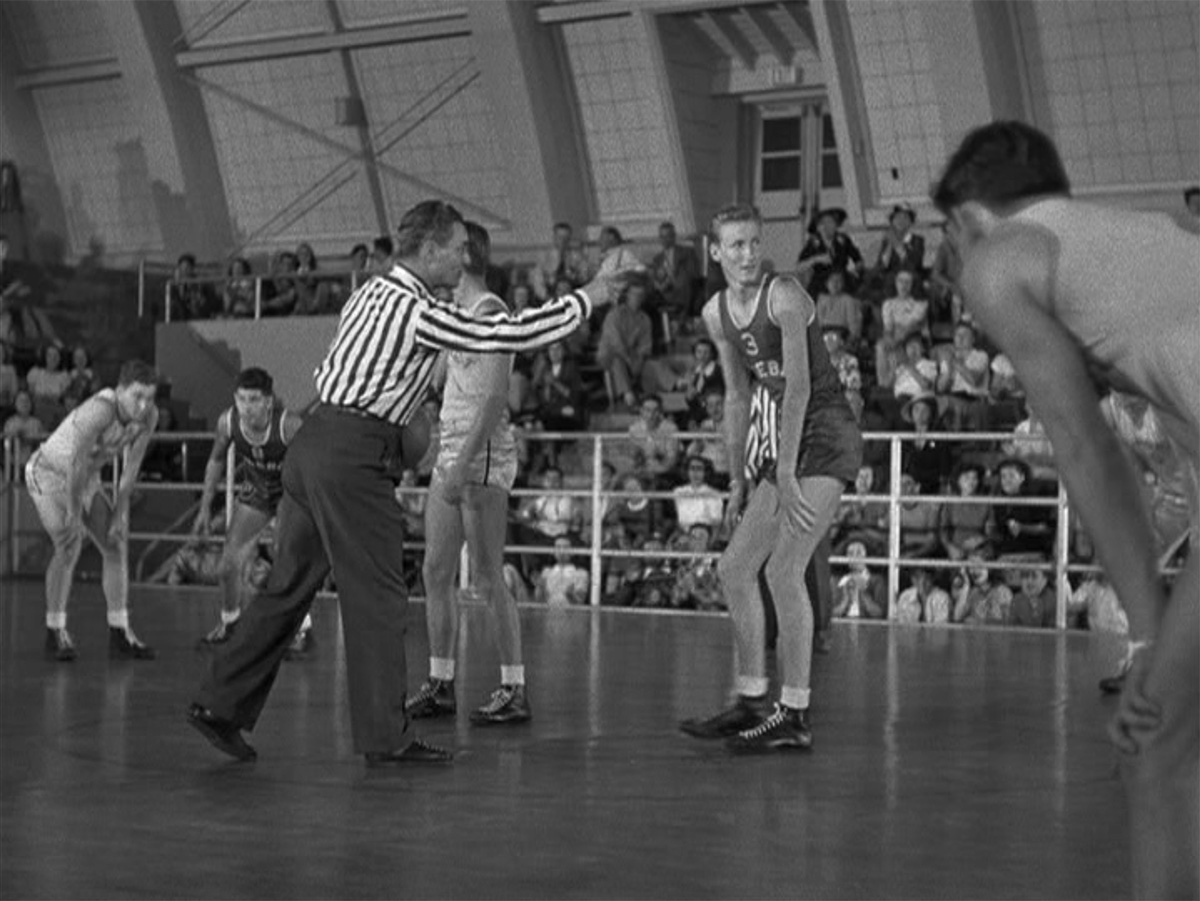
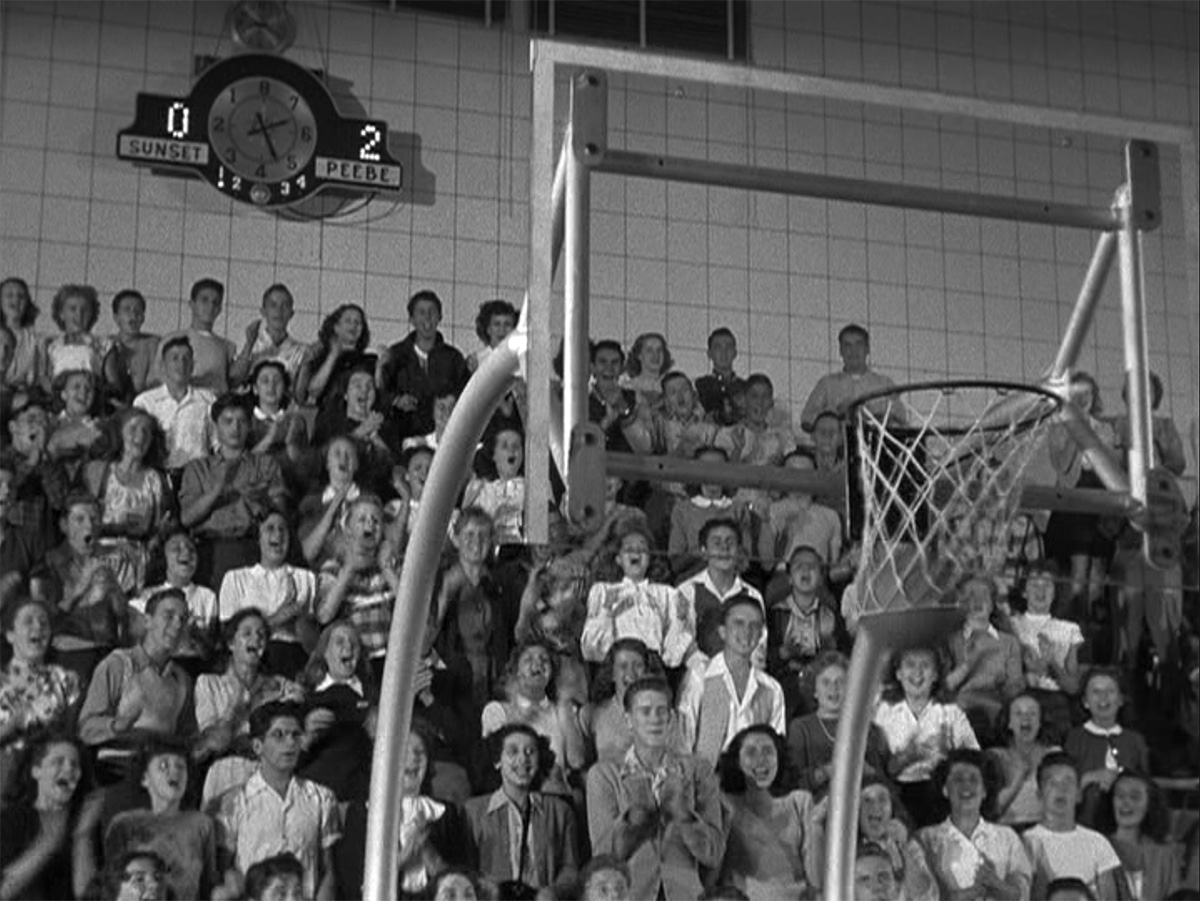
Some more views of the gym:


I was hoping I might have caught a production gaffe with the clock, but no such luck. They renamed Beverly Hills for Sunset, just as they should have for the movie.


The Swim-Gym is still alive and well today:


There are no interior shots as there is a large fence all the way around the high school. There appears to be a major overhaul of BHHS going on; I am hoping that the original main building (shown in the movie) survives, but it is hard to tell. I will need to go back!

See more Shirley and “Bachelor and the Bobby-Soxer” photos at my main website.

Tuesday, November 10, 2020

Temple Tuesday: Bachelors, Bobby-Soxers, and Buttons


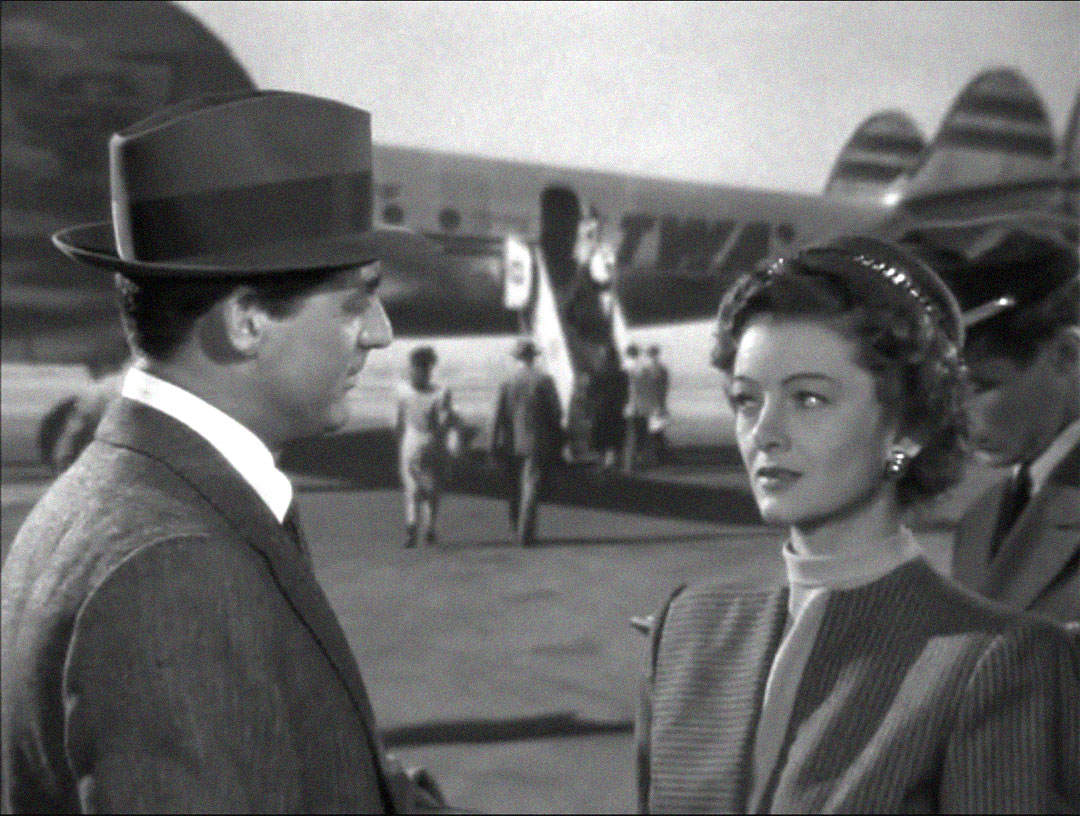
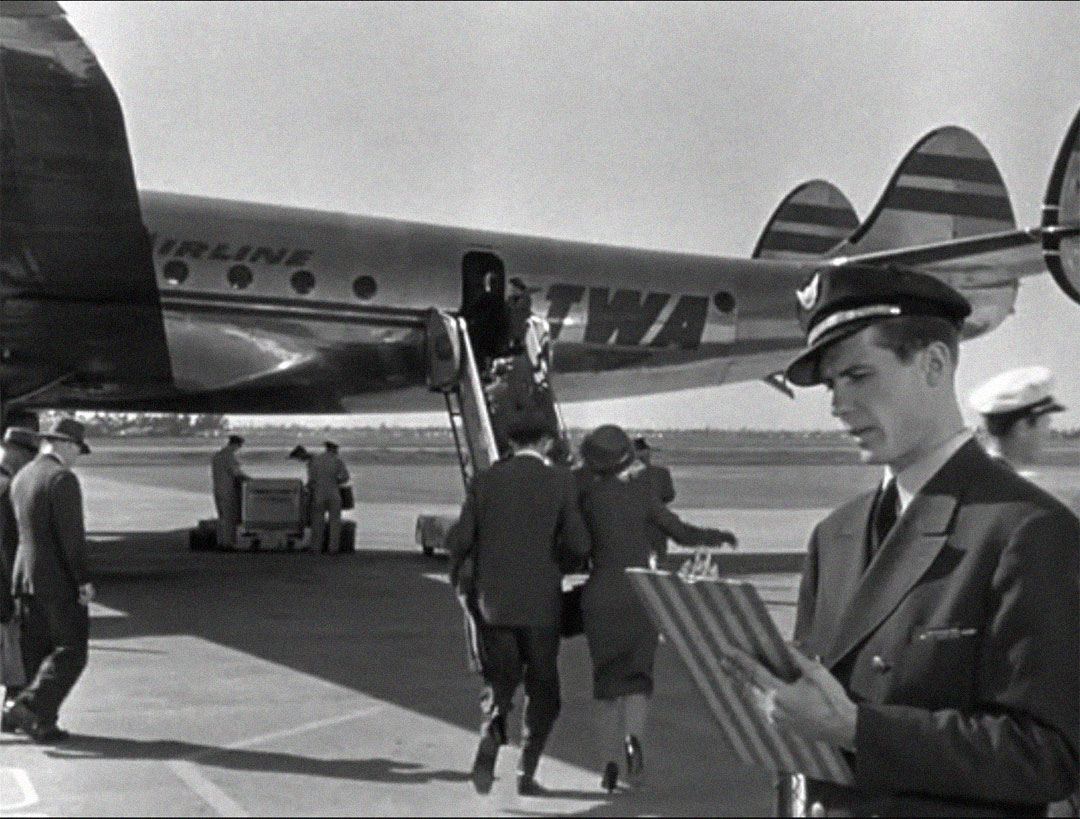
Today we take a step back in time to visit the Long Beach airport which was featured prominently at the climax of Shirley Temple’s 1947 comedy, “The Bachelor and the Bobby-Soxer.”


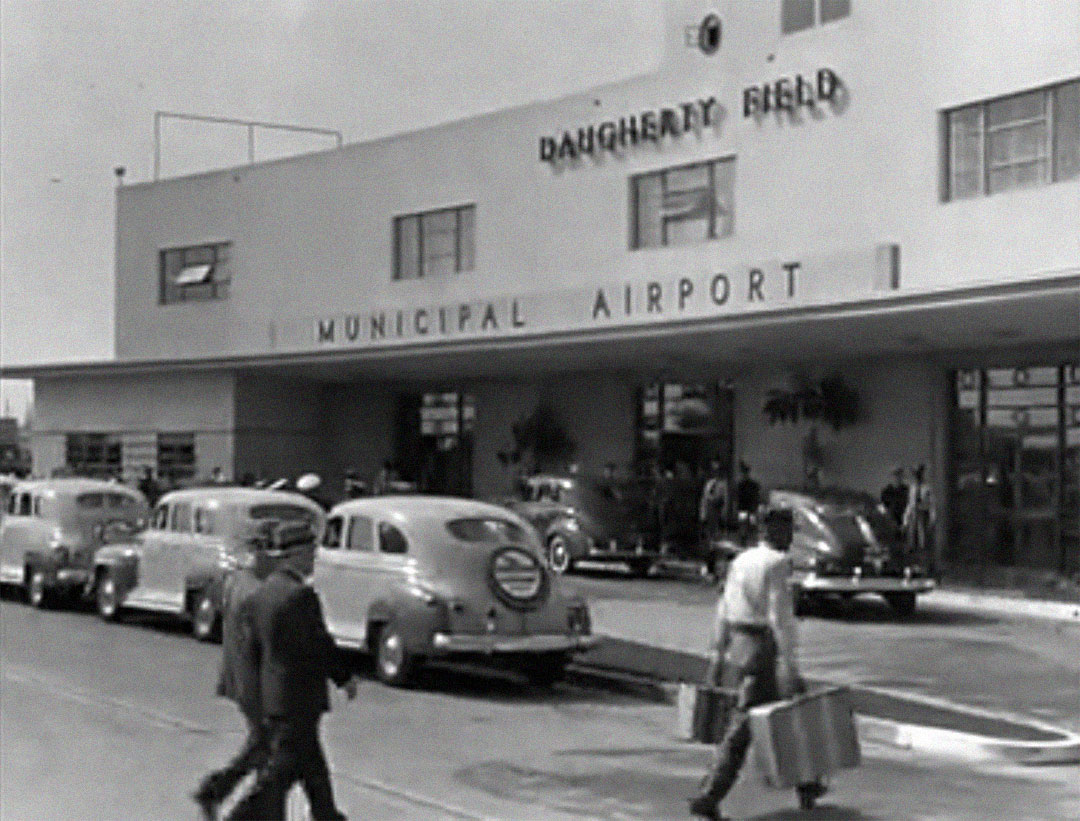
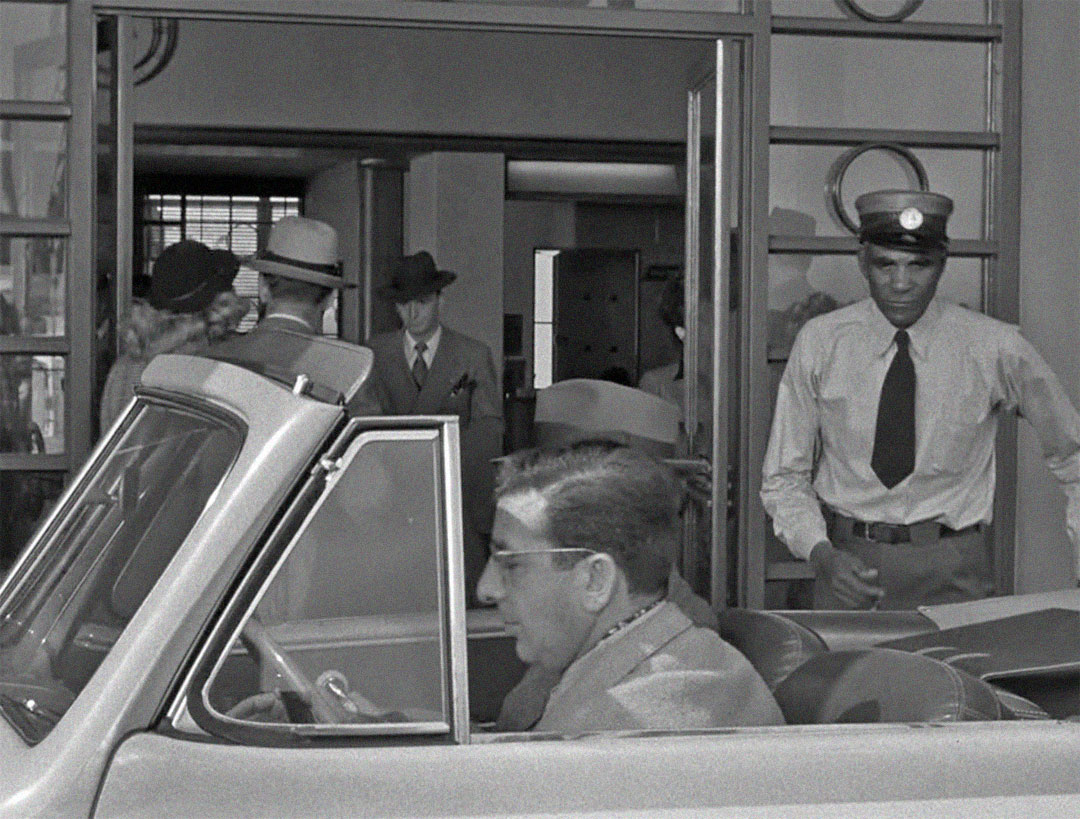
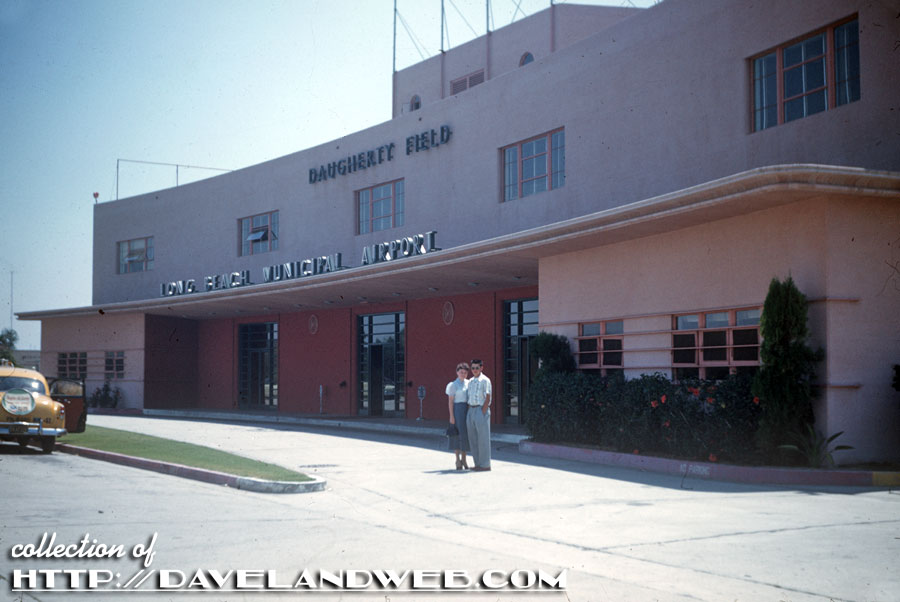
Aviator Earl Daugherty opened a 20 acre field for his flight training school in Long Beach, California on June 6, 1919. A year later, the city contacted Daugherty about developing a 60 acre municipal flying field; the “new” Long Beach Airport (named after Daugherty) was dedicated on December 20, 1924. An additional 255 acres was purchased in 1939 for a new administrative building with the dedication held on June 8, 1941. Architects W. Horace Austin and Kenneth S. Wing. Sr. designed the Streamline Moderne structure which can be seen at the end of the film as Cary Grant’s character pulls up to the airport on his way to Chicago.
 

His driver is none other than Dore Schary, the producer of the film:


Here, Cary Grant and Myrna Loy exchange a bit of banter before they board the plane and depart to their “happily every after” romantic conclusion:


I love the way the two dash off to the entry stairs:


Here’s a vintage shot from the 1950’s showing the airport in color:


The building was named a City of Long Beach Cultural Heritage Landmark in 1990. At some point, the Daugherty Field name was ditched; I couldn’t find out why during my quick search on the www. Here’s the airport looks now. The sign as you approach the terminal (who put that cotton-picking traffic light in front of the sign?!?):


And the terminal building in all its streamline moderne glory:


You almost expect to see Cary and Dory pulling up to the curb:


I’ve never been inside so I don’t know if any of the original WPA tile murals still exist. That will have to be another trip (and post).

In other Shirley news, Melissa (aka “The Colonel”) gave me the opportunity to do the design for the annual Shirley’s Army pin. For the fifth anniversary, I decided to use a portrait of Shirley from her last film at 20th-Century Fox, “Young People” (1940). Here’s the final design:

See more Long Beach, California photos at my main website.
Tuesday, September 29, 2020

Temple Tuesday: Thank you for the use of the Hall


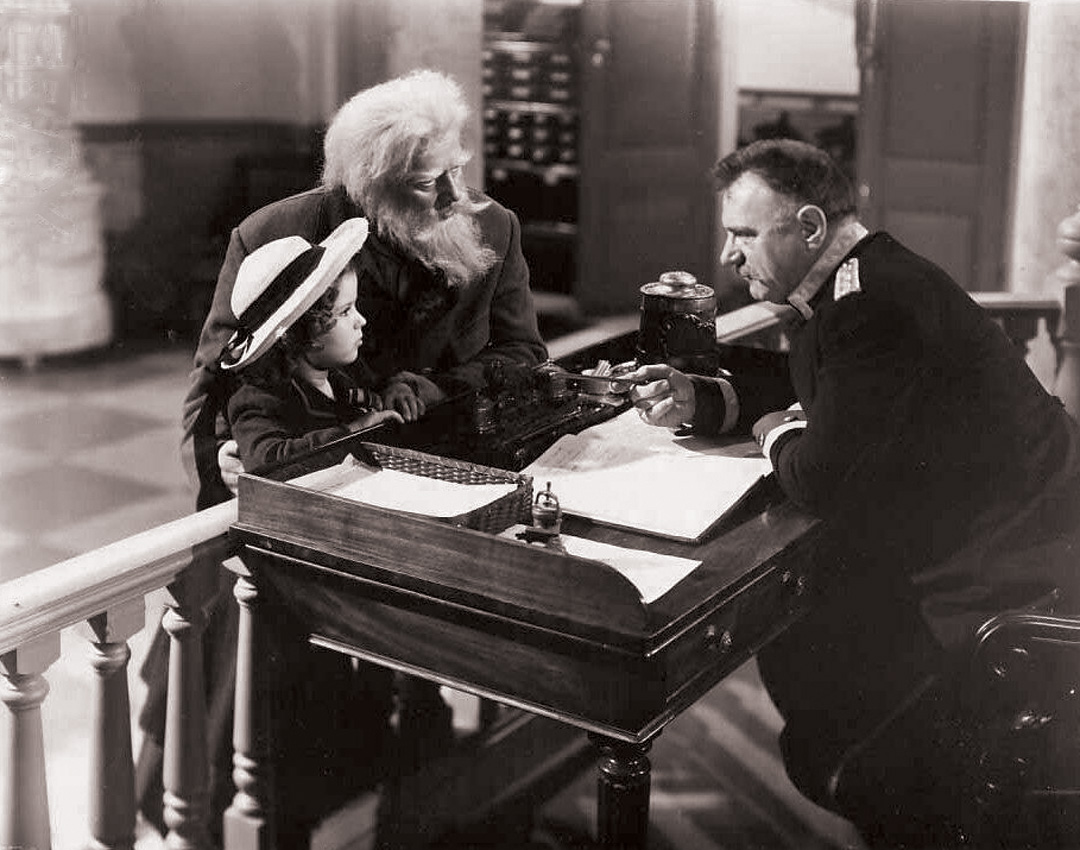
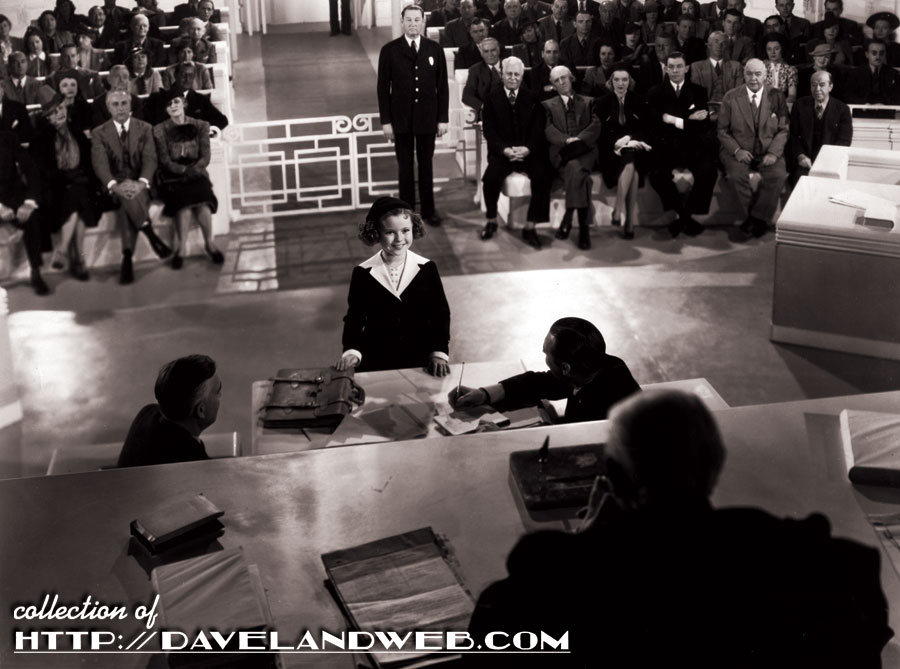
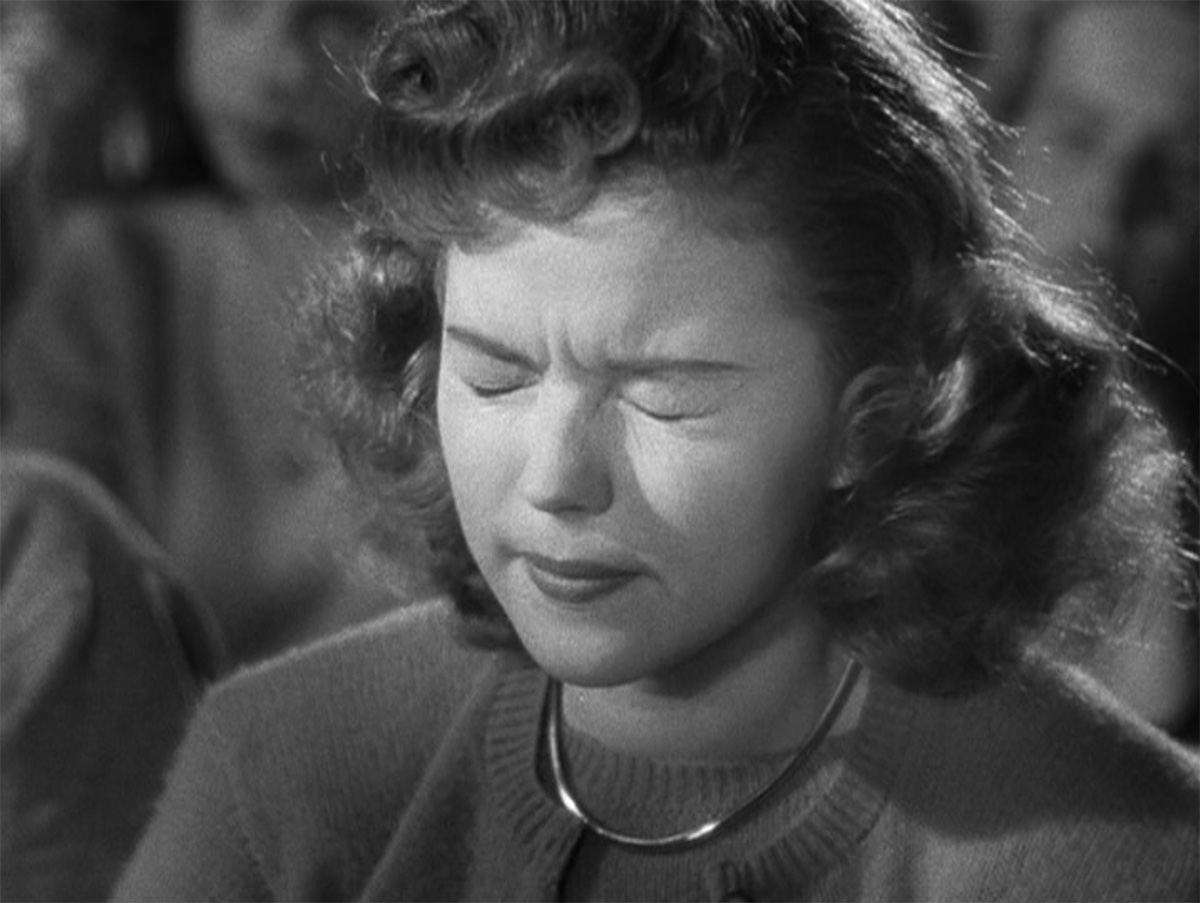
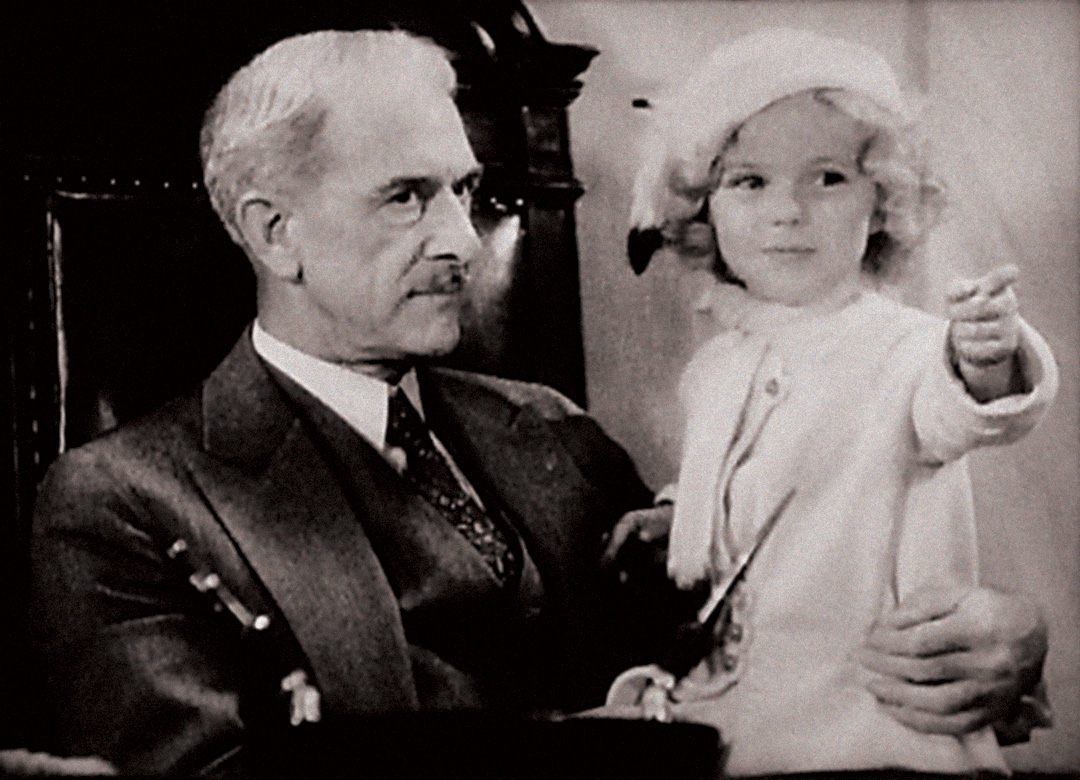
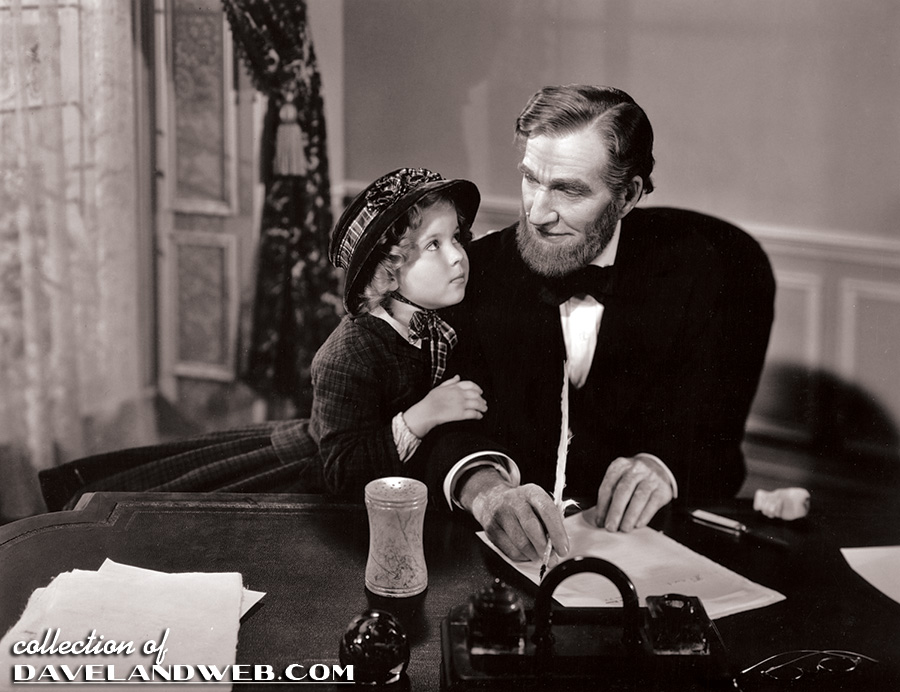
Poor little Shirley seemed to be a staple of the court system throughout her childhood film career! Her characters were often found charming a judge into helping her get the right adoptive family (as in 1934’s “Bright Eyes” above). Sometimes, Shirley was able to plead her case to the highest authority in the country, as she did with Abraham Lincoln (perfectly portrayed by Frank McGlynn Sr.) in 1935’s “The Littlest Rebel,” shown below. Of course he kept her on-screen father from the gallows!


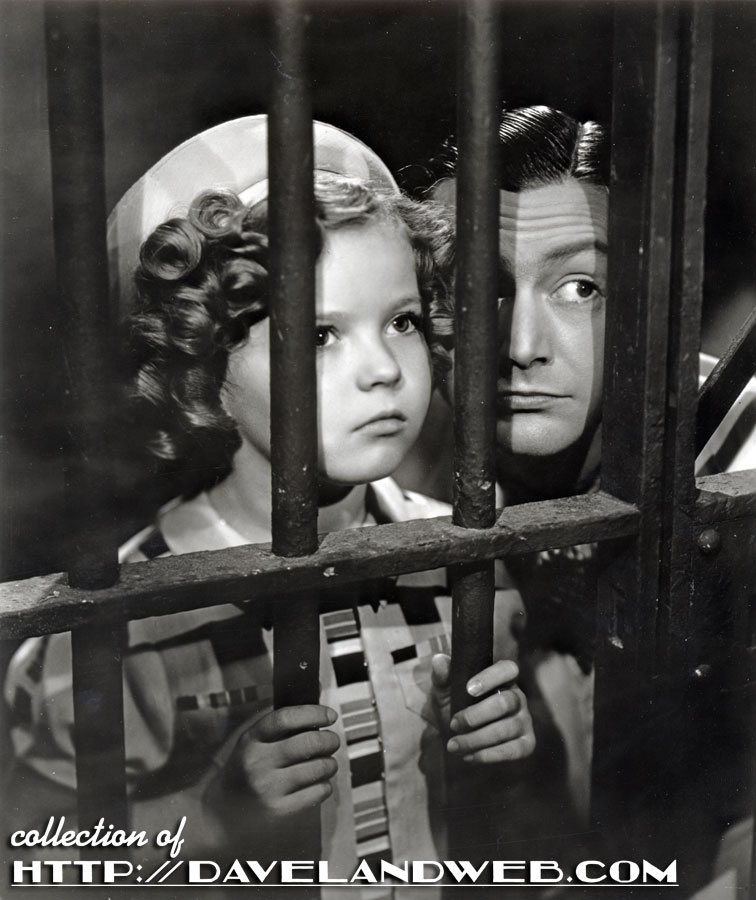
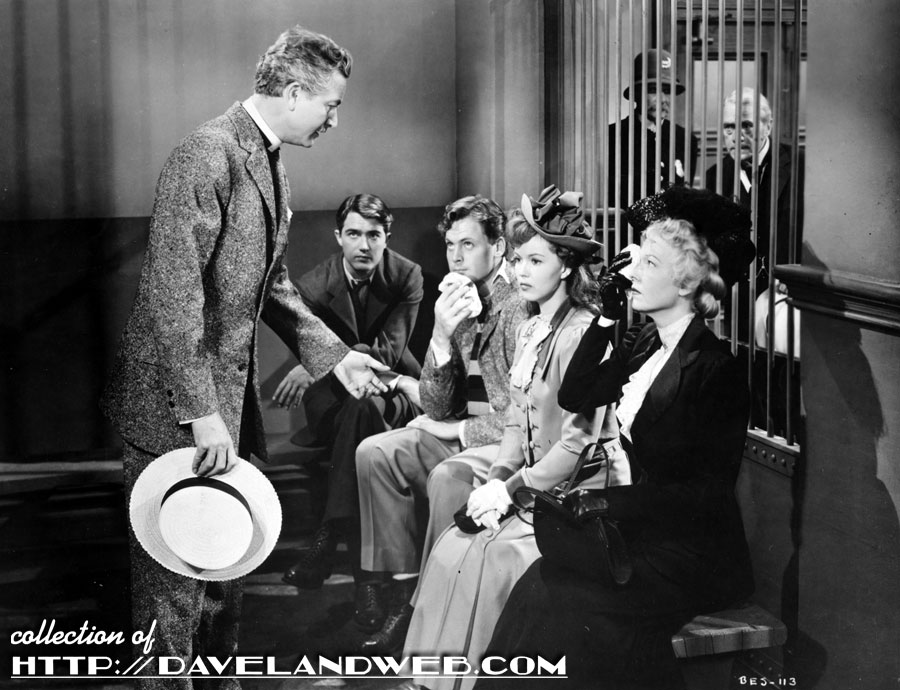
In 1936’s “Stowaway,” Shirley lands in jail with co-star Robert Young who accidentally grabbed the hand of the wrong child, thinking it was Shirley. Don’t worry — they were bailed out quickly.


In the same film, Shirley’s expert (albeit coached) testimony helped keep adoptive parents (Alice Faye and Robert Young) from getting a divorce just in time for a Christmas celebration.


In “Heidi” (1937), Shirley is able to keep her grandfather (Jean Hersholt) from being locked away for kidnapping by namedropping “Herr Sessemann,” who just happened to be the wealthiest guy in town.


Shirley got creative in court in “Little Miss Broadway” (1938) by presenting a complete Broadway show as evidence to help keep her father from being evicted from the hotel that he ran.


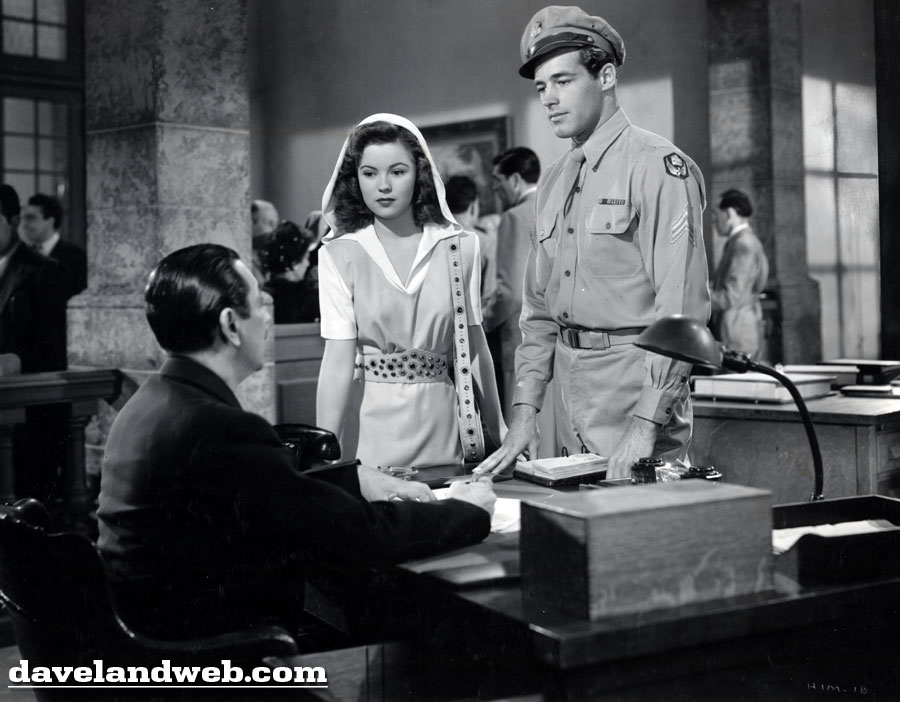
Even in her adult career, Shirley’s characters sometimes ran afoul of the law. In “Honeymoon” (1947), an underage Shirley has trouble getting a marriage license in Mexico. Ick.


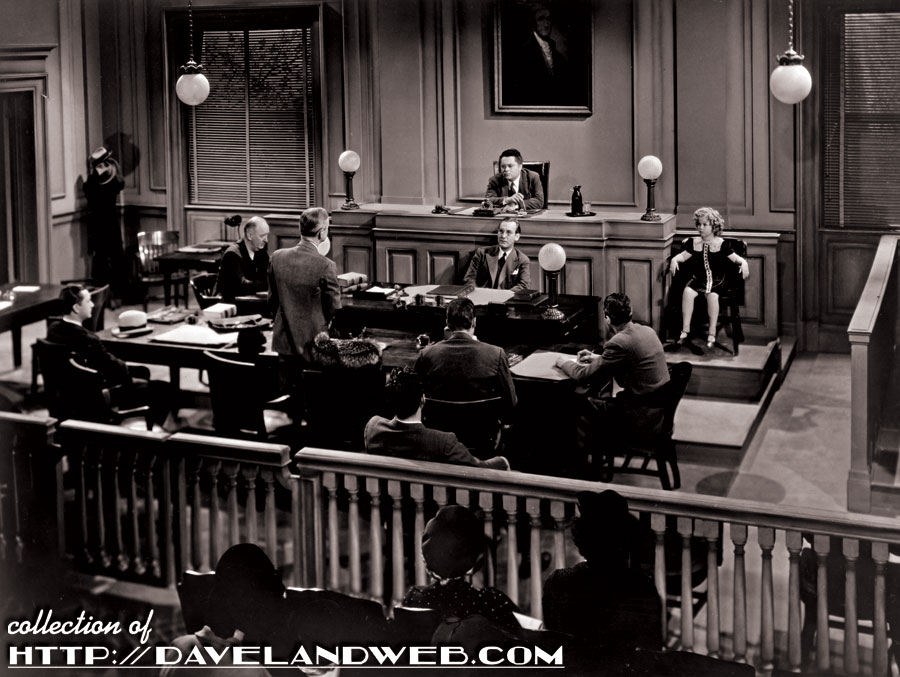
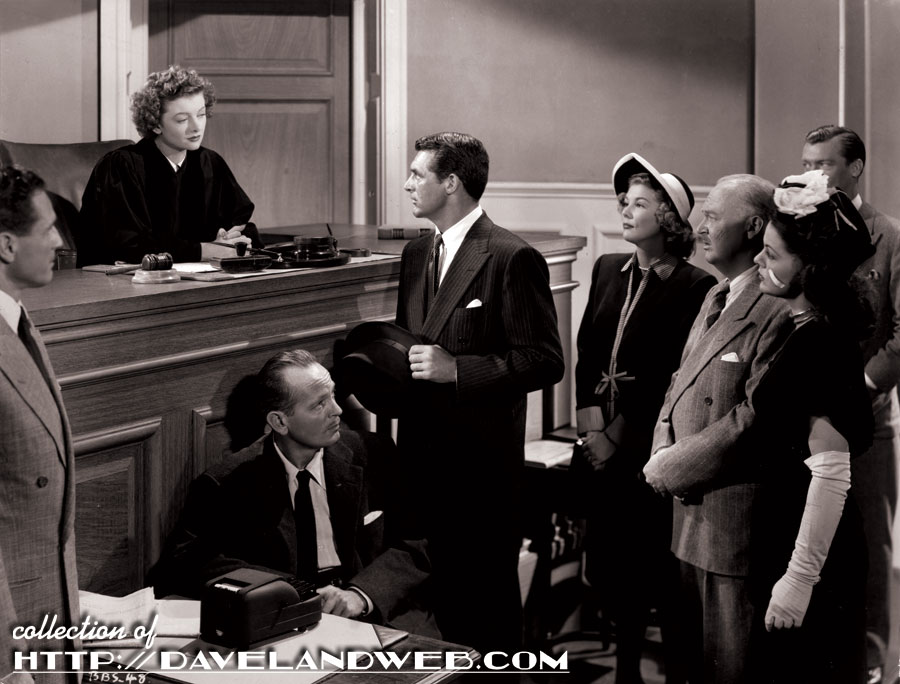
Although Shirley doesn’t appear in court in “The Bachelor and the Bobby-Soxer” (1947), her sister plays a judge. Thanks to that crucial family connection, Shirley’s underage attempt to romance an older man (Cary Grant) is kept out of the judicial system!

Finally, in “Adventure in Baltimore” (1949), Shirley lands in the klink for being part of a women’s rights protest. Father (Robert Young) has to bail her and the rest of the family out of jail.

Fortunately in real life, Shirley stayed on the right side of the law!

See more Shirley Temple photos at my main website.