Showing posts with label never give a sucker an even break. Show all posts

Monday, January 02, 2023

Monday with Margaret


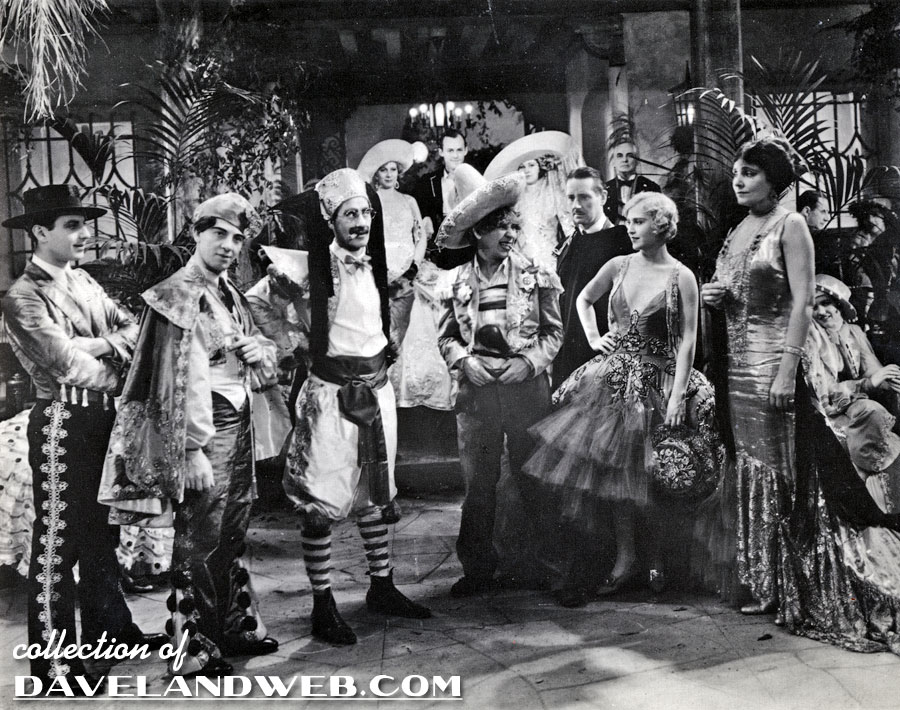
I recently discovered the book Straight Lady (2022), by Chris Enss and Howard Kazanjian. I was so excited to see that a book had been written on Margaret Dumont, one of the greatest straight women in motion pictures and also known as the fifth Marx Brothers. Always the haughty dowager, she lent an air of dignity that provided the perfect counterpart for the zaniness of Groucho and his brothers. Sadly, the book was a supreme disappointment. Other than some brief new information on Margaret’s early (and somewhat scandalous!) life, the book is more about the career of the Marx Brothers than any new info on the comedienne. Fraught with errors, the level of writing rarely progresses beyond that of a high school report. It also appears that the level of research done was low; vintage newspaper articles seem to supply most of the semi-interesting information. Margaret deserved much more. To rectify this situation, today’s post celebrates Margaret Dumont with photos from my collection. From an interview at the time of the release of “A Night at the Opera” (1935):

I was a bit dubious about the Marx Brothers when Sam Harris asked me to play opposite them in “The Cocoanuts” (1929), and I’ll have to admit truthfully that I’m still dubious. Sam told me that the Marx Brothers needed an actress who could learn the art of playing straight, someone with dignity and poise to act as legitimate dramatic balance for their comedy. Naturally I considered Sam’s proposal a compliment and the chance to appear with the Marx Brothers a real opportunity. What Sam didn’t tell me nearly caused me to suffer a nervous breakdown after three weeks as Groucho’s leading lady. He pushed me out of windows, pulled chairs out from under me, broiled steaks in the fireplace of my apartment, put frogs in my bathtub, and made my life miserable in general on the stage and off. I don’t regret a minute of it. Everything the Marx Brothers do comes under the heading of good, clean sport. They are the best friends I have.

A classic scene between Margaret and Groucho from “Duck Soup” (1933):
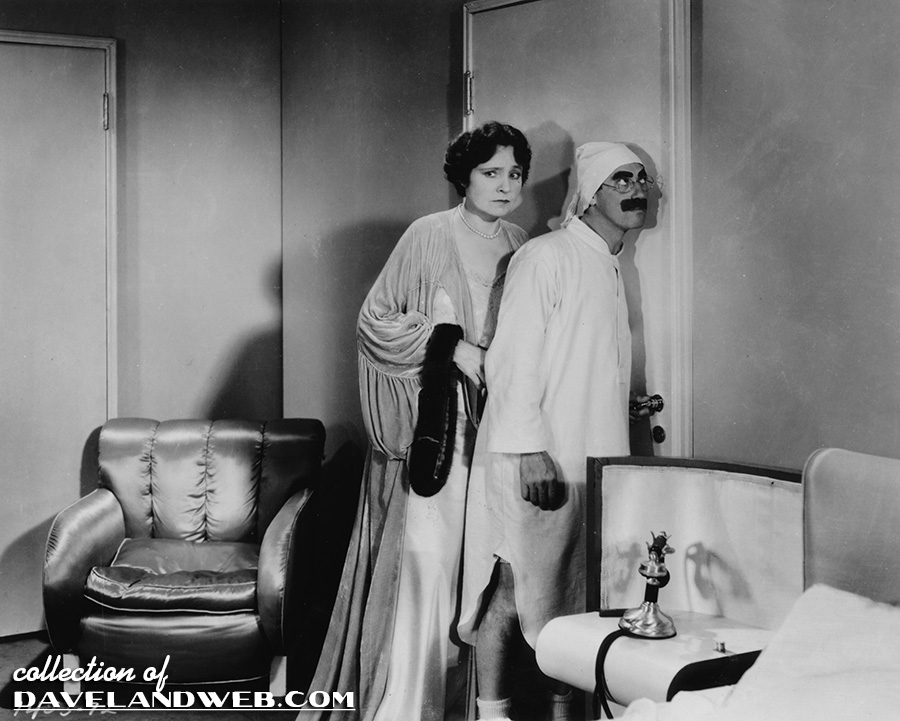


Margaret bristled whenever she was referred to as a “stooge”:

It has been amusing, as well as profitable, to be associated with the Marx Brothers, but please don’t refer to me as their stooge. Leading lady, yes, but stooge—it’s a terrible word, isn’t it?

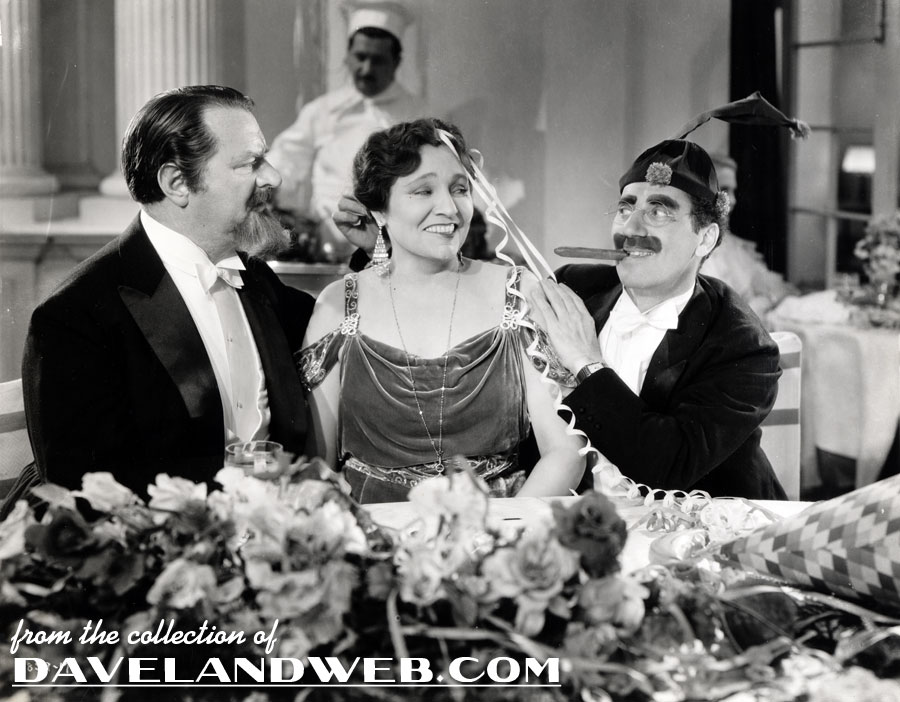
“A Night at the Opera” (1935) was the first MGM film for the Marx Brothers. Both Groucho and Sig Ruman are fighting for the affections (and millions) of Margaret’s widowed character, Mrs. Claypool.


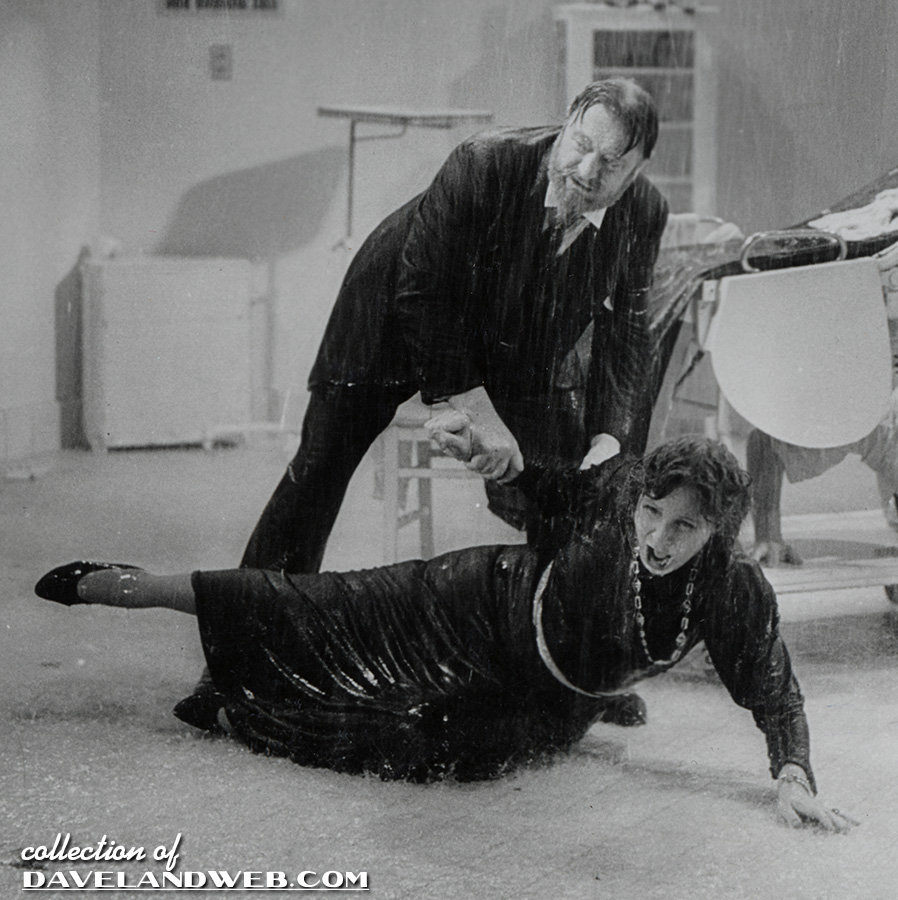
If you aren’t convinced that Margaret was a good sport (both on and off screen with the Marx Brothers), this scene from “A Day at the Races” (1937) is proof.
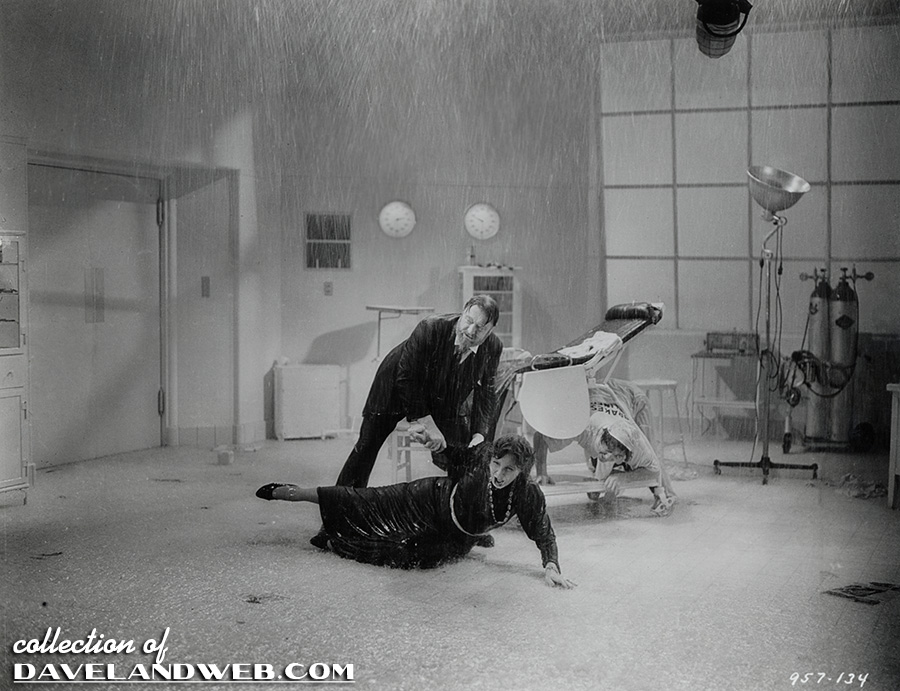


That’s not a stunt double; that’s Margaret herself. Already in her fifties, she was a great sport and did most of her own stunts. She never knew what the brothers were going to do next; regardless, she kept a straight face and went along with their hijinks.


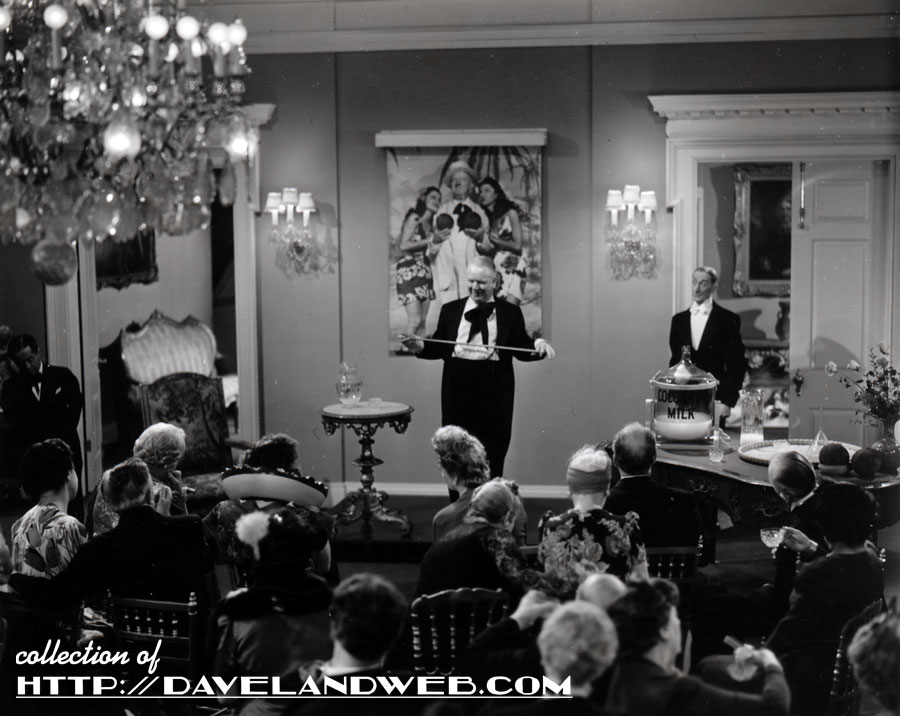
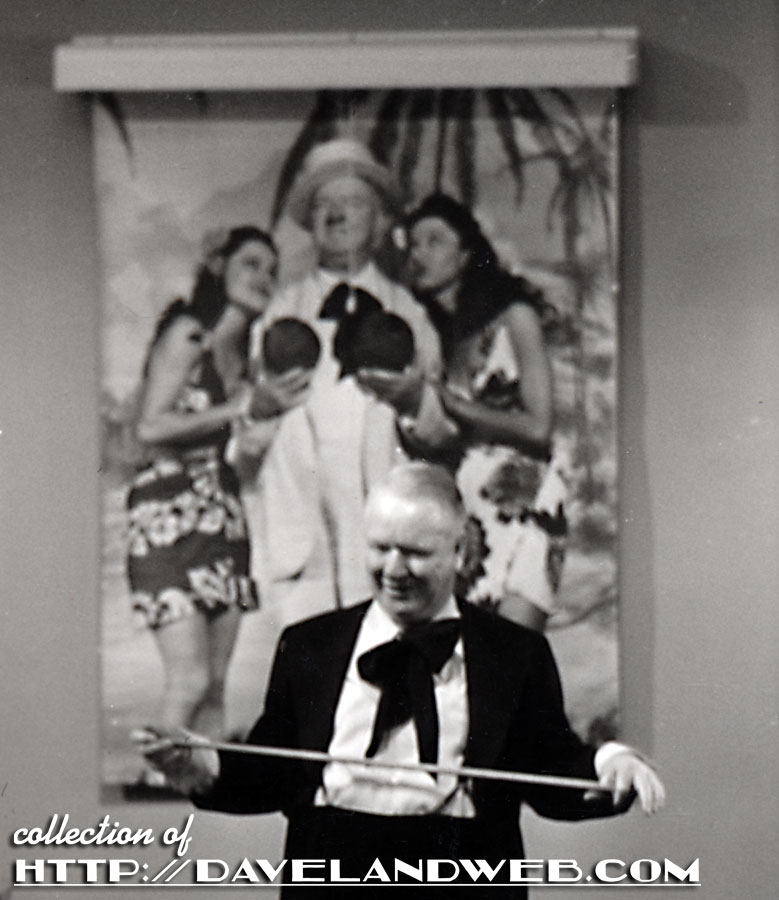
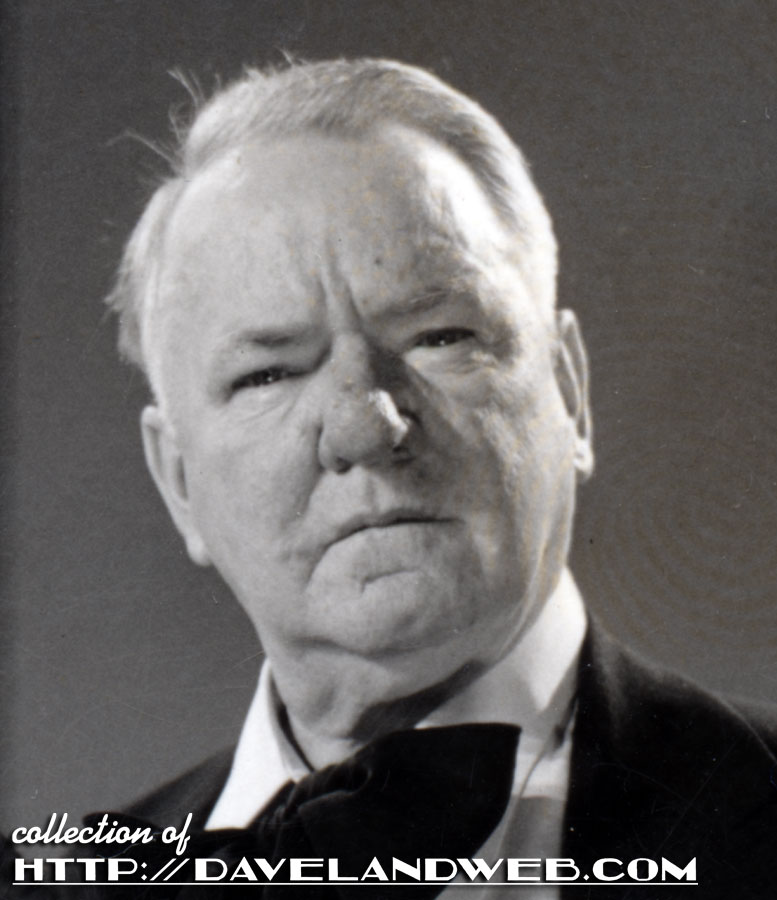
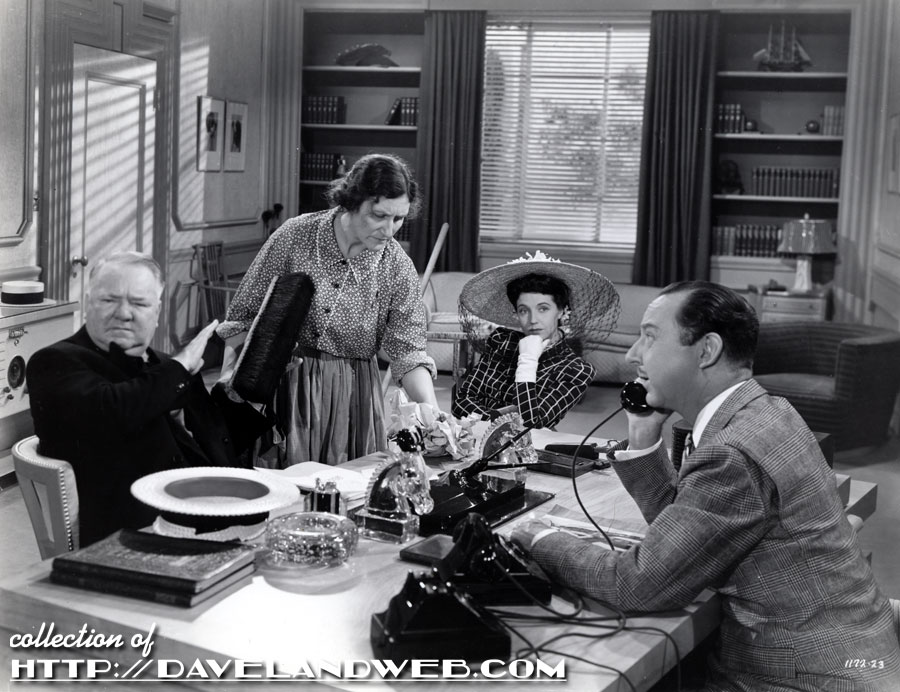
Margaret also worked with W.C. Fields…twice. Her first movie was “Never Give a Sucker and Even Break” (1941). From an interview that she gave at time, she discusses just how much work into being a “straight woman”:

Many a comedian’s lines have been lost on the screen because the laughter overlapped. Script writers build up to a laugh, but they don’t allow any pause for it. That’s where I come in. I ad-lib—it doesn’t matter what I say—just to kill a few seconds so you can enjoy the gag. I have to sense when the big laughs will come and fill in or the audience will drown out the next gag with its own laughter.
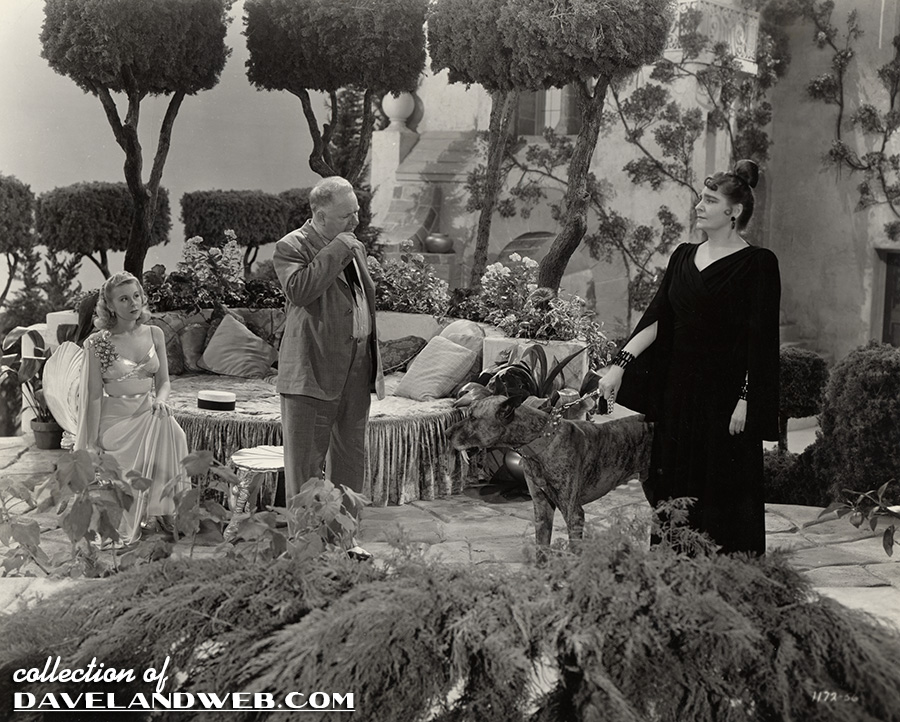


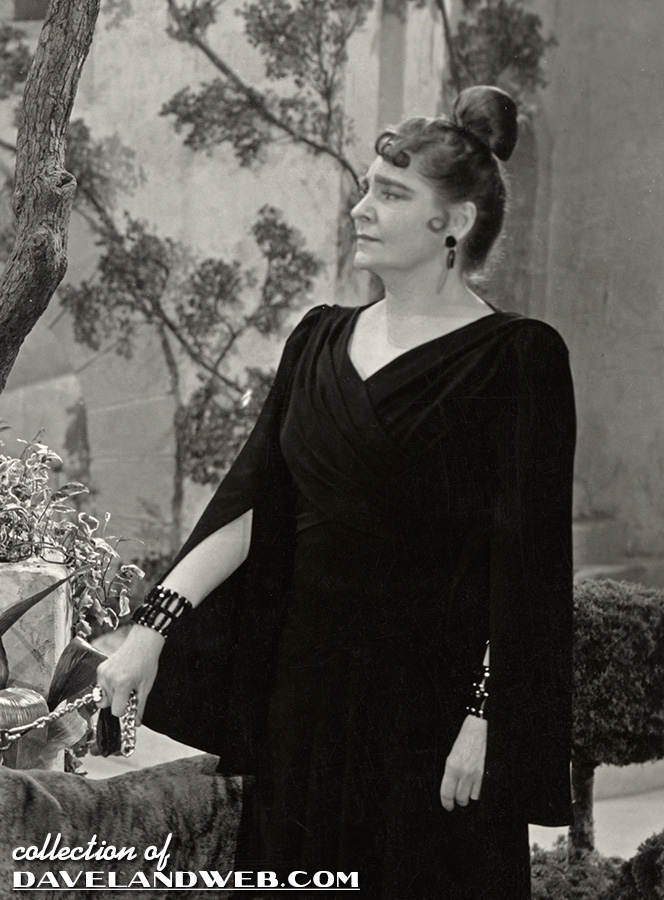
Check out those eyebrows! Her character’s name was Mrs. Hemoglobin, the mother of a very beautiful young girl (Susan Miller). Of course, Mrs. Hemoglobin is very wealthy…but also disgusted with men. As she warns her daughter:

Men. Men. They're all alike. They'll deceive you as your father did me. He kissed a chorus girl and when I found out he said, ‘Oh, I was drunk and didn't know what I was doing.’

Her daughter wonders if Fields drinks, too. To that, Dumont’s character imperiously replies:

He didn't get that nose from playing ping-pong.


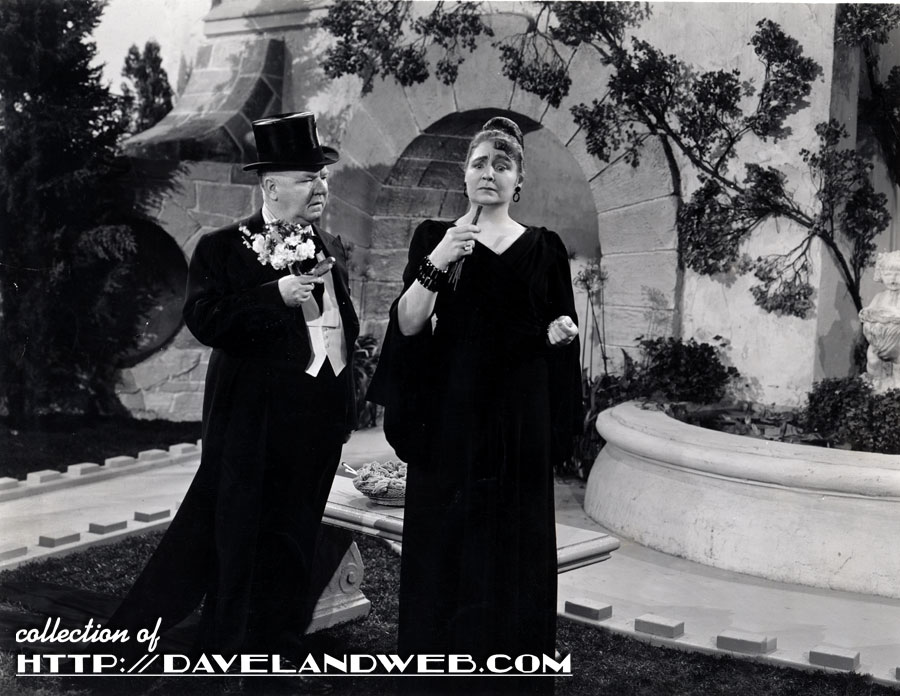
Fields attempts to woo the resistant Mrs. Hemoglobin, but in the end, leaves her alone at the altar.


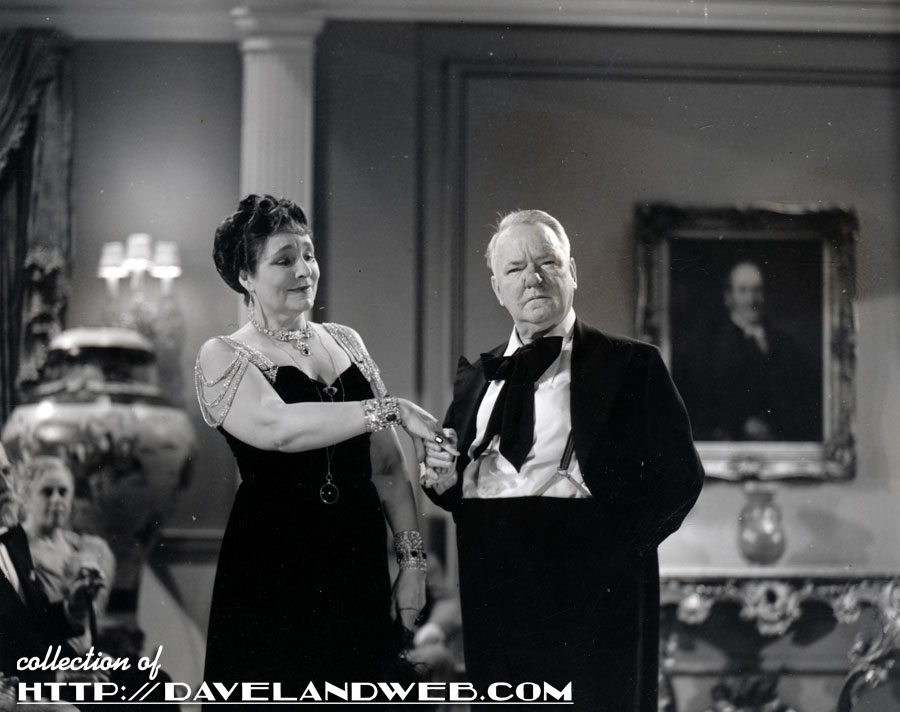
Surprisingly, not a word is written about the deleted sequence Dumont filmed with Fields for “Tales of Manhattan” (1942).


The book does mention Dumont’s “role” in “Auntie Mame” (1958):

In mid-1958, Margaret landed a plum role in the Warner Bros. television version of “Auntie Mame” starring opposite Academy Award-winning actress Rosalind Russell.…The veteran actress would portray an arrogant British noblewoman in the Technirama, technicolor show based on the long-running Broadway stage hit.

“Aunt Mame” was a movie, not a TV show. As for the “plum role,” it was an uncredited part. Unless you know to look for Dumont, there is a good chance you would miss her.

Dumont’s final gig was on The Hollywood Palace, which aired on April 17, 1965. She was reunited with Groucho and the two performed a reprise of the “Hooray for Captain Spaulding” sketch, from their 1930 comedy “Animal Crackers.”
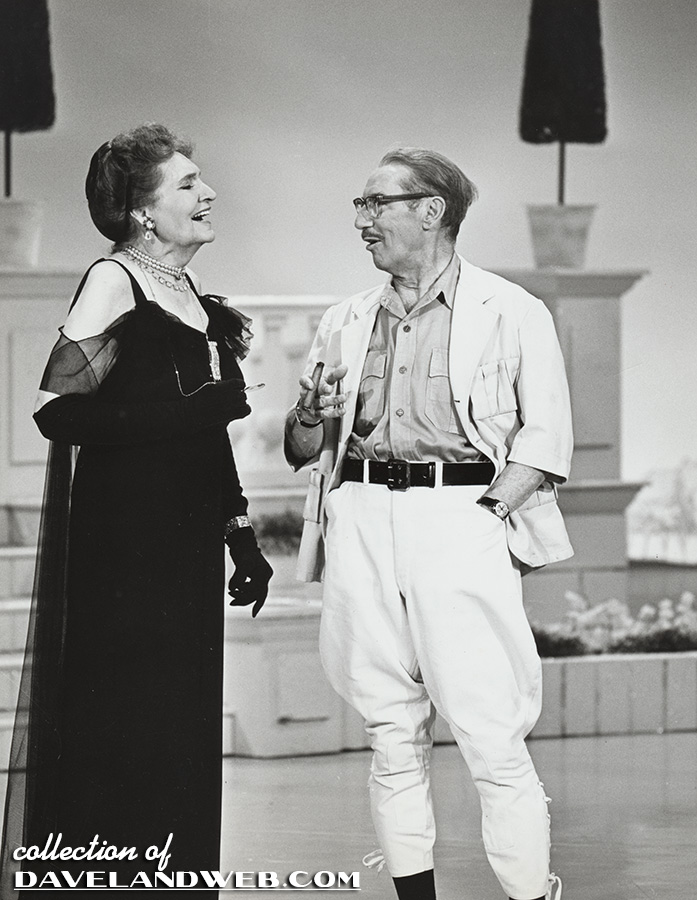


Here is a clip from their sketch:


Groucho paid homage to Dumont at the 1974 Oscars ceremony, but managed to get in an untrue dig that has unfortunately been taken to be the truth:

She was a great straight woman for me, even though she never understood my jokes. 

Dumont understood every one of the gags; there is no way she could have reacted and given pause the way that she did.

Here’s to Margaret and hopes that one day, someone will do a proper bio of her.

See more Margaret Dumont & the Marx Brothers photos at my main website.

Monday, April 26, 2021

Manhattan Monday


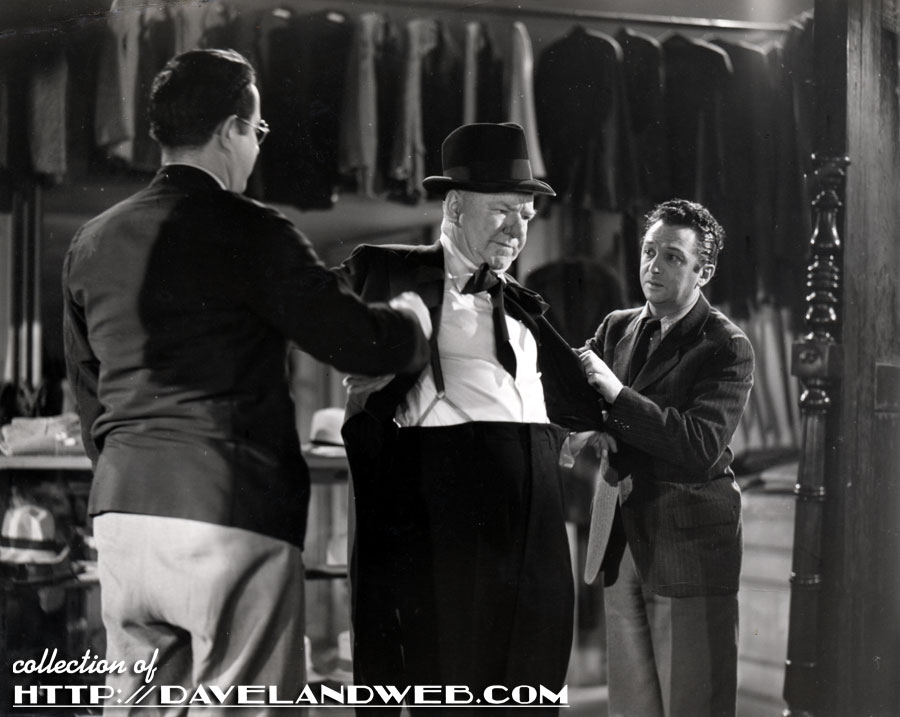
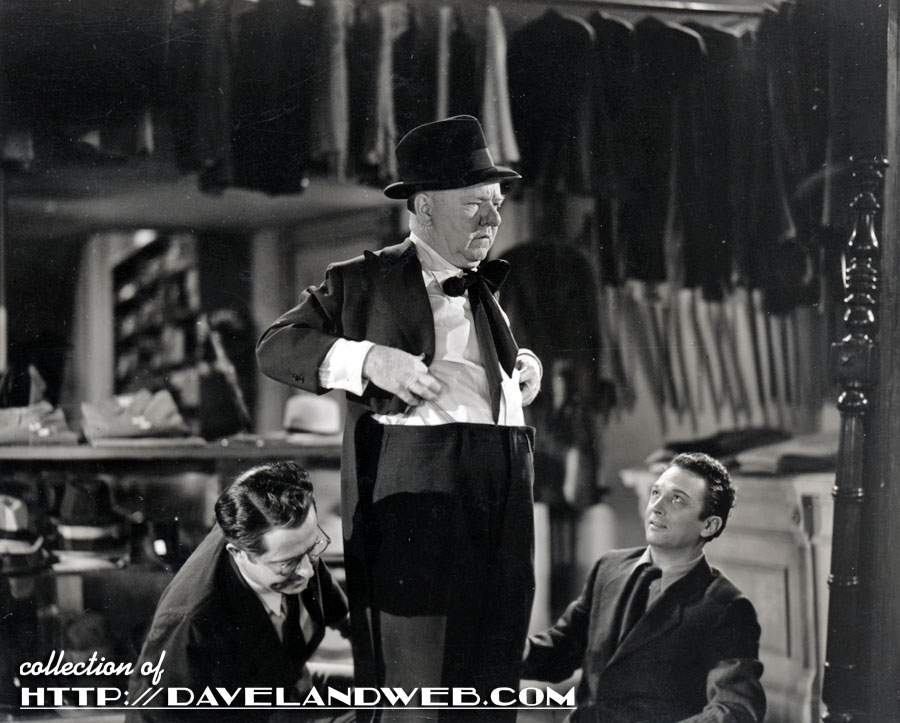
“Tales of Manhattan” to be more exact. In 1942, Twentieth Century-Fox released the anthology film by that name, based on Francisco Rojas González's novel, Historia de un frac ("Story of a Tailcoat"). It took thirteen writes to put together six different stories about the effect that a supposedly cursed suit has on its owners. The all-star cast included Rita Hayworth, Cesar Romero, Ginger Rogers, Edward G. Robinson, and Paul Robeson. W.C. Fields filmed what was to be the fifth “tale” (tail vs. tale, get it?), which was ultimately deleted for purposes of length and tone.


When previewed, Fields’ sequence, which also starred Phil Silvers, Marcel Dalio, and Margaret Dumont, stole the show. Supposedly other cast members were not happy about how Fields dominated the movie, so in the end, it was cut. The footage survives, and has been released, along with the alternate takes of which there were many.


Each take is a gem, as Fields ad libs the lines differently in each one.


Wait, Margaret Dumont? That’s correct. She wasn’t strictly a straight woman for the Marx Brothers.


In fact, she had just previously worked with Fields in “Never Give a Sucker an Even Break” over at Universal in 1941:


When “Manhattan” was filmed, Fields was on the physical decline. At the age of 62, his life of drinking had caught up with him, and studios were not inclined to hire him to carry a film. His frequent ad-libbing made it difficult for directors (and actors) to work with him as well. Fox figured putting him in a short-sequence in “Manhattan” would be the best way to minimize their risk.


If you get the chance to see this sequence and its outtakes, do so! Here it is on youtube:


See more Classic Movie photos at my main website.
Tuesday, February 18, 2020

Temple Tuesday: Six Degrees of Fields, Pt. 2


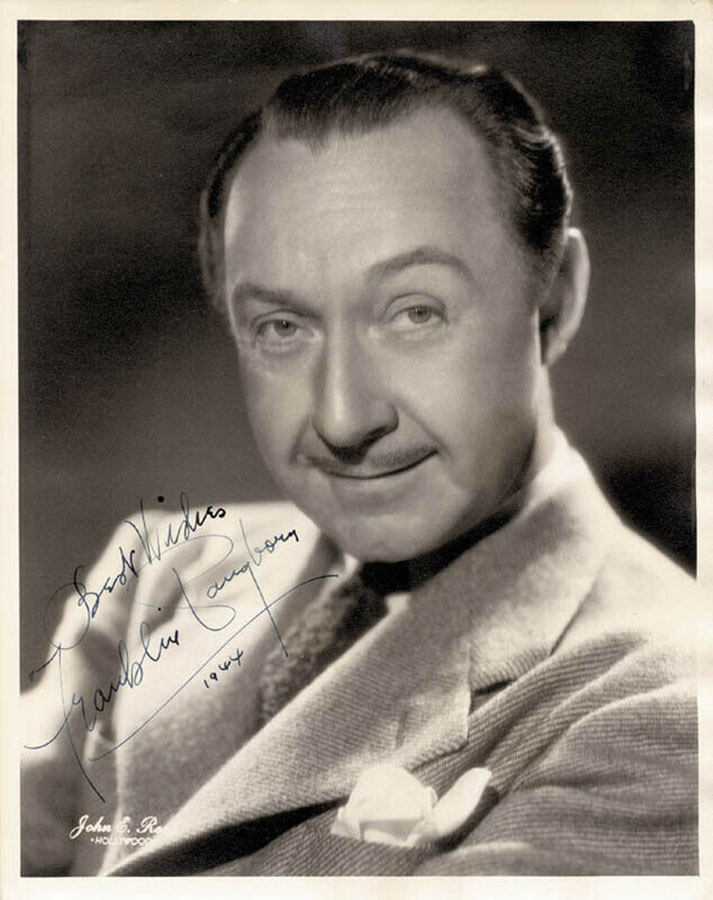
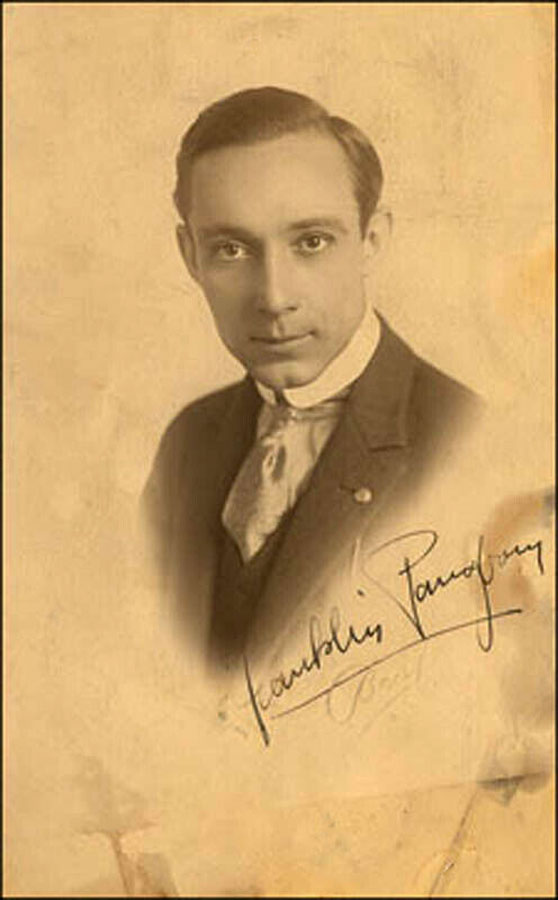
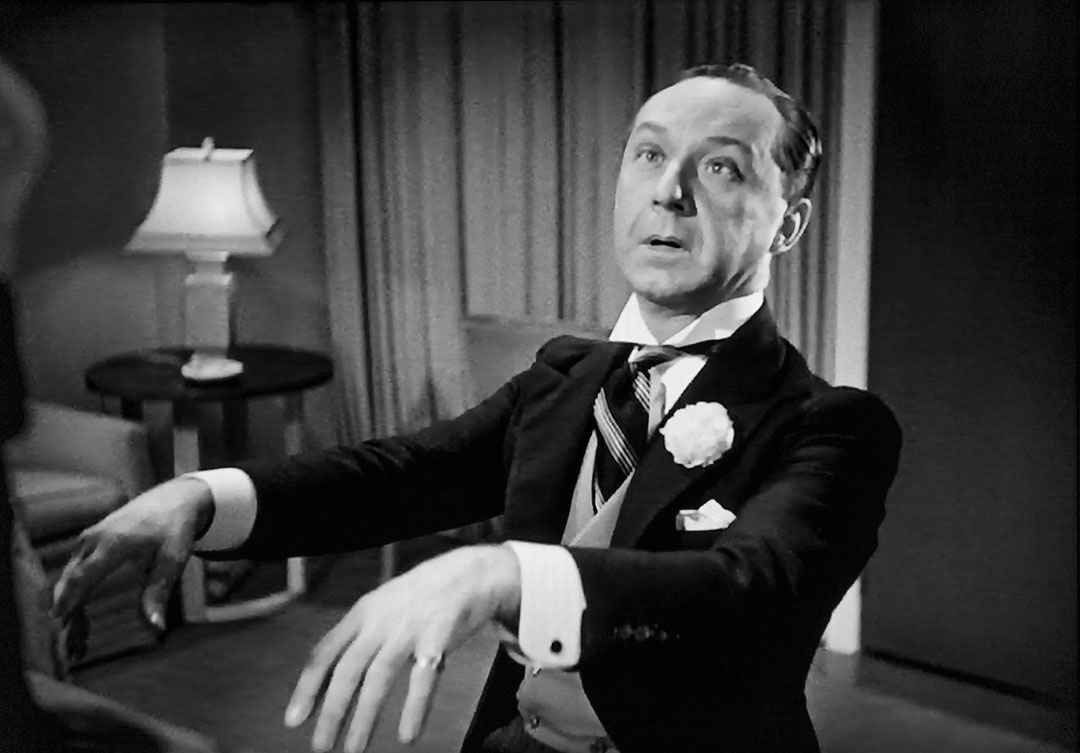
Back before it was hip for an actor to play the gay neighbor/coworker/comic relief role, Franklin Pangborn made a career of it. He didn’t necessarily get to say the punch line, but with his comic expressions and timing, he was able to make the most stale lines (and situations) seem funny. From a May 1939 article in the Boston Globe, he was described as:

Darling and Dandy Of Screen Colony

As raconteur and laugh-maker he’s unique. From flying coattails to raised eyebrow, he puts his all into telling a story—or a joke. And such is his comical personality, just to look at him is to laugh!…His earliest ambition was to “wring tears from people’s eyes,” but not from laughter. Born in Newark, N.J., Franklin started work for a life insurance company. But his hear wasn’t in it. “I always wanted to be an actor,” he told me. “A Shakespearean actor. I studied plays all the time, and I also studied music. Mother wanted me to be an organist.


One day I met at a party in New York the stage star, Mildred Holland. I was 17. I can see myself now, sitting in a Japanese chair—the room was filled with gorgeous antiques—telling the actress all about my ambitions. ‘I want to do plays,’ I said, ‘Sad Plays…I do hope I can bring tears to people’s eyes.’ She didn’t laugh at me. Instead, she decided to give the kid a chance. She asked me if I wanted to spend my two weeks vacation as an extra boy in her company…at $12 a week. That was more than I was making in the insurance business and so when the company went on tour and she offered me the job of the boy in the company to run errands and speak a few lines, I jumped at the chance to learn the acting business.…I got a gorgeous part in a George M. Cohan musical. My very first exit, they laughed at me so hard that I—not thinking I was comical—felt awful. After the show that night, they said: ‘Franklin, from now on, you are going to play comedy.’”


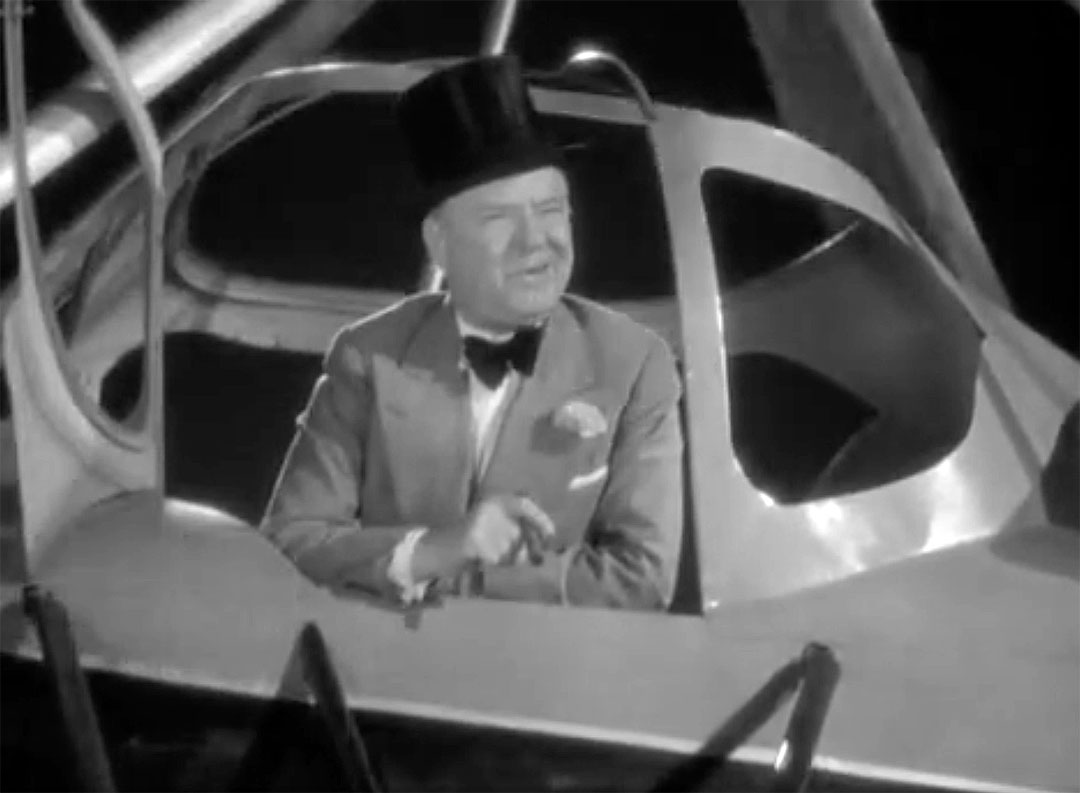
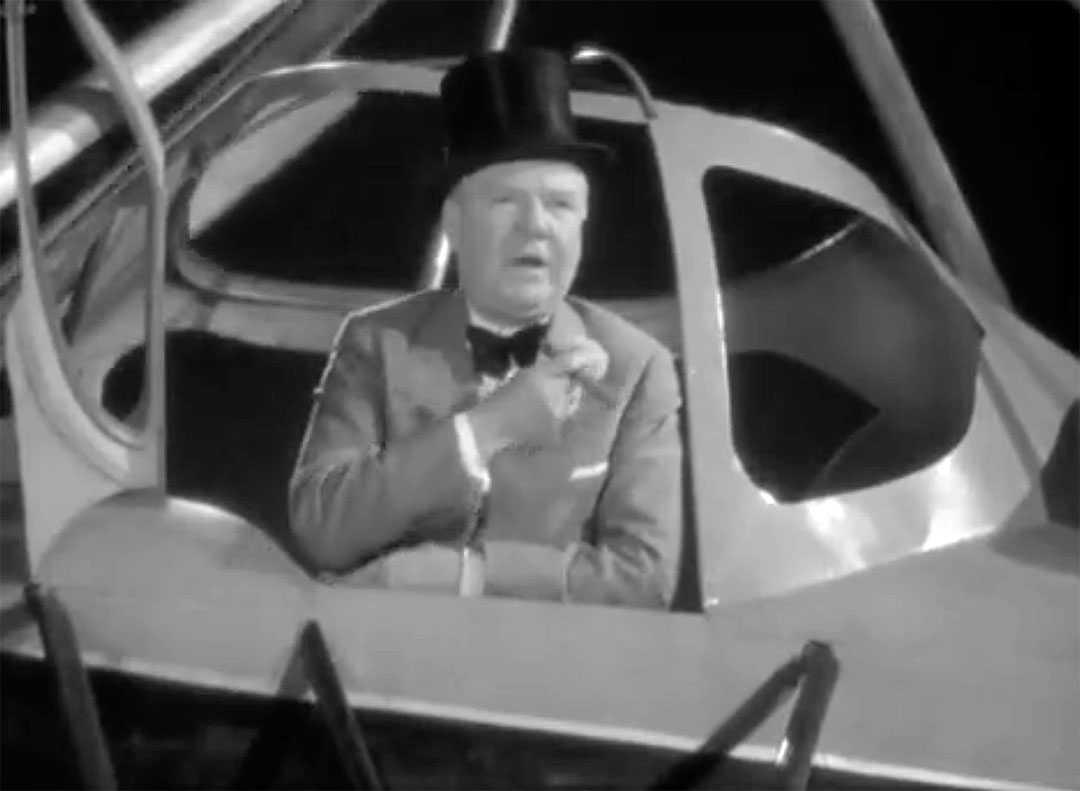
He played supporting roles in three films with W.C. Fields and two with Shirley. His first with Fields was in the pre-code “International House.” He played (not surprisingly) the “fussy” Hotel Manager. “Fussy” was code for gay back in the day, along with “prissy.” When the obnoxious and daffy Professor Quail (Fields) enters the hotel from his autogyro, he tries to figure out where he has landed.


Professor Quail: Hey! Where am I?

Peggy Hopkins Joyce: Wu-Hu.

Professor Quail: Woo-Hoo to you, sweetheart. Hey Charlie, where am I?


Hotel Manager (Pangborn): WU-HU!

[Professor Quail removes the flower from his lapel]


Professor Quail: Don't let the posey fool you!

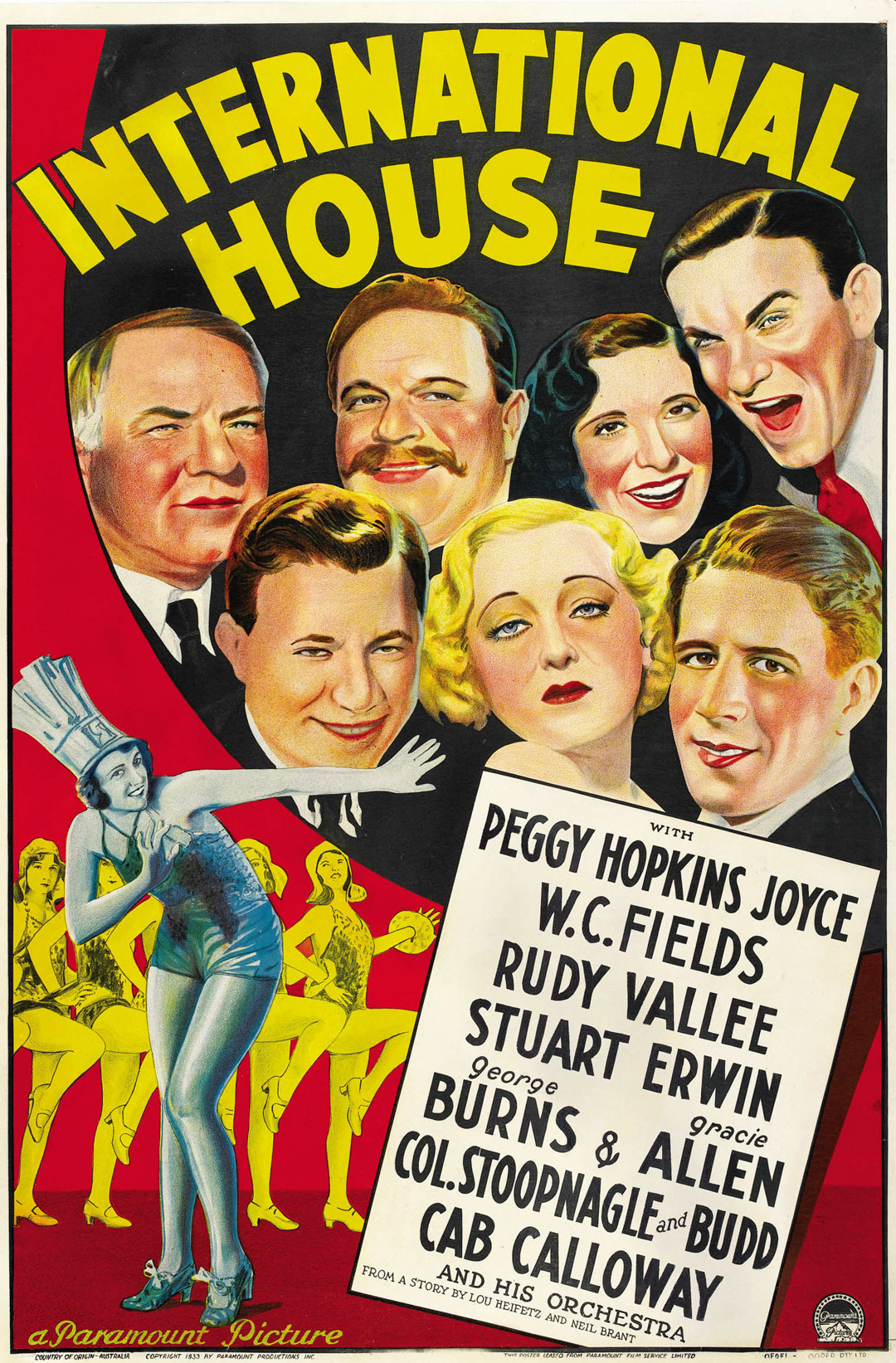
This thinly veiled reference to a homosexual flirtation would not have been allowed after the production code began to be strictly enforced in 1934. Despite having a sizable role, Pangborn isn’t even listed on the movie’s advertising poster.


Pangborn had a small role in Shirley’s 1938 hit, “Rebecca of Sunnybrook Farm.” He played the nervous Hamilton Montmarcy, the backup organ player (no pun intended I’m sure) who only got to play if someone got sick.


Rebecca (Shirley) feigns illness to get out of her radio contract and Montmarcy is called into action. He promptly faints right before he gets his big chance. Pangborn’s poor mother never got her wish!


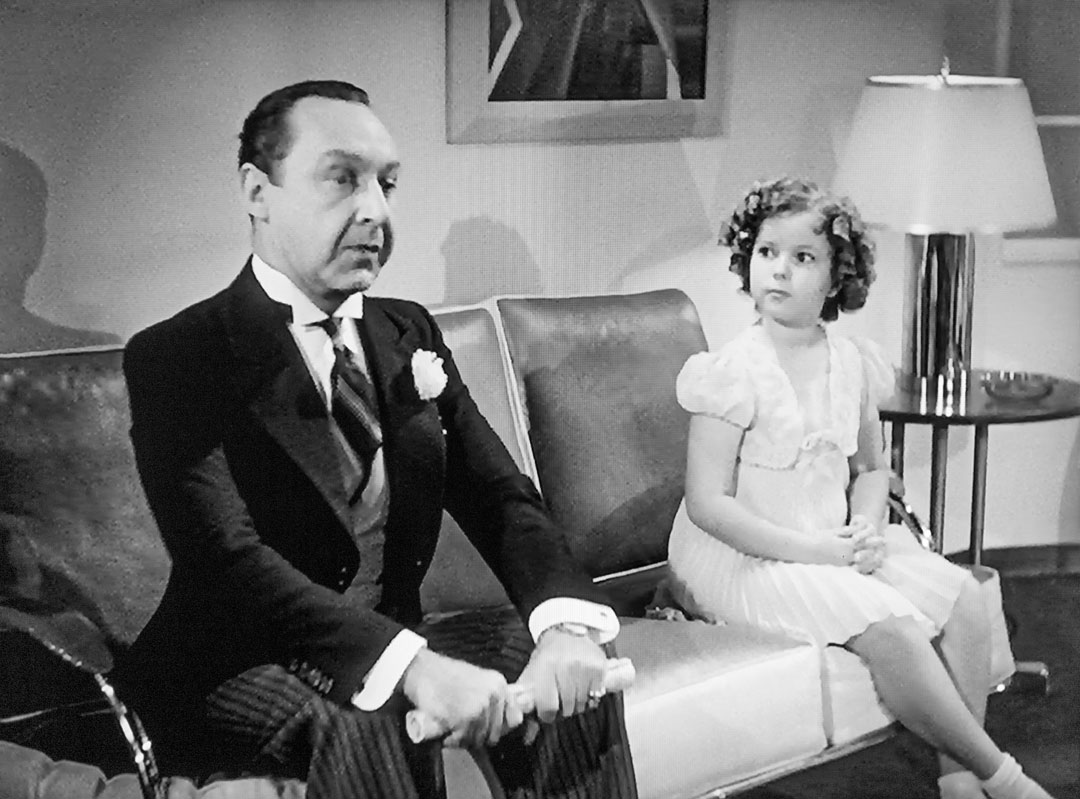
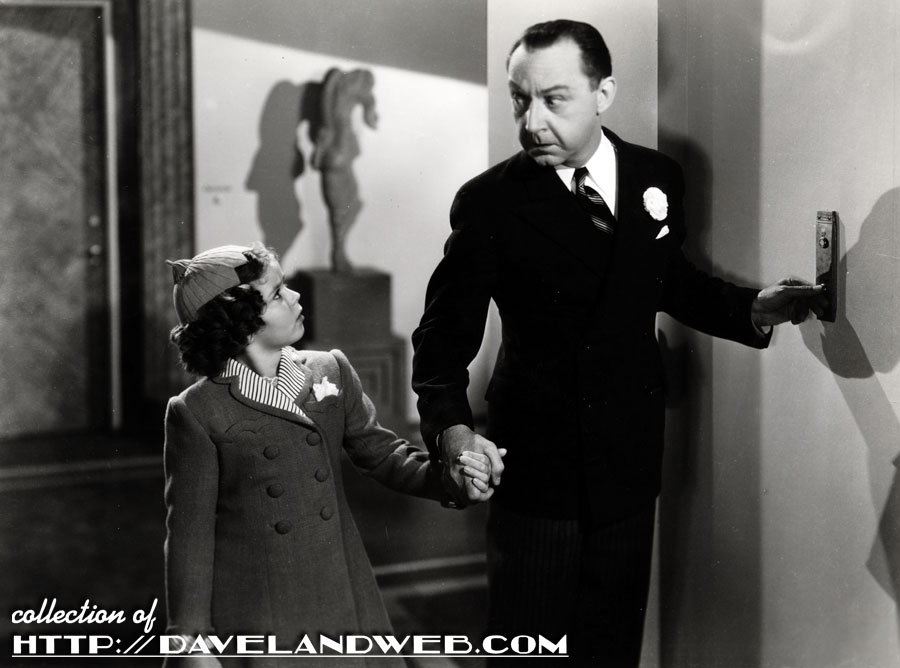
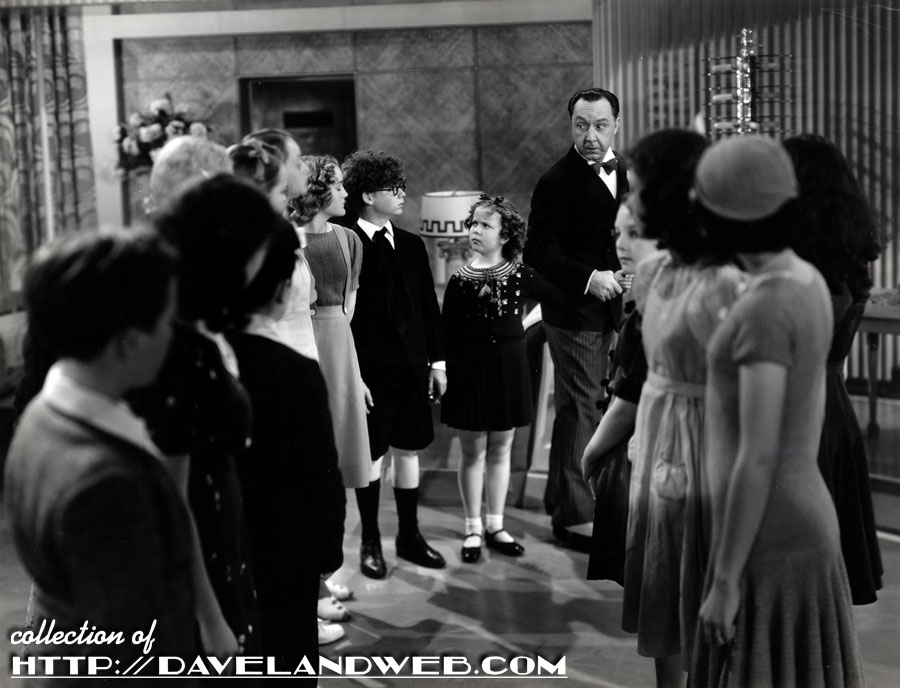
Pangborn got an even larger role in Shirley’s “Just Around the Corner,” also 1938. As yet another building manager, Pangborn (Mr. Waters) was Penny’s (Shirley) nemesis throughout the film. Making sure that she stayed in her (social) place as the engineer’s daughter, he constantly had to remove Penny from situations that caused embarrassment for the rich snobs at his apartment building.


He even kicked Penny out of the playroom, despite her having been invited by Milton (Bennie Bartlett), the boy who lived in the building’s penthouse.


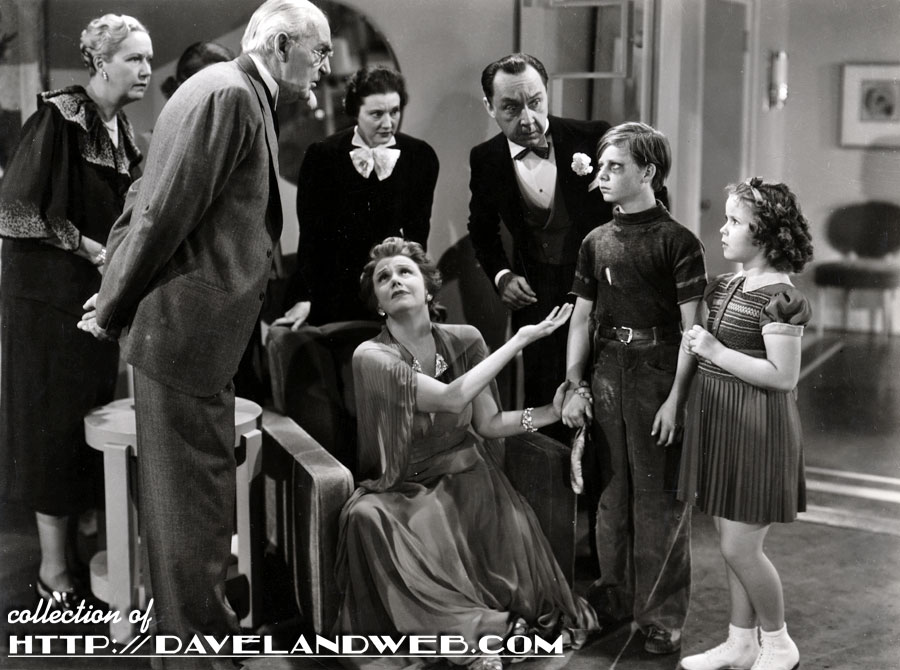
Penny ruined an evening of bridge at the penthouse when she brought Milton home with a black eye. Pangborn was on hand to give plenty of scowls at the curly-haired moppet who had ruined his opportunity to hang out with the elite.


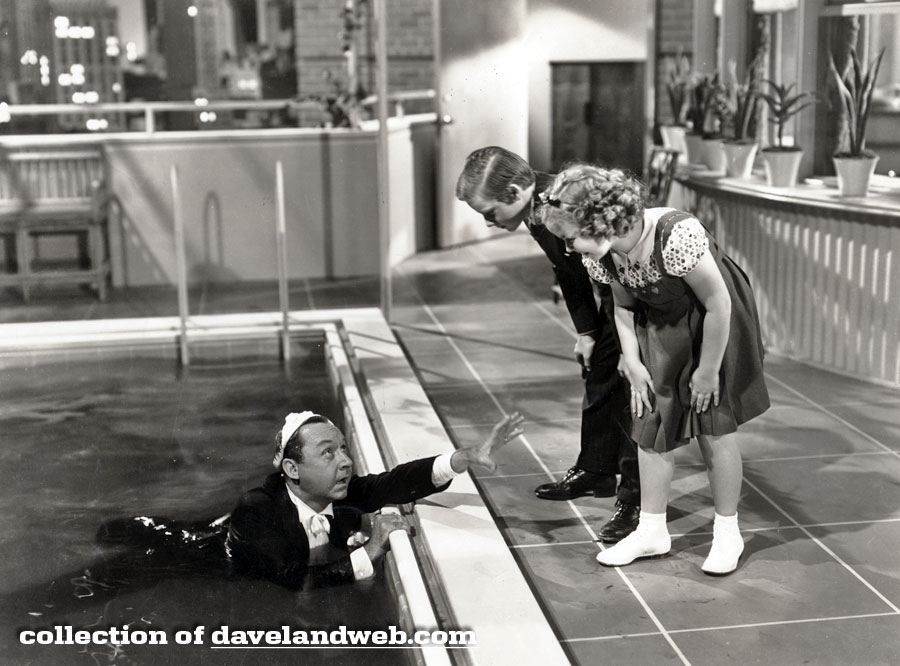
Mr. Waters ended up in the pool when the two kids conspired to pay him back for his meddling. Pangborn was a master of physical comedy, and this scene is a delight to watch, as he slips and slides around the pool. According to the earlier quoted Boston Globe article:

Shirley Temple took a shine to Franklin Pangborn when he played with her in “Just Around the Corner.” She liked the way he took continual ducking in a pool without kicking and complimented him when he snagged his leg on a camera dolly track one day, and went on working without letting any one know. “You’re a good sport,” Shirley told Pangie, “and a sweet guy!”


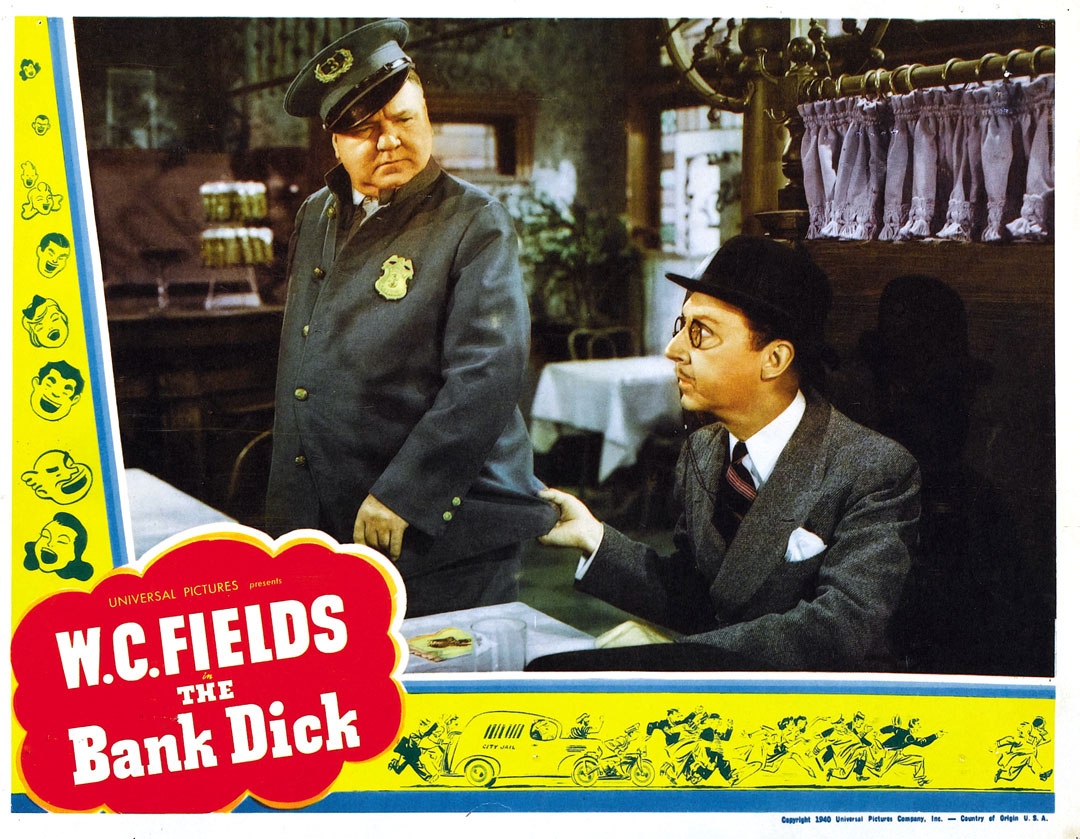
Pangborn went back to Fields after two Temple films, beginning with “The Bank Dick” (1940), playing bank examiner J. Pinkerton Snoopington. Egbert Sousé (Fields) tries to get Snoopington drunk to delay the audit that would reveal his future son-in-law had “borrowed” some funds from the bank. The name of the bar? The Black Pussy Cat Café.


“Never Give a Sucker an Even Break” (1941) followed with Pangborn playing the Producer who can’t stand Fields’ character, but puts up with him because of his talented niece, played by Gloria Jean. Fields’ mistress, Carlotta Monti, played Pangborn’s receptionist. The original script (written by Fields) went through a number of revisions. The Hays office objected to references to Pangborn’s character as a "pansy."


His last film role was in “The Story of Mankind” (1957) as the Marquis de Varennes. It was also the final film that all three Marx brothers appeared (although not in the same scenes). Pangborn’s final performance was on The Red Skelton Show in the April 22, 1958 episode. He lived in Laguna Beach with his mother. He died in Santa Monica on July 20, 1958, one day after undergoing surgery.

See more Shirley Temple photos at my main website.