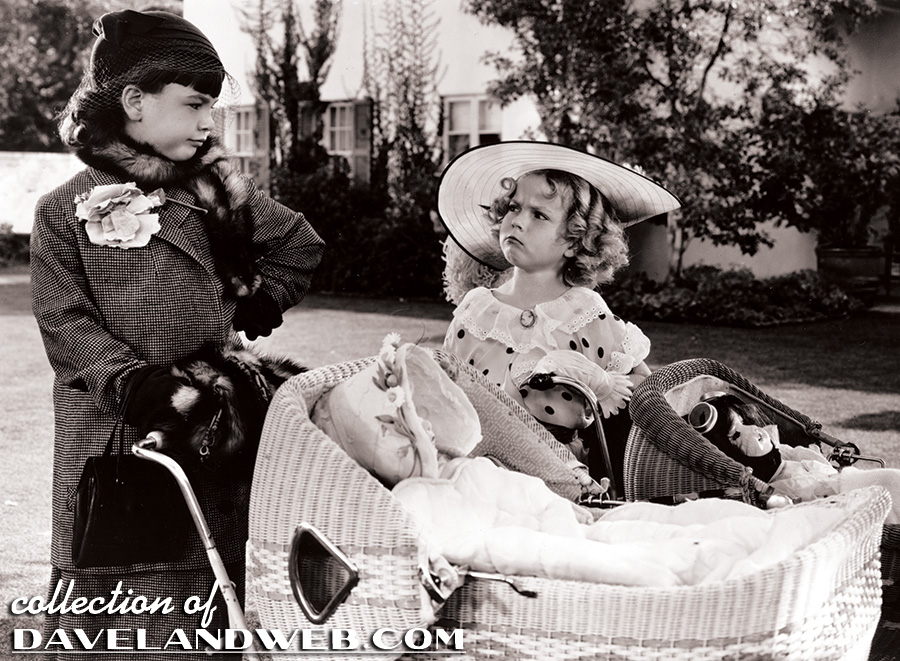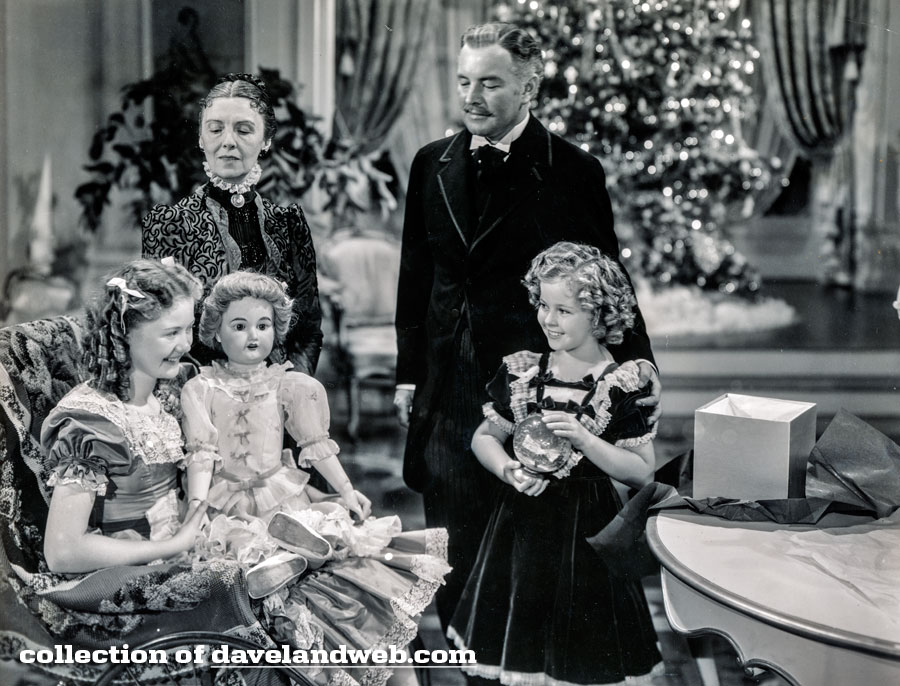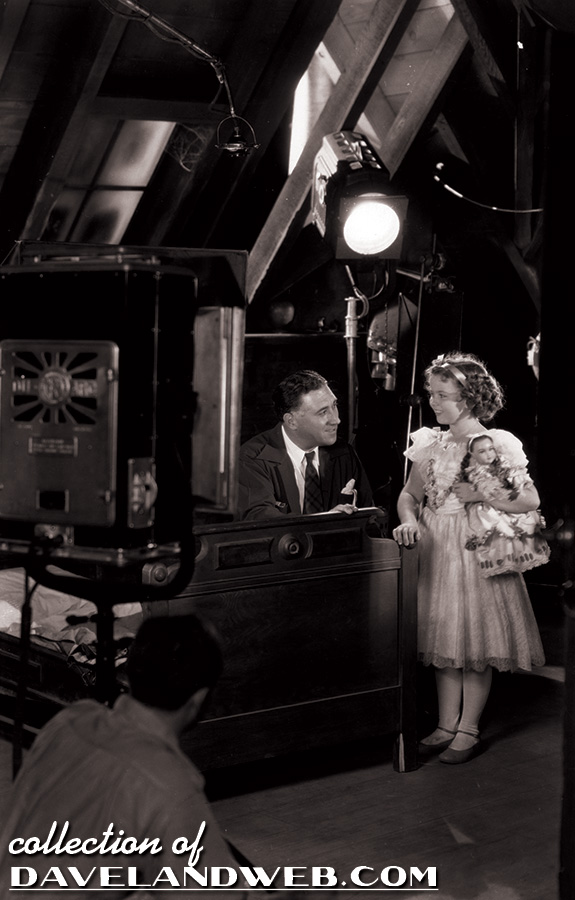
Showing posts with label frank mcglynn. Show all posts

Tuesday, July 15, 2025

Temple Tuesday: Little Miss Marker sets, Pt. 1


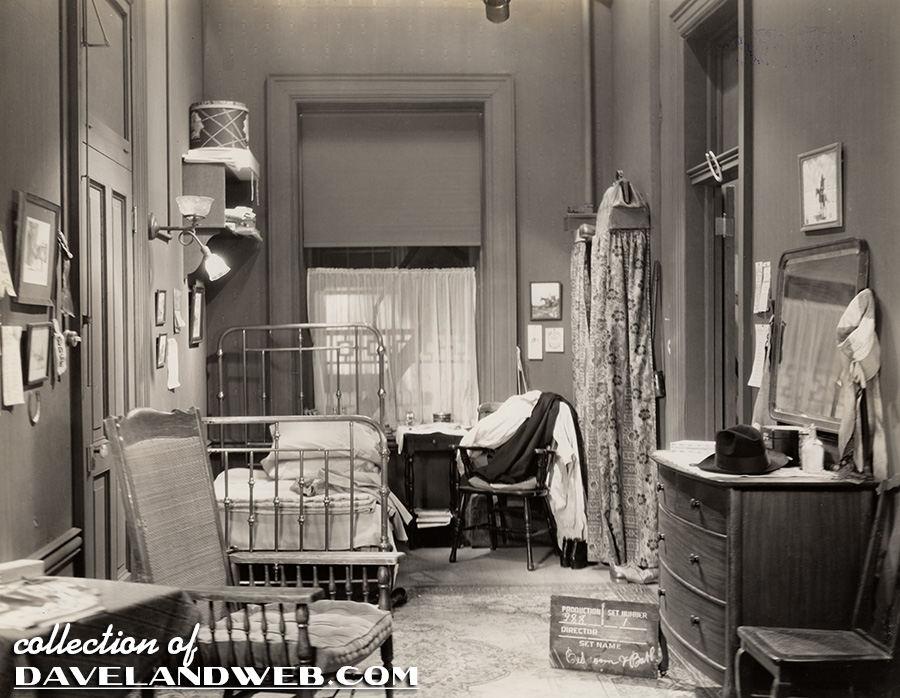
Today gives a rare behind-the-scenes glimpse of Shirley’s breakout lead role in Paramount’s “Little Miss Marker” (1934). I acquired a large collection of set stills that I am now pairing with publicity shots, screenshots, and fascinating tidbits to highlight the often unappreciated work that set designers and art directors do, in this case the uncredited Hans Dreier and John B. Goodman. Set number 1 was the tiny apartment of the crusty bookie Sorrowful Jones (Adolphe Menjou)
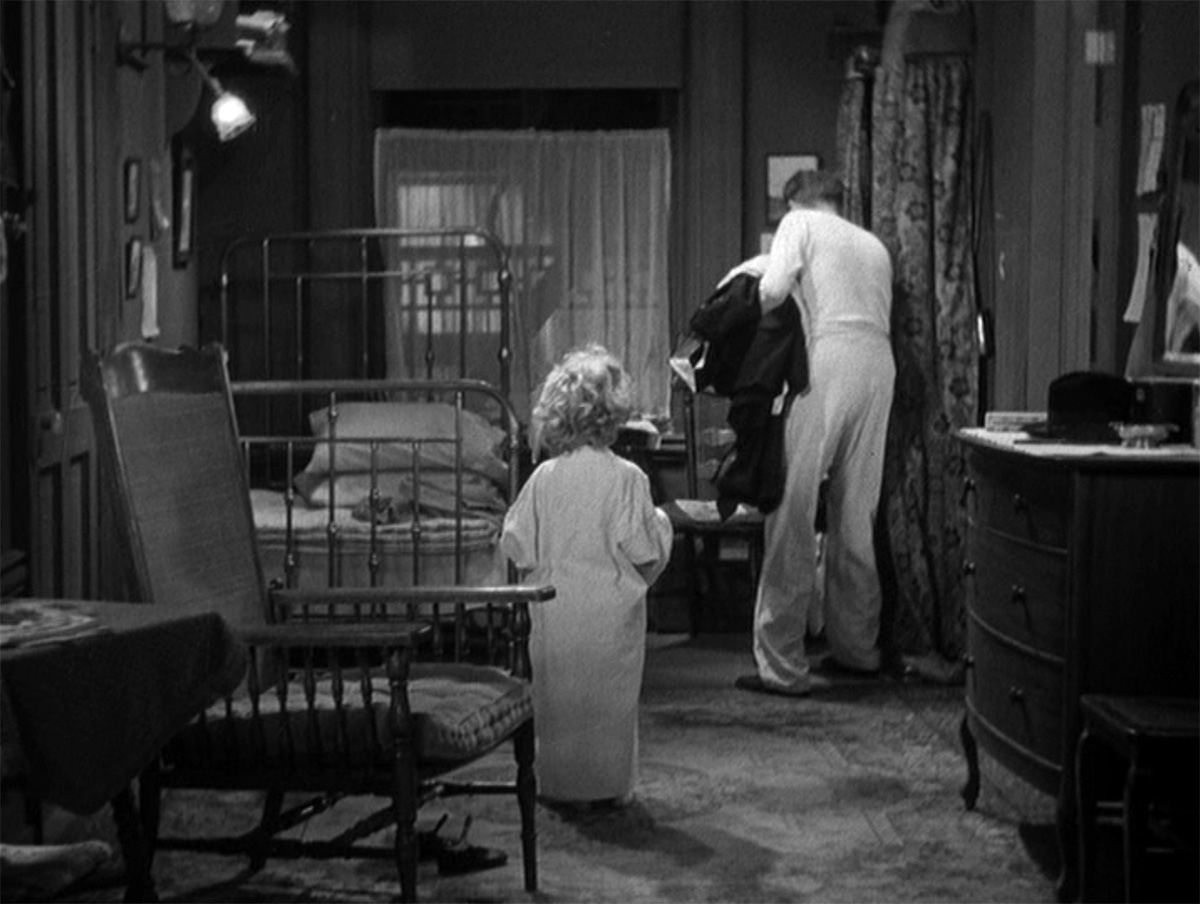


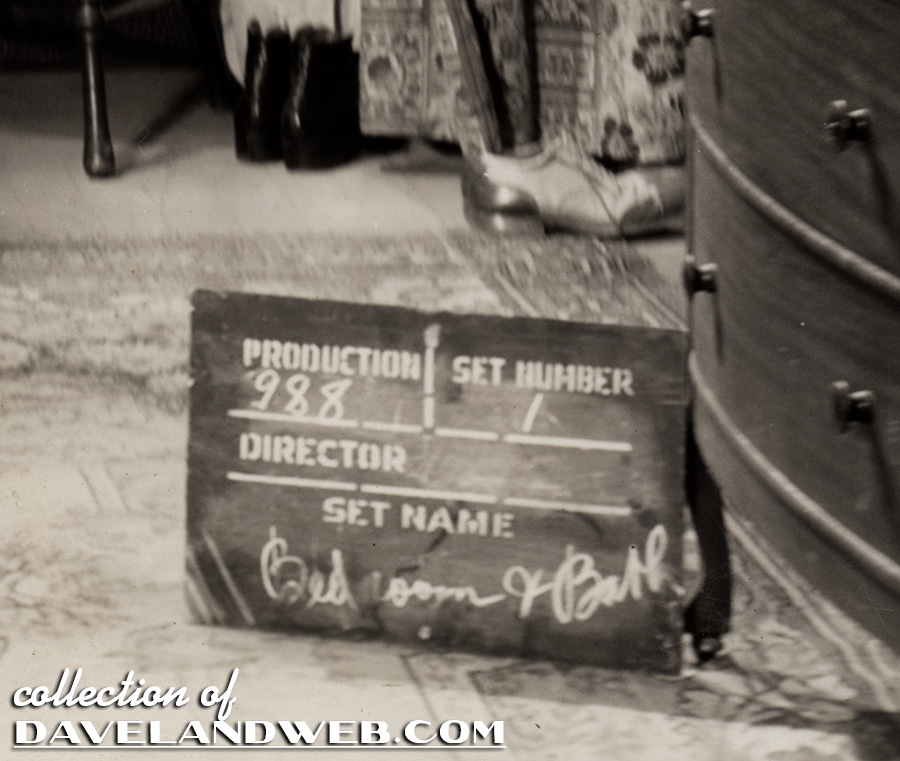
At this point, the film had only been assigned a production number; the name of it had not been settled, as you can see by the slate below. I love zooming in on the details that are chosen to be included in the set design, such as the shoes seen below:


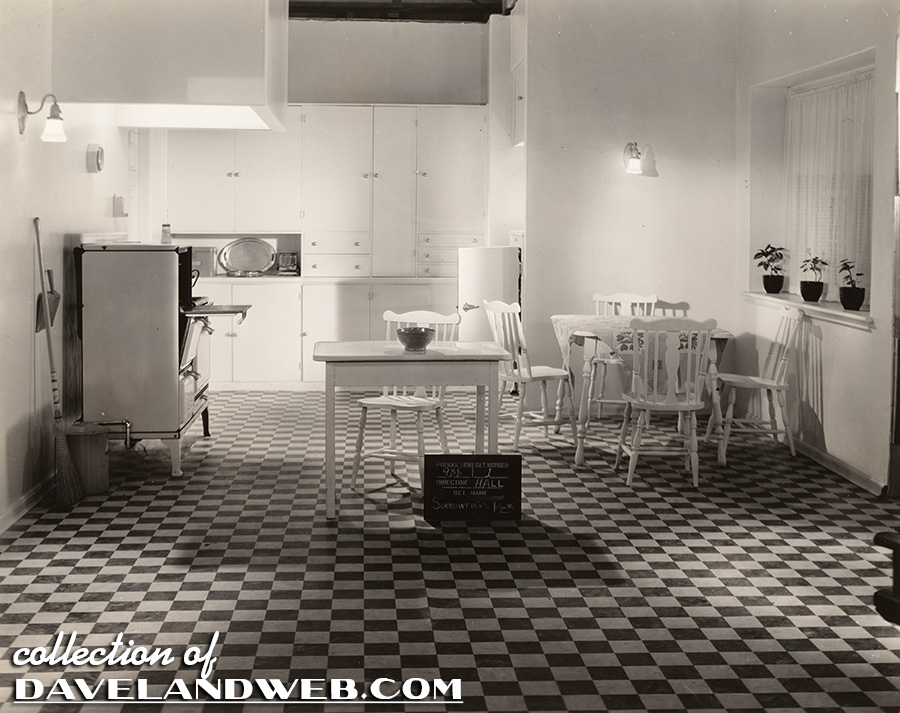
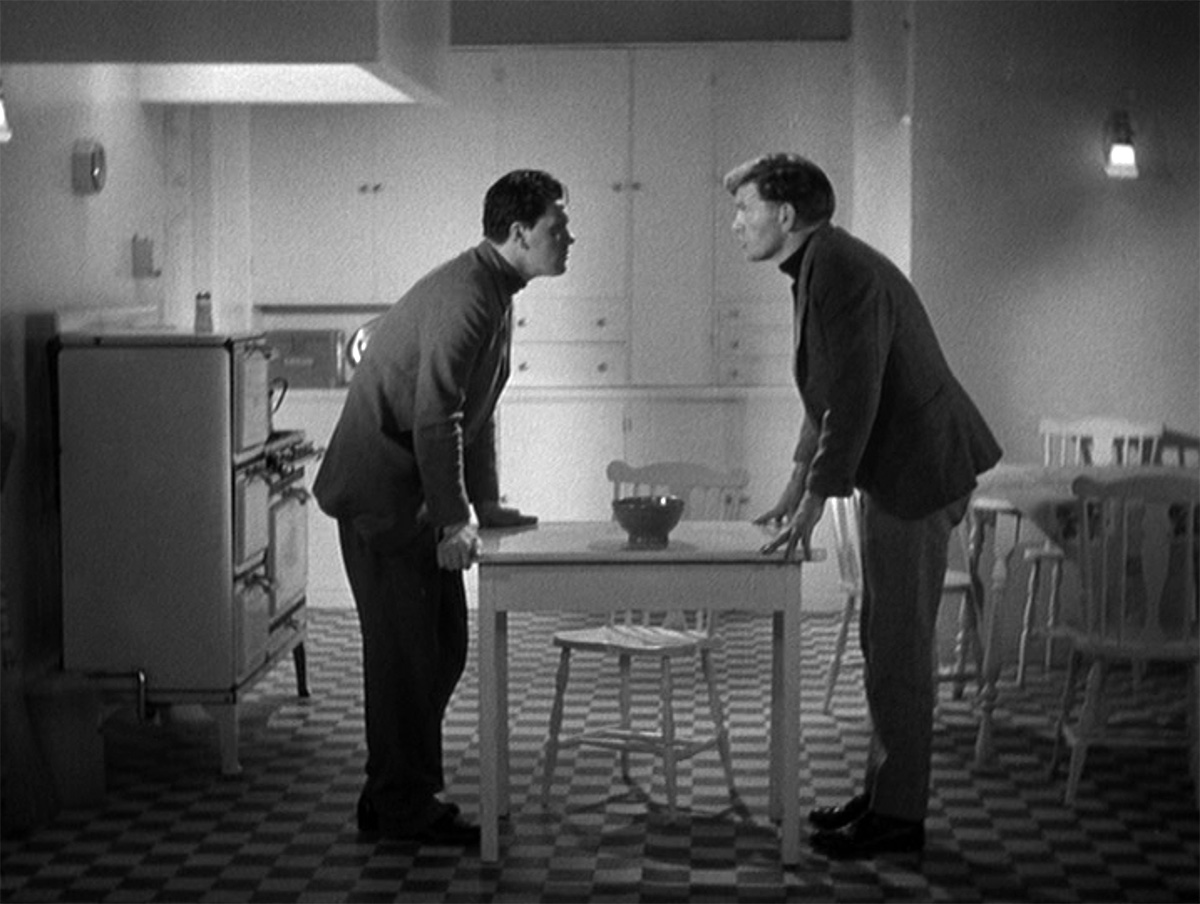
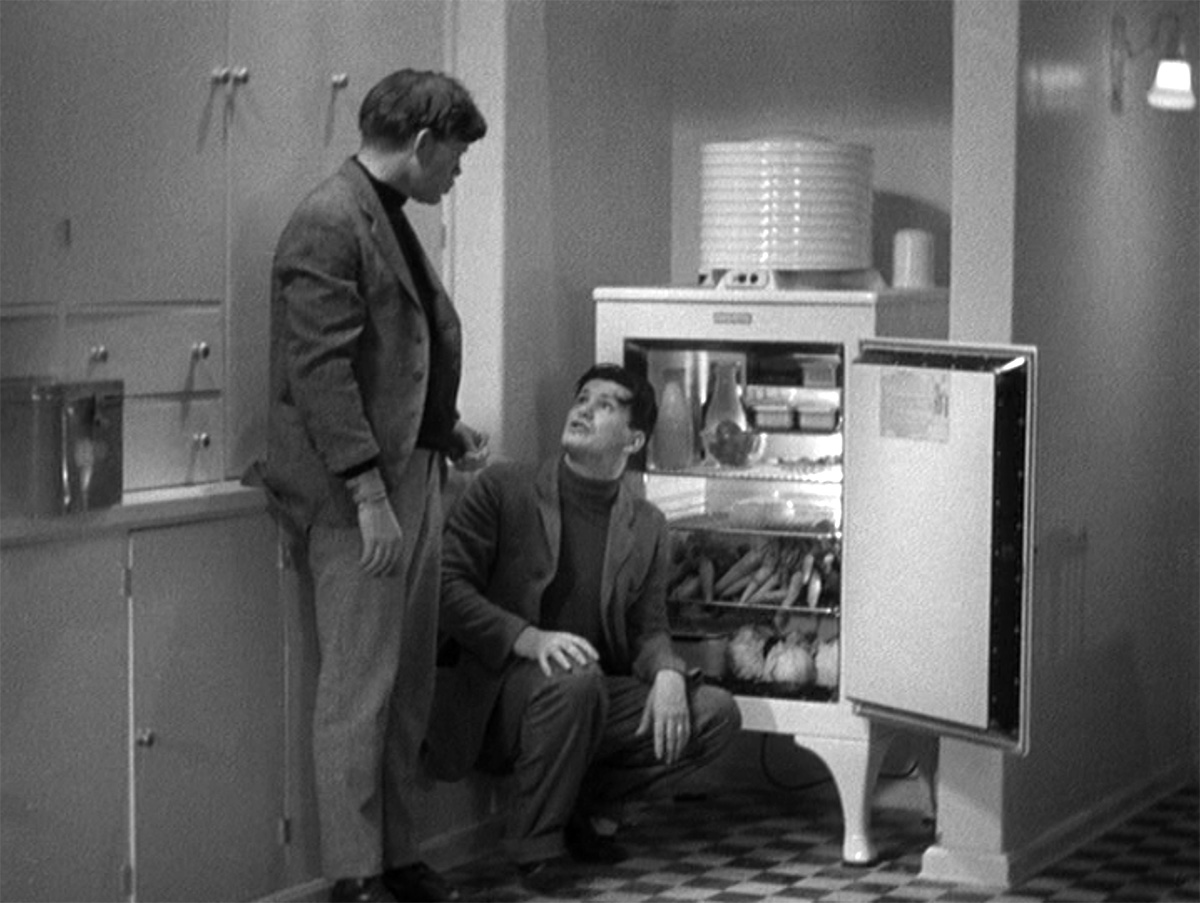
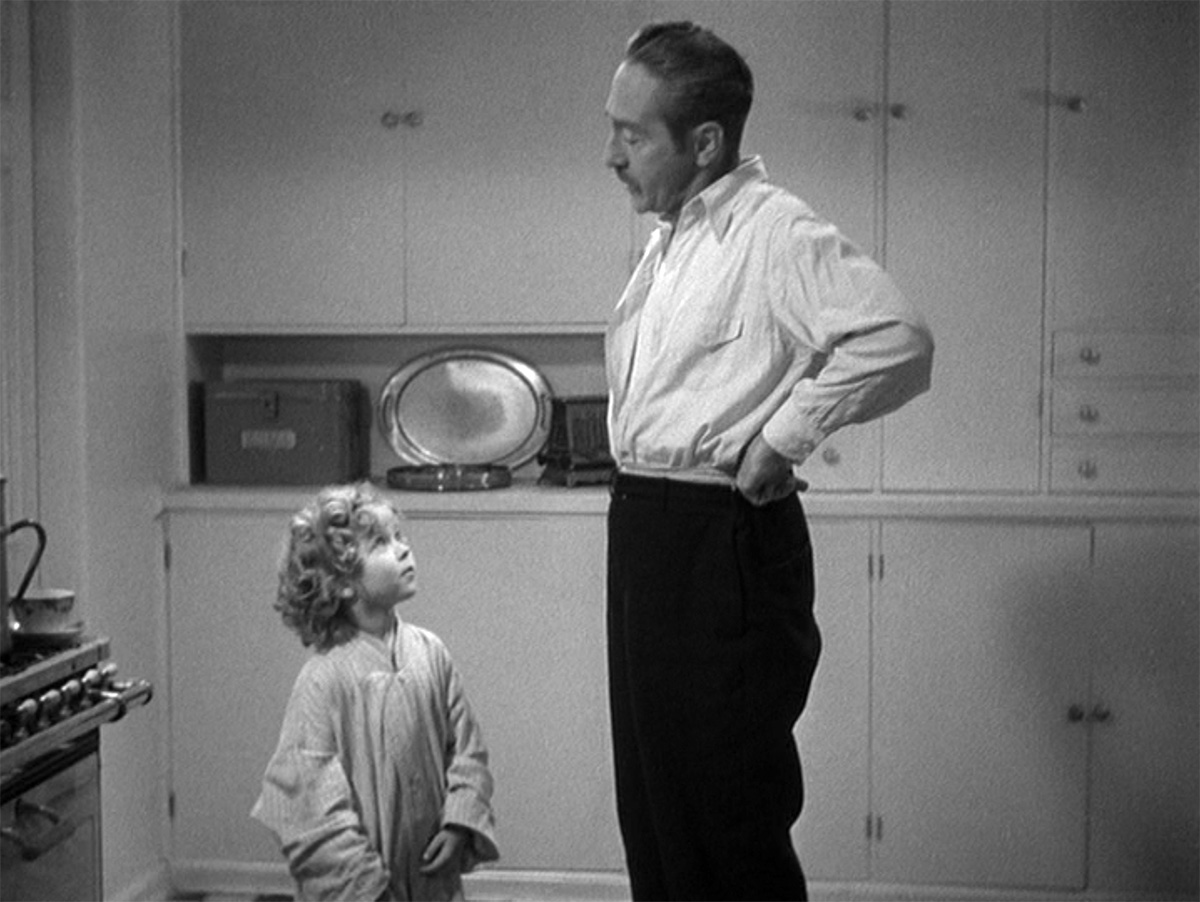
A kitchen set built for Sorrowful’s new and improved apartment, which he rented in order to make room for Shirley:


John Kelly and Warren Hymer supplied the physical comedy relief with their not-so-bright characters of Canvas and Sore Toe:


Even the refrigerator of a movie set has to be “dressed”; anyone like carrots?


One of the scenes with Shirley and Adolphe in the kitchen:


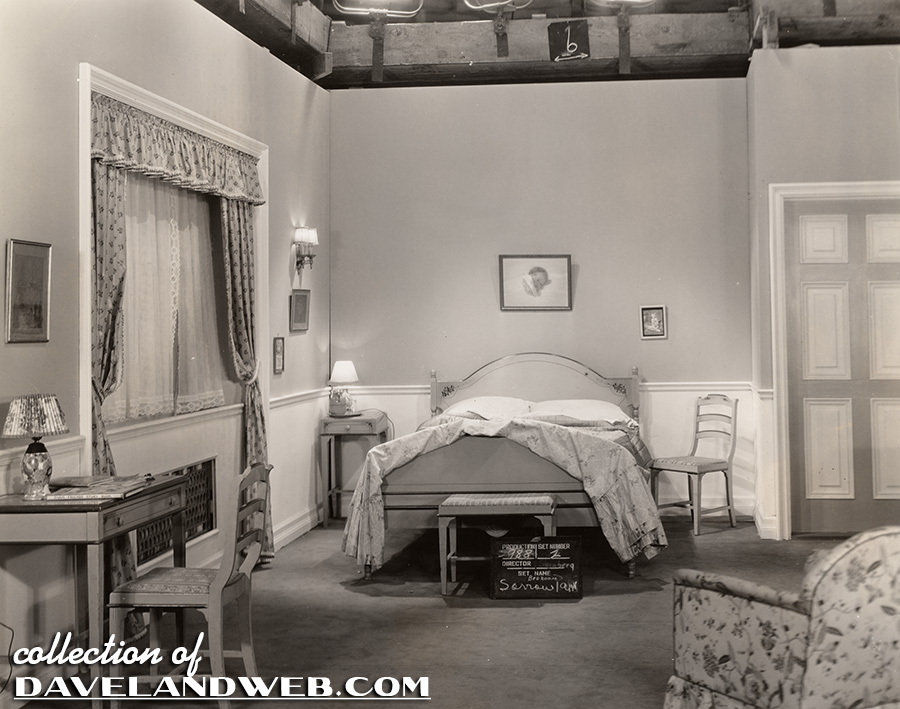
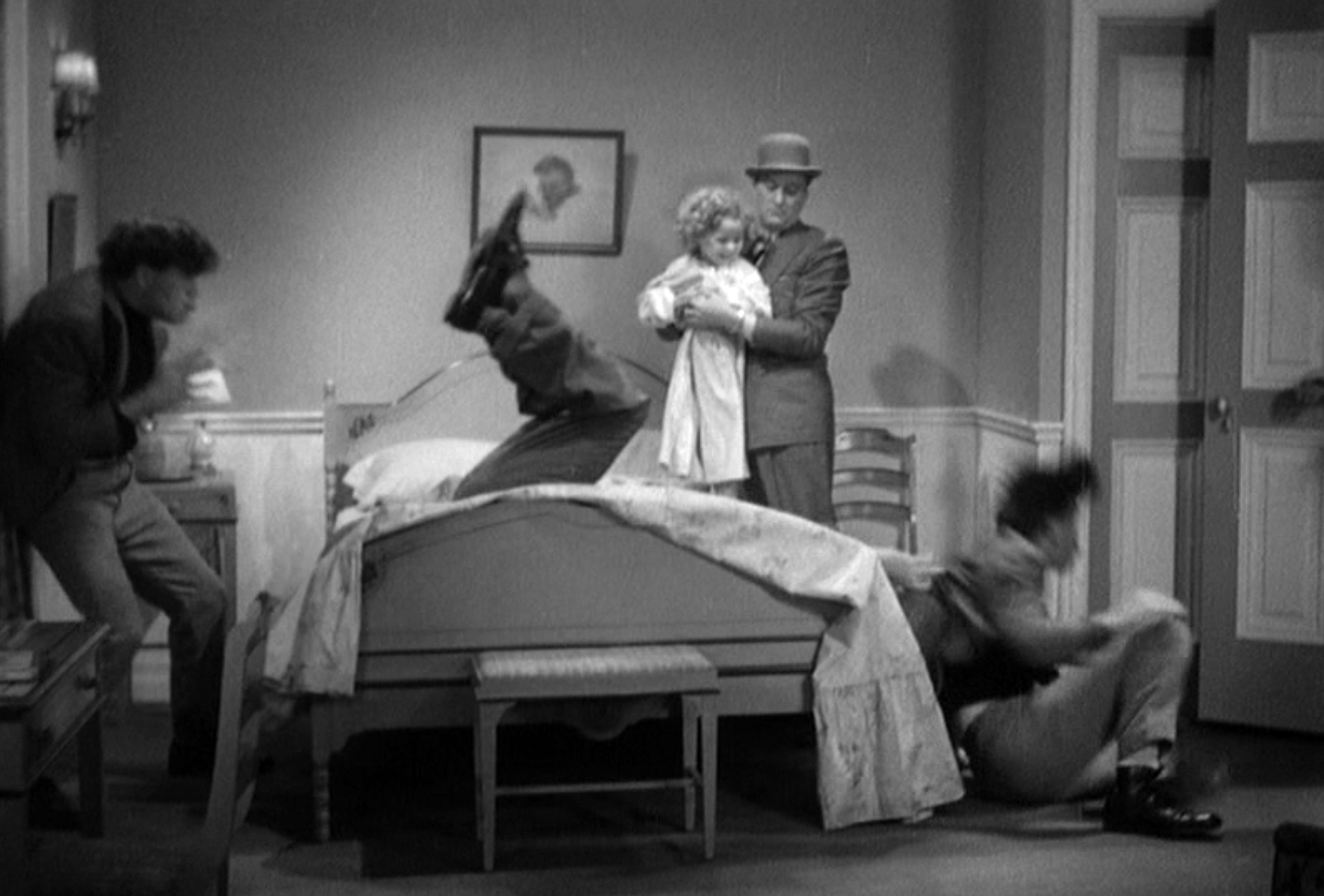
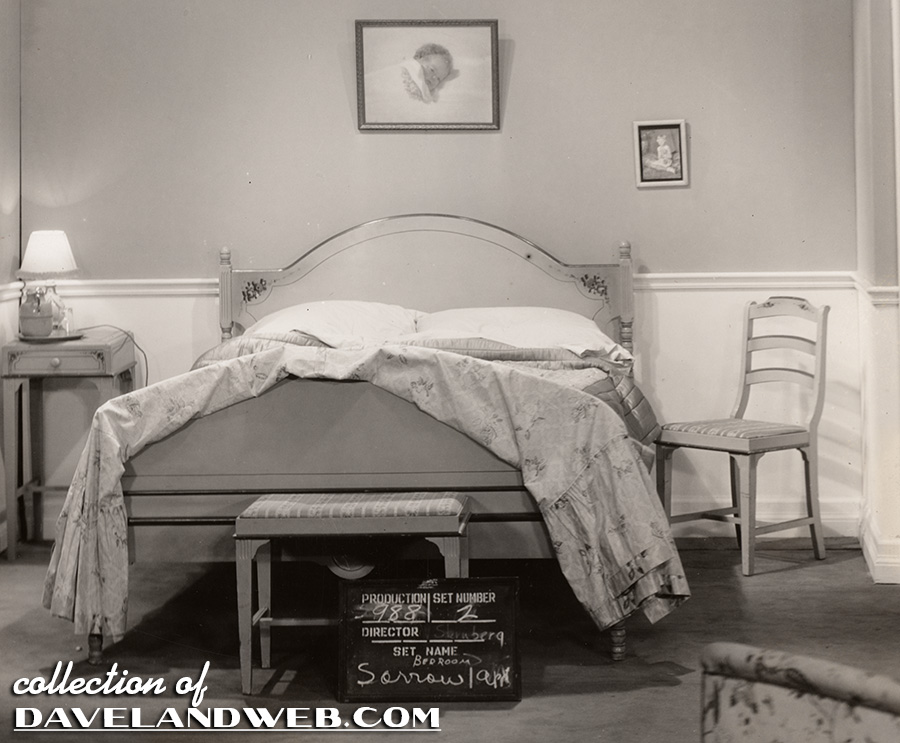
The bedroom of Sorrowful’s  second apartment:


By combining two screenshots, I was able to achieve more of a panoramic view of the set as seen in the final film. Sore Toe and Canvas were attempting to cheer up Shirley’s character with their comic rough-housing and acrobatics:


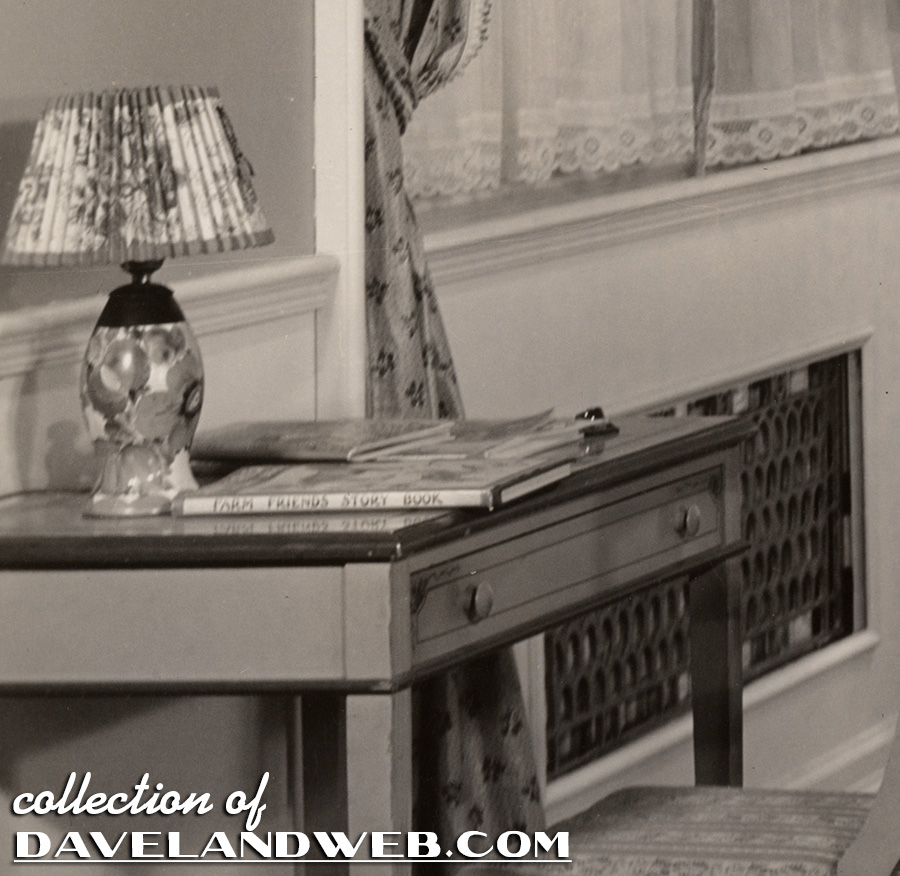
On the nightstand you can see the children’s book, Farm Friends Story Book:


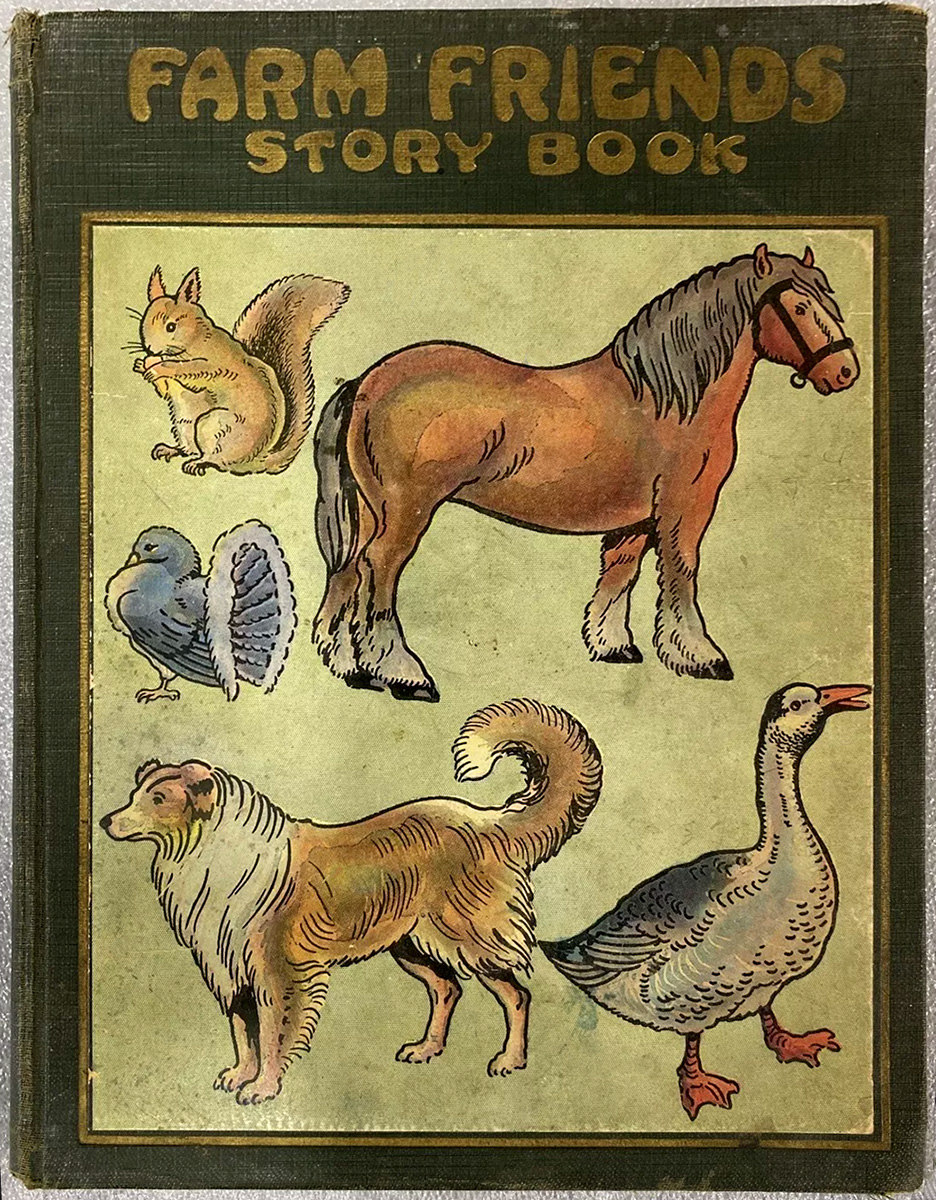
I found a copy on ebay:


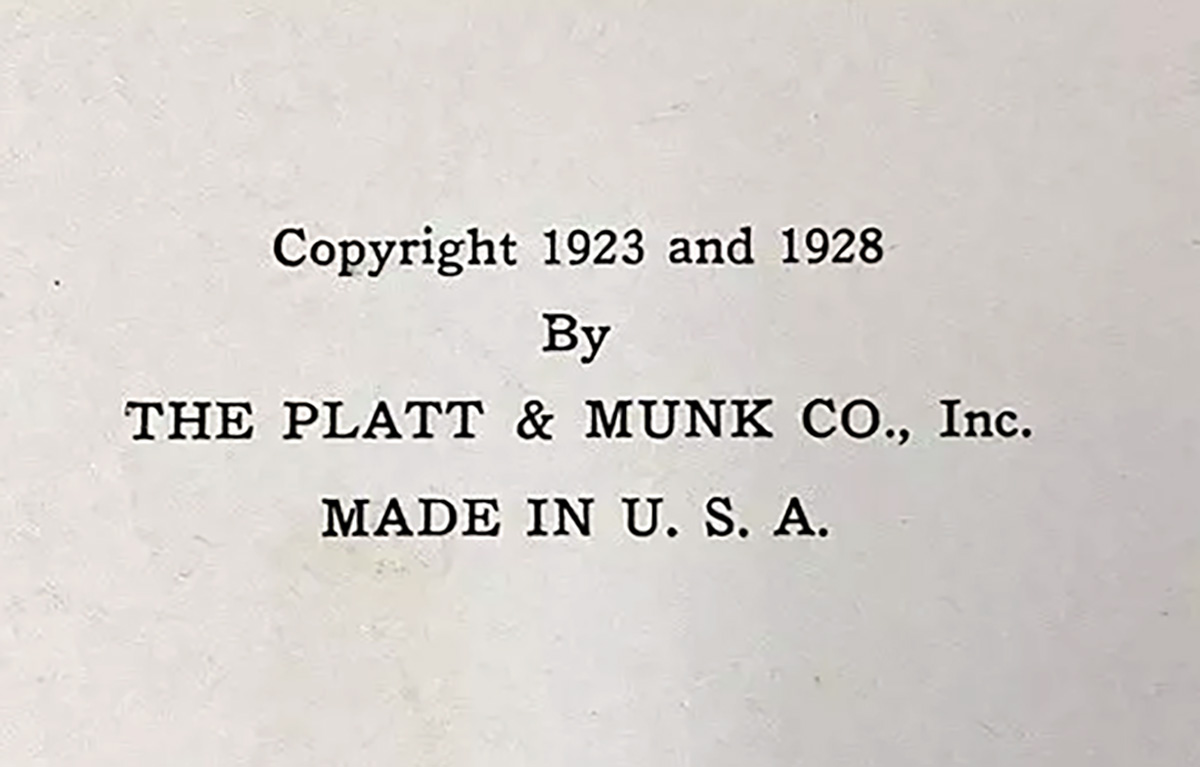
By the time the film was shot, this edition was about six years old:


A closeup of the bed:


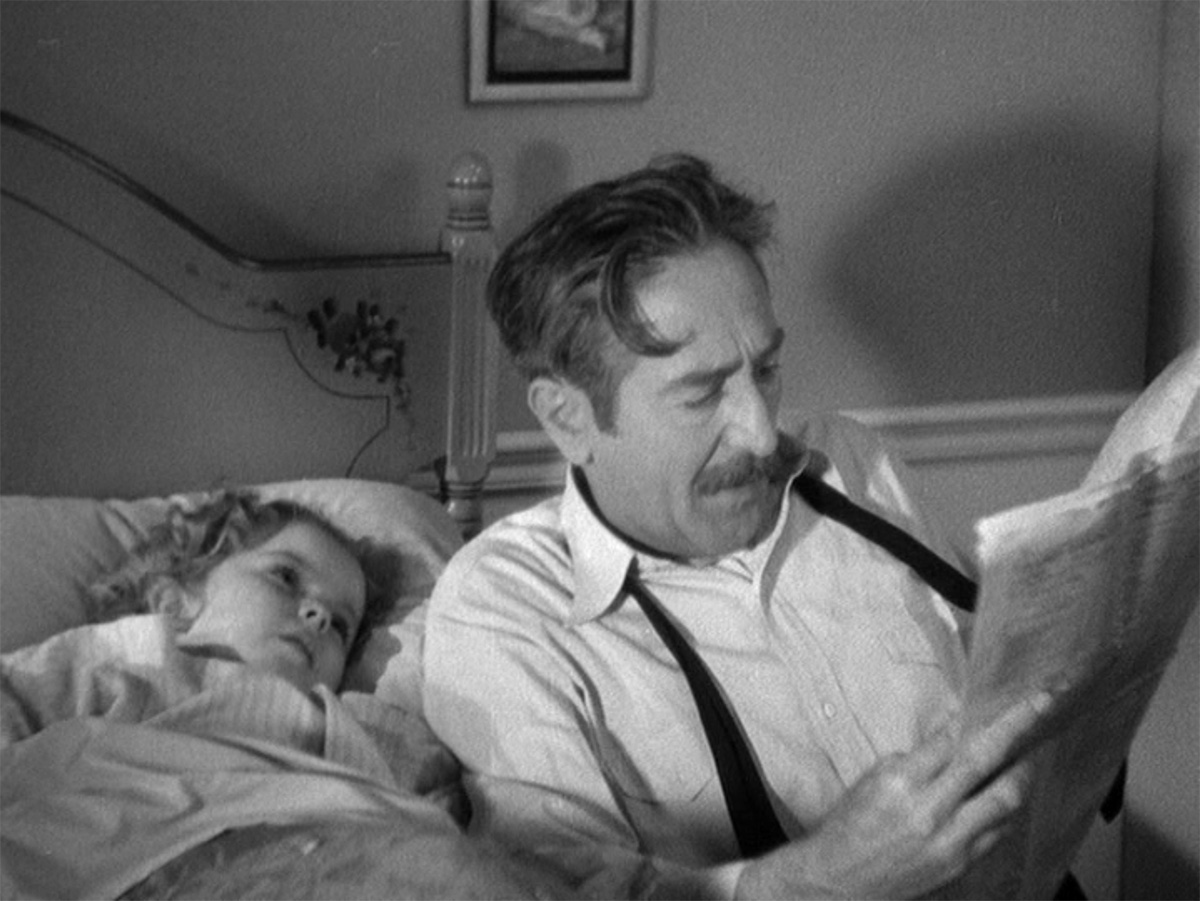
Shirley’s character, Marker, wants a bedtime story. Apparently not remembering that Farm Friends was nearby, Sorrowful takes the Racing Times and converts it into a tale to appease the little girl.


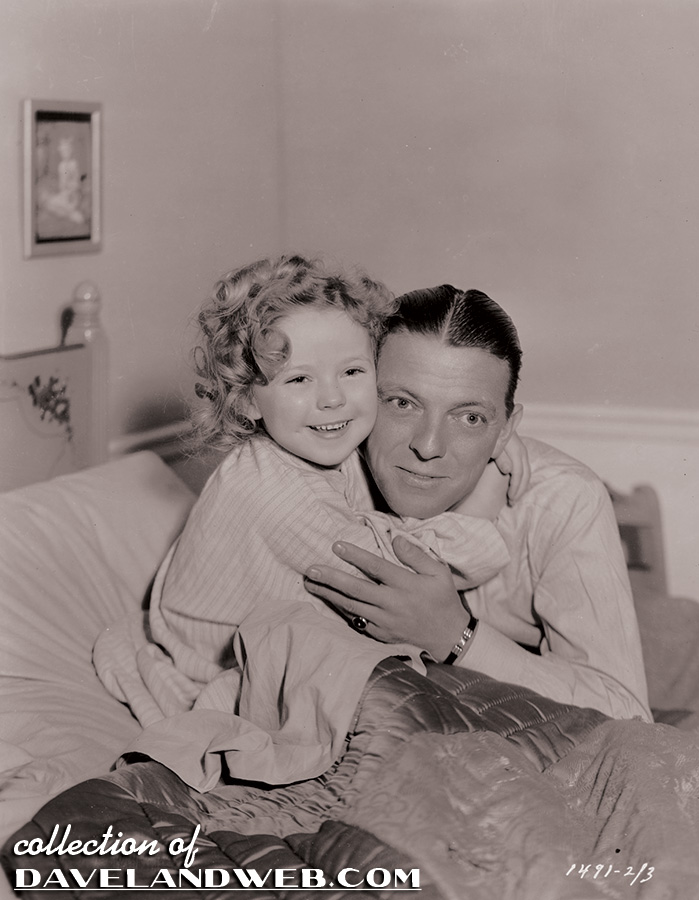
A publicity shot of director Alexander Hall with Shirley in the same bedroom:


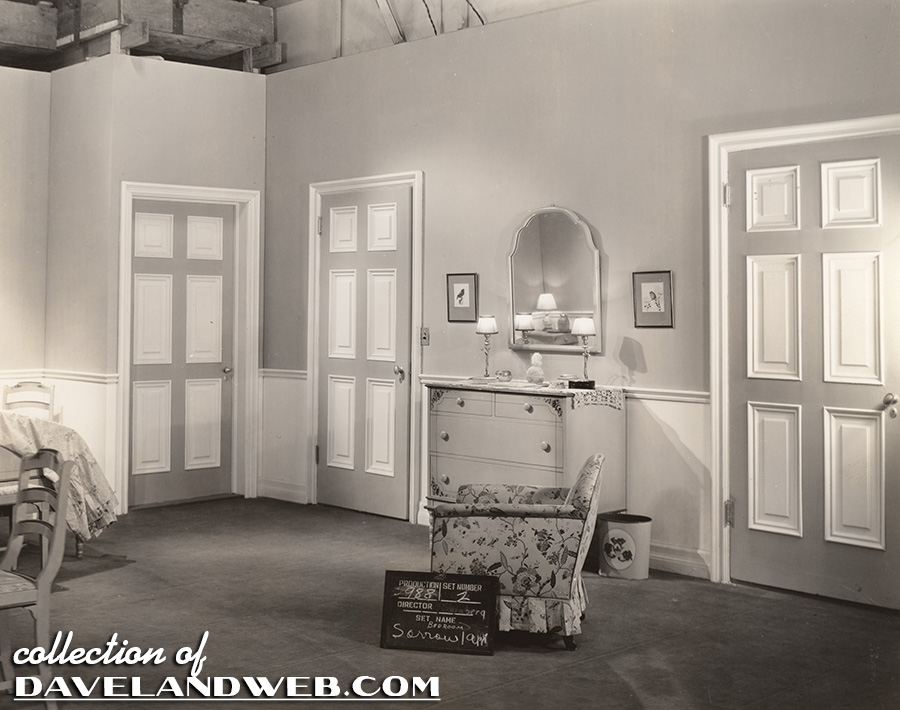
An alternate shot of the same set:


Out in the living room, the boys play poker; in the background is a seated Warren Hymer:
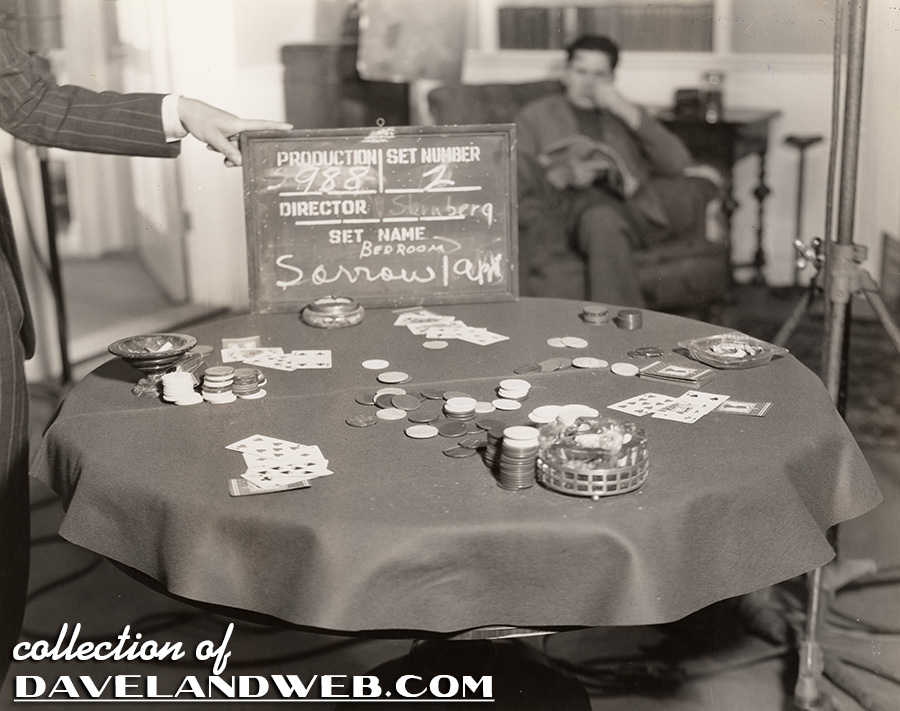


How it looked in the film:


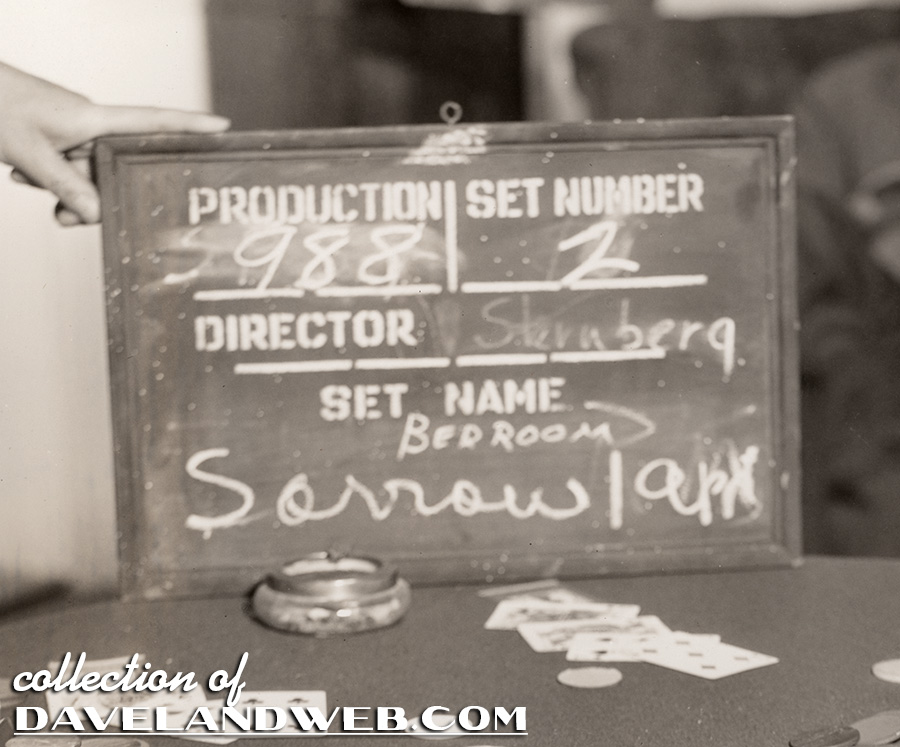
In examining the slate, you can see that the director’s name was Sternberg, as in Josef von Sternberg of Marlene Dietrich fame. Whether he was the original director or somebody didn’t wipe the slate clean from a previous production is not sure.


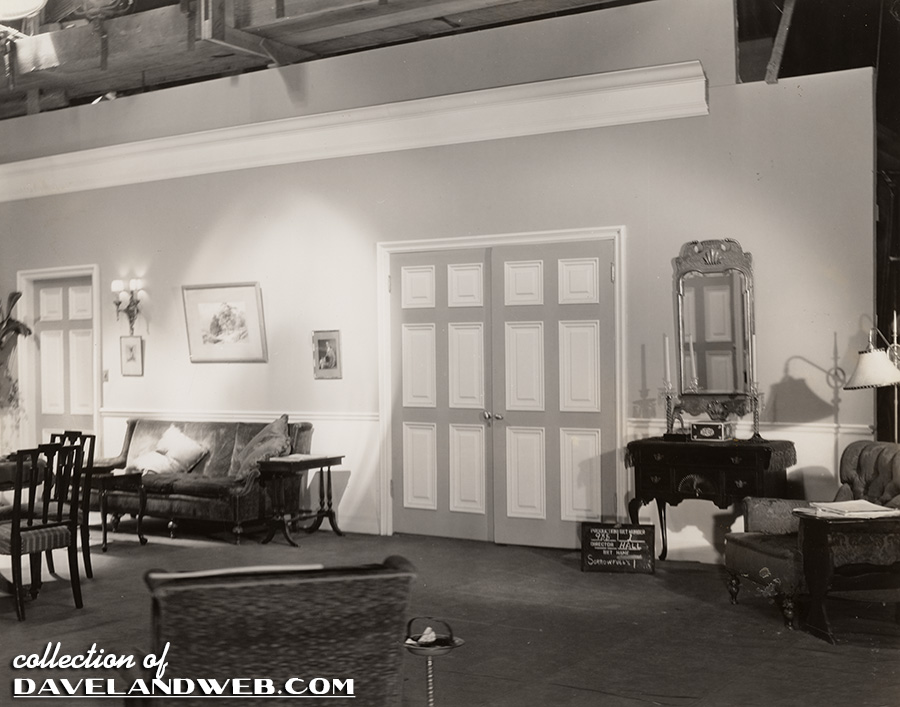
An alternate shot of the living room area:


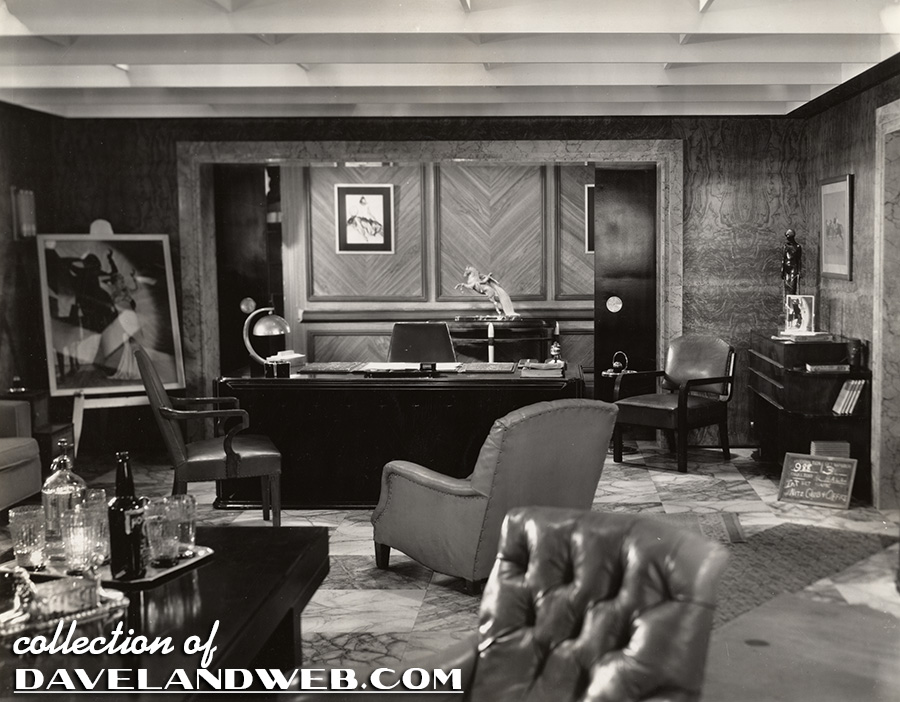
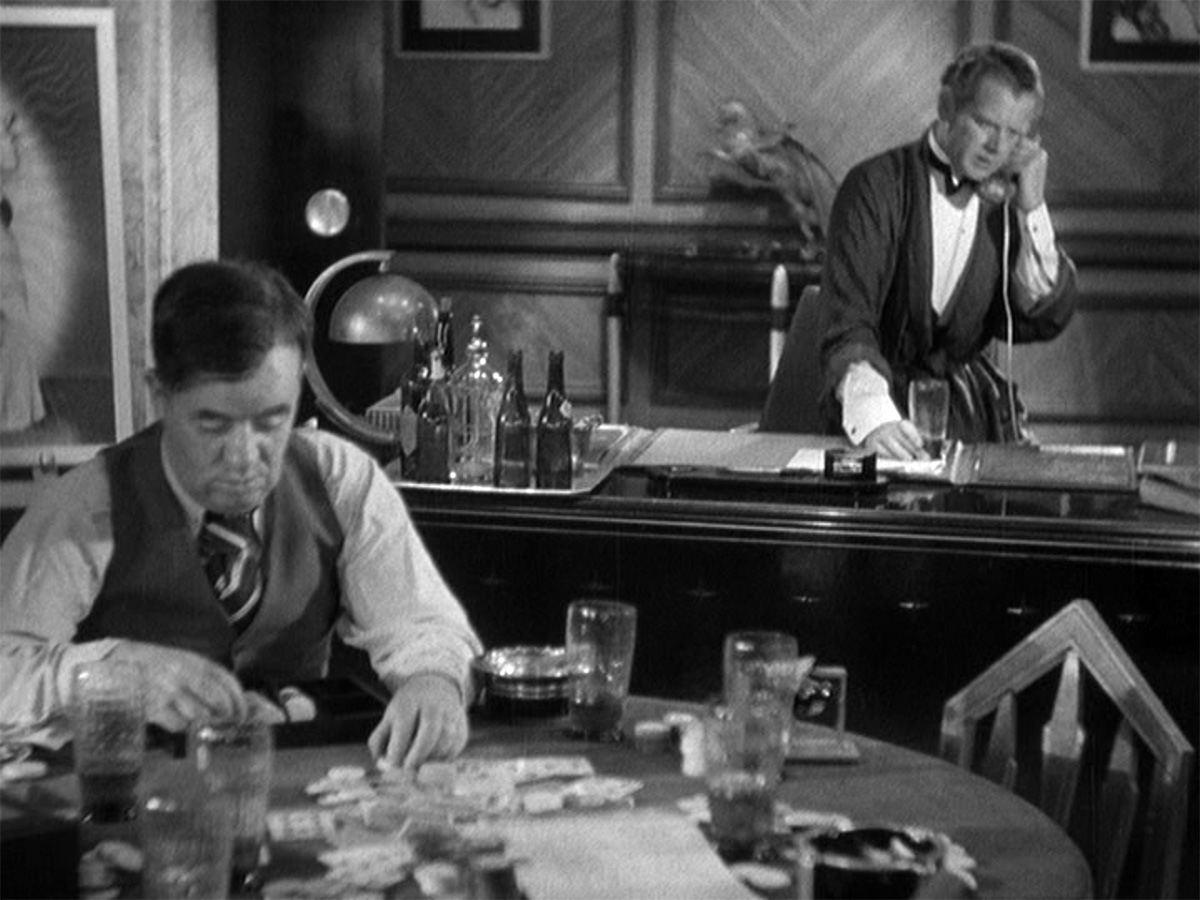
This set still shows the office of hardened gang kingpin Big Steve (Charles Bickford):


As seen in the film, with Tammany Young on the left and Bickford making a call on the right:


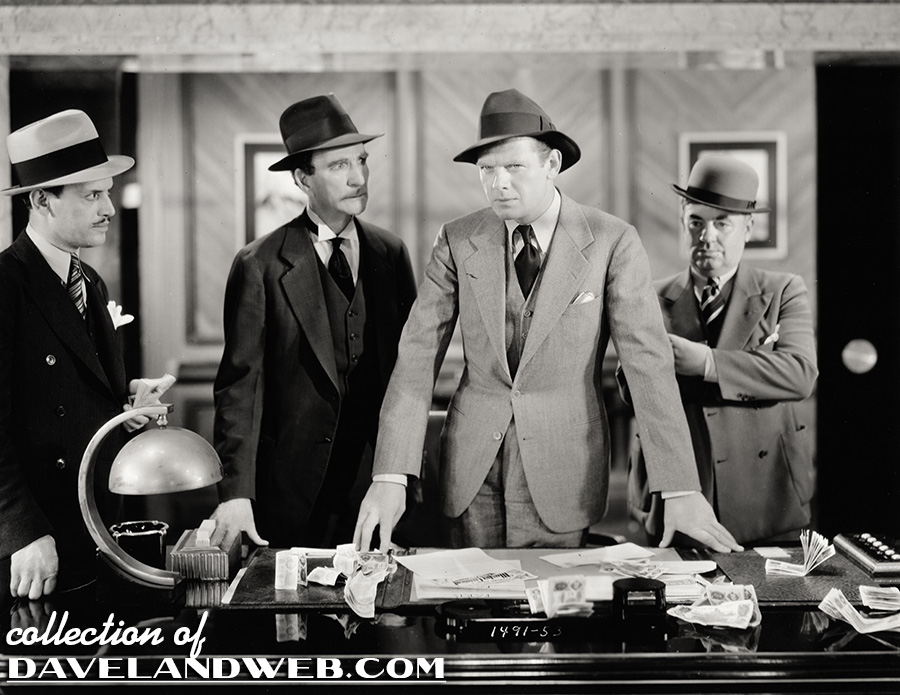
A publicity shot of the office, with unknown actor, Frank McGlynn Sr., Bickford, and Tammany Young:


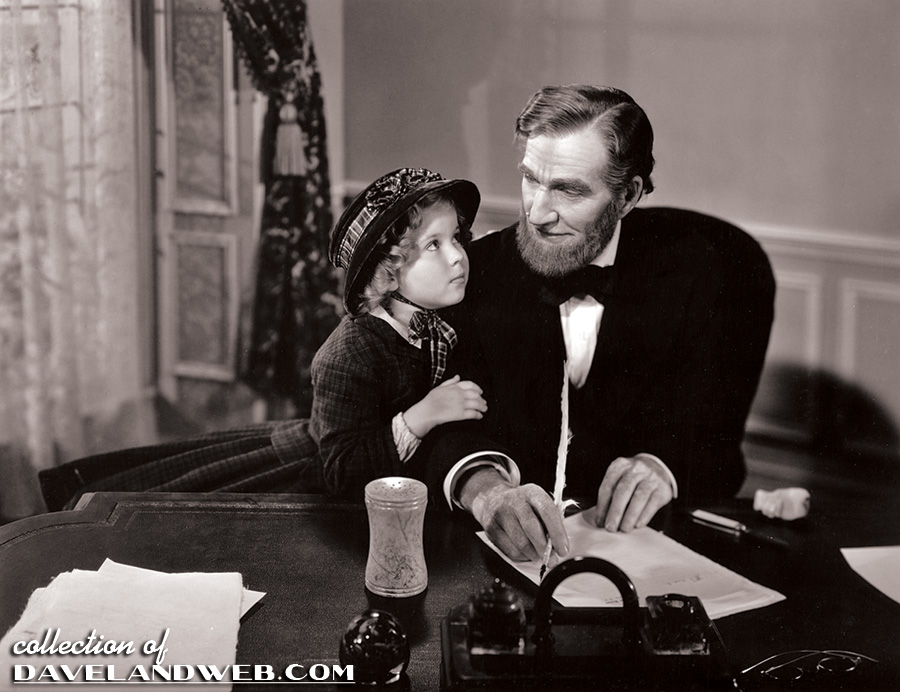
McGlynn would later play Abraham Lincoln in Shirley’s “The Littlest Rebel” (1935):


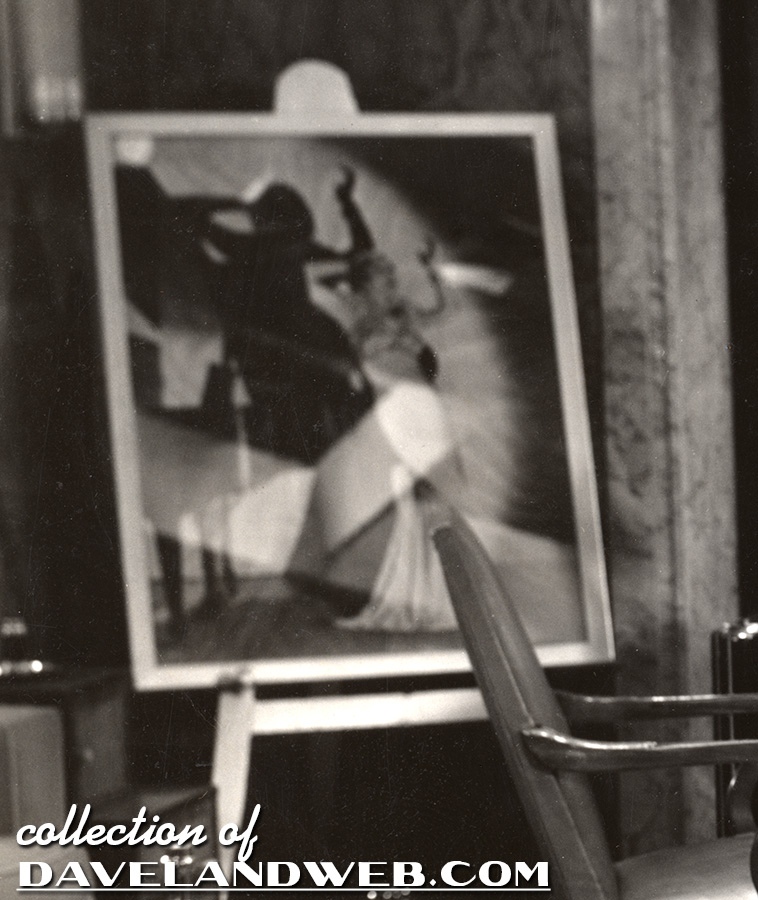
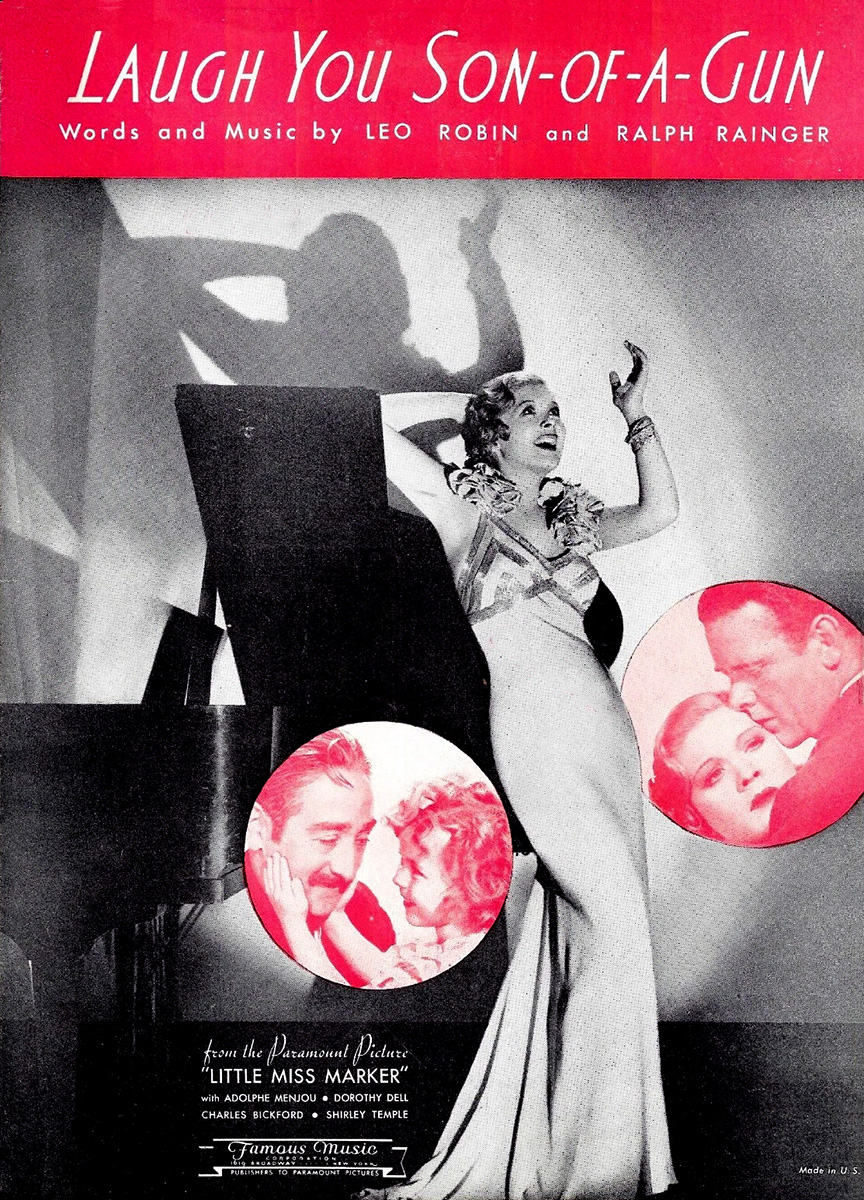
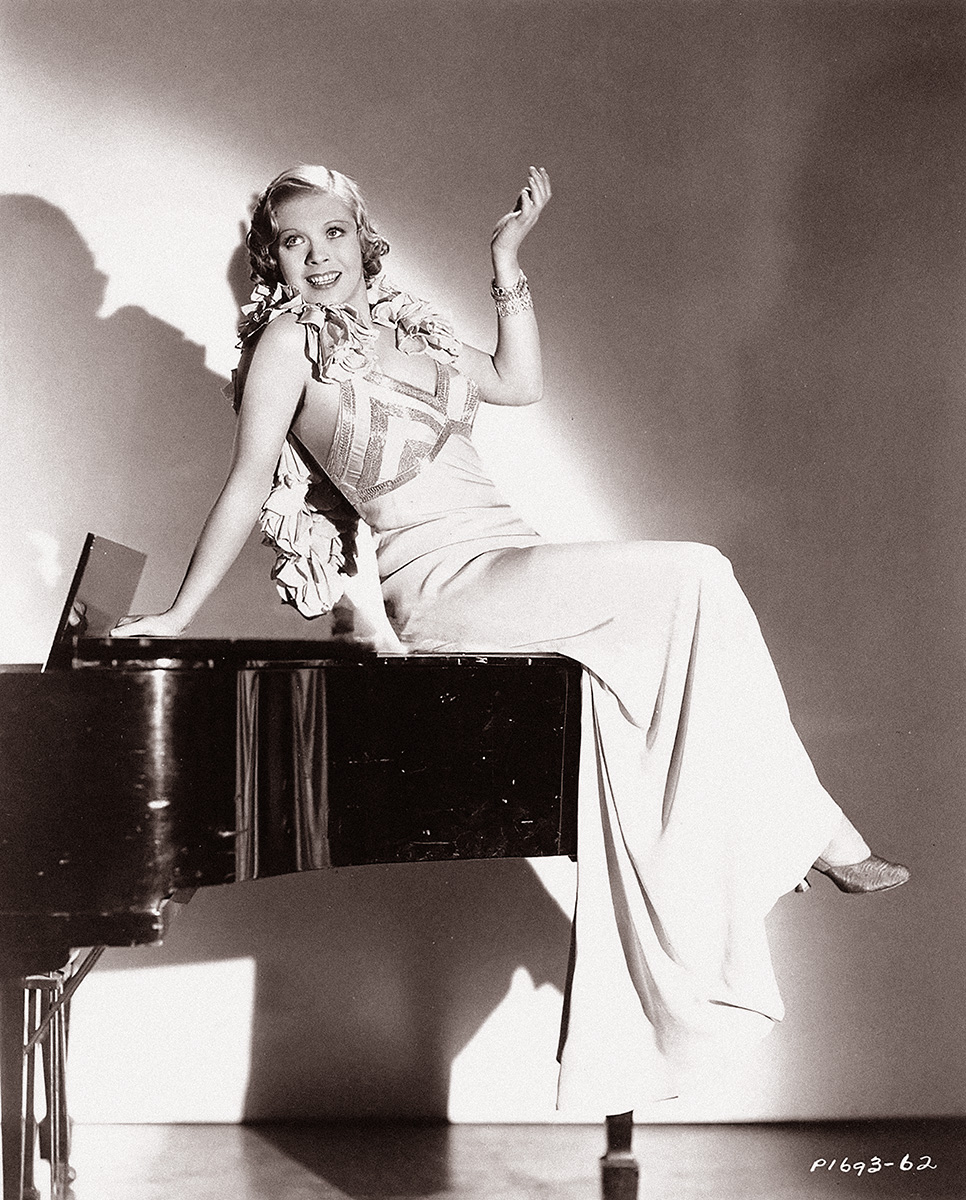
Zooming in to the office set, you can see a large shot of Dorothy Dell’s character sitting on an easel:


The same image was used on the film’s sheet music:


An alternate shot from the same photo session, showing Dell, who typically played sultry Mae West parts, but gave them an extra level of vulnerability:


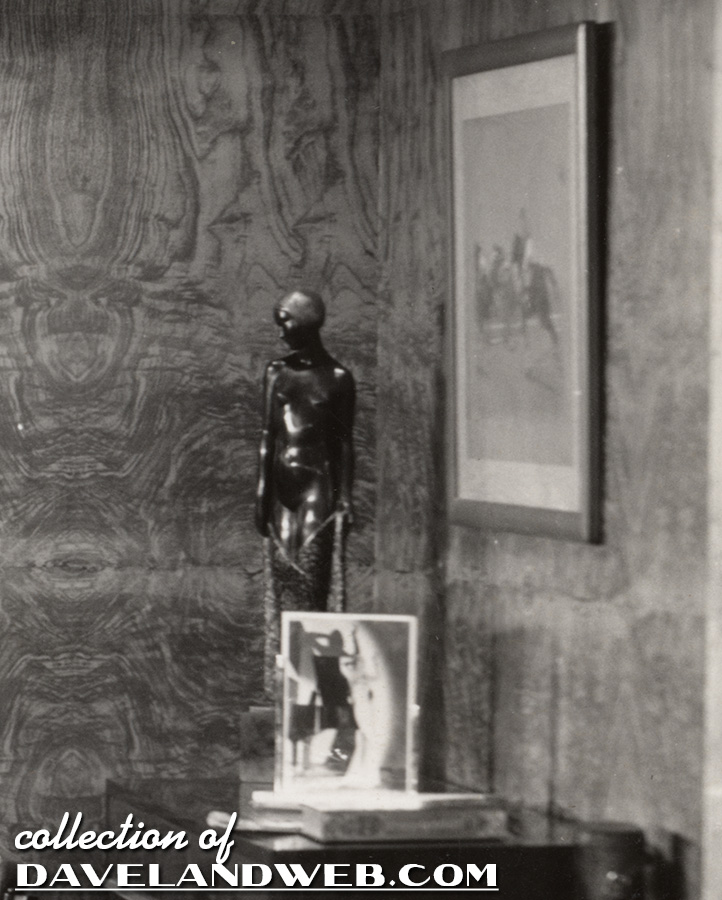
The photo  is seen in a smaller size on the opposite of the set as well:


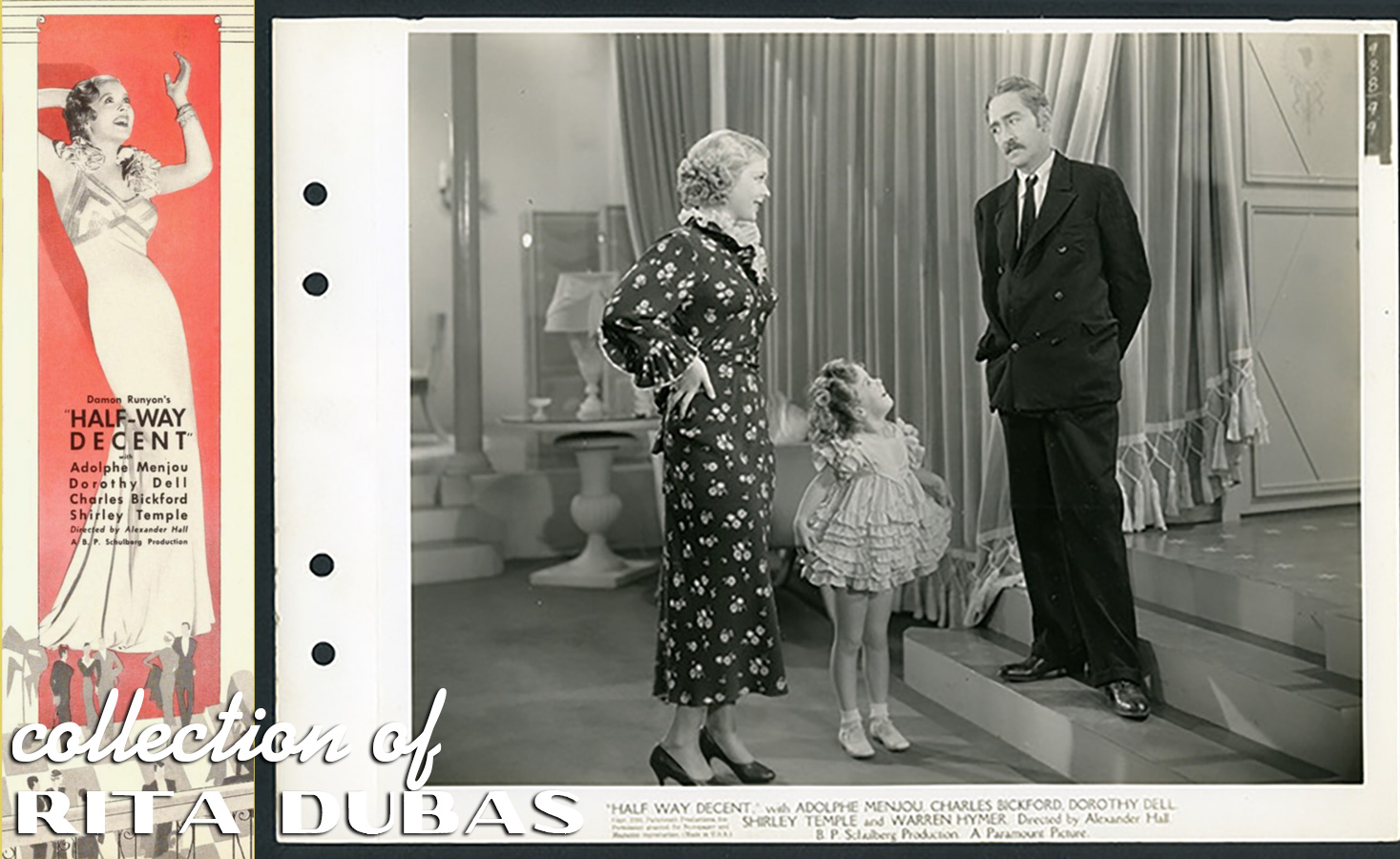
Shirley expert supreme, Rita Dubas, supplied these rare images of a poster using the Dorothy Dell image and a publicity shot when the film was still being called, “Half-Way Decent.” That title referred to the Sorrowful Jones character, who was not as crusty as he appeared. All it took were Shirley and Dorothy Dell to melt his heart. According to Rita, the film was named “Little Miss Marker” from January to April 7, 1934, changed to “Half-Way Decent” for a brief period, and then back to “Marker” by April 28th. Paramount obviously decided to put the focus on Shirley’s character by naming the film after her. They knew they had a goldmine!


More to come from this topic!
 
See more Shirley Temple “Little Miss Marker” photos at my main website.

Tuesday, February 12, 2019

Temple Tuesday: Celebrating Abe


In honor of what would have been Abraham Lincoln’s 210th birthday, today’s Temple Tuesday post honors the nation’s 16th President with two instances of where Shirley and Abe’s lives intersected. Well, in the land of make believe at least.

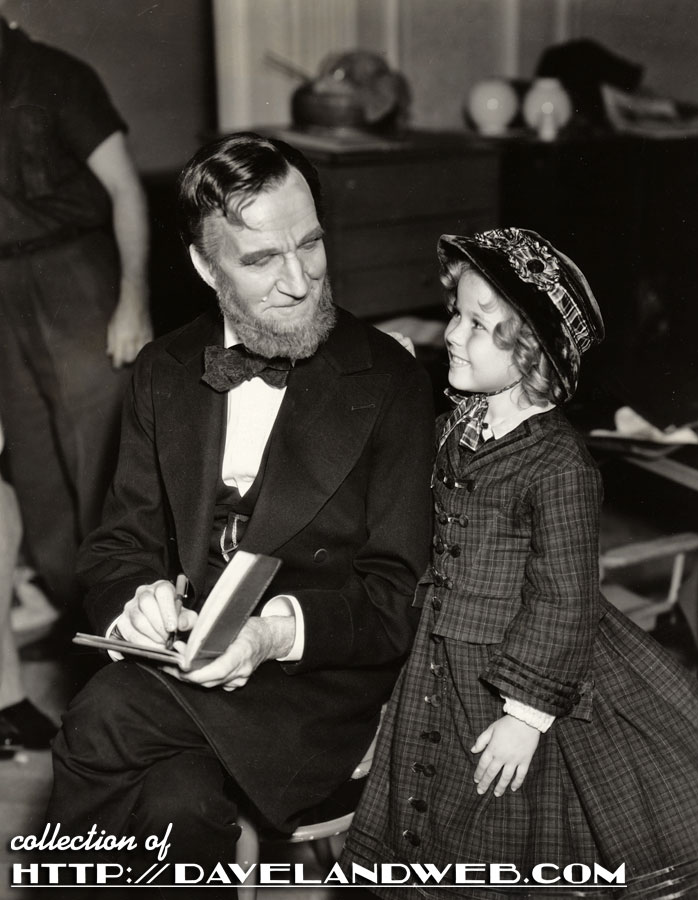
In 1935, Shirley had one of her biggest hits with “The Littlest Rebel.” Set during the Civil War, her character begged Lincoln to pardon her father from being hanged. I don’t even need to tell you what the result was. The first photo today shows Frank McGlynn signing Shirley’s autograph book between scenes. McGlynn’s resemblance to the President is uncanny.

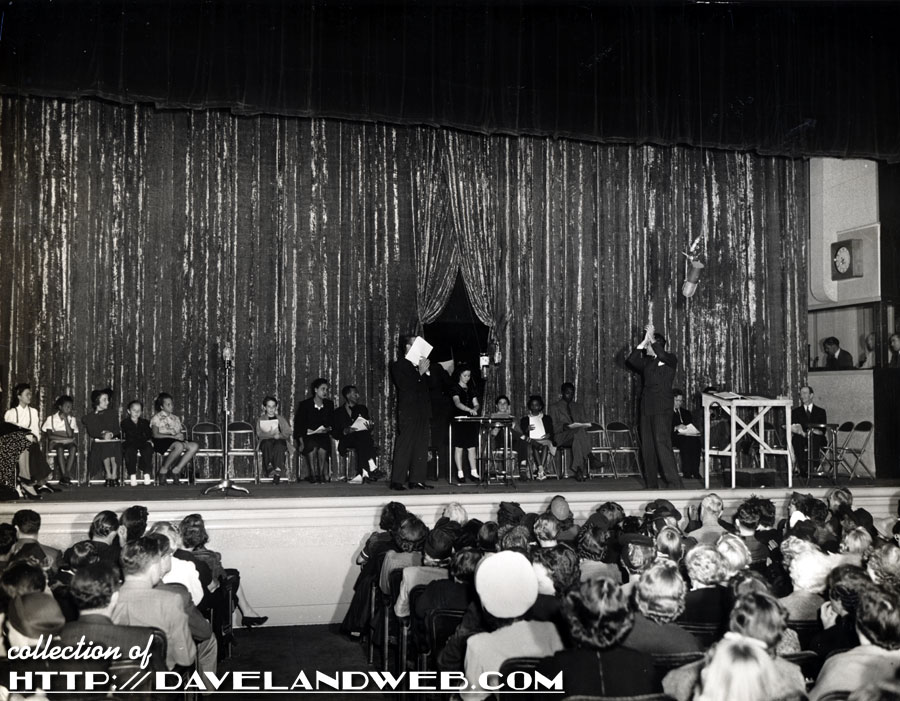
Six years later, Shirley appeared on the CBS Lux Radio Theatre in their adaptation of “The Littlest Rebel.” No longer a little child, it didn’t matter as nobody could see her on the radio anyway (shades of Woody Allen’s “Radio Days.” If you’ve seen it, you’ll know what I’m talking about). Airing on October 14, McGlynn and Temple were the only actors that appeared in both the film AND the radio version. Here’s a rare shot of the performance:


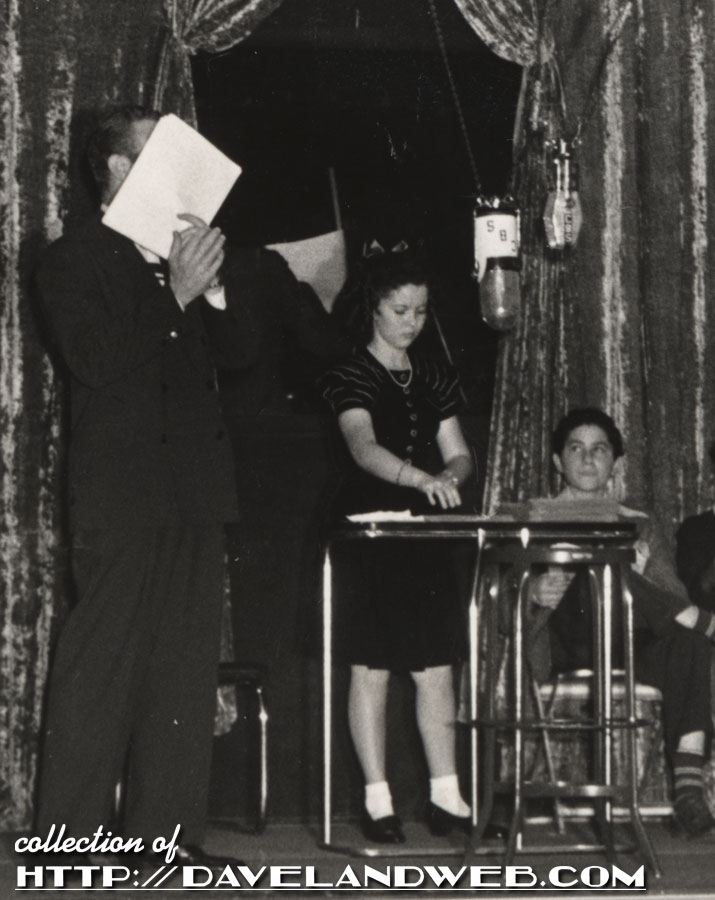
A close-up of Shirley:


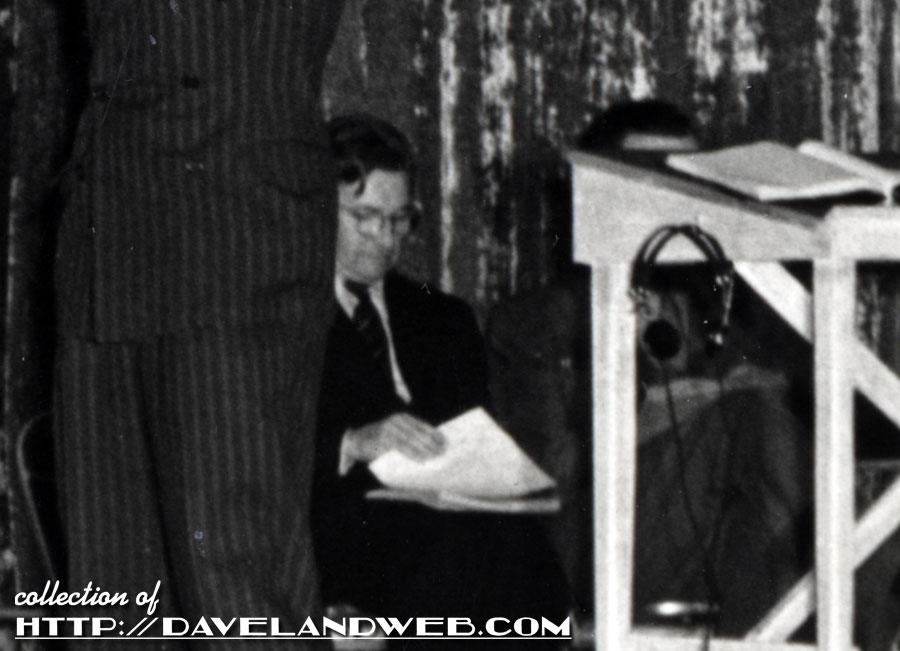
The cast also featured Preston Foster (as the Northern Colonel), Bea Benaderet (“Petticoat Junction”), and Leigh Whipper. Claude Rains can be seen seated in the chair, taking over the role of Shirley’s father (played by John Boles in the movie version). Rains is probably best known as the cynical police chief Captain Renault in “Casablanca” ("round up the usual suspects").


Hosted by Cecil B. DeMille, this turned out to be Shirley's only full-length radio dramatization.

See more teen Shirley photos at my main website.
Tuesday, February 11, 2014

Tribute to Shirley Temple Black

Shirley Temple Kid 'N Africa photo

I was saddened this morning to read that one of my childhood heroines, Shirley Temple Black, had passed away. I vividly remember the first time I saw her on television; I was flipping channels and came upon a black and white movie with a little curly-haired girl tap dancing on top of an all-white piano. Turns out it was the end of the movie ("Curly Top," 1935) and I would have to wait until the next Sunday to see another Shirley Temple movie. Here's a colorized version of that very scene:


Every week, "The Shirley Temple Theater" on our local TV station would show a different Shirley Temple movie, and I sat in front of the set and watched every one of them.

What fascinated me about her so? Well, there were others who danced better, and plenty of others who sang better, too, but very few (if any) in films had her sunny disposition, can-do attitude, and total lack of artifice.

Shirley Temple 1934 photo

Her films were simple and adhered to a very strict format. Typically, Shirley was orphaned or missing at least one parent, causing her to shamelessly play matchmaker to create a new family for herself. You knew there'd be a happy ending and that Shirley's home would be whole again by the end of the film. Along the way there'd be plenty of opportunity for Shirley to sing and dance a memorable tune that would stick in your head, and if there were any mean-spirited or hateful people that she'd encounter, well...Shirley would unthaw them pretty darn quick with a smile and a positive message. Even President Lincoln had to acknowledge her request, which in this particular film ("The Littlest Rebel") was to free her father from jail.

Shirley Temple 1935 Littlest Rebel photo with Abraham Lincoln

During the Depression, one of the darkest times of this nation's history, Shirley provided 80 minutes of happiness in a darkened theater for those who had very little joy in their own life. She was credited with lifting the spirits of the world with a toss of her curls and the warmth of her smile. For 20th Century Fox, she was a cash cow, saving the studio from bankruptcy and becoming a merchandising bonanza, spearheaded by the release of a slew of dolls created in her likeness, which happened to save the Ideal Toy Company from financial ruin, too.

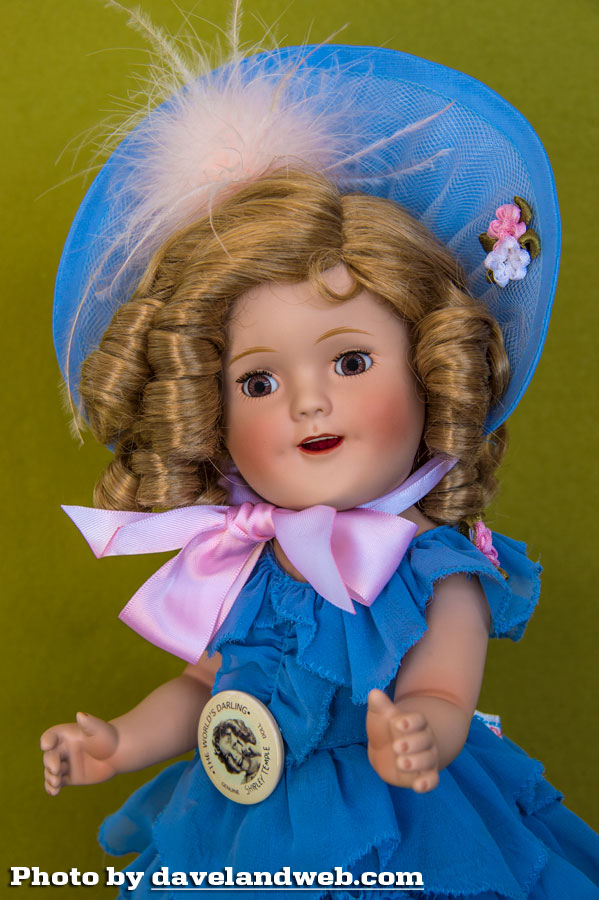
Shirley Temple Little Colonel Ideal doll photo

Shirley's film career as a child ended for all the reasons you might guess; she got older, the country became a bit bored with the predictable nature of her films, and others came along that had more talent. At the age of 12, Shirley temporarily retired to focus on being a normal teen and to attend private school at the Westlake School for Girls.

Shirley Temple Young People 1940 photo

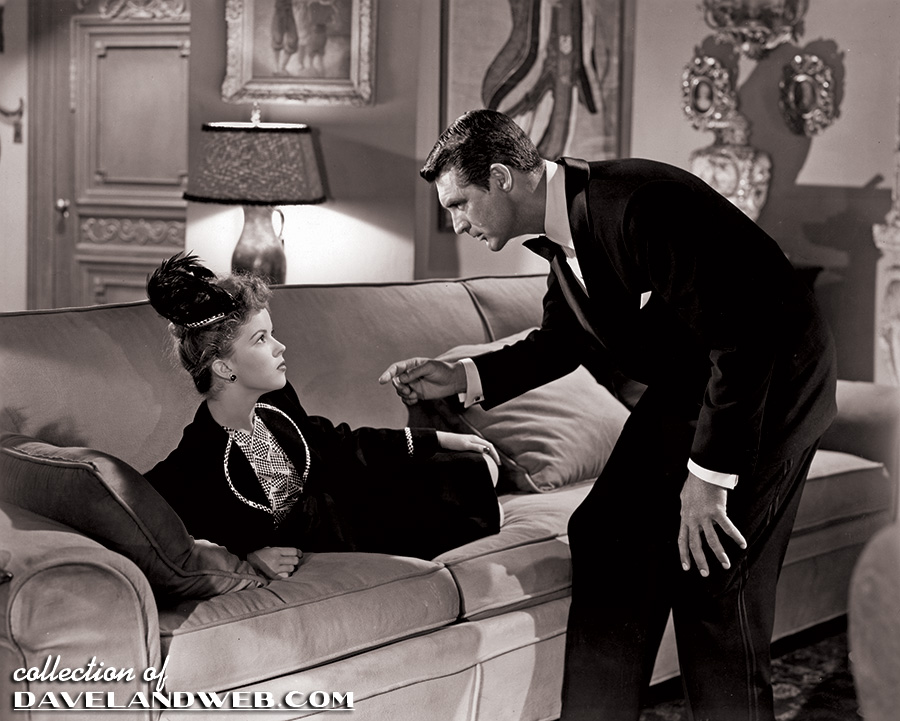
Shirley made a number of movies as an adult, some of which are actually pretty darn good, with my favorite being "The Bachelor and the Bobby Soxer" with Cary Grant.

Shirley Temple and Cary Grant Bachelor and the Bobby-Soxer 1947 photo

Shirley eventually decided to leave films and with her second marriage, achieved happiness with both husband (Charles Black) and family.

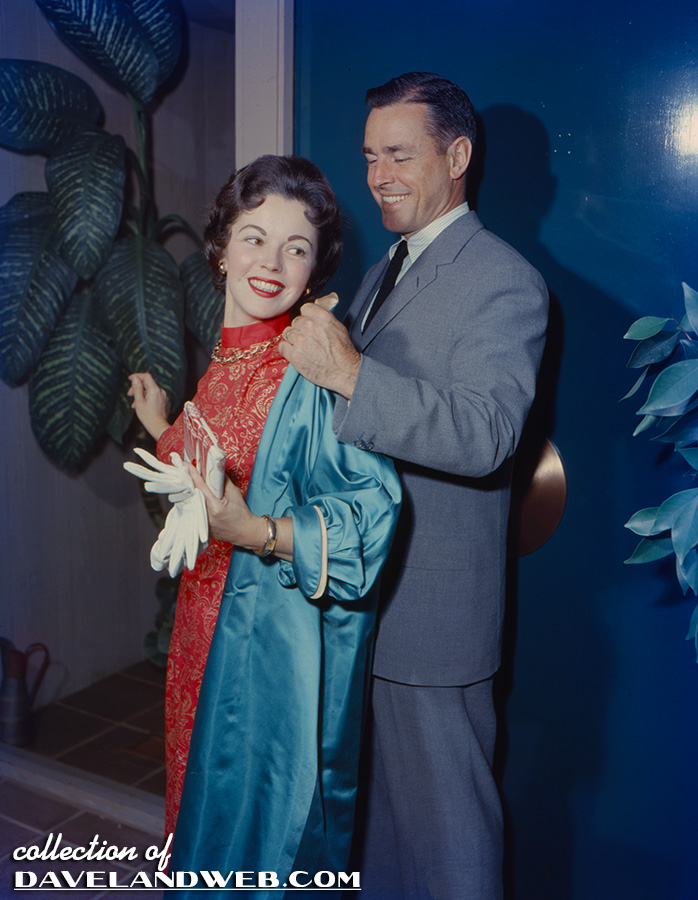
Shirley Temple and Charles Black photo

At a time when women were fighting for equality, Shirley quietly began a second career for herself in politics, showing that you didn't have to burn your bra to be an achiever. Some of the positions she held included Representative to the 24th United Nations General Assembly under Richard Nixon, Ambassador to Ghana for Gerald Ford, and first female U.S. Chief of Protocol (also under Ford). She served as the U.S. Ambassador to Czechoslovakia (1989—1992), having been appointed by President George H. W. Bush. She rounded up her political career by serving as a trainer to future diplomats.

She was also one of the first women to speak up about breast cancer, sharing her own story in 1973 and encouraging women to get checked early. It was a very brave thing to do for such a private person at a time when women just did not speak about such things.

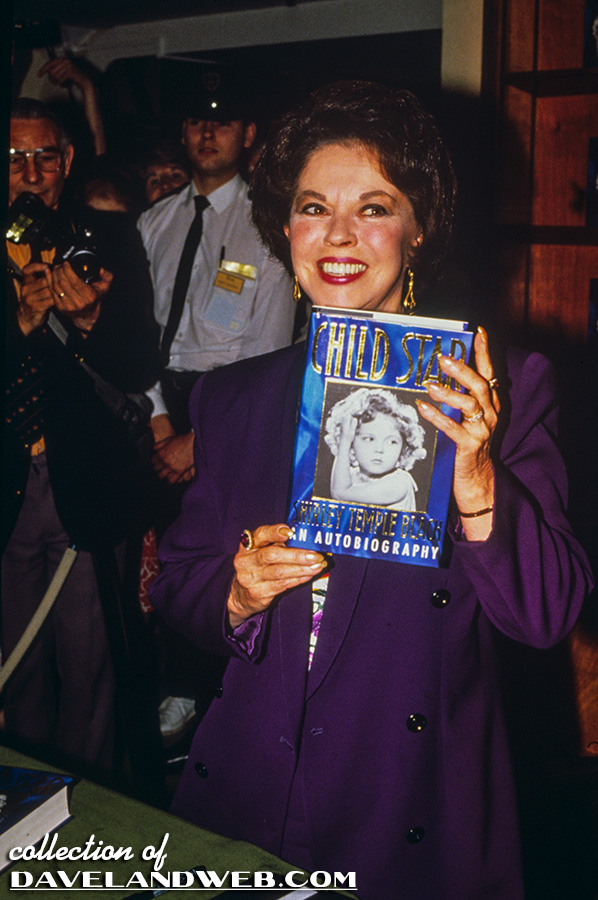
Afterwards, Shirley stayed in the public eye with appearances, honorary Oscars, and the release of her autobiography, the very candid and funny book "Child Star" in 1989.

Shirley Temple Black promoting her autobiography Child Star photo

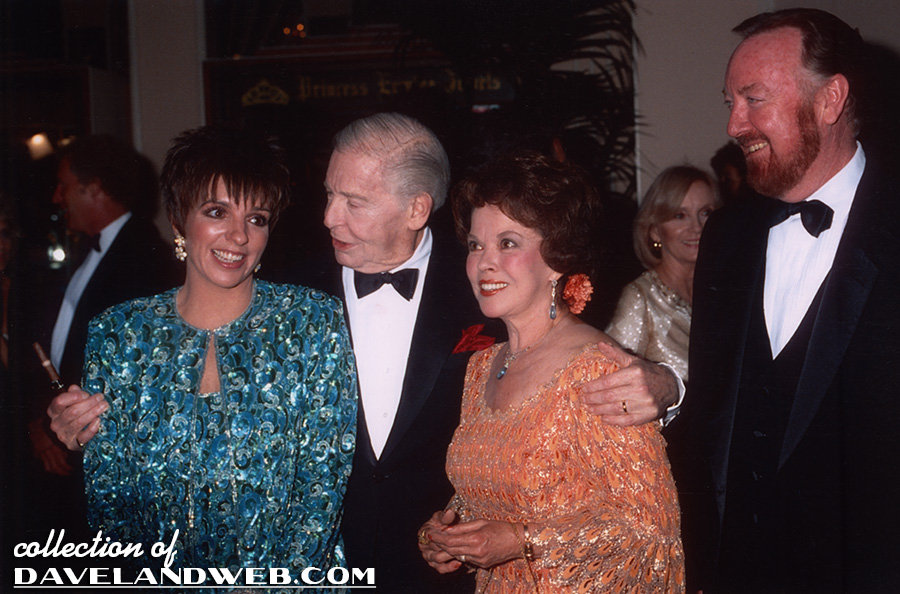
Here she is at a tribute to Cary Grant in 1988 with Liza Minnelli, Milton Berle, and Jack Haley, Jr. Eva Marie Saint can be seen in the background:

Liza Minnelli, Milton Berle, Shirley Temple and Jack Haley, Jr. photo

Thank you Shirley for your many years of service to this country. I am sure that Heaven will shine a little brighter with you up there.

Liza Minnelli, Milton Berle, Shirley Temple and Jack Haley, Jr. photo

See more vintage Shirley Temple photos on my main website.
Tuesday, April 23, 2013

Happy 85th Birthday, Shirley Temple Black!


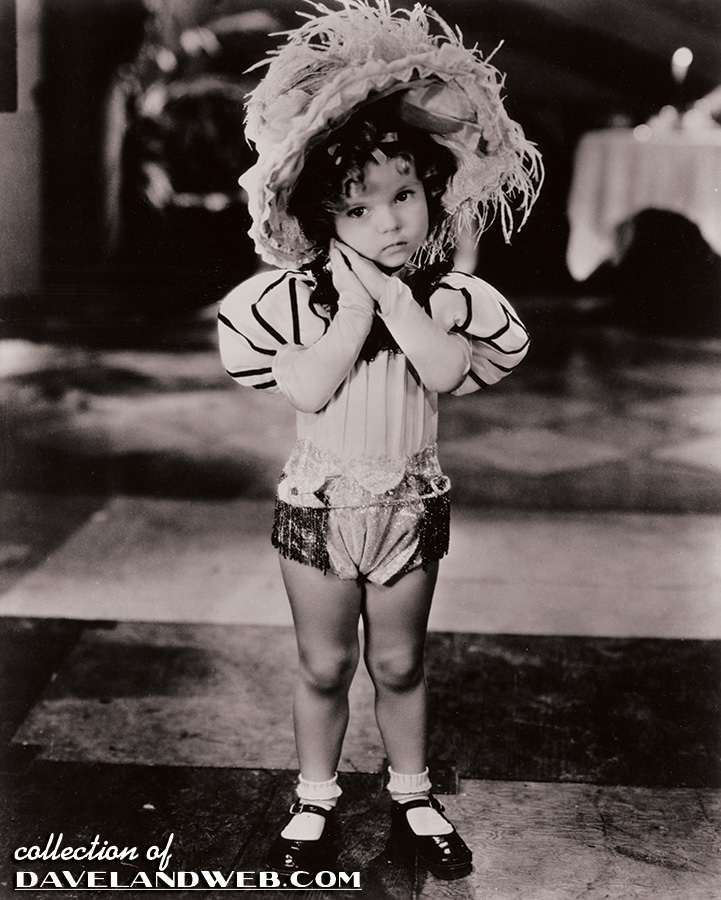
Shirley Temple Black has crammed a lot of living into her 85 years: an actress, a singer, a dancer, a wife, a mother, AND a diplomat. Starting out in 1932 as the female lead in a series of extremely politically incorrect movie shorts called "Baby Burlesks," Shirley learned quickly how to steal a scene.


Her big breakthrough came in 1934 when she sang the hit song "Baby Take A Bow" in the otherwise forgettable Fox Film "Stand Up And Cheer." For a country weary from the Depression and on the brink of war, Shirley was a real shot in the arm.


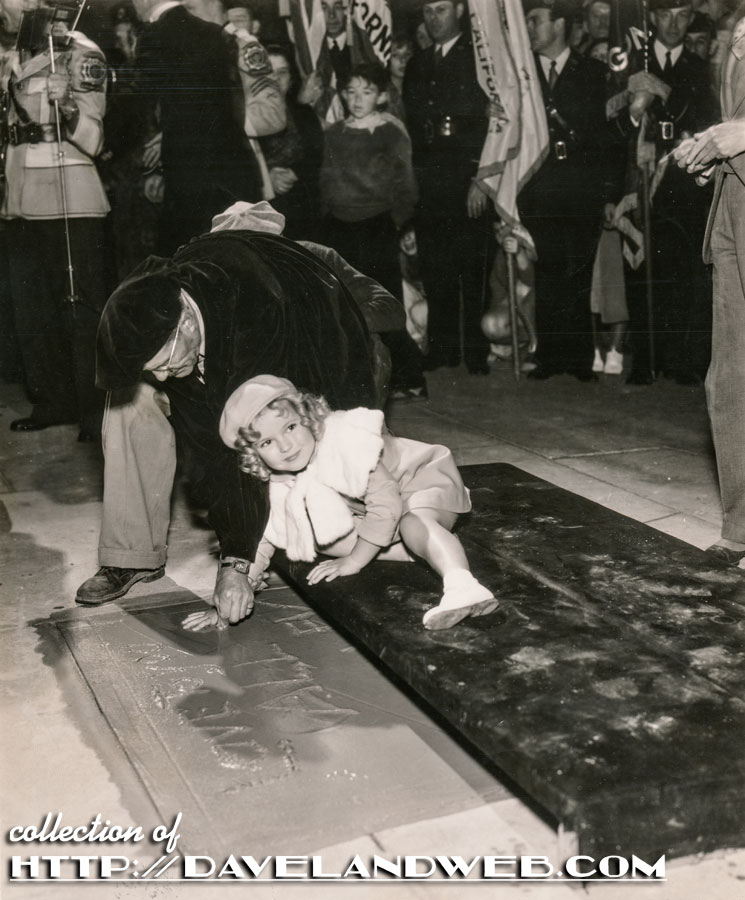
It wasn't long before the talented tot was immortalized in the cement of Grauman's Chinese Theater's forecourt.


Her roles as a child star are still memorable, whether she was the goody-two-shoes counterpart to Jane Withers' brattiness...


or attempting to charm President Lincoln into pardoning her father...


or teaching a cripple how to walk...


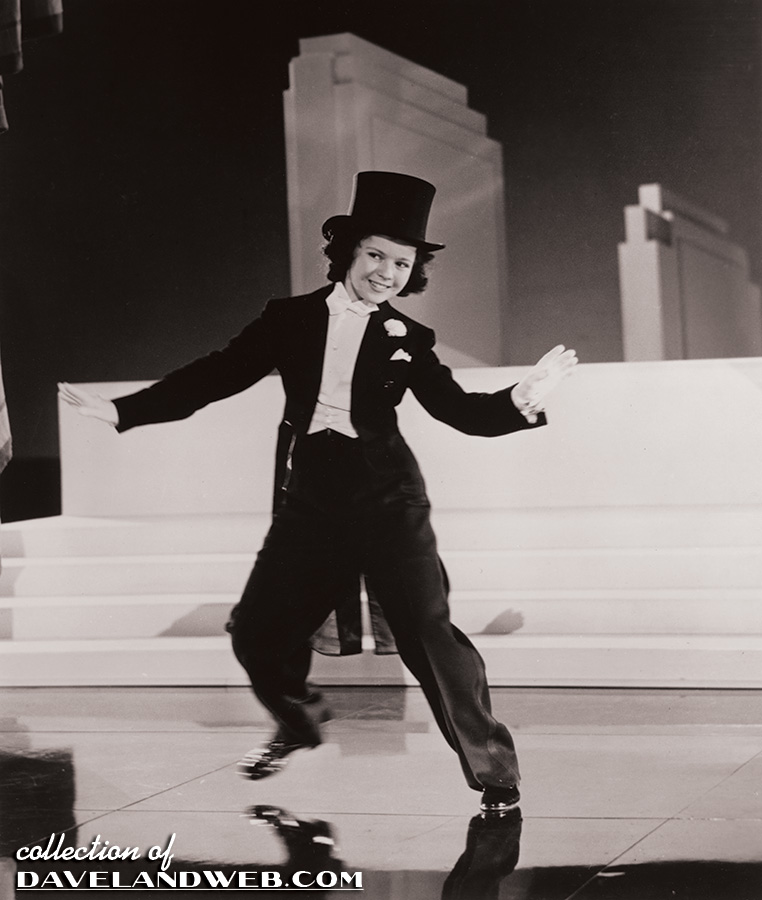
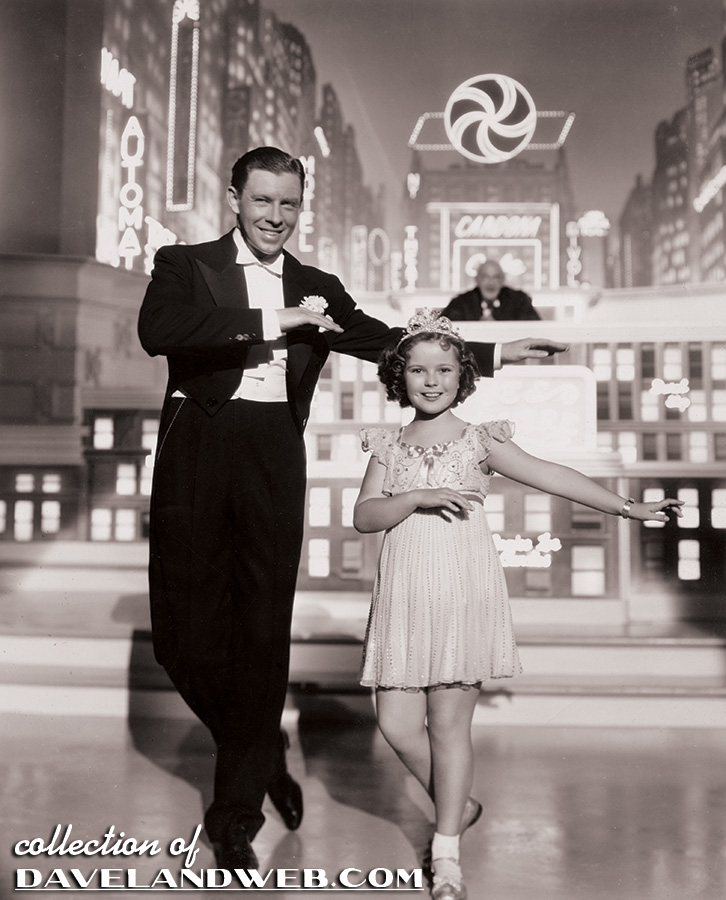
Here she attempts to impress the judge and jury in a courtroom with her dance skills. Whatever it was, Shirley Temple put a smile on the face of this nation throughout the 1930's.


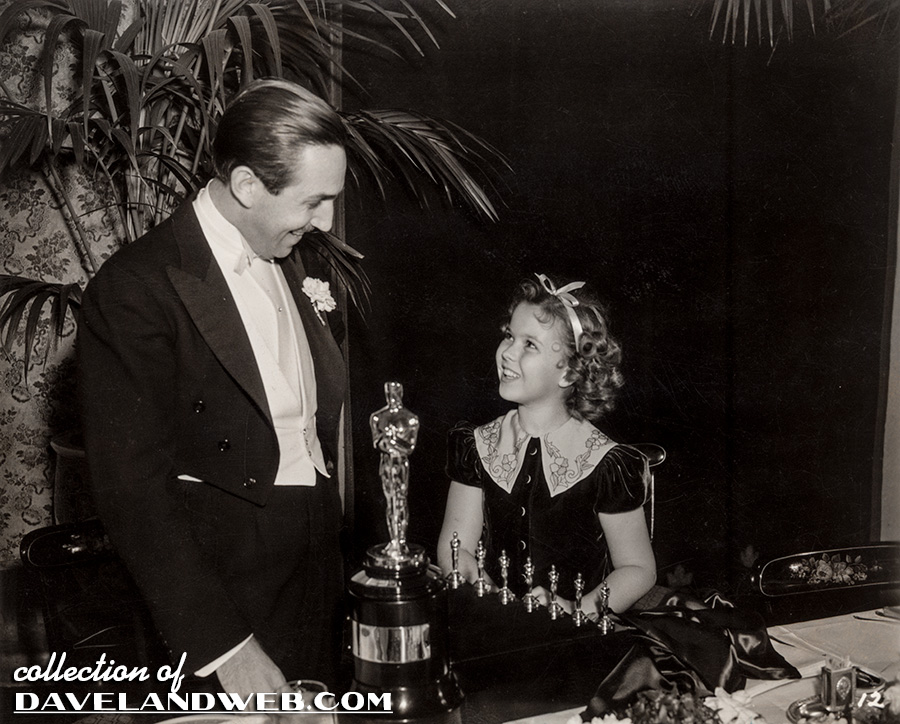
She began 1939 by handing out the Oscar(s) to Walt Disney for his achievement with "Snow White."


1939 also saw the release of her first all-Technicolor motion picture, "The Little Princess."


One year later, her super career faltered when "The Blue Bird" failed to register with the American public. Nobody wanted to see Shirley as a brat.


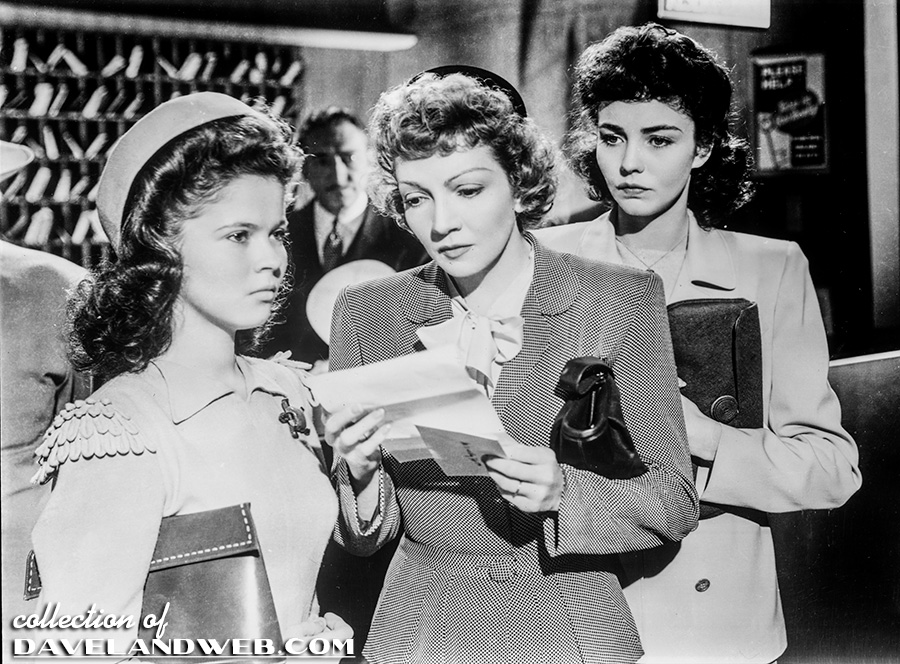
The 1940's saw a small resurgence in her career in a number of prestige pictures, such as "Since You Went Away" with Claudette Colbert and Jennifer Jones:


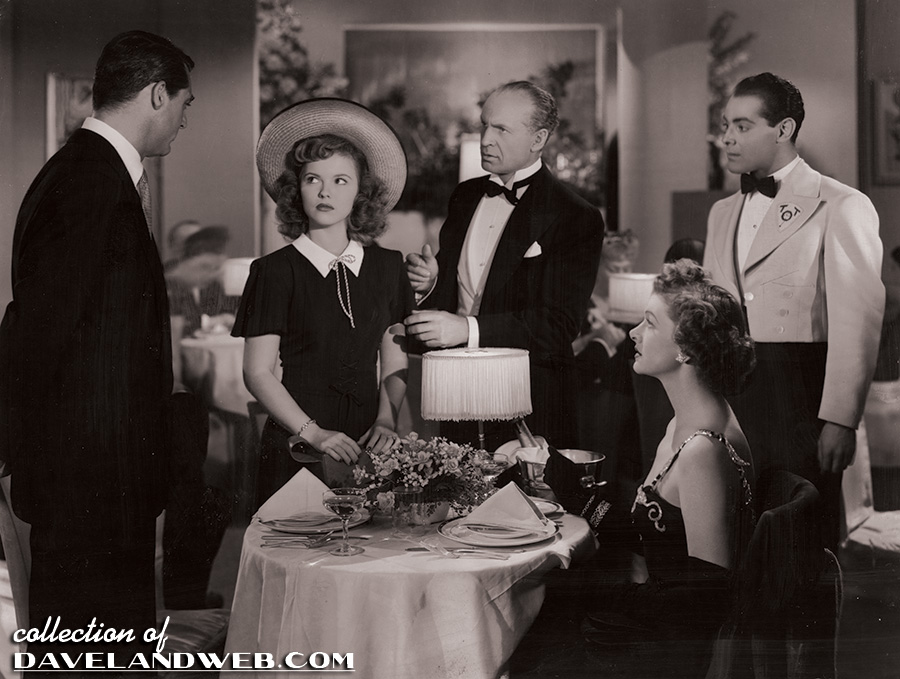
and "The Bachelor and the Bobby-Soxer" with Cary Grant and Myrna Loy.


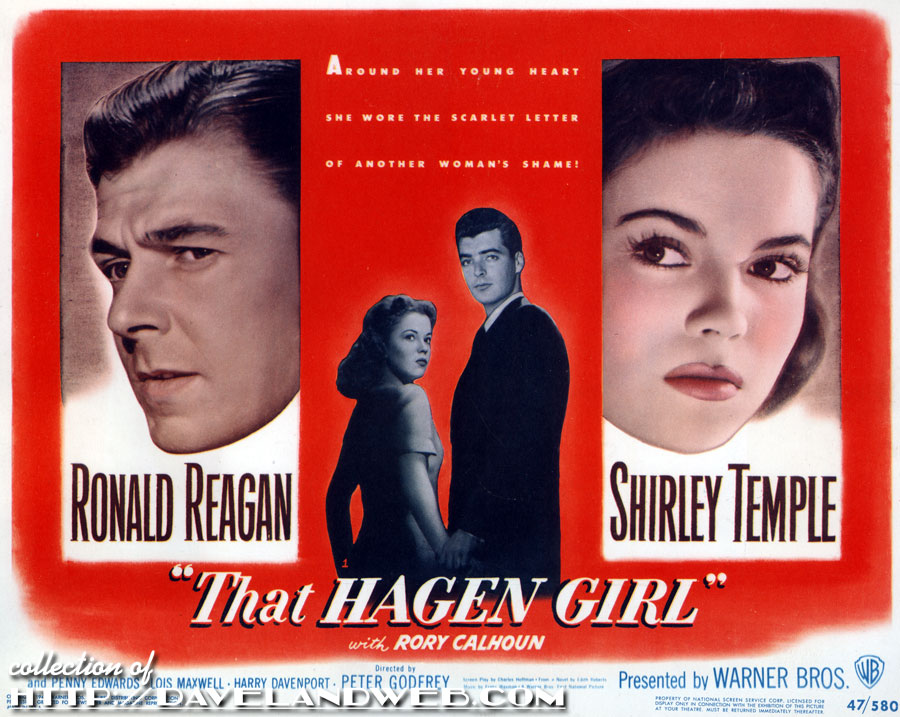
Sadly though, her career ended before 1950 thanks to a number of duds that attempted to make money by using the marquee value of Shirley's name. "That Hagen Girl" with Ronald Reagan was one of the most laughable.


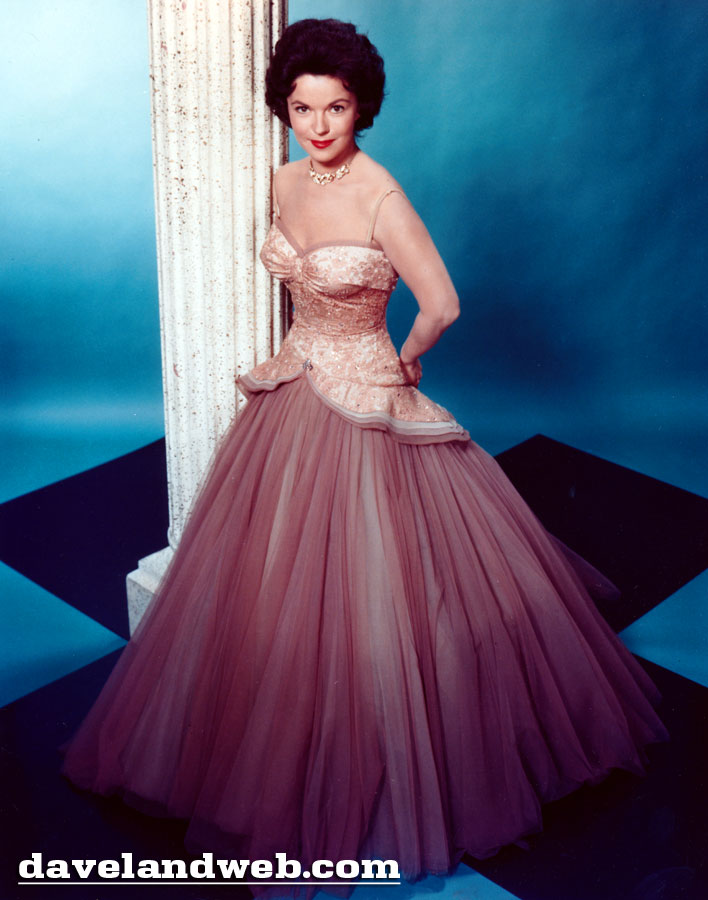
In the late 1950's, Shirley found new fame on television, presenting a series of classic fairy tales. She was a more than lovely hostess:


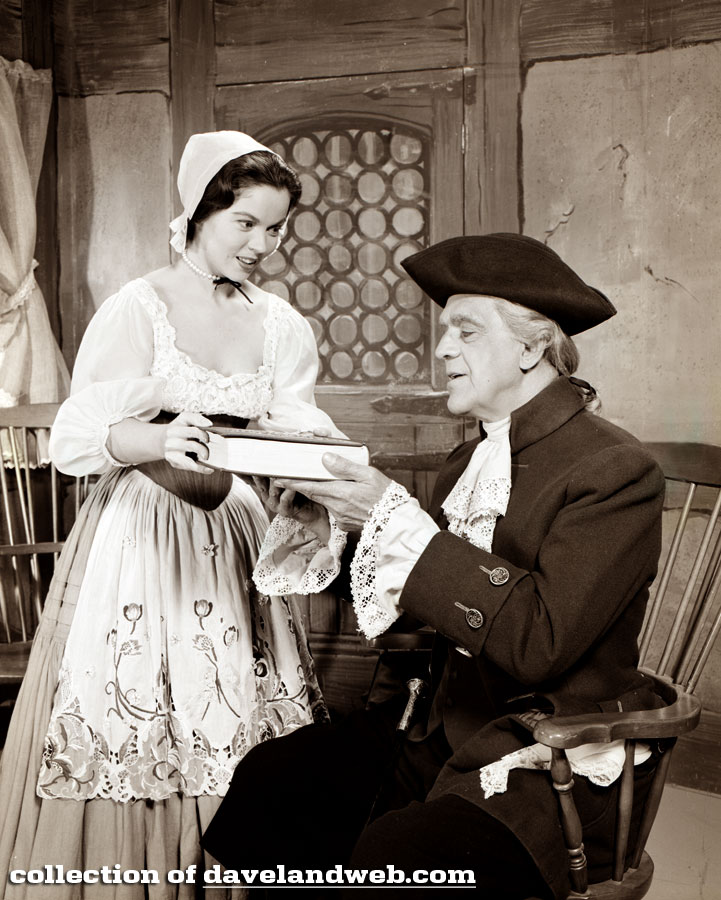
Some of the screenplays featured Shirley as well, including "The Legend of Sleepy Hollow" with Boris Karloff:


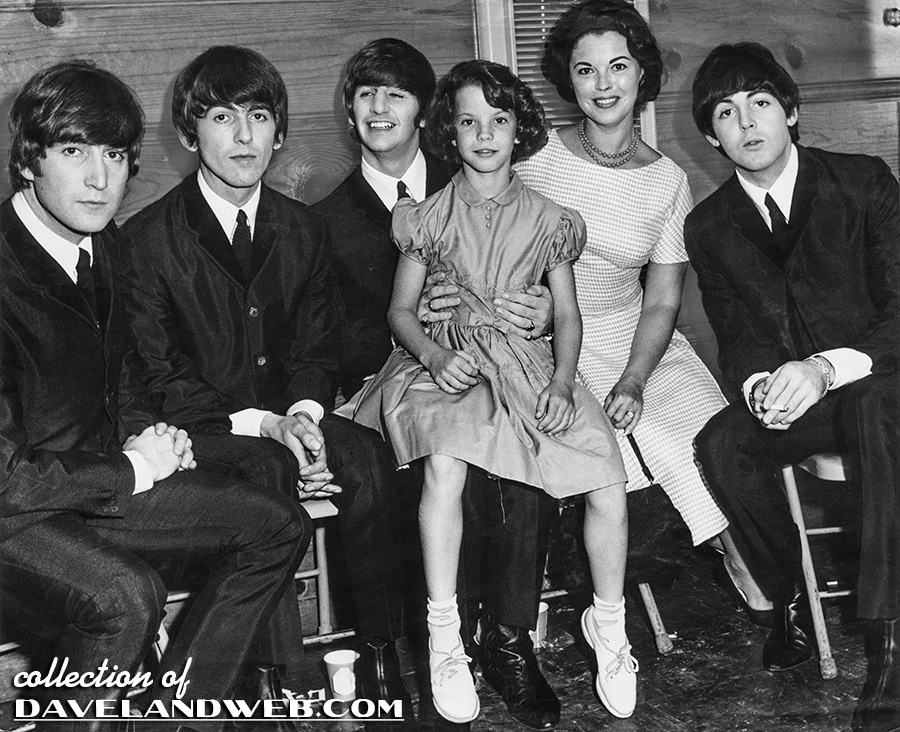
One of my favorite (and oddest) photos of Shirley is this one of her from 1964 with The Beatles.


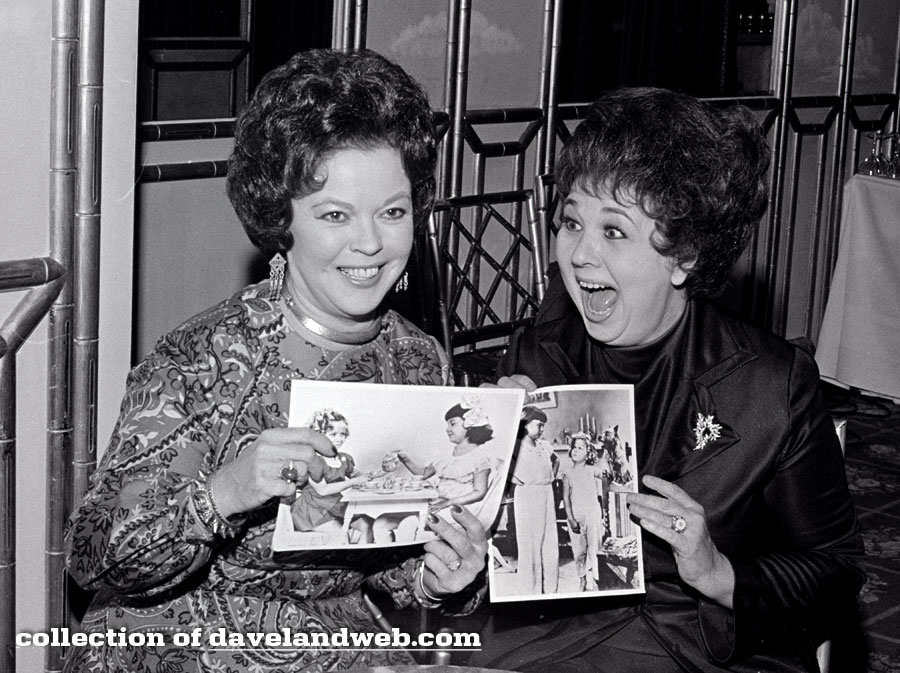
By the 1960's, Shirley gave up her acting career and became a politician, earning a newfound respect thanks to her commitment and hard work. She was also one of the first women to come forward and encourage others by sharing the story of her breast cancer experience. Besides her stints as a diplomat (in Ghana and Prague), Shirley still appeared in the public eye to share stories about her Hollywood days. Here she is in 1978 with Jane Withers:


In 1989 she made best-seller lists with the publication of her autobiography, "Child Star."


She has supposedly finished part two of her autobiography, detailing the rest of her life, but has yet to get it published. I can only imagine the stories she has tell about her days in Washington. Last photo for today shows Shirley with Liza Minnelli, Milton Berle, and Jack Haley, Jr. In the background on the right you can see Eva Marie Saint.


So raise your Shirley Temple in salute to Shirley Temple Black - Happy 85th to a true American Princess!

See more Shirley Temple Black photos on my Shirley web page.