Tuesday, June 09, 2020

Temple Tuesday: Shirley at the Derby


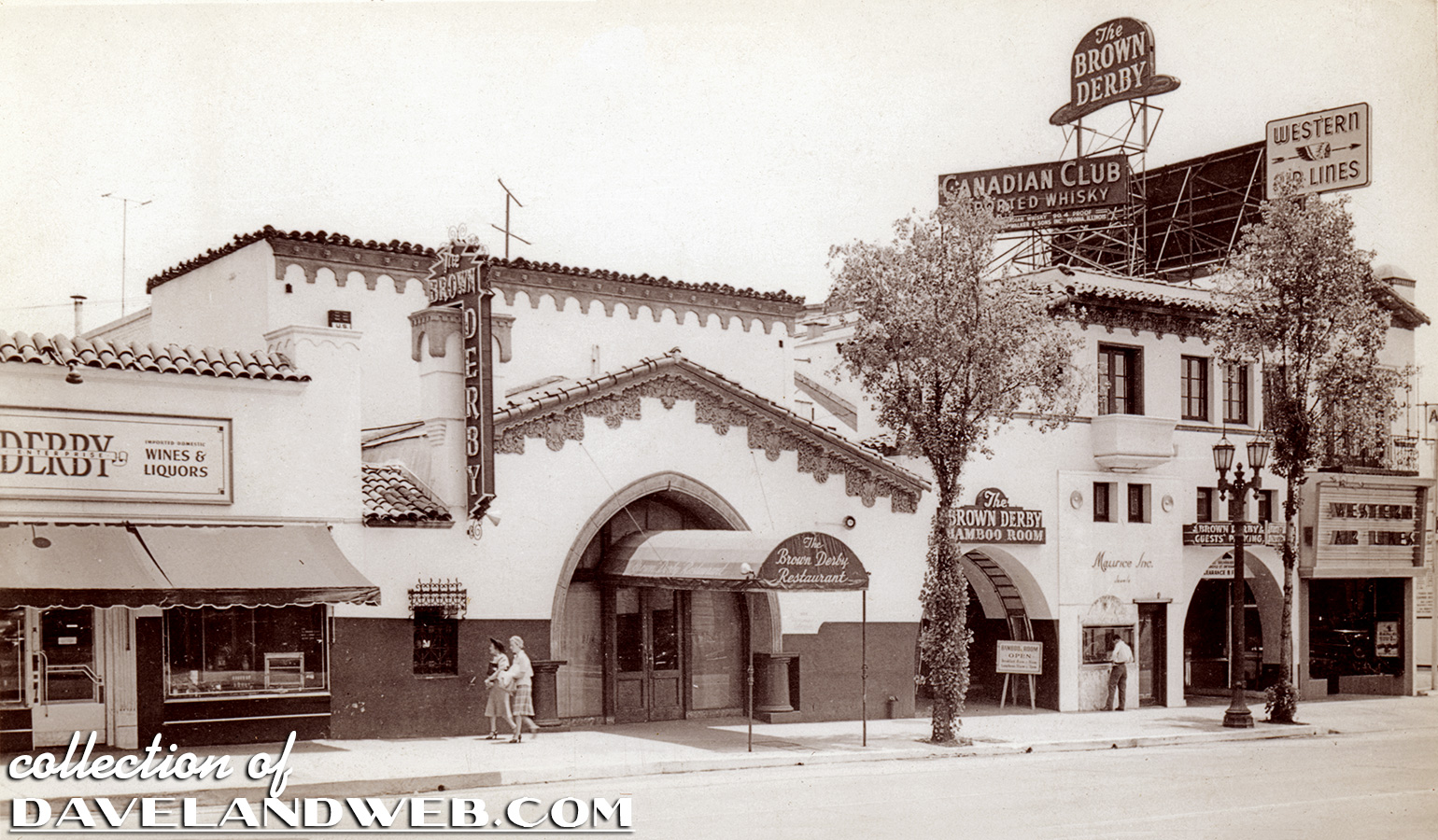
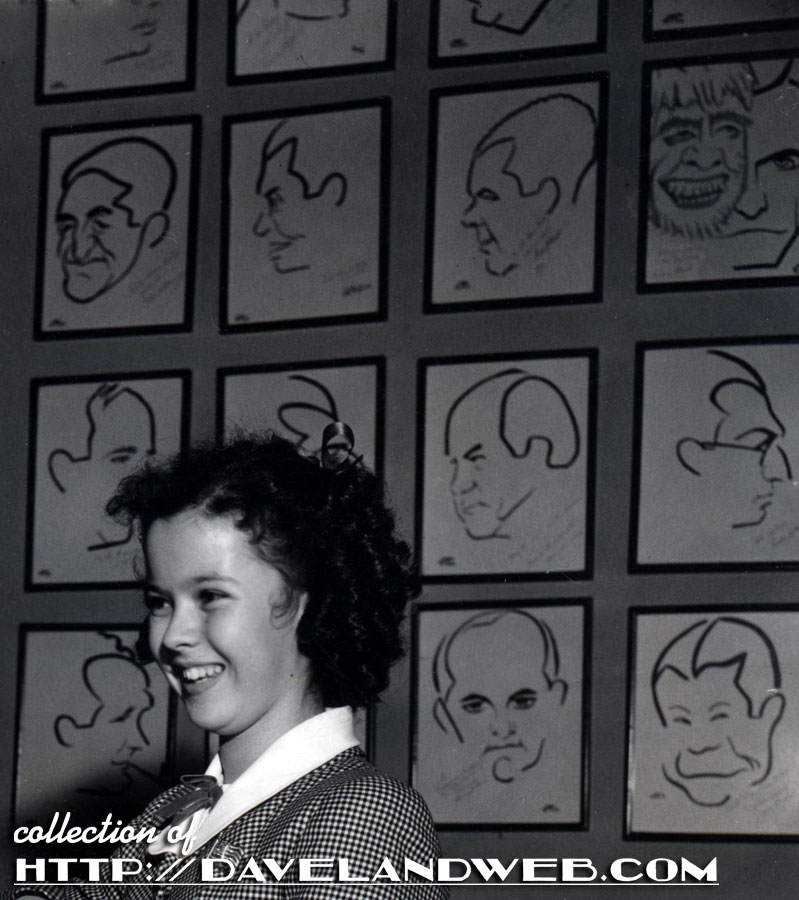
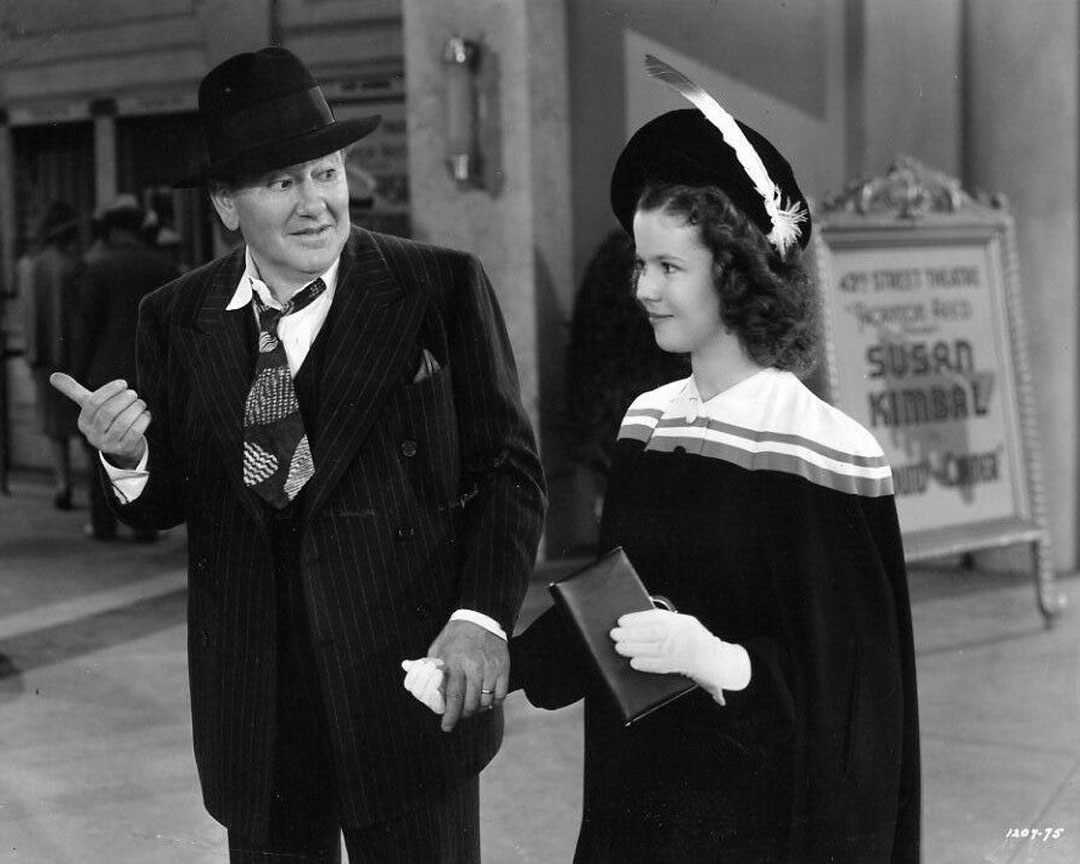
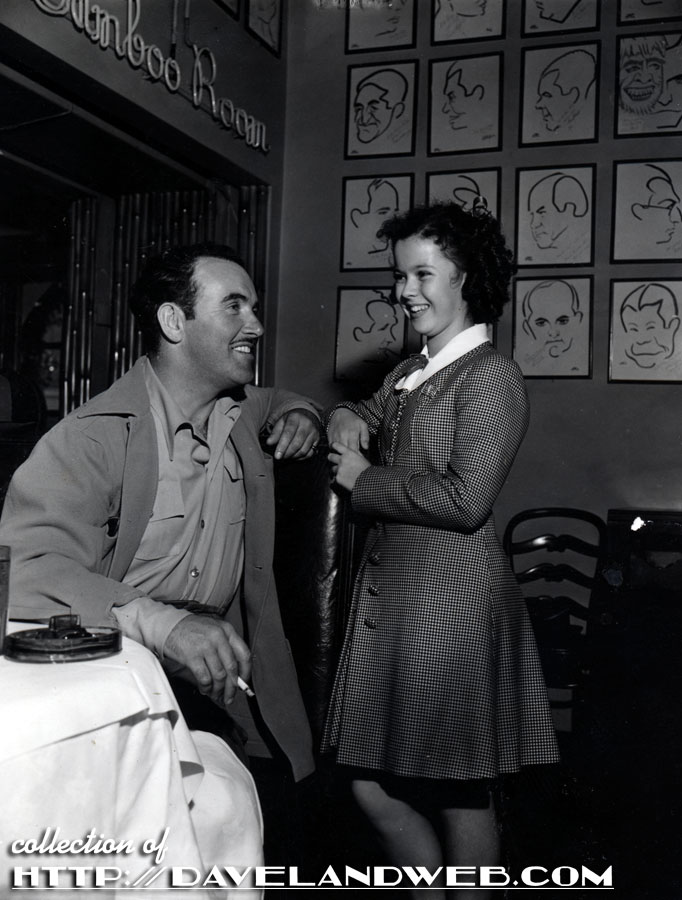
This 1940 photo of Shirley at the Vine Street Brown Derby shows her with actor Preston Foster. At top right is a neon sign for the Bamboo Room. The two performed together in the Lux Radio Theatre broadcast of “The Littlest Rebel” on October 4, 1940.


The Brown Derby near Hollywood and Vine was located in an area from which many network radio shows were broadcast so stars often ate there. It was typical for the cast of a program to do a performance for the East Coast, then head to The Derby for food and drink before returning to the studio for the West Coast transmission.


The Derby was known for the celebrity caricatures that hung on the wall, most by Eddie Vitch. I see Joe E. Brown and Frederic March (as Dr. Jekyll and Mr. Hyde). Who do you recognize?


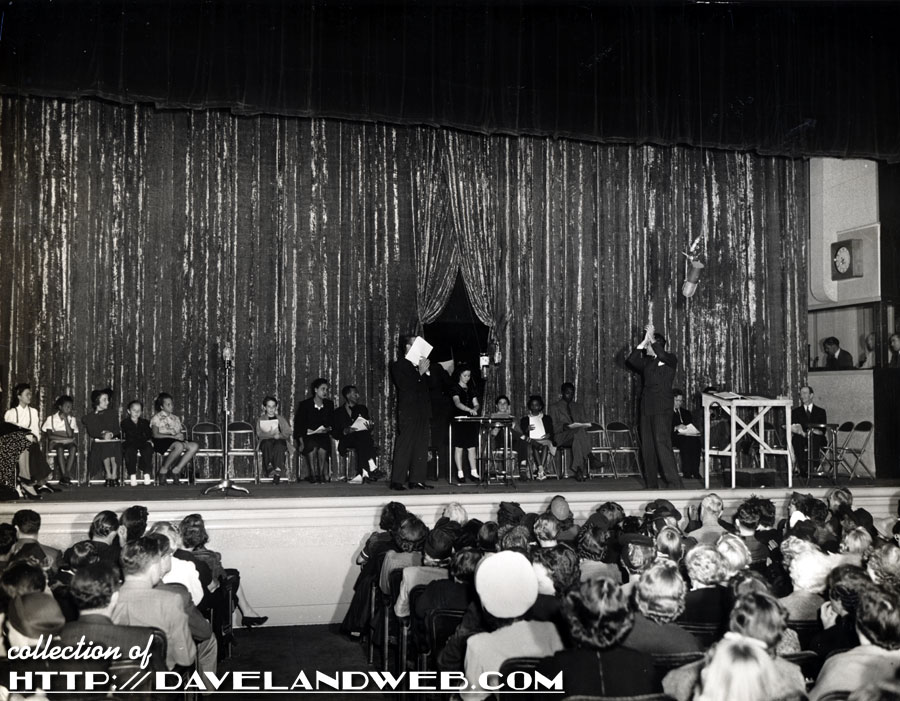
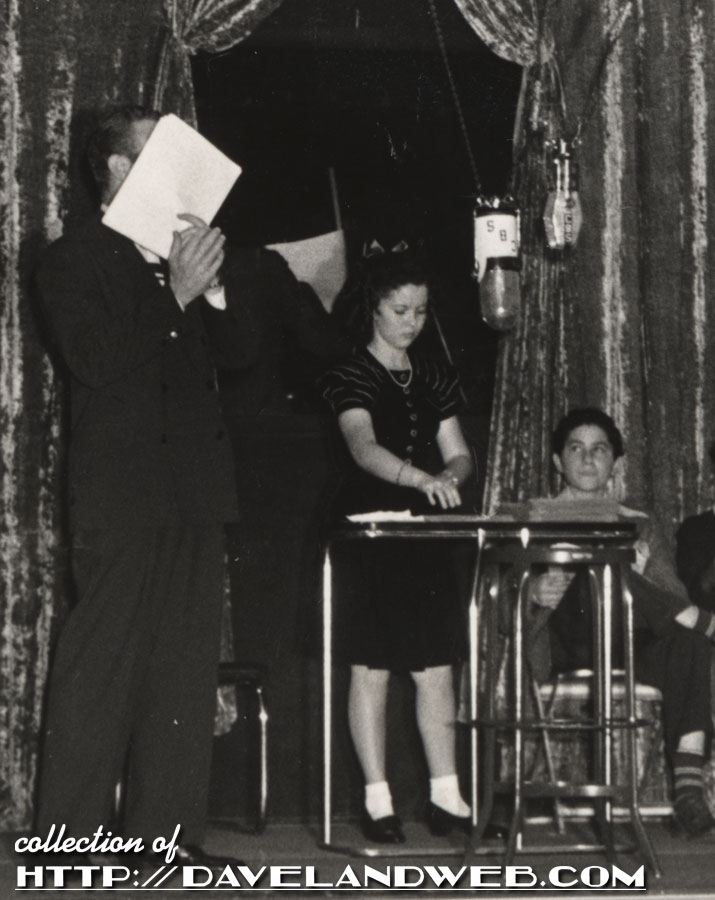
Here’s a previously posted shot of the “The Littlest Rebel” radio show being performed. Most likely that is Preston hiding his face behind the paper.


See more teenage Shirley Temple photos at my main website.

Monday, June 08, 2020

Monorail Monday


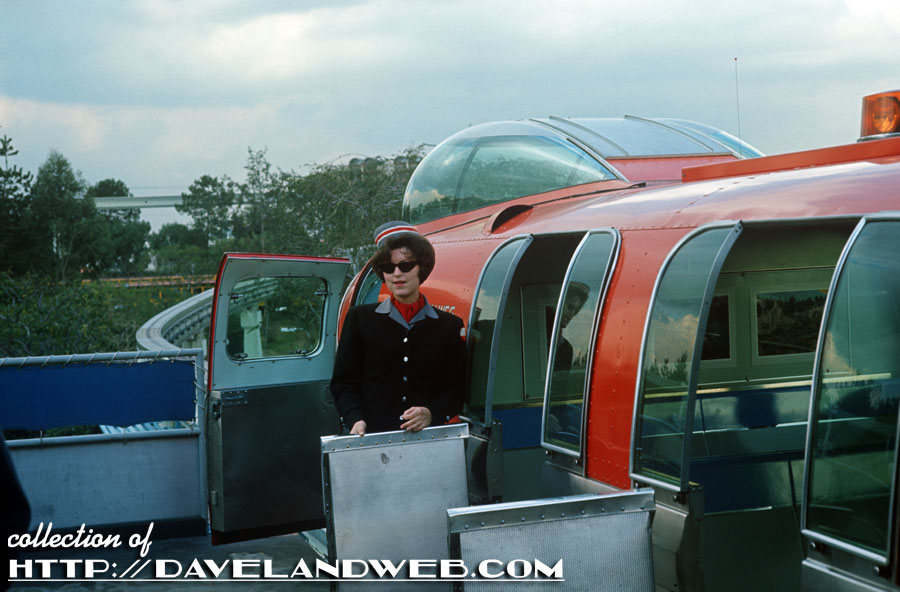
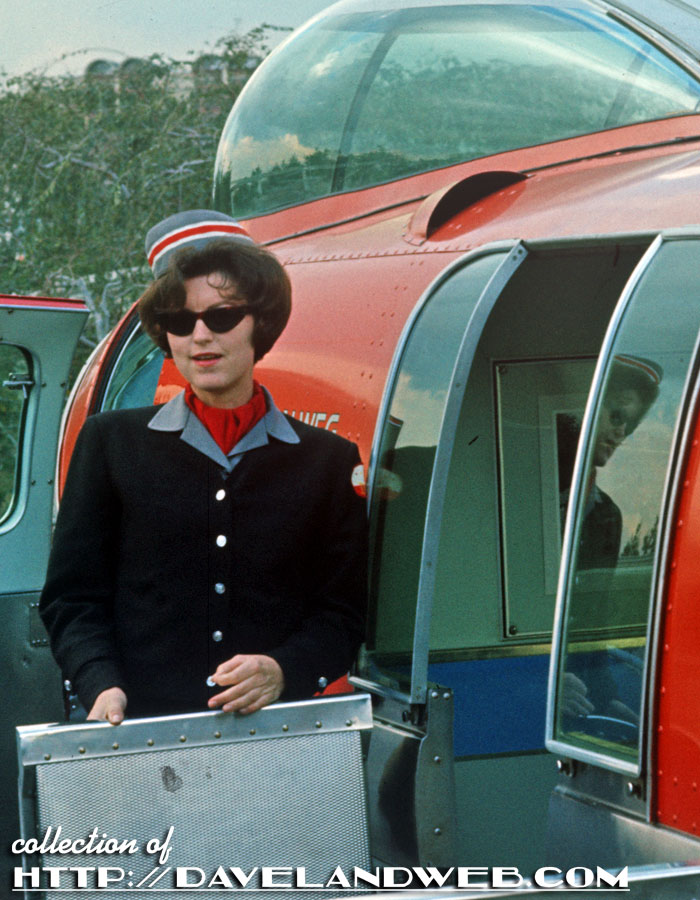
I rarely look for "new" vintage Disneyland shots anymore; I guess I have become jaded. However, this undated photo from 1960s Disneyland was love at first sight. The cast member standing near the bubble of the Red Monorail. Wow! I can only guess that since there are no guests in sight, either they had all just exited the Monorail or it was a very light day!


 See more Disneyland Monorail photos at my main website.

Thursday, June 04, 2020

If 2020 had a face…


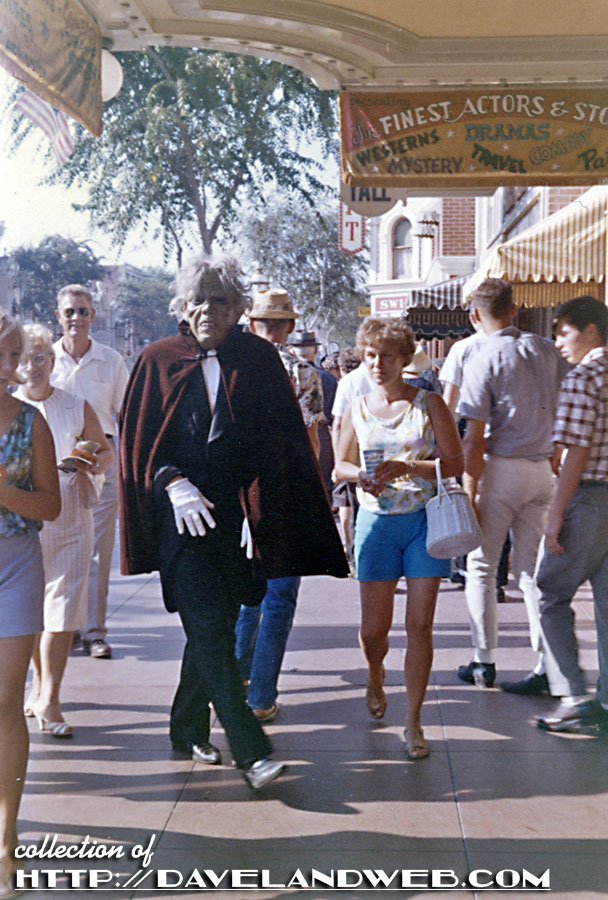
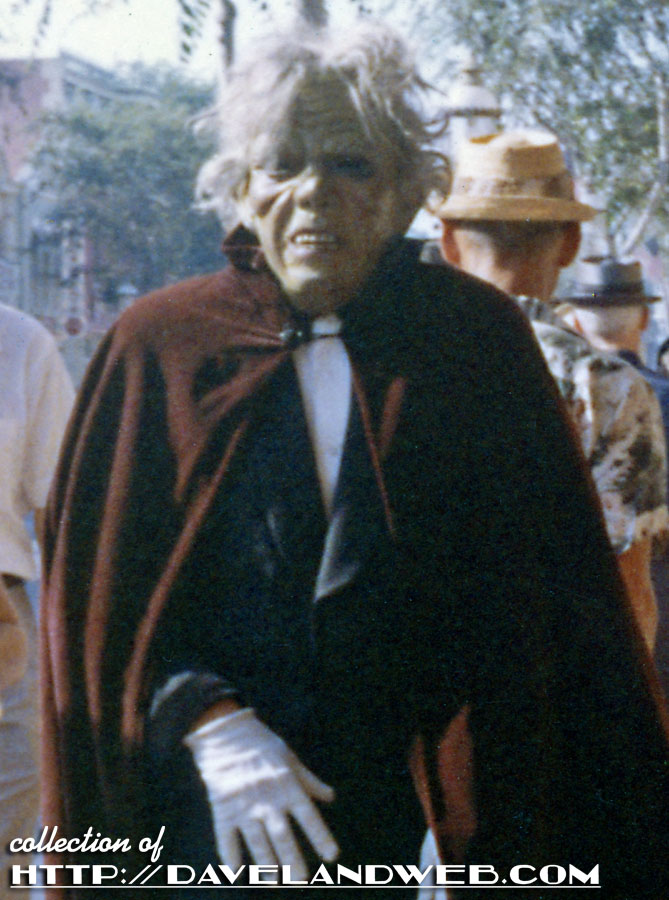
If 2020 had a face, surely it would look something like this. From August 1964 hails this shot of Mr. Hyde, probably sweating his buns off in that hot costume as he scares guests outside the Main Street Cinema. Like so many, it appears that he, too, is anxiously awaiting the reopening of the hair salons.


See more Disneyland Main Street Cinema photos at my main website.

Wednesday, June 03, 2020

Citizen Kane Mystery Solved!


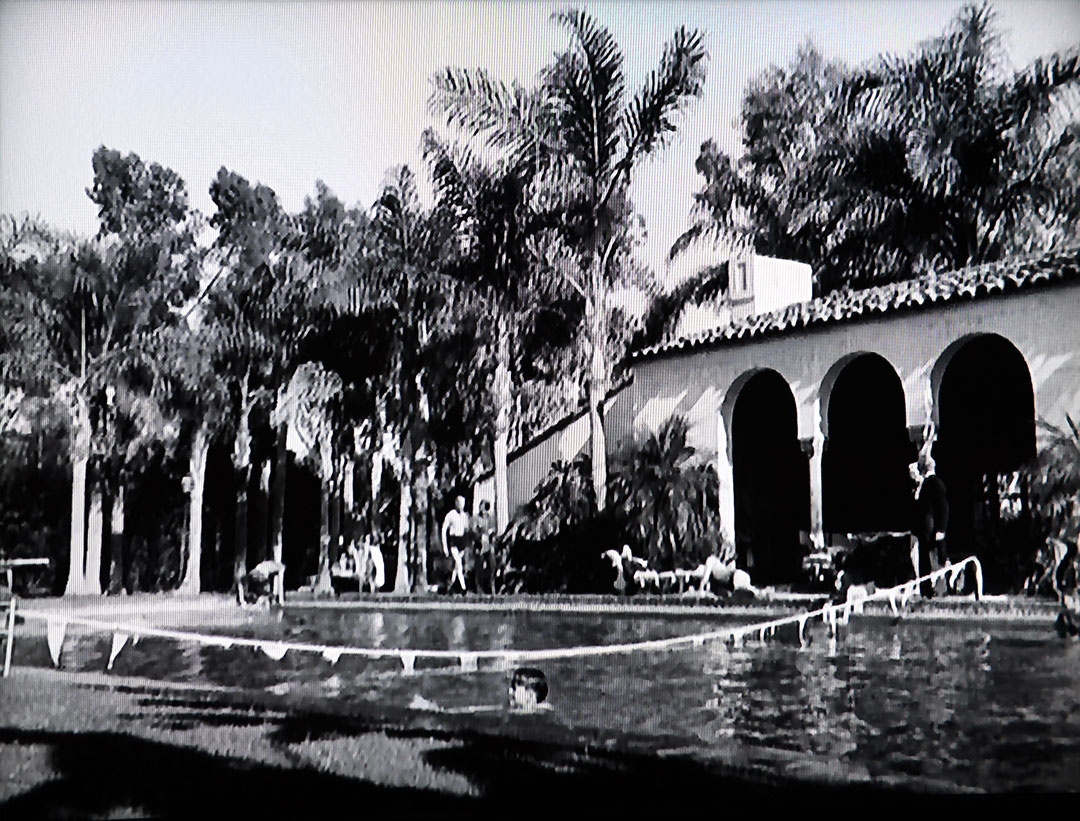
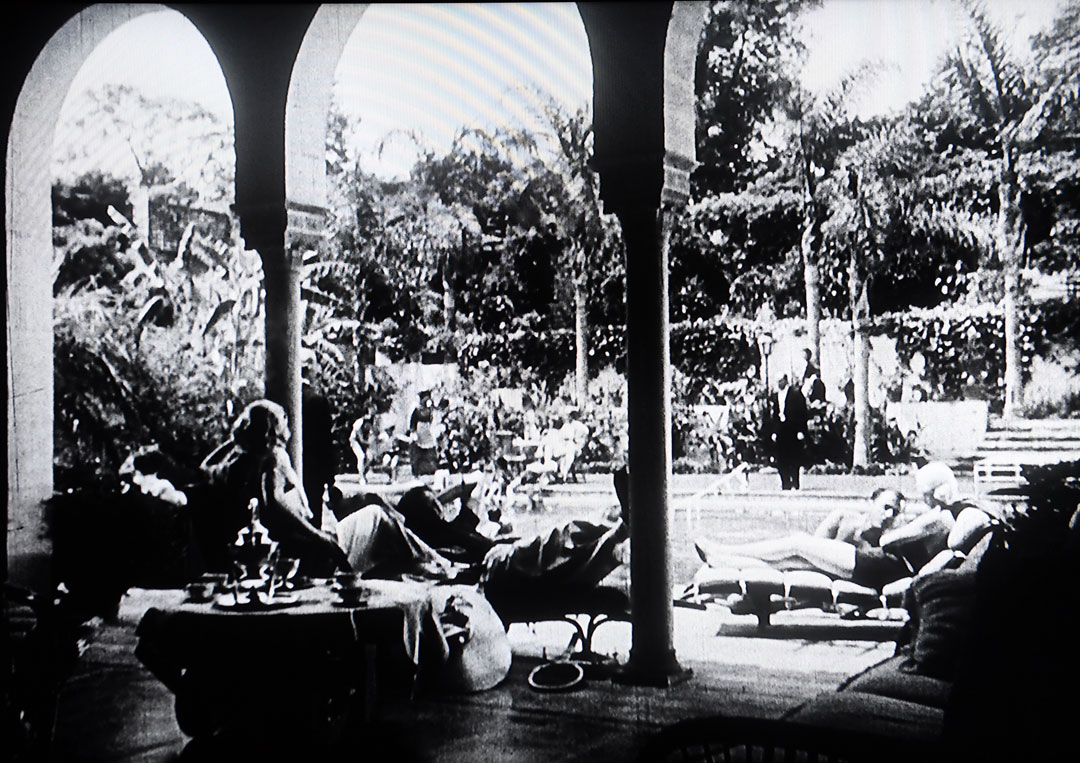
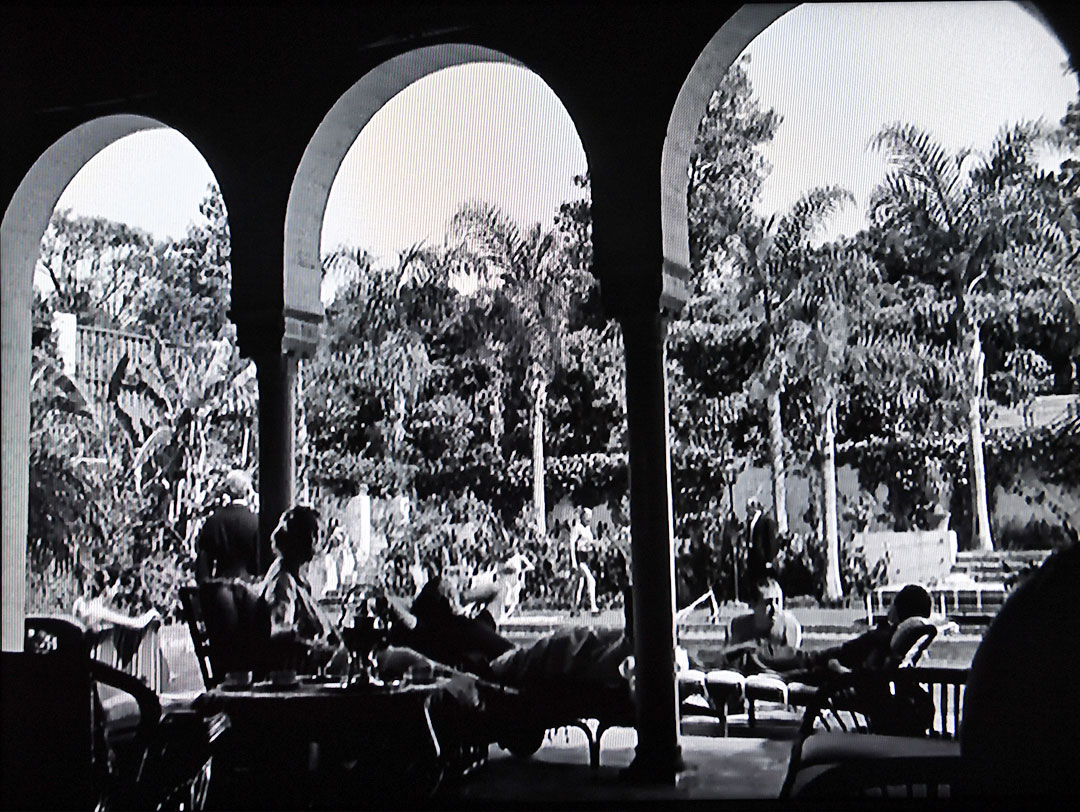
Last week for Temple Tuesday I posted screenshots from “Now and Forever” (1934) and “Citizen Kane” (1941), showing that footage from the Temple film was re-used in the Welles film. After reaching out to Robby Cress (expert supreme on finding film locations), I had an answer within a few hours as to where this poolhouse is located. Yes...is. It still exists!


Compare the contemporary shot with the vintage screenshot from Shirley’s “Now and Forever.”


By the way: this place is apparently for sale! Any “Citizen Kane” fan with a spare $115 million could be the proud owner of this historic film location. Or maybe you could split the cost with a Shirley fan; with 10 acres of property, there’s plenty of space for both!


I did a little bit of internet digging, with the most useful info coming from the Hollywood Reporter site. Built in 1932 at a cost of $150,000, this mansion has been lived in by Joseph Drown (Bel Air Hotel owner), movie mogul Joseph Schenck (who had an alleged affair with Marilyn Monroe on the property), actor Tony Curtis (whose wife thought the house was too big: “You could starve to death getting to the kitchen!”), and Sonny and Cher. 


In 1976, owner Ralph Mishkin dubbed the estate “Owlwood,” after the birds that proliferated the property, and the name has stuck ever since.


Here’s an overhead view:


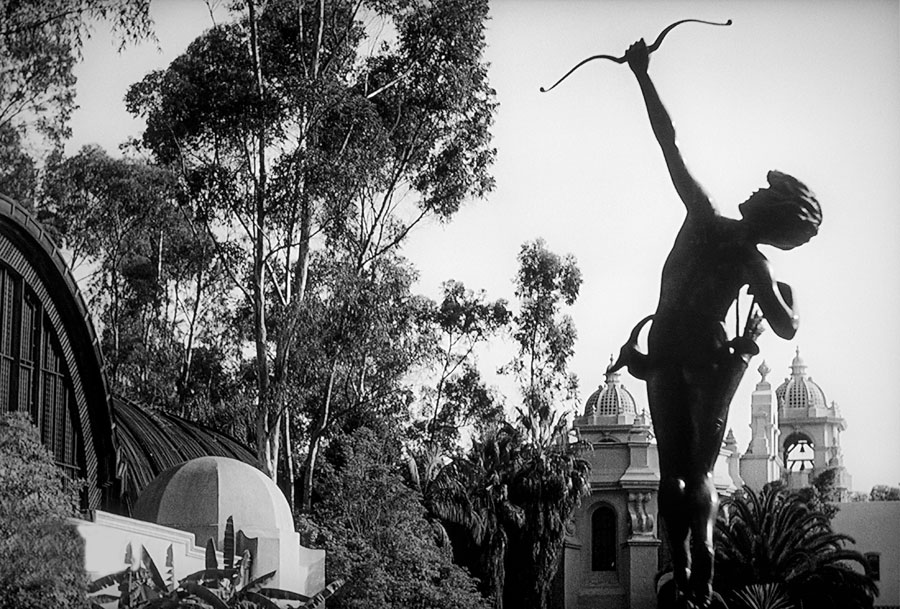
And, in a final little piece of “Citizen Kane” location interest…years ago I posted this screenshot of the Cupid/Diana statue from the film. The statue has since been removed and placed inside the museum in Balboa Park.


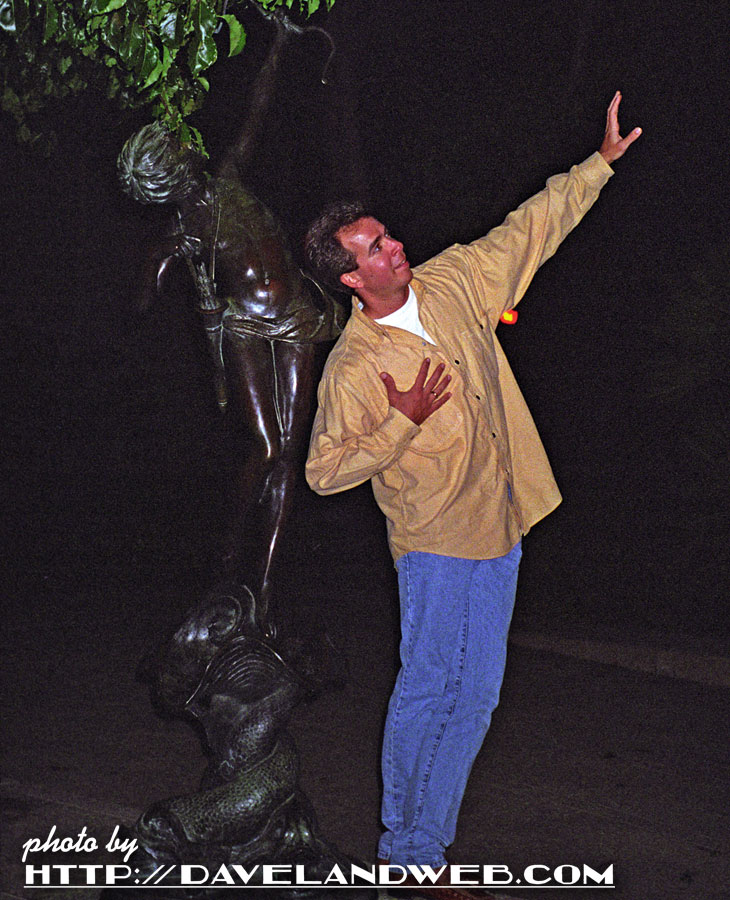
I had forgotten that back in 1995 before it was moved, I posed with it. Here is that photo:


And that is the end (for now!) of the story. I am still willing to tour Owlwood with anyone that can get me on the property for photos!

See more photos at my main website.

Tuesday, June 02, 2020

Temple Tuesday: Shirley, Kathleen, and Vincente


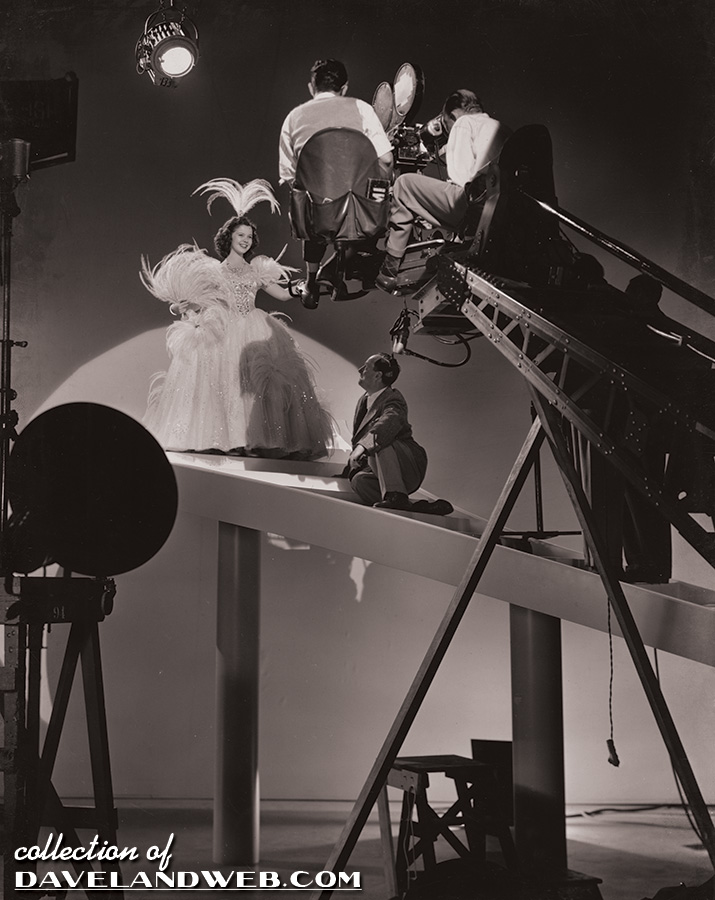
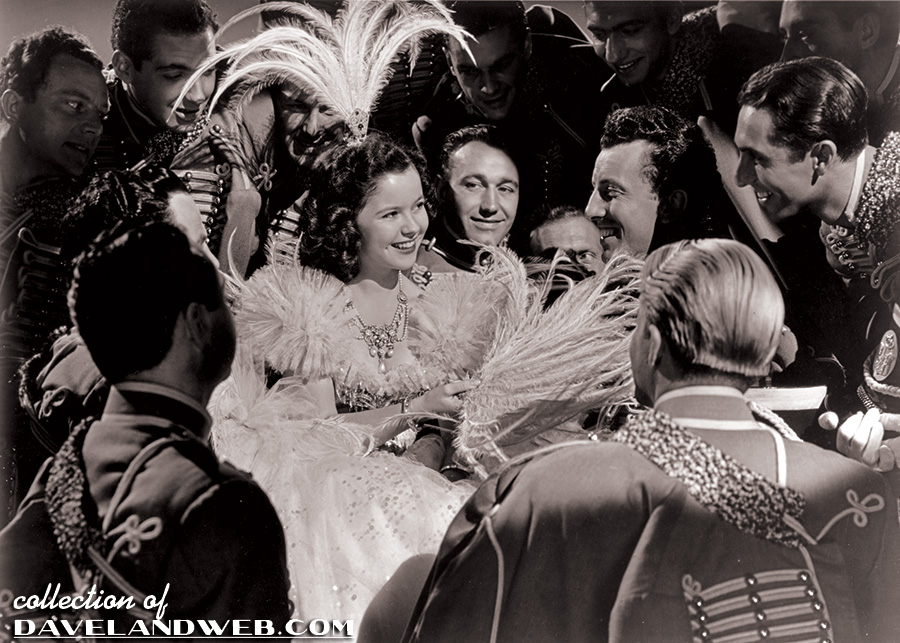
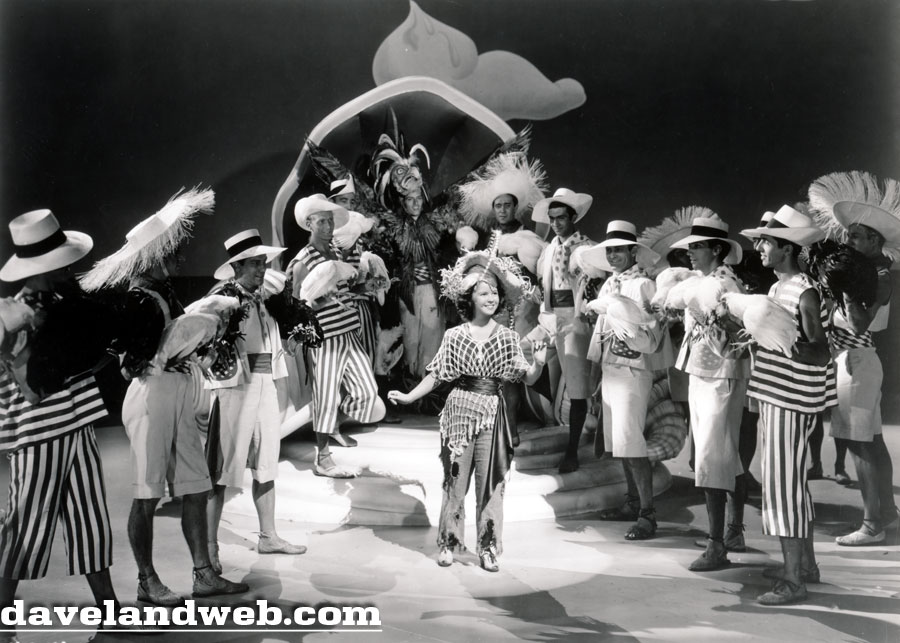
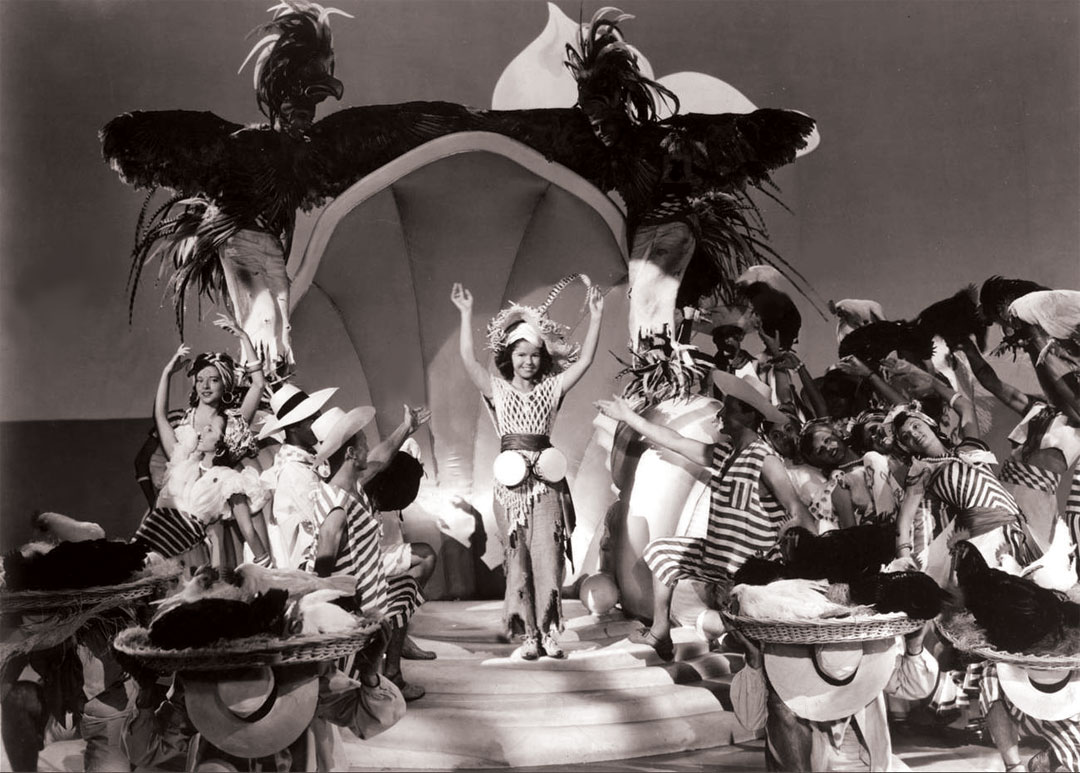
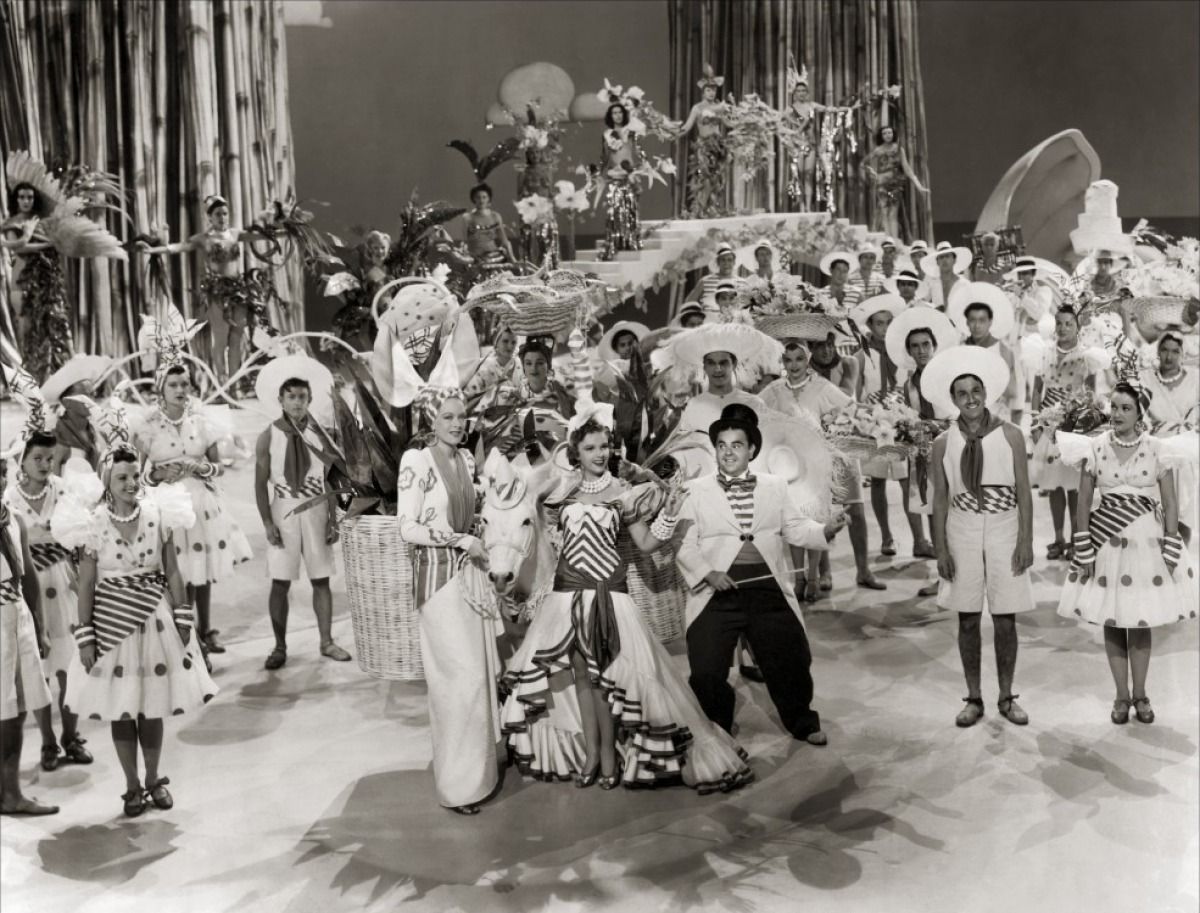
In “Kathleen,” Shirley’s one and only film for MGM, she plays a girl who dreams her life the way she wants it. In one of her dreams, she is discovered while walking down the street and immediately cast as the lead in a Broadway show. Although uncredited, the set design belongs to Vincente Minnelli, who had just begun his illustrious career at MGM. According to A Hundred or More Hidden Things: The Life and Films of Vincente Minnelli by Mark Griffin:

Vincente reportedly stopped the show with something other than his conceptual ideas for the film’s big production number “Around the Corner.” Several of the contract dancers who worked on the film claimed that Minnelli appeared on the set wearing cosmetics—lipstick, mascara, eye shadow—enough chemical enhancement that Max Factor should have been beaming with pride. As dancer Dorothy Raye recalled, “There was absolute silence on the set. I mean silence! Nobody had ever appeared looking like that. None of us could think of what to say.”


Dancer Dorothy Raye? The only dancers we see on screen in this number are male. Faulty memory on Dorothy’s part?


Not at all! The musical number was originally longer, and included a calypso portion with both male and female dancers.


As Shirley recalled later in her 1988 autobiography Child Star:

During a dream sequence, I was a mulatto in a calypso straw hat, oatmeal pants cut short, and rigged with a bongo drum on each hip. A hydraulically operated dance floor rose and fell while the lavish dance-musical number pulsed and swirled in a melange of tap-tango and tap-rhumba. For our large cast of actors and dancers the rehearsal was long, relentless, and sweaty. In a rare exception, I grew tired a few minutes before my statutory four hours of work had expired. Mother noticed. Approaching an assistant director, she suggested that as it was already evening, a break until morning would be good for everyone. The director construed her comment as related only to me and replied tersely that I should be ordered to work harder, not rest. Everyone was getting testy, including Mother. She refused to comply and told me to prepare to go home. Things came rapidly to a boil.


Voice coach Roger Edens was summoned, accompanied by a breathless, intense front-office type in coat and tie. Both urged Mother to order me to continue. “Not when she won’t do her best,” she answered stiffly. Nobody asked me if I wanted to continue, or anything at all. Speaking in low, even tones but easily overheard, Edens said, “Look, this is Metro, Mrs. Temple. We work right through. Judy just had her eighteenth birthday and we worked her all night, until 4:00 a.m. She loved it! A mark of maturity.” “And wait until Shirley’s eighteen,” chimed in the other man. “We’ll work her all night, just like Judy.” Mother turned, eyes glistening. “Well, she’s not eighteen yet.” She squared herself toward Edens. “I won’t order her to do it. If you do, you’ll get rotten results!” That’s just what they did, and that’s just what they got.


MGM was known for spending lavishly, but they also knew how to save a buck, too. They ended up using the sets and costumes from Shirley’s deleted scene for Judy Garland’s “Minnie From Trinidad” number in “Ziegfeld Girl.”

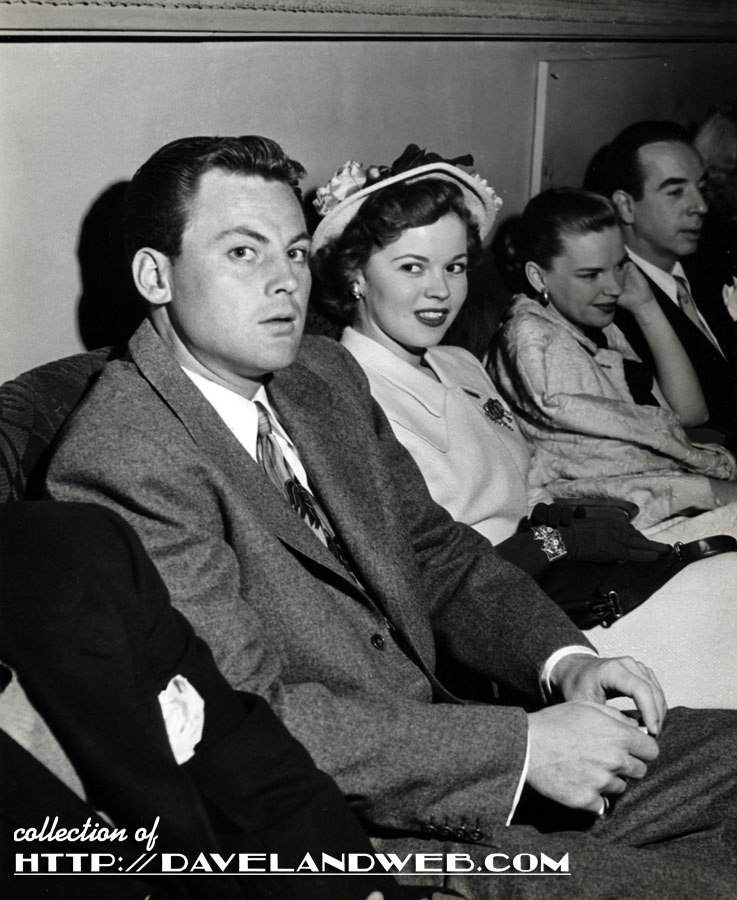
Here’s a previously posted shot of Shirley and husband John Agar at a movie premiere with Judy and Vincente. I get the feeling the two couples didn’t double-date very much!


See more photos at my main website.

Monday, June 01, 2020

Douglas Sirk: All That Heaven Allows


The 1955 classic, “All That Heaven Allows” was one of my recent dinner-time watches. While written off by many as a white-bread melodrama, in the hands of the talented German director Douglas Sirk, there is so much more going on here than what you notice on the surface. WARNING: THIS POST IS FULL OF PLOT SPOILERS!

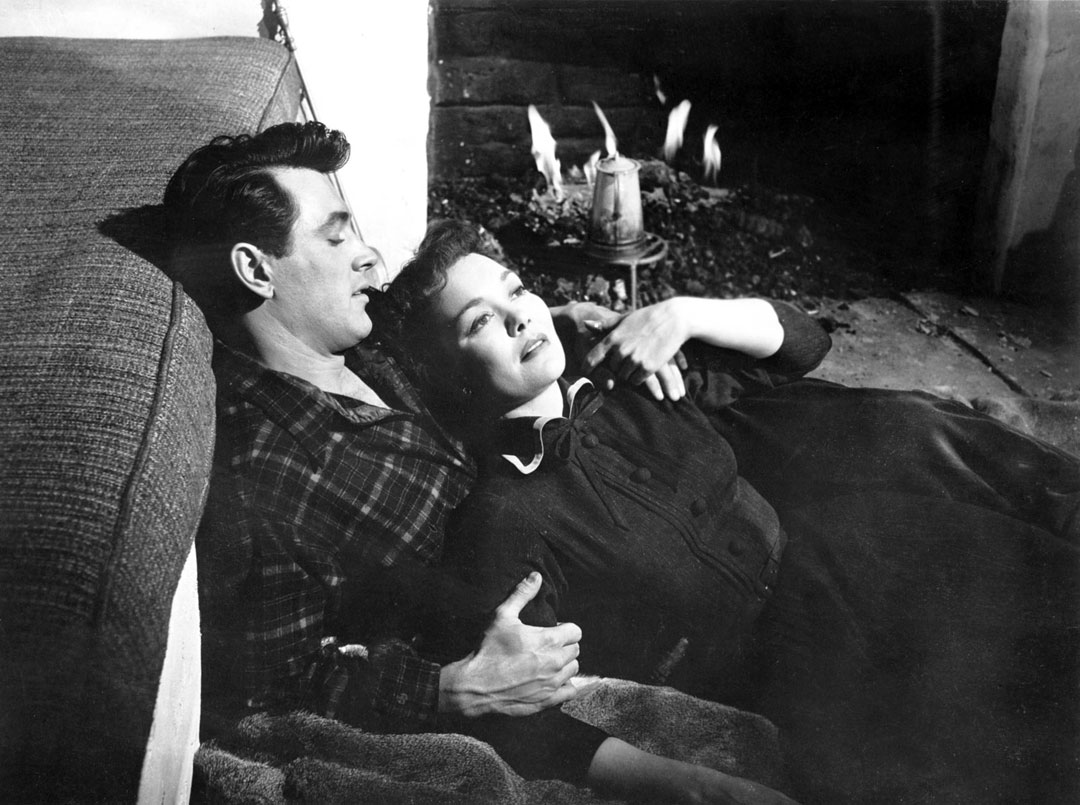
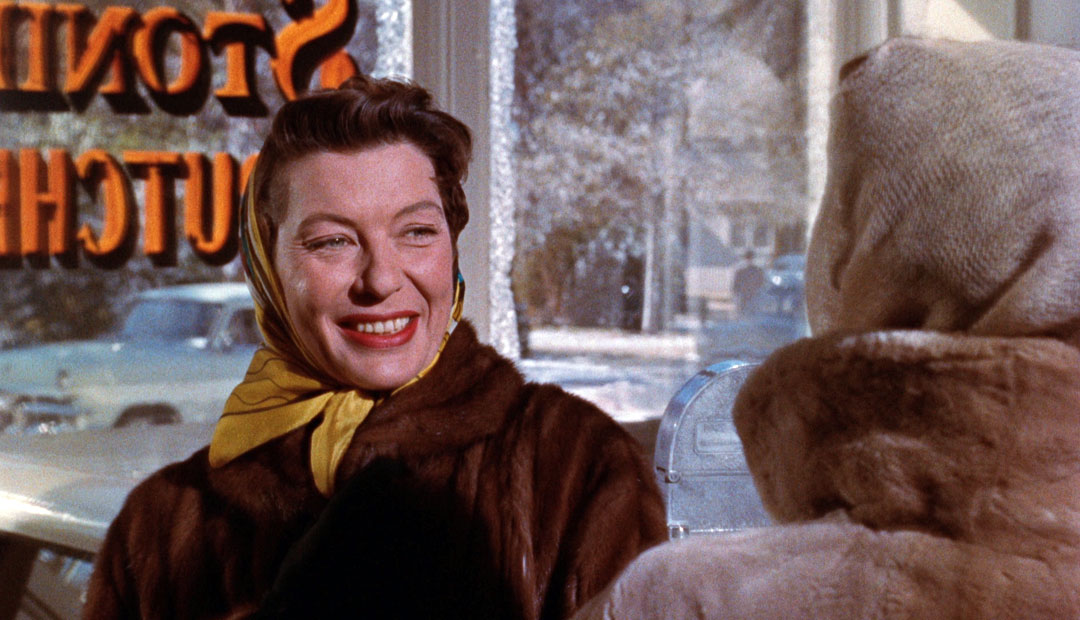
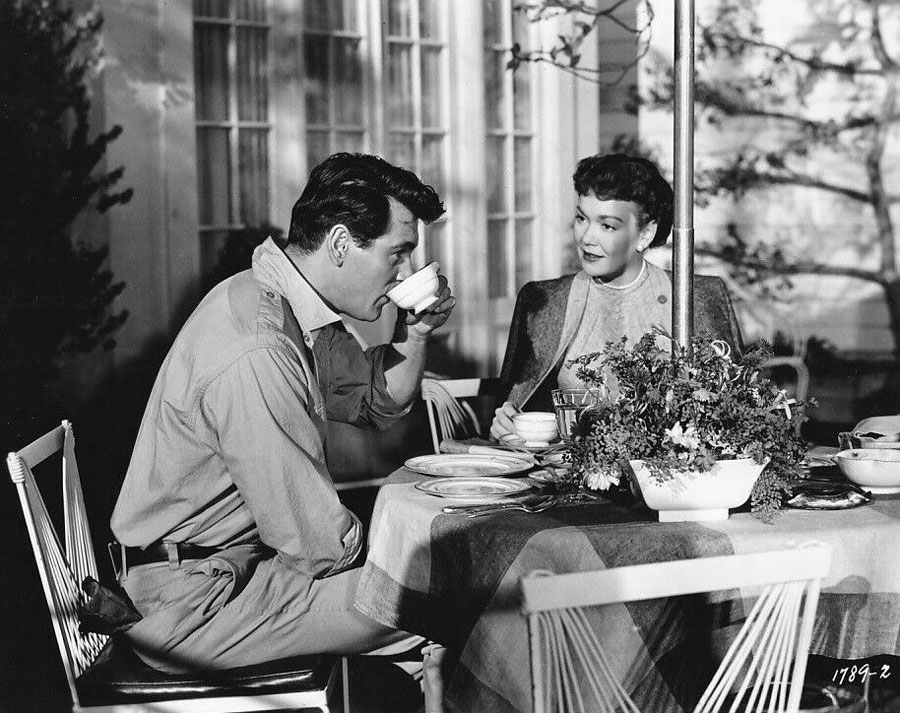
Jane Wyman plays a wealthy widow who falls for her gardener, Rock Hudson. While the two appear to be complete opposites, they have much more in common than Wyman’s bratty children or her snobby country club friends. Wyman’s character has a desire for more in life than the trappings of her wealth and the gossip of town nasty Mona (played expertly by Jacqueline de Wit).

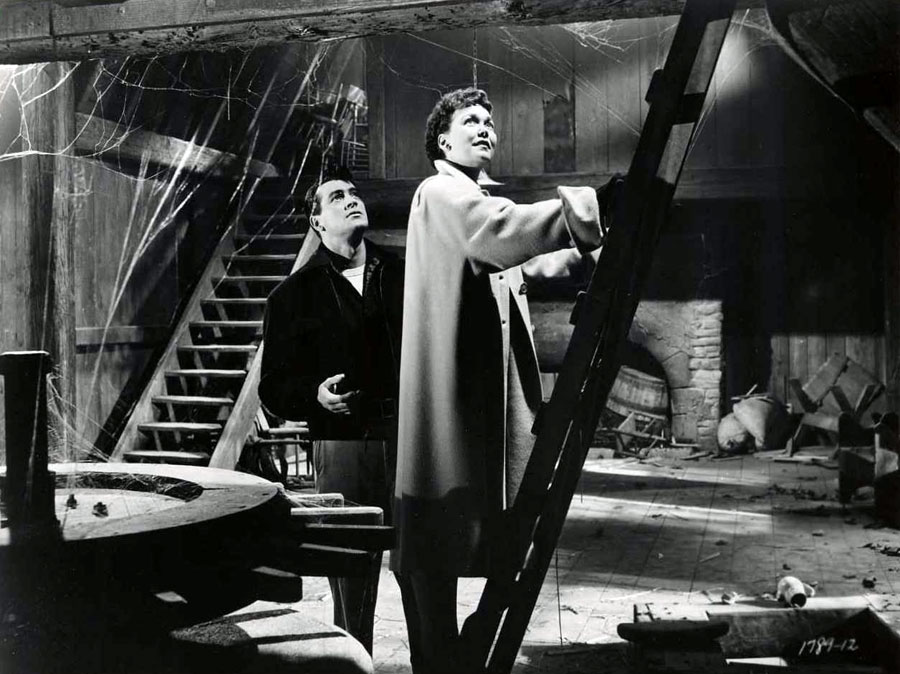
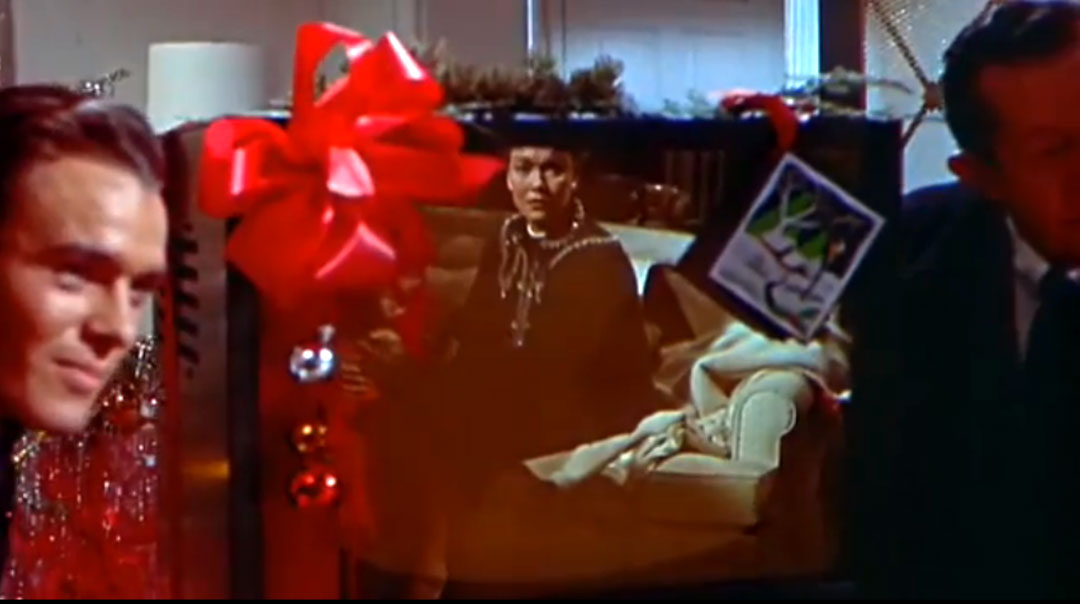
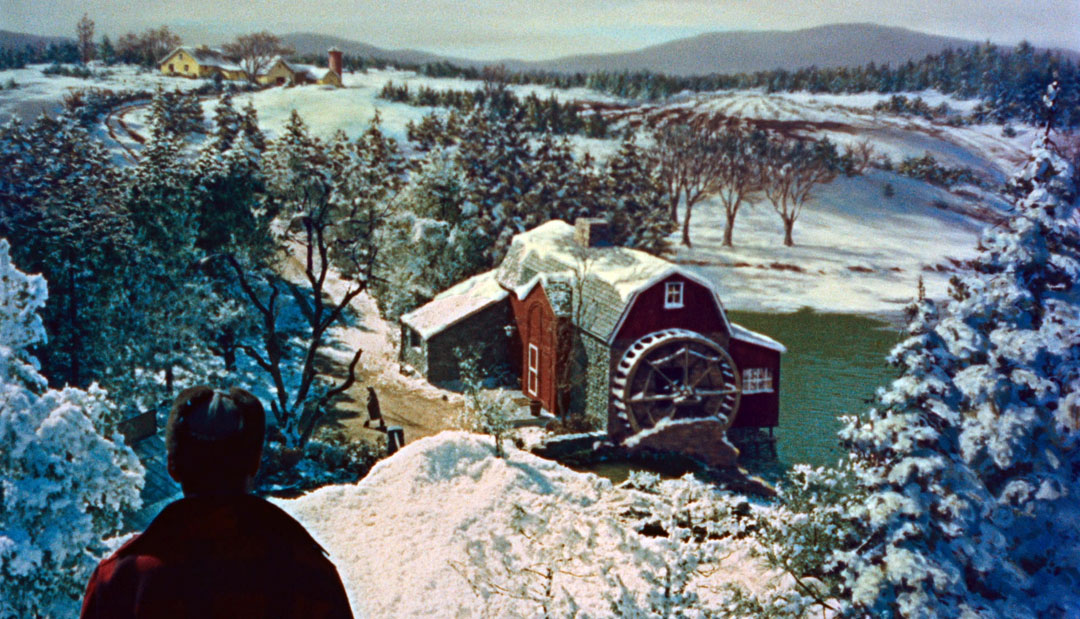
Jane and Rock get to know each other over a cup of coffee, and she eventually he invites her to his home and tree farm. Wyman sees the mill on his property and lets Rock know it would be a perfect home…if fixed up.


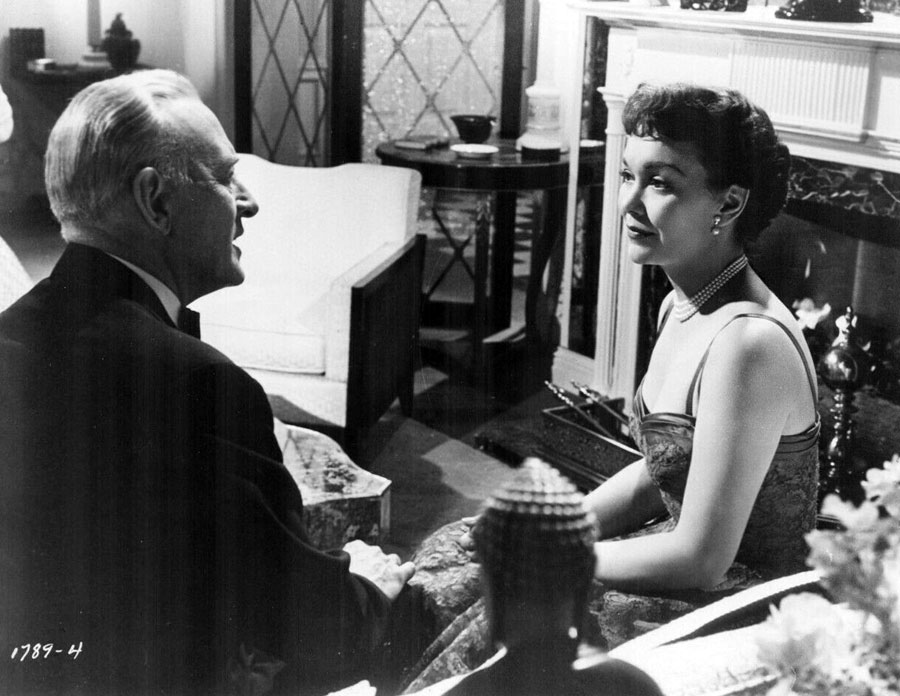
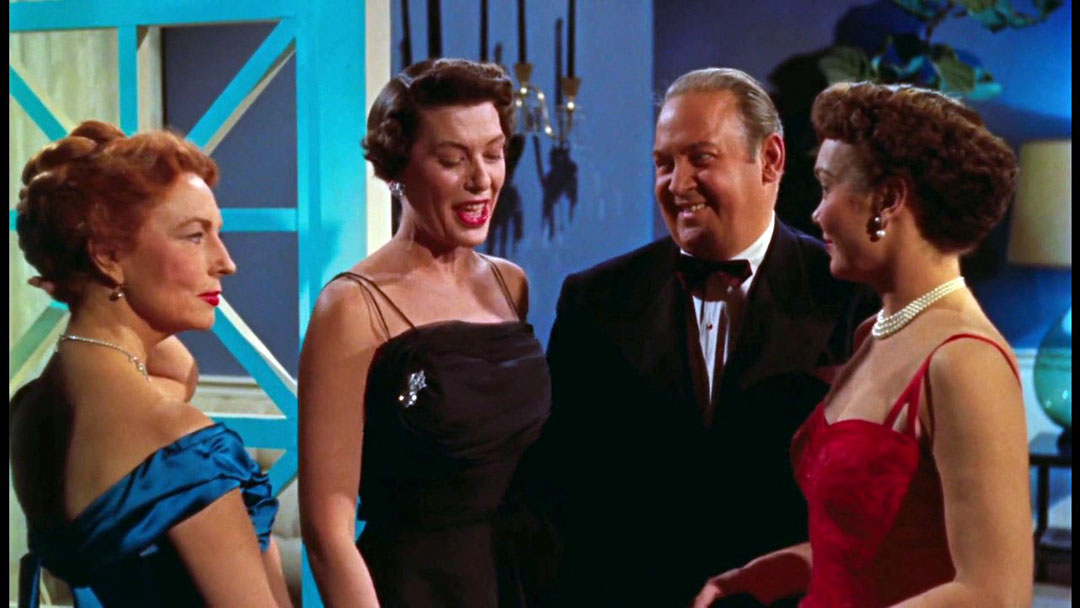
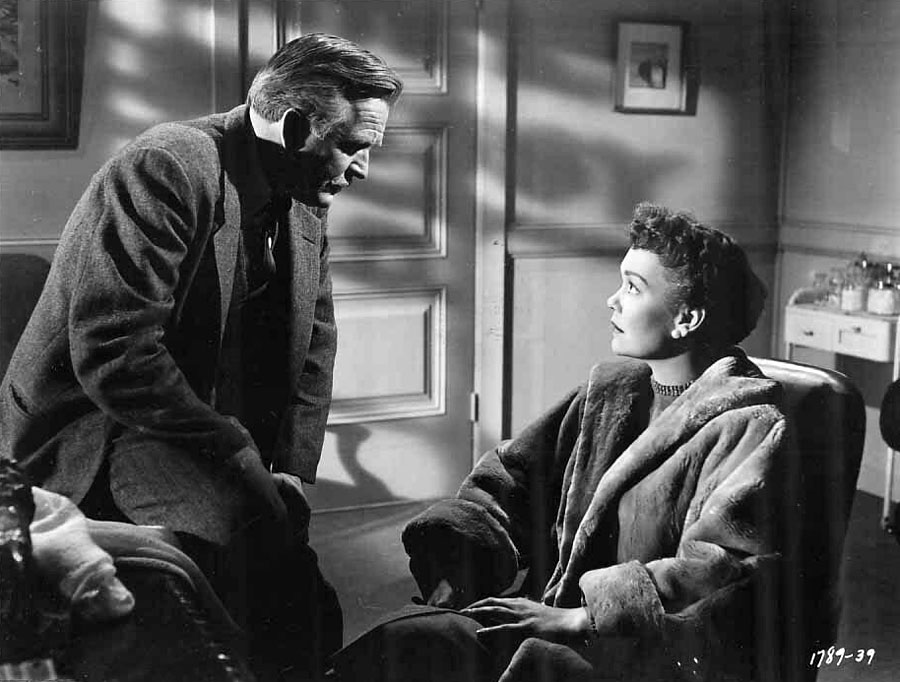
Meanwhile, back to Jane’s regular world, she is fixed up with the wealthy town geezer, who also happens to be a very asexual and boring hypochondriac. However, this is the man her circle (and her kids) expect her to end up with. Can you see the boredom on Jane’s face?


Jane tries to show she isn’t dead yet by wearing a very va-va-voom red dress; town gossip Mona calls her out on it.


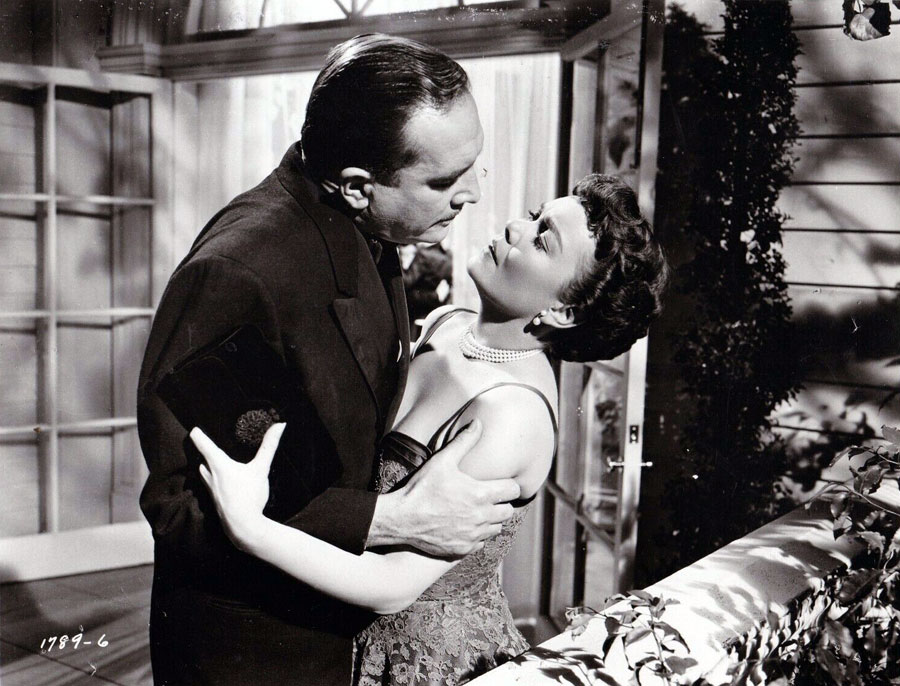
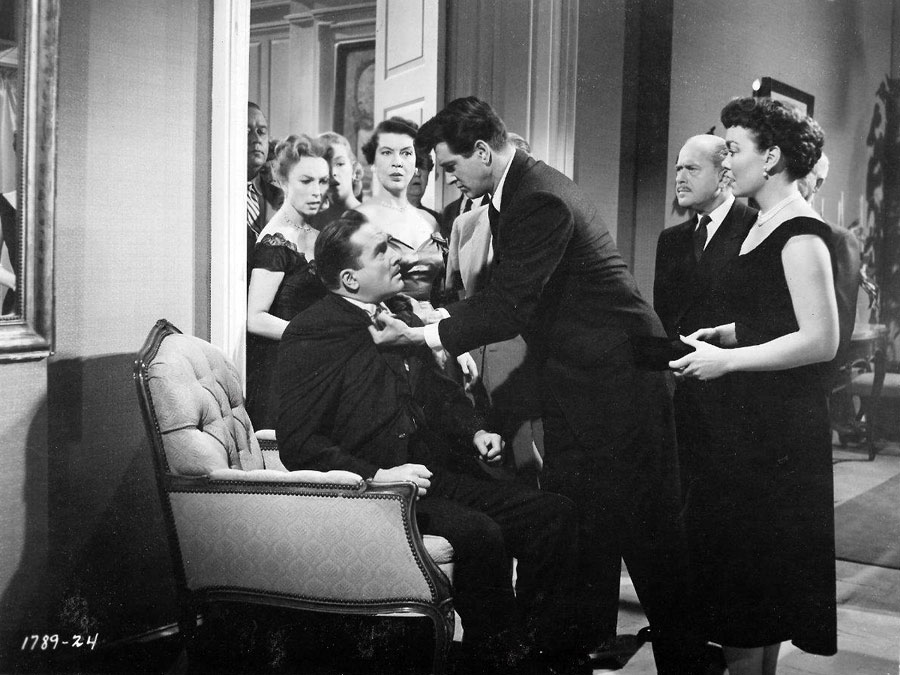
Married lothario Howard (Donald Curtis) can’t control himself at the party and attempts to make an unwanted move on Jane. Sorry, Howard; this gal wants nothing to do with a creep like you.


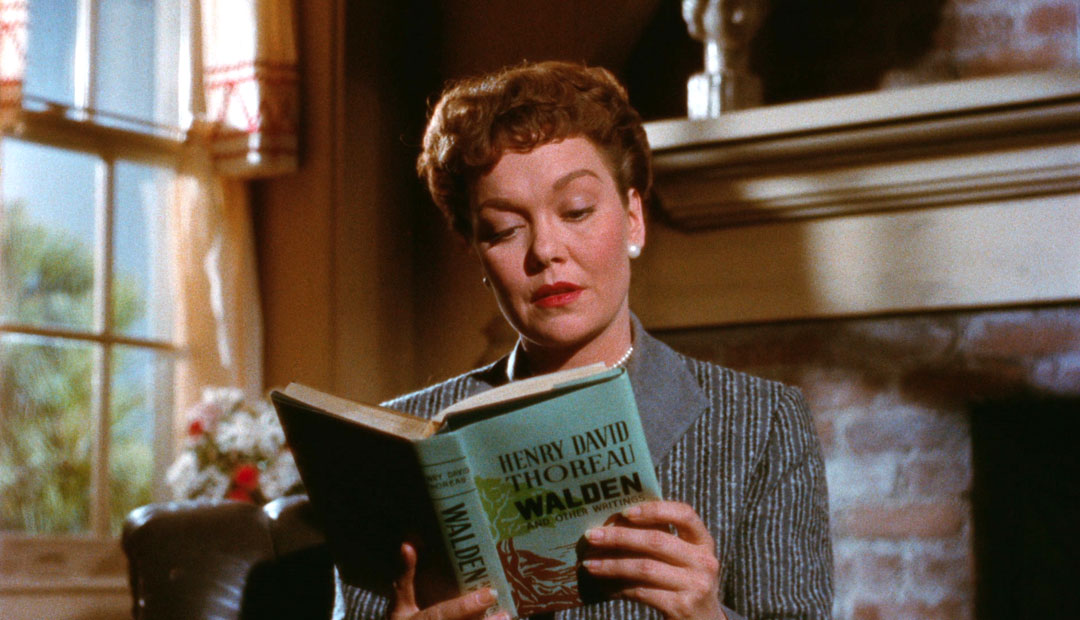
In contrast, Rock invites Jane to a party with HIS friends. Before the guests arrive, Jane does some light reading (Walden by Thoreau) and is given the lowdown on Rock: he’s an earthy guy who doesn’t give a crap about society’s conventions. “To thine own self be true,” Jane is told.


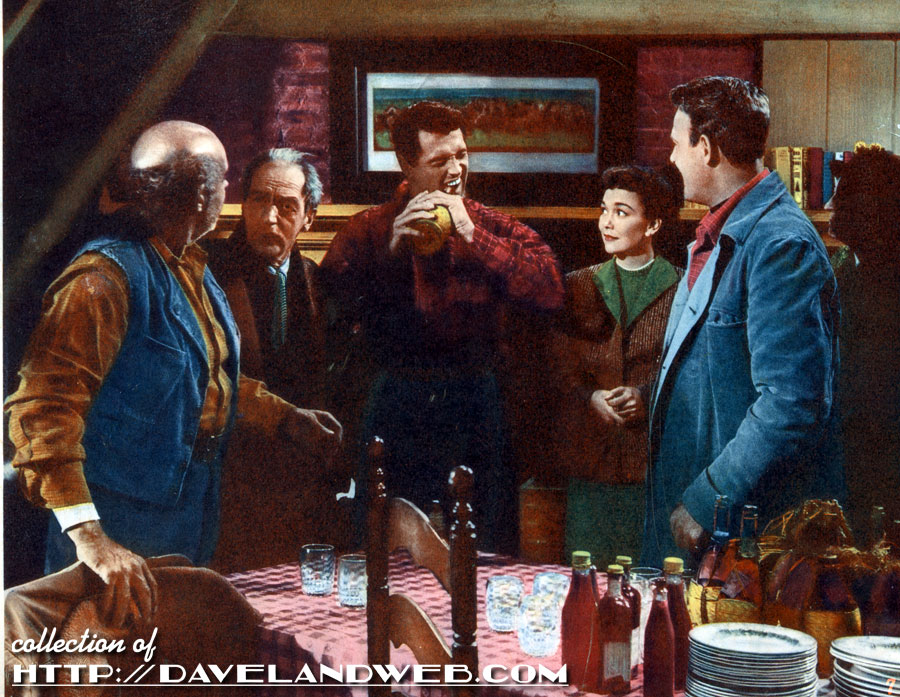
Naturally, Rock’s party is much more fun and a lot less snobby. Good food, good friends, dancing, and a lot of laughter. Jane is hooked. Sure beats that damn country club crap!


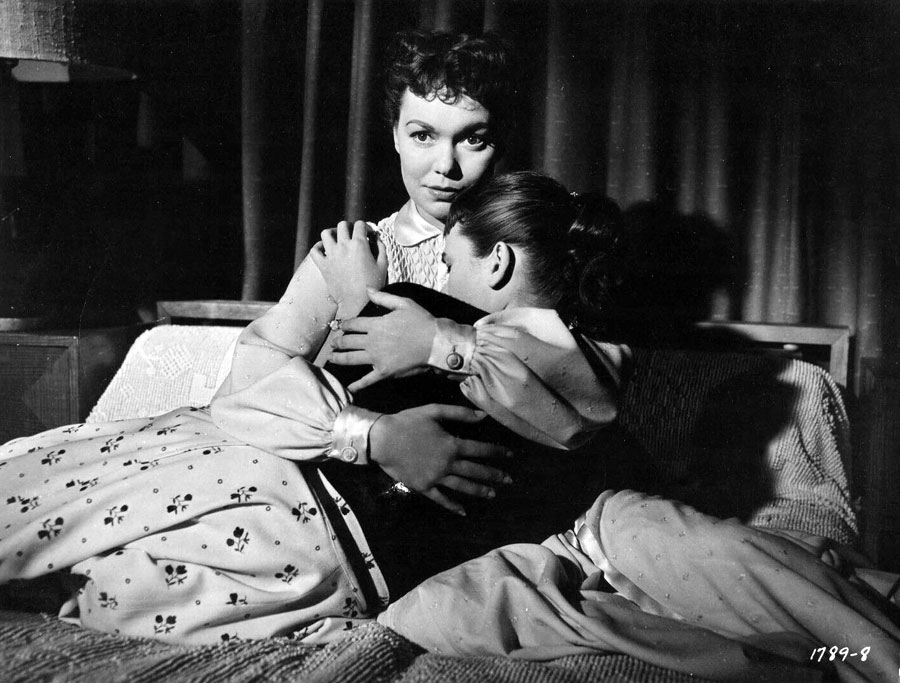
The two spend a night together in the mill that Rock has begun fixing up for them.


Things start to go awry though; Mona notices that Wyman is gone over the weekend and begins to spread the gossip that she’s having an affair with the low-down gardener.


Attempting damage control, she has Rock meet the kids. They completely reject the gardener, who doesn’t fit into their idea of who Mom should be dating.


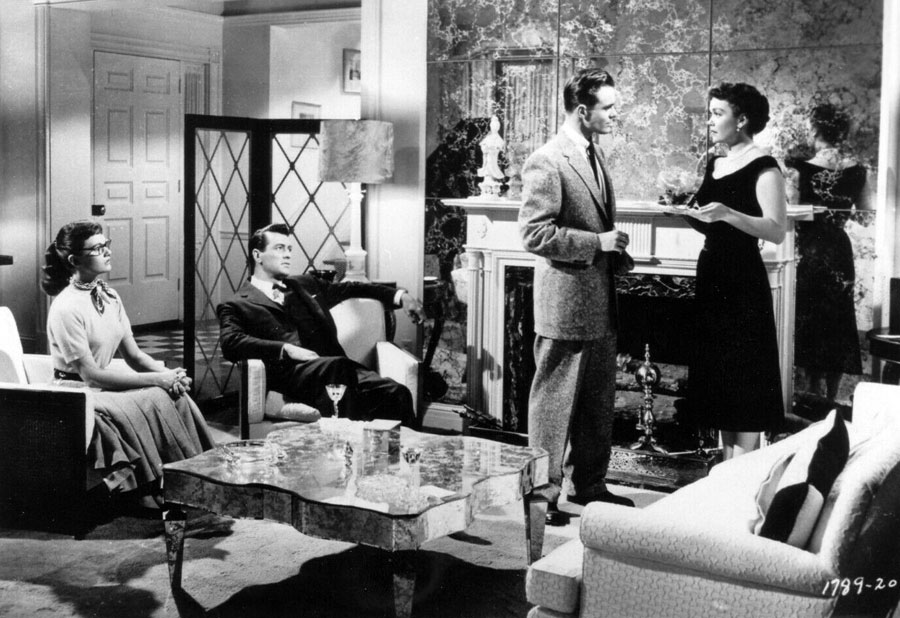
Next, Jane takes Rock to a cocktail party so that her society friends can meet him and see what a swell guy he is. That bombs, too. Howard makes another play for Jane and Rock intercepts with his fists. A disaster!


That night, Jane’s whiny little daughter is harassed by the town kids with more foul gossip about Rock and Jane.


Afraid of upsetting the apple cart, Jane chooses her little brats and life at the country club over a life of fulfillment with Rock.


Sadly, by this point the kids have moved on with their own lives and aren’t even around any more. Instead, they give her a TV to keep her company. Those little s#$%s!!


Plagued by headaches, Jane goes to see none other than: DR. BELLOWS!! That’s right, it’s Hayden Rorke (of “I Dream of Jeannie” fame) to the rescue, as he tells her nothing is physically wrong with her. “Let’s face it,” he chastises. “You were ready for a love affair, but not for love!” Telling her to go after Rock and forget Mona, she obediently does so.


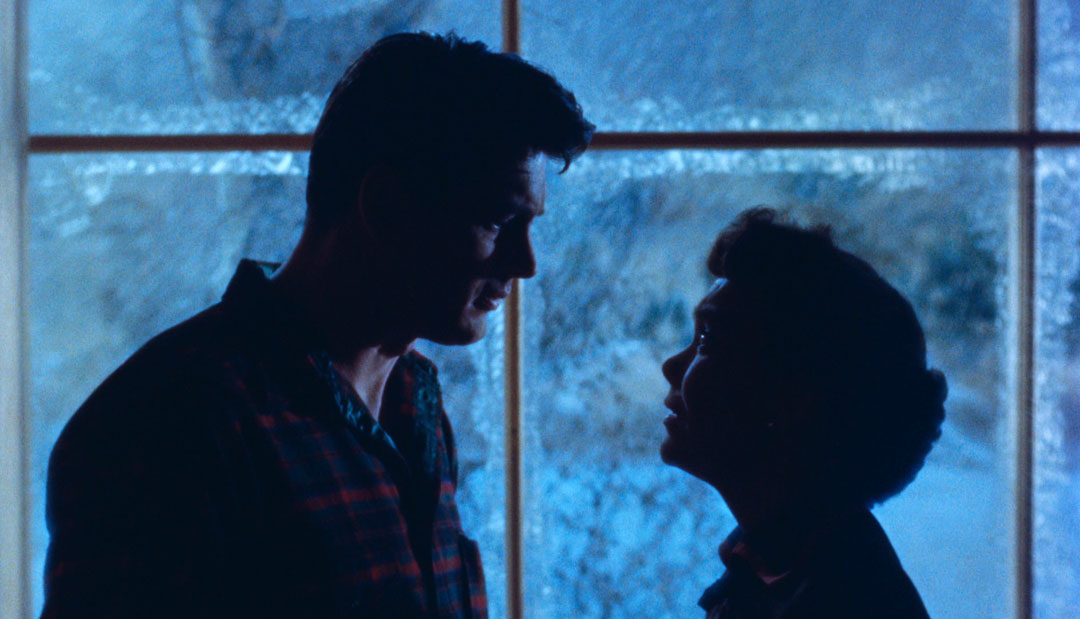
When she arrives at the mill, her ego kicks in and she changes her mind. High on a hillside, Rock views her and calls to her, to no avail. Running to catch her before she drives away, Rock falls down the ravine and passes out in a snow bank. What will happen? Does true love prevail? You’ll have to see the movie to find out.


While this may appear to be your typical 1950s white-bread weepy, you could substitute so many of the social issues of the time AND of today and see that this movie speaks to a much larger audience. Sirk knew exactly what he was doing with this movie; although it addresses class differences, it could just as easily be about race, sexuality, or any other class that narrow-minded people feel the need to persecute. By giving in to that type of mentality, who really wins?

See more photos at my main website.

Tuesday, May 26, 2020

Temple Tuesday: Citizen Kane, Orson, and Shirley

I have been making it a habit to pop in an old classic film while eating dinner. Recently, I got out my “Citizen Kane” blu ray disc. Gregg Toland’s cinematography is even better when you watch this classic black and white film in high definition. Or is it? For the first time, I noticed a detail that had eluded me on other home video incarnations: after the March of Time newsreel is played, Joseph Cotten has a very tiny cameo as a reporter. A few scenes later, he is playing Kane's best friend, Jed Leland, sitting in a wheelchair in a nursing home.
Were original prints of the film developed darker so that audiences wouldn’t notice this? Or did Orson Welles need an extra in the scene so badly that he had Cotten doing double duty? Or was it some kind of inside joke? I have no idea. However…I also noticed something else. In the newsreel footage that shows Xanadu, the fictional estate of Charles Foster Kane, a swimming pool is shown:
My memory bank went off and I remembered seeing a similar pool in the 1934 Shirley Temple movie “Now and Forever.” I happened to be talking to my friend Melissa (aka “The Colonel”) and told her my theory. A few minutes later she said it WAS the same pool! I pulled out my “Now and Forever” dvd and sure enough! The two frames of film are identical!
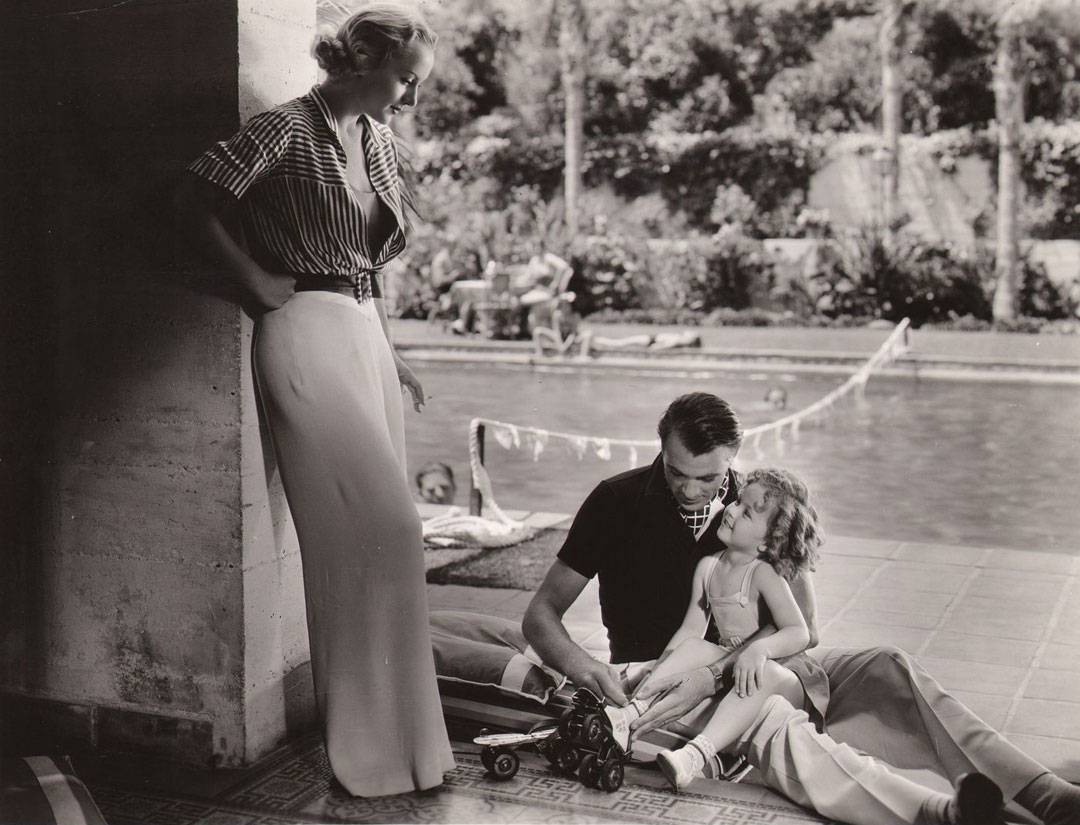
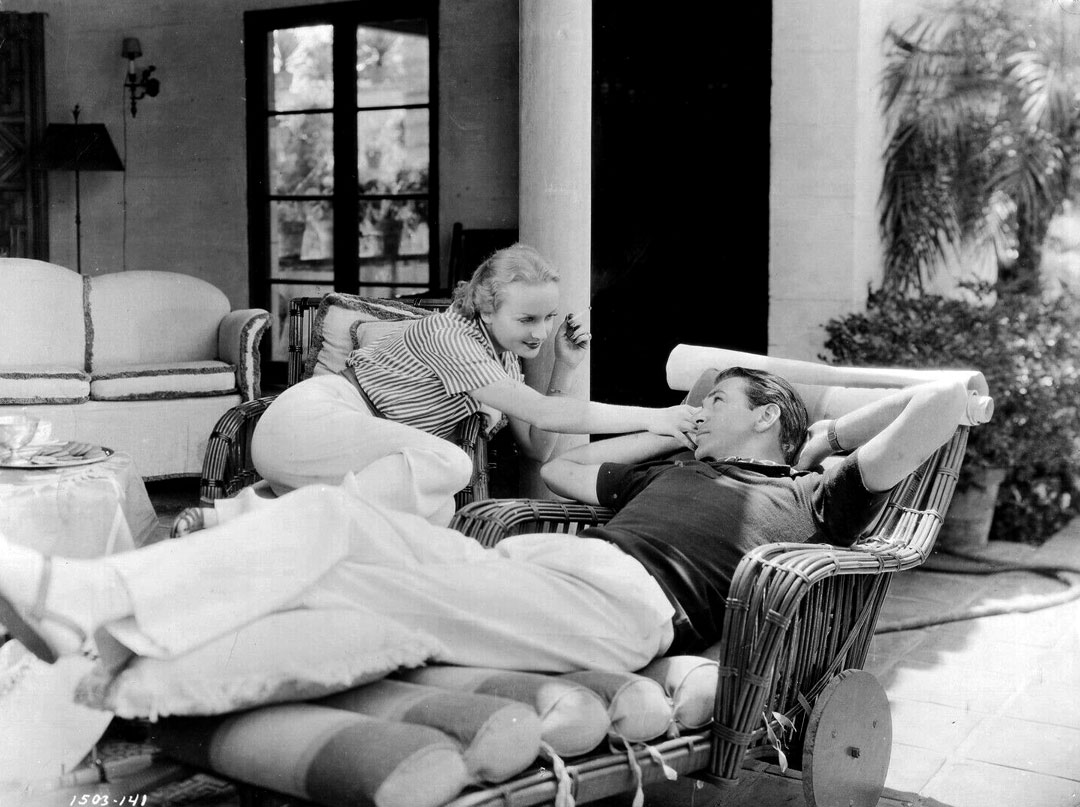
In fact, you can even see Carole Lombard and Gary Cooper in the shadows of both movies! Here are two publicity stills from the film, with Shirley in the first one:
Now the REAL mystery; where was/is this pool located? Here’s an establishing shot from the other side in “Now and Forever”:
If anyone out there knows the answer, please comment!

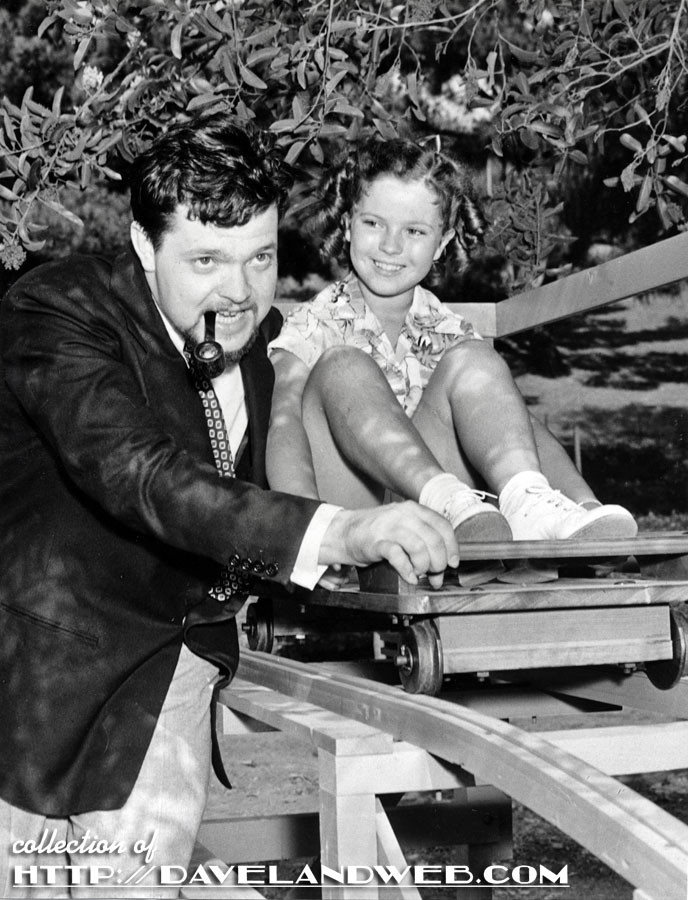
Orson apparently was neighbors with Shirley for awhile. In my collection I have a shot of Orson at her home in 1939, with Shirley playing on her little backyard rollercoaster. This visit was staged for the press.
Shirley recalled it in her autobiography Child Star:

"Did you hear my program about Martians [War of the Worlds]?" "Yes," I stroked my ball and scowled. It had stopped wide of the final wicket. "Nelson Eddy was why I listened." Welles turned and leaned on his mallet, waiting. My evening routine included listening to Edgar Bergen and Charlie McCarthy. I explained that when guest Eddy came on to sing, I switched stations and stumbled on his. "Did you believe my program?" he asked, striking a pleasing pose for our photographers. "No, I knew it wasn't true." Taking careful aim, I knocked his ball slightly away from the mouth of the final wicket, leaving mine in good position. His return shot caromed my ball away into a difficult lie. "How did you know?" he asked. Engrossed with my final chance, I said nothing and concentrated. I missed. "Well," I replied resignedly, "if men from Mars had come here, why would just your program be broadcasting the news? That didn't make sense, so I didn't believe it."

Afterward, one reporter wrote: "The gentlemen of the press passed a pleasant afternoon and left with the conviction that Mr. Welles, who is only 13 years older than Shirley Temple, is as agreeable as he is talented." That was probably one of the last positive things the press wrote about Orson, who was smeared hard by William Randolph Hearst after the release of the not-so-fictional “Citizen Kane” was released.

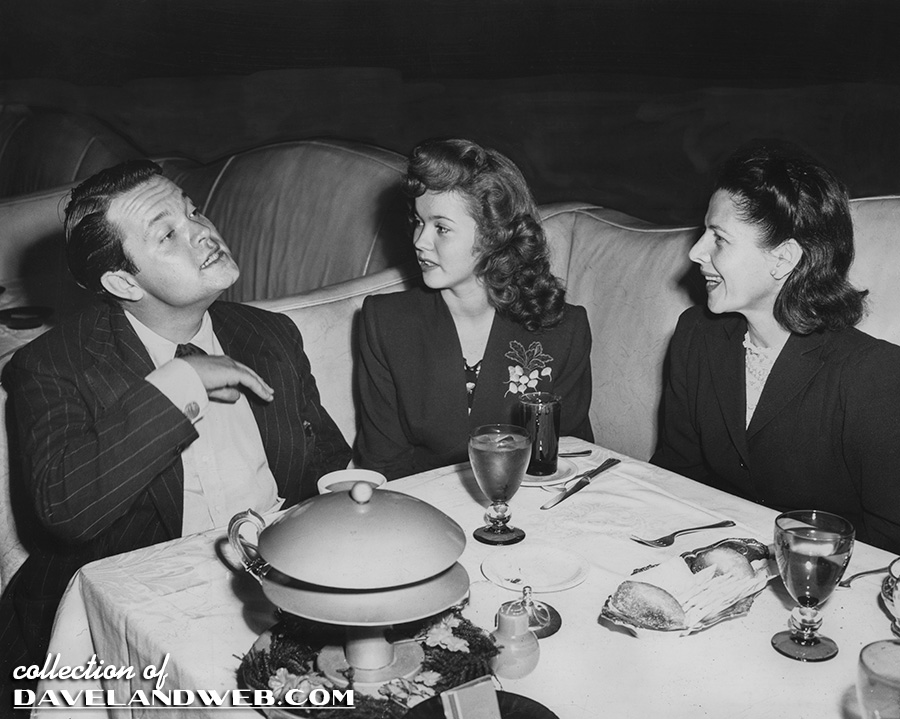
Here’s another shot of Orson and Shirley, from The Pump Room at the Ambassador Hotel in Chicago with Ruth Gordon, September 15, 1944. Shirley was making appearances selling war bonds at the time.
To think that Shirley came THIS CLOSE to being in “Citizen Kane”! It boggles the mind!

See more photos at my main website.