Showing posts with label douglas sirk. Show all posts

Monday, June 01, 2020

Douglas Sirk: All That Heaven Allows


The 1955 classic, “All That Heaven Allows” was one of my recent dinner-time watches. While written off by many as a white-bread melodrama, in the hands of the talented German director Douglas Sirk, there is so much more going on here than what you notice on the surface. WARNING: THIS POST IS FULL OF PLOT SPOILERS!

Jane Wyman plays a wealthy widow who falls for her gardener, Rock Hudson. While the two appear to be complete opposites, they have much more in common than Wyman’s bratty children or her snobby country club friends. Wyman’s character has a desire for more in life than the trappings of her wealth and the gossip of town nasty Mona (played expertly by Jacqueline de Wit).

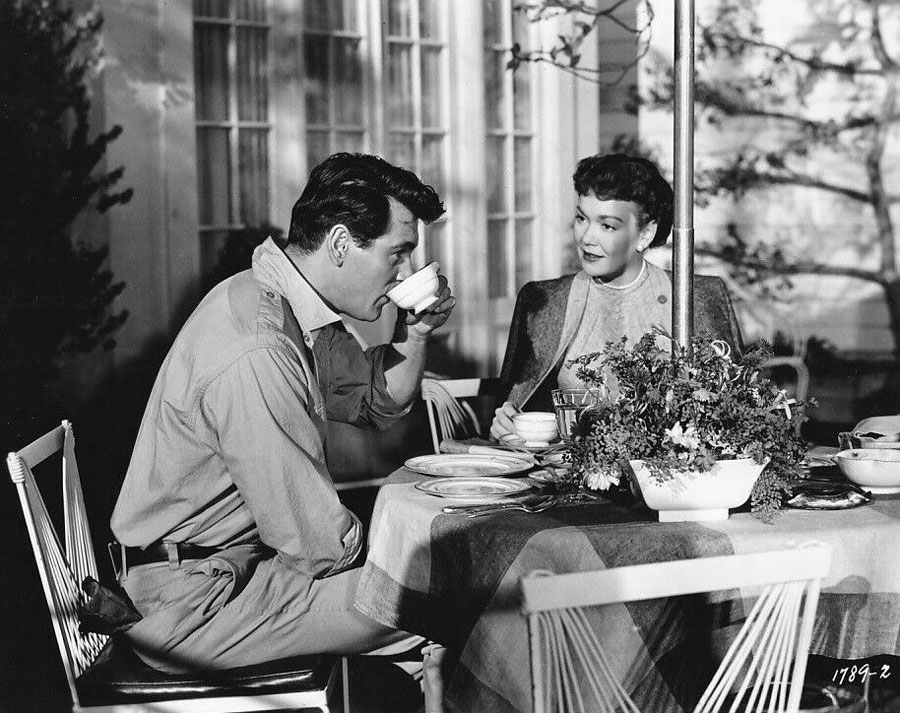
Jane and Rock get to know each other over a cup of coffee, and she eventually he invites her to his home and tree farm. Wyman sees the mill on his property and lets Rock know it would be a perfect home…if fixed up.
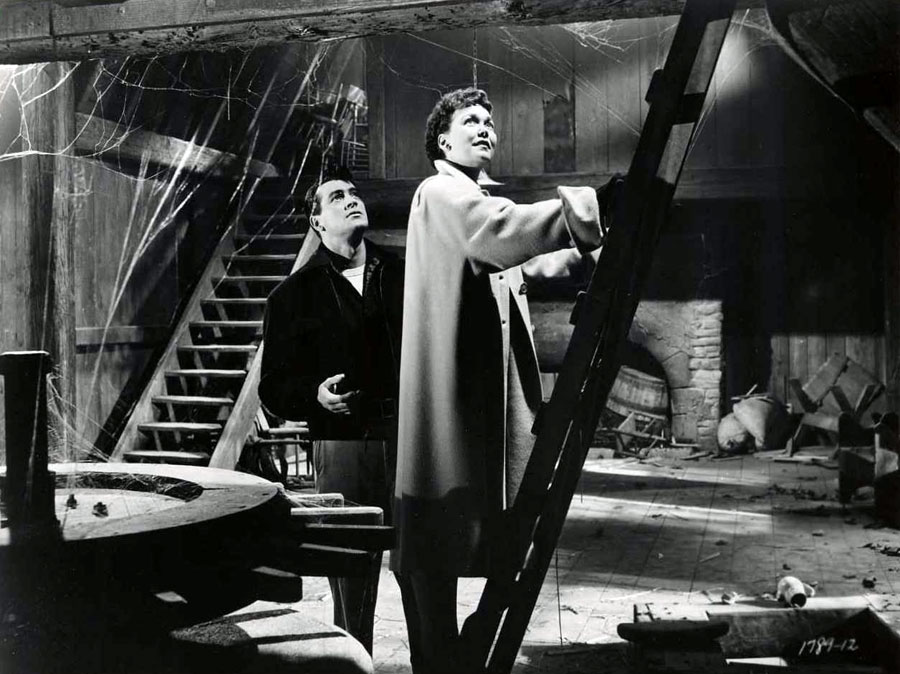

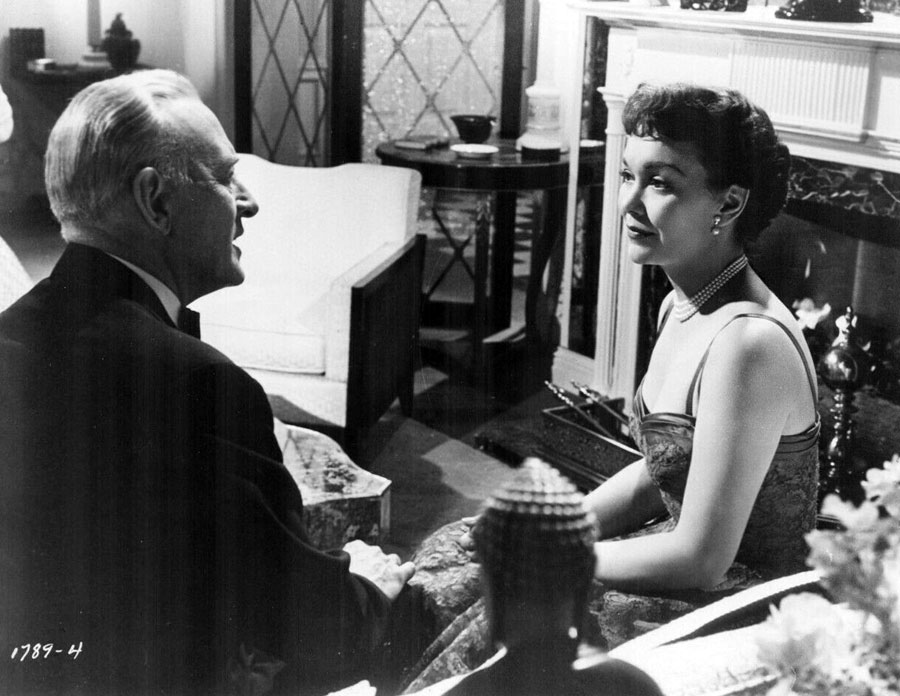
Meanwhile, back to Jane’s regular world, she is fixed up with the wealthy town geezer, who also happens to be a very asexual and boring hypochondriac. However, this is the man her circle (and her kids) expect her to end up with. Can you see the boredom on Jane’s face?

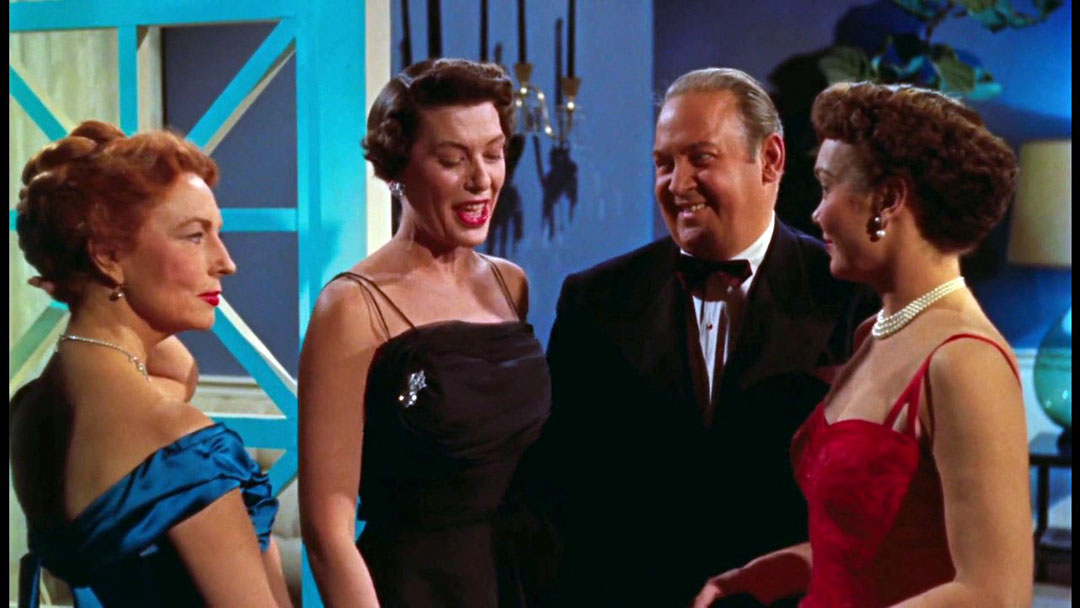
Jane tries to show she isn’t dead yet by wearing a very va-va-voom red dress; town gossip Mona calls her out on it.

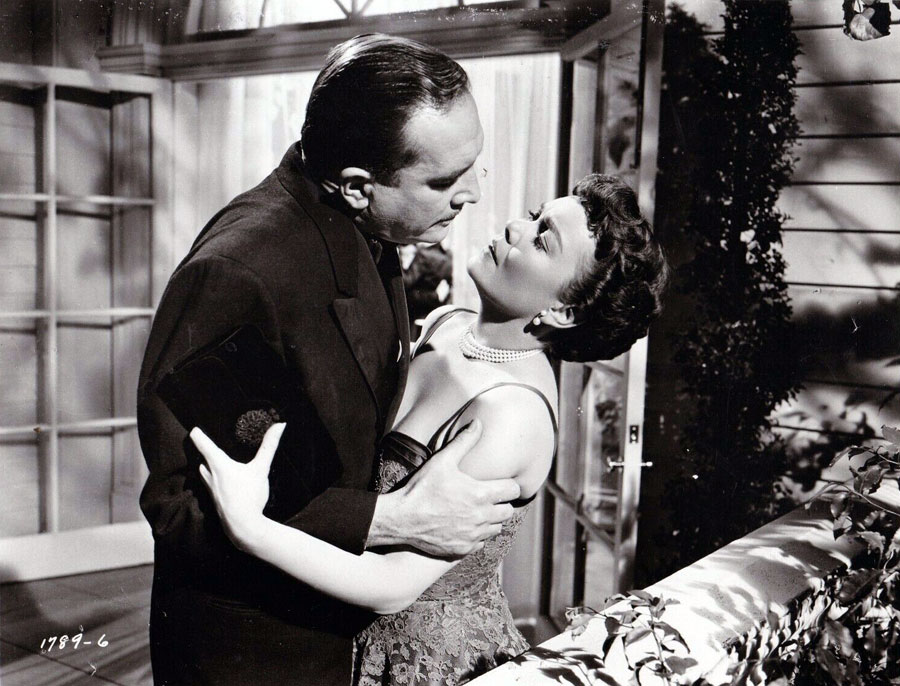
Married lothario Howard (Donald Curtis) can’t control himself at the party and attempts to make an unwanted move on Jane. Sorry, Howard; this gal wants nothing to do with a creep like you.

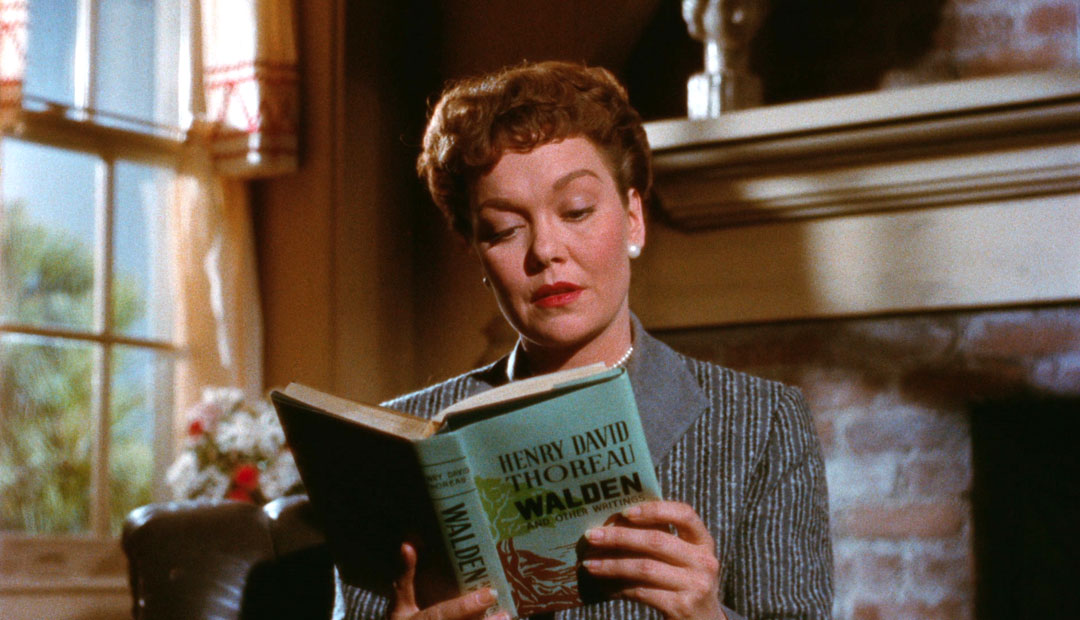
In contrast, Rock invites Jane to a party with HIS friends. Before the guests arrive, Jane does some light reading (Walden by Thoreau) and is given the lowdown on Rock: he’s an earthy guy who doesn’t give a crap about society’s conventions. “To thine own self be true,” Jane is told.

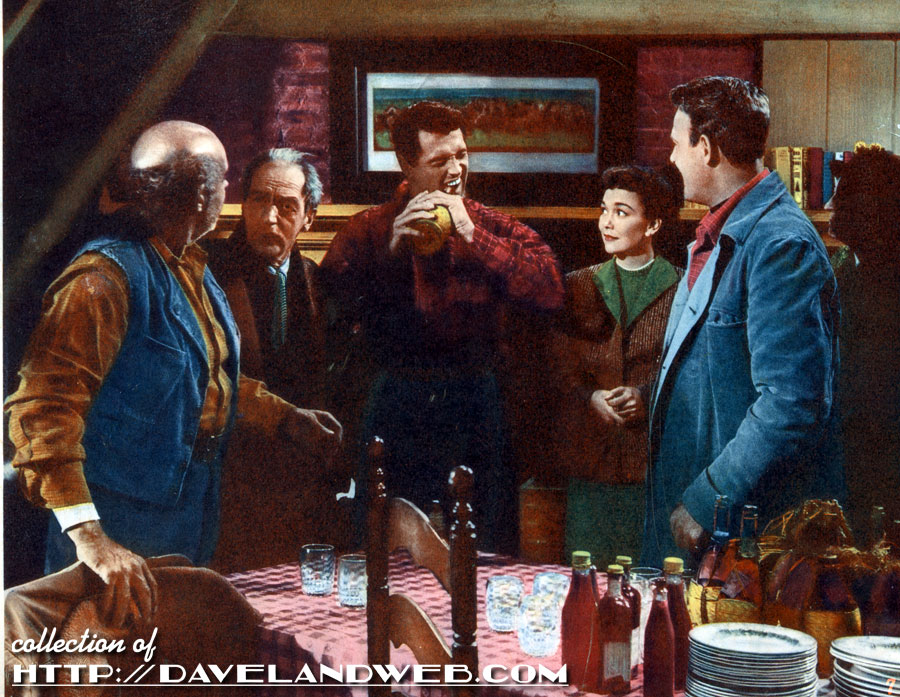
Naturally, Rock’s party is much more fun and a lot less snobby. Good food, good friends, dancing, and a lot of laughter. Jane is hooked. Sure beats that damn country club crap!

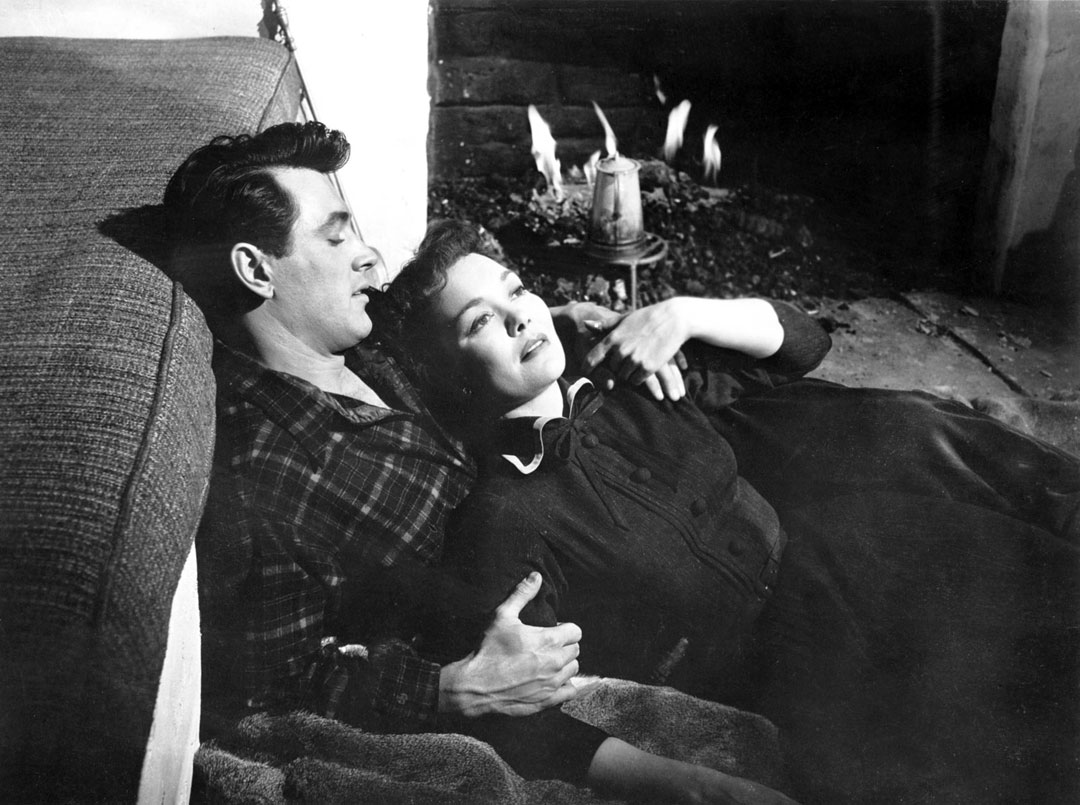
The two spend a night together in the mill that Rock has begun fixing up for them.

Things start to go awry though; Mona notices that Wyman is gone over the weekend and begins to spread the gossip that she’s having an affair with the low-down gardener.
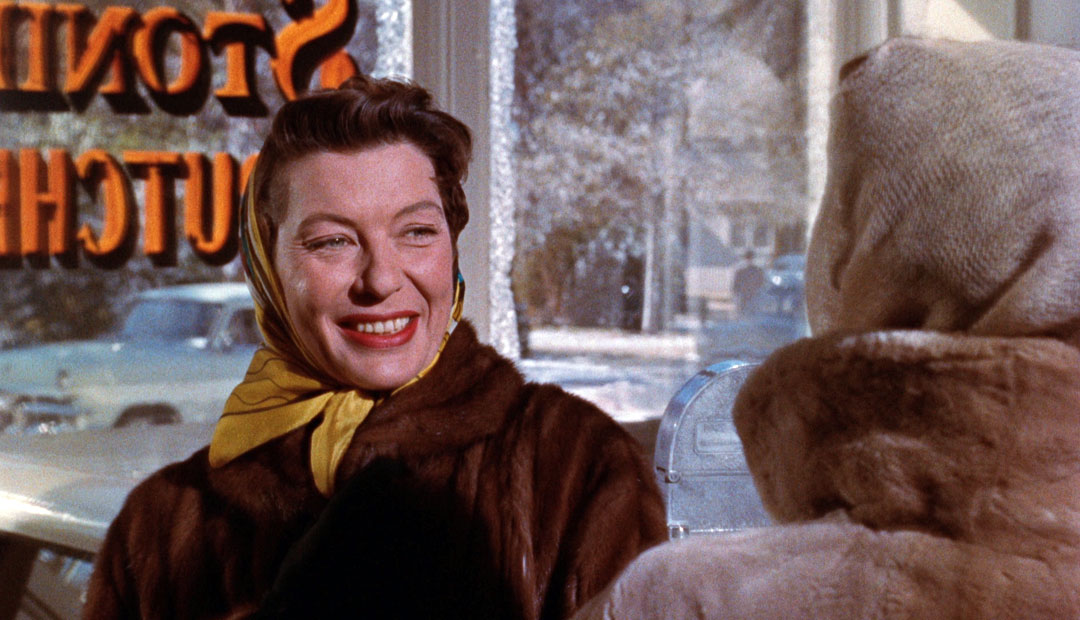

Attempting damage control, she has Rock meet the kids. They completely reject the gardener, who doesn’t fit into their idea of who Mom should be dating.
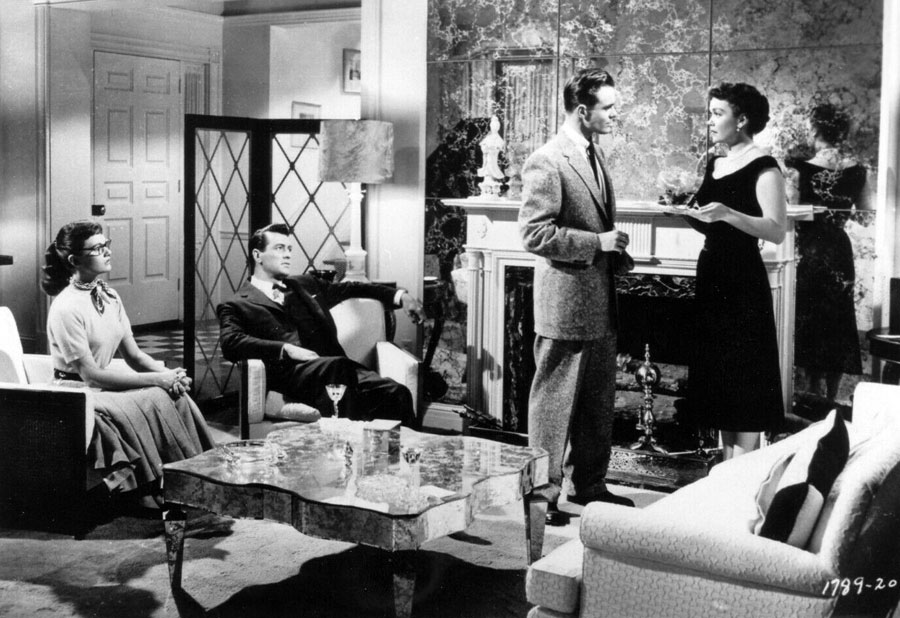

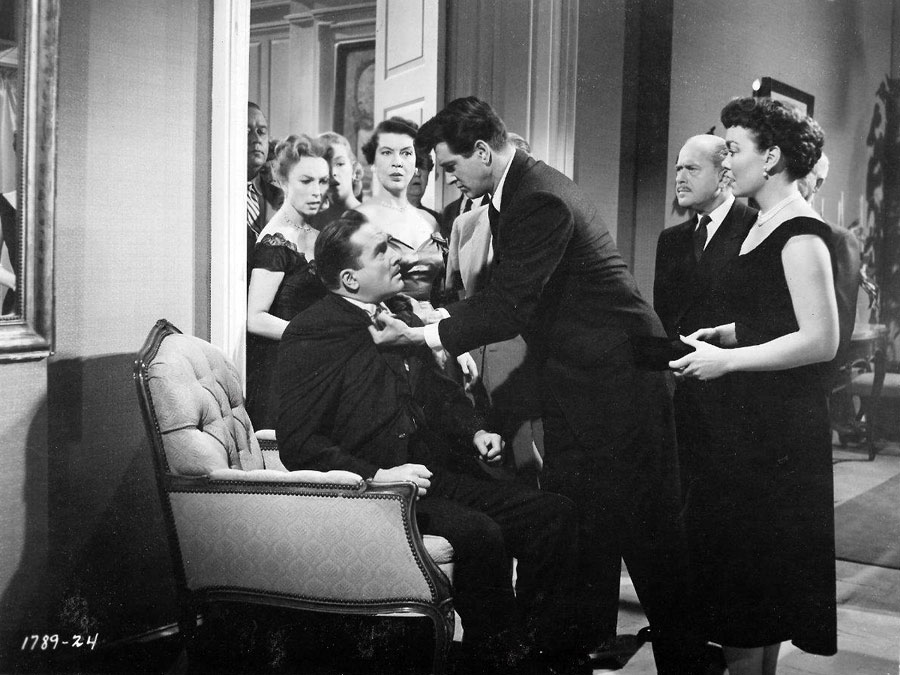
Next, Jane takes Rock to a cocktail party so that her society friends can meet him and see what a swell guy he is. That bombs, too. Howard makes another play for Jane and Rock intercepts with his fists. A disaster!

That night, Jane’s whiny little daughter is harassed by the town kids with more foul gossip about Rock and Jane.
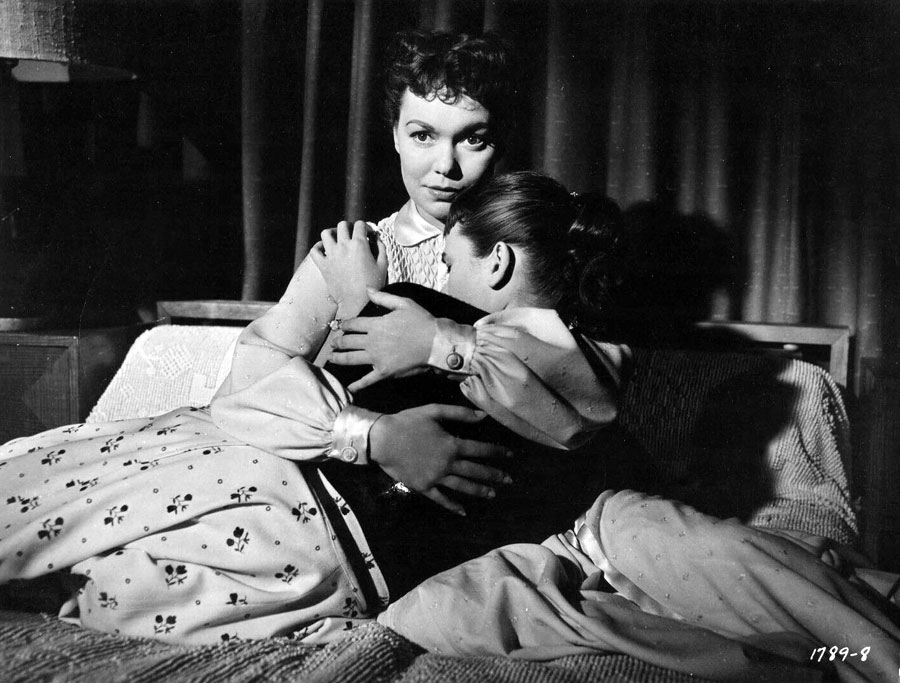

Afraid of upsetting the apple cart, Jane chooses her little brats and life at the country club over a life of fulfillment with Rock.


Sadly, by this point the kids have moved on with their own lives and aren’t even around any more. Instead, they give her a TV to keep her company. Those little s#$%s!!
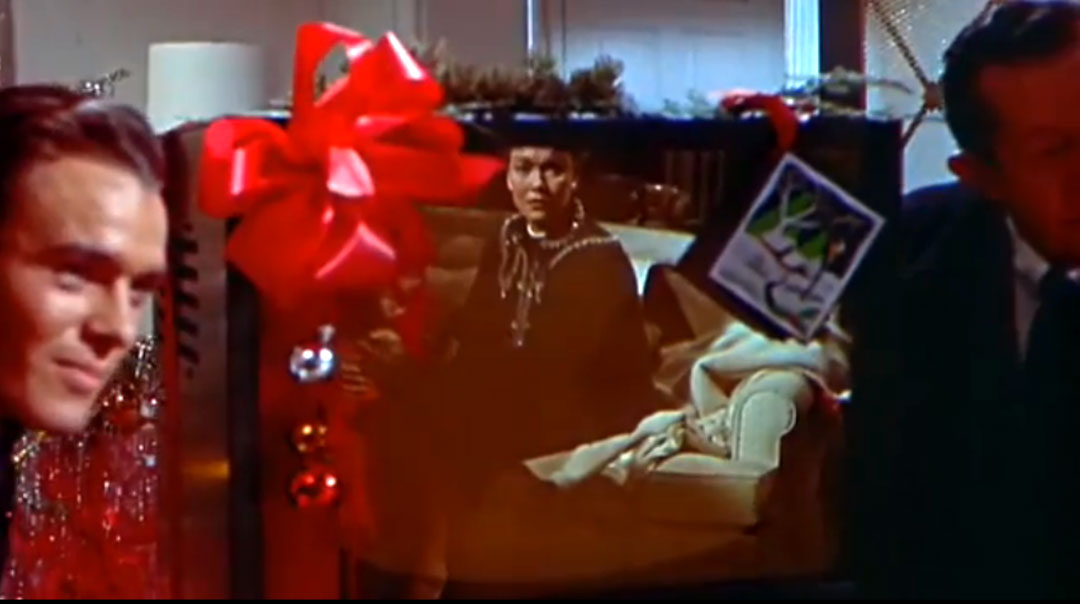

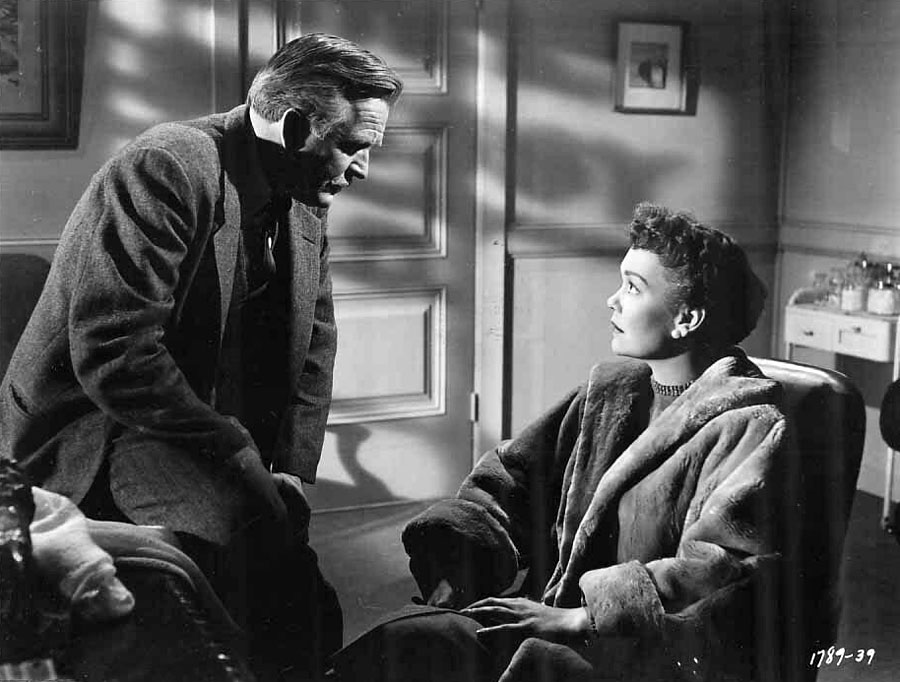
Plagued by headaches, Jane goes to see none other than: DR. BELLOWS!! That’s right, it’s Hayden Rorke (of “I Dream of Jeannie” fame) to the rescue, as he tells her nothing is physically wrong with her. “Let’s face it,” he chastises. “You were ready for a love affair, but not for love!” Telling her to go after Rock and forget Mona, she obediently does so.

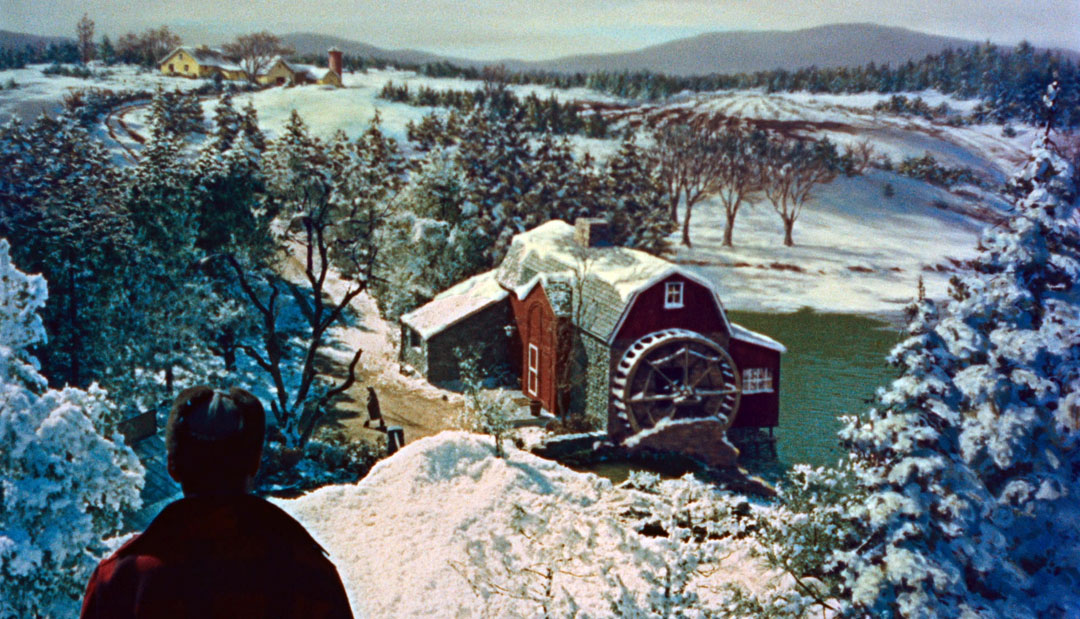
When she arrives at the mill, her ego kicks in and she changes her mind. High on a hillside, Rock views her and calls to her, to no avail. Running to catch her before she drives away, Rock falls down the ravine and passes out in a snow bank. What will happen? Does true love prevail? You’ll have to see the movie to find out.
 

While this may appear to be your typical 1950s white-bread weepy, you could substitute so many of the social issues of the time AND of today and see that this movie speaks to a much larger audience. Sirk knew exactly what he was doing with this movie; although it addresses class differences, it could just as easily be about race, sexuality, or any other class that narrow-minded people feel the need to persecute. By giving in to that type of mentality, who really wins?

See more photos at my main website.

Saturday, January 04, 2014

The Real Thing: Juanita Moore


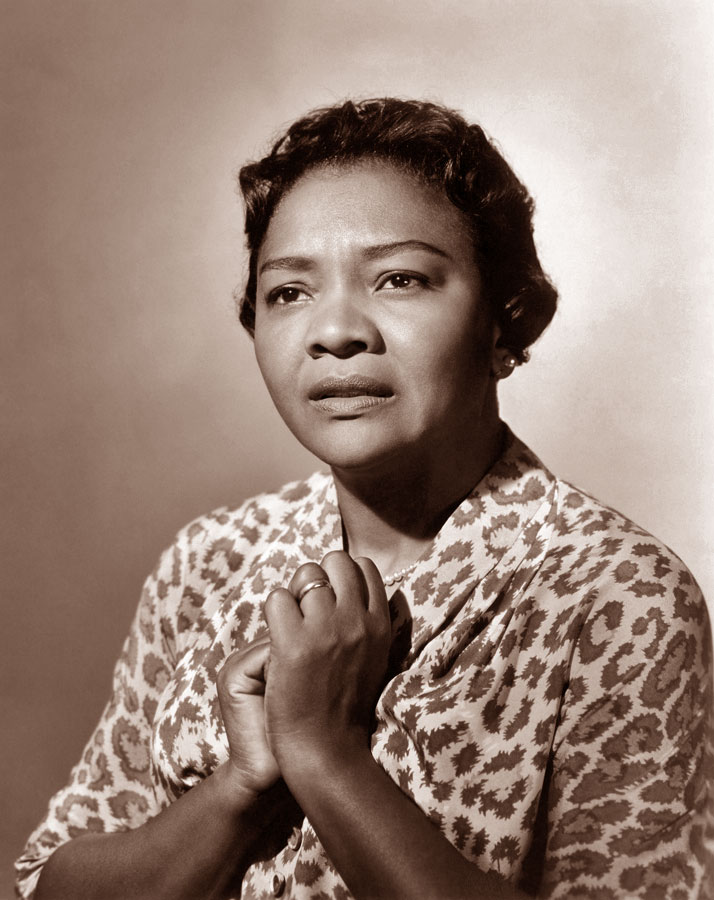
It was with great sadness that I read on the Dougsploitation blog that actress Juanita Moore had passed away. If you've never seen the 1959 Douglas Sirk classic "Imitation Of Life" then you might not know her.


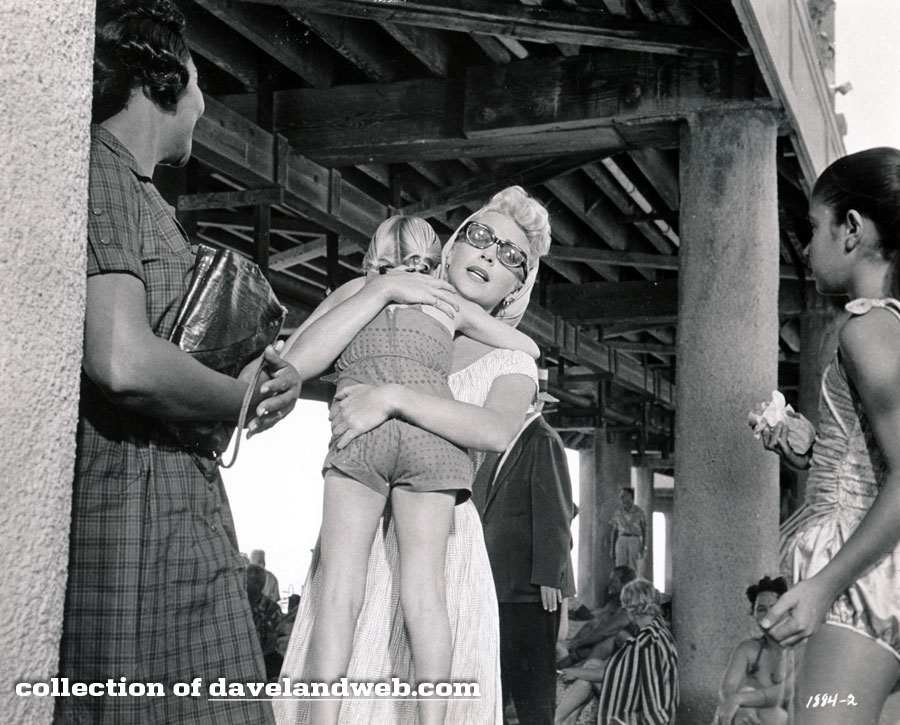
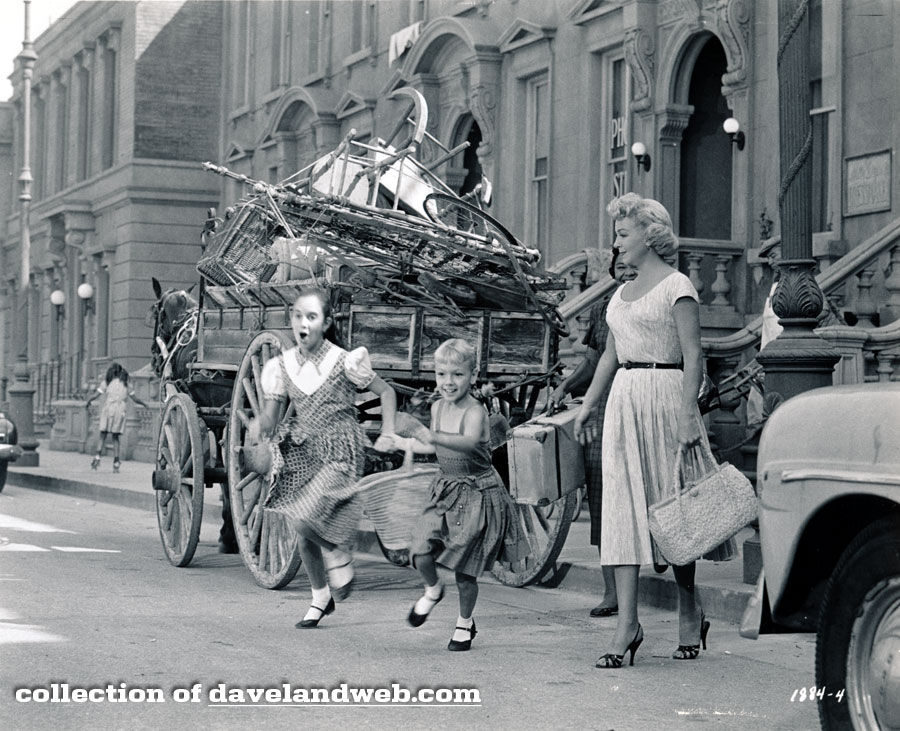
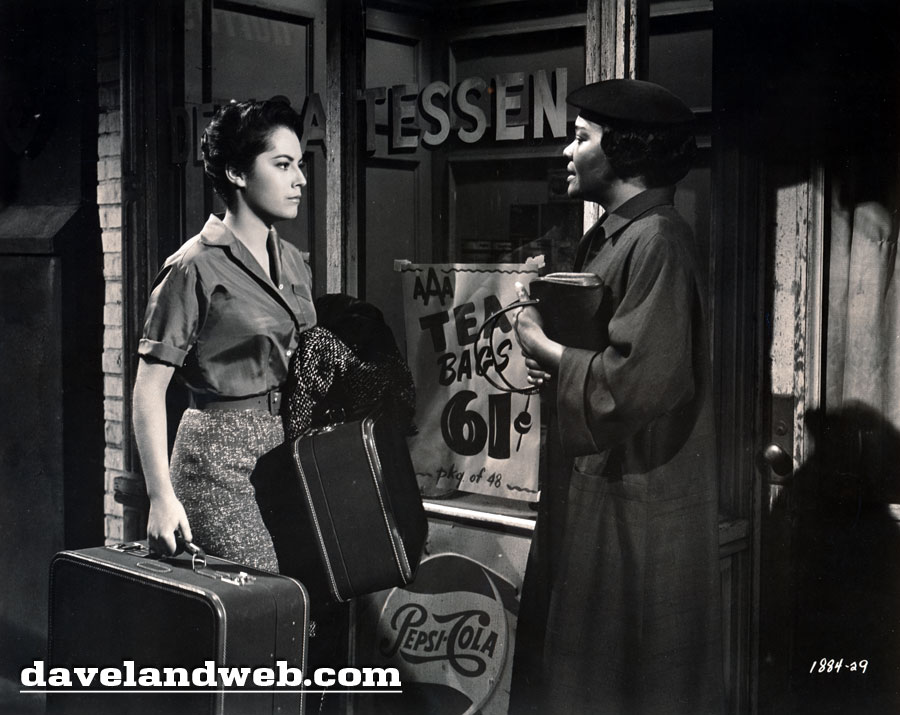
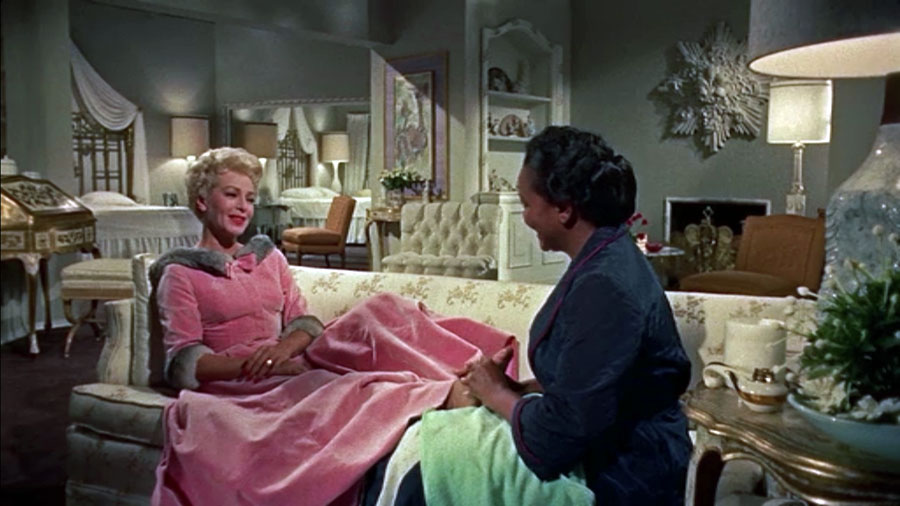
"Imitation of Life" was based on a Fannie Hurst novel of the same name and a remake of a 1934 Claudette Colbert film. Over the course of many years, it tells the story of an ambitious white actress, Lora Meredith (Lana Turner) and her friendship with a black woman, Annie Johnson (Moore) who meet by chance when their two daughters become playmates at Coney Island Beach. Lora allows the homeless Annie and her daughter to stay with her for the night.


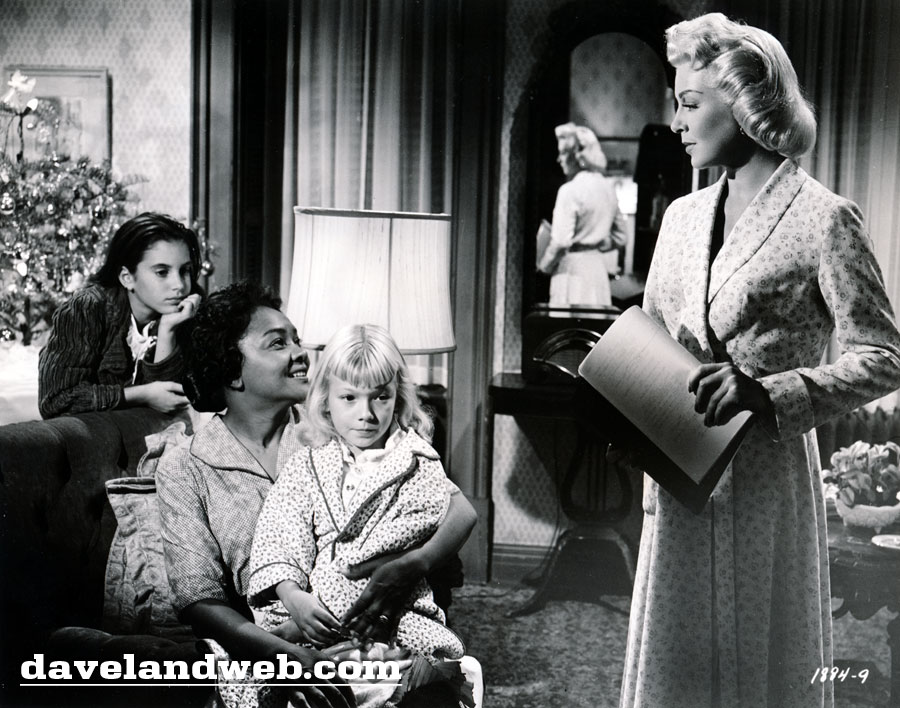
Annie makes herself indispensable to Lora, organizing the apartment and tending to her child while she is out on auditions. Lora "hires" her (initially for just a place to stay) and the two forge a life-long working and personal relationship.


Johnson's daughter, Sarah Jane (Susan Kohner), is light-skined enough to pass for white, something the girl attempts to do as she gets older and becomes more disgusted with the lack of opportunities available to blacks at the time.


Both Moore and Susan Kohner (daughter of a Mexican actress and a Jewish film producer) earned Oscar nominations for their work. At the time, Juanita Moore was only the third black performer to be nominated for an Oscar. Moore and Kohner provide the framework for the most touching yet gut-wrenching scenes in the film.


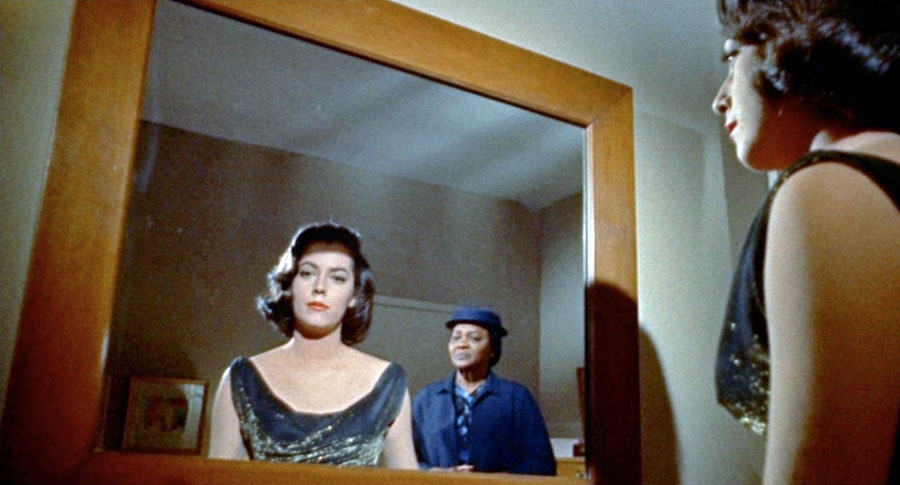
Sarah Jane grows tired of her mother's supposed acceptance of being treated like a second-class citizen and decides to strike out on her own, living life as a white woman.


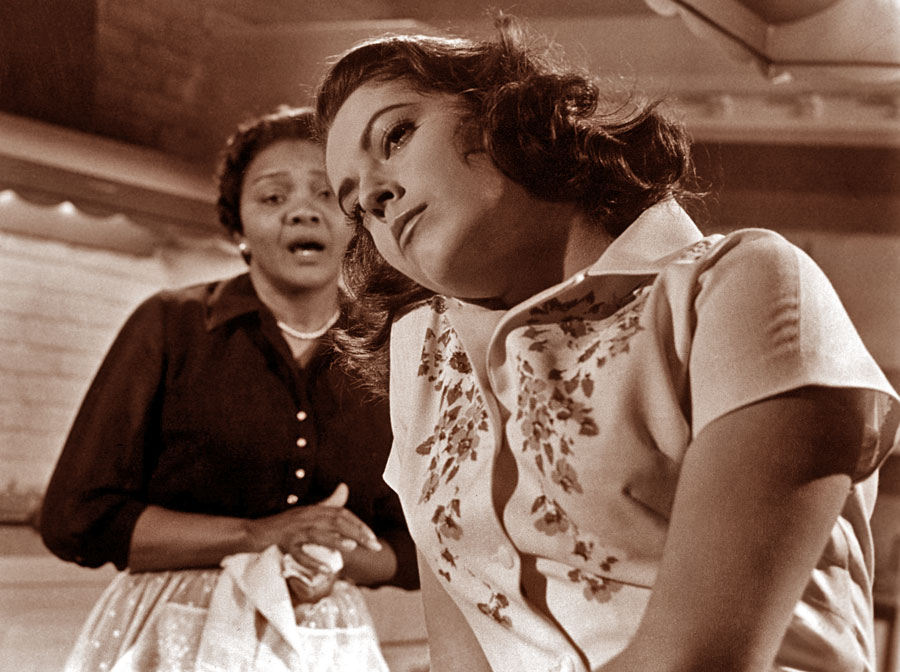
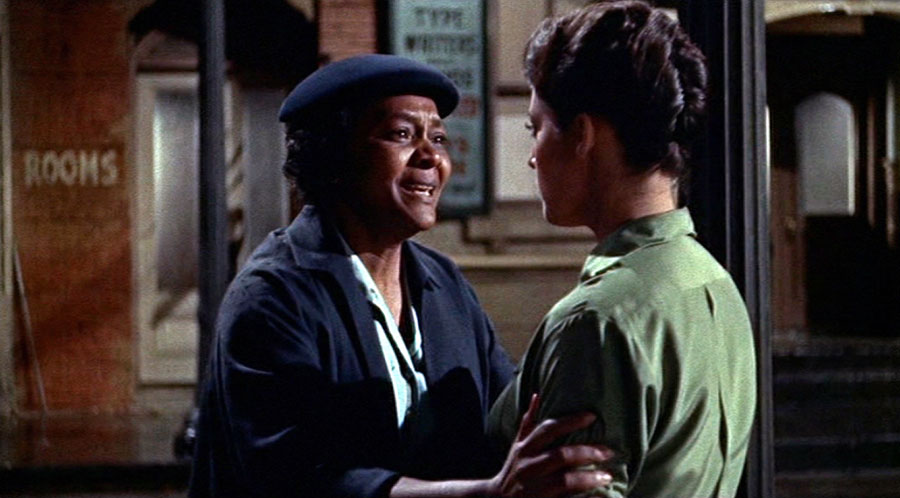
Annie attempts to teach patience and tolerance to her daughter, hoping she won't run away, but to no avail. Much later, when Annie is able to find her wayward daughter (now a showgirl), the two have a final confrontation that will rip your heart out. Sarah Jane obviously has a deep love for her mother, but her immaturity and desire for acceptance wins out, forcing her to publicly denounce Annie and tell her friends that she is only her mammy.


Many who take the film only at face value have dismissed it as typical 1950s melodrama, while pointing out the stereotypical nature of Moore's character. Those that take the time to examine the film will be richly rewarded by Moore's performance and its subtle yet powerful nuances. During a low-key reflective scene between Annie and Lora, Annie talks about her friends and her church. "It never occurred to me that you had any friends...I didn't know." Lora's self-absorbed ignorance about her best friend is not necessarily race-driven, as her treatment of her own daughter (annoyingly portrayed by Sandra Dee) is not much different. Annie could have made a very dramatic scene by calling her friend uncaring and selfish; instead, she subtly lets her know with one very simple line, delivered without anger or sarcasm: "Miss Lora, you never asked." It is the writing for Annie's character and Moore's natural performance that creates the core of the film, keeping it from going over the edge of artifice.


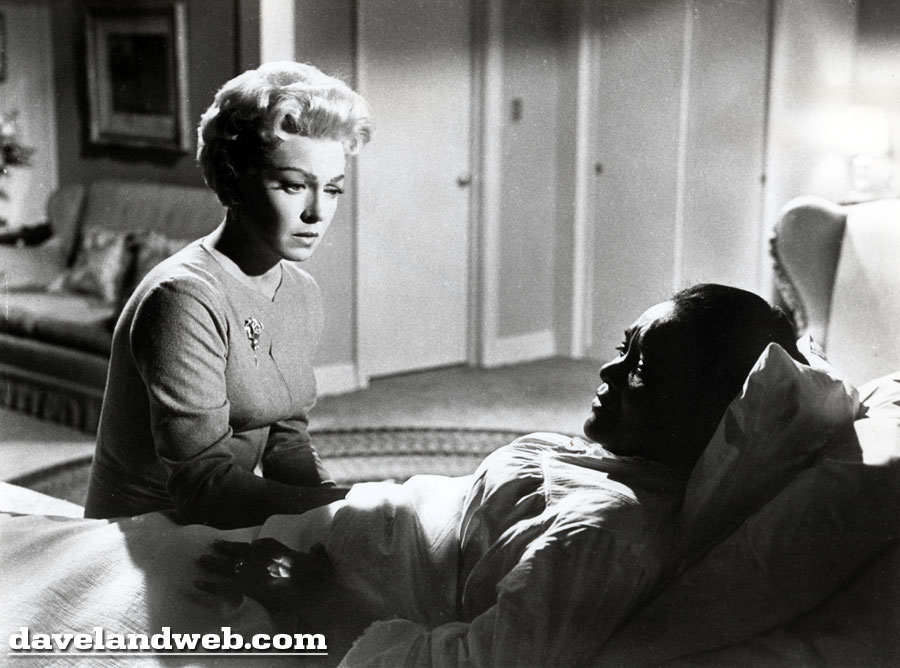
Towards the end of the film, when it becomes apparent that Annie is dying, the somewhat dimwitted Lora finally realizes all of the true riches that she has in this friendship. The final scene between these two is one of the most emotionally charged ones ever put on celluloid.


For a year after her 1960 nomination, Moore didn't work, as casting directors assumed she'd never play servants again. "What can you do?" Moore asked. "They're not going to pay me a lot of money for carrying a tray. That's all we did in movies at the time. The Oscar prestige was fine, but I worked more before I was nominated. Casting directors think an Oscar nominee is suddenly in another category. They couldn't possibly ask you to do one or two days' work. You wouldn't accept it. And I'm sure I would have." She went on to do a number of supporting roles, but the early promise of her acting career in "Imitation of Life" was sadly never fulfilled.

On youtube, you'll find this fantastic 3-part series of Moore vividly recalling her work with Lana Turner on "Imitation of Life":


See more "Imitation of Life" photos on my Lana Turner web page.

Saturday, December 04, 2010

Screen Gem Saturdays: Lana Turner—Imitation of Life


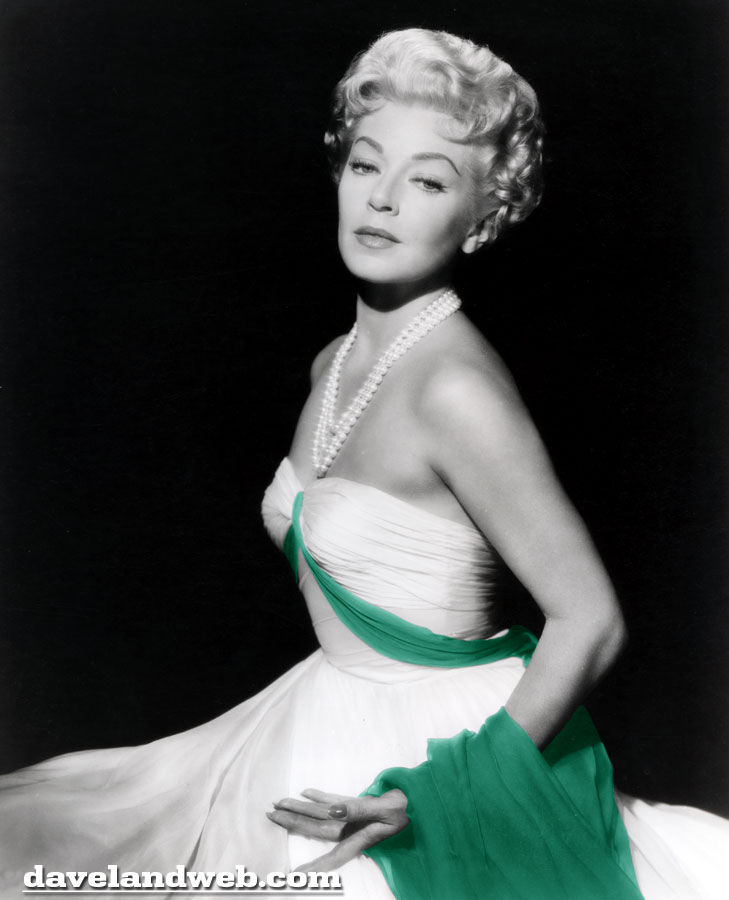
"Imitation Of Life" was one of my favorite films that I studied in my genre film class back in my college days. Like any Douglas Sirk movie, there is much more going on than what you see on the surface in this tale of racial segregation. It is based on Fannie Hurst’s tearjerker novel. Lana Turner made a professional and financial comeback with "Imitation," released in 1959. Instead of taking a huge salary, she negotiated for 50% of the films profits, which ended up earning her over $2 million—well before Elizabeth Taylor's "Cleopatra" fiasco. It is everything you'd expect from a Ross Hunter production: glossy, colorful, and dramatic, with the typical classically-inspired musical score by Frank Skinner. Earl Grant did his best Nat King Cole imitation with the title song crooned over the opening credits while a plethora of jewels effortlessly drops behind the titles. Jean Louis designed the sumptuous wardrobe that Lana Turner models throughout the film.


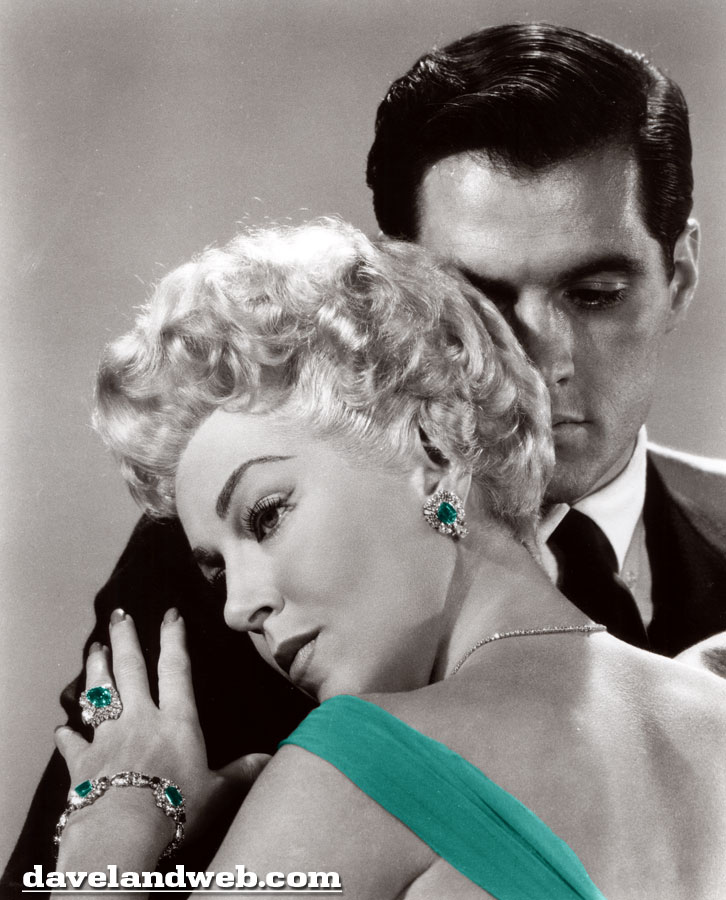
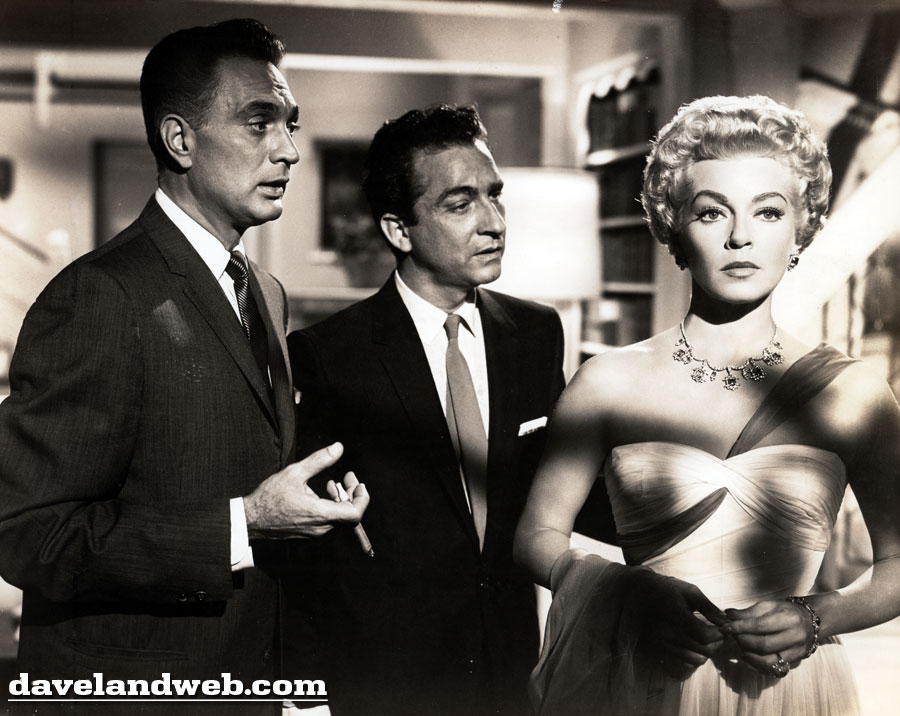
Lana Turner and John Gavin are the romantic leads. Gavin is best known as Sam Loomis, Janet Leigh's boyfriend in "Psycho." Typically, if Rock Hudson wasn't available, Gavin would be the next one chosen for the role. Extremely handsome, he had a successful Hollywood career playing opposite some of film’s most famous leading ladies. Gavin, whose heritage was Irish and Mexican, was appointed U.S. Ambassador to Mexico by President Ronald Reagan.


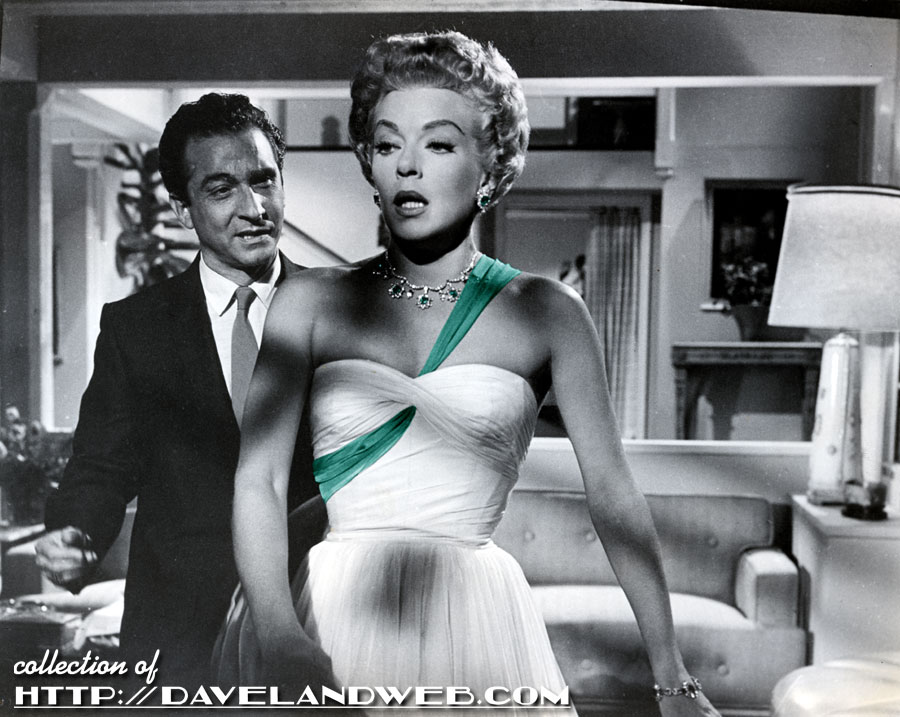
Don't be fooled by the happy ending, though; Sirk gives more than enough evidence that smooth sailing is definitely not ahead. And yes, I colorized these photos myself. Had to make that green sash "pop"; however, I left the last one alone for purists!


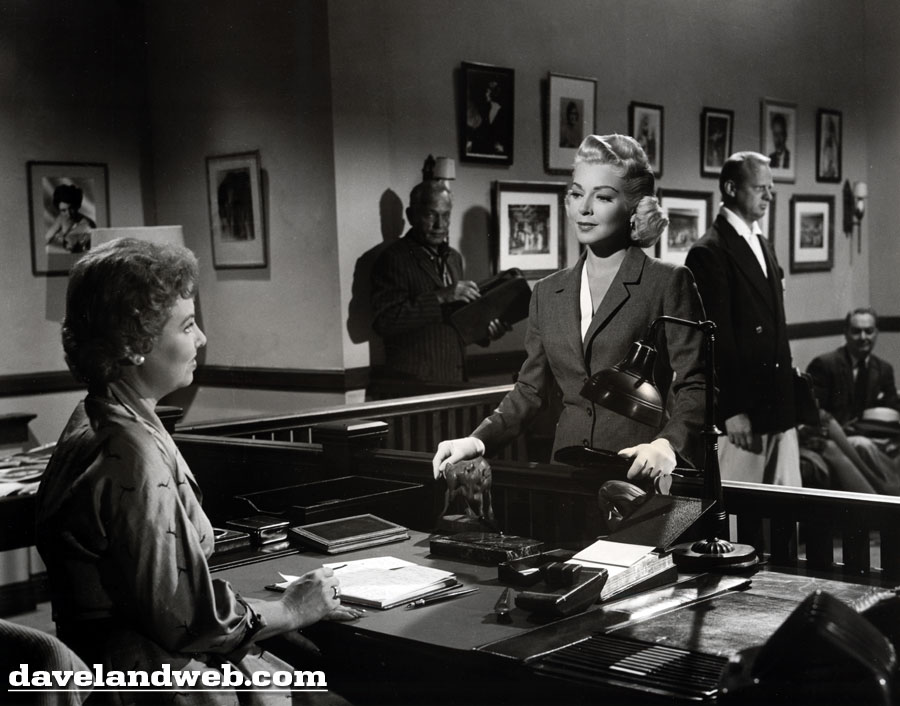
One of my favorite scenes from the movie features a face-off between Lora Meredith (Lana Turner), the aging actress desperate for a break, and Annette (Sandra Gould), secretary to the lusty theatrical agent Alan Loomis (Robert Alda). Lora pretends that she has an appointment with Loomis, but doubting secretary Annette sees nothing penned in the book. Lora covers her tracks by stating that she has just breezed in from Hollywood and that there must be a slip-up. “I hope YOU didn’t slip up!” threatens Meredith with just enough ice behind the sweetness to cause Annette to buzz her boss immediately. Naturally, Lora gets her appointment AND the big break that she had been hoping for! Sandra Gould is best known as the 2nd Gladys Kravitz on “Bewitched.”


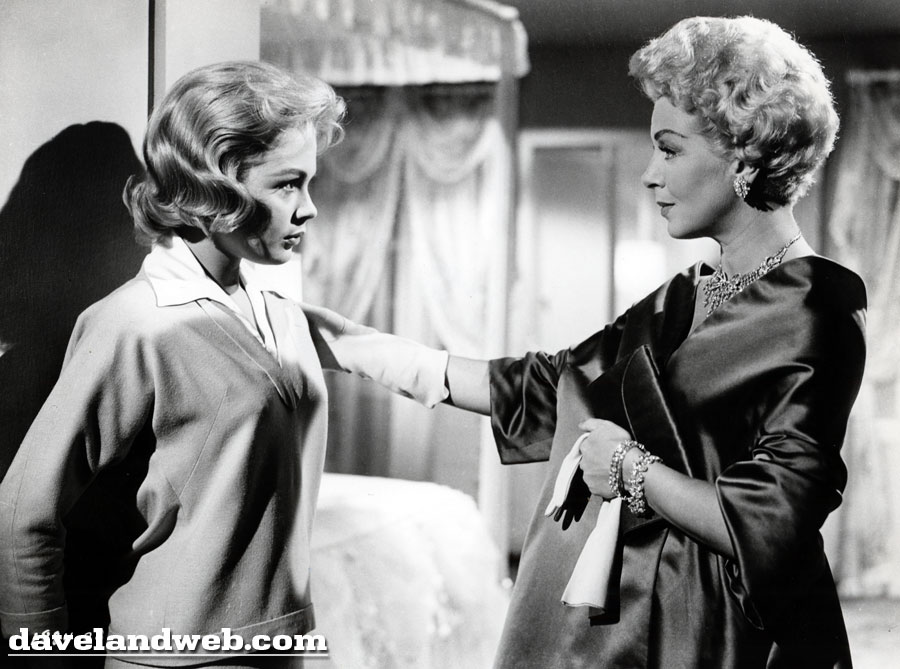
Many of the scenes that showed the mother-daughter conflicts between Lora (Turner) and Suzie (Sandra Dee) hit just a little too close to home for Turner’s actual daughter, Cheryl, who commented that even the fluffy pink bedroom looked an awful lot like the real thing.


For the ultimate in tear-jerking, just watch the death scene between Turner & Juanita Moore, who played Turner’s maid, Annie. Turner's acting style is pure MGM: glossy and highly emotional. On the other hand, Moore plays it with quiet restraint and dignity. Moore anchors the scene and keeps it from being ridiculous (despite the Heavenly choir singing in the background). The two actresses had excellent chemistry, making it believable that they were lifelong friends.


See more Lana Turner photos at my main website.