Tuesday, March 15, 2022

Temple Tuesday: Shirley and Bill


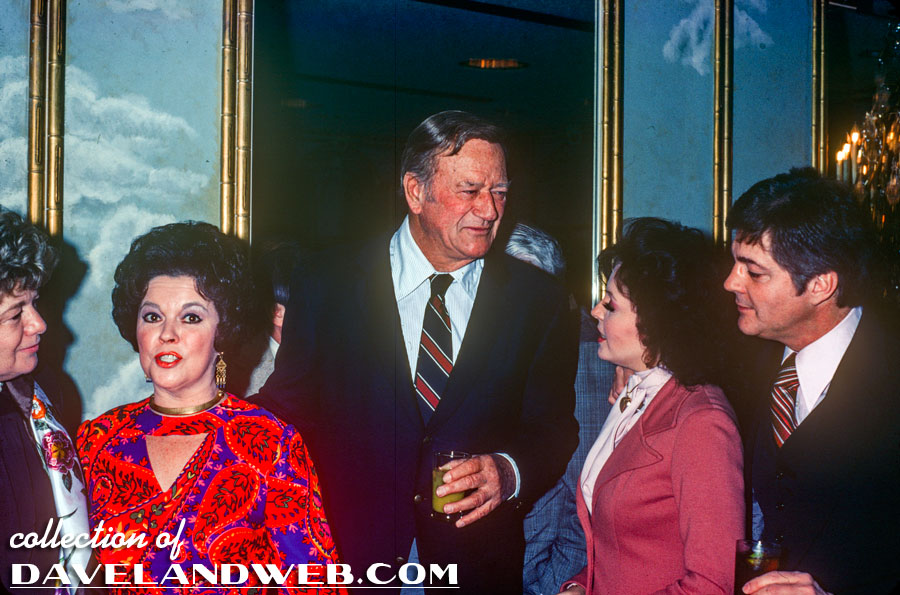
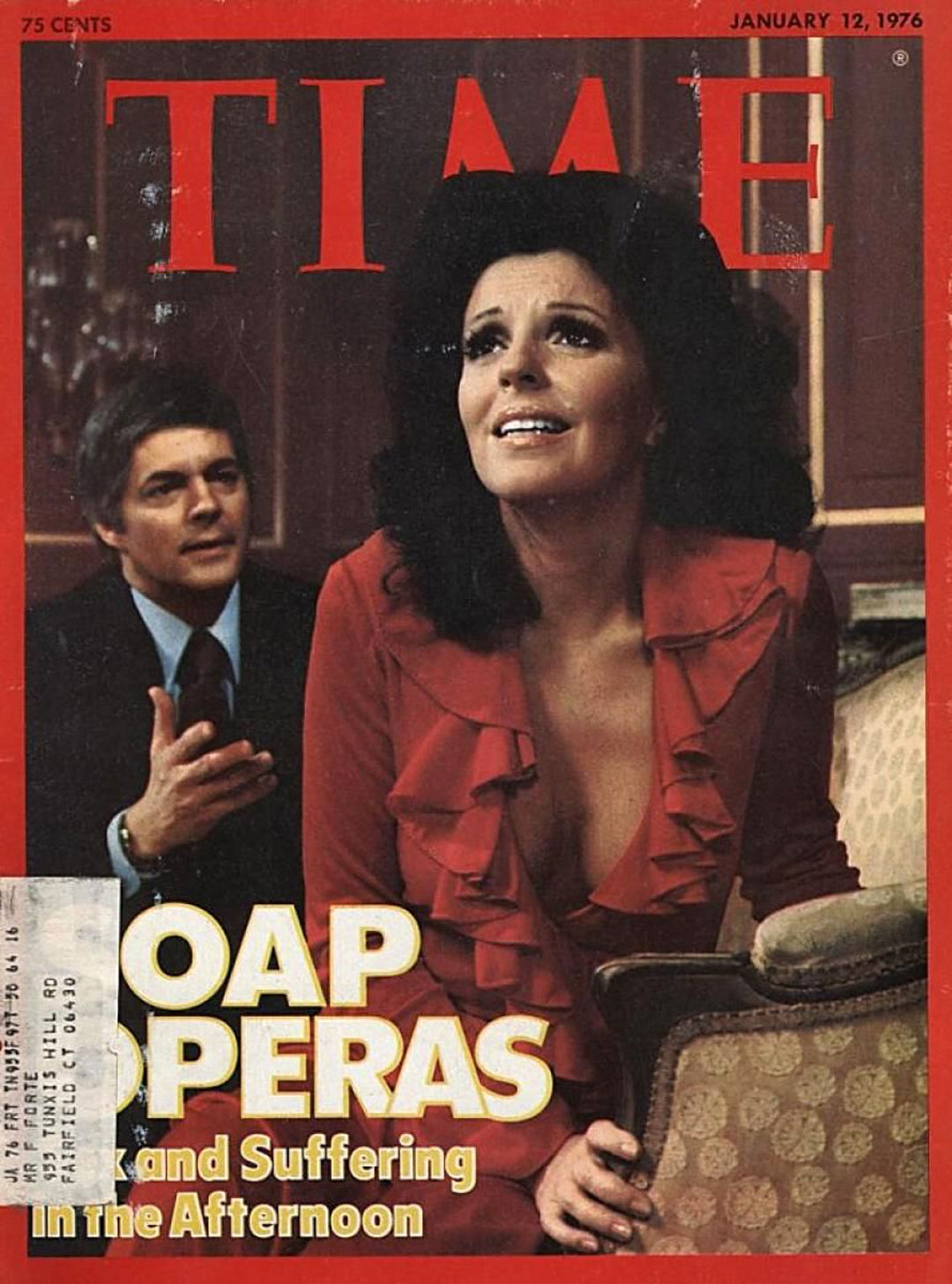
Another recent acquisition to the Daveland collection is this December 1976 shot taken at the Beverly Wilshire Hotel during the Golden Apple Awards. From left to right: Shelley Winters, Shirley, John Wayne, Susan Seaforth Hayes, and her husband, Bill. Susan and Bill Hayes were the mega-stars of “Days of Our Lives” in the 1970s; they were the dream team for housewives everywhere who tuned in daily to see their fictional exploits, which melded into real-life since they eventually got married in 1974. I guess those on-screen sparks weren’t so fictional! The two even made the cover of Time magazine in 1976.


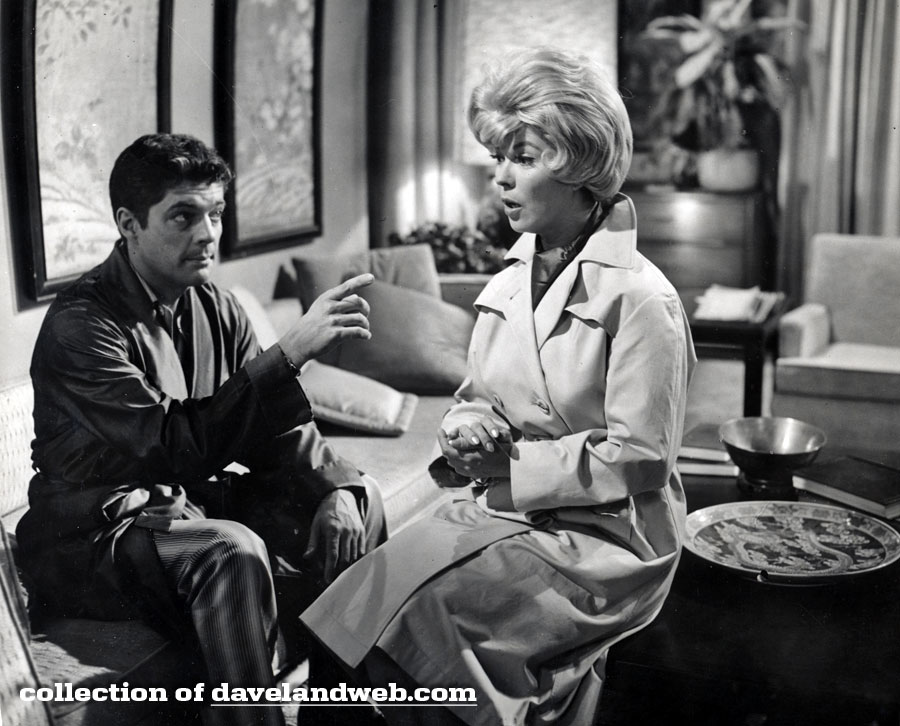
As mentioned in a previous post, Shirley Temple and Bill Hayes once worked together filming a TV pilot that never got picked up. Here they are in “Go Fight City Hall!”, January 1965. Bill is currently 96 years young, and Susan is 78. The two still have recurring roles on “Days.”


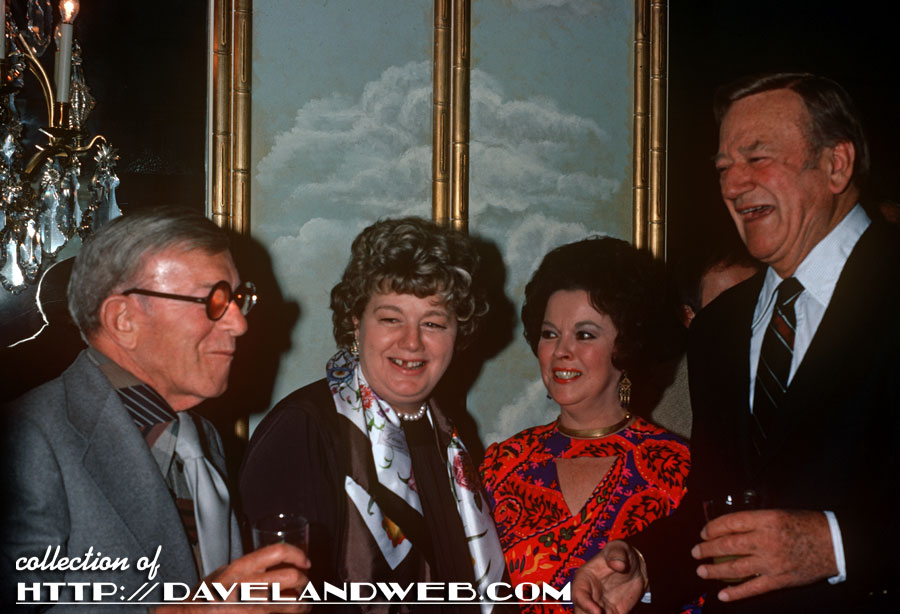
My previously posted alternate image from the Golden Apple Awards, with George Burns and John Wayne getting a good laugh at poor Shelley who was missing a tooth at the time. She must have bitten into a really hard apple.


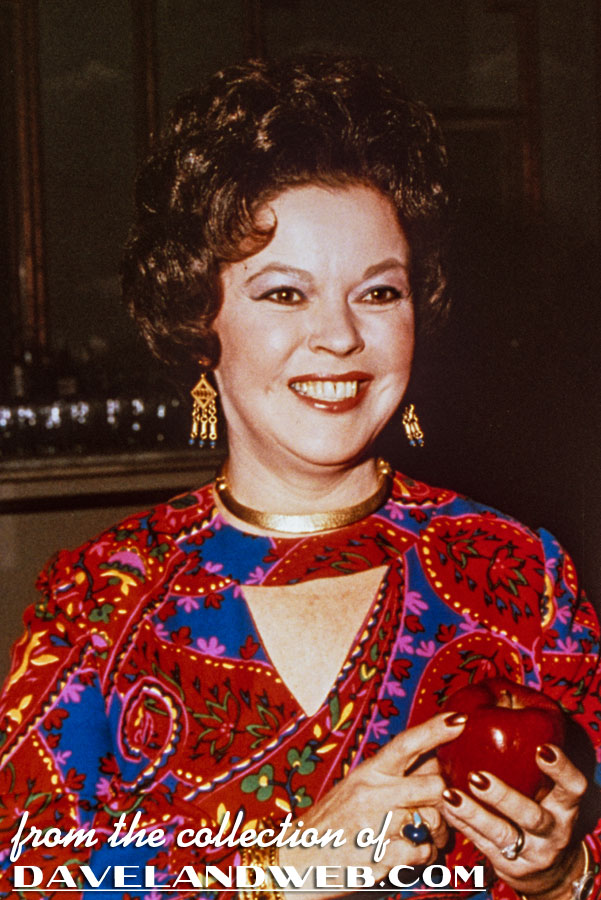
It may have been the Golden Apple Awards, but here Shirley holds a ruby red one:


See more Shirley Temple photos at my main website.

Friday, March 11, 2022

Flying Saucer Friday


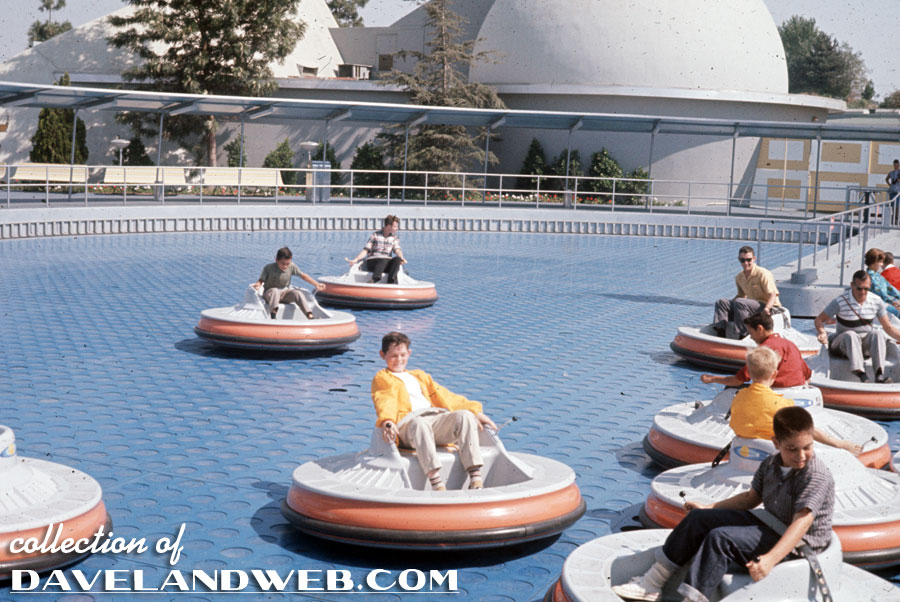
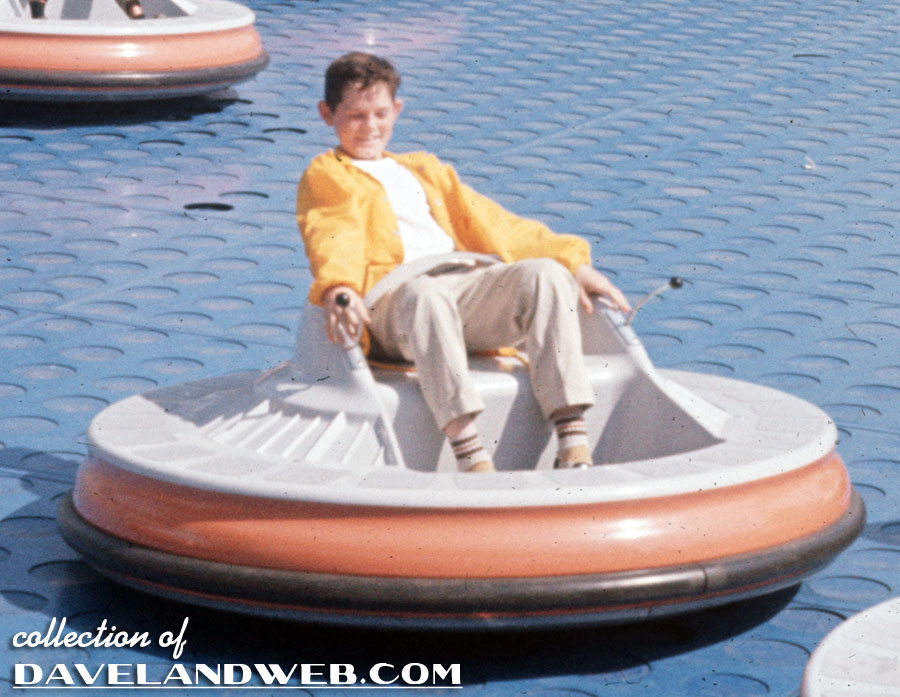
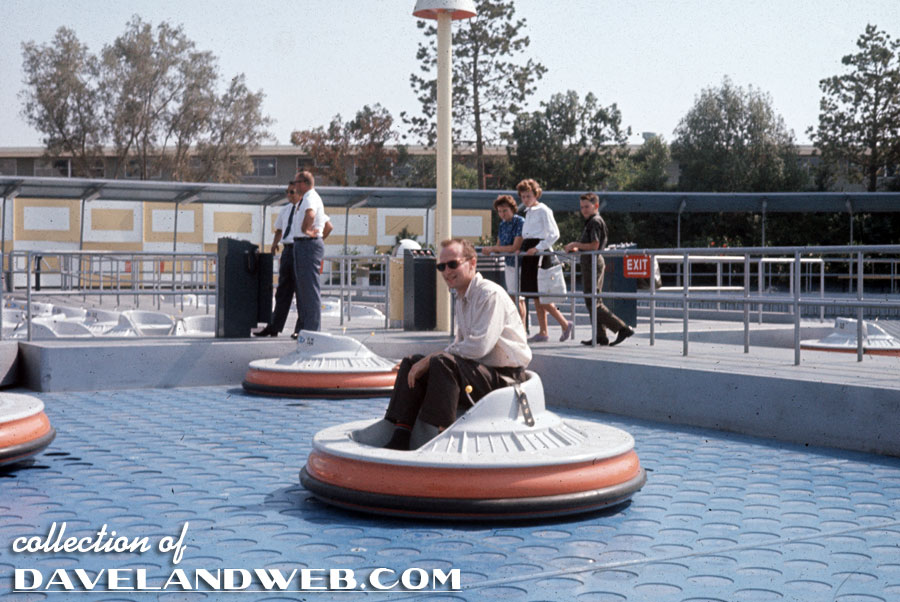
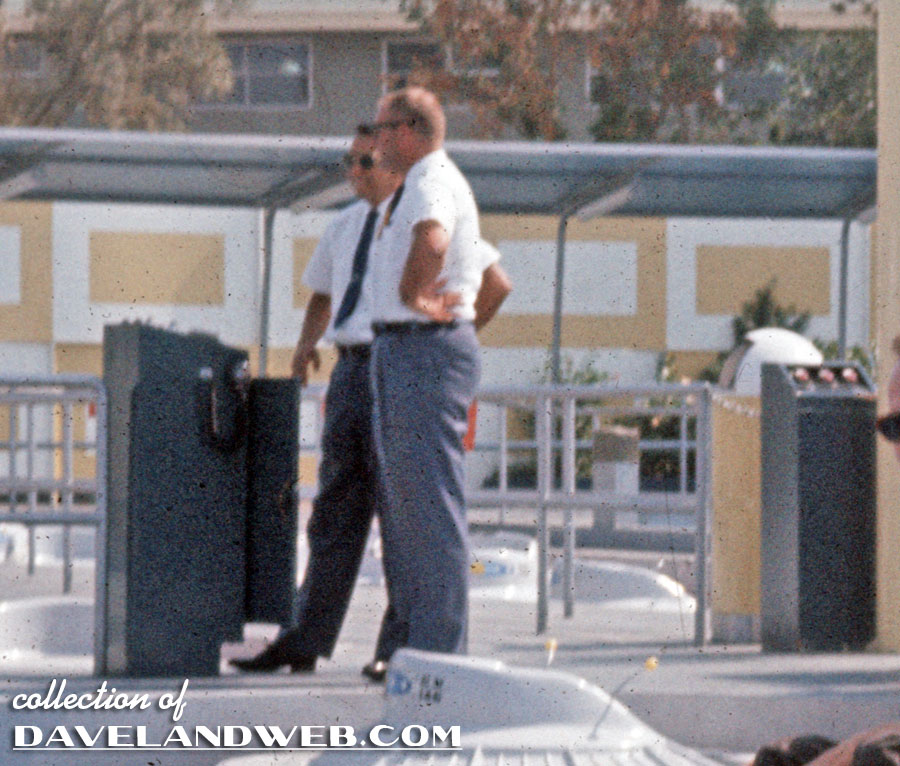
Want to fly somewhere? The Disneyland Flying Saucers (1961-1966) would probably not be a good choice. As you can see from this October 1961 image, there’s more of a log jam issue going on. The little boy in the hover-craft below seems to be having fun, while he leans back in an attempt to steer his ride.


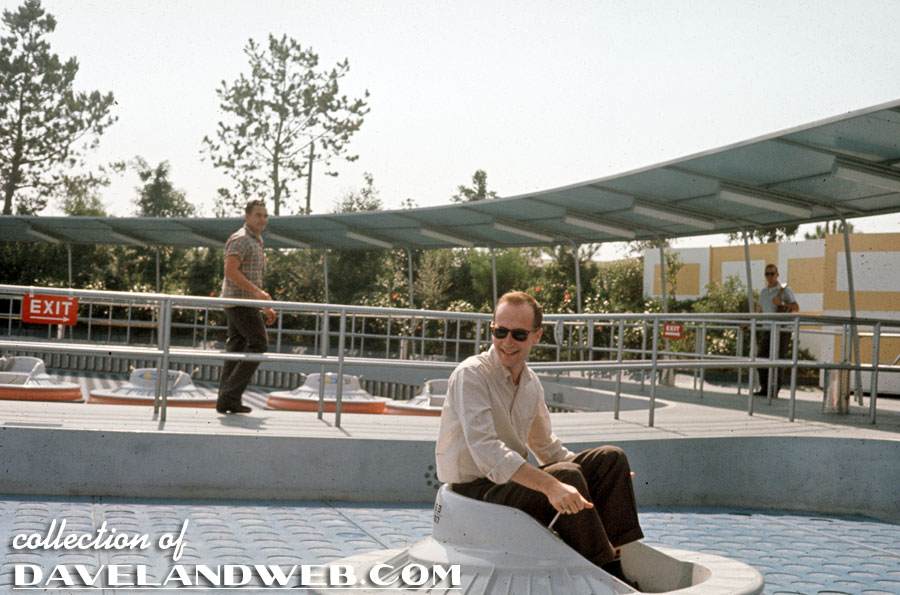
The three images in today’s post were taken sequentially. Dad seems to be having much less fun, having resigned himself to the fact that this damn thing was just not going to work.


Still sitting…


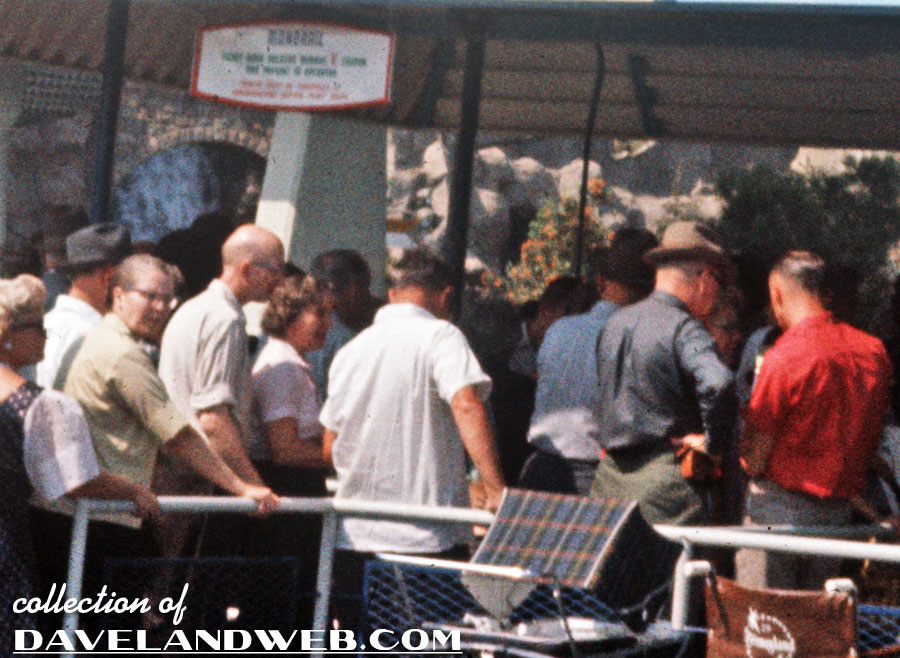
Even the cast members seem disinterested. “When are they going to remove this turkey?!?”


See more Disneyland Flying Saucer photos at my main website.

Thursday, March 10, 2022

Blue Monorail-Mania


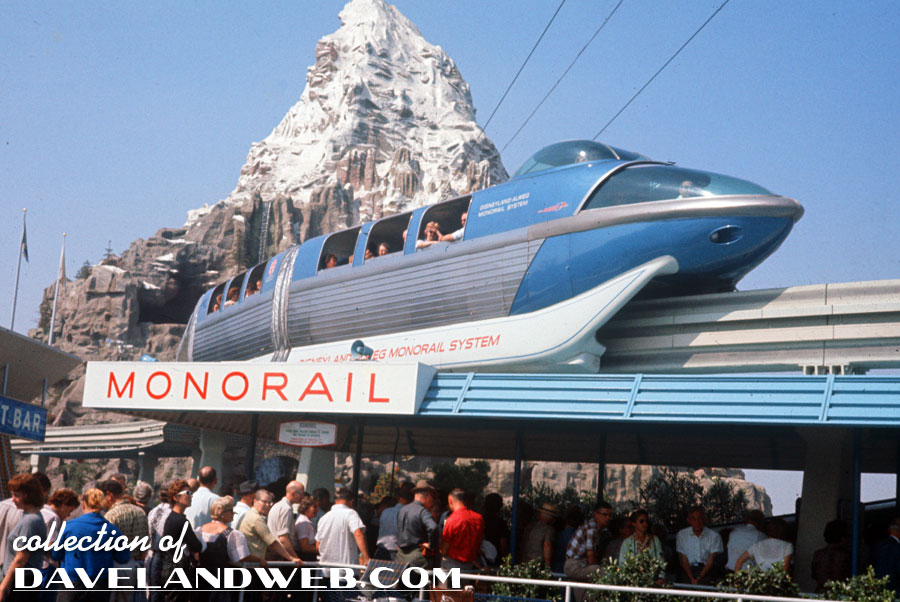
The Red Monorail at Disneyland is the one most often seen in vintage images, but the Blue one has always been my favorite. Something ultra sleek about its blue/silver color combo that really hits the spot for me. This October 1961 is postcard perfect as the Monorail cruises by the Matterhorn, The Yacht Bar, and over the Submarine Voyage attraction. I dig that bubble top, too.


Look at the positively low-tech stroller and Disneyland wheelchair in the lower right:


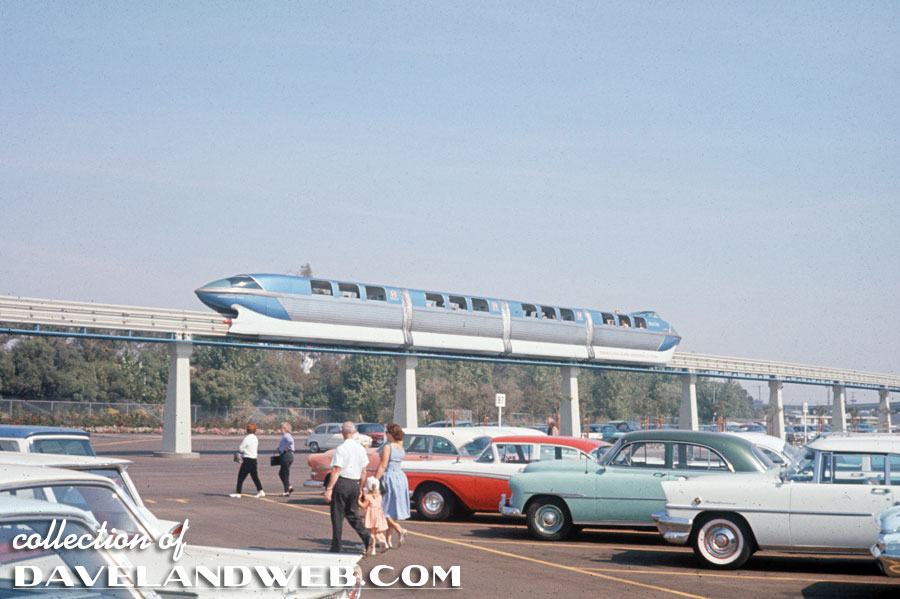
Last one from the same October 1961 batch shows the Monorail cruising over the Parking lot. Any vintage auto enthusiasts care to identify these retro classics?


See more Disneyland Monorail photos at my main website.

Wednesday, March 09, 2022

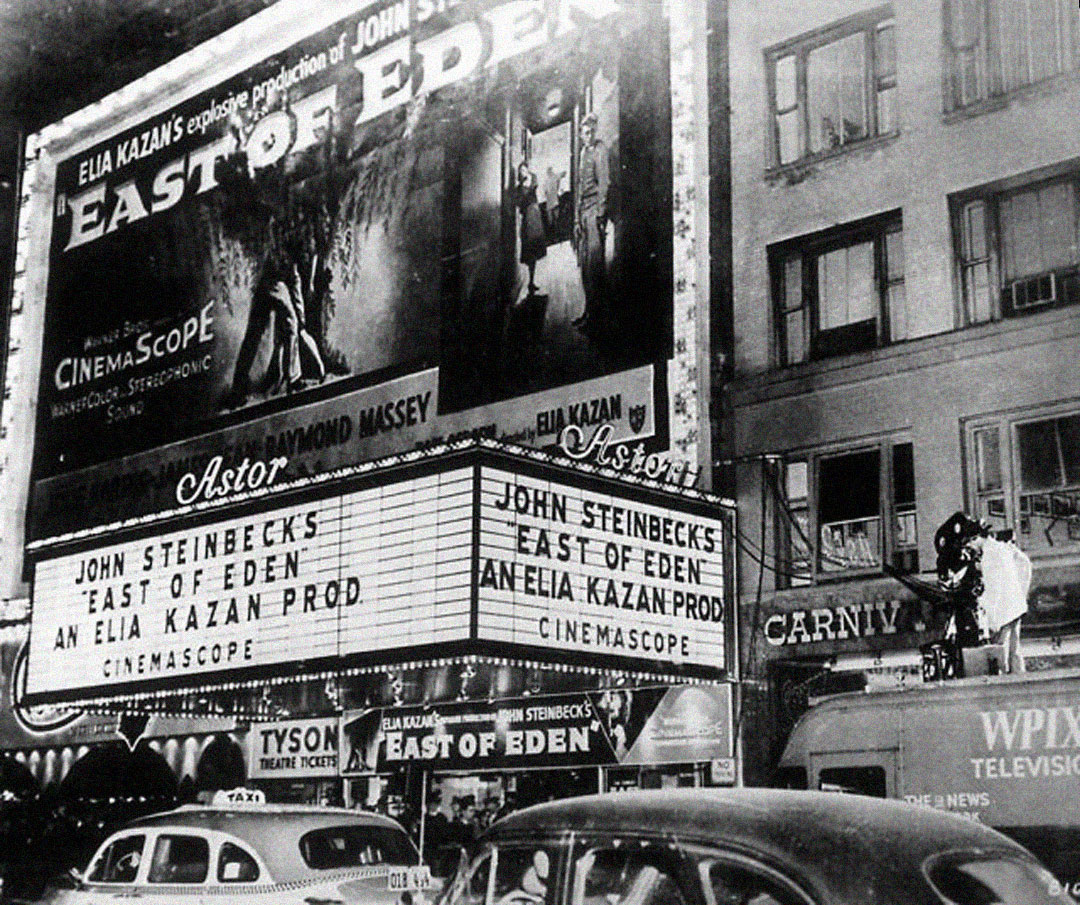
East of Eden at the Astor


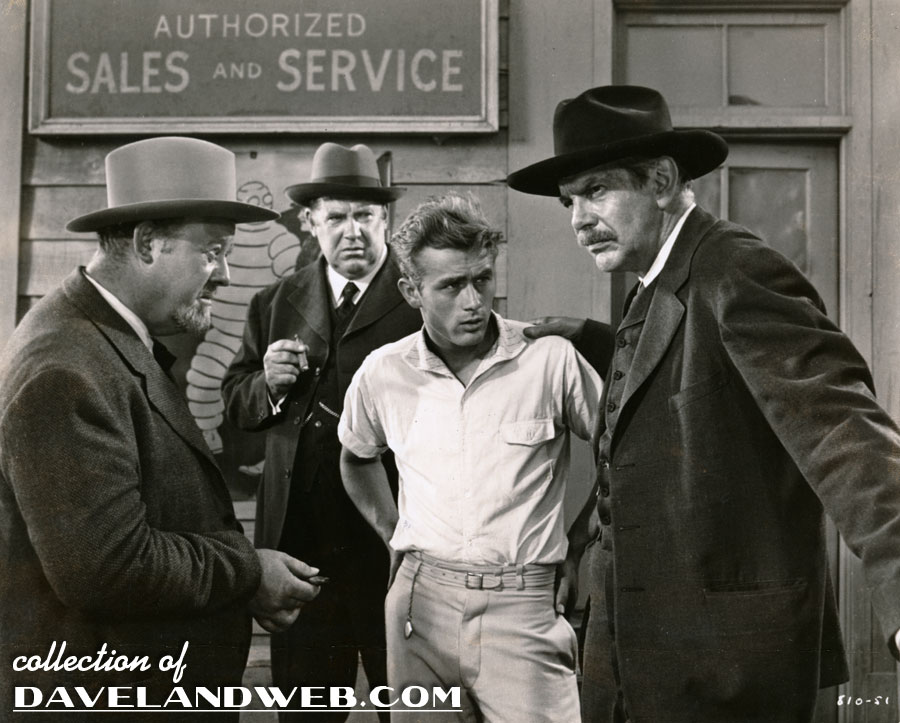
Sixty-seven years ago today, “East of Eden” premiered at the Astor Theater in New York City and the world of movies was never the same again, thanks to its lead actor, James Dean.


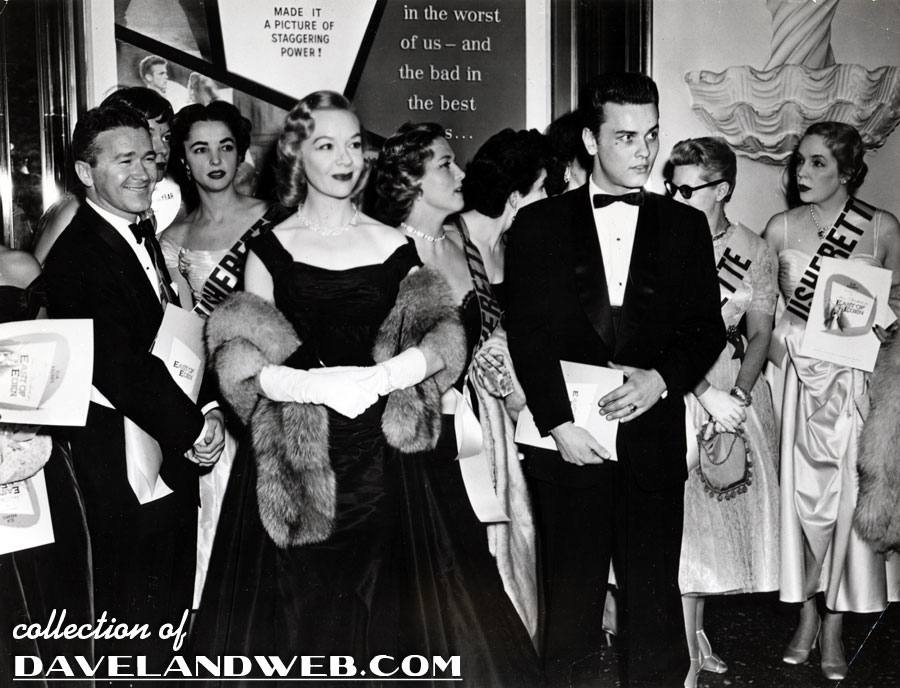
Dean was not at the premiere of his own film, but Jo Van Fleet (who played his mother) and Richard Davalos (who played this brother) were there to hand out programs. Actor Red Buttons is on the left:


From the gushing publicity release of the day:

An all-celebrity world premiere audience made Wednesday, March 9th’s N.Y. Astor Theatre opening of “East of Eden,” Elia Kazan’s Warner Bros. CinemaScope production of the John Steinbeck best-seller, the most newsworthy event in recent Broadway history. A distinguished opening night audience of some of the nation’s most famous people paid $50 a ticket for the premier given for the benefit of the Actors Studio. A corps of volunteer celebrity usherettes showed the capacity audience to their seats. Following the premiere, an after-theatre supper and private all-star entertainment at the Sheraton Astor Roof was attended by the $50 ticket holders. Members of the cast of “East of Eden” were present for the opening, including Raymond Massey who co-stars in the drama with Julie Harris and James Dean, and Jo Van Fleet and Richard Davalos, who play leading featured roles. Jack L. Warner, executive producer; Elia Kazan, producer-director, and John Steinbeck were also among the “East of Eden” first-nighters. Mrs. Averell Harriman was honorary chairlady of the premiere evening, whose entire proceeds go to the non-profit Actors Studio for its work in the advancement of the professional arts of the theatre.

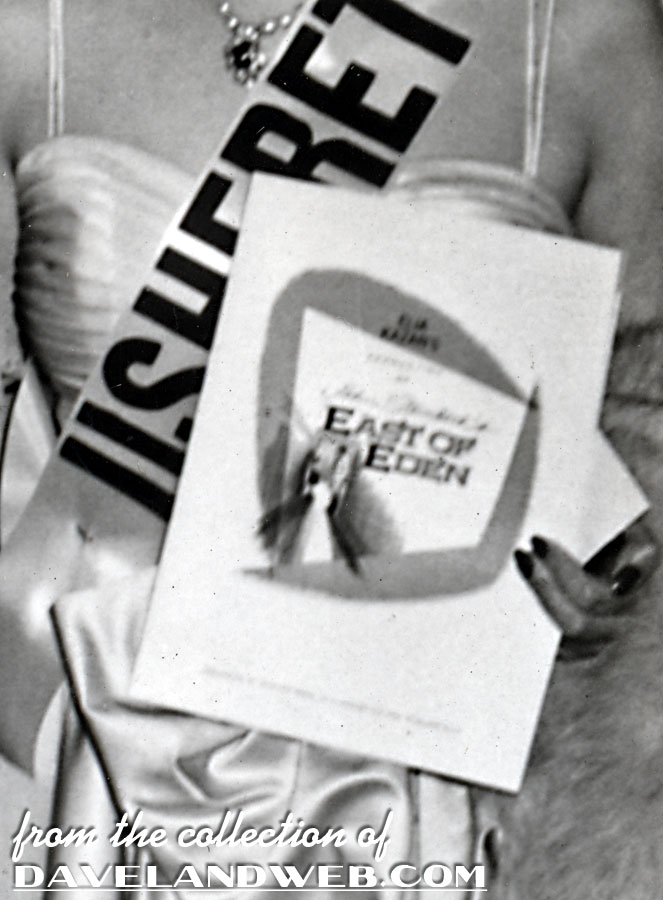
This detailed view shows the program that guests received as they entered the theatre:


Thanks to Google, you can see it in color:


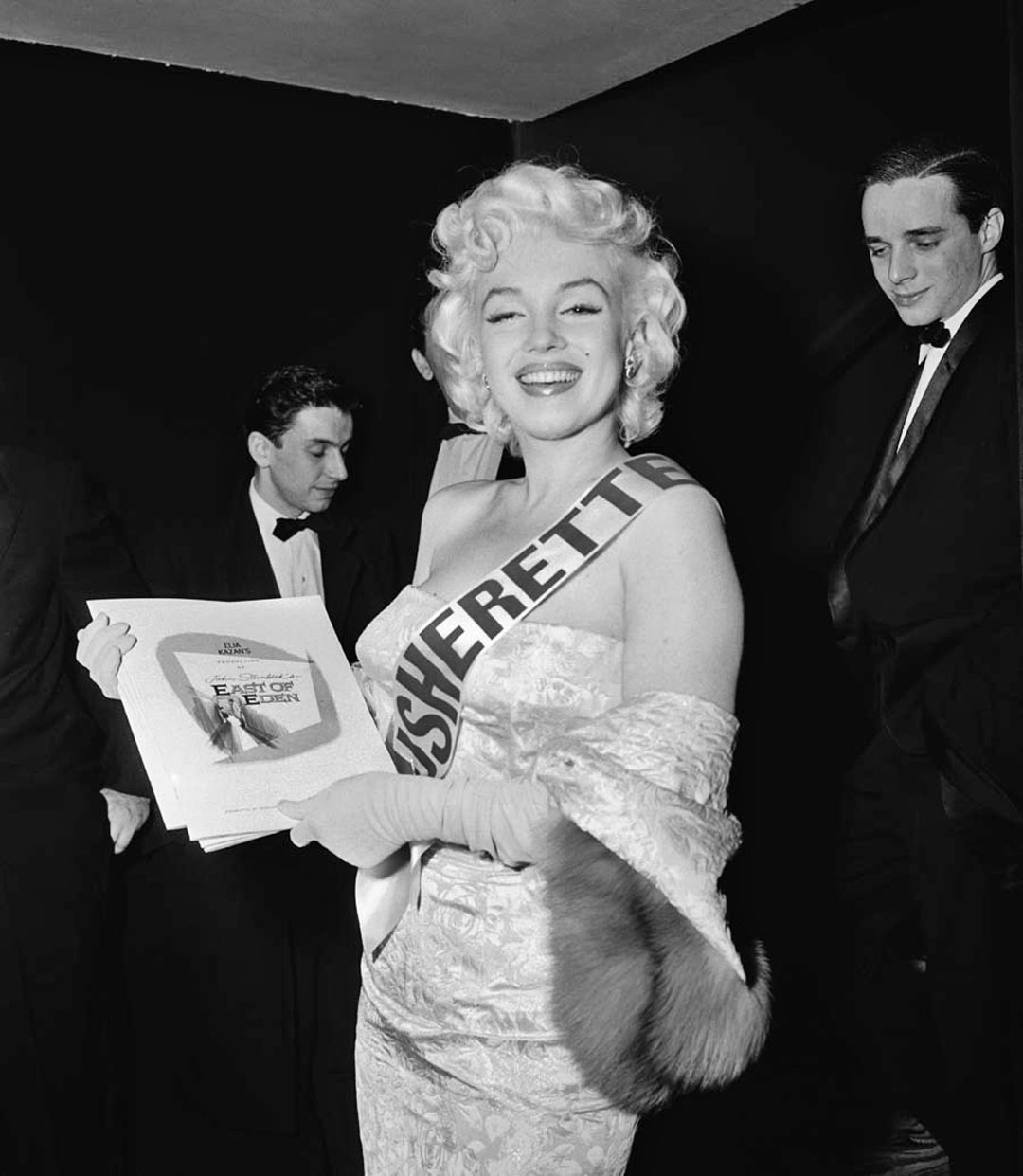
One usherette was more popular than all the rest: Marilyn Monroe. At the left of this image is her press agent, Jay Kanter. Not sure who the leering creep on the right of the image is.


From the Book “The Last Days of Marilyn Monroe” by Donald H. Wolfe:

With the news of Marilyn’s participation the benefit was an instant sellout. The magic name of Monroe caused a run on tickets, which were being scalped at triple their sales price. One of the crowd at the Astor Roof who was anxiously waiting to see the usherette was Arthur Miller, who attended the Actor’s studio benefit with his sister, actress Joan Copeland. Marilyn had been very much on Miller’s mind. He stated, ‘I no longer knew what I wanted – certainly not the end of my marriage, but the thought of putting Marilyn out of my life was unbearable.’

Marilyn fan supreme, James Haspiel, was a young man at the time of the Astor premiere. Here is his breathless account from his book, Marilyn: The Ultimate Look at the Legend:

I came upon wooden police horses set up on both sides of the entrance to the hotel, holding back hundreds of Monroe admirers. In addition, there was a long line of people that wrapped around onto Park Avenue, fans who had cameras and autograph books awaiting the Monroe image and signature. With her limousine sitting at the curb, what had been arranged for the more ambitious fans was that when Monroe came down in the elevator these people would be allowed to go one at a time to the elevator door and either take a snapshot or obtain an autograph. Little by little, finally everyone had been serviced, as it were, and I got on the end of the line and was the last person to reach the door of the elevator. With a feeling of dismay that I didn’t have my camera along, I walked right into the cubicle, looped my arm through hers, and said, “I’ll take you out to your car, Marilyn.” She was wearing an off-white brocade gown with a fur-trimmed stole, I was dressed in jeans and a black leather jacket. We must have been a sight and a half! As we came through the hotel’s revolving doors, probably seventy-five or so flashbulbs exploded into a virtual sea of bright light, yet I have never seen even a single photograph taken of that moment. I escorted Marilyn into the limo, helped her inside and closed the door. Having just usurped his job, I then noted her chauffeur standing there quite mute. I went around to the other side of the car to look at Marilyn through the window. Although she was to me consistently beautiful, there were few moments, this being one of them, when Marilyn looked so outrageously gorgeous that it was actually hard to look at her. But I did. She went on to the premiere, and the word quickly spread throughout Times Square that ‘Marilyn Monroe is over at the Astor Theatre!’ Soon people in the thousands picked up that information along Broadway. Marilyn was going to a post premiere party at the Astor Roof atop the Astor Hotel, directly across the street from the movie theatre. By the film’s conclusion, there was no way to move along that block bridging the theatre and the hotel. To one side of the hotel, next to an entrance, was a very large display window with a healthy-sized cement sill that I managed to take refuge on. Side doors to the theatre were opened, and celebrities like Sammy Davis Jr. came walking through the crowd, and were welcomed and shouted at and applauded. One by one the celebrities came across, and then the doors were closed again, with everybody still there waiting for Marilyn. As if on cue, at exactly midnight the doors reopened and you could see about eleven or twelve policemen and a tousled blonde head in the middle of them. It was no small task getting Marilyn across that jammed street. I remember more than one person suddenly pirouetting out of the crowd, screaming hysterically ‘I touched her!’ When she got up close to where I was, heading for the entrance of the hotel, she was out of breath. I gazed at her face and there were tears streaming down her cheeks with joy and exhilaration, the excitement and love that was happening all around her. I didn’t go into the hotel, but someone who did told me there were people in the Ladies Room standing in the line outside the bathroom stall that Marilyn took refuge in, passing papers and pens underneath the stall for her to sign.

Here are two videos from YouTube that show the premiere and Marilyn’s entrance to the event:


The Astor Theatre was demolished in 1982 and replaced by the Marriott Marquis Hotel. I guess L.A. isn’t the only place where historic buildings get razed. See more James Dean photos at my main website.

Tuesday, March 08, 2022

Temple Tuesday: Shirley, Spunky, and Roanie


Today’s post is about Shirley’s love of animals, specifically horses. Many thanks to Melissa (aka “The Colonel”) for all the text/research!

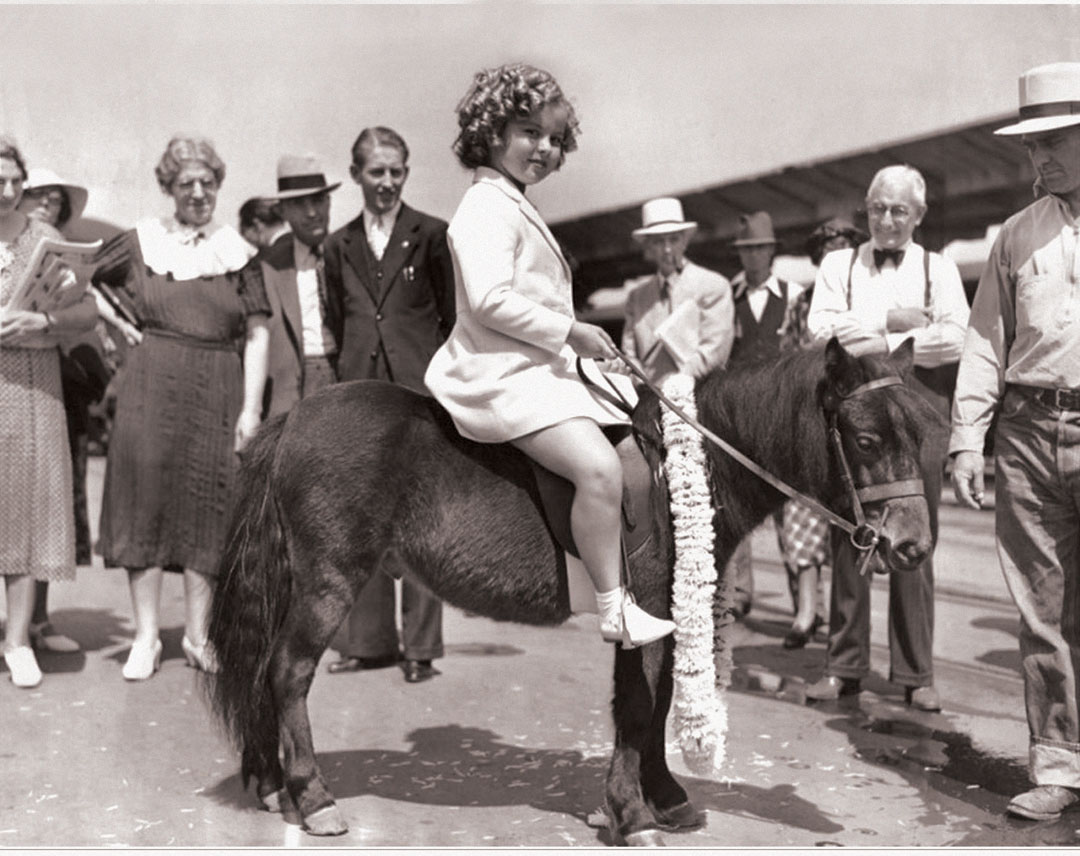
If dogs were Shirley’s favorite animal, then horses came in second. In the fall of 1936, she received a Shetland pony from Joseph M. Schenck, chairman of the board of 20th Century-Fox Studio. Samuel of Speen came directly from the Shetland Islands on the Queen Mary’s maiden voyage after being selected by the Marquess of Donegall, distinguished English writer. He was named after the Biblical character who was “devoted to the services of the temple.” The pony was nine months old and fully mature at six and a half hands and 250 lbs. He was brought to New York by Major James Caldwell, from whose breeding farm in England the pony came. He then traveled across the country to California in a special stall-car. Shirley promptly renamed him Spunky because “he wasn’t afraid of anything.” Shirley and Spunky met at the railroad freight yard in downtown Los Angeles. She draped a flower garland around his neck, which he promptly tried to eat. He went on to live in the newly-built stables at the Temple Brentwood home. Shirley writes in Child Star that the pony was less of a pet than a boarder, was not fond of being ridden, and once bit at the bottom of a visiting Lady Thelma Furness. In the Saalfield book, Shirley Temple – The Real Little Girl, it states, “Spunky is the kind of pony that others might call ‘bad-natured,’ but Shirley loves his spirit. She was especially thrilled when he was taught to kneel, roll over, and take a bow.”

Shirley was hoping that Spunky could appear with her in “The Little Princess,” just as Ching-Ching (her dog) had been in “Just Around the Corner.” But Spunky’s coloring did not photograph well, and a Shetland pony named Jewel was given the role.


Shortly after acquiring Spunky, Shirley received Roan King II from trick rider Betsy King Ross. Roanie, as Shirley called him, was the champion trick pony of the 1934 American Royal Horse Show in Kansas City. Here is the vintage publicity blurb for the photo above:

Shirley Temple, child star of the screen, tries out her newest pony, Road King 11, champion trick pony of the American Royal Horse show in Kansas City two years ago on Oct. 21, 1936. The animal was given Shirley by Betsy King Ross, trick rider, as a companion to the little actress’ other pony, Spunky.

In the Saalfield book, Now I am Eight, the author (as Shirley) writes, “Do you remember how friendly Spunky wanted to be with Roanie when we first got Roanie? He’d run right up to Roanie and try to touch noses. But Roanie didn’t want to be friends, so he’d walk away. Then Spunky would trot right after him. They’re good friends now, though. They live right next to each other in the stable, and Roanie often looks over the top of his stall to see if Spunky is getting enough to eat.”
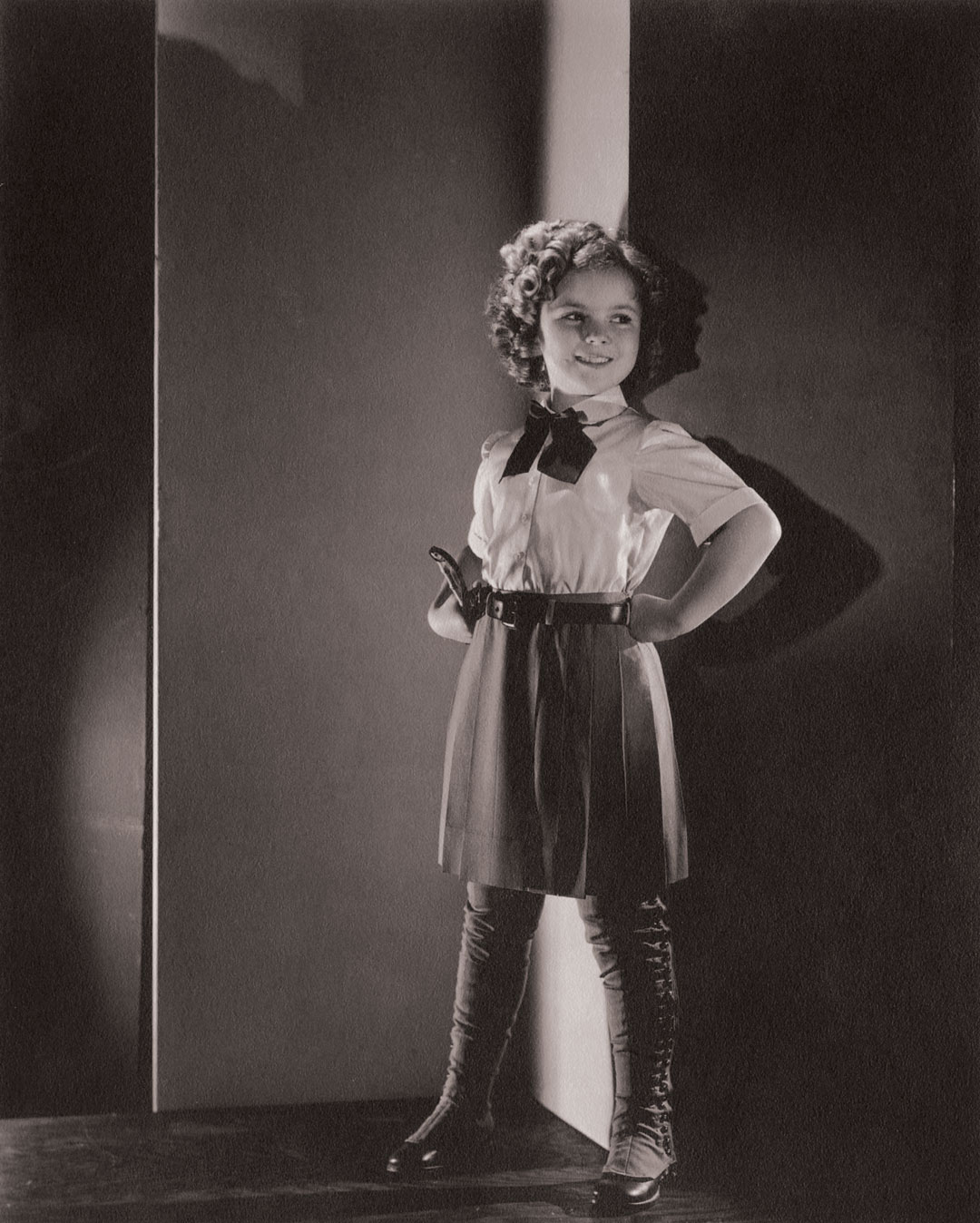


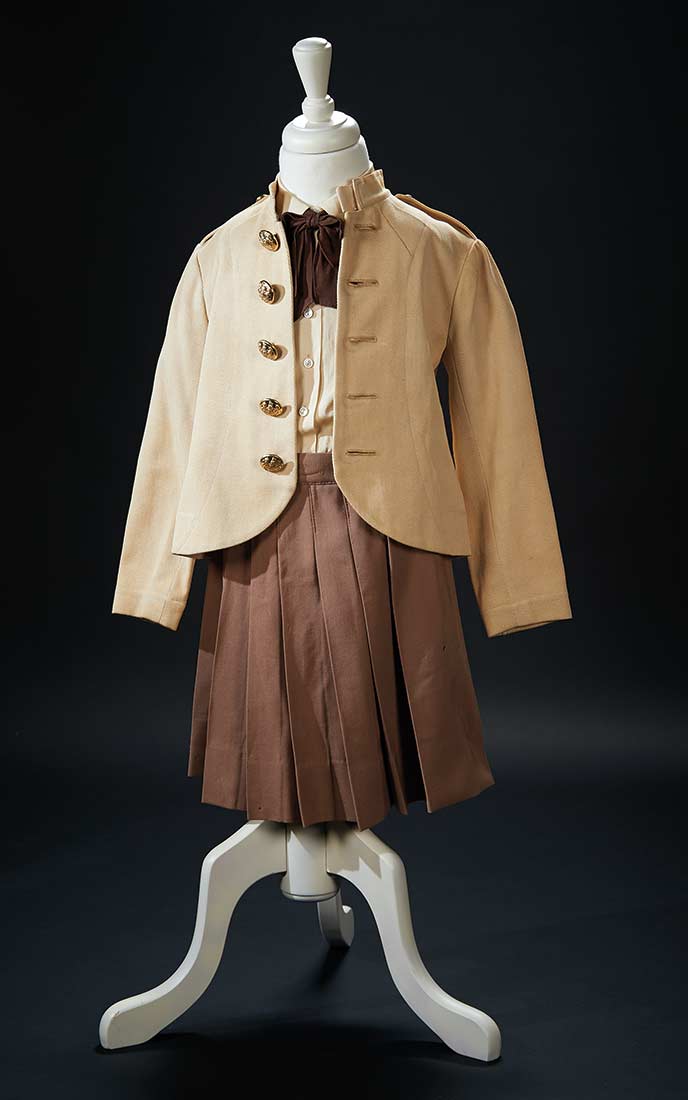
Shirley discovered there would be a riding sequence in 1937’s “Wee Willie Winkie.” She decided to rent one of her horses, and she chose Roanie, because he matched the reddish color of the riding outfit she’d wear in the film. The sequence was cut, but the riding outfit remained in Shirley’s collection. It was auctioned off in July 2015:


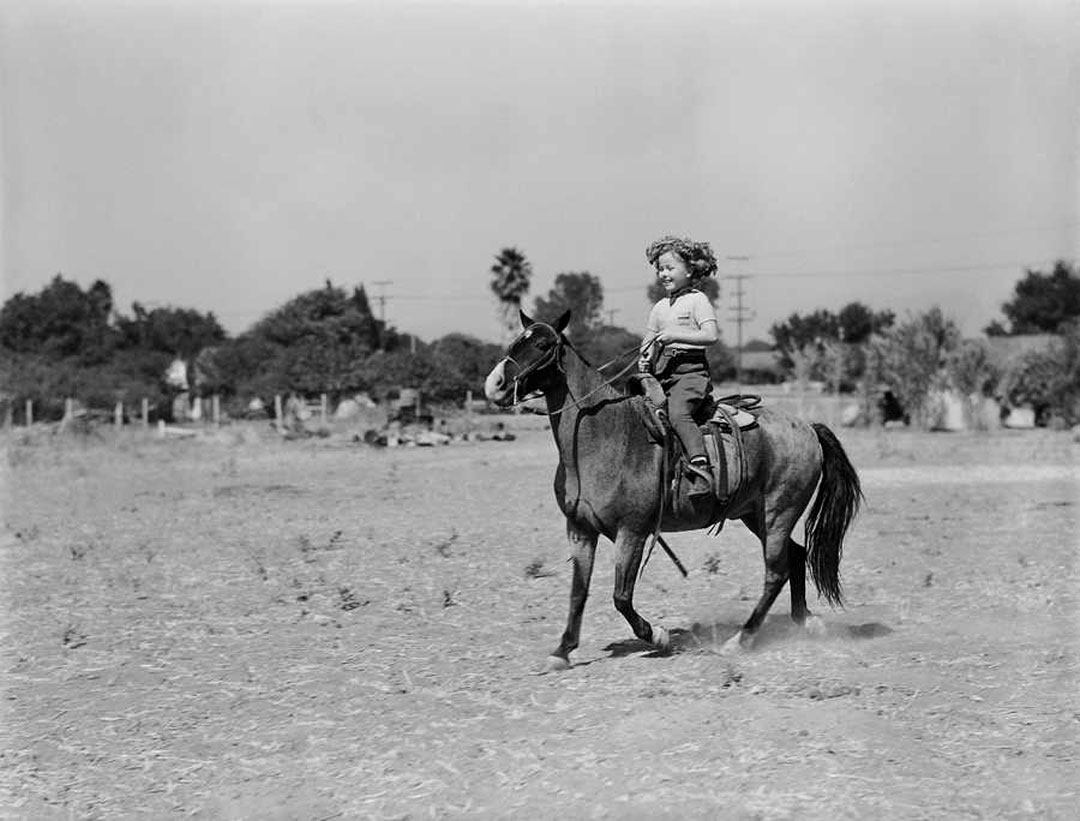
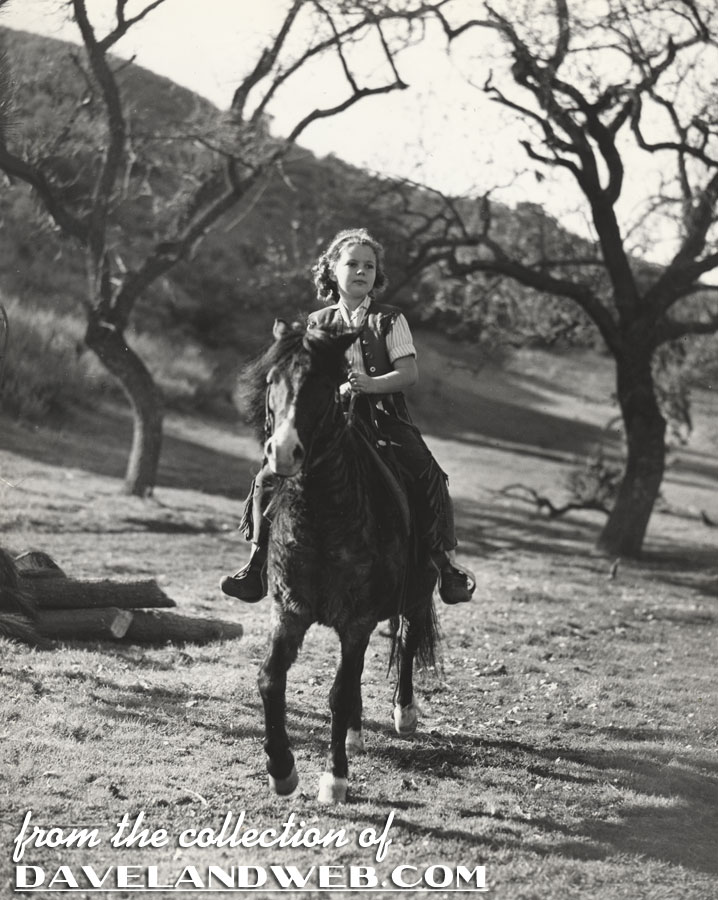
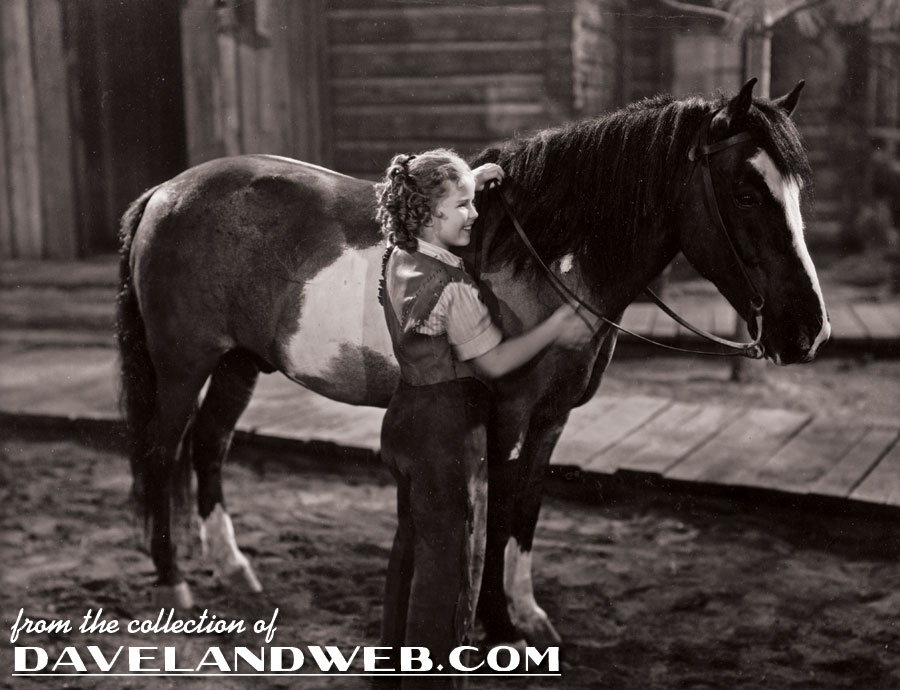
According to a July 1, 1939 newspaper article, Roanie did get his film debut in “Susannah of the Mounties.” She pointed out that “besides being very comfortable and safe and accustomed to her riding, Roanie’s services could be acquired for a nominal fee.” She and associate producer Kenneth Macgowan agreed upon $10.00 per day. Here are Shirley and Roanie during the filming of “Susannah”:
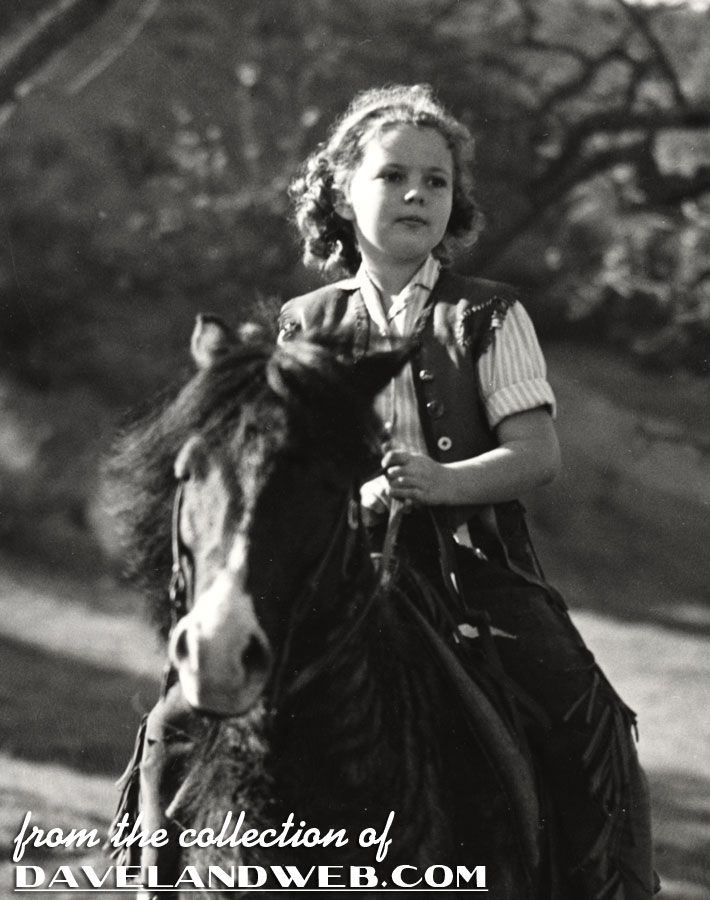


Another shot of Shirley with her beloved Roanie:


See more Shirley Temple photos at my main website.

Monday, March 07, 2022

Monticello Monday


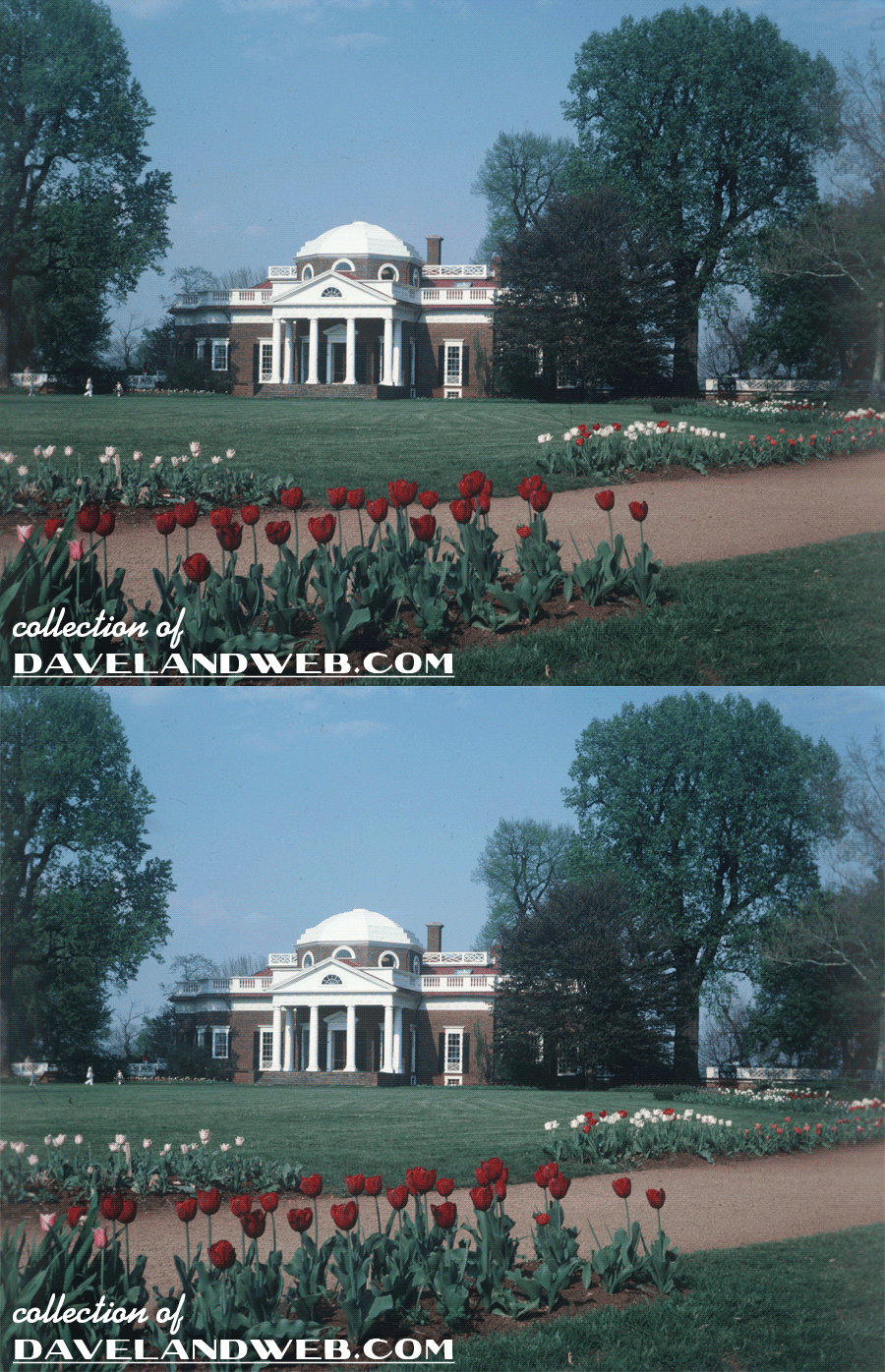
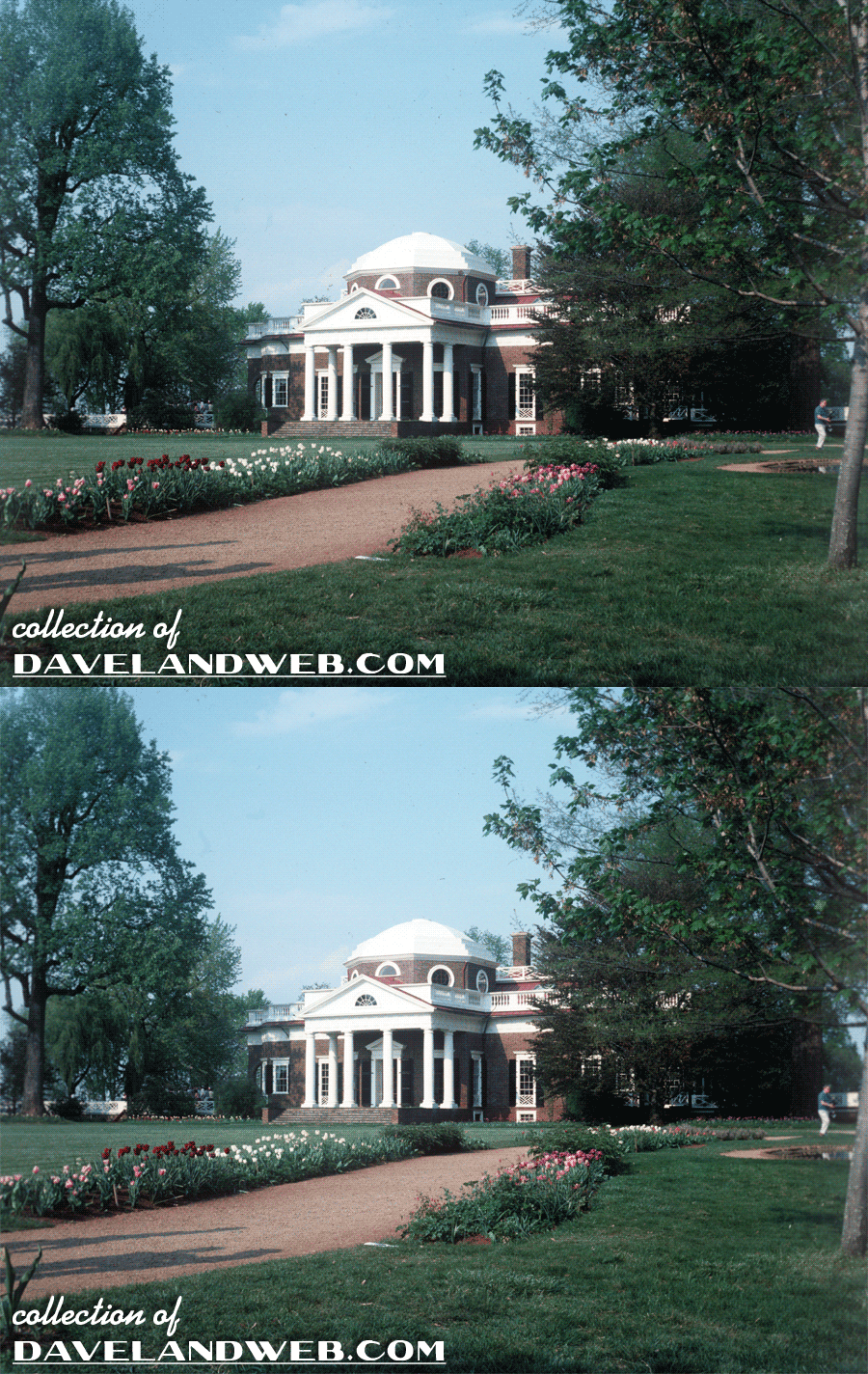
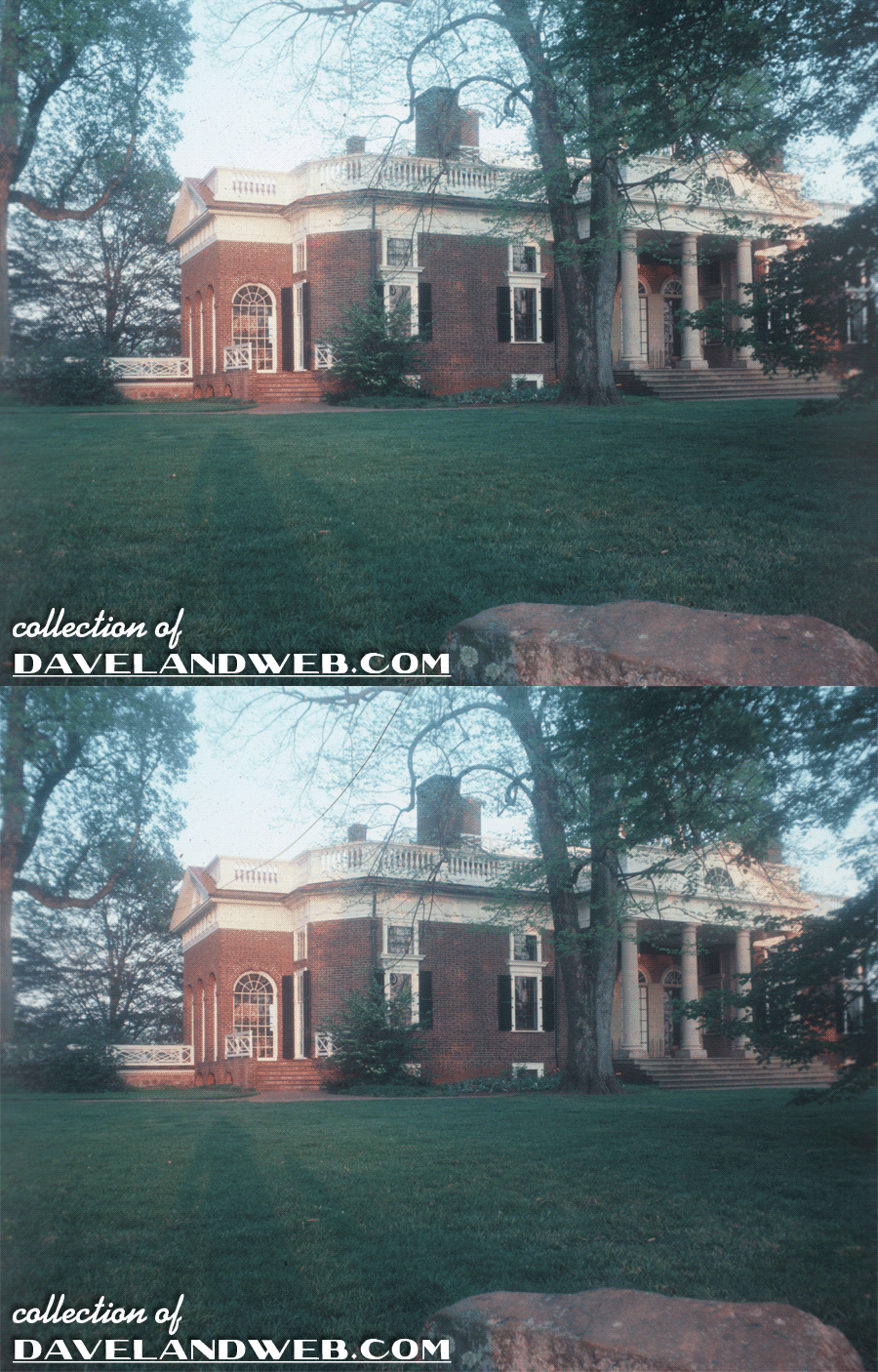
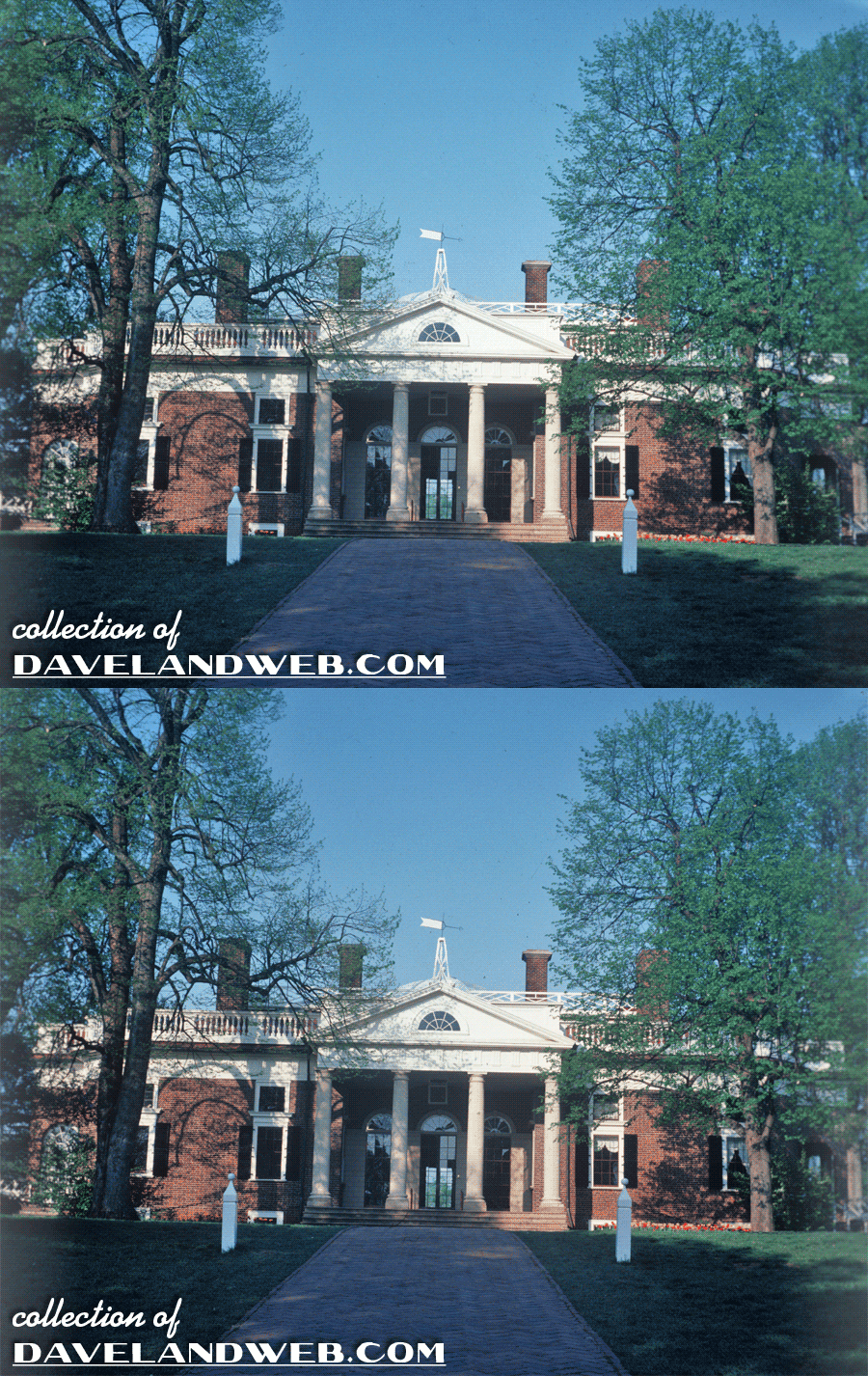
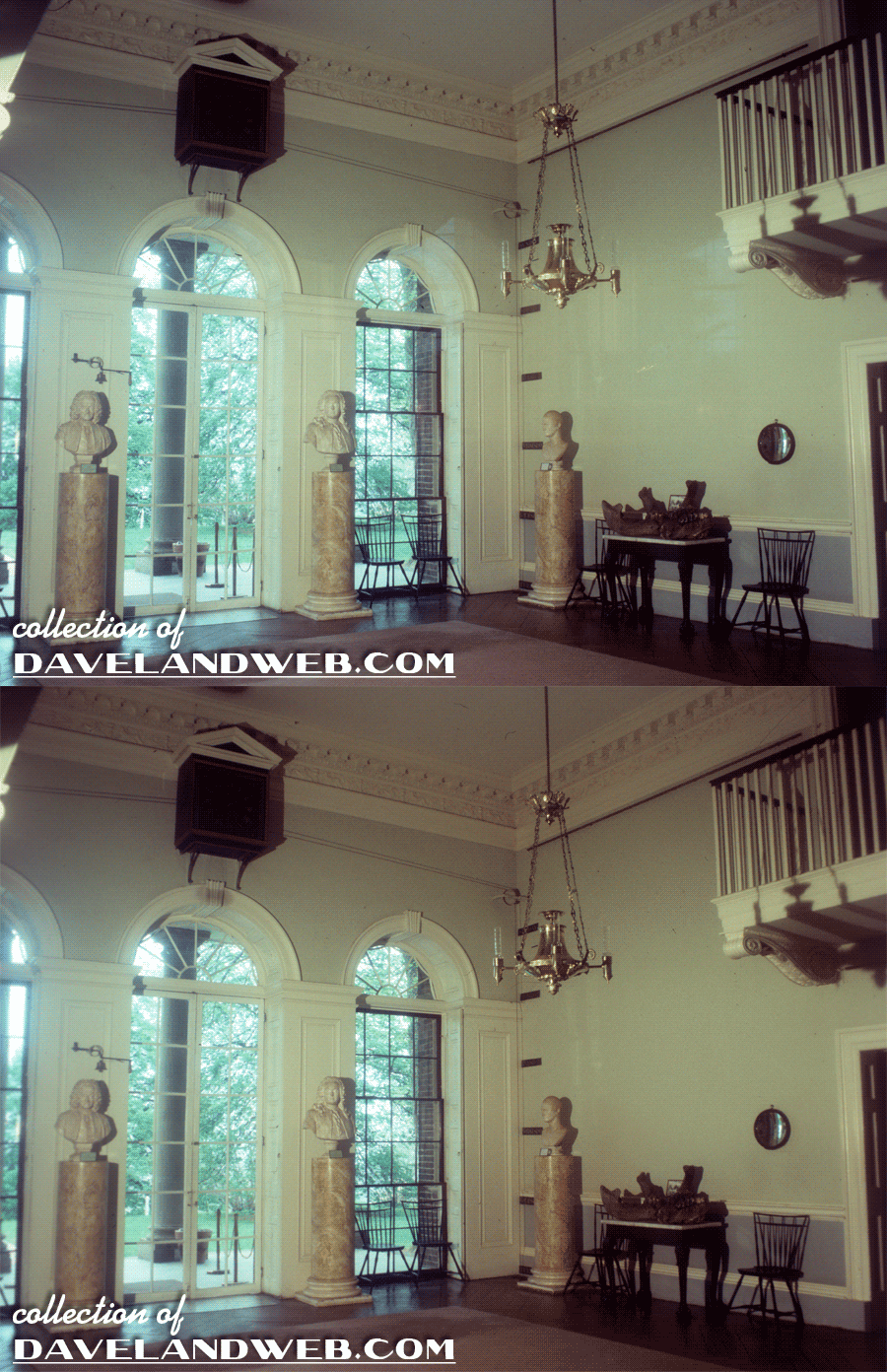
If you’ve never been to Monticello, the home of Thomas Jefferson, today is your chance to see it in Genuine FauxD©! These 1970’s springtime images give a glimpse at the estate in Charlottesville, Virginia in all its three dimensional glory.


I’ve been fortunate enough to visit the Jefferson home twice; once in 1971 and again in 2017.


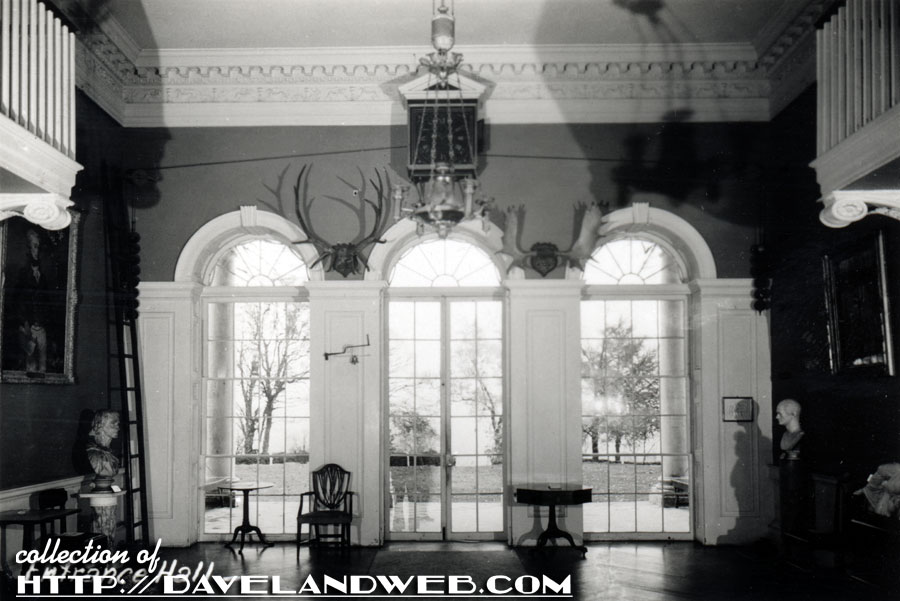
Interior views of the estate are hard to find, as tourists are typically not allowed to take photos. Here’s the entry hall:


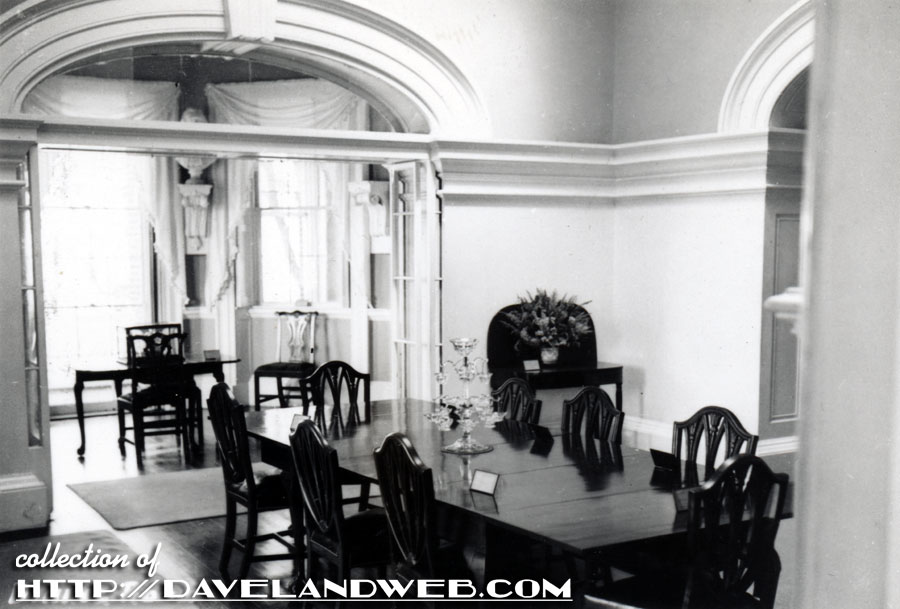
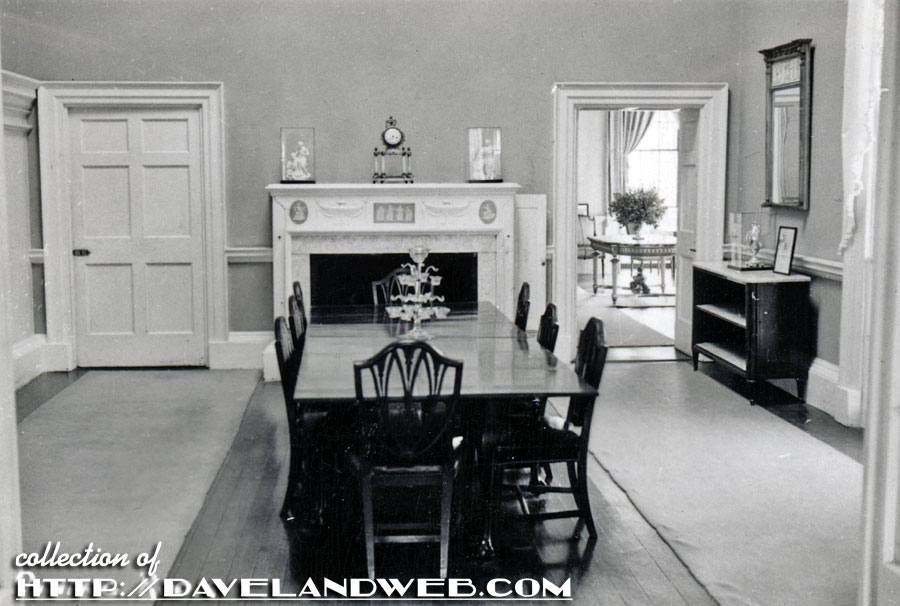
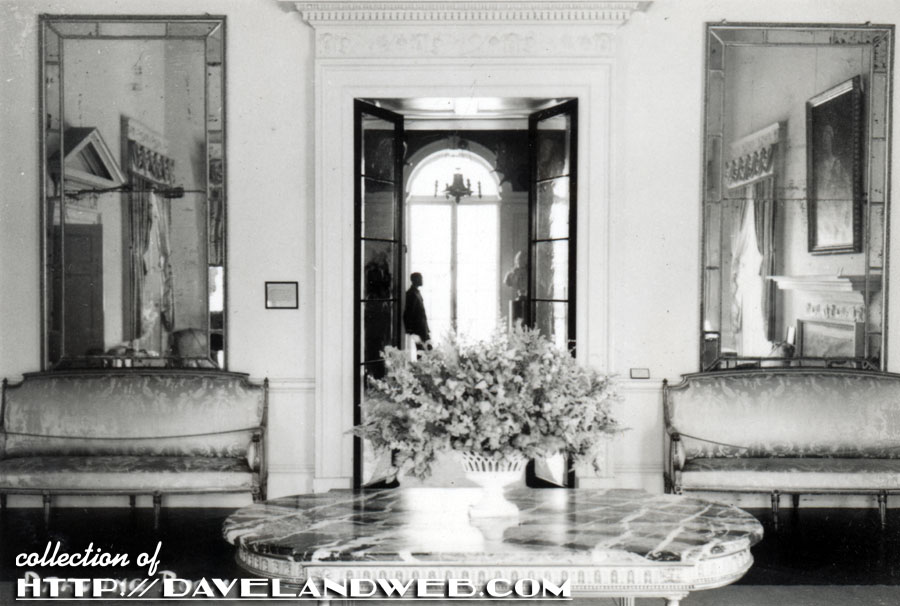
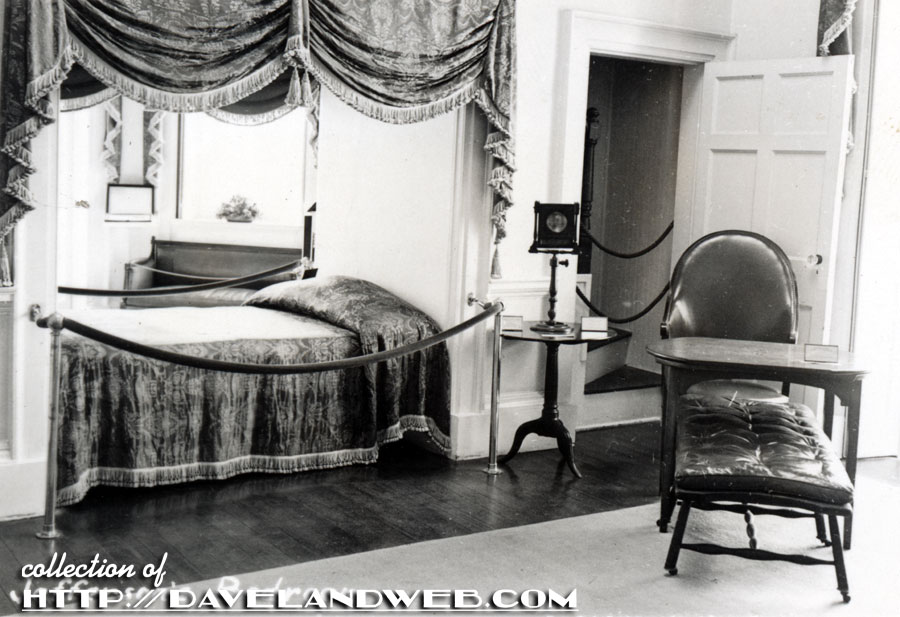
These interior shots came from a batch of vintage black and white postcards:


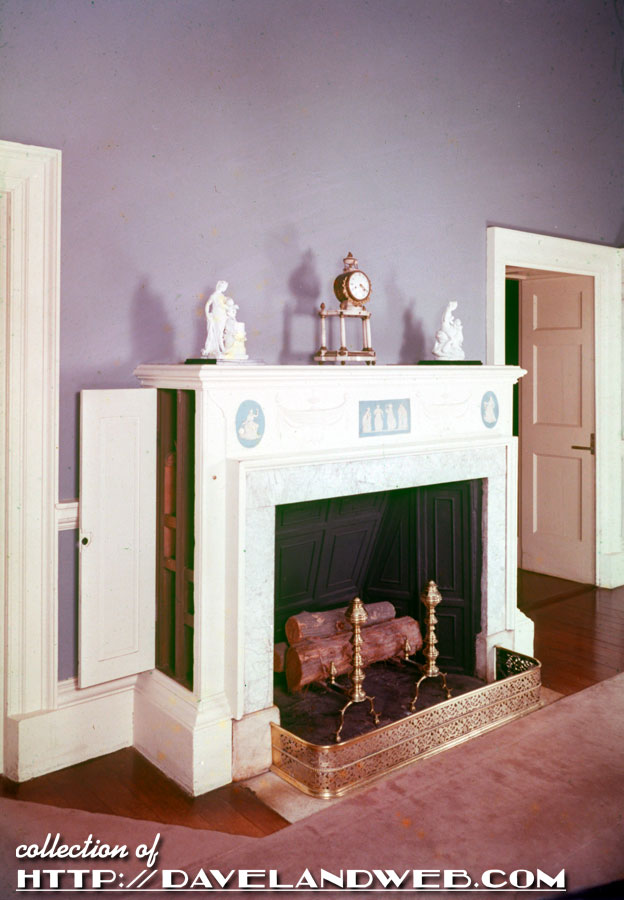
Both of these images show the Dining Room:


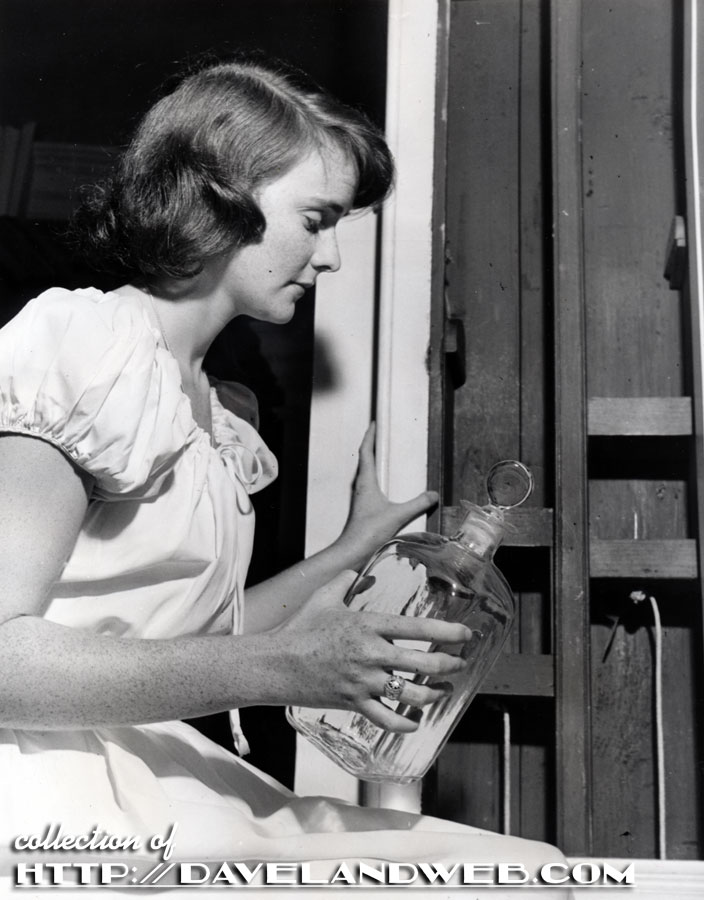
This 1952 shot shows a young lady perusing the dumb-waiter located on the side of the Dining Room fireplace:


From the vintage publicity blurb:

When Jefferson wanted some refreshment in a hurry from his wine cellar, he sent a servant down to put the desired vintage on this dumb-waiter and got results fast. Another of the president’s inventions, this was the first dumb-waiter in America.


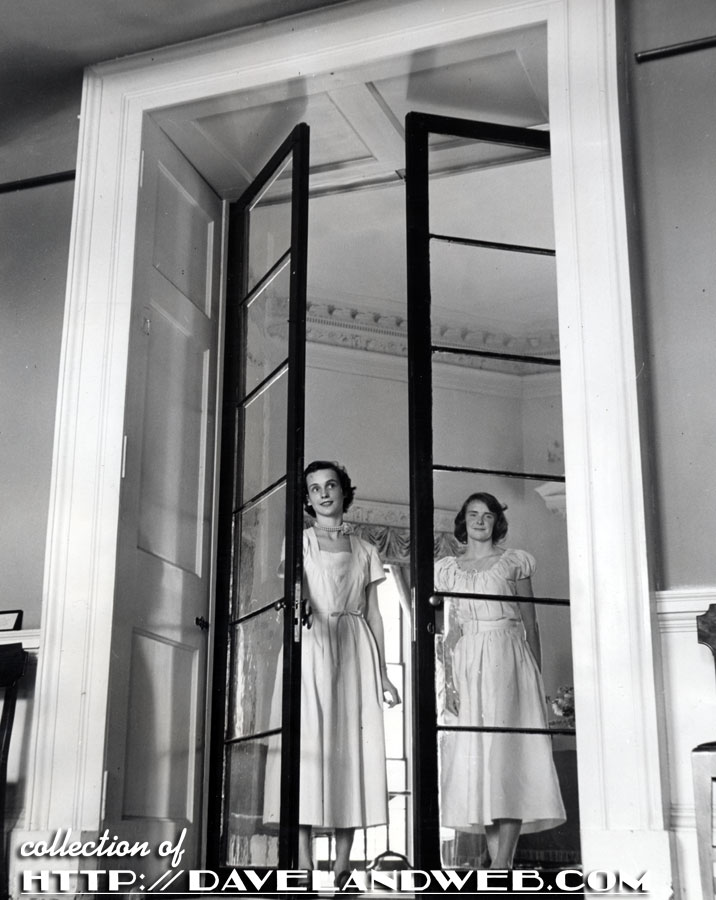
Jefferson also invented the automatic opening doors being displayed by these two lovely ladies. From the vintage publicity blurb:

Jefferson devised these doors in such a way that opening one of them automatically opened the other—an effect similar to modern trolley and bus doors. The exact mechanism is unknown because it has never been necessary to open the woodwork covering its smooth operation.

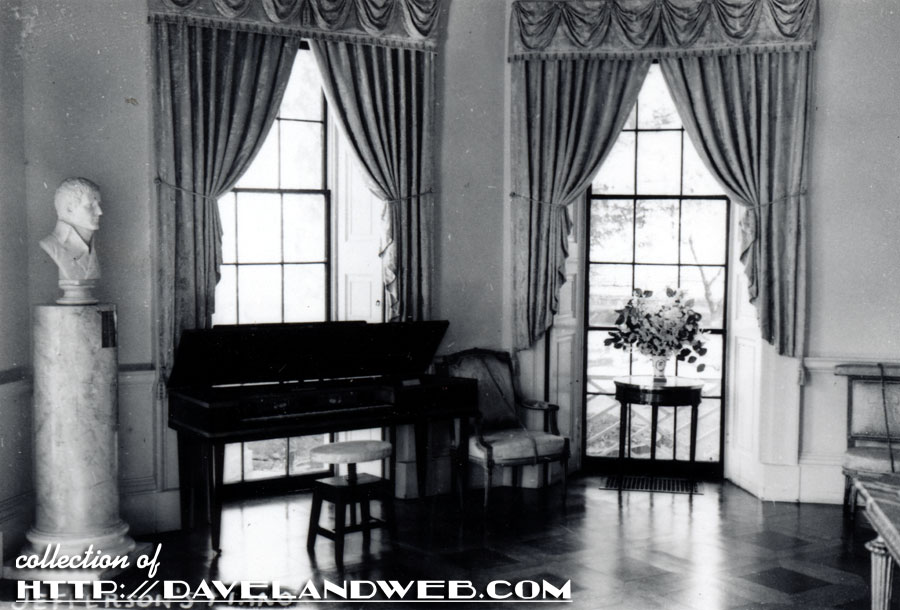
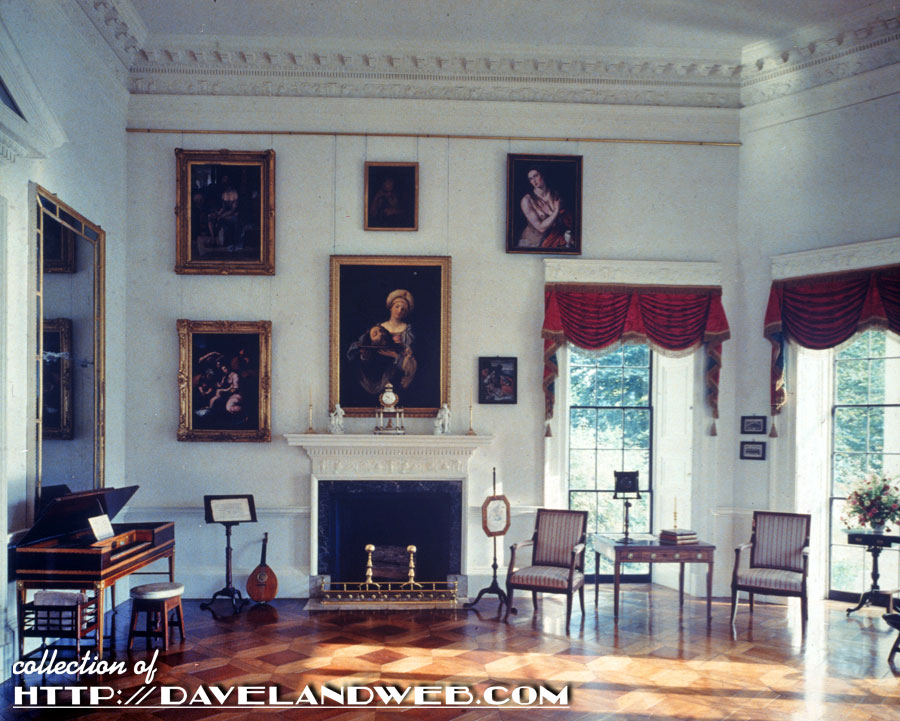
Back to the set of postcard images, we have the Drawing Room:


Another view of the Entry Hall:


Jefferson’s Bedroom, where there’s no waking up on the wrong side of the bed!


Jefferson’s piano:


Two more color vintage views:


Another view of the dumb-waiter:


See more Monticello photos at my main website.
Friday, March 04, 2022

Save The Viper Room!


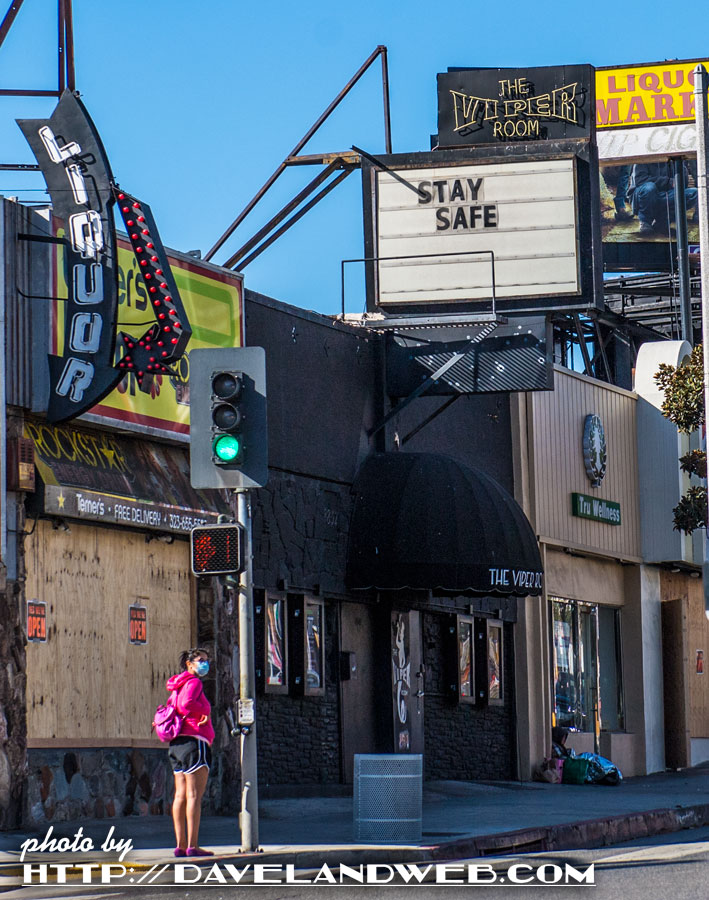
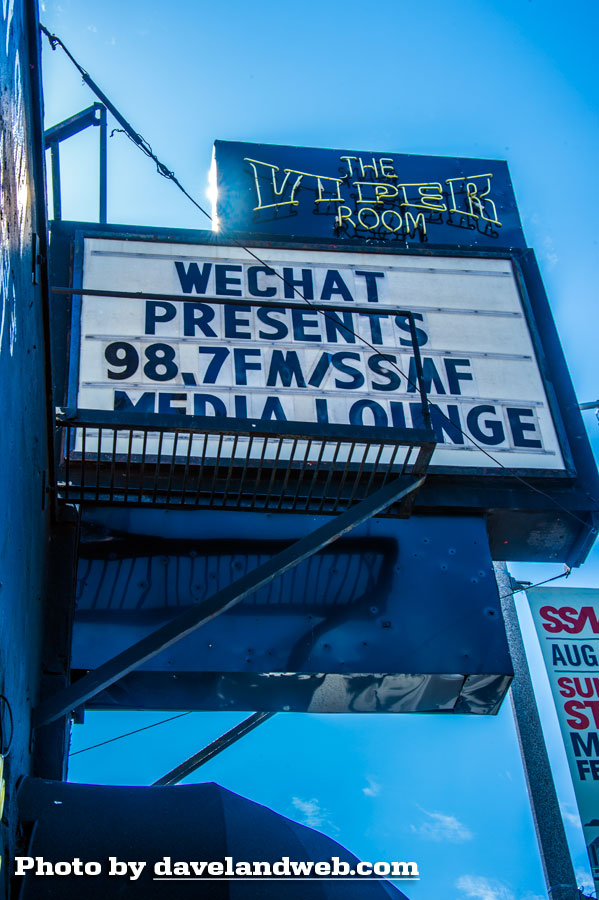
And yet another Hollywood/Los Angeles landmark appears to be poised to bite the dust. The infamous Viper Room on Sunset Boulevard has apparently been slated for the wrecking ball. I learned about this from the IG account of CC Devere. From her Save the Viper Room webpage:

The 101-year-old building started as a grocery store, then began to feature live music in the 1940s. It has been the Cotton Club, the Greenwich Village Inn, the Rue Angel, the Melody Room, Filthy McNasty’s (the façade was recently recreated at the Viper Room for filming of “Daisy Jones and the Six”), the Central, and, since 1993, the Viper Room. 

The club has appeared in music videos (Go-Go’s, “Our Lips Are Sealed”) and on film (“The Doors”, “Valley Girl”). Some of the world’s greatest musicians have played at the Viper Room: Johnny Cash, Tom Petty, Elvis Costello, Iggy Pop, Courtney Love, Lenny Kravitz, Sheryl Crow, Bruce Springsteen, Natalie Cole, Weezer, Pearl Jam, Queens of the Stone Age, and the list goes on…

And yes, it is notorious for Molly Bloom’s poker game (“Molly’s Game”) and for the tragic death of River Phoenix.


The Viper Room is an irreplaceable part of West Hollywood’s history. A reconfigured club in a new building is just not going to be the same - part of the Viper Room experience is in navigating the club’s labyrinthine, two-level layout. The plan for 8850 Sunset has also been linked to possible corruption.

We are asking the property owners and the City of West Hollywood to treat the Viper Room with the respect it has earned - ideally by leaving it alone (the proposed 15-story development will dwarf everything in West Hollywood), or, failing that, by incorporating the existing building into the new one (the Coca-Cola bottling plant was created by combining four older buildings).

The Viper Room is simply too important to lose.


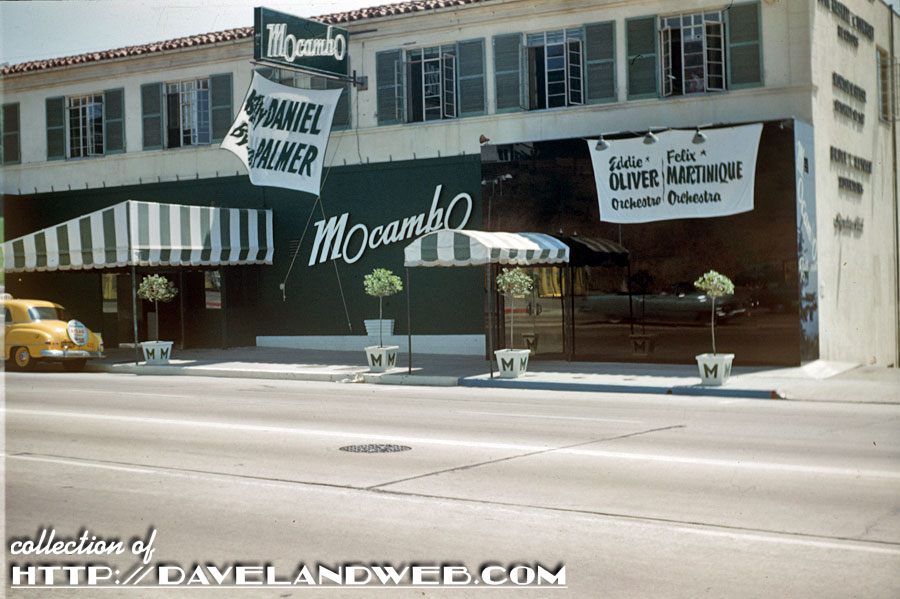
Here’s a short list of some of the other Sunset Boulevard landmarks that have met the wrecking ball. The Mocambo Club:


The Garden of Allah Hotel complex:


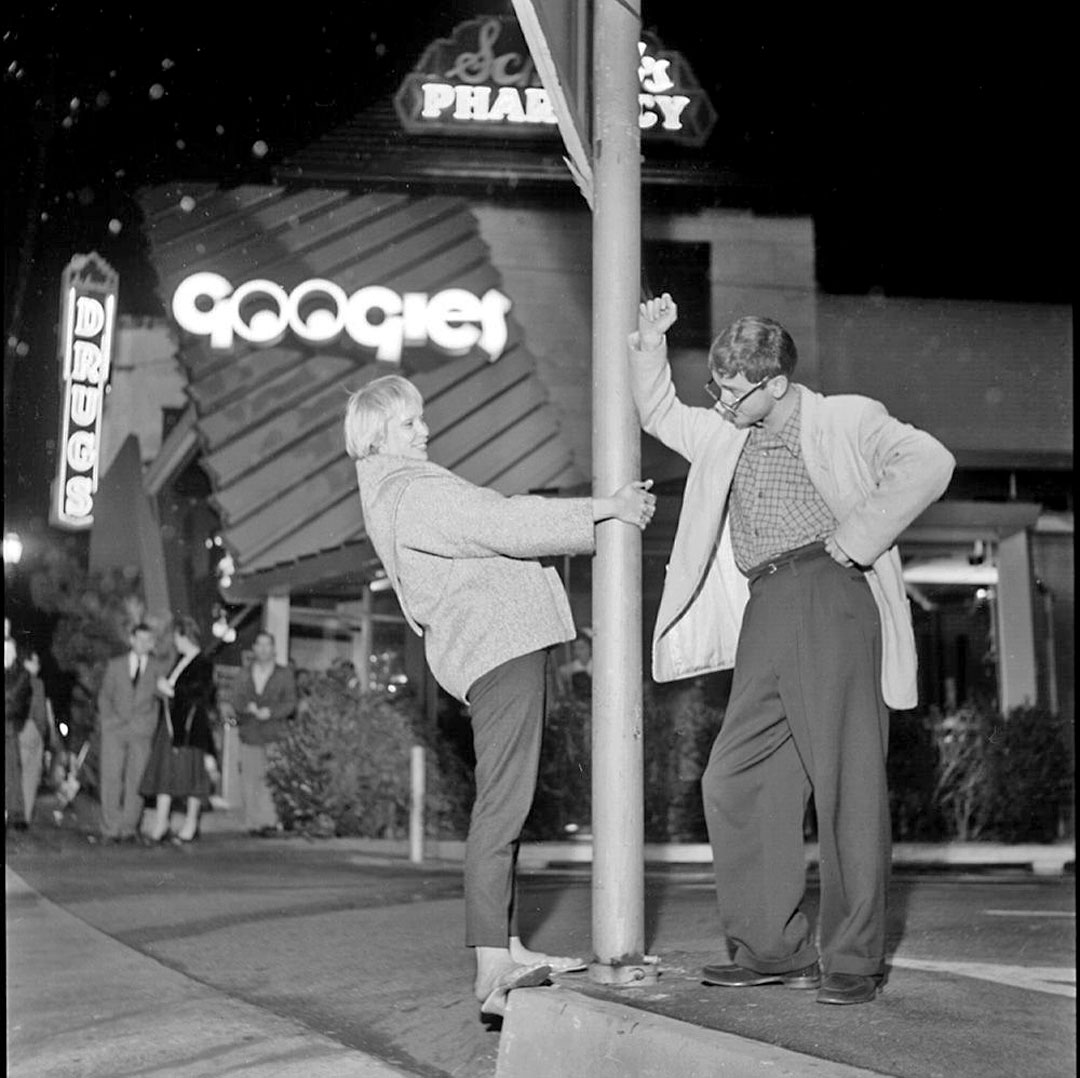
Schwab’s Pharmacy and Googies Diner:


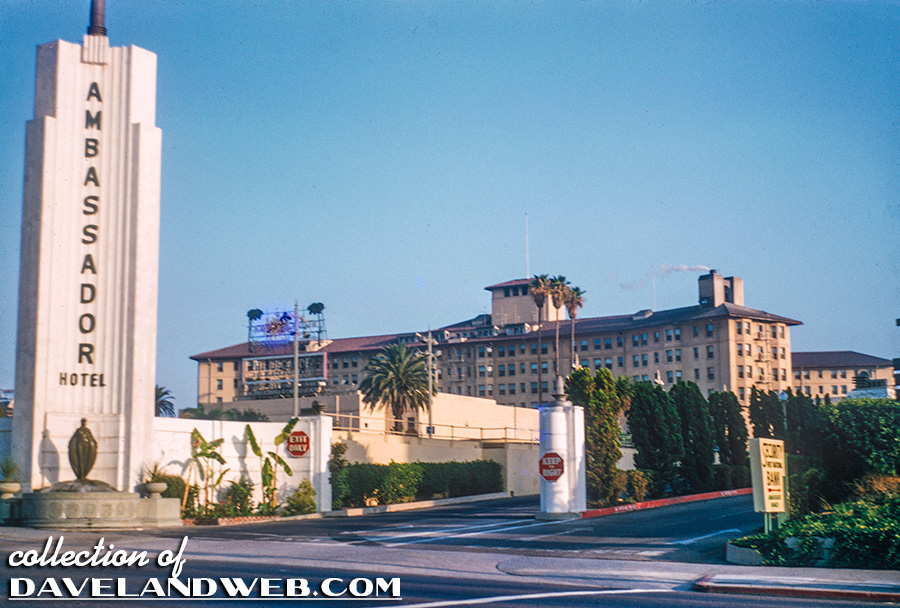
And while it wasn’t on Sunset Boulevard, this L.A. landmark was just as important:


Let’s get real; re-created history is not the same is REAL history! Please be sure to sign the petition to help save the Viper Room!

See more Sunset Boulevard photos at my main website.
Wednesday, March 02, 2022

Getting Nosey at the Castle, 1958


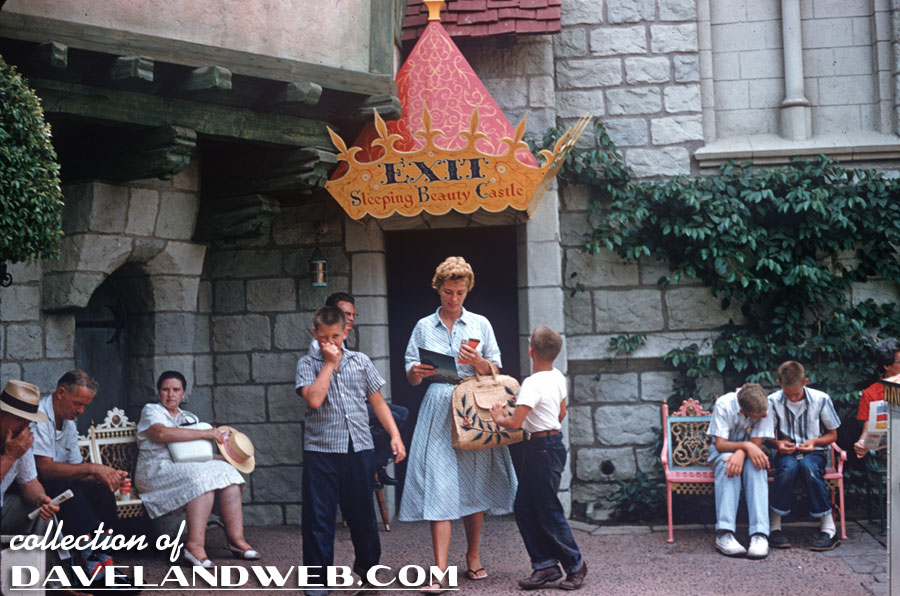
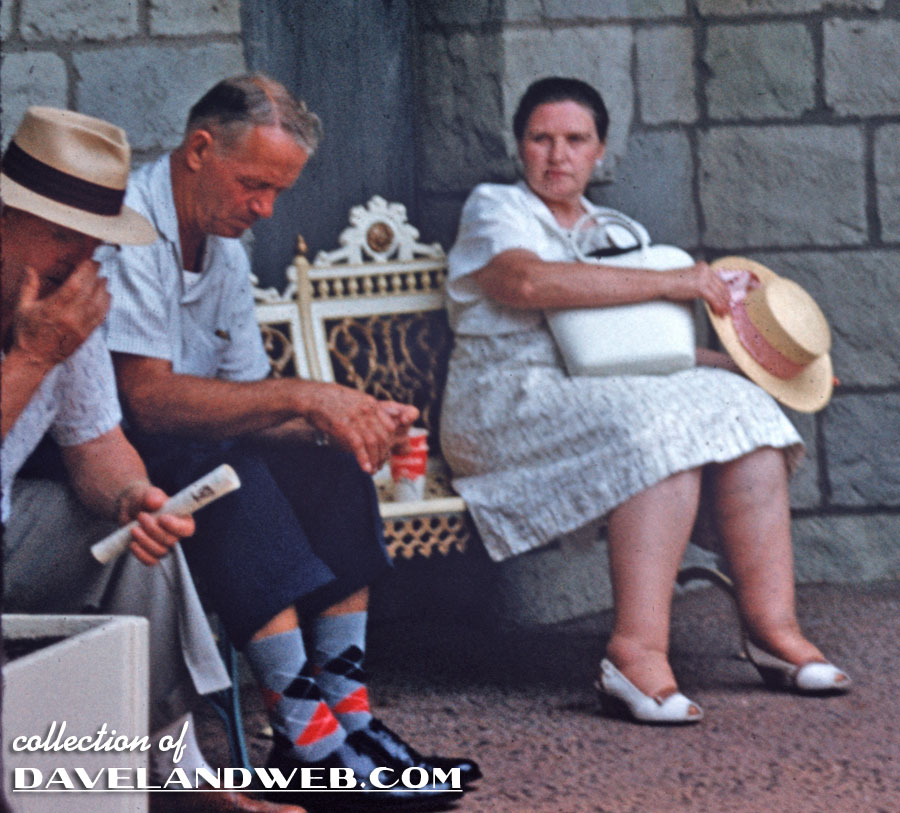
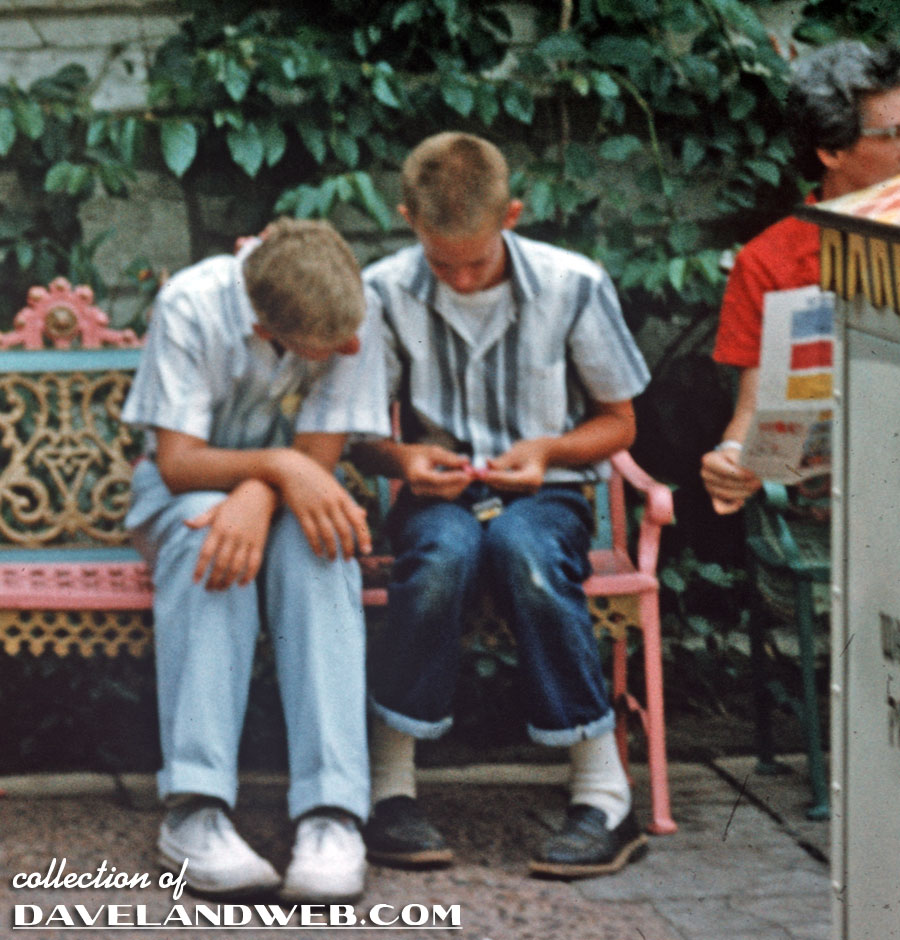
This August 1958 image of the Sleeping Beauty Castle Diorama exit at Disneyland was a must, as I didn’t have a good shot in my collection. When I received it, I noticed that there was a lot of “digging for buried treasure” as the saying goes. I love the look of shame the woman on the right of this detailed view is giving. Note the Carnation cup on the bench:


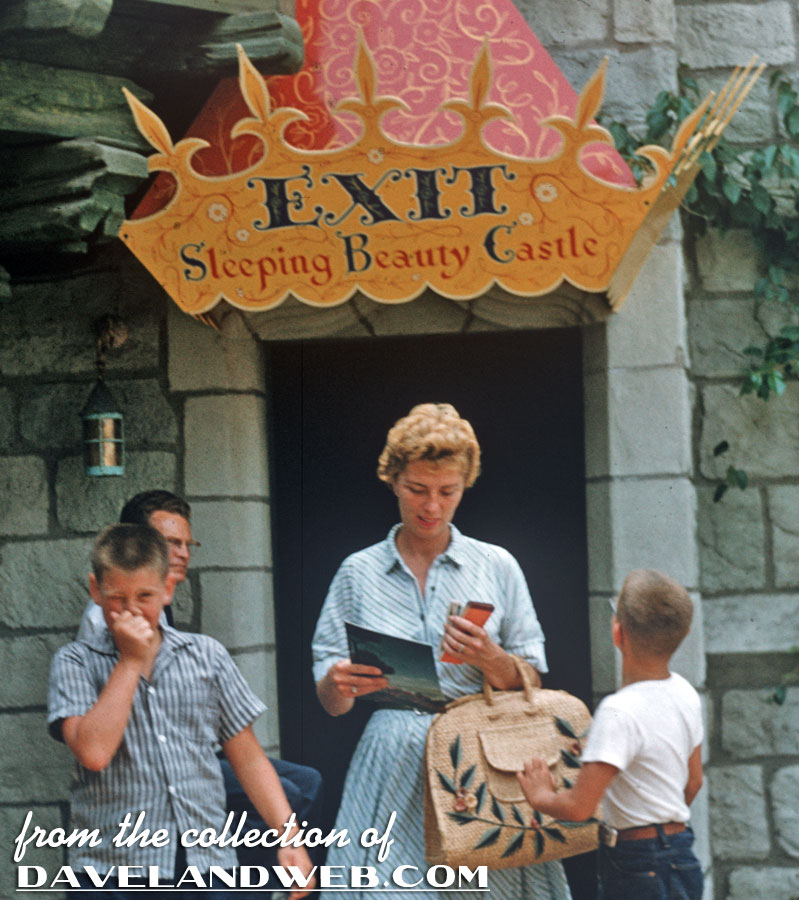
Nothing subtle about this little boy wiping the goods away while Mama sees how many tickets are left. Note the souvenir Diorama booklet she is holding in her right hand. And how about that handbag? I wonder if she bought it in Frontierland at the Arcade?


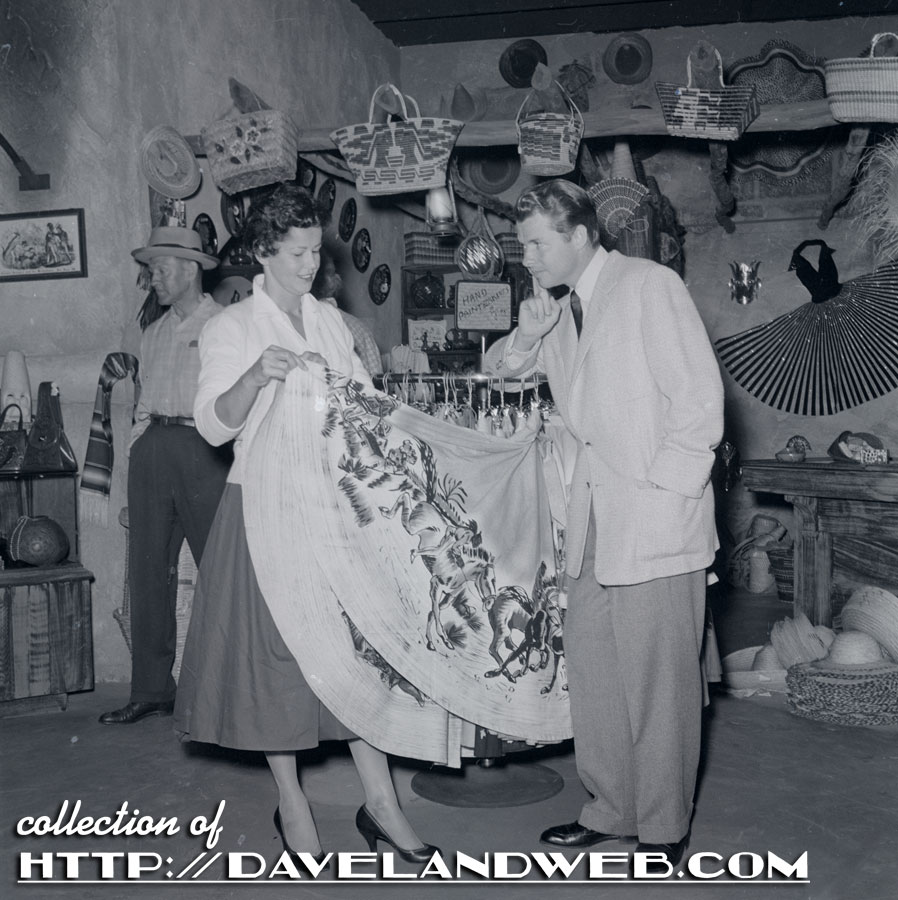
That bag very well could have been a same day purchase!


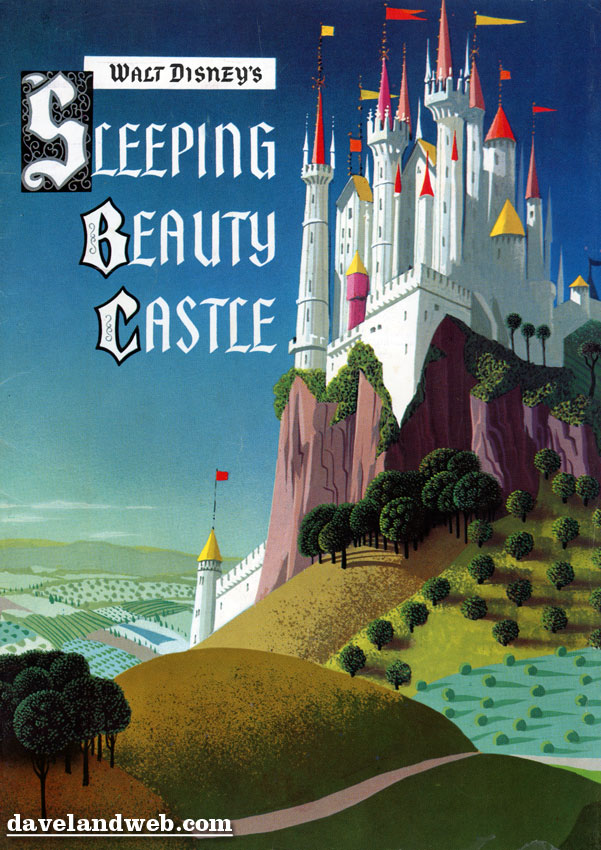
The cover of the souvenir booklet:


The final detail shot shows two little boys most likely attempting to figure out how many more attractions they can ride with their remaining tickets. Note the guide map/booklet being perused on the right side of this shot:


See more Disneyland Sleeping Beauty Diorama photos at my main website.