
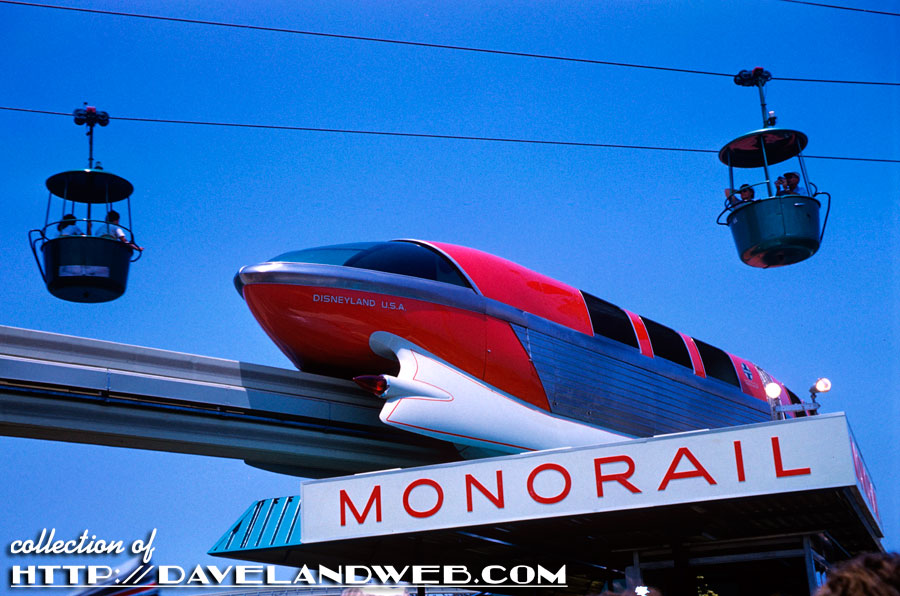
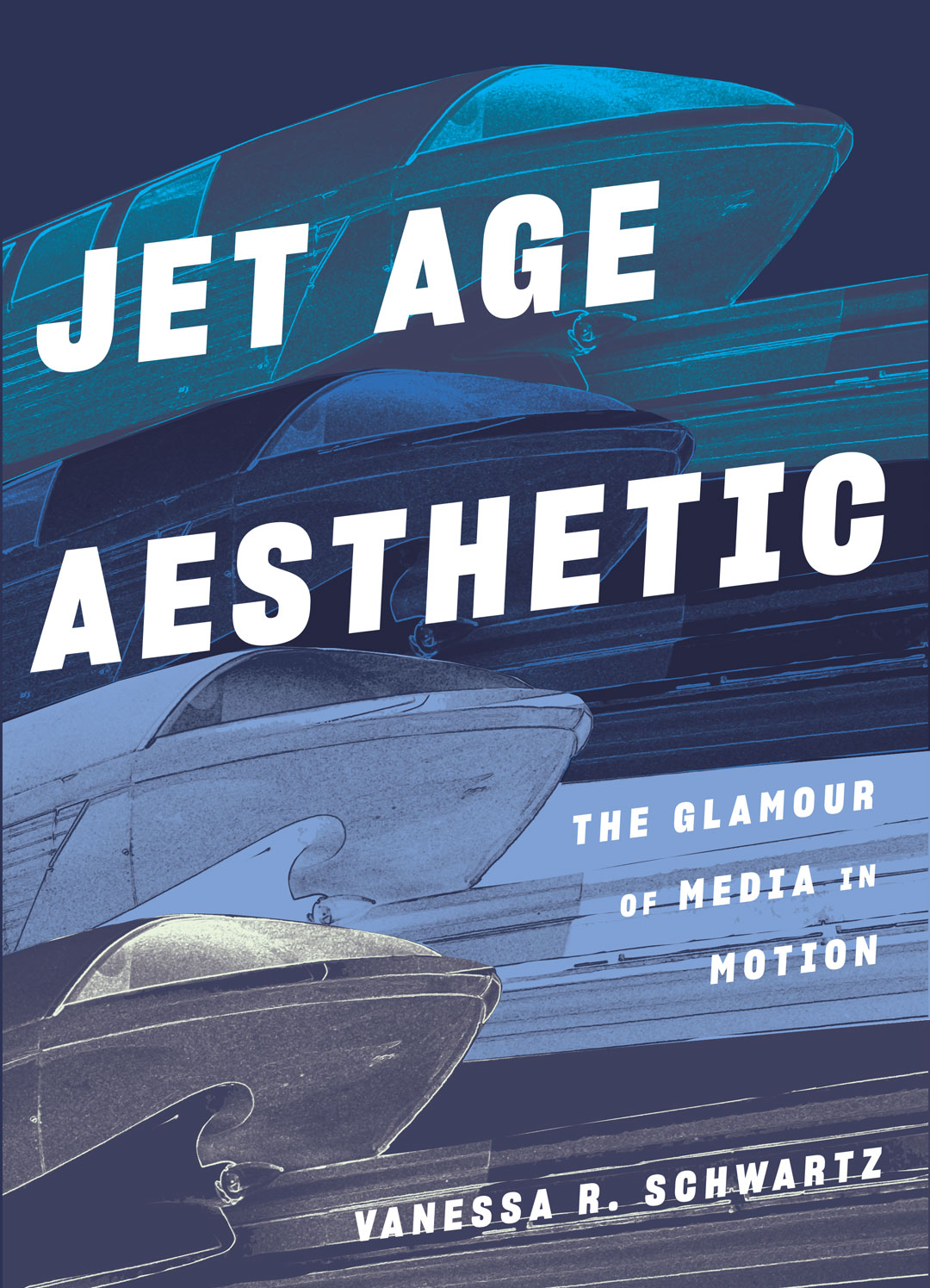
Vanessa Schwartz, a Professor of Art History, History and Film at USC, contacted me about using some of the vintage photos from my collection in an upcoming book titled “Jet Age Aesthetic.” I was thrilled and honored...until the sphincter police at Disney pulled the plug and told her she couldn’t use the photos. Now YOU can see the images she hand-picked in this post and learn more about this very cool book. The teaser line:
A stunning look at the profound impact of the jet plane on the mid-century aesthetic, from Disneyland to Life magazine
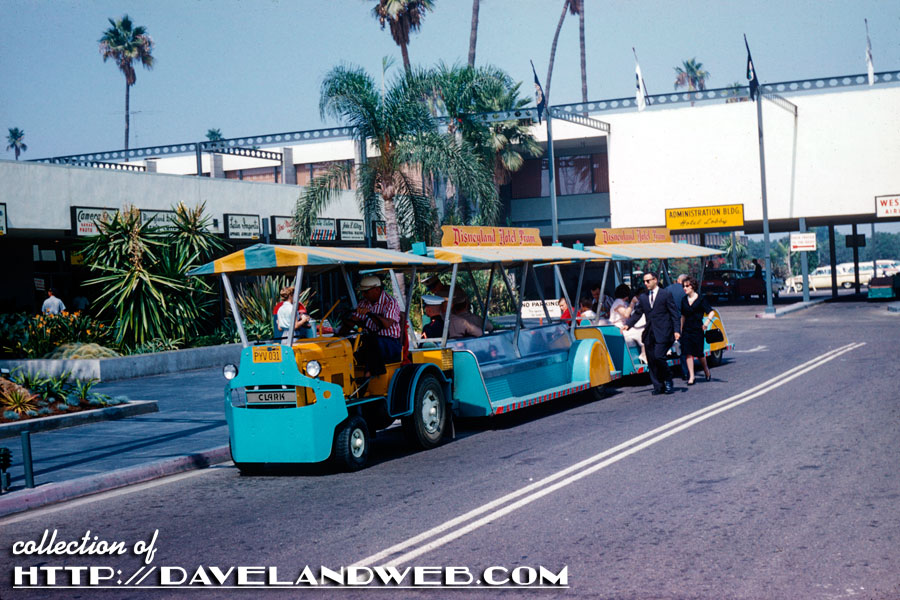
From the book’s website:
Vanessa R. Schwartz engagingly presents the jet plane’s power to define a new age at a critical moment in the mid-20th century, arguing that the craft’s speed and smooth ride allowed people to imagine themselves living in the future. Exploring realms as diverse as airport architecture, theme park design, film, and photography, Schwartz argues that the jet created an aesthetic that circulated on the ground below.
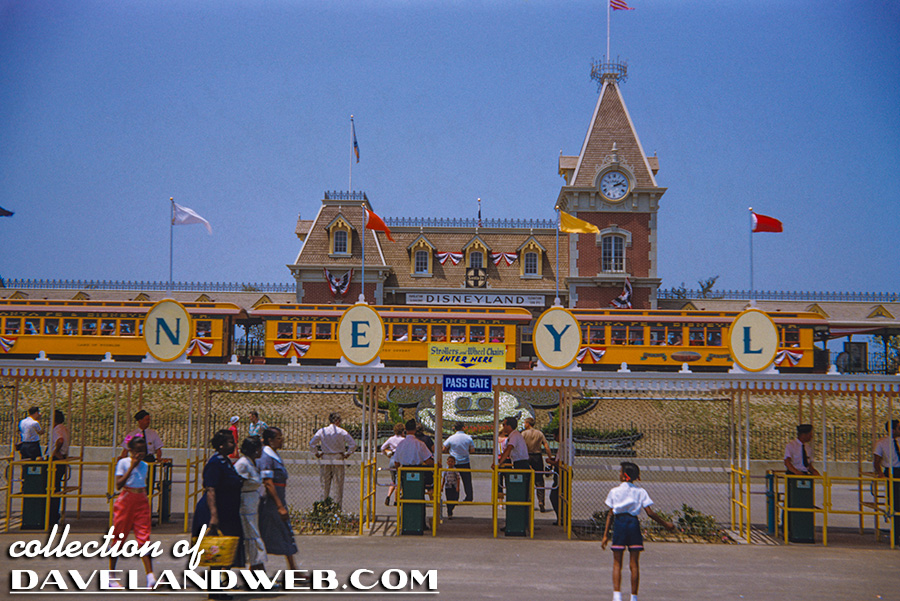
Visual and media culture, including Eero Saarinen’s airports, David Bailey’s photographs of the "jet set," and Ernst Haas’s experiments in color photojournalism glamorized the imagery of motion. Drawing on unprecedented access to the archives of The Walt Disney Studios, Schwartz also examines the period’s most successful example of fluid motion meeting media culture: Disneyland.
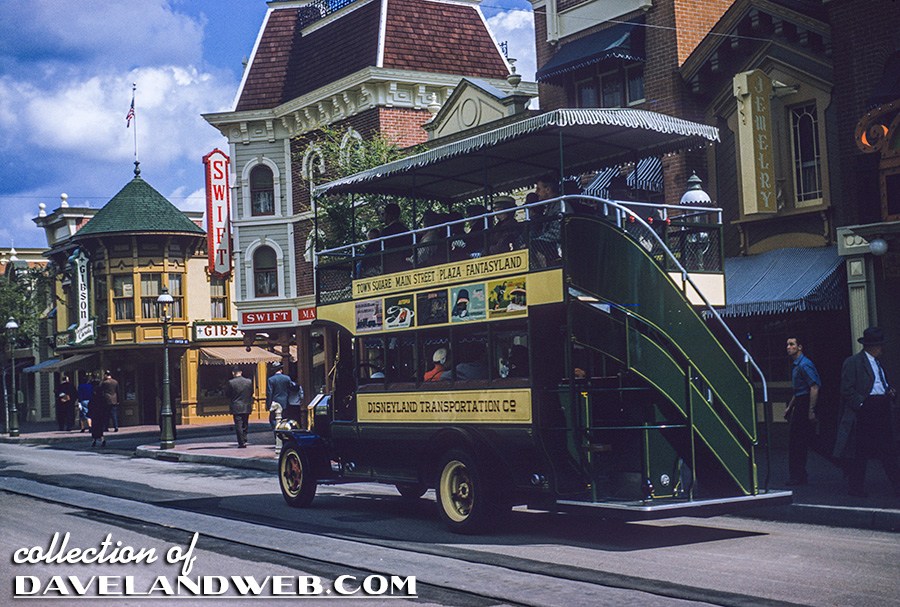
The park’s dedication to “people-moving” defined Walt Disney’s vision, shaping the very identity of the place. The jet age aesthetic laid the groundwork for our contemporary media culture, in which motion is so fluid that we can surf the internet while going nowhere at all.
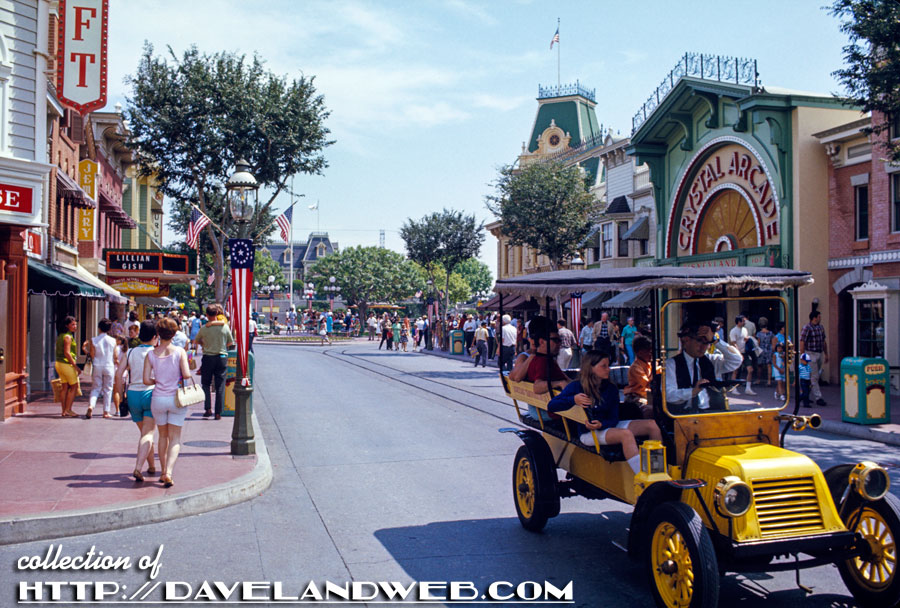
I asked Vanessa to share with me her inspiration for the book, which she very graciously did.
I have always been a historian of modern visual culture and especially what we might think of as “infotainment” and have looked at the deep links between France and America on this subject. More specifically, I have wanted to understand on the one hand how and why a place such as Disneyland is so compelling even today but also why in a sense it had to be invented when and where it was: Southern California, 1955.
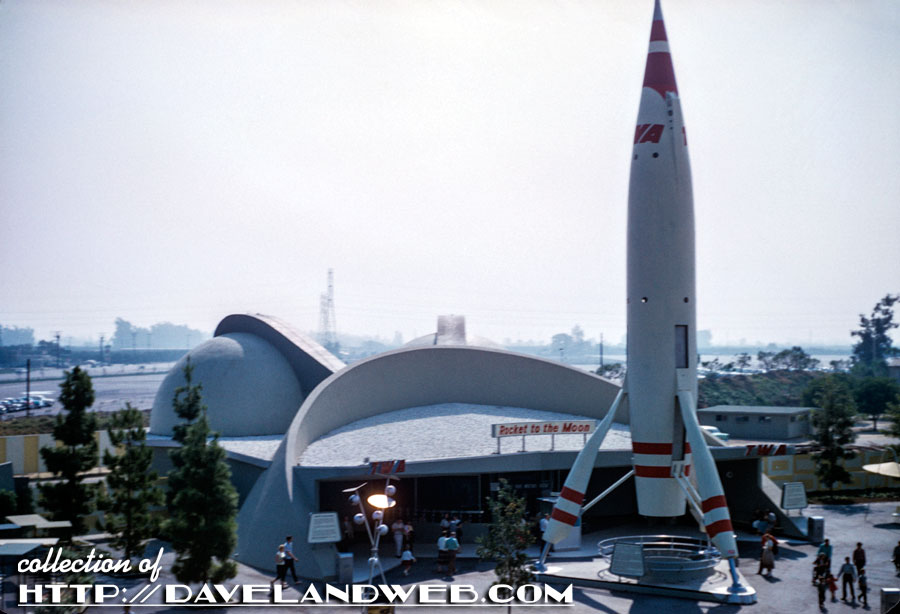
But I didn’t want to isolate that answer to either explanations about Walt’s biography or genius (although they matter) or to questions of regional development or even the movie industry. I had just finished a book in which I tried to look at how films were being shot on location around the world and realized this had been possible because of the advent of the jet. This led to me ask, how did the jet change things? Most people have answered that question in predictable ways: looking at the rise of mass tourism, the way the world seems to shrink, the global economy etc.. In a sense, I was more interested in how the actual experience of flying in a jet (as opposed to early piston planes) may have changes people’s perceptions of time and space) and whether that made a difference to everyday life on the ground.
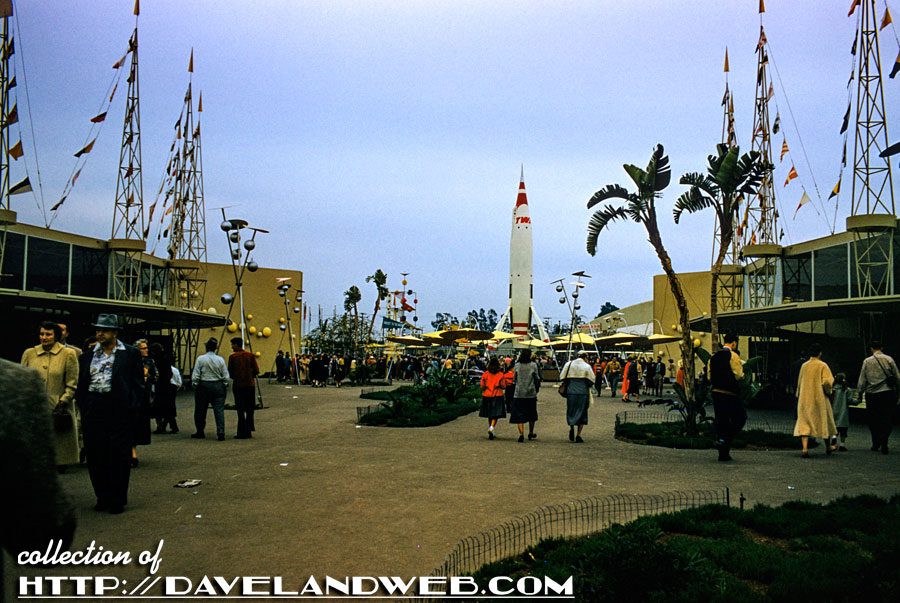
I started to see the claims being made about the jet’s ride, its fluid motion, being made for everything: the airport’s architecture, the ride of the boat in It’s A Small World, the way magazines circulated, the way journalists used blurry color photography to communicate the news. So, it seemed to me the jet mattered because it allowed people to bring transport culture into media forms and I believe that prepared the way for people to begin “surfing the internet” as much the computer codes and infrastructures required to build it. Media forms need ready users. Actual jet culture’s fluid motion isn’t as associated with air travel anymore — it is on the internet now. But in the meantime, we still enjoy jets and Disneyland and magazines.
And the reviews are in! Here’s one from Britt Salvesen of the Los Angeles County Museum of Art (aka LACMA):
“Jet Age Aesthetic is an exhilarating, timely call for new ways of thinking about media and mass culture. From airport design and Disneyland to movies and newsmagazines, Schwartz traces throughlines of aspiration and experience in the visual culture of the jet age.”
Head over to Amazon to order your own copy!
See more vintage and contemporary Disneyland photos at my main website.


