Showing posts with label it's a wonderful life. Show all posts

Friday, January 23, 2026

Lionel Barrymore: Once is not enough!


Oscar winning actor Lionel Barrymore costarred with Shirley Temple in the 1935 film, “The Little Colonel.” Unlike Frank Morgan, who attempted to steal scenes from the child star in “Dimples” (1936), Barrymore worked with Temple and the chemistry between the two created some of the most touching and comical scenes of Shirley’s films. The behind-the-scenes story of the two is just as entertaining and heartwarming. “The Little Colonel” director, David Butler (shown above and below), spilled the tea in his autobiography.
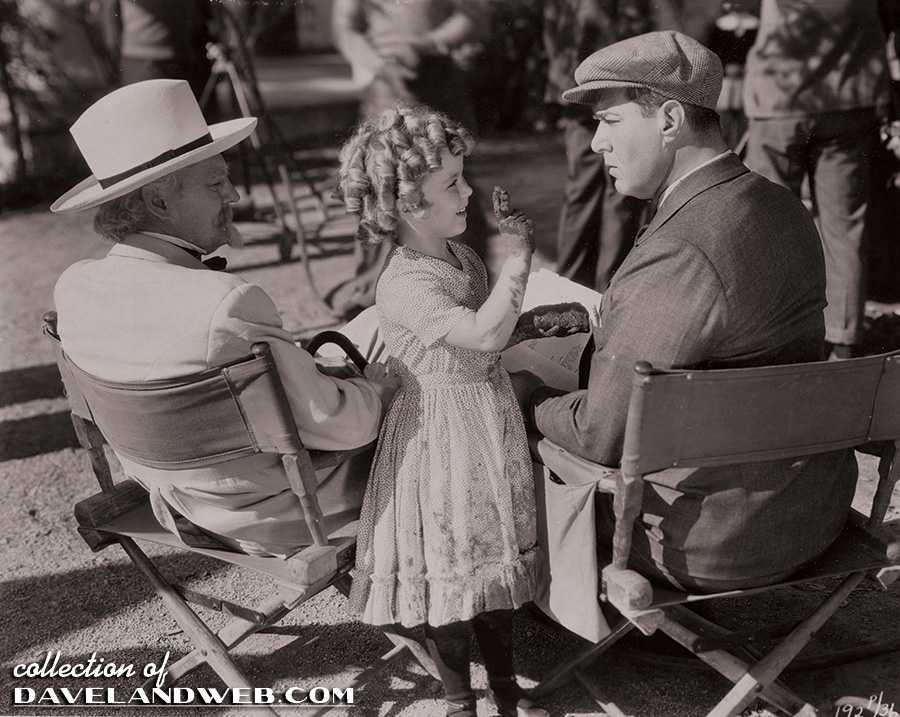


We wanted to get Lionel Barrymore to play the grandfather in the South, but we couldn’t get him. Buddy [DeSylva] said, “You go over and see him. You know him well.” I did know him well. We used to have dinner with him and his wife. So I went over to Metro to see him, sat in his dressing room, and I said, ‘You’ve done everything that you can do. We want you to do ‘The Little Colonel.’ He said, ‘No, I’ve heard about it, but I don’t want to work with children.’ ‘Lionel, you owe this to yourself. You’ve done everything in the theatre, everything you can do in the pictures, and you’re one of the best actors in the world. I think you owe it to yourself to work with this little girl because she’s marvelous and you’ll love it.’ I finally talked him into it.
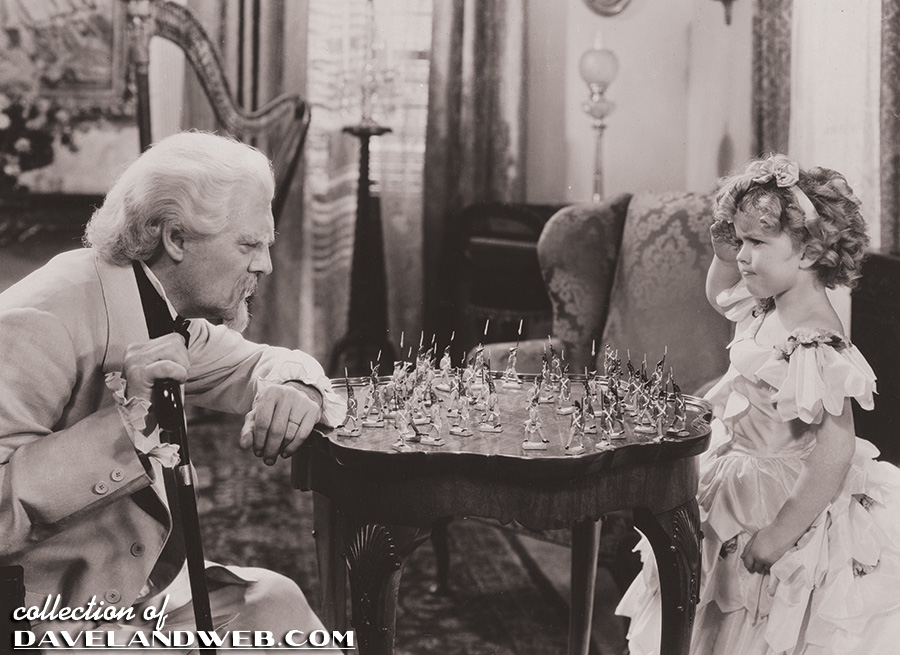


Everything went swimmingly until they were playing a game which we kind of created, like checkers, only on one side we had Northern soldiers and on the other side Southern ones. Lionel said, “If I were doing that, I’d move right over here and put my man here.” Shirley said, “If you did that, I’d jump you here, and I’d jump you here.” Then he had a speech to her. Lionel stopped, and he said, ‘What are the lines?’ Shirley said, ‘Oh, Uncle Lionel, you have to say —’ and she gave him his line. He jumped out of that chair! It was the worst thing that could have happened because he didn’t like a kid telling him the lines. But we straightened it out.
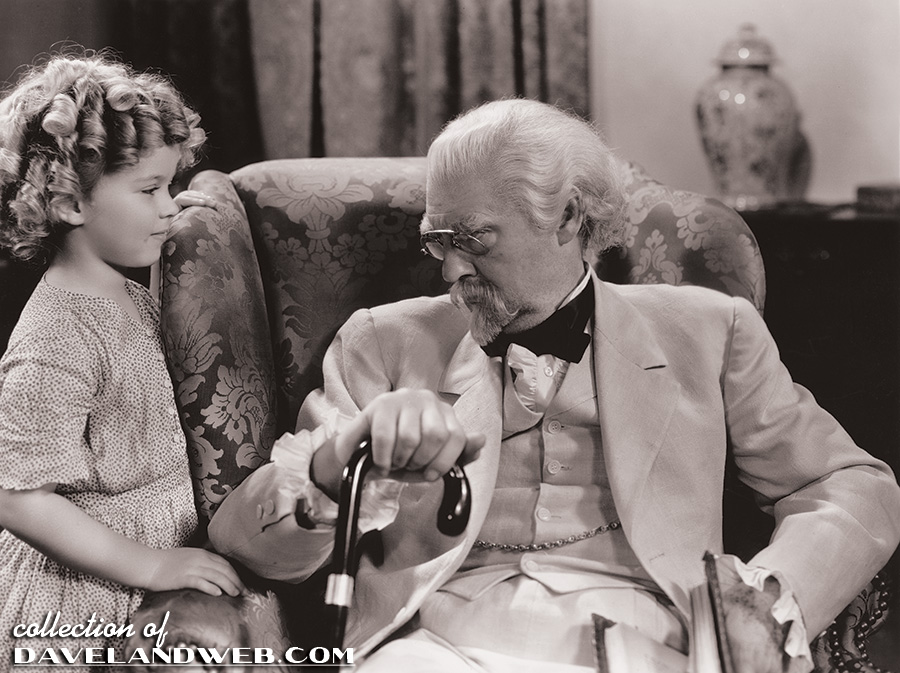


Shirley herself gave an expanded version of what happened with Barrymore in her autobiography, Child Star:

At the outset director David Butler took me over to meet our southern colonel, Lionel Barrymore. It wasn’t really a meeting. Barrymore didn’t take my extended hand, and with one brief downward glance, he turned to speak with someone else. There is a big difference between being seen and being acknowledged. During out first rehearsals a large blackboard was wheeled onstage and all Barrymore’s cues and lines chalked up. I asked Mother why he couldn’t learn his lines at home like everyone else, but she hushed me, explaining that he was a famous stage actor and would be hurt if he heard such comments. Our first scene together went well enough, but noticed his breath had a rich, fruity aroma vaguely remindful of the alcohol rub Mother gave me when I had a fever. “It’s because he’s in pain,” she explained later. “You must learn to be more sympathetic.” From the start Barrymore seemed weak on his lines, stumbling a lot over phrasing, and arguing with Butler over small points of emphasis. I mistakenly considered us both confederates acting in concert, not building up to our own civil war. One time, having as usual learned everyone’s lines, I prompted him. “Dammit!” he exploded. “I’m thirty years in this business!”… “Everyone take a break,” said Butler, shaking his head.…Returning shortly, [Butler] took both Mother and me aside. “Bad news,” he said. “He’s complaining she made him look ridiculous. He told me to get somebody else to do the picture.”…Finally Butler and Mother gave me their opinion. I must go alone and make up with him. I had no option. When I rapped on Barrymore’s dressing-room door, he let me in without a word and closed the door behind us..…“Uncle Lionel,” I said, addressing him that way for the first time. “I know you’re the best actor in the world.” He shot me an incredulous glance, but I kept on. “May I have your autograph?” He shrugged his shoulders, sighed once, and then sat down at his table. “To my favorite niece,” he wrote. “Your Uncle Lionel.”…Having caused a problem, I had to work out of it. But in addition there was an underlying reason for my backhanded apology, a powerful sense of community purpose. Stuck together we would succeed; pried apart, we failed.
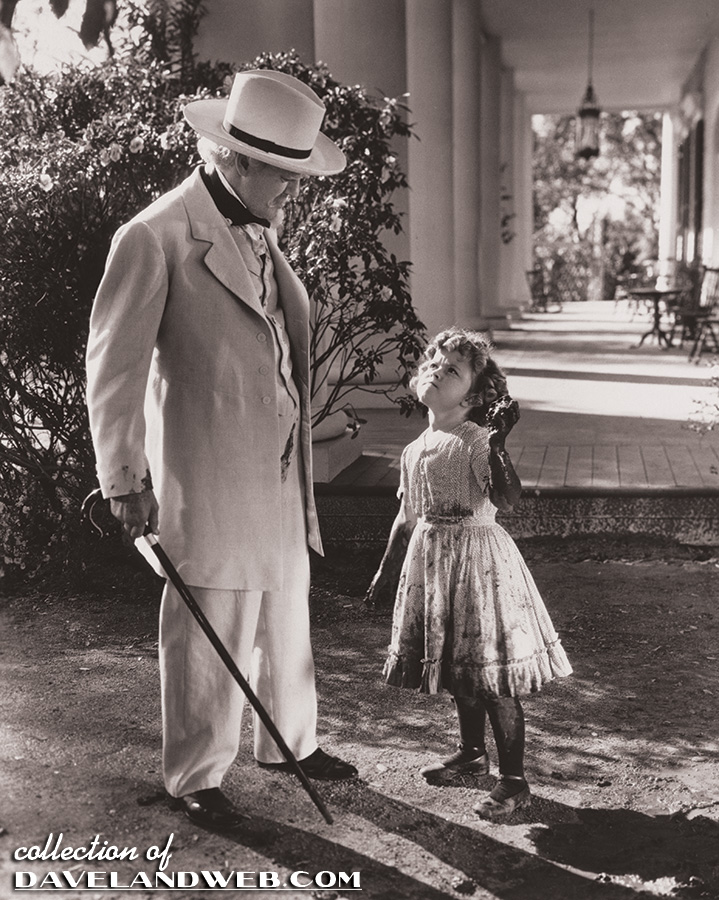


Back to Butler’s version:

The end of the picture we did out on location. After we finished the shot, I said, ‘That’s it. We’ve finished the picture.’ Lionel Barrymore always made up himself, so they had a little stand there for him. He went over to the stand and started to take his makeup off. I went to talk to him and there was a little tug at his sleeve. He didn’t pay any attention to it. It got a little bit stronger. He turned around, and in back of him was Shirley with an autograph book.


She said to him, ‘Uncle Lionel, can I have your autograph?’ The tears just welled in his eyes and poured down his cheeks. He grabbed hold of her and kissed her, and it was just great. He cried like a baby, after going through it with this kid. Then, when she went away, he said, ‘You were right, David. That was a great experience. I wouldn’t have missed it for the world.’
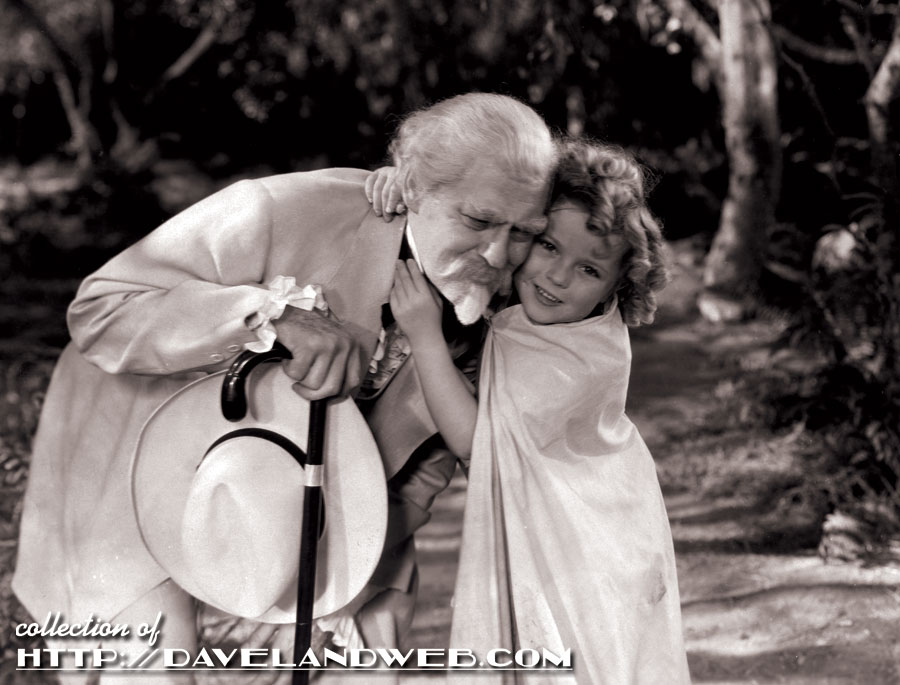


Shirley recalls getting the autograph in Barrymore’s dressing room; Butler recalls it happening at the end of the shoot, followed by tears. Butler’s own home movie (now in the collection of Shirley expert supreme, Rita Dubas) captured the autograph signing, which occurred outdoors without the crying but does display a fondness between the two, as seen below in a screen grab.


Another amusing anecdote from Butler describes the difficulty in filming the baptism sequence:

We had the scene where Shirley had to baptize this little colored boy. We had an audition for colored boys, and this kid named Junior [Nyanza Potts] was so cute that we took him. But Junior didn’t know anything about taking direction or listening to anybody. He was a wild man. We had an awful time even keeping him in a scene, to walk down a set. He’d be looking all around or fooling with his pants. But we managed to get by with it after working quite hard. So now we come to the baptism, where Shirley has to dunk him in the water and say, “Are you saved?” He has to say no, and she dunks him again. We’d get him all set, and the cameras ready, and Shirley would dunk him down under. “Are you saved?” He’d come up and shake his head. Then he’d grab Shirley and duck her under. Well, I want to tell you that I was ready to kill that kid. We changed Shirley’s clothes and fixed her makeup at least five times. Every time, he’d shove her in the water. Finally his mother told him she was going to give him a good spanking if he did it again, and we got the scene. But this was after changing Shirley five times. He’d grab her and duck her and hold her under, and the whole crew would jump in to save Shirley. When we finished, I told his mother, “I’ll tell you something about Junior. He’s going to be fine in the picture, but he caused me a lot of trouble. I’ll bet you he winds up a porter on the train.” Twenty years elapsed, and I’m going to New York on the Chief. I got in my compartment, and in comes a porter. He says, “Mr. Butler, you don’t remember me, do you?” I said no. It was Junior. He did wind up a porter. It was so funny.
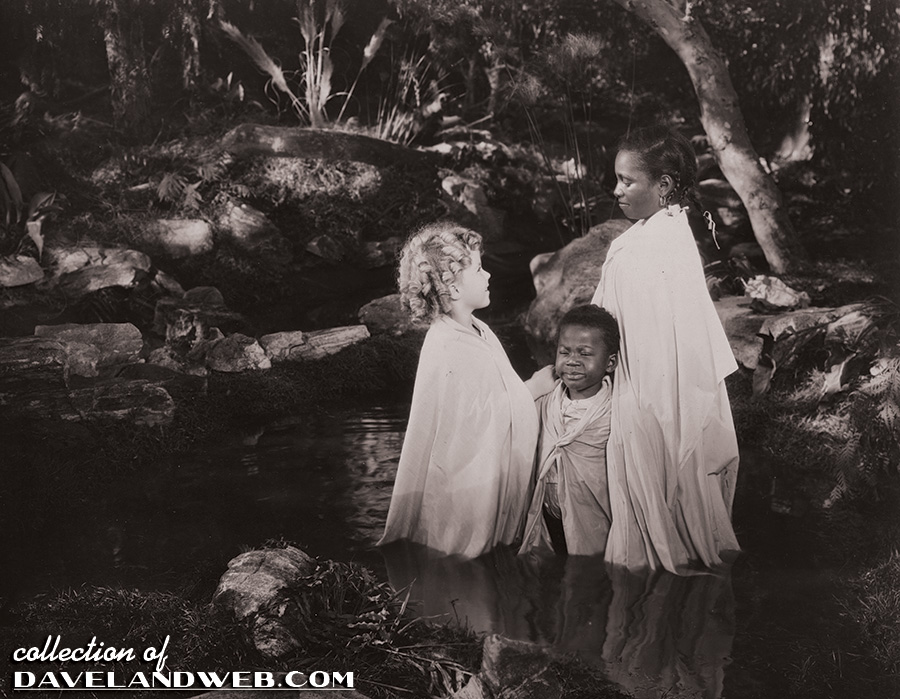


Shirley didn’t mention Nyanza nearly drowning her during filming, but she did talk about how he had some difficulty with this scene:

In the spluttering and commotion of filming he missed his cues and was speechless. The more the director cajoled and the more we dunked him, the more flustered he became, a pitiful figure, dripping and bedraggled. Making little progress, the director called a break and scolded Nyanza sharply. Mother, however, sensed the problem. Someone had gotten him tongue-tied at the prospect of acting with a name star, so she suggested I help him. Taking his small hand in mine, I led him into a corner to rehearse. He really knew his lines, and the more we talked as two children do, the more self-assured he became. convince he finally had it, we dressed in dry sheets and waded back down into the stream. Nyanza said his lines with a falter. We dunked him. Surfacing, he said some more. Again he got dunked. The director seemed happy. “Was I perfect?” Nyanza asked as we splashed up out of the stream. “Sure,” I answered, glad to have helped but unwilling to give him all the credit. “We all were! We did it together!


Butler’s behind-the-scenes footage also includes these fun candid moments - Lionel with lit cig and Shirley on a horse, waiting for the cameras to roll:


Barrymore removing the white wig he wears during the movie, once again lighting up a cig. He looks like his brother John in “Dr. Jekyll and Mr. Hyde”!


…and Nyanza, wildly dancing around, also carrying a cig!


You can see the entire movie at Rita’s YouTube channel:


Barrymore and Temple joined forces again in 1941 for the December 19th Shirley Temple Time radio broadcast titled, “Christmas for Two.”


Looks like somebody had a sore throat. I would guess it was Barrymore!


You can listen to the broadcast a the Great Detectives website.

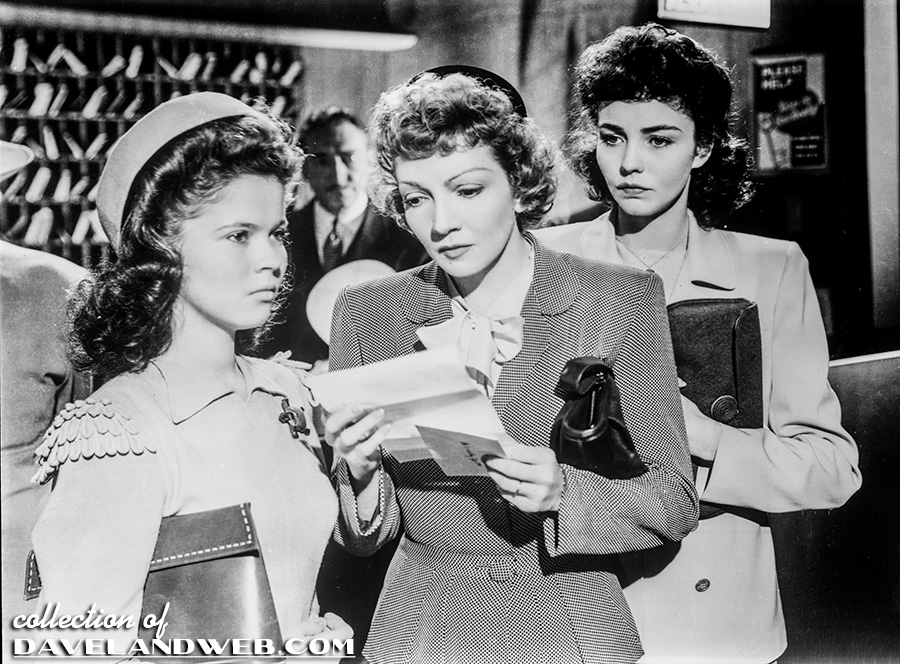
Both Shirley and Barrymore were in the 1944 Selznick production, “Since You Went Away.” Although they were in the same scene, it is somewhat doubtful that they were on set at the same time.
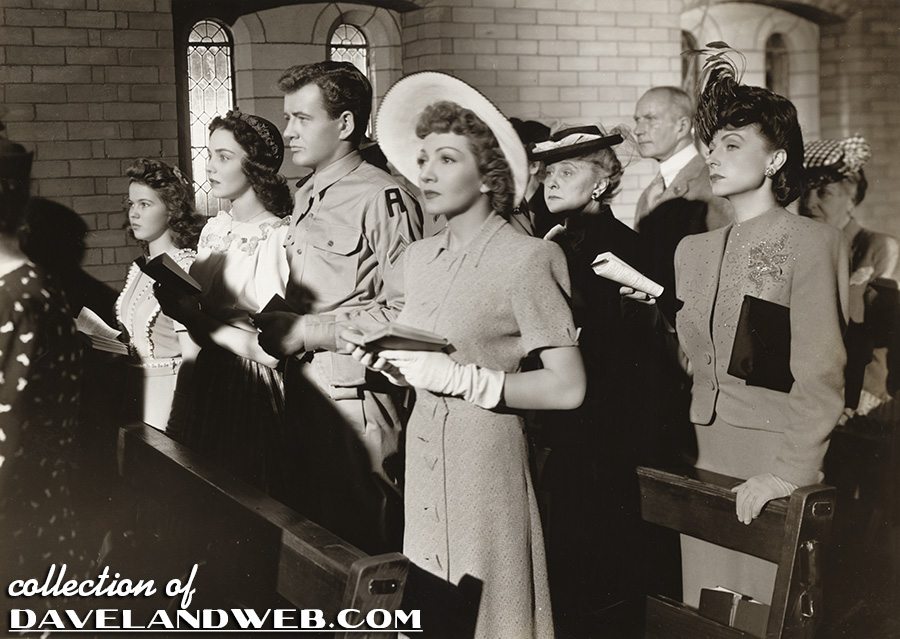


Barrymore had a short but memorable cameo preaching a Sunday sermon.


One of Barrymore’s most famous roles was as the villain, Henry Potter, in “It’s A Wonderful Life” (1946). Unlike his “Little Colonel” part, this character never thawed out!


Caption for the above photo, shot on set of “It’s a Wonderful Life”:

Barrymore-Stewart, Post-War Reunion

Hollywood, Cal…Back on the movie set after gallant war service, during which he rose to the rank of Colonel, James Stewart stops to chat with veteran Lionel Barrymore, who last week celebrated his 68th birthday by working on a new movie, “It’s a Wonderful Life,” directed by Frank Capra, center. Photo by Dave Cicero.


Interestingly enough, while the name Barrymore is synonymous with three of the greatest actors AND siblings (Lionel, Ethel, and John), their birth name was actually Blyth. Just doesn’t have the same ring, does it?

See more Shirley Temple photos at my main website.

Monday, December 19, 2022

Bedford Falls: Behind the Scenes, Pt. 2


One of my favorite scenes in Frank Capra’s “It’s A Wonderful Life” is where George Bailey (James Stewart) reconnects with Mary Hatch (Donna Reed) at a dance held at Bedford Falls High School. George is tall and gangly, and not comfortable doing the latest dance craze, The Charleston. Still, his feelings for Mary overcome his shyness and he gives it a whirl. Unbeknownst to both of them, George’s rival (played by “Our Gang”’s Carl “Alfalfa” Switzer) has turned the key that opens up the floor of the basketball court, revealing the pool beneath them. The rest of the dancers see the situation and begin laughing and yelling; George thinks they are cheering them on. As you can guess, the lovestruck duo fall into the pool. This scene has the perfect mixture of sweetness, comedy, and dramatic tension.

Beverly Hills High School’s “Swim-Gym” was designed as a New Deal project by Stiles O. Clements. While the main buildings of Beverly Hills High School were built in 1927, the unique “Swim-Gym” was designed by Clements and built by the WPA in 1939. The gym, now known as the Konheim Athletic Building, contains a basketball court that can be opened to access a 25-yard swimming pool below. The gym has also appeared in Shirley Temple’s “The Bachelor and the Bobby-Soxer” (1947) and “Clueless” (1995).


Here are two images that show Reed and Stewart rehearsing The Charleston. I’m sure it didn’t take long for Stewart to have to remove his sweater, as both of them look like they are putting their all into the rehearsal.


This shot shows the two leads relaxing at the piano during a break; not sure who the guy in the middle is [NOTE: Daveland reader Darryl has ID'ed him as Liberty Films co-founder Samuel J. Briskin]:


Want to see this scene? Here you go:


See more “It's A Wonderful Life” photos at my main website.

Thursday, December 15, 2022

Bedford Falls: Behind the Scenes


Before there was Main Street, U.S.A. at Disneyland, there was Bedford Falls. It’s the idyllic little town at the center of the Christmas classic, “It's a Wonderful Life” (1946). Today’s post shows some rare images taken during the filming of a scene with James Stewart and Gloria Grahame.

The RKO movie ranch in Encino is where the fictional Bedford Falls was created; Max Ree’s Oscar-winning sets for “Cimarron” (1931) served as the foundation for Frank Capra’s “It’s A Wonderful Life.” The ranch itself covered 89 (or 110 depending upon the source!) acres of ground; Bedford Falls took up four acres with its main street (300 yards/three city blocks long) with 75 stores and buildings and a residential neighborhood. Bedford Falls also included a tree-lined center parkway (based on what Director Frank Capra had seen in New York’s Seneca Falls when he visited in 1945), a working bank set, and full-grown oak trees transplanted from Encino. Pigeons, cats, and dogs were allowed to roam the set to make it seem more authentic.


Due to the requirements of filming two different versions of the town (and different seasons), the exterior set had to be extremely adaptable. For the autumn scenes the leaves were knocked off; for winter, the trees were coated with white plaster. When you see James Stewart sweating in his heavy overcoat during the snowfall, it’s not just because of stress; those scenes were filmed in the scorching heat of an Encino summer! Russell Shearman, RKO’s head of special effects, developed a new compound using water, soap flakes, foamite, and sugar to create snow for the film. Previously, movie snow was made from untoasted cornflakes which were so loud when stepped on that dialogue had to be dubbed. Window sills were coated with gypsum to look like ice; car tracks with formed with actual crushed ice.


Filming of “It’s A Wonderful Life” began on April 15, 1946 and ended July 27, 1946, exactly on deadline.


A wide view of the tree-lined parkway:


In this detailed view, you can see Gower Drug Store in the background on the left:


…and Stewart and Grahame:


The mansion for Orson Welles’ “The Magnificent Ambersons” (1942) was also located here at the movie ranch. RKO sold off the movie ranch in 1953 and it was torn down to make way for a subdivision of homes. It is known as the Lake Balboa area today.

See more photos at my main website.

Thursday, December 25, 2014

Christmas Movies


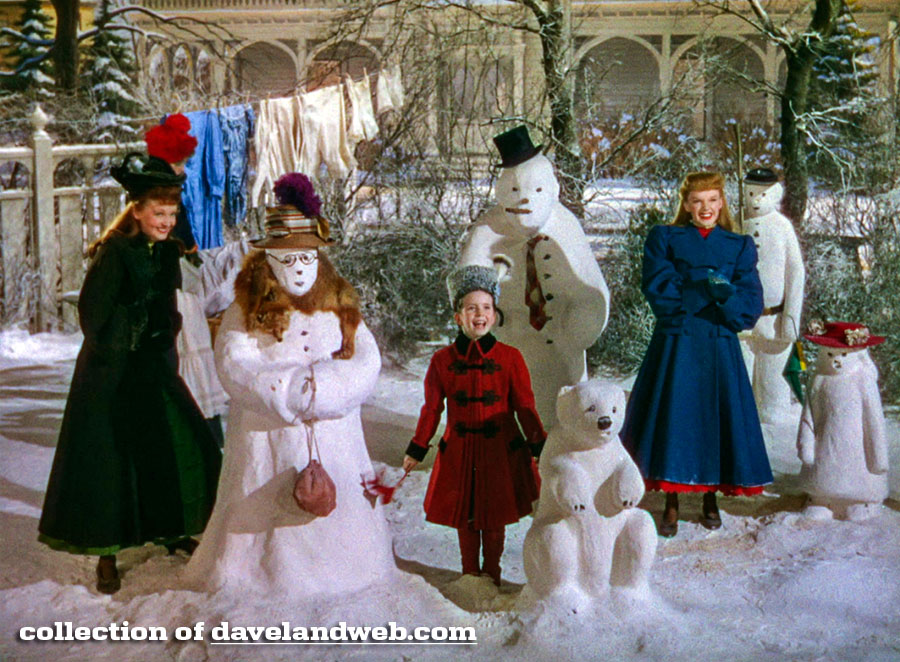
Even if you don't celebrate Christmas, surely you enjoy these two classic movies that get trotted out every year around this time. First up is the Vincente Minnelli directed gem "Meet Me in St. Louis." MGM makeup gal Donnie Ponedel helped transform Judy Garland into a beautiful young woman who actually gets the guy in this charming turn-of-the-century tale.


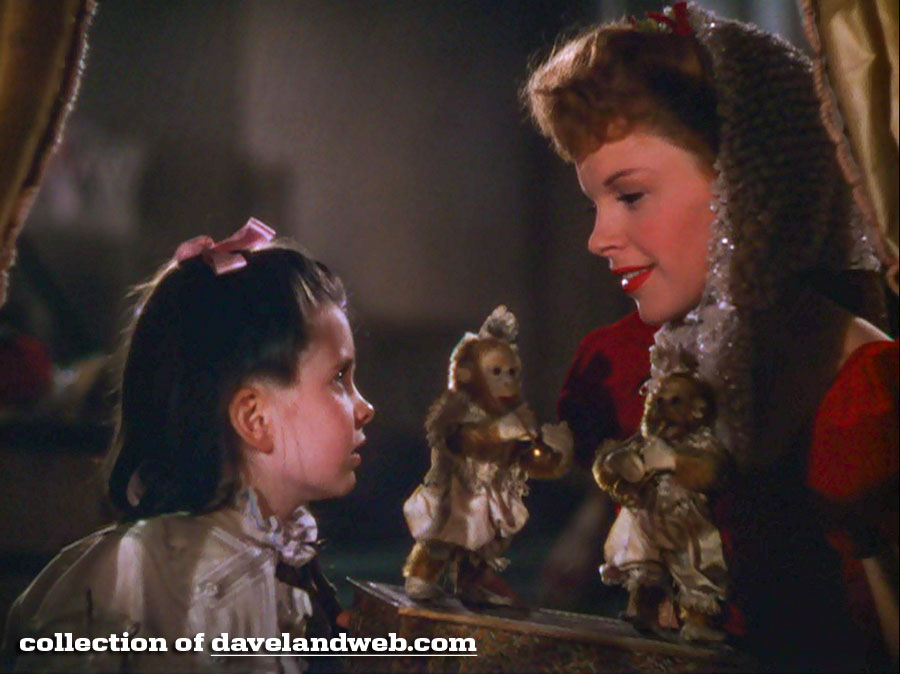
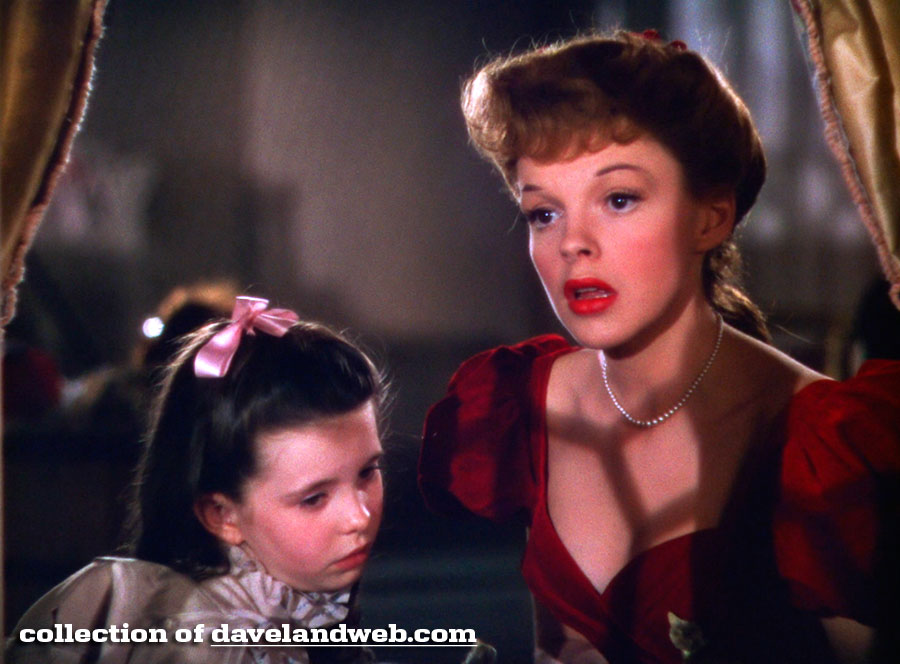
The second to last sequence in the film takes place during the Christmas season and is highlighted by Garland's rendition of "Have Yourself A Merry Little Christmas," sung to Margaret O'Brien.


Although the song is meant to cheer the characters up, the impending threat of having to move the family from their home in St. Louis to the big city of New York casts a bittersweet sadness over the scene.


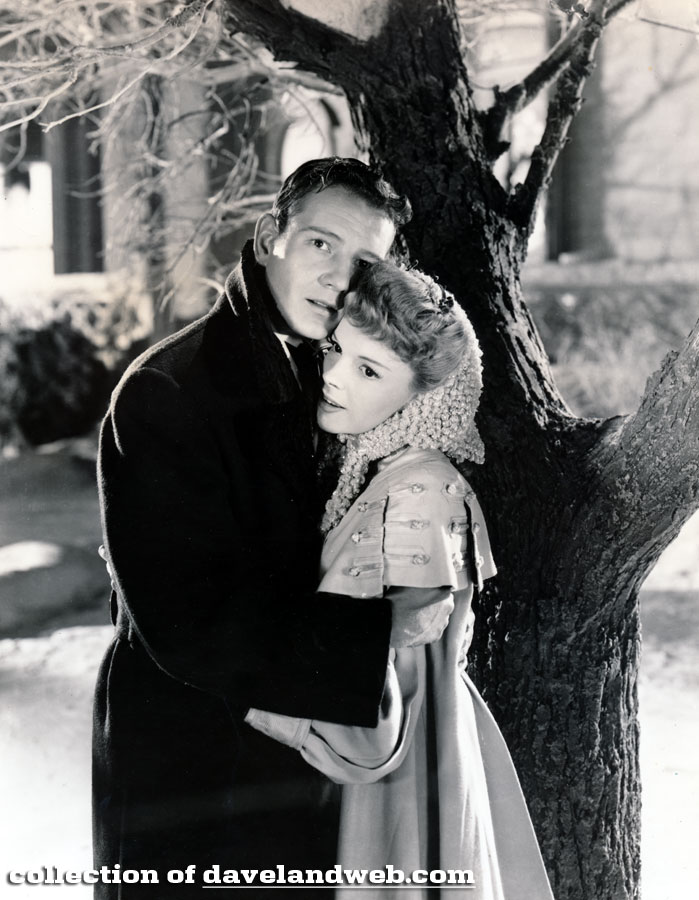
"It's a Wonderful Life" barely broke even when released over the Christmas holiday of 1946, but has since become a beloved favorite of many.


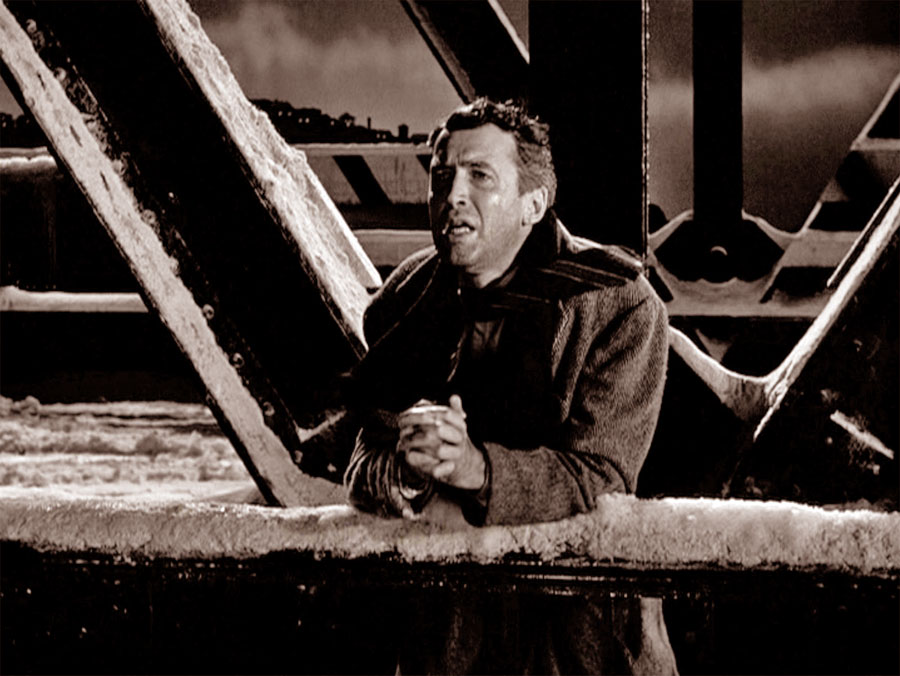
Overcome with financial troubles, George Bailey (expertly played by Jimmy Stewart) forgets all of the blessings he has had throughout his life and wishes he had never been born.


Thanks to Clarence, the guardian angel, George gets his wish and is able to see just how much of a positive impact he had by being around.


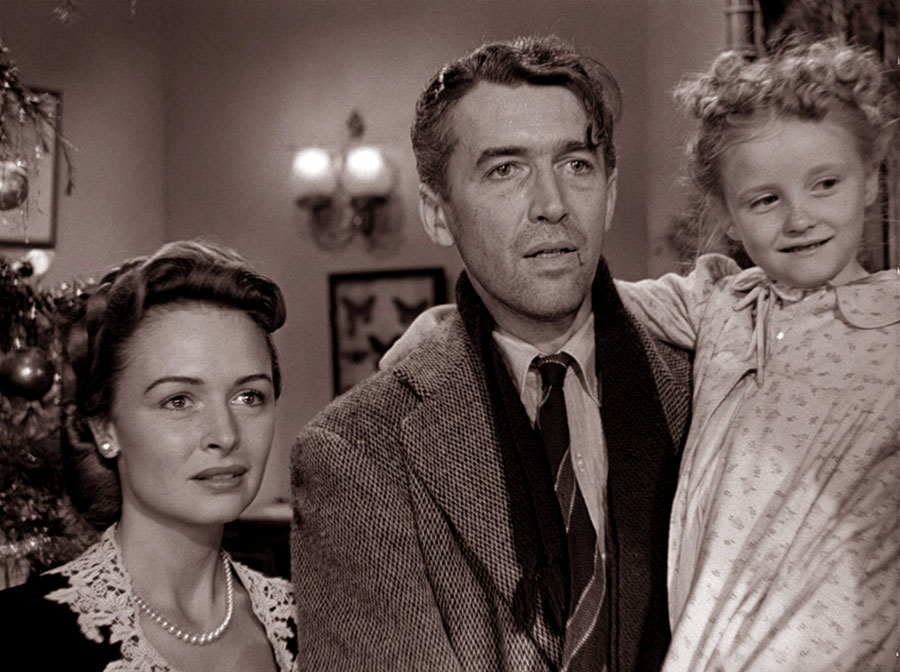
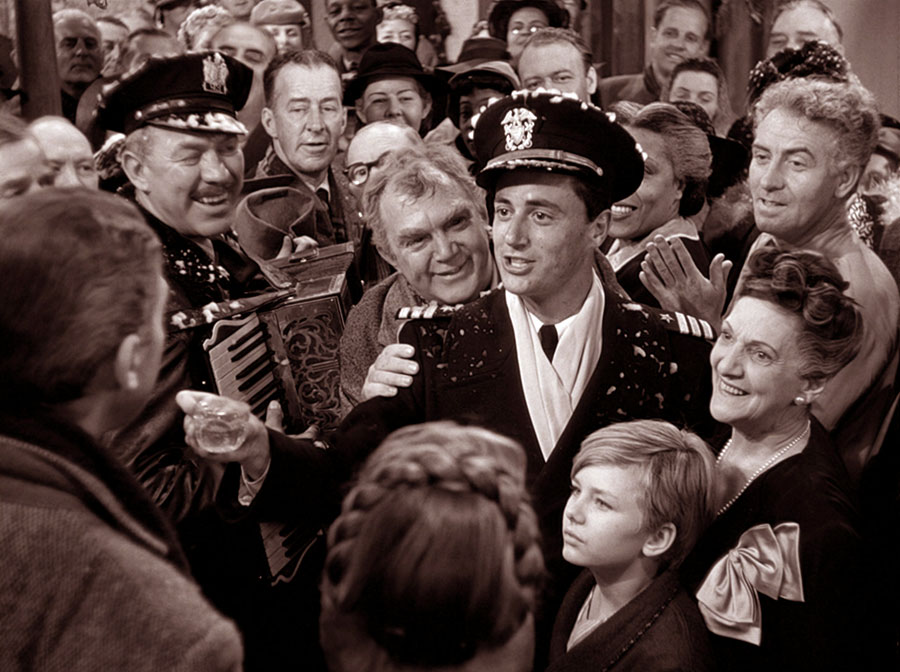
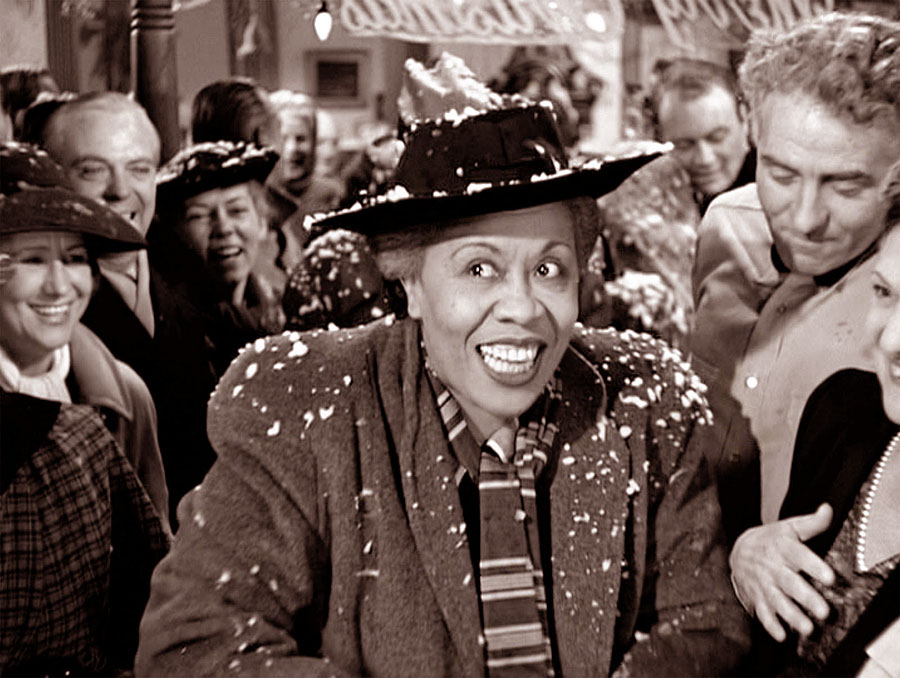
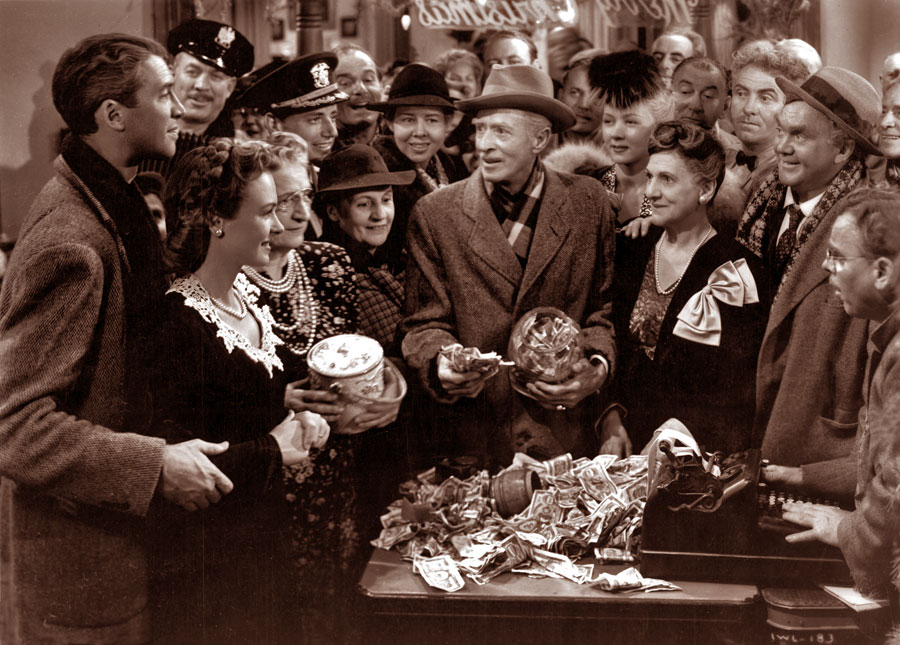
The emotional final scene around the Christmas tree is one that is hard to forget, as friends and family descend upon the Bailey home to repay the kindnesses that George doled out over the years.


A ringing bell on the tree lets the audience know that Clarence has earned his wings.


No matter what your situation is today, may the spirit of the season take over and let you know just how much YOU are valued!

See more vintage & current Daveland photos on my main website.
Sunday, March 03, 2013

Favorite Movies: The 1940's


My list of favorite movies for the 1940's is a bit longer; it would have been even longer if I hadn't popped a few of them into the DVD player and realized that my tastes have changed over the years. My first film here typically makes the Top Ten List of greatest movies of all time, and that is "Citizen Kane," (1941) the ambitious first effort by boy genius Orson Welles. At times it can be a bit long, but it is a visual feast of lighting and composition. My favorite parts of the film are those that feature Dorothy Comingore as Kane's wife, Susan Alexander.


Whether it's building puzzles or being forced to sing opera, she lights up the screen with her fiery personality and luminescent blond hair.


"Girl Crazy" (1943) is my favorite of the Mickey Rooney/Judy Garland pairings. She had matured as an actress and singer and was able to steal scenes away from Rooney. This is the first movie starring these two that I didn't root for them to get together; Rooney's hambone antics have worn thin and Judy deserves much better than to be stuck with his philandering playboy. The eye-popping Busby Berkeley finale "I Got Rhythm" is a spectacular showstopper, and probably one of the most memorable musical numbers ever filmed.


"Since You Went Away" (1944) was David Selznick's big follow-up to "Gone With The Wind." Although almost as long as "GWTW," it is a smaller scale story presented on a more intimate level. Focusing on how a mother and her two daughters survive World War II with the man of the house away at war, it is a touching account of how the war affected the middle class. Personally, I think it holds up much better overall than "GWTW."


"Meet Me In St. Louis" (1944) is 108 minutes of technicolor, Judy Garland, and memorable songs. The high point of the plot is that the Smith Family might have to move away from St. Louis to New York. In its simplicity, the movie is extremely refreshing.


"Beauty and the Beast" (1946) literally glows in a way that the Disney version never could. Even with the subtitles, the love of Belle (Josette Day) and the Beast (Jean Marais) can be seen through the eyes of its actors. This movie also proves that magic can be achieved with the simplest of visual effects.


"It's A Wonderful Life" (1946) gives the tear ducts a workout every time I watch it, thanks to Donna Reed's performance. As Mary, the wife of George Bailey (Jimmy Stewart at his best), her unflinching support of her husband through thick and thin make the emotional finale even more heart tugging.


"The Postman Always Rings Twice" (1946) astonishes me mainly because such a frank story was able to be told in the 1940's. Thanks to Lana Turner and John Garfield, the audience doesn't need to hear any dialogue to know what these two lust after and are planning to do.


Still, these two selfish characters are fleshed out by the actors portraying them, and the audience finds themselves actually wanting a happy ending for them.


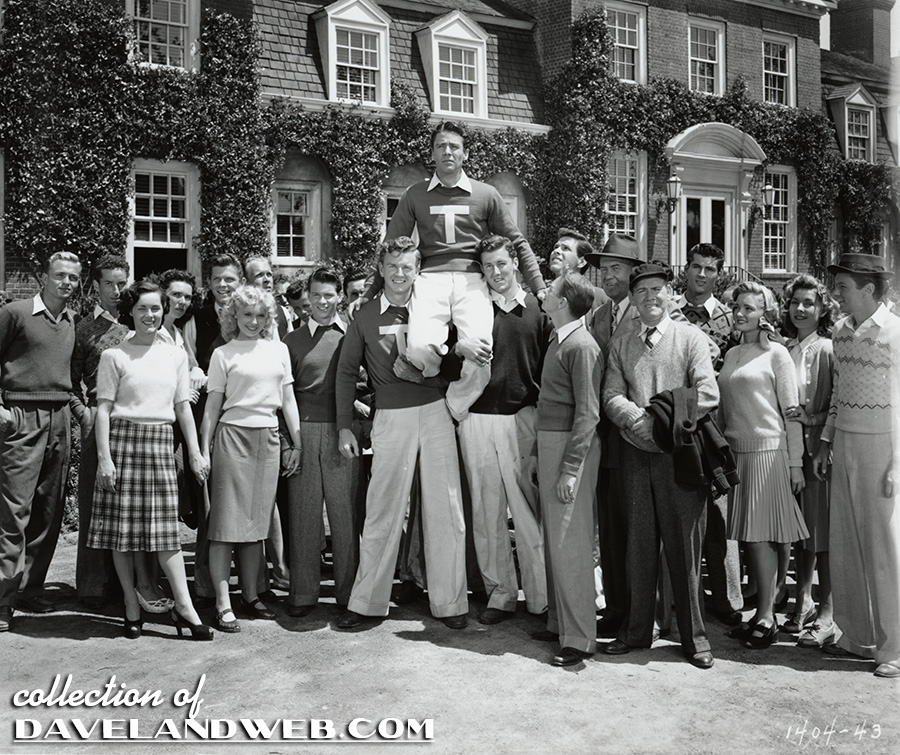
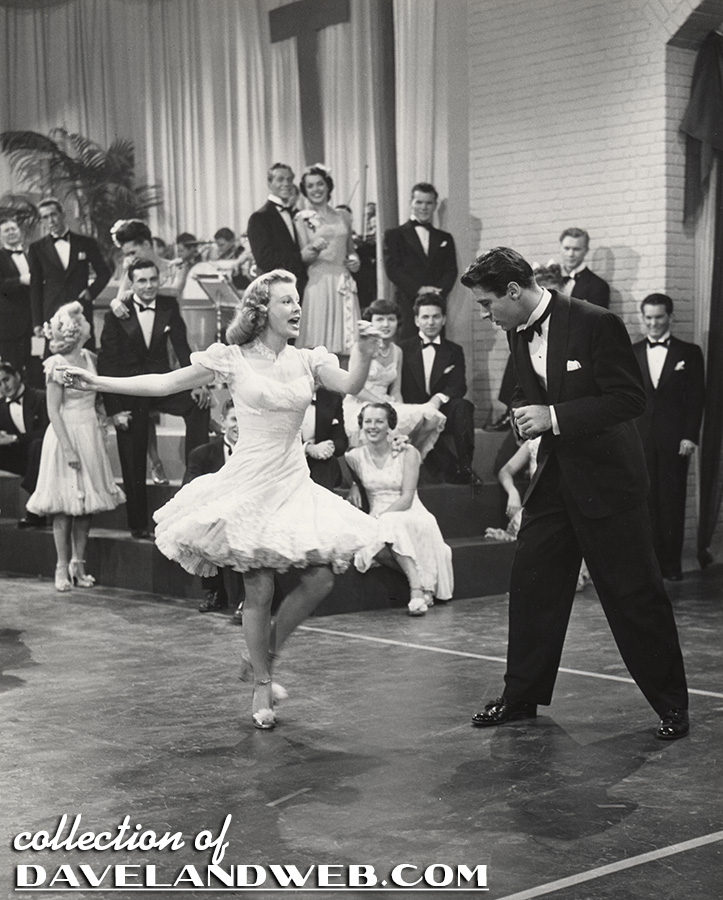
"Good News" (1947) is 100% fluff; if you're looking for a hidden message or some kind of cerebral theme, you won't find it here. This is just a good old fashioned Technicolor MGM Musical starring Peter Lawford and June Allyson. MGM certainly had actors that could sing and dance better, but perhaps that's why I love this musical so much; those two are much closer to an average person and thus much easier to relate to. Breaking in to song and dance seems much more realistic when you have leads that aren't shined to glossy perfection. You ALMOST believe that June is a poor student attempting to work her way through college! Another can't miss finale with "The Varsity Drag." I dare you to sit still through that one!


"The Ghost and Mrs. Muir" (1947) is a showcase for the beautiful Gene Tierney. The ethereal love affair between widowed Mrs. Muir (Tierney) and the ghostly sea Captain Gregg (Rex Harrison) sounds goofy on paper but on screen, it's pure magic. Look out for a young Natalie Wood playing Muir's daughter.


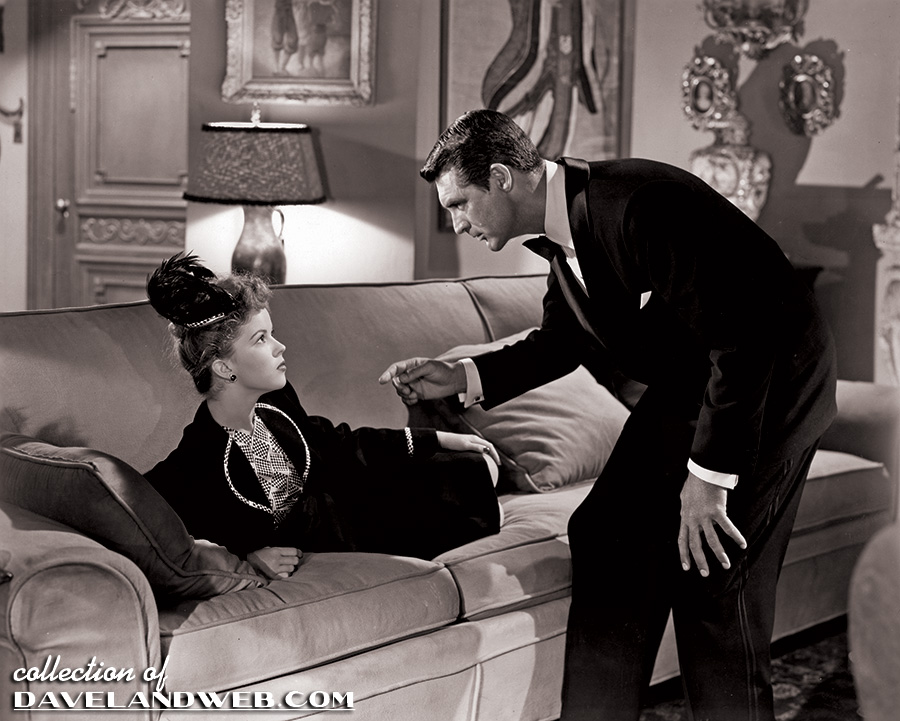
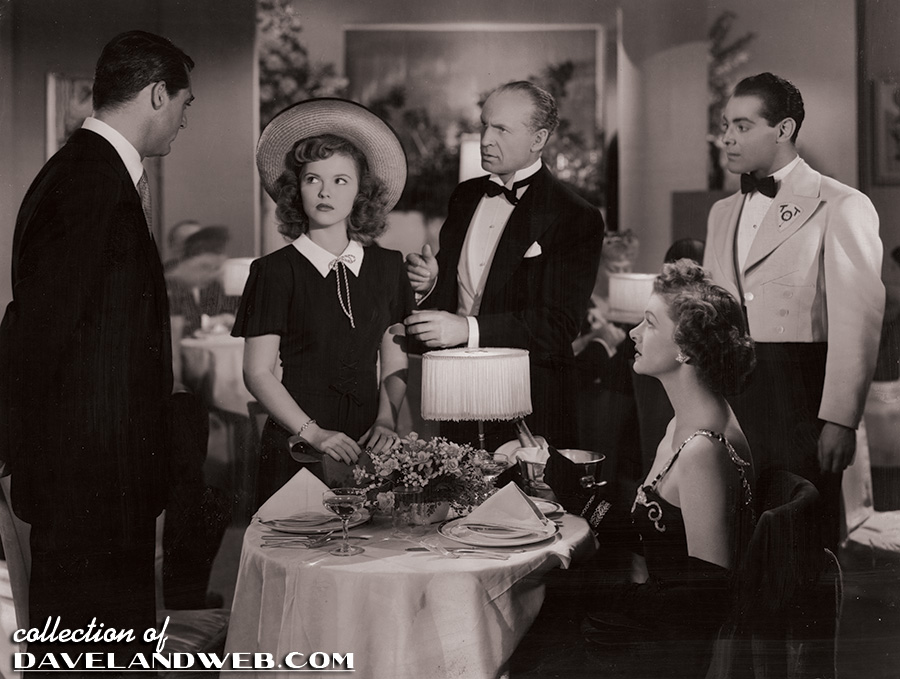
"The Bachelor and the Bobby-Soxer" (1947) is a breezy comedy penned by Sidney Sheldon, later of "I Dream of Jeannie" fame. Another case of two people who can't stand each other (Cary Grant and Myrna Loy) that later fall in love.


Shirley Temple has one of her best (and most natural) adult performances as Loy's little sister.


"Monsieur Verdoux" (1947) is my very favorite Charlie Chaplin feature film. It is a wonderfully dark comedy of errors with a meaningful message that is (unfortunately) drummed into the heads of audiences with a preachy finale by Chaplin himself.


Martha Raye lends a breath of fresh comedic air as one of Verdoux's many wives, and Marilyn Nash gives a perfectly understated performance as a destitute woman who gets a rare instance of kindness from Verdoux.


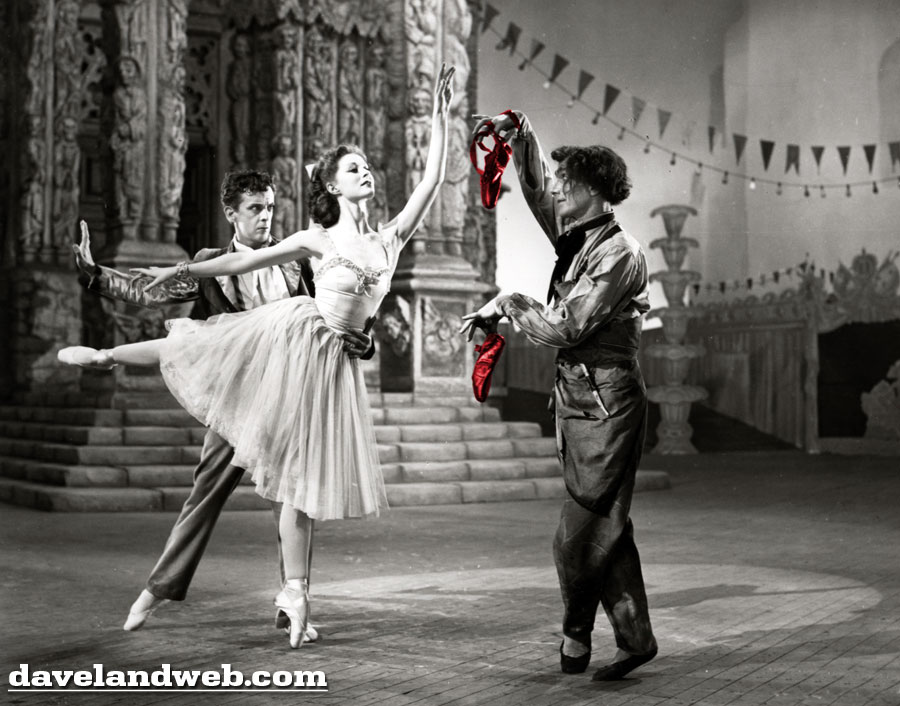
"The Red Shoes" (1948) is a one of a kind film. Because of the styling and the bright Technicolor, it definitely feels like a film of the 1940's.


Yet, because of the freshness of Moira Shearer's performance and some of the heavy themes, it feels so very modern. It is full of magic and a rare treat the first time you see it.


Watch out for the ending, though; it is so very uncharacteristic of films of the time and will most likely take you by surprise.


See more classic Movie & TV photos on my regular web page.