Showing posts with label graveyard. Show all posts

Friday, May 24, 2024

Forever Friday at Greenwood


Many of my family members are buried at the nearby Greenwood Memorial Park Cemetery in San Diego, both outdoors in a regular grave as well as some inside the mausoleums. Edited from the Cultural Landscape Foundation website:

Established in 1907, this 125-acre burial ground was underwritten by a consortium of civic leaders, including George Marston [of Marston Department store fame] and William Kettner, who were concerned that city-run burial grounds were falling into disrepair. Located adjacent to the earlier, larger Mount Hope Cemetery some five miles east of downtown San Diego, the cemetery contains several large mausolea, including the Cathedral Mausoleum, which opened in 1919, and the four-story, two-acre Bible Mausoleum, constructed in 1970. Smaller, private mausolea, built as the cemetery developed, dot the landscape. Opened in 2017, the densely planted Mirror Lake cremation garden surrounds the southernmost of three constructed ponds. Inlaid with memorial plaques, the garden’s stone wall descends an escarpment to a rustic bridge that spans a cascading, stone-lined stream. Designed by George Cooke, the cemetery was intended to look and function like a picturesque park, with palm-lined paths and vast, undulating lawns interspersed with Australian willows, strawberry trees, sweet bays, and coast live oaks. In the cemetery’s southwest corner, two adjacent, circular plots called Arbor Vitae and Elks’ Rest contain concentric rings of graves that radiate from central monuments. Burial plots are set aside for firefighters, fraternal and military organizations, and various cultures and faiths.

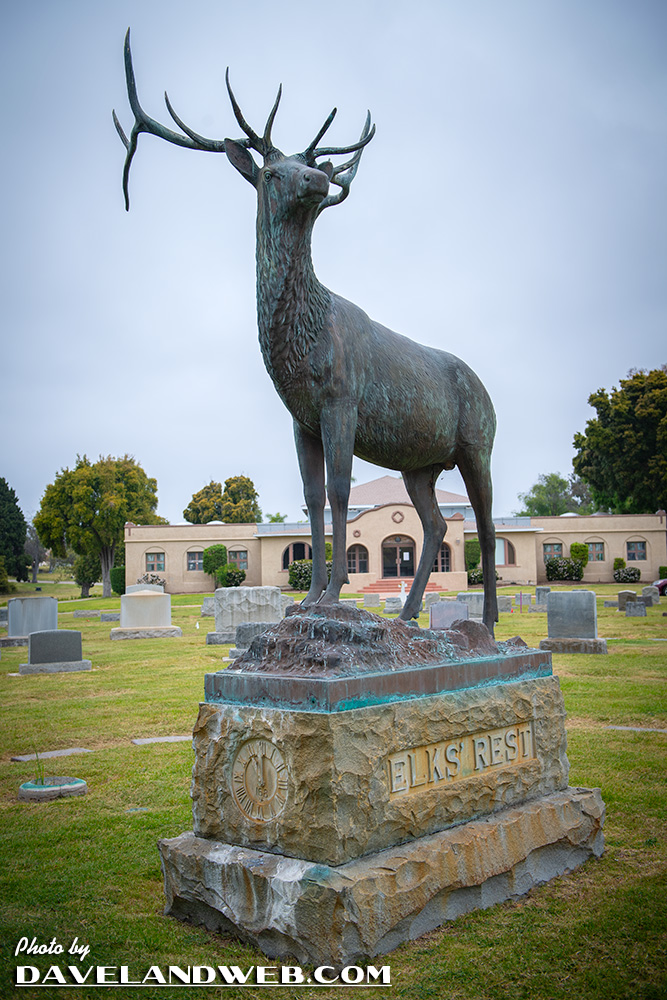
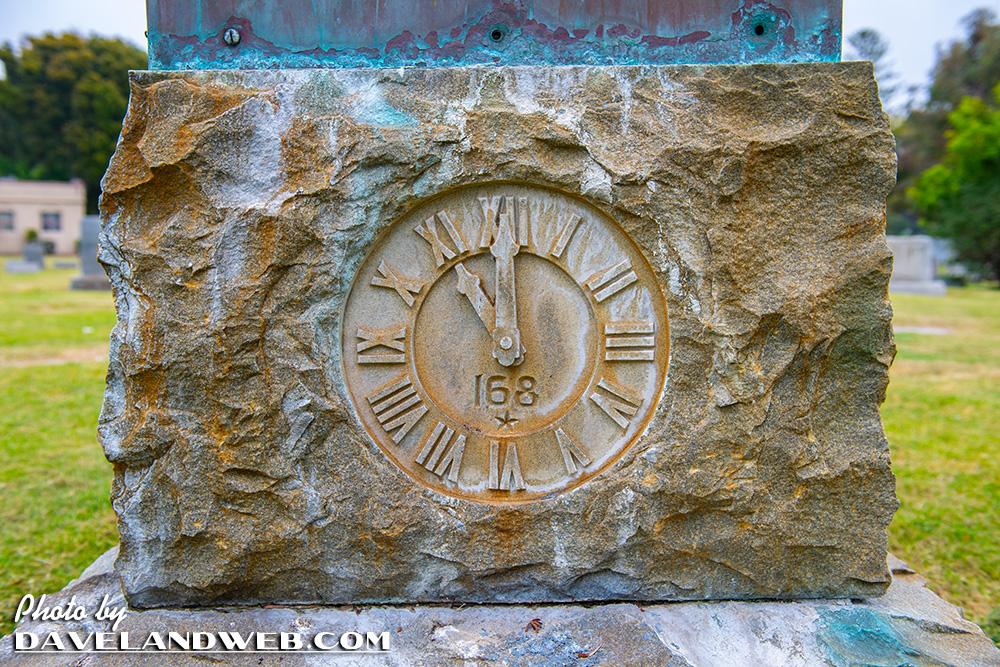
Above is a photo of the Elks’ Rest area, where my maternal Great Grandparents are buried. I’m not sure of the meaning of the stone clock forever set at 11pm, but it’s still kind of cool!


The cemetery hosts several chapels, a mortuary, crematory, and various statuary, including a veterans memorial and religious figures. Fourteen acres in the eastern section of the property are reserved for future development.

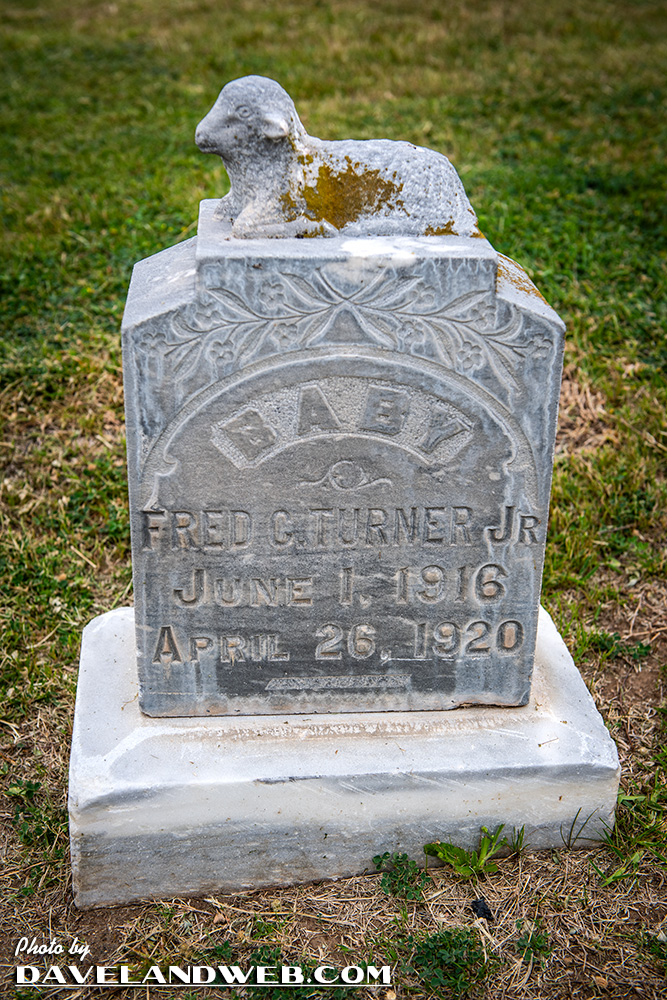
I do like strolling through old cemeteries and seeing the skill and craftsmanship that went into creating the older tombstones. Seeing the graves of the little ones are so sad, though. You can only imagine the grief of the parents who lost their offspring at such a young age.


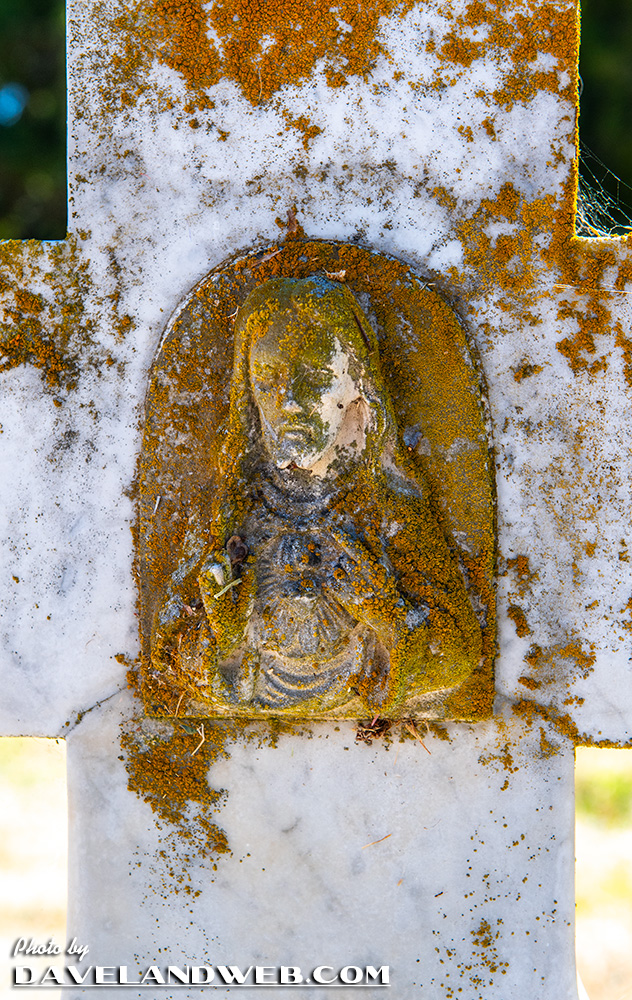
Jesus has gotten a little moss-covered over the years.


Overall, the grounds are fairly well kept. The mausoleums are a different story. Because of looting and the homeless, they remain locked now, and family members must seek assistance in the chapel to have a groundskeeper unlock them. Inside, there are leaks, broken windows, and other signs of deferred maintenance.

One of the more famous residents of the Catholic Mausoleum is Ernestine Schumann-Heink (June 15, 1861 – November 17, 1936), an operatic dramatic contralto of German Bohemian descent. She was noted for the flexibility and wide range of her voice. Heink and Schumann were her two husbands’ surnames. In January 1910, she moved to a farm located just outside San Diego, where she would live until her death of leukemia November 17, 1936 at age 75. Her funeral was conducted by the American Legion at the Hollywood Post Auditorium, and she was interred here at Greenwood Memorial Park in San Diego. On Memorial Day, May 30, 1938, a bronze tablet honouring Schumann-Heink was unveiled by her granddaughter, Barbara Heink, at the Organ Pavilion in Balboa Park, San Diego. I have yet to photograph that; yep, another bucket list item!
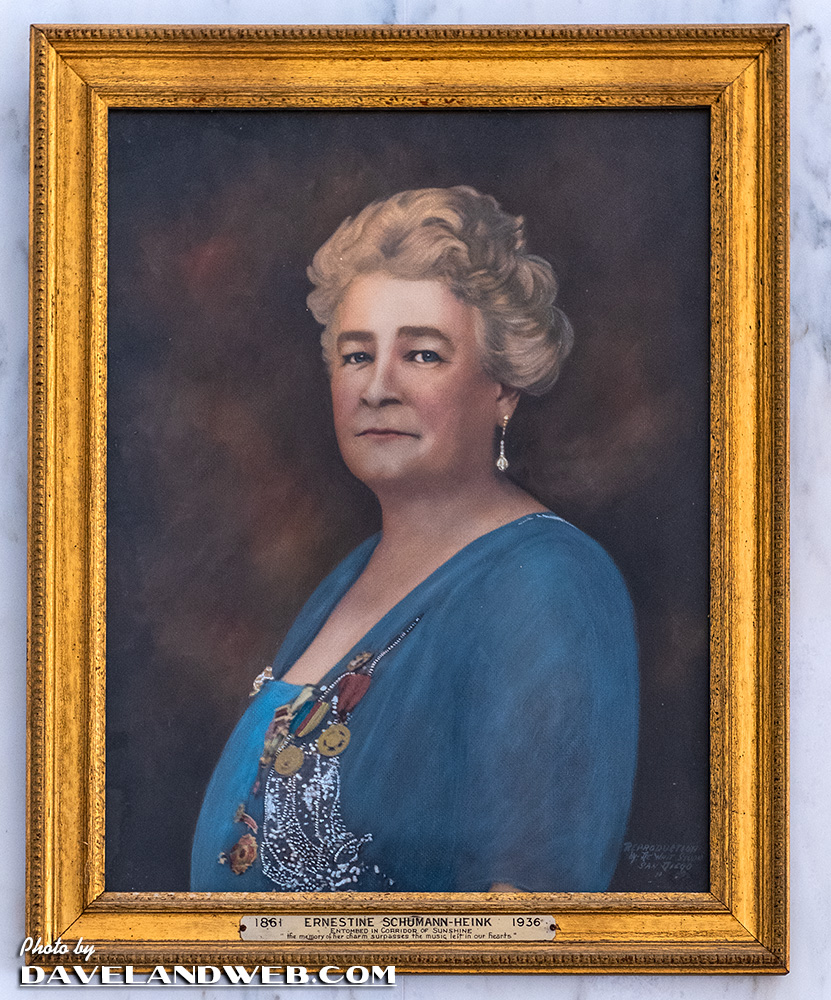


Here’s what is believed to be the only footage of her singing, captured when she was 65:


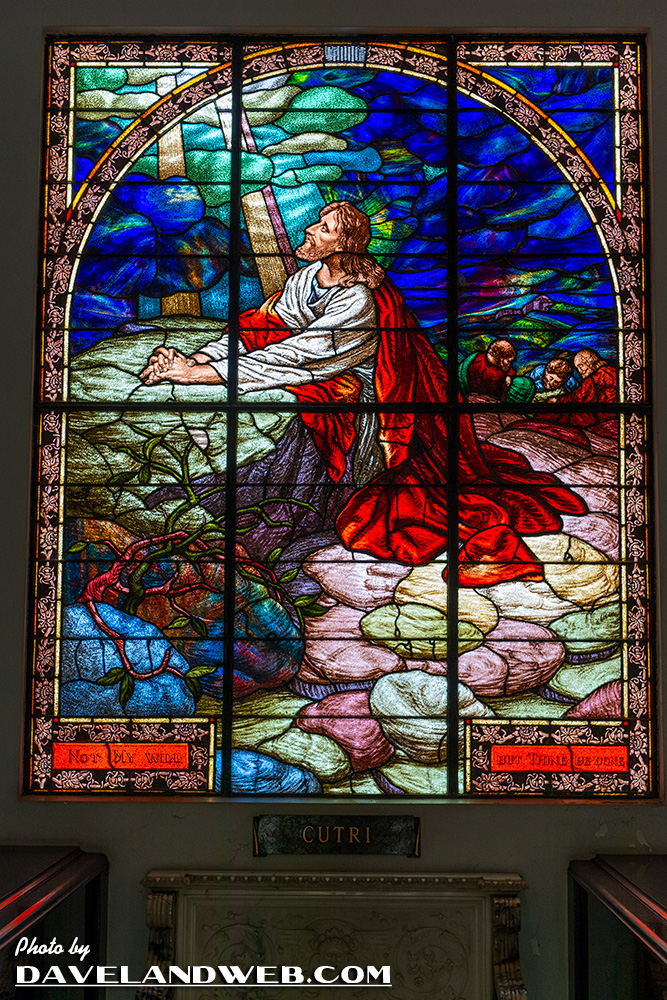
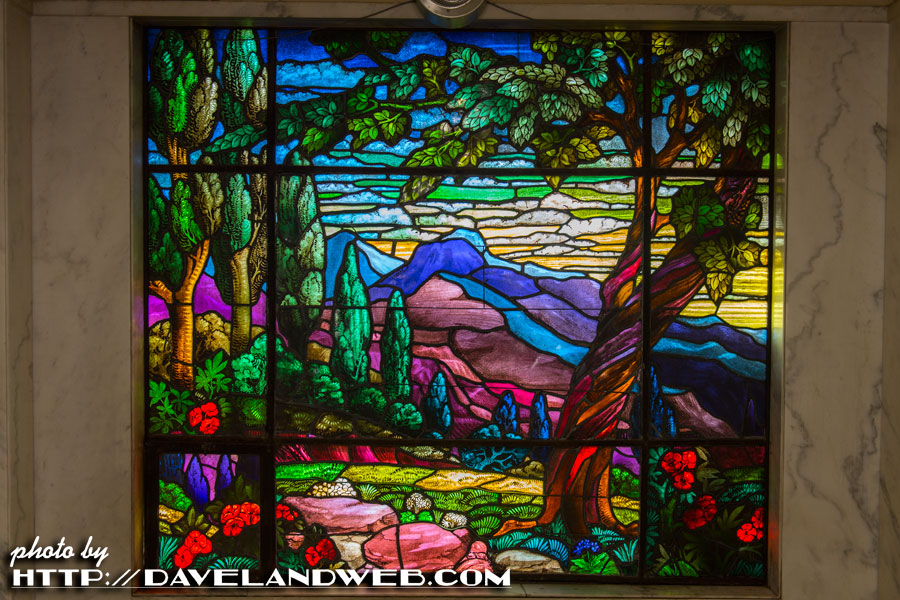
The stained glass inside the Catholic Mausoleum is beautiful, especially when the sun hits it just right.


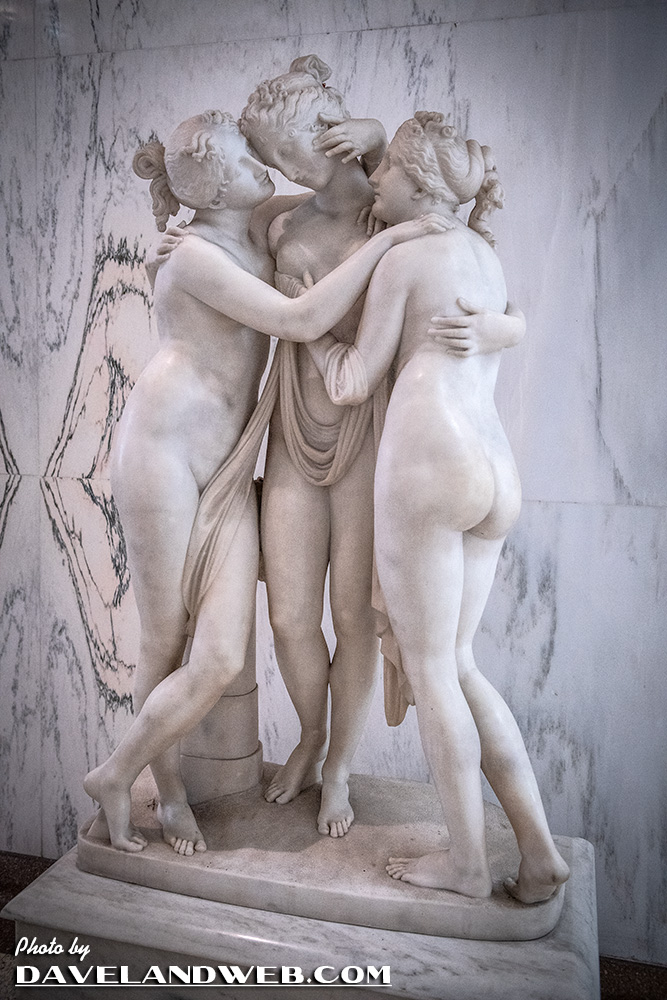
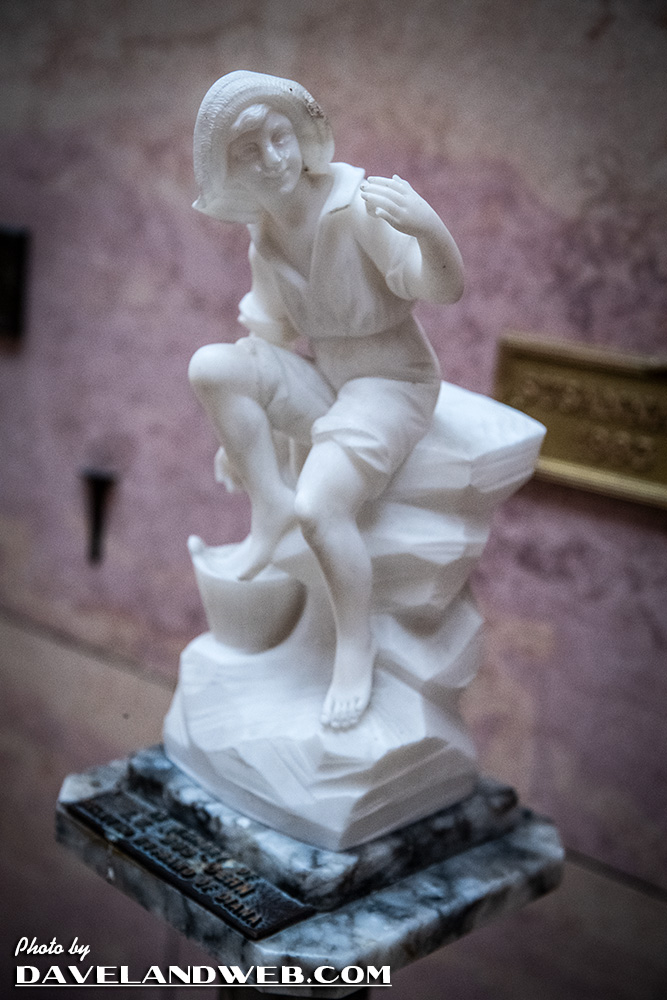
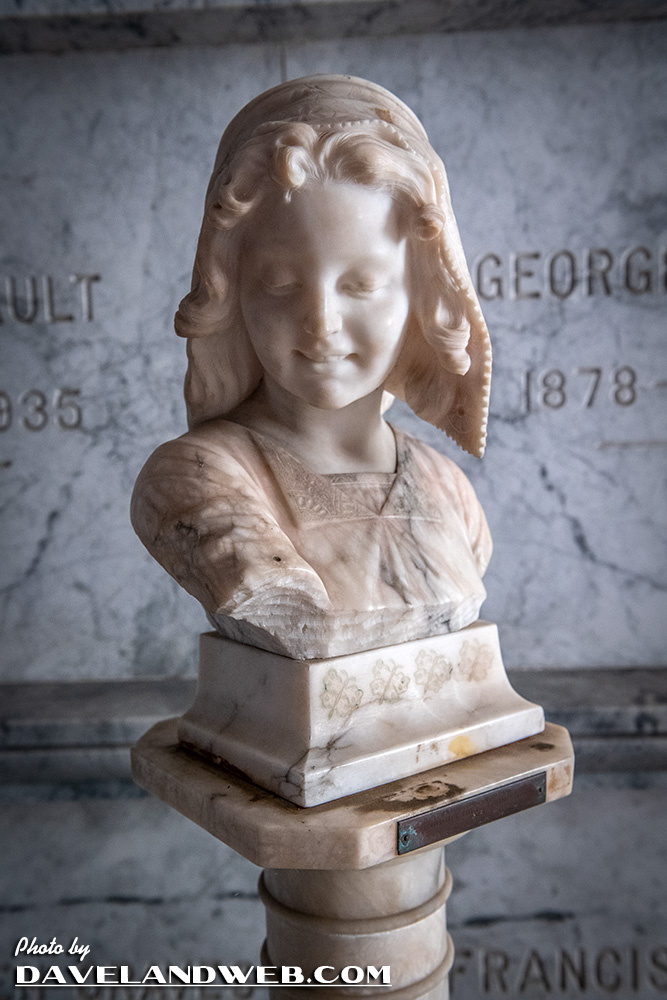
A number of statuary and busts are spread throughout the mausoleum:


Looks like Huck Finn or Tom Sawyer!


The face on this one is so expressive:


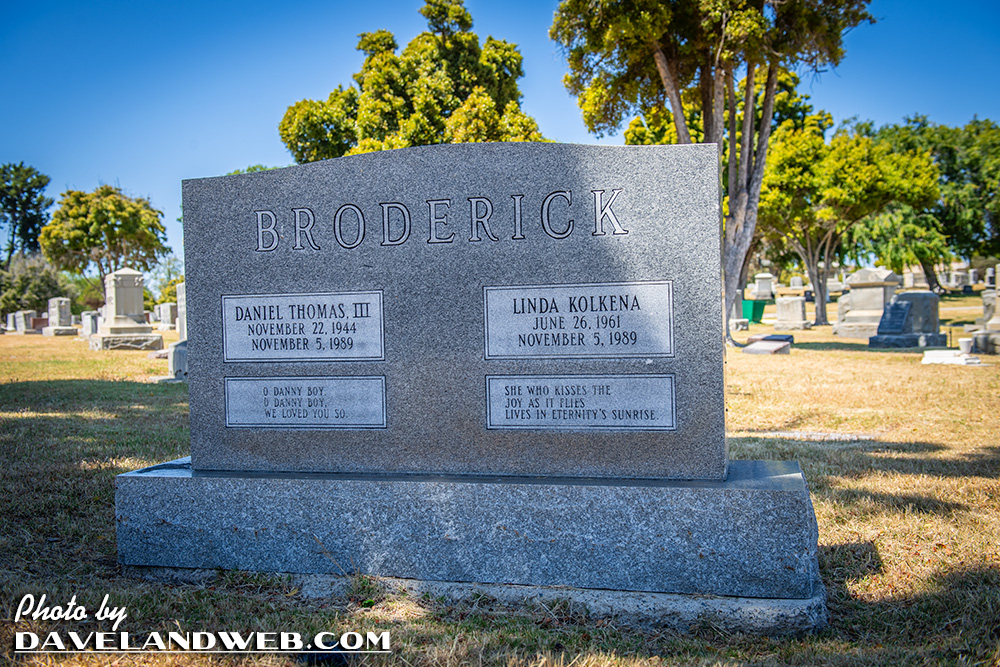
Another (in)famous resident is Dan Broderick and his second wife, Linda. He is best known as being the murder victim of his first wife, Betty, who is still incarcerated in Chino, California.


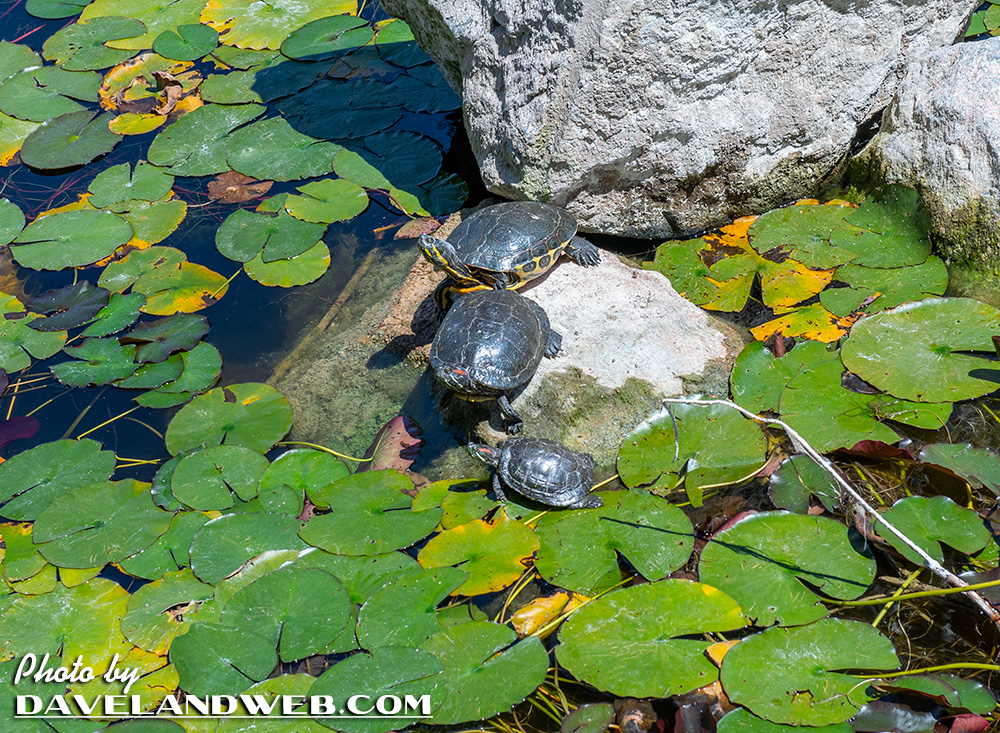
Nearby is the Lily Lake, which could use a little bit of maintenance. These turtles didn’t seem to mind.


Victor Buono is inside this crypt with his mother, Myrtle. Interestingly enough, his name is left off the marble facing.
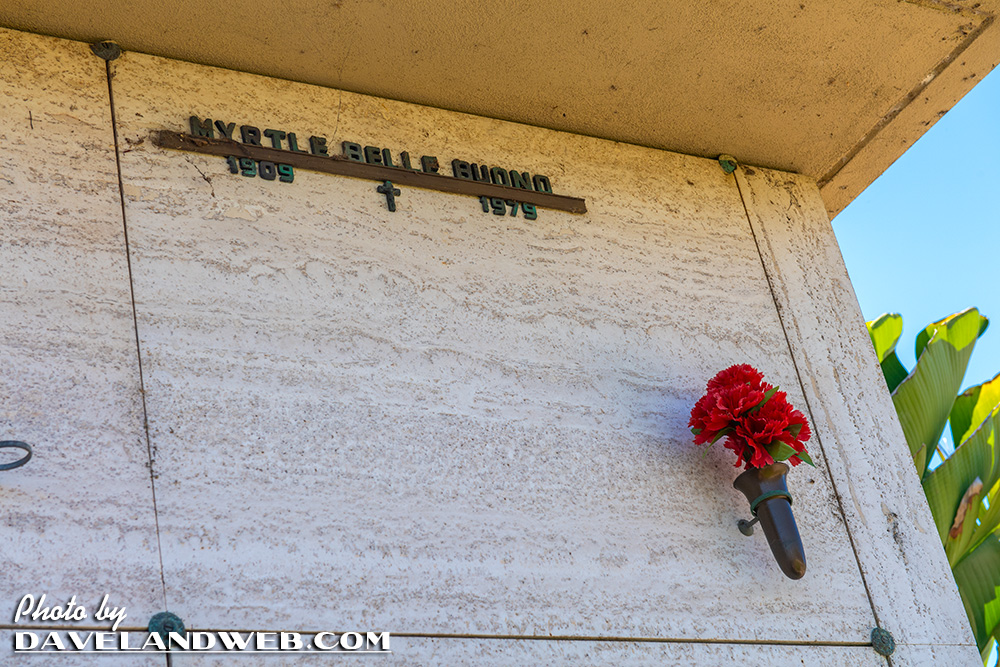


Buono is best known for his roles of Edwin Flagg and “Whatever Happened to Baby Jane?” (1962) and as King Tut in the “Batman” TV series (1966).


See more cemetery photos at my main website.

Tuesday, October 31, 2023

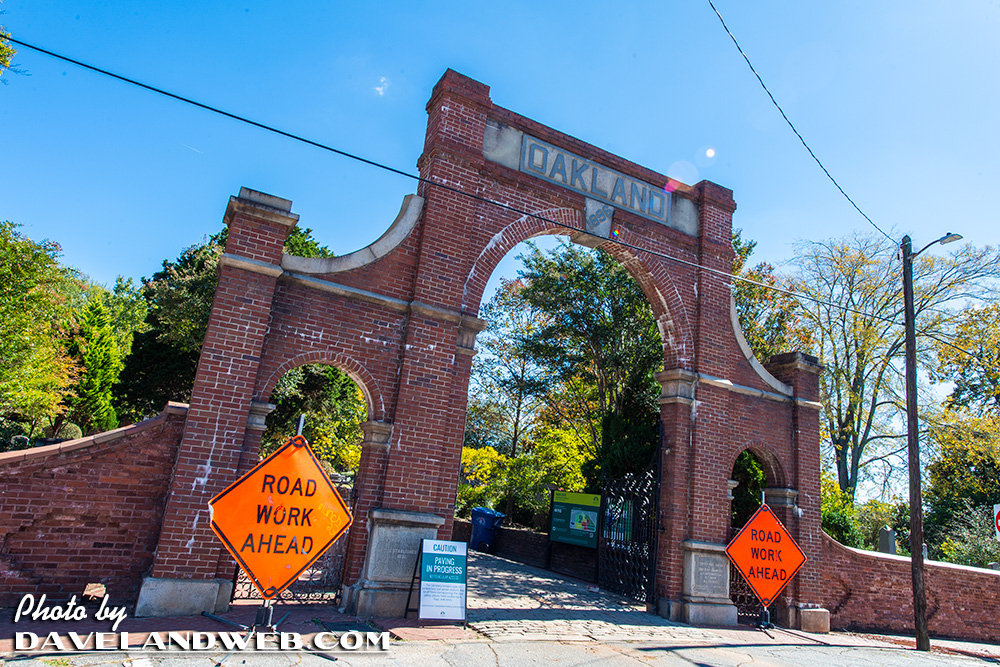
Happy Halloween from Oakland!


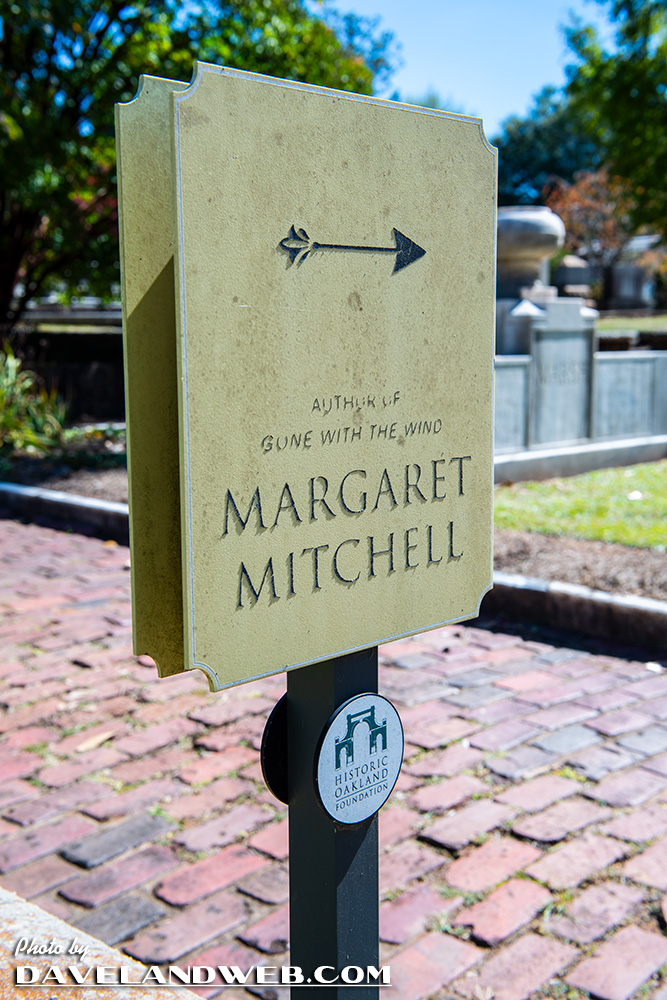
We interupt our normally scheduled Temple Tuesday AND Atlanta History Center posts to celebrate Halloween. It was Margaret Mitchell, author of Gone with the Wind (1936) that got me to walk more than 2 miles from hotel for a visit.


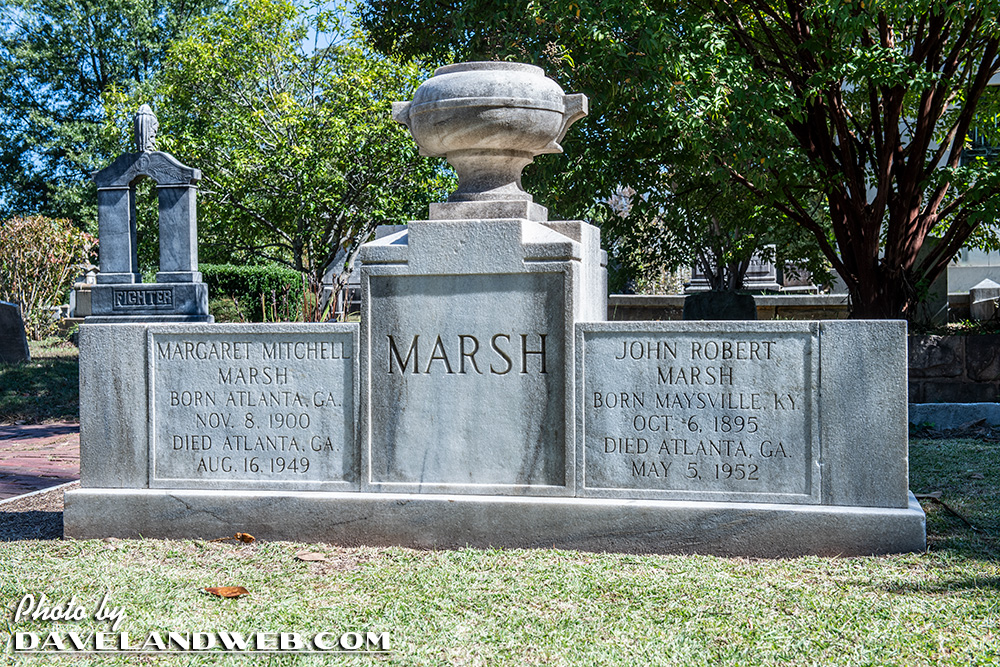
Mitchell and her second husband, John Robert Marsh, are buried together here.


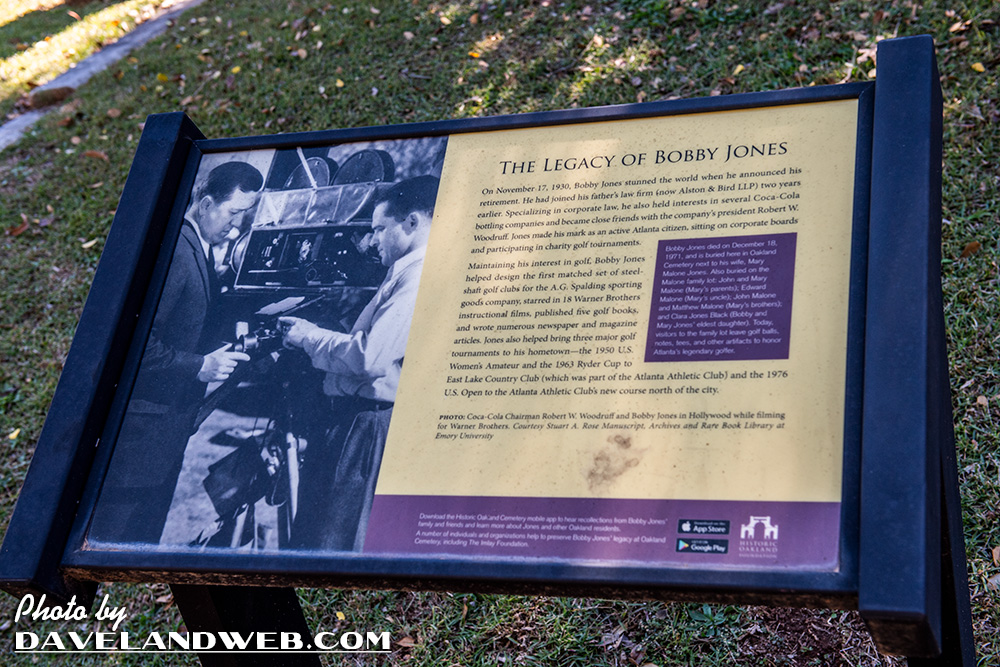
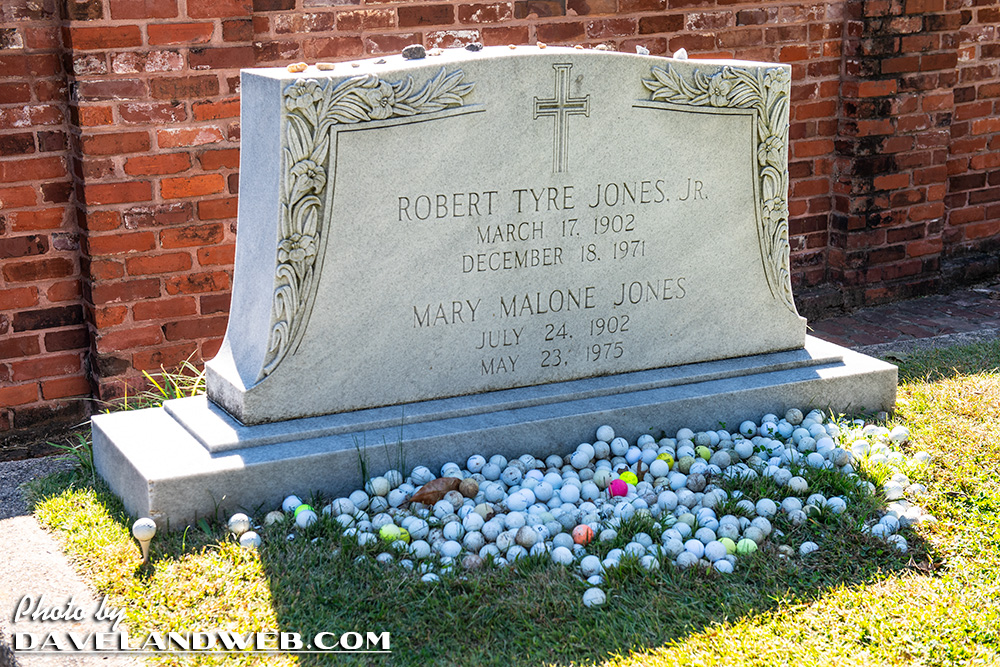
Oakland also is the final resting spot of legendary golfer Bobby Jones.


If you need a ball or two, this is the place to get them.


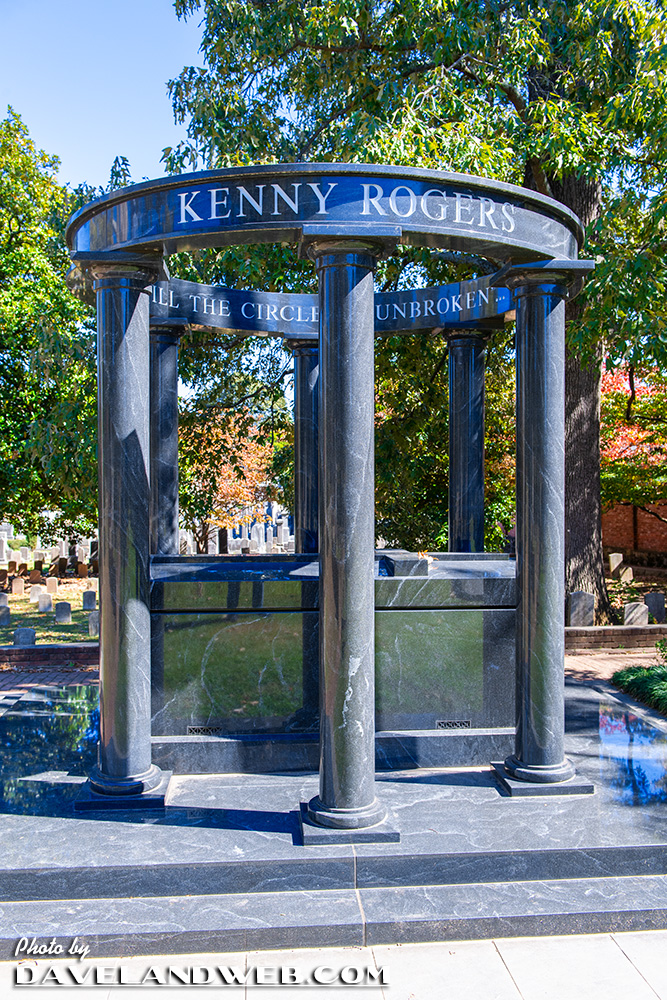
Country music artist Kenny Rogers is also buried here.


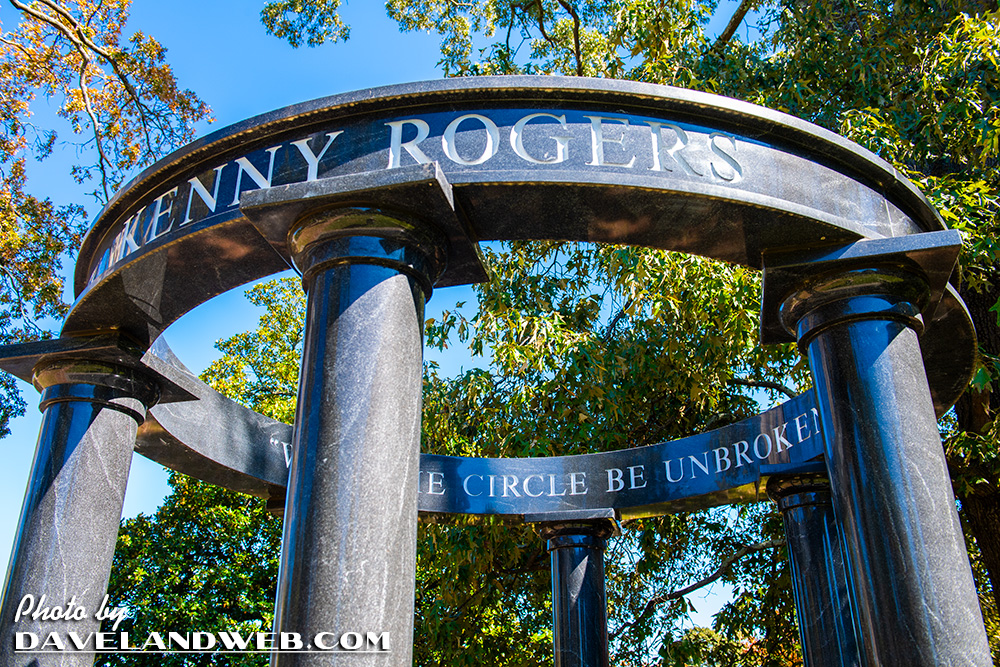
Fittingly, this monument is round, with the title of one his songs (recorded in 2011) inscribed above, “Will the Circle Be Unbroken.” Edited from the Birthplace of Country Music website:

The original version of “Will the Circle Be Unbroken” was a hymn written in 1907 by Ada R. Habershon, with music by Charles H. Gabriel. The words and melody of the verses in the original hymn depart substantially from the way it is usually sung today. A. P. Carter rewrote the song when The Carter Family recorded it in 1935. The sentiment conveyed in both versions is that we have all lost loved ones, but that they have gone to a better place where we will see them again. “Will the Circle Be Unbroken” is an homage to the pioneers of country music and a salute to current artists who honor these diverse roots. The circle is unbroken because the music is handed down from generation to generation.


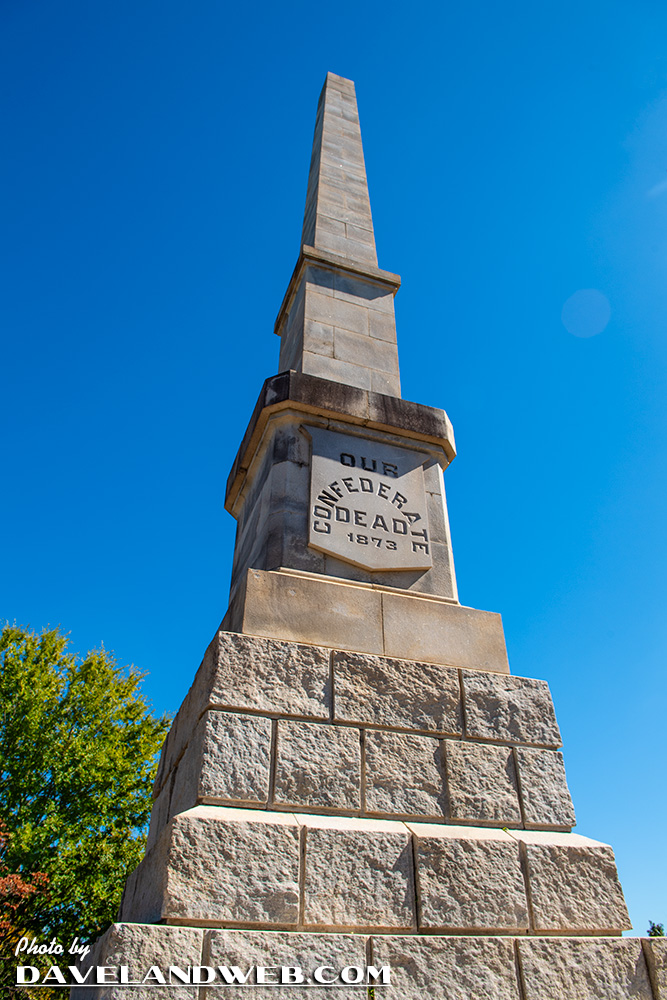
Below is the The Confederate Obelisk.


From the nearby signage:

The Atlanta Ladies Memorial Association (ALMA) formed in 1866 with a purpose to “preserve and foster the memory of our Confederate Dead.” The federal government did not fund Confederate burials after the war. Volunteer groups, often organized by women, assumed responsibility for Confederate burials and commemoration. Their efforts shaped public memorialization of the Confederate dead and the Confederate cause for future generations. ALMA arranged for the interment of unknown soldiers at Oakland and commissioned two monuments, the Confederate Obelisk and the Lion of Atlanta. The 65' tall Confederate Obelisk is made of Stone Mountain granite. ALMA laid the cornerstone in 1870 on the day of Confederate General Robert E. Lee’s funeral. The obelisk ranked among the city’s tallest structures when completed. Roughly 15,000 people, almost half of Atlanta’s population, attended the dedication ceremony on Confederate Memorial Day, April 26, 1874. The obelisk became a gathering place for future Confederate Memorial Day ceremonies.


At the bottom of the signage contains this paragraph titled, “The Struggle for Equality”:

As white Southerners built monuments to honor their dead, African Americans continued to fight for their civil rights. From 1865 to 1870, three amendments to the Constitution (the Thirteenth, Fourteenth, and Fifteenth Amendments) were ratified in an effort to establish freedom and political equality for African Americans. State Laws and federal court decisions weakened the power of these amendments. In 1896, the Supreme Court upheld racial segregation laws in Plessy v. Ferguson. The segregation of public spaces, including Oakland, continued until the early 1960s.

Plessy v. Ferguson was a case from 1896 that upheld a Louisiana state law that allowed for “equal but separate accommodations for the white and colored races.” From the archives.gov website:

With the cooperation of the East Louisiana Railroad, on June 7, 1892, Homer Plessy, a mulatto (7/8 white), seated himself in a white compartment, was challenged by the conductor, and was arrested and charged with violating the state law. In the Criminal District Court for the Parish of Orleans, TourgĂ©e argued that the law requiring “separate but equal accommodations” was unconstitutional. When Judge John H. Ferguson ruled against him, Plessy applied to the State Supreme Court for a writ of prohibition and certiorari. Although the court upheld the state law, it granted Plessy’s petition for a writ of error that would enable him to appeal the case to the Supreme Court.

The lone dissent in the vote came from Kentuckian Justice John Marshall Harlan, who wrote, “I am of the opinion that the statute of Louisiana is inconsistent with the personal liberties of citizens, white and black, in that State, and hostile to both the spirit and the letter of the Constitution of the United States. If laws of like character should be enacted in the several States of the Union, the effect would be in the highest degree mischievous.”


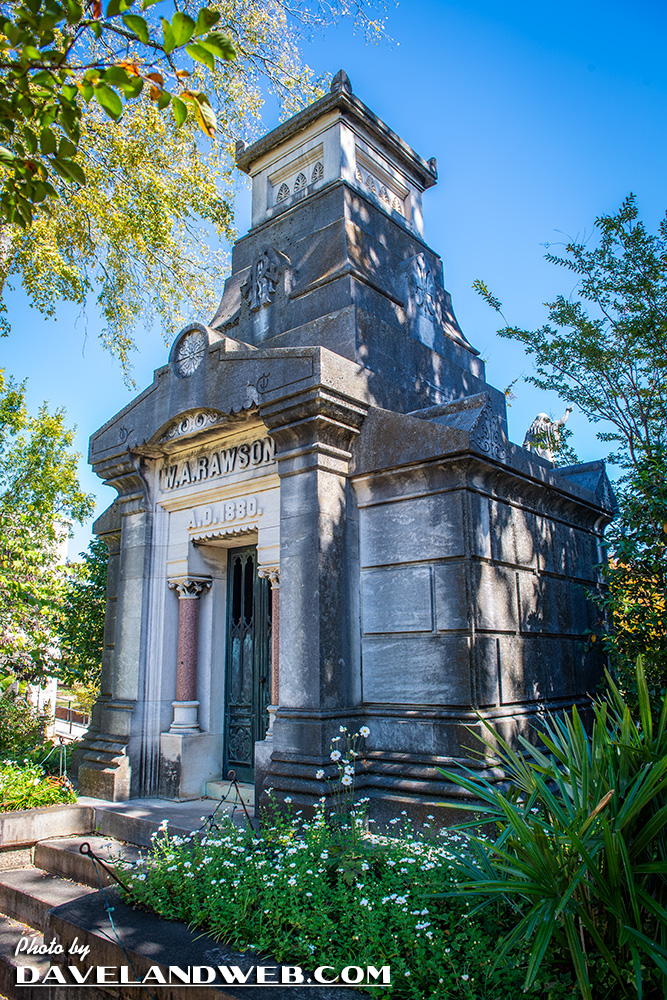
There were a number of mausoleums at Oakland, including the one for William Allen Rawson, who died at age 68.


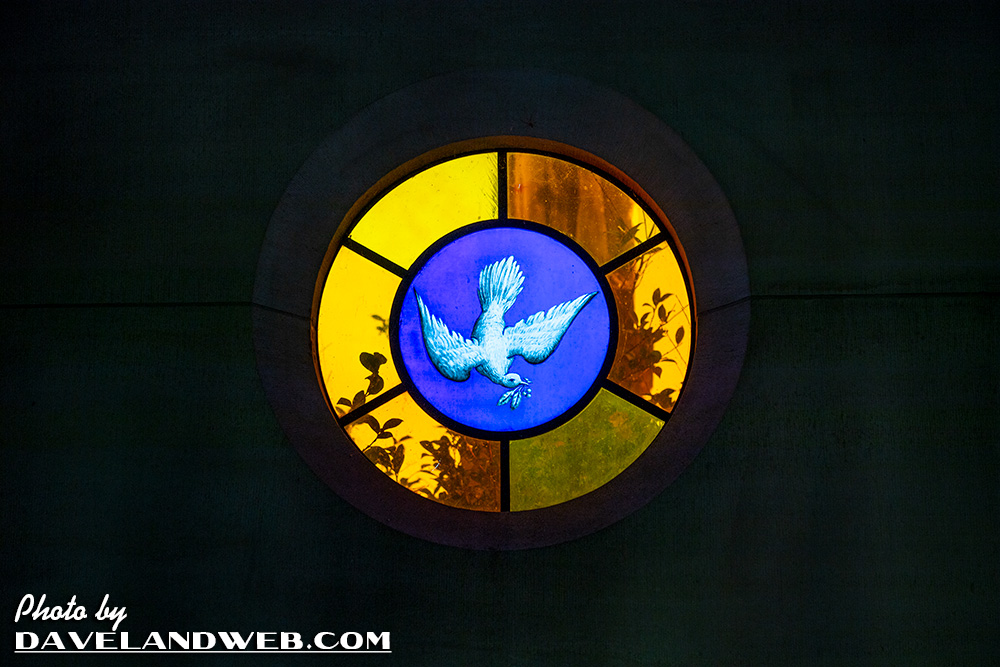
Inside you can see this beautiful stained glass detail.


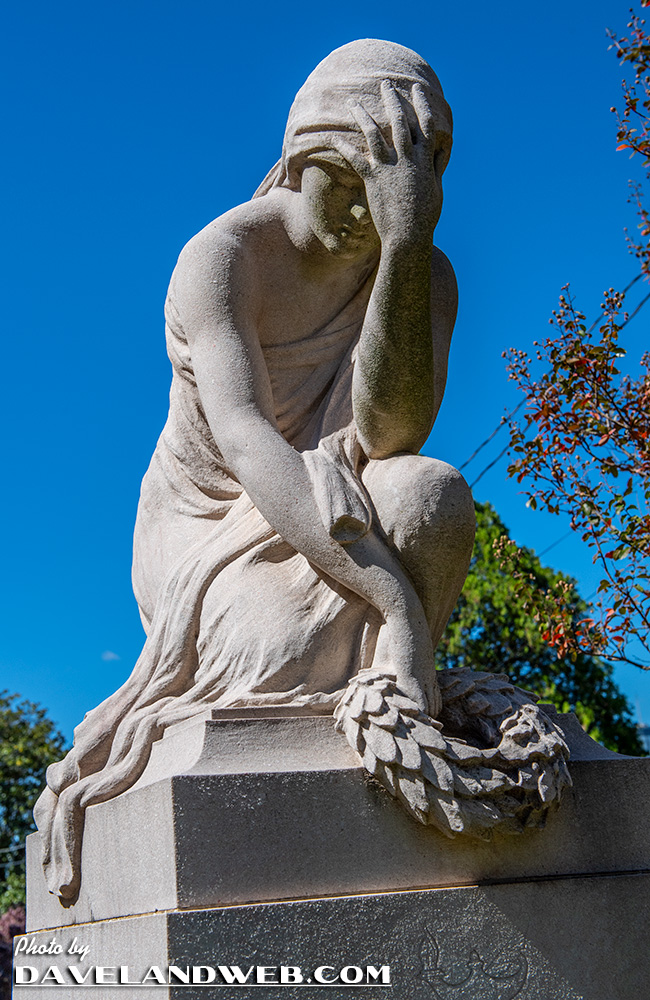
My obsession with cemeteries also has to do with the expressive statuary that you can find in these historic burial grounds.


The moss and decay add to the feeling of “living history,” as nature continues to erode away what once was living. Nothing lasts forever, including these monuments to the dead.


Happy Halloween to all who celebrate! I hope you enjoyed this tour of Atlanta’s historic cemetery. See more Oakland Cemetery in Atlanta photos at my main website.
Wednesday, December 11, 2019

Fort Wilderness Cemetery


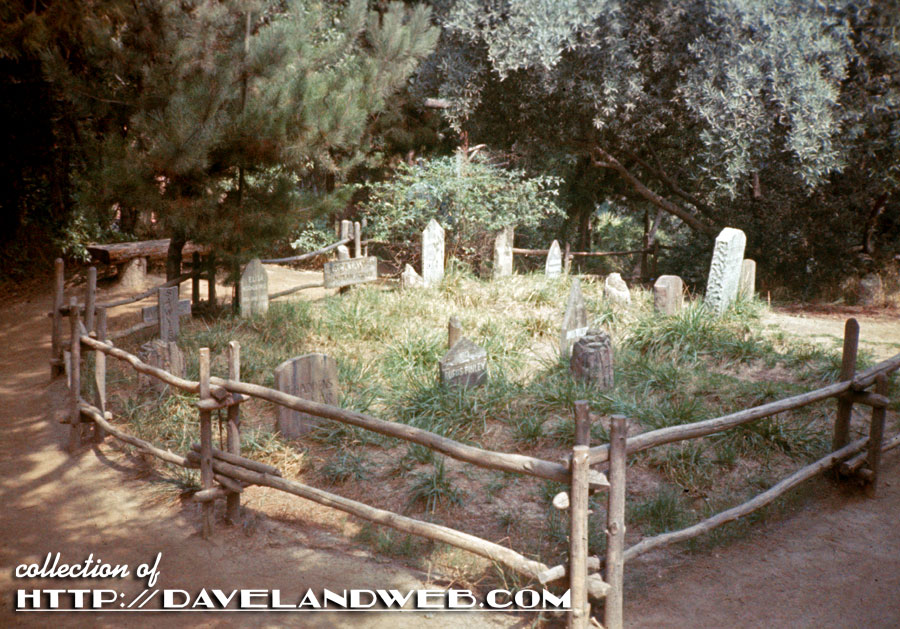
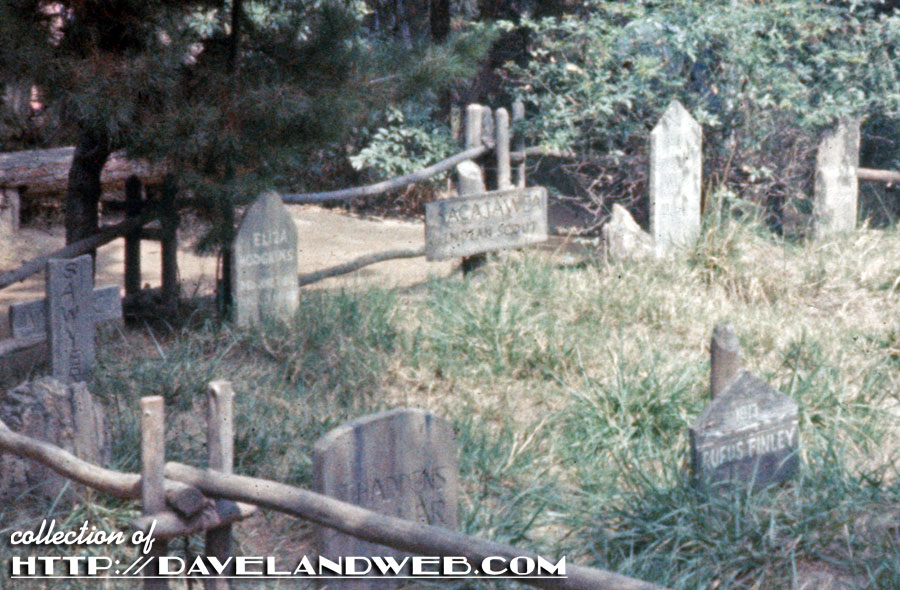
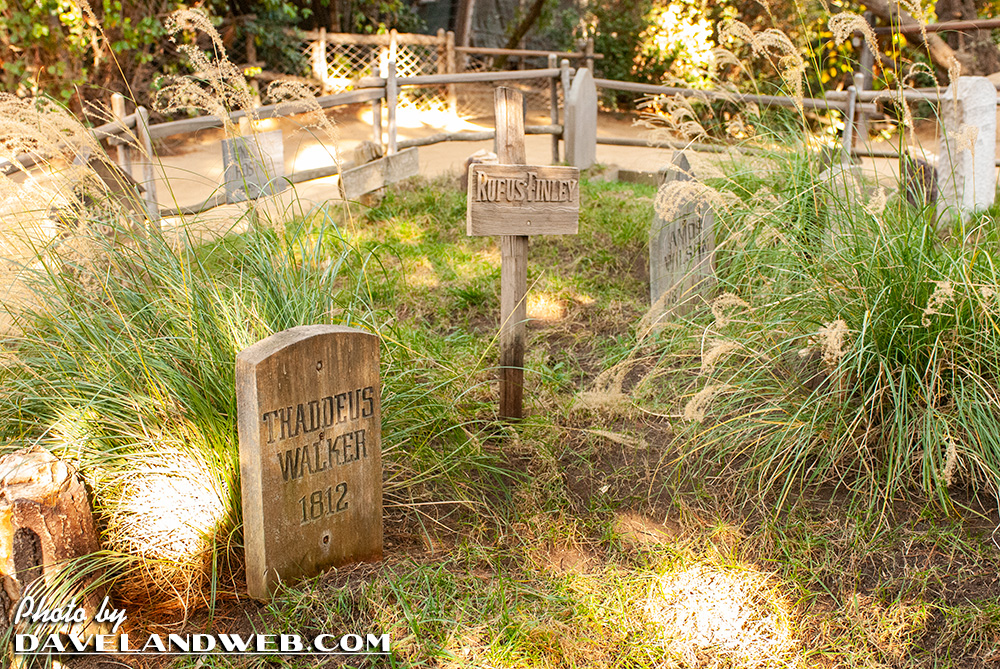
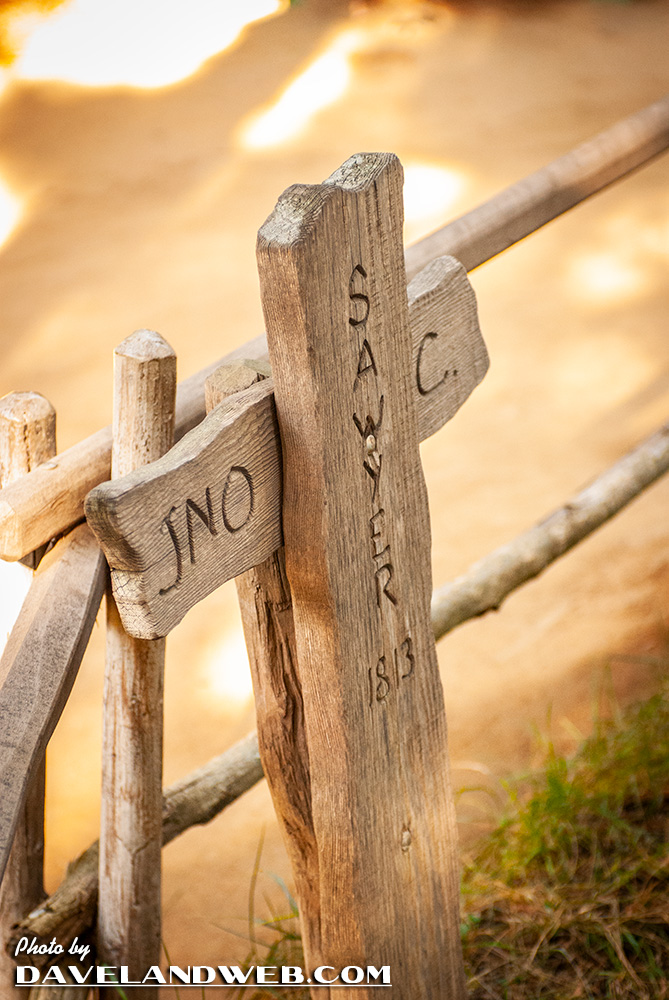
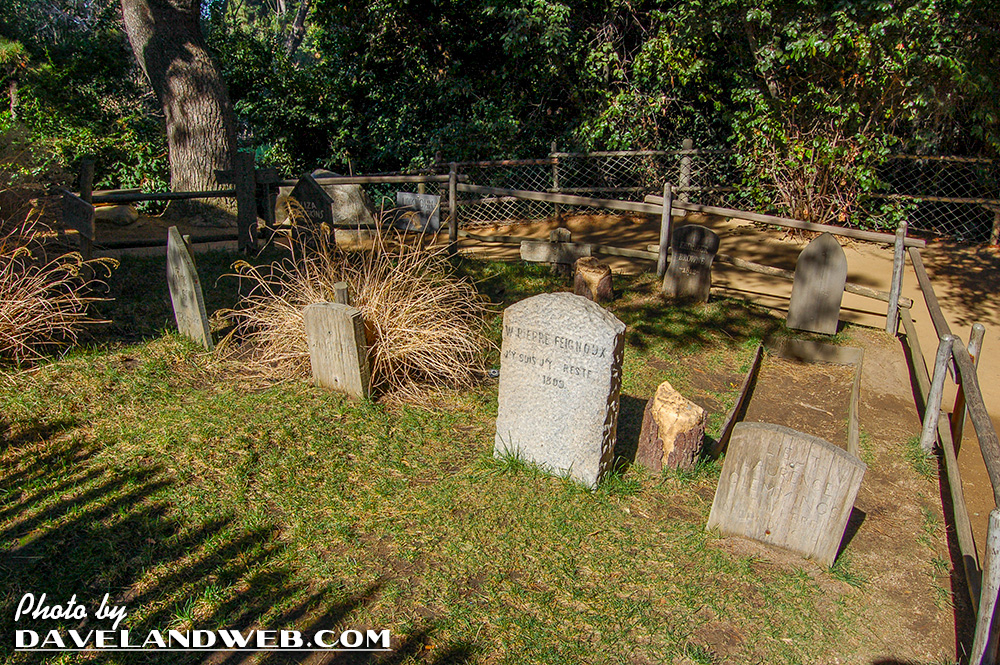
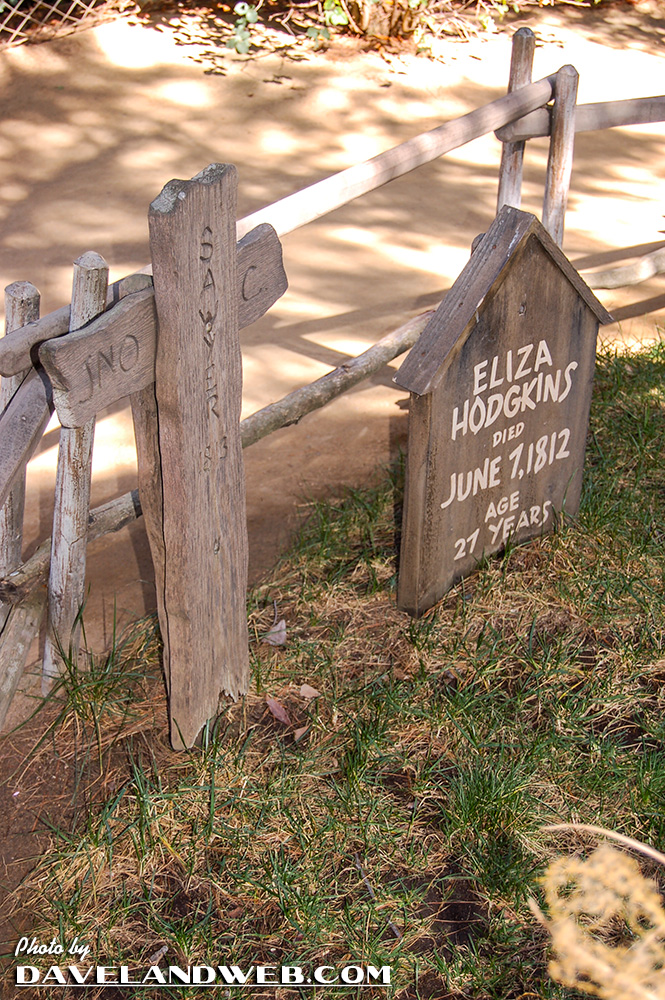
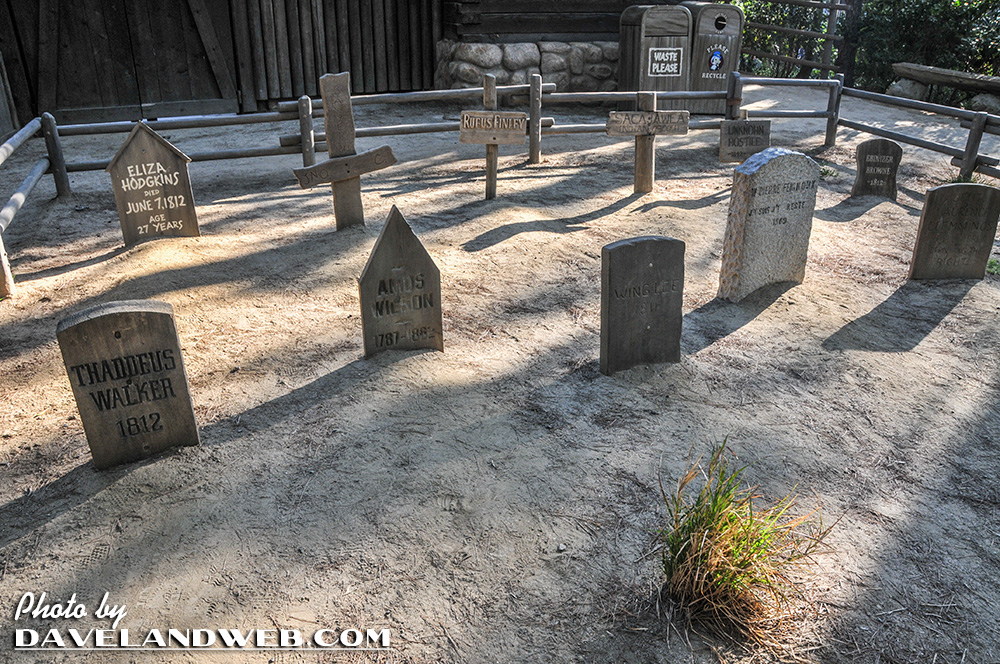
Other than at the Haunted Mansion, one rarely associates cemeteries with Disneyland. However, Fort Wilderness used to be LOADED with tombstones! This 1960s image shows the cemetery that was once located behind Fort Wilderness on Tom Sawyer Island. Since it’s been over three years since my last visit, other Disneyland guests will need to confirm/deny whether or not the cemetery is still there.


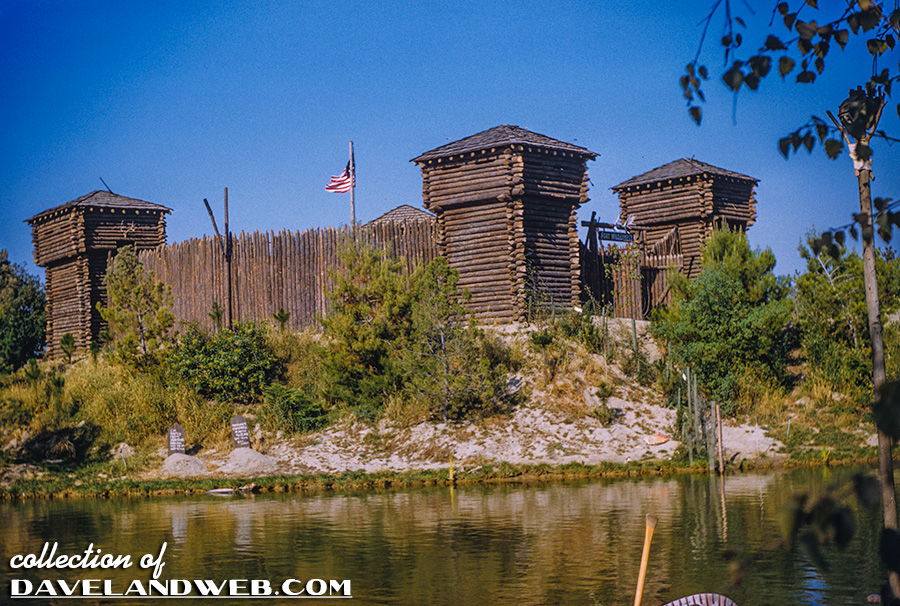
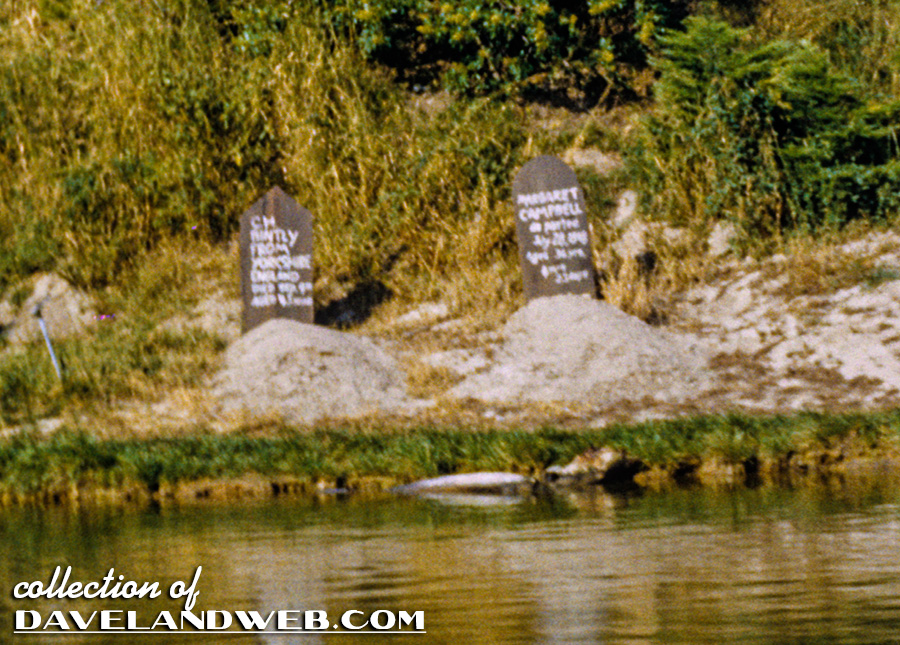
This previously posted August 1956 shot shows a few tombstones that were located on the edge of the Island:


Slightly odd...a little creepy...but I’m okay with that!


Skipping ahead to December 2006 you can see the concept survived, even if some of the tombstones were changed/replaced:


From February 2007:


...and my last trip to the Island in October 2011:


See more Disneyland Fort Wilderness photos at my main website.
Thursday, October 31, 2019

Greatest Graveyards for Halloween


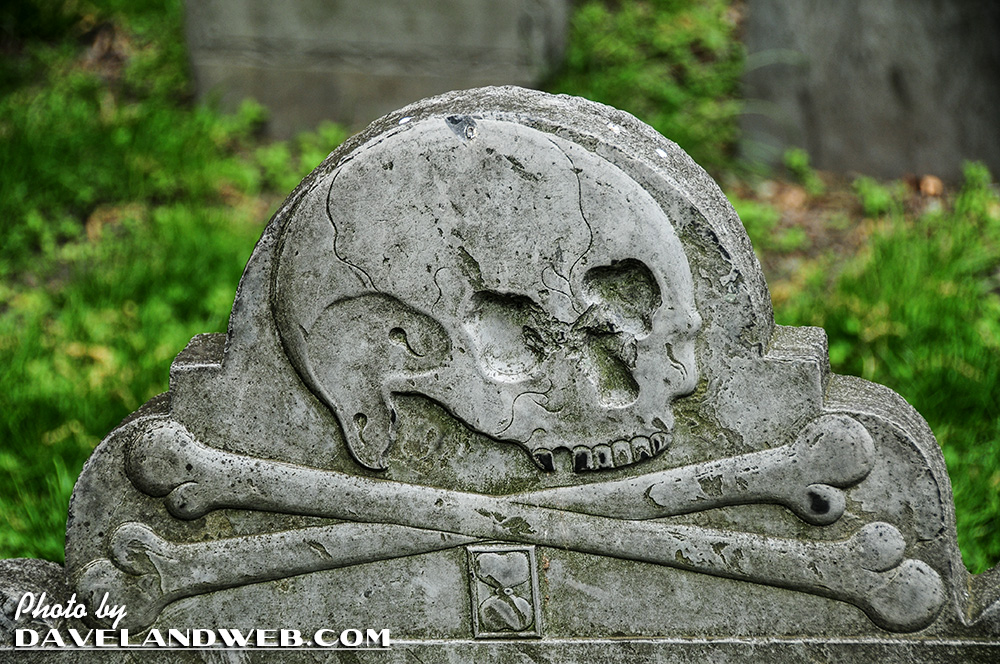
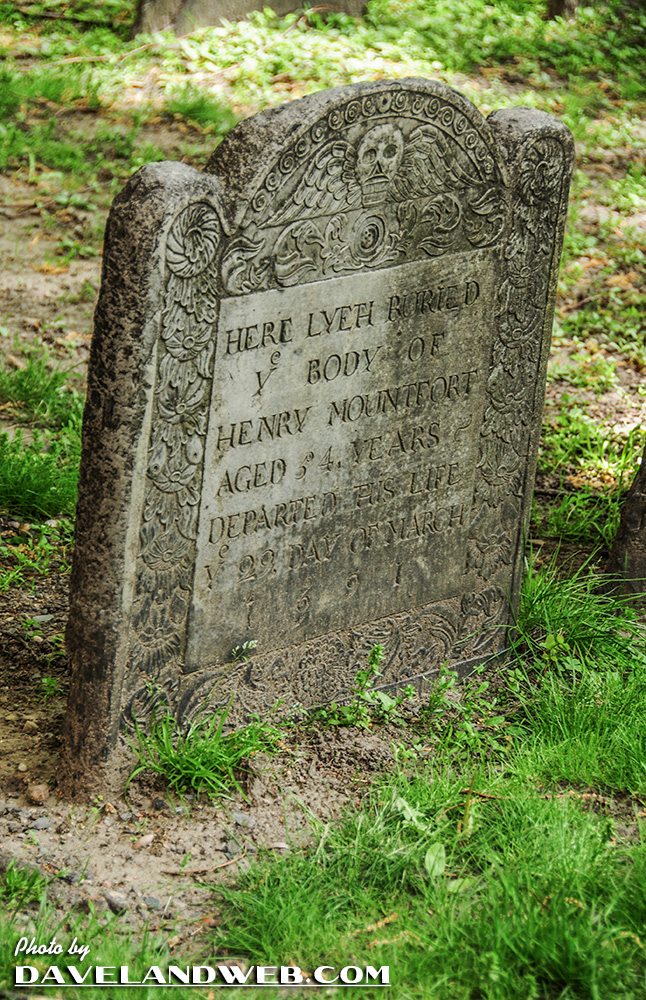
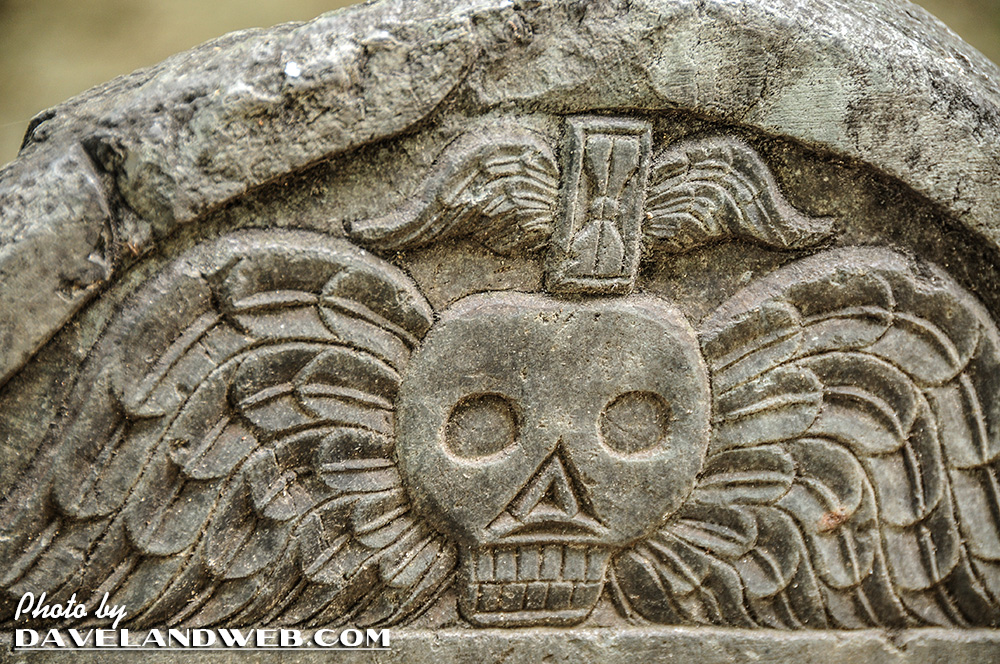
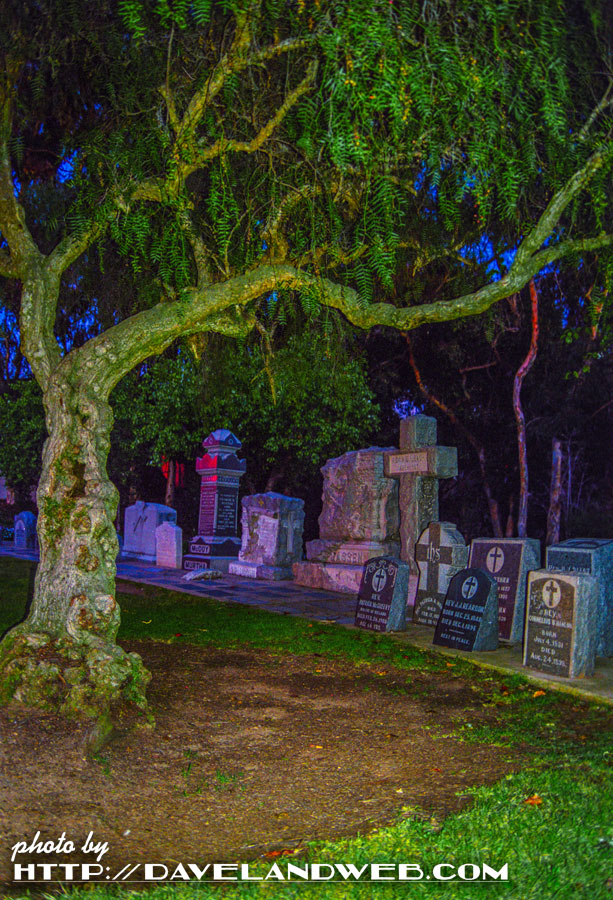
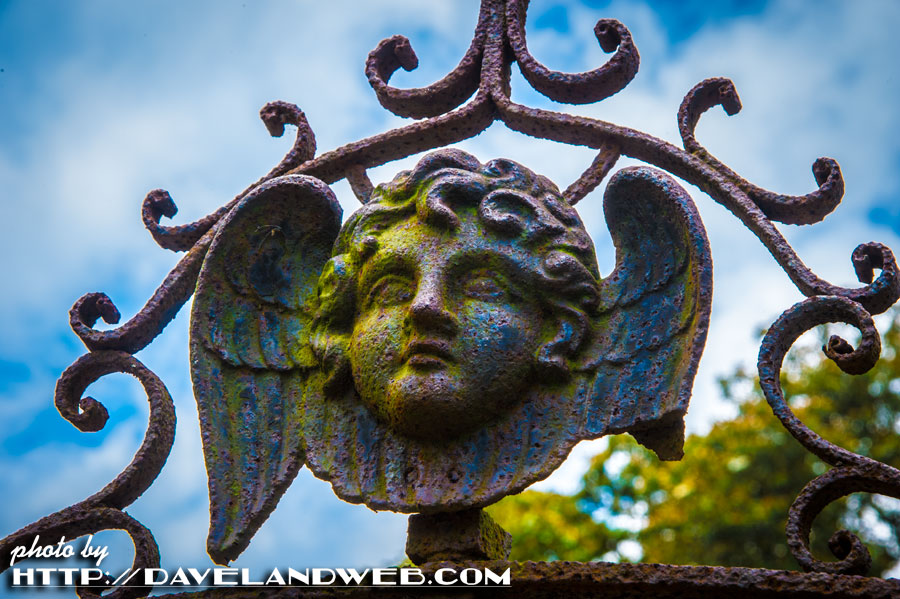
Appealing to my darker side, whenever I go to a new city, I typically seek out an old cemetery or two. I love the artistry of the historic headstones; mixed with the ravages of time, they provide a means of storytelling for the ages. The first two shots here are from the Granary Burying Ground in Boston. Skulls were a typical design element for tombstones.


From Kings Chapel Burying Ground, also in Boston:


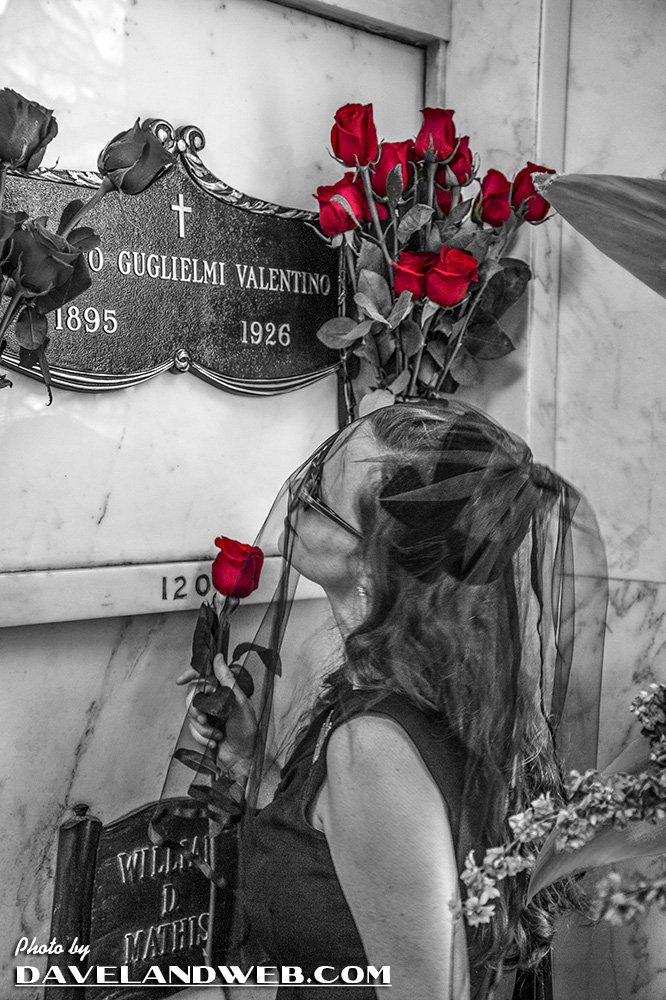
Hollywood Forever may not compare in age to Boston, but it definitely controls the market on kitsch. Where else could you have a Lady in Black who delivers roses to an idol she has never met? Such is the power of silent screen star Rudolph Valentino who died all too young in 1926.


Once known as Calvary Cemetery, Pioneer Park in San Diego still has all the dead bodies buried below the ground...but all the headstones removed and dumped in a ravine, save for a handful that were deemed important by the City back in the 1970s. The select few were moved to the back of the park and re-installed so as to have more space for the park itself. Can you say Poltergeist?


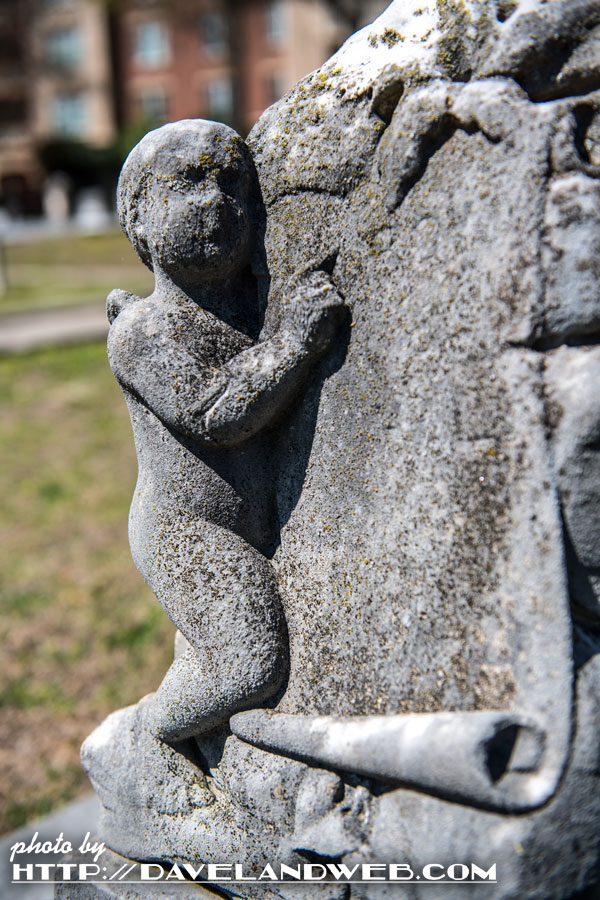
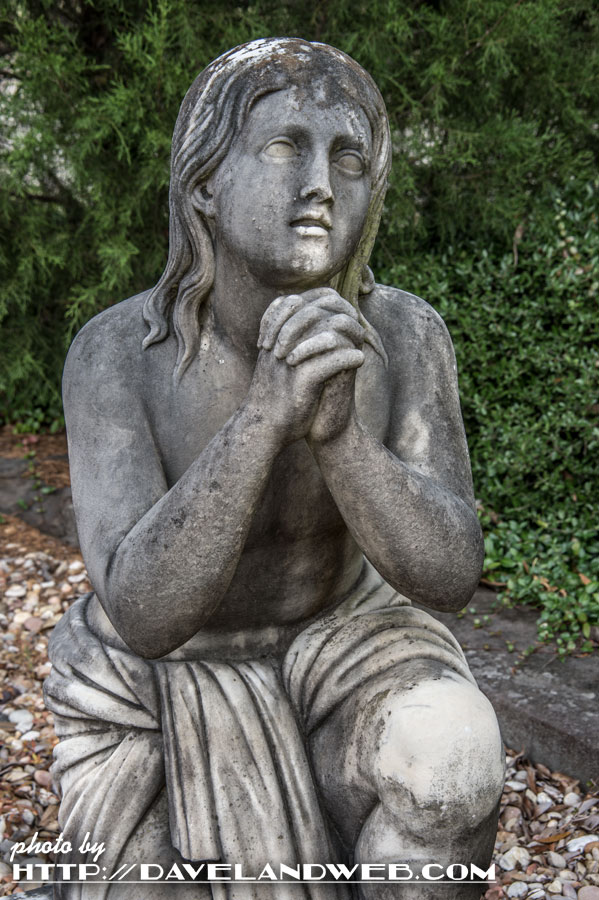
Springwood Cemetery in Greenville was a cool discovery for me; you just never know what creepy or sad little figures you’ll see on a headstone.


Old Santa Rosa Chapel is another favorite; small, quaint, peaceful, and rich with history.


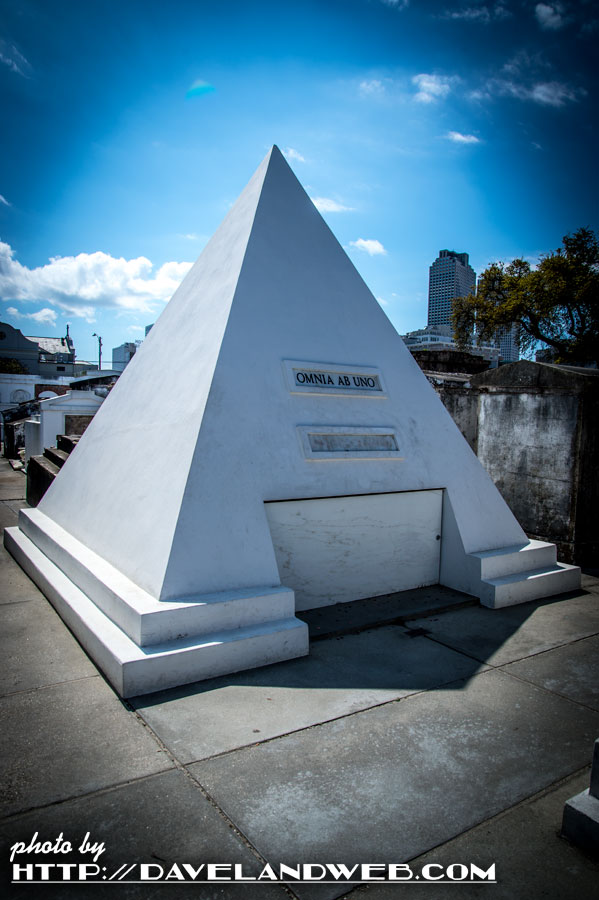
St. Louis Cemetery No. 1 in New Orleans has the future resting place of Nicolas Cage:


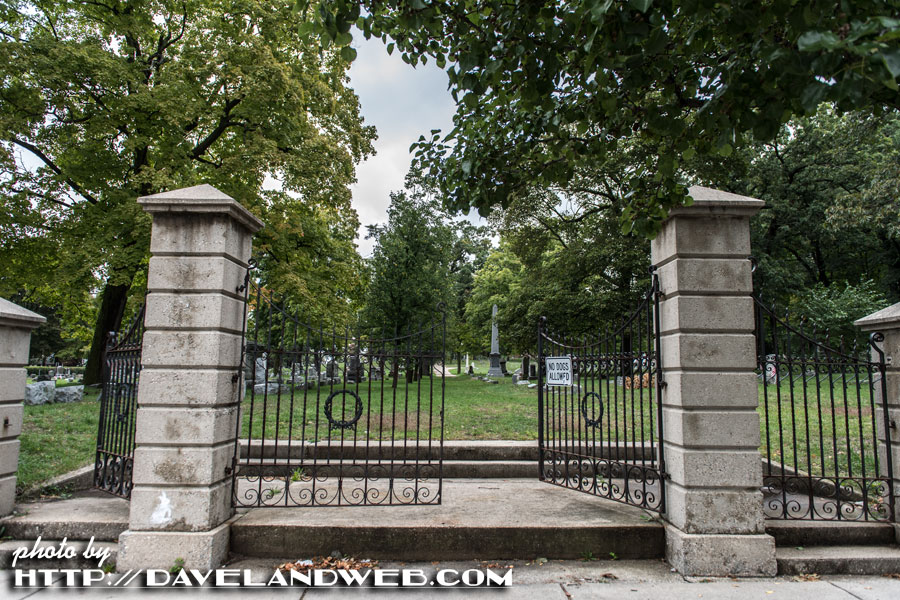
Most know about Bonaventure Cemetery in Savannah; Laurel Grove is its lesser known counterpart:


I hope you all have a fun (yet safe!) Halloween!

See more Graveyard photos at my main website.
Friday, October 12, 2018

Fulton St. Cemetery


Established in 1838, the Fulton Street Cemetery has a touch of Poltergeist, in that its first inhabitants had been moved another early burying ground in Grand Rapids. I stumbled upon it as I was doing my morning run....WITHOUT my camera. Lesson learned, as I had to walk back later in the day to make up for my error!


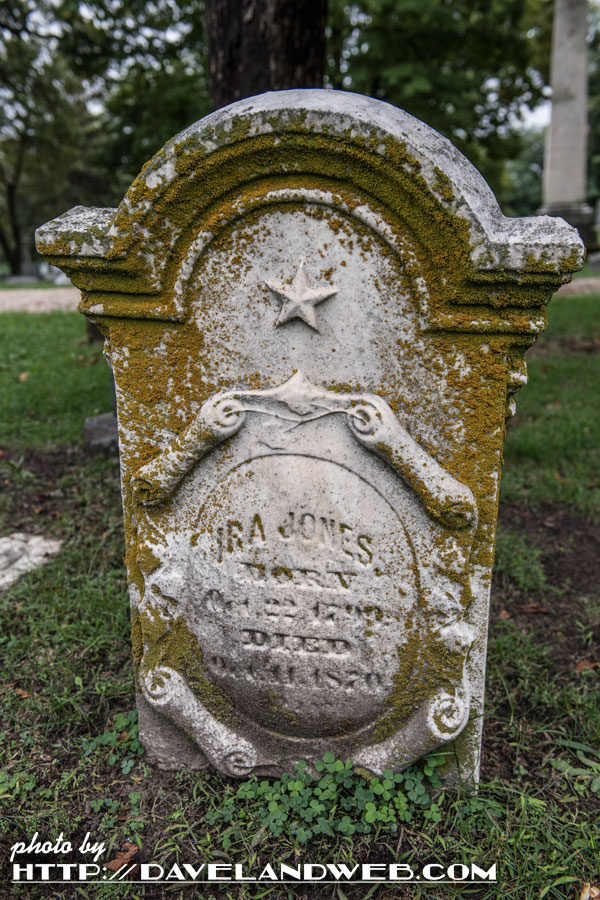
The markers for the young always make me sad. You can almost feel the grief of the parents as you view these tributes to their beloved who died at an early age.
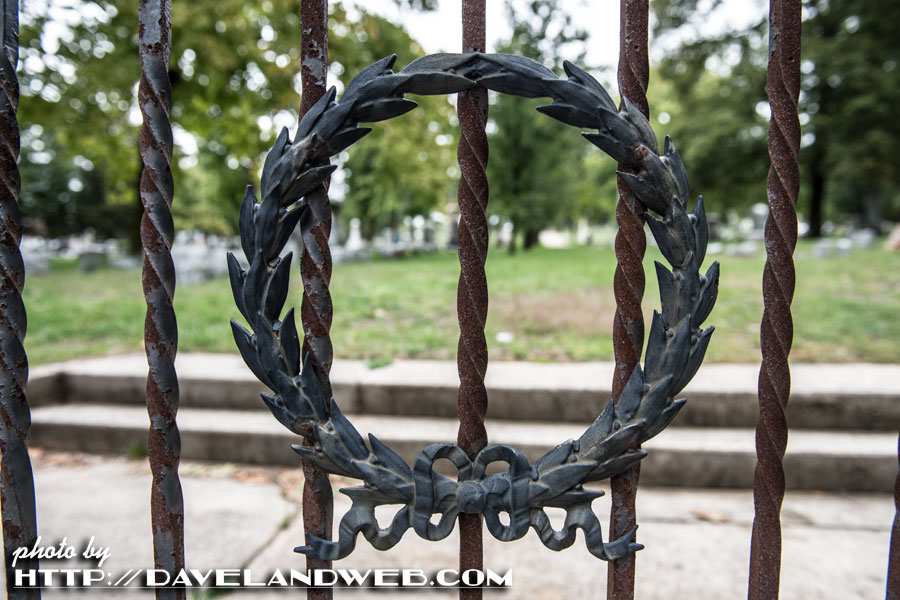


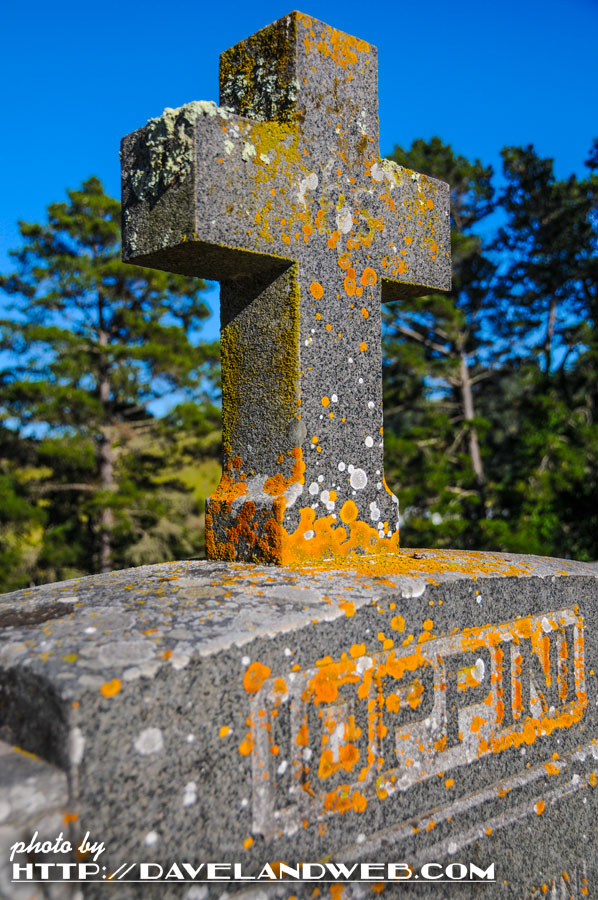
Besides the elaborate carvings and craftsmanship, I also like seeing the moss and marks of age that show these headstones to be old.
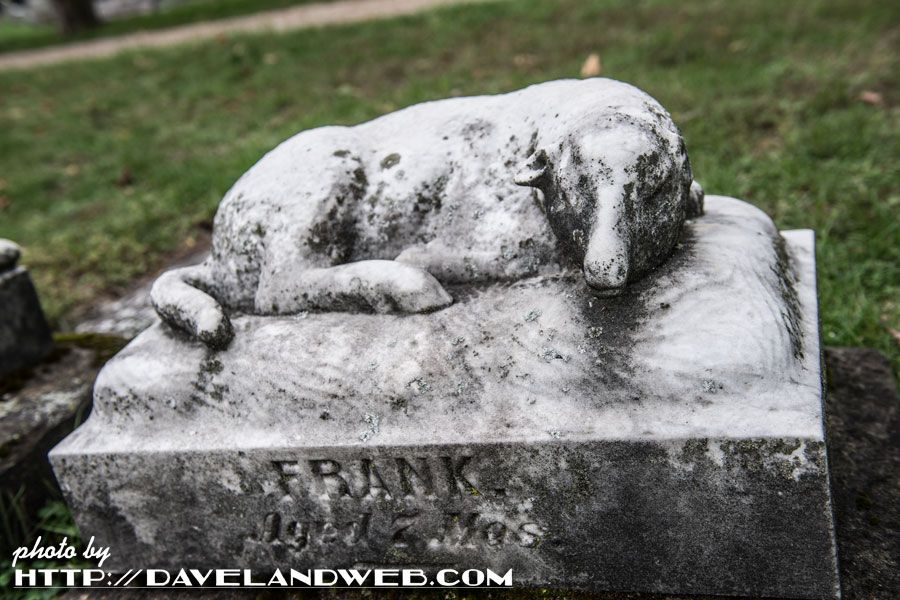


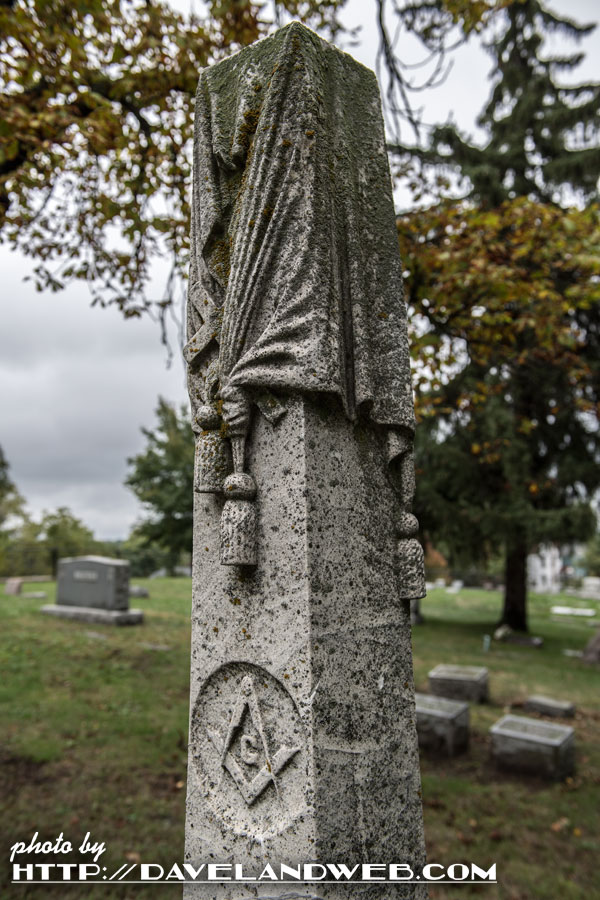
Many Masons buried here; on this one, the carver did an excellent job of creating a draped fabric out of the hard stone.


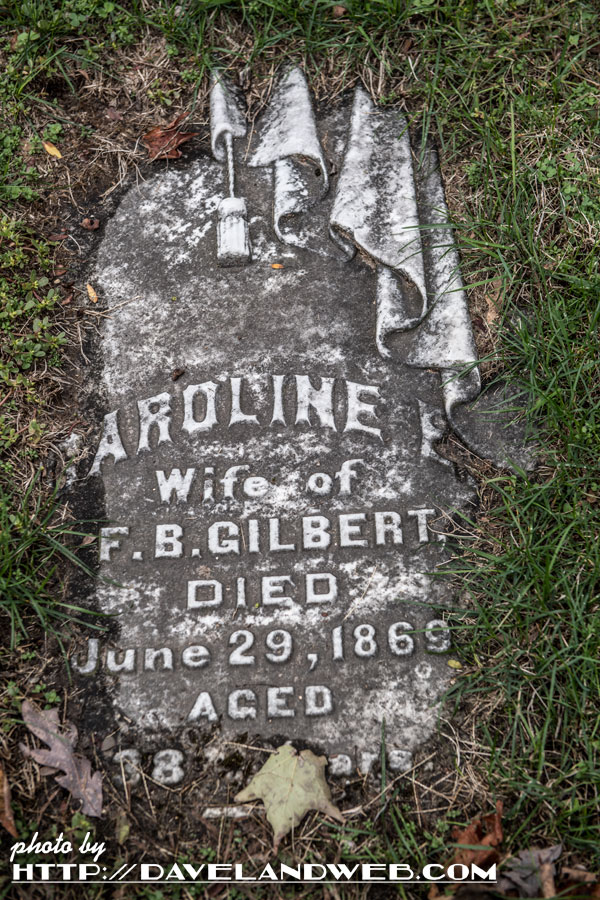
Many of the markers were flat in the ground; this one appeared to be in the process of being swallowed up by the earth.


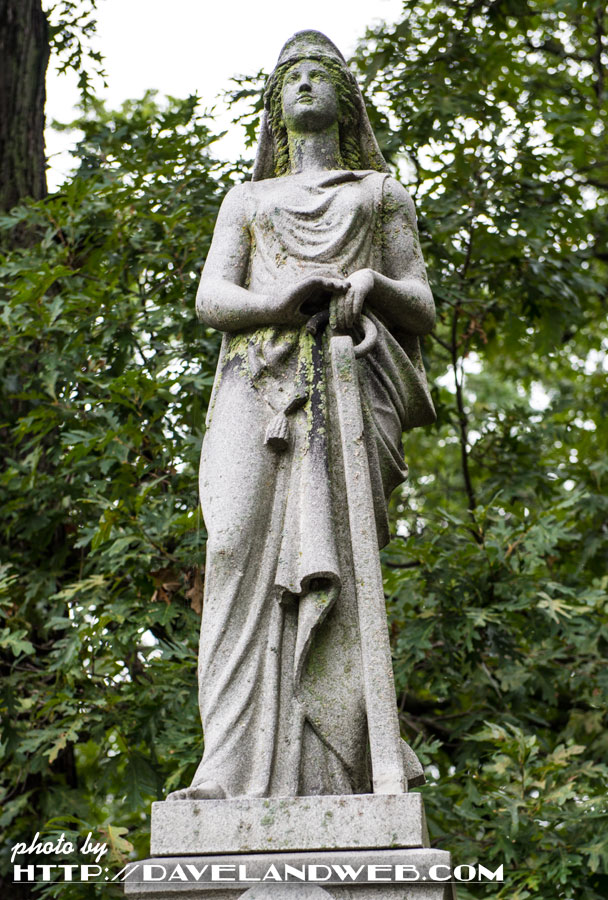
This regal lady has been guarding this tomb since 1860. And she still looks damn good!


See more Fulton Street Cemetery photos at my main website.