Thursday, October 05, 2017

Maymont: An American Estate


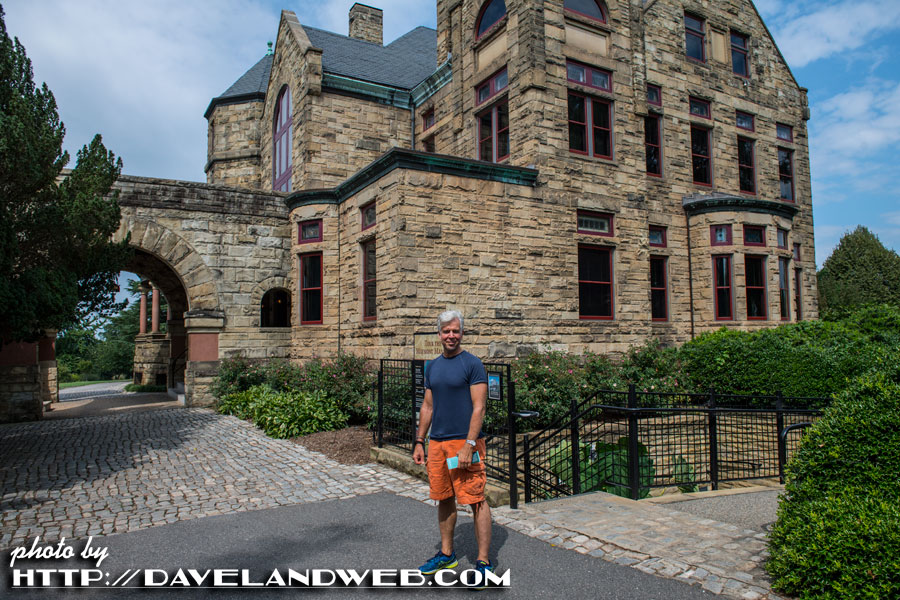
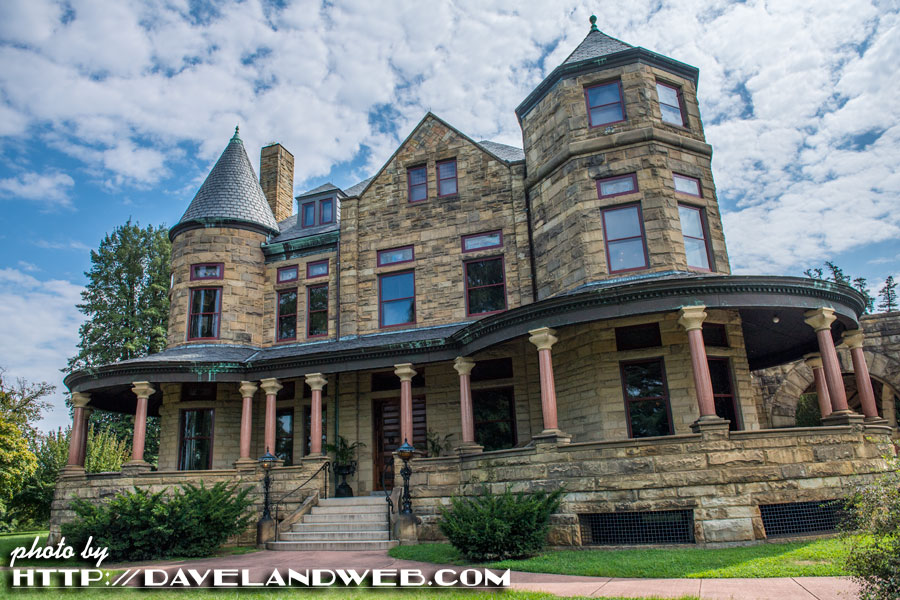
Maymont Mansion is also located in Richmond, Virginia (yes, this is my last Richmond post!) on 100 acres of lush property which also includes an arboretum and formal gardens.


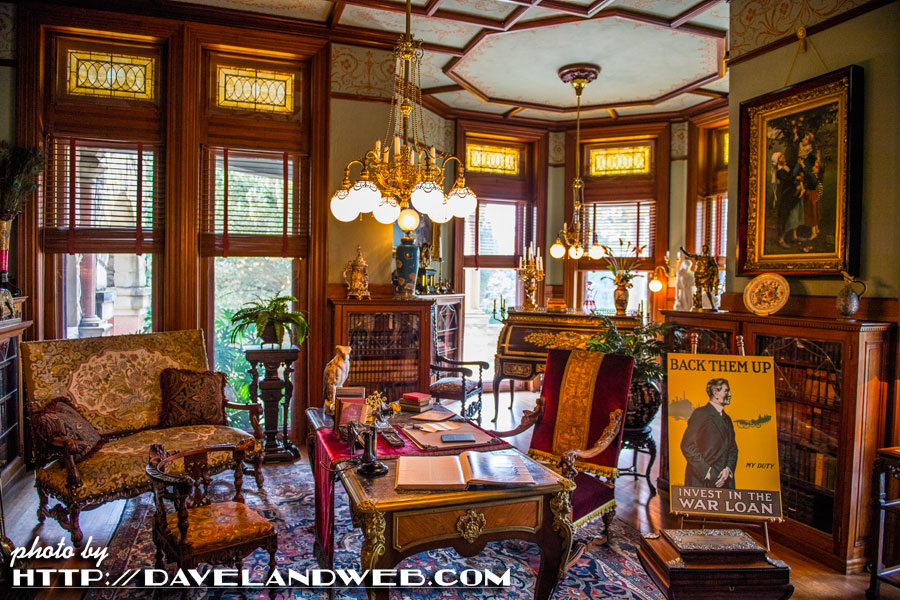
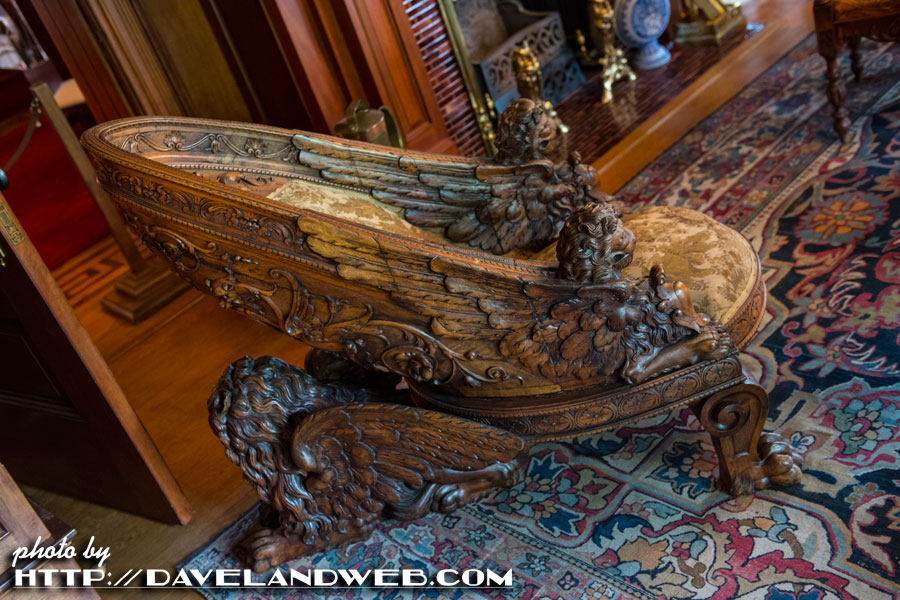
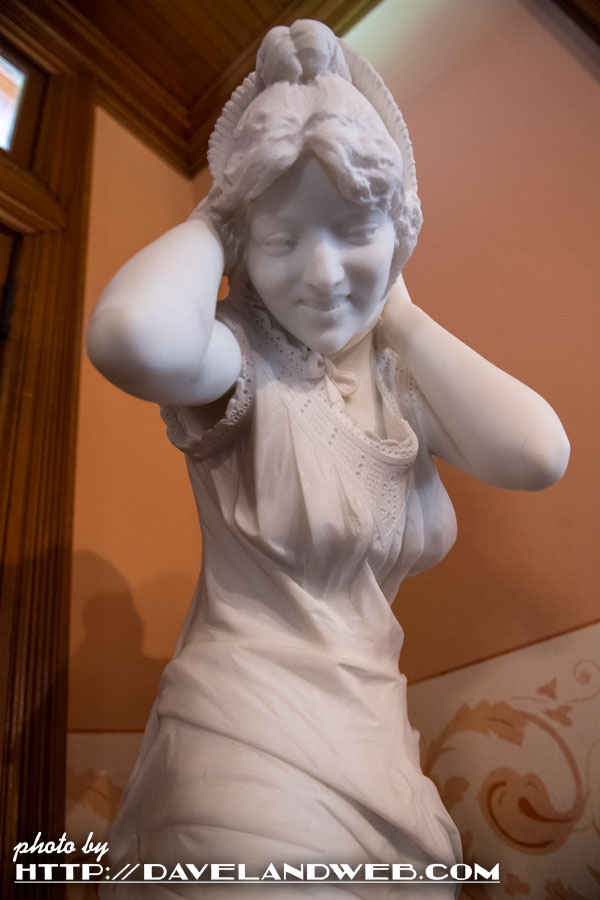
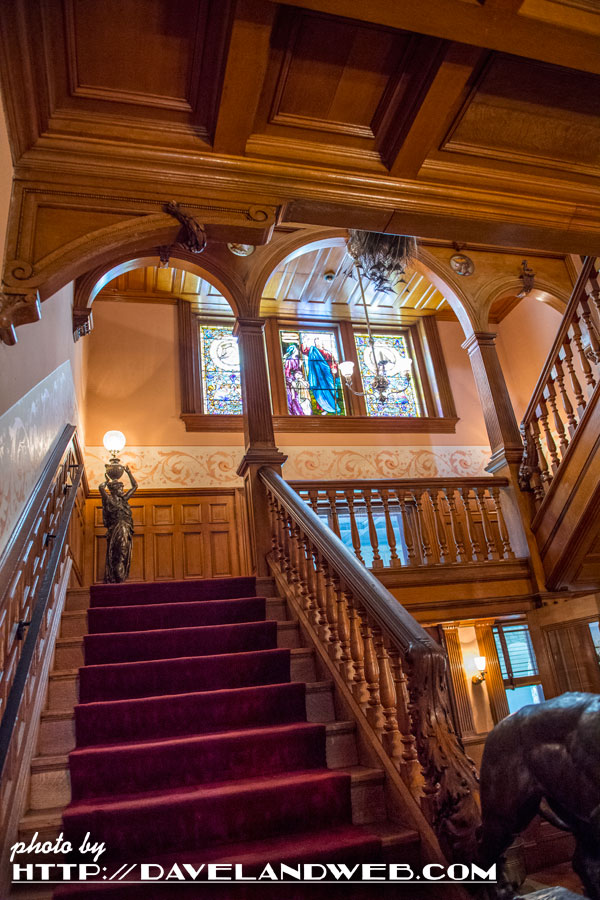
Completed in 1893, this home and especially its interiors make you feel like you stepped onto the set of "Downton Abbey." It was the home of Major James H. Dooley, a wealthy Richmond lawyer and philanthropist, and his wife, Sallie. According to their wishes, Maymont was left to the people of Richmond after they passed away. What a gift!


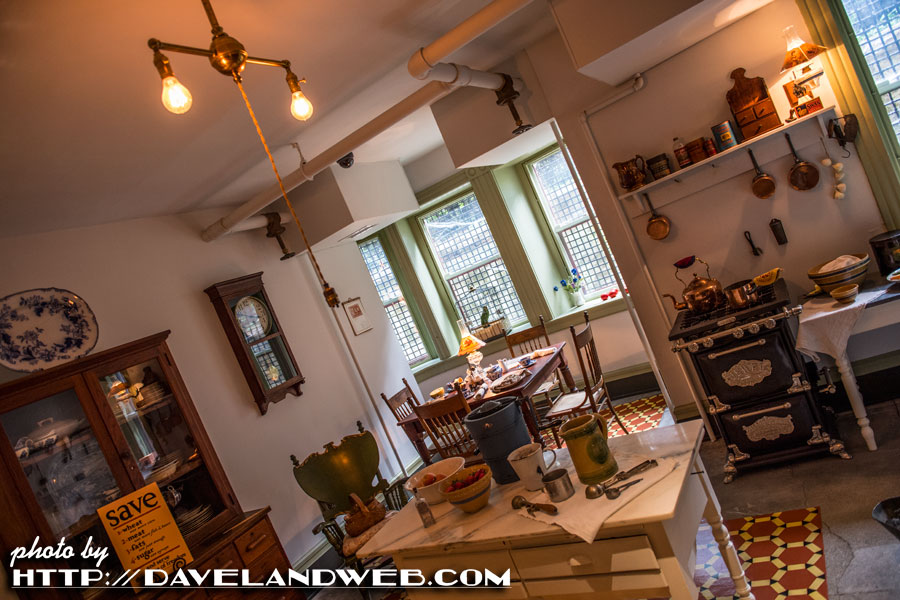
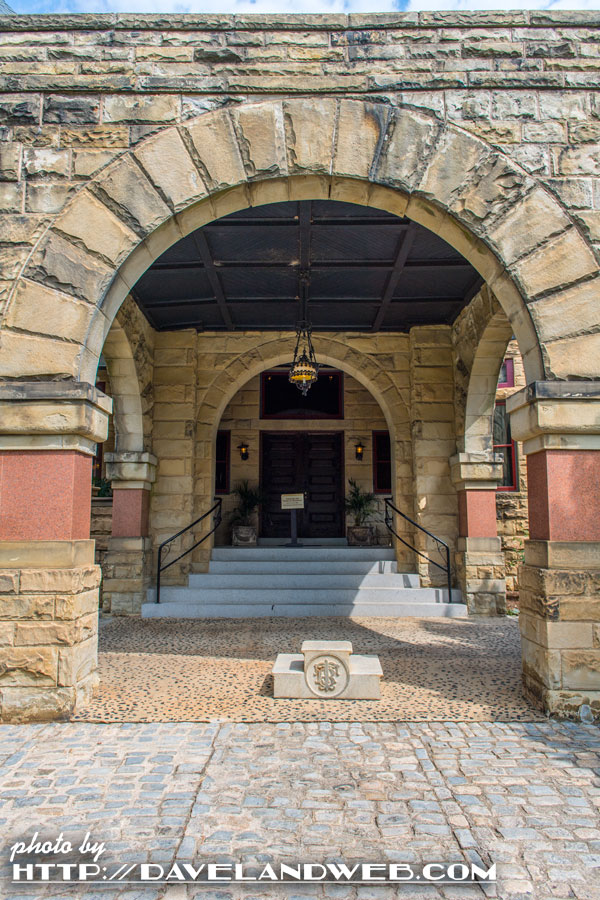
Let's enter, shall we? The first part of our tour took us to where "the help" worked:


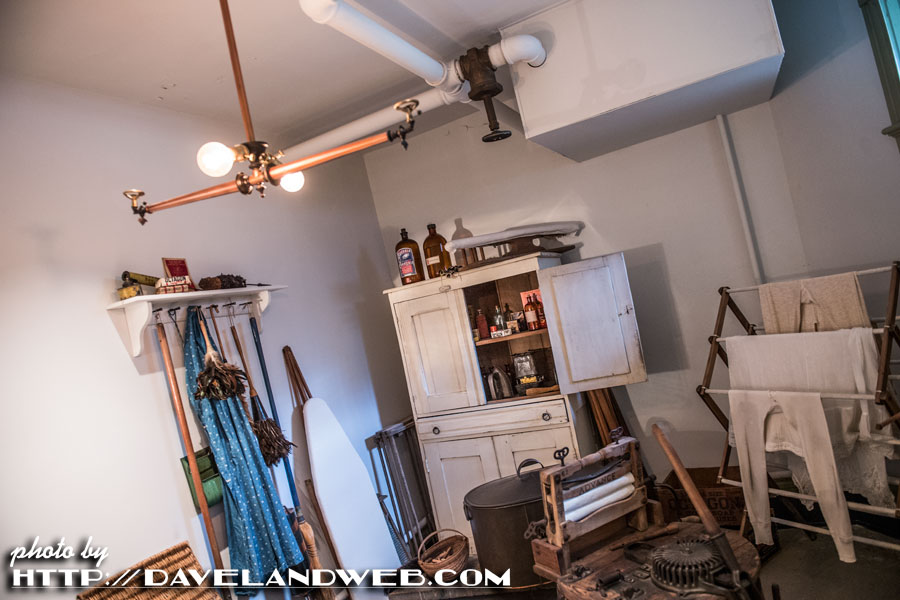
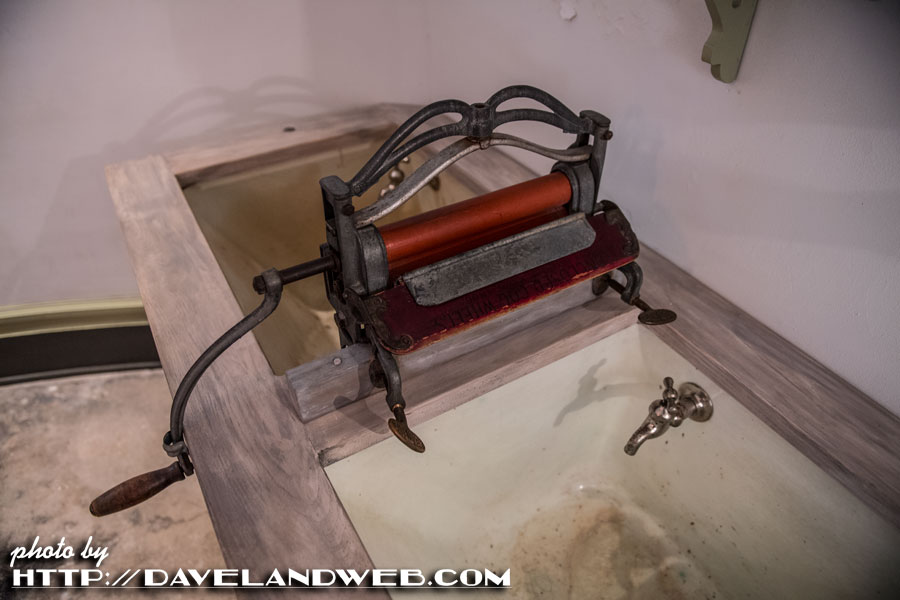
Yikes! I'd hate to do my laundry back in the day. Not that I relish doing it now.


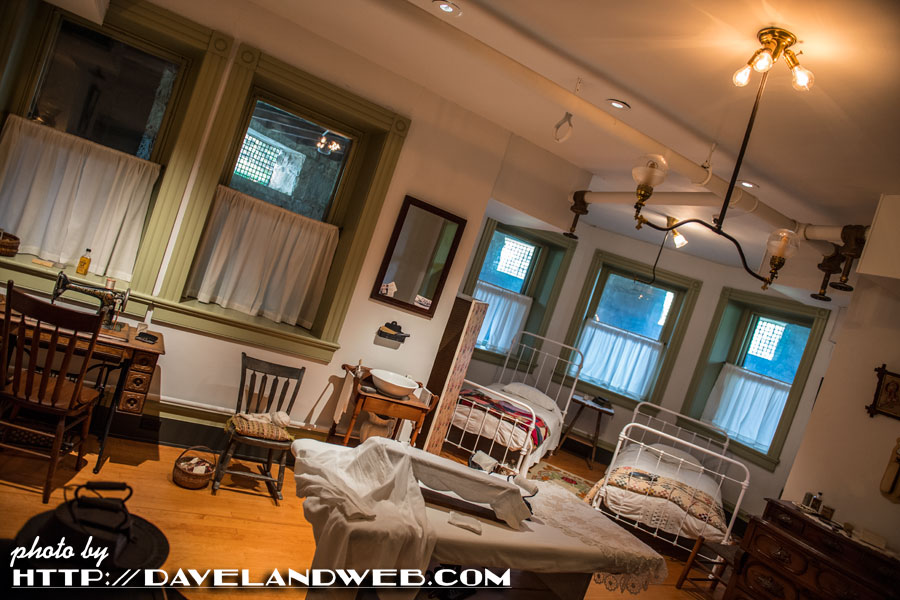
...and where "the help" lived.


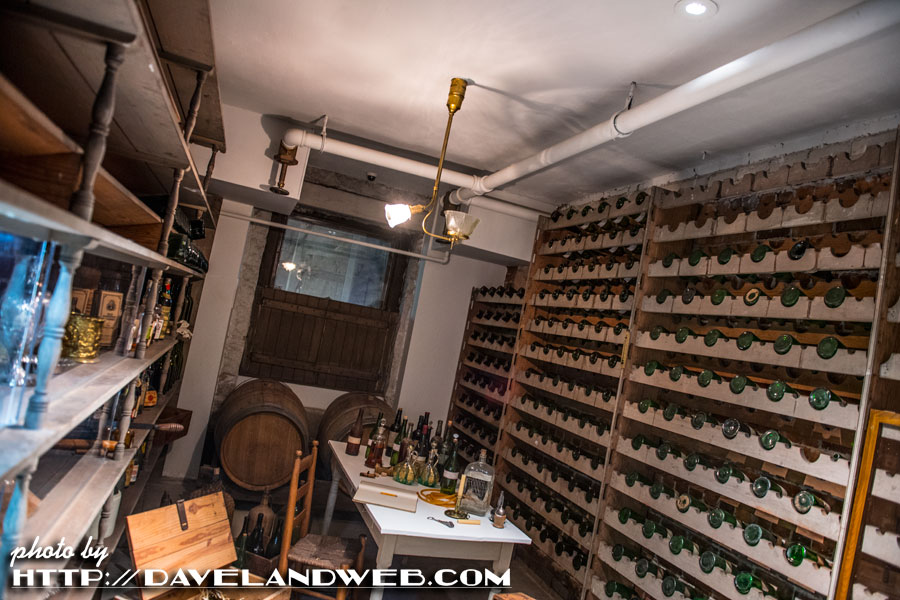
How tempting to live next to the wine cellar!


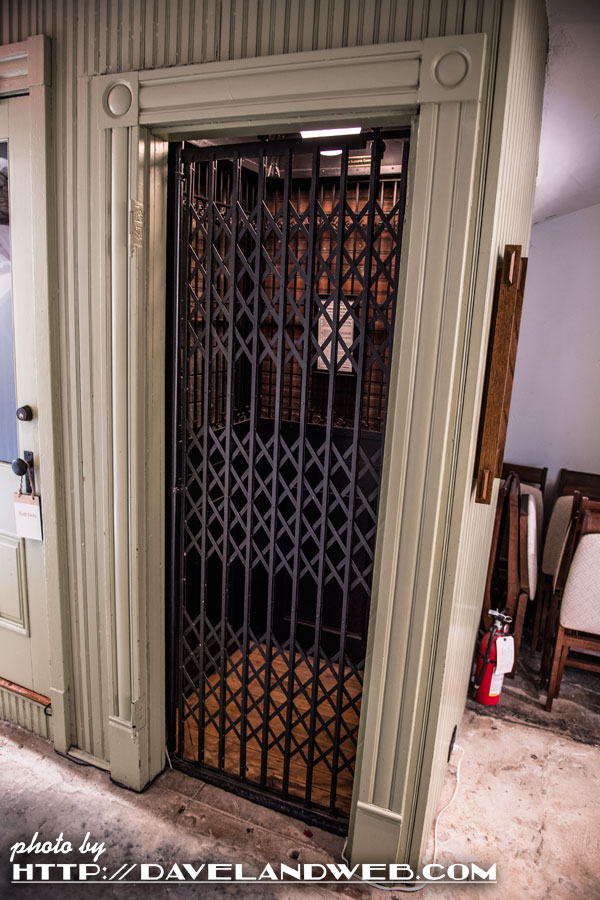
The elevator upstairs:


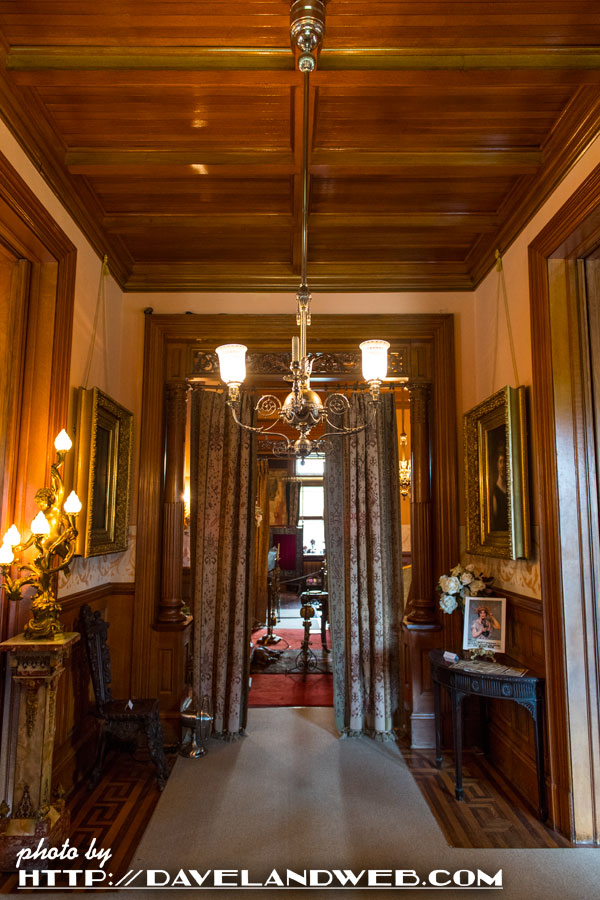
...which was obviously much more opulent:


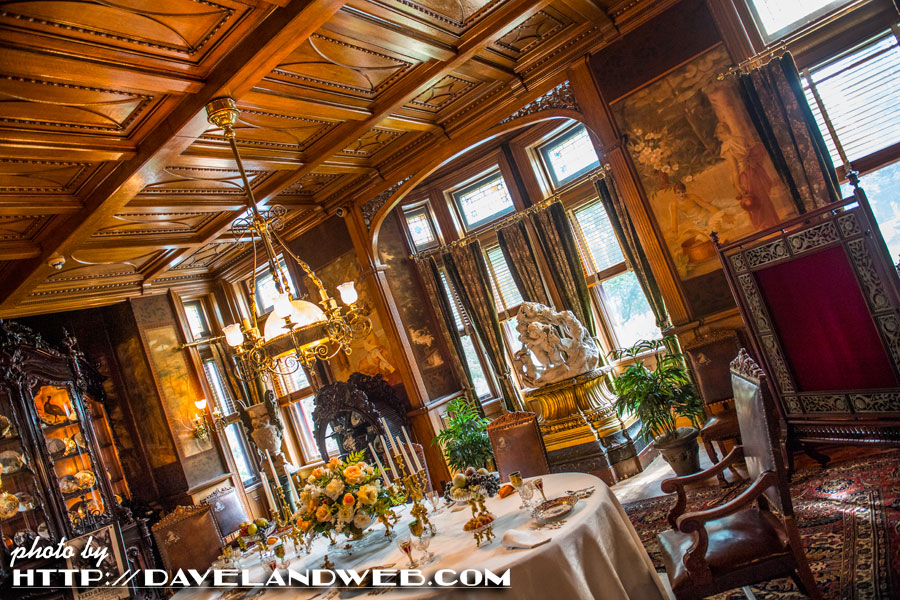
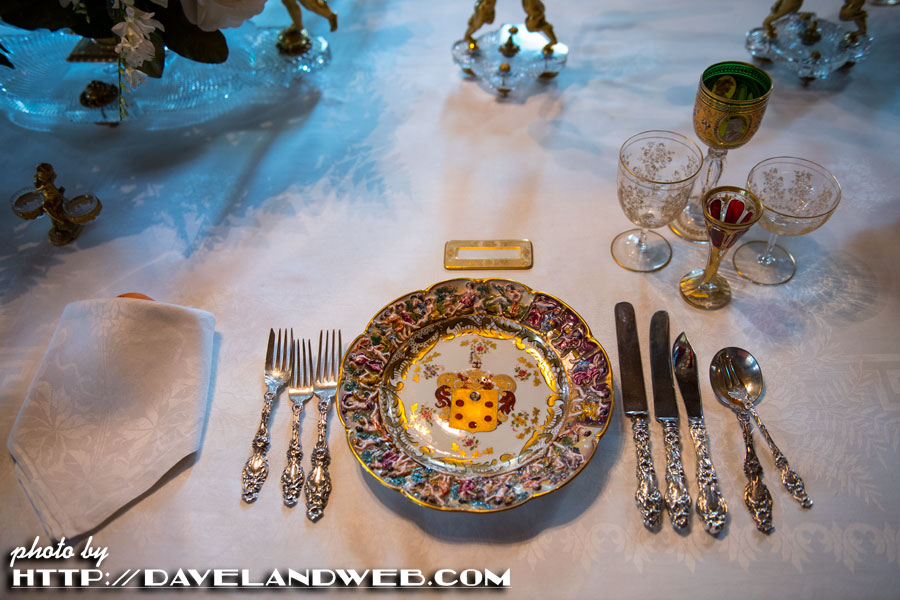
Ready for an intimate dinner? Probably not going to happen in this lavish dining room:


Let's travel upstairs:


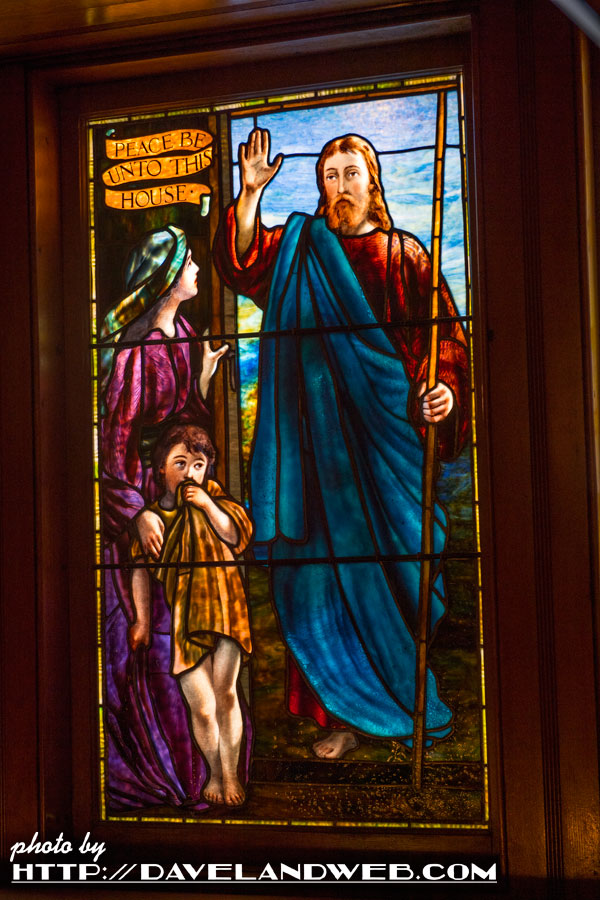
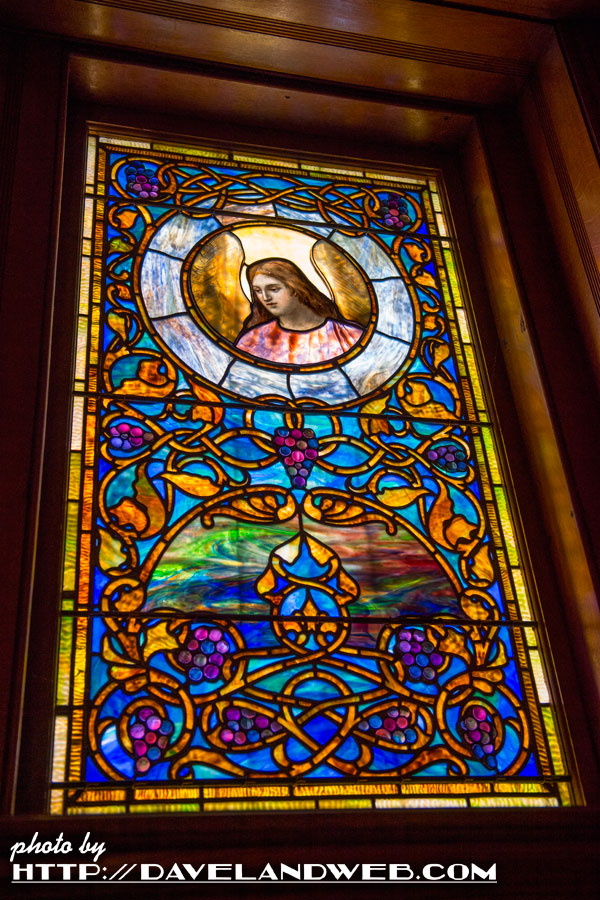
The stained glass was magnificent:


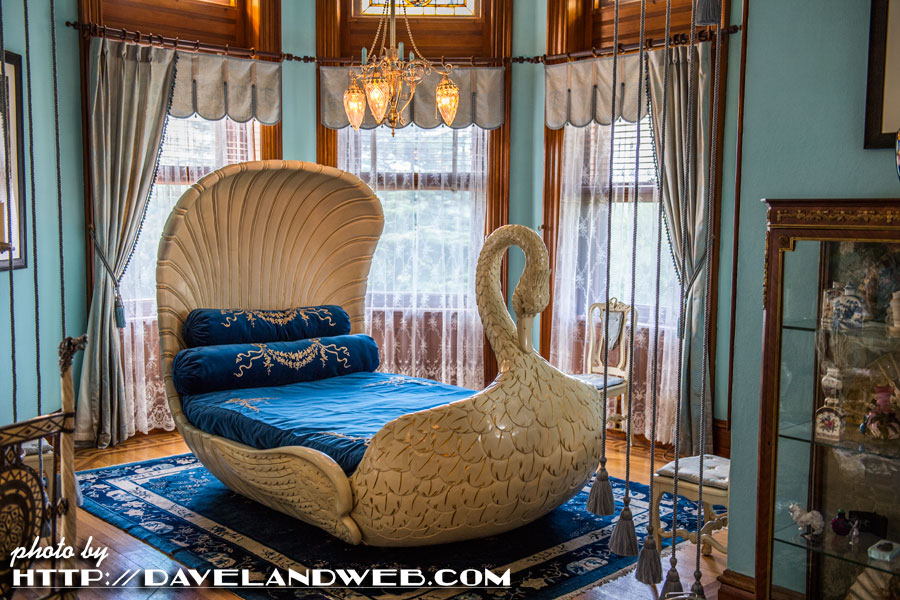
Mae West would have loved this bedroom; I know I did!


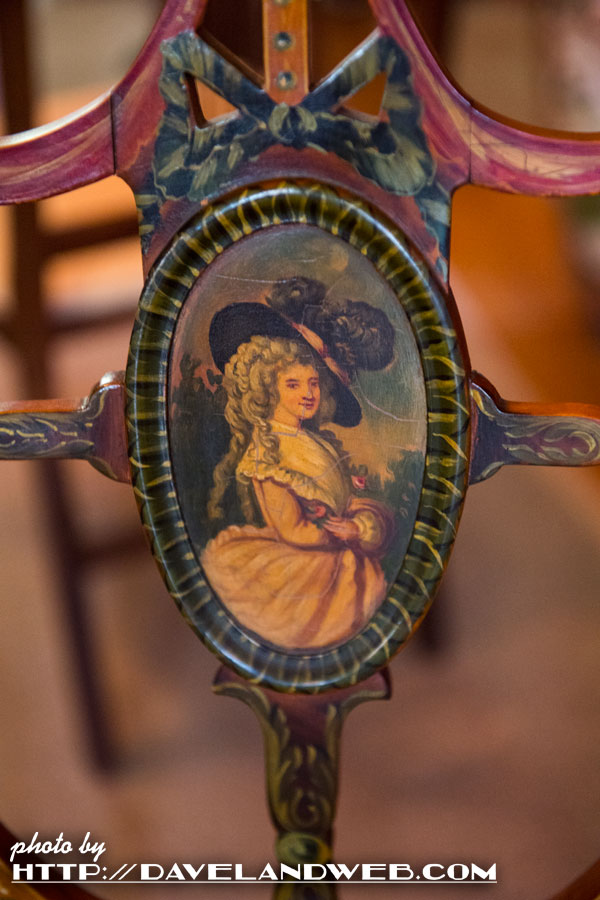
Check out the hand-painted details on the furniture:


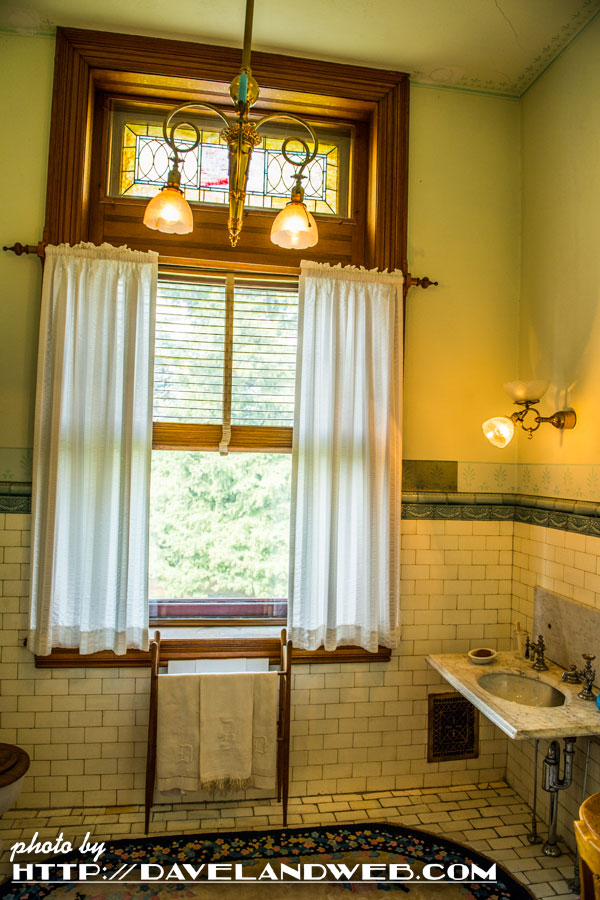
The vintage tile in the bathroom was on point:


And then before you know it, it's time to get into your carriage and leave the estate. What a gorgeous place for a visit!


More Maymont at my main website.

Wednesday, October 04, 2017

The Showplace of Virginia


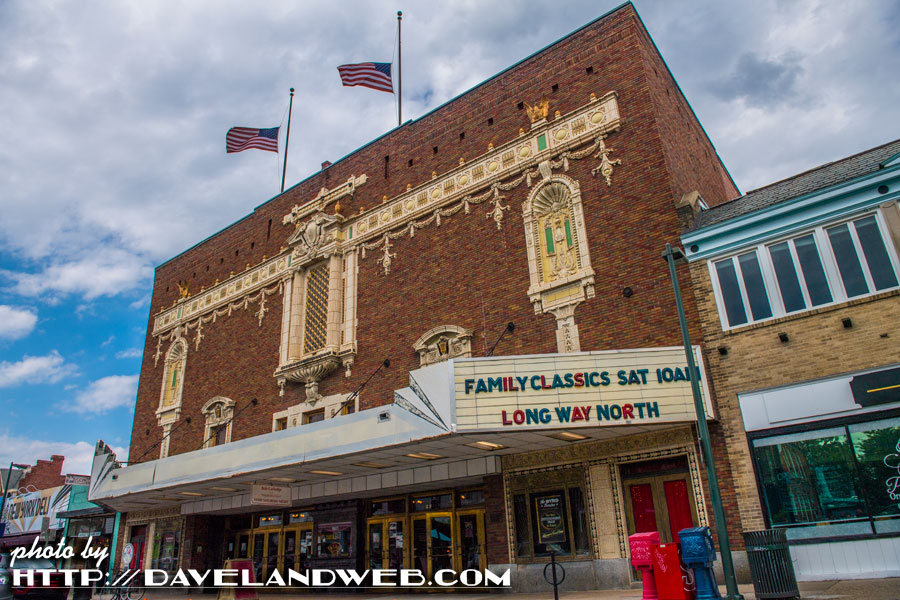
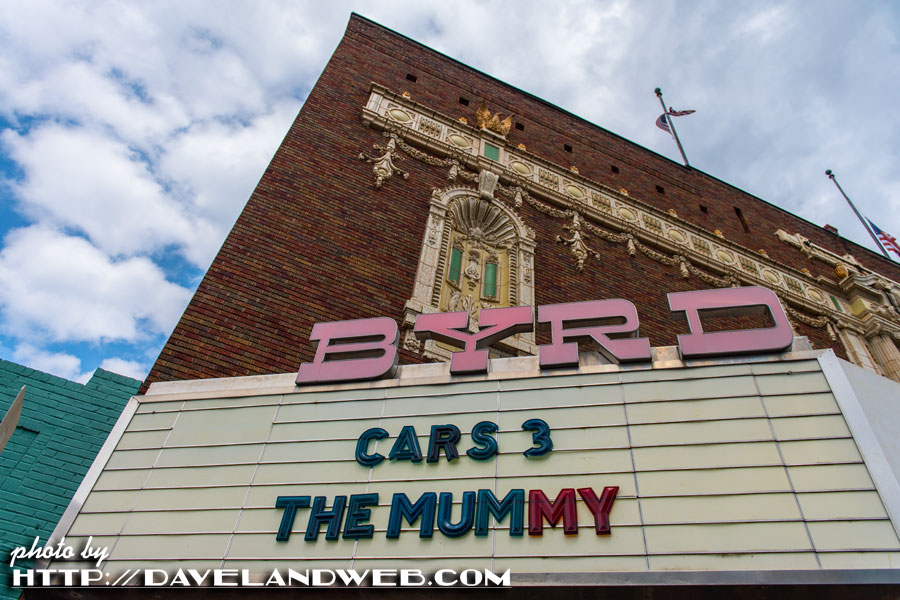
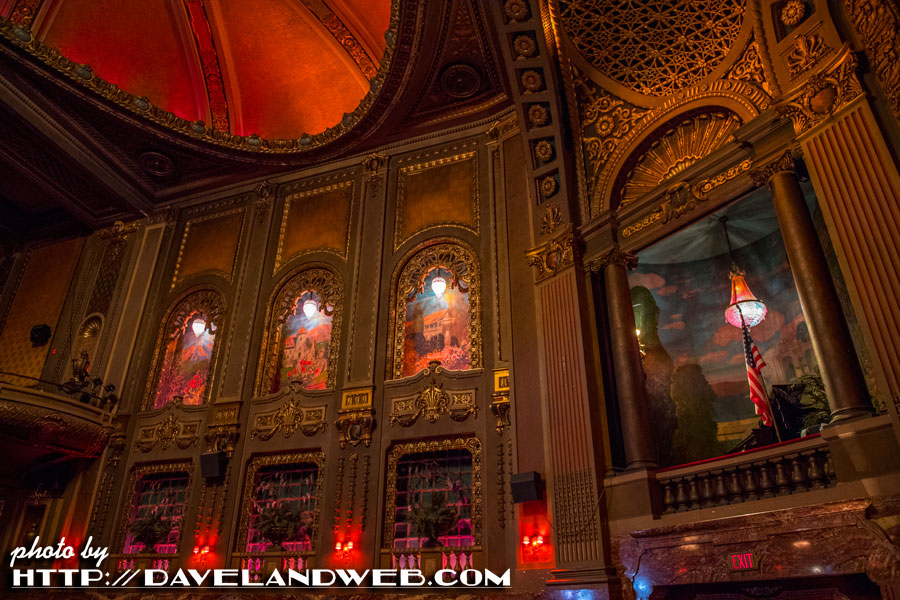
Dubbed the "Showplace of Virginia," Richmond's Byrd Theatre was built in 1928.


It is one of the few movie palaces from that grand era that has continuously operated as a movie theatre, looking very much like it did when it first opened.


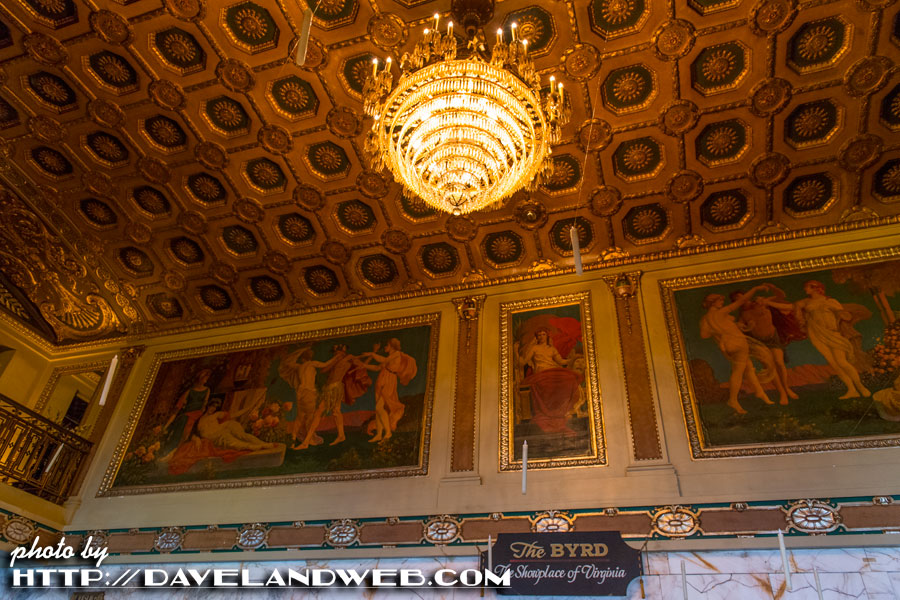
The lobby:


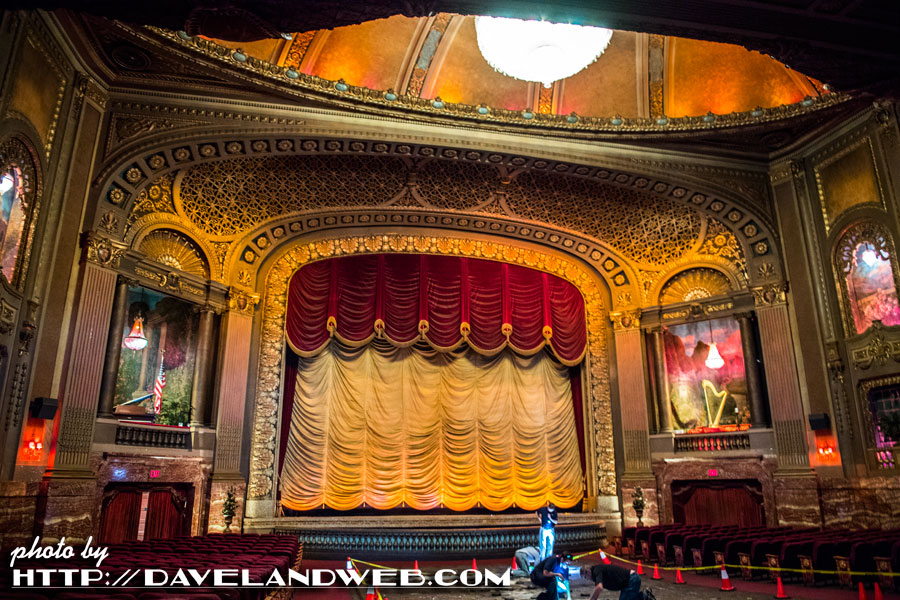
At the time of my visit, many of the center seats had been ripped out and were in the process of being redone.


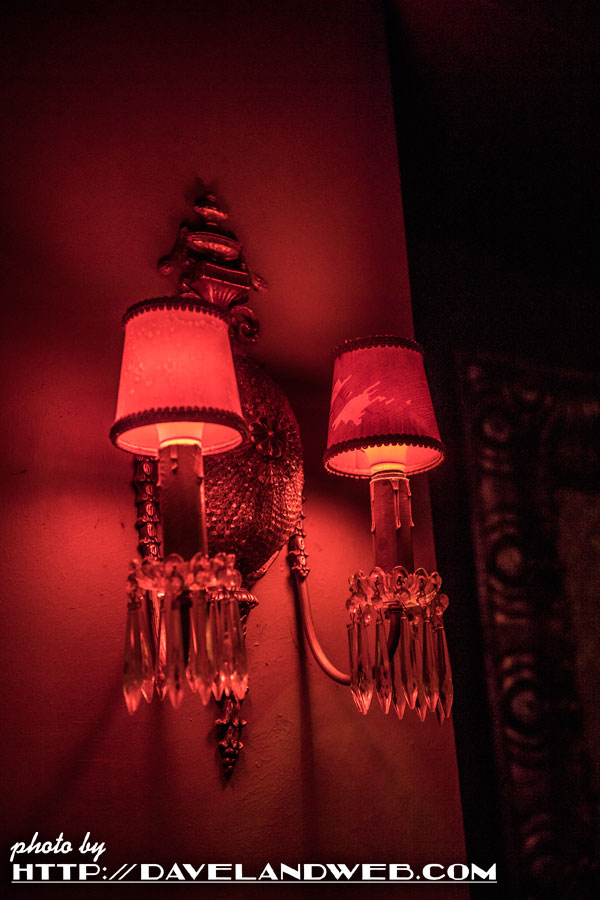
Vintage light fixtures...come home with me!


It was probably a good thing that the lights were on low; upon closer inspection of the remaining seats and the condition of the curtain, this place looked like it could use a good scrubbing.


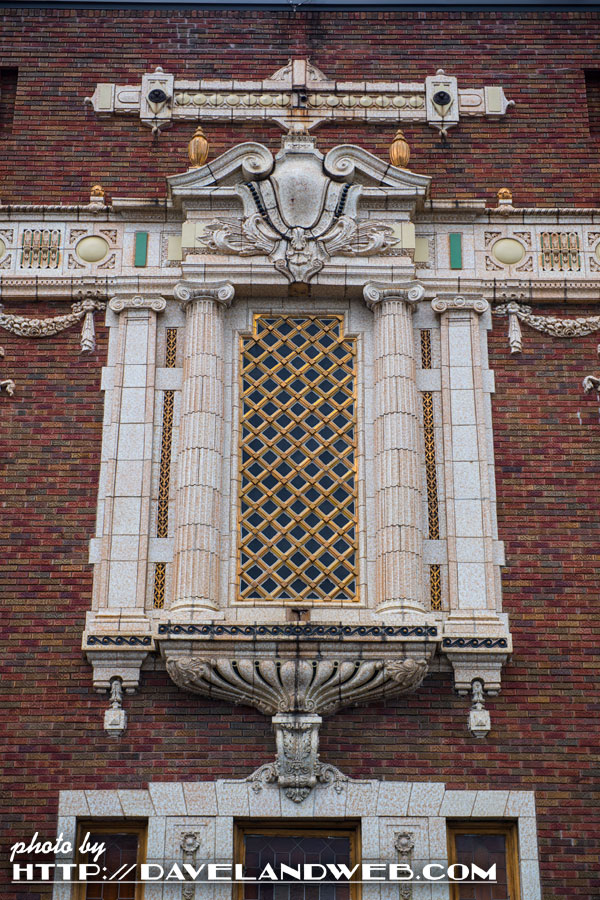
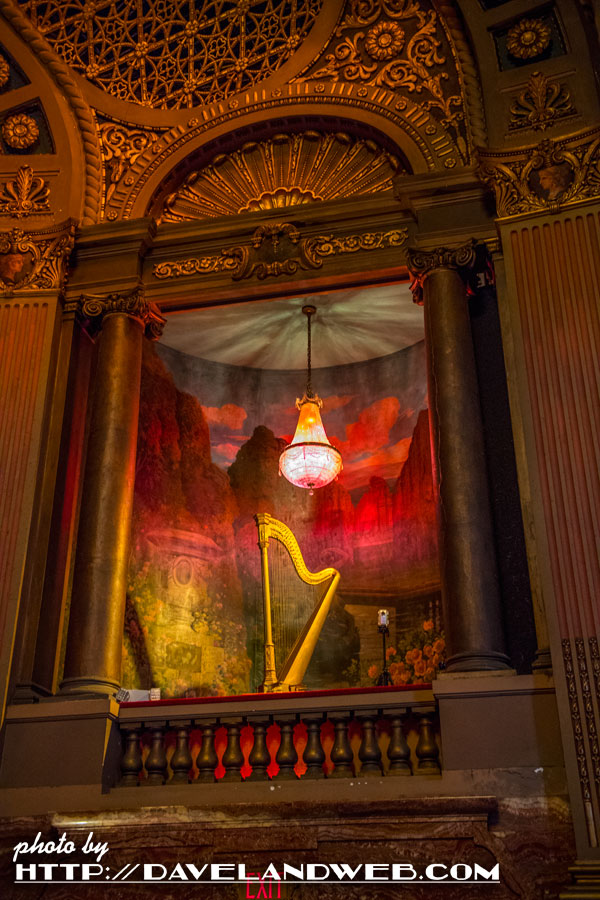
Still, it truly is a French Empire architectural treasure.


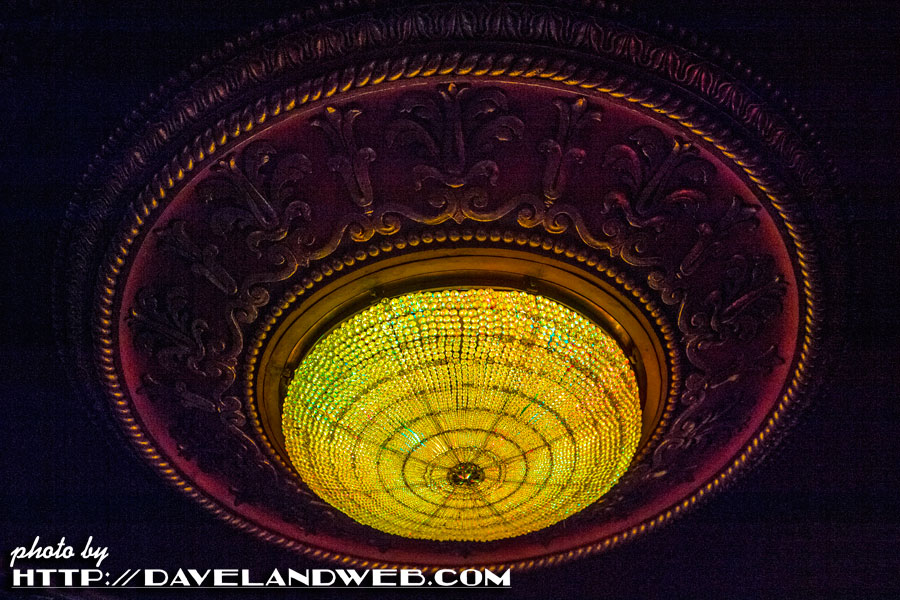
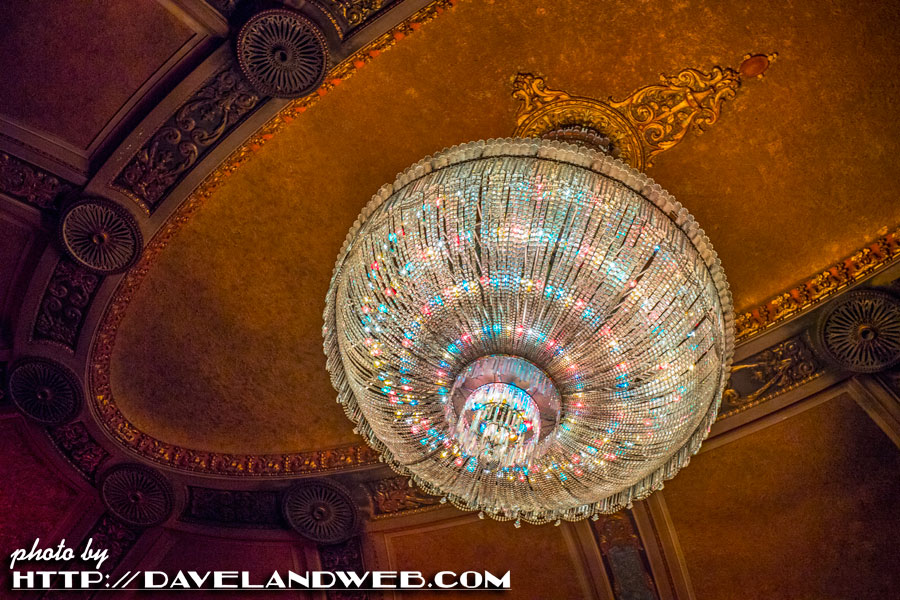
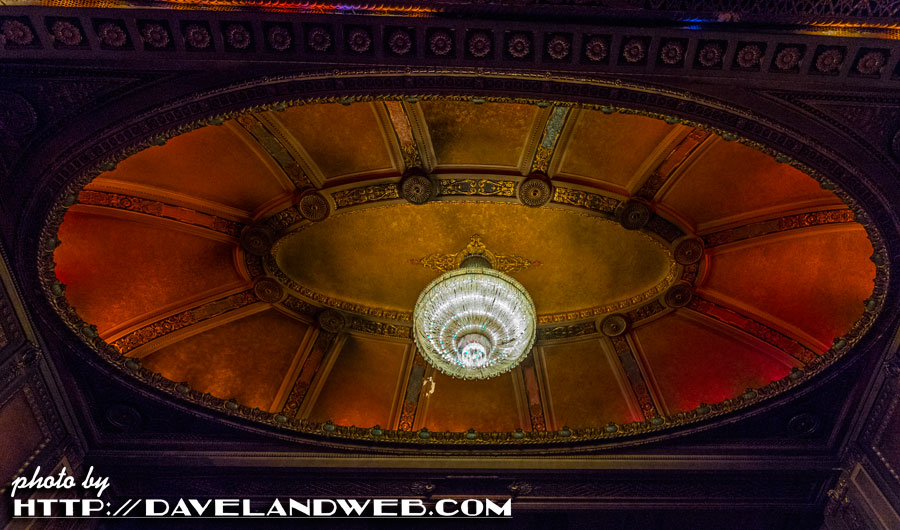
Final one for today is a panorama of the theatre's impressive ceiling and overhead light, which is an 18-foot, two-and-a-half ton Czechoslovakian crystal chandelier containing over 5,000 crystals illuminated by 500 red, blue, green and amber lights. It's Christmas every day at the Byrd!


More Byrd Theatre at my main website.

Tuesday, October 03, 2017

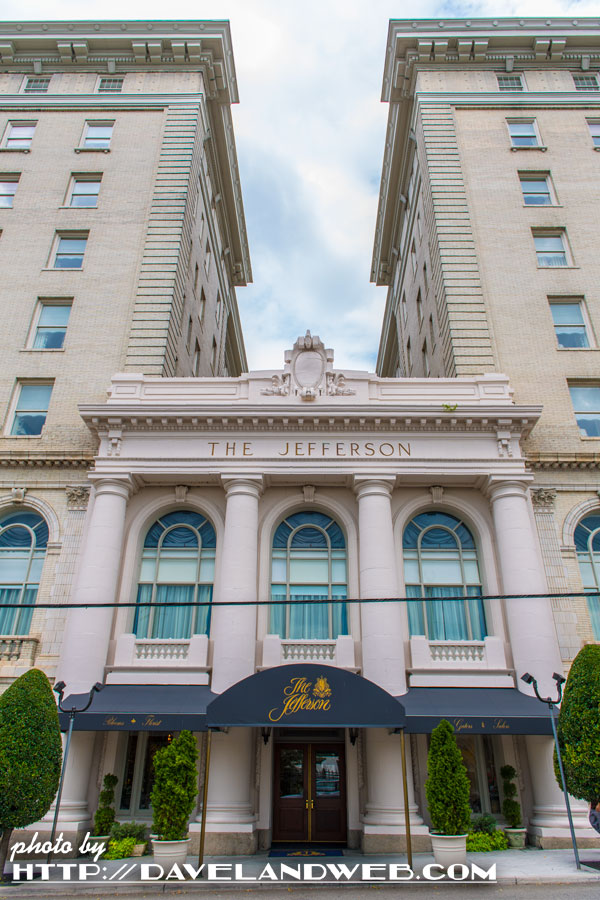
The Jefferson Hotel


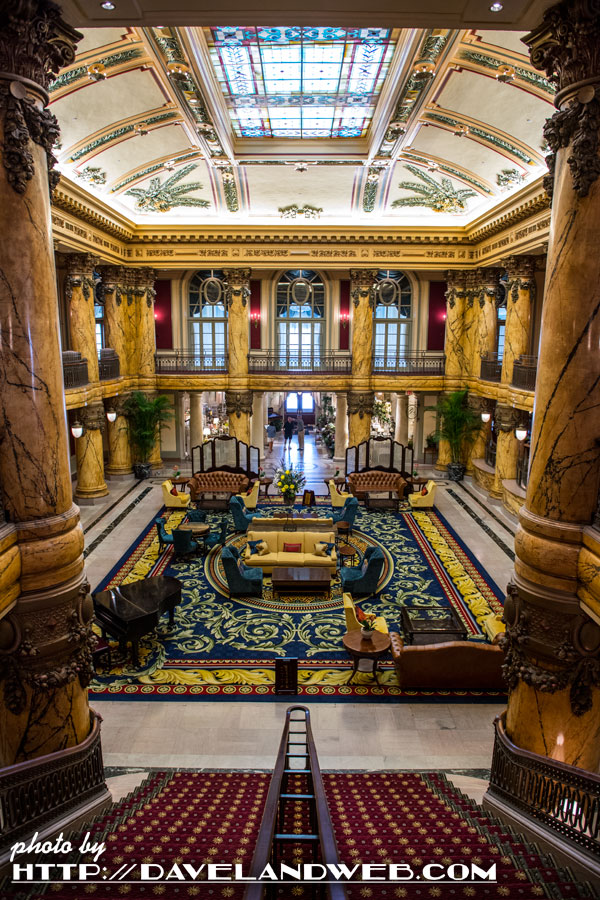
This historic Beaux Arts hotel was the vision of Lewis Ginter, a cultured Richmond local who made good through imports and tobacco. He commissioned Carrere and Hastings, a renowned architectural firm from New York who also designed the Fifth Avenue Public Library and Henry Frick Museum. How about this lobby?!?


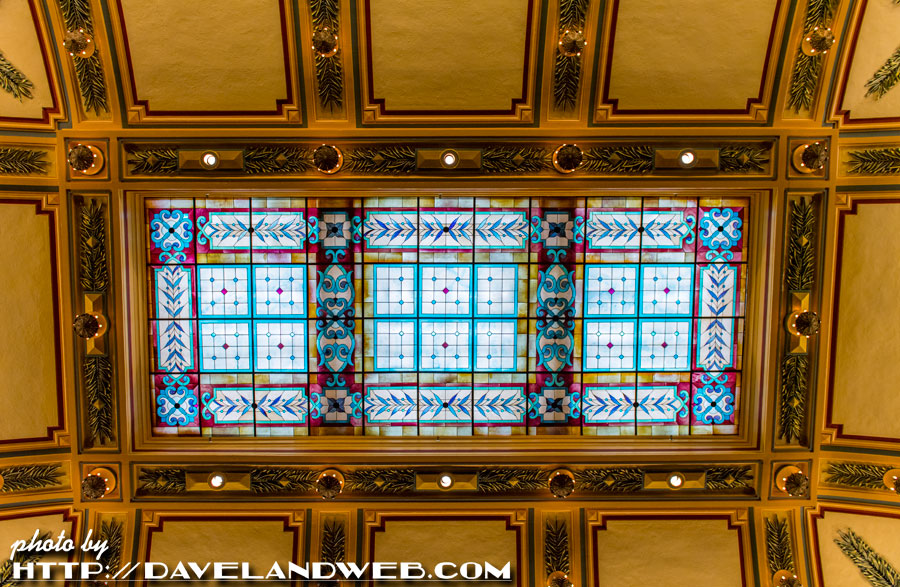
Oh that ceiling!


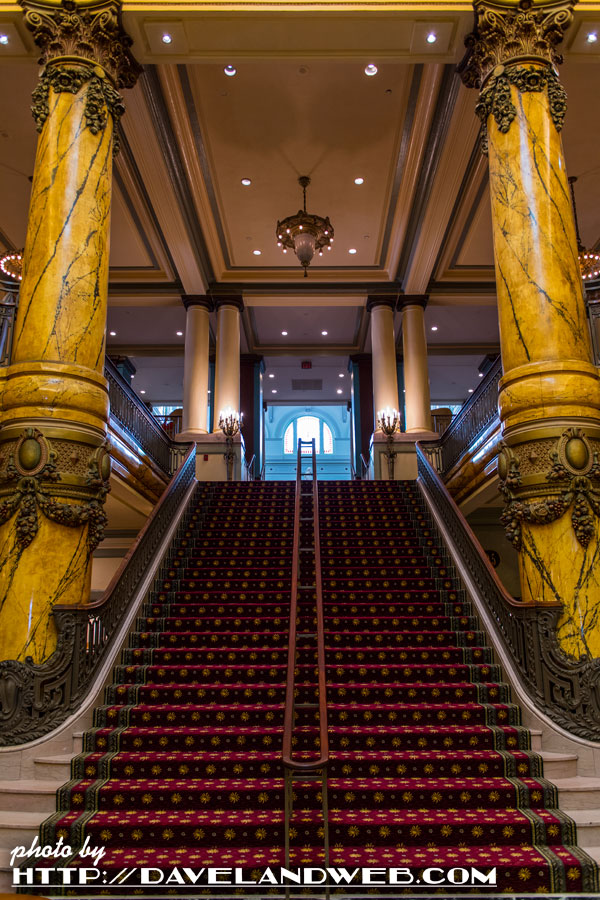
Legend has it that this staircase was the design inspiration for the one in the 1939 film "Gone with the Wind" in Scarlett O'Hara's Atlanta home. You might remember it from the scene where Rhett Butler sweeps her up in her red velvet robe for a night of drunken passion.


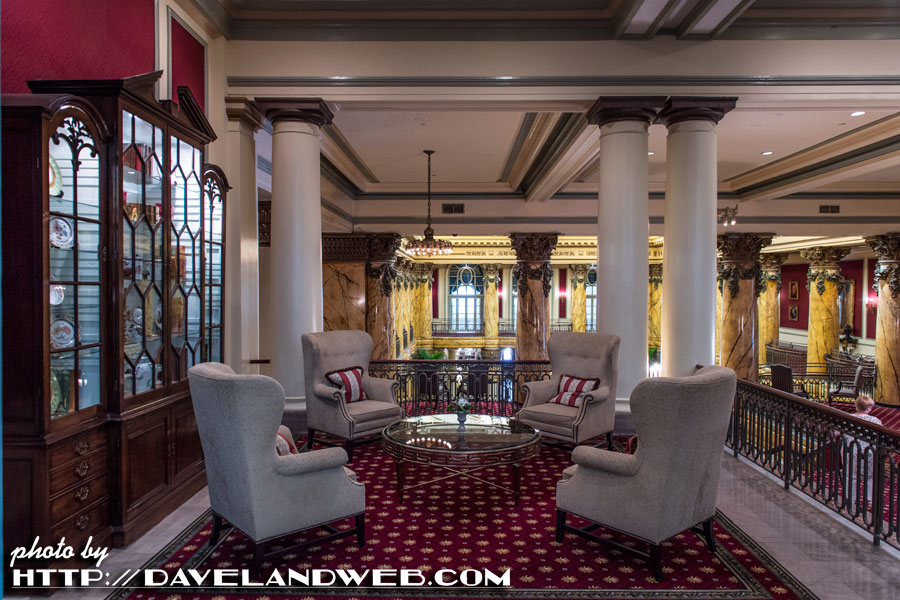
Plenty of cozy little nooks for relaxation and conversation:


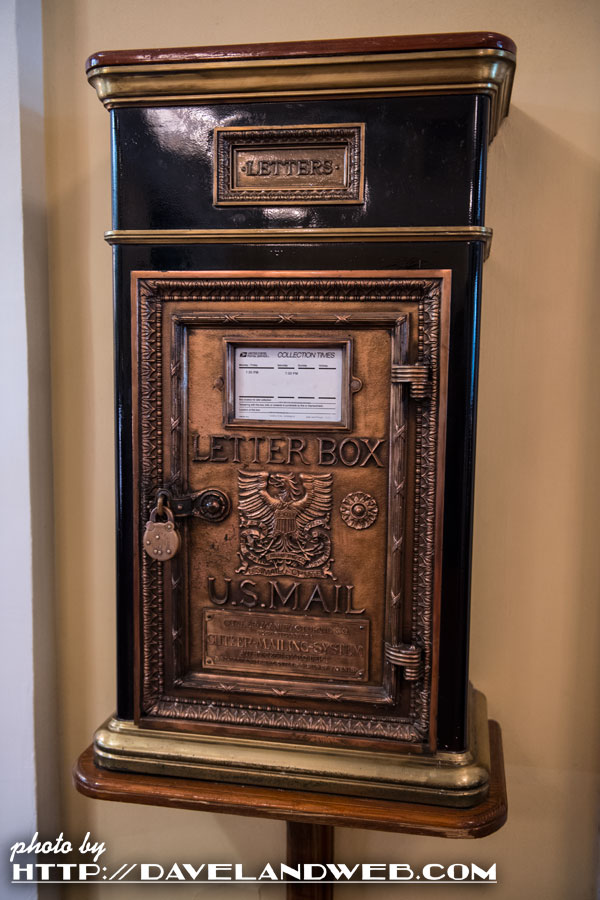
Historic touches abound:


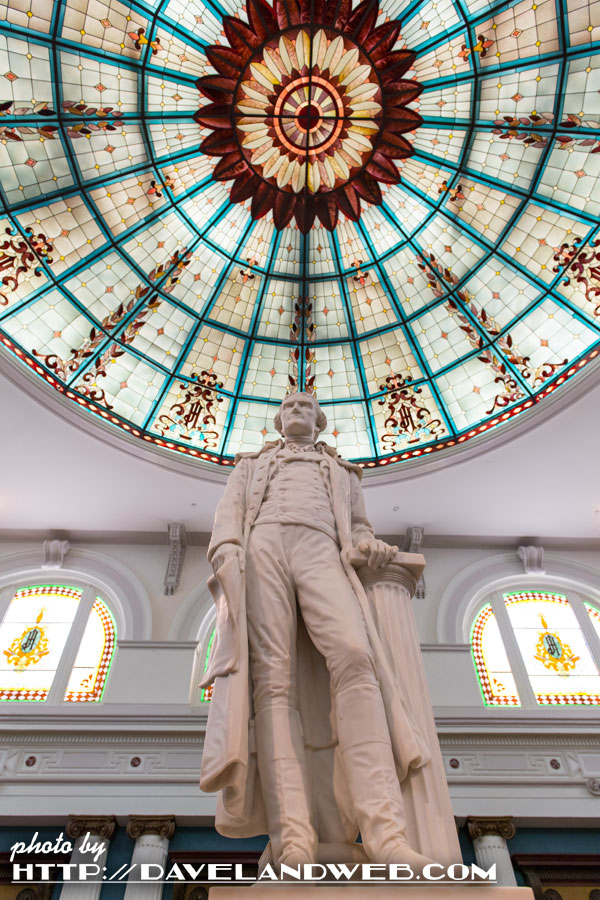
Opening in 1895, The Jefferson was elected in 1969 to the National Register of Historical Places. Of course you can't have a hotel named after a U.S. President without a statue of him:


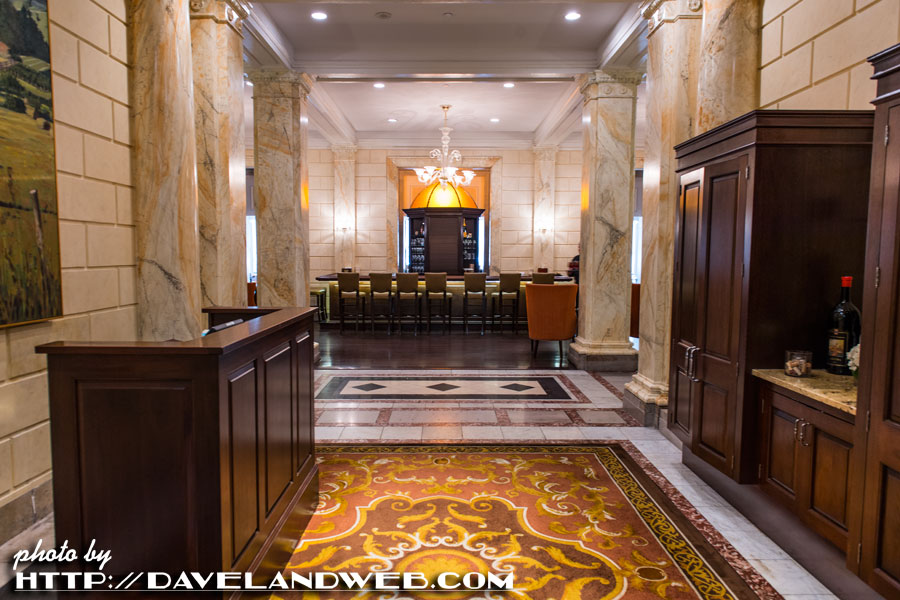
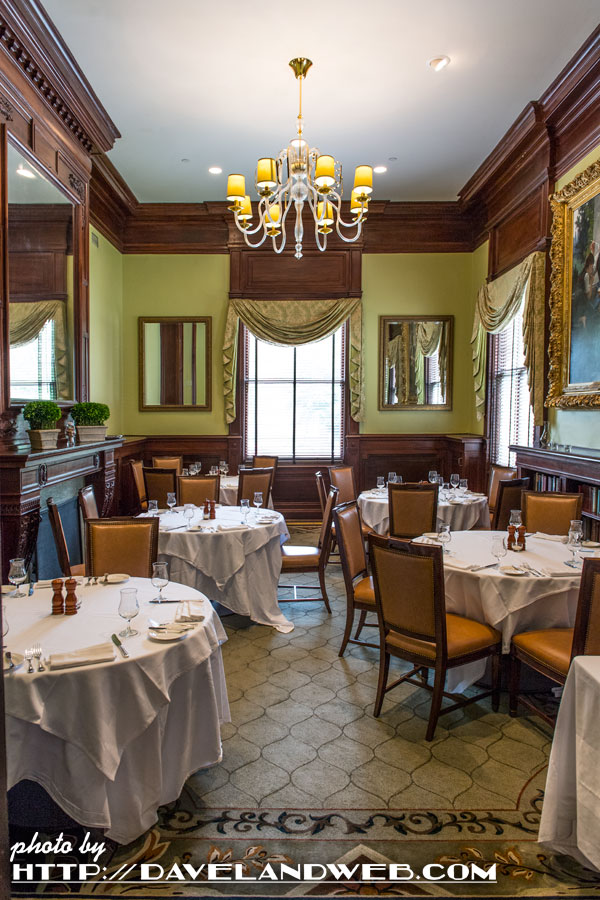
Thirteen Presidents (so far) have stayed here, including Harrison, McKinley, Wilson, Coolidge, Taft, both Roosevelts, Truman, Reagan, both Bushes, Clinton, and Obama. Other notable guests include Charlie Chaplin, F. Scott Fitzgerland, Ray Charles, and Elvis Presley. The hotel's restaurant is named Lemaire:


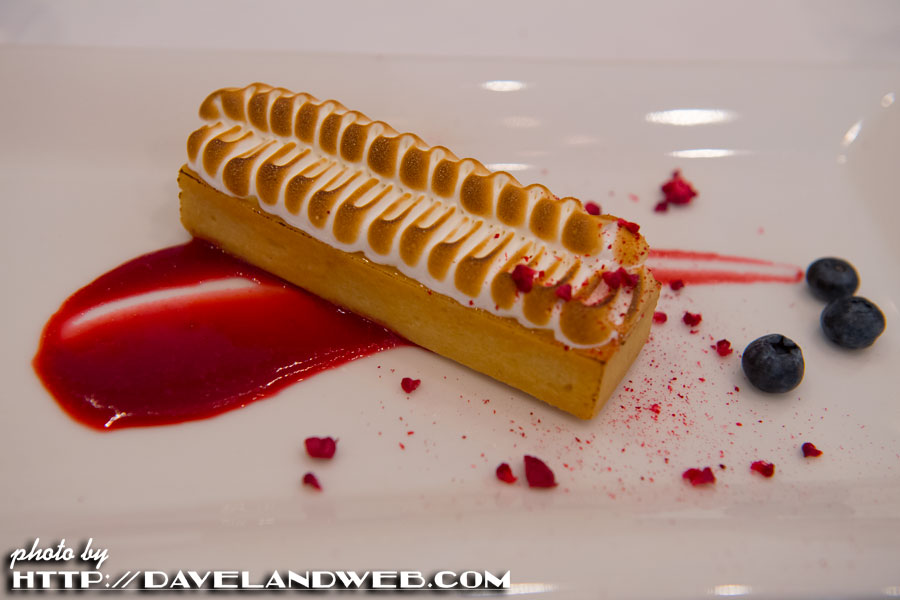
The food here was delish, especially the dessert!


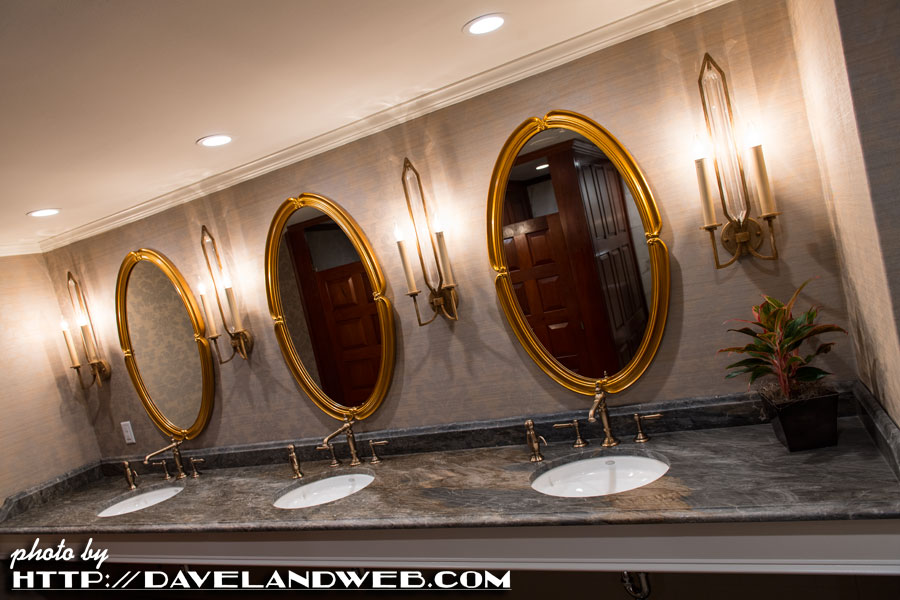
What Daveland hotel post would be complete without a restroom shot? The ones here were especially photo-worthy!


I hope you enjoyed your tour of The Jefferson!


More Jefferson Hotel photos at my main website.

Monday, October 02, 2017

Monument Monday


My trip to Richmond, Virginia was planned long before the highly publicized controversy over the Confederate statues began. Naturally, I had to take a stroll down the infamous Monument Avenue to see what all the fuss was about. This tree-lined street is listed on the National Register of Historic Places as a National Historic Landmark District and was named as one of the 10 Great Streets in the country by the American Planning Association in 2007 for its historic architecture, urban form, quality residential and religious architecture, diversity of land uses, public art, and integration of multiple modes of transportation.
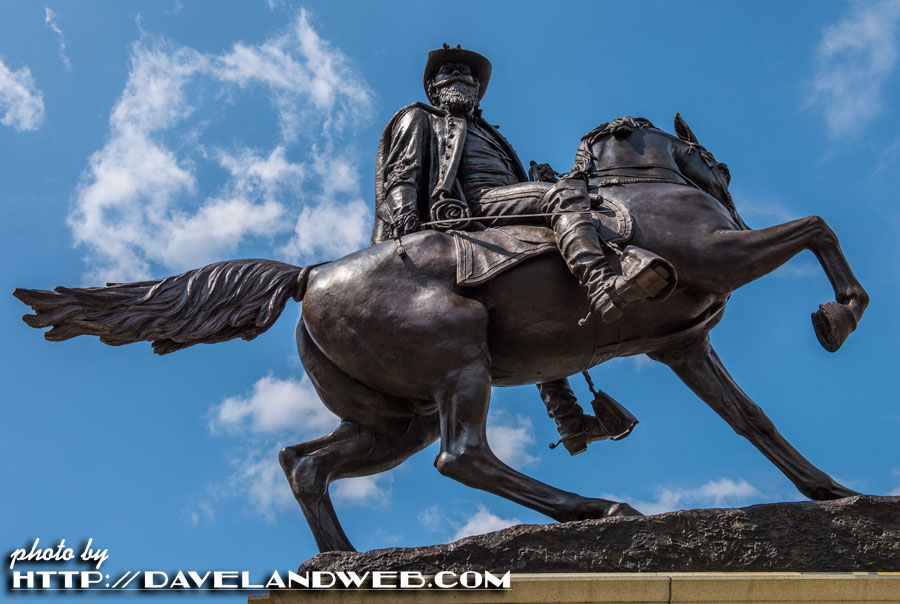


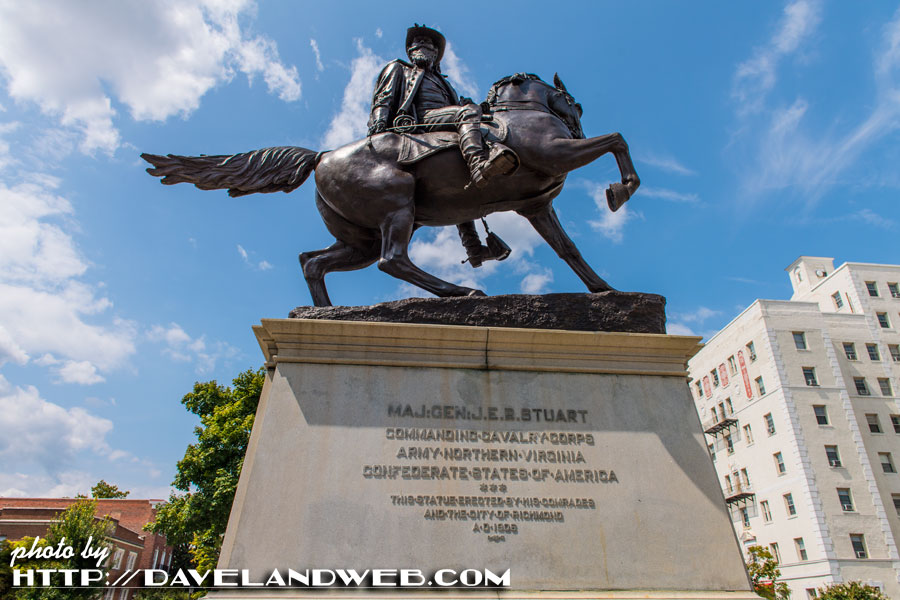
The first statue I encountered was of General J.E.B. Stuart, who was killed in the Battle of Yellow Tavern before the Civil War was over. The day that I took these shots was shortly after this statue had been defaced by tar being thrown at it. Clean-up crews were there attempting to remove it from the base while I photographed the statue.

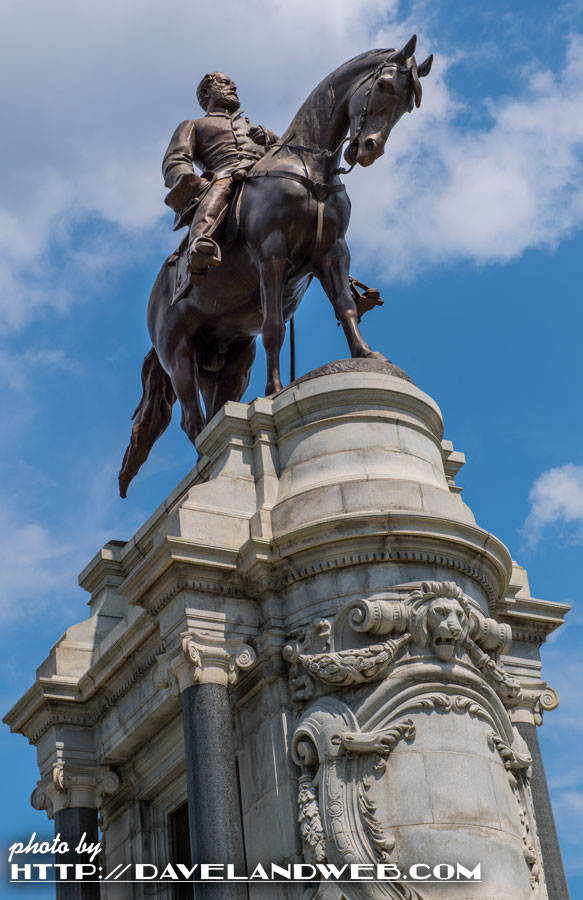
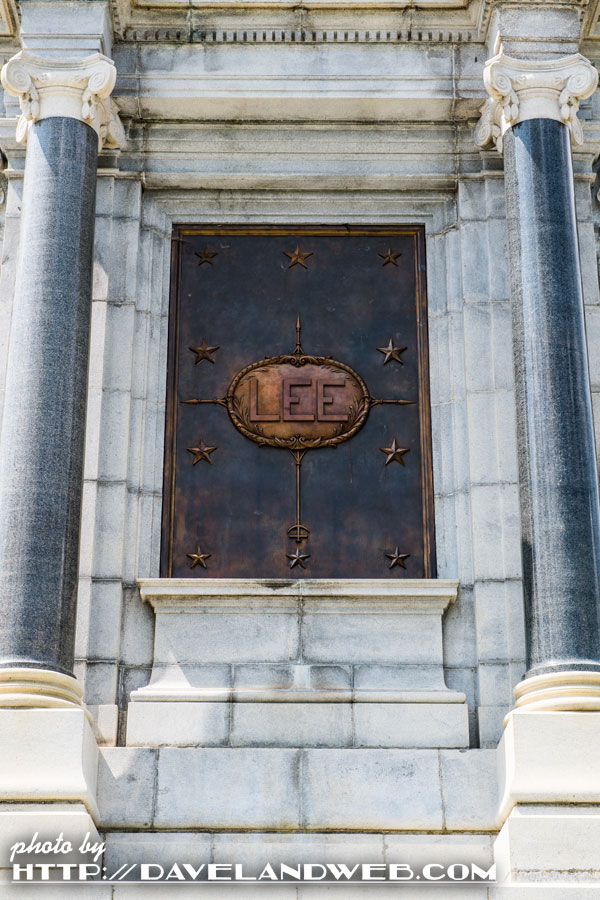
Next in the lineup is Robert E. Lee, which was the first monument of the group to be erected here, way back in 1890, drawing a crowd of approximately 100,000 people for the unveiling. The people of Richmond were looking for a way to honor the three Virginians who had helped defend the city during the Civil War, and thus the birth of these historic and culturally divisive statues.


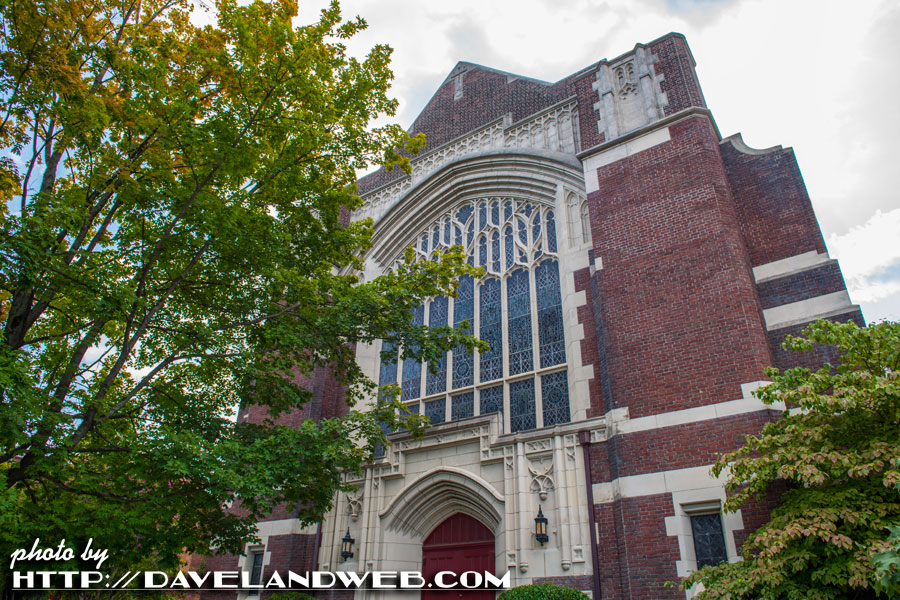
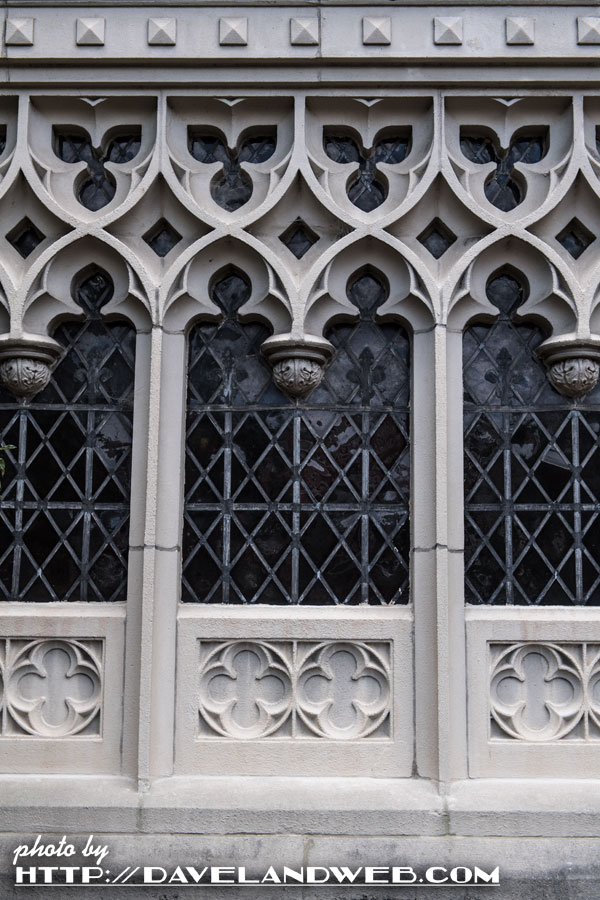
Besides the statues, I also took note of the beautiful homes and churches along the way, such as Grace Covenant Presbyterian:


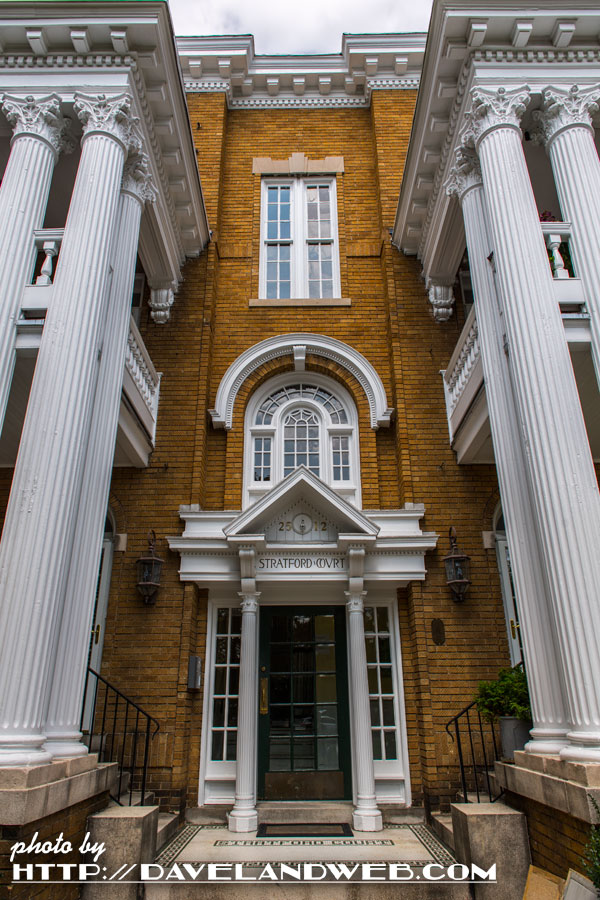
I would have loved to have explored the vintage apartments of Stratford Court:
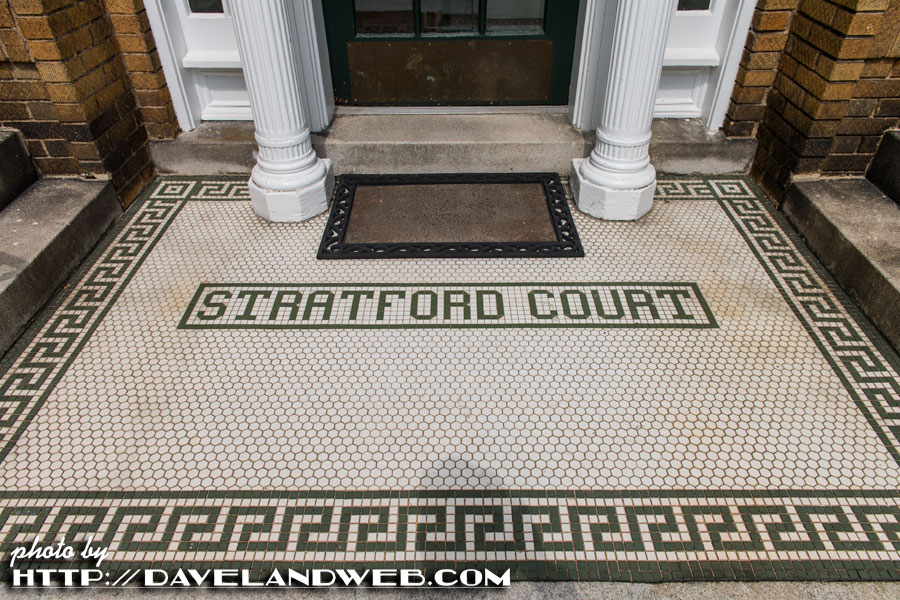


Ah, the vintage tile!


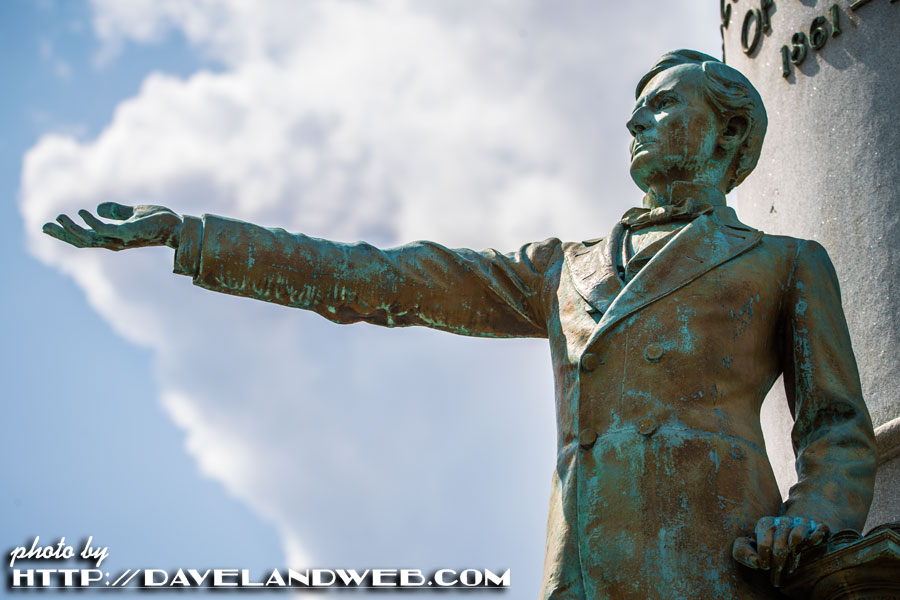
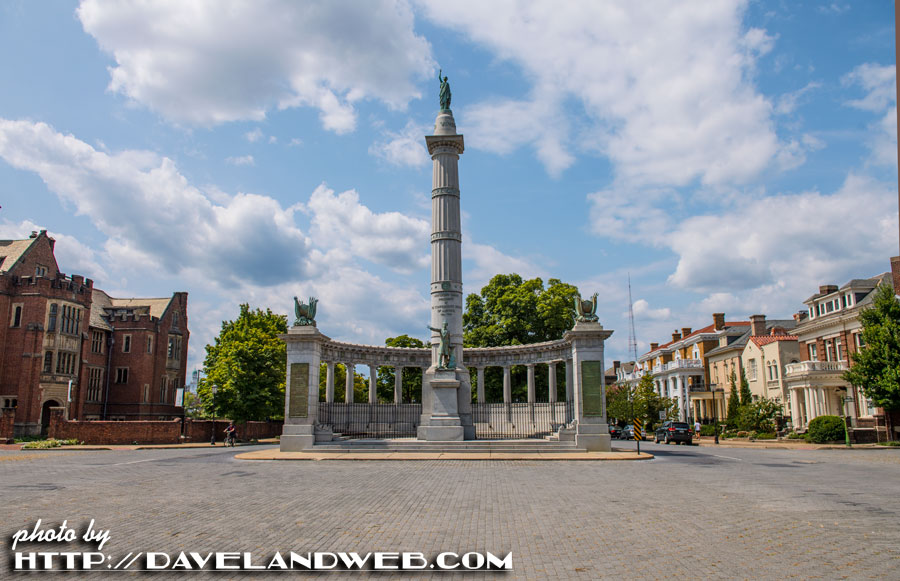
This huge monument was for Jefferson Davis, the President of the Confederacy:


The last one I shot was of General Thomas "Stonewall" Jackson, nicknamed for his courage and tenacity during the First Battle of Bull Run. He also lost his life during the War, back in May 1863, causing a great loss of morale for the Southern States.
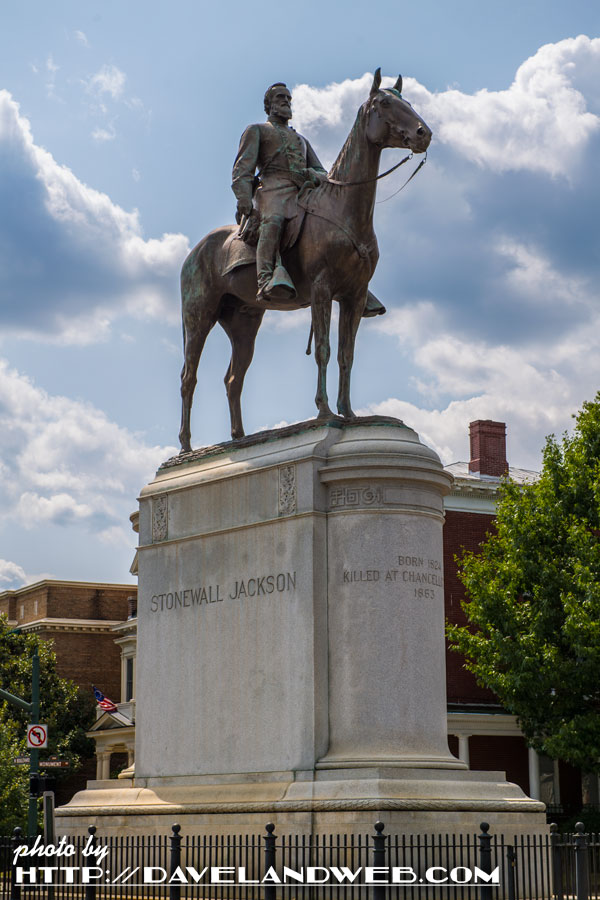
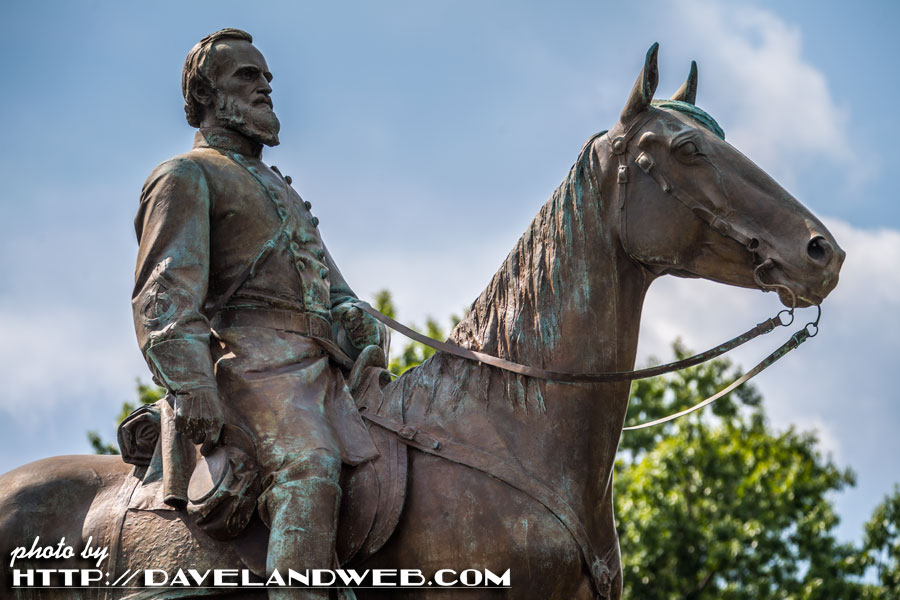


In August 2017, Richmond Mayor Levar Stoney announced that the city's Monument Avenue commission would include potential removal of the confederate statues as an option for dealing with the issues that arose from those who viewed these statues as a celebration of the legacy of the south and the war that was fought mainly over the issue of slavery. While I understand that viewpoint, the sad truth is that the removal of the statues will do little for simmering the tensions between the opposing sides.

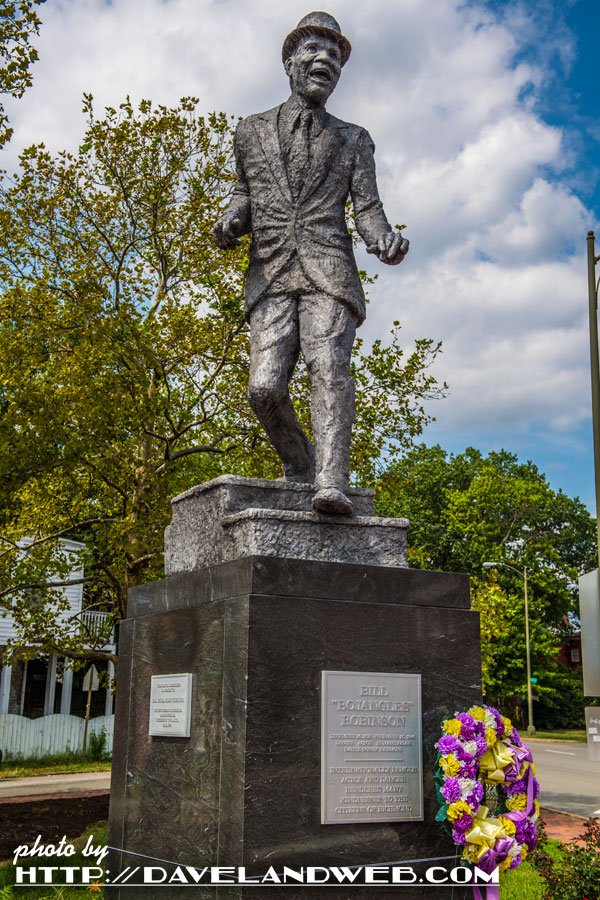
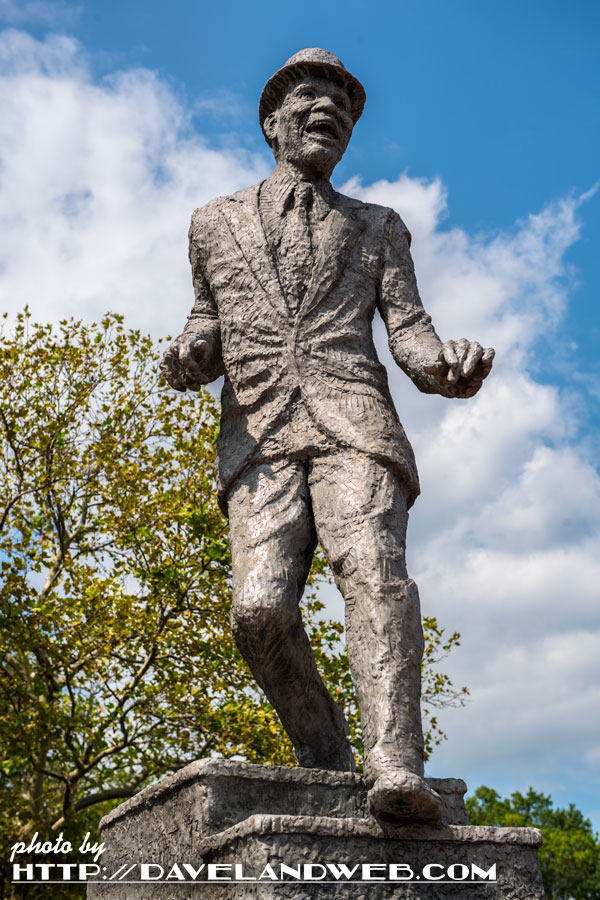
Elsewhere in Richmond, I sought out the statue of dancer and film actor Bill "Bojangles" Robinson, who is most famous for dancing with Shirley Temple back in the 1930s.


More Monument Avenue shots at my main website.