Showing posts with label the story of seabiscuit. Show all posts

Tuesday, June 02, 2026

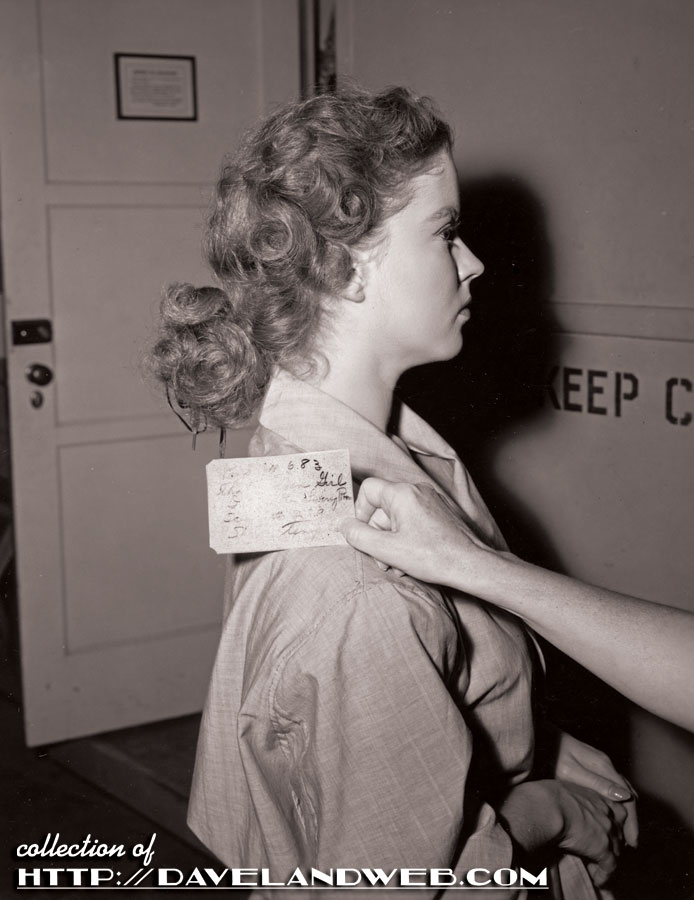
Temple Tuesday: The Alphabet Blouse Mystery


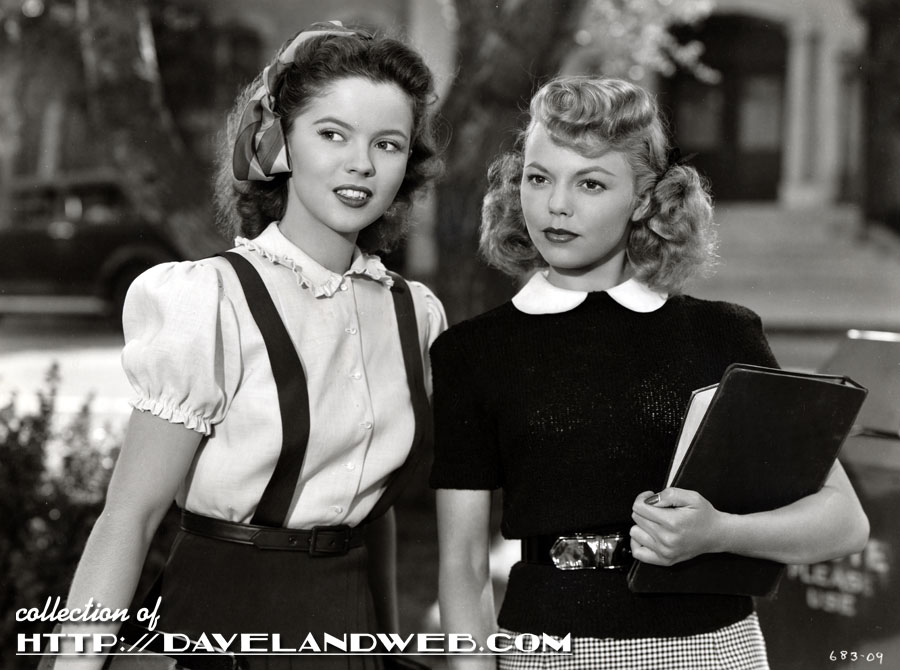
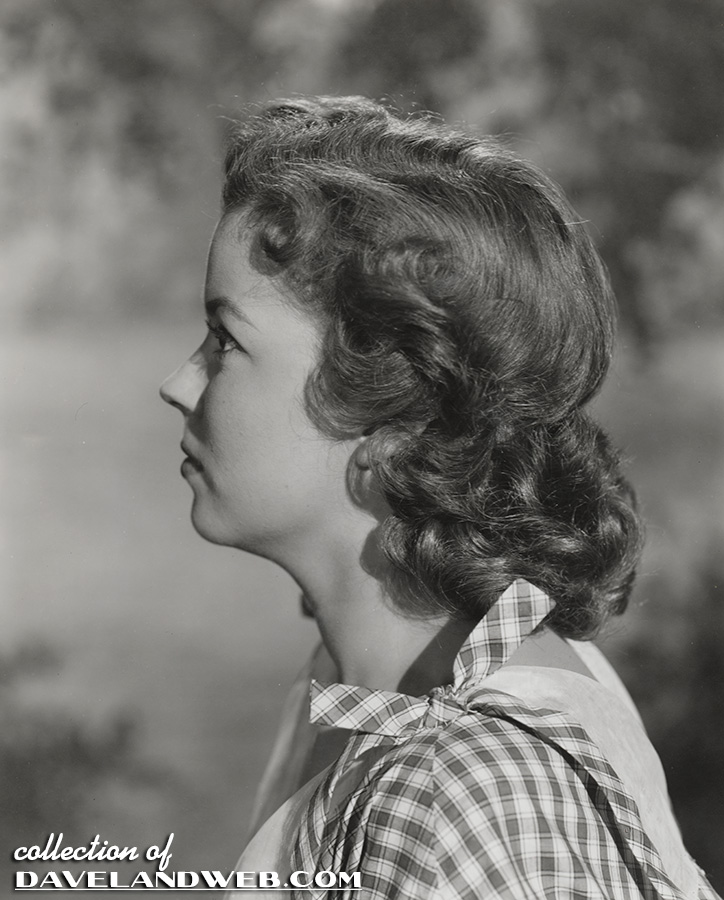
This recent acquisition had no useful info identifying what it was shot for, other than a stamped date on the back of it from April 6, 1949. I “assumed” it was a hairtest for Shirley Temple’s Technicolor feature, “The Story of Seabiscuit,” based on two other images from my collection shown below:
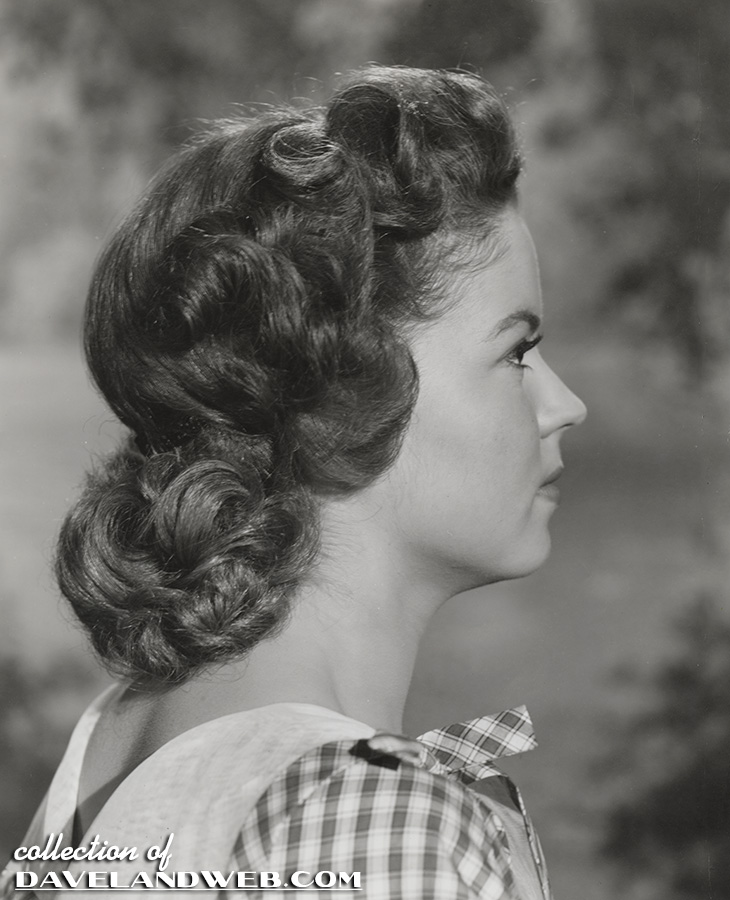


Both of these were dated April 7, 1949, and show her wearing an outfit seen in the film.


This publicity shot with costar Lon McAllister shows how the hair and dress looked in the film:


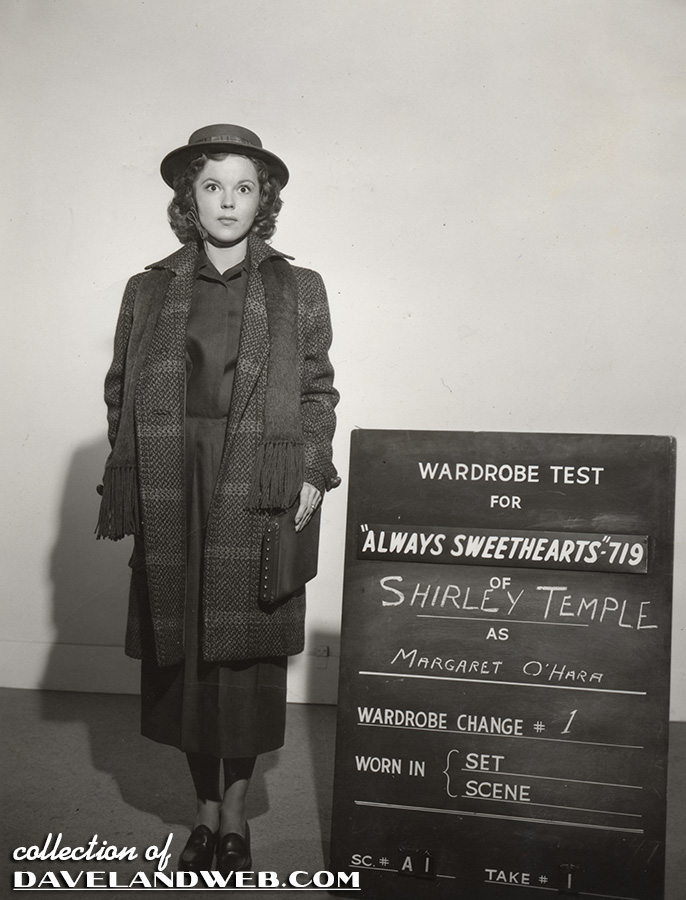
Shirley looks positively mesmerized in this wardrobe shot, taken when the film was still being referred to as, “Always Sweethearts.”


Back to the post’s topic: what has become known as “The Alphabet Blouse,” thanks to Shirley expert supreme, Rita Dubas. I reached out to her to see if she had any background on it, since it was not seen in “The Story of Seabiscuit.” A deleted scene? A piece of Shirley’s personal wardrobe that she wore during the hairtest? This wire photo from my collection also shows Shirley in the blouse, posing with her daughter Linda Susan.


From the accompanying publicity caption:

HOLLYWOOD, Jan. 28—SHIRLEY’S BABY TWO YEARS OLD—Shirley Temple’s baby, Linda Susan Agar, turns on a smile as winsome as her famous mother’s on the even of her second birthday. She will be two on Monday, and for a birthday gift from Shirley’s father, they will fly to Hawaii tomorrow for a three-weeks’ vacation.

Rita dug up this newspaper clipping talking about the same Hawaii trip, circa January 1950:


Want to see a clearer version of my wire photo? Of course Rita was able to supply one! It looks so much better, proving that source material is key! You can see from this image and the first one in the post that the letters are not embroidered but rather metallic.


Rita also kindly supplied this color shot by Bert Parry of Linda Susan and Shirley at home (early 1949), once again wearing the Alphabet Blouse.


She found this photo on Getty Images from the same session:


As she always does, Rita exhausted every avenue at her disposal to find out what the blouse was about, and especially the meaning of the letters on the straps:

While you can pretty much see many of the letters now, I still can’t figure out what it’s all about. I looked up “alphabet fashion fad of the 1940s” to see if this type of random letter outfit was a thing at the time, and nothing came up. I know that Shirley owned a few dresses with her initials, so maybe these were the initials of some of her friends? I couldn't find any organization or group that Shirley was a member of having corresponding letters (and there are a LOT of letters!), At any rate, now we know it was from her personal 1949-1950 wardrobe and not film related. It looks like there may be three letter bands with one being under the neck bow, but all I can see of that band is a "B" with a possible "A, O" at the bottom. Here are the letters that I can put together from your image and the ones here: On Shirley's right: E, D, U, A (the rest are covered); on Shirley's left: O, Z, E, G, R, D, K, B, U, H, (?), R. Maybe it's all just a jumble of letters made to drive us crazy!


Any wordsmiths/Shirley fans out there who can solve the mystery?

See more Shirley Temple photos at my main website.

Tuesday, February 09, 2021

Temple Tuesday: Revisiting That Hagen Girl


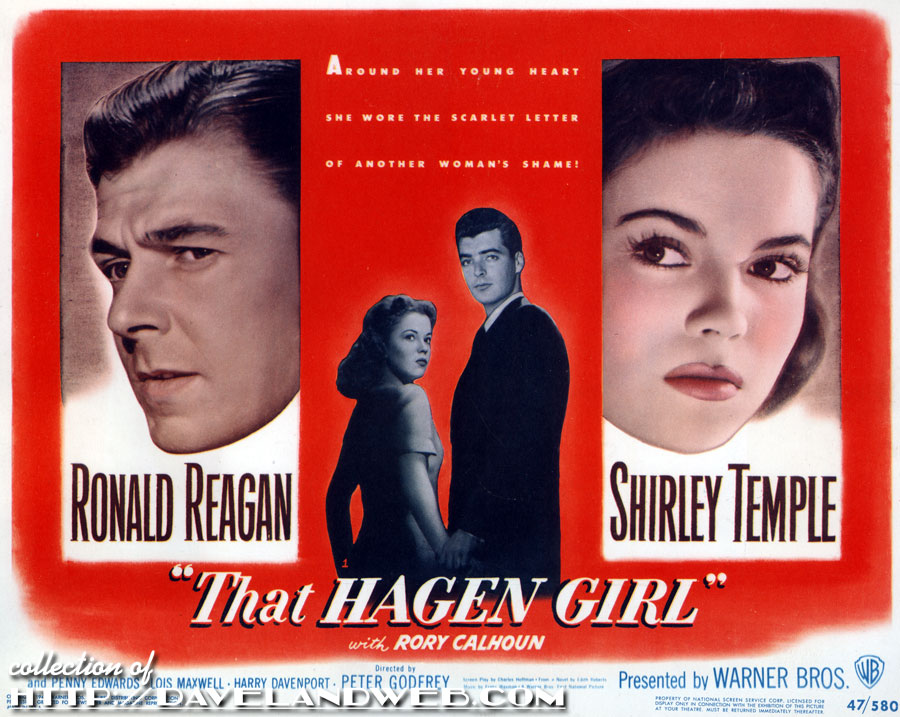
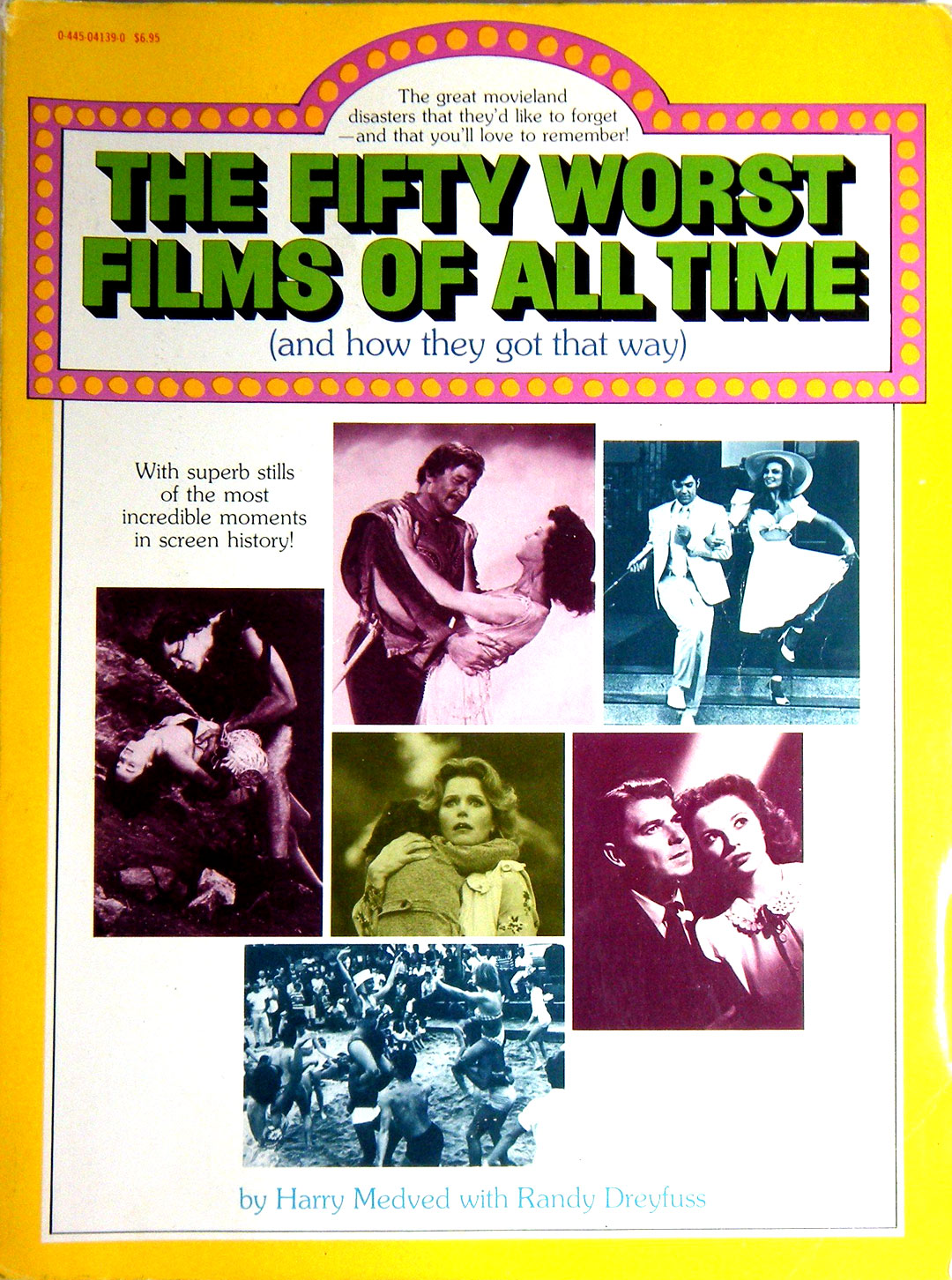
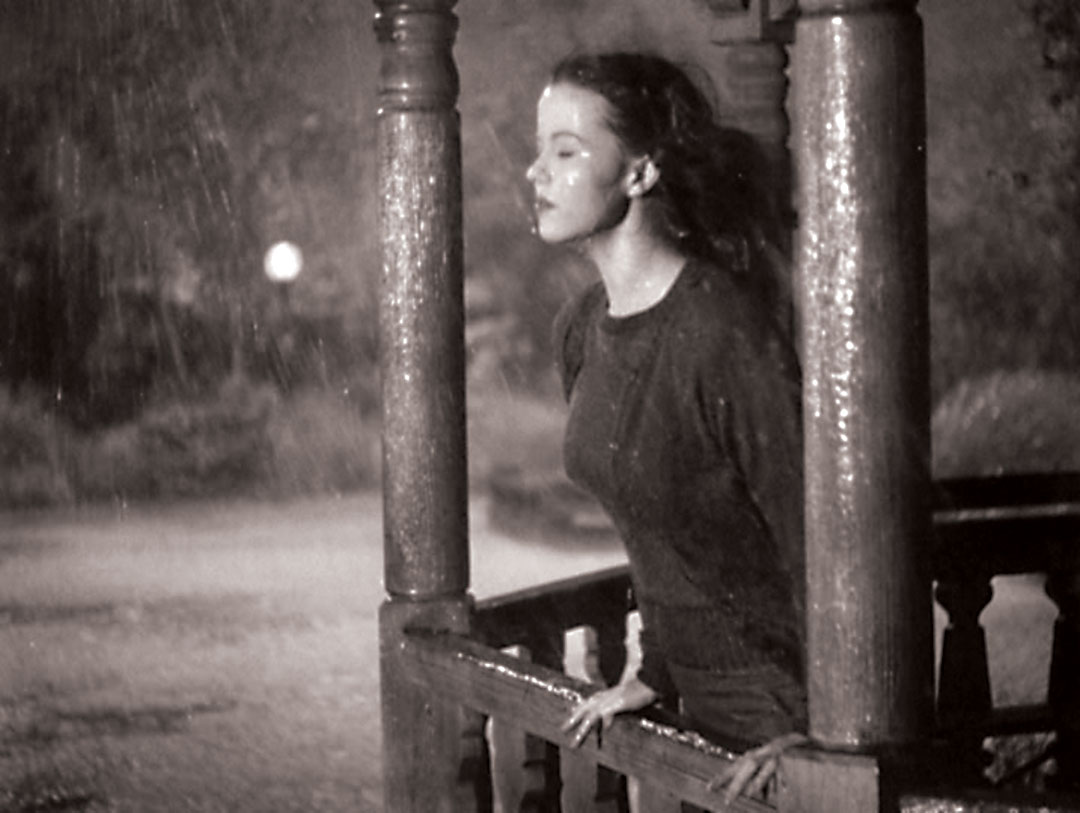
“That Hagen Girl” (1947) came to my attention when I saw Shirley Temple and Ronald Reagan together on the cover of the 1978 book, “The Fifty Worst Films of All Time.” Back in those days, ANYTHING that had Shirley on it found its way into my collection. Even as a fourteen-year old, I found this satirical book by Randy Dreyfuss and brothers Michael and Harry Medved to be hilarious.


There were very few films on this list that I had personally seen at the time, so I took their truly funny (albeit bitchy) text to be the gospel. These films must have really sucked! It wasn’t until about a year ago when I first watched “That Hagen Girl” for myself that I began to form my own opinion. While many regard it unfavorably, the truth is the film actually earned a modest profit when it was released. It is definitely not the box-office bomb that legend purports it to be. The story is about Mary Hagen (Temple), a teenager who is the subject of gossip in the little town of Jordan, where it is believed that she is the illegitimate child of Tom Bates (Reagan). What went wrong with this film that caused it to have a poor reputation? Let’s focus on what went RIGHT first, starting with the production team.


The score was by the legendary Franz Waxman. With twelve Oscar nominations and two wins (in consecutive years for “Sunset Boulevard” and “A Place in the Sun”), Warner Brothers was obviously not trying to go on the cheap with the music. Cinematography was by Karl Freund, who is probably best known for “Metropolis” and “Dracula,” as well as his work on “I Love Lucy” where he developed the “flat lighting” system that is still used today with sitcoms. “That Hagen Girl” is beautifully shot, which is hidden by most prints available today being in very poor shape; this movie is crying out for a restoration. Costumes were by Travilla, best known for Marilyn Monroe’s subway dress in “The Seven Year Itch” and Judy Garland’s notorious sequined pantsuit from “Valley of the Dolls.” Shirley certainly looks lovely in this film, and much of that credit goes to Travilla and makeup artist Perc Westmore, another legend in the business.


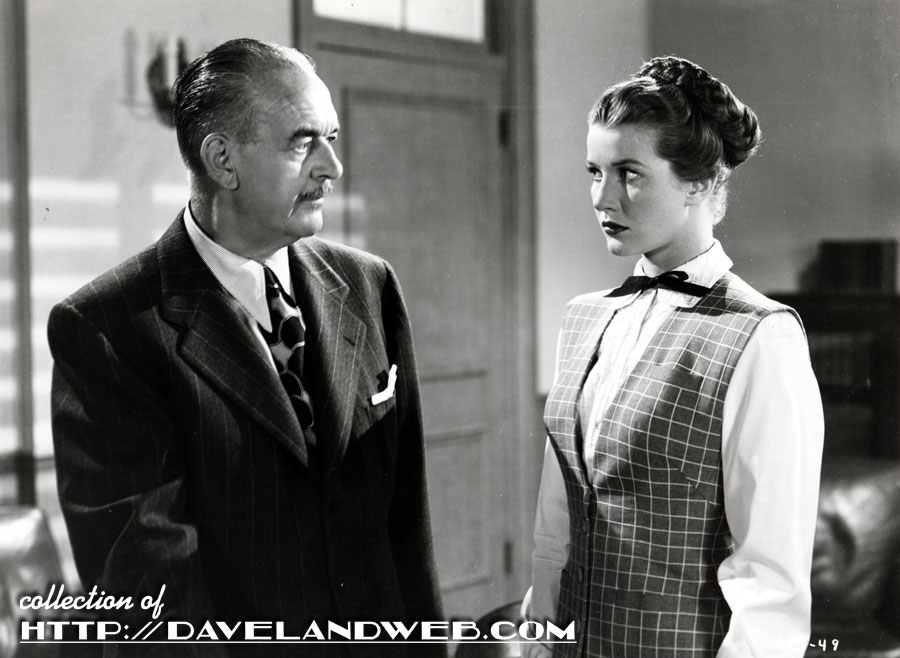
The cast is a more than solid lineup and includes Rory Calhoun, Jean Porter (who ably provides the much-needed levity in the film), Harry Davenport (grandpa in “Meet Me In St. Louis”), Moroni Olsen (who previously costarred with Shirley in “Susannah of the Mounties”), Lois Maxwell (the future Miss Moneypenny in the James Bond films, shown in the photo above), Conrad Janis (Mindy’s father on “Mork and Mindy”), Nella Walker (who worked with Shirley in “Change of Heart,” “Captain January” and “Kathleen”), and Kathryn Card (best known as Lucy’s mother in “I Love Lucy”). Standouts among this group include Maxwell as the supportive teacher, Janis as the slimeball who puts the moves on Shirley, and Walker as the snooty mother of Calhoun’s character.


The story is compelling; those who struggled as teenagers will be able to relate to the overwhelming challenges heaped on Mary Hagen. Even though she is a lovely, moral, and studious young girl, the town is hellbent on viewing her through the lens of the malicious gossip that surrounds her true parentage.

And the negatives of the film? The story is fairly heavy; there is little levity or break from the dramatic story of Mary Hagen. For those who are used to Shirley Temple movies, this one is definitely a deviation from the norm, which is why Shirley truly enjoyed making it. As she recalled in her autobiography Child Star:

Lots could be done with the role, a lip-smacking case history of an adopted, illegitimate girl in a small town. Gossip and taunts bloom into total social ostracism and culminate in her attempted suicide.


Then there is a gallant rescue and eventual happy marriage to a man long suspected of being her father. For convoluted plots, this one bulged and groaned. But therein lay opportunity.

The somewhat wooden performance of Shirley’s leading man, Ronald Reagan, shows that he was definitely not a willing participant in the film. Shirley recalled:

Reagan is reported to have detested the script, which cast him in the ridiculous position of first being rumored my father, then my lover. Jack Warner apparently brushed his objections aside, advising Regan that as a contract player he do it or face suspension.

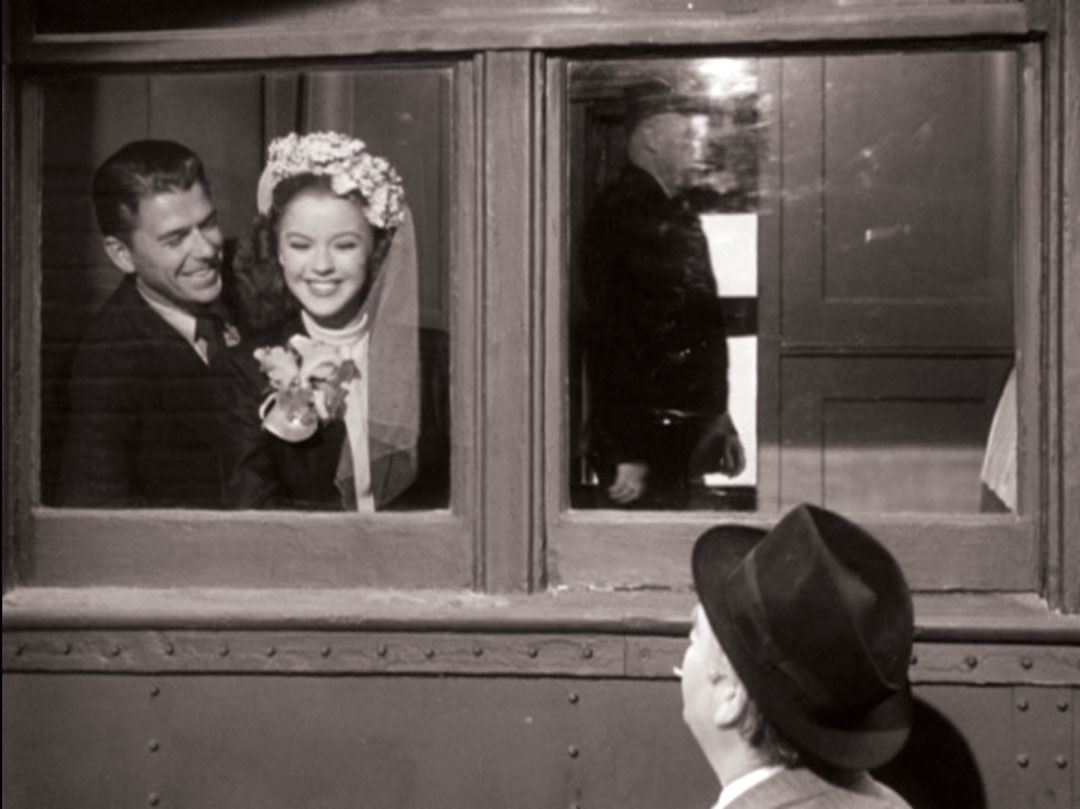
Yes, the father-then-lover aspect of the story does give a bit of an “ick” factor, which could have been handled better, perhaps by letting the audience know early on that Reagan’s character was definitely not Mary Hagen’s dad. Instead, the possibility lingers on until the very end when it is finally revealed, just before the two lovebirds leave town on a train together. A little too much too late. The age difference between Fred Astaire and Judy Garland in “Easter Parade” doesn’t present a problem because of Astaire’s charisma and charm, and the obvious professional chemistry between the two actors. In “That Hagen Girl,” Reagan shows a definite lack of charm or real chemistry with Shirley, which is especially problematic for the happy ending. 


Is it the turkey that Medved and Company reported back in the 1970’s? Definitely not. It is a solid little film that definitely deserves a re-evaluation. Shirley’s “A Kiss for Corliss” (1949) is a different story...but that’s for another post!

See more “That Hagen Girl” photos at my main website.
Monday, August 03, 2009

Sleeping Beauty, Shirley Temple Black, & Walt Disney


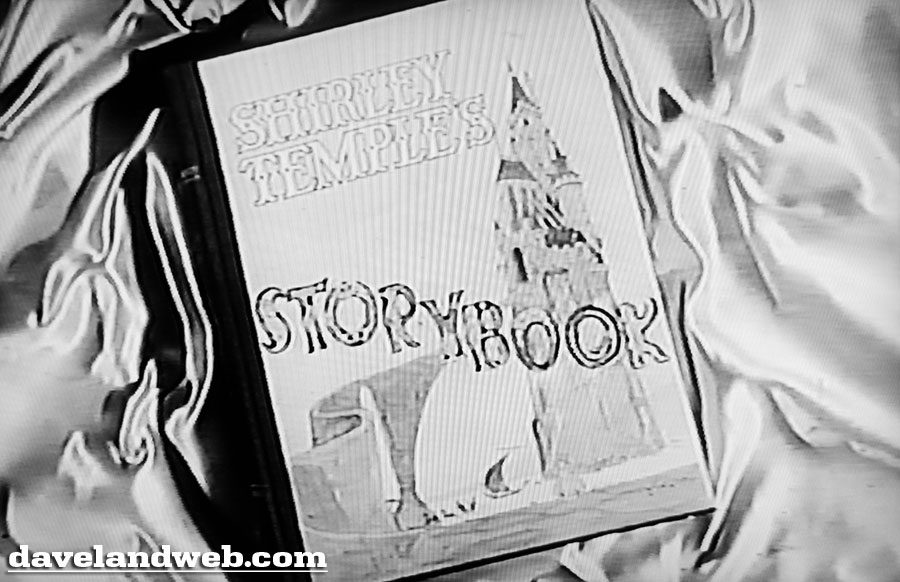
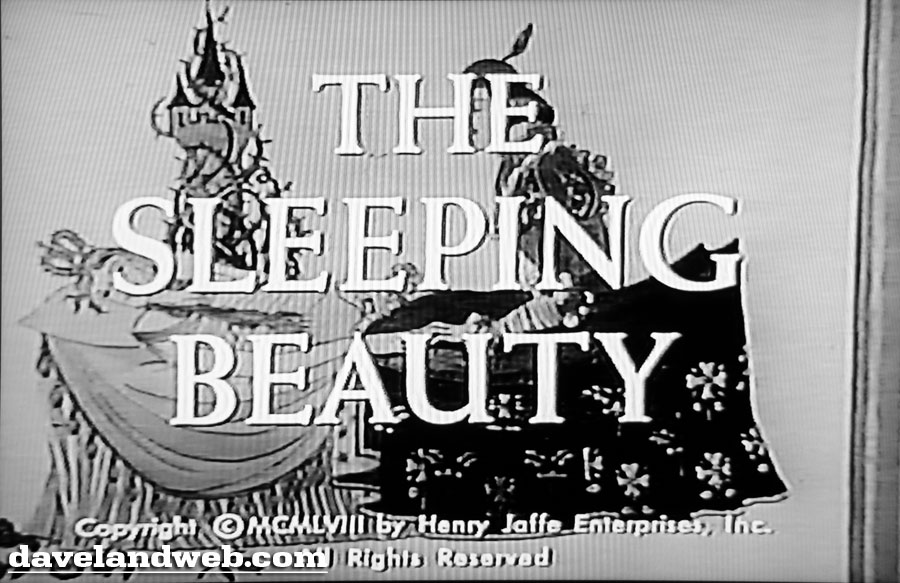
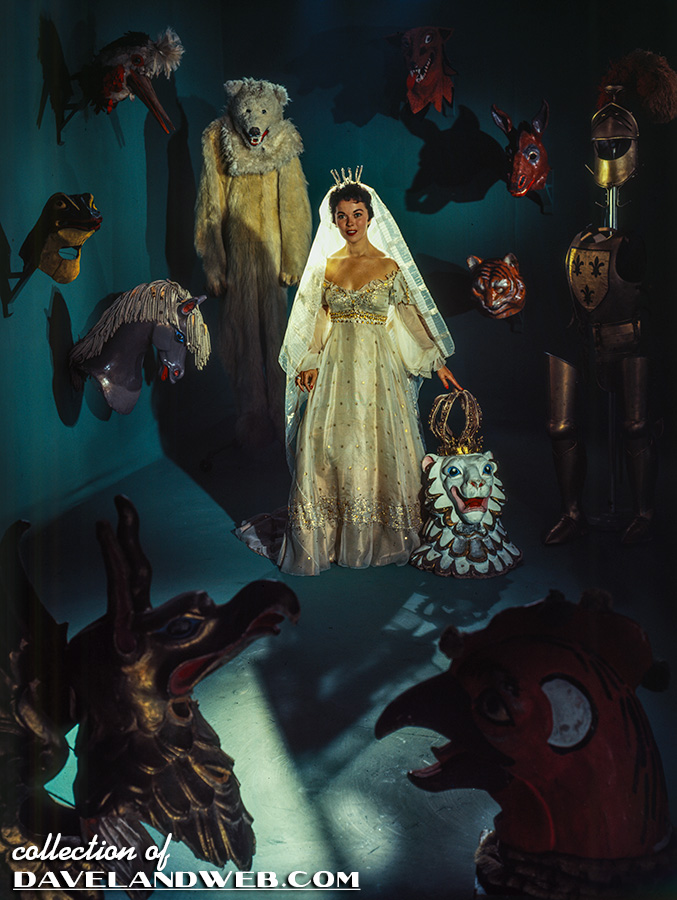
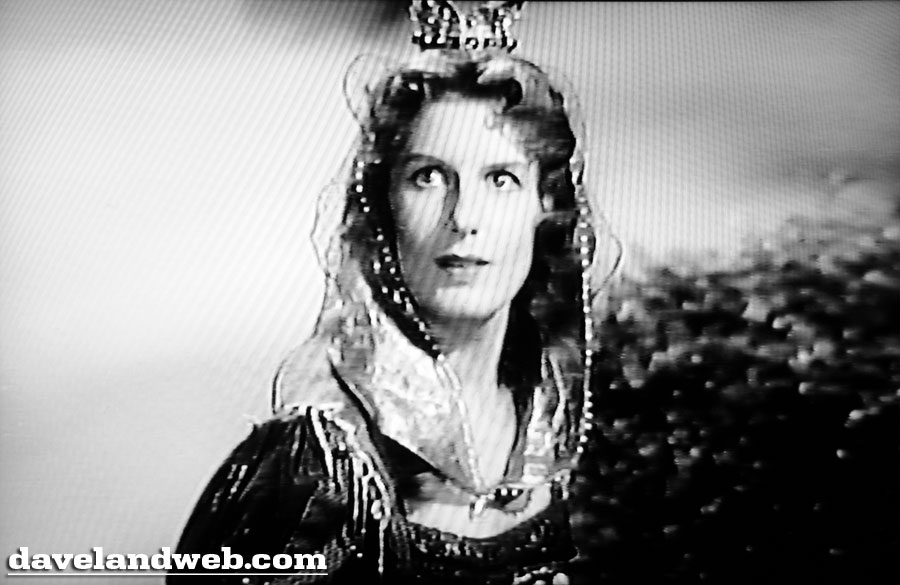
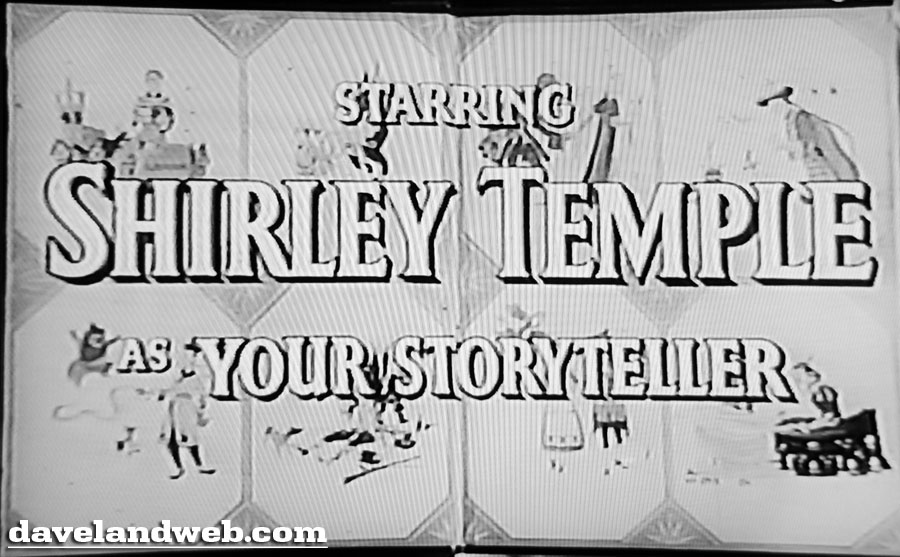
The Disney studio had been working on "Sleeping Beauty" for many years before its 1959 release. So long in fact that Shirley Temple actually beat them to the punch with an episode in her TV Anthology series, "Shirley Temple's Storybook."


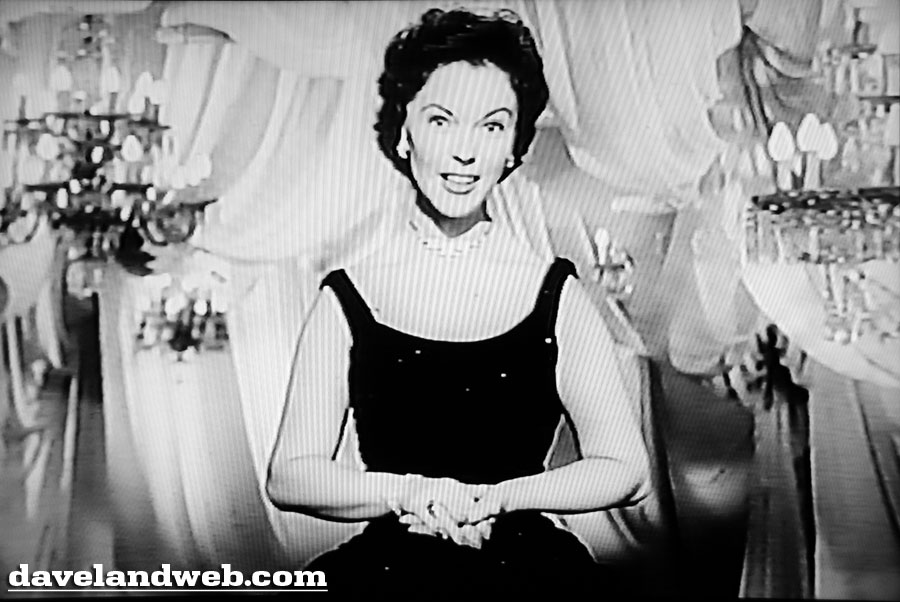
Episode 8, which aired on June 8, 1958, featured the classic fairy tale, based on the Charles Perrault story with a teleplay by Margaret Fitts. Shirley was the hostess for this episode.


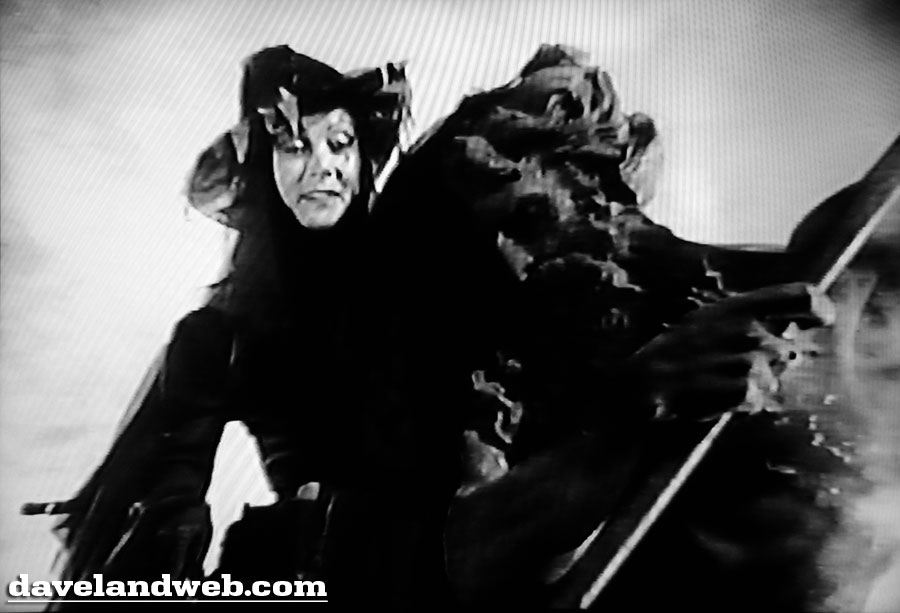
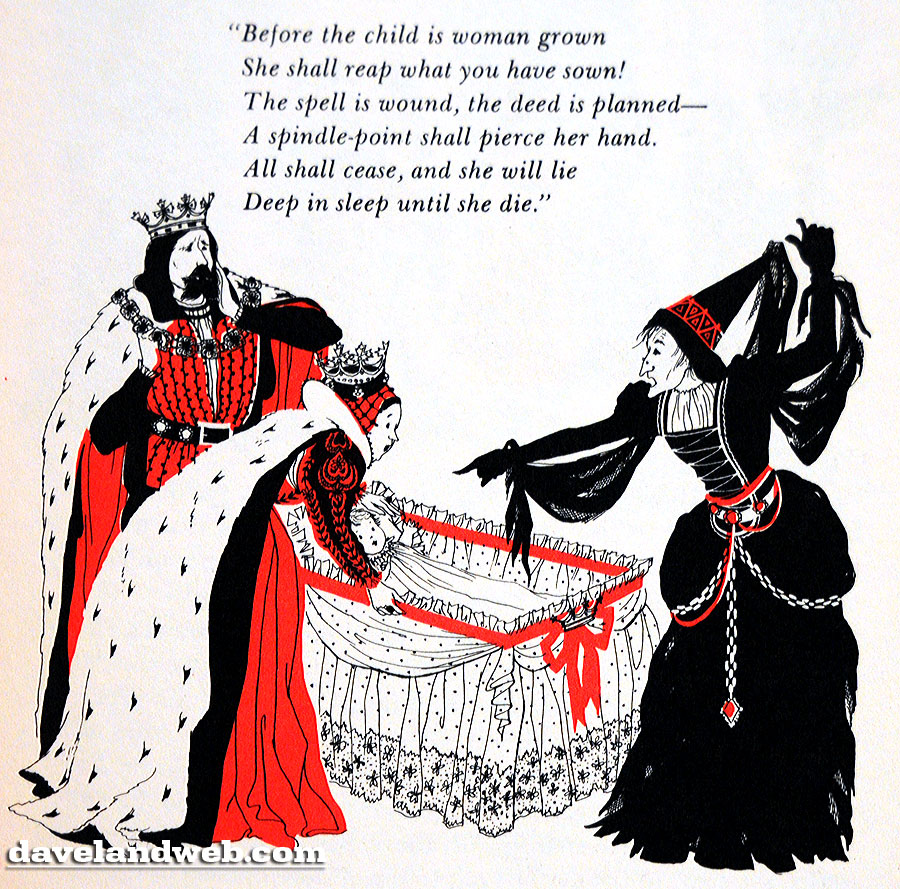
Story: The King and Queen have long wanted a child, and the Black Fairy agrees to help them get their wish. After a daughter is born, they anger the Black Fairy by failing to invite her to the child's christening. The Black Fairy casts a spell over the Princess, foretelling that before the child reaches womanhood, a spindle point will pierce her hand and put her into a deep slumber. By the end of the episode, Beauty is awakened by true love's kiss, apologies are made to the Black Fairy, and all is well.

The cast included:

* Judith Evelyn as The Black Fairy


* Nancy Marchand as Queen (“Lou Grant” and “Sopranos” fans might recognize her during this early appearance)


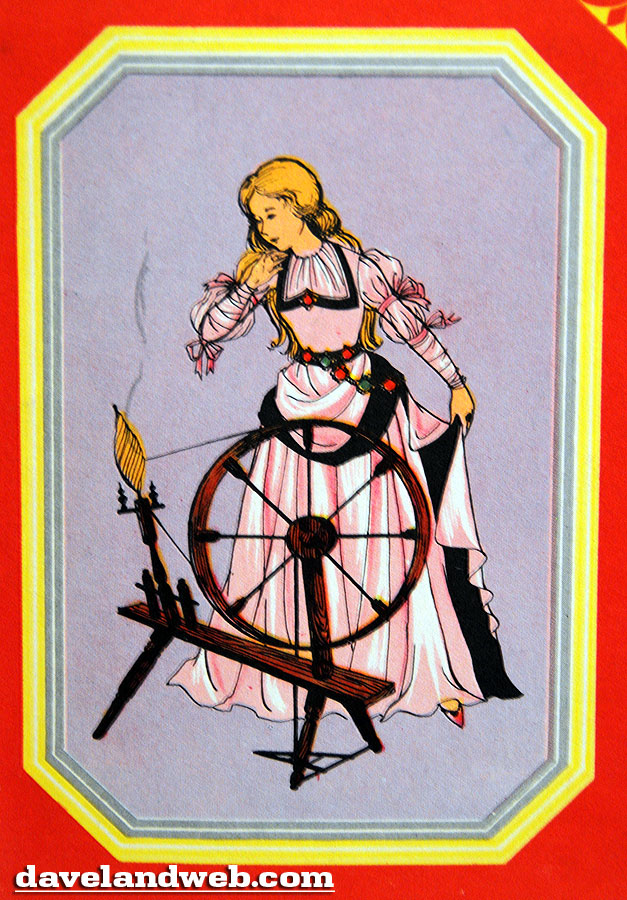
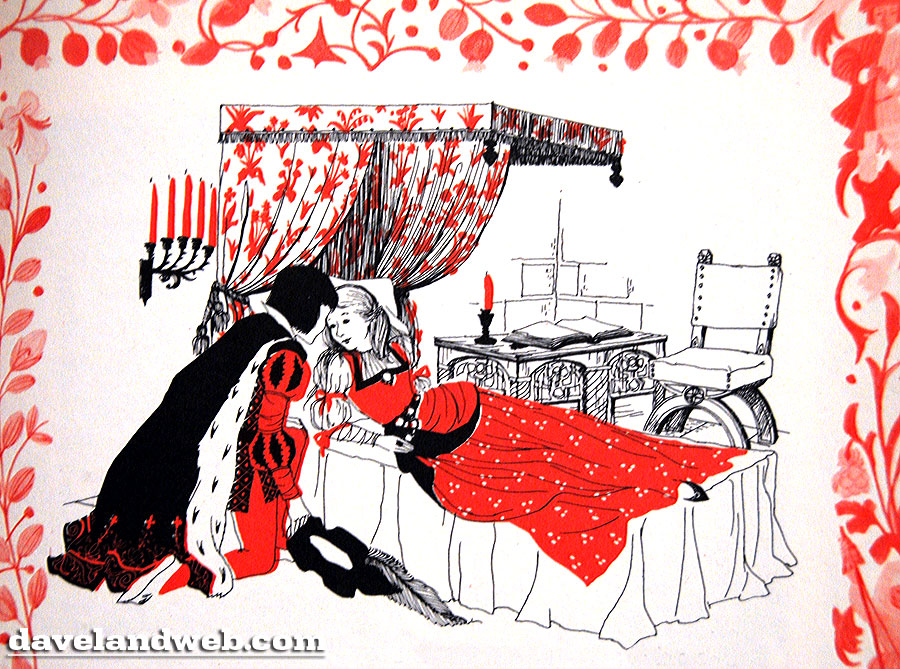
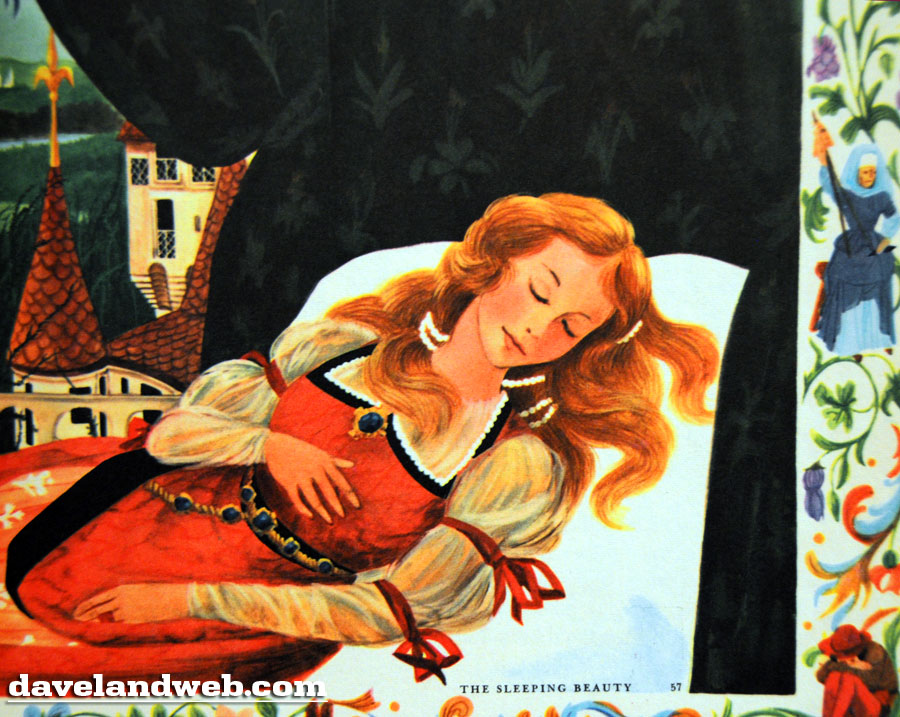
In comparing the two versions, Shirley’s is much simpler and doesn’t quite venture into some of the dark corners that the Disney version visits. There is no Malificent or Dragon; The Black Fairy is a much milder and forgiving soul than her Disney counterpart. As for production values, the Temple version is in black and white and obviously put together on a smaller budget. Still, it has a charm and beauty all of its own, even if it doesn’t have the innovation and artistry of the color animated classic. To coincide with the series, Shirley also released a beautiful book of fairy tales, most of which were dramatized on her show. Lavishly illustrated, here are a few samples of what the book looked like, focusing on the “Sleeping Beauty” tale.

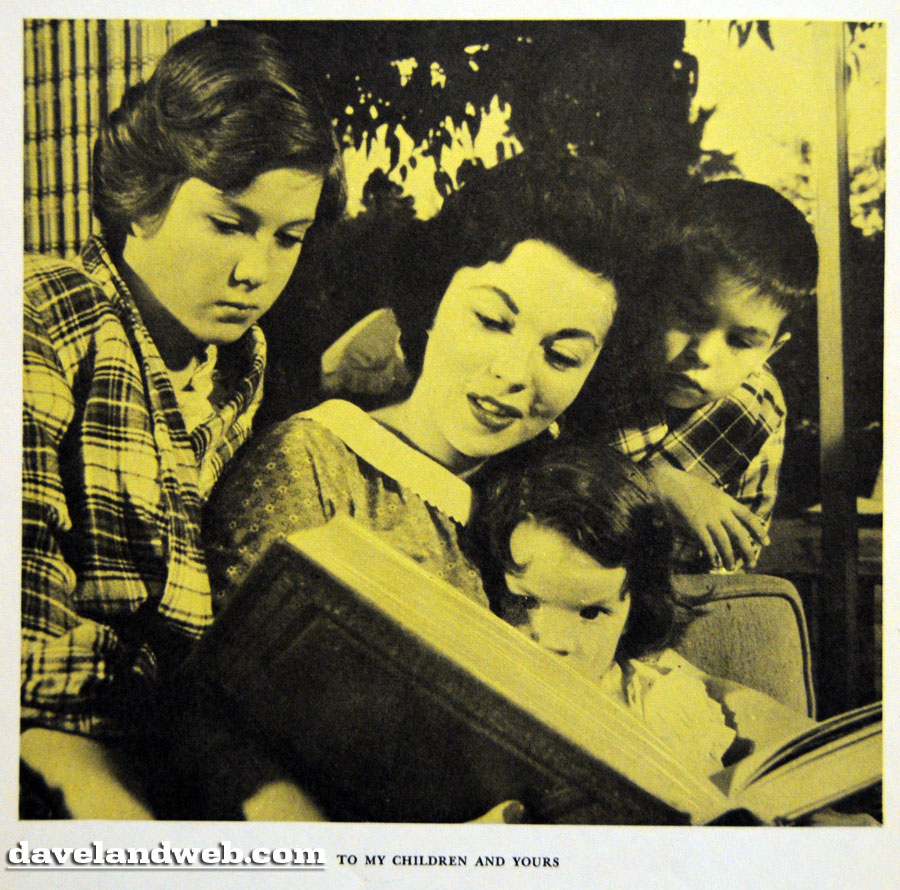
A photo of Shirley and her 3 children was at the front of the book:


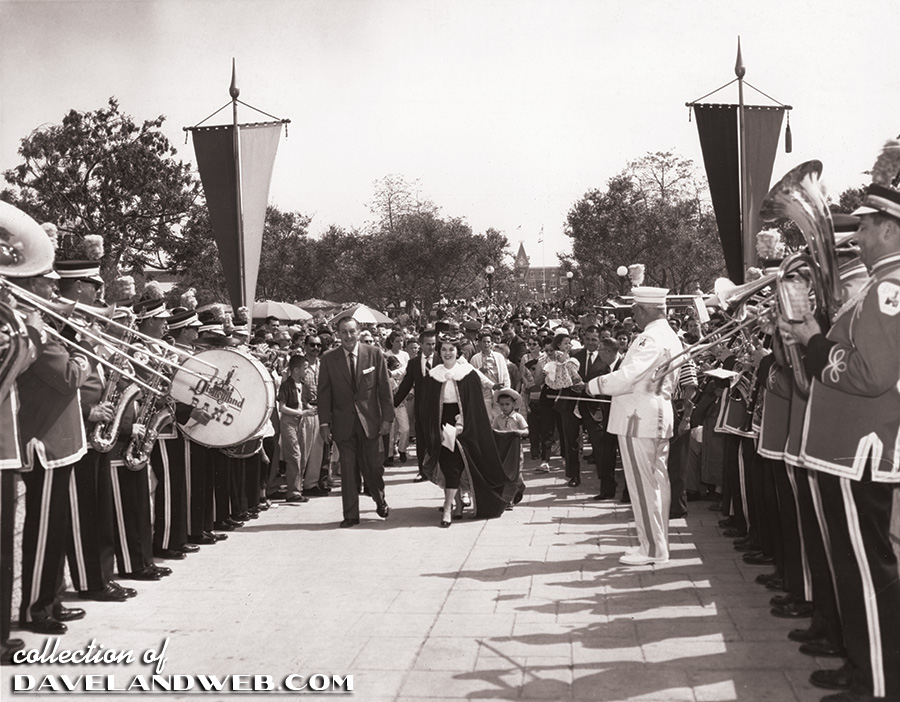
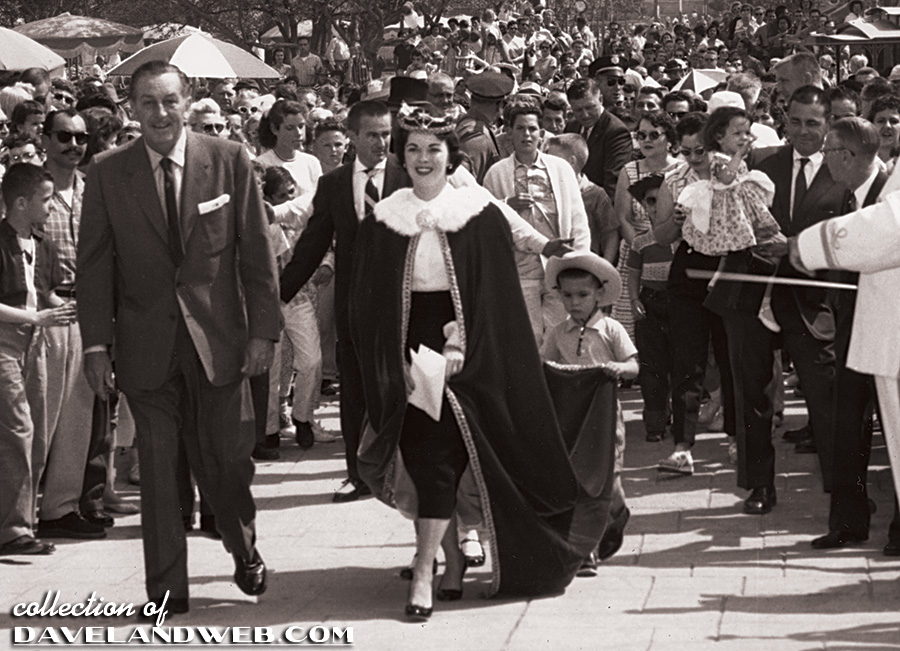
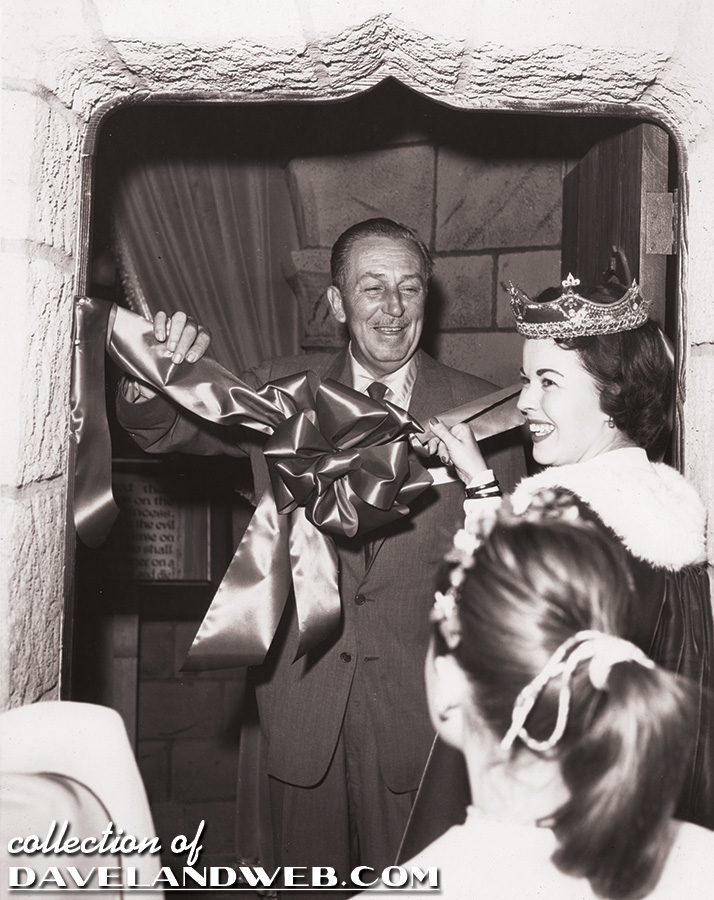
For The Sleeping Beauty Castle Diorama Walk-Through attraction at Disneyland, Walt desired a co-host for the ceremonies. The dedication took place on Sunday, April 29, 1957 at 3 p.m. while the Disneyland Band played “When You Wish Upon a Star” in the courtyard. Walt gave the dedication speech, written by Jack Lindquist. Shirley Temple was the one chosen for the ceremonies, wearing a gold crown and red velvet cloak.

Shirley herself remembered: “Well, unfortunately, I never worked for Walt Disney; I don't know quite why because I think we would have made a lot of magic together. But he was just wonderful, he was a good friend, and I enjoyed going down to Disneyland when it first opened. In fact I opened Sleeping Beauty's Castle with my children and that was the last time I saw Walt Disney. He gave us a little luncheon up in his special room there [his apartment above the Fire Department in Town Square] and we looked at a parade out the window. He was a very special guy and I enjoyed him very much, just sorry I never worked for him.”


Shirley’s three children can be seen in the procession to the castle with her: Linda (behind her mother), Charles Jr. (holding up the train of her skirt), and Lori (on the right-hand side in the arms of her father, Charles Sr.).


After Walt spoke to the crowd briefly, he introduced Shirley who told the story of Sleeping Beauty. Then the two of them cut the ribbon and went inside. You can see the backs of son Charles Jr. at left in the cowboy hat and daughter Linda Susan on the right. Later, Shirley waved to photographers and guests from the upper balcony.


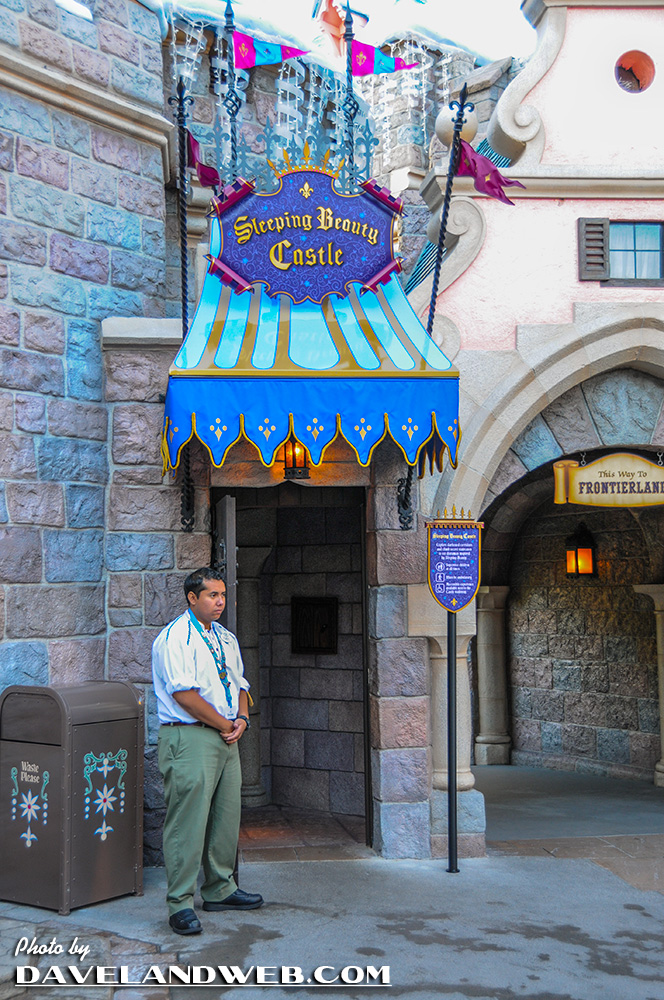
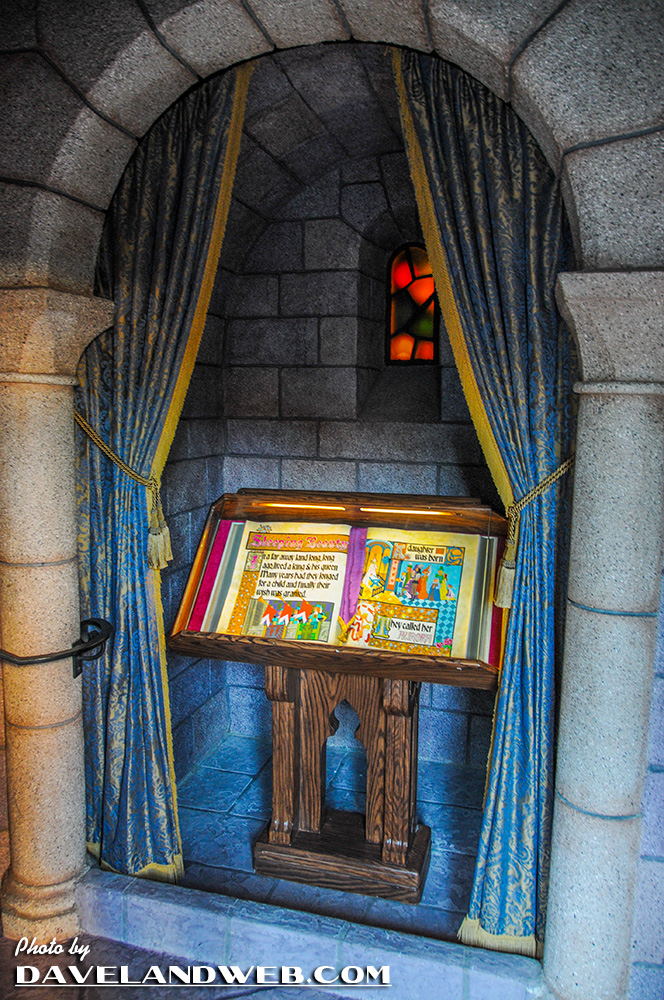
Here are two views of the doorway where Walt & Shirley cut the ribbon over 50 years ago. Interestingly enough, in my collection of present-day photos, I could not find a “book” chapter that matched the type visible to the left of Walt & Shirley.


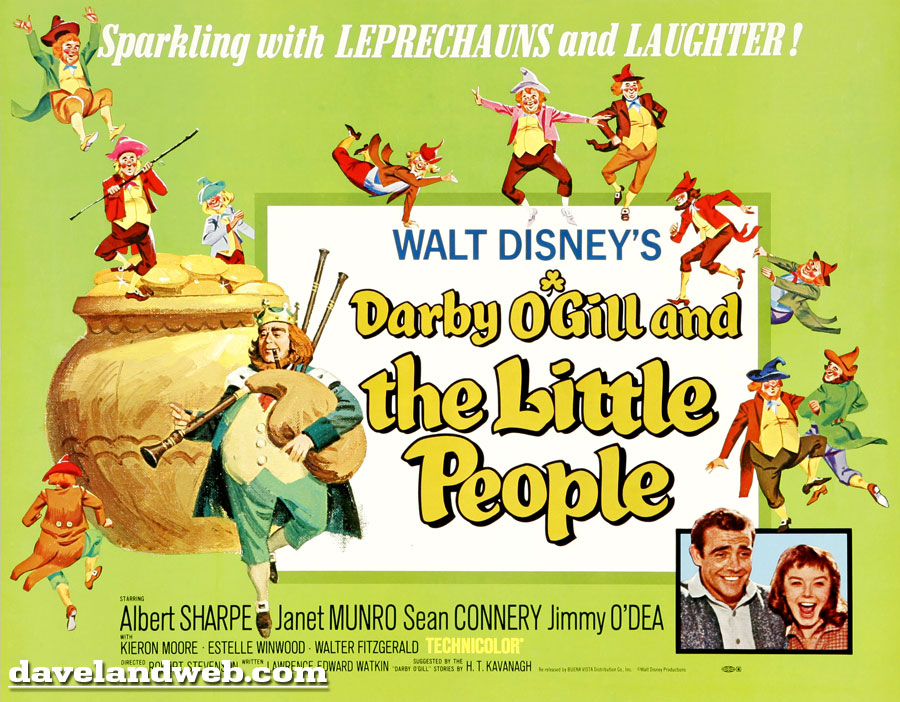
Just how close did Shirley get to actually working with Walt? “The closest I got was a film, with Barry Fitzgerald, it was called ‘The Little People.’ I think (David) Selznick was approached to loan me to Disney for that film. And I don't know why, but it never happened. That was as close as I really got.” Walt Disney visited Ireland in December of 1948 and publicly announced the production of this film, then entitled simply, "The Little People" (just as Shirley remembered). Walt Disney was initially hoping to cast Barry Fitzgerald in the dual roles of Darby O'Gill and King Brian. Fitzgerald reportedly declined due to his advanced age (although Albert Sharpe, who eventually took the role, was three years older than Barry). Disney was disappointed by Fitzgerald turning down the lead role, and partially blamed "Darby O'Gill & The Little People"'s disappointing box-office performance on this loss. It could have been an interesting role for Shirley. Shirley Temple and Sean Connery...it boggles the mind!


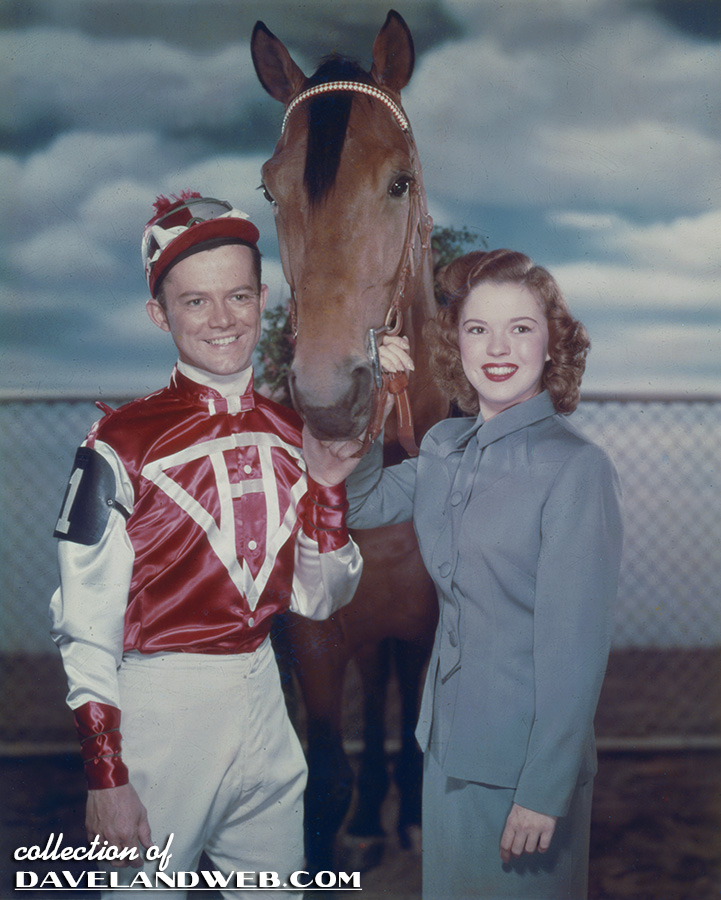
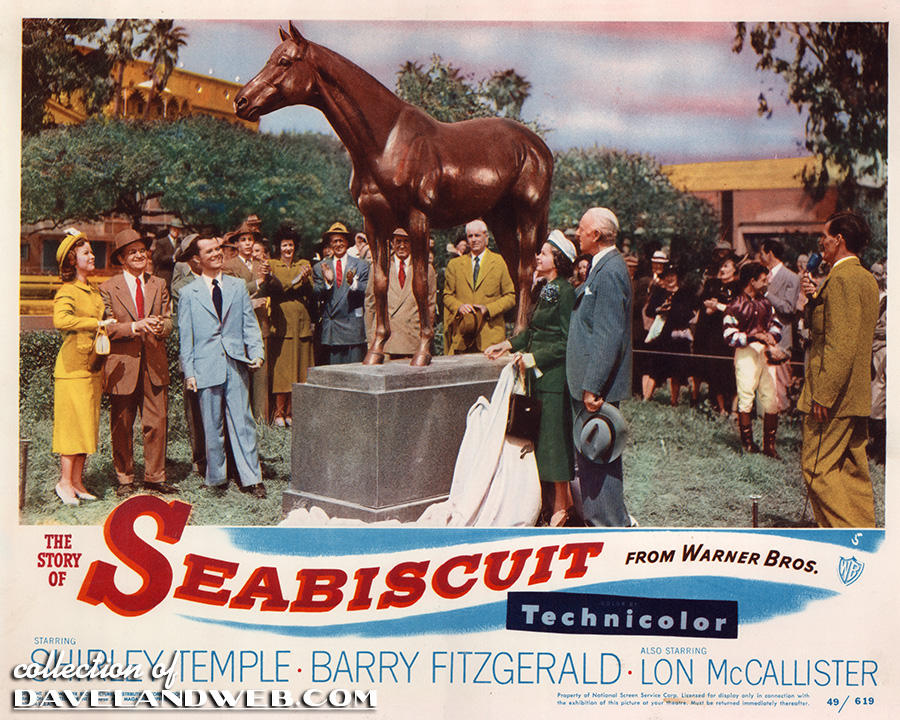
Shirley did actually film a movie with Barry Fitzgerald: “The Story of Seabiscuit” (1949). Ironically, Shirley (shown below with costar Lon McCallister) was lambasted by the critics for her less-than-authentic sounding Irish Brogue. As Shirley recalls, “As an ingenue, I was not at my best, again sounding like a Westlake schoolgirl trying to be ladylike. The role was preposterous for someone long married, a mother, and secretly traveling the road to divorce. Belatedly recognizing the risk in using "sweetheart" as a true-life title, Warner's switched the title from ‘Always Sweethearts’ to ‘The Story of Seabiscuit.’” Perhaps it is just as well that “Darby” did not fall into her lap!


See more Disneyland Sleeping Beauty Castle Diorama photos at my website.