Showing posts with label national register of historic places. Show all posts

Wednesday, July 22, 2026

The Point Loma Lighthouse & Cabrillo Monument


This image from an August 1960 slide shows the Old Point Loma Lighthouse in San Diego, with the Cabrillo monument on the background. I am happy to report that both are still around, visited by tourists seeking that soul satisfying selfie.


Part of the National Register of Historic Places, the Old Point Loma Lighthouse was built in 1854 and one of the first eight lighthouses on the Pacific Coast. The new Pelican Point Lighthouse replaced it in 1891. During World War II the Navy used it as a signal tower. Below is the Cabrillo Monument, which commemorates the 1542 landing of Juan Rodríguez Cabrillo, the first European to step foot on the West Coast.


The Portuguese government commissioned sculptor Alvaro DeBree to carve the 14' high statue in 1939 as a gift for the Golden Gate International Exposition in San Francisco. It was later moved to its permanent home at the southern tip of the Point Loma peninsula, which was established as a monument by President Woodrow Wilson in 1913. The statue suffered through years of erosion and was eventually moved to Ensenada, Mexico, to be replaced in 1988 by a replica carved by Portuguese sculptor Joas Chartes Almeida.


The views from this area are off the charts. You can see downtown San Diego as well as Coronado Island:


Back to the lighthouse…


The lighthouse lens once sent its light out more than 20 miles to identify locations and warn of hazards. That’s a lot of mileage! Made in France, it weighs 1,985 pounds and stands 5'2" tall. It was the lighthouse keeper’s job to maintain the lens and lamps in good working condition.


Visitors can tour inside the lighthouse. LOVE this spiral staircase!


The view from inside:


The rooms where the lighthouse keeper and family lived are very modest:


Outside is a garden; garlic anyone?


See more Point Loma photos at my main website.

Monday, March 31, 2025

The San Diego El Cortez in 3D!


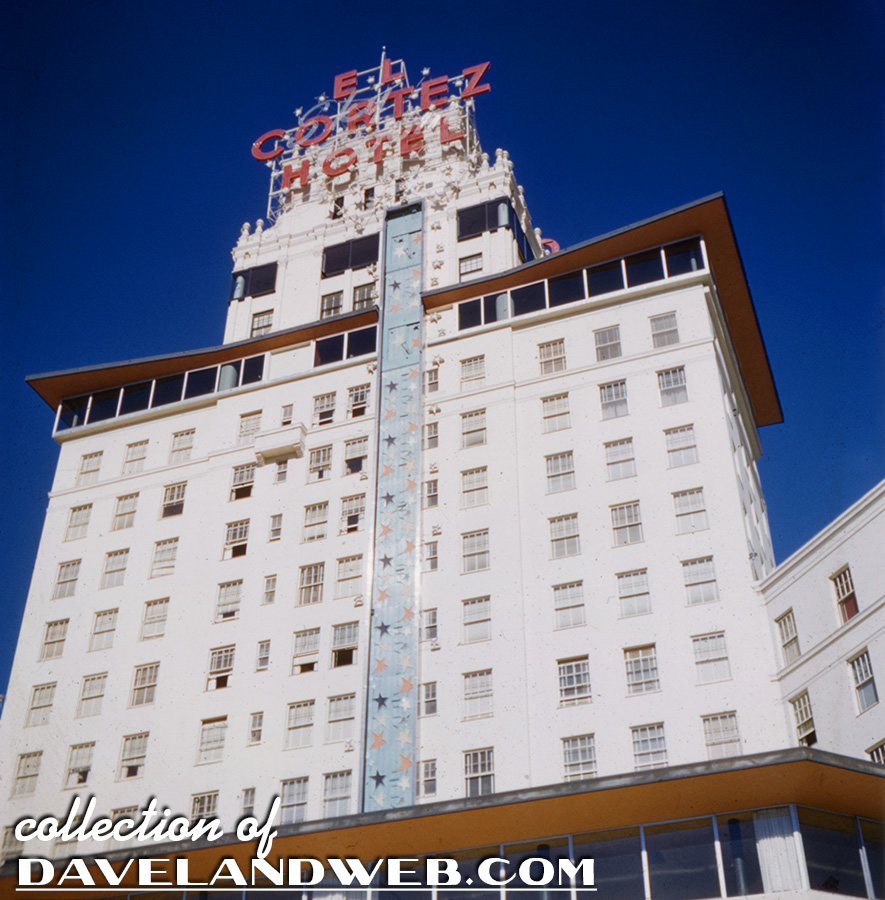
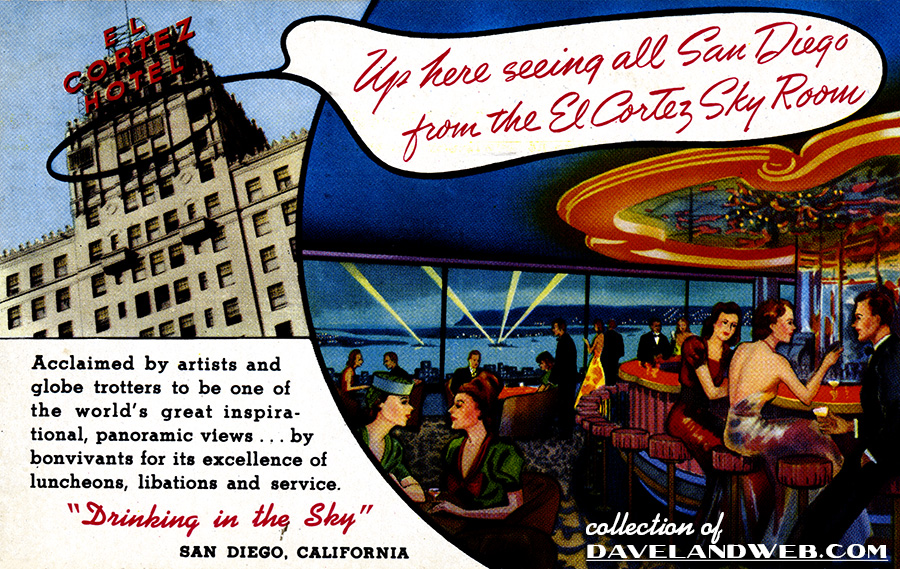
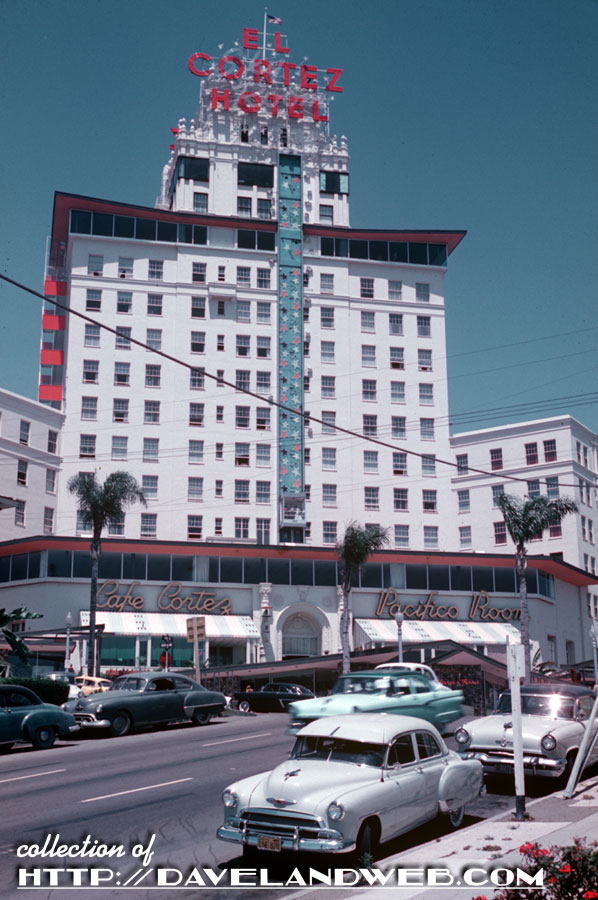
Today’s post features vintage images of the El Cortez Hotel in San Diego, circa November 1956. At the top of the hotel was the legendary Sky Room, which featured “…the world’s great inspirational, panoramic views” of downtown.


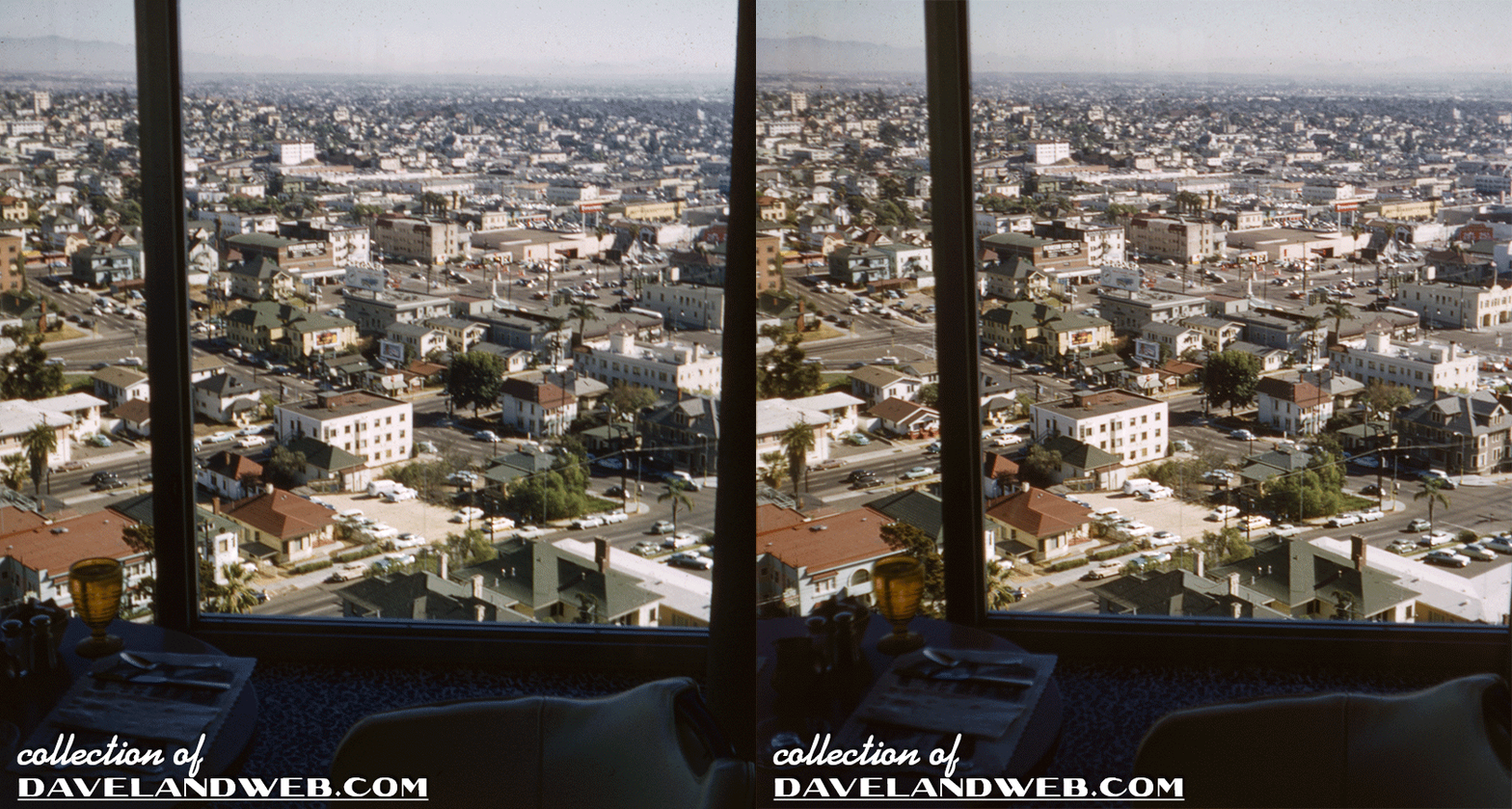
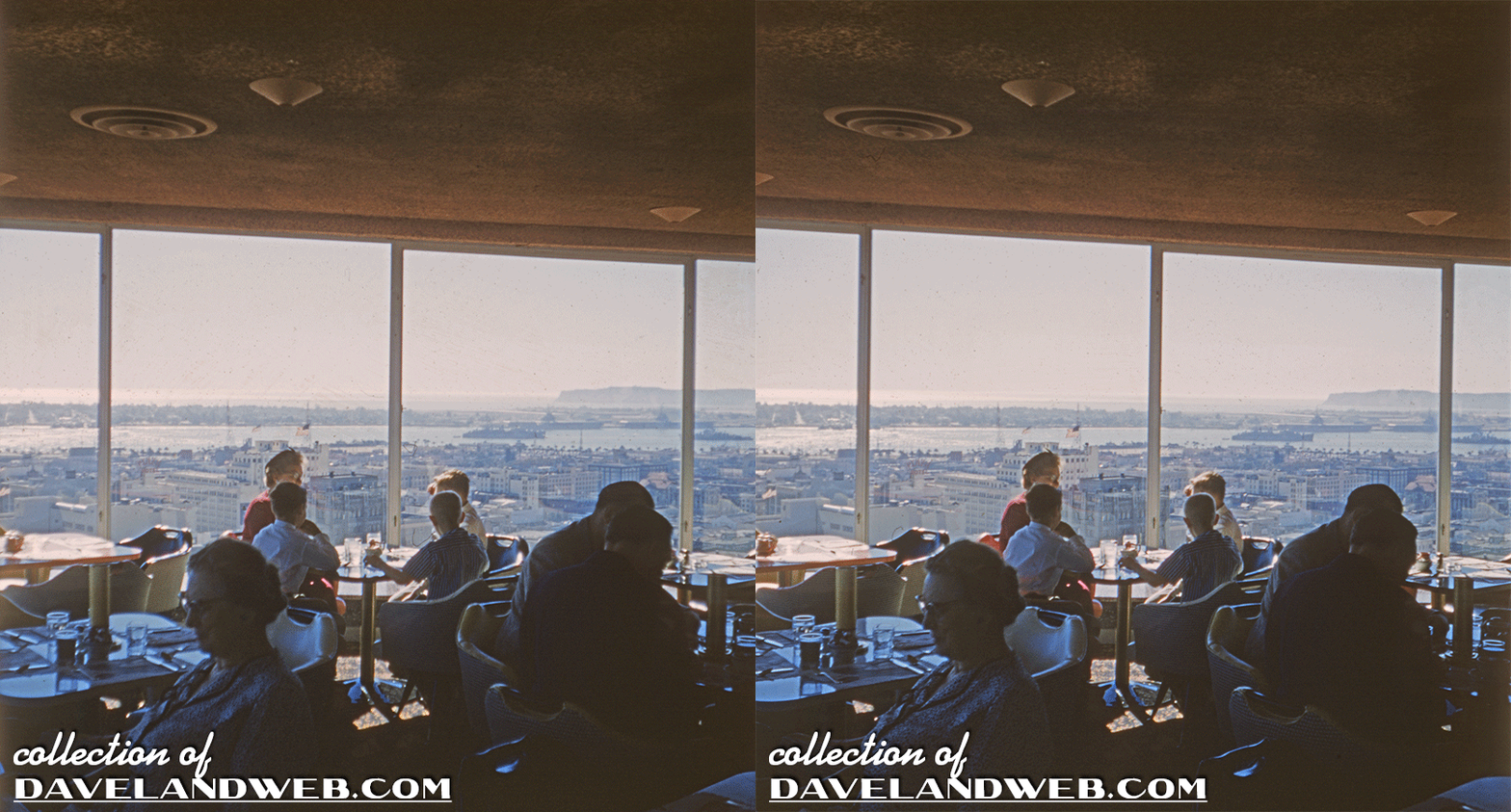
Two genuine FauxD© images from the hotel show what the postcard is bragging about:


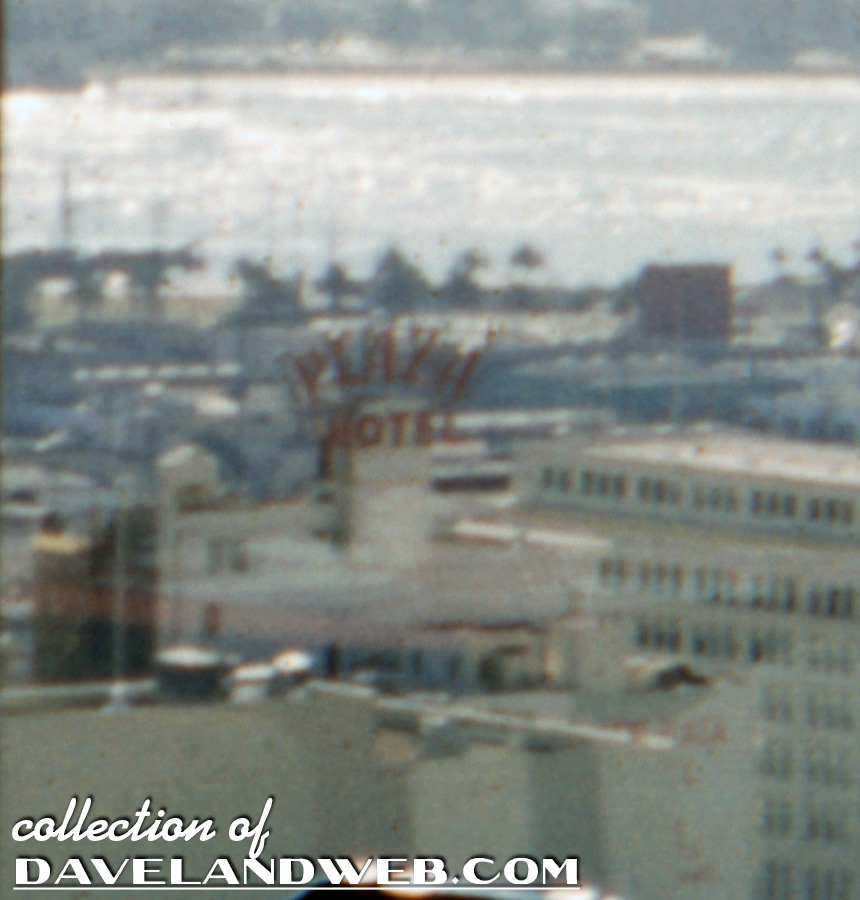
The Plaza Hotel sign shown in the detailed view below still exists. From roadarch.com comes this info:

The Plaza Hotel was known as the New Plaza Hotel when it opened in the 1930s. The rooftop sign is probably from then.


The Plaza is permanently closed from what I can find. From a 2014 article on the San Diego Magazine website comes this brief history of El Cortez:

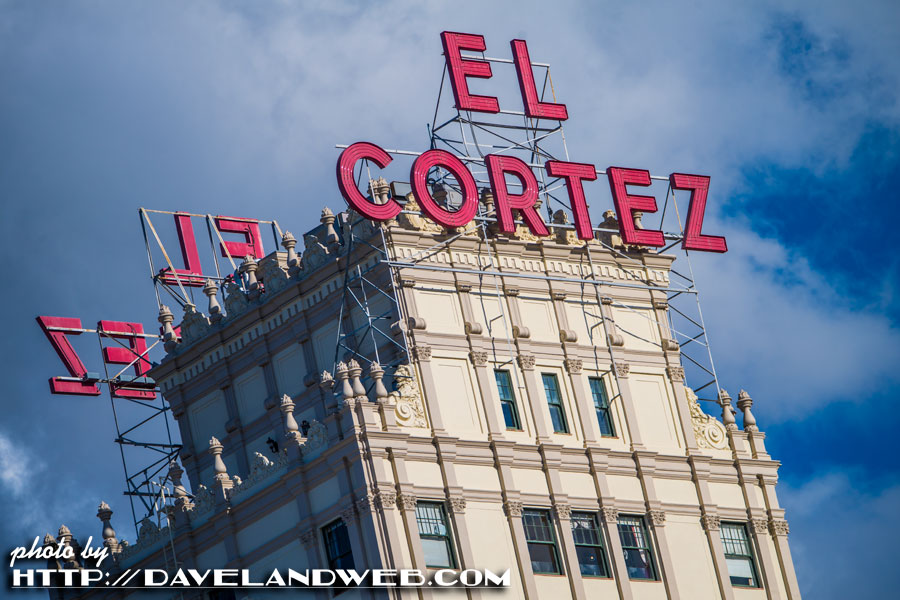
Completed on Thanksgiving Day in 1927. It was the tallest building in San Diego. Designed by Walker and Eisen Architects in Spanish Renaissance style, the $2 million project was built atop the site of Ulysses S. Grant, Jr.’s former home. In 1928, El Cortez had 85 apartment suites, available to rent for $100 per month, and 32 hotel rooms for $5 per day. Flashing atop Cortez Hill, the El Cortez neon sign was installed in 1937 to serve as a beacon for the U.S. Navy. The Sky Room was added to the 15th floor in 1940 and quickly became a hot spot on the San Diego social scene. During World War II the 12th floor was used as an anti-aircraft battery and radar station. Hotel entrepreneur Harry Handlery purchased El Cortez in 1951 and made numerous additions to attract more clientele. In 1956, he added the Starlight Express, the second exterior glass elevator in the world and the first in the U.S., transporting guests to the Starlight Room for cocktails above the city.


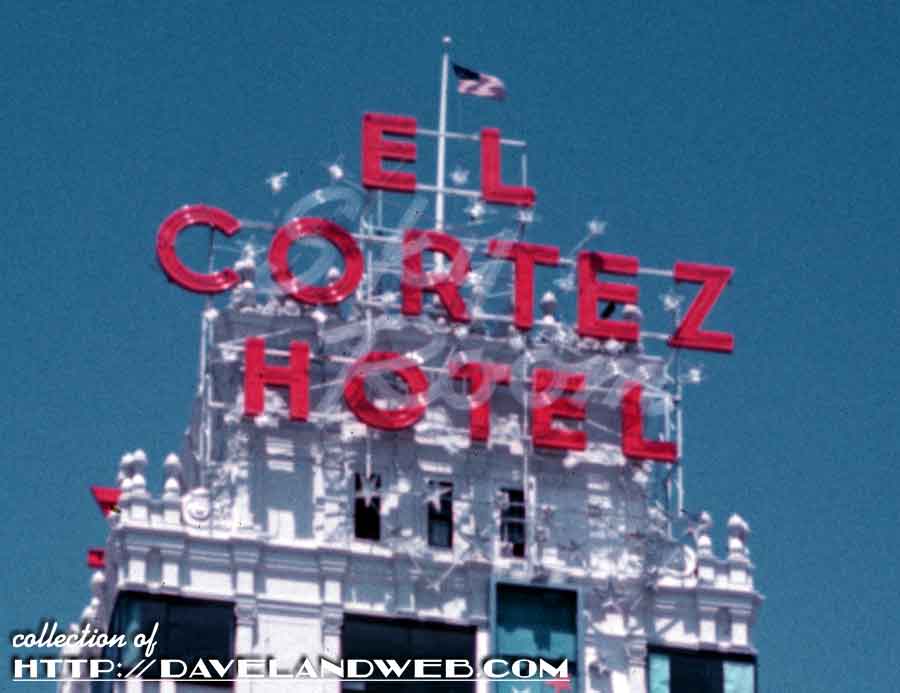
Circa 1958. notice the Sky Room sign letters on top of the El Cortez Hotel sign visible in the detailed view below:


In 1978, its allure faded, Handlery’s son Paul sold El Cortez for $7.5 million to Rev. Morris Cerullo, the head of World Evangelism Inc. Most of the hotel’s meeting and social spaces were gutted to accommodate ministry and evangelical training until 1981, when Cerullo sold it for more than $20 million. El Cortez was named a historic site by the City of San Diego’s Historical Resources Board in 1990, saving it from demolition. The building was added to the National Register of Historic Places in 2002. El Cortez was purchased by the historic preservation firm J. Peter Block Companies in 1997 and restored to residential status. A grand reopening gala was held in June 2000. Today, El Cortez is home to 85 condo units and 11 commercial units. As of December 2014, a 670-square-foot one-bedroom/one-bath condo was listed for sale at $299,000; a 2,000-square-foot two-bedroom/two-bath condo was more than double that, at $669,000. HOA fees top $620 per month.


See more San Diego El Cortez photos at my main website.
Tuesday, April 18, 2017

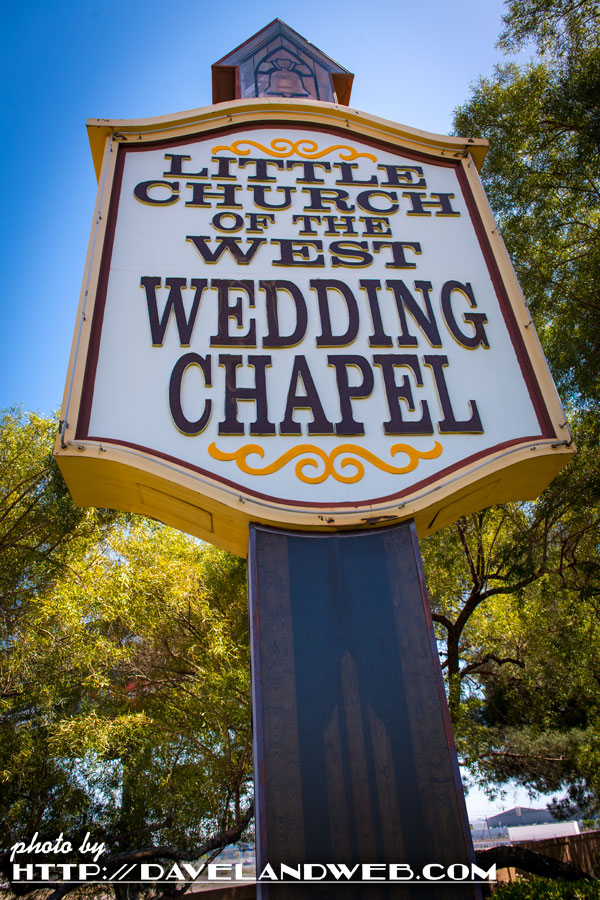
Little Church of the West


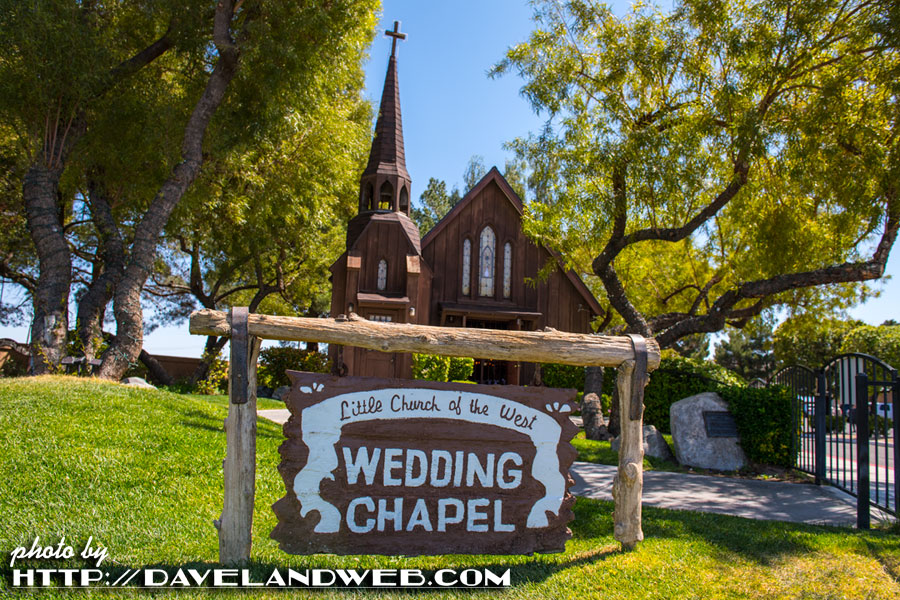
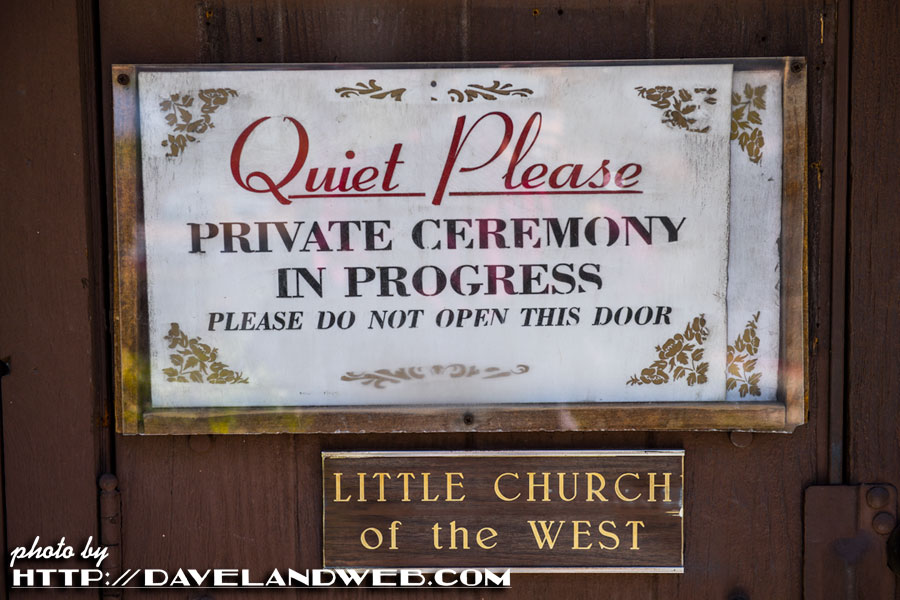
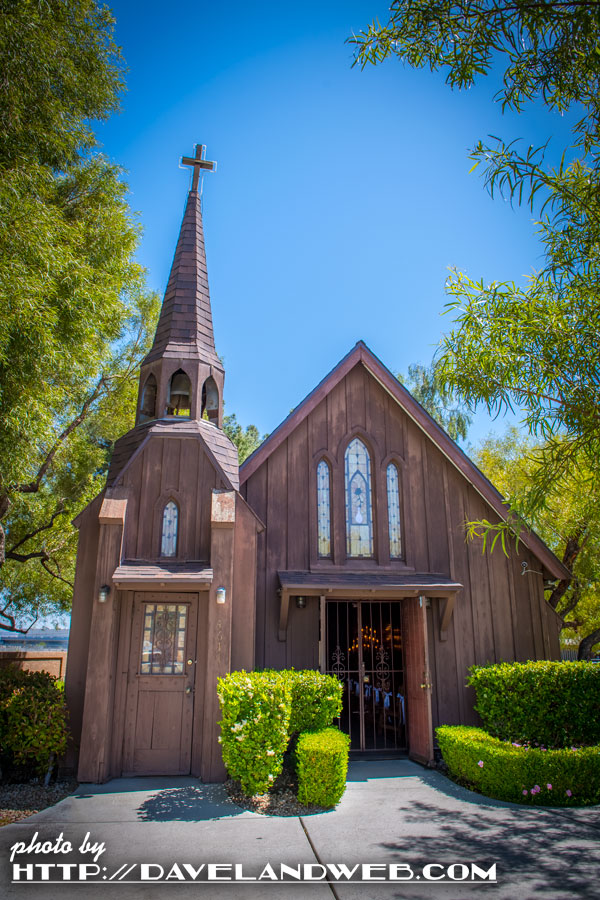
Last weekend I paid my first visit to The Little Church of the West Wedding Chapel in Las Vegas. Built in 1942, this small building made of California redwood looks like it could have come from a movie set. Listed on the National Register of Historic Places, I immediately took a shine to it.


The chapel was originally built as part of the Hotel Last Frontier complex on the Las Vegas Strip. It was moved a number of times over the years until 1996 when it came to rest at its current location near the Mandalay Bay Hotel and Casino.


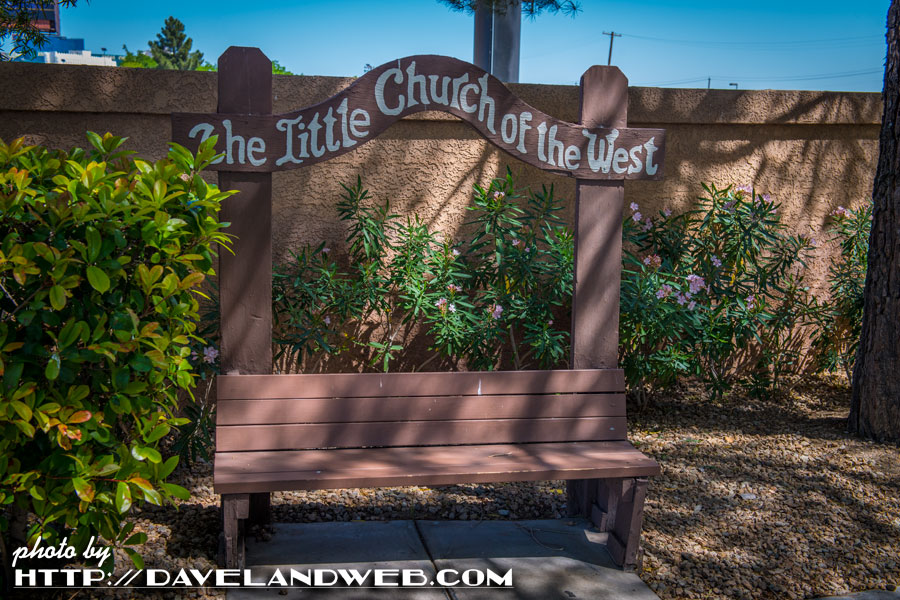
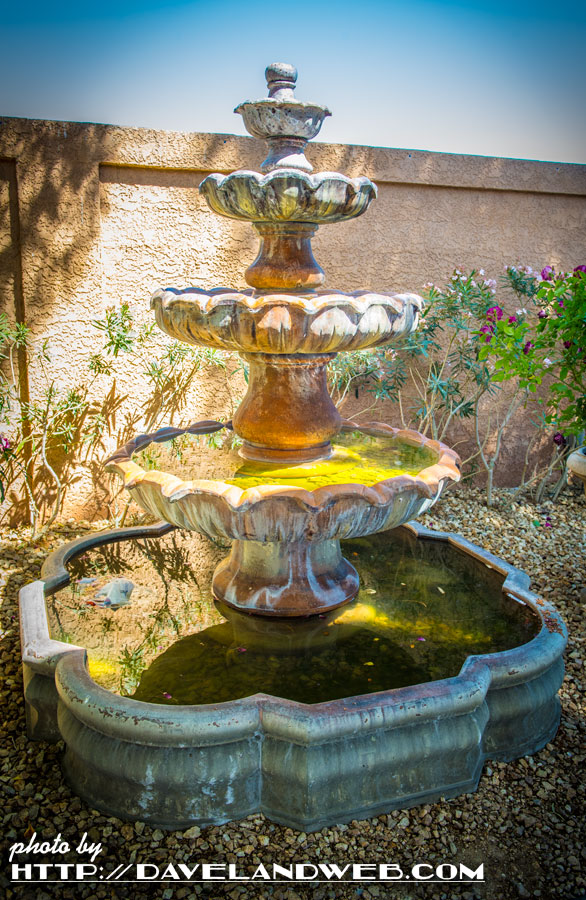
Lots of interesting/kitschy details can be found as you wander the grounds.


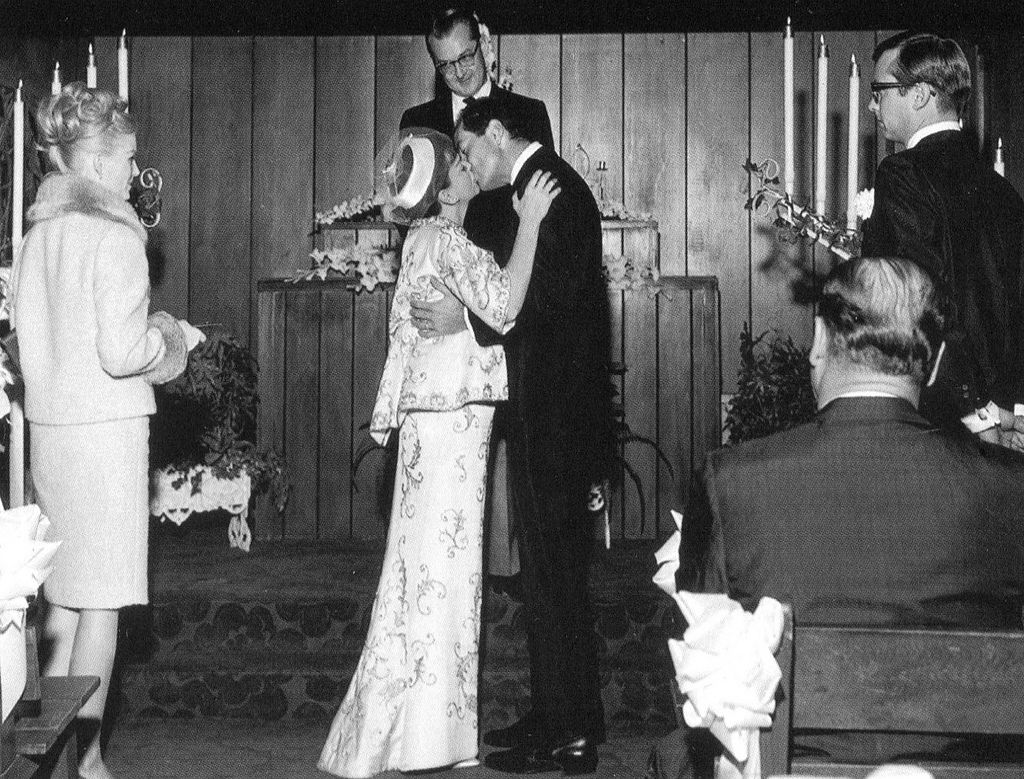
Celebrity weddings held within the walls of the Church include Betty Grable and Harry James, Richard Gere and Cindy Crawford, Billy Bob Thornton and Angelina Jolie, and Judy Garland's fourth attempt at matrimony (kissing Mark Herron in the photo below).


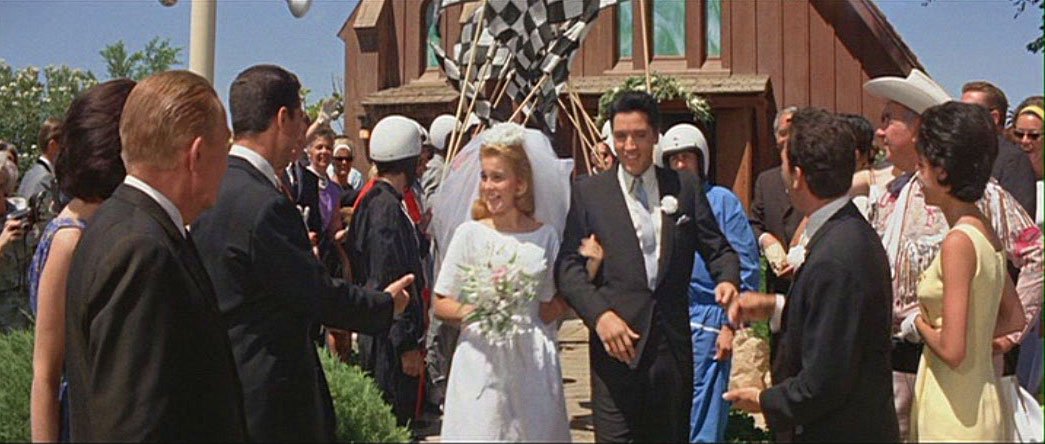
Elvis and Ann-Margret got hitched here in the movie "Viva Las Vegas."


The Church is still in biz, cranking out ceremonies for those who want to get hitched in Vegas.


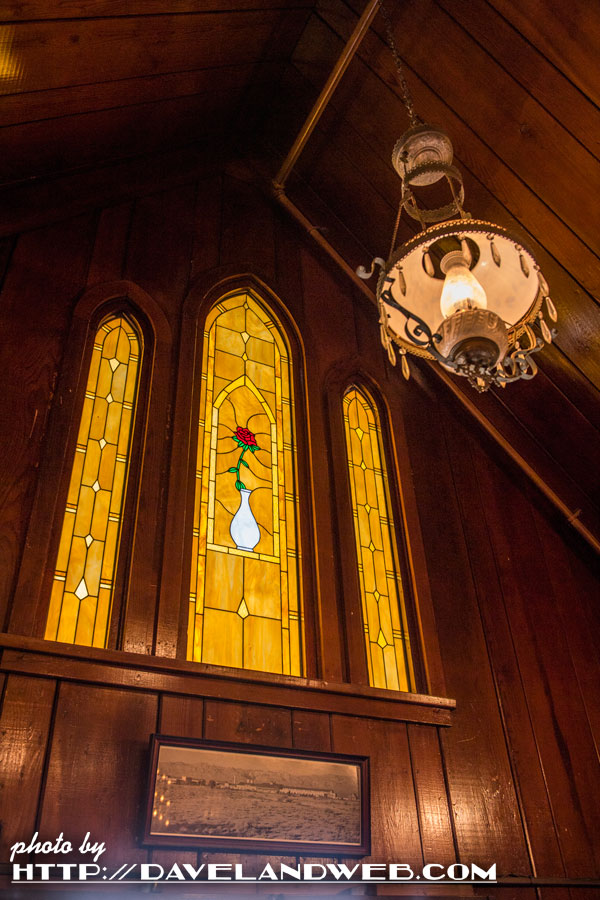
And it's still beautiful inside.


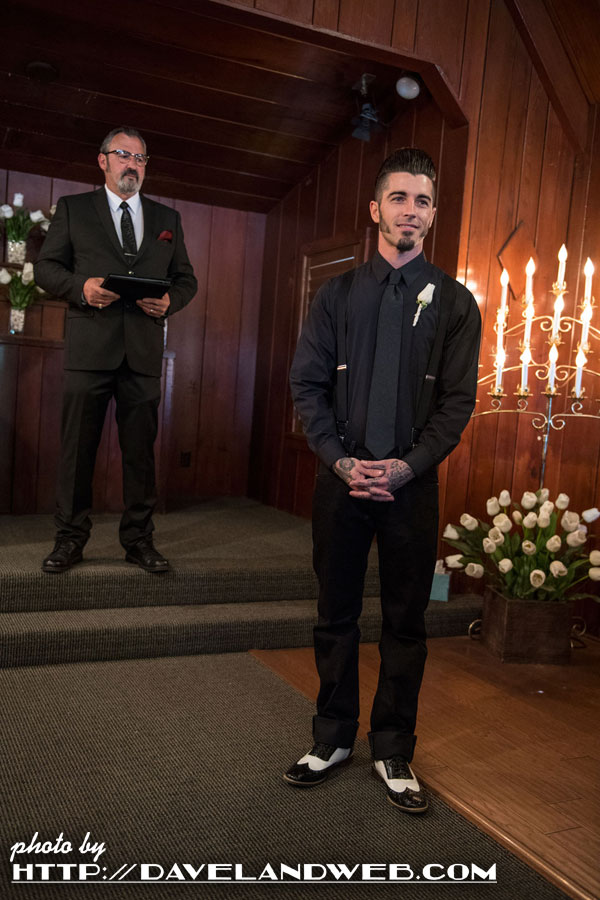
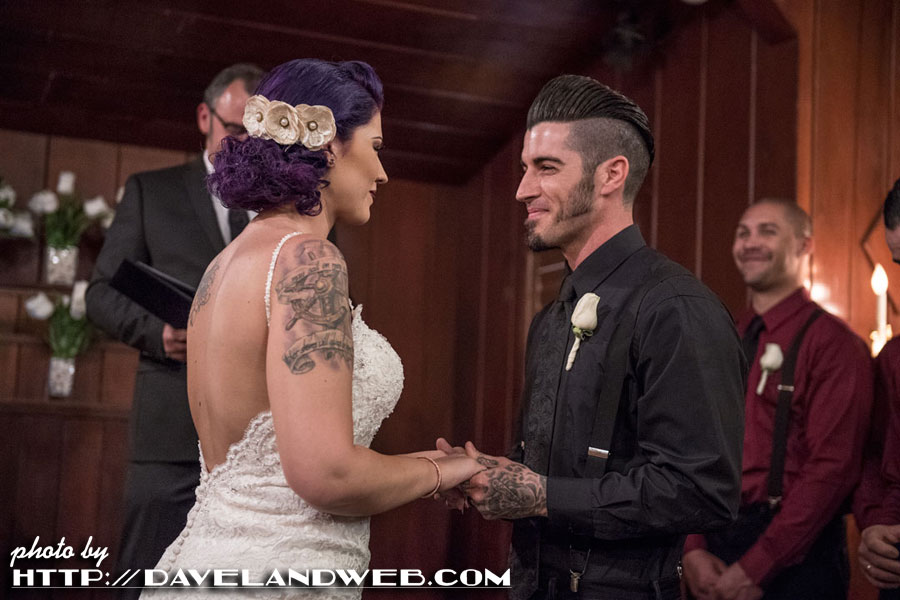
My friend Robbie waiting at the altar for his beautiful bride to arrive.


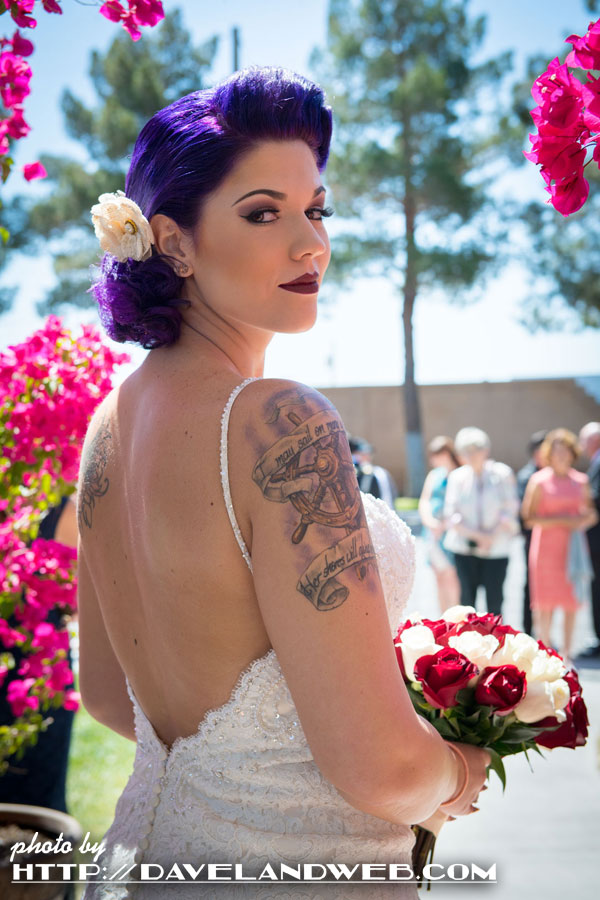
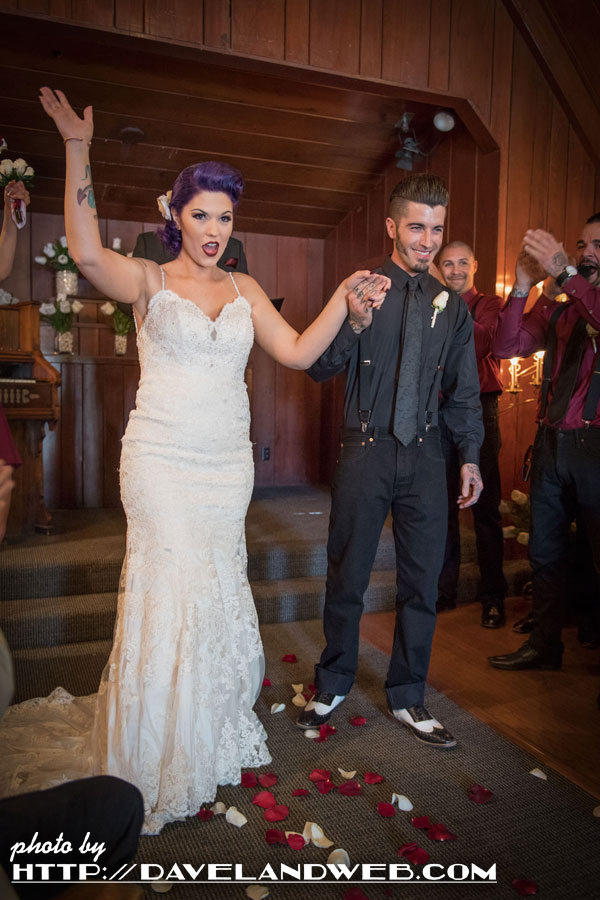
Worth waiting for, don't you think?


Exchanging their vows:


They made it!


It was a beautiful ceremony, and while I probably will not be returning to The Little Church any time soon, I sure was glad that I got to see it!

More of my Las Vegas photos at my main website.
Tuesday, March 22, 2016

The Wright Tour Pt. 6


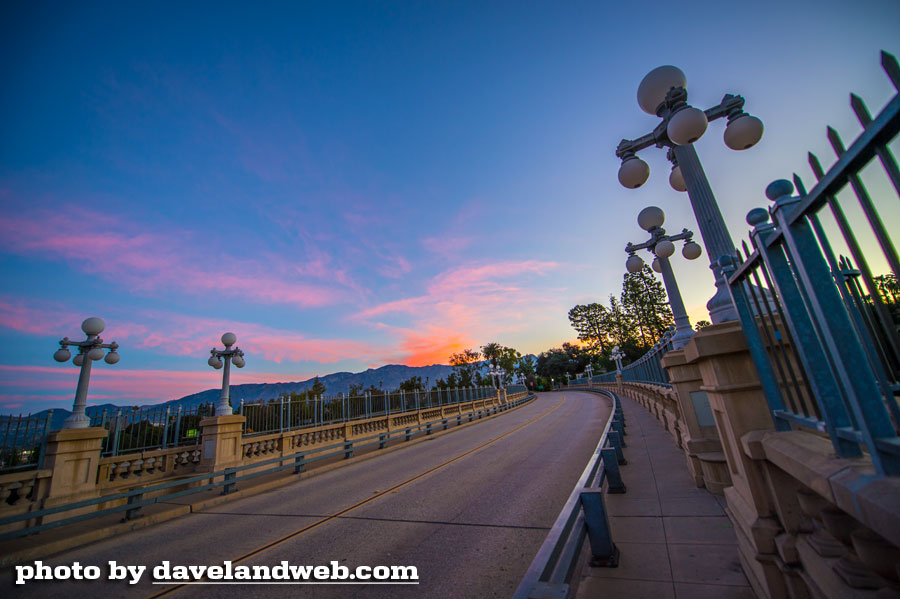
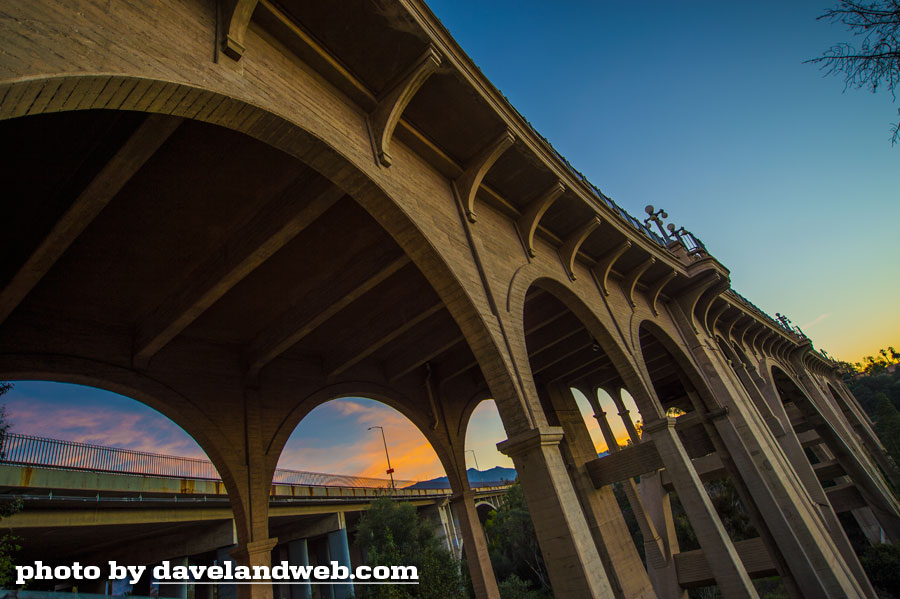
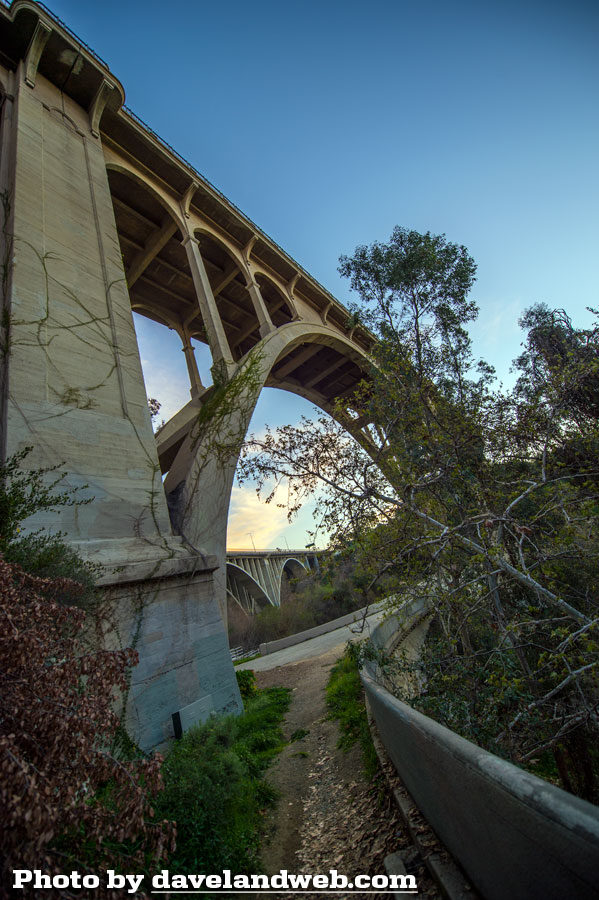
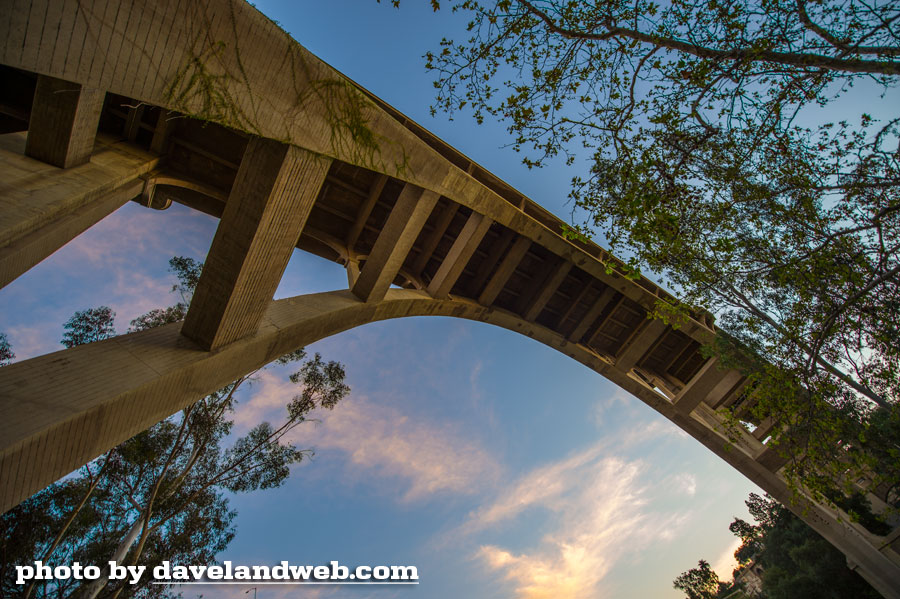
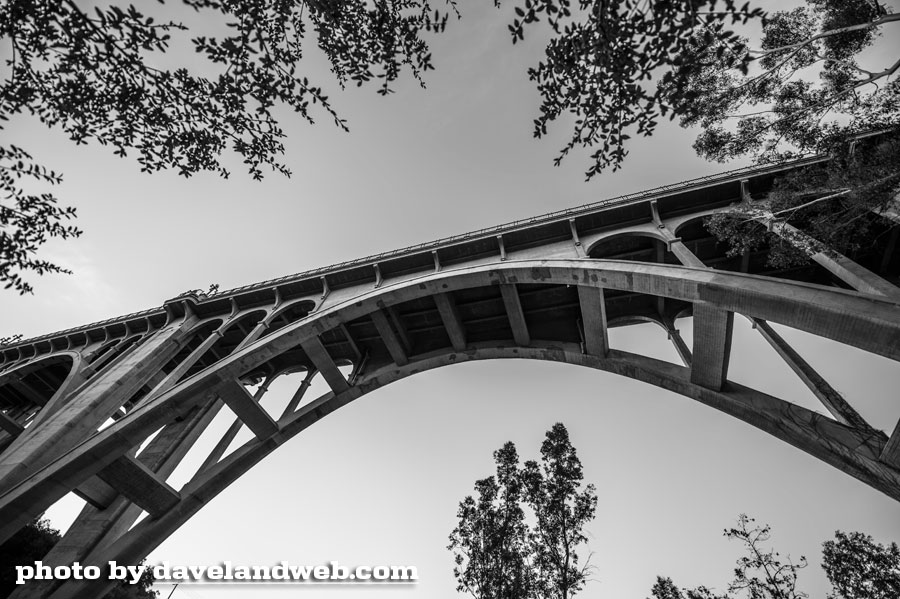
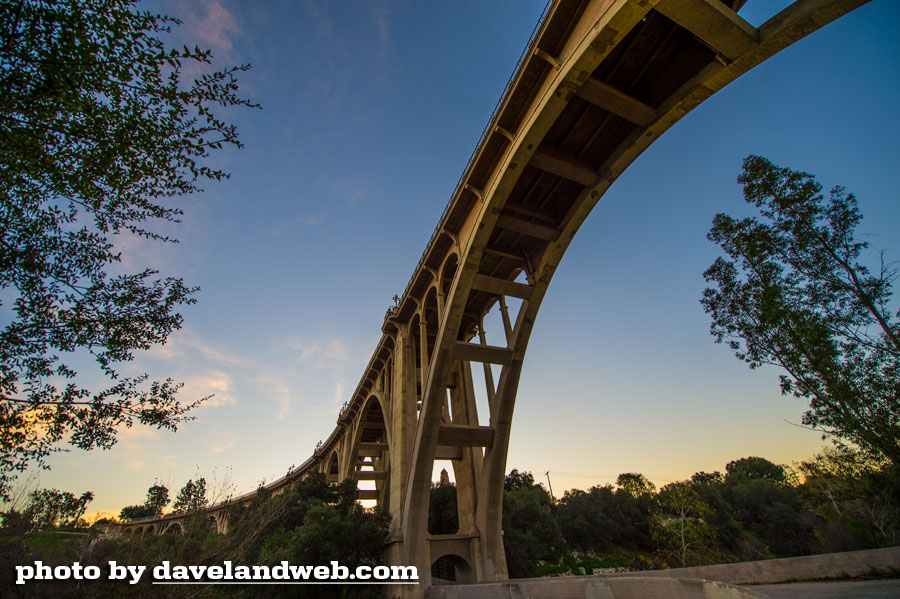
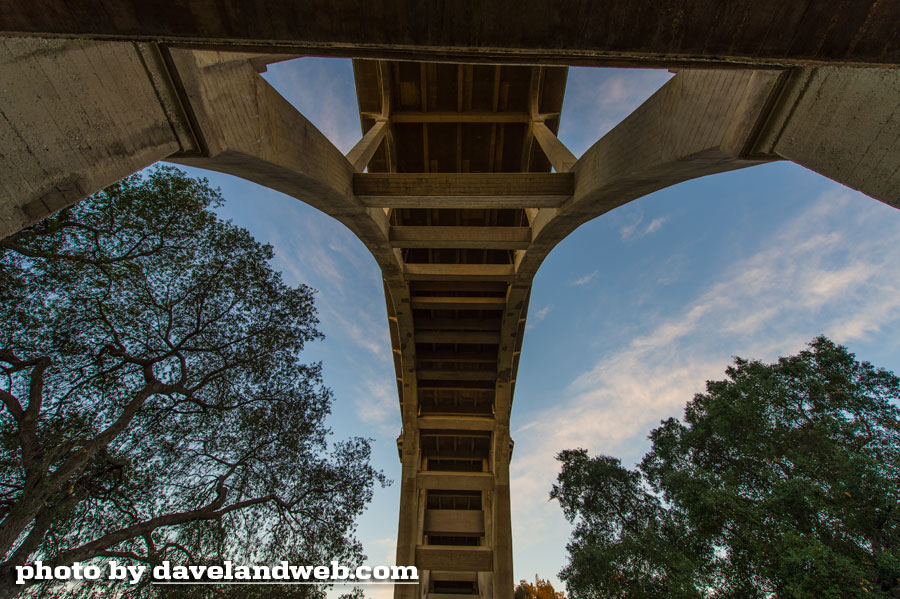
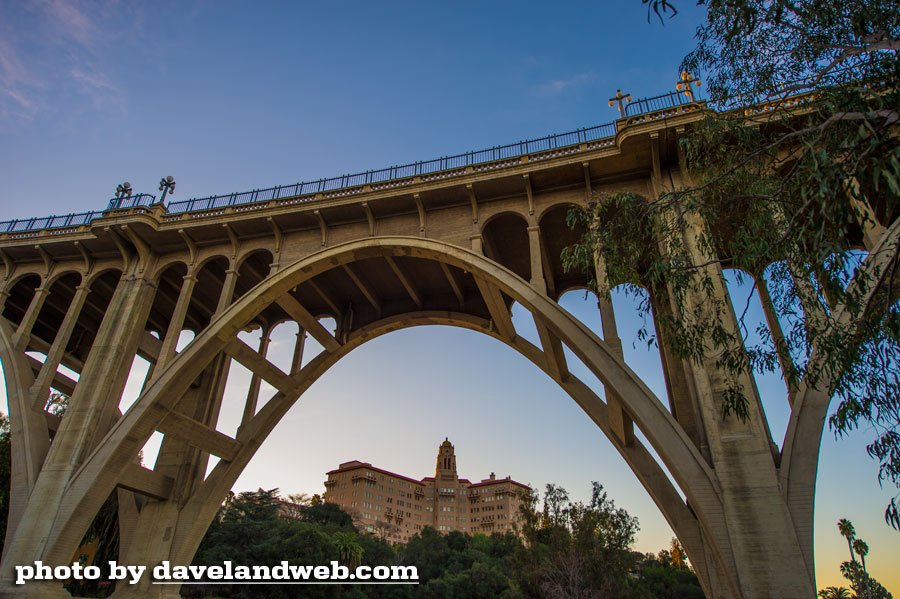
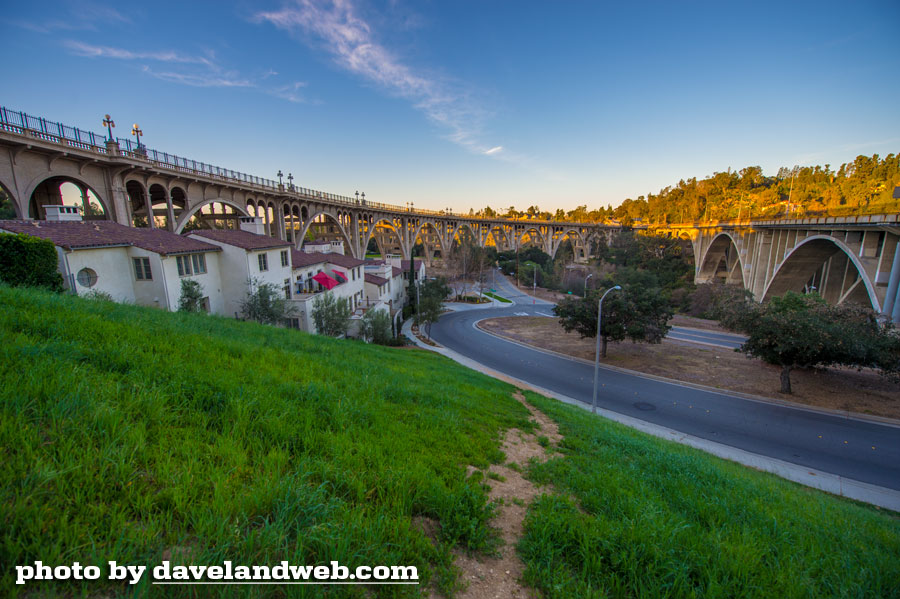
As I drove into Pasadena to begin my Wright Tour, I noticed the historic Colorado Street Bridge. Built in 1913 by the firm of Waddell & Harrington, it carries Colorado Boulevard (originally called "Colorado Street"), the major east-west thoroughfare connecting Pasadena with Eagle Rock and Glendale to the west, and with Monrovia to the east. The impressive Beaux Arts arches screamed out to me…in a good way. I was determined to get back at one point with my camera, which I did early one morning in order to catch the globed light standards while they were still on during sunrise.

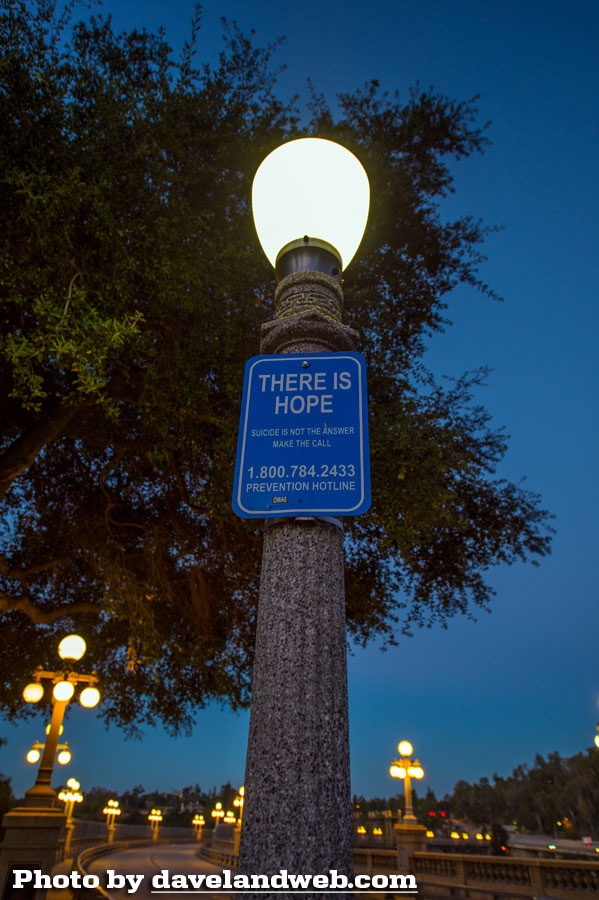
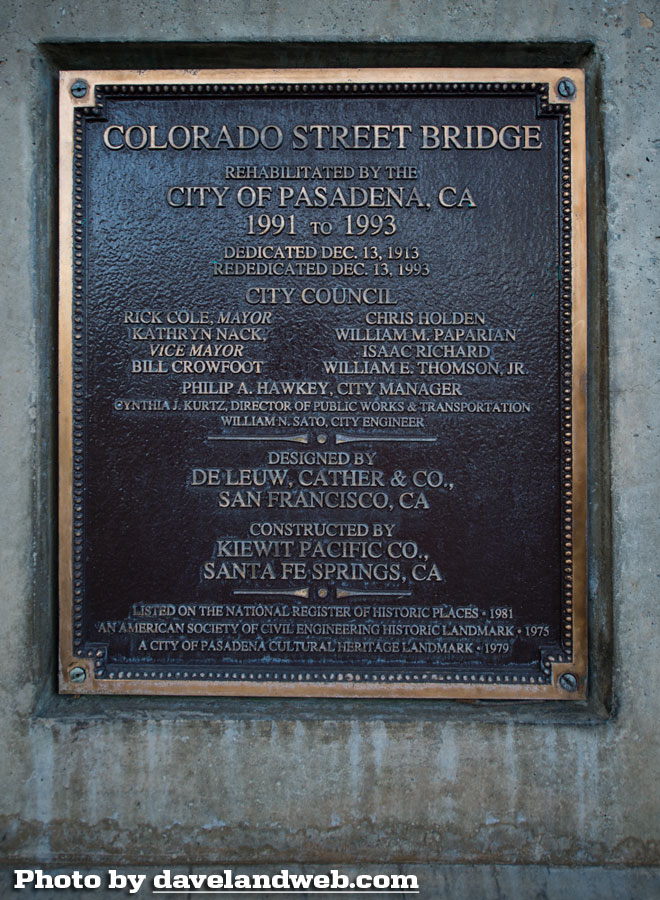
I strapped my camera bag to my back and ran from the hotel in the dark of early morning, which took about 20 minutes. Once I arrived, I got out my equipment and got a few shots of the suicide hotline sign and the plaque at the entrance. Unofficially, the Bridge has been dubbed "Suicide Bridge" due to people taking their own lives from it. A barrier was installed to hopefully prevent this. After I shot this photo of the plaque, the light globes switched off automatically. I was so annoyed, just standing there dumbfounded. Why did I not get the memo that the lights went off at 6:30am?!?


The Bridge still produced a few great photos on the strength of its architecture alone. Hope you enjoy!


You may have seen the Bridge in the 1970s TV show "Emergency!" or the "Leap of Faith" episode of "Full House" or at the beginning of "The Amazing Race" season 21.


More Colorado Avenue Bridge photos at my main website.
Sunday, April 14, 2013

I said Asheville, not Nashville, Pt. 4


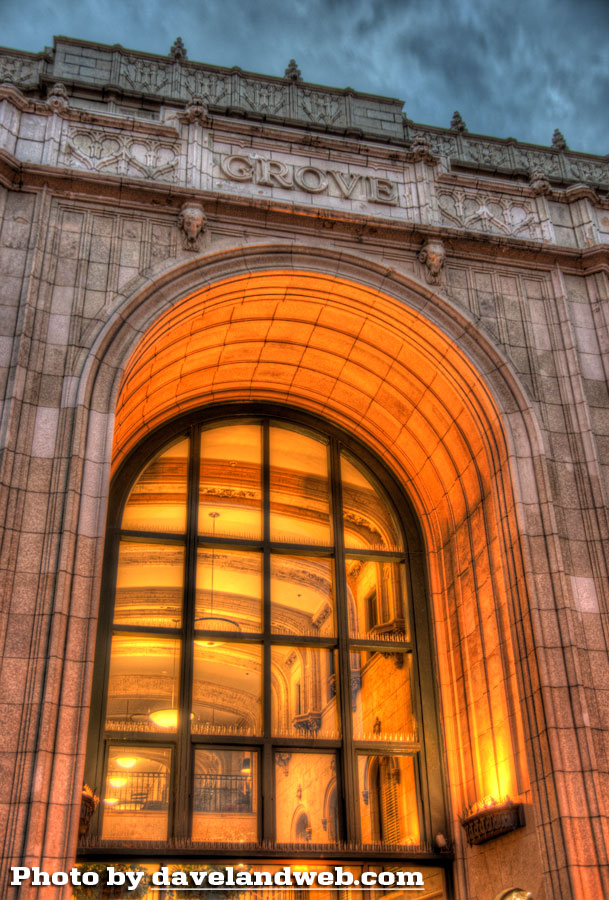
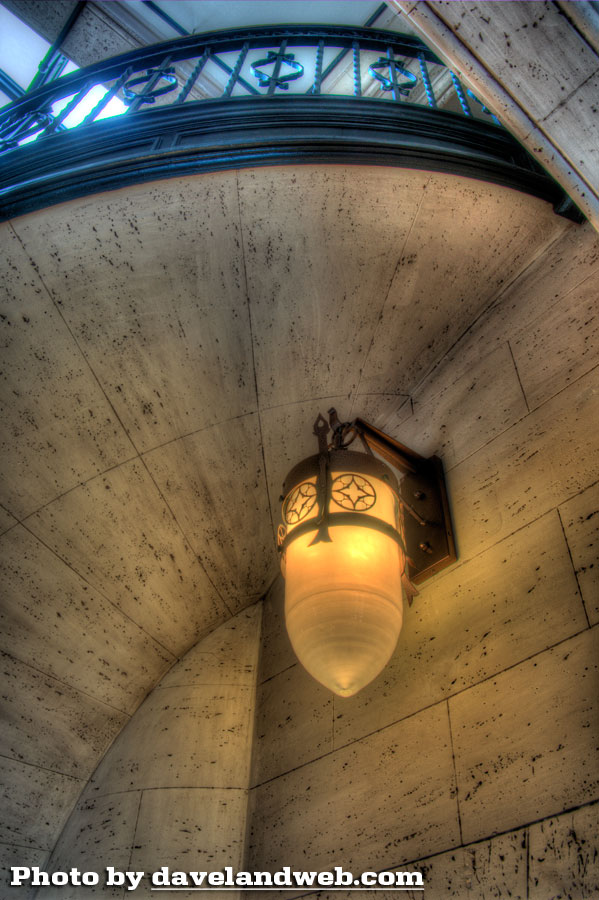
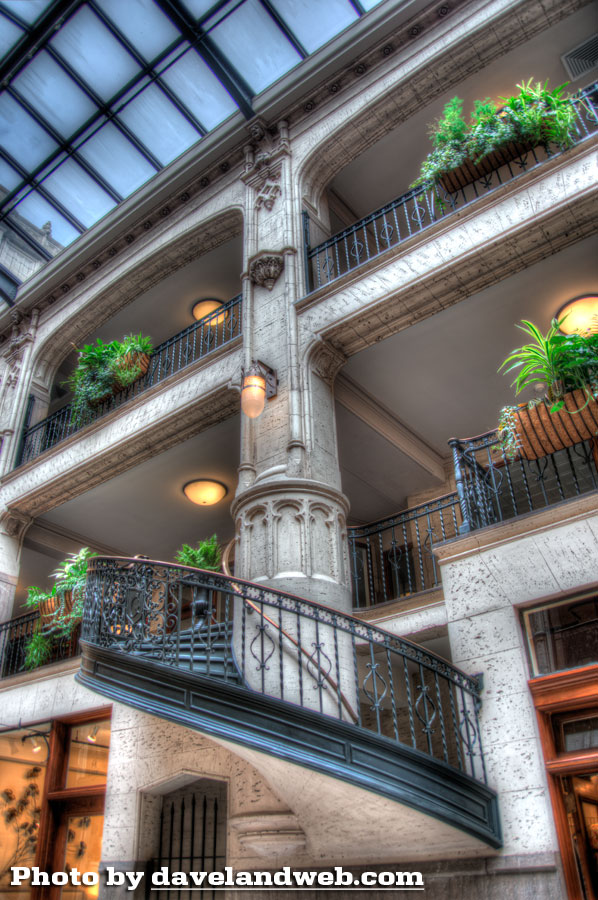
If Antler Hill Village is not your style, downtown Asheville has another interesting shopping mall called The Grove Arcade.
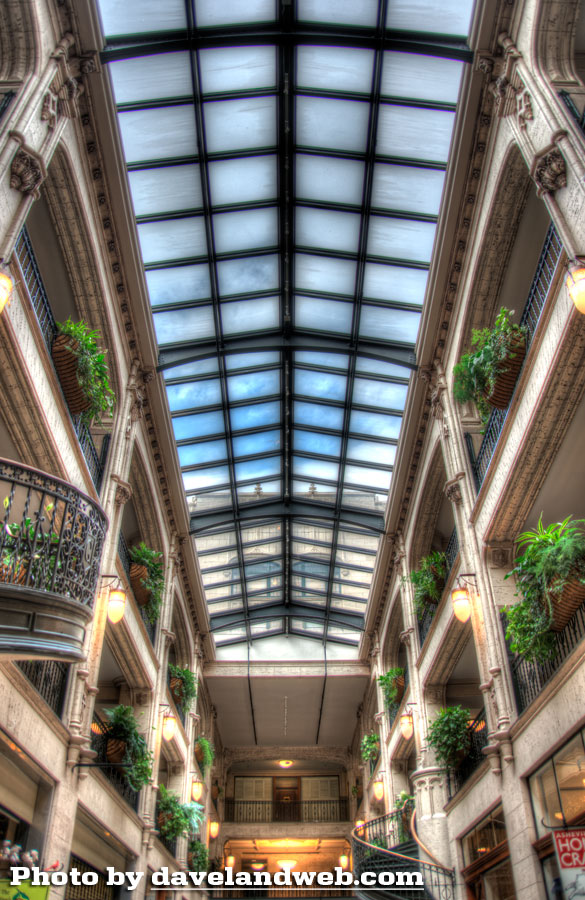


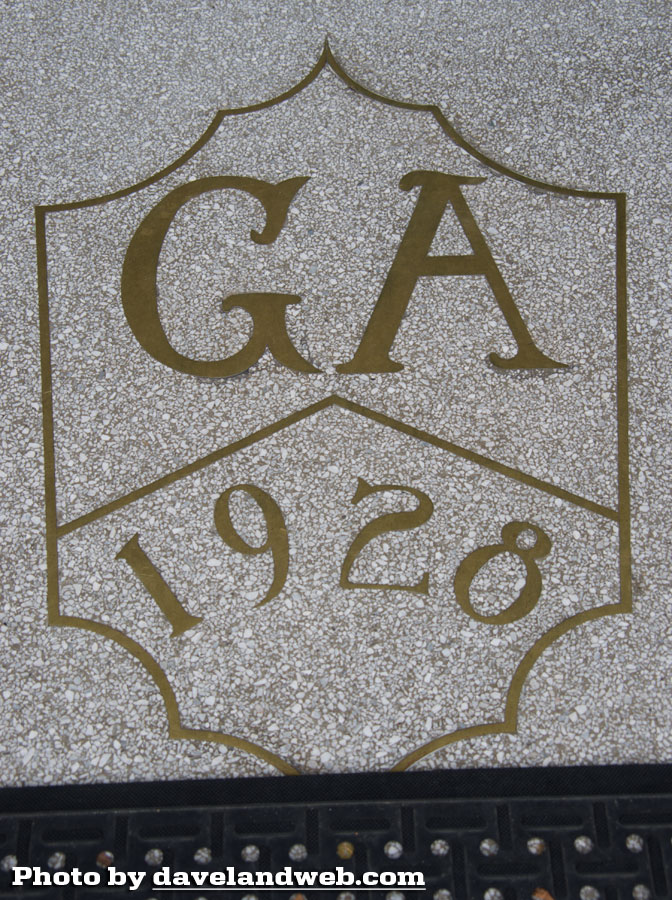
Entered on the National Register of Historic Places, The Grove Arcade was part of E.W. Grove's desire to give Asheville a vibrant downtown. The self-made millionaire hired Charles Parker as the architect for this unique shopping center which opened in 1929.
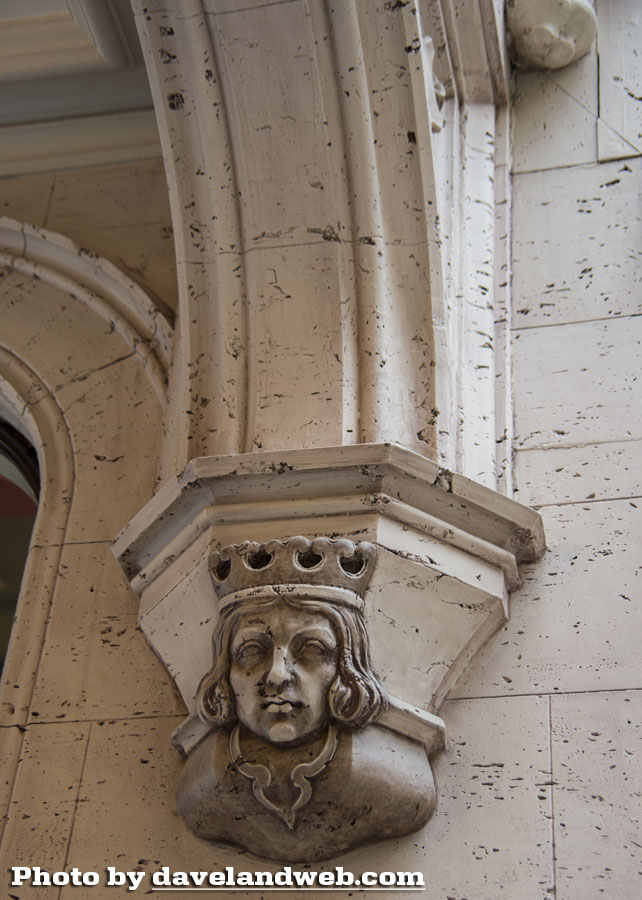


Tenants included candy & cigar stores, a haberdashery, a public stenography office, fruit stands, millinery shops, beauty parlors and barbershops, a photography center, bookstalls, and specialty groceries. Offices were located on the upper floors.


For 13 years, the Arcade was the heart of downtown Asheville until it was closed by Federal Government as part of the effort to win World War II. It was chosen because it was large and located in a safe, remote place—important considerations in the war effort. 74 shops and 127 offices were evicted with less than one month’s notice. Following the war, the Arcade continued under Federal ownership until citizens pushed for a plan to return the Arcade to its original use.


In the 1980’s, the government announced plans to enlarge and remodel the Arcade building, which reopened in late 2002 featuring a variety of shops, restaurants, offices, and 42 luxury apartments. .


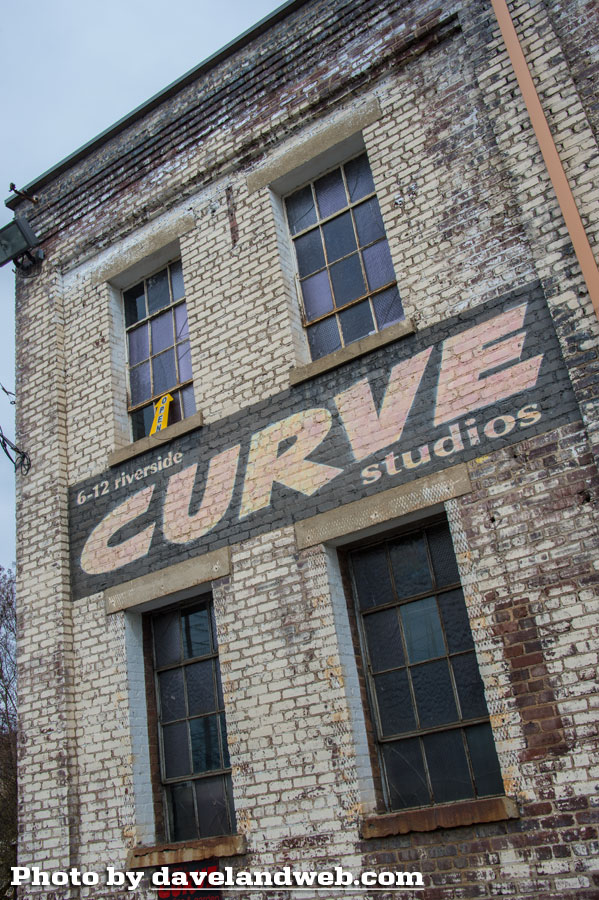
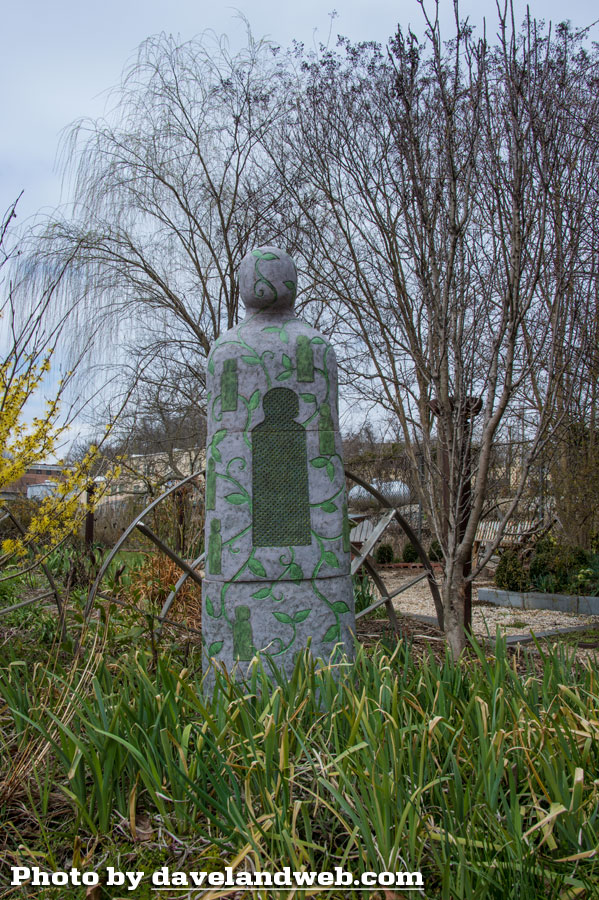
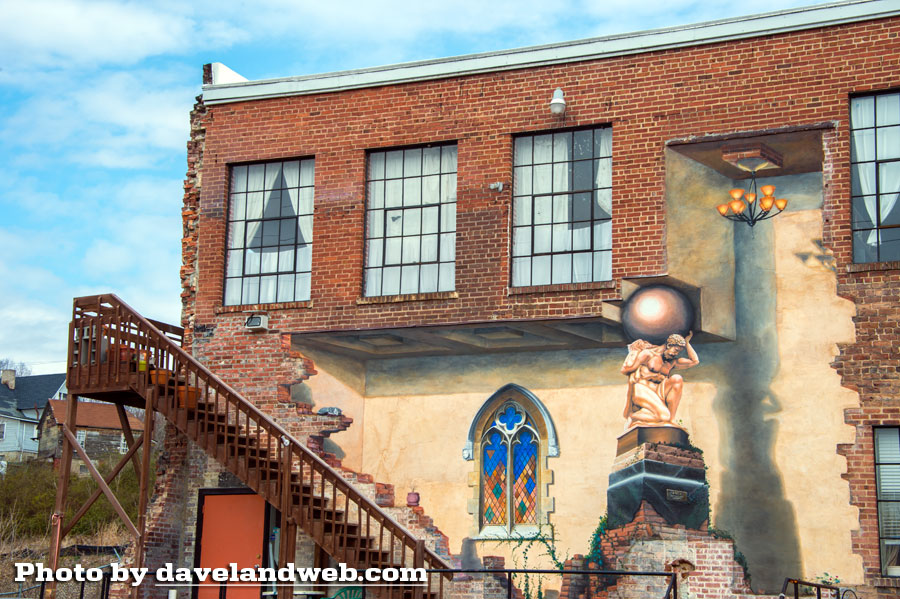
For the arts-minded tourist, a stop at The River Arts District is a must.


I enjoyed seeing the selection of talented local artisans who displayed their pottery, paintings, and clothing in various shops sprinkled throughout the area.


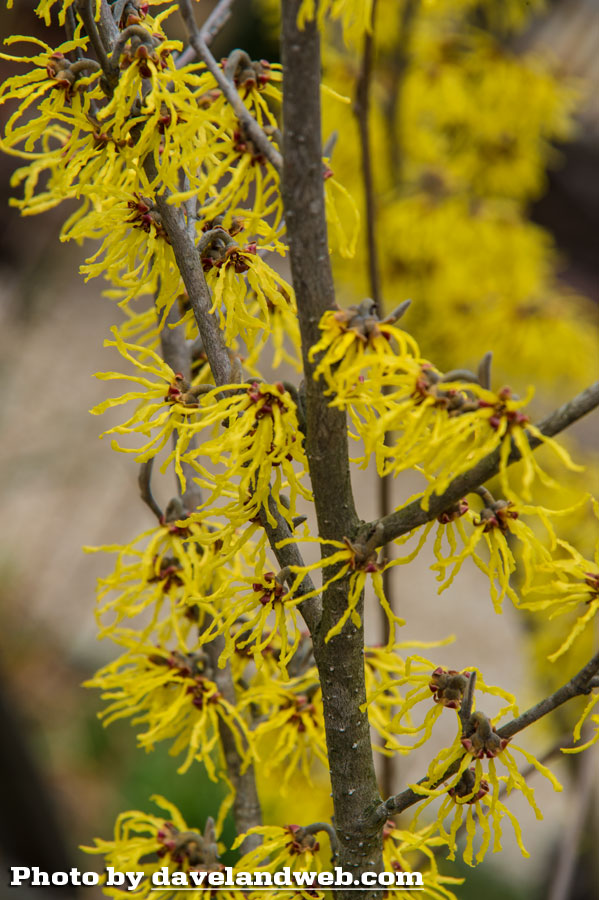
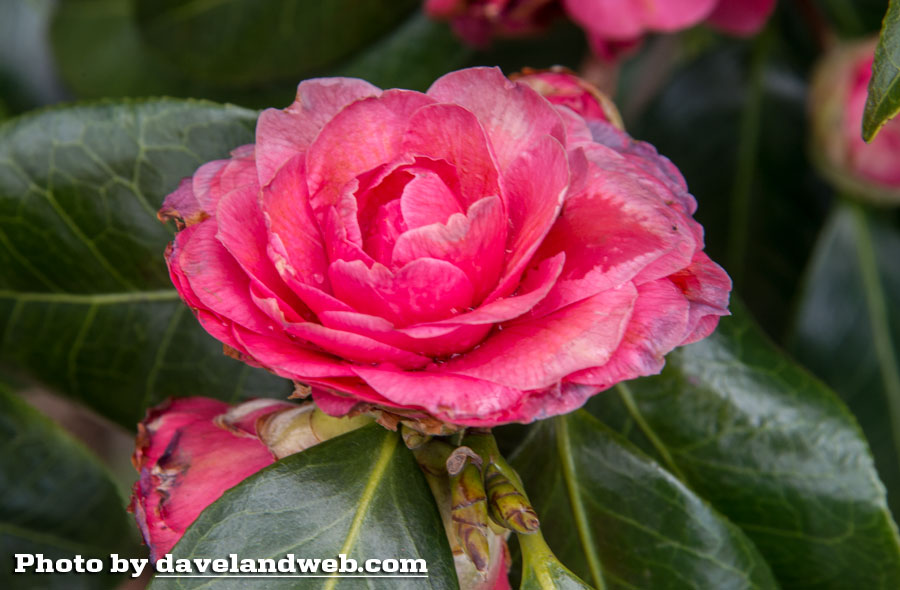
Signs of the imminent blooming of Spring were everywhere.


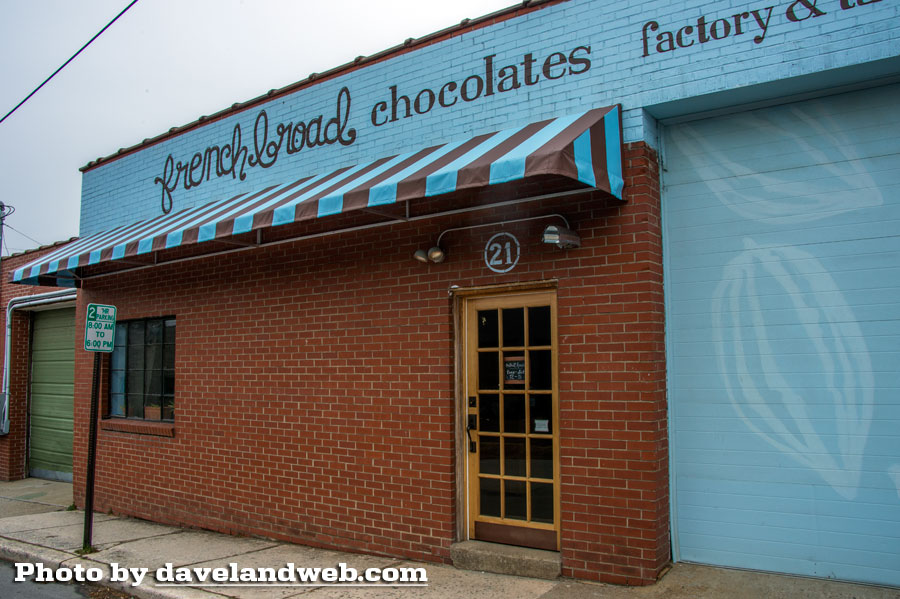
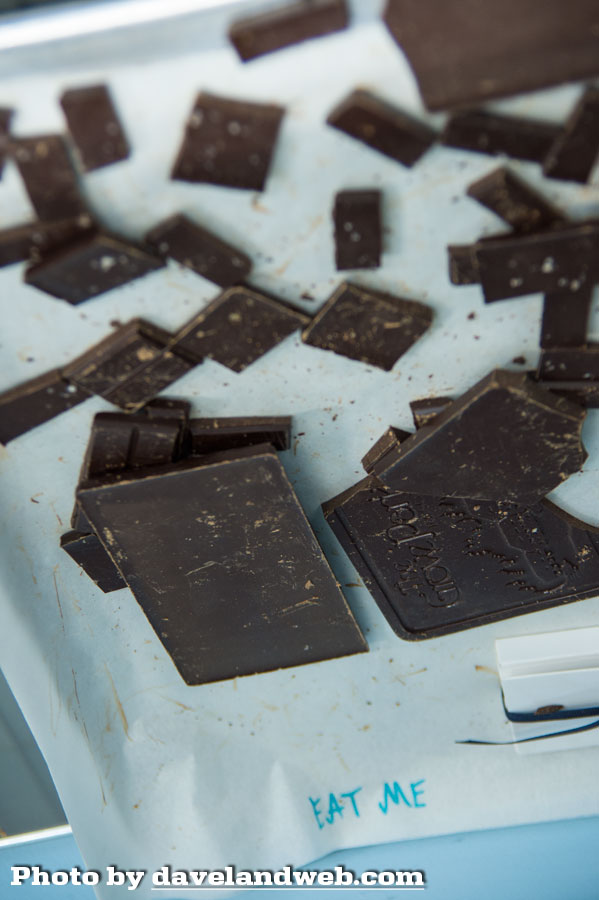
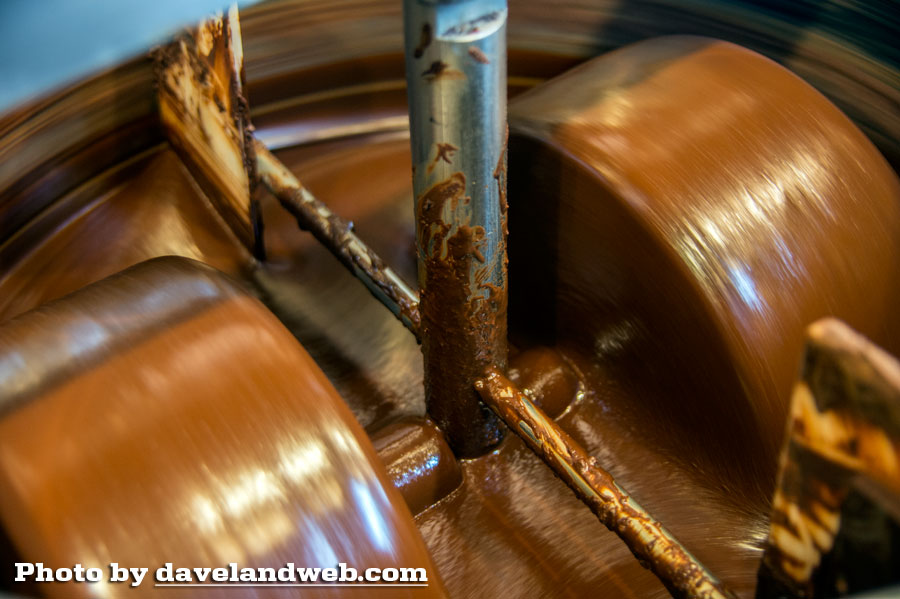
One of the last things I was able to experience while in Asheville was a tour of the French Broad Chocolate Factory, which touts a sustainable Bean-to-Bar philosophy.


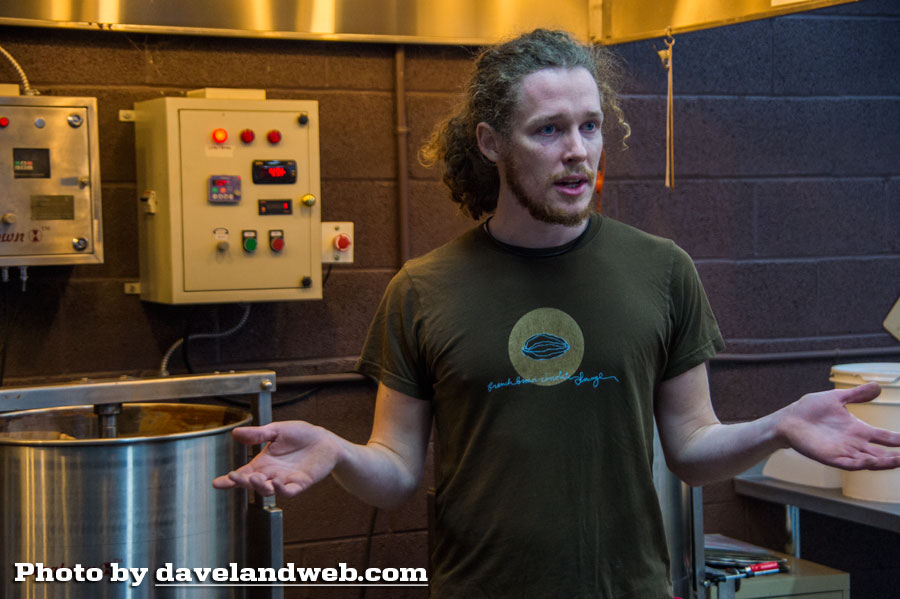
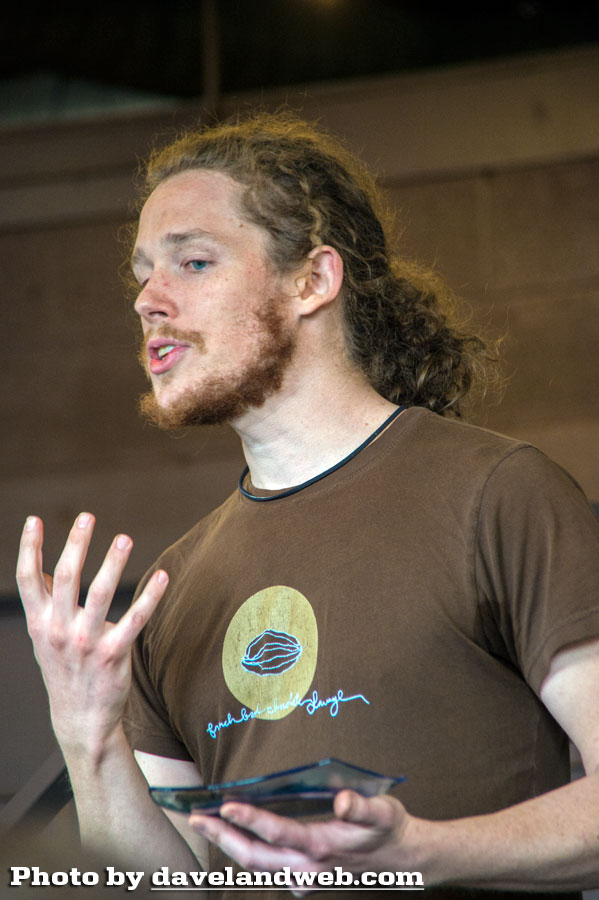
Crawford was our tour guide, showing us around the facility while describing the process of growing and harvesting cacao:


A touch of Alice In Wonderland was found here:


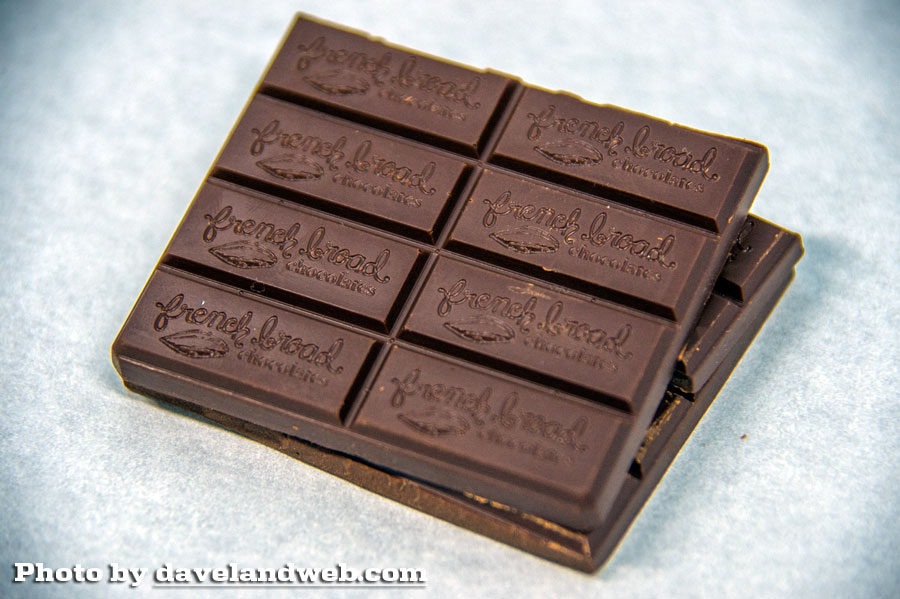
The final product:


Crawford taught us the fine art of appreciating chocolate; there is as much to appreciating its complex flavors as there are for wine.


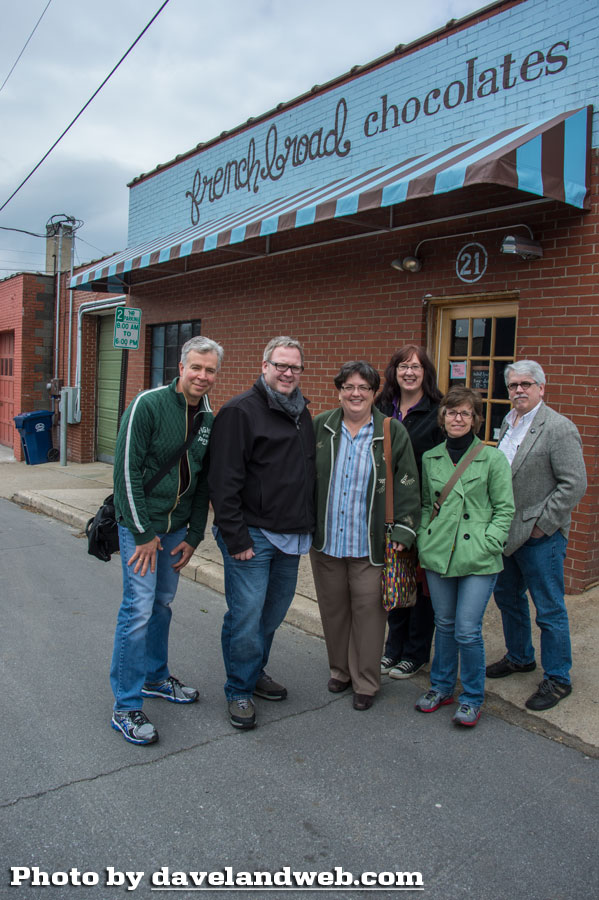
Here's part of the gang from UCDA that toured the factory:


So ends my mini-tour of Asheville. I left well-fed and creatively nourished, thanks to UCDA's Design Summit!

See more Asheville photos on my Asheville web page.