Showing posts with label mary poppins. Show all posts

Tuesday, December 02, 2025

Temple Tuesday: Jane Darwell


Today’s post pays tribute to character actress Jane Darwell (1879-1967). She was born Patti Woodard in Palmyra, Missouri. Edited from the Find a Grave website:

Her father was a railroad executive who disapproved of her interest in theatre. Despite the disapproval, she continued working in theatre and made her film debut in 1912. It would be the first of over 200 film performances. Her first notable performances in talking pictures came in 1930 and 1931 when she played the part of the Widow Douglas in the films “Tom Sawyer” and “Huckleberry Finn.”

She was a frequent Shirley Temple costar, beginning with the film “Change of Heart” (1934) starring Janet Gaynor, Ginger Rogers, James Dunn, and Charles Farrell. Both Darwell and Temple have bit parts in the film, but no scenes together. Darwell played the mother of Dunn’s character (screenshot below) in a short scene at the beginning of the film:


…and Shirley had a cameo with Charles Farrell (seen above) as he makes her a paper airplane aboard a real airplane. In “Bright Eyes” (1934), Shirley and Jane had a number of scenes together. Darwell played the feisty cook, Mrs. Higgins, who adores Shirley but hates the bratty little child (portrayed by Jane Withers) of her snooty employer.


In the film, Shirley’s character (also named Shirley!) borrows one of the large stockings from the plus-sized Mrs. Higgins so that Santa will have more room to give her all the gifts she’d like to have!


Next up was “Curly Top” (1935) with Darwell as Mrs. Denham, the kindly matron of the orphanage where Shirley’s character lives with her sister. Mrs. Denham is key in getting the wealthy Edward Morgan (John Boles, seen below with Darwell) to adopt the two girls.


The publicity still below shows Mrs. Denham and Mrs. Higgins (Rafaela Ottiano) crying as the two sisters leave the orphanage.


In “Captain January” (1936) Darwell portrayed the widow Eliza Croft, who has the hots for Shirley’s guardian, played by Guy Kibbee.
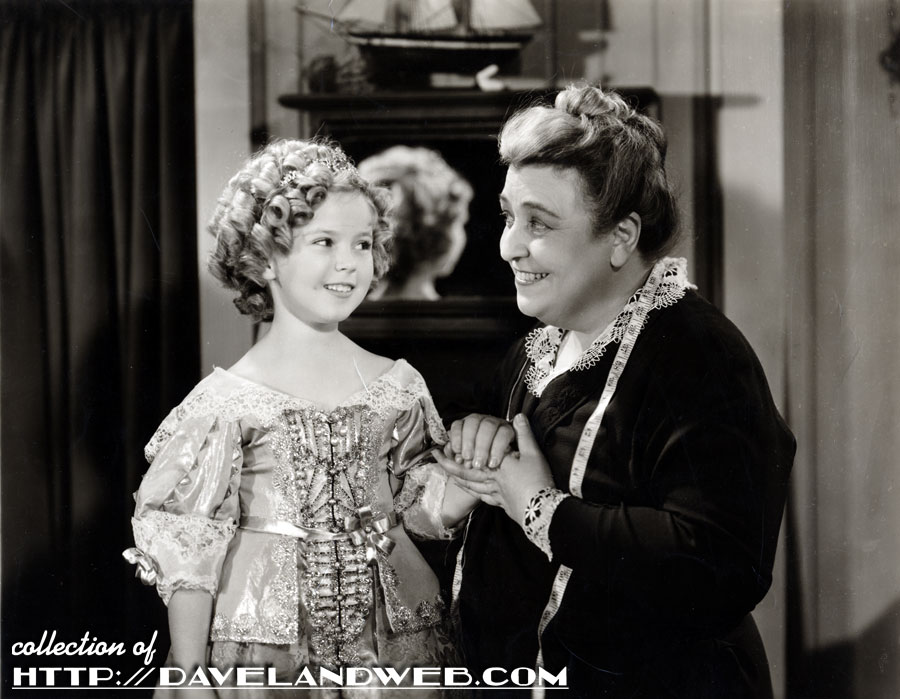


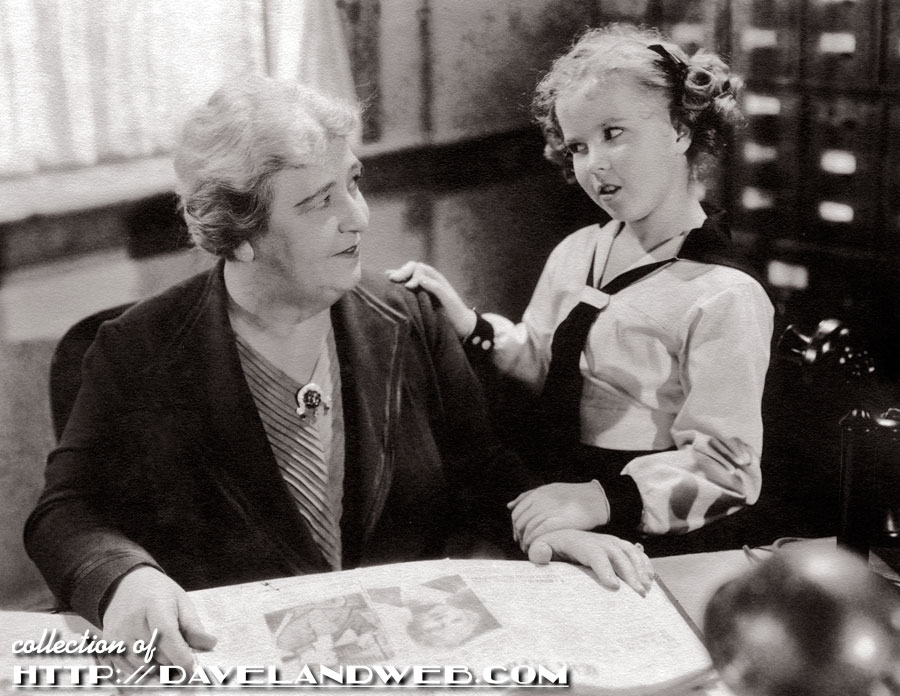
A few brief scenes between the two in “Poor Little Rich Girl (1936), with Darwell playing yet another housekeeper.
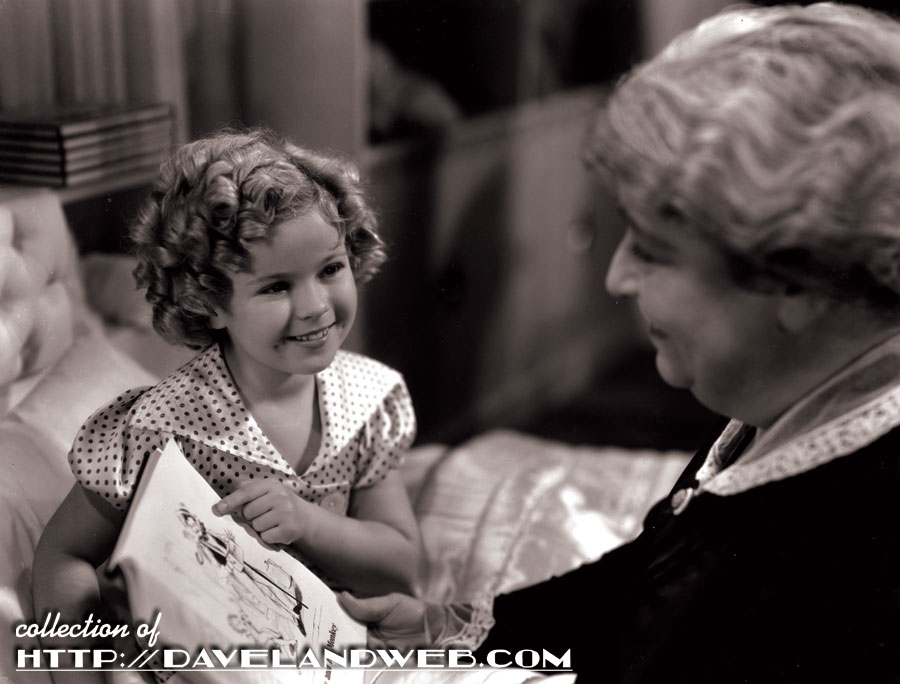


Darwell’s final silver screen pairing with Temple was “Little Miss Broadway” (1938). This time, she actually runs the orphanage that Shirley is adopted from. Finally, a career move up!
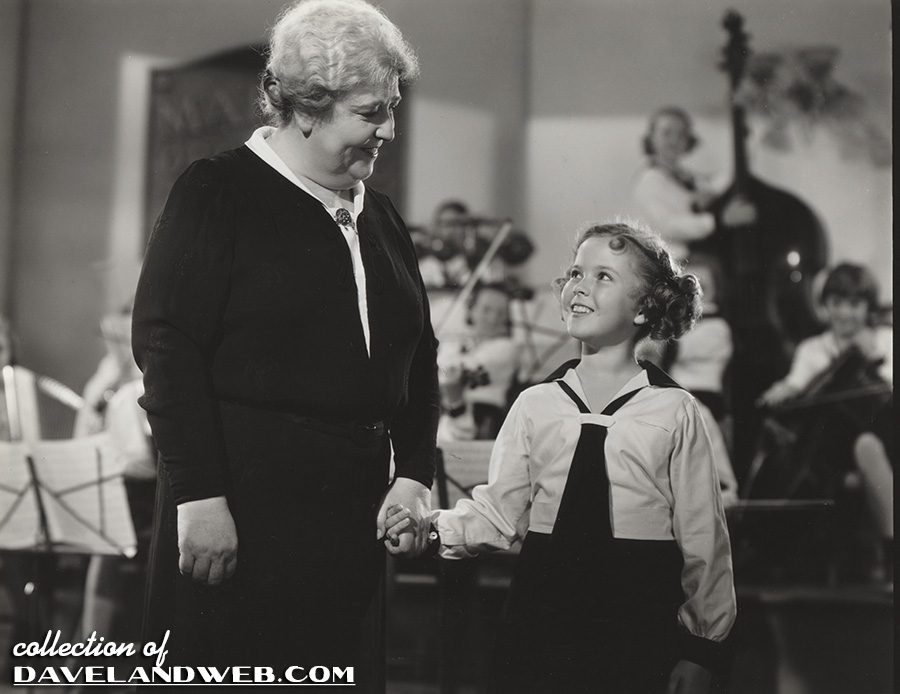


Darwell was a busy gal, playing bit parts in several other movies over the years. In “Gone with the Wind” (1939), she memorably portrayed the neighborhood gossip, Mrs. Merriwether.


More from Find a Grave:

Her career took a new path when she landed the role of the James Brothers' mother in the 1939 Tyrone Power/Henry Fonda film "Jesse James." It would be the first of several times she would play the mother of Henry Fonda on film. One of those times came in 1940 when she won an Academy Award for Best Actress in a Supporting Role for her portrayal of Ma Joad in the classic film "The Grapes Of Wrath."

Below, you can see a clip showing multiple takes of Darwell accepting the Best Supporting Actress Oscar for “Grapes.” The 13th Academy Awards was held at the Biltmore Bowl of the Biltmore Hotel in Los Angeles on February 27, 1941. She had stiff competition, beating out Judith Anderson (“Rebecca”), Ruth Hussey (“The Philadelphia Story”), Barbara O’Neil (“All This and Heaven Too”), and Marjorie Rambeau (“Primrose Path”).


In late 1948, Shirley returned to her home studio of 20th Century-Fox. Zanuck through a welcome back party and many of her former costars showed up. Below is Darwell and director Henry Hathaway:


Shirley hired Darwell for her television anthology series, “The Shirley Temple Show,” specifically the episode titled “The Fawn,” which first aired on February 5, 1961. Shirley was the narrator and Darwell played Grandma in the story that also featured Robert Crawford, Jr. (seen below).


Her final role in “Mary Poppins” (1964) was brief but extremely touching. From the Walt Disney Family Museum website:

Walt [Disney] took special care to ensure that the “Feed the Birds” sequence in Mary Poppins would be memorable. As Robert Sherman would explain, “One of the more beautiful moments in the history of movie making occurred as we were casting and filming the ‘Feed the Birds’ sequence. It’s one of those rare instances where life and art became one in the same thing.” During production of the Disney film in the summer of 1963, actor Jane Darwell was 83 years old. With a film career that stretched back to as early as 1913, she was among the most respected actors in the industry, with a star on the Hollywood Walk of Fame and an Academy Award for Best Supporting Actress for her performance of Ma Joad in 1940’s The Grapes of Wrath. She was living at the Motion Picture Country Home, a noted residence for retired film actors and artists. “Walt offered her the part of the Bird Woman, but in doing so, he also treated her as the star she had once been,” Robert Sherman recalled. “He sent her a script and a letter via special messenger (as opposed to US Mail) and had a limousine and driver pick her up once for a meeting and then again on the day of the shoot. Miss Darwell was tremendously excited to be a part of Mary Poppins and must have felt gratified to have been remembered after so many years away from the limelight. I think it was a particularly poetic thing of Walt to have done this. After all, as Walt said referring to ‘Feed the Birds,’ ‘That’s what it’s all about,’ doing just a little extra and going just a little bit out of your way to make someone feel special. Sometimes it can make all the difference in the world to a person.”


From the DVD commentary track one learns that Robert Sherman provided the speaking voice of Jane because Darwell’s voice was too soft to be heard on the soundtrack. He is heard saying her only line: “Feed the birds, tuppence a bag.”


It’s one of those magical moments where Andrews’ singing and Darwell’s performance together help bring on the waterworks. Watch the scene in the clip below:


Darwell died on August 13, 1967, after suffering a heart attack at the Motion Picture Country House and Hospital in Woodland Hills, California. Her obituary stated that she “had been residing at the hospital for the past two months, according to Maudie Hiser, her companion for 24 years.…The actress leaves a nephew, Winston Ogden, North Hollywood.” Reflecting on her career, Darwell stated, “I played either a grandmother or a housekeeper in every Shirley Temple film ever made.…I’ve played Henry Fonda’s mother so often that he calls me ma, and I call him son.” Darwell was married once in the 1920s, but was divorced within a year, according to her friends.

In other Shirley news, last month Deadline Hollywood broke this story:

EXCLUSIVE: Marty Tudor has been working with the family estate of Shirley Temple and will have access to the rights of the child actress-turned Ghana and Czechoslovakia ambassador across streaming, film, stage and more. There are also two unpublished autobiographies by Temple which Tudor is helping the estate get published. The life of Temple, who was discovered dancing in a theater lobby by Fox Film songwriter Jay Gorney, is largely an untapped IP; one prolific adaptation of her life was the 2001 Disney Channel movie, “Child Star: The Shirley Temple Story.” That was based on Temple’s autobiography of the same name and it starred Connie Britton. Tudor is an industry vet, who managed the careers of Paula Abdul and Jon Cryer, and of late has been behind a series of Hologram concert shows starting in 2018 with performances by the late Maria Callas, Roy Orbison, and Whitney Houston.…Temple began her film career in 1931. The 1934 movie Bright Eyes put her on the map as a singing child star with her signature ditty “On the Good Ship Lollipop”. In 1935, she received a miniature Juvenile Oscar. She did segue to roles as a teenager, notably starring opposite Cary Grant in 1947’s The Bachelor and the Bobby-Soxer which won an Oscar for Sidney Sheldon’s adapted screenplay.…Temple’s last movie was the 1949 comedy “A Kiss for Corliss” opposite David Niven. She hosted “Shirley Temple’s Storybook” from 1958-1961 before beginning her diplomatic career in 1969. Her friends included former FBI founder J. Edgar Hoover who gifted her a tear gas pen at the age of 20 to help protect her against any death threats. She also befriended Amelia Earhart; the duo reportedly known for their discussions about feminism, Hamlet and chewing gum. Temple as a child learned geography by tracing Earhart’s flights.“There’s so much more to American icon Shirley Temple’s life that people aren’t aware of. She was the U.S. delegate in the United Nations, a female Ambassador to Ghana and Czechslovakia, she was a breast cancer survivor, she fought sexism as the first female U.S. Chief of Protocol. What appeals to me, as a father of a daughter, is that Shirley continues to be an amazing inspiration and role model for young girls. We see a lot of kid actors who go the wrong way, she did not. There’s an amazing human being here with a big story who gave back as opposed to a pop star in it for the glory,” Tudor tells Deadline. The Temple Black family tells Deadline in a statement: “As the 100th anniversary of our Mom’s birthday approaches, we are so pleased at the idea of sharing with the world the lesser-known second half of her incredible life story. She often observed that ‘the Little Girl opened the door’, but then our Mom stepped through it, confident, courageous, authentic – all grown up.”

It would be amazing to have the rest of Shirley’s autobiography released!

See more Shirley Temple photos at my main website.

Tuesday, November 04, 2025

Temple Tuesday: Treacher Tales


Besides having similar storylines, Shirley Temple’s childhood films often had similar supporting actors, like Arthur Treacher. Born on July 23, 1894 in Brighton, East Sussex, England, Treacher began his acting career in England as a chorus boy in “Maggie” (1919), moving to New York City in 1926 in the musical-comedy revue, “Great Temptations.” His first movie role was in “The Battle of Paris” (1930). His role of a butler in “Fashions of 1934” launched his career as filmdom’s favorite stuffy British butler. According to legend, the characterization came about because of an incident that happened during the filming of “Hollywood Party.” From one of his obituaries:

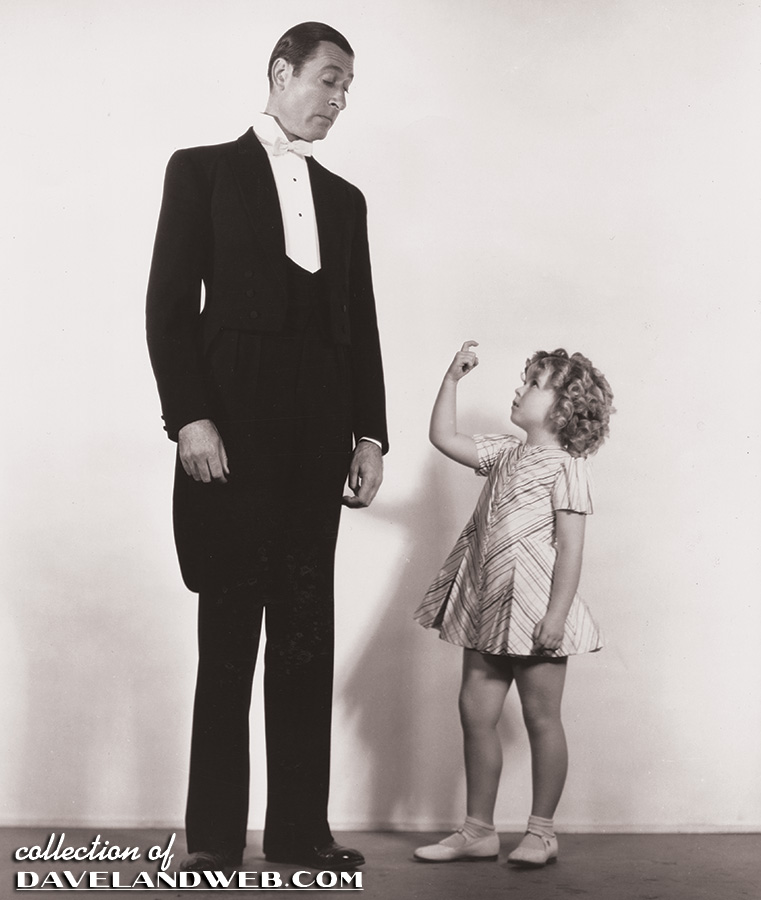
He became typecast in the role by accident in 1933 when he was playing a conventional and polite butler in a minor role in a film with Jimmy Durante. One day, Lupe VĂ©lez, known as the “Mexican Spitfire” visited the set and told the 6-foot-3 actor she had a boyfriend as tall as he [note: that would have been Gary Cooper]. Unimpressed, Treacher replied: “Really?” The director took note said, “play the part like that” and a character was born.

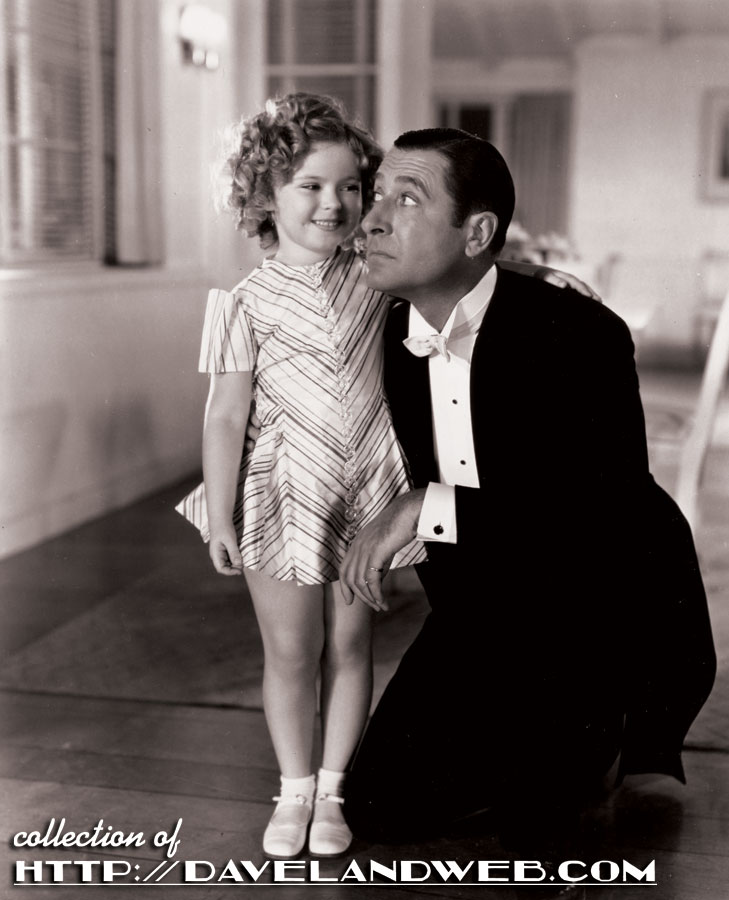
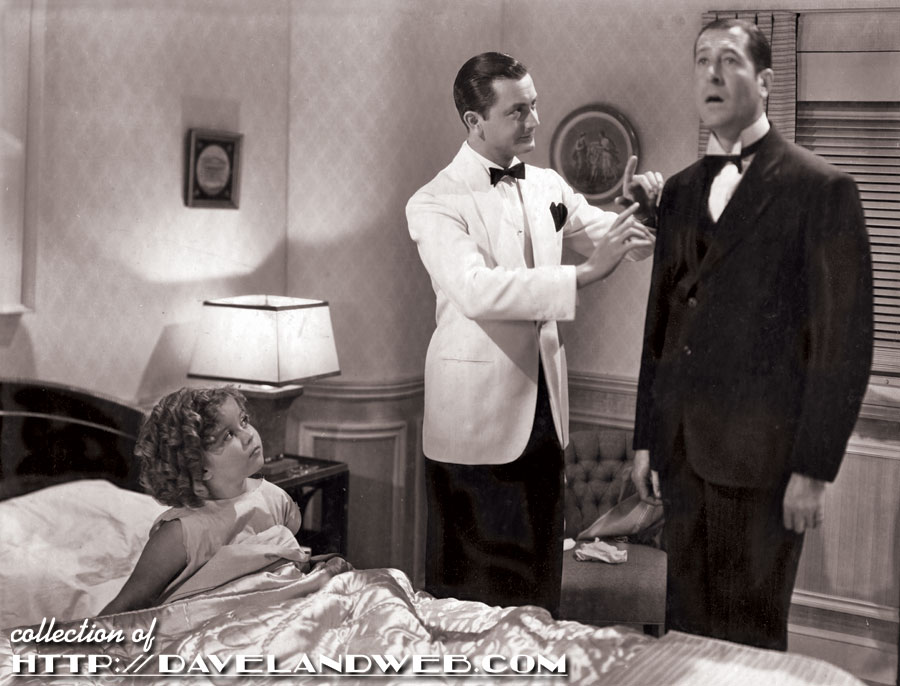
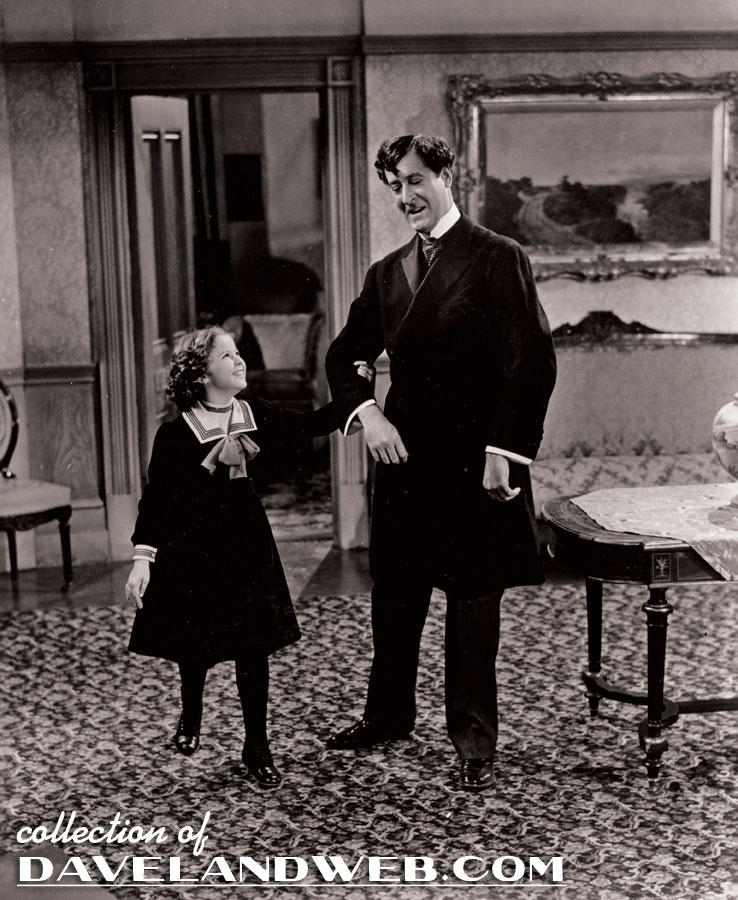
And that is how he landed his first role in a Shirley Temple movie, “Curly Top” (1935). At 6'4", Treacher towered over the little star, adding a comic effect to their interactions.


Like most of the old codgers in a Shirley Temple film, Treacher’s character eventually thaws and becomes enamored with the little girl.


He was singled out in the reviews for “Curly Top,” despite his limited screen time:

Treacher’s butler is equal to his previous best. But when it’s all said and done these capable people are naught but “feeders” for the principal figure.…Arthur Treacher plays the proud butler, brought low by Curly Top’s winning ways and contributes his own bit of comedy.

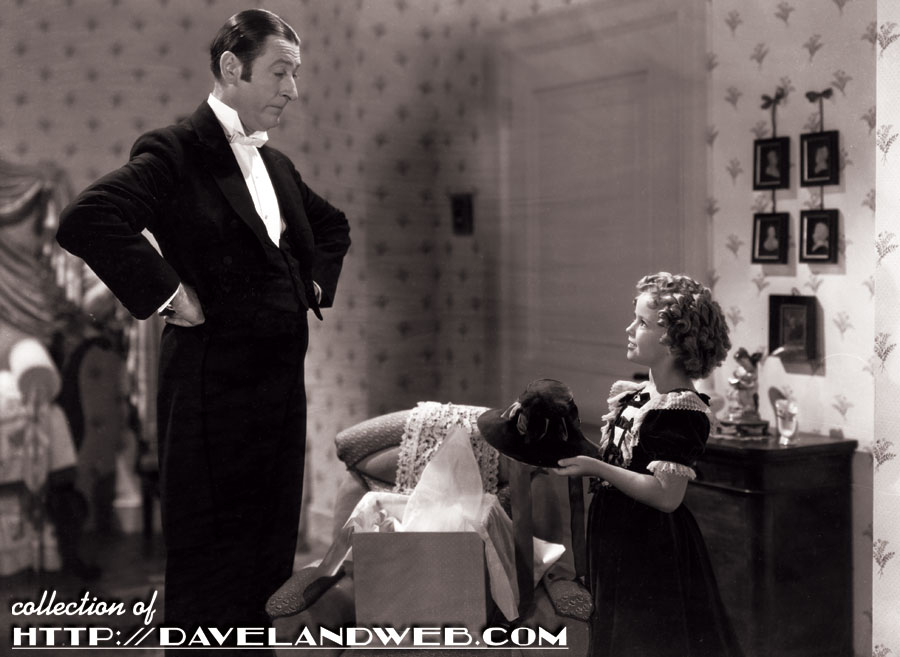
In “Stowaway” (1936), Treacher’s butler actually gets a name: Atkins.


The actor was also given considerably more to do, playing straight man to Temple, Eugene Pallette, and Robert Young, who had the role of his wealthy playboy employer.


We even got to hear Treacher attempt to warble a lullaby for Shirley. It was not a pleasant experience!


In the Love, Shirley Temple auction by Theriault’s, two photos and a letter were sold from Shirley’s personal collection:


From the catalog description:

Comprising a photograph of Arthur Treacher napping while, unbeknownst to him, a humorous sign is placed on his chest reading "Exhibit 496 Cuttlefish (Extinct) Do not touch", and with his personally inscribed message and his autograph; a photo of Shirley Temple and Treacher during the filming of “Stowaway” as she applies make-up to his face; and a two-page 1937 letter signed "Arthur Treacher's Mother" in which she notes, among other things, “I understand from my son that he had to go down on his knees in homage to you before you would autograph your photograph” and “I think you are better on the screen than my little boy is - this is a great admission for me to make.”


Treacher’s best known film role at the time was as Jeeves, the valet in “Thank You, Jeeves” (1936) and “Step Lively, Jeeves!” (1937), based on the fictional character by English author P. G. Wodehouse. From a publicity caption that accompanied the two vintage photos below, which were shot at his 3252 Bennett Drive residence (the address listed on the above stationery):

Being the screen’s only buttling star has enabled Arthur Treacher, star of 20th Century-Fox’s “Step Lively, Jeeves,” to acquire his own home.


The home still stands today and looks very much the same:


While the two Jeeves films were a success, Wodehouse was not happy with the adaptations, which turned his beloved character into a naive bumbler. No other Jeeves films with Treacher were made after that.

His third film with Shirley was “Heidi” (1937), which gave Treacher very little to do and was a definite step backwards for the actor.


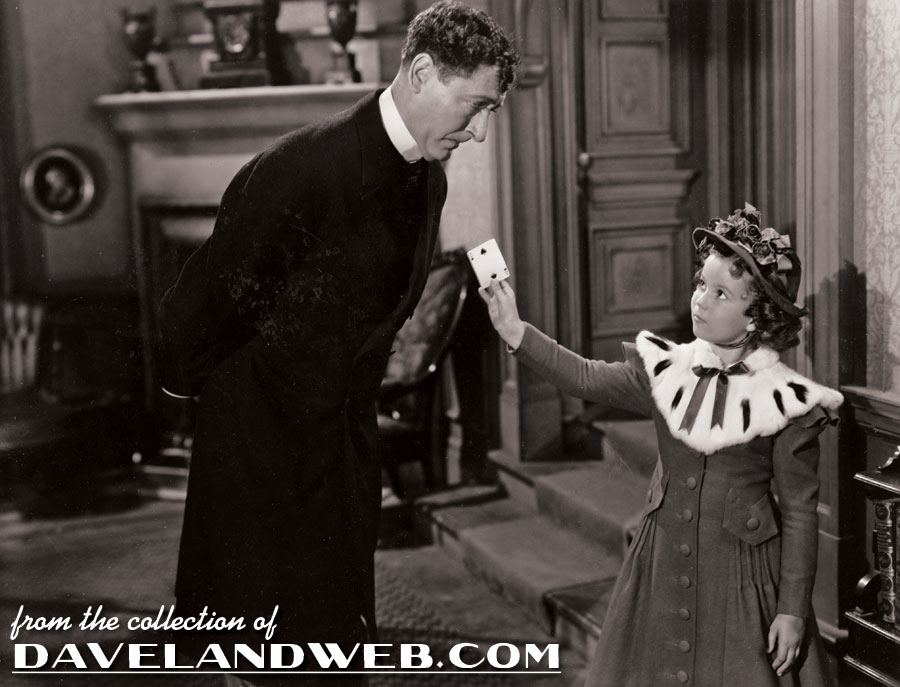
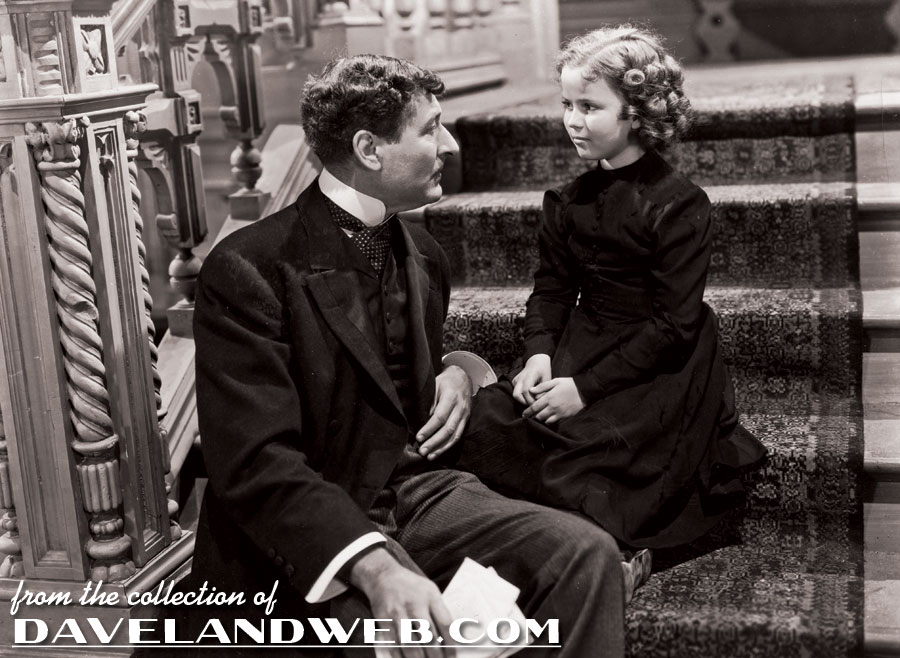
“The Little Princess” (1939) was the final film pairing of the two, and this was his most substantial role in a Temple film. Rather than a stuffy butler, Treacher played Hubert “Bertie” Minchin, a former vaudevillain who works for his greedy sister in a boarding school for wealthy children. Below is a deleted bit where the two share a card trick.


Shirley and Treacher dance together twice in the film, and while maybe not the level of a Bill Robinson-Temple duo, it is just as joyous. They truly had great chemistry - on screen, at least.


This is why it was surprising to me that Shirley only gave Treacher a small mention in her autobiography, excerpted below. Reading it, one could surmise that she was not overly fond of him. From Shirley’s autobiography, Child Star:

On a soundstage disappointment comes in more cloaks than simply technical incompetence….Sometimes it arrives in the person of someone just passing by. Practicing the rollicking jig “Knock ’em in the Old Kent Road,” Arthur Treacher, a reedy, hawk-faced butler type, was having trouble with one intricate movement. “For anyone as austere and towering as I am,” he complained, hiking up his pants, “well, it’s too complicated.”


The rehearsal was interrupted for us to be introduced to a man and woman, both thin and tall, with prominent noses and overbites, With his high forehead and lanky frame, the man reminded me vaguely of brother Jack. What set them apart was the name, James Roosevelt, eldest son of the President, and his wife, Betsy [sic]. Slightly inclined forward, he chatted quickly about nothing. Overwhelmed with respect for his name, I tried to answer carefully. In poor taste, someone joked that one of my Tennessee fan letters had repeated a rumor that Mother had once been married to the same James Roosevelt. For proof one needed only to compare my brother Jack’s strong resemblance to Roosevelt in build, facial structure, and high hairline. Roosevelt took the jest gracefully, but Betsy, judging by her face, found little humor in the comment. I was with her. Jokes were my stock-in-trade, but not where they deprecated the name of Roosevelt. To change the subject, I suppose, she turned to Treacher and bluntly asked what he thought of me. Tugging at his nose and then pulling thoughtfully on his chin, Treacher replied, “You have no idea, if she were indeed that way, she could be President of the United States.” Once again everyone tittered uneasily, except Treacher, who stood, shoulders thrown back, posing deadpan. Again I was annoyed. Flip remarks were more an insult to the President and his son than a compliment to me. As the Roosevelts went around meeting the rest of the cast, I tagged along to eavesdrop. “Did you get a police badge?” someone asked Betsy. “No, does she give them away?” “Well, your mother-in-law got some while she was here.” “That’s different,” Betsy replied. “We’re the unimportant members of the family.” In my mind’s eye the presidential family was a unity. Anyone who assaulted that unit insulted the whole. In my mind where the presidency was involved, nobody was unimportant. Tipping heroes from their pedestals offended me. When Betsy had jumped down from the pedestal, it left me disillusioned and resentful. I was less young than before.

In 1938, James and Betsey moved to Hollywood to work as an aide to Samuel Goldwyn. The two divorced in 1940, just a year after meeting Shirley. Betsey was granted custody of their daughters, along with child support. Allegedly…James had little to no contact with his children, and eventually married three more times. Betsey ended up with Jock Whitney, the publicity whiz for “Gone with the Wind” (1939). Below are the two in…happier times? Circa 1933:


Back to Treacher…


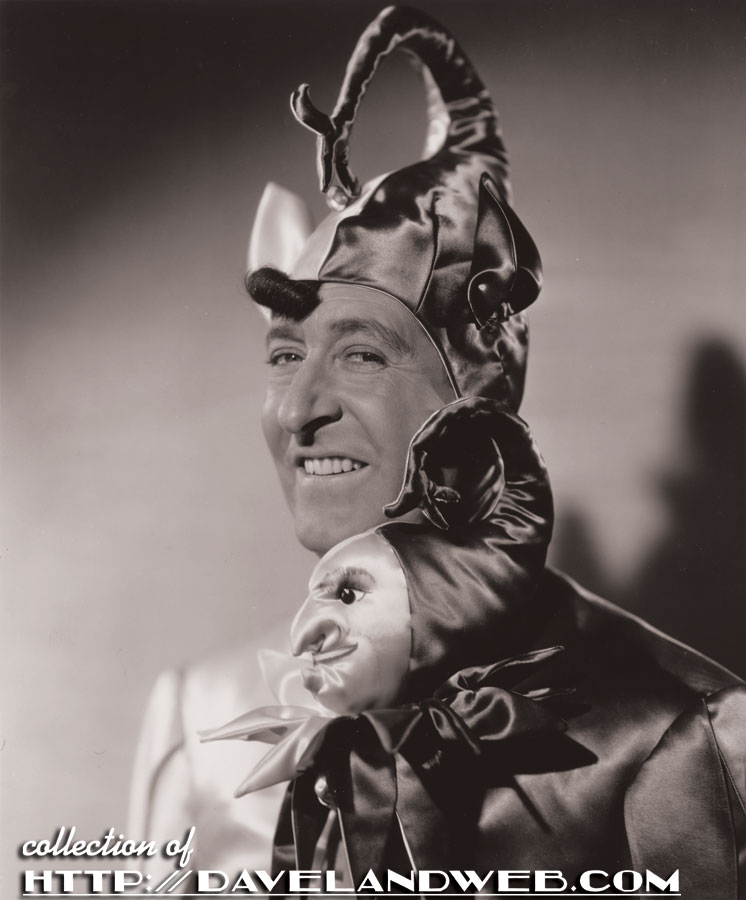
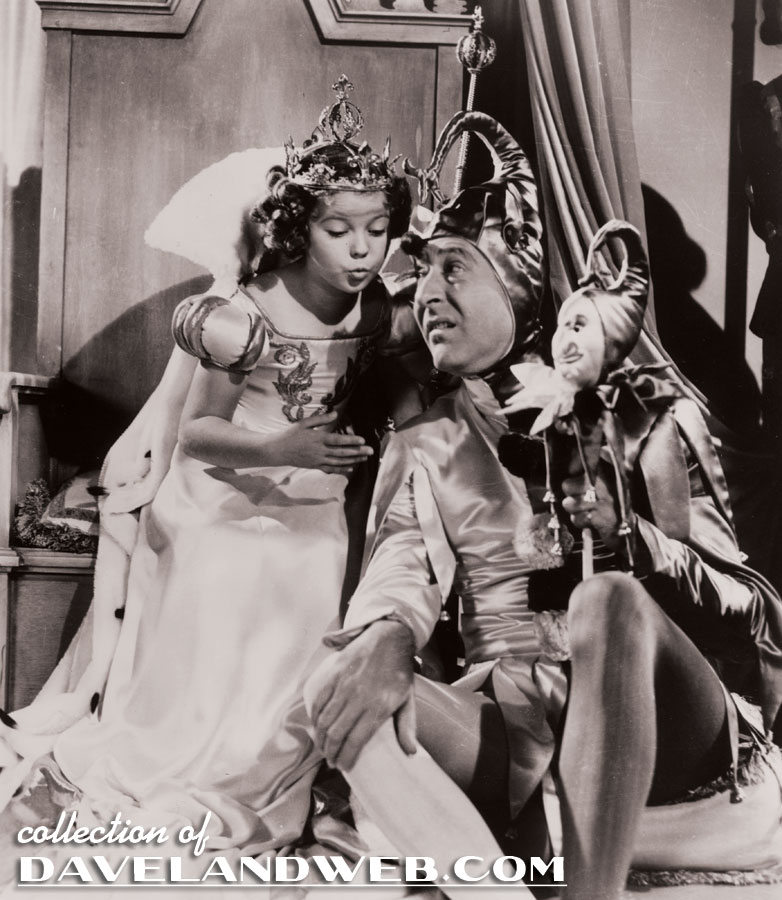
In a dream sequence for “Princess,” Treacher portrayed a court jester to Shirley’s princess.


A very good likeness was achieved with the jester puppet that Treacher holds:


Treacher’s character was pivotal to the happy ending achieved at the conclusion of the film.


While I don’t know if the two ran into each other socially, I do know that they performed together six years later. Treacher played George, the butler, and Shirley was Connie, the Cinderella character in The Camel Screen Guild Players adaptation of “First Love,” broadcast on CBS Radio, May 14, 1945.


You can hear the program on Stars On Suspense, starting at 37:17.

In 1960, Shirley had Treacher join the cast of “The Land of Oz” episode in her storybook anthology, “The Shirley Temple Show.” True to form, he played Graves, a butler; but this time, his character was on the side of the villains, scheming along with the evil witch Mombi (Agnes Moorehead) and General Nikidik (Jonathan Winters). It was delicious fun, watching these three hams work together. Shirley played Princess Ozma.


Treacher’s final film role was in the Disney classic, “Mary Poppins” (1964), as Constable Cody Jones.


He brings the Banks children home to their uninterested father (David Tomlinson).


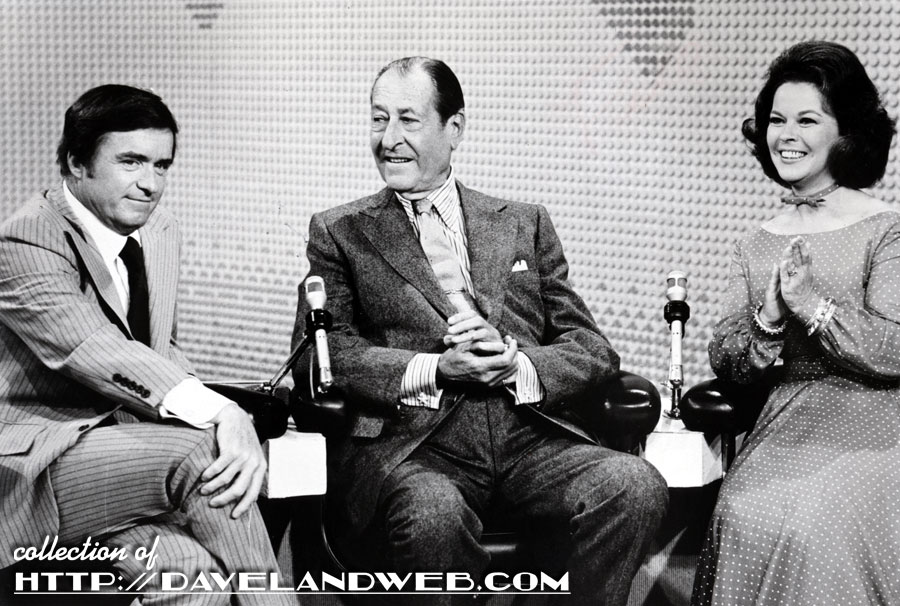
Treacher and Temple were reunited again on the Mike Douglas talk show in May 1972, when Shirley acted as co-host for the week. After “Poppins,” Treacher had gained new fame as sidekick to Douglas’ talk show rival, Merv Griffin, from 1965-1970. When the Griffin show filming moved from New York to Los Angeles, Treacher decided to leave the show, stating, “At my age, I don’t want to move, especially to someplace that shakes!” For those who don’t live on the west coast, Treacher was referring to earthquakes.


At this same time, Treacher became known for the chain of Fish & Chips restaurants that bore his name.


$1.15?!? As one who ate there regularly as a tot on Sunday nights, I can personally attest to the portions being quite large!


Care to apply?


Treacher died in Manhasset, New York, December 14, 1975, at the age of 81 from cardiovascular disease. Few of his obituaries mentioned his teaming with Temple. Edited from the Newsday Suffolk Edition:

Though Treacher played in everything from Shakespeare to “Mary Poppins,” he was so identified as a disdained butler that he was made honorary president of the Butlers Club of America in 1939. Treacher made his home in Hollywood for about 17 years, playing not only butlers but a variety of character roles. “We were the backbone of the movie industry,” Treacher said. “You had a pretty boy and a pretty girl and the audience waited to see somebody like Slim Summerville come along. There were actors like Eddie Horton, Eric Blore, Alan Mowbray, Frank Morgan, and Charlie Ruggles.”…On television, he appeared on the Milton Berle Show, the Bob Hope Show and the Victor Borge Show, but he is perhaps best remembered for his stint as second banana on the Merv Griffin Show in the late 1960s. In that role also, he was anything but humble. “He asks me a question, and I answer him or I don’t,” Treacher once said of his role as a haughty aide on Griffin’s talk show. At times, he confessed, he has shut up and let the diminutive Griffin “flounder.” “Sweat, you little son of a ______,” Treacher said with a grin. Griffin’s guests often fared no better. “Do you mind,” Treacher once inquired of a particularly long-winded guest, “if I scream? Treacher was no longer active in show business, though his name is well known through the commercials for his Arthur Treacher’s Fish & Chips, a fast-food operation. At one time, Treacher had a company, Call Arthur Treacher Service System, providing temporary servants. Married to Virgiinia Taylor, Treacher had no children. “Neither blessed nor cursed,” he once remarked.

See more Shirley Temple photos at my main website.

Wednesday, July 16, 2025

Mary Poppins at Grauman’s


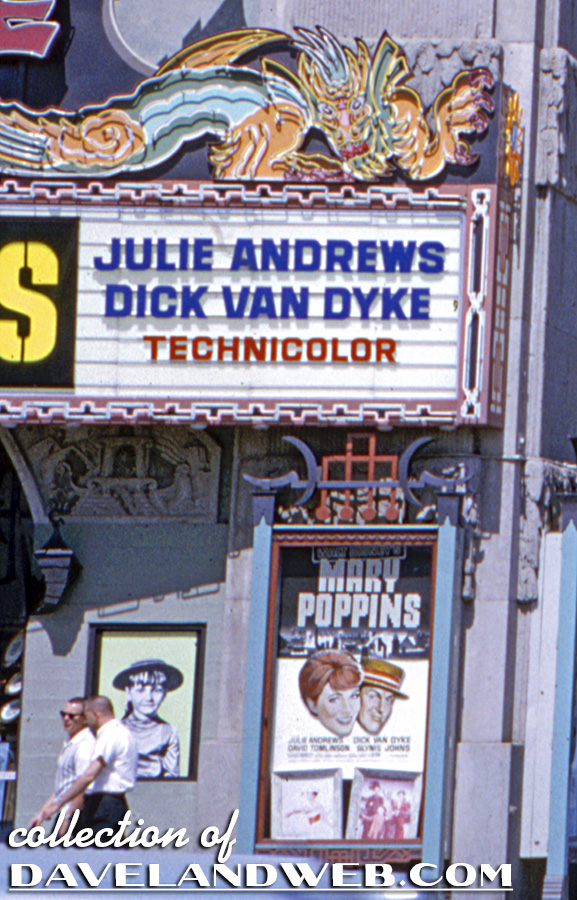
This image from October 1964 shows Disney’s “Mary Poppins” playing at the famed Grauman’s Chinese Theatre on Hollywood Boulevard. Released on August 27, 1964, the blockbuster hit continues to be a source of revenue for the Disney Corporation. A closeup of the posters on both sides of the theatre:


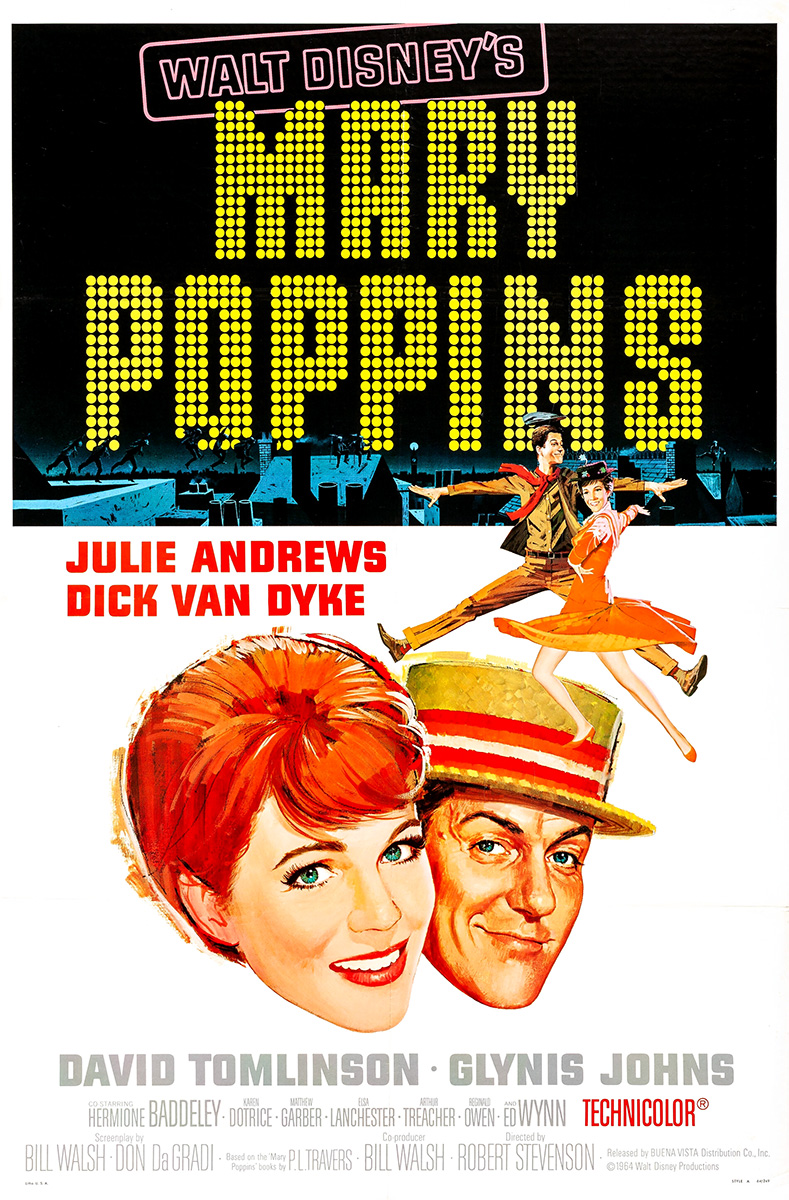
I could not match the style of the poster shown; the original one-sheet is slightly different from what Grauman’s has in their display case:


This publicity still can be seen in the case, lower right below the poster:


On the right side is a poster highlighting the cast of the film:


A few years back, I was able to see the original neon dragon from Grauman’s at the Museum of Neon Art in Glendale:


Switching gears to a very hot topic in the Disney community: the recently unveiled Walt Disney animatronic figure. The DSNY Newscast is one of many fan outlets that have released a video from the highly anticipated media preview. Kudos to Jack from DSNY for doing a great review of the figure and the show. It was much less dramatic and peppered with more thoughtful feedback than the Disney fan community usually gets. I read USA Today’s review and wondered if they had been sniffing glue beforehand, it was so over-the-top enthusiastic. Disney Imagineers created a slightly-walking-talking Walt Disney robot. It is apparent that there was a lot of work put into this figure, but it still does not transcend the creepy factor. More Stepford Wives than Walt Disney, the all-too-youthful sounding voice does not match the cigarette-scarred voice of the real man at the time of his life that this animatronic is supposed to represent. Had they let the animatronic smoke, I would have REALLY been impressed! Videos of Walt also show his motions as being much quicker than what the robot is capable of doing. I won’t pan the efforts as hard as what most Disney fans seem to be doing out there; when you attempt to re-create an iconic real person such as Walt Disney, the expectations are going to be higher than for someone like Abe Lincoln, for which none of us have ever seen in person. You are basically fighting a losing battle. I also want to applaud the efforts of Imagineers for making an attempt to keep the Man behind the Mouse in front of the public, so that he is able to stay “alive” and relevant for future generations.


I was really anxious to go to the Park to see this show in person (which debuts to the public tomorrow, July 17), but after seeing the video, the chances of that happening any time soon have been dampened. Hopefully the figure can be upgraded and the likeness of the face can be improved with time and feedback. We shall see…

See more Grauman’s Chinese Theatre photos at my main website.

Monday, June 20, 2022

Marilyn, Kim, Mary, Dick, and Fred


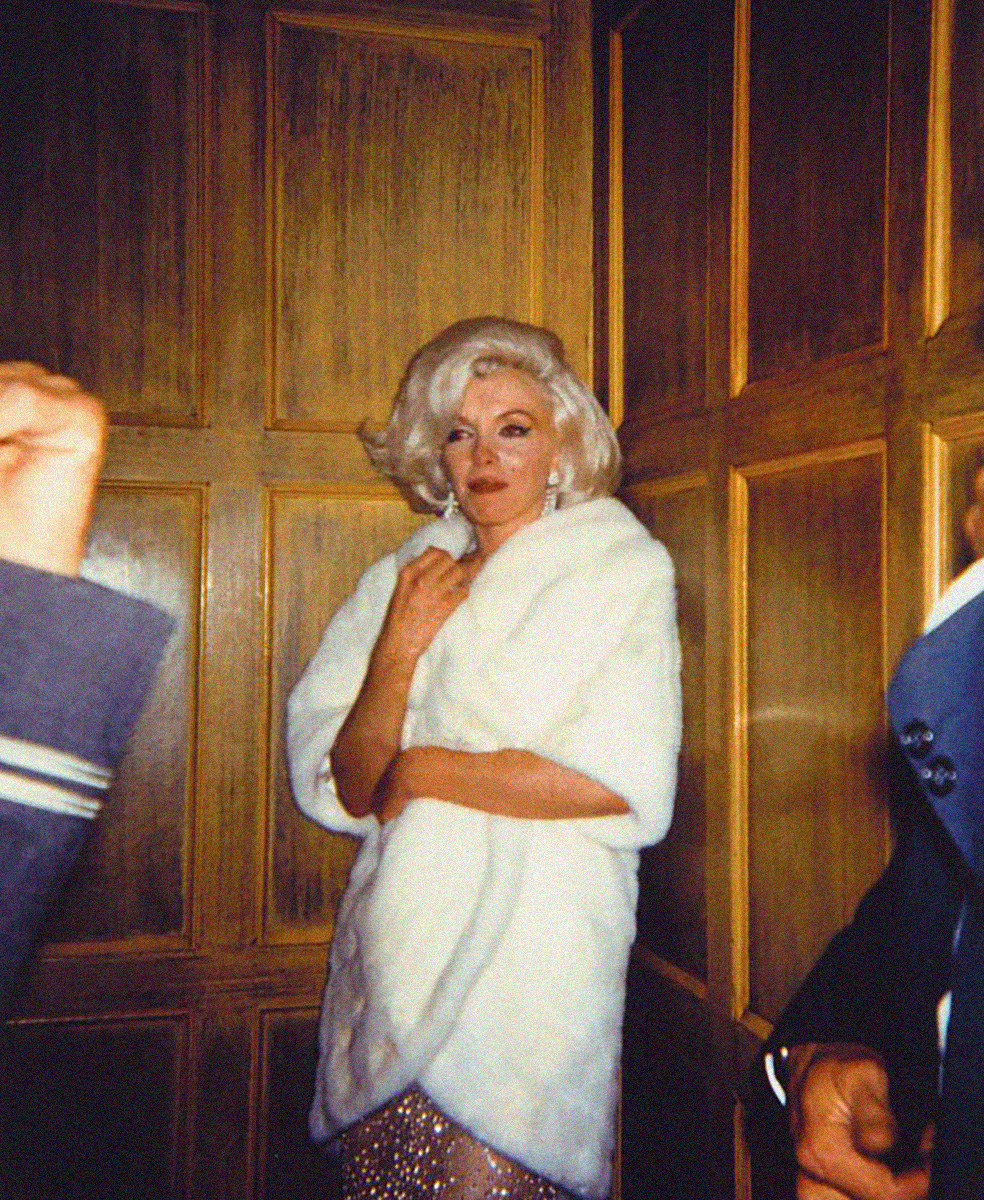
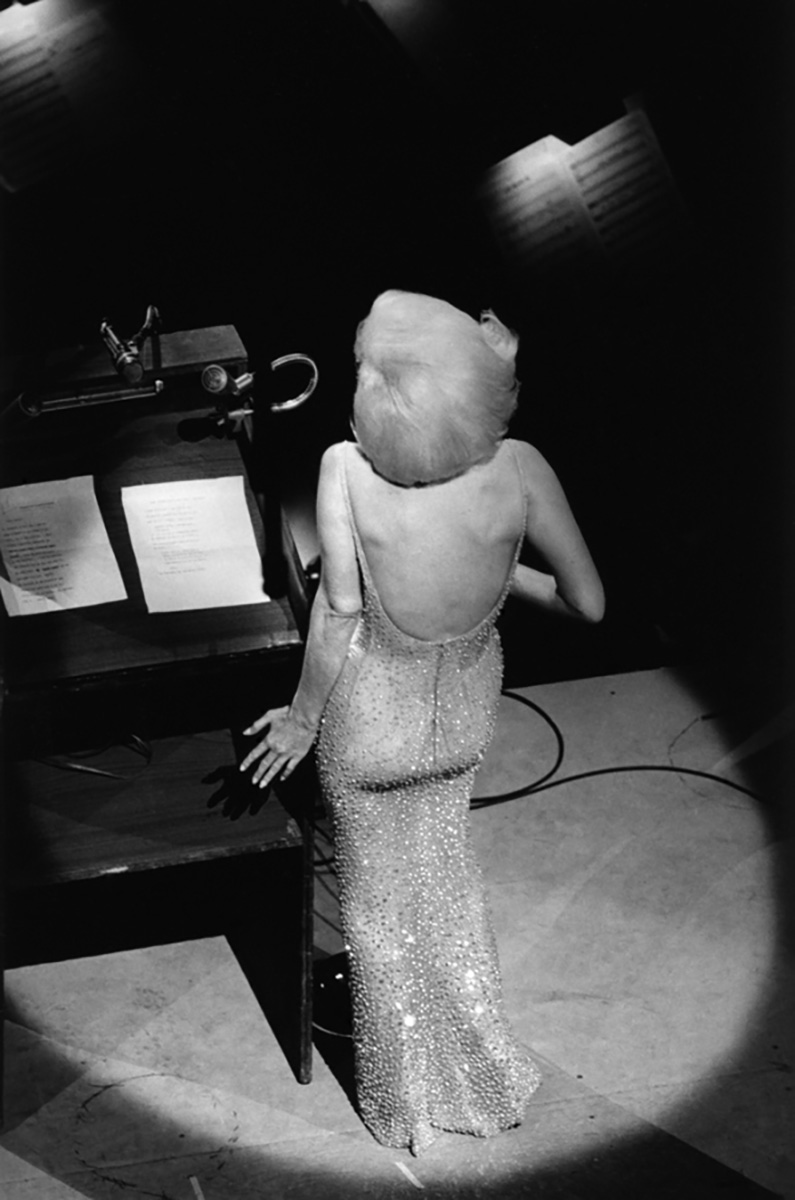
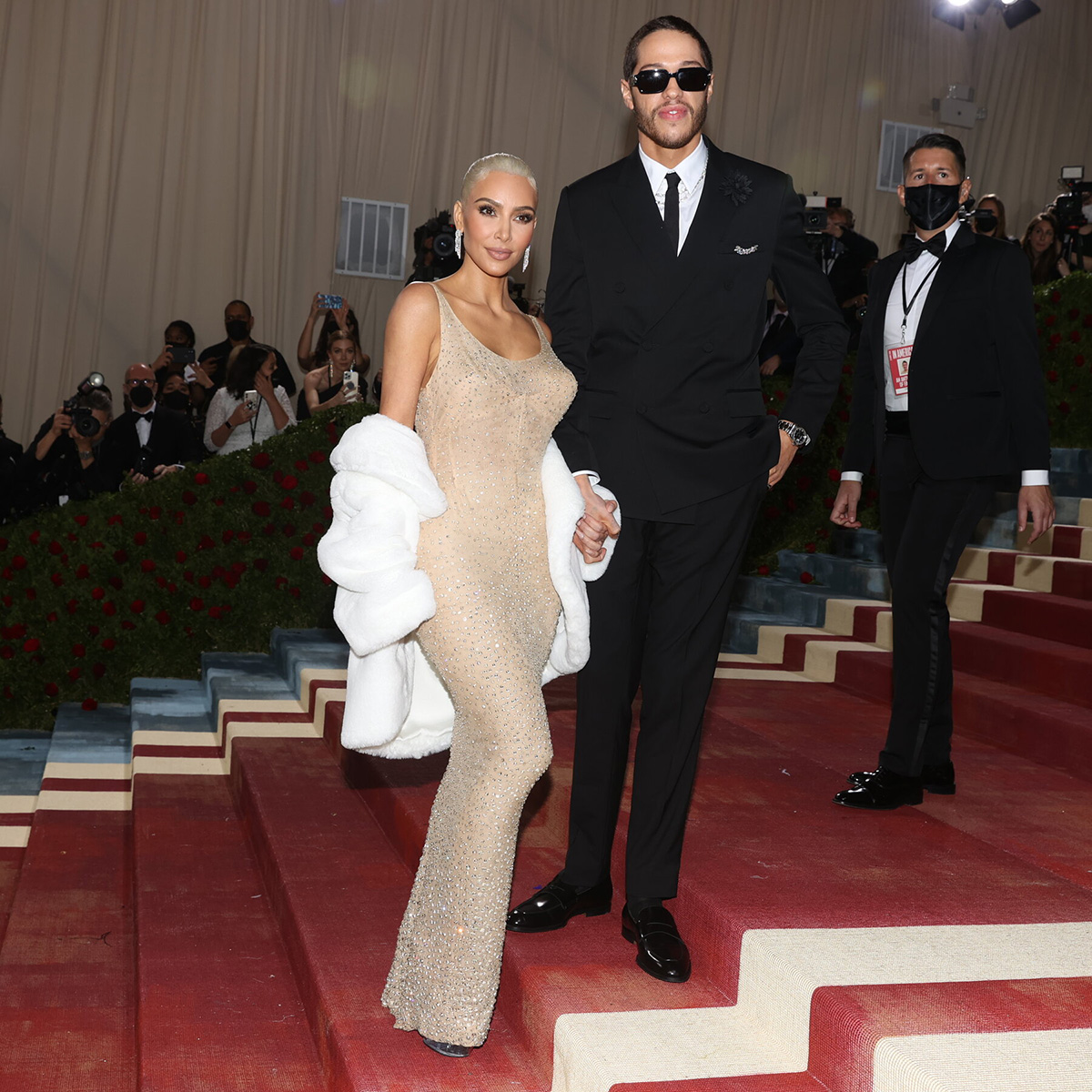
Despite the war in the Ukraine, COVID, inflation, rising oil prices, supply shortages, and an unsettling amount of civil unrest, somehow, the Kardashians managed to break through the headlines. In case you’ve been living under a rock, you are probably aware that Kim Kardashian squeezed her curves into a dress that was custom-made for Marilyn Monroe in 1962 by Jean Louis to wear on the occasion that she sang “Happy Birthday” to President John F. Kennedy.


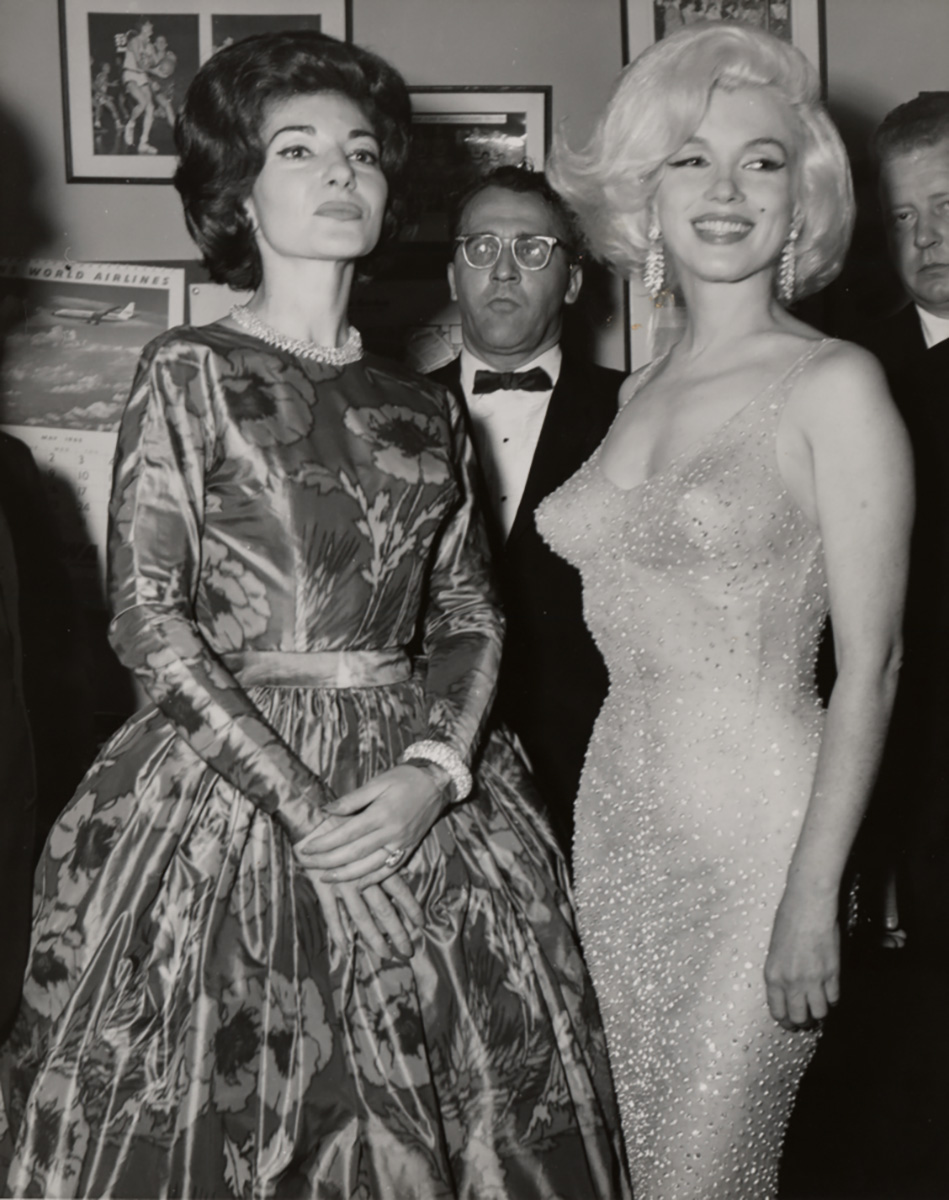
As you can see by the photos, this gown was designed to fit Marilyn. Not the average housewife, not soprano Maria Callas (on the left), and not Kim Kardashian.


Monroe's gown wasn’t just skin tight; it was more like a second skin and hugged every curve of the actress.  Jean Louis’ creation was an engineering feat of epic proportions that accentuated every curve but also kept those curves in place. The illusion of being nude without actually being so.


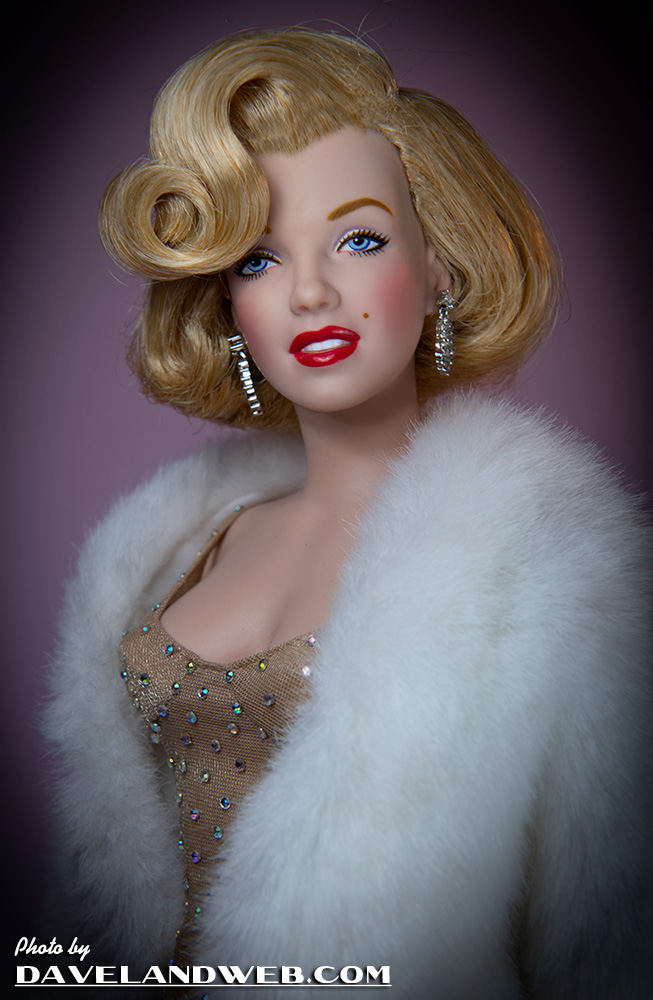
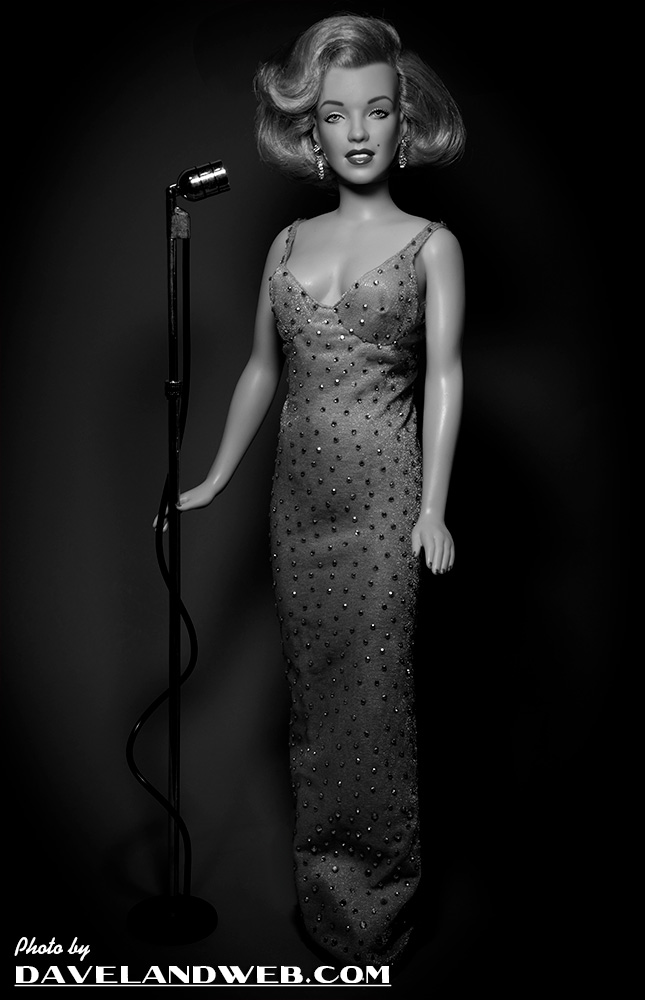
Years ago, the Franklin Mint attempted to capture that evening with a 16" doll.


Not quite the same.


This post was not designed to weigh into the controversy about whether Kim should or shouldn’t have worn the historic gown, nor will it delve into what damage may or may not have occurred because she and her handlers had to tug the delicate fabric over her rear end. But before I get to the point of the post, I will share Joan Cusack’s wise words from the film “Working Girl” (1988):


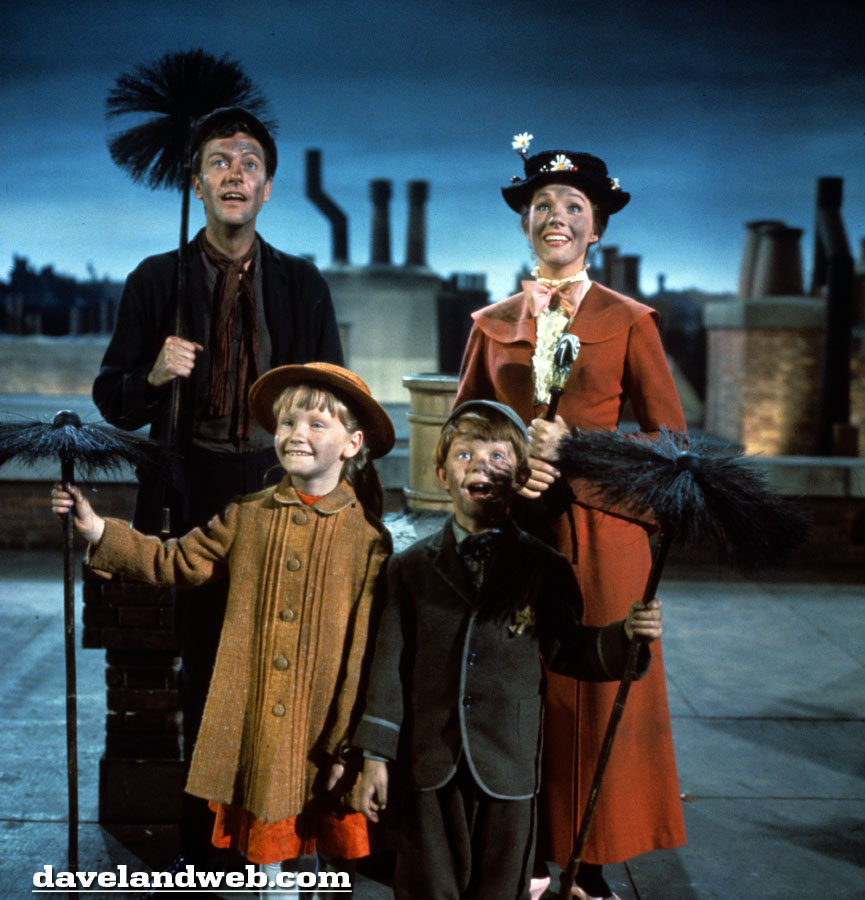
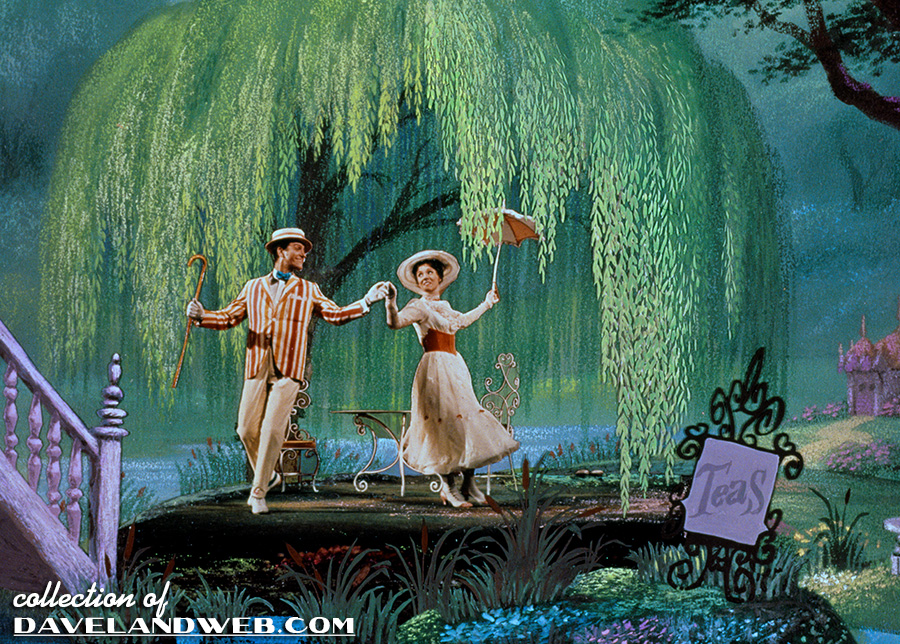
Now we get to the meat of the matter…the controversy that has been kept secret for years. Any Disney fan worth their salt will remember the “Jolly Holiday” number with Dick Van Dyke and Julie Andrews from “Mary Poppins” (1964):


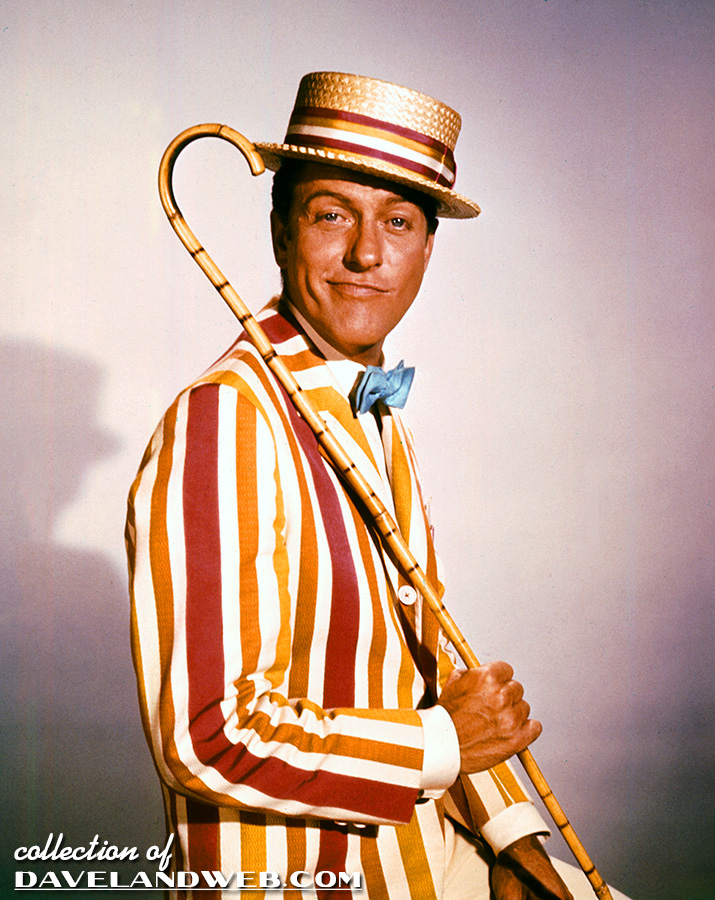
Here’s Dick Van Dyke wearing his striped suit and straw hat from the animated musical sequence:


Seven years later, the TV show “Green Acres” was airing its last season.


You remember the classic comedy about a New York city socialite (Eva Gabor)


…who gives up her penthouse apartment to live in a dilapidated house so that her husband (Eddie Albert) can become a farmer.


On January 12, 1971, the season six episode “Son of Drobney” was broadcast. The premise was that the town was waiting to greet Lisa’s Hungarian war hero who was flying into Pixley to visit her. The welcoming committee was surprised to discover that he was a duck. When watching this the other night, I saw Fred Ziffel (Hank Patterson) wearing what looked to be Dick Van Dyke's jacket from “Mary Poppins.” 


If you compare the placement of the stripes, it’s a perfect match.


Here’s how the jacket looked when it came up to auction:


The ribbon on the hat does not match though; in the shots of Van Dyke from the movie, the top stripe is red; on Ziffel’s hat it’s gold. Apparently “Green Acres” used Western Costume for some of their wardrobe.

I’ll leave you with this question; why aren’t Disney fans up in arms about Fred Ziffel wearing Bert’s jacket? This information needs to be brought to the headlines!

See more Pop Culture photos at my main website.