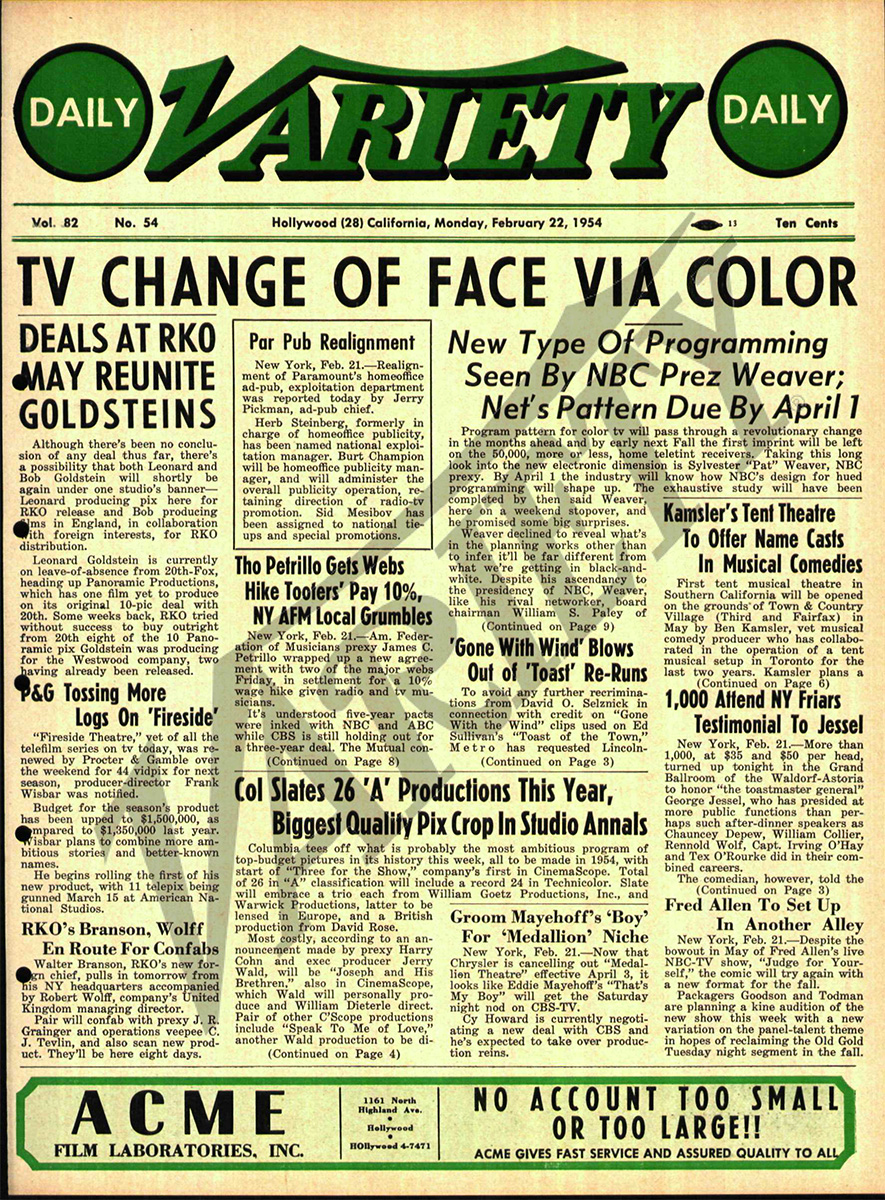
The unintentionally campy “Mommie Dearest” with Faye Dunaway began production January 1981. I solely mention Faye because if you’ve seen the movie, you know that she completely devours everyone else in the cast. Choppy, over-dramatic, and full of poorly written dialogue, I am still fascinated by this movie that tries to be too many things and in the end, fails at all of them. And yet, you can’t help but be entertained by it…for all the wrong reasons. The AFI website has lots of interesting details about the production. According to the Village Voice, Anne Bancroft was originally cast by November 1979 with Franco Zeffirelli as director. By September 1980, Variety announced Bancroft was out and Dunaway was in, with Frank Perry replacing the legendary Zeffirelli.

Filmmakers toured Crawford’s Brentwood home at 426 North Bristol but found it “unsuitable” for filming.
Other film locations included Chadwick School in Palos Verdes Peninsula, CA, the administration building at Metro-Goldwyn-Mayer Studios, and Perino’s Restaurant (at 4101 Wilshire Boulevard, torn down a few years after filming). The beach scenes at the beginning of the movie were shot in Malibu.
Wait a minute…Anne Bancroft? I would be fascinated to have seen her version of “Mommie Dearest.” Something tells me she would have been more restrained and given a more nuanced performance than Faye. The book With Love, Mommie Dearest by A. Ashley Hoff gives some background as to why Bancroft left the project just before filming was to begin:
Bancroft had been discussing the project with [producer Frank] Yablans for over a year but would not commit herself to it until she saw a script she liked—and was sure the film would be directed by someone of whom she approved. When it was announced Yablans had signed Franco Zeffirelli to direct, Bancroft’s commitment followed. Production at the time featured a screenplay by James Kirkwood, and filming was slated for the following spring. Spring came and went. Columnists speculated Bancroft was getting cold feet at the notion of playing a beloved film icon in a negative light.…“Producer Frank Yablans is suddenly back to square one with his screen adaptation of ‘Mommie Dearest,’” gossip maven Marilyn Beck announced in her column in the spring of 1980. “Production on the controversial project was to have started this spring with Anne Bancroft playing that sorry Mommie, Joan Crawford. But now Yablans says that director Franco Zeffirellis is out and ‘all that I can tell you about Anne’s involvement at this point is that I think she’s still in.’”
“Along came ‘Mommie Dearest,’” began legendary comedy writer and raconteur Bruce Vilanch.…“This is what I know: Anne Bancroft was going to do the picture, and Paramount ran a trade ad with a picture of Anne, the Joan Crawford portrait in the frame, which they subsequently used with Faye [on the poster]. And they were ready to go with the movie. And the day the picture appeared in the trades, as I understand it, Anne Bancroft went to her husband Mel Brooks, who is a friend of mine, and asked, ‘Do I look like Joan Crawford?’ And he said, ‘You look like a woman in the home who thinks she looks like Joan Crawford, and has dressed up to look like Joan Crawford.’ And she said, ‘Should I not do this picture?’ And he said, ‘Look, we’ve all read the book. It’s one thing to picture Joan Crawford chopping down a tree in the backyard. It’s something else when you actually put on the makeup and the costume and do it. The audience’s reaction will be laughter because it won’t sync with their view of who it is, and it’s such an over-the-top conceit.’ So she quit, she backed out of it.…That alone makes him a genius, the fact he had that observation before anybody else did.
The book is an excellent account of the trials and tribulations of the making of “Mommie Dearest” along with the aftermath and how the film is evaluated in present day. If you want to view the script that Bancroft “approved” you can see it at The Concluding Chapter of Joan Crawford. It is an interesting look at what would have been a very different movie. Below is a shot of Joan with Bancroft in 1963 from the The Best of Everything: A Joan Crawford Encyclopedia website, when she gave Anne her Oscar for “The Miracle Worker.” This is the Oscar that Crawford famously swept by loser Bette Davis to accept on behalf of Bancroft.

For an insider’s look at the production itself, look no further than Rutanya Alda’s book, The Mommie Dearest Diary: Carol Ann Tells All.

You might recall that Alda played Crawford’s frumpy and mousy assistant, Carol Ann. The character and the performance given by the actress inform the audience that this person lives only for Joan. Carol Ann is based on a medley of people in Crawford’s life, including her real-life assistant, Betty Barker (left $35k in Crawford’s will) as well as secretaries/assistants Florence Walsh and Anna Marie Brinke, according to Hoff’s book. In it, he also adds “As far as Christina Crawford’s book was concerned, Barker denied having ever seen or heard of Joan Crawford abusing her children. Christina, on the other hand, told Rutanya Alda she and Christopher loathed Betty, saying ‘She lied about us and was always making trouble.’”

Regardless of who is telling the truth or not, the Carol Ann character doesn’t add much to the film other than to show an example of the fawning adoration that Crawford fans possessed. No matter what behavior she witnessed, Carol Ann continued to suck up to Joan in the film. Back to Rutanya’s book. It’s a short and breezy read that is nowhere near as lurid as the cover art and title imply. The photo on the back shows a very glamorized Alda; this is a look that is so far from Carol Ann that at first glimpse it is hard to believe the two are one and the same.

This is a constant theme throughout the book about the filming; any time that Alda looked too pretty, Dunaway would talk to the crew and made sure that either Alda was made frumpier or in the worst case scenario, the scene was cut. For the scene where Joan marries Pepsi Cola magnate Al Steele, Alda recalls:
I have my middle age makeup on and a beautiful gray taffeta wedding party dress. This is the dress Ms. [Irene] Sharaff mentioned was by a famous French designer when we were having wardrobe fittings at the beginning of the film. It is gorgeous and fits me perfectly. I have a cute hat on and I look so good. Faye is in a beautiful pink satin dress that buttons down the front with an orchid corsage. Harry Goz was there as Al Steele, as well as about twenty-five extras. One lady comments that I have the smallest waist. Faye overhears this and gives me a look.…Frank P. comes by and and says they will not use me in the wedding scene. What! How can you not have Carol Ann at the wedding? “You look too good, Rutanya,” Frank says. “I told you this at the beginning, you can’t look good. I have no control over this.” “But Frank,” I stammer, “This costume was approved in the test shots, I mean I can justify Christina not being there, if she is in school or in New York, although I think she should have been there too. But Carol Ann! She should be making sure the photographers get really good shots, and she could be giving last-minute photos to sign, as Joan was always signing her eight-by-tens, and she should be making sure Joan looks good. There are twenty-five strangers there who have never been seen in the film. They don’t mean anything.” “It’s out of my hands, Faye doesn’t want it,” Frank says, and quickly. leaves. Incredible! Frank is so afraid of Faye. He’s afraid of being fired by her!
Was Carol Ann really necessary for this brief scene? Not really, especially when you look at a press photo from the actual event. I don’t seen anyone buzzing around Alfred and Joan, do you? What you see in the finished movie is mainly Al and Joan, intercut with VERY brief clips of guests/photographers/columnists asking questions and taking photos. For a movie already pressed for time to tell a complicated story, why would you add extraneous bits about signing autographs and futzing with Joan’s makeup and outfit? These are the type of tales in Alda’s book that inform me that she really didn’t have a grasp of what the overall movie was about. While she did a more than capable job as Carol Ann, the success of the film did not ride on Alda’s shoulders or her character’s.

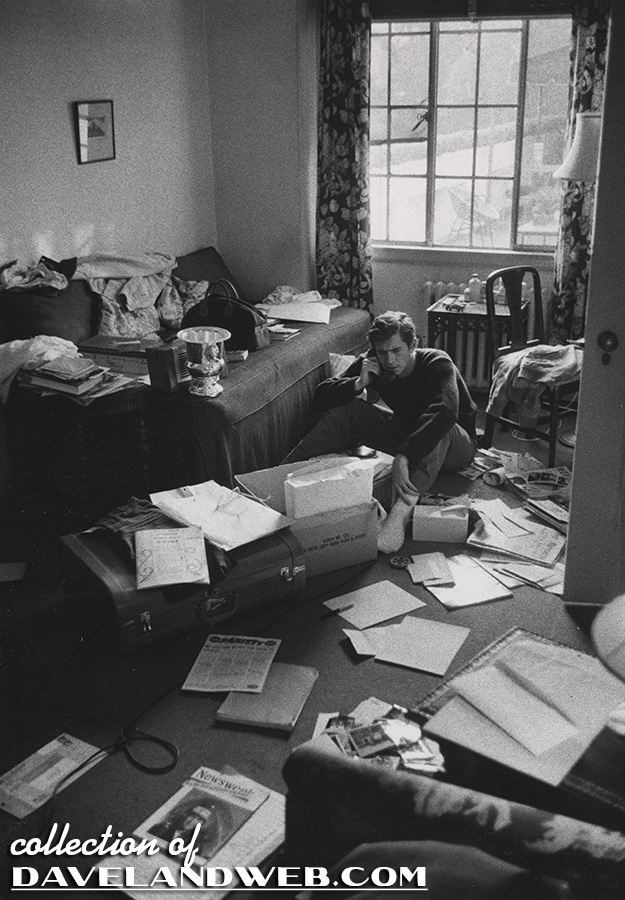
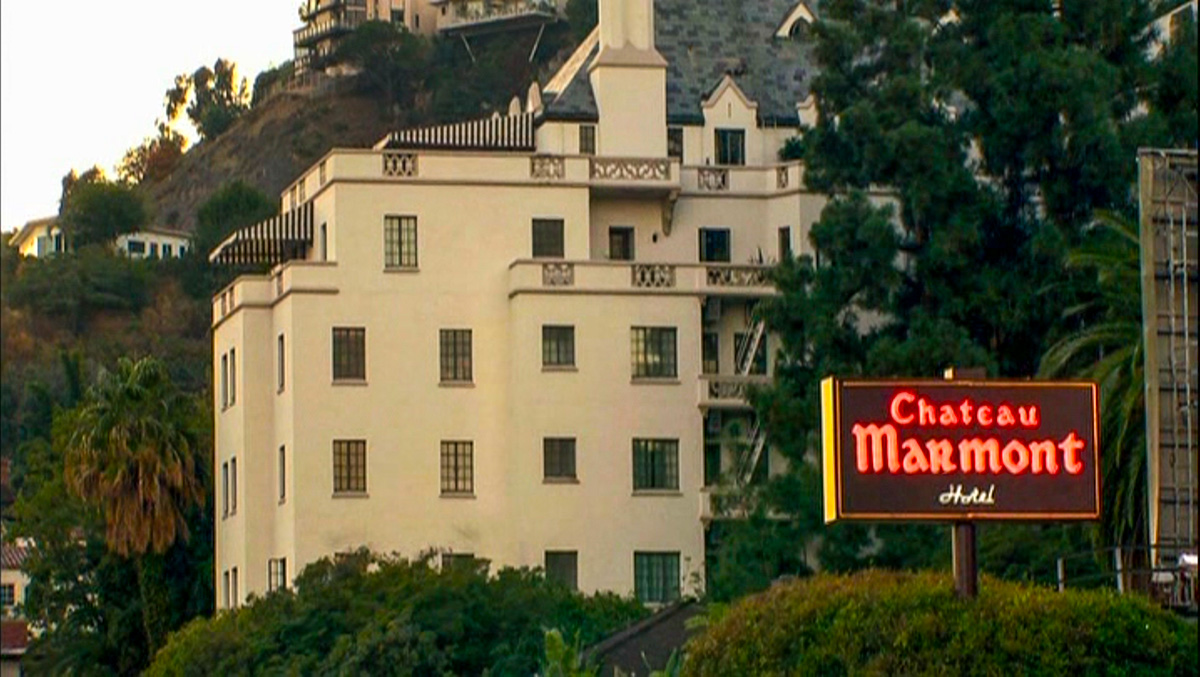
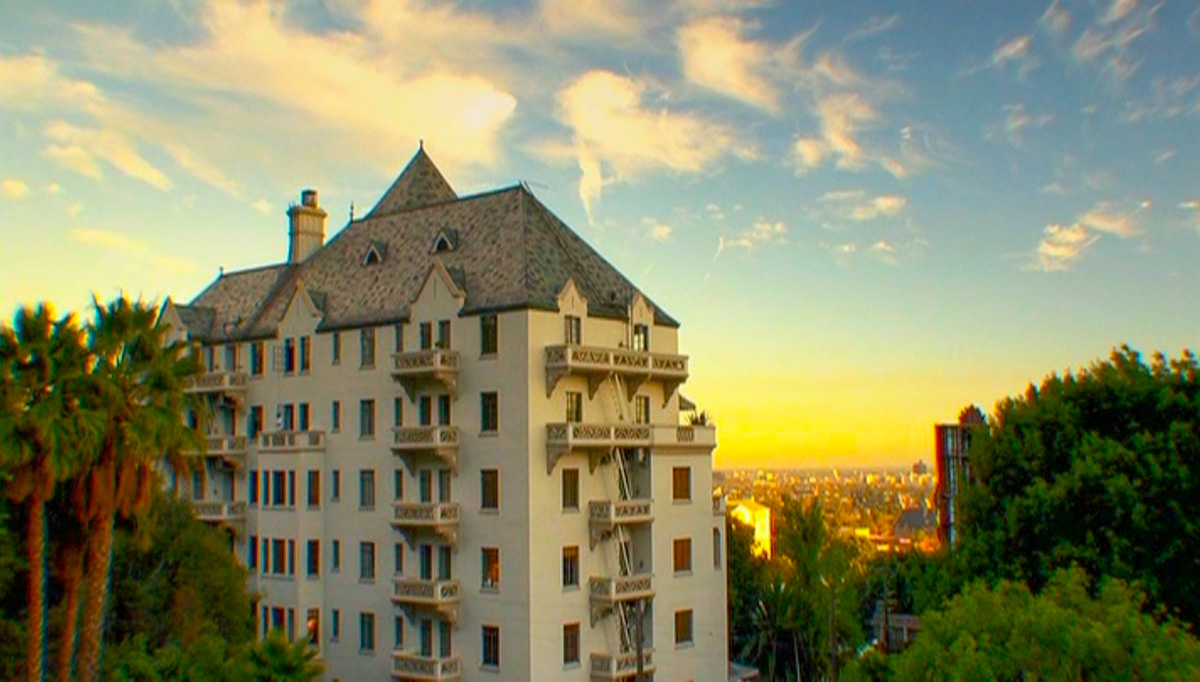
Alda kept a diary during the production of “Mommie Dearest,” so despite the book being written more than thirty years after the film’s release, the details she gives are very specific. The reason I bought the book was to see what she had to say about the Chateau Marmont, which is where she stayed during filming.
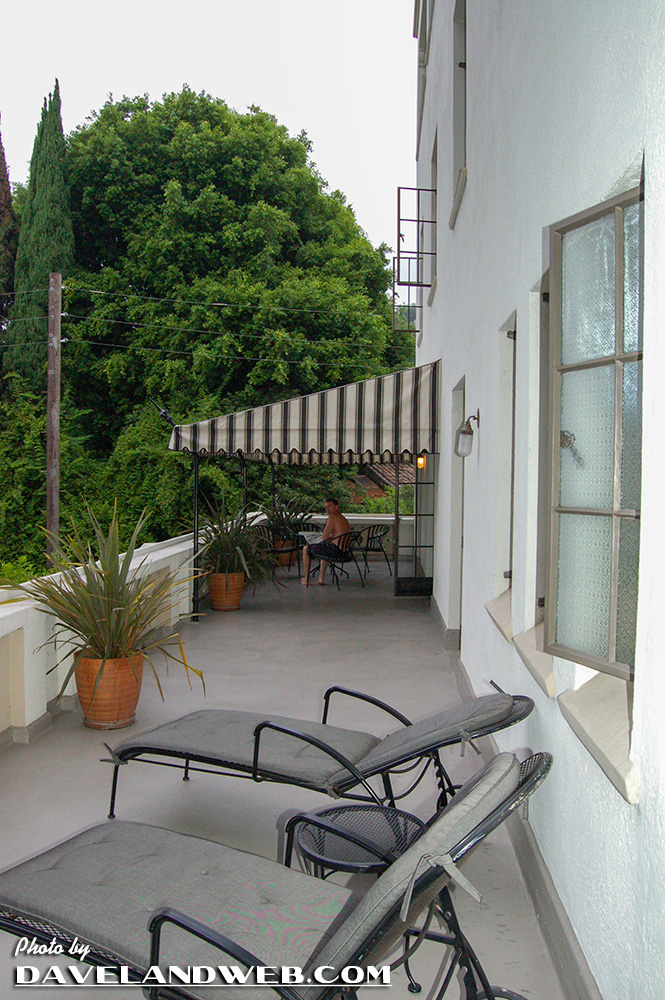
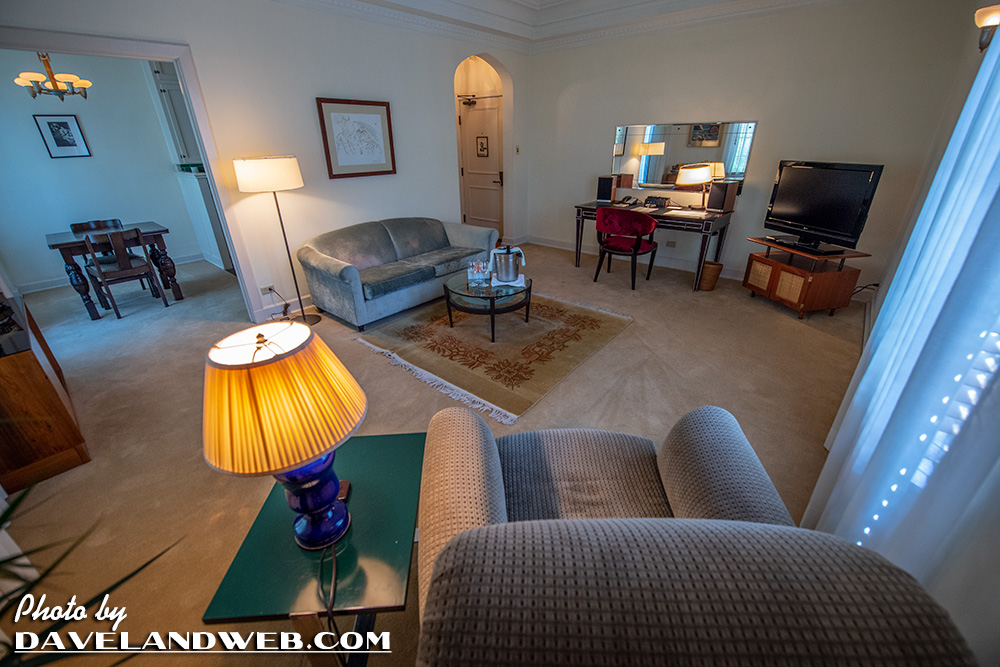
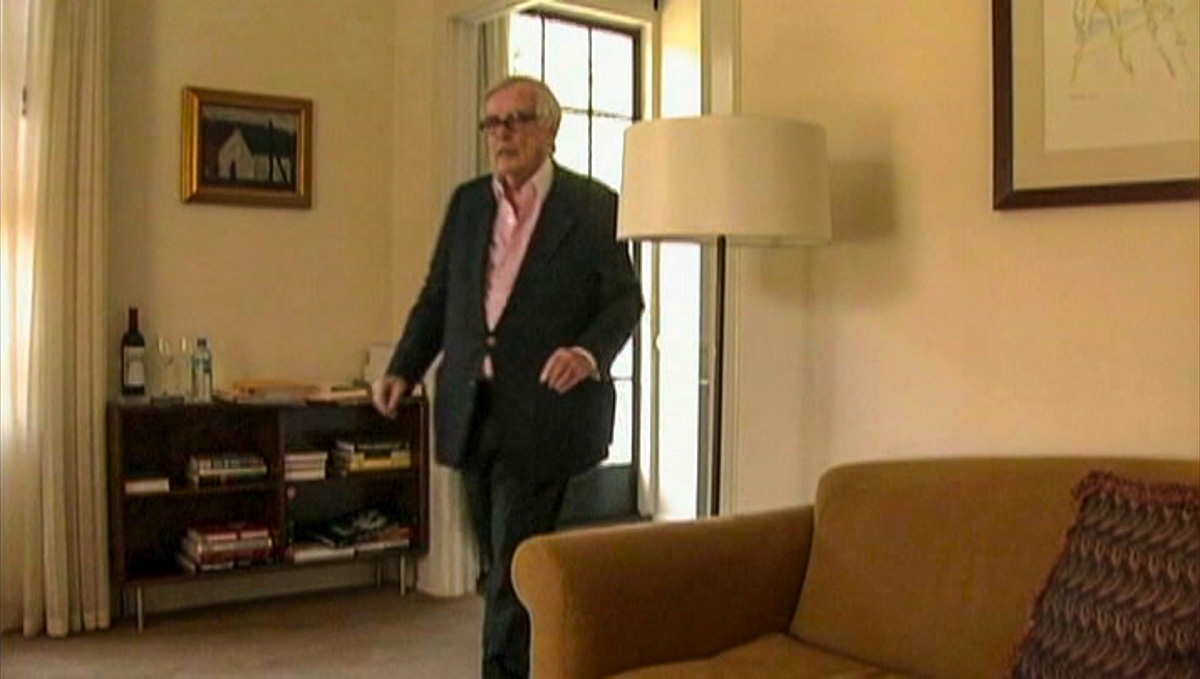
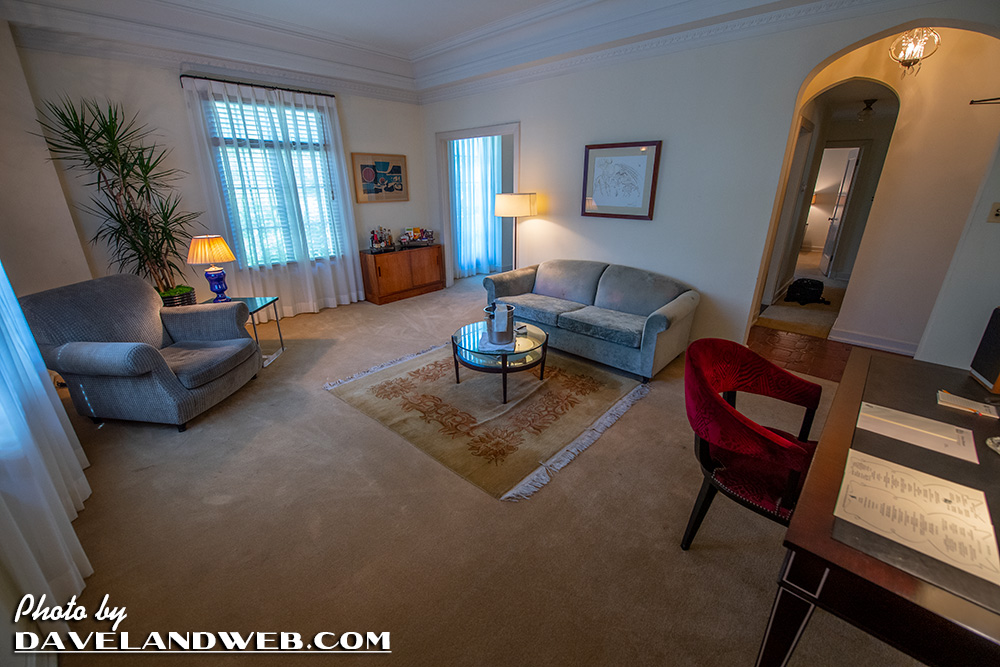
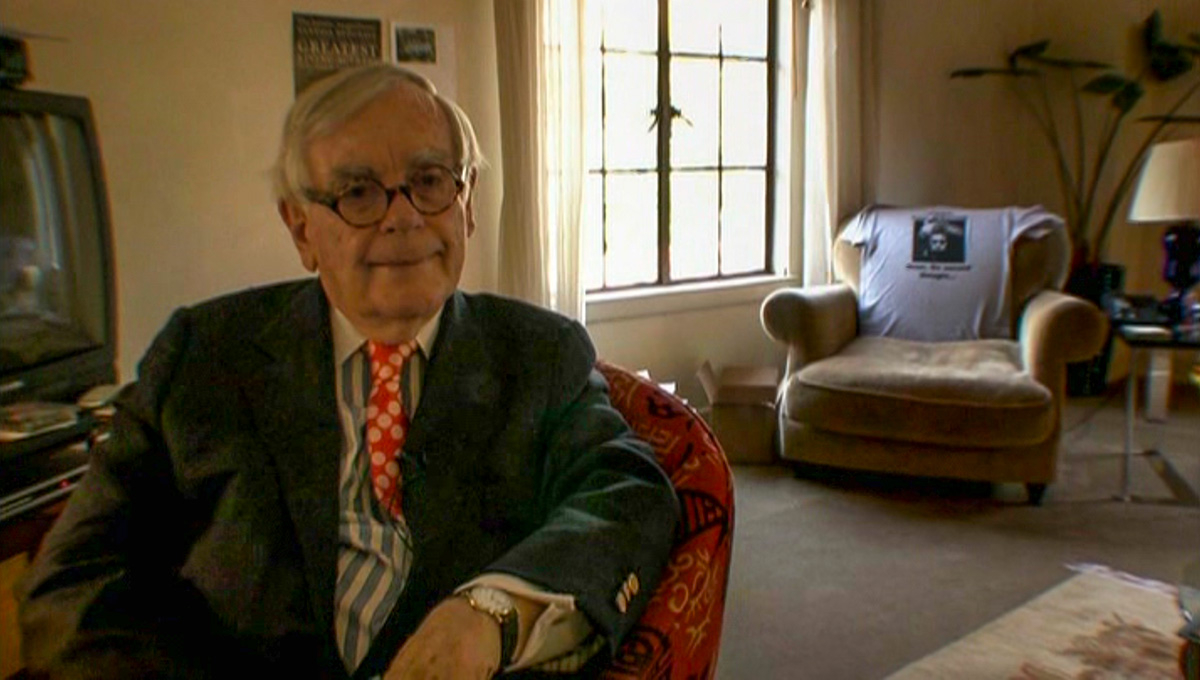
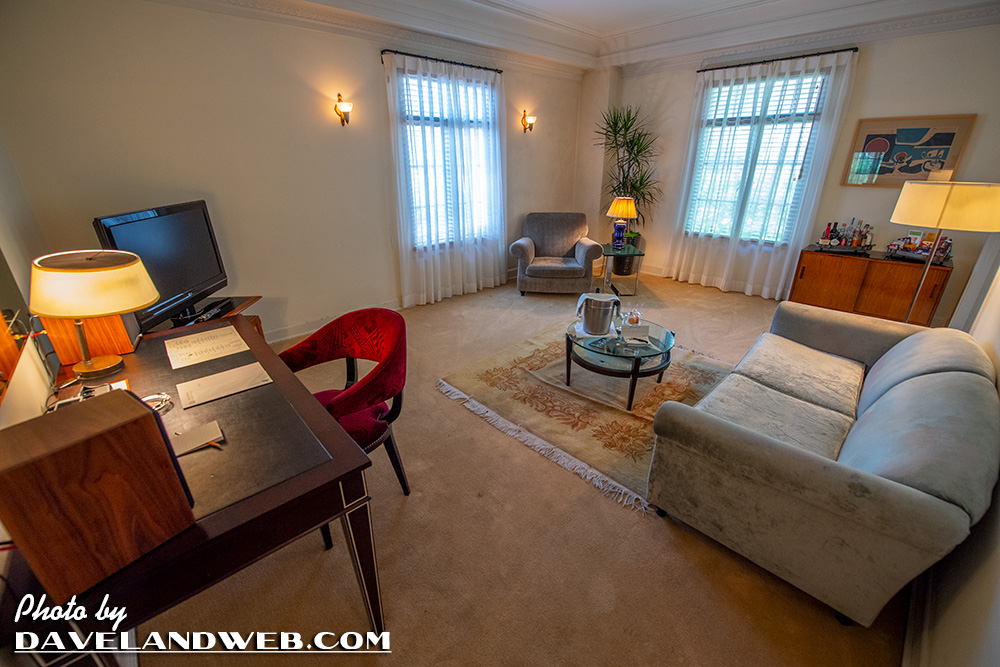
I am booked to live at the famous Chateau Marmont in Los Angeles for the indefinite duration of the film. I had driven by that place so many times when I lived in L.A. I’ve always wanted to stay there, but it’s been beyond my budget. At last, months at the Marmont. It’s wonderful.…[actor] Richard [Bright, Alda’s husband] will come later, after he’s made arrangements to bring our cat, Kukums, with us. (He was a black and white beauty who found me one day during a huge rainstorm in New York and followed me home. He had been very sick and recovered sleeping on my bed for a solid week. He was the smartest, most fearless cat I’ve ever had, and we made quite an entrance at the Marmont’s gardens and pool, as I put the leash on him and he went out for his daily constitutional.)…The lobby of the Chateau Marmont is beautifully decorated and the Christmas tree that greets me is spectacular. I am checked into room thirty-five, a one-bedroom suite.

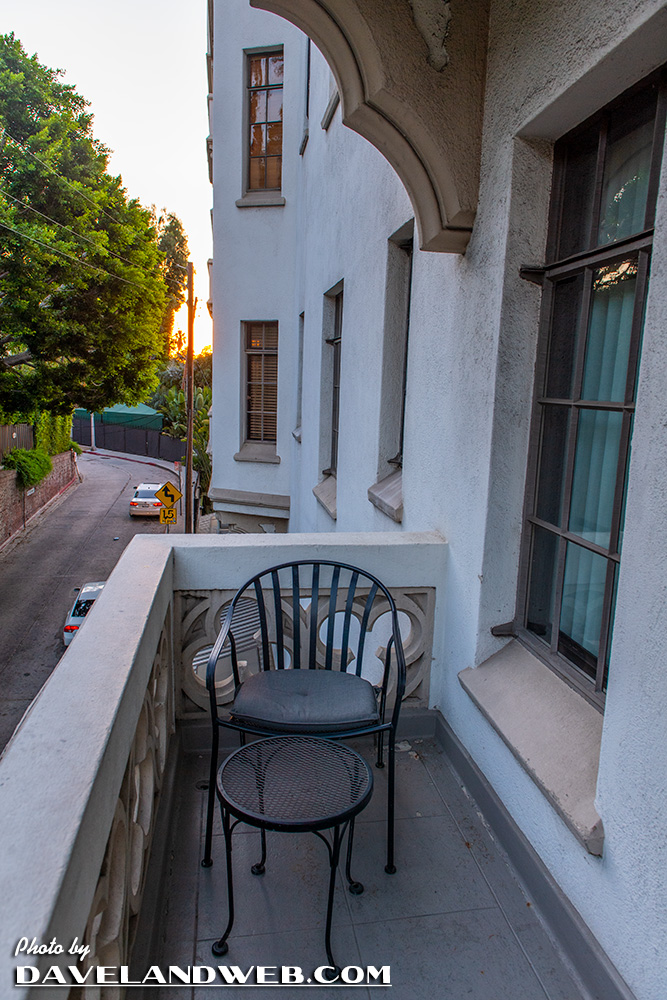
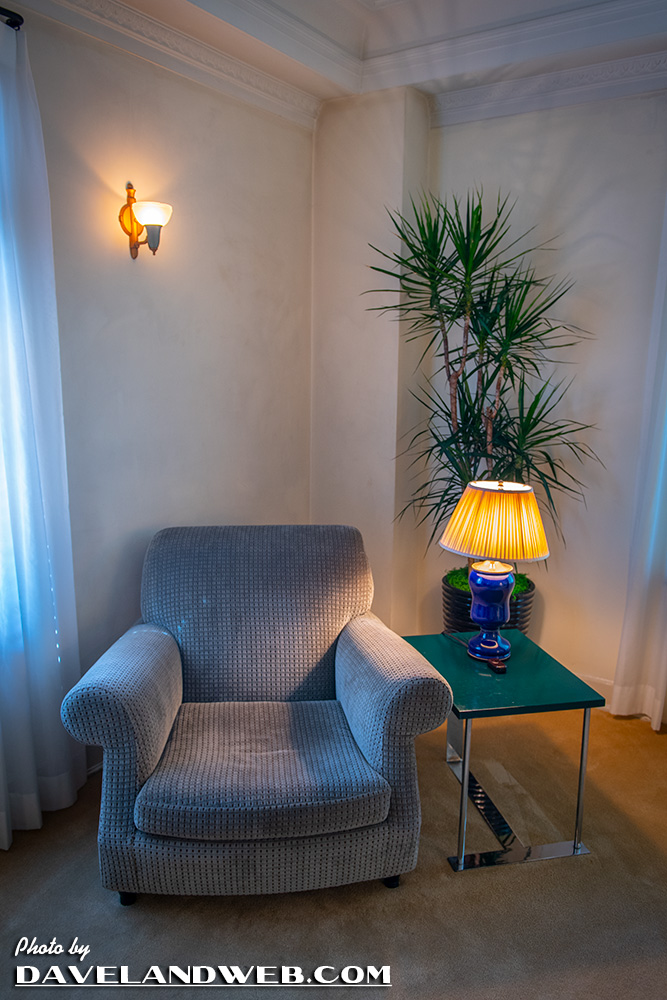
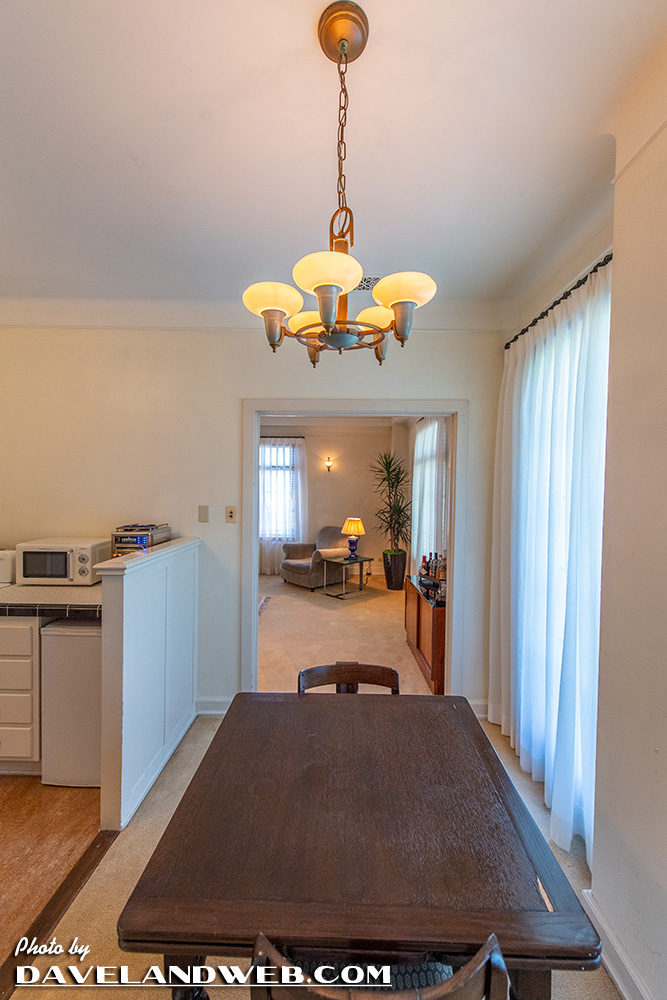
Recently, I was able to check room 35 off my Chateau Marmont bucket list. Here’s what the interior looks like now:

The kitchen (below), where according to Alda “…the too loud, too sensitive fire alarm goes off twice from cooking on the stove in my room at the Marmont. Scares me like crazy.”

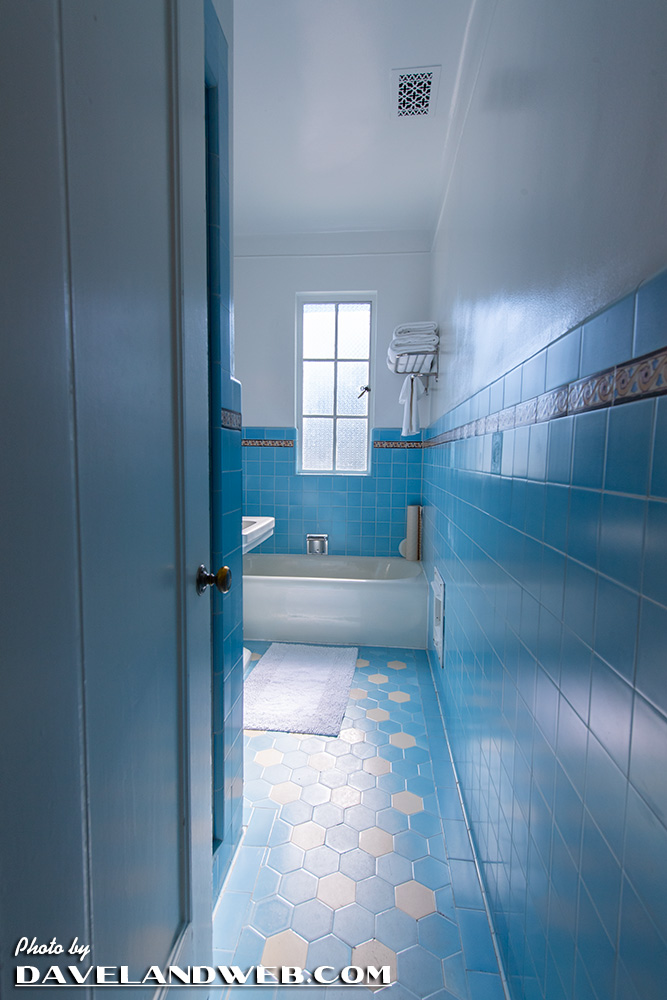
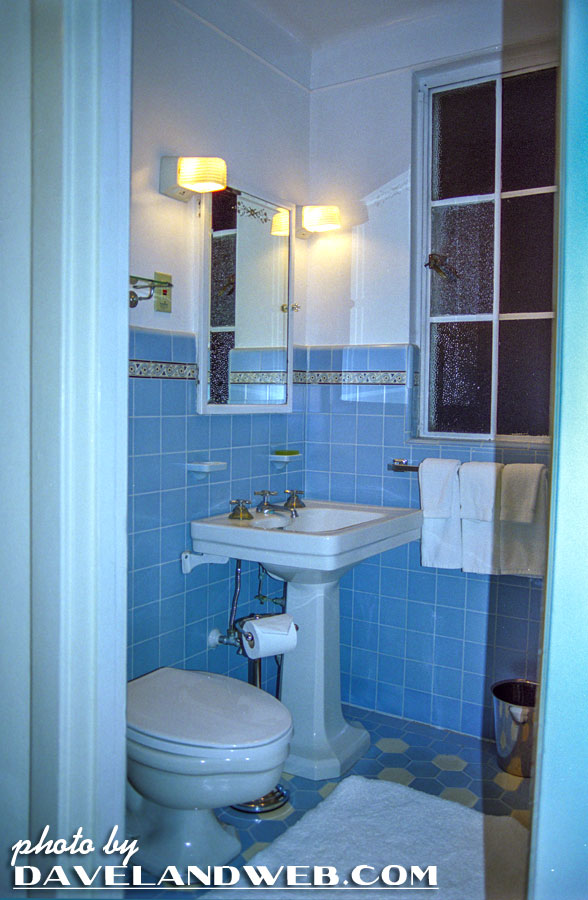
The bathroom:

The bedroom:

A great view of the pool and Sunset Boulevard from 35:

One of my favorite stories in Alda’s book is about do-gooder Jane Fonda:
Met Gita Breslin at the Writers Guild for screening of film “9 to 5.” It was fun going with her, as Gita had worked as being a stand in for Jane Fonda on many of her films and was also her personal masseuse. She told me they had broken their relationship when Gita had somehow gotten injured on Jane Fonda’s film set and filed for disability insurance and Jane had gotten very angry at Gita for doing that. Jane never hired Gita again.
I never believed for a minute that Jane Fonda was as much of a champion for the underdog as she publicly portrays herself to be.

From Sunday, January 18th:
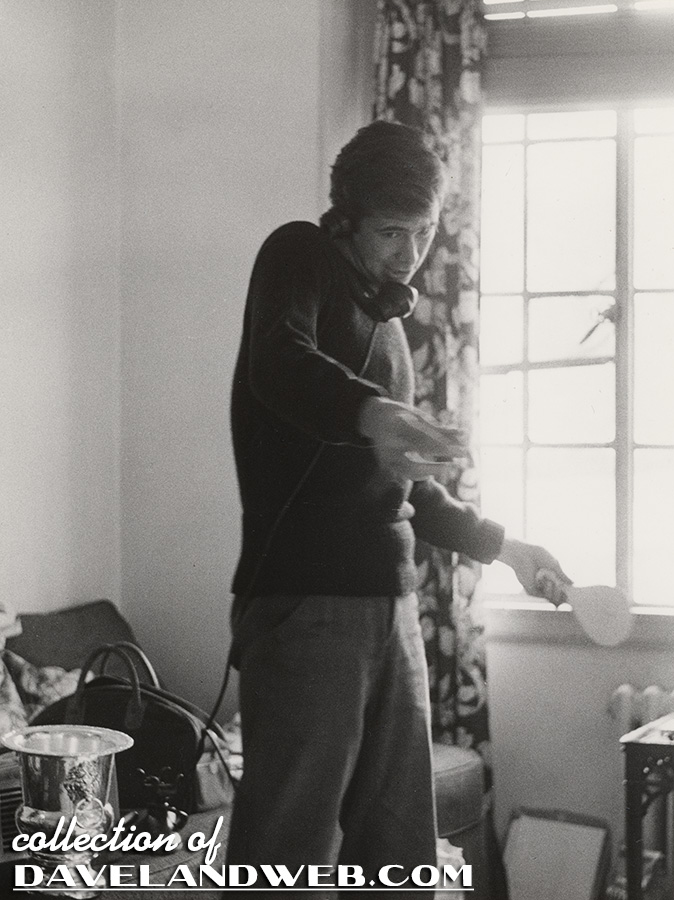
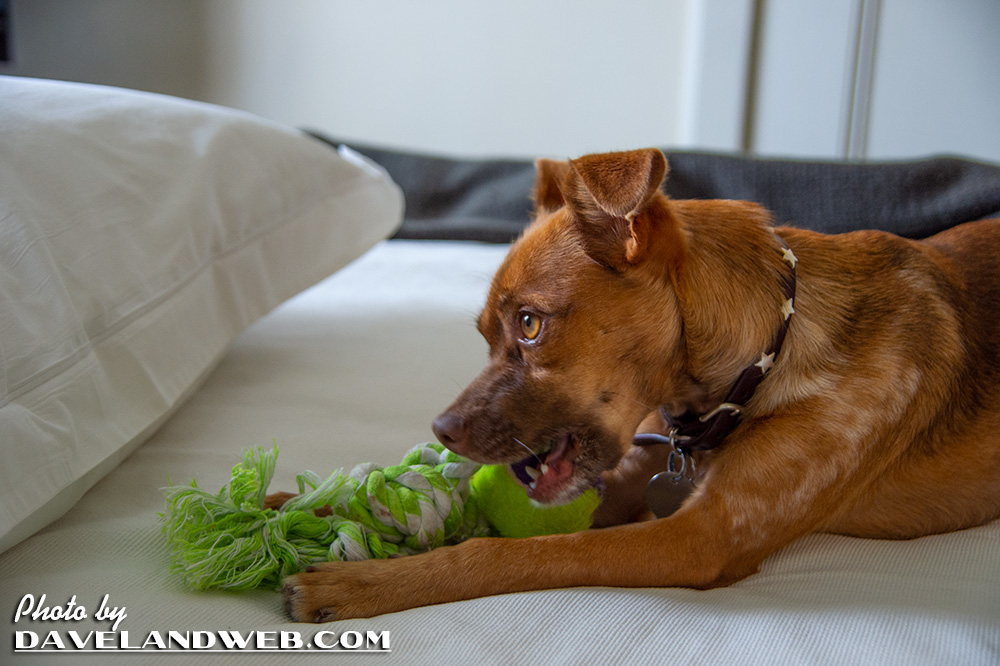
I take Kukums [shown above in room 35] for a walk around the pool. He can’t wait to get out for a walk every day. He still waits for me with the leash. Everyone thinks it’s so strange to see a cat out for a walk. He loves to eat grass. We walk and sit for a while. Go shopping at Quinn’s health food store for dinner. Make chicken at the Marmont.
Quinn’s Health Food store (once called Quinn’s Nutrition Center) was a popular local store just off Melrose Avenue at 226 North Larchmont Boulevard. Of course it no longer exists.
Wednesday, January 31st:
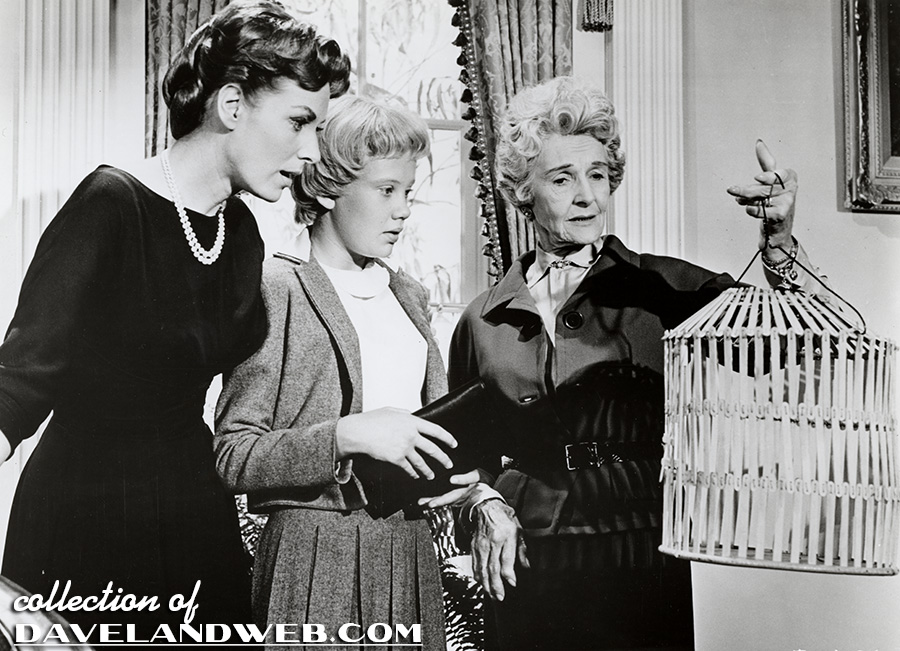
Joanna [wife of Michael McClure, also staying at the Marmont] got up early for a conference in Pasadena. I met Richard and Michael at Schwab’s at 10:30 for breakfast. (Schwab’s was a famous drug store and coffee shop where a lot of actors hung out there and Lana Turner was rumored to have been discovered. I once had lunch at the counter and Jerry Brown, who was then the young governor of California, sat right next to me without any bodyguards and we chatted like we knew each other. It was that kind of place.) Back to the Marmont and run into the wonderful actress, Cathleen Nesbitt. She looks fabulous at ninety-two.
You might recall Nesbitt (below right) from her role as the snooty grandmother in Disney’s “The Parent Trap” (1961) with Maureen O’Hara and Hayley Mills.
Wednesday, February 4th:
Take Kukums for daily walk around the pool—we save little Billy’s life, a two-year-old English boy who falls in. There is no one else around, no parents watching. Richard hears me yell and jumps across some tables and we both bend over the deep end and grab his arms and hoist him up. He doesn’t cry—he doesn’t realize how serious this was. No, actually, he does start crying, because his green lollipop is still in the pool. Richard rescues his green lolly with the big pool scoop and he stops crying. His parents finally show up and we tell them what happened and they don’t seem concerned at all. This should have at least quivered their stiff upper lip. Lucky for them we were there. Do they know that?

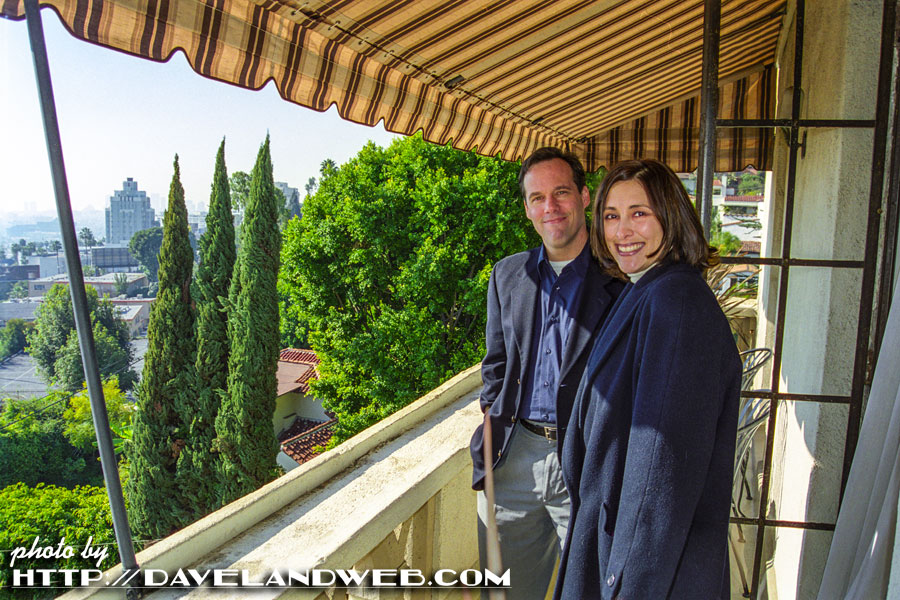
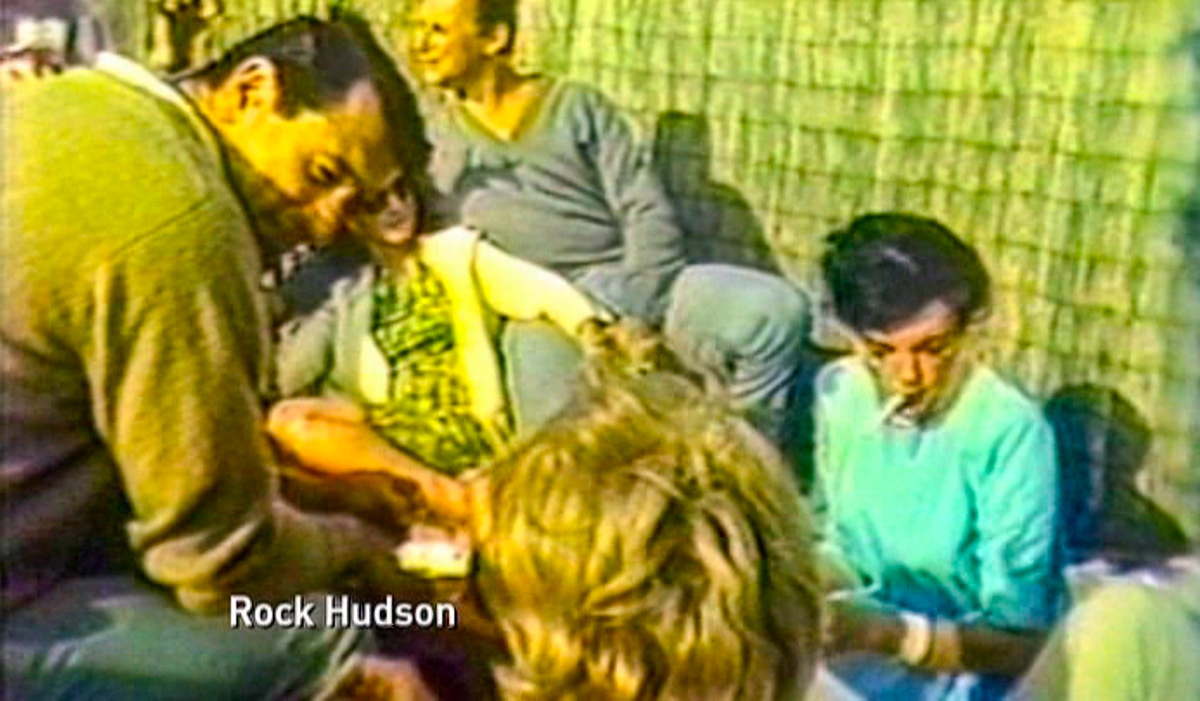
Below is a photo from Alda’s book taken at the Marmont with Joanna McClure, Michael McClure, and Richard Bright. The McClures were prominent figures in the San Francisco Beat poetry movement back in the 1950s. Michael died in 2020; Joanna appears to still be alive.

This was a hard match for me; possibly it is showing poolside cottage 89 on the second floor at right behind them. Below is a contemporary shot from a different angle of where I believe Alda’s photo was taken. Cottage 89 is above the ping pong table.

The best part of Alda’s very short book is the story of her early years in Latvia and glossed over all too quickly. The hardships she endured and overcame would make a very interesting movie. Instead, more time is spent on Faye’s poor treatment of the cast and crew of “Mommie Dearest.” It’s enough to make your eyes cross.

On the recent blu ray of the film, Producer/Screenwriter Frank Yablans had this to say about Faye’s performance:

Maybe it turned out to be more of a caricature than a character, but when you’re dealing with something that’s bigger than life, you have to present it bigger than life, and so we did, and I’m very proud of where we went with it. There were a couple of times I guess we could have toned her down a little bit, particularly when she attacks the rose bushes, which is considered one of the rare moments on film. I take a little bit of the blame, because I should have asked Frank [Perry] to pull her back a little bit on that scene, but you’re watching this thing and you’re watching her go and you’re watching where she’s going with it and I got swept up in the moment of this absolute rage, “Hollywood Royalty!” This woman has just been given a death sentence in Hollywood and so she has all this rage in her, so it probably went over the top. Maybe in another lifetime I’ll bring it down a little bit! Ha!
Rutanya was also interviewed for the featurette and gave this amusing anecdote:
I gotta’ tell you a story; when I was in Christina Crawford’s house, I took a look in her closet. There’s a lot of wire hangers!

I will end this post with another insightful quote from Yablans:
Aren’t we all in some way villains, and aren’t we all in some way angels? That’s what makes an interesting subject. Joan Crawford, she was who she was before she ever got to Hollywood or she wouldn’t have become what she became. Hollywood doesn’t destroy people; people destroy themselves. This is an industry that you’re going to have high highs and low lows. You learn early on to deal with rejection and you learn not to take your success too seriously because it’s going to be fleeting, and if you don’t learn those things, I don’t care whether you’re in Hollywood or in Peoria, Illinois, you’re going to get destroyed because you’re not true to yourself.

And so ends today’s post about “Mommie Dearest” and the Chateau Marmont.
See more Chateau Marmont photos at my main website.