Showing posts with label Rivers of America. Show all posts

Friday, October 10, 2025

1990s 3D: Frontierland Friday Finish!


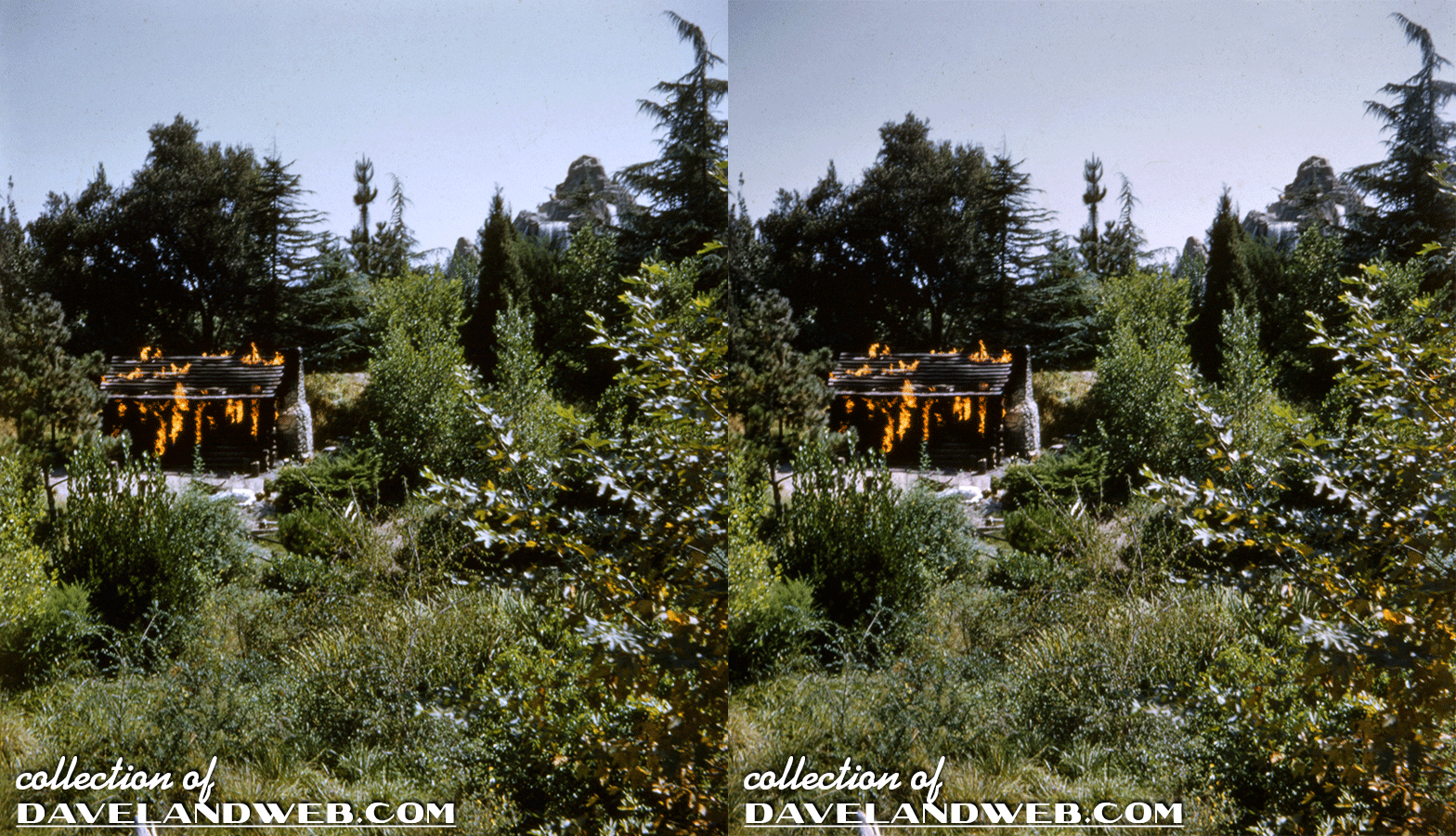
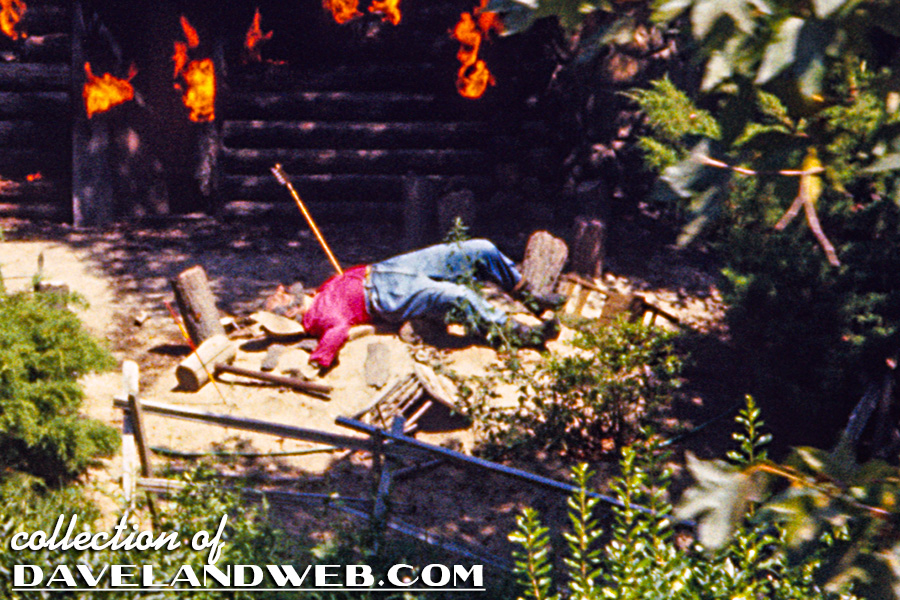
The finale to my 1995 3D images from Disneyland wraps up in Frontierland, starting off with a shot of Harper's Cider Mill. I don’t think cider was ever served there, which seems like a missed opportunity especially on a nice crisp Fall day! And how about a shot of the Burning Cabin, back when it still burned? Note the absence of the dead settler; too traumatic for the kiddies of the time, he was removed from the fiery tableau.


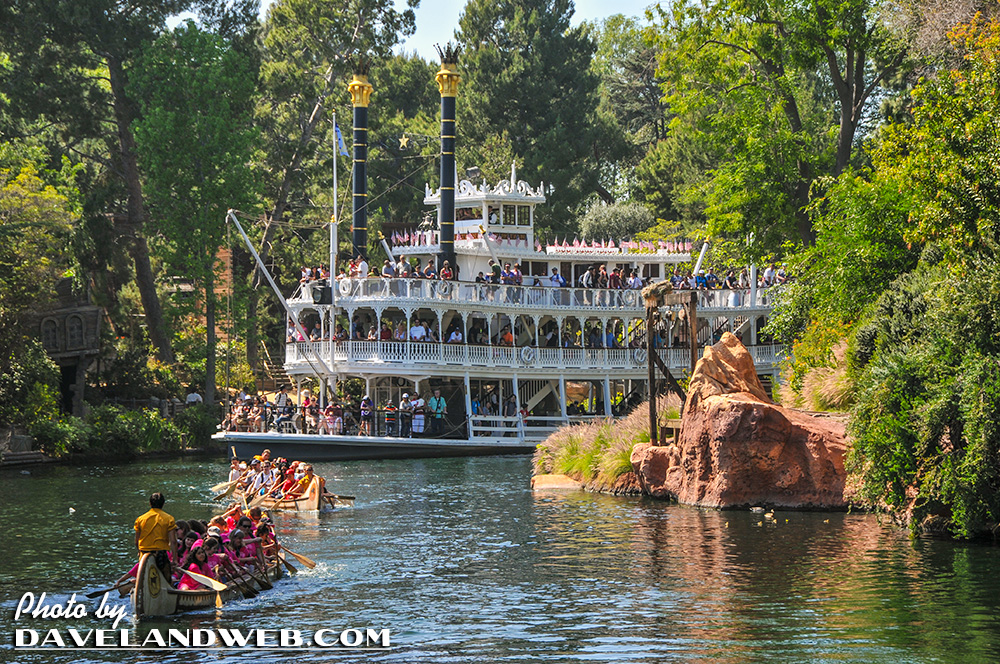
Our 1995 photographer most likely took the previous two shots aboard the Columbia, as it sailed around the Rivers of America. The original version - not the current Readers Digest version.


It’s almost like being aboard; don’t get seasick!


Last two of the batch were taken inside the Country Bear Jamboree:


The incomparable Teddi Barra (voiced by Cheryl Poole), descending down upon the audience from her vine-covered swing:


Have a good weekend; and if you happen to find a Time Machine so that we can get more of these 3D images, please let me know!

See more Disneyland Frontierland photos at my main website.

Monday, May 26, 2025

Building The Burning Cabin at Disneyland


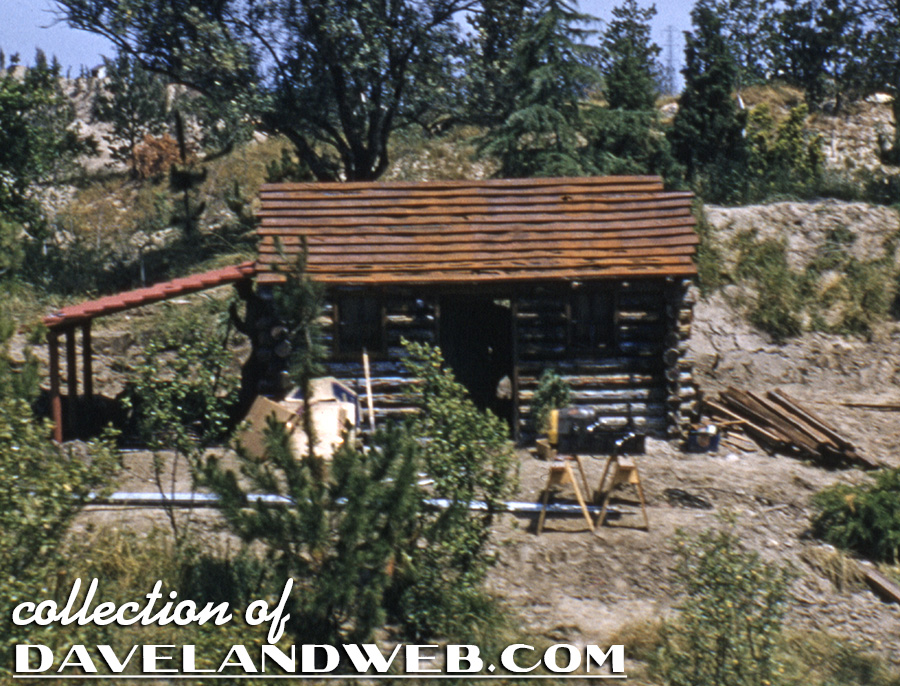
Did you hear the “whoop” I let out when I acquired this shot of the Burning Cabin at Disneyland? One of my favorite “lost” attractions at Disneyland appears to still be under construction. The fireplace located on the right of the structure hasn’t even broken ground yet.


This previously posted shot of the Cabin is undated, but has no dead settler. I wonder how long it took for the settler to appear?


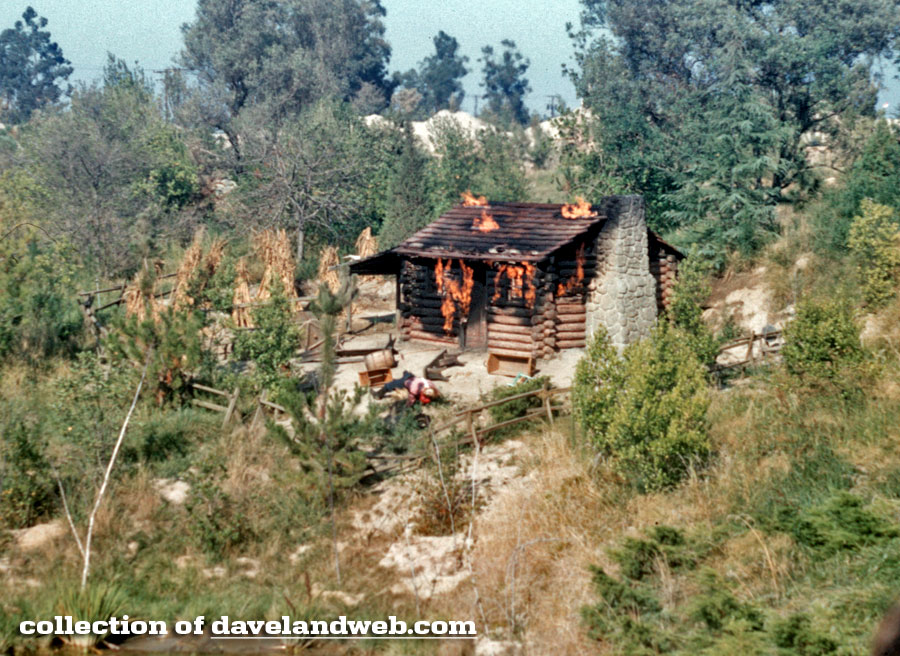
This October 16, 1956 is the first dated shot in my collection that shows the poor dead dude.


Whoop…there he is.


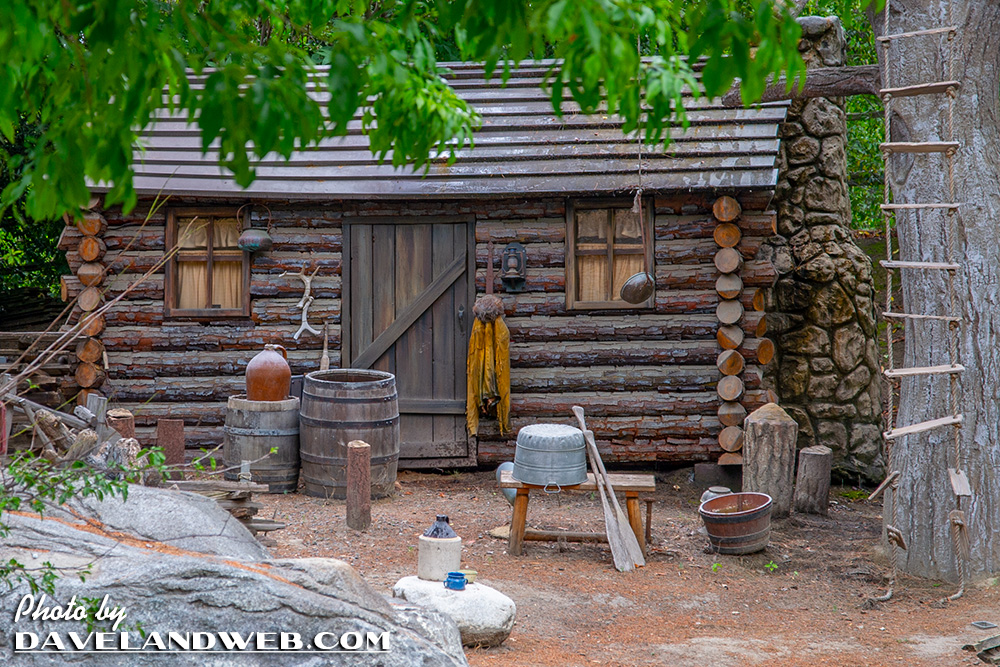
The most recent shot of the “burning” cabin from 2015 shows that not only is it not burning, but the dead settler has flown the coop.


As a kid, it was always a thrill to round the bend in the Rivers of America and see the cabin aglow with flames and a dead guy in front with an arrow through his chest. Today, the entire scene has been sanitized, and like the rest of Disneyland, flattened emotionally to appeal to all.

R.I.P, Burning Cabin.

See more Disneyland Burning Cabin photos at my main website.

Monday, April 14, 2025

Disneyland July 1956 Gems


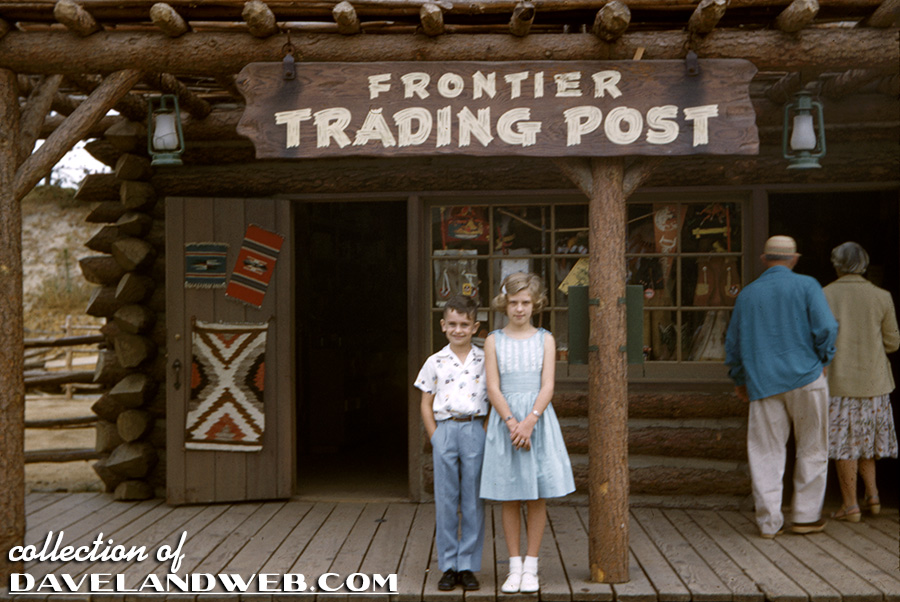
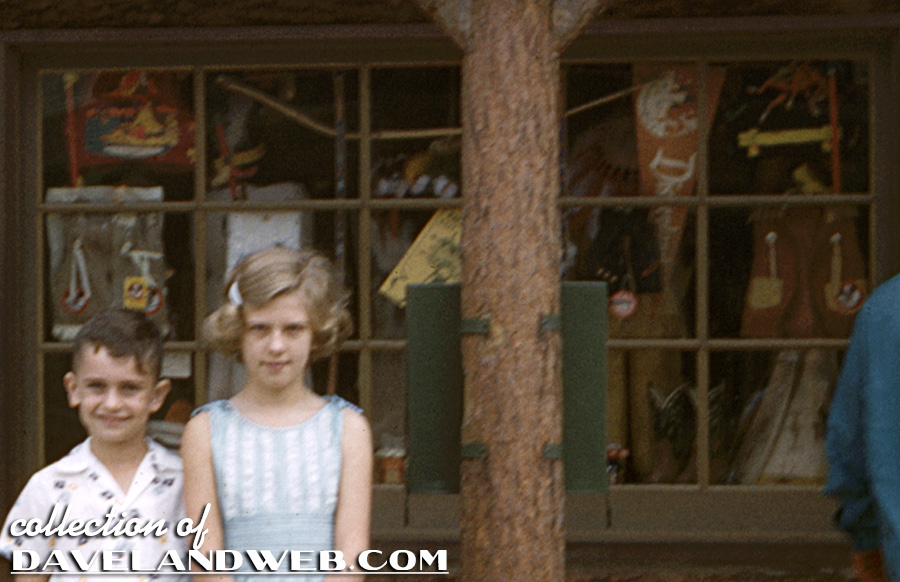
A few gems from Frontierland, circa July 1956. These two well-behaved children are standing outside the Frontier Trading Post. It sure is fun taking a peak inside the windows at the merchandise.


Over at the queue for the Pack Mules attraction a cast member looks a bit bored.


You can see maintenance working on something in this detailed view:


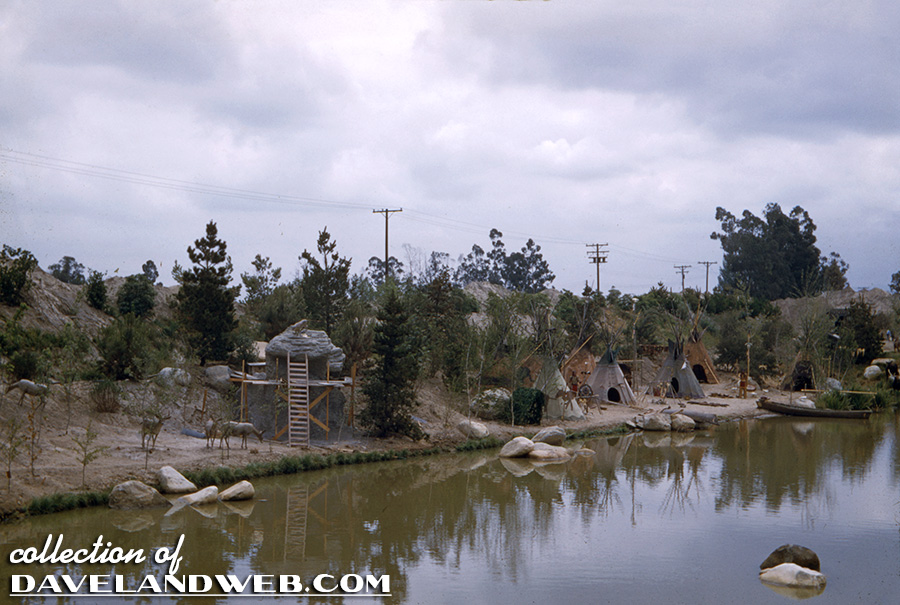
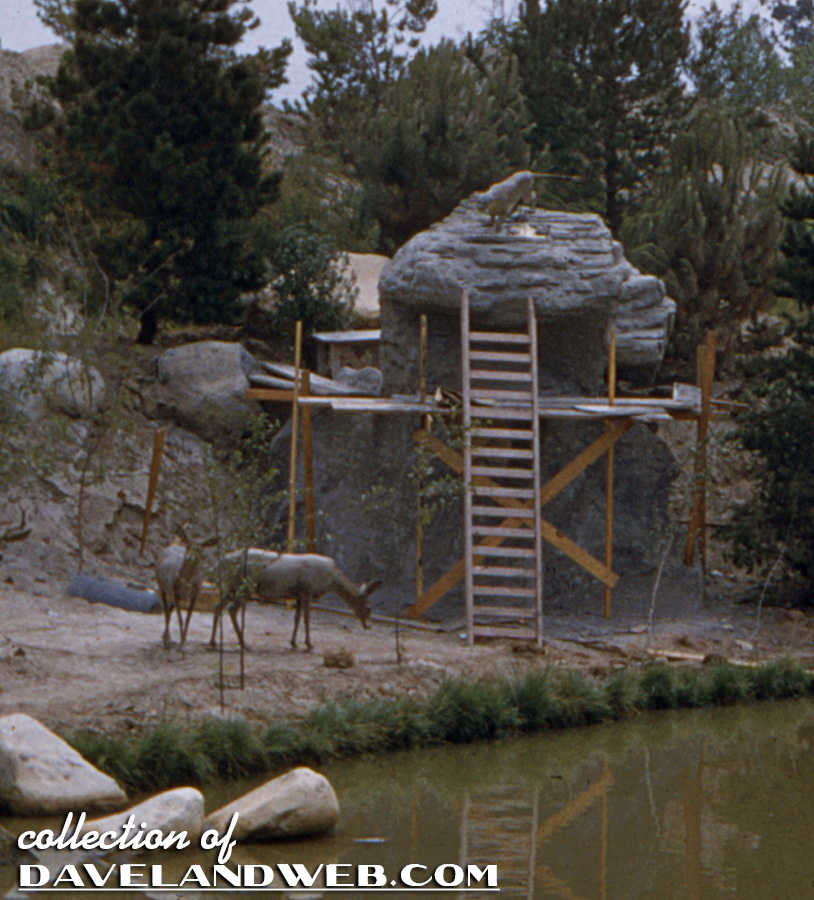
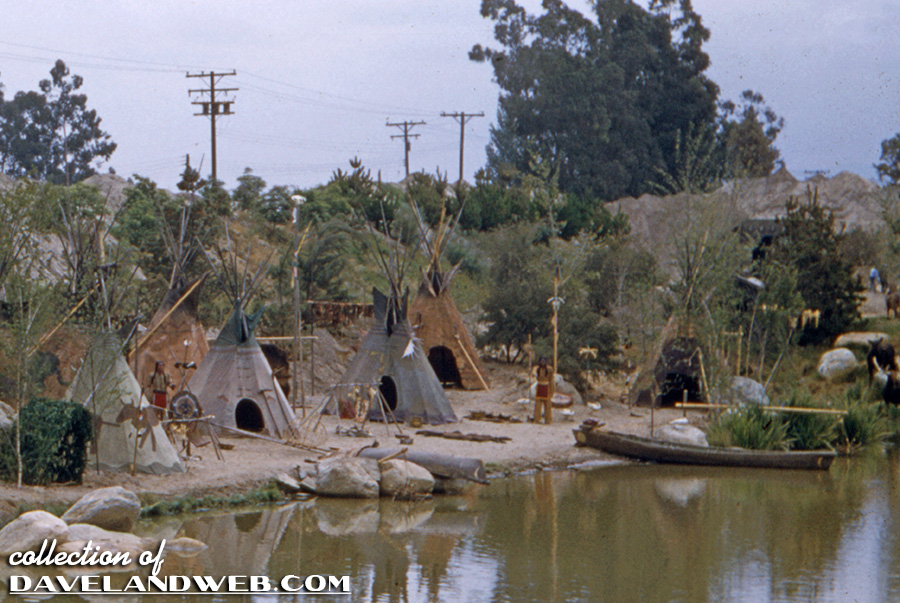
Over at the Rivers of America, some of the scenery near the Indian Settlement is still under construction:


The complete tableau, from 1957:


The tents are still very plain at this time, without any decor.


A much more vibrant Indian Settlement is seen in this September 1959 shot:


See more photos at my main website.

Monday, February 03, 2025

Disneyland Album Cover Mystery Update!


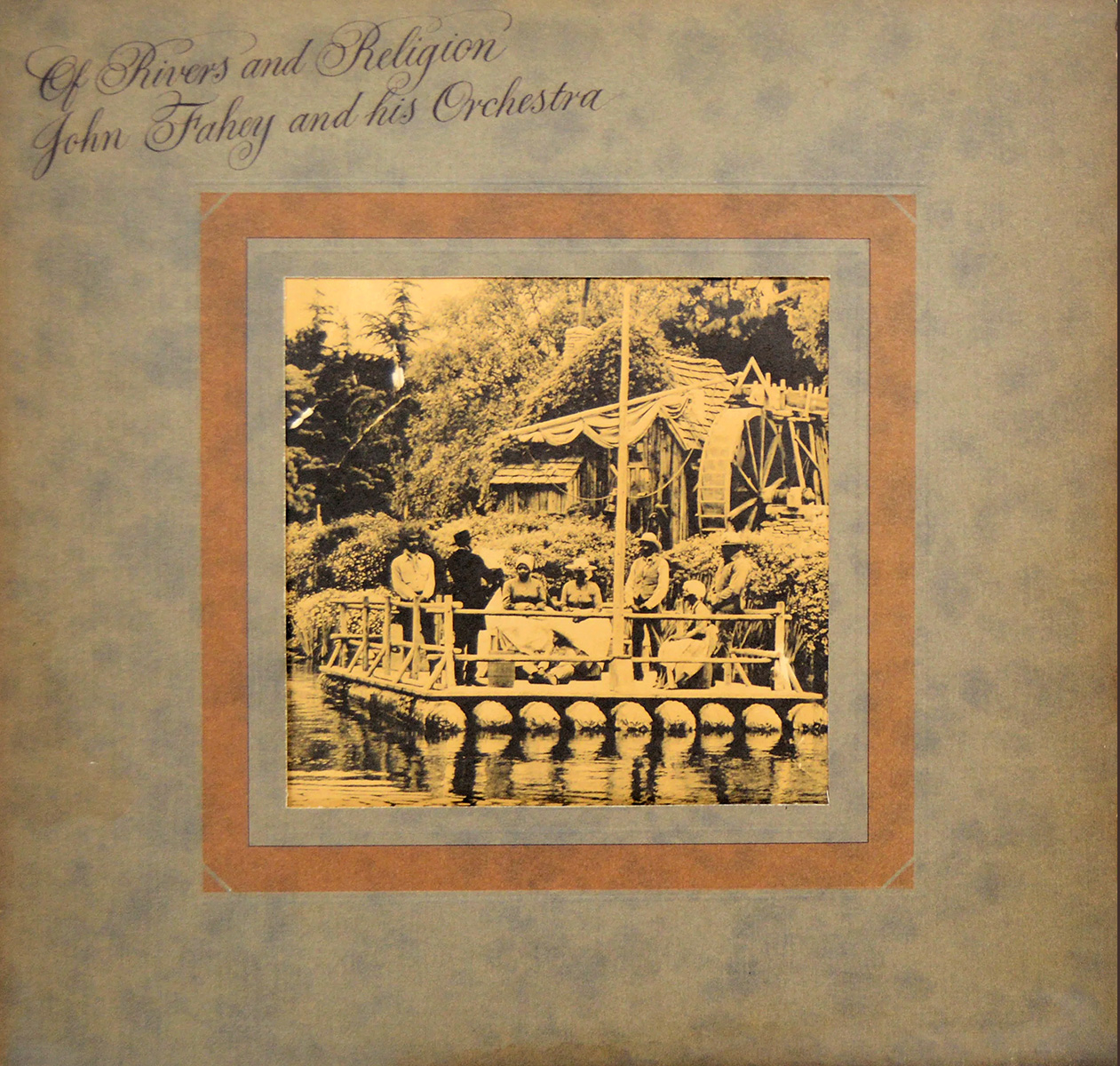
Last March (can’t believe it’s been that long!), I was asked if I knew any information about the photo on the cover of the John Fahey album, “Of Rivers and Religion” (shown above). I wrote a post about it, and as it turns out, one of the people involved in the photo shoot recently reached out to me and gave the 411 behind this little known piece of Disneyland history. Here is the story that Scott J. Tepper (credited as the location scout on the liner notes) told me when I interviewed him.
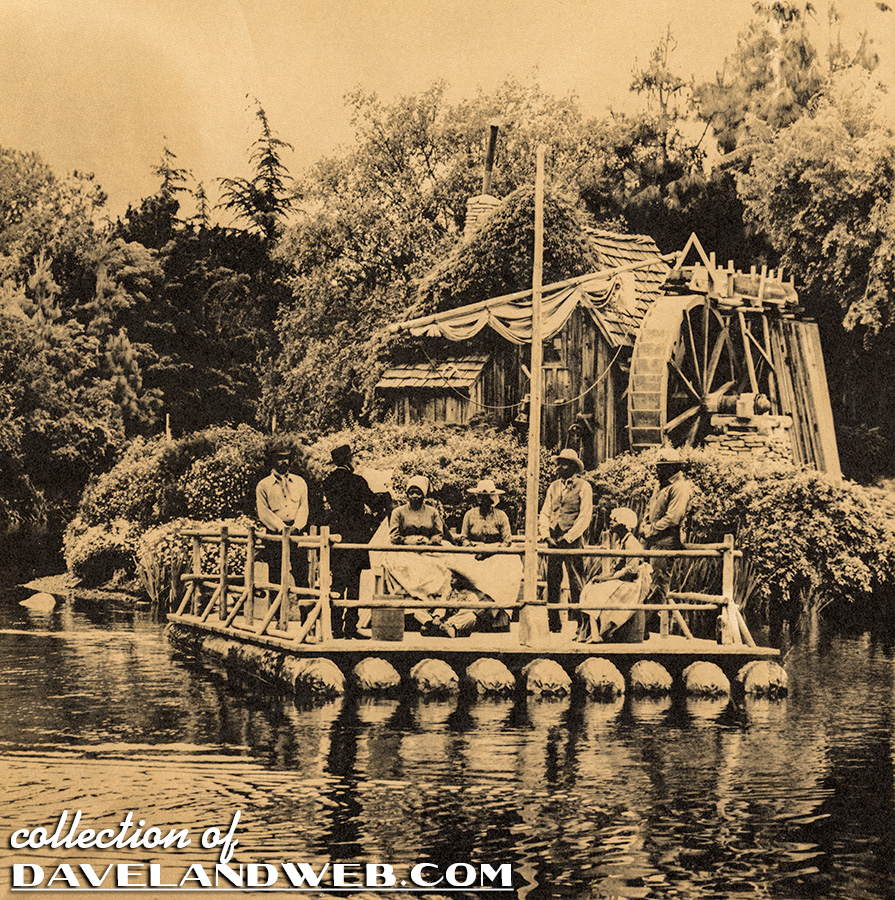


How Scott met John Fahey: Scott was a brand new lawyer in the Los Angeles area. He moved from a firm in Santa Monica to one in the Mid-Wilshire area, focusing on selective service draft work. The attorneys there typically represented labor unions, communists, the blacklisted, and eventually political activist and philosopher Angela Davis. John had tax issues, and attorney Harry Margolis (who was indicted but acquitted for tax fraud in 1977) was assisting him. Scott became friends with the musicians that worked with his firm, even if he wasn’t all that crazy about their genre of music. In March of 1972, Fahey told Scott, “I just finished this album with an orchestra, and I have no idea for the cover.” When Scott heard the title, “Of Rivers and Religion,” he immediately thought of the Rivers of America at Disneyland. Reprise Reccords supplied the art director/photographer, Ed Thrasher, who told Scott, “This is your idea, so I want to see what it is.” The three went to Disneyland to see if the Mark Twain would work as the subject of the album cover. The day they visited, it wasn’t working. In addition, Thrasher realized what sounded good was not going to work out through his lens. “I can’t get the river AND the Twain in the frame. I also can’t really tie rivers to religion as it is, but while we’re here, let’s look around.” Scott was familiar with the Park from his childhood, so he guided Ed and John around. When he saw one of the Tom Sawyer rafts/barges, things began to come together.
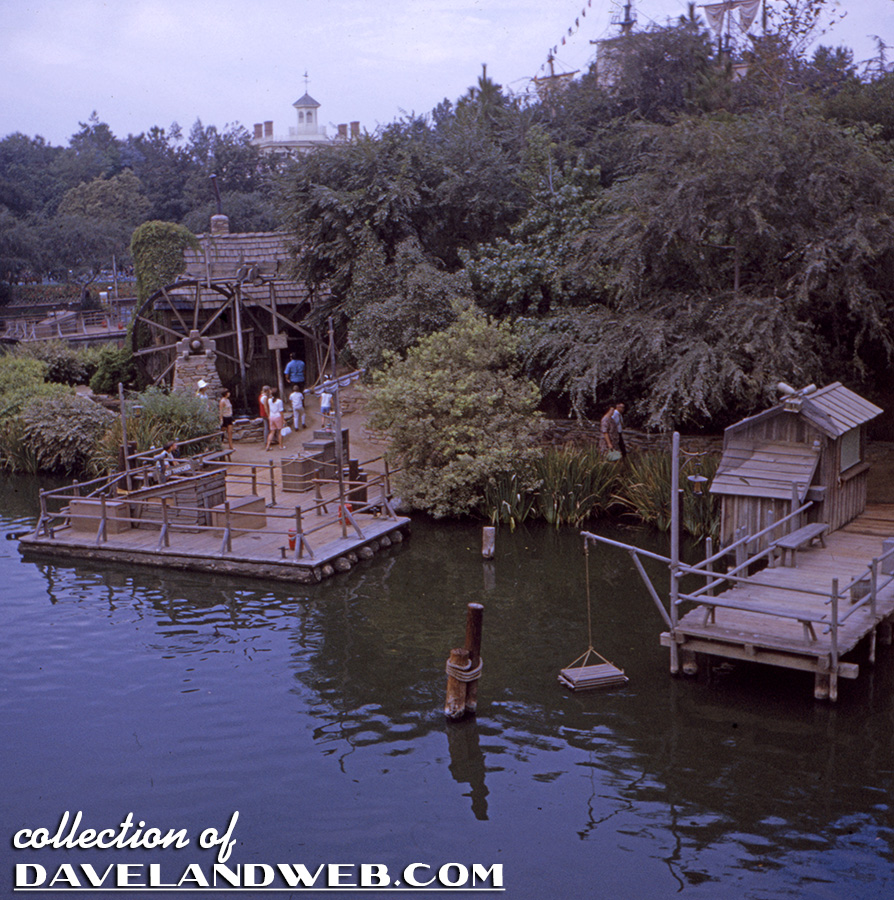


Ed grabbed some of the cast members who were hanging out on the Mark Twain and asked if they were interested in making $5 posing for photos. “Do you have any other clothes?” Ed asked them. “We have rags that we work with,” they replied. Approximately ten cast members donned the old rags, got on the barge, and floated out on the river. Ed took about a half a dozen shots on his old-school Hasselblad camera (which was hidden in Ed’s satchel and snuck into the Park), sliding the plates in and out between each photo. Scott recalls it only taking about five minutes of shooting time before Ed said, “I think I have the photo for the cover!”
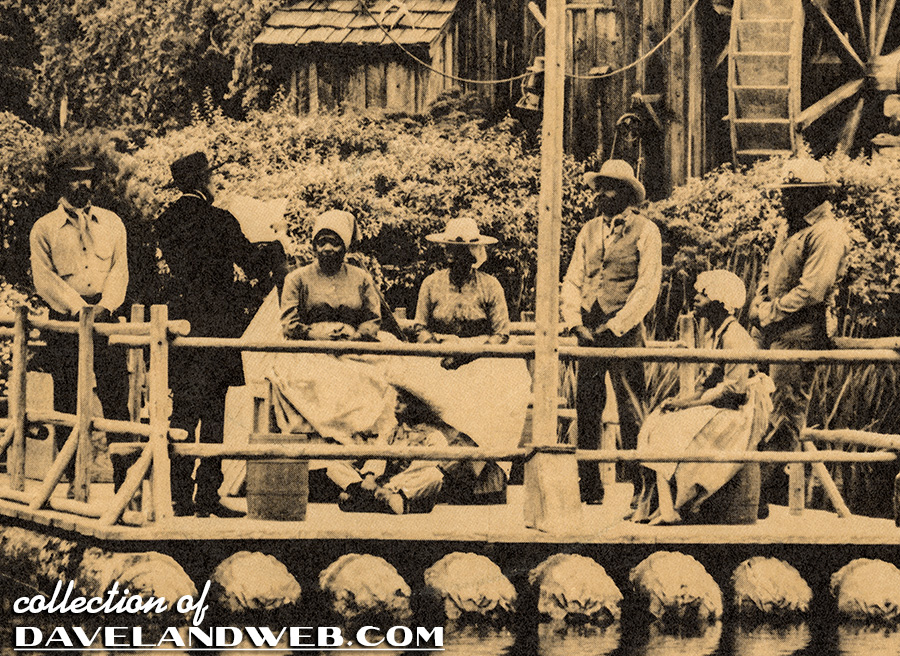


The amazing part? They did not have permission to shoot a single photo. The Disneyland publicity folk only gave John Fahey permission to scout the location, which really made John and Scott laugh at how everything came together so quickly. Afterwards, Scott heard from John that he told the people at Disneyland that he got the shot he wanted, and the publicity people told him they needed to see it before publication. After viewing the photo, they told John that as long as Disneyland was given credit, all was OK. In those days, they were just happy to get publicity. A very different mindset from how tightly Disney controls their image today. Something like this could never happen now without a resulting lawsuit! Scott never saw Ed again after the shoot. 
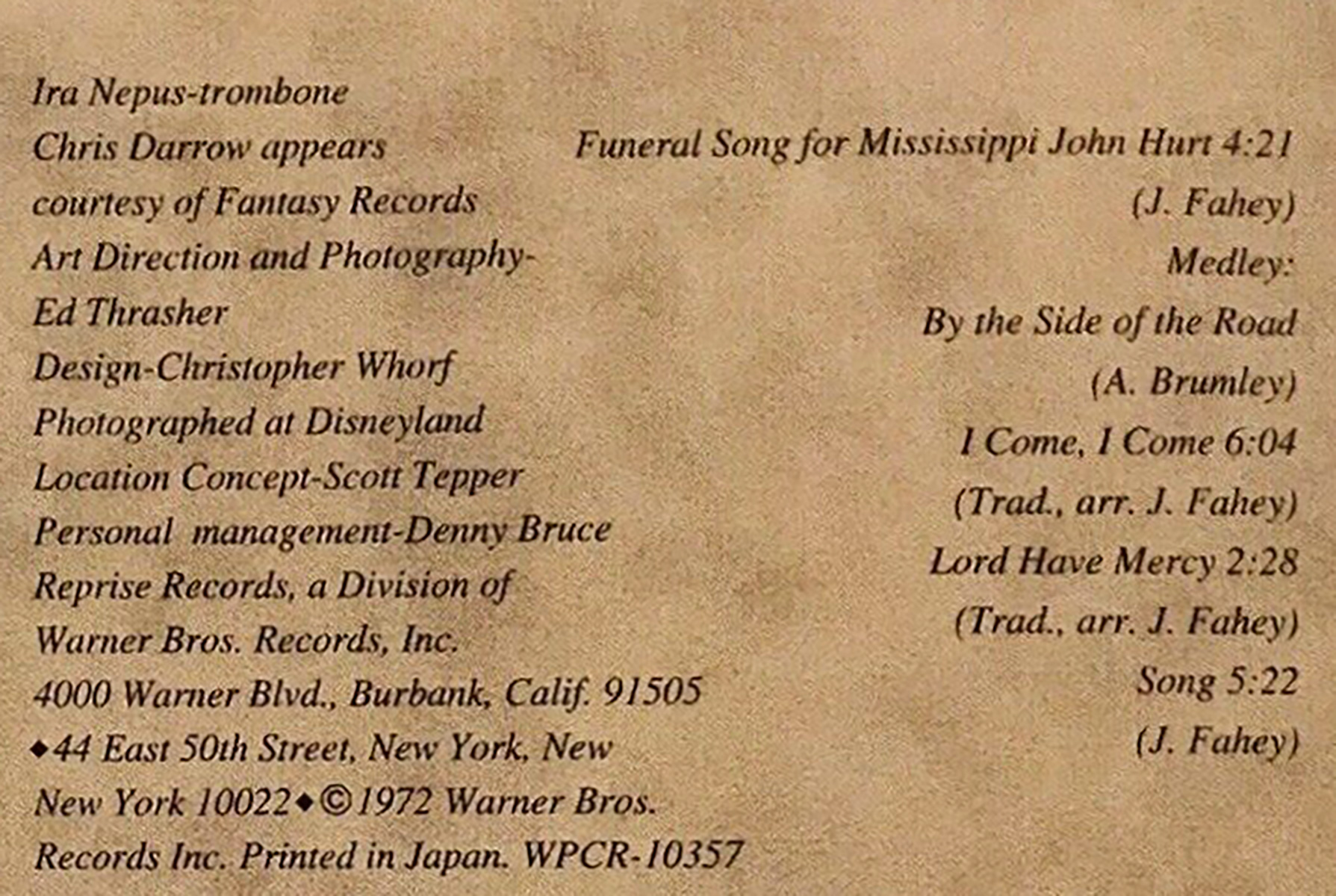
 

When the album was released, Disneyland was listed as the location (as promised), and Scott’s name was credited for the Location Concept. However, he was not happy that his middle initial was not used!

Scott also shared some memories of going to Disneyland as a child. In 1955 for his mother’s 40th birthday (which in a happy coincidence was July17), the family attended Opening Day. Thanks to the television program, “Walt Disney’s Disneyland,” the entire nation (including the Tepper family) was aware of the impending opening of the Anaheim park. The Teppers lived in Pacific Palisades at the time and hopped in the car for what seemed like a 2.5 hour drive, all on surface streets. They had never been to Anaheim before. Scott remembers the gigantic parking lot full of cars, but nothing like what it would eventually become. He also remembered the thrill of being able to park close to the entrance and seeing the Park when they got out of the car. The family didn’t have much of a wait to get in, but rather just walked right through the turnstiles. There were plenty of 15' high construction walls that day, as not everything had been completed. The family walked around the park and went on some of the attractions, with the favorite being The Rocket to the Moon in Tomorrowland.
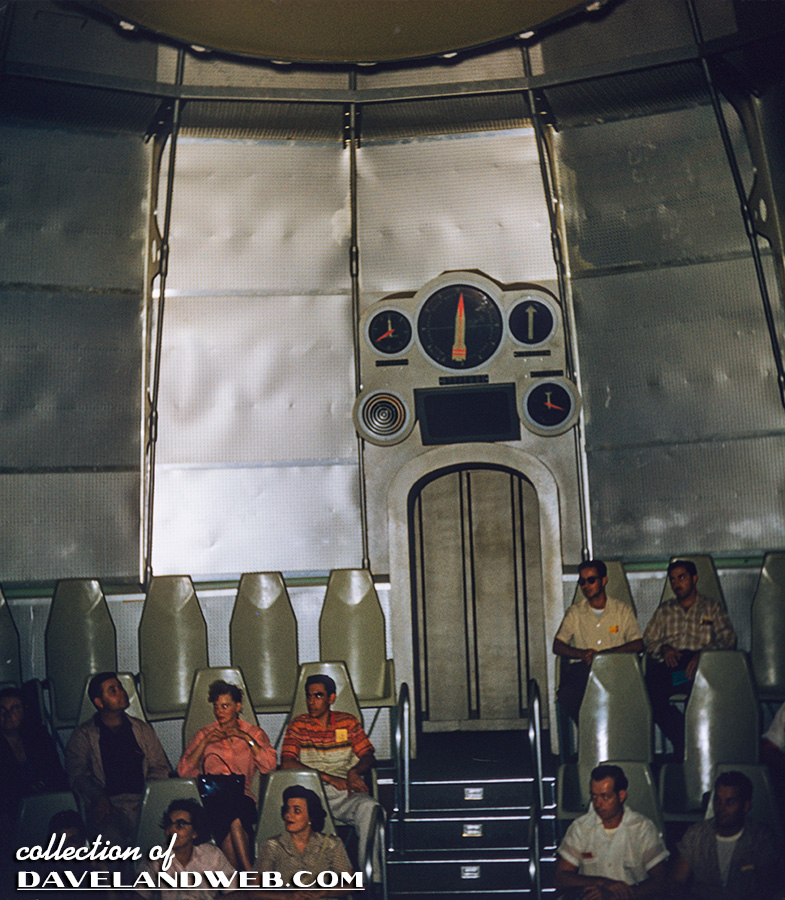


When Scott exited the attraction, he looked for a restroom. Just one month away from being 10 years old, Scott was fiercely independent and went exploring on his own. He saw a wooden door in one of the construction walls and it opened, revealing a man who asked him, “How can I help you?” Scott told him  he was looking for a restroom and the man pointed down to the end of the wall. “There should be some there,” he told the child. “What did that man say to you?” Scott’s mother asked him when he returned. “Do you know who that was? That was Walt Disney!” Scott remembers his demeanor was kind, like a favorite uncle. Walt even seemed a bit bemused, especially since Scott had no idea who he was.

As for the oft-told stories about guests having to buy beverages because there weren’t enough water fountains, yes…that was true. Scott’s father was an orthodontist, so he was not crazy about having to buy sugary soft drinks for his kids. As for choosing between water fountains and restrooms, Scott says “Walt made the right decision!” He remembers it was a very hot day and that his father’s Buick sank into the recently paved asphalt of the parking lot. This made him even less happy than having to buy soda!
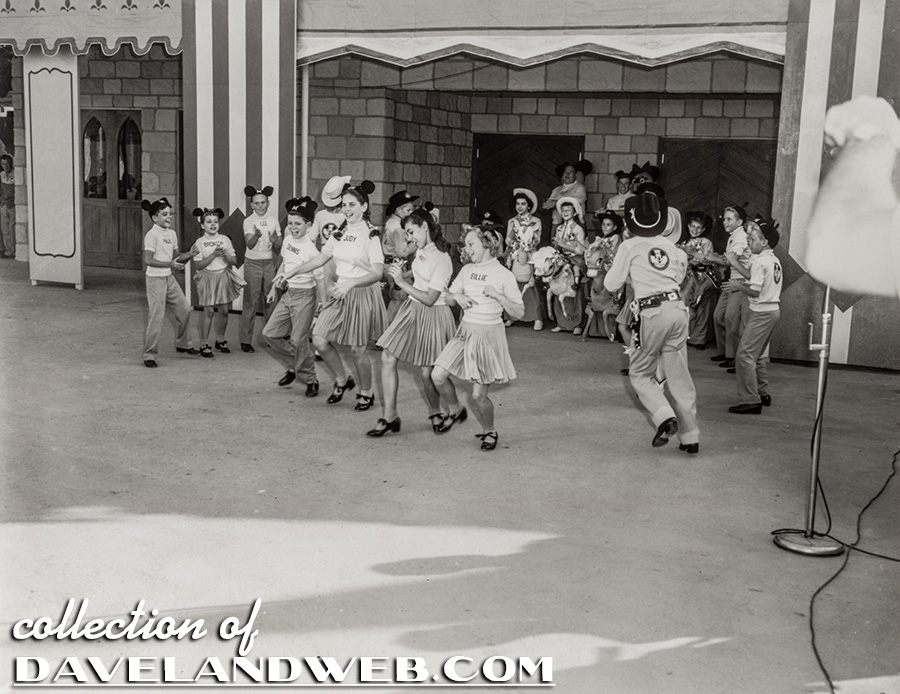


If you’re wondering how the Teppers got into Disneyland on opening day…so did I! One of Dr. Tepper’s patients was Annette Funicello. He took a technique from the 1930s and became the pioneer of removable braces in the early 1950s. Once the word got out, he got the business of every child actor in Hollywood. They all came to him so that they could have the removable braces, allowing them to snap them out before a scene. This helped give Dr. Tepper connections with everyone, including the rest of the Mousketeers. Years later, he also helped teen idol David Cassidy straighten his teeth.

And there you have it. The mystery of the album cover has been solved!

See more photos at my main website.

Thursday, January 30, 2025

Disneyland, 9-15-1960 in 3D, Pt. 3


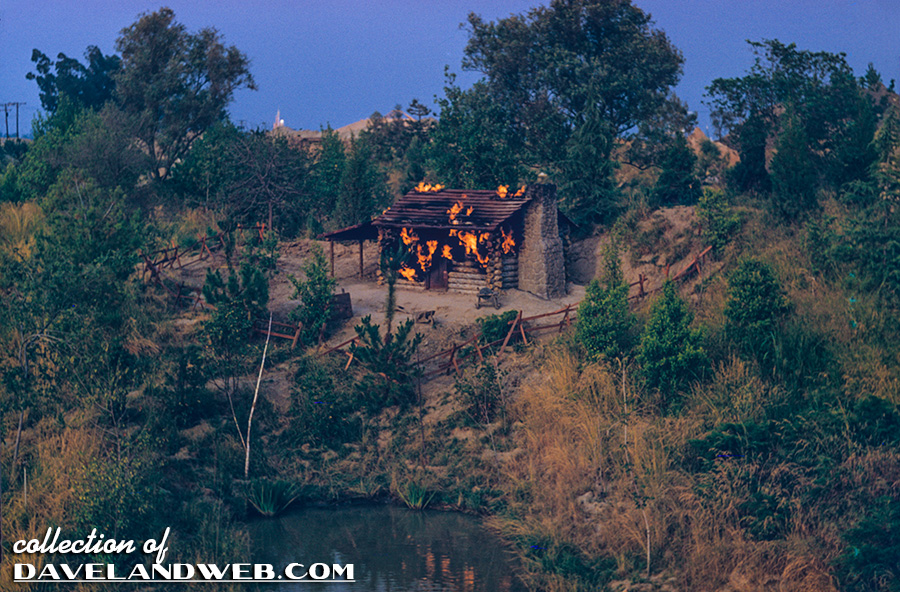
The final conclusion to this short little series of Genuine FauxD©images from September 15, 1960. In this view of the Burning Cabin, you can see Cascade Peak in the background. Below is the composited left and right view:


Yes, I had to zoom in to the dead poor settler.


The oft told quote of Walt Disney saying that things would always change at Disneyland was certainly true for this tableau. Originally, there was no settler:


He appeared in this October 1956 shot:


In this July 1970 image. he had changed outfits AND positions AND had an arrow in his chest. Now THAT’S what I call plussing an attraction!


Back to the topic at hand…the last one is of Cascade Peak. The 3D effect is not so good on this one.


The composite view:


See more Disneyland photos at my main website.
Friday, December 20, 2024

Frontierland Friday: Cascade Peak


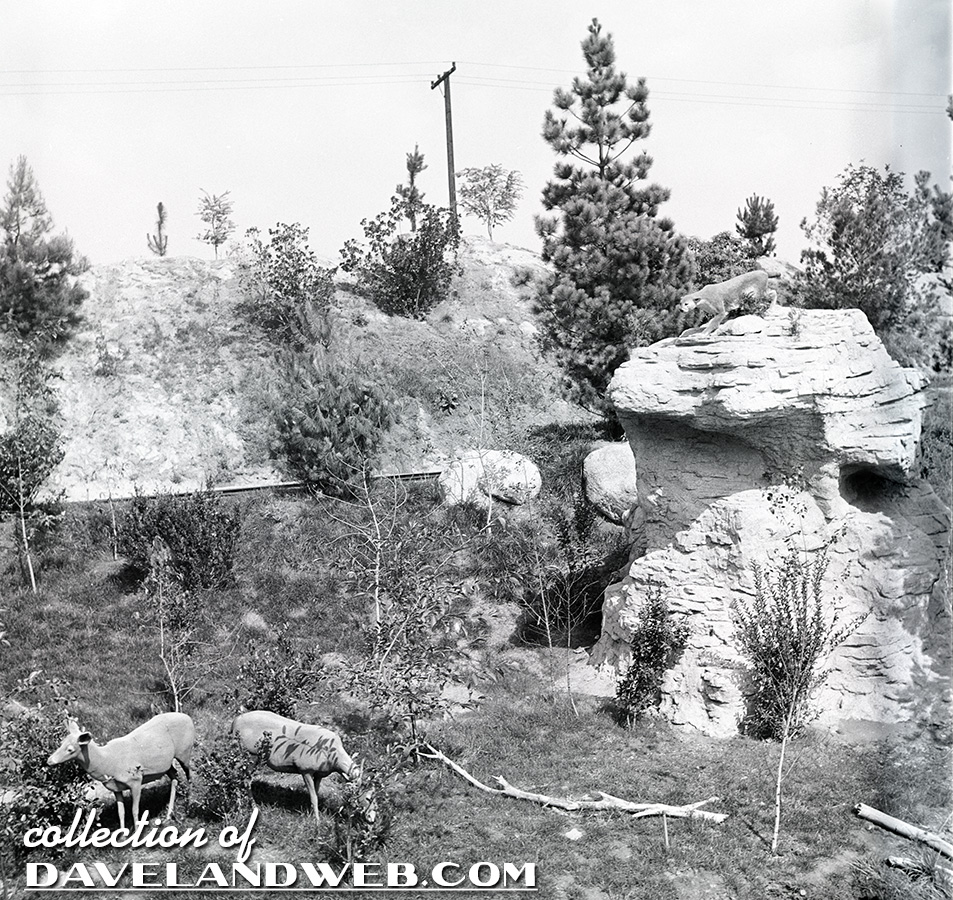
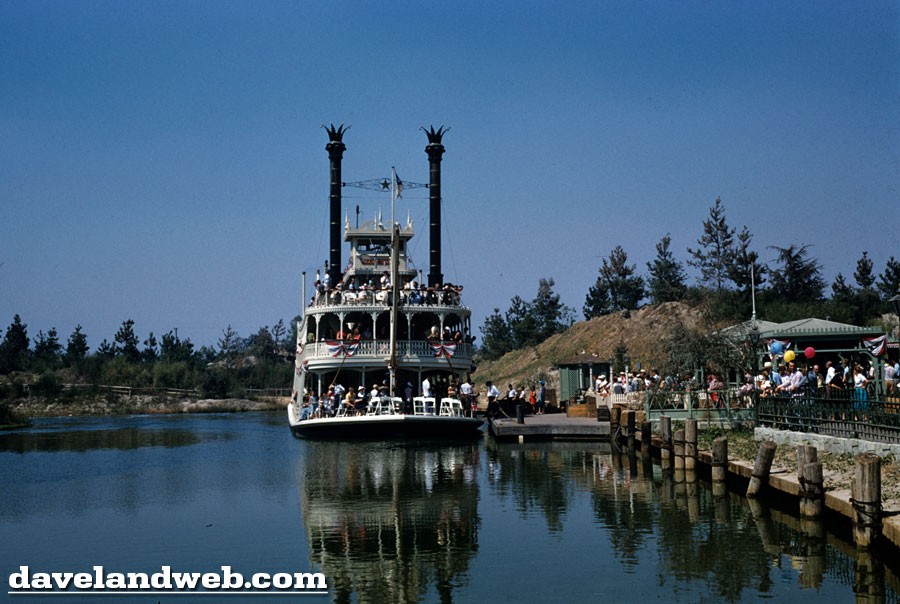
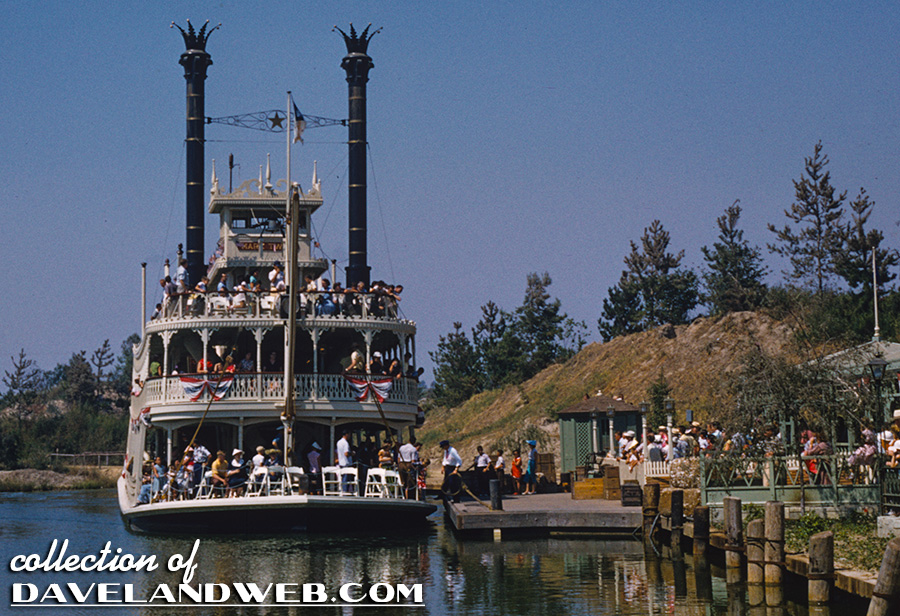
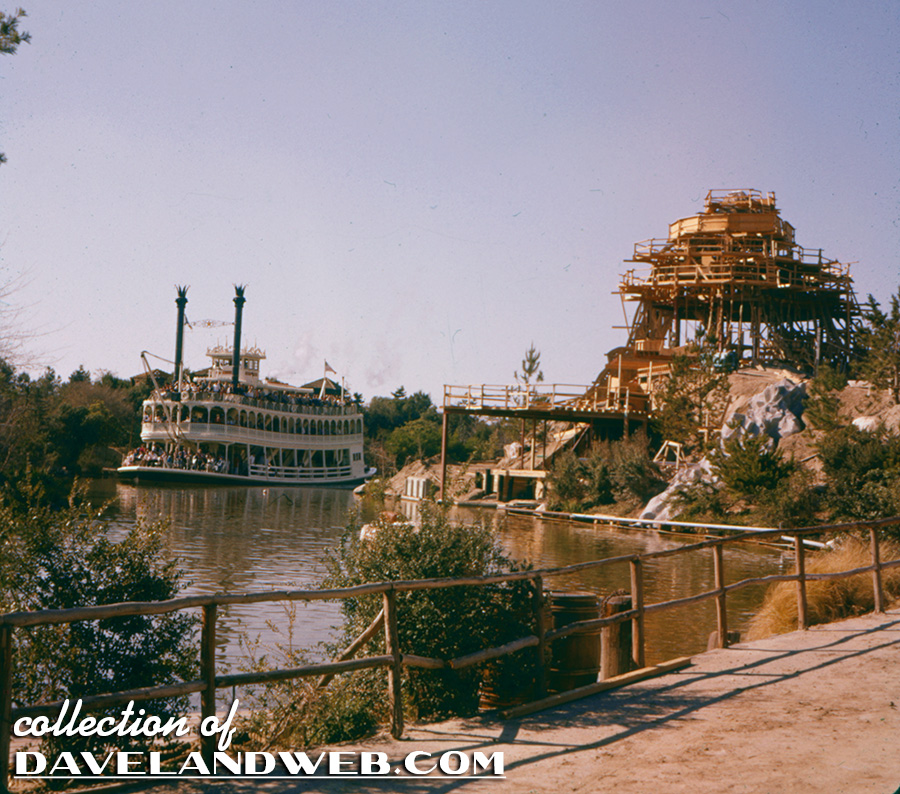
When Disneyland first opened, the banks of the Rivers of America were positively barren. Dirt on both sides did not make for very interesting views. Tom Sawyer Island was a welcome addition on the left side; on the right, as you can see, there was nothing but a bank of dirt next to the Mark Twain dock. In the Spring of 1960, that would all change.


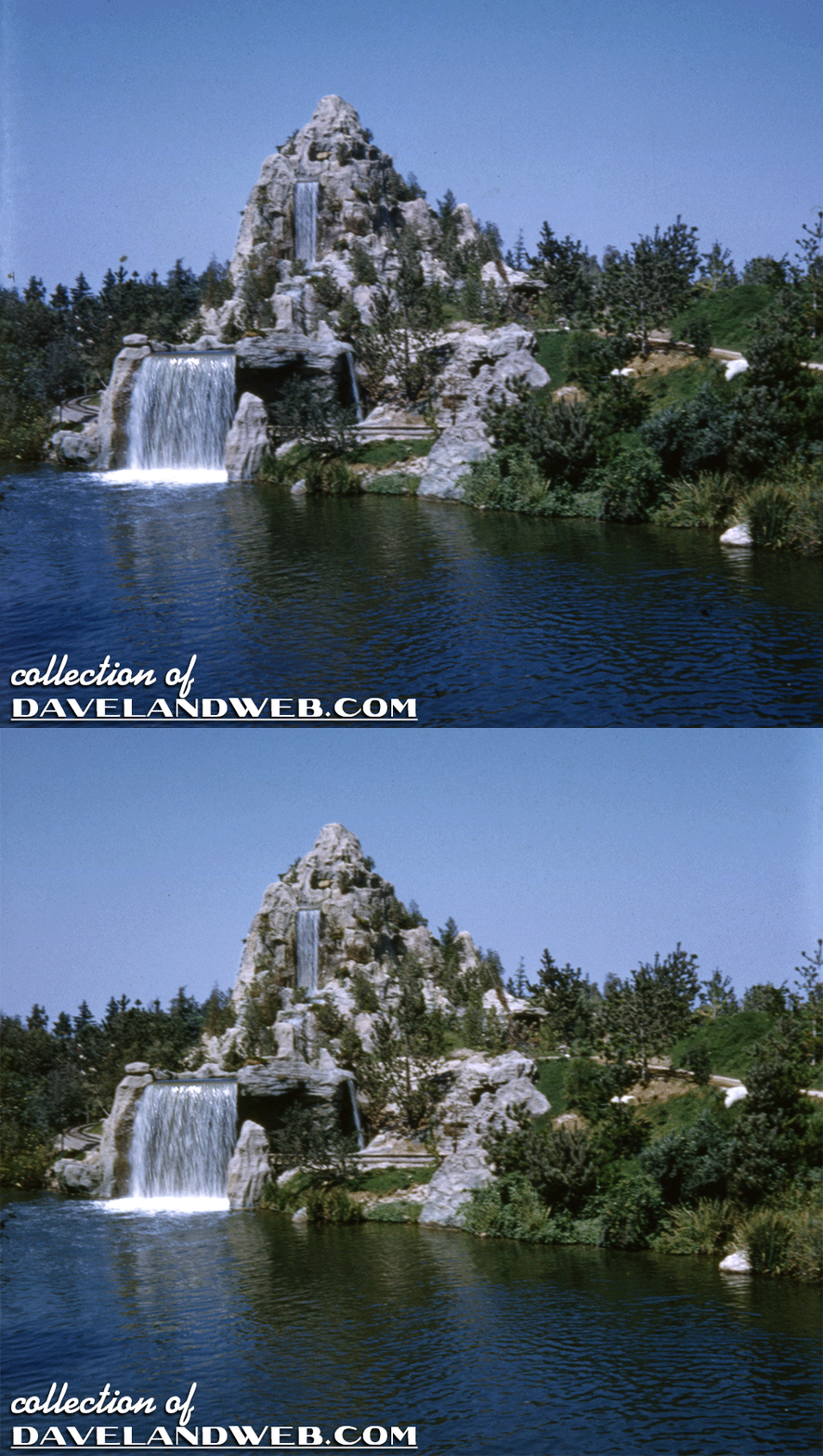
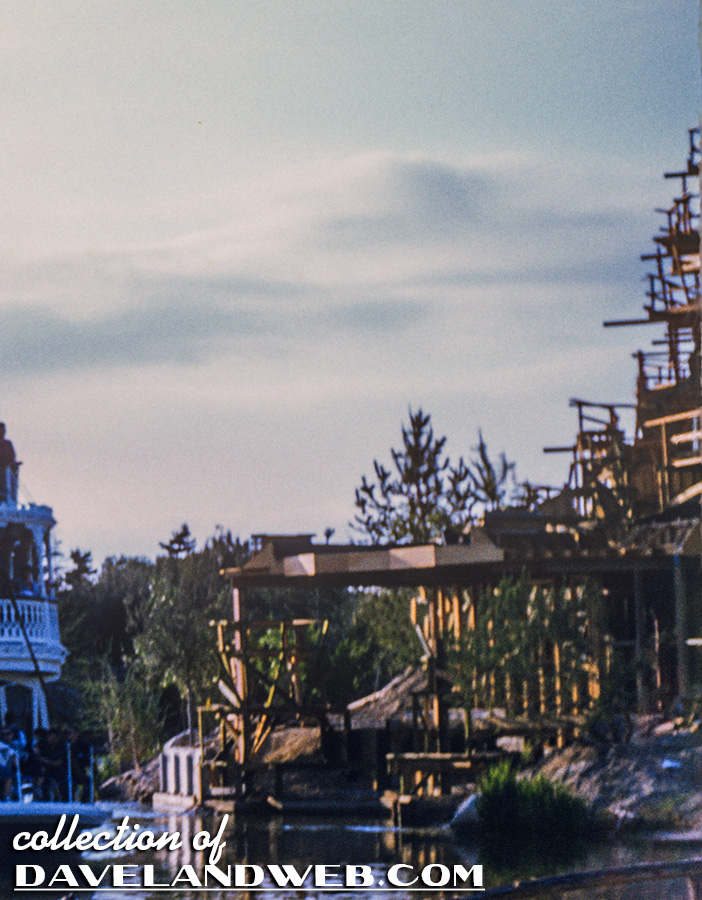
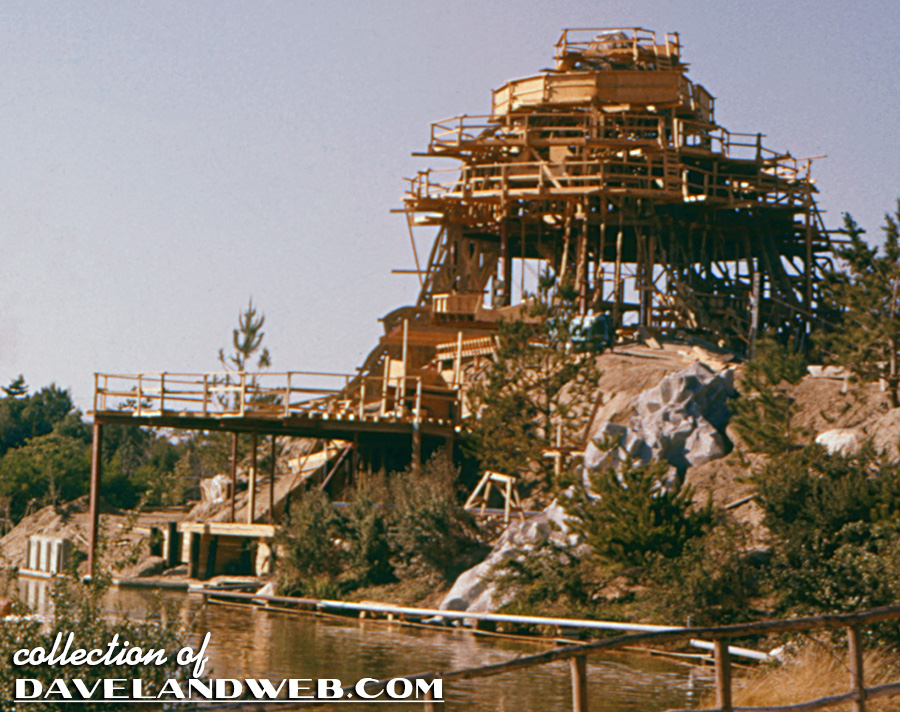
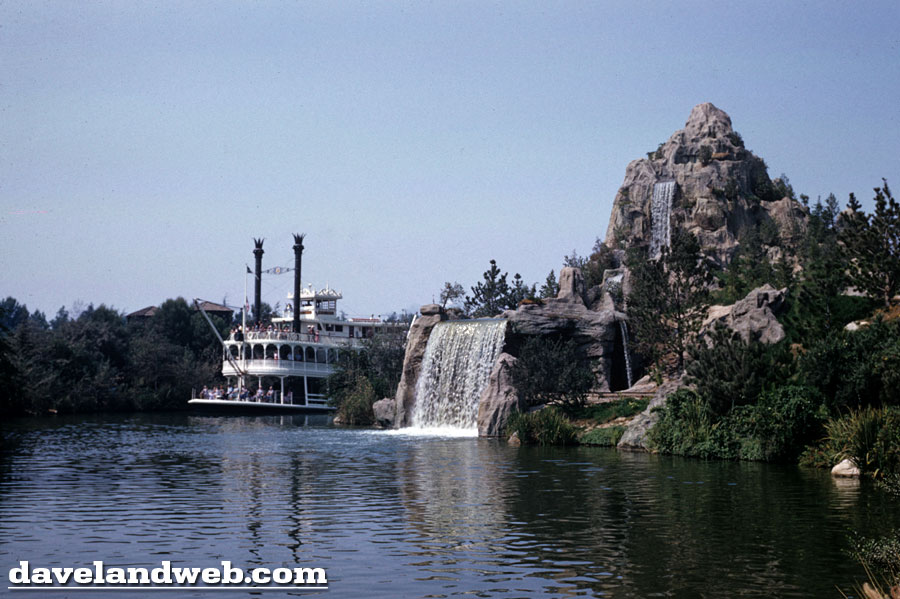
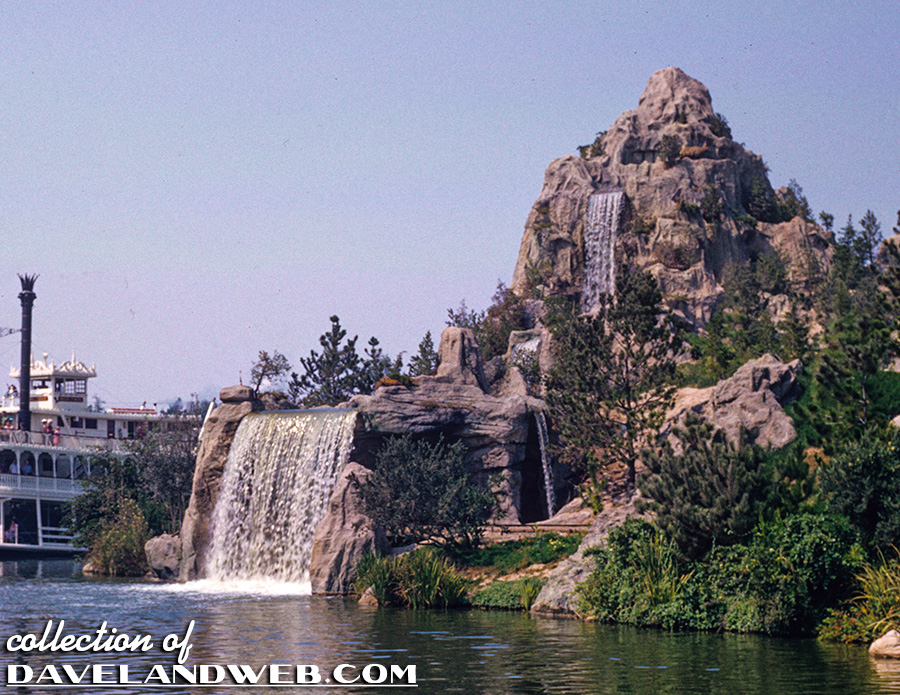
The following undated photos below show the initial construction for Cascade Peak (aka Three Sisters Falls), a 75' tall addition to the Park that was built to coincide with the nearby Nature’s Wonderland attraction upgrade.


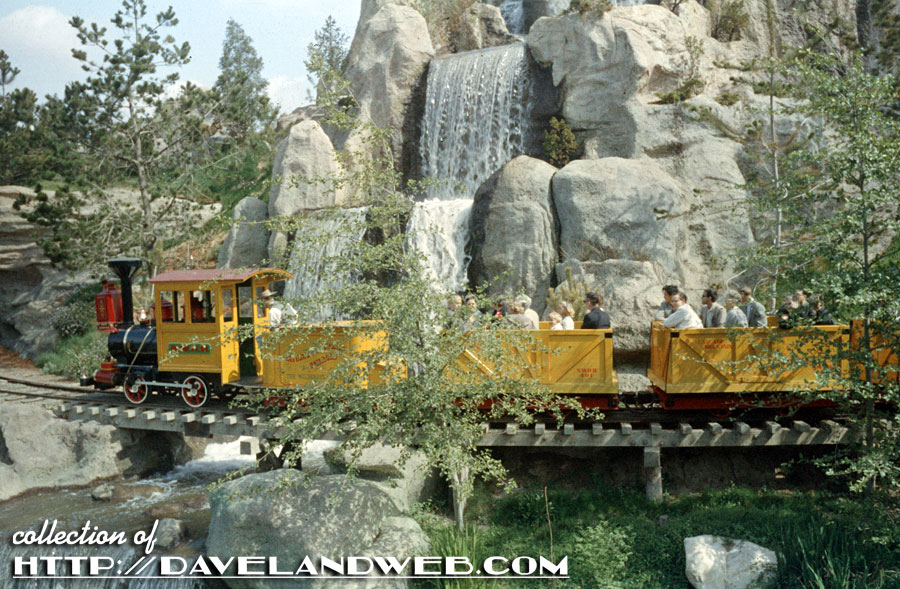
The overhang you see in the detail shot below was built for the Nature’s Wonderland Mine Train to be able to pass through underneath the Peak’s thunderous waterfall.


This recently acquired undated image also shows the construction of the new “mountain.”


By October 1960, Cascade Peak had been entertaining guests for months.


The water added movement to the Park and much needed aeration to the river!


A November 1960 shot of the Mine Train about to enter the short tunnel underneath the falls:


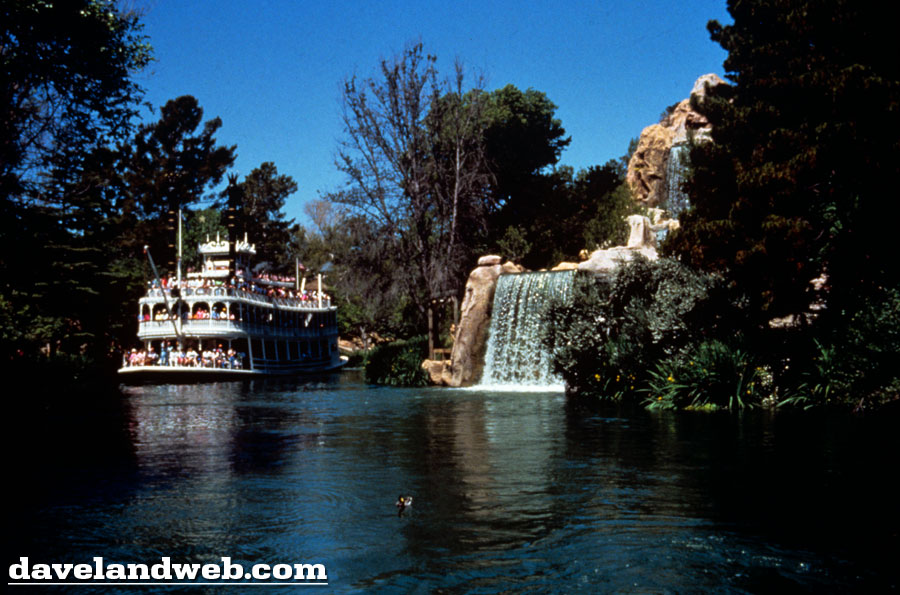
The structure that formed Cascade Peak and its waterfalls was demolished in 1998 after it was found to be suffering structurally from the decades of water that flowed over it. This was during the era of cheap, when Paul Pressler was the President of Disneyland. Deferred maintenance contributed to the demise of this beautiful structure, while the cost-slashing of Pressler was the final death knell. The shot below is from 1994, just four years before the peak was removed.


This April 2012 shows the empty bank. With the growth of the trees in this section of the Park, the 75' peak would have been difficult to view anymore. 


See more Disneyland Cascade Peak photos at my main website.
Friday, August 09, 2024

Down By The Riverside, 1950s


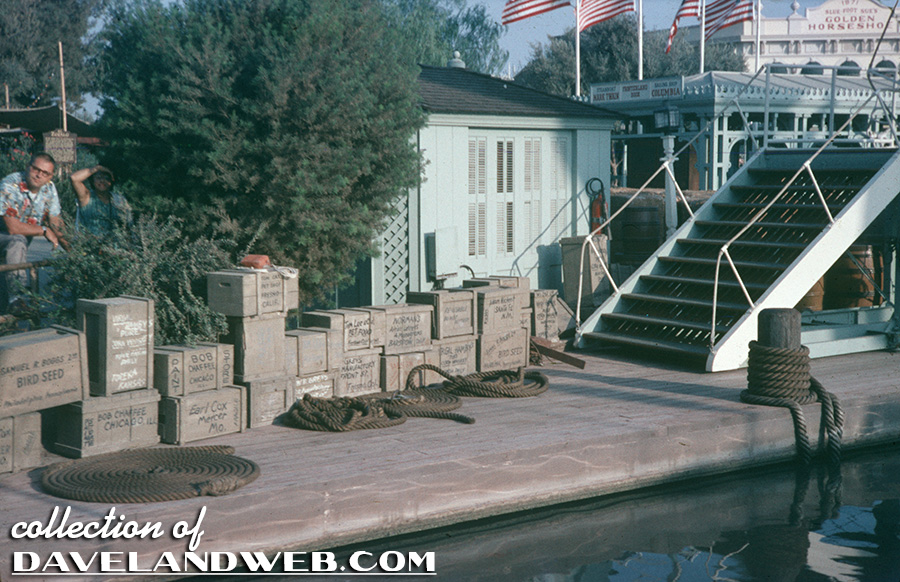
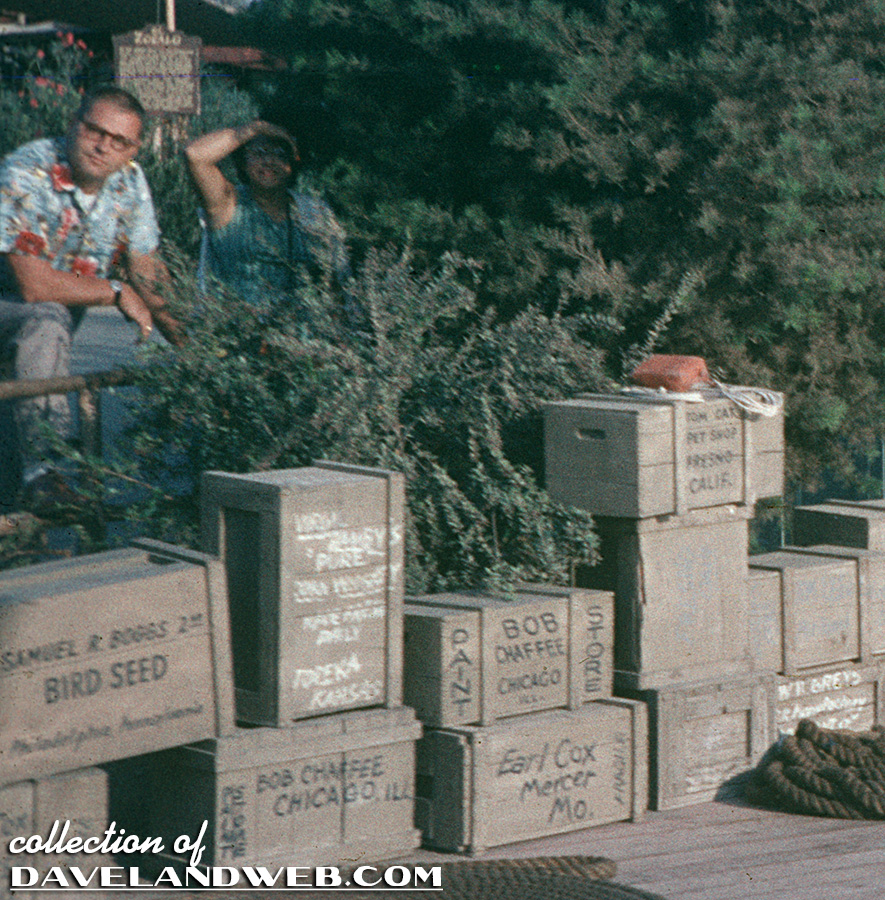
Today, let’s enjoy a leisurely visit to the Dock area of the Rivers of America at Disneyland. The first image is from December 1959. I had to zoom into the boxes to see if I could see any fun inside jokes; none of these names register with me. Notice the El Zocalo sign behind the two guests.


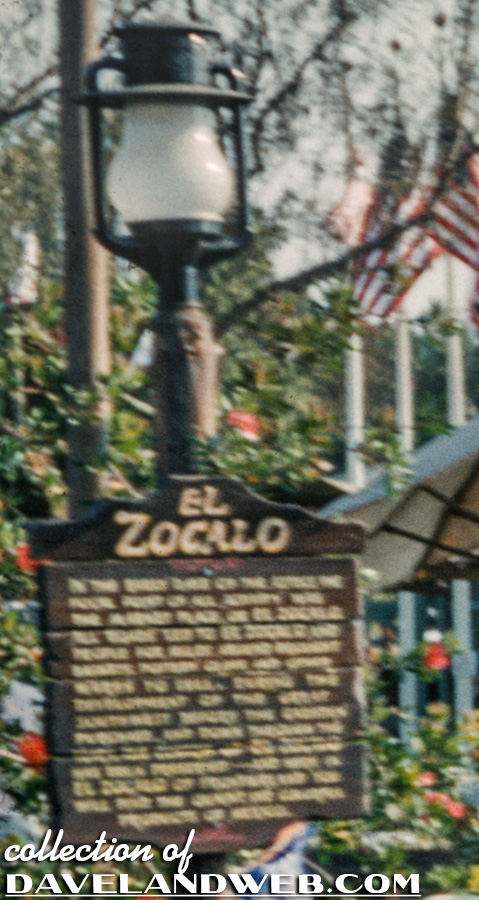
This October 1960 shot seems to be the best shot I have of the El Zocalo sign; still difficult to read. Another bucket list item for my collection!


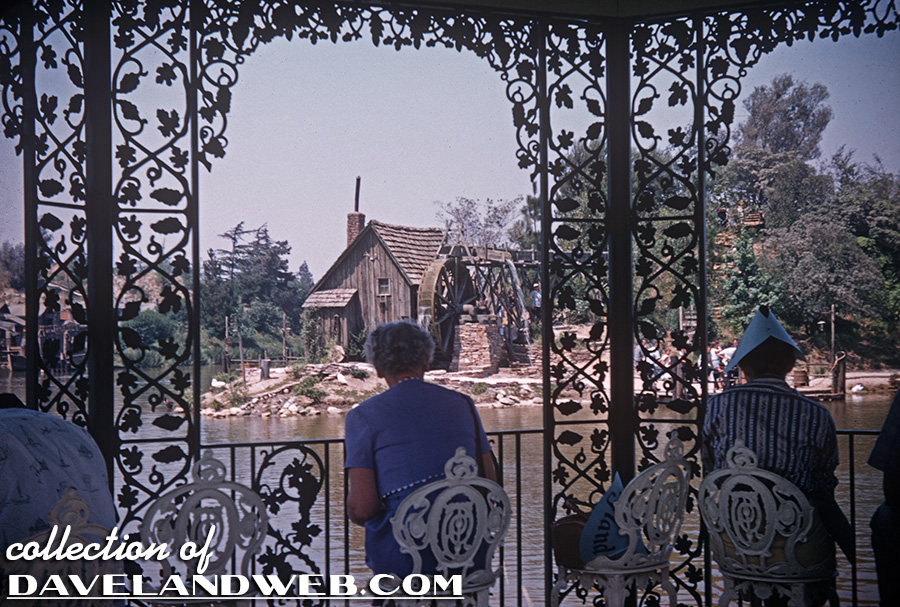
Here, guests sit inside the bandstand that was once located on the banks of the Rivers of America. This undated view is from the 1950s. The paper hat on the right indicates it’s from the early years, and since Tom Sawyer Island has been built out, we know it’s after June 1956.


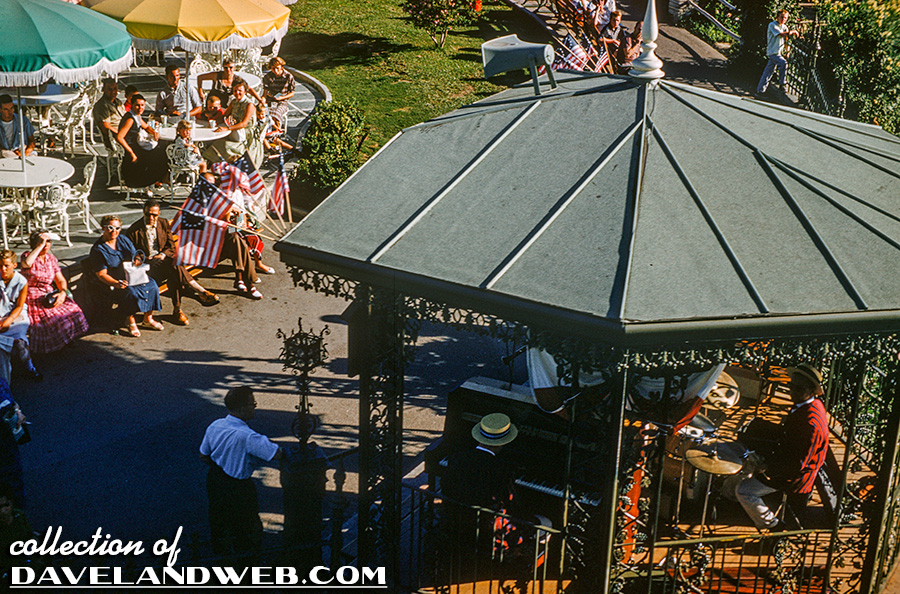
An overhead view of the bandstand, September 1958. Because of the angle, it was probably taken from the second story of the Chicken Plantation Restaurant.


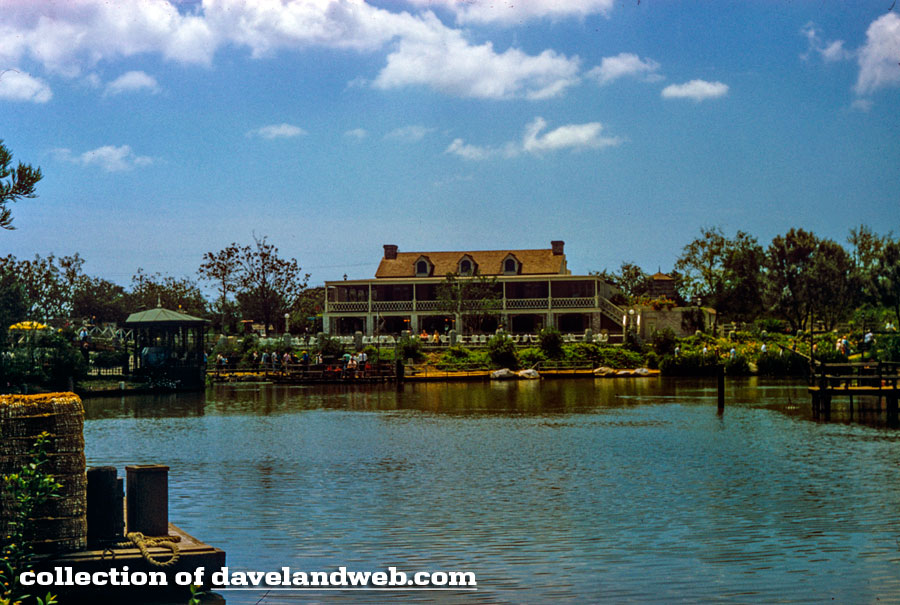
This May 1958 image shows the location of the bandstand and the restaurant:


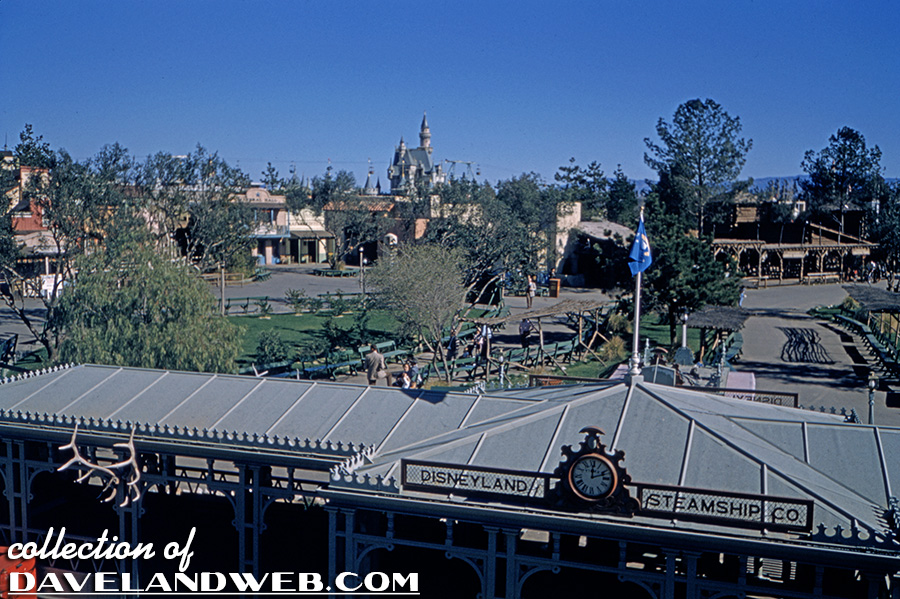
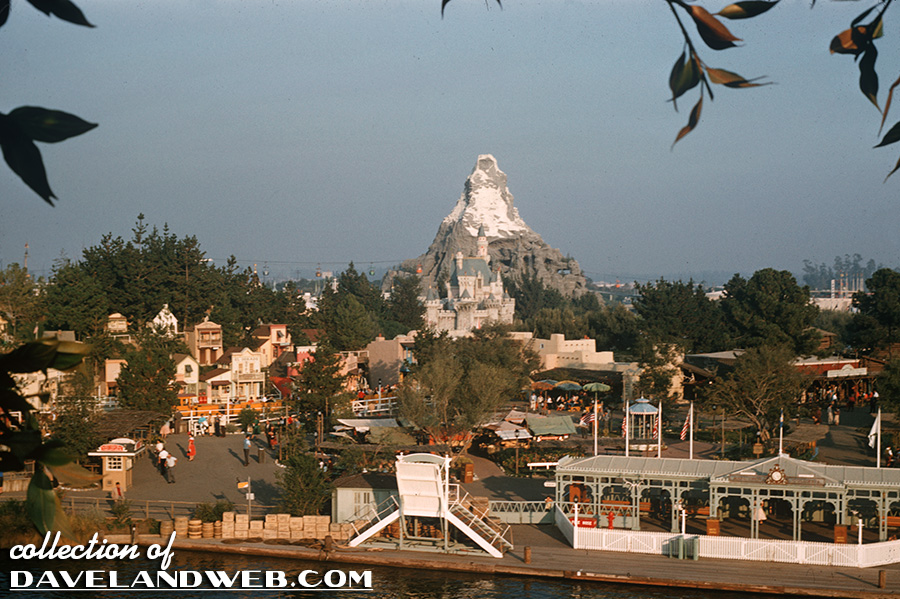
This undated view of Frontierland was most likely taken from the Mark Twain:


It has to be 1950s because the Matterhorn has not been built yet.


The same view from a higher/farther vantage point, most likely the tree house on Tom Sawyer Island. Undated but probably from the 1960s. Because of the round shape of the Skyway buckets, we know it’s at least pre-1965.


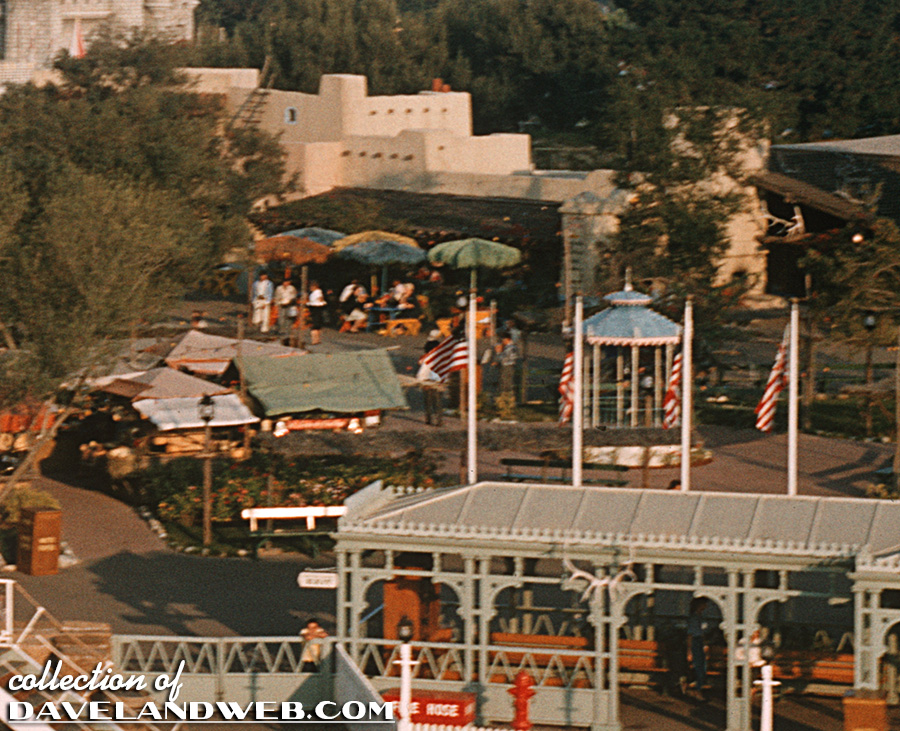
The El Zocalo and Casa de Fritos area of Frontierland is visible below:


Enjoy your weekend, whether you spend it on the river or not!

See more Disneyland Rivers of America photos at my main website.