Showing posts with label kiss and tell. Show all posts

Tuesday, January 21, 2025

Temple Tuesday: Shirley & Rita


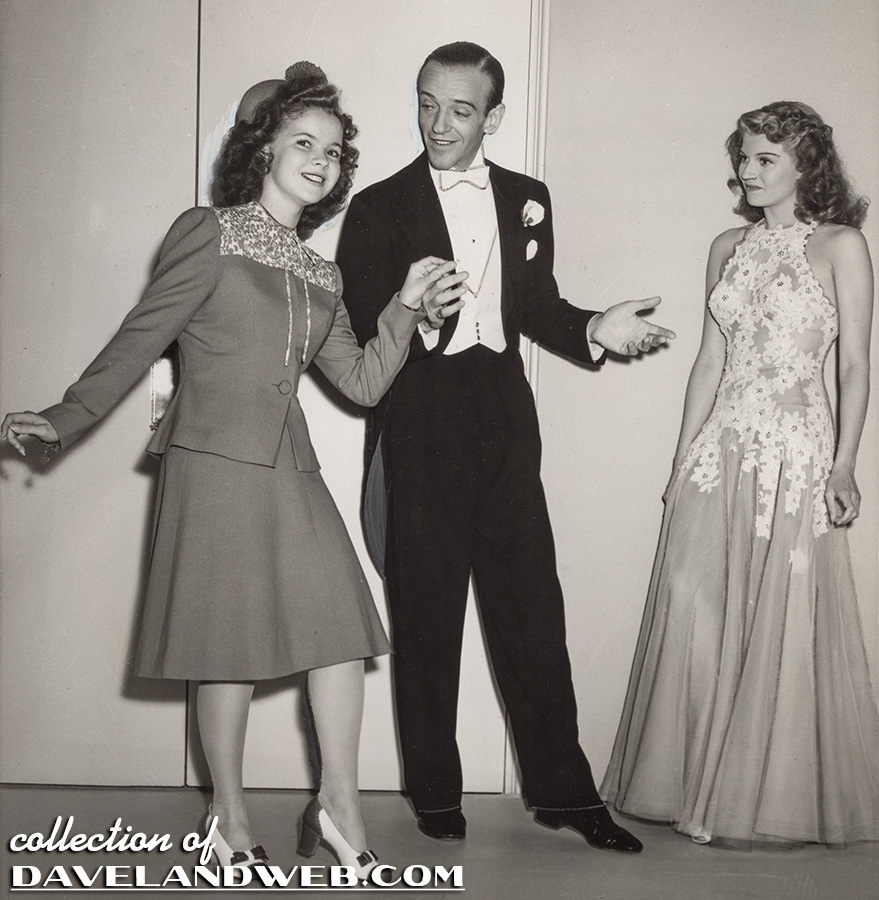
In June 1942, Shirley Temple was between film gigs and paid a visit to Columbia Studios. One of her stops was for a few publicity shots with Fred Astaire and Rita Hayworth, who does not seem very pleased that her dancing partner is being borrowed by Shirley. The shot below was accompanied by the following caption:

BUSMAN’S HOLIDAY — Shirley Temple, on a recent day off, visited Fred Astaire and Rita Hayworth on Columbia’s “You Were Never Lovelier,” set. Standing is Xavier Cugat, the rhumba king, who plays himself in the musical.


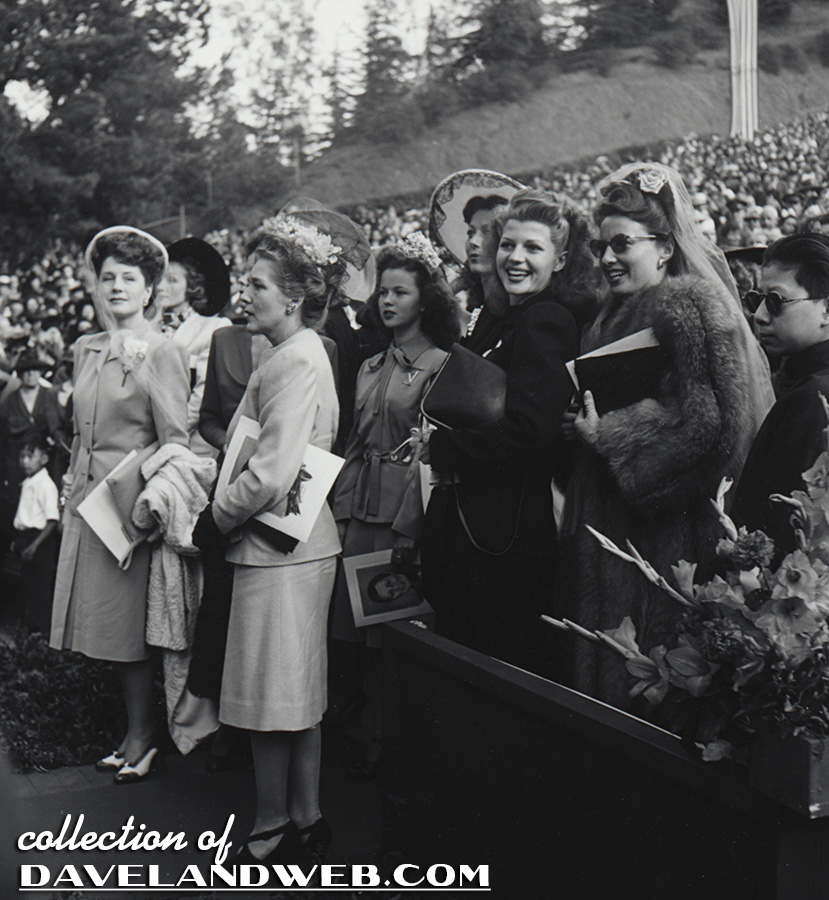
The next photo opp I have in my collection showing Shirley and Rita together is from April 1943 when the two  welcomed Madame Chiang Kai-shek to the Hollywood Bowl. Left to right are Norma Shearer, Marlene Dietrich, Mary Pickford, Shirley, Loretta Young, Rita, and Barbara Stanwyck.


In the fall of 1945, Shirley found herself back at Columbia Studios. From the accompanying caption:

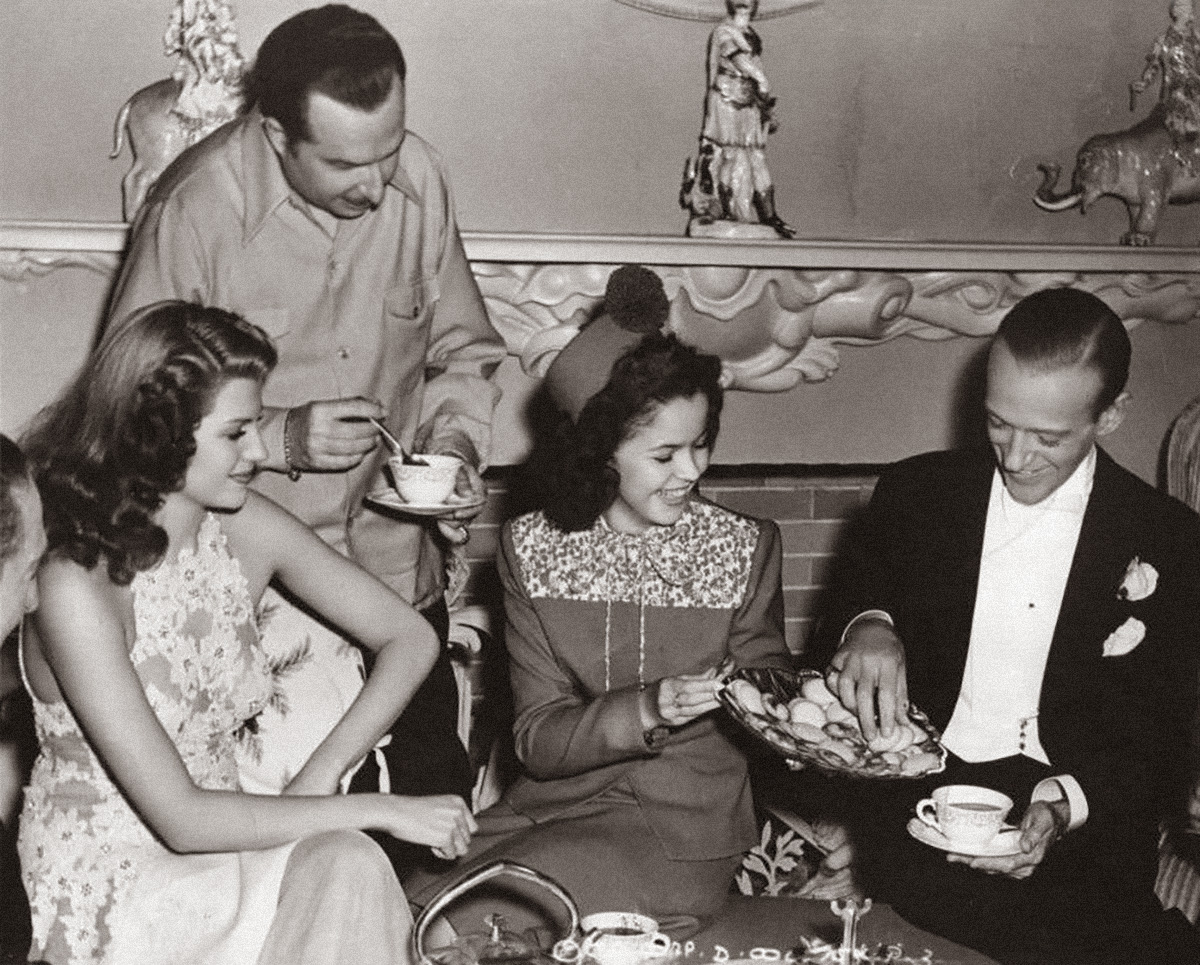
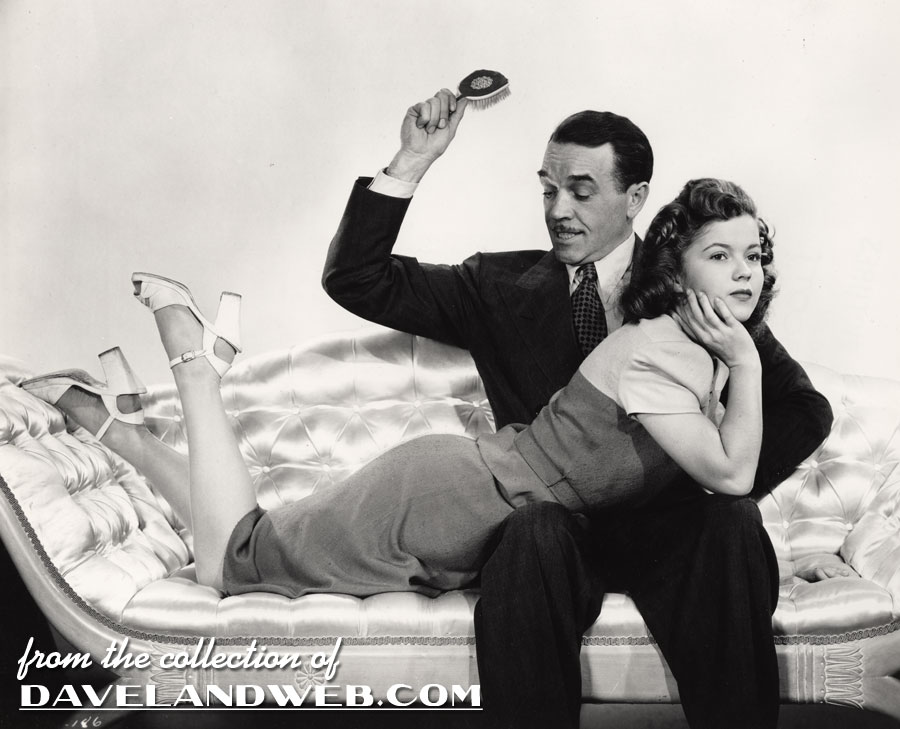
WELCOME HOME — Director Charles Vidor, Rita Hayworth and Glenn Ford welcome Shirley Temple back to the Columbia lot on the “Gilda” set. Shirley recently starred in “Kiss and Tell” at the same studio.

“Kiss and Tell” had a $1.2 million budget while “Gilda” came in at $2 million.


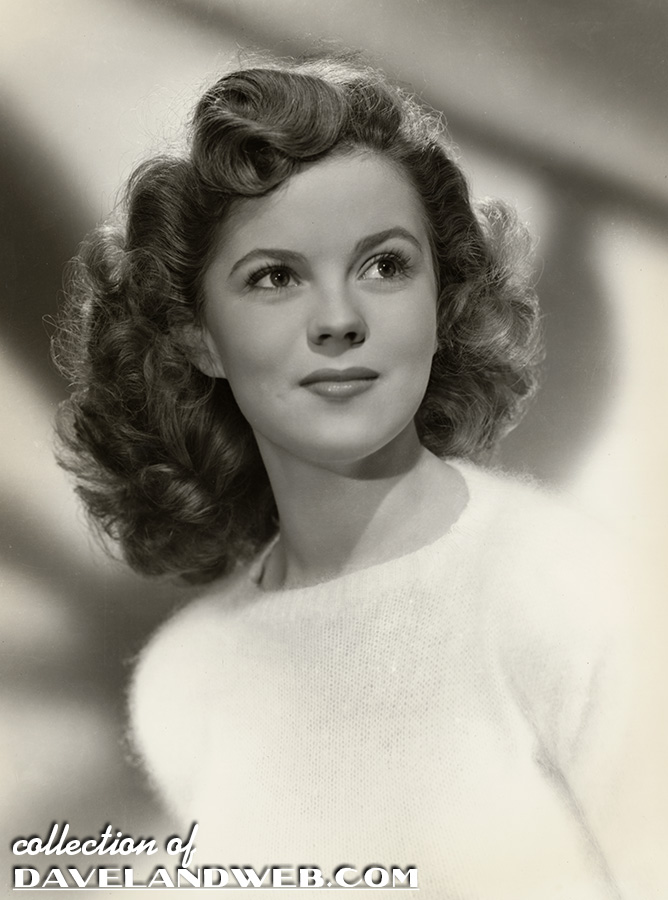
“Kiss and Tell” was released October 18, 1945, and “Gilda” had its New York City premiere on March 14 1946. A lovely portrait of Shirley in angora to publicize “Kiss and Tell” below:


The American Film Institute website states that Rita Hayworth was the original choice for “Kiss and Tell”:

According to pre-production news items in Hollywood Reporter and Daily Variety, Columbia spent two years negotiating for the screen rights to the F. Hugh Herbert play. The studio initially conceived the play as a vehicle for Rita Hayworth and assigned Al Hill to direct.…According to Columbia publicity material, Herbert based the character of "Corliss Archer" on his teenage daughter. A New York Times article notes that David O. Selznick, who loaned Shirley Temple to Columbia for the production, initially demanded approval of the screenplay and daily rushes because he was concerned that the subject matter was too "sexy" for former child star Temple.

Herbert’s play of the same name debuted on Broadway at the Biltmore Theatre on March 17, 1943 and ran until June 23, 1945, with a total of 956 performances.

That last tidbit I could find about the two actresses was this none-too-flattering remembrance from Shirley’s autobiography, Child Star:

As the New Year [1949] rang in the Hollywood Women’s Press Club nominated me, after Rita Hayworth, the second least cooperative star in the industry. The vote came to me as a thunderbolt. My lifelong conviction held that a critical aspect of professionalism was popularity, including popularity with the working press, upon whose opinion the public relied…At my request, on January 5, 1949, I met with the entire club. The reception was sincerely unfriendly. Epithets like “stinker” and “always totally unavailable” were delivered, albeit with a smile. One writer claimed to have tried unsuccessfully for an interview for three years. Only columnist Hedda Hopper rose to shift the blame, saying officious underlings of the Selznick studio had rejected press inquiries without consulting me. In rebuttal another woman snarled things would never change; I was simply terrified to speak candidly with the press. “How about now, this afternoon?” I called back from the podium. Far too late to rescind my award, the group apologized as individuals, and lined up to schedule exclusives. Far from an egotistic exercise, my appearance recognized the pervasive power that the Women’s Press Club exercises, its opinion echoing in unexpected Hollywood crannies, as I soon found.

Shortly after, Shirley and then husband John Agar attended a party at Errol Flynn’s home. When she declined his invitation to join him in his steam room, he replied, “So that’s why the press voted you most uncooperative, eh?”

And that’s all I have for the Rita/Shirley connection!
 
See more Shirley Temple photos at my main website.

Tuesday, March 14, 2023

Temple Tuesday: Robert Benchley


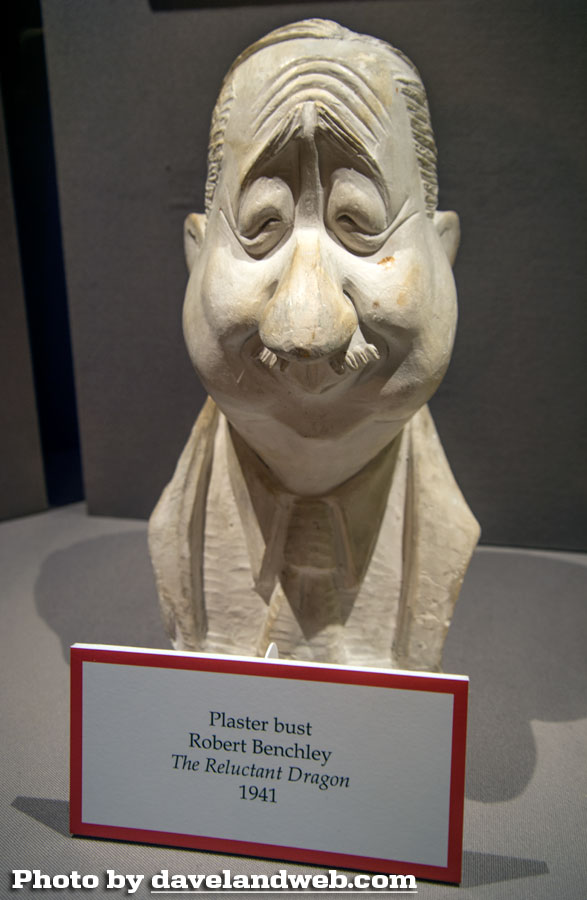
The names Shirley Temple and Robert Benchley don’t really go together in the grand scheme of things, but they intersected (professionally) at least twice. The American humorist is probably best known for his pieces in Vanity Fair and the The New Yorker, his membership in the Algonquin Club (see previous post), and some memorable Hollywood supporting roles. Disney’s “The Reluctant Dragon” (1941):


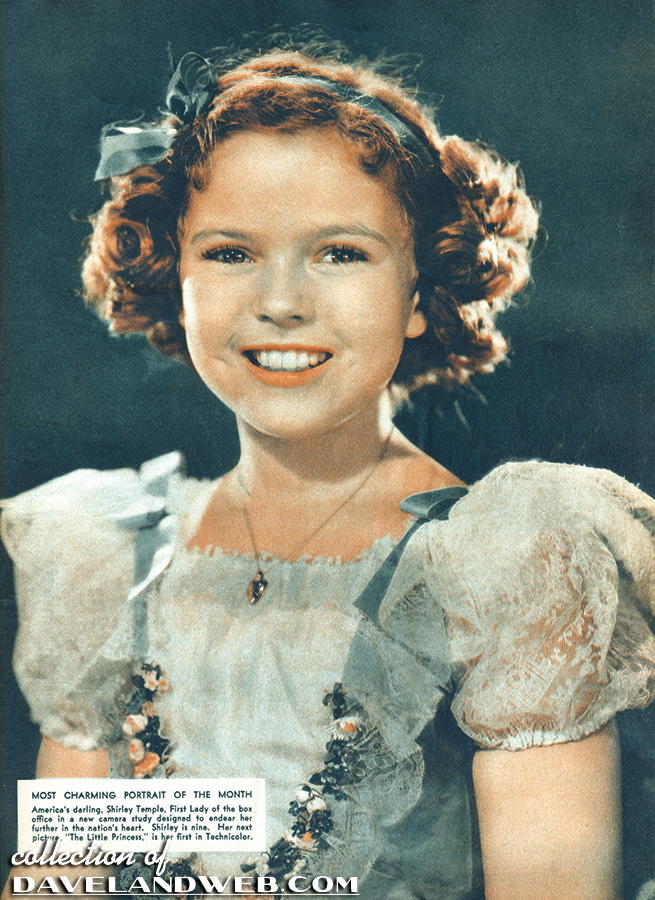
and Hitchcock’s “Foreign Correspondent” (1940). Shirley and Robert were “together” in the April 1939 issue of True Confessions magazine. That sounds so lurid! Shirley had a beautiful two-color full page photo promoting “The Little Princess”:


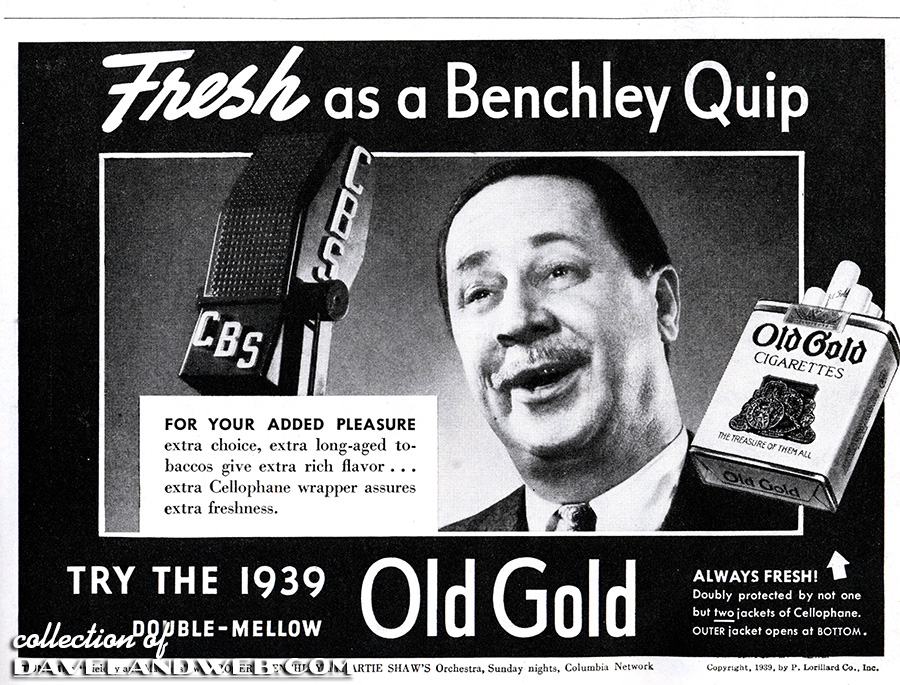
Meanwhile, Benchley got a cigarette ad in black and white:


This is not surprising, as 1939 was considered the humorist’s worst year careerwise: both his radio show and MGM film contract were canceled and The New Yorker replaced him with Wolcott Gibbs, because his Hollywood exploits prevented him from spending enough time on his writing gigs.


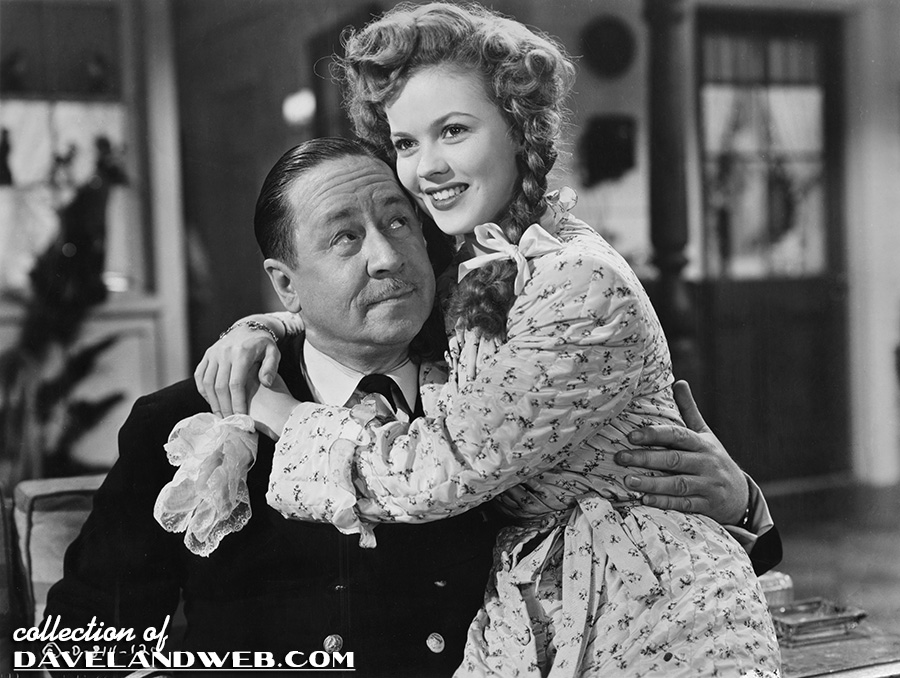
Benchley supported a teenage Shirley in 1945’s “Kiss and Tell” for Columbia Pictures. He played Corliss Archer’s (Shirley) Uncle George. In her autobiography, Child Star, Shirley gives Benchley a brief mention associated with a very sad event:

Humorist Robert Benchley, author-cohort from “Kiss and Tell,” honored us [then husband John Agar] at a candelit dinner party at his San Fernando Valley home. Jack was dancing with a starlet type, a bit player from a recent low-budget movie. Lithe and range with cascades of blond hair and widely flared, sensuous nostrils, she had already made biting remarks about my compact stature.…Driving home to our honeymoon cottage, Jack was merciless. “Always wanted to marry a long-legged model,” he said. “Not someone like you.” Already stunned, I could hardly believe my ears. But playing second fiddle was against my nature. “Trouble with people who have those nineteen-inch waists,” I replied, “their other measurements are small too. Including the head.”

Don’t mess with Shirley, who was perfectly capable of writing her own quips!

“Kiss and Tell” was released on October 18, 1945, Benchley was dead within a month from a cerebral hemorrhage at age 56. From the Algonquin Rondtable website:

Throughout World War II Benchley kept up an extremely busy pace in Hollywood. He lived in a bungalow in the Garden of Allah and worked steadily in movies and radio. In his early fifties Benchley eventually suffered from health problems exaggerated by his heavy drinking. He was diagnosed with cirrhosis of the liver and high blood pressure. In late 1945 he returned to New York for a break, but his health slid downhill. He collapsed in his room at the Royalton Hotel on West Forty-fourth Street. He died in the Harkness Pavilion at the Columbia University Medical center on Fort Washington Avenue, on November 21, 1945. Benchley was a teetotaller until he fell in with the Vicious Circle in the Speakeasy Era in his thirties. Twenty years later, drink did him in.

Here he is with Charles Butterworth at the Garden of Allah, both looking a little less than sober.


See more Shirley Temple “Kiss and Tell” photos at my main website.
Saturday, July 31, 2010

Screen Gem Saturdays: Shirley Temple—almost a "Ten"


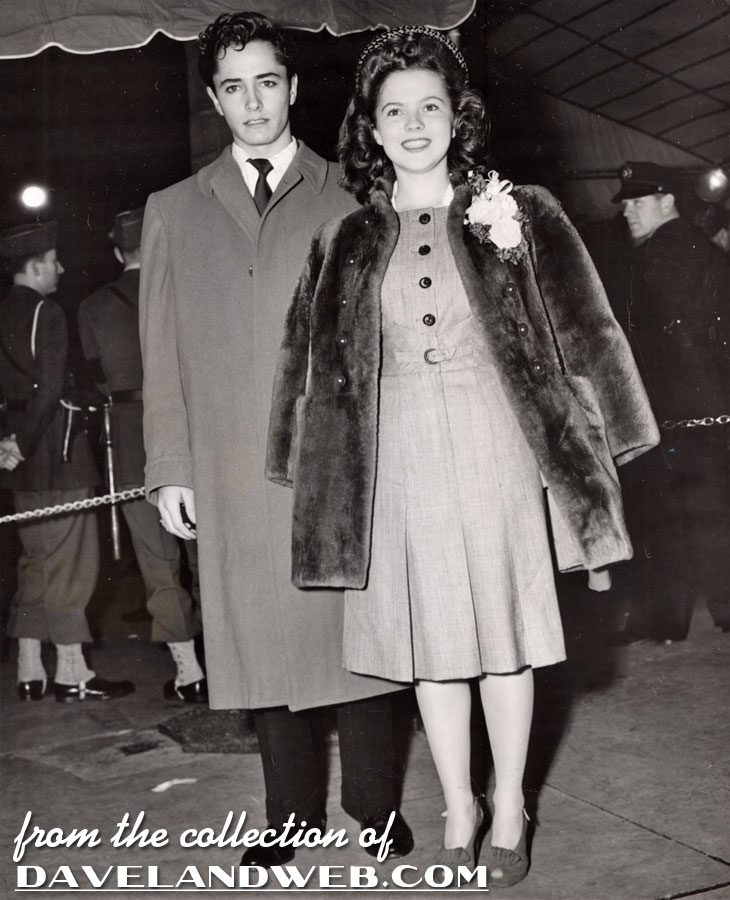
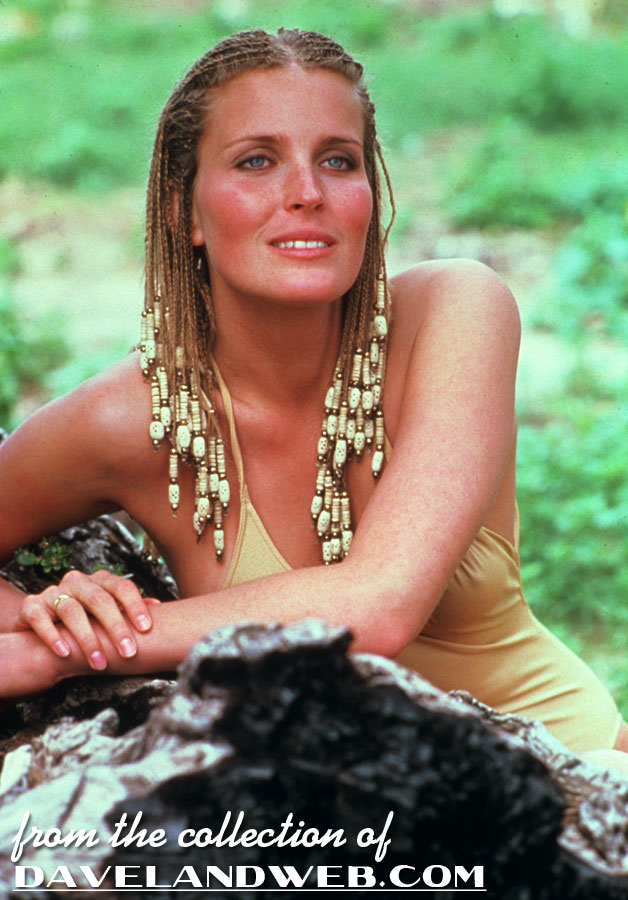
What do Ursula Andress, Linda Evans, Bo Derek, and Shirley Temple have in common? John Derek. Shirley's inclusion on that list may seem strange since she doesn't resemble the statuesque blondes that Derek (born Derek "Dare" Harris in 1926) seemed to be attracted to. As a teen, the pert Shirley went on a number of dates with John when they were both under contract to David O. Selznick of "Gone with the Wind" fame. Photo #1 shows the young couple together on March 7, 1944 in a photo captioned: “Oscar Fashion Notes: Shirley Temple is shown with Dare Harris. Shirley wears a grey crepe dress, with a peasant handsewn cap to match, and a beaver coat with gardenias.”

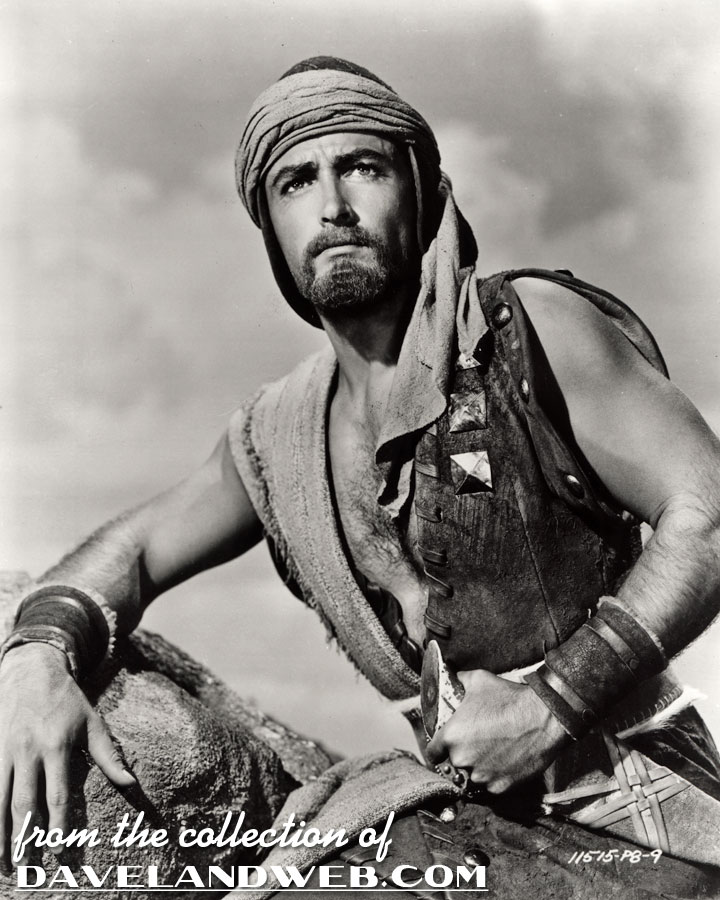
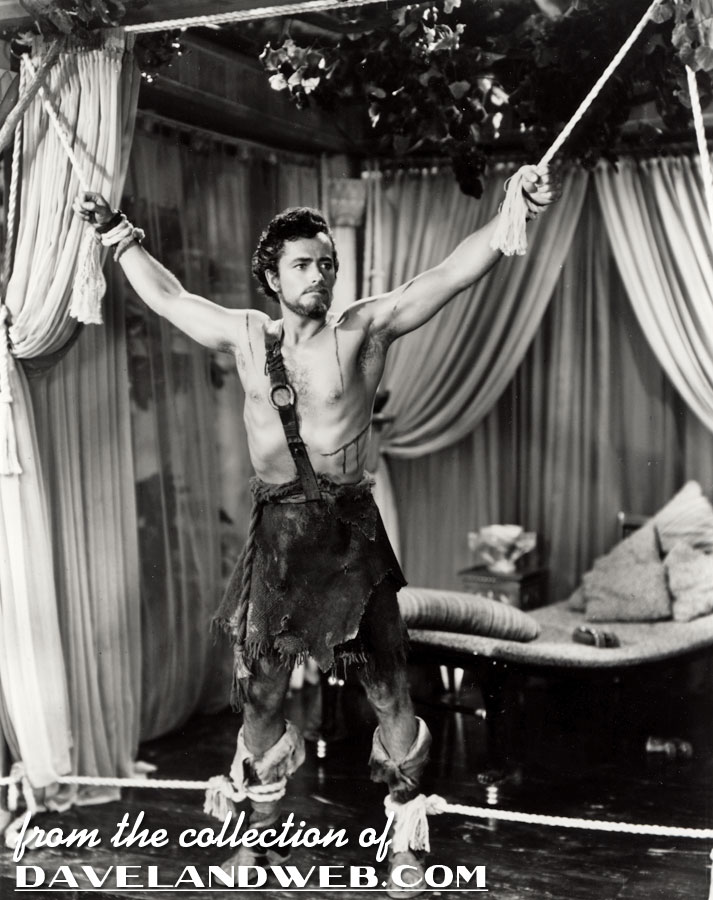
Besides being a Svengali-type married to some of the most beautiful women in the world, John Derek is probably most recognized for his role as Joshua in “The Ten Commandments.”


So just how close did Shirley come to being a “Ten”? According to her autobiography, "Child Star,” not that close:

Another victim of Mother’s protective attitude was a contemporary in the Selznick stable, bit player Derek Harris, later to become John Derek. A self-important young man, he had pleasing features, perhaps a little too sensitive for my taste. With a shock of dark hair cascaded artfully over his forehead and his suit shoulders padded out to disguise a rather delicate frame, he made a highly photogenic companion.

As an actor Selznick felt he had promise but so far little flair. Despite previous training, he still spoke downward and habitually missed his marks. Selznick had asked me to loosen him up. Not realizing the full extent of my task, I played the role of dramatic instructor. Relax, I urged. Ignore the audience. Never mind that twitch at your mouth or the one at the corner of the eye. Nobody can see it. Instruct and cajole him as I might, Harris would not, or could not, loosen up. On-camera he still came across wooden as a post.


Off-camera was another matter. The studio arranged for him to escort me around publicly...before long I detected he could be relaxed by necking. Neither of us was courageous about sex and we soon wearied of just kissing. As a replacement activity on the deserted moonlit playing field of nearby Riviera Polo Club, Harris taught me to drive stick shift in his jalopy and how exhilarating it was to floor the accelerator. Realizing how susceptible I was to offbeat behavior, he produced a long knife, and stabbed around at invisible enemies. That surely beat necking. To embellish himself even further as an extraordinary fellow one night he suddenly fell into an introspective mood and in rueful tones claimed to be the son of an undisclosed famous movie actress, but illegitimate. This pretext might have surprised his mother, Delores Johnson, a hardworking actress respectably married at the time to Lawson Harris, a songwriter. There in the moonlight, however, his unusual confession evoked awe and sympathy. Harris had set out to impress me, and he had. Not every girl gets to neck with a knife-wielding “bastard.”

Apparently he put more lasting weight on our twosome than did I, for he pursued me relentlessly as I flirted my way elsewhere. On one Palm Springs family vacation he slept out on the desert sand in his sleeping bag and lurked around possessively to see whom else I dated. The knell to our relationship was sounded by a macabre gift, an original oil painting. Someone’s bluish face was entwined in a surrealistic background of green seaweed. In his mystical, watery depiction Mother instantly saw a symbolic likeness between the disembodied face and mine. She forbade me to see him again, a tall order considering we were studio colleagues. But after thinking hard about her interpretation of his painting as a foretaste of undertow and death, I comfortably distanced myself, freeing Harris to skulk after more impressionable quarry.”

Hmmmm....Bo Derek and Shirley Temple. The comparison is fascinating!


See more Shirley Temple photos at my main website.