Friday, July 05, 2024

Remnants of the Ambassador


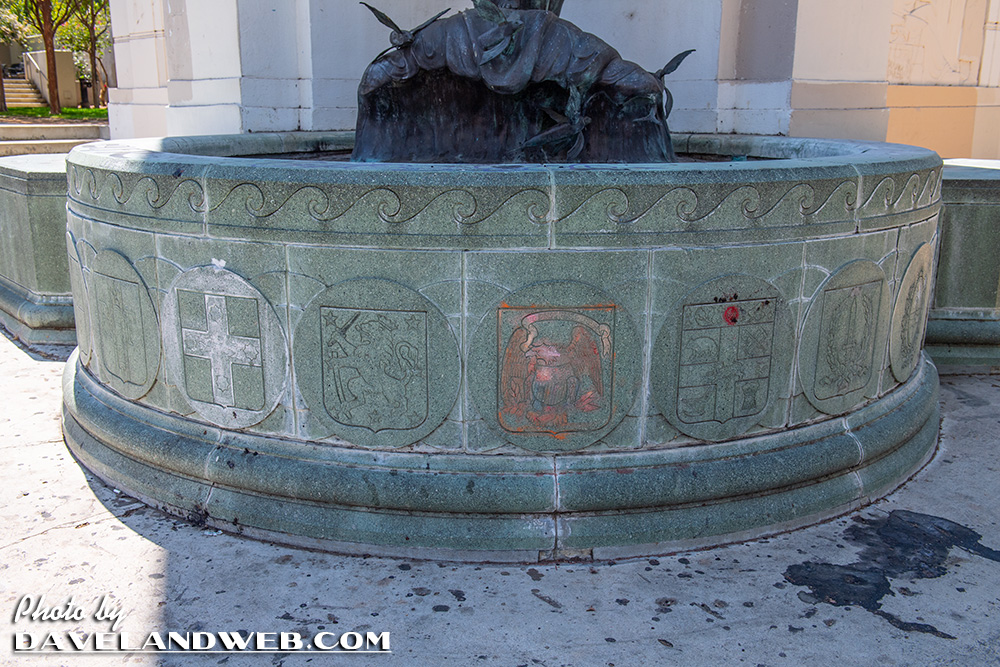
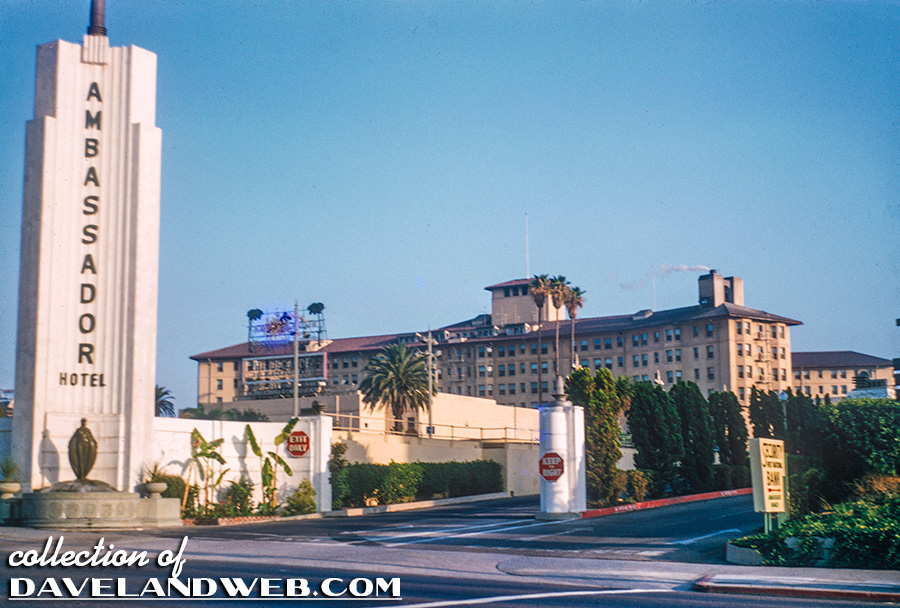
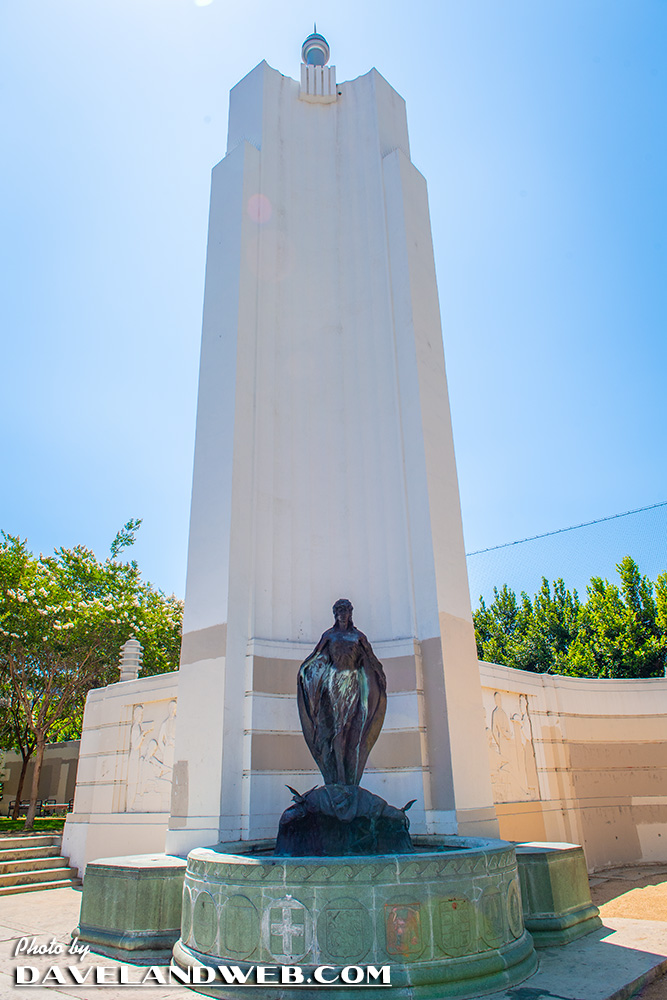
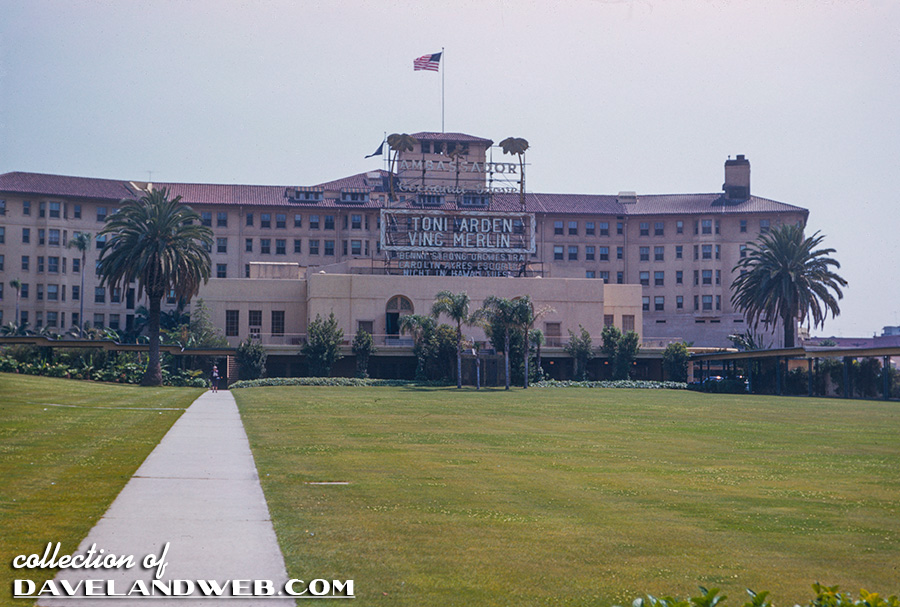
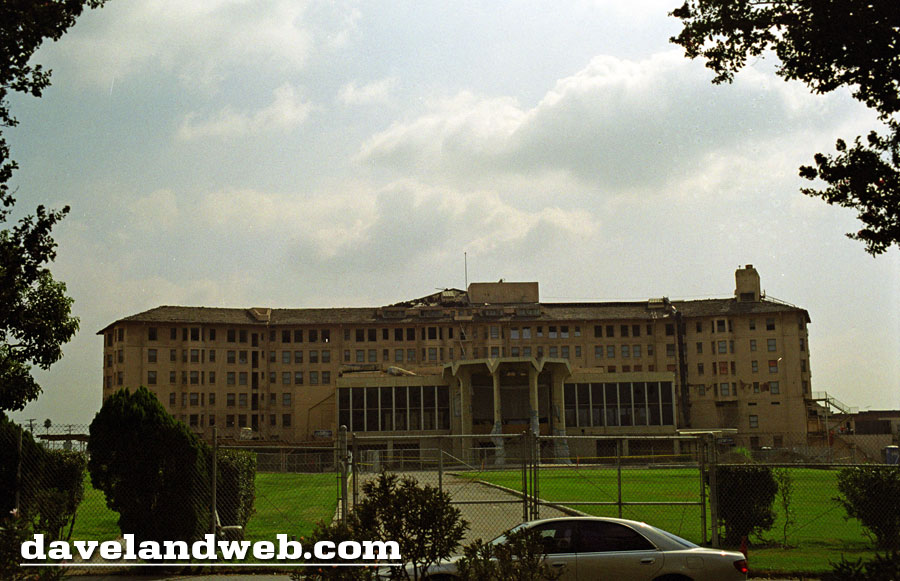
On my recent trip up to Los Angeles, I wanted to get some then and now comparison shots of the Ambassador Hotel. Designed by architect Myron Hunt and located on 24 acres just off Wilshire Boulevard, it opened at midnight on January 1, 1921. That must have been one heck of a New Year’s Eve party! Preservation efforts failed, and the hotel began demolition in 2006 to be replaced with the Robert F. Kennedy Community Schools, a K-8 facility. There are still remnants of the original complex that remain, such as the entrance pillar and fountain, minus the lettering and the water. While it’s nice that these art deco items remain, it’s somewhat sad that they appear to be in a state of disrepair and the area has become an encampment for the homeless.


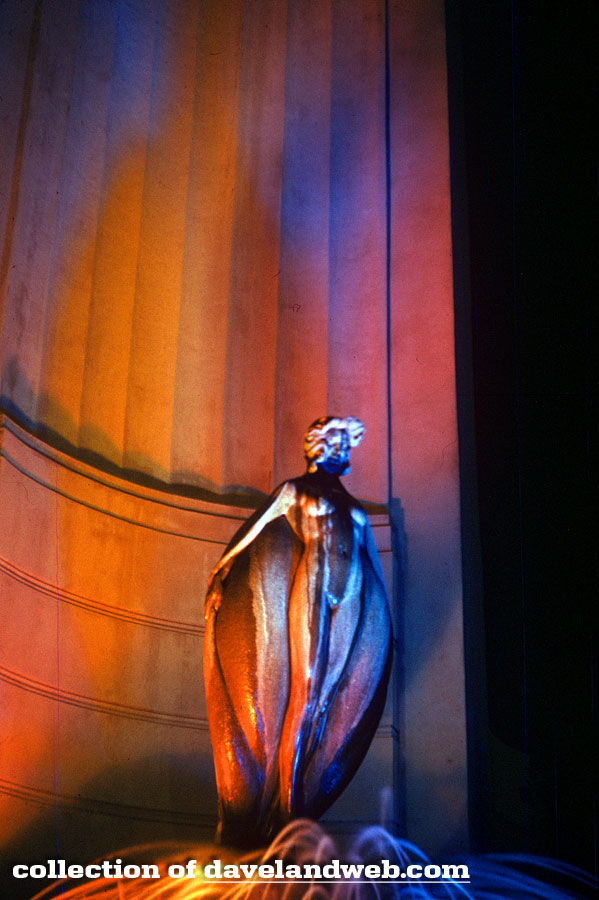
How the statue/fountain looked in the 1950’s:


And how it looks now:
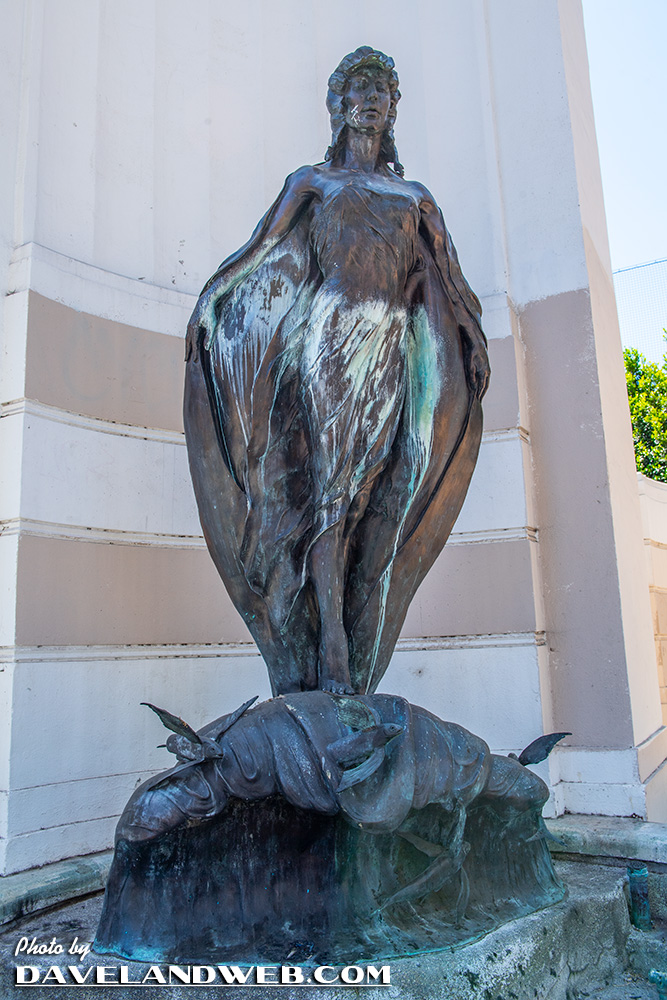


In writing this article, I learned that the statue I saw is not even the original one. From calisphere:

An unknown sculptor created the bronze statue in the fountain, which might have been originally named "Gloria." This statue was lost and artist Bobbie Carlyle recreated a replacement version for LAUSD (now titled "Seaswept"), lightly clothed as a concession to the new use by the school district.

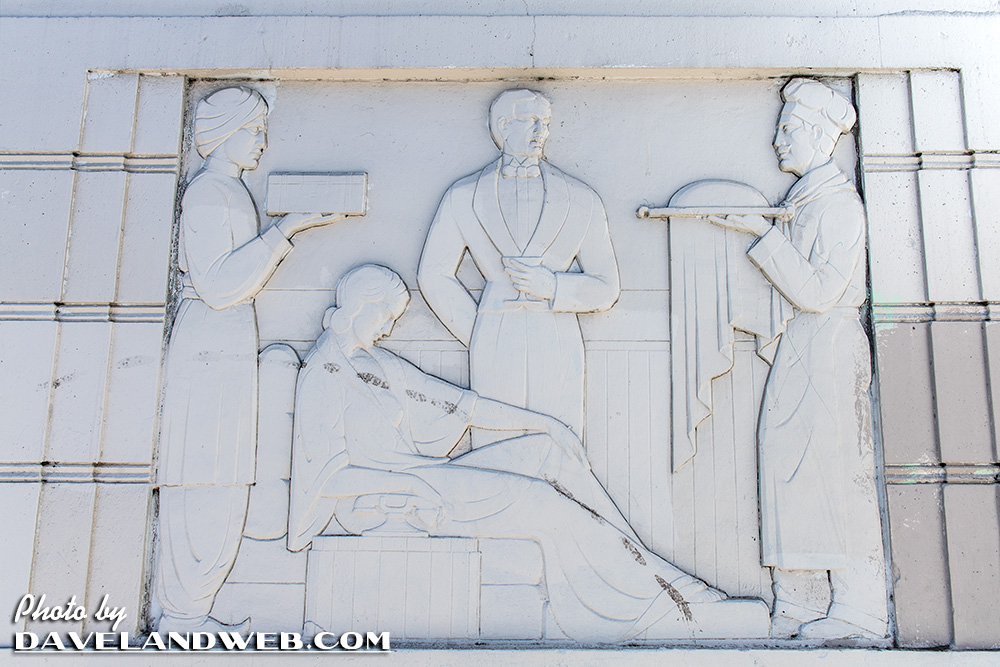
It was wonderful to see this Art Deco bas relief up close, although its context has now been removed. Again, from calisphere:

The bas-relief shows four human figures: a man wearing a turban and holding a box; a woman sitting on a low settee with her arm resting on a telephone; a man standing next to her holding a goblet; and a chef holding a tray and long napkin.


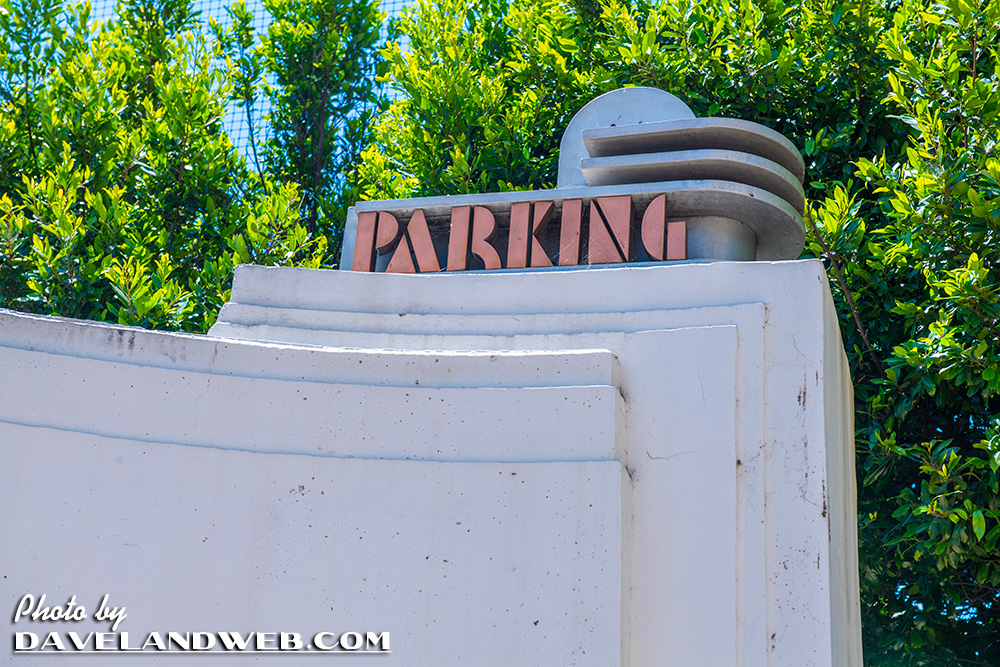
Ah, Futura Black - one of my favorite Art Deco fonts.


Circa 1954:


October 2005, which was the last time I saw the original structure semi-standing:


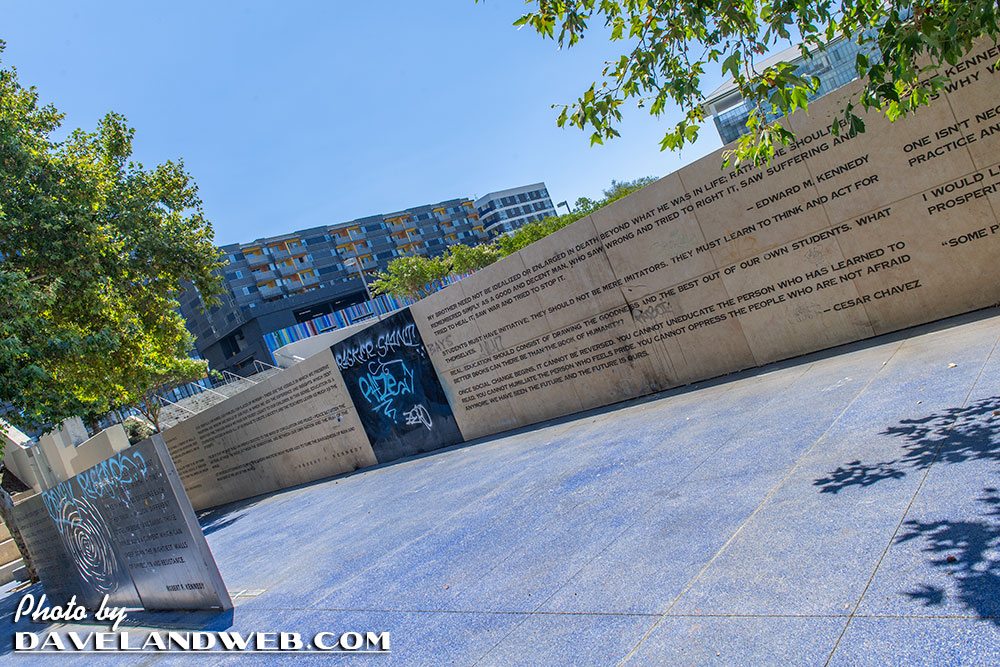
What it was replaced with, which has a slightly similar look to the Ambassador:


What was retained? Not much. From the Los Angeles Conservancy website:

The porte cochere and one wall of the Cocoanut Grove were retained; the rest is replicated. The campus interprets the site’s history but does not preserve it. We were very mindful of the need to provide a school as soon as possible, which was one of the reasons we chose not to pursue further litigation when it became clear we wouldn’t prevail. Nor was the approved plan part of a compromise between LAUSD and preservationists. We didn’t compromise on the Ambassador Hotel; we lost. Whatever “preservation measures” LAUSD undertook were entirely self-imposed and did not amount to actual preservation.

Yikes. At the front of the complex facing Wilshire is a memorial to Robert F. Kennedy, who was assassinated at the Ambassador in June 1968, a sad event that signaled the demise of the once great hotel.


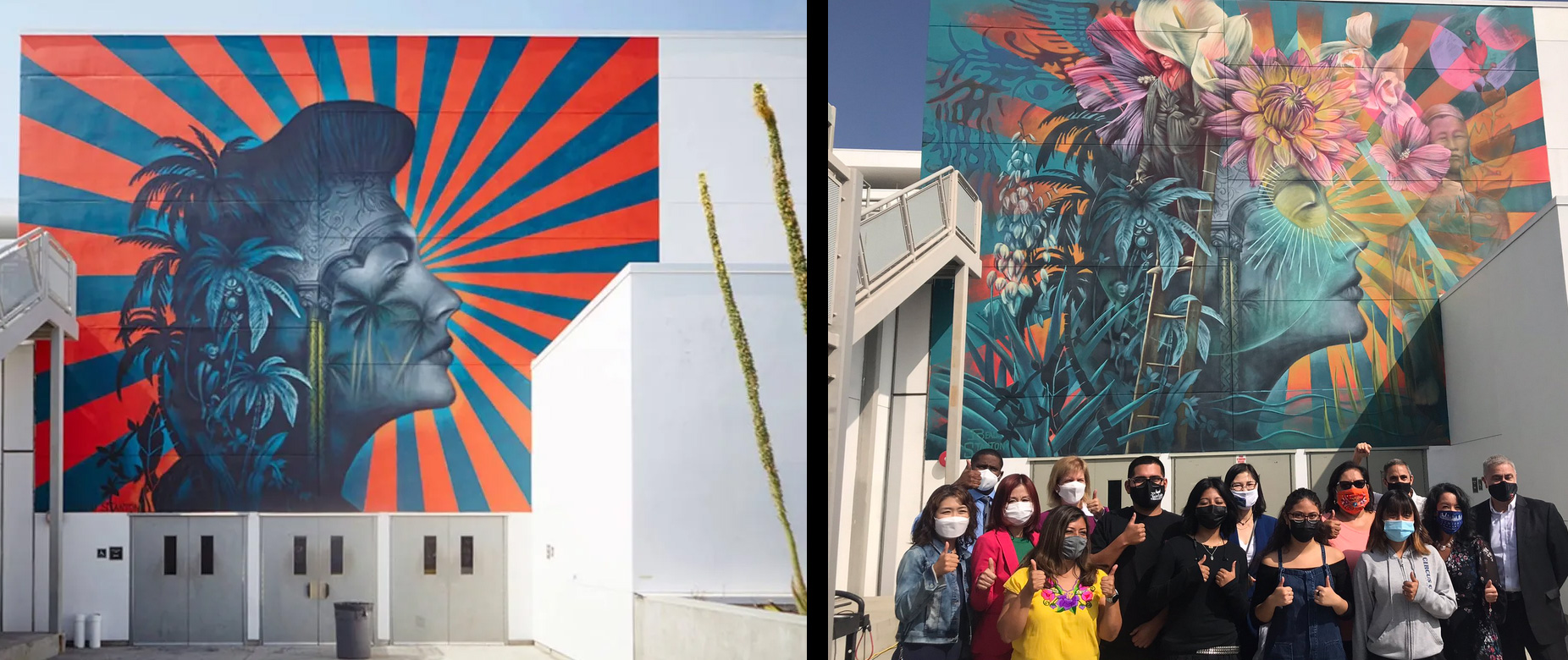
The school came under fire when it opened for being the costliest (approximately $578 million) at a time when nearly 3,000 teachers had been laid off in just two years. Adding to the controversy, a mural depicting actress Ava Gardner (a nod to the hotel’s Cocoanut Grove nightclub) was unveiled in 2016;

Edited from the rafu.com website, a Japanese American newspaper:

In 2018, the sun-ray motif became an issue as some Korean Americans said it was reminiscent of the Imperial Japan battle flag, a reminder of Japan’s decades-long occupation of the Korean Peninsula. The Los Angeles Unified School District initially agreed to the Wilshire Community Coalition’s demand that the mural be removed, then backtracked. [Artist Beau] Stanton pointed out that the orange-red and blue rays are a different color and thickness from the Japanese flag, and are a common motif in his works and those of other artists. Artist Shepard Fairey threatened to have his mural of Robert F. Kennedy, who was assassinated at the Ambassador Hotel, removed in solidarity. Gyopo, a group of Korean American artists and community members, said in a letter to LAUSD that those who think the mural isn’t offensive do not understand the pain and trauma that such imagery elicits for victims of wartime Japanese aggression. While acknowledging that Stanton did not mean to offend anyone, Gyopo said it was troubled by “the lack of community involvement in the mural’s selection process, the mural’s imagery itself and its memorialization of a whites-only club, and the ways in which the media has directed these narratives.” In 2019, Stanton said in a statement, “Over the past several months I have had the opportunity to meet with a diverse cross-section of stakeholders regarding my mural at the Robert F. Kennedy Community Schools, including students, faculty, fellow artists, and members of the Koreatown community. “These interactions have allowed me to synthesize a solution that aims to rise above the original binary conversation of ‘keep or remove the mural’ in order to build upon the original work and create something that speaks to the past, present, and future of the RFK campus. “My proposal involves creating a transformative work utilizing the original mural as a base for layering and weaving additional imagery into the original image much like an urban wall with many historic layers. Parts of the original will remain visible while focusing on themes related to the important conversation that the original work had initiated.  The new mural retains some of the original design, with the addition of images that celebrate Koreatown’s diverse immigrant community. Also, the stripes have been shortened so that they don’t touch the mural’s borders. “A lot of students had decorated their caps and sashes with colors and flag designs that were specific to where their family members had immigrated from – Mexico, Guatemala, El Salvador,” said Stanton, who incorporated those countries’ flowers into a crown on Gardner’s head. To pay tribute to Koreatown’s history, he included a Korean hotel worker and a man working in a Central L.A. citrus grove.

The original mural on the left and the revised one on the right. My eyes hurt it’s so busy.


See more Ambassador Hotel photos at my main website.

Tuesday, July 02, 2024

Temple Tuesday: Shirley at the Emmys


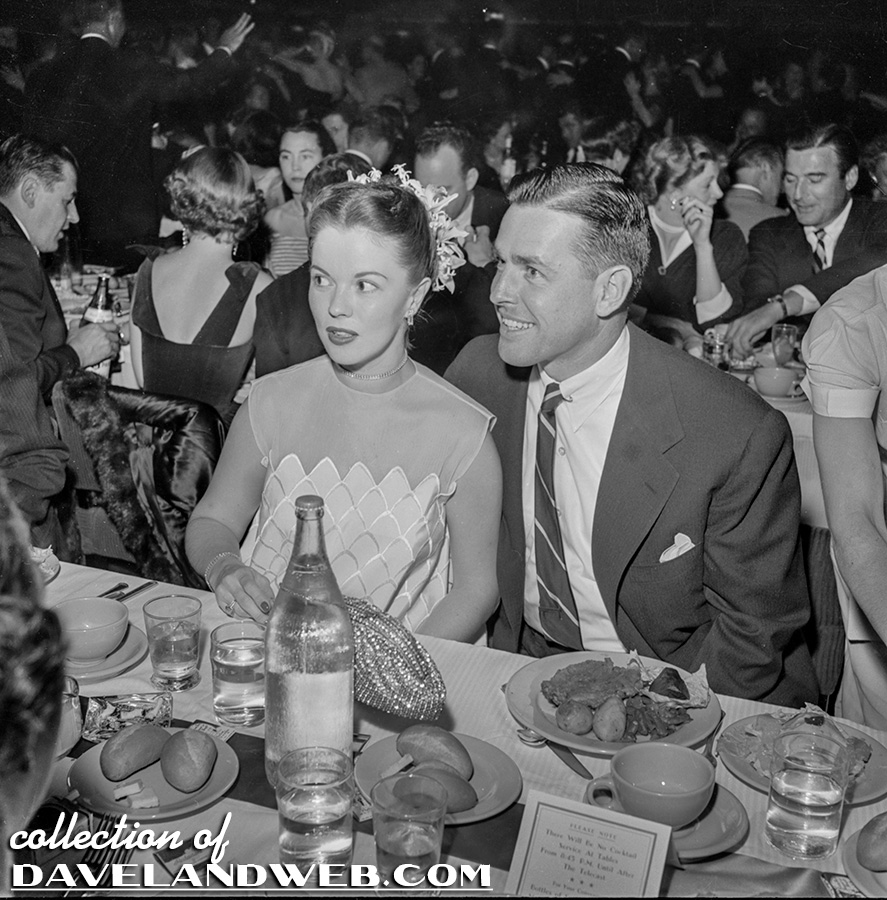
The 6th Emmy Awards, later referred to as the 6th Primetime Emmy Awards, were held on February 11, 1954. Shirley Temple, wearing a stylish maternity top (she was pregnant with daughter Lori), and husband Charles Black, were in attendance (photo above). The ceremony was hosted by Don DeFore at the Hollywood Palladium on Sunset Boulevard. DeFore was president of the Academy of Television Arts and Sciences and sold this first national broadcast of the Emmy Awards to NBC.

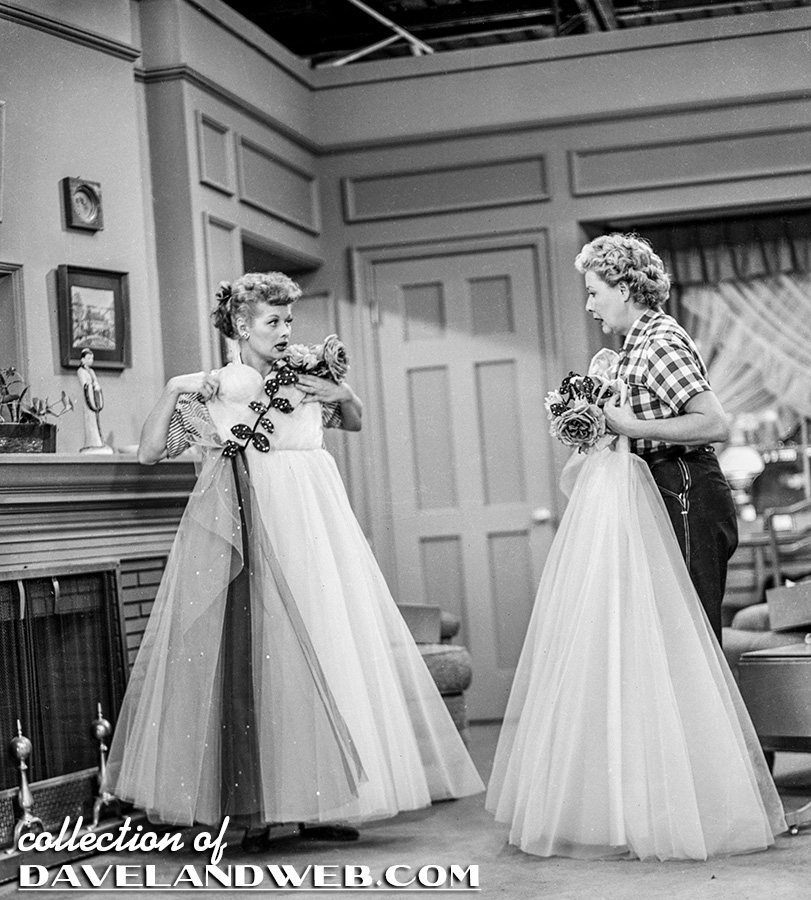
“I Love Lucy” had four nominations: Best Situation Comedy (winner), Best Female Star (Lucille Ball), Best Supporting Actor (William Frawley), and Best Supporting Actress (Vivian Vance, winner).


“Lucy and Ethel Buy the Same Dress,” October 19, 1953 with Lucille Ball and Vivian Vance was one of the many episodes during the season that helped the show garner so much acclaim. Back to Shirley…


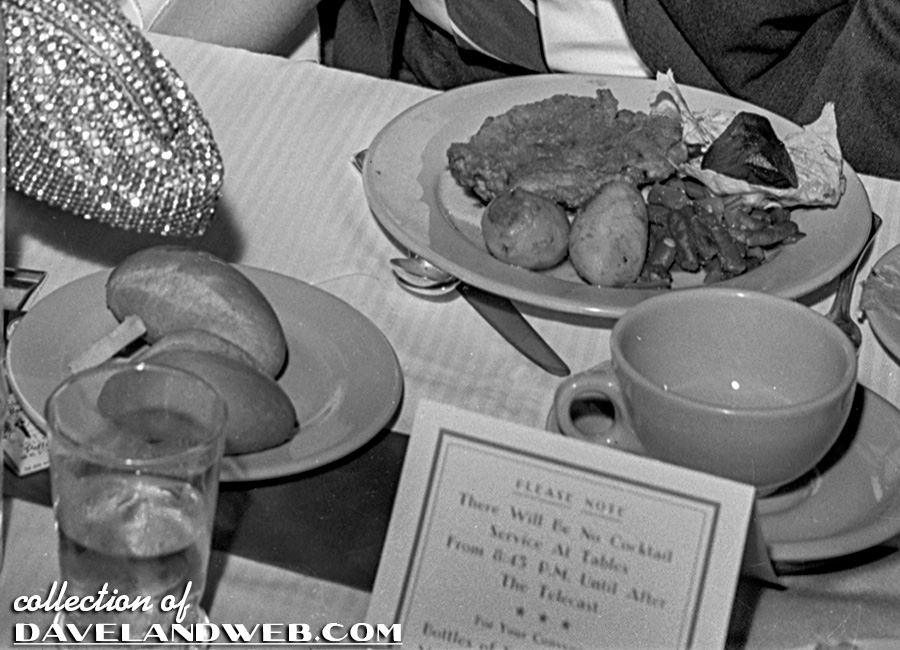
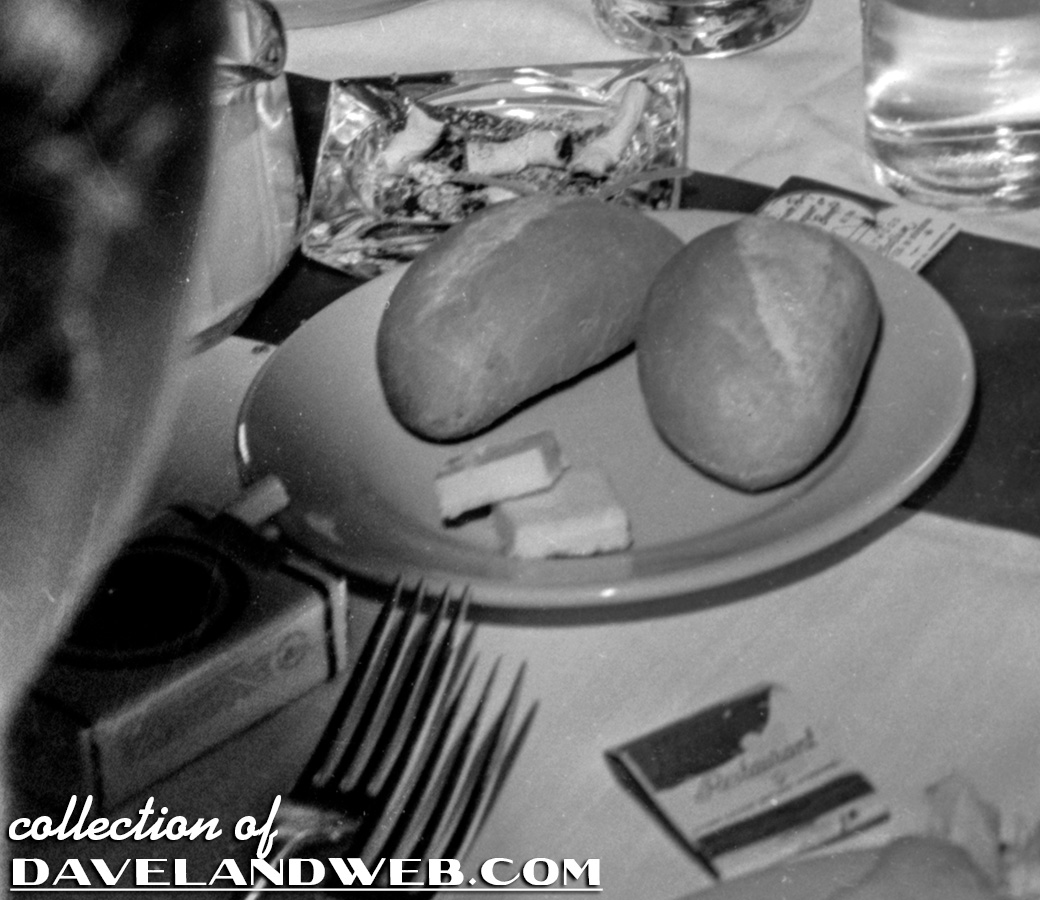
The dinner looks like your typical banquet fair. Perhaps a veal cutlet, potatoes, beans, and a gelatin salad on a lettuce leaf accompanied by rolls and butter. Note the card that states, “There will be no cocktail service at tables from 8:45 P.M. until after the telecast.” If I am reading that time correctly, that sounds like a very late evening!


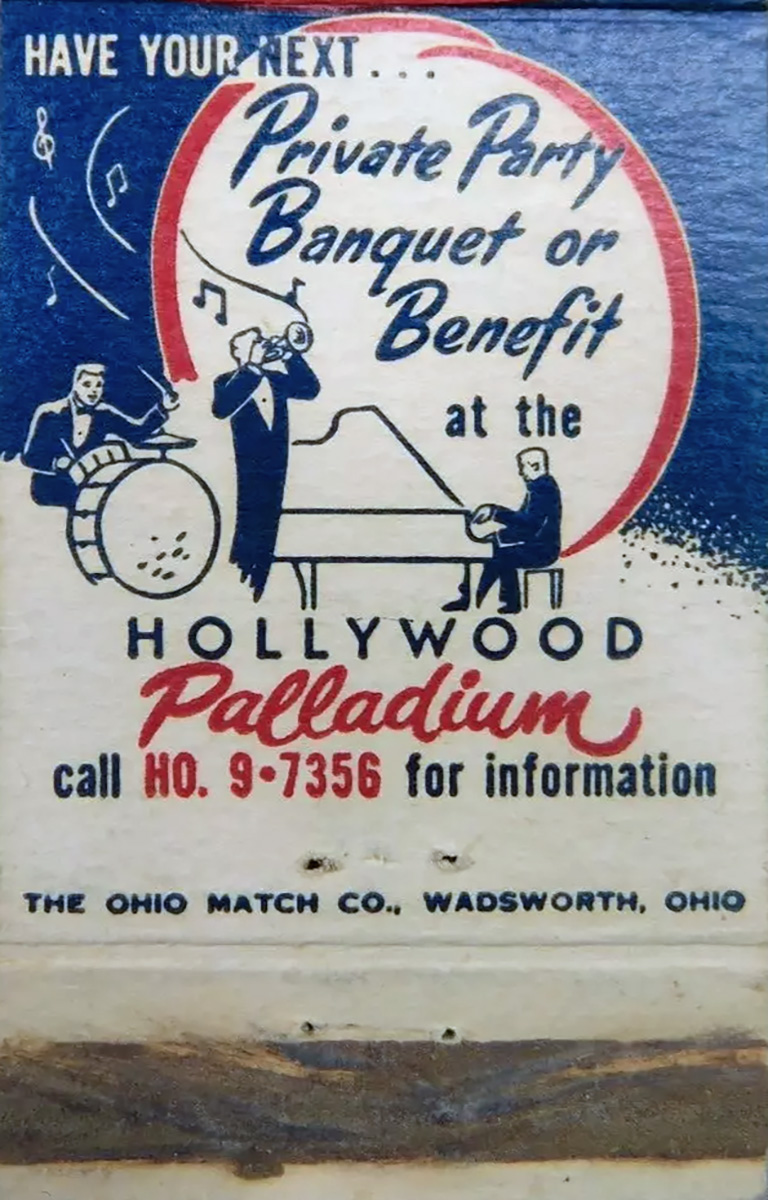
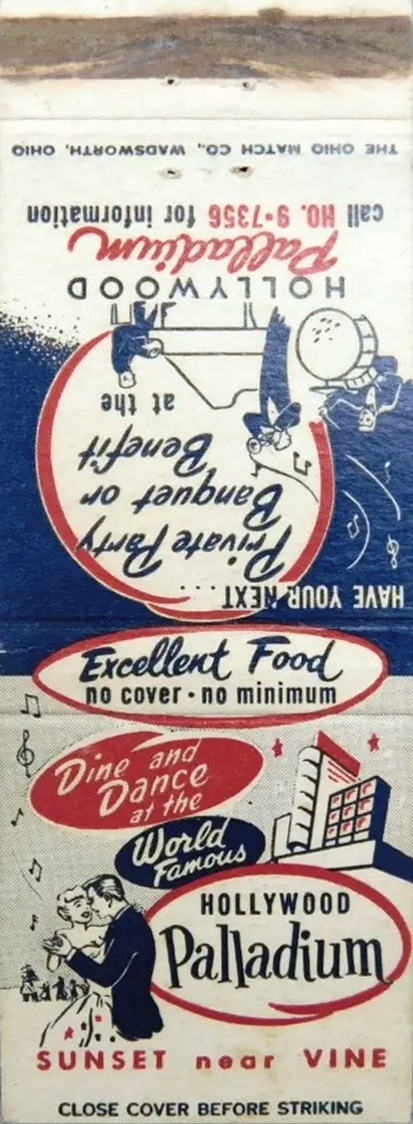
See the matchbook in the upper right hand corner? I was able to match it to one on ebay:


I love when that happens. 


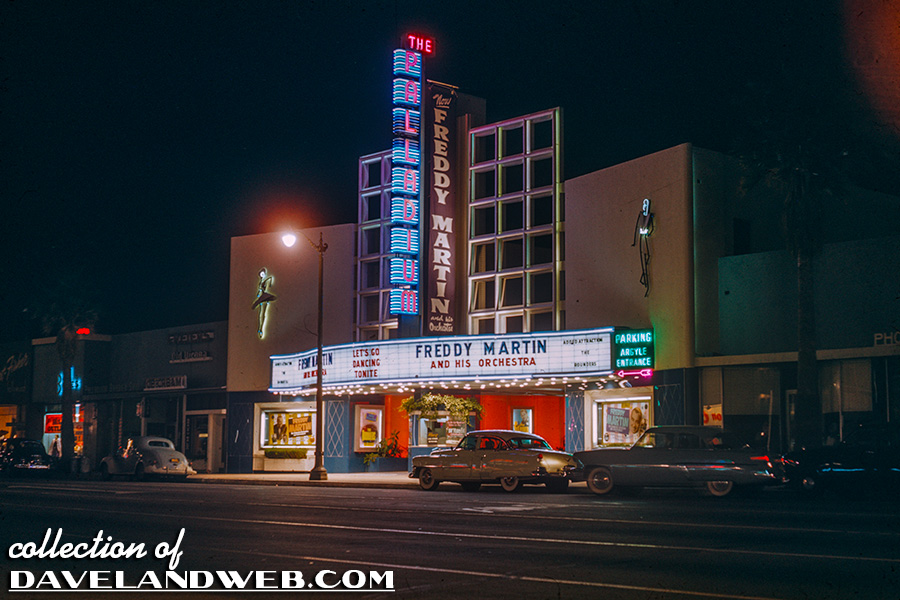
Below is a 1950’s shot of the exterior of the Palladium:


…and how the building looked in 2016:


See more Shirley Temple photos at my main website.
Sunday, June 30, 2024

Lena and Susan - A Birthday Celebration!


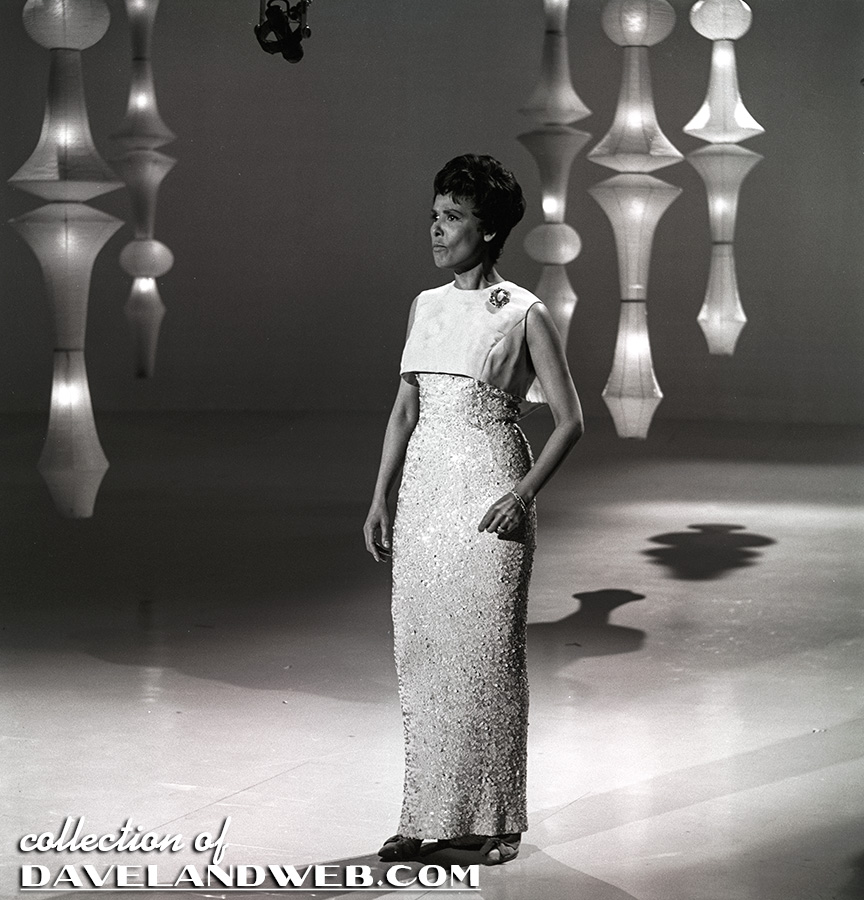
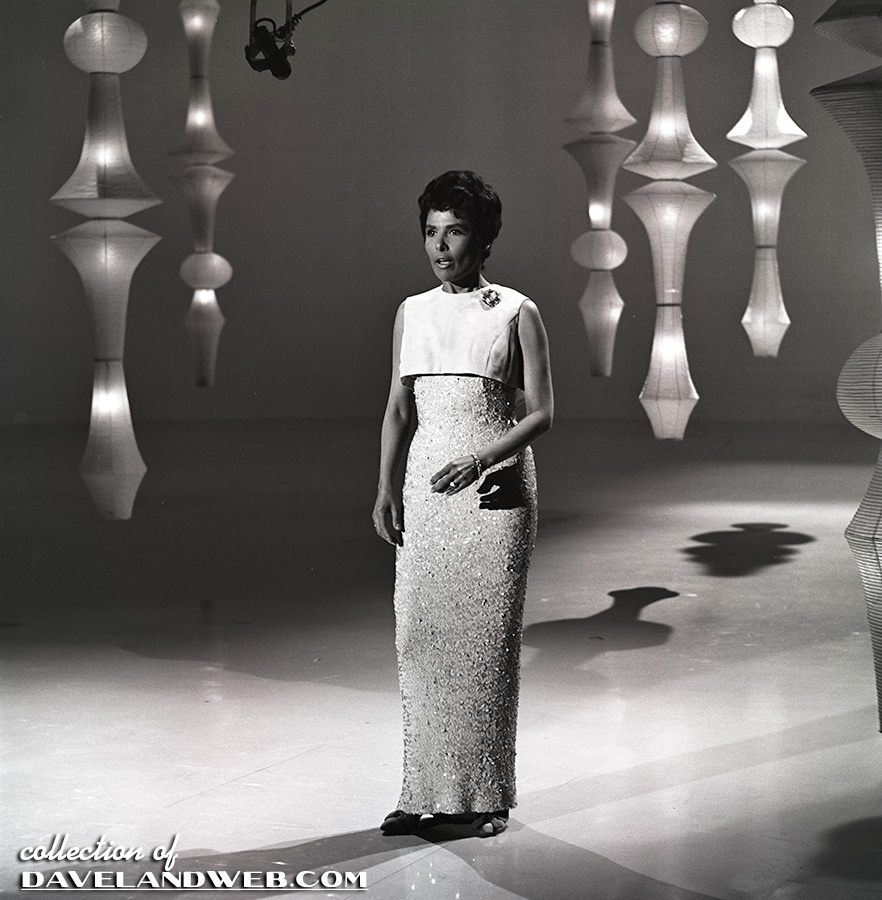
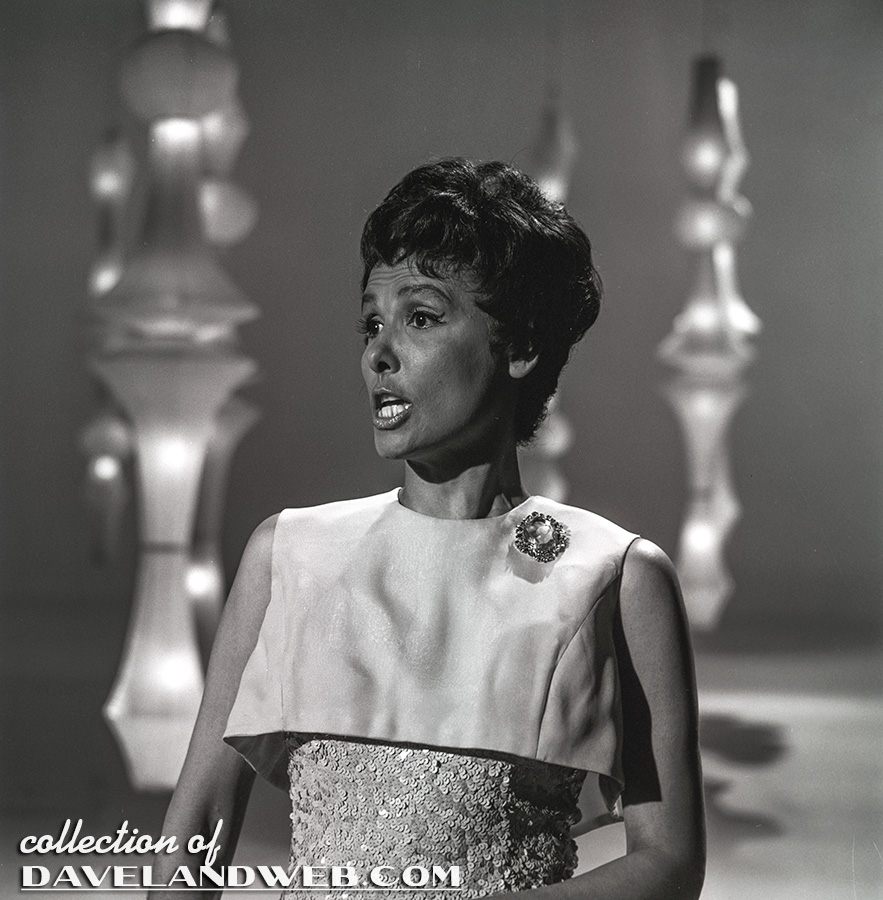
The heavens released two stars of the highest caliber on this day! For the first birth-aversary we have one of my favorite singers, Lena Horne. The woman exuded class with every song that she sang. A minimum of movement was her signature, along with those expressive eyes.


These three photos are from Perry Como’s Kraft Music Hall. The episode aired Feb 13, 1964, and featured Lena Horne and Dean Martin. Lena sang the duet, “Every Little Star” with Perry while wearing this outfit.


Even though the quality of this video clip is not stellar, the talent of these three still comes through. Horne eclipses the two males.


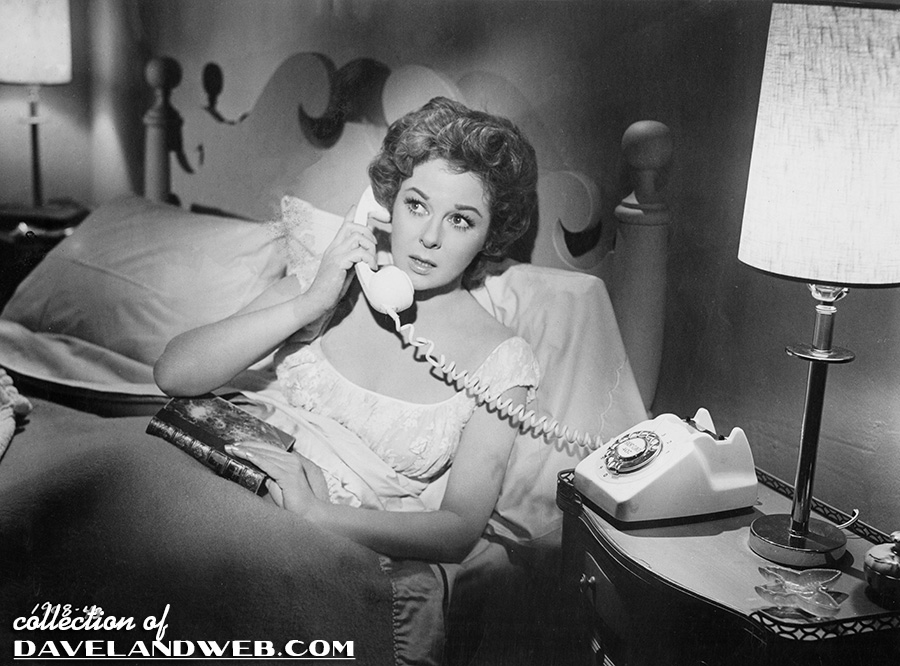
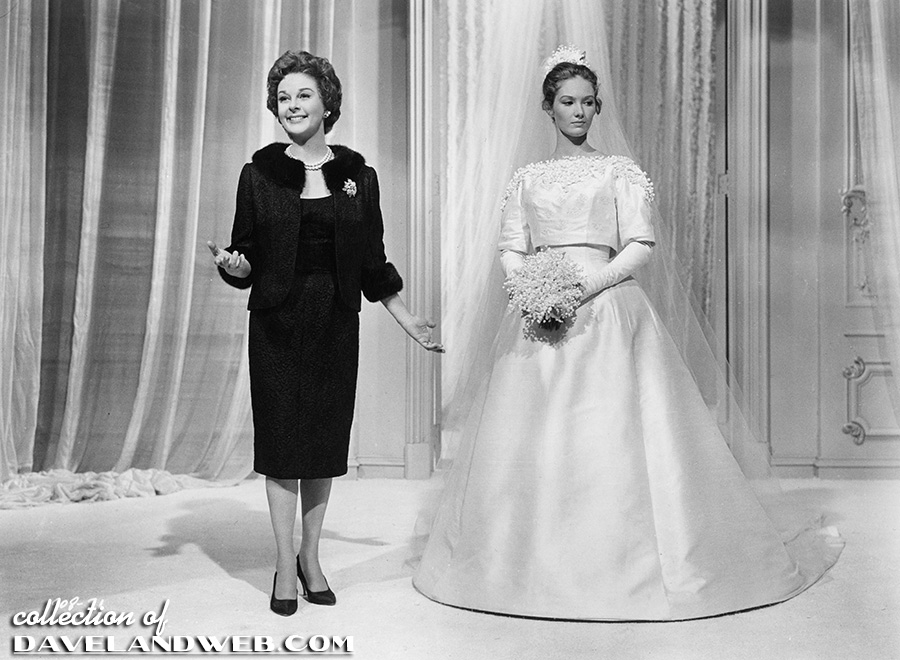
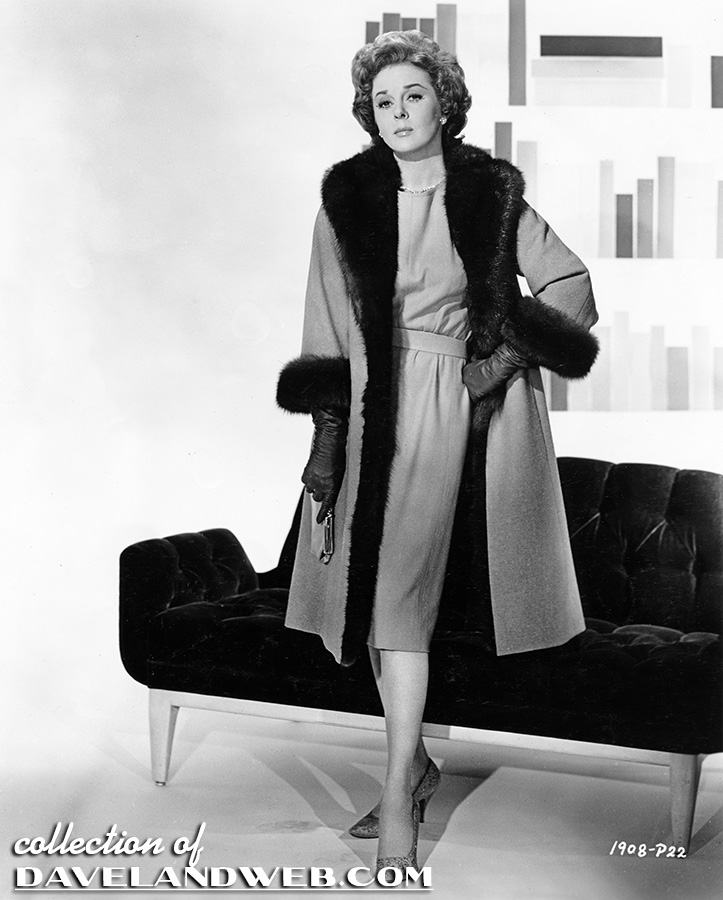
The other birth-aversary for today is Susan Hayward, the star of one of my favorite tear-jerking melodramas, “Back Street” (1961). Playing a fashion designer who finds herself as “the other woman,” you can’t help but root for her.


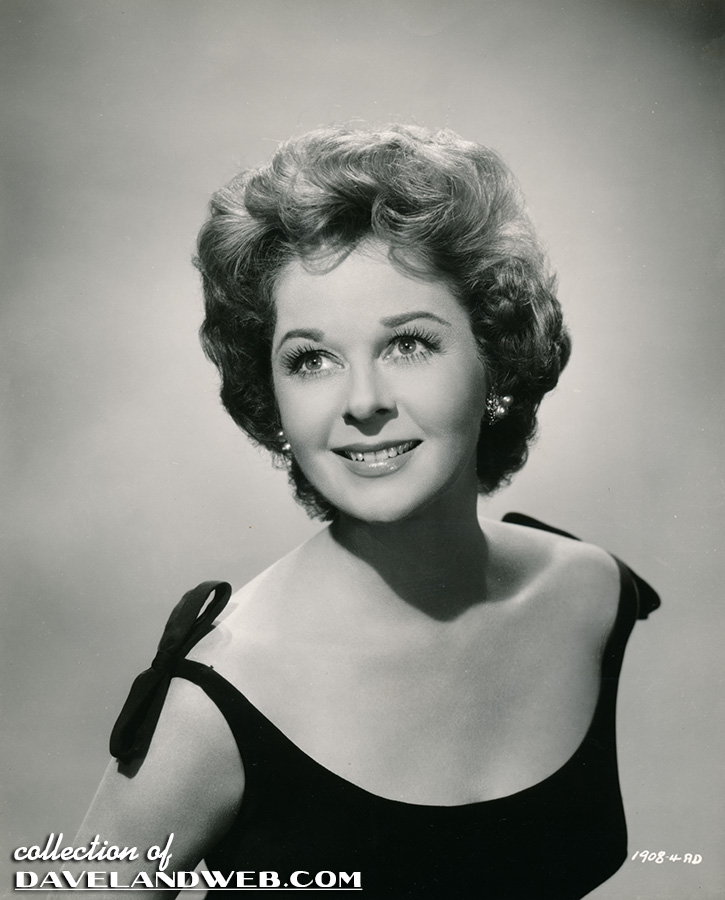
Hayward was able to portray a cool beauty, even with her fiery auburn locks that were perfectly suited for the Technicolor cameras.


“What? It’s my birthday?”  


With a warm, genuine smile, Hayward appealed to both men and women.


They sure don’t make ’em like Lena and Susan anymore!

See more Classic Movie & TV photos at my main website.
Wednesday, June 26, 2024

Happy (Belated) Birthday, June!


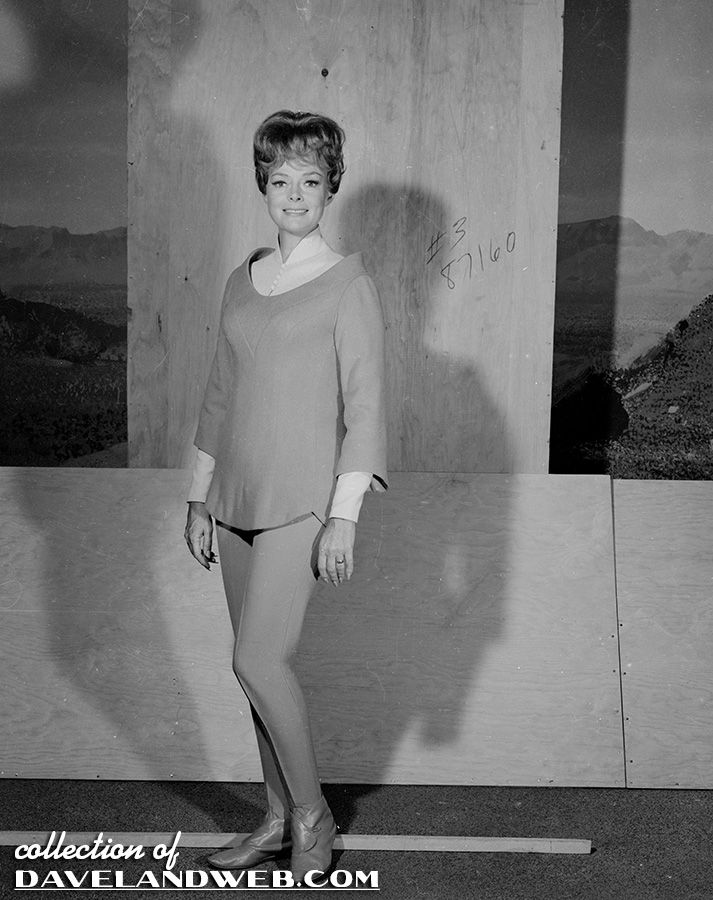
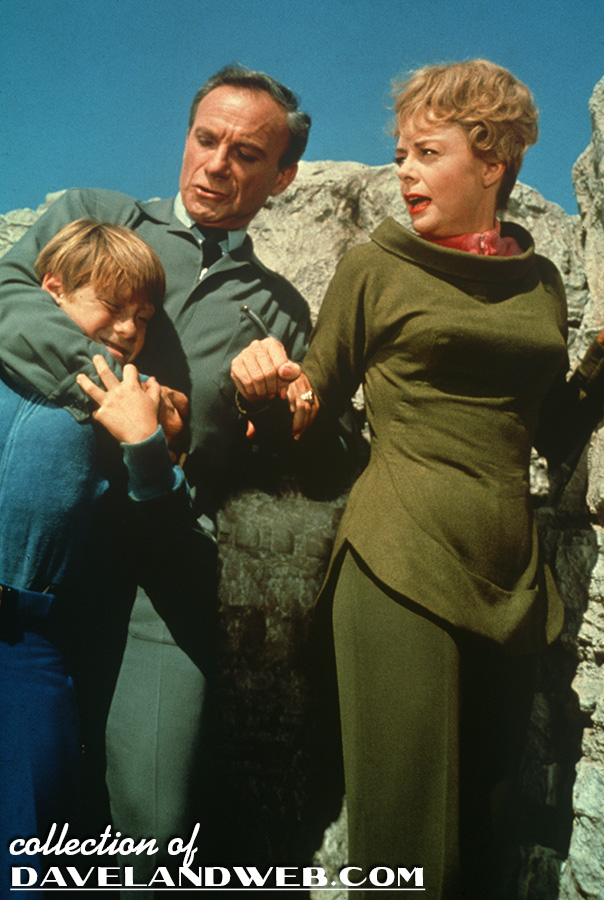
Yesterday was the 99th birthday of beloved actress, June Lockhart. While she had a number of memorable roles throughout her long career (starting in 1938 with “A Christmas Carol”), she will always be Maureen Robinson to me. From 1965-1968, she played everyone’s favorite space-age mother on “Lost in Space.” Unlike many of the other early TV-moms, Maureen Robinson had a career as a doctor, often challenging and pushing back (successfully!) against some of the stubborn males in the show. ALWAYS with love, though!


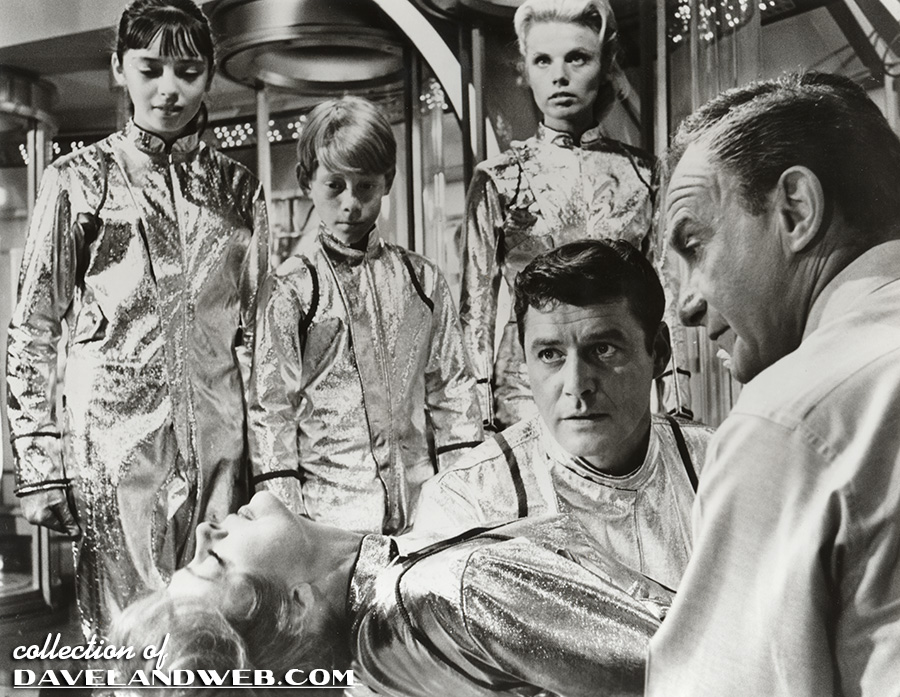
In the first episode, she passes out when her body is re-animated from the Jupiter 2’s freezing tubes. It would be one of the few times that her character was helpless.


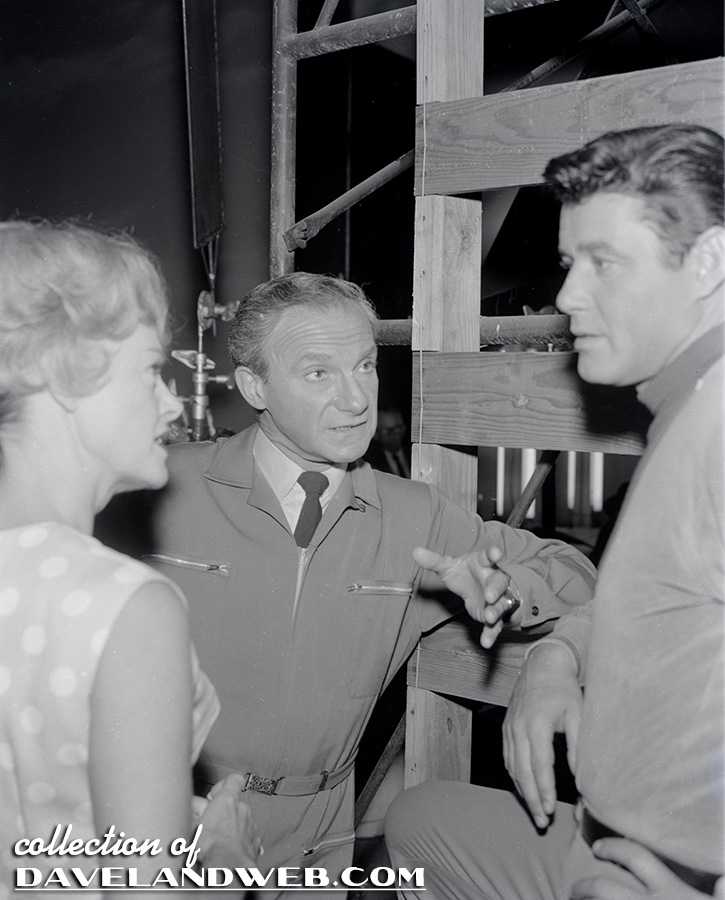
She brought a warmth, strength, and dash of comedy to all her roles. It was somewhat disappointing that the campy Dr. Smith (Jonathan Harris) overshadowed the central heart of the show, Maureen and John Robinson (Guy Williams). When that occurred, a promising drama about the space family Robinson descended into a silly hour of having to listen to Harris’ character mug, moan, and eventually have to be rescued. My caption for the photo below would be Harris telling Lockhart and Williams:

OK, here’s how it’s going to be. I’m going to ad lib my role and endear myself to producer Irwin Allen, while you two will end up in the background. Got it?


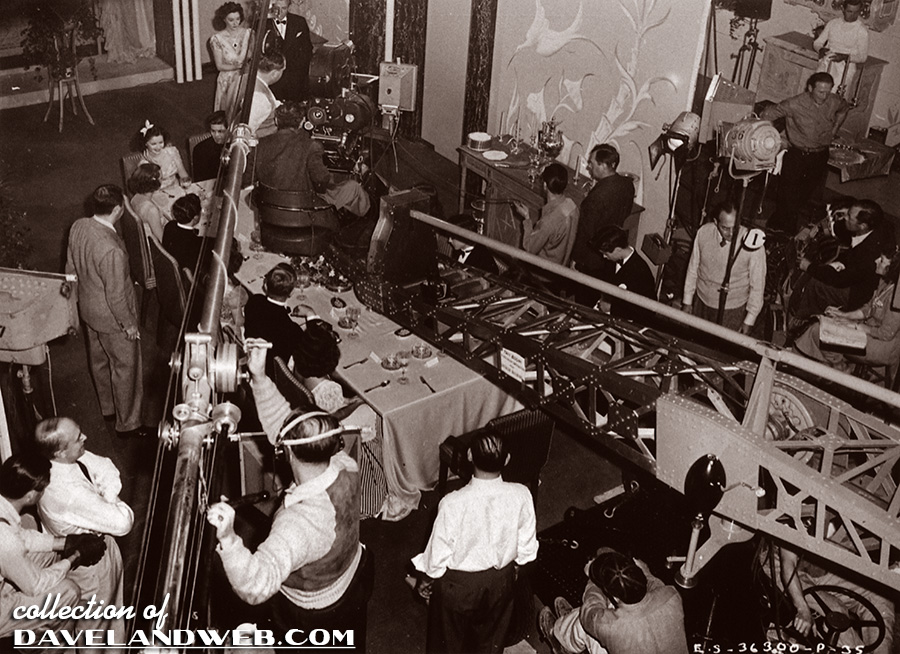
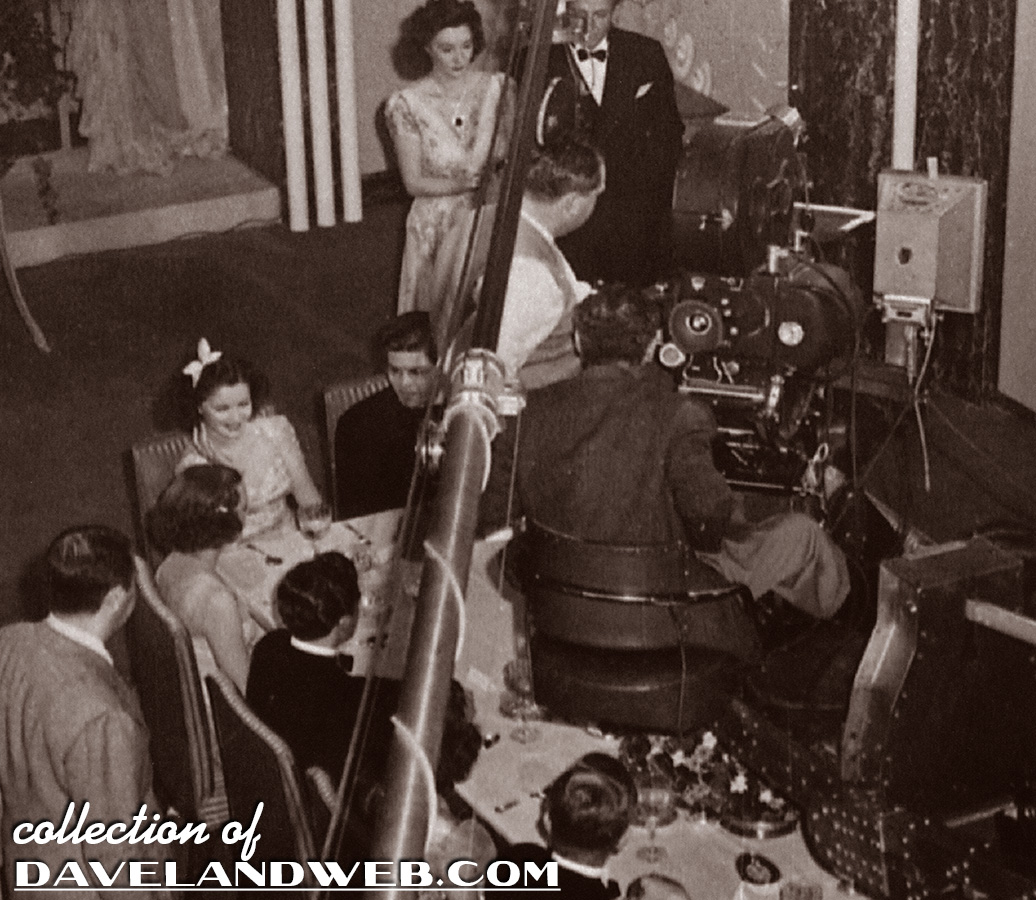
Below is a behind the scenes shot from the Shirley Temple movie, “Miss Annie Rooney” (1942).


Seated at the table, you can see the back of June’s head at left, then Shirley, and Dickie Moore. Gloria Holden and Jonathan Hale are in back.


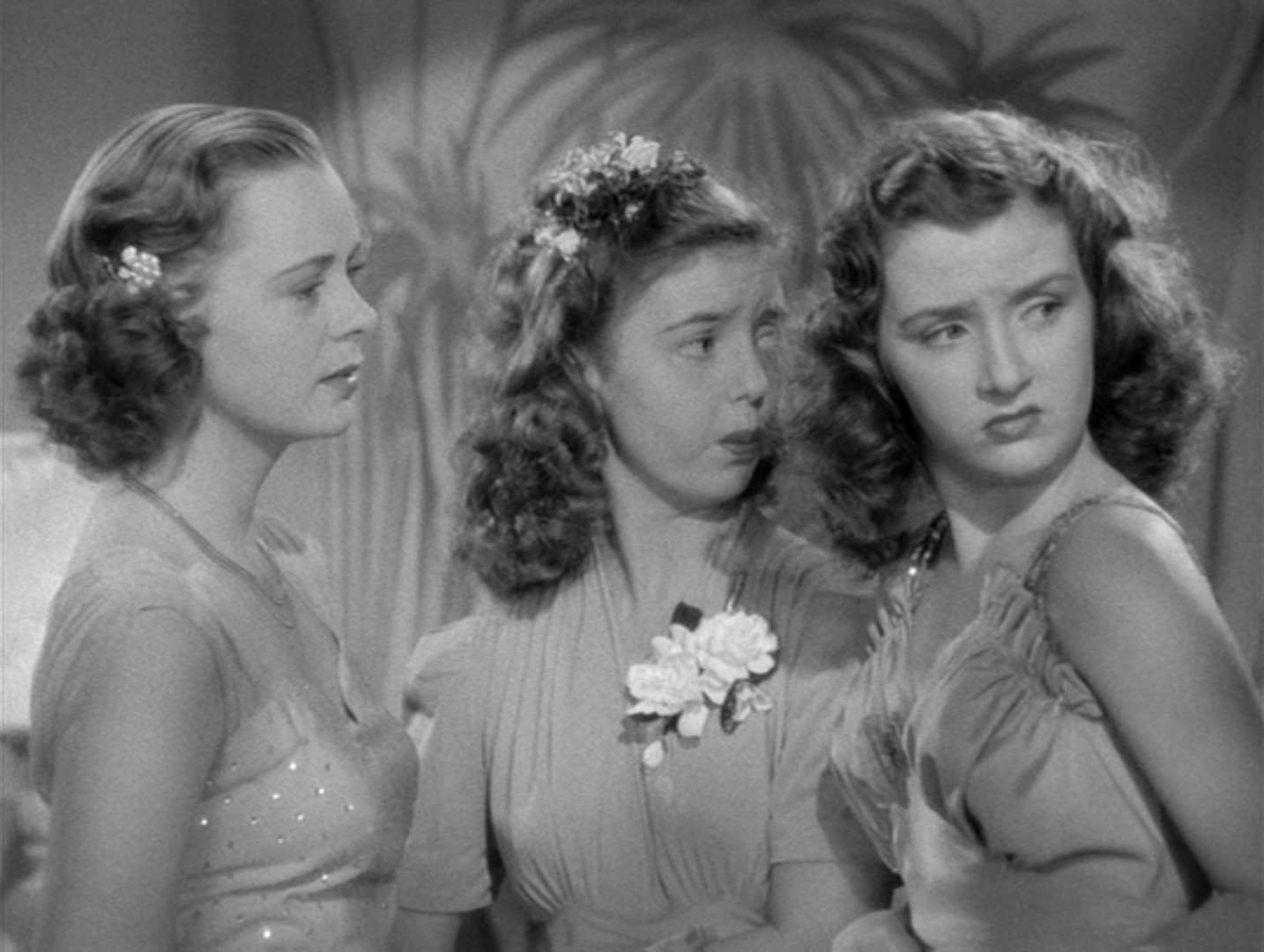
June’s character, Stella Bainbridge, is a snotty young rich girl and rival to Shirley. Dickie Moore’s character, Marty White, refers to her as “an old drizzle puss!” Here she is in a screenshot from the movie (far left), looking disapprovingly at Shirley’s wrong-side-of-the-tracks character, Annie Rooney.


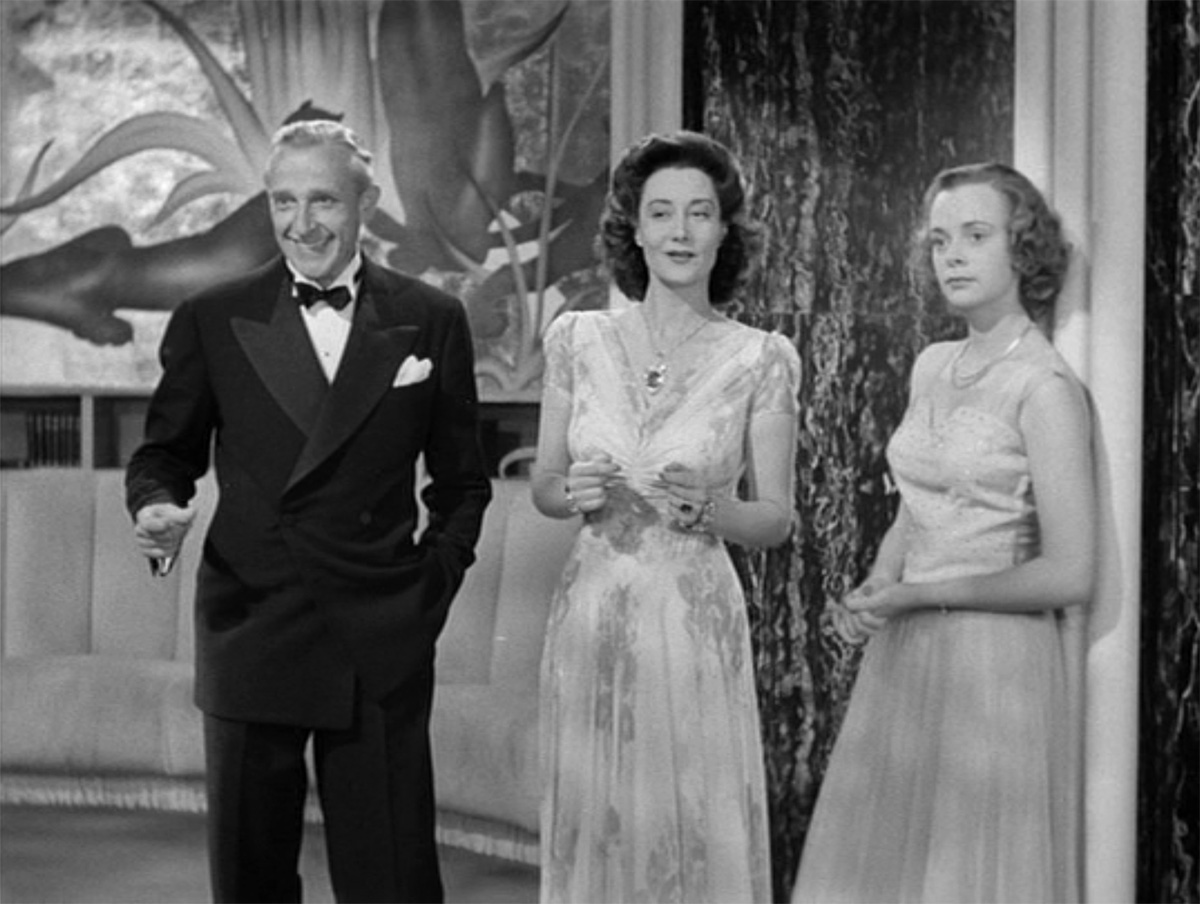
Miss Annie Rooney wins out in the end. Marty’s parents, played by Hale and Holden, are won over by Annie’s dance moves. The drizzle puss is left out.


Before June and Shirley made “Rooney,” they attended school together. As June recalled in a Time article written when Shirley died in 2014:

I was at Westlake School for Girls in Los Angeles and in 1941, Shirley joined as a freshman. It was her first school experience with other students because up until that time she’d been tutored on the set at Fox. Her contract had run out, so she had the opportunity to go to a real school and interact with the girls. We wore uniforms at Westlake and she integrated very easily into the student body once she learned about uniform compliance. It turned out that I being a junior at the time was one of the people on the committee that had to watch them all go into morning assembly and I had to make sure that the skirts weren’t too short, and that there was absolutely no lipstick and no rouge. So once Shirley got the hang of having to take off her lipstick and rouge every morning, she was fine. But of course, this is something she’d been so used to all her life. She was very charming about it though. I joined the military drill team at Westlake and was a captain, so she joined too and we both agreed it was really great fun—we’re talking early war here, 1941. We agreed that it was really rhythmic movement, with dance steps, to a military tempo. So she had no problem getting the hang of that. The next year, we made a movie together, Miss Annie Rooney. I played the snotty girl and she was, of course, the leading lady. And Dickie Moore was in it, and he gave her her first on-screen kiss—a most chaste kiss. We were the only two Guild Members at school and to have a chance to work together that way was really nice. But she was a good student, I remember the principal telling me about her—she was working when we were taking our chemistry tests, so she had to do them later, and she graduated with her class but my memory of it is that she had to come in alone and take her chemistry test in the lab—which she passed with flying colors.

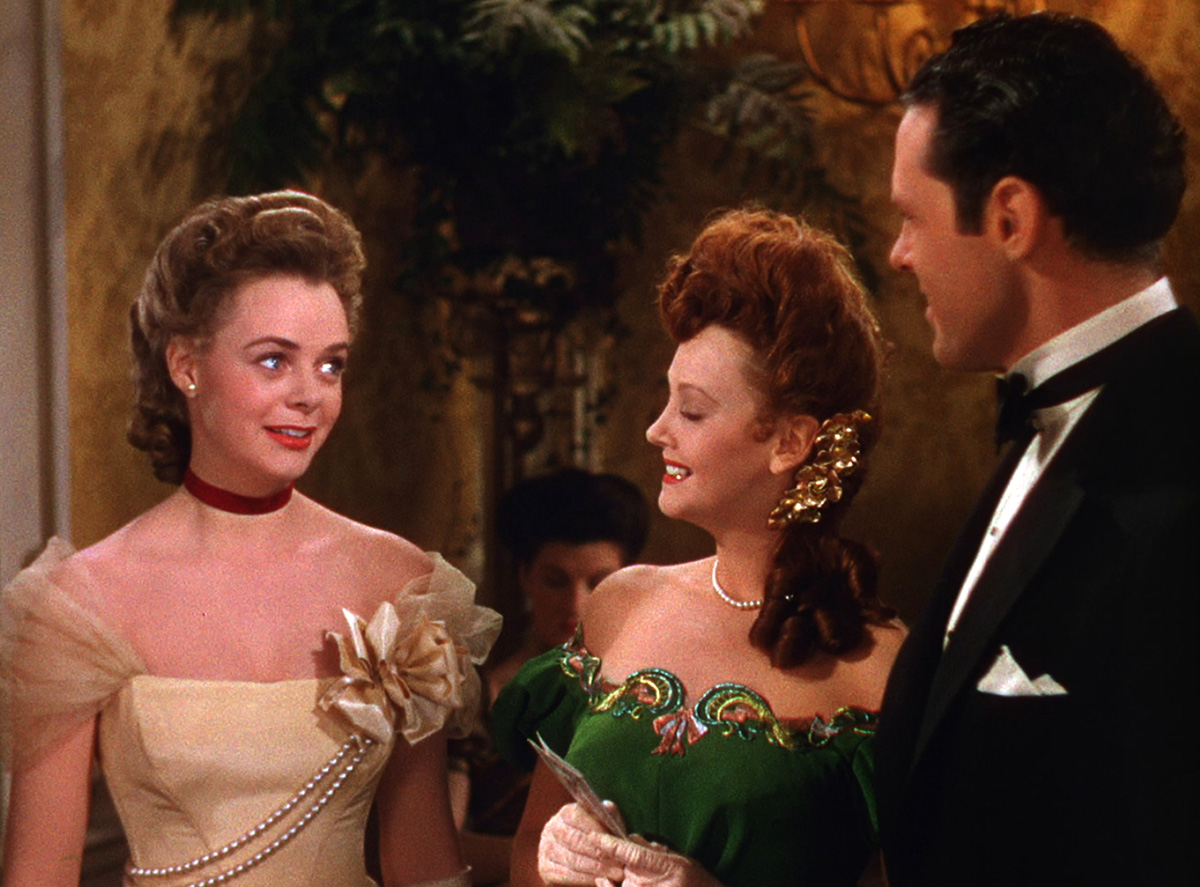
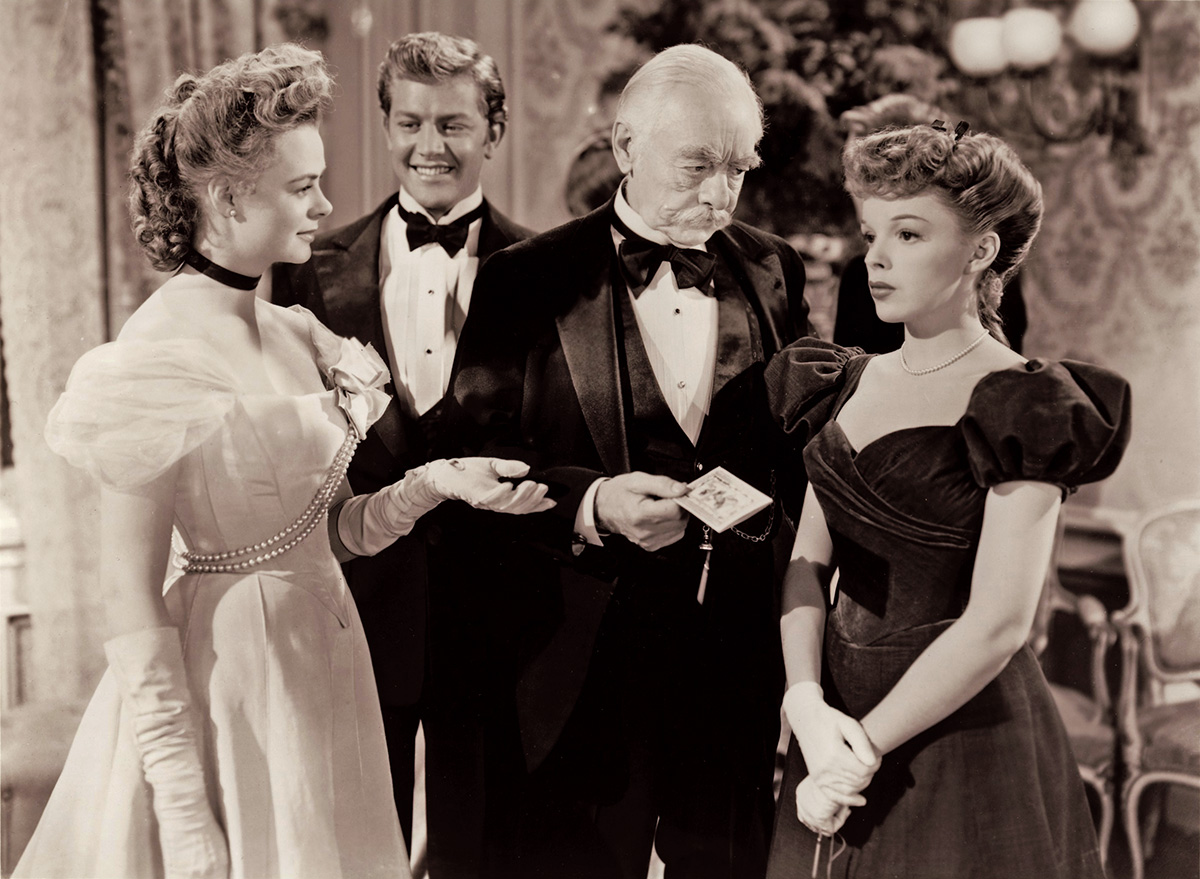
June also had a minor role in the Judy Garland film, “Meet Me In St. Louis” (1944). Her character, Lucille Ballard, was an off-screen villain for most of the movie. Once she is introduced, we realized it was all a figment of sisters Esther (Judy) and Rose Smith’s (Lucille Bremer) imaginations.


It is Lucille who plays matchmaker and selflessly gives up her date so that Rose can be with the one she loves.


In real life, June was hardly a drizzle puss or a doormat. Bill Mumy, who played her son Will on “Lost in Space,” called her a “rock and roll goddess.” You can see what he has to say about her at the 40 minute mark of this video:


I hope that June had an incredible birthday yesterday!

See more “Lost in Space” photos at my main website.
Tuesday, June 25, 2024

Temple Tuesday: The Honorary Colonel


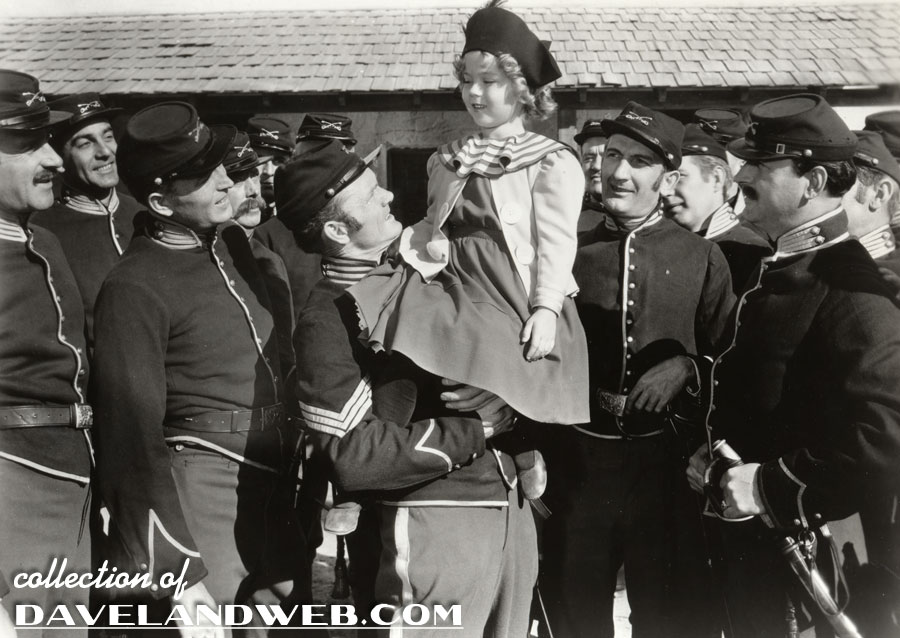
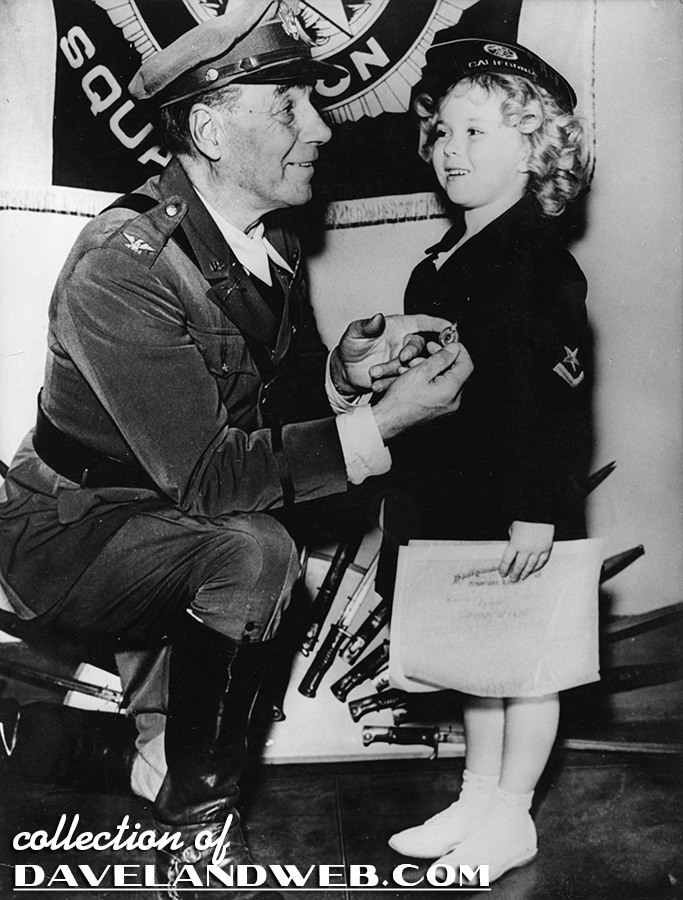
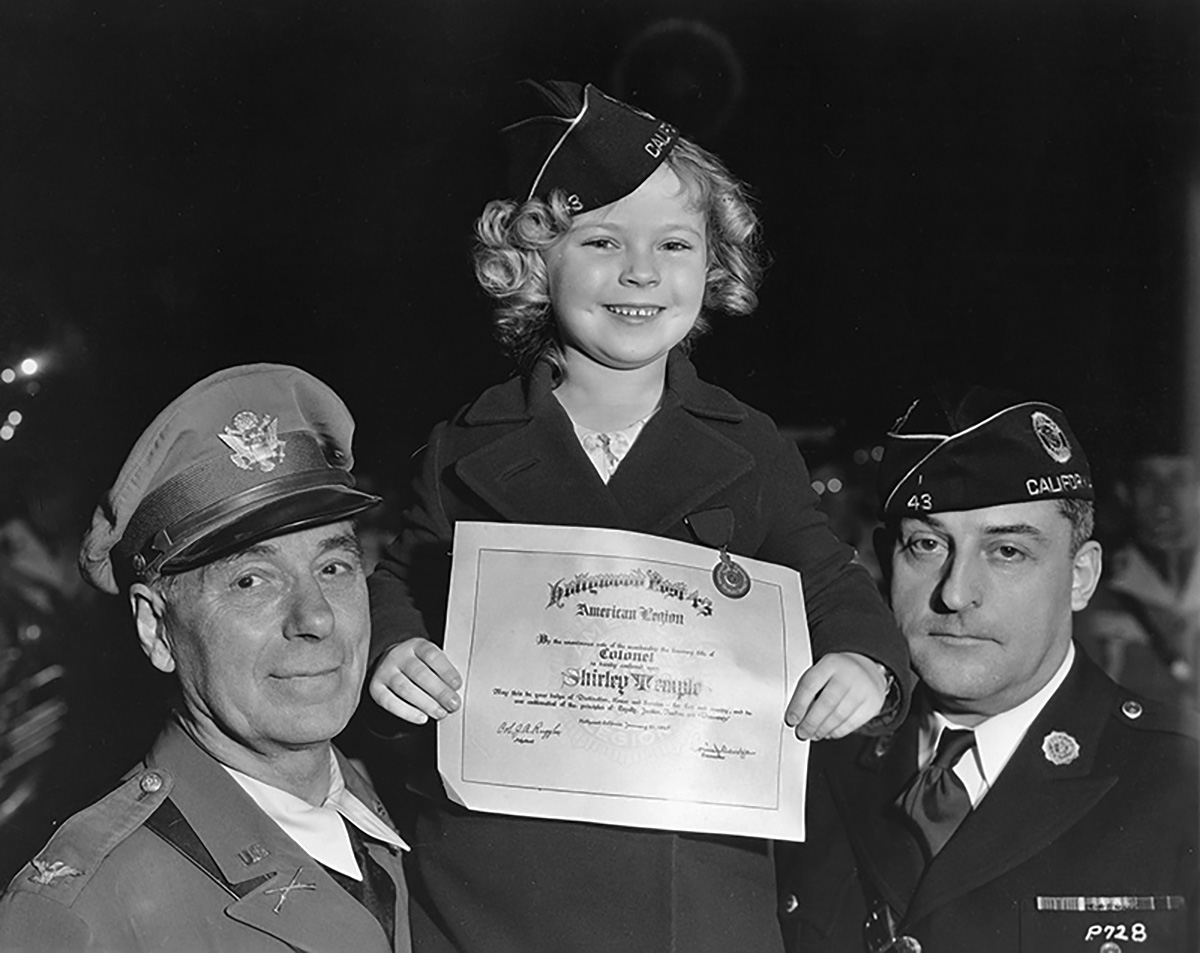
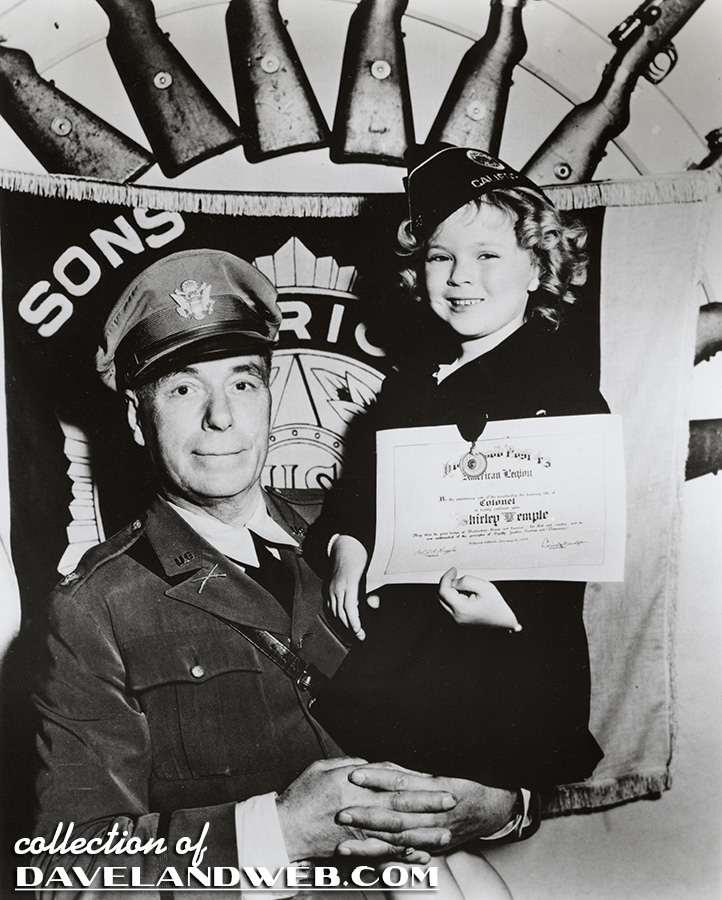
In the 1935 movie, “The Little Colonel,” Shirley Temple’s character (shown above) is made an honorary colonel. In a case of art imitates life, Shirley herself became an honorary colonel courtesy of the American Legion in January 1935. From the vintage publicity blurb that accompanied the photo below:

A little colonel. Popular little American film actress Shirley Temple has been made an honorary colonel of the American Legion. Colonel Barlow presents little Shirley Temple with the certificate and medal.


Which came first? According to the AFI website, production on “The Little Colonel” took place from late November until January 9, 1935. Most likely Shirley’s film inspired this highly publicized event.


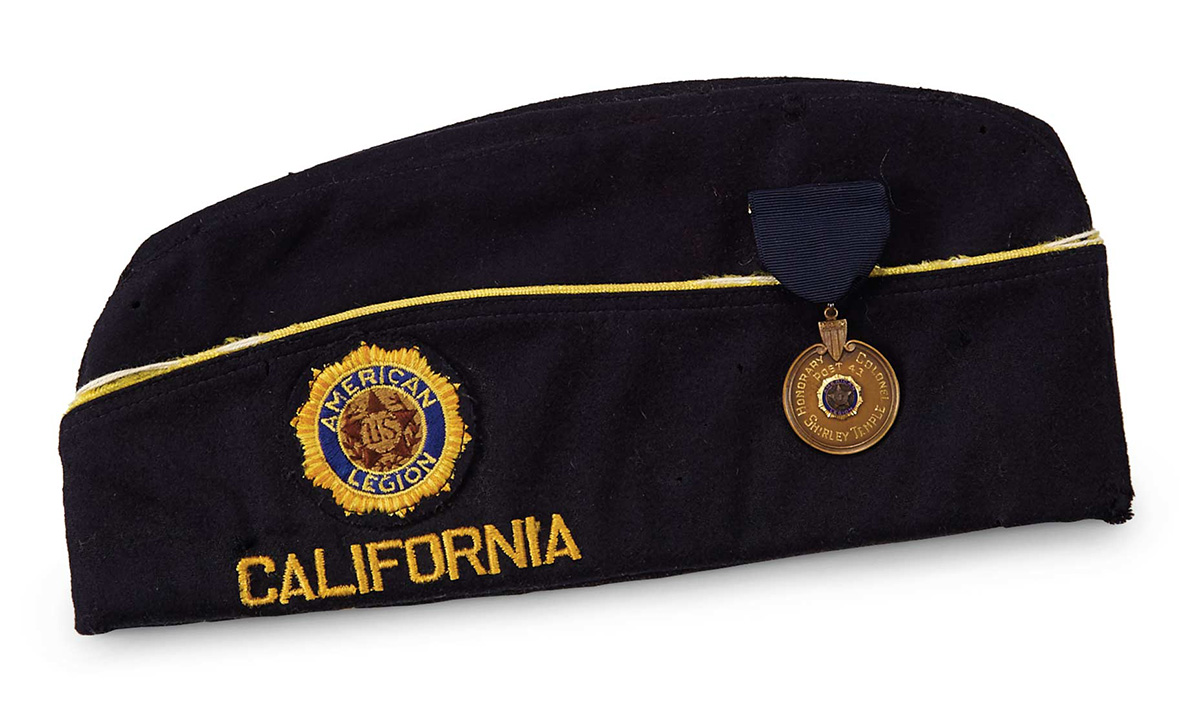
Shirley’s cap survived until after her death, when it was auctioned off by Theriault’s for $1500. From the catalog description:

Shirley Temple's Honorary Colonel Medallion and Cap for Hollywood American Legion

The 11" black wool cap with yellow piping is embroidered "Hollywood 43" on one side and "California" with state emblem on the other, and has an attached medallion reading "Honorary Colonel Post 43 Shirley Temple" with center cameo star pin of the American Legion. The reverse of the medallion is inscribed "From Your Big Brothers Hollywood Post 43 1-21-35".

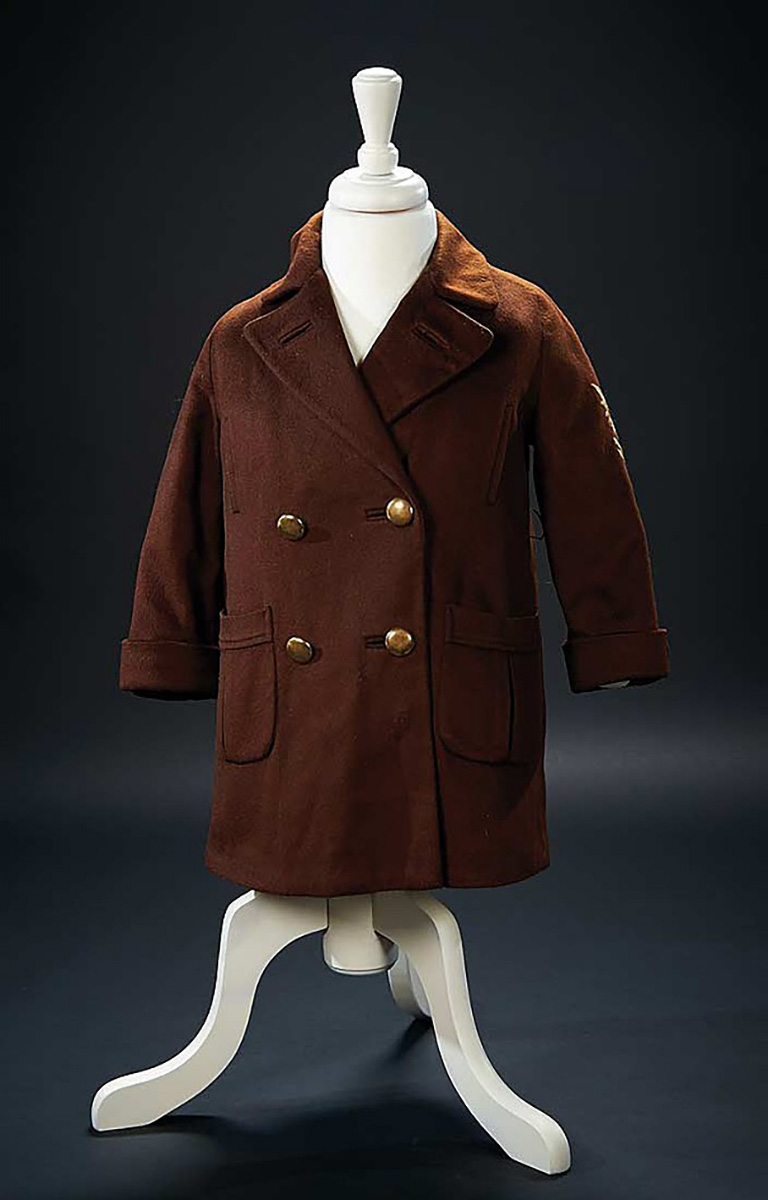
Theriault’s also auctioned off the below coat for $2,400. From the catalog:


Woolen Coat with Eagle Emblem Worn by Shirley Temple in the Film "Stand up and Cheer"

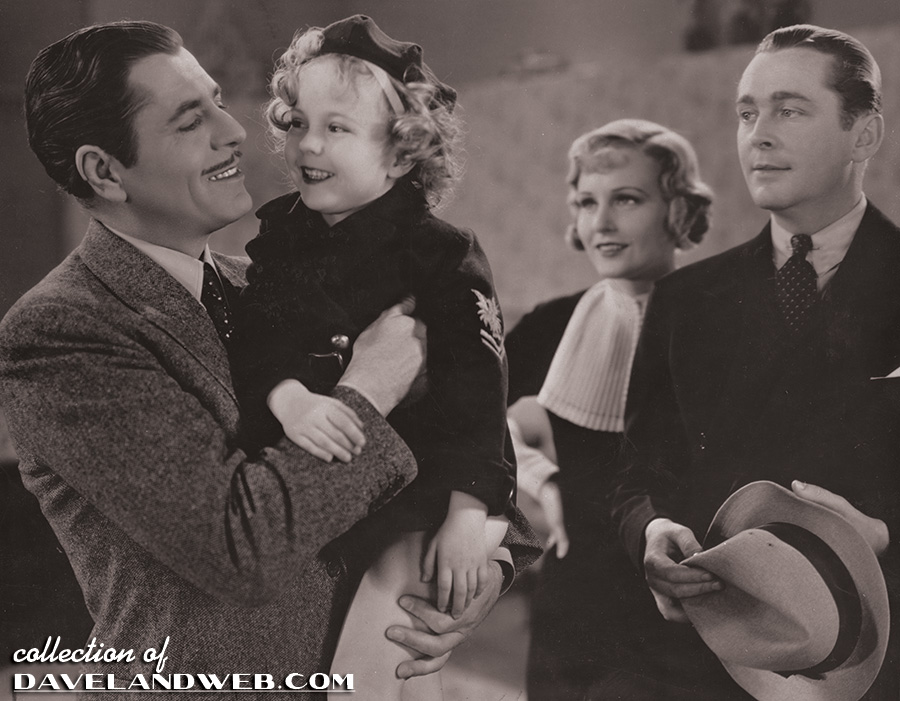
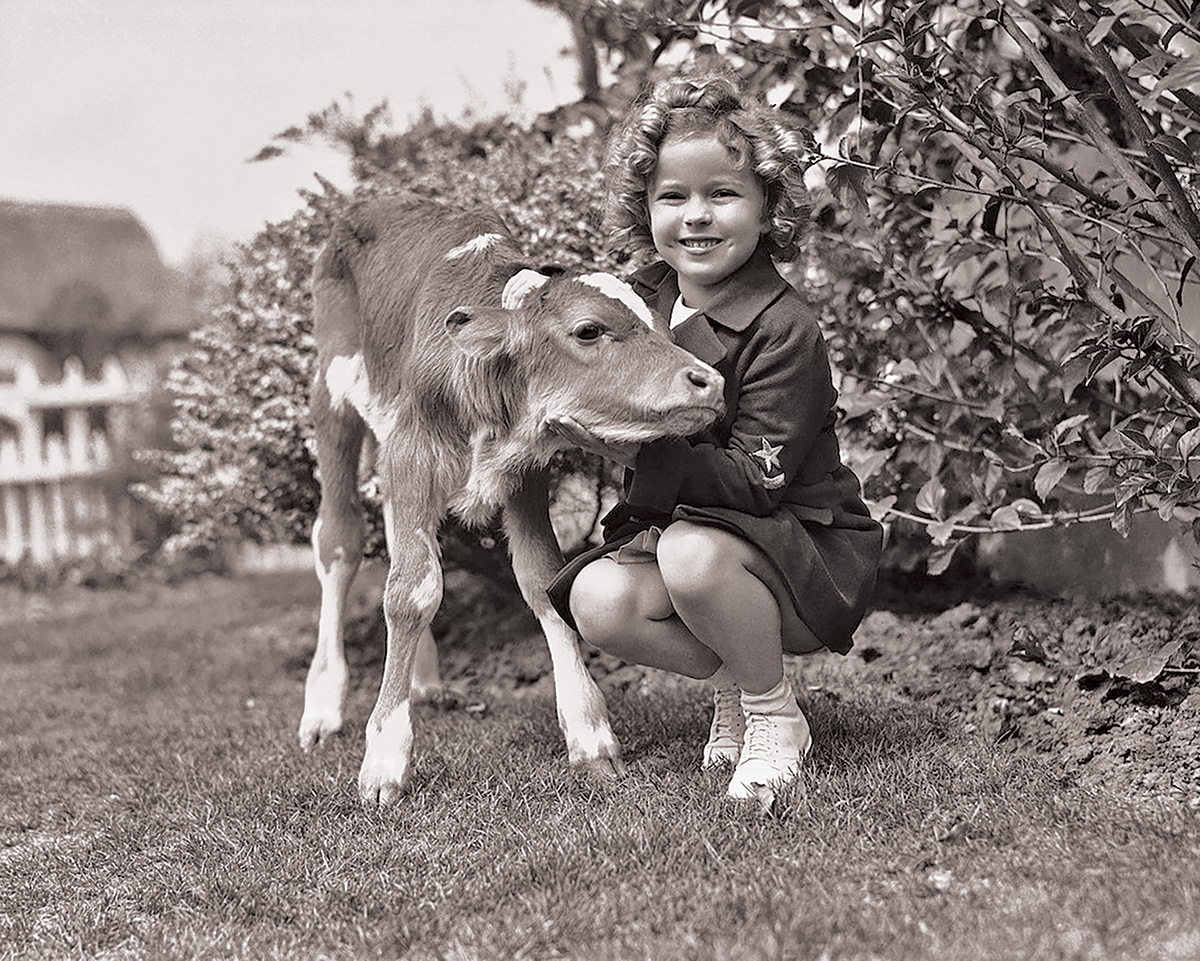
Of rich brown cashmere wool, with brown silk lining, the unique coat was designed to be worn as either a double-breasted style with brass buttons and military like lapels, or in stylish manner with folded-over front flaps, and has rolled cuffs, breast pockets, two well-tailored open flap pockets, and is decorated with a gold embroidered eagle on the sleeve. Included is a matching beret. Both coat and beret have the label of De Betty Alden Shoppe Los Angeles. The costume was worn by Shirley Temple in various scenes in her 1934 film, "Stand Up and Cheer" and at various events including her 1935 induction as America's youngest honorary colonel in the American Legion, and in publicity photographs, one depicting Shirley with her 1934 co-star Madge Evans and the other posed with Tillie the cow, which was an unexpected gift to young Shirley from an enthusiastic fan.


The coat matches the “Stand Up And Cheer” photo, but not the American Legion Shots, which show Shirley wearing a coat with a different style of button. Below, she is with a somber Commander Louis J. Canepe, who officiated the ceremony.


The emblem on the sleeve is also different. Oops.


It does appear that Shirley wore the same American Legion coat to her meeting with Tillie the cow, though, as the sleeve emblems match on those two.


Edited from an April 28, 2016 article on the American Legion website:

In 1935 the Fox Film sensation Shirley Temple became a ‘little sister’ to members of the American Legion Post 43 when she was commissioned Honorary Colonel, a title bestowed upon top Hollywood talent who showed support for military veterans.


Shirley Temple was commissioned as a Colonel in the American Legion, an honor extended to her by the Hollywood Post 43. (photo above) Shirley is shown with Colonel Reginald Barlow, left, and Commander Louis J. Canepe. Shirley Temple became a ‘little sister’ to members of American Legion Hollywood Post 43 after a ceremony during which she was commissioned an honorary Colonel.


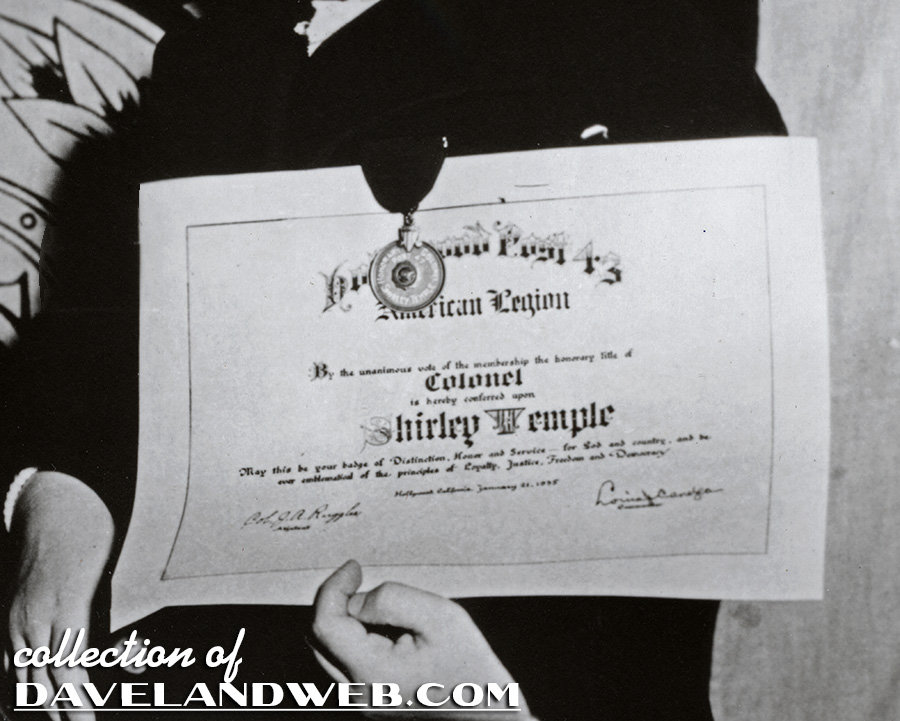
A close-up of the certificate she received:


Shirley Temple also received a certificate from Hollywood Post 43 member Colonel Reginald Barlow.

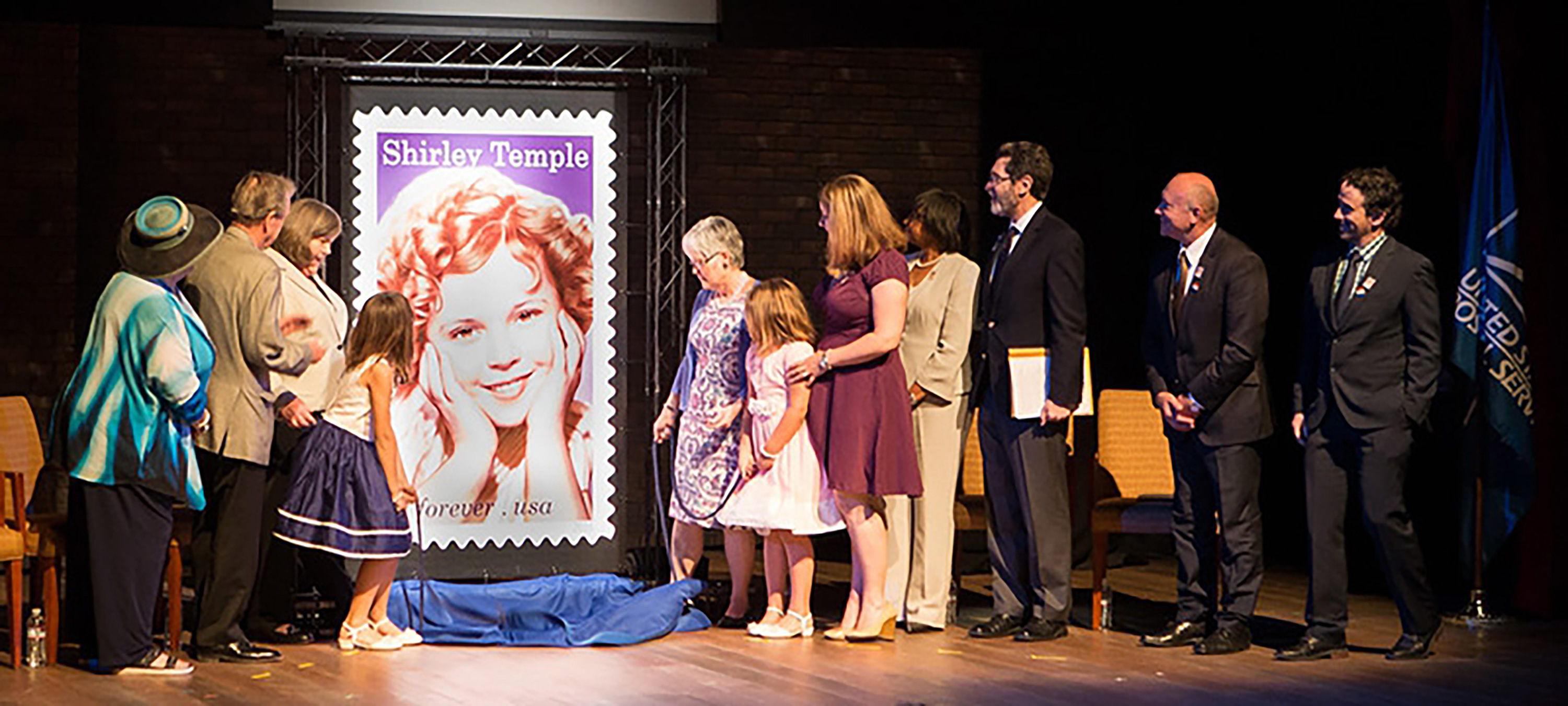
It was only fitting that the 2016 Shirley Temple stamp be unveiled with members of the American Legion, Post 43. Postmaster General and Chief Executive Officer Megan J. Brennan along with family members including Shirley’s oldest daughter, Susan, and distinguished guests unveiled the Shirley Temple Forever stamp (photo below by Clemente Bogle).


Edited from the American Legion website:

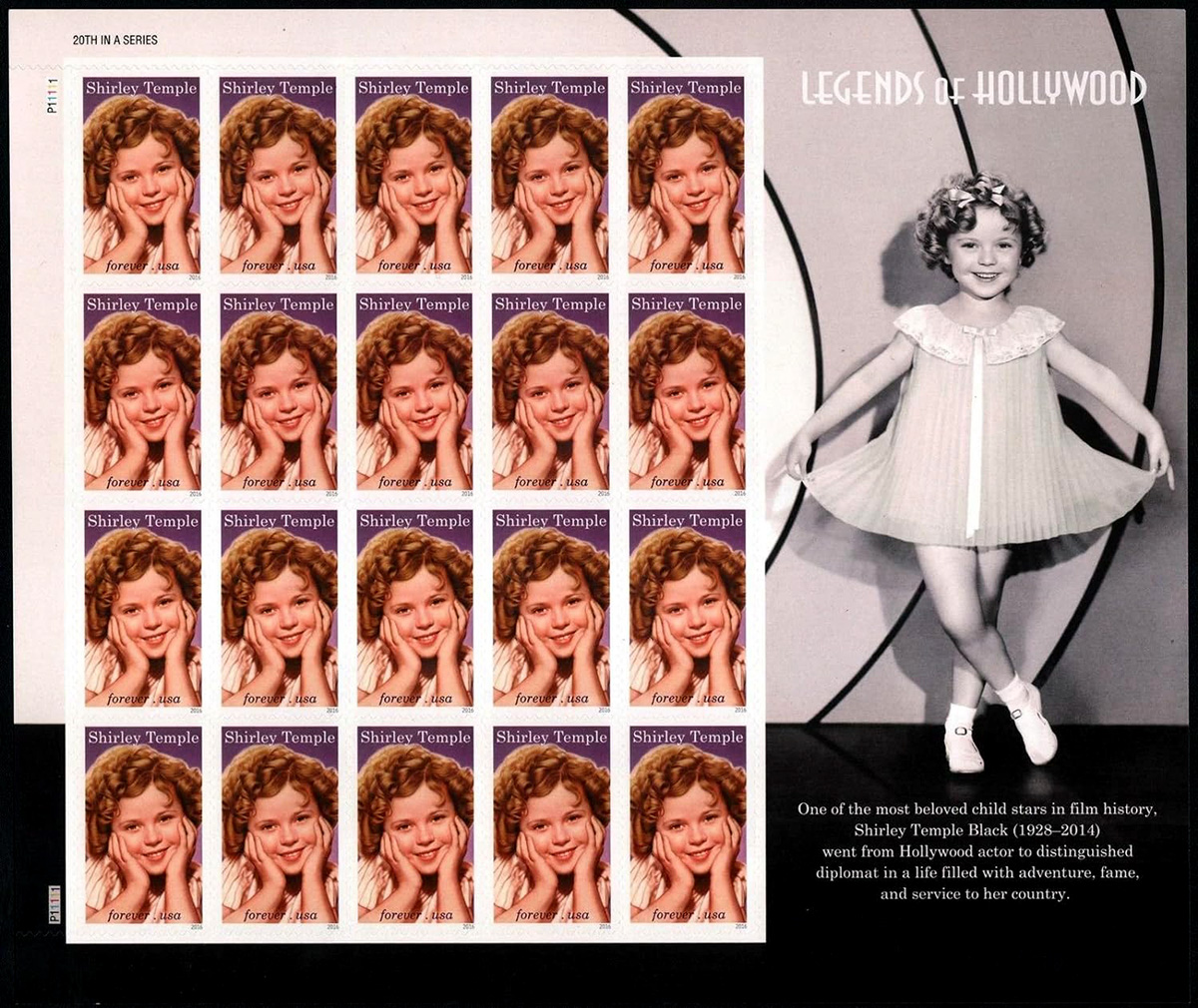
Shirley Temple, child actress and youngest Honorary Colonel of The American Legion, is featured on a Forever stamp issued on April 18 as part of the Legends of Hollywood series. An American Legion color guard opened the ceremony where distinguished representatives of the entertainment industry and politics joined family members as the U.S. postal service unveiled the 20th stamp in the Legends of Hollywood series.


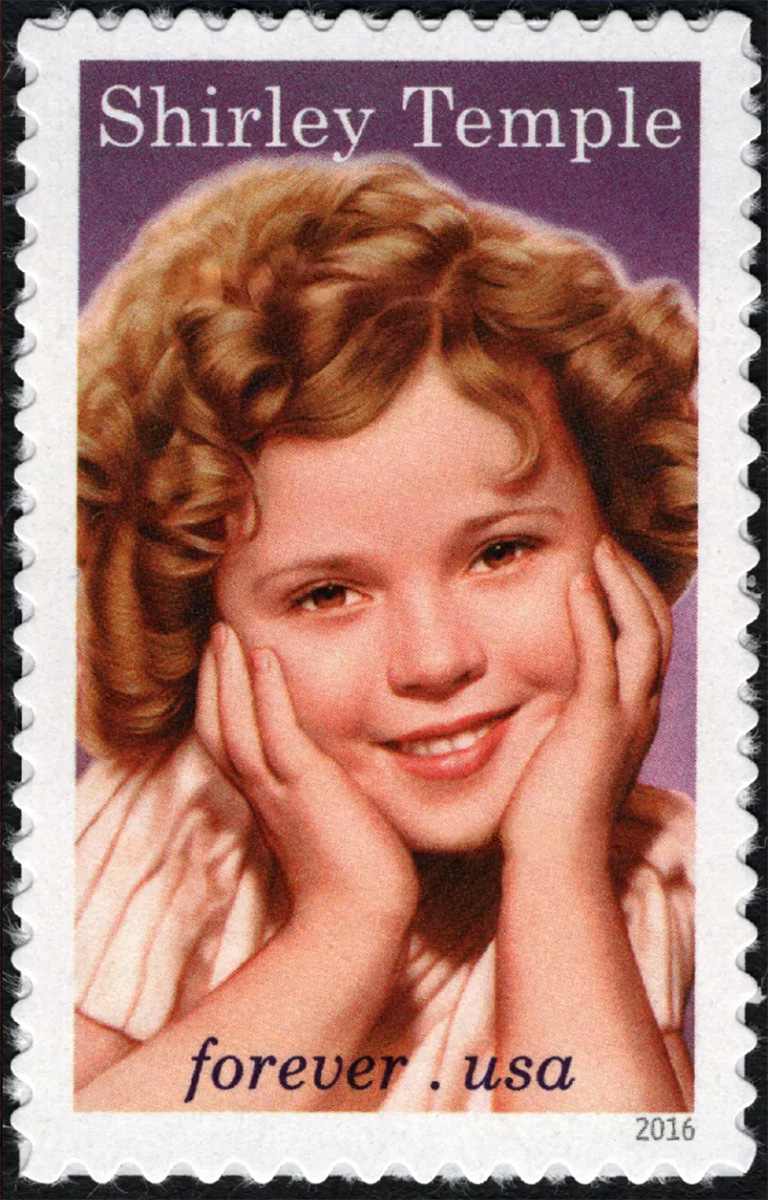
The Forever stamp features a Tim O’Brien painting based on a 1935 image from Temple’s iconic role in “Curly Top.” The name Shirley Temple conjures memories of 54 perfect curls, a contagious smile, and the bright personality of the adorable little girl who starred in “Curly Top.”


The name Shirley Temple Black represents a respected diplomat who served as U.S. ambassador to Ghana and Czechoslovakia. Megan J. Brennan, postmaster general of the United States Postal Service, introduced the stamp at a first day of issue dedication at the Geffen Playhouse in Los Angeles. “That’s what I see in the image, a young girl with a knowing, confident smile who represents the potential of our nation and who, in real life, lived up to our highest expectations,” Brennan said. Brennan quoted President Franklin D. Roosevelt’s description of “Little Miss Miracle” during a time of economic hardship when he said, “As long as our country has Shirley Temple, we will be all right.” It was first as an actress that Shirley Temple won all of America’s hearts, but it was as a determined diplomat that Shirley Temple Black earned admiration. Norman L. Eisen, former United States ambassador to the Czech Republic, remarked, “Her diplomacy, like her film career, was characterized by her optimism, her drive, and her ability to connect with anyone, anywhere in the world. She used those talents to play a critical role in helping Czechoslovakia transition from communism to democracy. From being an adversary of the United States to that nation becoming one of our closest allies anywhere. That legacy is hers today.” Isaacs described how Shirley Temple watched from a hotel room in Prague in 1968 as Soviet tanks rolled in and an unarmed woman below was shot and killed for exercising free speech. The lessons were seared into Shirley Temple that difficult day. It was a conviction she carried in her conscience for another quarter century until she returned to Prague as United States ambassador. At just 5-foot-2-inches tall, she stood tall as a giant in solidarity with the brave activists of the velvet revolution who took to the streets to finally make Czechoslovakia free. Eison read a letter from President Barack Obama that complimented the formidable diplomat and beloved child-star, “She is remembered as a face of hope during the Great Depression, as an undeniable presence during the Cold War, and for a resilient personality that enabled her to carry forward an enduring grace.” President Obama said.

Few people realize that Shirley gave a lifetime of service (and happiness) to this country, which is a shame.

See more Shirley Temple photos at my main website.
Monday, June 24, 2024

Monday at the Cat Café


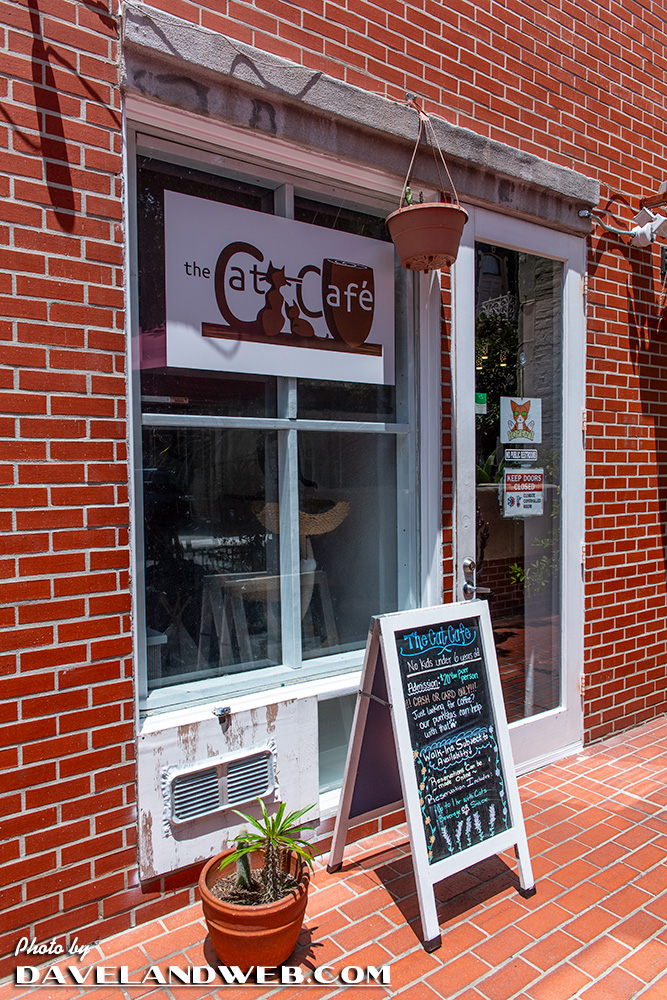
When Melissa (aka “The Colonel”) visits me in San Diego, she typically goes along with “D-Tours” and lets me plan our adventures. Last month, she had a suggestion of her own: The Cat Café. The what?!? I’d never heard of this place, which isn’t all that surprising since I’m more of a dog person. Still, I was  intrigued, and wanting to be a good host, I drove her downtown to see if this place matched the hype. From their website:
Operating since January 2015, The Cat Café is the fourth oldest continuously operating kitty café in the United States. Our menu features award-winning espresso and coffee from Café Virtuoso, pastries from Bread & Cie, cookies from The Cravory, and sandwiches from Sunshine & Orange. The cats are available for adoption, should you fall in love during your visit. These furry friends are from The Rescue House, a non-profit organization dedicated to helping homeless kitties find loving homes.


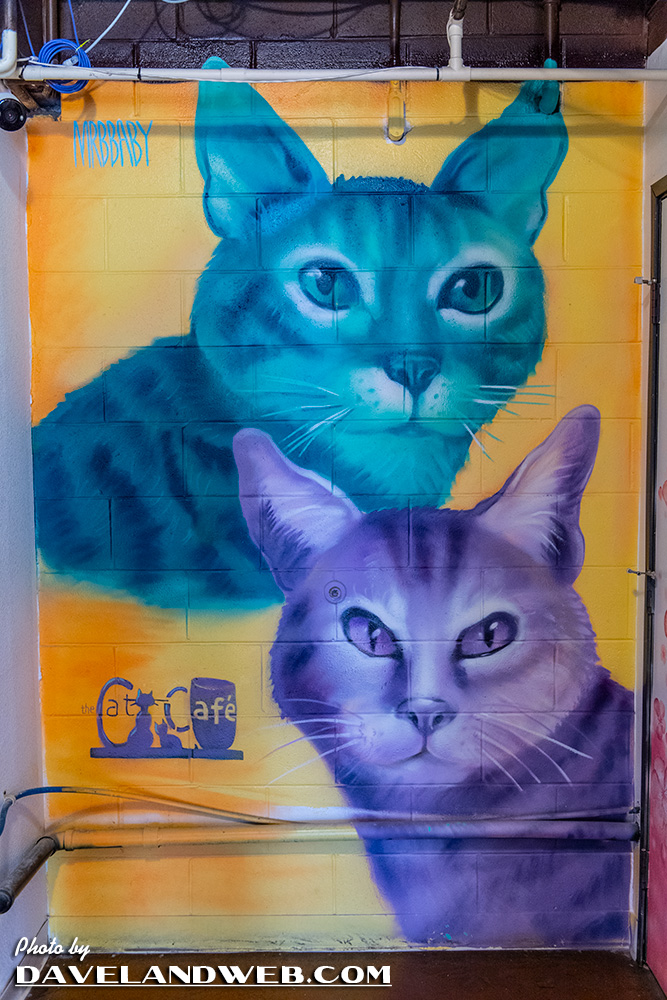
The outside and interior spaces looked semi-promising. To be able to play with the kitties, you have to pay $20 per person. This also includes one complimentary treat and beverage. OK…that sounded semi-reasonable…


until we met the staff and got a closer look at the offerings. All of the staff appeared semi-catatonic or drugged, like they’d wandered off the set of “The Stepford Wives.” The wrapped-in-plastic items…yeah, not sure about expiration dates or cleanliness or any of that, so I took a hard pass. A bottled water? Sure…that works. I wasn’t about to ask the audio-animatronic at the counter to make me a beverage.

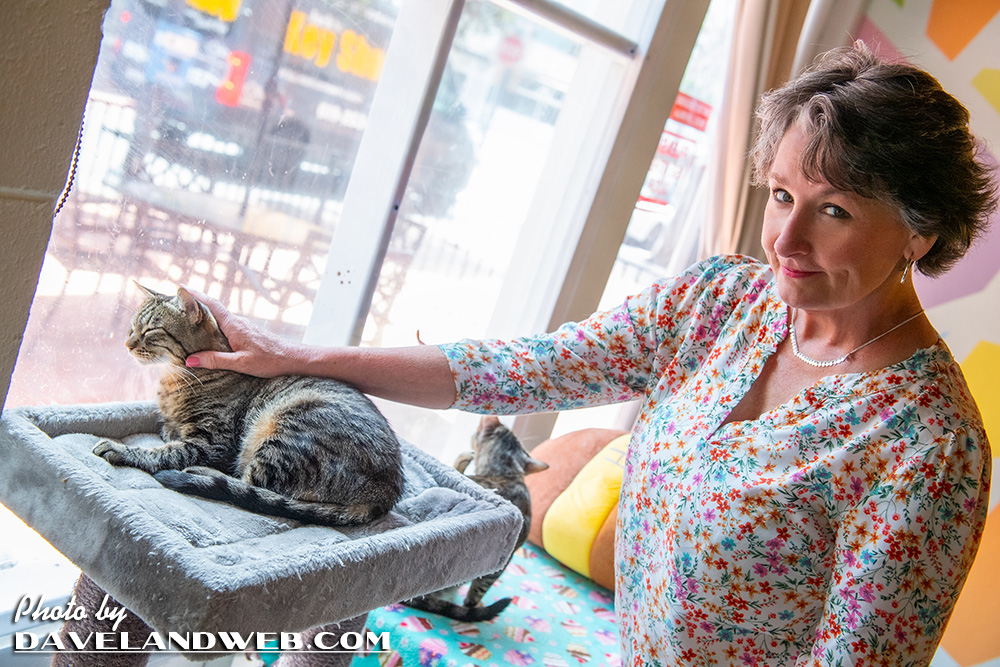
Before seeing the cats, you have to pass through the double security doors and then get briefed by another employee who appeared to have had their personality sucked out with a vacuum cleaner. They robotically spouted out a long laundry list of dos and don’ts; no way I was going to remember them all. Melissa was excited to pour all her love into her soon-to-be-best-feline-friends. This photo pretty much sums up her expectation.


The cats had different ideas. The website says:

Enjoy Local Coffee in the Company of Some of San Diego’s Friendliest Felines!


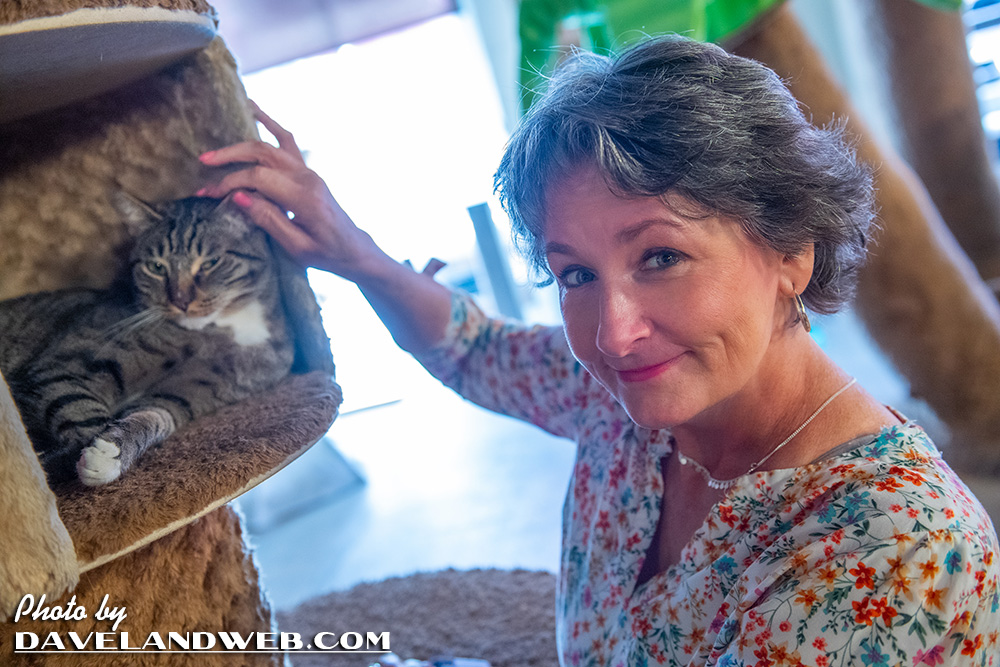
The first few cats ran away as fast as they could when Melissa approached them with outstretched arms. However, she flew from one coast to the other and was not going to leave without a photo. Note the semi-death grip on this cat’s neck. The things we do for a smoke-and-mirrors memory.


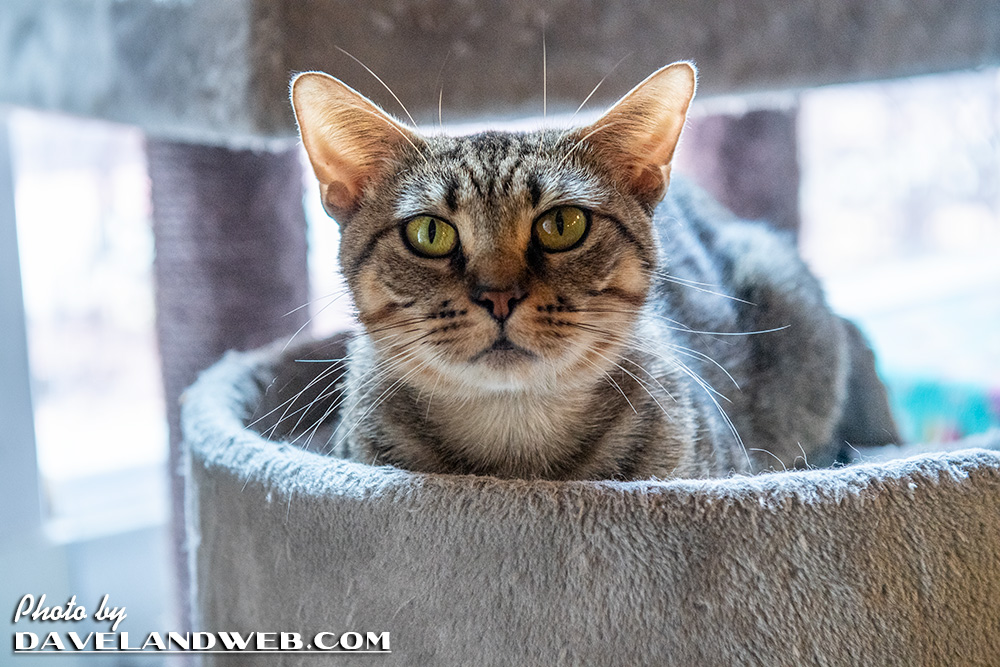
We didn’t stay long. The concept sounded cool, but the execution was depressing. I truly felt sorry for these cats, as the employees didn’t seem to care too much about them. There were a few customers hanging out there, but again, didn’t see a lot of interaction with the cats. This poor feline; in its eyes, I could see, “Help me get out of here!”


This place will not remain on the D-Tours Itinerary and Melissa is now strictly forbidden from making any suggestions.

See more San Diego photos at my main website.