Showing posts with label atlanta history center. Show all posts

Wednesday, November 22, 2023

The Swan House, Pt. 3


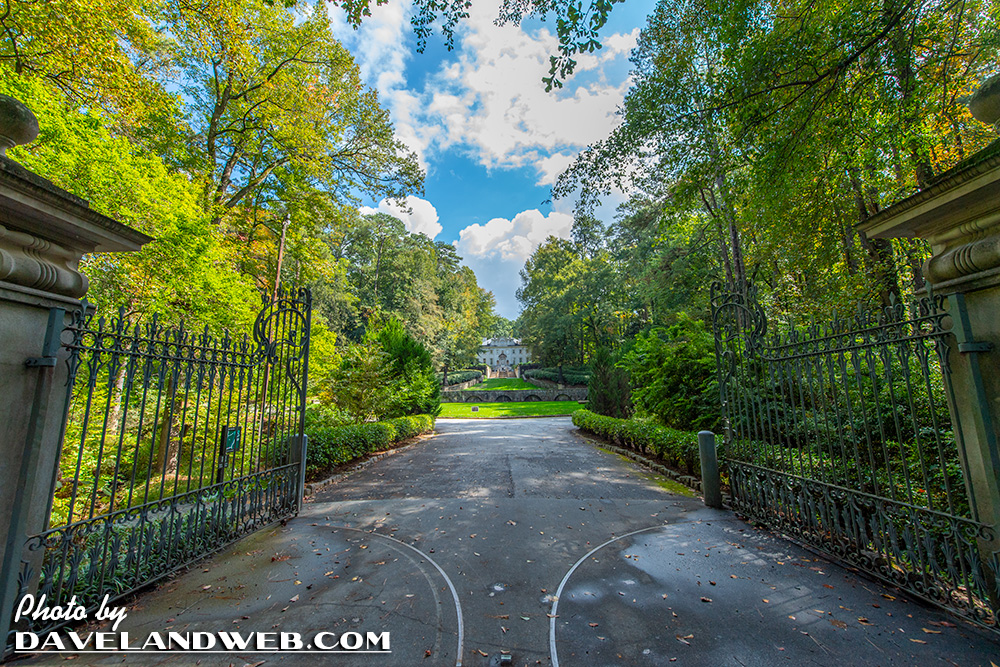
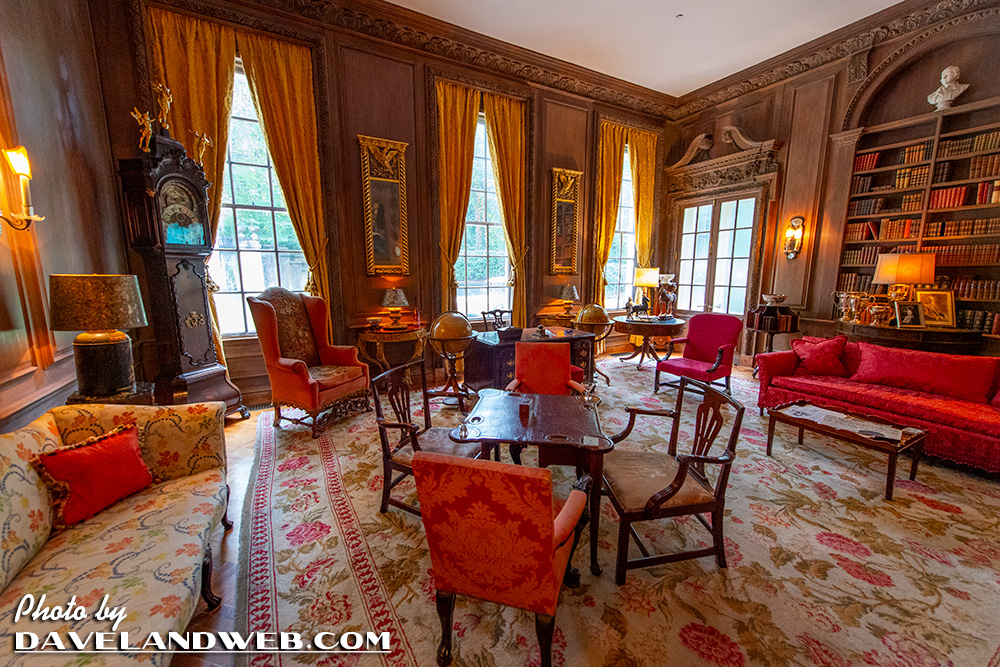
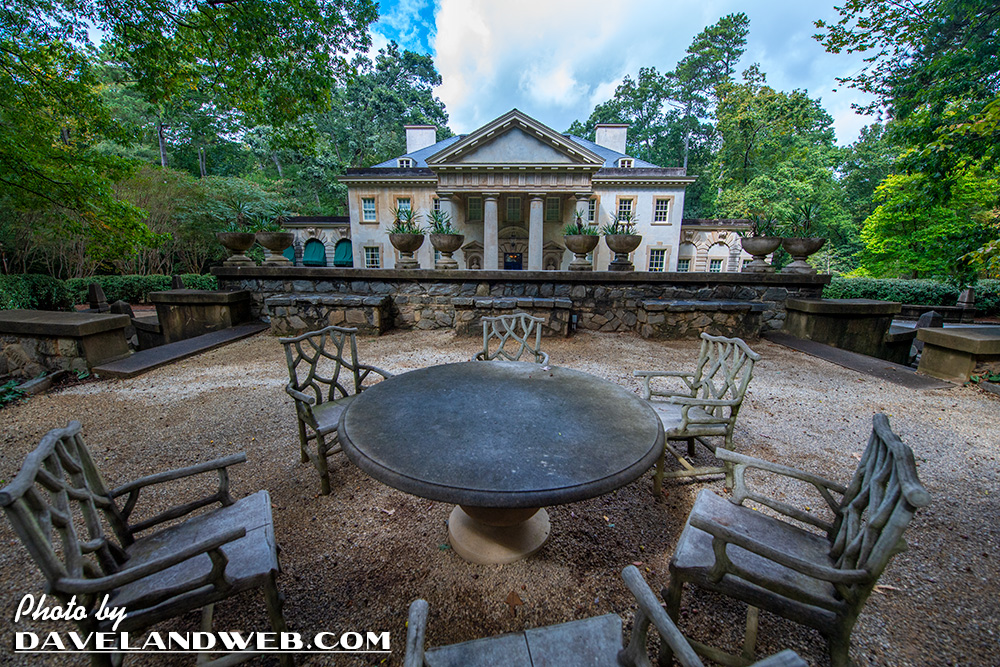
Many windows give a great view of the gorgeous grounds and landscaping of Swan House. Because of my first post, I learned from a reader that in “The Hunger Games: Catching Fire” (2013), Swan House was used as President Snow’s Mansion. Filming lasted for about three weeks, which used both the grounds and the interiors.
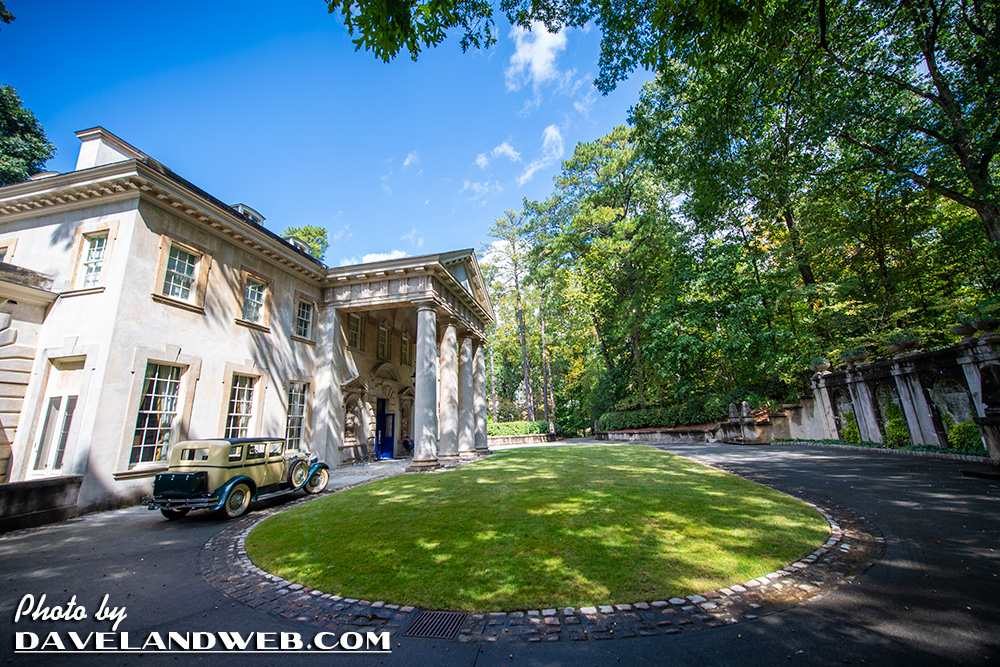


Fortunately for me, the property did not have very many guests wandering around that day; I was able to go at a leisurely pace and enjoy the solitude and take my photos without having “the unaware” step into the frame.
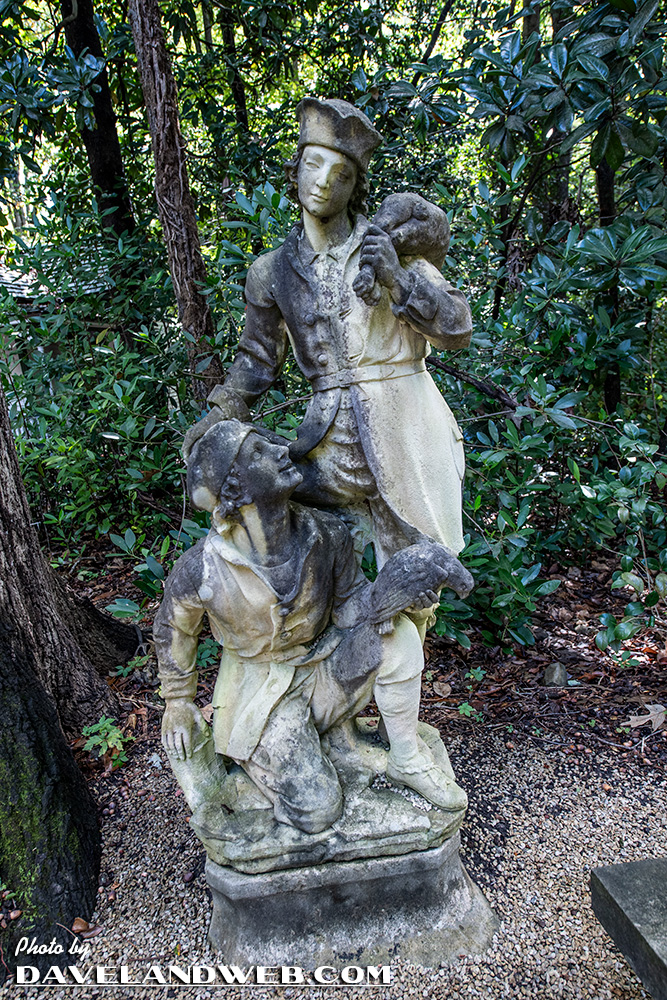


I love all the nooks and crannies on the property.


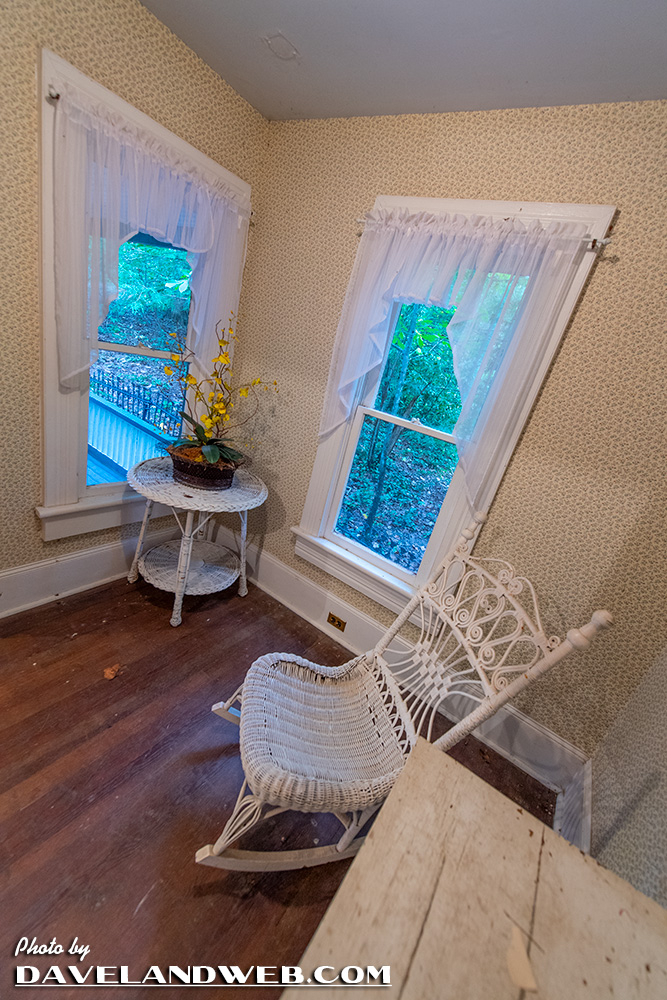
If the large mansion does nothing for you, maybe the Victorian Playhouse is more your style. From the nearby signage:

The Victorian Playhouse was built ca. 1890 in downtown Atlanta. The playhouse has resided in Inman Park, Ansley Park, Brookwood Hills, and Buckhead, reflecting Atlanta’s residential growth northward. In 1980, the William D. Ellis family donated it to the Atlanta Historical Society. The playhouse is typical folk Victorian building - a simple house type with applied Victorian decoration common in Georgia from 1890 to 1920. The house provides an architectural link between 1840s Tullie Smith Farm and 1928 Swan House.
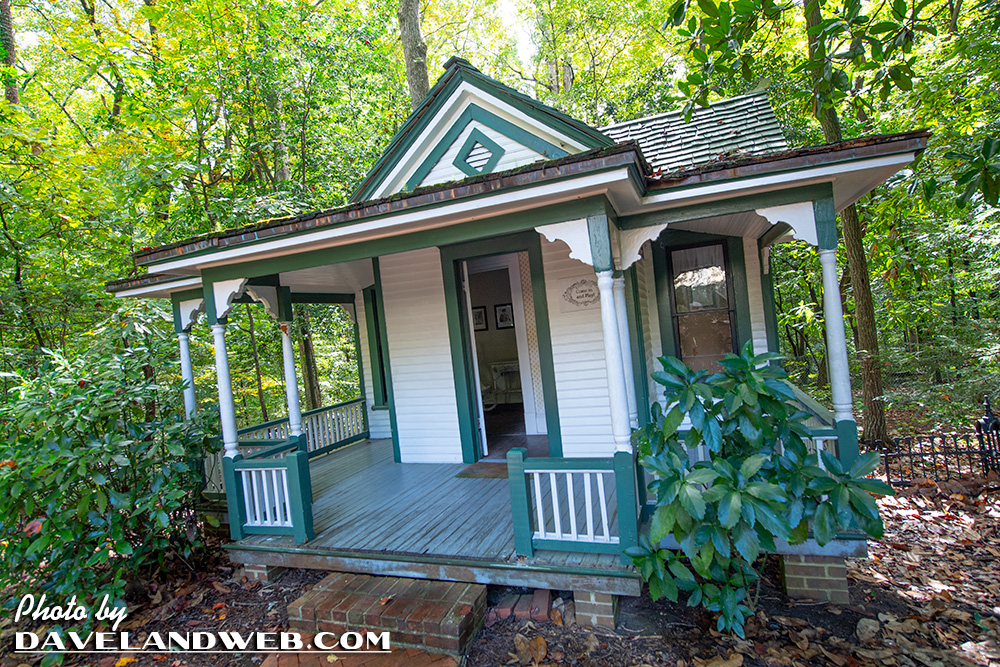


The interior was adorable; I can only imagine being a kid and having something like this for playtime! Wow!


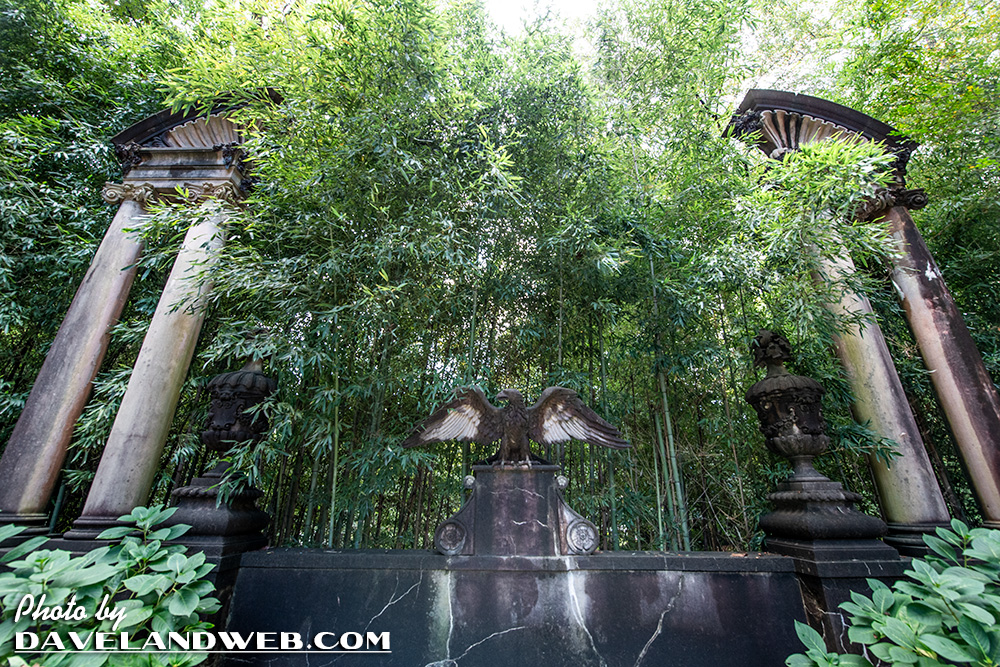
More shots of the surrounding property: 


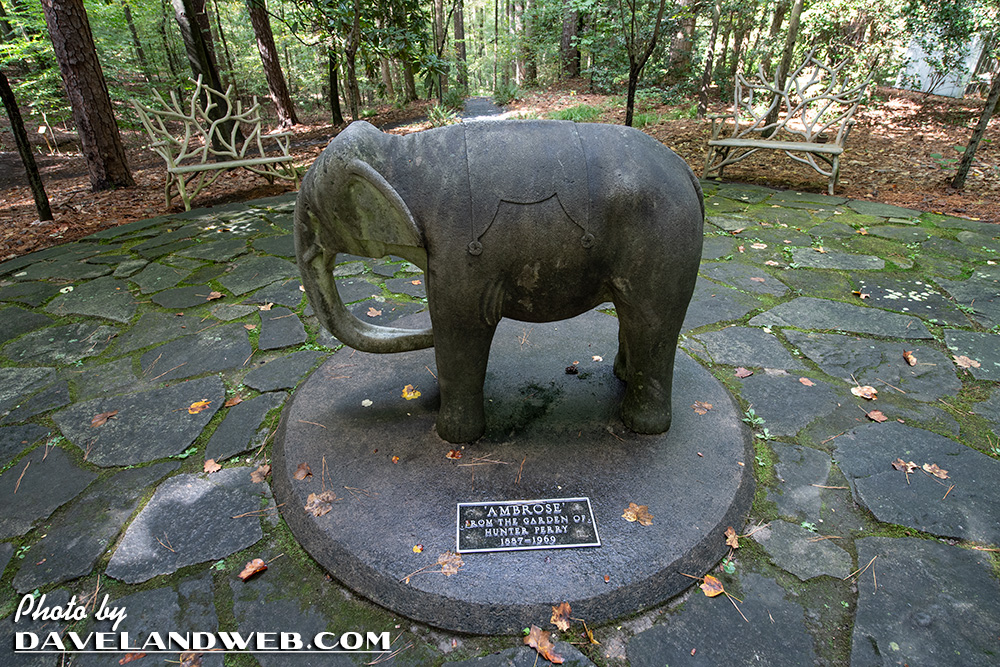
Ambrose the elephant once sat in front of the White Elephant Saloon on Alabama Street; when the saloon was sold in the early 1900s, the sculpture moved around a few times (including to Charlottesville, Virginia), and eventually was gifted to the Atlanta History Center in 1971 by the sister of its previous owner, Hunter Perry (thus, the plaque).


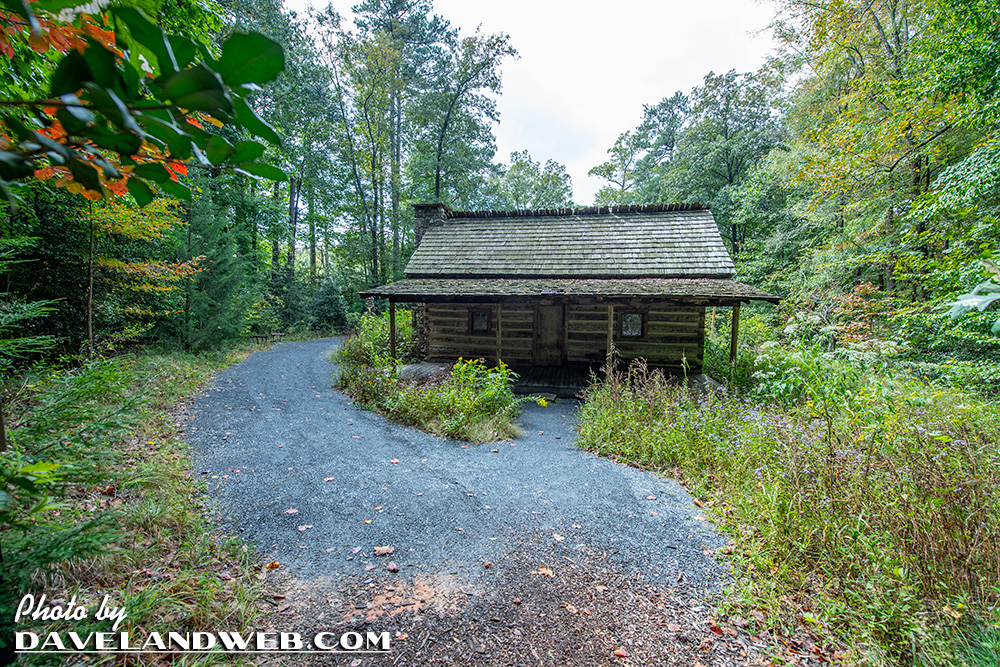
Also on the property is Wood Cabin:
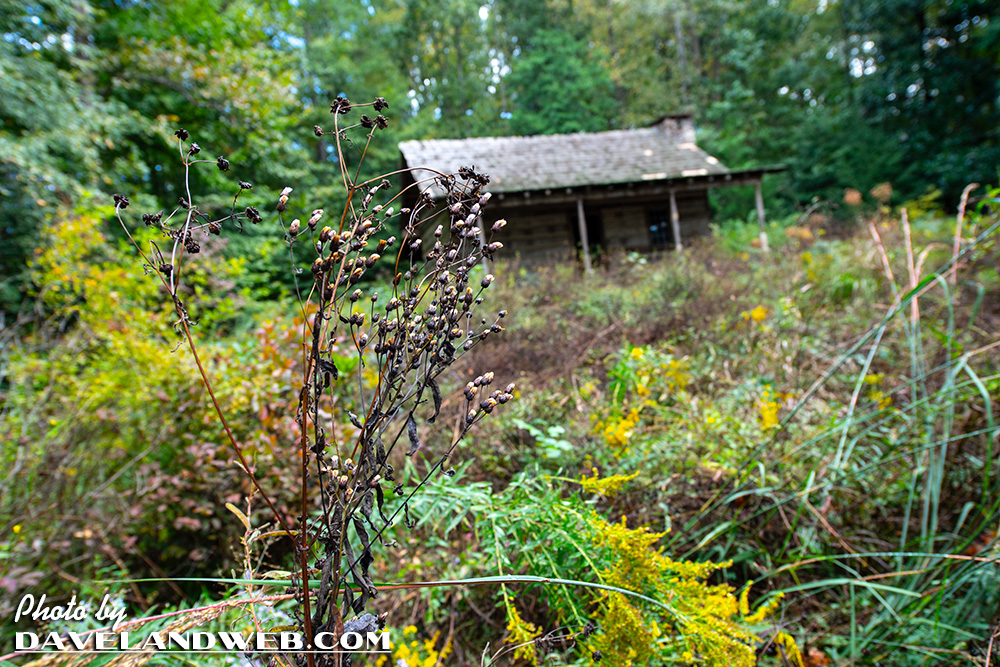


Edited from the Atlanta History Center website:

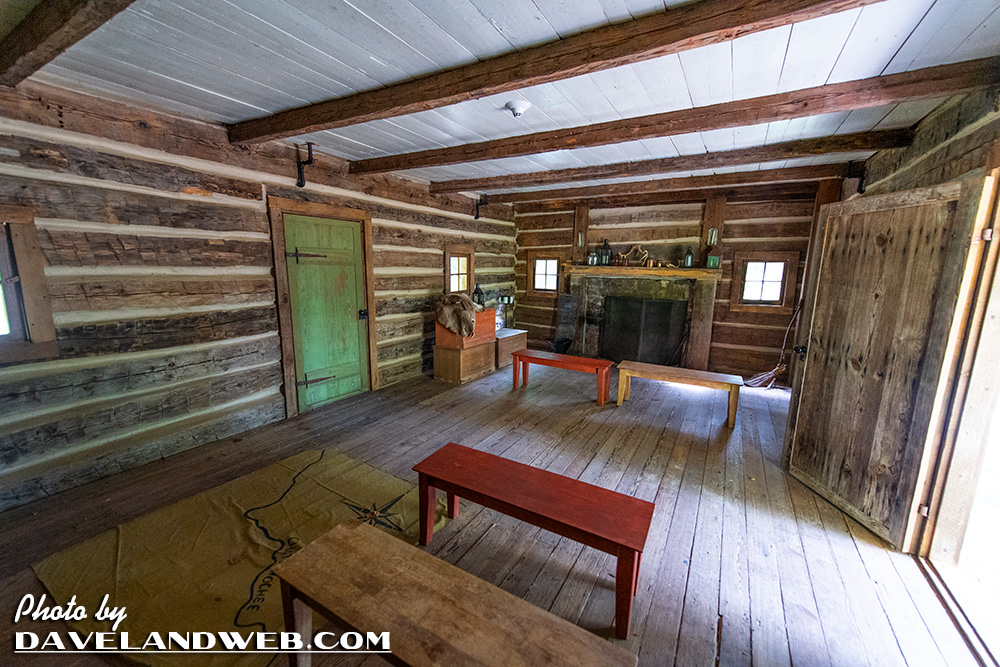
Originally located about one mile to the south of the Chattahoochee River and approximately two miles from the site of the Creek Indian settlement of Standing Peachtree, Wood Cabin is noteworthy as an example of a log structure constructed during the time this area of North Georgia was the frontier. The cabin currently stands in a meadow in Swan Woods. Elias Wood purchased Land Lot 251 in District 17 in 1847, but the cabin might date to decades before that. Carl Hartrampf Jr. and his son Carl III located the cabin in 1996 concealed inside the Victorian home on Hollywood Road in Northwest Atlanta. Carl purchased the rights to remove the cabin from the house. The logs were disassembled and relocated to Winfield Farm at Scaly Mountain, North Carolina. In 2014, the cabin was relocated from North Carolina to the Atlanta History Center’s campus. Wood Cabin is used to tell the story of Native Americans, white settlers, and folk traditions of the rural South.


The interior:


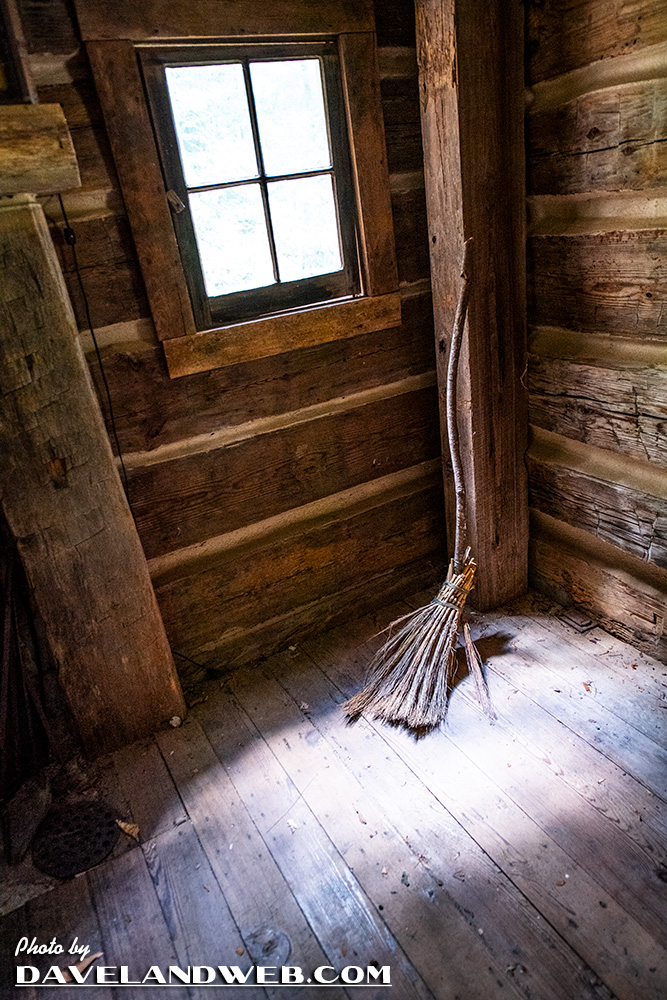
Me attempting to be artsy-fartsy with lighting and angles:


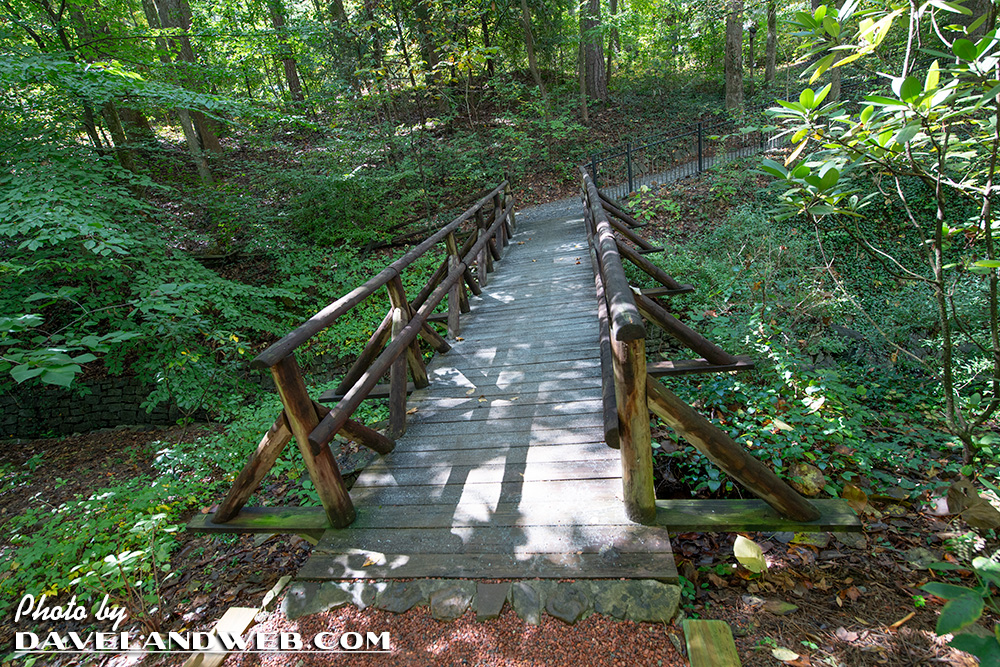
I cannot say enough good things about the grounds of the Atlanta History Center. Being able to wander the expansive property and “stumble” upon all these treasures is magical.


Next to the museum itself are Olguita's Gardens, which celebrate the life of honoree Olga “Olguita” C. de Goizueta.
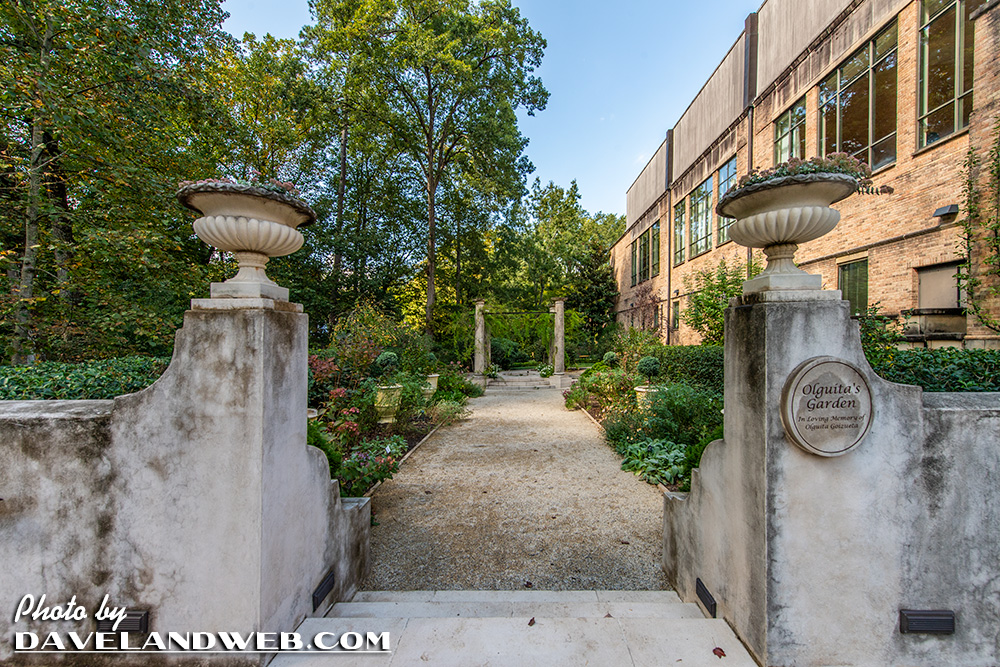



One more post to go on The Atlanta History Center! See more Swan House photos at my main website.

Monday, November 20, 2023

The Swan House, Pt. 2


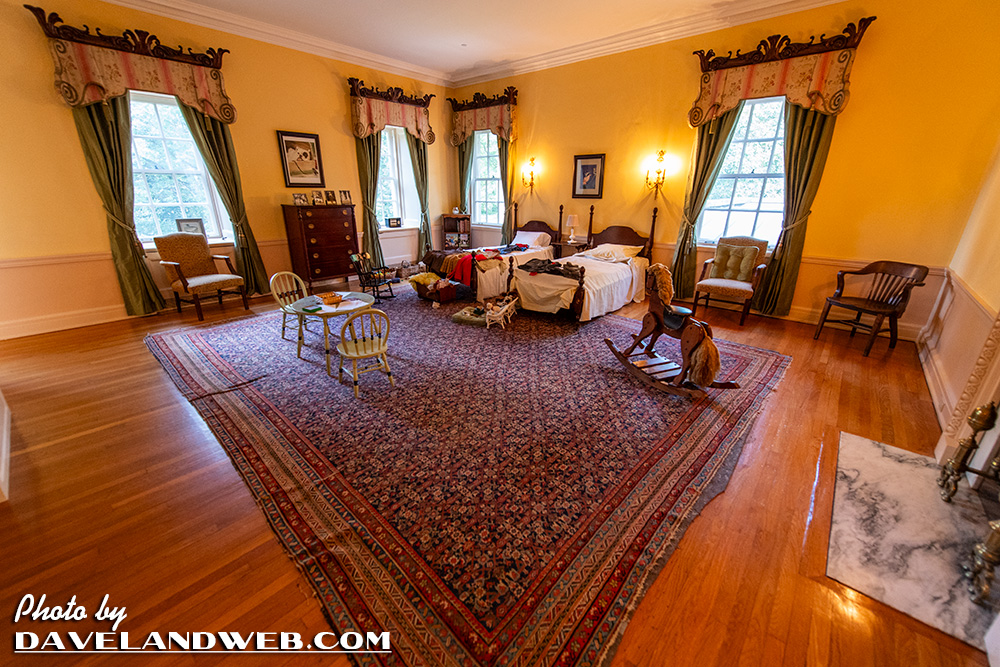
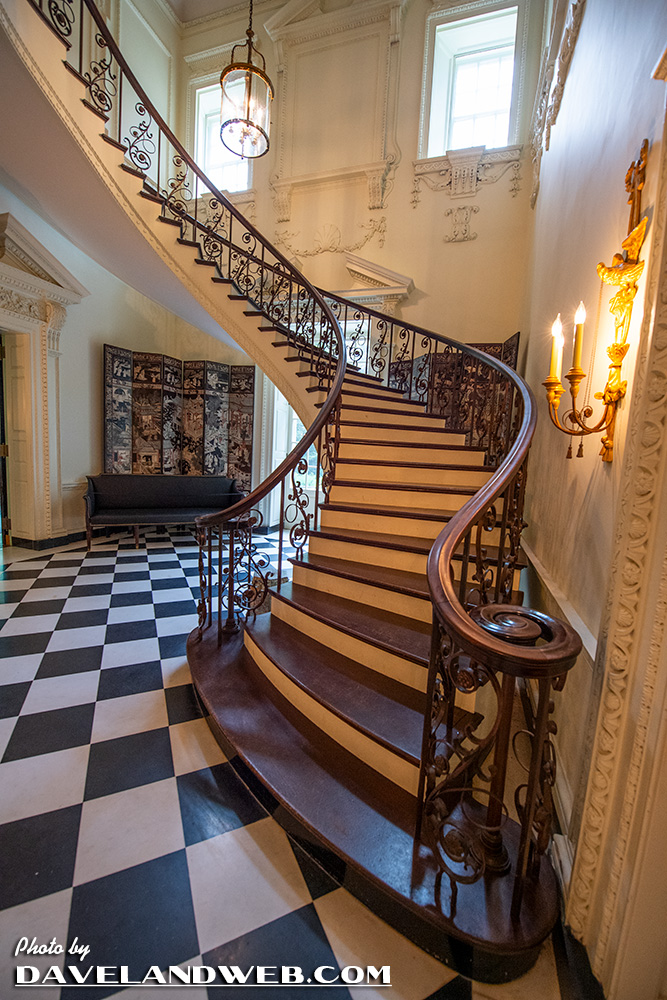
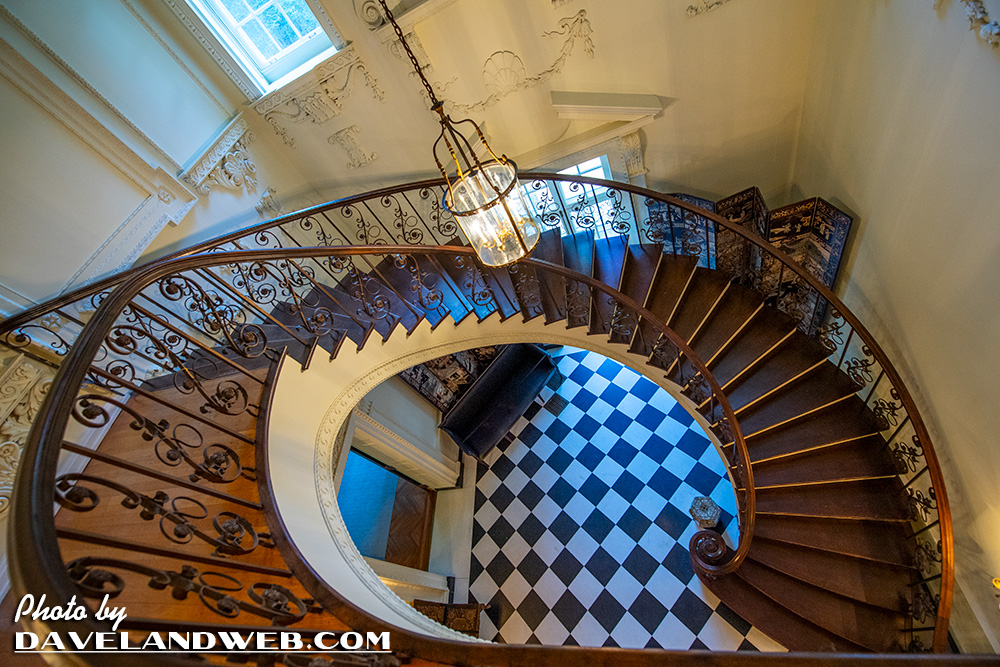
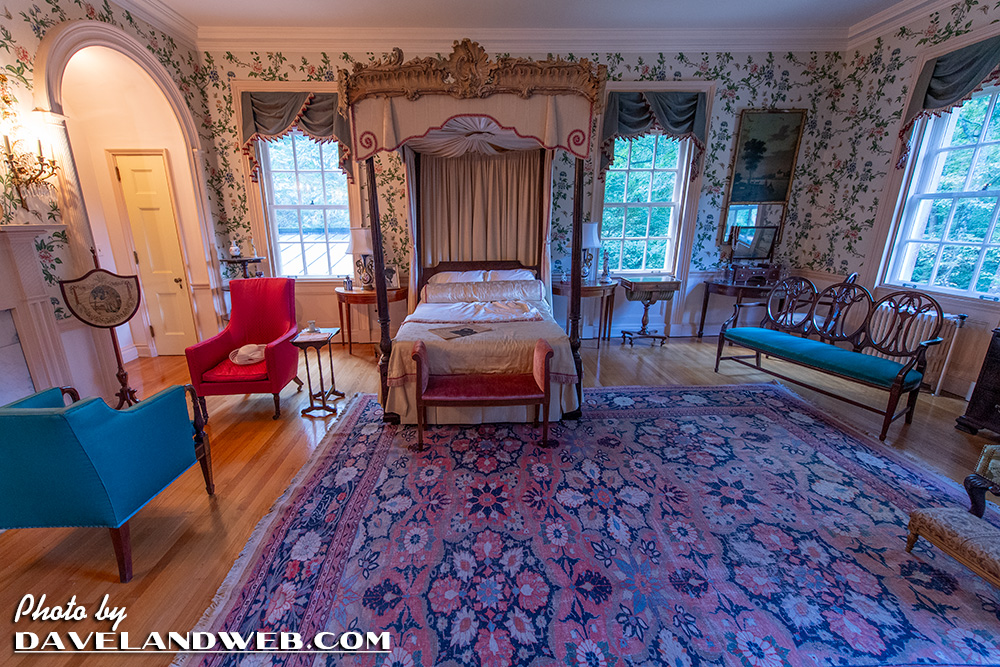
It’s time to go upstairs at the Swan House in Atlanta (another good excuse to show off this amazing staircase!) The bedrooms are as ornate as you would expect:


For the kiddies:


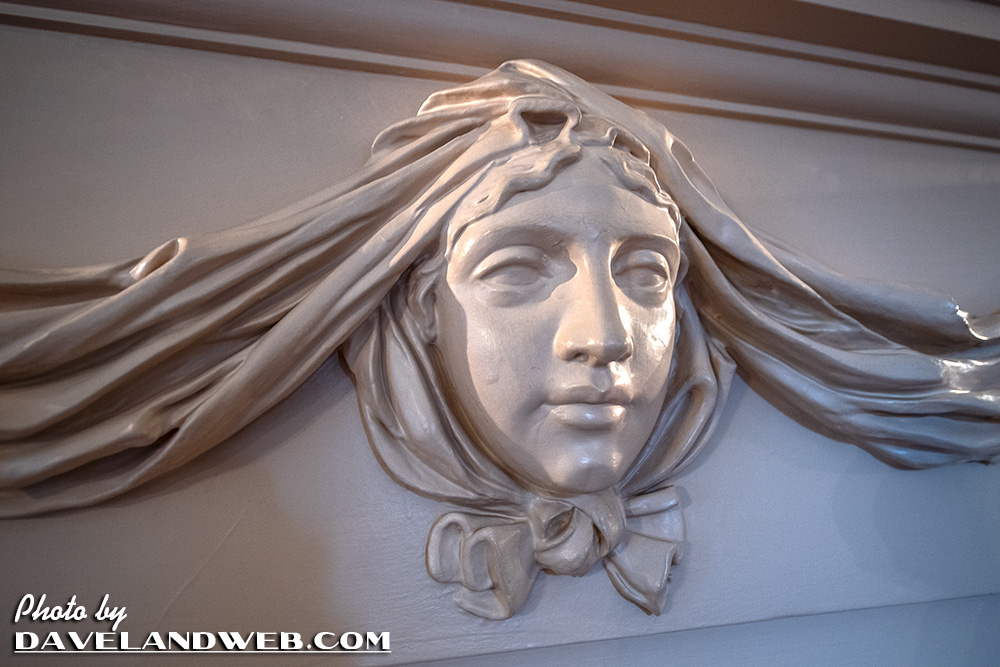
A detail shot of the head on the fireplace:


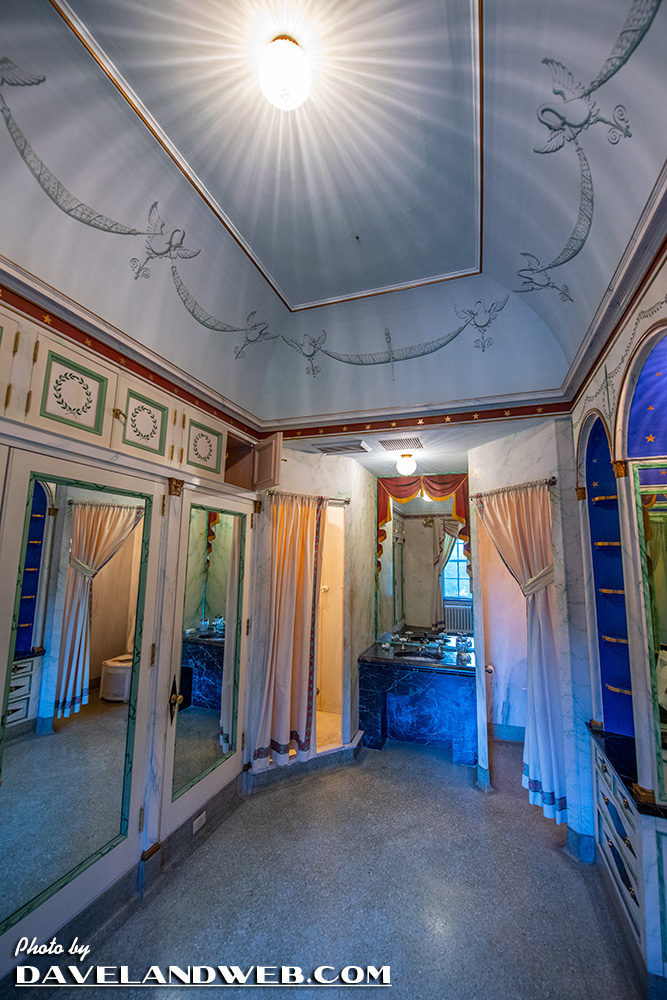
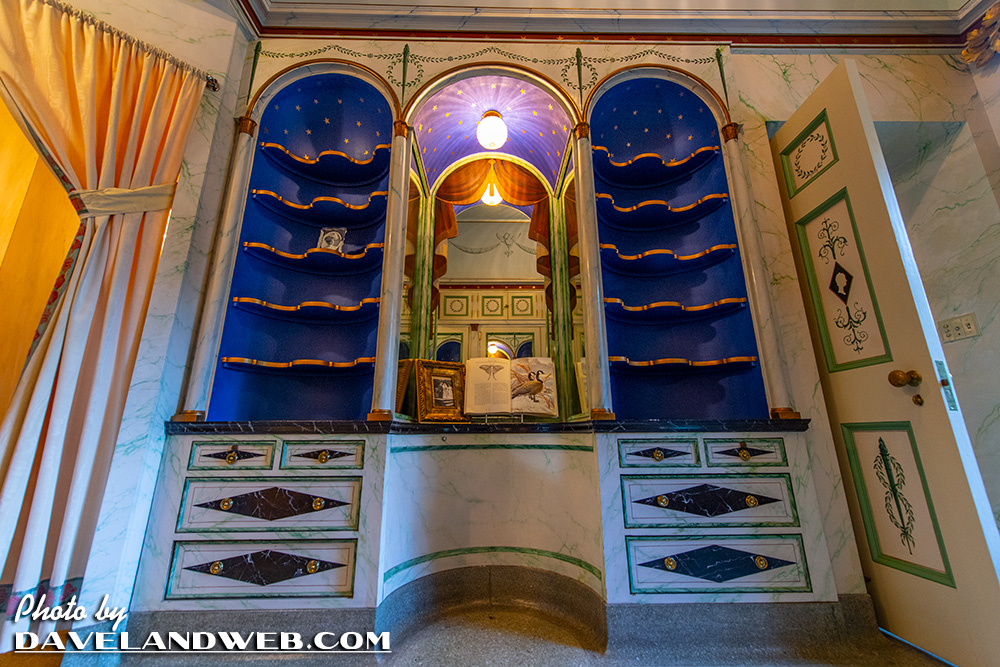
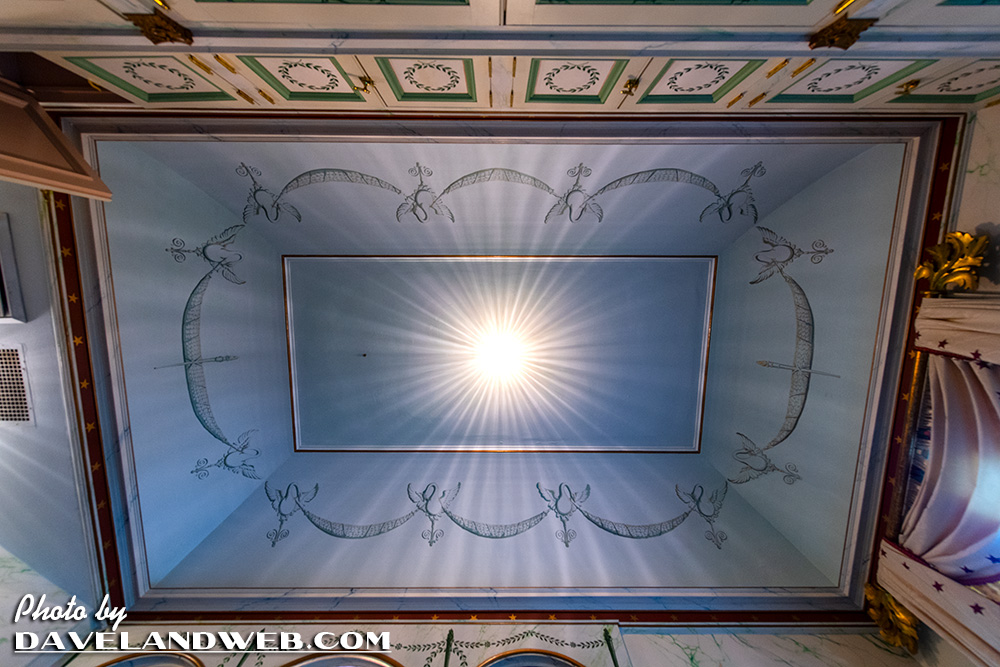
It was the bathroom/dressing room that really impressed me. According to one of the signs at the Swan House the mural work here was done by Athos Menaboni.


According to the New Georgia Encyclopedia:

Italian-born artist Athos Menaboni arrived in Georgia in the late 1920s and remained active until his death at the age of ninety-four. His early career focused primarily on painting murals and creating other decorative features for clients in Atlanta and elsewhere in the state. He then turned to painting birds from life, usually in pairs and in their natural habitats. Today Menaboni is best known for his numerous paintings of more than 150 different species of birds.…[Athos and wife Sara] settled into a small apartment and survived financially through commissions acquired through the prominent Atlanta architect Philip Trammell Shutze. Menaboni designed murals for Swan House, the home of Emily and Edward Inman that is now part of the Atlanta History Center. That work led to additional commissions for private homes, public buildings, and places of worship. Though they lived in a building with thirty-six apartments in midtown Atlanta, the couple developed a reputation for rehabilitating injured and abandoned animals, particularly birds.


Yes, I laid down on the floor to get this shot: 


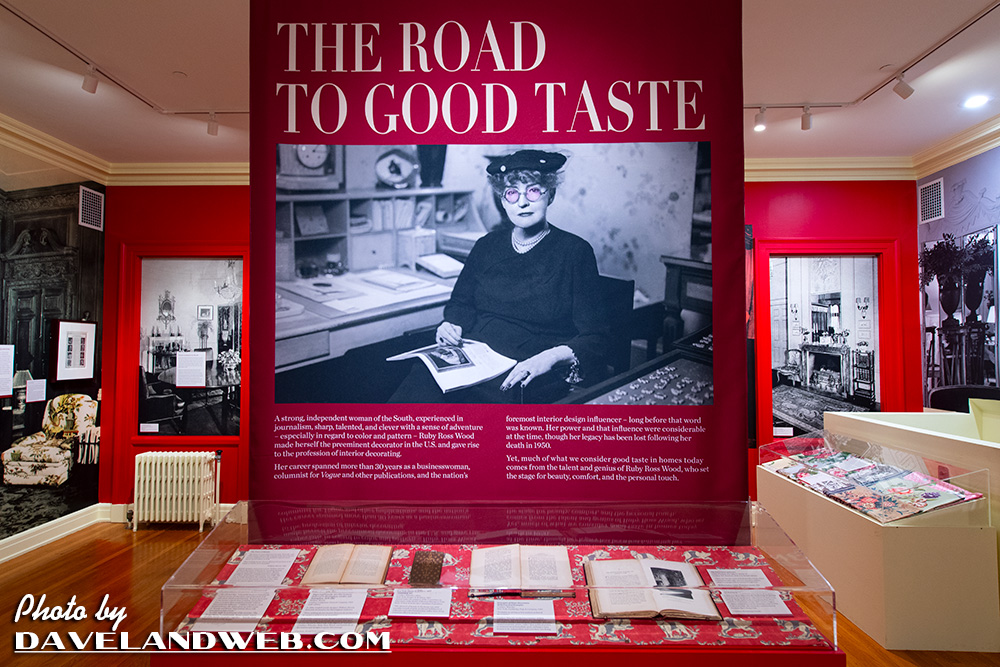
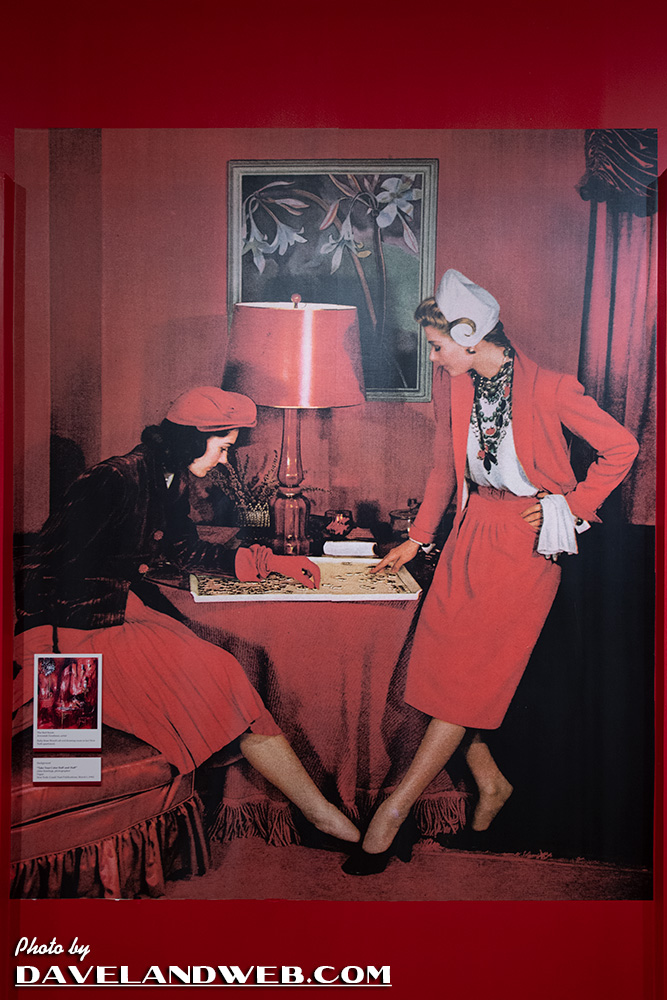
Another room had an exhibit on designer Ruby Ross Wood.


From the Swan House signage:

Ruby Ross Wood created the Swan House look. It is significant that as taste alters and houses change and adapt through time, the fragile interior is often lost. As a result, Swan House exists as the only Wood-decorated residence available today, exactly as Emily Inman, Philip Shutze, and Ruby Ross Wood opened it in 1928. A strong independent woman of the South, experienced in journalism, sharp, talented, and clever with a sense of adventure - especially in regard to color and pattern - Ruby Ross Wood made herself the preeminent decorator in the U.S. and gave rise to the profession of interior decorating.


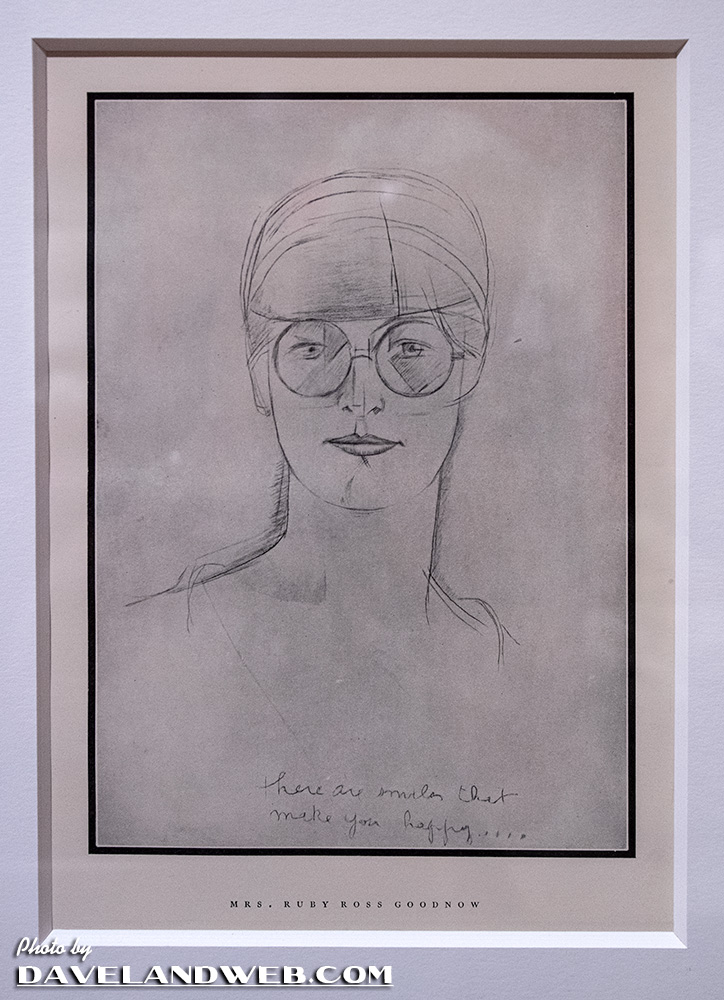
Here is a sketch of Ruby by Paul Thevanez , circa 1922:


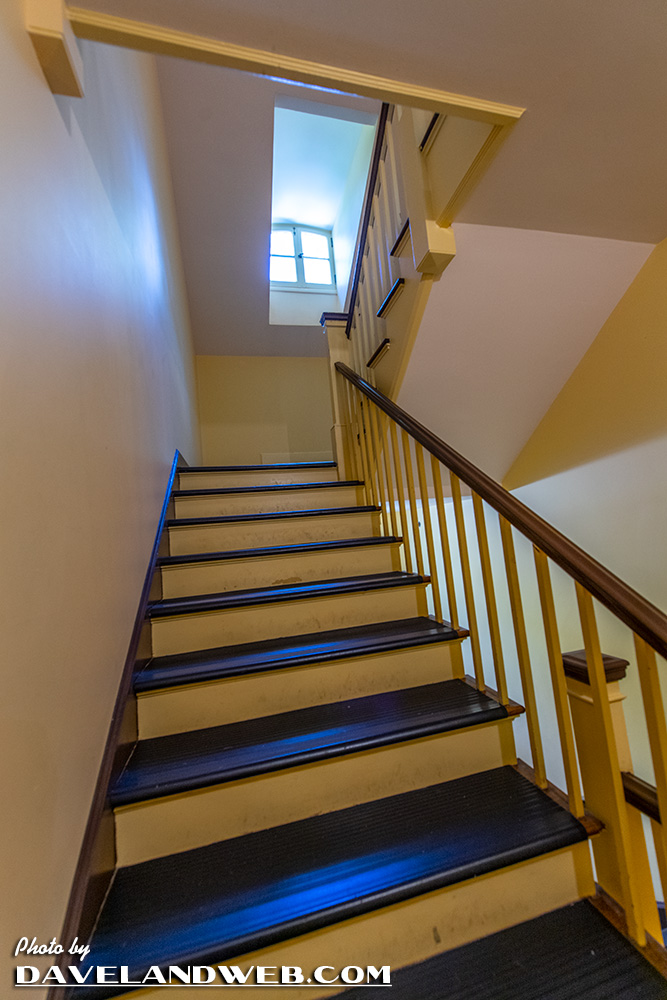
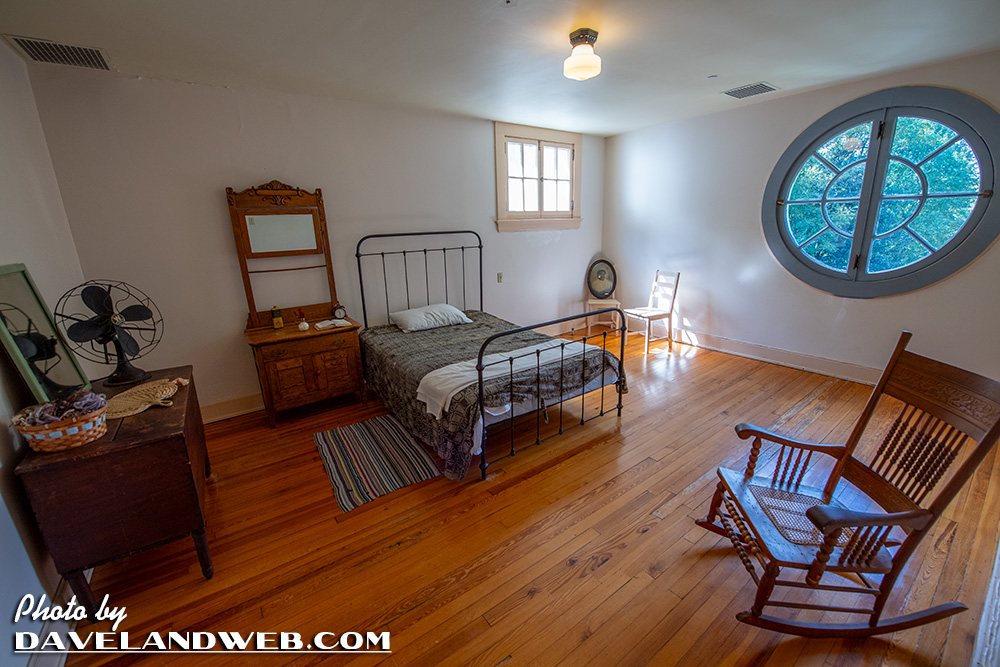
Another set of stairs takes you upstairs to the servant’s quarters:


Something tells me Ruby didn’t do too much decorating up here.


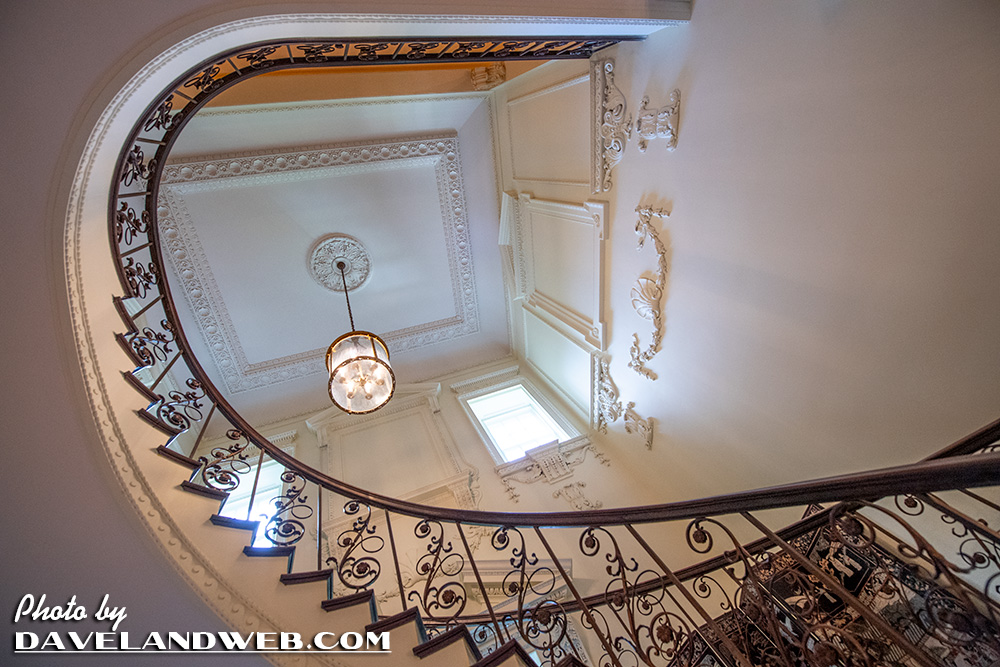
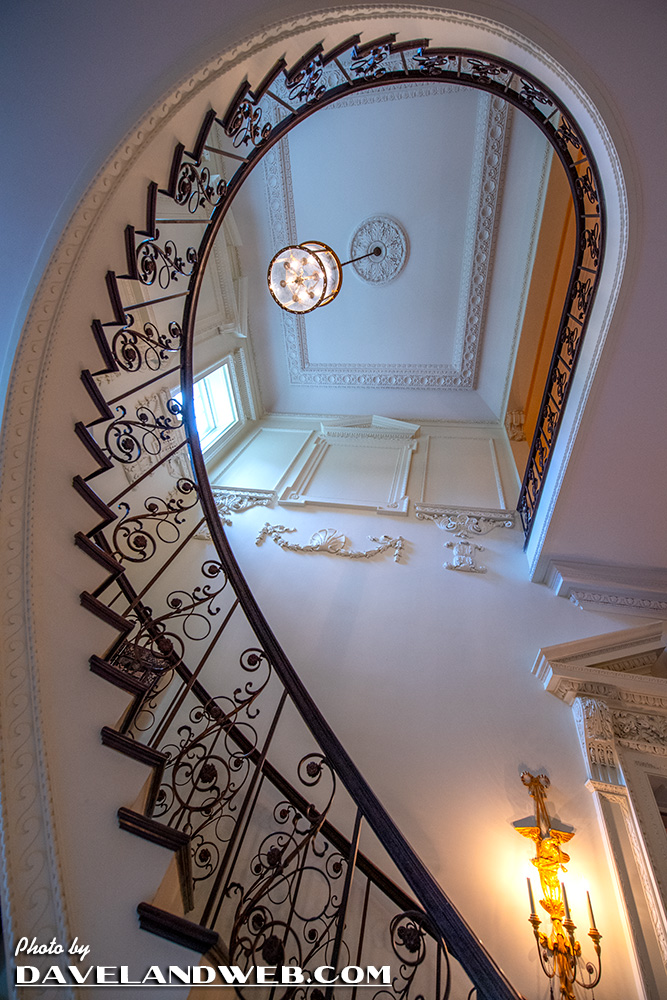
One more view of the staircase as we wait for part 3 of the story!


See more Swan House photos at my main website.
Thursday, November 16, 2023

The Swan House, Pt. 1


When I visited the Atlanta History Center in Buckhead, my main objective was to see the Civil War Cyclorama. I ended up spending a full day there, which was truly not enough time! The AHC also includes gardens, Atlanta’s oldest surviving farmhouse (Smith Farm), a wood cabin, a Victorian Playhouse, and the most impressive: Swan House. 

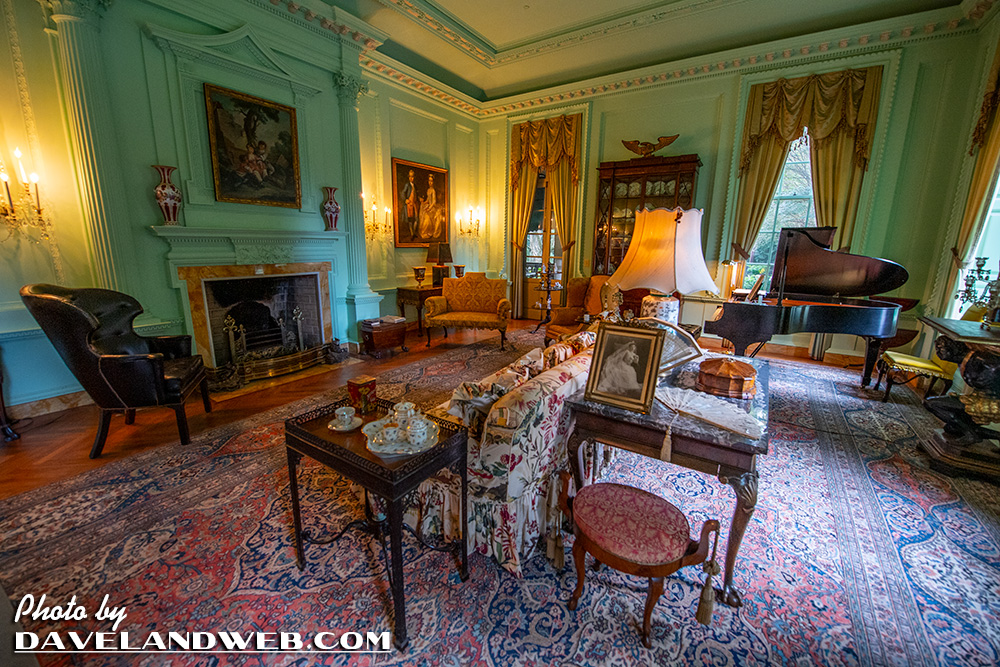
Completed in 1928, Swan House was the home of Mr. and Mrs. Edward Inman, heirs to a post-Civil War cotton brokerage fortune. The Inmans hired Hentz, Reid, and Shutze to design the house. The architectural firm was known for their Beaux-Arts style and as the founding fathers of the Georgia school of classicism. Their works included the Rich’s department flagship location on Broad Street, the now demolished Paramount Theater, and the University of Georgia School of Law in Athens.


Philip Trammell Shutze served as principal architect for Swan House; he had been a partner of the firm since 1927, (original partner Joseph Neel Reid died in 1926). Shutze drew on classical elements as inspiration for Swan House and its gardens. In 1977, Shutze was recognized as America’s greatest living classical architect.


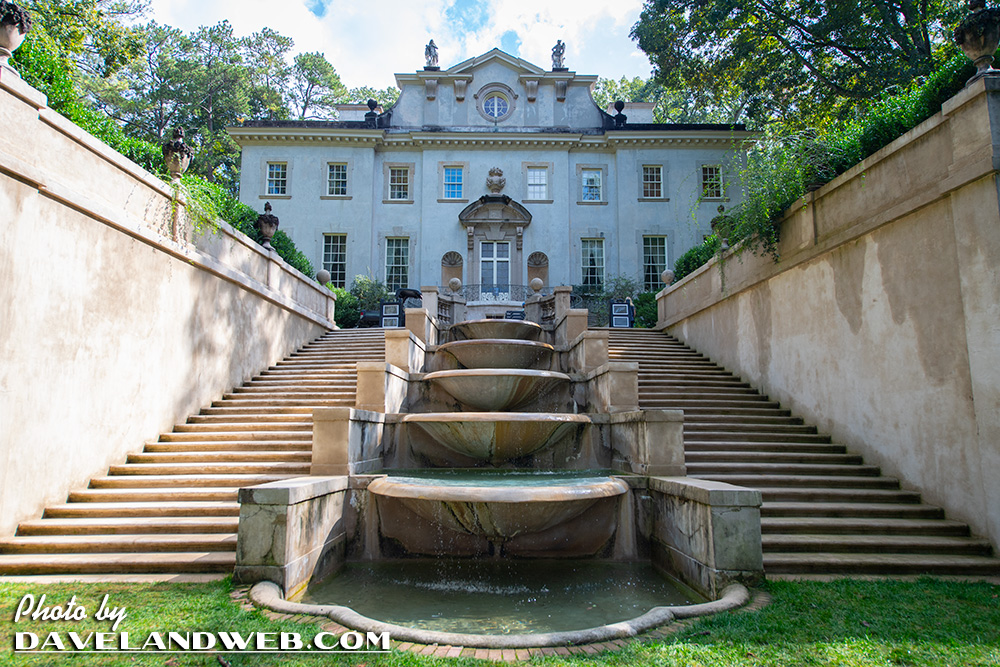
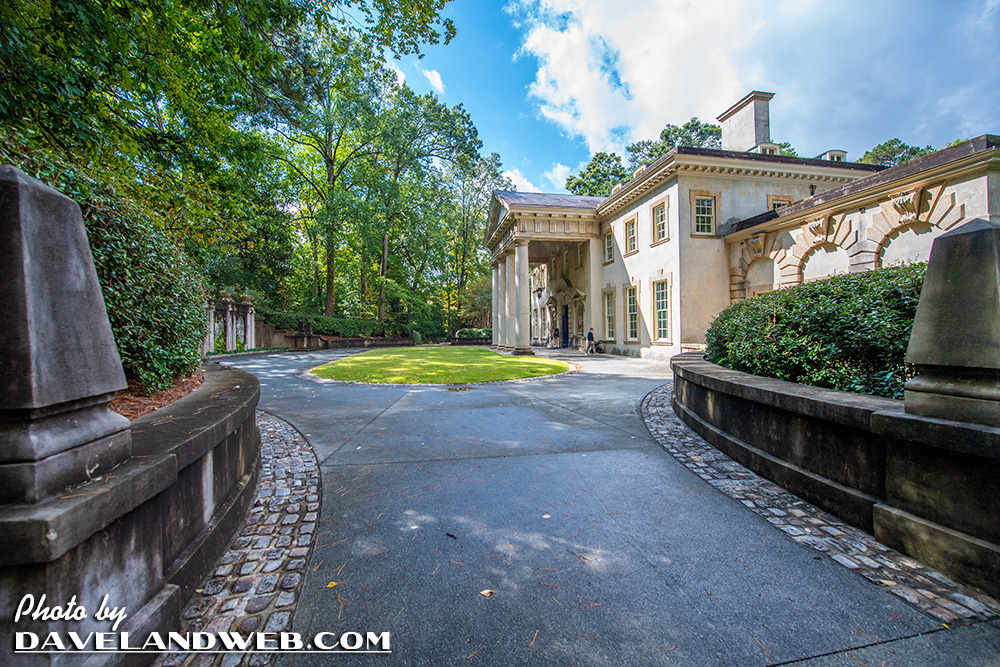
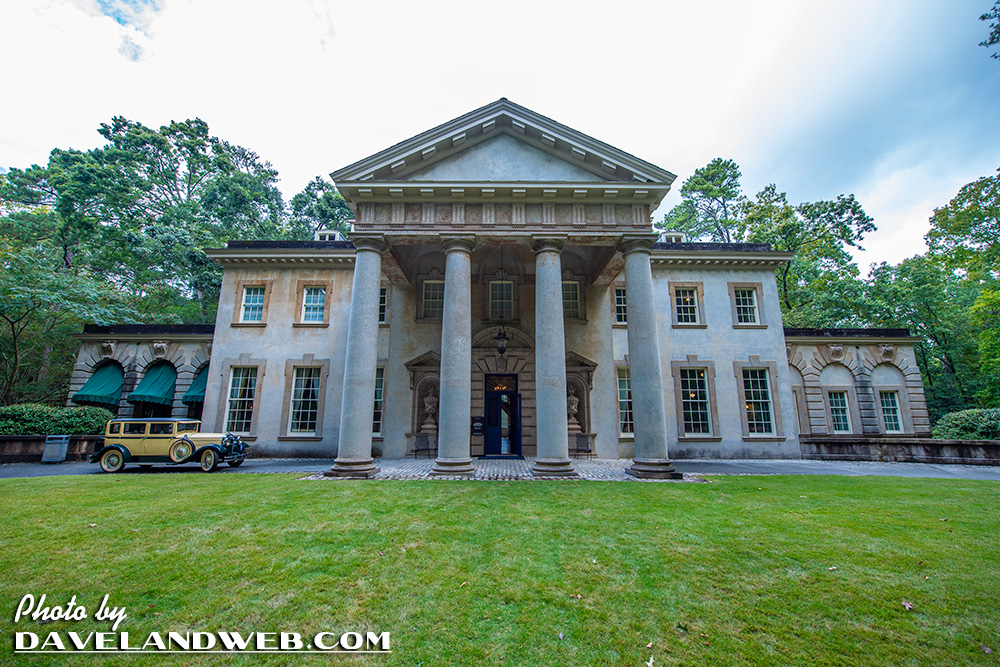
The first two photos show the back entrance to the home; the above and below show the front of the home.


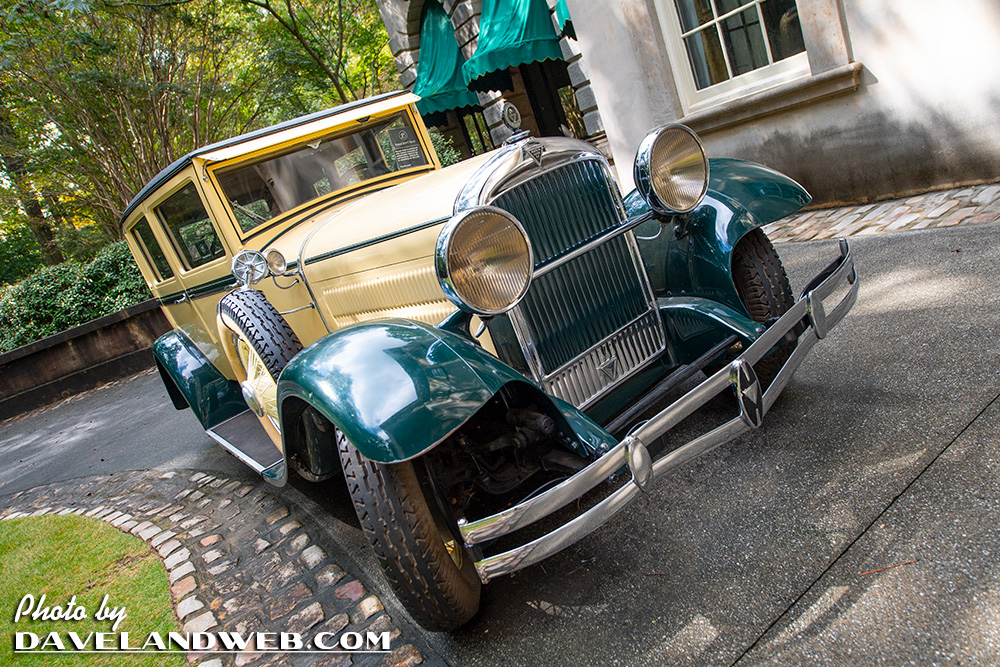
Parked in front was this yellow and green Hudson Super Six, which was first manufactured by the Hudson Motor Car Company of Detroit, Michigan in 1916. The first model was kept in production until 1928. You may be familiar with the car from the John Steinbeck novel, The Grapes of Wrath. The Joad family uses a Hudson Super Six sedan converted into a truck; the 1940 movie used a 1926 model.


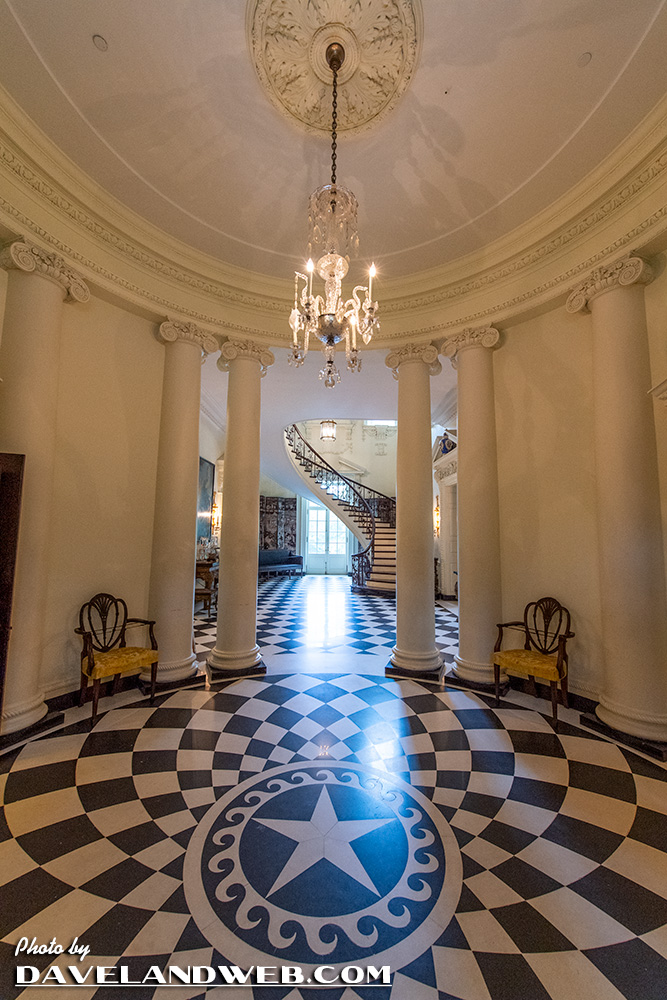
The entryway: 


Yes, you can add impressive staircases to my list of obsessions.


Mrs. Inman lived at Swan House with son Hugh and family after Mr. Inman’s death in 1931. After her death in 1965, the Atlanta Historical Society purchased the house and most of its original furnishings, ranging from 18th-century antiques to 20th-century objects under the leadership of Mrs. Ivan Allen Jr. 


I was ready to move in. It felt like Downton Abbey had come to life.


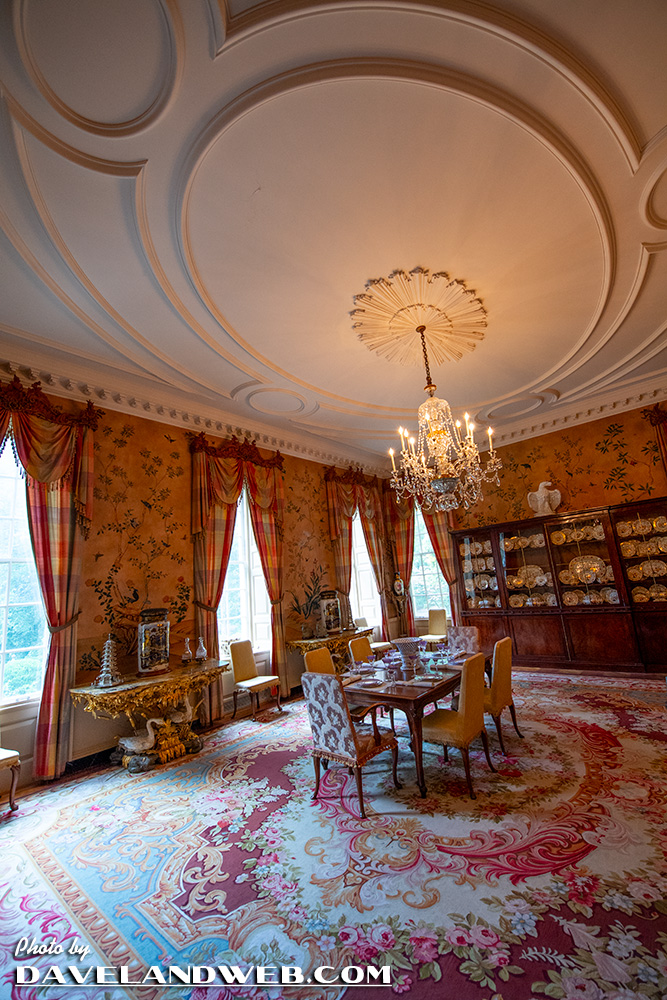
The Dining Room table seemed a bit small; it could have used a few more leaves in the table.


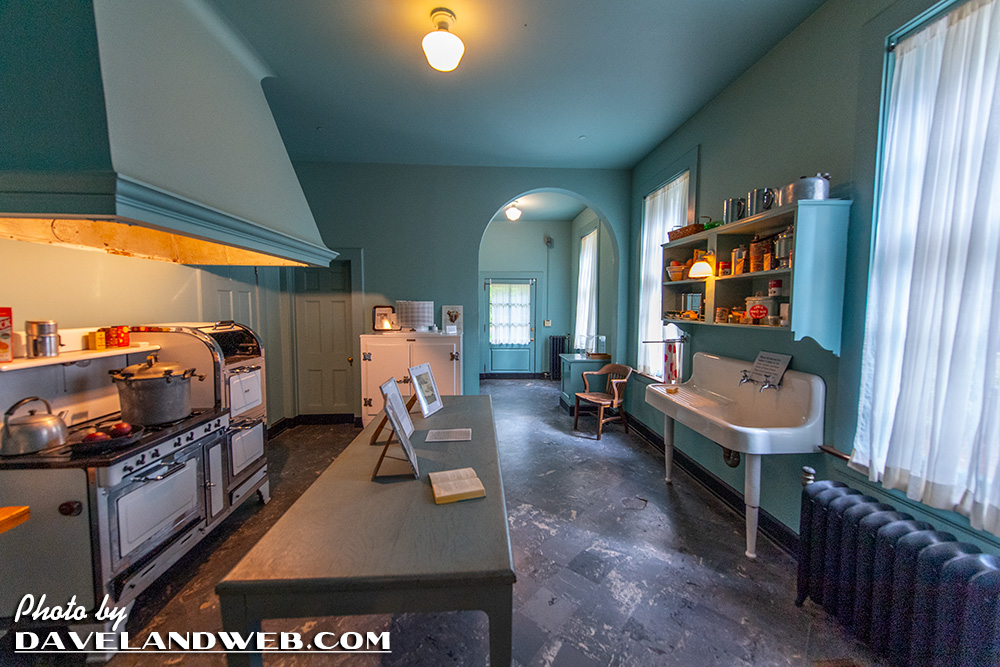
The kitchen was one of my favorite rooms, with its vintage appliances.


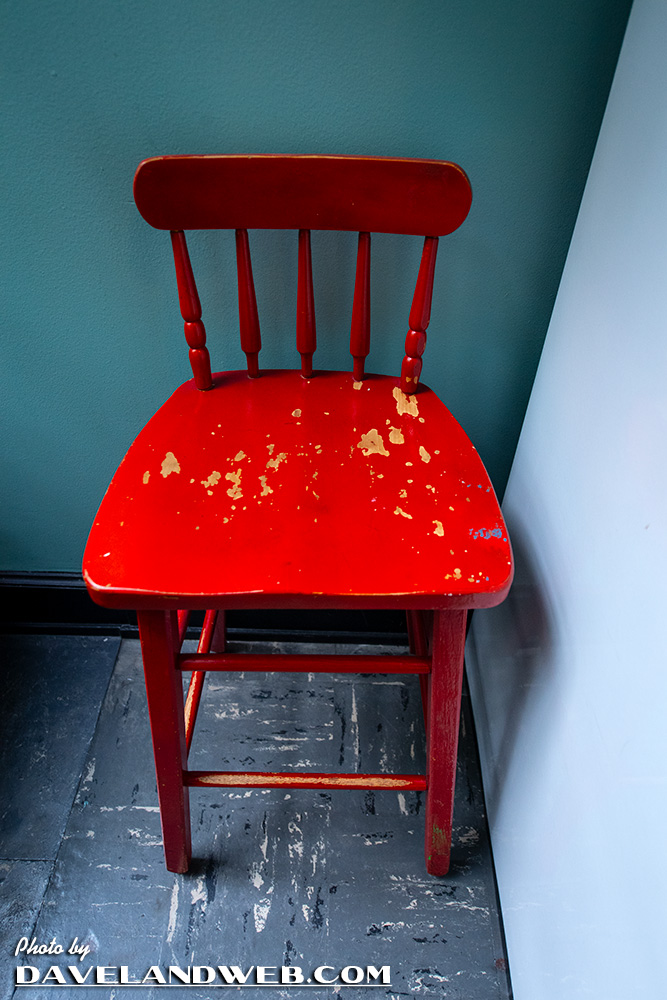
I also fell in love with this red kitchen chair.


Swan House opened to the public in 1967 and is listed in the National Register of Historic Places and a City-designated Landmark. The property encompasses 22 acres of gardens and forest, all original components of Shutze’s novel site plan. Swan House also contains the Shutze decorative arts collection. There are still many more photos to come from this impressive house museum!

See more Swan House photos at my main website.
Friday, November 10, 2023

Cyclorama: The Battle of Atlanta


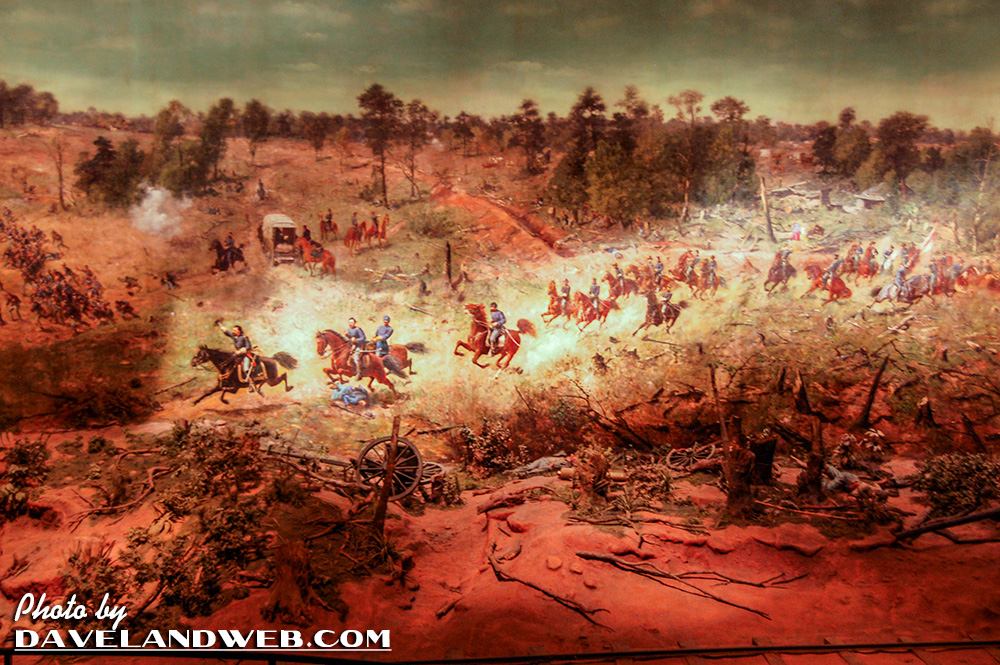
It was quite by accident that I stumbled upon the Civil War Cyclorama exhibit during my 2007 visit to Atlanta (photo above of the original Grant Park location). I had very little time before I had to catch my plane, so my tour of the museum was extremely rushed. Always so much to do with so little time! If you’re not familiar with the Cyclorama, here’s the description from a 1937 brochure:

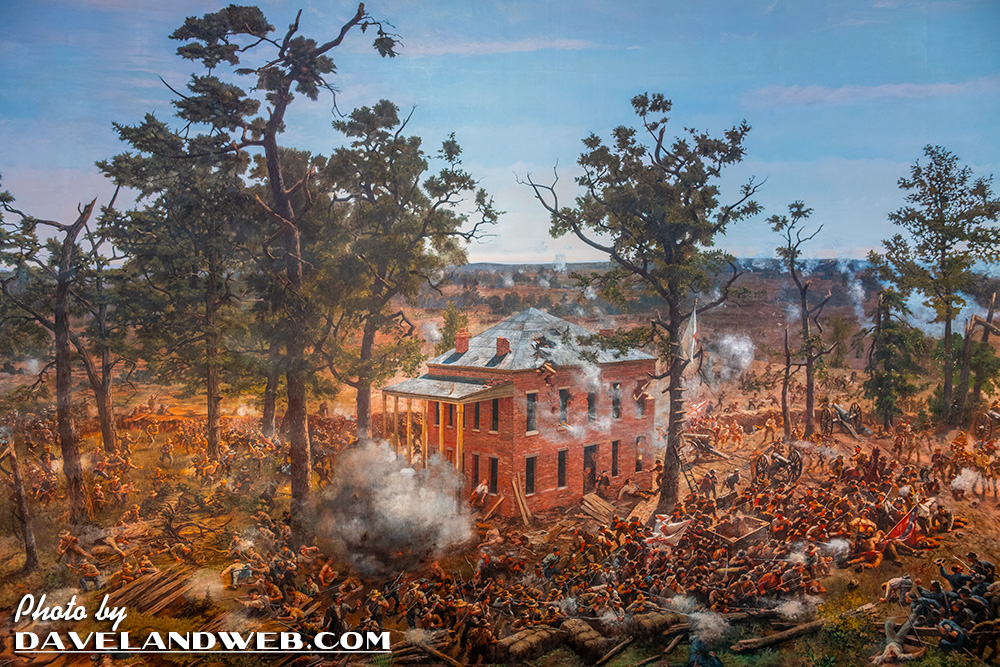
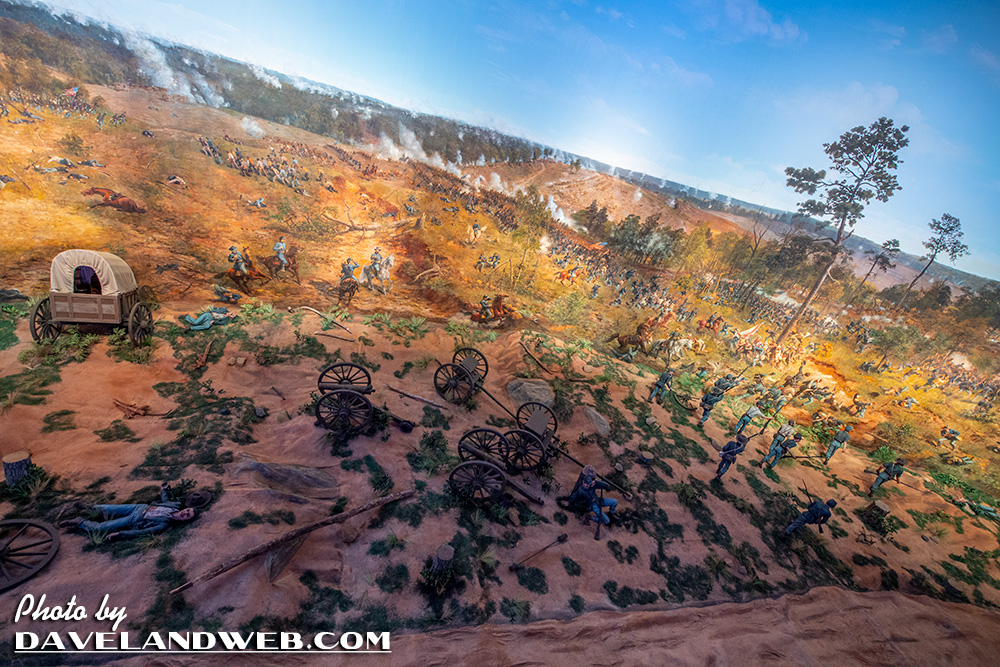
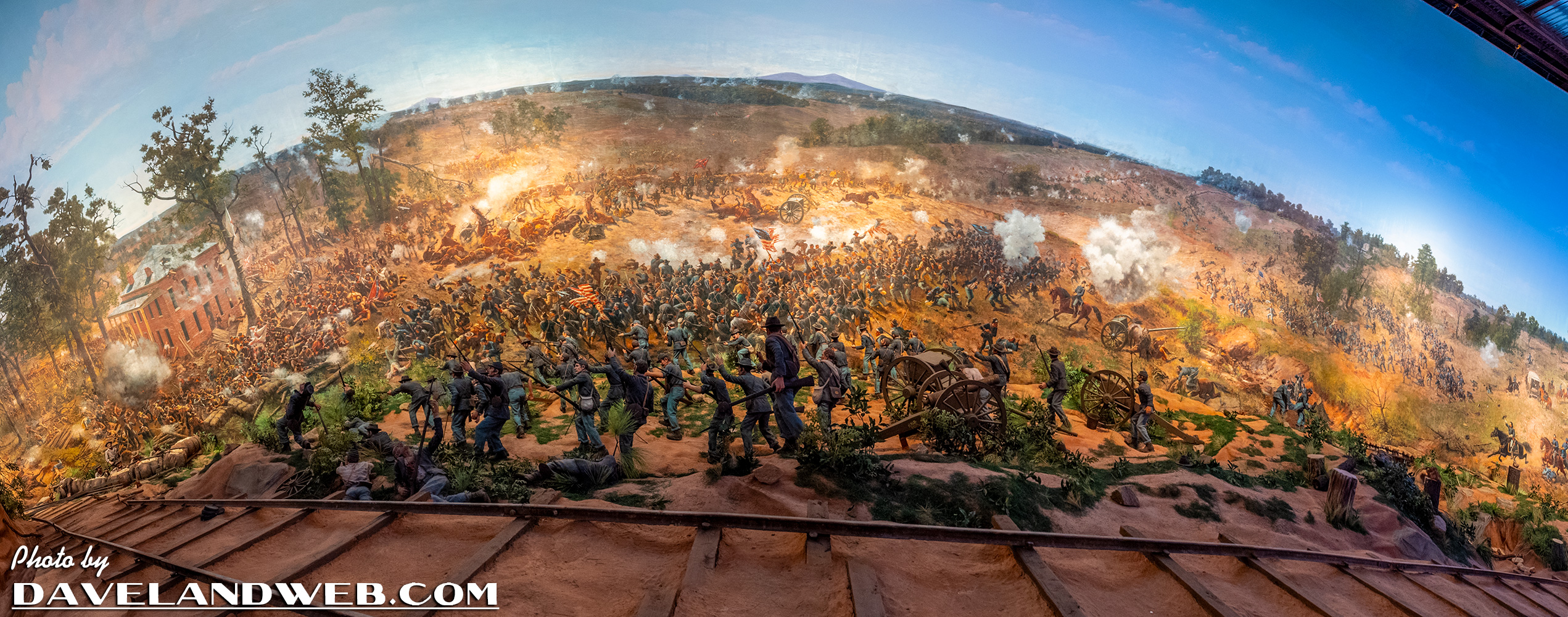
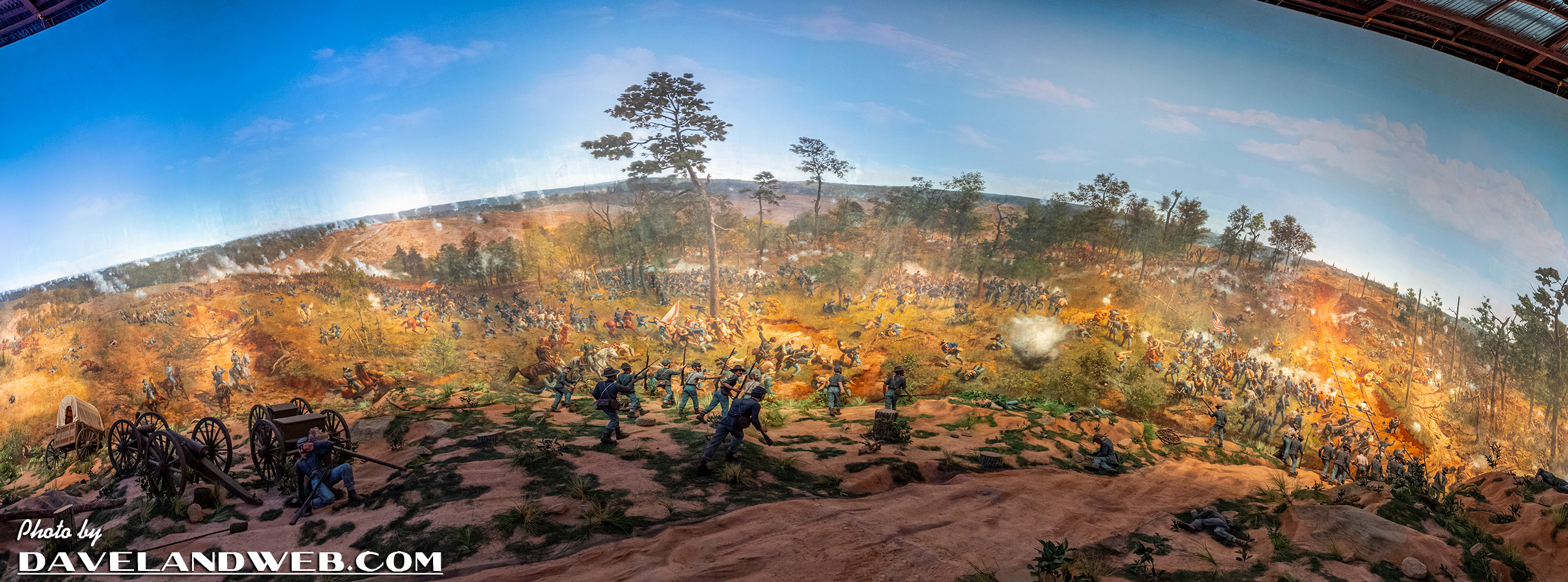
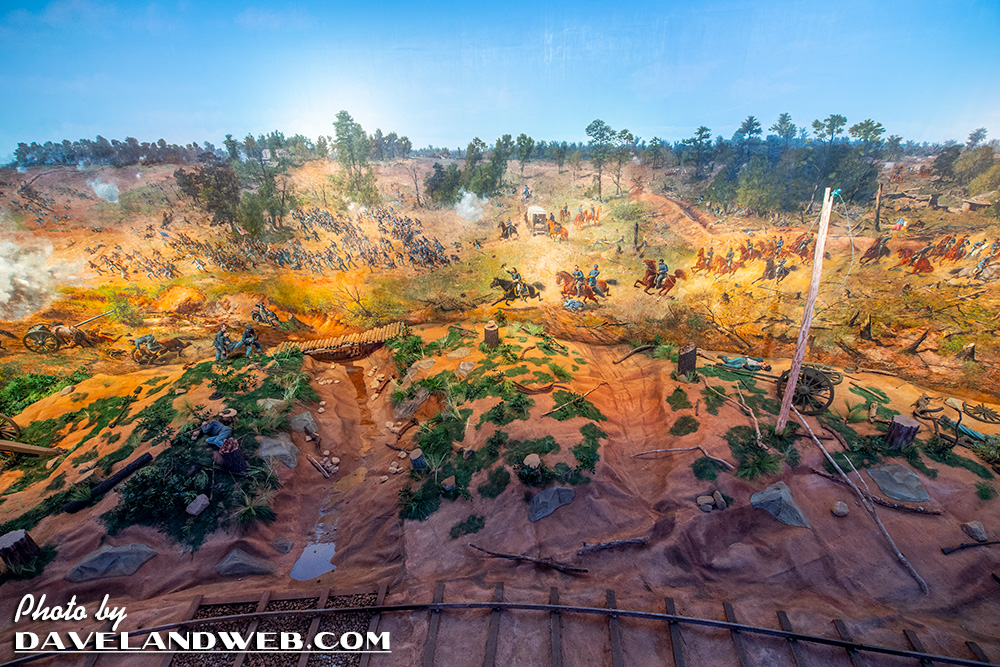
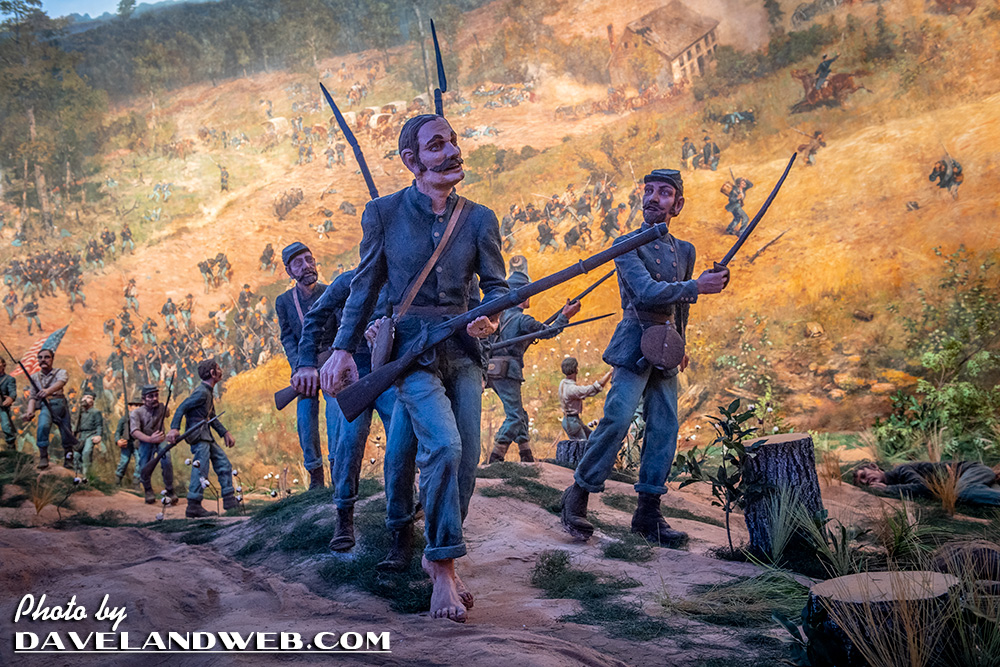
The painting, measuring fifty feet in height, four hundred feet in circumference and weighing eighteen thousand pounds, was painted in 1885 and 1886 in Milwaukee by three German artists, Lohr, Lorenze and Heine. Eight thousand pounds of paint was used in the production of this painting whose landscape, looking in any direction from the reviewers’ platform, covers a radius of twenty-five or thirty miles. So realistic and so unmistakably true is this landscape that one familiar with Atlanta may point out many individual places. Thousands of blasted tree stumps, bushes and shrubbery, shell-torn in effect; hundreds of life-like plastic figures of Confederate and Federal soldiers; torn rails and cross-ties; shells, cannons and other familiar fragments of war have been placed so effectively in the circular area forming the battlefield surrounding the painting that it is difficult in viewing it to determine the ending of the real and the beginning of the illusion.
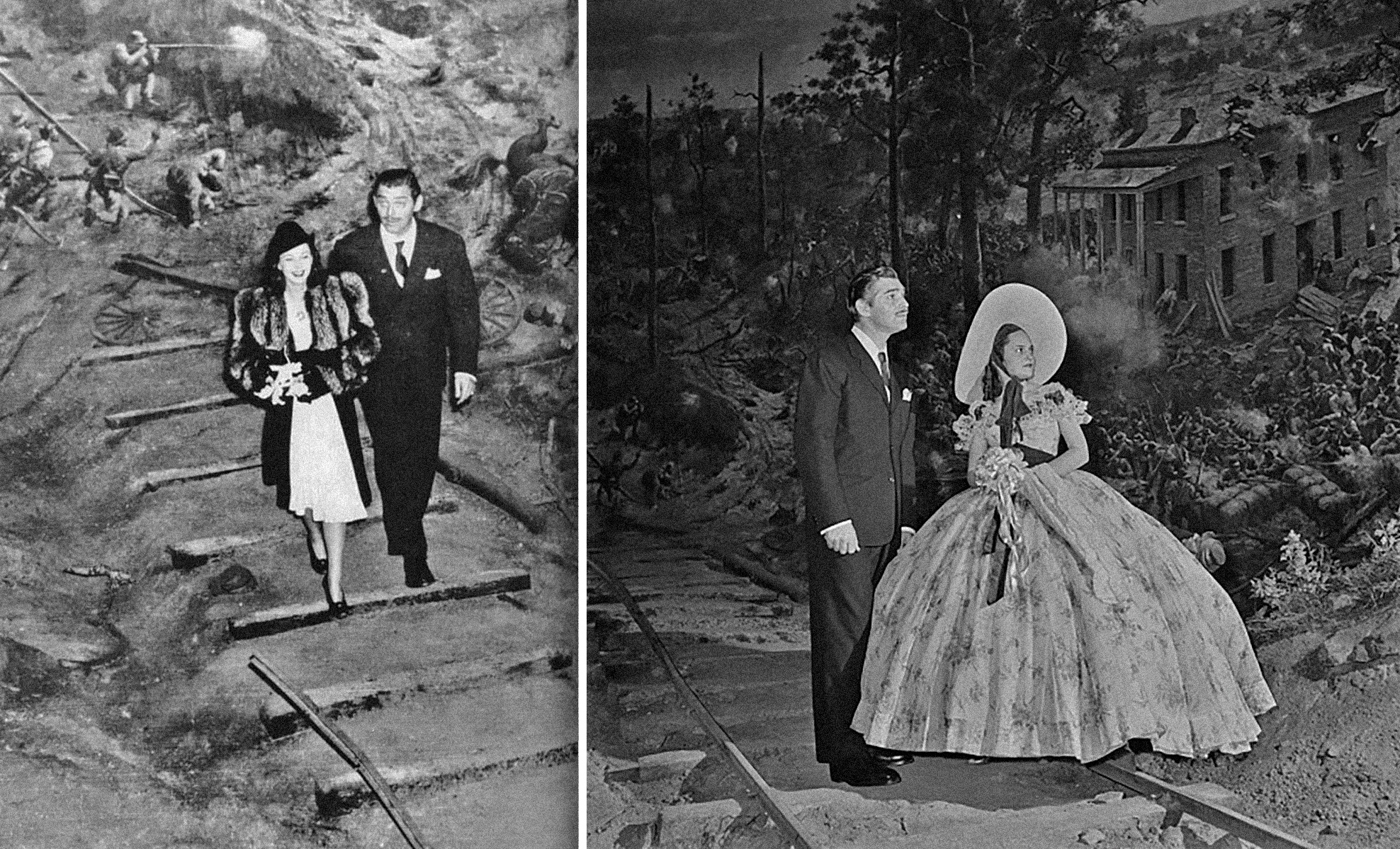
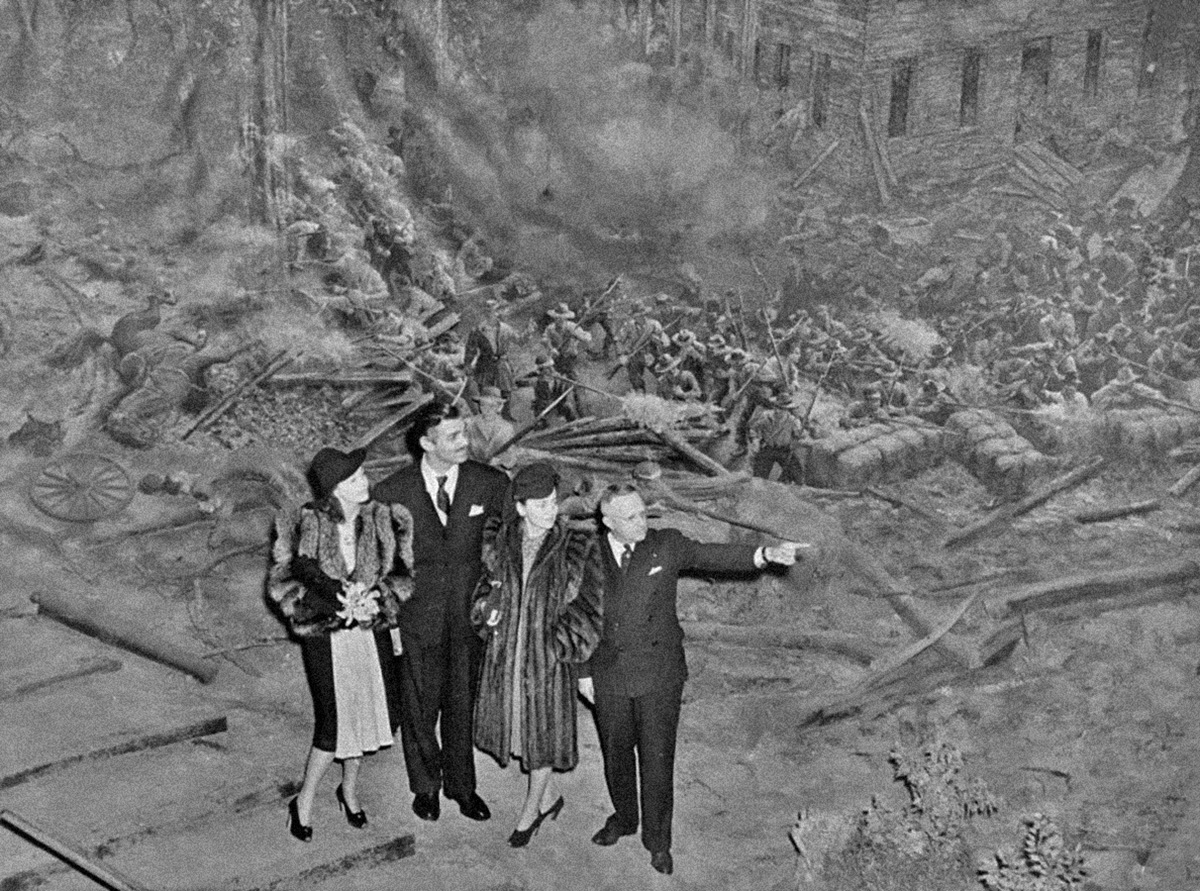
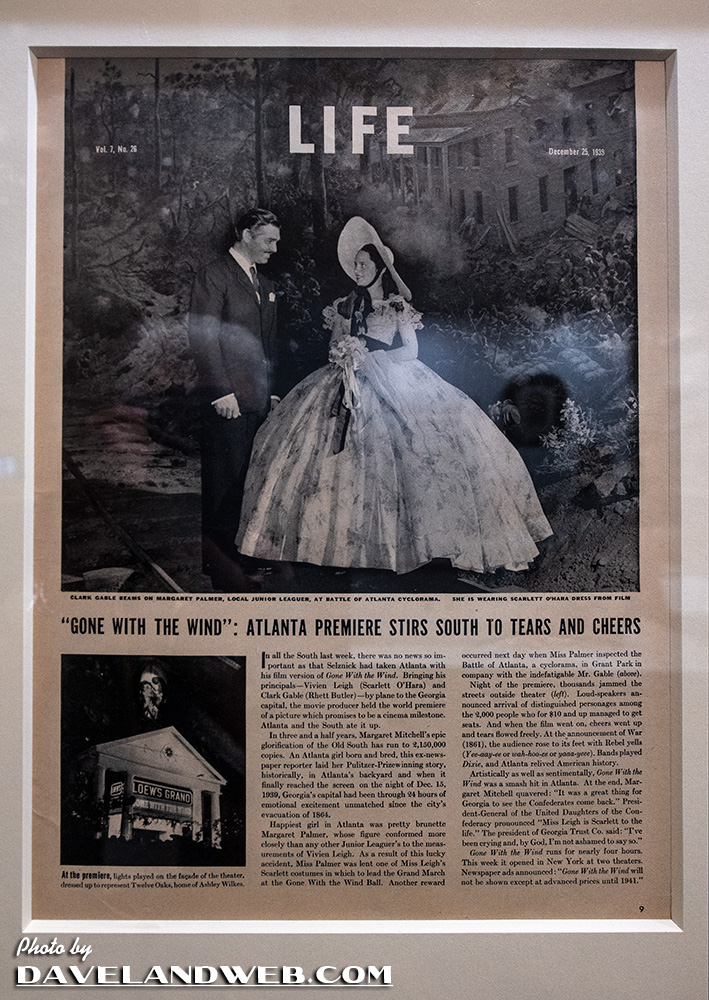
I remembered reading that during the premiere of “Gone with the Wind” in 1939, the stars were allowed to walk through the Cyclorama.


Clark Gable (who played Rhett Butler in the film) was accompanied by Margaret Palmer, a local Atlanta Junior League girl who just happened to fit into Vivien Leigh’s Scarlett O’Hara BBQ costume and was allowed to wear it during the tour. She even made it into LIFE magazine as a result!


The section of the Cyclorama where Gable posed with Palmer:


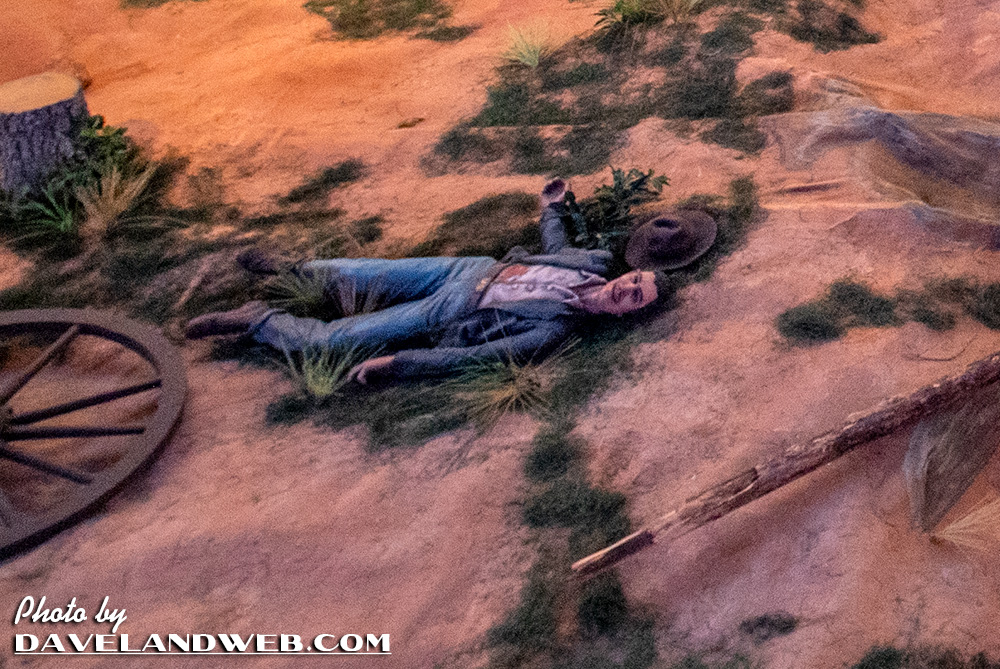
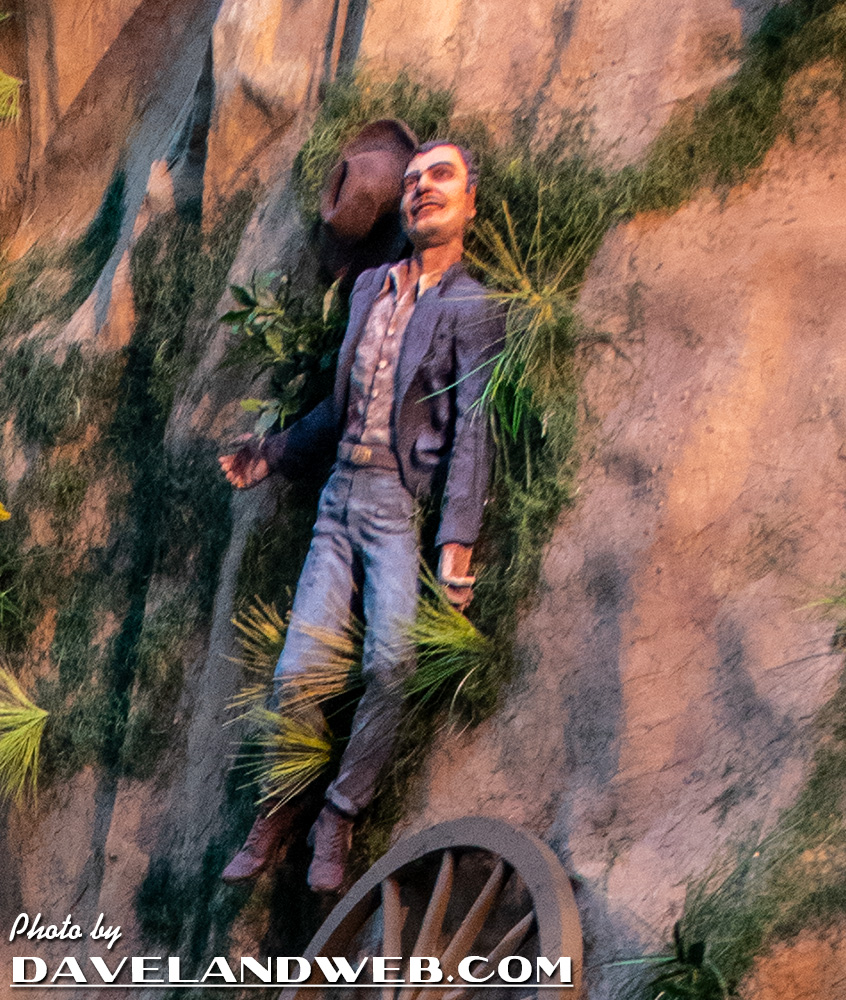
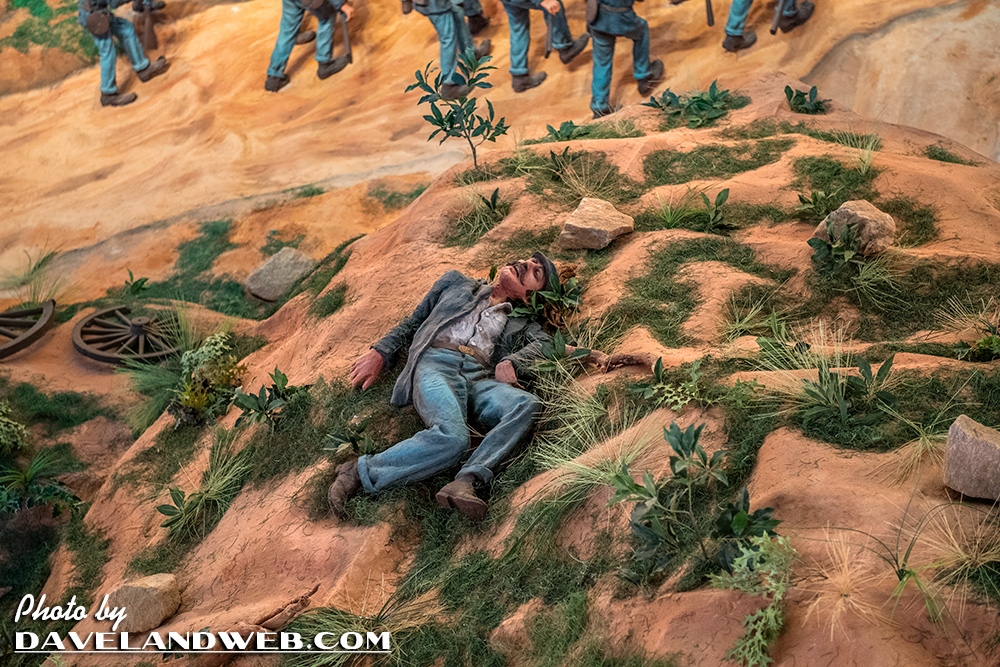
Gable commented that the only thing wrong with the exhibit was that he wasn’t in it. As a result, he was later added in as a dead northern soldier. What would Rhett have thought about that?


Dead Mr. Gable, I am writing this to you…


By 1983, the brochure text for the Cyclorama had been changed a bit:

…it was painted in 1885-6 by a group of German and Polish artists brought to America for this purpose by Mr. William Wehner, owner of the Milwaukee studio where it was set up and completed. First exhibited in Detroit in 1887, the painting traveled all over the United States before coming to its final resting place in the City whose destruction it commemorates.…In 1921 the painting was transferred from an old, wooden structure at a location in Grant Park to its present location in the imposing marble building on a hillside in the central part of the park. In 1936, by means of a WPA grant, the painting was made three-dimensional by the addition of blasted tree stumps, bushes and shrubbery that are shell-torn in effect, broken rails and cross-ties, life-like plaster figures of Confederate and Federal soldiers, and other fragments of war which form the battlefield surrounding the canvas.…The facility was re-opened in 1982 after 2 years of extensive conservation of the painting/diorama and renovation of the building, which now includes a revolving seating platform.

From 2015-2019, the painting was relocated and restored (again) to its present location at the Atlanta History Center in Buckhead where I was able to see it. Sections of the painting that had been chopped out in 1921 were put back in and the panoramic piece of art is now much closer to its original 1886 incarnation. Edited from the current Atlanta History Museum placard:

This painting tells us about a battle in the American Civil War. It also tells us about how people have thought about that war for more than 150 years. German artists painted the panorama 22 years after the battle. it was intended for Northern audiences interested in the U.S. Army victory at the Battle of Atlanta, July 22, 1864. Its creators made it for people who could and would pay to see it. The painting depicts a Union victory with Union heroes. It tells may stories. It does not tell others. Over more than a century, The Battle of Atlanta has been retouched, rebranded, and reinterpreted. People have seen in it stories of the victory of good over evil, a tribute to a reunited nation, and symbol of a mythical “Old South.” For a time, people saw in it the story of a Confederate battlefield victory. That is the opposite of what it was originally meant to be - and is.

Photos were not allowed in 2007; always the rebel, I managed to capture this one:


Sixteen years later, the policy was changed. This is approximately the same portion of the Battle of Atlanta Cyclorama painting that I shot before. MUCH better!


When I first saw this incredibly large “painting in the round,” I didn’t pay too much attention to what was depicted in the background painting or the figures/set pieces in the foreground. Being able to read the information in the outer foyer was extremely interesting and speaks volumes to how over the years  “history” can become cloudy, reinterpreted, and used to further personal agendas, rather than be an accurate depiction of what truly happened.


Accurate or not, the Cyclorama is an impressive piece of art that attempts to tell a story.


While some of the scenes depicted may seem disturbing, they are surely no match to the reality of that battle.


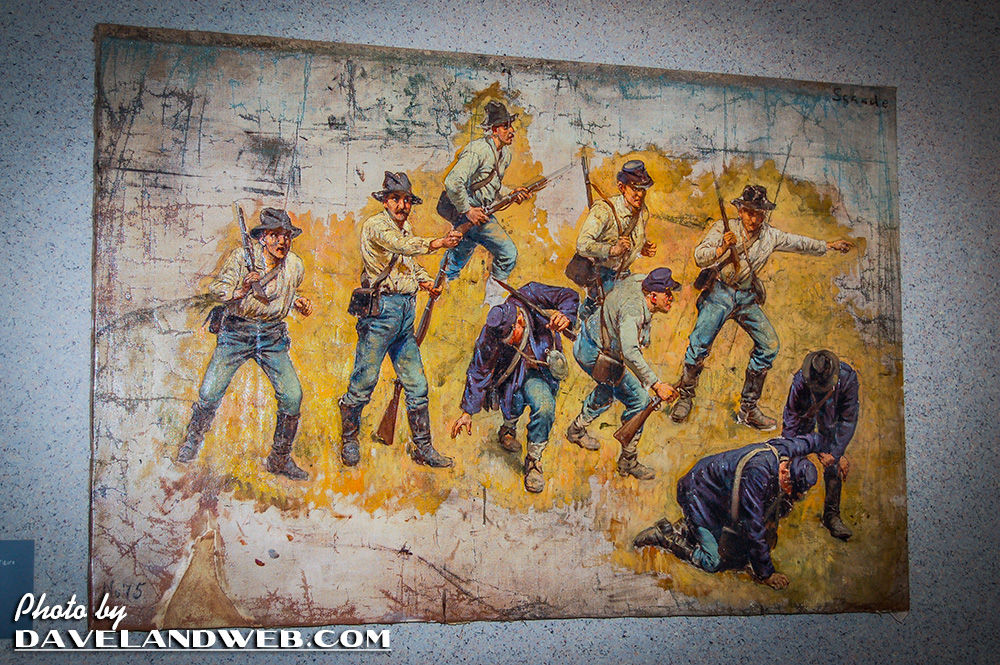
Here is Robert Schade’s oil on canvas figure study for the Cyclorama, painted prior to work beginning on the actual piece. It was painted on the same canvas as the larger painting, and probably was one of several such studies used to position groupings on the Cyclorama. It is the only known surviving study.


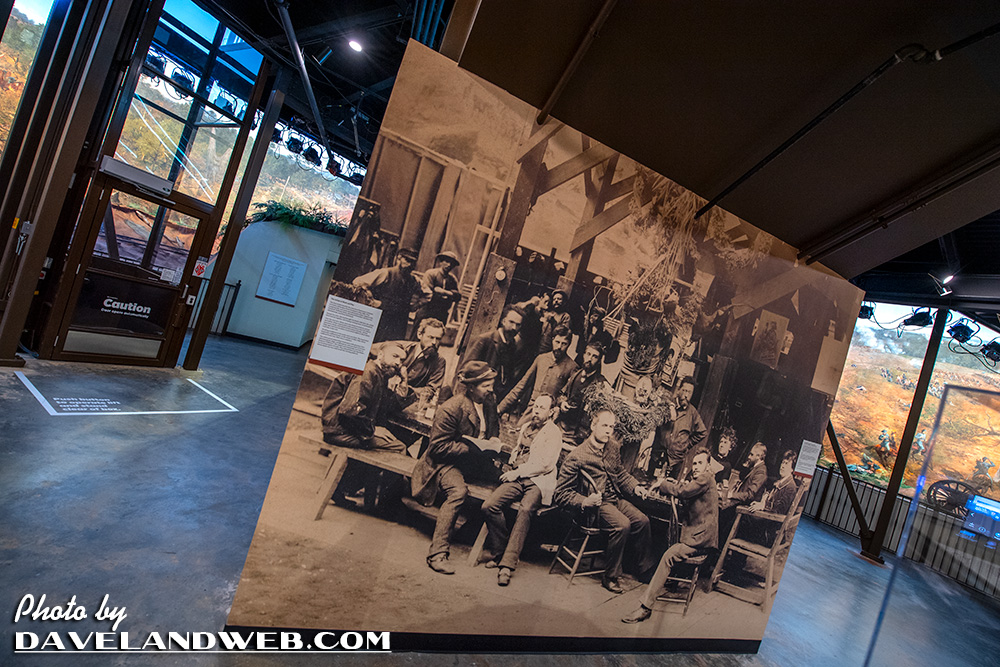
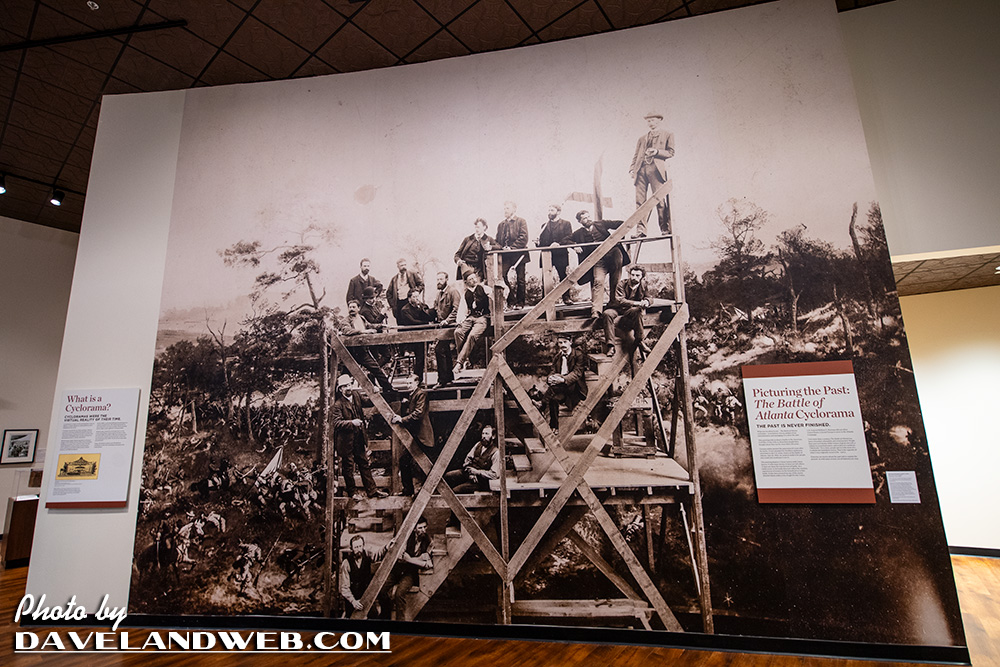
A few shots of the artisans behind the Cyclorama:


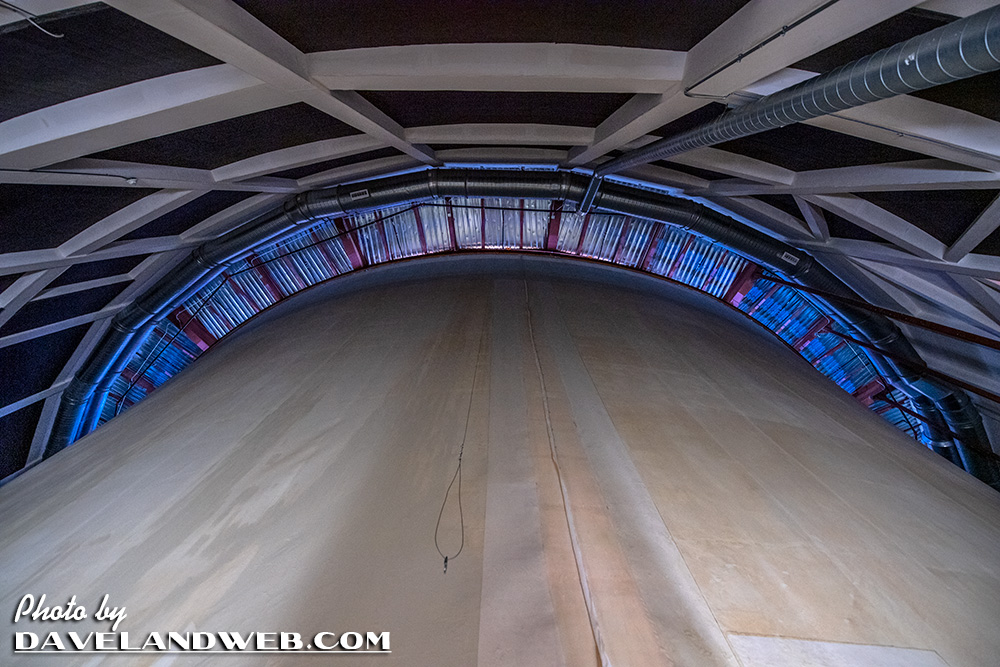
Want to see the backside of the Cyclorama?


The one area for improvement for the Cyclorama would be the lighting. The painting is brightly lit, yet the figures in the foreground are extremely dark. Whether this was an intentional decision to throw focus on the painting instead of the plaster figures that were added years later is unknown. Regardless, it detracts from the ability to fully immerse the guest into the illusion of this faux reality.
 
See more Cyclorama/Atlanta History photos at my main website.