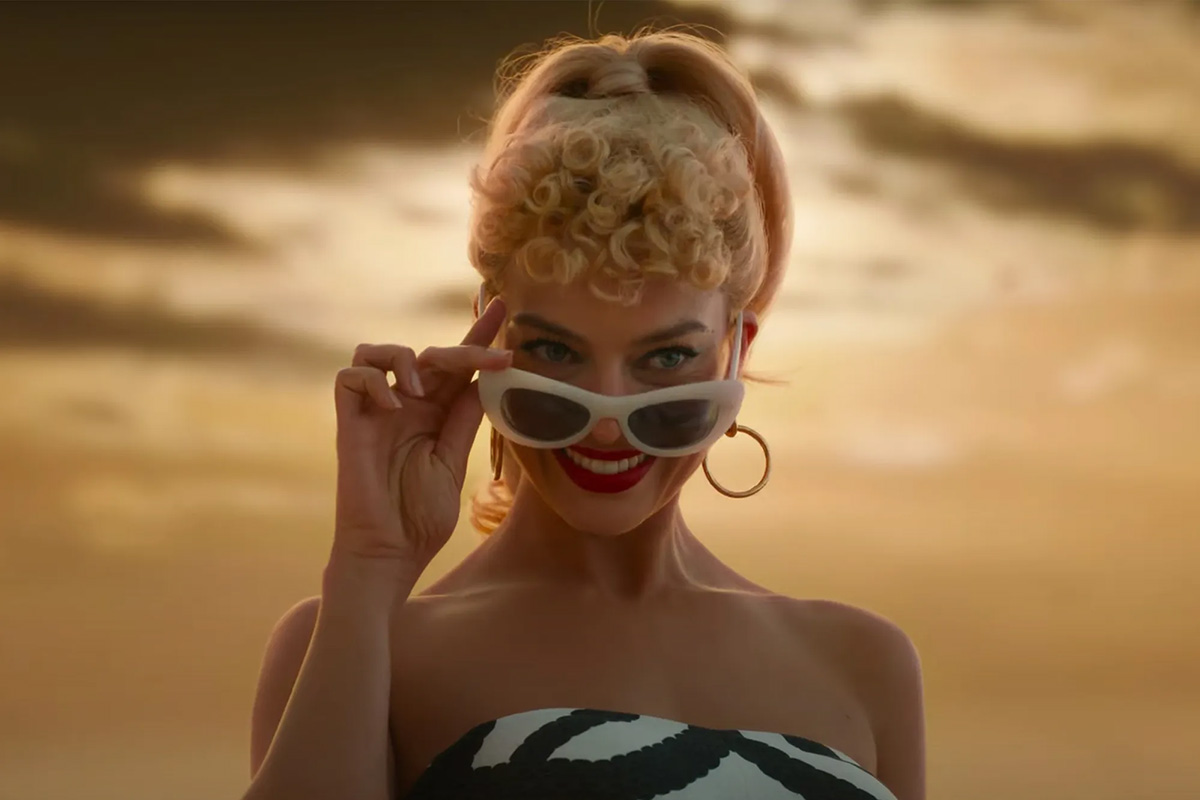
I finally saw “Barbie,” the blockbuster 2023 Greta Gerwig movie starring Margot Robbie in the title role and Ryan Gosling as her male counterpart, Ken. The fact that Mattel played a part in the production was a slight turnoff to me. I wondered how edgy and innovative could a film be when sponsored by a high profile corporation? It worked for the 1971 classic, “Willy Wonka & The Chocolate Factory” (sponsored by Quaker Oats, who was hoping to sell candy as a result of the movie), but that was over fifty years ago when the world was different (and there was no social media or internet). Still, “Barbie” surprised me in a good way. Overall, I would recommend seeing it; unlike “Wonka” though, the finale was a bit of a disappointment for what was generally a very creative production. If you haven’t seen the movie, fair warning: plot spoiler alerts ahead! Read at your own risk.
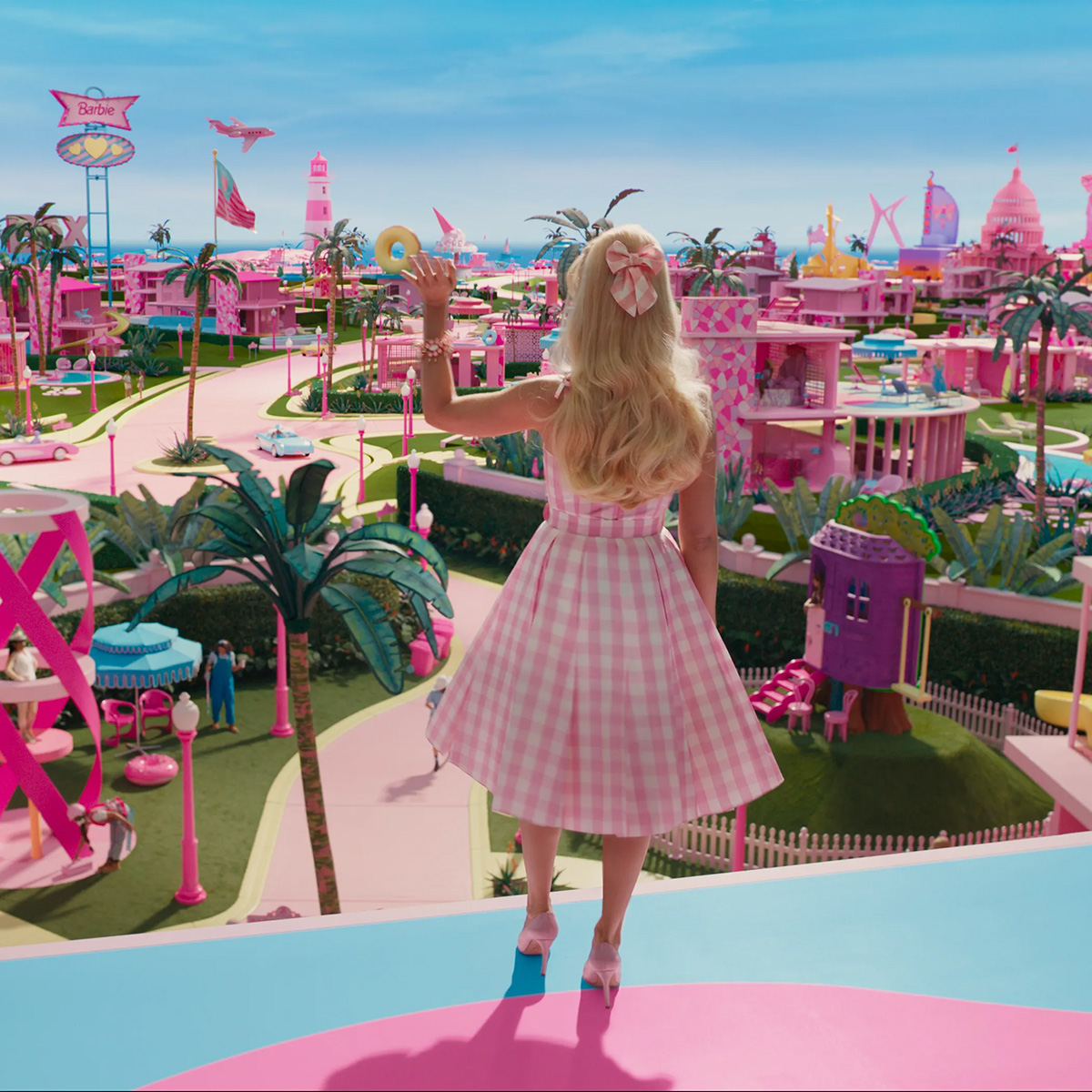
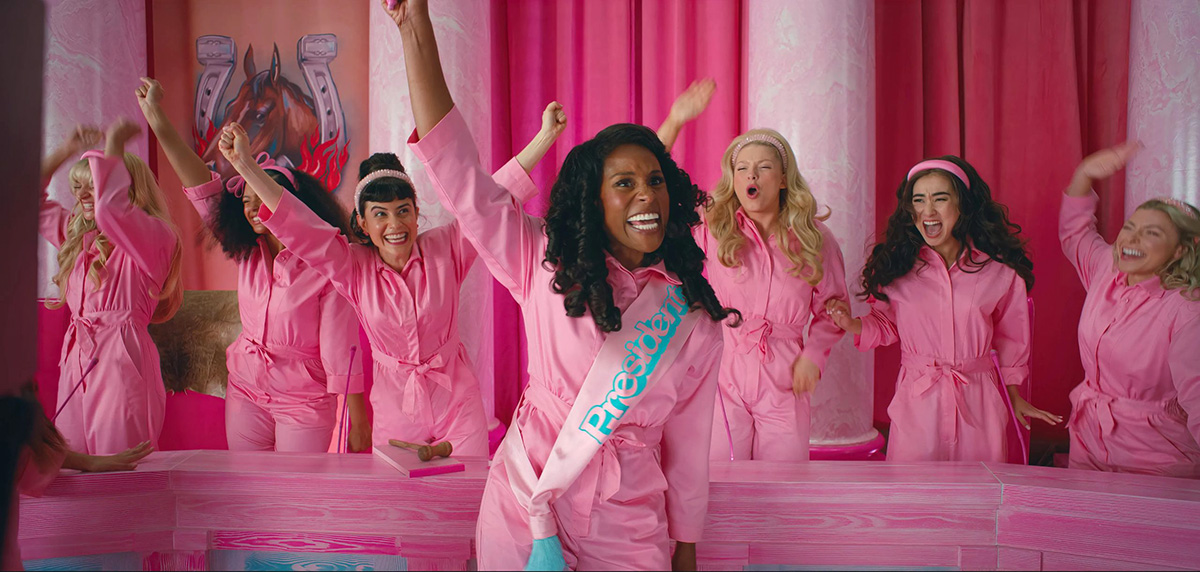
In a nutshell, Stereotypical Barbie (Robbie) resides in a live-action world with the other Barbies, Kens, and discontinued dolls (Midge, Sugar Daddy Ken, Earring Magic Ken, and Skipper). All the diverse Barbies hold positions of power in Barbie Land. Like their doll counterparts, they don’t factor into the storyline in a very meaningful way other than as supporting players. It would have been interesting to see a storyline that examined how the lesser-selling (aka more diverse) Barbies felt about being relegated behind Stereotypical Barbie. Would Mattel have backed a movie like that? Doubts.
The Barbies live in luxurious dream homes with fulfilling lives, while the male dolls have little to do but play at the beach and serve as the Barbies’ male arm candy. Beach Ken (Gosling) unsuccessfully seeks Barbie’s approval, constantly trying to outshine the other Kens to gain her attention. Interestingly enough, the Barbies are completely asexual; the Kens seem to lean towards the homosexual side (wrestling and offering to “beach off” each other). Beach Ken seems to have some heterosexual hormonal drives, as he desires to spend the night at Stereotypical Barbie’s place; she wants no part of that.
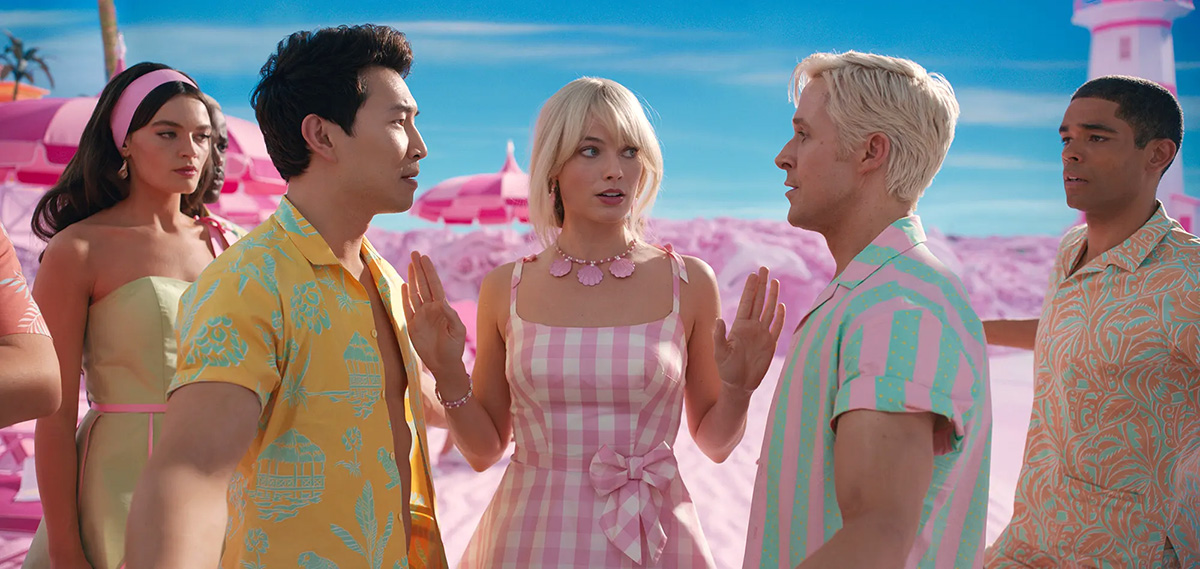
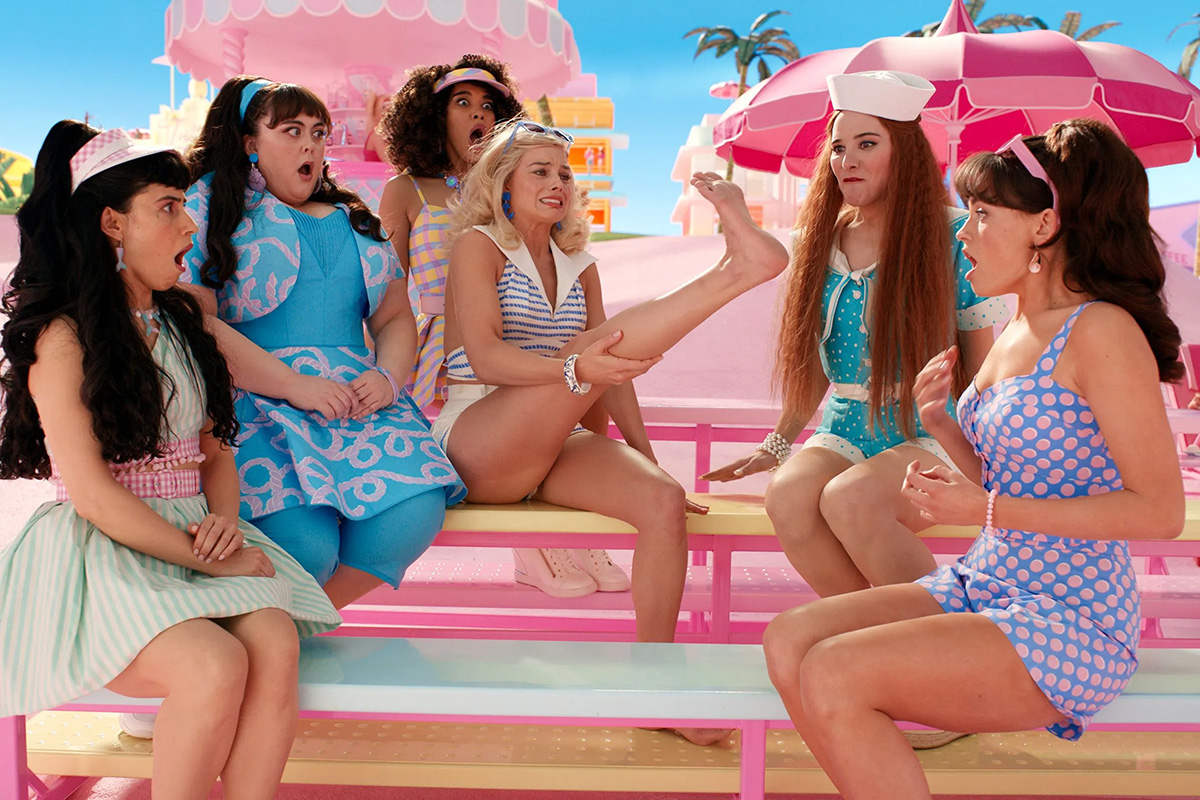
Because of actions going on in the real world with a teenager (Ariana Greenblatt as Sasha) and her mom (America Ferrera as Gloria), Stereotypical Barbie begins to undergo some strange transformations: her previously arched feet fall flat, cellulite appears on her legs, and worst of all, she begins to have thoughts about death.
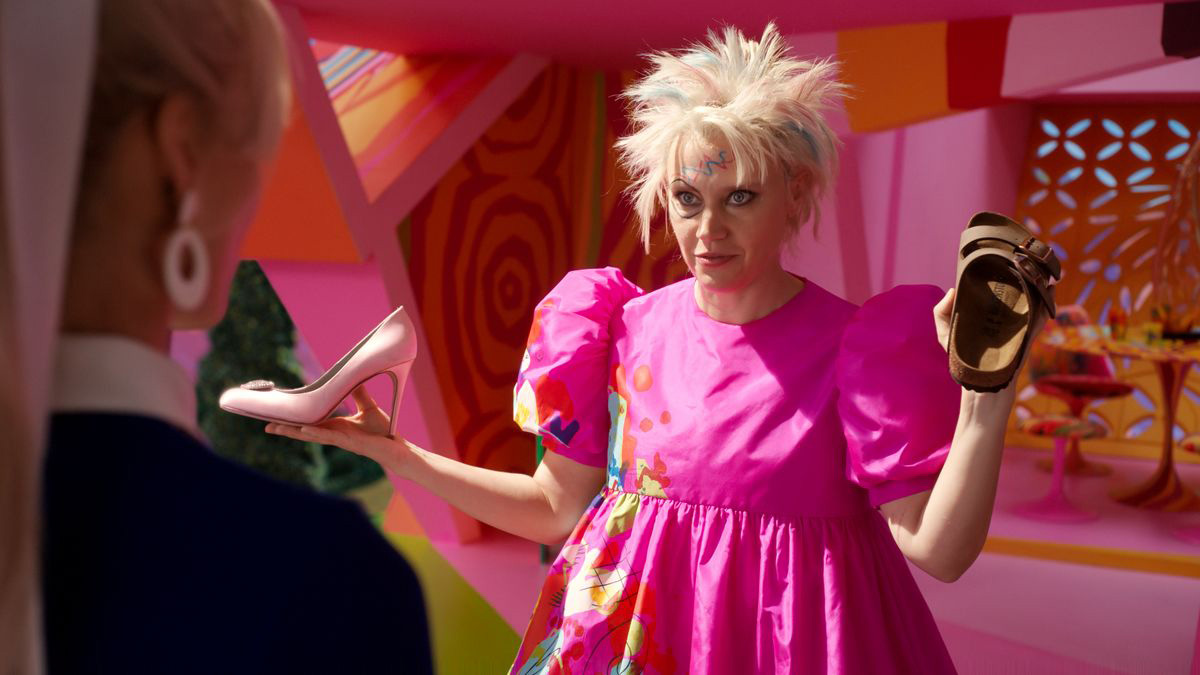
Like Dorothy in “The Wizard of Oz,” Barbie is told to seek out someone who can help: Weird Barbie (Kate McKinnon), who is the result of what happens when little girls play too hard with their dolls. Weird Barbie tells Stereotypical Barbie that she must go to the real world to fix the hole/rift in the “space-time continuum.”
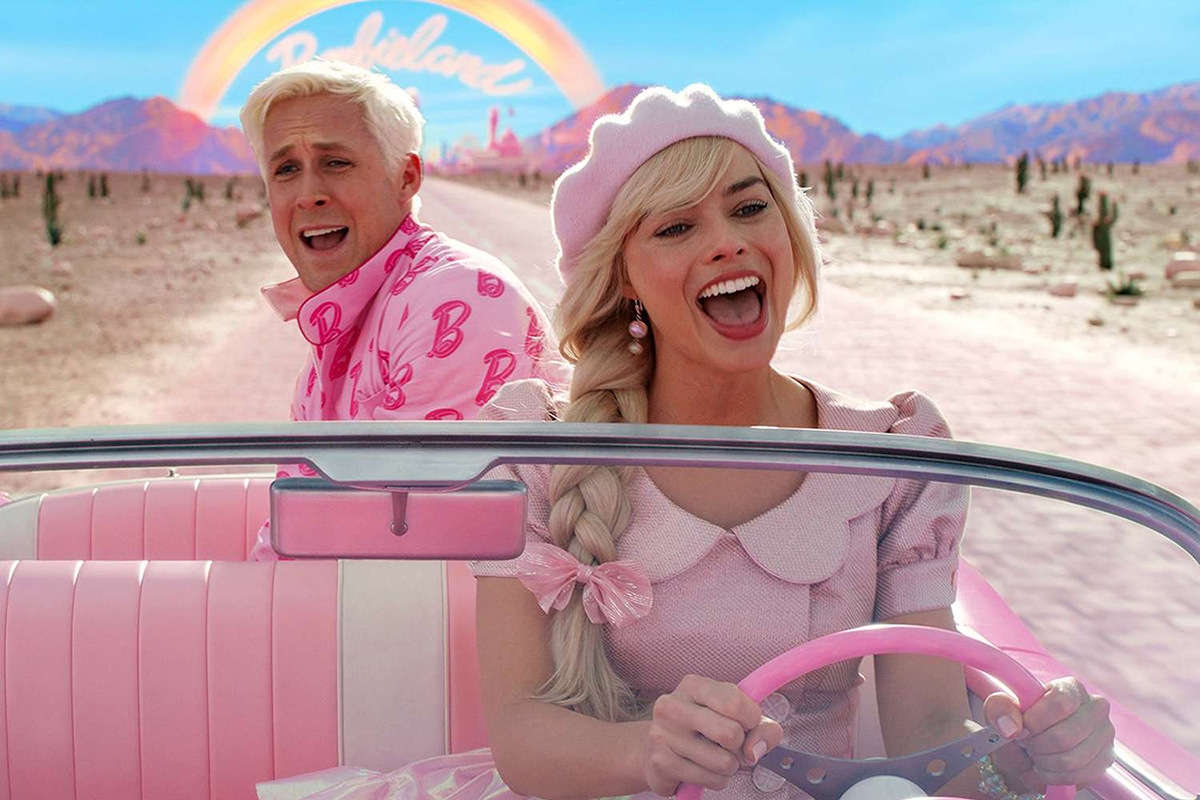
Beach Ken stows away with Barbie on her road trip and the two encounter all kinds of people when they arrive in Los Angeles, including the CEO of Mattel (Will Ferrell). I’ll leave the rest of the plot discovery to you, dear readers, as I hope you will watch this film for yourself
What works:
The casting and performances are spot-on. A movie like this depends so much on the actors, especially when you are representing both a fantasy world and the “real” world. Robbie and Gosling give nuanced performances that separate them from the other Barbies and Kens. They have neuroses, fears, and problems just like people in the real world. Robbie obviously has the larger part in the film, but Gosling does even more with what he is given.
I normally do not care for Will Ferrell; “loud” does not equal funny for me. In “Barbie,” he is genius casting. As the CEO of Mattel, watching him attempt to explain to Barbie the lack of females in the boardroom is one of my favorite scenes. You can hear him speak the typical rhetoric while knowing damn well that it is an extremely hollow stream of bulls&*t.
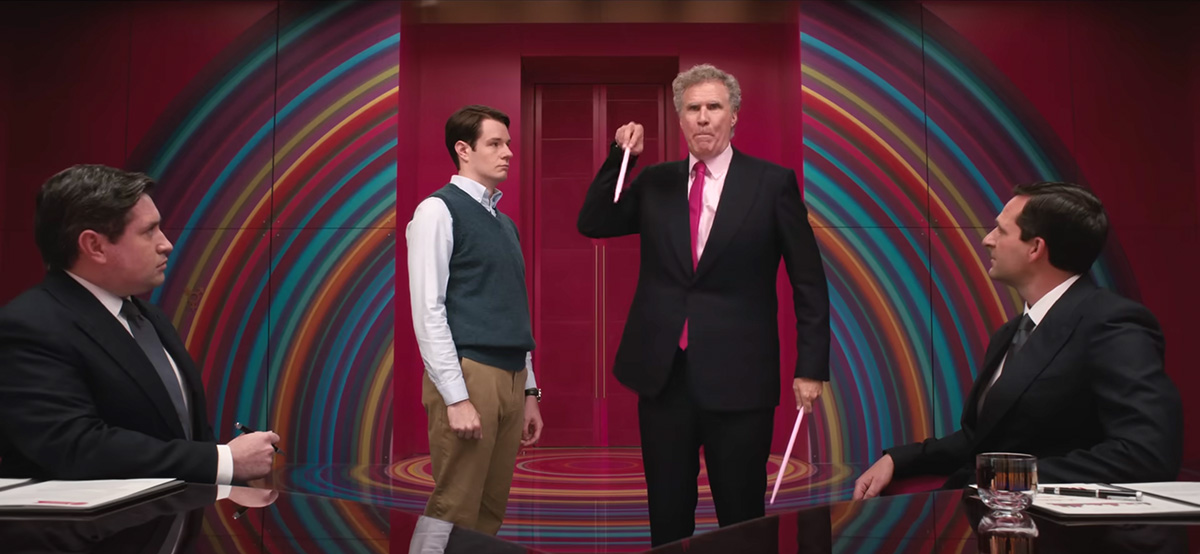
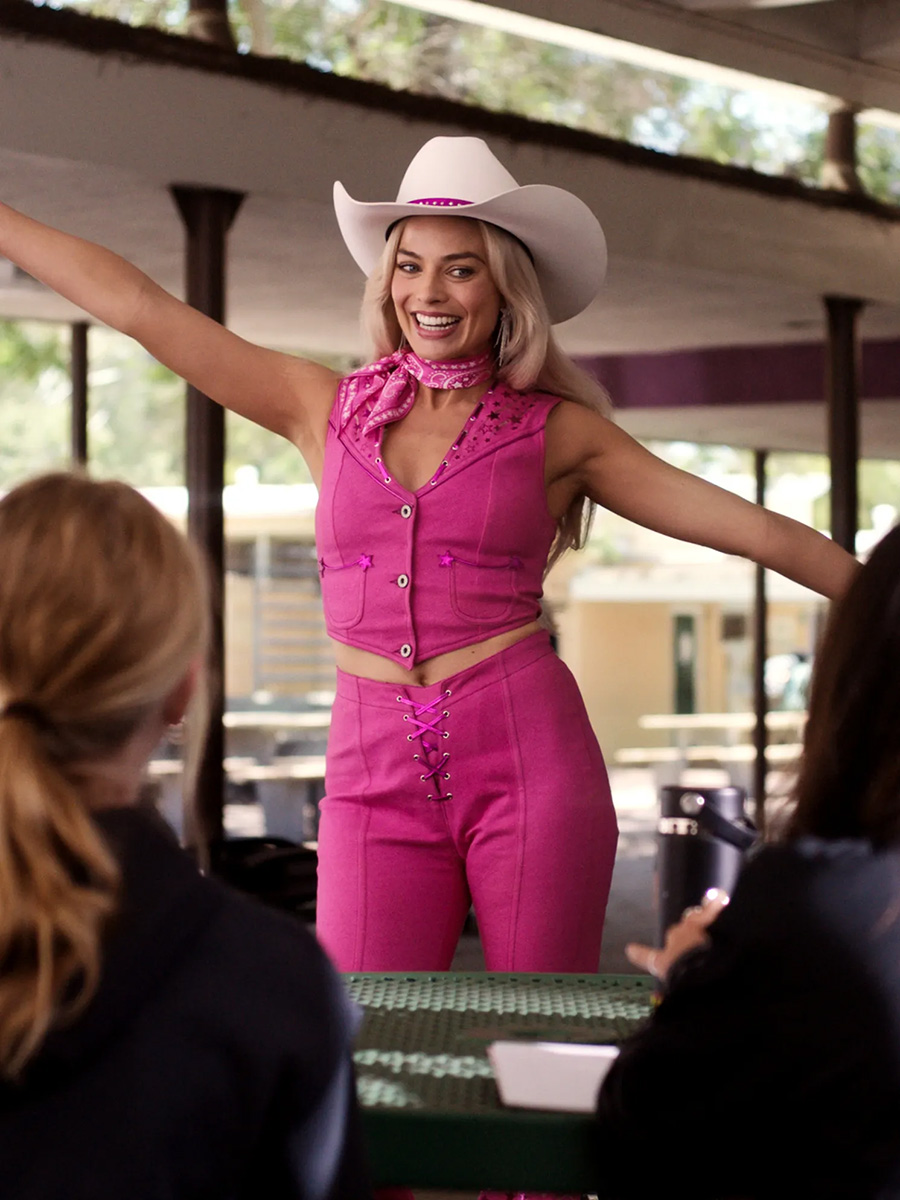
Visually, the film is stunning. Making use of classic old Hollywood techniques, the film avoids relying on CGI and other digital tricks that rarely hide a poor script. Instead, the visual artistry of the film stays consistent with the tongue-in-cheek tone of the film. I especially like the transition scenes where the characters travel back and forth between Barbie Land and the real world.
Rhea Perlman has a cameo as Ruth Handler, the real-life creator of Barbie. This seems like a good segue into…
What didn’t work:
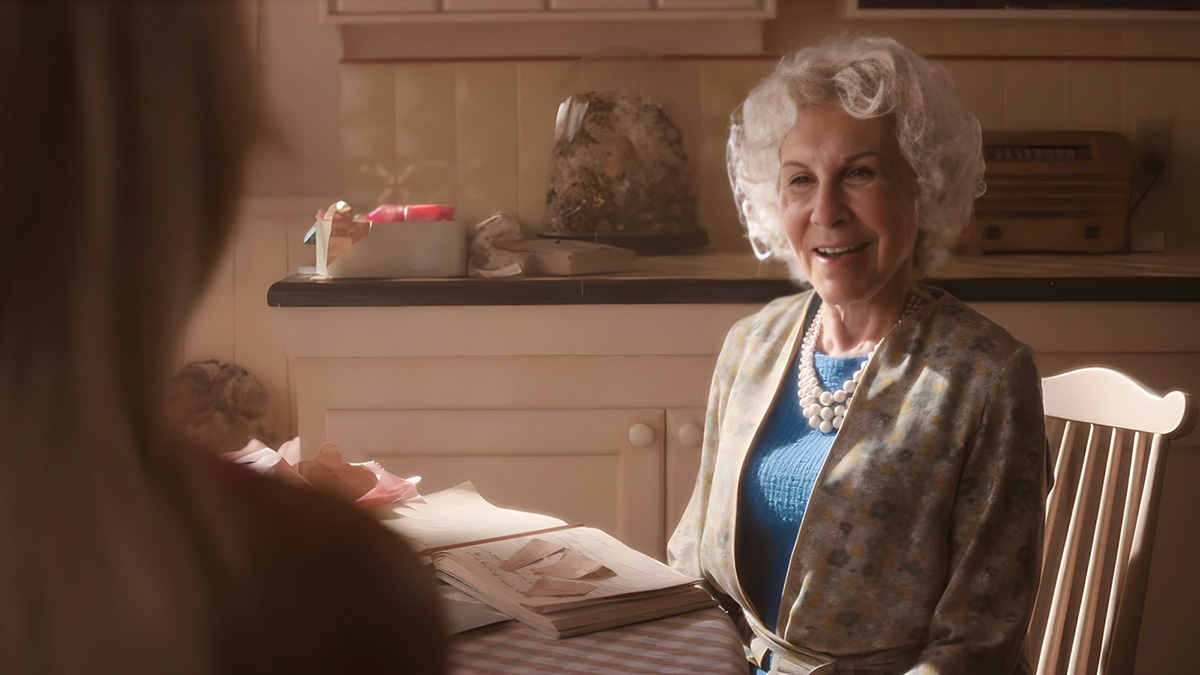
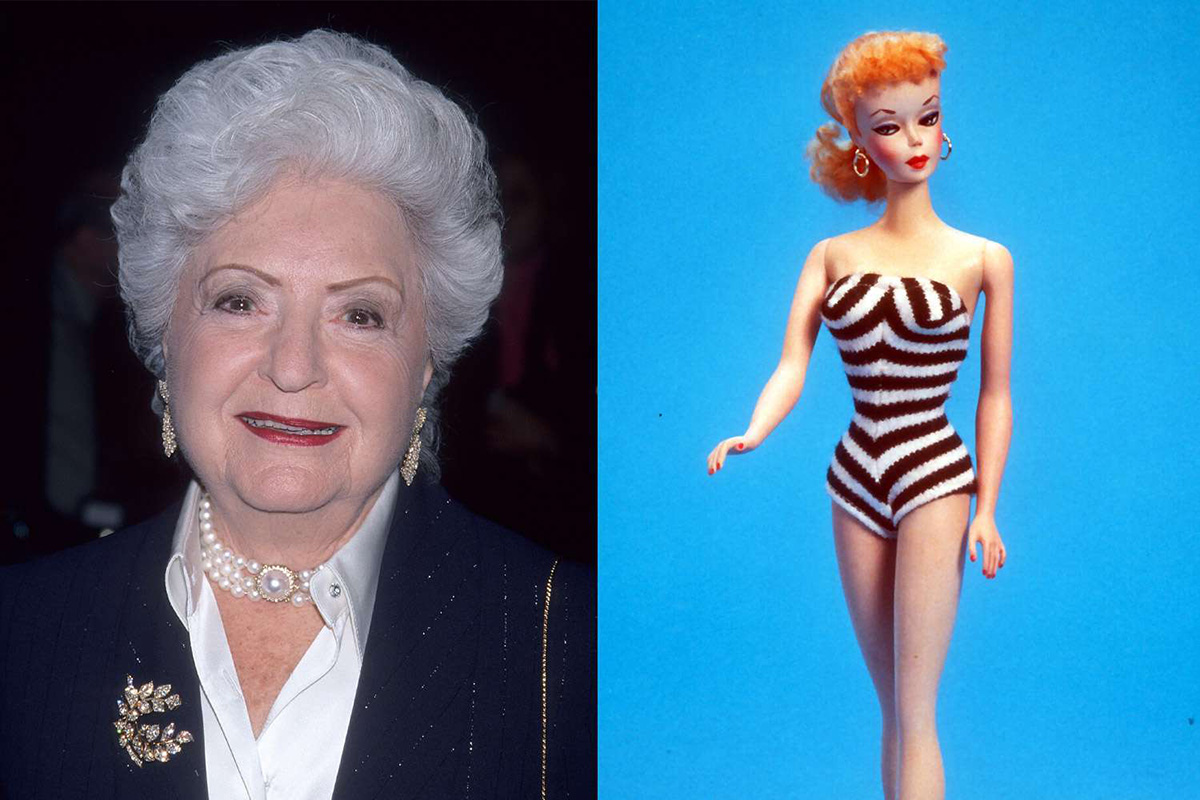
Attempting to escape getting “boxed in” (figuratively AND literally), Barbie runs away from the Mattel CEO and stumbles into a vintage kitchen where Ruth Handler seems to just pass the time away. Perlman is great casting in this role, but it ends up being a wasted opportunity. Was Gerwig trying to allude to the fact that Handler spent less time with Mattel when she went through her ordeal of breast cancer and eventually resigned from the company after being charged with fraud and false reporting to the U.S. Securities and Exchange Commission? Was she trying to say that the originator of Barbie was just shoved into a corner while the men took over? This is never really explained. Instead, the film’s Handler speaks in a benevolent manner to her doll creation and helps her escape the CEO. Later, the Handler character reappears to give some more lengthy mumbo-jumbo that just comes off as very poorly written Psychiatry 101. With Perlman as Handler, so much more could have been done. Below is the real-life Ruth Handler and a shot of the first Barbie doll from 1959.
In general, “Barbie” tries to be too many things in just two hours. How would I describe “Barbie”? It’s “The Wizard of Oz” (lost girl seeks happiness in a strange land and meets friends along the way) meets “Back to the Future”/“Buffy the Vampire Slayer” (gotta’ fix that time-space continuum in the alternate reality!) meets “Legally Blonde” (not all pretty/blonde girls are stupid) meets “Enchanted”/“Splash!” (fish out of water gags). While it does an admirable job, that’s mainly because of the actors and the visual aspect of the film. The storyline begins to lose its way about the time Stereotypical Barbie returns home with Gloria and Sasha. Speaking of the Gloria and Sasha storyline; more backstory is needed on those two to fully understand the conflict and motivation; a few quick flashback scenes don’t provide enough meaningful context. This speaks to my point about the movie trying to be too many thingse.
The saddest part for me is that a movie that supposedly celebrates women gives two very poor messages at the end: first, to get what you want from a man, you have to result to subterfuge and sexuality, and two, the world is either all about women or all about men. The movie doesn’t teach the two sexes how to effectively communicate, learn from each other, and cohabitate in a meaningful way. While the Barbies promise to do better, it’s hard to believe after they choose deceit to get to a place of power again.
The long-ass “epiphany” dialogue towards the end between Stereotypical Barbie and Beach Ken seems to be “you need to find yourself.” I need a two hour movie to tell me that? While the ending is a cute twist, I was expecting to see Barbie’s exciting new career and how she grows as a “human.” Instead, we get a joke that emphasizes Barbie’s body, not her brain. “Barbie” is a thought-provoking movie that gets the dialogue started, but does very little to provide positive solutions.
See more Daveland photos at my main website.