

“The Devil Wears Prada,” released some twenty years ago, is one of my favorite movies that I watch over and over. Meryl Streep plays “Dragon Lady” Miranda Priestly, editor-in-chief of Runway magazine. A thinly veiled character based on Vogue’s Anna Wintour, she is a complex driven taskmaster given greater depth by Streep’s performance. Sprinkled throughout the movie, Streep gives Miranda just enough vulnerability that the audience roots for her to be triumphant at the film’s end. The leading trio, Anne Hathaway, Streep, and Emily Blunt had fantastic chemistry together.

As sequels typically pale in comparison to their predecessors, I had mixed feelings of excitement and cynicism when I heard “The Devil Wears Prada 2” was being filmed. Last night I went to the Village Theatre on Coronado Island to see for myself what the result was.
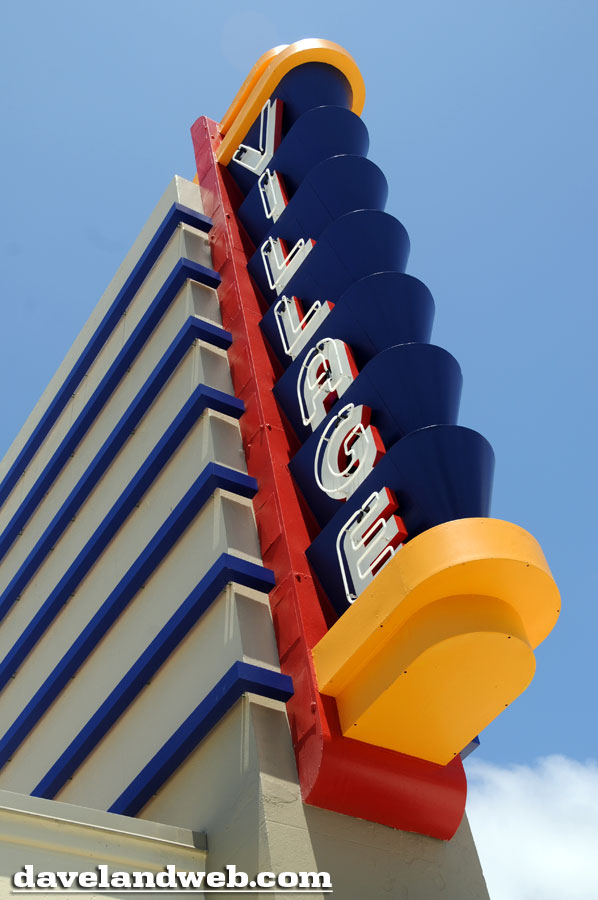
I was happily surprised that while it was not the perfect piece that had been created in 2006, it was thoroughly entertaining and a good companion piece that had more than its share of merits. Most of the original cast returned (including many of the minor characters); even more importantly, the original director (David Frankel), producer (Wendy Finerman), cinematographer (Florian Ballhaus), and writer (Aline Brosh McKenna) were reunited to create a movie that feels very true to the original. Most sequels have a new support team that want to put their own spin on the characters and their motivations, stripping away what was most appealing about the original.

The premise of the new film is compelling; two decades later, the world of journalism and publishing have changed. Integrity and artistry have flown the coup as AI, social media, and influencers have sucked the soul out of all that is original and creative. Miranda has had to do a lot of swallowing to survive; Streep does a noble job of showing how the industry changes have forced her to be more politically correct and sensitive to keep her beloved Runway afloat.

Emily and Andi (Blunt and Hathaway) have matured and moved up the career ladder after being “mentored” by Priestly while at Runway. Their frenemy status is one of the great relationships explored throughout.

Stanley Tucci’s Nigel, Priestly’s art director, is a bit less flamboyant and sarcastic this time around, but lends an air of maturity, continuing to be a behind-the-scenes mentor for the other leads.

There are many brilliant scenes; my favorite was watching Streep listening to Justin Theroux’s character explain how change and AI and the destruction of everything she held dear were inevitable. Without saying much, you can see the pain, acknowledgement, and disbelief that she might be powerless to do anything about the situation just from her facial reactions. Streep is absolutely brilliant. The last thing I want to bring up is the film’s score, created by Theodore Shapiro, who also did the score for the original. It is an important common thread between the two films that provides instant recognition and understanding.
See it in the theatre and support the experience of sitting in a large darkened space where you can lose yourself in the big screen.
See more of my photos at my main website.


No comments:
Post a Comment