Today’s Easter memories are circa 1966. As a young tot in San Diego, you can see the jolly anticipation on my face of collecting Easter eggs. As the youngest of three, I was allowed to be front and center with my two older brothers.
In our house, Easter was almost as big as Christmas when it came to celebrating. There was the Easter egg hunt followed by a very hearty breakfast made from scratch by Mom. Although Easter is a religious holiday, I cannot ever remember being told the meaning behind the celebration or ever having that discussed in our household.
Sure, we went to church on Easter (one of the two times we went during the year), but Jesus and Christianity were saved for the minister, not discussed at home. The home celebration was completely secular. New outfits, bunnies (the toy kind), candy, coloring eggs, and chocolate…lots of chocolate.
I helped flip the pancakes for our Easter breakfast.
Meanwhile, over in the land of Shirley…for Easter, 1936, Shirley received this gigantic card from Kansas. From the accompanying publicity blurb:
Shirley Temple proudly displays a huge Easter Greeting Postal Card autographed by five hundred little girl friends of Hutchison, Kansas. The card is eight feet long and four feet high.
With postal rates today, you’d probably need to take a second loan out on your home to be able to send this gigantic card. Anybody recognize the names on here?
In 1940, Shirley posed with a gigantic stuffed bunny and colored eggs that spelled out the holiday. I wonder if Shirley placed them or if the prop man did it? Time is money, so most likely it was the prop man.
A color portrait from the same Easter session:
Shirley fandom aside, for Easter, it’s Judy and Fred all the way. You just can’t beat “Easter Parade” (1948) as the annual classic to watch. Below is a newly created caricature of Judy from the film’s finale.
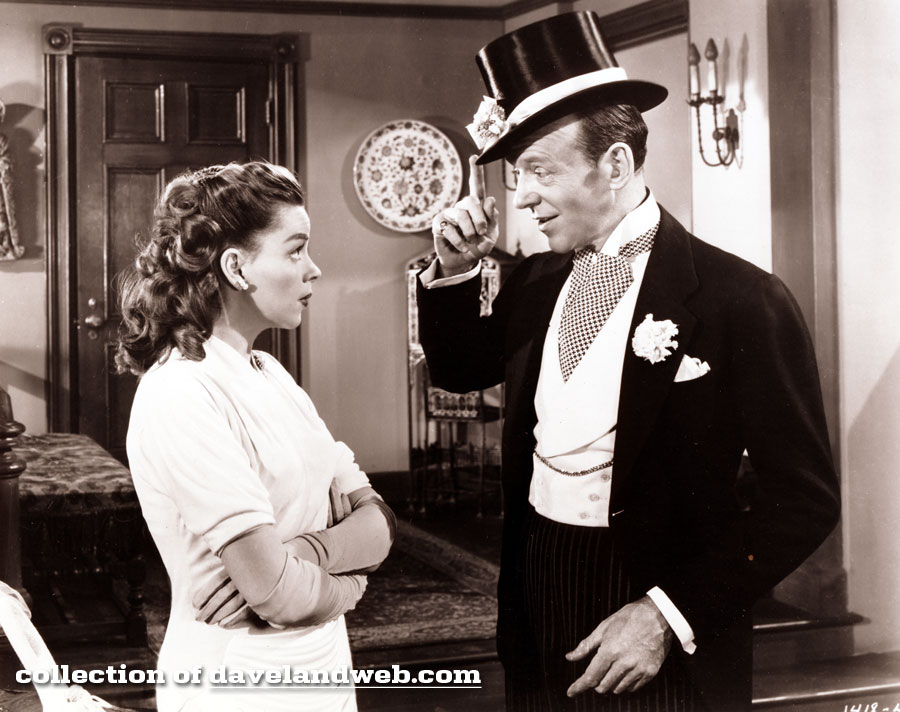
While Gene Kelly (originally cast in the male lead until he injured his ankle) would have made a more age-appropriate pairing for Garland, you can’t help but root for Garland and Astaire to walk triumphantly together down Fifth Avenue at the end of the film in the title number.
For all who celebrate today (Christian AND secular versions!), I wish you a Happy Easter!
Zooming in, you can see the MGM lettering and Thalberg name on the right:
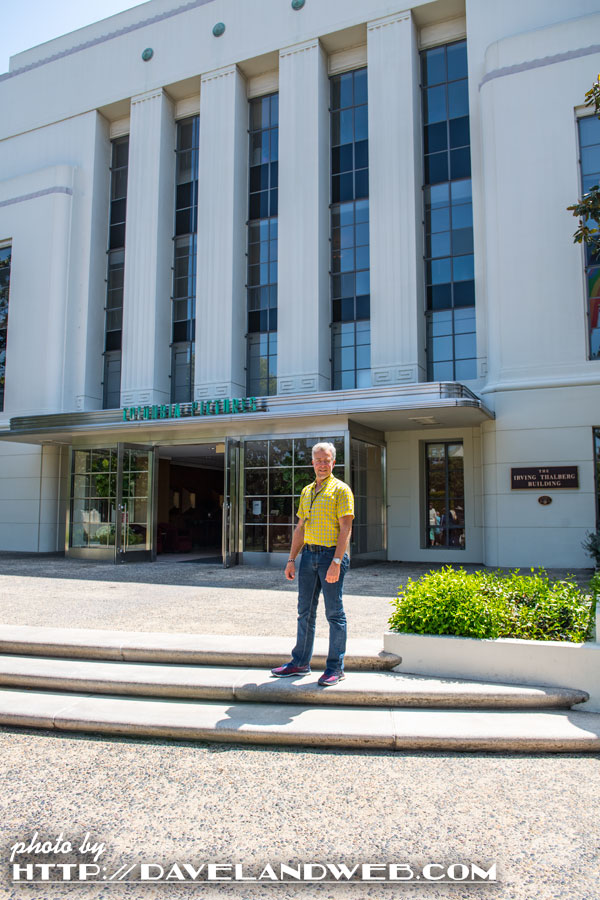
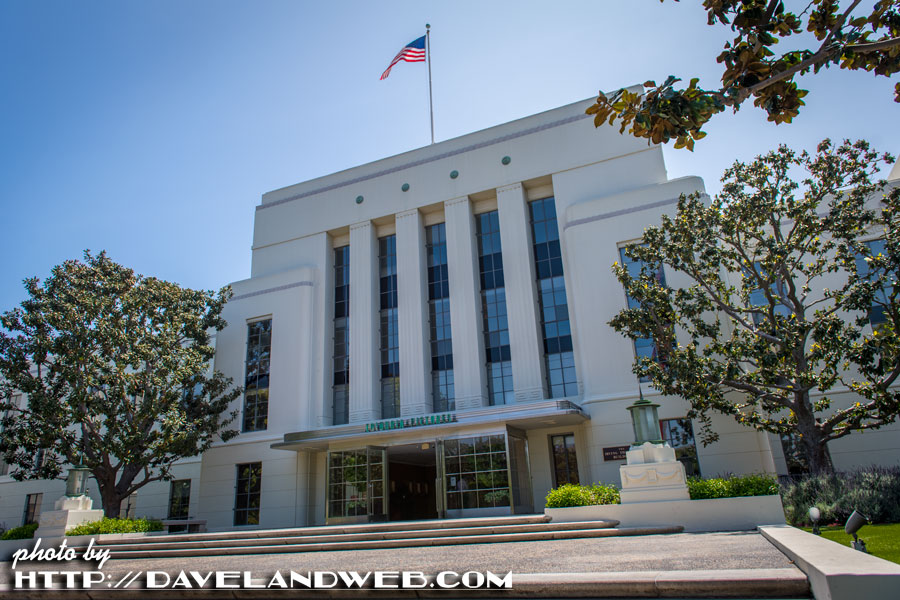
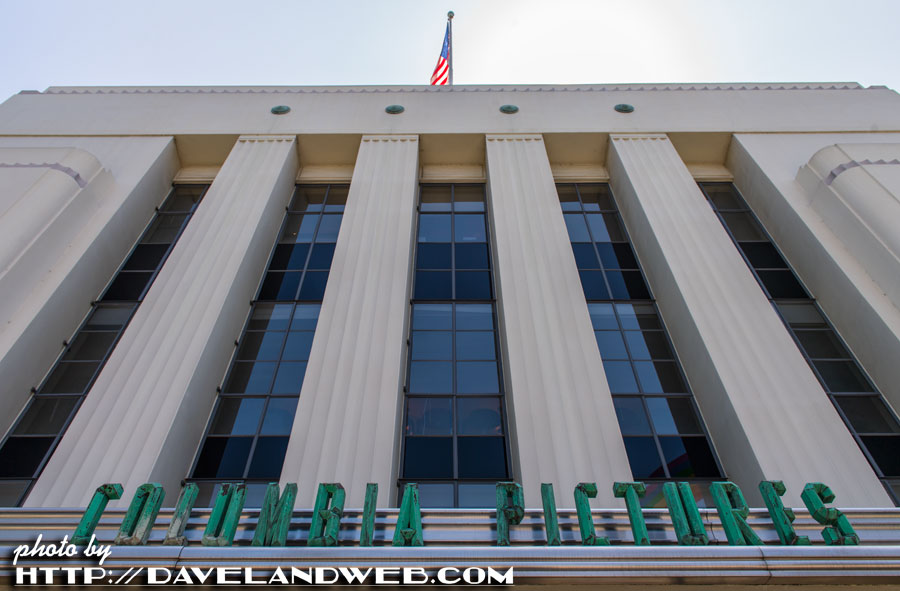
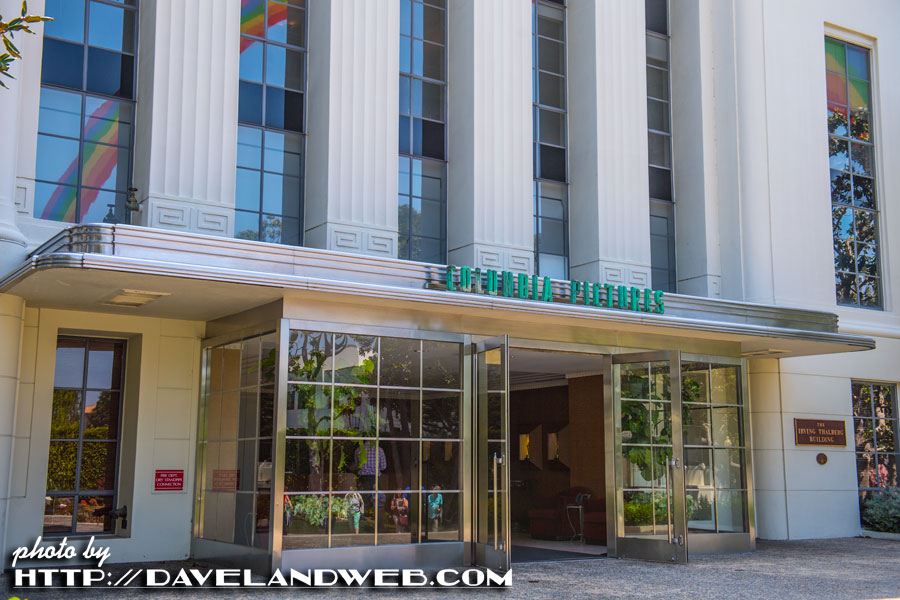
By the time I visited in 2018, MGM was gone and Columbia Pictures/Sony had moved in.
A rainbow was installed in the courtyard to acknowledge the filming of “The Wizard of Oz” (1939) on this very lot.
The building still looks like MGM in all its art deco glory…
but it now bears the name of Columbia.
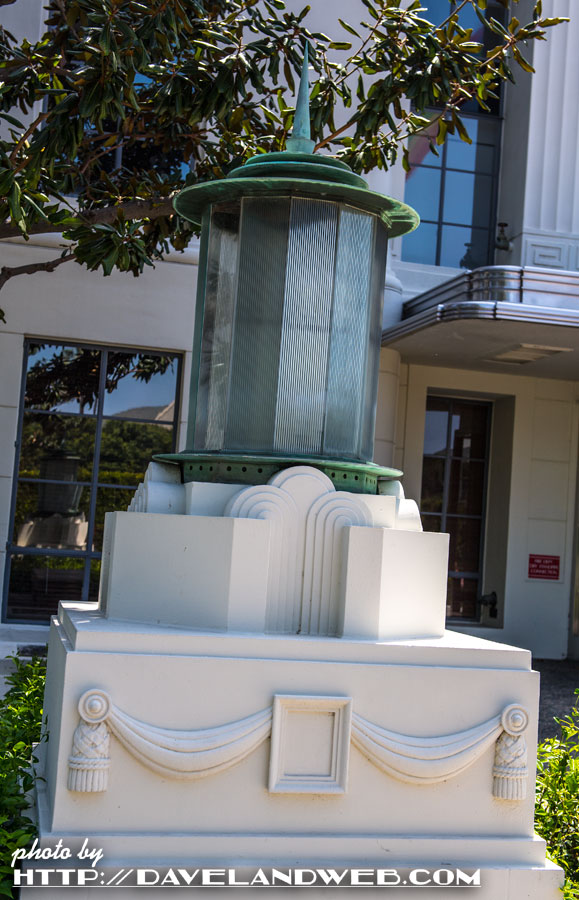
I should be grateful that they kept the light fixtures in front. And I am.
Surprisingly, they also kept the Thalberg name, visible on the nameplate at right:
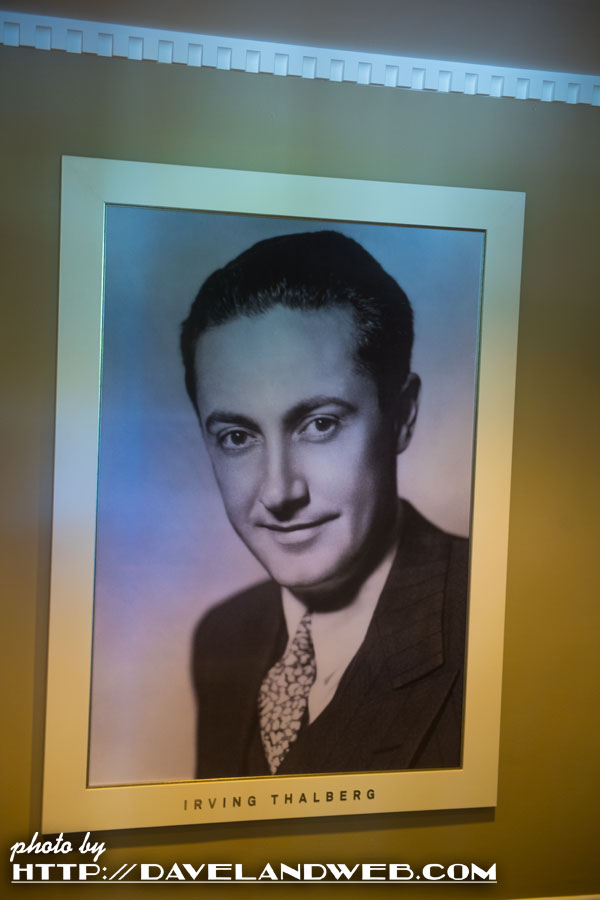
Thalberg, Vice President of Production, was known as the “Boy Genius” of the lot. Studio head Louis B. Mayer liked glamour; Thalberg preferred more cerebral material for his films. Inside the Thalberg, his portait is on display.
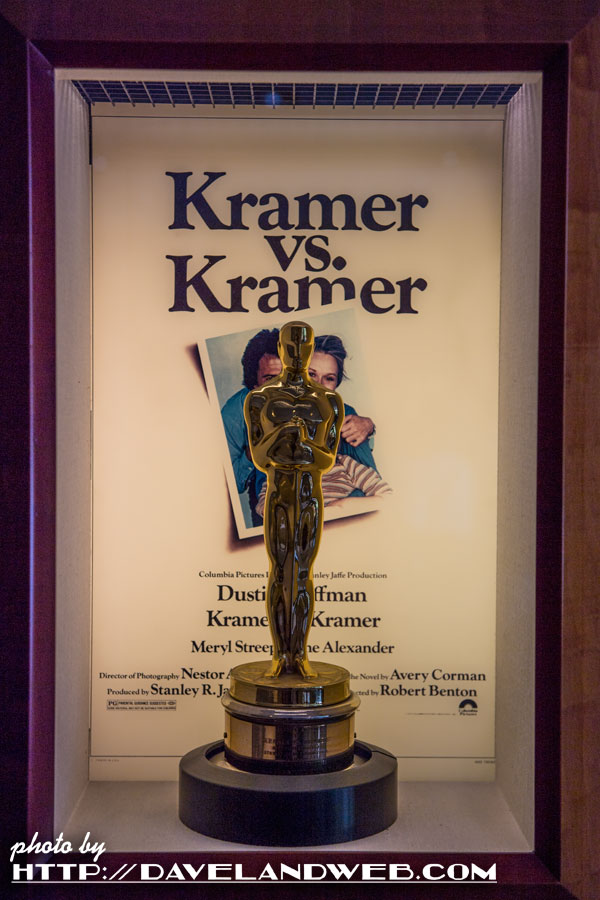
The Oscars on display are all for Columbia films.
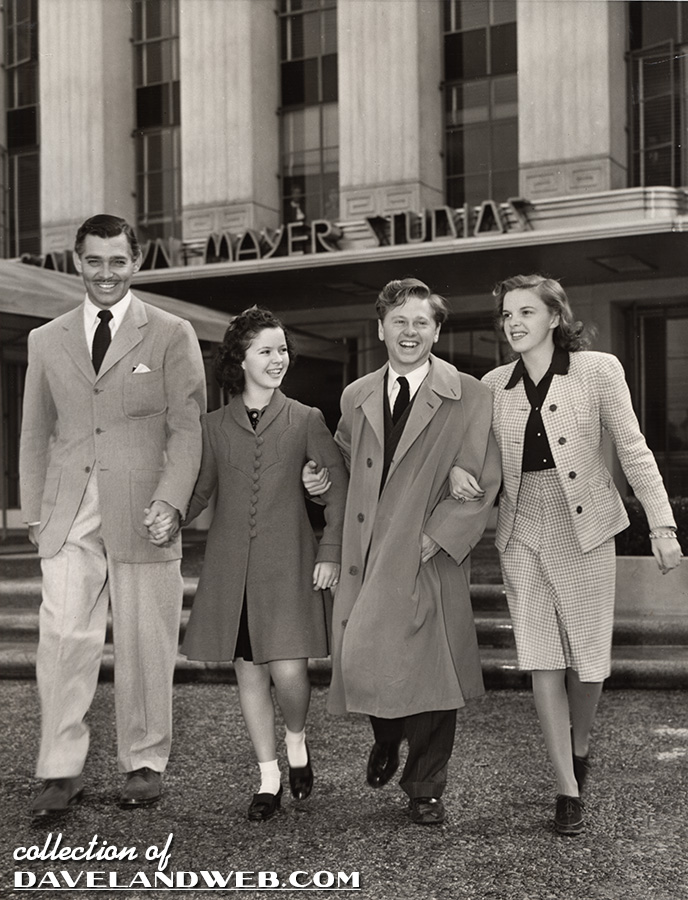
Back in 1941, Shirley Temple joined the MGM stable of stars. She was welcomed to the lot by Gable, Rooney, and Garland. What a powerhouse quartet! Here they are in front of the Thalberg building.
For years, I have been obsessed by the art of Jacques Kapralik. Who? Yes, sadly, this genius is virtually unknown by name, but any film buff of the Golden Age of Hollywood has seen his brilliant work. At top is the promo art he did for “Girl Crazy” (1943), featuring stars Judy Garland and Mickey Rooney. His caricatures are brilliant, and perfectly capture the subject with the most simple of lines. On top of that, he made brilliant use of mixed media to create 3D sculptures of sorts that added an extra dimension to the flat art used on posters, flyers, and even on-screen in title credits. Below is the back of the flyer that MGM sent out to promote the Garland-Rooney musical:
Kapralik was a commercial artist and caricaturist whose art was used in the promotion of motion pictures throughout Hollywood’s Golden Era of the 1930s-1950s. Born in Romania in 1906, Kapralik first worked for various European newspapers, drawing cartoons and caricatures of famous Europeans and important events. In 1936, Kapralik immigrated to the United States. He first provided celebrity caricatures for various newspaper columns focusing on Hollywood gossip and events. Kapralik was fortunate to work during a time considered the Golden Age of Hollywood and a zenith for celebrity caricatures. Movie studios were putting increased focus and publicity on their stars, attempting to make them household names. Kapralik’s output of celebrity caricatures increased as he left the newspaper world and began working for movie studios such as RKO, Paramount, 20th Century Fox, Universal, and MGM, creating likenesses of Cary Grant, Greta Garbo, and Lucille Ball, among many others. He developed a distinctive and highly recognizable style for his studio publicity work, much of which was shown primarily in press kits and trade magazines such MGM’s Lion’s Roar Magazine, as well as the weekly Pictorial Review newspaper insert.
While heralded as a master of Hollywood caricature by industry insiders of the time, due to the nature of his work, today he remains relatively unknown to the general public. The caricature style Kapralik became most well-known for involved the creation of miniature models from paper and balsa wood. The models were then photographed and used as promotional posters for motion pictures, predominantly MGM films. These 3-D caricature scenes were incredibly elaborate and detailed, taking up to six weeks complete. Kapralik also created title sequences for films in the 1930s-1950s, an early innovator at a time when title sequences were just starting to evolve from simple text. His title sequence work included 20th Century Fox’s The Three Musketeers (1939) with the Ritz Brothers and MGM’S Presenting Lily Mars (1943) with Judy Garland. Aside from movie publicity, Kapralik also did advertising work for companies such as Nutrilite, S&W, and Squirt.
Below is Kapralik at work:
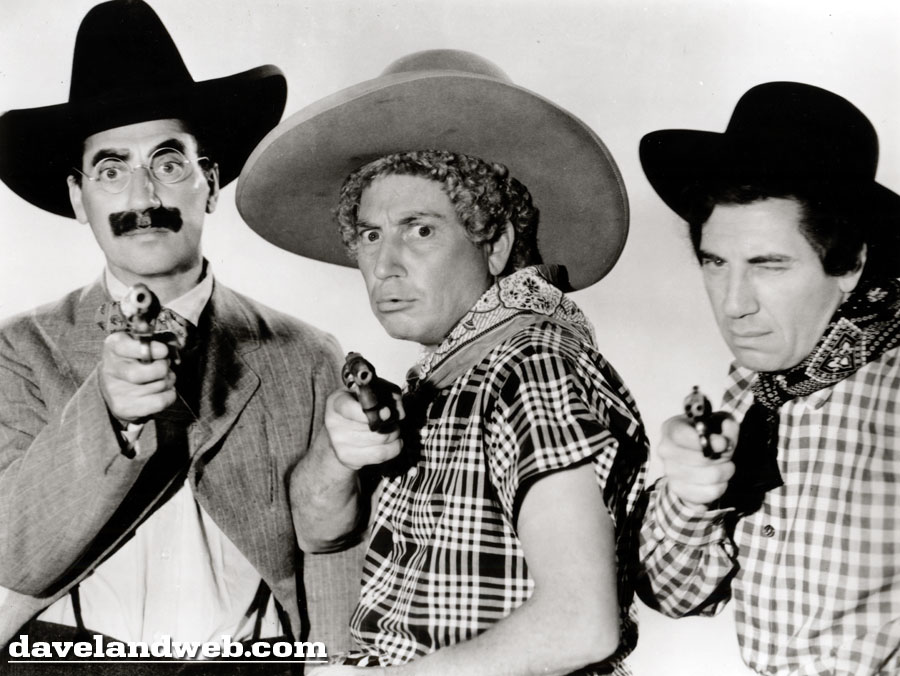
The 1940 MGM film “Go West” starred the zany Marx Brothers.
Kapralik’s innovative style matched perfectly with the Marx Trio:
Thanks to Shirley Temple expert supreme, Rita Dubas, I learned that the cute caricature of Shirley Temple in the title sequence of “Just Around the Corner” (1938) was done by Kapralik:
I did my best to recreate it in color digitally. Yes. I was obsessed with his work.
His work in the title sequence was significant because it captured Shirley’s new hairdo, with her curls pulled to the side of her head.
A few more pieces of Kapralik’s work, including the 1942 Hepburn-Tracy vehicle, “Woman of the Year”, which captures Hepburn’s haughty profile perfectly:
…and 1941’s “Honky Tonk” with Clark Gable and Lana Turner. This is one of the few misses for Kapralik, as this caricature looks nothing like Turner.
Below is a collage of four Judy Garland movies that Kapralik did the art for. Going clockwise from top left: “Andy Hardy Meets Debutante,” “Babes on Broadway,” “Little Nellie Kelly,” and “Presenting Lily Mars.”
Below is a screenshot of the title sequence from “Presenting Lily Mars” side by side with the original art, which I found at the Raphael Geroni website.
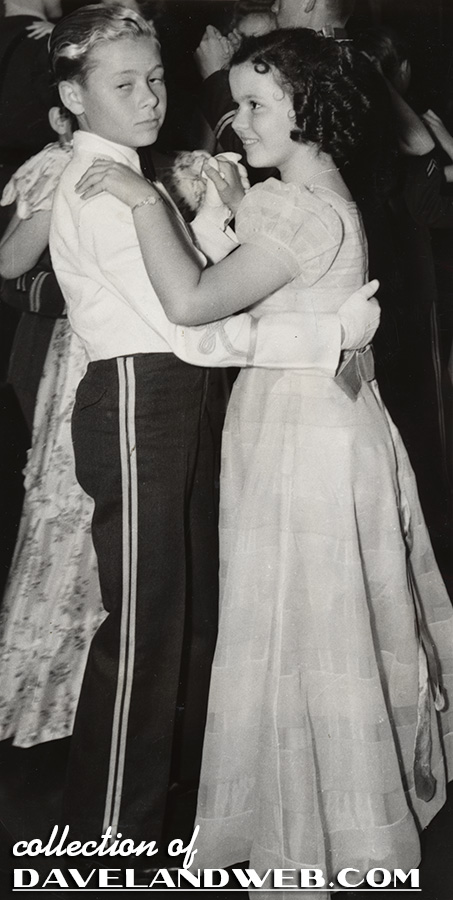
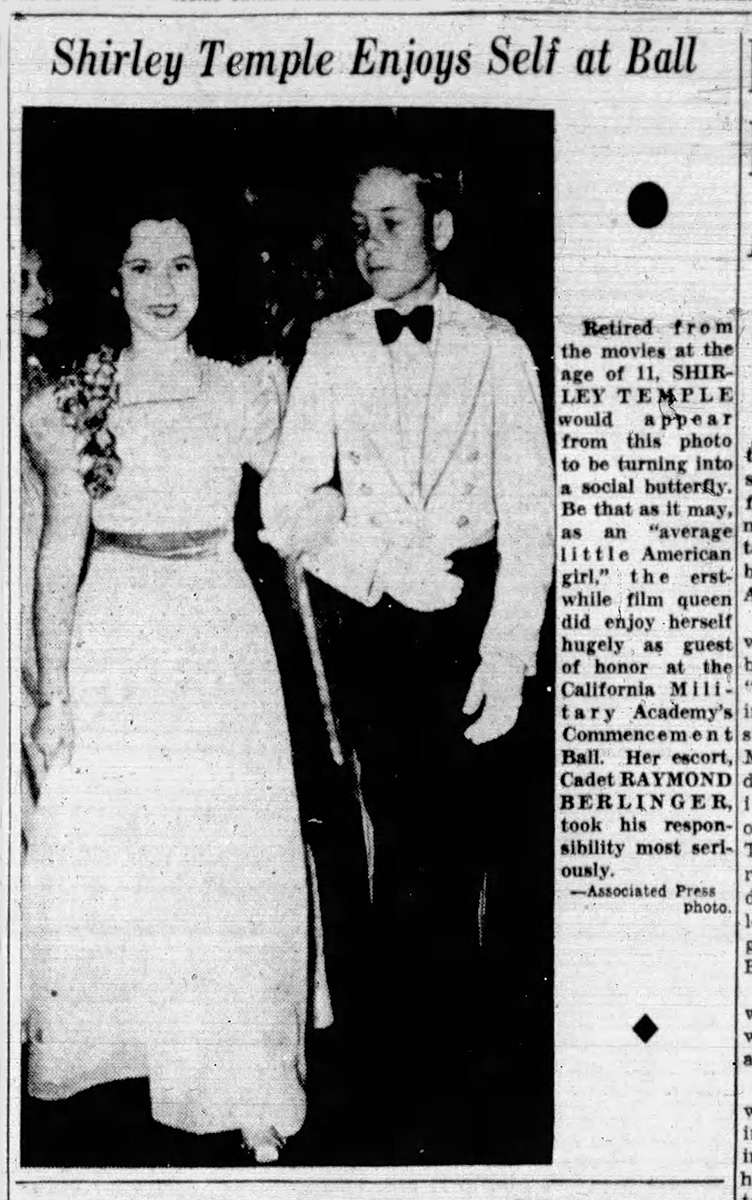
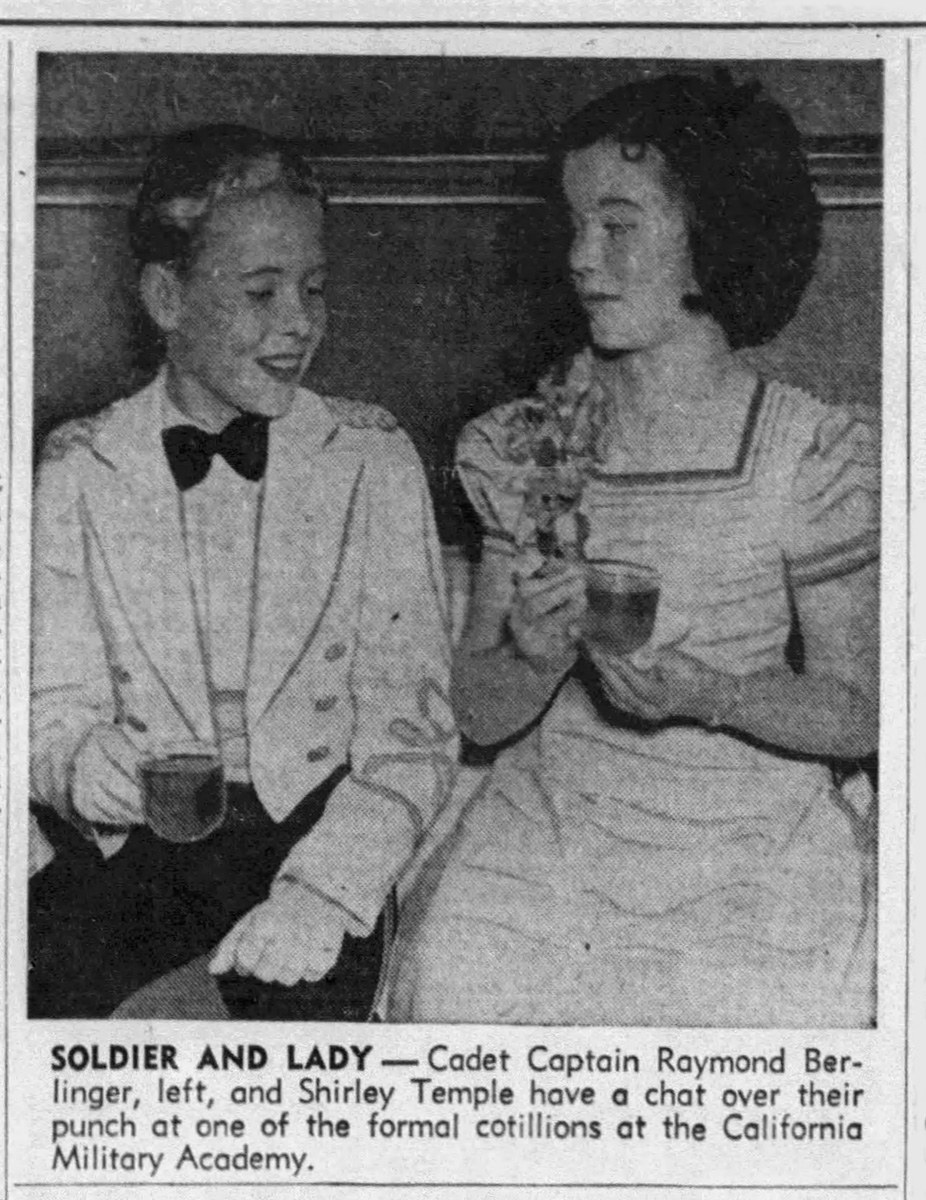
When Shirley Temple temporarily “retired” from the movies at the ripe old age of twelve in 1940, she still managed to appear in the press. One such occasion was at the California Military Academy Formal Commencement Ball, shown in the photo above. The accompanying caption:
IN PRIVATE LIFE…
Now that Shirley Temple has retired from the screen, she is finding time for real fun. Here she is dancing with Cadet Captain Raymond Berlinger at the formal commencement ball of the California Military Academy. Miss Temple was the honored guest at this affair. The clipping below is from the Los Angeles Evening Citizen News, June 13, 1940:
Shirley Temple Enjoys Self at Ball
Retired from the movies at the age of 11, SHIRLEY TEMPLE would appear from this photo to be turning into a social butterfly. Be that as it may, as an “average little American girl,” the erstwhile film queen did enjoy herself hugely as as guest of honor at the California Military Academy’s Commencement Ball. Her escort, Cadet RAYMOND BERLINGER, took his responsibility most seriously.
This event was still being covered as late as Sunday August 25, in The Los Angeles Times:
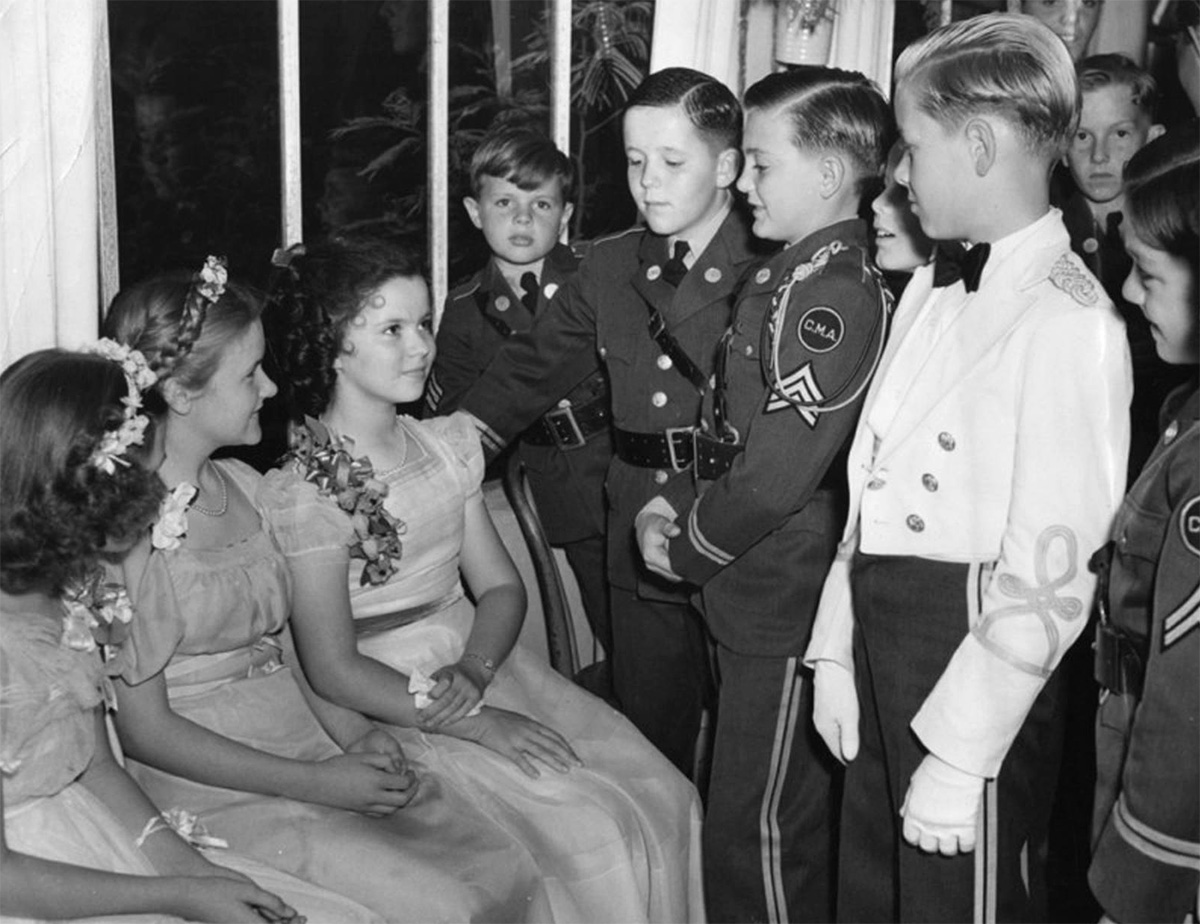
Below is another shot from the same evening, which also provides a rare view of the (alleged briefly) adopted son of Jack Haley, the Tin Man from “The Wizard of Oz” (1939):
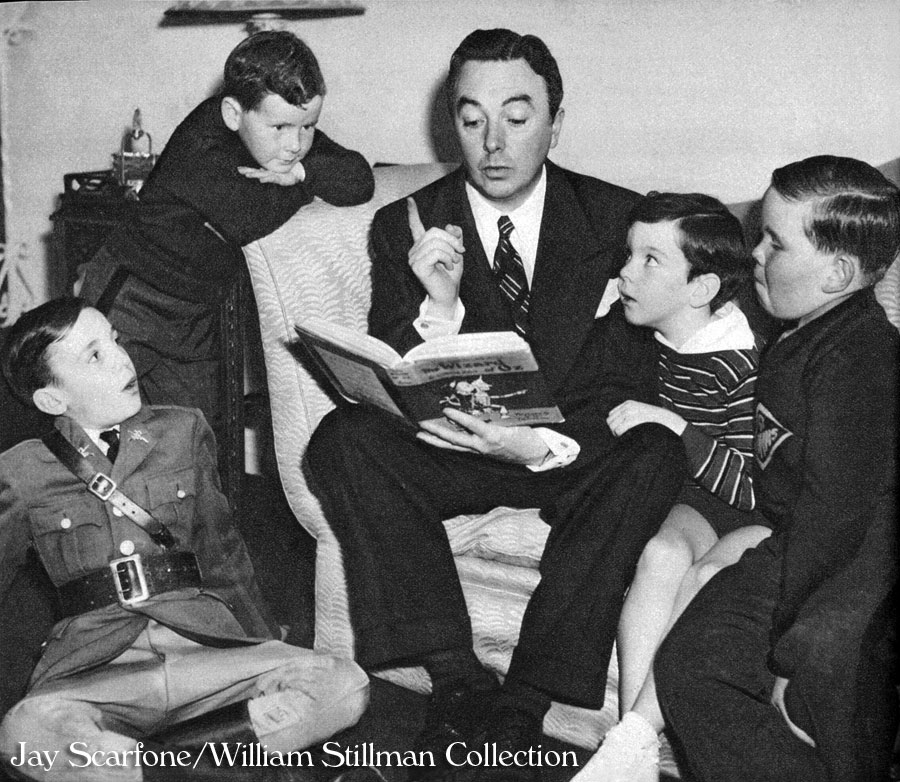
I say “alleged” because nowhere on the world wide web am I able to find any information about Haley having adopted and then given up a child. When I interviewed William Stillman, author of The Road to Oz: The Evolution, Creation, and Legacy of a Motion Picture Masterpiece, he was kind enough to provide this uneditedd version of a shot of Haley reading The Wizard of Oz to his other son, Jack Haley Jr. Typically when you see this photo, it is tightly cropped around Haley and Haley Jr., eliminating the other children from the California Military Academy.
From the interview:
Q: You mention Jack Haley's adopted/unadopted child who is pictured above, wearing his uniform from the Black-Foxe Military Institute while Haley reads “The Wizard of Oz.” Looks like there is no information about what happened to him after he left Haley’s guardianship. Seems baffling as to why the adoption occurred in the first place...as if some other piece of information is missing. Any thoughts?
A: Jay Scarfone and I did our darndest to trace the whereabouts of Haley’s adopted son but to no avail. As we intimate in “The Road to Oz,” outside of any insider information between Haley and his wife, it’s possible that the adoption was arranged because it was the trendy, philanthropic thing to do in Hollywood at that time. It doesn’t make sense, though, that Haley would’ve added an historically “unplaceable” child to his brood on top of his taxing professional commitments and, as it happened, the adoption was short-lived.
Did Haley actually briefly adopt another child or was the photo above just a publicity shot with a few children from the school? Back to Shirley…
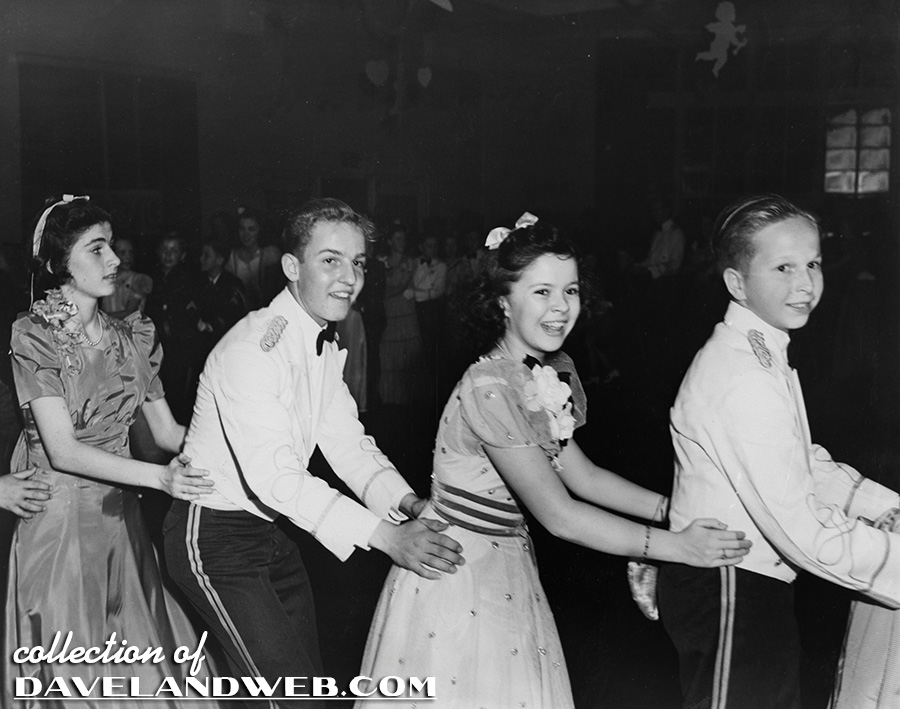
She returned to the Academy almost a year later, at what appears to have been a Valentine’s Day themed dance (note the Cupid and heart decorations on the back wall).
The accompanying blurb:
SHIRLEY THE BELLE OF MILITARY ACADEMY BALL
Shirley Temple, guest of honor at the formal cotillion of the California Military Academy, does the La Conga on the dance floor. The young film star, who recently came out of “retirement” to sign a new contract with MGM, acted like any other girl of her age during the exciting evening. 2/19/41
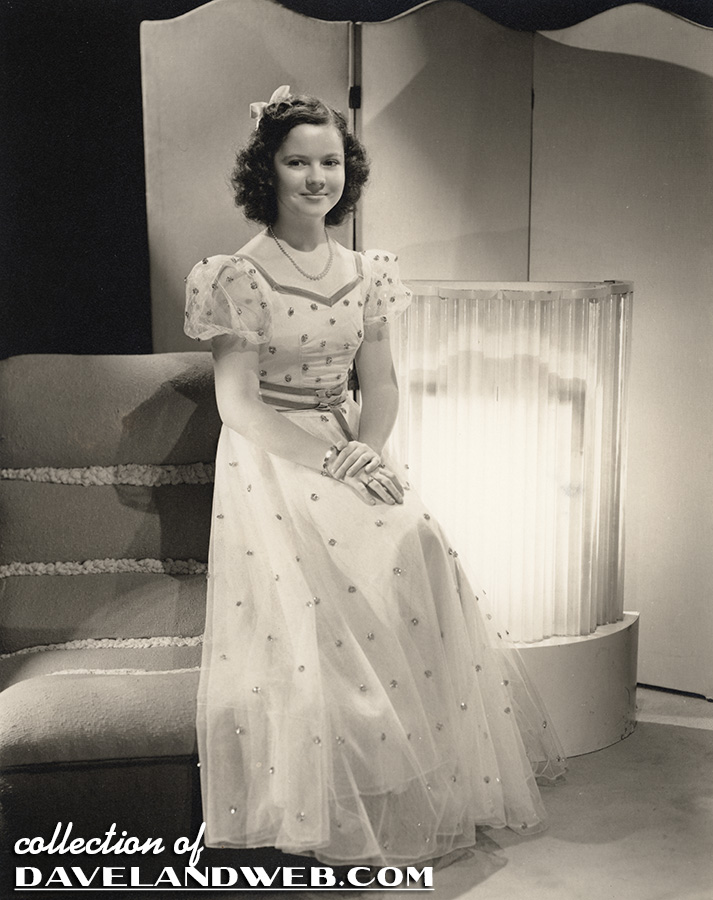
Sharp-eyed Temple fans will recognize the dress Shirley wore to the cotillion, as it was featured in this MGM publicity session by the famed photographer, Clarence Bull:
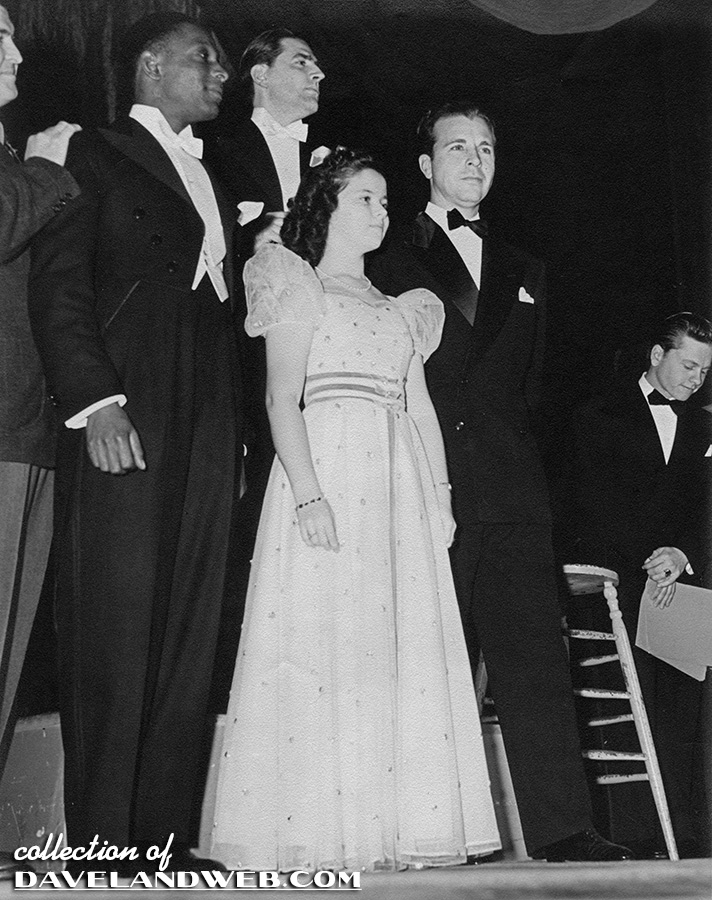
…and at the Greek War Relief benefit held at Grauman’s Chinese Theatre, February 8, 1941. MGM sure knew how to get the most mileage out of their costume department!
If you’re wondering why Shirley would attend two dances at the school, it was most likely because her brother George (aka “Sonny”) attended the nearby Black-Foxe Military Institute, graduating in 1939.
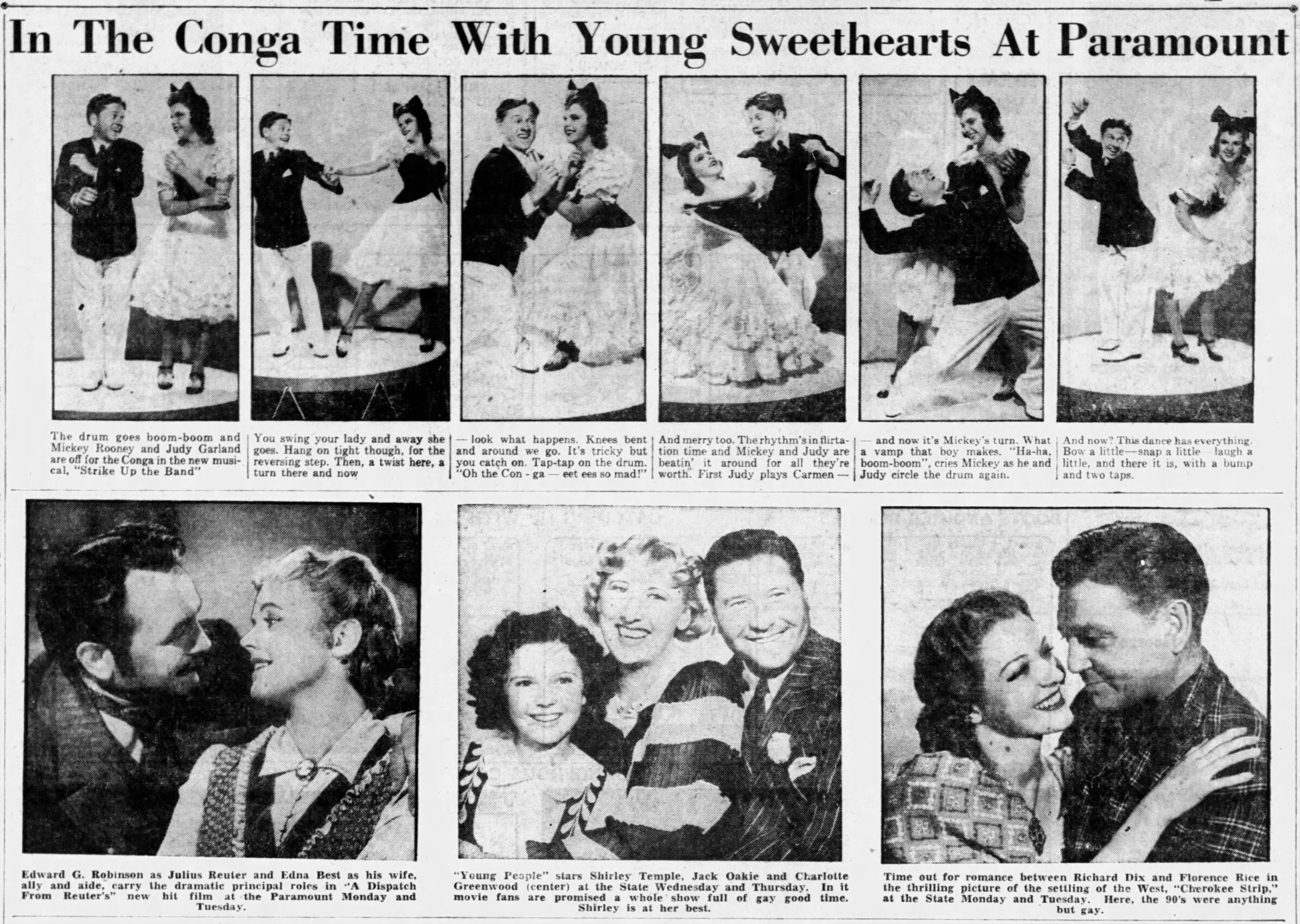
The “La Conga” was a popular dance, thanks to being featured in the MGM Judy Garland and Mickey Rooney musical, “Strike Up The Band,” released September 27, 1940. Once again, MGM rarely missed an opportunity to cross-promote their stars. Below are instructions of how to do the dance, courtesy of the The Jackson Sun in Jackson, Tennessee, Sunday, October 27, 1940. In a touch of irony, Shirley’s last film at 20th Century-Fox, “Young People,” is also featured in this section:
As a bonus, here’s clip of Garland and Rooney exuberantly performing the aforementioned “La Conga” number:
See more teenage Shirley Temple photos at my main website.
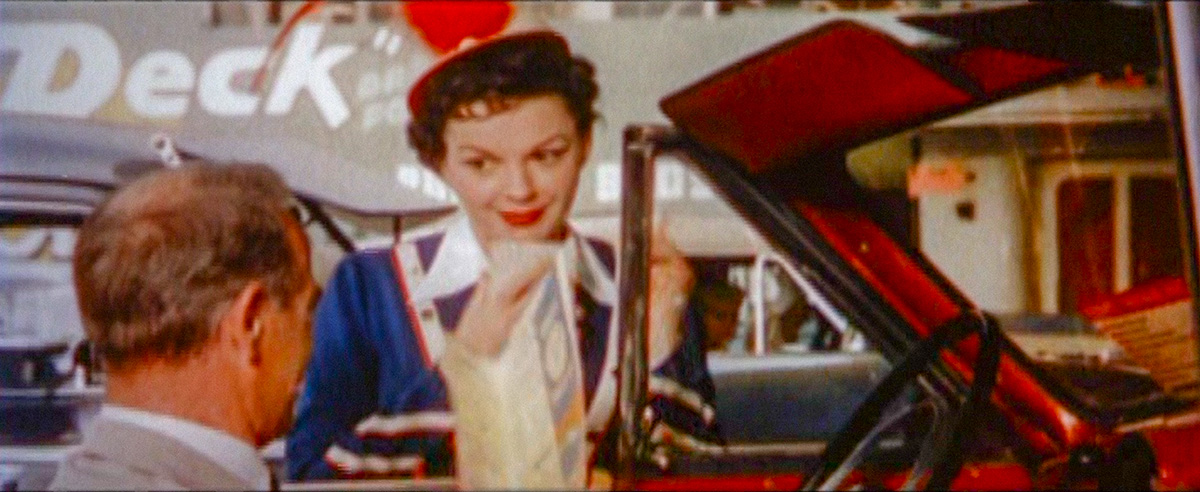
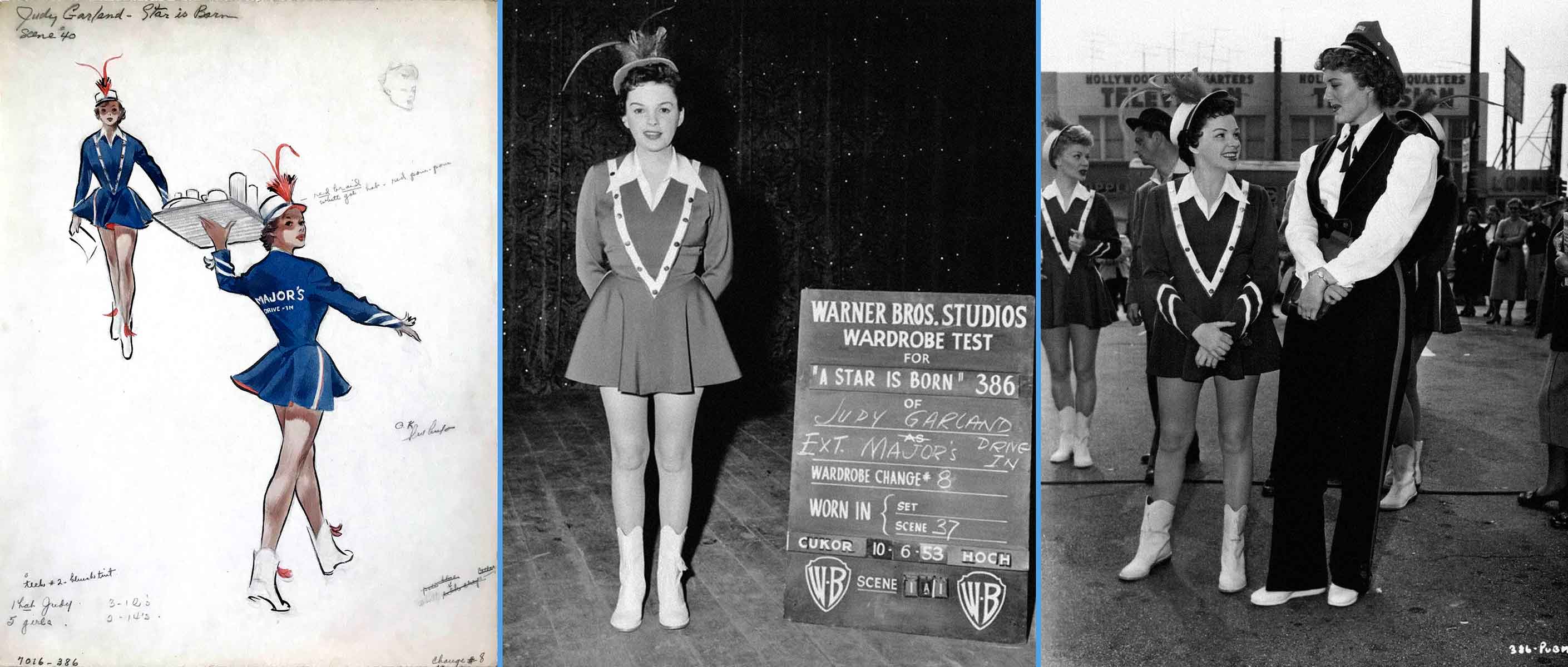
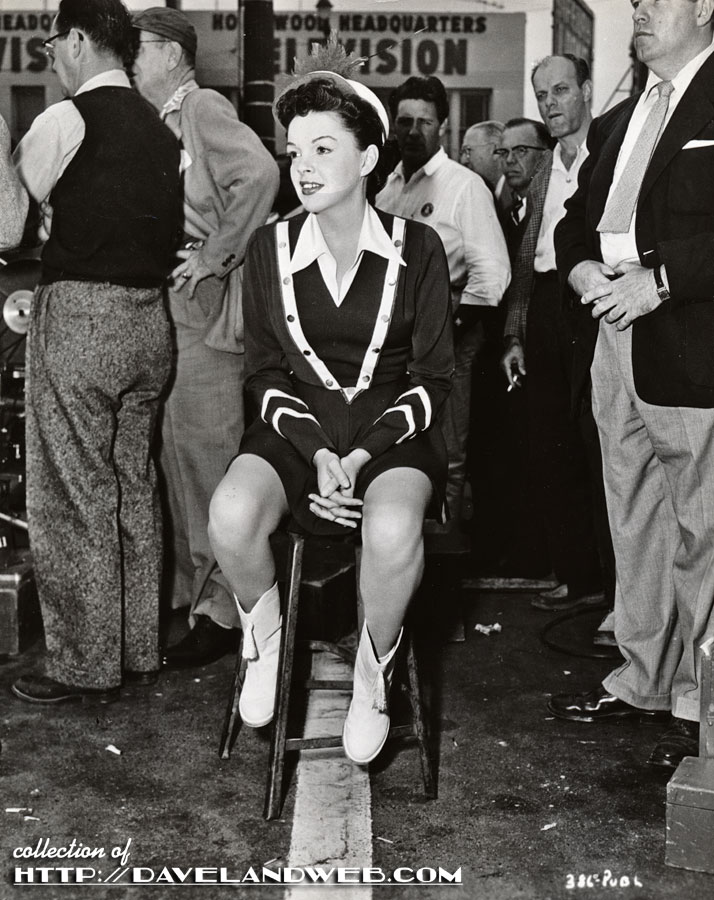
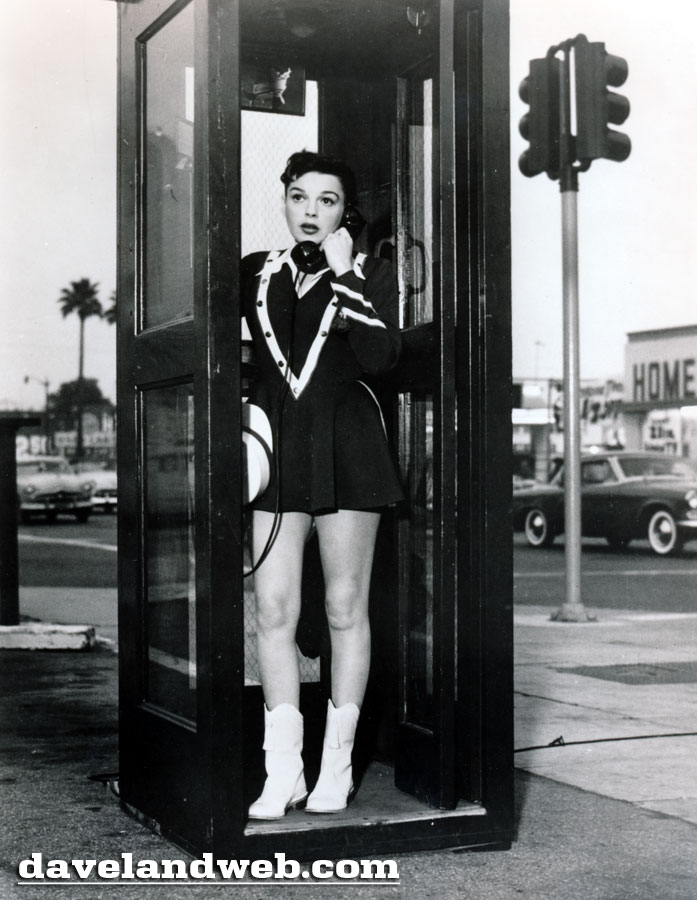
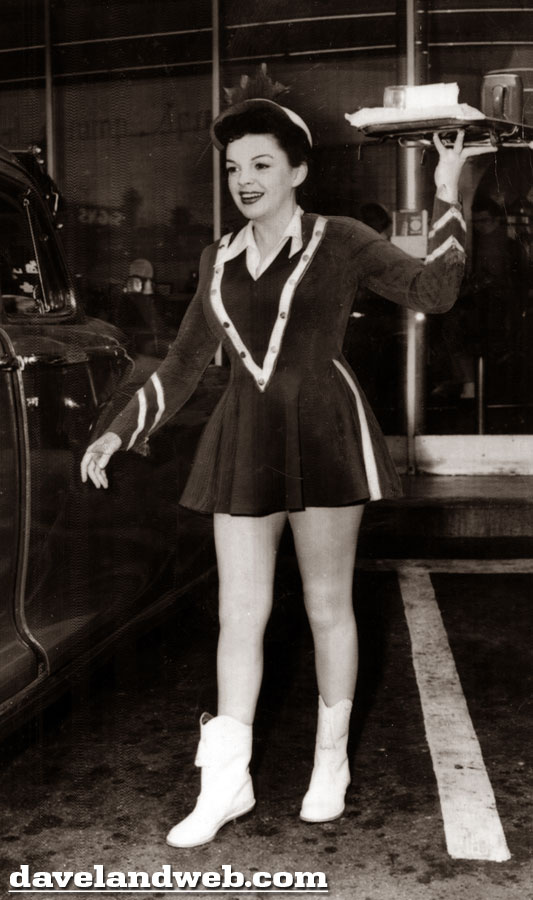
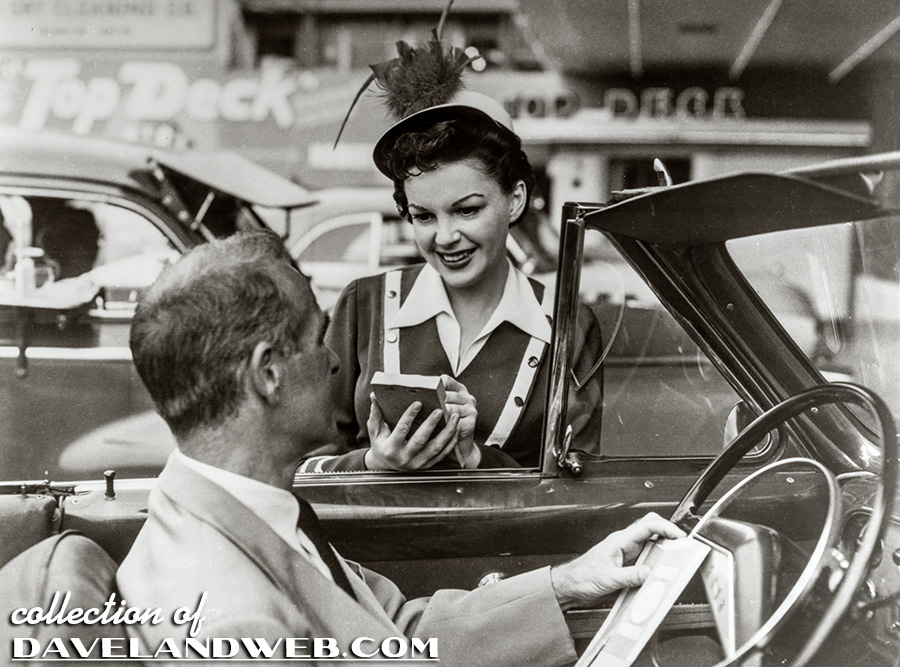
In the 1954 Judy Garland movie, “A Star is Born,” there was a scene where Judy’s character, financially struggling singer Esther, has to take a job as a carhop to make ends meet. The scene was cut after the premiere, and then re-instated when the film was restored (for the most part) in 1983. Below are the costume sketch, wardrobe test shot, and a publicity still taken between takes.
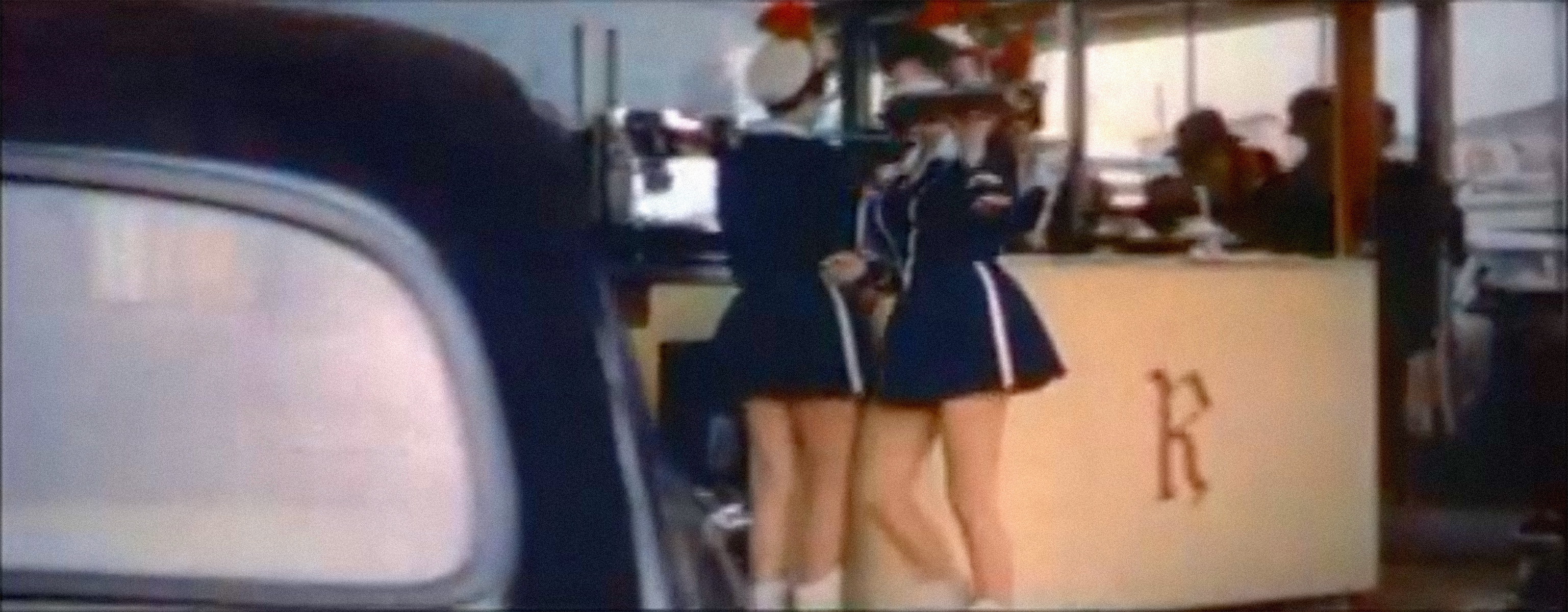
The scene was filmed at Robert’s Drive-In at 6407 Sunset Boulevard (corner of Sunset and Cahuenga). Note the “R” on the side of the building in this frame from the scene:
If you don’t know what a Drive-In restaurant is, it was a place where you parked your car in a space in front, a carhop (aka waiter) came out to take your order, and then the food was brought out to you shortly after that. You never had to leave your car.
October 14, 1953: Photos from the third day of filming on A Star Is Born and the first day of location shooting. The production descended on Robert’s Drive-In at the corner of Sunset Boulevard and Cahuenga Street in Hollywood to film the carhop scenes. The scene was filmed in the morning, requiring eight takes for the set-up shots and fourteen takes of Judy – medium shot – telling the customer the types of hamburgers they had that day. The numerous takes were required due to the excessive background noises.
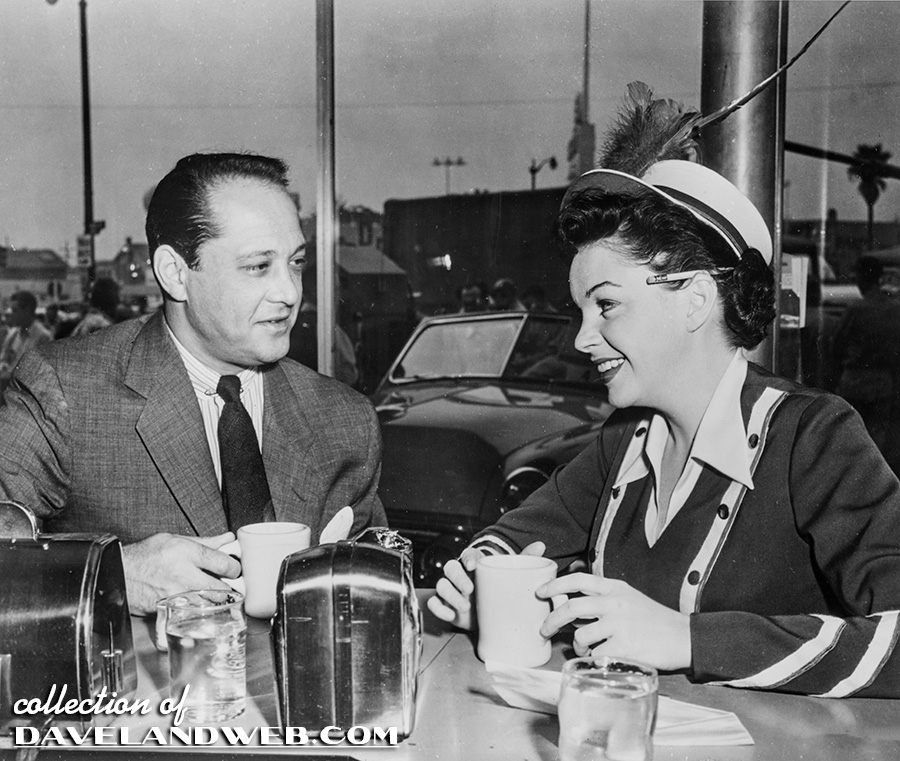
Below, Judy enjoys a cup of coffee with husband Sid Luft.
Part of the scene shows Judy calling one of her friends from the band she used to sing for; she attempts to paint a rosy picture of her situation.
This publicity blurb accompanied the photo below:
HOLLYWOOD, Oct. 19 — JUDY GARLAND BACK IN MOVIES — AS A CAR-HOP — Judy Garland, facing movie cameras for the first time in three years, whirls a tray of food up to a car at a Sunset Boulevard drive-in. She was practicing on a few cars just before cameras began to role on her car-hop scenes for the film “A Star is Born.” The star left her studio in 1950 after disagreements and turned to stage appearances.
A publicity still from the movie showing Judy taking the man’s order:
By 1956 Robert’s had changed ownership and was called Scrivner’s; today, there is a Jack in the Box restaurant at that location (the original building was torn down).
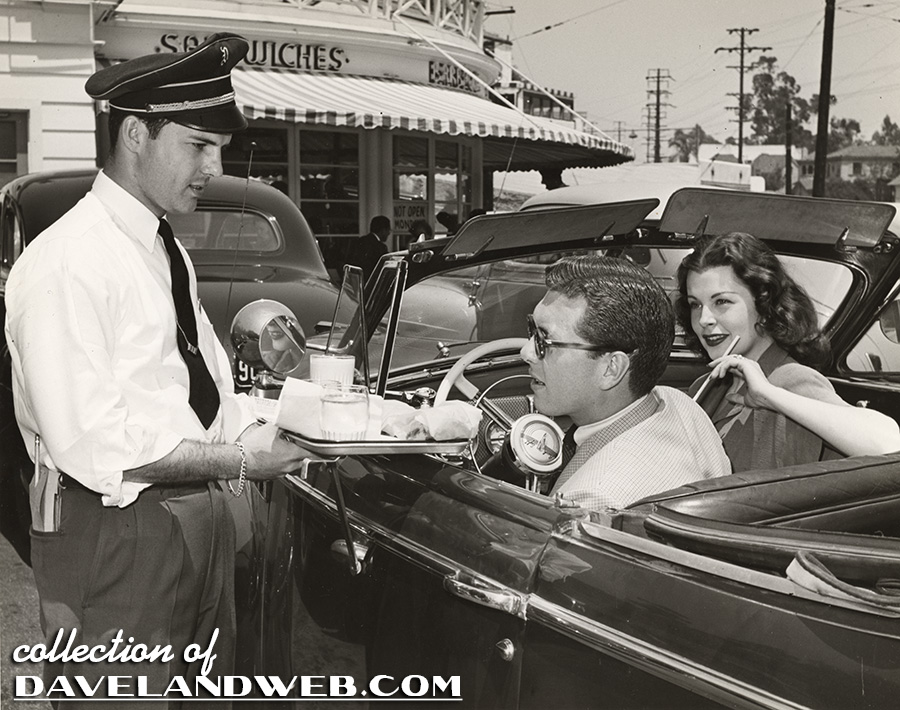
Robert’s wasn’t the only Drive-In on Sunset Boulevard; there was also the Dolores Drive-In, at 8801 Sunset Boulevard. Below are actor Bob Hutton and Arlene Dahl, circa 1947.
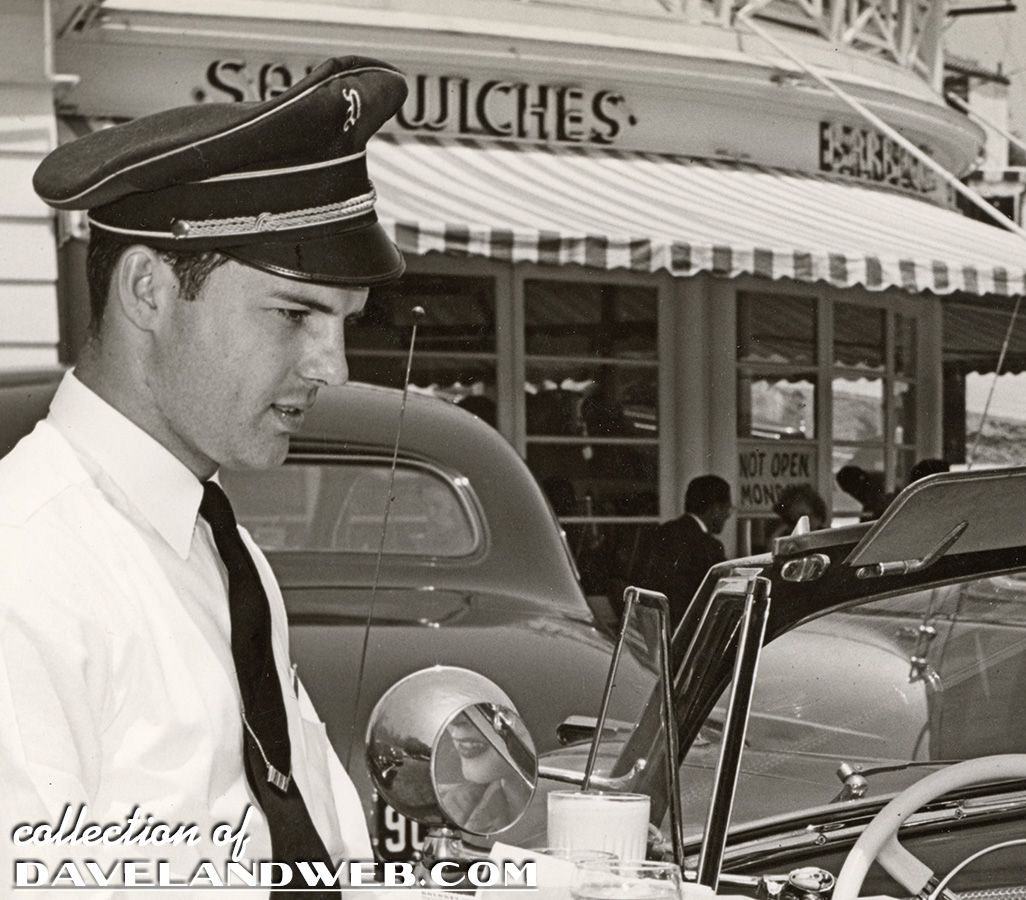
Note the “D” on the carhop’s hat, and Arlene’s luscious lips in the side view mirror:
The building was naturally torn down (as interesting buildings in LA usually are) and is now a bland box of a building that houses Supreme Clothing, a store that sells streetwear.
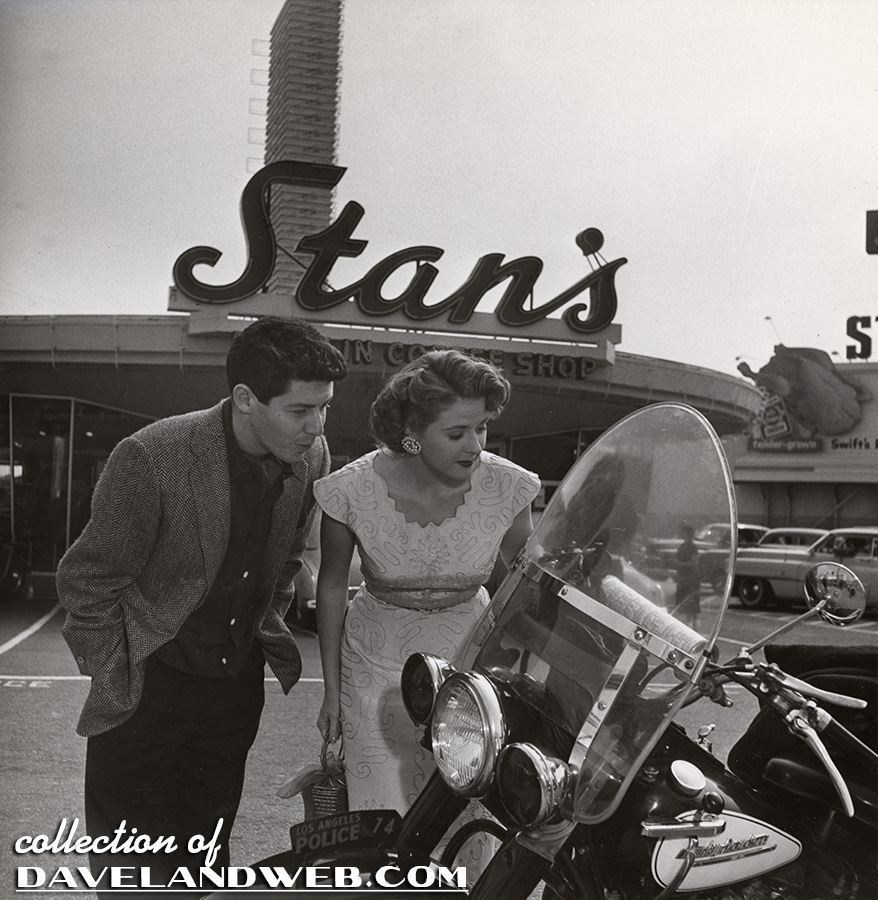
Stan’s Drive-In was located at the corner of Sunset Boulevard and Vine, across from NBC. Eddie Fisher and Mala Powers are shown in front, March 1954, in a photo credited to Bert Parry and Bob Beerman for Modern Screen Magazine.
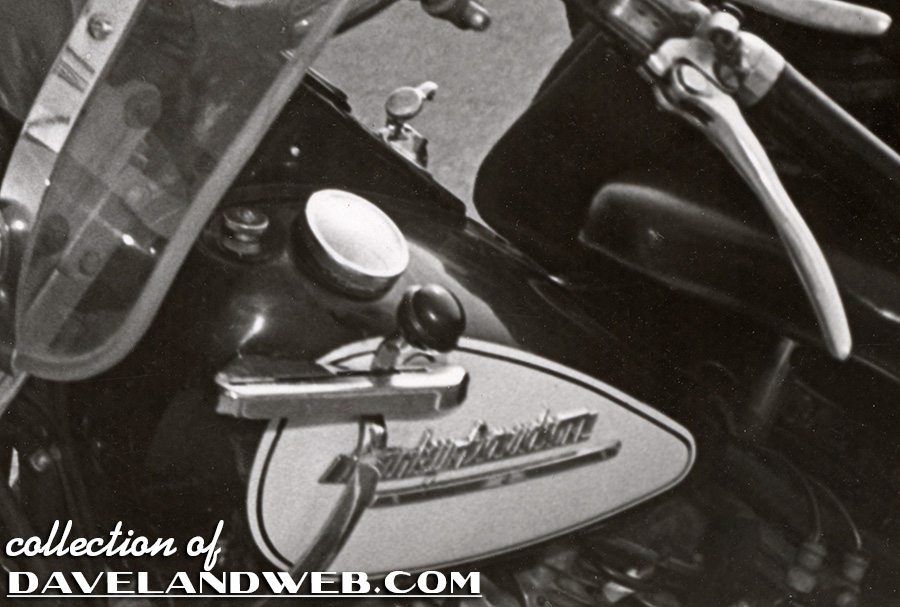
Apparently policemen drove Harley-Davidsons at the time:
Anyone miss the old Drive-In restaurants where you could pull your carhop, order your meal, and not leave the comfort of your automobile?