Showing posts with label clark gable. Show all posts

Friday, March 13, 2026

1950s Visit to MGM


This genuine FauxD© image shows two lovely lasses on the MGM lot, posed perfectly in front of the Thalberg Building. Stitching the left and right sides together gives us a wider view:


Zooming in, you can see the MGM lettering and Thalberg name on the right:


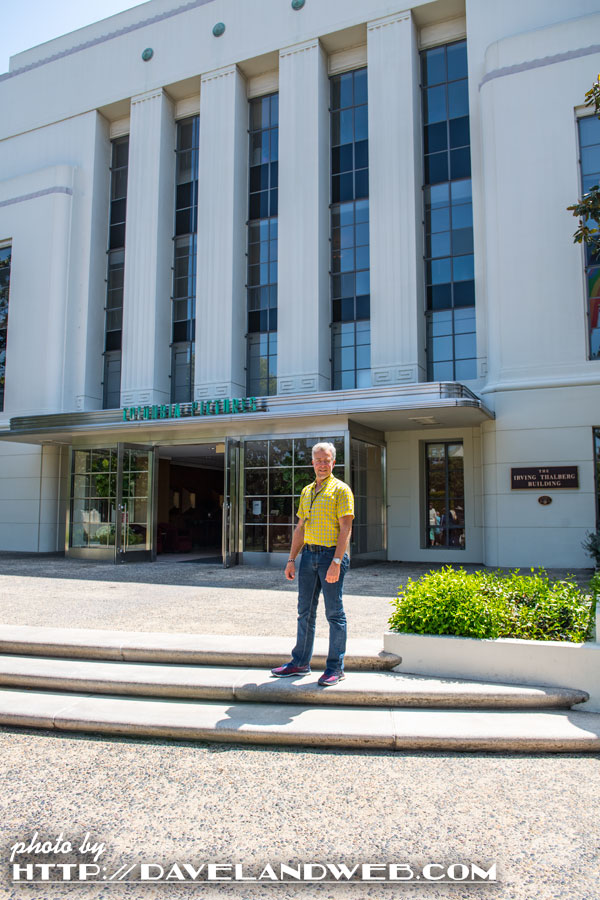
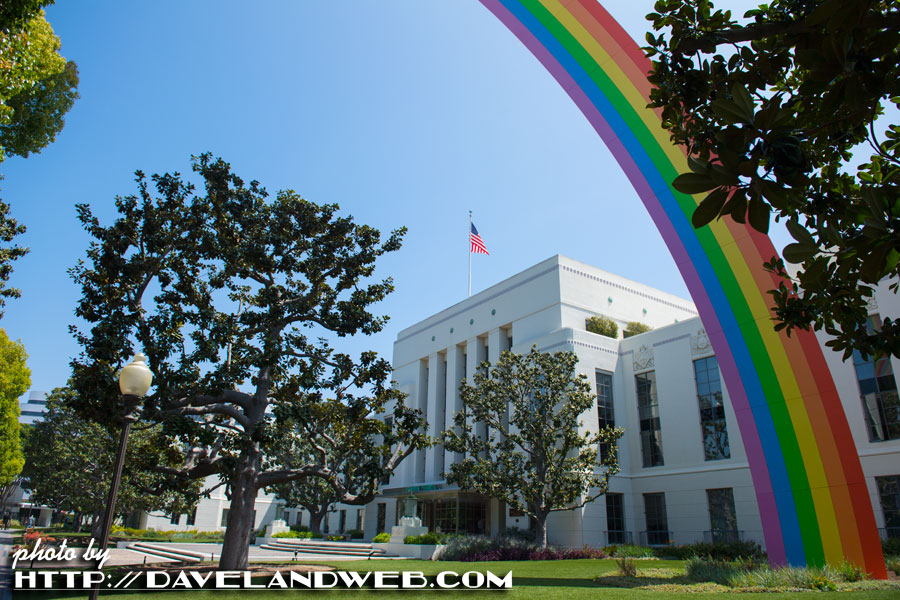
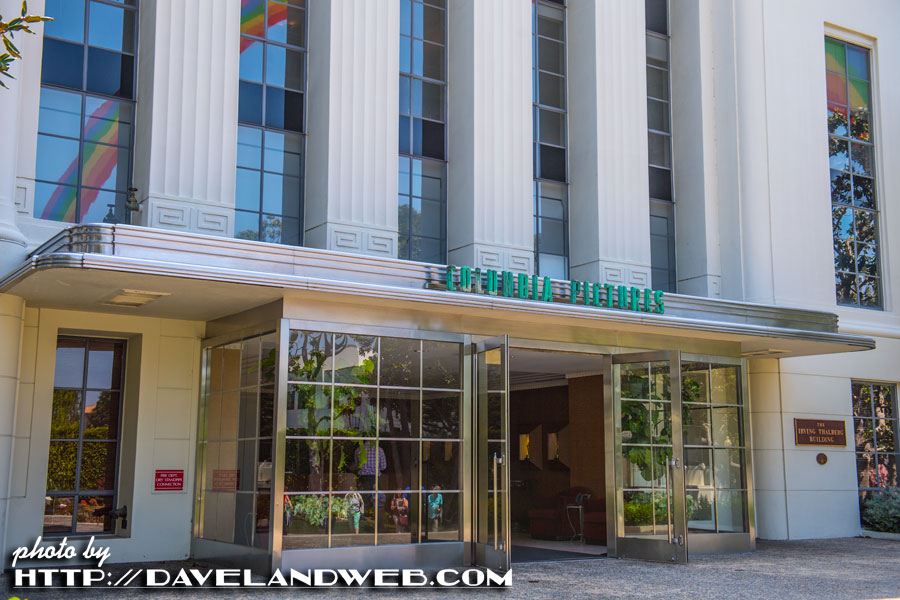
By the time I visited in 2018, MGM was gone and Columbia Pictures/Sony had moved in.


A rainbow was installed in the courtyard to acknowledge the filming of “The Wizard of Oz” (1939) on this very lot.


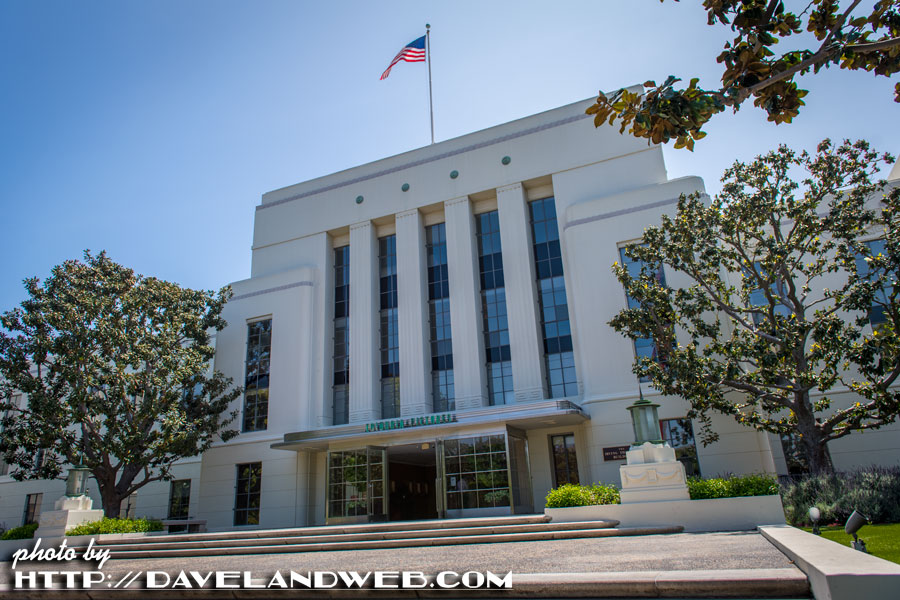
The building still looks like MGM in all its art deco glory…


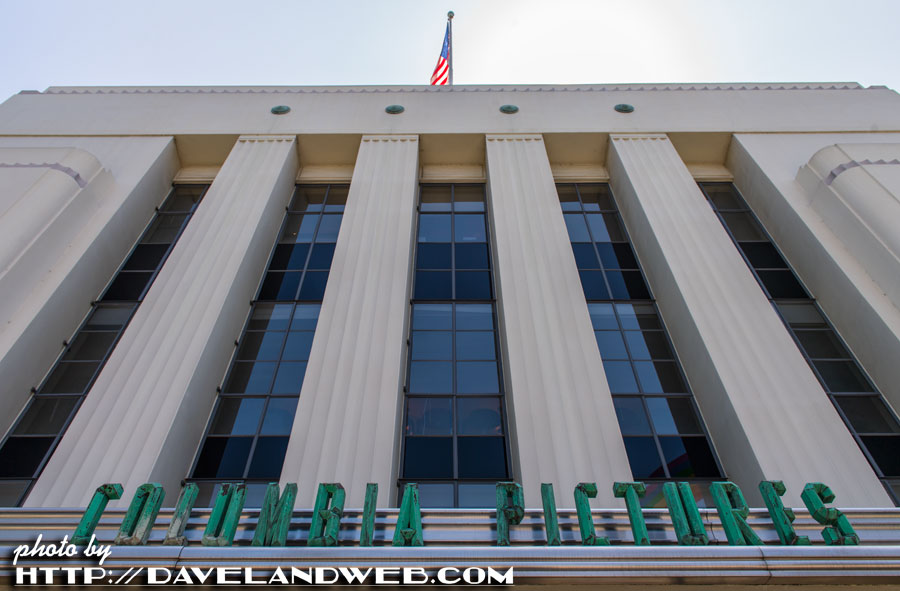
but it now bears the name of Columbia.


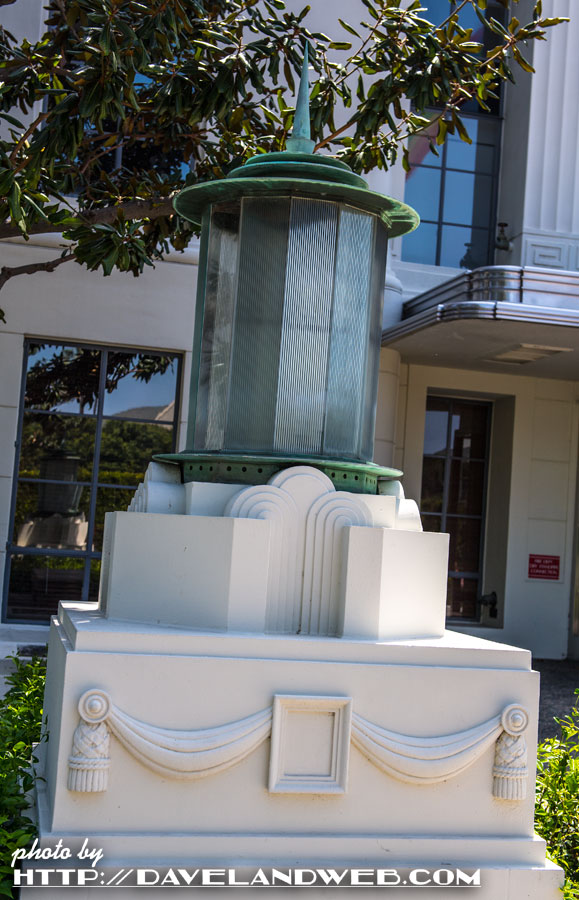
I should be grateful that they kept the light fixtures in front. And I am.


Surprisingly, they also kept the Thalberg name, visible on the nameplate at right:


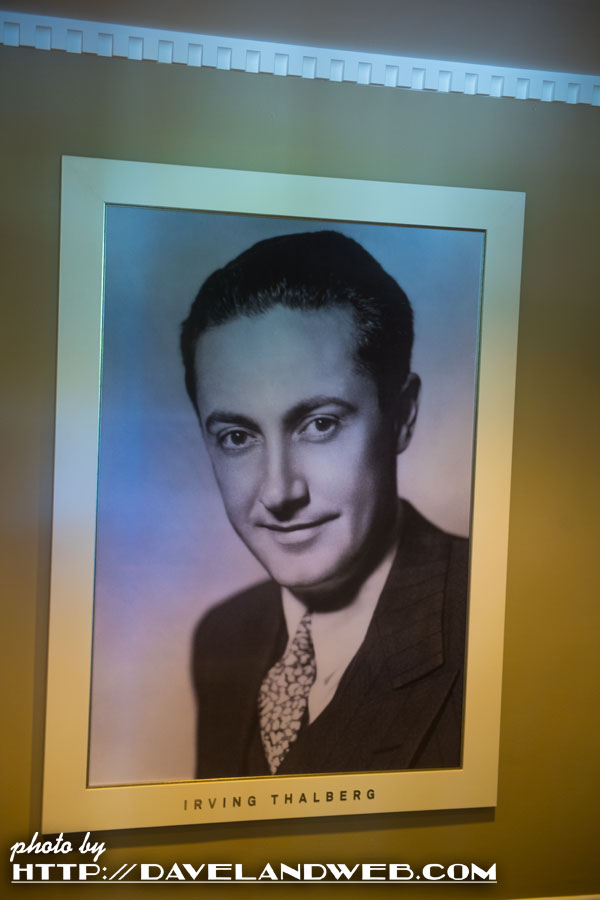
Thalberg, Vice President of Production, was known as the “Boy Genius” of the lot. Studio head Louis B. Mayer liked glamour; Thalberg preferred more cerebral material for his films. Inside the Thalberg, his portait is on display.


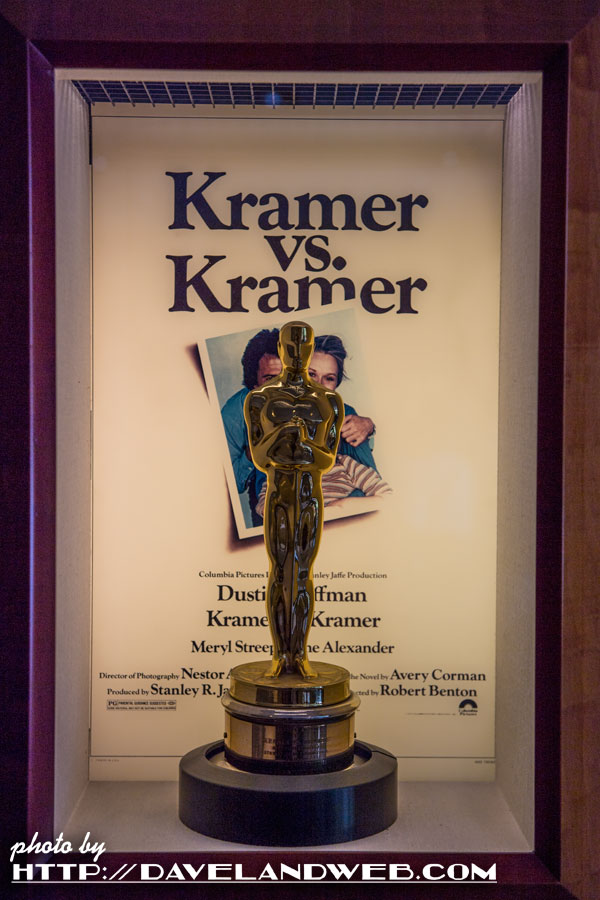
The Oscars on display are all for Columbia films.


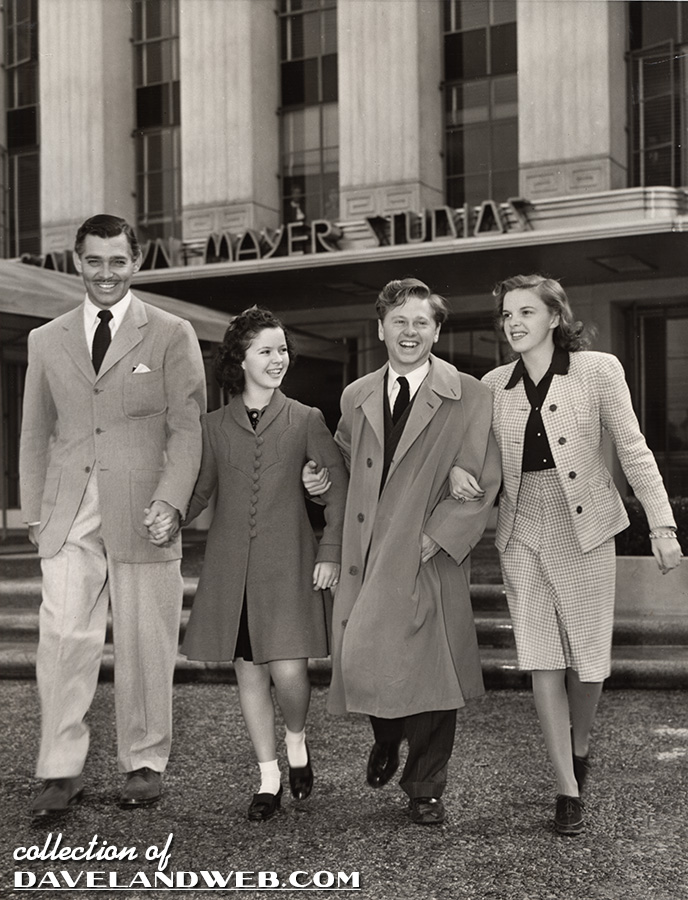
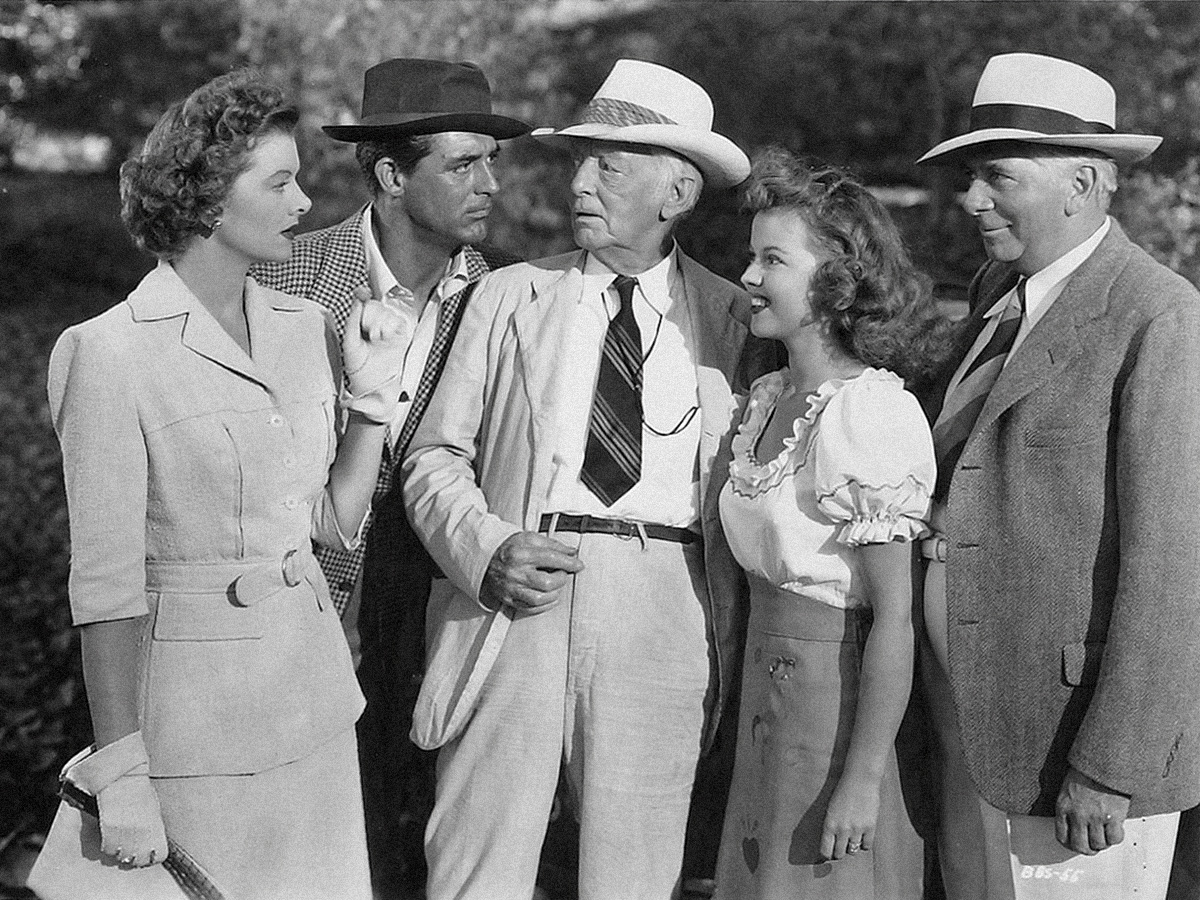
Back in 1941, Shirley Temple joined the MGM stable of stars. She was welcomed to the lot by Gable, Rooney, and Garland. What a powerhouse quartet! Here they are in front of the Thalberg building.


See more MGM studio photos at my main website.

Monday, November 24, 2025

The Art of Kapralik


For years, I have been obsessed by the art of Jacques Kapralik. Who? Yes, sadly, this genius is virtually unknown by name, but any film buff of the Golden Age of Hollywood has seen his brilliant work. At top is the promo art he did for “Girl Crazy” (1943), featuring stars Judy Garland and Mickey Rooney. His caricatures are brilliant, and perfectly capture the subject with the most simple of lines. On top of that, he made brilliant use of mixed media to create 3D sculptures of sorts that added an extra dimension to the flat art used on posters, flyers, and even on-screen in title credits. Below is the back of the flyer that MGM sent out to promote the Garland-Rooney musical:


Here is his edited bio from the American Heritage Center website:

Kapralik was a commercial artist and caricaturist whose art was used in the promotion of motion pictures throughout Hollywood’s Golden Era of the 1930s-1950s. Born in Romania in 1906, Kapralik first worked for various European newspapers, drawing cartoons and caricatures of famous Europeans and important events. In 1936, Kapralik immigrated to the United States. He first provided celebrity caricatures for various newspaper columns focusing on Hollywood gossip and events. Kapralik was fortunate to work during a time considered the Golden Age of Hollywood and a zenith for celebrity caricatures. Movie studios were putting increased focus and publicity on their stars, attempting to make them household names. Kapralik’s output of celebrity caricatures increased as he left the newspaper world and began working for movie studios such as RKO, Paramount, 20th Century Fox, Universal, and MGM, creating likenesses of Cary Grant, Greta Garbo, and Lucille Ball, among many others. He developed a distinctive and highly recognizable style for his studio publicity work, much of which was shown primarily in press kits and trade magazines such MGM’s Lion’s Roar Magazine, as well as the weekly Pictorial Review newspaper insert.


While heralded as a master of Hollywood caricature by industry insiders of the time, due to the nature of his work, today he remains relatively unknown to the general public. The caricature style Kapralik became most well-known for involved the creation of miniature models from paper and balsa wood. The models were then photographed and used as promotional posters for motion pictures, predominantly MGM films. These 3-D caricature scenes were incredibly elaborate and detailed, taking up to six weeks complete. Kapralik also created title sequences for films in the 1930s-1950s, an early innovator at a time when title sequences were just starting to evolve from simple text. His title sequence work included 20th Century Fox’s The Three Musketeers (1939) with the Ritz Brothers and MGM’S Presenting Lily Mars (1943) with Judy Garland. Aside from movie publicity, Kapralik also did advertising work for companies such as Nutrilite, S&W, and Squirt.

Below is Kapralik at work:


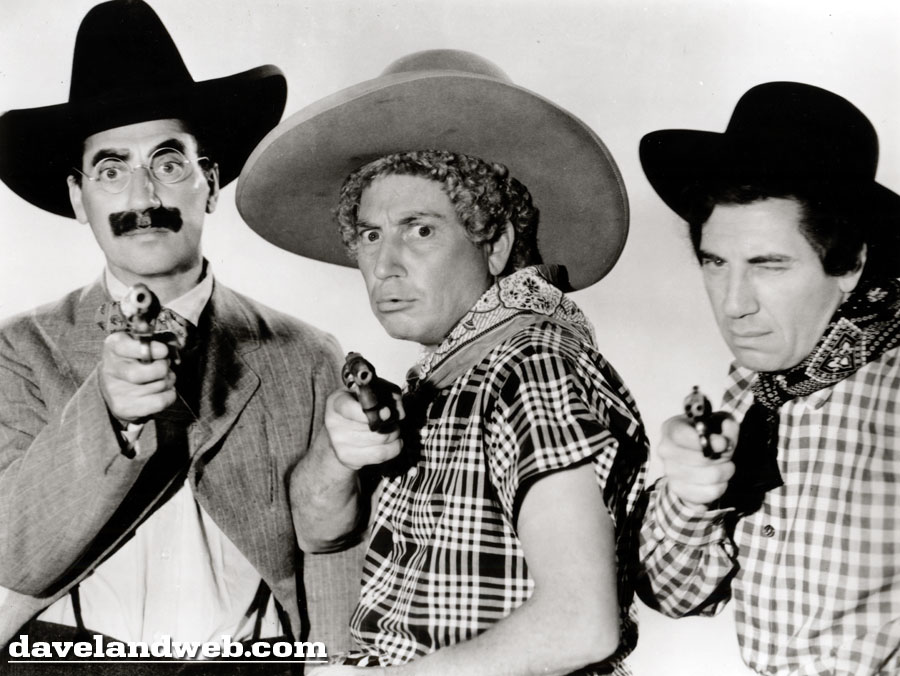
The 1940 MGM film “Go West” starred the zany Marx Brothers.


Kapralik’s innovative style matched perfectly with the Marx Trio:


Thanks to Shirley Temple expert supreme, Rita Dubas, I learned that the cute caricature of Shirley Temple in the title sequence of “Just Around the Corner” (1938) was done by Kapralik:


I did my best to recreate it in color digitally. Yes. I was obsessed with his work.


His work in the title sequence was significant because it captured Shirley’s new hairdo, with her curls pulled to the side of her head.


A few more pieces of Kapralik’s work, including the 1942 Hepburn-Tracy vehicle, “Woman of the Year”, which captures Hepburn’s haughty profile perfectly:


…and 1941’s “Honky Tonk” with Clark Gable and Lana Turner. This is one of the few misses for Kapralik, as this caricature looks nothing like Turner.


Below is a collage of four Judy Garland movies that Kapralik did the art for. Going clockwise from top left: “Andy Hardy Meets Debutante,” “Babes on Broadway,” “Little Nellie Kelly,” and “Presenting Lily Mars.”


Below is a screenshot of the title sequence from “Presenting Lily Mars” side by side with the original art, which I found at the Raphael Geroni website.


Want to see more of Kapralik’s work? Browse his collection at the American Heritage Center website.

See more photos and pop culture at my main website.

Sunday, December 15, 2024

85 Years Ago In Atlanta…


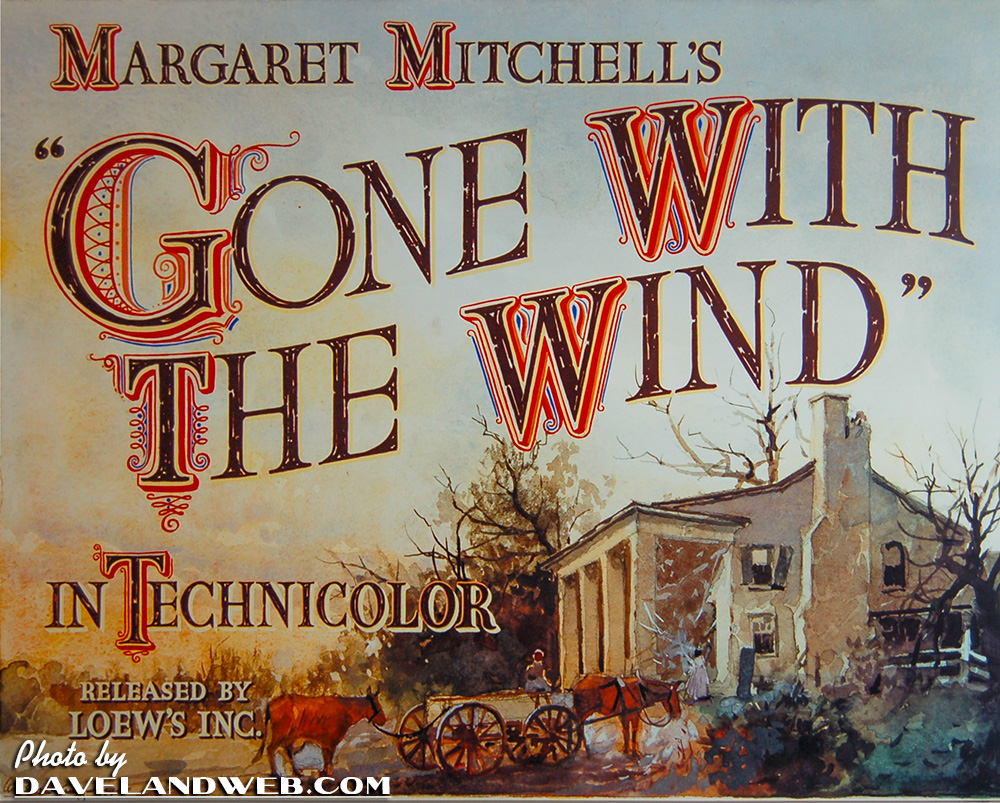
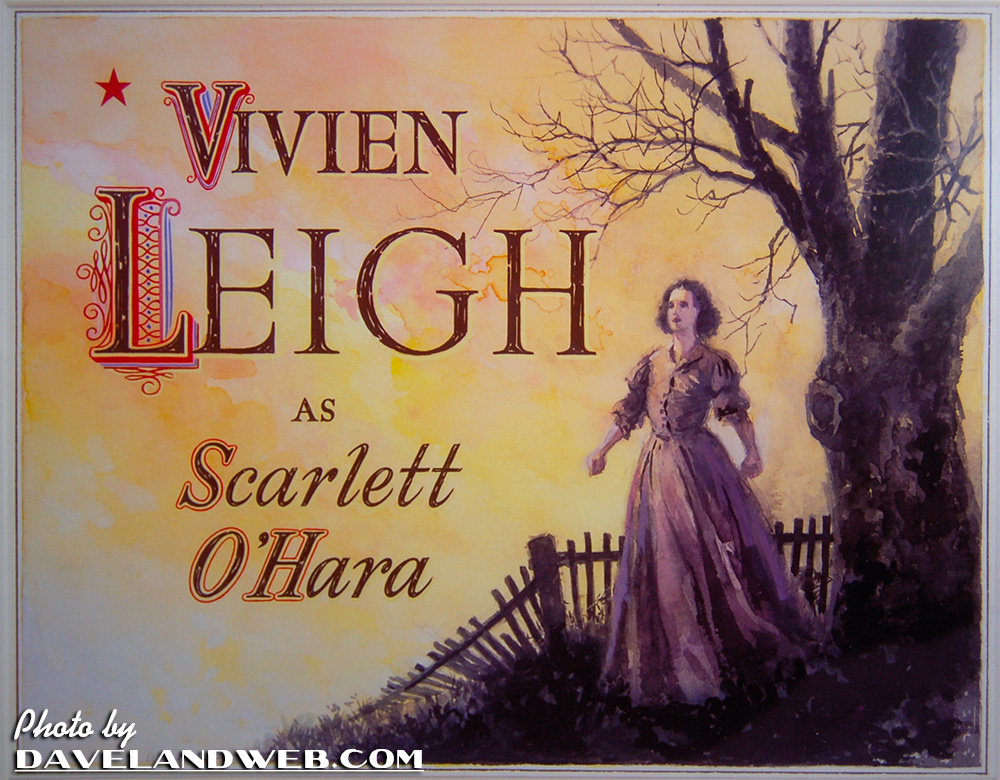
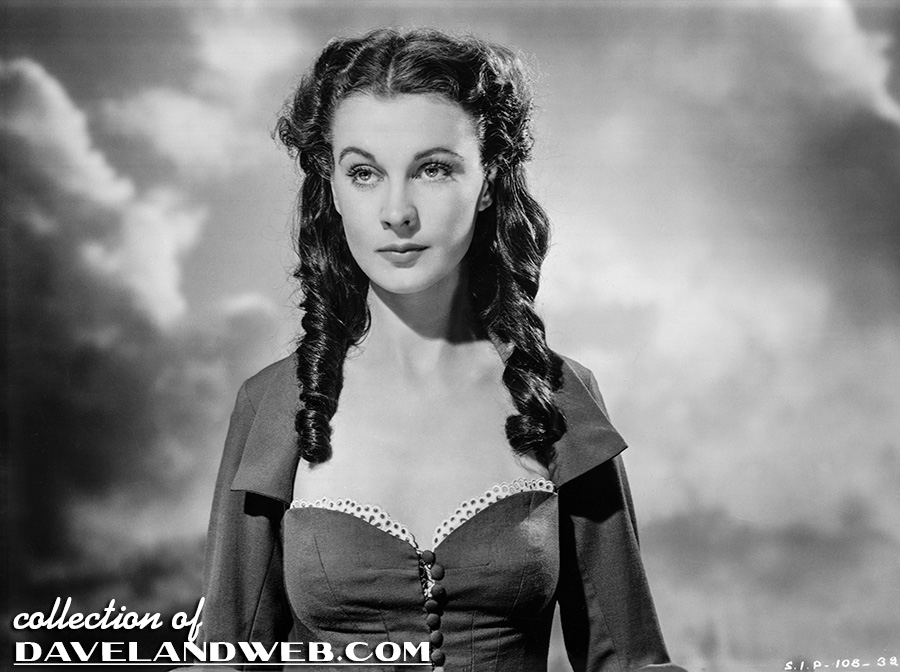
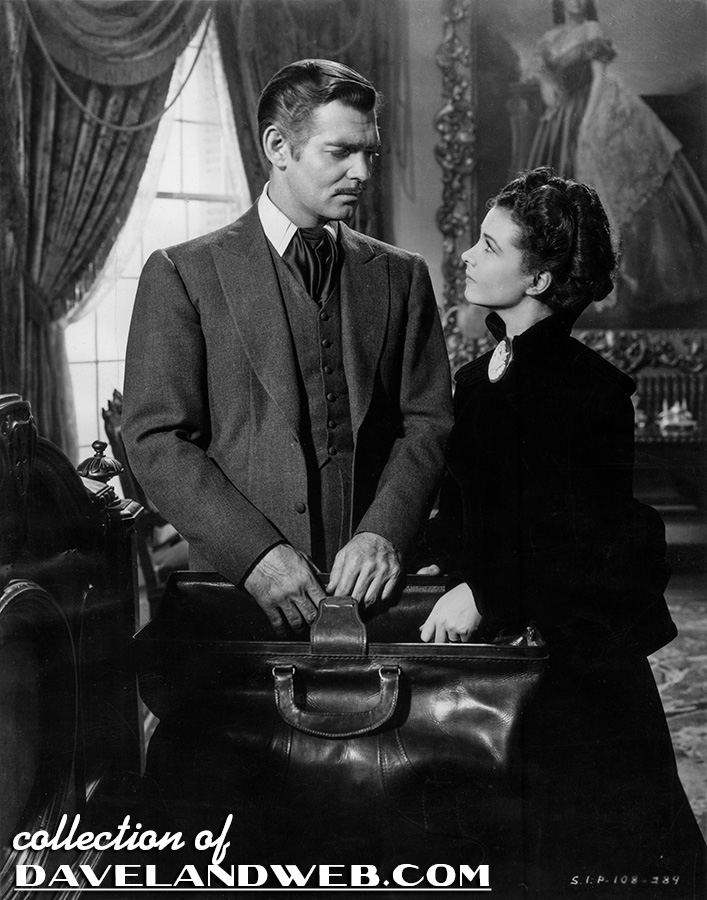
Today marks the 85th anniversary of the Atlanta premiere of “Gone with the Wind,” produced by David O. Selznick. Starring Vivien Leigh as Scarlett O’Hara and Clark Gable as Rhett Butler, it is a tale of survival, growth, and loss, filmed in glorious Technicolor. The art shown above and below are by Wilbur Kurtz and were used in the trailer for the film.


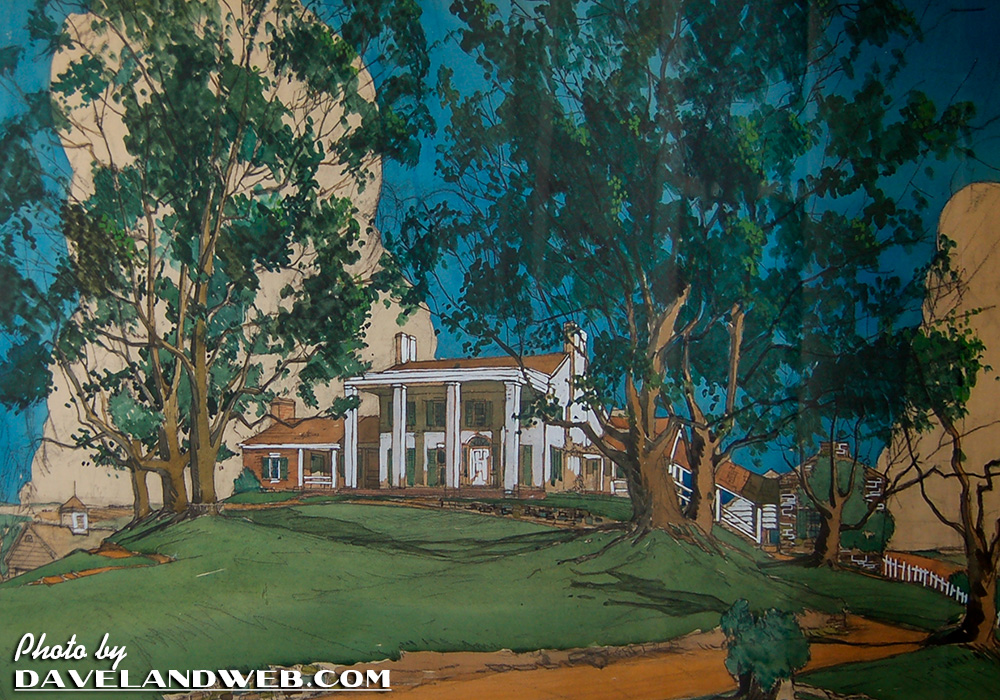
Below is a 1939 storyboard of Tara, Scarlett O’Hara’s home, by Dorothea Holt & Mac Johnson which I was able to see at the Margaret Mitchell Museum in Atlanta:


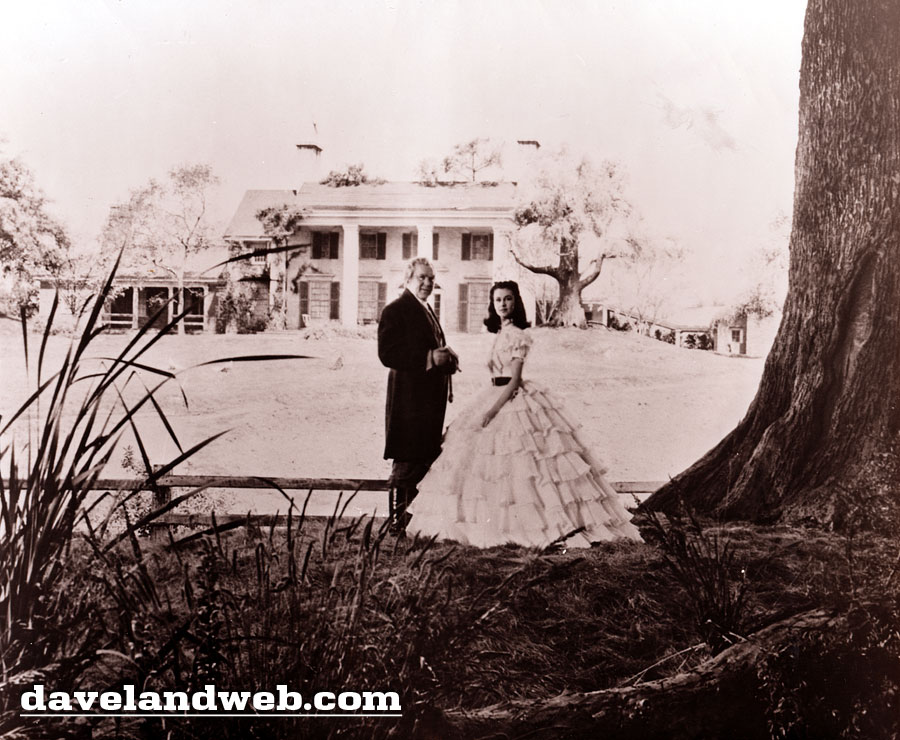
The production team faithfully recreated the art for the movie, as seen by these shots from the opening scenes of the film:


Leigh with Thomas Mitchell, who played her blustering land-loving father, Gerald O’Hara:


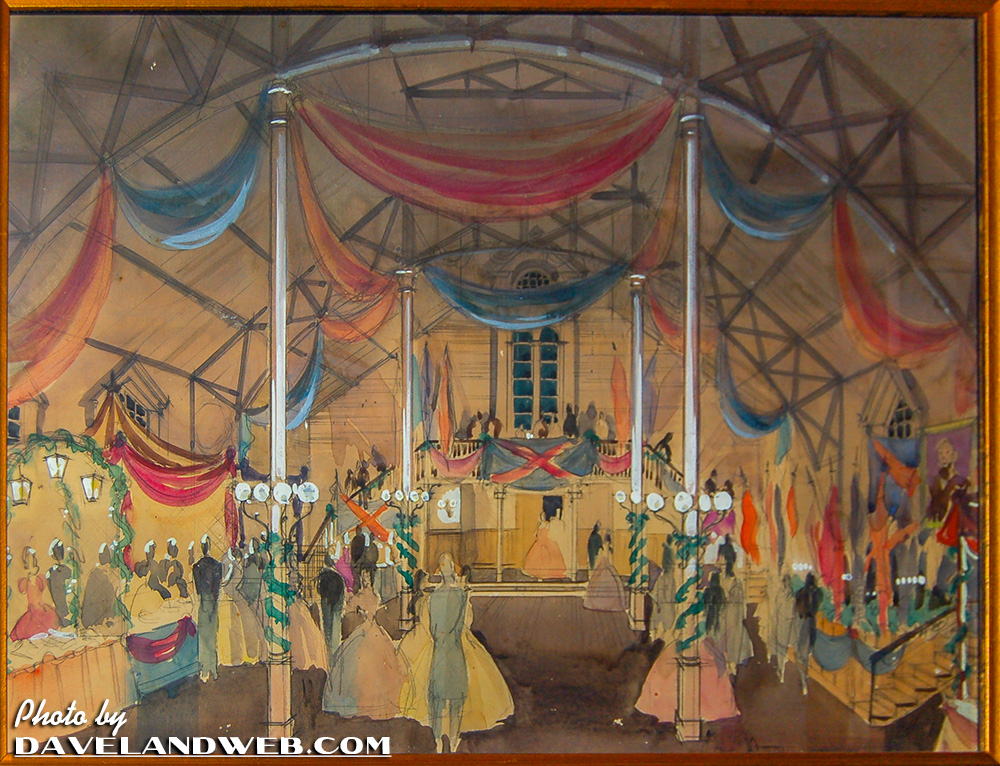
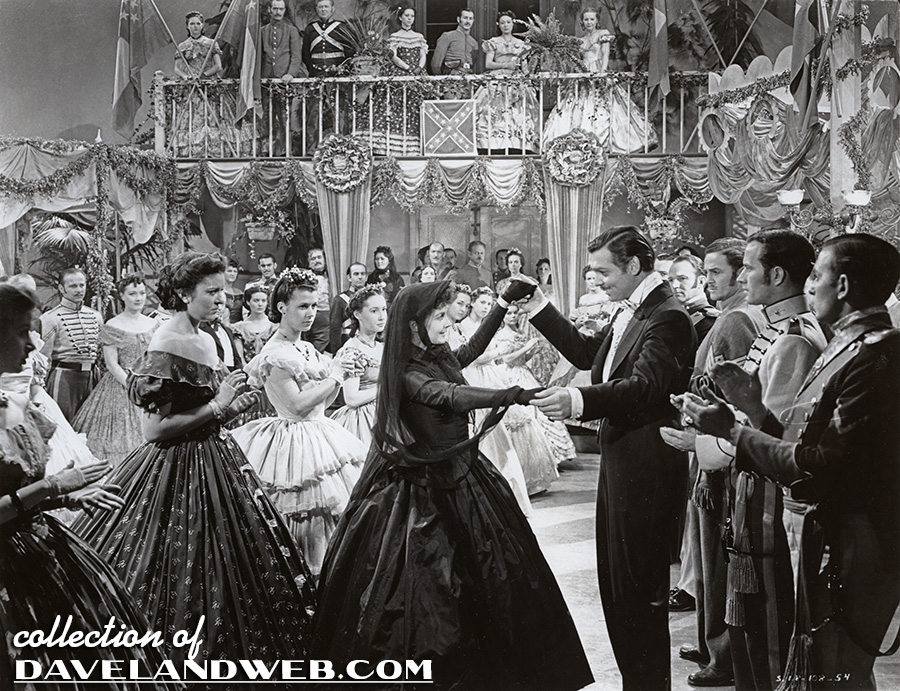
Storyboard art for the Atlanta Bazaar sequence, where Scarlett scandalously broke with the conventions of widowhood by dancing with Rhett Butler.


When Scarlett flirts with Rhett saying that she is dancing her reputation away, he replies: “With enough courage, you can do without a reputation.”


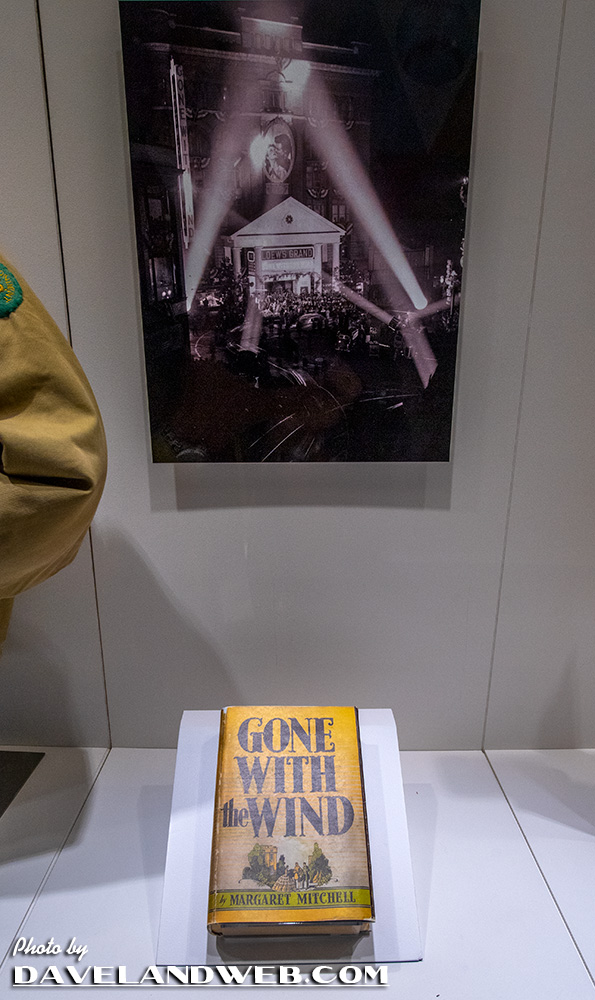
At the Atlanta History Center, a photo of the premiere accompanies a first edition of the book, with dust jacket cover art by George Carlson. Author Margaret Mitchell felt that the cover should convey a “Southern sensibility”; Carlson was from New England his mother had once served as a housekeeper for northern Civil War General Ulysses S. Grant. Oops.


In the film’s dramatic final shot, we see Scarlett silhouetted against a burning sunset sky:


Here’s what her costume looked like:


See more “Gone with the Wind” photos at my main website.

Tuesday, October 08, 2024

Temple Tuesday: The GWTW Connection


While Shirley Temple was not part of the “Gone with the Wind” (1939) cast, she did work with a significant number of the actors from the Oscar winning David O. Selznick production, starting with Clark Gable. Who toured Shirley around the MGM lot in 1941 during her brief stint at the Tiffany of film studios? Clark Gable, Mickey Rooney, and Judy Garland. Not a bad group of guides! 


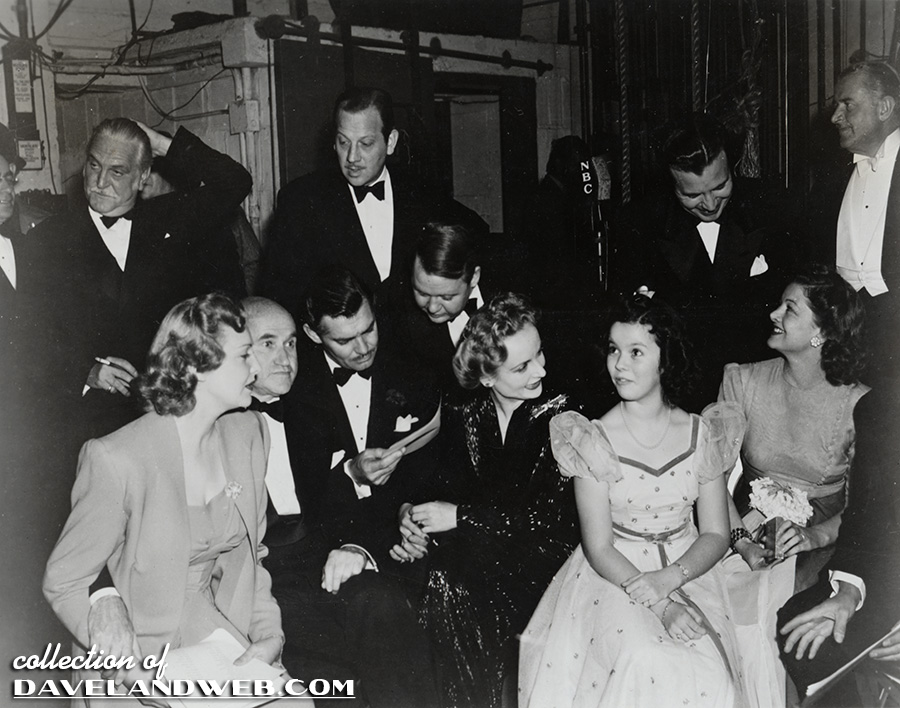
Shirley also participated in the Greek War Relief Benefit at Grauman’s on February 8, 1941, which  included Gable. In the photo below you can see Frank Morgan (aka “The Wizard of Oz”), Melvyn Douglas, Charles Laughton, Dick Powell, and Reginald Owen in the back row. Seated in front: Madeleine Carroll, Samuel Goldwyn, Clark Gable, Carole Lombard, Shirley, and Myrna Loy. What a lineup!


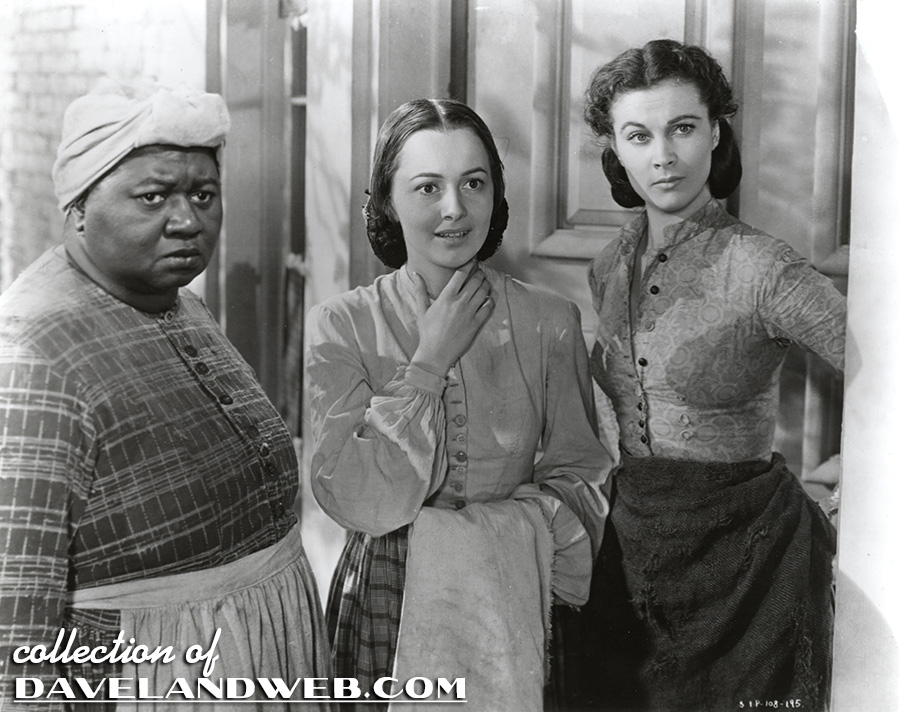
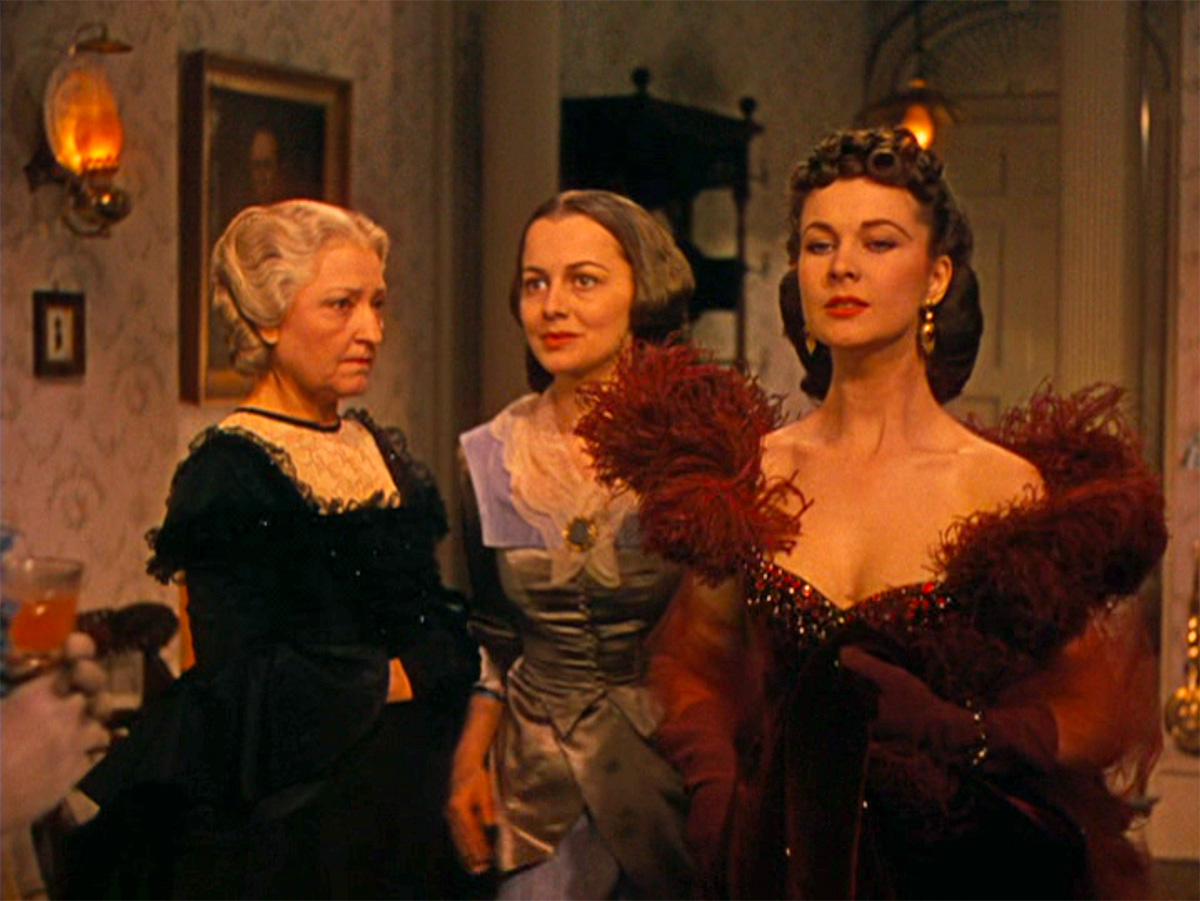
Hattie McDaniel (shown below with Olivia DeHavilland and Vivien Leigh) won an Oscar for her portrayal of Mammy in “Gone with the Wind.”


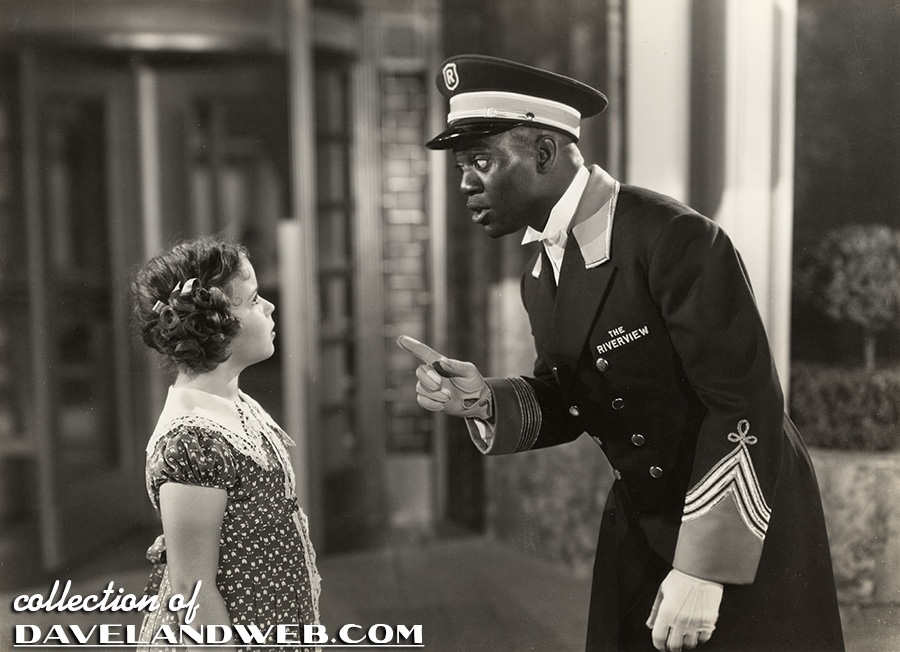
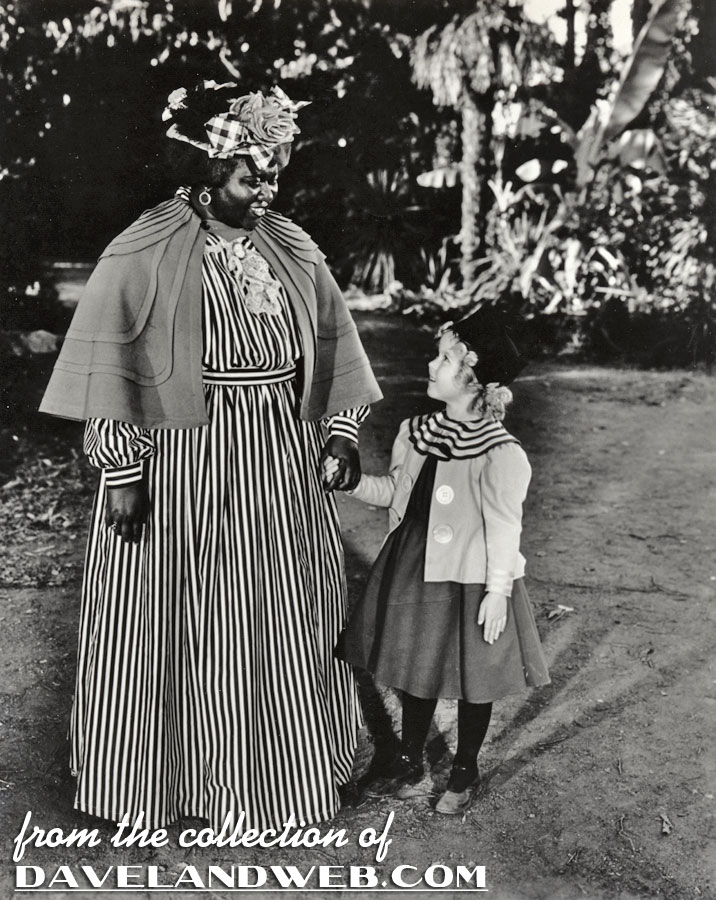
Shirley worked with McDaniel a number of times, beginning with “The Little Colonel” (1935):


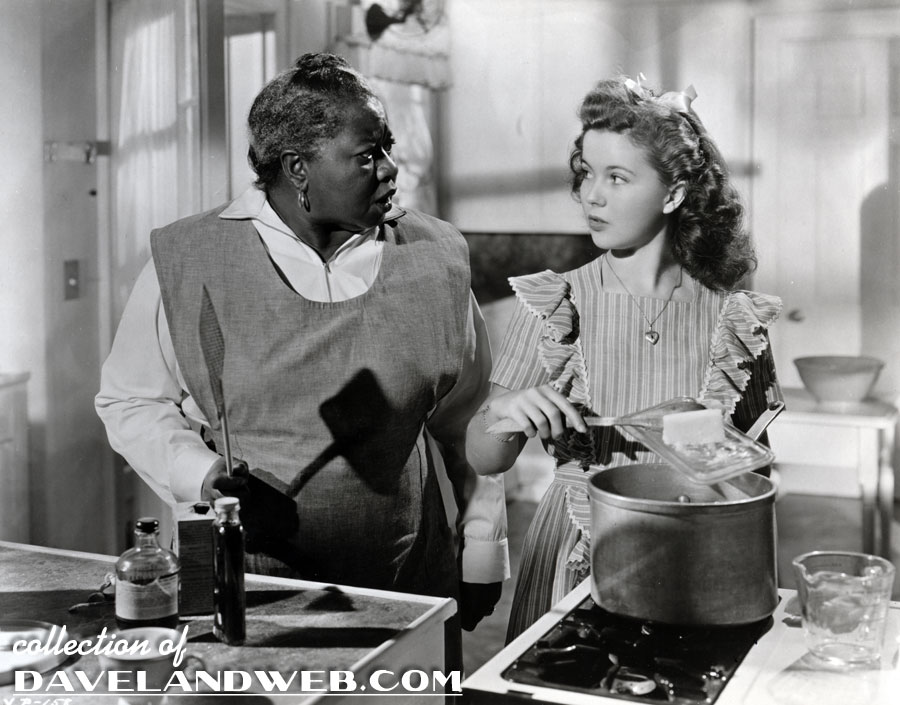
…and in another Selznick production, “Since You Went Away” (1944). Below is a still from a deleted scene:


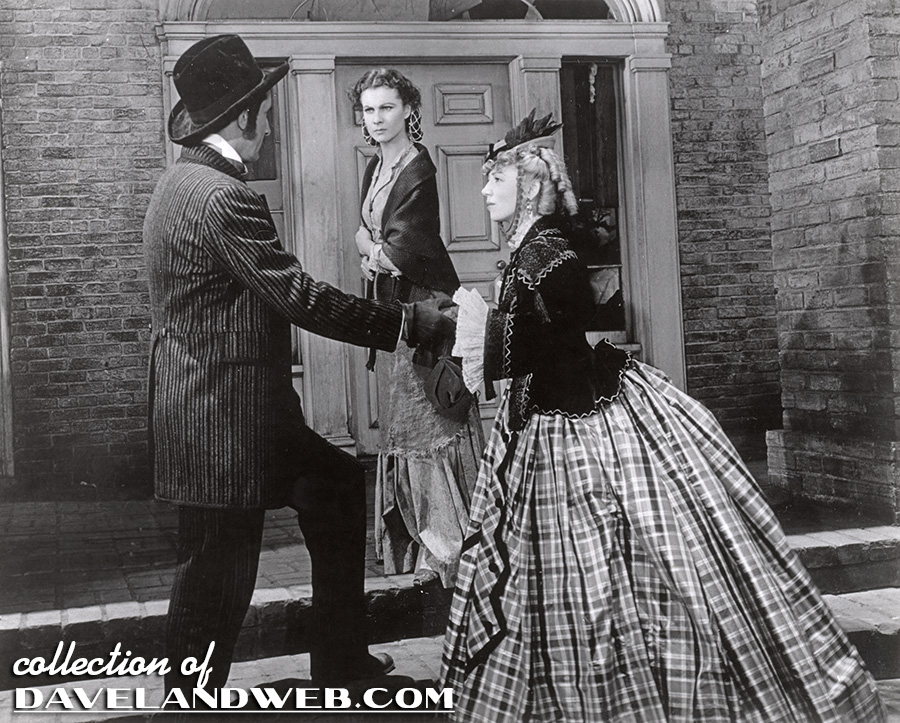
Victor Jory (at left) played Jonas Wilkerson, the disgraced overseer at Tara who was fired for his illicit doings with “the white trash Slattery girl” (Isabel Jewell at right):


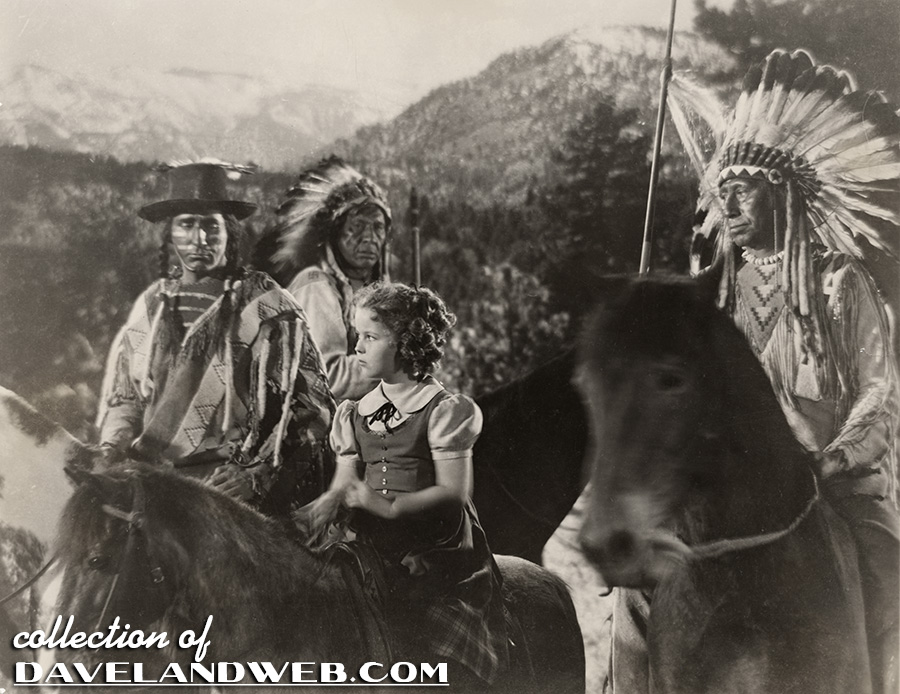
Jory (at left) costarred with Shirley in “Susannah of the Mounties” as yet another character with compromised morality:


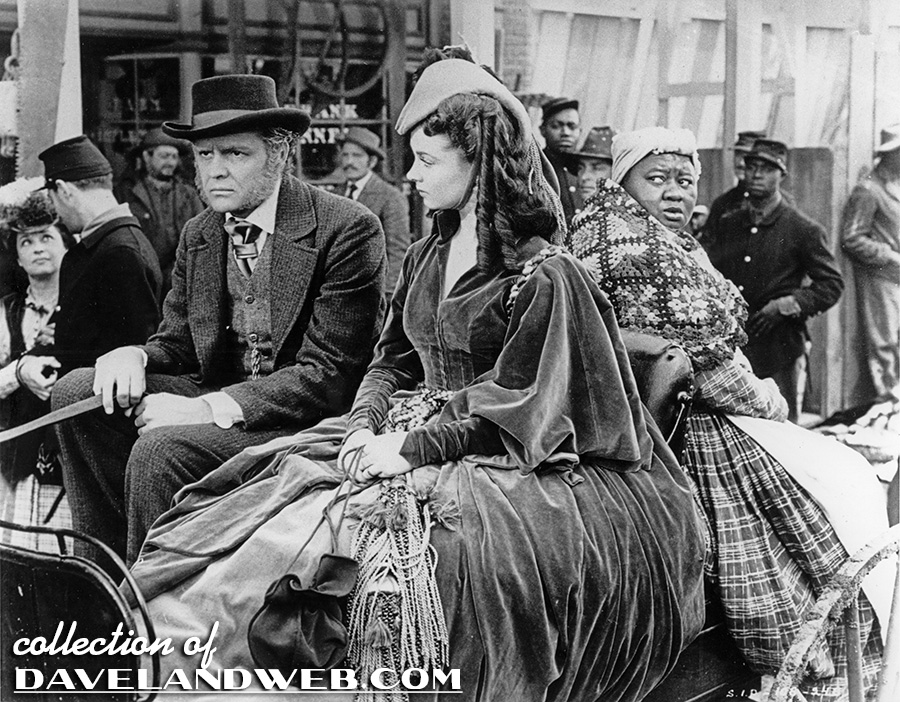
When Scarlett’s famous drapery dress fails to get the money she needs from Rhett to save Tara, she focuses her attentions on her sister’s beau, Frank Kennedy (Carroll Nye, at left):


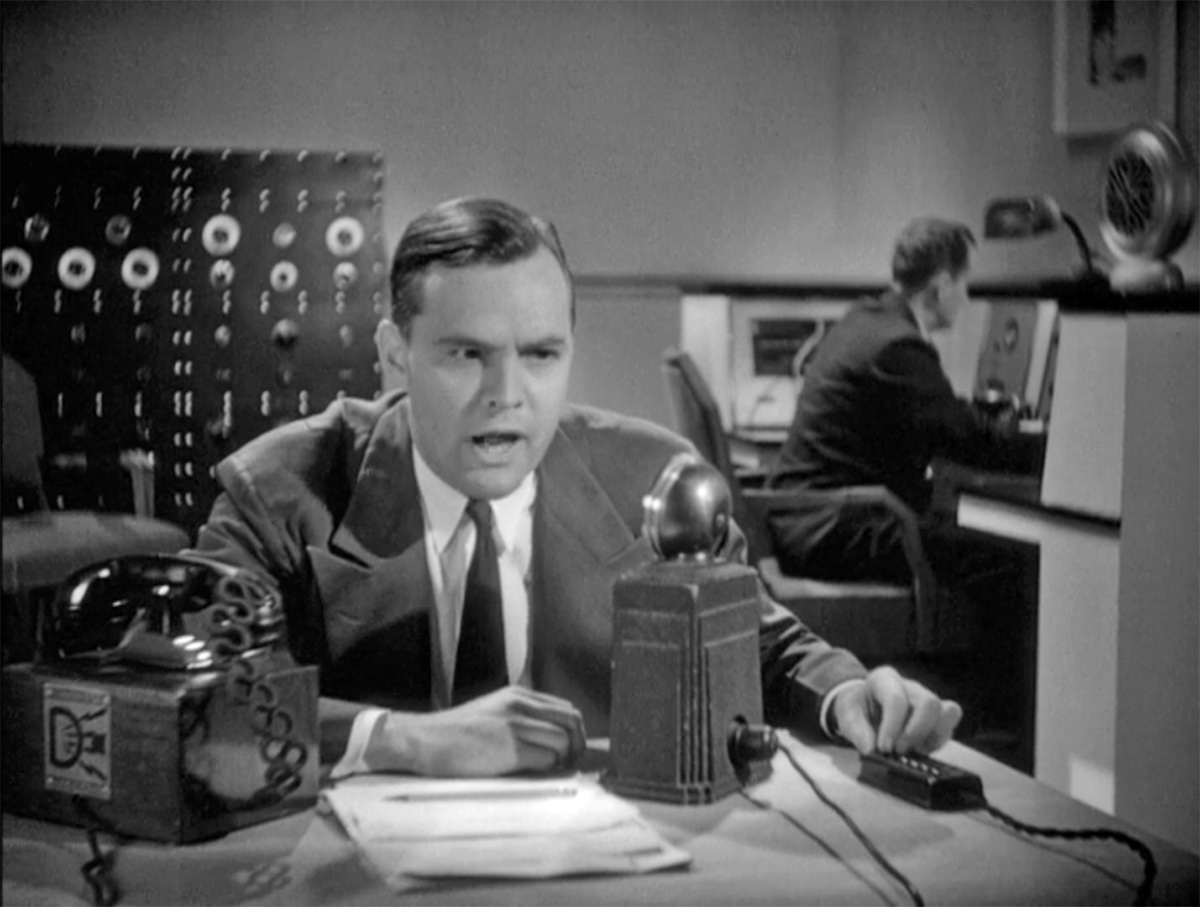
In the 1938 film, “Rebecca of Sunnybrook Farm,” Shirley feigns laryngitis to get out of a radio gig with her conniving stepfather:
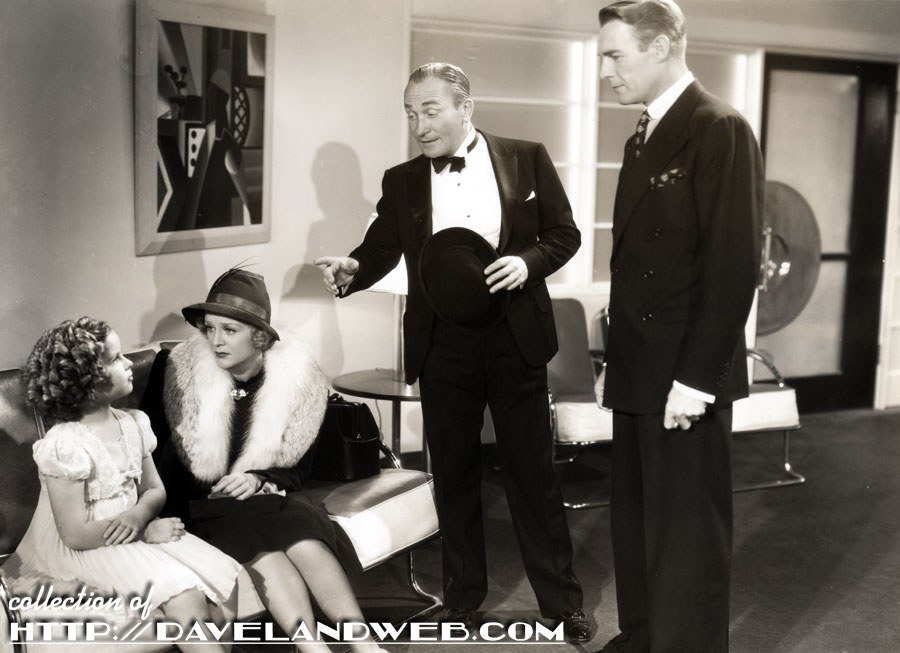


Carroll Nye played the station radio announcer in that film:


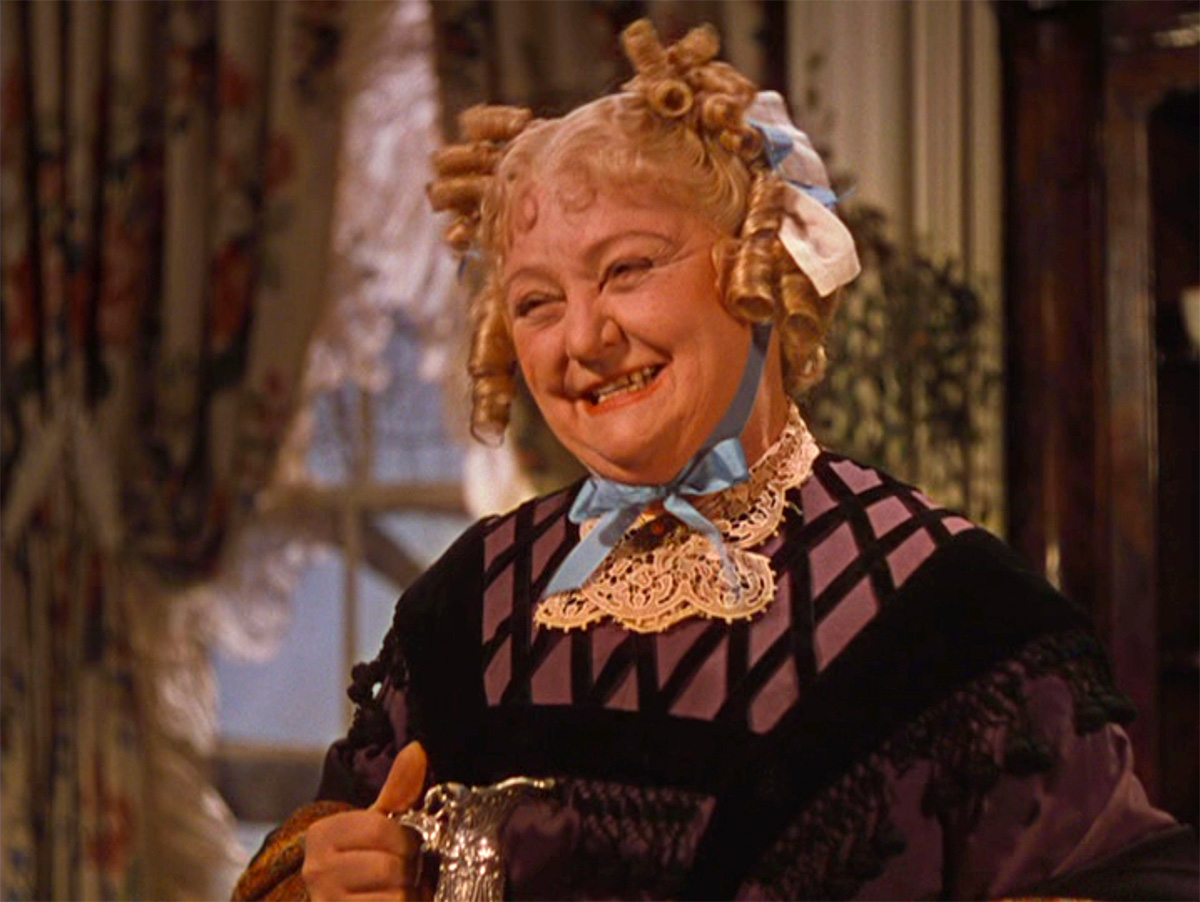
Laura Hope Crews portrayed the scatter-brained Aunt Pittypat, hostess to Scarlett while she stayed in Atlanta.


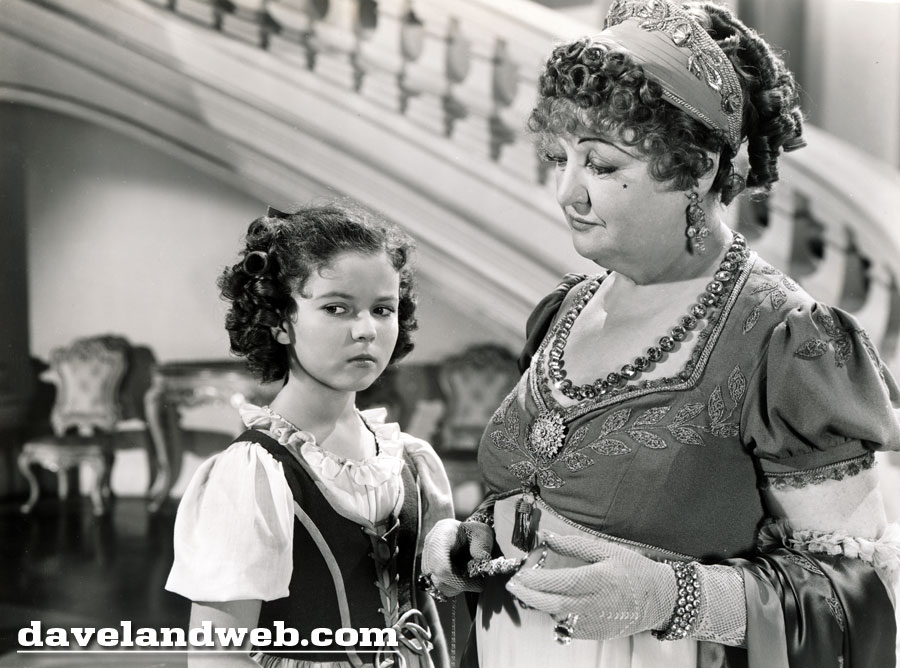
In “The Blue Bird” (1940), Crews played the snooty Mrs. Luxury.


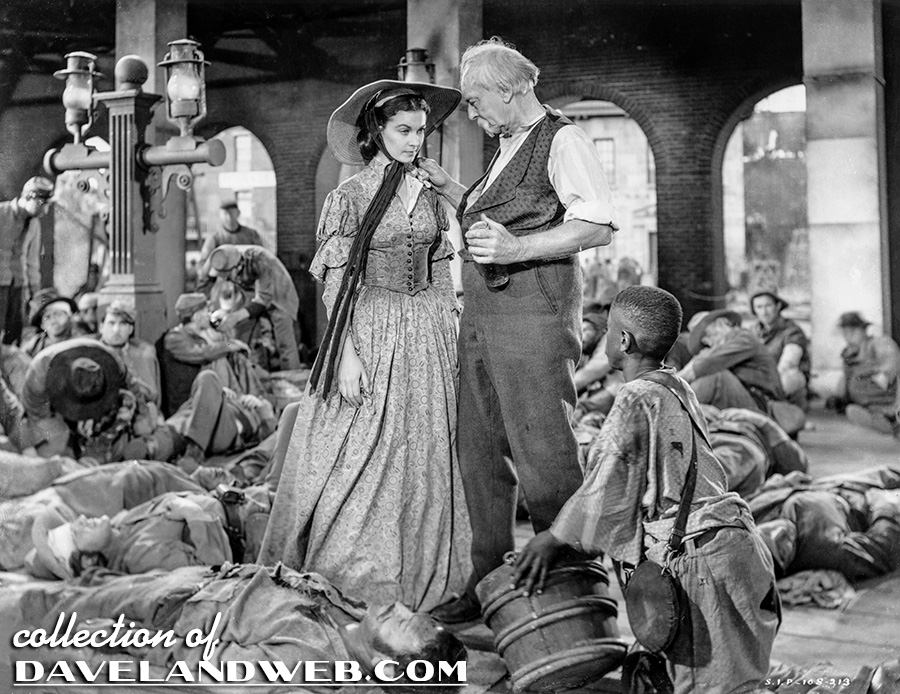
Harry Davenport was Dr. Meade, who left Scarlett to her own devices when it came to helping Melanie give birth. Apparently he was a doctor who did not make house calls!


In Shirley’s 1947 comedy, “The Bachelor and the Bobby-Soxer,” he played her great uncle, Judge Thaddeus Turner.


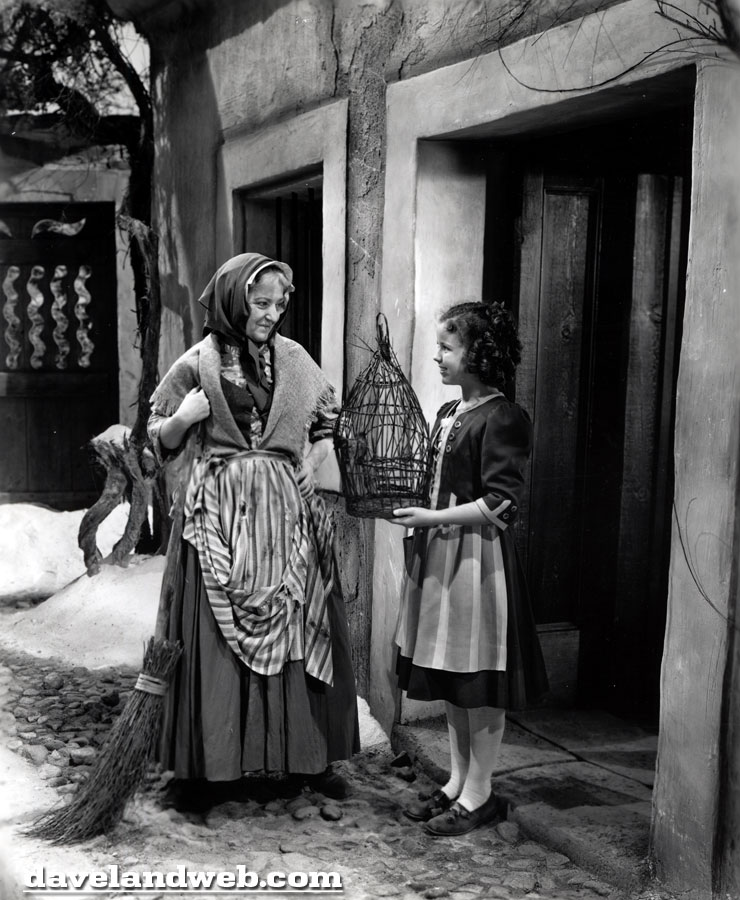
Leona Roberts was Mrs. Meade (the doctor’s wife) in “Wind.” As you can see by her withering look, she was not a fan of Scarlett’s!


In “The Blue Bird,” Roberts’ character warmed up to Shirley when she brought her daughter the gift of the blue bird.


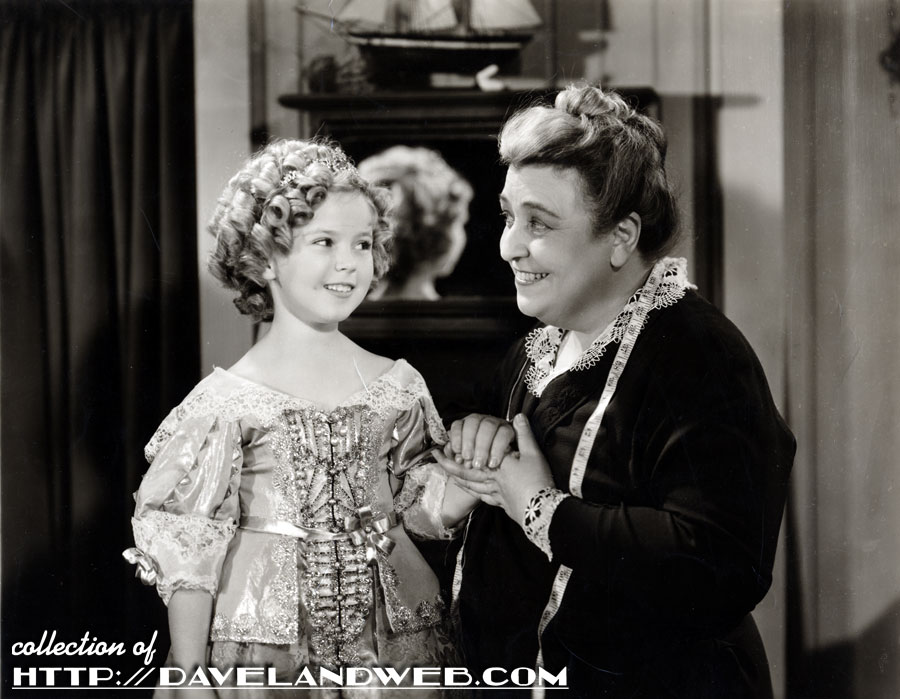
Jane Darwell was the town gossip, Dolly Merriwether, in “Wind”:
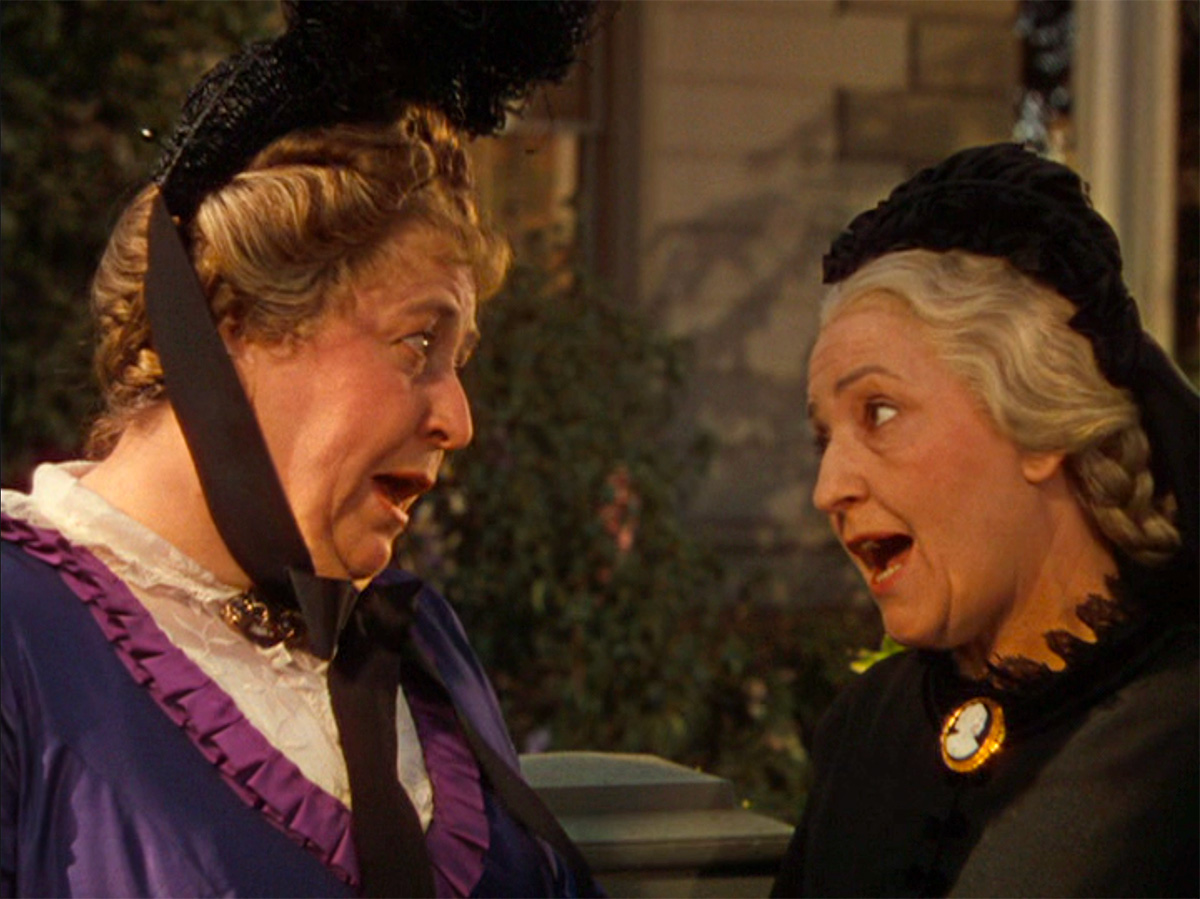


Darwell had prominent roles in five Shirley movies: “Bright Eyes” (1934), “Curly Top” (1935), “Poor Little Rich Girl” (1936), “Captain January” (1936, pictured below), and “Little Miss Broadway” (1938).


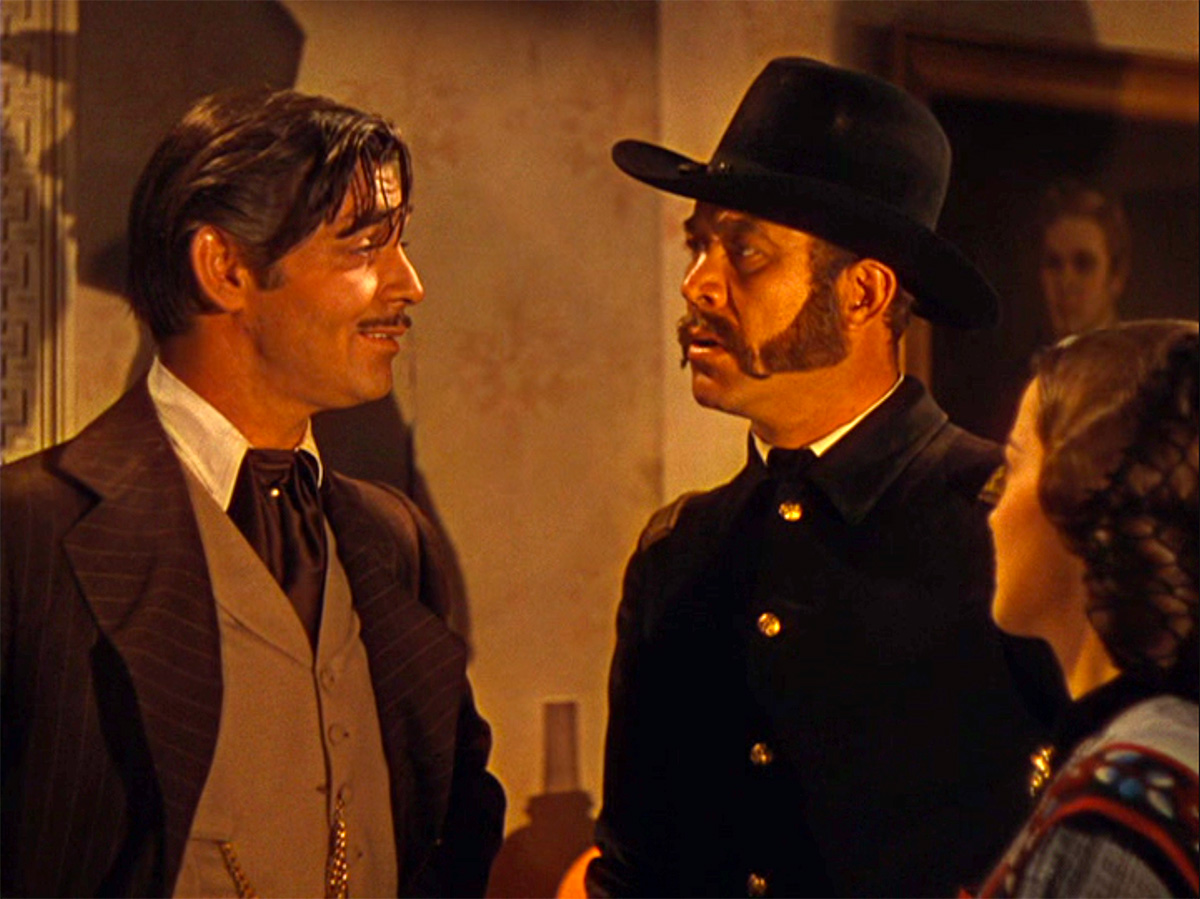
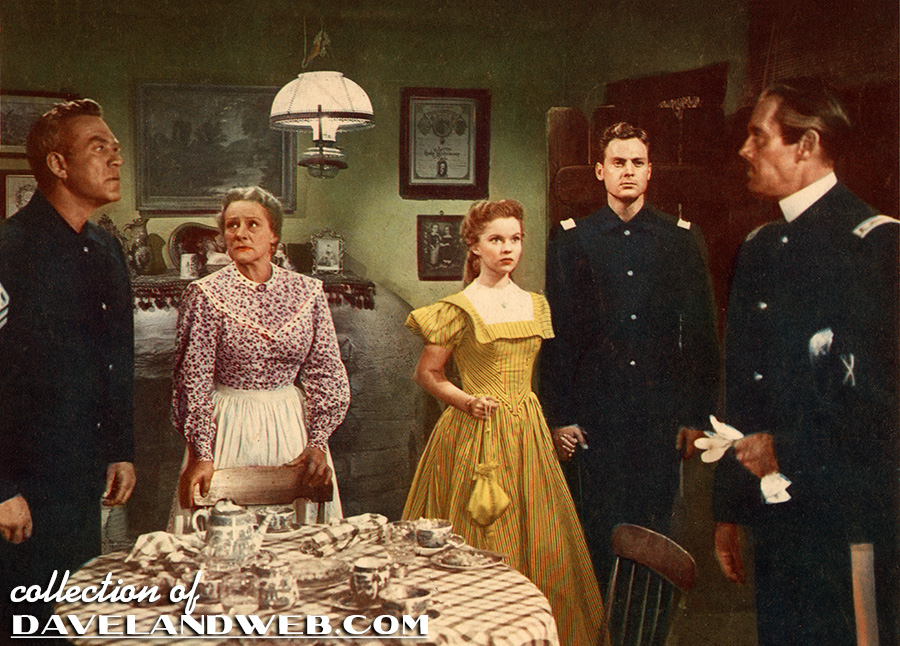
Ward Bond was the gruff Yankee Captain Tom who kept his friend Rhett out of trouble:


He and Shirley worked together in John Ford’s “Fort Apache” (1948):


Irving Bacon was one of Rhett’s guards when he is detained in “jail”:
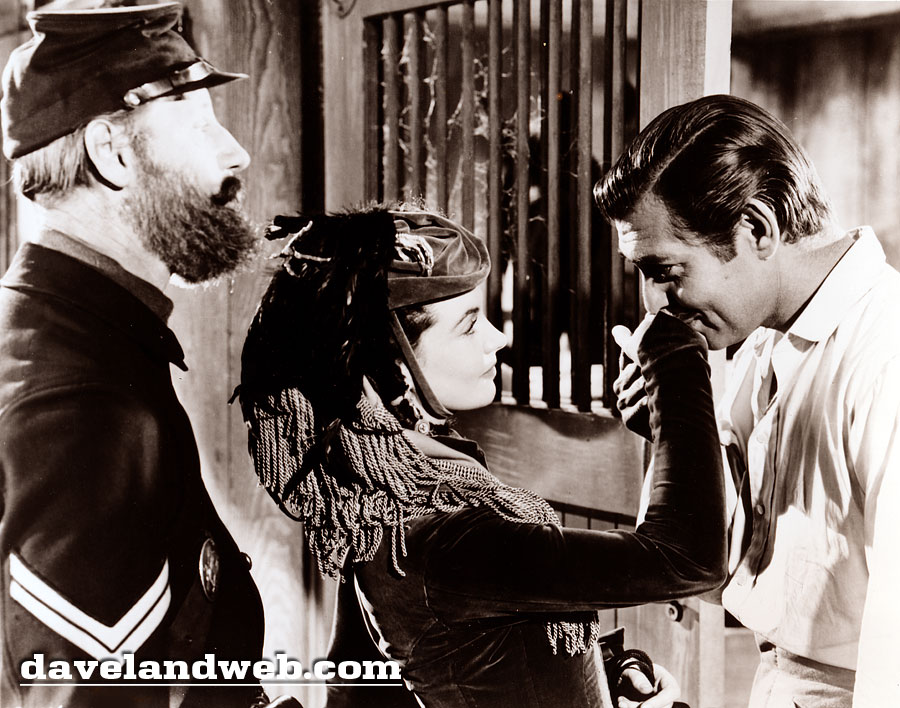


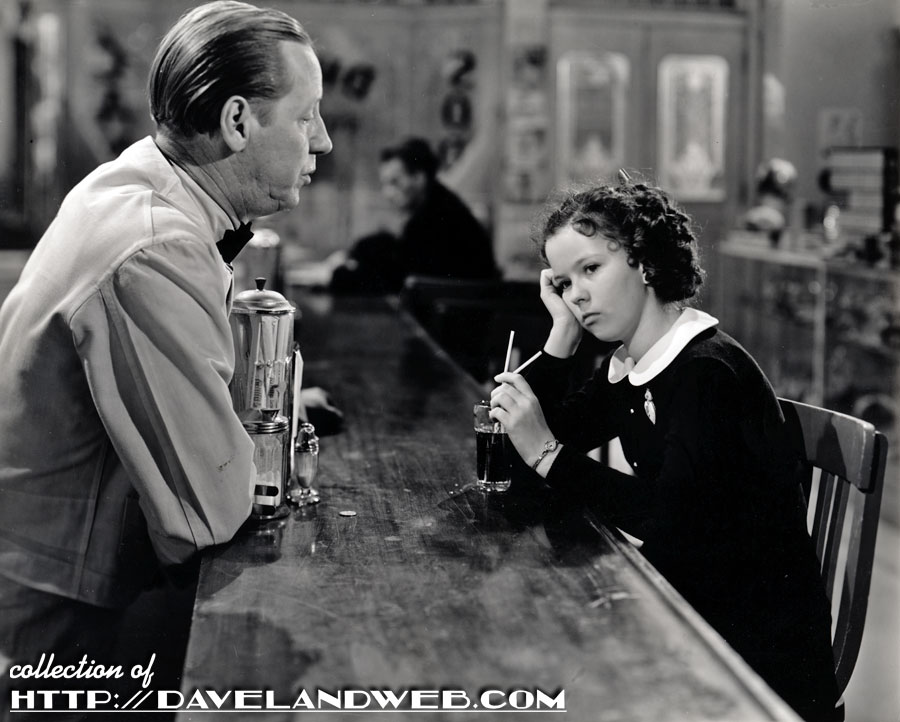
In “Young People” (1940), Bacon over-serves Shirley at the soda fountain. Bacon also had minor parts in “Since You Went Away” and “The Bachelor and the Bobby-Soxer”


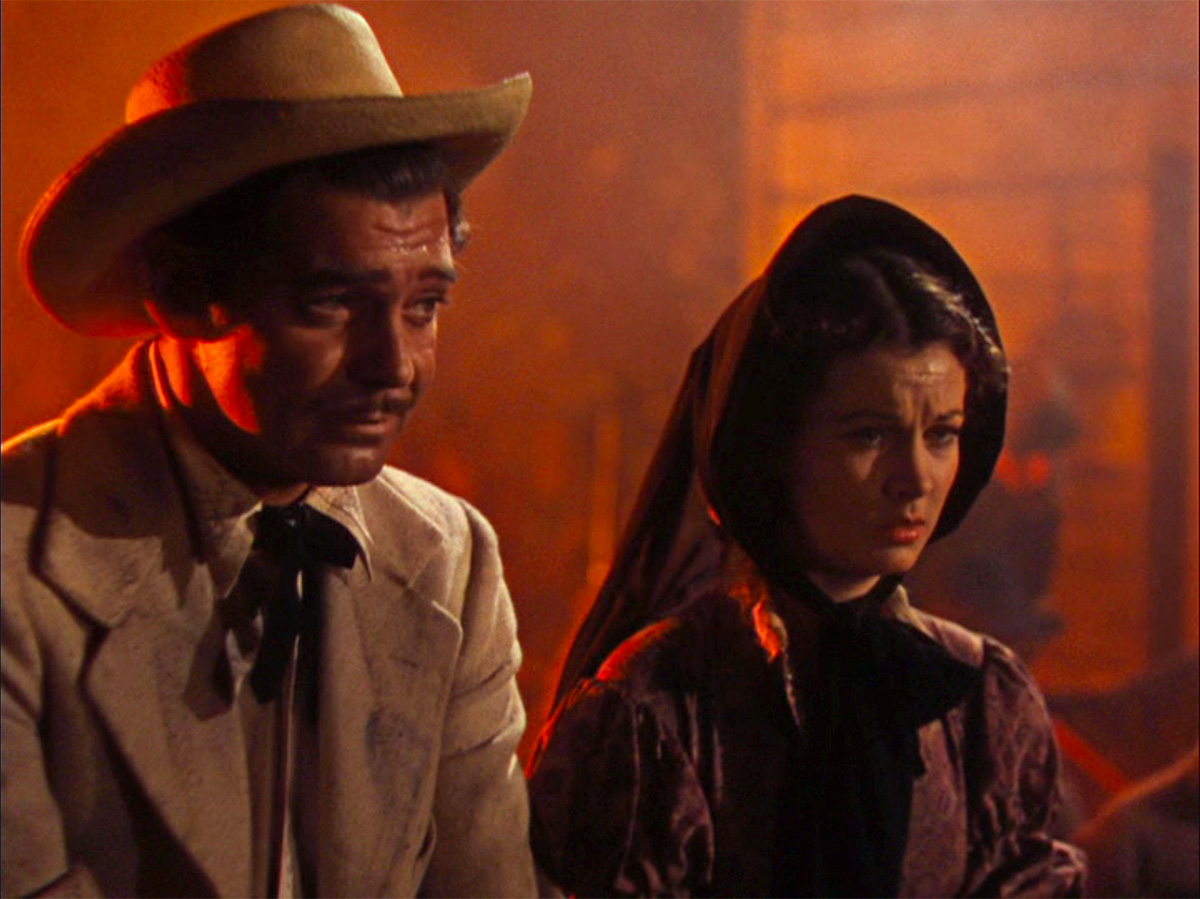
When Rhett and Scarlett have to evacuate Atlanta, they are surrounded by wounded Confederate soldiers doing the same.


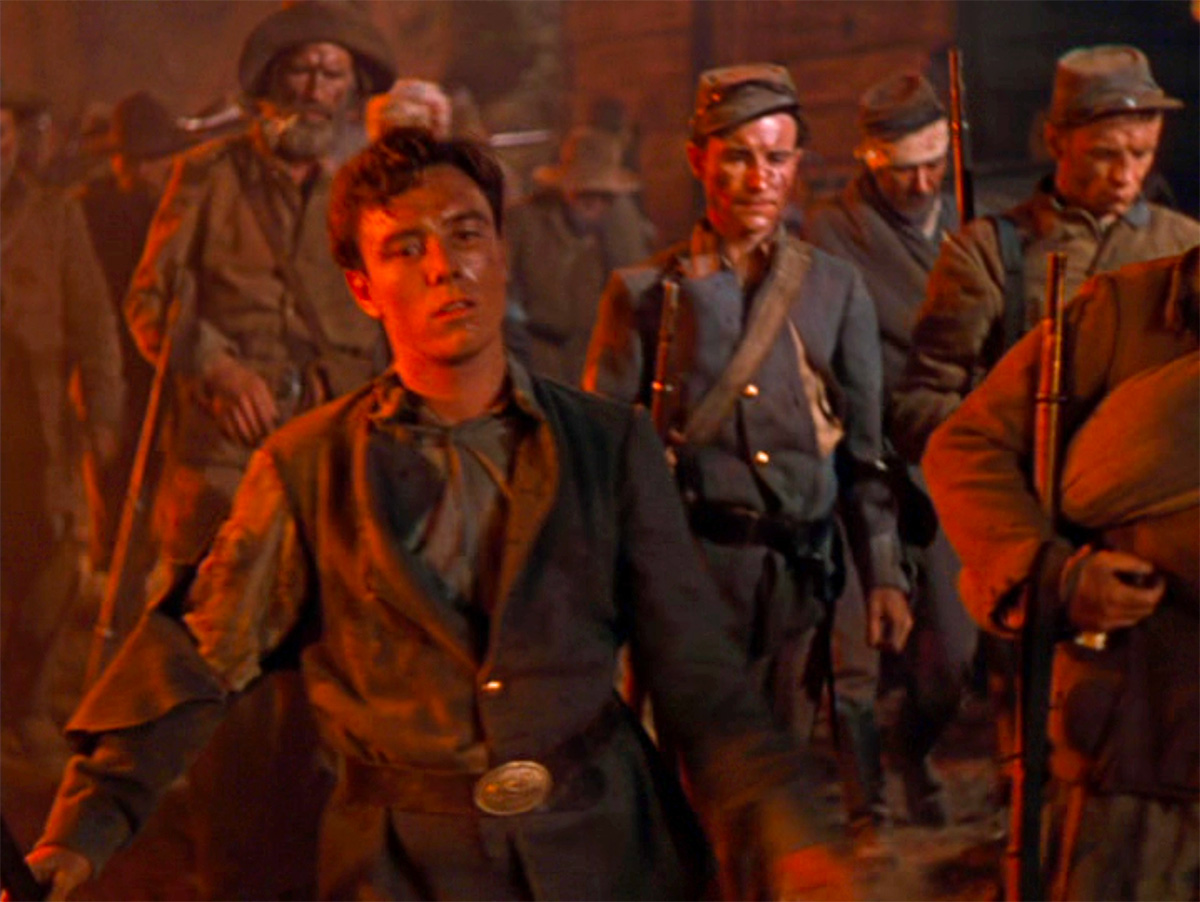
Junior Coghlan had an uncredited part as a collapsing soldier.


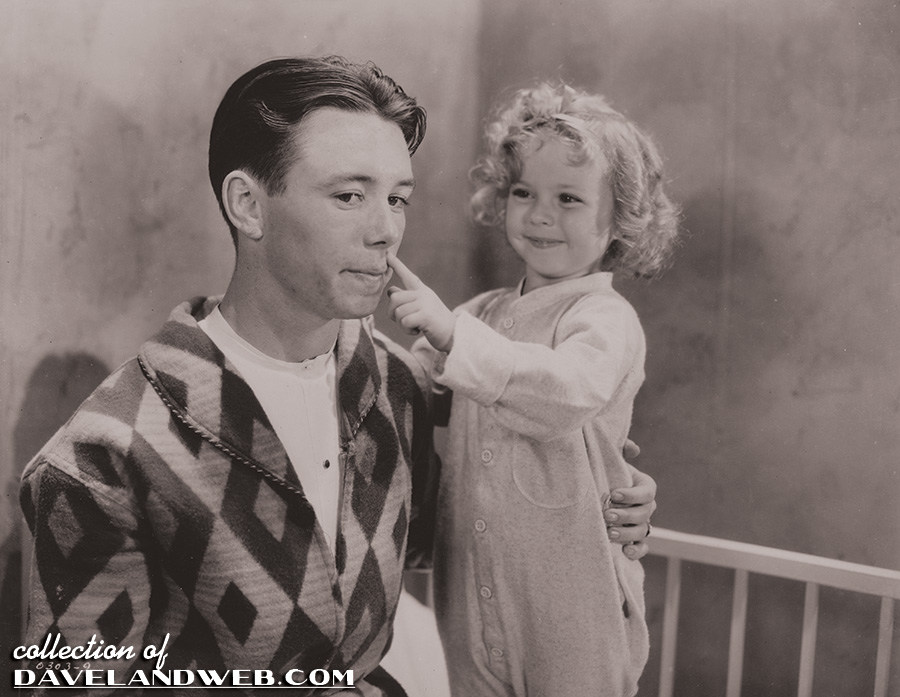
Six years earlier, he played Shirley’s older brother in the Frolics of Youth short, “Merrily Yours” (1934).


UPDATE: I just realized that actor Paul Hurst is another Shirley/GWTW connection! In “Gone with the Wind,” Paul plays the Union deserter who attempts to rob a destitute Scarlett of the few items she has left from the already pillaged Tara.
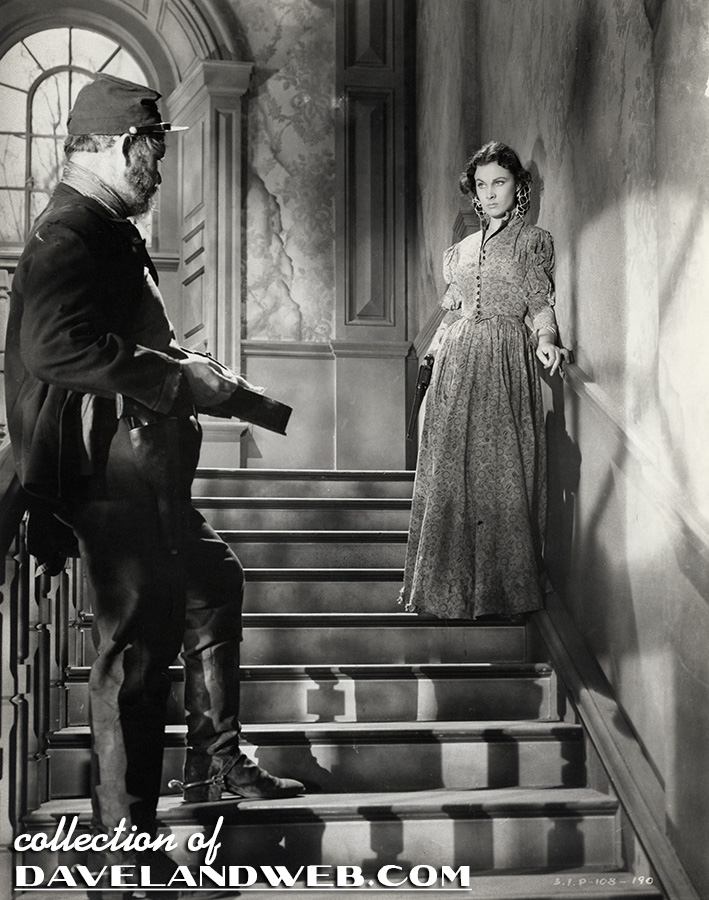


Bad choice on his part, as his efforts yielded a bullet in the forehead from Scarlett.


In “Rebecca of Sunnybrook Farm” (1938), Paul plays a grumpy stage-father (below center) who is attempting to get his daughter (Mary McCarty) discovered on a radio show which Rebecca (Shirley) eventually gets instead. In real life, the actor took his own life on February 27, 1953 as a result of ill health.
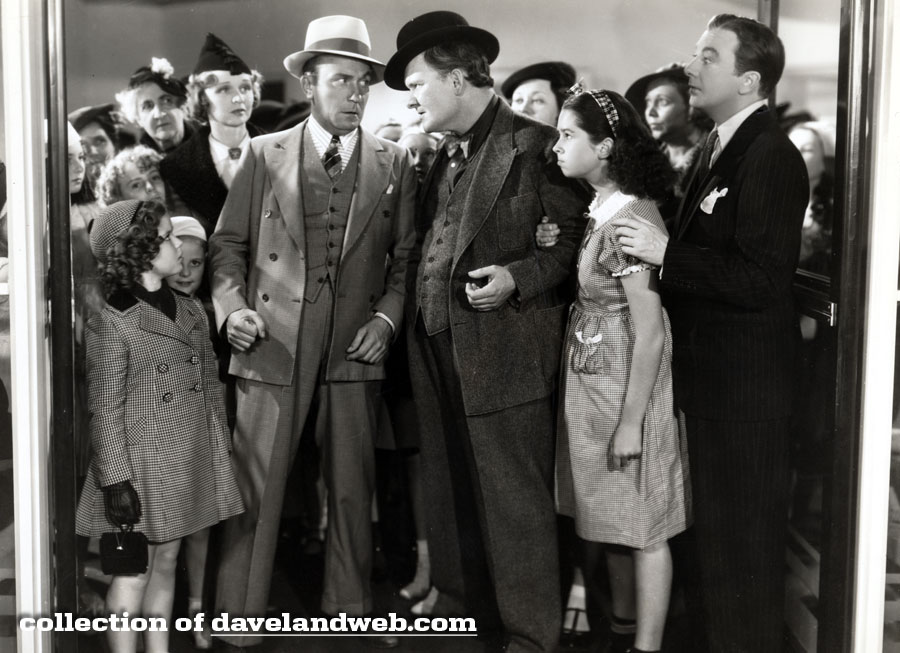


Wow! That’s a lot of “Wind” connections. According to legend, Shirley was briefly considered for the part of Scarlett’s sisters, Careen. A role that minor for Shirley in 1939 would have been out of the question, especially for a loanout.

See more Shirley Temple photos at my main website.