Showing posts with label deleted scene. Show all posts

Monday, January 13, 2025

Vintage Sunset Boulevard: At the Drive-In


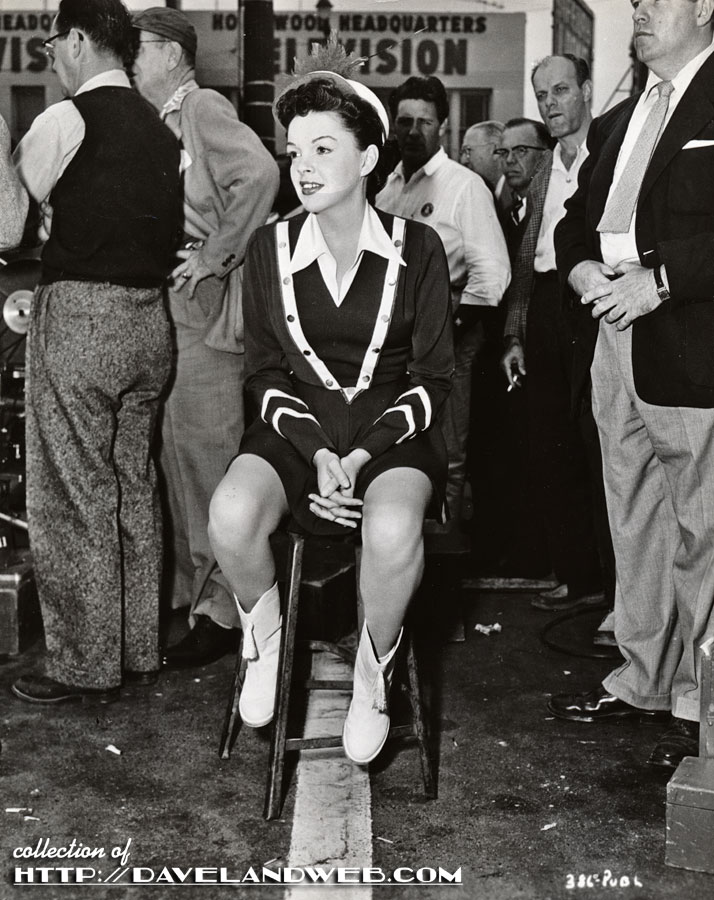
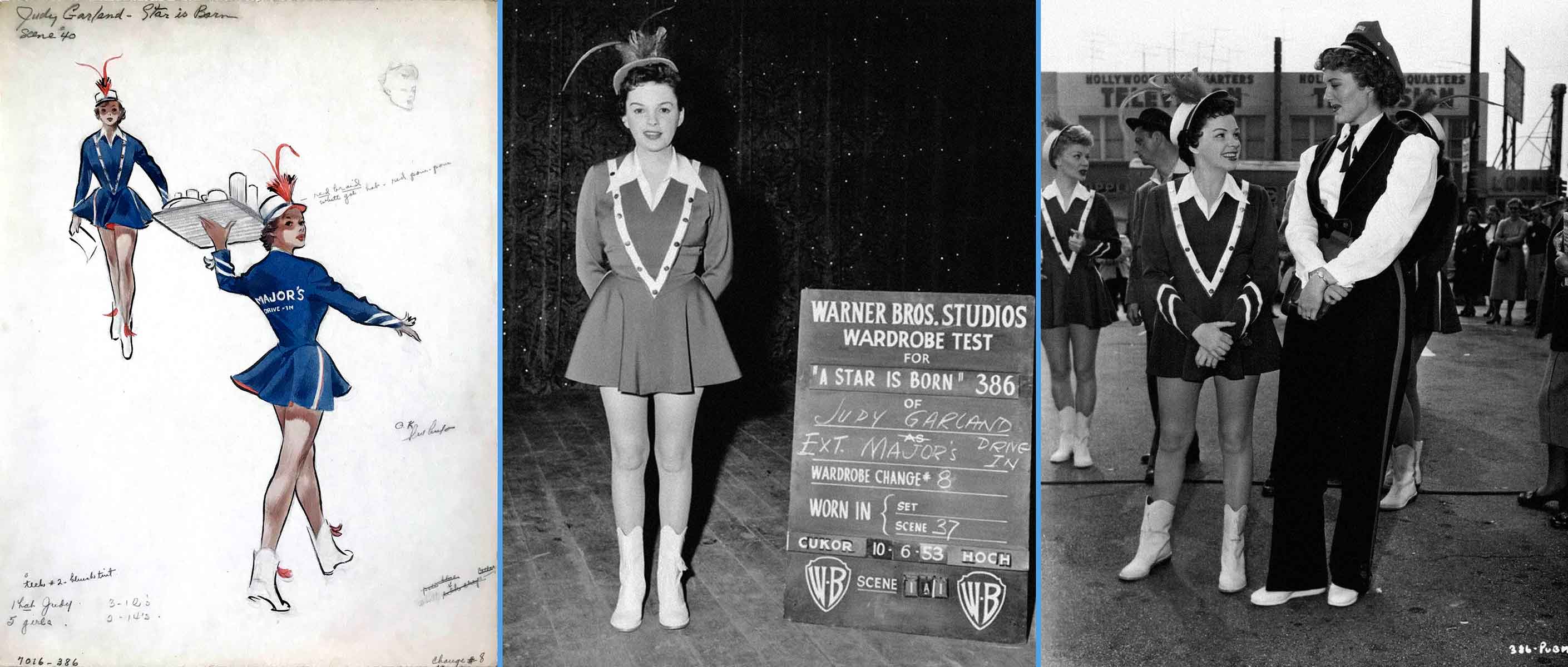
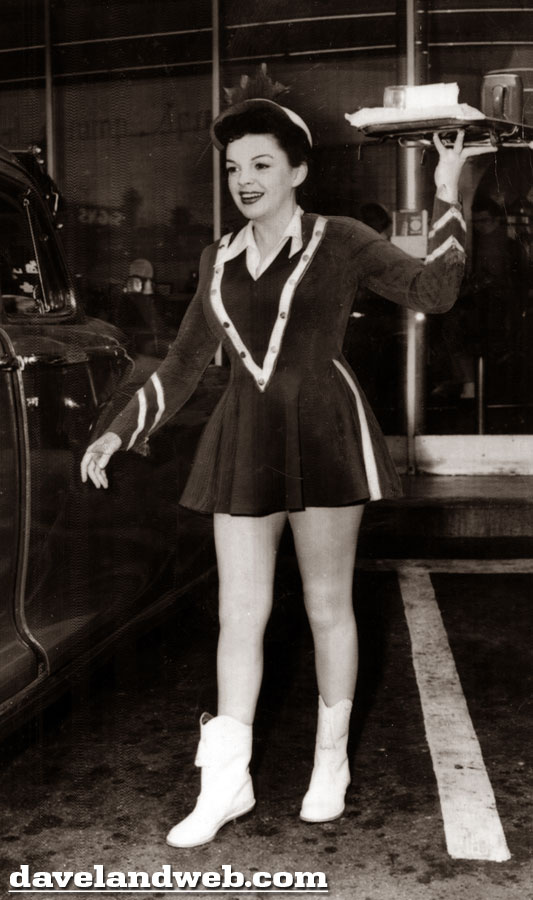
In the 1954 Judy Garland movie, “A Star is Born,” there was a scene where Judy’s character, financially struggling singer Esther, has to take a job as a carhop to make ends meet. The scene was cut after the premiere, and then re-instated when the film was restored (for the most part) in 1983. Below are the costume sketch, wardrobe test shot, and a publicity still taken between takes.


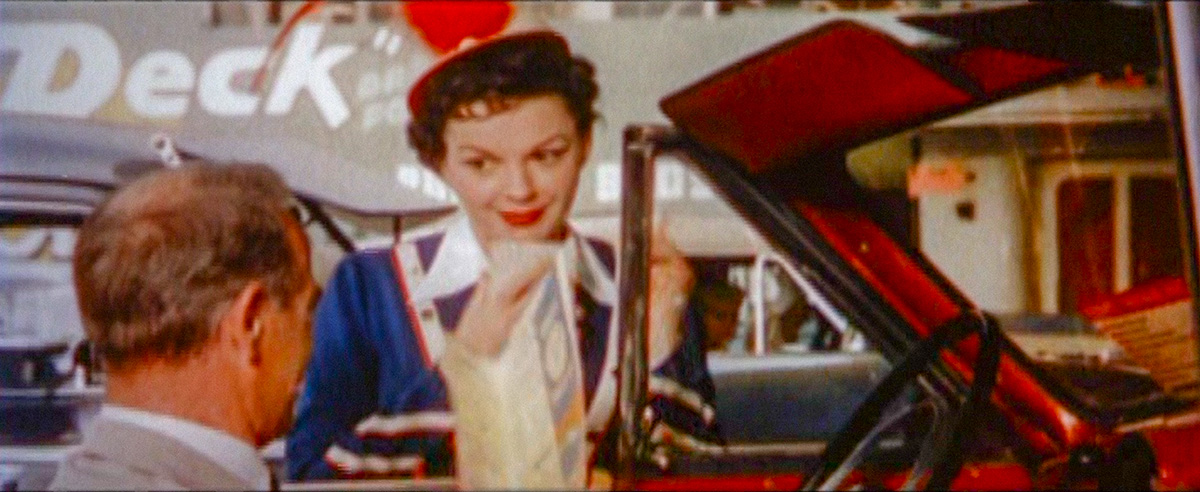
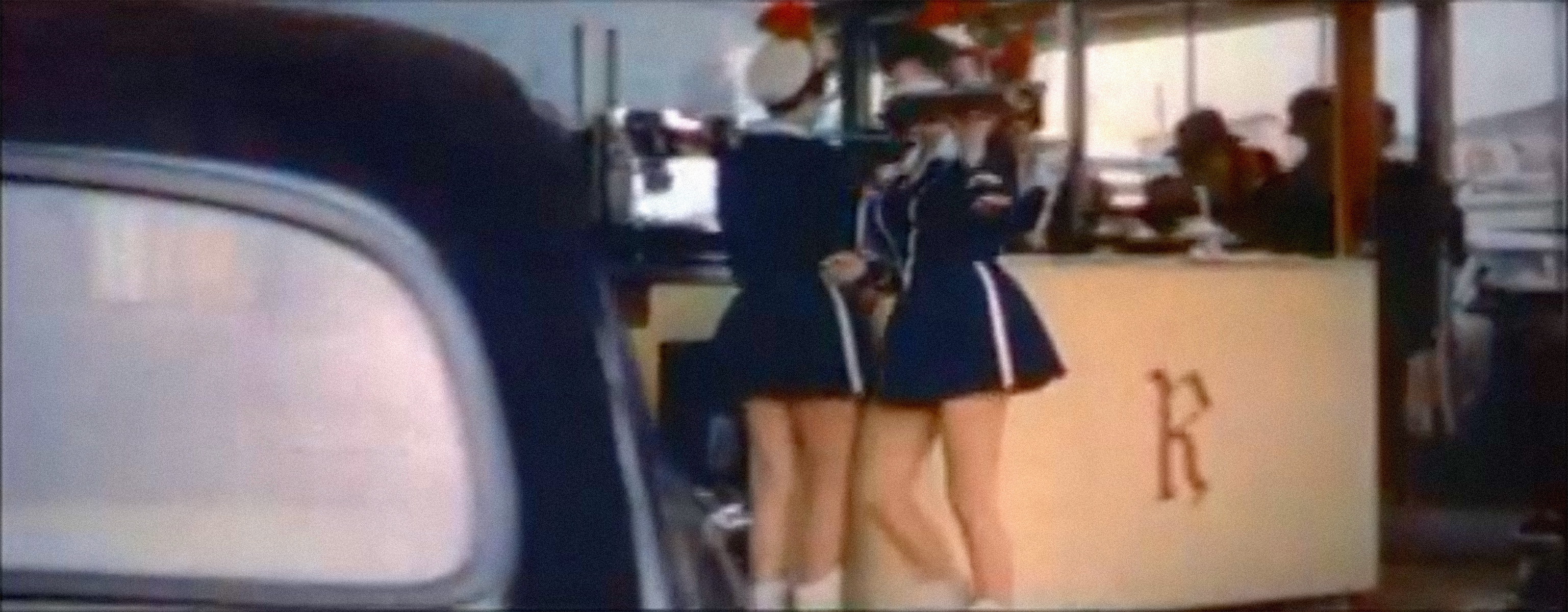
The scene was filmed at Robert’s Drive-In at 6407 Sunset Boulevard (corner of Sunset and Cahuenga). Note the “R” on the side of the building in this frame from the scene:


If you don’t know what a Drive-In restaurant is, it was a place where you parked your car in a space in front, a carhop (aka waiter) came out to take your order, and then the food was brought out to you shortly after that. You never had to leave your car.

From The Judy Garland News:

October 14, 1953: Photos from the third day of filming on A Star Is Born and the first day of location shooting. The production descended on Robert’s Drive-In at the corner of Sunset Boulevard and Cahuenga Street in Hollywood to film the carhop scenes. The scene was filmed in the morning, requiring eight takes for the set-up shots and fourteen takes of Judy – medium shot – telling the customer the types of hamburgers they had that day. The numerous takes were required due to the excessive background noises.

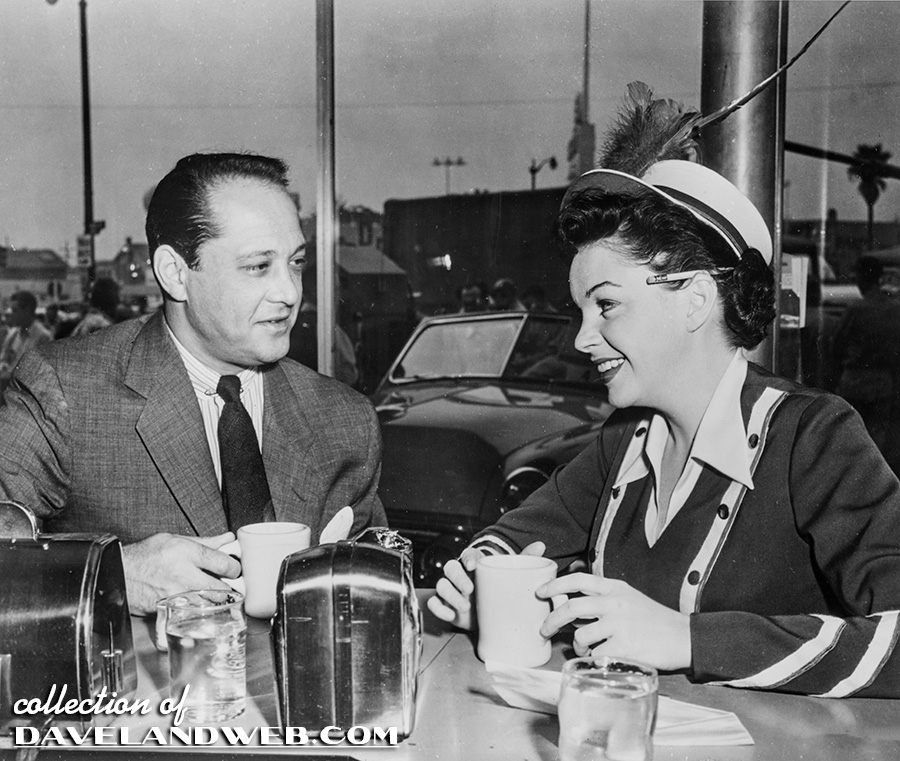
Below, Judy enjoys a cup of coffee with husband Sid Luft.


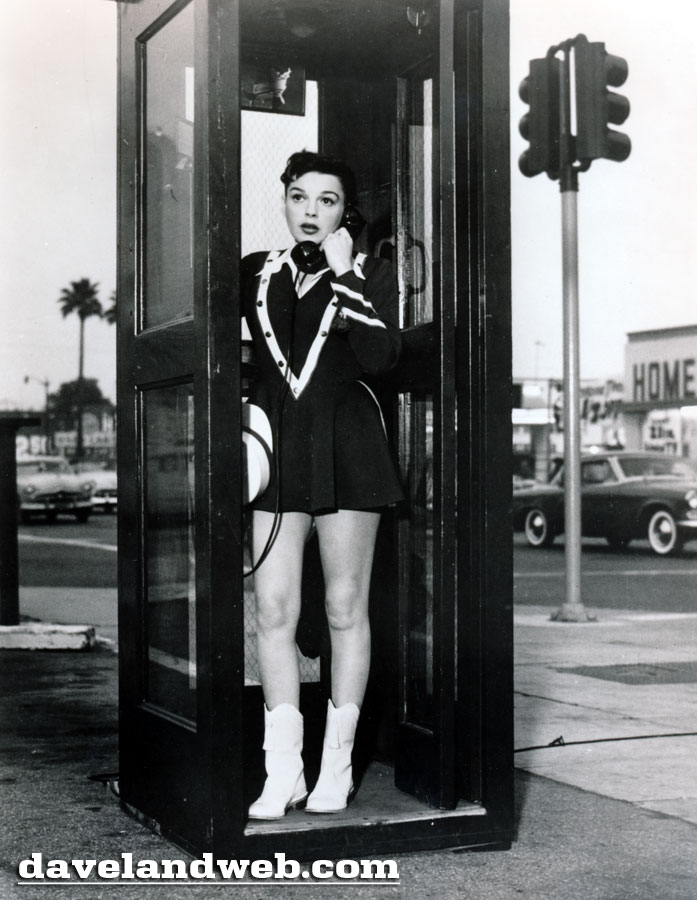
Part of the scene shows Judy calling one of her friends from the band she used to sing for; she attempts to paint a rosy picture of her situation.


This publicity blurb accompanied the photo below:

HOLLYWOOD, Oct. 19 — JUDY GARLAND BACK IN MOVIES — AS A CAR-HOP — Judy Garland, facing movie cameras for the first time in three years, whirls a tray of food up to a car at a Sunset Boulevard drive-in. She was practicing on a few cars just before cameras began to role on her car-hop scenes for the film “A Star is Born.” The star left her studio in 1950 after disagreements and turned to stage appearances.


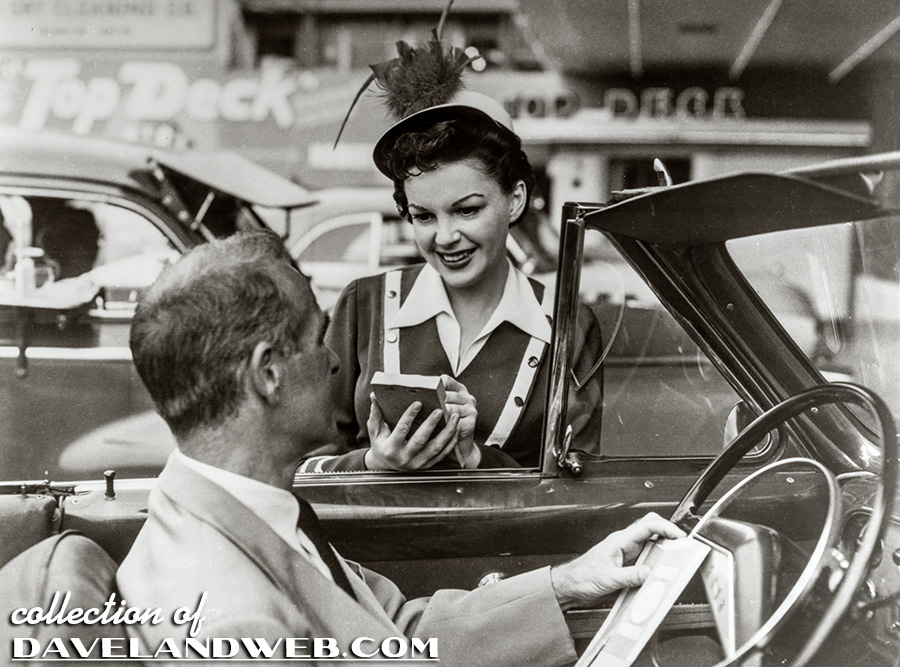
A publicity still from the movie showing Judy taking the man’s order:


By 1956 Robert’s had changed ownership and was called Scrivner’s; today, there is a Jack in the Box restaurant at that location (the original building was torn down).

Robert’s wasn’t the only Drive-In on Sunset Boulevard; there was also the Dolores Drive-In, at 8801 Sunset Boulevard. Below are actor Bob Hutton and Arlene Dahl, circa 1947.
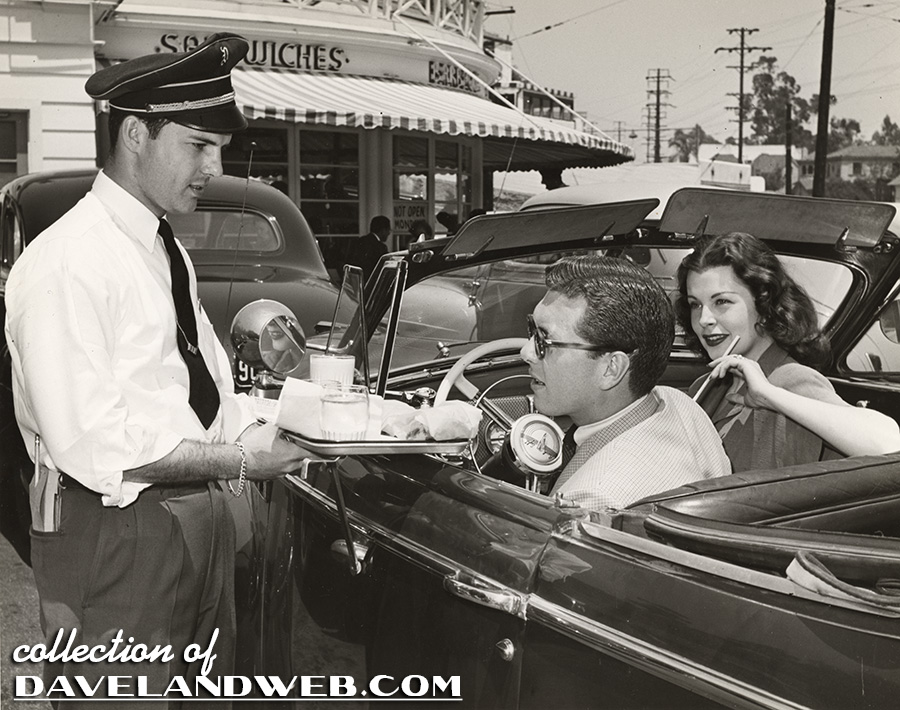


Note the “D” on the carhop’s hat, and Arlene’s luscious lips in the side view mirror:
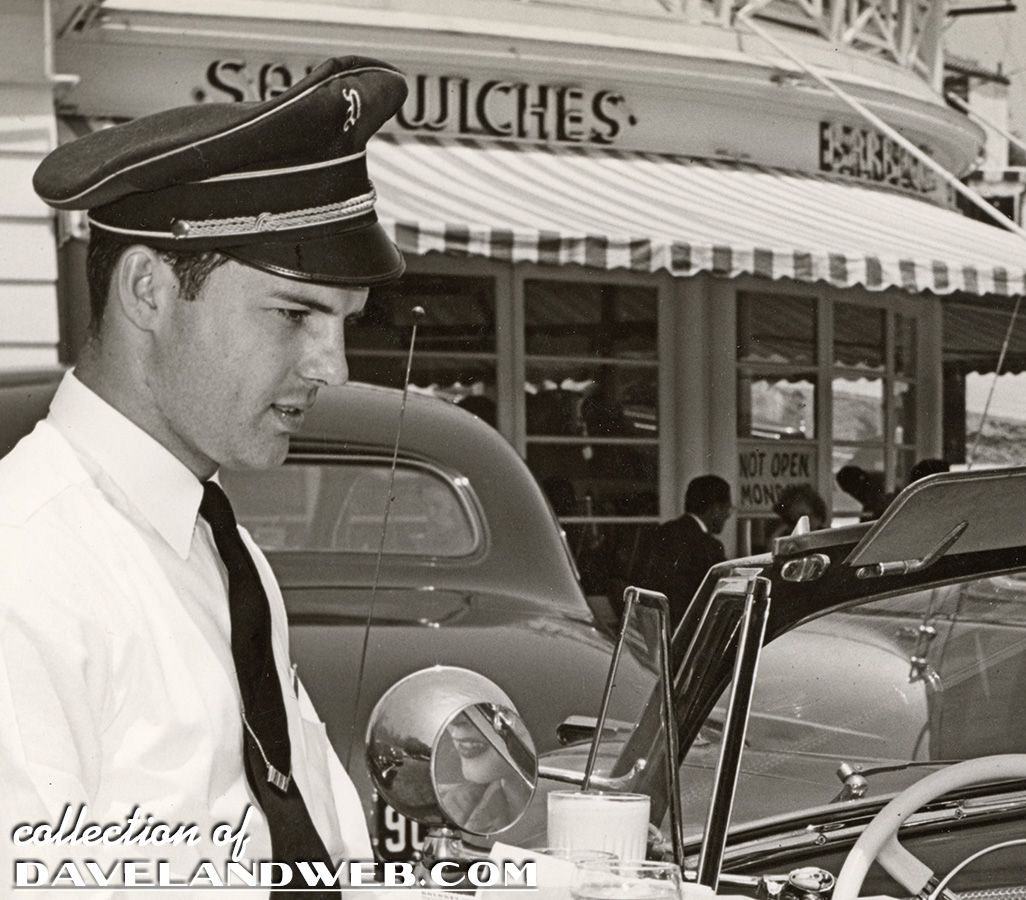


The building was naturally torn down (as interesting buildings in LA usually are) and is now a bland box of a building that houses Supreme Clothing, a store that sells streetwear.

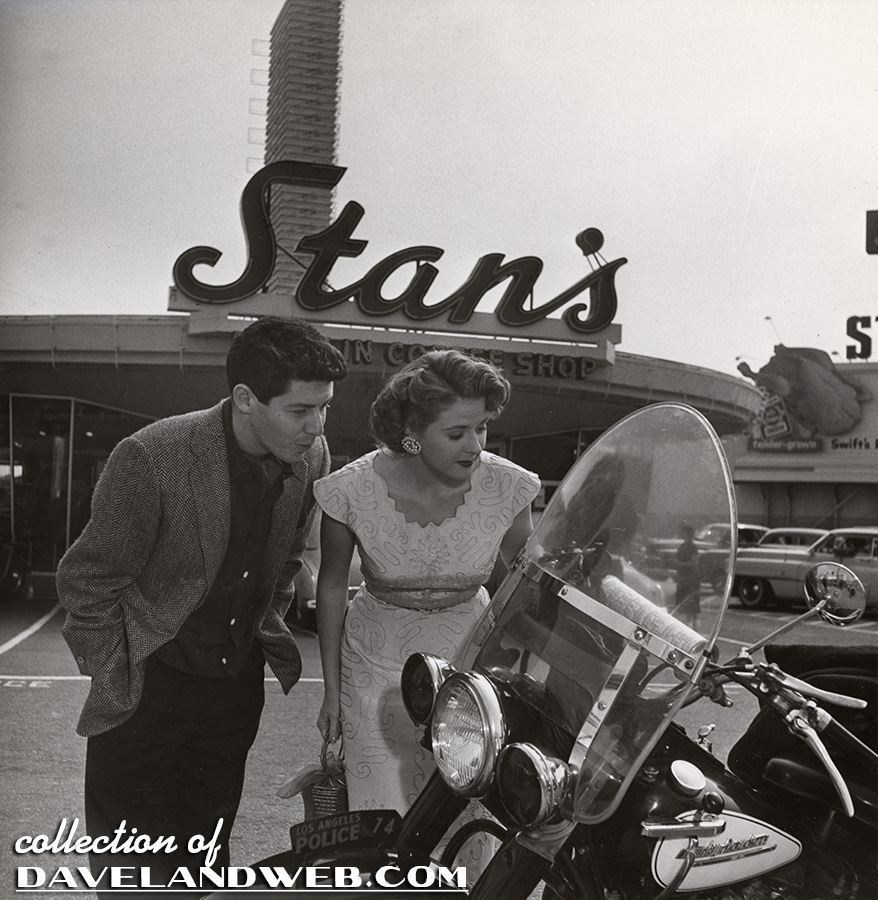
Stan’s Drive-In was located at the corner of Sunset Boulevard and Vine, across from NBC. Eddie Fisher and Mala Powers are shown in front, March 1954, in a photo credited to Bert Parry and Bob Beerman for Modern Screen Magazine.


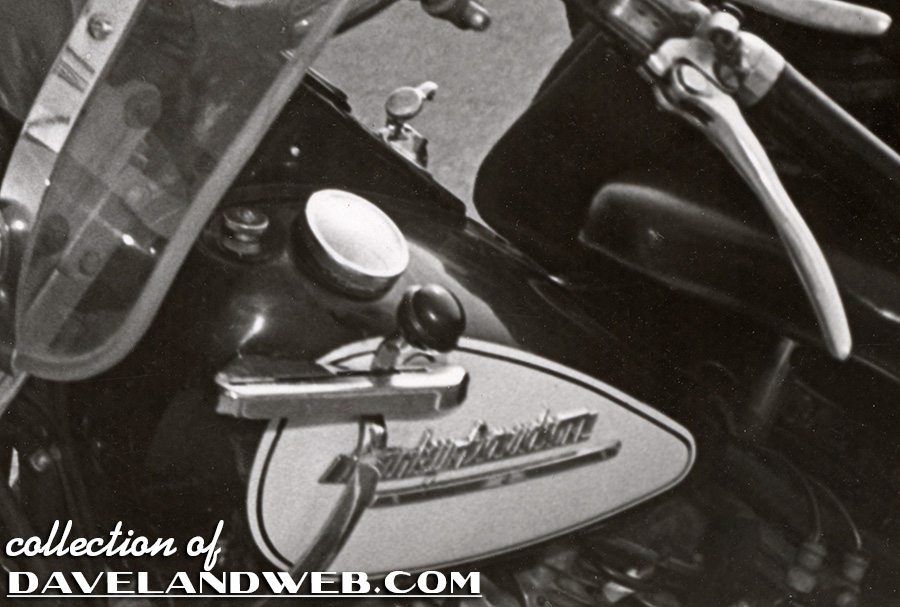
Apparently policemen drove Harley-Davidsons at the time:


Anyone miss the old Drive-In restaurants where you could pull your carhop, order your meal, and not leave the comfort of your automobile?
 
See more photos at my main website.

Tuesday, March 07, 2023

Temple Tuesday: Blue Bird Deletion


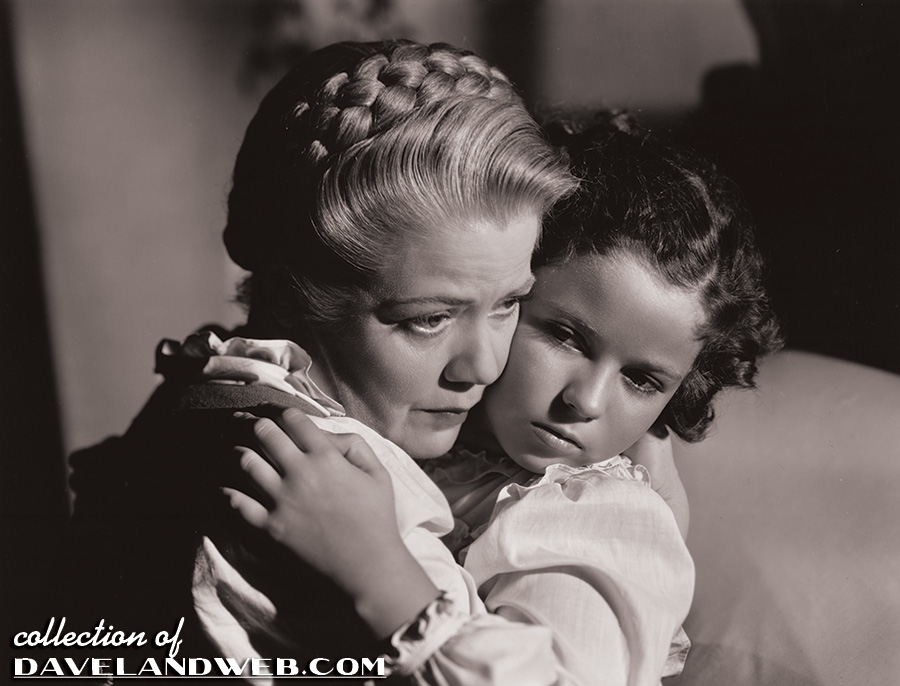
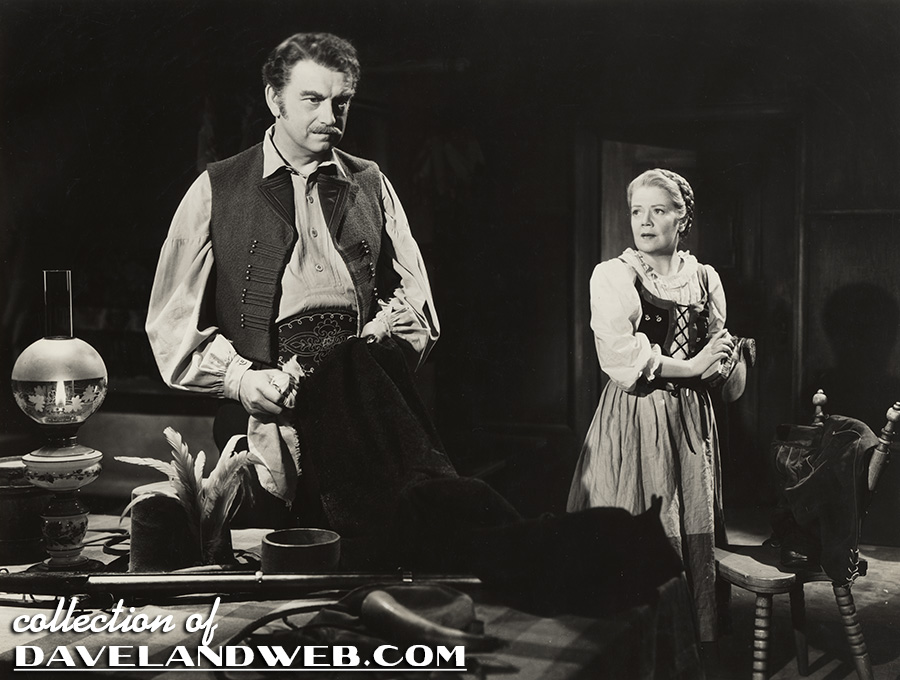
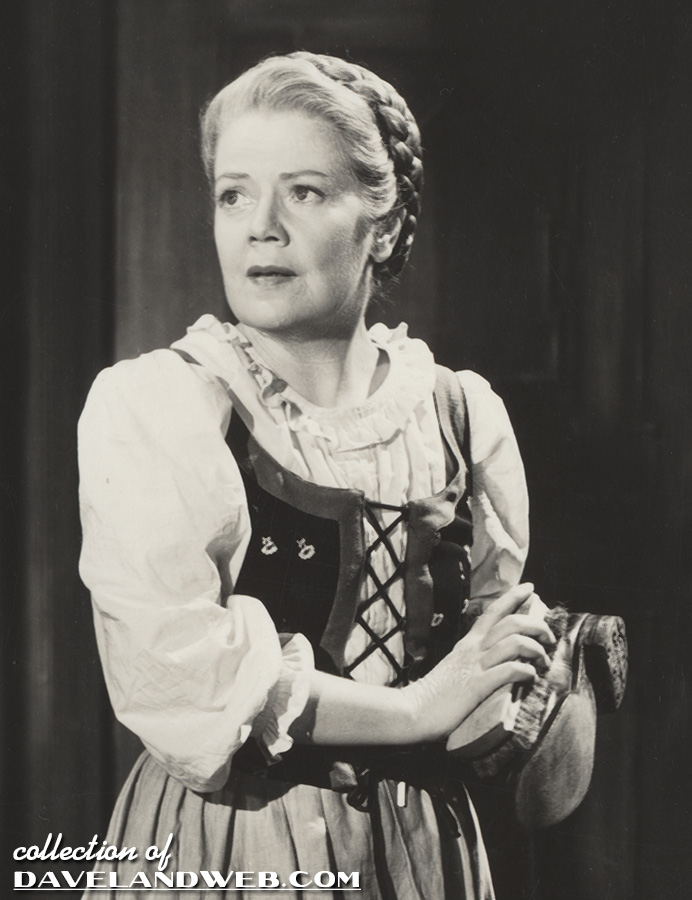
Deleted scenes from vintage classics rarely survive, yet there are often little bread crumbs that still exist, showing what might have been. Shirley Temple’s 1940 film “The Blue Bird” begins with some depressing sepia-toned scenes about the impending war that cause the father (Russell Hicks) to leave the family at Christmas time. Mother (Spring Byington) and daughter (Shirley) comfort each other after they learn of this news. In the finished film, the two children go to sleep and we next see them being awakened to a Technicolor world of talking animals, fairies, and children from the future. Originally, there was to be another scene before the film transitioned into color. I recently acquired this vintage photograph which illustrates the deleted footage. Melissa (aka “The Colonel”) immediately dug up her copy of the script to provide the accompanying text:


INT. KITCHEN

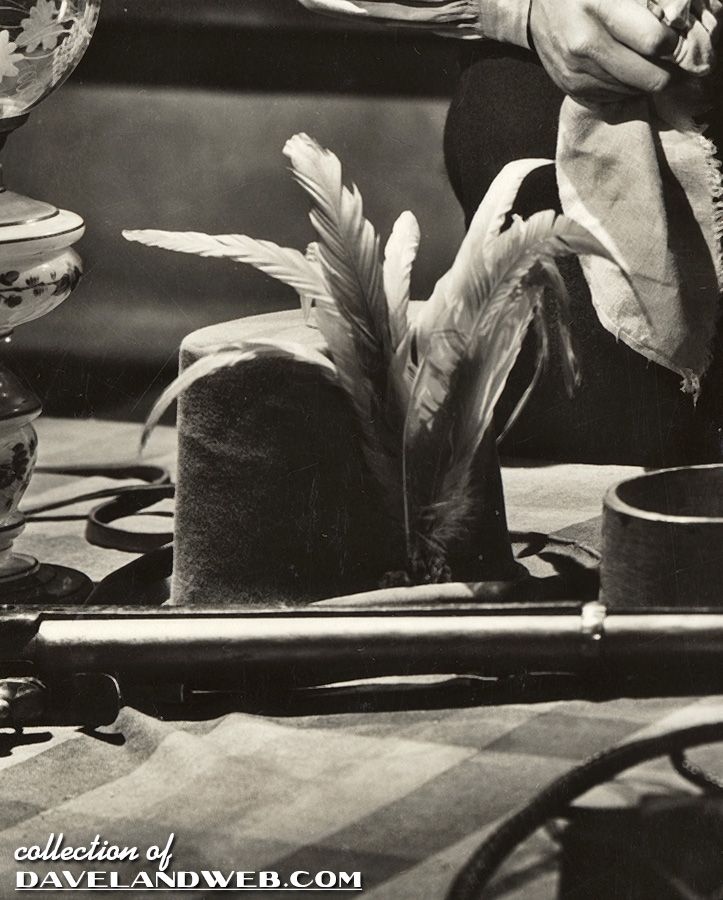
Daddy Tyl is fixing up his military accoutrement.About him on table and chair are his boots, his cap, his uniform. He is polishing the brass buttons on his tunic.


After a moment Mummy enters. She drops to her knees and picks up a boot, starting to polish it.

DADDY
(noticing this and forcing a smile)
I’ve almost finished. Good serviceable stuff - these uniforms - (with a dry laugh) - as though they were made to last a lifetime!

Suddenly, overwhelmed with grief, Mummy drops the boot and lets the brush clatter to the floor. She covers her eyes with her hands.

MUMMY
(anguished)
I can’t let you go…I can’t!

Daddy looks at her startled, then tenderly helps her to her feet.


DADDY
(tenderly)
There, there…I’ll be all right, Mummy.

ANOTHER ANGLE - FAVORING MUMMY

With an effort she regains control of herself, brushes the tears from her eyes.

MUMMY
I’m sorry. I didn’t mean to be a coward.

DADDY
(tender and comforting)
You couldn’t be that - ever.
(he puts an arm about her shoulder)
You must be tired - and we’ve got quite a day ahead of us tomorrow. Come along, now.

He moves toward the lamp on the table.


INT. MYTYL’S ROOM - CLOSEUP MYTYL

Her head on the pillow - she turns her head restlessly

EXT. COTTAGE - LONG SHOT - TECHNICOLOR

After a moment the light in the window goes out. TECHNICOLOR STARTS ON THIS SCENE AND CONTINUES TO THE END OF THE PICTURE.

FADE OUT


It isn’t too difficult to understand the deletion of this scene; Mummy Tyl already has had a minor breakdown while serving her husband his stew and he bolsters her up. The deleted scene is repetitive and only serves to bring down an already depressing film.

However, the transition from sepia to Technicolor would have been less jarring if the transition had occurred as originally written. In the final film, Shirley and mother hug and the scene fades out. Suddenly, we hear the obnoxious knocking on the front door and the cat waking up, all in vivid Technicolor. It was not surprising to discover that something had been snipped here.

“The Blue Bird” truly was a noble effort on the part of Producer Darryl Zanuck. He intended to have a beloved classic come to life in glorious Technicolor, full of spectacle, beauty, and not so subtle messages about the problems caused by greed and war.


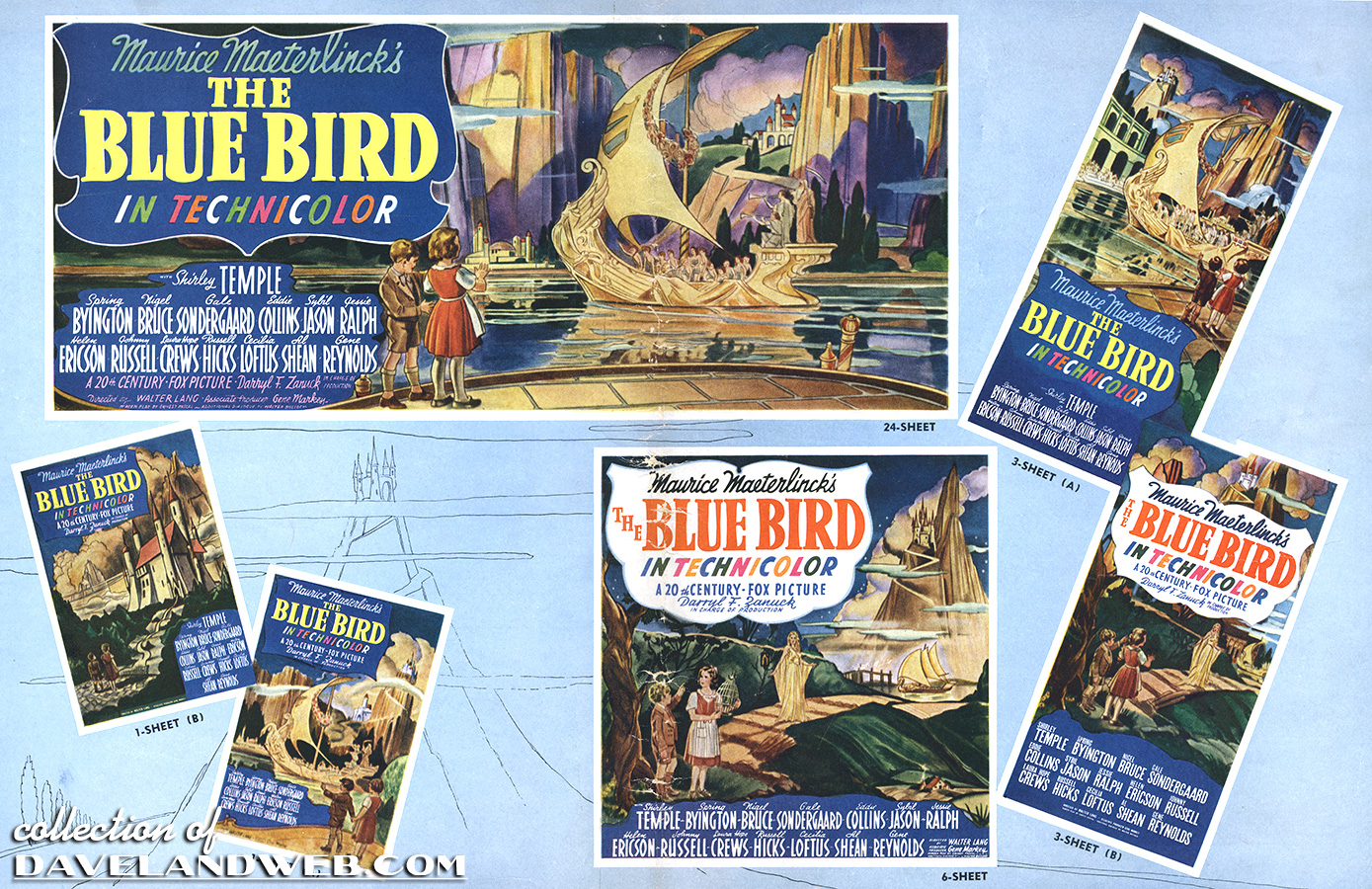
As you can see by this page from the original press book, Shirley is barely a part of the publicity campaign. Instead, the posters and lobby card art focus on Maeterlinck, Technicolor, expressionistic art, and the overall cast. This was intentional, as Zanuck felt the movie would have greater appeal if it wasn’t marketed as yet another formula Shirley Temple film aimed at the junior generation.

See more Shirley Temple “Blue Bird” photos at my main website.

Tuesday, May 04, 2021

Temple Tuesday: Shirley Gets Spanked!


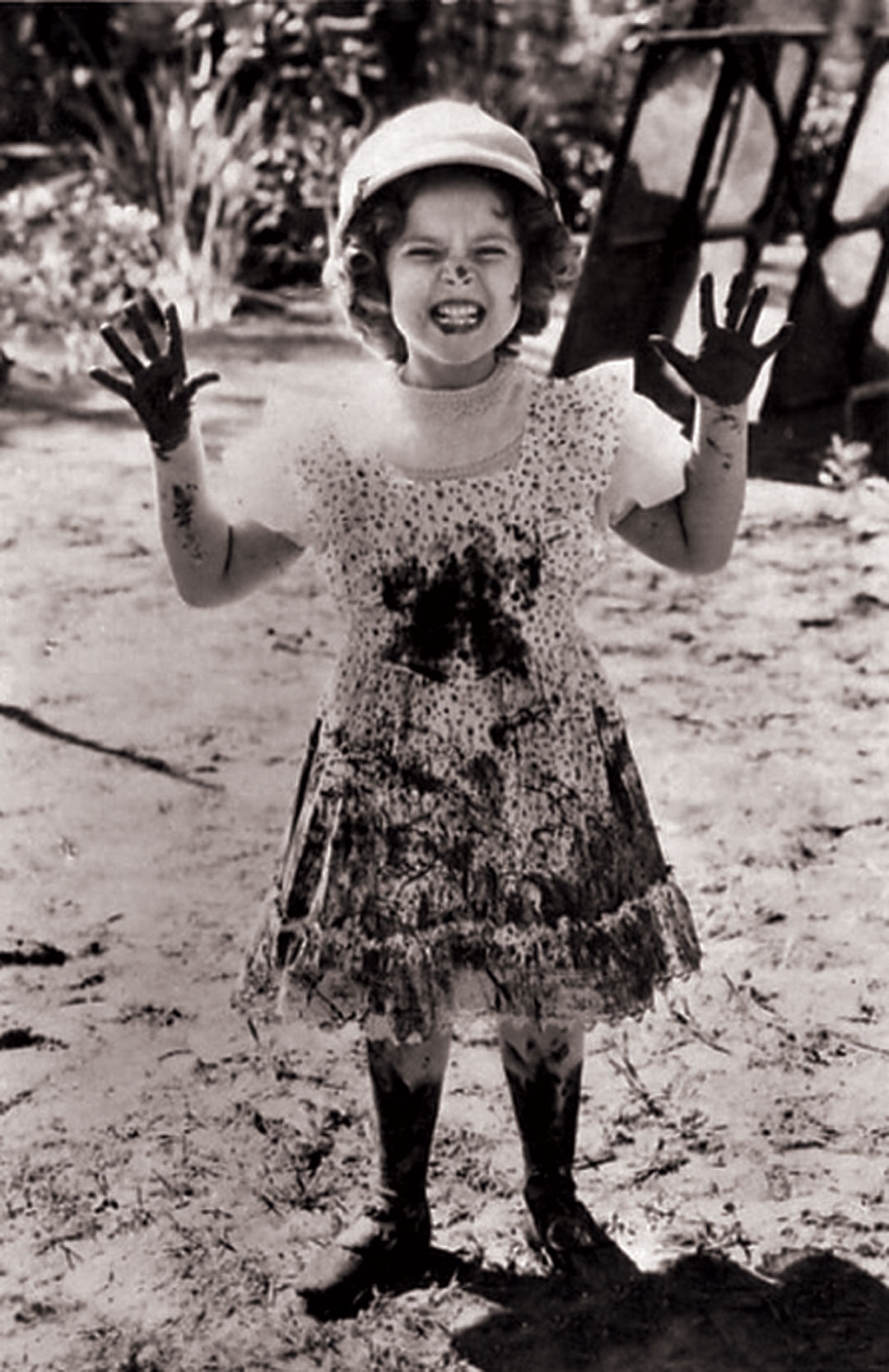
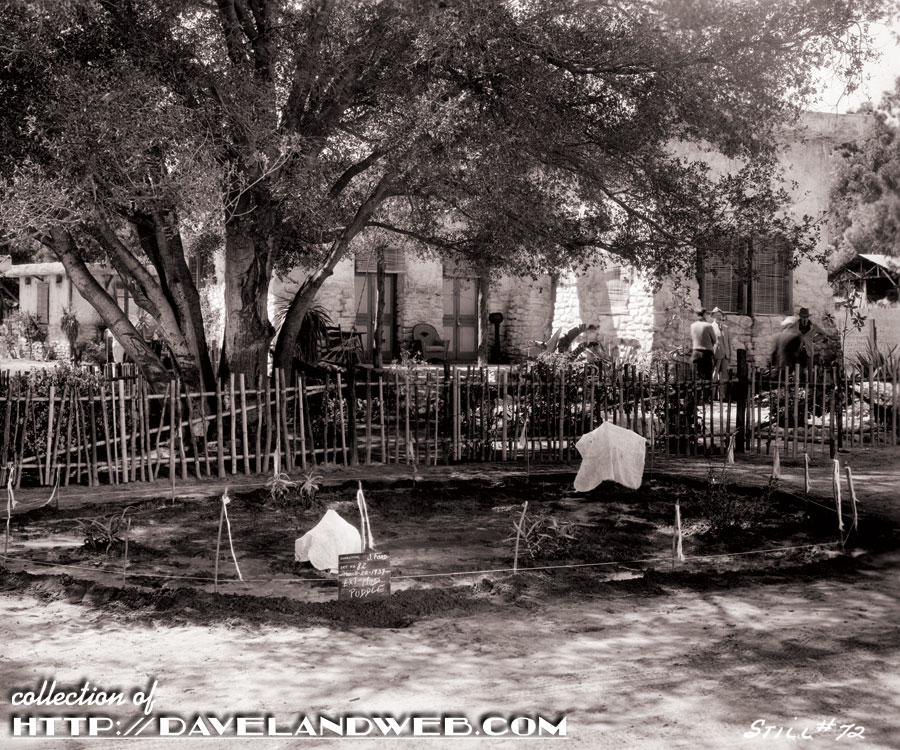
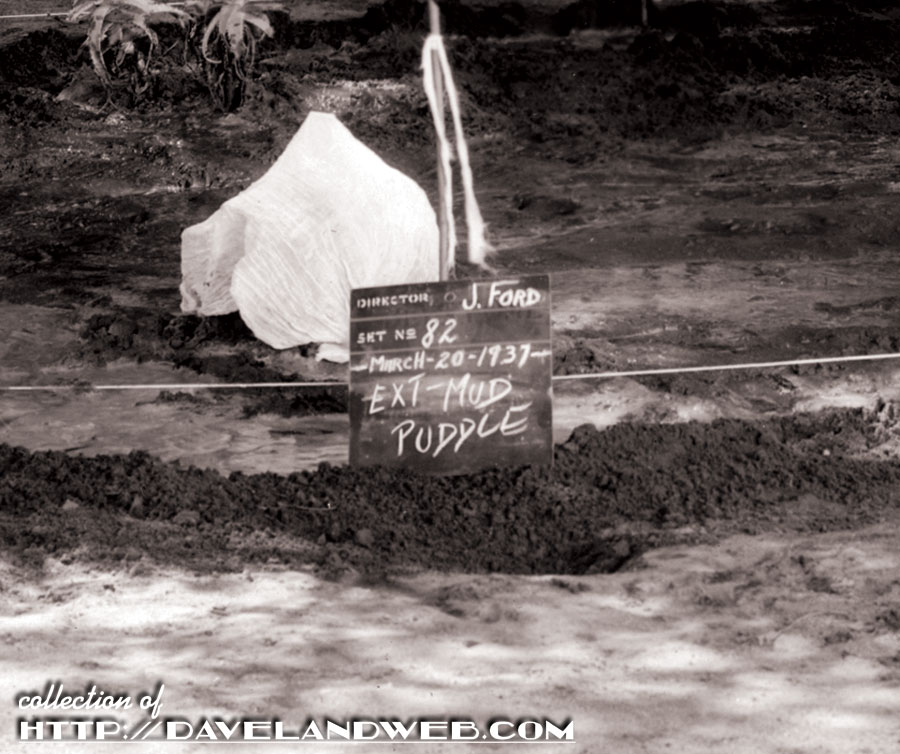
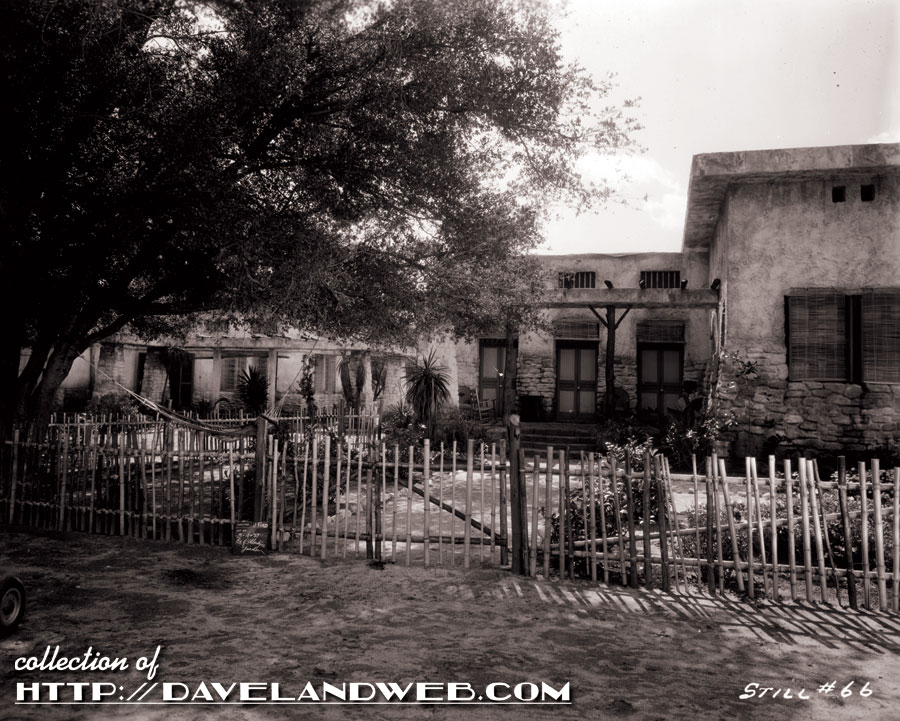
This photo shows a very muddy little Shirley Temple in the 1937 John Ford directed film “Wee Willie Winkie.” Don’t look too hard for this scene, as you won’t find it. Deleted before it was released, it’s one of those gems that one wishes still existed. In the set still below, you can see the area where it occurred.


Even a mud puddle needs art direction.


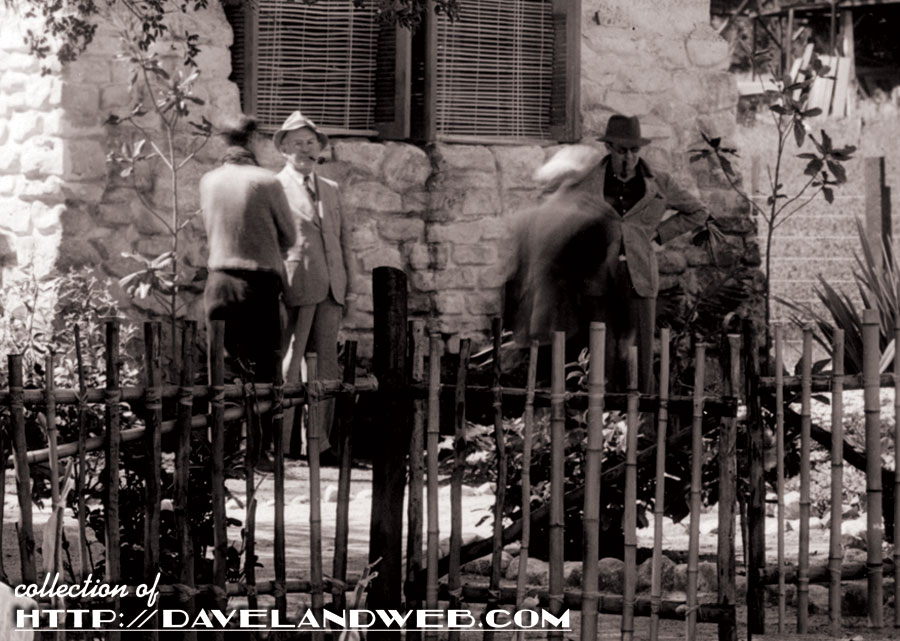
Ford appears to be on the right of this shot when you zoom in:


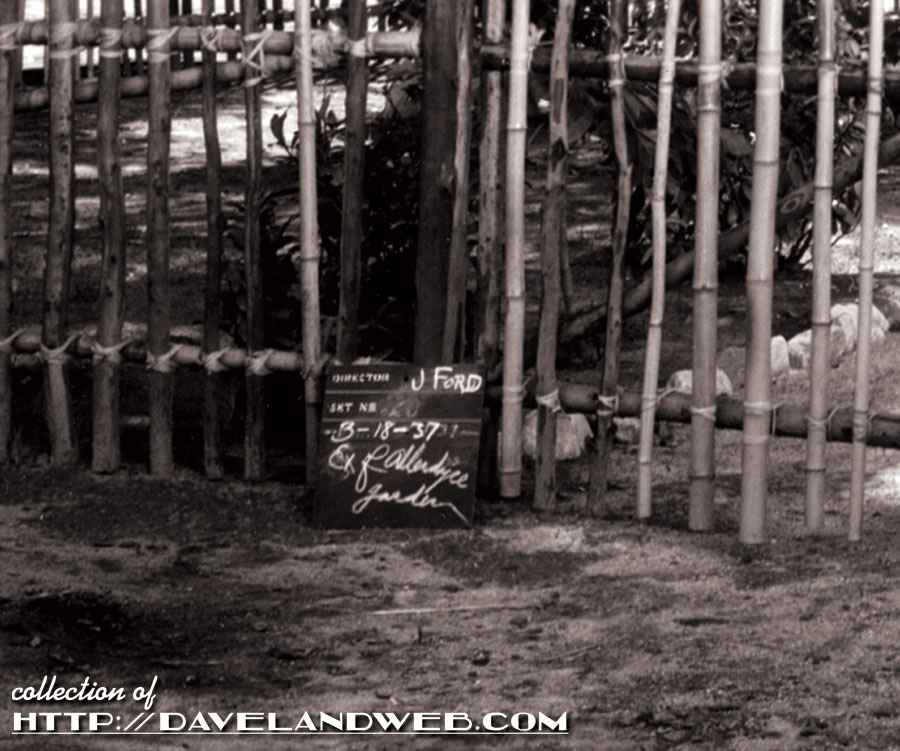
What happened after Shirley got muddy? She also played in Mrs. Allardyce’s (Constance Collier) petunia garden. Bad Shirley.


This scene no longer exists either, but thanks to this set still, we know where the gossipy Mrs. Allardyce had her garden.


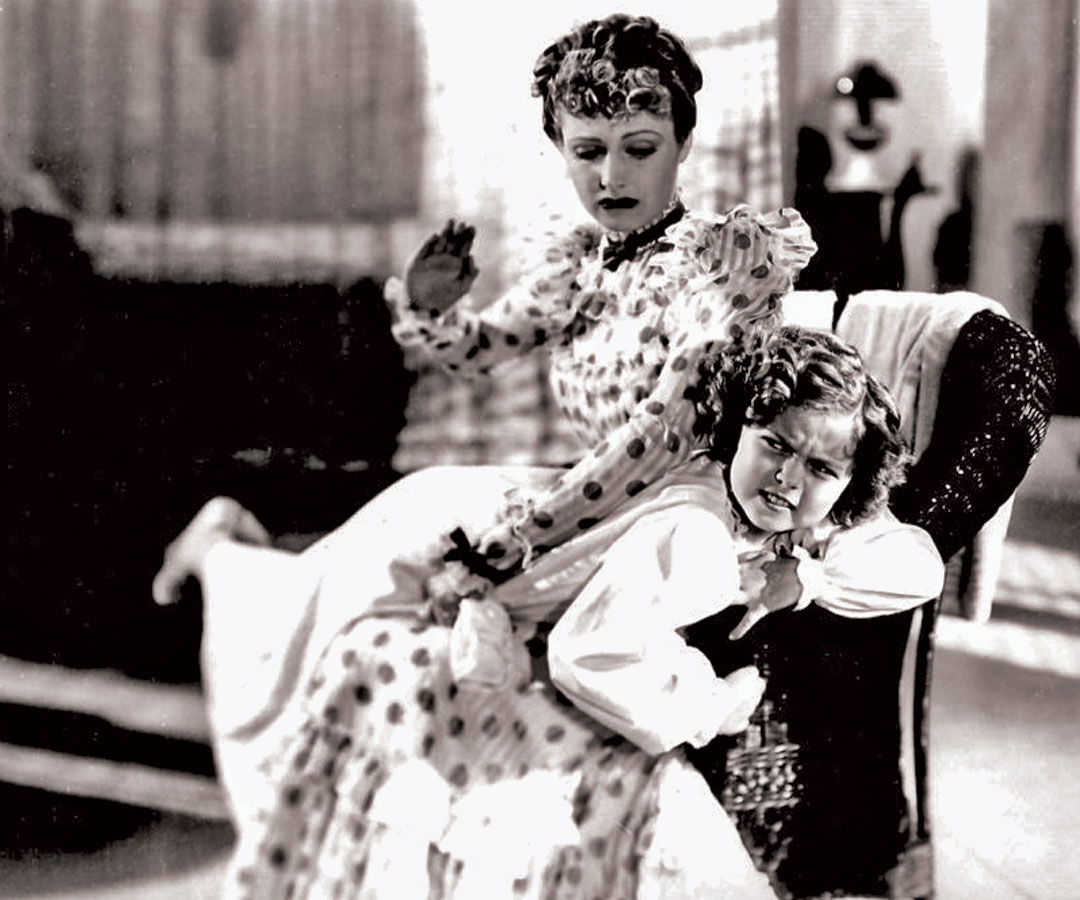
Naturally, she got spanked by her mother, played by June Lang.


Not to be found in the finished movie, it too was deleted. How could anyone spank Shirley?!?

See more Shirley Temple photos at my main website.
Monday, April 26, 2021

Manhattan Monday


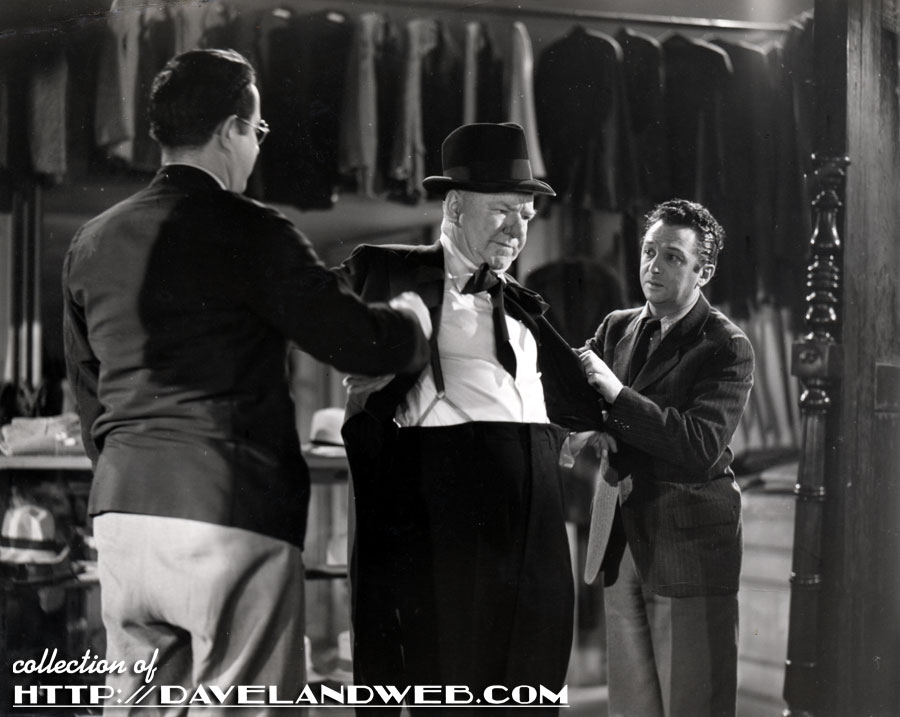
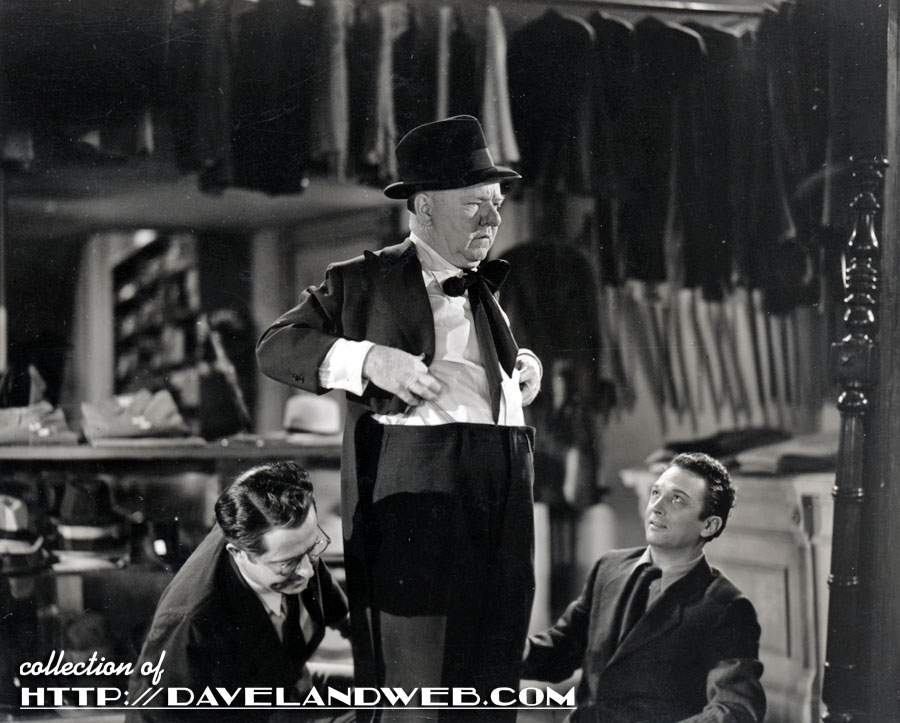
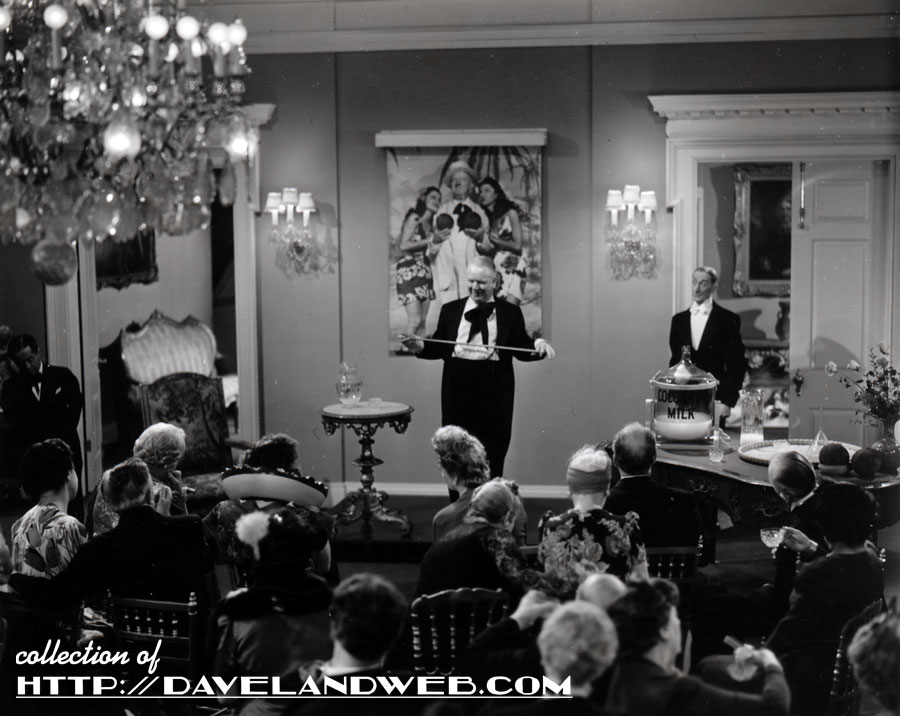
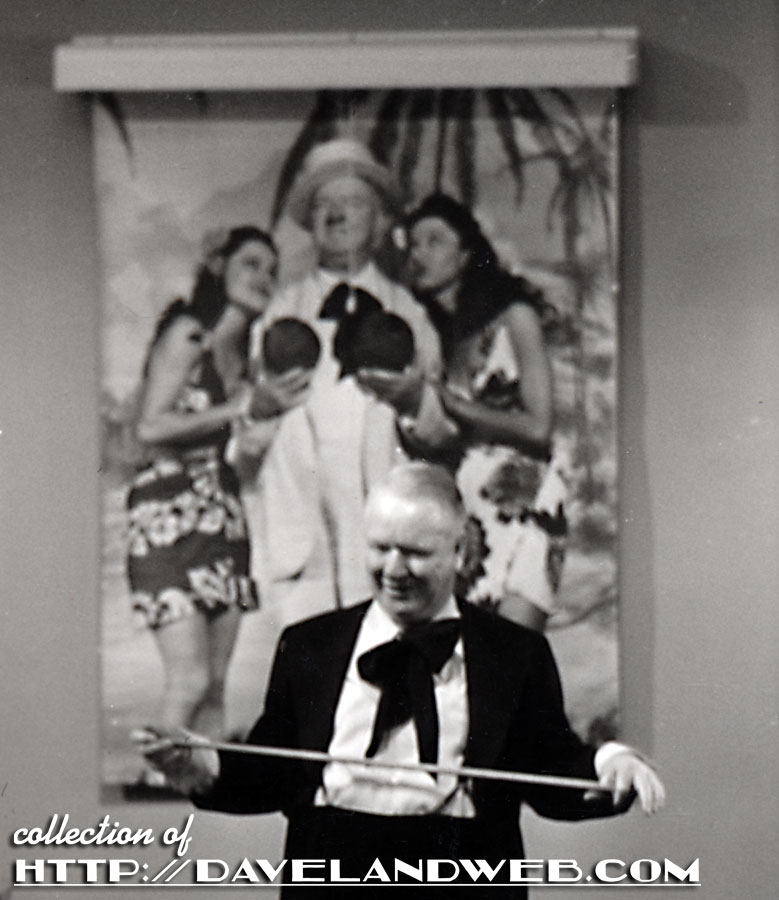
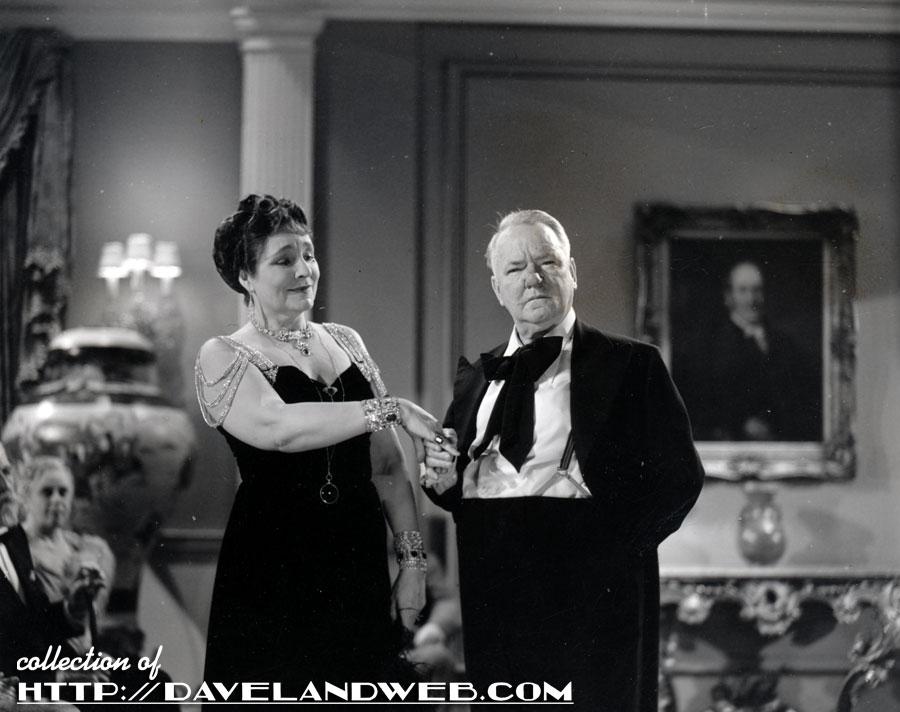
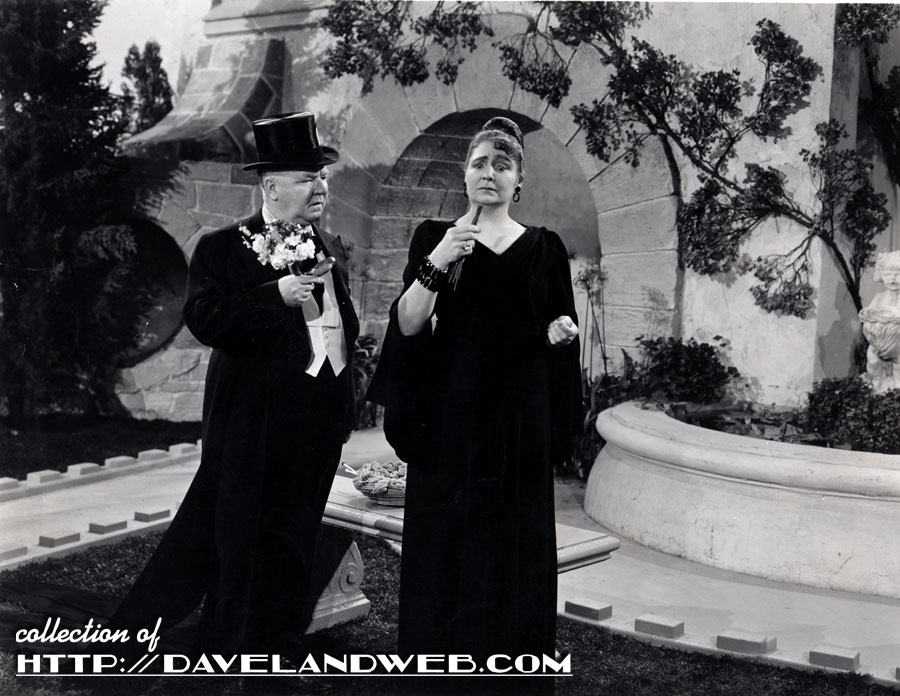
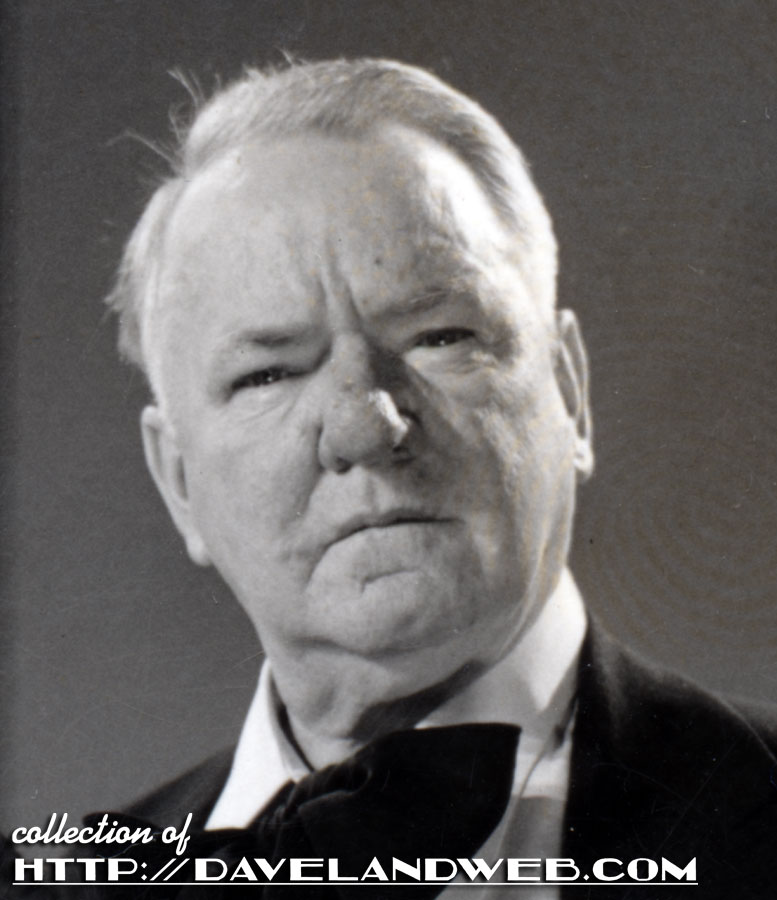
“Tales of Manhattan” to be more exact. In 1942, Twentieth Century-Fox released the anthology film by that name, based on Francisco Rojas González's novel, Historia de un frac ("Story of a Tailcoat"). It took thirteen writes to put together six different stories about the effect that a supposedly cursed suit has on its owners. The all-star cast included Rita Hayworth, Cesar Romero, Ginger Rogers, Edward G. Robinson, and Paul Robeson. W.C. Fields filmed what was to be the fifth “tale” (tail vs. tale, get it?), which was ultimately deleted for purposes of length and tone.


When previewed, Fields’ sequence, which also starred Phil Silvers, Marcel Dalio, and Margaret Dumont, stole the show. Supposedly other cast members were not happy about how Fields dominated the movie, so in the end, it was cut. The footage survives, and has been released, along with the alternate takes of which there were many.


Each take is a gem, as Fields ad libs the lines differently in each one.


Wait, Margaret Dumont? That’s correct. She wasn’t strictly a straight woman for the Marx Brothers.


In fact, she had just previously worked with Fields in “Never Give a Sucker an Even Break” over at Universal in 1941:


When “Manhattan” was filmed, Fields was on the physical decline. At the age of 62, his life of drinking had caught up with him, and studios were not inclined to hire him to carry a film. His frequent ad-libbing made it difficult for directors (and actors) to work with him as well. Fox figured putting him in a short-sequence in “Manhattan” would be the best way to minimize their risk.


If you get the chance to see this sequence and its outtakes, do so! Here it is on youtube:


See more Classic Movie photos at my main website.