Showing posts with label fred astaire. Show all posts

Thursday, July 09, 2026

Fred & Ginger: Together Forever


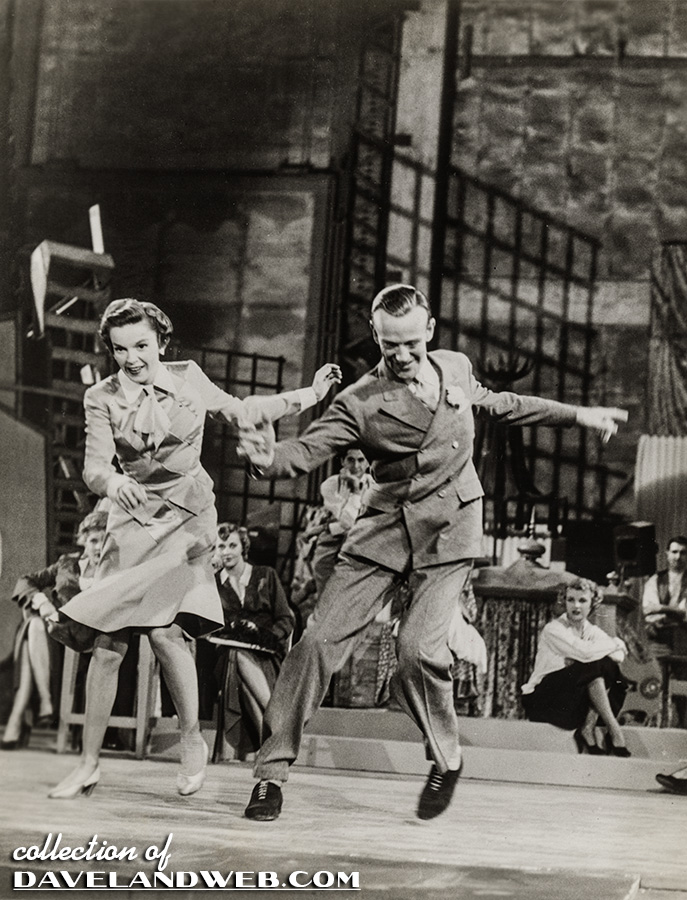
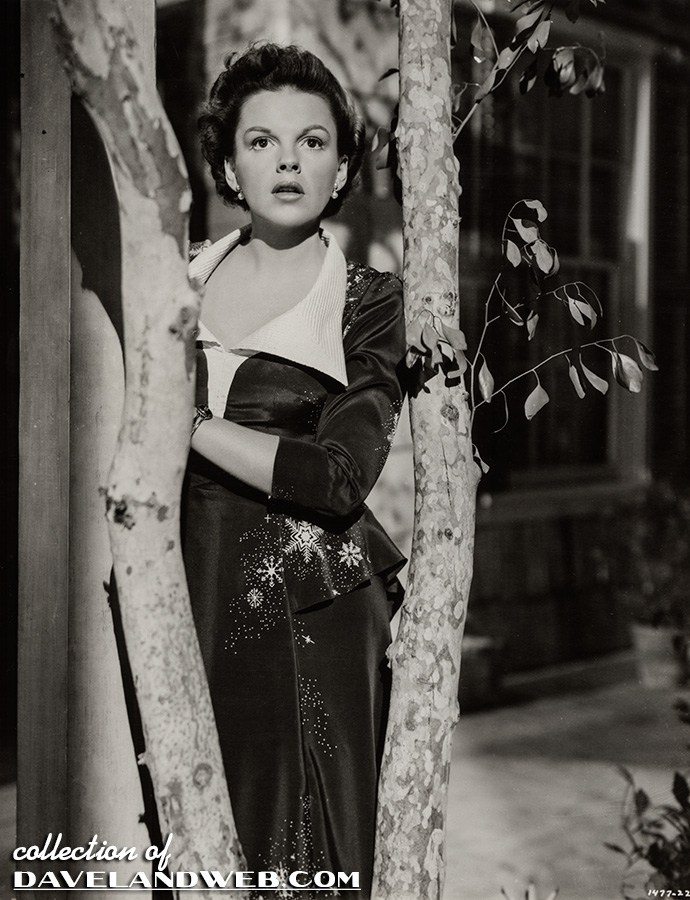
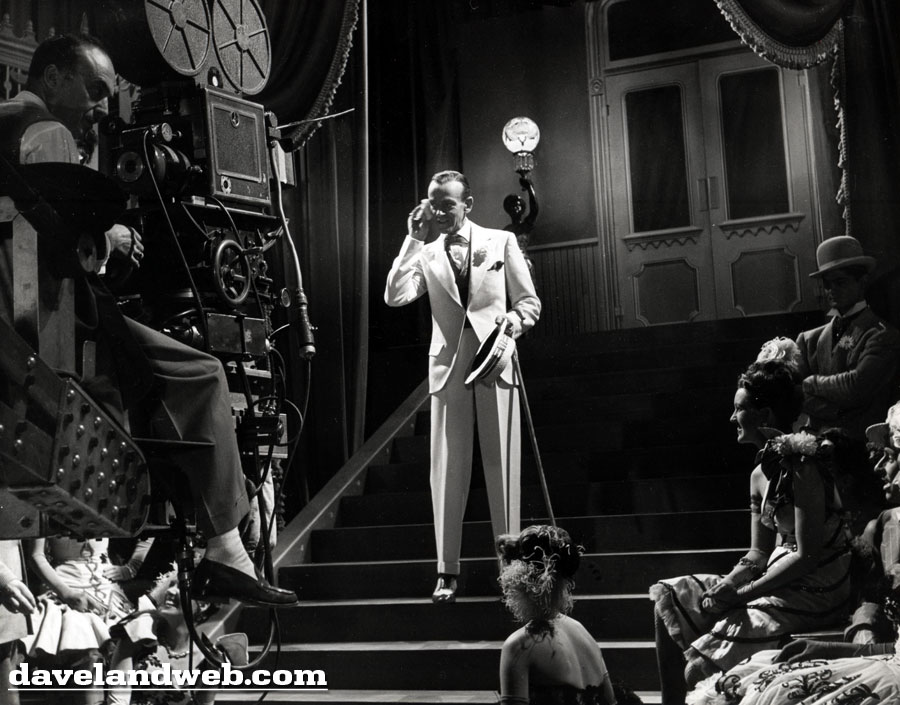
In my quest to visit historic cemeteries, Oakwood Memorial Park was low on the totem pole. Located in Chatsworth, it’s just far enough away from LA/Hollywood to make it an inconvenient trip. Last month though, I finally rectified that situation! The area surrounding the cemetery which opened in 1924 is plagued by 1990s faux adobe architectural style, and the entrance to Oakwood is not much better, littered with mismatched signs. How could this be the final resting place of a classy guy like dancer/actor Fred Astaire, seen below in a behind-the-scenes shot from “Easter Parade” (1948):


And yet, here’s where he lies for all of eternity. The cemetery is pretty much all markers vs. headstones. Unlike most of the cemeteries I have visited, this one just feels a bit sterile without much character. Even Fred’s marker is a bit curious; I “assume” his last wife, Robyn Smith, is the “I” in the inscription. No birth/death dates listed, either. I wonder how his kids feel about this, as the “I” definitely leaves them out of the picture. Wouldn’t “we” have been a bit more inclusive? Ah, the things one could infer from a single sentence.


Fred’s sister and initial dancing partner, Adele, has a more traditional inscription:


Fred and Adele’s mother:


Fred’s first wife, Phyllis, who died of lung cancer in 1954, leaving him devastated:


Although they were just about the most famous dancing pair from Old Hollywood, Fred Astaire and Ginger Rogers were never married to each other or even linked romantically. Just work buddies.


Below is the marker for Ginger and her mother, Lela. I’m not sure how it happened, but yes, Fred & Ginger are buried at the same cemetery.


You might remember Oscar winning actress Gloria Graham from “It’s a Wonderful Life” (pictured below), “The Bad and the Beautiful,” or “Oklahoma.”
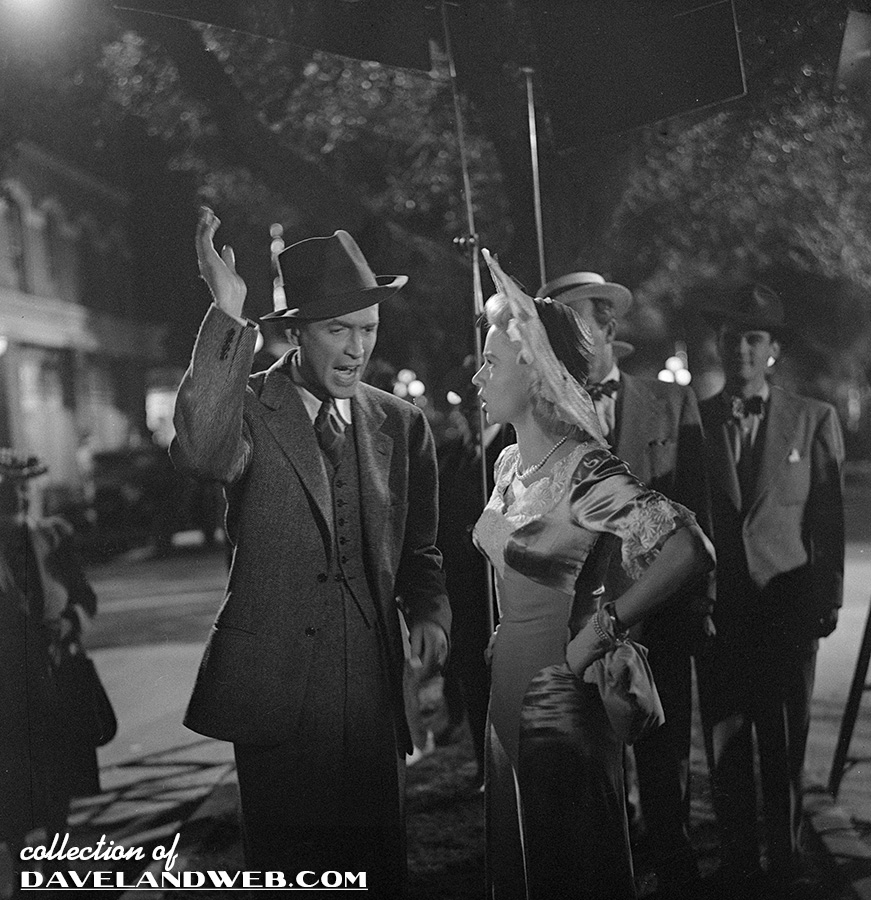


She is buried here at Oakwood, too. She was married four times; #2 was director Nicholas Ray and #4 was her stepson, Anthony Ray. Talk about all in the family…


Nearby is the historic Pioneer Church, which was built in another location in 1903 and originally called the Chatsworth Community Church. A lot of great info about this place on the Chatsworth History website.


In 1962, the building was set to be demolished, but instead ended up being moved to its present location in 1965.


The fundraising to move the building was begun by a $1000 donation from the famed Dale and Roy Rogers. The two also held an “Appreciation Reception” at their ranch, attended by over 200 people. Any of my readers in attendance? Interestingly enough, Dale and Roy are buried elsewhere (in Apple Valley), not here in Chatsworth.


When the foundation of the church was removed, the Church Cornerstone revealed several items including a bible, a Sunday School attendance roster dated January 8, 1903 and a membership list of the church’s ladies aid society. The items were saved, but exposure to the air after being stored in the stone, with no protective container, caused them to crumble within the week. Oops.


Inside the entrance to Oakwood is the Chapel of the Oaks, built in 1933. At least this building has a bit of authentic character.


Wikipedia lists actor Earl Holliman (shown below with Cloris Leachman) as a “resident” of Oakwood, yet he was nowhere to be found. Upon further investigation, the Find A Grave website lists him as being buried at Valhalla Memorial Park in North Hollywood. AI says that Holliman’s ashes were scattered at sea, but that he has a memorial cenotaph at Valhalla.


With inhabitants Bea Benadaret and Oliver Hardy, I guess I need to add Valhalla to my list of places to visit!

See more cemetery photos at my main website.

Sunday, April 05, 2026

Easter Memories


Today’s Easter memories are circa 1966. As a young tot in San Diego, you can see the jolly anticipation on my face of collecting Easter eggs. As the youngest of three, I was allowed to be front and center with my two older brothers.


In our house, Easter was almost as big as Christmas when it came to celebrating. There was the Easter egg hunt followed by a very hearty breakfast made from scratch by Mom. Although Easter is a religious holiday, I cannot ever remember being told the meaning behind the celebration or ever having that discussed in our household.


Sure, we went to church on Easter (one of the two times we went during the year), but Jesus and Christianity were saved for the minister, not discussed at home. The home celebration was completely secular. New outfits, bunnies (the toy kind), candy, coloring eggs, and chocolate…lots of chocolate.


I helped flip the pancakes for our Easter breakfast.


Meanwhile, over in the land of Shirley…for Easter, 1936, Shirley received this gigantic card from Kansas. From the accompanying publicity blurb:

Shirley Temple proudly displays a huge Easter Greeting Postal Card autographed by five hundred little girl friends of Hutchison, Kansas. The card is eight feet long and four feet high.


With postal rates today, you’d probably need to take a second loan out on your home to be able to send this gigantic card. Anybody recognize the names on here?


In 1940, Shirley posed with a gigantic stuffed bunny and colored eggs that spelled out the holiday. I wonder if Shirley placed them or if the prop man did it? Time is money, so most likely it was the prop man.


A color portrait from the same Easter session:


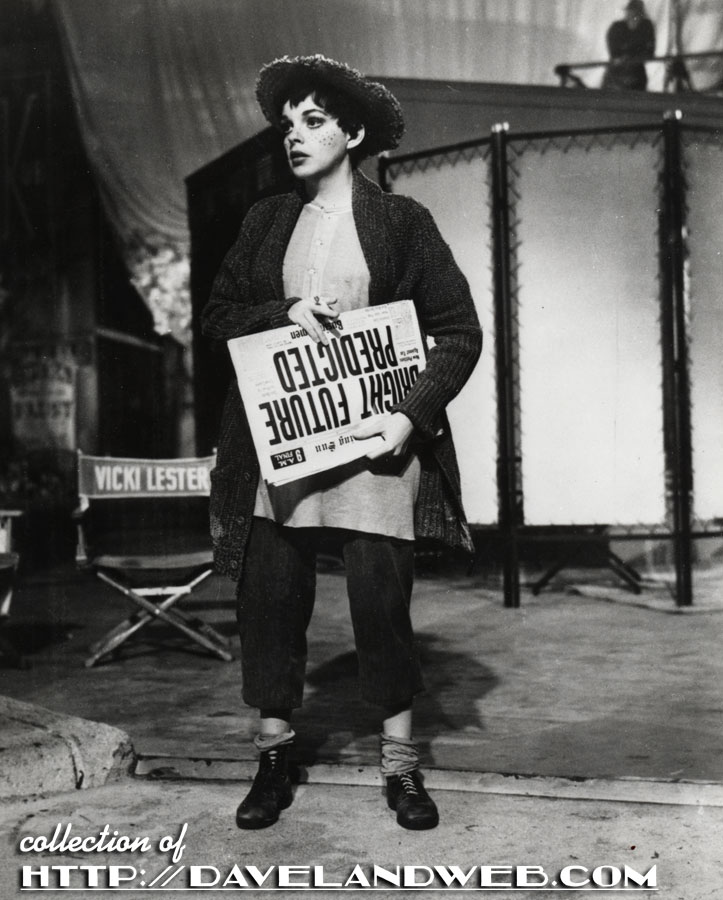
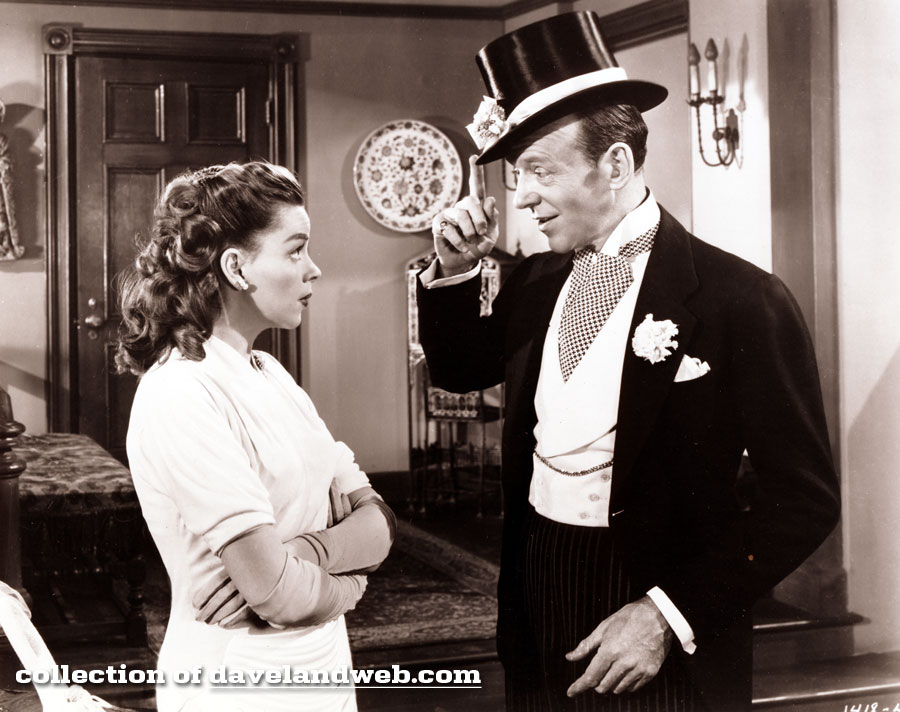
Shirley fandom aside, for Easter, it’s Judy and Fred all the way. You just can’t beat “Easter Parade” (1948) as the annual classic to watch. Below is a newly created caricature of Judy from the film’s finale.


While Gene Kelly (originally cast in the male lead until he injured his ankle) would have made a more age-appropriate pairing for Garland, you can’t help but root for Garland and Astaire to walk triumphantly together down Fifth Avenue at the end of the film in the title number.


For all who celebrate today (Christian AND secular versions!), I wish you a Happy Easter!

See more photos at my main website.
Monday, July 31, 2023

Chuck, Judy, June, Joan, and Grace


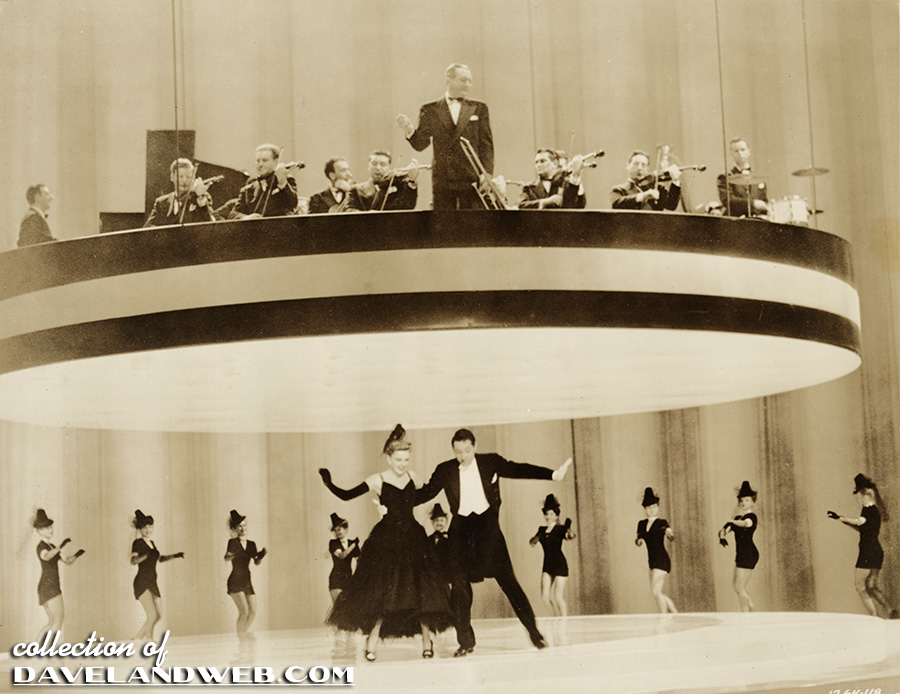
Disneyland isn’t the only thing that came out of Anaheim. Chuck Walters (born Charles Powell Walter; the “s” was added later) was a dancer, choreographer, and director during the heyday of the MGM musical. The first shot shows him dancing with Judy Garland in “Presenting Lily Mars” (1943). The original finale was an overdone patriotic mess; Walters was called in to choreograph a new musical number to show off the maturing Garland and her talents. In the Walters biography, The Director Who Made Hollywood Dance by Brent Phillips, the author tells how Walters was able to get a fearful Garland to tackle the difficult steps:

“I’m not sure I can do what you want. I can’t move like this.” With Judy, he understood that kid gloves were required. They sat down together, and in a flash of inspiration he asked, “Who is your favorite female dancer?” Without much hesitation, she replied, “Renee De Marco.” “All right,” he announced. “From now on, whenever we rehearse, you are Renee De Marco.” Garland looked at him with wide eyes and gave a sigh of relief.

Judy begged for Walters to join her again in her next picture, “Girl Crazy” (1943). For “Embraceable You,” the two twirl around the dance floor with glee. It is a beautiful sight to see. Walters danced with the polish of Fred Astaire and the approachability of Gene Kelly.


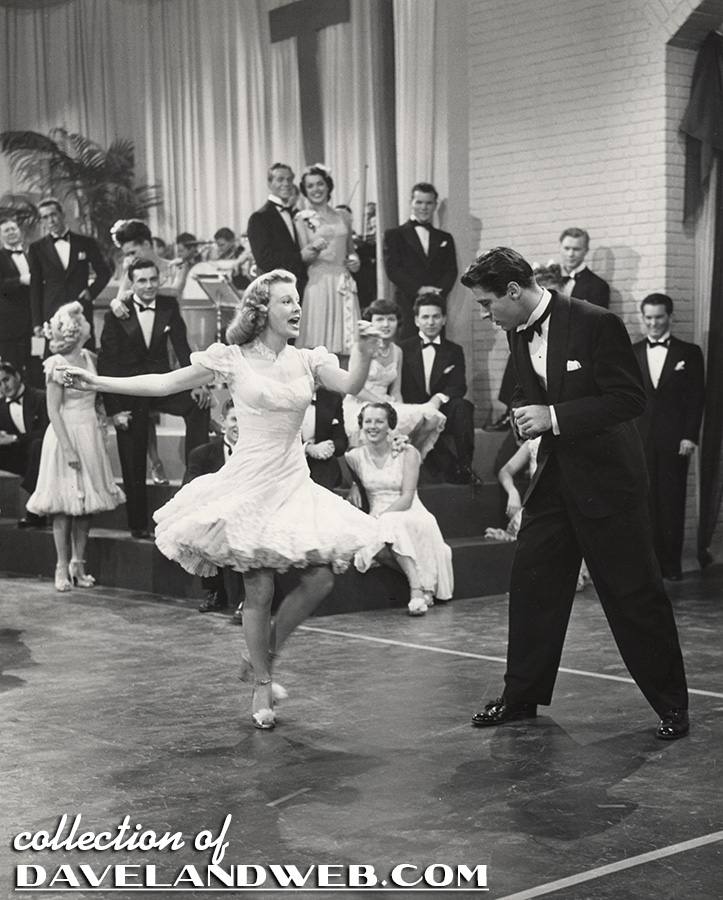
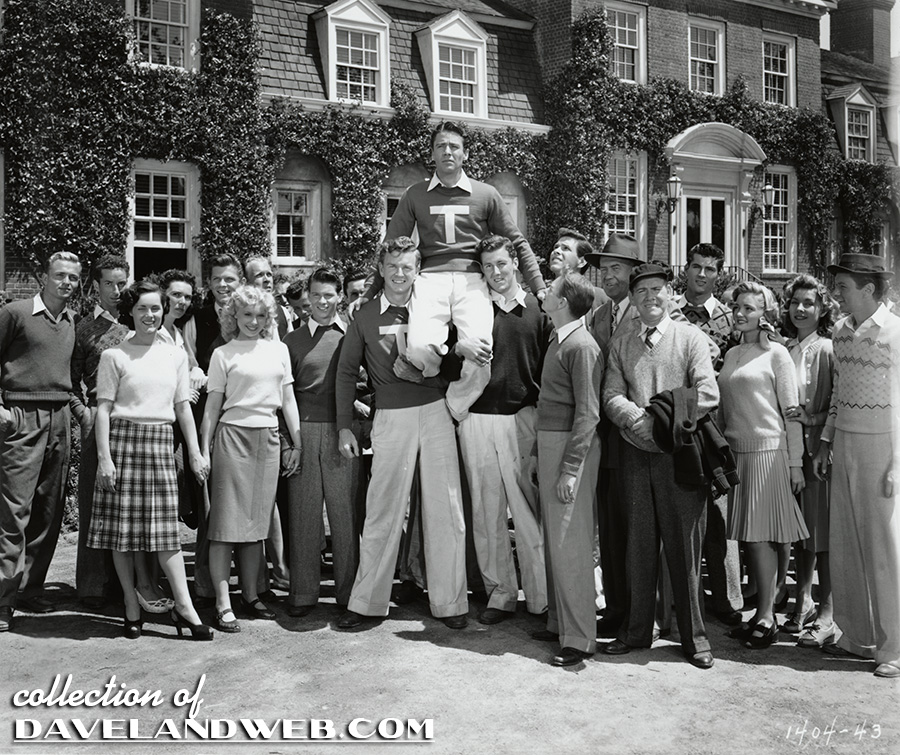
Although a fantastic dancer, producer Arthur Freed realized that Walters had a knack for directing. He had a knack for knowing how to work with actors, keep the action moving, integrating the musical numbers so that they were natural and plot driven, and most importantly of all, bring the picture in under budget! His first big assignment came with “Good News” (1947), starring June Allyson and Peter Lawford. From the accompanying publicity blurb:

VARSITY DRAG…If you’re over forty…you’ll remember it. If you”re under forty…you’ll love it! It’s the “Varsity Drag,” dance craze of the roaring twenties, when every college campus was filled with turtleneck sweaters, short-skirted flappers…and not Quonset huts and surplus jeeps. The “Drag” comes to life again in Metro-Goldwyn-Mayer’s Technicolor musical, “Good News,” starring June Allyson and Peter Lawford, with Broadway stars Patricia Marshall and Joan McCracken. “Just like an end play off left tackle!’ says June…and Peter begins to see the light.


Walters had to spend a lot of time boosting Lawford’s song and dance limitations. From Brent Phillips’ bio:

Upon seeing the finished film, Lawford’s boydhood dance teacher, Muriel O’Brien, declared: “I kept watching him and thought, Oh, my God! Anybody who could teach that boy to sing and dance in time has got to be a genius.”

Walters often directed by showing the actors how to do a scene (or number) by performing it himself.


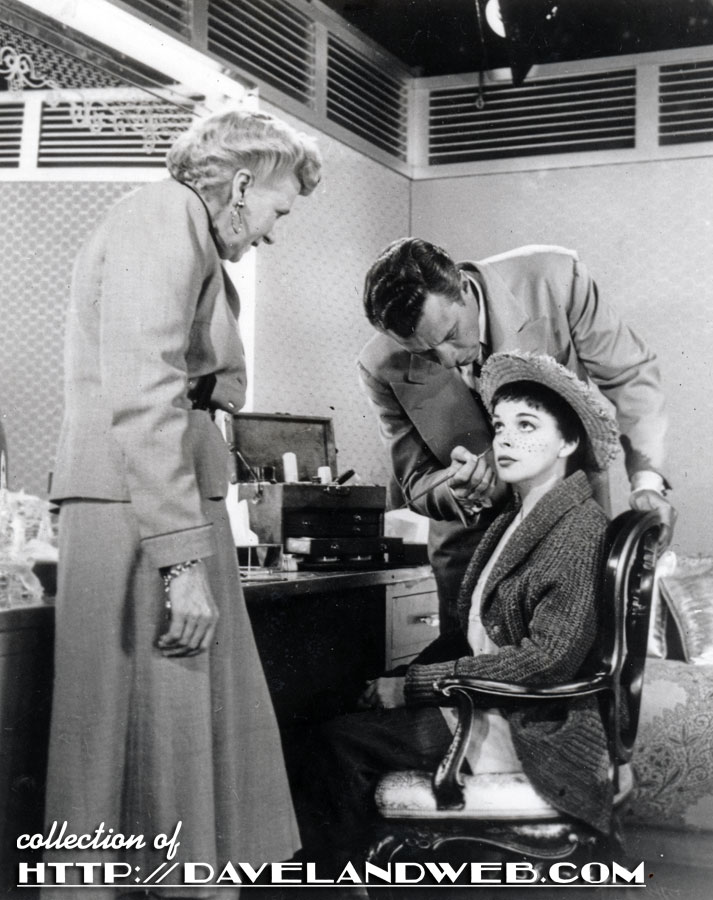
“Good News” was such a success that Walters was handed the plumb assignment of Judy Garland and Gene Kelly in “Easter Parade” (1948). Just before filming commenced, Kelly had to be replaced by Fred Astaire due to an ankle injury.


By the time of Garland’s “Summer Stock” (1950), Walters was the only director at MGM who the brass knew could get the job done. Walters was able to elevate the basic barnyard musical story into one that is highly enjoyable and features some of the best numbers done by both Judy and Gene Kelly. “Friendly Star” is a highlight of the movie due to Garland’s performance, vocal talents, and perfect staging of this key number.


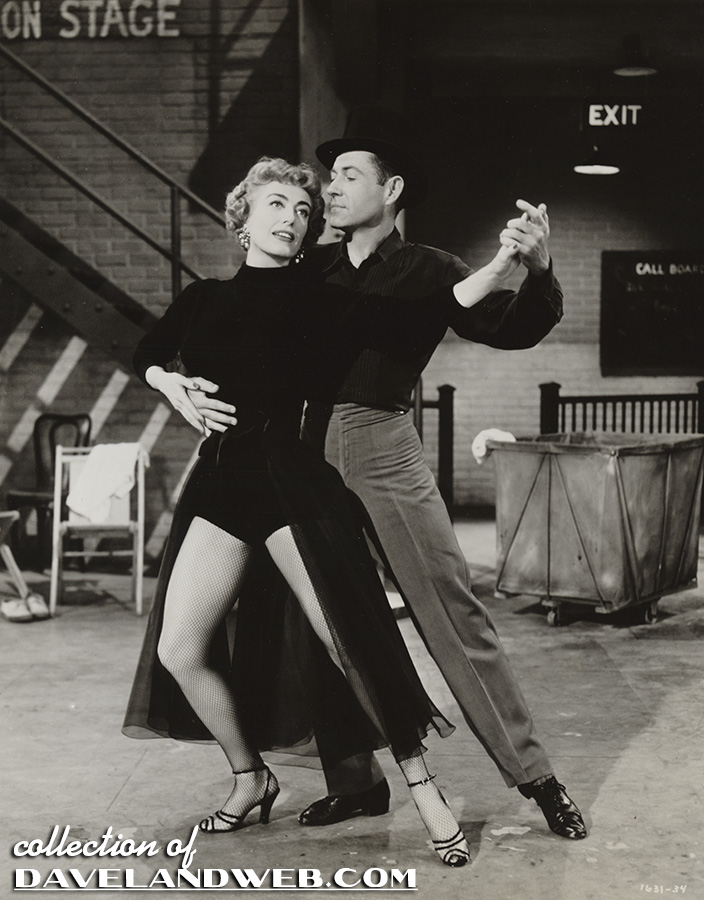
Another “J” in Walters’ portfolio was Joan Crawford. When she returned to MGM for “Torch Song” (1953), Walters was the director of choice. From the accompanying publicity blurbs:

MGM SPECIAL LAYOUT…BACK AT “HOME STUDIO”…AFTER 10 YEARS. CAMERA! ACTION!: Joan Crawford, now that the “welcome home” party is finished, goes immediately into a dance rehearsal with Charles Walters, director of her new Technicolor picture, “Torch Song,” and who is also her dancing partner in the dance sequences.

RHYTHMIC DUO… Joan Crawford and Charles Walters step a fancy rhythm in this scene from M-G-M’s drama packed Technicolor production “Torch Song.” Film co-stars Miss Crawford and Michael Wilding. In addition to portraying Miss Crawford’s dance partner, Charles Walters also directs the film and is credited with the choreography. Henry Berman produced.


Another dancer, Marc Wilder, was cast as Crawford’s partner for the scene shown above. Joan had different ideas; she wanted the best. “I’m so comfortable when I’m rehearsing with you. Would you consider doing the routine with me in the film?” Just as he had to do with Judy in “Girl Crazy,” Walters had to coax a performance out of the nervous Crawford. As Phillips tells it:

Crawford gravely whispered, “Chuck, I cannot get out of this chair.” “Honey, you’re gonna be great. The routine is down pat. We’re lit. We’re ready to go.” “I know his is a terrible thing to ask,” said Joan, “but would you be upset if I have a little vodka?” “Baby, anything that’s going to relax you is fine. Have a little slug if it’s gonna help.” “Well, you have to have one with me.” Walters later admitted it took about three drinks to shore up her confidence. “We came out of the dressing room a hair high—but relaxed and comfortable.”

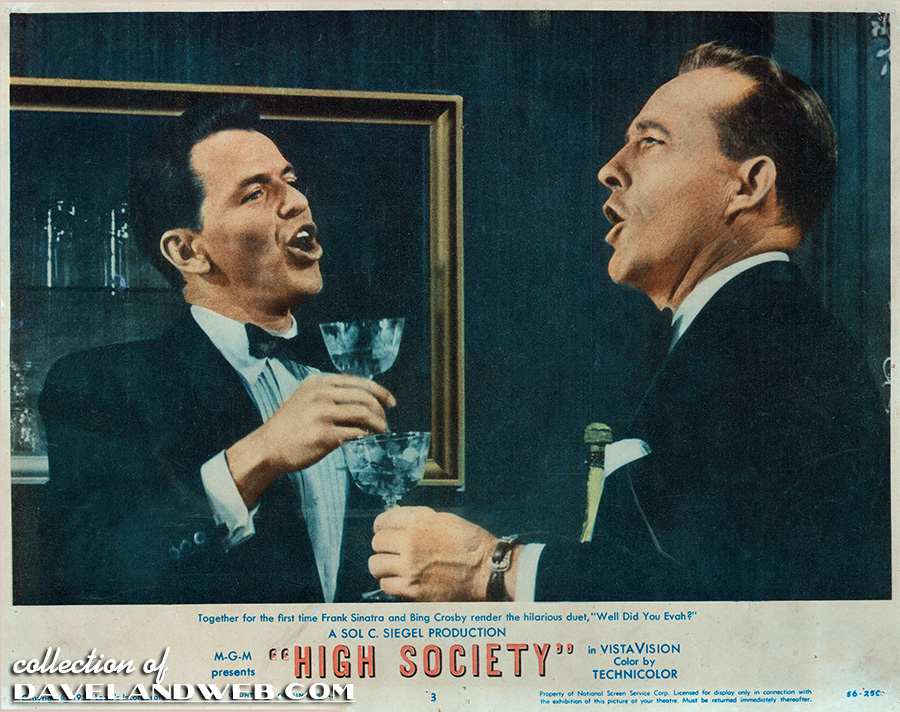
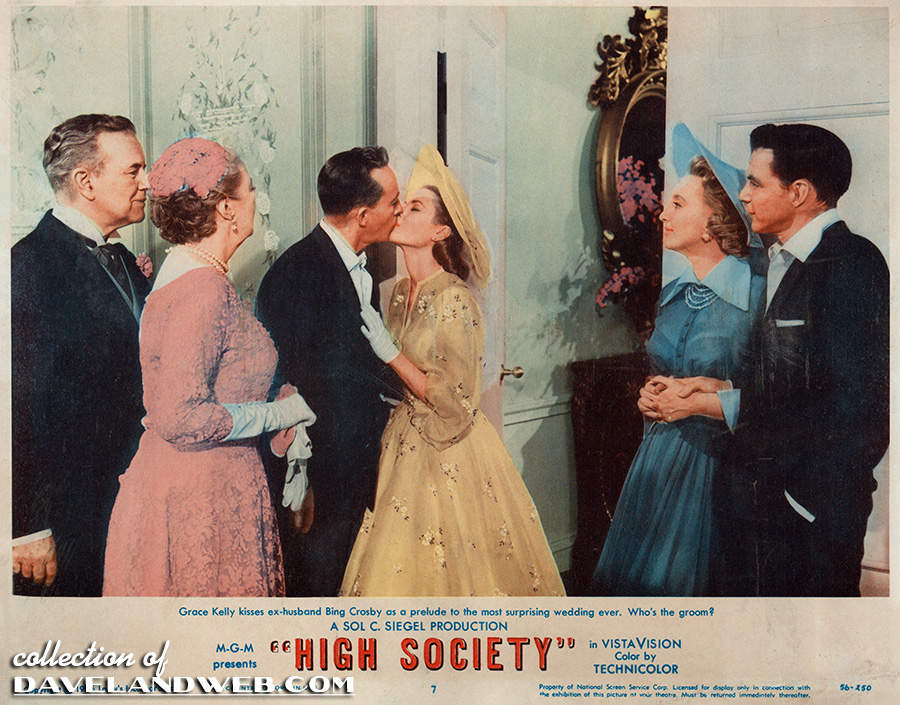
One of my favorite Walters directed films was the cinematic swan song of Grace Kelly (why couldn’t her name begin with “J” for my title alliteration?), “High Society” (1956), also starring Frank Sinatra and Bing Crosby.


The duet that everyone waited for between Sinatra and Crosby was the Cole Porter chestnut “Well, Did You Evah” first introduced by Betty Grable. From Phillip’s bio:

“Towards the end of the number, I did a fairly audacious thing,” said Walters. “When they exited, I simply let the camera roll,” focused on the empty library. Then without warning, the duo burst back into their safe haven, made a beeline for the bar, tossed back one final drink and offered one final chorus. It was a unique example of a stage convention working neatly on the screen. During the film’s first sneak preview, the audience broke into spontaneous applause at what they assumed was the song’s finish. Then Frank and Bing rushed back onto the screen for another drink and another verse; by the time the pair made their arm-in-arm final exit—bellowing, “What a swellegant, elegant party this is!”—the crowd was cheering.


Not surprisingly, Crosby would later say “High Society” was his favorite film to make.

See more Classic Movie & TV photos at my main website.
Friday, June 10, 2022

Judy Garland 100th Birthday Blowout!


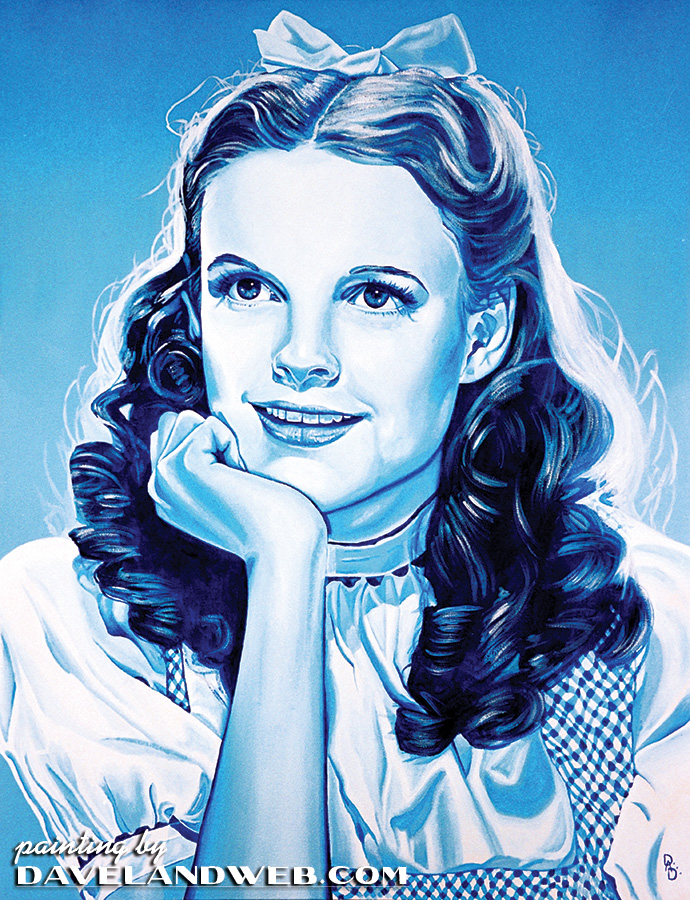
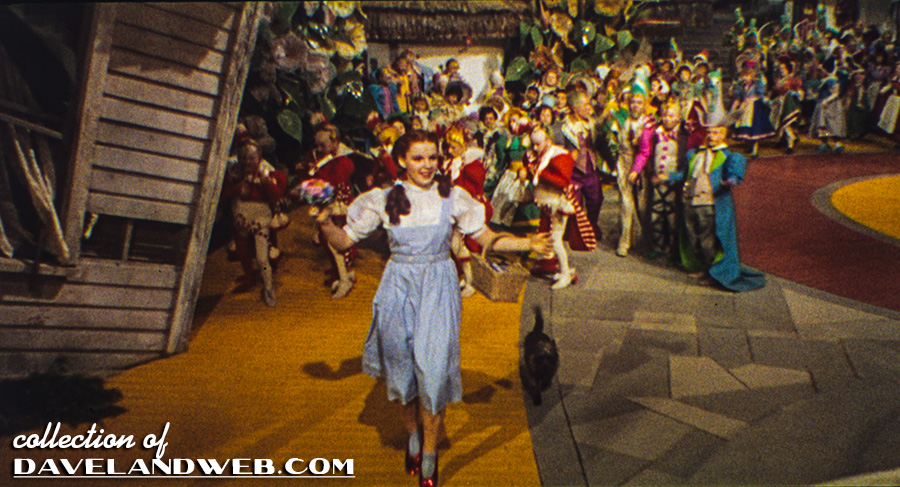
Today would have been the 100th birthday of singer/actress Judy Garland. It is hard to fathom that she only lived to see 47, due to the incredible volume of memorable work that she left behind. Most will remember Judy for her portrayal of Dorothy in “The Wizard of Oz” (1939). The first photo in this post is a painting I did of Judy, where I attempted to capture the youthful zest and hope that were her hallmark. The rest of this post will serve as a chronological tribute of photos from my collection that document her career.


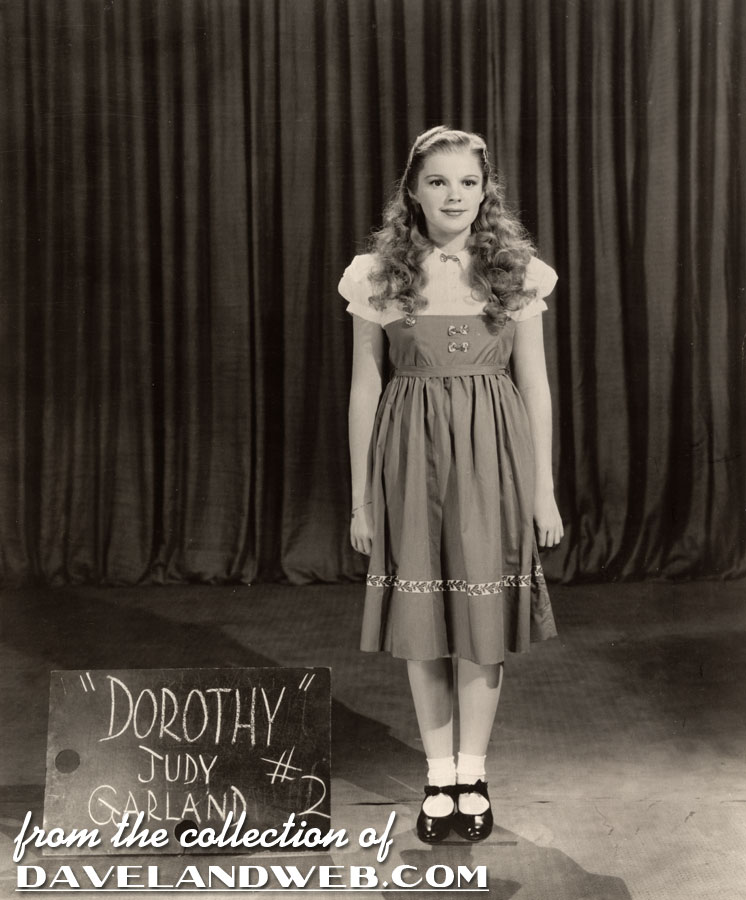
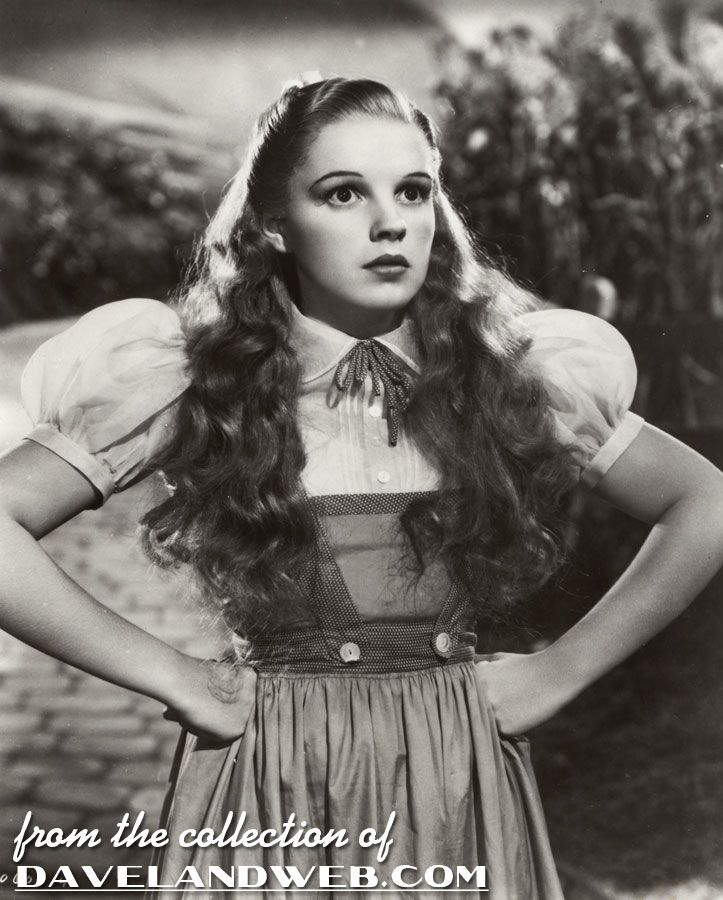
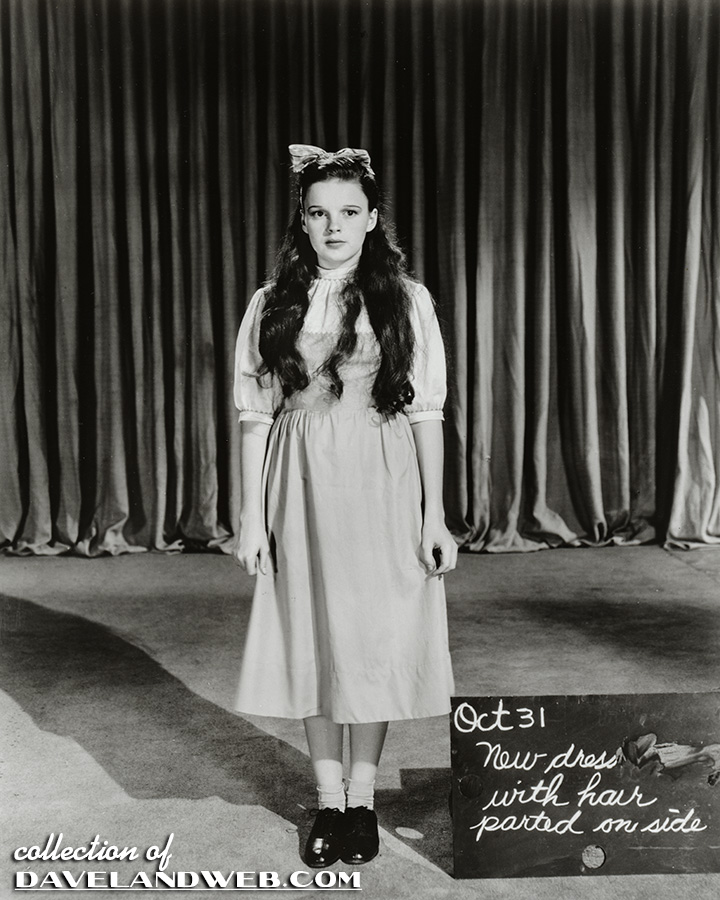
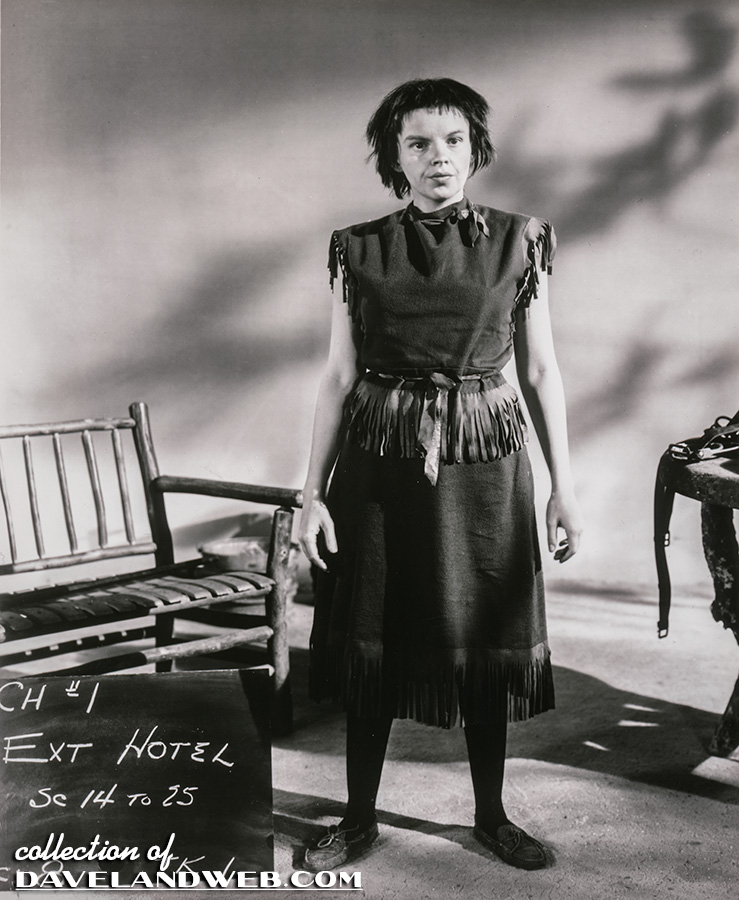
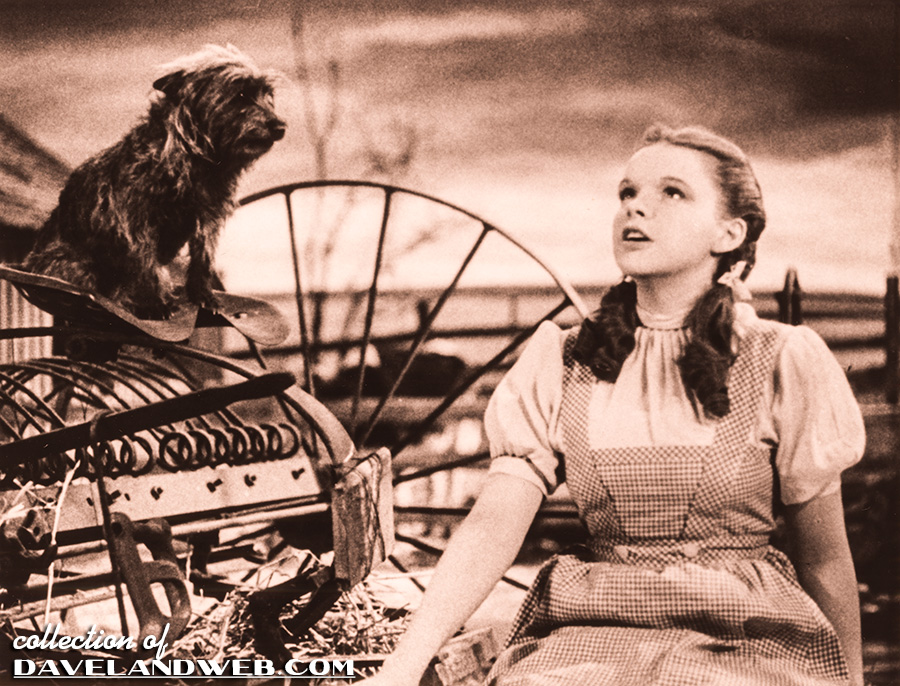
These three shots show M.G.M.’s original vision of Dorothy; unable to secure the more bankable Shirley Temple, the powers-that-be attempted to transform Judy into what she would later refer to as “a male version of Mary Pickford.”


Before the initial director (Richard Thorpe) was fired, quite a bit of footage was shot with Judy in her blonde wig.


George Cukor stepped in temporarily before Victor Fleming was hired. He had the artifice removed from Judy’s makeup and allowed the real girl to shine through.


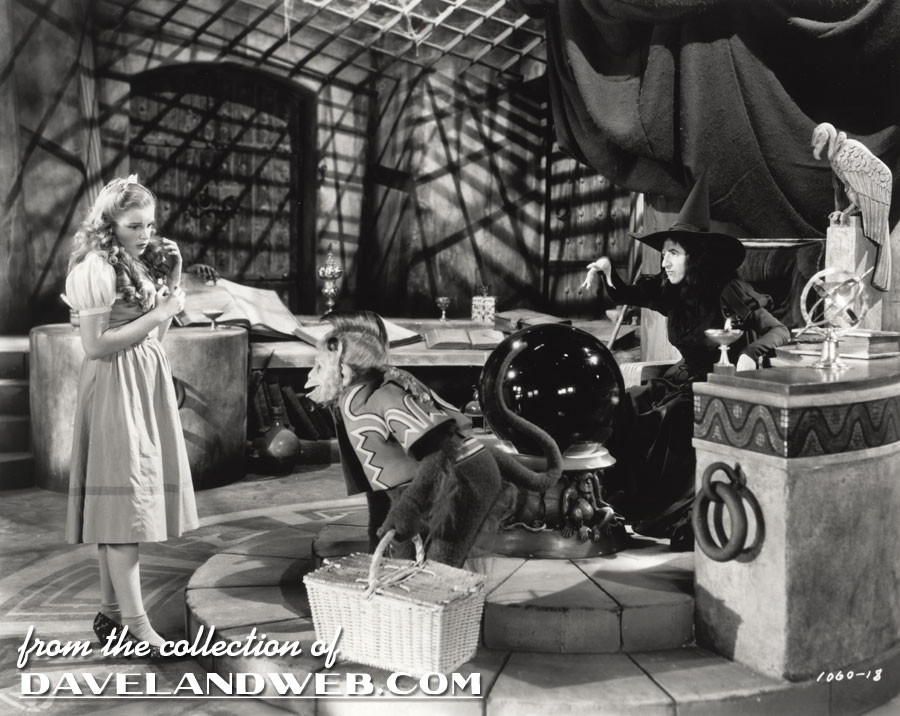
This was the brilliance of casting Judy; in a land of fantasy, her emotionally charged performance grounded the film and made you believe that this young girl wanted to get home more than anything else in the world. Ruby slippers be damned!


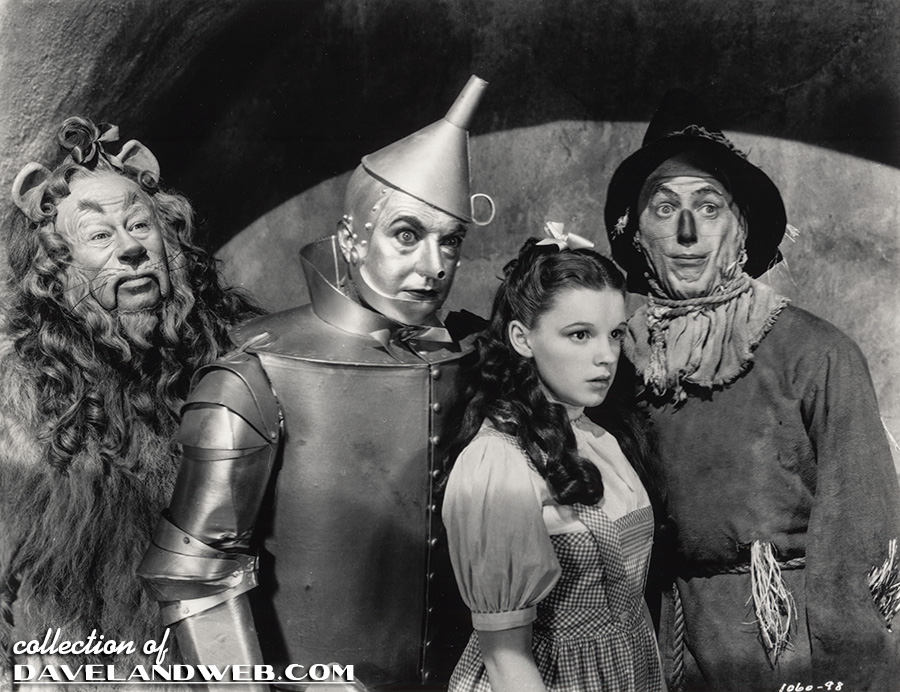
One of the best quartets in film history:


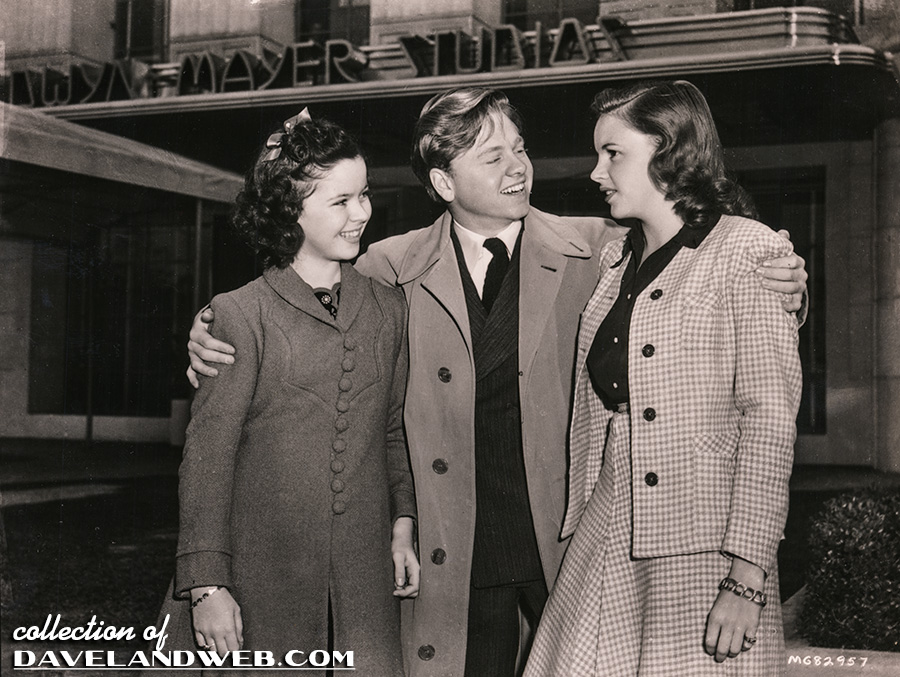
When M.G.M. finally acquired Shirley Temple into their stable of stars, Mickey Rooney and Judy Garland were on hand to welcome her. For the publicity cameras at least!


Judy’s next big break after a string of films with Mickey was “Meet Me In St. Louis” (1944). Once again, she carries a film that would have been extremely forgettable starring anyone else.
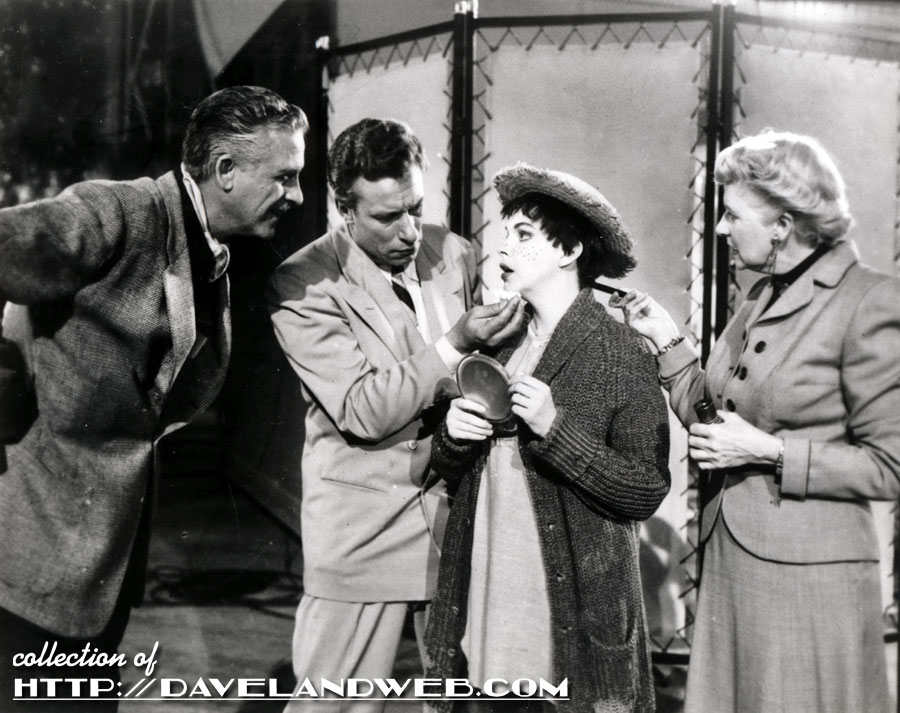


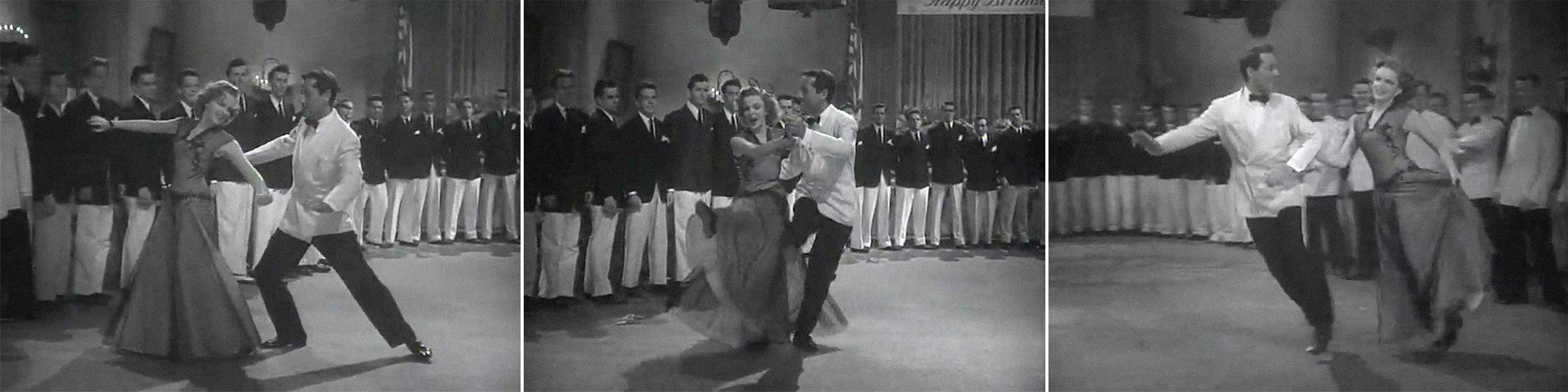
One of my very favorite Garland numbers is “Alabam” from “Easter Parade” (1948). You barely notice Fred Astaire dancing with her; instead, your eyes are on Garland the entire time.
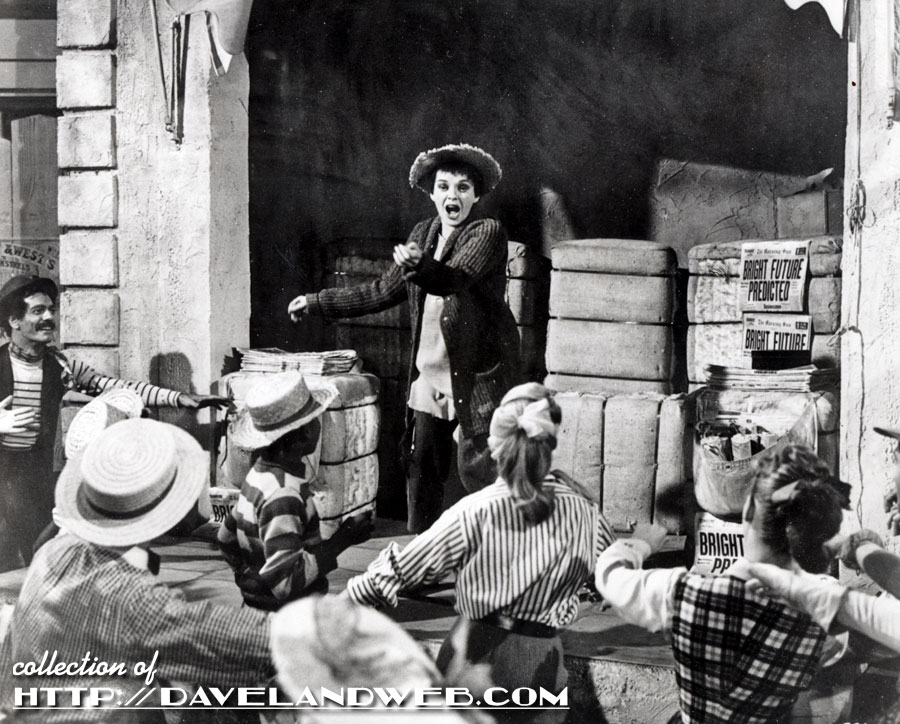


While not her most memorable film, Judy gives a charming performance in “In the Good Old Summertime” (1949). Her musical number “I Don’t Care” is worth the price of admission all by itself.


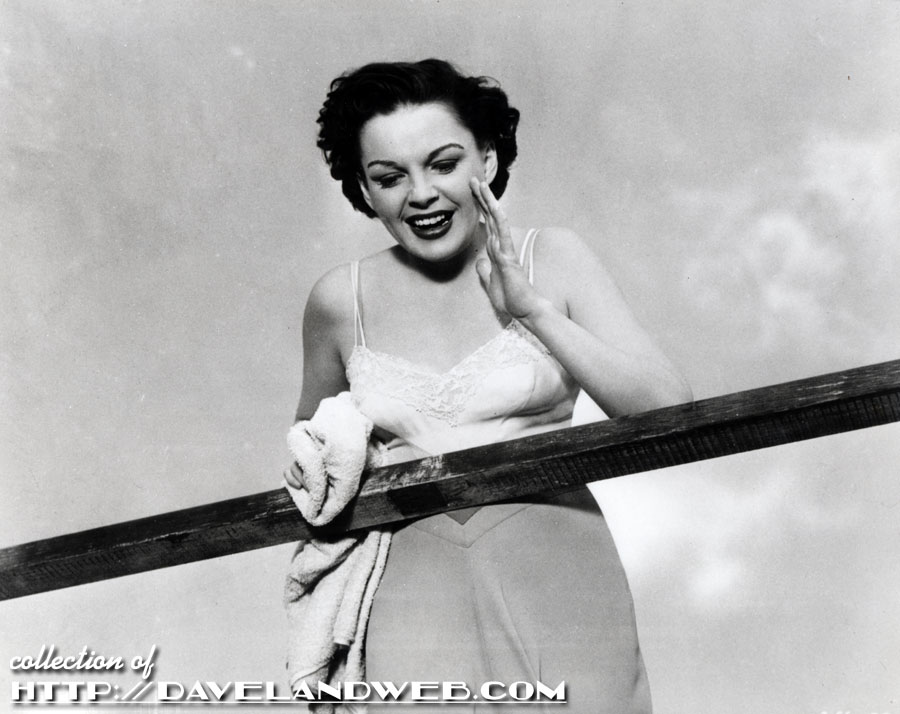
Working at breakneck speed to meet the demand of more Garland pictures, it’s not surprising that eventually her body would fight back. Lack of sleep, strenuous dieting, and the abuse of medication to keep her peppy for the cameras all contributed to her breakdown. M.G.M. didn’t want to give their biggest star a much deserved vacation; instead, they shoved her into “Annie Get Your Gun” and chose her mortal enemy (Busy Berkeley) to direct it. The look on her face in this wardrobe test says it all. Judy ended up getting fired from the film and replaced by Betty Hutton.


While “Summer Stock” (1950) was not the prestige film that “Annie Get Your Gun” was, Garland managed to transcend the predictable story and turn this musical into a memorable swan song for her M.G.M. years. “Friendly Star” is probably one of the most beautiful Garland songs on film. Judy didn’t just sing…she lived those songs and made you feel every emotional nuance that the notes and lyrics conveyed.


Judy bounced back in 1954 with “A Star is Born.” These next six shots show Judy in some of the scenes that were deleted after the premiere in an attempt to get more audiences able to see it per day. 


Much of the footage has been recovered and reinstated; but regardless of which version you watch, Garland is in full control of her powers throughout the film.


In the four years since she left M.G.M., the voice took on a new maturity. What she lost in restraint (taught to her by mentor Roger Edens) she replaced with raw emotion. 


Speaking of Roger Edens, here’s a shot of him with Judy out on the town:


Back to “Star”:


The musical number shown below (“When My Sugar Walks Down the Street”) was deleted before the premiere, and rightly so. Cute by itself, it only lengthened an already bloated production number, “Born in a Trunk.”


The financial loss of “Star” didn’t keep Garland down. She bounced back on the concert circuit, most notably with her triumph at Carnegie Hall. “The Judy Garland Show” is an excellent record of Judy and what she gave to audiences whenever she performed “live.” This Judy is not my favorite; the mannerisms and tics that were most likely a result of her pill abuse are a bit disturbing. The voice was also beginning to sound ravaged from the cigarettes, medication, and lack of rest. Regardless, Judy was still able to work magic with what she had; even at her worst, Garland sang circles around the rest.


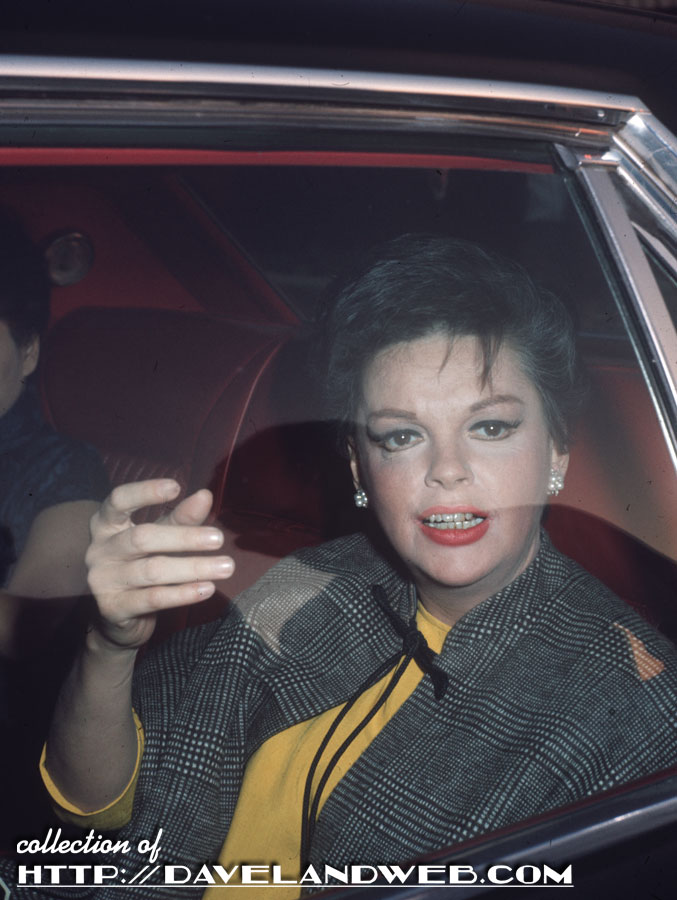
A shot taken of Judy by an adoring fan, circa 1965:


The final photo shows her singing her signature song, “Over the Rainbow.”


This musical sequence is arguably the most memorable piece of film in the history of motion pictures. Through her performance, Garland communicated to the audience in only a few minutes a longing that resonates with all of us. Happy 100th, Judy!!

See more Judy Garland photos at my main website.