Showing posts with label humphrey bogart. Show all posts

Wednesday, October 13, 2021

Angelus-Rosedale Cemetery


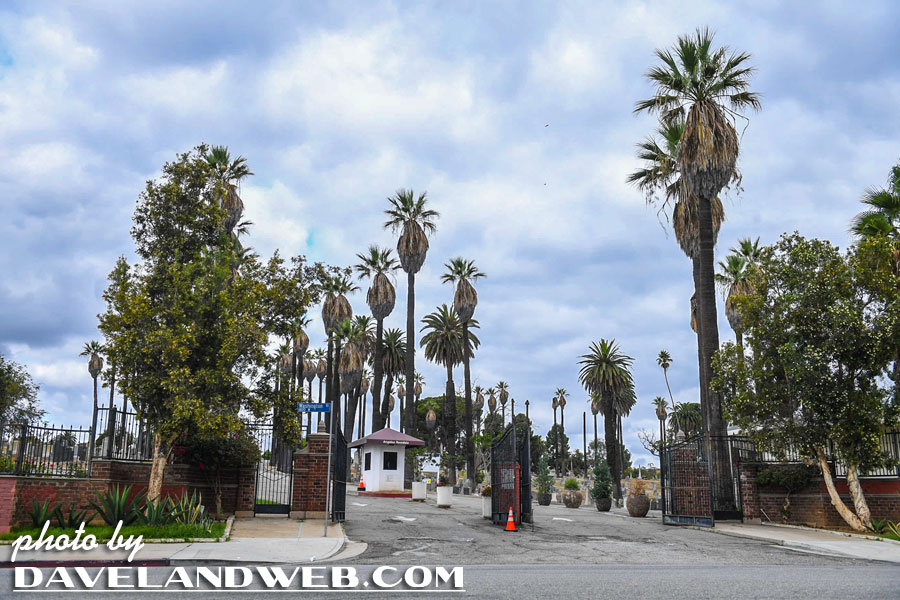
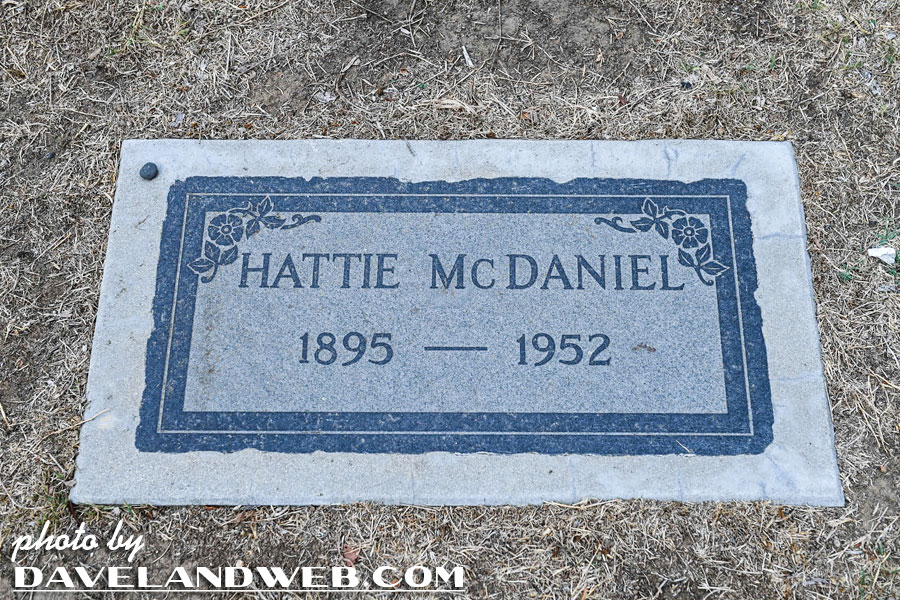
My Hattie McDaniel post motivated me to visit Angelus-Rosedale Cemetery on a recent Los Angeles trip. There were a number of other notable “residents” that I wanted to check out, too. Armed with my list and camera, I drove to the historic West Adams District just southwest of Downtown L.A. Originally named Rosedale Cemetery, it opened in 1884 and was the first L.A. cemetery open to all races and creeds. Rosedale was also the first to use the concept of lawn cemeteries, which meant the grave marker did not extend above the natural ground level. In 1993, Rosedale was bought by the Angelus Funeral Home and renamed Angelus-Rosedale Cemetery. Hattie’s marker reflects the lawn cemetery concept. Very simple and tasteful, only the years are given; no dates.

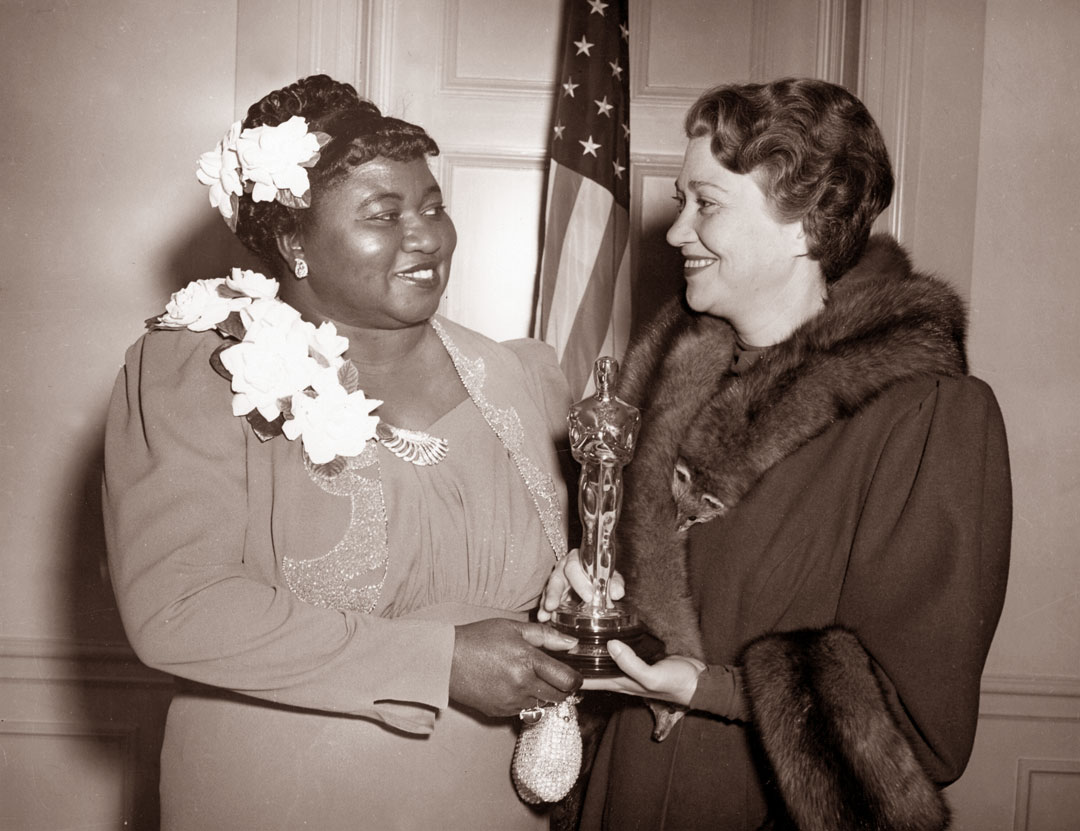
A shot of Hattie receiving the Best Supporting Actress Oscar with presenter Fay Bainter at the Ambassador Hotel’s Cocoanut Grove nightclub, February 29, 1940: 

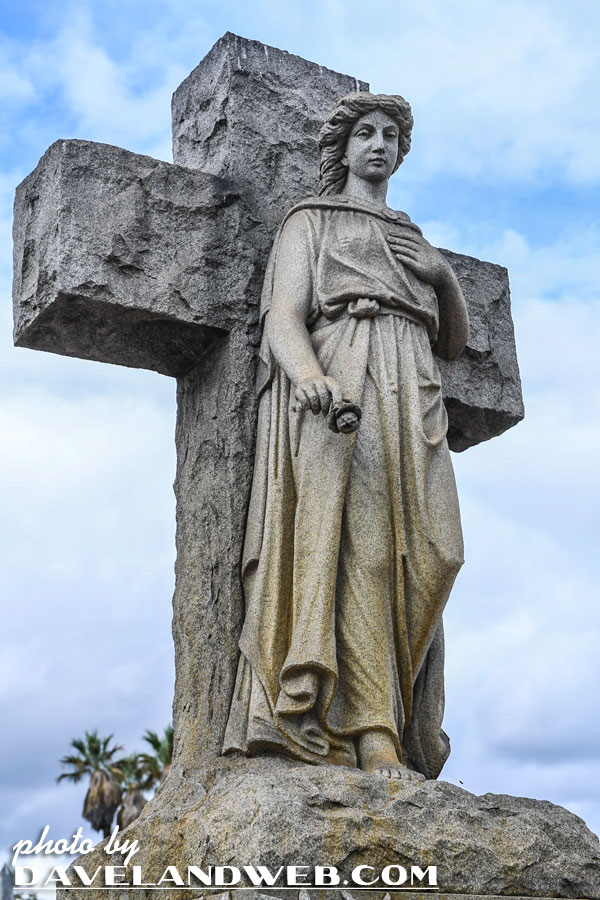
Back to Angelus…I could have spent quite a bit of time here, recording the historic markers and statues. For me, a visit through an old cemetery is like walking through history.
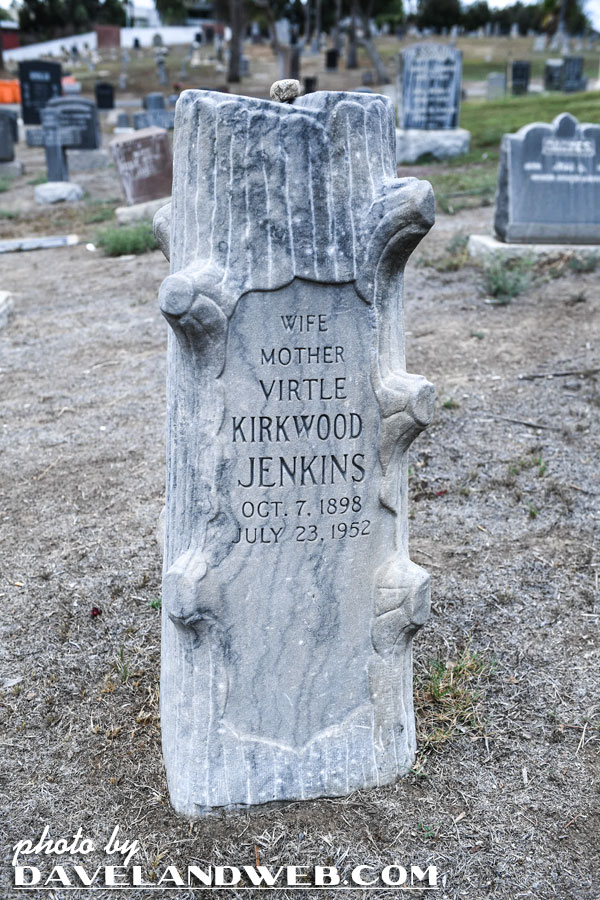


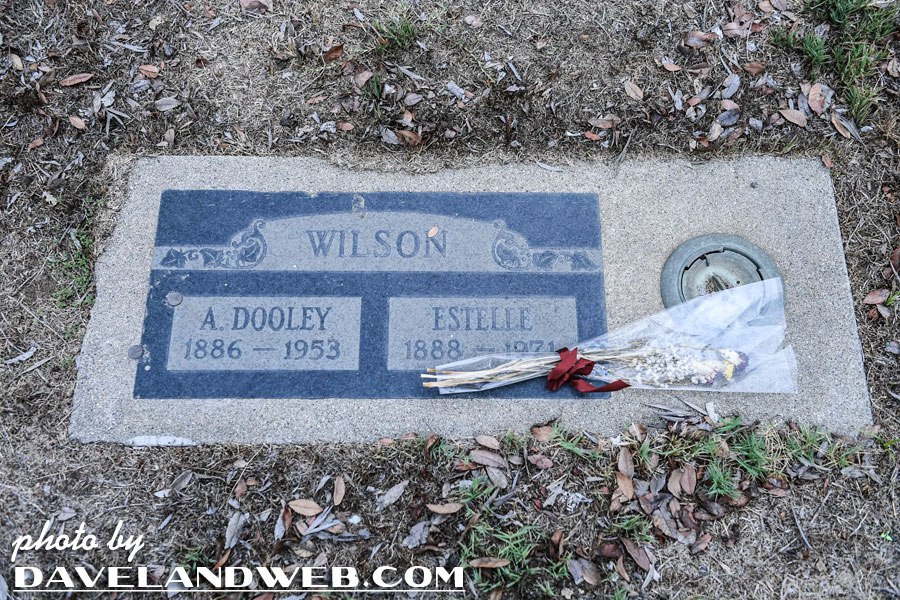
The next one on my list was Dooley Wilson, best known for playing Sam in “Casablanca.” No dates for Dooley and his wife, either; just the birth and death years.

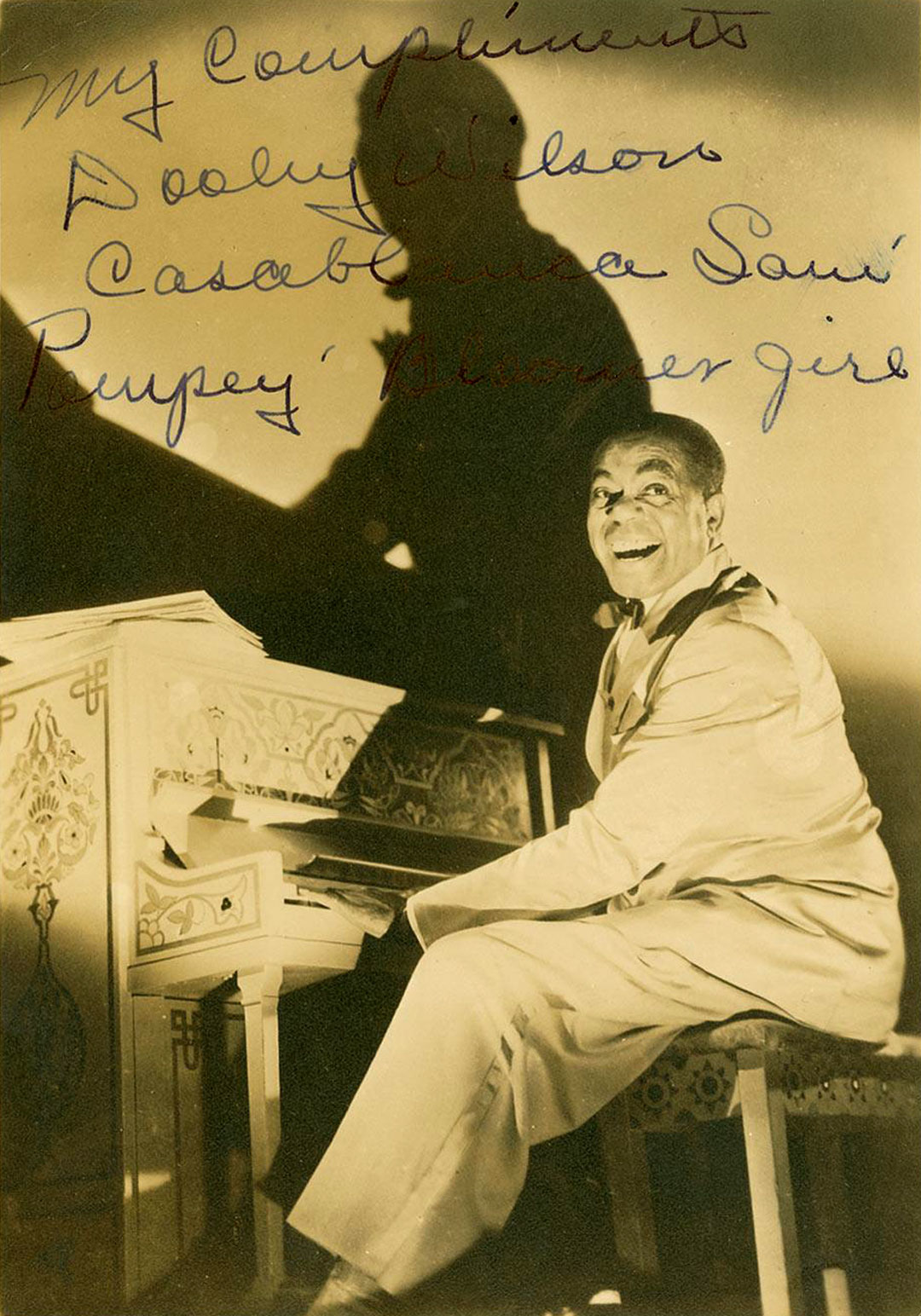
An autographed publicity photo of Dooley for “Casablanca”:

…and one with Humphrey Bogart:
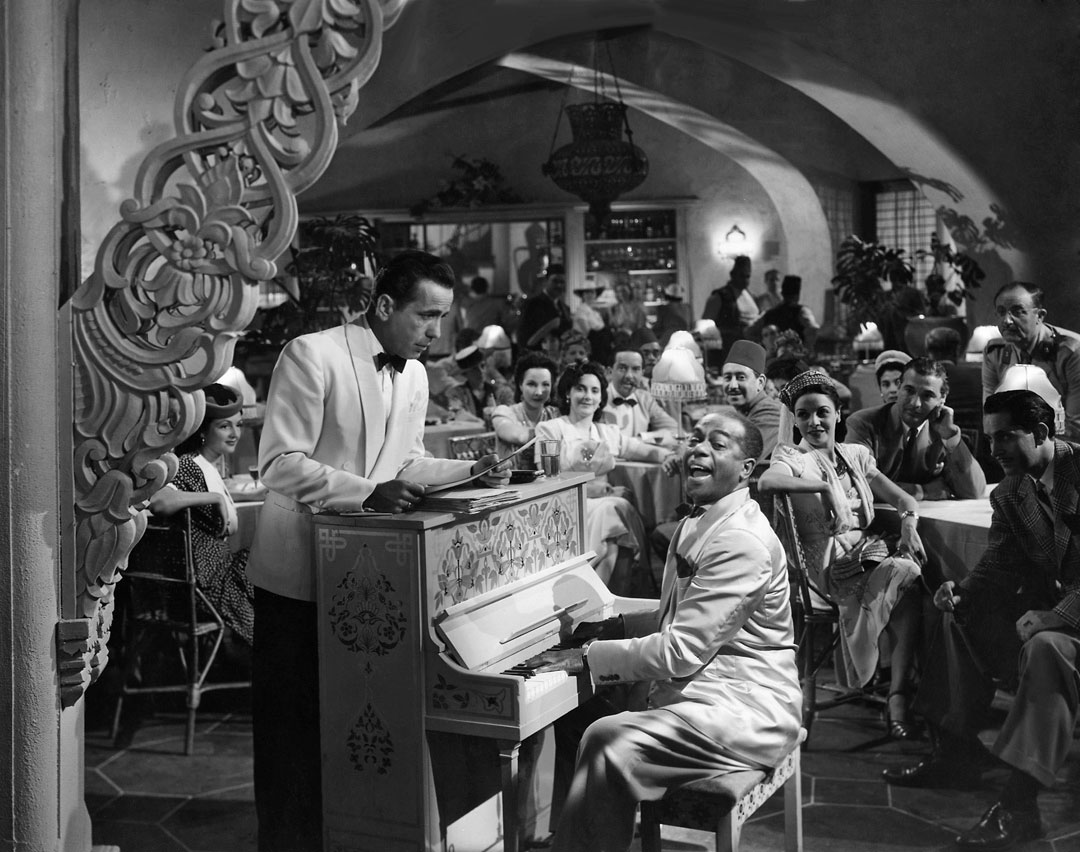

Sam didn’t want to play “As Time Goes By” because he knew his boss, played by Bogie, would not approve.
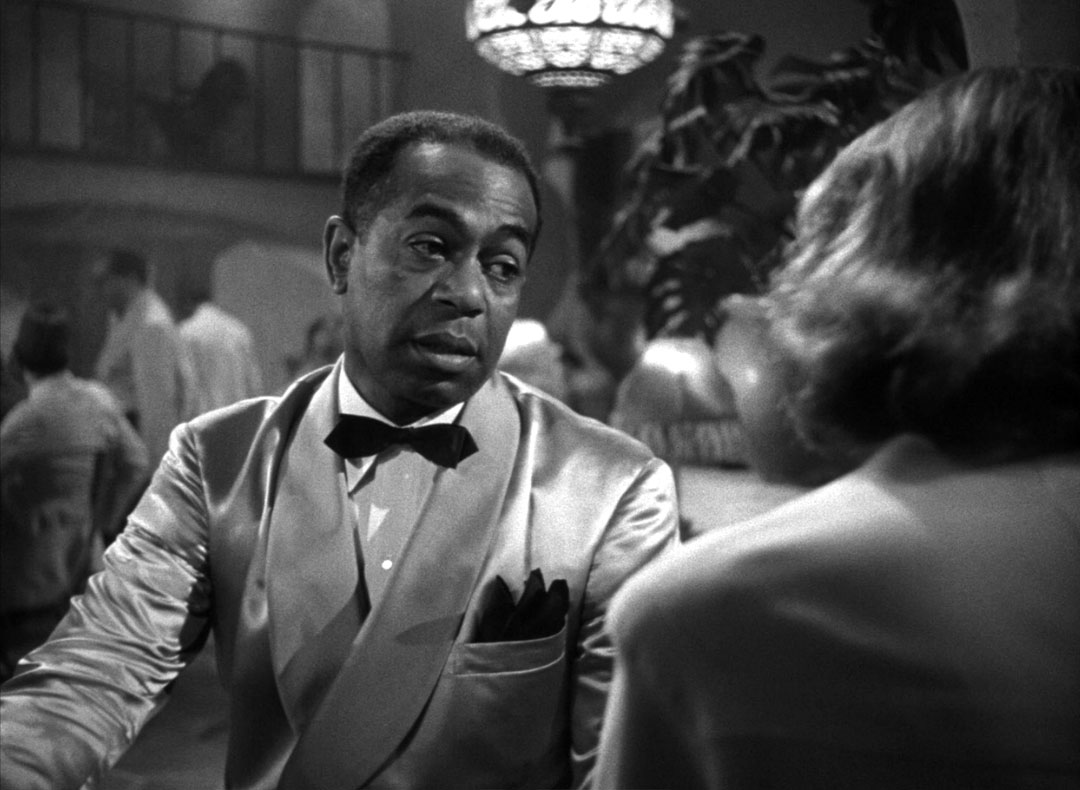

But how can you say “no” to Ingrid Bergman?!?
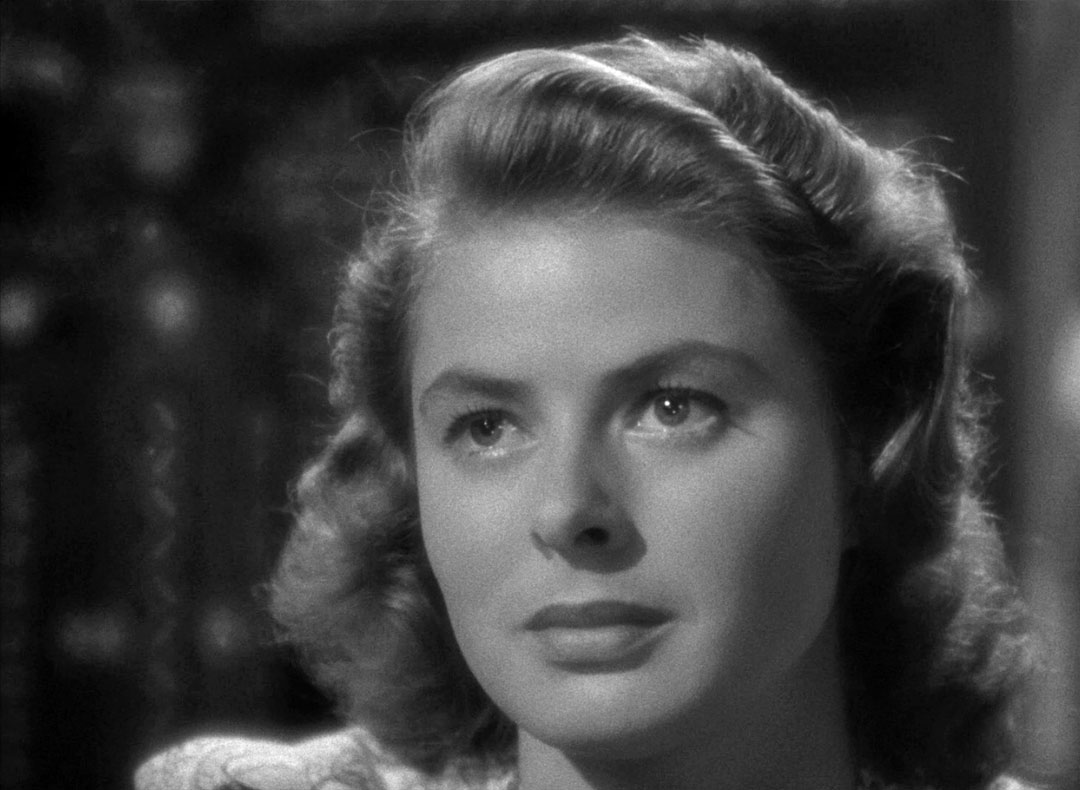


Ever wonder what happened to the piano that Sam “played” (Dooley actually faked it; he couldn’t play the piano)?
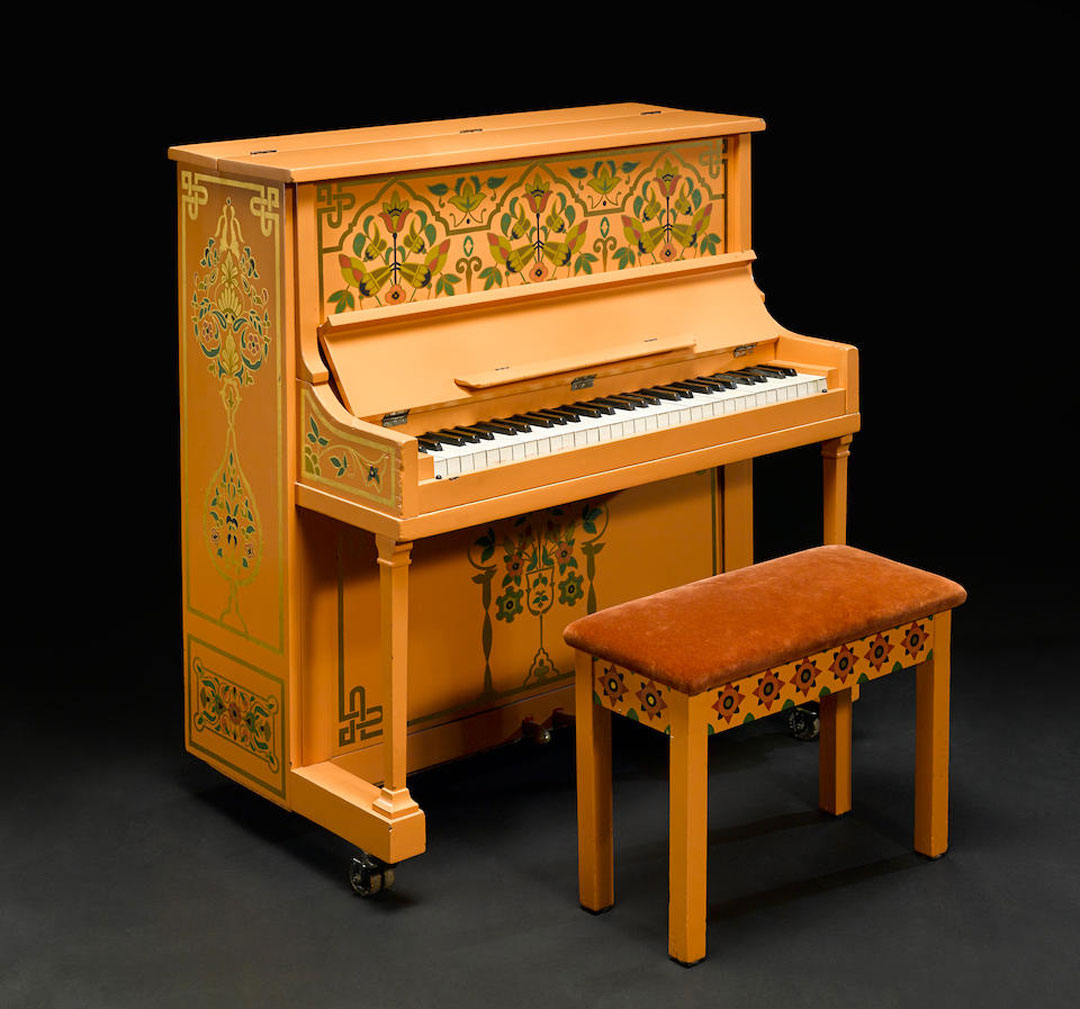


In November 2014, it sold for $3,413,000 at an auction by Bonhams. From the listing:

A "studio" 58-key piano on wheels, with wood and plasticine keys, likely manufactured by Kohler & Campbell, 1927, serial # 252636, with label of Richardson's of Los Angeles to interior case, and with "FNP" (for First National Pictures, which merged with Warner Bros. in 1927) marking to rear of piano. With original stool. Lid of piano hinged at center as is usual with uprights, but also entirely detached from upper case and instead secured with hook and eye (altered for the production of Casablanca so that Rick can open the piano lid from the rear and hide the transit papers). One-inch notch to center left piano leg (visible onscreen) and three small holes to piano lid (also visible onscreen). Petrified chewing gum wad stuck to underside of keyboard with faint impression of a fingerprint visible under magnification. Moroccan paint restoration executed in the early 1980s under the direction of Warner Bros. studio. Together with a signed photograph of Dooley Wilson as Sam at the piano and a copy of the film. 39" x 41" x 22"

This piano and another were pulled from the Warner Bros. prop room for the film (our piano still has the "FNP" marking on the verso). George James Hopkins, the set decorator on this and many other Warner Bros. films, checked out a book from the Warner Bros. reference library, La decoration Marocaine (Paris: 1925) by Joseph de La Nézière to help him design the look of the film. Inspired by the patterns and colors illustrated in this book, Hopkins created the elaborate Moroccan designs that grace the piano. (The owner confirmed this information via a personal interview with Hopkins in the early 1980s.)

What sets this piano apart from the other is that the lid has been altered to accommodate a pivotal plot point. Even in the stage version, Everybody Comes to Rick's, the piano was always the hiding point for Ugarte's transit papers. In the film, however, the writers come up with the clever "misdirect" of having Rick hide them in plain sight of the entire room by depositing the papers quickly under the lid of the upright as Sam plays. The only way this works, however, is if the lid opens from the rear: otherwise Rick would have to reach over Sam's shoulder to hide the papers, a hardly subtle move. The solution to this staging problem was to have the prop department completely remove the top of the piano, leaving the piece secured by a hook and eye only.


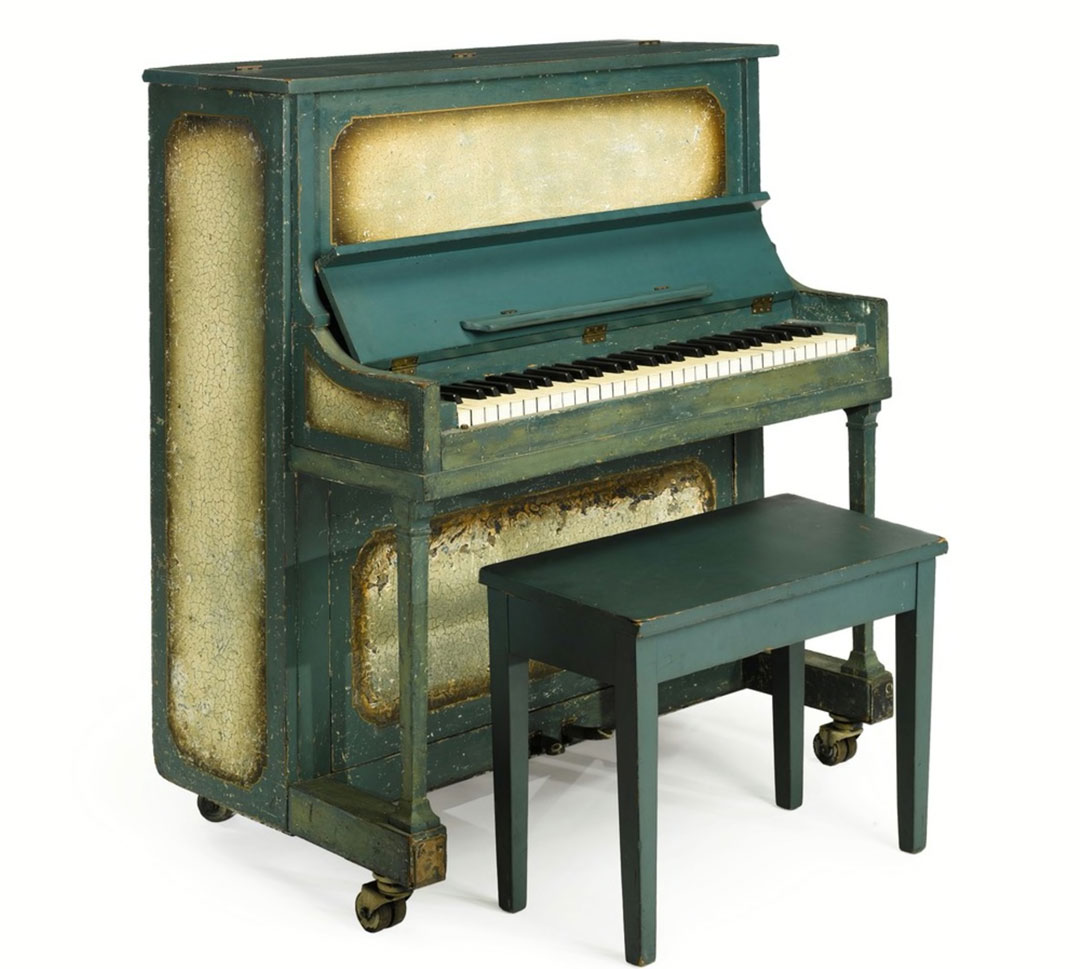
The other piano from “Casablanca,” which appears onscreen in the Parisian flashback sequence, sold in 2012 for $602,500.
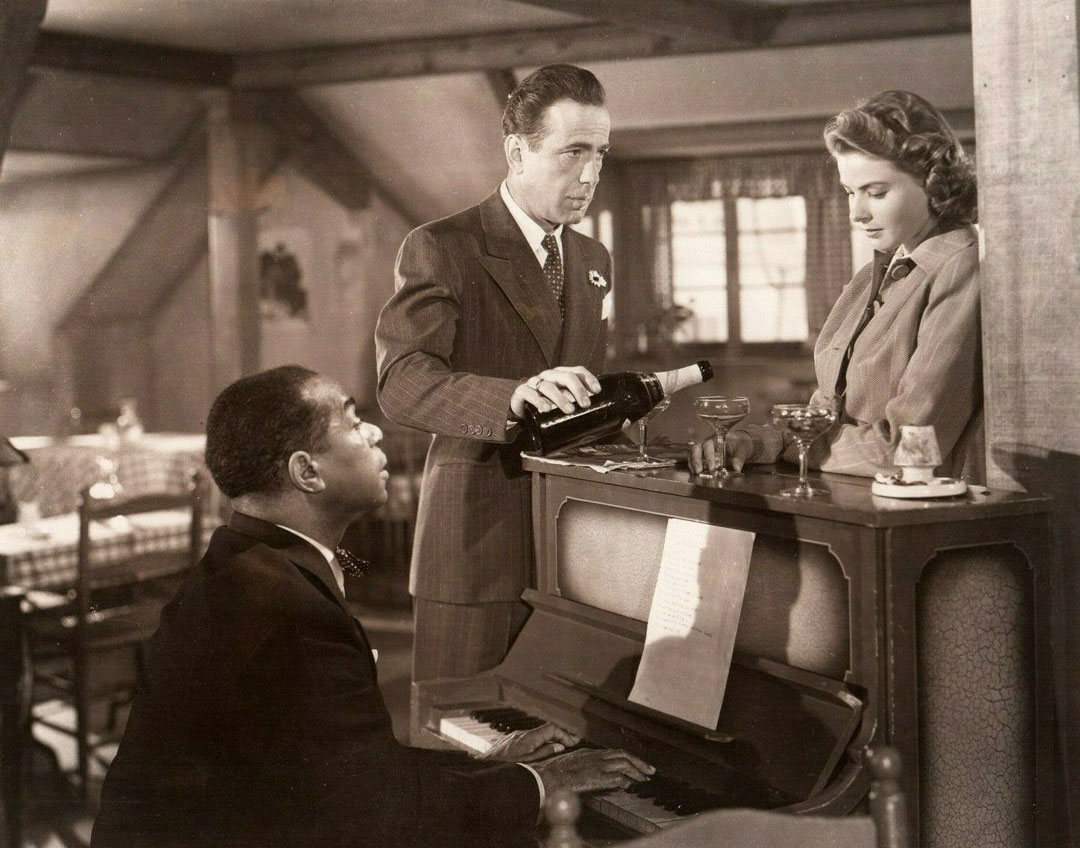

From NBC News:

A piano used in the classic film "Casablanca" sold for just over $600,000 on Friday, falling far short of predictions that it could fetch $1 million or more. The 58-key upright piano on which actor and singer Dooley Wilson performed "As Time Goes By," the signature song of the 1942 film's star-crossed lovers played by Humphrey Bogart and Ingrid Bergman, sold at Sotheby's for $602,500 including commission. The auction house had assigned the iconic prop a pre-sale estimate of $800,000 to $1.2 million, given some astonishing prices attained by movie memorabilia in recent years.

Back to Rosedale (me and those durn digressions)…the next one on my list was Maria Rasputin, the daughter of Russian mystic Grigori Rasputin, aka “The Mad Monk.” Yes, my interests are all over the board.
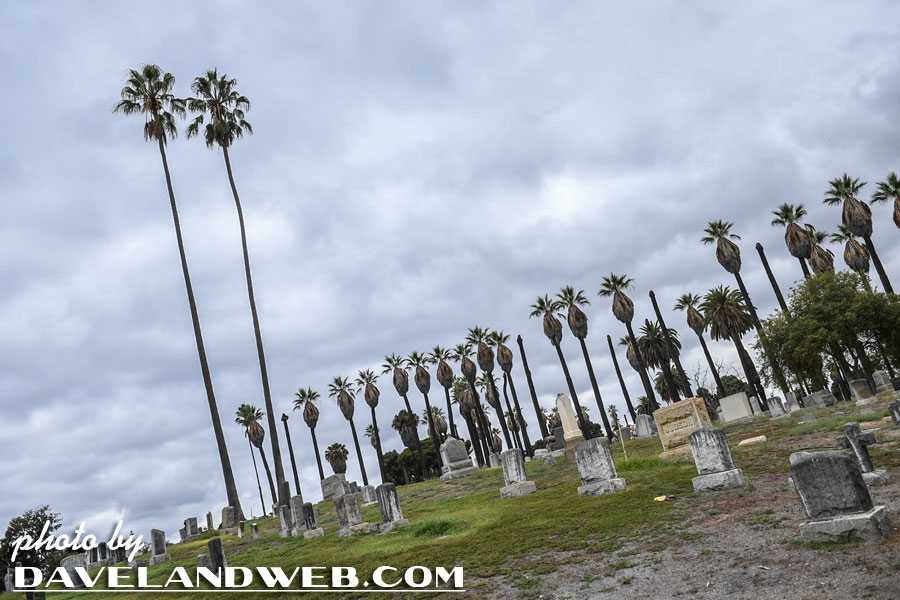


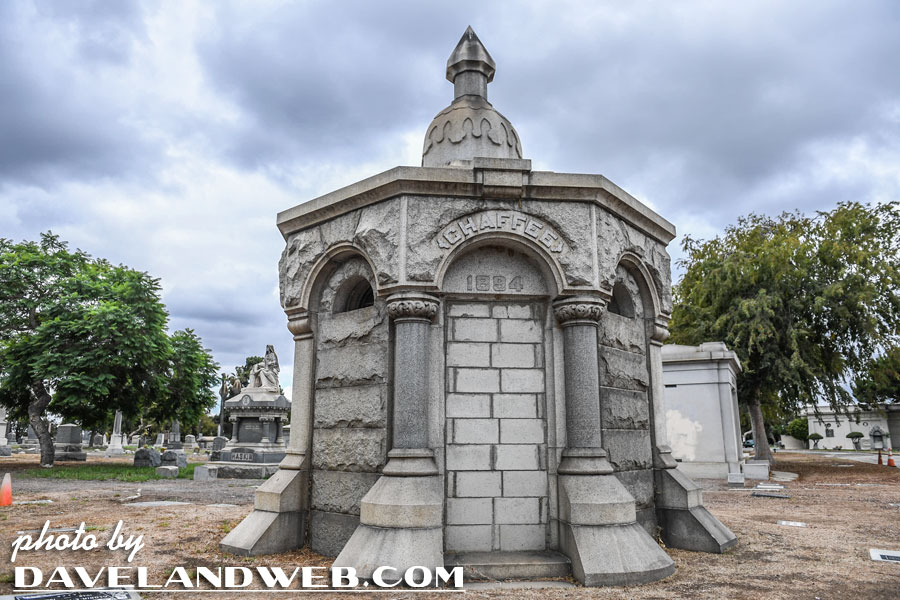
As is typical with me, I took my time finding my attention being diverted by the other interesting markers, sculptures, and crypts.


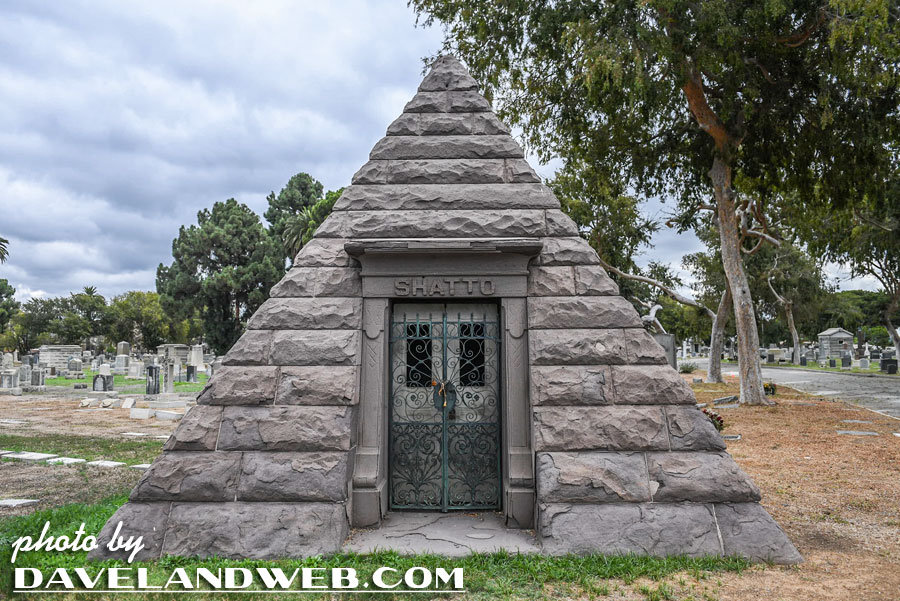
A cool pyramid! The inhabitant is Walter Shotto, who was originally buried in Michigan where he died in 1881 at the tender age of seven months. His grave was shifted to Rosedale where his parents were buried and interred in the family mausoleum.


This one went along with what happened next; I was busted by a security guard who told me photos were not allowed. Ok…I’ll play nice. However, he went on at length about Netflix wanting to shoot there, and then about females shooting naked butts in the cemetery, and how he knew it was porn, and even though the girls were pretty…

Good Lord, just get me out of here already.
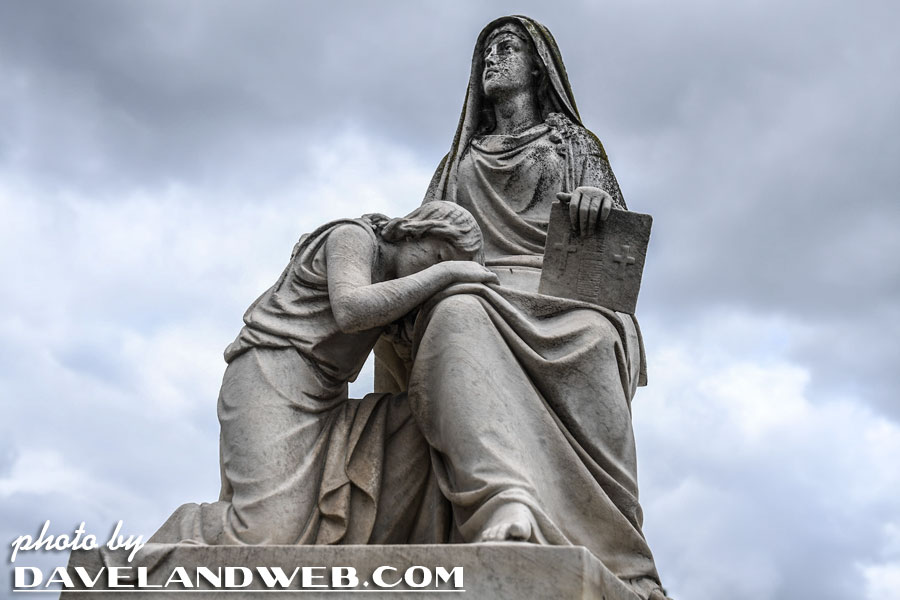


But yes, I will be back! See more Cemetery photos at my main website.

Monday, March 22, 2021

The Return of Allah!


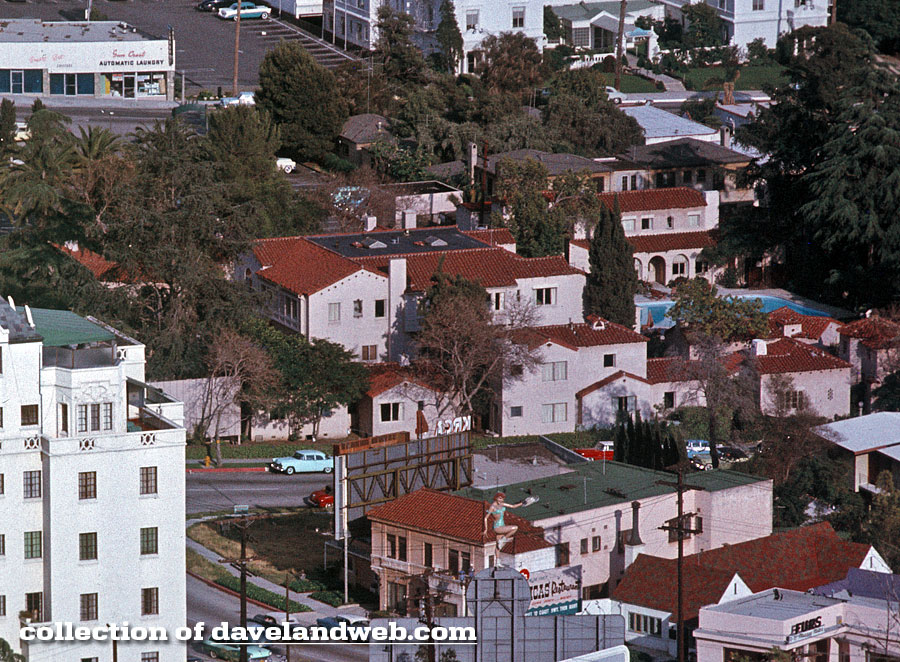
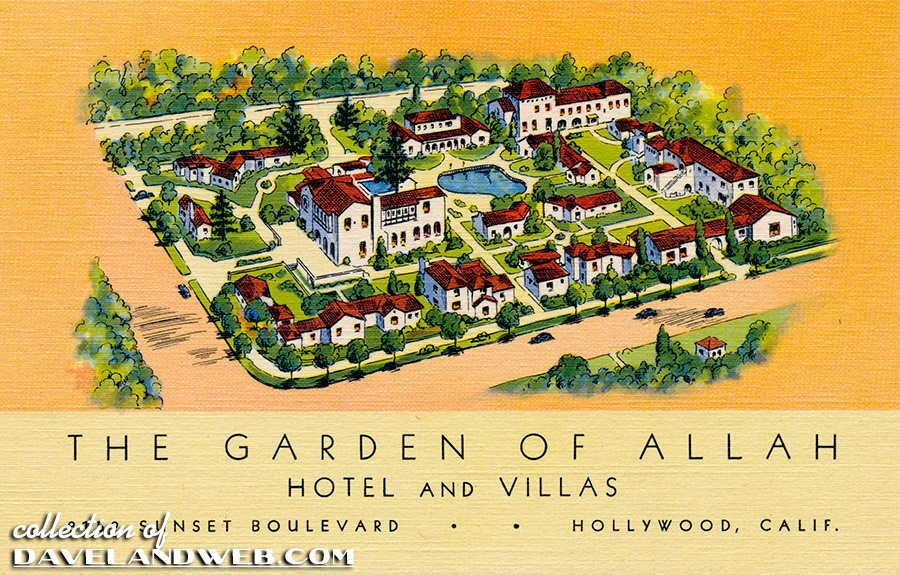
The “lost” Garden of Allah hotel on Sunset Boulevard is one of those vintage Hollywood experiences that I am slightly obsessed with. Located (almost) across the street from the Chateau Marmont, it provided a similar experience for actors, writers, and artists who liked to live on the fringe and play as hard (or harder) than they worked. This aerial view is pre-1951 and shows the Chateau on the fringe left of the shot and Garden of Allah and its distinctive swimming pool top right:


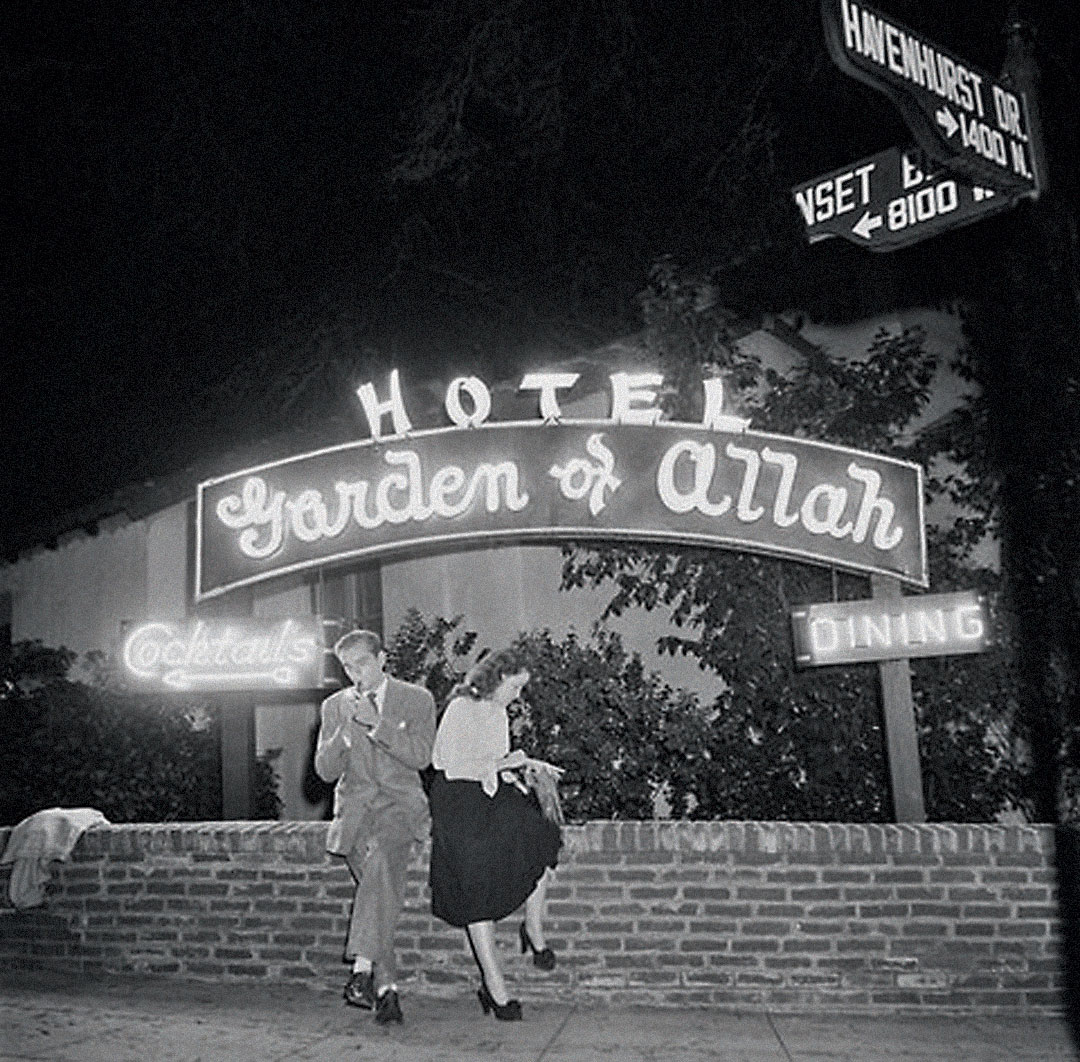
The other day, a friend tagged me in a post about one of the original neon signs reappearing all these years after the hotel closed down and was razed in 1959. How the heck did that happen?!? Here’s a shot of the sign in its heyday:


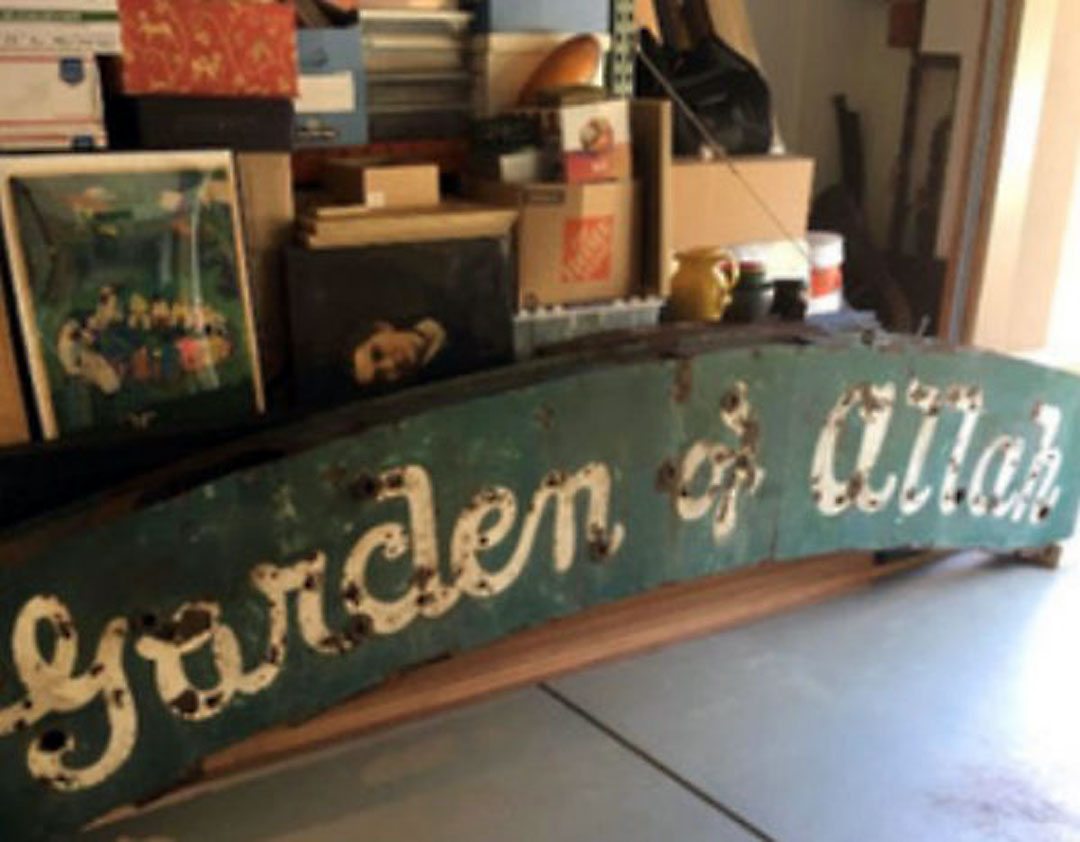
…and sadly,  how it looks now:


Thinking positively, how incredible is it that it still exists?!?

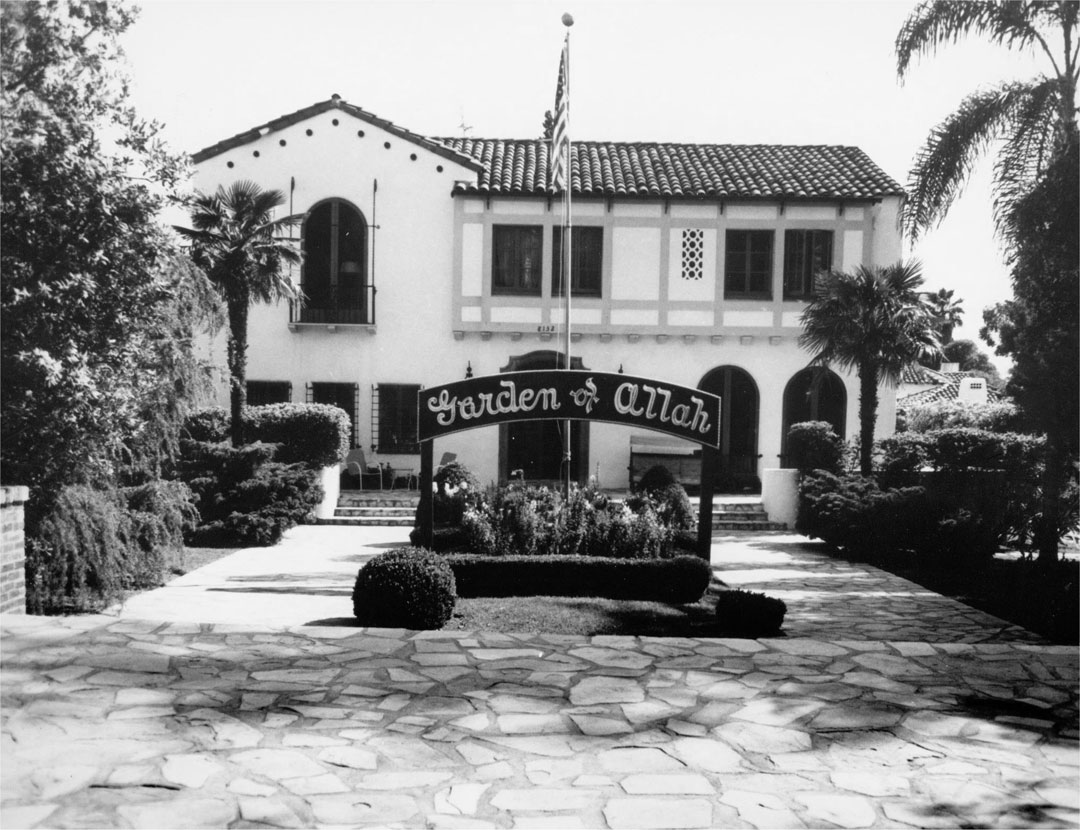
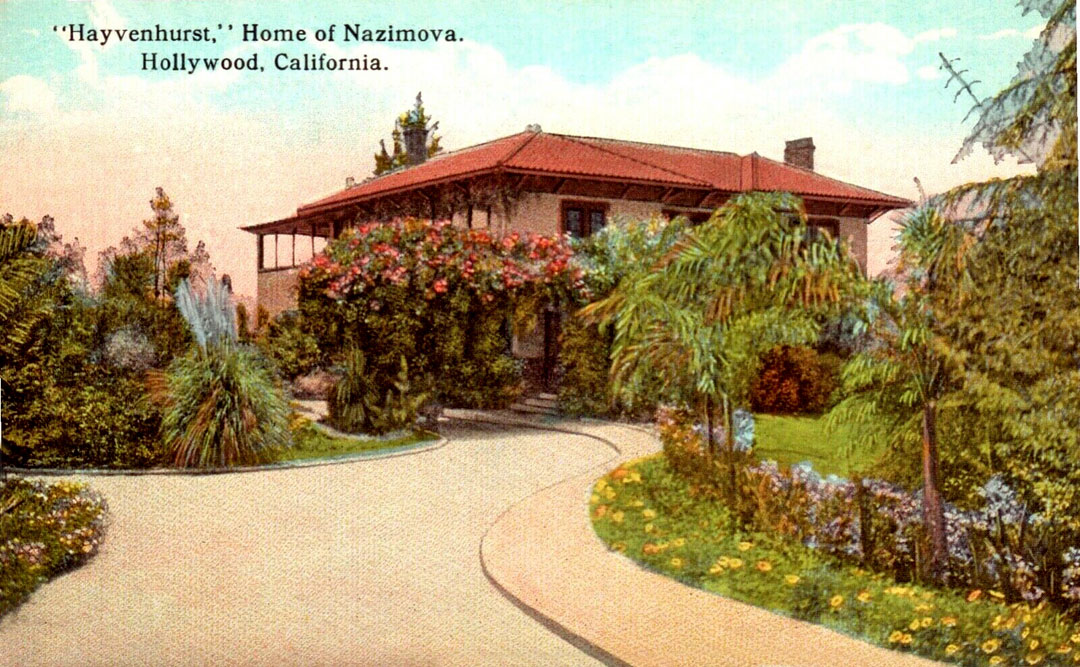
The main building of the hotel was the residence of silent screen superstar Alla Nazimova and known as Hayvenhurst, after the original owner William H. Hay:


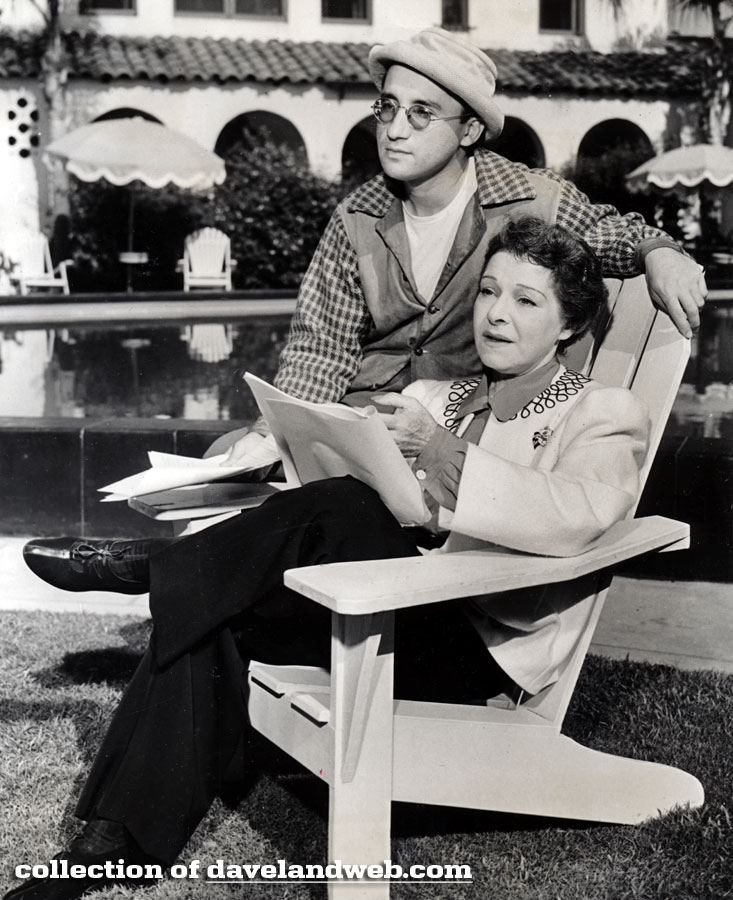
Nazimova converted it into a hotel, hoping it would generate some extra income. Instead, her partners bankrupted her and she was forced to sell, moving east to New York shortly after. Returning to Hollywood in 1938, she stayed in Villa 24 and lived there until she died in 1945. Here is Arch Oboler with Alla Nazimova at the Hotel, September 10, 1940:


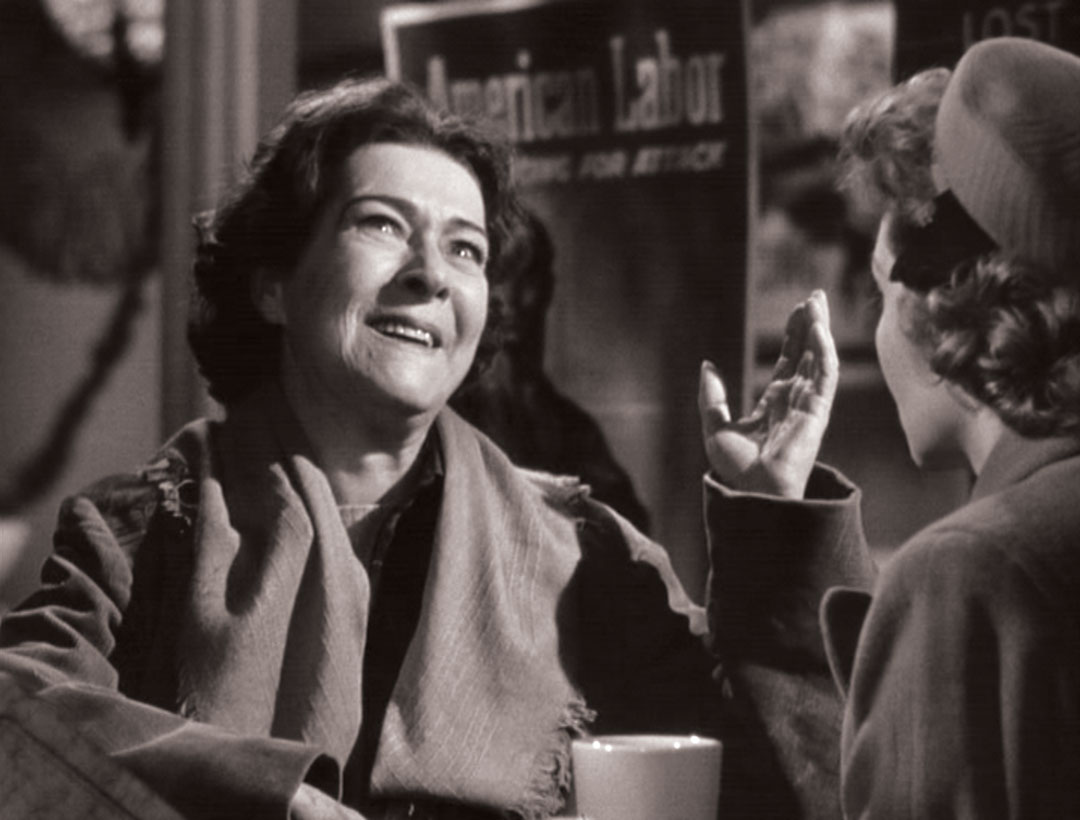
One of her final roles was a cameo in “Since You Went Away” (1944) about life on the homefront during World War II. When she recites the poem from the Statue of Liberty, she steals the scene from Claudette Colbert:


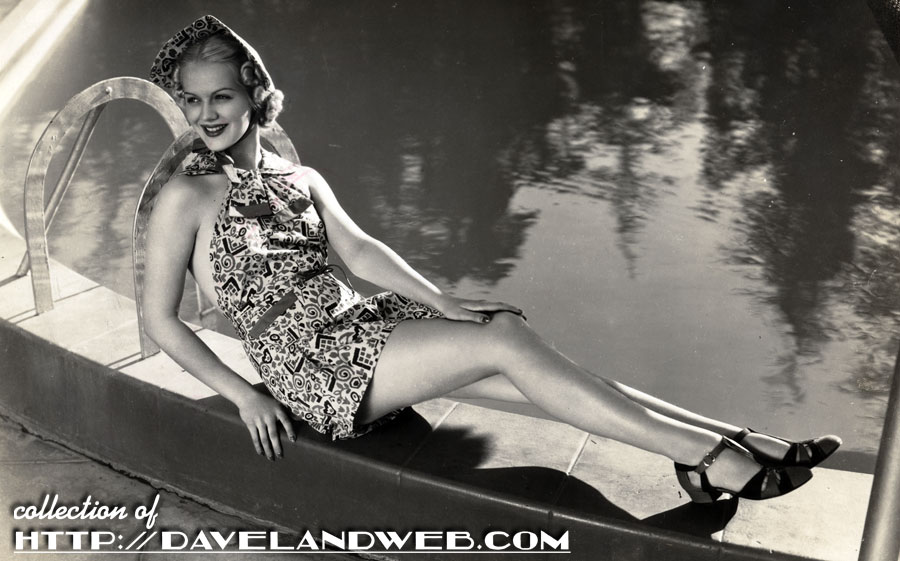
Back to Allah (with an “h”): Here is starlet Martha O'Driscoll at the Garden of Allah Hotel pool, June 1937:


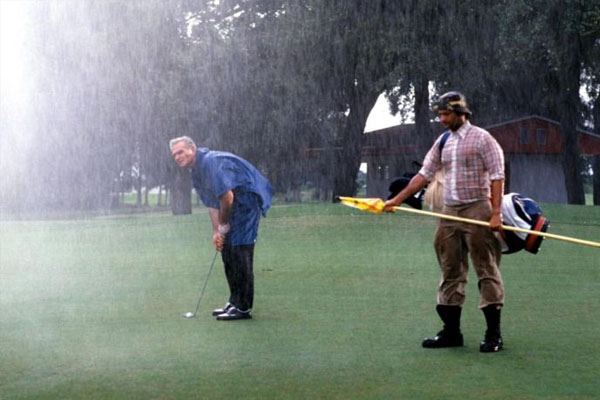
Garden of Allah Hotel bungalow 9 with Henry Wilcoxon, 1934. Don’t recognize him? Maybe his role of Pentaur, the pharaoh's captain of the guards in “The Ten Commandments” rings a bell. If not that, how about the priest from “Caddyshack” who gets struck by lightning on the golf course?


Yes, that’s the same guy!


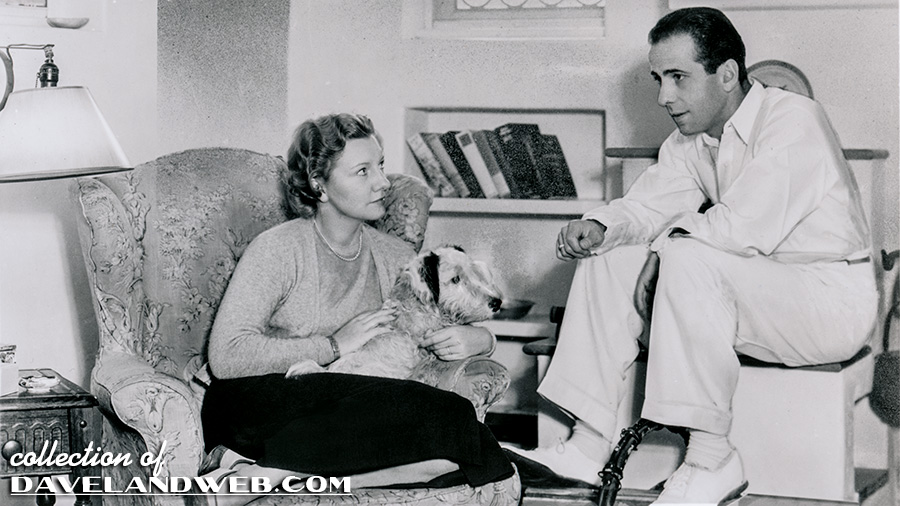
Of course you know this famous Garden of Allah guest, Humphrey Bogart, with his then wife Mary Phillips, shown in their room in the late 1930's


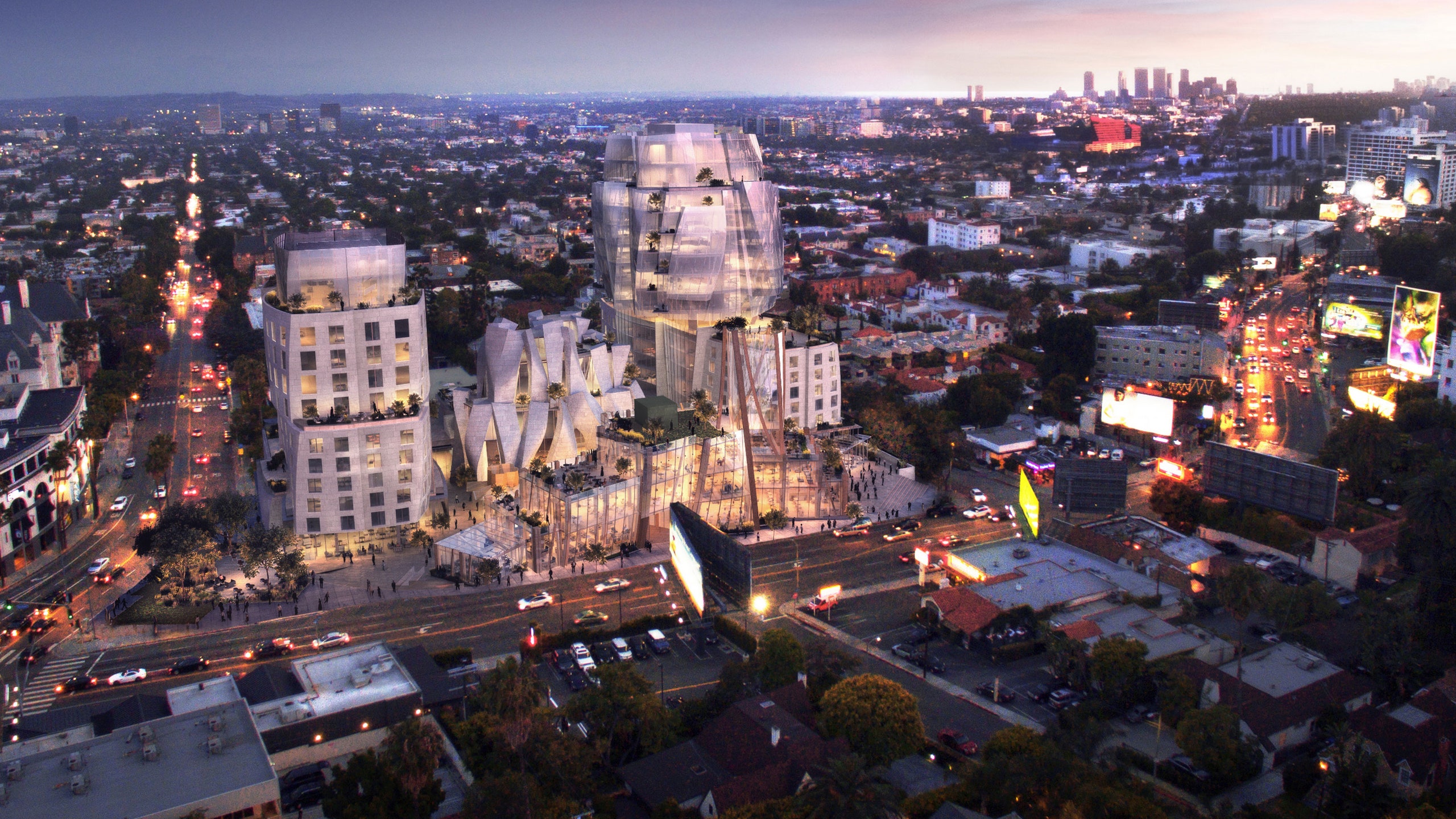
Sorry for all the Allah rambling; back to the point of the post! So what’s happening with the sign? Wish I knew. There is a movement to get the sign installed at the steaming-turd-of-a-monstrosity that Frank Gehry has designed to be built on the property where the Garden of Allah once thrived:


The seller is wanting a cool $50k for it, which puts it out of the reach of the Museum of Neon Art in Glendale. Will the city of Hollywood/West Hollywood step forward and buy this piece of history? Only time will tell!

See more vintage Garden of Allah photos at my main website.
Monday, April 22, 2019

Mary Astor Monday


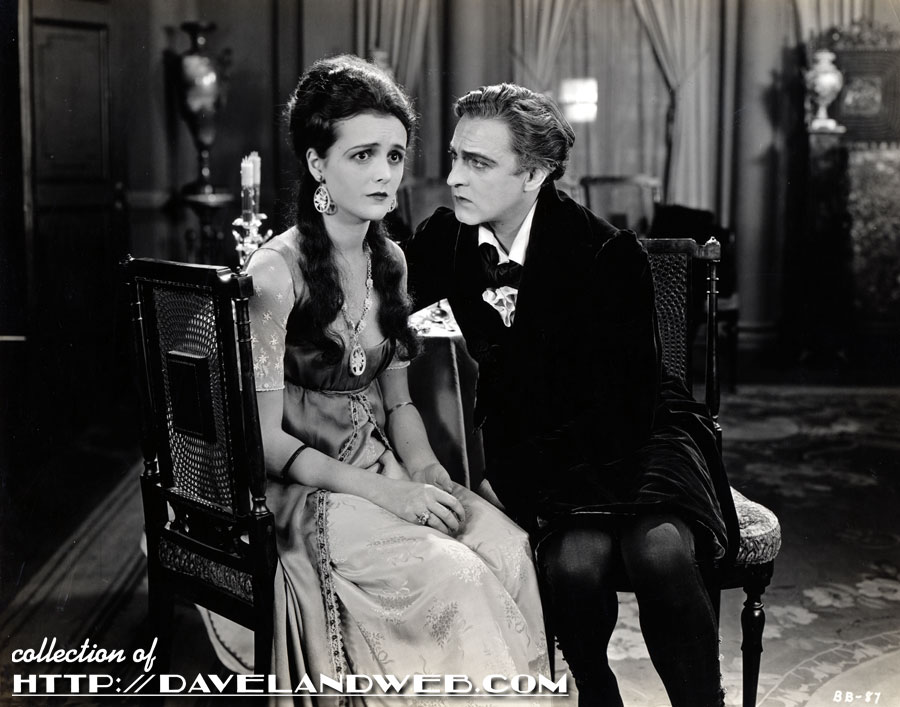
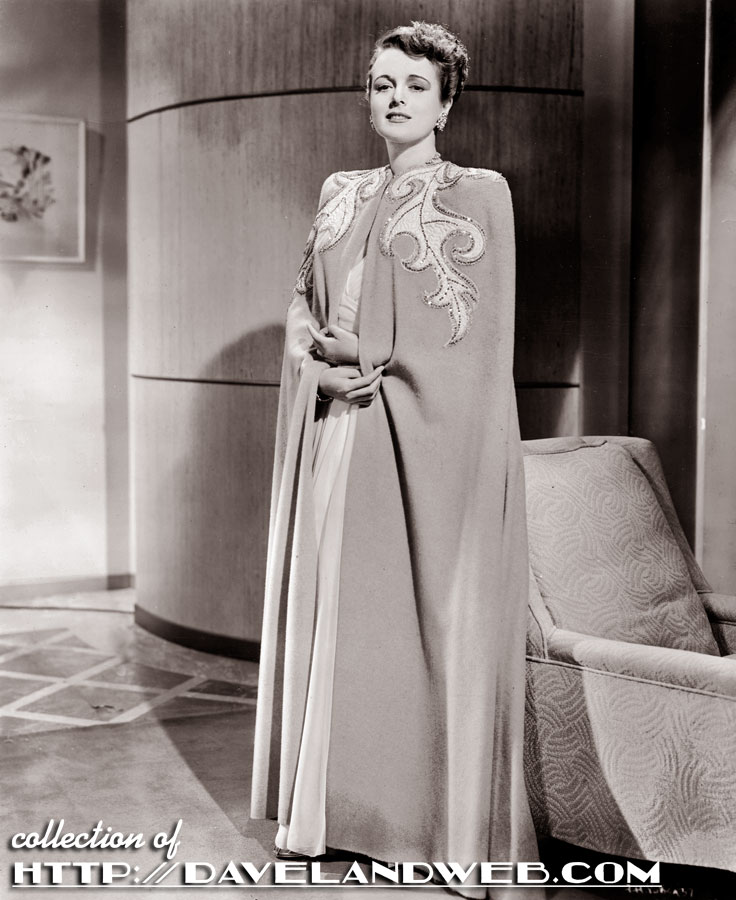
Mary Astor had a long and steady career in the movies that began in silent pictures, such as 1924’s “Beau Brummel” with John Barrymore. Prior to the making of this movie, the 17-year-old Astor was accompanied everywhere by her parents, as she was the meal ticket that allowed them to live a very lavish life. Somehow, the 41-year-old Barrymore convinced her father through a combination of flattery, deceit, and quite a bit of BS that he needed private time with Astor to help groom her into a true actress. They fell for it (for the most part) and a secret affair blossomed between the two for a few years until Barrymore got tired of Astor’s inability to stand-up to her parents and tell them to…


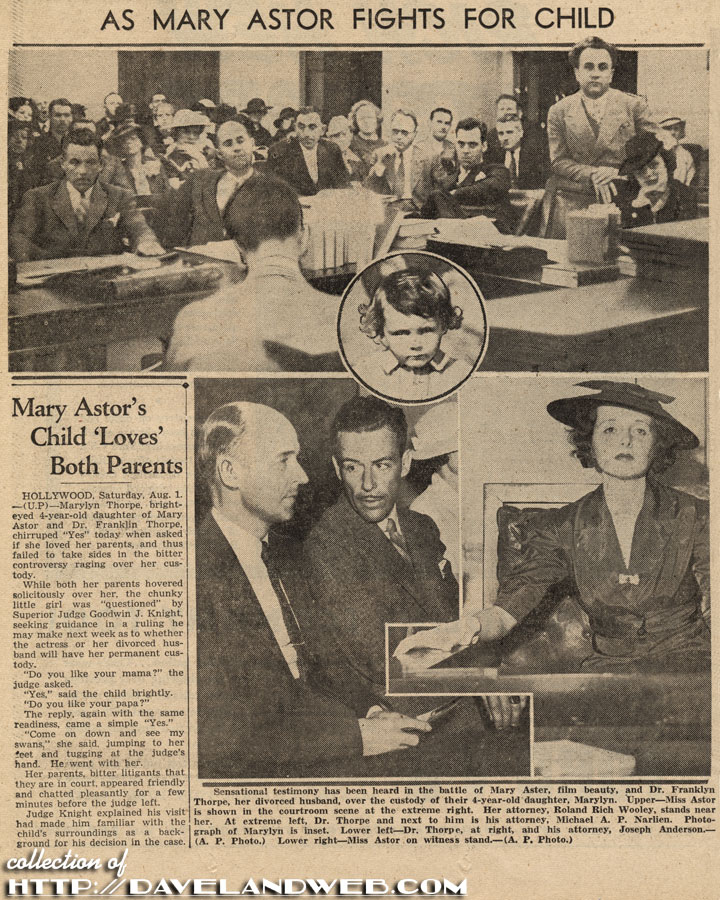
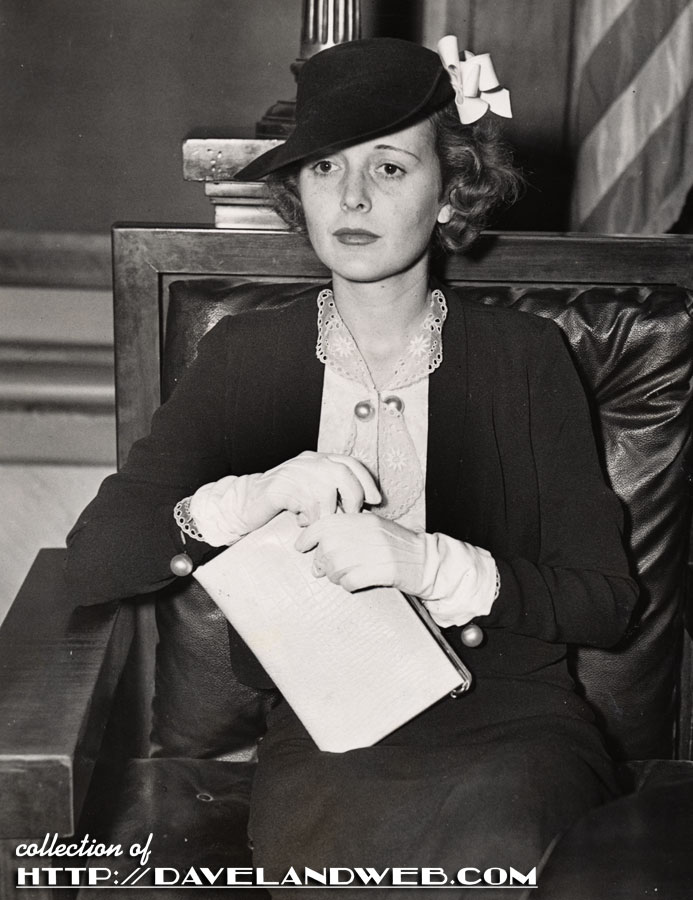
While her star continued to ascend, she made headlines for a completely different reason. Involved in a bitter custody dispute with ex-husband Dr. Franklyn Thorpe in 1936, things got even nastier when passages from her private diary were leaked to the press.


Thorpe had stolen the diary and attempted to use it as a tool to make Astor give up custody of their daughter Marylyn. Astor finally got sick of being taken advantage of by others and called his bluff. While the diary was ruled inadmissible in court for having been tampered with and mutilated, the press had a field day with the supposed tales of Astor’s sexual exploits, most of which had been fabricated.


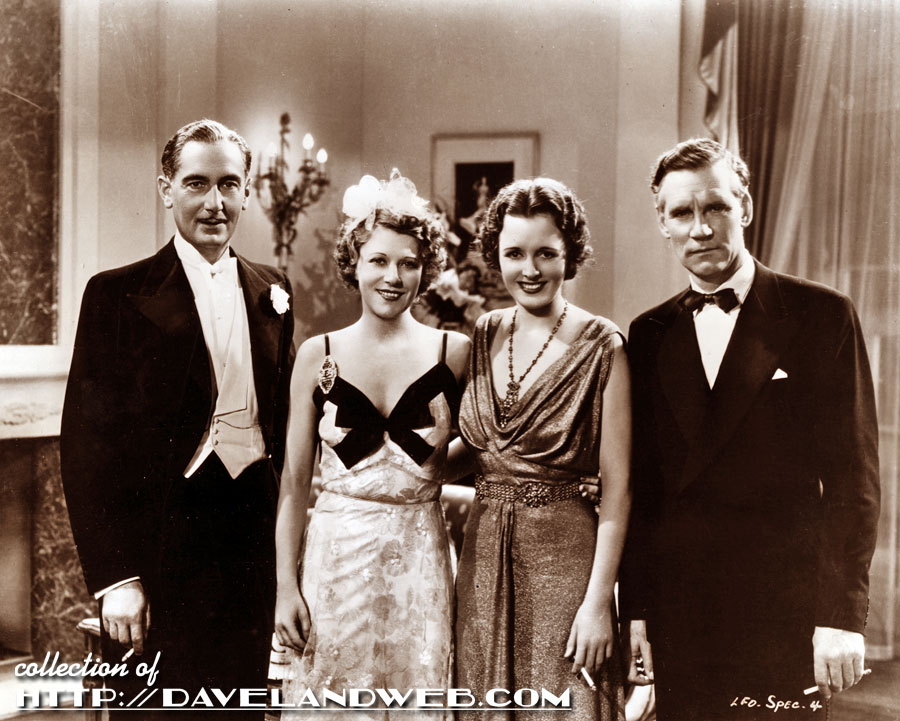
While it was embarrassing for the actress, she refused to waiver and was even backed by the film studio she was currently working for in the blockbuster movie “Dodsworth,” despite the morality clause in her contract. In her autobiography, she said that the strength of the character that she played in “Dodsworth” (seen below) was what she channeled up on the witness stand, allowing her to remain calm and composed throughout the entire trial.


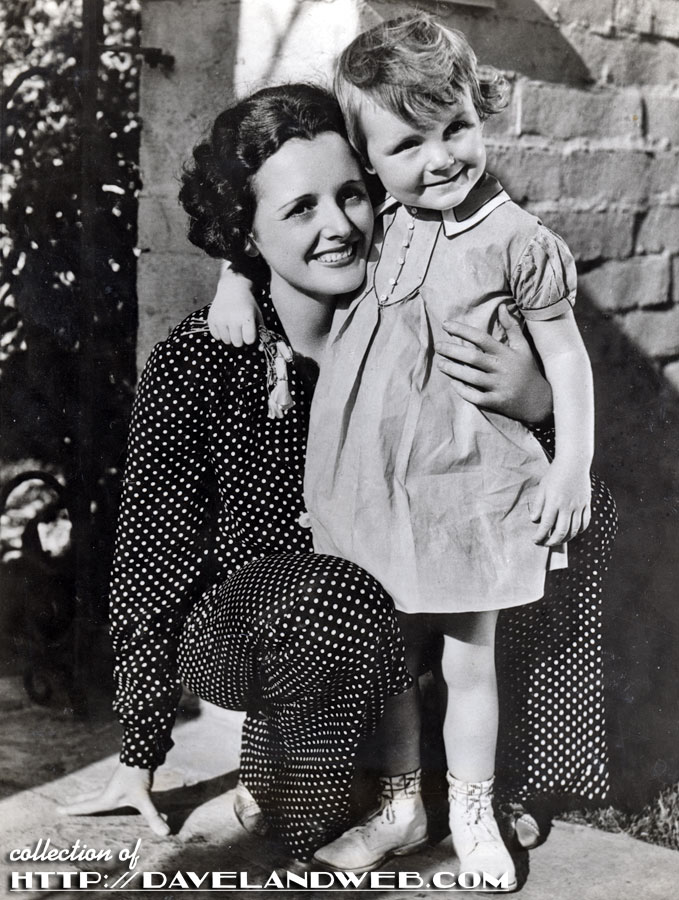
Here’s the victorious Mary with her daughter after the trial:


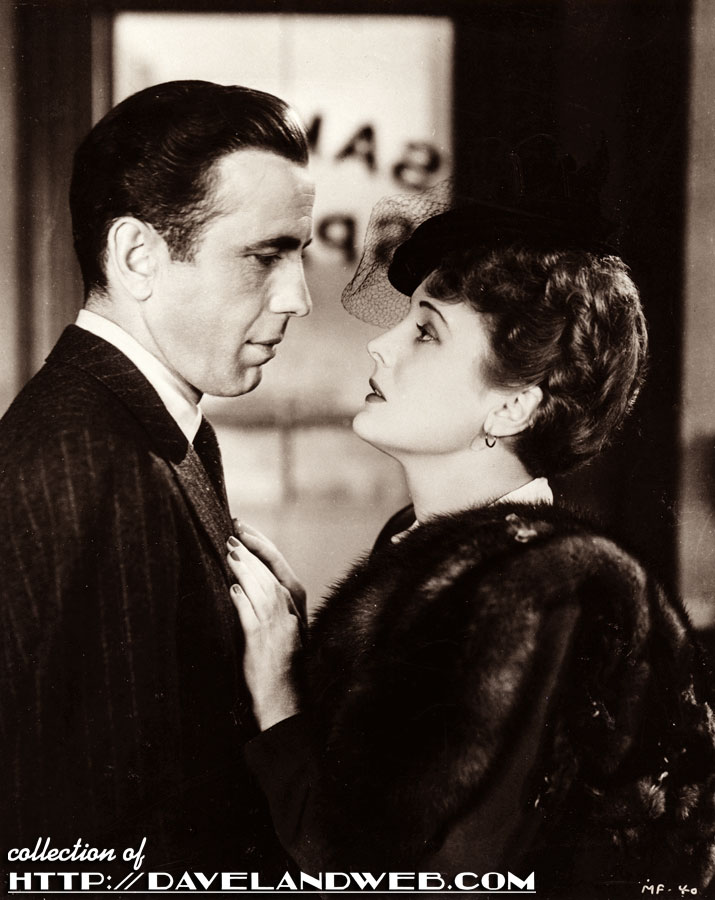
1941 was a banner year for Astor, with a starring role in “The Maltese Falcon”:


…and an Oscar for the Bette Davis potboiler “The Great Lie”:


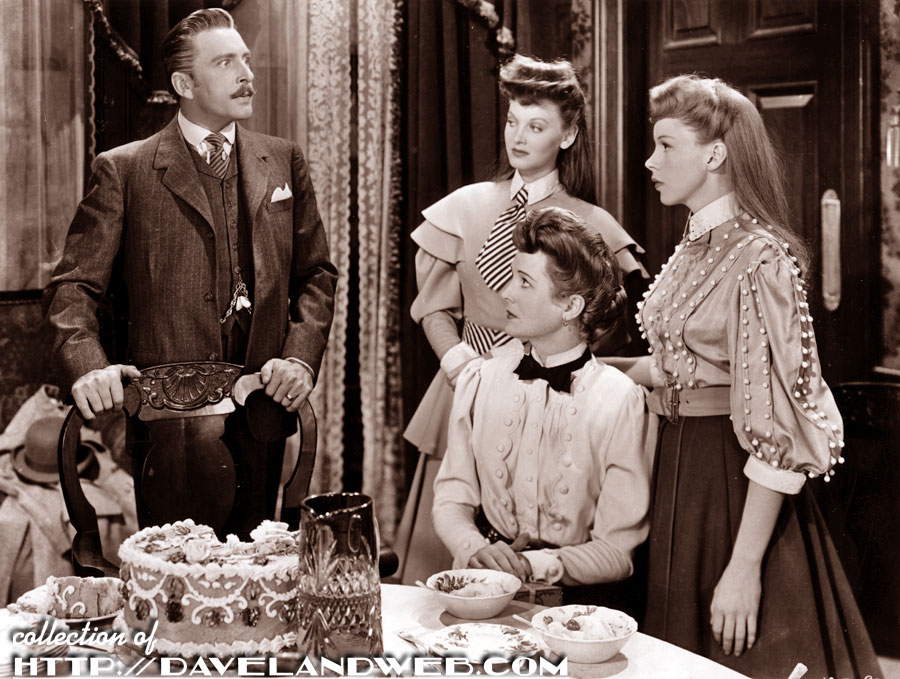
Looking for financial security, she signed a contract with MGM, who wasted her talents on predictably bland mother roles. There were a few highlights during her servitude there, including Judy Garland’s mother in “Meet Me In St. Louis,” where she held the Smith family together as the father attempts to haul them off to that evil city, New York.


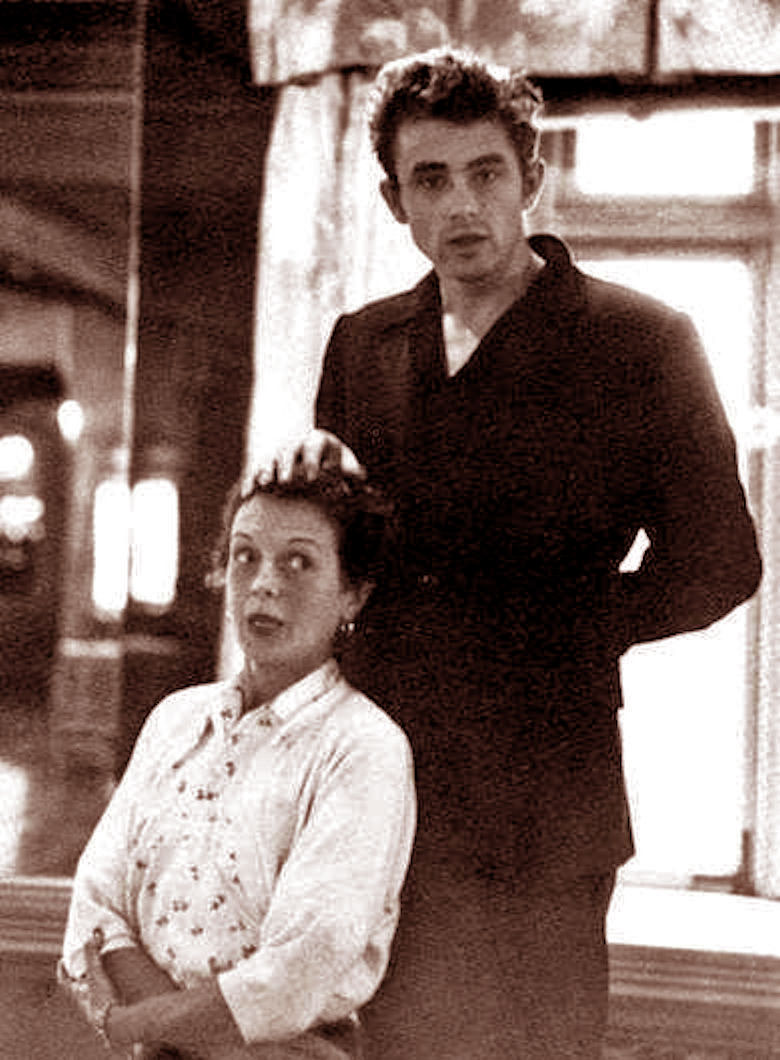
After she left MGM, her career began to slow down and she moved to a number of television roles, including “The Thief” with up and coming actor James Dean. Astounded by his mumbling and lack of professionalism, she was even more astounded when she watched the broadcast and saw him walk away with the teleplay and the accolades.


Overcoming alcoholism, Astor also began to write, publishing her bestselling memoir, “My Story: An Autobiography.” If you haven’t read it, you should.

She finished her career in the 1964 Bette Davis murder mystery, “Hush...Hush, Sweet Charlotte.”


While largely forgotten today, she is still remembered for a very self-deprecating but not entirely untrue and insightful quote:

There are five stages in the life of an actor: 'Who's Mary Astor? Get me Mary Astor. Get me a Mary Astor type. Get me a young Mary Astor. Who's Mary Astor?'

See more Mary Astor photos at my main website.
Saturday, December 22, 2012

Paving Over Paradise


Don't it always seem to go
That you don't know what you've got
Till it's gone
They paved paradise
And put up a parking lot


Many are familiar with those lyrics from Joni Mitchell's 1970 song "Big Yellow Taxi." Almost as many are under the misconception that she was referring to Hollywood's legendary hotel of yesteryear, The Garden of Allah. Although that's not true, the lyrics are still (sadly) applicable.

The Garden of Allah was a famous Hollywood hotel on Sunset Boulevard between Crescent Heights and Havenhurst. Its name came from stage and silent screen actress Alla Nazimova, who bought the original mansion at 8080 Sunset Boulevard for $65,000 in 1918. She spent an additional $65,000 on the Garden of Alla (the 'h' came later), remodeling the interior, building a pool (constructed in the shape of the Black Sea), and re-landscaping the property’s three and a half acres. Some sources say the pool, a large 65' x 45', was a gift from Paramount Studios, designed to remind their star of her birthplace in Yalta. Near the end of her acting career, Nazimova was advised by her 'business experts' to convert the mansion into a revenue generating property to provide her with retirement income. She completed remodeling the house and added 25 two-story villas surrounding it (at a cost of $1.5 million), opening The Garden of Alla in January 9, 1927. Ads promised an “atmosphere of exclusive refinement” at “California’s Finest Summer Hotel in Hollywood” with “excellent cuisine.” The bar was the hotel's biggest selling point, where guests were allowed to carry a tab (even during Prohibition).


Within a year, Nazimova went bankrupt and had to sell the hotel, continuing to rent a small apartment in the complex until her death in 1945. Supposedly, she was not very happy that the new owner added an "h" to the hotel’s name.

The Garden of Allah was a home away from home to many celebrities and literary figures of the Golden Era of Hollywood. F. Scott Fitzgerald lived there for several months in 1937-38 while doing script work. Humorist/actor Robert Benchley was a frequent resident, as were Ernest Hemingway, Gloria Stuart, Dorothy Parker, Errol Flynn, Greta Garbo, Humphrey Bogart, and the Marx Brothers. Fitzgerald's biographer and lover Sheilah Graham later wrote a book about the hotel called “The Garden of Allah”.

Here's a photo Humphrey Bogart and then wife Mary Phillips, late 1930's. Supposedly, Bogie met Lauren Bacall at the hotel.


The downfall of the hotel is summed up very poetically by Walt Lockley:

[The hotel's] reputation grew progressively less glamorous through the property's 30-year decline, and towards the end its arcades and arched alcoves among the thick poolside tangle of orange trees, palms and hibiscus were more likely to be concealing a curled-up junky than a grinning, cursing, naked Carole Lombard.

At a time when historic preservation was nothing but an annoying whisper, the hotel was torn down and replaced by a bank with a strip mall behind it. Silent screen actor Francis X. Bushman (“Ben Hur”) and his wife Iva, who had been at the opening party, attended the closing party in August 1959 as well. Over a thousand people showed up, many dressed as the hotel’s previous guests - including Valentino, Chaplin, Clara Bow, and even Nazimova herself. Her 1923 silent film “Salome” was screened at the party as a tribute to her.

Presently, the former Allah location serves as a nondescript strip mall that contains a McDonald’s, and a Washington Mutual Bank. For years after it was leveled, a model of the hotel was on display outside the bank building, encased in glass. It was moved inside the bank for a time, but now the model is gone as well. This video shows what's left of the famed hotel:


See more vintage & current Hollywood photos on my Hollywood web page.