Showing posts with label ingrid bergman. Show all posts

Tuesday, May 06, 2025

Temple Tuesday: LIFE can be cruel!


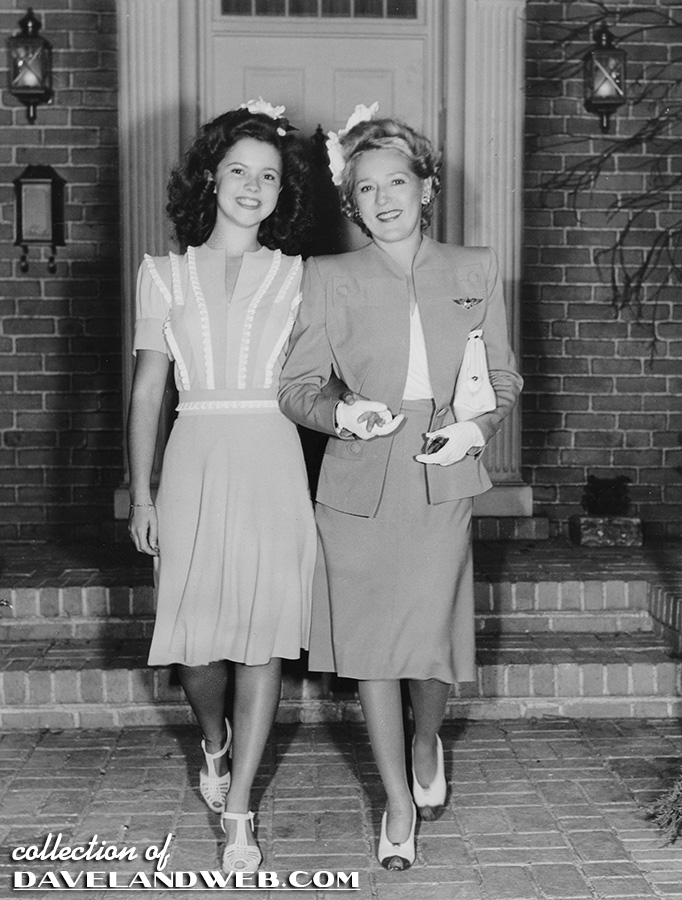
At first glance, the above photo is a charming shot of Shirley Temple, former child star and darling of the 1930s, and Mary Pickford, a “child” star from the teens and 1920s. At the time this 1943 photo was taken, Shirley was poised for a comeback under the direction of producer David O. Selznick. Mary had gone behind the camera, producing films for United Artists, which she was one of the founding members back in 1919. LIFE Magazine typically was kind to movie stars and often got exclusive photos and stories as a result; for this particular image, they were rather cruel. It ran full page in the October 4, 1943 issue with the headline, “TWO GREATEST HAS-BEENS.” From the rest of the feature:

Shirley Temple and Mary Pickford are seen here on a Hollywood movie set. Miss Temple is 15. Mary Pickford is 50. They are almost of a size. Their combined careers almost span the history of the motion picture industry. Mary Pickford has appeared in 60 full-length movies, Shirley Temple in 28. They are Hollywood’s two greatest has-beens. They are has-beens in the same peculiar way. Both of them have finished great movie careers. Mary Pickford as “America’s Sweetheart”; Shirley Temple as the screen’s greatest child actress. Miss Temple, for many years a top box-office draw as a curly-headed moppet, is now taking on her first real dramatic role. When Mary Pickford was her age she was appearing in David Belasco’s “Warrens of Virginia.” The occasion for their meeting was an on-the-set party to celebrate the first of shooting on Shirley Temple’s new picture, United Artists’s “Since You Went Away.” Miss Pickford, a part owner of United Artists, is also beginning a new movie career. Recently she paid $410,000 (the top price for a Broadway play) for the screen rights to “Junior Miss,” which she will soon produce. It is rumored that Shirley Temple will have one of leading roles in the movie.

There were so many other ways LIFE could have chosen to describe these two legends, all of which would have been more respectful. Below is another shot of Temple and Pickford from the party:
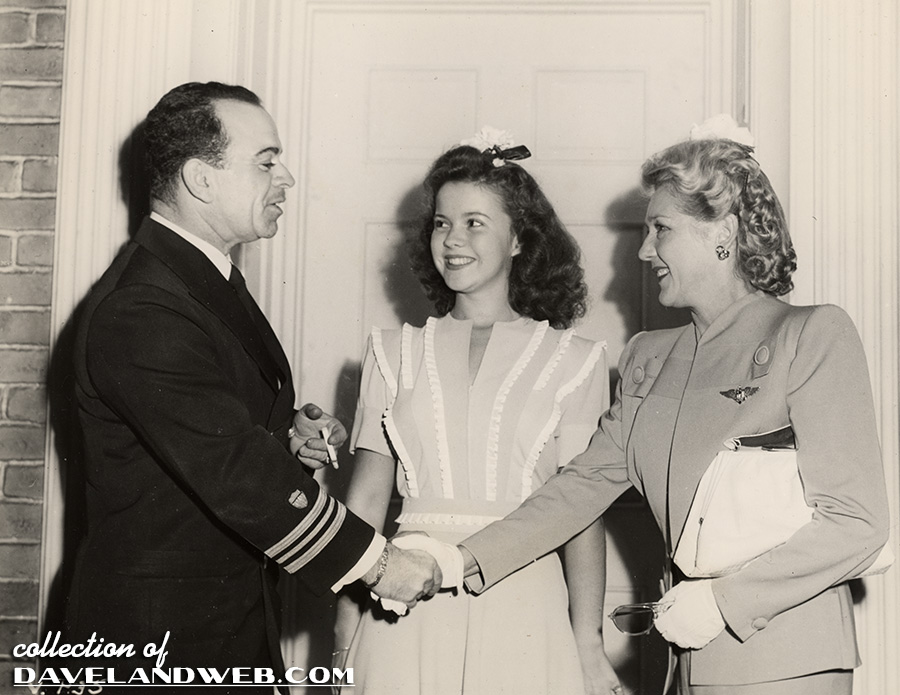


From the accompanying caption:

In the friendly, informal atmosphere of a typical American home, Claudette Colbert and Producer David O. Selznick recently entertained a group of Hollywood notables at a “housewarming.” Scene of the unusual gathering was the “Hilton Home” set, on which will be shot some of the footage for Selznick’s “Since You Went Away,” story of a typical American home in wartime. Present at the party were Producer Selznick, Director John Cromwell and members of the all-star cast, Claudette Colbert, Joseph Cotten, Jennifer Jones, Shirley Temple, Monty Woolley, Robert Walker, Hattie McDaniel, Neil Hamilton, Eric Sinclair, Rhonda Fleming, Christopher Adams and Vicci Styles. Left to right: Commander Garcia, Shirley Temple and Mary Pickford.

A detail of the pin Mary is wearing:


Below are cast members Robert Walker, current wife Jennifer Jones, Selznick (who would eventually marry Jones), Shirley, and Joseph Cotten. Ingrid Bergman, smiling in the background, was a visitor to the set party.
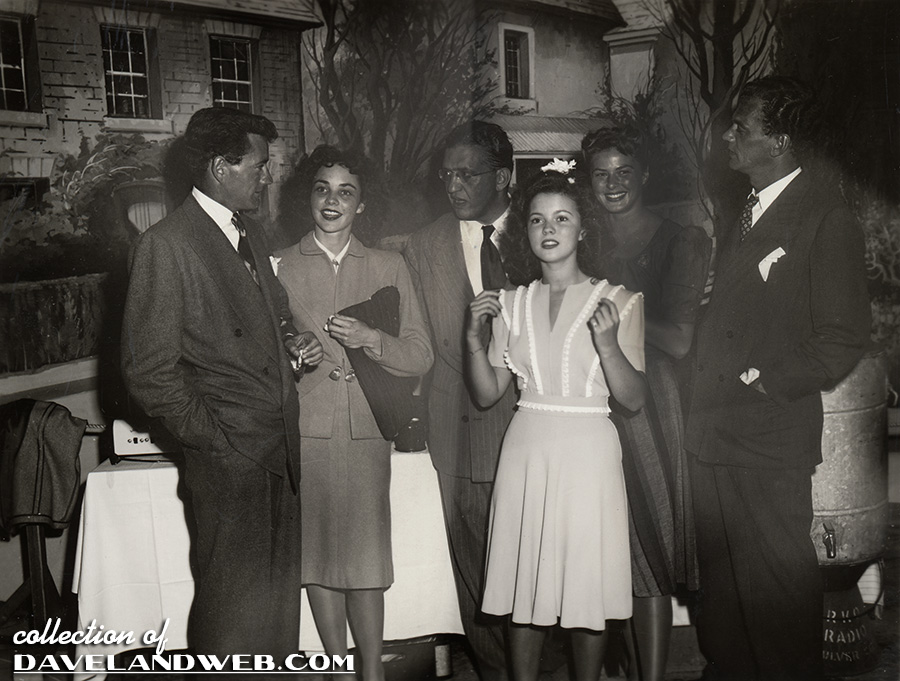


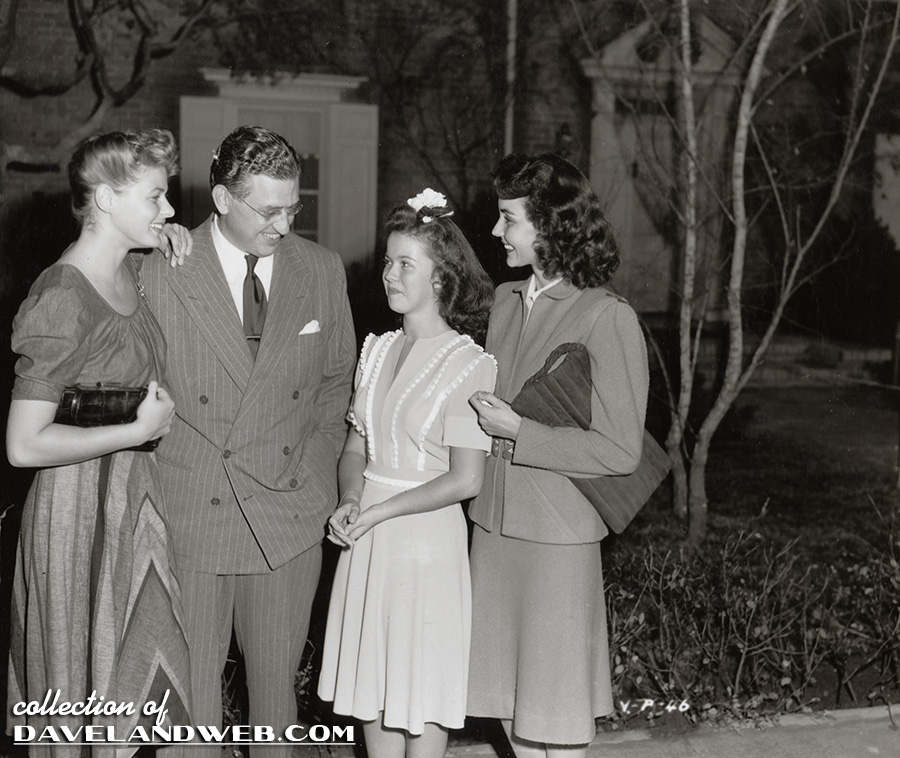
Another shot with Bergman, Selznick, Temple, and Jones. That’s some purse Jones has tucked under her arm!


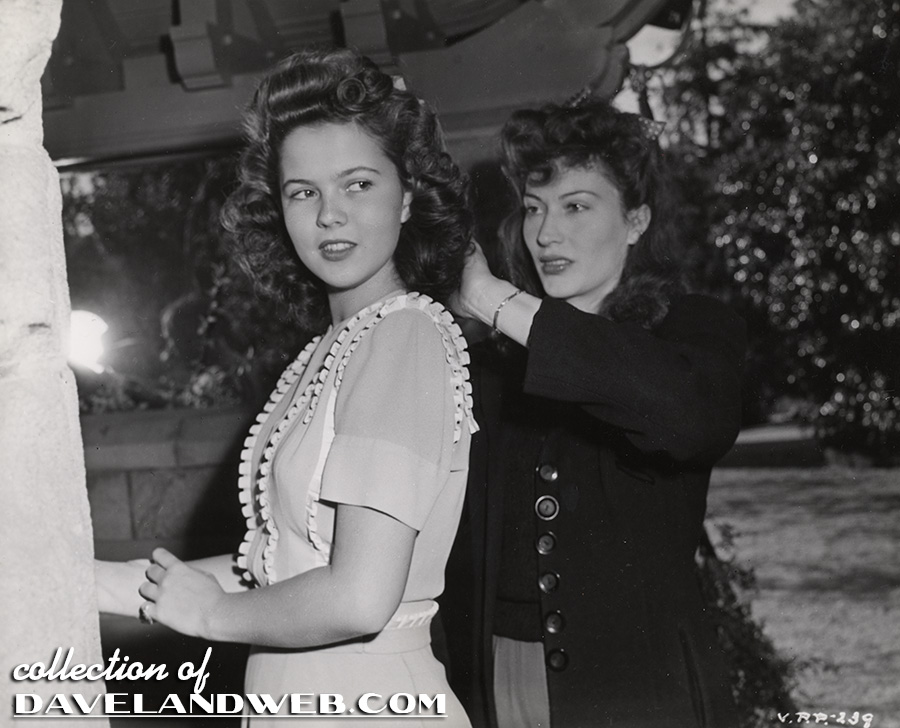
Below is a shot of Shirley getting ready. The accompanying blurb:

LADY’S TIME OUT to fix up before returning in front of the cameras. Shirley Temple has her hair done by Cleo, the hair stylist, for a scene in David O. Selznick’s “Since You Went Away.” Others in the all-star cast are Claudette Colbert, Joseph Cotten, Jennifer Jones, Monty Woolley and Robert Walker.


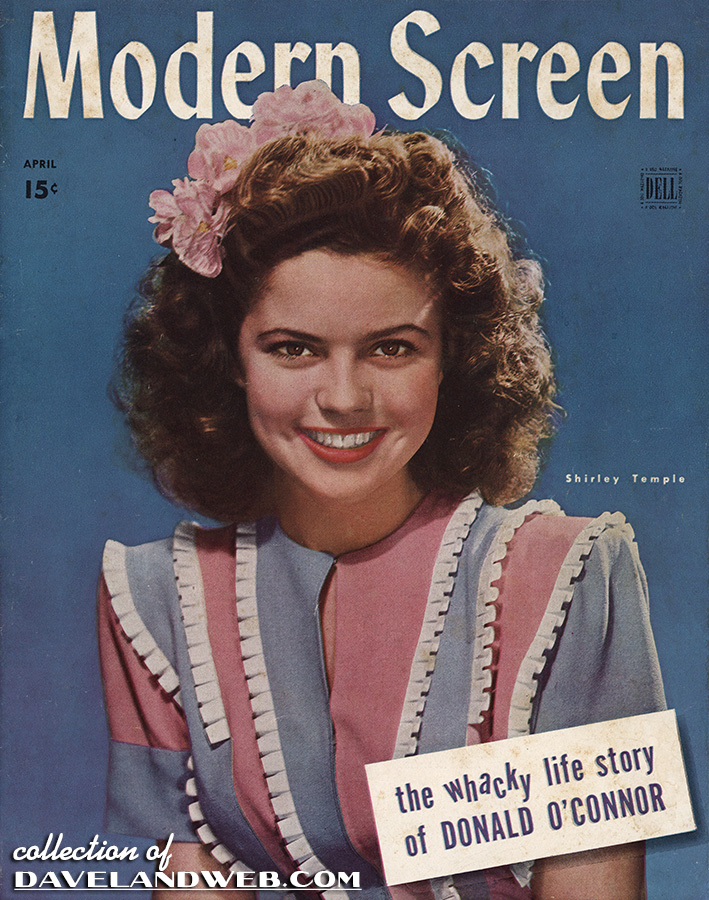
Poor Cleo; no credit or last name could be found for her on imdb. In an attempt to make up (pun intended) for that, below is a color shot of Shirley in the same outfit on the cover of Modern Screen Magazine, circa April 1944:


See more Shirley Temple photos at my main website.

Wednesday, October 13, 2021

Angelus-Rosedale Cemetery


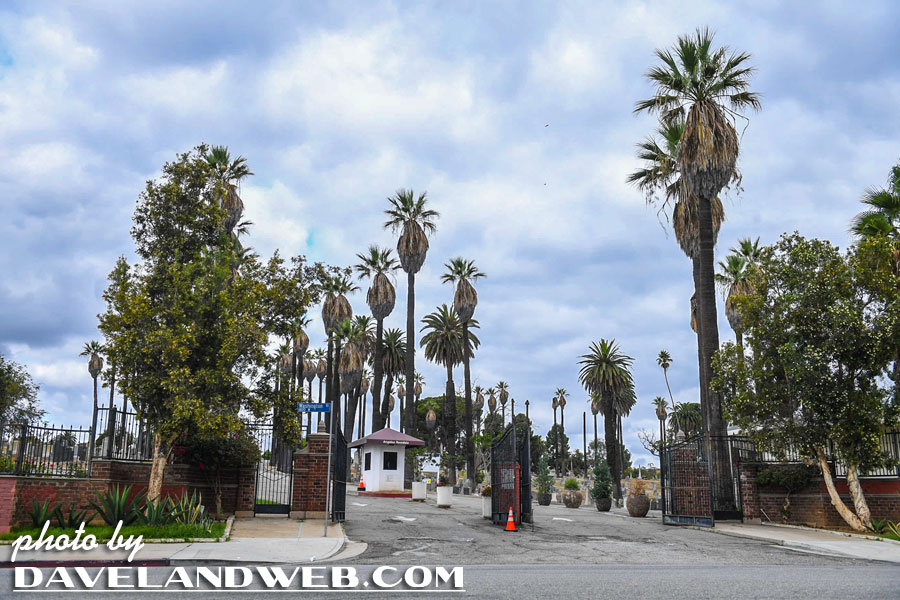
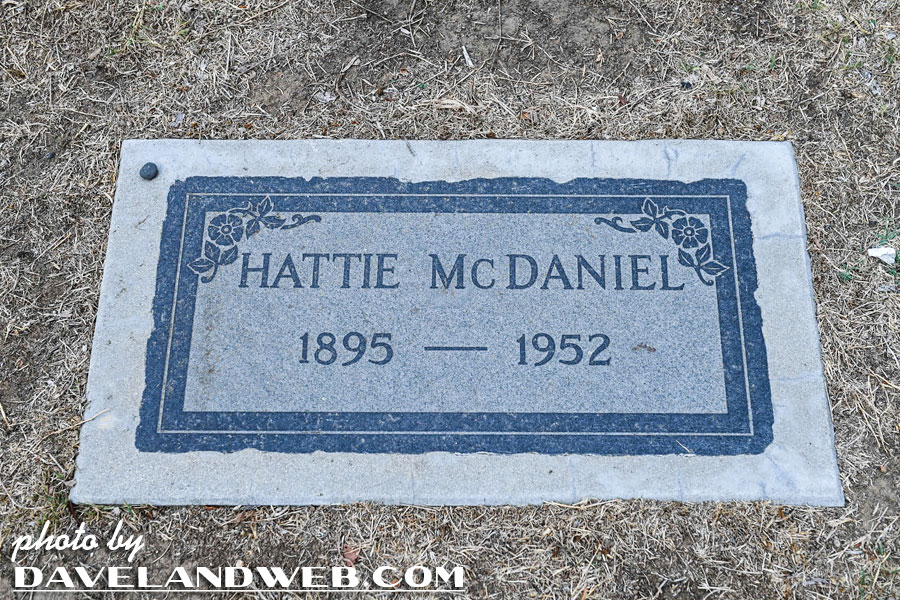
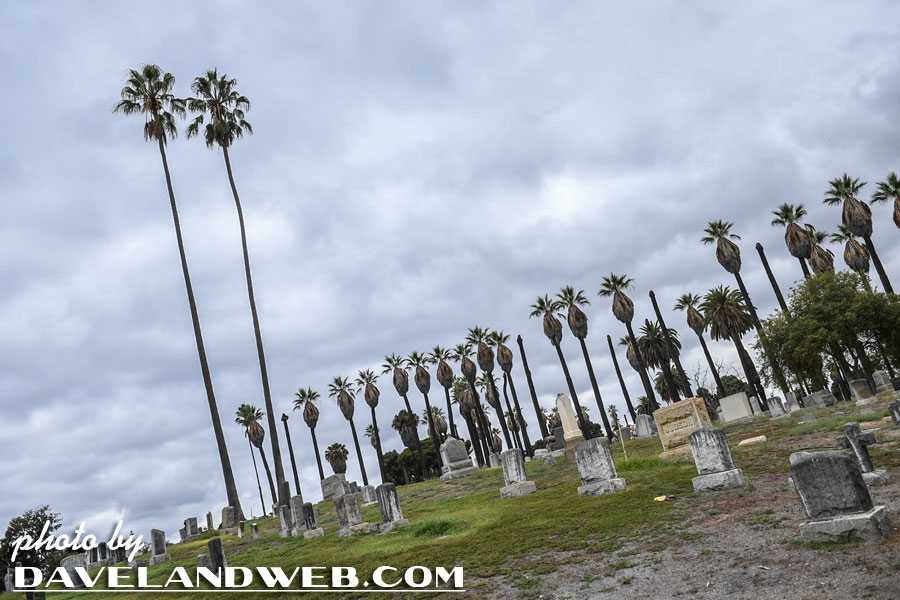
My Hattie McDaniel post motivated me to visit Angelus-Rosedale Cemetery on a recent Los Angeles trip. There were a number of other notable “residents” that I wanted to check out, too. Armed with my list and camera, I drove to the historic West Adams District just southwest of Downtown L.A. Originally named Rosedale Cemetery, it opened in 1884 and was the first L.A. cemetery open to all races and creeds. Rosedale was also the first to use the concept of lawn cemeteries, which meant the grave marker did not extend above the natural ground level. In 1993, Rosedale was bought by the Angelus Funeral Home and renamed Angelus-Rosedale Cemetery. Hattie’s marker reflects the lawn cemetery concept. Very simple and tasteful, only the years are given; no dates.


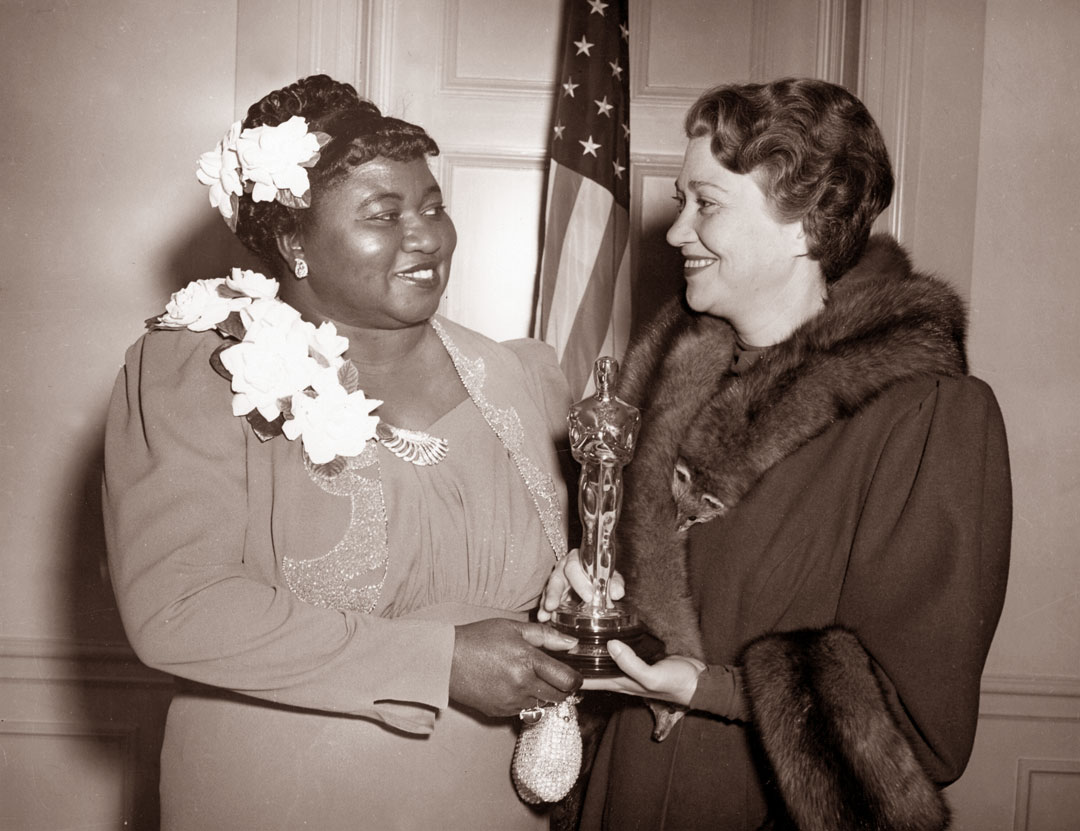
A shot of Hattie receiving the Best Supporting Actress Oscar with presenter Fay Bainter at the Ambassador Hotel’s Cocoanut Grove nightclub, February 29, 1940: 


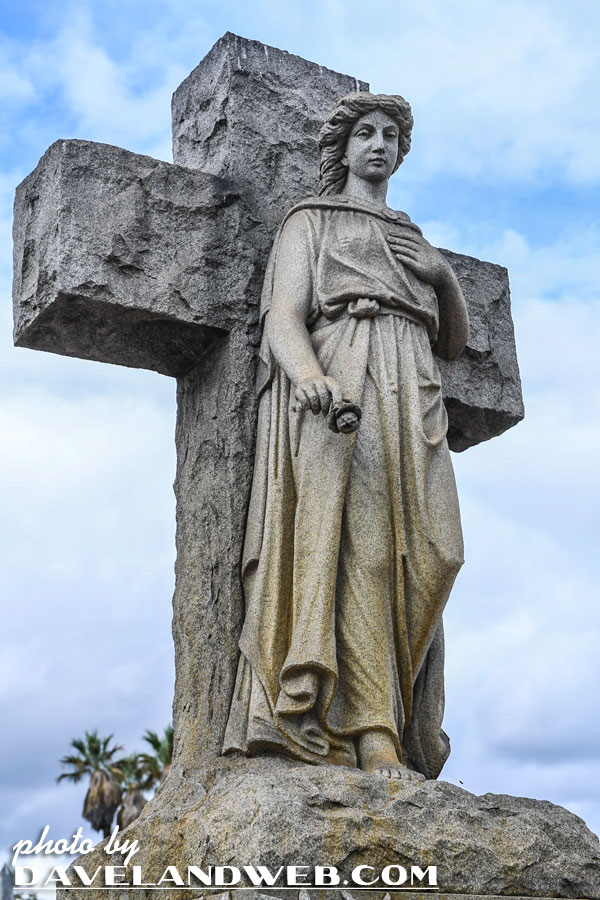
Back to Angelus…I could have spent quite a bit of time here, recording the historic markers and statues. For me, a visit through an old cemetery is like walking through history.


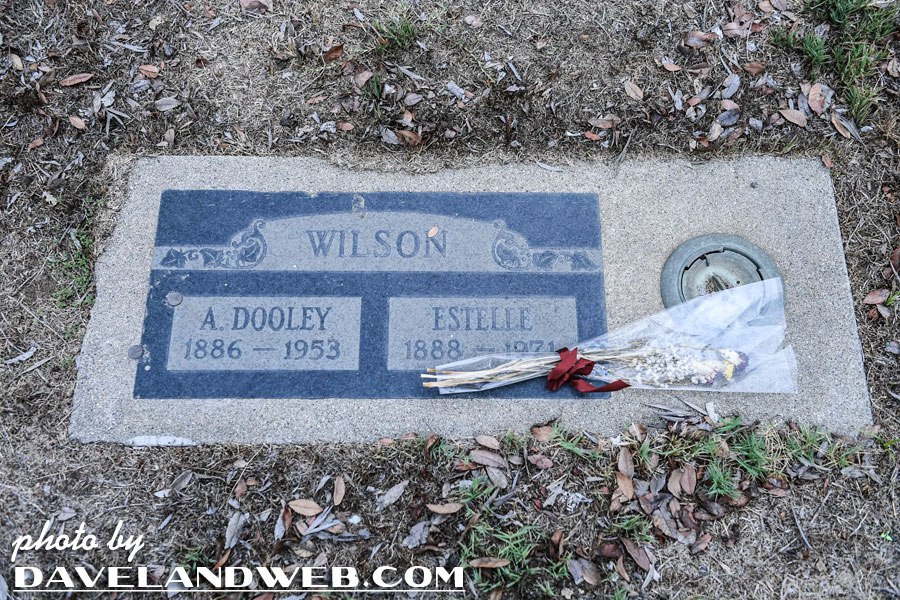
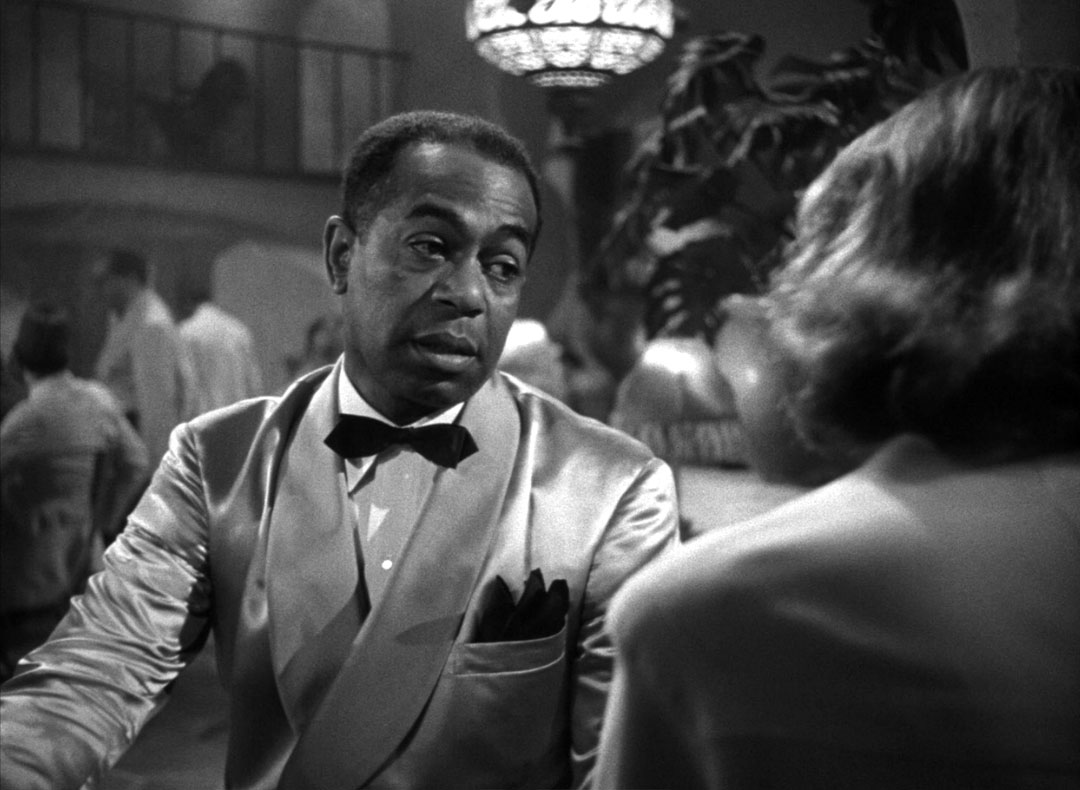
The next one on my list was Dooley Wilson, best known for playing Sam in “Casablanca.” No dates for Dooley and his wife, either; just the birth and death years.


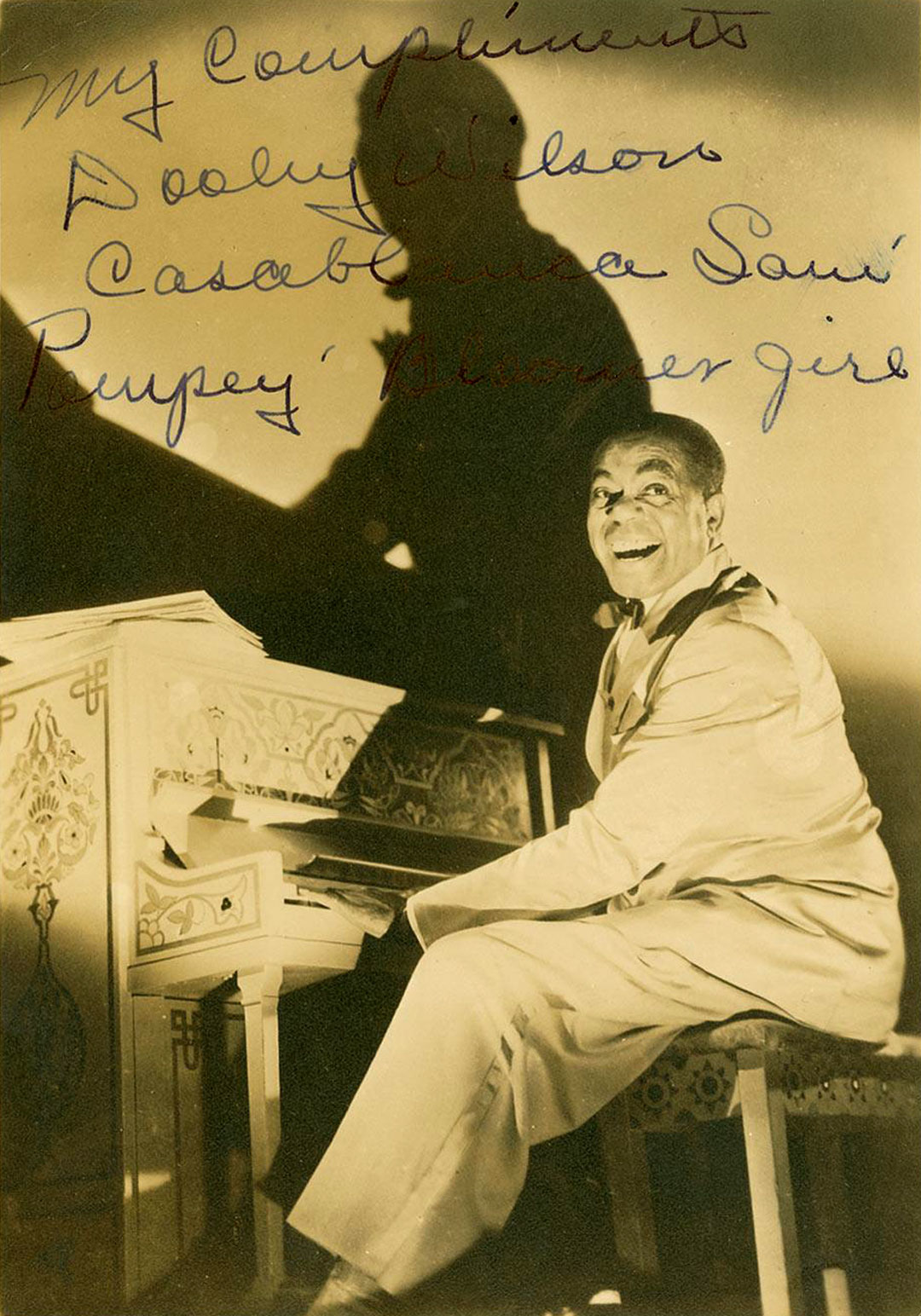
An autographed publicity photo of Dooley for “Casablanca”:


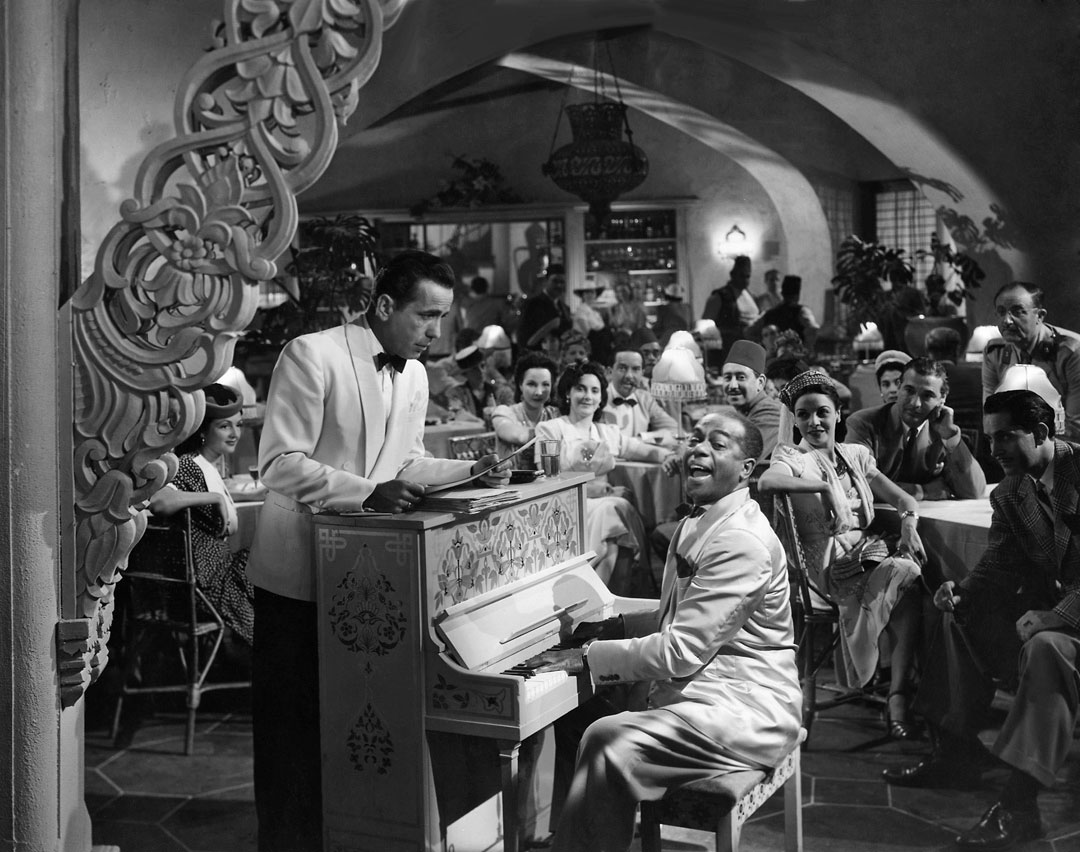
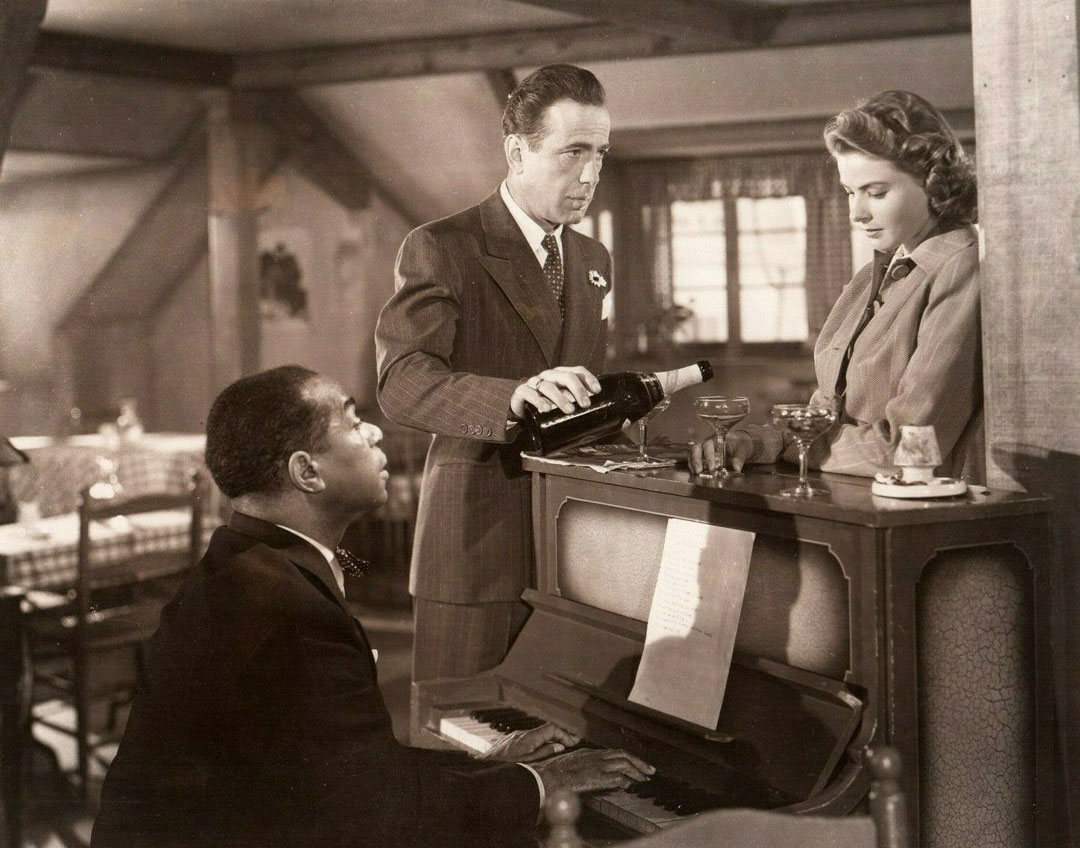
…and one with Humphrey Bogart:


Sam didn’t want to play “As Time Goes By” because he knew his boss, played by Bogie, would not approve.


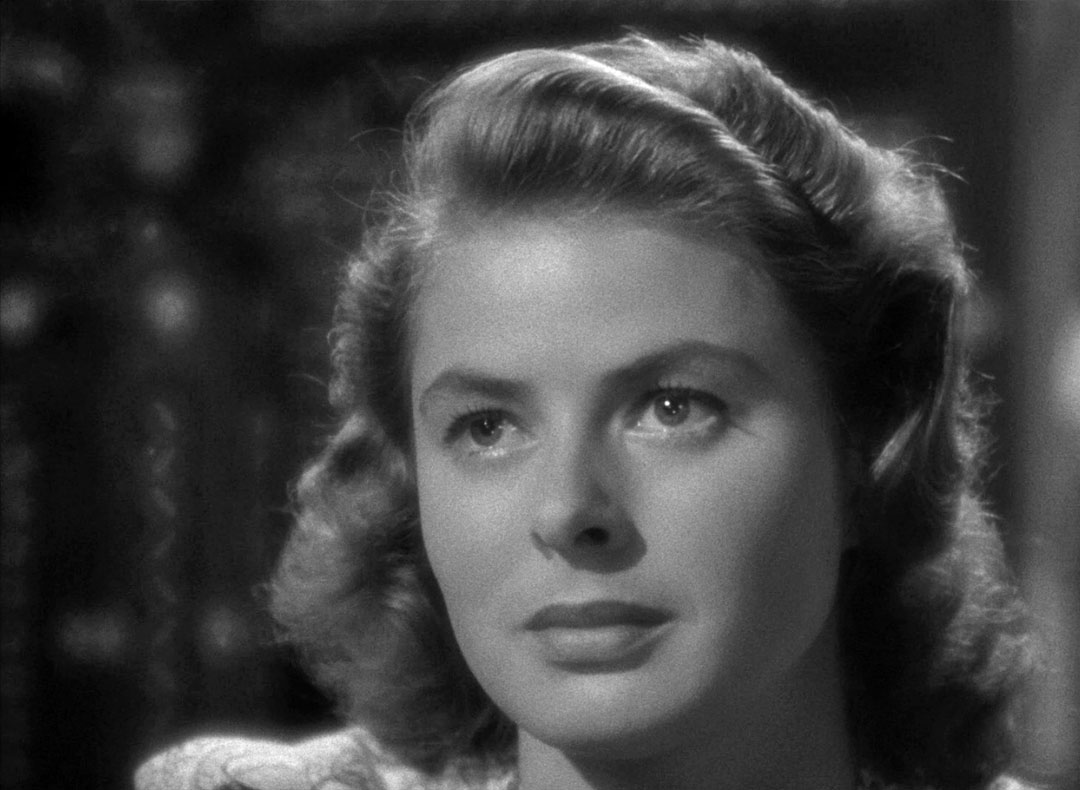
But how can you say “no” to Ingrid Bergman?!?


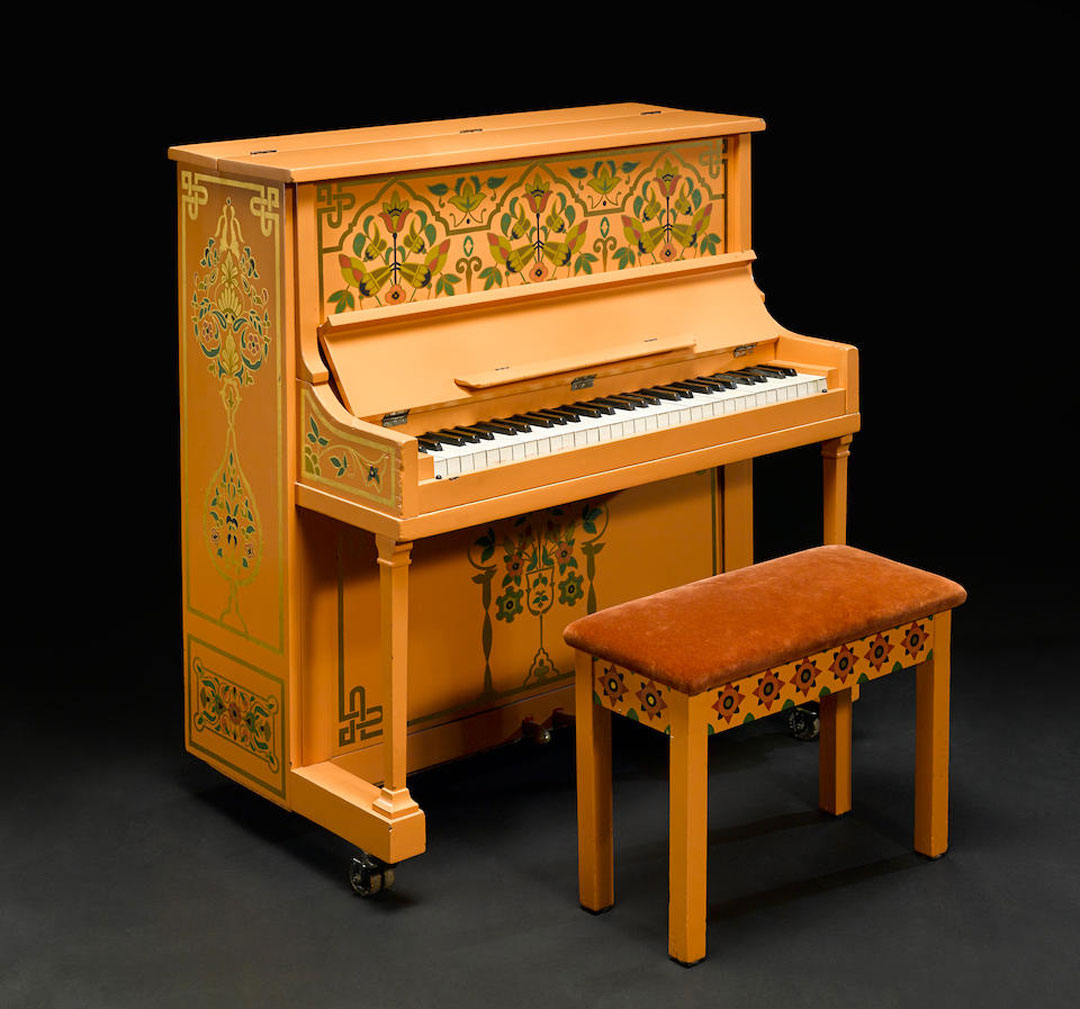
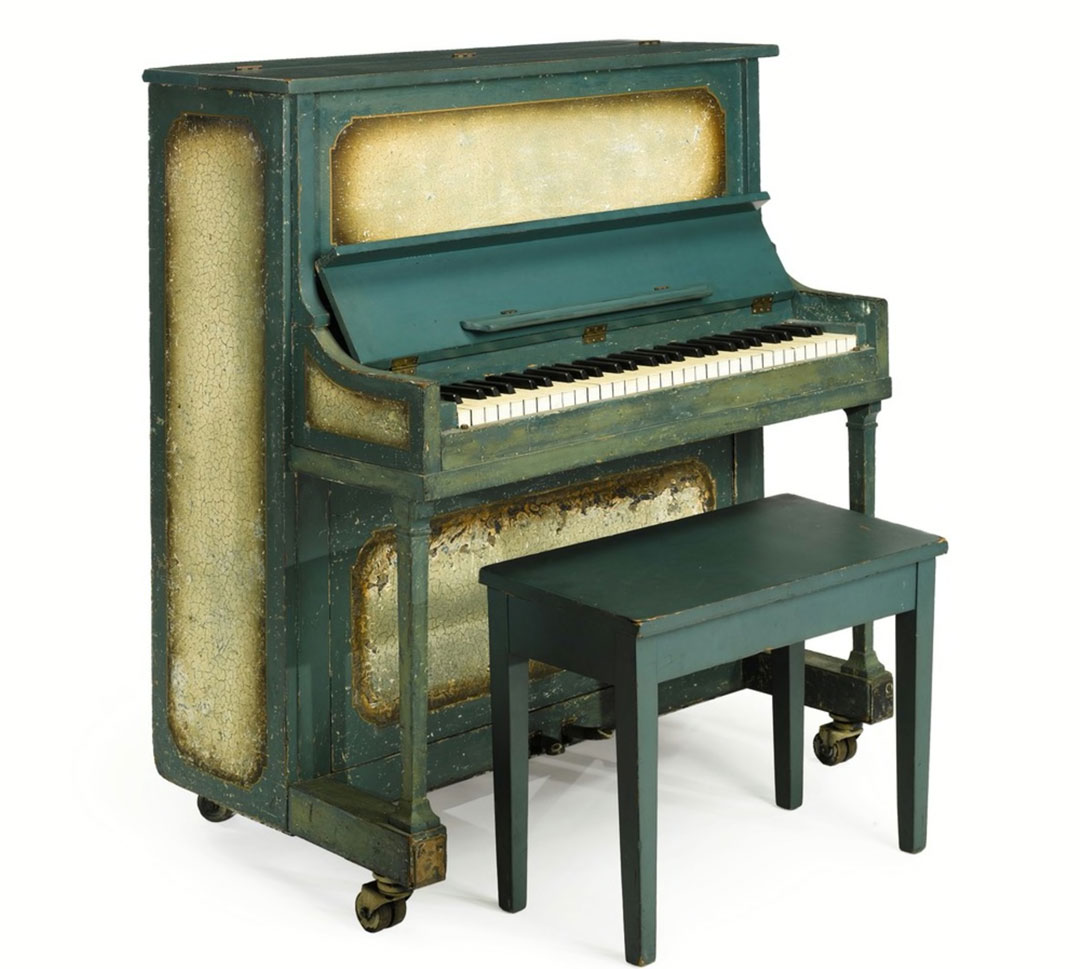
Ever wonder what happened to the piano that Sam “played” (Dooley actually faked it; he couldn’t play the piano)?


In November 2014, it sold for $3,413,000 at an auction by Bonhams. From the listing:

A "studio" 58-key piano on wheels, with wood and plasticine keys, likely manufactured by Kohler & Campbell, 1927, serial # 252636, with label of Richardson's of Los Angeles to interior case, and with "FNP" (for First National Pictures, which merged with Warner Bros. in 1927) marking to rear of piano. With original stool. Lid of piano hinged at center as is usual with uprights, but also entirely detached from upper case and instead secured with hook and eye (altered for the production of Casablanca so that Rick can open the piano lid from the rear and hide the transit papers). One-inch notch to center left piano leg (visible onscreen) and three small holes to piano lid (also visible onscreen). Petrified chewing gum wad stuck to underside of keyboard with faint impression of a fingerprint visible under magnification. Moroccan paint restoration executed in the early 1980s under the direction of Warner Bros. studio. Together with a signed photograph of Dooley Wilson as Sam at the piano and a copy of the film. 39" x 41" x 22"

This piano and another were pulled from the Warner Bros. prop room for the film (our piano still has the "FNP" marking on the verso). George James Hopkins, the set decorator on this and many other Warner Bros. films, checked out a book from the Warner Bros. reference library, La decoration Marocaine (Paris: 1925) by Joseph de La Nézière to help him design the look of the film. Inspired by the patterns and colors illustrated in this book, Hopkins created the elaborate Moroccan designs that grace the piano. (The owner confirmed this information via a personal interview with Hopkins in the early 1980s.)

What sets this piano apart from the other is that the lid has been altered to accommodate a pivotal plot point. Even in the stage version, Everybody Comes to Rick's, the piano was always the hiding point for Ugarte's transit papers. In the film, however, the writers come up with the clever "misdirect" of having Rick hide them in plain sight of the entire room by depositing the papers quickly under the lid of the upright as Sam plays. The only way this works, however, is if the lid opens from the rear: otherwise Rick would have to reach over Sam's shoulder to hide the papers, a hardly subtle move. The solution to this staging problem was to have the prop department completely remove the top of the piano, leaving the piece secured by a hook and eye only.


The other piano from “Casablanca,” which appears onscreen in the Parisian flashback sequence, sold in 2012 for $602,500.


From NBC News:

A piano used in the classic film "Casablanca" sold for just over $600,000 on Friday, falling far short of predictions that it could fetch $1 million or more. The 58-key upright piano on which actor and singer Dooley Wilson performed "As Time Goes By," the signature song of the 1942 film's star-crossed lovers played by Humphrey Bogart and Ingrid Bergman, sold at Sotheby's for $602,500 including commission. The auction house had assigned the iconic prop a pre-sale estimate of $800,000 to $1.2 million, given some astonishing prices attained by movie memorabilia in recent years.


Back to Rosedale (me and those durn digressions)…the next one on my list was Maria Rasputin, the daughter of Russian mystic Grigori Rasputin, aka “The Mad Monk.” Yes, my interests are all over the board.


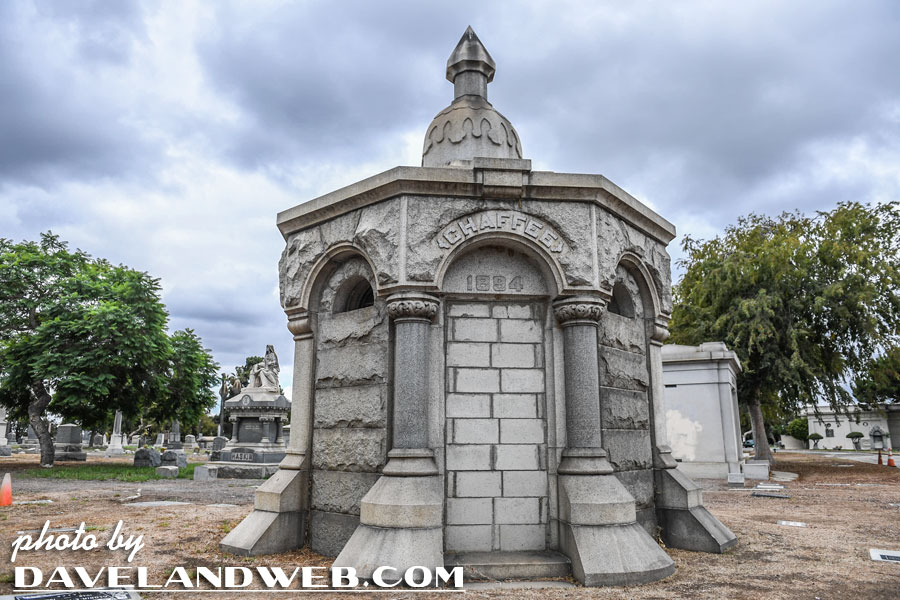
As is typical with me, I took my time finding my attention being diverted by the other interesting markers, sculptures, and crypts.


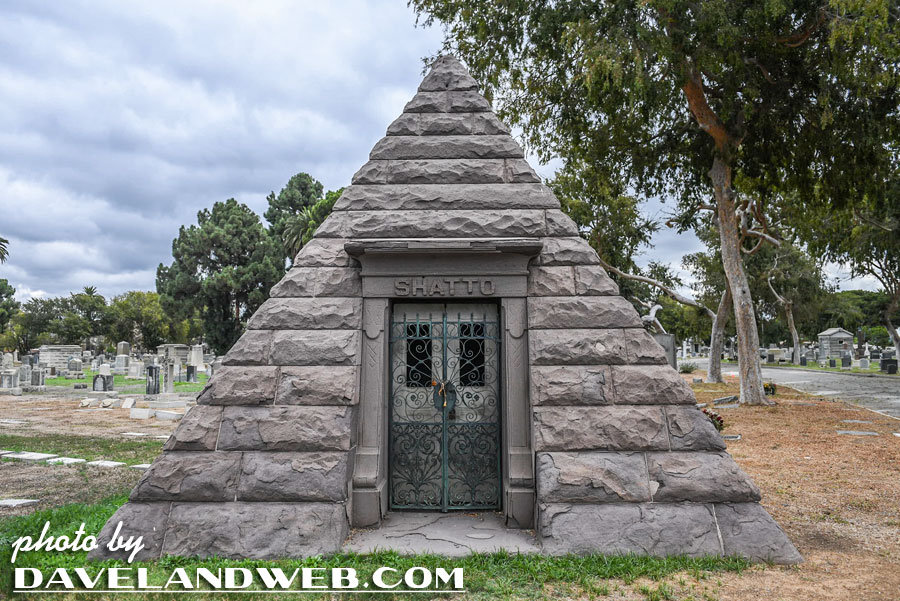
A cool pyramid! The inhabitant is Walter Shotto, who was originally buried in Michigan where he died in 1881 at the tender age of seven months. His grave was shifted to Rosedale where his parents were buried and interred in the family mausoleum.


This one went along with what happened next; I was busted by a security guard who told me photos were not allowed. Ok…I’ll play nice. However, he went on at length about Netflix wanting to shoot there, and then about females shooting naked butts in the cemetery, and how he knew it was porn, and even though the girls were pretty…

Good Lord, just get me out of here already.


But yes, I will be back! See more Cemetery photos at my main website.