Besides having similar storylines, Shirley Temple’s childhood films often had similar supporting actors, like Arthur Treacher. Born on July 23, 1894 in Brighton, East Sussex, England, Treacher began his acting career in England as a chorus boy in “Maggie” (1919), moving to New York City in 1926 in the musical-comedy revue, “Great Temptations.” His first movie role was in “The Battle of Paris” (1930). His role of a butler in “Fashions of 1934” launched his career as filmdom’s favorite stuffy British butler. According to legend, the characterization came about because of an incident that happened during the filming of “Hollywood Party.” From one of his obituaries:
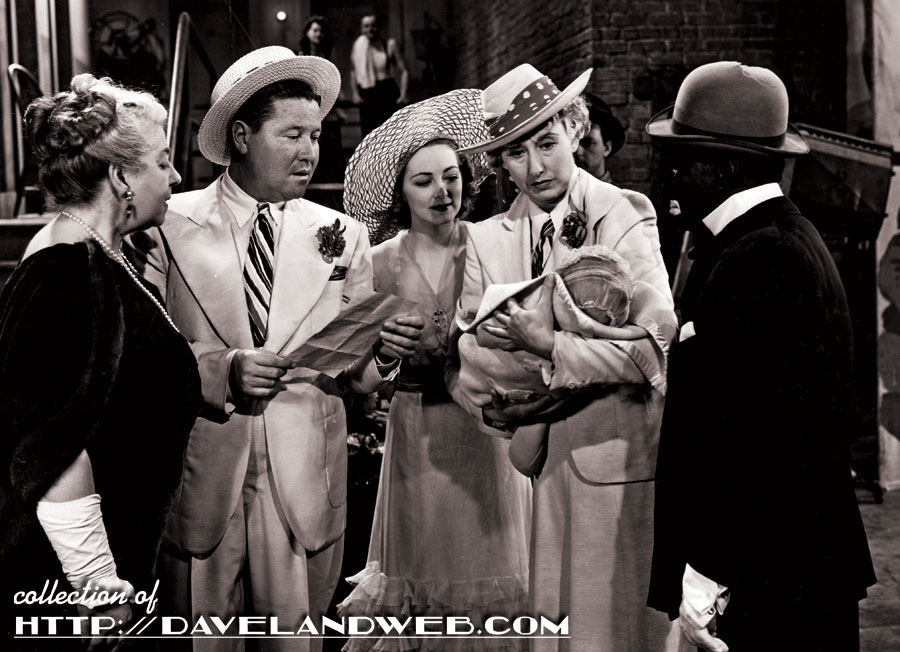
He became typecast in the role by accident in 1933 when he was playing a conventional and polite butler in a minor role in a film with Jimmy Durante. One day, Lupe Vélez, known as the “Mexican Spitfire” visited the set and told the 6-foot-3 actor she had a boyfriend as tall as he [note: that would have been Gary Cooper]. Unimpressed, Treacher replied: “Really?” The director took note said, “play the part like that” and a character was born.
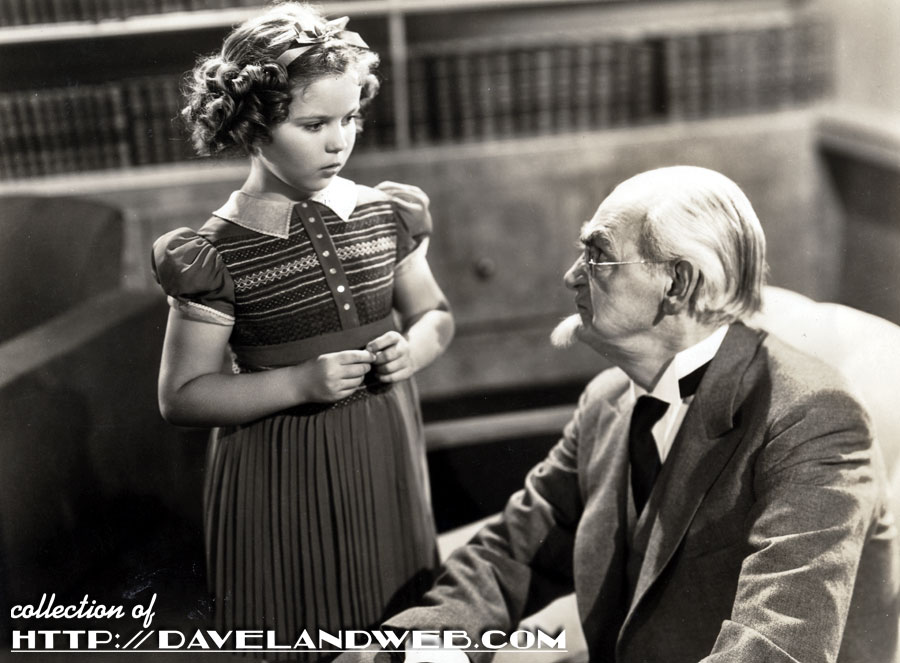
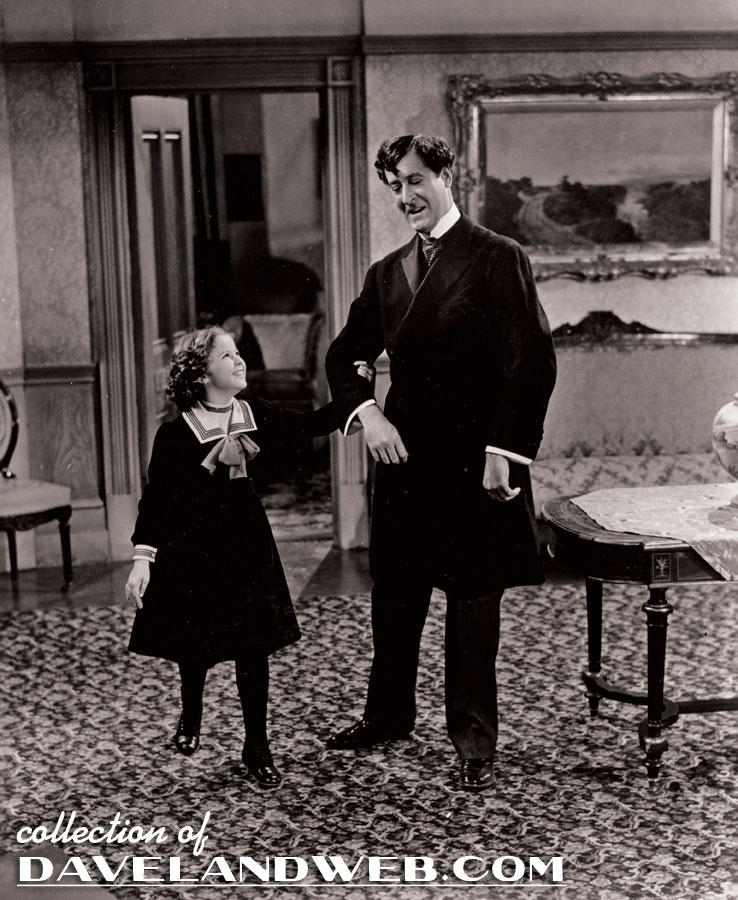
And that is how he landed his first role in a Shirley Temple movie, “Curly Top” (1935). At 6'4", Treacher towered over the little star, adding a comic effect to their interactions.
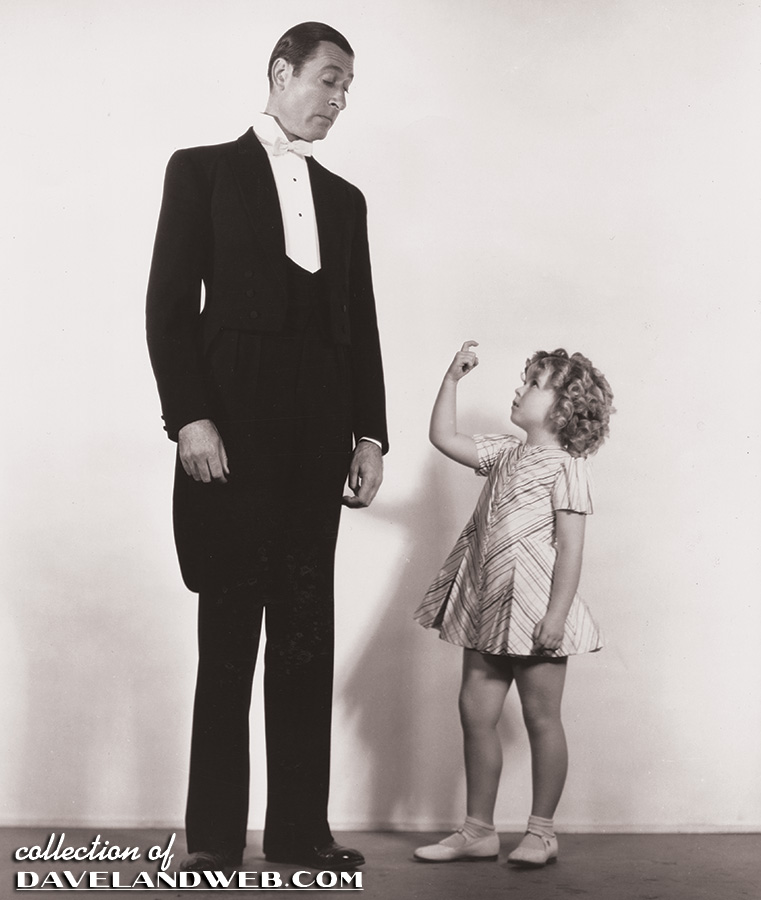
Like most of the old codgers in a Shirley Temple film, Treacher’s character eventually thaws and becomes enamored with the little girl.

He was singled out in the reviews for “Curly Top,” despite his limited screen time:
Treacher’s butler is equal to his previous best. But when it’s all said and done these capable people are naught but “feeders” for the principal figure.…Arthur Treacher plays the proud butler, brought low by Curly Top’s winning ways and contributes his own bit of comedy.
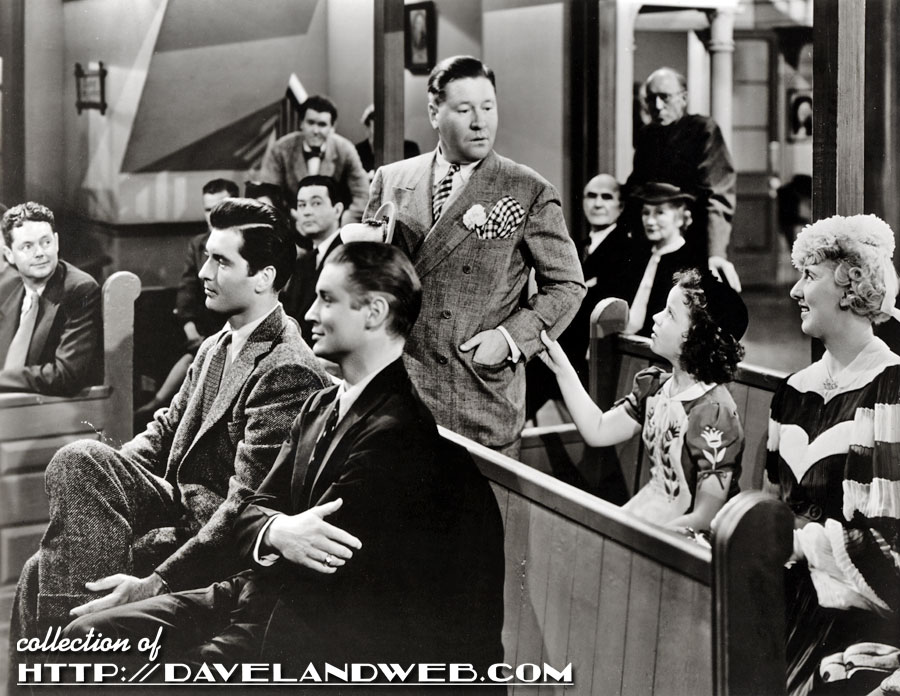
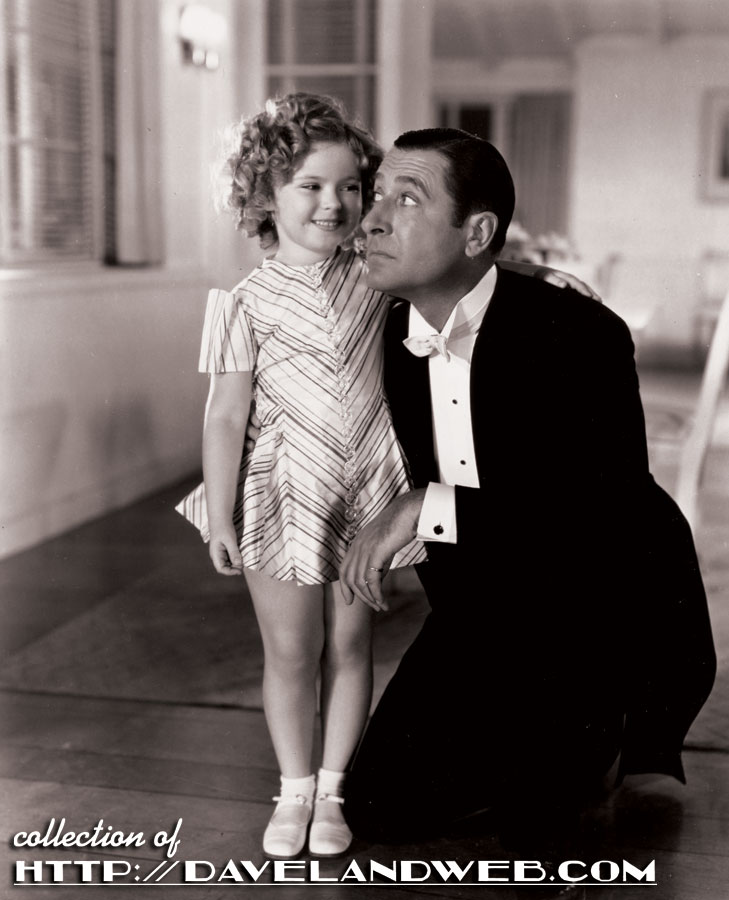
In “Stowaway” (1936), Treacher’s butler actually gets a name: Atkins.
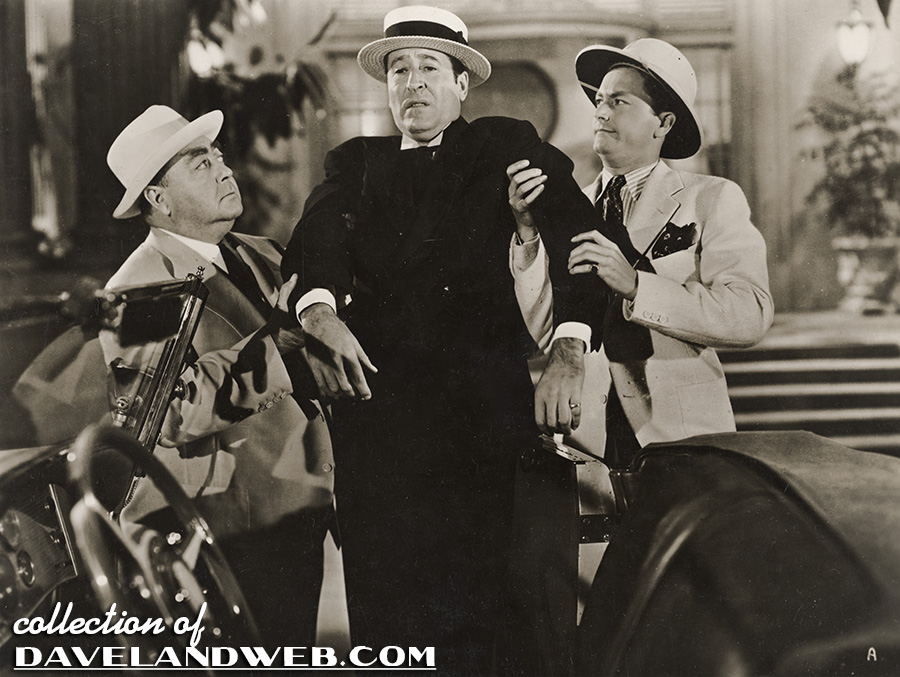
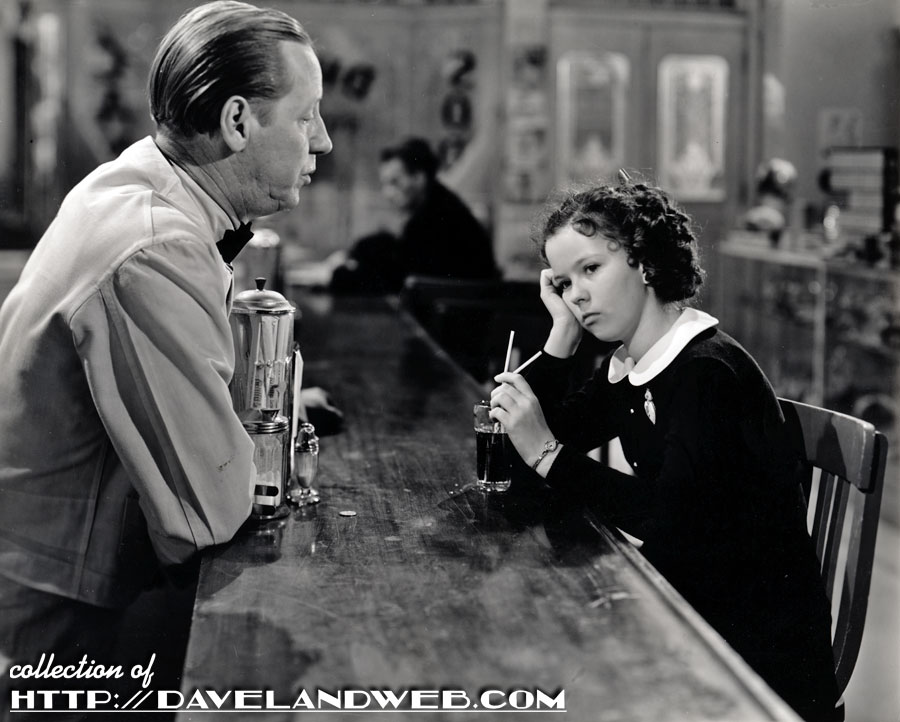
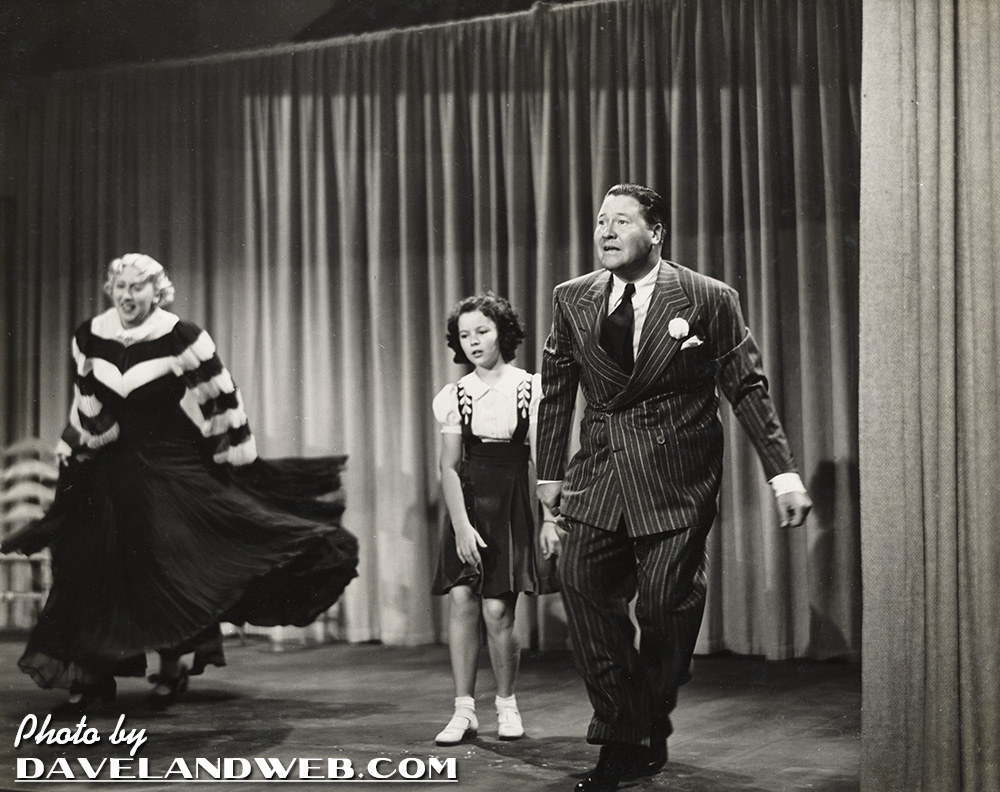
The actor was also given considerably more to do, playing straight man to Temple, Eugene Pallette, and Robert Young, who had the role of his wealthy playboy employer.
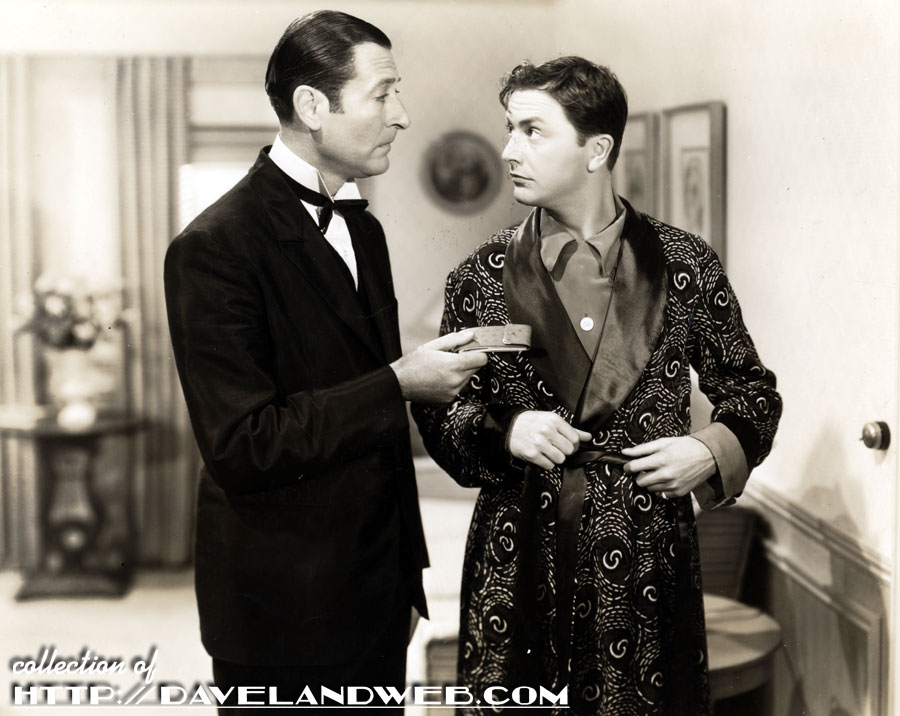
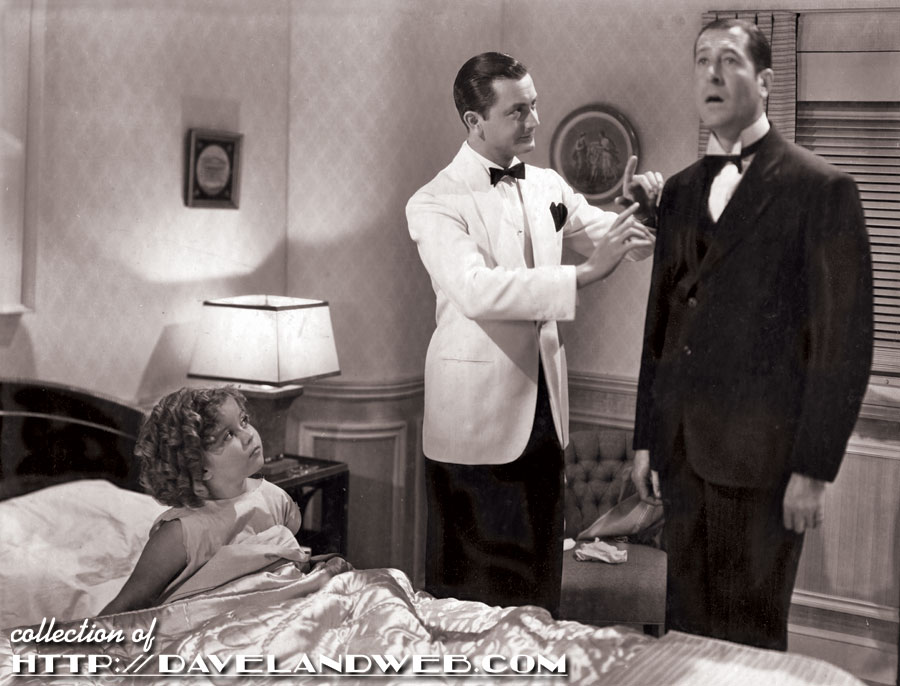
We even got to hear Treacher attempt to warble a lullaby for Shirley. It was not a pleasant experience!
In the Love, Shirley Temple auction by Theriault’s, two photos and a letter were sold from Shirley’s personal collection:

From the catalog description:
Comprising a photograph of Arthur Treacher napping while, unbeknownst to him, a humorous sign is placed on his chest reading "Exhibit 496 Cuttlefish (Extinct) Do not touch", and with his personally inscribed message and his autograph; a photo of Shirley Temple and Treacher during the filming of “Stowaway” as she applies make-up to his face; and a two-page 1937 letter signed "Arthur Treacher's Mother" in which she notes, among other things, “I understand from my son that he had to go down on his knees in homage to you before you would autograph your photograph” and “I think you are better on the screen than my little boy is - this is a great admission for me to make.”

Treacher’s best known film role at the time was as Jeeves, the valet in “Thank You, Jeeves” (1936) and “Step Lively, Jeeves!” (1937), based on the fictional character by English author P. G. Wodehouse. From a publicity caption that accompanied the two vintage photos below, which were shot at his 3252 Bennett Drive residence (the address listed on the above stationery):
Being the screen’s only buttling star has enabled Arthur Treacher, star of 20th Century-Fox’s “Step Lively, Jeeves,” to acquire his own home.


The home still stands today and looks very much the same:

While the two Jeeves films were a success, Wodehouse was not happy with the adaptations, which turned his beloved character into a naive bumbler. No other Jeeves films with Treacher were made after that.
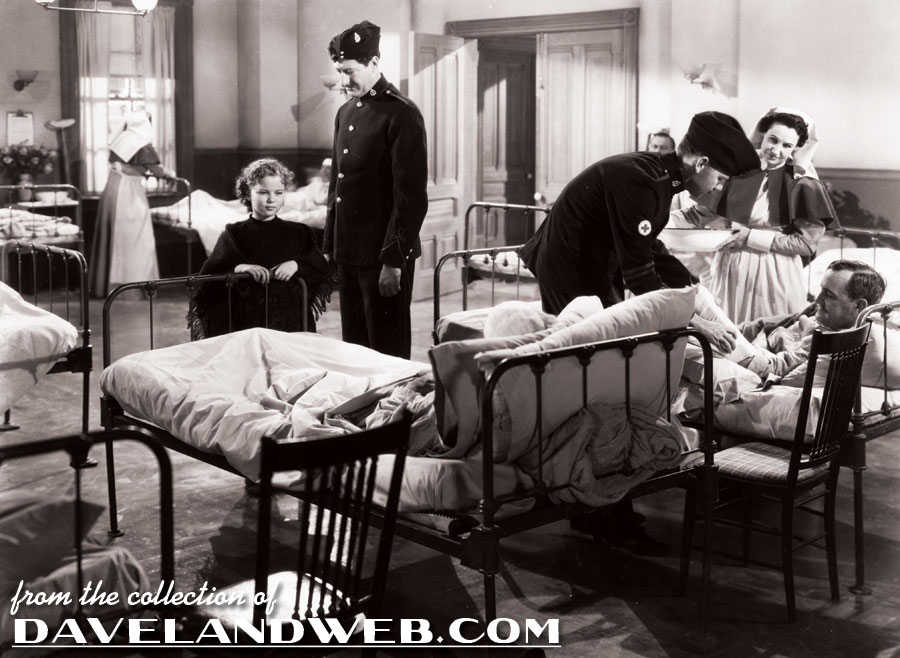
His third film with Shirley was “Heidi” (1937), which gave Treacher very little to do and was a definite step backwards for the actor.
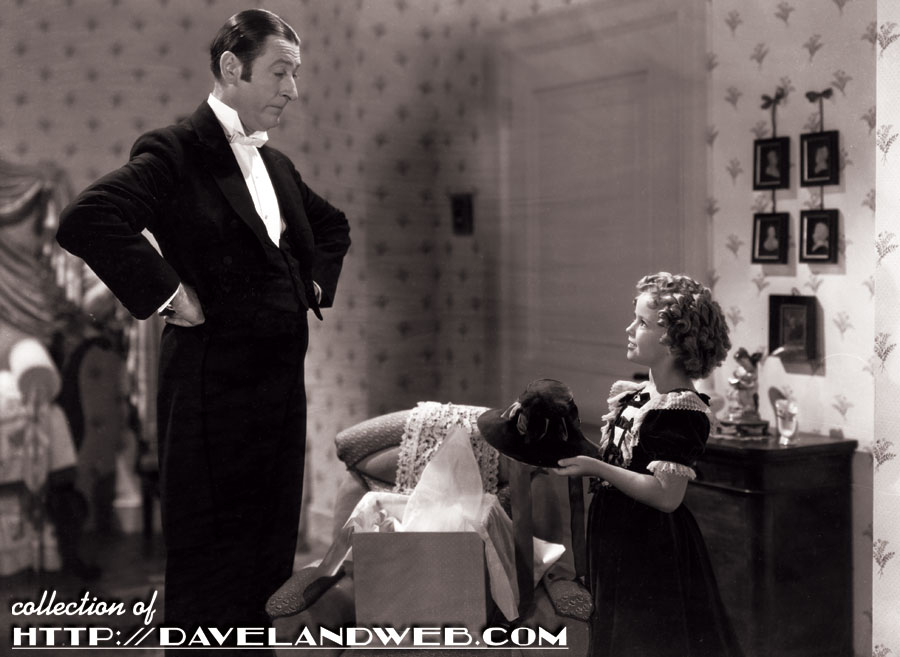
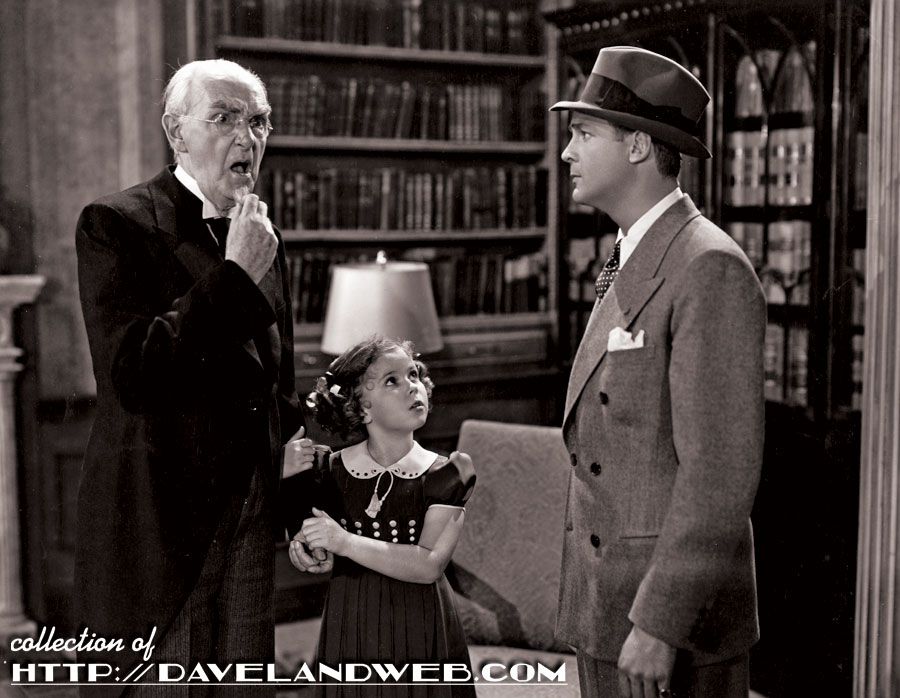
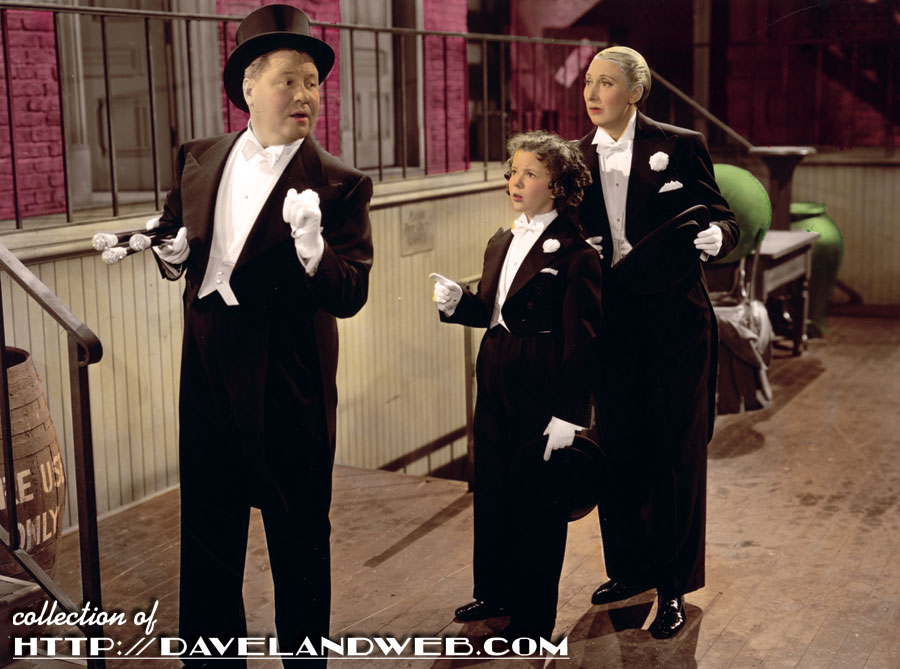
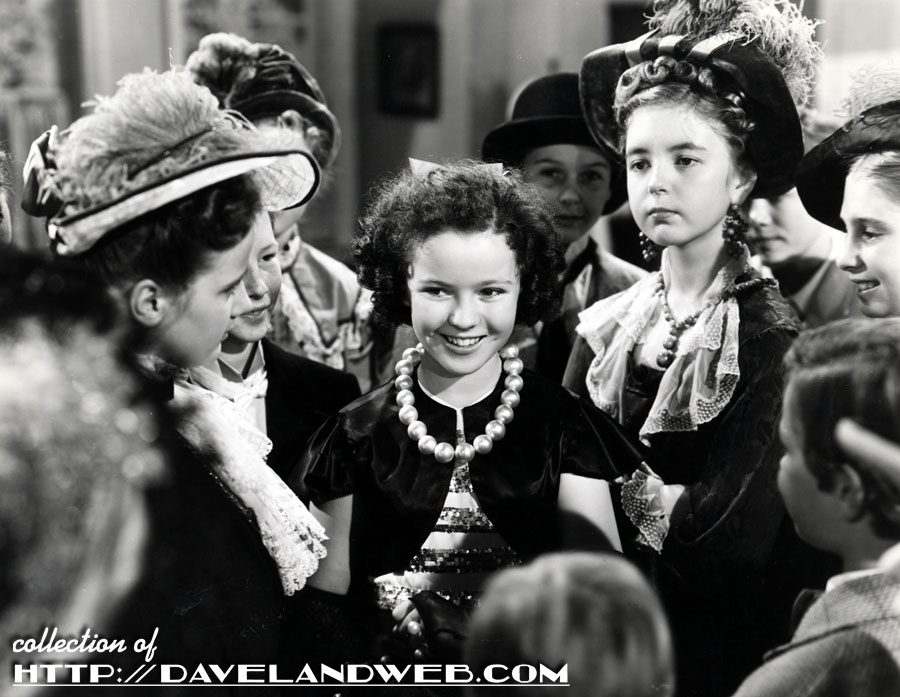
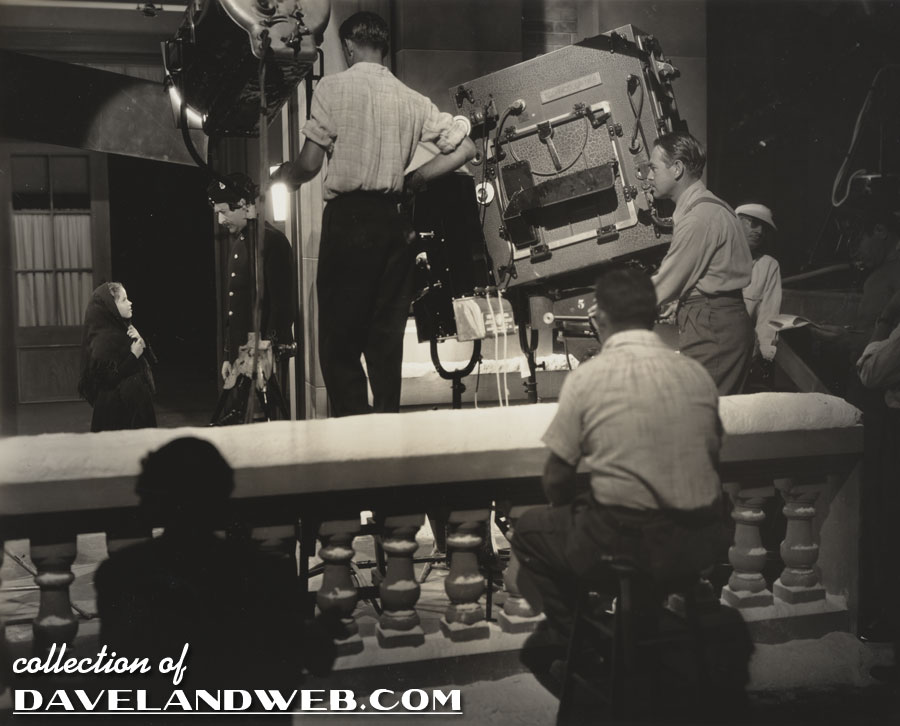
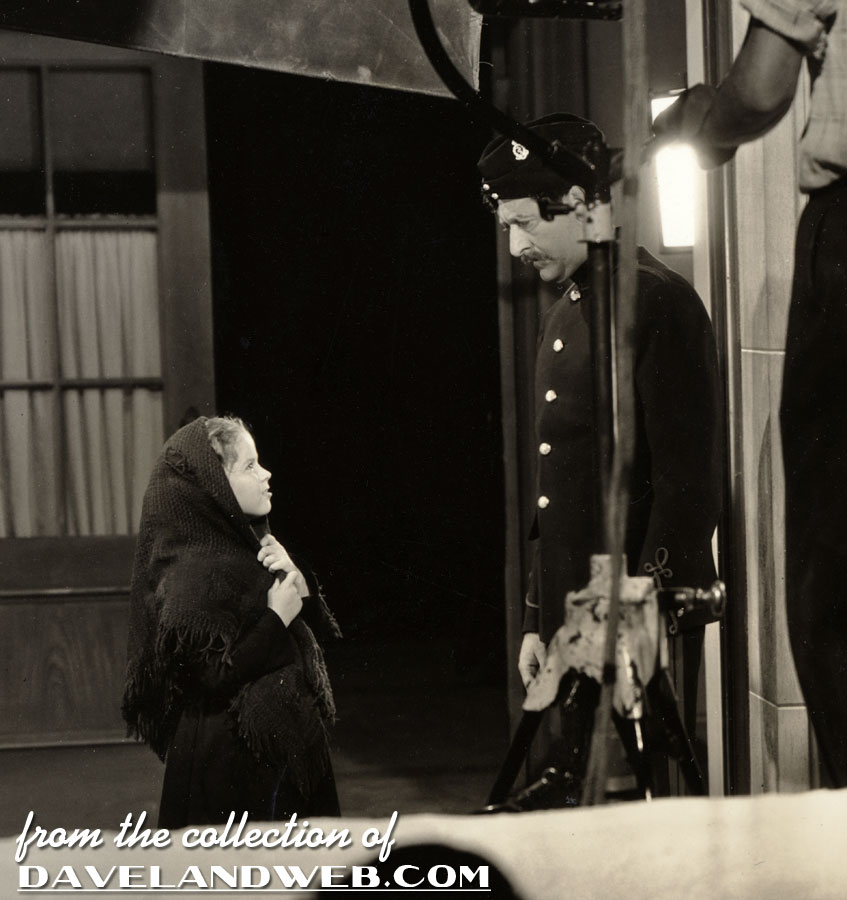
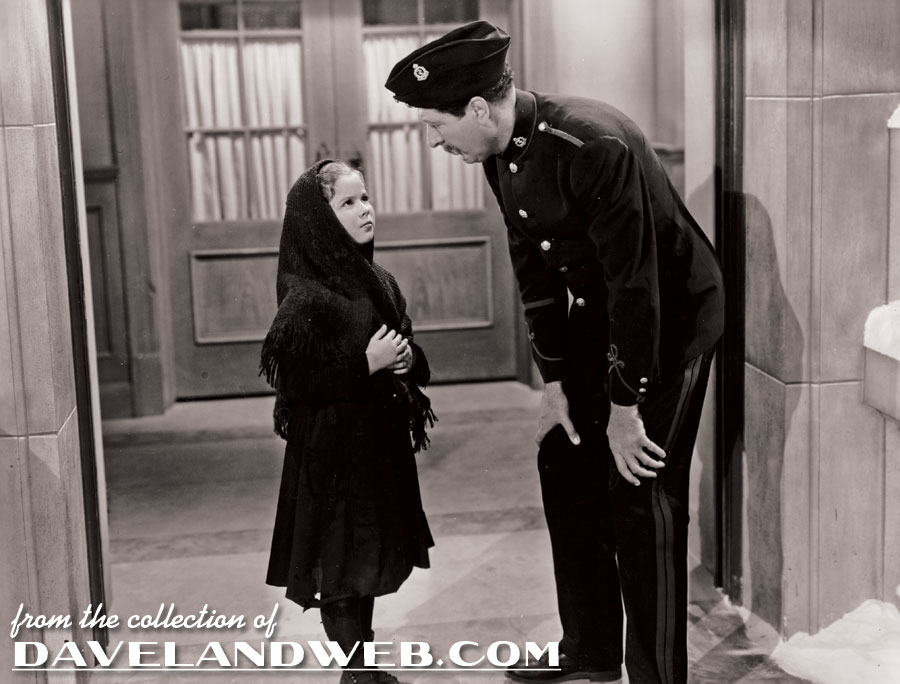
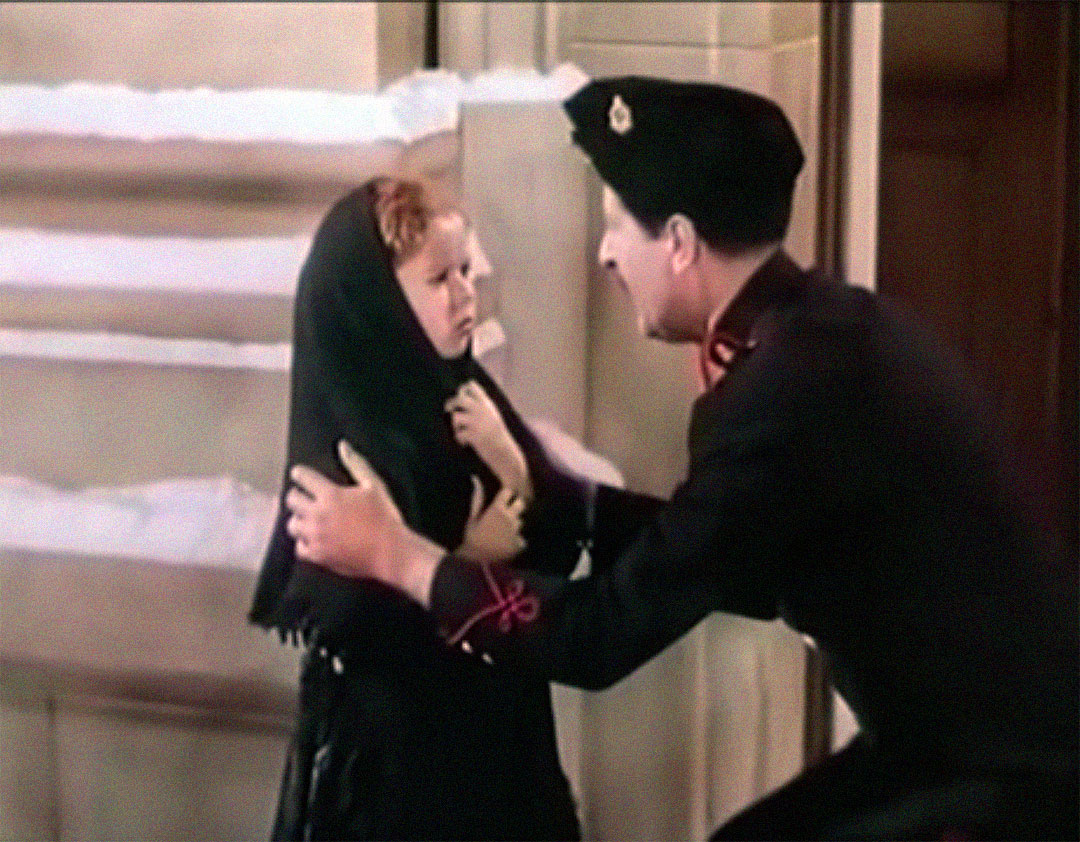
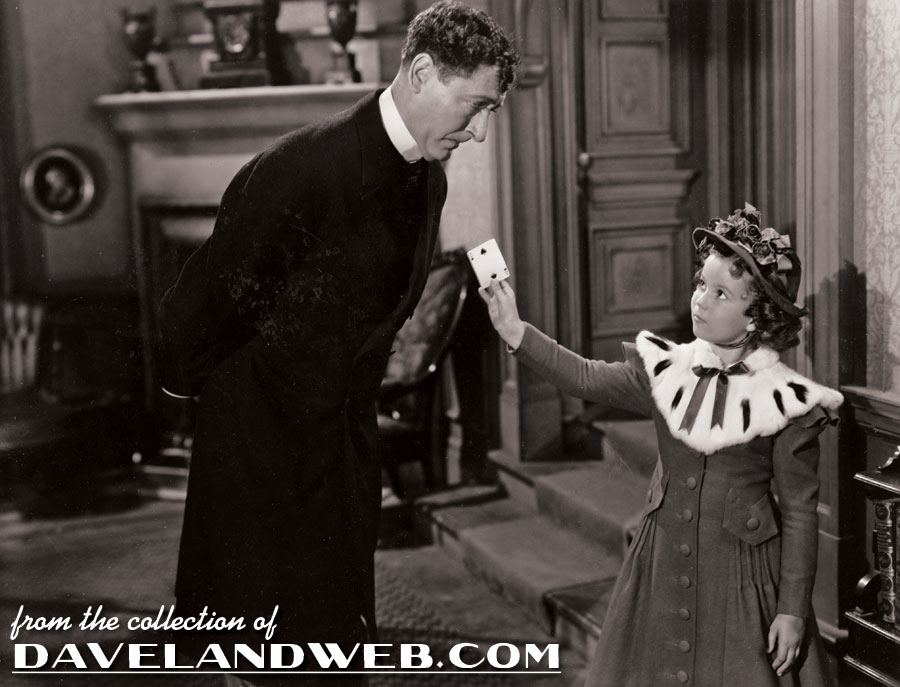
“The Little Princess” (1939) was the final film pairing of the two, and this was his most substantial role in a Temple film. Rather than a stuffy butler, Treacher played Hubert “Bertie” Minchin, a former vaudevillain who works for his greedy sister in a boarding school for wealthy children. Below is a deleted bit where the two share a card trick.
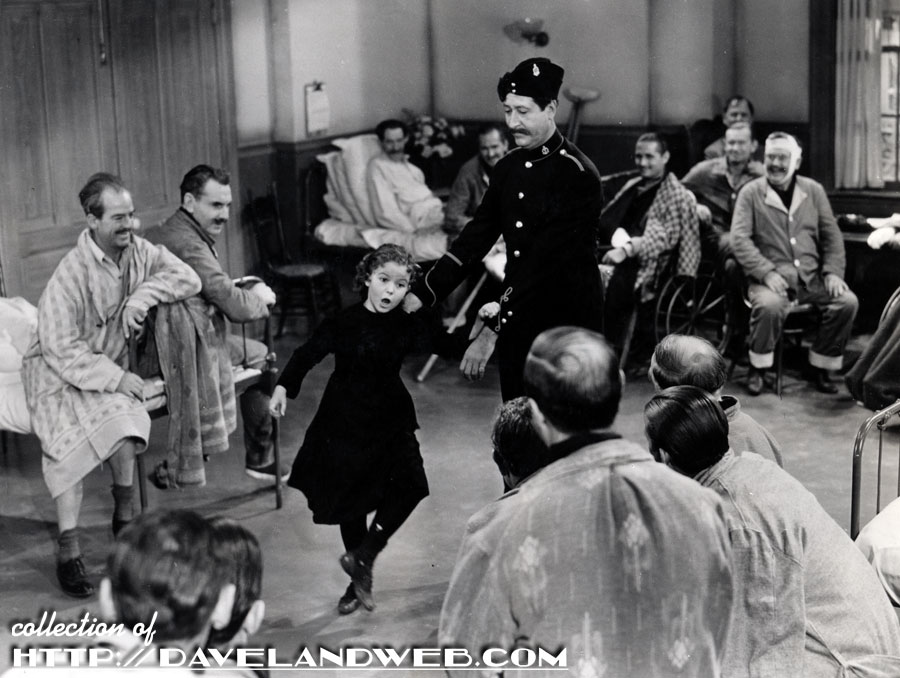
Shirley and Treacher dance together twice in the film, and while maybe not the level of a Bill Robinson-Temple duo, it is just as joyous. They truly had great chemistry - on screen, at least.
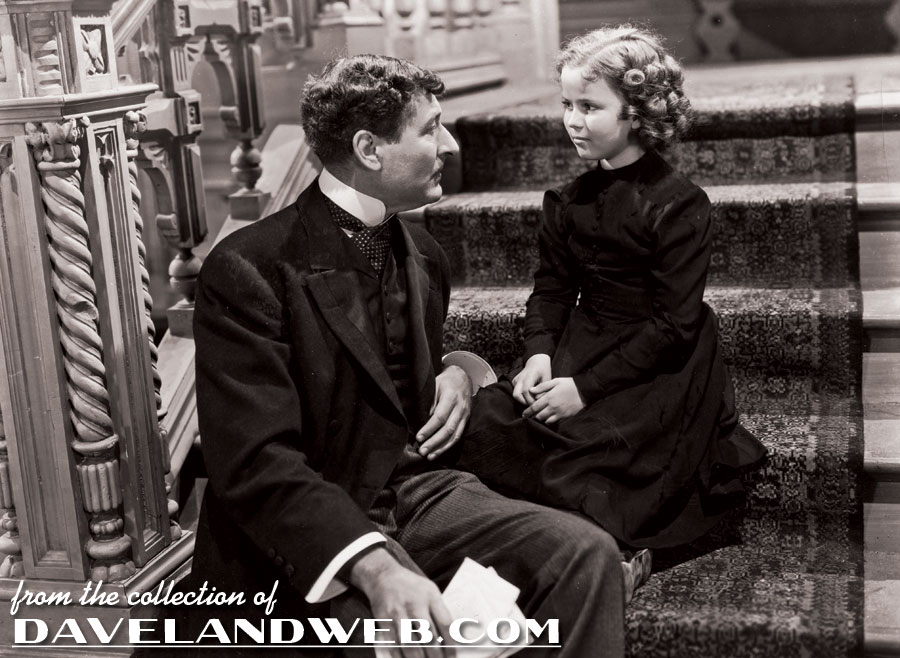
This is why it was surprising to me that Shirley only gave Treacher a small mention in her autobiography, excerpted below. Reading it, one could surmise that she was not overly fond of him. From Shirley’s autobiography, Child Star:
On a soundstage disappointment comes in more cloaks than simply technical incompetence….Sometimes it arrives in the person of someone just passing by. Practicing the rollicking jig “Knock ’em in the Old Kent Road,” Arthur Treacher, a reedy, hawk-faced butler type, was having trouble with one intricate movement. “For anyone as austere and towering as I am,” he complained, hiking up his pants, “well, it’s too complicated.”

The rehearsal was interrupted for us to be introduced to a man and woman, both thin and tall, with prominent noses and overbites, With his high forehead and lanky frame, the man reminded me vaguely of brother Jack. What set them apart was the name, James Roosevelt, eldest son of the President, and his wife, Betsy [sic]. Slightly inclined forward, he chatted quickly about nothing. Overwhelmed with respect for his name, I tried to answer carefully. In poor taste, someone joked that one of my Tennessee fan letters had repeated a rumor that Mother had once been married to the same James Roosevelt. For proof one needed only to compare my brother Jack’s strong resemblance to Roosevelt in build, facial structure, and high hairline. Roosevelt took the jest gracefully, but Betsy, judging by her face, found little humor in the comment. I was with her. Jokes were my stock-in-trade, but not where they deprecated the name of Roosevelt. To change the subject, I suppose, she turned to Treacher and bluntly asked what he thought of me. Tugging at his nose and then pulling thoughtfully on his chin, Treacher replied, “You have no idea, if she were indeed that way, she could be President of the United States.” Once again everyone tittered uneasily, except Treacher, who stood, shoulders thrown back, posing deadpan. Again I was annoyed. Flip remarks were more an insult to the President and his son than a compliment to me. As the Roosevelts went around meeting the rest of the cast, I tagged along to eavesdrop. “Did you get a police badge?” someone asked Betsy. “No, does she give them away?” “Well, your mother-in-law got some while she was here.” “That’s different,” Betsy replied. “We’re the unimportant members of the family.” In my mind’s eye the presidential family was a unity. Anyone who assaulted that unit insulted the whole. In my mind where the presidency was involved, nobody was unimportant. Tipping heroes from their pedestals offended me. When Betsy had jumped down from the pedestal, it left me disillusioned and resentful. I was less young than before.
In 1938, James and Betsey moved to Hollywood to work as an aide to Samuel Goldwyn. The two divorced in 1940, just a year after meeting Shirley. Betsey was granted custody of their daughters, along with child support. Allegedly…James had little to no contact with his children, and eventually married three more times. Betsey ended up with Jock Whitney, the publicity whiz for “Gone with the Wind” (1939). Below are the two in…happier times? Circa 1933:

Back to Treacher…
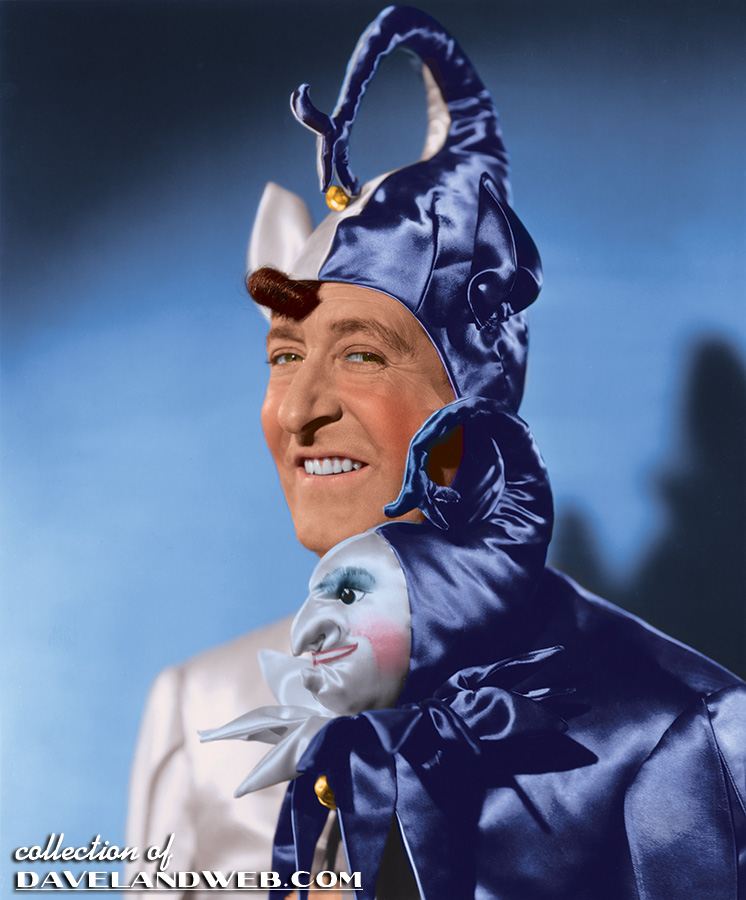
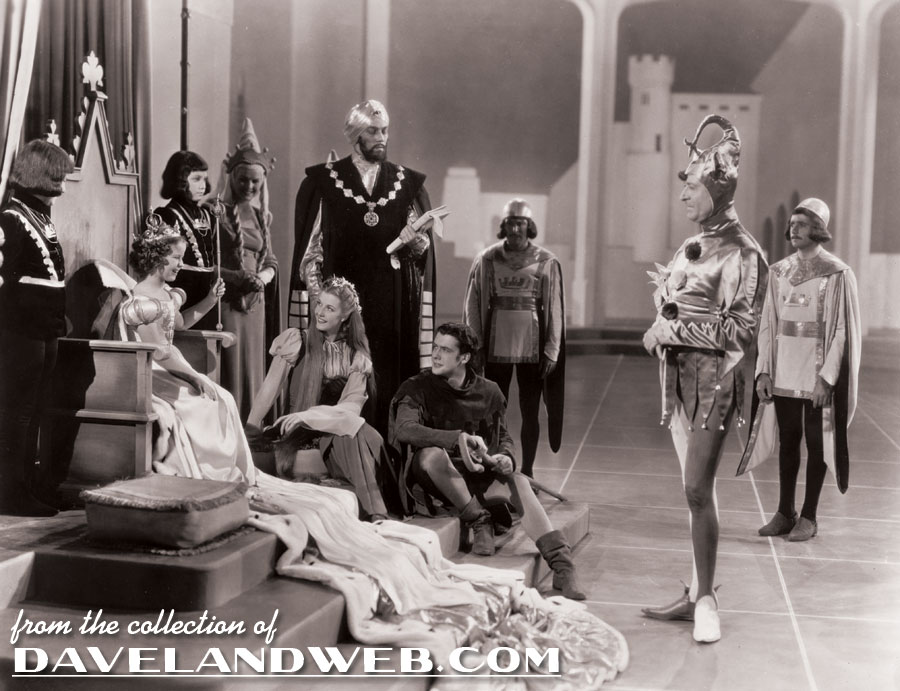
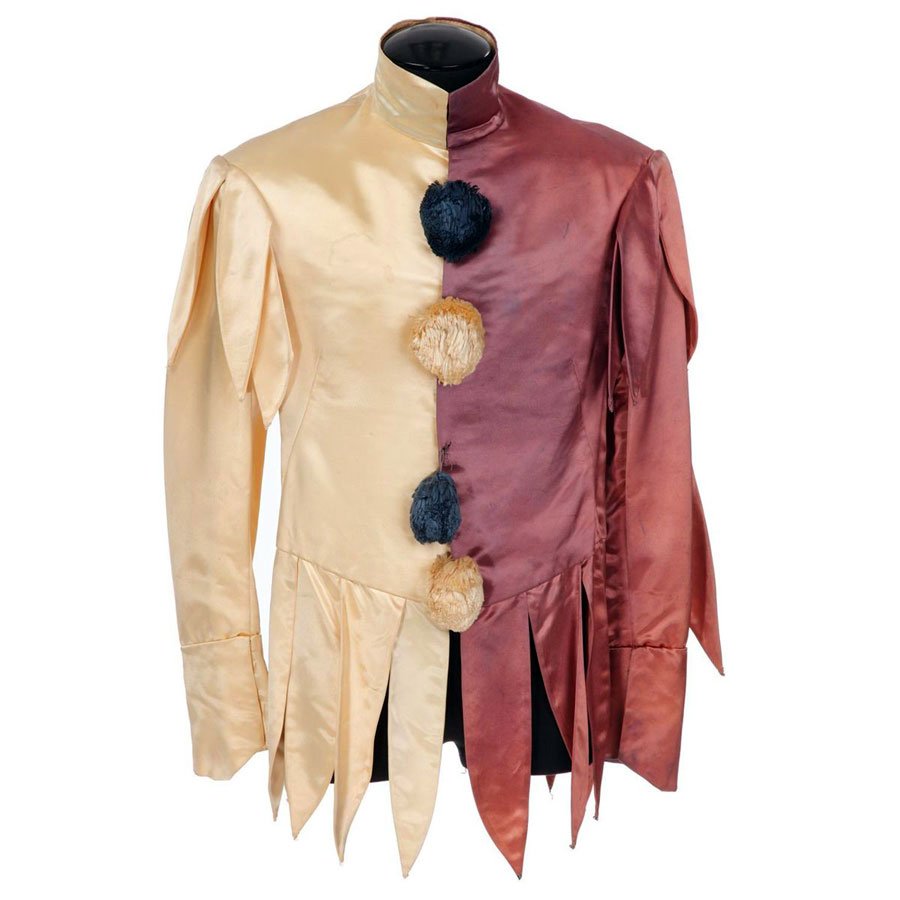
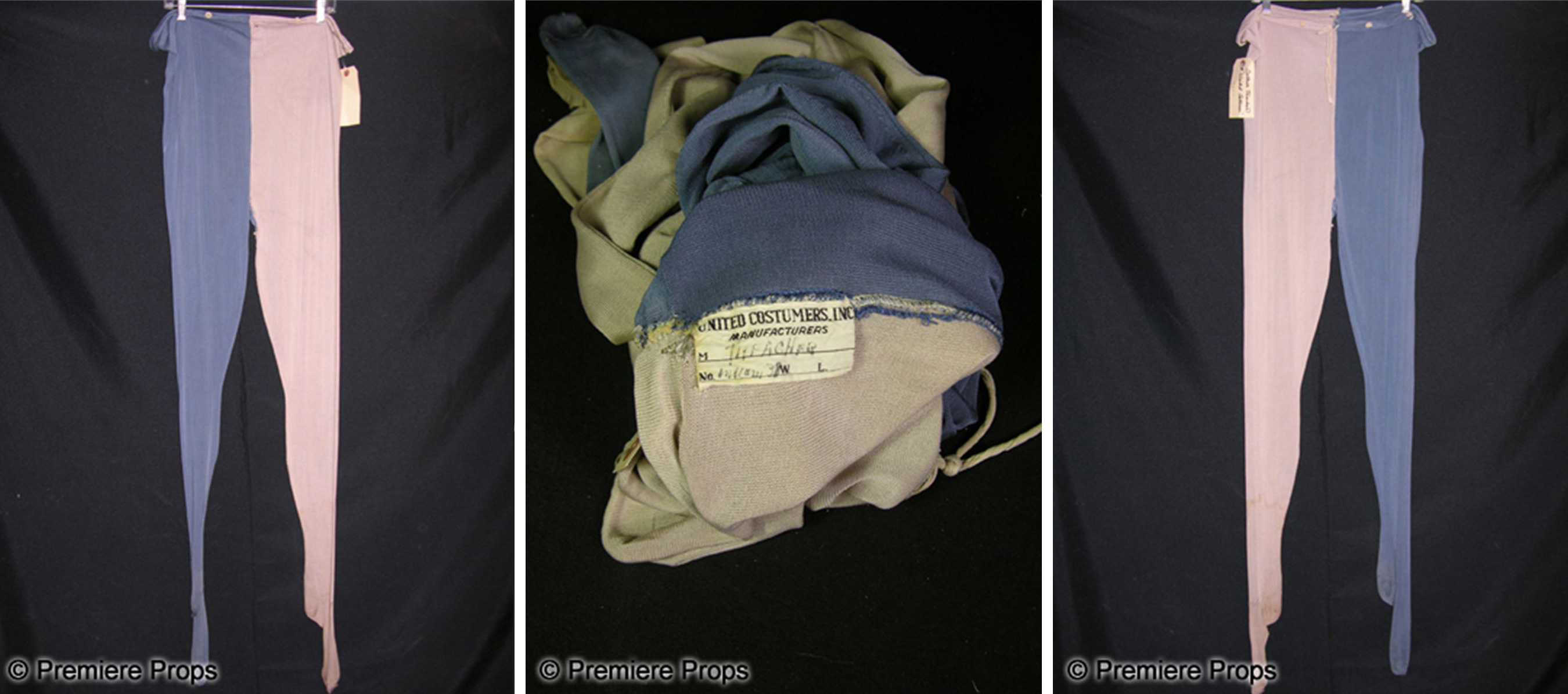
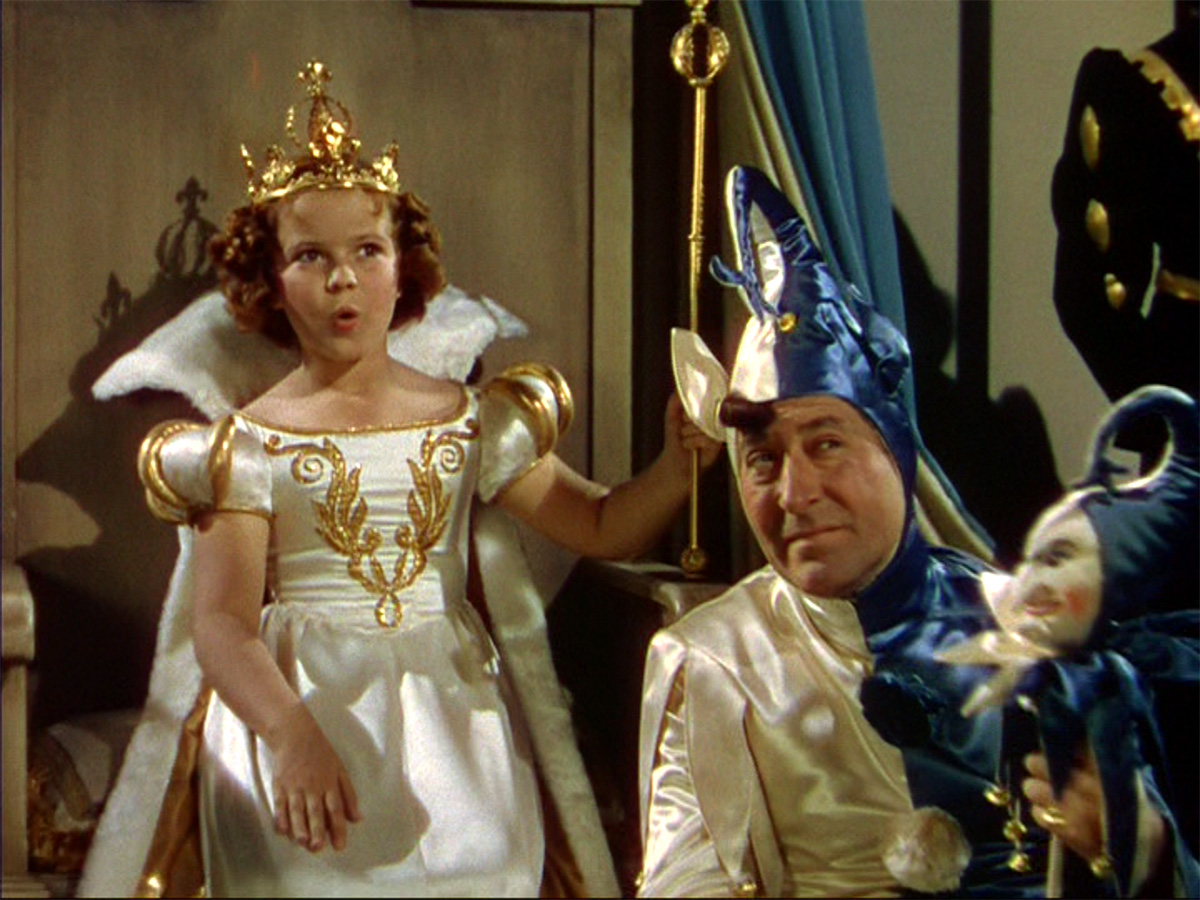
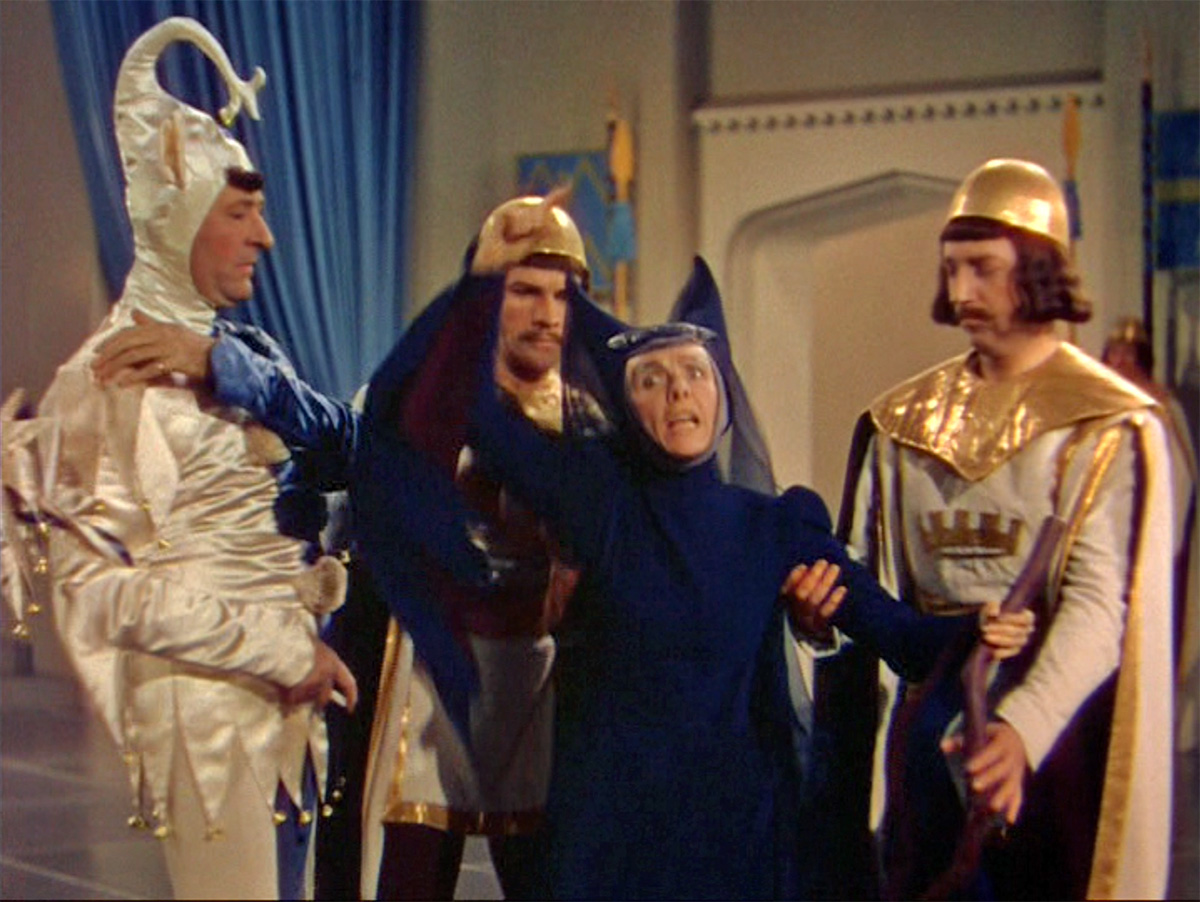
In a dream sequence for “Princess,” Treacher portrayed a court jester to Shirley’s princess.
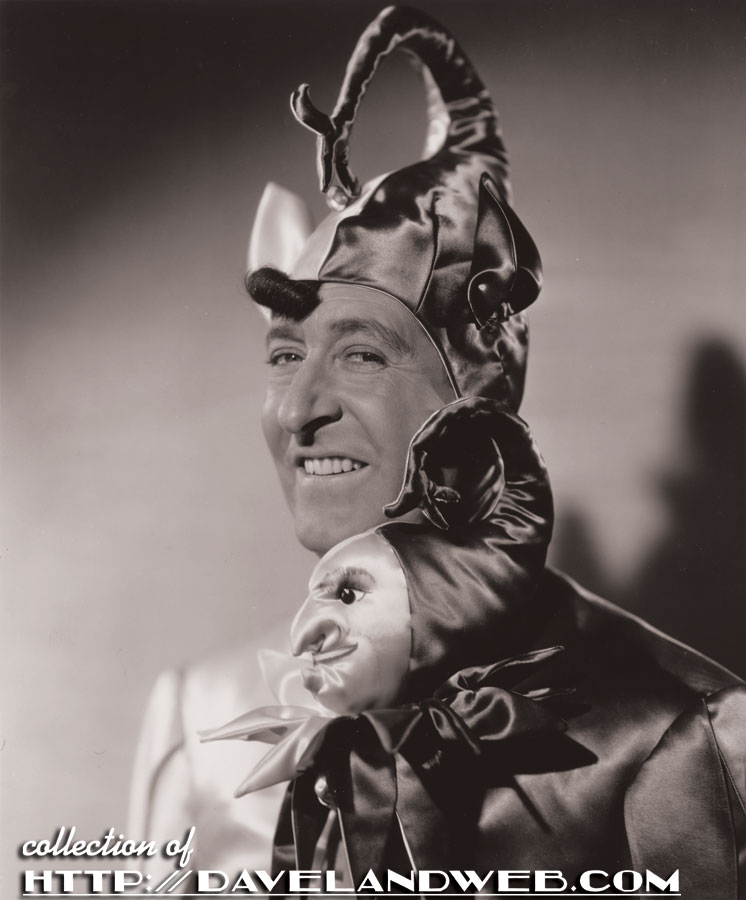
A very good likeness was achieved with the jester puppet that Treacher holds:
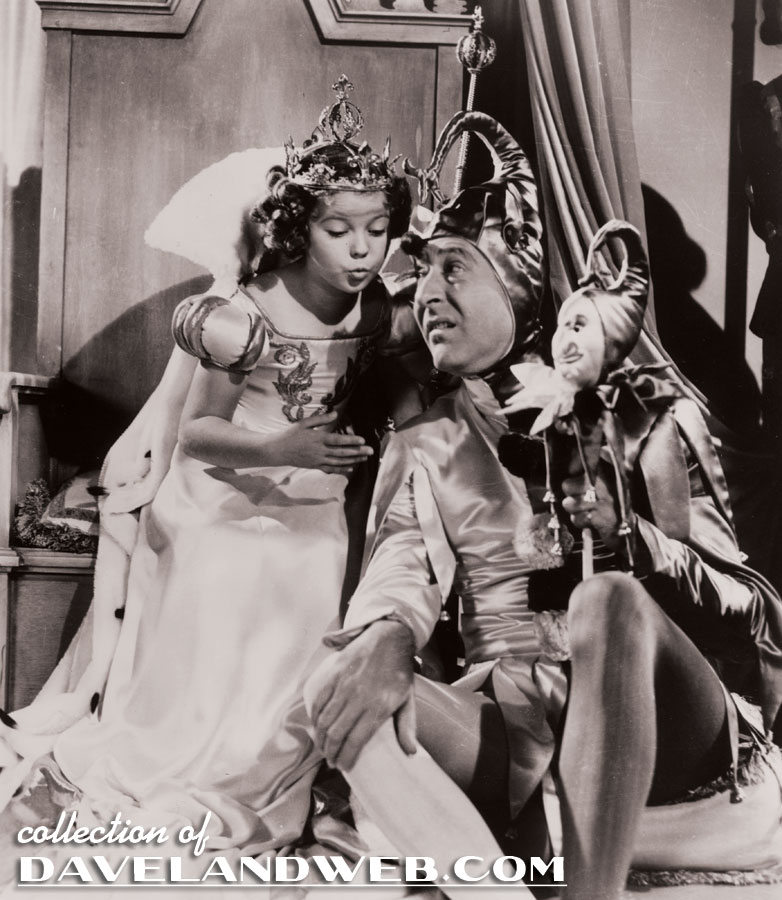
Treacher’s character was pivotal to the happy ending achieved at the conclusion of the film.
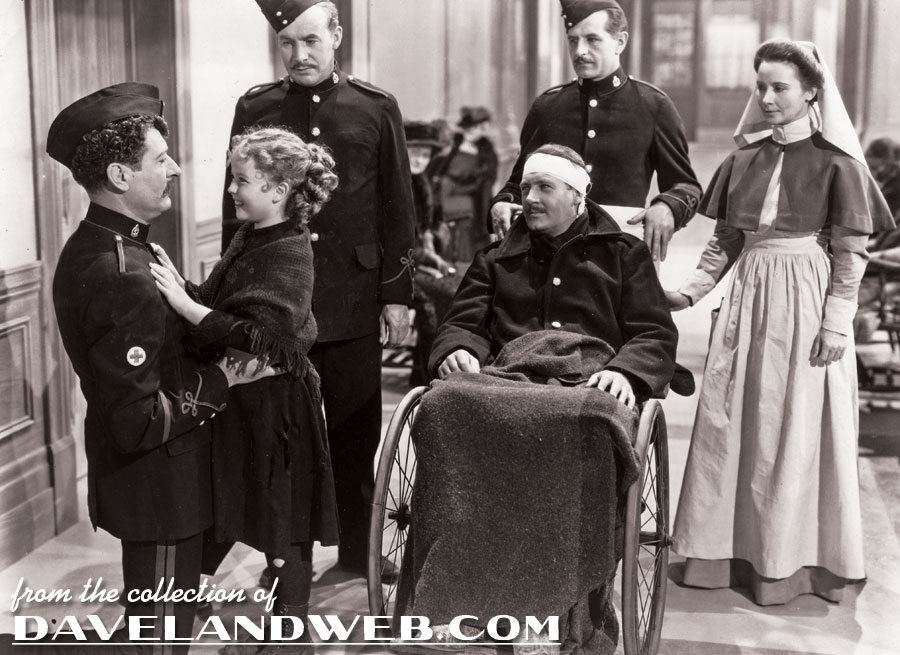
While I don’t know if the two ran into each other socially, I do know that they performed together six years later. Treacher played George, the butler, and Shirley was Connie, the Cinderella character in The Camel Screen Guild Players adaptation of “First Love,” broadcast on CBS Radio, May 14, 1945.

You can hear the program on Stars On Suspense, starting at 37:17.
In 1960, Shirley had Treacher join the cast of “The Land of Oz” episode in her storybook anthology, “The Shirley Temple Show.” True to form, he played Graves, a butler; but this time, his character was on the side of the villains, scheming along with the evil witch Mombi (Agnes Moorehead) and General Nikidik (Jonathan Winters). It was delicious fun, watching these three hams work together. Shirley played Princess Ozma.

Treacher’s final film role was in the Disney classic, “Mary Poppins” (1964), as Constable Cody Jones.

He brings the Banks children home to their uninterested father (David Tomlinson).

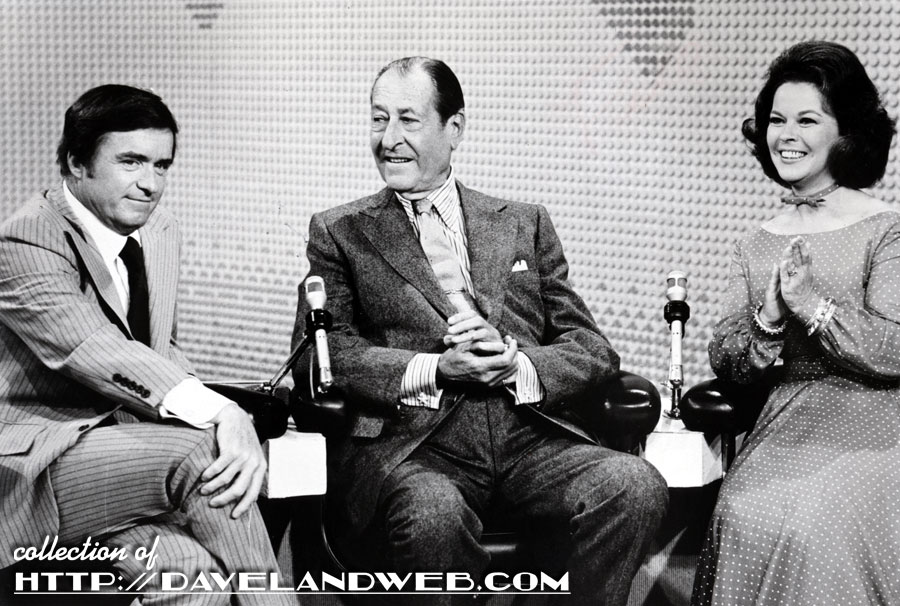
Treacher and Temple were reunited again on the Mike Douglas talk show in May 1972, when Shirley acted as co-host for the week. After “Poppins,” Treacher had gained new fame as sidekick to Douglas’ talk show rival, Merv Griffin, from 1965-1970. When the Griffin show filming moved from New York to Los Angeles, Treacher decided to leave the show, stating, “At my age, I don’t want to move, especially to someplace that shakes!” For those who don’t live on the west coast, Treacher was referring to earthquakes.
At this same time, Treacher became known for the chain of Fish & Chips restaurants that bore his name.

$1.15?!? As one who ate there regularly as a tot on Sunday nights, I can personally attest to the portions being quite large!

Care to apply?

Treacher died in Manhasset, New York, December 14, 1975, at the age of 81 from cardiovascular disease. Few of his obituaries mentioned his teaming with Temple. Edited from the Newsday Suffolk Edition:
Though Treacher played in everything from Shakespeare to “Mary Poppins,” he was so identified as a disdained butler that he was made honorary president of the Butlers Club of America in 1939. Treacher made his home in Hollywood for about 17 years, playing not only butlers but a variety of character roles. “We were the backbone of the movie industry,” Treacher said. “You had a pretty boy and a pretty girl and the audience waited to see somebody like Slim Summerville come along. There were actors like Eddie Horton, Eric Blore, Alan Mowbray, Frank Morgan, and Charlie Ruggles.”…On television, he appeared on the Milton Berle Show, the Bob Hope Show and the Victor Borge Show, but he is perhaps best remembered for his stint as second banana on the Merv Griffin Show in the late 1960s. In that role also, he was anything but humble. “He asks me a question, and I answer him or I don’t,” Treacher once said of his role as a haughty aide on Griffin’s talk show. At times, he confessed, he has shut up and let the diminutive Griffin “flounder.” “Sweat, you little son of a ______,” Treacher said with a grin. Griffin’s guests often fared no better. “Do you mind,” Treacher once inquired of a particularly long-winded guest, “if I scream? Treacher was no longer active in show business, though his name is well known through the commercials for his Arthur Treacher’s Fish & Chips, a fast-food operation. At one time, Treacher had a company, Call Arthur Treacher Service System, providing temporary servants. Married to Virgiinia Taylor, Treacher had no children. “Neither blessed nor cursed,” he once remarked.
See more Shirley Temple photos at my main website.