Showing posts with label ambassador hotel. Show all posts

Tuesday, March 17, 2026

The Oscars: Shirley On Location


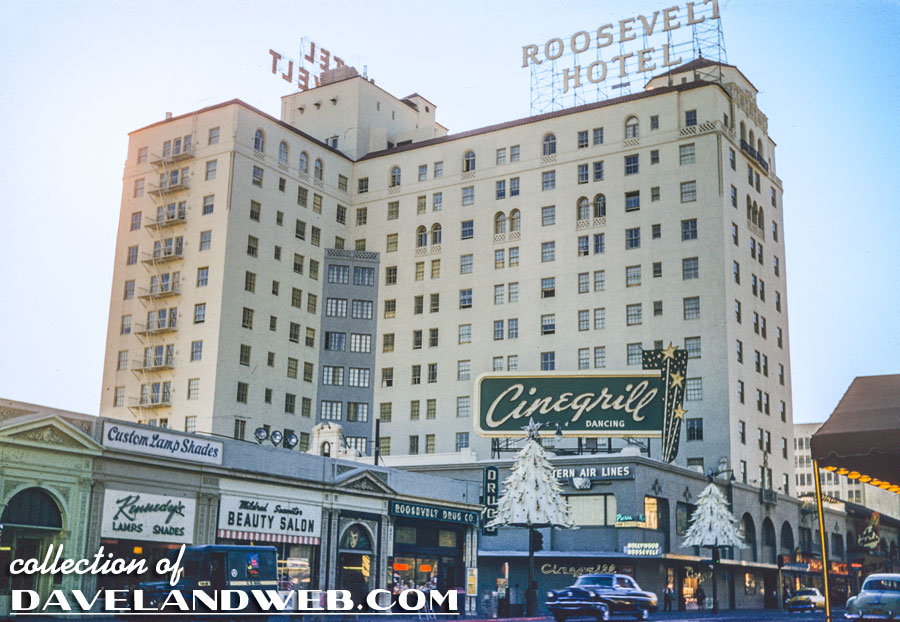
Over the years, The Oscars have bounced around from location to location. The very first one was held at the Hollywood Roosevelt Hotel in the Blossom Room on May 16, 1929. The Roosevelt still operates today; above is a 1950s image of the Hollywood Boulevard hotel. The Ambassador Hotel held the dinner for the second Academy Awards event on April 3, 1930, as well as in 1932, 1934, 1940, and 1943.


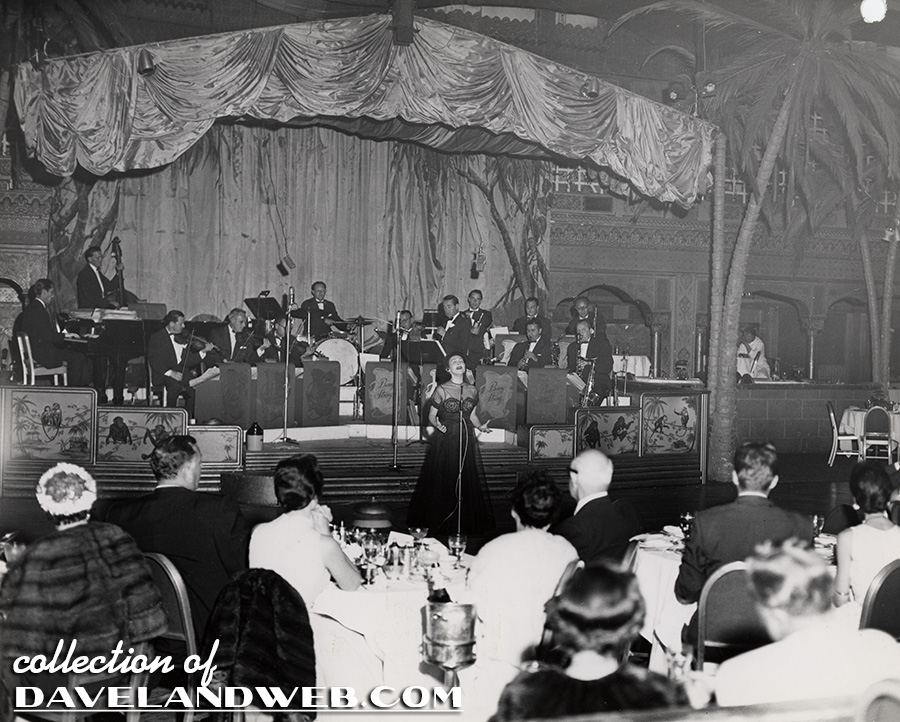
All were in the Cocoanut Grove nightclub (below) except for 1932, which was in The Fiesta Room.


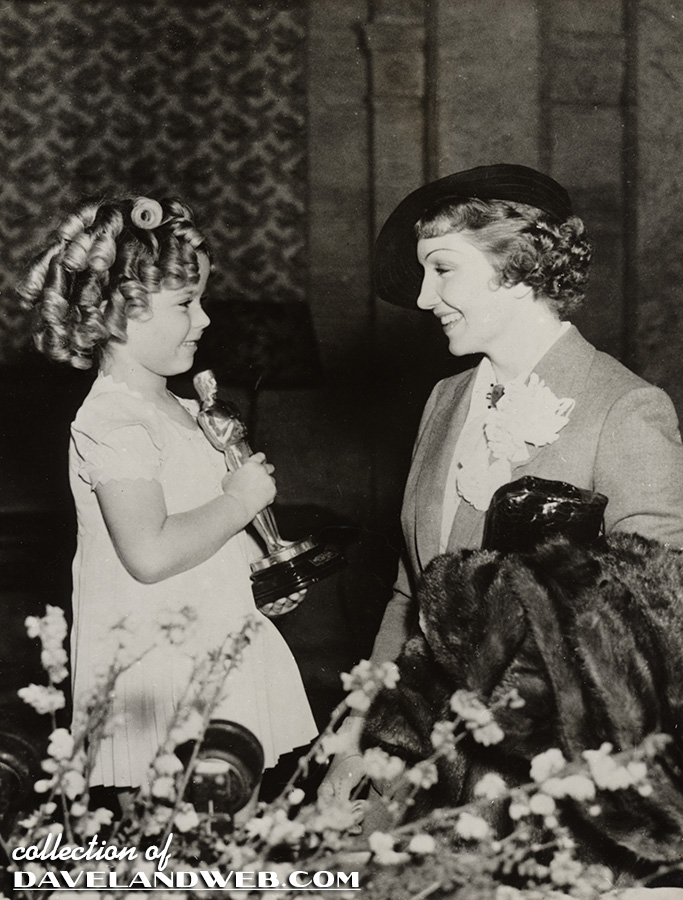
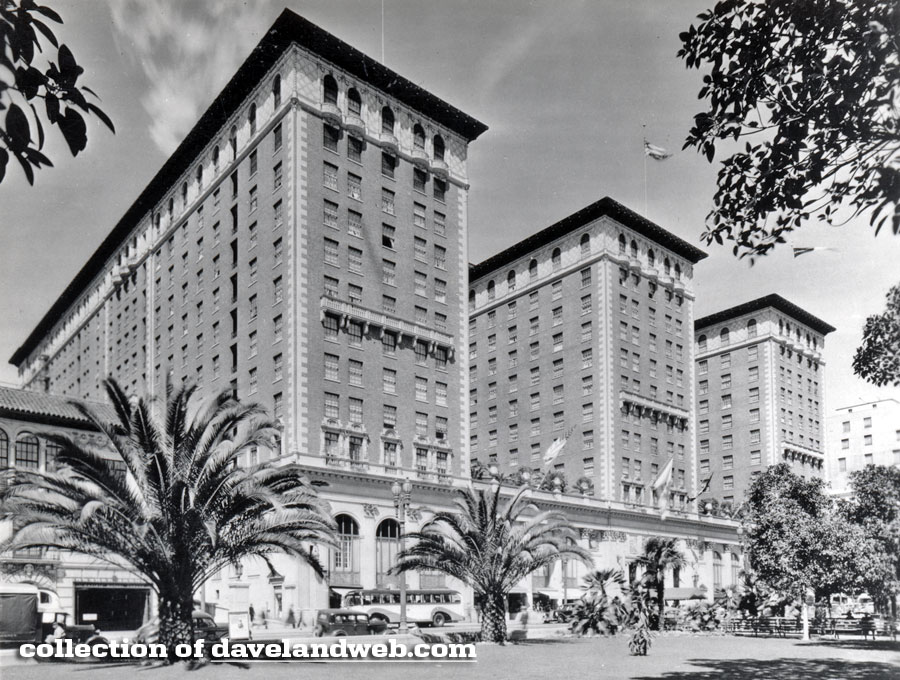
The Oscars were held in downtown Los Angeles at the Biltmore Hotel in 1931 and then 1935 through 1939. Below, Shirley Temple gives Claudette Colbert her Best Actress award for “It Happened One Night” (1934):


On February 23, 1939, Shirley famously presented Walt Disney with his specially designed Oscar for “Snow White and the Seven Dwarfs” (1937):


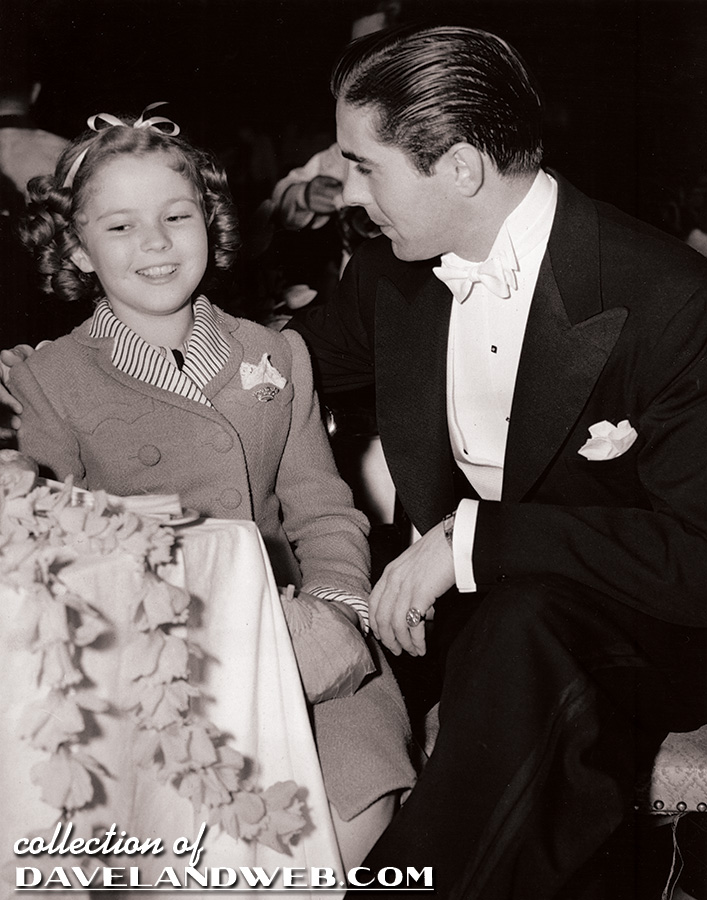
Shirley also hobnobbed with Tyrone Power:


Douglas Fairbanks:


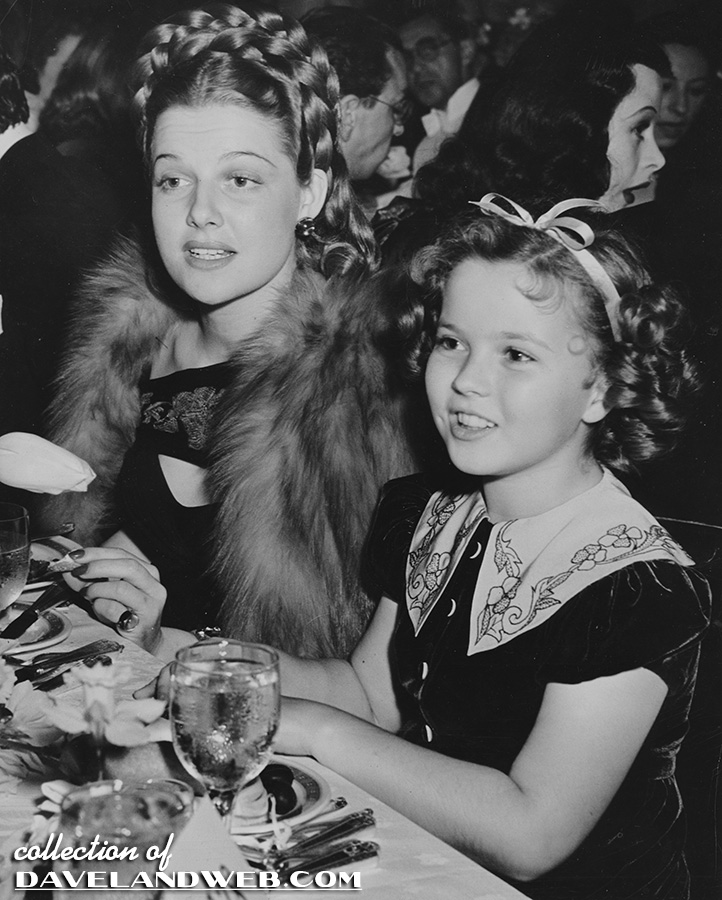
…and Ann Sheridan (Hedy Lamarr is behind Shirley):


An outside vintage view of the Biltmore:


The Biltmore Bowl ballroom where the Oscars were held at the Biltmore:


Increased attendance and World War II made banquets impractical, so the ceremony moved to Grauman’s Chinese Theatre from 1944-1946.


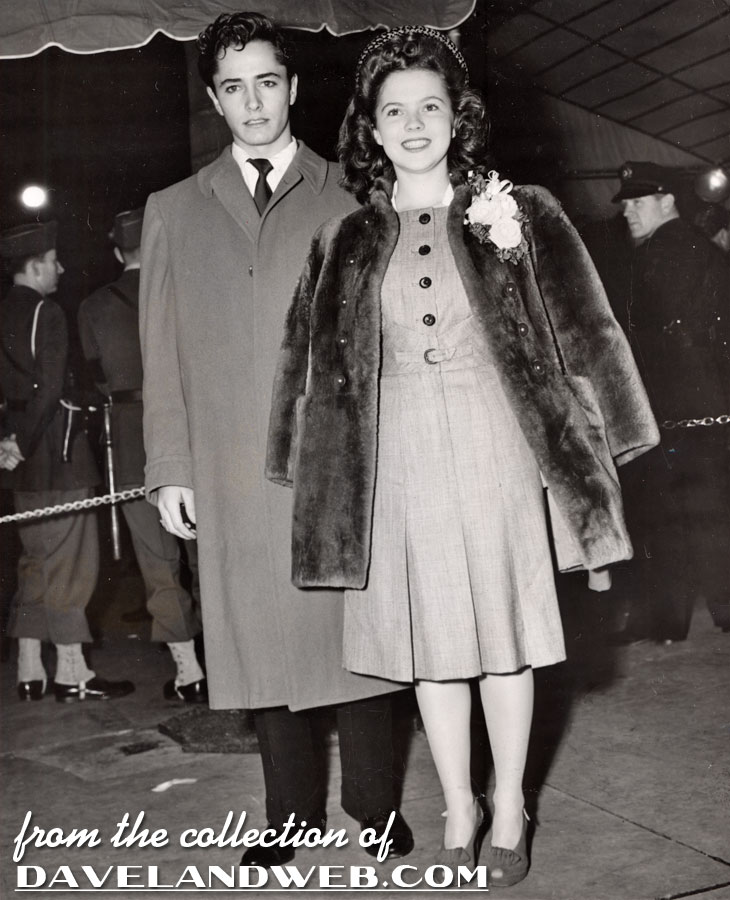
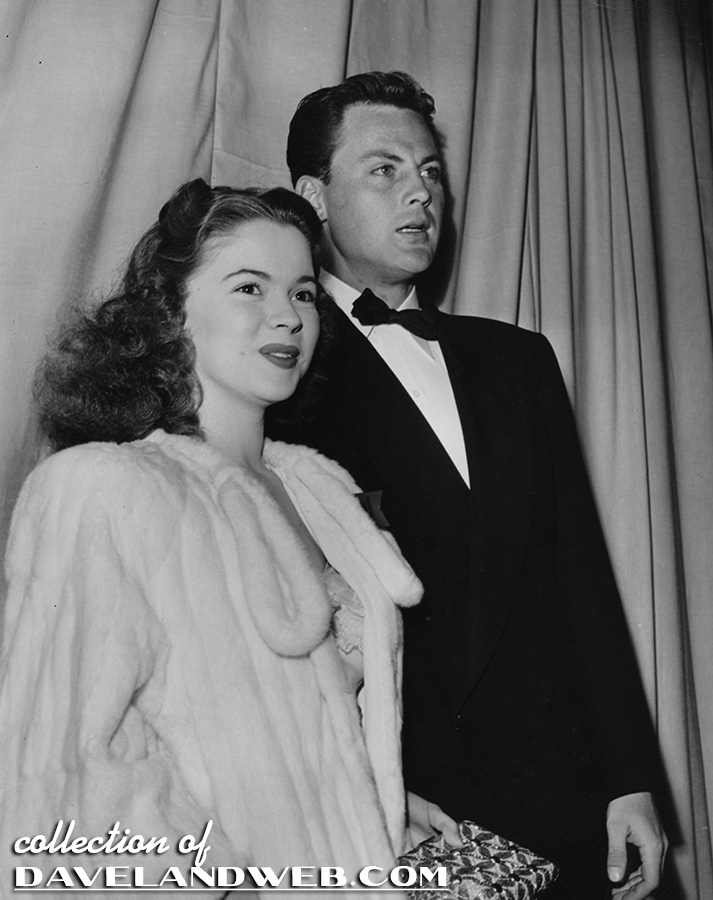
John Derek (of Bo Derek fame!) and Shirley were at Grauman’s for the March 2, 1944 event:


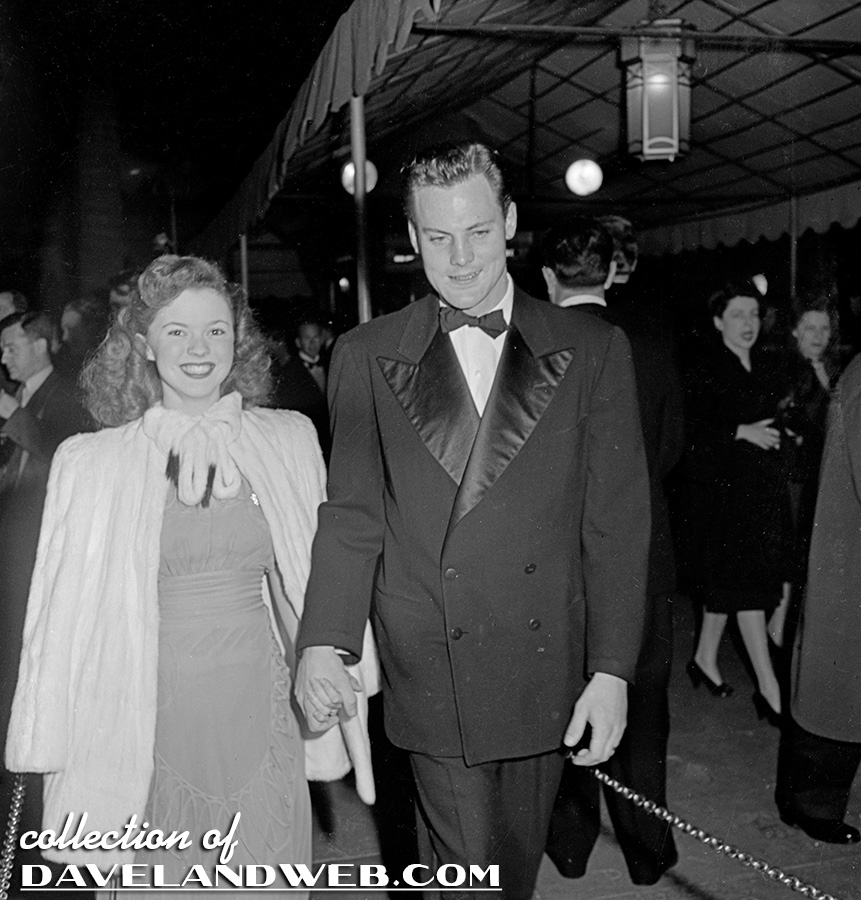
On March 7, 1946, she walked down the red carpet with then-husband John Agar:


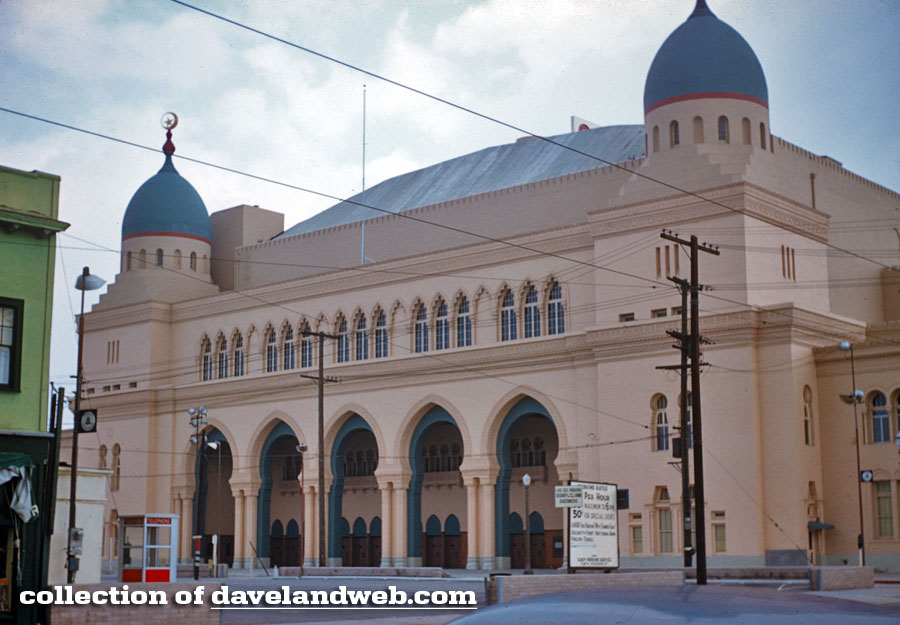
The Shrine Auditorium was the location of choice from 1947-1948:


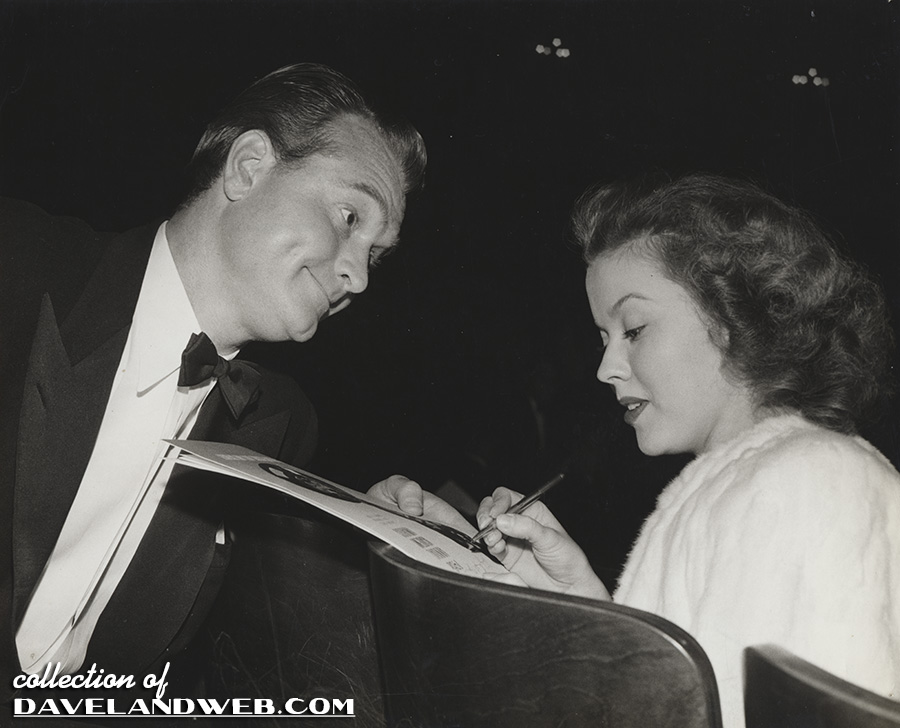
Red Skelton and Shirley, circa 1947:


1948 with John Agar again:


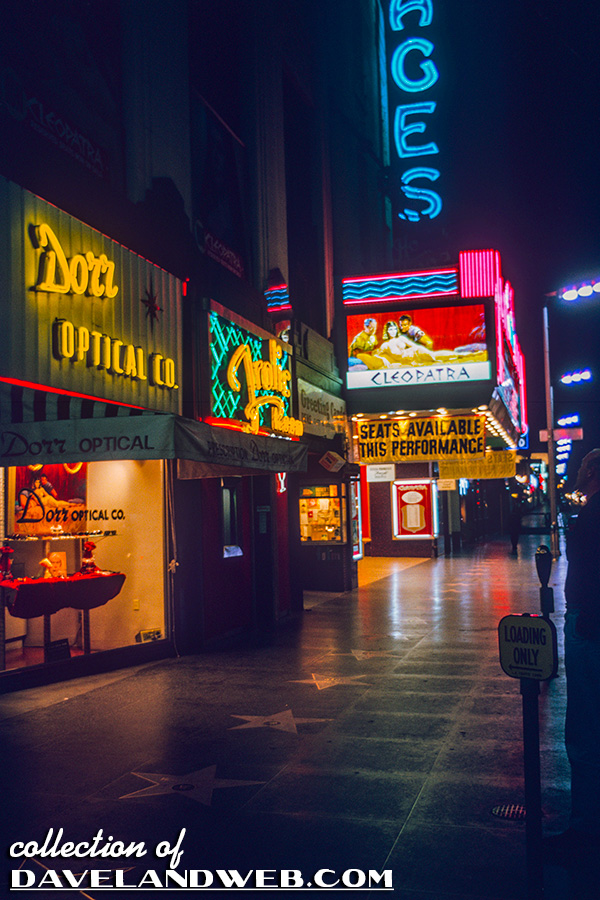
The 1949 Academy Award Theater on Melrose Avene in West Hollywood hosted the 21st Academy Awards on March 24, 1949 (since demolished). The RKO Pantages Theatre on Sunset Boulevard followed in 1950 and remained on the event roster until April 4, 1960.


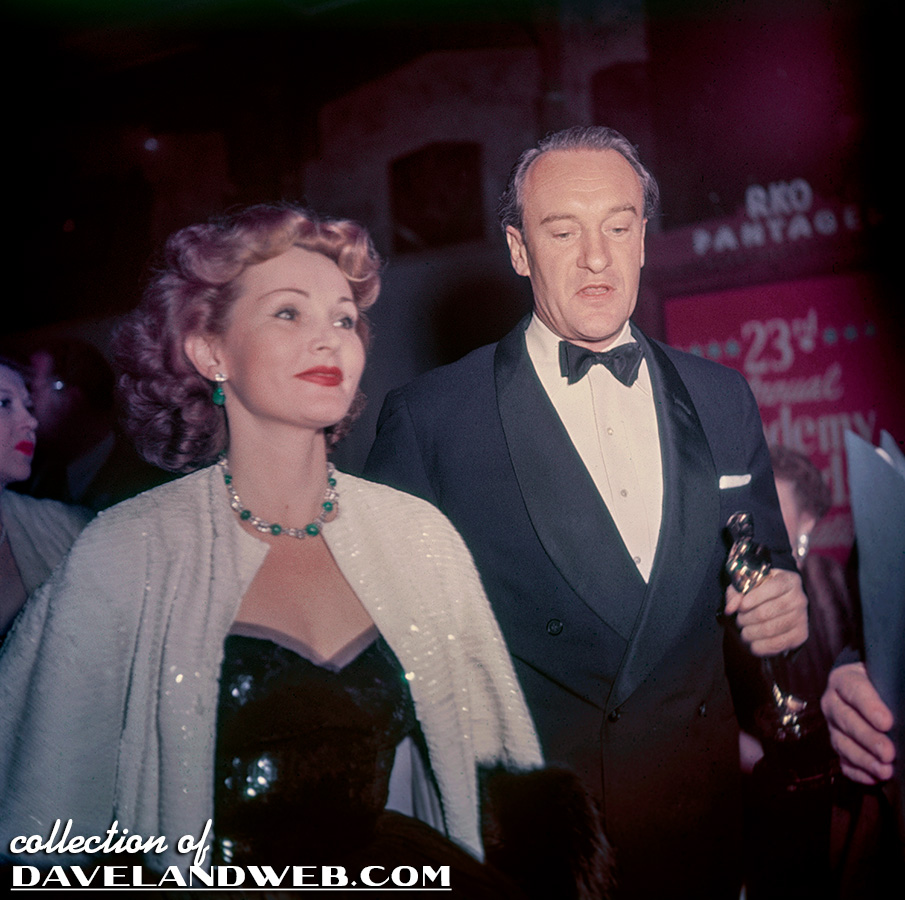
Zsa Zsa Gabor and George Sanders at the Oscars in 1951:


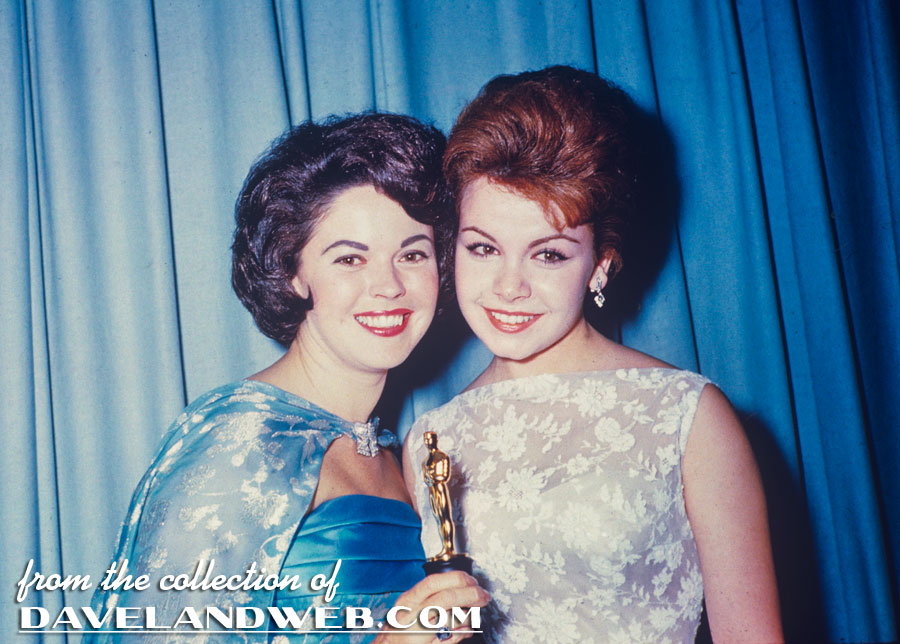
In 1961, the Awards moved to the Santa Monica Civic Auditorium. Shirley posed with Annette Funicello that evening:


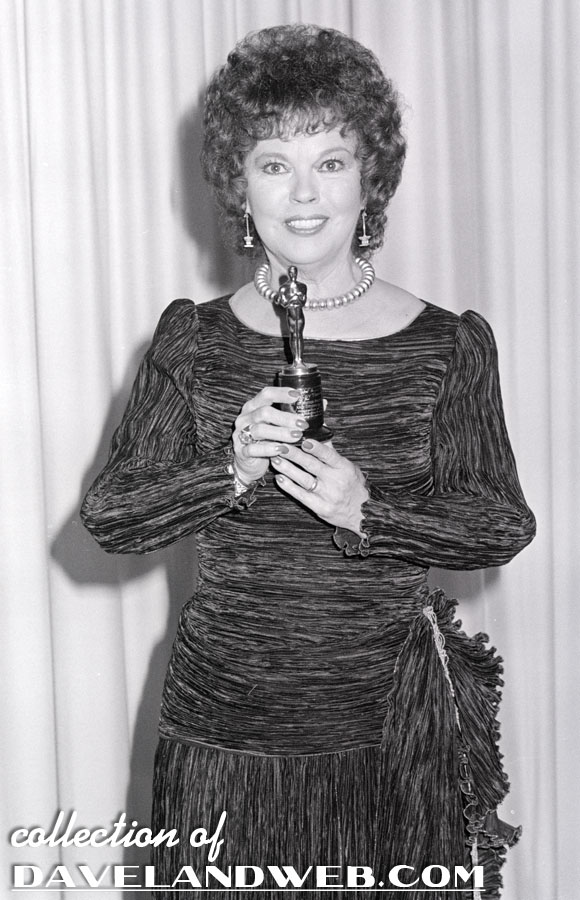
On April 14, 1969, the 41st Academy Awards ceremonies moved to the brand new Dorothy Chandler Pavilion of the Music Center of Los Angeles County. Shirley appeared there on April 9, 1984. Below she is shown holding her miniature Oscar from 1935:


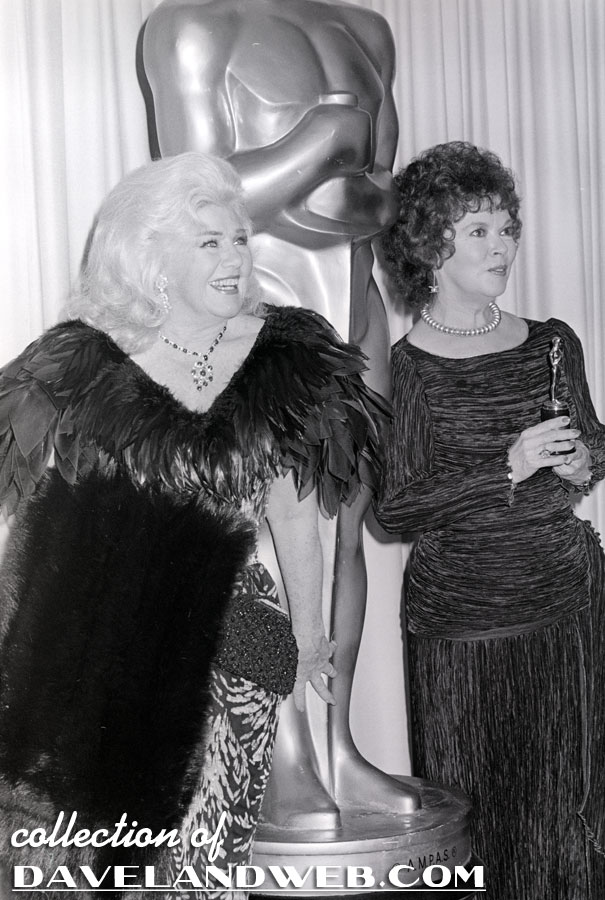
Below, Shirley poses with Ginger Rogers, who she worked with on “I’ll Be Seeing You” (1944):


That’s it for my Oscar photo collection!

See more contemporary and vintage photos at my main website.

Wednesday, May 28, 2025

Poolside at the Ambassador, 1954


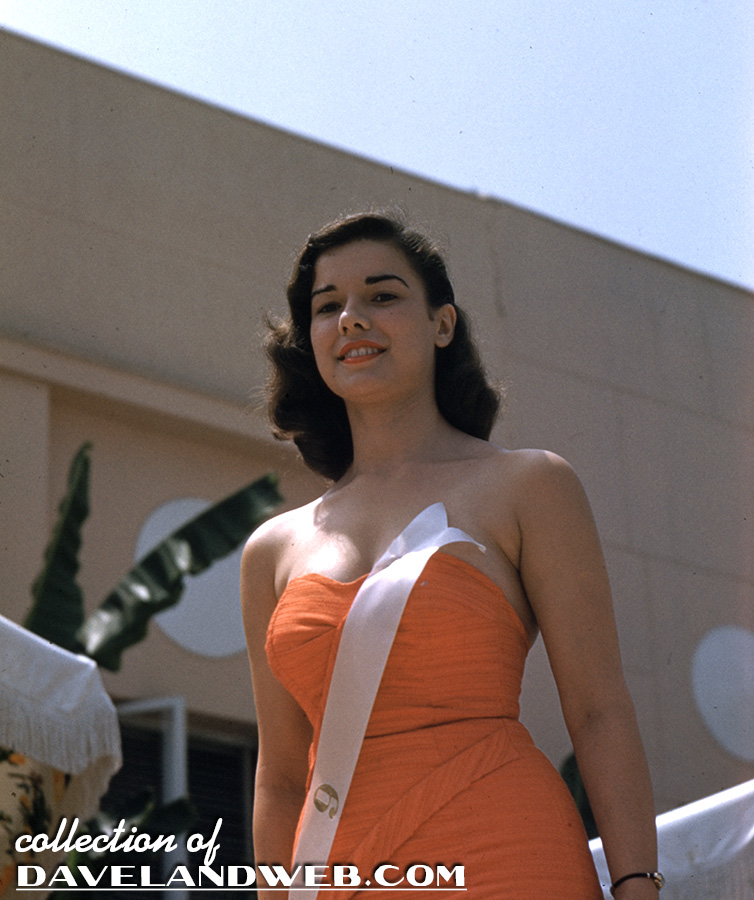
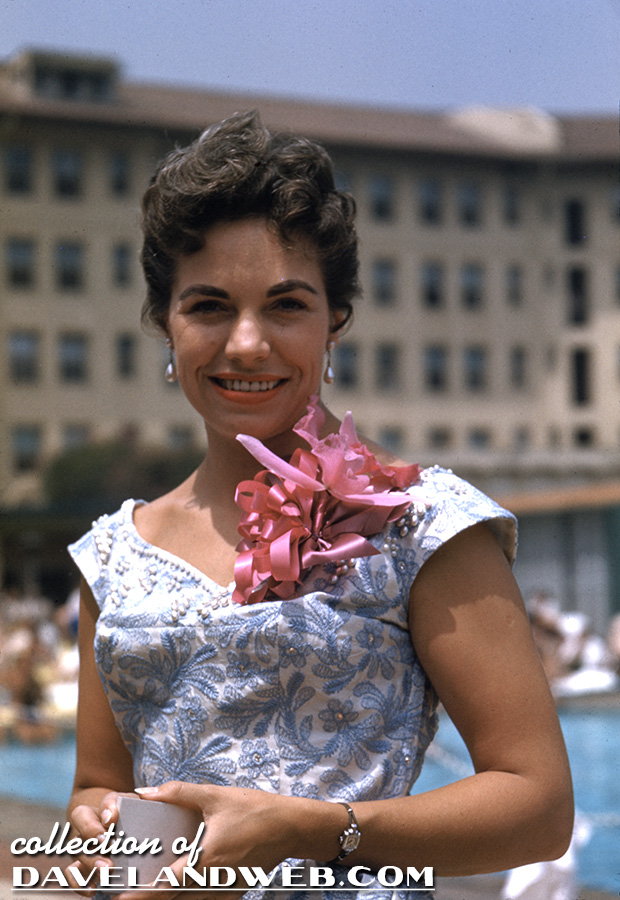
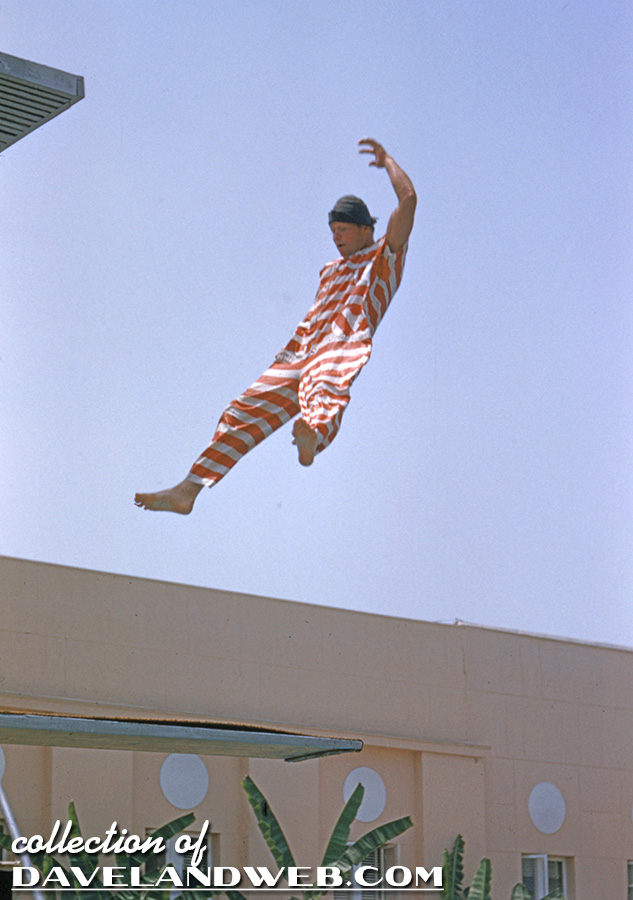
In the batch of slides I received of the El Mirador hotel in Palm Springs were these from the Ambassador Hotel in Los Angeles. It appears that they show the 1954 Miss Ambassador Hotel contest, held at the pool. 


Which lovely lady would you pick?


Some slides had names of the people featured, and some didn’t. No idea who orchid lady is.


This table shows the judges of the contest; again, no names, but the gent with a tie and no jacket looks darn familiar. Nanook?


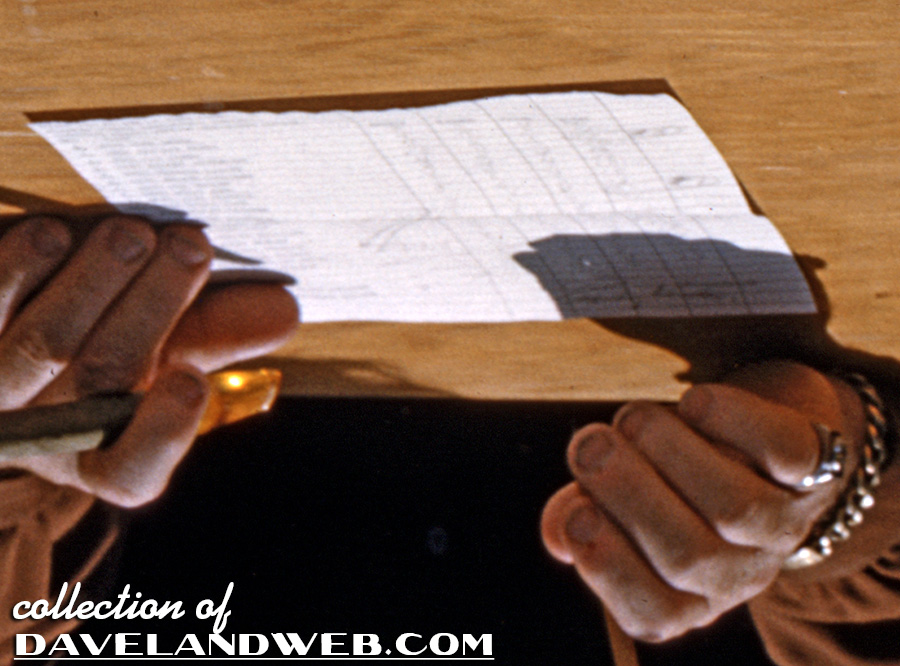
This shot shows comedian Lou Costello:


Here’s a closeup of the score sheet he was keeping for the contest:


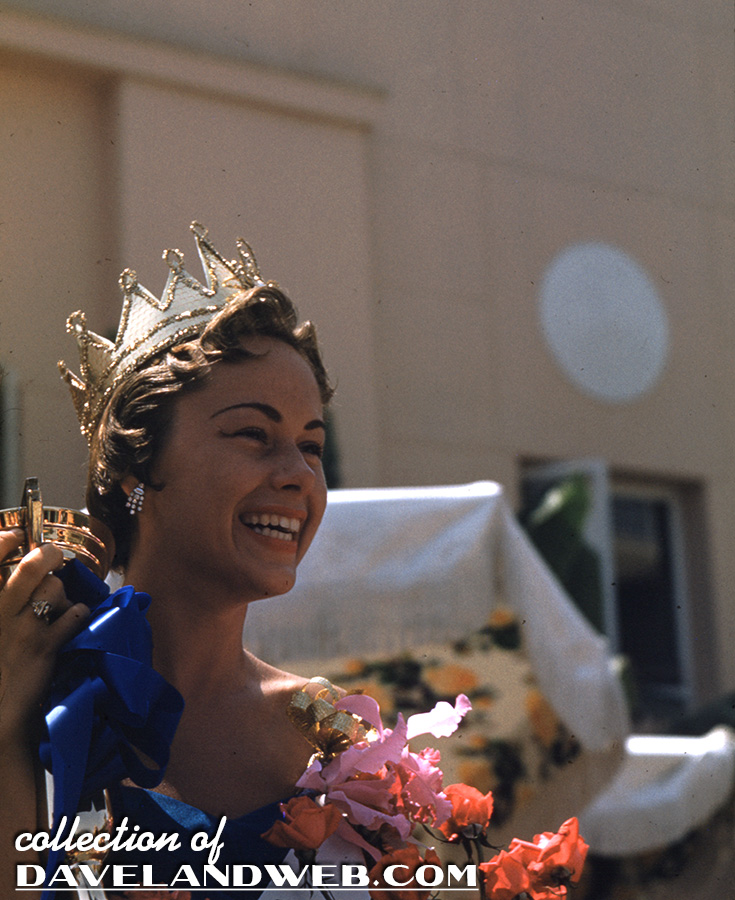
This image appears to show the winner; wonder what happened to her?


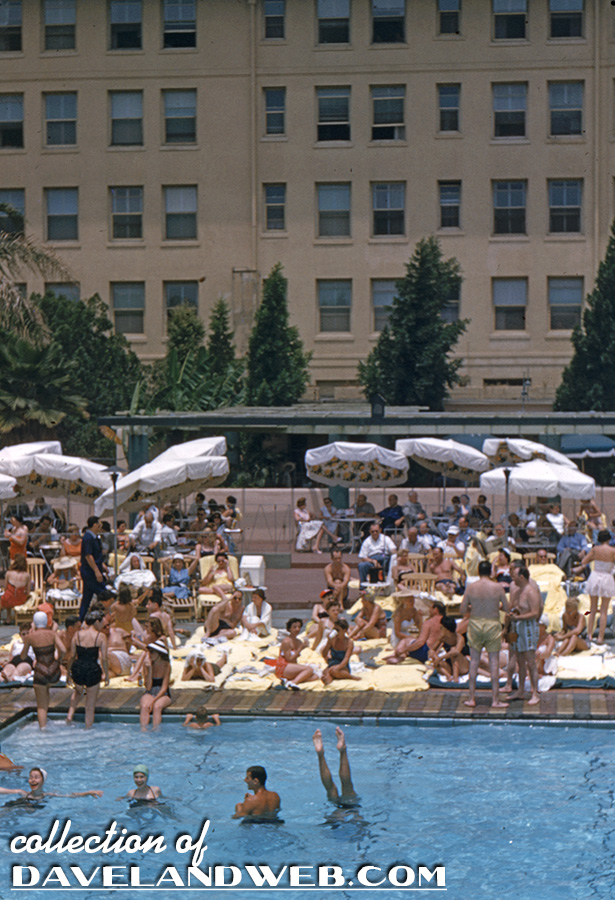
An overall shot of the Ambassador Hotel pool from the same batch:


Looks like it was a fun day!


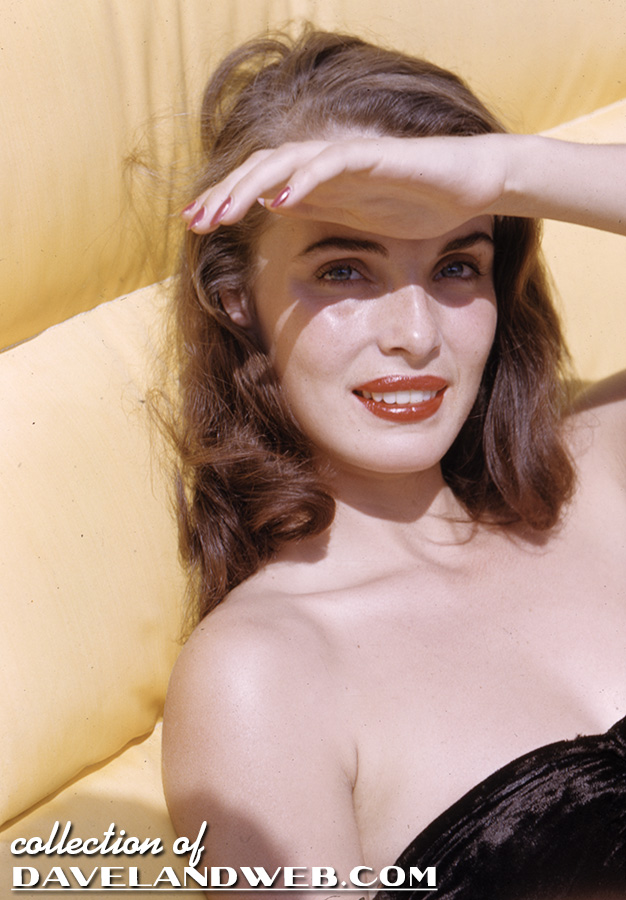
Last shot which I “assume” was part of the Ambassador event (but could have been the El Mirador) shows Rosemarie Bowie. I know her identity because that particular slide was labeled! As it turns out, she married actor Robert Stack in January 1956. They had two children and were together until Stack’s death in 2003. Amazing things do happen in Hollywood!


See more Ambassador Hotel photos at my main website.
Monday, August 19, 2024

Back at the Ambassador


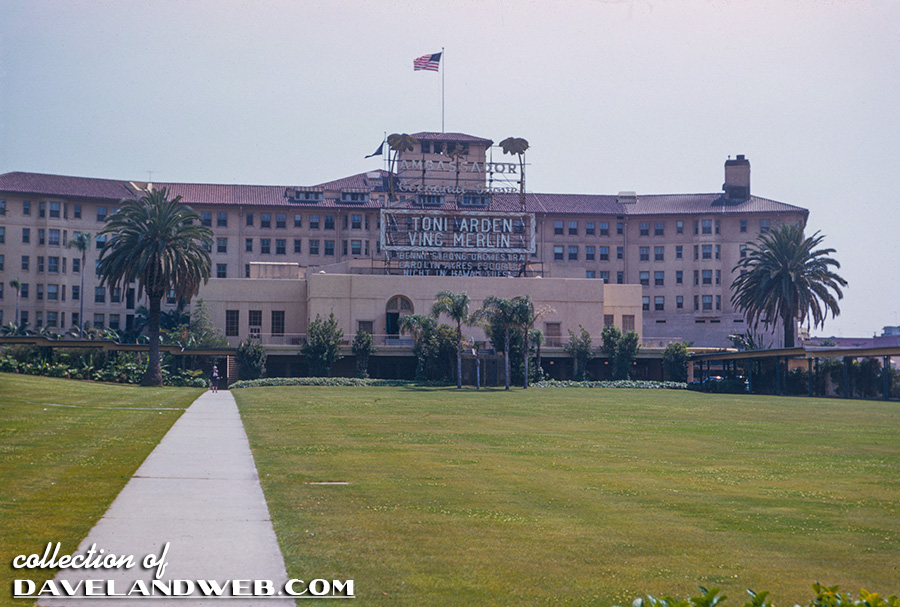
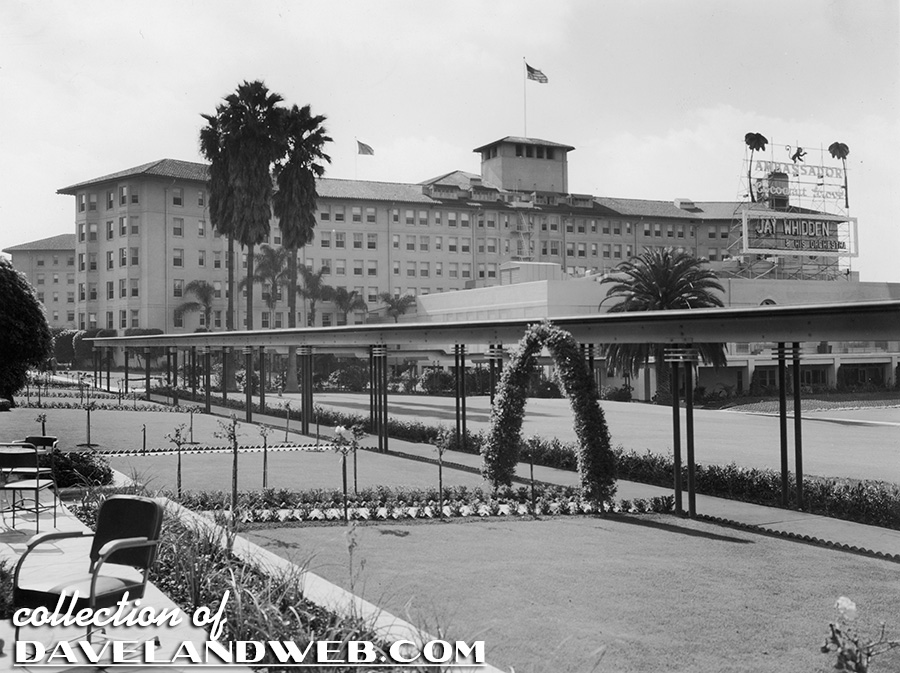
This vintage shot of the Ambassador Hotel in Los Angeles is from 1938.


Jay Whidden & His Orchestra are on the marquee. On the r2ok! website, I found these references to the Cocoanut Grove:

In May 1934 he made his first appearance at Sweets Ballroom in Oakland, as Jay Whidden and his Mark Hopkins Hotel Orchestra and then moved on throughout California.…He also managed to fit in a number of appearances at the famous Ambassador Hotel’s Cocoanut Grove Ballroom in Los Angeles.…Jay [made] his first appearance in the new year on January 29, 1938 at the Cocoanut Grove for the Annual President’s Birthday Ball which featured Shirley Temple, Tyrone Power, and Henry Fonda. In the spring of 1938 Jay was back in Hollywood appearing with Jeanette MacDonald and Nelson Eddy in the MGM musical, “Sweethearts,”as usual unbilled.

Want to hear what the band sounded like? I found this clip on Youtube:


While I regret the loss of the architecturally interesting Garden of Allah Hotel on Sunset Boulevard, I can’t say I mourn the loss of the Ambassador. The boxy structure with the tower at the top resembles a prison facility. I am sure the inside was a different story, with the exotic Cocoanut Grove nightclub. THAT is a tragic loss.


At first, I wasn’t sure that this vintage photo of a pool was truly L.A.’s Ambassador Hotel. Sure enough, the Lido Club belonged to the same property! This façade piqued my interest, and even included a sandy beach area for those too lazy to drive to the coast.


I zoomed in to see what was written on the top of the building. Feminine Conditioning? Sounds like a mind control program; I assume it was some special kind of gymnasium for women.


See more Ambassador Hotel photos at my main website.

Friday, July 05, 2024

Remnants of the Ambassador


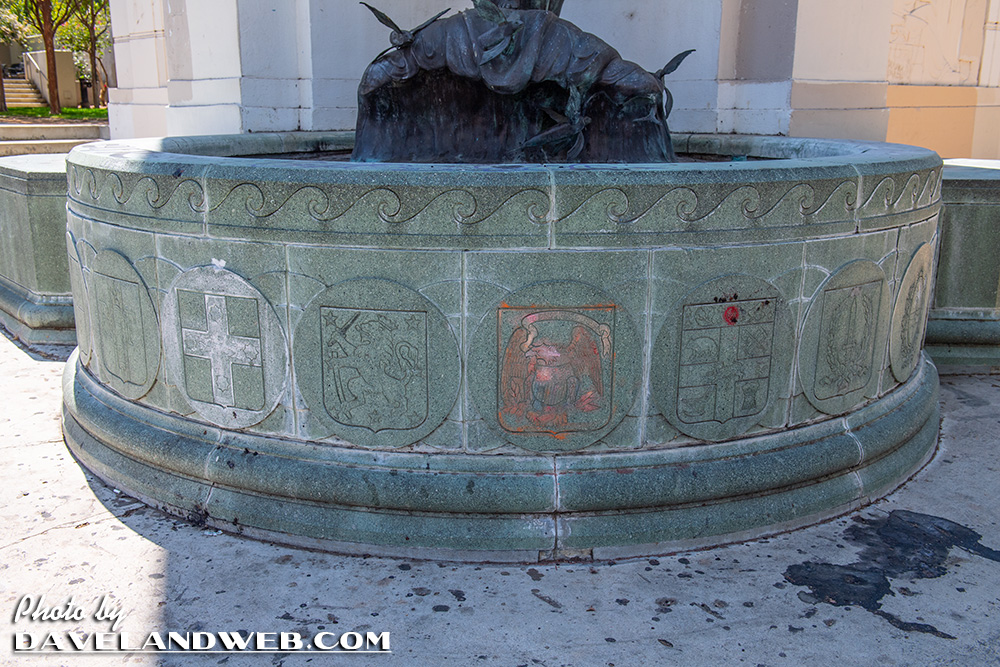
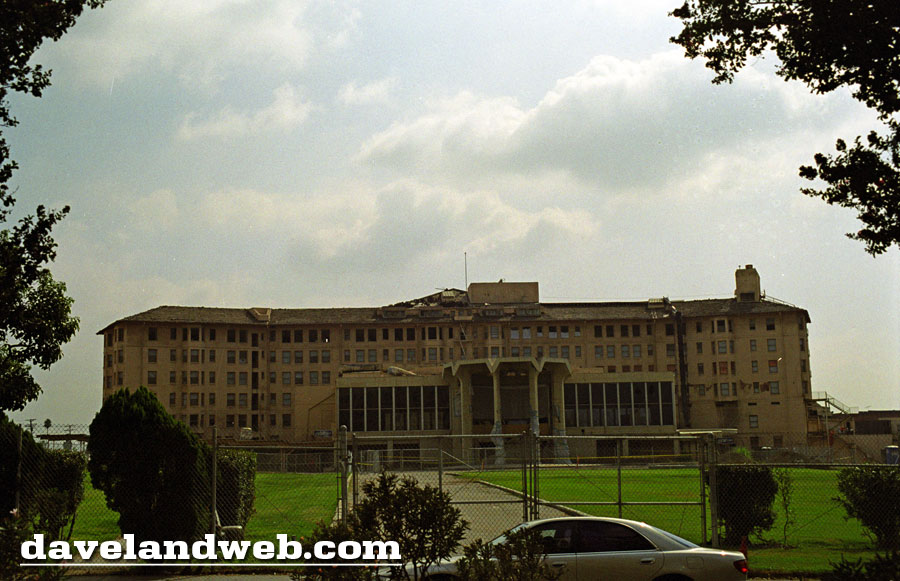
On my recent trip up to Los Angeles, I wanted to get some then and now comparison shots of the Ambassador Hotel. Designed by architect Myron Hunt and located on 24 acres just off Wilshire Boulevard, it opened at midnight on January 1, 1921. That must have been one heck of a New Year’s Eve party! Preservation efforts failed, and the hotel began demolition in 2006 to be replaced with the Robert F. Kennedy Community Schools, a K-8 facility. There are still remnants of the original complex that remain, such as the entrance pillar and fountain, minus the lettering and the water. While it’s nice that these art deco items remain, it’s somewhat sad that they appear to be in a state of disrepair and the area has become an encampment for the homeless.


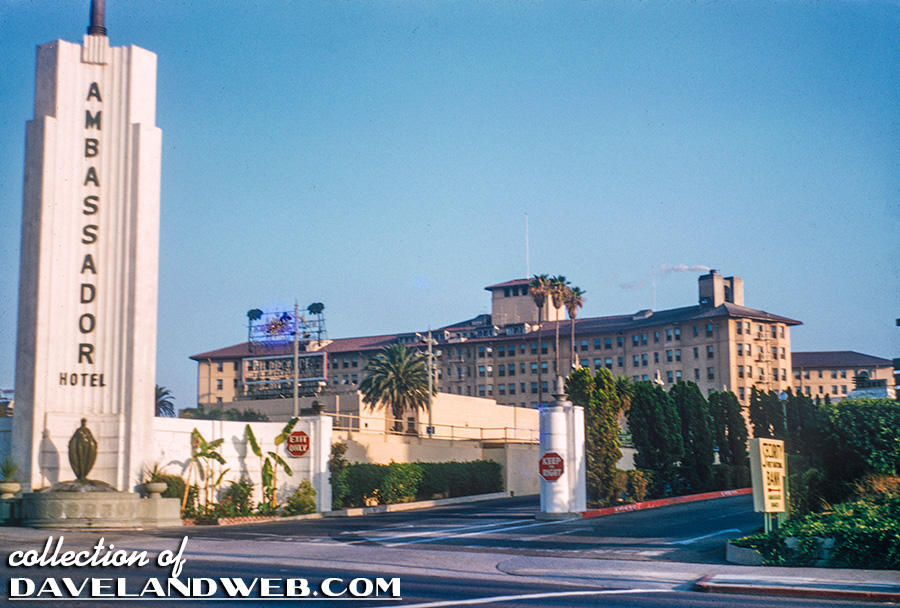
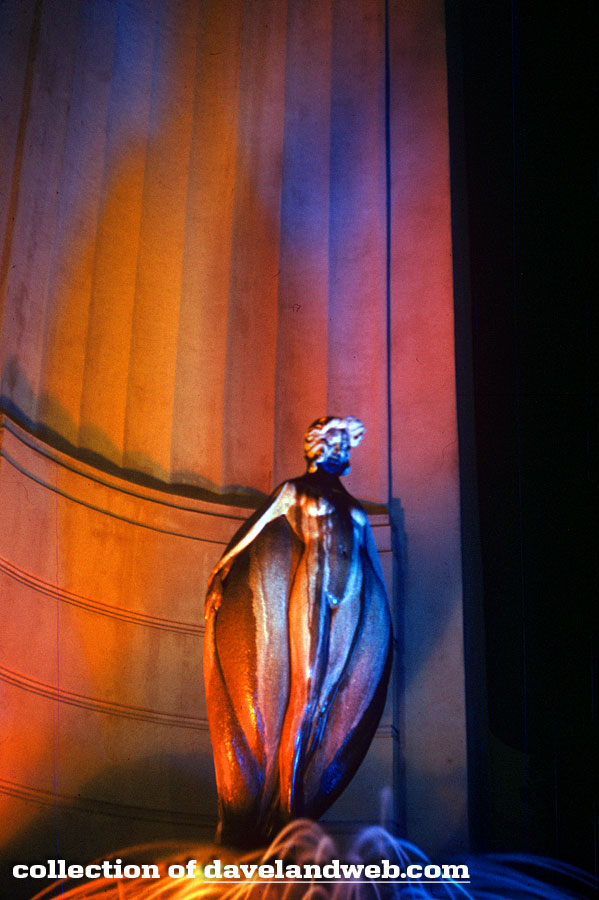
How the statue/fountain looked in the 1950’s:


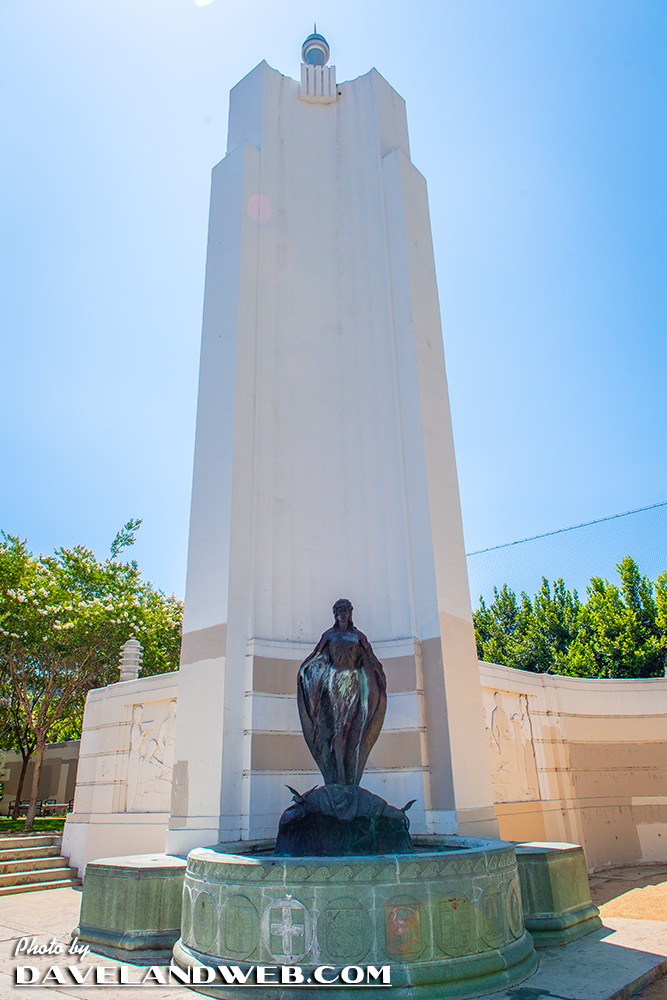
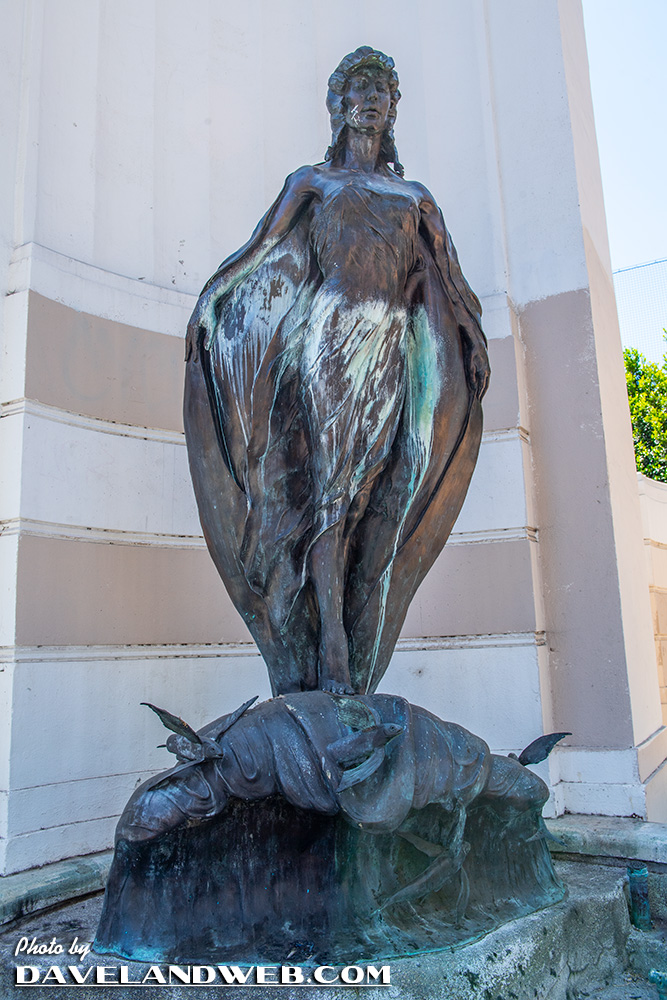
And how it looks now:


In writing this article, I learned that the statue I saw is not even the original one. From calisphere:

An unknown sculptor created the bronze statue in the fountain, which might have been originally named "Gloria." This statue was lost and artist Bobbie Carlyle recreated a replacement version for LAUSD (now titled "Seaswept"), lightly clothed as a concession to the new use by the school district.

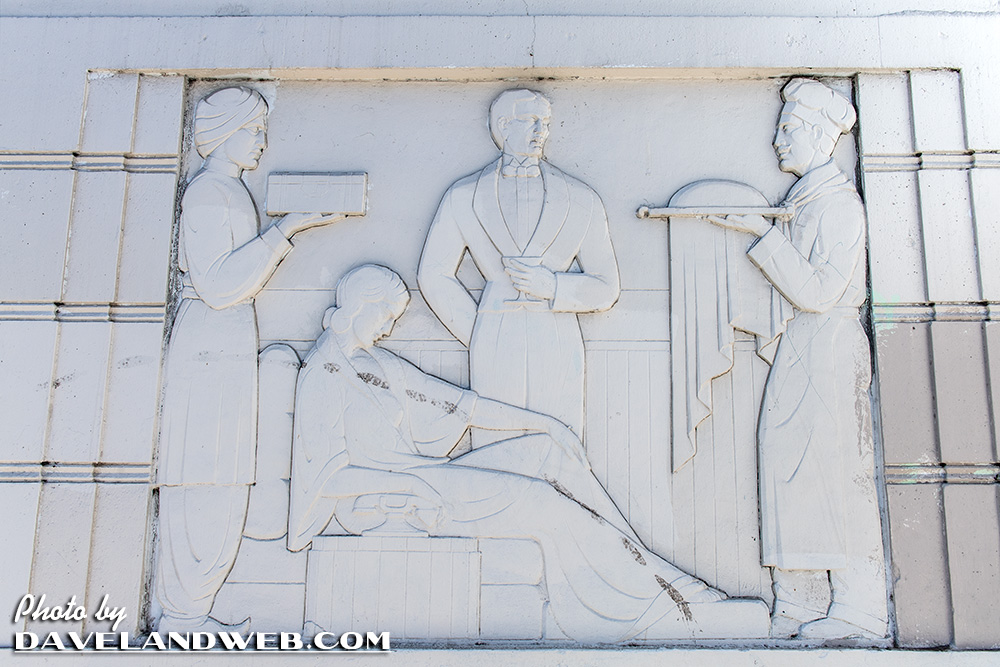
It was wonderful to see this Art Deco bas relief up close, although its context has now been removed. Again, from calisphere:

The bas-relief shows four human figures: a man wearing a turban and holding a box; a woman sitting on a low settee with her arm resting on a telephone; a man standing next to her holding a goblet; and a chef holding a tray and long napkin.


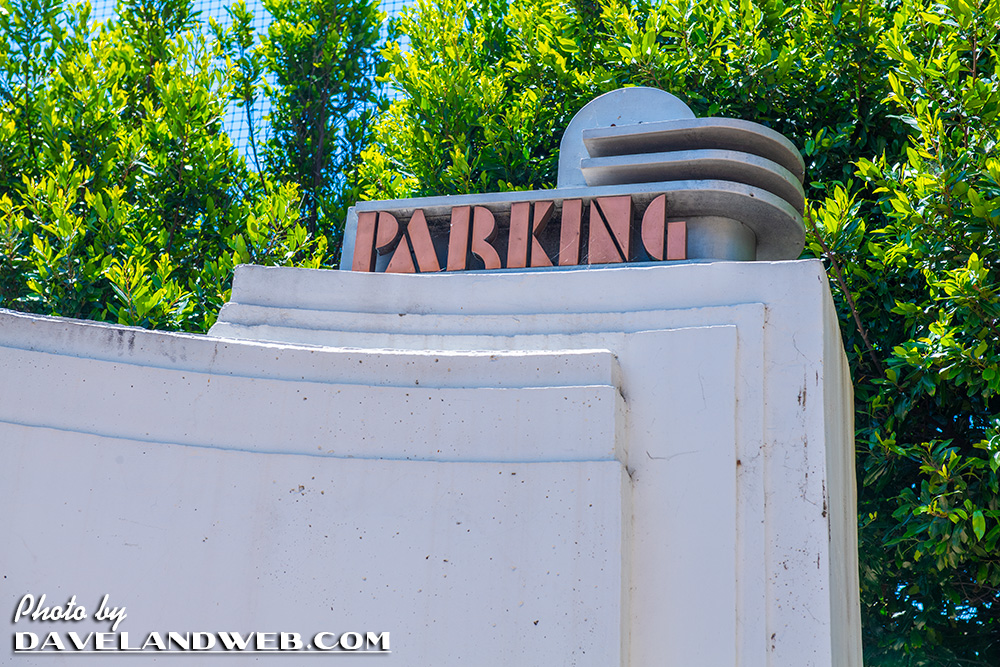
Ah, Futura Black - one of my favorite Art Deco fonts.


Circa 1954:


October 2005, which was the last time I saw the original structure semi-standing:


What it was replaced with, which has a slightly similar look to the Ambassador:


What was retained? Not much. From the Los Angeles Conservancy website:

The porte cochere and one wall of the Cocoanut Grove were retained; the rest is replicated. The campus interprets the site’s history but does not preserve it. We were very mindful of the need to provide a school as soon as possible, which was one of the reasons we chose not to pursue further litigation when it became clear we wouldn’t prevail. Nor was the approved plan part of a compromise between LAUSD and preservationists. We didn’t compromise on the Ambassador Hotel; we lost. Whatever “preservation measures” LAUSD undertook were entirely self-imposed and did not amount to actual preservation.

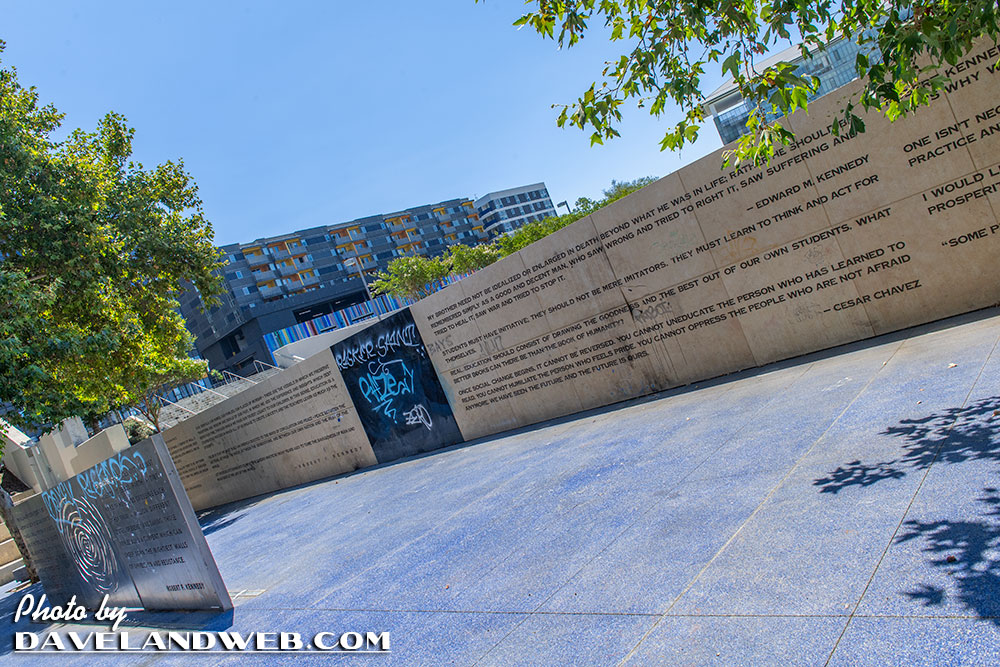
Yikes. At the front of the complex facing Wilshire is a memorial to Robert F. Kennedy, who was assassinated at the Ambassador in June 1968, a sad event that signaled the demise of the once great hotel.


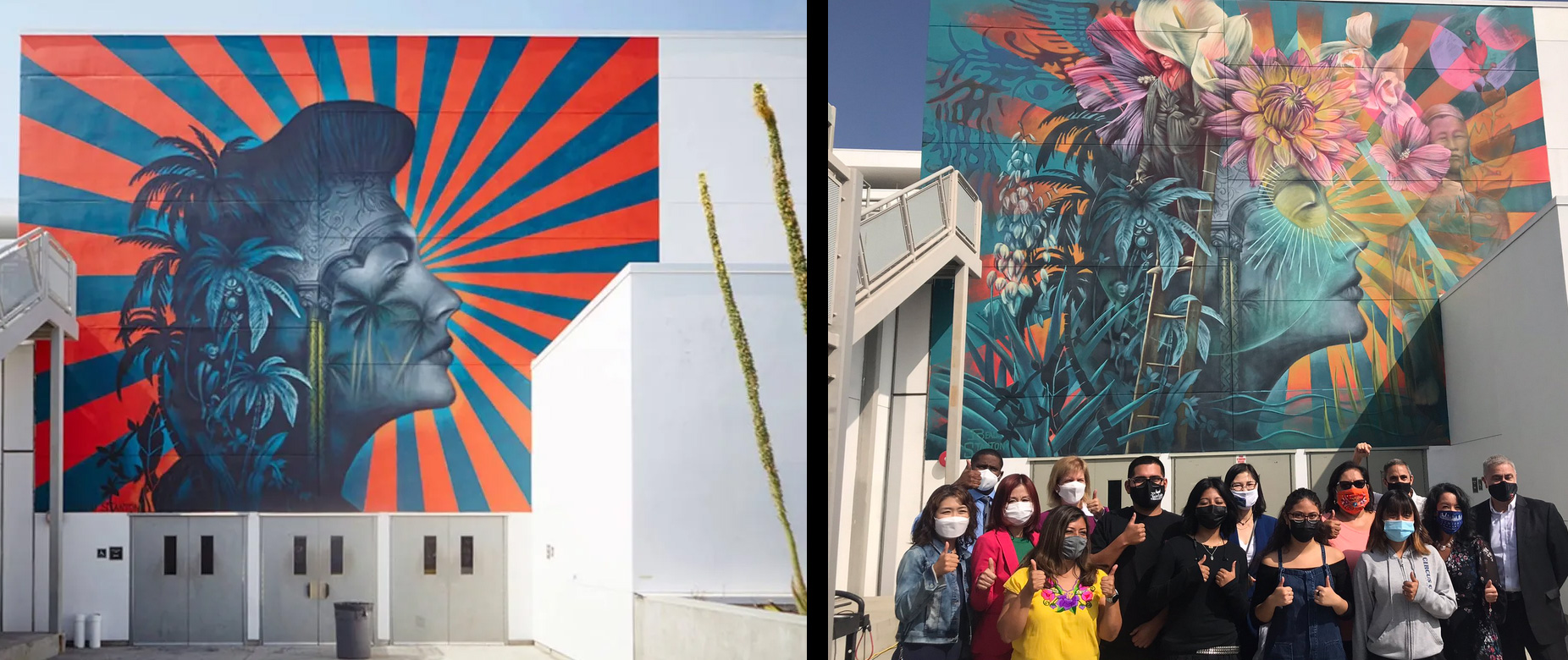
The school came under fire when it opened for being the costliest (approximately $578 million) at a time when nearly 3,000 teachers had been laid off in just two years. Adding to the controversy, a mural depicting actress Ava Gardner (a nod to the hotel’s Cocoanut Grove nightclub) was unveiled in 2016;

Edited from the rafu.com website, a Japanese American newspaper:

In 2018, the sun-ray motif became an issue as some Korean Americans said it was reminiscent of the Imperial Japan battle flag, a reminder of Japan’s decades-long occupation of the Korean Peninsula. The Los Angeles Unified School District initially agreed to the Wilshire Community Coalition’s demand that the mural be removed, then backtracked. [Artist Beau] Stanton pointed out that the orange-red and blue rays are a different color and thickness from the Japanese flag, and are a common motif in his works and those of other artists. Artist Shepard Fairey threatened to have his mural of Robert F. Kennedy, who was assassinated at the Ambassador Hotel, removed in solidarity. Gyopo, a group of Korean American artists and community members, said in a letter to LAUSD that those who think the mural isn’t offensive do not understand the pain and trauma that such imagery elicits for victims of wartime Japanese aggression. While acknowledging that Stanton did not mean to offend anyone, Gyopo said it was troubled by “the lack of community involvement in the mural’s selection process, the mural’s imagery itself and its memorialization of a whites-only club, and the ways in which the media has directed these narratives.” In 2019, Stanton said in a statement, “Over the past several months I have had the opportunity to meet with a diverse cross-section of stakeholders regarding my mural at the Robert F. Kennedy Community Schools, including students, faculty, fellow artists, and members of the Koreatown community. “These interactions have allowed me to synthesize a solution that aims to rise above the original binary conversation of ‘keep or remove the mural’ in order to build upon the original work and create something that speaks to the past, present, and future of the RFK campus. “My proposal involves creating a transformative work utilizing the original mural as a base for layering and weaving additional imagery into the original image much like an urban wall with many historic layers. Parts of the original will remain visible while focusing on themes related to the important conversation that the original work had initiated.  The new mural retains some of the original design, with the addition of images that celebrate Koreatown’s diverse immigrant community. Also, the stripes have been shortened so that they don’t touch the mural’s borders. “A lot of students had decorated their caps and sashes with colors and flag designs that were specific to where their family members had immigrated from – Mexico, Guatemala, El Salvador,” said Stanton, who incorporated those countries’ flowers into a crown on Gardner’s head. To pay tribute to Koreatown’s history, he included a Korean hotel worker and a man working in a Central L.A. citrus grove.

The original mural on the left and the revised one on the right. My eyes hurt it’s so busy.


See more Ambassador Hotel photos at my main website.

Friday, June 09, 2023

Late Discovery: That Thing You Do!


Melissa (aka “The Colonel”) brought a few DVDs that I might enjoy during her April visit, leaving them behind for me to watch at my leisure. One of them was the 1996 film, “That Thing You Do!” directed and written by Tom Hanks. I had heard of it but didn’t really know much about it. For some reason, this tale about a group of guys who come together through a few twists of fate to be a 1960s pop music sensation had escaped my radar. Now, more than twenty-five years after its release, I am obsessed with it. Why? Let me explain…and yes, for those of you who have also been living under a rock, you will encounter a number of plot spoilers, so I suggest you watch it and then come back here. First reason is the cast. Liv Tyler is adorable as Faye Dolan, with a likeability factor that is off the charts. Tom Everett Scott is also adorable, playing the nerdy yet still ultra cool Guy Patterson.


Johnathon Schaech was the perfect choice to play James, the songwriter and lead singer of the band, The Wonders. He is dark, brooding, and the jerk that doesn’t appreciate his girlfriend, Faye.


Still, Faye is devoted to him.


Steve Zahn plays guitarist Lenny. He provides plenty of ad libbed comic moments throughout the movie.


Ethan Embry’s character had no actual name; he was so endearing that Hanks expanded his part…but still never gave him a name. Credits list him as “T.B. Player,” which stands for “The Bass Player,” typically the forgotten bandmember. Ever heard of Stuart Sutcliffe? I rest my case. When asked about it years later, Embry said, “I always thought it was Tobias. I think he probably got shot in the ass. That’s right, because he received a Purple Heart, didn’t he?”


The film also has a number of fantastic cameos, including Chris Isaak, Clint Howard, Peter Scolari (Hanks’ costar from “Bosom Buddies”), Rita Wilson (Hanks’ wife), Gedde Watanabe (Long Duck Dong from “Sixteen Candles”), Jonathan Demme, and NFL defensive lineman Howie Long (his scenes were deleted; more on that later).

The title tune is the song that gets played over and over again, and I couldn’t be happier about that. It is one of those ultra catchy songs that stays in your head and you really don’t mind. I immediately downloaded the soundtrack and it brings me joy every time I hear it.


A favorite scene in the movie is when the group first hears their song being played on the radio. You can’t help but feel their excitement and joy over the thrill of realizing their dream. It is a perfectly choreographed sequence that unfolds naturally. Hanks does such a great job with the characters that you root for them every step of the way…except for James, which was intentional.


Another appealing factor to this movie is its use of locations, like L.A.’s Orpheum Theatre which stood in for Boss Vic Koss’s (Kevin Pollak) rock and roll showcase in Erie, Pennsylvania:


The now defunct Ambassador in Los Angeles (as shown in this vintage genuine FauxD© image from my collection) is the hotel where the band checks in for their appearance on The Hollywood Showcase:


This film was also the first to shoot at Disneyland since the 1962 piece of poo, “40 Pounds of Trouble.” The sequence includes shots of The Bass Player on the Matterhorn with Mickey:


…and near the Castle. The vintage popcorn bag was a nice touch, even if the trashcan style was overlooked.


While I enjoyed the movie, it ended all too soon and seemed to be missing something. I wanted more. As I typically do, I immediately got on the internet to find out details about the production. The film earned about an $8 million profit (if you include international receipts), but was not a runaway smash at the time of release. Sure enough, I discovered that 39 minutes of footage had been cut before the movie was released and that an extended version was available. Within minutes, it was in my Amazon cart.

The longer version is far superior, giving more motivation and character development that seemed to be lacking (along with a number of plot holes) in the theatrical version. If you decide to watch this movie, make sure it’s the extended cut.

My favorite scene? The final kiss. This clip is the ultimate plot spoiler, so please avoid if you plan on watching the movie.


See more Classic Movie & TV photos at my main website.