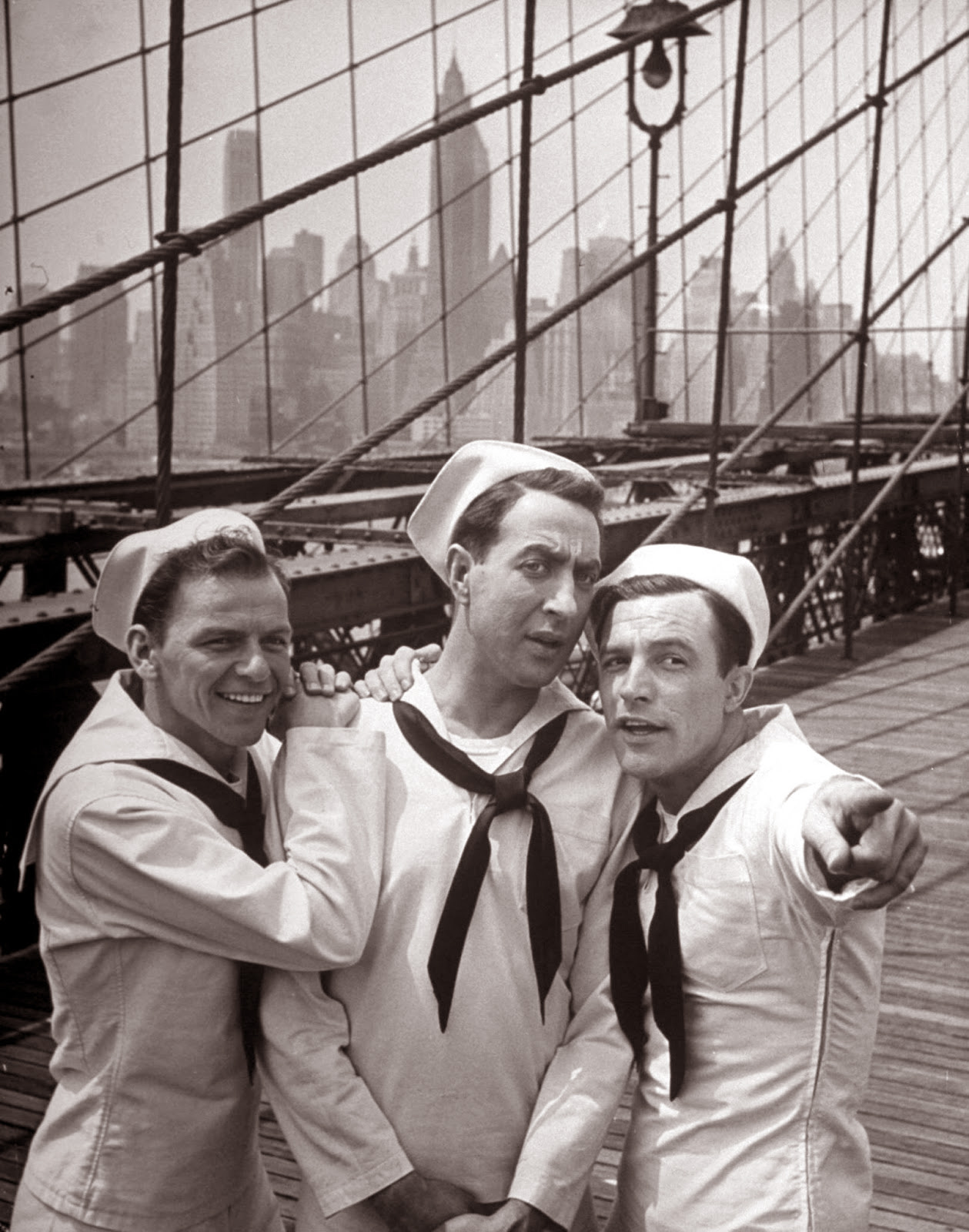
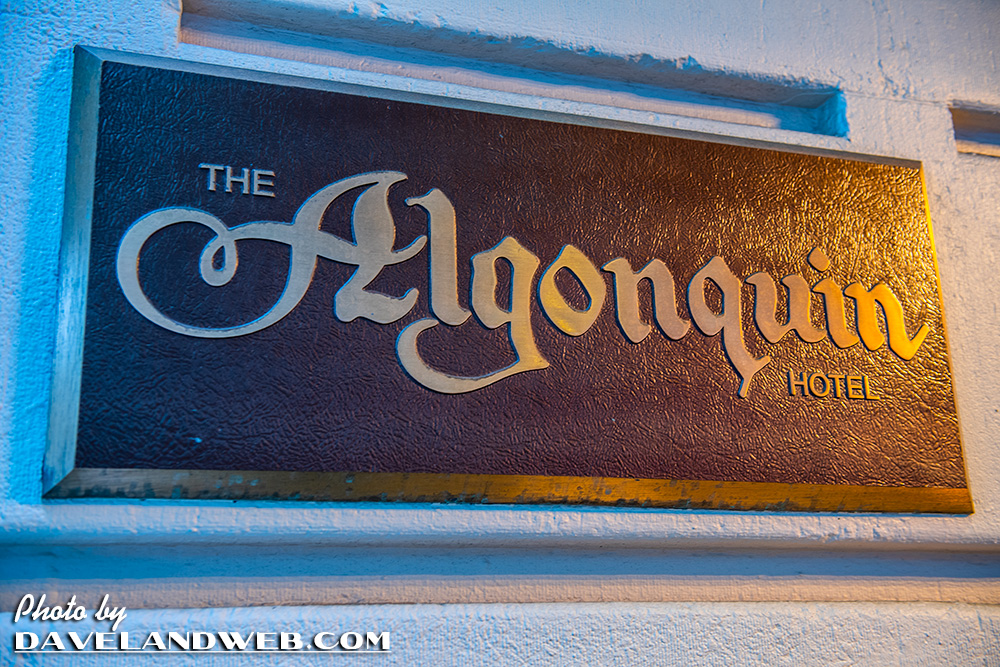
I’m dubbing my recent trip to NYC the “On The Town” tour. If you’ve seen the movie, you understand. If you haven’t, just know that I only had 24 hours in the Big Apple, so I had to make every minute count. One of the photography items on my bucket list was the famed Algonquin Hotel. Here’s the 411 on the famed hotel gleaned/edited from the PBS website:
The period that followed the end of World War I was one of gaiety and optimism, and it sparked a new era of creativity in American culture. Surely one of the most profound — and outrageous — influences on the times was the group of a dozen or so tastemakers who lunched together at New York City’s Algonquin Hotel. For more than a decade they met daily and came to be known as the Algonquin Round Table. With members such as writers Dorothy Parker, Harold Ross (founder of The New Yorker magazine) and Robert Benchley; columnists Franklin Pierce Adams and Heywood Broun, and Broun’s wife Ruth Hale; critic Alexander Woollcott; comedian Harpo Marx; and playwrights George S. Kaufman, Marc Connelly, Edna Ferber, and Robert Sherwood, the Round Table embodied an era and changed forever the face of American humor.
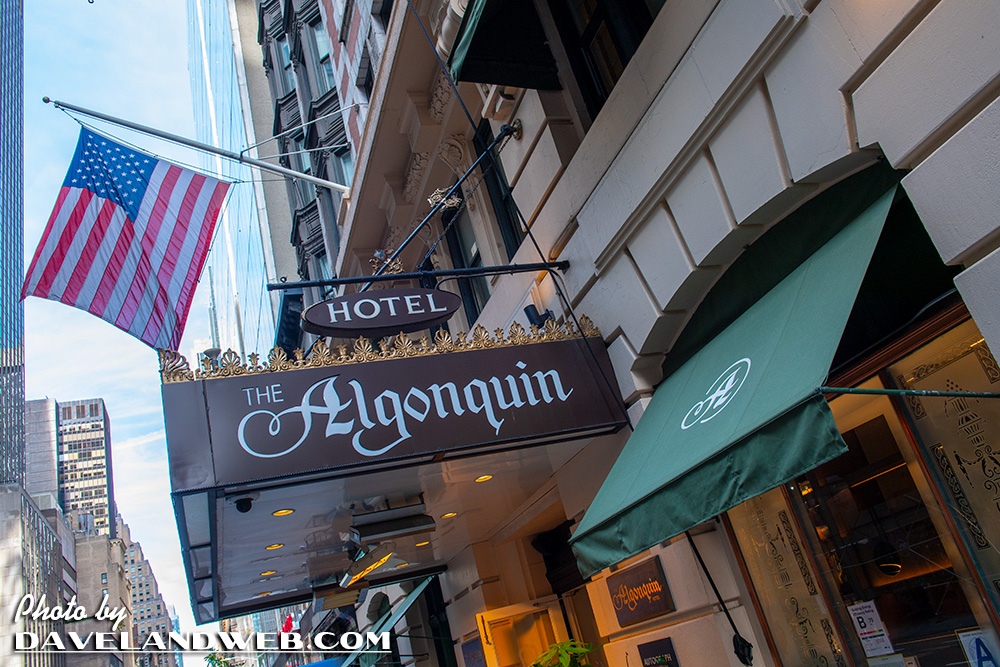
It all began with an afternoon roast of the New York Times drama critic, Alexander Wollcott. A number of writers met up at the Algonquin Hotel on 44th street and had such a good time that the event was repeated the next day, and the day after that, until the lunch table at the Algonquin was established as a ritual. The core group of friends was sometimes joined by others who attended for short periods or drifted about the periphery of the group, including such notables as actress Tallulah Bankhead and playwright Noel Coward. The Round Table was made up of people with a shared admiration for each other’s work. Outspoken and outrageous, they would often quote each other freely in their daily columns.
Round Tabler Edna Ferber, who called them “The Poison Squad,” wrote, “They were actually merciless if they disapproved. I have never encountered a more hard-bitten crew. But if they liked what you had done, they did say so publicly and whole-heartedly.” Their standards were high, their vocabulary fluent, fresh, astringent, and very, very tough. Both casual and incisive, they had a certain terrible integrity about their work and boundless ambition. Some of the most notable members of the Round Table came together to work on significant collaborative projects.
By 1925, the Round Table was famous. What had started as a private clique became a public amusement. The country-at-large was now attentive to their every word—people often coming to stare at them during lunch. Some began to tire of the constant publicity. The time they spent entertaining and being entertained took its toll on several of the Algonquin members. Robert Sherwood and Robert Benchley moved out of the hotel in order to concentrate on and accomplish their work. In 1927, the controversial execution of Sacco and Vanzetti, whose case had divided the country and the Round Table for six years, seemed to cast a pall over the group’s unchecked antics. Dorothy Parker believed strongly in the pair’s innocence, and upon their deaths she remarked “I had heard someone say and so I said too, that ridicule is the most effective weapon. Well, now I know that there are things that never have been funny and never will be. And I know that ridicule may be a shield but it is not a weapon.”
As America entered the Depression and the more somber decade of the 1930s, the bonds that had held the group together loosened; many members moved to Hollywood or on to other interests. “It didn’t end, it just sort of faded,” recalled Marc Connelly. A decade after it began, the Algonquin Round Table was over. Not forgotten, the Round Table remains one of the great examples of an American artists’ community and the effects it can have on its time.
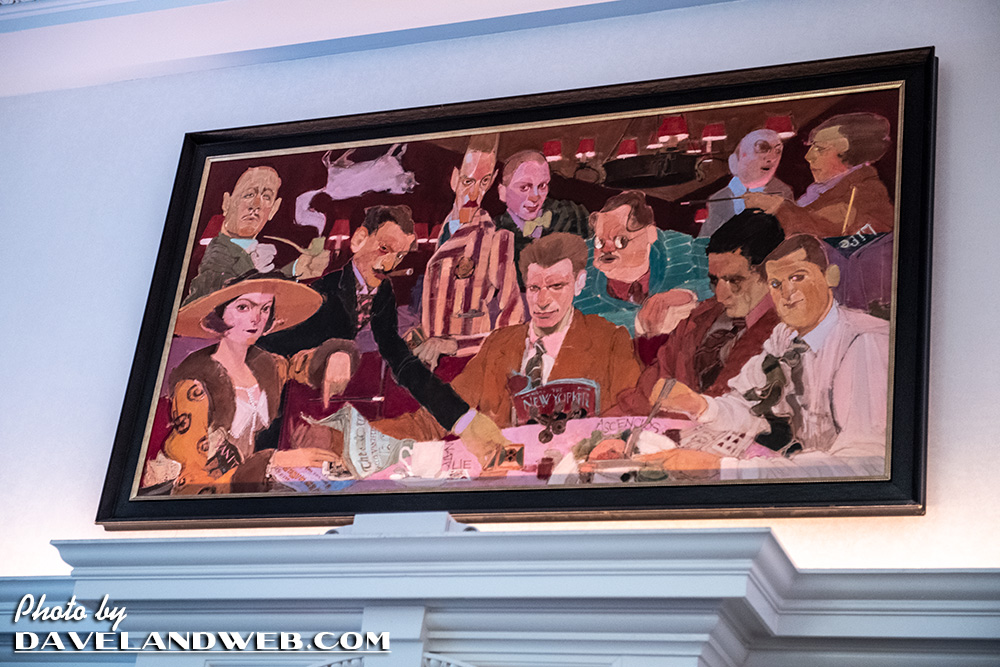
A mural by Carl Purcell hangs overhead in the hotel lobby, showing some of the Roundtable members. Dorothy Parker is seated on the left and Harold Ross is in the middle reading a copy of the New Yorker. Woollcott is leaning over Ross and I am guessing that Harpo Marx (sans wig) is the one directly above Ross with the large bow tie.
Although I didn’t stay at the Algonquin, I did stop by for breakfast and (of course) photos.
I was able to see the most famous resident of the hotel, Hamlet. From their website:
Almost 40 years have passed since the hotel housed a Hamlet. He is the 8th Hamlet following three Matildas. Hamlet is named after famed resident John Barrymore, in honor of his greatest stage role. Daily brushing, birthday parties, fashion show benefits. From Rags to Riches, Hamlet was found in a feral colony on Long Island and now delights fascinated guests of the Algonquin.
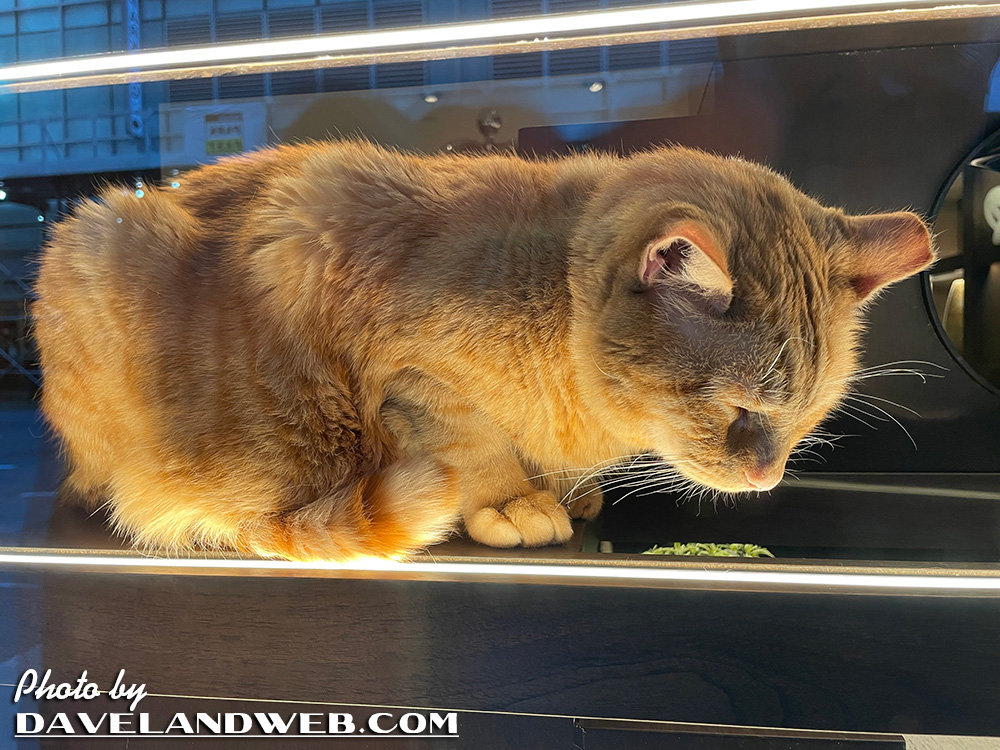
I was told by the staff that Hamlet used to have free rein of the hotel until somebody “ratted him out” (oooh, that hurts, but that’s what they said) to the Board of Health. Now he is confined to the lobby desk area.
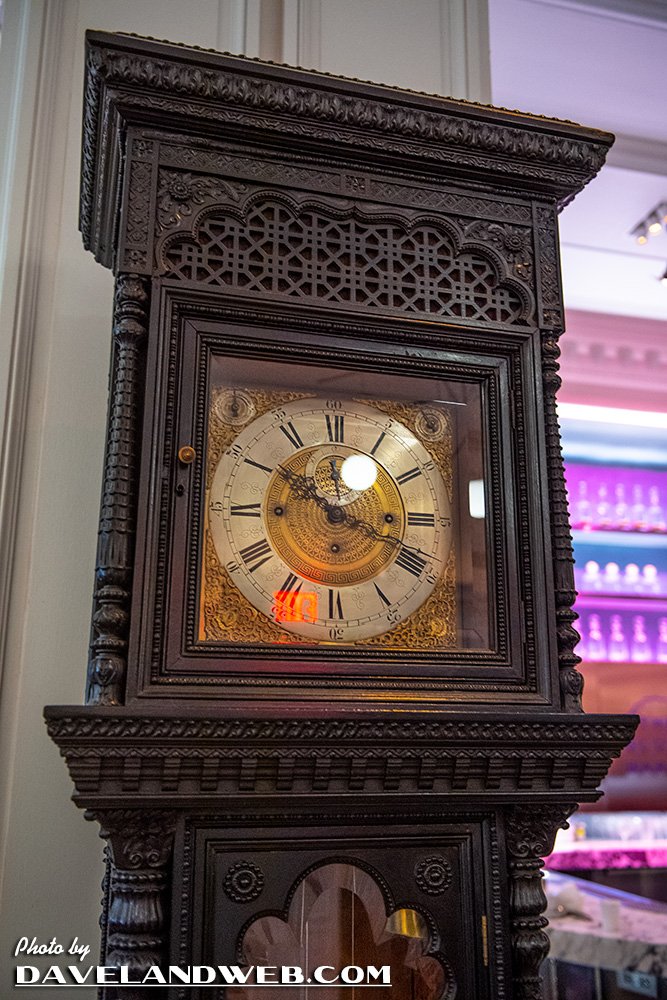
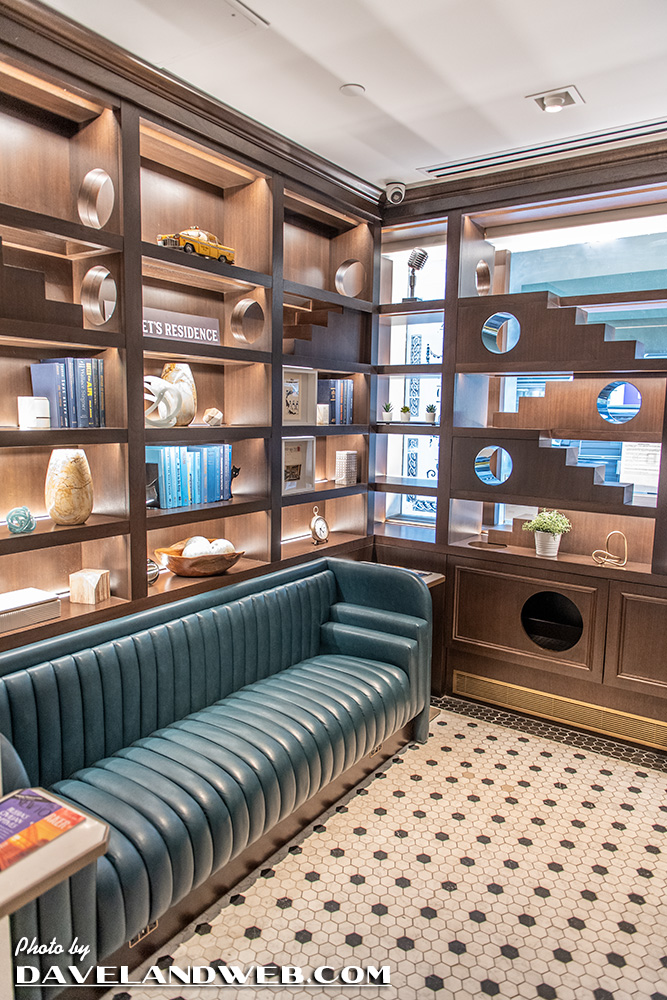
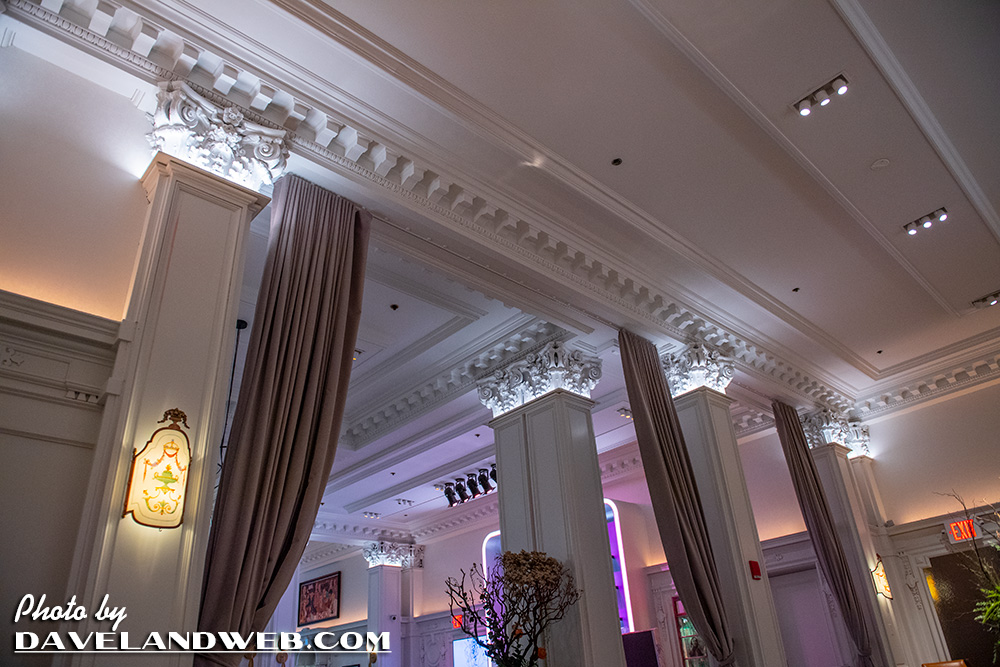
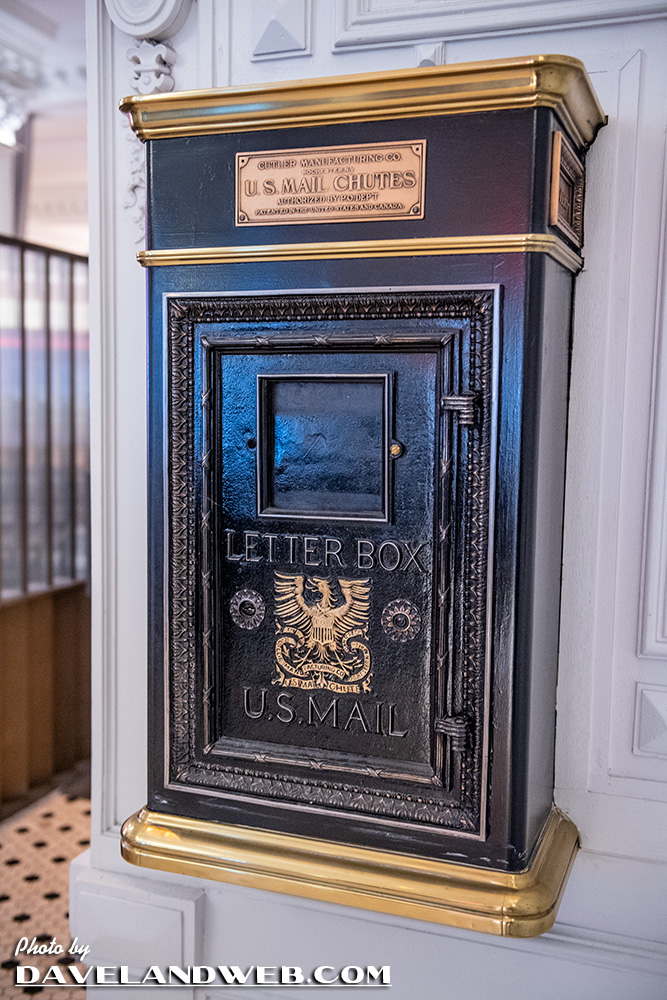
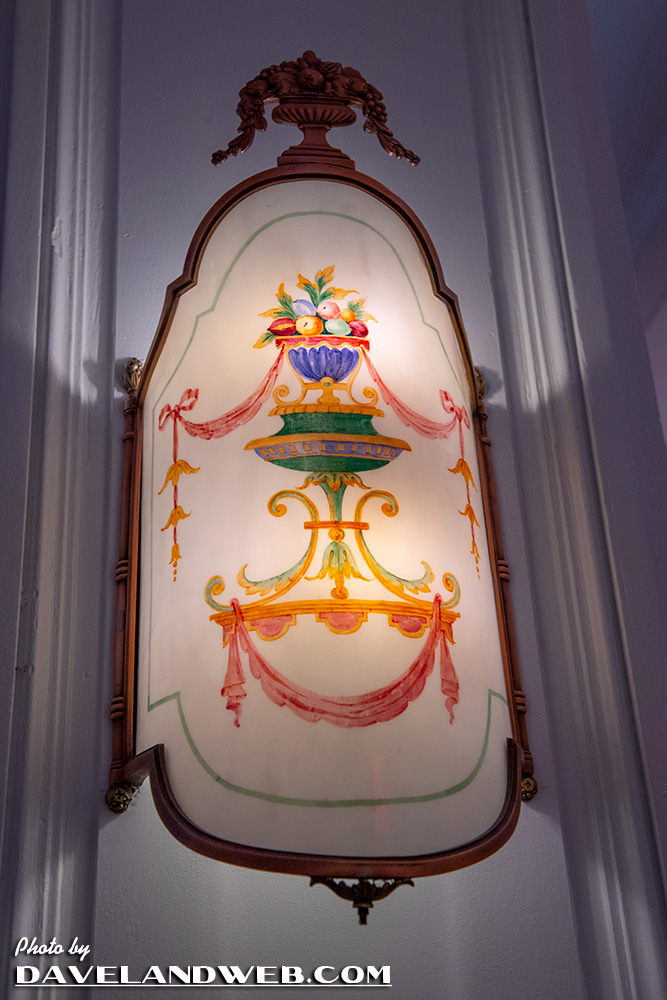
The lobby area and restaurant were bustling with activity, and although they had obviously been remodeled over the years, still maintained a number of historical touches.
I probably should have stayed here instead, but that story is for another post.
See more Algonquin Hotel in New York City photos at my main website.